
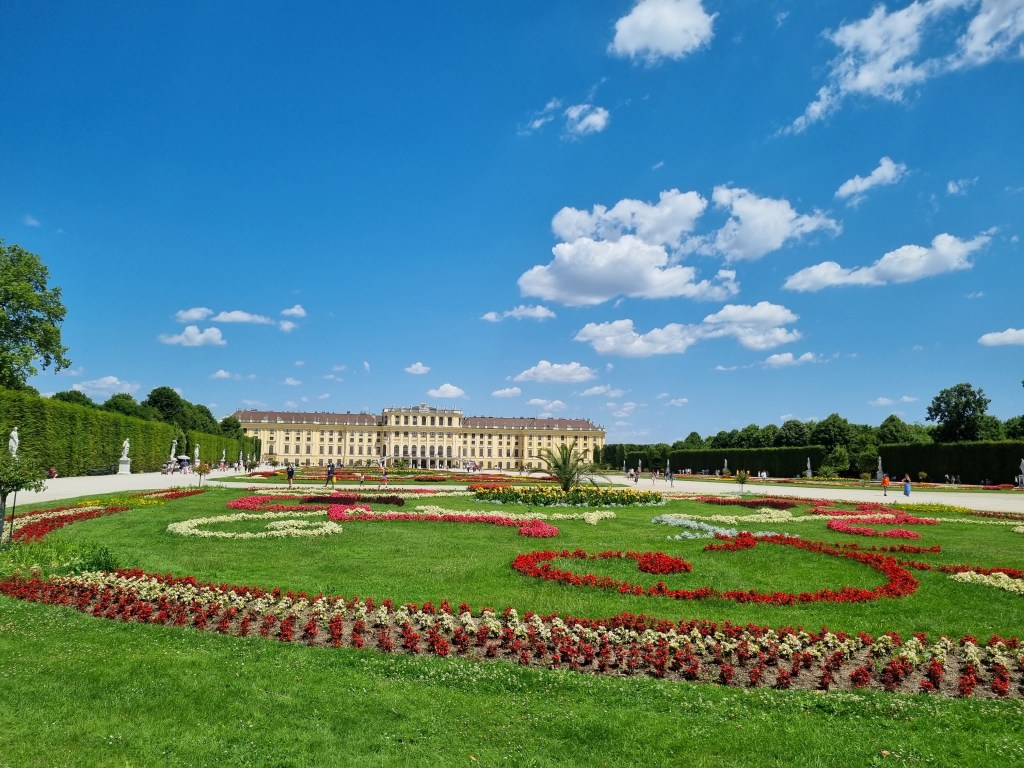
Are you ready to immerse yourself in a symphony of architectural wonders, where Mozart’s melodies still echo, the scent of Schnitzel lingers in the air, and the famous Fiaker trot through the cobblestone streets? Some of you might have guessed right; I’m talking about Vienna, the capital of Austria. I realized that I can’t have a Travel Blog without featuring a blog about the city I live in. So here we go: Servus and welcome to my Vienna Blog! Vienna is a city rich in history, culture, and stunning architecture. From the grandeur of Schönbrunn Palace to the artistic beauty of Belvedere Palace and the gothic style of St. Stephan’s Cathedral, Vienna offers a blend of imperial splendor and modern vibrancy. Don’t miss out on exploring the charming cafes, the lively Naschmarkt, and the mesmerizing streets of the city center. Grab a plate full of Kaiserschmarrn and get ready to discover all the wonderful facets of Vienna through my 5-day itinerary!
As always, I want to remind you, that this blog isn’t perfect because everyone travels differently, and all trips involve changes of plans. I want to let you know that everything on this website has been experienced, photographed, and written by me. Since I finance all of my travel expenses on my own, the stories and opinions given are truly my own. If you’re interested in seeing more travel pictures or videos, feel free to check out my Instagram @michellecacija or my Tik Tok @michellecacija.
Index
- The Basics about Vienna
- Things you need to be aware of
- Medical insurance
- Vienna Pass
- Itinerary
- Summary of activities
- Summary of where to eat
- Cafés recommendatiojns
- Ice Cream recommendations
- Other Austrian Blogs
The Basics about Vienna
When to visit
Like many other European cities, you can always visit Vienna, as there is plenty to do year-round. However, if you enjoy good weather, the best time to visit is during late spring and early fall, when temperatures are mild and pleasant, ranging from 15°C to 25°C (59°F to 77°F). This allows you to enjoy outdoor activities like boating, swimming, visiting a Schanigarten, and exploring the city. Additionally, November or December, especially before Christmas, brings a magical charm to Vienna, making it a wonderful time to visit as well!
Time period
I would recommend spending at least four to five days in Vienna to fully explore the city’s rich history. This timeframe allows you to explore iconic landmarks like Schönbrunn Palace, St. Stephan’s Cathedral, Belvedere Palace and many more. You can immerse yourself in the rich cultural scene, visit museums, enjoy delicious Viennese cuisine like Schnitzel, and even take a day trip to nearby attractions. Vienna has so much to offer, and a few days give you a taste of its beauty!
Getting There
You can reach the Austrian capital city by car, bus, train or plane, depending on where you’re coming from.
Where to stay
In general, I would recommend districts close to the city center (1) like Landstraße (3), Wieden (4), Margareten (5), Mariahilf (6) or Neubau (7). Since the public transport system is very efficient, it doesn’t matter too much; you can reach the city center in a very short time.
Getting around
In Vienna, you can easily get around using the efficient public transport system, which includes buses, trams, and the U-Bahn (subway). I would also recommend buying a day or week ticket since it’s more cost-effective than only a one-way ticket. You can purchase tickets at stations or on the Wiener Linien website. Vienna’s city center is very walkable, and you can easily walk to most of the major sights within it.
What to pack
Obviously, it depends on when you go, but I recommend packing some comfortable walking shoes for exploring the city, as well as layers of clothing for the changing weather, especially if you’re visiting in spring or fall. I also suggest bringing a hoodie or jumper for cooler nights and an umbrella for rainy weather. Additionaly, consider bringing your own little medication bag, including Band-Aids, pain relief tablets, sleeping tablets or spray, bug spray, aftersun, etc. You never know what you might need it for, and you might feel more comfortable using medication from home rather than in a country where you don’t know the ingredients and languages. If you’re coming from outside Europe, don’t forget to bring a Type C power adapter.
Cost of Traveling
As for the expenses, the amount you’re going to spend depends on several factors, including your choice of accommodation, your travel style, and the activities you’ll be doing. In general, Vienna is one of the more expensive cities to travel to in Europe, but it’s definetly possible to experience Vienna’s beauty without spending a fortune.
Things you need to be aware of
Sundays. On Sundays, shops and supermarkets are closed, while restaurants and cafes usually remain open. Don’t worry if you forgot to buy something or you’re starving for a snack; the supermarkets at the train stations will be open. Also, if you think that there is nothing to do on a Sunday you are wrong; maybe it’s time to explore the castles, museums, and nature in and around Vienna!
Water in Austria. You can safely drink tap water in Austria as it’s clean and meets the World Health Organization standards.
Toilet situation. Unfortunately, public restrooms typically cost around 50 Cent to a euro in Austria (and many other European countries). So, make sure to carry a few coins with you and always use the restroom before leaving your accommodation, a restaurant, or a café. Here’s a local tip: if you need the toilet and don’t want to pay for it, try shopping centers or large department stores like Gerngross or Peek & Cloppenburg.
Tipping. In Austria, tipping is very common. It’s customary to leave a tip of around 5-10% in restaurants, cafes, and for taxi services.
Currency. The currency in Austria is the Euro. While a few years ago, Vienna was still very cash-oriented, they now accept cards mostly everywhere. It’s still advisable though, to bring some cash with you.
Things you should try. Taste some Schnitzel with fries or a Tafelspitz, drink a Viennese coffee, and enjoy a Apfelstrudel or a Kaiserschmarrn.
Medical insurance
I highly recommend getting travel medical insurance while you’re traveling. Hopefully, you’ll never need it, but it’s always better to be safe than sorry. SafetyWing offers two flexible plans tailored to your travel needs — whether you’re a short-term adventurer or a long-term expat, you’ll have reliable coverage anywhere in the world.
SafetyWing is especially great for remote workers and digital nomads, offering continuous global coverage even if you’re hopping between countries. Of course, it’s also a solid option for frequent travelers or those constantly on the go. But if you’re only traveling occasionally or just for a short holiday now and then, there might be better-suited alternatives.

Vienna Pass
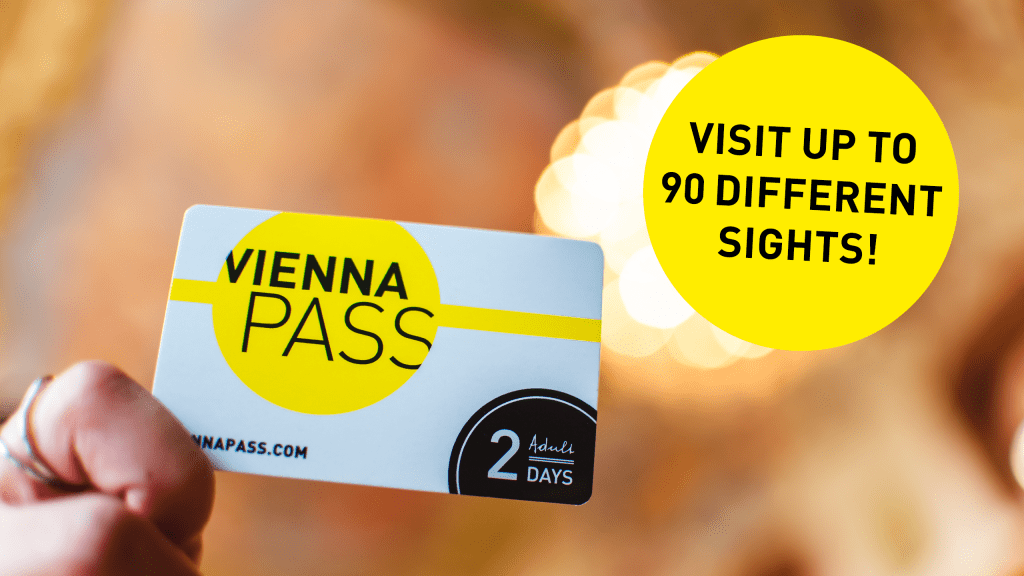
If you’re planning a trip to Vienna and want to explore as much as possible in just a few days, I can highly recommend getting the Vienna PASS.
Even after living in this beautiful city for 14 years (as of 2025), I recently had the chance to try the Vienna PASS for myself and I was amazed by how many new experiences were still waiting for me. It felt like seeing Vienna with totally fresh eyes.
From delving into the imperial past at majestic palaces and museums, to taking in breathtaking panoramic views from the Donauturm or the iconic Giant Ferris Wheel, to immersing myself in interactive exhibitions like Johann Strauss – New Dimensions and Mythos Mozart, I discovered sides of Vienna I had never seen before.
The Vienna PASS is your all-inclusive sightseeing card, granting you free entry to over 90 top attractions, museums, and historic sites in and around the city. Plus, the pass includes unlimited rides on the hop-on hop-off tour buses, which conveniently connect all major sights across three different routes.
Whether you’re in town for two days or a full week, there’s a Vienna PASS option tailored to your stay. It’s the perfect way to experience the city stress-free, without having to worry about tickets or long lines. Click here, to check it out.
Itinerary
Day 1
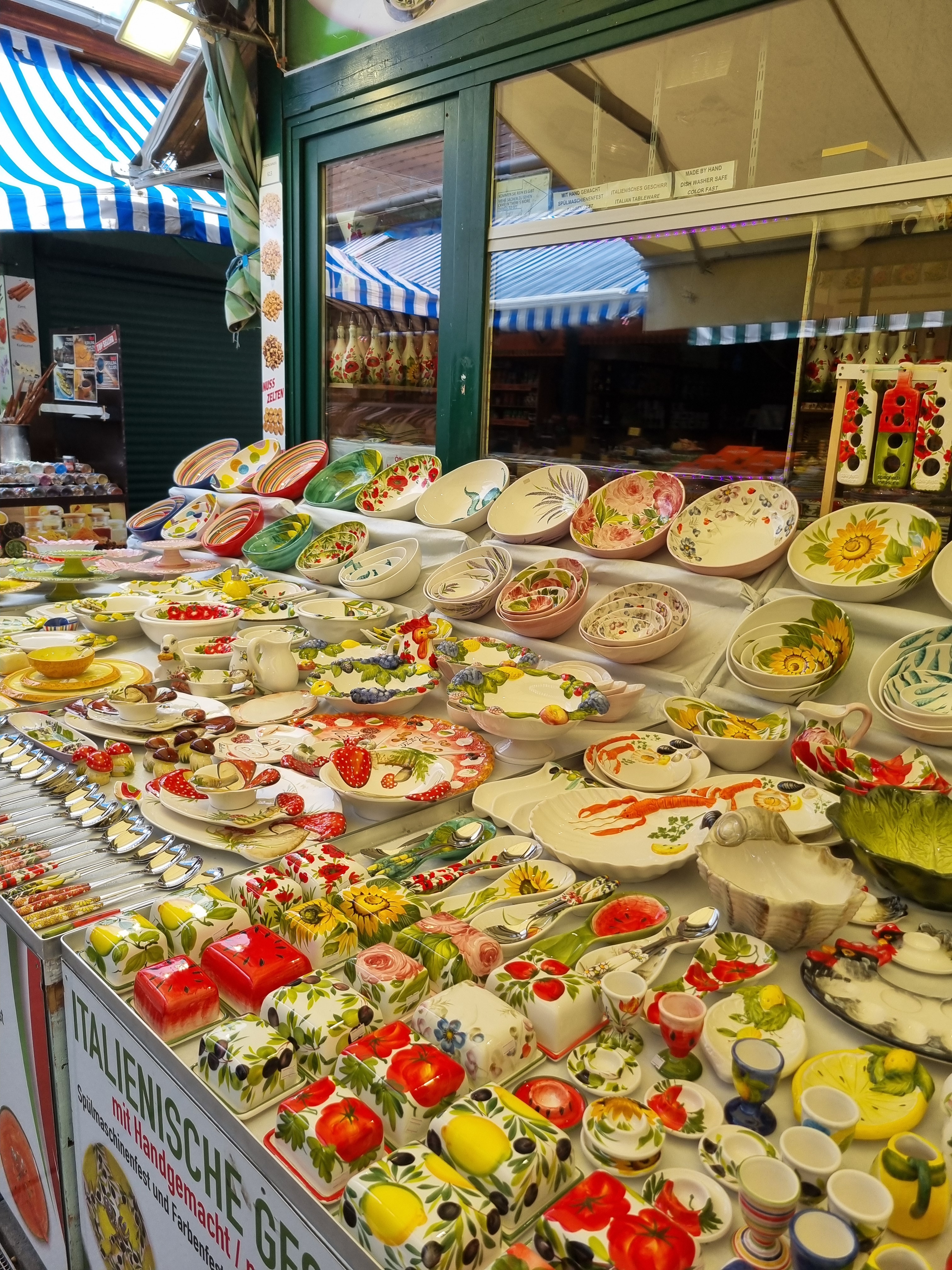
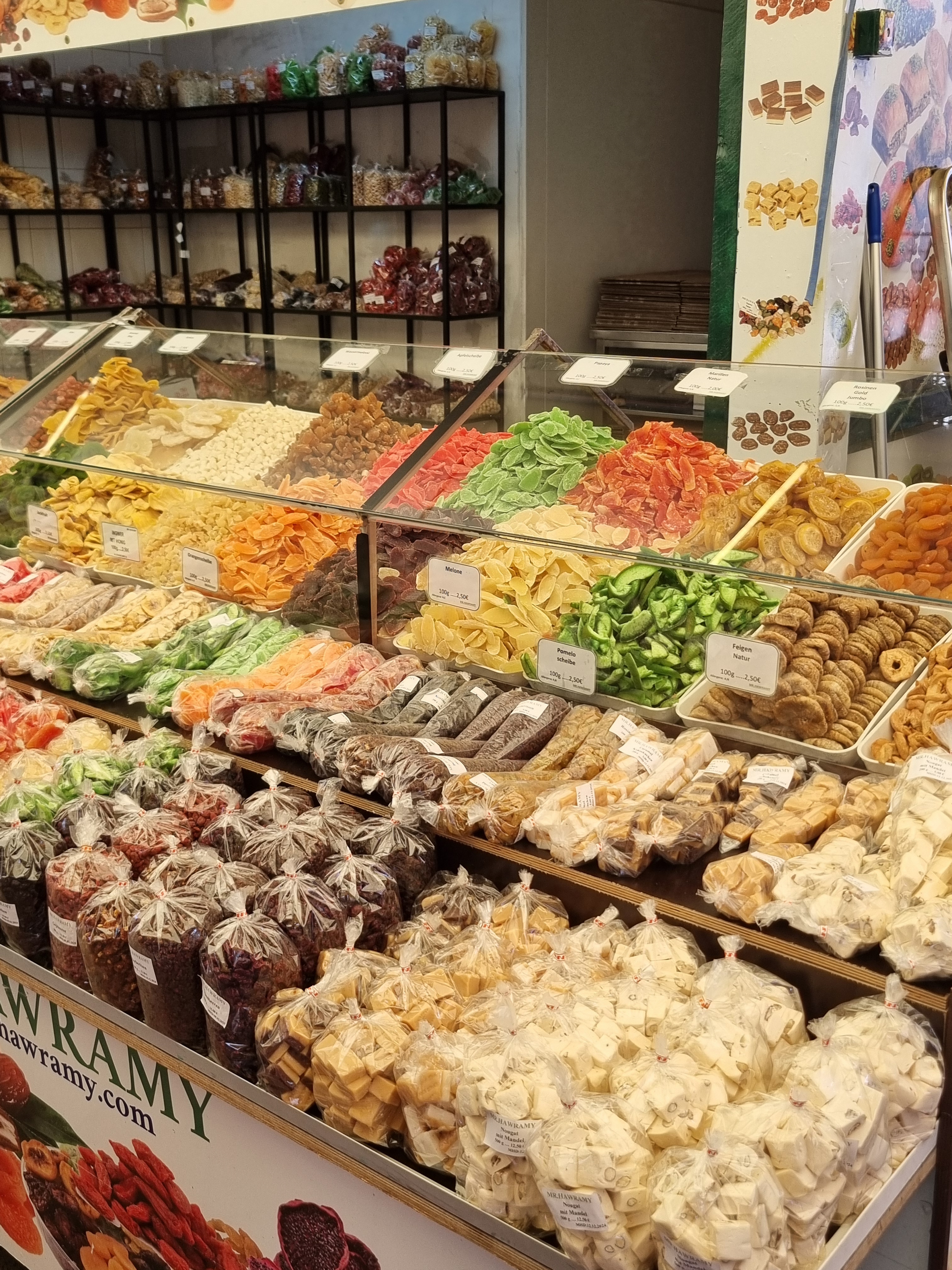
Today is all about exploring the city center with its stunning architecture and must-see attractions. Begin your journey at the Naschmarkt, a bustling market in the fifth district that offers a wide variety of fresh produce, local delicacies, spices, and international foods. As you stroll through the market, the vendors entice you with samples. It’s up to you whether you politely decline or indulge in some delicacies. A little tip: On Saturdays, there’s also a flea market from 6.30 am to 3 pm located right next to the market heading out of town. If you’re in Vienna, a visit to the Naschmarkt is definitely worth it.

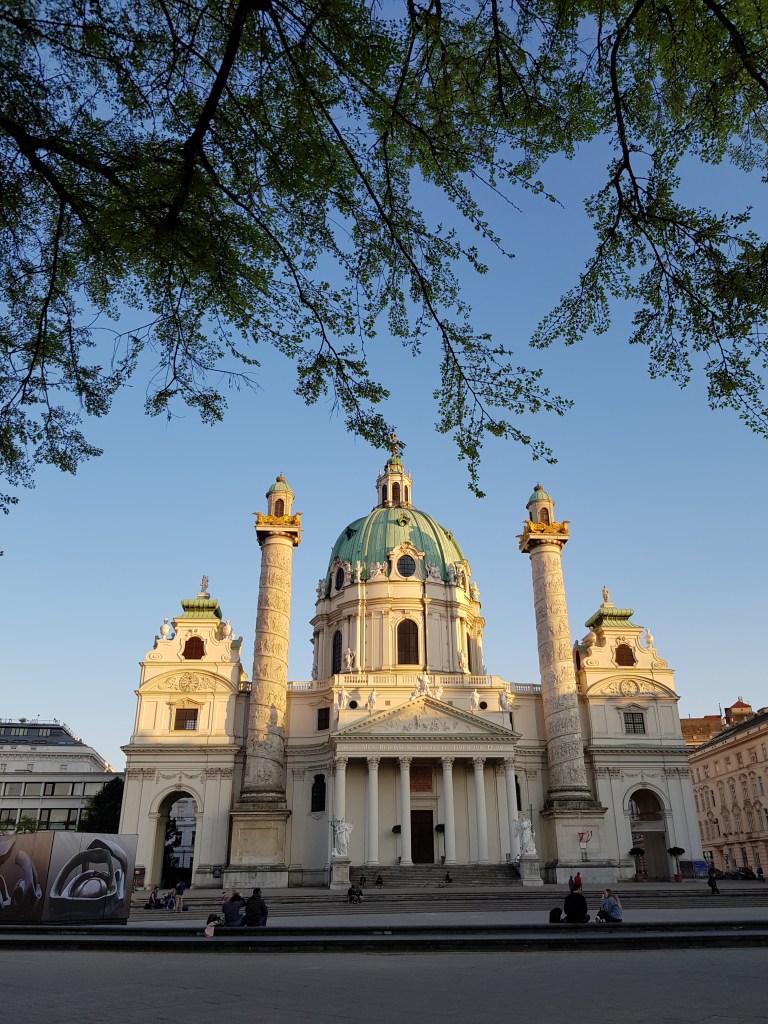
Then you’ll head towards Karlsplatz and the Karlskirche, a stunning church also known as St. Charles’s Church, which is my absolute favorite church in Vienna. The church’s architecture is truly breathtaking, Karlsplatz, the square often hosts events and concerts in front of the church. While the square is named after the Emperor Charles VI, the Karlskirche was commissioned by him and is named after his namesake, Charles Borromeo.
Visitor information: You can also explore the church from the inside, although I personally find the outside more mesmerizing than the inside. During church services, it’s open to the public, but outside of service times, a fee is required for entry, which can be purchased right at the church’s entrance.
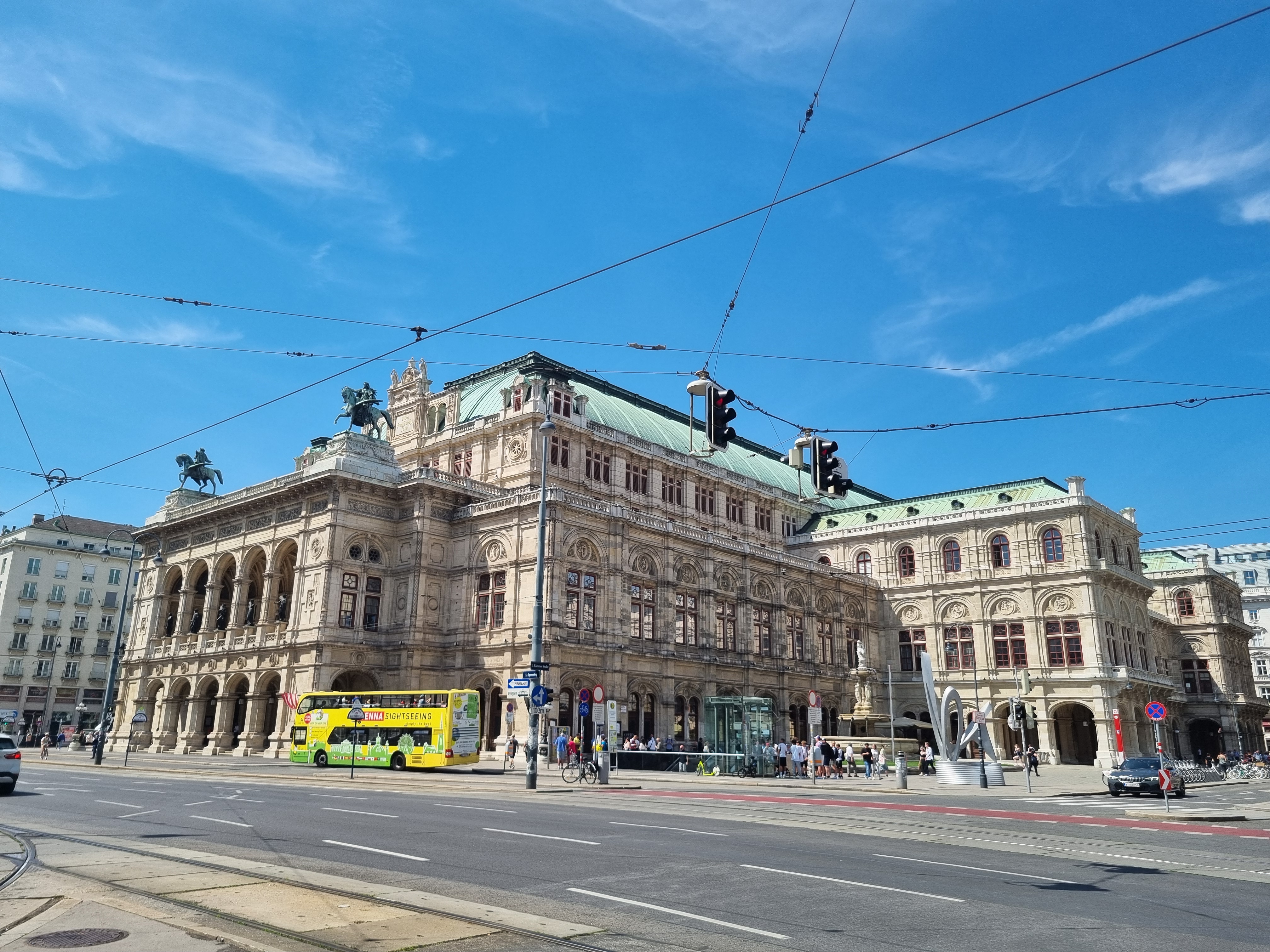
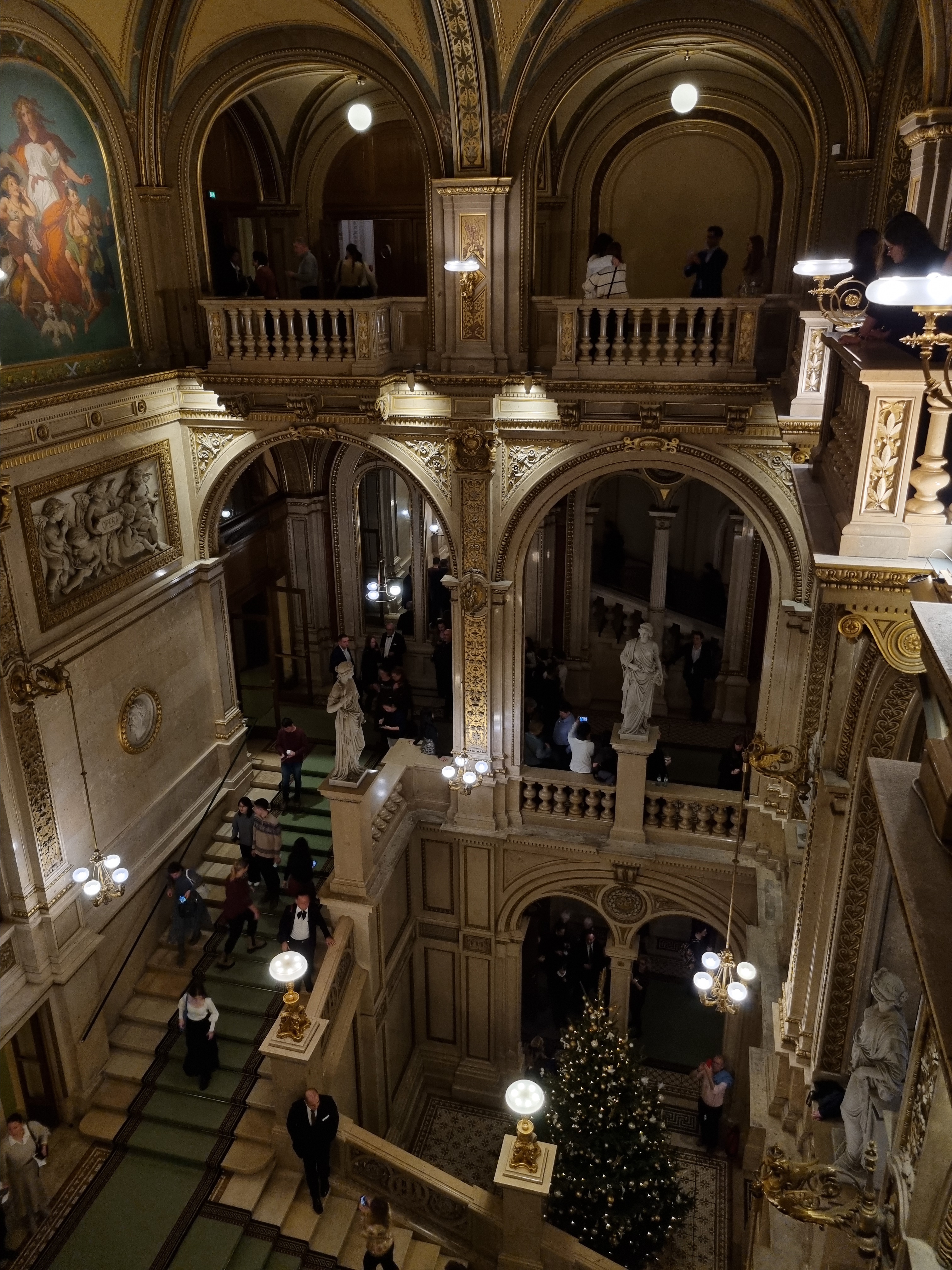
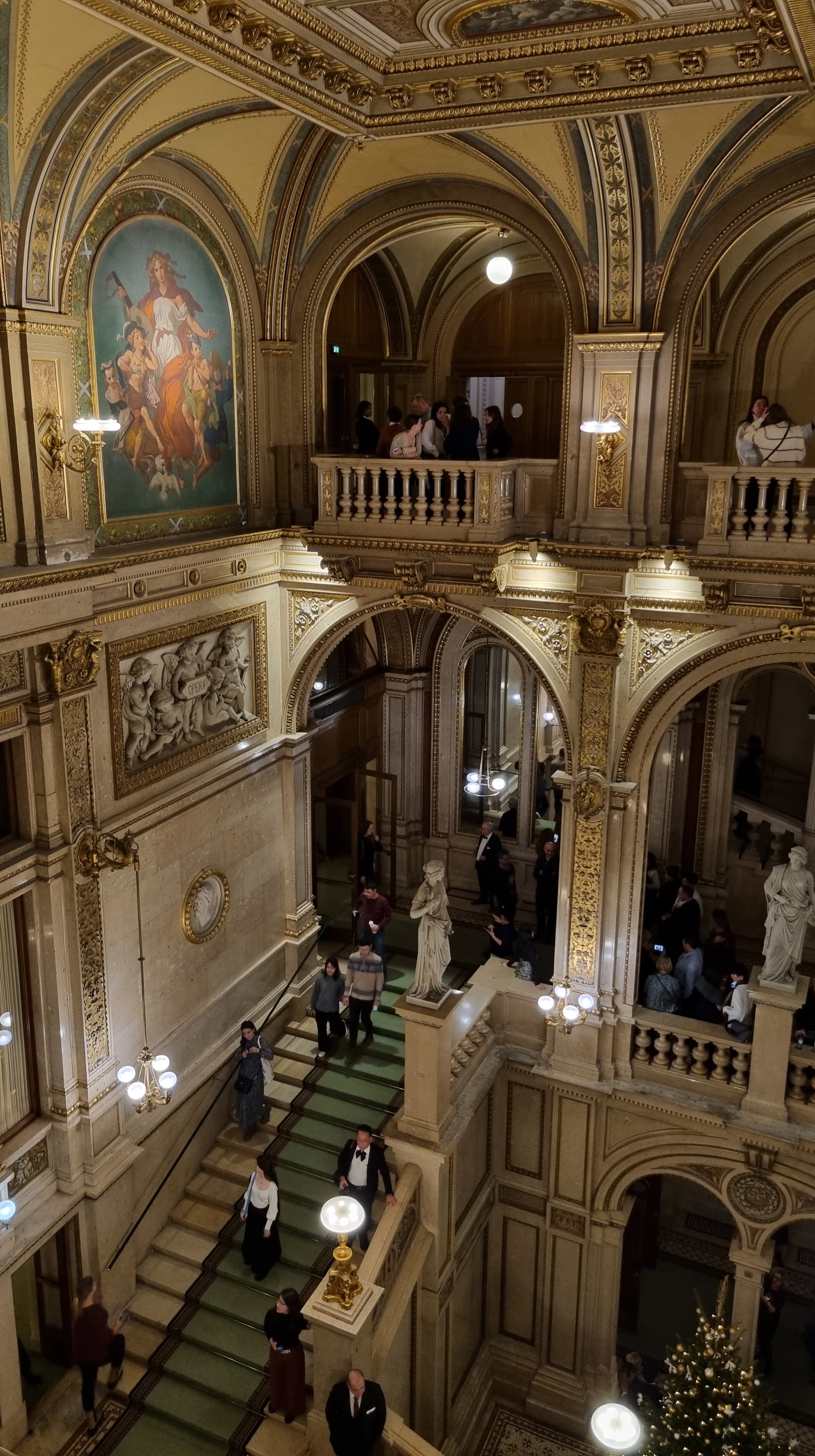
Afterward, you will pass by the Vienna State Opera, also known as Wiener Staatsoper, which is one of the world’s most prestigious opera houses with a rich history, renowned for its exceptional performances and stunning architecture. It’s a must-visit for opera enthusiasts, and those seeking to immerse themselves in Vienna’s cultural heritage.
Visitor information: To visit the Opera, you can attend one of the many performances they offer throughout the year or book a guided tour to explore the magnificent building. For information on available shows and tours, you can find more details on their official website.

Adjacent to the Opera is Kärntnerstraße, a bustling shopping street right in the city center and a popular destination for both locals and tourists, offering a wide range of shops, cafes, and restaurants. If you’re looking of souvenirs, you’ll surely find something special in one of the many souvenir shops along the street.

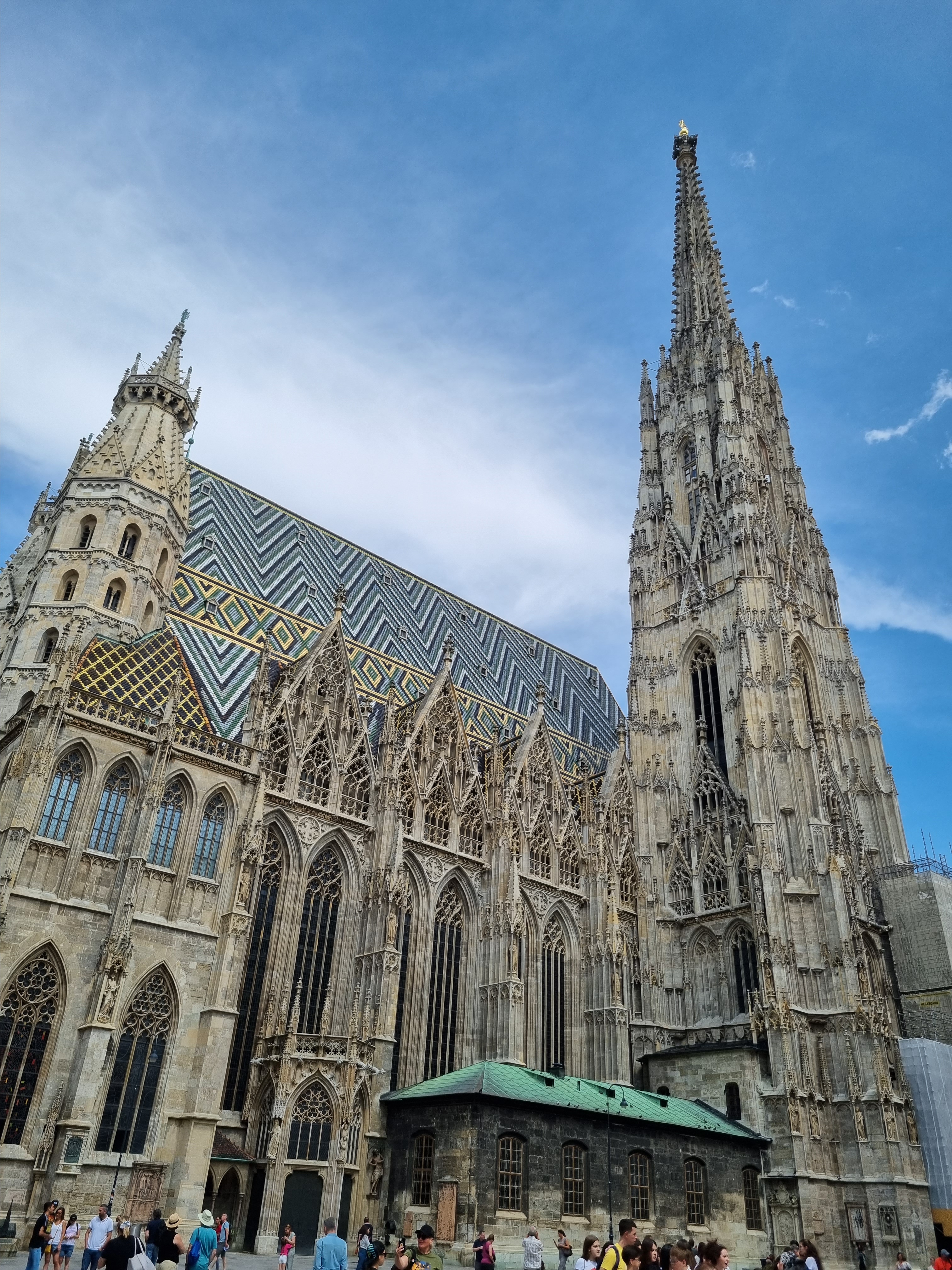
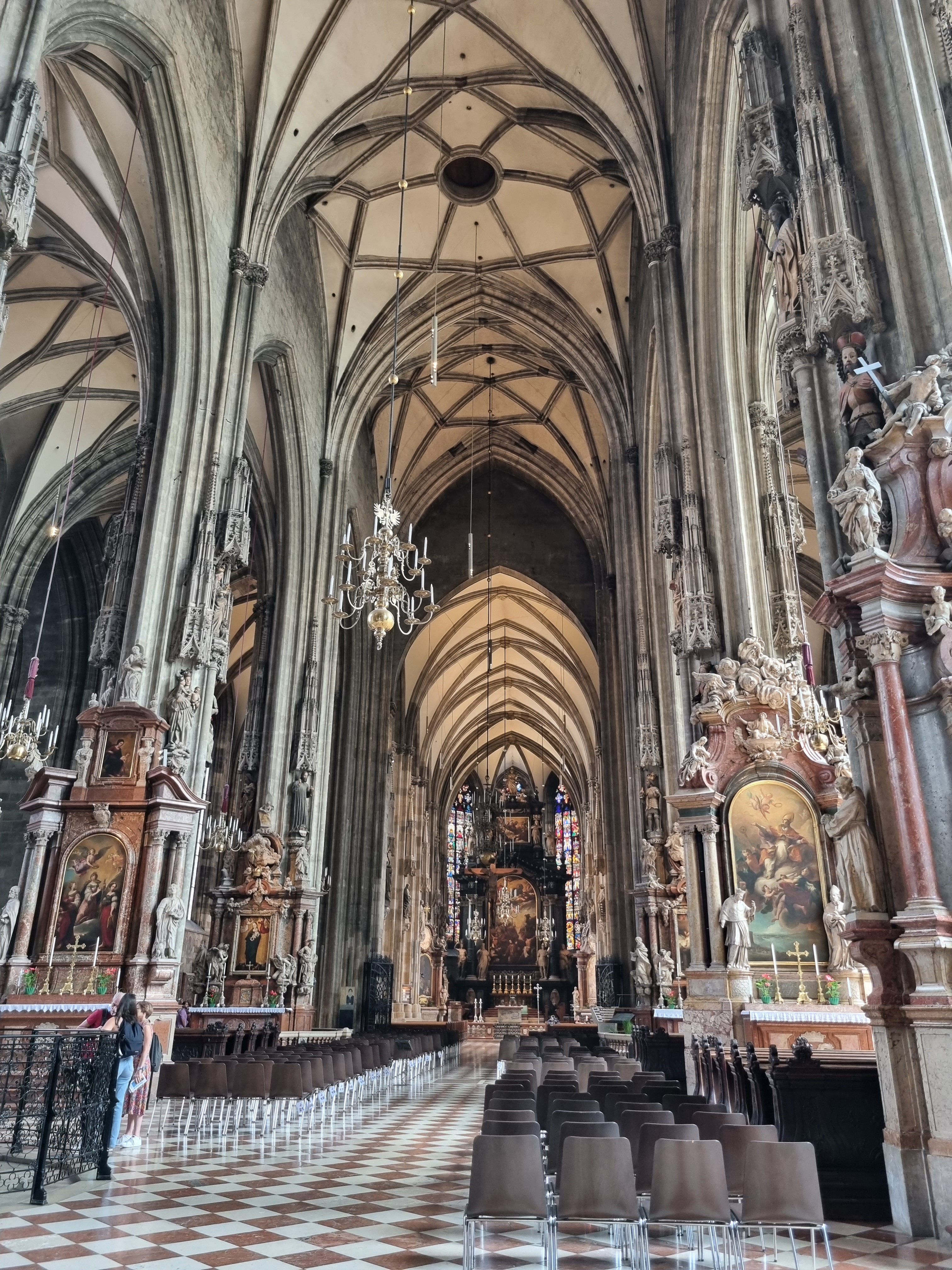
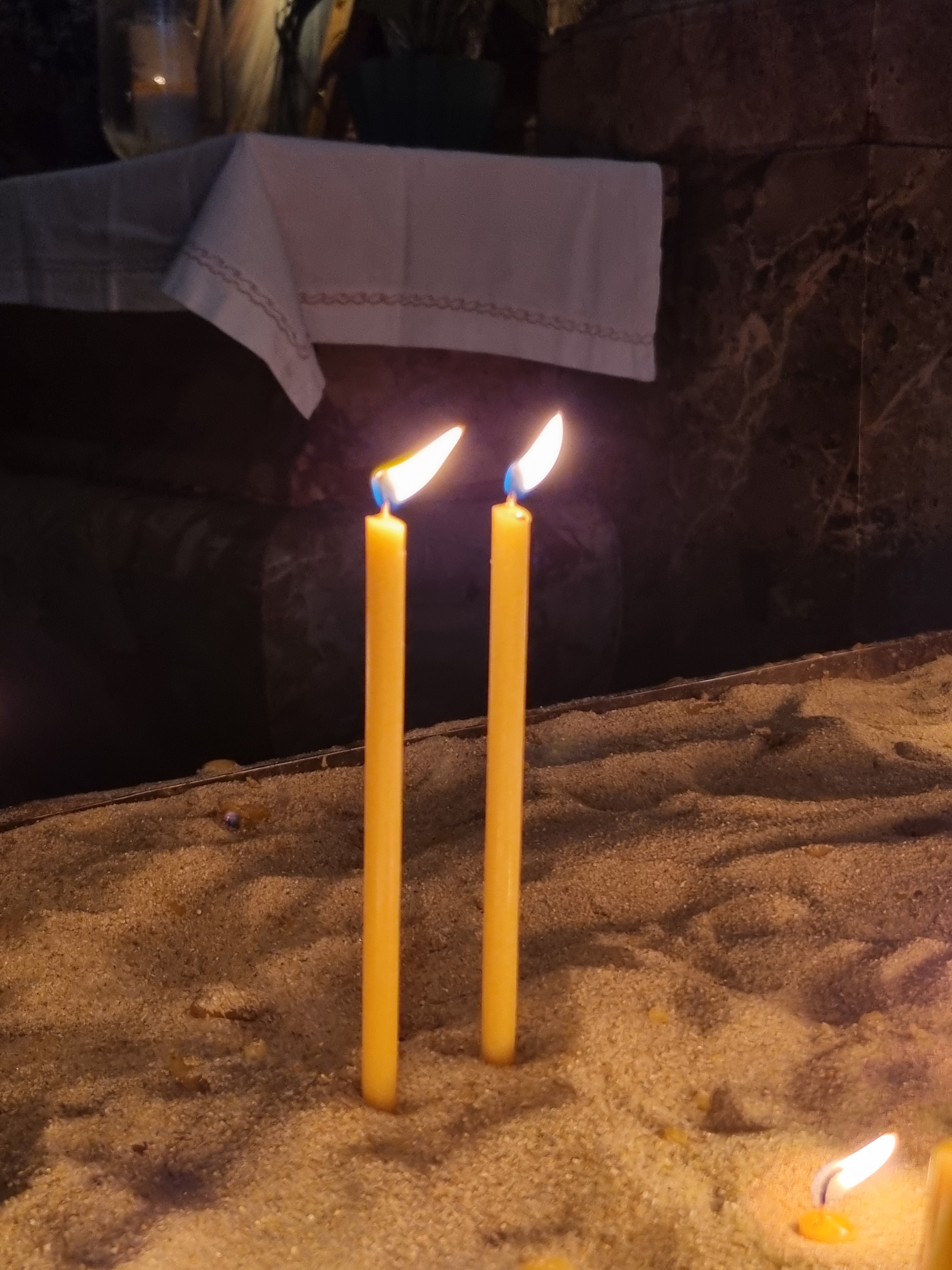
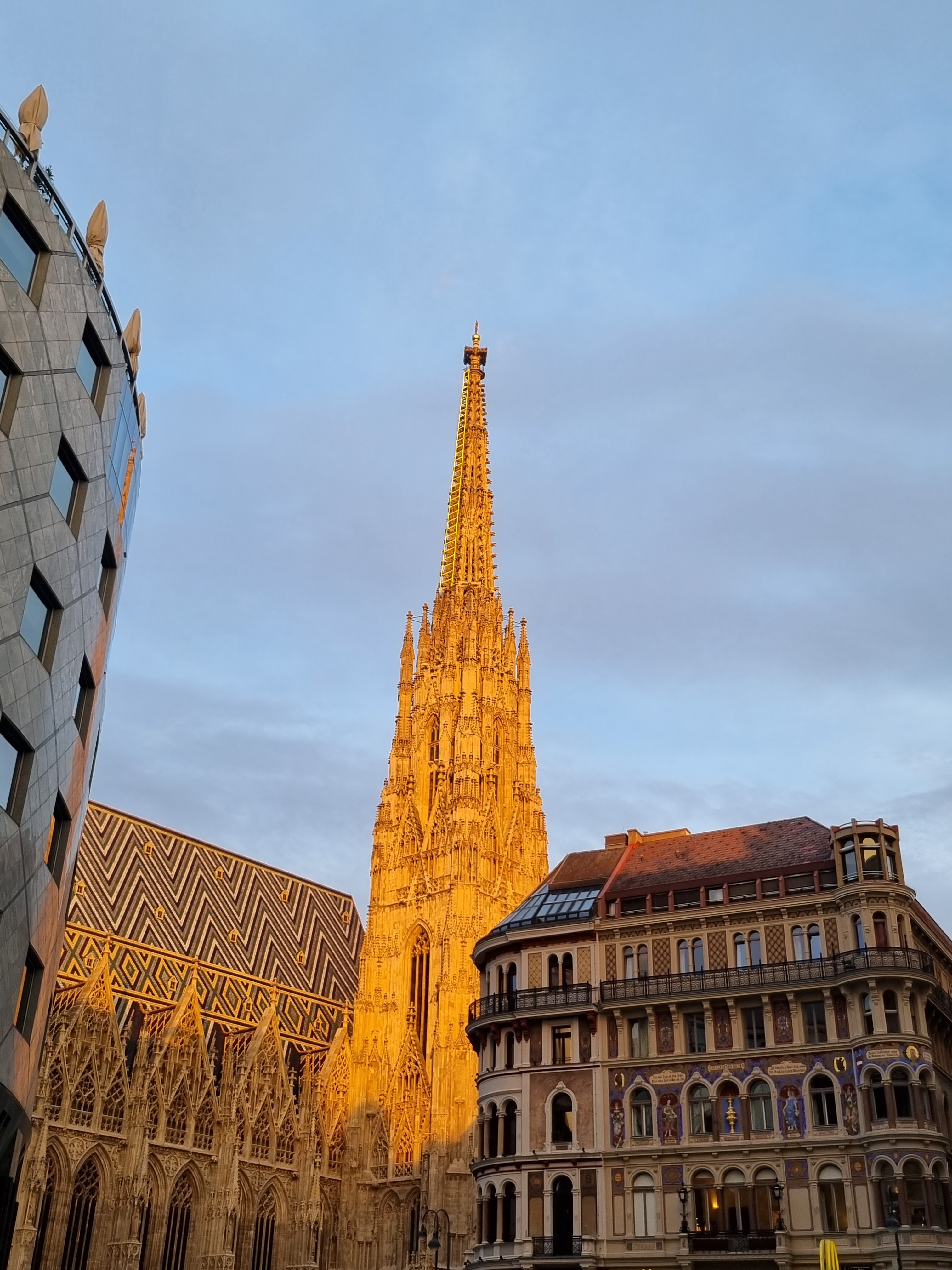
As you continue through the shopping street, you’ll arrive at Stephansplatz, a popular square in Vienna. Located in the heart of the city, right in the middle of the square, is St. Stephen’s Cathedral, also known as Stephansdom, one of Vienna’s most popular landmarks. The cathedral’s stunning Gothic architecture and the famous Stephansplatz square itself attract many visitors. You can enter St. Stephen’s Cathedral for free. If you wish to explore more, guided tours are available for a fee that take you deeper inside the cathedral, up to the top, or down to the catacombs. Additionally, Stephansplatz is surrounded by many shops, cafes, and restaurants, making it a lively spot in Vienna.
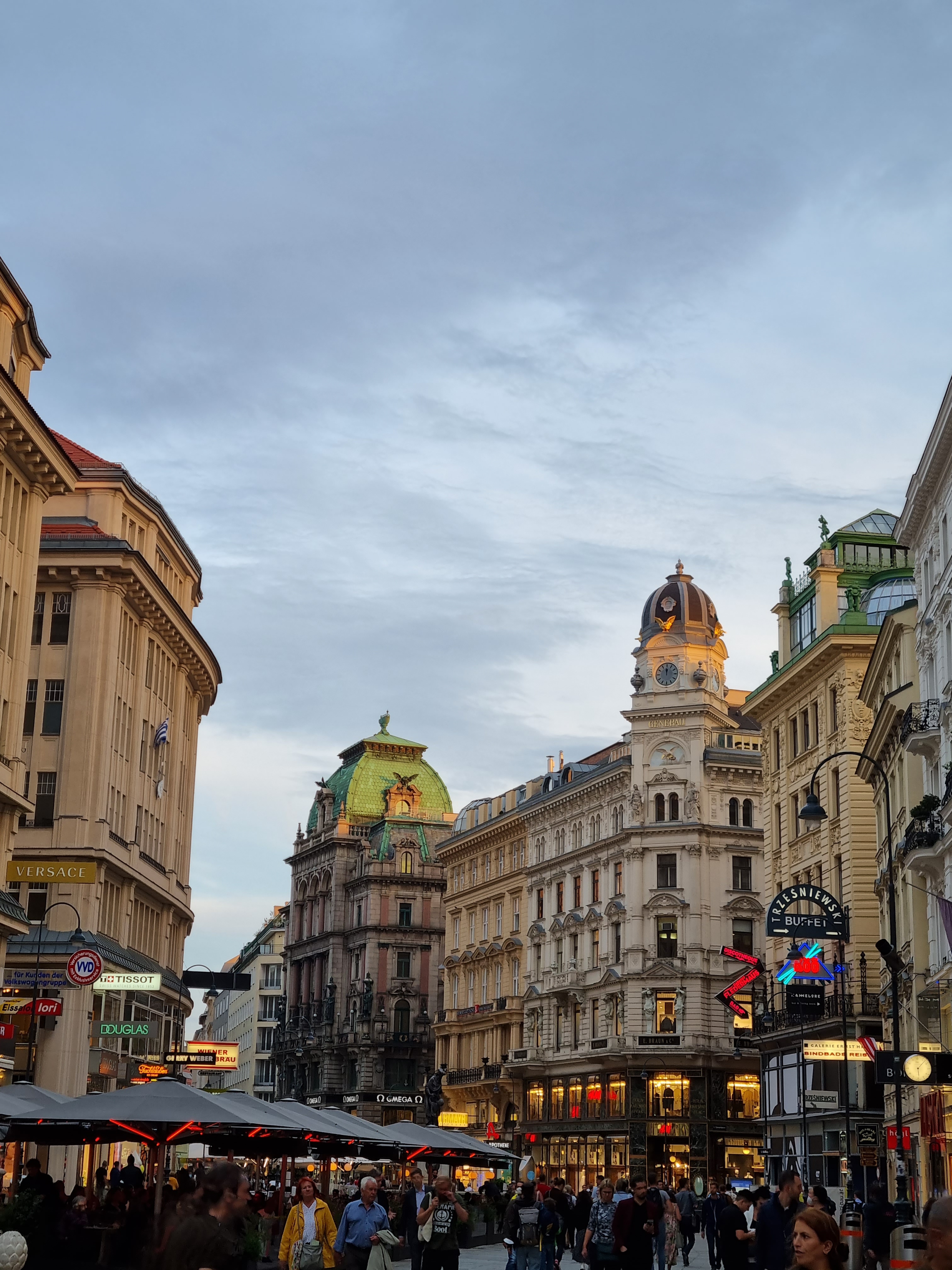
After appreciating the Gothic church, you can head towards Graben, one of Vienna’s most famous streets, known for its graceful architecture, luxury shops, and charming cafes. The Pest Column, an imposing Baroque monument situated in the heart of Graben, was built in the 17th century to commemorate the end of the plague epidemic and is a significant historical and cultural symbol in Vienna.
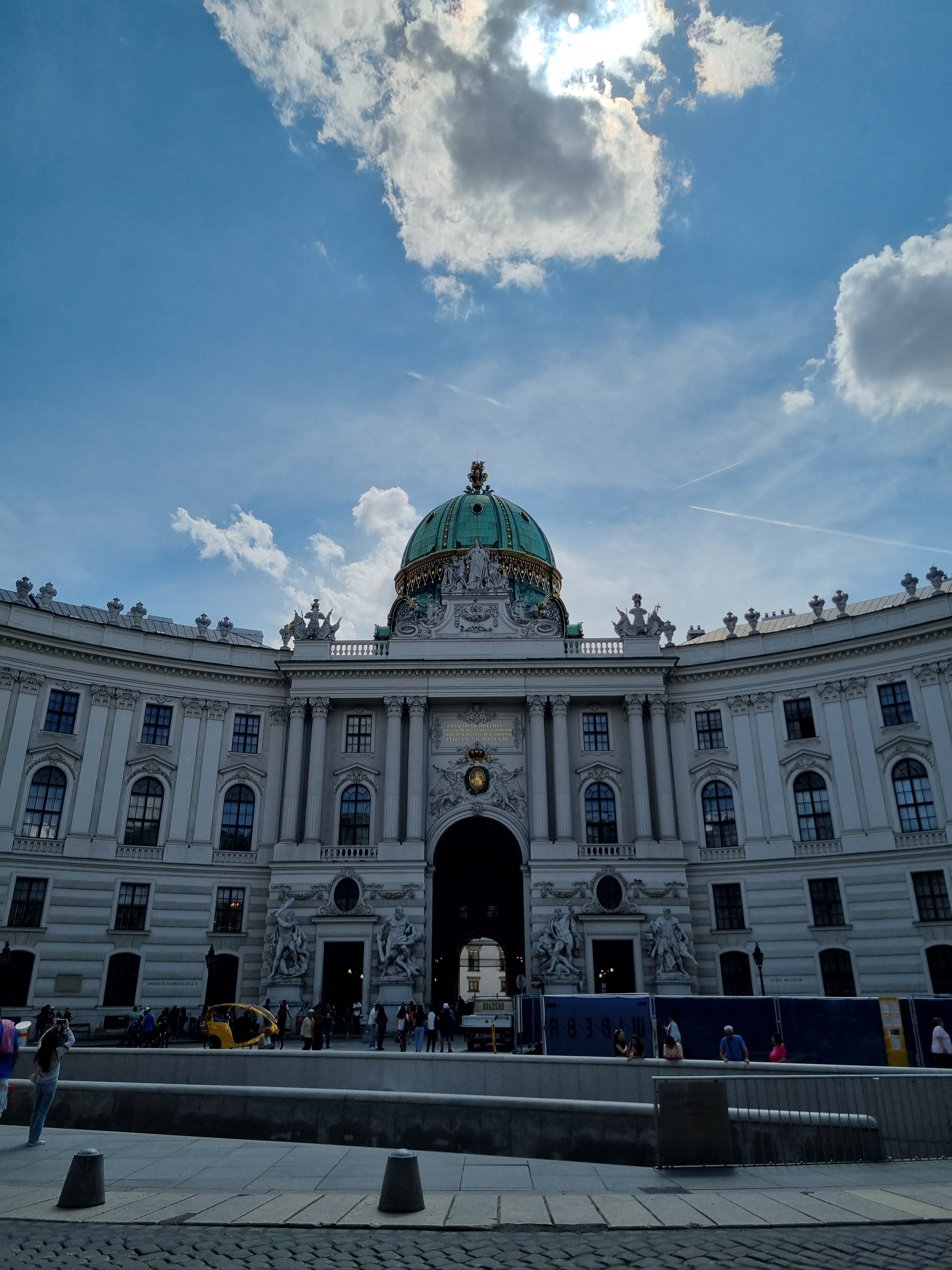
When you turn left at the end of Graben, you’ll be amazed by a stunning building as you walk along the short street Kohlmarkt. The building at the end is the famous Hofburg. Today, the building houses the Sisi Museum, providing insight into the life of the Austrian imperial family, and the Spanish Riding School, famous for its Lipizzaner horses that trot through Vienna’s old cobblestone streets. While it used to be common practice, it has now become a controversial topic. Although the Spanish Riding School ensures that the horses are well cared for, it can be difficult to see them endure hot temperatures as they trot through the city while pulling carriages for tourists.
Visitor information: If you’d like to purchase tickets and learn more about the Sisi Museum, click here, and for the Spanish Riding School, click here.
As you walk through the gate of the Hofburg, you’ll arrive at a large square called Heldenplatz, known for its historical significance throughout Austrian history. It’s home to the Austrian National Library, and the statue of Archduke Charles of Austria. The Austrian National Library is connected to the Hofburg Palace complex and is rich in books and manuscripts, both old and new. Very close to the Heldenplatz is the Prunksaal, a magnificent site where you can see the historical library hall, which is part of the Austrian National Library. It houses a vast collection of books, manuscripts, and stunning Baroque architecture.
Visitor information: If you would like to learn more about the library or plan a visit to explore and see the ticket options available, click here.


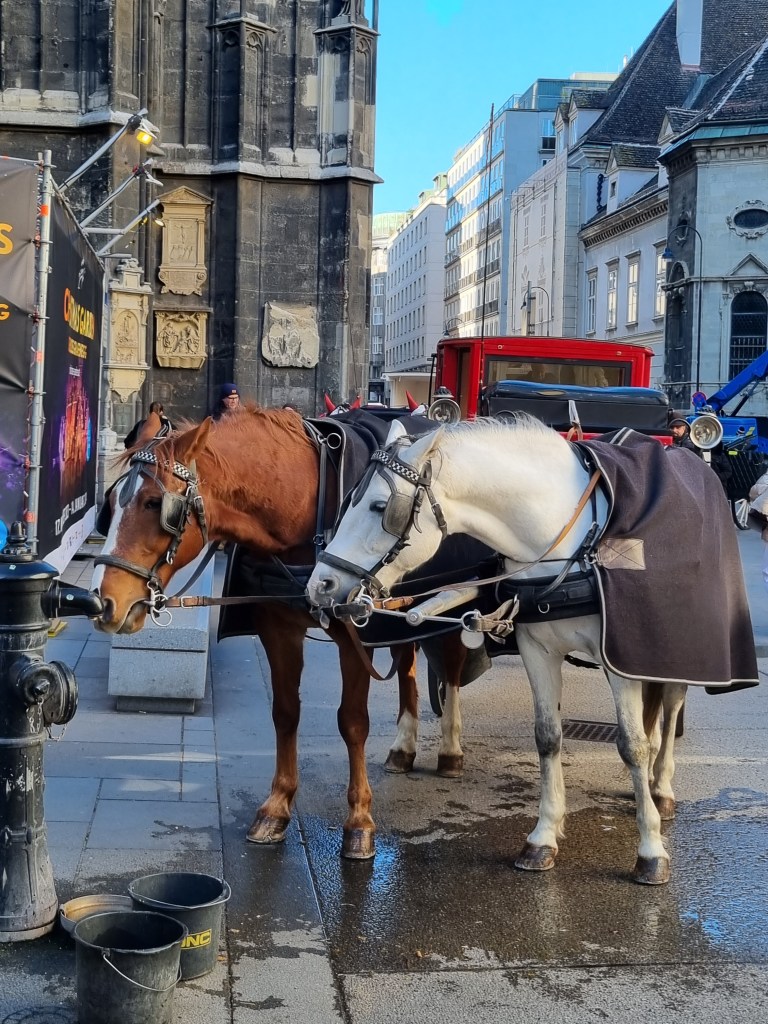
If you’re interested in a sightseeing tour on horseback, though I can’t personally recommend it as I haven’t tried it myself and probably wouldn’t, you can do so at your convenience. Simply find a rider and their Fiaker at popular spots like the Hofburg or St. Stephen’s Cathedral and enjoy a ride through the old town.
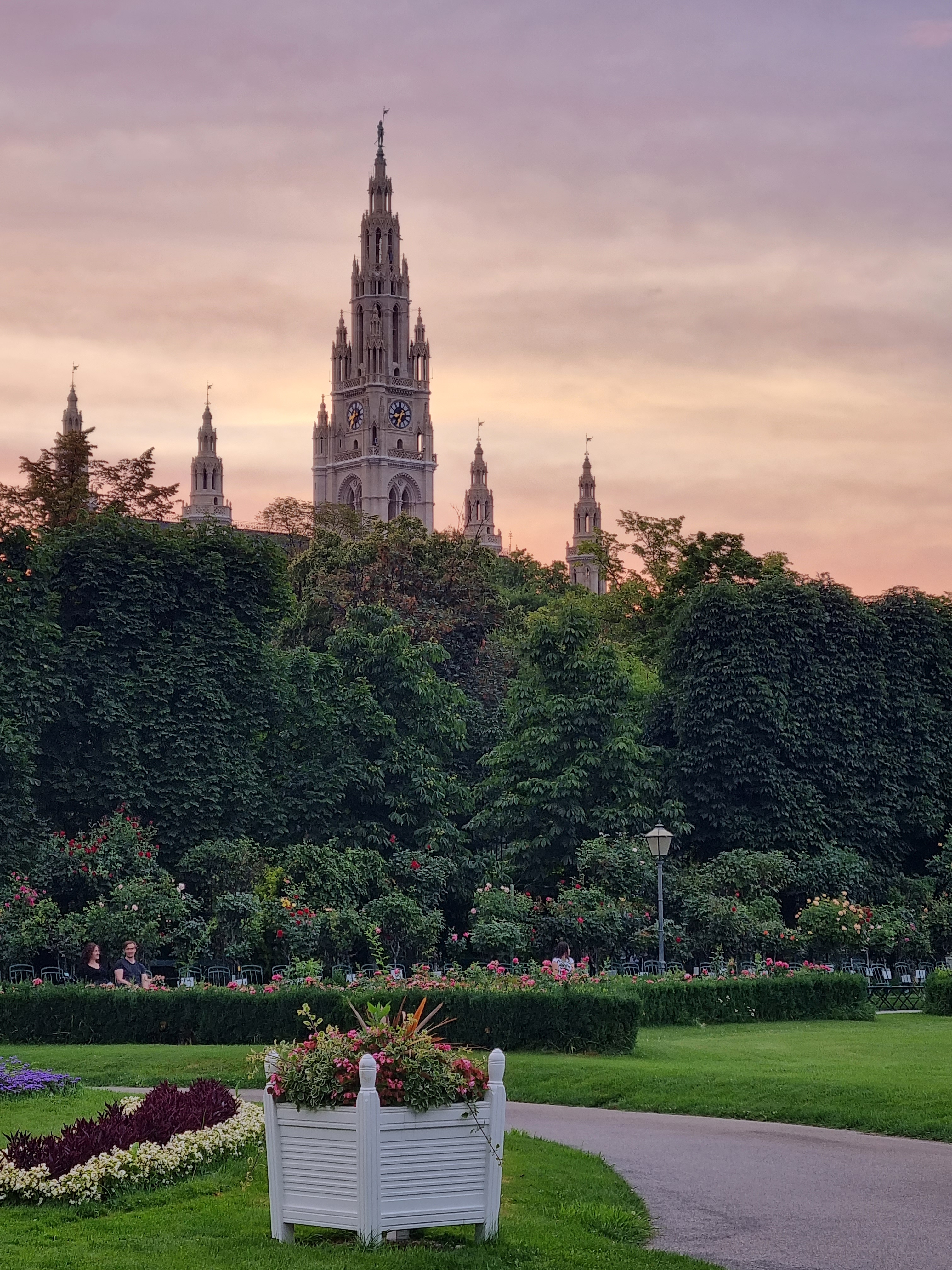
Situated adjacent to Heldenplatz and the Hofburg Palace is the Volksgarten, a charming public park brimming with flower beds and statues during the summer. It’s a delightful spot to unwind after a day of sightseeing, go for a leisurely stroll, bring along some take-out food, and enjoy the greenery at the heart of the city. If you’re exploring the city center, be sure to visit and breathe in the scent of roses.
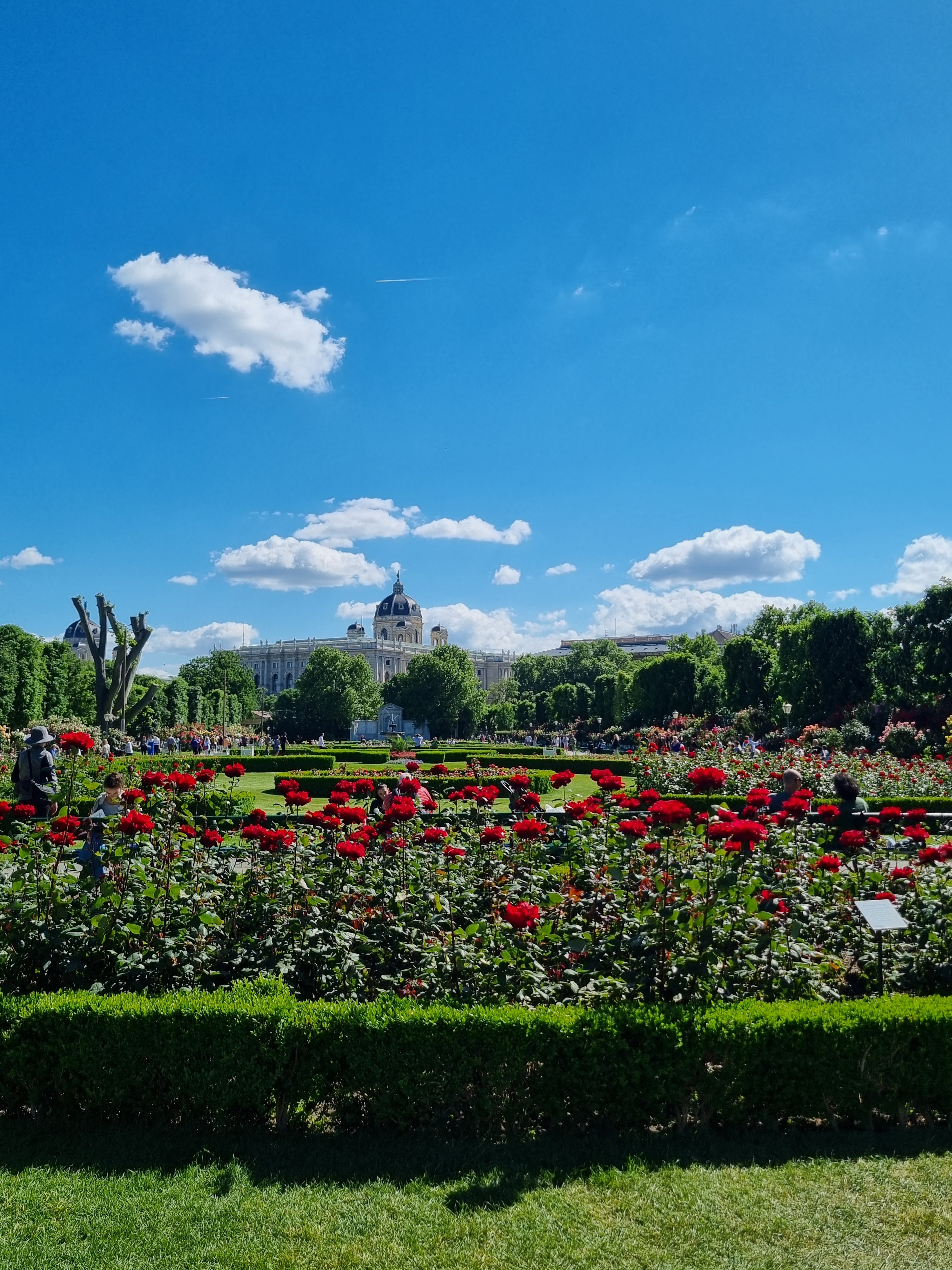
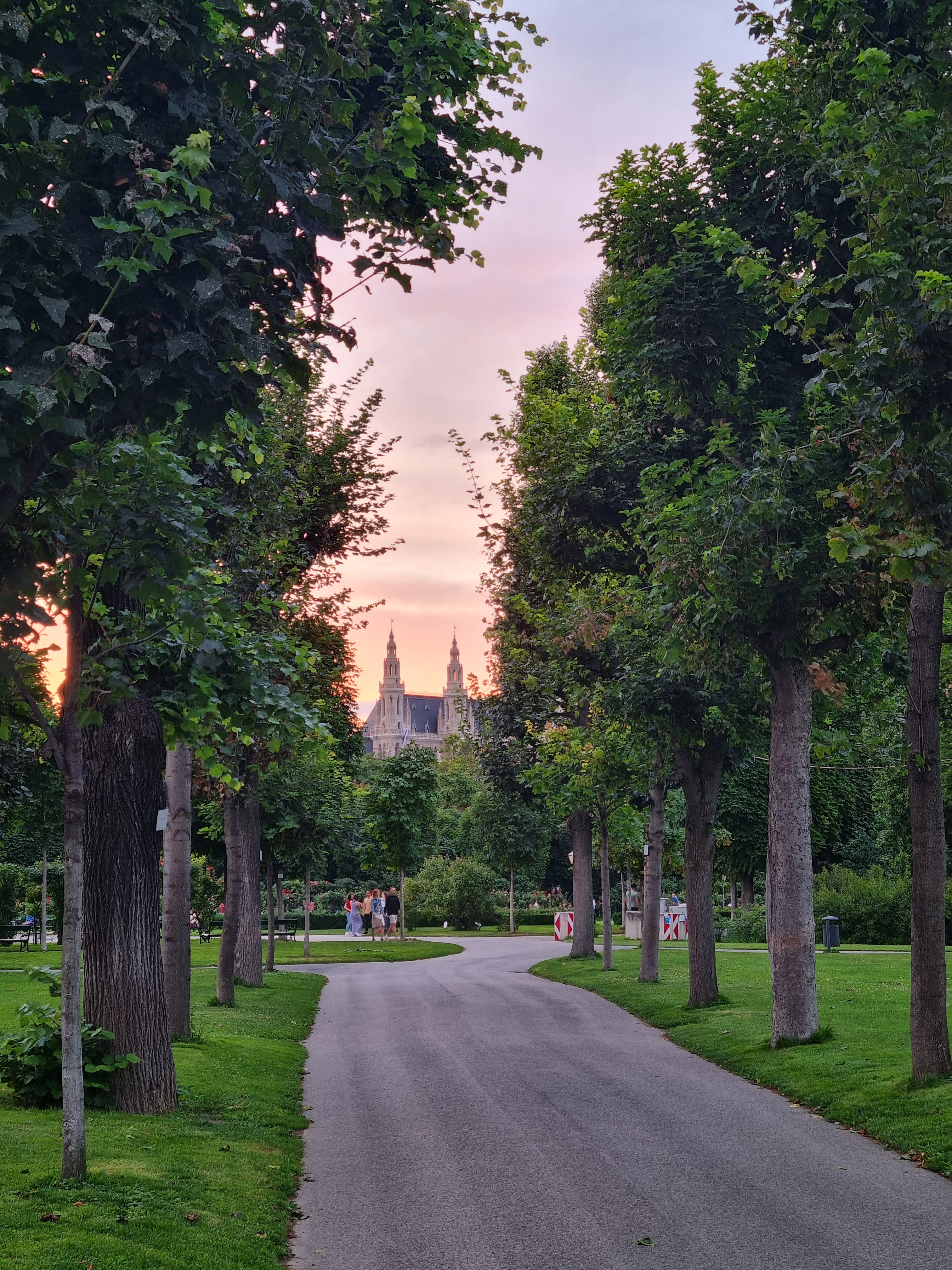
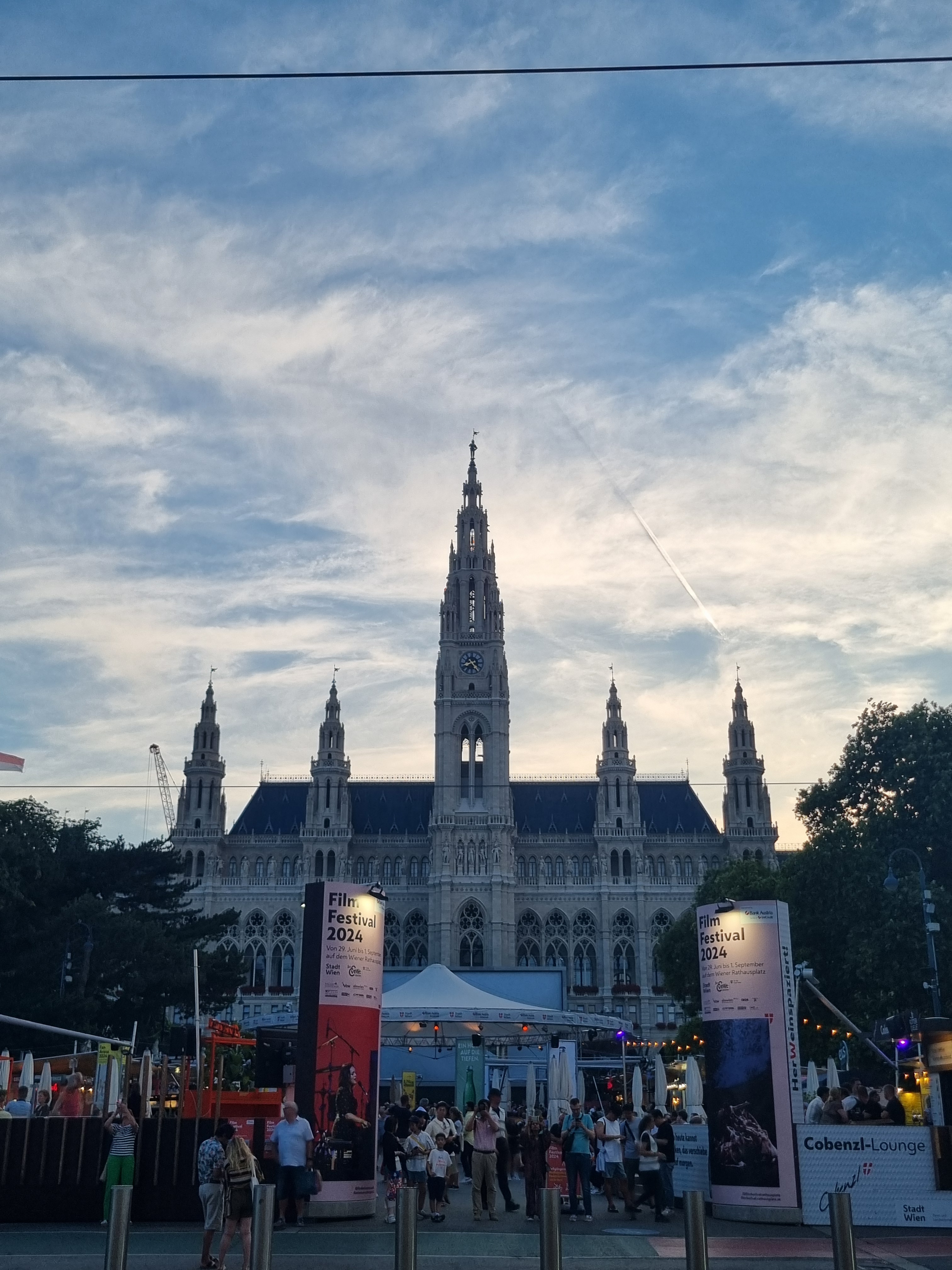
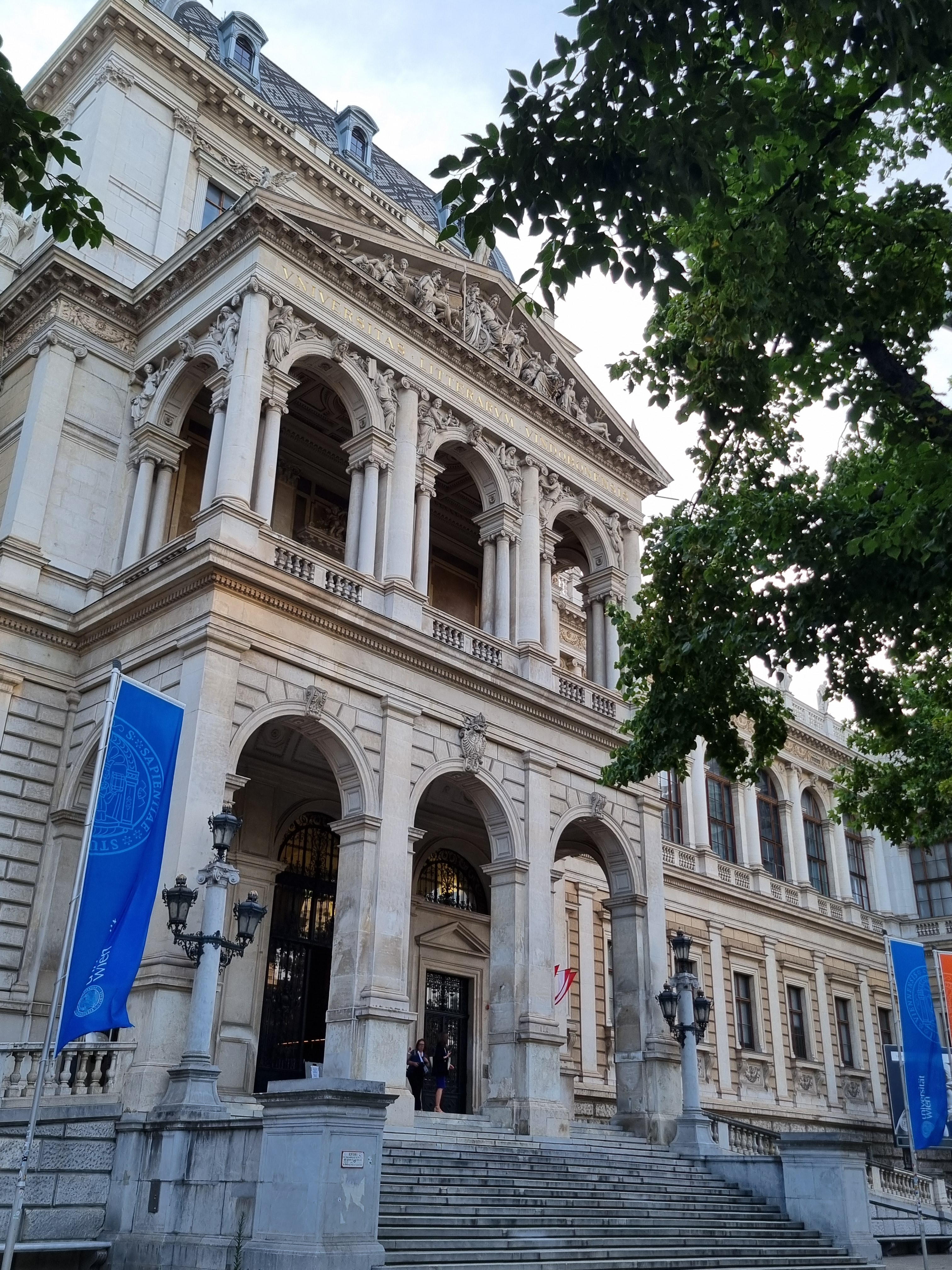
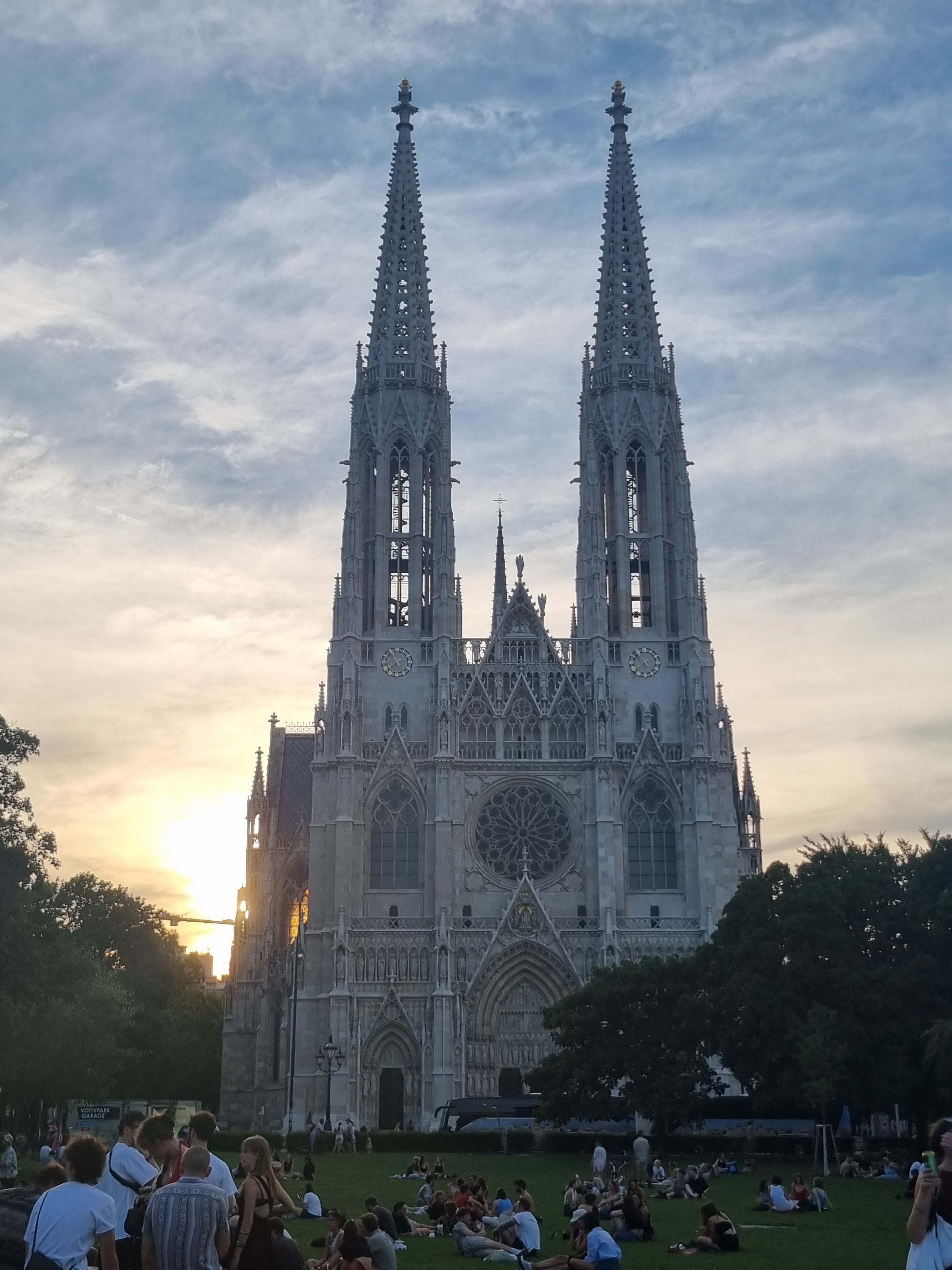
If you’re already at Volksgarten, you can explore four more sights for the day as they are situated around the park: the Austrian Parliament, the City Hall, the University of Vienna, and the Votivkirche. Let me provide you with more information about these places:
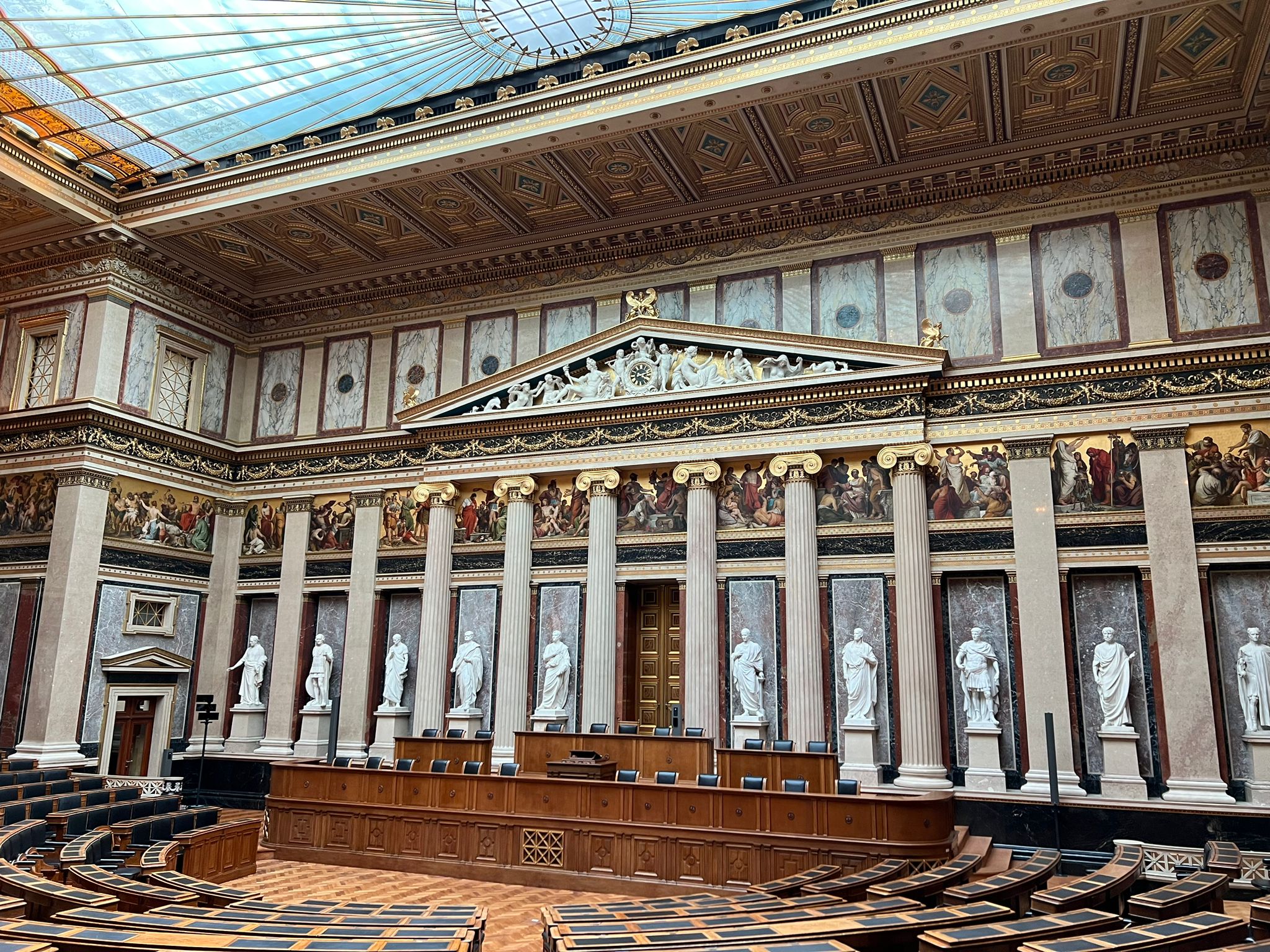
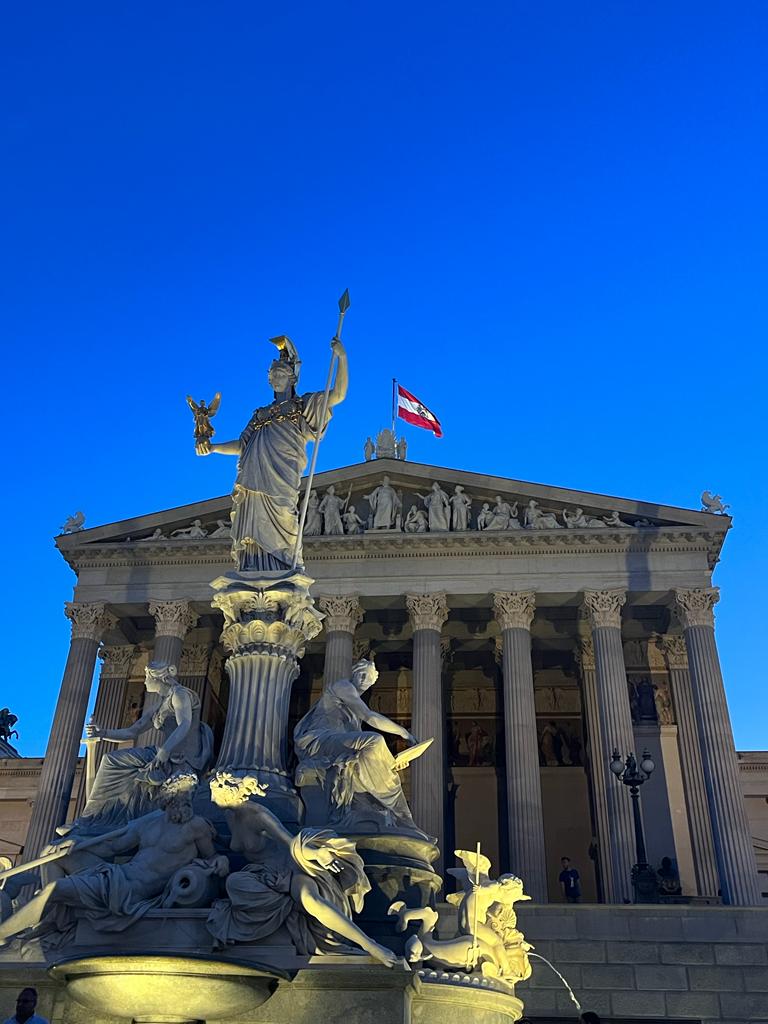
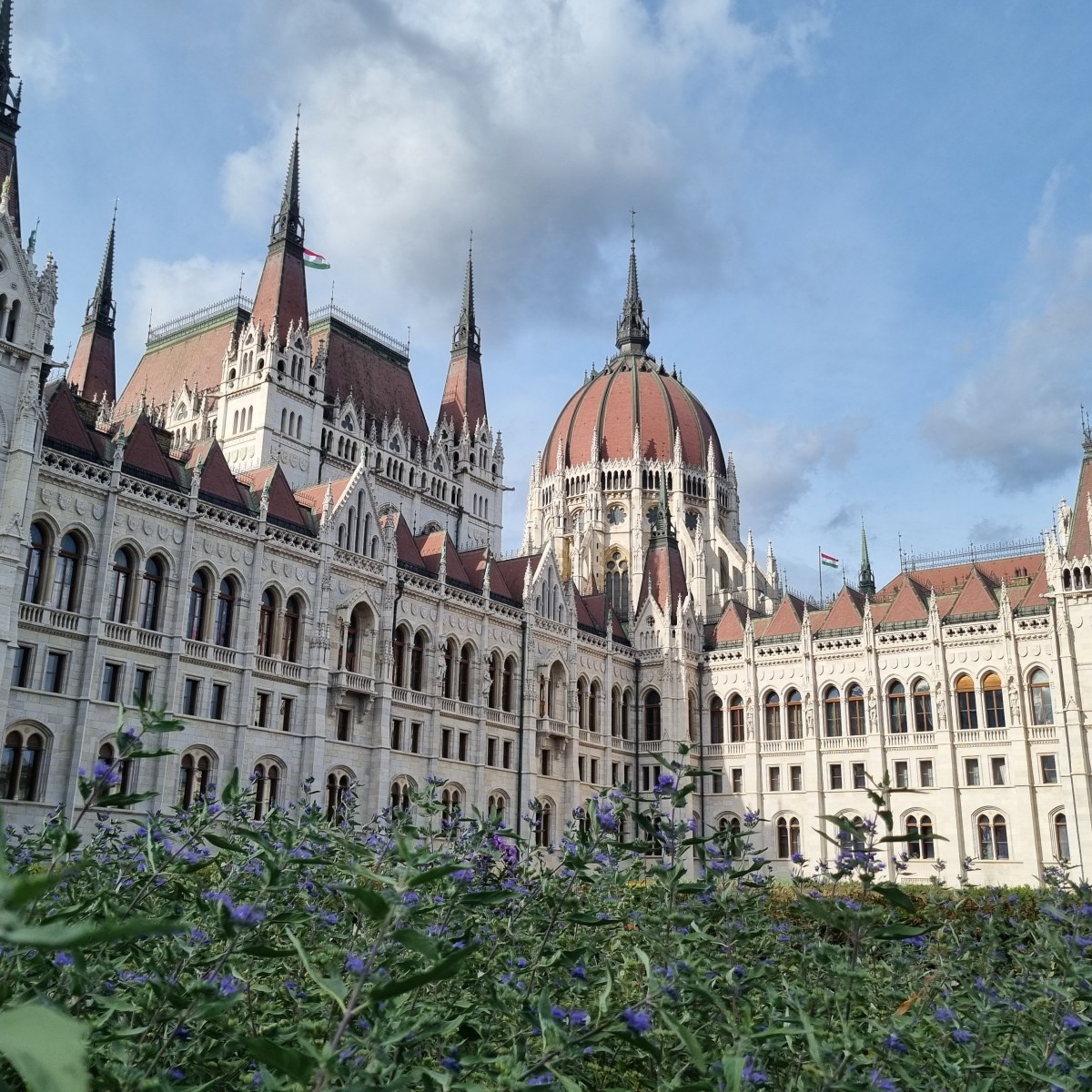
The Parliament Building is a stunning architectural masterpiece located on the Ringstrasse, which has recently undergone renovations. It’s home to the National Council and the Federal Council of Austria.
Visitor information: You can enjoy free self-guided or guided tours to explore the impressive interior, learn about the country’s political history, and admire the grandeur of the building both inside and outside. Be sure to check the official website for the most up-to-date visitor information and tour schedules.

The Vienna City Hall, also known as Wiener Rathaus, is a magnificent Gothic-style building located next to the Austrian Parliament and in front of the Burgtheater, the Austrian National Theatre. If you’d like to visit City Hall, you can do so by joining a guided tour or attending cultural events both inside and outside the building. It’s a popular venue for festivals, events, and concerts, especially in summer. If you visit in winter, be sure to check out the Christmas market and its ice skating rink.
The University of Vienna, also known as Universität Wien, was founded in 1365 and offers a wide range of academic programs. If you’re interested in history, academia, or just exploring beautiful university campuses, a visit to the University of Vienna is a great idea. You can take a guided tour or simply walk in during their opening hours to explore the university.
The Votivkirche, just behind the University, is a stunning Neo-Gothic church and has undergone renovations for a few years, similar to the Parliament. It’s definitely worth a visit due its complex architecture.
Day 2
On the second day, you may want to visit Schönbrunn Palace, also known as Schloss Schönbrunn. Start your journey by entering the palace gates and walking towards the magnificent castle on a gravel path. The palace showcases stunning Baroque architecture with 1,444 rooms, beautiful surrounding gardens, and a rich history dating back to the Habsburg monarchy. The construction of Schönbrunn Palace began in 1696 and took around 14 years to complete. Over time, the palace underwent various expansions and renovations, improving its grandeur and complexity.
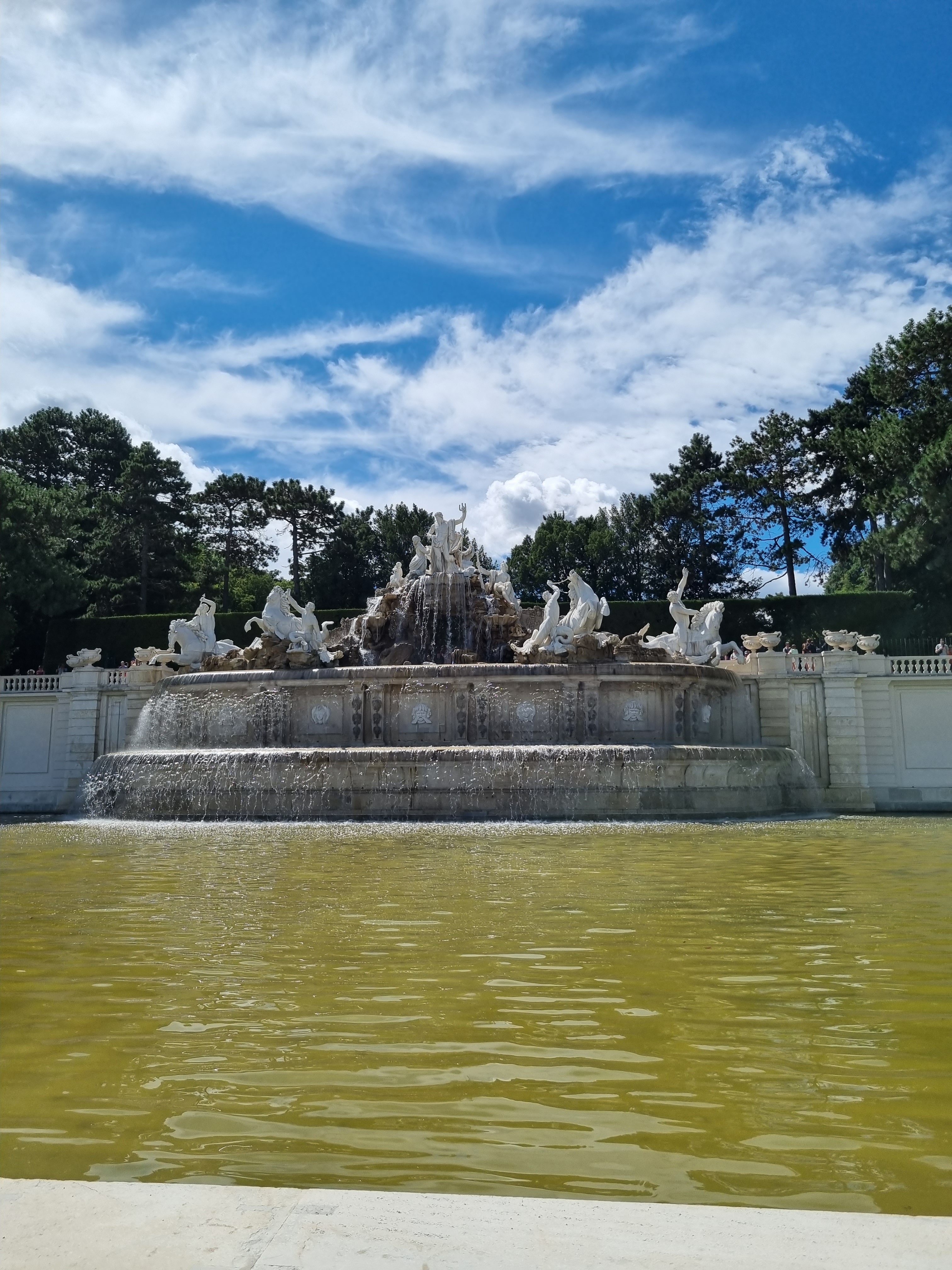
Inside, you can immerse yourself in its rich history and discover more about the summer residence of the Habsburg monarchs. The gardens are open to the public and truly beautiful! They cover a vast area surrounding the castle, featuring flower beds, grand fountains, and sculptures. Be sure to climb the small hill behind the palace to reach the Gloriette. Though it may appear steep, believe me, it’s not strenuous and is a quick climb. The Gloriette was constructed in the late 18th century and served as an observation point offering panoramic views of the palace grounds and Vienna, just as it does today. Nowadays, the Gloriette houses a café where you can enjoy a stunning view of the Schönbrunn area. Visiting the palace and its surroundings is definitely a must-do on any Vienna itinerary!
Visitor information: If you plan to explore the inside of the palace, I highly recommend purchasing tickets well in advance through the official website, as they tend to sell out quickly.
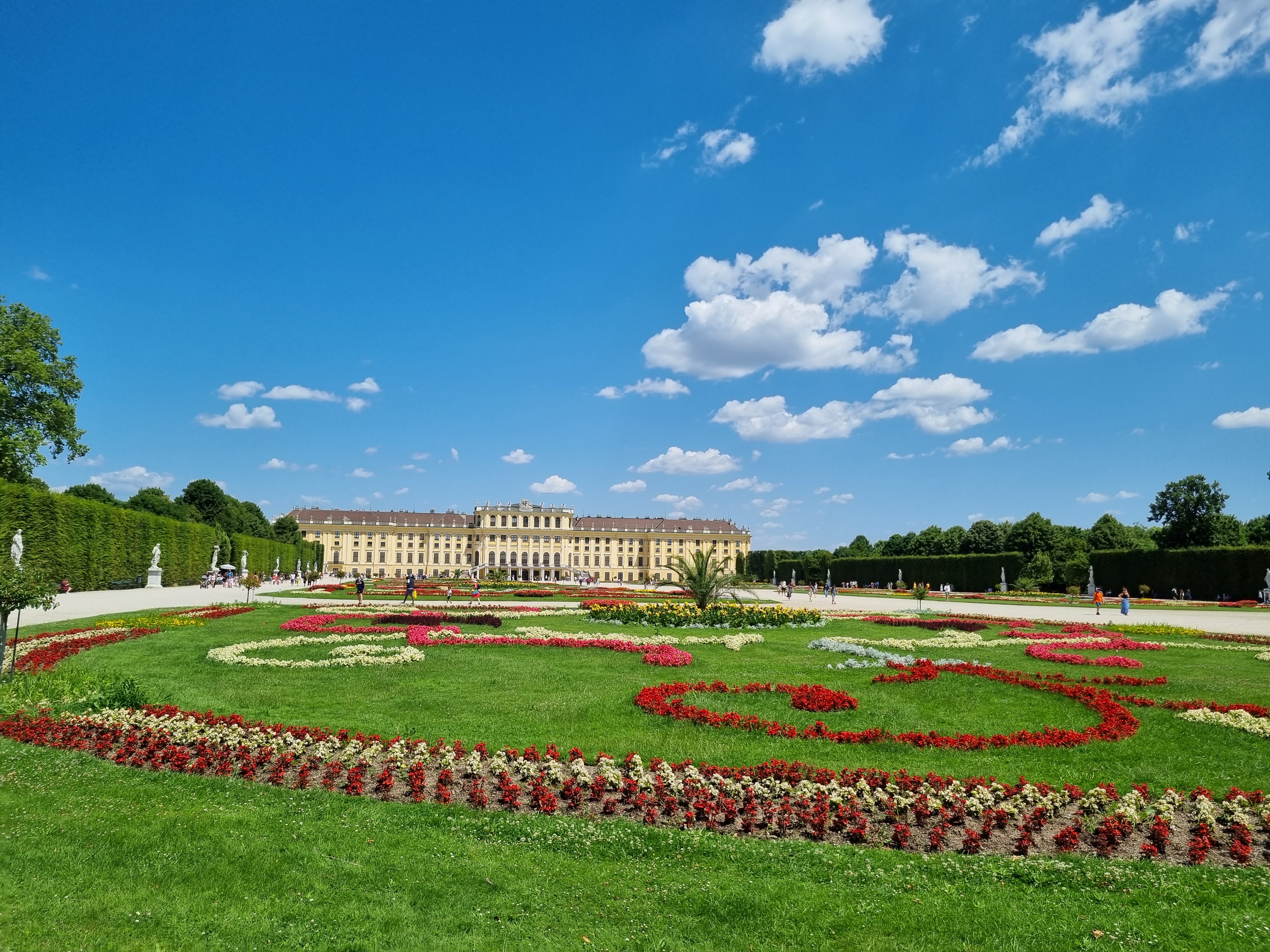
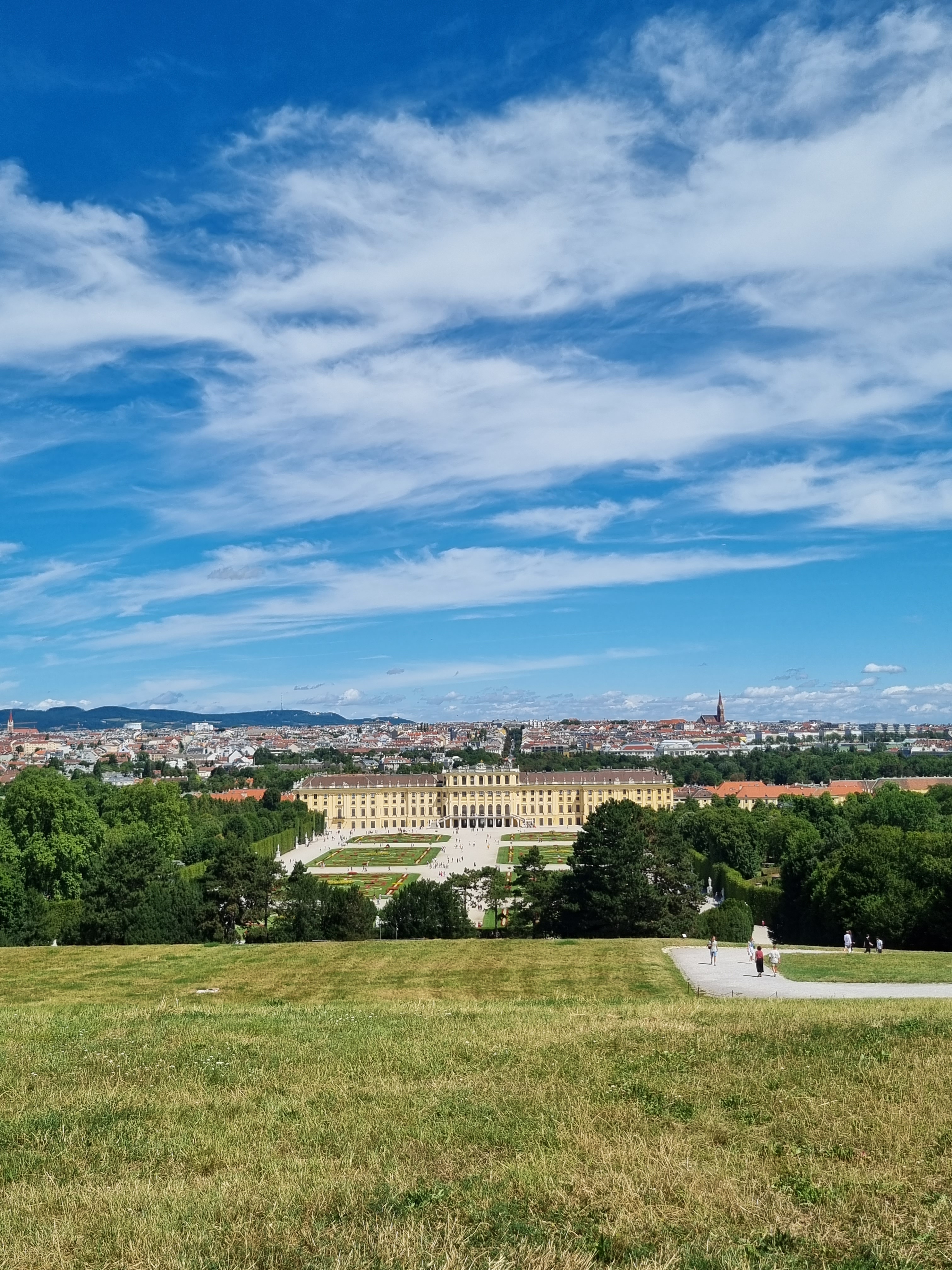
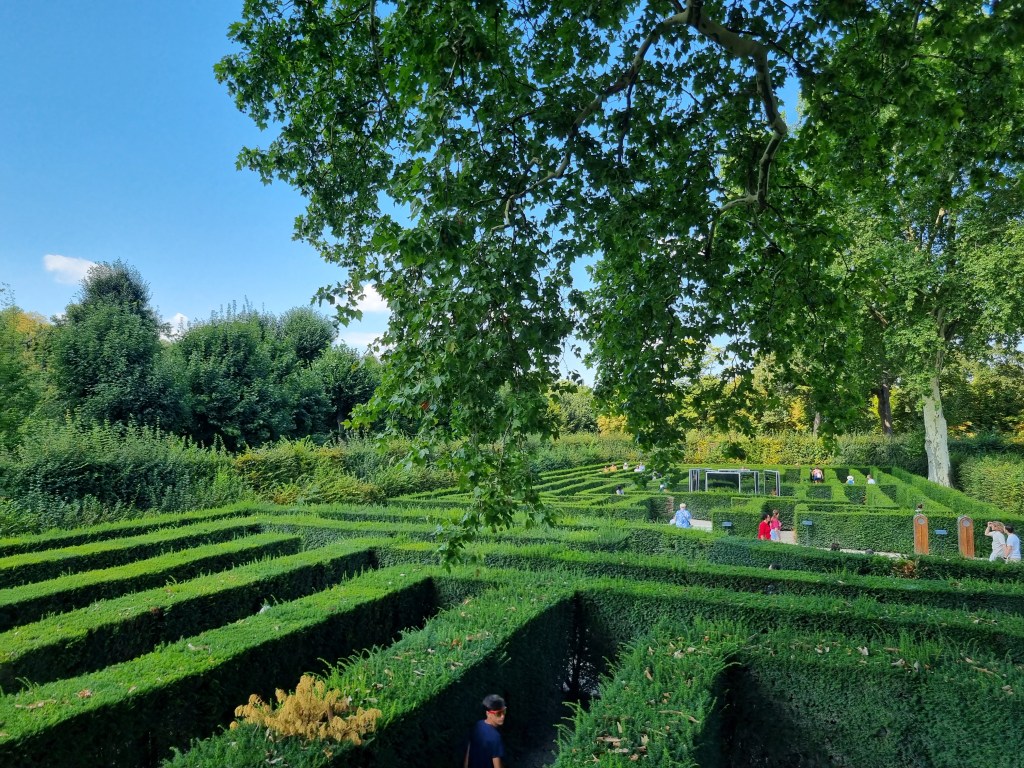
After exploring the castle and the gardens, you can continue your visit by exploring Schönbrunn Zoo, the Desert House, the Palm House, and the Maze as they are connected. Schönbrunn Zoo, founded in 1752, stands as one of the oldest zoos in the world, housing a diverse range of animals, including edangered species.
Visitor information Zoo: Adults pay €27.00, while children, teenagers and people with disabilities (from 50%) pay €15.50. Children under 6 years of age enjoy free admission (2025). If you plan to visit the zoo, you can purchase tickets at the entrance or here in advance.
The maze is part of the Schönbrunn palace and offers three different maze fields, which are a great place to immerse yourself in and have a delightful time navigating through the maze’s paths and enjoy some little games on the way.
Visitor information Maze: Admission to the Maze costs €15.00 for adults and €10.00 for children aged 6 to 18 years (2025). To buy tickets or learn more about the Maze, click here.
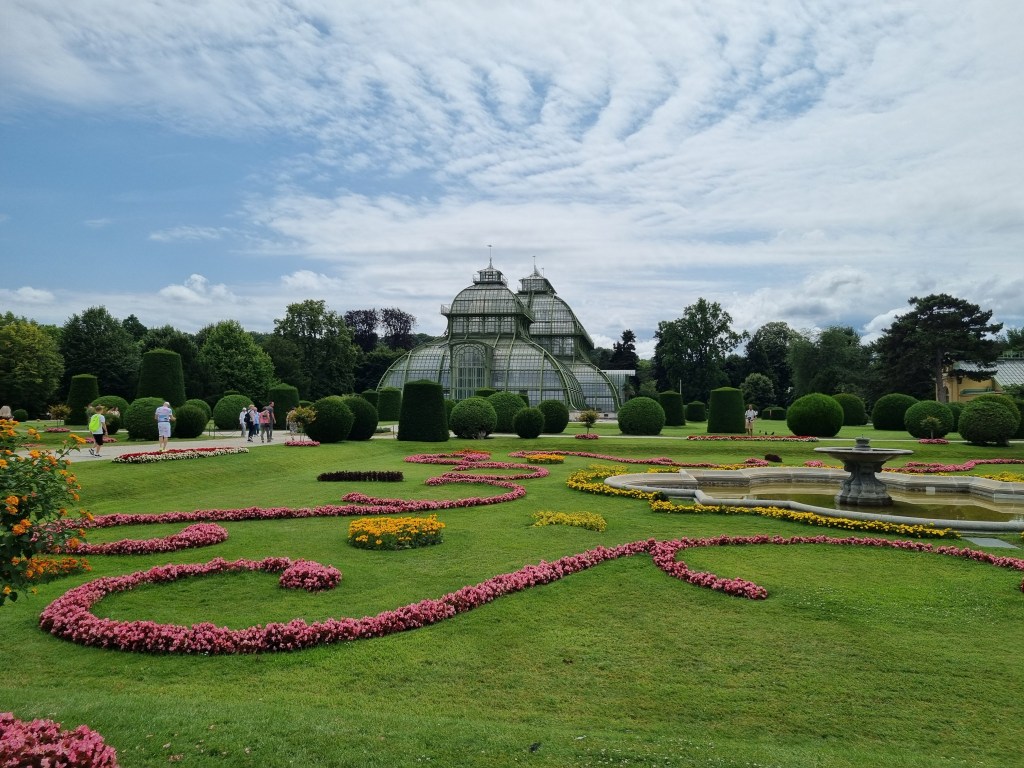
The Desert House, also known as the Wüstenhaus, is part of the Schönbrunn Palace complex, situated right next to the zoo. It’s a botanical building showcasing various desert plants from different regions around the world. Tickets can be purchased directly at the entrance. Similarly, the Palm House, or Palmenhaus, is a greenhouse offering a diverse collection of tropical and subtropical plants. Adjacent to the zoo and Wüstenhaus, it has a stunning architectural design with a glass roof and large windows. It’s an excellent place to explore and admire the lush greenery and vibrant colors of various plant species.
Visitor information Desert House: Entrance to the Desert House is €9.00 for adults and €7.00 for children and teenagers. Reduced admission of €7.00 also applies to senior citizens receiving minimum pensions and to people with disabilities (with a degree of 50% or more). Children up to the age of 6 can enter free of charge (2025). To buy tickets or learn more about the Desert House, click here. Of course, combination tickets for all attractions are also available.
Little tip: Leaving the Schönbrunn area, you could head towards IKEA Westbahnhof (unpaid ad). Now, you might be wondering why visit IKEA during a city trip? The reason is the stunning view from the upper terrace! While it’s already a popular spot for locals to relax, it’s still a hidden gem for tourists and visitors. From there, you can enjoy the breathtaking view of Schönbrunn Palace, Vienna’s vineyards, and the Maria vom Siege church while enjoying a delicious Swedish meal.
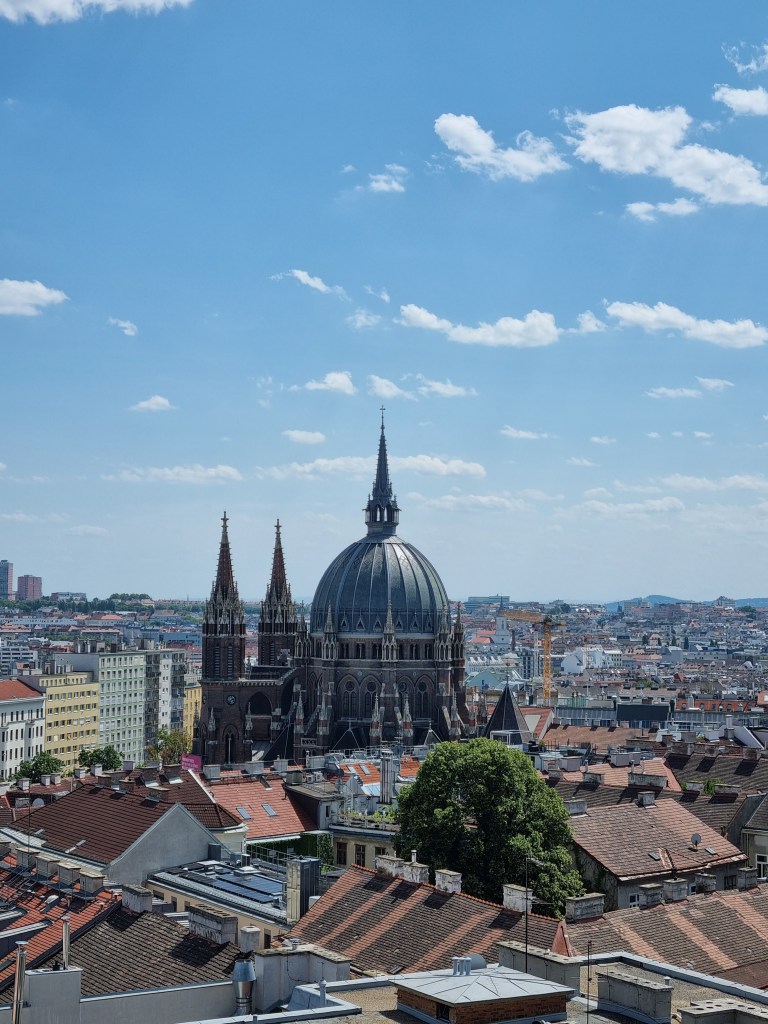
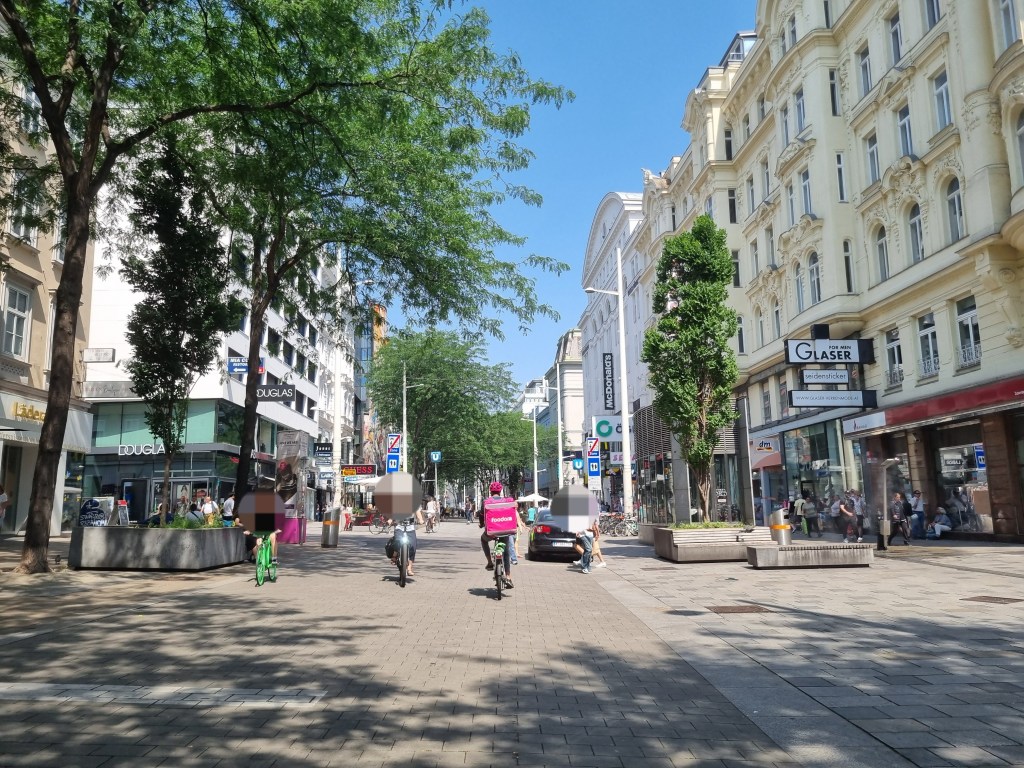
After enjoying the view, you can take a leisurely walk along Mariahilferstraße, one of Vienna’s vibrant shopping streets with a variety of shops, restaurants, and cafés. It’s a popular spot for locals and visitors to stroll around. Make sure to explore the side streets of Mariahilferstraße, such as Neubaugasse or Otto-Bauer-Gasse, where you’ll find even more local shops, restaurants, and charming cafés. If you enjoy shopping, Mariahilferstraße is definitely the place for you!
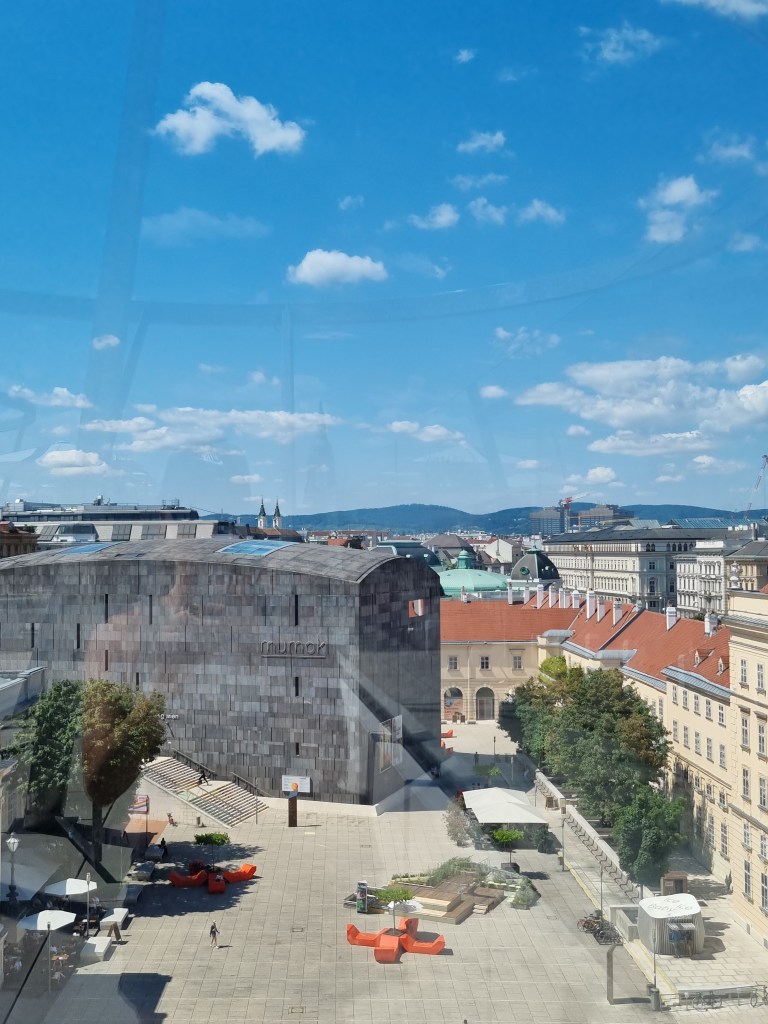
As you stroll along Mariahilferstraße, you will eventually reach the MuseumsQuartier (MQ), where you can find various museums such as the Leopold Museum, the MUMOK (Museum of Modern Art), the Kunsthalle Wien, and the Architekturzentrum Wien. A little tip: You can take the elevator up to the upper terrace of MQ Libelle, where you have a viewpoint over the MQ and the city center.
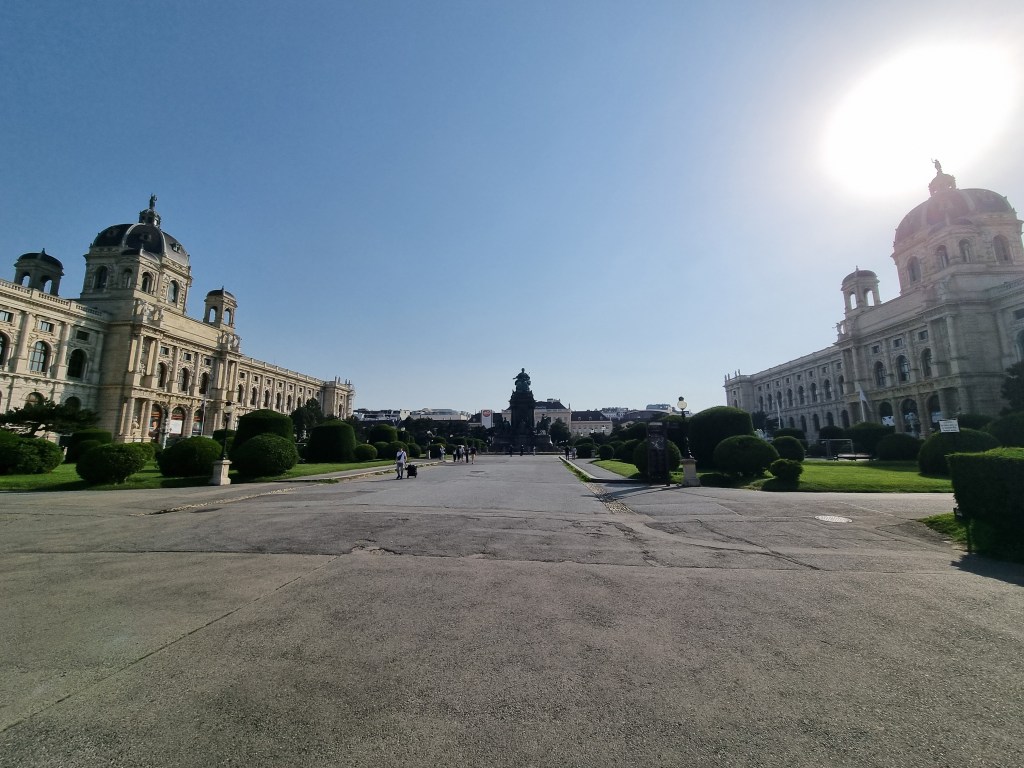
If that’s not enough cultural experience for you, you can walk to the square Maria-Theresien-Platz, which is right next to the MQ, just across the street. The square is a popular gathering place and a wonderful spot to relax and enjoy the architecture of the two museums, the Kunsthistorisches Museum (KHM) and the Naturhistorisches Museum (NHM), two identical breathtaking buildings. The Kunsthistorisches Museum houses an impressive collection of fine art, while the Naturhistorisches Museum houses an extensive collection of natural history exhibits, including displays of minerals, fossils, and taxidermy animals. If you get a chance, it’s definitely worth a visit! For visitor information for the KHM, click here, and for the NHM, click here.
Afterwards, you can walk to Burggarten, a public park near the museums and the Hofburg. It’s a popular spot for locals to take a stroll and relax on the green spaces. In the park, you can also find the famous monument of Wolfgang Amadeus Mozart and the butterfly house, also known as the Schmetterlingshaus. If you plan to visit the Schmetterlingshaus, make sure to wear lightweight and breathable clothing as the temperatures inside are very hot and humid since the butterflies and plants require a tropical climate.
Visitor information: Tickets can only be purchased at the butterfly house (2025). If you want to learn more about the Schmetterlingshaus, click here.
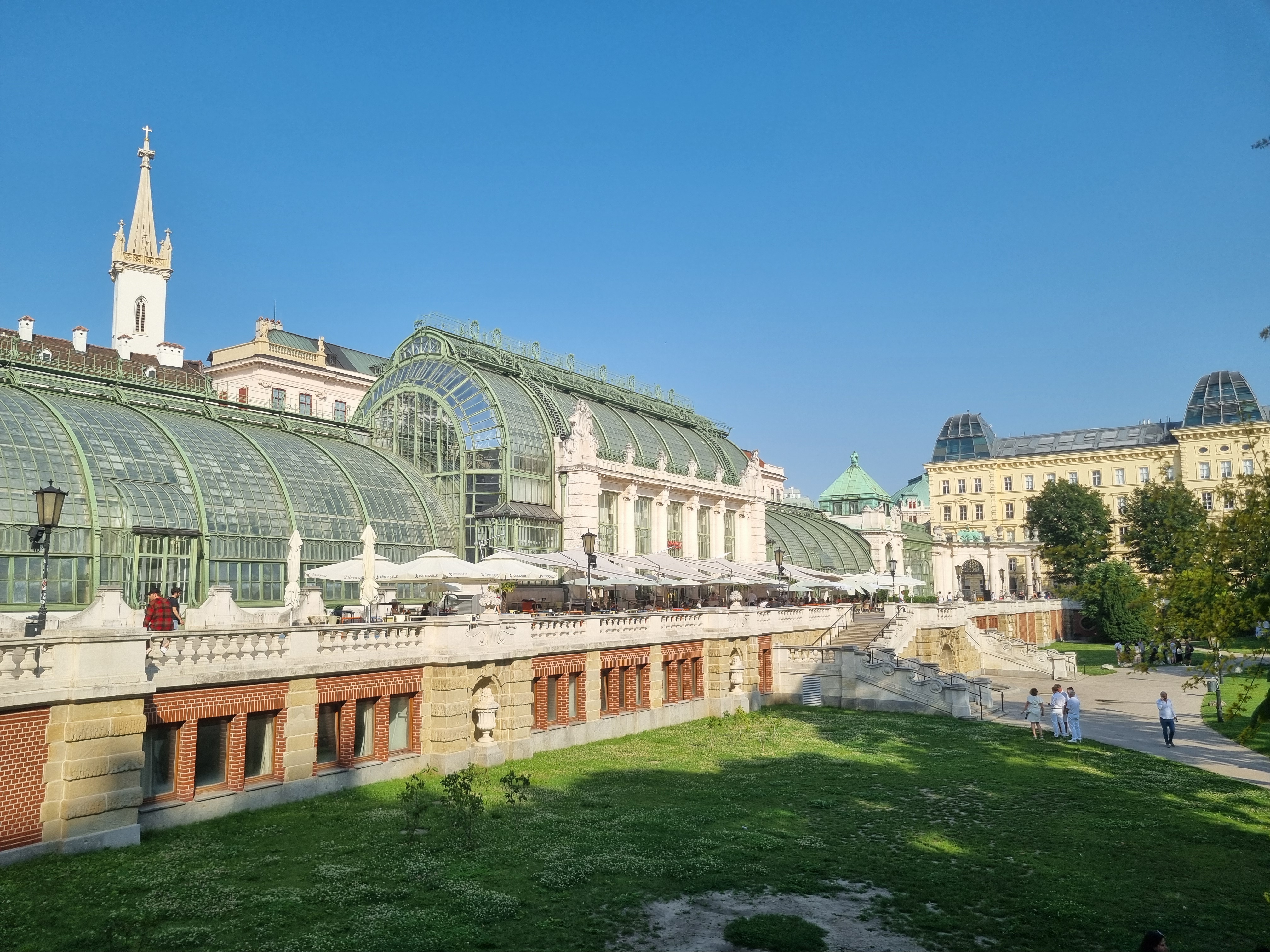
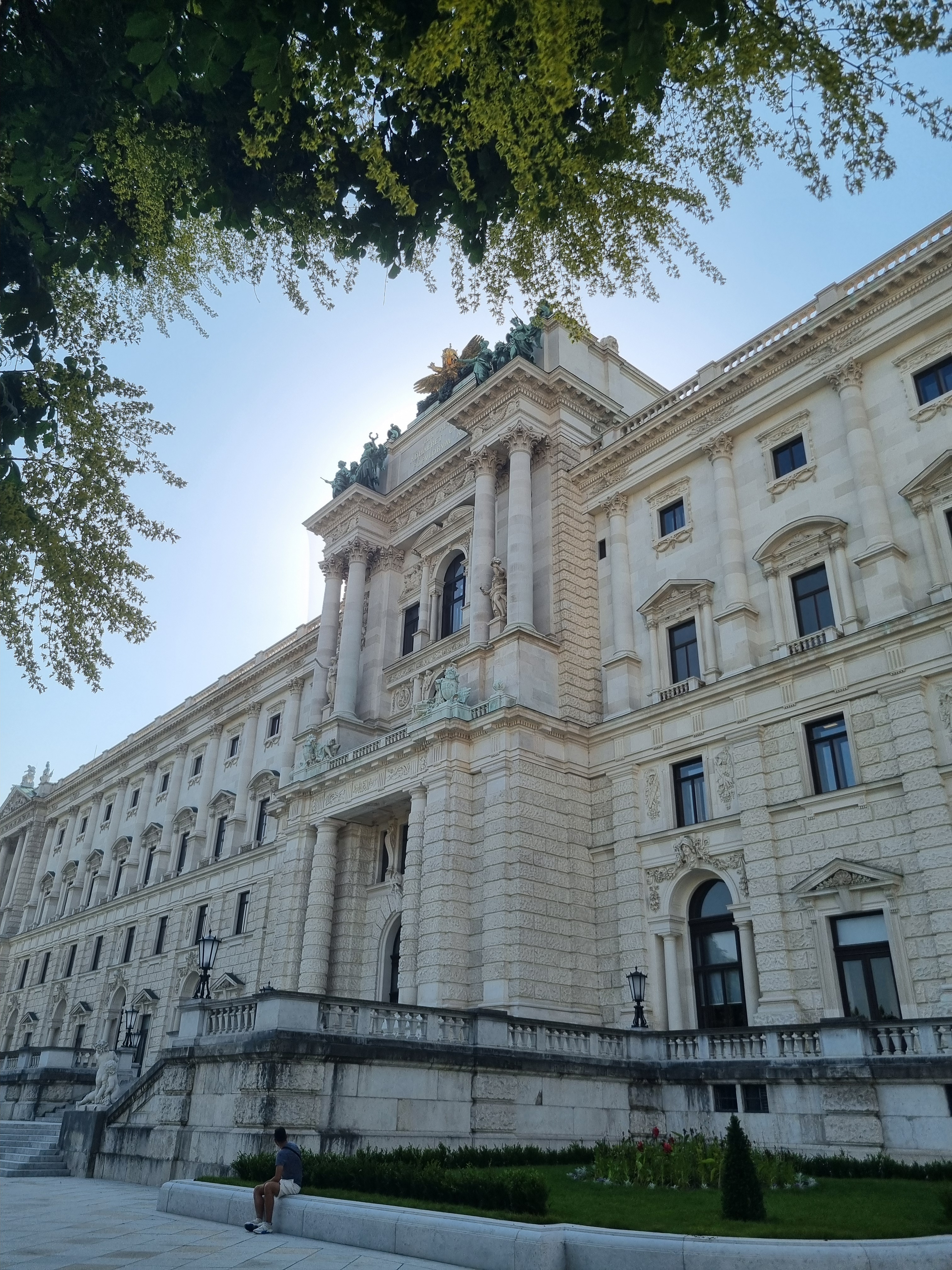
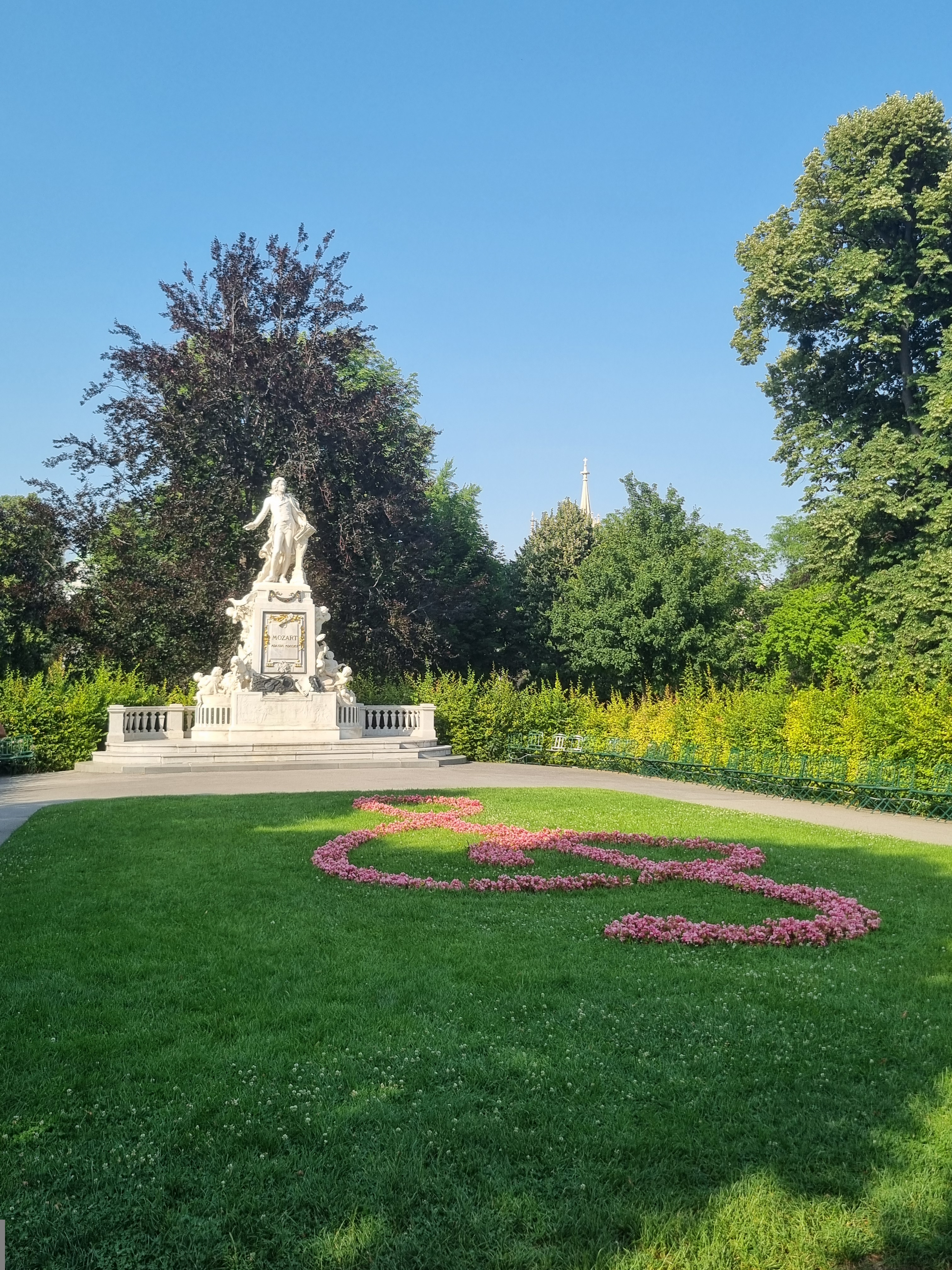
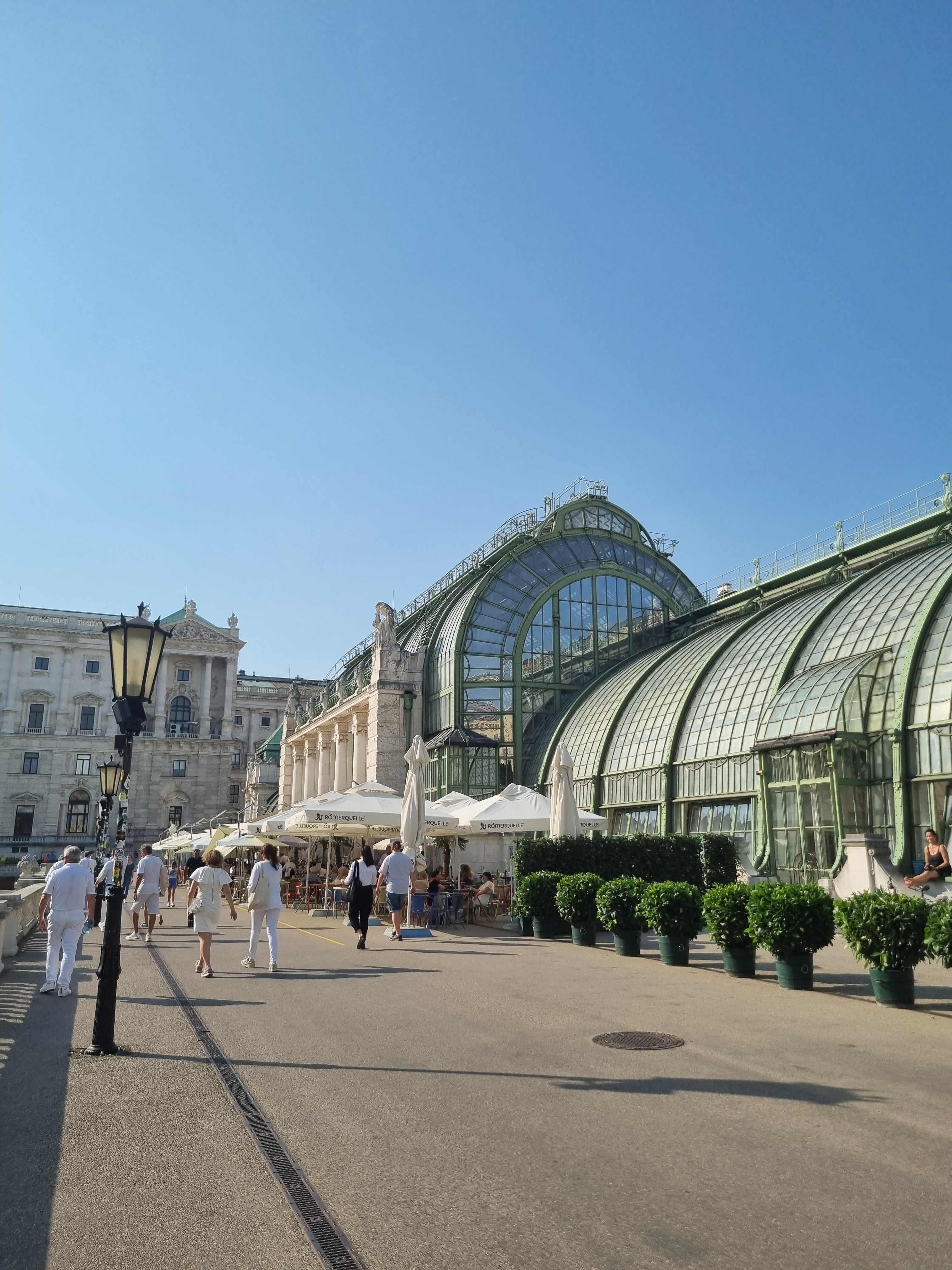
If you’re not done with exploring you can stroll through the old town of the city center which is just located on the other end of the park.
Day 3
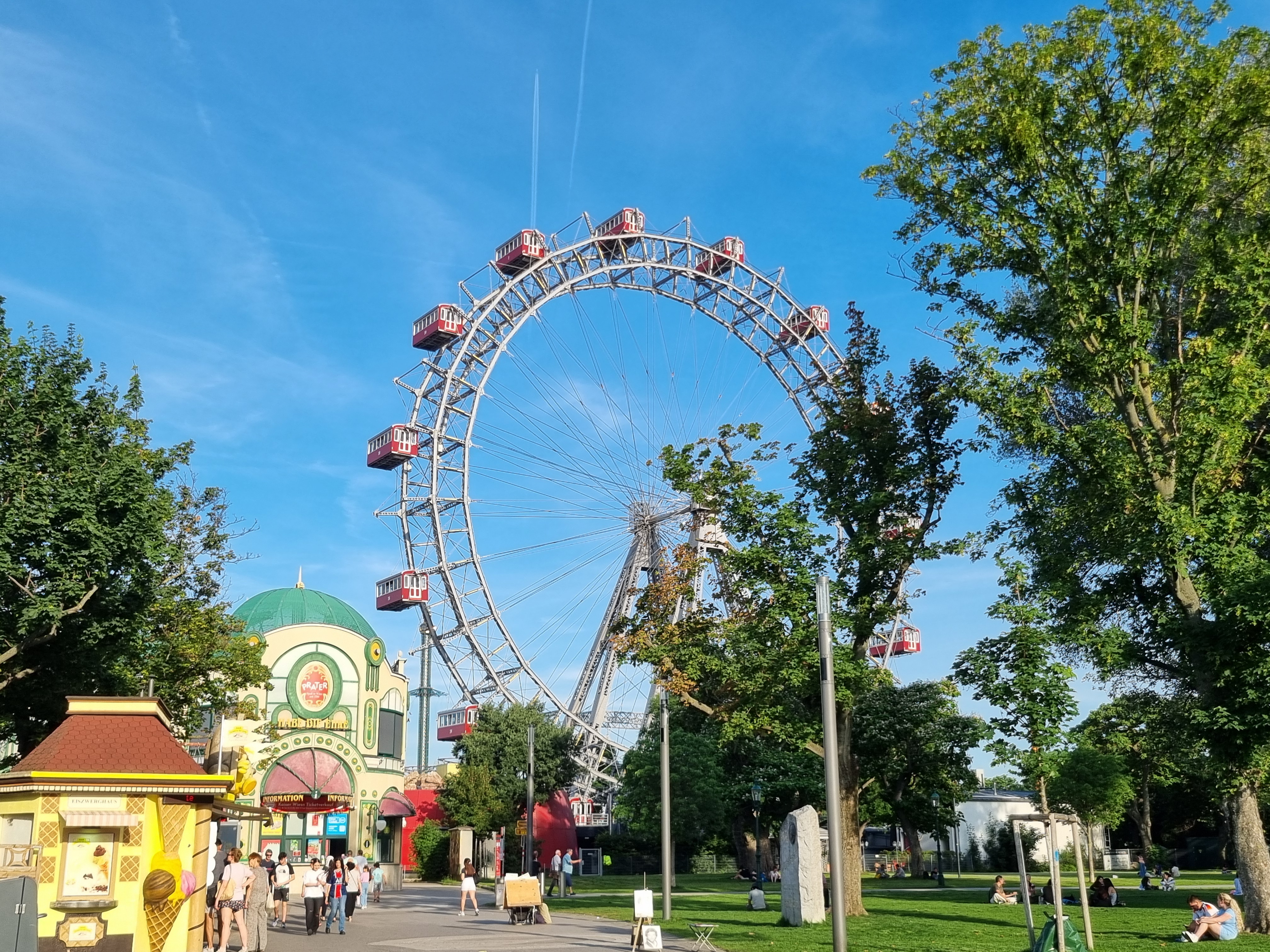
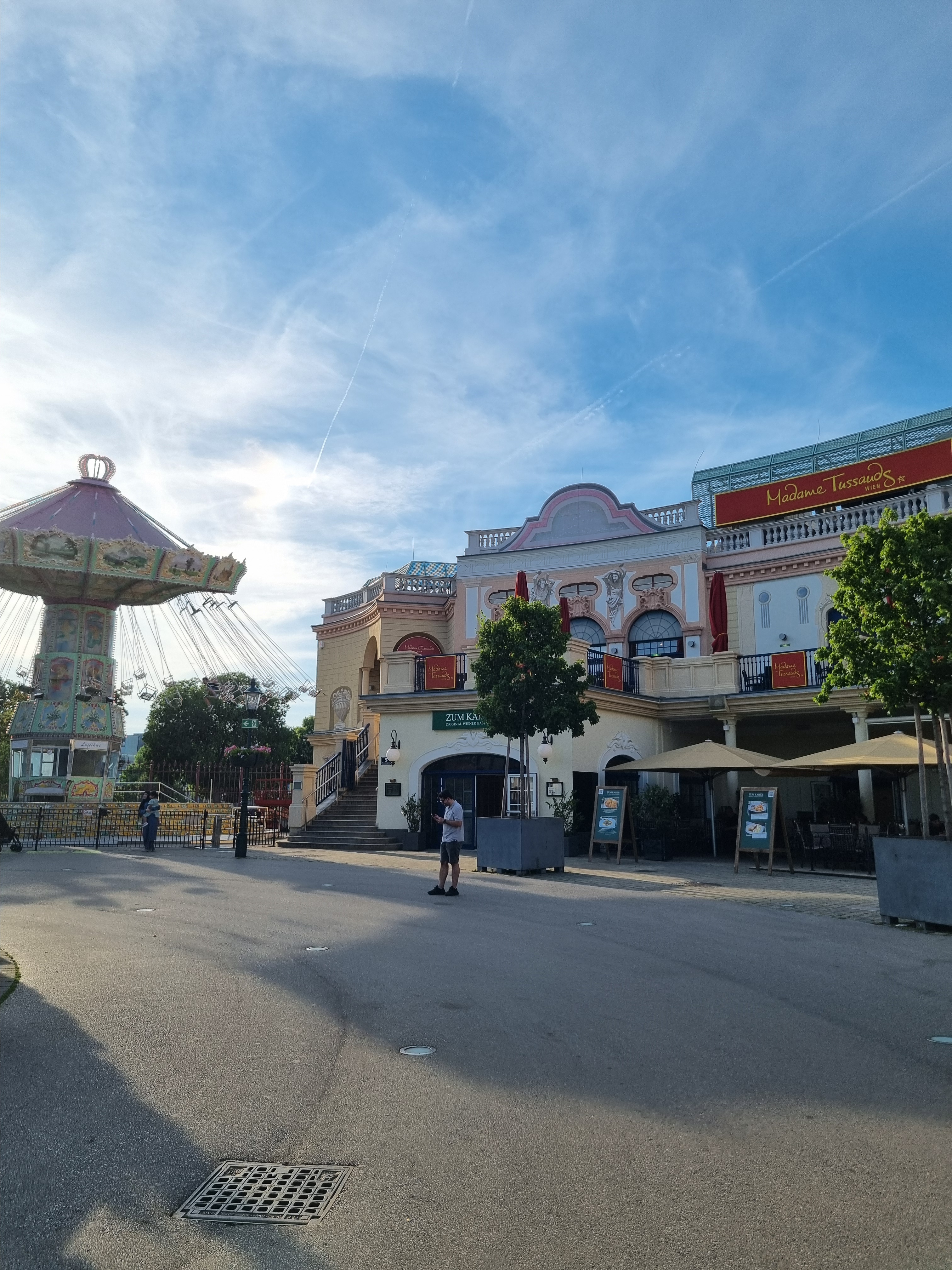
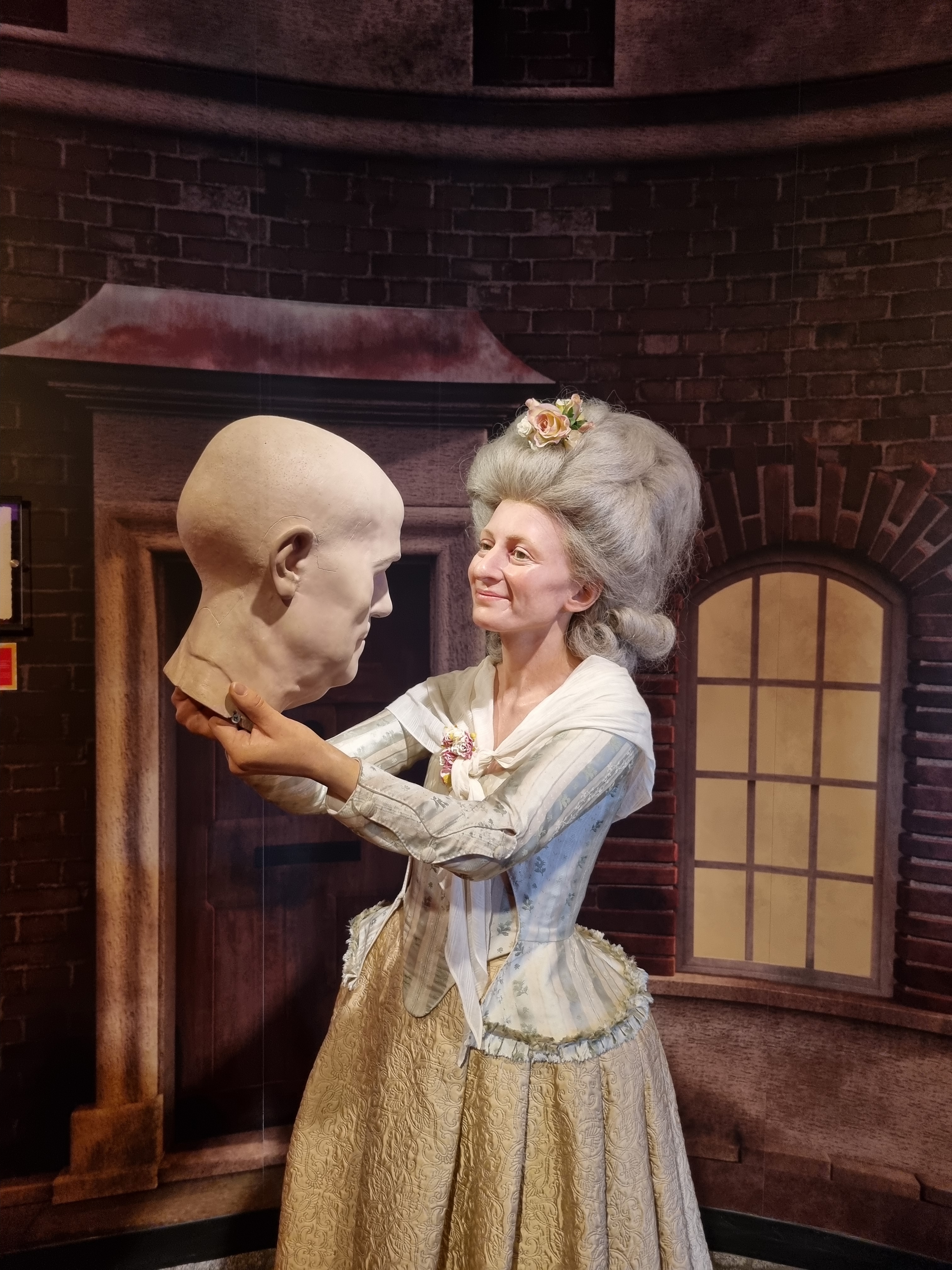
On the third day of your visit, you can explore Vienna’s amusement park, the Prater, or also known as “Wurstelprater”, which offers a mix of modern rides and nostalgic attractions. The area is open to the public 365 days a year, with attractions operating daily from March 15th to October 31st. Some attractions are even open during winter, weather permitting. Whether you’re a kid or an adult, the Prater’s 250 attractions have something for everyone. One of the highlights is the Riesenrad, the famous Ferris wheel that offers breathtaking views of the city. My little tip: If you’re not afraid of heights and feeling a bit adventurous, I recommend trying the Praterdom ride for a cheaper price and even better view over the city and its surroundings. This ride will surely add a memorable adventure to your visit to Vienna! Another popular attraction is Madame Tussauds, a famous wax museum where you can see lifelike wax figures of Austrian and international celebrities, historical icons, and more. I’ve visited several Madame Tussauds locations, and Vienna’s is definitely one of the best I’ve experienced. Have a great time exploring thrilling attractions and let your adrenaline soar!
Visitor information: To learn more about the Prater and its attractions, you can visit their website for information on visitor details and more. To learn more about Madame Tussauds, click here.
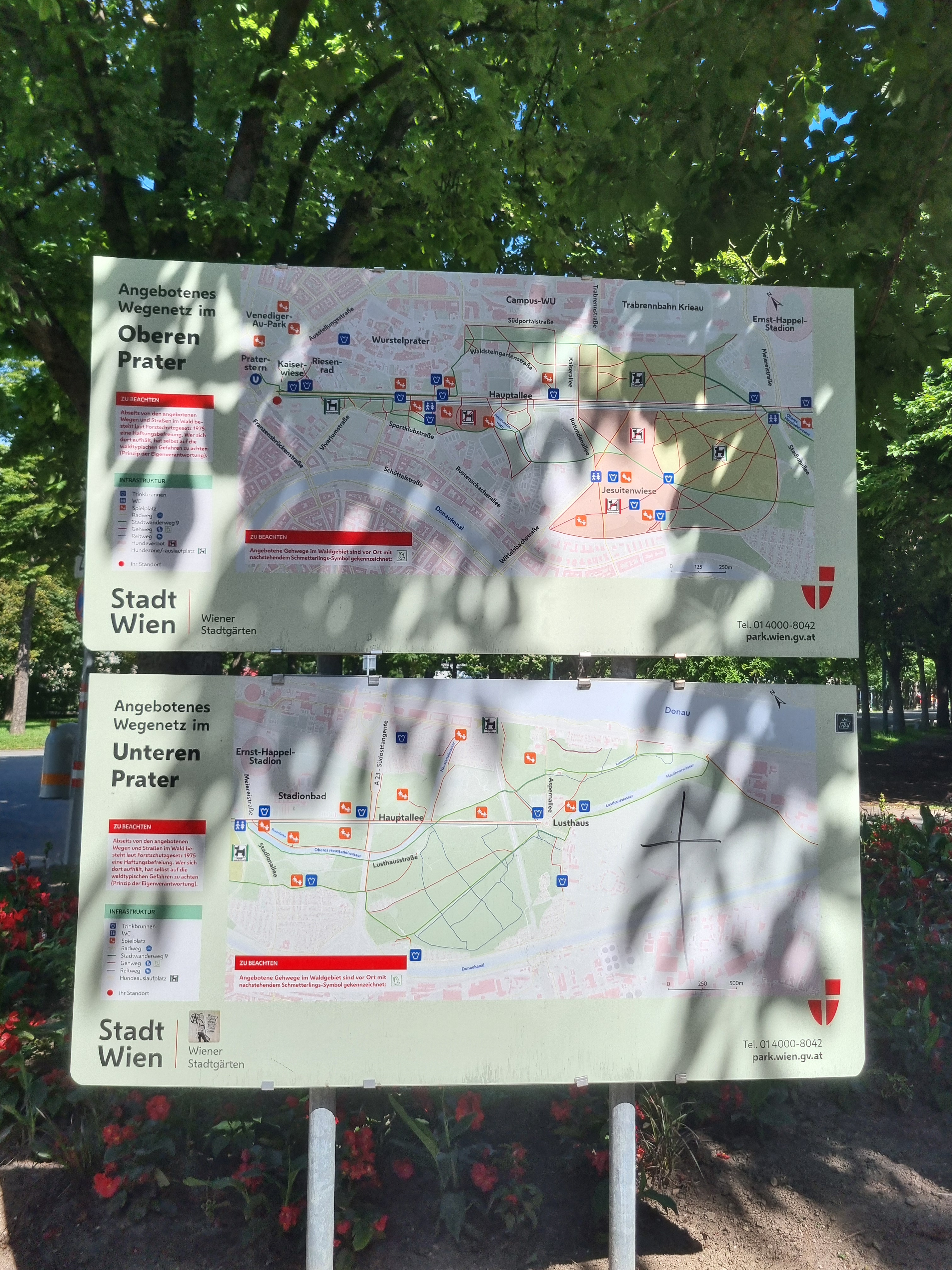
After unleashing your inner child at the Wurstelprater, you can enjoy a leisurely walk through the Prater Park, which is divided into the Upper and Lower Prater. The Upper Prater, starting with the Wurstelprater and the Praterallee, is the livelier part of the park with numerous attractions, restaurants, and entertainment options. In contrast, the Lower Prater is a quieter area with expansive green spaces, perfect for picnics, running, cycling, leisurely walks, and enjoying nature away from the hustle of the amusement park.

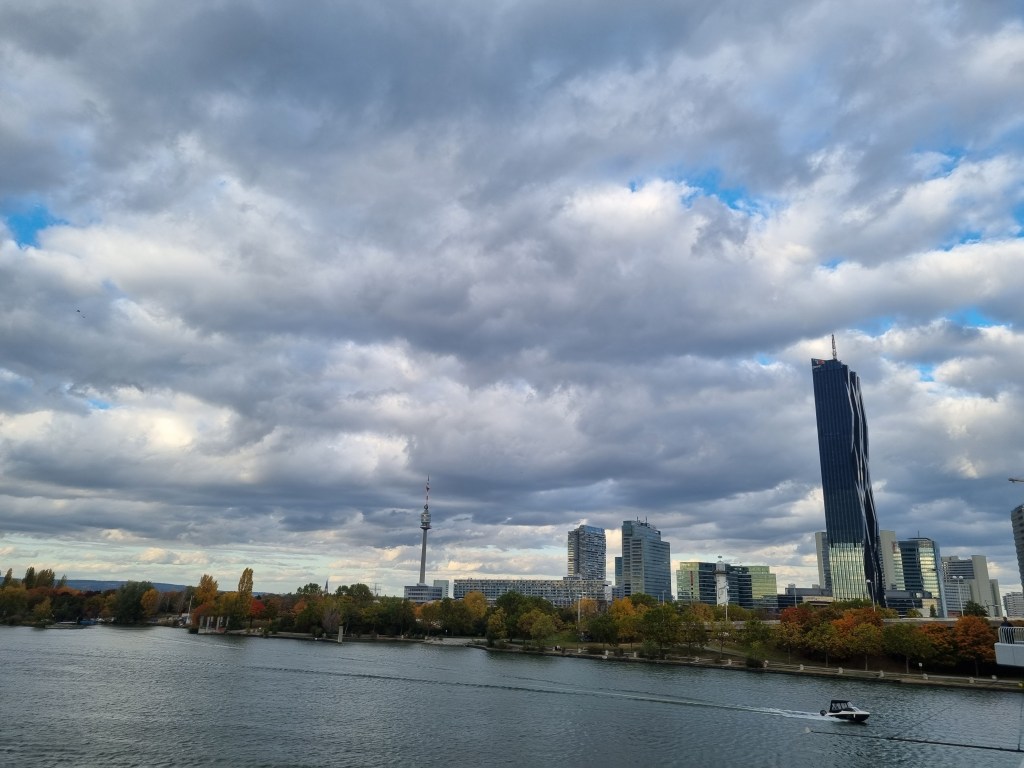
If you’re still craving more nature, you can hop on the subway U1 to Donauinsel or Alte Donau to enjoy the Danube River, also known as the Donau, flowing through the city. The Donauinsel is a long, narrow island in the Danube River, offering a fantastic area for locals and visitors. It’s a popular spot for outdoor activities such as cycling, jogging, picnicking, and sunbathing. Every summer, the open-air festival “Donauinselfest” is held there. At Alte Donau, another subway station, you can even go swimming or rent a boat on the river. Both the Donauinsel and Alte Donau provide a beautiful escape from the bustling city, where you can relax and enjoy nature by the water.
Day 4
On day four, it’s all about your interests. You have the option to visit some of Vienna’s excellent museums, unwind at the waterpark Therme Oberlaa, visit Kahlenberg and the wineyards of Vienna, take an underground tour through Vienna’s canal system, discover the nature reserve Lainzer Tiergarten, and more. Whichever you choose, it promises to be a fantastic experience. Let me provide you with more details about these options:
If you’re looking to dive deeper into Vienna’s cultural scene, there are several fantastic museums I can recommend based on your interests. Vienna is known for its many museums, ensuring you’ll find one that aligns with your preferences. You can explore the Kunsthistorisches Museum (KHM) for classic art, the Naturhistorisches Museum (NHM) for natural history exhibits, the Albertina for paintings, prints, drawings, and photography, the MUMOK for modern art, the Technisches Museum for science and technology, MAK Museum for various artistic forms, including furniture, glassware, ceramics, textiles, and industrial design, Leopold Museum for Austrian art from the late 19th and early 20th centuries, Museum of Illusions for optical illusions and interactive exhibits, Time Travel for a journey through different historical eras using virtual reality technology, and many more. Each museum offers a unique experience and a chance to learn more about Vienna’s rich history. They have different opening hours and ticket prices, so be sure to check their official websites.
Therme Oberlaa is a waterpark located approximately 1.6 km from the city center. It offers various pools, saunas, waterslides, and wellness areas, making it an ideal mix of enjoyment and fun. The tropical spa area with palm trees and warm water is a highlight enjoyed by many visitors. If you seek a day of fun and relaxation, Therme Oberlaa could be an excellent option for you!
Visitor information: If you want to book tickets or learn more about the bath complex, its prices, or special offers, you can click here.
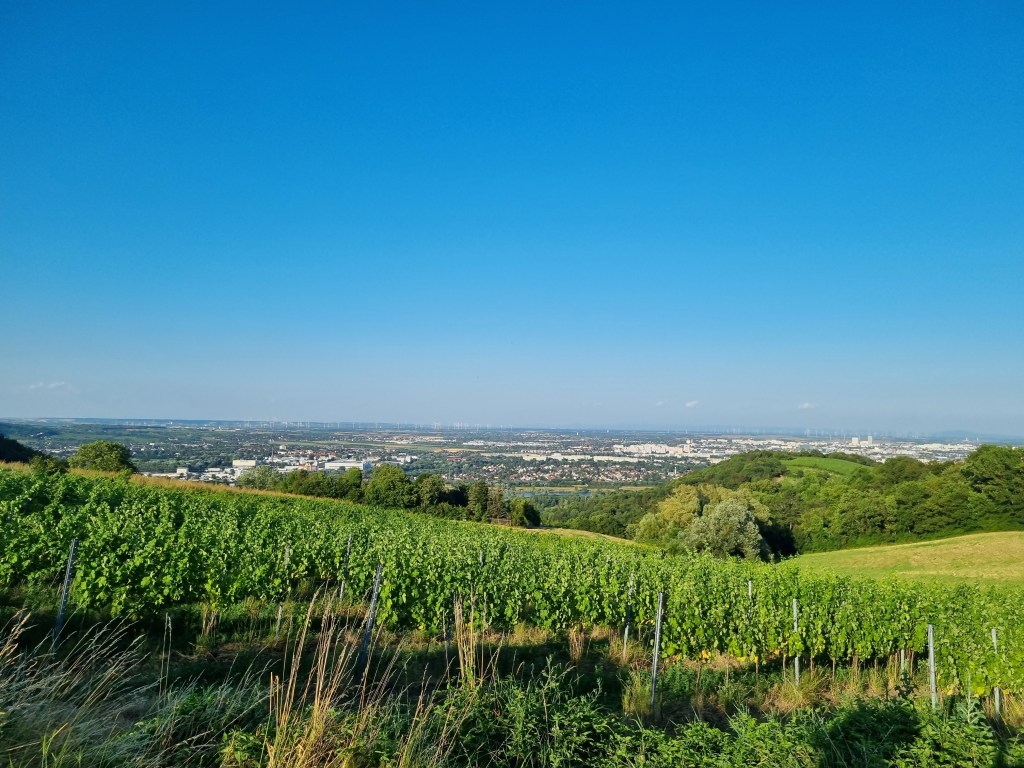
Vienna is home to some beautiful vineyards where you can savor wine tastings, admire scenic views, and enjoy leisurely walks amidst the aroma of fresh grapes. Very close to the vineyards is Kahlenberg a hill that offers breathtaking panoramic views of the city and the Danube River. It’s a popular spot for locals and tourists to enjoy the scenery, go for a hike, or relax with a glass of fresh grape juice. Additionally, there’s a climbing park where you can climb among the trees.
Dritte Mann Tour
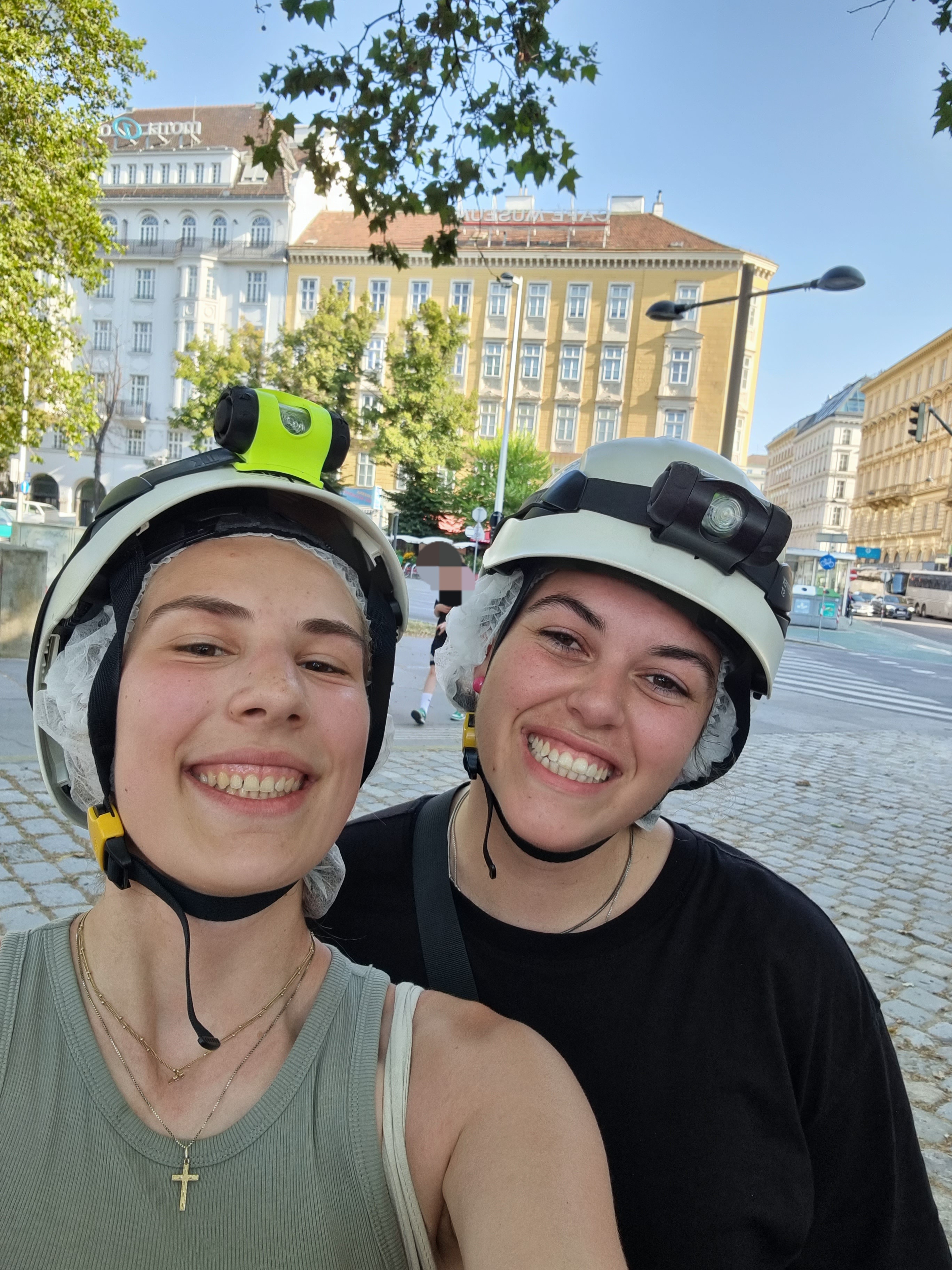
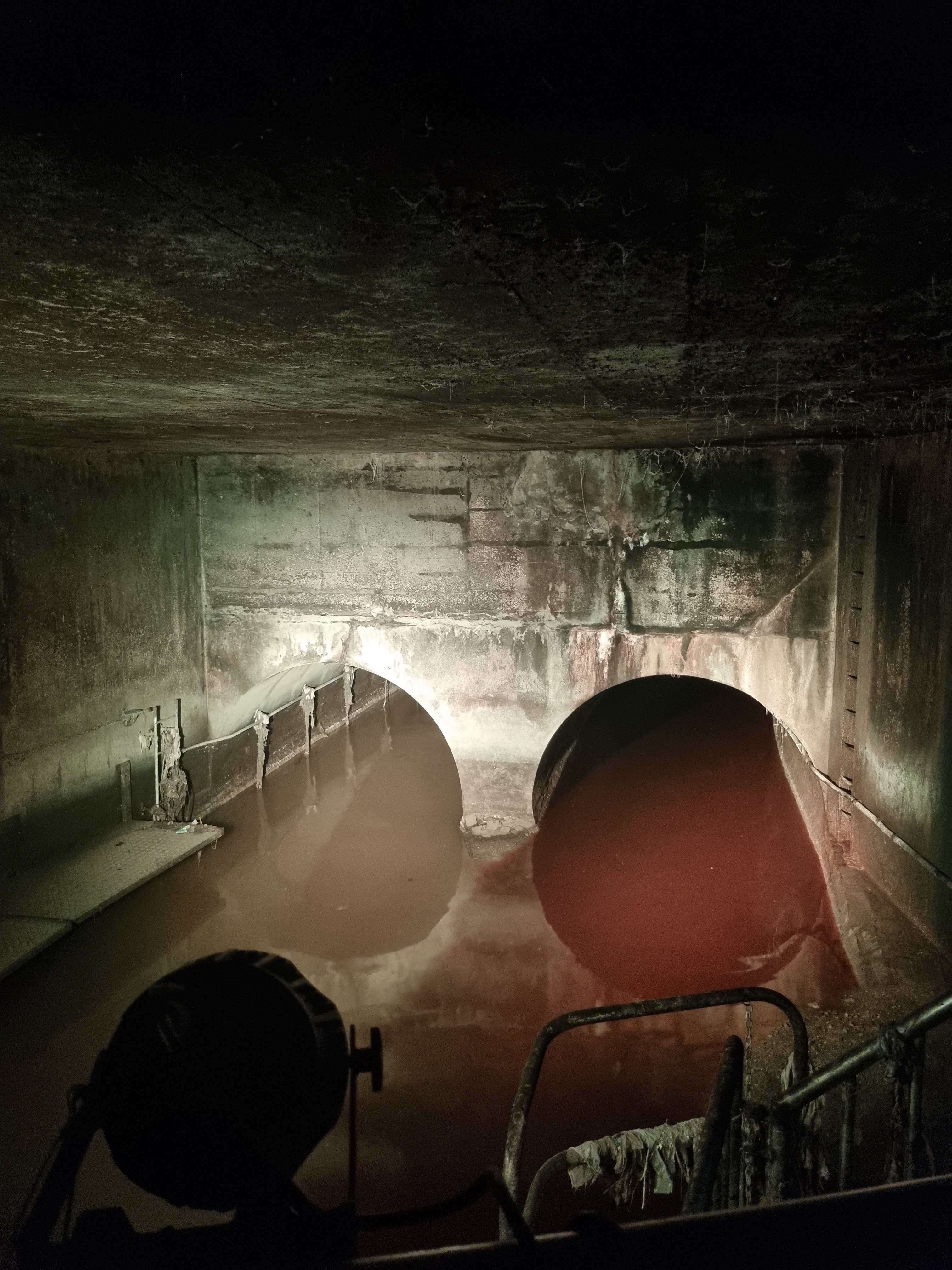
This tour, which happens beneath Karlsplatz square, guides you through Vienna’s underground sewer system, following the footsteps of the iconic movie “The Third Man”. It’s a quirky yet interesting activity that offers insights into both the film and Vienna’s history.
More Information: For more information about the tour and tickets, you can click here.
If you’re keen on experiencing more of Vienna’s nature and haven’t had your fill yet, strolling through the Lainzer Tiergarten nature reserve is an ideal way to do so. Within the reserve, you can explore hiking trails, enjoy a picnic, and even spot some wildlife like deer and boars. If you’re a nature lover and have a spare day in Vienna, you’ll definitely enjoy the nature after all the sightseeing!
Day 5
On the fifth day, you might want to visit Belvedere Palace, another castle known for its beautiful architecture and gardens. The palace is divided into two main buildings: the Upper Belvedere and the Lower Belvedere. While the Upper Belvedere served as a representation, the Lower Belvedere functioned as the residential palace of Prince Eugene. Today, the Upper Belvedere is known for its grandeur and houses an art collection, including famous works by Gustav Klimt, making it a must-visit for art enthusiasts and history lovers. On the other hand, the Lower Belvedere hosts special exhibitions and events.
Visitor information: For further information and ticket purchases for the Lower or Upper Belvedere, click here. The gardens are open to the public and free to visit.
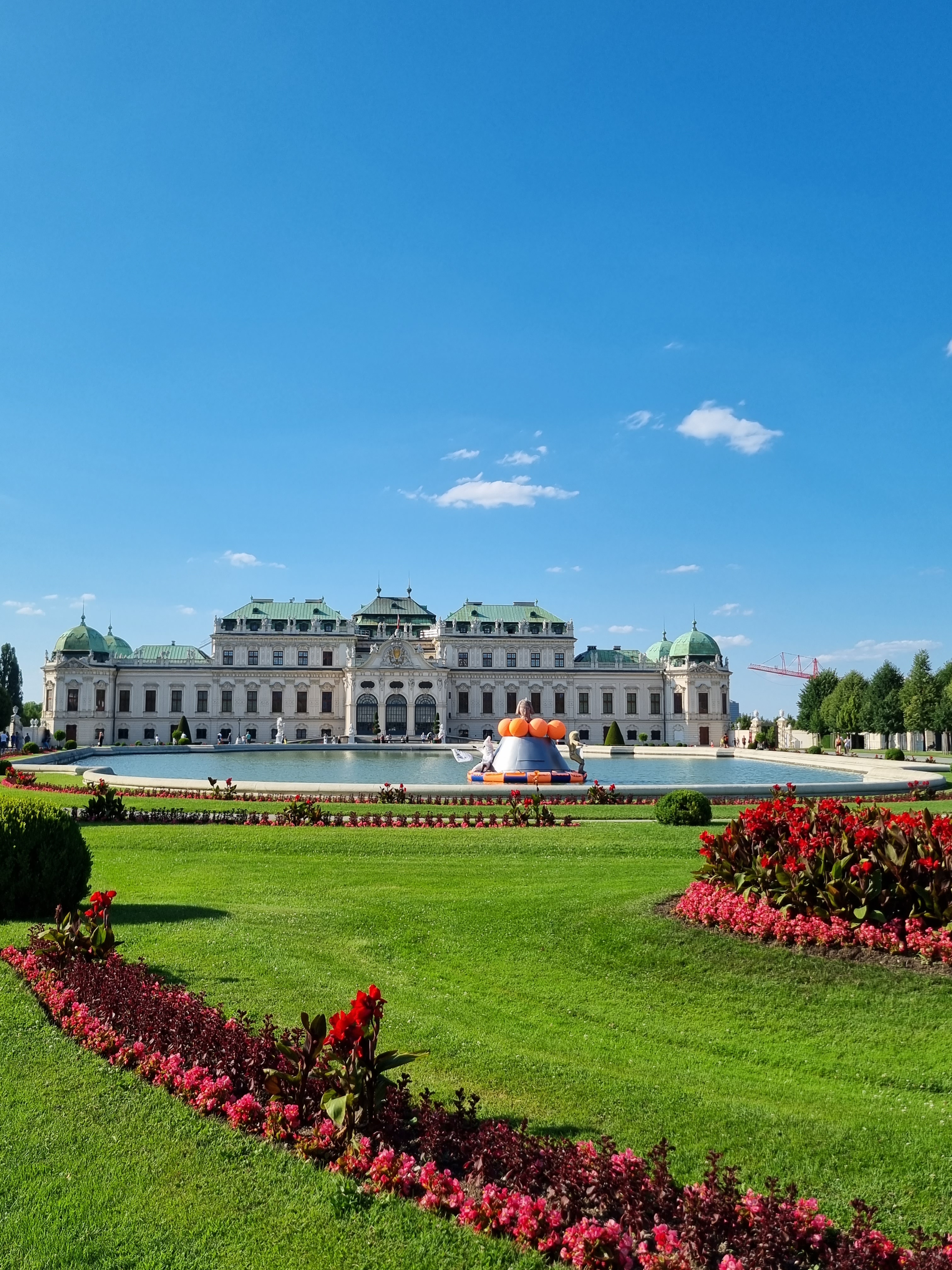
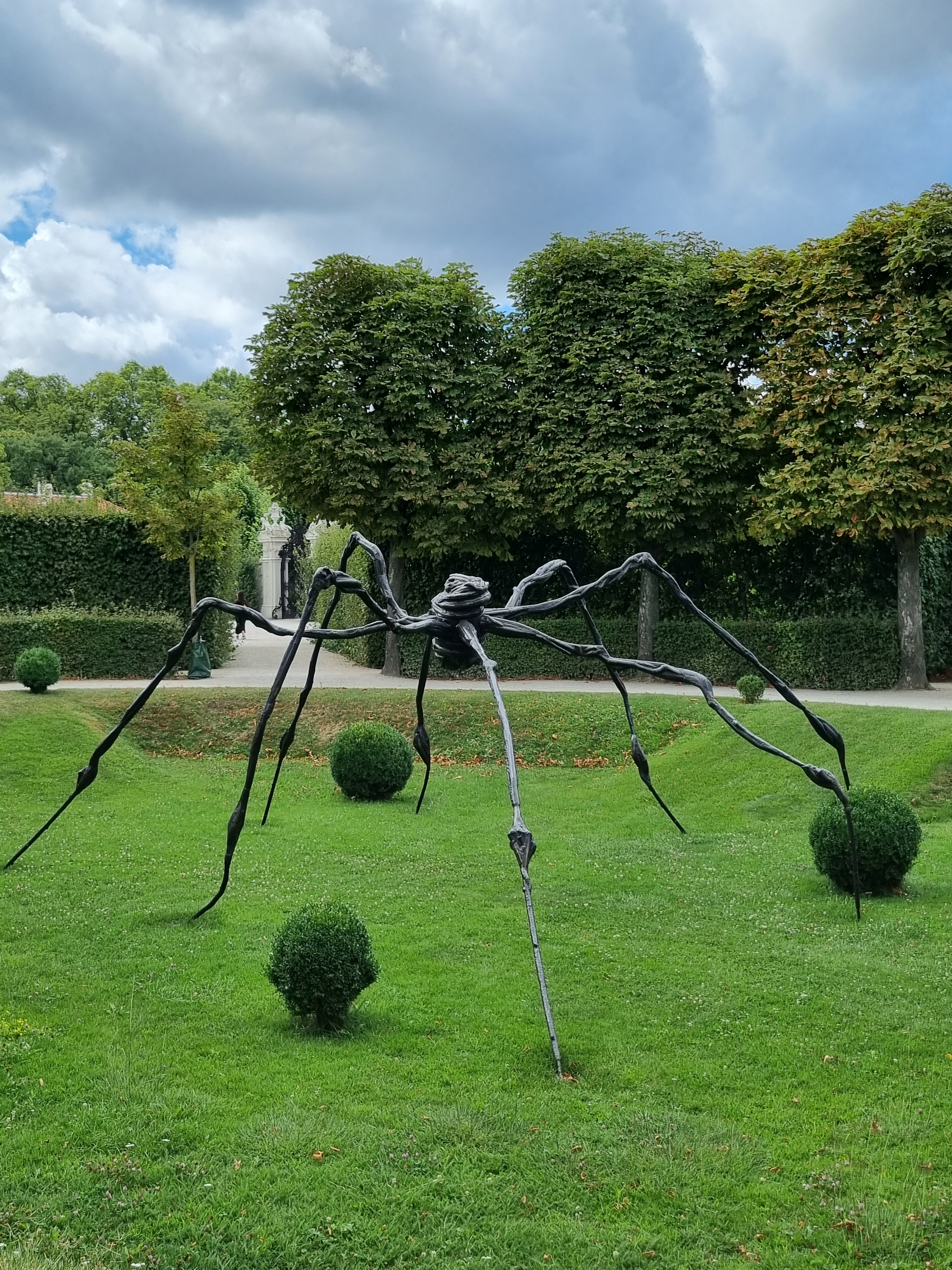
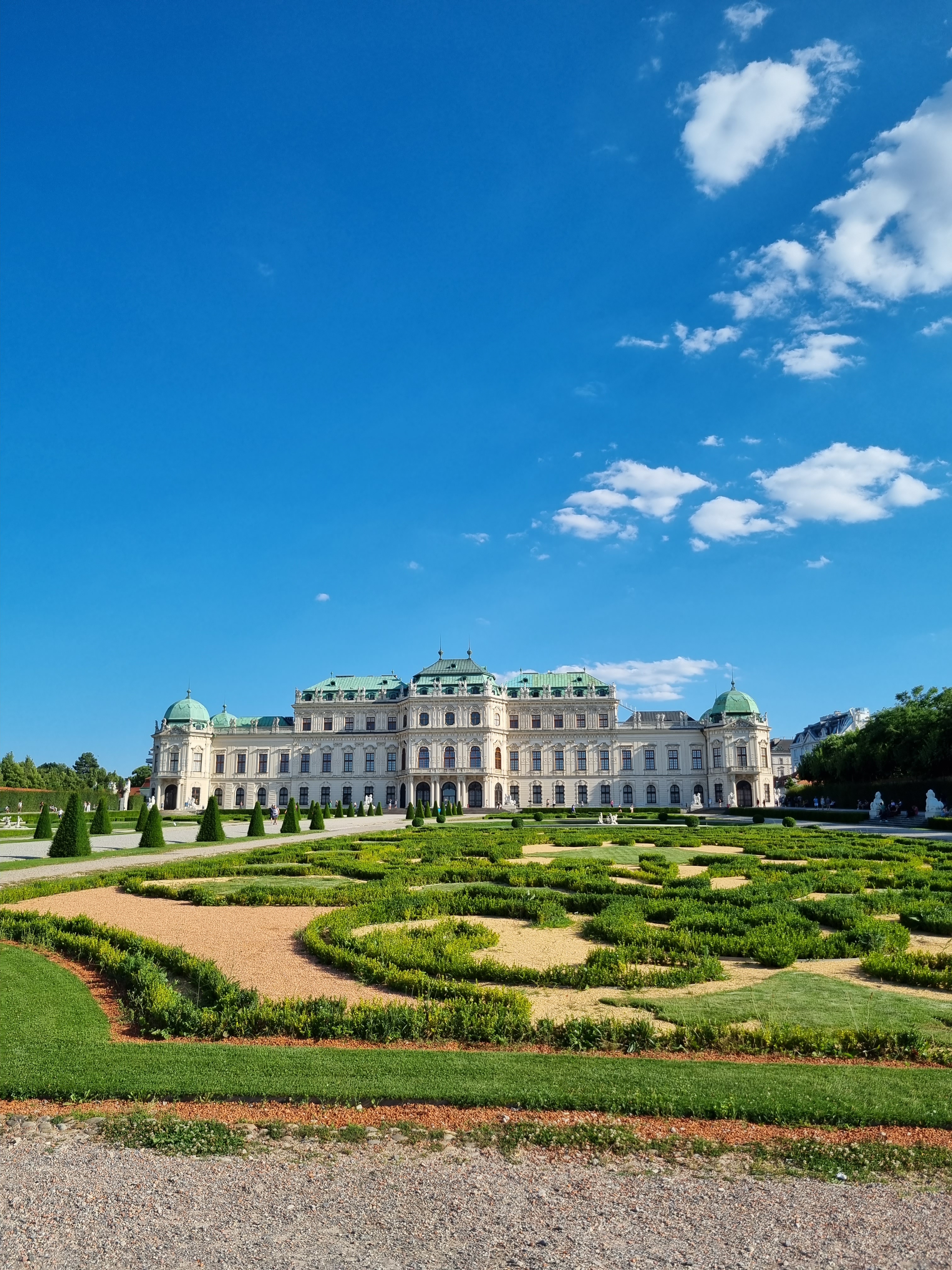
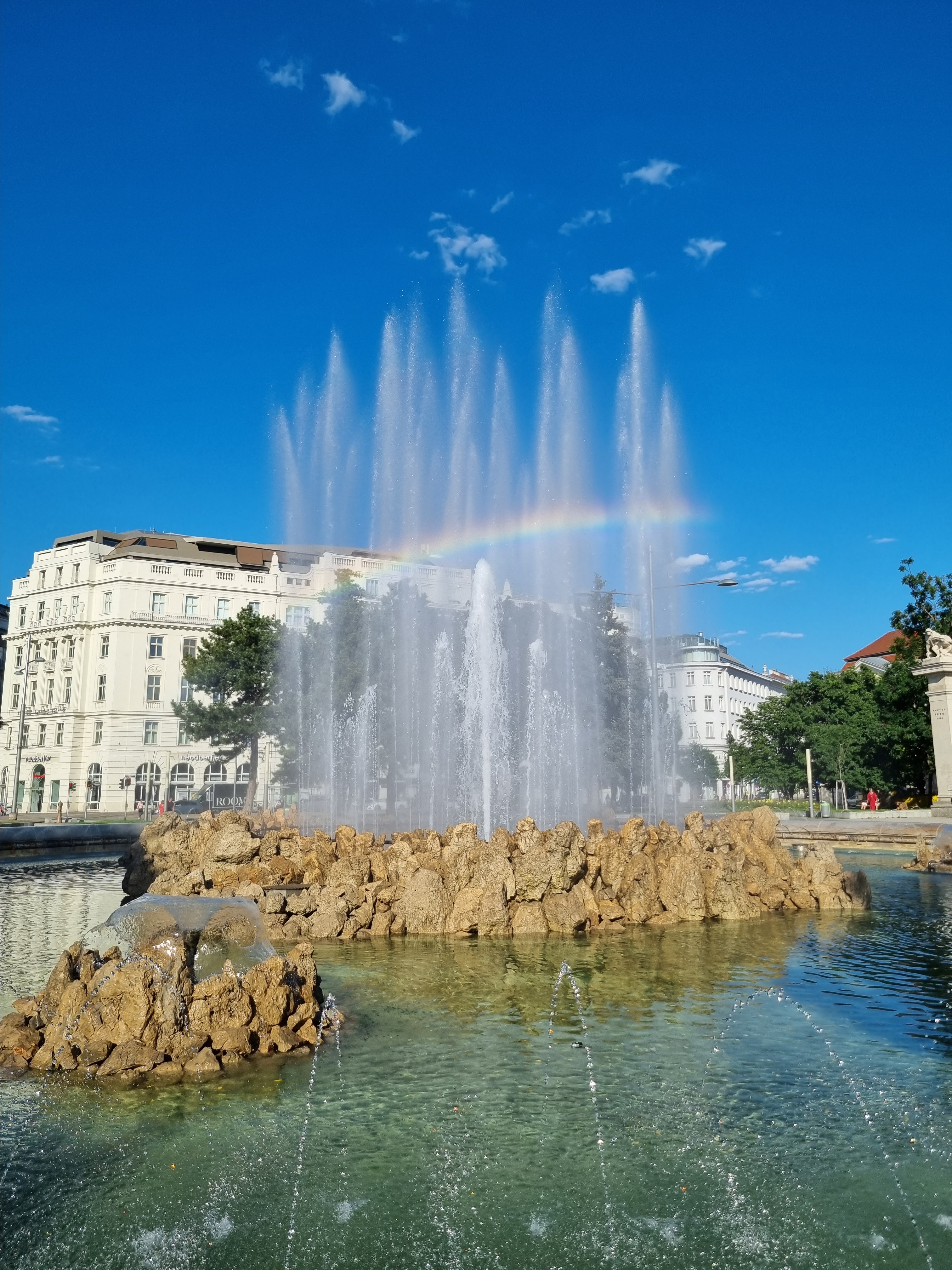
Just a 15 minute walk away you’ll find the Soviet War Memorial commemorating the Soviet soldiers who lost their lives during World War II.

After, you can make your way towards Hundertwasserhaus a unique and colorful architectural masterpiece designed by the Austrian artist Friedensreich Hundertwasser. Unfortunately, you can’t visit the inside of the house since it’s inhabited. You can only visit the information shop located in Kegelgasse directly in the Hundertwasser-Krawina-Haus, but not the actual apartments. The information shop features an informational film about the entire house from unique perspectives during opening hours. For learning more about Hundertwasser and the building click here.
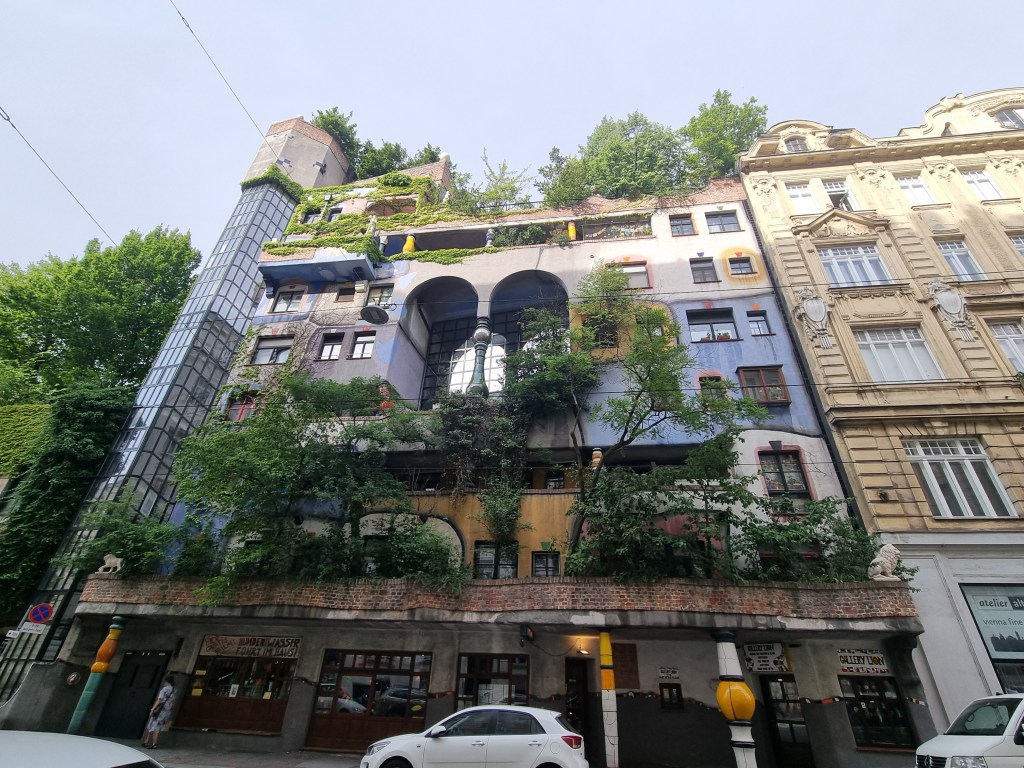
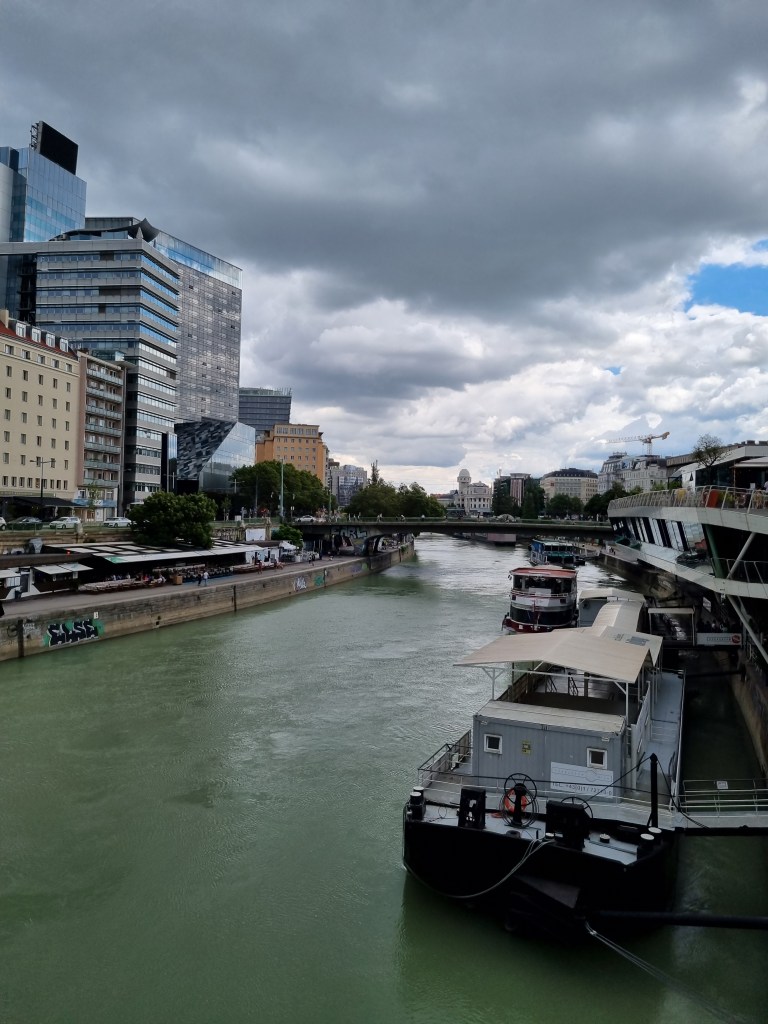
Just a five-minute walk away, you can find the Donaukanal, a canal that runs through the city, offering a charming waterfront area with plenty to see and do. You can take a leisurely stroll along the canal, enjoy a bike ride, or relax at one of the cozy cafes or bars lining the water. The Donaukanal is also a popular spot for outdoor events, art installations, and street art. It’s a lovely place to soak in the city’s atmosphere and spend some time by the water. During warm summer nights, its bustling with people sitting at the canal, winding down for the evening.
I hope I’ve helped make planning your visit to Vienna easier and that you can fully enjoy Vienna’s charm and diversity. I’d love to hear about your experience in Vienna and your favorite moments, so feel free to share your thoughts in a comment or message me privately.
Summary of activities
- Schönbrunn Palace
- Belvedere Palace
- St. Stephan’s Cathedral
- Votickirche
- Karlsplatz and Karlskirche
- Donau river
- Donaukanal
- Prater and Praterallee
- Madame Tussauds
- Kunsthistorisches Museum Wien (KHM)
- Naturhistorisches Museum Wien (NHM)
- Mumok Museum
- Leopold Museum
- Technisches Museum
- Albertina & Albertina Modern
- MAK Museum
- Hundertwasserhaus
- Leopold Museum
- Time Travel Vienna
- Museum of Illusions
- Computer and Gaming Museum Wien
- Dritte Mann Tour
- Volksgarten
- Burggarten
- City Hall
- University of Vienna
- Opera of Vienna
- Zoo Schönbrunn
- Haus des Meeres Aquarium
- Hofburg and Spanish Riding School
- Austrian National Library and Heldenplatz
- Ikea Viewpoint
- Kahlenberg and wineyards
- Lainzer Tiergarten
- Blumengärten Hirschstetten
- Setagayapark
Summary of where to eat
- Restaurant 360° Oceansky – all day meal with view over vienna (unpaid ad)
- Figlmüller Wien – traditional austrian cuisine; famous for their Schnitzel (unpaid ad)
- Josefinenhütte – traditional austrian cuisine; restaurant in the wineyards (unpaid ad)
- Gasthaus zum Wohl – traditional austrian cuisine; gluten free (unpaid ad)
- Honu Tiki Bowls – poké bowls (unpaid ad)
- Wok Walk – asian cuisine (unpaid ad)
- Takumi Tonkotsu Ramen – ramen (unpaid ad)
- Karma Ramen – ramen (unpaid ad)
- Kinka Ramen Bar – ramen (unpaid ad)
- Ebi – asian cuisine; all you can eat (unpaid ad)
- Tata – vietnamese restaurant (unpaid ad)
- Mama Leone – Italian restaurant (unpaid ad)
- Piazza Colombo – italian restaurant (unpaid ad)
- L’osteria – italian cuisine (unpaid ad)
- Pizza Bizi – pizza (unpaid ad)
- La Pausa – pizza (unpaid ad)
- Masch Maschu – oriental cuisine (unpaid ad)
- Sägewerk – mixed cuisine (unpaid ad)
- Swing Kitchen – vegan brugers (unpaid ad)
- Spear – for drinks, burger and finger food (unpaid ad)
Cafés recommendatiojns
- Café Propeller – breakfast spot (unpaid ad)
- Café Central – Viennese traditional café (unpaid ad)
- Café Demel – Viennesse traditional café (unpaid ad)
- Café Landmann – Viennesse traditional café (unpaid ad)
- Oberlaa – Viennesse traditional café (unpaid ad)
- Hotel & Café Sacher – Viennese traditional café; famous for their Sacher Cake (unpaid ad)
- Le Bol – french café (unpaid ad)
Ice Cream recommendations
- Paolo Bortolotti (unpaid ad)
- Gelateria La Romana (unpaid ad)
Other Austrian Blogs
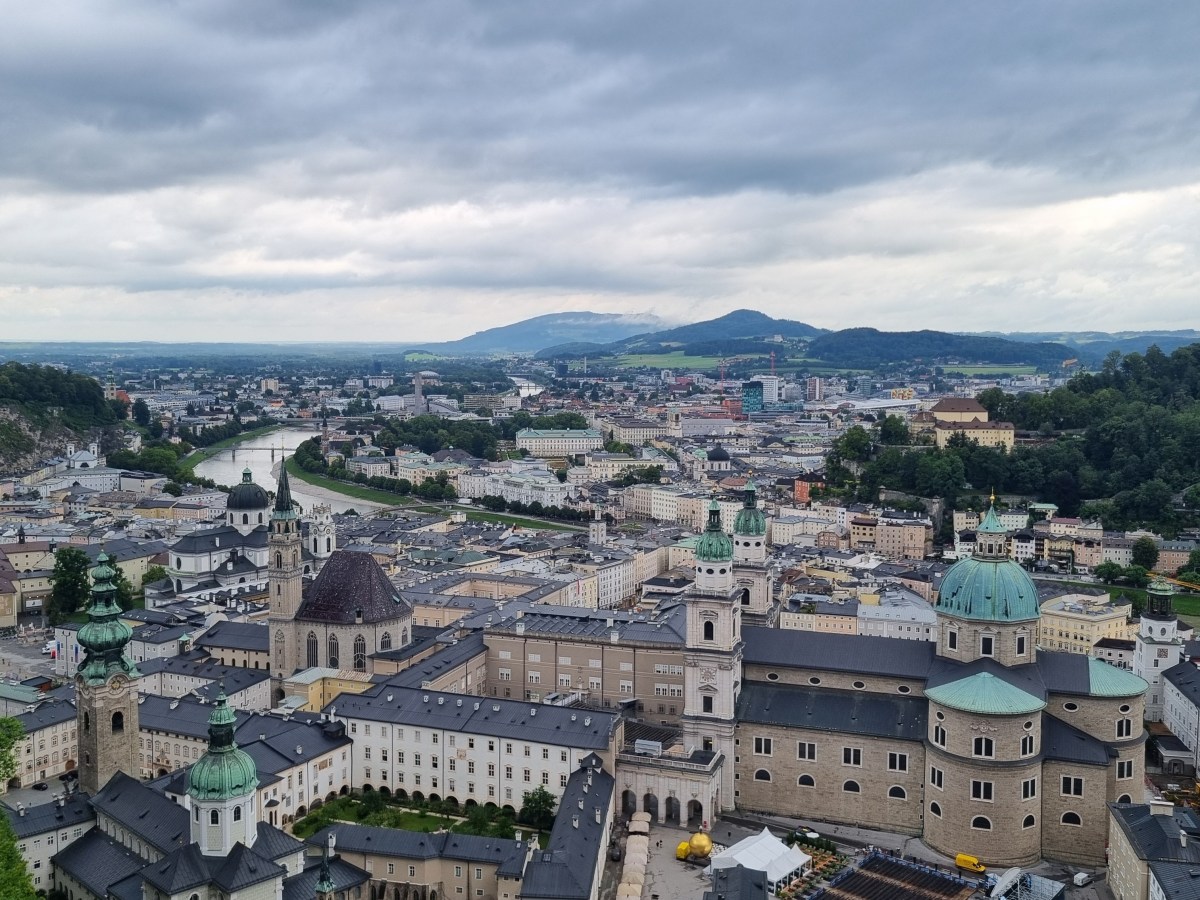
4-Day Salzburg Itinerary: History, Day Trips and Alpine Scenery
Planning a trip to Austria? You can’t miss out on Salzburg. The city, known as the birthplace of Mozart and the backdrop for the iconic film The Sound of Music, offers a perfect blend of history, culture, and stunning Alpine scenery. Over the course of three days, you’ll immerse yourself in the city’s rich musical…

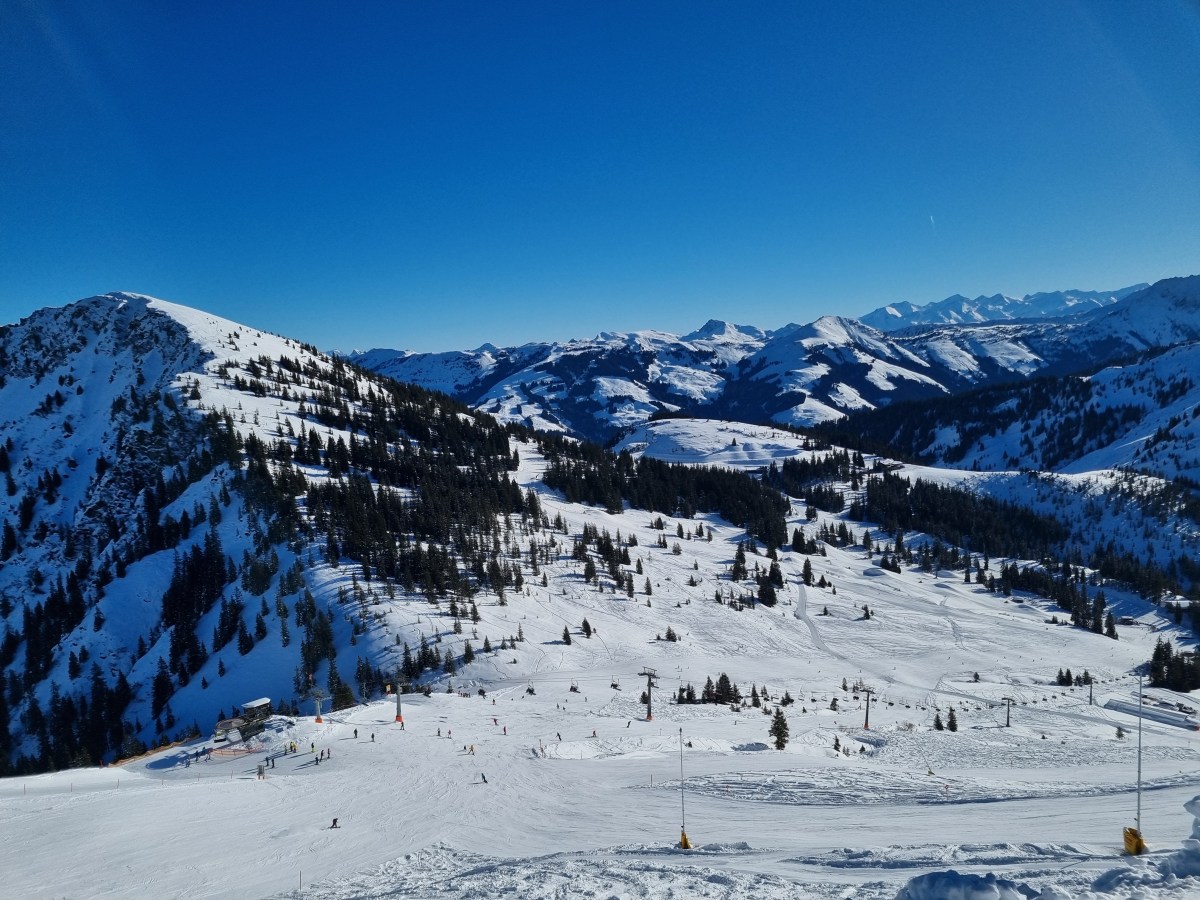
Winter Magic in Westendorf: More Than Just Skiing!
Dreaming of the perfect ski getaway? Westendorf, nestled in the heart of Tirol and just a short drive from the legendary Kitzbühel, offers breathtaking slopes, fresh powder, and unforgettable alpine charm. But this winter wonderland has so much more to offer! From cozy mountain huts and scenic winter hikes to snowshoe adventures and tandem flights…
One response to “Vienna Travel Guide: A Local’s 5-Day Itinerary”
-
One of the most beautiful capitals in Europe, full of charme and history. Great. Your dad.
LikeLike



 Michelle Cacija
Leave a comment