
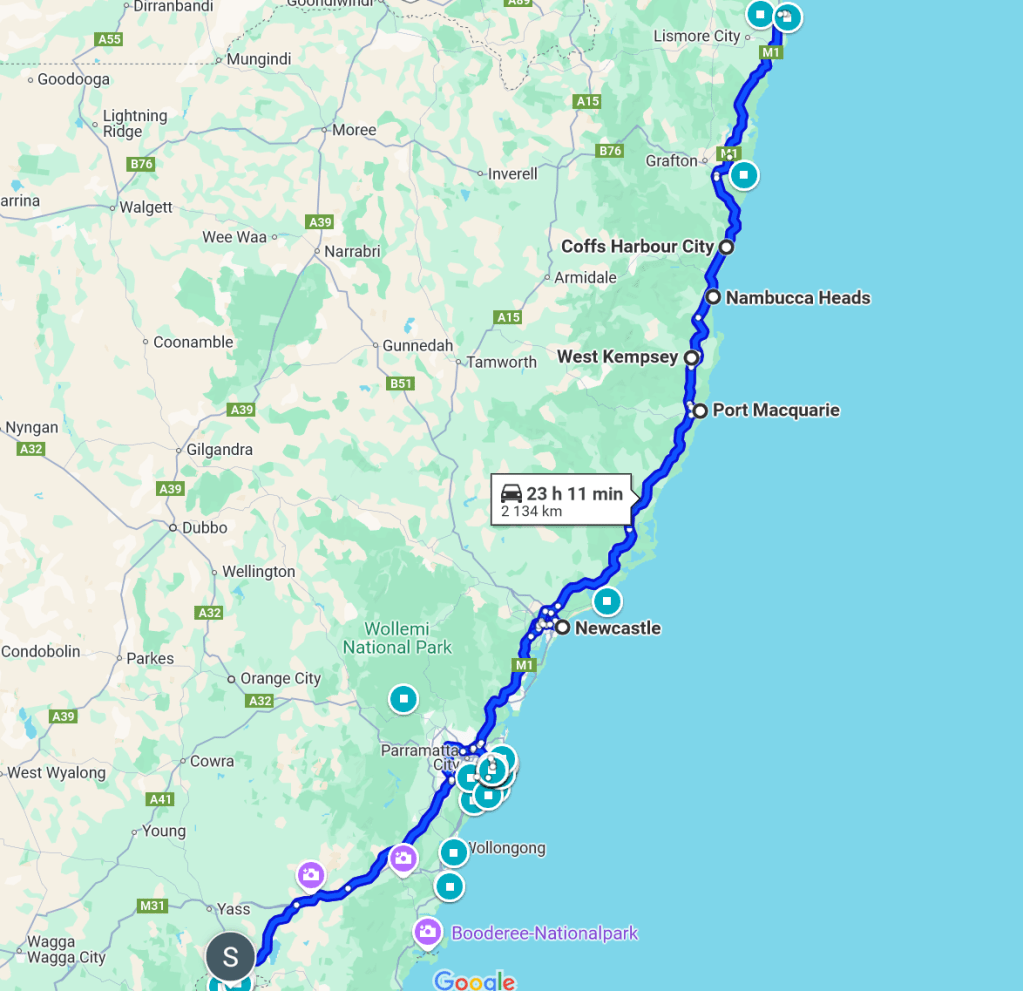
Looking for the perfect 7-day getaway that combines breathtaking coastlines, lush landscapes, and vibrant beach towns? Join me, my partner and a friend on a road trip from Canberra to Byron Bay, where each day offers a new town along Australia’s iconic East Coast. From coastal walks and serene national parks to hidden cafés and surf spots, this journey is packed with must-see stops that are bound to make lasting memories. Whether you’re a nature lover, beach enthusiast, or just craving a bit of adventure, this route has something for everyone. Get ready to embrace the open road, enjoy scenic views, and explore some of Australia’s most beloved destinations, all in a week.
As always, I want to remind you, that this blog isn’t perfect because everyone travels differently, and all trips involve changes of plans. I want to let you know that everything on this website has been experienced, photographed, and written by me. Since I finance all of my travel expenses on my own, the stories and opinions given are truly my own. If you’re interested in seeing more travel pictures or videos, feel free to check out my Instagram @michellecacija or my Tik Tok @michellecacija.
Index
- The Basics about Australia
- Things you need to be aware of
- Itinerary
- Booking Checklist
- Other Australia Blogs
The Basics about Australia
When to visit
Australia’s East Coast is best explored during the spring (September to November) and autumn (March to May). These seasons offer mild, comfortable temperatures, less humidity, and fewer crowds than summer, especially for popular spots like Sydney, the Great Barrier Reef, Gold Coast or Byron Bay. However, if you’re looking to surf in New South Wales or snorkel off the coast of Queensland, summer (December to February) can also be ideal, but be prepared for peak tourism rates and potential wet season conditions in the northern regions.
Time Period
The ideal length of stay in Gold Coast depends on what you want to experience. I can recommend at least three to four days. This gives you enough time to explore the famous beaches, visit the theme parks, and take a day trip to the beautiful hinterland. A longer stay allows you to experience a more relaxed time, including hidden gems and local spots.
Getting there
Flying into Sydney or Brisbane is a great starting point for an East Coast road trip, with both cities boasting major international airports. If you’re coming from abroad, Sydney is often the most convenient hub, while domestic travelers may consider Cairns or Melbourne as alternate starting points. We started our from road trip from Canberra, since we had been there before and my partner’s car was there. Renting a car or van provides the flexibility to explore scenic routes like the Pacific Coast Way or Legendary Pacific Coast. Regular buses also run along the coast, connecting key cities, but a vehicle allows more access to remote beaches and hidden coastal gems.
Getting around
Getting around the city is easy and convenient, whether you prefer public transport or renting a car. The city has an efficient tram system, connecting major attractions and shopping districts. Buses cover the rest of the city, including routes to theme parks and hinterland areas. Rideshare services like Uber and taxis are widely available, while cycling and walking are great options for exploring the stunning coastal paths. If you want more flexibility, renting a car is ideal for visiting hidden gems beyond the city center.
Where to stay
Accommodation along Australia’s East Coast offers something for every budget, from affordable hostels to luxury resorts. Coastal campsites often have stunning ocean views, making them popular with campervan travelers. You’ll find both budget and pricier options, with Airbnb and hotels offering great choices for those in the mid-range. Booking ahead is a good idea during peak season, especially in popular spots like the Gold Coast and Byron Bay.
What to pack
Packing for an East Coast Australia road trip requires balancing essentials with adaptability for diverse climates and activities. Bring lightweight, breathable clothing, like shorts, t-shirts, and swimsuits, ideal for warm days along the beaches and coastal towns. A light jacket or sweater will be useful for cooler evenings, particularly in spring and autumn, and a rain jacket is essential if you’re traveling north toward Queensland’s tropical region. For outdoor adventures, pack comfortable walking shoes, flip-flops for the beach, and sunscreen. Sunglasses, a hat, and insect repellent are must-haves, especially for exploring the rainforest or camping.
Additionaly, consider bringing your own little medication bag, including Band-Aids, pain relief tablets, sleeping tablets or spray, bug spray, aftersun, etc. You never know what you might need it for, and you might feel more comfortable using medication from home rather than in a country where you don’t know the ingredients and languages. If you’re coming from outside Australia, don’t forget to bring a Type I power adapter.
Cost of traveling
The cost of an East Coast Australia road trip can range from budget-friendly to expensive. For budget travelers, staying in hostels, cooking your meals, and choosing free or low-cost activities. Fuel costs will vary depending on the length of your trip, but splitting costs with fellow travelers is an easy way to save. Overall, I felt that fuel prices were lower than in Europe (2024).
Things you need to be aware of
Water in Australia. Australia is known for having some of the safest and highest-quality tap water in the world, with strict regulations ensuring its cleanliness and safety for consumption. Most cities and towns have reliable and accessible water supplies that meet high health standards, making it perfectly safe to drink straight from the tap. In many areas, particularly in urban settings, you’ll find public water fountains and refill stations.
Toilet situation. Public toilets in Australia are free and well-maintained, with facilities available in cities, national parks, and most tourist areas.
Tipping in Australia isn’t as customary or obligatory as in many other countries, such as the United States or Europe. While service workers do appreciate tips for exceptional service, it’s not expected. In restaurants, a tip of around 10% is a nice gesture if you are particularly pleased with the service, but it’s common for Australians to simply round up the bill or leave small change.
The Currency used in Australia is the Australian Dollar (AUD). ATMs are widely available across the country, and credit cards are commonly accepted in most establishments. It’s a good idea to have some cash on hand for small purchases, especially in more remote areas or markets but in general, Australians prefer using cards over cash for transactions. The country has seen a significant shift towards cashless payments in recent years, with cards being widely accepted across various sectors.
Itinerary
Day 1 – Canberra, Big Merino and Newcastle
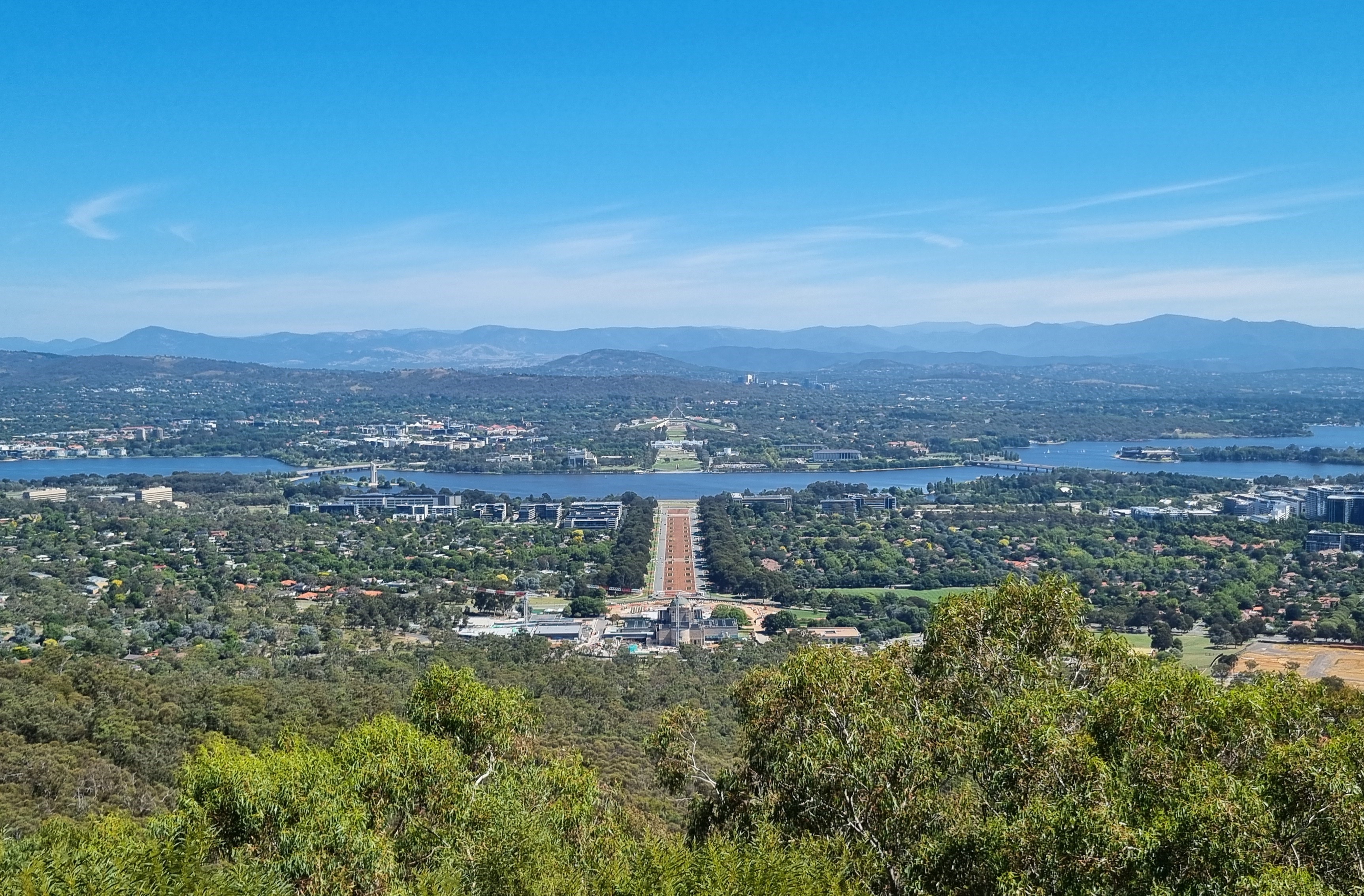
We began our journey in Canberra, heading toward Newcastle, a drive of nearly five hours. If you’re interested in exploring Canberra or planning a stay, check out my guide on 30 Things to Do in Canberra. I’ve been to Canberra a few times before. Just click here for the full blog.
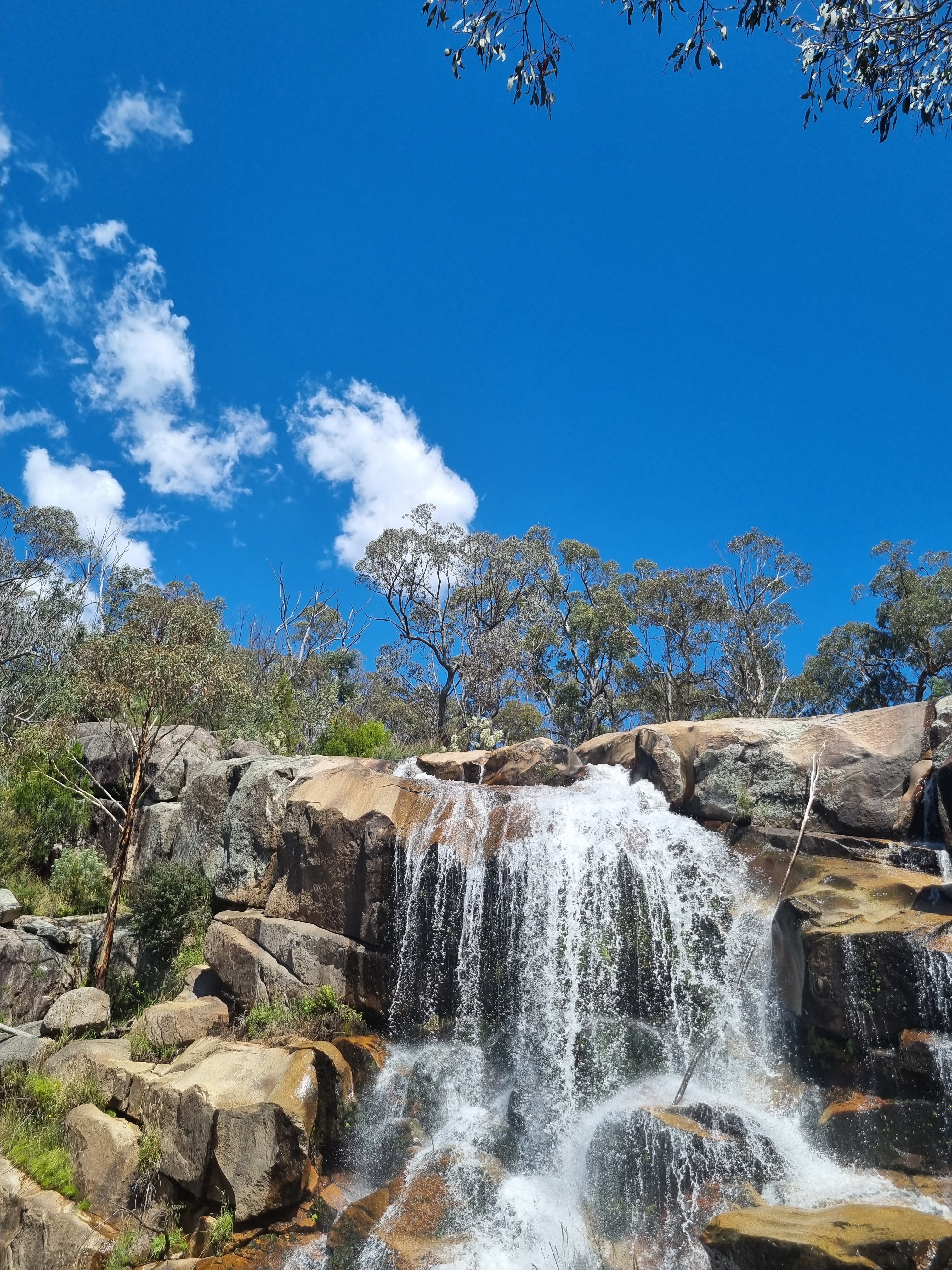

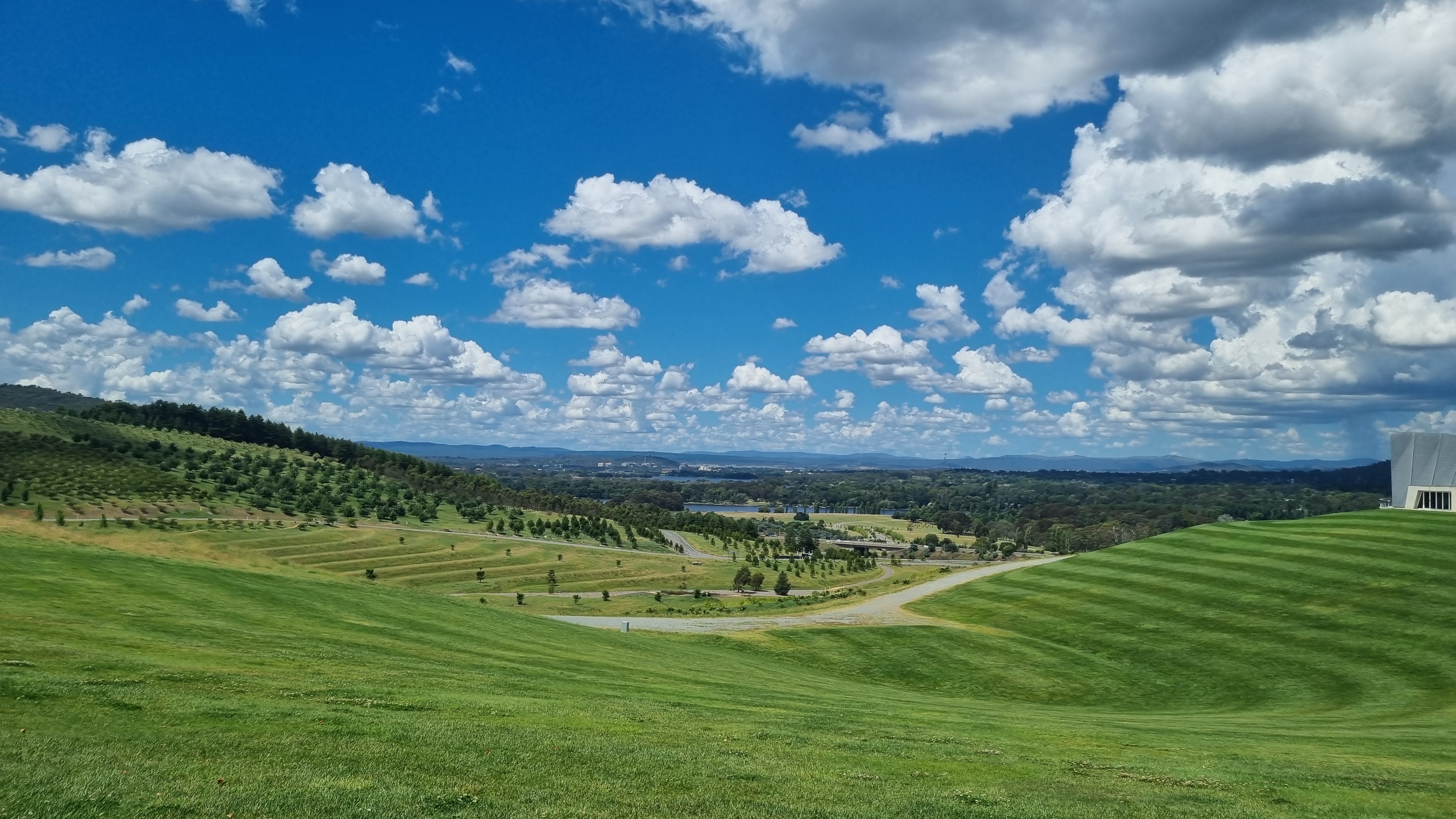
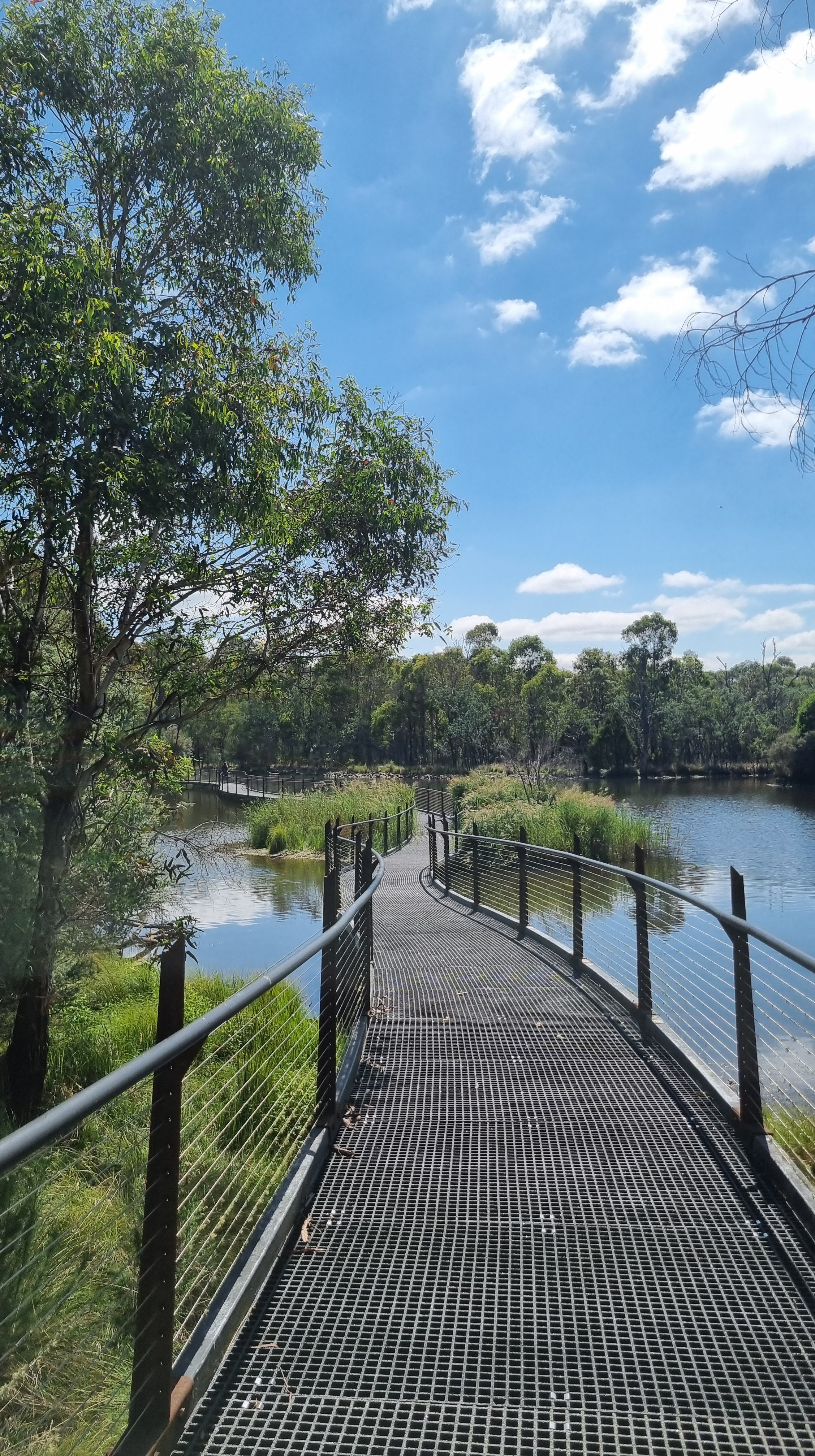
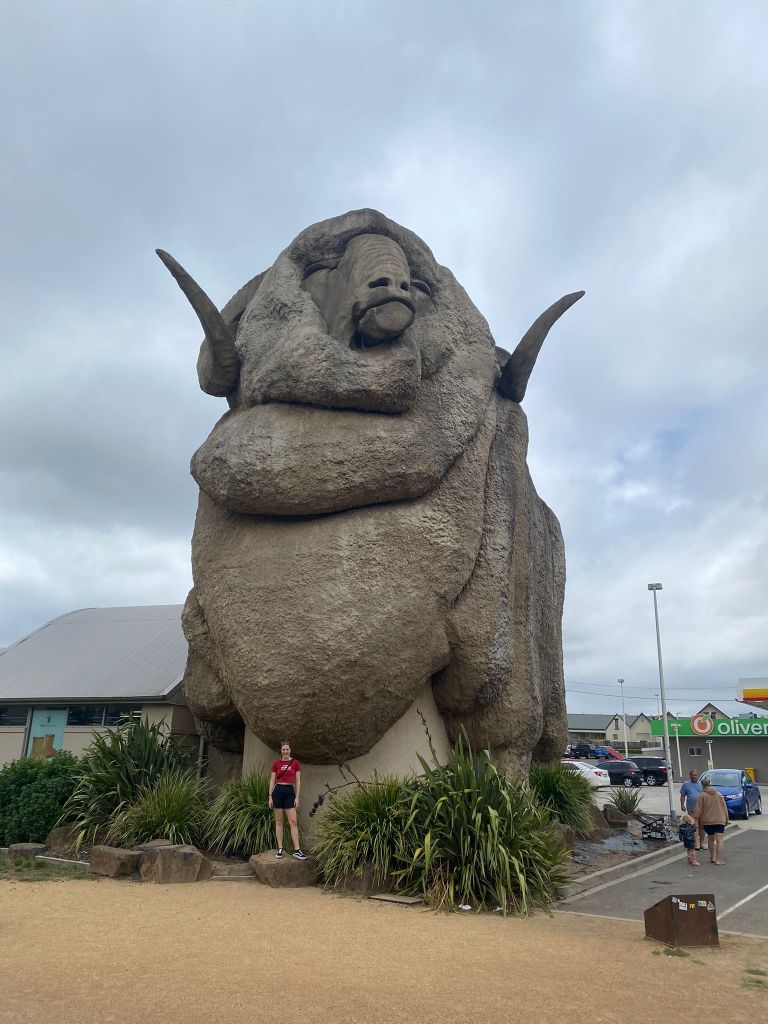
On your way to Newcastle, you’ll pass through Goulburn, where you can stop to take a photo with the famous Big Merino, a massive sheep that has become an iconic roadside attraction. Located just over an hour from Canberra, the Big Merino stands at 15 meters high and celebrates Australia’s important wool industry. Inside, you’ll find a gift shop and even a small exhibition on wool production, making it a fun and informative stop. There are also some small shops and food spots around.
The Big Merino is part of a quirky Australian tradition known as the “Big Things”, oversized sculptures and landmarks found all over the country. From the Big Banana in Coffs Harbour to the Big Pineapple in Queensland, these attractions are popular with road trippers and showcase a playful side of Australia’s regional culture, often celebrating local produce or industries. Stopping at these “Big Things” is a great way to break up long drives and experience a bit of Australia’s unique character along the way. Keep reading for more of these big things during this road trip!
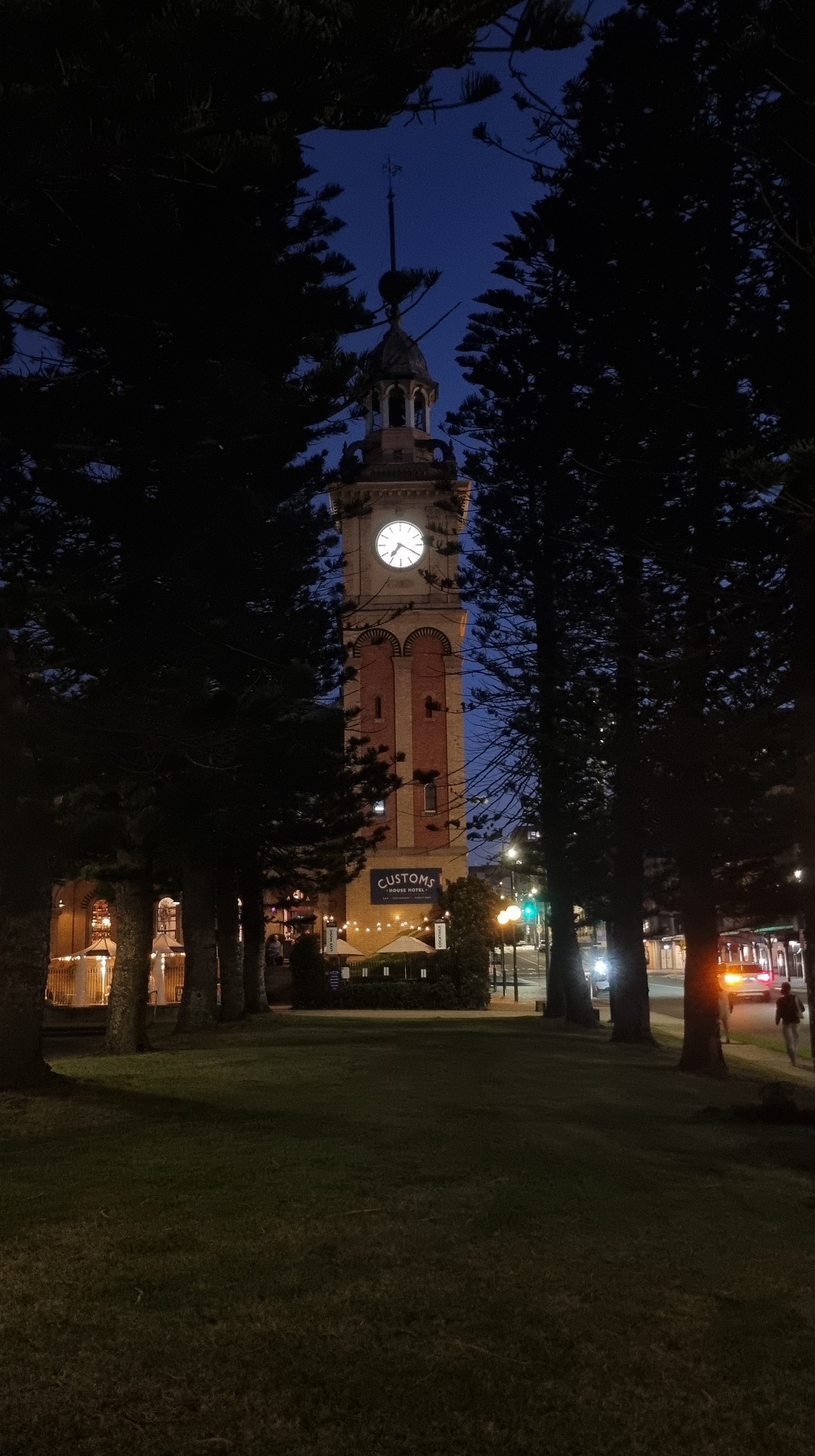
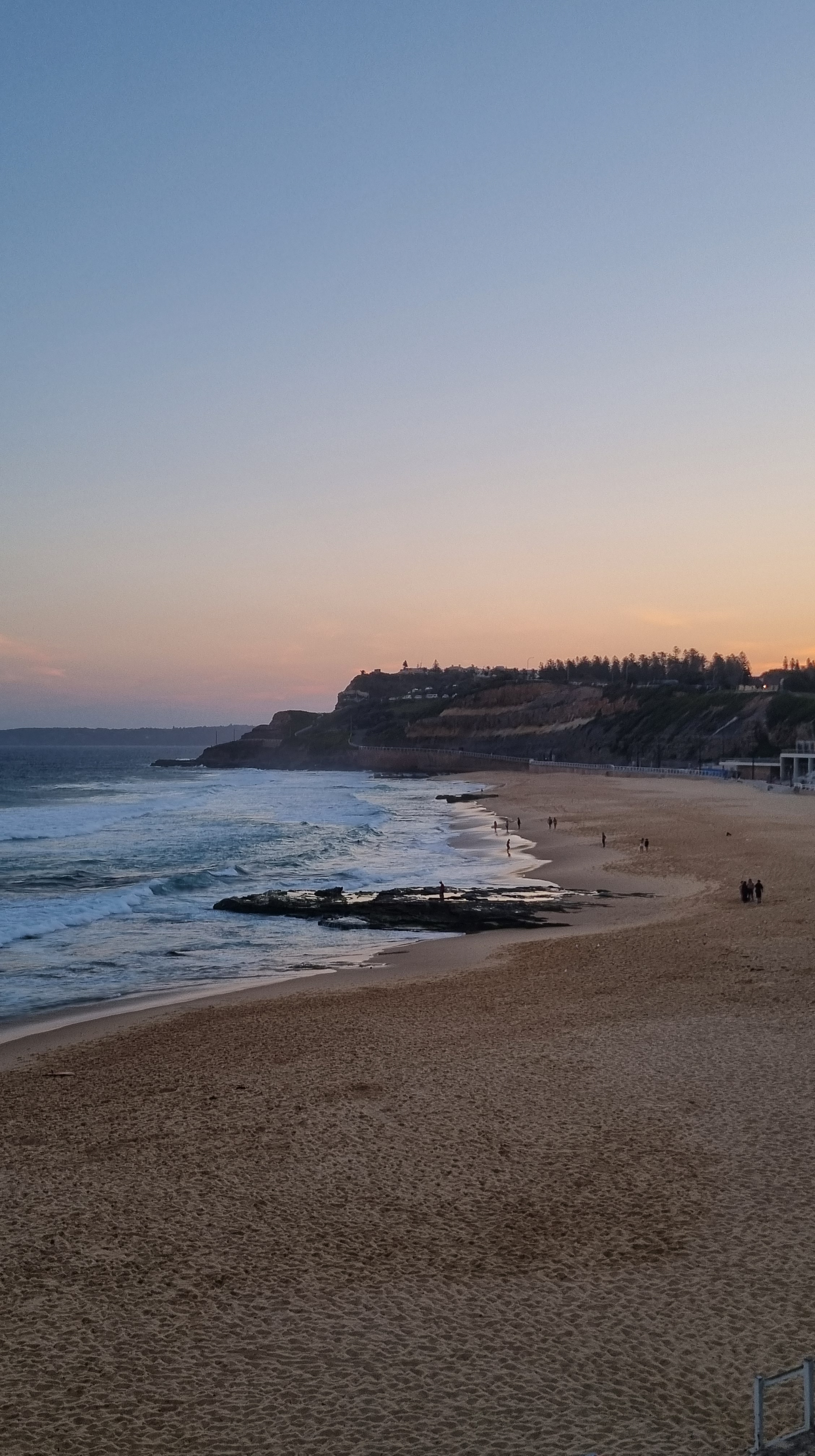
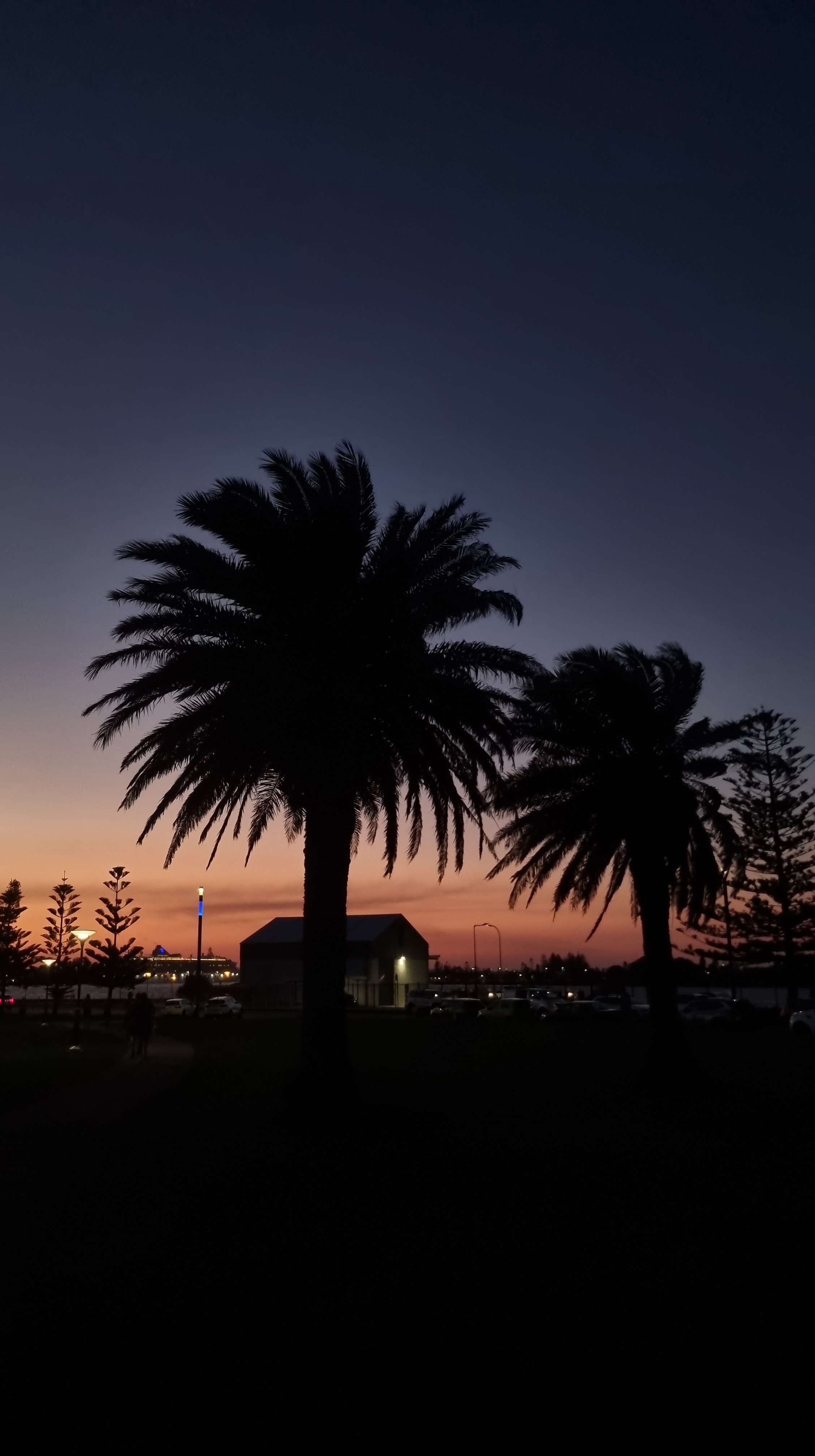
We arrived in Newcastle in the late afternoon. After checking into our hotel, we set out for a relaxing evening walk along the coast, strolling down Shortland Esplanade and enjoying the stunning ocean views and landmarks like Nobbys Lighthouse. Known for its beautiful beaches and laid-back atmosphere, Newcastle offers plenty to explore. You can visit some of the city’s charming cafes, local boutiques, and historic sites, such as the Newcastle Museum and Christ Church Cathedral.
Day 2 – Port Macquarie
The next morning, before continuing on to Port Macquarie, we spent time exploring Newcastle’s city center. From Newcastle, Port Macquarie is about a 2.5-hour drive down the scenic Pacific Highway, with plenty of coastal views along the way.
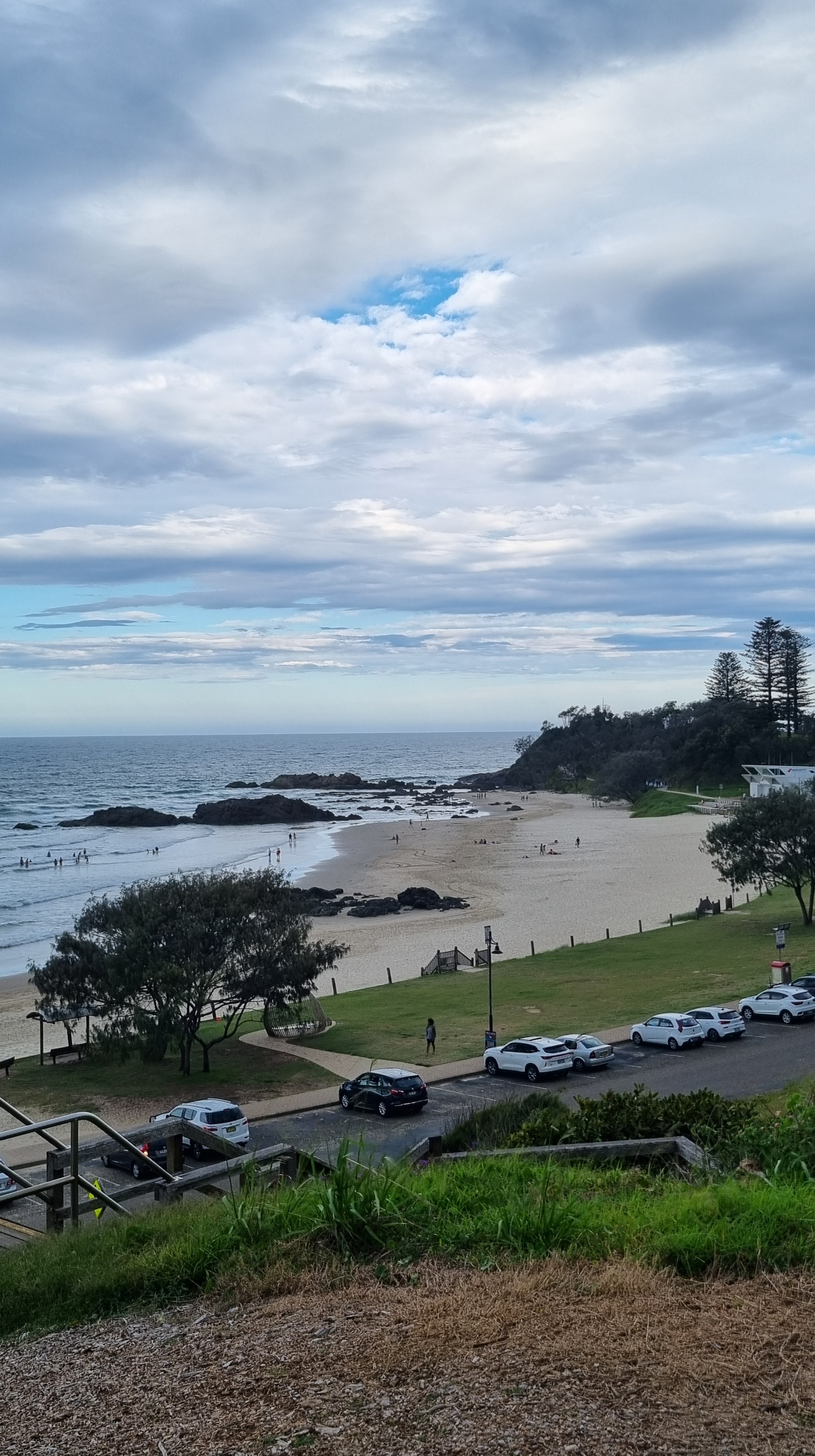
After arriving in Port Macquarie and checking into our hostel, we picked up some fresh seafood and headed to Town Beach for an early dinner, where we enjoyed beautiful ocean views from a nearby lookout point. Later, we strolled down to the beach itself, walking along the coastline and discovering the unique, colorful rocks painted by locals and visitors at Town Beach, a creative touch that adds to the area’s character. What began in 1995 as an art competition has since evolved into an outdoor gallery of painted rocks, where anyone is welcome to leave their mark. We enjoyed looking at the paintings while breathing in the fresh ocean breeze. Port Macquarie, with its relaxed coastal vibe, sandy beaches, and friendly atmosphere, was the perfect stop on our journey.
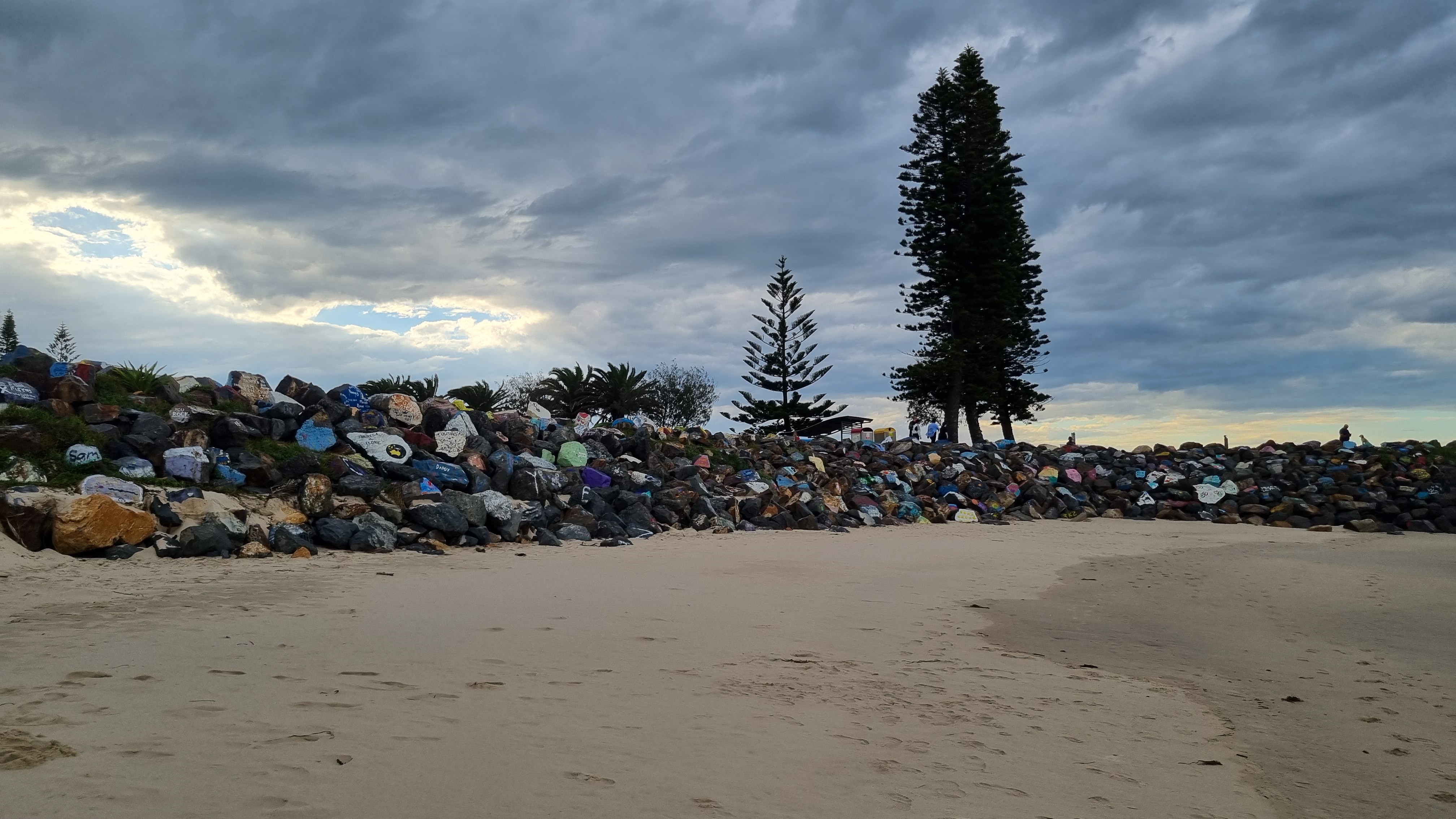

Day 3 – Nambucca Heads and Coffs Harbour
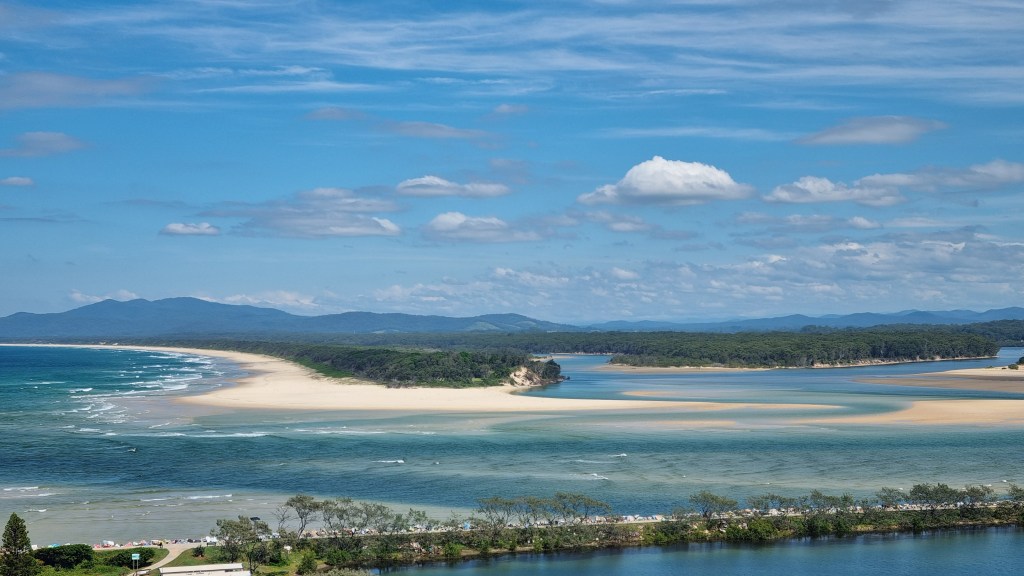
The next morning, we set off toward Coffs Harbour, which is just over 1.5 hours away. On our way, we stopped at the city Nambucca Heads, where we enjoyed breathtaking views from the Captain Cook Lookout. If you find yourself near Nambucca Heads, I highly recommend visiting this lookout to take in the stunning views of the ocean, the beach, and the South Beach National Park.
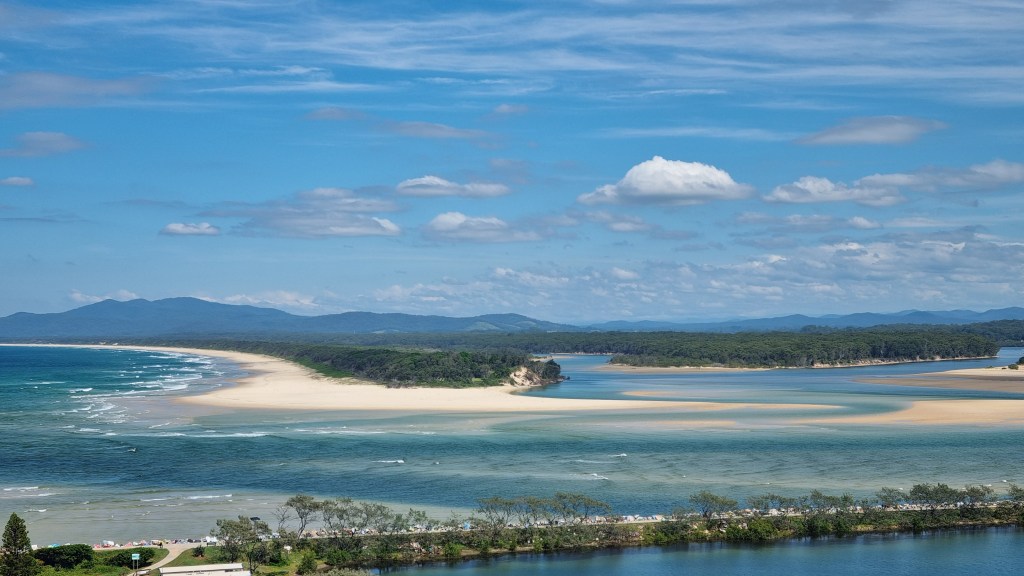
Afterwards, we made our way to nearby Shelly Beach, where we took some time to relax and unwind. This small beach is known for its clear waters and relaxing atmosphere, making it a perfect spot for a leisurely stroll or a quick dip in the ocean.
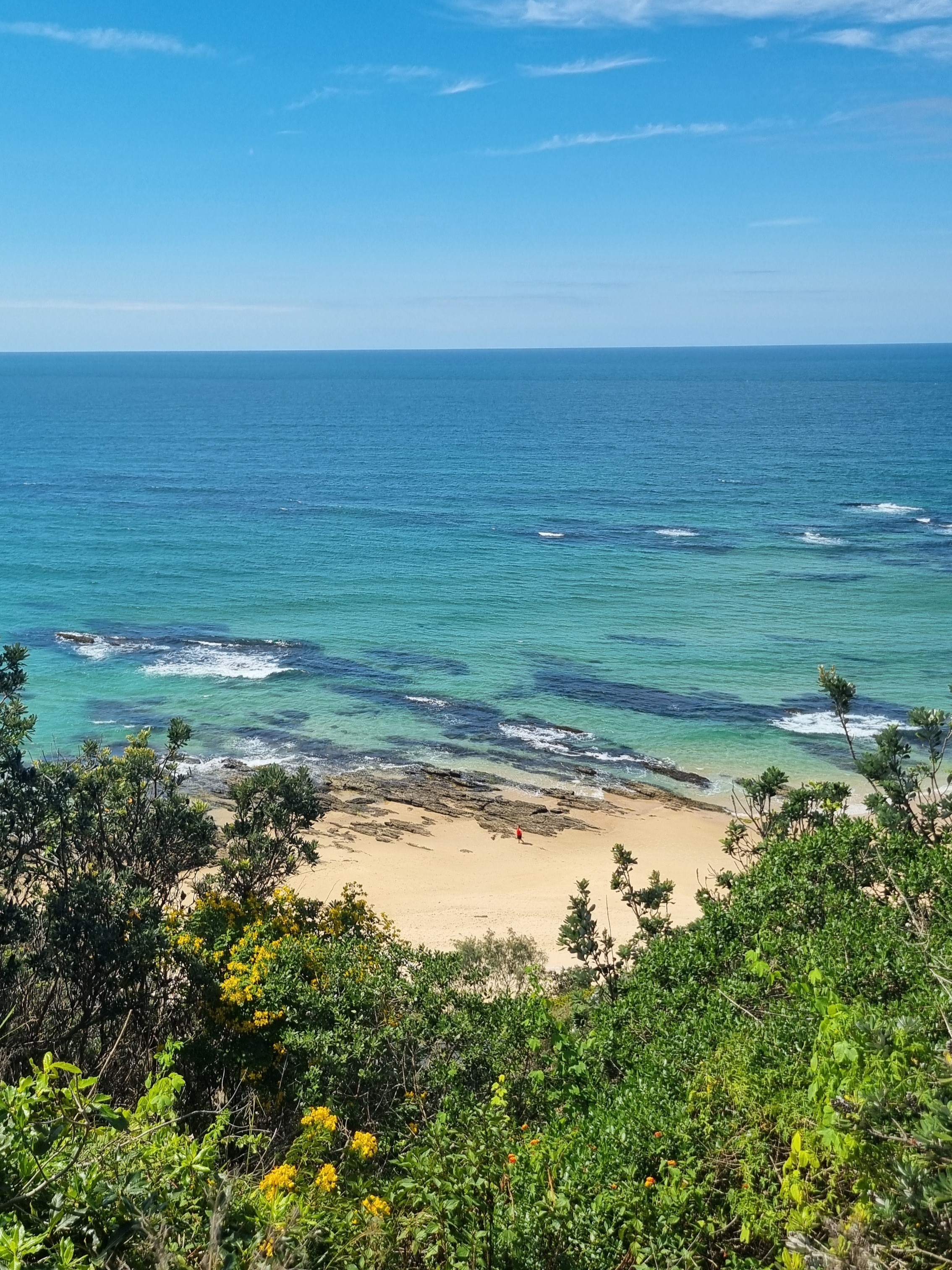

Continuing on to Coffs Harbour, we were excited to explore this vibrant coastal city. Without giving too much away, it was certainly one of our favorite stops on the road trip. The town is known for its stunning beaches, lush rainforests, national parks, and the iconic Big Banana, a popular tourist attraction that celebrates the region’s banana industry, which we definitely wouldn’t miss. With its friendly atmosphere and a wide range of outdoor activities like whale watching, hiking, and snorkeling, Coffs Harbour is a fantastic destination for anyone looking to experience the natural beauty of Australia’s East Coast.
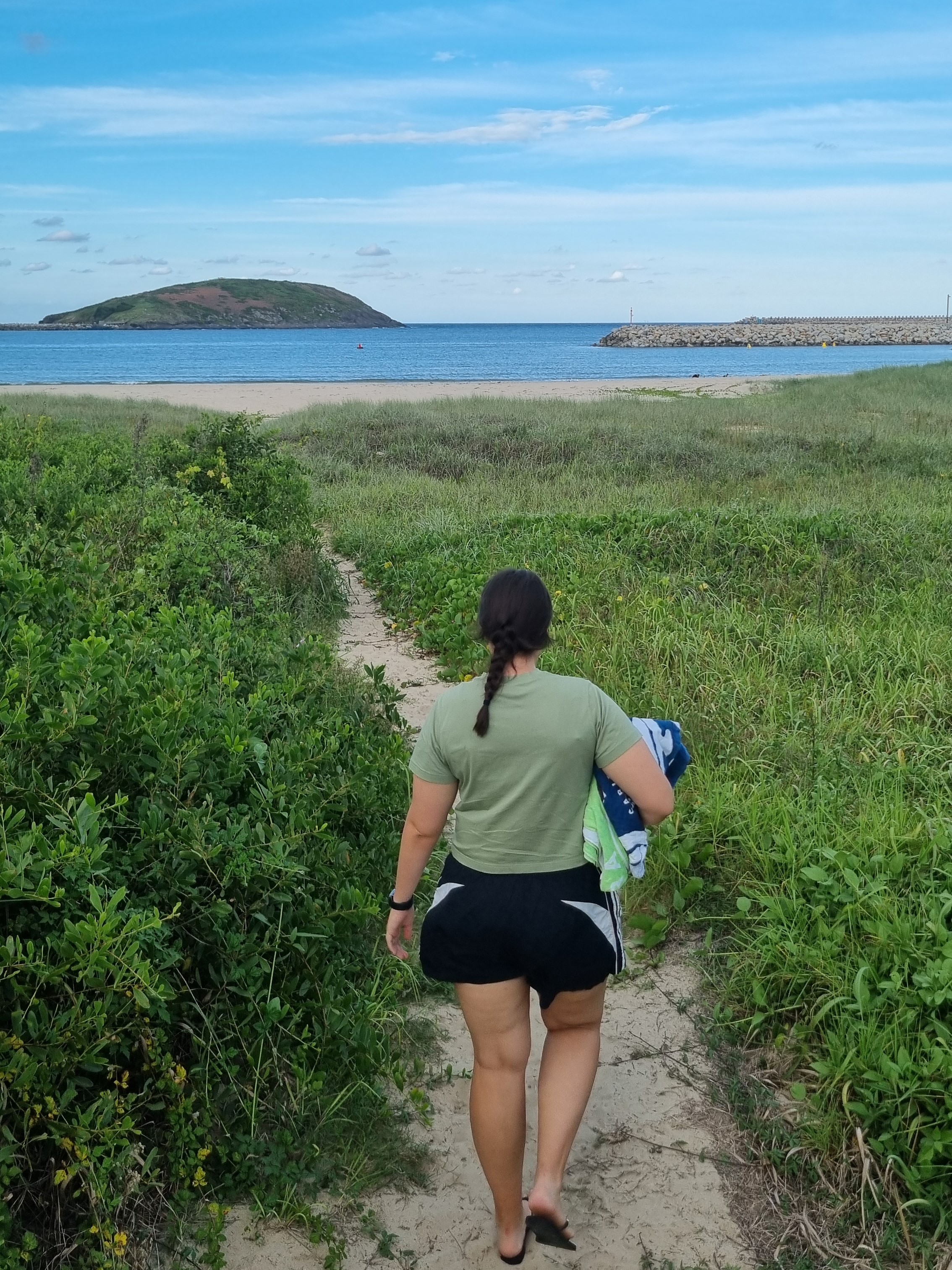
After checking in at our hotel and enjoying lunch in the city center, we headed down to Jetty Beach for a quick dip. However, since the water was quite cool, we decided to just dip our toes in and play some card games on the sand. We even had the incredible experience of watching a wild dolphin that had wandered into the bay – one of my road trip highlights so far! After a while, as it started to get cooler, we made our way back to our accommodation.
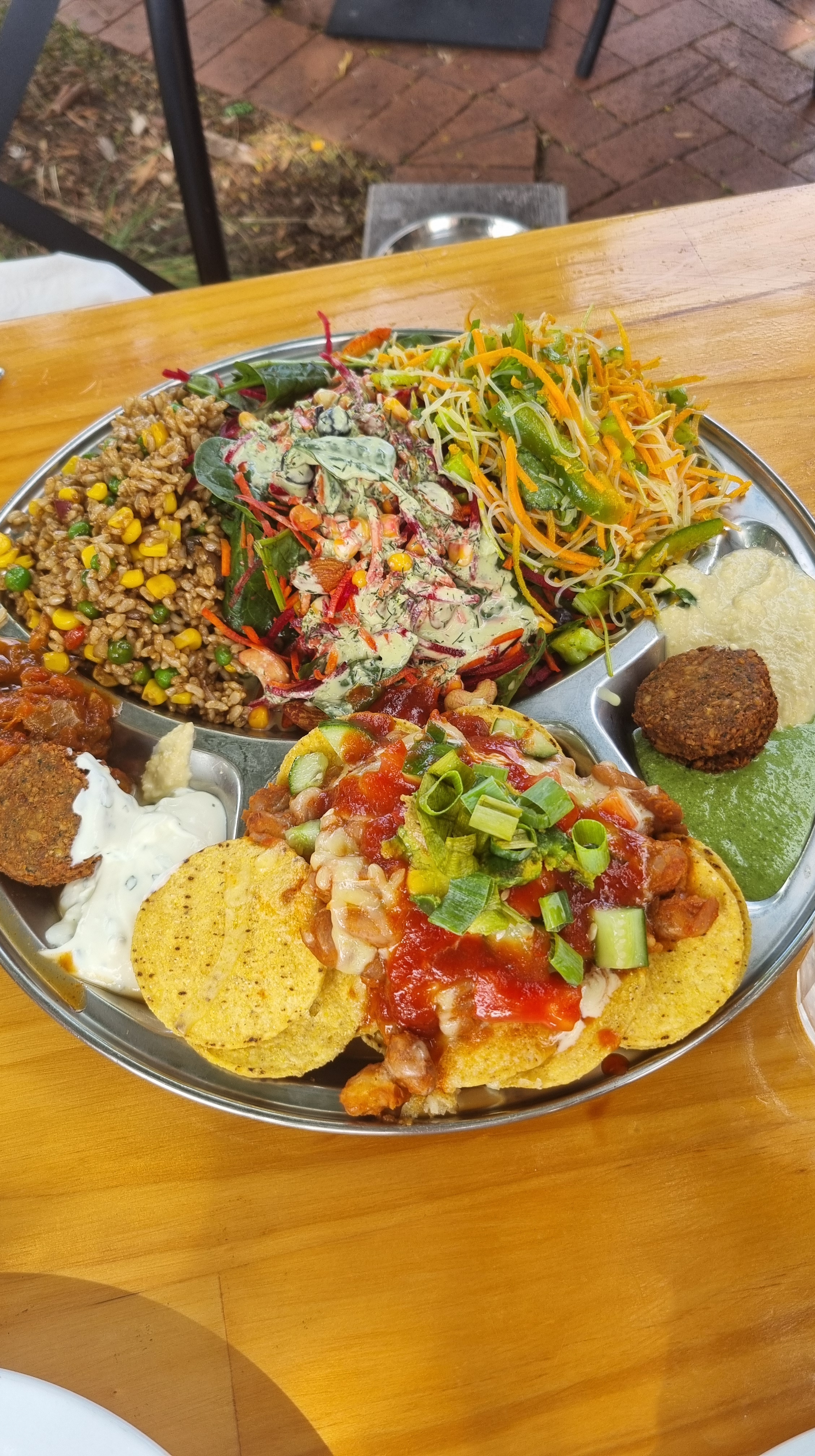
Day 4 – Big Banana and Byron Bay
Before we set off towards Byron Bay after breakfast, we made sure to visit the highlight of Coffs Harbour, the Big Banana. This iconic attraction celebrates the region’s banana industry and features a range of activities, including a small amusement park, a banana-themed gift shop, a little reptile world, and informative exhibits about banana farming. After exploring the Big Banana and its surrounding area, we headed toward the surf town of Byron Bay, which is approximately 2.5 hours away.

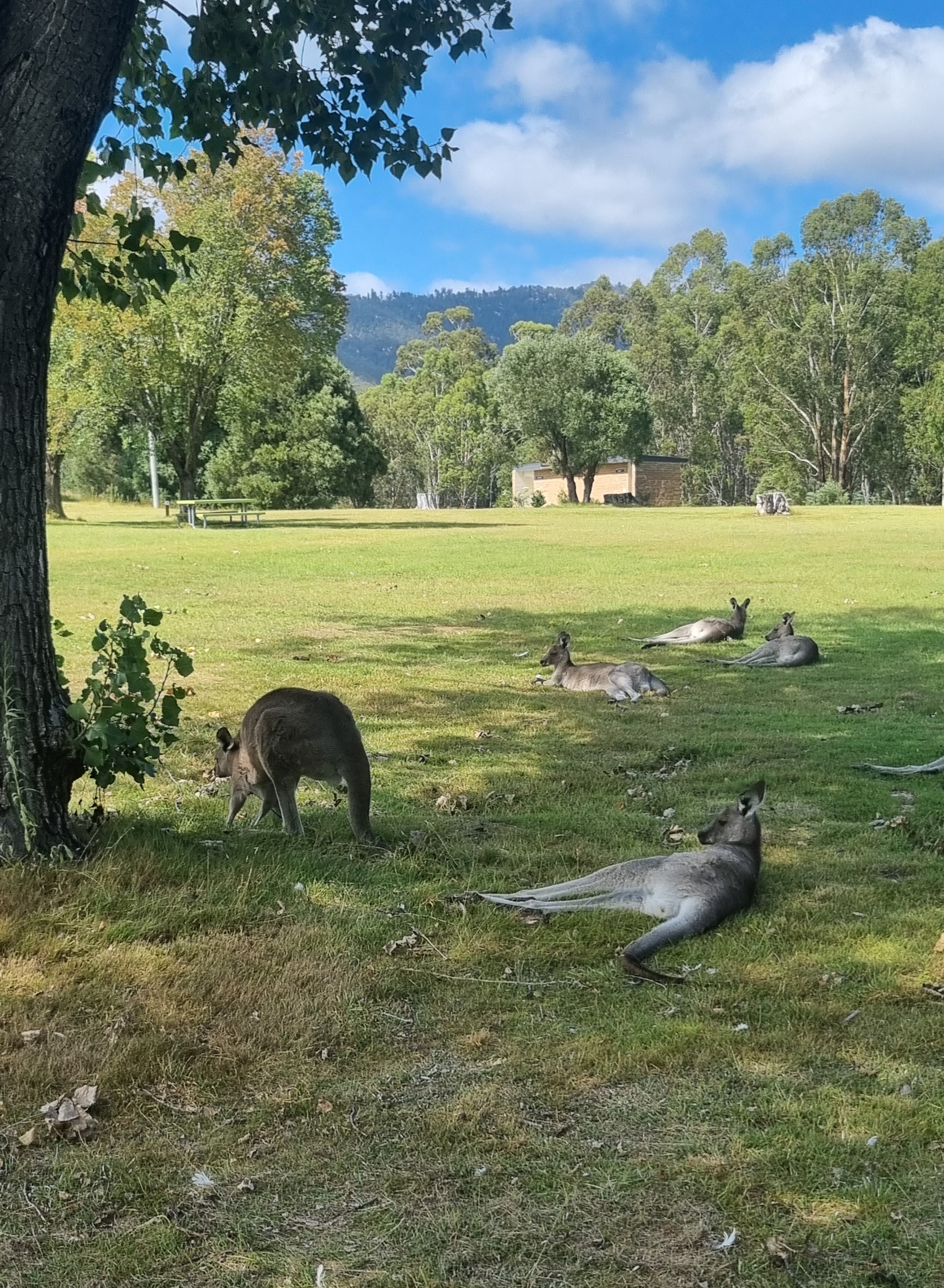
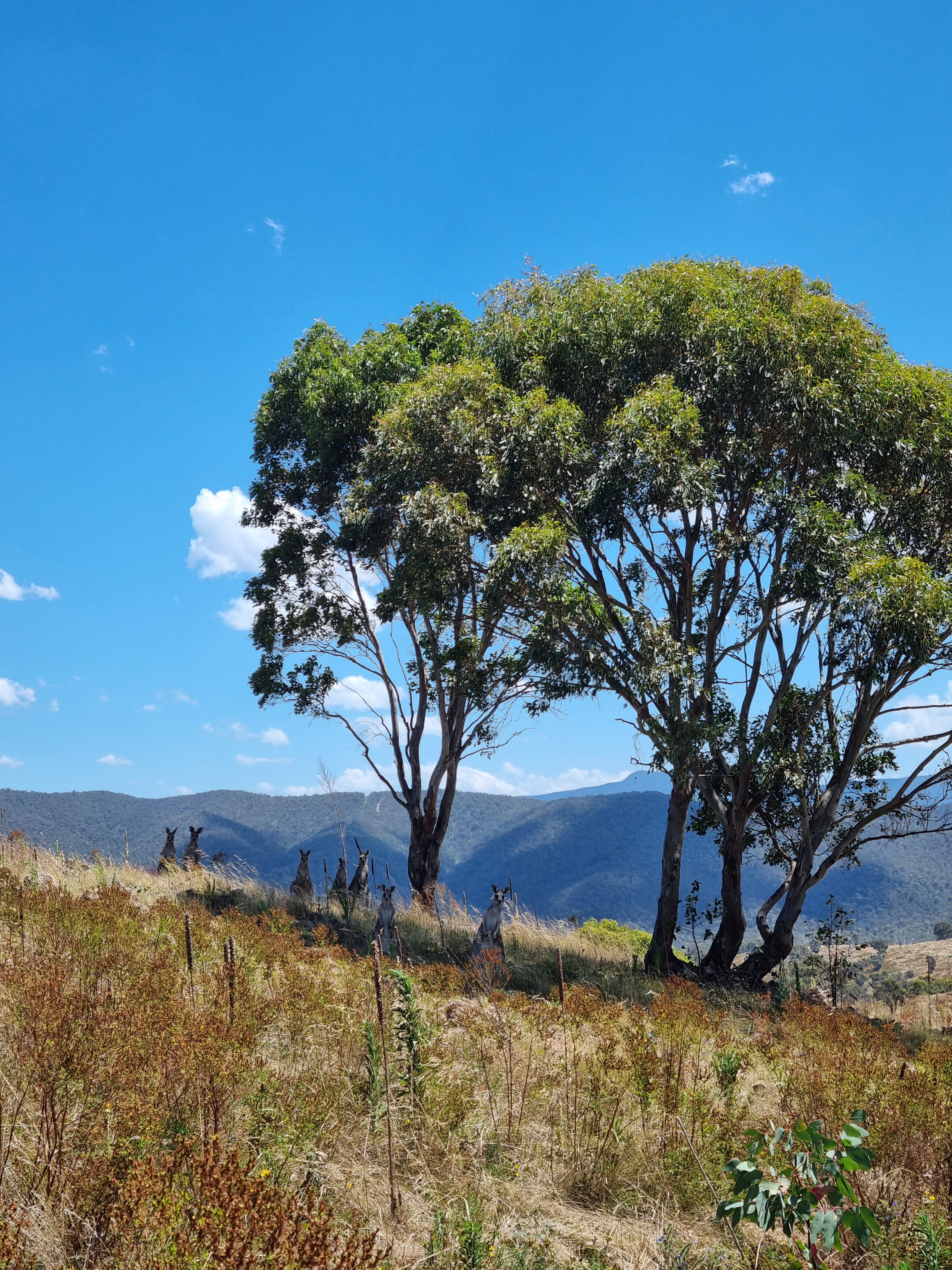
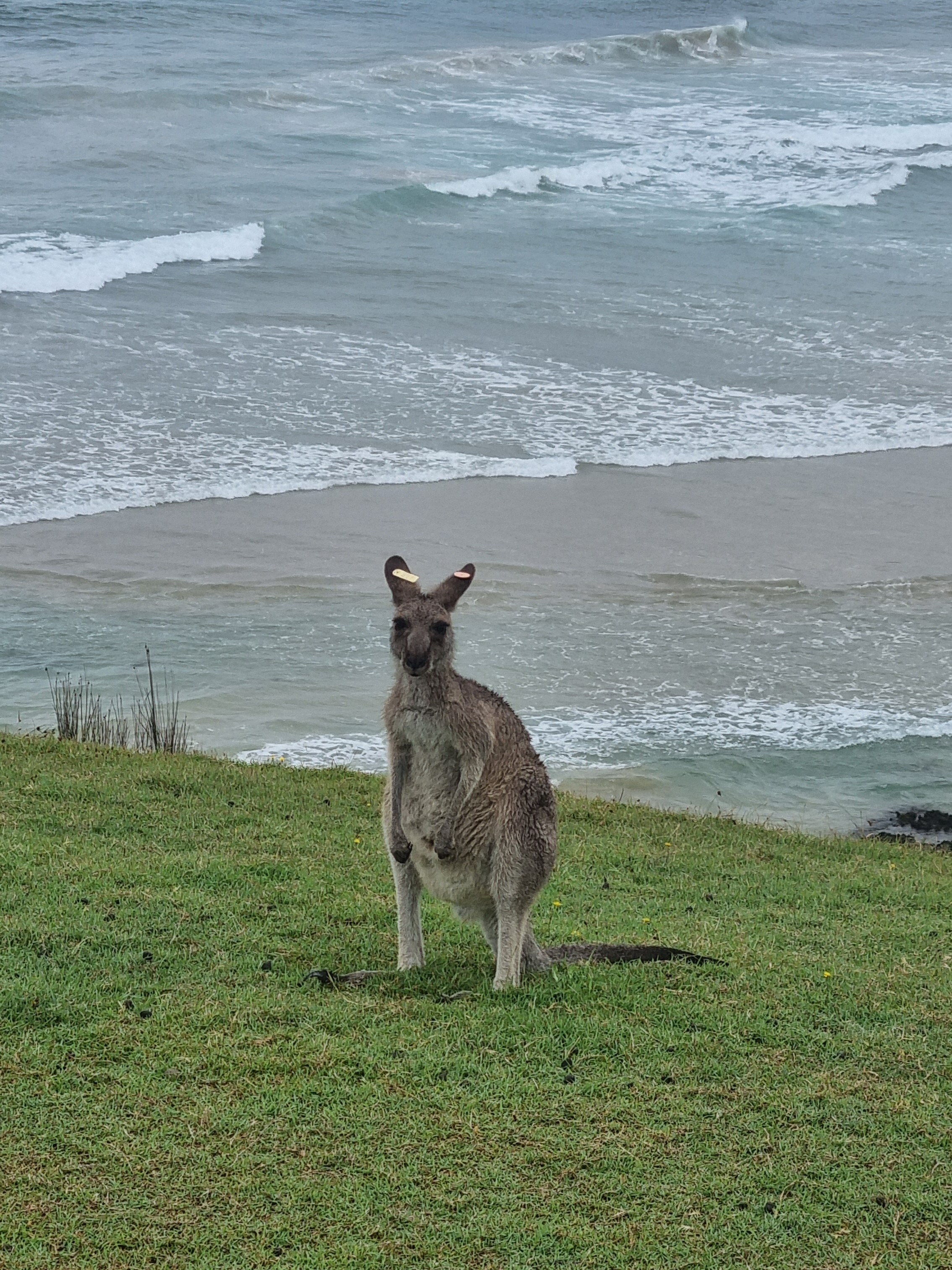
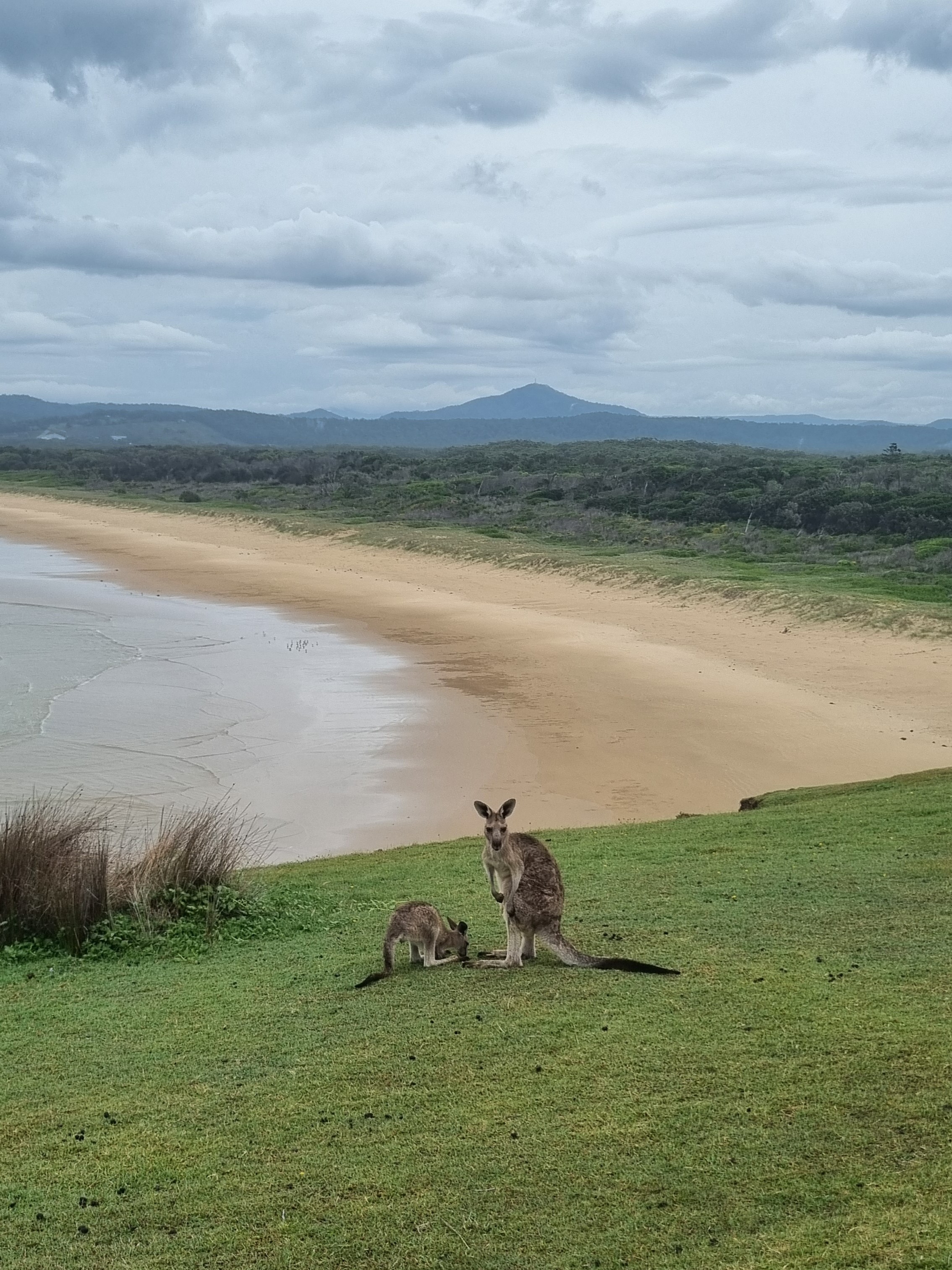
On our way, we stopped in the small village of Emerald Beach, where we took a stroll through the Moonee Beach Nature Reserve. There, we encountered numerous wild kangaroos, which was another highlight of our road trip. These friendly animals contributed to the unique Australian experience I had hoped for.


After this stop, we continued our journey toward Byron Bay, renowned for its stunning beaches, vibrant surf culture, and the iconic Cape Byron Lighthouse. Byron Bay is an ideal destination for relaxation and outdoor activities, featuring a charming, laid-back atmosphere and breathtaking views that are especially appreciated by young backpackers.
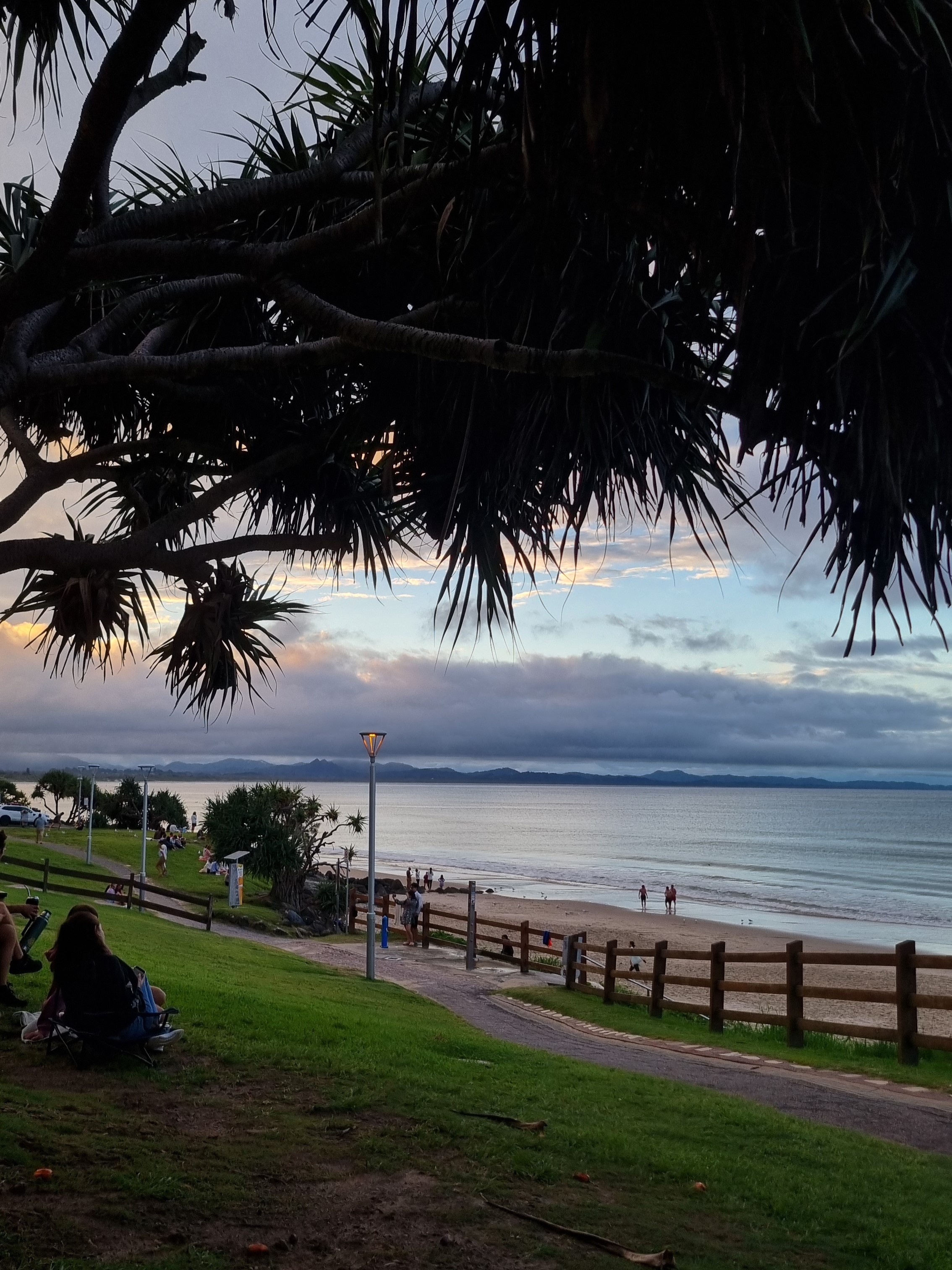
Upon our arrival and after checking into our campsite, we made plans to meet our friend, who was also traveling through Australia, allowing us to spend the next two days together in Byron Bay. After meeting up, the three of us grabbed a bite to eat. We then strolled through the charming streets of Byron Bay, taking in the vibrant atmosphere. After our walk, we settled down at the beach to relax and chat as the evening unfolded.
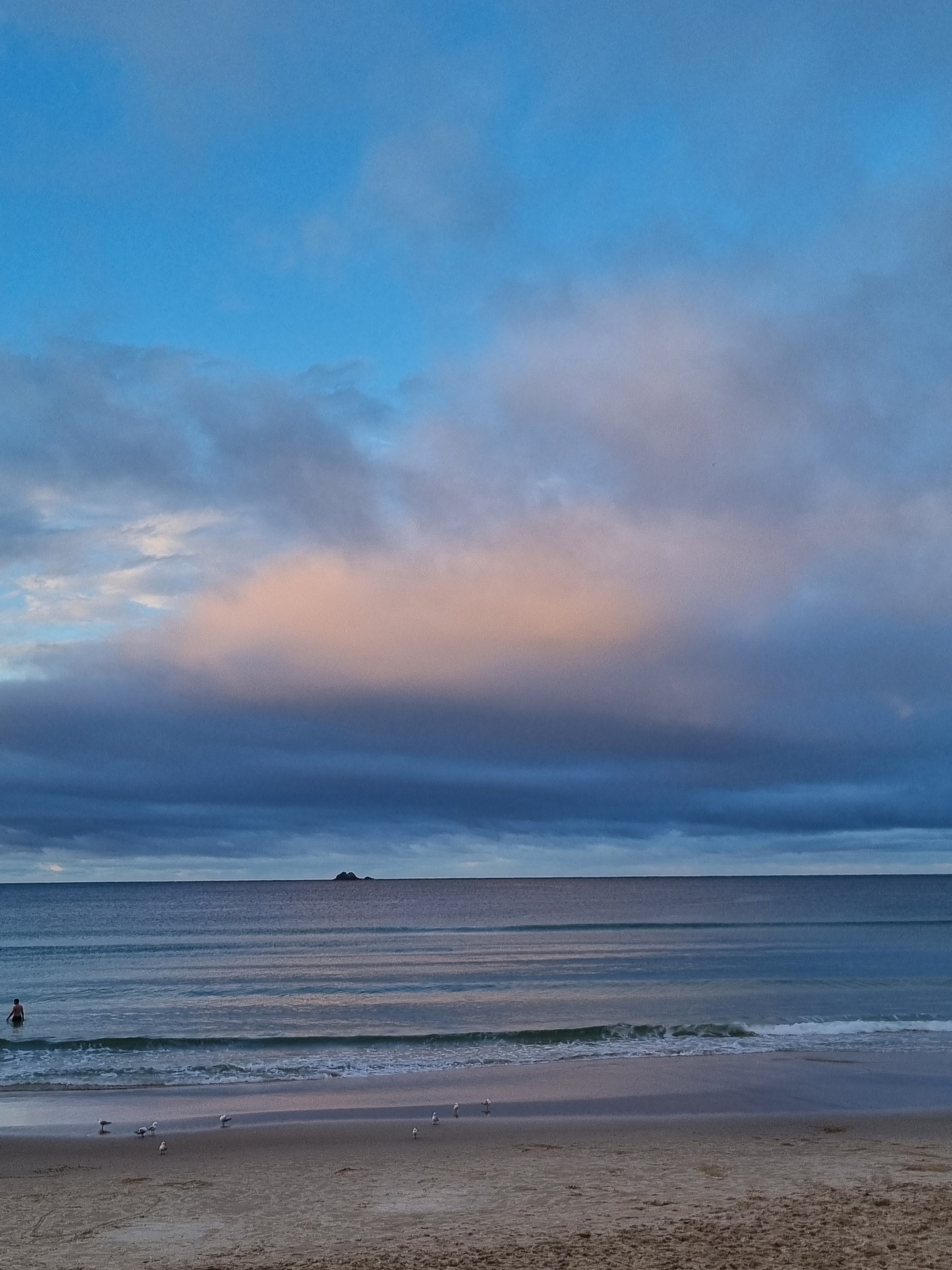
Day 5 – Byron Bay
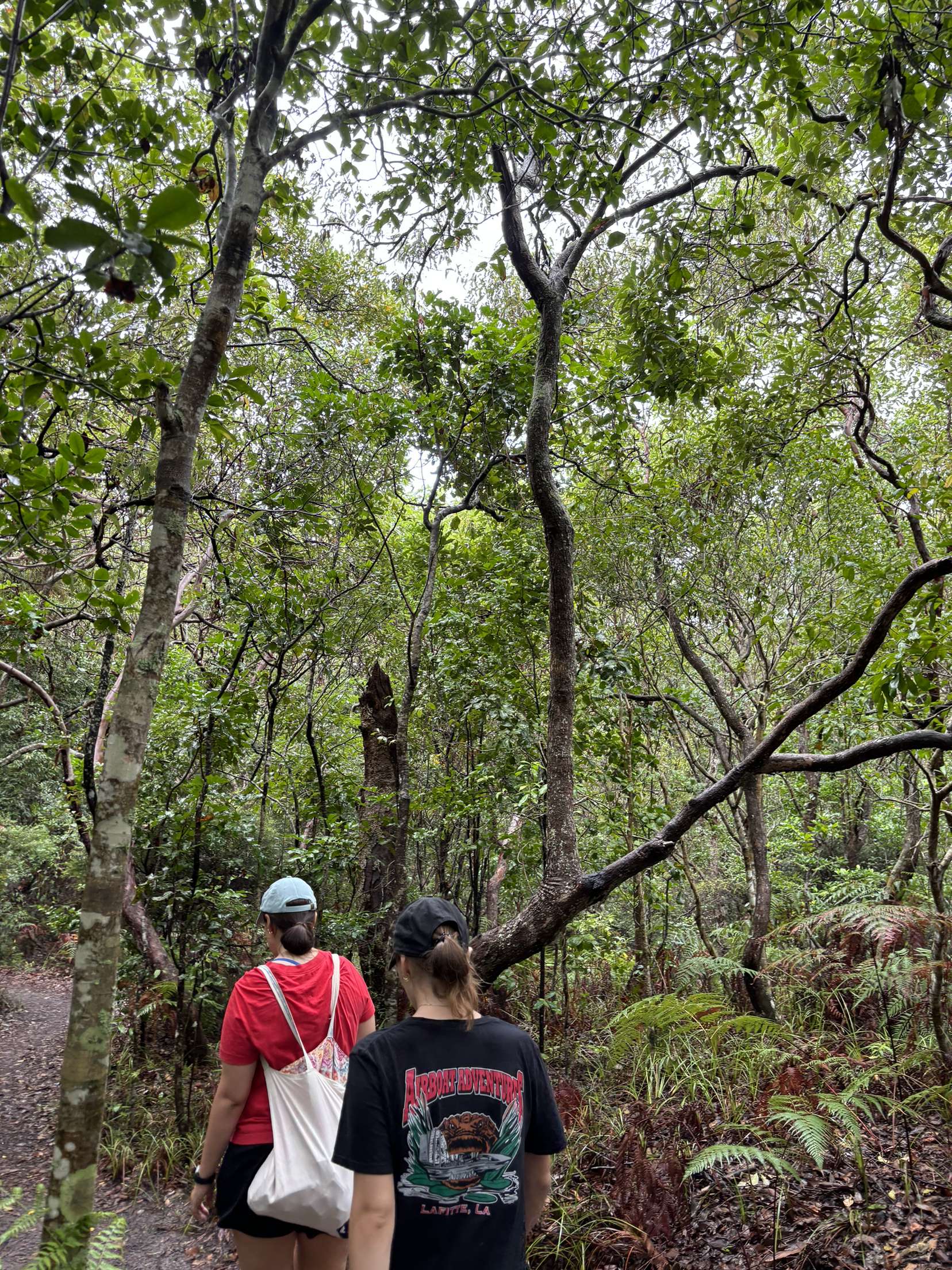
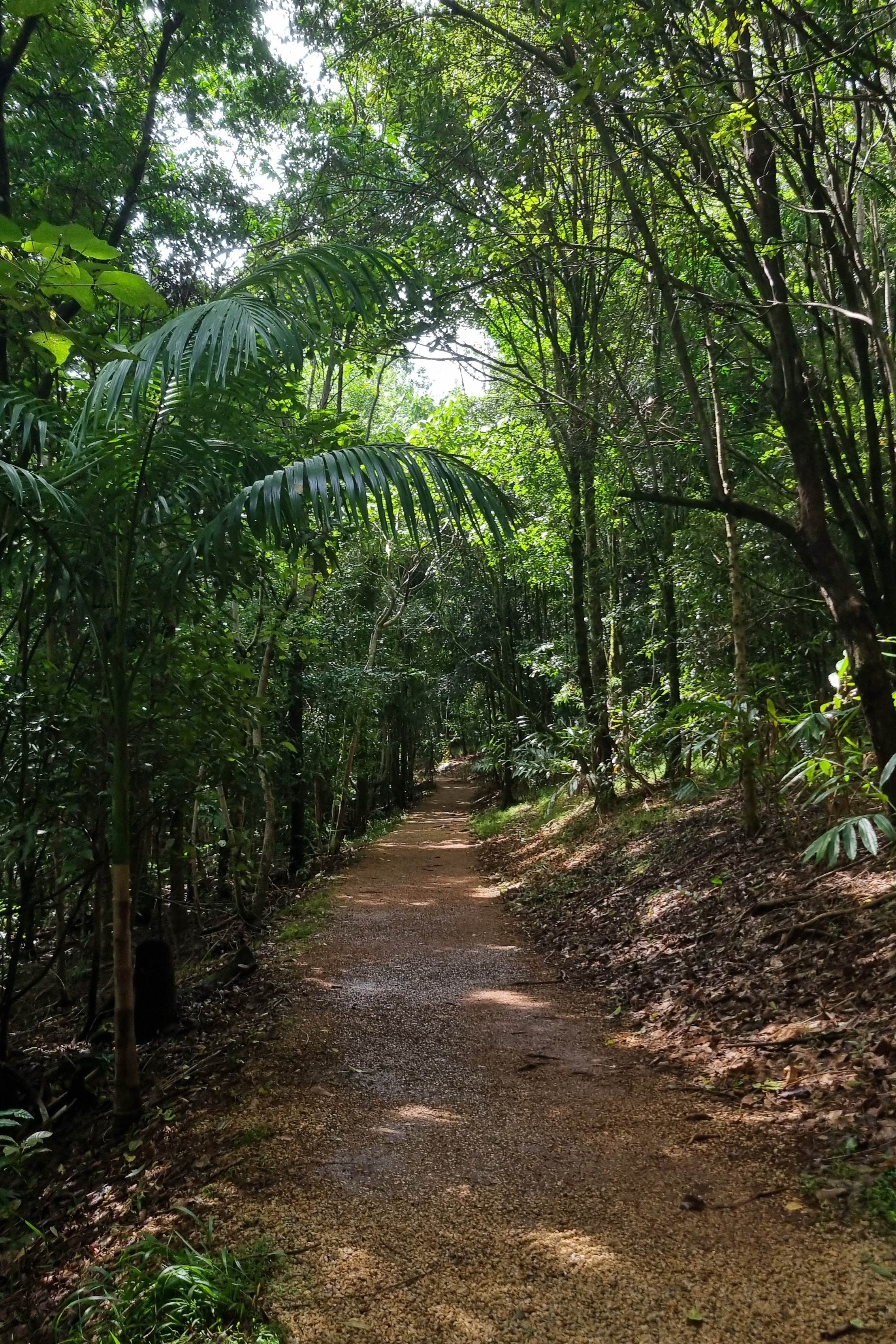
After breakfast, the three of us set off toward the iconic Byron Bay Lighthouse, following the Walgun Track. This 3.7-kilometer loop trail goes through lush rainforest, sandy beaches, grassy headlands, and scenic cliffs, eventually leading up to the lighthouse. When we visited in April 2024, a few sections of the trail were closed, requiring us to make occasional detours. The Walgun Cape Byron State Area has a network of trails, so adjusting our route wasn’t an issue at all.
Make sure to wear sturdy, enclosed shoes, as parts of the hike can be rocky and get quite muddy after rain periods. I actually wore flip-flops because I didn’t want to get my shoes dirty in the mud, figuring it would be easier just to wash my feet afterward. However, I wouldn’t necessarily recommend this. Some sections were very slippery, so comfortable, closed shoes are definitely the better option.
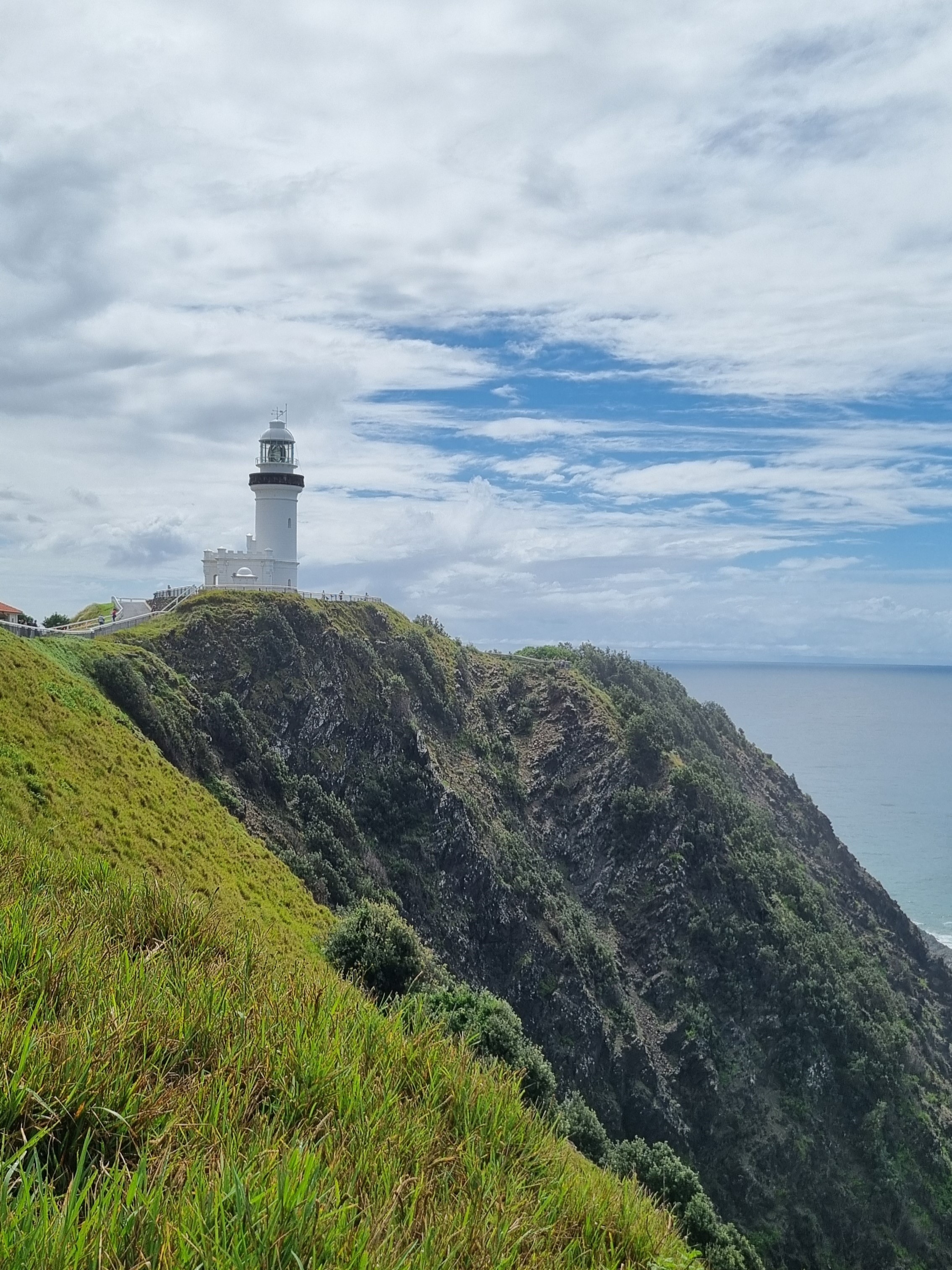
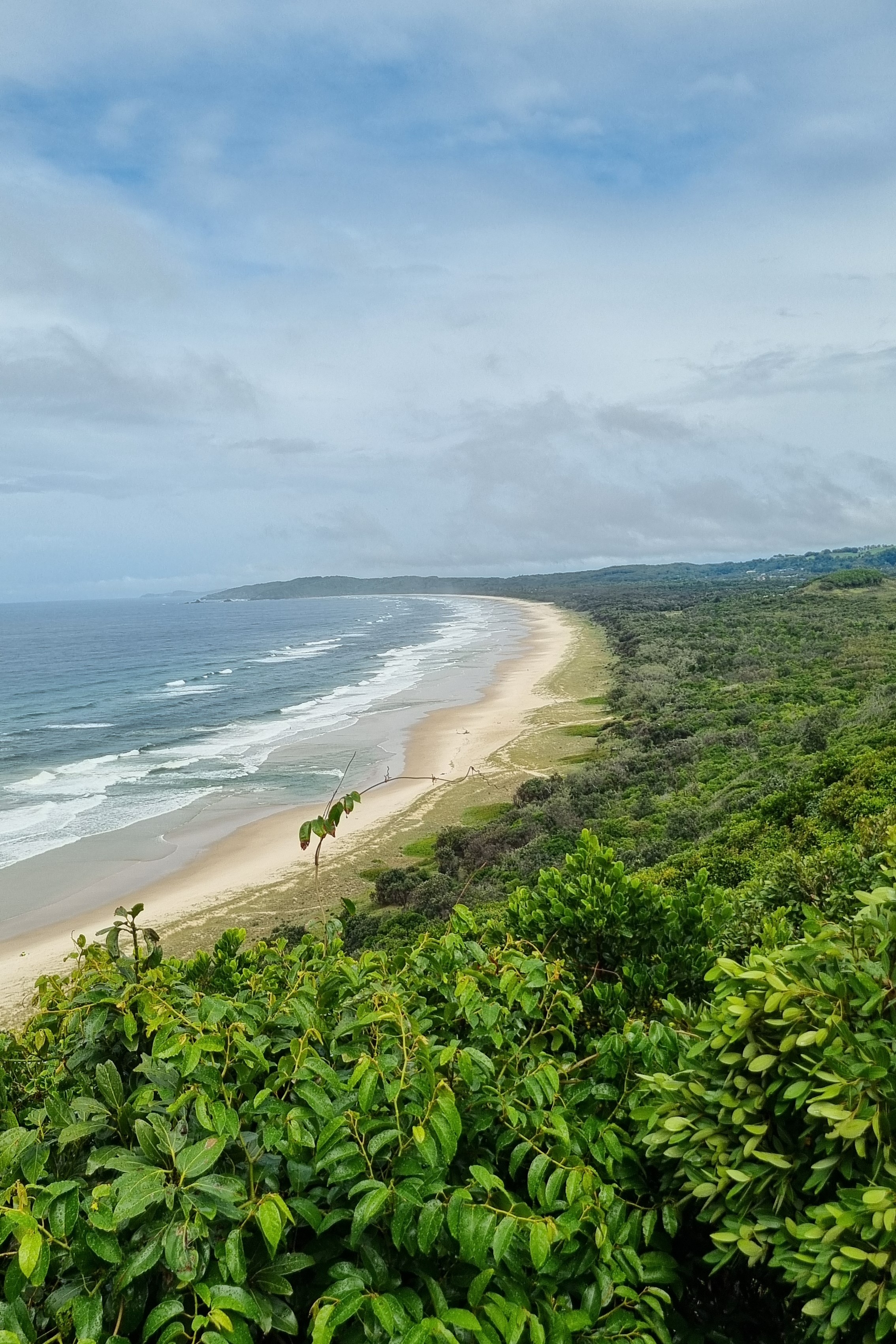
Reaching the lighthouse, we were rewarded with breathtaking views of the South Pacific Ocean, watching waves crash against the cliffs below. If you’re lucky, you might even spot whales or dolphins, especially during the migration seasons in winter and spring. Since we visited in the summer, we, unfortunately, didn’t have the chance to see any.
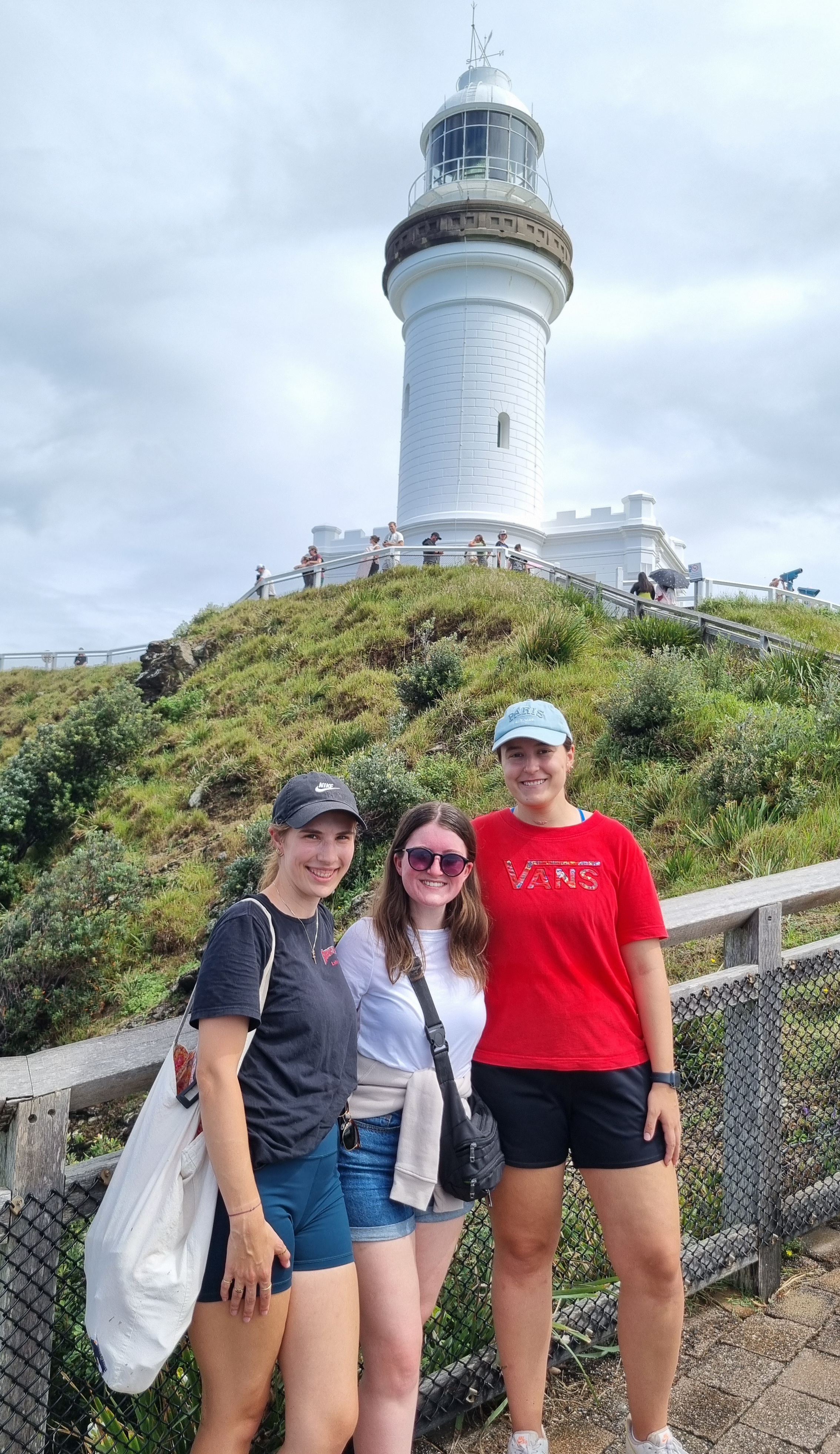
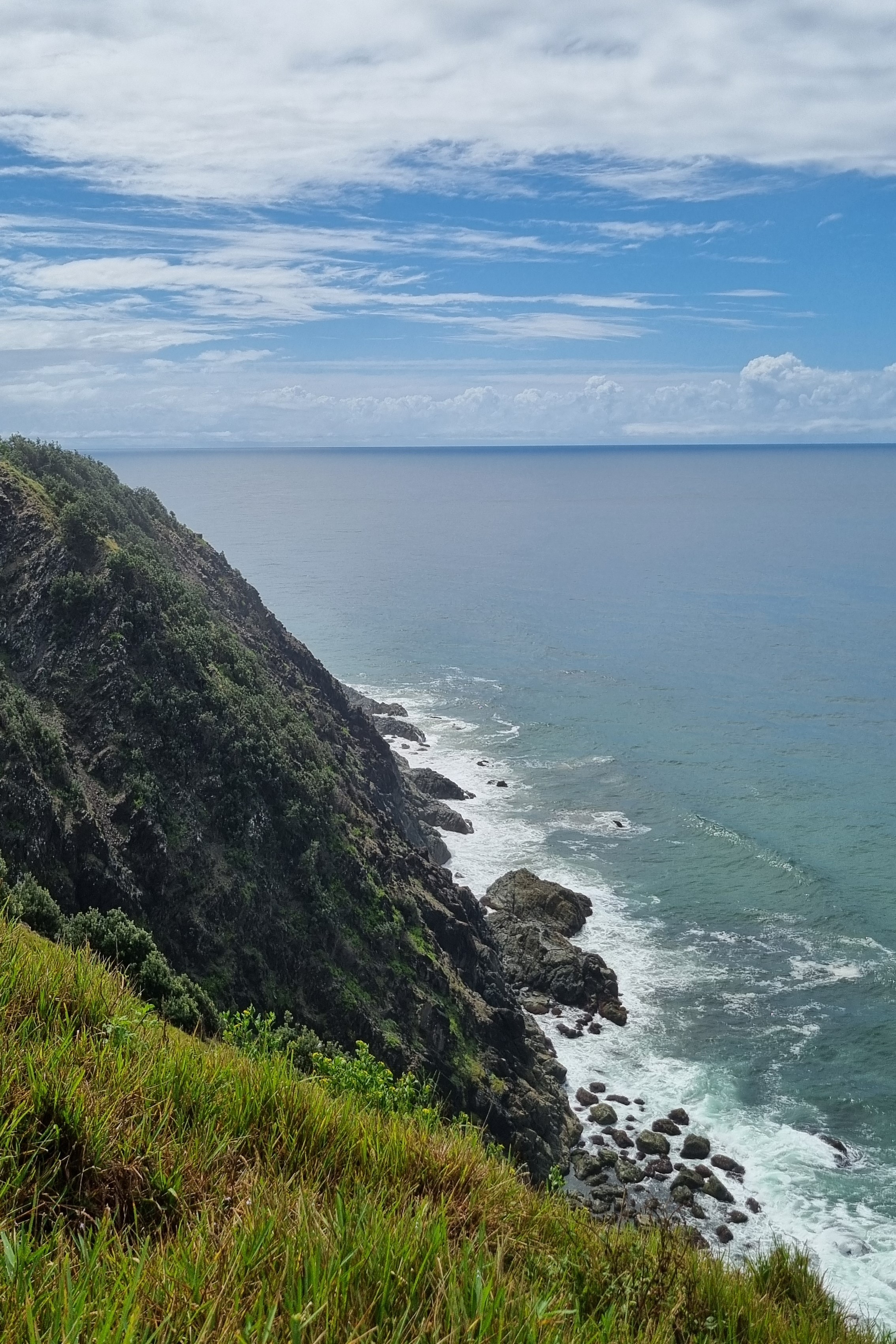
On our way back, we strolled across the trail’s scenic bridge and took in more of the area’s coastal flora. After crossing the bridge, we walked along the beaches toward the town center, where we later enjoyed fish and chips for lunch.

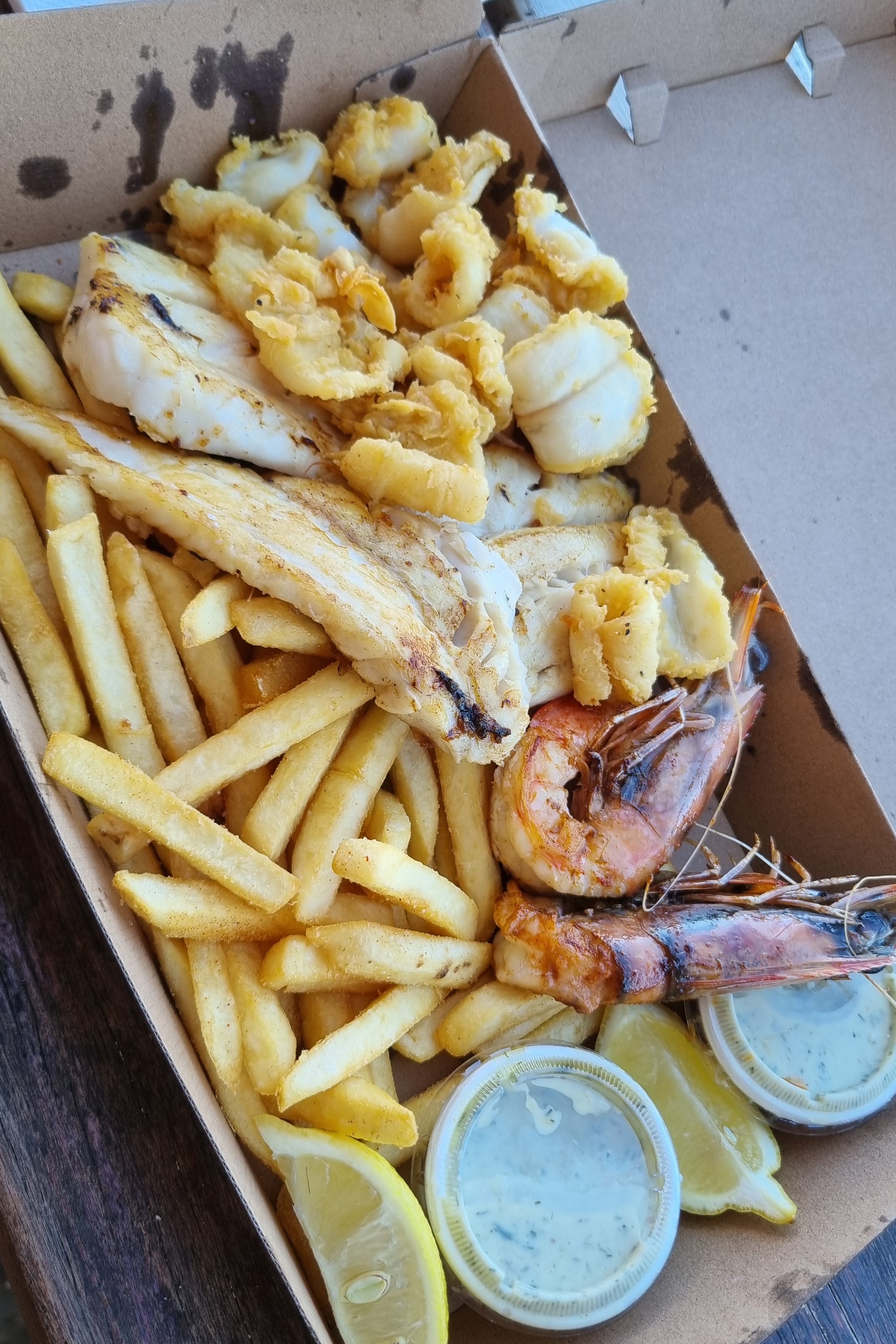
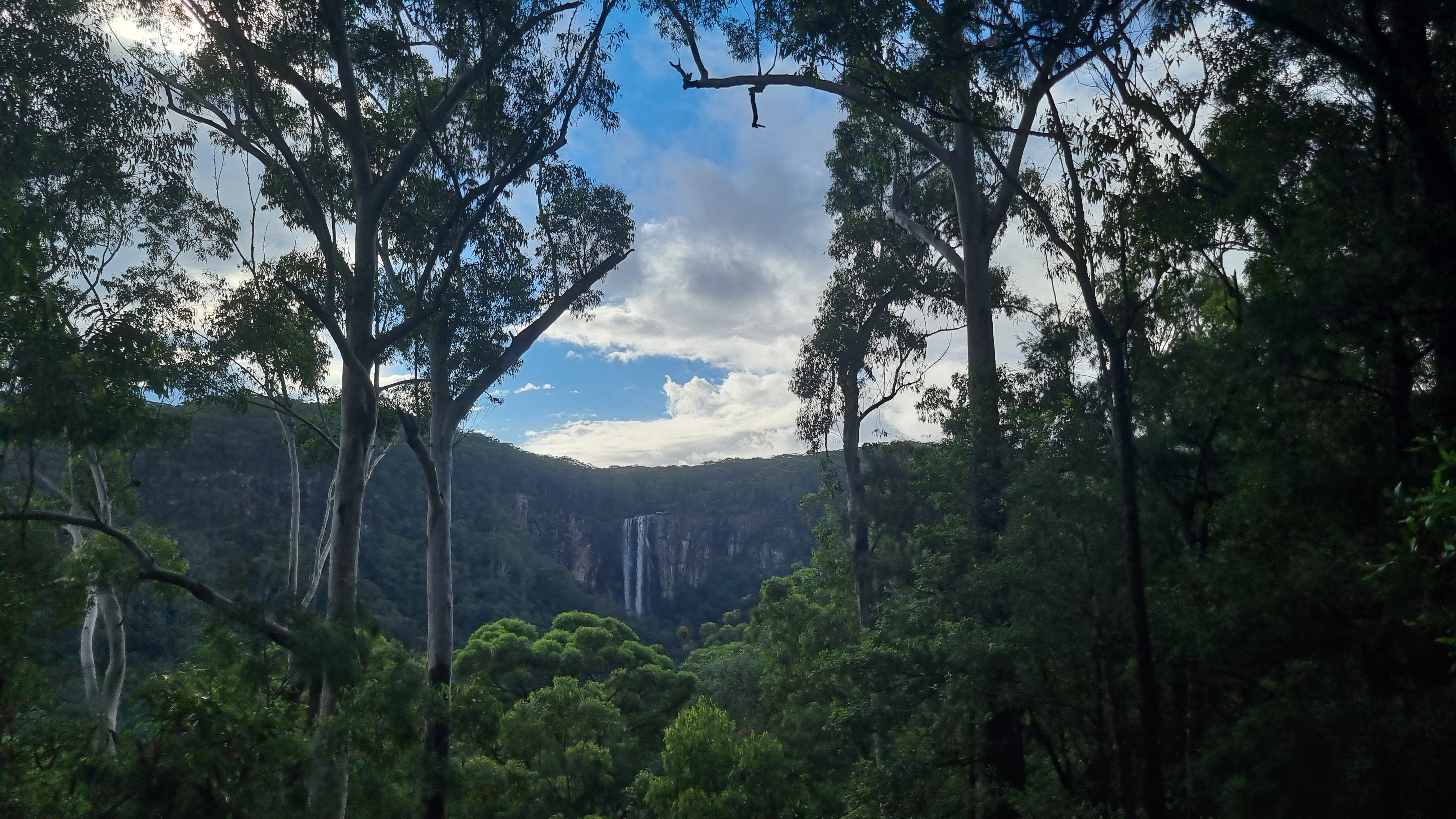
After lunch, the three of us hopped into the car and drove to Minyon Falls, located about 40 minutes from the Byron Bay town center. Minyon Falls sits within the beautiful Nightcap National Park, a lush, subtropical rainforest filled with diverse plant- and wildlife. The drive alone is magical, with winding roads taking you through rainforests, shaded by towering trees that are home to many native species.
Minyon Falls itself is a 100-meter waterfall that runs down rugged cliffs into a pool below, surrounded by dense forest. There are a few lookout points where you can enjoy views of the falls and the lush greenery beyond. For those interested in hiking, trails of varying lengths and difficulty lead you to the base of the falls and through the surrounding forest, where you might come across native animals like pademelons, koalas or all different kinds of birds.
We arrived late in the afternoon, so we stuck to the lookout points, which still offered an unforgettable experience with breathtaking views and the powerful sound of water echoing through the forest. For anyone visiting the area, even just a stop at the lookouts is well worth it.

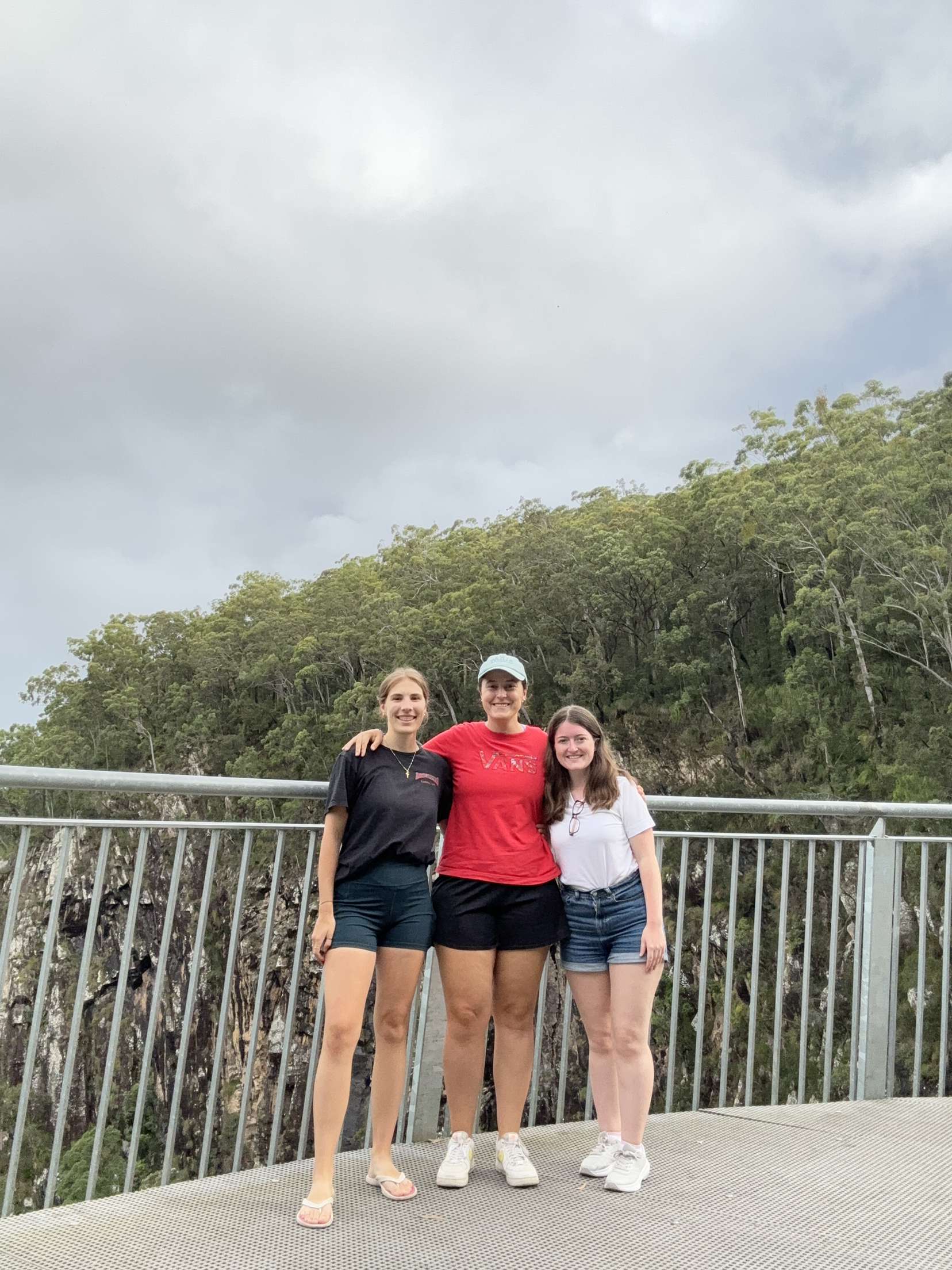
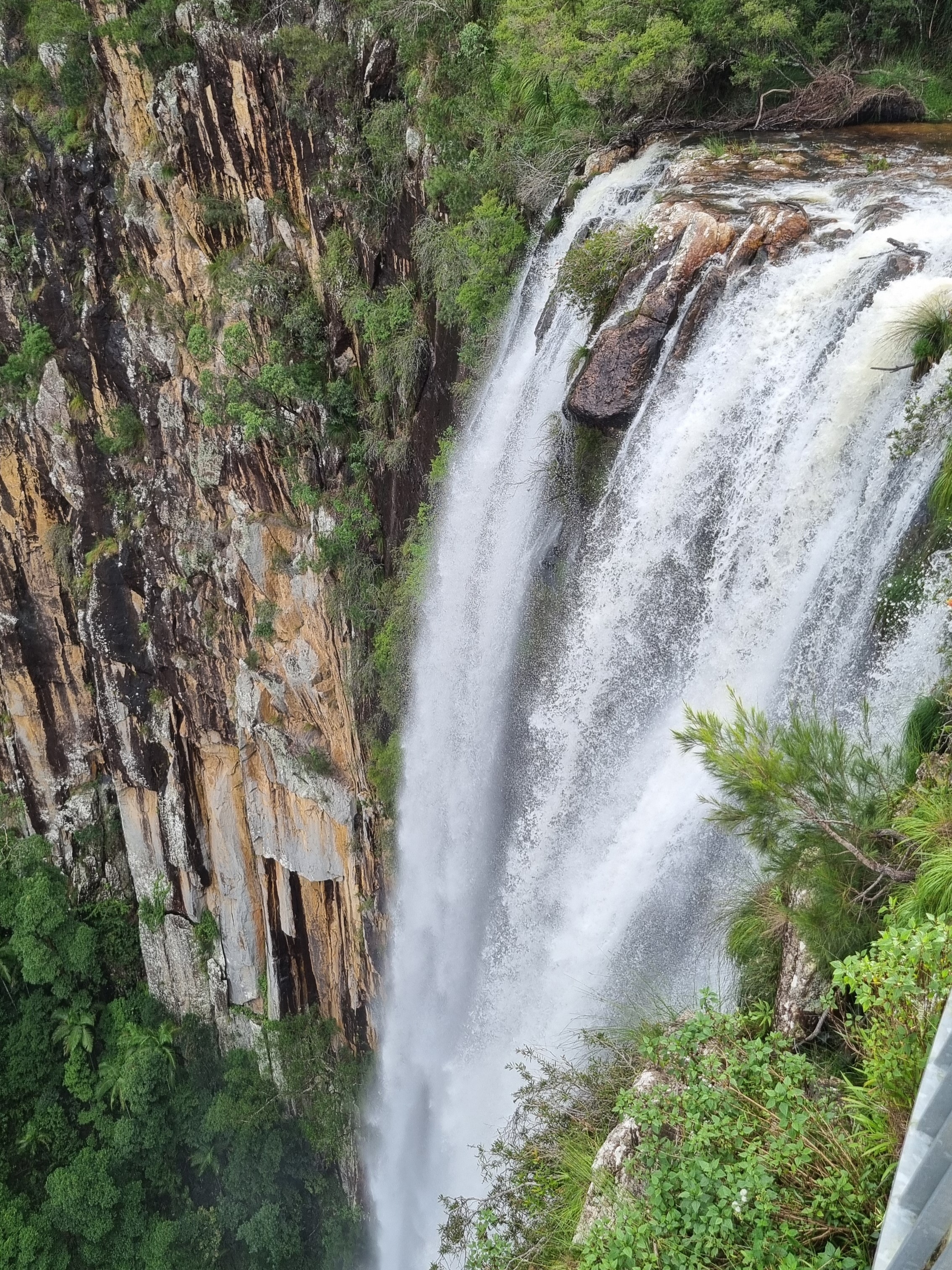
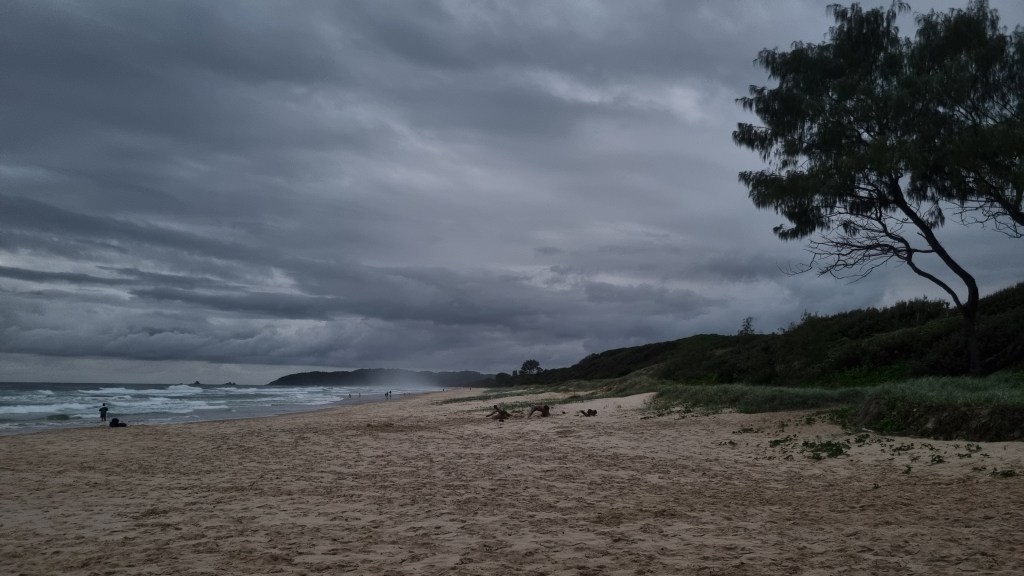
After heading back to our campsite, we took an evening stroll along the beach, which is part of the campsite’s private property. This private access to the beach made our stay even more special, providing a perfect spot to relax without being surrounded by too many people.
Day 6 – Byron Bay and West Kempsey
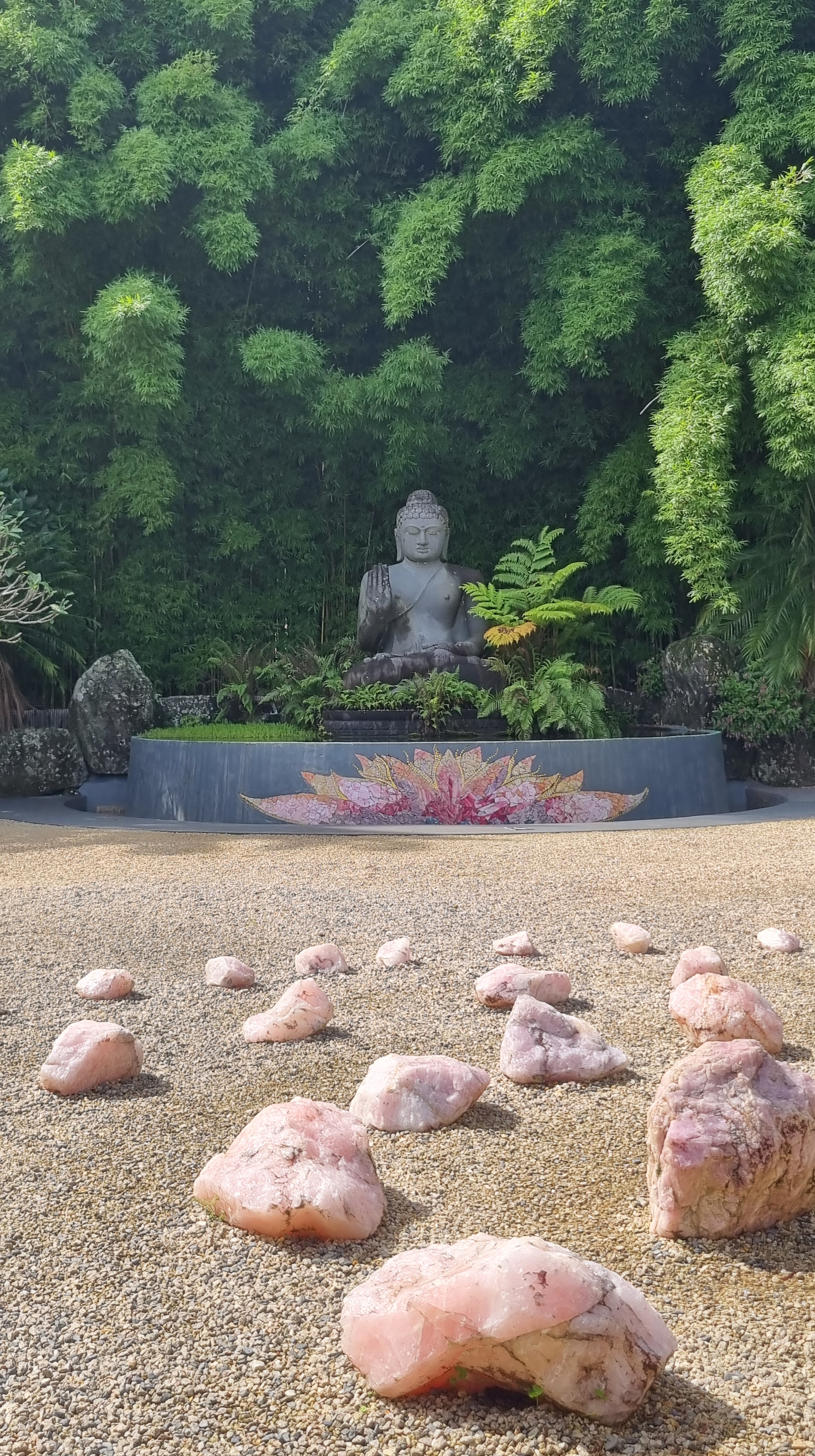
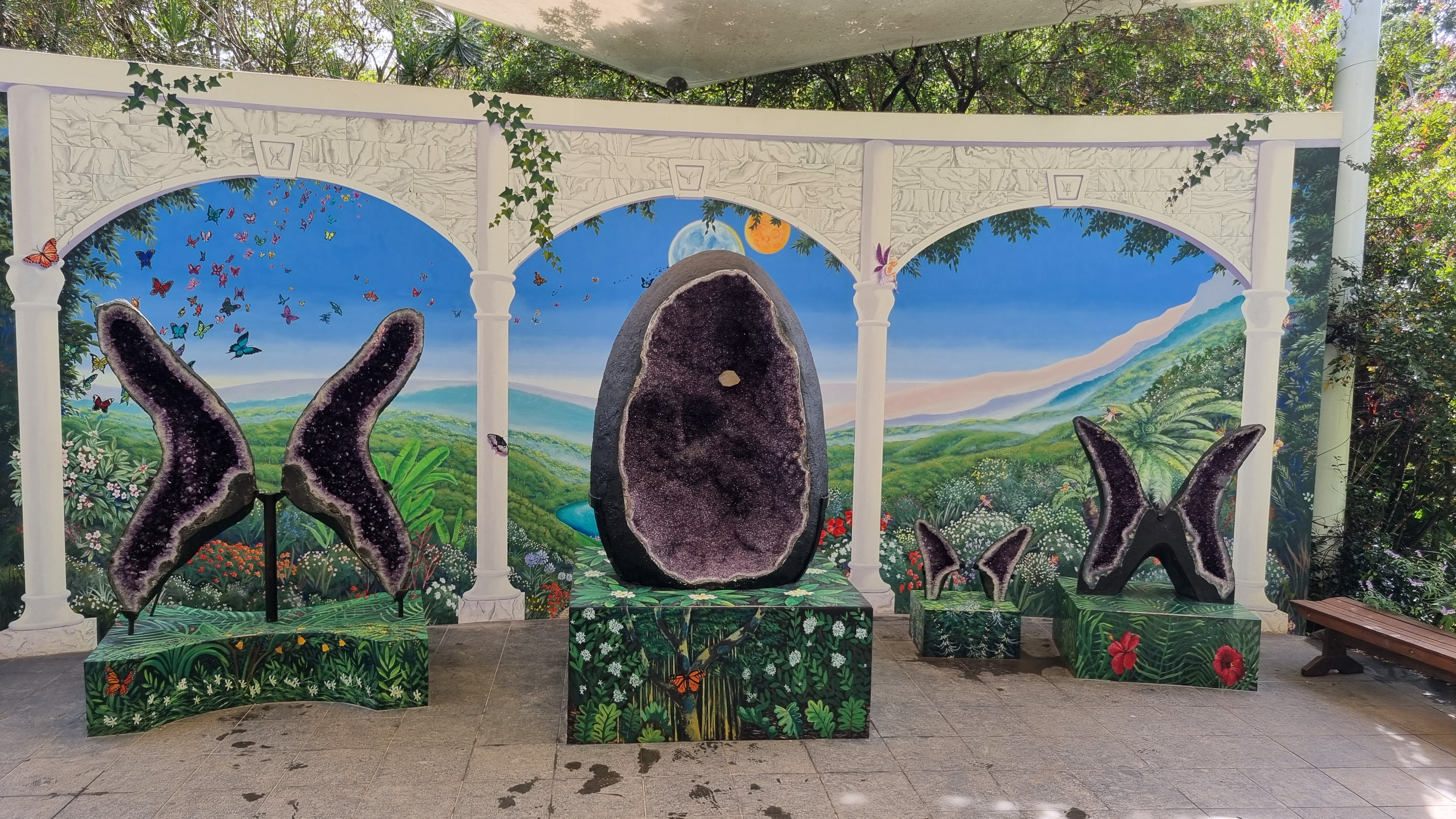
The next morning, the three of us headed to the Crystal Castle, which is also located within the Nightcap National Park. We drove again about 40 minutes. Upon arrival, we joined a guided tour, where we learned a lot about the origins of the Crystal Castle and the incredible variety of crystals displayed throughout the grounds. Our guide shared details about the different types of crystals and their histories, enhancing the experience with interesting stories about how the crystals were sourced from around the world.
After the tour, we wandered through the beautiful gardens, which are thoughtfully designed to highlight both the natural surroundings and the crystals themselves. Among the highlights were the towering amethyst geodes and large quartz formations, which create a magical atmosphere. We also attended a crystal sound healing session, where vibrations from large singing bowls filled the space, creating a calming and meditative ambiance, due to the relaxing atmosphere some of us even fell asleep.
Though the entrance fee was quite expensive, and I’m not sure I would visit again, it was a unique and beautiful experience. For a one-time visit, the Crystal Castle is definitely worth exploring, especially for those interested in crystals, meditation, or simply enjoying a charming garden setting surrounded by a lush rainforest.

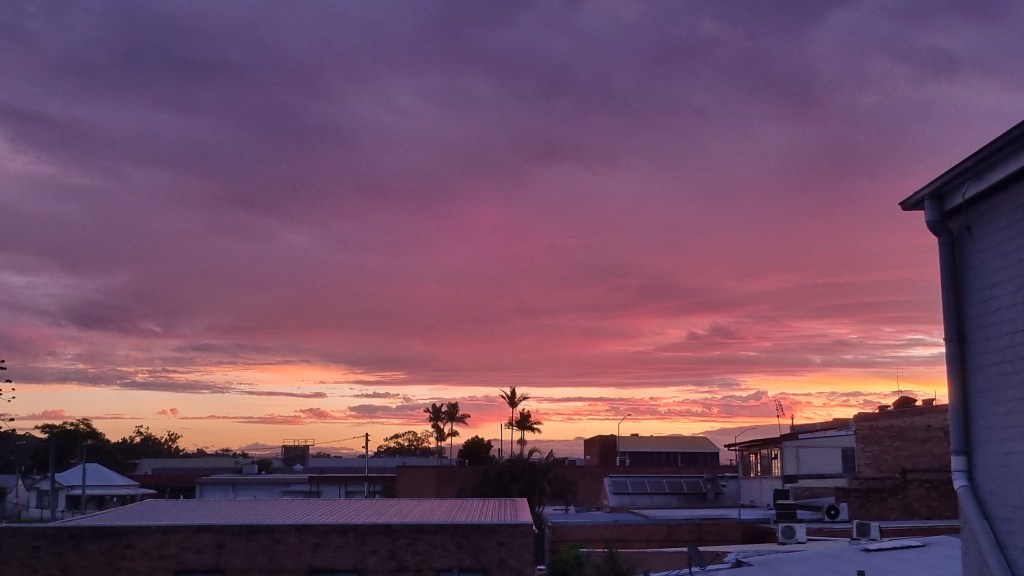
After we dropped our friend off in the town center of Byron Bay, it was sadly time to say goodbye. For the two of us, it was time to head back toward Canberra. We drove for about 3.5 hours, stopping in West Kempsey, our next destination. West Kempsey is a small but charming town located in the Mid North Coast region of New South Wales. Upon our arrival, we checked into our hotel and took a walk through the area as the sun began to set.
Day 7 – Big Axe and Sydney
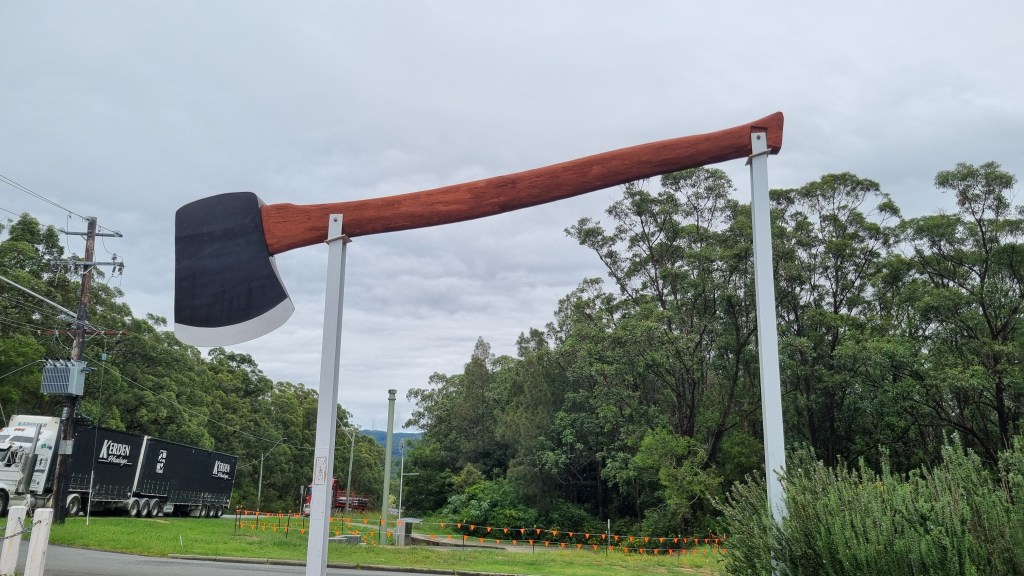
Early in the morning, we set out from West Kempsey toward Sydney, which is about a 4.5-hour drive. Along the way, we passed through the small town of Kew, where we were able to check off another “Big Thing” from our bucket list: the Big Axe. This sight stands 10 meters tall and celebrates the region’s timber industry.
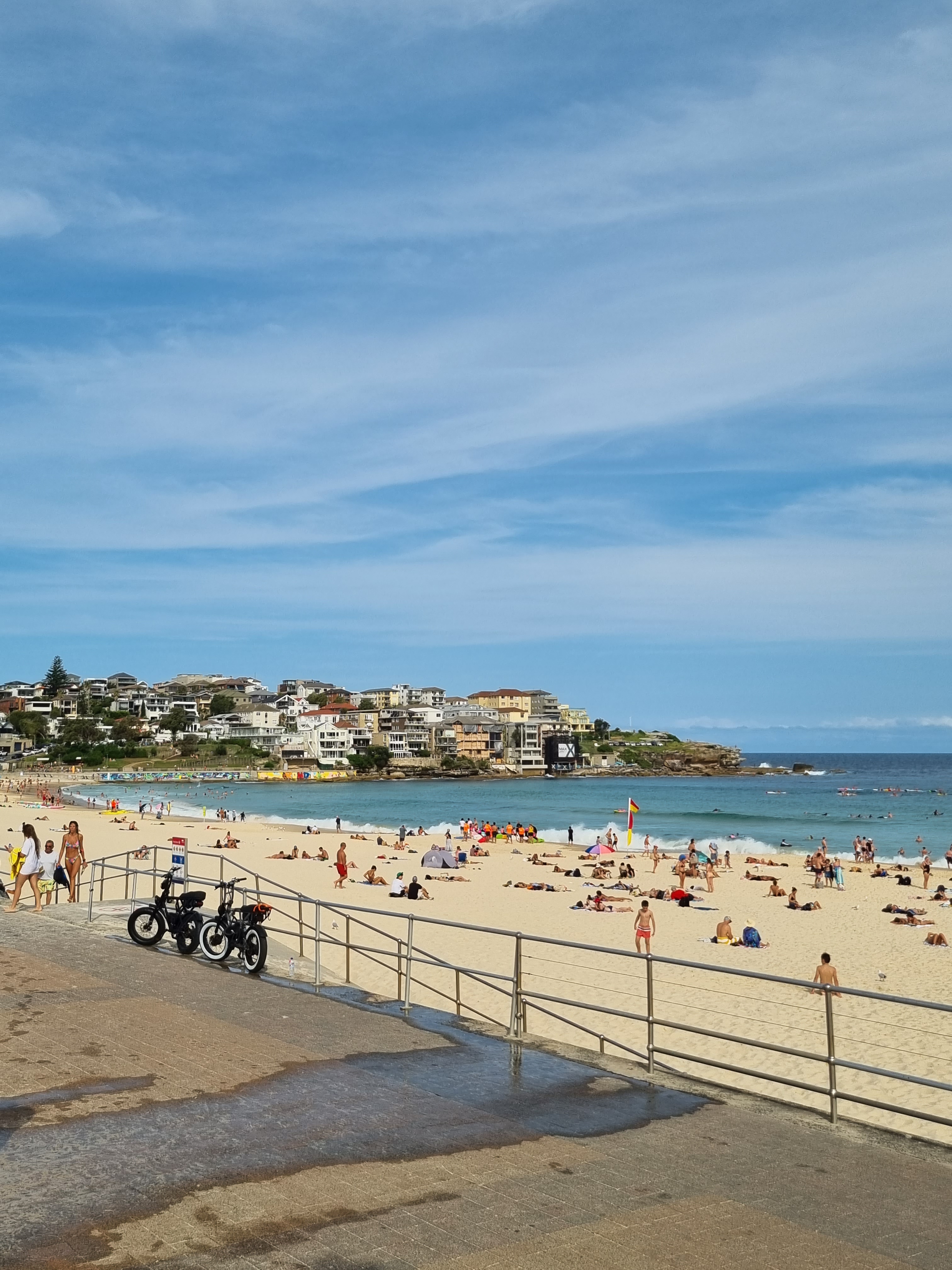
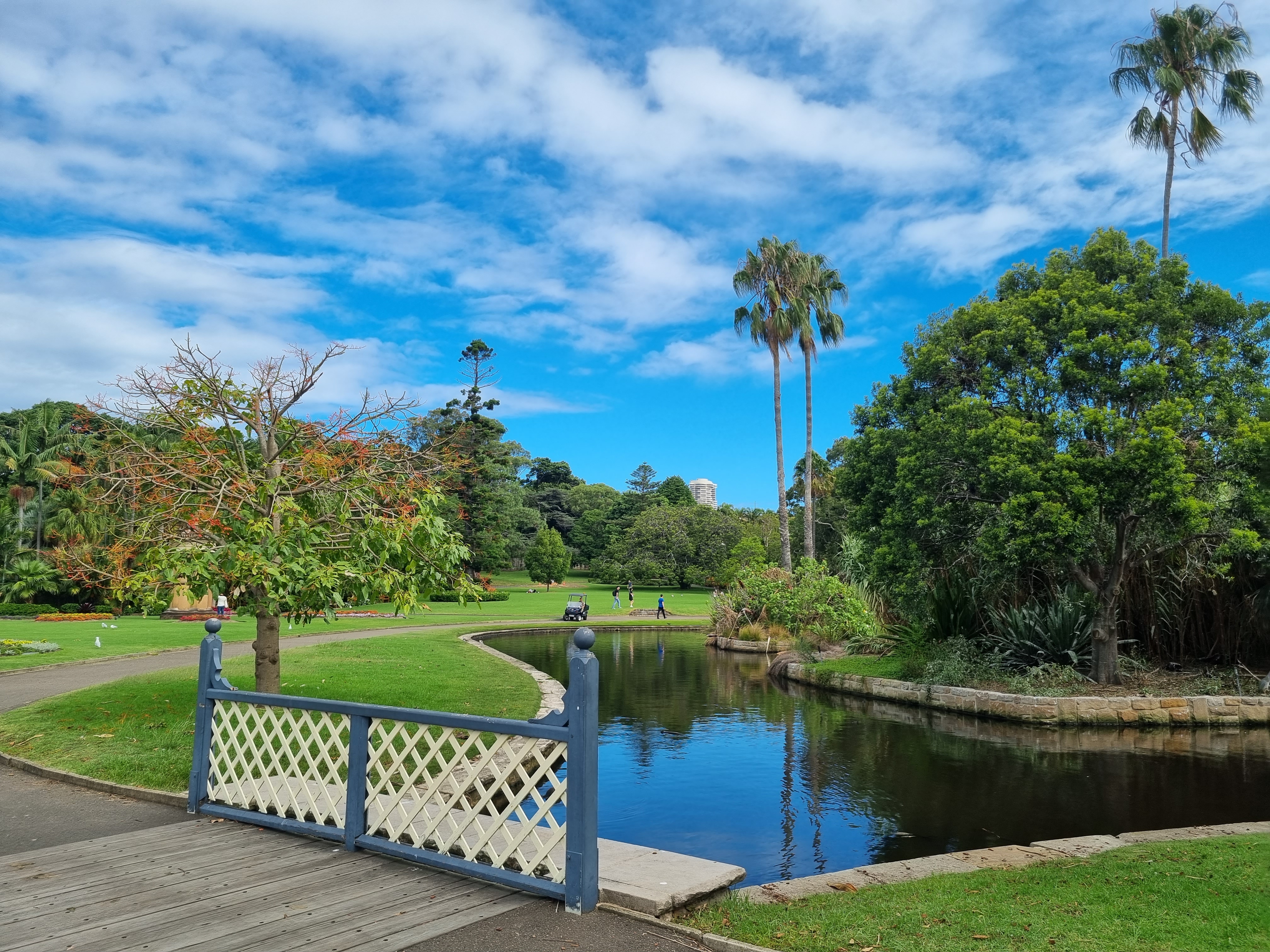
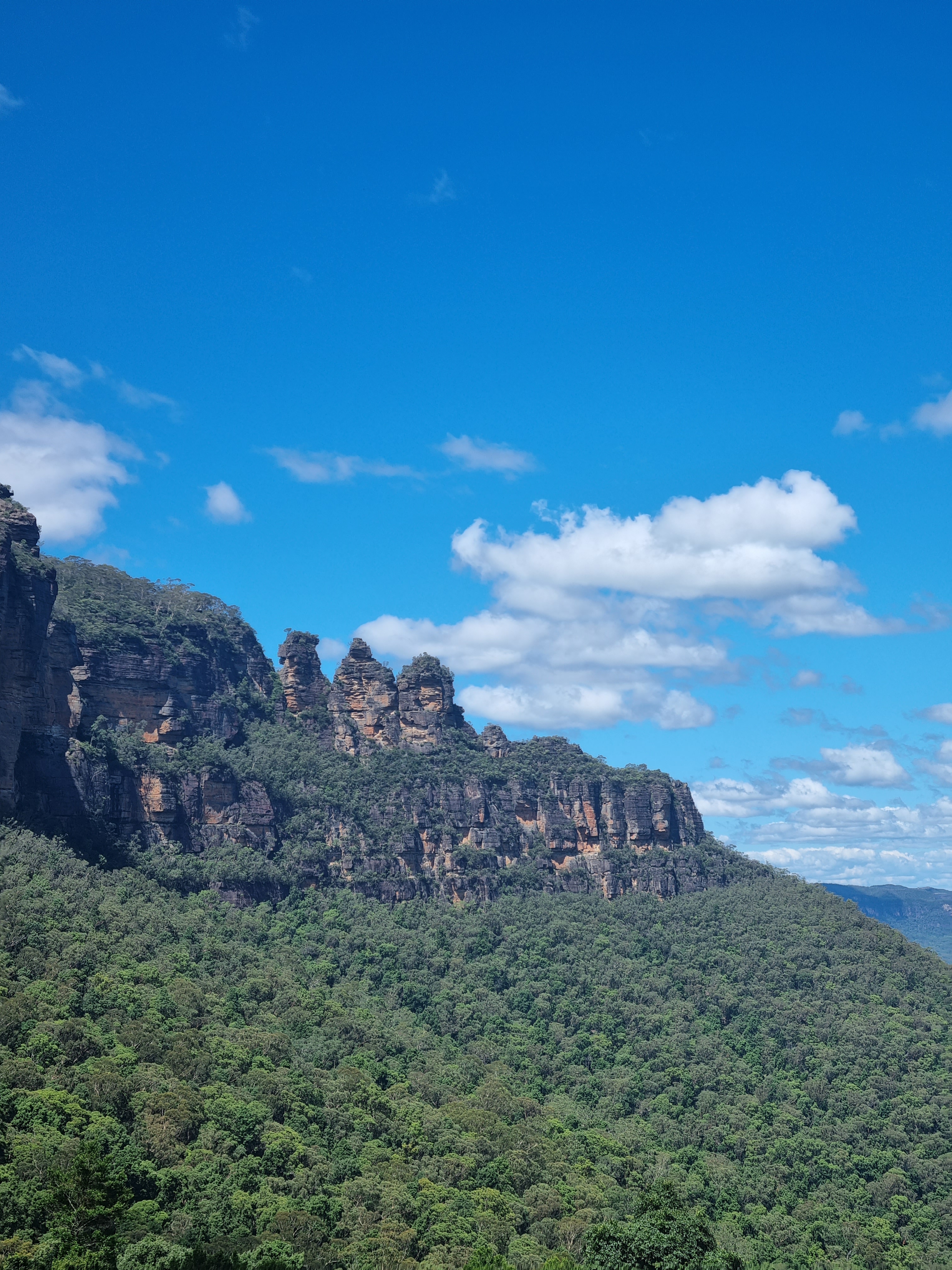
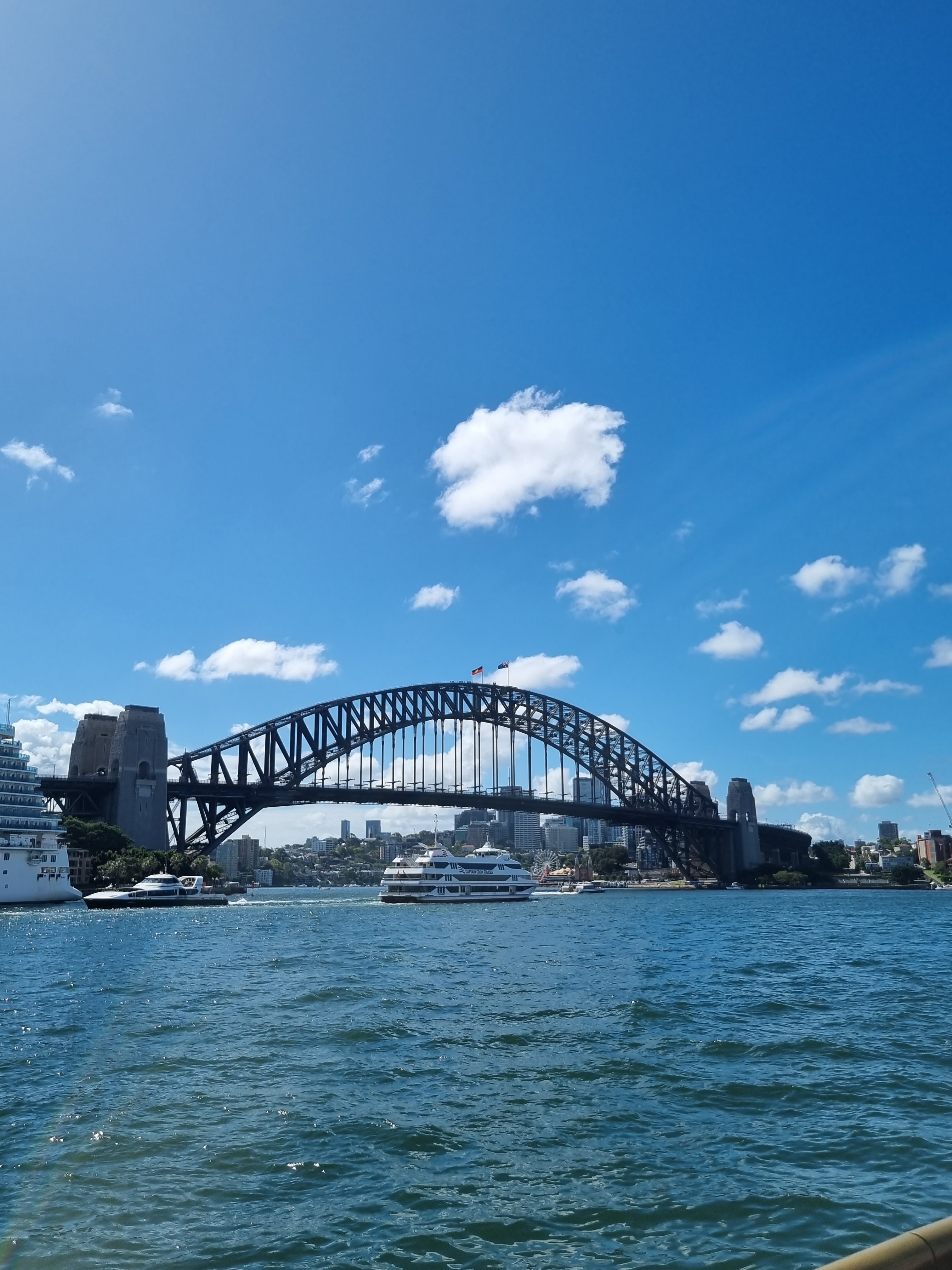
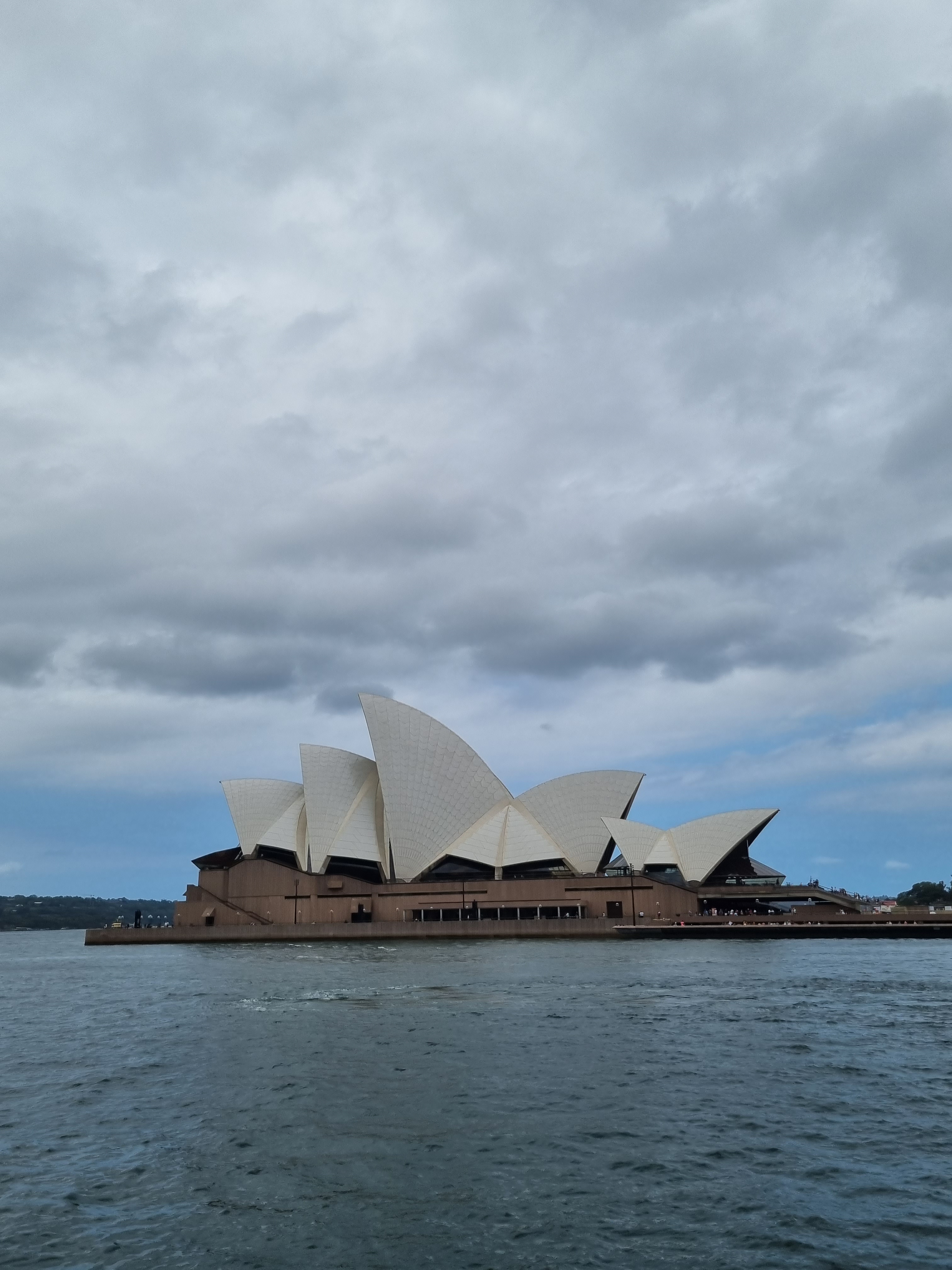
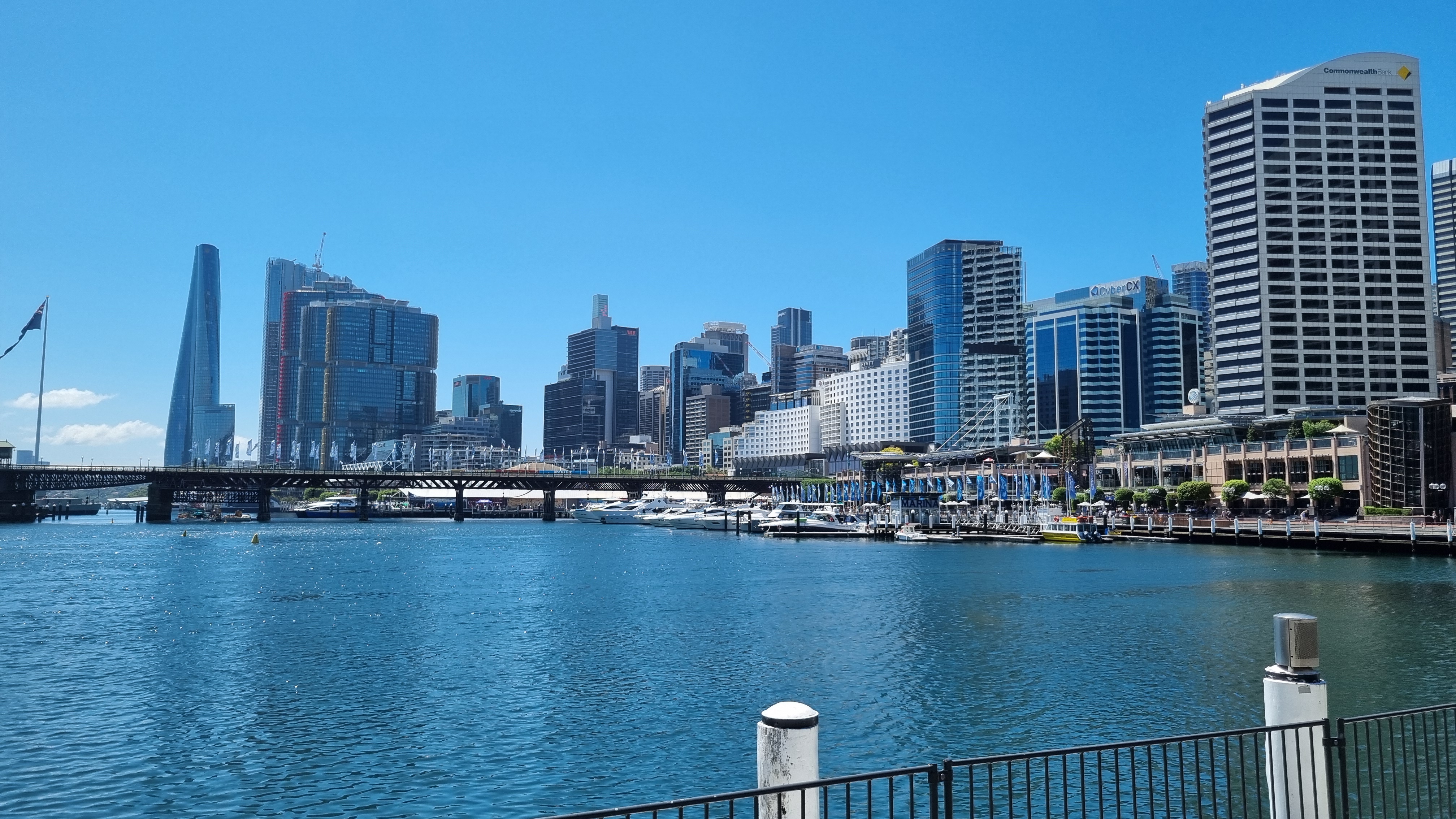
Continuing our journey, we headed toward Sydney, where we spent one night before planning to make our way to Canberra the next day. Although we have both visited Sydney many times before, we recommend that first-time visitors plan to stay for at least three or four days to fully experience all that the city and its surroundings have to offer. For us, however, this was just a quick stop during a long drive. Sydney is famous for its iconic landmarks, including the Sydney Opera House and the Sydney Harbour Bridge. The city has so much more to offer though! If you’re curious about what to do in Sydney, be sure to check out my guide, 30 Epic things to do in and around Sydney.



Booking Checklist
Travel Insurance
I highly recommend getting travel medical insurance while you’re traveling. Hopefully, you’ll never need it, but it’s always better to be safe than sorry. SafetyWing offers two flexible plans tailored to your travel needs. Whether you’re a short-term adventurer or a long-term expat, you’ll have reliable coverage anywhere in the world.
SafetyWing is especially great for remote workers and digital nomads, offering continuous global coverage even if you’re hopping between countries. Of course, it’s also a solid option for frequent travelers or those constantly on the go. But if you’re only traveling occasionally or just for a short holiday now and then, there might be better-suited alternatives.
Accommodations
I usually rely on Booking.com for hotels and Airbnb for vacation rentals. They both have the largest selection and tend to offer the most reliable prices.
Data for your Trip
I use Saily for international cell data. They offer a variety of eSIM options depending on the country and their eSIMs are easy to install, activate instantly upon arrival, and let you skip buying local SIM cards or paying expensive roaming fees.
Tours and Experiences
I always use GetYourGuide to find the best tours and experiences in a city or country. It’s my go-to platform for planning activities, and I’ve always been very satisfied with the experiences I booked through them.
Rental Car
I’ve rented at least six cars and always booked them through check24 (ad), which I can highly recommend. The website offers good deals, the insurance is quite cheap and provides good coverage, and the customer service is very efficient and accommodating. However, Check24 currently only offers its website in German. So it’s mandatory to speak the language.
Other Australia Blogs

30 Epic Things to do in and around Sydney
Picture yourself climbing the famous Harbour Bridge, taking in incredible views of the sparkling harbour, or standing in front of the stunning Sydney Opera House. After that, enjoy the beautiful Hermitage Foreshore Walk along the coast, where rocky cliffs and bright blue waters lead you to the sandy shores of Bondi Beach. And when you…

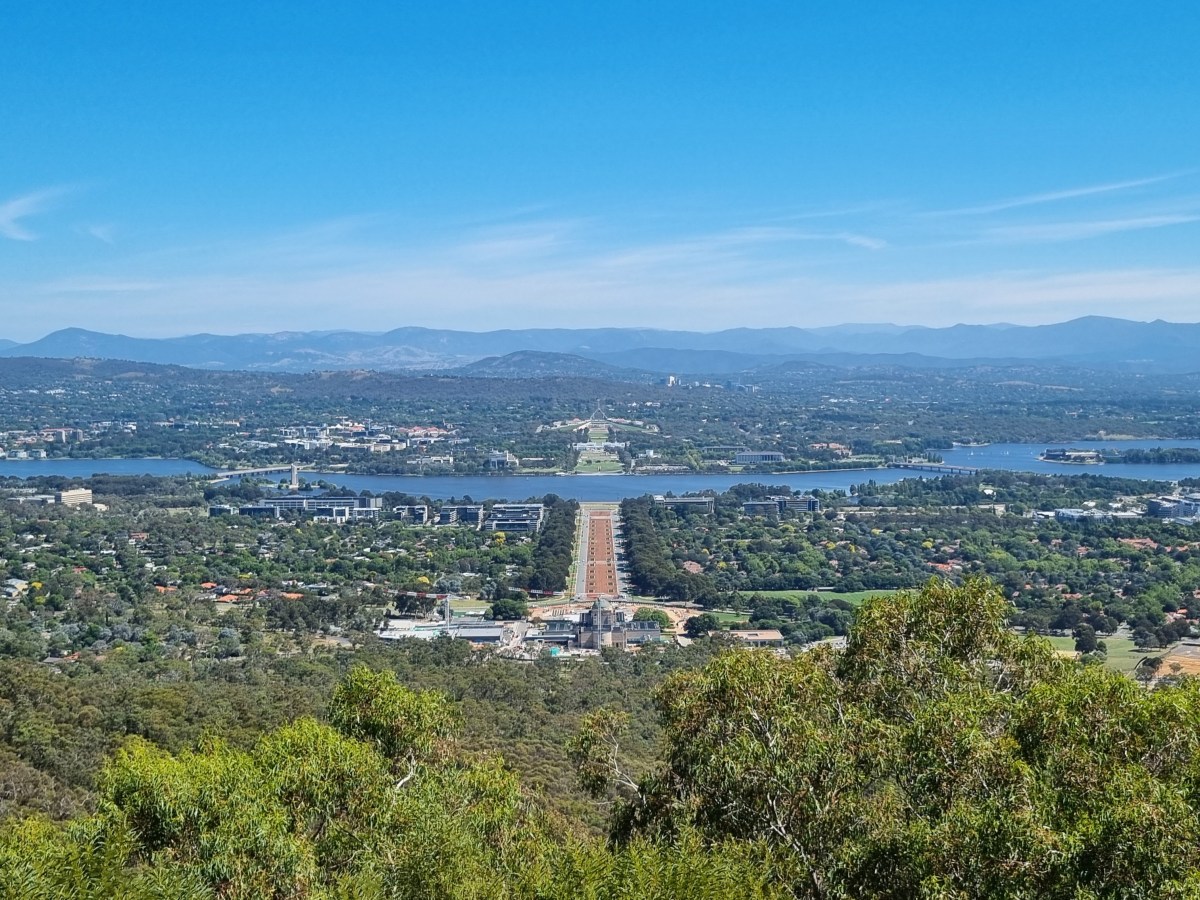
30 Things to do in Canberra: Best Attractions and Hidden Gems
Have you ever considered visiting Canberra? Many people might say no, but why? Why do most Australians claim that Canberra is boring and lacks attractions? I believe it could be due to its geographical location, not being close enough to the coast. I have visited Canberra several times, and I can assure you that there…

Exploring Western Australia: 4-Day Itinerary for Perth & Beyond
As you step into the vibrant city of Perth, Australia, you are embraced by a symphony of beauty: from the beautiful beaches whispering stories of the ocean to the lively city streets buzzing with life. Day trips to places like Rottnest Island, where charming Quokkas warmly welcome you to their island, and the Pinnacles, where…
Adelaide to Kangaroo Island: Five-Day Itinerary
Get ready for an unforgettable 5-day adventure from Adelaide to Kangaroo Island, where a bustling city meets the wild beauty of untouched landscapes and amazing wildlife. Start off in Adelaide, where you can explore the vibrant art scene, relaxing gardens, and beautiful coastal views. Then, head to Kangaroo Island, a hidden paradise and Australia’s third-largest…
Ultimate Uluru Camping Adventure: 5-Day Journey
Servus and welcome to my Uluru Camping Blog! Uluru, also known as Ayers Rock, is a large red sandstone monolith located in the southern part of the Northern Territory, near the center of Australia. Visiting the red center of Australia has always been on the bucket list for my partner and me, so we booked…

4-Day Gold Coast Itinerary: Ultimate Adventure Guide
Ready for the ultimate getaway? Gold Coast is your ticket to paradise! Spend four unforgettable days exploring this coastal gem, starting with Surfers Paradise, where golden sands meet turquoise waters and where towering skyscrapers rise hilariously close to the beach, creating a skyline like no other. Dive into the magic of the H2O: Just Add…





 Michelle Cacija
Leave a comment