
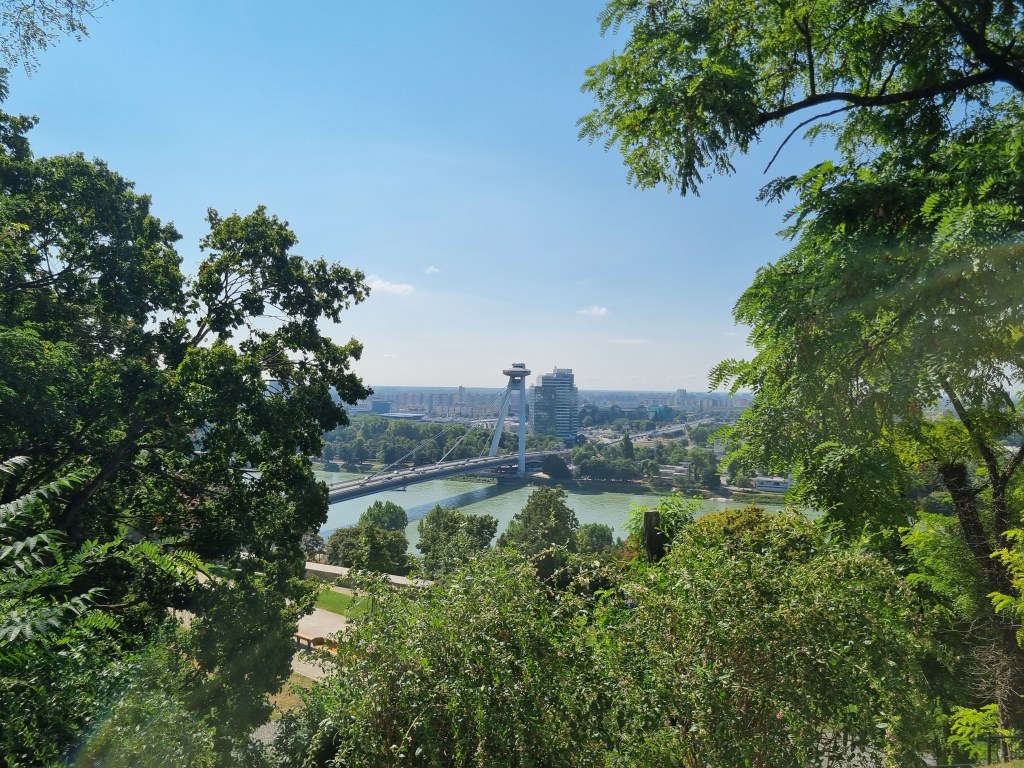
“Bratislava? Is it even worth visiting?” Many say it’s not, but trust me, this charming Slovakian capital is perfect for a day trip. Start with the Bratislava Fortress, offering stunning views of the Danube and the old town’s red rooftops. It’s a must-see, packed with history. Then, try one of the city’s quirky treats: soup in a cone! Yes, you read that right—warm, delicious soup served in an edible cone, found in some cozy cafes around the old town. Also, don’t miss the traditional rožky, a pastry filled with sweet poppy seeds or walnuts, perfect for an afternoon snack. Next, wander the narrow, cobbled streets lined with pastel buildings, quaint shops, and lively cafes. Despite what people say, these charming streets reveal a city full of character. Servus and welcome to my 24 hours in Bratislava blog: Sights and Tips!
As always, I want to remind you, that this blog isn’t perfect because everyone travels differently, and all trips involve changes of plans. I want to let you know that everything on this website has been experienced, photographed, and written by me. Since I finance all of my travel expenses on my own, the stories and opinions given are truly my own. If you’re interested in seeing more travel pictures or videos, feel free to check out my Instagram @michellecacija or my Tik Tok @michellecacija.
Index
- The Basics about Bratislava
- Things you need to be aware of
- Medical insurance
- Day Trip
- Summary of activities
- Where to eat
The Basics about Bratislava
When to visit
Like many other European cities, you can always visit Bratislava. If you enjoy good weather, the best time to visit Bratislava is during the late spring and early fall when the weather is mild and pleasant. This way, you can enjoy outdoor activities and explore the city. During December, and especially before christmas Bratislava is worth a visit as well!
Time period
I have done two day trips to Bratislava before, and I believe that in just one day, you can visit all the main attractions and experience a little bit of the Slovakian culture.
Getting There
So close and yet so underrated! From Vienna (where I live) it takes under an hour to reach Bratislava – an ideal destination for a day trip or a weekend getaway. No matter if you travel there from Vienna or somewhere else, you can reach the Slovakian capital very easily by car, bus, train or plane.
Getting around
When it comes to getting around, Bratislava is a very walkable city. You can easily walk to all the major sights. If you’re staying further from the city center, you can use the buses, which are very convenient.
What to pack
What to pack largely depends on when you’re visiting. If you’re going in late July like we did, be sure to pack lightweight and breathable clothing and comfortable walking shoes.
Cost of Traveling
As for the expenses, the amount you’re going to spend depends on several factors, including how long your stay is, your choice of accommodation, your travel style, and the activities you’ll be doing.
Bratislava-Ticket
With the Bratislava-Ticket (also known as Euregio Slovakia) you can travel affordably from Vienna to Bratislava. This ticket allows unlimited use of all public urban transport and regional ÖBB trains between Vienna and Bratislava. For commuters and students, weekly and monthly tickets for the Vienna-Bratislava route are also available. On the first day of validity, the Bratislava-Ticket also serves as a day pass for public urban transport in Bratislava. The ticket cost 18 euros for a trip there and back (unpaid ad).
Things you need to be aware of
Water in Slovakia. You can safely drink tap water in Slovakia as it’s clean and meets the national and European standards.
Toilet situation. Unfortunately, public restrooms typically cost around 50 cents to a euro in Slovakia (and many other European countries). So, make sure to carry a few coins with you and always use the restroom before leaving your accommodation, a restaurant, or a café.
Tipping. In Slovakia, tipping is customary. In restaurants and cafés, it’s typical to leave a tip of around 10% to 15% of the bill.
Currency. The currency in Slovakia is the Euro. The country is increasing its card acceptance; however, Slovakia remains predominantly cash-based. It’s recommended to have some cash on hand as many establishments still prefer cash payments.
Medical insurance
I highly recommend getting travel medical insurance while you’re traveling. Hopefully, you’ll never need it, but it’s always better to be safe than sorry. SafetyWing offers two flexible plans tailored to your travel needs — whether you’re a short-term adventurer or a long-term expat, you’ll have reliable coverage anywhere in the world.
SafetyWing is especially great for remote workers and digital nomads, offering continuous global coverage even if you’re hopping between countries. Of course, it’s also a solid option for frequent travelers or those constantly on the go. But if you’re only traveling occasionally or just for a short holiday now and then, there might be better-suited alternatives.

Day Trip
My partner and I began our Slovakian adventure by arriving in Bratislava by train. Since we had been in Vienna beforehand, we took advantage of the Bratislava-Ticket (explained earlier in this blog) for an easy and affordable journey. Upon arriving at Bratislava-Petržalka train station, we caught a bus to the city center, a quick ride of about 15 minutes.
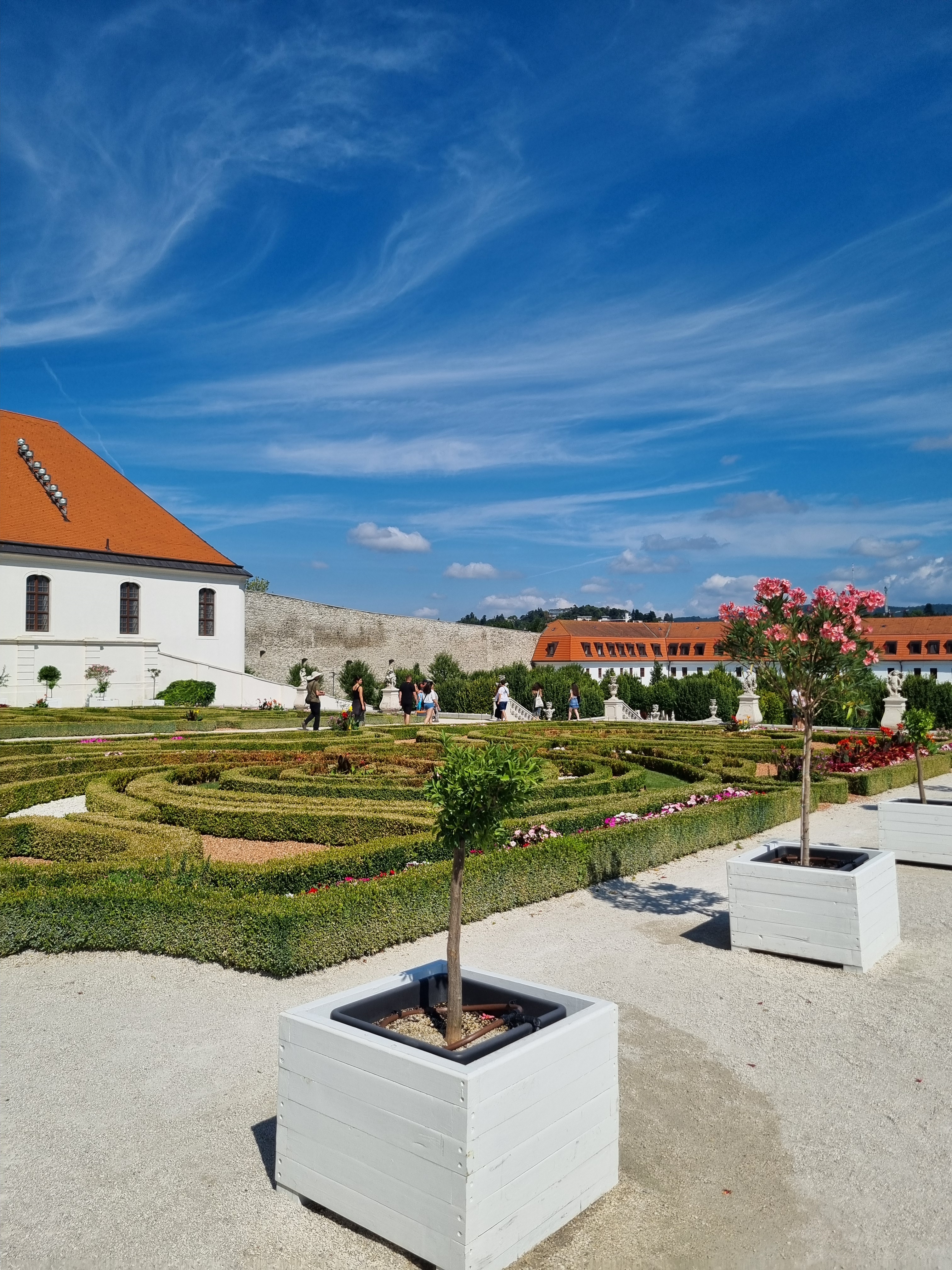
Our first destination was the Bratislava Fortress, also known as Bratislavský hrad. This iconic landmark overlooks the city, providing stunning views of the Danube River and the old town’s red rooftops. To reach the fortress, you’ll need to take a short, 20-minute climb from the Old Town, but it’s well worth the effort. Entering the castle grounds is free, making it a great stop for any visitor. The castle itself has been rebuilt and renovated multiple times and now houses exhibitions and museums that showcase Slovakia’s rich history and culture. The basic entrance fee for the museum is €14. While I have to admit that I haven’t visited the museum on either of my trips to Bratislava, it could be an excellent option, especially on rainy days. Behind the castle, you’ll find a small charming garden, which is also free to explore. Although they are relatively small, they offer a lovely place for a peaceful stroll. For more information about visiting the castle, click here.
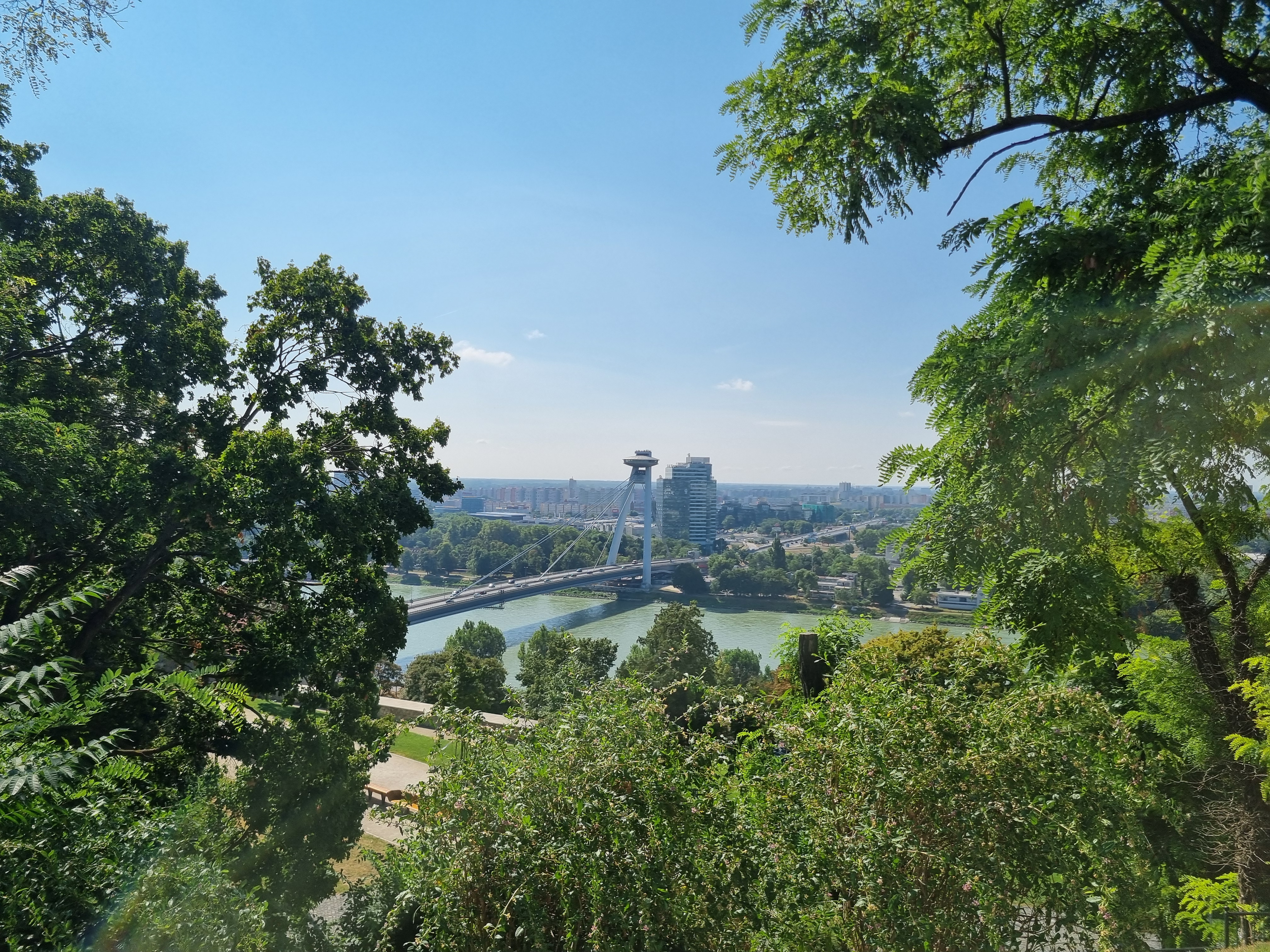
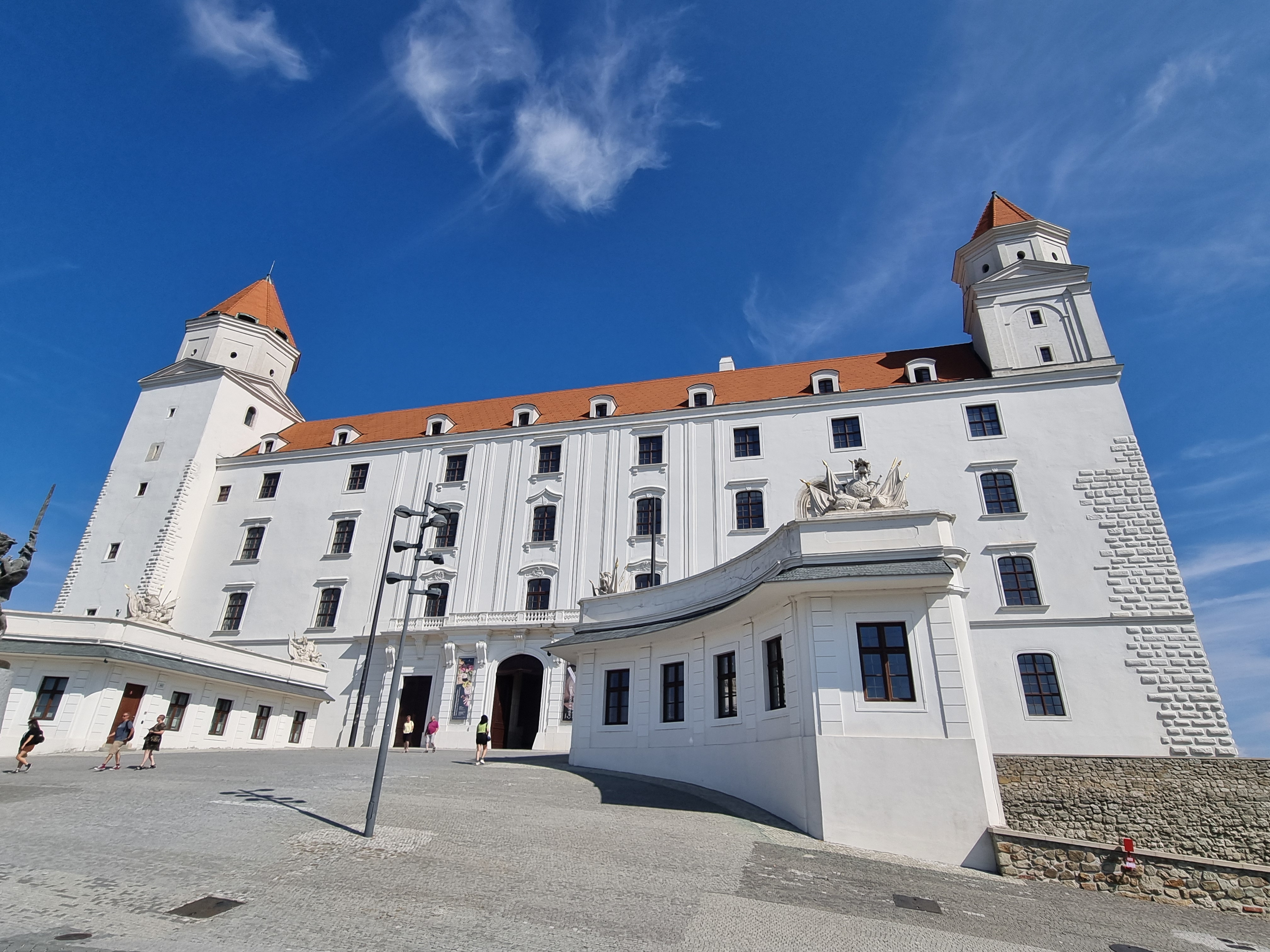
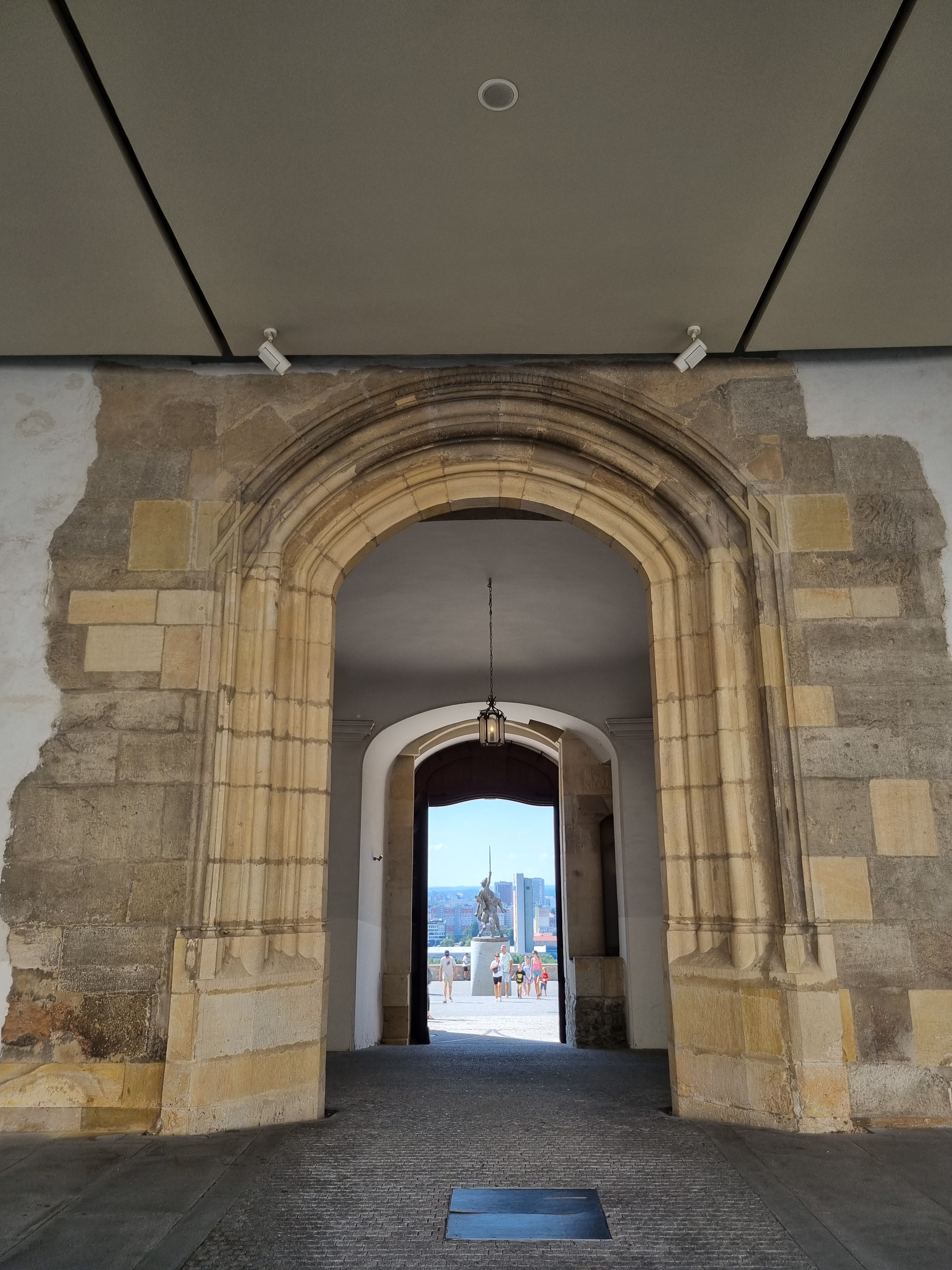
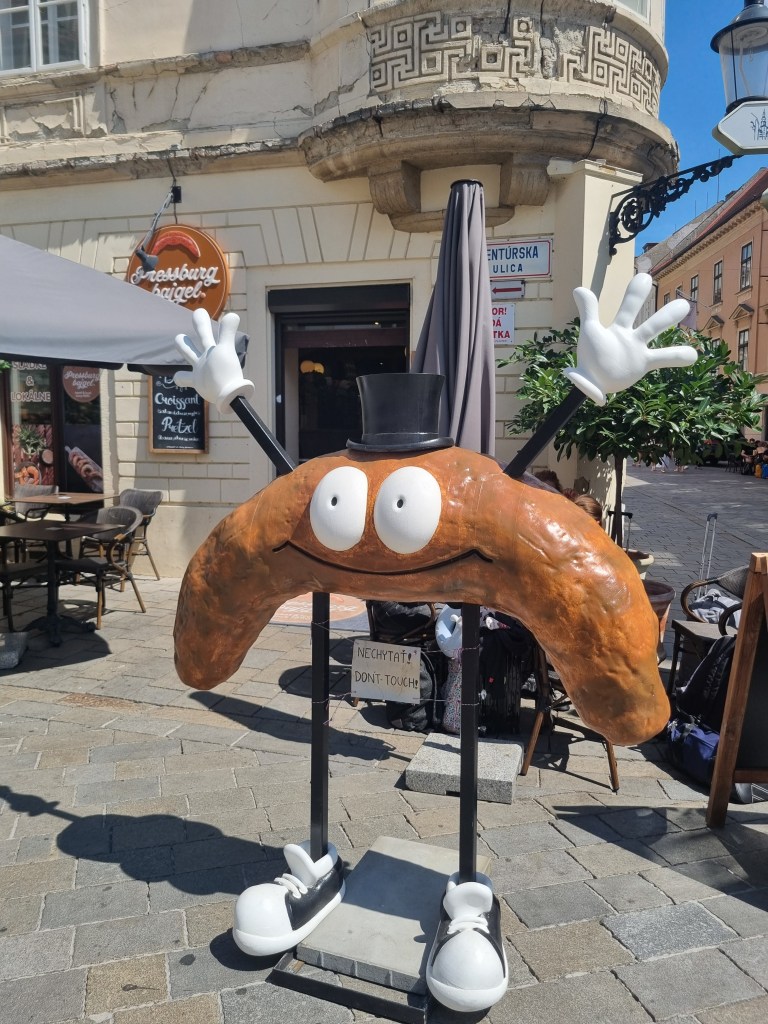
After exploring the castle, we headed to the charming Old Town of Bratislava, where we decided to buy traditional rožky, a pastry filled with sweet poppy seeds or walnuts, perfect for an early lunch or afternoon snack. If you’re in Bratislava, definitely try them – I loved it!
Then, we joined a free walking tour through the Old Town. If you want to dive deeper into the city’s history and uncover interesting facts, I highly recommend taking a free walking tour. My partner and I love these tours as they offer a fantastic way to explore a new city, learn about its history, and visit attractions. During our tour, we visited several sights, including St. Martin’s Cathedral, Saint Michael’s Gate, the famous Čumil statue, and more.
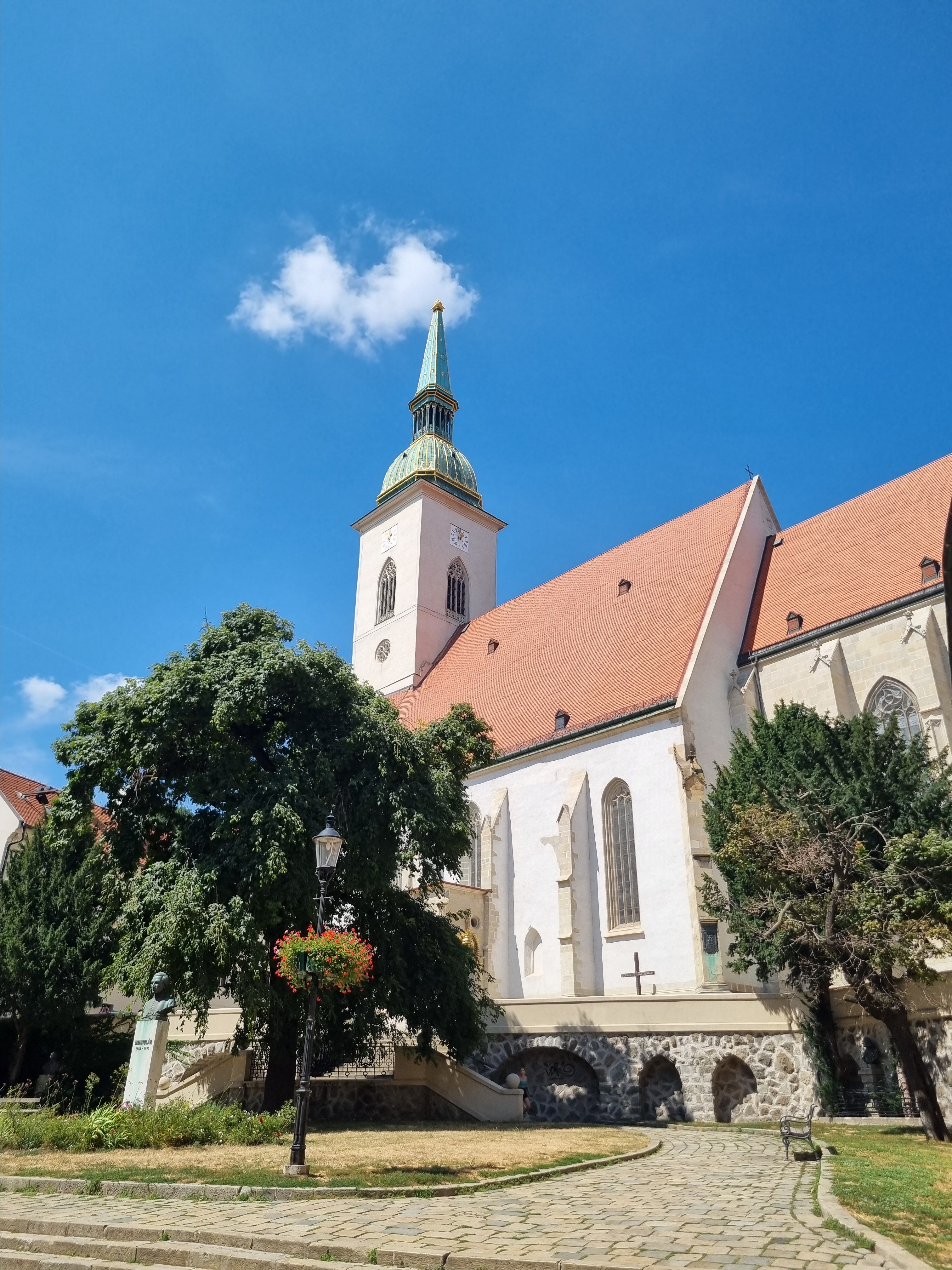
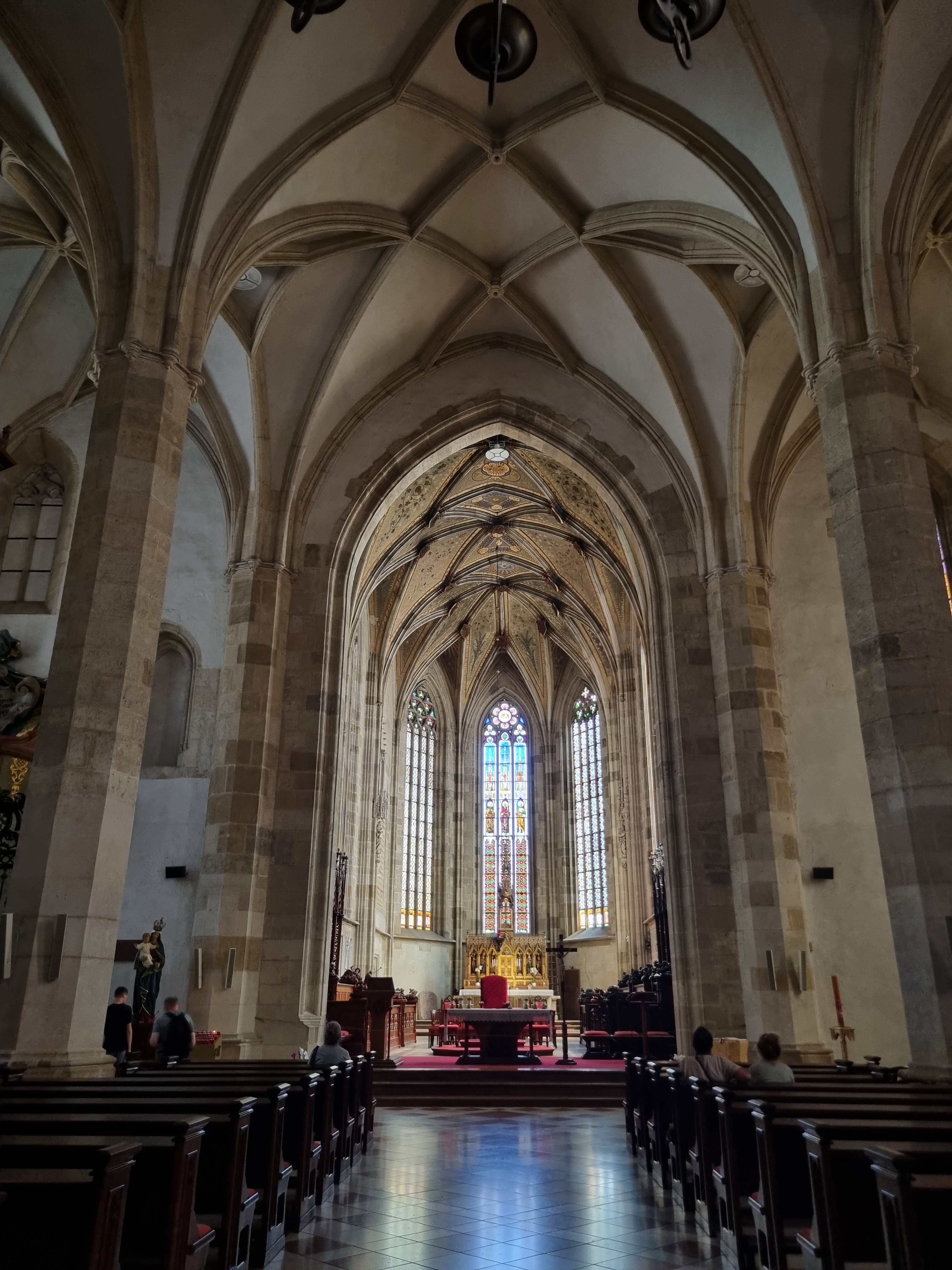
St. Martin’s Cathedral is a prominent church in the heart of Bratislava. It holds great historical significance and is a must-see for its stunning architecture and cultural importance, serving as the coronation church for Hungarian kings in centuries past.
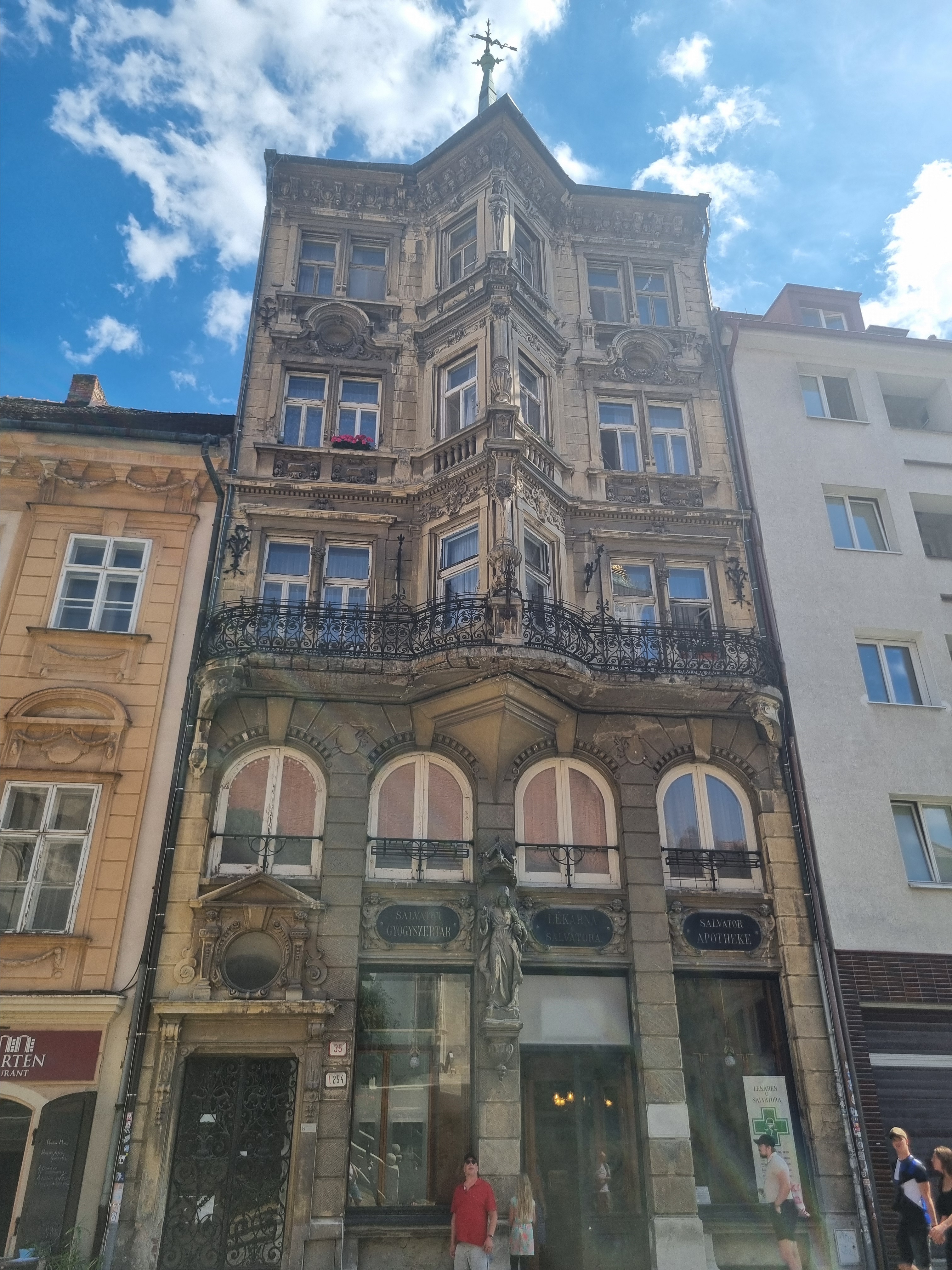
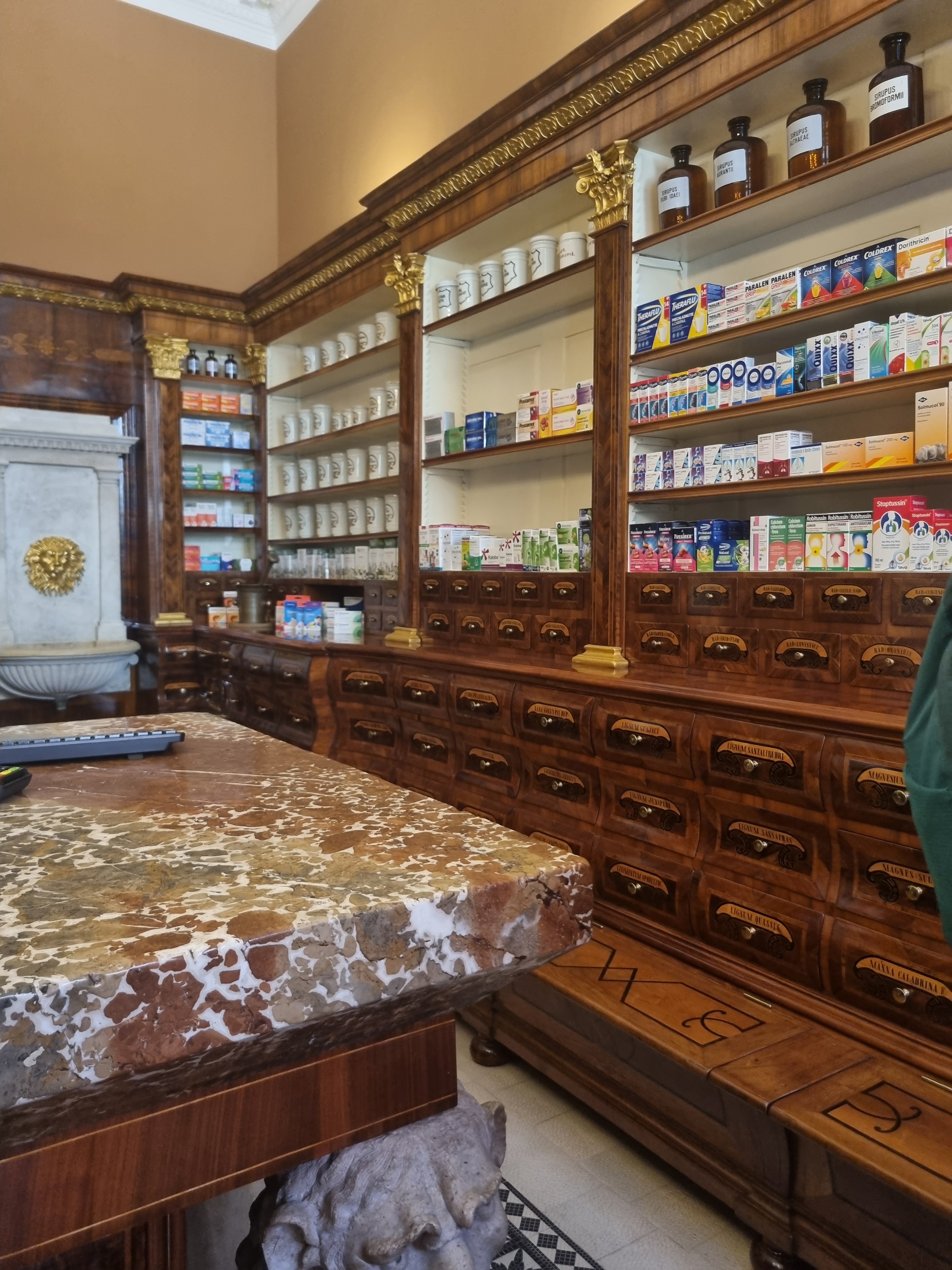
Just across the street, we came across the Pharmacy Salvator, a neo-Renaissance building constructed in 1904 by pharmacist Rudolf Adler. Its facade features a stone statue of Christ the Savior, crafted by sculptor Alojz Rigele. Although it’s a pharmacy (and hopefully you won’t need to buy anything there!), it’s worth stopping by to admire its antique style and beautifully preserved interior.
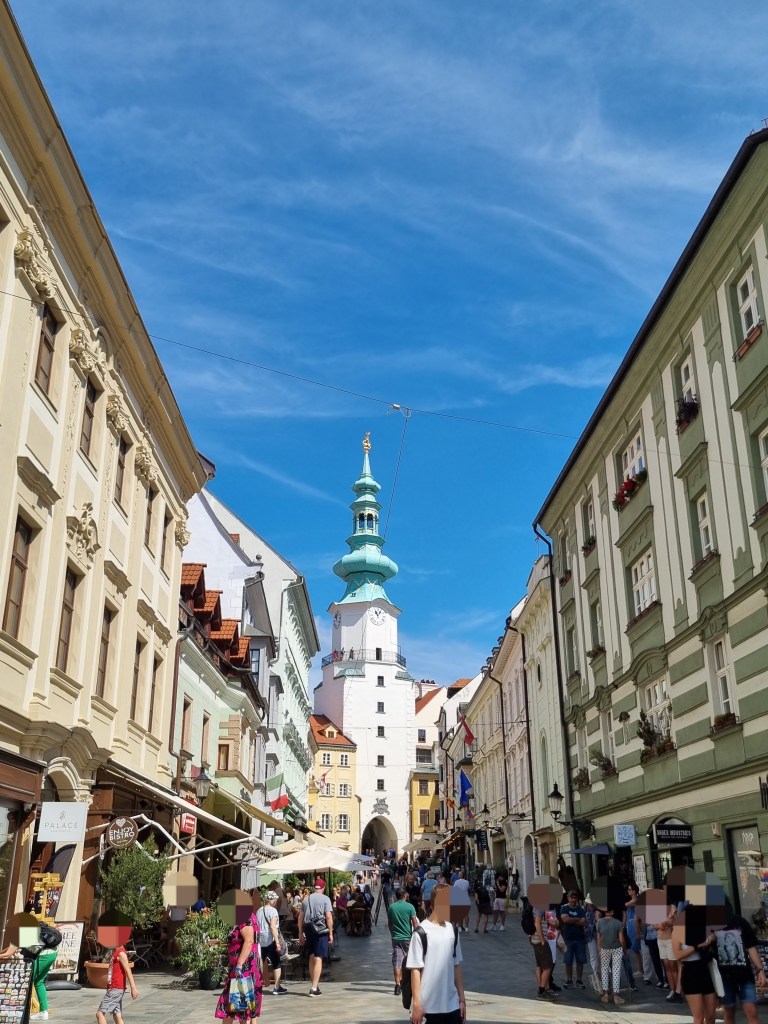
From St. Martin’s Cathedral, you can continue your walk through the narrow, cobbled streets to the famous Michael’s Gate. This is the only remaining gate of the medieval city fortifications, originally built in the 14th century. The gate features a 51-meter-high tower, which now houses a museum of medieval weapons. For just six euros, you can climb to the top for stunning views of the Old Town and its surroundings. The tower’s balcony offers a unique perspective on Bratislava’s blend of historic and modern architecture.
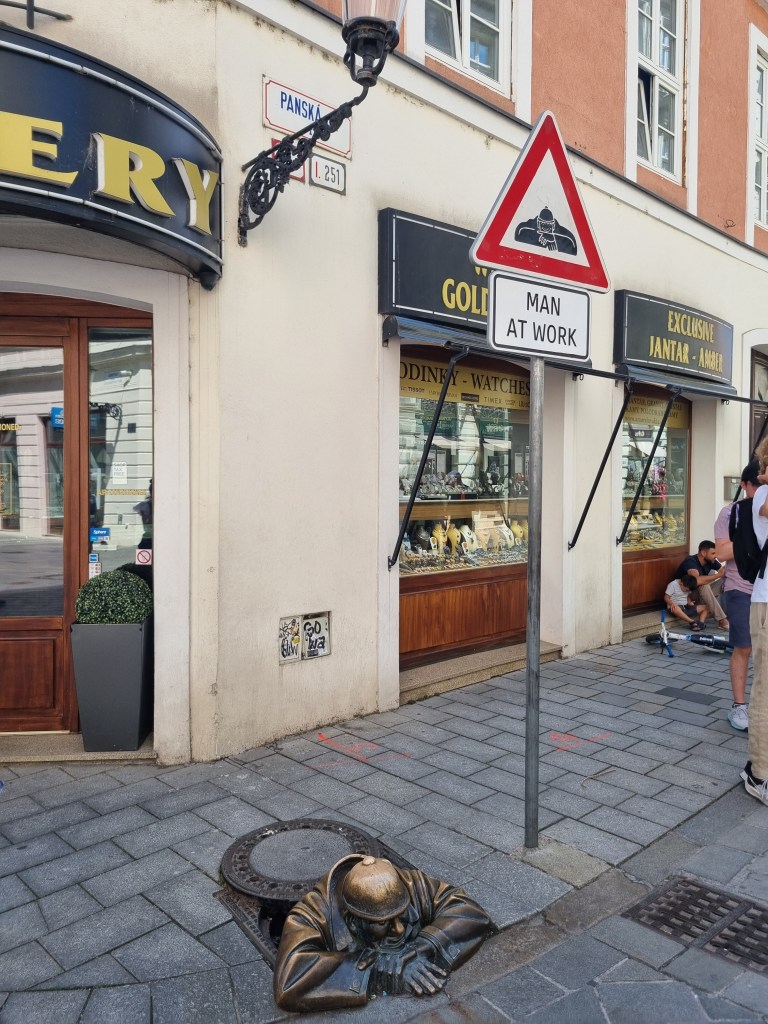
As you stroll through the Old Town, you’ll likely encounter some of the city’s quirky, life-sized bronze statues. These were originally created to add character to the city center and attract more tourists. The most famous of these figures is Čumil, also known as “Man at Work.” He’s seen peeking out of a manhole cover and, according to our tour guide, is one of the most photographed spots in Bratislava. You can find him at the corner of Fischertor and Panská.
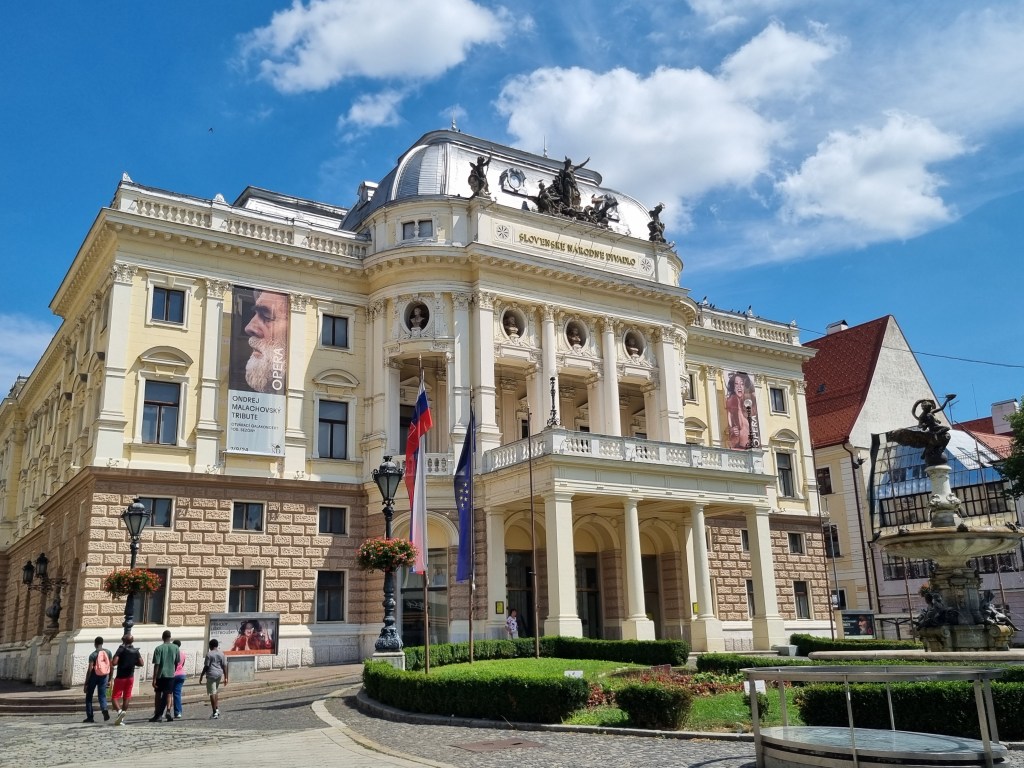
During our tour, we also visited the Slovak National theatre (Slovenské národné divadlo), one of Bratislava’s cultural highlights. The theater consists of several buildings, including the historic Opera House and the newer Opera and Ballet House. The historic Opera House, built in 1886 in a Neo-Renaissance style, is an architectural gem in the city, while the modern building, opened in 2007, offers a contemporary space for performances. The theater hosts a variety of events, from opera and ballet to drama, showcasing both local and international talent.
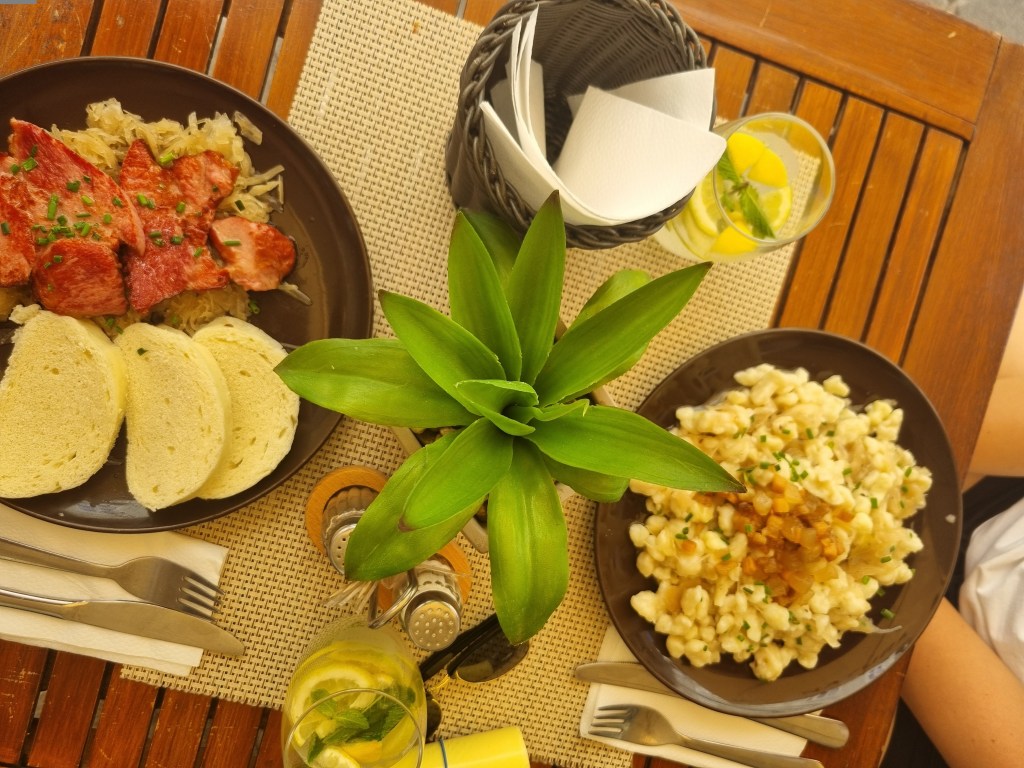
After the walking tour and some more exploring, we decided it was time for lunch. Slovak cuisine mainly revolves around hearty ingredients like meat, potatoes, and sauerkraut. I opted for the national dish, Bryndzové halušky—potato dumplings mixed with rich sheep cheese and topped with fried bacon. My partner chose another traditional dish of potato dumplings with sauerkraut and bacon.
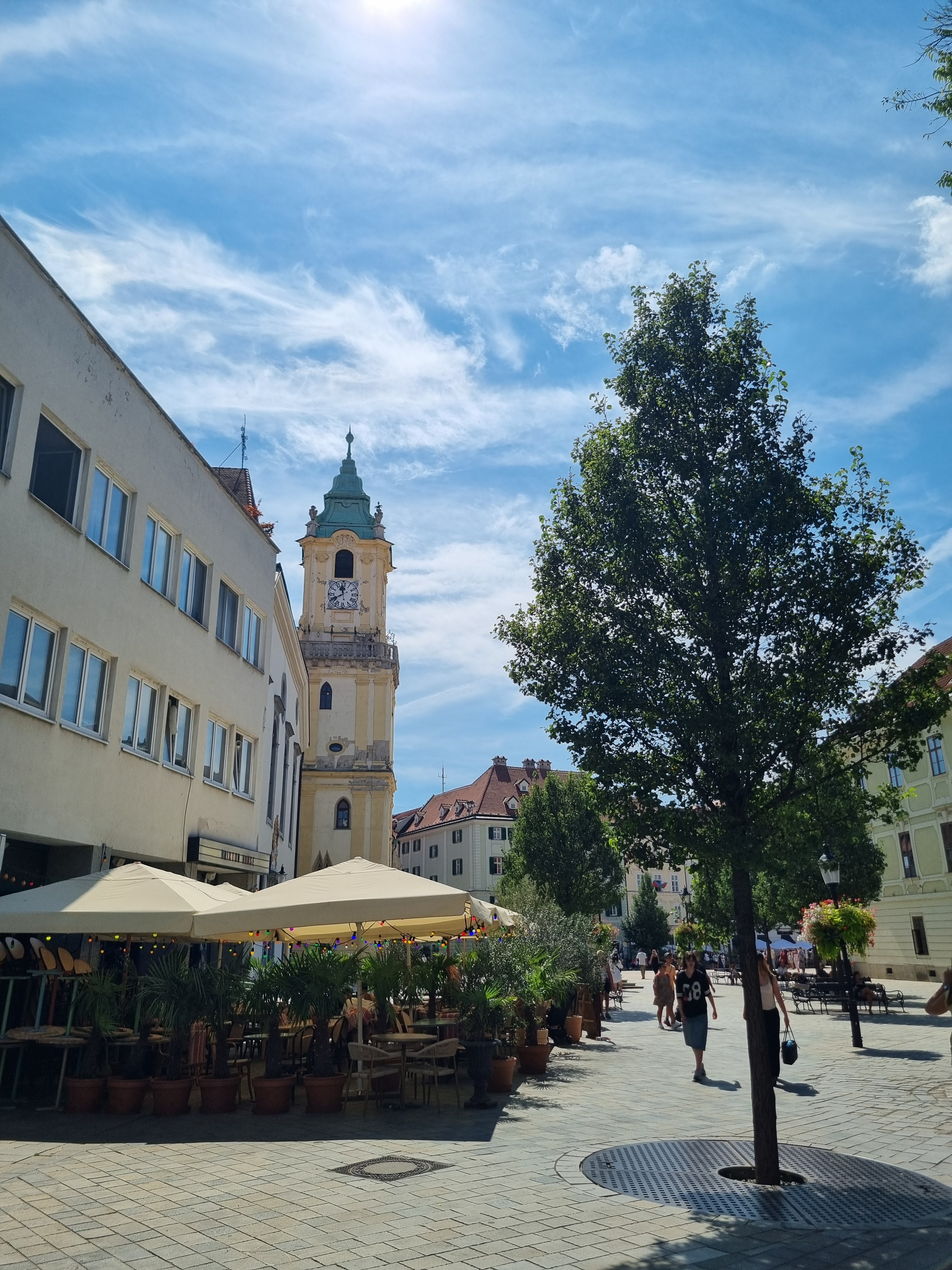
After lunch, we continued our stroll through the Old Town, wandering into small shops nestled along the narrow, cobblestone streets. As we explored, we couldn’t help but admire the beautiful pastel-colored buildings that give Bratislava its charming and unique character.

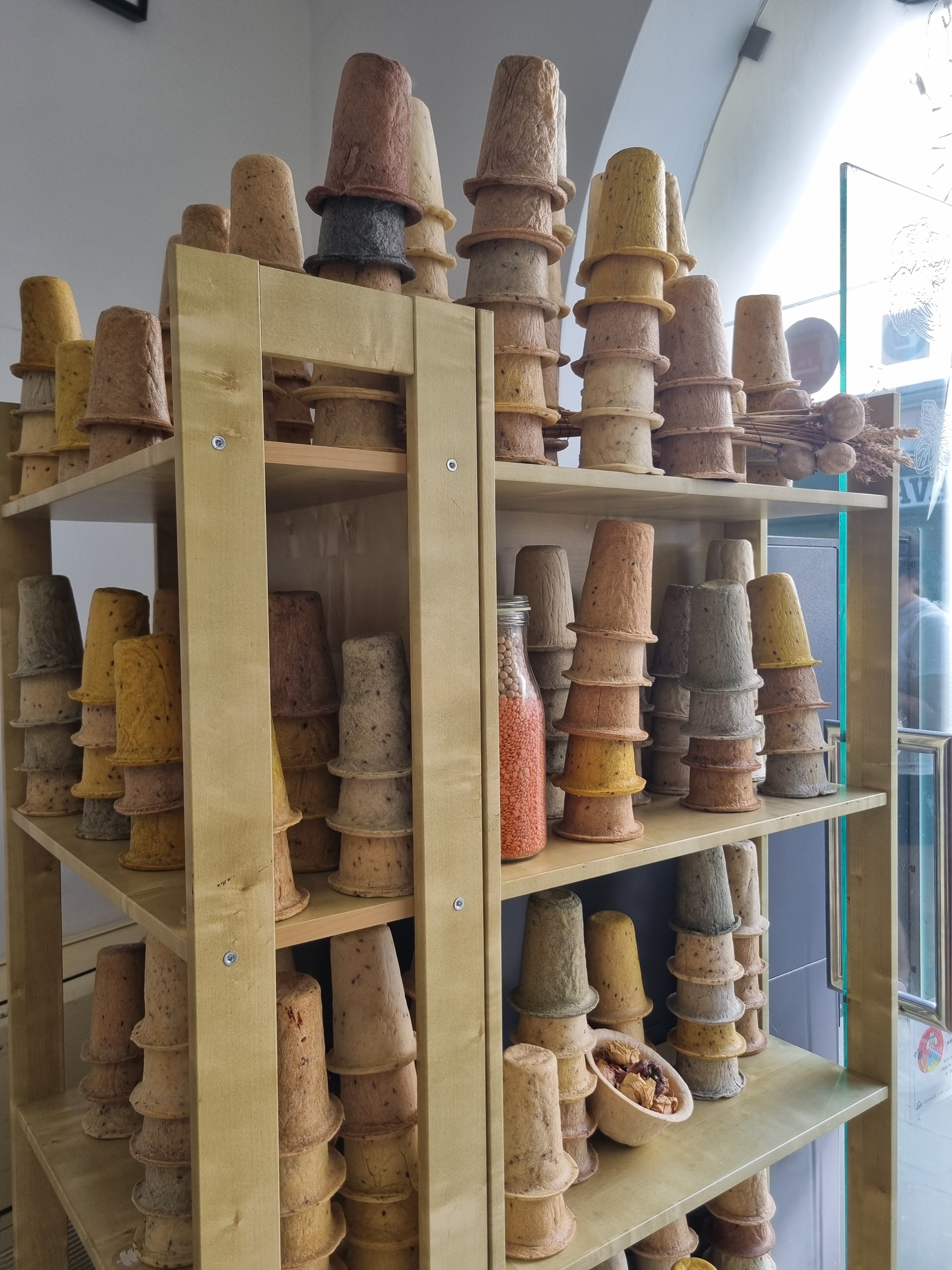
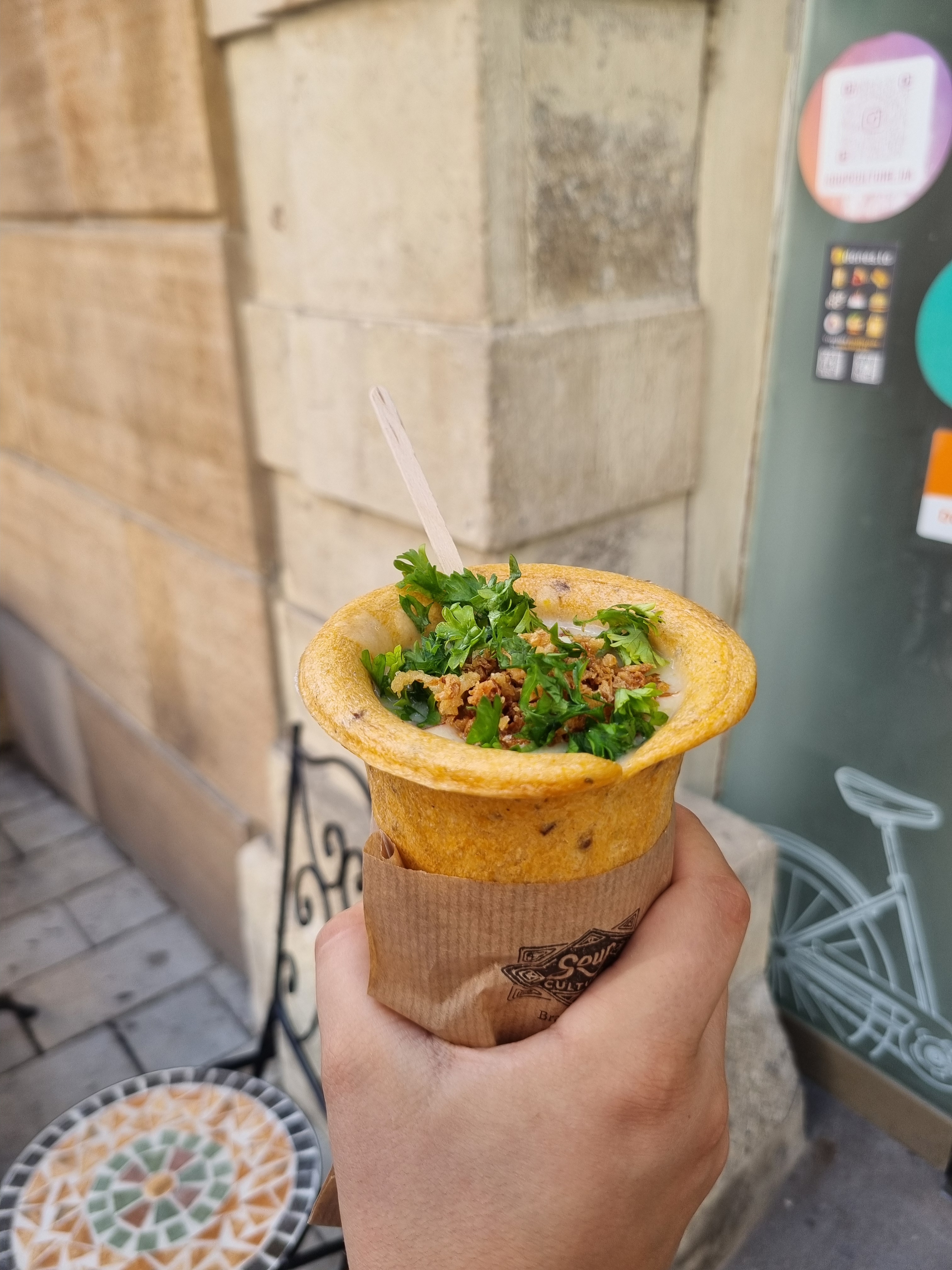
Before heading home, we stumbled upon one of the city’s quirky treats: soup in a cone. This warm, hearty soup is served in an edible bread cone and can be found in some of the cozy cafés scattered around the Old Town. Even if you’re not typically a fan of soup (like me), I promise this was absolutely delicious! The combination of savory soup and the crunchy, slightly salty cone is surprisingly a delightful snack, and it’s a must-try when visiting Bratislava. We enjoyed ours at Soupculture (unpaid ad) and was really good!
Summary of activities
- Explore the Old Town
- Bratislava fortress
- Devin Castle
- Old City Hall
- Čumil (most famous statue in Bratislava)
- Saint-Michael gate
- St. Martins Cathedral
- Sankt-Elisabeth-Church
- Free Walking Tour
- Eat traditional Slovakian food
- Slavin War Memorial
- Primate’s Palace (Museum)
- Palais Grassalkovich
- UFO Observation Deck
- National theatre
- Eurovea Galleria (Shopping center)
Where to eat
- Soupculture (unpaid ad)



 Michelle Cacija
Leave a comment