
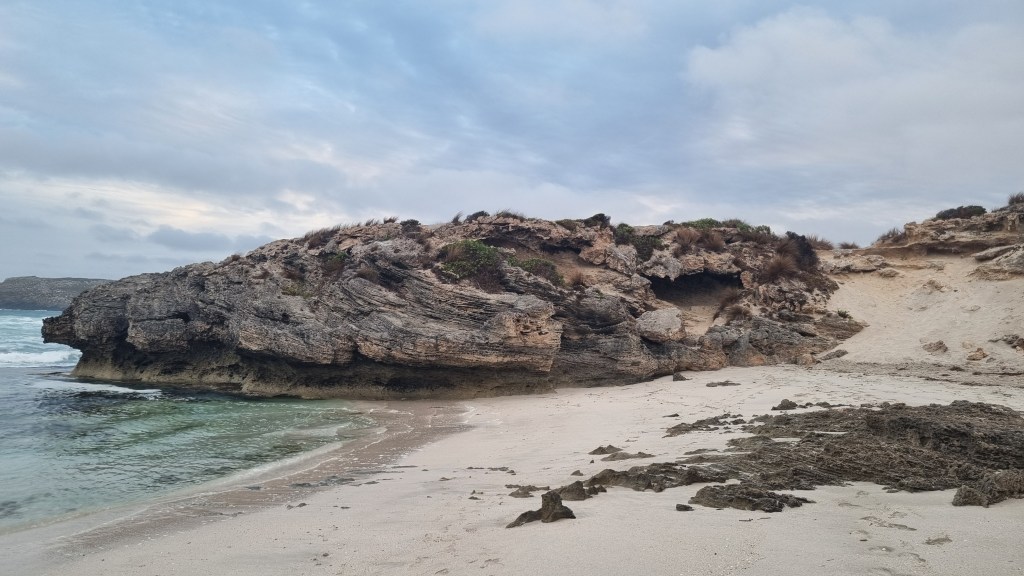
Get ready for an unforgettable 5-day adventure from Adelaide to Kangaroo Island, where a bustling city meets the wild beauty of untouched landscapes and amazing wildlife. Start off in Adelaide, where you can explore the vibrant art scene, relaxing gardens, and beautiful coastal views. Then, head to Kangaroo Island — a hidden paradise and Australia’s third-largest island, like a zoo without fences, full of unique animals.
Before my trip to Adelaide, I’d only heard of Kangaroo Island through Instagram, where I saw pictures of kangaroos relaxing on white-sand beaches. But visiting in person made it a true highlight, even if the weather wasn’t the best. The island is a haven for nature lovers, offering koalas, kangaroos, sea lions, vast bushland, breathtaking rock formations, and indeed beautiful white-sand beaches. Imagine yourself hiking along cliffs, watching sea lion colonies, and driving through pure nature while spotting kangaroos in untouched bushland. From Adelaide’s buzzing city life to Kangaroo Island’s wild beauty, this trip shows South Australia at its best.
As always, I want to remind you, that this blog isn’t perfect because everyone travels differently, and all trips involve changes of plans. I want to let you know that everything on this website has been experienced, photographed, and written by me. Since I finance all of my travel expenses on my own, the stories and opinions given are truly my own. If you’re interested in seeing more travel pictures or videos, feel free to check out my Instagram @michellecacija or my Tik Tok @michellecacija.
Index
- The Basics about Australia
- Things you need to be aware of
- Medical insurance
- Itinerary
- Summary of activities
- Other Australian Blogs
The Basics about Australia
When to visit
The best time to visit Adelaide and Kangaroo Island is probably during spring (September to November) or autumn (March to May). During these seasons, the weather is mild, making it ideal for outdoor adventures, wildlife sightings, and vineyard tours. Summers can be quite hot, especially inland, while winters are cooler and see fewer crowds.
Time Period
To fully enjoy Adelaide and Kangaroo Island, plan to spend at least five to seven days. Start with a few days in Adelaide to explore the city’s food scene, visit local wineries, and see historic sights. Then, spend three or more days on Kangaroo Island, where you can relax on stunning beaches, discover natural wonders, see unique wildlife, and explore scenic coastlines.
Getting there
Adelaide is well-connected by flights from major Australian cities, with international flights arriving regularly as well. To reach Kangaroo Island, take a scenic 45-minute ferry ride from Cape Jervis, about a two-hour drive from Adelaide, or you can fly from Adelaide to Kingscote Airport on the island.
Where to stay
Adelaide offers a wide range of places to stay, with options to suit all budgets. You can find affordable hostels, comfortable mid-range hotels, and even luxury accommodations. There’s something for everyone in the city. Some popular areas for accommodation include Adelaide CBD, which is the heart of the city and offers easy access to major attractions.
On Kangaroo Island, accommodations are more limited and tend to be on the pricier side. The main hub for accommodations is Kingscote, the island’s largest town, where you’ll find a variety of options. Penneshaw, where the ferry arrives, also has a few places to stay and is a convenient area for exploring. Since Kangaroo Island is a popular destination, especially in peak seasons, it’s a good idea to book early to make sure you’ve got a accommodation for the best price.
Getting around
In Adelaide, the tram, bus, and train system is reliable and easy to navigate. To explore Kangaroo Island, a rental car is recommended, as it gives you the freedom to reach remote beaches, wildlife sanctuaries, and scenic overlooks that aren’t accessible by public transport. I don’t even know if it’s even possible to enjoy the island without having a car. You can either rent a car in Adelaide and take it on the ferry or you rent the car on the island.
Renting a car
I’ve rented at least six cars and always booked them through check24 (ad), which I can highly recommend. The website offers good deals, the insurance is quite cheap and provides good coverage, and the customer service is very efficient and accommodating. However, Check24 currently only offers its website in German. So it’s mandatory to speak the language.
What to pack
If you visit during spring, summer or autumn pack lightweight clothing for warmer months, including hats, sunglasses, and sunscreen for the strong Australian sun. In winter, bring layers like a light jacket and hoodies for cooler evenings. Comfortable walking shoes are essential for exploring Adelaide’s and Kangaroo Island’s sights and coastal walks.
Additionaly, consider bringing your own little medication bag, including Band-Aids, pain relief tablets, sleeping tablets or spray, bug spray, aftersun, etc. You never know what you might need it for, and you might feel more comfortable using medication from home rather than in a country where you don’t know the ingredients and languages. If you’re coming from outside Australia, don’t forget to bring a Type I power adapter.
Cost of traveling
Visiting Kangaroo Island is a truly magical experience, but it can be very expensive, especially when it comes to the ferry and accommodation. For my partner and me, it felt like a once-in-a-lifetime trip because the cost was incredibly high. While travel costs do vary with the season, accommodation and ferry prices tend to be even steeper during peak times. There are free scenic hikes and beaches, most tours and activities have extra fees though, making it a more expensive destination overall.
Travel costs in Adelaide are generally budget-friendly compared to many other Australian cities. You’ll find affordable places to eat, and many attractions like city parks, beaches, and some museums are free or have low entrance fees. For accommodations, Adelaide offers a range of choices, from budget hostels and mid-range hotels to more luxurious stays, so you can find options to suit your budget. Overall, Adelaide can be a very budget-friendly destination, especially if you plan ahead and make use of free and affordable activities.
Things you need to be aware of
Water in Australia. Australia is known for having some of the safest and highest-quality tap water in the world, with strict regulations ensuring its cleanliness and safety for consumption. Most cities and towns have reliable and accessible water supplies that meet high health standards, making it perfectly safe to drink straight from the tap. In many areas, particularly in urban settings, you’ll find public water fountains and refill stations.
Toilet situation. Public toilets in Australia are free and well-maintained, with facilities available in cities, national parks, and most tourist areas.
Tipping in Australia isn’t as customary or obligatory as in many other countries, such as the United States or Europe. While service workers do appreciate tips for exceptional service, it’s not expected. In restaurants, a tip of around 10% is a nice gesture if you are particularly pleased with the service, but it’s common for Australians to simply round up the bill or leave small change.
The Currency used in Australia is the Australian Dollar (AUD). ATMs are widely available across the country, and credit cards are commonly accepted in most establishments. It’s a good idea to have some cash on hand for small purchases, especially in more remote areas or markets but in general, Australians prefer using cards over cash for transactions. The country has seen a significant shift towards cashless payments in recent years, with cards being widely accepted across various sectors.
Medical insurance
I highly recommend getting travel medical insurance while you’re traveling. Hopefully, you’ll never need it, but it’s always better to be safe than sorry. SafetyWing offers two flexible plans tailored to your travel needs — whether you’re a short-term adventurer or a long-term expat, you’ll have reliable coverage anywhere in the world.
SafetyWing is especially great for remote workers and digital nomads, offering continuous global coverage even if you’re hopping between countries. Of course, it’s also a solid option for frequent travelers or those constantly on the go. But if you’re only traveling occasionally or just for a short holiday now and then, there might be better-suited alternatives.

Itinerary
Day 1
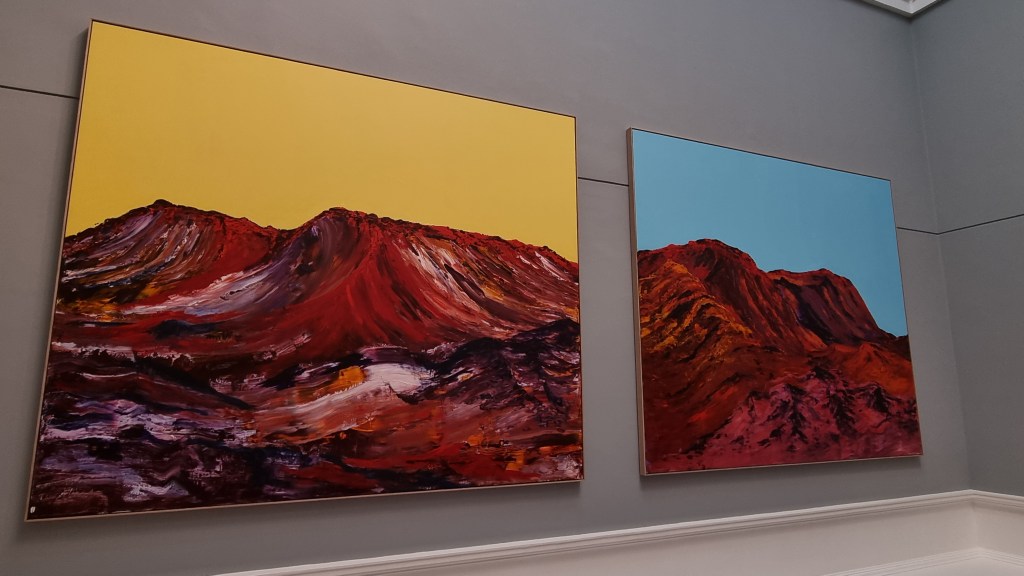
The South Australian adventure began for my partner and me with a flight from Canberra to Adelaide the day before. The next morning, after enjoying our breakfast at a local café, we headed to the Art Gallery of South Australia (AGSA), a cultural gem in the heart of Adelaide.
The gallery boasts a diverse collection, ranging from Australian Aboriginal and Torres Strait Islander art to European, Asian, and contemporary works. As a European, Australian museums can seem a bit random. Each one I visited had a variety of artworks in their galleries without clear similarities or connections. Nonetheless, it’s an interesting place to explore in Adelaide since it offers something for every art enthusiast. Best of all, general admission is free, allowing visitors to explore most of the exhibitions without cost. However, special exhibitions and events may require a small entry fee.
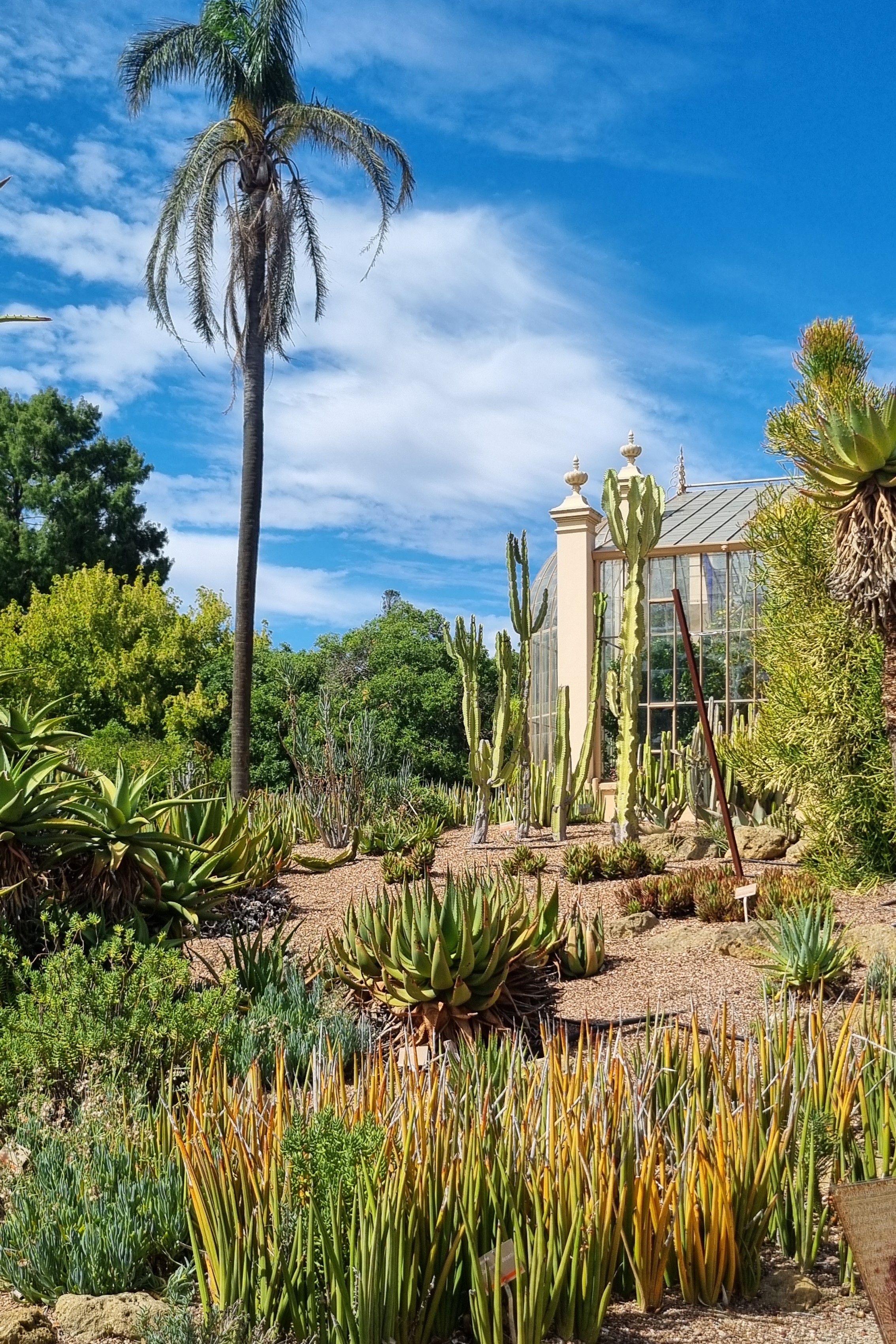
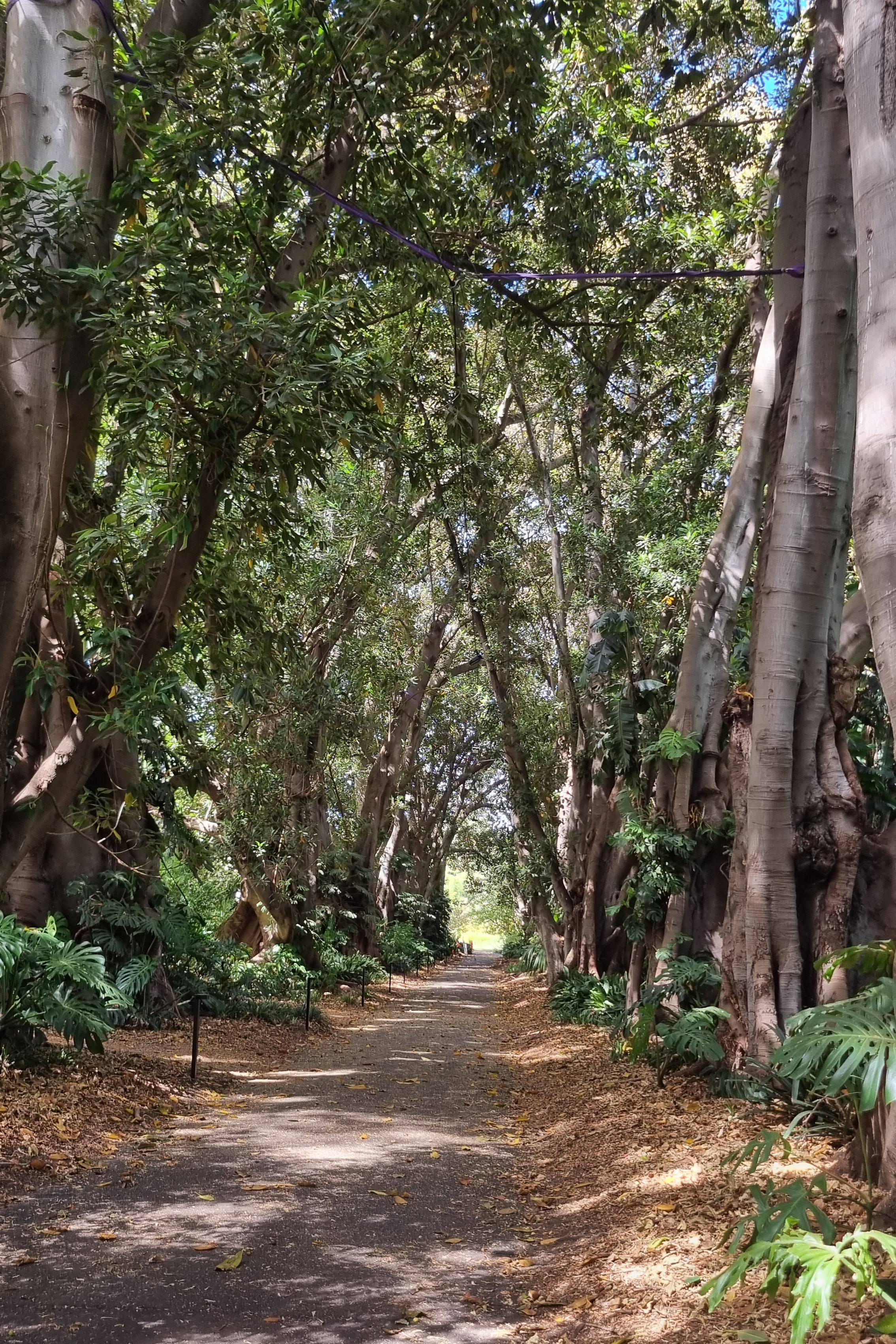
After visiting the Art Gallery, we took a short 10-minute walk to the beautiful Adelaide Botanic Garden, located at the eastern end of North Terrace, one of the four terraces that form the central business and residential district of Adelaide. This peaceful green space in the city center is a great escape from the busy streets and for anyone who loves nature.
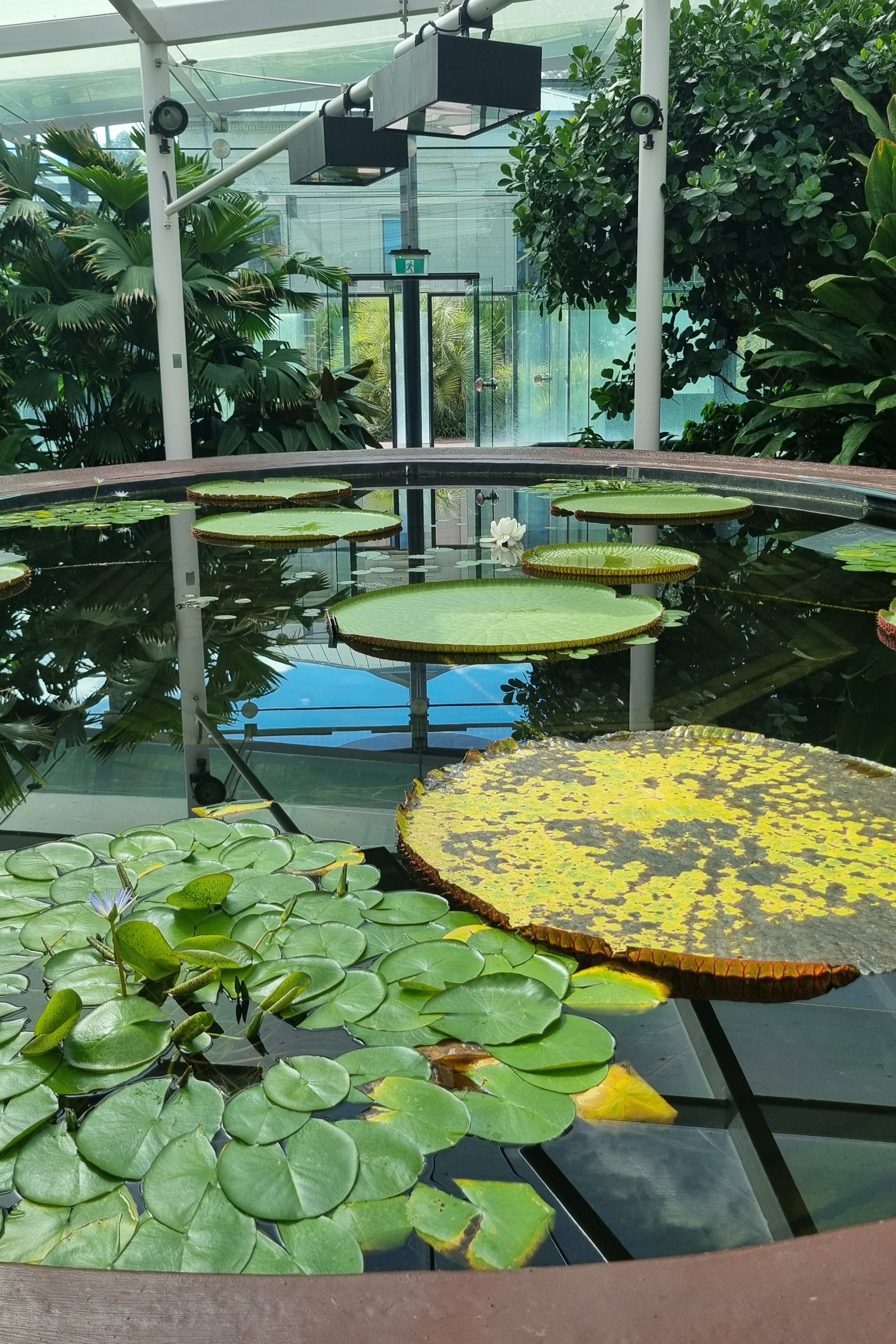
We strolled through the lovely gardens, following winding paths that took us to different themed areas. Some highlights were the Palm House, a stunning Victorian glasshouse, and the Amazon Waterlily Pavilion, where we saw giant waterlilies. They were the biggest I’ve had ever seen. We also explored the Australian Forest, filled with native plants, and the Mediterranean Garden. Best of all, entry to the garden is free!
After exploring the Adelaide Botanic Garden, we made our way to the South Australian Museum and then to the Migration Museum, two spots to learn more about the region’s natural history and cultural heritage. Both museums are relatively small, making them easy to explore without needing too much time, and best of all, entry to both is free!
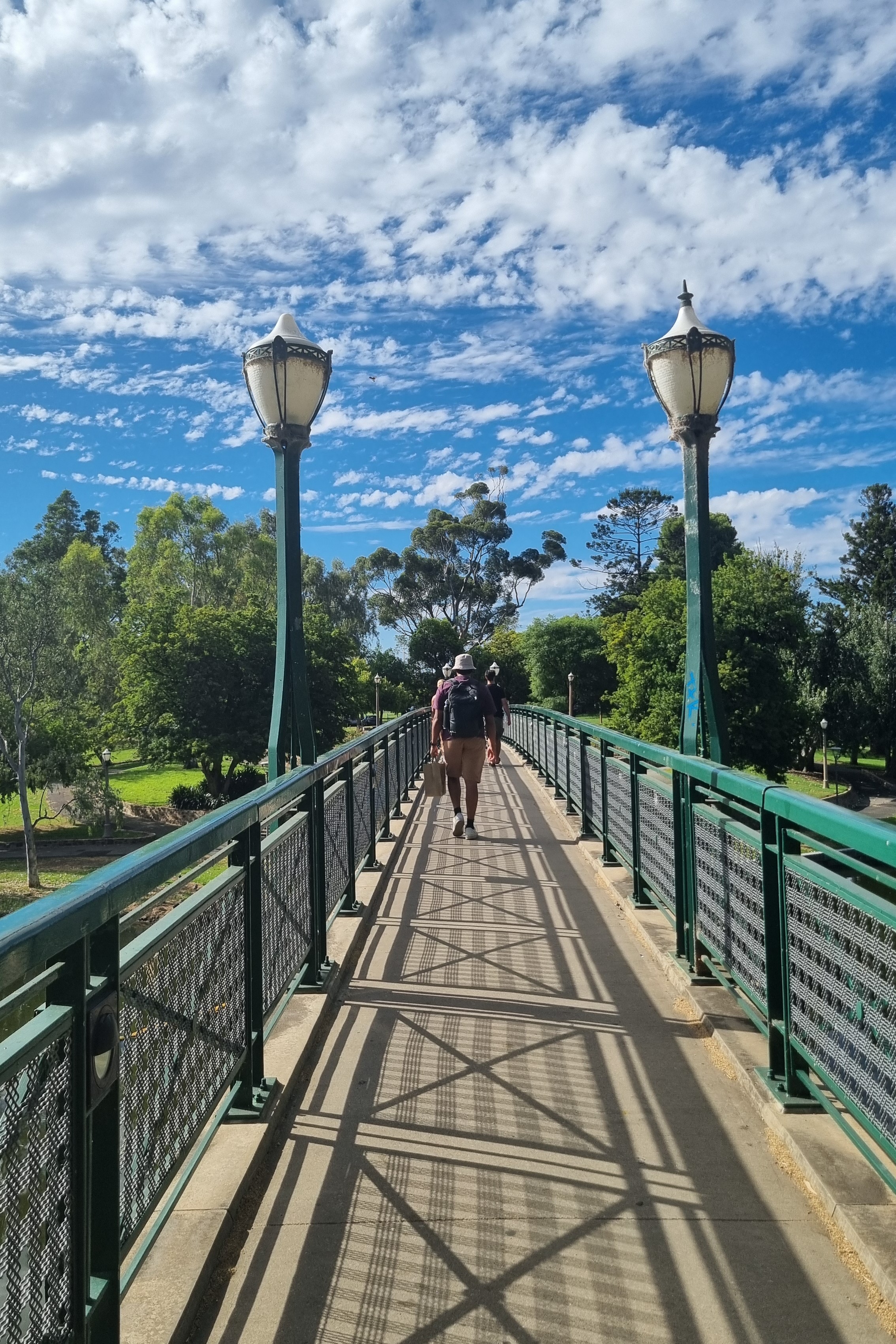
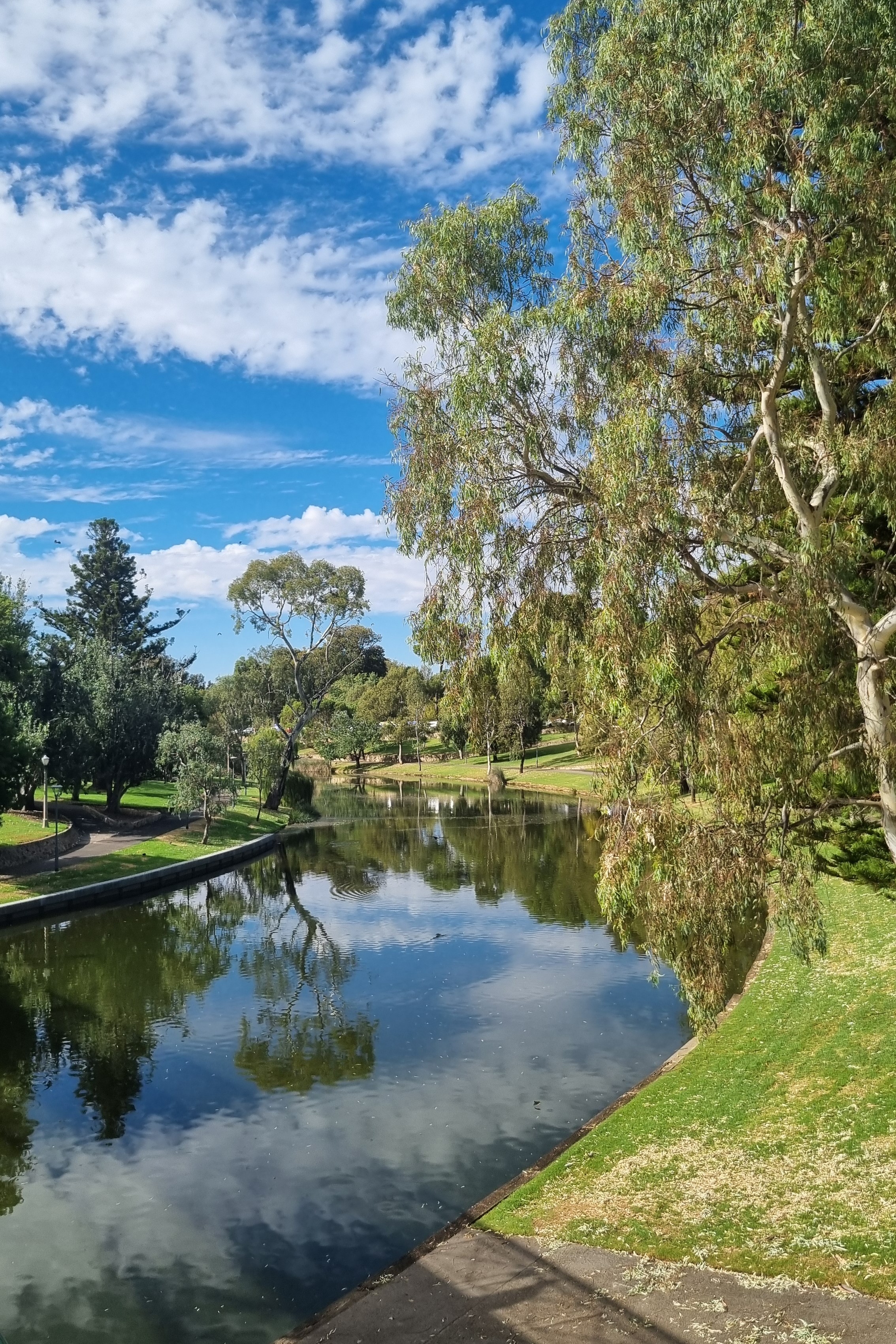
Next, we enjoyed a walk along the beautiful area of River Torrens, a scenic area known for its lush greenery and peaceful atmosphere. The riverside is well-maintained with walking and cycling paths, shaded picnic spots, and benches to sit down and relax.
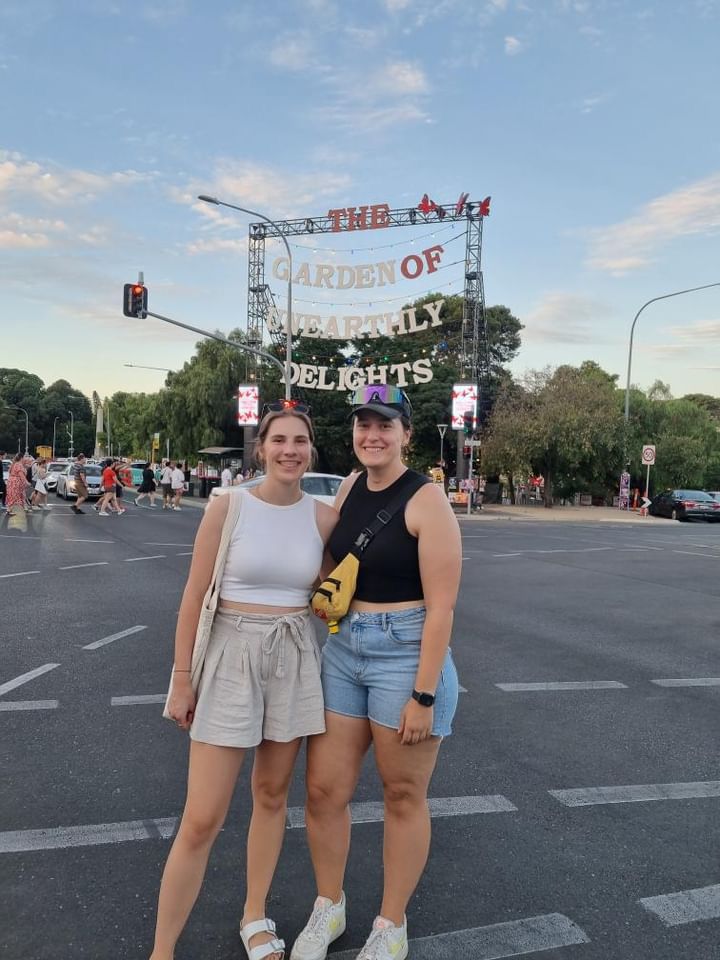
Our walk through the city brought us to the lively Garden of Unearthly Delights, a famous festival spot in Adelaide that comes alive every year during the Adelaide Fringe Festival, which usually runs from mid-February to mid-March. We were lucky to be there at the exact time. The place was full of energy, with art displays, performances, food stalls, and fun carnival rides.
The festival also offered a wide variety of food options representing different cuisines from around the world, making it a paradise for food lovers like us. We met some of my partner’s family there and spent the afternoon and evening enjoying the vibrant atmosphere and savoring the delicious food together.
Day 2
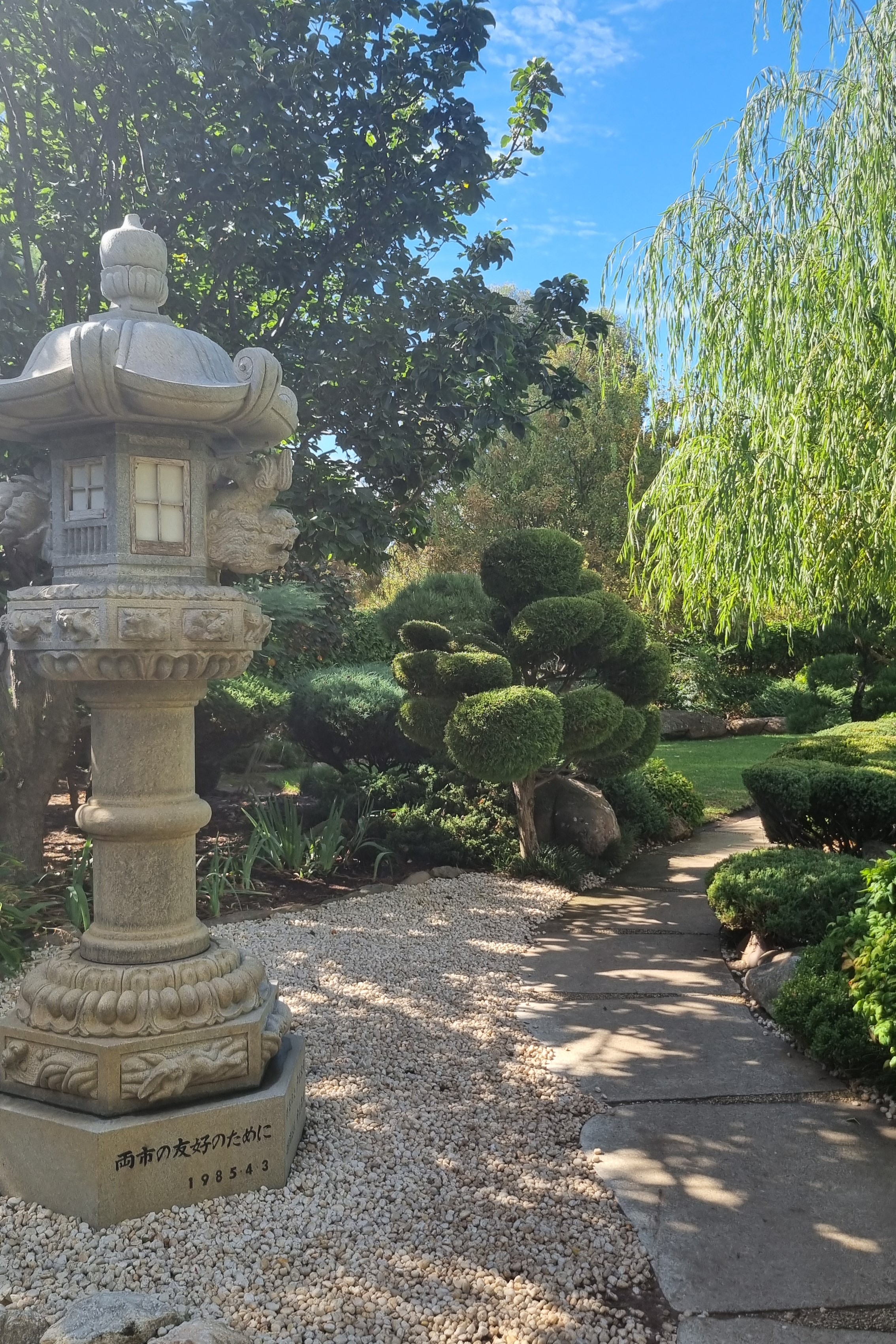
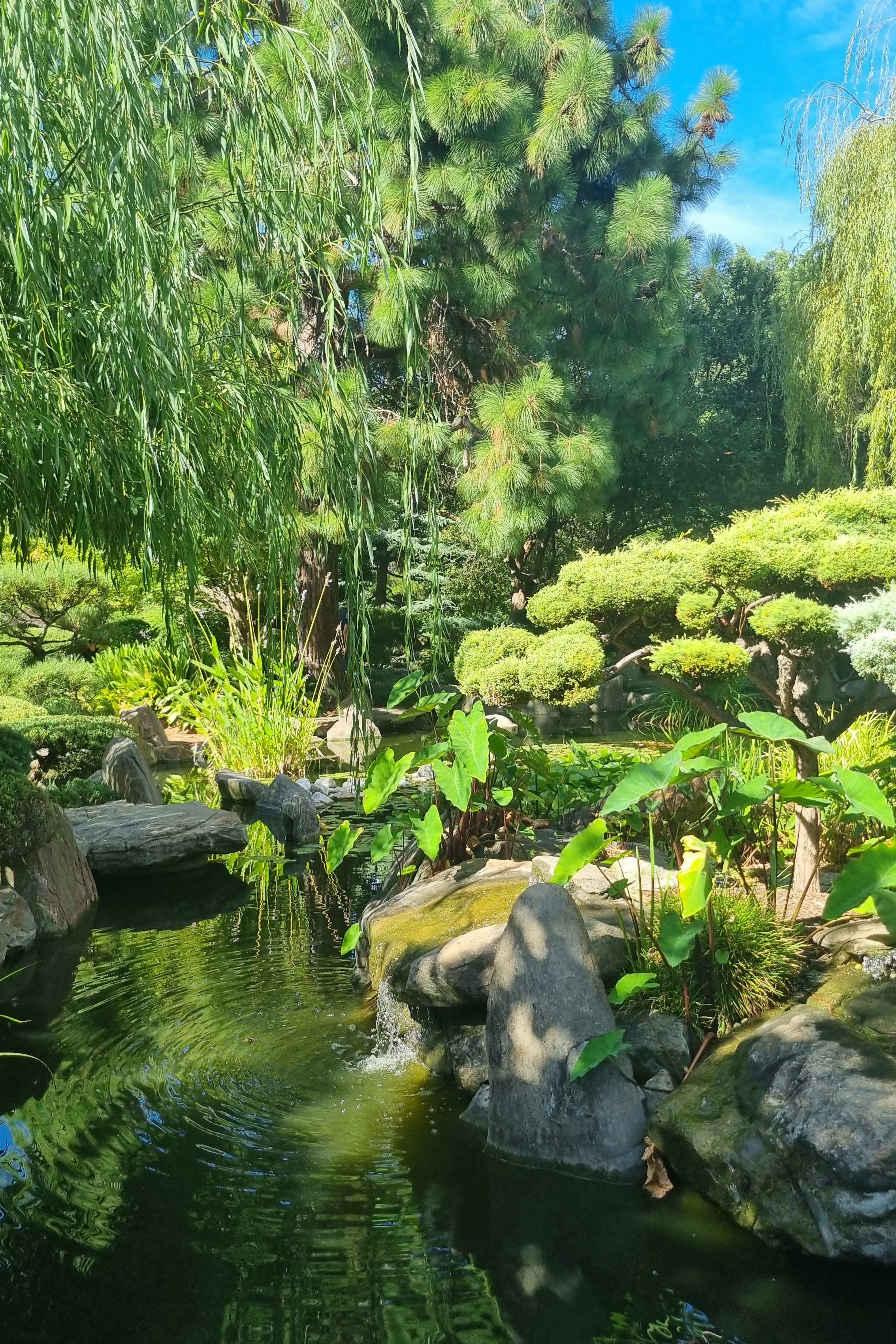
We started our second day with a visit to the Japanese Garden, a quiet and beautiful place with neatly trimmed plants, koi fish ponds, and calm walking paths. The best part? Entry is completely free, making it a must-visit spot for anyone who loves nature and calm surroundings.
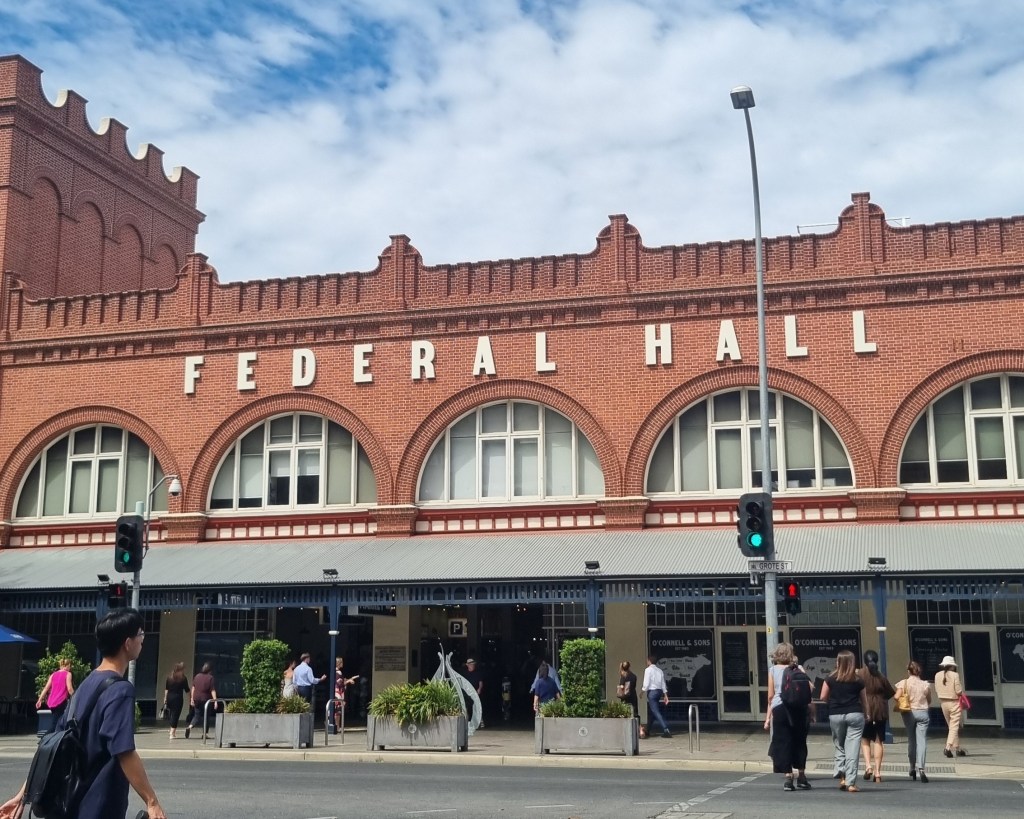
Next, we headed to the bustling Adelaide Central Market, also known as the Federal Market. This iconic marketplace is a food lover’s paradise, overflowing with vibrant stalls selling fresh produce, international delicacies, handmade treats, and local specialties. We strolled through the aisles, taking in the delicious aromas and vibrant atmosphere before treating ourselves to some tasty bites — it was hard to choose with so many options. In the end we decided to get a falafel bowl. Unfortunately, I didn’t take any pictures inside the market.
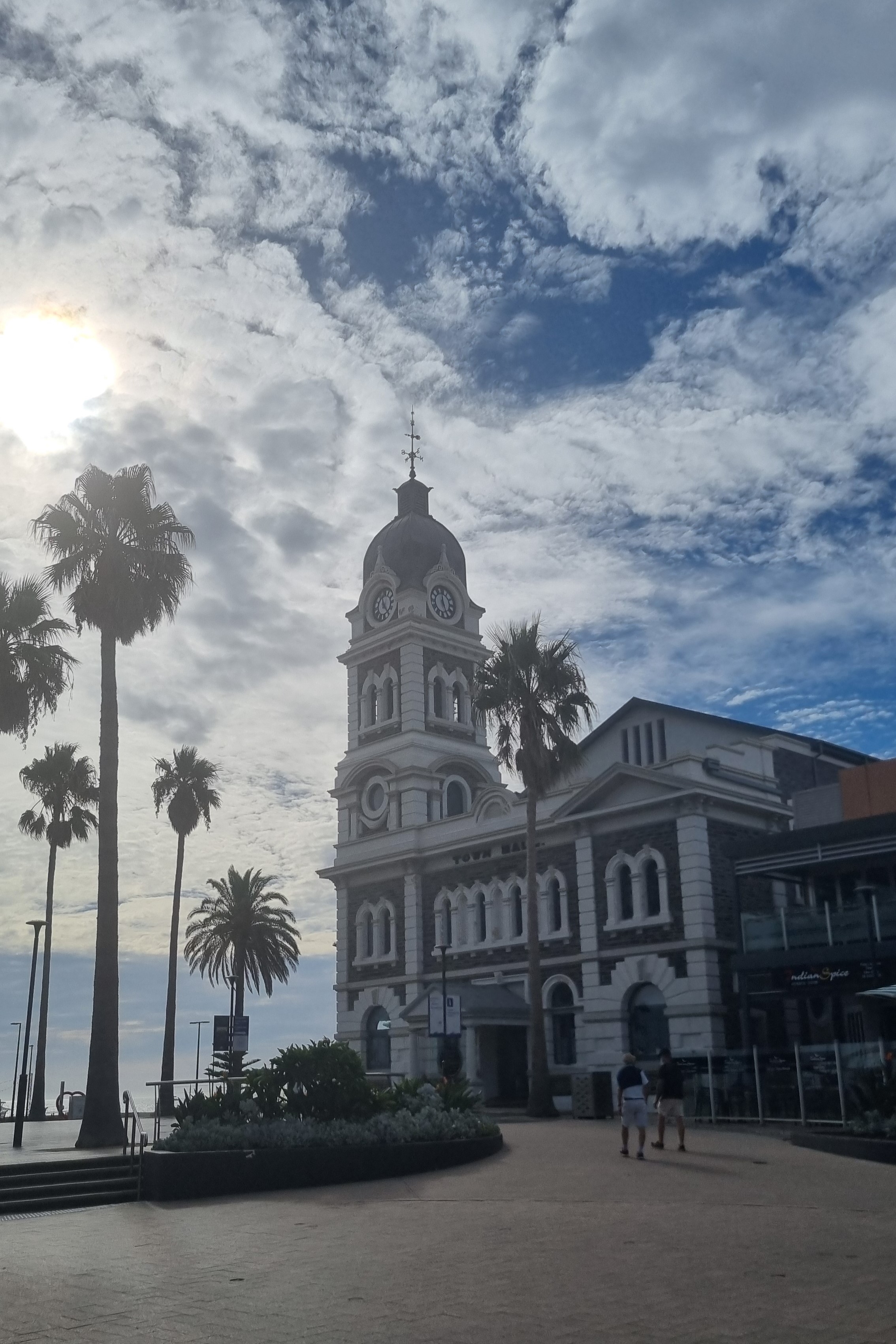
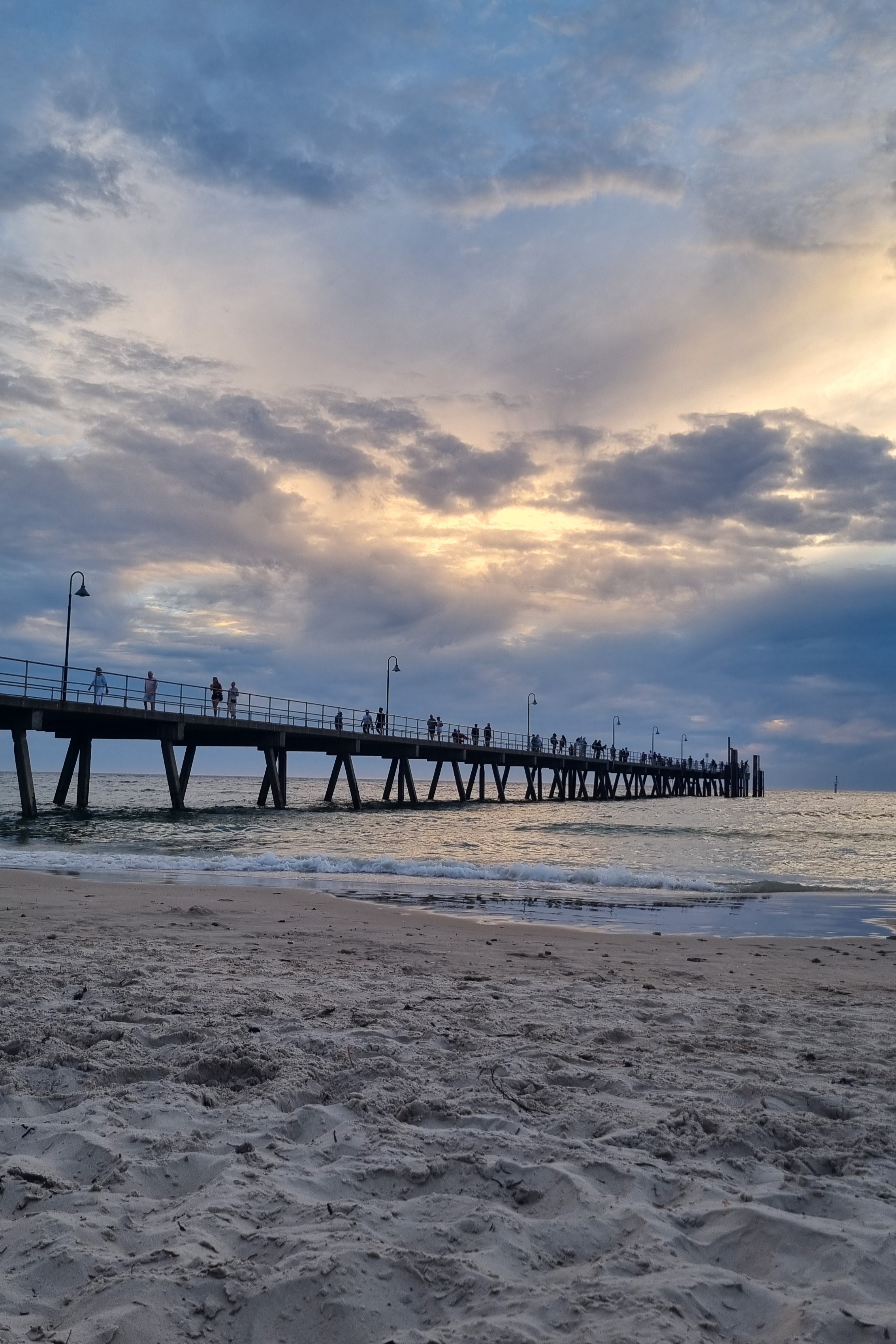
Afterward, we returned to our hotel to change into our swimmers, ready for an afternoon at the beach. A quick and convenient tram ride from Adelaide’s city center takes you directly to Glenelg Beach, one of the city’s most popular seaside spots. The soft sandy shore, refreshing ocean breeze, and lively esplanade which little cafes and shops made it the perfect place to relax and soak up the sun. Whether you’re looking to swim, enjoy an ice cream by the water, or simply watch the waves, Glenelg Beach is an absolute gem and we definitely enjoyed our time there!
Afterward, we went back to our hotel to change into our swimwear, ready for an afternoon at the beach. Getting to Glenelg Beach from Adelaide’s city center is super easy with the tram, which takes you right there. Glenelg is one of the city’s most popular beaches, and it’s easy to see why! The soft, golden sand, cool ocean breeze, and lively esplanade with cozy cafes and little shops make it the perfect spot to unwind and enjoy the day. Whether you want to take a swim, grab an ice cream by the water, or just sit and watch the waves, Glenelg Beach has it all. We had a great time there and would definitely recommend it!
Day 3
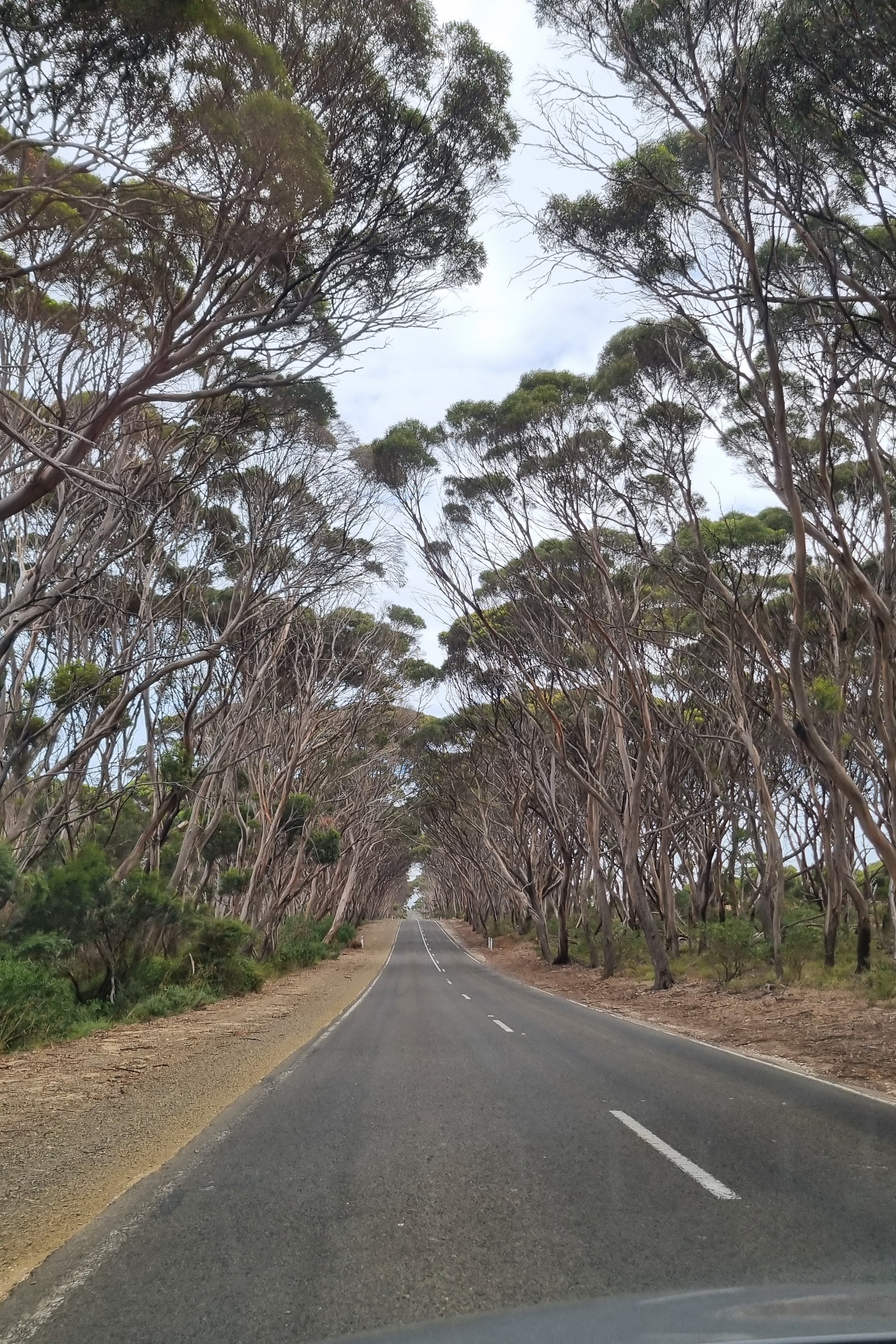
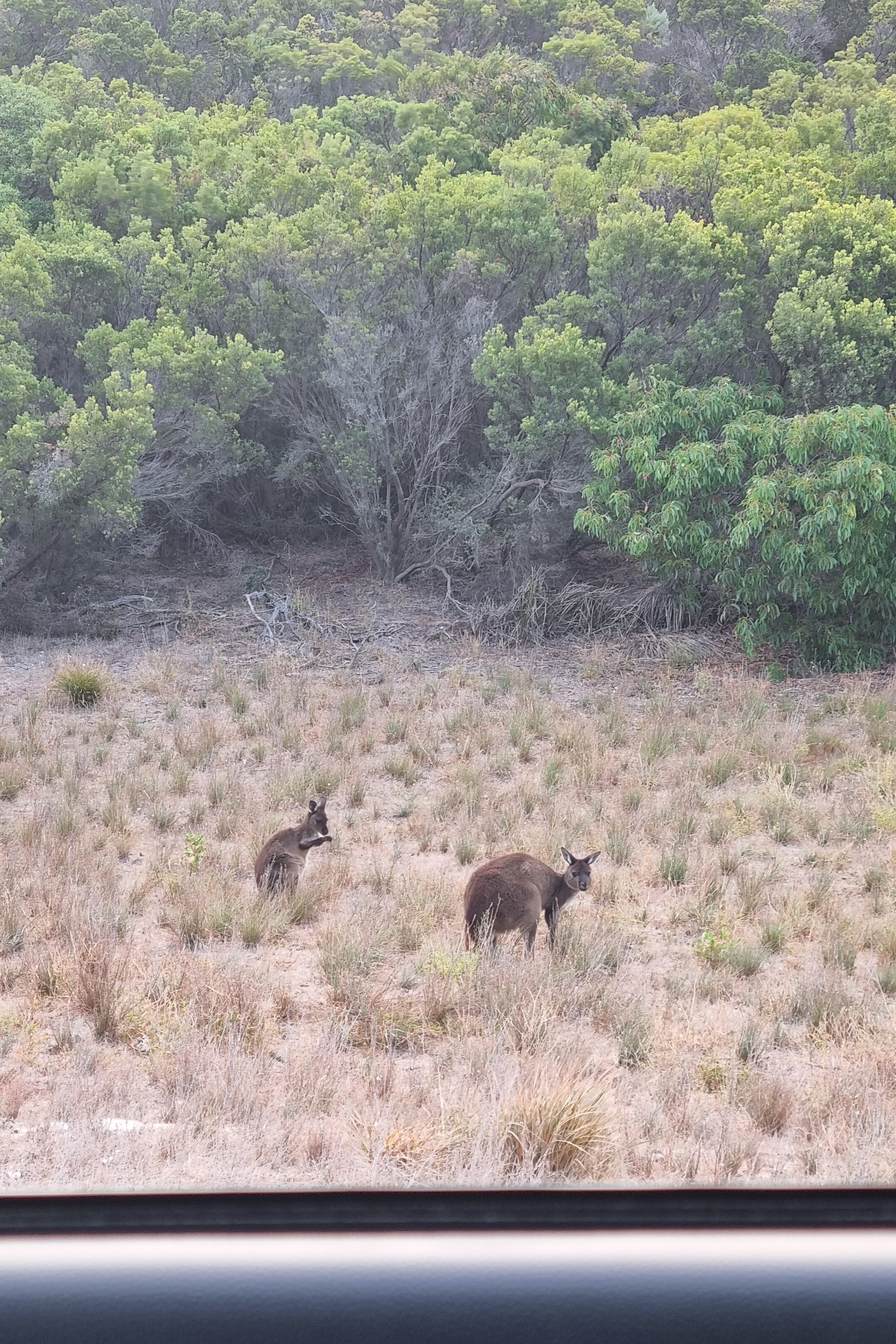
We started our day by picking up our rental car which turned out to be a smooth and quick process. From there, we hit the road towards Cape Jervis to catch our ferry to Kangaroo Island. The 1.5-hour drive was an experience itself, taking us through beautiful landscapes. We drove past breathtaking ocean views, rugged cliffs, and peaceful farmland where kangaroo herds grazed under the morning sun.
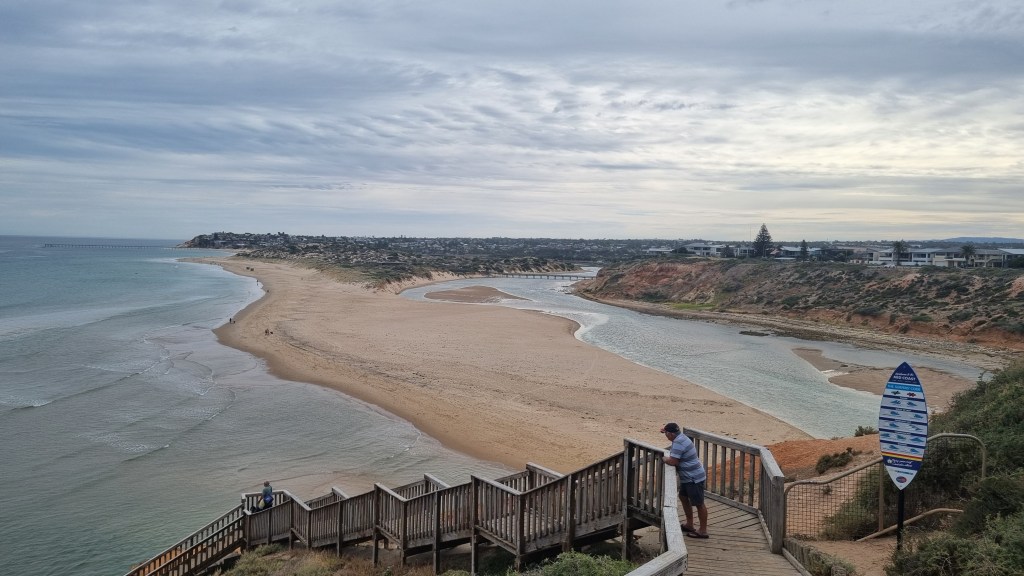
Arriving in Cape Jervis, we had a bit of time to wait for the ferry. The crossing to Kangaroo Island takes about 45 minutes. Since tickets often sell out quickly, we had booked ours weeks in advance. You can easily book tickets and check the ferry schedule on the SeaLink website (unpaid ad). At 12 pm, we boarded and set off. The ferry ride turned out to be more of an adventure than expected; the swell of the waves painted some passengers’ faces a pale shade of green. Fortunately, we don’t get sick during boat rides.
Once we docked at Penneshaw, the gateway to Kangaroo Island, we grabbed some essentials at the small supermarket and treated ourselves to a delicious lunch at a cozy café whose charm perfectly matched the island vibe.
Before heading to our accommodation, we decided to stretch our legs with a visit to the Kangaroo Island Sculpture Trail, just a short walk from the ferry terminal. Here, we were welcomed by a curious wallaby — a perfect introduction to the island’s famous wildlife. The trail itself was enchanting, a blend of natural beauty and artistic expression.

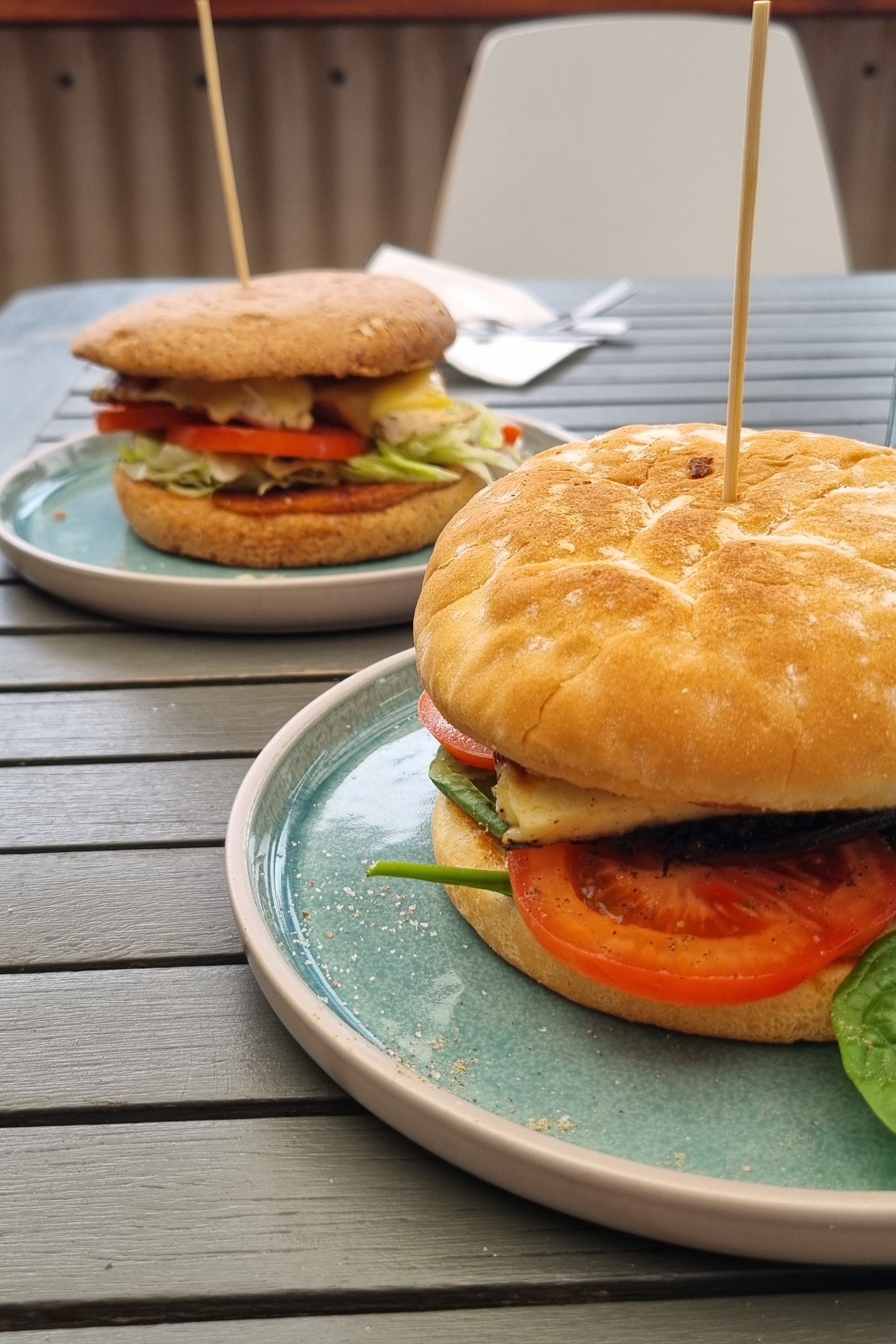

From there, we set off toward our accommodation in the tiny town of American River, marveling at the breathtaking scenery along the way. Rolling hills, tranquil bays, and dense bushland seemed to greet us at every turn.

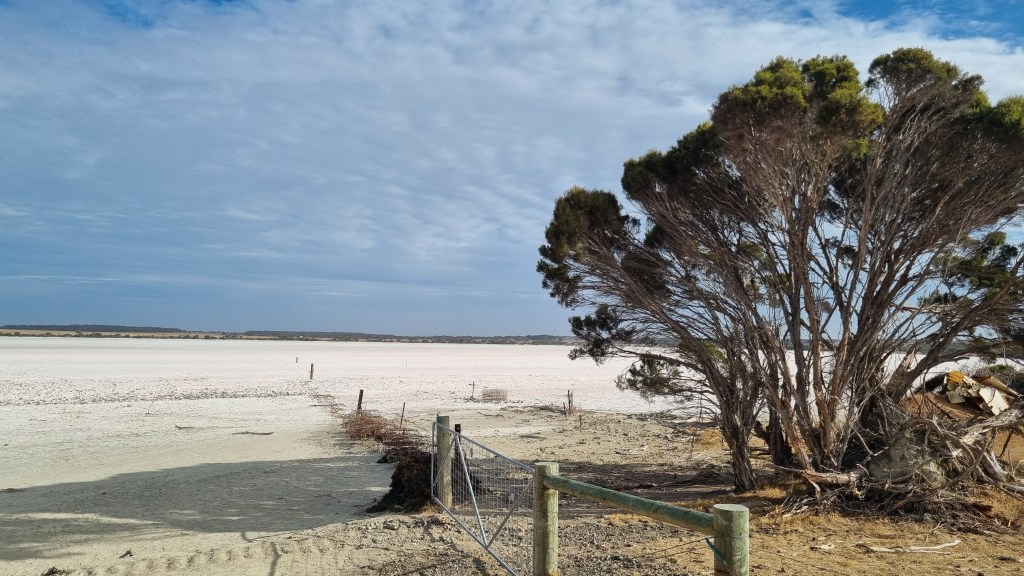
After checking into our accommodation and taking a short rest, we set off to explore the nearby salt lake. The salt lagoon, located near the small town of Bay of Shoals, was a beautiful spot that offered a glimpse of Kangaroo Island’s unique landscapes.
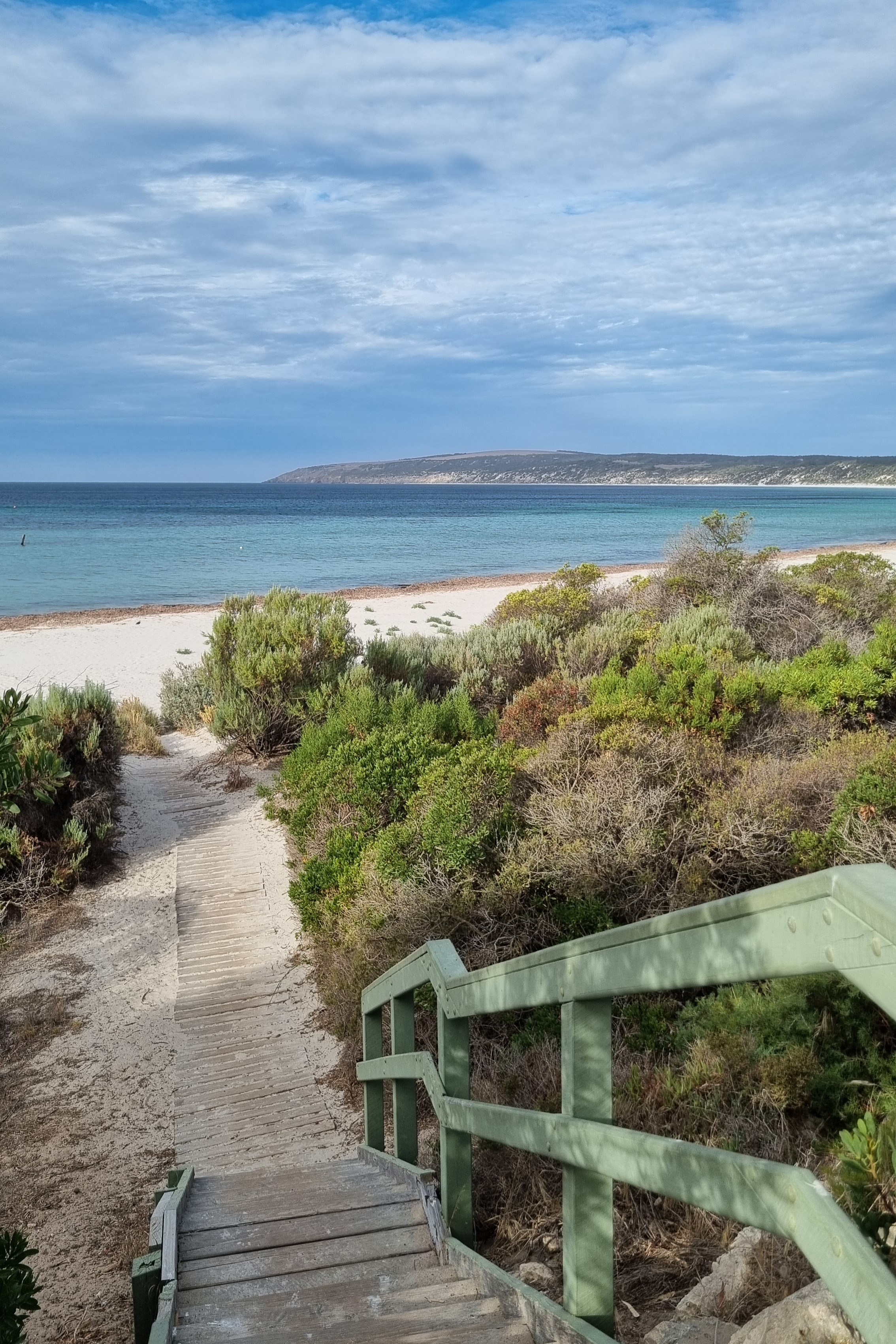
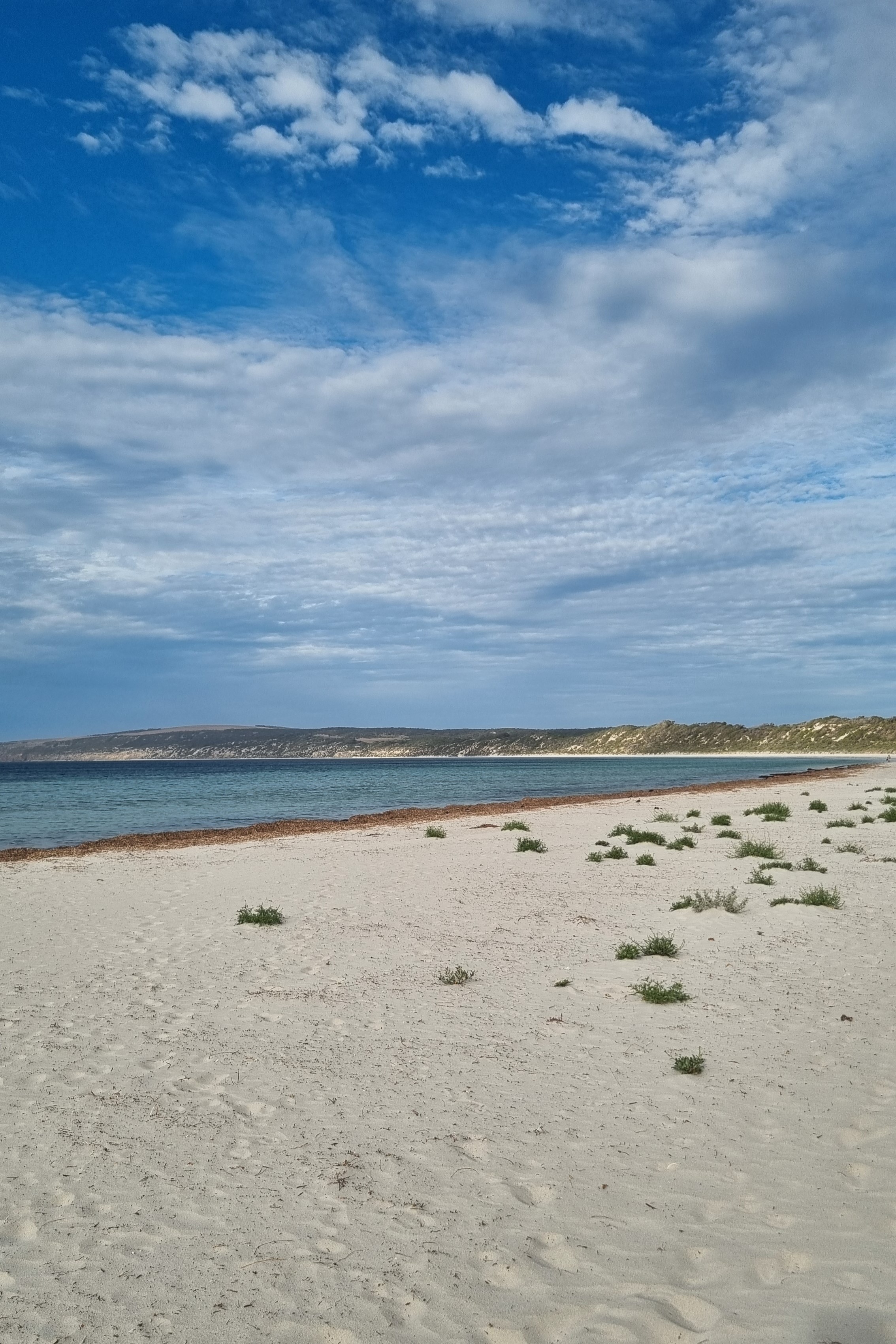
Next, we headed to Emu Bay Beach, just a quick 7-minute drive away. Here, we strolled along the dazzling white sands, feeling the soft grains beneath our feet while watching a variety of birds glide gracefully over the bay and the ocean.
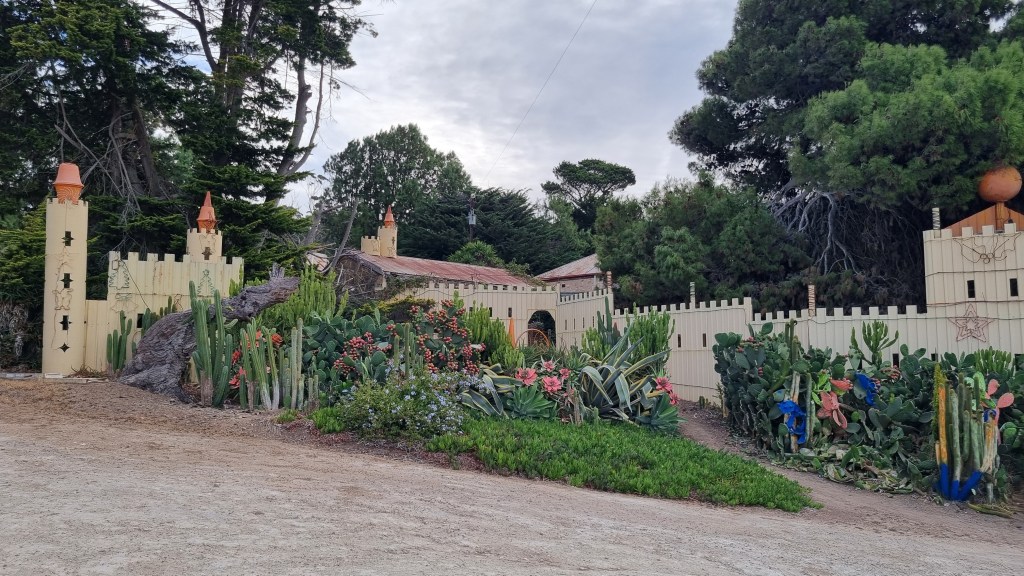
Our adventure continued as we drove further and unexpectedly came across George’s Castle. This quirky and fascinating place is a blend of themes, including fairy tales, Vikings, the supernatural, a Christmas light display, and much more. It’s truly a unique spot that stands out on Kangaroo Island. While the vibrant lights of the display are usually turned on by appointment after dusk, we were fortunate to meet George himself when we arrived.
We ended up chatting with him for a while, captivated by his stories and passion for his work. George Turner, a third-generation islander, has poured his heart into this project as a hobby for locals and visitors alike to enjoy. His warm welcome and dedication make the experience even more special. If you’re in the area and see the gates open, don’t hesitate to stop by — he invites everyone to explore and admire the years of effort he’s put into his enchanting display.
After exploring the castle, we spent some time driving around the island, taking in more of its incredible landscapes. Eventually, as the sun began to set, we returned to our accommodation and wrapped up the evening with a lovely dinner at a nearby restaurant. Be mindful that there aren’t many restaurants on the island, and their operating hours can vary — they’re not always open all day, so it’s worth planning ahead. Luckily, we found a nearby spot for dinner just in time before it closed.
Day 4
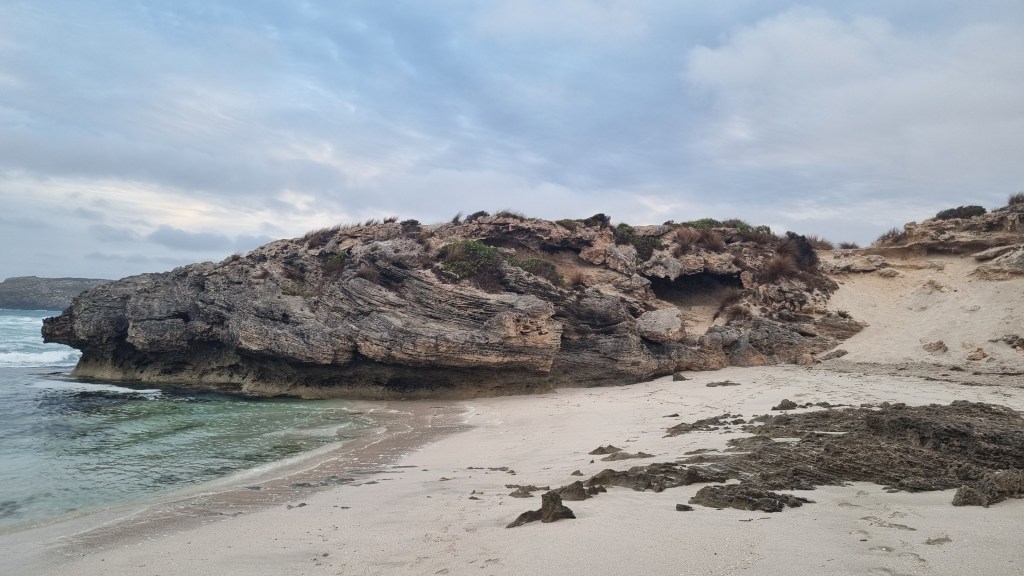
After enjoying our breakfast, we set off toward the western part of Kangaroo Island, with the Flinders Chase National Park as our ultimate destination. Along the way, we made a stop at the iconic Sea Dragon Rock, a must-see natural formation known for its resemblance to a mythical sea dragon.
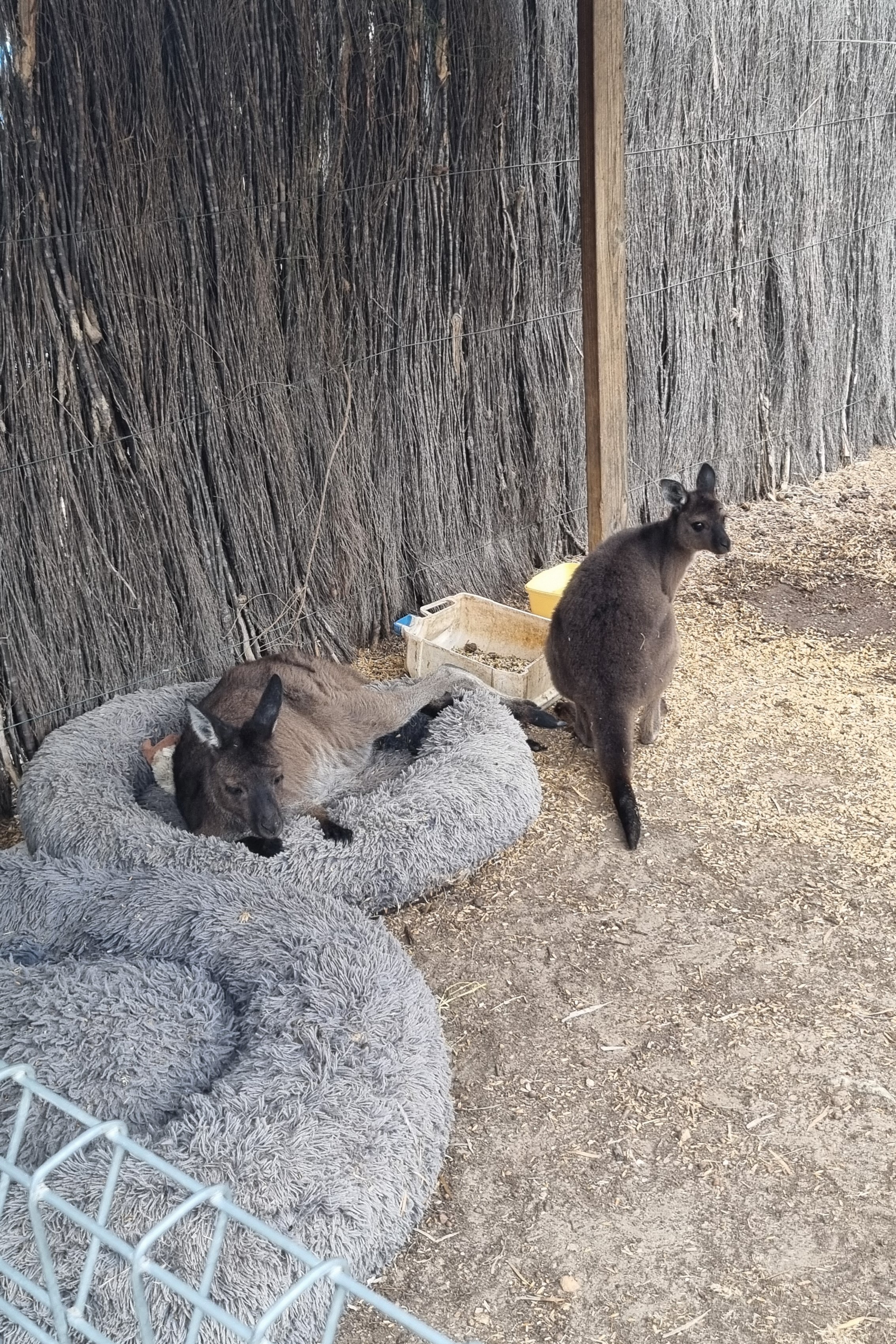
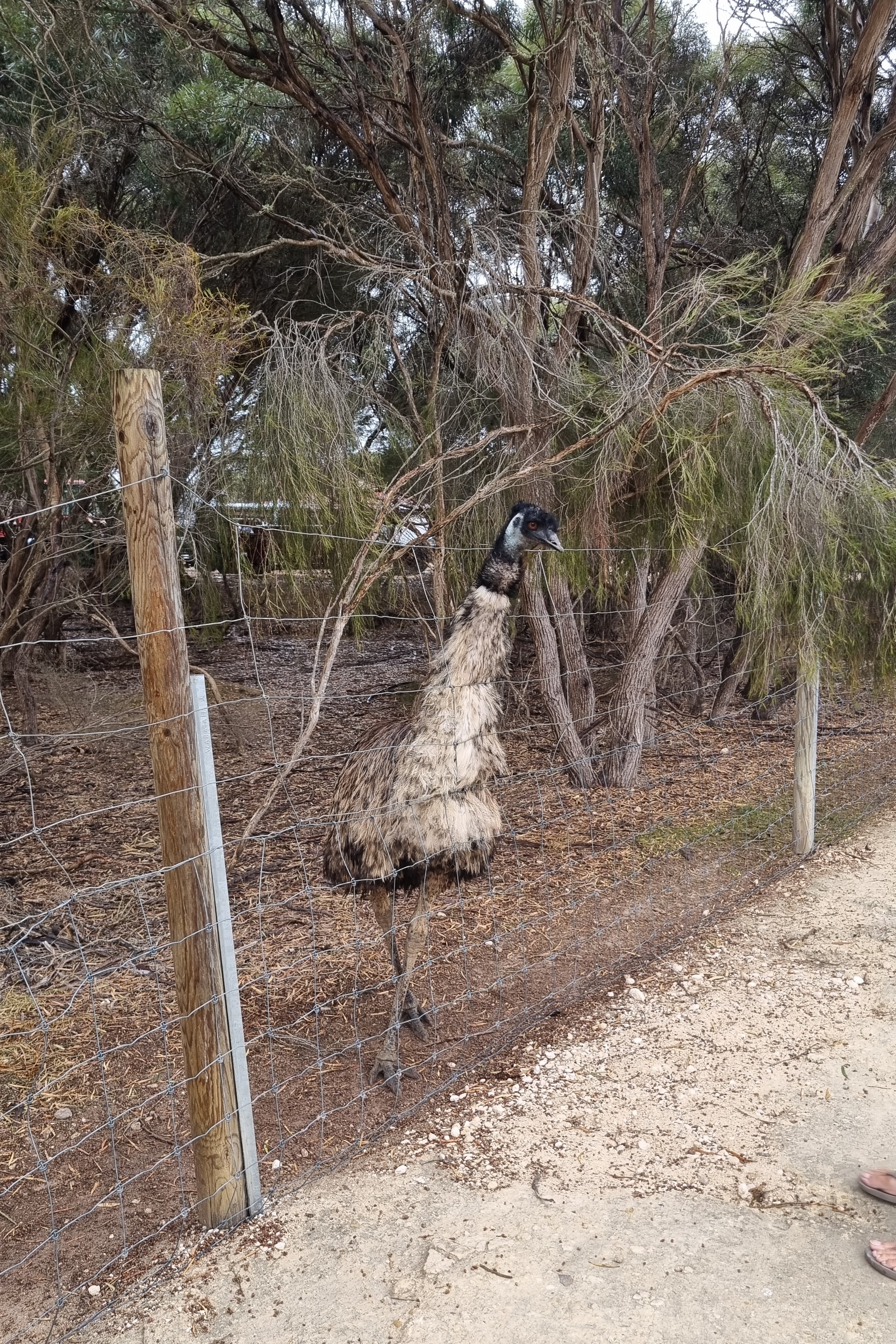
Our next stops included the Emu Ridge Eucalyptus Oil Distillery and a nearby wildlife rescue center. At Emu Ridge, we learned about the fascinating process of eucalyptus oil production and explored their range of handmade products. Right next to the Distillery, the wildlife sanctuary offered us the chance to meet some of Australia’s unique animals up close. We saw several wallabies and even an emu. This rescue center has been dedicated to rehabilitating injured and orphaned wildlife for many years. Many of the animals here were raised after being orphaned due to car accidents, animal attacks, or severe weather events.
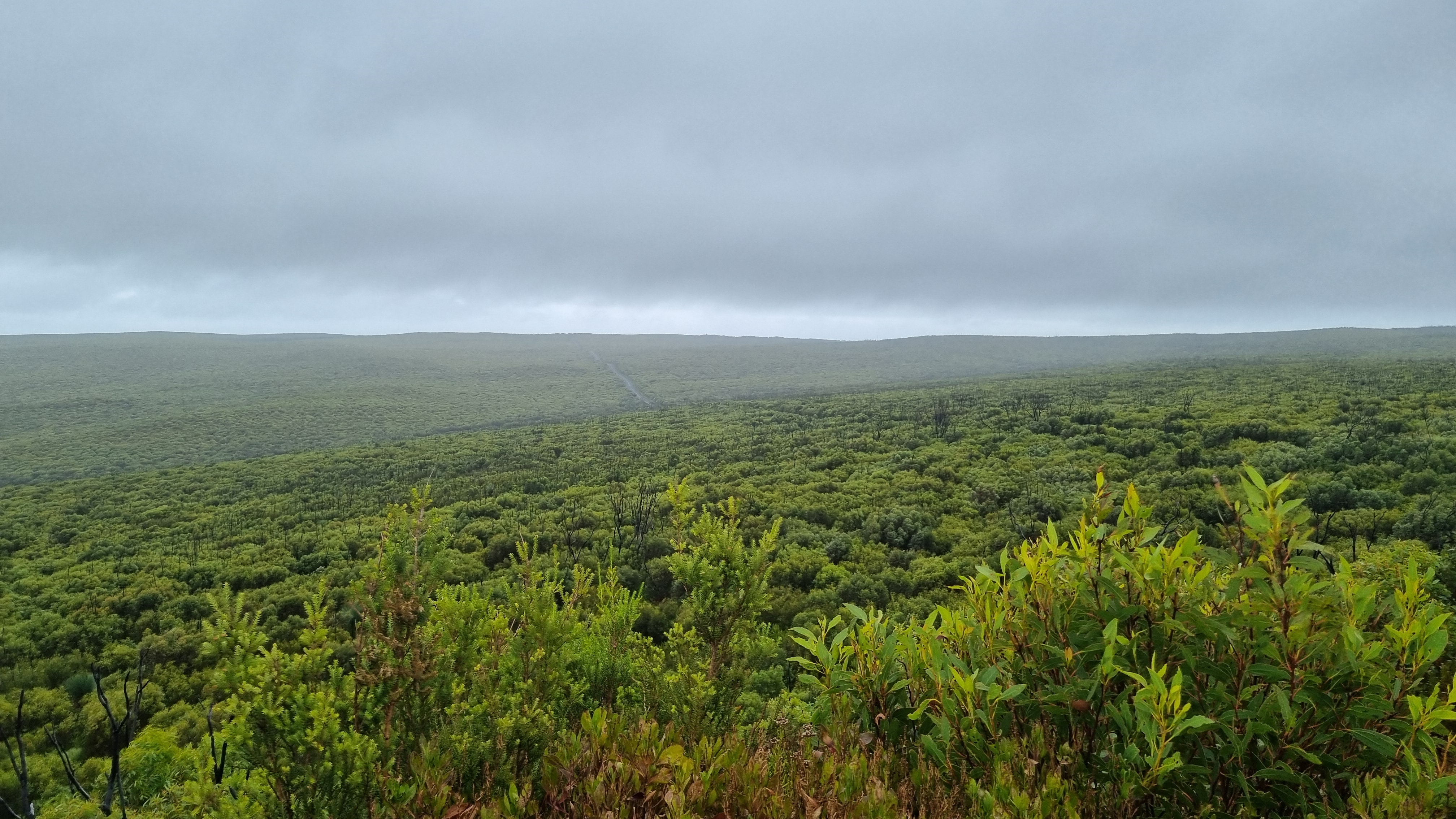
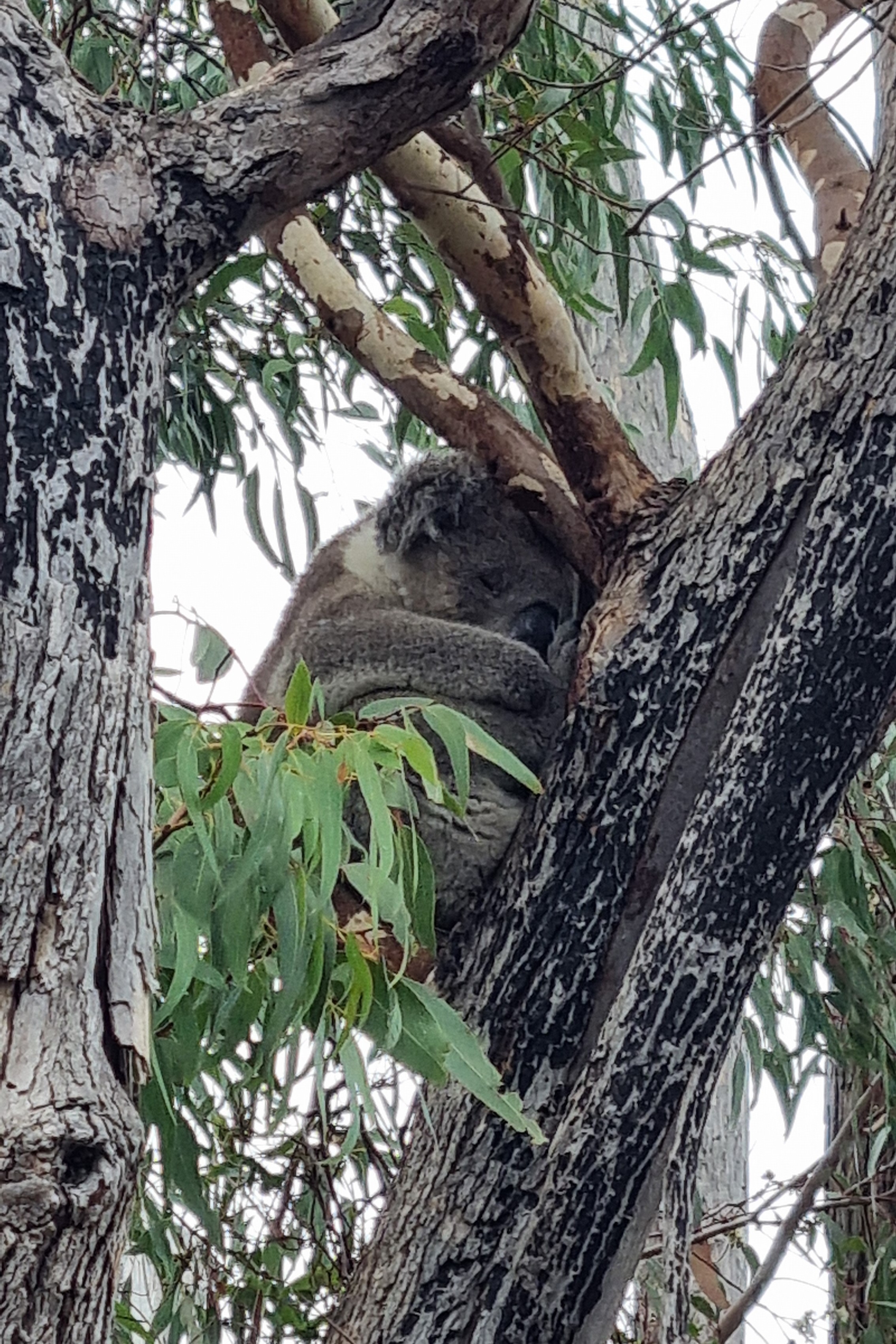
Continuing on our journey, we drove through the bushlands toward Flinders Chase National Park, marveling at the island’s abundant wildlife. Along the way, we spotted kangaroos, wallabies, and even a koala lounging in the treetops. However, we also encountered a heartbreaking sight—numerous animals on the roadside that had been hit by cars. I wasn’t prepared for this, and it was deeply upsetting to see.
On Kangaroo Island, it’s important to drive with extra caution since there are no fences to contain the wildlife. Animals can jump or wander onto the roads at any time, especially at dawn or dusk when they are most active. It was sad to see many animals on the roadside that had been hit by cars. Still, the island shows amazing resilience. Even after the severe bushfires in 2020, the park and its surroundings have recovered and most of it is now lush and green again. It’s a beautiful example of nature’s ability to heal over time.
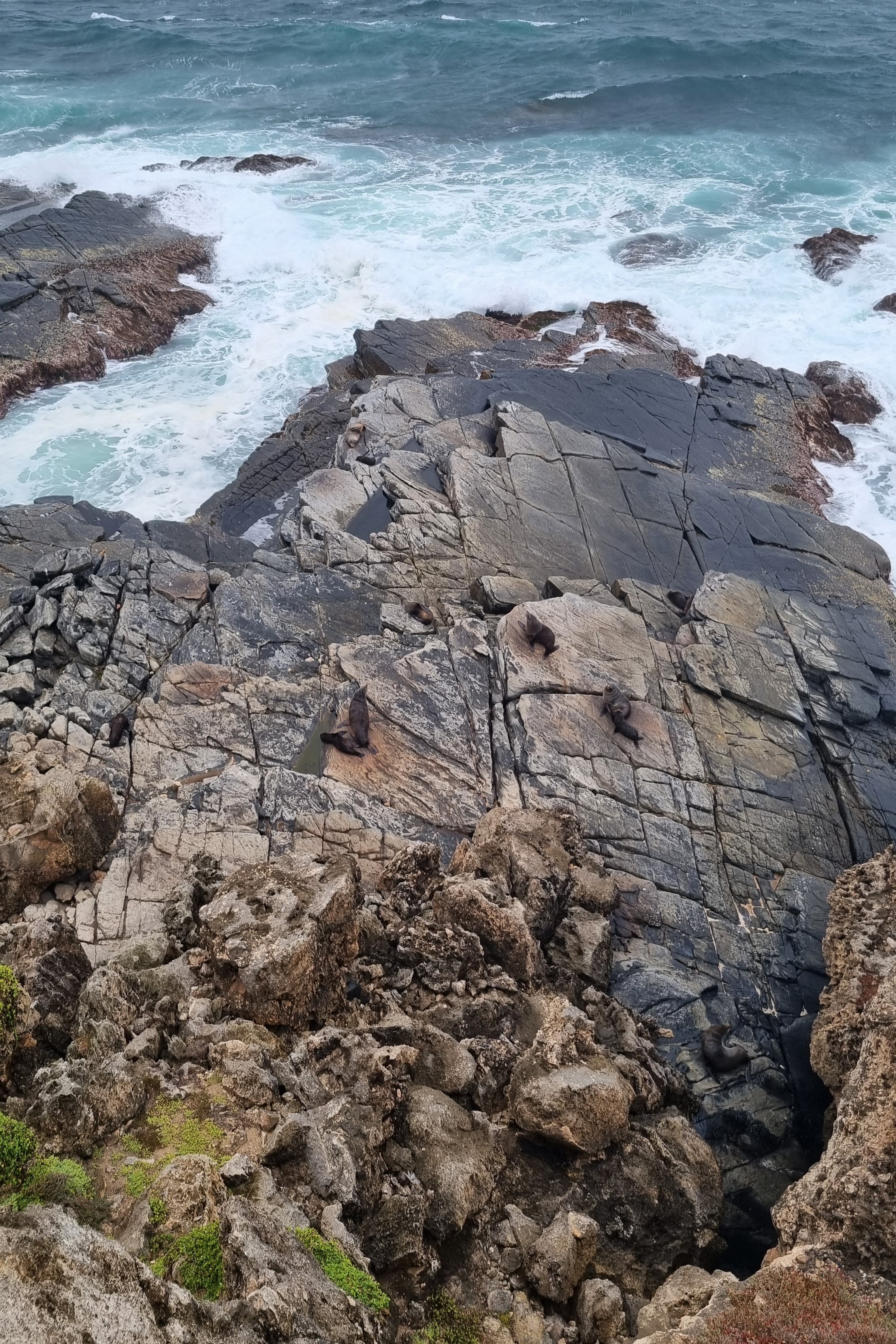
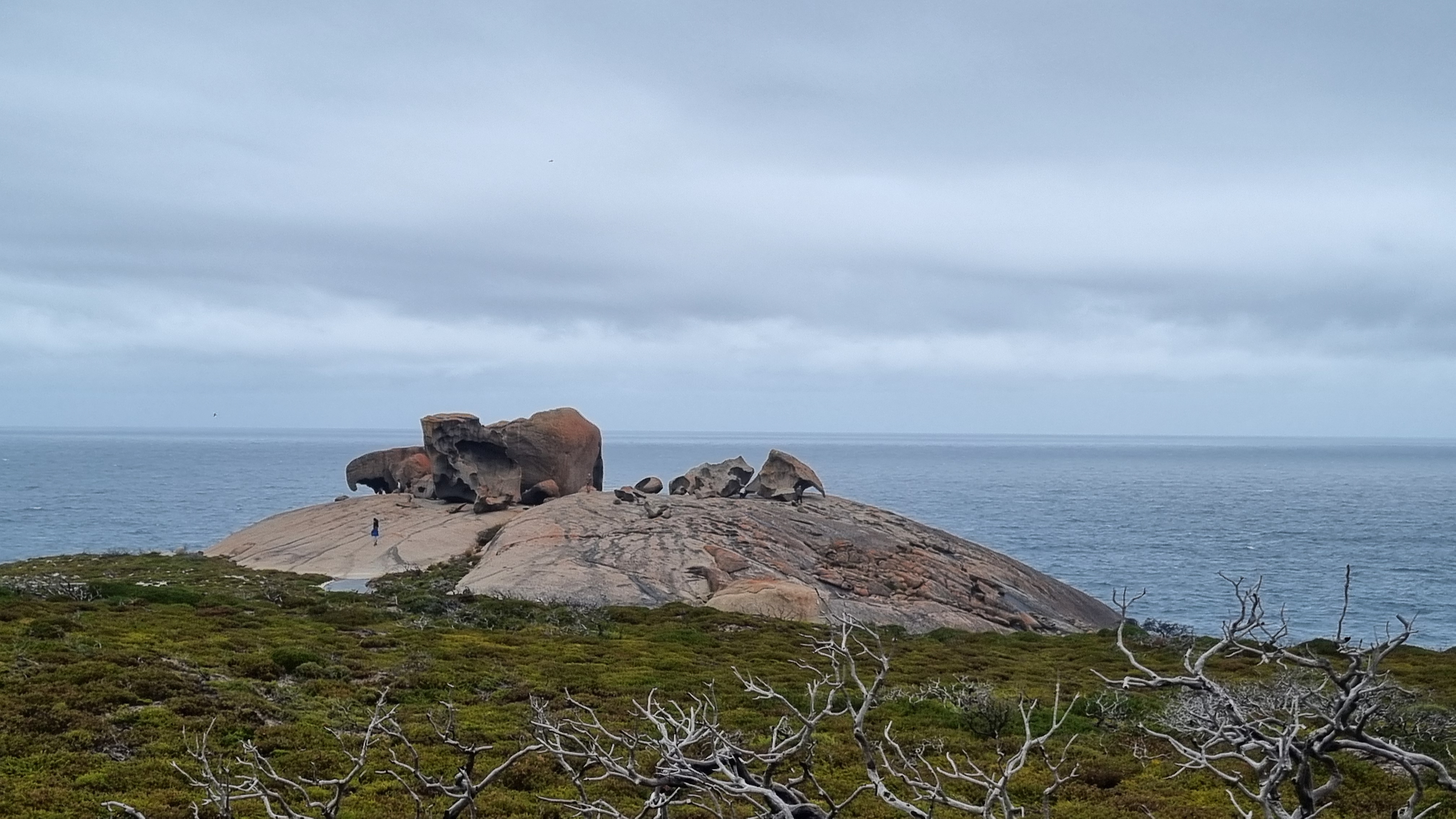
At the far western tip of the island, we arrived at the breathtaking Admirals Arch. The rugged cliffs and natural rock formations here were stunning, and we were amazed by the hundreds of seals relaxing and singing on the rocks below. A short drive from Admirals Arch brought us to the Remarkable Rocks, a group of ancient, sculpted granite boulders, offering panoramic views of the coastline.
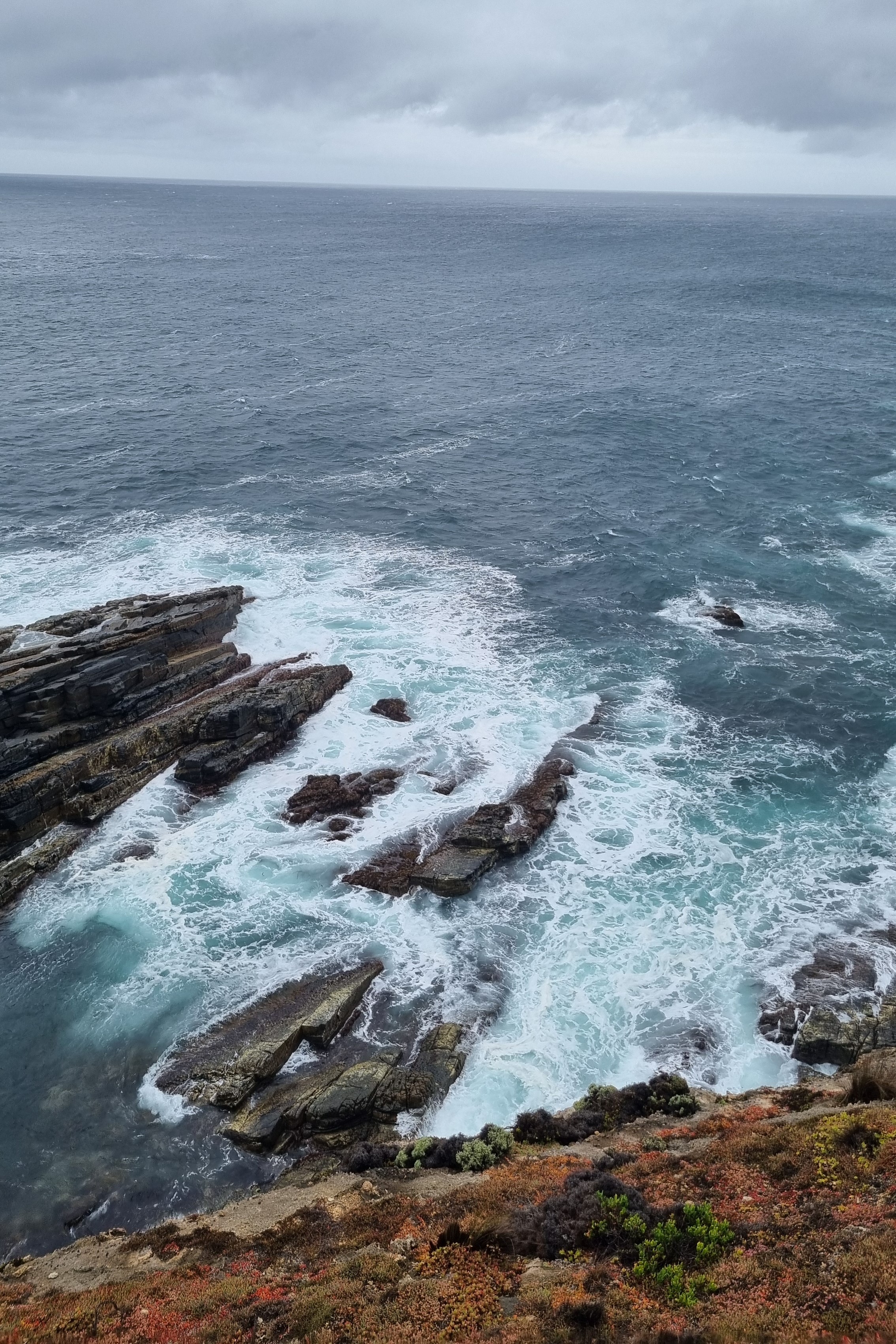

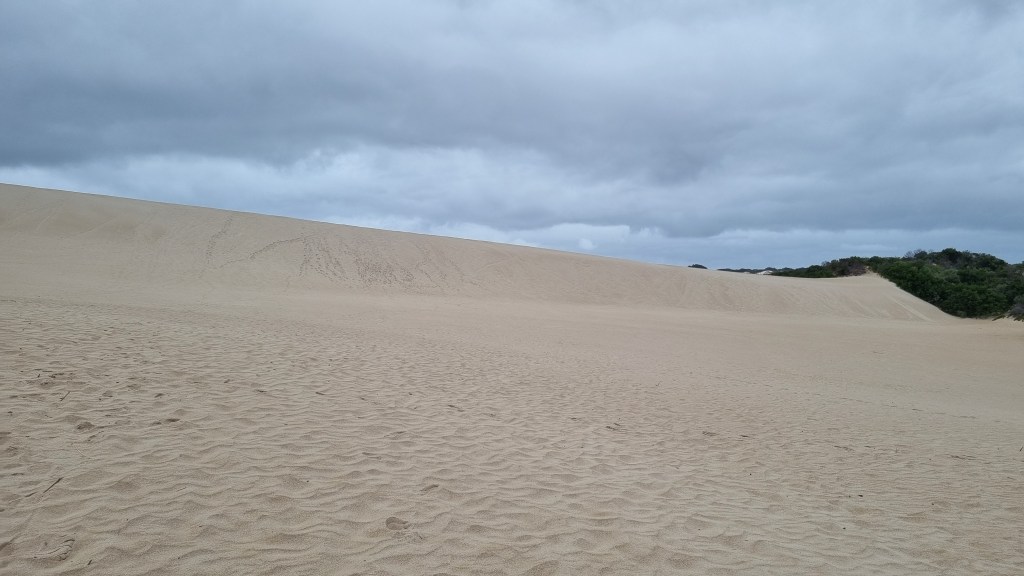
Heading back east, we visited the Little Sahara sand dunes, where we took a relaxing stroll and admired the striking desert-like scenery. Then, we made the hour-long drive to the eastern tip of the island to catch our ferry back to Cape Jervis.
Day 5
Before heading to the airport for our flight to Perth, we returned our rental car. With everything sorted, it was time to say goodbye to Adelaide and get excited about the next adventure awaiting us.
If you’re planning a trip to Perth, you might find my four-day blog about Western Australia helpful. It’s packed with detailed travel tips, must-see attractions, and personal recommendations in Perth, Fremantle and Rottnest Island. Click here to get to the blog.
Perth is famous for its sunny climate, stunning beaches along the Indian Ocean, and iconic landmarks like Kings Park and Botanic Garden. Nearby Fremantle offers charming streets full of history, great food markets, and vibrant street art. Rottnest Island is a short ferry ride away and is best known for its adorable Quokkas, beautiful beaches, and fantastic bike trails. A day trip here is truly unforgettable!
Summary of activities
- Art Gallery of South Australia
- South Australian Museum
- Migration Museum
- Botanical Gardens
- Japanese Garden
- River Torrens
- Central Market
- Beach
- Trip to Kangaroo Island
- Trip to Hahndorf
- Trip to Barossa Wine Region
Other Australian Blogs

30 Epic Things to do in and around Sydney
Picture yourself climbing the famous Harbour Bridge, taking in incredible views of the sparkling harbour, or standing in front of the stunning Sydney Opera House. After that, enjoy the beautiful Hermitage Foreshore Walk along the coast, where rocky cliffs and bright blue waters lead you to the sandy shores of Bondi Beach. And when you…

Ultimate Uluru Camping Adventure: 5-Day Journey
Servus and welcome to my Uluru Camping Blog! Uluru, also known as Ayers Rock, is a large red sandstone monolith located in the southern part of the Northern Territory, near the center of Australia. Visiting the red center of Australia has always been on the bucket list for my partner and me, so we booked…

Exploring Western Australia: 4-Day Itinerary for Perth & Beyond
As you step into the vibrant city of Perth, Australia, you are embraced by a symphony of beauty – from the beautiful beaches whispering stories of the ocean to the lively city streets buzzing with life. Day trips to places like Rottnest Island, where charming Quokkas warmly welcome you to their island, and the Pinnacles,…
Canberra to Byron Bay in 7 Days: Hidden Gems and Must-See Stops on Road Trip
Looking for the perfect 7-day getaway that combines breathtaking coastlines, lush landscapes, and vibrant beach towns? Join me, my partner and a friend on a road trip from Canberra to Byron Bay, where each day offers a new town along Australia’s iconic East Coast. From coastal walks and serene national parks to hidden cafés and…
30 Things to do in Canberra: Best Attractions and Hidden Gems
Have you ever considered visiting Canberra? Many people might say no, but why? Why do most Australians claim that Canberra is boring and lacks attractions? I believe it could be due to its geographical location, not being close enough to the coast. I have visited Canberra several times, and I can assure you that there…

4-Day Gold Coast Itinerary: Ultimate Adventure Guide
Ready for the ultimate getaway? Gold Coast is your ticket to paradise! Spend four unforgettable days exploring this coastal gem, starting with Surfers Paradise, where golden sands meet turquoise waters — and where towering skyscrapers rise hilariously close to the beach, creating a skyline like no other. Dive into the magic of the H2O: Just…




 Michelle Cacija
Leave a comment