
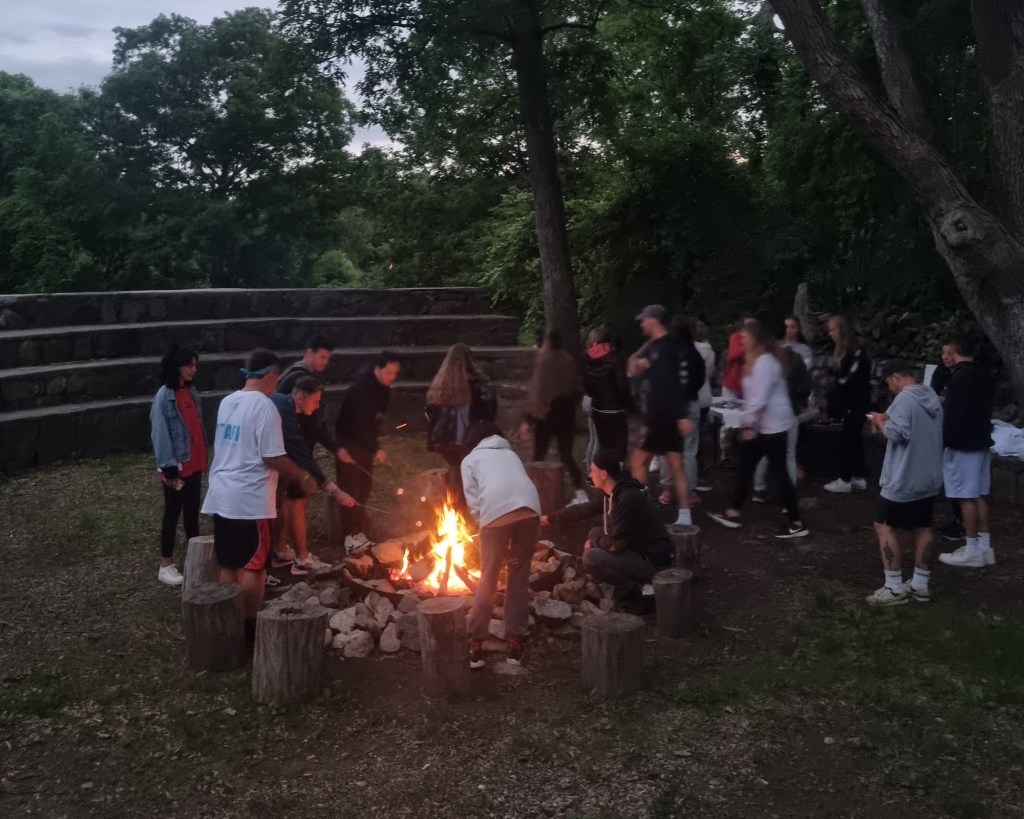
Have you ever thought about going to Camp America? Today’s post is a little different from my usual ones. As you might have guessed from the title, this isn’t about traveling to a specific city. Instead, I want to share my experience with Camp America —my first (but hopefully not last) time working abroad. This adventure didn’t just spark my love for travel; it also had a big impact on me personally. Servus and welcome to my weekly blog post!
Whether you’re about to start your own Camp America journey, considering it for the future, or just here because you enjoy my blog — I’m happy you’re here! I hope this post helps with your planning or inspires your next trip.
Although my experience was quite a while ago, I hope I can still give you useful insights and answer some of your questions in this blog. And if there’s anything else you’d like to know, feel free to reach out! You can contact me through the comment section on the bottom of this blog, email, social media, or the contact form — I’d love to hear from you.
As always, I want to remind you, that this blog isn’t perfect because everyone travels differently, and all trips involve changes of plans. I want to let you know that everything on this website has been experienced, photographed, and written by me. Since I finance all of my travel expenses on my own, the stories and opinions given are truly my own. If you’re interested in seeing more travel pictures or videos, feel free to check out my Instagram @michellecacija or my Tik Tok @michellecacija.
But before we dive in, let’s do a quick fact check: When, where, how, and what? Let’s get into it!
Index
- Hard Facts
- What is Camp America?
- Why go to Camp America?
- Little FAQ
- Medical insurance
- Ultimate Packing List
- Post-Camp Travel
- My experience – Would I do it again?
- Camp gallery
- Other North America Blogs
Hard Facts
Year: 2022
State: New York
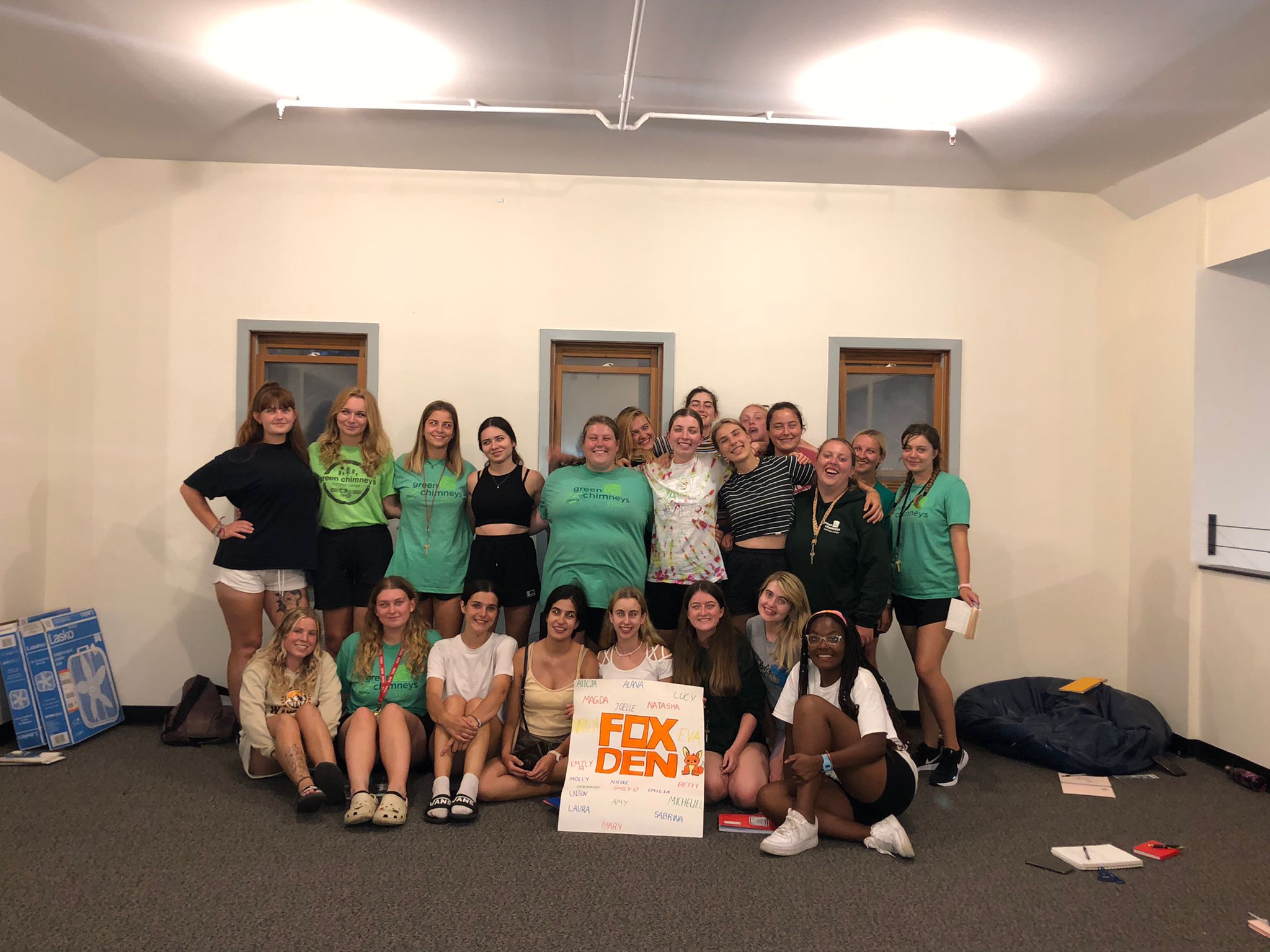
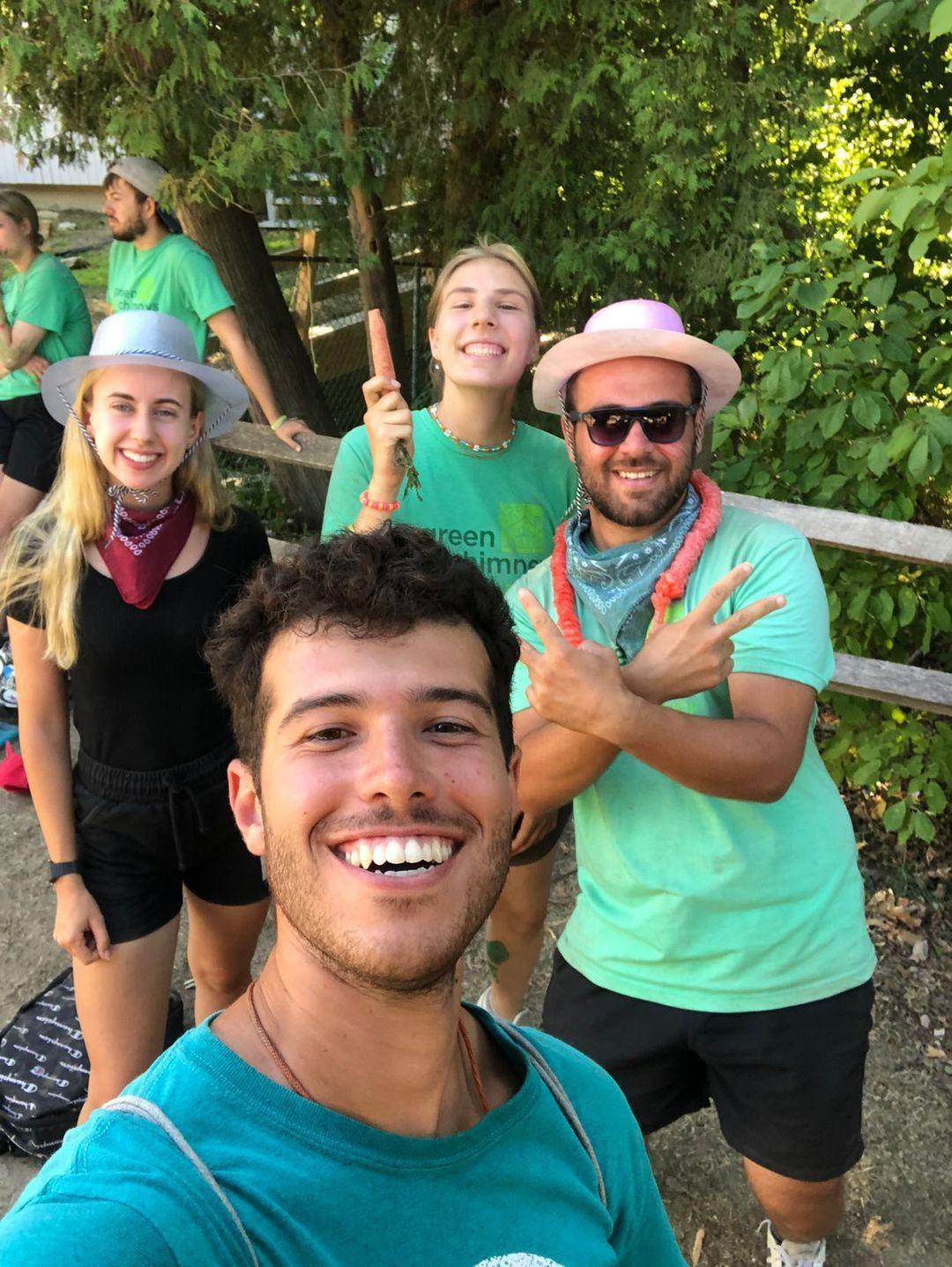
Camp: Green Chimney’s
Work Time: 9 weeks
What is Camp America?
Camp America is a cultural exchange program that gives young people the chance to spend their summer working and living at a camp in the USA. In 2022, I joined Camp America and worked at one of the biggest in America: Green Chimneys, a day camp in New York State. My camp lasted 10 weeks, including an orientation week at the beginning.
Summer camps are a big part of American culture, with thousands of camps across the country. Each one offers a unique experience for both campers and staff. For at least nine weeks, you get to work in the U.S., meet people from all over the world, experience American culture, travel to new places, and learn valuable skills. Camp America guides you through the entire process, making sure you have an smooth and unforgettable experience.
Why go to Camp America?
It’s more than just a job abroad — it’s a truly unforgettable experience. You’ll meet people from all over the world, improve your English skills, step out of your comfort zone, try new things, travel to exciting places, and get to know yourself better.
Beyond all the fun, working at camp is also a great addition to your CV. Employers and universities value the skills you develop — such as leadership, teamwork, and responsibility — helping you stand out in the future. If you’re looking for an exciting and meaningful way to spend your summer, Camp America is the perfect opportunity!
Little FAQ
What do you even do at Camp?
General Counselor
As a General Counselor, you’ll be responsible for looking after a group of campers and ensuring they have an unforgettable summer. Your days will be filled with fun, games, and adventures as you guide them through different activities. You don’t need to be an expert in a specific skill — your main job is to support and encourage campers, keep them safe, and make sure they have the best time ever. There are specific Specialist which teach the kids the activity.
Activity Specialist
As an Activity Specialist, you’ll get to teach a specific activity which you’re passionate about. Whether it’s soccer, climbing, swimming, drama, photography, or another skill, you’ll lead sessions and help campers improve their abilities. You’ll receive training when you arrive, and the General Counselors will assist you in managing the kids during activities.
Campower
If you prefer working behind the scenes, a Campower role could be a great fit. This includes jobs like food preparation, maintenance, or housekeeping — helping keep the camp running smoothly. While you won’t be leading activities, you’ll still be part of the camp experience, making friends from all over the world and enjoying time off to explore.
Head Staff
The Head Staff are the leaders of a specific age group at camp and are responsible for making sure everything runs smoothly. They usually arrive a month or more before camp starts to set up programs, organize training, and ensure everything is ready before the rest of the staff arrives.
Most Head Staff members are returning staff who have been at camp at least once before, and many have multiple summers of experience. As a General Counselor, your Head Staff member will be your first point of contact if you have any issues or problems with your group. Whether it’s handling camper behavior, resolving conflicts, or just needing advice, they are there to support you.
Which Role is right for you?
If you love working with kids and want to be involved in daily camp life, a General Counselor role is ideal. If you have a strong skill and want to teach it, becoming an Activity Specialist is a great choice. If you’re more interested in the logistics and operations of camp life, Campower offers a valuable behind-the-scenes experience. And if you have leadership experience and want to take on more responsibility, aiming for a Head Staff position in the future could be a great goal!
Do I need experience working with children?
As a Counselor, you’ll teach kids in sporty or creative activities — whether it’s sports, drama, music, outdoor adventures, media, performing arts, or water sports. You don’t need formal teaching experience, just confidence and fun in your skills! Having childcare experience is a plus but definitely not a must. Before I went to America I had none experience. So I would say almost anyone can get in — as long as you’re sporty or creative, and have no criminal record.
If you’re an Activity Specialist, your main focus will be teaching your skill, so prior experience with children is less crucial. For Campower roles, no childcare experience is needed at all.
Do you get payed at camp?
While you do get paid for your work, it’s important to know that camp salaries aren’t huge. Also, the pay varies from camp to camp. Some camps pay weekly, while others pay you in one lump sum at the end of the summer. Your salary depends on your role, experience, and the camp itself. Counselors usually earn less than Activity Specialists, and Campower roles often come with different pay structures.
While your wages might not be much, most camps provide free accommodation and meals, meaning most of your paycheck can go toward post-camp travels. Some camps also allow tipping, which can help boost your travel fund for adventures after camp ends!
When is camp and and for how long?
If you’re considering working at a summer camp, you’ll need to be available to fly out between May 1st and June 30th. Camps have different start dates, but arriving on time for staff training and orientation is a must. When applying, you’ll enter the earliest date you can leave, and the program will match you with a camp that fits your availability.
Most summer camp jobs last around nine weeks, though this can vary slightly. Some placements are shorter, while others may extend beyond the typical timeframe. My camp lasted ten weeks in total, including a one-week Orientation Week to help staff settle in, train, and prepare for the summer ahead. I’ll write more about that later on.
The longer you’re available, the better your chances of getting placed, but as long as you’re open to a full summer of adventure, you’ll be all set!
How much money should I bring to the camp?
In general, it really depends on how long your camp lasts and whether you plan to travel before or after.
When I went to the U.S. for Camp America, I arrived with just $100 in cash, knowing that I’d receive my pocket money after my nine weeks at camp. After that, I spent a little over a month traveling across the country. During camp, I only had to withdraw cash once or twice, and even then, it wasn’t much. Since you can pay by card almost everywhere, I highly recommend bringing a credit card — it saves you the hassle of carrying and spending small change. If I were doing a nine-week program, I’d probably take around €200 in cash as a backup. However, it also depends on whether you get paid during camp or only at the end of summer and of course on your plans. For more specific details, check with your camp or the official Camp America website!
How old do I need to be for Camp America?
To comply with visa regulations, Camp America requires participants to be at least 18 years old by June 15th. You can apply earlier if your birthday falls within the application season and before this date. For changes and more details, check the official Camp America website!
What should I pack for camp?
This can be challenging since space at camp is limited. But don’t worry — I’ve put together the ultimate packing list for you later in this blog. Make sure to check it out!
How much free time will I have while at camp?
Your free time at camp largely depends on the camp itself. In my camp, we worked Monday through Friday, while weekends were completely free. We also had national holidays off, like the 4th of July. On our days off, my friends and I often took trips to New York City, and we even managed weekend getaways to Boston and Philadelphia. Of course, staying on camp was always an option too, with some activites offered and meals still provided. Free days were the perfect chance to explore — whether that meant a classic Walmart trip, going to the movies, doing laundry, or even hitting up a water park. Trust me, after a long week with the campers, that’s exactly what you need, so I definitely recommend a day camp!
What does a typical day at camp look like?
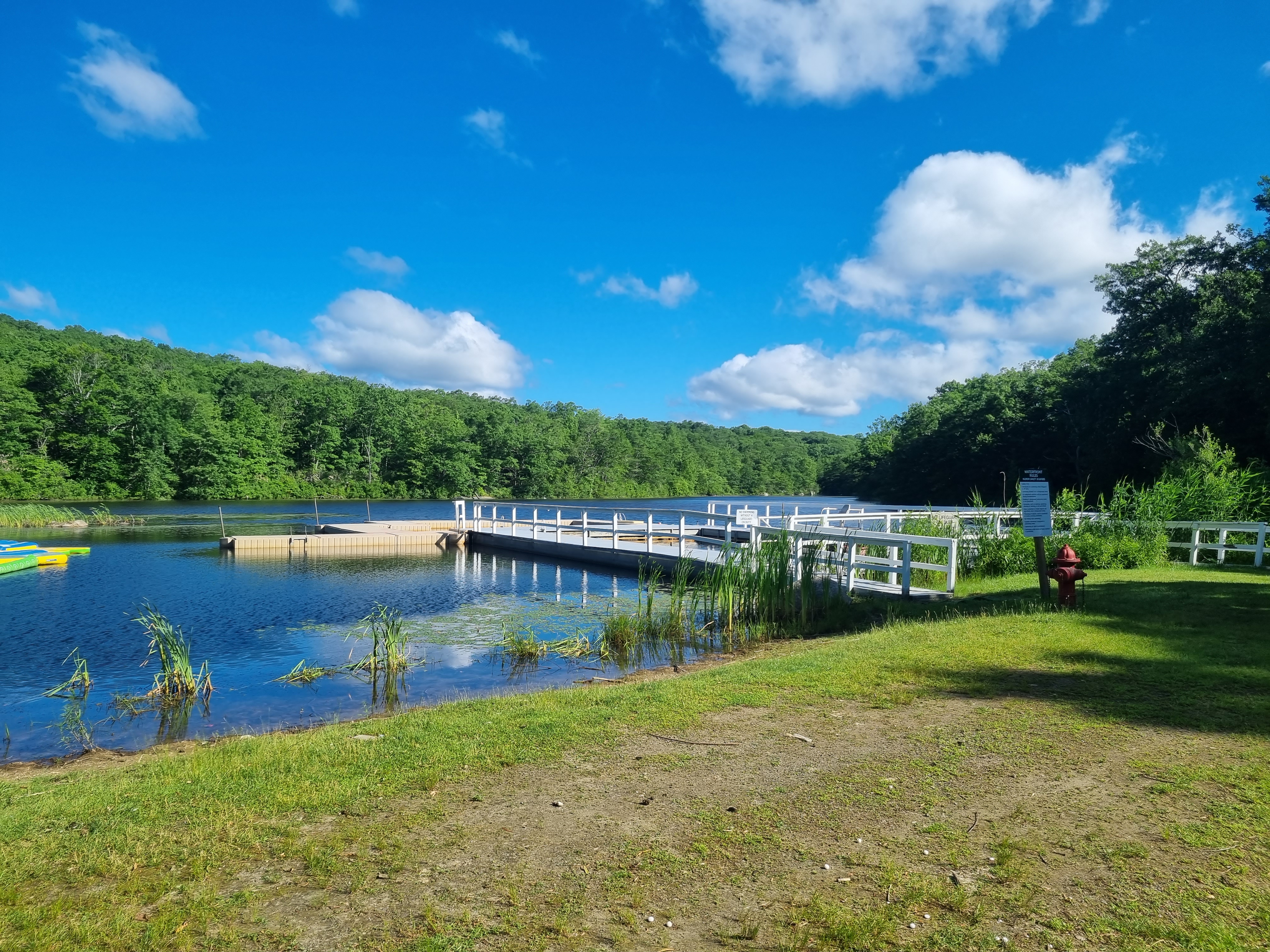
The daily schedule at camp can vary depending on what camp you’are at and it’s a day or overnight camp, but at my camp, our routine was pretty structured. After breakfast around 9 AM, the campers arrived, and we kicked off the day by singing camp songs together. Each group then headed to different activities — usually two sessions — before lunch. The afternoon was packed with more activities, making it the longest part of the day. By 6 PM, the last campers were picked up, and we had a short break in our cabins before dinner — although sometimes we went straight to the dining hall. After dinner, the Head Staff would usually give a short speech, and then we had free time. Some people relaxed in their cabins or around our lake, others went shopping or did their laundry, and occasionally, the Head Staff organized fun evening events for everyone to enjoy.
How will the first days look like at camp?
The first days at camp usually start with Orientation Week, where you’ll get to know the camp, learn the rules, and settle in. This includes important safety training, such as how to respond during an active shooter drill — something taken very seriously in the U.S. Unfortunately, mass shootings have been a recurring issue in the country, so schools, workplaces, and even summer camps conduct these drills to ensure that staff and campers know how to react in case of an emergency.
Beyond safety training, you’ll also learn classic camp songs and games, making it easier to connect with both campers and fellow staff. Of course, there’s plenty of time to bond with your team and get comfortable in your new home for the summer.
If you’re a General Counselor, you’ll arrive just in time for this week of training. However, Specialists usually arrive at least a week earlier to prepare for their specific activities and set up their areas. Meanwhile, Head Staff often arrive a month or more in advance to oversee preparations, finalize programming, and ensure everything is ready for staff and campers.
What should I do about a Sim Card?
I highly recommend getting a SIM card for your time in the U.S. You can either purchase one before your trip or once you arrive. In the first few days at camp, we all went on a Walmart trip to pick up essentials. Nearby, there were also several stores, including an AT&T shop, where we got our SIM cards.
Most of us, myself included, chose AT&T, which worked reliably throughout my entire 2.5-month stay. Having a local SIM made everything so much easier — from navigating new places on my days off to staying in touch with friends and family back home. It was also super useful for booking transport and checking maps on the go.
If you want to stay connected and avoid expensive roaming charges, getting a U.S. SIM card is definitely a smart choice!
Medical insurance
I highly recommend getting travel medical insurance while you’re traveling. Hopefully, you’ll never need it, but it’s always better to be safe than sorry. SafetyWing offers two flexible plans tailored to your travel needs — whether you’re a short-term adventurer or a long-term expat, you’ll have reliable coverage anywhere in the world.
SafetyWing is especially great for remote workers and digital nomads, offering continuous global coverage even if you’re hopping between countries. Of course, it’s also a solid option for frequent travelers or those constantly on the go. But if you’re only traveling occasionally or just for a short holiday now and then, there might be better-suited alternatives.

Ultimate Packing List
- Clothes you don’t care about too much, which can get dirty during camp – You’ll be running, playing, and doing outdoor activities, so bring clothes that can handle stains
- Some nice clothes for the weekends/after travels – If you plan to explore cities or go out after camp, having a few nice outfits will come in handy
- Comfortable shoes – Bring sneakers for daily activities, and consider sandals or flip-flops for the pool or shower areas
- Warm clothes for the evenings – it does get chilly! Even in summer, nights can be cold, so bring a hoodie or a lightweight jacket.
- Raincoat – it’s going to rain if you believe it or not!
- Sheets for the bed/Sleeping back – in case your camp doesn’t provide it. Check with your camp beforehand, as some require you to bring your own bedding (like mine)
- Earplugs – if you share a room, cabin, or tent. A lifesaver if your bunkmates snore or if camp gets noisy
- Sleeping mask – if you share a room, cabin, or tent. Essential if lights stay on late or the sun rises early.
- Backpack – A small daypack for carrying essentials around camp or during your travels
- Sunglasses – Protect your eyes from the summer sun
- Hat/Cap – A must-have for sun protection during outdoor activities
- Sunscreen – Go for a high SPF, as you’ll be outside most of the day
- Swimwear – You’ll probably go swimming most of the camp days
- Towel – A microfiber towel dries quickly and is great for both swimming and showers. Although I have to say that I prefer normal towels
- Watch – as phones are typically prohibited in camps during working hours. A simple digital or waterproof watch is great to keep track of time.
- Bug spray – Mosquitoes can be a nightmare, especially near lakes and forests
- Reusable water bottle – Staying hydrated is key, and most camps have refill station
- First aid kit – Include essentials like band-aids, pain relievers, and any personal medication
- Laundry bag – you don’t know when you will next wash clothes! A bag keeps dirty clothes separate and makes trips to the laundry easier.
- Something that reminds you of home – A small item like a stuffed animal, photos, or a favorite snack can be comforting
- Toiletries – you can either bring products from home or buy your stuff at walmart etc.
- Power bank – If you’ll be traveling after camp, having extra battery life for your devices is super useful
- Ziplock bags – Handy for keeping electronics dry, storing snacks, or packing wet clothes
- Deck of cards or small games – Fun for free time with campers or other staff members
- Portable fan – If the cabins get hot, a battery-operated fan can be a lifesaver. I didn’t buy one but a few camp fellows did and I do have to say, it was a game changer
- Notebook & pen – Great for journaling, writing letters, or keeping track of memories
Post-Camp Travel
So, camp is over — what’s next? Once your contract at camp ends, you still have time left on your visa— usually around a month — to travel and explore different parts of America. This is the perfect opportunity to make the most of your summer adventure!
If you’re worried about traveling alone, don’t be! Most counselors end up traveling with friends they met at camp, while others embrace the excitement of solo travel. Before coming to the U.S., I was a bit unsure about who I’d travel with, so I planned a three-week trip with a friend from home. However, before that, I also traveled with friends I met at camp!
My first week of post-camp travel took me to New York City, Washington, D.C., New Orleans, and Chicago with three camp friends. In Chicago, I met up with my friend from home, and from there, we flew to Salt Lake City, where we started an incredible 8-day road trip through Utah, Arizona, and Nevada, ending in Las Vegas. After that, we flew to San Francisco, then Seattle, before heading back home.
If you need more travel tips for any of the places I visited, check out my other blogs! You’ll find them linked at the bottom of this post, with the search or in the “North America” category of my blog.
If you have the time, I highly recommend traveling after camp — it was an absolute dream, especially the road trips through the national parks. It’s the perfect way to end your summer adventure in the U.S.! 🚗🌎✨
My experience – Would I do it again?
Would I do it again? Honestly, no — but I would still recommend working at a summer camp to everyone! The experience was absolutely amazing and helped me grow in so many ways, but for me, it was a once-in-a-lifetime thing.
If I went back, I’d probably have certain expectations, and there’s always a chance they wouldn’t be met. Of course, it could also turn out to be even better — you never know! That being said, I know plenty of people who went back to camp, either the following summer or a year later. Some returned to the same camp, while others chose a new one for a different experience. But I also know even more people which had the same thinking like me.
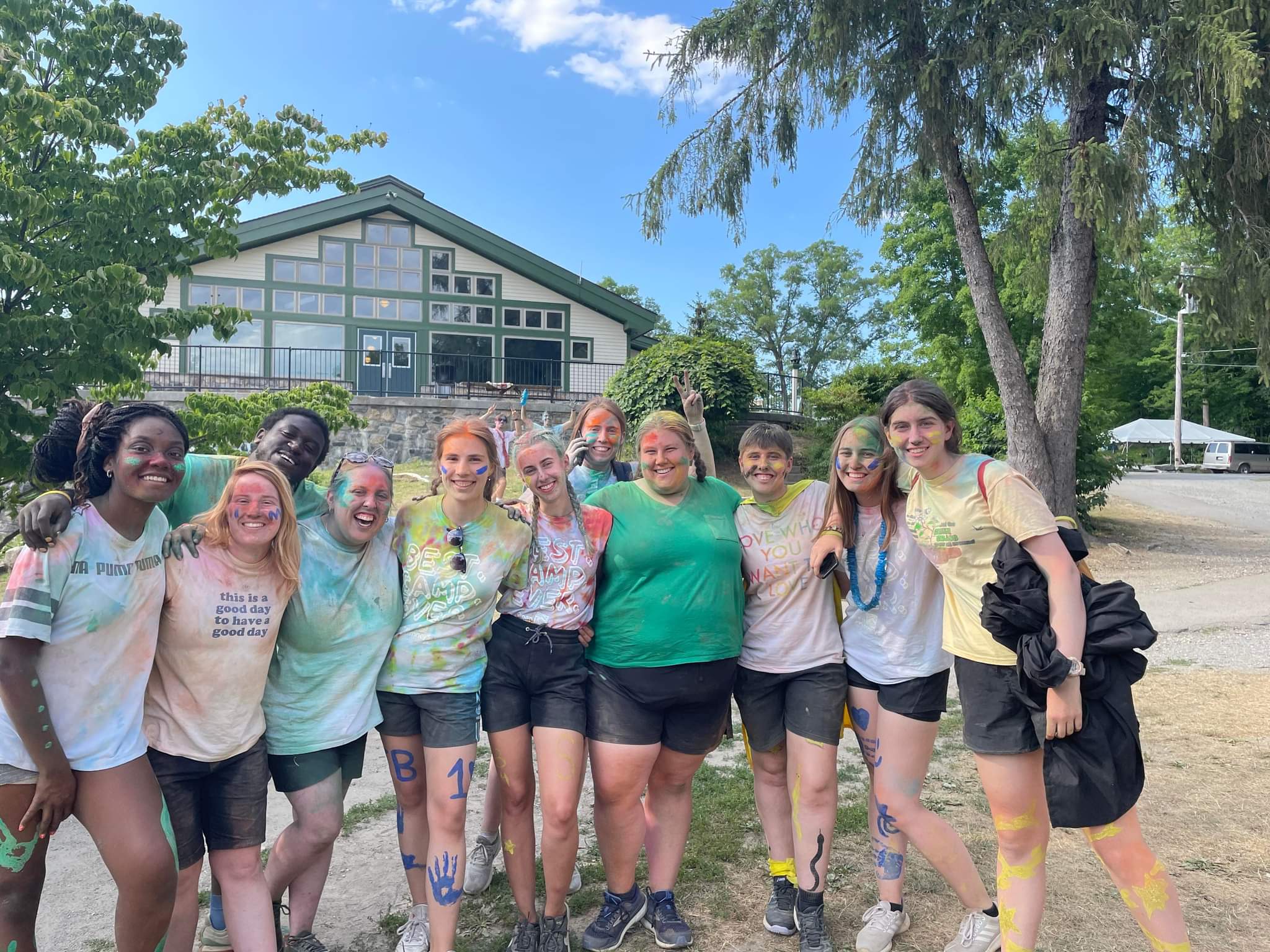
One of the best parts of camp was the people. I met some incredible friends — hopefully for life! I also got to experience so many amazing things, from camp traditions to exploring new places on my days off. But camp life wasn’t always easy. It could be a little chaotic at times, and sleeping in a cabin with 15 to 20 people was definitely challenging. There was barely any privacy, which is something that’s quite important to me and you need to be aware of!
So, while I personally wouldn’t do it again, I wouldn’t trade the memories and lessons I gained for anything ever. If you’re considering it — go for it! You might just have the summer of a lifetime and grow in so many ways!
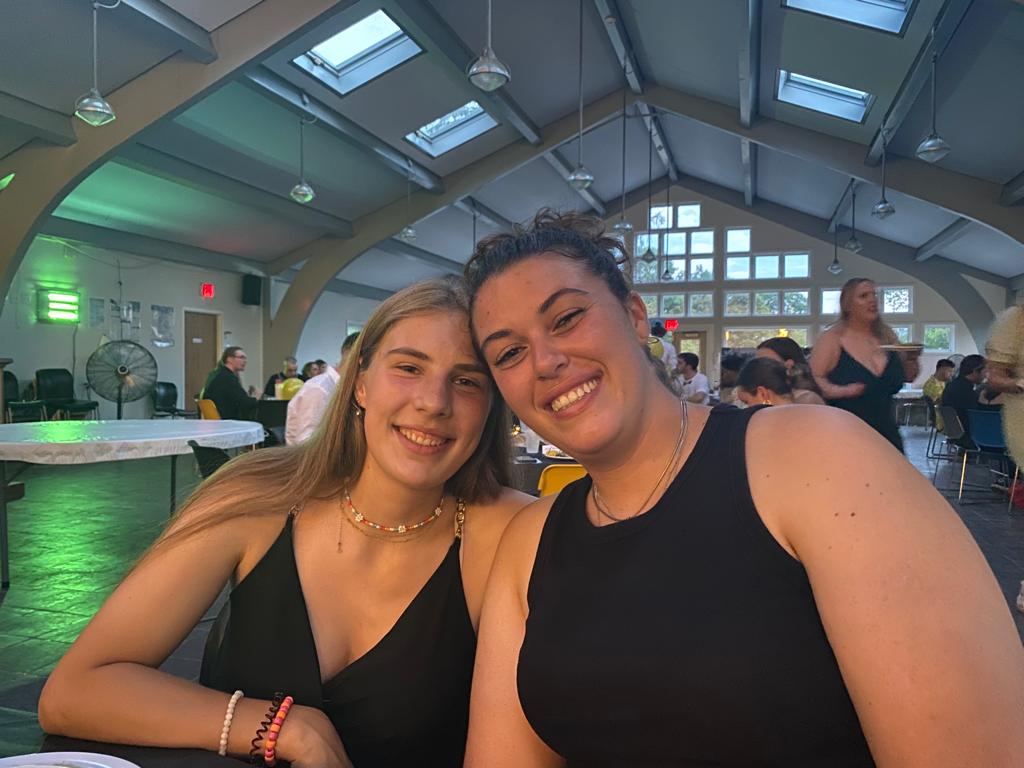
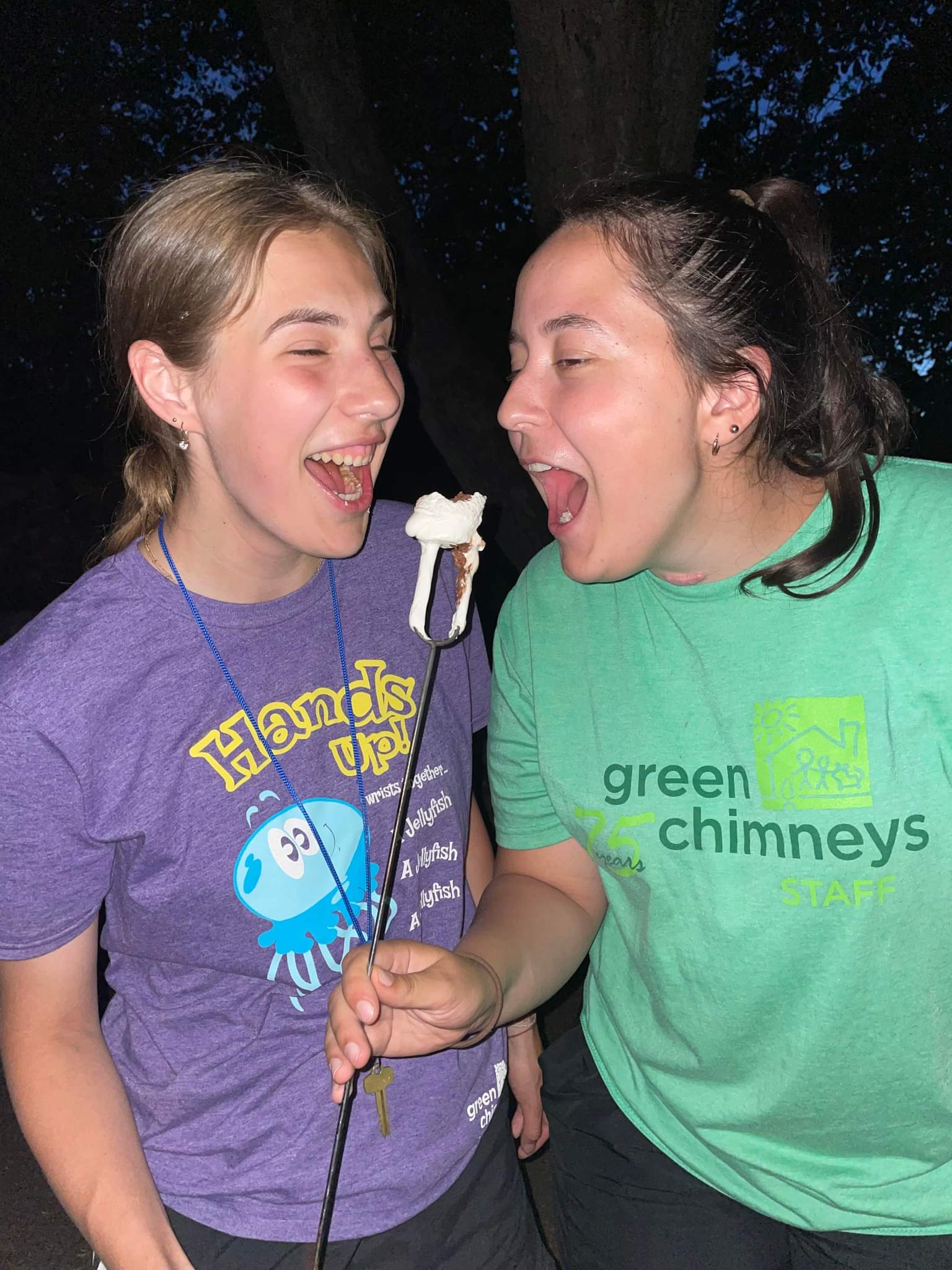
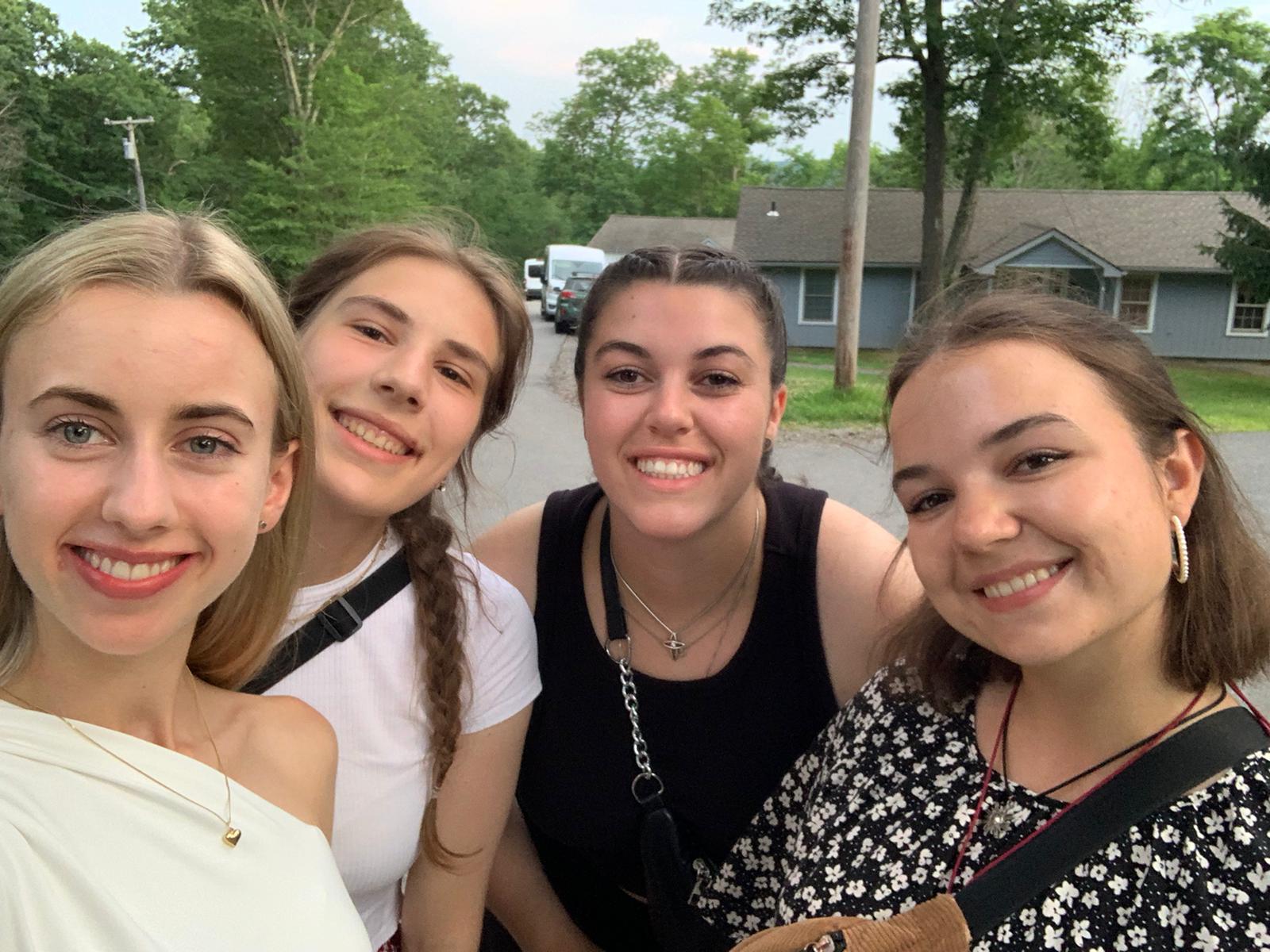
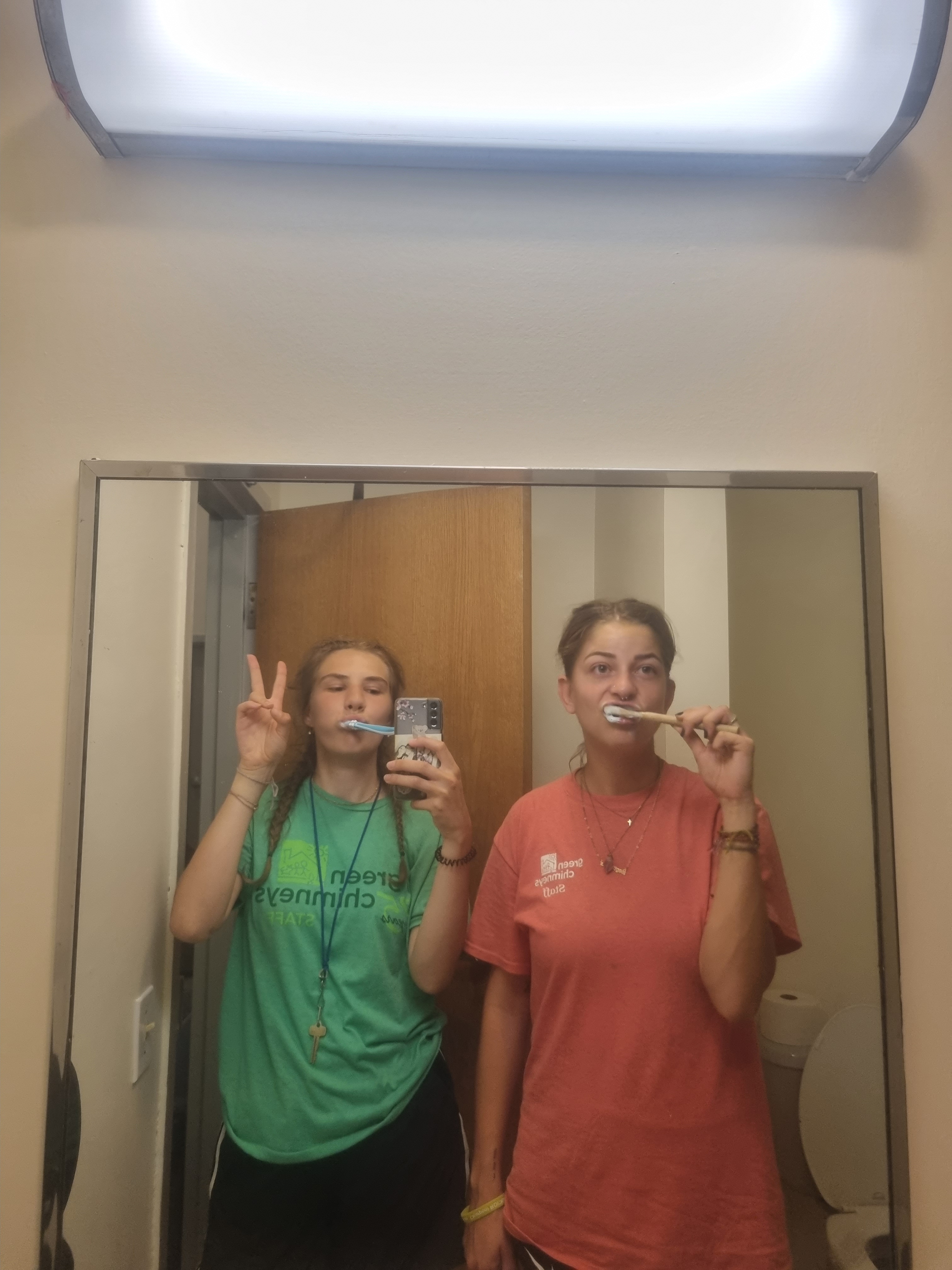
Camp gallery




Other North America Blogs
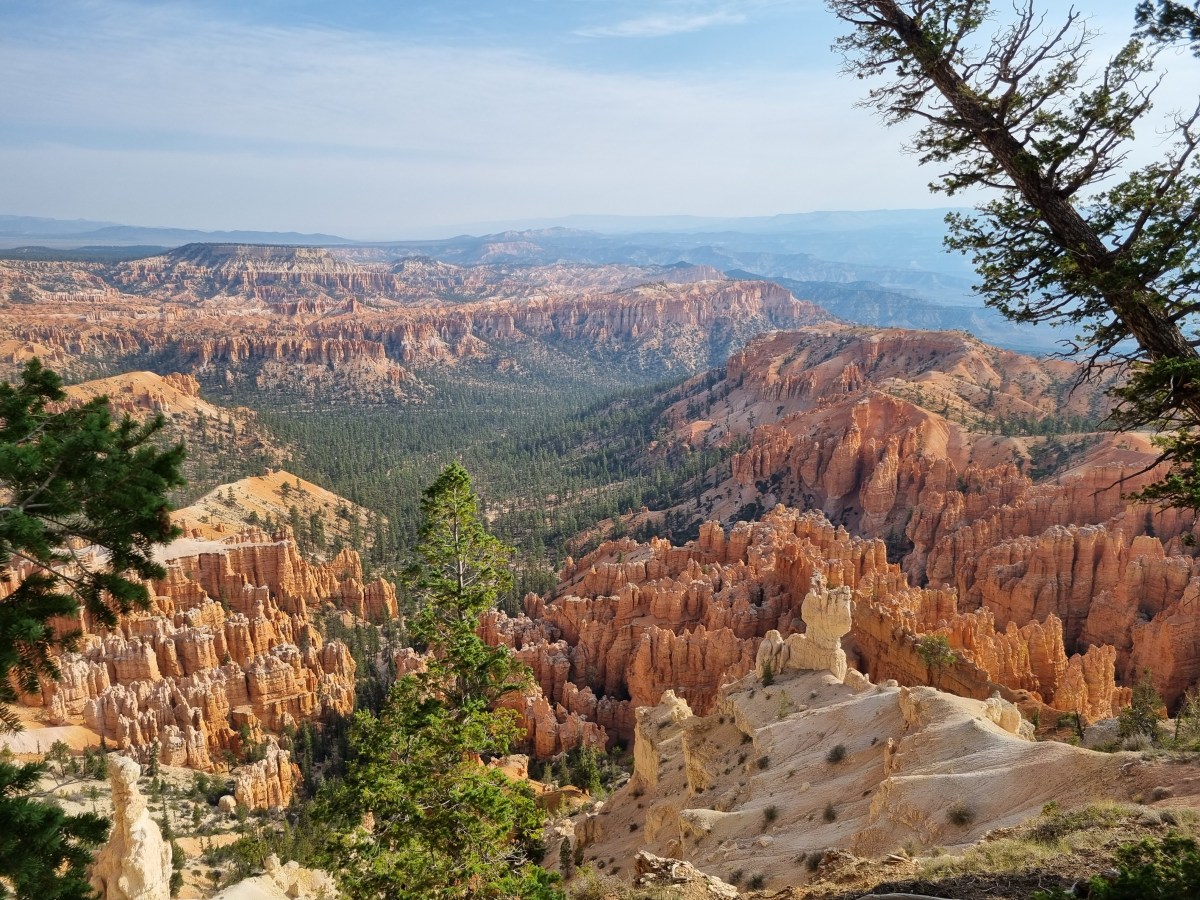
USA National Parks Road Trip: Salt Lake City to Las Vegas
Are you dreaming of an unforgettable road trip adventure? If so, consider embarking on a journey from Salt Lake City, Utah, to Las Vegas, Nevada. This scenic route will take you through some of the most breathtaking landscapes in the United States, with numerous opportunities to explore national parks and enjoy outdoor activities. You’ll pass…
Keep reading
Explore the best of Las Vegas: A 3-Day Itinerary
Get ready to experience the heart-pounding thrill of Las Vegas! From the iconic casinos where you can test your luck to the breathtaking views of the Grand Canyon for hiking adventures, and the mesmerizing Bellagio fountains, this blog will guide you through a journey of the glitz and glamour of Sin City. Servus and welcome…
Keep reading
30 Ways to Fall in Love with New York City
What’s the first thing that comes to mind when you think of New York City? Is it the breathtaking view from the Empire State Building, the iconic Statue of Liberty seen from a ferry gliding across the harbor, or the electric buzz of Times Square at night? Or maybe it’s the legendary Grand Central Terminal,…
Keep reading
New Orleans Travel Guide: Discover 15 Things You Must Try
Get ready to step into the enchanting world of New Orleans, where the soulful sounds of jazz fill the air, and fluffy, powdered-sugar-coated beignets delight your taste buds. Wander through the stunning Garden District, lined with stately mansions and beautiful oak trees. Or lose yourself in the electric vibe of Bourbon Street, where the nightlife…
Keep reading
Discover Seattle: 3-Day Adventure in the Emerald City
Imagine yourself standing on top of the iconic Space Needle, where panoramic views of the city and the mountains unfold before your eyes, and the beauty of Mount Rainier National Park convince with its flower beds. Servus and welcome to the vibrant Emerald City, Seattle, with a 3-day itinerary awaiting you. Prepare to immerse yourself…
Keep reading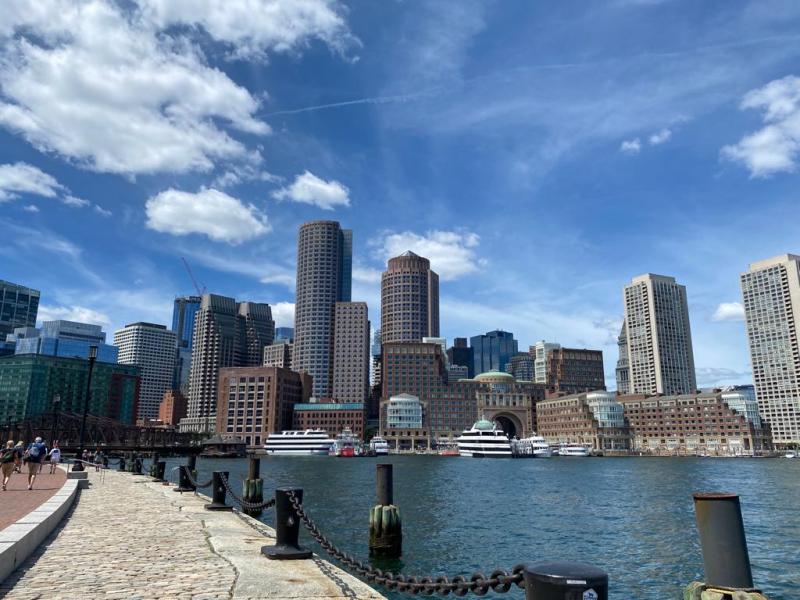
Your Ultimate Guide to 2 Days in Boston
Step into the heart of Boston, where history whispers from every corner and the spirit of innovation fills the air. Imagine wandering through the famous Harvard University, surrounded by its old, ivy-covered buildings and the energy of students. From the cozy streets of Beacon Hill to the lively Seaport District, Boston offers a mix of…
Keep reading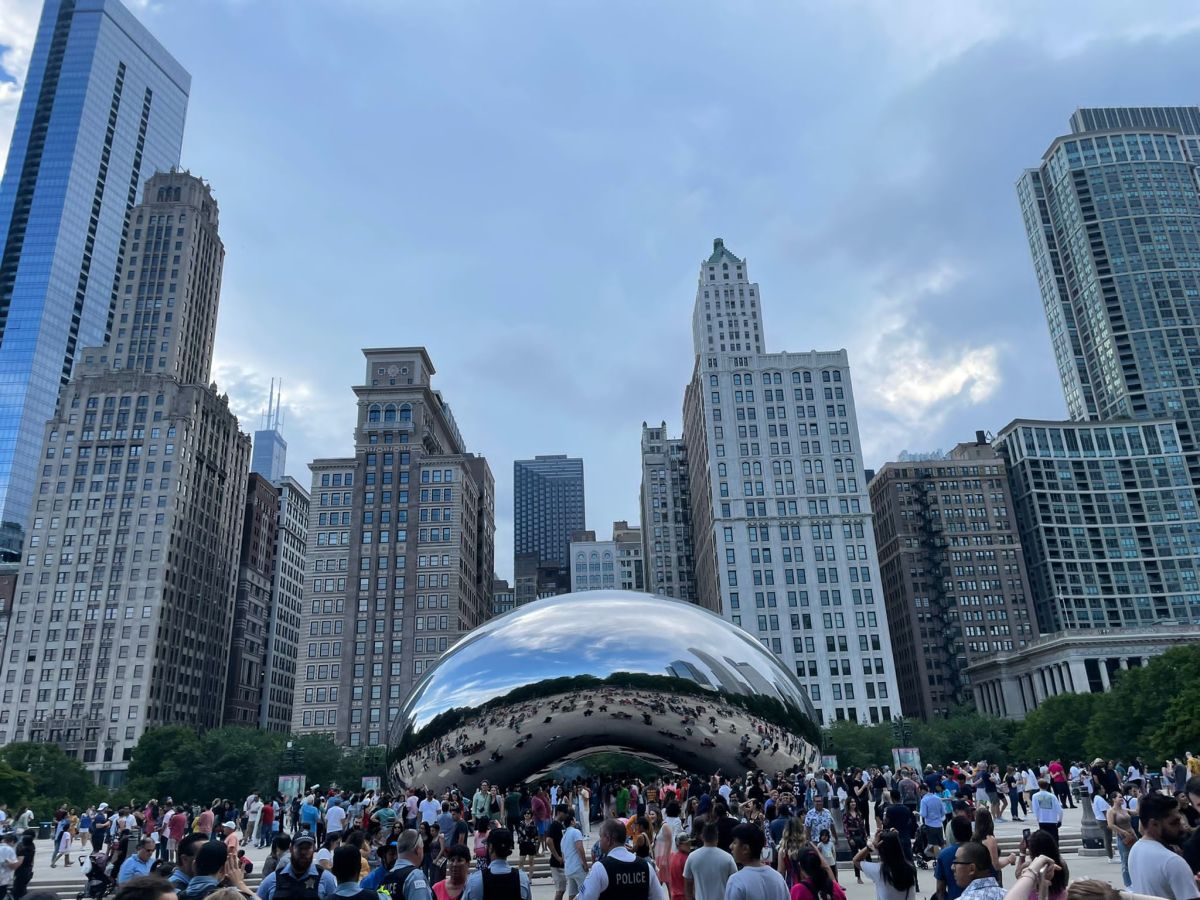
Top 10 Things to Do in Chicago: Travel Guide
Welcome to Chicago, the Windy City — where towering skyscrapers kiss the clouds, the Chicago River winds through a city bursting with life, and every street tells a story. Stand before the mesmerizing Chicago Bean, its mirrored surface reflecting the city’s heartbeat. Indulge in the legendary deep-dish pizza, a cheesy, golden delight (love it or…
Keep reading





 Michelle Cacija
Leave a comment