
Golden beaches, delicious tapas, and architectural wonders at every turn — Barcelona is a city that has it all! Whether you’re here for a weekend getaway or a longer stay, get ready to fall in love with its unique charm. Barcelona ranks among Europe’s top destinations — and it’s no surprise why! Mediterranean vibes, endless cultural adventures, and a nightlife that never sleeps make this city truly magical.
From iconic sights like La Sagrada Familia to the hidden gems, I’ll take you through the must-visit spots, the best places for tapas and paella, and all the details around the Catalonian capital for an unforgettable experience. Ready to dive into the Barcelona lifestyle? Servus and welcome to my travel guide — your ultimate companion for an unforgettable city trip!
As always, I want to remind you, that this blog isn’t perfect because everyone travels differently, and all trips involve changes of plans. I want to let you know that everything on this website has been experienced, photographed, and written by me. Since I finance all of my travel expenses on my own, the stories and opinions given are truly my own. If you’re interested in seeing more travel pictures or videos, feel free to check out my Instagram @michellecacija or my Tik Tok @michellecacija.
Index
- The Basics about Barcelona
- Things you need to be aware of
- Medical insurance
- Itinerary
- Summary of Activities
- Other Spanish Blogs
The Basics about Barcelona
When to visit
Barcelona is a year-round destination, but the best time to visit is probably between April and June or September and October when the temperatures are pleasant 18-26°C (64-79°F), and the crowds are manageable. From June onwards, it gets quite hot, and in peak summer, the city is packed with tourists. If you prefer fewer crowds and mild weather, spring and early autumn are ideal.
Winter (December to February) can be cold and rainy, with temperatures dropping to around 10-15°C (50-59°F). While it’s still warmer than many other European cities, you might encounter gray skies and occasional rain showers, making it less ideal for sightseeing walks or beach days. However, it’s a great time for fewer tourists and lower prices!
Time period
To truly experience Barcelona, I recommend staying for 3-4 days. This allows you to explore the main sights while also soaking up the city’s unique atmosphere, vibrant street life, and delicious food culture. If you only have one or two days, you can visit the highlights, but it will be a fast-paced trip. If you have more time, consider taking day trips to nearby places like Montserrat or Sitges.
Getting There
Barcelona is well-connected internationally! So you can fly into Barcelona-El Prat Airport (BCN), which is about 15 km from the city center. From the airport, you can reach the city easily within 40 minutes by aerobús, metro, train, or taxi. If you’re coming from within Spain or Europe, high-speed trains (AVE) or busses connect Barcelona with major cities like Madrid and Paris.
Where to stay
Choosing the right accommodation in Barcelona depends on your travel style and budget. If you want to stay central yet quiet, districts like Eixample and Poble Sec are great choices, offering good metro connections and a relaxed vibe. When I visited Barcelona twice, I stayed in the Eixample district, which was in a fantastic location and well connected to shopping experiences and major sights like Casa Batlló and Casa Milà. I can highly recommend this area for its convenience and accessibility.
For a more historic atmosphere, the Gothic Quarter puts you in the heart of the old town, though it can be noisy and pricey. If you’re looking for a more local feel, Gràcia is a charming alternative, while El Born and Barceloneta offer a lively nightlife and beach access.
Getting around
Barcelona’s city center is compact, and the best way to explore is on foot. Walking allows you to see more, experience the local vibe, and discover hidden gems. However, for longer distances, the metro and buses are very efficient and affordable. Places like Park Güell and Gràcia are further out, so taking public transport is a good option.
What to pack
When packing, consider the season — light clothing, sunscreen, swim clothes and sunglasses for summer, while a jacket, beanie, jumper, layers etc. are very useful for cooler months, especially in winter with temperatures around 10-15°C (50-59°F). Comfortable shoes are a must for every season, as exploring on foot is the best way to experience the city. A reusable water bottle is also handy, as many public fountains offer fresh drinking water.
Additionaly, consider bringing your own little medication bag, including Band-Aids, pain relief tablets, sleeping tablets or spray, bug spray, aftersun, etc. You never know what you might need it for, and you might feel more comfortable using medication from home rather than in a country where you don’t know the ingredients and languages. If you’re coming from outside Europe, don’t forget to bring a Type C power adapter.
Cost of Traveling
Barcelona is a great destination for all budgets. Public transport is affordable, but you can save even more because most attractions are within walking distance, so you’ll hardly need to use it. Food prices vary depending on your dining preferences, but there are options to suit every budget. While entrance fees for sights like Sagrada Familia or Park Güell can add up, there are plenty of amazing free experiences, such as wandering through the Gothic Quarter, relaxing at the beach, or exploring local markets (unless you buy something of course). A mix of free activities and a few paid attractions allows you to experience the best of Barcelona without breaking the bank. With a little planning, you can enjoy the city to the fullest while staying within budget!
Things you need to be aware of
Water in Spain. You can safely drink tap water as it’s clean and meets high-quality standards. In most cities, including Madrid, Barcelona, and Seville, the tap water isn’t only safe but also tastes alright. However, in some coastal or rural areas, the water might have a slightly different taste due to mineral content, so some people prefer bottled water.
Toilet situation. Unfortunately, public restrooms typically cost around 50 Cent to a euro in Spain (and many other European countries). So, make sure to carry a few coins with you and always use the restroom before leaving your accommondation, a restaurant, or a café.
Tipping. In Spain, tipping isn’t as common or expected as it is in some other countries. However, it’s appreciated if you receive exceptional service. It’s common to round up the bill or to leave a tip of around 5-10% in restaurants and cafes.
Currency. The Currency in Spain is the Euro. While a few years ago, Seville was still very cash-oriented, they now accept cards mostly everywhere. It’s still advisable, though, to bring some cash with you.
Medical insurance
I highly recommend getting travel medical insurance while you’re traveling. Hopefully, you’ll never need it, but it’s always better to be safe than sorry. SafetyWing offers two flexible plans tailored to your travel needs — whether you’re a short-term adventurer or a long-term expat, you’ll have reliable coverage anywhere in the world.
SafetyWing is especially great for remote workers and digital nomads, offering continuous global coverage even if you’re hoppinMg between countries. Of course, it’s also a solid option for frequent travelers or those constantly on the go. But if you’re only traveling occasionally or just for a short holiday now and then, there might be better-suited alternatives.

Itinerary
Day 1
No matter what time of the day you arrive in Barcelona, the city center is always the perfect place to get your first taste of Barcelona’s vibrant atmosphere. Plaça de Catalunya is the main square and where the heart of the city beats, here you’ll immediately feel the vibrant energy of the Catalonian capital. During your time in Barcelona, you’ll likely cross this square multiple times. From here, two of the city’s most famous streets begin: the elegant Passeig de Gràcia and the legendary La Rambla.
Passeig de Gràcia is one of Barcelona’s most famous avenues, known for its stunning architecture and shopping atmosphere. The street is lined with shops, cafes, and restaurants, making it a popular destination for both locals and tourists. It’s a perfect place to stroll, enjoy art, and experience the city’s rich cultural heritage. When you’re on Passeig de Gràcia don’t miss the chance to admire the breathtaking Casa Batlló and Casa Milà (La Pedrera), two of Antoni Gaudí’s architectural masterpieces. Their special facades make them stand out from the surrounding buildings. If time and budget allow, I recommend stepping inside at least one of these wonders — you’ll be transported into another world of curves, colors, and creativity. If not, just standing in front of them is already a moment to savor. When I visited, I unfortunately didn’t get the chance to see them from the inside, but it’s high on my list for my next trip to Barcelona!

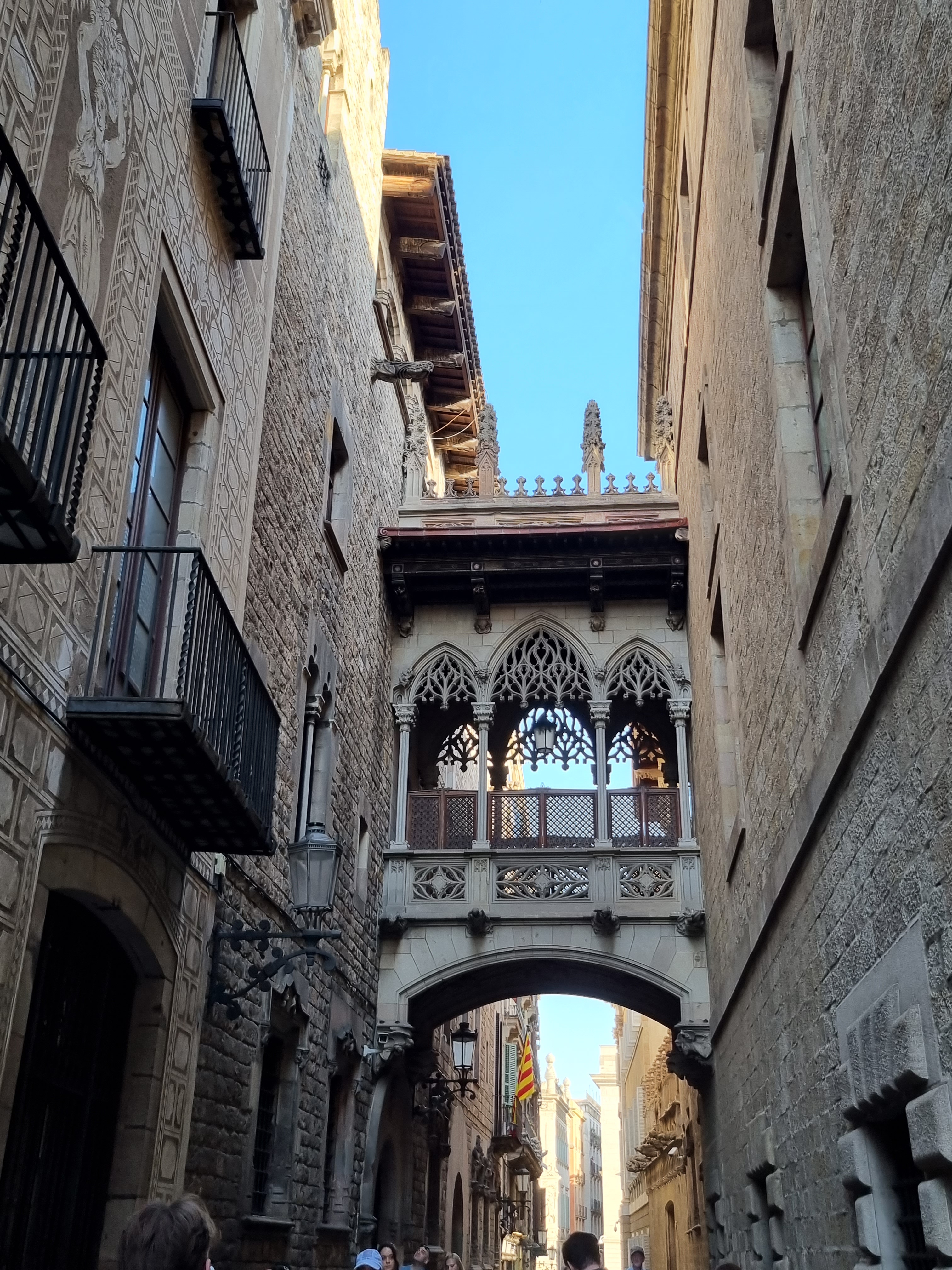
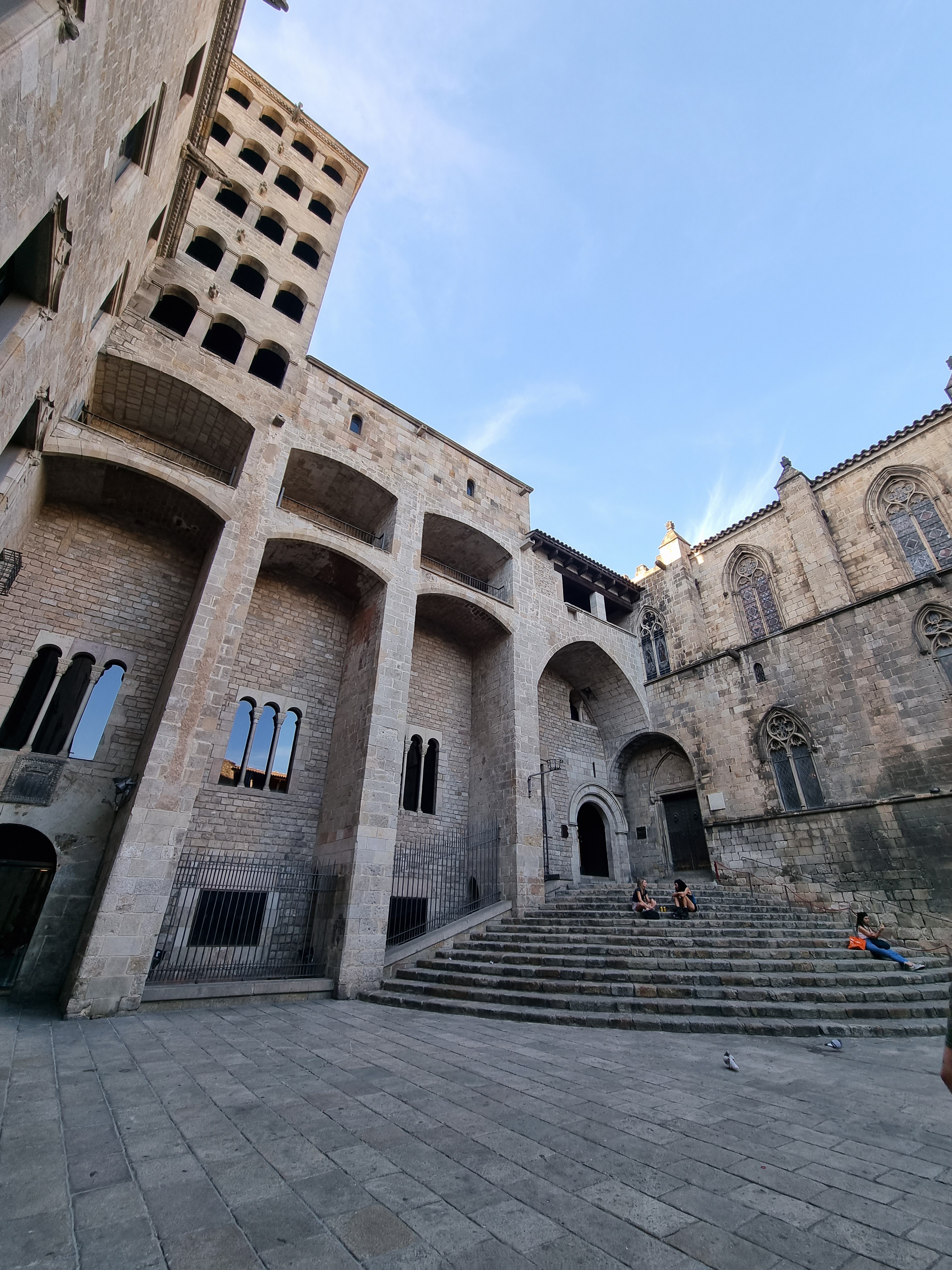
From Passeig de Gràcia, make your way to La Rambla, another famous street in Barcelona, where you can find many restaurants and smaller shops. To one side of La Rambla lies the historic Barri Gòtic (Gothic Quarter), with its labyrinth of medieval streets, hidden squares, and centuries-old buildings which you definitely can’t miss!
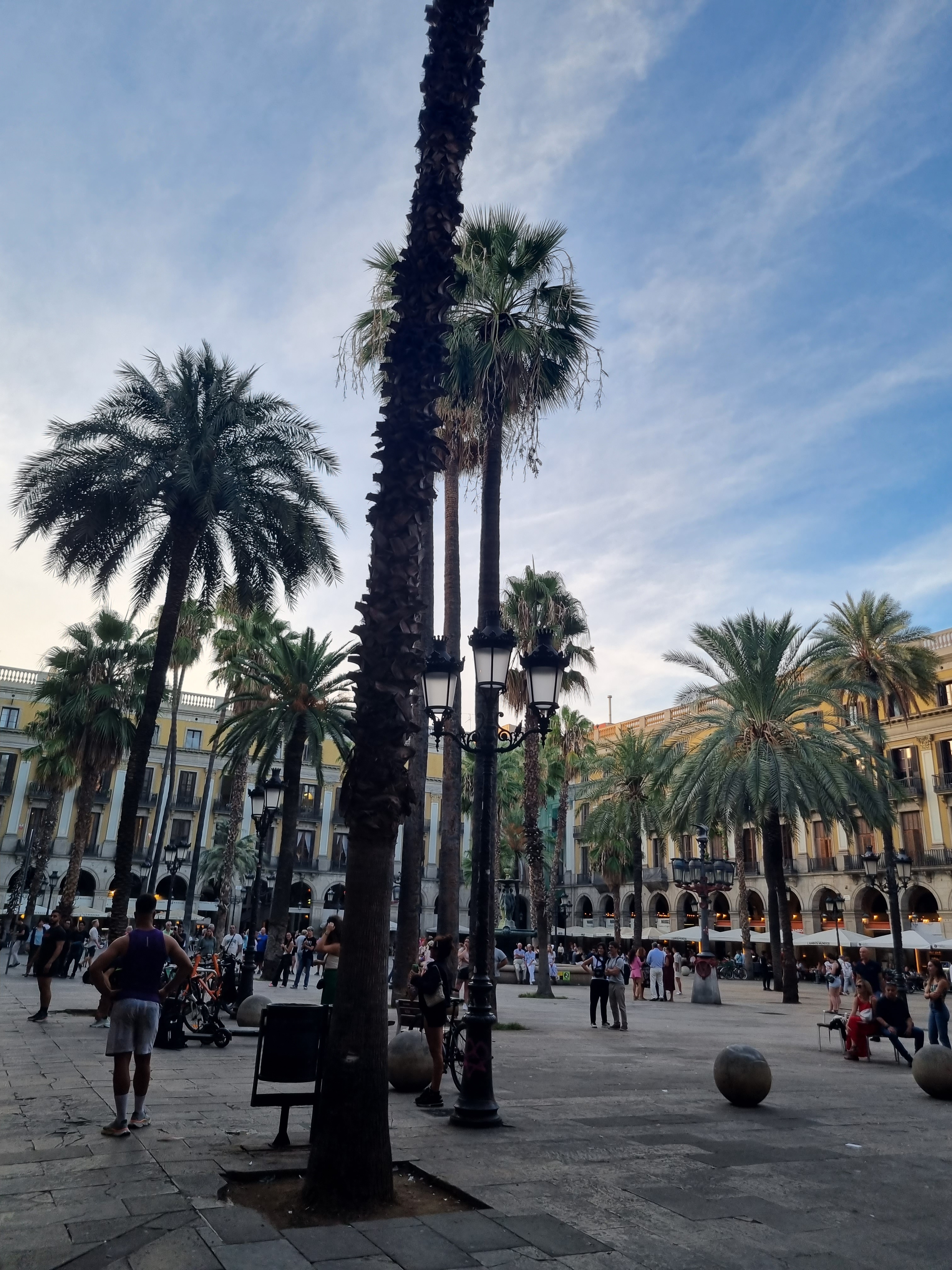
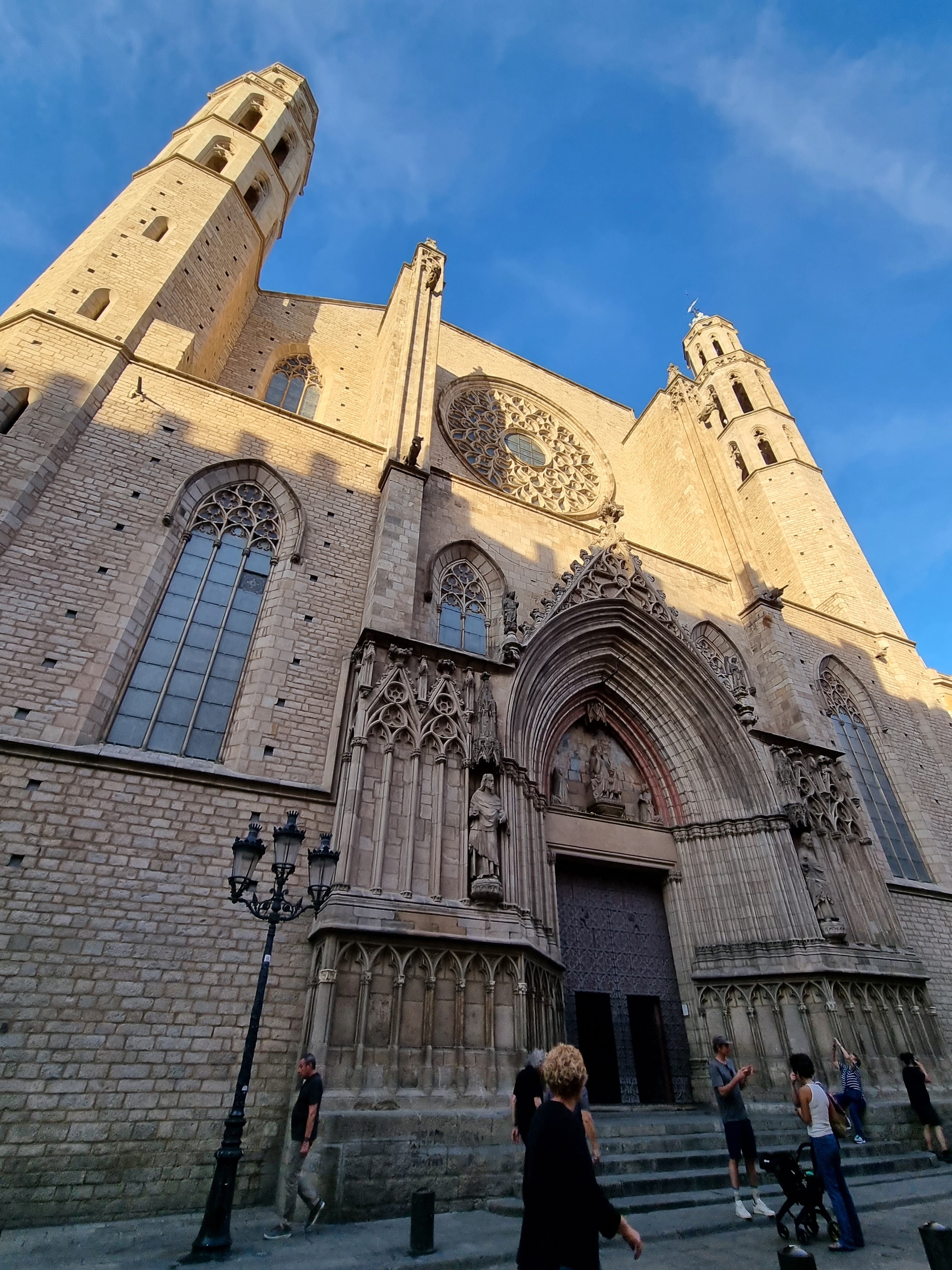
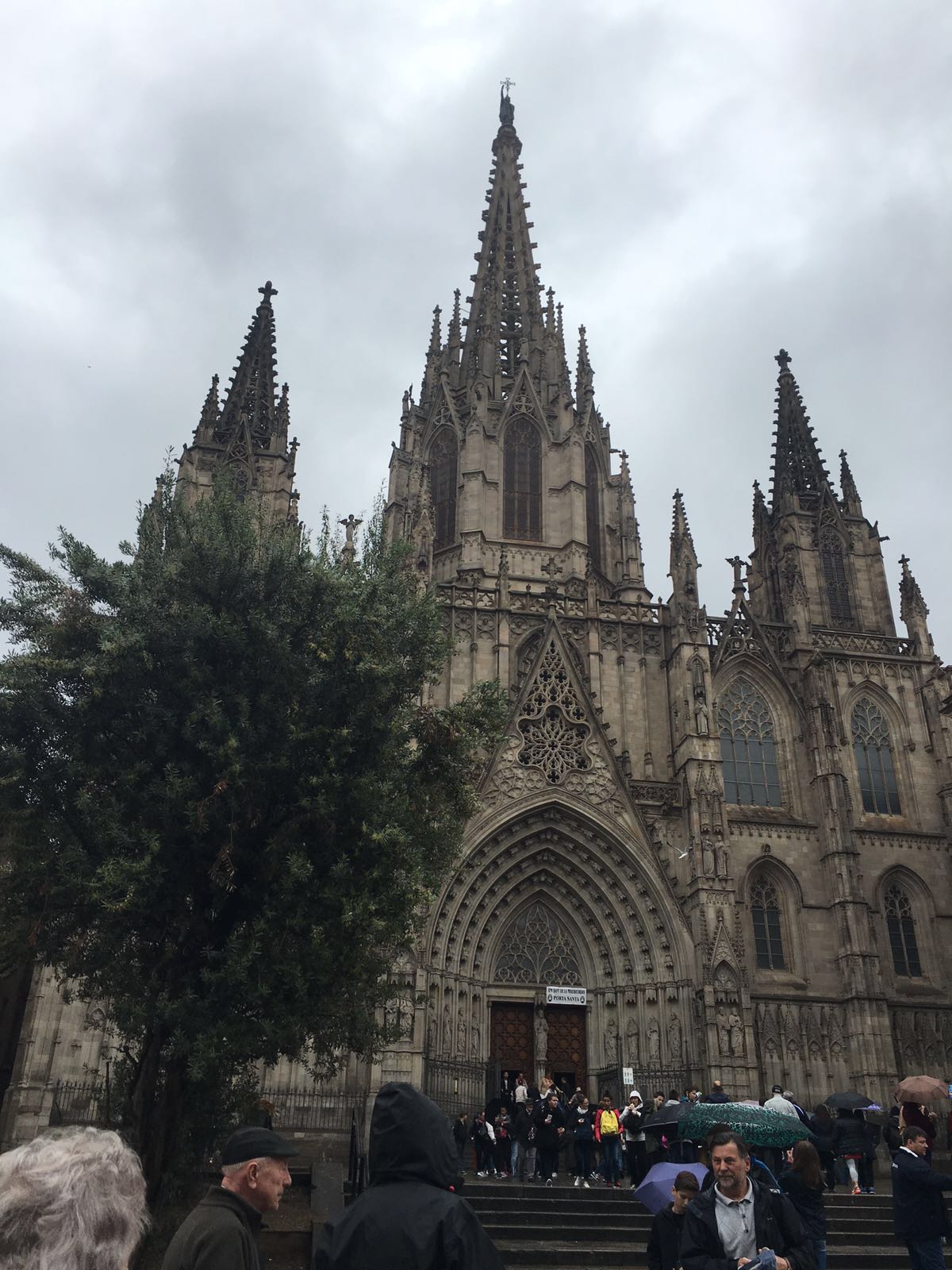
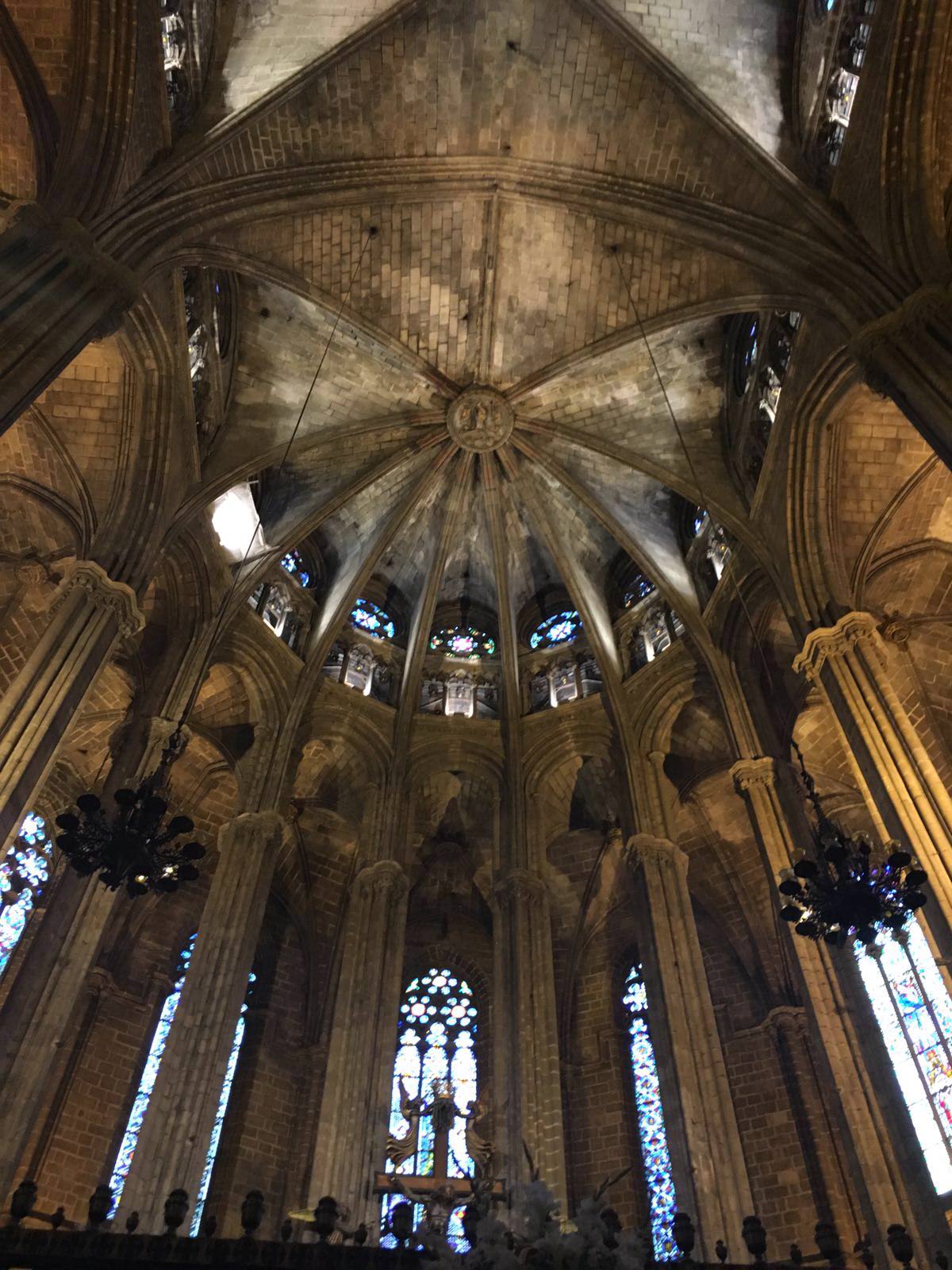
Between La Rambla and the Gothic Quarter lies Plaça Reial, one of the most beautiful and elegant squares in Barcelona. Filled with palm trees, restaurants, and cafés, this lively square is the perfect place to relax and soak in the city’s atmosphere. Another highlight is the Barcelona Cathedral (Catedral de la Santa Creu i Santa Eulàlia), a stunning Gothic masterpiece right in the heart of the old town. Its impressive façade and peaceful cloister make it well worth a visit. You can visit the interior for a small fee, but even just admiring it from the outside is an unforgettable experience.
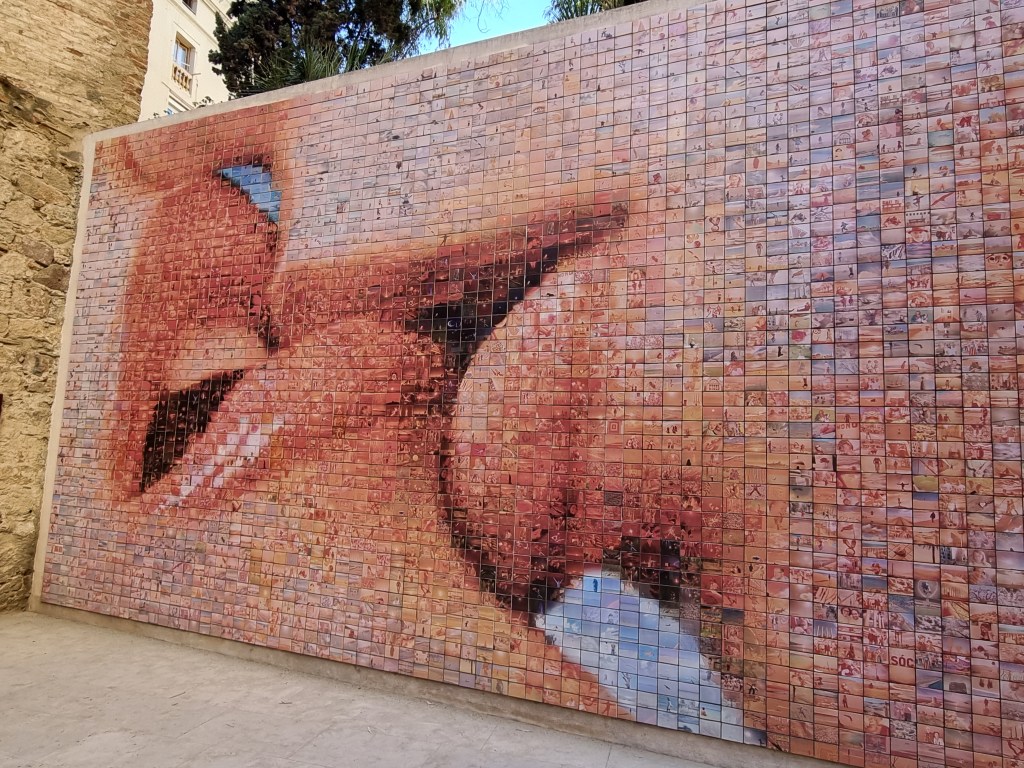
Just around the corner is “The World Begins With Every Kiss,” located in the Ciutat Vella district, near Parc de la Ciutadella. This piece of art, created by the British artist Duncan McKean, has gained quite a bit of fame for its design, capturing the essence of love and connection.
On the other side, you’ll find the district El Raval, a neighborhood with a artsy vibe, full of hip cafés, bars, and cultural spots. Both areas are worth exploring. La Rambla is also quite good for food. Just make sure to avoid the overly touristy spots to avoid getting scammed; check the prices and maybe instead, explore the smaller streets for good, authentic Spanish food.
While walking down La Rambla, also make sure to stop by the Mercado de La Boqueria, one of the most famous food markets in Barcelona. From fresh fruits and jamón ibérico to seafood and tapas, this place is a paradise for every food lover. Grab a fresh juice or some local delicacies to fuel your adventure.
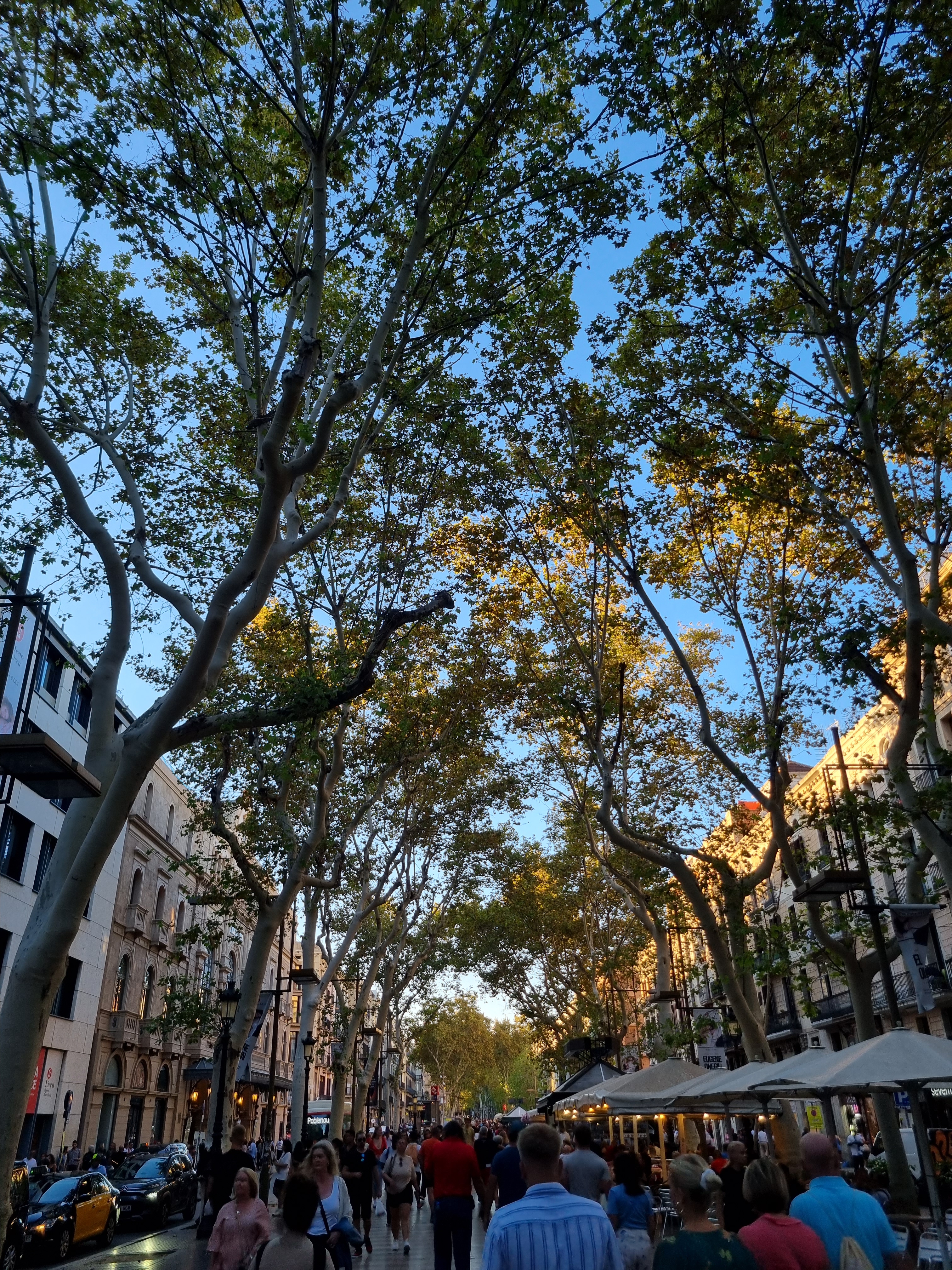

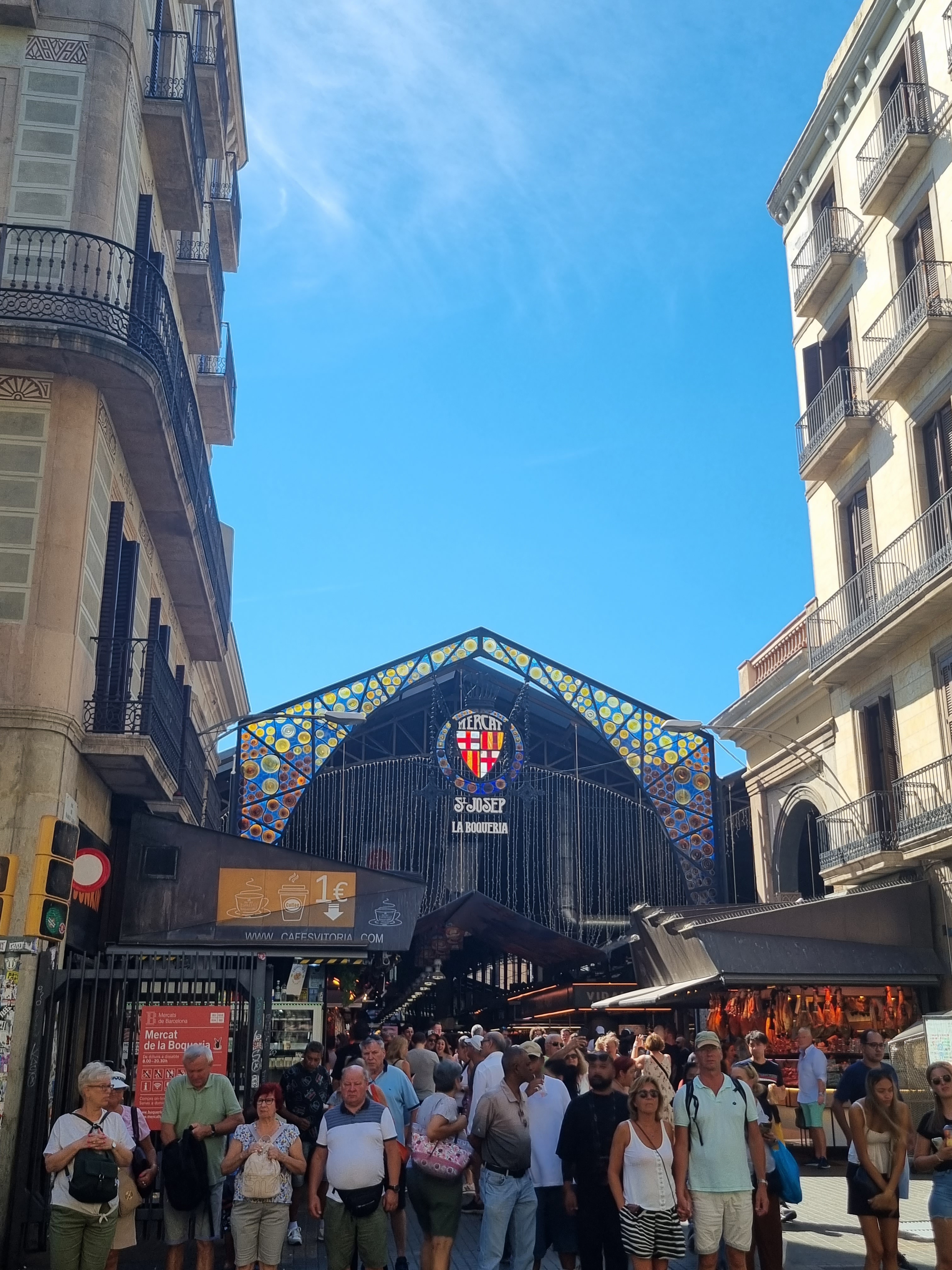
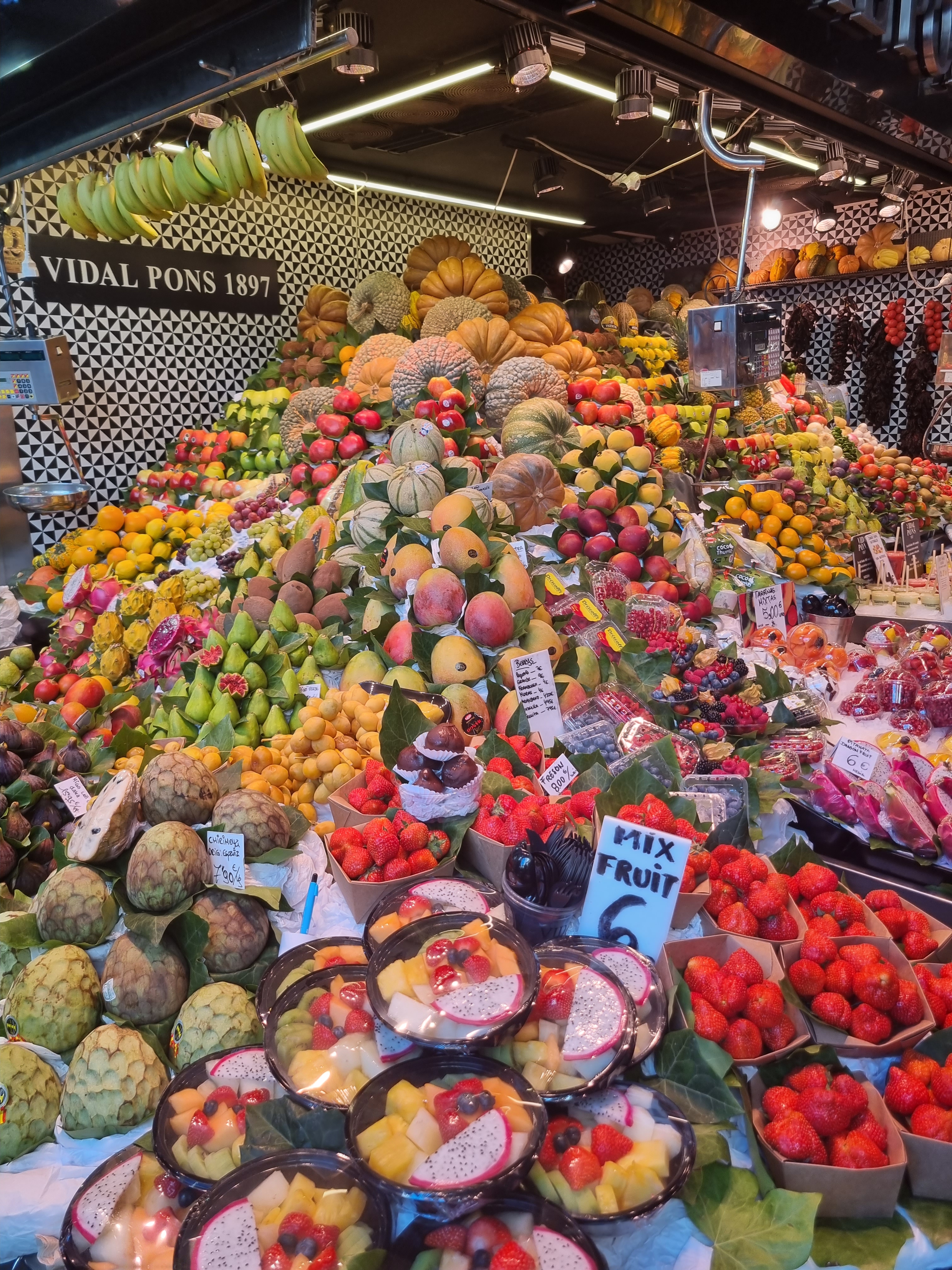
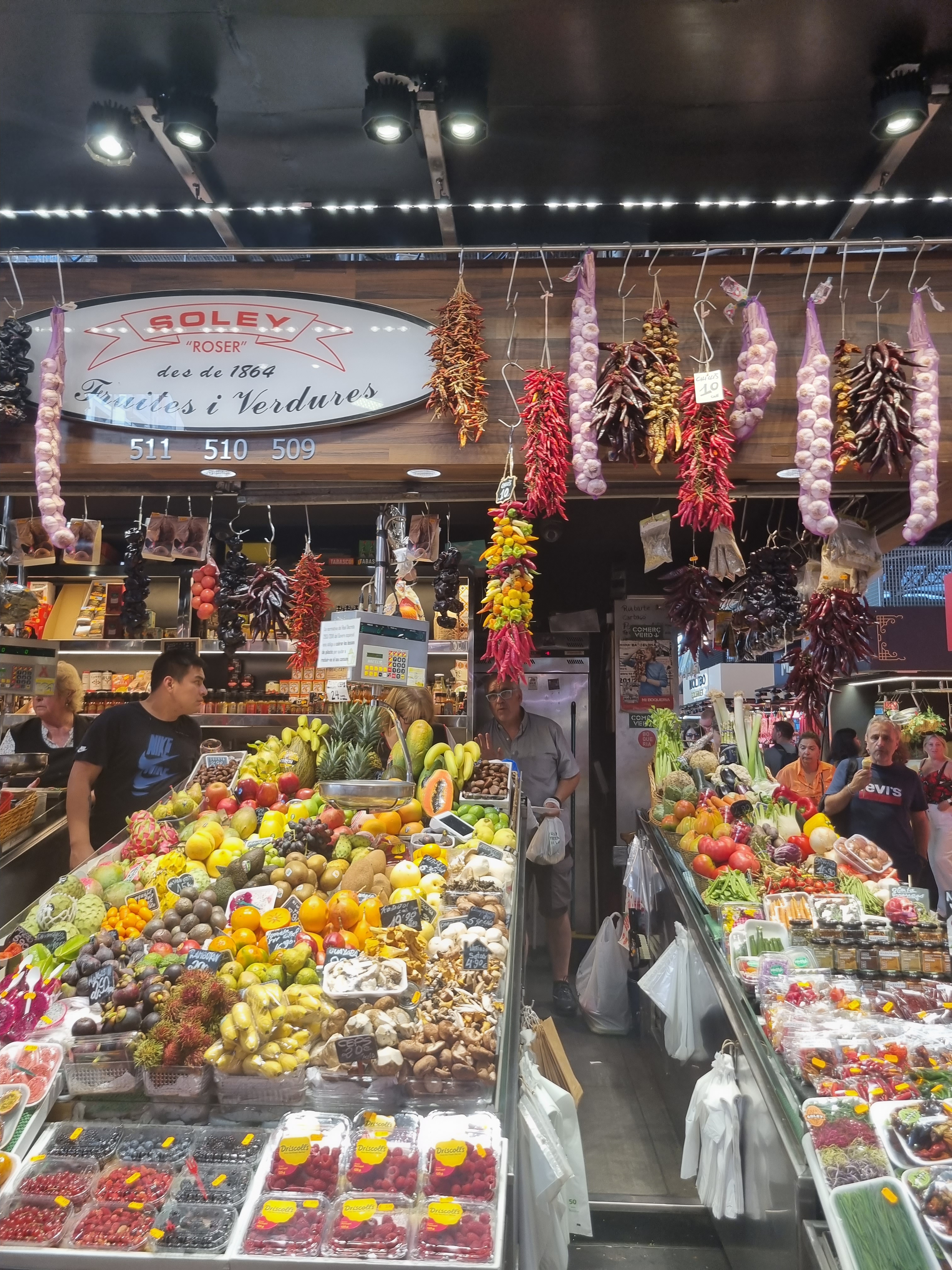
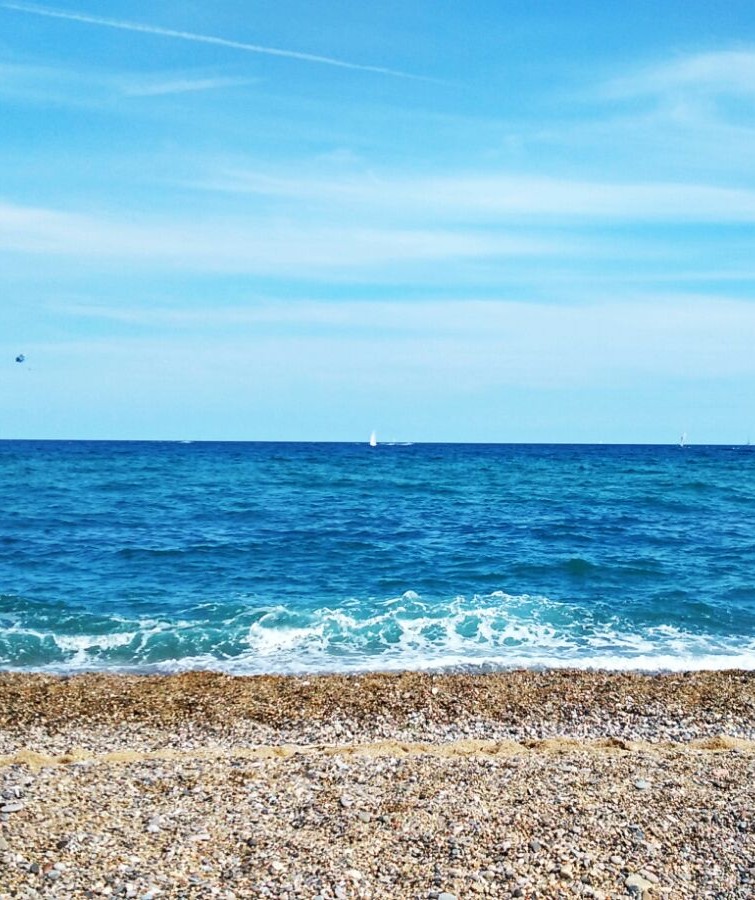
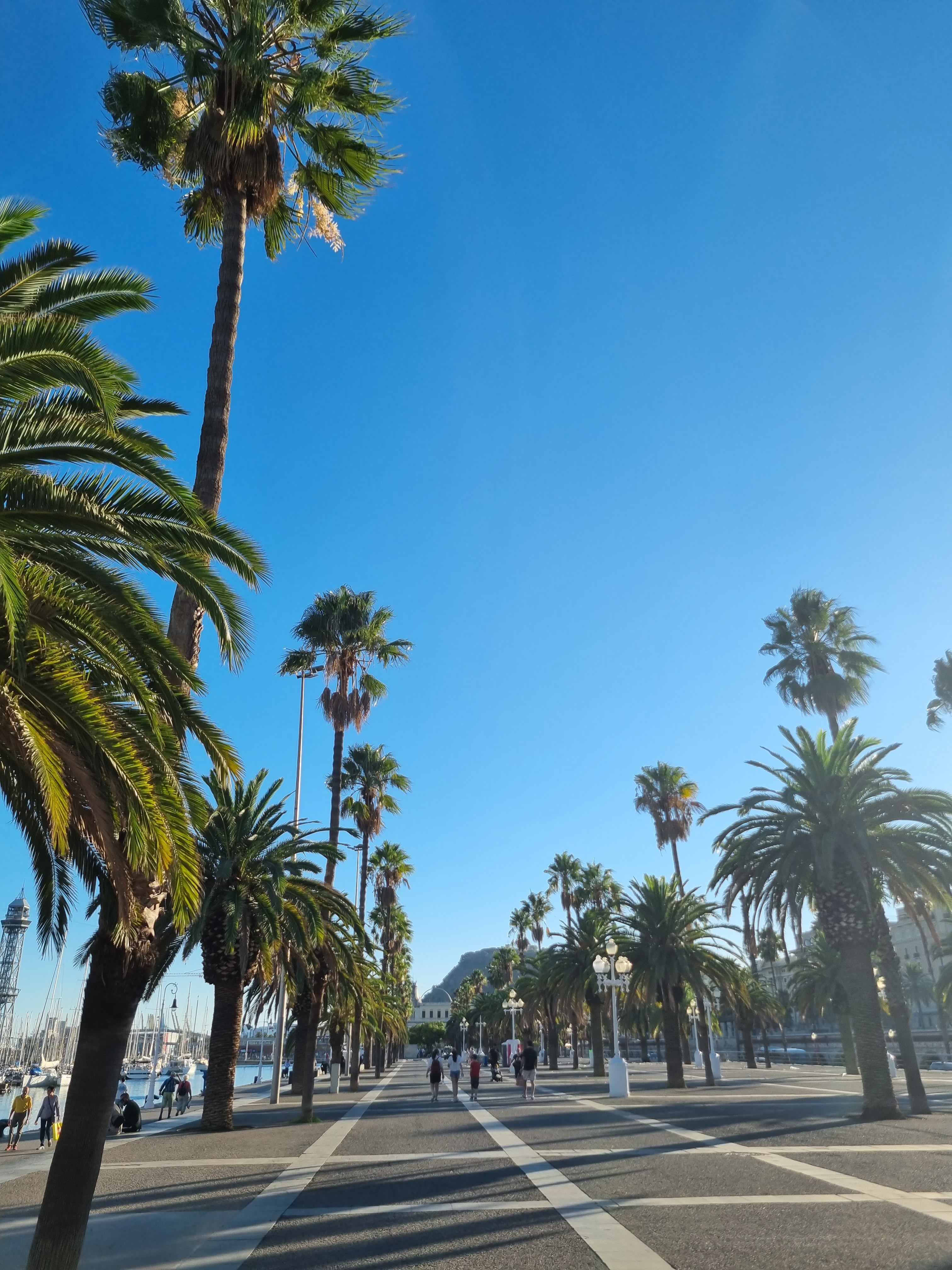
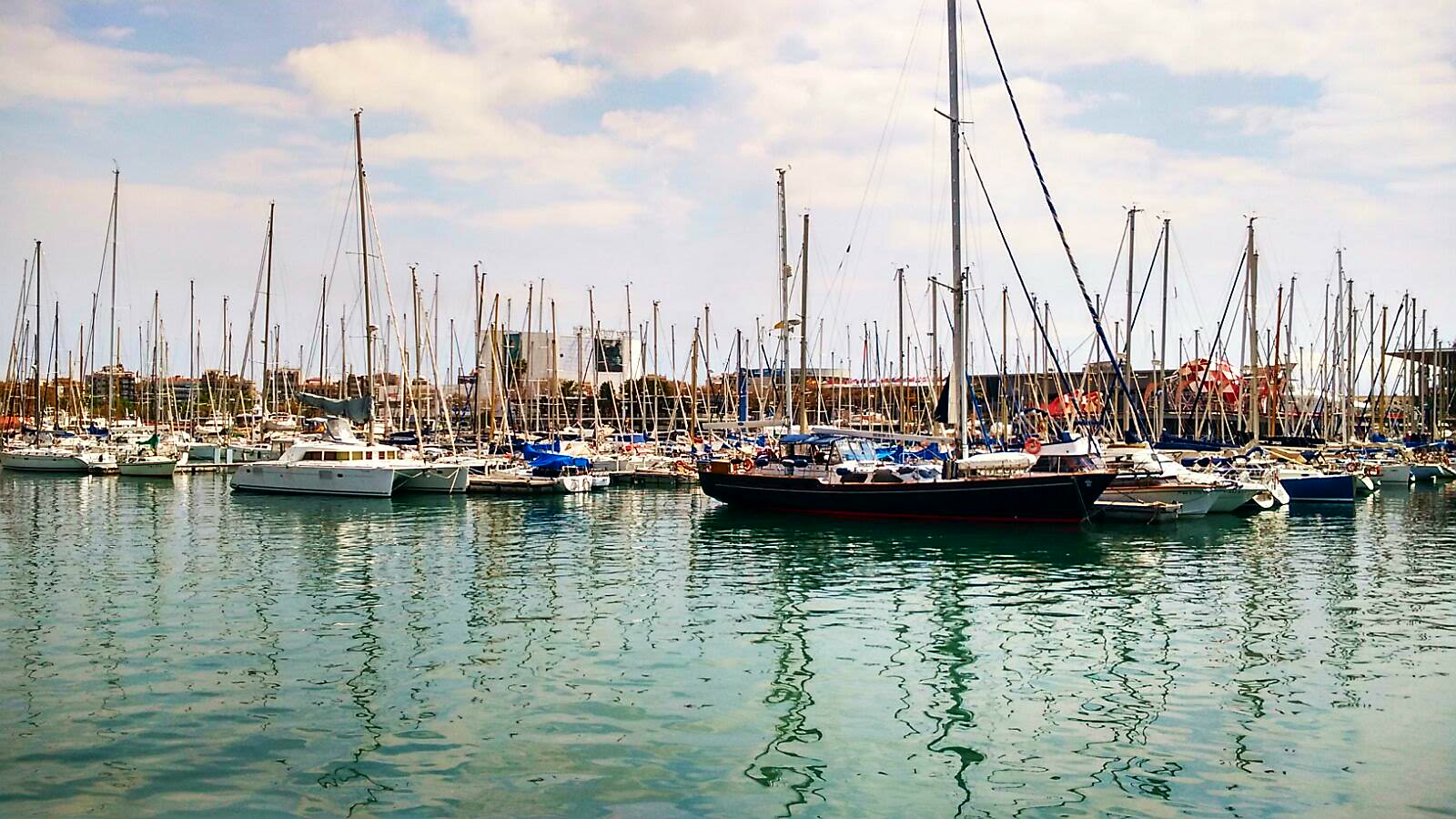
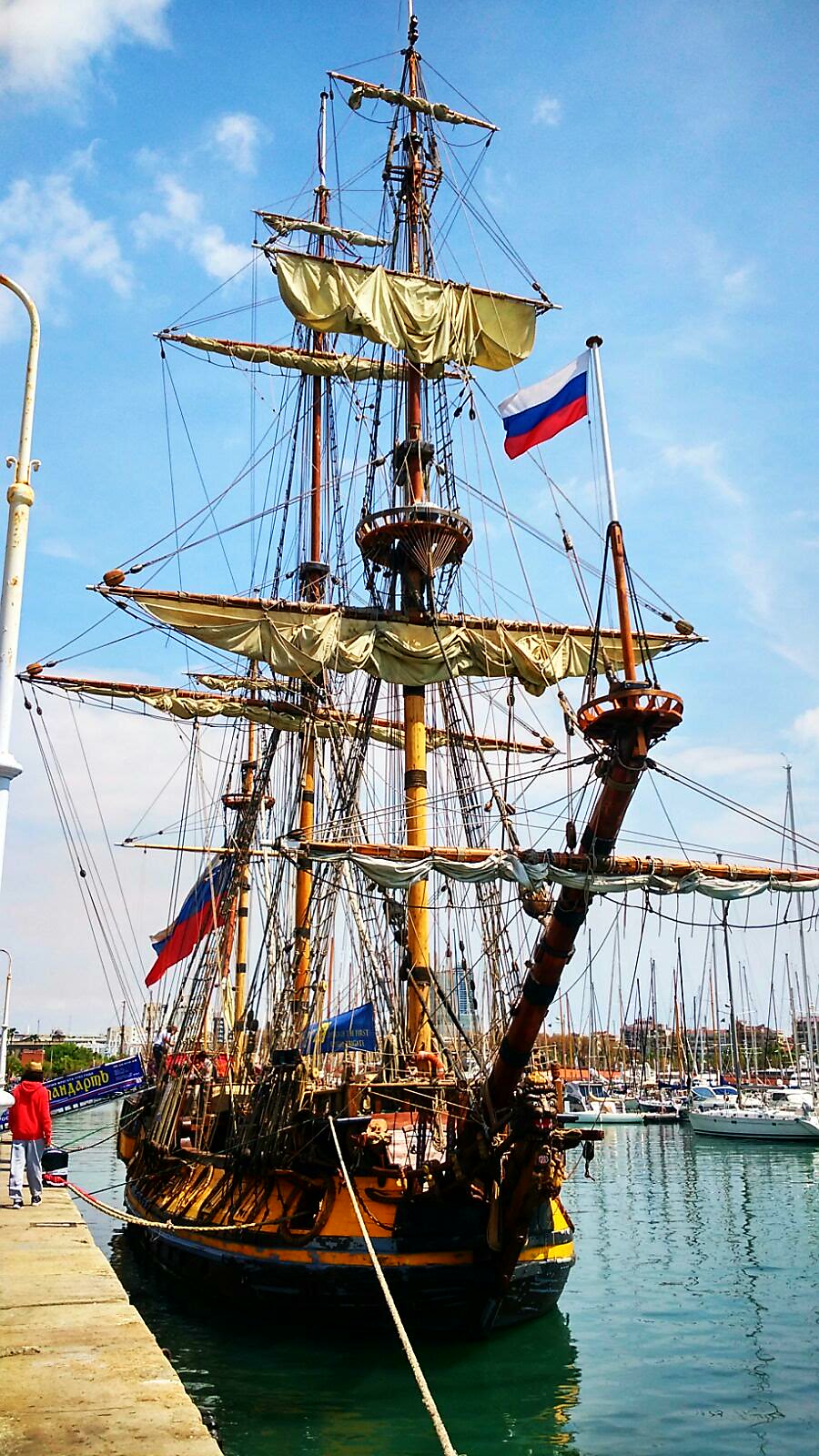
At the end of La Rambla, near the harbor, you’ll find a monument of Christopher Columbus. This statue stands on a 60-meter-tall column, pointing toward the water. From here, it’s just a short walk to the old harbor. Here you can stroll along the wide promenade which is lined with palm trees and enjoy the view of the harbor. This is definitely a nice spot when the sun is about to set.

Day 2
On our second day, we visited Barcelona’s two most famous landmarks — both of which you should book online tickets for several days or even weeks in advance. Since neither of them is located in the old town, you’ll need to prepare for a longer walk or simply take the metro or bus.
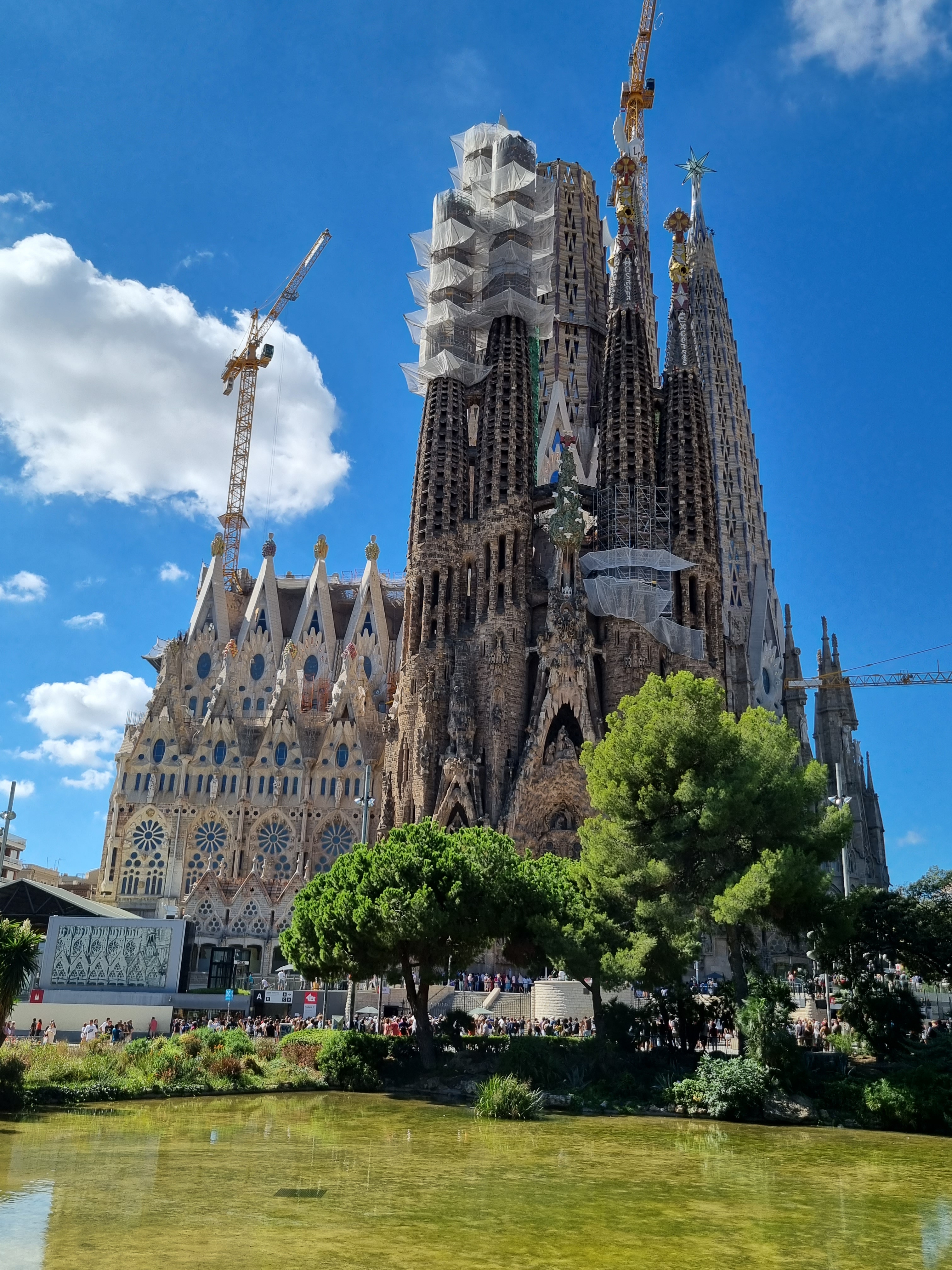
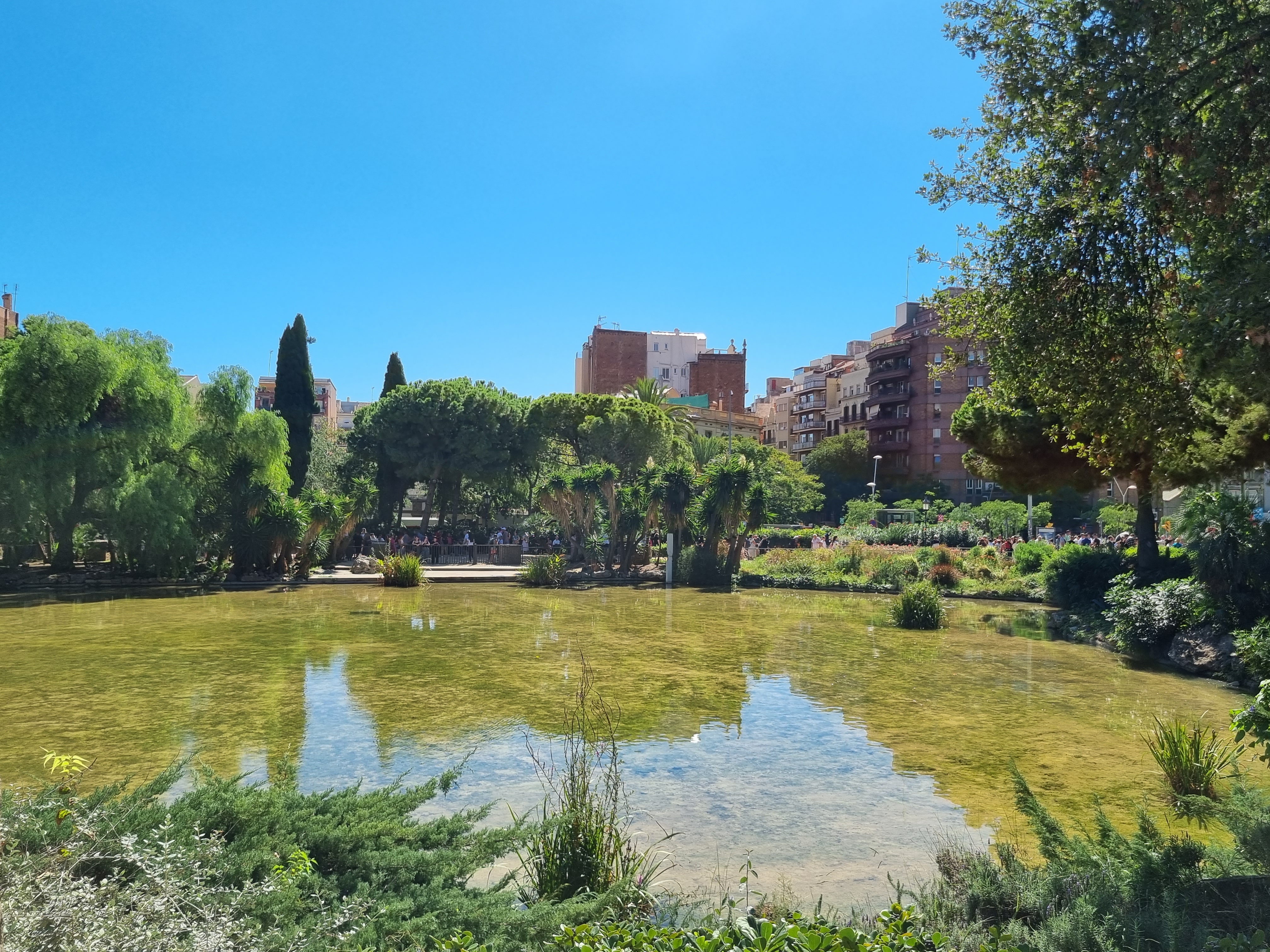
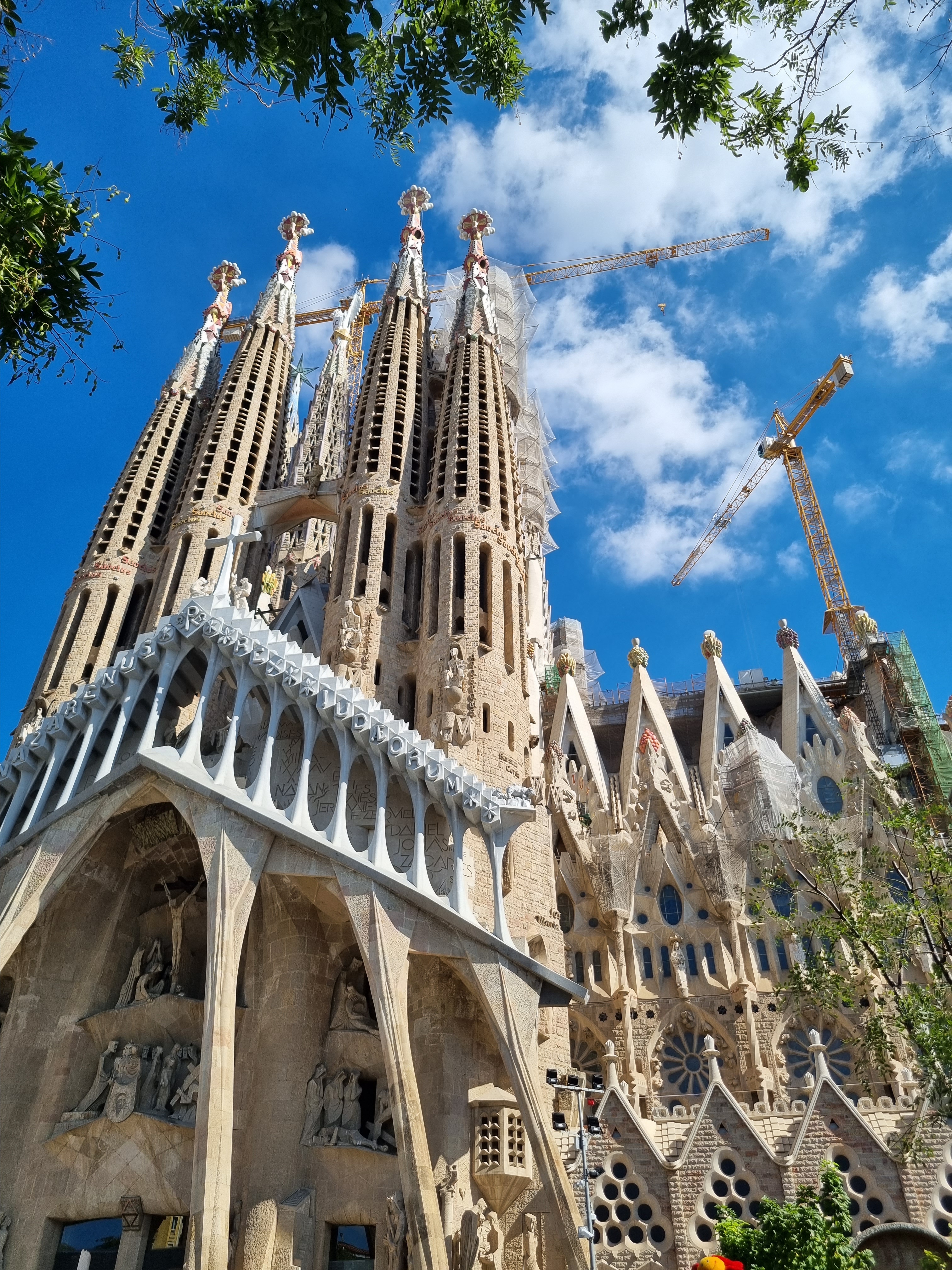
Our first stop was Gaudí’s Sagrada Família, probably the most extraordinary landmark in the city. Step inside, and you’ll be amazed by the vibrant colors and ethereal light filtering through the stained-glass windows. It’s unlike any other church you’ve ever seen — a true one-of-a-kind masterpiece. Even if you’re not particularly interested in churches or architecture, the sheer beauty and scale of the Sagrada Família are sure to impress.
Despite construction starting in 1882, the Sagrada Família remains unfinished to this day. Antonio Gaudí dedicated the last years of his life entirely to the project, but at the time of his death in 1926, less than a quarter of the basilica was completed. Today, work continues using modern technology, and the goal was to complete it by 2026, marking 100 years since Gaudí’s death. However, delays mean it’s still uncertain if this deadline will be met.
Visitor information: Tickets for the Sagrada Família are available with or without access to the towers. General admission (without tower access) costs €26, while a ticket including tower access is €36. For more details, visit the offical website (unpaid ad).
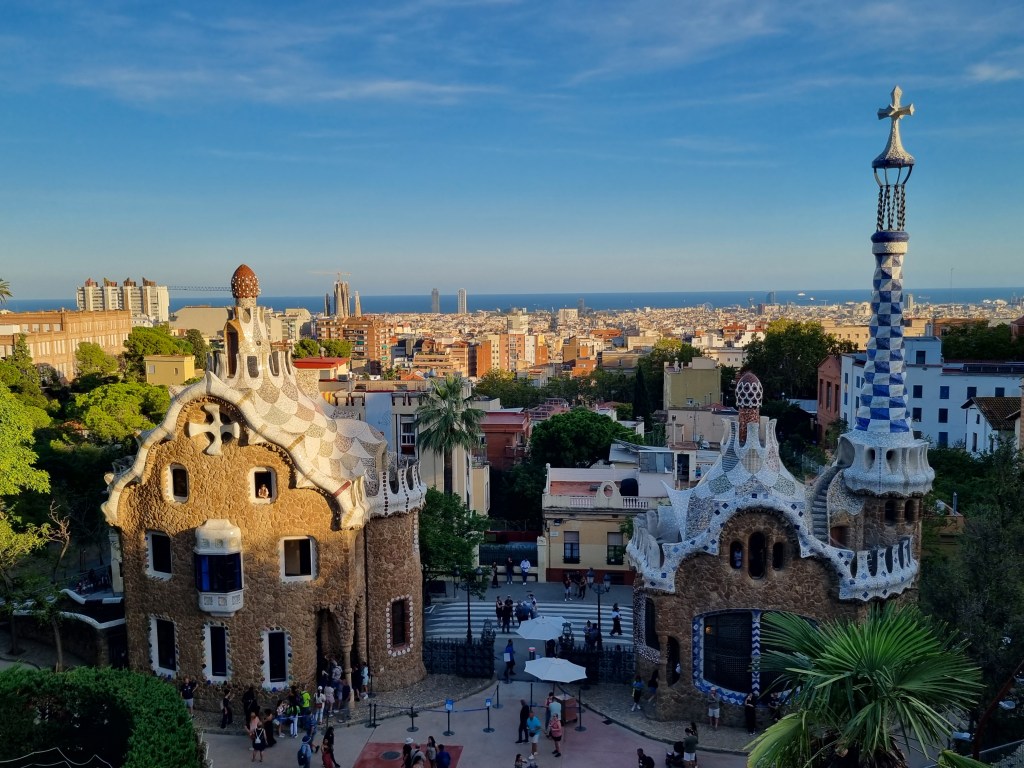
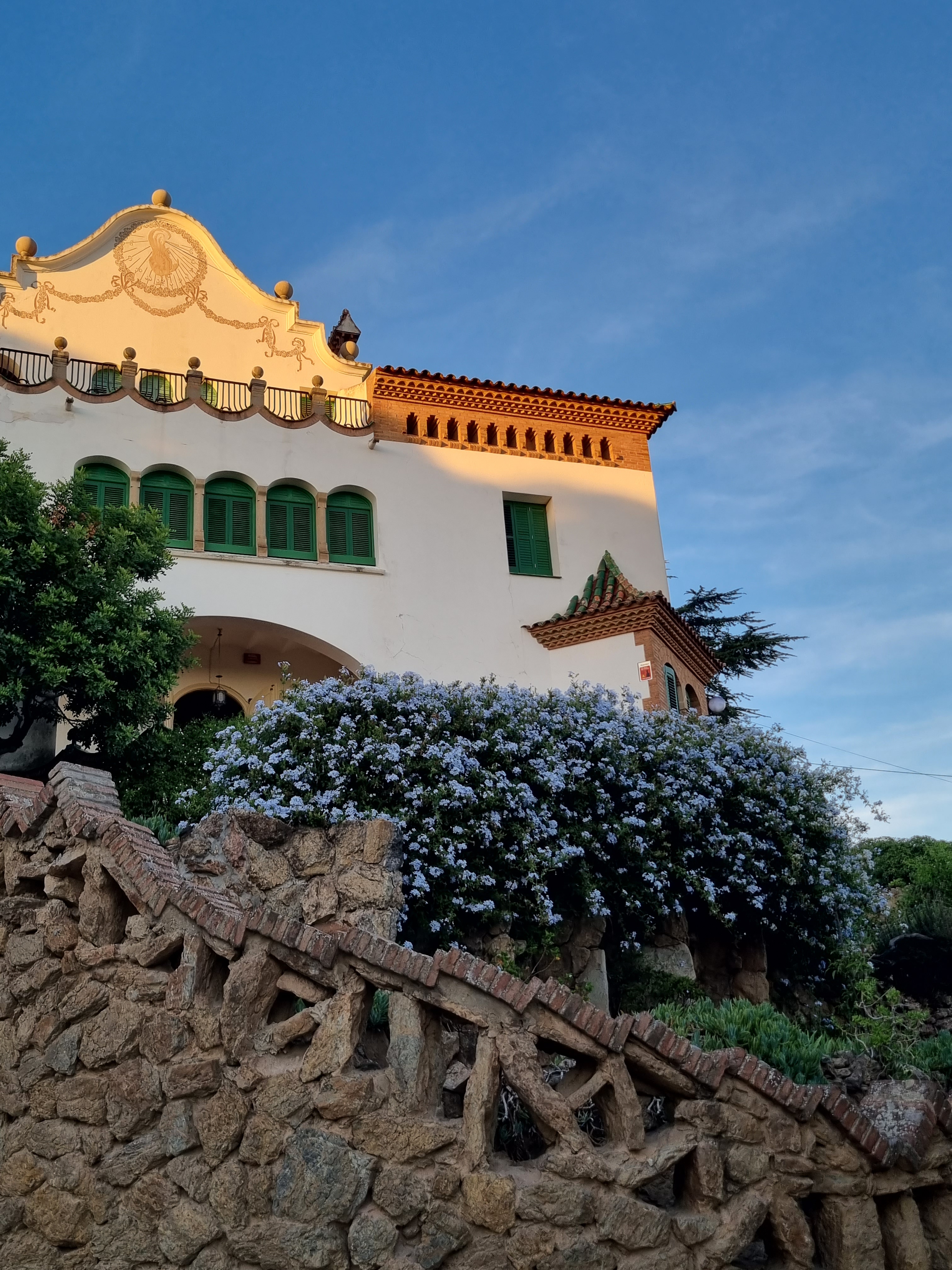
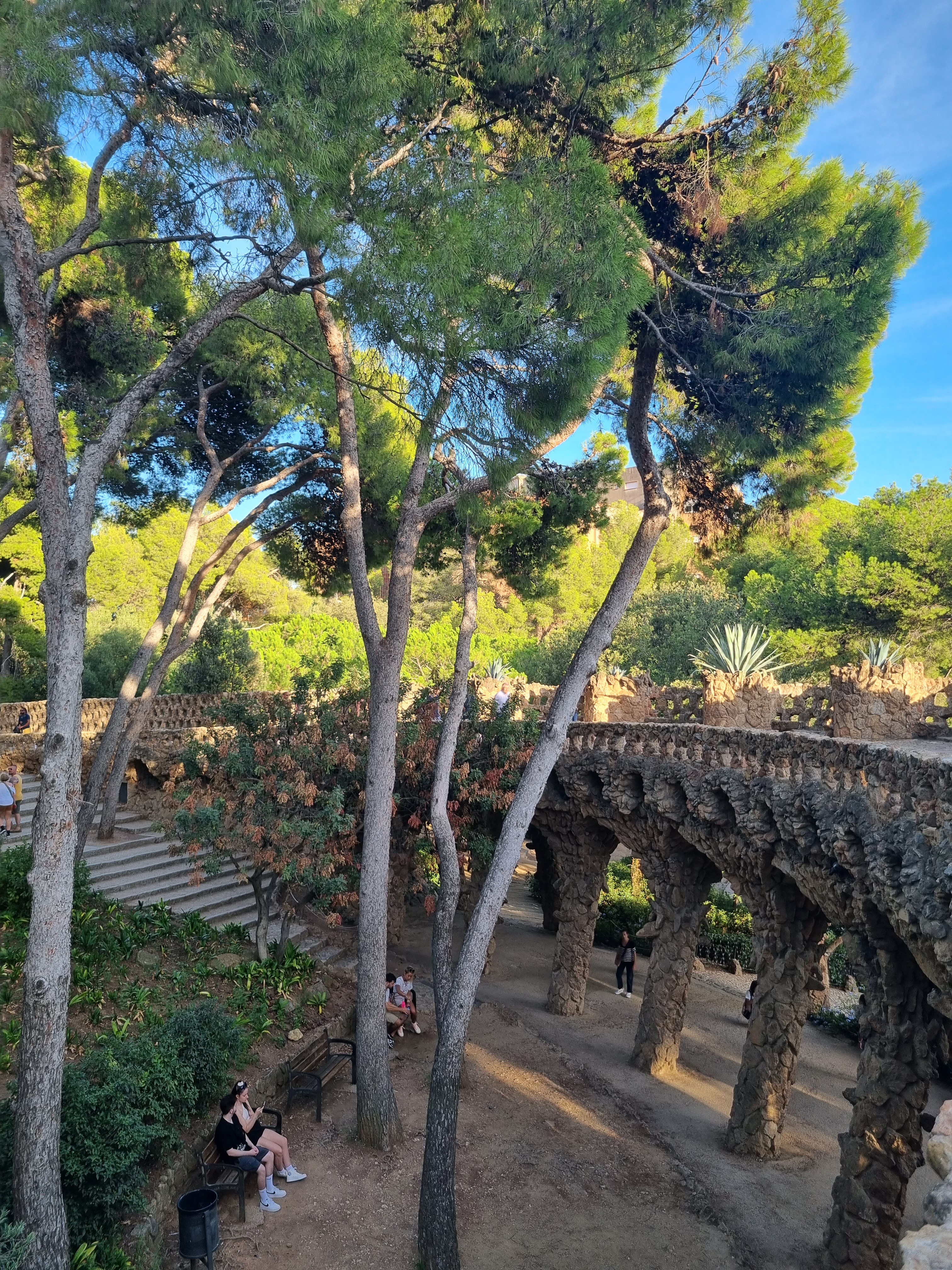
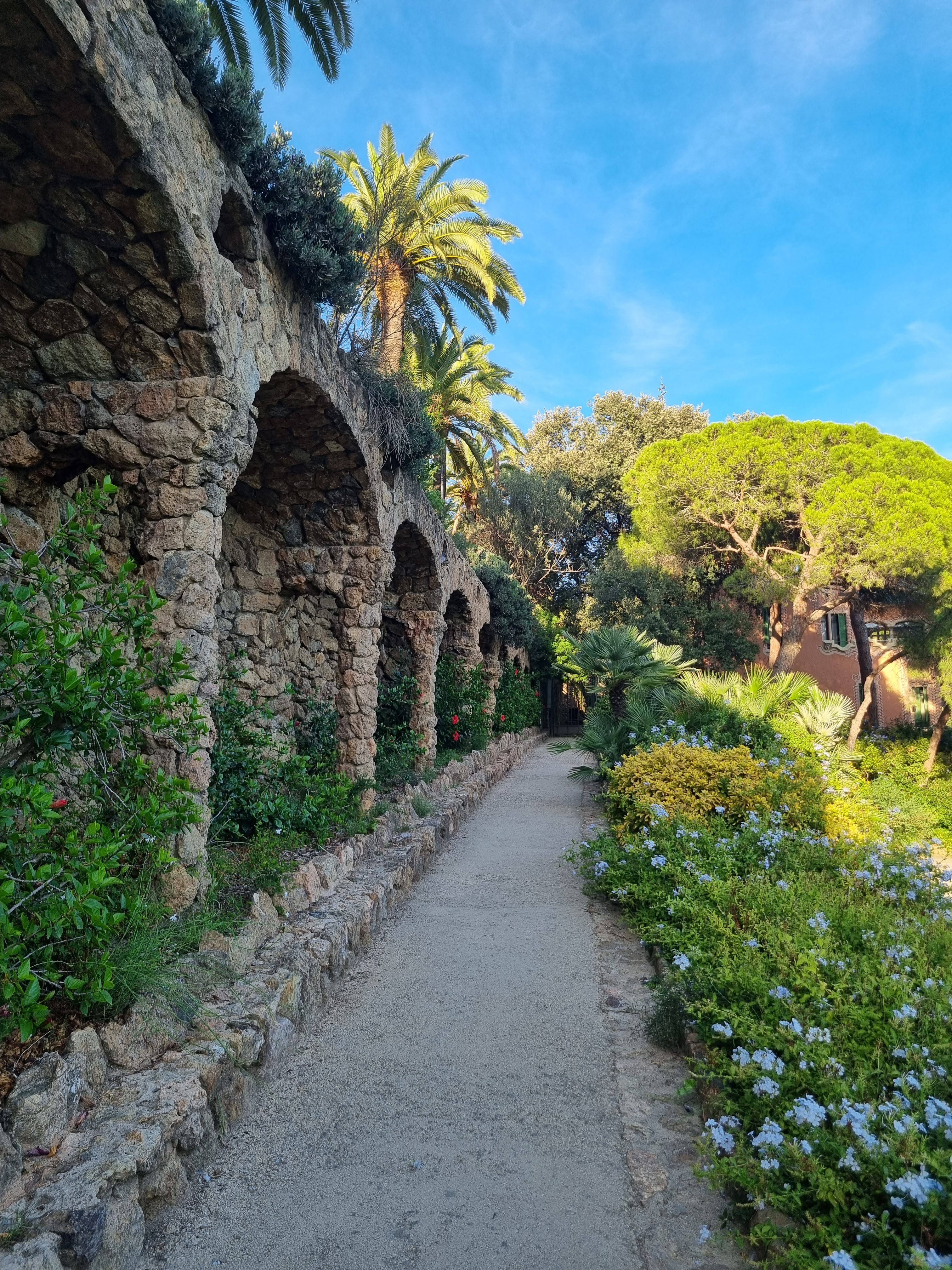
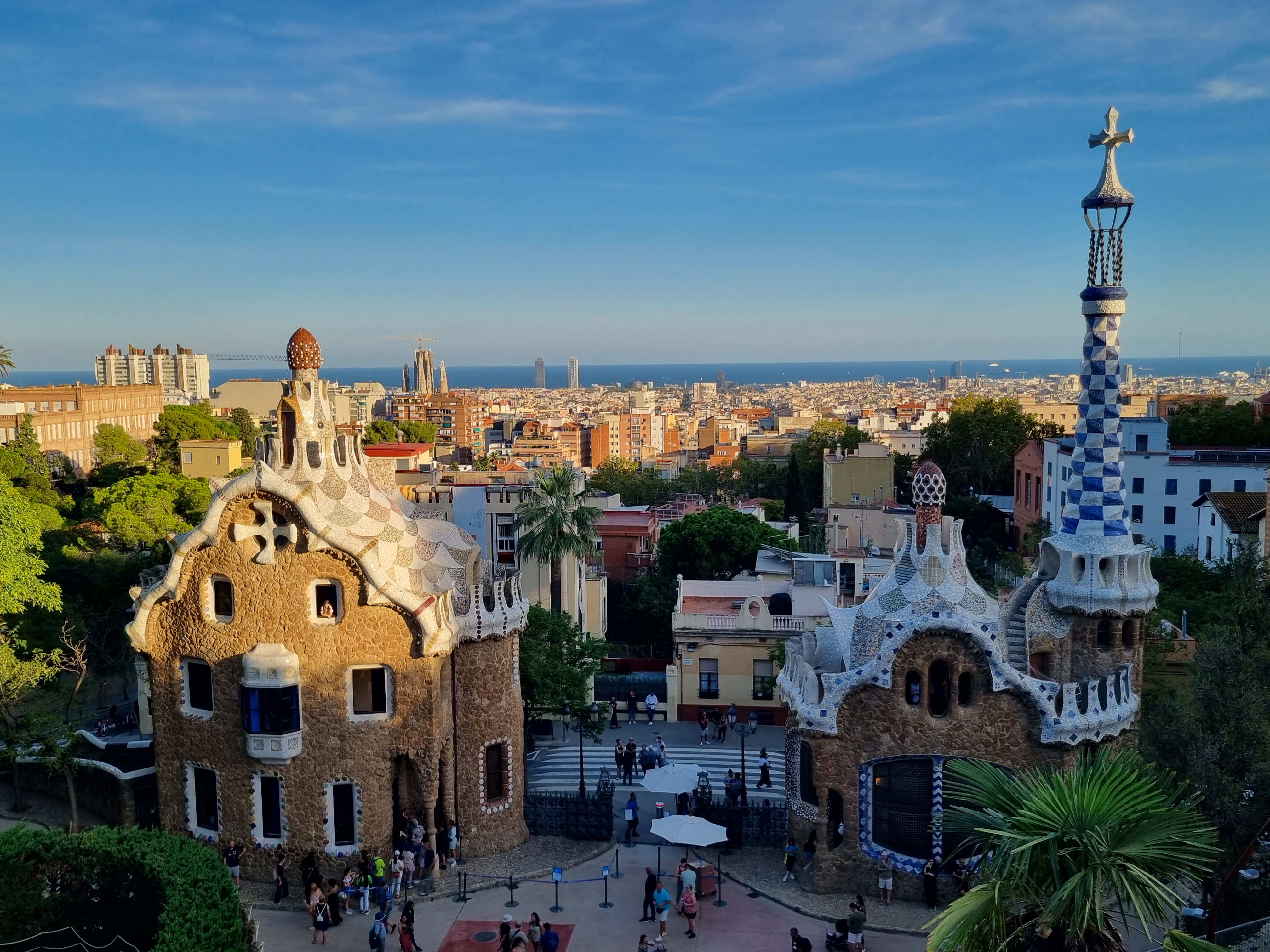
After visiting the Sagrada Família, we headed to Park Güell, which was undoubtedly my personal highlight in Barcelona. If you’re planning a visit, make sure to set aside a few hours, as the park is massive and located on the outskirts of the city center. Since it’s situated on a hill, getting there can be quite a trek. I recommend taking the bus to avoid the long and steep walk from the city center.
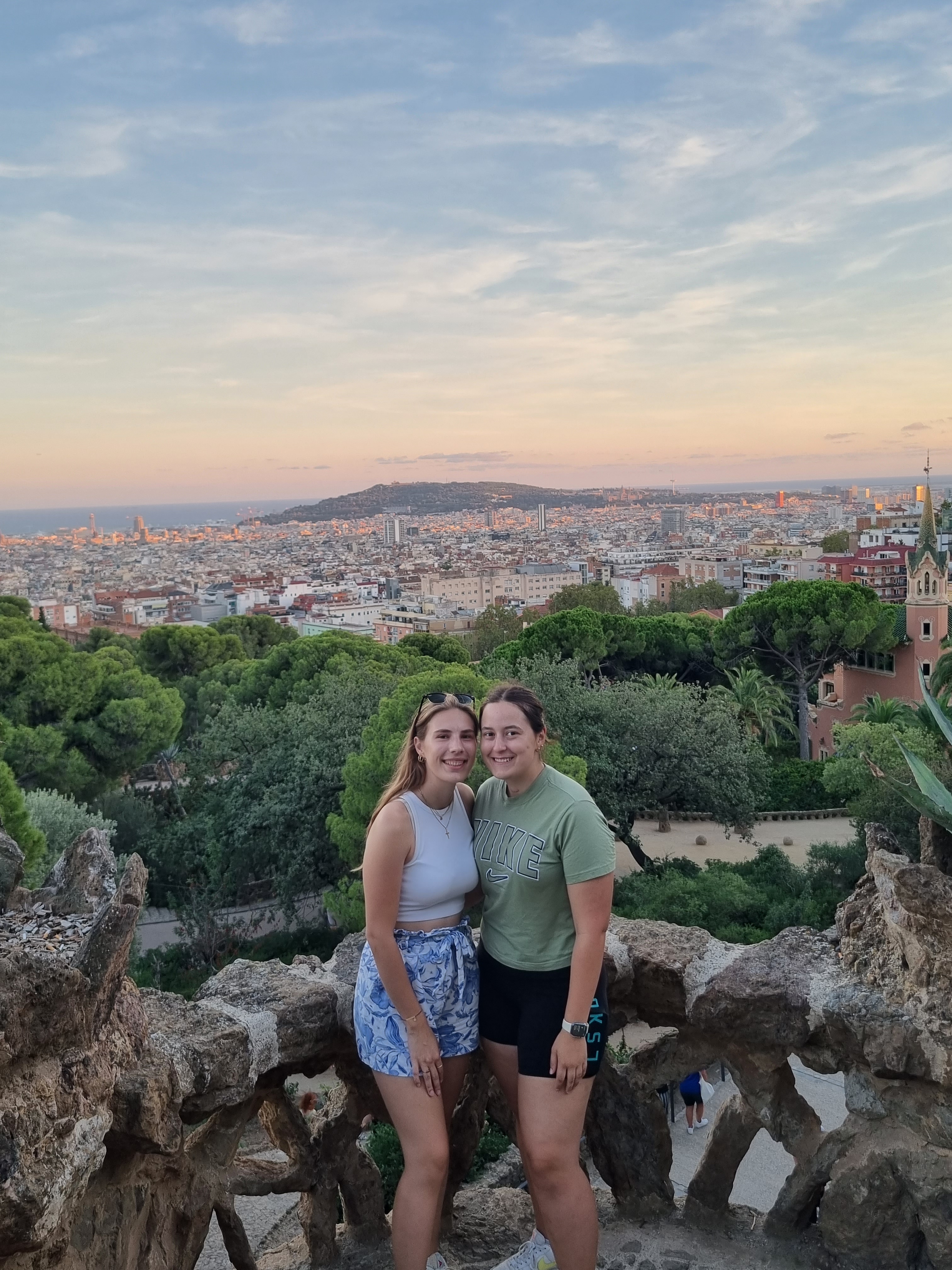
The park is divided into a free area and the monumental zone, which requires a ticket. While the free section offers a peaceful escape, most visitors come for the monumental zone, where you’ll find some of Gaudí’s most famous creations, including the mosaic salamander and the serpentine bench, from which you get an incredible view of the city.
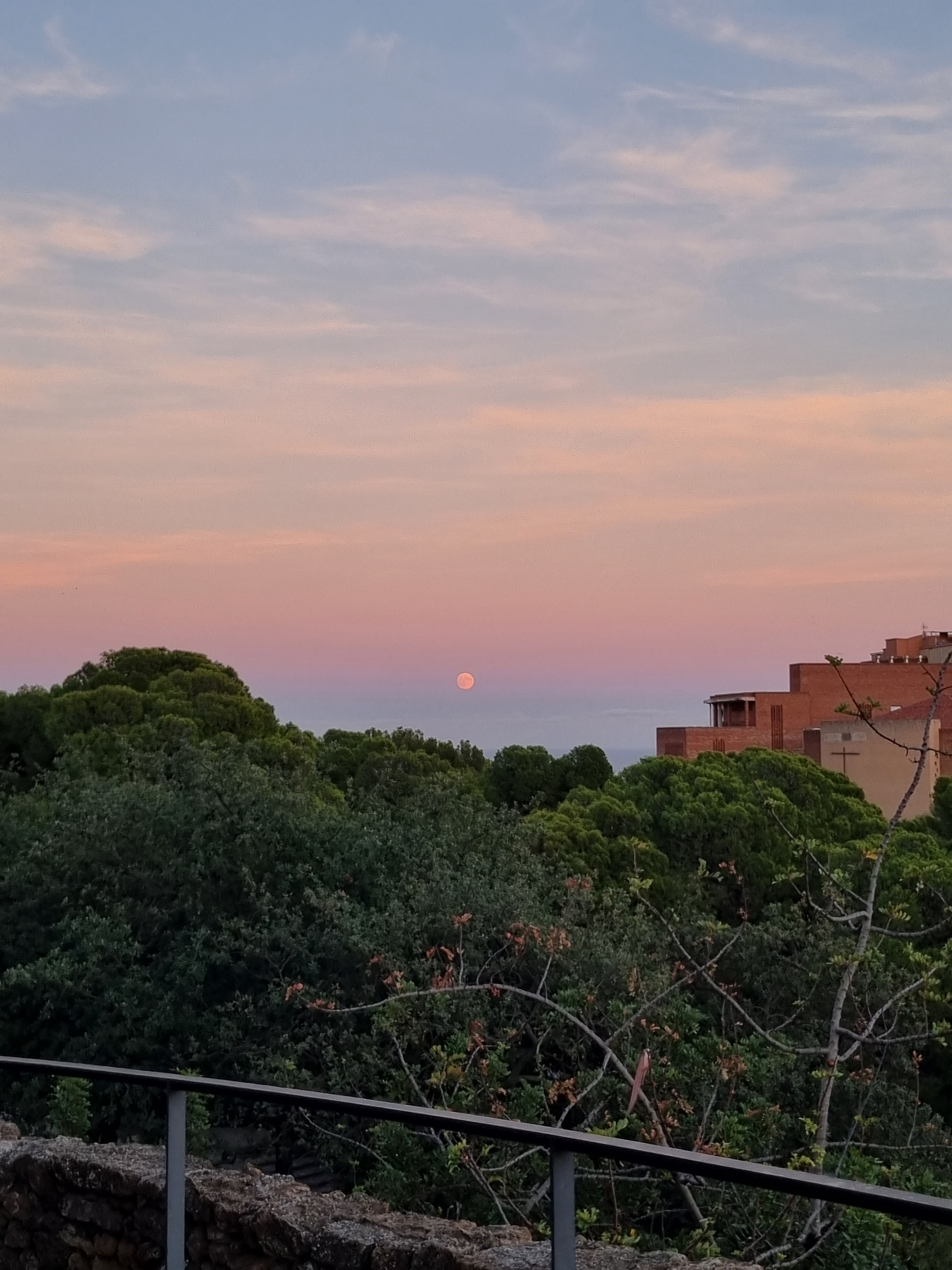
Stepping into Park Güell feels like entering a fairytale world, with lush greenery and Gaudí’s whimsical, colorful designs blending seamlessly into nature. The park is full of intricate details, from mosaic-covered sculptures to winding paths and hidden corners. One of the highlights is the breathtaking panoramic views over the city, which are especially magical at sunset.
Visitor information: General tickets to the monumental zone cost €18, while seniors (65+) and children aged 7-12 pay €13.50. Children under 7 can enter for free. Since Park Güell is one of the most visited sights in Barcelona, booking your ticket online in advance is highly recommended. For more details and up-to-date prices, check out the official website (unpaid ad).
Day 3
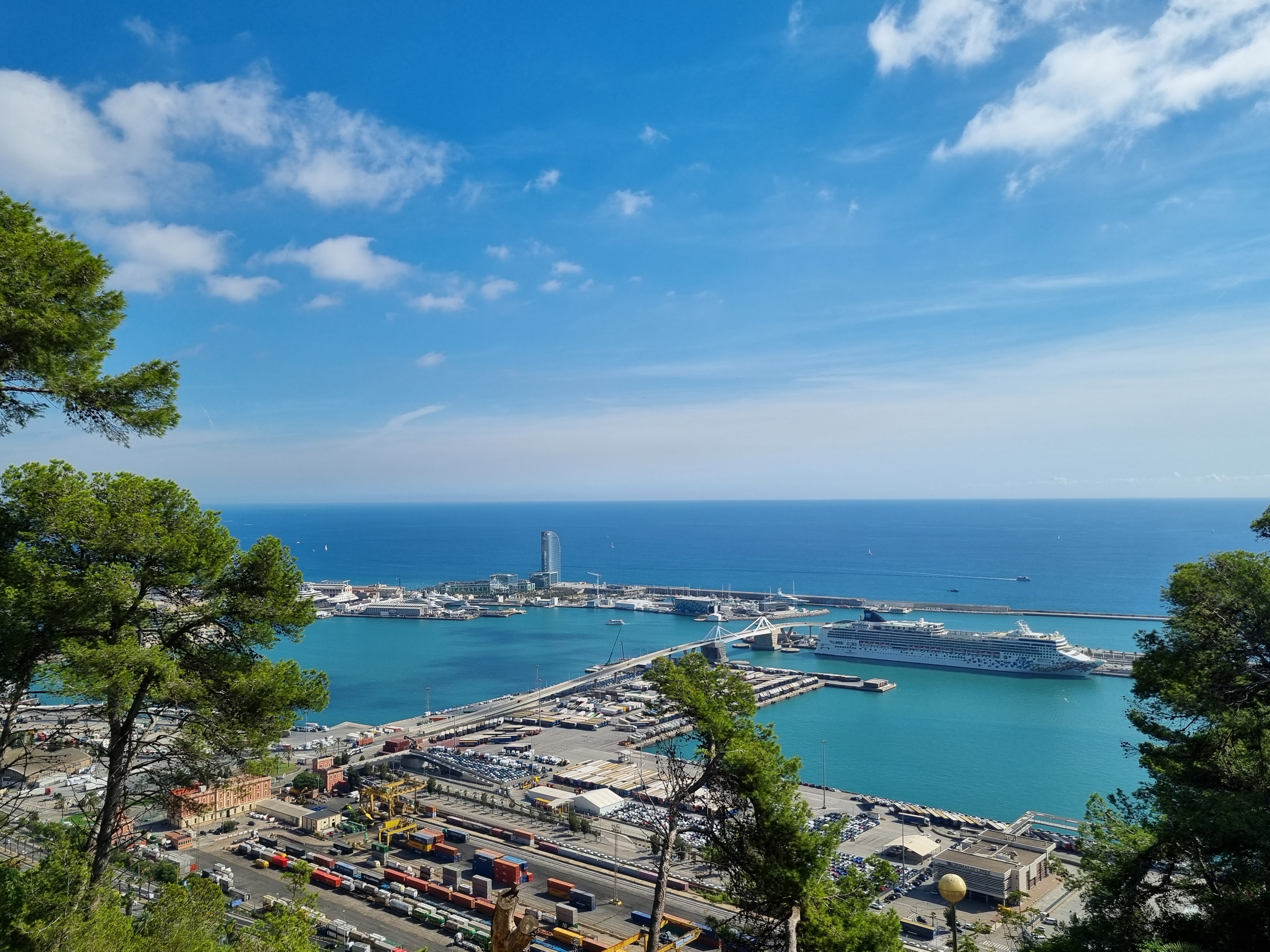
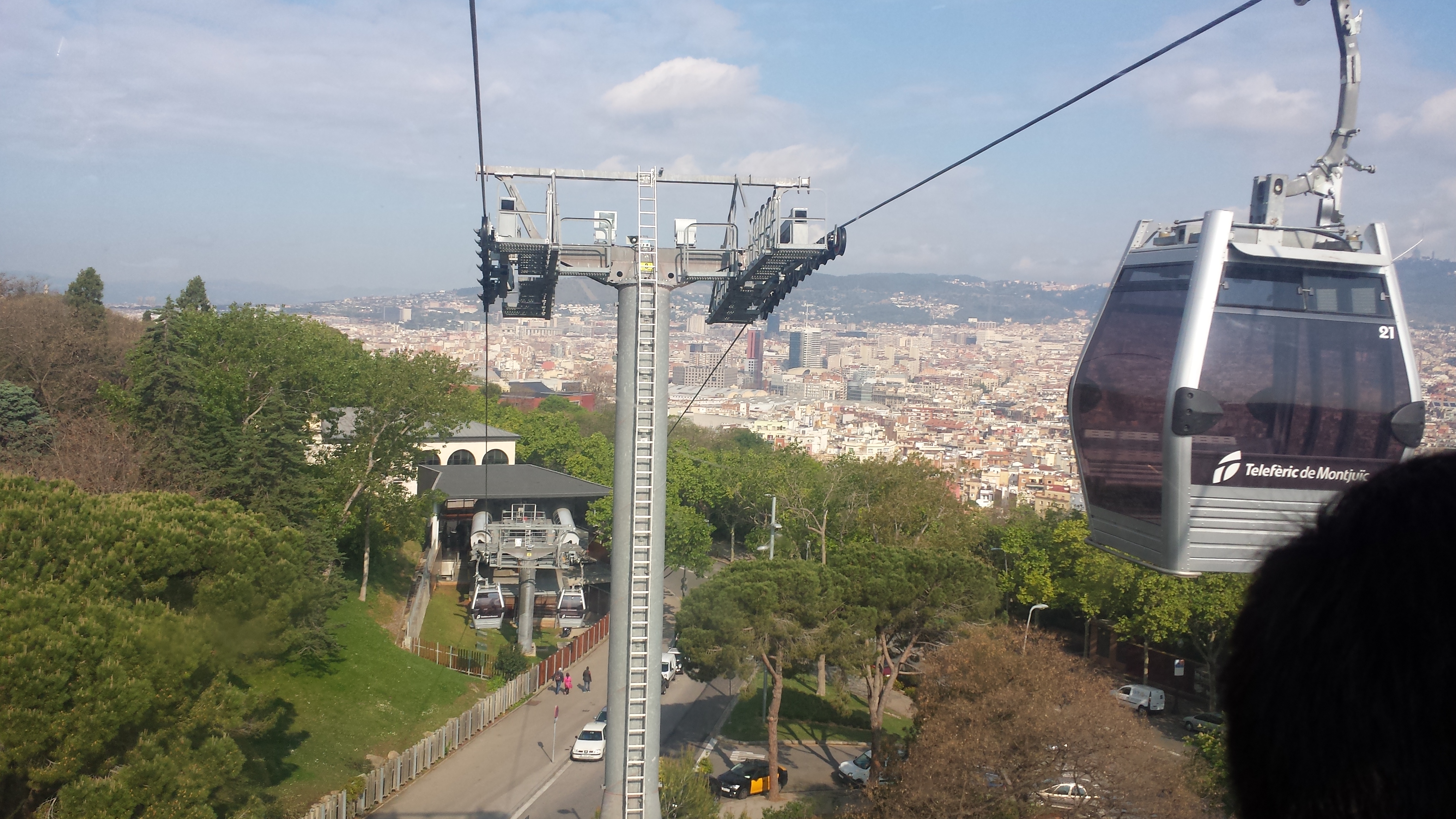
On our third day, we decided to head up to Montjuïc using the cable car. This stunning hill rises nearly 170 meters and can be reached by foot or cable car. From the cable car, you get breathtaking views of the harbor below.
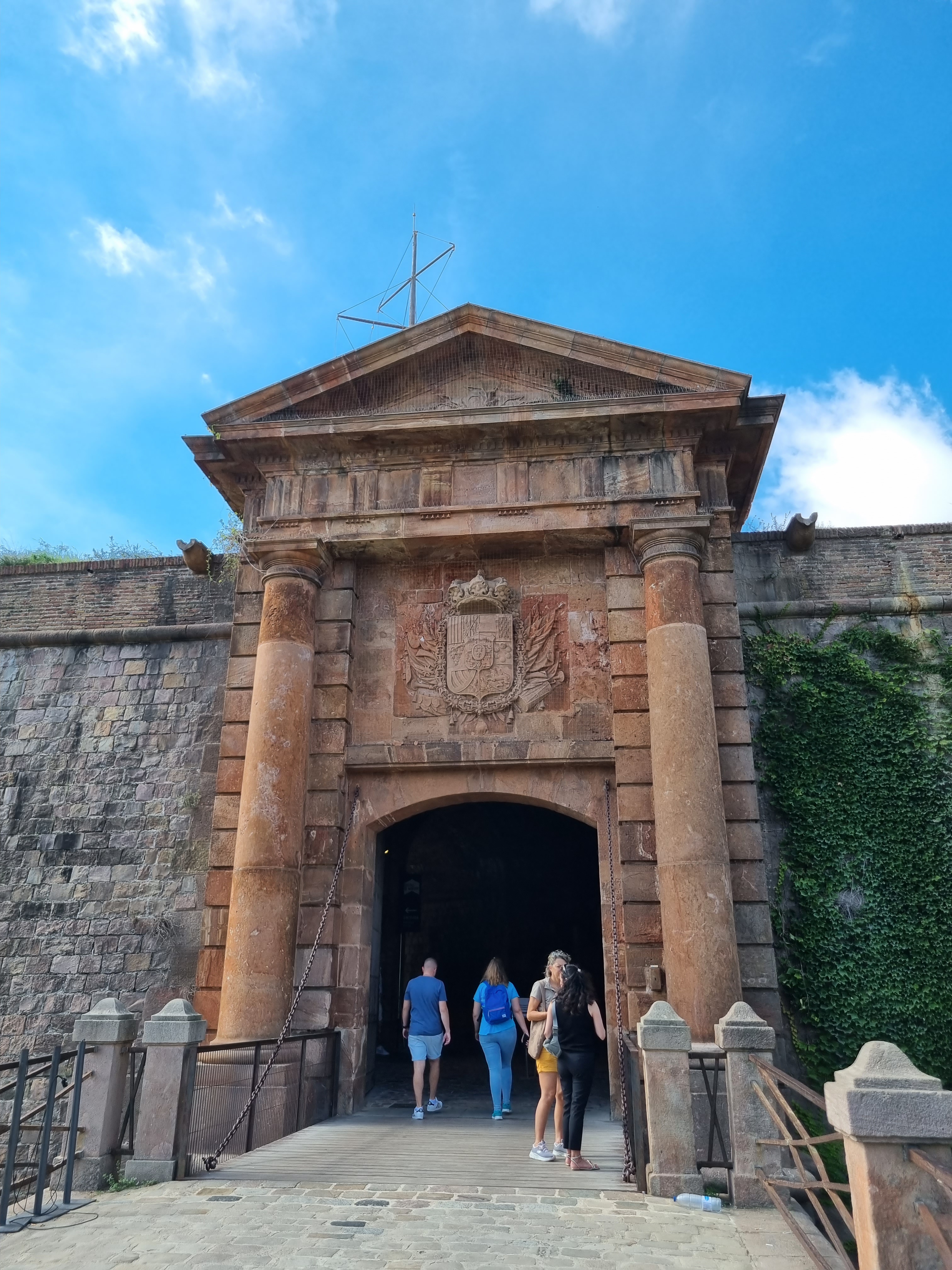
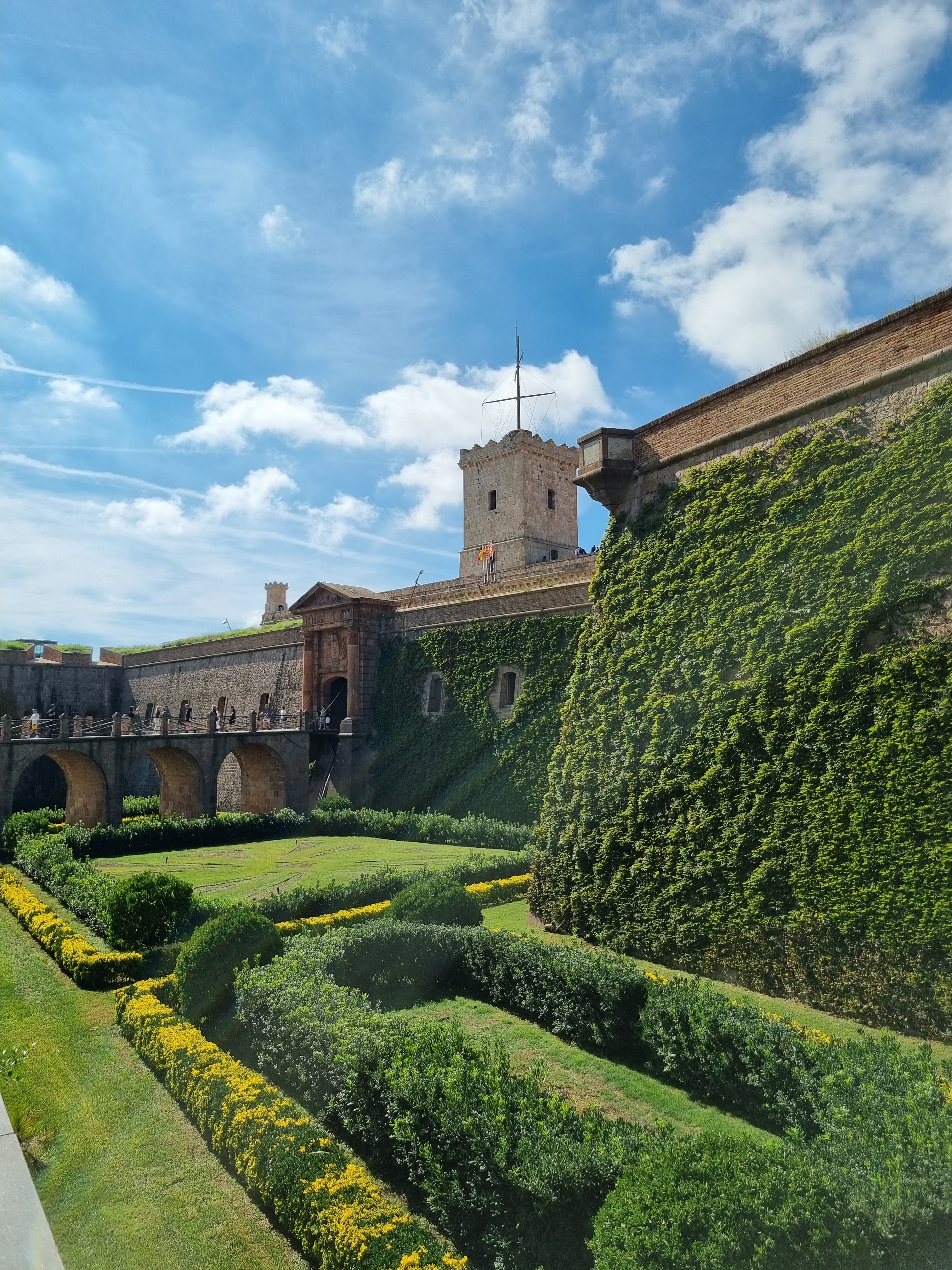
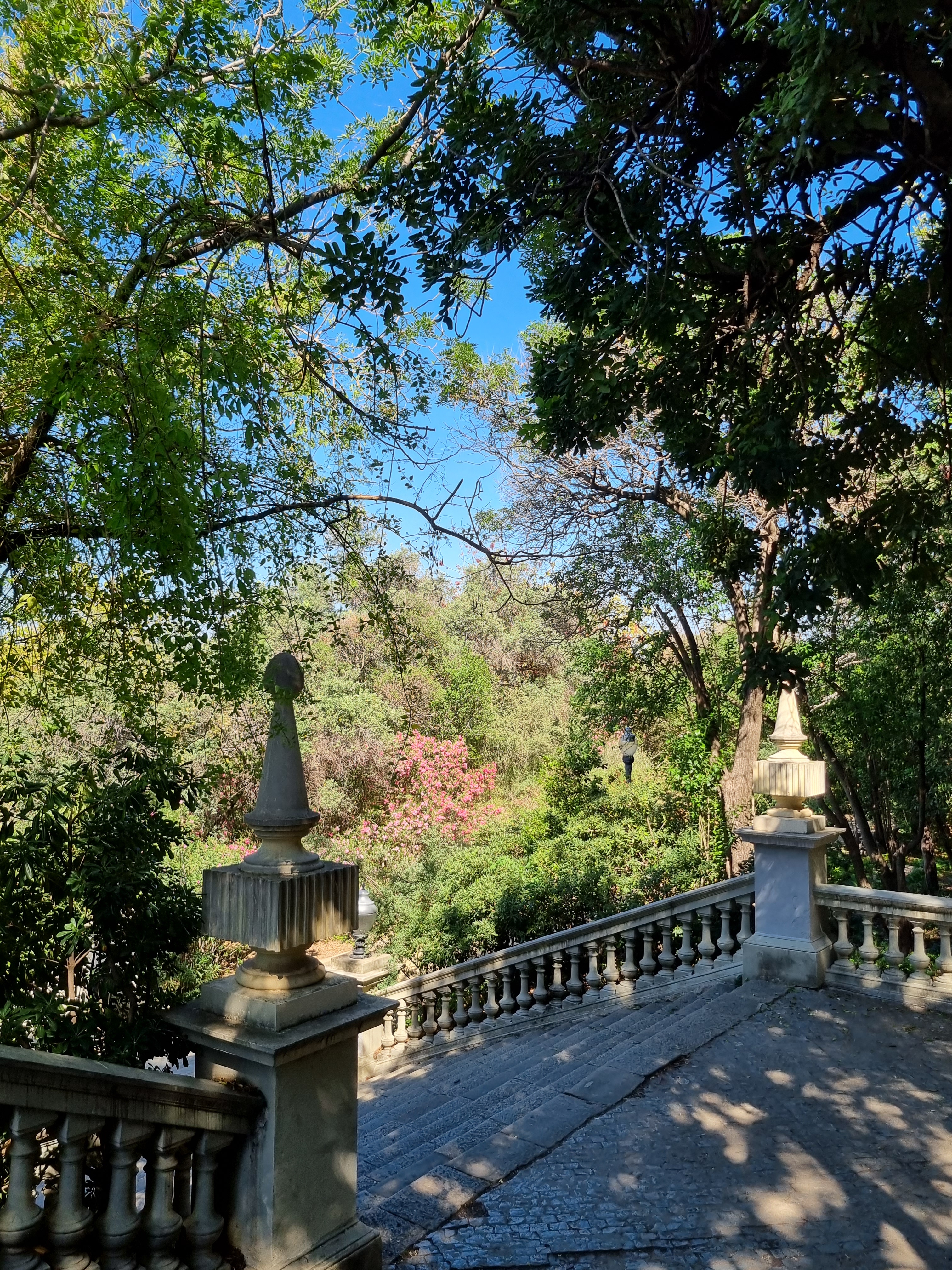
Once we reached the summit, we had the option to explore Montjuïc Castle or take a leisurely stroll through the beautiful park areas surrounding it. The castle offers a glimpse into the area’s history, while the parks provide a peaceful escape with lovely gardens and scenic paths.
Visitor Information: A general round-trip ticket for the cable car costs €17, while children over 4 years old pay €12. Kids under 4 years old can ride for free. For more changes and more information, click here (unpaid ad). For the castle you can either purchase tickets in person when you arrive or online here (unpaid ad). General admission for the castle cost €12, and tickets for children aged 8 to 12 are €8.
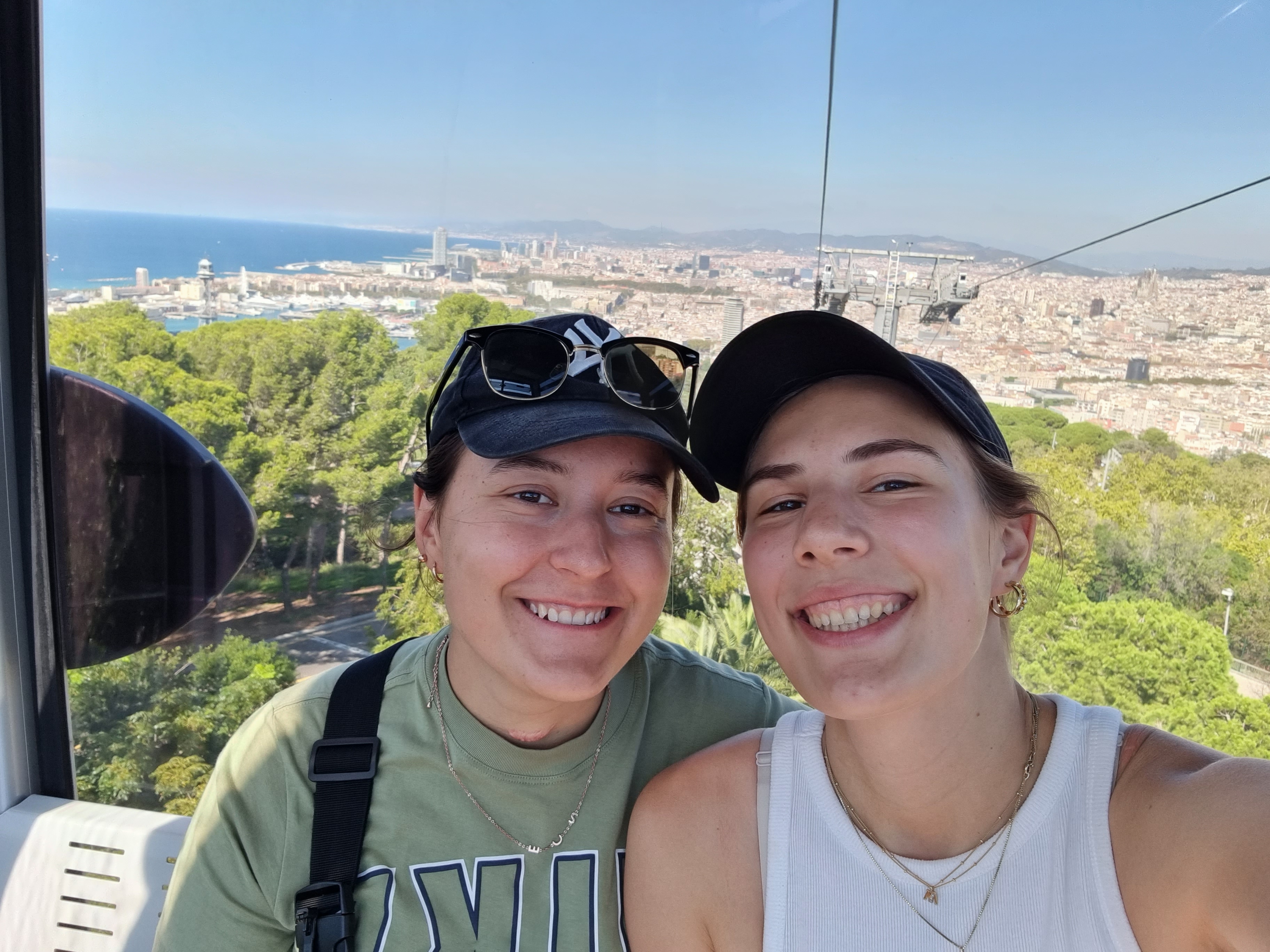
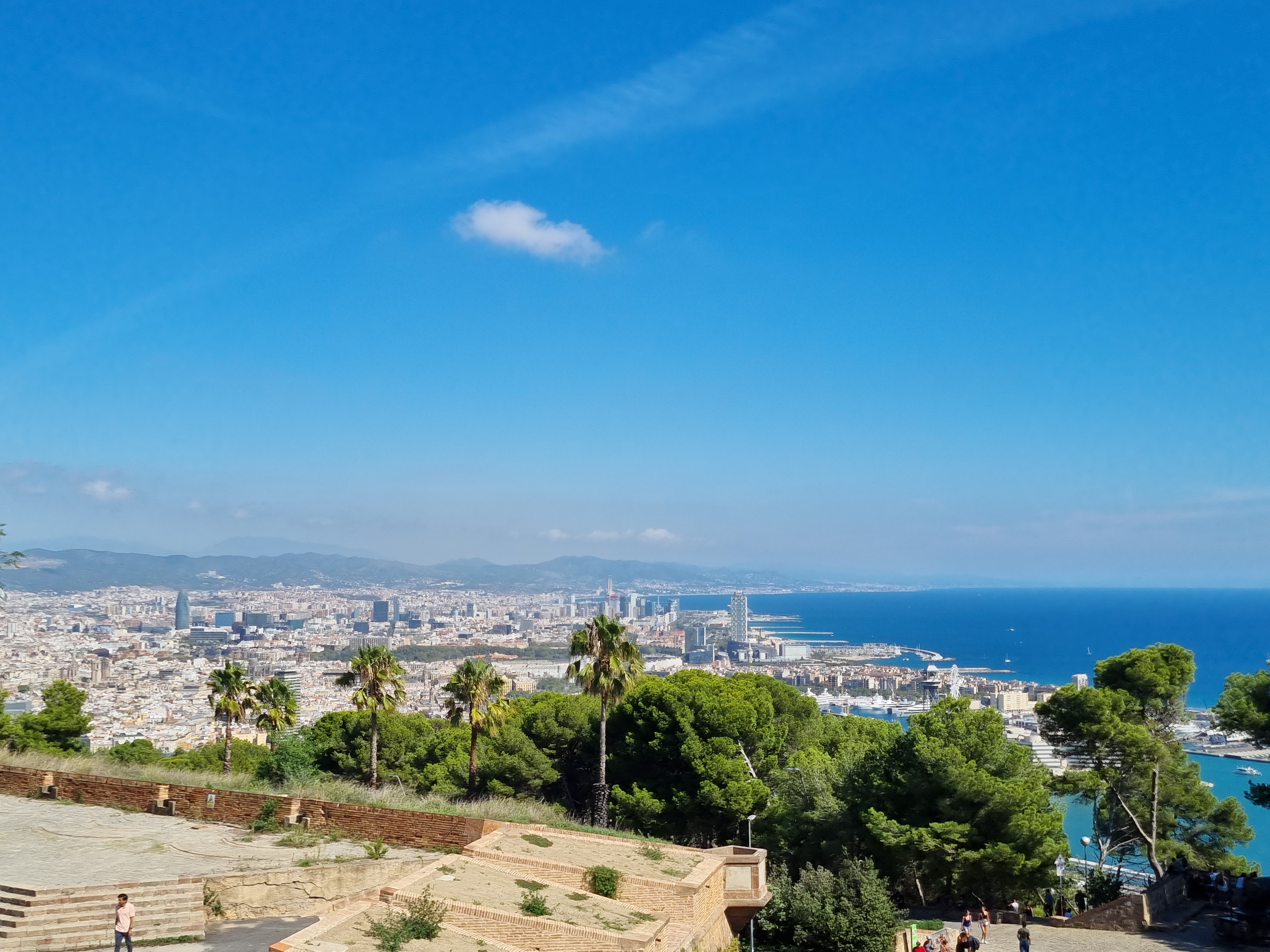
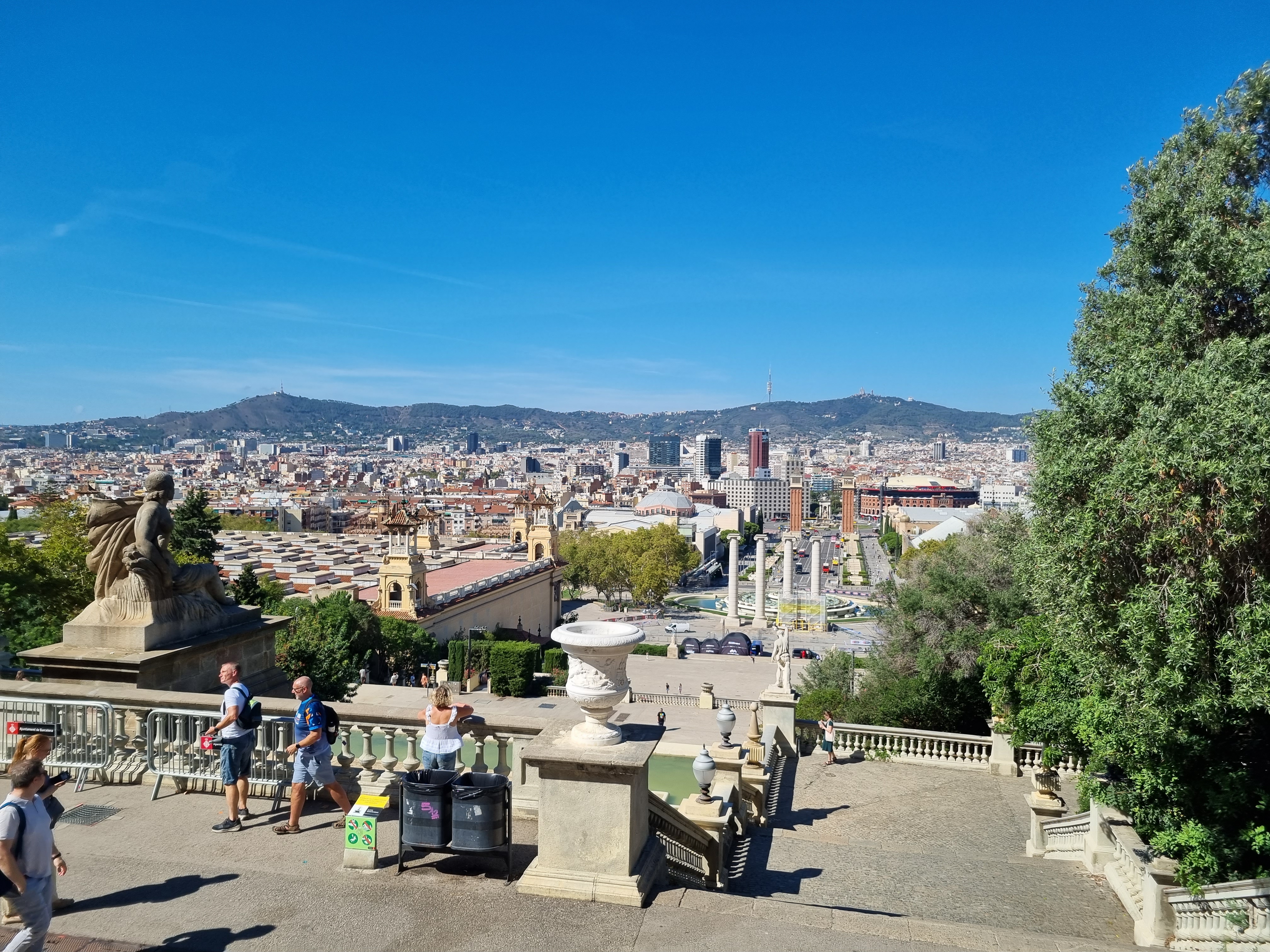
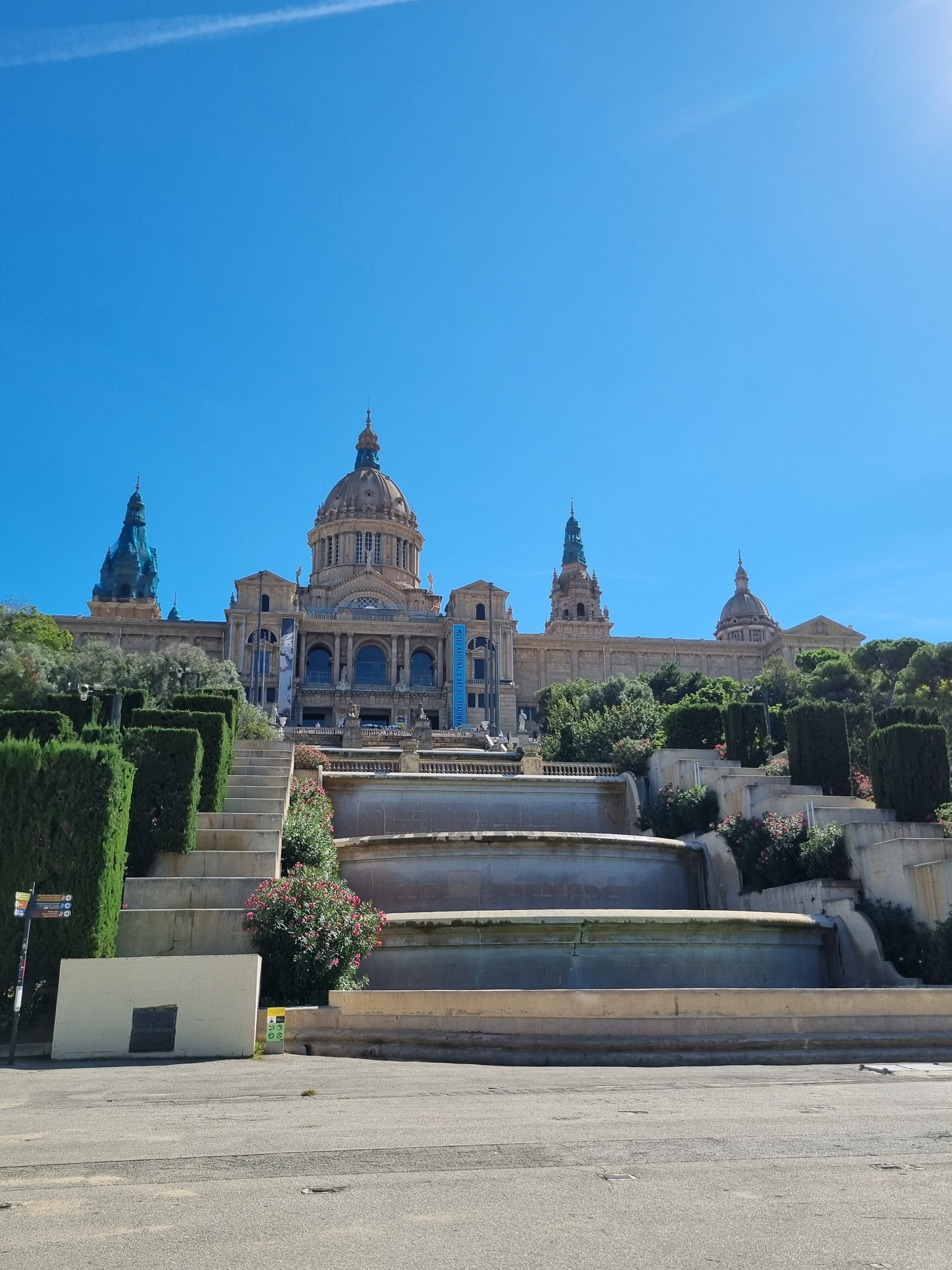
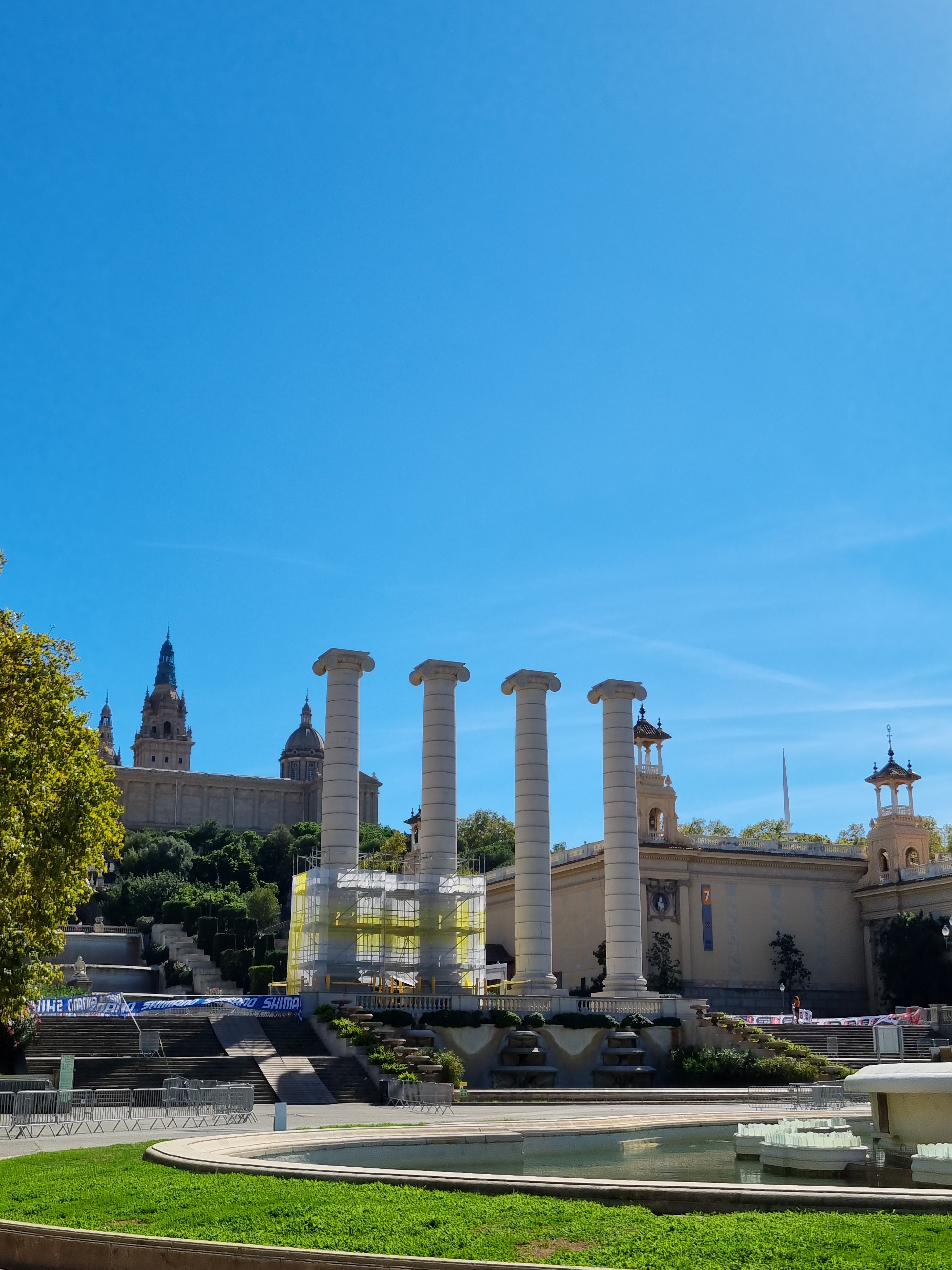
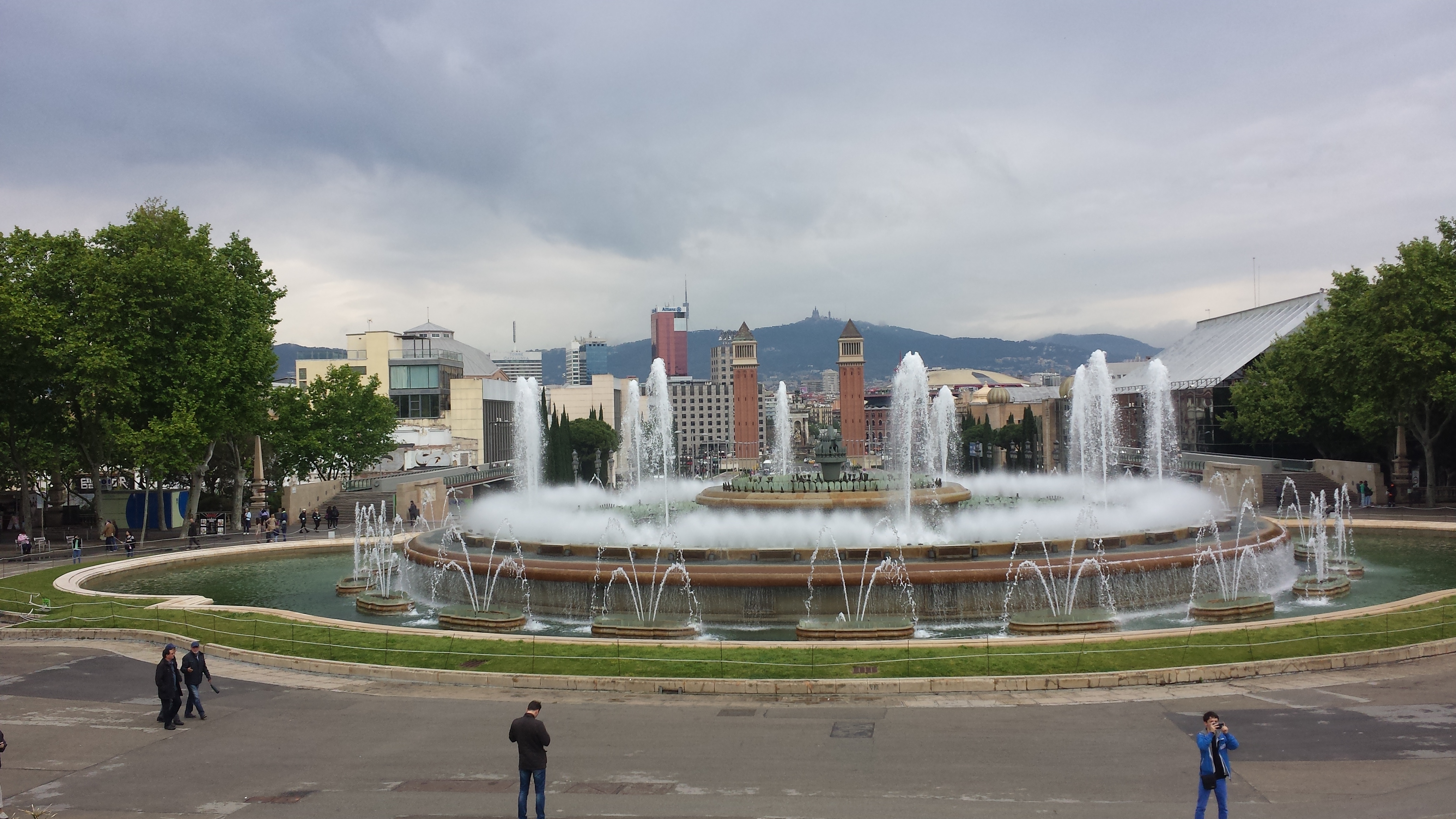
After visiting the castle and enjoying the lush greenery, we decided to walk down the mountain which leds you to the magical Montjuïc Fountain and the impressive museum Palau Nacional, located at the foot of the hill. From the steps of the Palau Nacional, you are treated to another spectacular view of Barcelona, with the Font Màgica shimmering at the bottom of the stairs.
Visitor Information: General admission to the museum at Palau Nacional costs €12. Admission is free for children under 16 years and seniors over 65. Students can enter for €8.40. For more information and to purchase tickets, click here (unpaid ad).
Summary of Activities
- Sagrada Familia
- Plaça de Catalunya
- Park Güell
- Casa Batlló
- Casa Milà
- Cathedral of Barcelona
- The Gothic Quarter: Barri Gòtic
- Plaça Reial
- Beach & Harbor District Barceloneta
- Parc de la Ciutadella (park)
- Mercat de la Boqueria (market)
- Ramblas de Barcelona (one of the most famous streets in Barcelona)
- Passeig de Gràcia (shopping street in Barcelona)
- Castle Montjuic
- Museu Nacional d’Art de Catalunya
- Museu Picasso
- Camp Nou FC Barcelona (football stadium of FC Barcelona)
- Old Harbor
Other Spanish Blogs
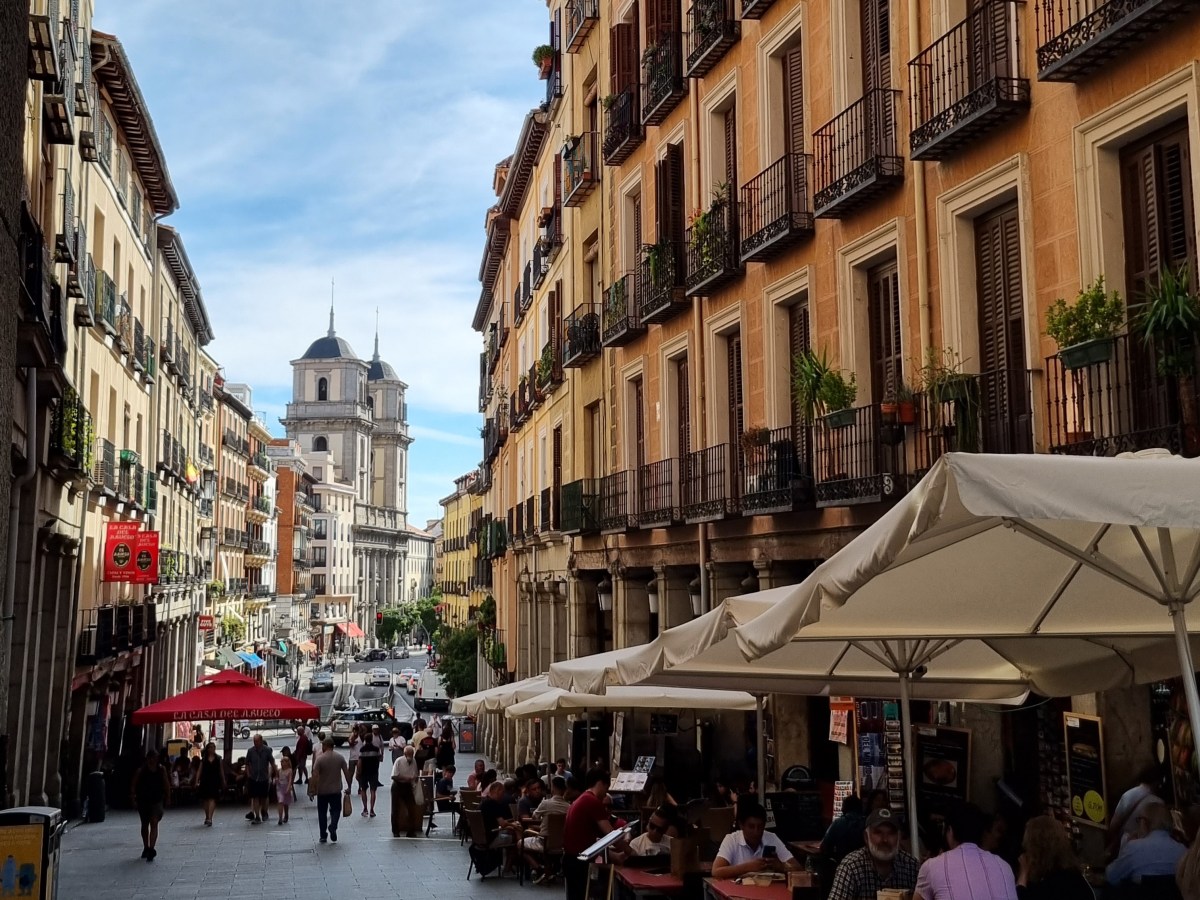
Ultimate 3-day Madrid Travel Guide: Tips and Itinerary
Imagine strolling through the lively streets of Madrid, the irresistible aroma of sizzling paella wafting through the air, tempting your senses with every step. The city’s stunning buildings rise majestically around you, each one telling a story of history and grandeur. As you wander, the vibrant colors and sounds of the city envelop you, from…

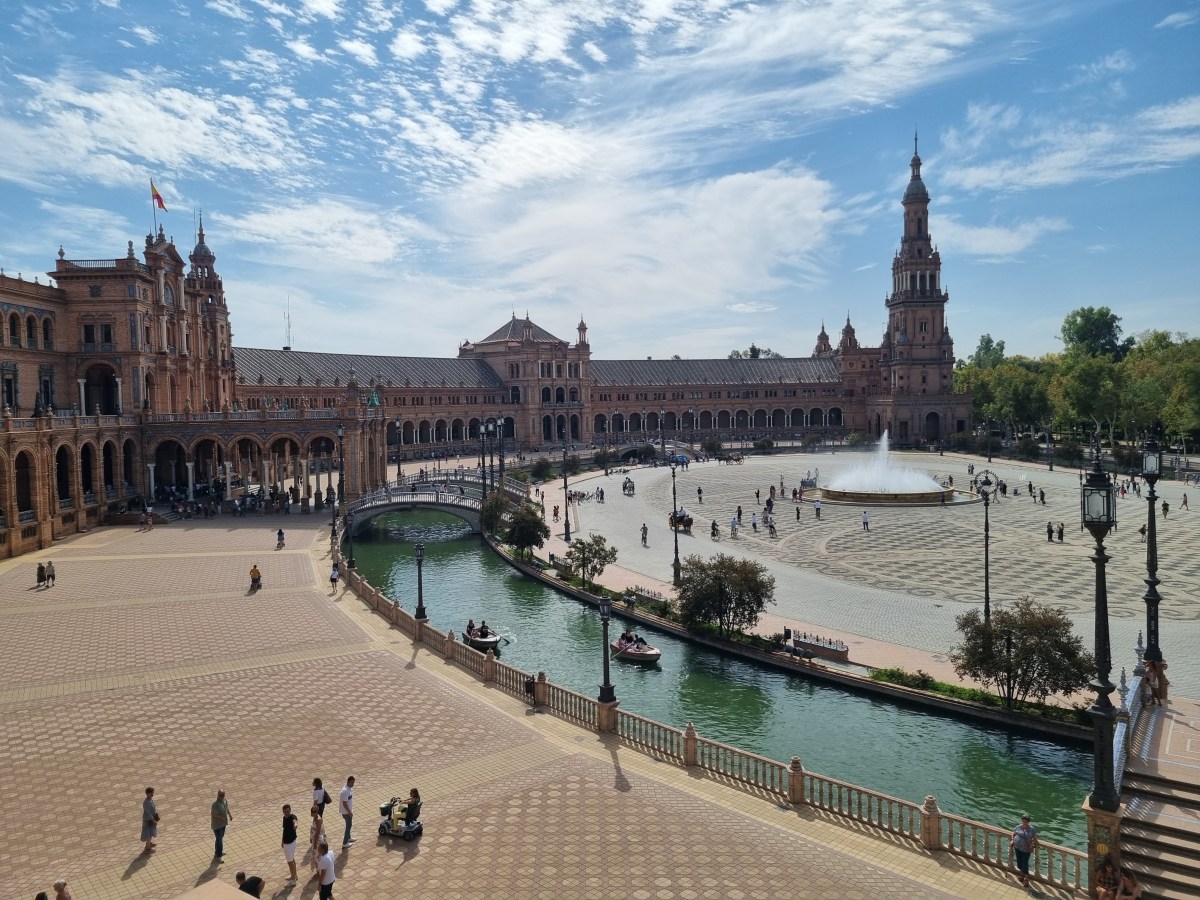
Seville in 3 Days: Top Attractions and Day Trip to Pueblos Blancos and Ronda
Seville, the heart of Andalusia, is a city that captivates the senses from the moment you arrive. With its sun-soaked streets lined with orange trees, vibrant flamenco rhythms, and the tantalizing aroma of tapas filling the air, Seville is a city that demands to be explored. Ancient architecture, rich cultural heritage, and mouthwatering food make…
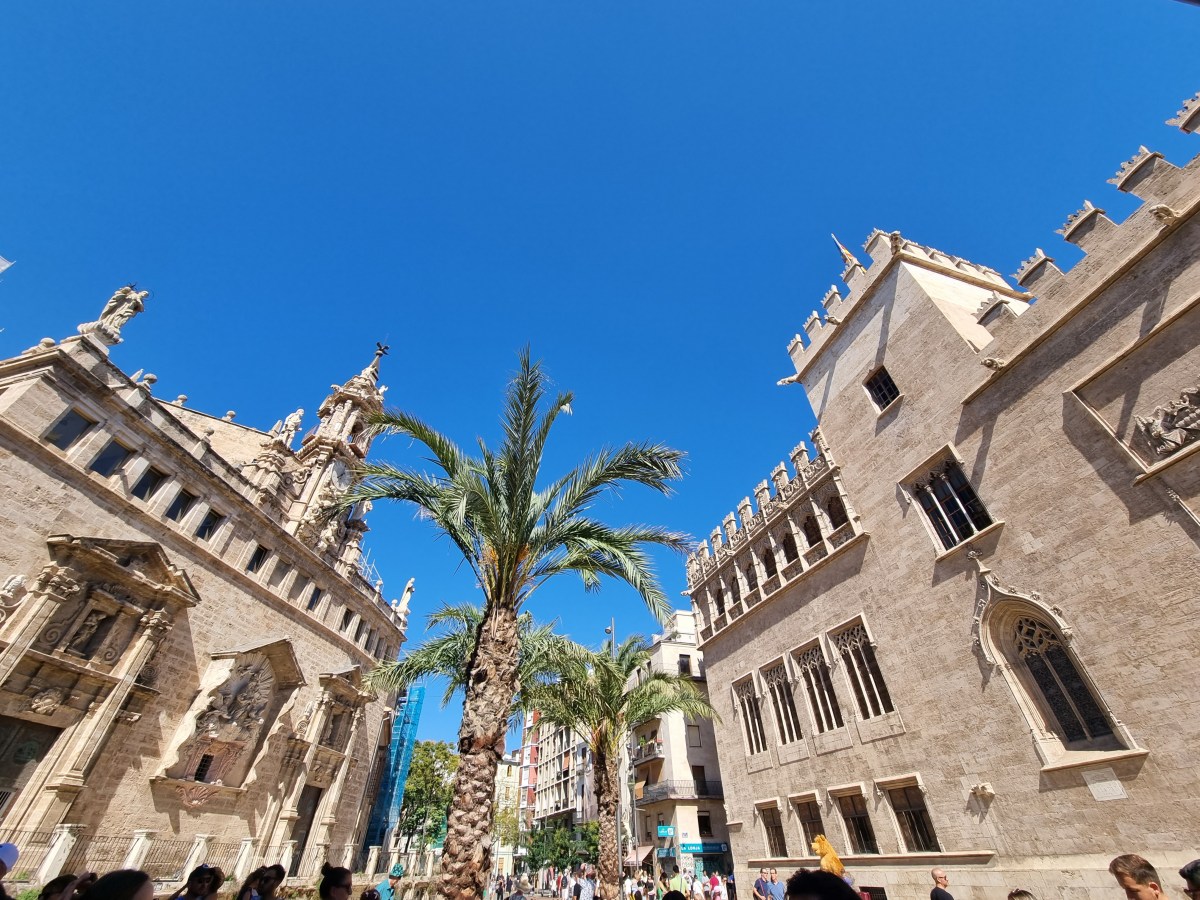
Discovering Valencia in 3 Days: Old Town and Seaside
Imagine stepping into a world where futuristic architecture meets ancient ruins, where the aroma of paella dances in the air, and where waves break on rocks. Servus and welcome to Valencia, a city where art, history, and culinary delights intertwine to create an unforgettable experience for every traveler. Join me on my three-day journey through…




 Michelle Cacija
Leave a comment