
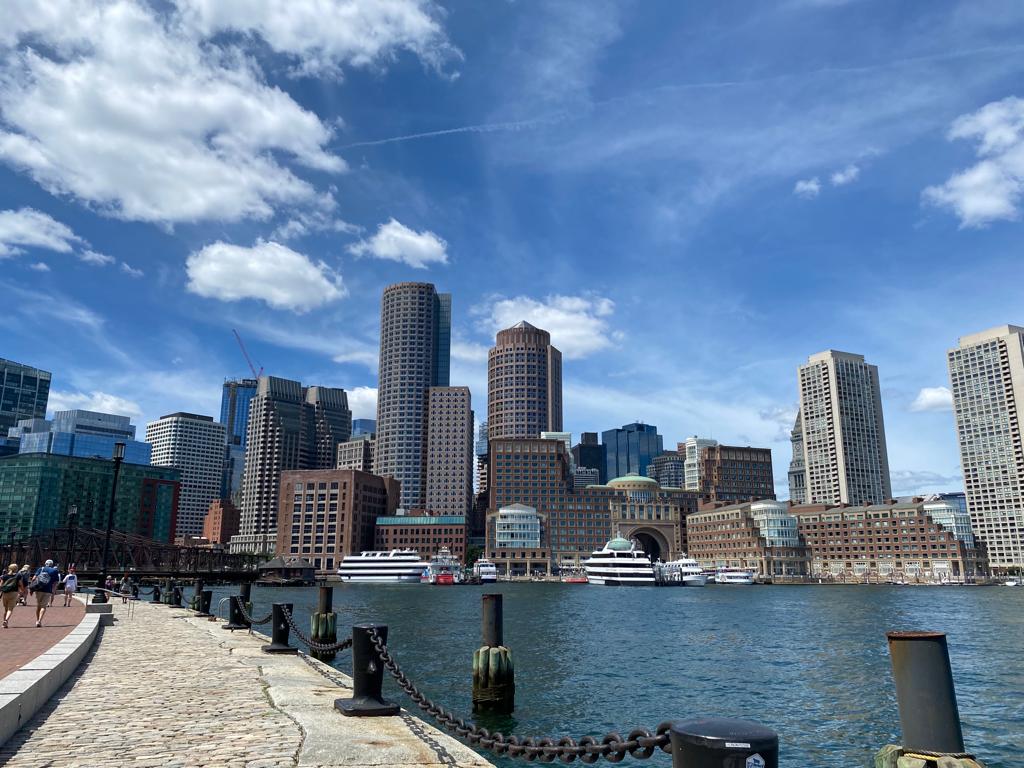
Step into the heart of Boston, where history whispers from every corner and the spirit of innovation fills the air. Imagine wandering through the famous Harvard University, surrounded by its old, ivy-covered buildings and the energy of students. From the cozy streets of Beacon Hill to the lively Seaport District, Boston offers a mix of history, culture, and modern charm. Whether you’re into exploring museums, trying delicious food, or just soaking up the atmosphere, Boston has something special for everyone. Servus and welcome to this exciting adventure through this incredible city!
I visited Boston in the summer of 2022 during a weekend while I was working at a summer camp in New York, making it the perfect escape from camp life. If you’re interested, I also wrote an article about my camp experience — click here to read it. However, before you dive into the world of camp life, you might want to check out this blog about Boston first, since that’s what brought you here in the first place.
As always, I want to remind you, that this blog isn’t perfect because everyone travels differently, and all trips involve changes of plans. I want to let you know that everything on this website has been experienced, photographed, and written by me. Since I finance all of my travel expenses on my own, the stories and opinions given are truly my own. If you’re interested in seeing more travel pictures or videos, feel free to check out my Instagram @michellecacija or my Tik Tok @michellecacija.
Index
- The Basics about Boston
- Things you need to be aware of
- Itinerary
- Other North American Blogs
- Summary of activities
The Basics about Boston
When to visit
Boston is a great destination year-round, but the best times to visit are probably spring (April to June) and fall (September to November). During these months, the weather is mild, with temperatures ranging from 10–20°C (50–68°F) in spring and 5–18°C (41–64°F) in fall. Summer (June to September) is also popular, with warm temperatures between 20–30°C (68–86°F) and many outdoor events, but it can get crowded with tourists. Winter (December to March) is cold and snowy, with temperatures often dropping to -5 to 5°C (23–41°F). It’s a great time for those who love a winter wonderland.
Time period
The ideal length of stay in Boston depends on your interests and on what you want to explore. Two to three days is usually a good amount of time to see the city’s main highlights. You’ll have enough time to walk the Freedom Trail, visit iconic spots like Fenway Park or the Harvard University, check out a few museums, and wander through neighborhoods like Beacon Hill and The North End. I personally spent two days over the weekend, which gave me a solid introduction to the city’s main attractions. If you want to dive deeper into Boston’s history or take a day trip to nearby places like Salem or Cape Cod, consider staying an extra day or two.
Getting There
Boston is well-connected by air, rail, and road. Logan International Airport (BOS) is the main gateway, offering domestic and international flights. From the airport, you can reach the city center in about 15–20 minutes by taxi, Uber, or public transport. Amtrak trains connect Boston to major cities like New York, Washington, D.C., and other. I personally arrived by coach from New York, which was a comfortable and affordable way to travel, and it took around five hours to get to Boston.
Where to stay
Boston has a range of accommodation options, from luxury hotels to budget-friendly hostels. If you want to be in the heart of the city, stay in the areas Back Bay or Downtown, where you’ll be close to historic sites and shopping. Beacon Hill offers a charming atmosphere, while Cambridge (home to Harvard) has a modern vibe.
Getting around
Boston is a very walkable city, but for longer distances, the MBTA provides a reliable and efficient public transport network. The subway, buses, and commuter rail make it easy to get around. Taxis and Ubers are available, but they can be quite expensive. If you love cycling, Boston also has a great bike-share system.
What to pack
Boston’s weather can be unpredictable, so pack accordingly! In spring and fall, bring layers, a light jacket, and comfortable shoes for walking. Summer is warm, so light clothing, sunglasses, and sunscreen are essential. Winters are cold, with temperatures often below 0°C (32°F) — pack a warm coat, gloves, and waterproof boots.
Additionally, consider bringing your own little medication bag, including Band-Aids, pain relief tablets, sleeping tablets or spray, bug spray, aftersun, etc. You never know what you might need it for, and you might feel more comfortable using medication from home rather than in a country where you don’t know the ingredients and language. If you’re coming from outside the United States, don’t forget to bring a Type A or B power adapter.
Cost of Travel
Boston is not the cheapest city, but it’s possible to visit on a budget. Accommodation and dining can be pricey, especially in popular areas, but there are ways to save. Opt for budget-friendly hotels or hostels, and explore the city’s many affordable food options, like food trucks and historic markets. Public transport is affordable, and many top attractions, like the Freedom Trail, Boston Common, and Harvard Yard, are free! Museums often have discounted or free admission days, so plan ahead to make the most of your trip without breaking the bank.
Things you need to be aware of
Water in Boston. Tap water in Boston is clean and safe to drink. In fact, Boston’s water is considered some of the best in the U.S.! Bring a reusable water bottle to refill throughout the day — it’s a great way to save money and stay hydrated while exploring the city.
Toilet Situation. Public restrooms in Boston can be a bit tricky to find, especially in busy areas. Hotels, malls, museums, and coffee shops usually have restrooms, but smaller cafes might require a purchase. Some parks and subway stations have public toilets, but let me tell you that they might not be always the cleanest. So, always go when you have the chance!
Tipping is a common practice in the United States. It’s customary to tip 15-20% at restaurants. In bars and coffee shops, leaving a small tip is also appreciated. For taxis and rideshare services like Uber, tipping 10-20% of the fare is standard. Hotel staff and tour guides also appreciate tips for their services.
The currency used is the United States Dollar (USD). In Boston, both cash and credit/debit cards are widely accepted, and cards are often preferred for convenience. Mobile payment methods like Apple Pay and Google Pay are also commonly used. However, having cash on hand is always useful for small purchases, tipping, and certain vendors, like food trucks and street markets. ATMs are plentiful throughout the city, but be aware of potential withdrawal fees.
Medical insurance
I highly recommend getting travel medical insurance while you’re traveling. Hopefully, you’ll never need it, but it’s always better to be safe than sorry. SafetyWing offers two flexible plans tailored to your travel needs — whether you’re a short-term adventurer or a long-term expat, you’ll have reliable coverage anywhere in the world.
SafetyWing is especially great for remote workers and digital nomads, offering continuous global coverage even if you’re hopping between countries. Of course, it’s also a solid option for frequent travelers or those constantly on the go. But if you’re only traveling occasionally or just for a short holiday now and then, there might be better-suited alternatives.

Itinerary
Day 1
After arriving in Boston the night before and checking into our hotel, my friends and I went straight to bed. The next morning, we set off early, ready to explore the city.
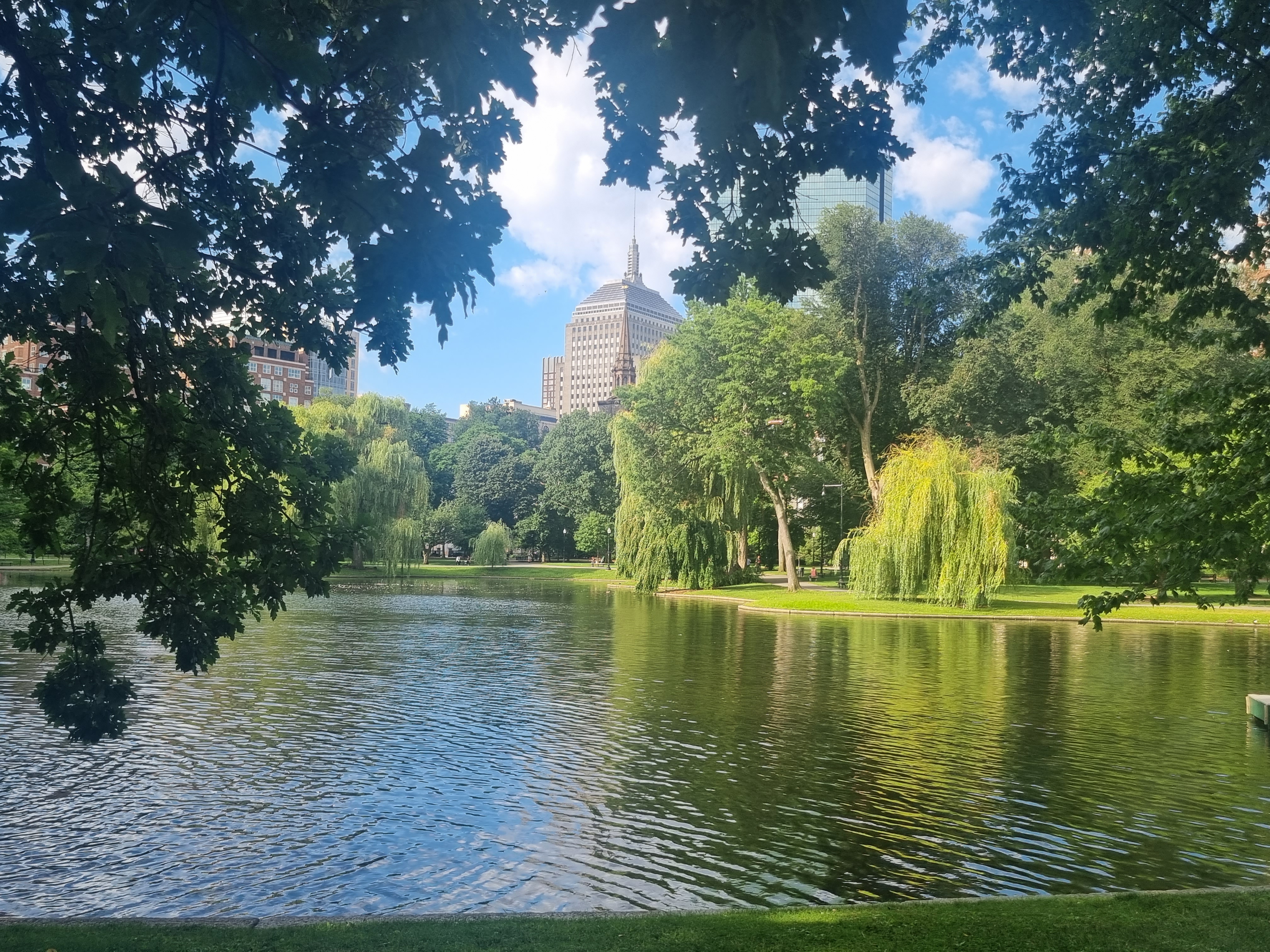
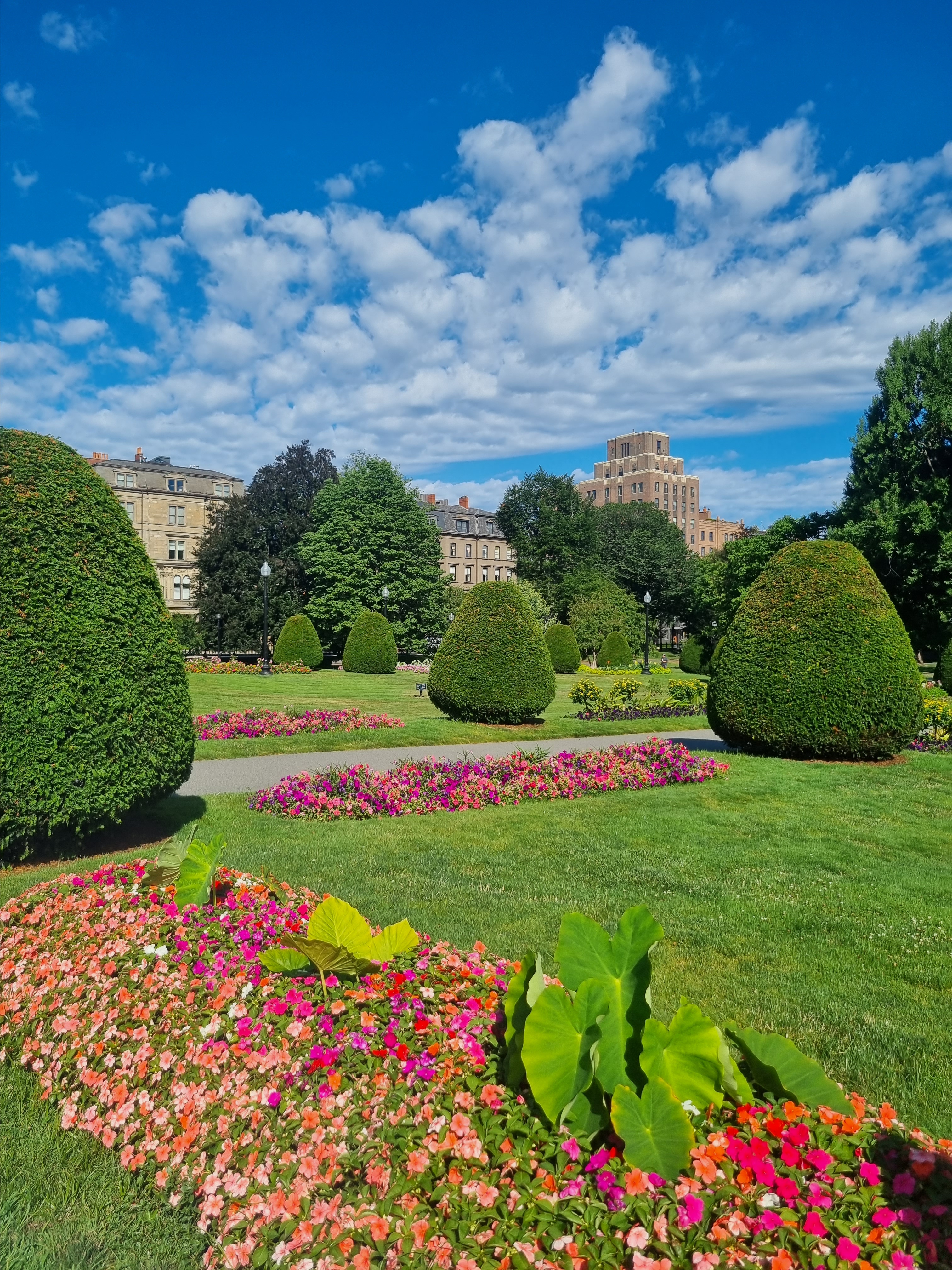
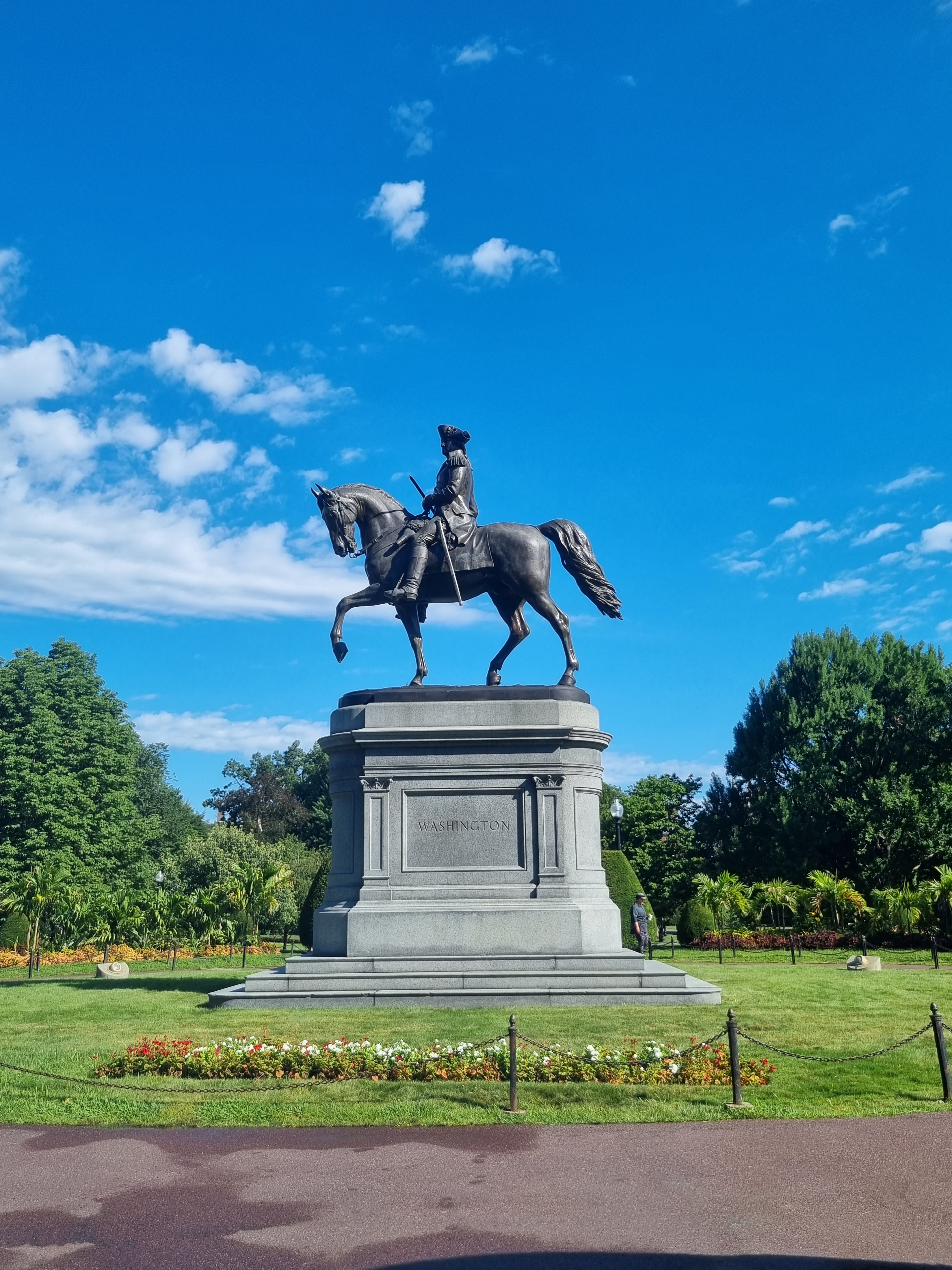
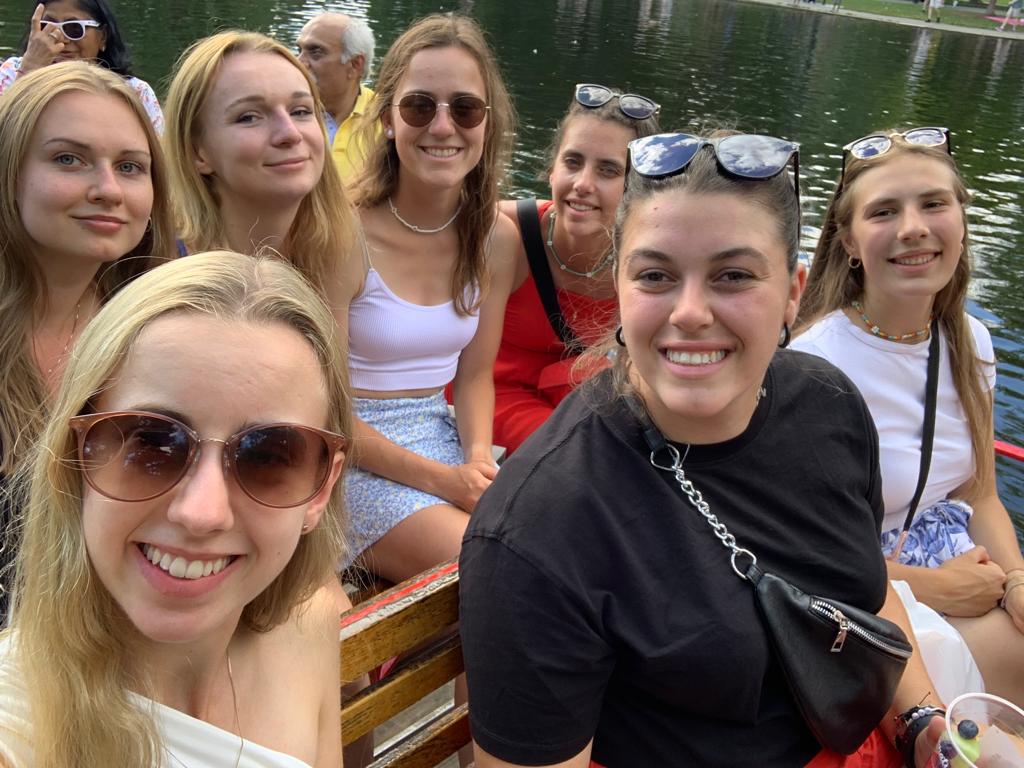
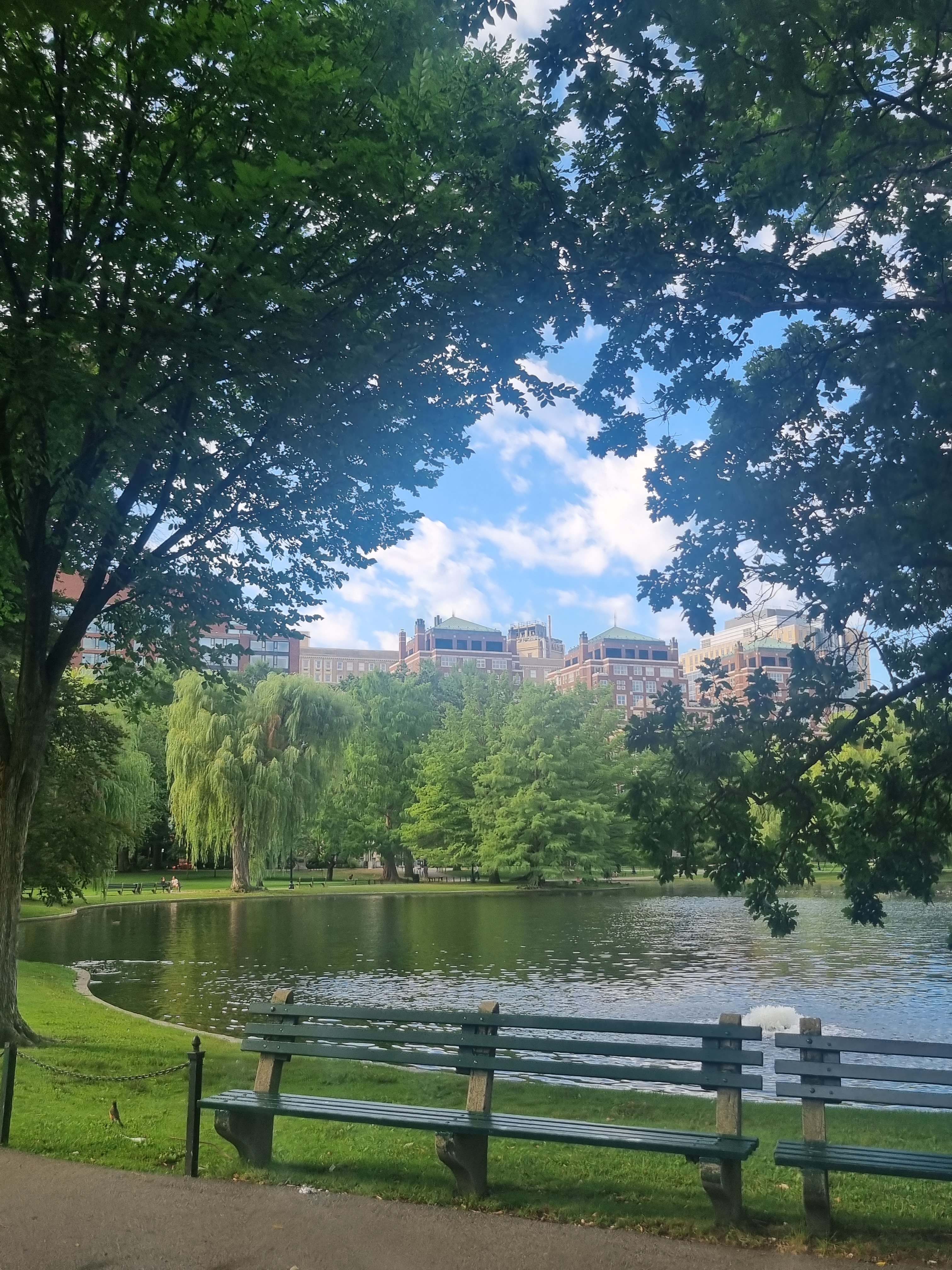
We started the day with breakfast at a café close to our hotel before wandering through the charming streets of Bostons district West End and Beacon Hill. Our hotel was located near Boston Common and Boston Public Garden, two beautiful parks right next to each other. We took a leisurely stroll, admiring the lush greenery, colorful flowers, and the lake, where we watched the famous Swan Boats glide across the water. The parks were alive with joggers, families, and street performers, adding to the vibrant yet peaceful atmosphere. We even spotted the Make Way for Ducklings statues, a beloved tribute to the classic american children’s book.
A little later, we met up with some friends from camp and decided to take a ride on the Swan Boats together. It was the perfect way to soak in the beauty of the park, gently floating across the water and enjoying the relaxing atmosphere of the park. The ride lasts about 10–15 minutes and when the weather is as nice as it was that day, the experience is really enjoyable.
Visitor information: Boston Common and Boston Public Garden are free to visit. Tickets for the Swan Boats can be purchased directly at the dock before boarding — no reservations are needed. Ticket prices are $4.75 for adults, $3.25 for children aged 2–15, and $4.25 for seniors aged 65 and over. Children under 2 can ride for free. For operating hours and updated ticket prices, click here.

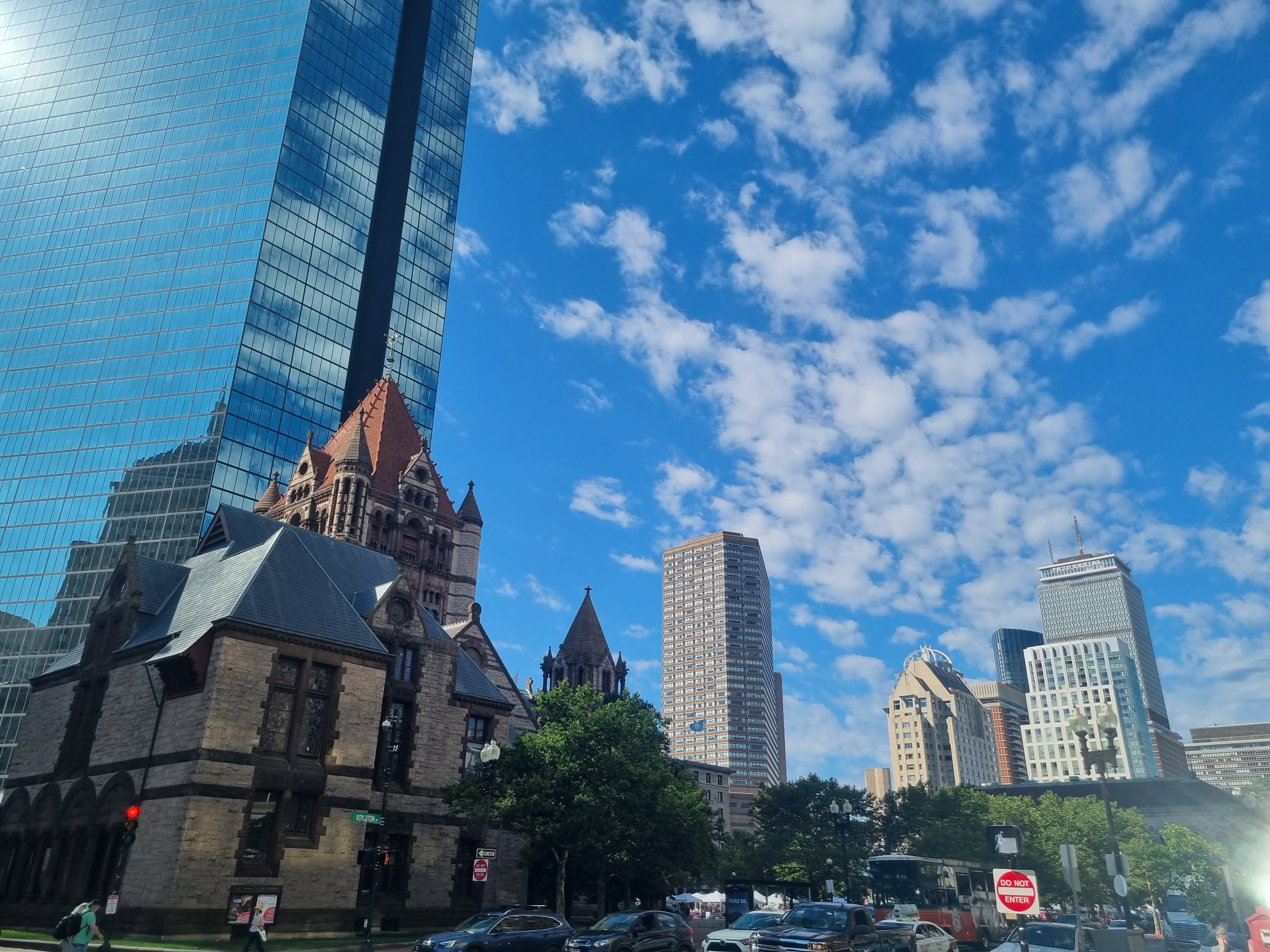
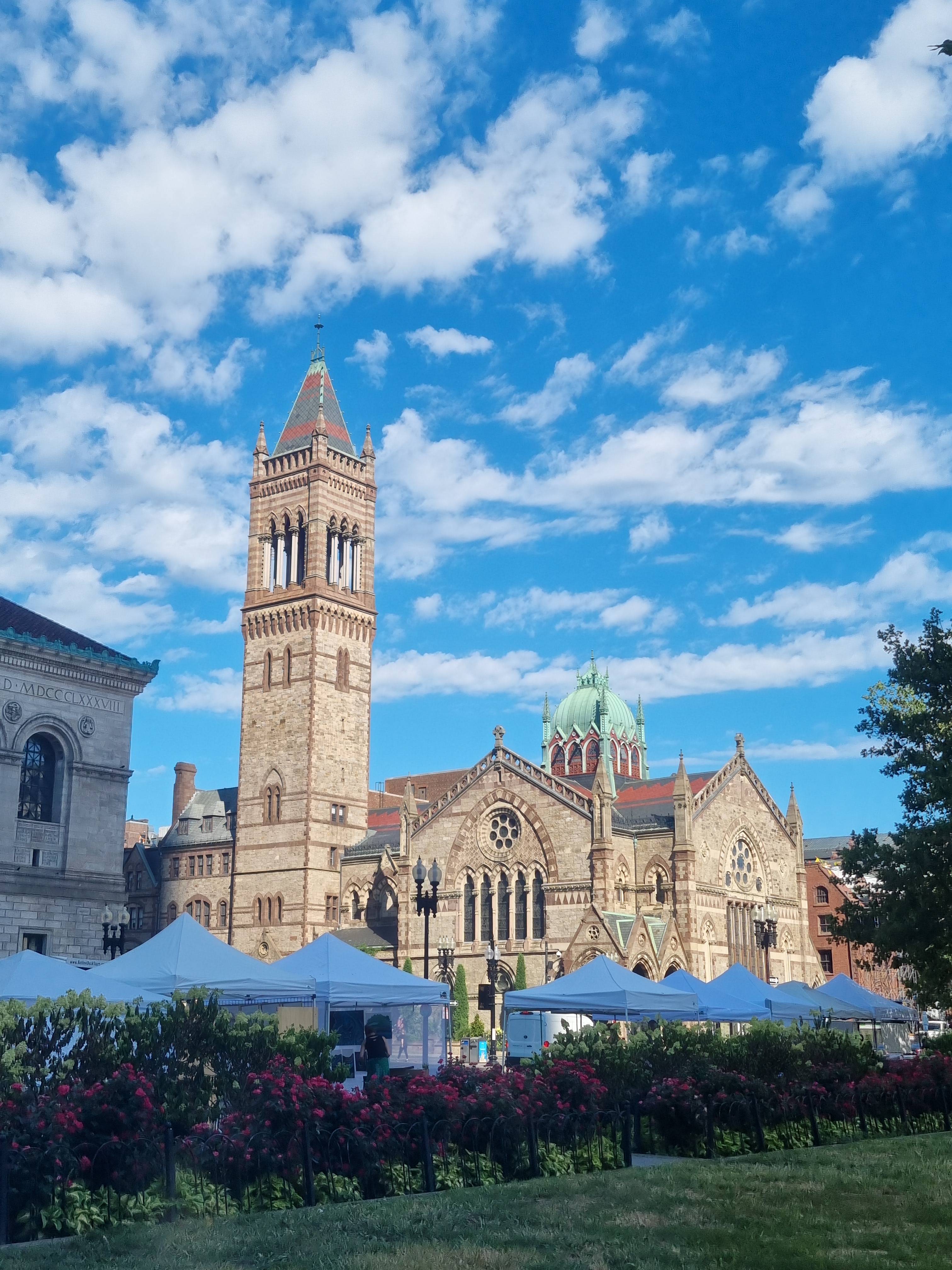
From there, we made our way to the Boston Public Library, passing by historic churches like the Trinity Church and Old South Church, high buildings like the modern John Hancock Tower and the lively Copley Square along the way. The square is often filled with street performers, local artists, and visitors enjoying the lively atmosphere.
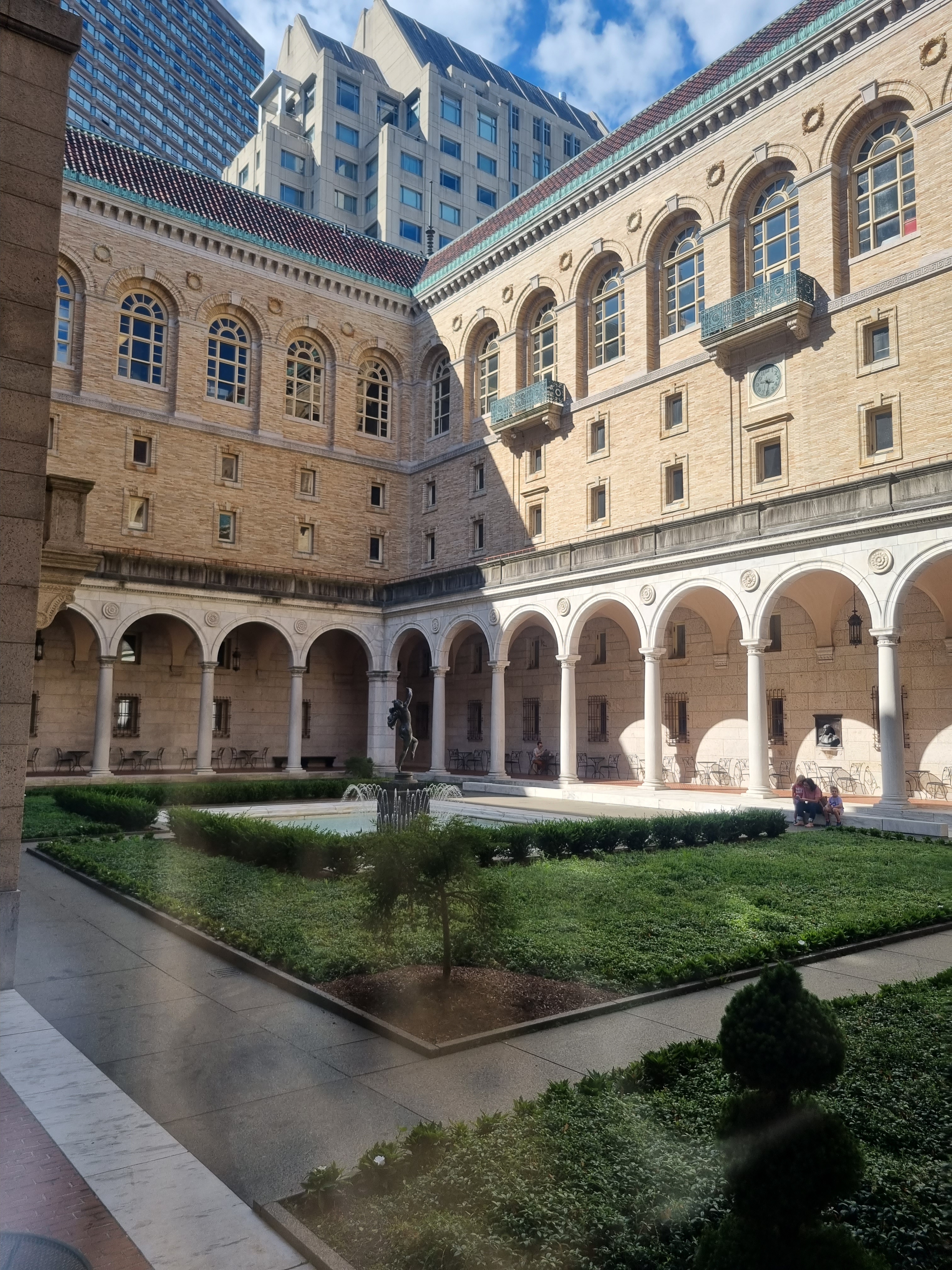
Arriving at the Boston Public Library, we were immediately impressed by its grand architecture. Inside, we explored the beautiful Bates Hall, with its soaring ceilings and iconic green reading lamps, and wandered through the peaceful courtyard, a hidden oasis.
Visitor information: For opening hours and other information, click here to visit the official website.
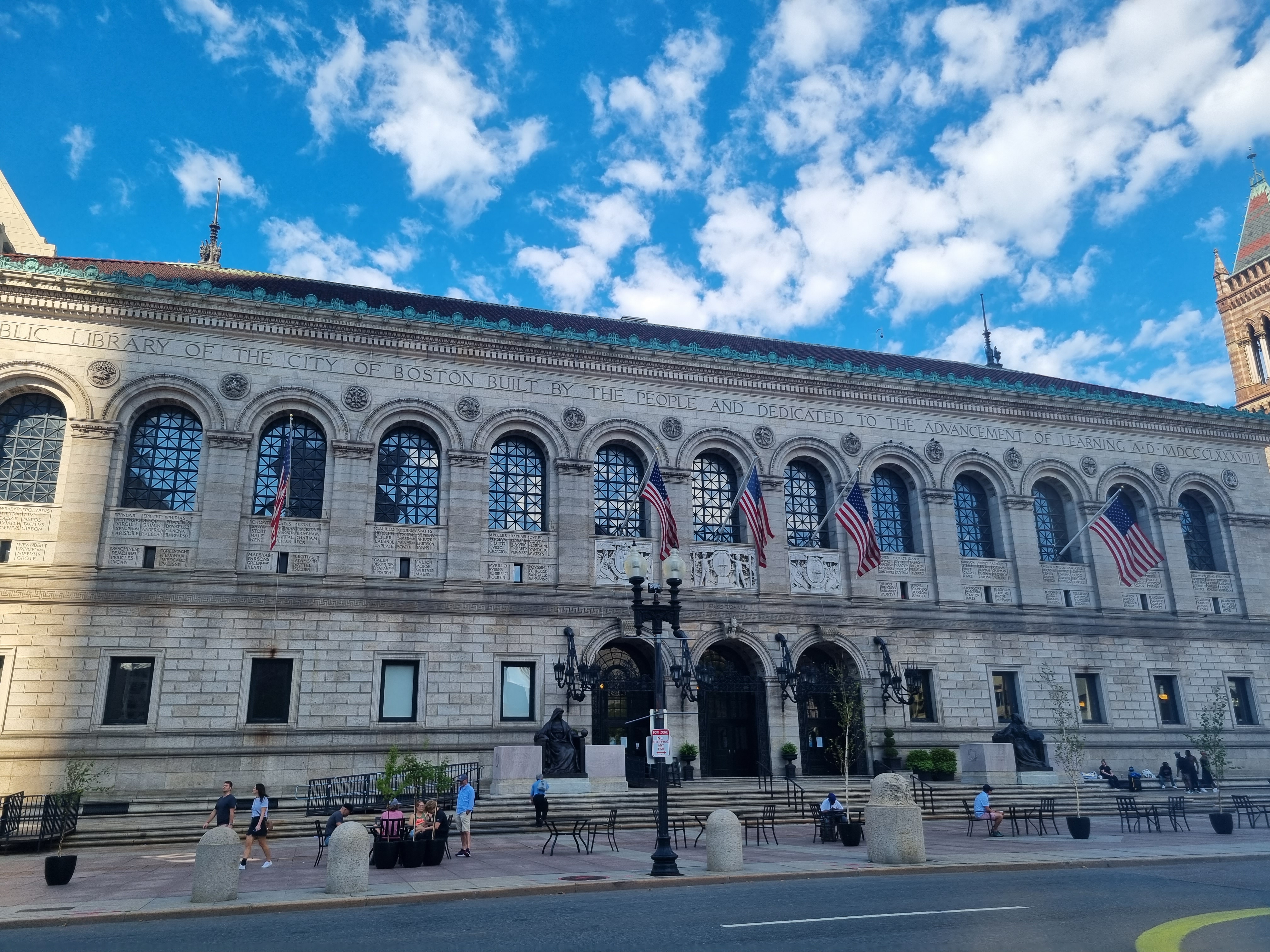
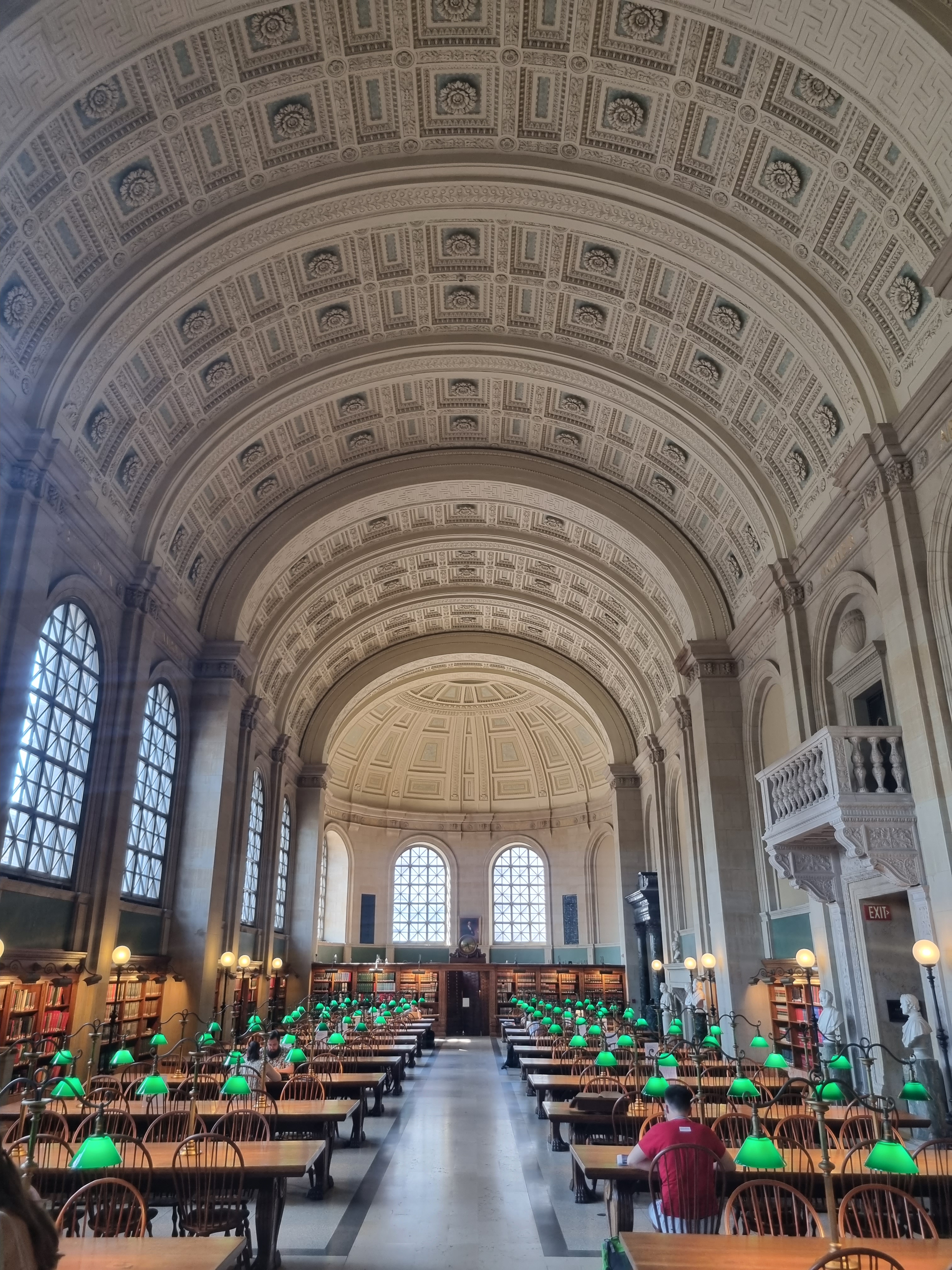
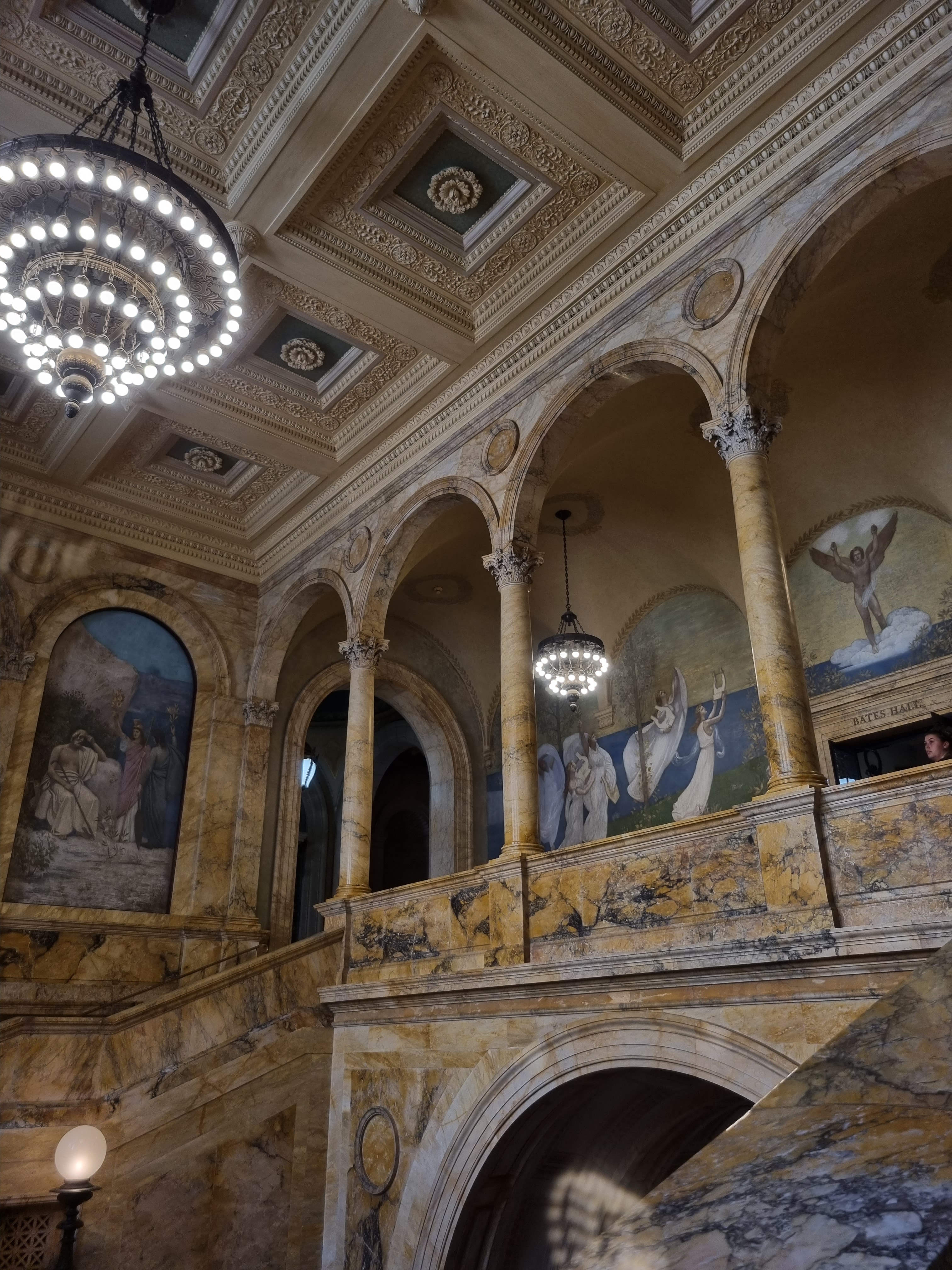
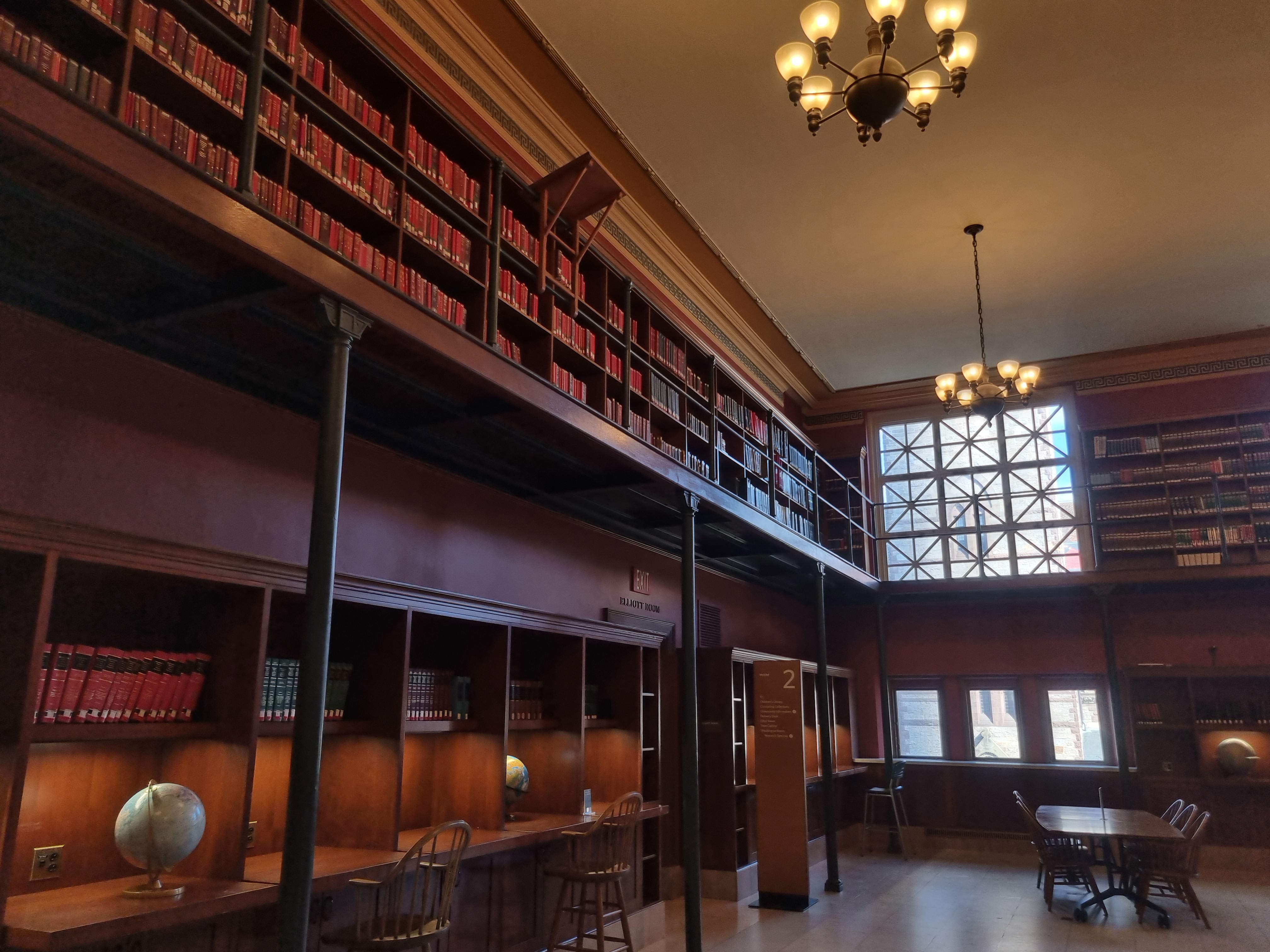
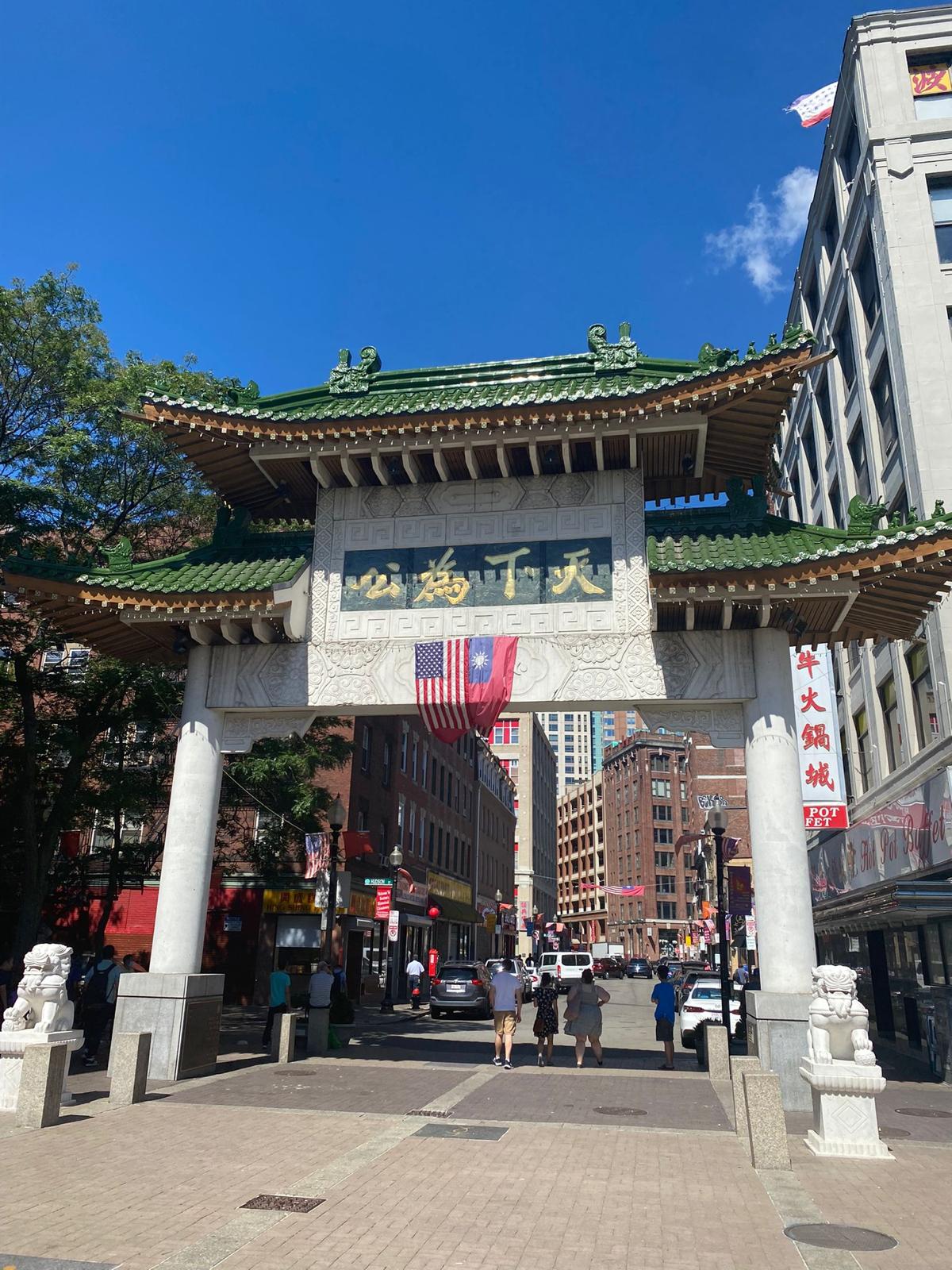
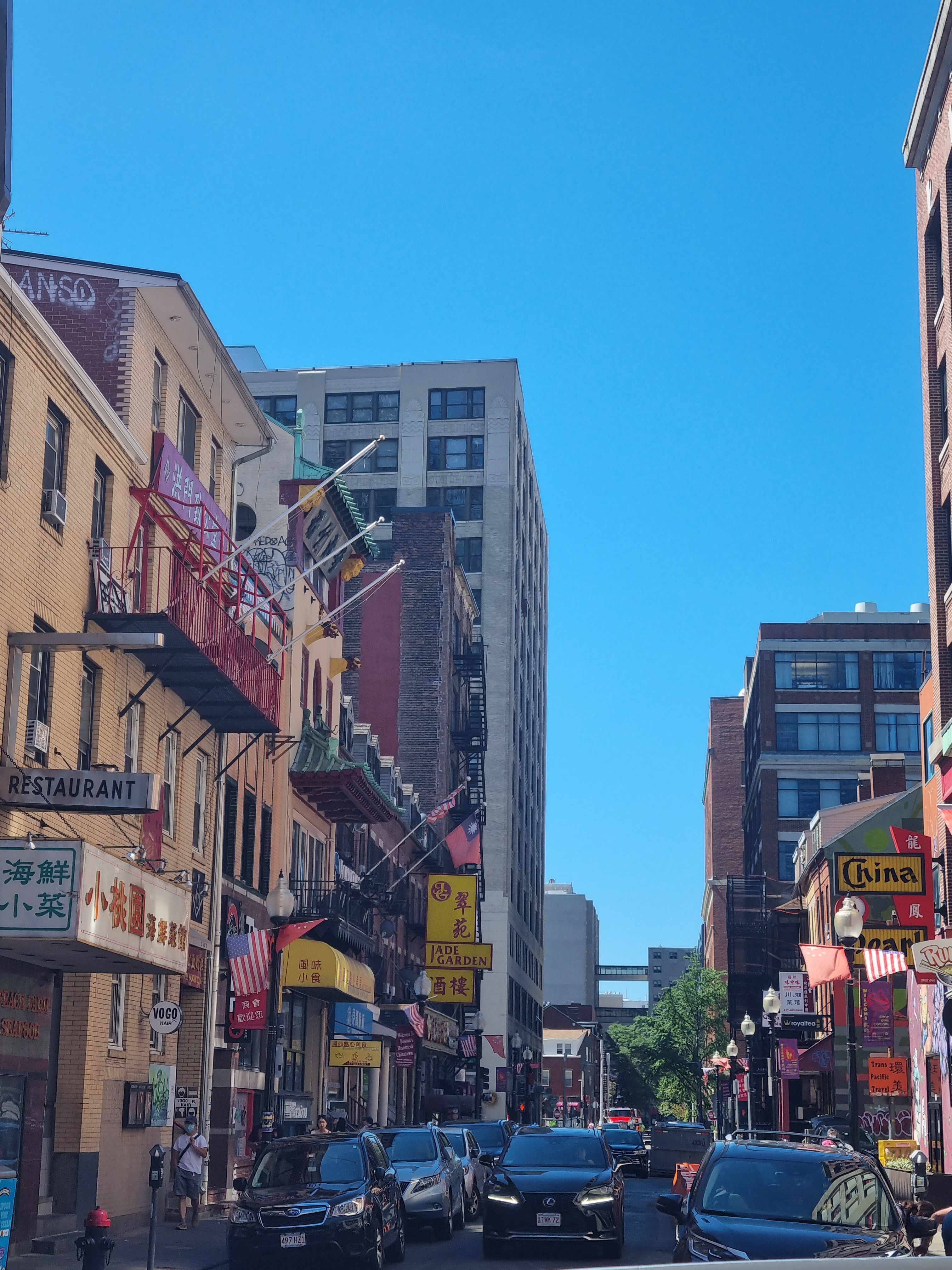
After visiting the library, we made our way to Chinatown, about a 20-minute walk back towards the direction of the parks we had visited earlier. As we strolled through the streets, we were immersed in the sights and sounds of the neighborhood. The air was filled with the aromas of Asian cuisine from the many restaurants, while the colorful shops and bustling atmosphere made it a lively and exciting place to explore.
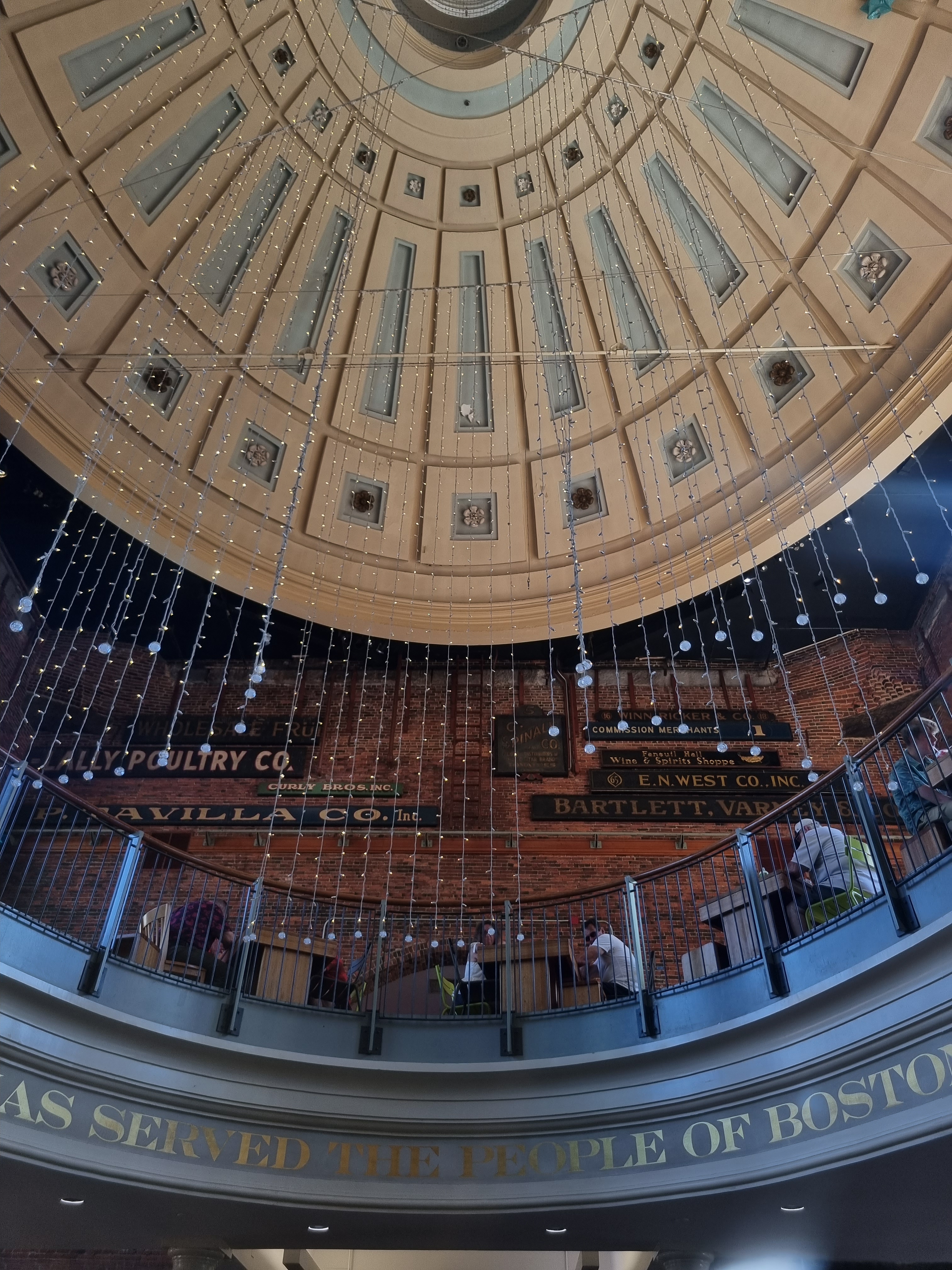
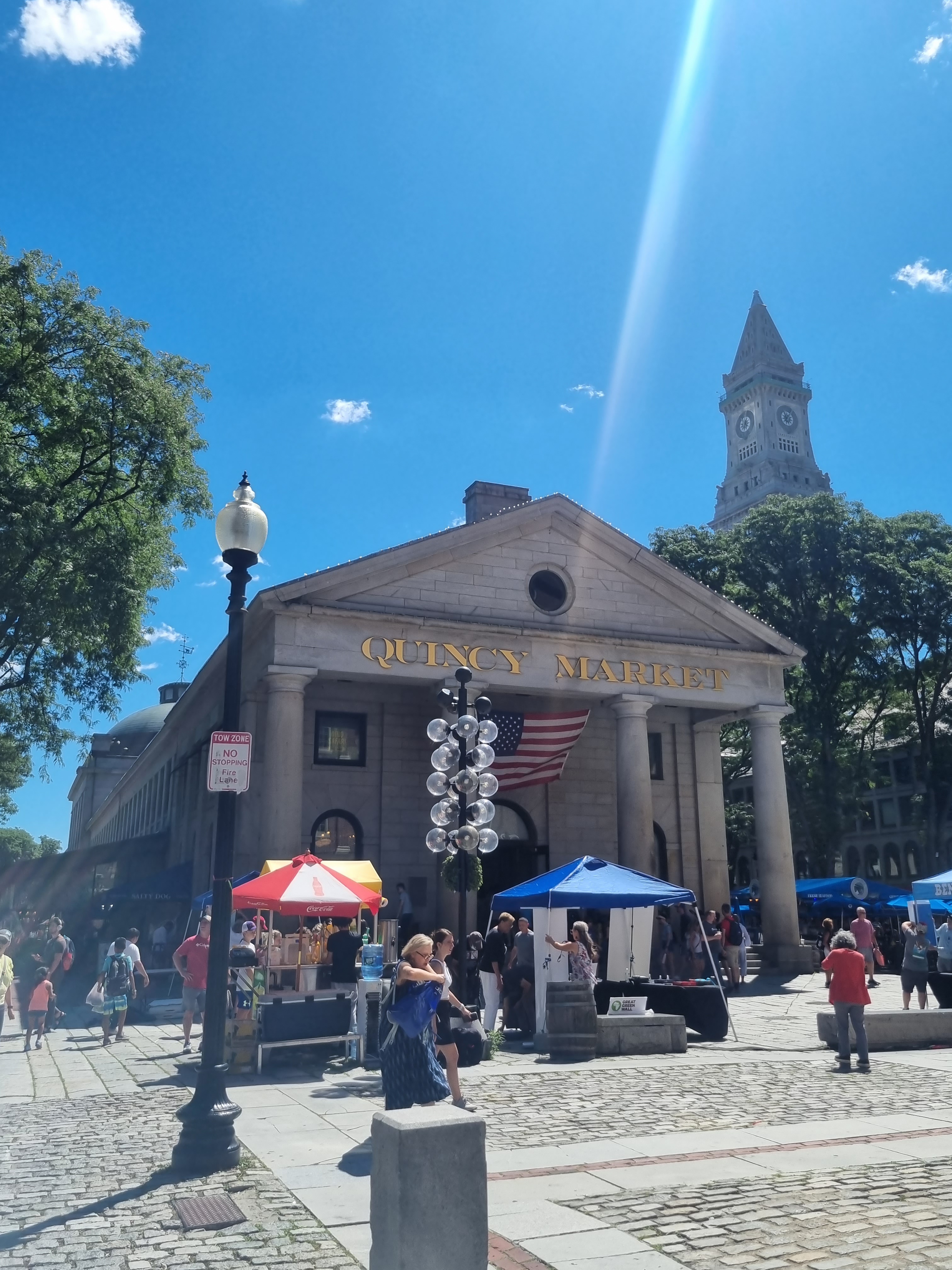
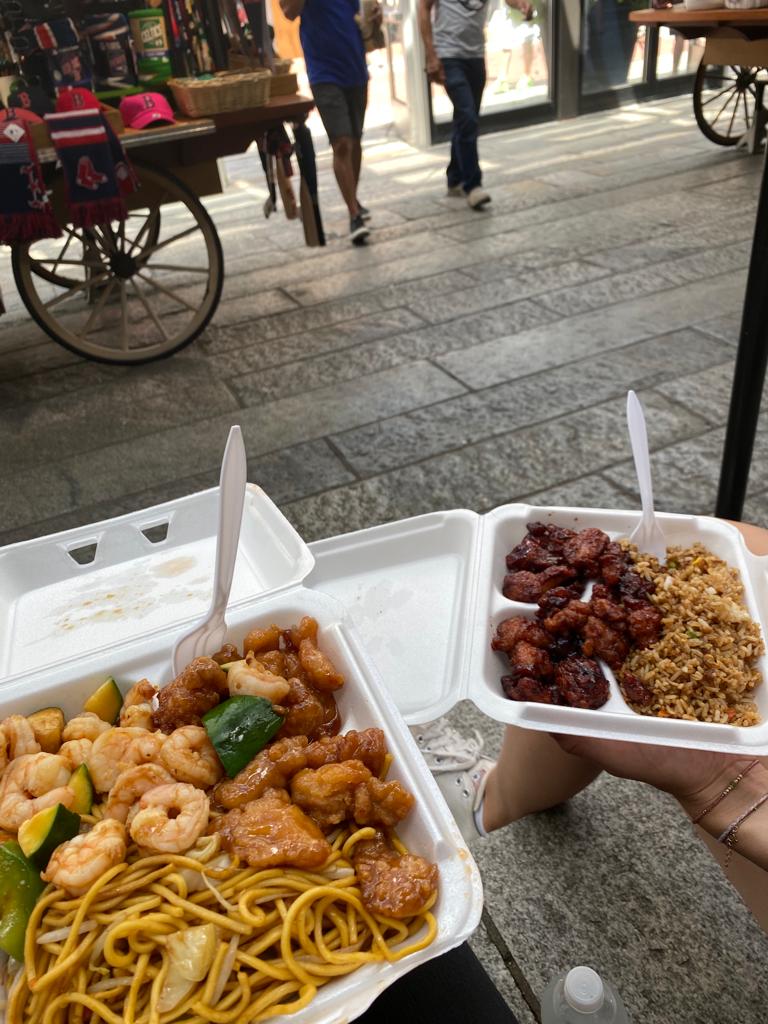
From there, we made our way to Faneuil Hall and Quincy Market, both around a 20-minute walk away. Faneuil Hall, with its rich history, is a must-see landmark in Boston, once serving as a center for political discussion during the American Revolution. After exploring the hall, we continued on to Quincy Market, a lively hub of food, shopping, and entertainment. It was the perfect spot to stop and grab a bite to eat. Quincy Market offers a wide variety of food stalls, ranging from classic American dishes to international flavors, making it a great place to experience Boston’s diverse culture. In my opinion, the market is a must-visit, and the prices are quite reasonable as well. I highly recommend it for anyone looking to immerse themselves in the heart of the city while enjoying delicious food!
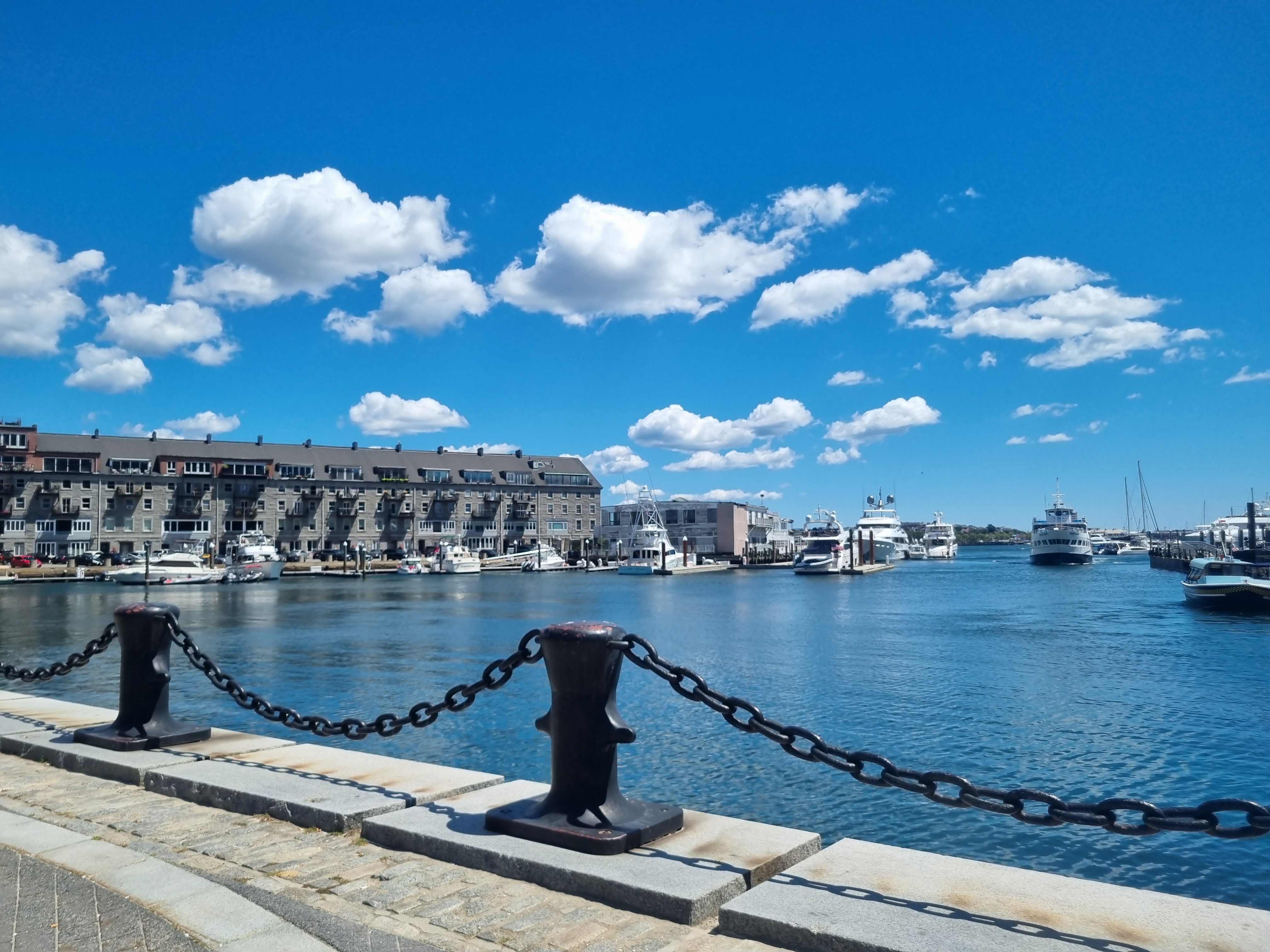
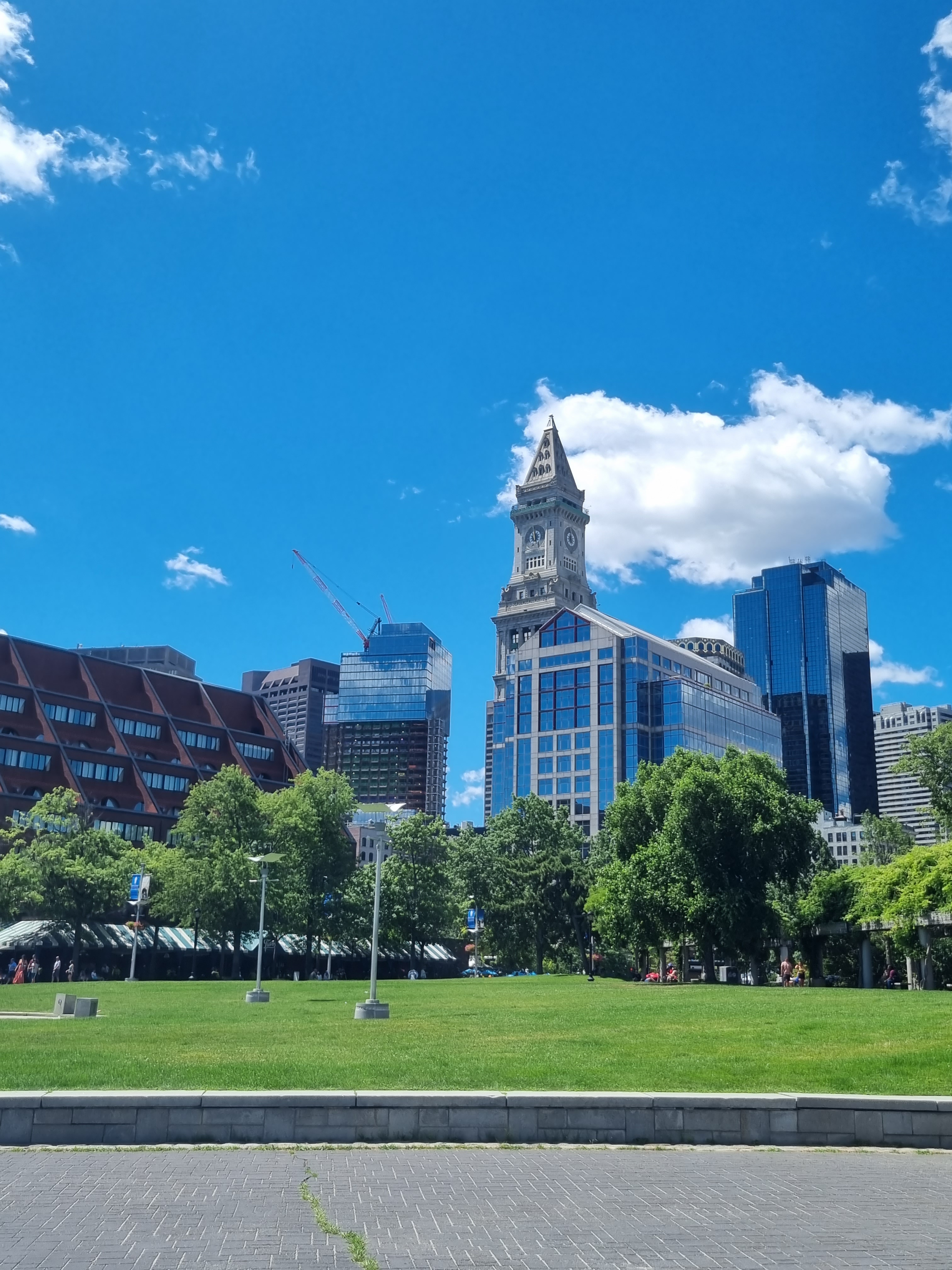
After our little lunch break, we continued our stroll towards the Waterfront, eventually arriving at the Christopher Columbus Waterfront Park. This park, located near the harbor, offers a peaceful escape with its beautiful green spaces and scenic walking paths. I have to say we spent quite some time here. We leisurely walked along the waterfront, taking in the stunning views of Boston Harbor and the skyline in the distance.
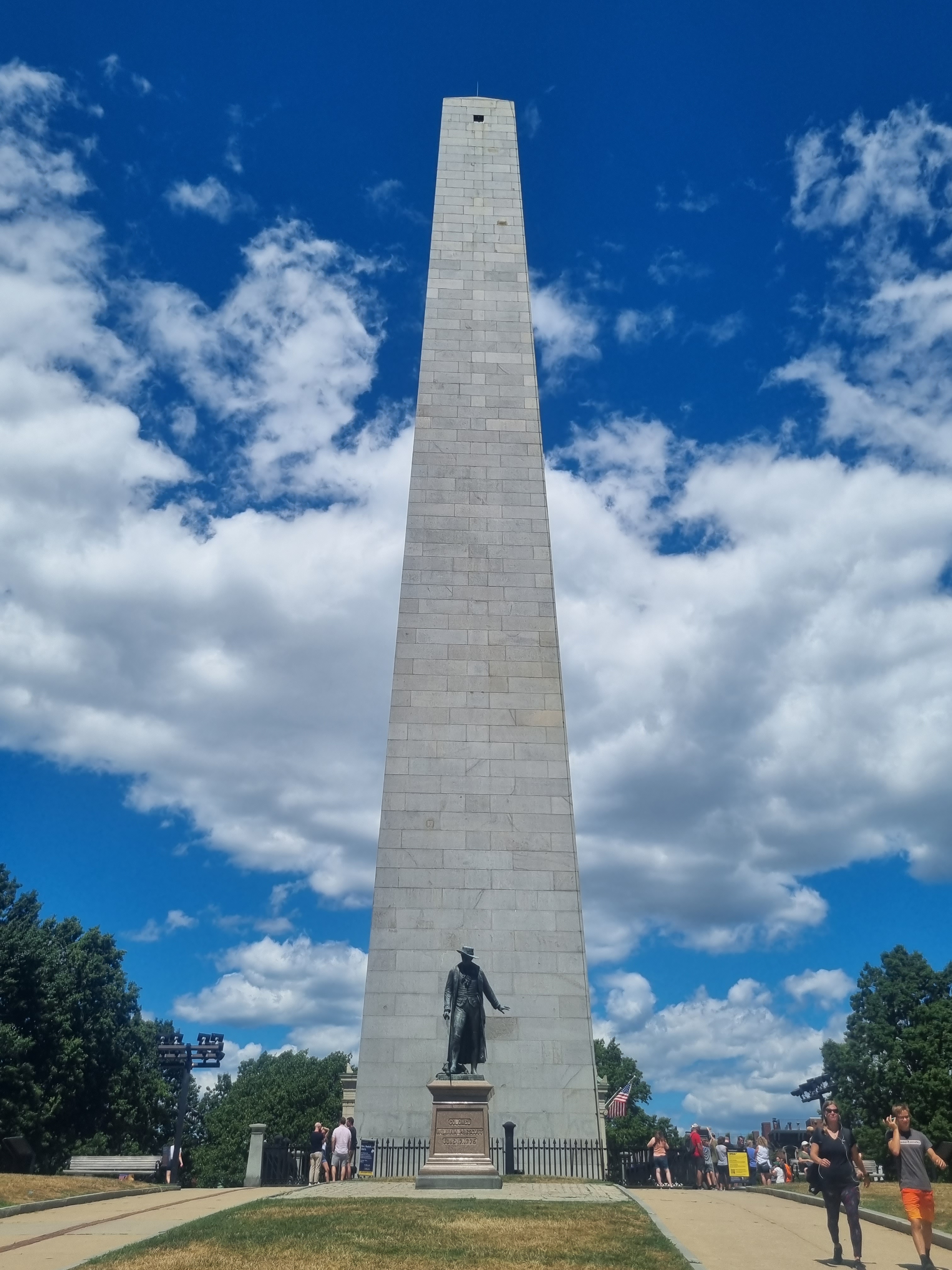
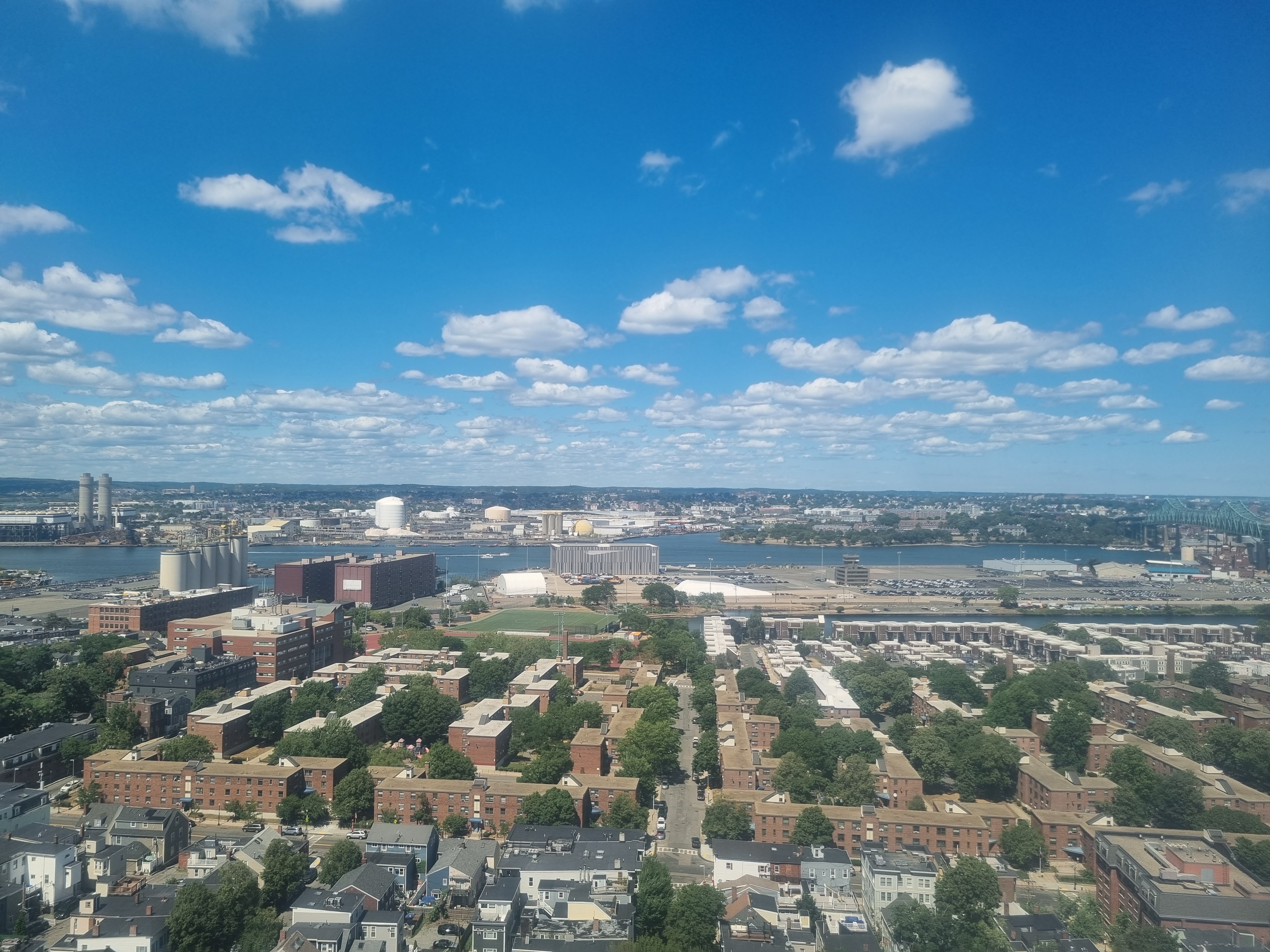
Next, we made our way to the Bunker Hill Monument, a historic granite obelisk that stands as a tribute to the Battle of Bunker Hill during the American Revolution. After taking in its impressive exterior, we began the climb up the 294 steps to the top. Although the warm weather made the ascent quite challenging, the breathtaking view from the top made it all worthwhile. From there, we could see great panoramic views of Boston and the surrounding areas.
Despite the long line on the bottom, the monument wasn’t overly crowded. This is because only 25 people are allowed to enter the tower at a time, ensuring a quieter and more enjoyable experience at the summit.
Visitor Information: Admission to both the monument and the museum is free. However, for the monument, you need to get a ticket number before you can begin your climb. For more visitor information, click here.

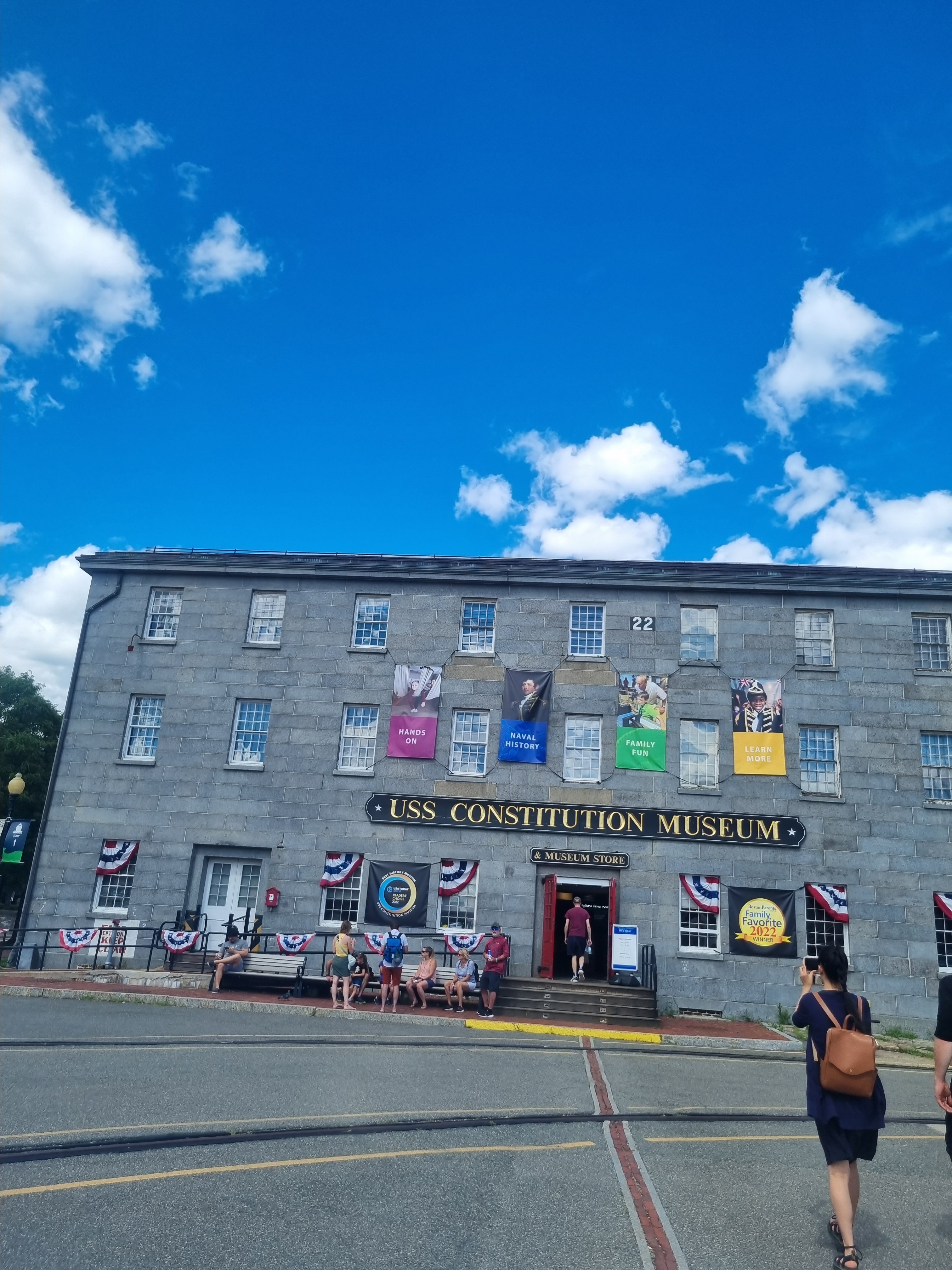
Next, we headed to the Boston National Historical Park, where we visited the USS Constitution Museum and the ship itself. This museum is dedicated to the history of the USS Constitution, the oldest commissioned warship afloat in the world. Known as “Old Ironsides,” the ship played a important role in the early years of the United States Navy.
At the museum, we explored interactive exhibits, artifacts, and historical displays that brought the ship back to life. One of the highlights was the chance to visit the ship itself, which is docked nearby. We were even able to go aboard the ship, getting a closer look at how sailors lived and worked during the early 19th century. It was really interesting to see such a well-preserved ship up close.
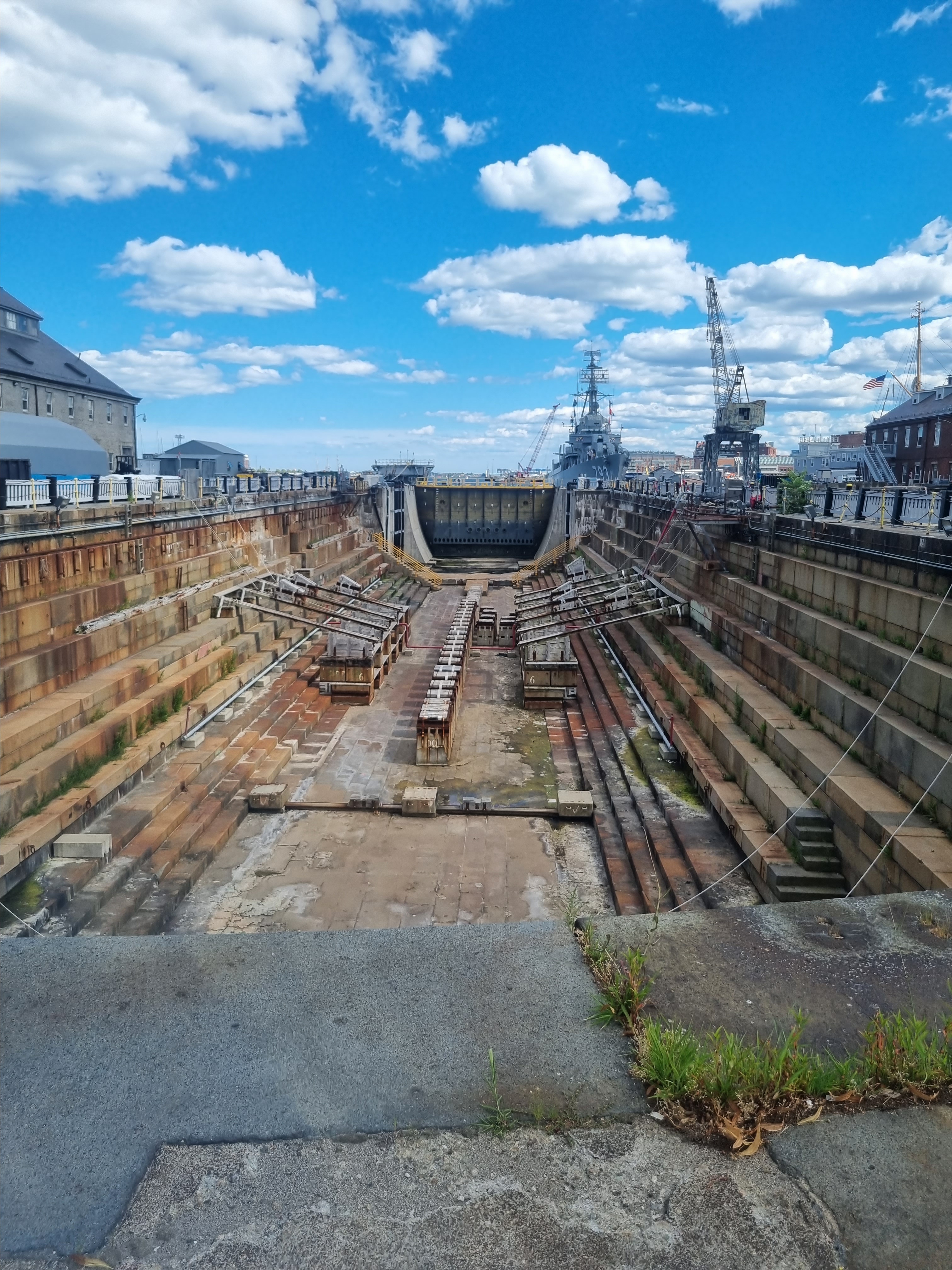


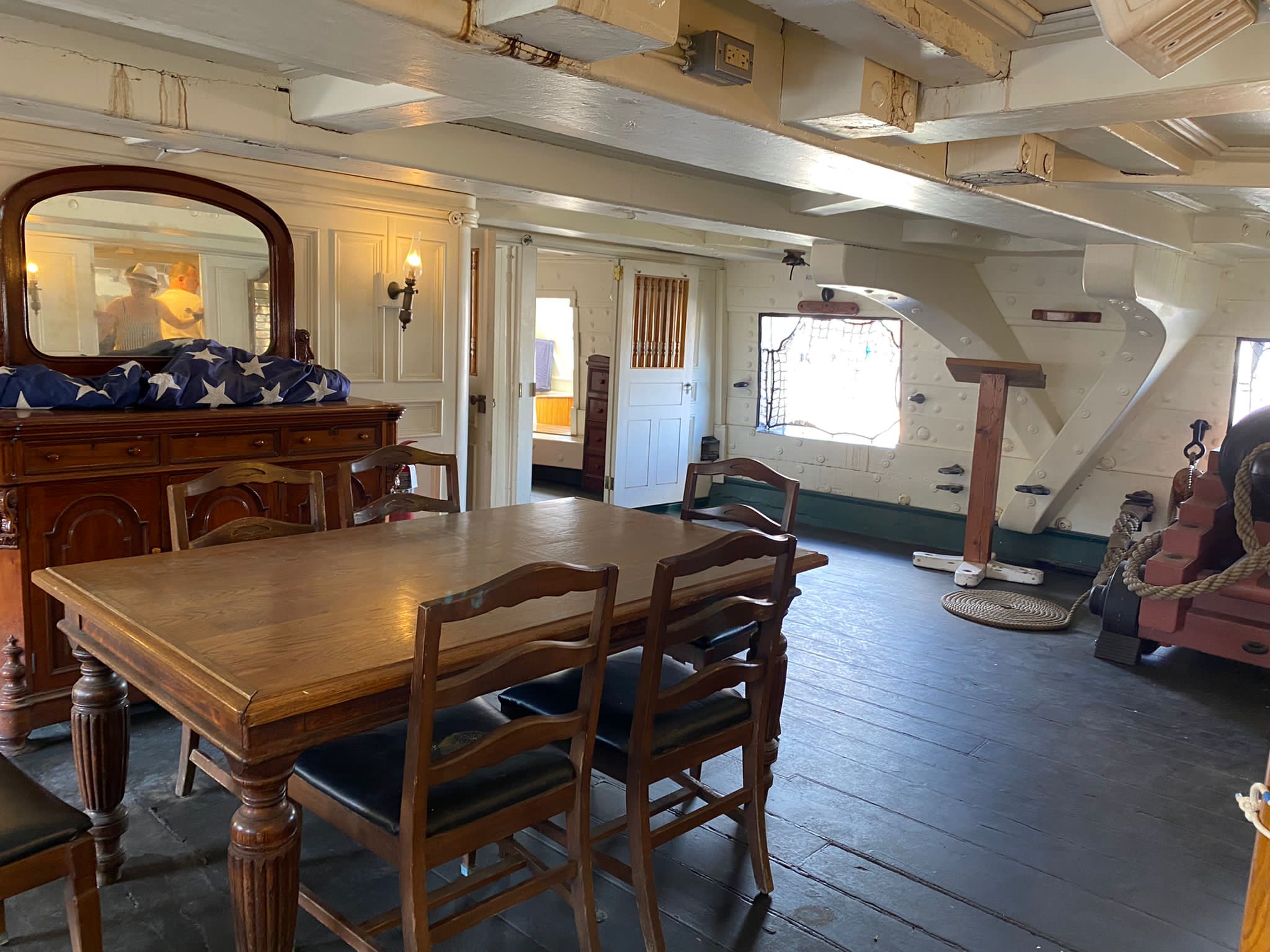

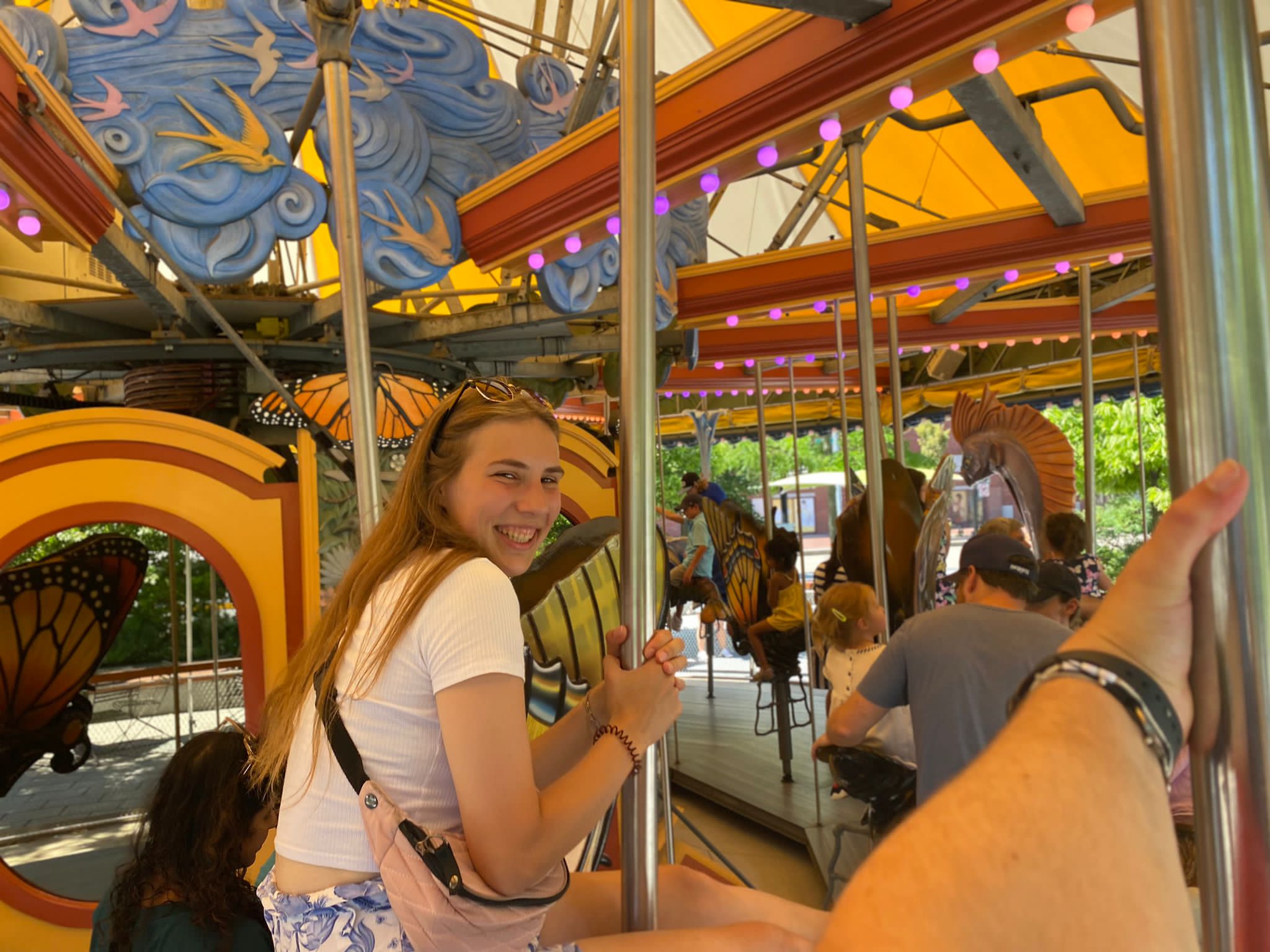
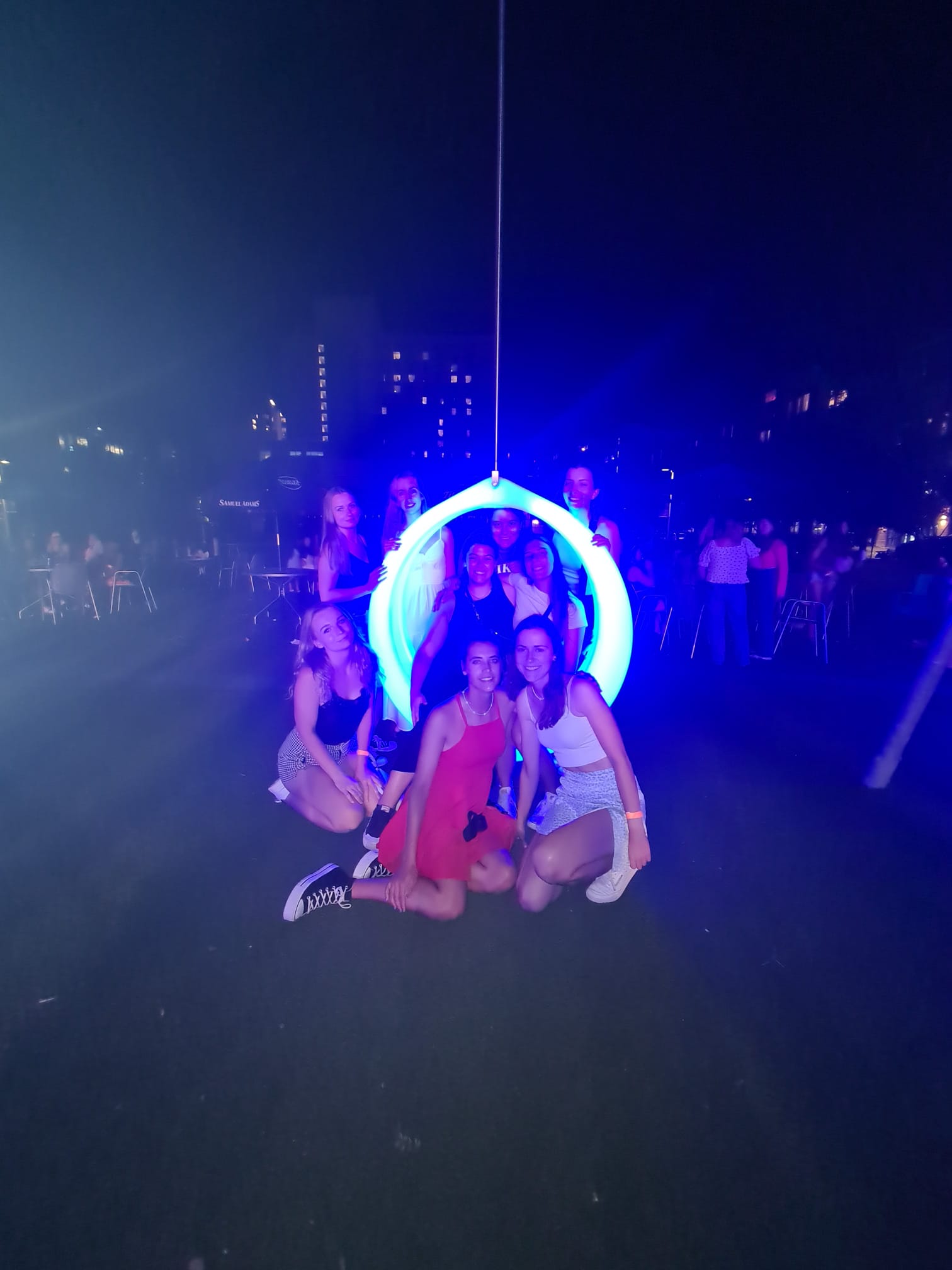
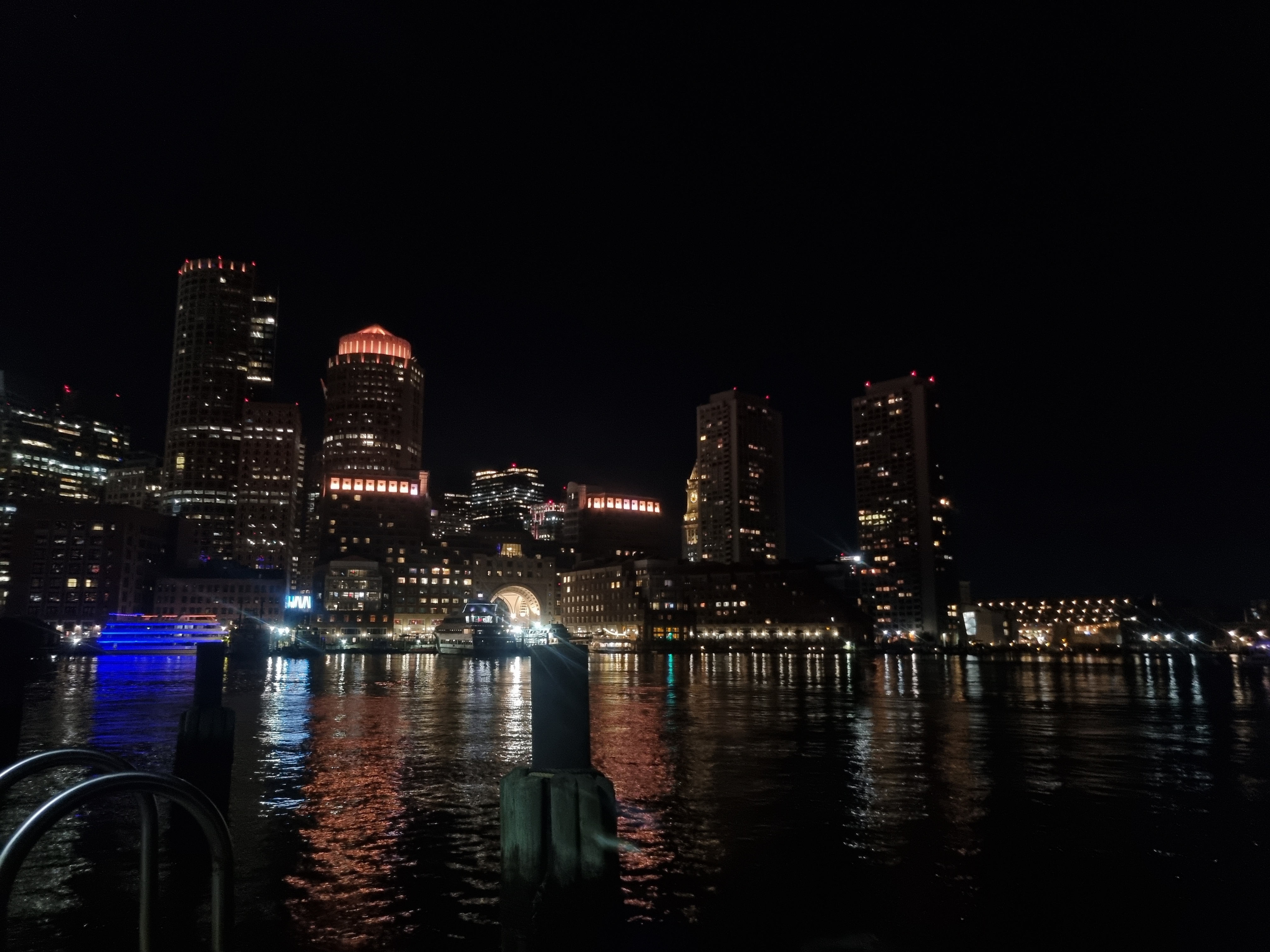
After exploring the ship, we returned to the hotel to rest before going out again in the evening. We met some fellow campers at The Lawn on D, a creative and lively outdoor event space in the heart of Boston’s vibrant Seaport District. During the right season, it’s a great place to relax and enjoy food and drinks. Click here for more information. We spent some time there before heading to the waterfront, where we enjoyed the beautiful harbor views for the rest of the evening before going back to the hotel.
Day 2
On our second day in Boston, my friend and I set out to explore the famous Harvard University. Located in the heart of Cambridge, just across the Charles River from downtown Boston, the campus is surrounded by charming streets that are perfect for a stroll.
From the moment we arrived at the campus, we were kind of amazed. The historic red-brick buildings, the lush green courtyards — it all felt like walking through a movie set. No wonder so many films and TV shows try to capture the magic of Harvard. The university has strict filming rules though, so most productions aren’t actually shot here but at other campuses made to look like Harvard.
Walking around the campus, we quickly realized one thing: Harvard is massive. Even with a map, finding our way around wasn’t easy. We wandered down ivy-covered pathways, took wrong turns, and ended up in places we hadn’t planned to visit. But honestly? That was part of the adventure.
At one point, we even stumbled upon a small outdoor games area where students can play table tennis and cornhole. Of course, we had to give it a try! I have to admit, cornhole looks way easier than it actually is. Let’s just say I’ll stick to table tennis.
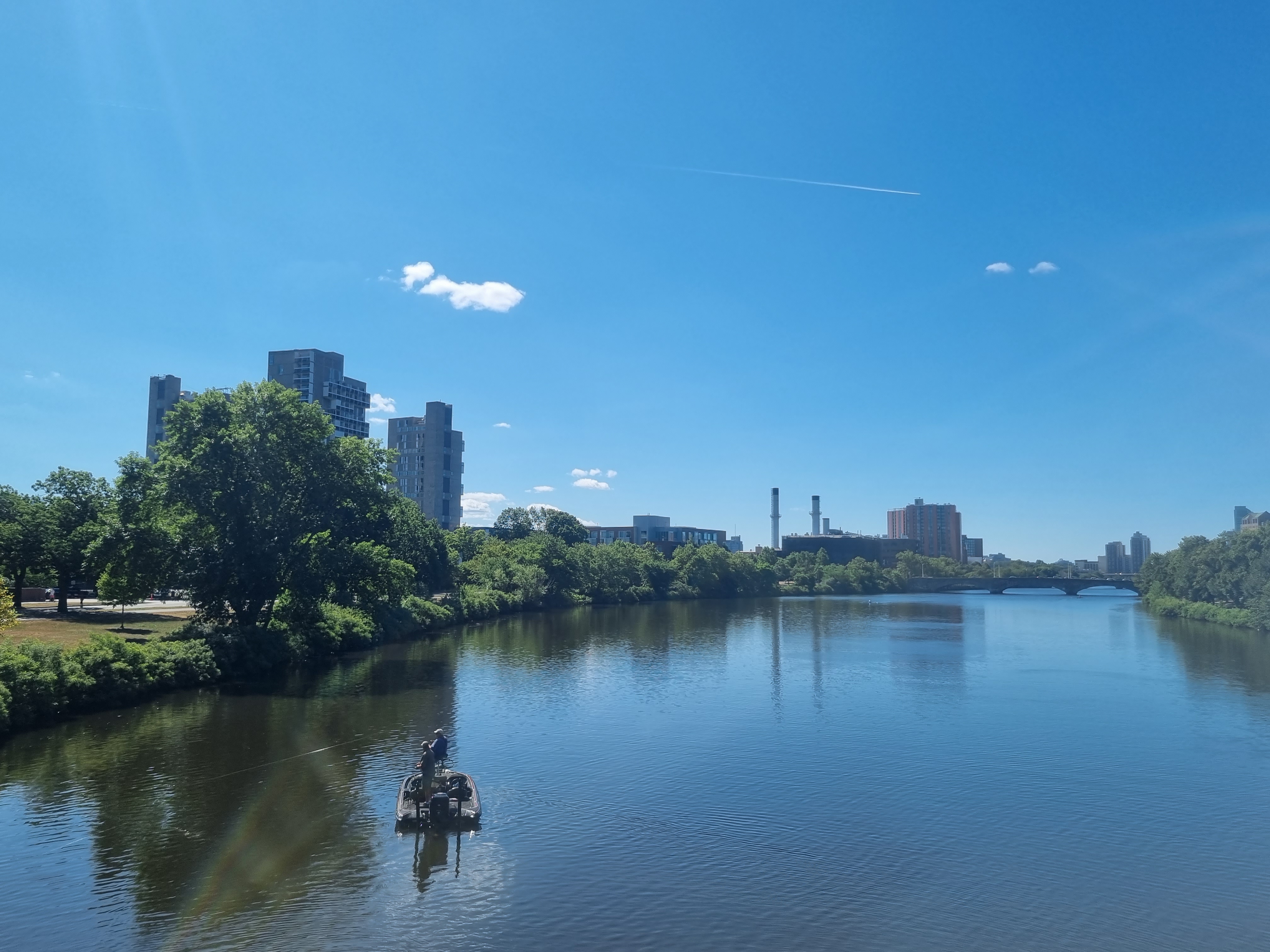
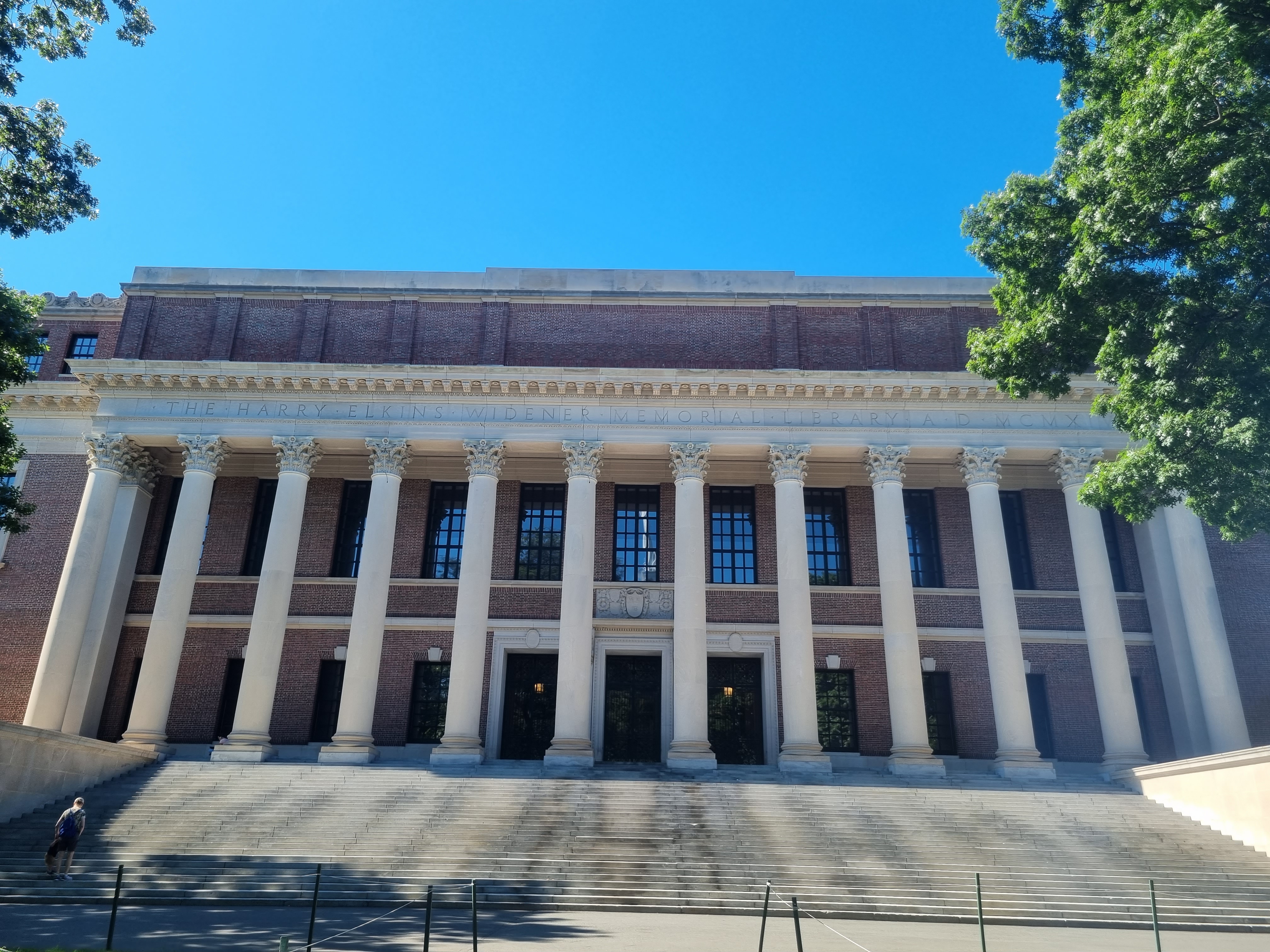
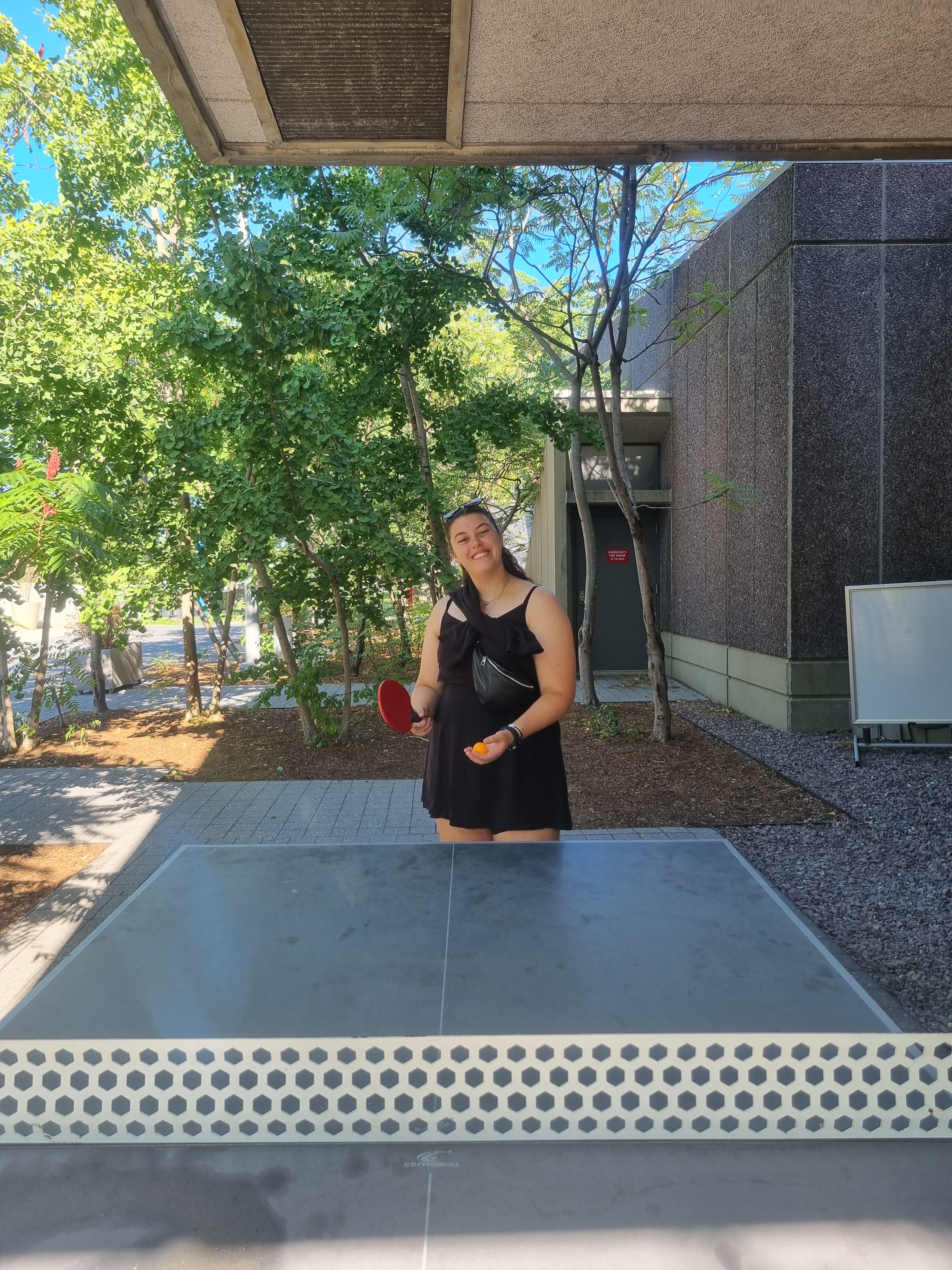
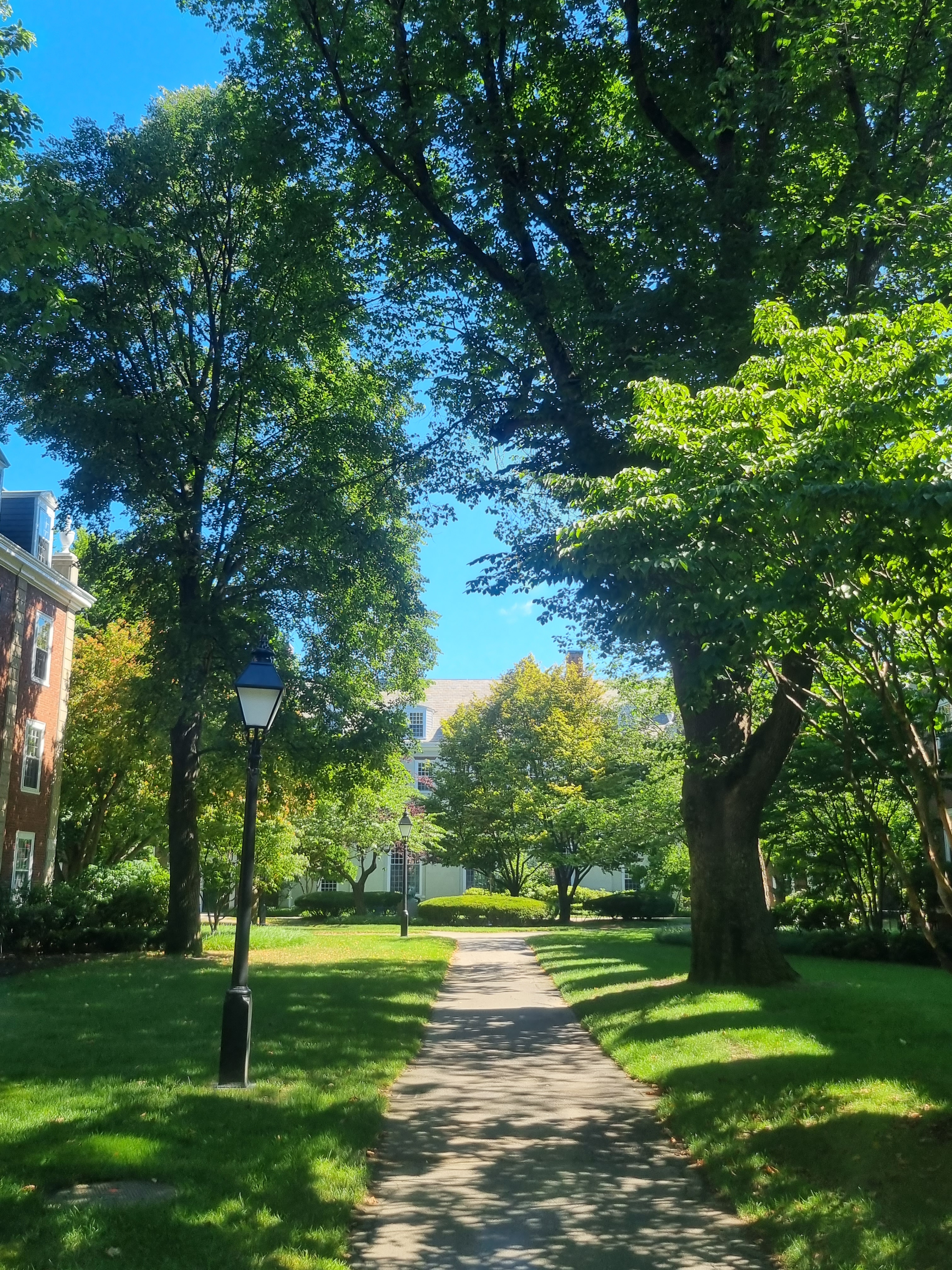
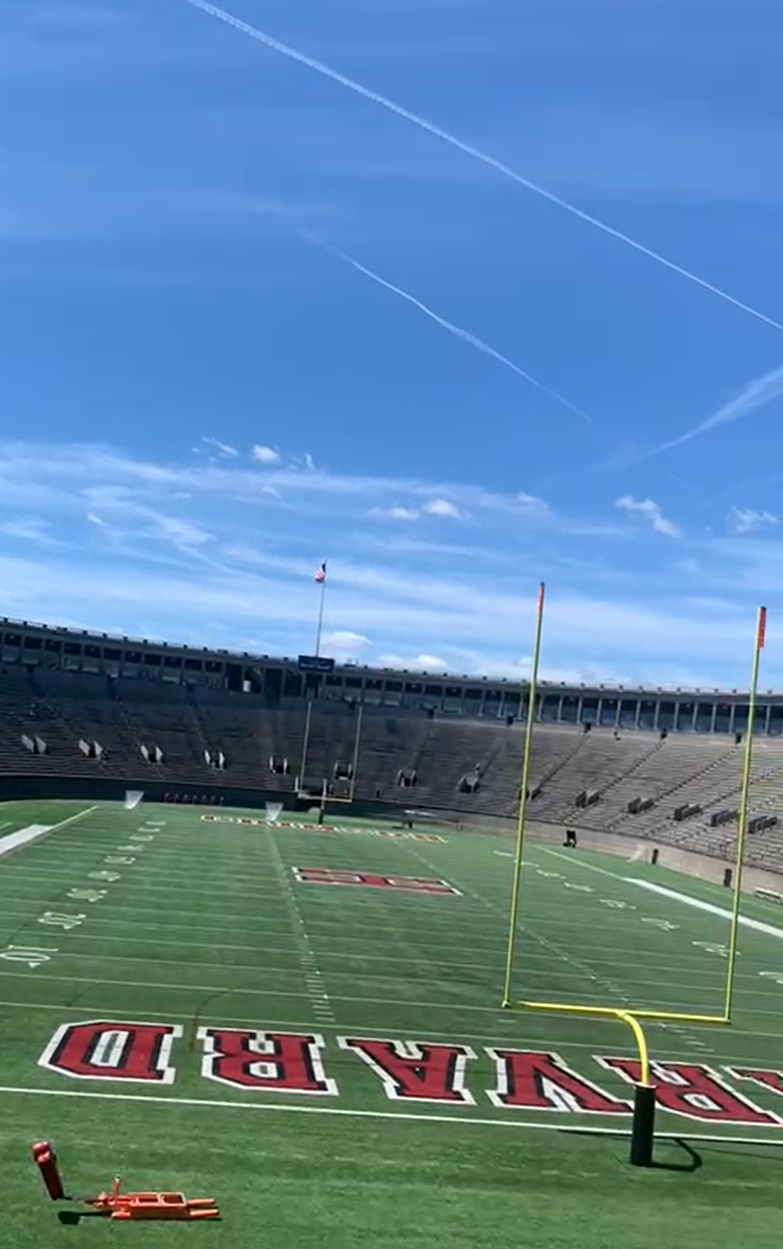
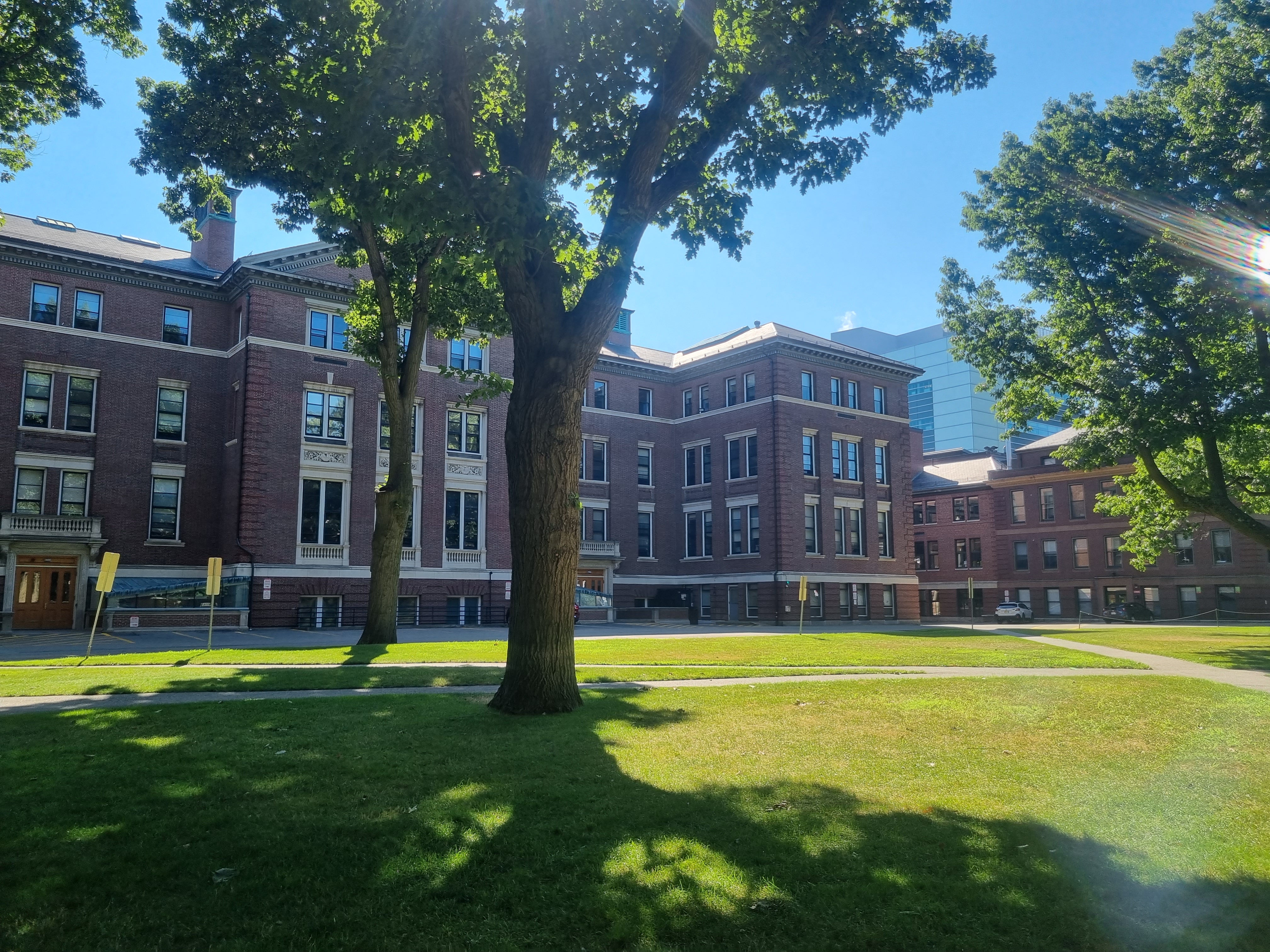
After exploring Harvard University, we made our way back to the Christopher Columbus Waterfront Park. This beautiful green space, right by the harbor, had already impressed us the day before with its relaxing atmosphere and stunning views of the Boston skyline. From there, we headed to Long Wharf, one of Boston’s oldest piers, where we caught a ferry across the harbor. The ride itself was a highlight— feeling the salty breeze and watching the city skyline from the water was an experience in itself.
Our first stop on the other side was the ICA Watershed Museum, which was a seasonal extension of the Institute of Contemporary Art. Housed in a former industrial warehouse, it features unique and thought-provoking contemporary art. After exploring the exhibits, we took the ferry back to the main ICA building, a sleek glass structure with stunning waterfront views. The museum’s modern art collection was interesting, though I have to admit — contemporary art isn’t really my thing.

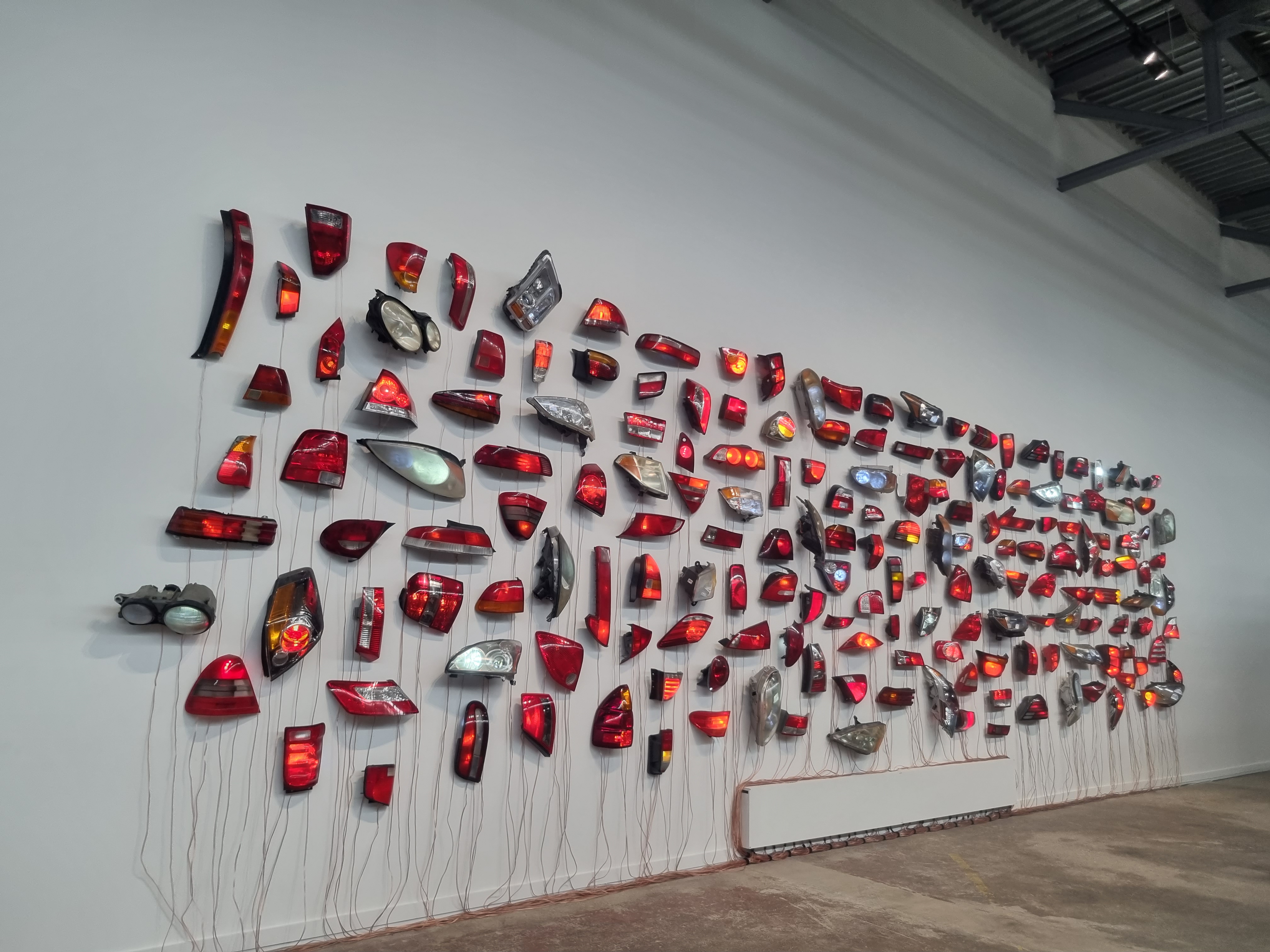

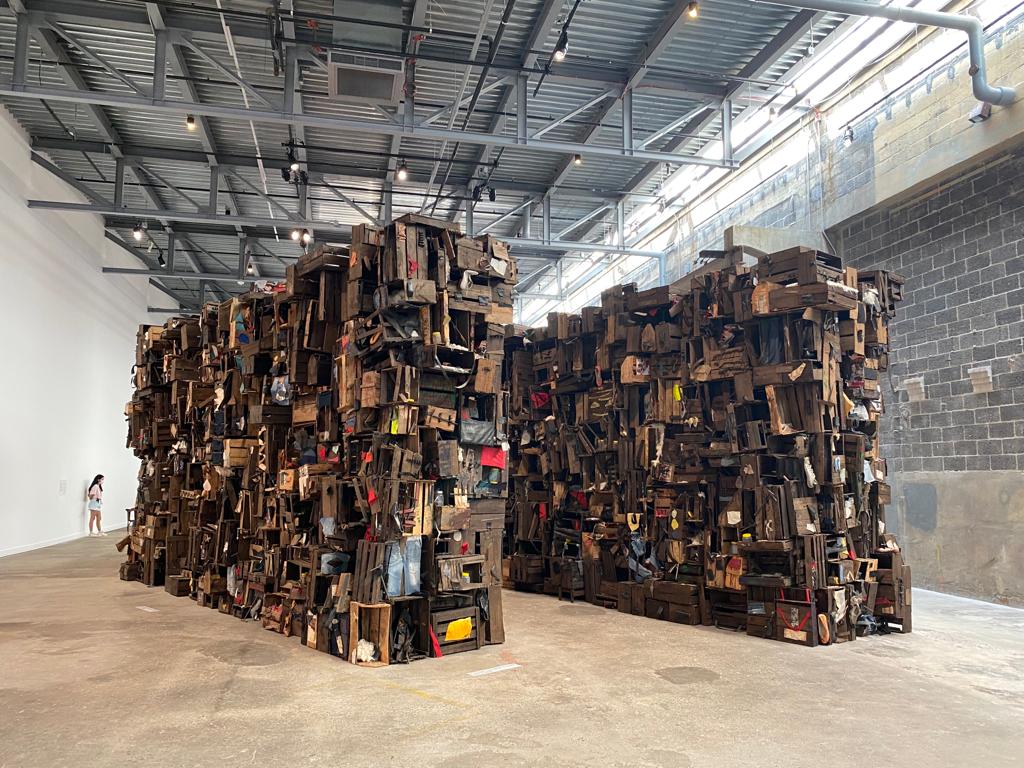
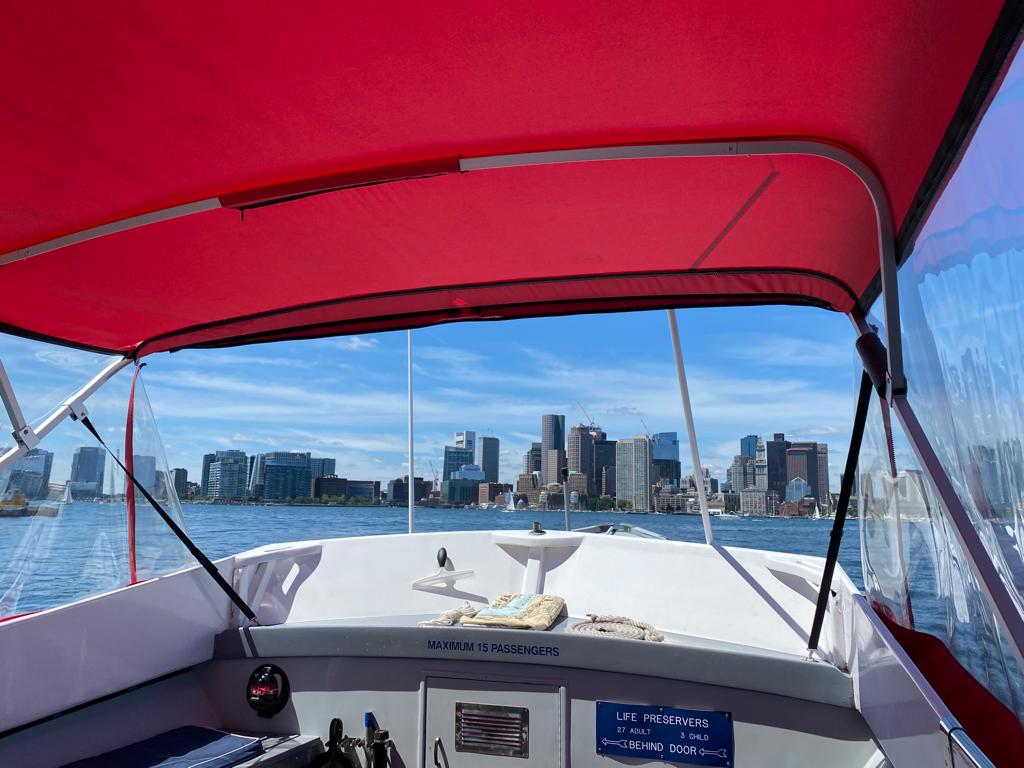
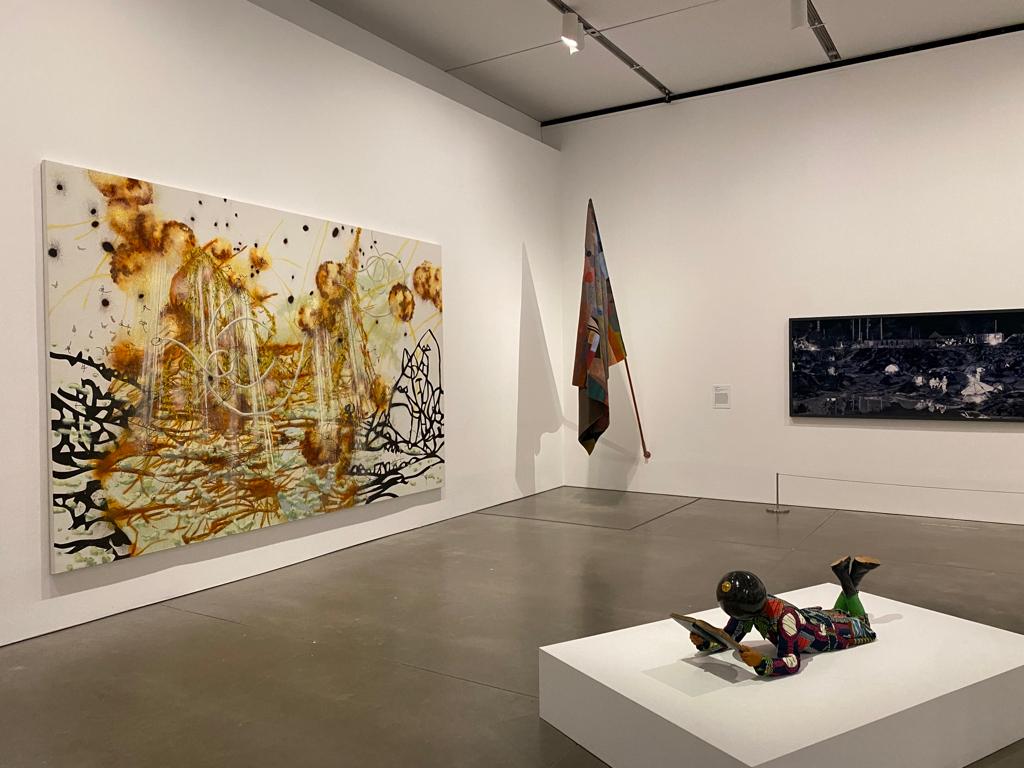
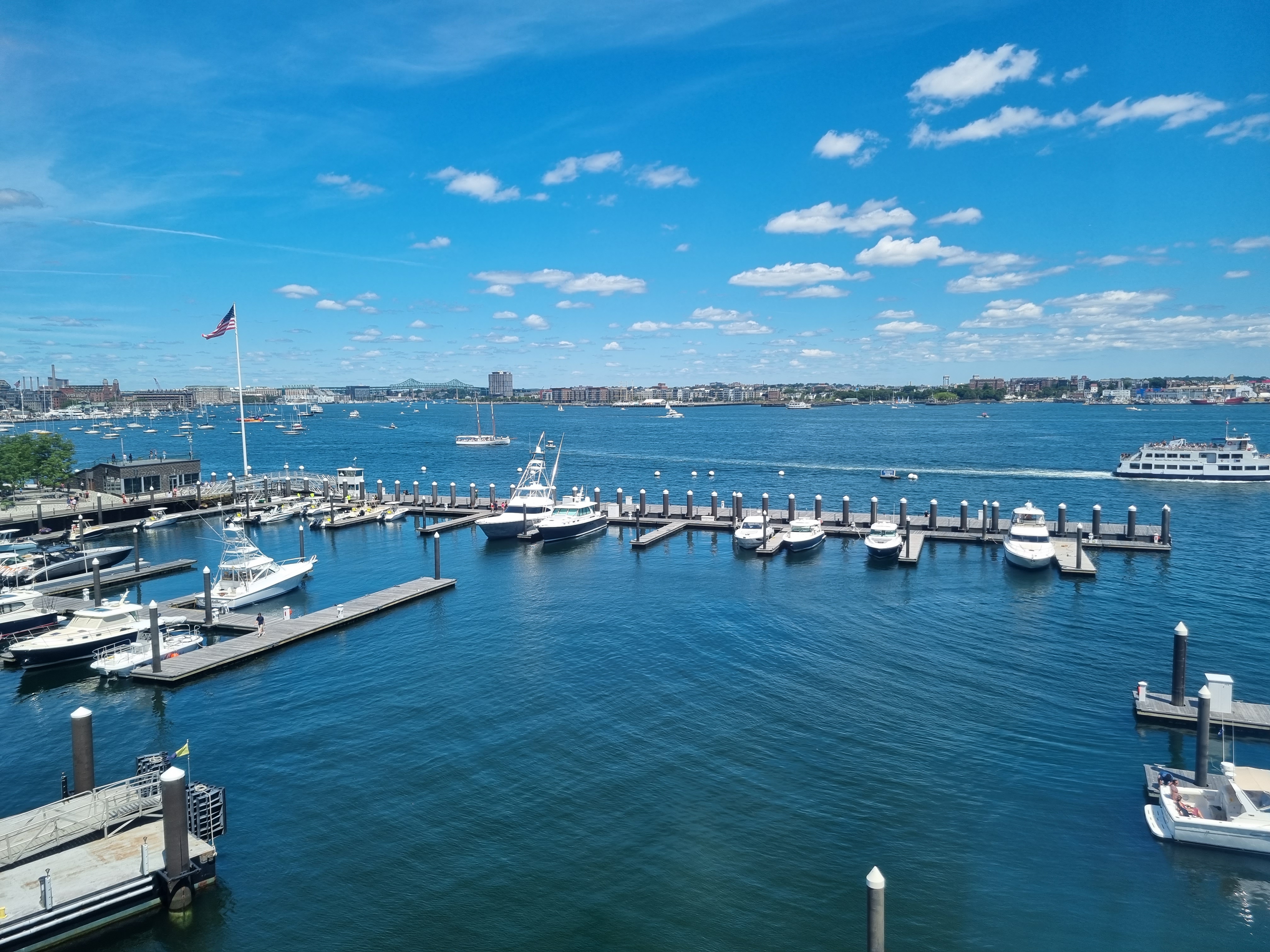
After we took a relaxing stroll along the harbor, enjoying the fresh air and beautiful views of the water, before continuing our adventure.
Before heading back to New York and our camp, we made a quick stop at Acorn Street, supposedly Boston’s most photographed street. Tucked away in the historic Beacon Hill neighborhood, Acorn Street is famous for its charming cobblestone path, brick townhouses, and gas lanterns —a true postcard setting. But to be honest? It was crowded and a bit overhyped. We weren’t particularly impressed and didn’t linger for long.
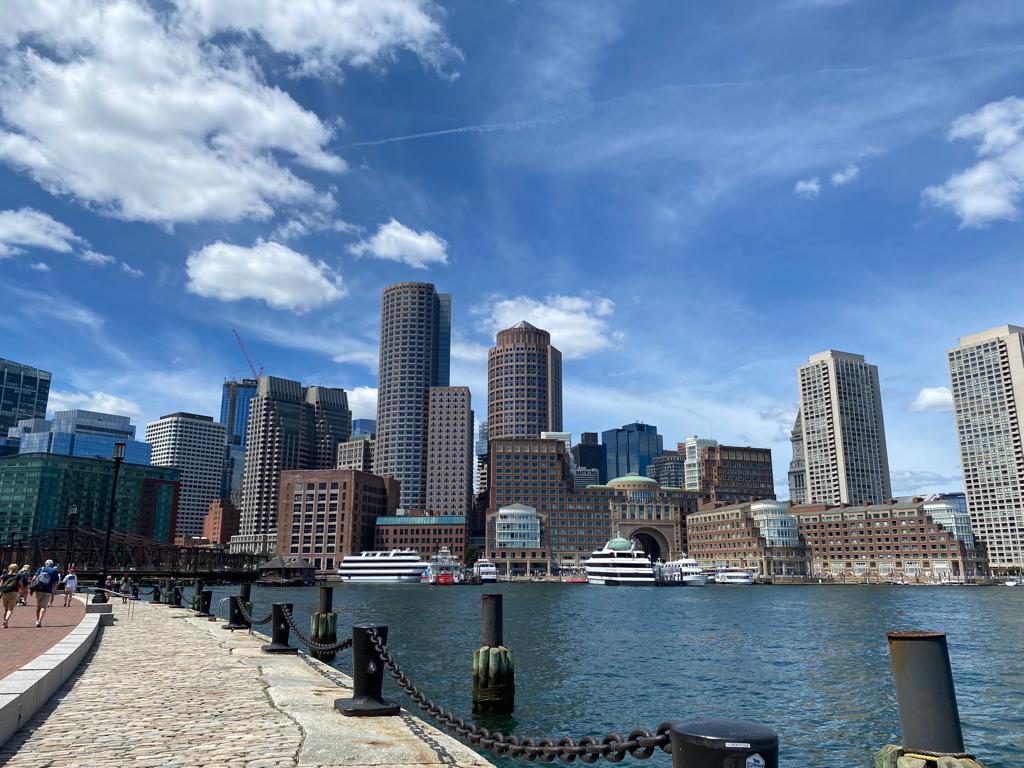

Afterward, we returned to the hotel, where we reunited with the rest of our group before boarding the coach back to New York. Our Boston adventure had come to an end, but the city’s mix of history, waterfront beauty, and vibrant culture left a lasting impression. It’s a beautiful city, and I definitely consider to come back someday. I hope this little Boston insight helps you make the most of your own trip to this incredible city!
Other North American Blogs
30 Ways to Fall in Love with New York City
What’s the first thing that comes to mind when you think of New York City? Is it the breathtaking view from the Empire State Building, the iconic Statue of Liberty seen from a ferry gliding across the harbor, or the electric buzz of Times Square at night? Or maybe it’s the legendary Grand Central Terminal,…


New Orleans Travel Guide: Discover 15 Things You Must Try
Get ready to step into the enchanting world of New Orleans, where the soulful sounds of jazz fill the air, and fluffy, powdered-sugar-coated beignets delight your taste buds. Wander through the stunning Garden District, lined with stately mansions and beautiful oak trees. Or lose yourself in the electric vibe of Bourbon Street, where the nightlife…
Discover Seattle: 3-Day Adventure in the Emerald City
Imagine yourself standing on top of the iconic Space Needle, where panoramic views of the city and the mountains unfold before your eyes, and the beauty of Mount Rainier National Park convince with its flower beds. Servus and welcome to the vibrant Emerald City, Seattle, with a 3-day itinerary awaiting you. Prepare to immerse yourself…
Explore the best of Las Vegas: A 3-Day Itinerary
Get ready to experience the heart-pounding thrill of Las Vegas! From the iconic casinos where you can test your luck to the breathtaking views of the Grand Canyon for hiking adventures, and the mesmerizing Bellagio fountains, this blog will guide you through a journey of the glitz and glamour of Sin City. Servus and welcome…
USA National Parks Road Trip: Salt Lake City to Las Vegas
Are you dreaming of an unforgettable road trip adventure? If so, consider embarking on a journey from Salt Lake City, Utah, to Las Vegas, Nevada. This scenic route will take you through some of the most breathtaking landscapes in the United States, with numerous opportunities to explore national parks and enjoy outdoor activities. You’ll pass…
Top 10 Things to Do in Chicago: Travel Guide
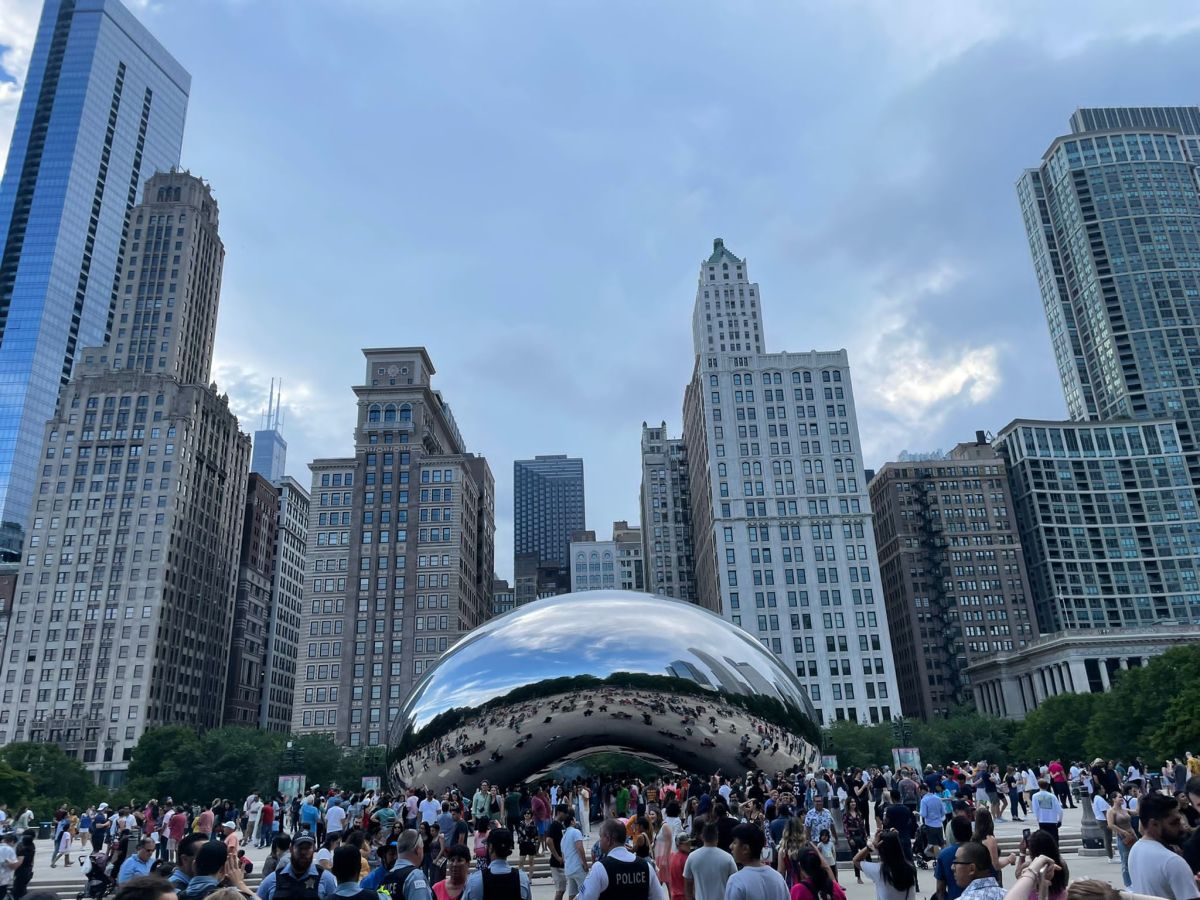
Welcome to Chicago, the Windy City — where towering skyscrapers kiss the clouds, the Chicago River winds through a city bursting with life, and every street tells a story. Stand before the mesmerizing Chicago Bean, its mirrored surface reflecting the city’s heartbeat. Indulge in the legendary deep-dish pizza, a cheesy, golden delight (love it or…
Summary of activities
- Freedom Trail
- Boston Public Library (Central Library)
- China Town
- Harvard University
- Bunker Hill Monument
- Boston National Historical Park
- Boston Public Garden and Boston Common
- Faneuil Hall
- Quincy Market
- Acorn Street
- Copley Square
- Christopher Columbus Waterfront Park
- Long Wharf (Harbor)
- ICA Watershed (museum)
- Boat Tour
- Institute of Contemporary Art




 Michelle Cacija
Leave a comment