
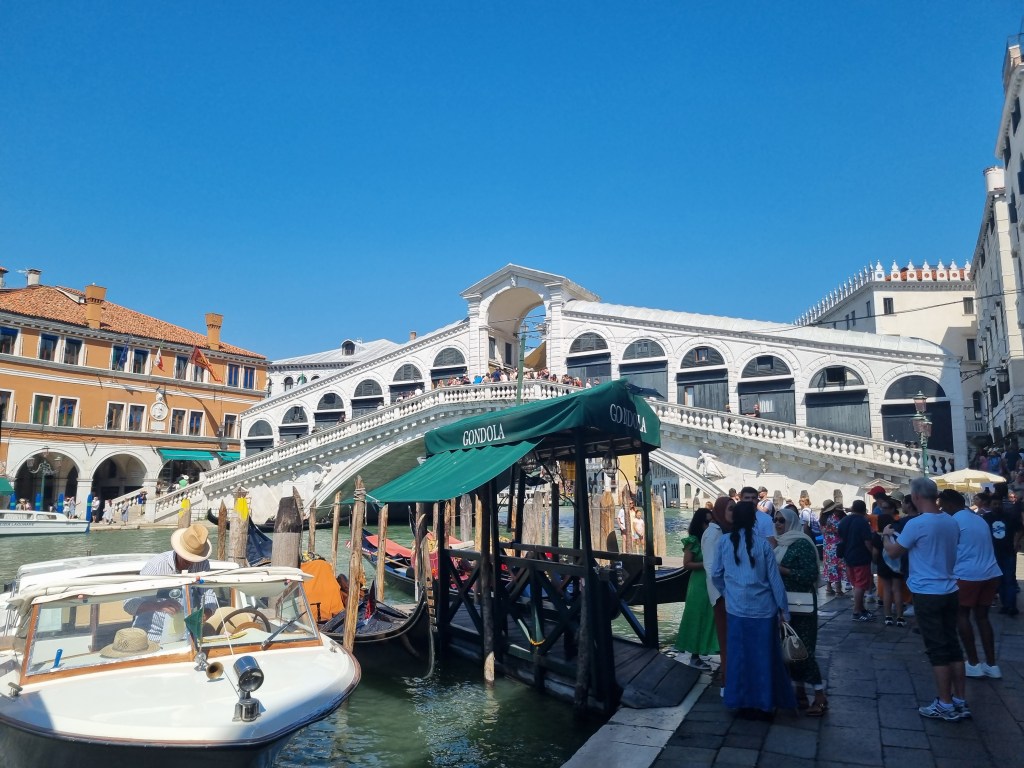
There’s a place in the north of Italy where time seems to stand still, where streets are made of water and dreams drift along on gondolas. Venice — the legendary city of a thousand bridges — enchants from the very first glance. As you wander through its labyrinth of narrow alleyways and beautiful squares, the air carries the mouthwatering scent of wood-fired pizza and fresh pasta spilling out from cozy trattorias.
Gondoliers in striped shirts steer their elegant boats through shimmering canals, their songs echoing softly between centuries-old buildings. Every corner of Venice tells a story — of art, love, mystery, and timeless beauty. This extraordinary lagoon city, floating like a jewel between sky and sea, draws travelers from every corner of the globe, each hoping to experience its magic for themselves. Servus and get ready to fall in love with Venice — one bridge, one gondola ride, and one bite of pasta at a time.
As always, I want to remind you, that this blog isn’t perfect because everyone travels differently, and all trips involve changes of plans. I want to let you know that everything on this website has been experienced, photographed, and written by me. Since I finance all of my travel expenses on my own, the stories and opinions given are truly my own. If you’re interested in seeing more travel pictures or videos, feel free to check out my Instagram @michellecacija or my Tik Tok @michellecacija.
Index
- The Basics about Venice
- Things you need to be aware of
- Medical insurance
- Major Sights and activities
- Summary of activites
- Other Italian Blogs
The Basics about Venice
When to visit
If you want to experience the true magic of Venice, timing is everything. Start by avoiding the high season — not only the hot and crowded summer months, when temperatures can soar above 30 °C (86 °F), but also during busy holidays like Easter or Carnival. During these times, Venice is packed to the brim, and the charm can quickly get lost in the crowds.
Instead, consider coming in the off-season. Winter, in particular, brings a quieter, more mysterious side of Venice, with cool temperatures around 5–10 °C (41–50 °F), misty mornings, and fewer tourists. The city feels calmer, more intimate — and somehow even more magical.
If you’re planning a day trip, one important tip: come early — and by early, we mean really early. Most day-trippers arrive around mid-morning, and by then, the narrow streets and famous squares are already buzzing. Arriving at sunrise, on the other hand, reveals a Venice that feels almost secret — silent canals, empty alleyways, and Piazza San Marco bathed in soft golden light.
Or stay the night. Waking up in Venice and stepping out before the world stirs is an experience in itself. And lastly, try to avoid weekends if you can. Weekdays are noticeably calmer and give you a better chance to soak in the unique rhythm of this floating city.
Time Period
I’ve been to Venice twice, both times as a day trip — and while that gave me a lovely first impression, I quickly realized: this city deserves more time. If you’re just planning to stroll the streets, soak in the vibes, and maybe enjoy a gondola ride or two, a day might be enough. But if you’re thinking of diving deeper — visiting a museum or two, exploring hidden corners, or even taking a boat trip to the colorful islands of Murano or Burano — then staying at least one night is probably worth it.
Getting there
Venice is tucked away in northeastern Italy, along the Adriatic coast, in the enchanting region of Veneto. If you choose to come by car don’t expect to cruise through the city itself — Venice is a lagoon city, completely car-free, and only reachable by crossing a long bridge from the mainland. Once you’ve crossed it, that’s where the road ends. You’ll need to park your car and switch to a Vaporetto — the city’s iconic water bus — or continue on foot.
If you’re arriving by plane, you have two main options. The primary airport is Venice Marco Polo (Venezia-Tessera), located close to the city. From there, you can take a bus to Piazzale Roma — the last point accessible by road. From Piazzale Roma, it’s just a short walk or a scenic ride on the Vaporetto into the heart of Venice.
Alternatively, you might arrive at Treviso Airport, located about 25 kilometers north of Venice. It’s primarily served by low-cost airlines. Reaching Venice from Treviso is still easy, though the journey takes a bit longer and usually involves a shuttle or bus transfer.
Another option is to come by train. Venice is well connected to some major cities across Italy and beyond. The city’s train station — Venezia Santa Lucia — sits right on the Grand Canal and just a short stroll from many of the main attractions.
Where to stay
Staying overnight in Venice is a magical experience — but it can also be quite expensive. Accommodation in the historic center tends to come with a hefty price tag, especially during peak seasons. If you’re traveling on a budget, a day trip from nearby cities like Mestre or Padua can be a great alternative. They’re well connected by train and allow you to experience Venice without paying Venetian hotel prices.
Getting around
No honking horns, no traffic lights — just the gentle splash of water against ancient stone and the hum of boat engines. One of the most surprising — and enchanting — facts about Venice? There are absolutely no cars. None. Zero. The moment you cross the long bridge connecting the city to the mainland, it’s time to leave your car behind. From that point on, Venice belongs to the feet and the waves.
In this floating city, the streets are canals and your “bus” might just be a boat. Locals and visitors alike get around either on foot, wandering through winding alleys and over centuries-old bridges, or by hopping aboard the Vaporetto — Venice’s iconic water bus that glides along the Grand Canal like a river taxi. It’s a whole different rhythm of life, slower, quieter, and somehow more poetic.
Information: If you’re planning to use the Vaporetto more than once, a day pass is often the best value. A 24-hour ticket currently (April 2024) costs €26 and gives you unlimited rides during that time — perfect for exploring not just the main island, but also outer gems like Murano, Burano, or the Lido. There’s also a 75-minute single ticket available for €9.50. And depending on your plans, there are many other ticket options — from multi-day passes to airport transfers. Click here, for more information.
What to pack
Venice may be small, but it still requires smart packing — especially since you’ll be doing a lot of walking and navigating bridges, canals, and cobblestone streets. Comfortable shoes are a must no matter the season.
What you pack will definitely depend on the time of year. In summer, one thing is clear: keep it light. Breathable clothing, sunglasses, a hat, and sunscreen are essentials, as temperatures often climb above 30 °C (86 °F) and the sun reflects off the water and stone.
In winter, Venice can be surprisingly chilly and damp, with temperatures around 5–10 °C (41–50 °F). You’ll want to bring a warm coat, a hat, and maybe even a scarf and gloves — especially if you plan to be out early in the morning or after sunset. Waterproof shoes or boots can also be helpful, especially during acqua alta (seasonal flooding).
Additionaly, consider bringing your own little medication bag, including Band-Aids, pain relief tablets, sleeping tablets or spray, bug spray, aftersun, etc. You never know what you might need it for, and you might feel more comfortable using medication from home rather than in a country where you don’t know the ingredients and languages. If you’re coming from outside Europe, don’t forget to bring a Type C power adapter.
Cost of traveling
Since April 18, 2025, Venice has introduced a new entry fee of up to €10 for day visitors. This “Venice Ticket” is required on 54 selected peak days between April and July — typically weekends and holidays — as part of the city’s efforts to control mass tourism.
If you’re staying overnight in Venice, you’re exempt from this fee. However, hotel guests still need to pay the local tourist tax, as before. Other exemptions include residents of Venice and children under 14 years old.
Beyond that, Venice can be quite expensive — especially in popular tourist areas. Whether it’s a quick coffee on Piazza San Marco or a gondola ride through the canals, prices tend to be significantly higher in the city’s hotspots. If you’re traveling on a budget, it pays to venture a little off the beaten path: you’ll often find better deals, fewer crowds, and more authentic experiences just a few streets away from the main sights.
Things you need to be aware of
On Sundays, shops and supermarkets are usually closed, while restaurants, cafes, and attractions like museums or churches remain open. There are a few exceptions, though, and you might find a few supermarkets that are open.
Regarding water in Italy, you can safely drink tap water as it’s clean and meets the World Health Organization standards.
Toilet situation. In Venice specifically, I didn’t really come across any public toilets, so planning ahead is even more important there. Always use the restroom before leaving your accommondation, a restaurant, or a café.
Tipping. In Italy, tipping isn’t as common or expected as it is in some other countries. However, it’s appreciated if you receive exeptional service. It’s common to round up the bill or to leave a tip of around 5-10% in restaurants and cafes.
The currency in Italy is the Euro. While a few years ago, Italy was still very cash-oriented, they now accept cards mostly everywhere. It’s still advisable, though, to bring some cash with you.
Entry free. As of April 18, 2025, Venice has implemented a new entry fee of up to €10 for day-visitors. This “Venice Ticket” applies on 54 high-traffic days between April and July — mostly weekends and public holidays — and is part of the city’s initiative to better manage the overwhelming number of tourists.
Medical insurance
I highly recommend getting travel medical insurance while you’re traveling. Hopefully, you’ll never need it, but it’s always better to be safe than sorry. SafetyWing offers two flexible plans tailored to your travel needs — whether you’re a short-term adventurer or a long-term expat, you’ll have reliable coverage anywhere in the world.
SafetyWing is especially great for remote workers and digital nomads, offering continuous global coverage even if you’re hopping between countries. Of course, it’s also a solid option for frequent travelers or those constantly on the go. But if you’re only traveling occasionally or just for a short holiday now and then, there might be better-suited alternatives.

Major Sights and activities
Piazza San Marco (St. Mark’s Square)
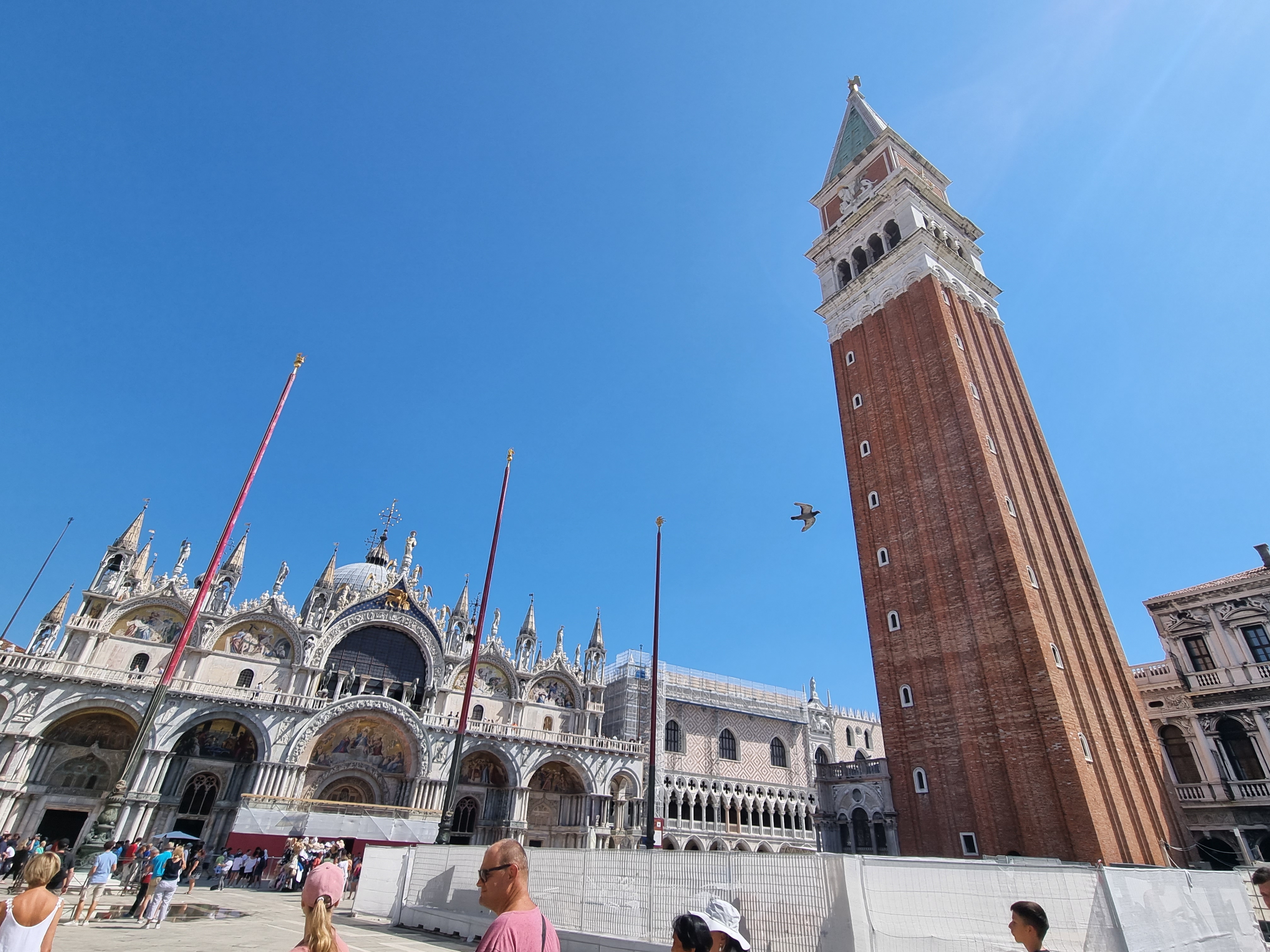
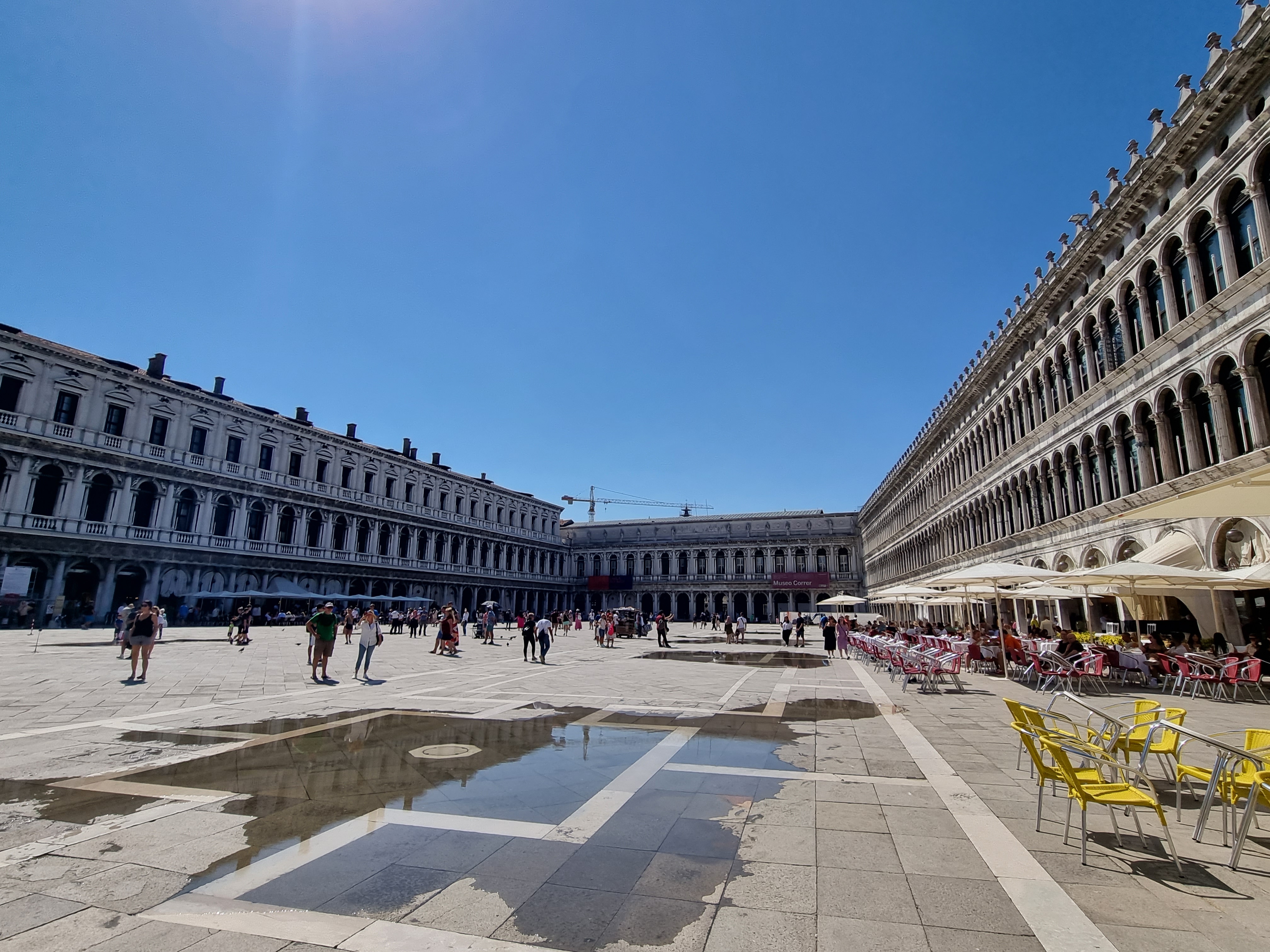
No trip to Venice is complete without stepping onto the majestic Piazza San Marco — the city’s most iconic square. Stretching an impressive 175 meters long and 82 meters wide, it’s a space so vast, it’s hard to fully grasp its scale from photographs alone. Only when you’re actually standing in the middle of it, surrounded by centuries of history, you realize just how big this square truly is.
Piazza San Marco is much more than just a public square though — it’s the cultural and architectural epicenter of Venice. Some of the city’s most important landmarks are located here or just steps away, making it the ultimate starting point for any Venetian adventure.
Dominating the square is the Basilica di San Marco, with its glittering mosaics, Byzantine domes, and golden horses. Right next to it stands the Campanile, the freestanding bell tower that offers breathtaking views of Venice’s rooftops and canals from above. The Palazzo Ducale, or Doge’s Palace, once the residence of Venice’s rulers, is a Gothic masterpiece that speaks of the city’s political might and opulence. And don’t miss the Torre dell’Orologio — the ornate 15th-century clock tower that still keeps time with stunning mechanical precision. The square is also surrounded by elegant cafés, arcades, museums, and luxury boutiques — but beware: with fame comes a price tag.
Tip: As tempting as it may be to sip a cappuccino at one of the open-air cafés while listening to a live orchestra, be prepared to pay dearly for the experience. Prices in and around Piazza San Marco are significantly inflated due to the constant stream of tourists. For a more authentic (and affordable) Venetian experience, I recommend wandering into the quieter streets and neighborhoods nearby — you’ll often find better food, friendlier service, and prices that won’t make your wallet weep.
Basilica di San Marco (St. Mark’s Basilica)
If there’s one place in Venice that truly captures the city’s soul, it’s St. Mark’s Basilica. Rising majestically at the eastern end of the iconic Piazza San Marco, this architectural wonder isn’t just the most important church in Venice — it’s a truly masterpiece. From the very first glance, the basilica stuns. Its shimmering golden mosaics, intricate domes, and a façade bursting with Byzantine, Gothic, and Romanesque elements create a spectacle unlike anything else in Europe. But the true magic lies inside. The interior is bathed in a warm, golden light reflecting off over 8,000 square meters of mosaics, many of them centuries old.
Visitor information: Entry to the main church is free! However, if you’re eager to delve deeper —perhaps to see the breathtaking Pala d’Oro, an altarpiece encrusted with thousands of gems, or to climb up to the museum and terrace for a sweeping view over the piazza — there’s a admission fee.

Palazzo Ducale (Doge’s Palace)
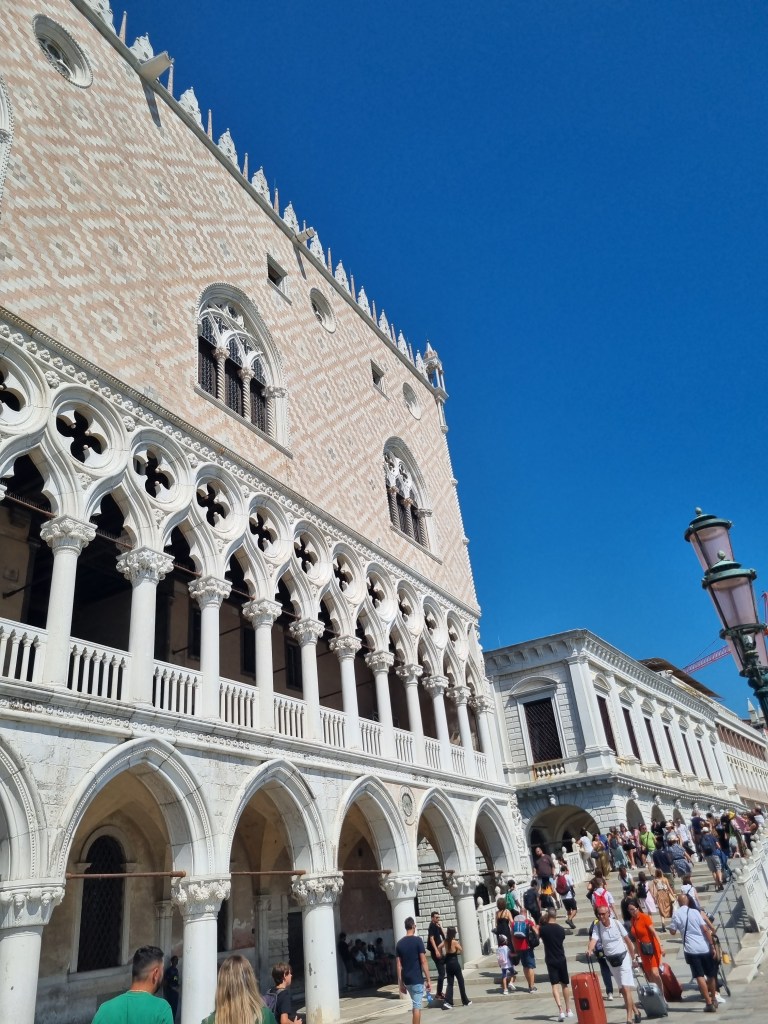
Tucked right beside the iconic St. Mark’s Basilica lies another Venetian marvel that absolutely deserves attention: the Doge’s Palace (Palazzo Ducale). With its soft pastel hues, delicate tracery, and soaring Gothic arches, this architectural masterpiece is a sight that stops you in your tracks. Once the political and administrative heart of the mighty Republic of Venice, the palace was the residence of the Doge — the elected ruler of the city — and home to the government’s most important institutions.
If time allows, I recommend stepping inside. Touring the lavish halls and grand council chambers is like walking straight into the pages of Venetian history.
Torre dell’Orologio (Clock Tower)

Also rising gracefully above St. Mark’s Square is Torre dell’Orologio (Clock Tower). Since the 15th century, this elegant Renaissance tower has done far more than simply tell the time. Its stunning astronomical clock displays the hours, moon phases, zodiac signs, and the position of the sun.
At the very top, two bronze figures known as the Moors strike the bell on the hour, a ritual that’s as mesmerizing today as it was centuries ago.
For those curious about what lies behind the face of time, guided tours offer a chance to step inside the tower. You’ll get a close look at the old mechanisms, climb to the upper levels, and enjoy one of the best panoramic views over Piazza San Marco and Venice’s rooftops.
Ponte di Rialto (Rialto Bridge)
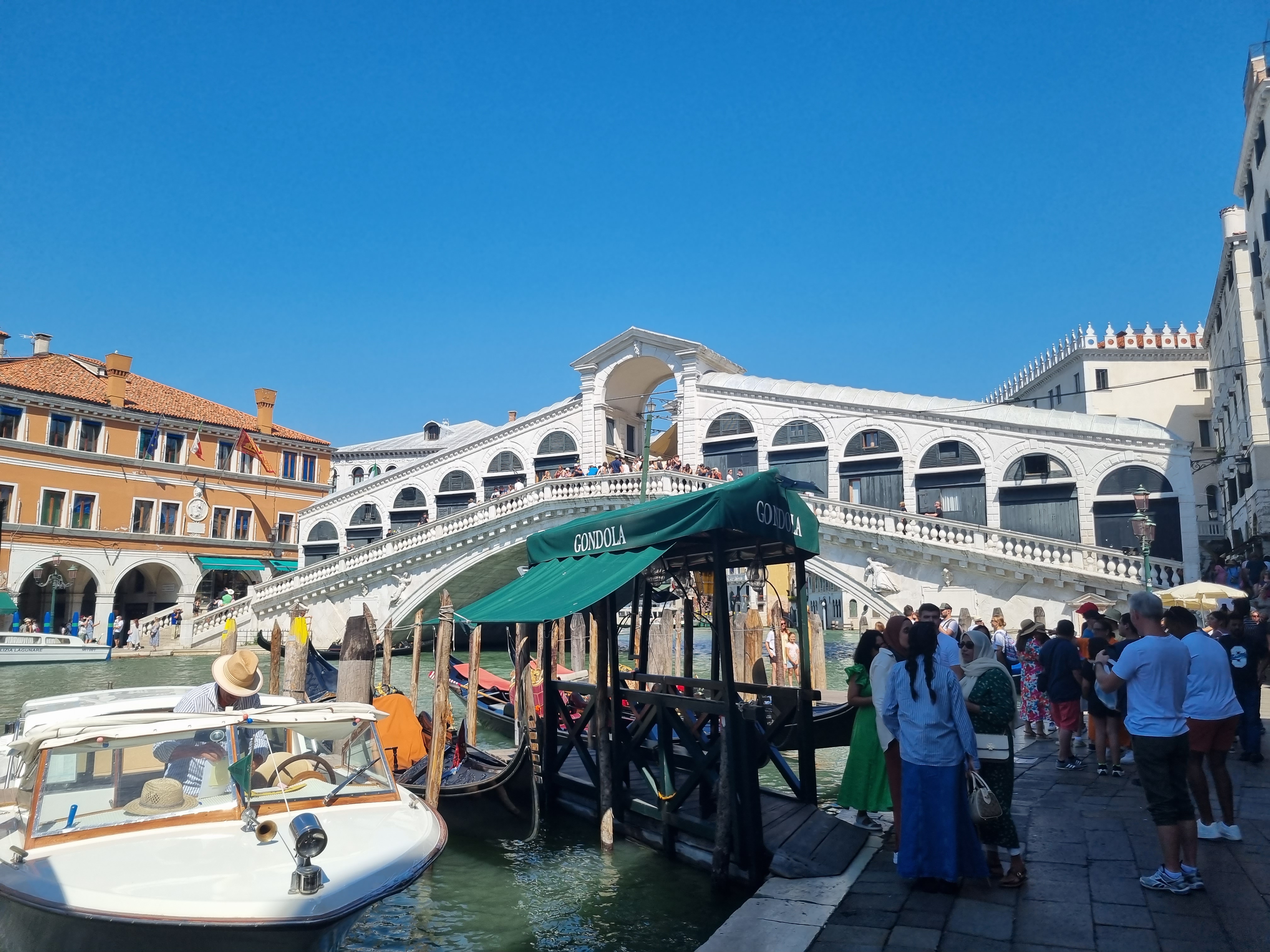
No visit to Venice feels truly complete without setting foot on or in front of the Rialto Bridge, the city’s most iconic span and a masterpiece of Renaissance architecture. Arching gracefully over the Grand Canal — the serpentine waterway that flows like a lifeline through the heart of Venice — the bridge links the elegant San Marco district with the vibrant San Polo quarter.
But the real magic begins once you reach the top. From here, the view is nothing short of cinematic: gondolas drifting beneath you, pastel-colored palazzi lining the canal, and the rhythmic pulse of the city unfolding around you.
Of course, you’re not the only one chasing that postcard-perfect moment. The Rialto is a magnet for visitors, and during the day, it can feel more like a slow-moving procession than a peaceful stroll. If you’re hoping to catch the bridge at its most serene, set your alarm early. Arrive just after sunrise, when the shops are still shuttered, the air is cool, and golden light spills across the water.
Ponte dei Sospiri (Bridge of Sighs)
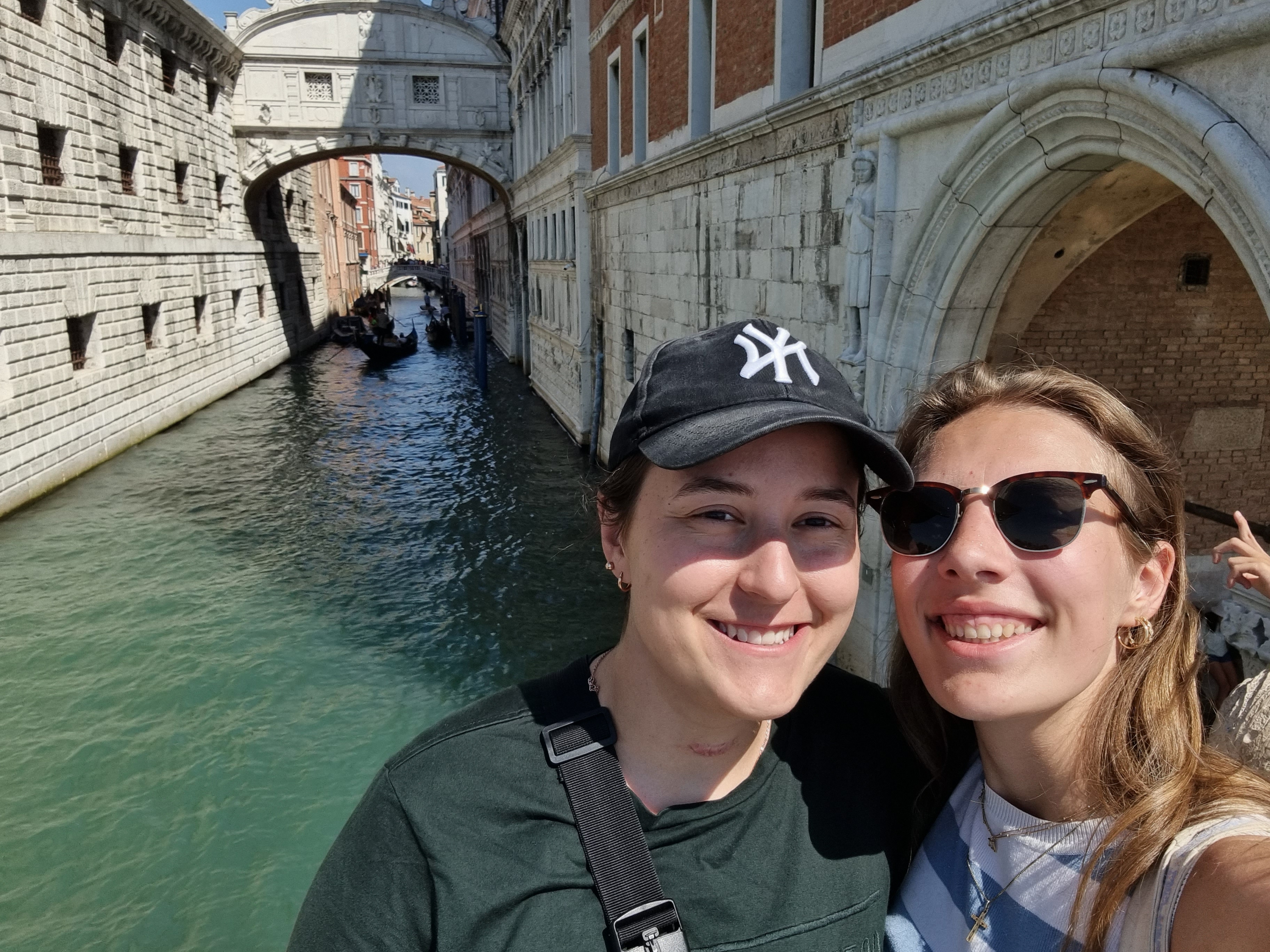
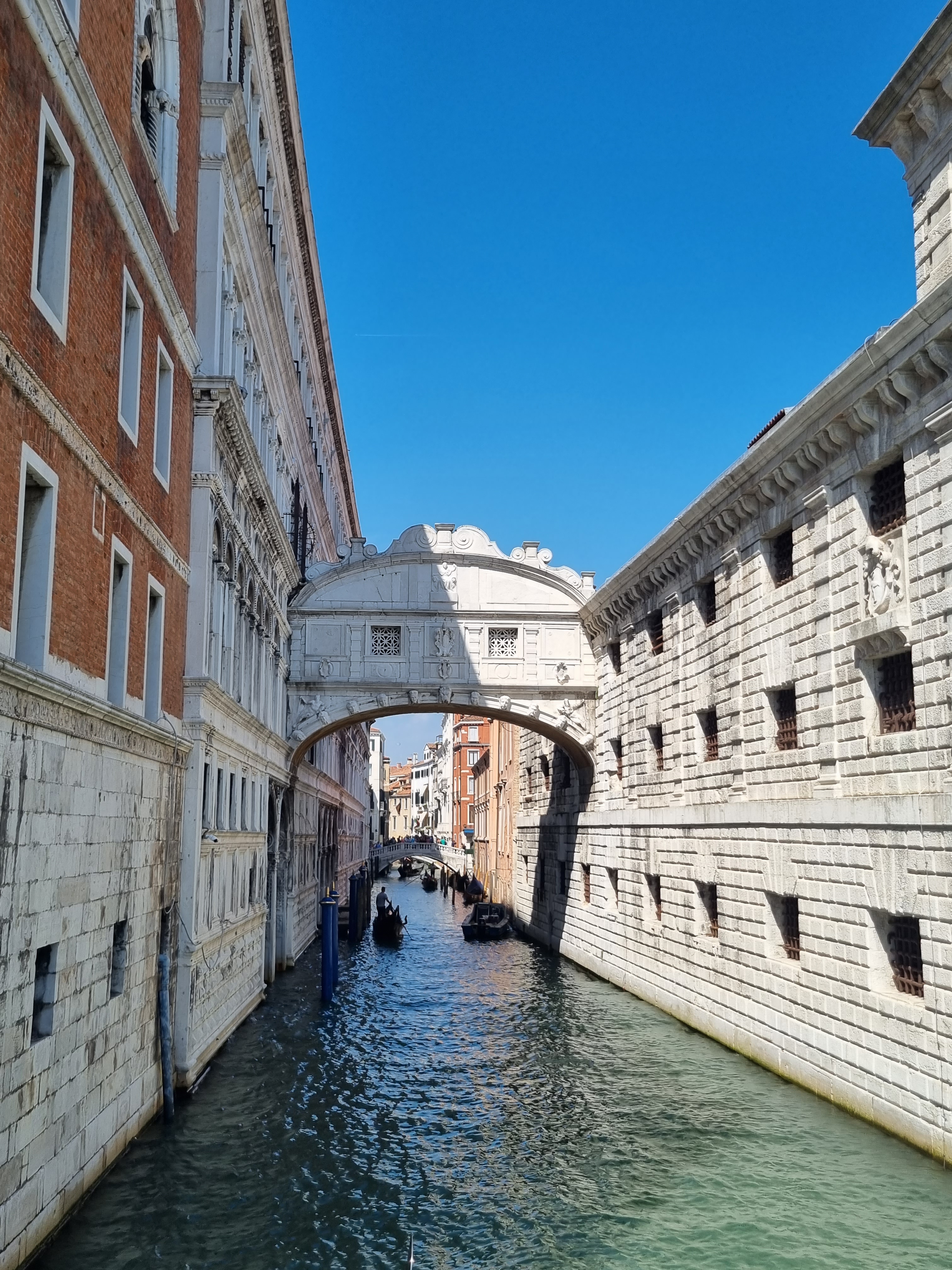
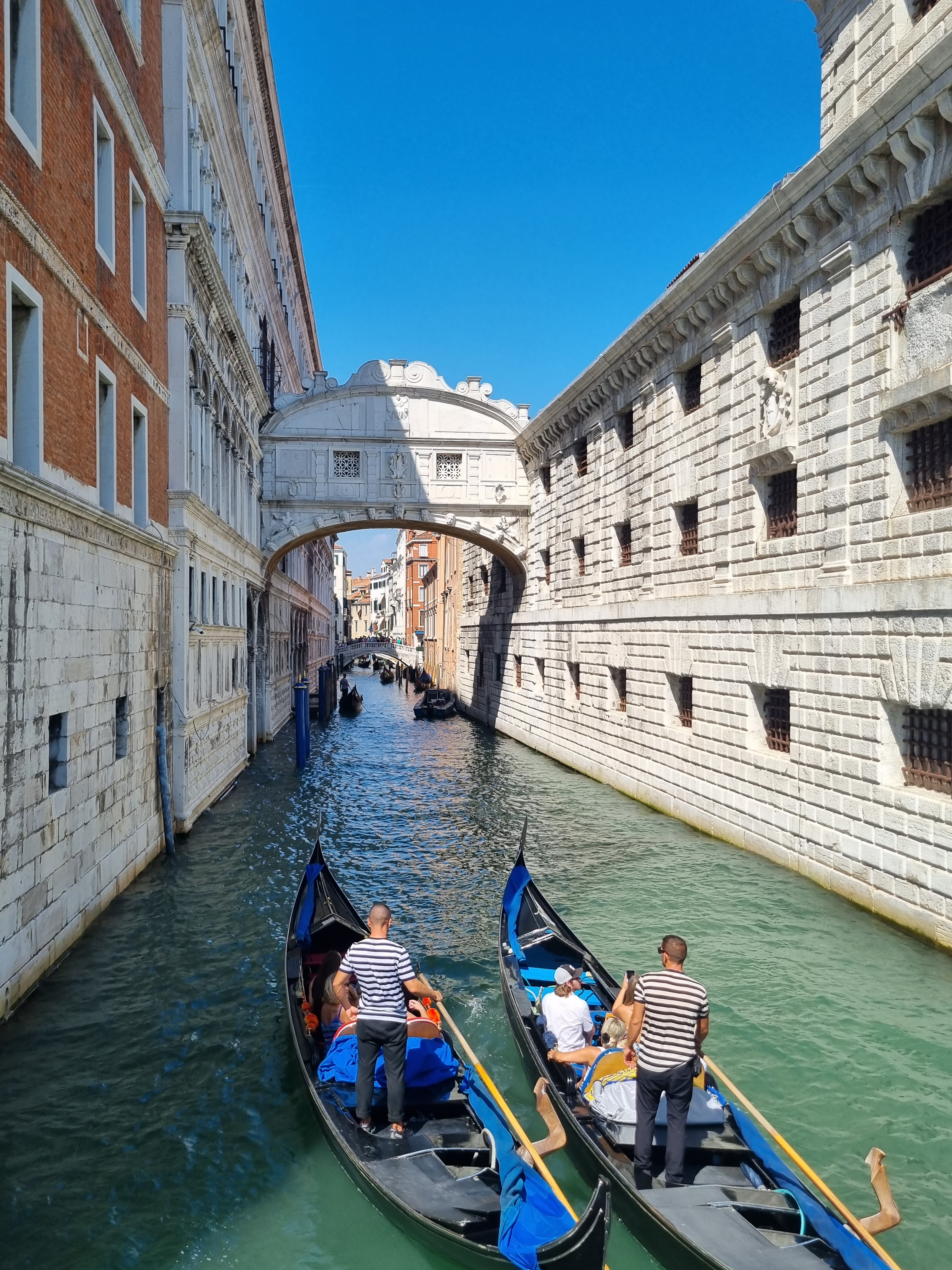
Tucked beside the grand Doge’s Palace lies another of Venice’s beautiful landmarks: the Bridge of Sighs (Ponte dei Sospiri). At first glance, this small, enclosed limestone bridge might seem modest compared to the city’s more dramatic architecture — but its history is as rich and haunting as any in Venice.
Built in the early 1600s, the Bridge of Sighs connects the opulent halls of the Doge’s Palace with the dark cells of the Prigioni Nuove, the old prison. According to legend, prisoners crossing the bridge would take one final look at the Venetian lagoon through its tiny stone windows — and sigh at the world they were about to leave behind. That melancholic breath gave the bridge its famous name. But the story doesn’t end there. One of the most famous inmates to cross (and later escape from) this prison was Giacomo Casanova.
Today, the bridge has taken on a more romantic meaning. It’s said that if you kiss your partner beneath the Bridge of Sighs at sunset, your love will last forever. Whether or not you believe the myth simply gazing at it from the nearby Ponte della Paglia — is a moment that captures the soul of Venice: equal parts beauty, mystery, and timeless legend.
Gondola Ride
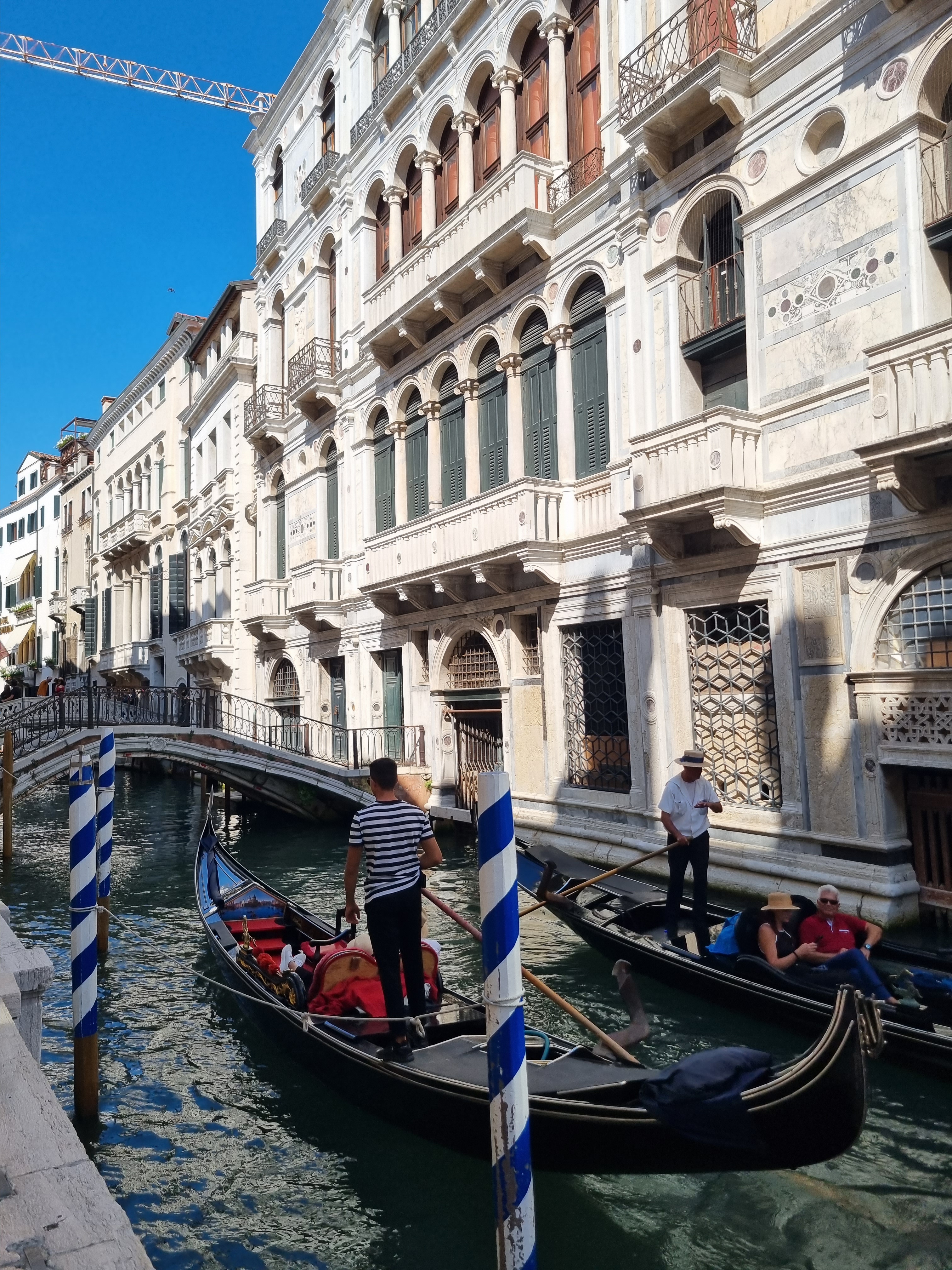
For many travelers, drifting through Venice’s labyrinth of canals in a traditional gondola is the ultimate bucket-list moment. As you glide past elegant bridges and weathered palazzi, with the rhythmic oar strokes and the occasional serenade from your gondolier echoing off the stone walls, the magic of the city truly comes alive.
But let’s also be real: while romantic and picture-perfect, gondola rides are also famously expensive and, well… extremely touristy. A private gondola ride (which can fit up to six people) cost around €100 to €150 per boat (not per person). That’s for roughly 30 minutes of floating through Venice’s historic waterways. Around sunset, when the golden light turns the city into a painting, prices can be even higher.
If you’re on a budget or just want a more authentic and dynamic experience, I’d recommend a different kind of boat ride. Venice is surrounded by water, and there are so many ways to explore it —take a ride on a vaporetto (the public waterbus), hop on a traghetto to cross the Grand Canal like a local, or even book a boat tour that circles the lagoon and offers breathtaking views of the city’s skyline.
Boat Ride
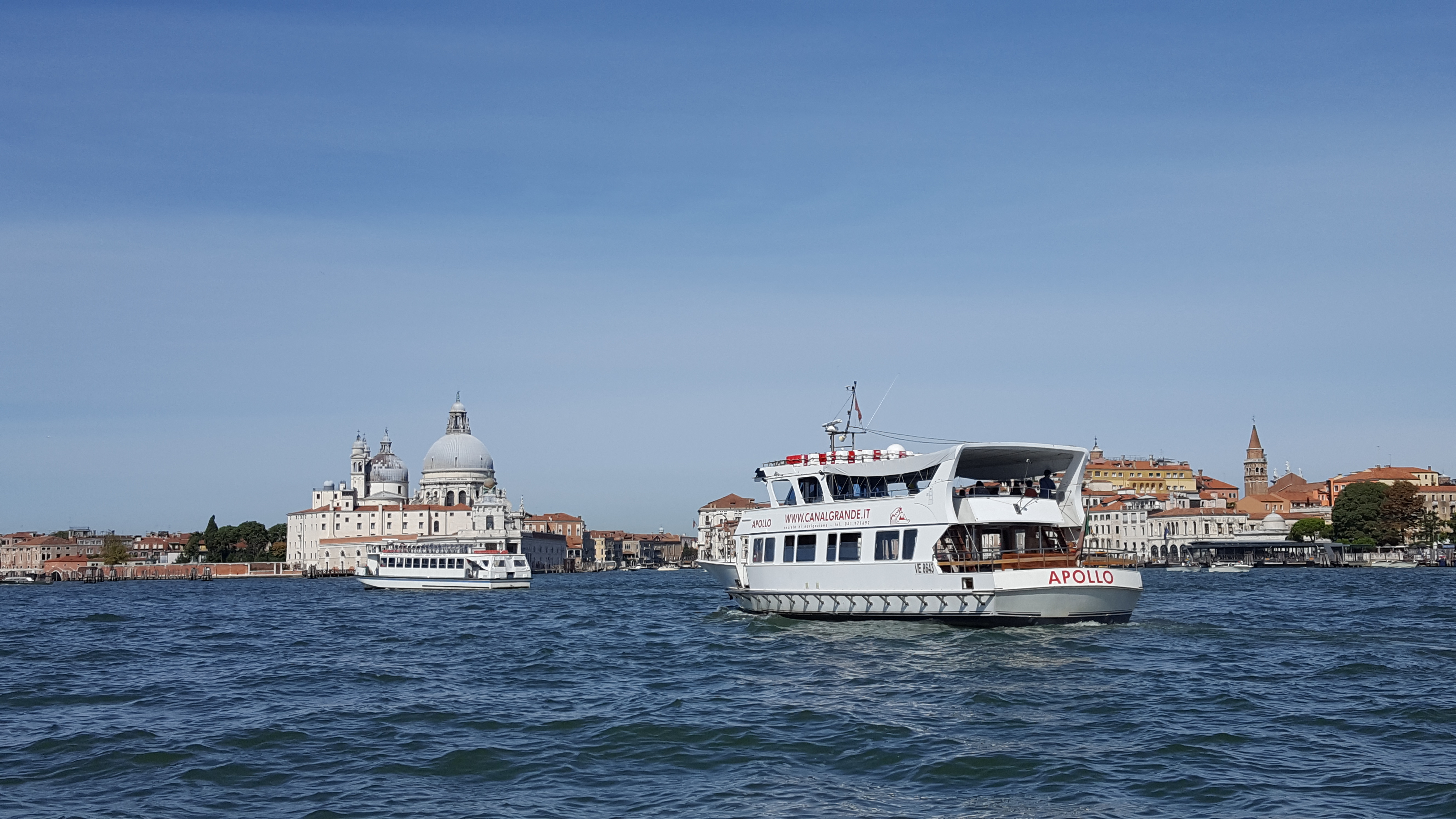
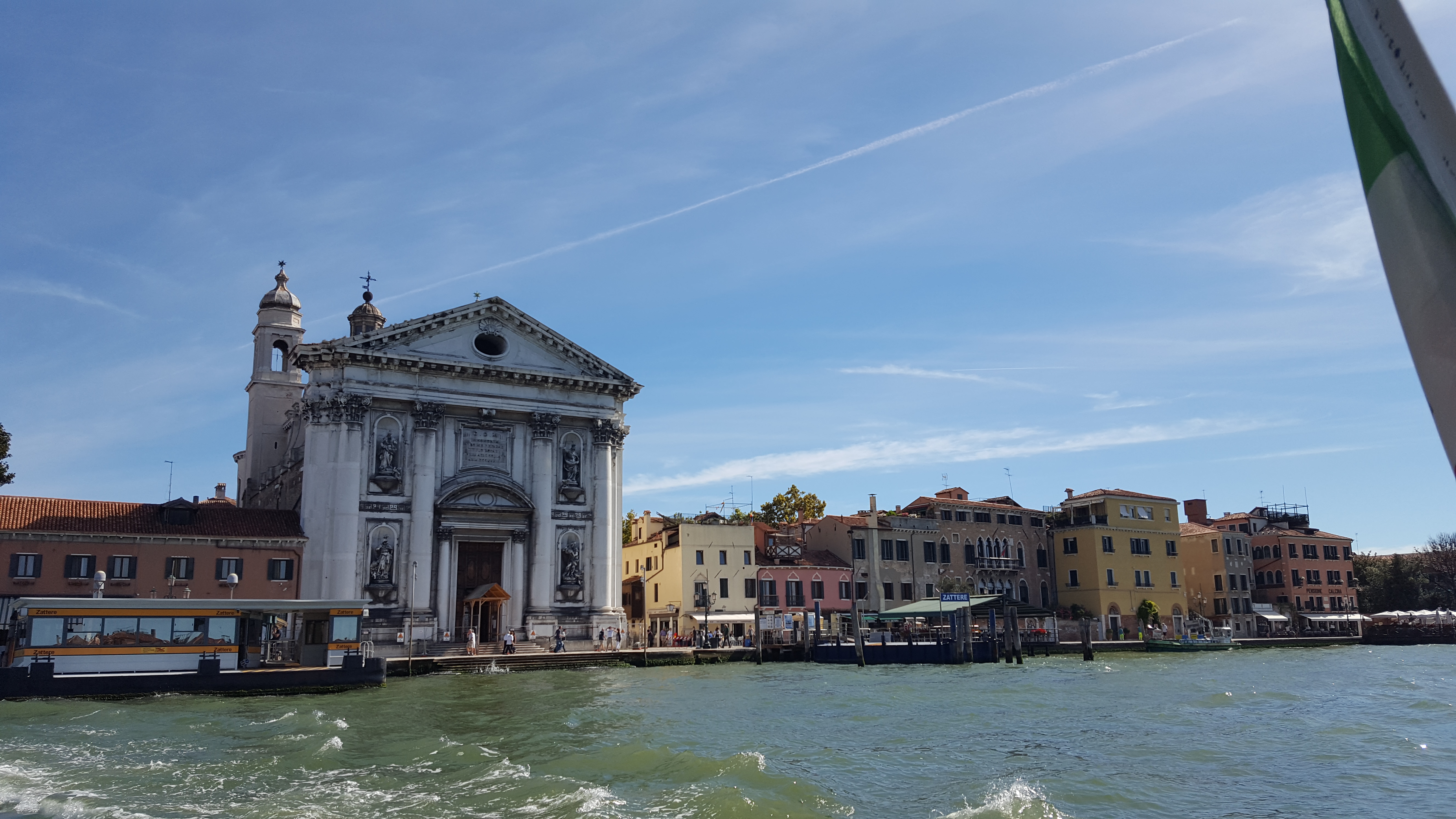
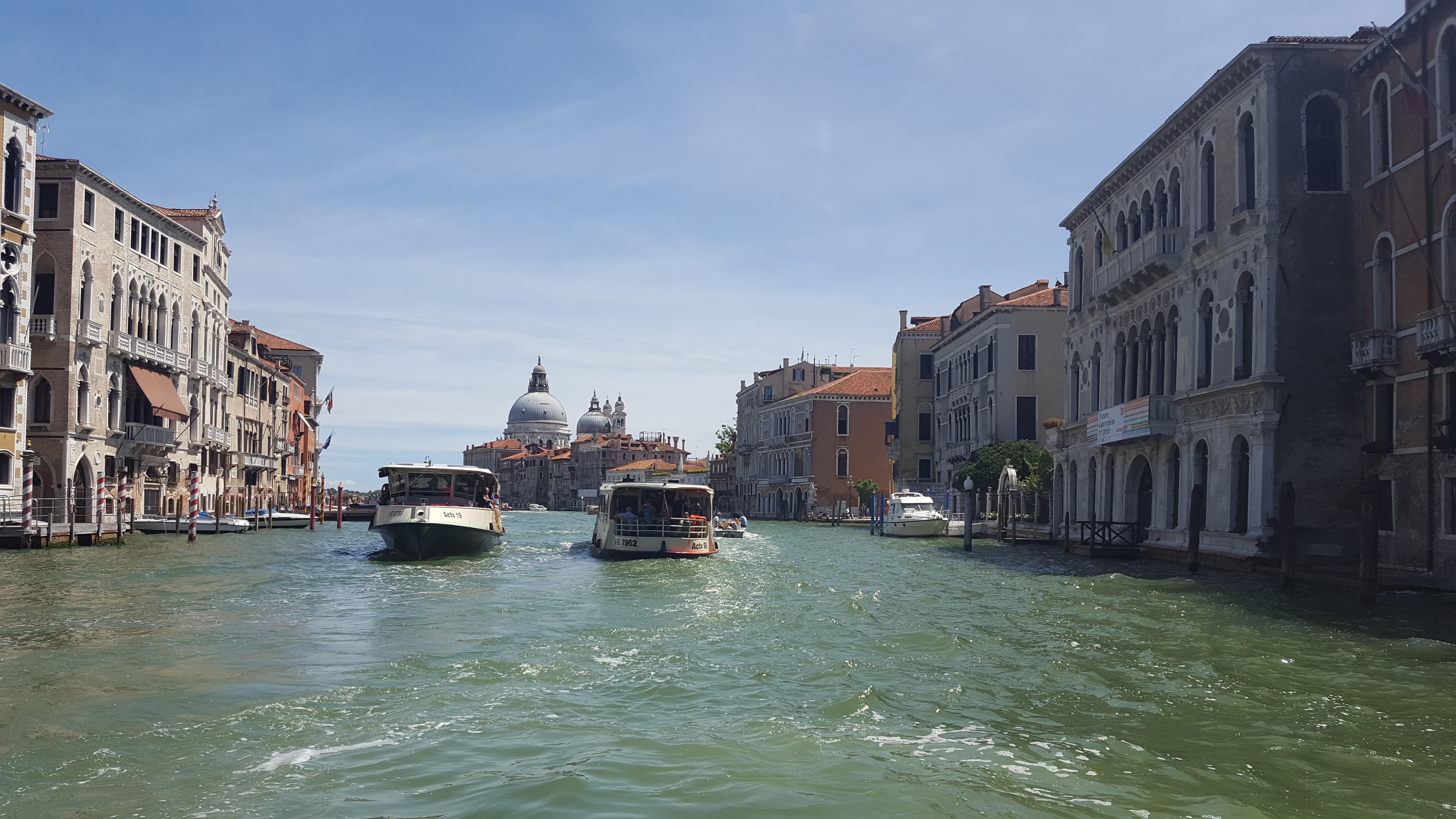
If you’re looking to explore Venice from the water without the touristy price tag, a scenic boat tour around and through the city is a fantastic alternative. These tours often combine cruising through the quieter, lesser-known canals — where you get a glimpse of the city’s everyday life — with a ride out into the open lagoon. From there, you’ll be treated to panoramic views of Venice’s skyline, complete with church domes, bell towers, and the ever-impressive silhouette of St. Mark’s Basilica. Many of these boat rides also pass by nearby islands like Murano or Giudecca, offering a broader perspective of the Venetian archipelago. It’s a more relaxed, spacious experience — and honestly, seeing Venice from the water in this way gives you a sense of its true scale, beauty, and quiet elegance, far away from the tourist crowds.

Summary of activites
- Piazza San Marco (St. Mark’s Square)
- Basilica Di San Marco (St. Mark’s Basilica)
- Palazzo Ducale (Doge’s Palace)
- Torre dell’Orologio (Clock tower)
- Ponte di Rialto (Rialto Bridge)
- Ponte dei Sospiri (Bridge of Sighs)
- Gondola Ride
- Boat Ride
Other Italian Blogs
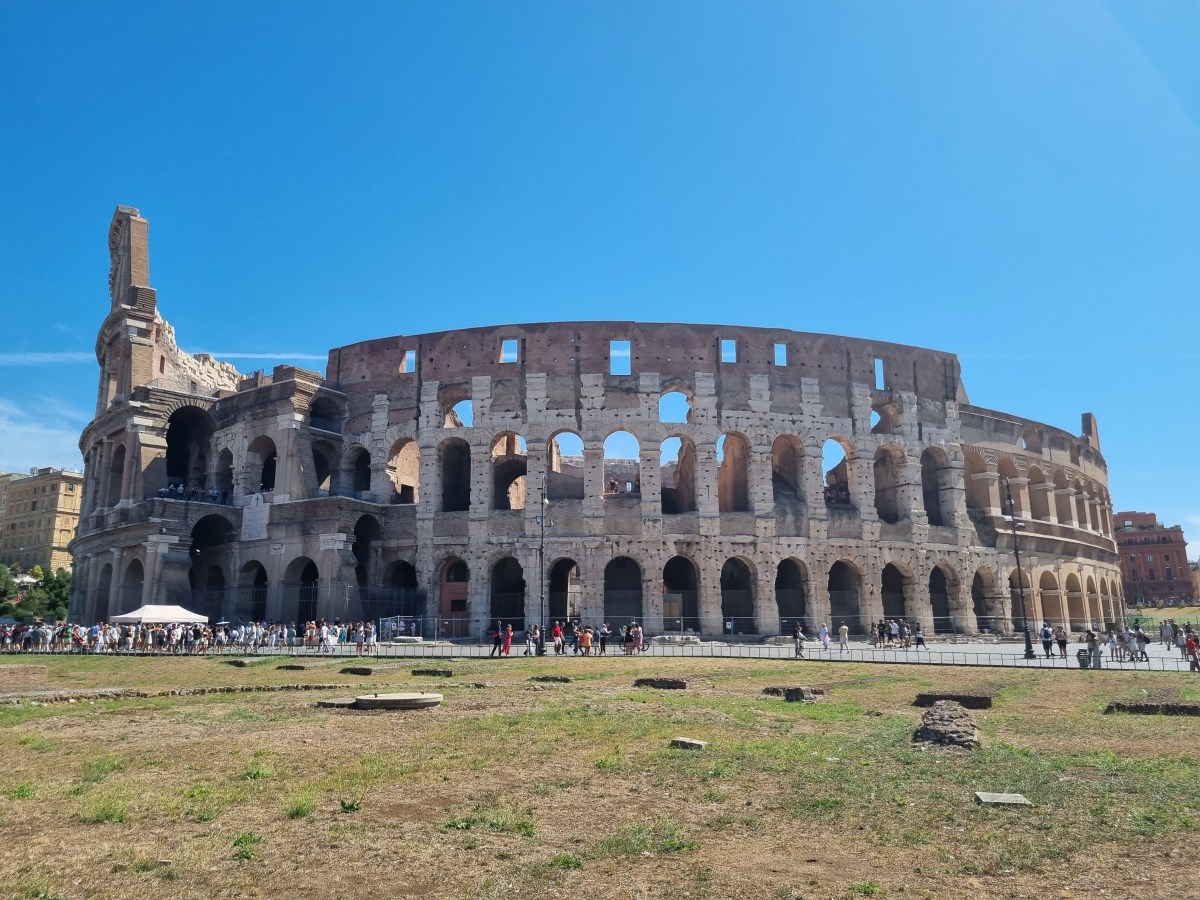
Ultimate Rome Itinerary: 4 Days of Sightseeing
Imagine strolling through the cobblestone streets of Rome, where history is hidden among ancient ruins, and the aroma of freshly baked pizza and cooked pasta fills the air. Rome is one of the most iconic and most-traveled cities in Europe, with a rich history to be explored. Grab a gelato and join my partner and…


Your Ultimate Guide to 24 Hours in Milan
Step into the heart of Milan, where ancient beauty meets modern charm. As the golden sun dances across the marble spires of the Duomo di Milano, you’ll feel like the time pauses. Just a few steps away, the Galleria Vittorio Emanuele II opens its grand glass roof above you. It’s more than just a shopping…
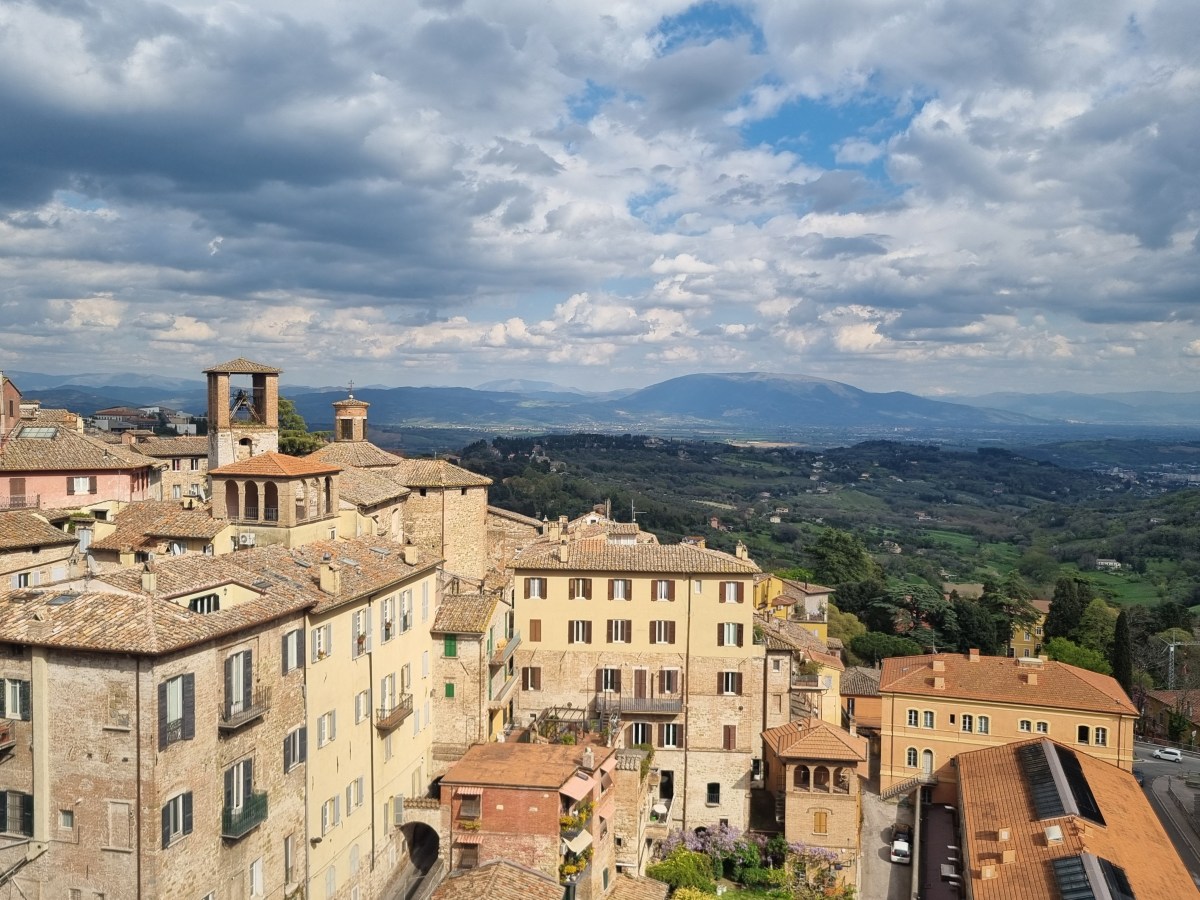
Perugia Travel Tips: What You Need To Know
Get lost in Perugia’s labyrinth of medieval alleyways, where ancient theaters seem to murmur forgotten tales and golden sunlight spills across timeworn cobblestones. In the air lingers the irresistible scent of freshly baked pizza and pasta sauce, calling you to pause and savor. Perugia isn’t just a city — it’s a living stage. From the…
One response to “Ultimate Travel Guide to Venice: Experience Magic”
-
Great. Most beautiful city of the world. A dream.
LikeLike







 Michelle Cacija
Leave a comment