
Welcome to Washington, D.C., the political nerve center of the United States and home to the Capitol, where the country’s most pivotal decisions are made, and a stage where history continues to unfold. But beyond its immense political significance lies a city full of surprises: many museums, vibrant neighborhoods, powerful memorials, and a rich cultural landscape that reflects the nation’s complexity. Servus and welcome to my Washington D.C. Blog. In this post, we’ll dive into what makes D.C. not only the capital of America, but a must stop on your american adventure.
As always, I want to remind you, that this blog isn’t perfect because everyone travels differently, and all trips involve changes of plans. I want to let you know that everything on this website has been experienced, photographed, and written by me. Since I finance all of my travel expenses on my own, the stories and opinions given are truly my own. If you’re interested in seeing more travel pictures or videos, feel free to check out my Instagram @michellecacija or my Tik Tok @michellecacija.
Index
- The Basics about Washington D.C.
- Things you should be aware of
- Medical insurance
- Things to do
- Summary of activities
The Basics about Washington D.C.
When to visit
Washington, D.C. is a year-round destination, but spring and fall truly shine. Summers can be very hot and humid, with average highs around 30 °C (86 °F), while winters are quieter but chilly, with temperatures often around 5 °C to 10 °C (41 °F to 50 °F). I visited in September, and it was still really hot and humid, so don’t underestimate the late summer heat.
Time period
In my experience, three days is the perfect amount of time to explore Washington, D.C. You can see the major sights like the Capitol, the White House, and the National Mall, visit a couple of Smithsonian museums, and still have time to enjoy a walk through charming neighborhoods like Georgetown or Dupont Circle. With a bit of planning, three days offer a great balance between sightseeing and soaking up the city’s atmosphere without feeling rushed or overwhelmed. That said, if you have more time, D.C. has even more to offer.
Getting There
Getting to Washington, D.C. is relatively easy thanks to its three major airports: Reagan National (DCA), Dulles International (IAD), and Baltimore/Washington International (BWI). DCA is closest to the city and well-connected by Metro. With Amtrak you can arrive by train from major East Coast cities like New York City, Philadelphia, and Boston. Whether you fly or take the train, D.C. is accessible and well-connected.
Where to stay
The city has accommodation options for every budget and travel style. If you want to be in the center of the action, neighborhoods like Downtown, Capitol Hill, or Penn Quarter are great for walking to major sights. Dupont Circle and Adams Morgan offer a more local, lively atmosphere with cafés, bars, and shops.
When I visited with three friends, we rented an Airbnb not too far from the city center away which was surprisingly quite affordable. It wasn’t only more affordable than a hotel, but also super relaxed. We had plenty of space, could cook our own meals, and enjoyed a quiet place.
Getting around
D.C. is generally a very walkable city, and many of its main attractions are within reasonable distance of each other. However, during the summer heat, walking can become exhausting and I personally found there to be very few shady spots to rest along the way. Fortunately, the Metro system makes getting around simple and efficient. The subway lines connect major neighborhoods and landmarks, and there are also plenty of alternative options like buses and rental bikes.
What to pack
Comfort and practicality are key when packing for D.C. Bring good walking shoes, as exploring the National Mall and museums involves lots of steps. Dress in layers, especially in spring and fall when weather can change quickly. If you’re visiting in summer, lightweight clothing and sunscreen are essential.
Additionally, consider bringing your own little medication bag, including Band-Aids, pain relief tablets, sleeping tablets or spray, bug spray, aftersun, etc. You never know what you might need it for, and you might feel more comfortable using medication from home rather than in a country where you don’t know the ingredients and language. If you’re coming from outside the United States, don’t forget to bring a Type A or B power adapter.
Cost of Travel
Washington, D.C. can be both affordable and expensive, depending on how you travel. Many top attractions, including some museums and the national monuments, are free. Public transport is budget-friendly, and there are plenty of food trucks and casual eateries. However, accommodation can be pricey, especially downtown. Planning ahead, booking early, and mixing in free activities can help you manage costs while still enjoying the city to the fullest.
Things you should be aware of
Water in Washington D.C. When it comes to drinking water, Washington, D.C.’s tap water is generally considered safe according to the EPA, meeting high national standards. Still, like in many U.S. cities, there can be risks, especially in older buildings where lead pipes may still be in use. During my stay in D.C., I drank tap water and found it fine, but if you’re unsure or extra cautious, grabbing bottled water from a grocery store is your safer option.
Toilet Situation. For me, when I visited D.C. it seemed like that public toilets can be a bit hard to find outside of museums, restaurants, or government buildings. Plan ahead and go whenever you can.
Tipping is a common practice in the United States. It’s customary to tip 15-20% at restaurants. In bars and coffee shops, leaving a small tip is also appreciated. For taxis and rideshare services like Uber, tipping 10-20% of the fare is standard. Hotel staff and tour guides also appreciate tips for their services.
The currency used is the United States Dollar (USD). In Boston, both cash and credit/debit cards are widely accepted, and cards are often preferred for convenience. Mobile payment methods like Apple Pay and Google Pay are also commonly used. However, having cash on hand is always useful for small purchases, tipping, and certain vendors, like food trucks and street markets. ATMs are plentiful throughout the city, but be aware of potential withdrawal fees.
Medical insurance
I highly recommend getting travel medical insurance while you’re traveling. Hopefully, you’ll never need it, but it’s always better to be safe than sorry. SafetyWing offers two flexible plans tailored to your travel needs — whether you’re a short-term adventurer or a long-term expat, you’ll have reliable coverage anywhere in the world.
SafetyWing is especially great for remote workers and digital nomads, offering continuous global coverage even if you’re hopping between countries. Of course, it’s also a solid option for frequent travelers or those constantly on the go. But if you’re only traveling occasionally or just for a short holiday now and then, there might be better-suited alternatives.

Things to do
The United States Capitol
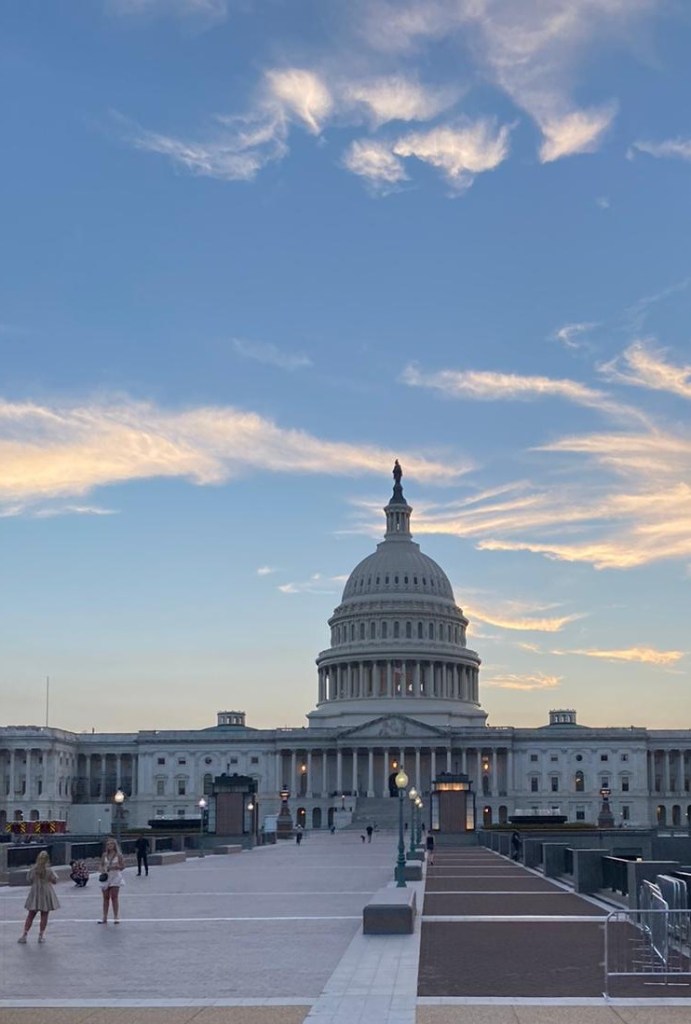
Perched high on Capitol Hill, the United States Capitol stands proudly as one of the most iconic symbols of American democracy. With its grand white dome rising above the city, it’s the seat of the U.S. Congress, where the Senate and the House of Representatives come together to shape the nation’s laws and policies.
The Capitol isn’t just something to admire from the outside. You can also go inside and explore it on a guided tour. These tours offer a interesting look at the inner workings of the U.S. government, with access to historic chambers, stunning halls, and detailed stories about the people who have served there.
Be aware, though: these tours are incredibly popular, and long lines or wait times are common, especially during peak tourist seasons. If you’re planning a visit, it’s worth checking for advanced reservations or timed-entry tickets to save yourself some time.
The famous National Mall
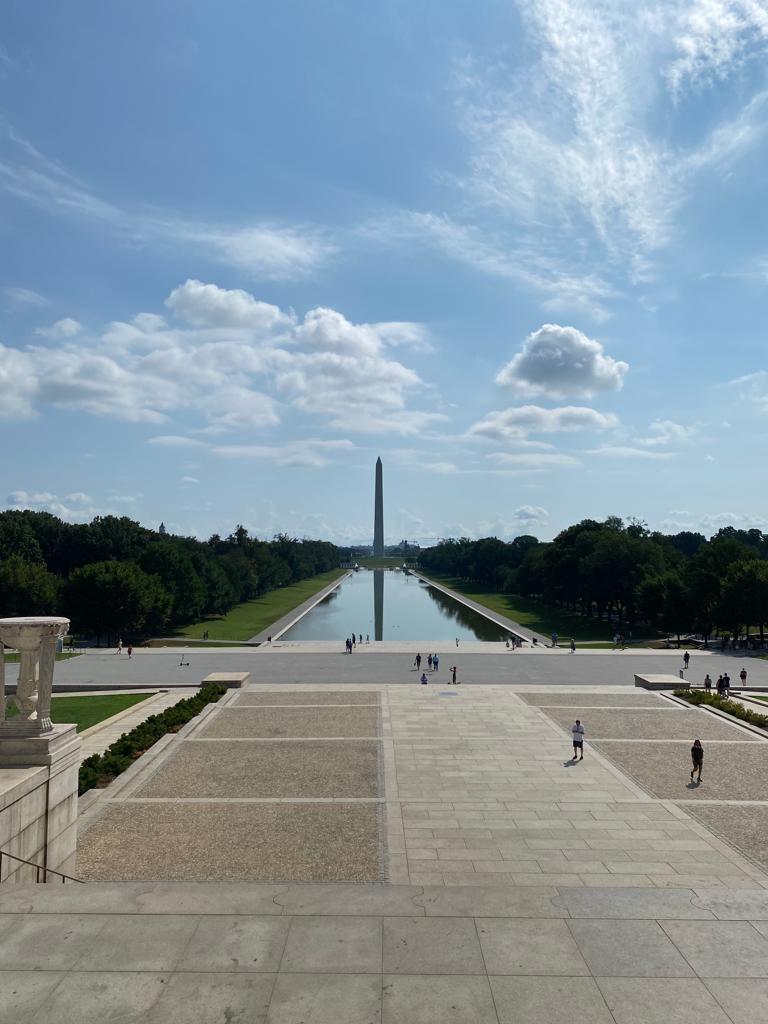
No visit to Washington D.C. is complete without taking a walk along the iconic National Mall, a nearly 5-kilometer-long green stretch that feels more like a grand open-air museum than just a park. Spanning from the United States Capitol all the way to the solemn Lincoln Memorial, this wide promenade is the beating heart of the American capital.
Start your journey wherever you like, at the Capitol, by the towering Washington Monument, or somewhere in between. One of the most awe-inspiring sights is certainly the Washington Monument itself: a striking white obelisk made of marble, granite, and sandstone, gleaming under the sun as it pierces the skyline. Standing before it, you can almost feel the weight of the nation’s legacy.
As you walk, you’ll pass a lot of museums. Many of them are a part of the Smithsonian Institution and free to enter. Highlights include the National Museum of the American Indian, the National Air and Space Museum, the National Museum of African Art, the National Museum of American History, the National Museum of Natural History, and the National Gallery of Art, to name just a few.
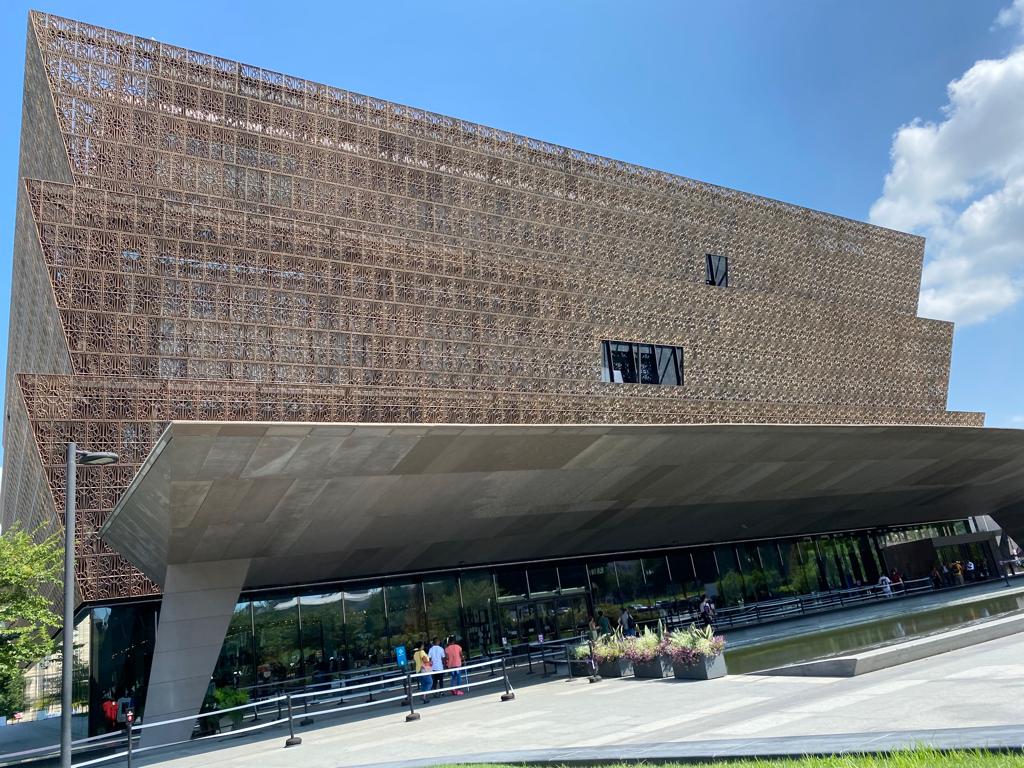
Not only are these museums packed with fascinating exhibitions, but they also offer a welcome escape from the heat during D.C.’s hot and humid summer days. During my visit, my friends and I explored the National Museum of African American History and Culture. From slavery and civil rights to art, music, and modern culture, the museum offers a profound look into the struggles and triumphs of African Americans throughout U.S. history.

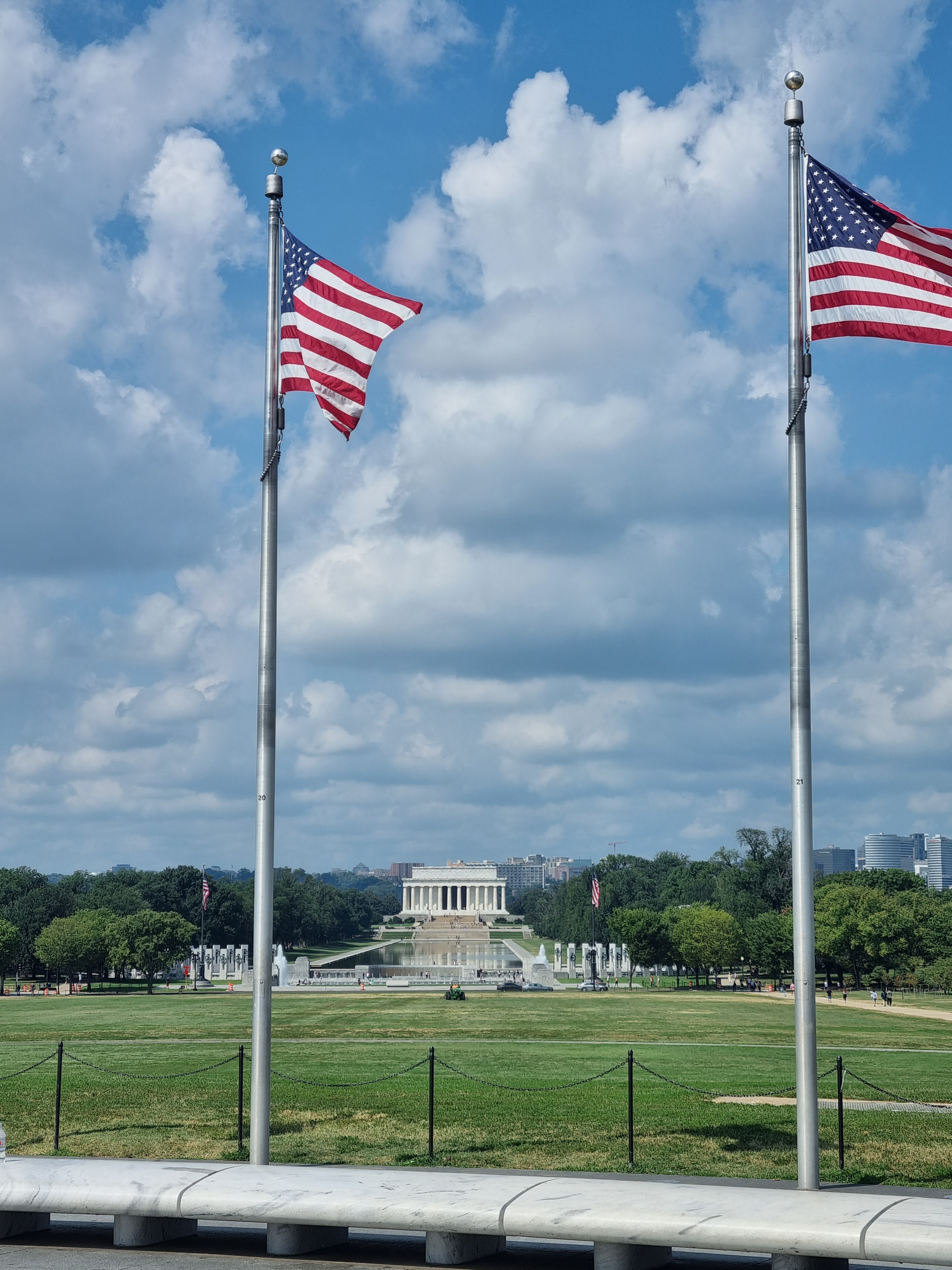
National World War II Memorial
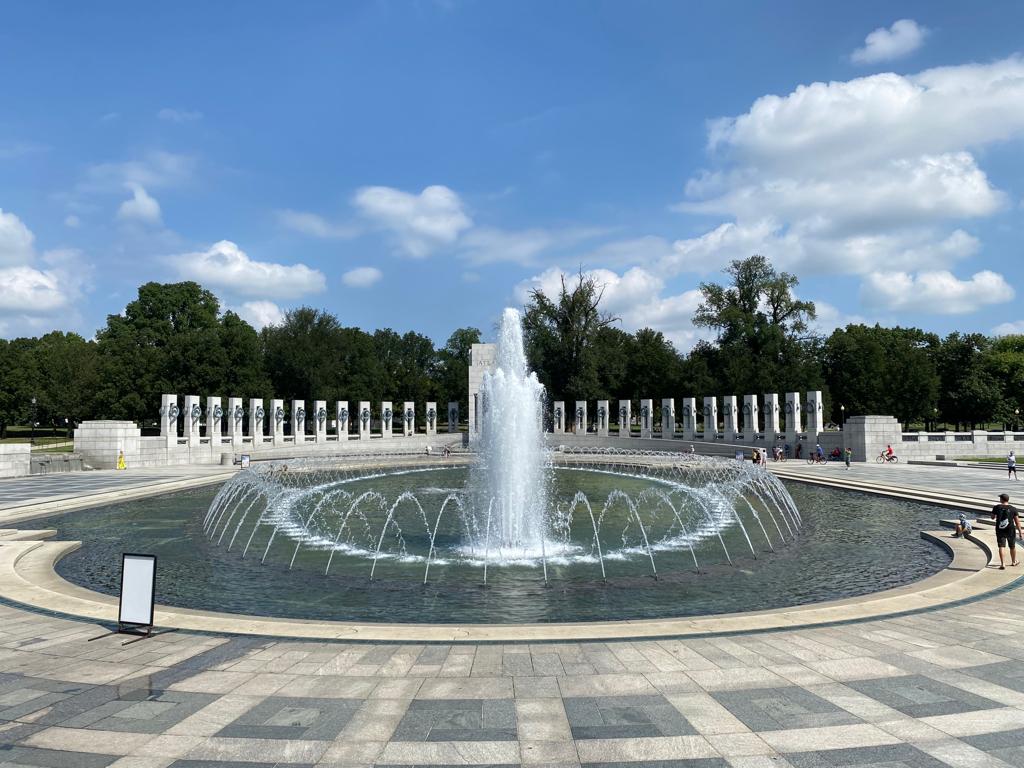
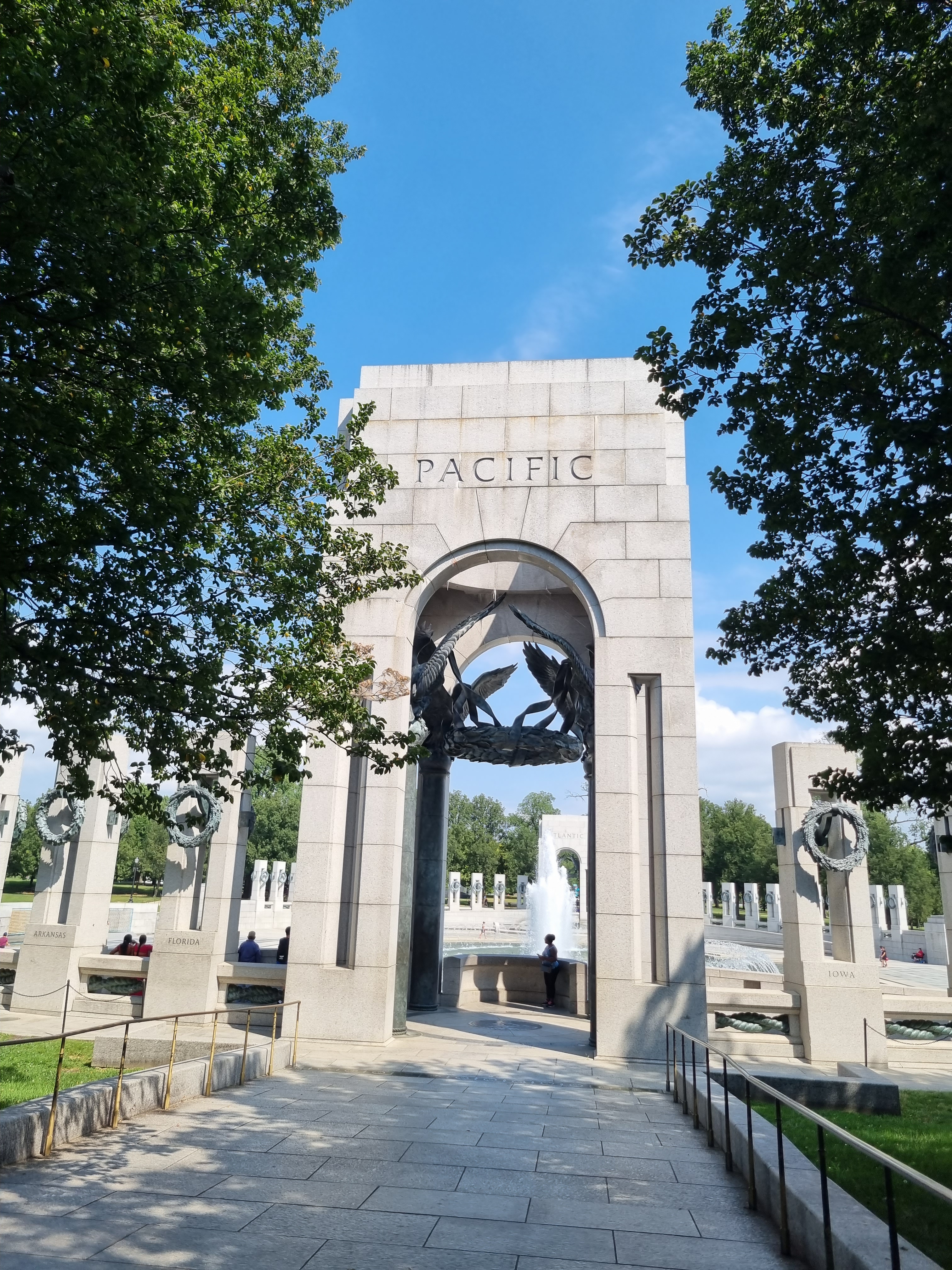
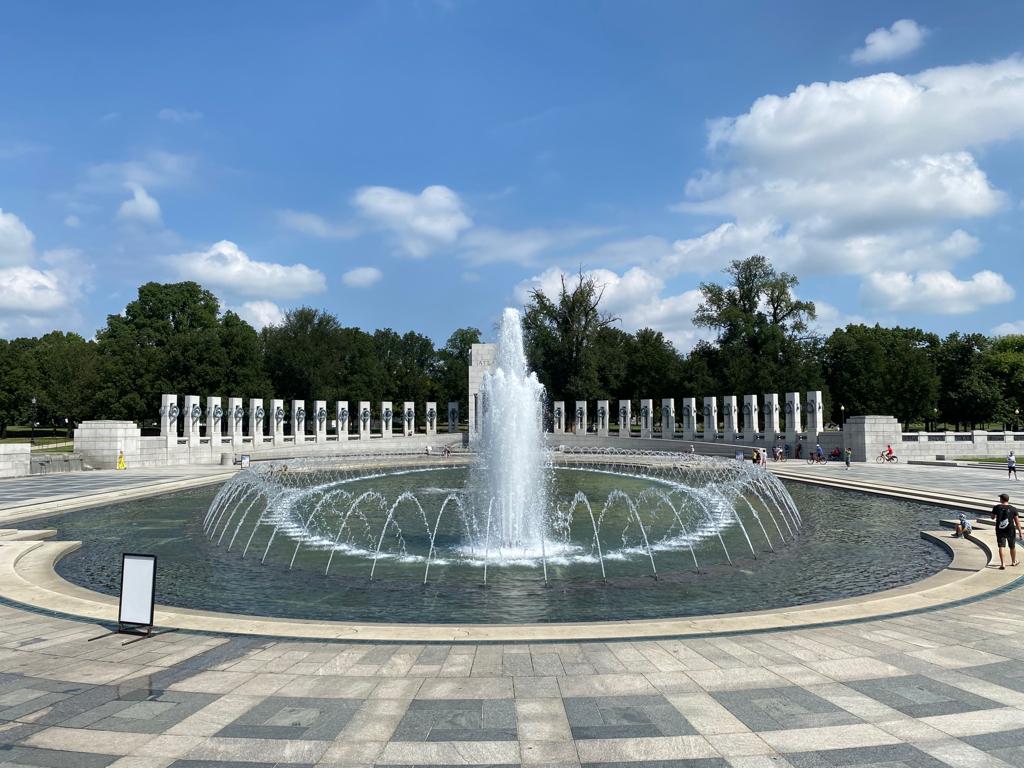
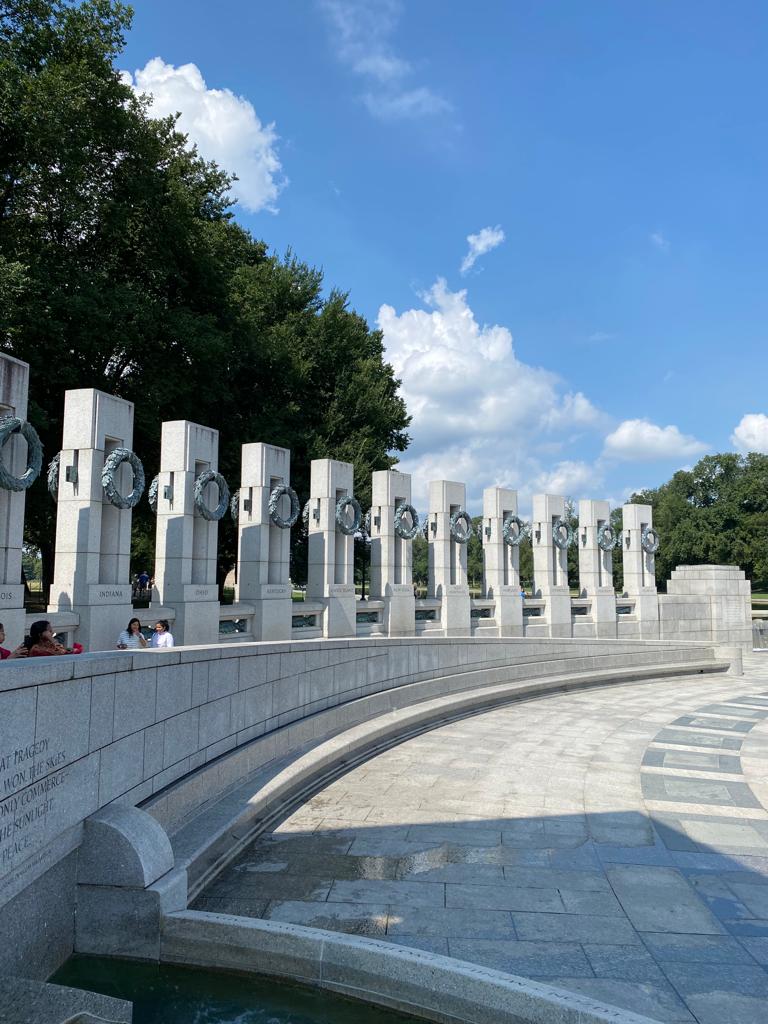
Just beyond the towering Washington Monument, you’ll find one of the most moving places on the National Mall: the National World War II Memorial. Set within a large, open plaza framed by fountains and water features, this powerful site invites quiet reflection amid the bustling city.
The memorial features 56 granite pillars, arranged in a semicircle, each representing a U.S. state or territory that sent soldiers to fight in the Second World War. Together, they form a unifying ring, symbolizing the strength and unity of the nation during one of its darkest times. At the center lies the Freedom Wall, adorned with over 4,000 gold stars. Each one of them represents 100 American lives lost in the war. It’s a place to pause, to remember, and to honor the millions who served and sacrificed.
The Lincoln Memorial
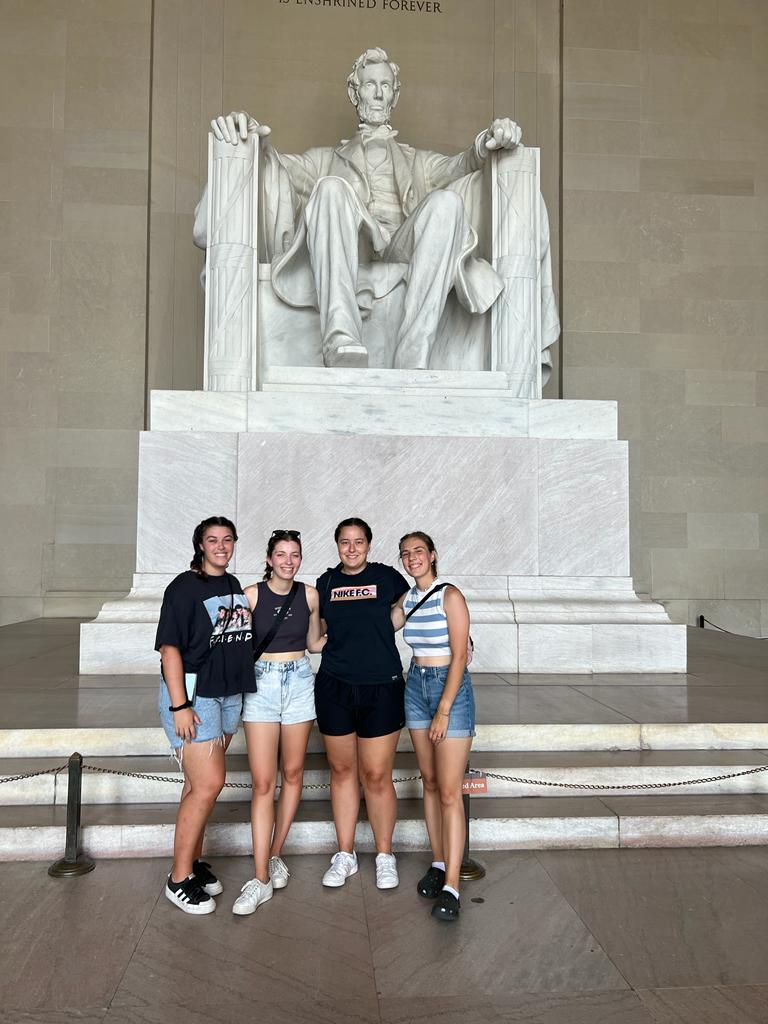
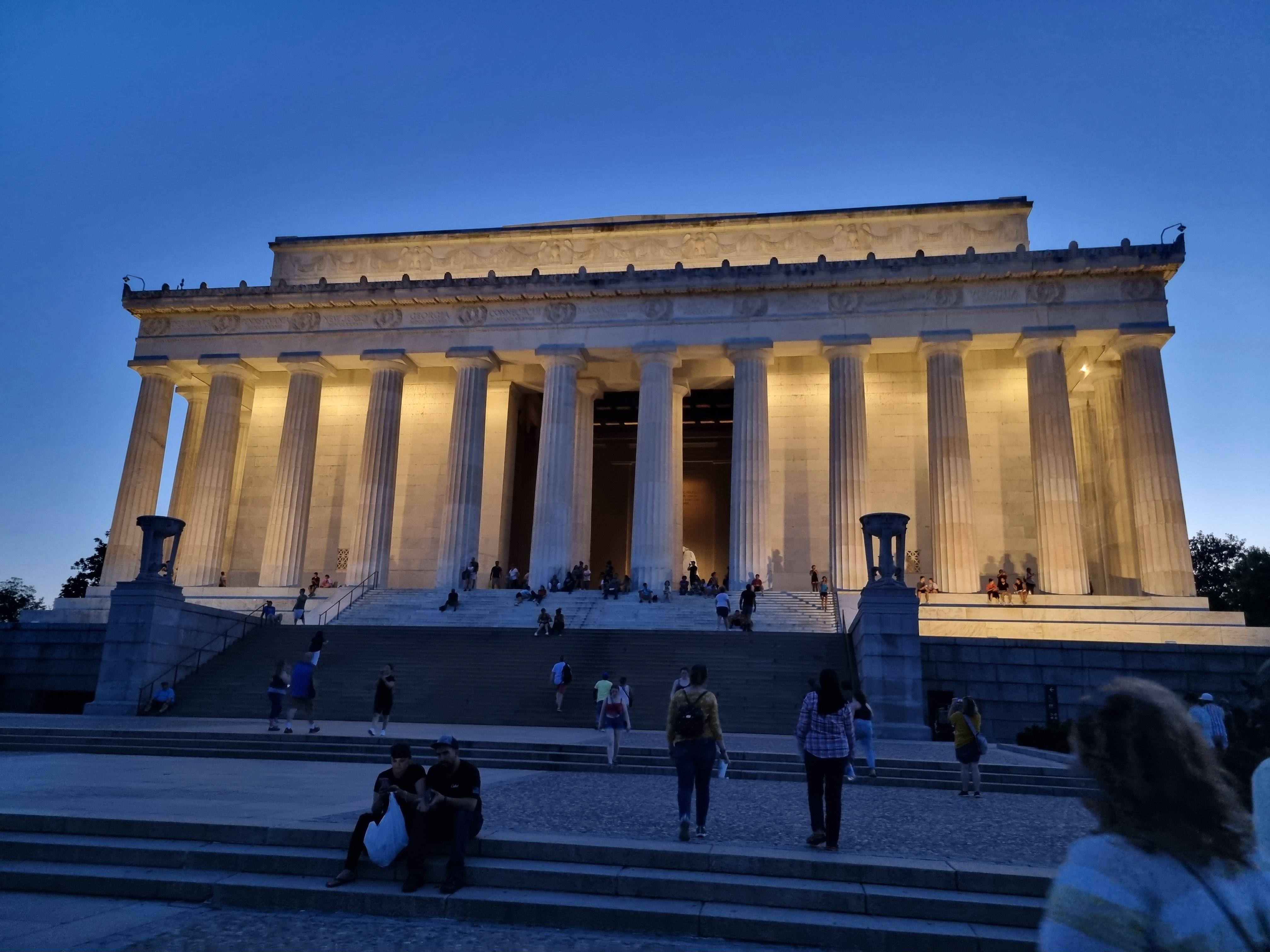
Just a few steps away from the National World War II Memorial, another powerful symbol of American history awaits: the Lincoln Memorial. No trip to Washington D.C. would be complete without paying a visit to Abraham Lincoln, the 16th president of the United States, seated in silent dignity at the top of those famous marble steps.
Modeled after a Greek temple, the structure is supported by 36 Doric columns, representing the states in the Union at the time of Lincoln’s death in 1865. It’s Located at the western end of the National Mall, overlooking the Reflecting Pool and facing the Washington Monument. It’s also the site where Dr. Martin Luther King Jr. delivered his “I Have a Dream” speech in 1963, standing right where visitors stand today. Also, come at sunset, when the light turns golden and the monument begins to glow softly

The White House
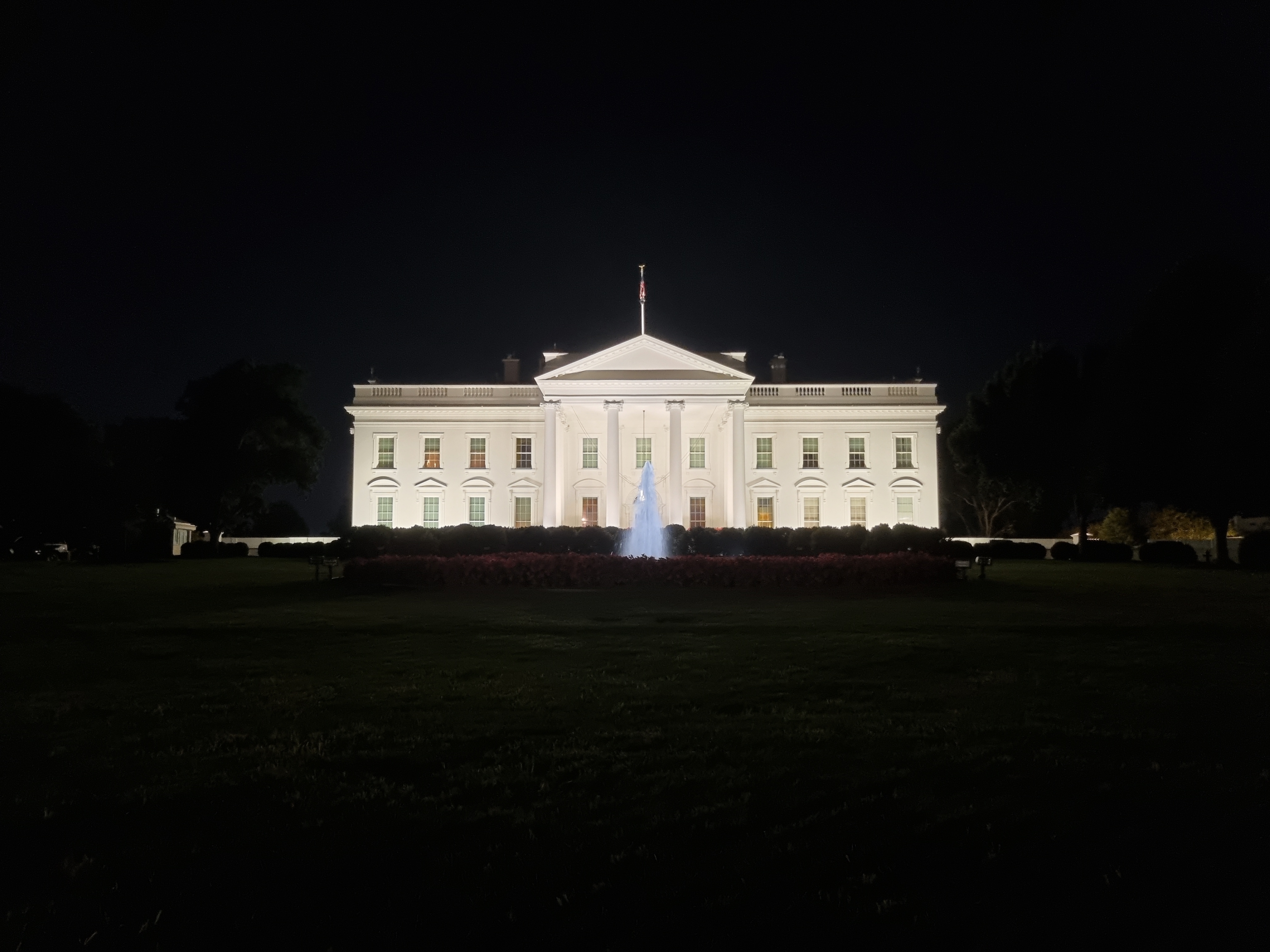
No matter how you plan your trip through Washington D.C., you’ll almost certainly find yourself making a stop near one of the most famous buildings in the world: The White House. Even if you can’t go inside (and yes, tours are technically possible for U.S. citizens through a lengthy and highly restricted process) just seeing it with your own eyes feels like a must.
As the official residence and workplace of the President of the United States, the White House has been at the center of American political life for over two centuries. Standing outside the iron gates, gazing across the North Lawn, you realize just how much history has unfolded behind those neoclassical walls. Even if you can’t get very close, and security is tight.
Whether you stop by during the day or catch it lit up at night, the White House is one of those places you simply have to check off the list. Not just for the photo, but for the feeling of standing in front of the center of American power.
Riding the boat on Tidal Basin
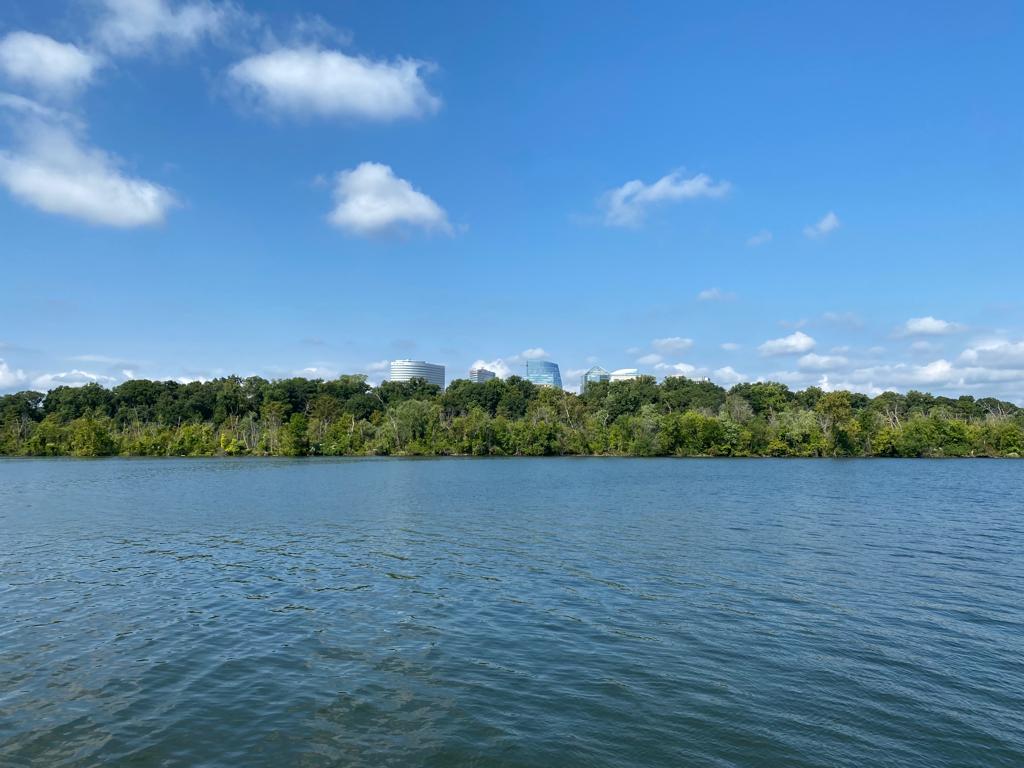
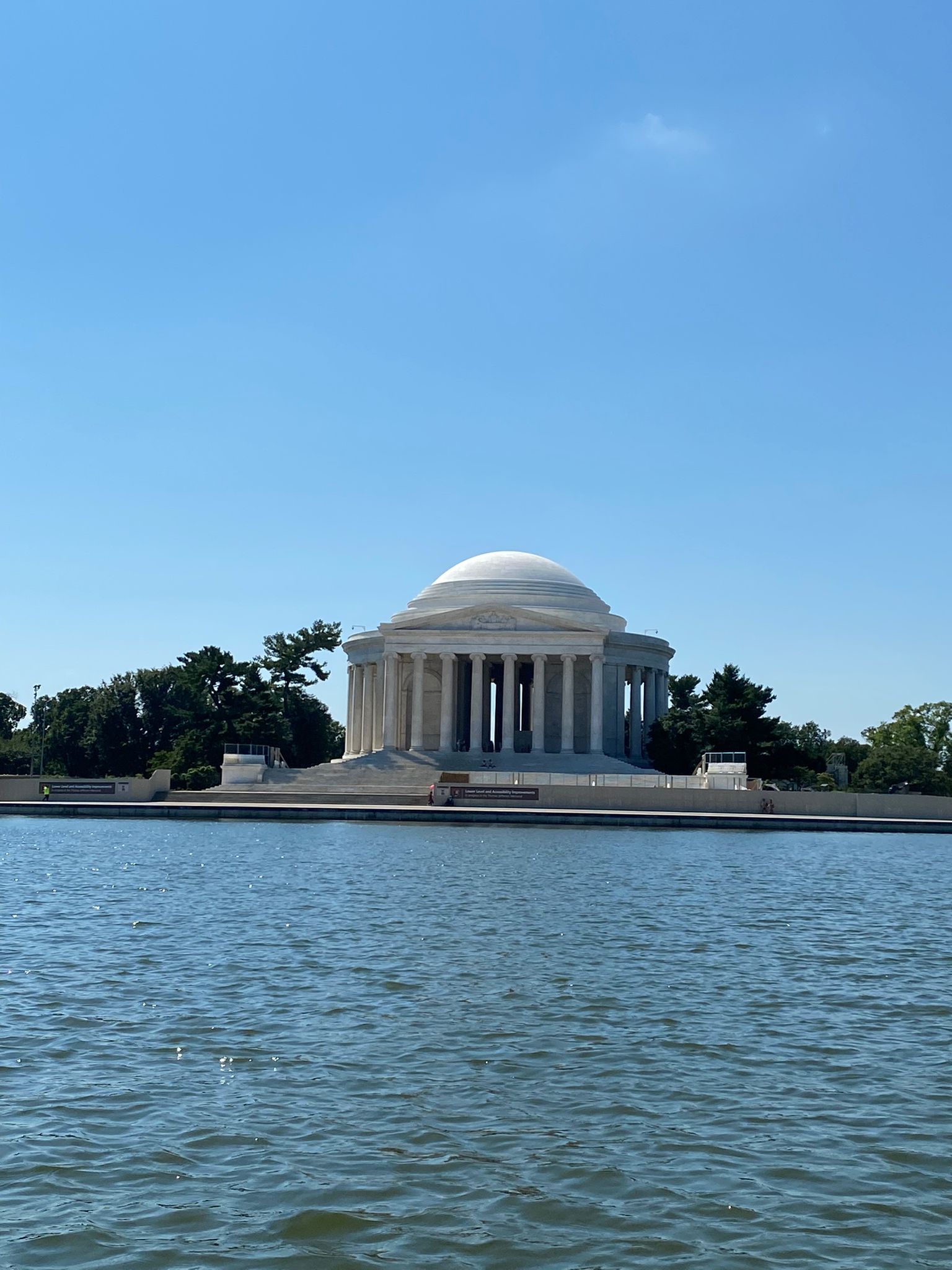
If you’re up for a bit of movement and sunshine, renting a paddle boat on the Tidal Basin is an great experience. As you glide across the calm water, you’re treated to nice views of some of Washington, D.C.’s most iconic landmarks like the Jefferson Memorial rising majestically on the shore or the Martin Luther King Jr. Memorial. In spring you might even have the pleasure of enjoying the cherry trees lining the water. In summer, the sun glimmers off the water, and you’ll definitely want to bring sunscreen, a hat, and plenty of water since D.C. heat can be intense!
Summary of activities
- Lincoln Memorial
- National Mall
- Washington Monument
- Kapitol
- White House
- National Museum of Natural History
- National Air and Space Museum
- National Gallery of Art
- Jefferson Memorial
- Martin Luther King
- Library of Congress
- Paddleboating at Tidal Basin








 Michelle Cacija
Leave a comment