
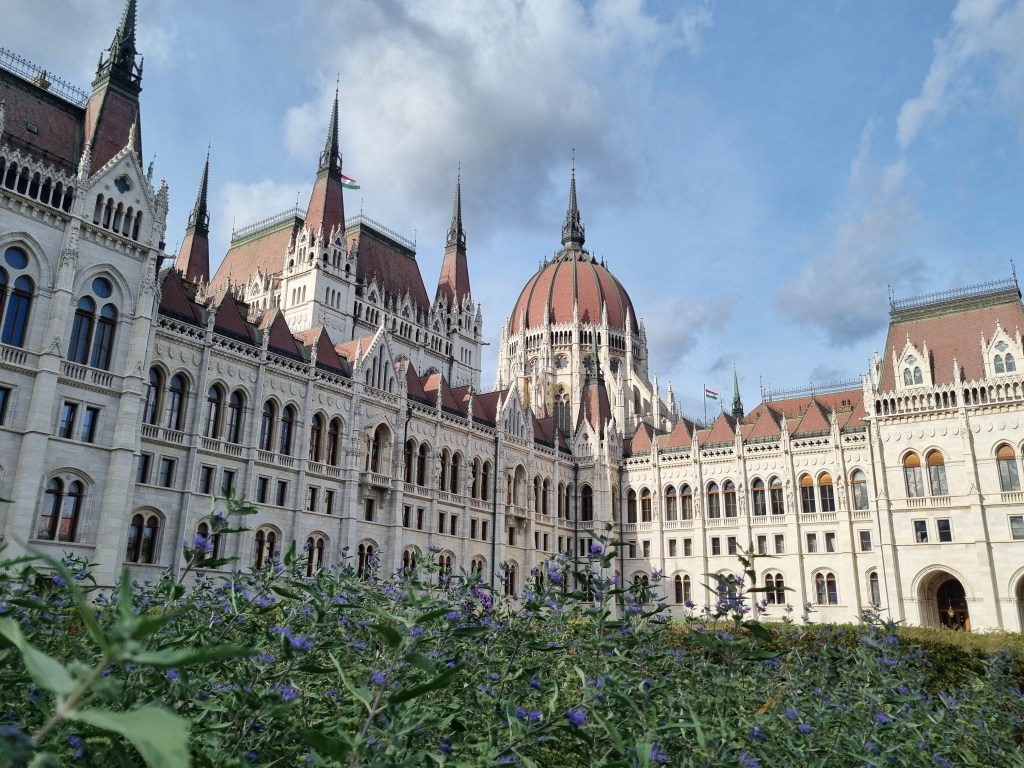
Step into the enchanting city of Budapest, where history whispers through ancient ruins and grand landmarks slowly being brought back to life, guiding you on a journey through time. As you wander the lively streets of Hungary’s capital, the sweet aroma of freshly baked chimney cakes drifts through the air. Cruise along the Danube to admire the city’s breathtaking skyline from a unique perspective, or lose yourself in the fairytale beauty of the Fisherman’s Bastion overlooking the Danube river and historic Parliament. Are you ready for a new adventure? If so, then servus and welcome to my Budapest blog.
As always, I want to remind you, that this blog isn’t perfect because everyone travels differently, and all trips involve changes of plans. I want to let you know that everything on this website has been experienced, photographed, and written by me. Since I finance all of my travel expenses on my own, the stories and opinions given are truly my own. If you’re interested in seeing more travel pictures or videos, feel free to check out my Instagram @michellecacija or my Tik Tok @michellecacija.
Index
- The Basics about Budapest
- Things you need to be aware of
- 10 Things to do
- Visit the Fisherman’s Bastion at Buda Hill
- Cruise along the Danube
- Enjoy a freshly baked chimney cake
- Visit the Parliament
- Remembering History at the Shoes on the Danube Bank
- Walk through the ruins of the castle
- Indulge into Hungarian cuisine at Nagycsarnok market
- Discover the Beauty of St. Stephen’s Basilica and climb to the top
- Walk the Historic Streets of the Jewish Quarter
- Step into the past at the Buda Castle History Museum
- Where to eat
The Basics about Budapest
When to visit
Budapest is a wonderful destination to visit year-round, with each season offering its own unique charm. If you prefer pleasant temperatures and fewer crowds, spring (from March to May) and early autumn (from September to October) are ideal times to go. During these months, temperatures usually range between 10°C and 20°C (50°F to 68°F), creating comfortable conditions for sightseeing.
In winter, the city shines with festive decorations and enchanting Christmas markets that transform the streets and squares into a magical setting. Spring and summer, on the other hand, are perfect for enjoying long walks along the Danube and experiencing the city’s vibrant atmosphere by the water.
No matter the season, Budapest offers the perfect mix of impressive architecture, rich culture, and memorable experiences.
Time period
When it comes to how much time to spend in Budapest, I’d say three days is the perfect amount. This gives you enough time to explore both sides of the city: Buda and Pest, while soaking in the unique atmosphere each has to offer. You can wander through the historic streets on the Buda side, enjoy panoramic views from the hills, and then dive into the vibrant city life on the Pest side.
With three days, you’ll also have time to visit some of the city’s fascinating museums, explore the lively inner city, and stroll through local food markets to sample Hungarian specialties. Of course, the ideal length of your stay ultimately depends on your personal interests and how deeply you’d like to explore everything the Hungarian capital has to offer.
Getting There
When it comes to getting to Budapest, you have several convenient options depending on where you’re traveling from. The city is well connected by car, long-distance buses, international trains, and direct flights from many European cities. If you’re arriving by plane, Budapest Ferenc Liszt International Airport is located about 30–40 minutes from the city center and is easily accessible by public transport, airport shuttle, or taxi.
Since I was traveling from Vienna, I chose to take the train. The journey takes around two and a half hours, with frequent departures throughout the day, making it perfect for a spontaneous city trip.
Where to stay
When it comes to choosing where to stay in Budapest, both sides of the city Buda and Pest, offer great options, depending on the kind of experience you’re looking for. Buda is quieter and more residential, with charming streets and stunning views from the hills, while Pest is busier, full of restaurants, cafés, and nightlife.
I’ve visited Budapest twice, and both times I chose to stay on the Pest side. It’s incredibly convenient for exploring the inner city and enjoying the vibrant atmosphere. The two sides are separated by the Danube, but a bridge connects them, so it’s quick and easy to cross and experience the best of both worlds in a single day.
Getting around
When it comes to getting around, Budapest is a very walkable city. Most of the major sights can easily be explored on foot, especially if you plan your days by neighborhood. Strolling along the Danube or wandering through the historic streets is often the best way to truly experience the city’s atmosphere.
If you’d like to cover more ground in a shorter amount of time, Budapest also has an efficient and affordable public transport system, including metro lines, trams, and buses that conveniently connect all the main attractions.
What to pack
Regarding what to pack, it obvisiouly depends on when you go, but if you go in late October (autumn) as I did, I recommend packing warm clothes suitable for cold rainy and windy weather, including a warm jacket, a beanie and hoodies. If you’re planning on doing a lot of walking through the city, I suggest brining a few comfortable enclosed shoes.
If you go in Summer, I recommend packing lightweight and breathable clothing suitable for warm weather, including shorts, t-shirts and dresses. Sun protection essentials like sunglasses and sunscreen are fundamental as Budapest gets quite hot.
Winter in Budapest can be chilly, with temperatures often dropping close to or below freezing. A heavy winter coat, sweaters, scarves, gloves, and waterproof boots will keep you warm while exploring the city’s streets and Christmas markets.
Spring, on the other hand, can be quite unpredictable. Some days feel pleasantly mild, while others are still crisp and breezy. Packing layers is key: light sweaters, a medium-weight jacket, and comfortable walking shoes will prepare you for changing conditions.
Additionaly, consider bringing your own little medication bag, including Band-Aids, pain relief tablets, sleeping tablets or spray, bug spray, aftersun, etc. You never know what you might need it for, and you might feel more comfortable using medication from home rather than in a country where you don’t know the ingredients and languages. If you’re coming from outside Europe, don’t forget to bring a Type C power adapter.
Cost of Traveling
As for the expenses, the amount you’re going to spend depends on several factors, including your choice of accommodation, your travel style, and the activities you’ll be doing. In general, Budapest is still one of the more affordable cities in Europe, especially when compared to bigger cities like London or Rome.
Things you need to be aware of
Tap water in Budapest is safe to drink, so there’s no need to constantly buy bottled water. If you prefer, you can carry a reusable bottle and refill it throughout the city. It’s a small way to save money and reduce plastic waste while exploring the city.
Public restrooms in Budapest usually come with a small fee, typically around 50 cents to 1 euro. This is common across Hungary and many other European countries, so it’s a good idea to carry a few coins with you at all times. To avoid any surprises, try to use the restroom before leaving your accommodation, a restaurant, or a café.
Tipping is customary in Budapest, and while it’s not mandatory, it’s appreciated for good service. In restaurants, leaving around 10–15% of the bill is standard. For taxis, it’s polite to round up to the nearest whole amount, and small tips are also customary for hotel staff and guides.
Currency. Hungary uses mostly the Hungarian forint, not the euro. During my first visit in 2019, I still exchanged some money to pay for everyday expenses. By my second trip in 2025, that was no longer necessary. Practically everywhere now accepts credit or debit cards, making it much easier to travel without cash. ATMs are still widely available throughout Budapest, and carrying a small amount of cash can be handy for smaller vendors, markets, or public restrooms.
10 Things to do
Visit the Fisherman’s Bastion at Buda Hill
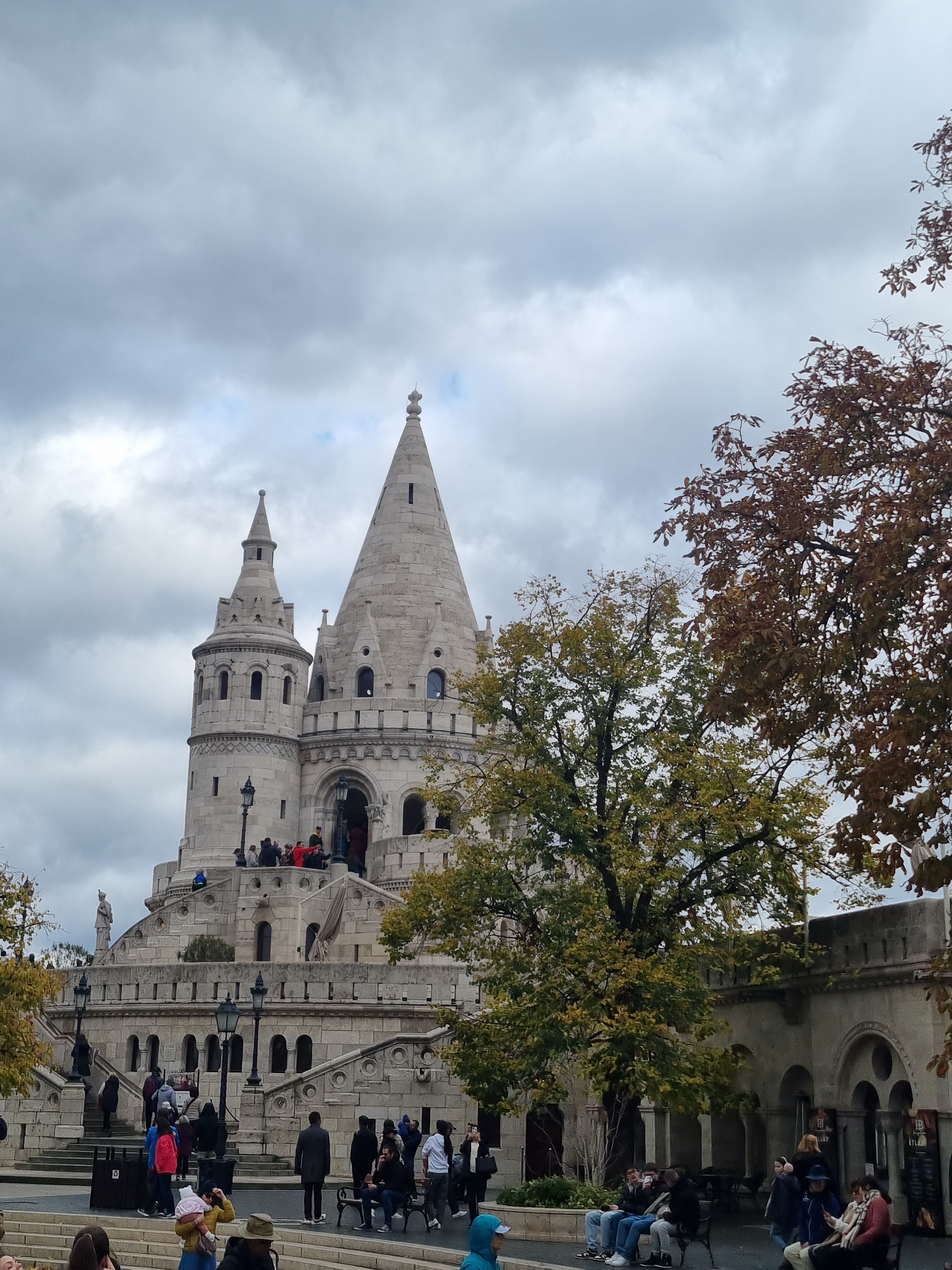
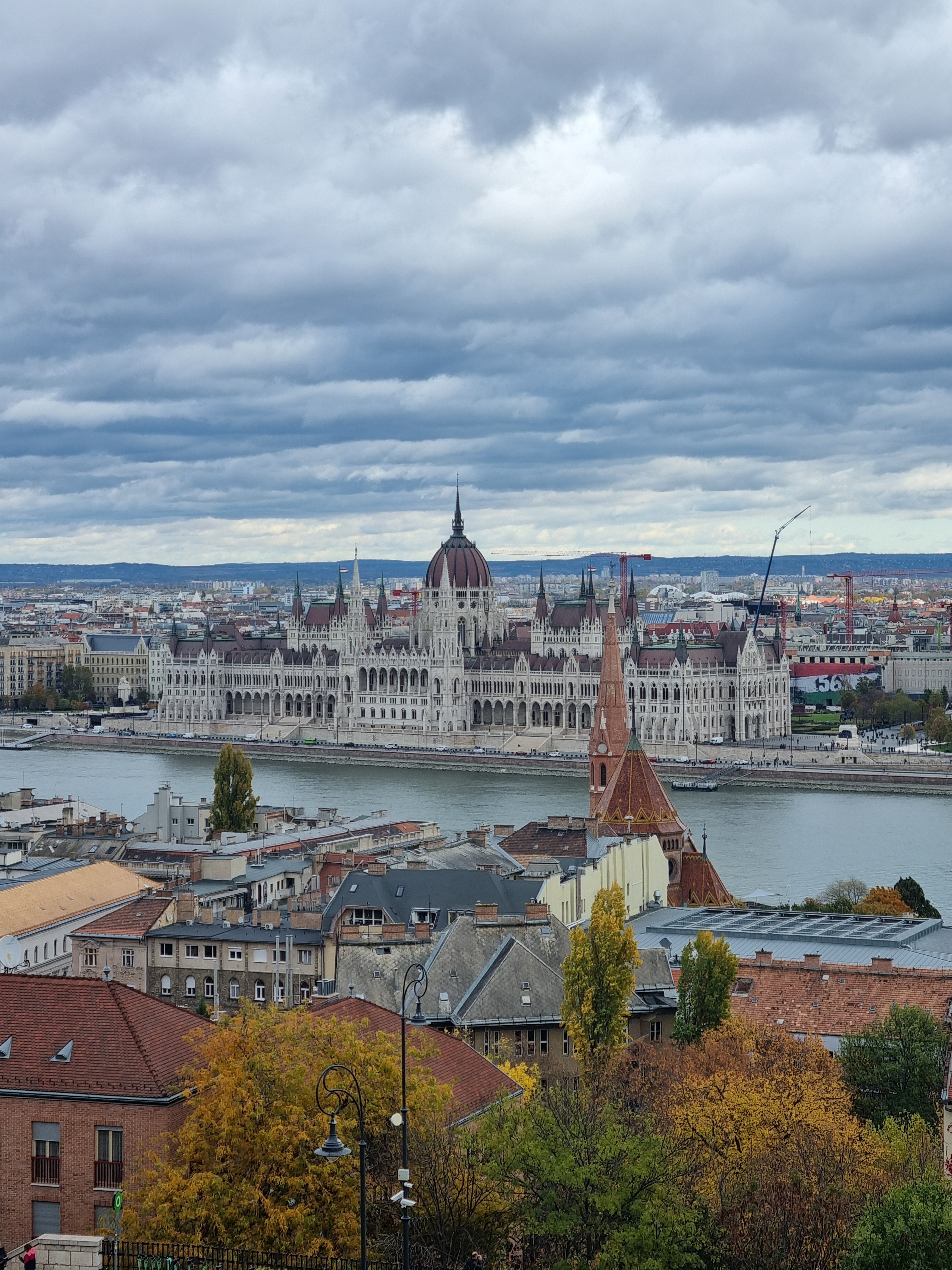
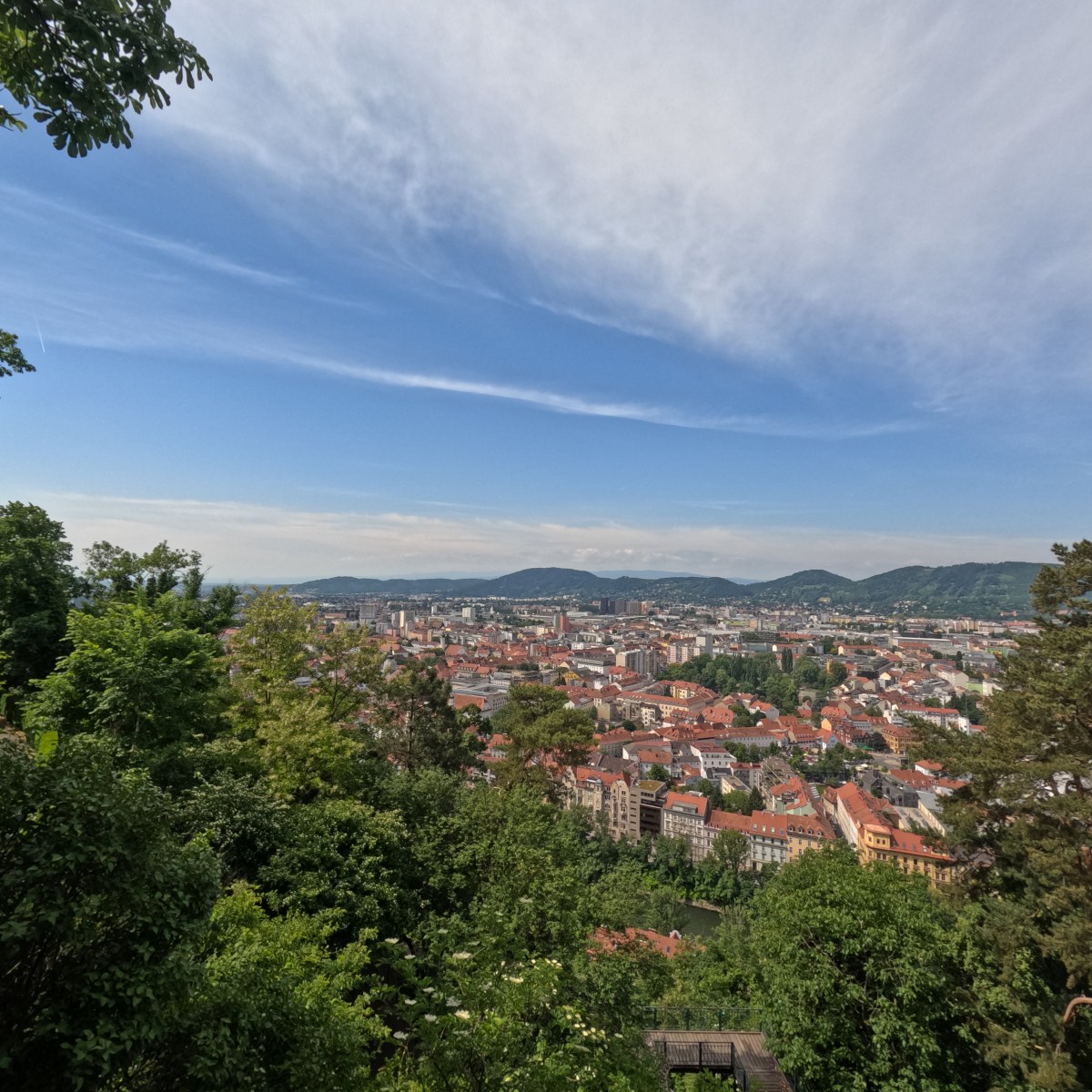
A visit to the Fisherman’s Bastion on Buda Hill is an absolute must when visiting Budapest. To reach the Castle District, you can take the short historic funicular or follow one of the many walking paths that lead up the hill while enjoying the city views along the way. From the bastion itself, you’ll get a stunning view over the Pest side of the city.
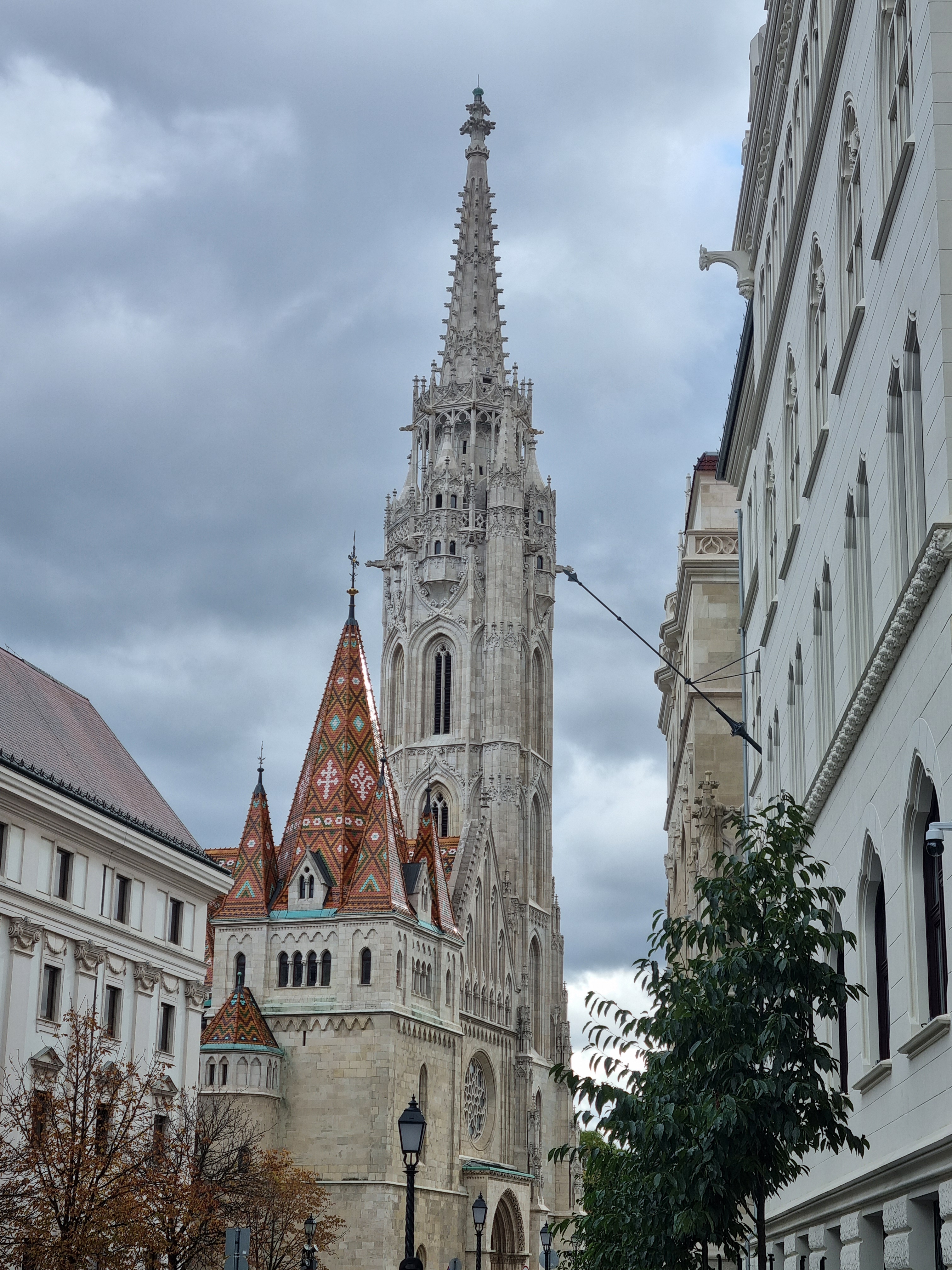
While you can pay to access the observation terraces, in my opinion it’s not really worth it, as the view from the outside is already fantastic enough. You can also step inside the nearby Matthias church for a glimpse of its beautiful interior for a small fee. After, make sure to explore the surrounding streets as well: wandering through the charming alleys of Buda reveals quiet corners where few tourists venture. The area is full of history and atmosphere.
Cruise along the Danube
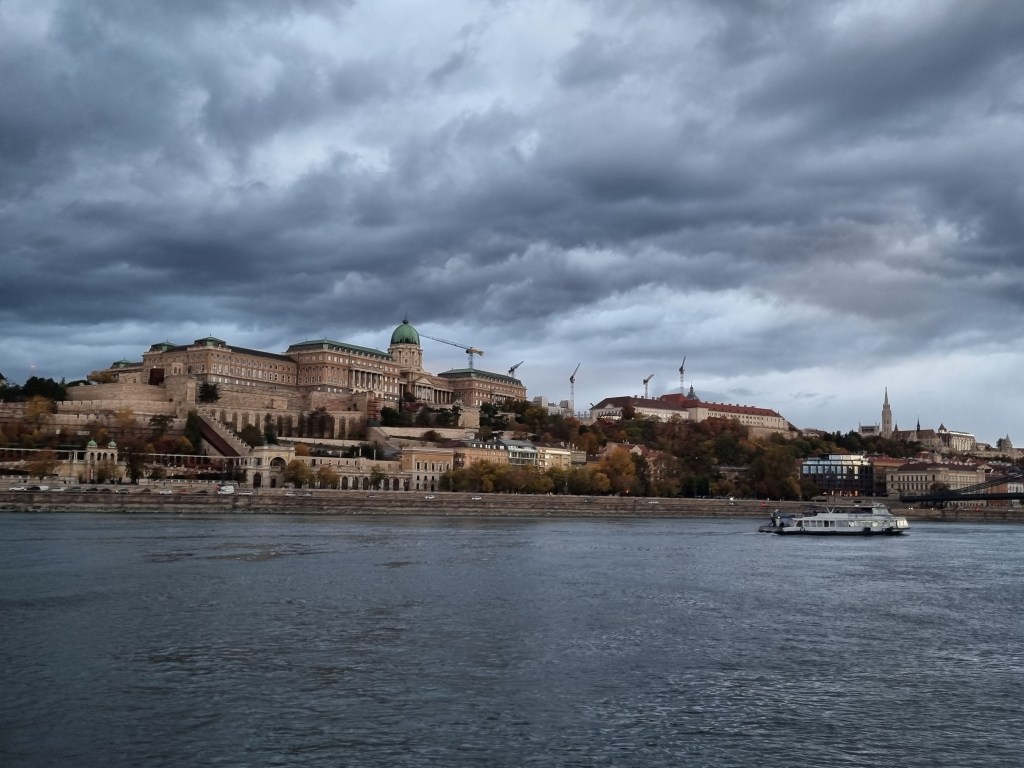
Cruising along the Danube is a fantastic activity at any time of year, offering a unique perspective on the city’s stunning architecture and bridges. In autumn and winter, it can get quite chilly on deck, so I’d recommend putting on quite a few layers to keep you warm. Even though you can step inside, in my opinion the view from indoors doesn’t quite compare to being outside on the open deck. There’s something magical about seeing Budapest sparkle from the water.
Enjoy a freshly baked chimney cake
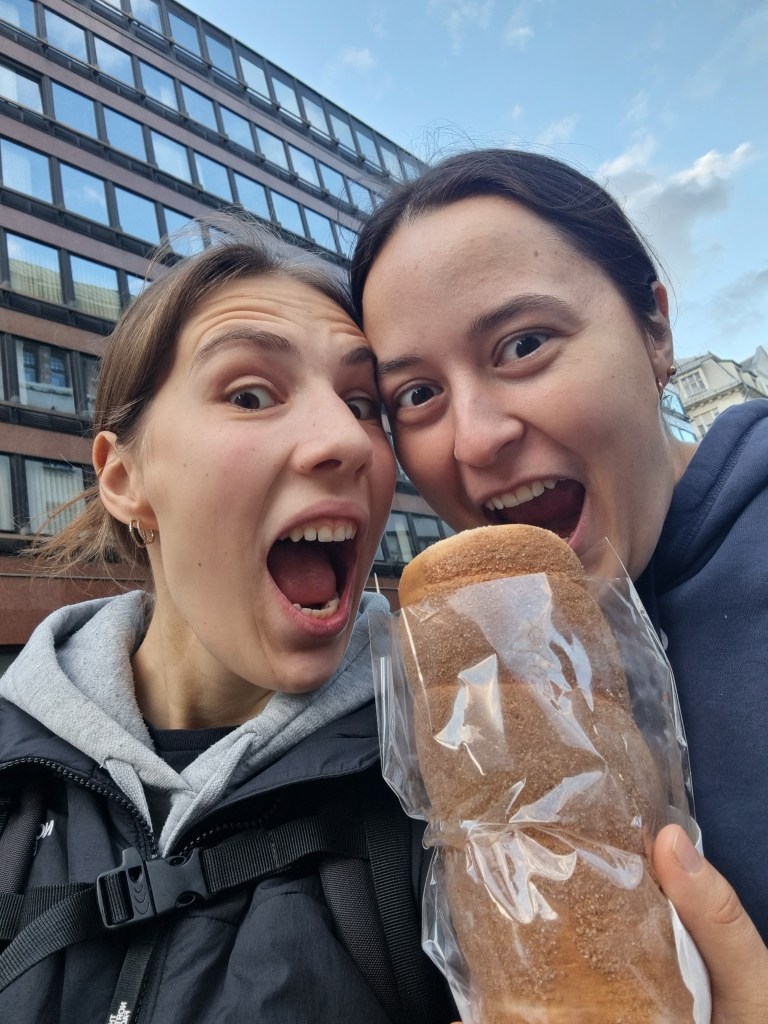
No visit to Budapest is complete without enjoying a freshly baked chimney cake: sometimes you’ll want one, sometimes two, three, or even more! These sweet treats come in a variety of delicious variations, from simple sugar and cinnamon to vanilla, chocolate sauce, and even ice cream-filled versions. My personal favorite is the classic cinnamon and sugar: warm, soft, and perfectly caramelized on the outside. It’s the ultimate snack while wandering the streets of the city.
Visit the Parliament
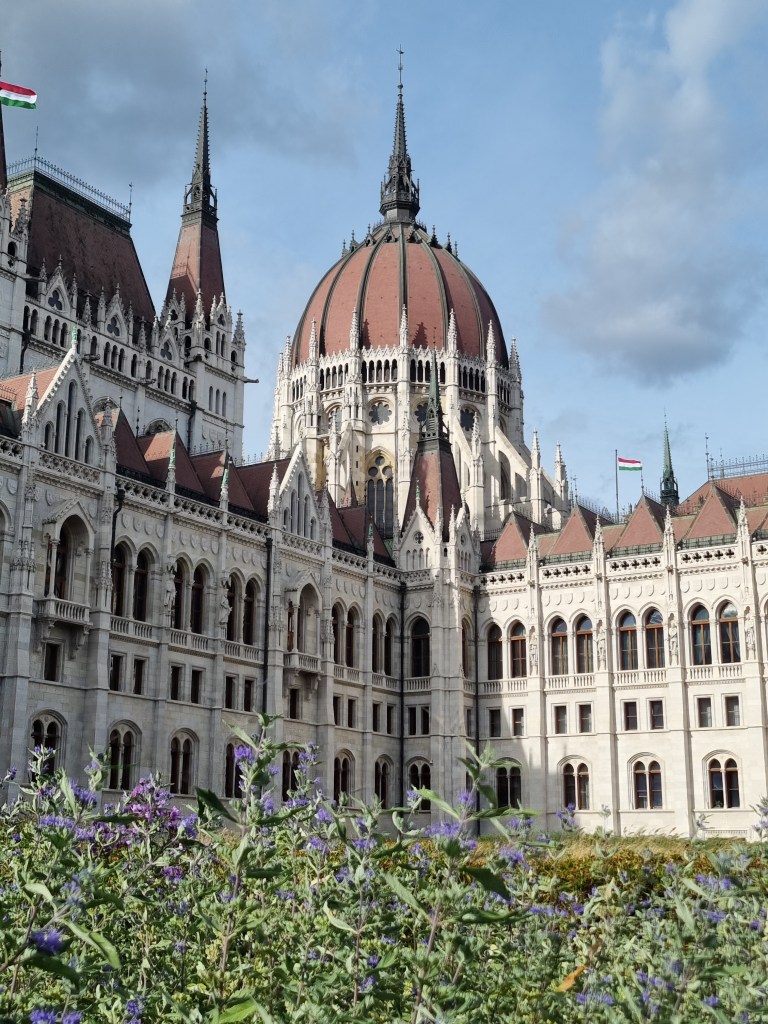
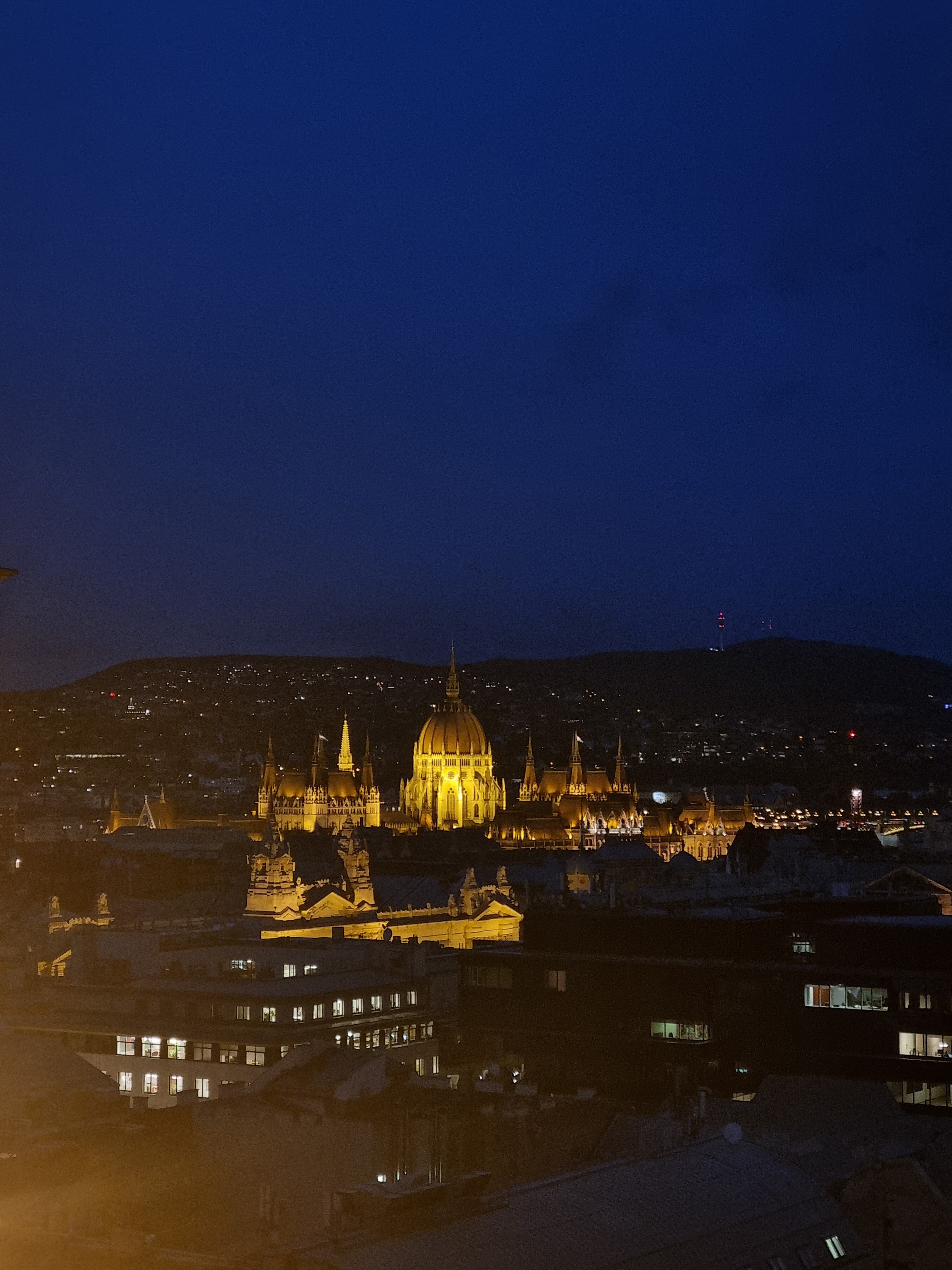
A visit to the Parliament is an absolute must when exploring the Hungarian capital. This neo-Gothic masterpiece is one of the city’s most iconic landmarks, and in my opinion, one of the most beautiful buildings I’ve ever seen. You’ll spot this massive structure from many points around Budapest, but some of the best views are from the opposite side of the Danube from the Fisherman’s Bastion or during a river cruise along the Danube.
You can even explore the Parliament on a guided tour, but I didn’t go inside either of my visits. Tickets can be hard to get, so you usually need to book well in advance. However, even just admiring it from the outside is more than worth your time.
Remembering History at the Shoes on the Danube Bank
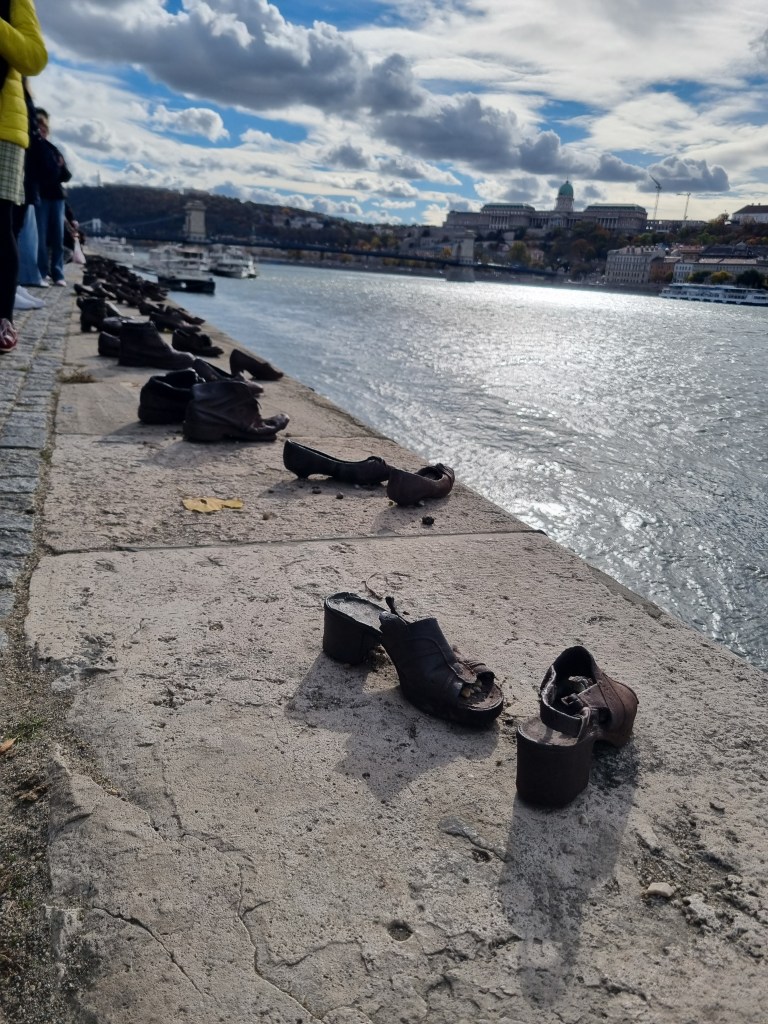
Just a few minutes walking south of the Parliament, you’ll find a very moving memorial: the Shoes on the Danube Bank. Sixty pairs of metal shoes commemorate the victims of the Holocaust in a simple but deeply impactful way.
Walk through the ruins of the castle
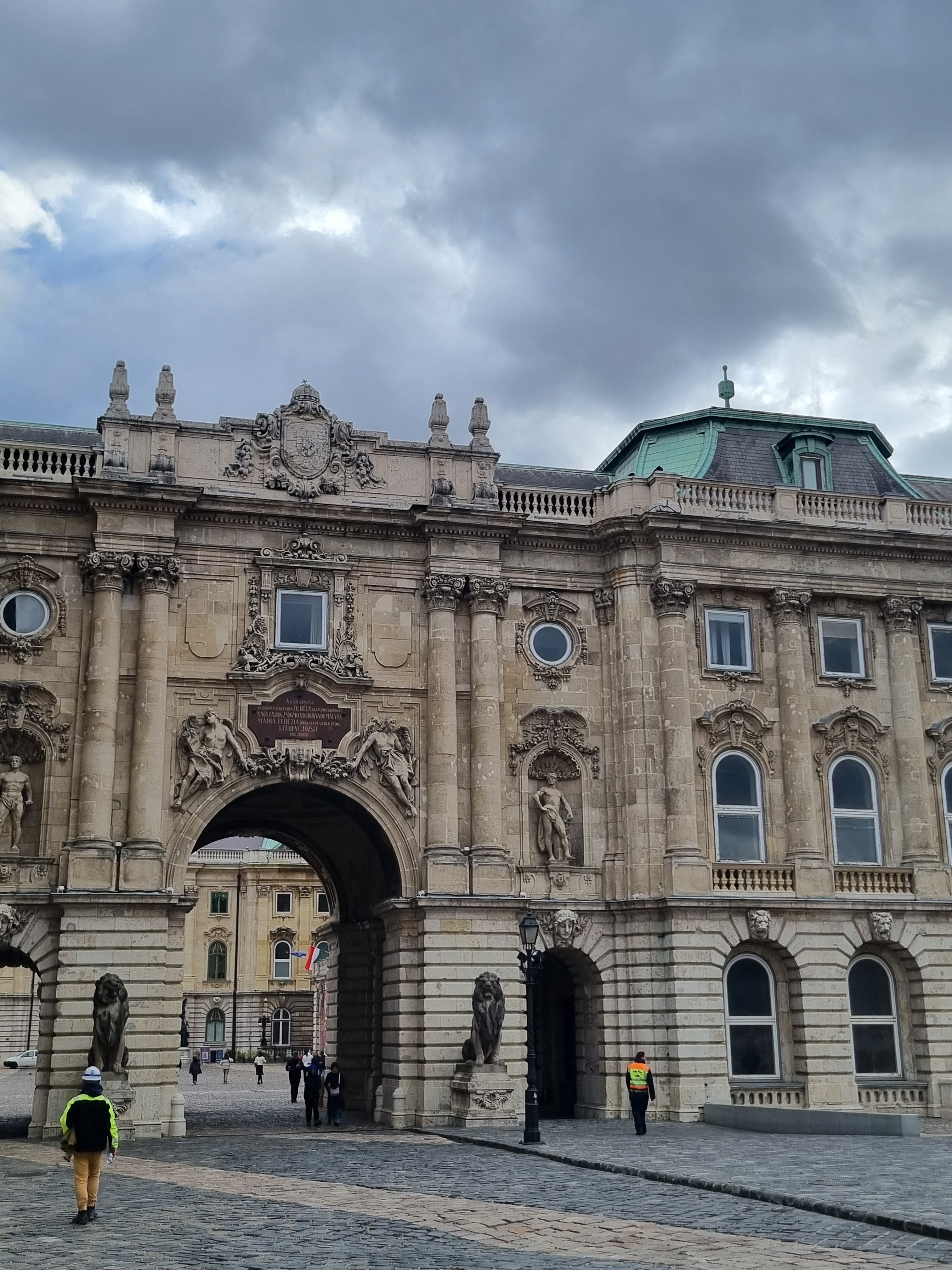
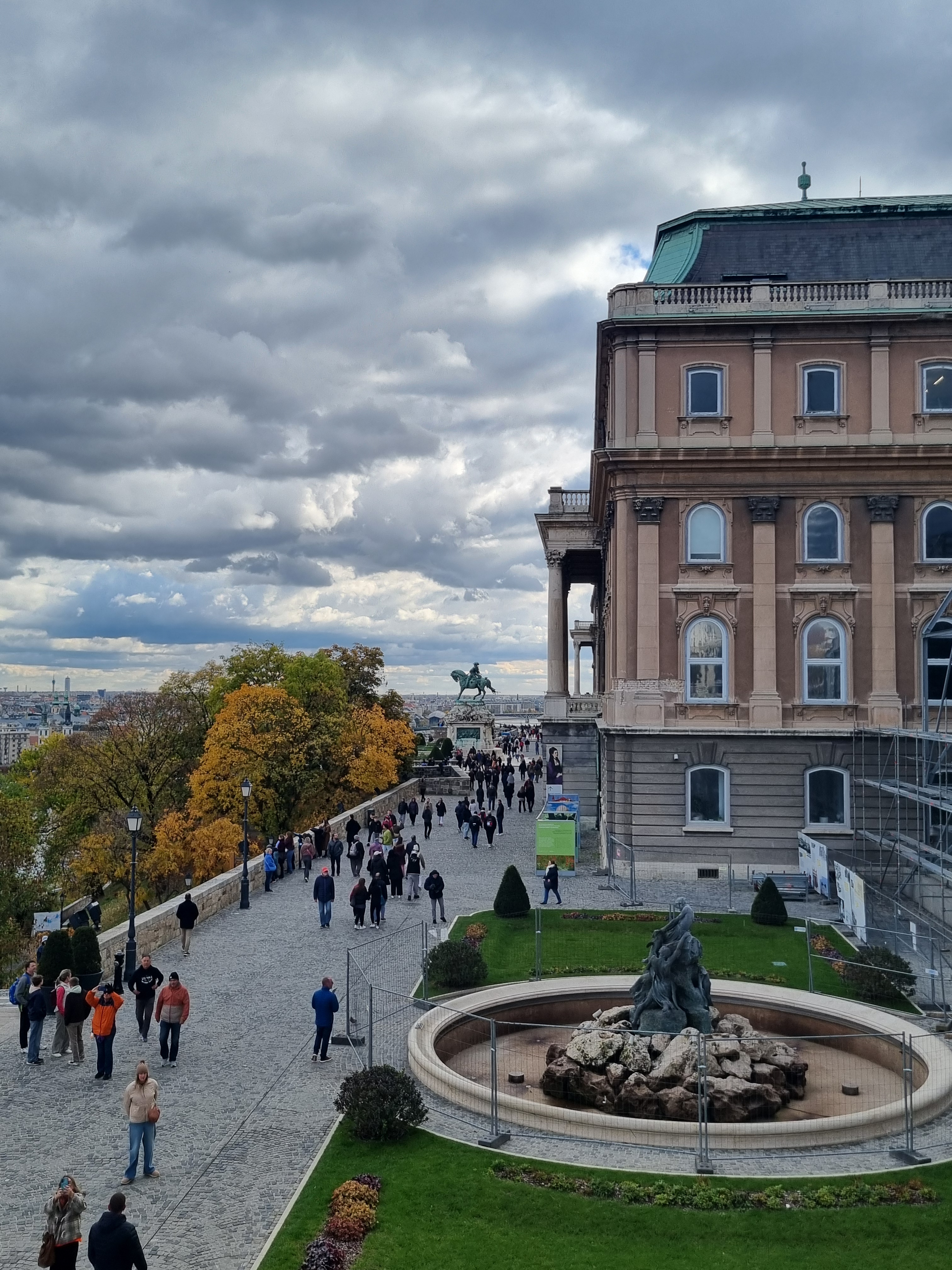
A walk through the ruins of Budapest castle is a fascinating way to step back into Budapest’s history. Parts of the castle and its surroundings are currently being restored, but even amidst the reconstruction, the area offers impressive views and a sense of the city’s rich past. Just a few minutes’ walk from the castle, you’ll also find the National Museum, making it easy to combine a stroll through the historic castle grounds with a deeper dive into Hungary’s cultural and historical treasures.
Indulge into Hungarian cuisine at Nagycsarnok market
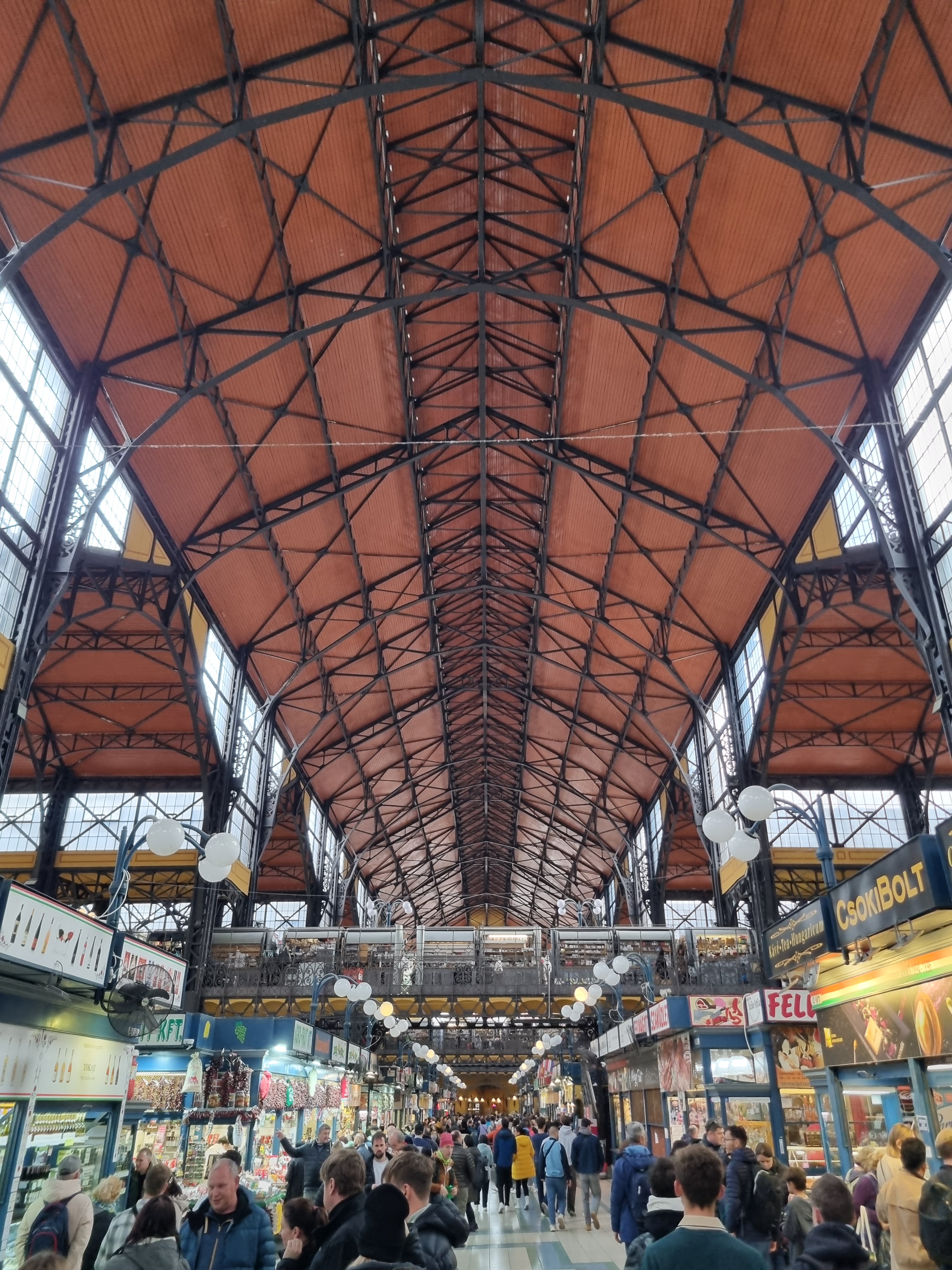
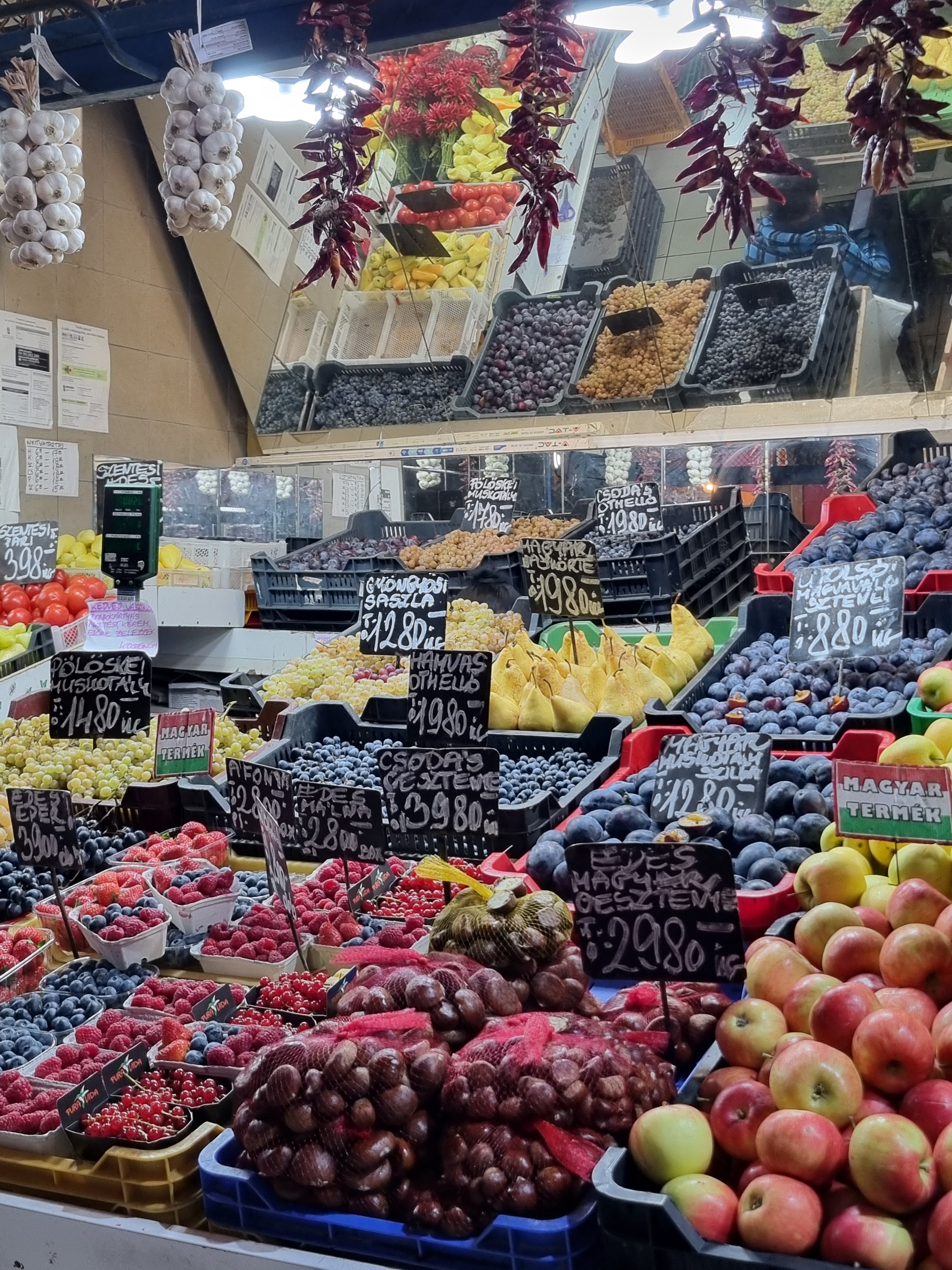
If you want to truly indulge in Hungarian cuisine, a visit to Nagycsarnok market is a must. Here, you can try all kinds of local specialties, but one item you absolutely cannot miss is a lángos. The prices might seem a bit steep, but the taste makes it more than worth it. Be warned, though: these portions can be huge, so bring a good appetite or share with your travel buddy! Crispy, golden, and often topped with garlic, sour cream, or cheese, a lángos at Nagycsarnok is a true Budapest experience!

Discover the Beauty of St. Stephen’s Basilica and climb to the top
Another highlight is the stunning St. Stephen’s Basilica. The exterior alone is impressive, but what truly amazed me was the interior and the view from the top.
From the basilica’s dome, you get a full 360-degree panorama over the city. Reaching the top involves a short climb of around 350 steps. You can choose to visit just the church, just the tower, or both. During my second visit, I did both, and even though it’s relatively expensive, I definitely think it’s worth it.

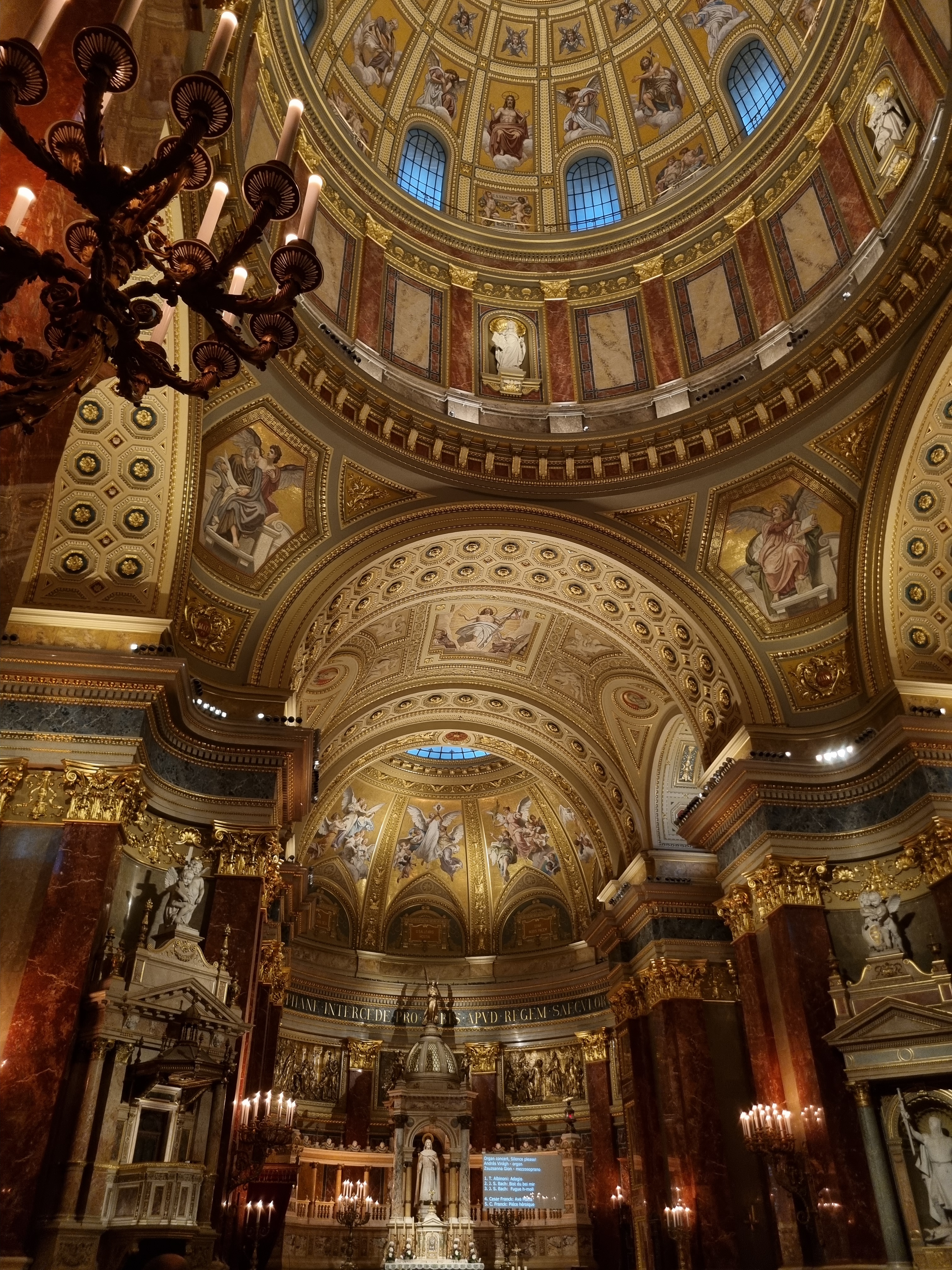
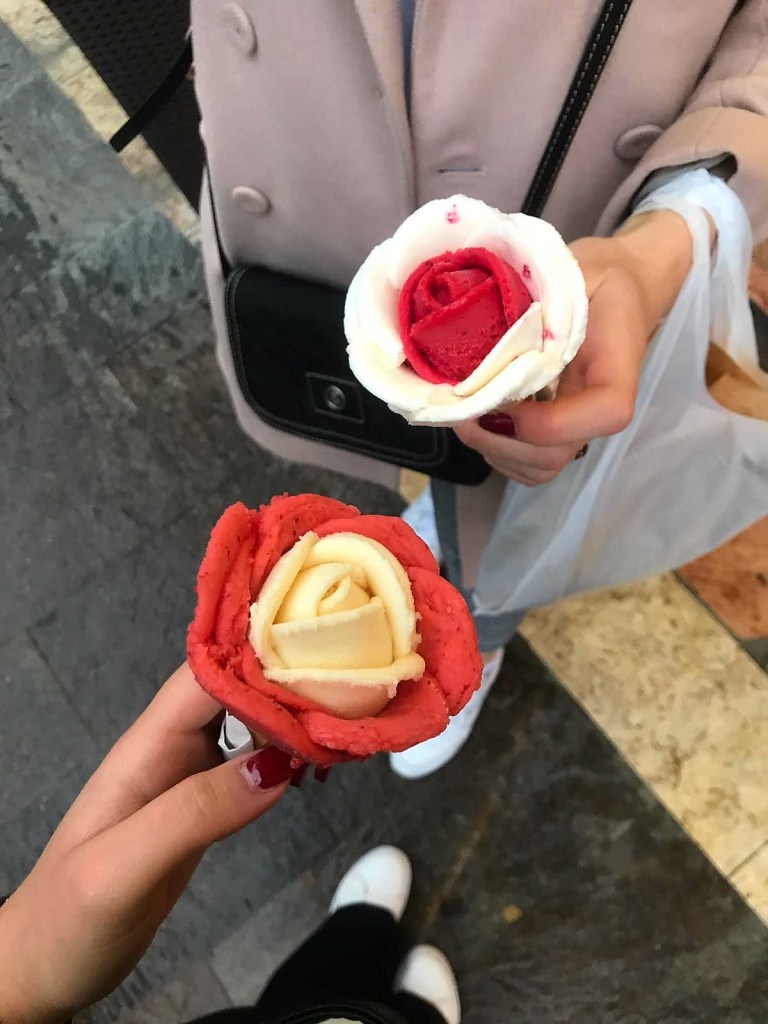
A little tip: just near St. Stephen’s Basilica is the popular ice cream shop Gelarto Rosa, where the ice cream is served in the shape of a rose. Although it’s a bit pricey, it’s a treat for the eyes as much as the taste!
Walk the Historic Streets of the Jewish Quarter
Walking through the historic streets of the Jewish Quarter is another highlight of any visit to the city. The area is full of charming streets lined with vibrant cafés, bars, and restaurants, making it the perfect place to sample traditional Hungarian dishes.
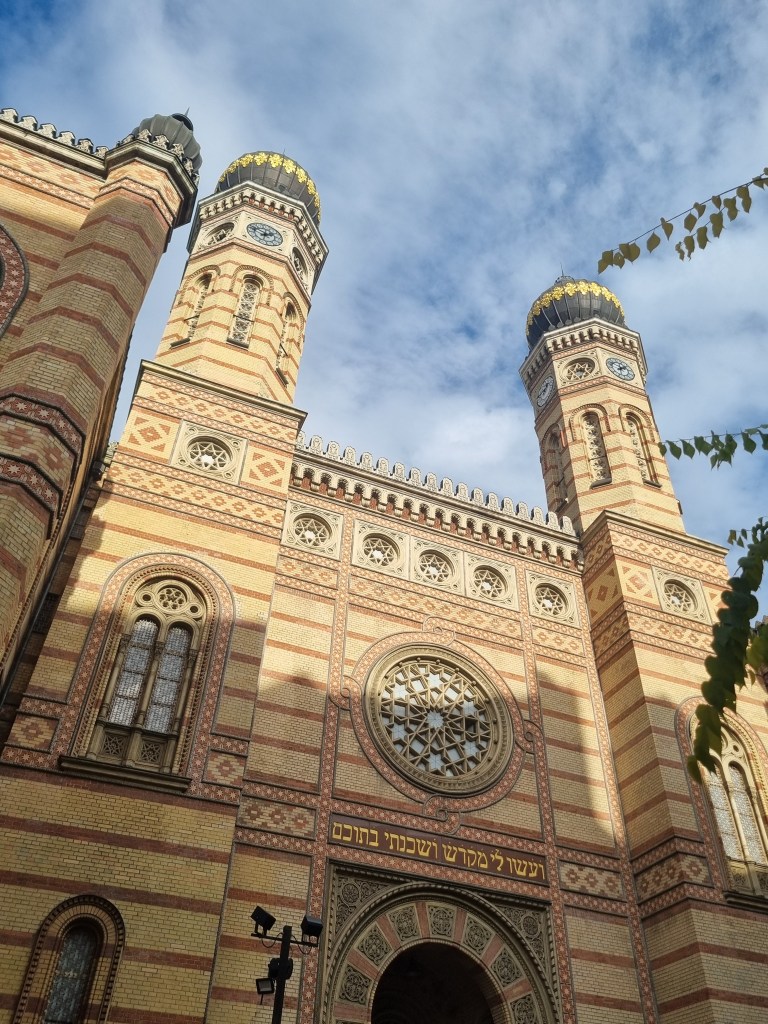
While I haven’t yet been inside the Dohány Street Synagogue, the building itself is absolutely worth seeing from the outside. Strolling these streets, you’ll get a wonderful sense of the neighborhood’s history, atmosphere, and culture.
Step into the past at the Buda Castle History Museum
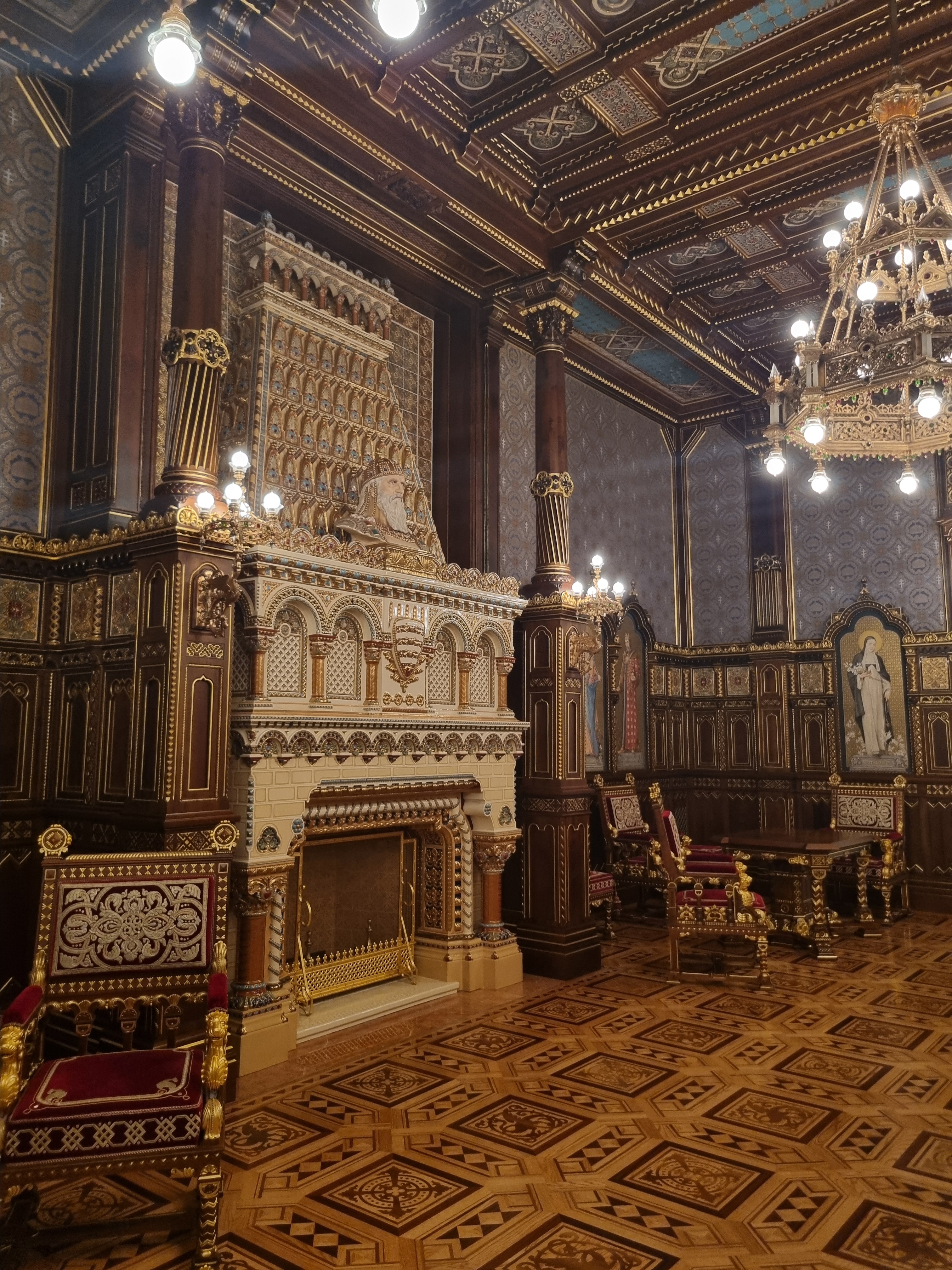
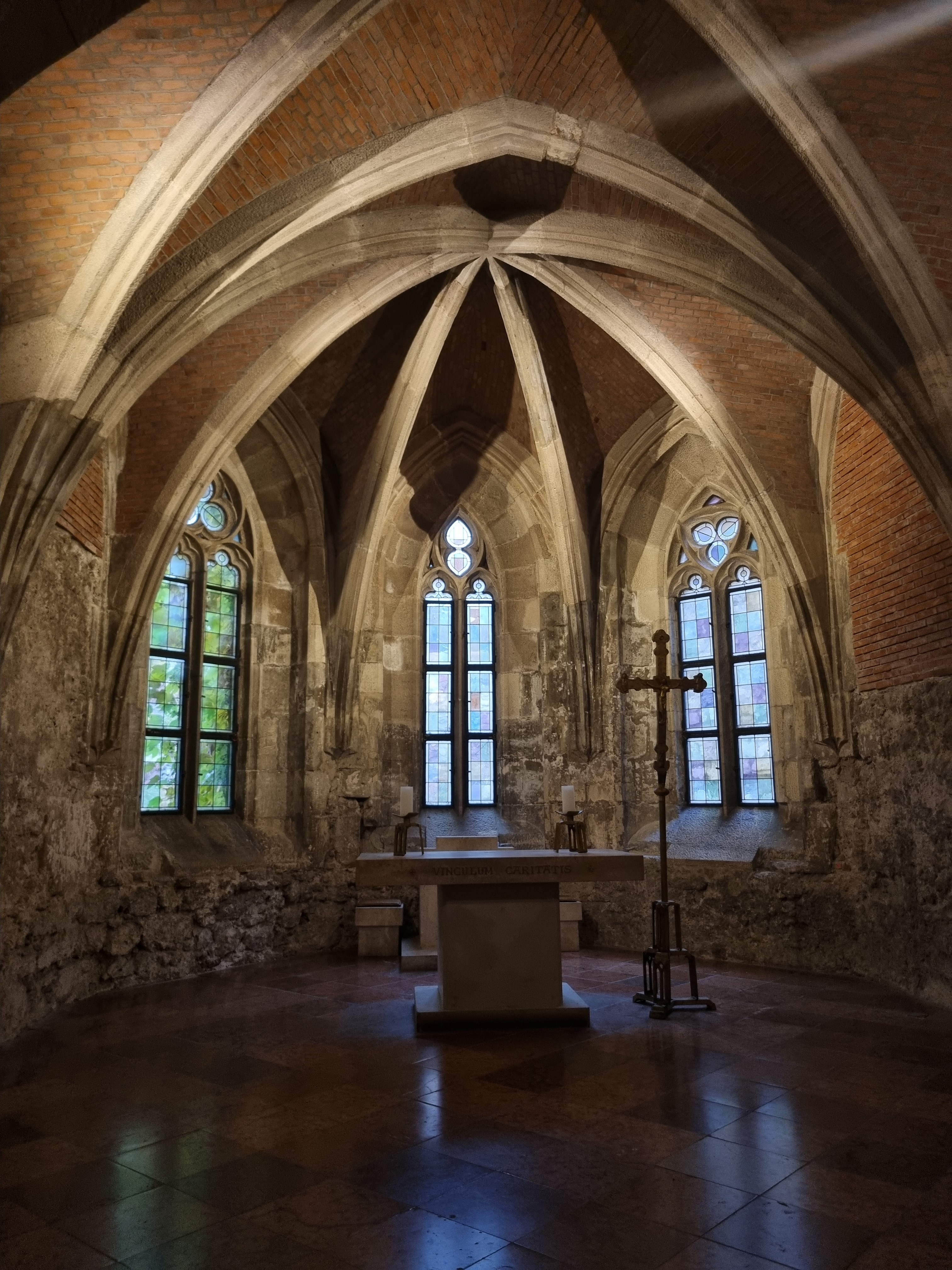
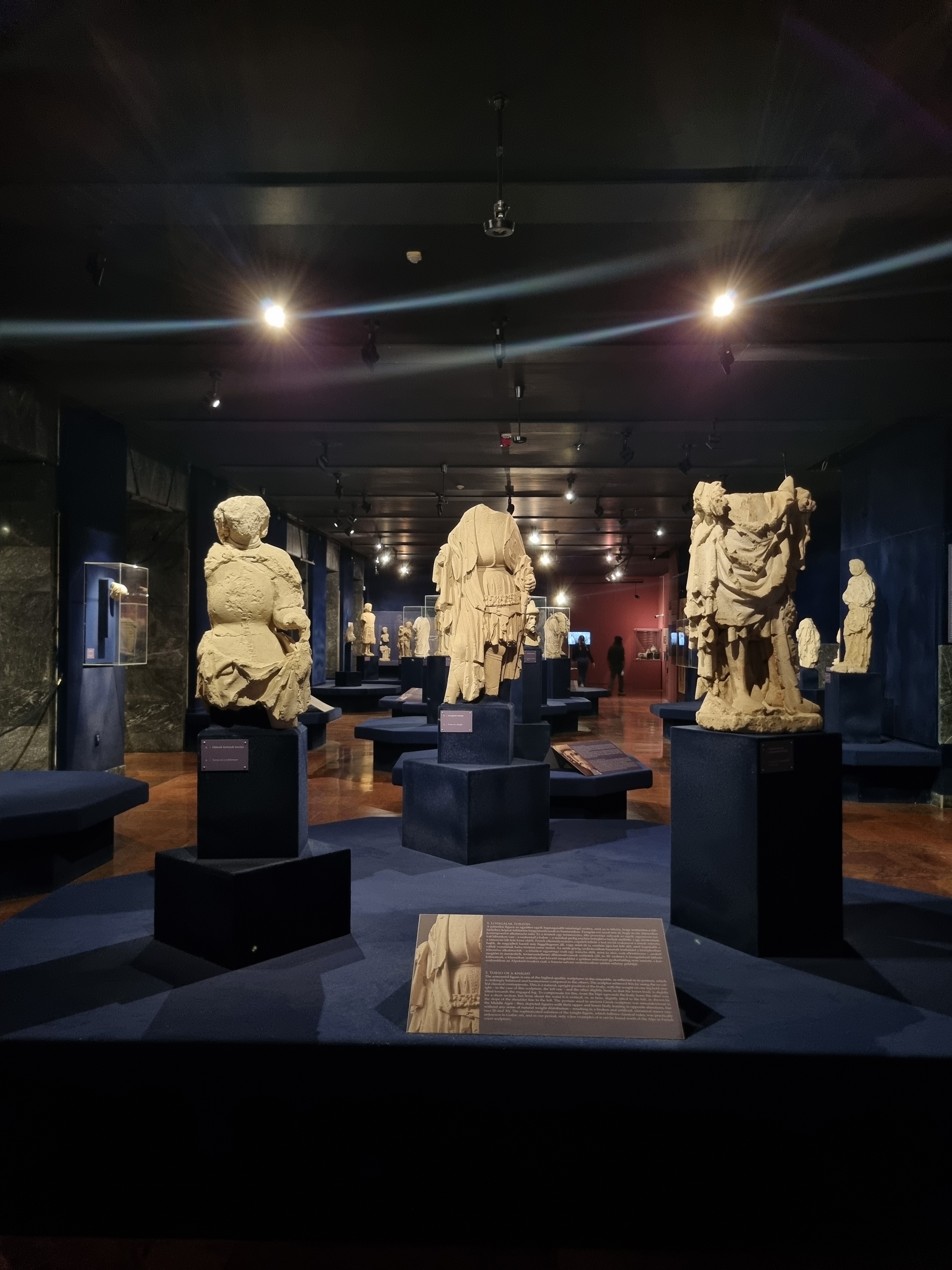
Stepping into the Buda Castle History Museum is a fantastic way to immerse yourself in the city’s rich past. The museum offers a detailed look at Budapest’s history, from its medieval origins through the Ottoman and Habsburg eras to modern times. Exhibits include historical artifacts, paintings, and interactive displays. Among its highlights is the St. Stephen’s Hall, a lavish ceremonial hall from the turn of the century, reconstructed in 2021, which showcases the grandeur of the Buda Castle and the ceremonial life of Hungary’s past.
Visiting the museum gives you a deeper understanding of the events and people that shaped Budapest, making it a perfect stop for history enthusiasts or anyone curious about the city’s heritage.
Where to eat
- Grinzingi Borozo – Hungarian cuisine
- LaMer Brunch & Bar – Hungarian cuisine
- Nagycsarnok market – Lángos and many more things
- Gelarto Rosa – Ice Cream
6 responses to “Top 10 Things to see and do in Budapest for First-Time Visitors”
-
-
hihi hopefully very soon!
LikeLike
-
-
Such a beautiful and detailed guide! Budapest really does feel like a fairytale, especially around the Fisherman’s Bastion and along the Danube. Now I’m seriously craving a chimney cake and a sunset cruise with views of the Hungarian Parliament Building. Perfect inspiration for a first-time visit! 🇭🇺
-
-
Thank you so much! It’s definitely worth a visit! 🙂
LikeLike
-







 Michelle Cacija
Leave a comment