
Planning your first trip to Tokyo? Get ready for a city that feels like stepping into the future, without leaving the past behind. In Tokyo, ancient temples sit beside neon skyscrapers, quiet shrines hide between busy streets, and every neighborhood has its own unique vibe. From the famous Shibuya crossing to the colorful streets of Harajuku and the anime world of Akihabara, there’s something new around every corner. And of course, the food: whether it’s your first real ramen, fresh sushi, or surprising convenience store snacks, it will be unforgettable. This blog is here to help you navigate Tokyo with confidence, discover must-see spots, and make the most of your very first visit. Servus and let’s get started!
As always, I want to remind you, that this blog isn’t perfect because everyone travels differently, and all trips involve changes of plans. I want to let you know that everything on this website has been experienced, photographed, and written by me. Since I finance all of my travel expenses on my own, the stories and opinions given are truly my own. If you’re interested in seeing more travel pictures or videos, feel free to check out my Instagram @michellecacija or my Tik Tok @michellecacija.
Index
- The Basics about Tokyo
- Things you need to be aware of
- Explore the bustling streets of Shibuya
- Savor Fresh Japanese Delights at Tsukiji Market
- Stroll Through Shinjuku Gyoen National Garden
- Dive into the Electric World of Akihabara
- Spend a Magical Day at Tokyo Disneyland or DisneySea
- Discover Art and Nature at Tokyo National Museum and Ueno-Park
- Experience the Immersive Wonderland of teamLab Borderless
- Visit the Sacred Meiji Shrine and Relax in Yoyogi Park
- Discover the Colorful World of Harajuku
- Admire History and Architecture at Sensoji Temple
- Wander Through the ruins of Tokyo Castle
- Catch the Thrills of a Traditional Sumo Show
- Spend all your money at Don Quijote
- Explore the Vibrant Energy of Shinjuku
- Take a Scenic Day Trip to Mount Fuji, Owakudani, Lake Ashi, Hakone and Oshino Hakkai
- Discover Coastal Charm on a Day Trip to Kamakura and Enoshima
- Where to eat
- Booking Checklist
The Basics about Tokyo
When to visit
I visited Tokyo in winter (January and February), and for me, it was absolutely perfect. I’m not really a summer person, so the cooler temperatures around 10°C felt very comfortable rather than cold. It made walking around the city all day much more enjoyable than in a city with heat.
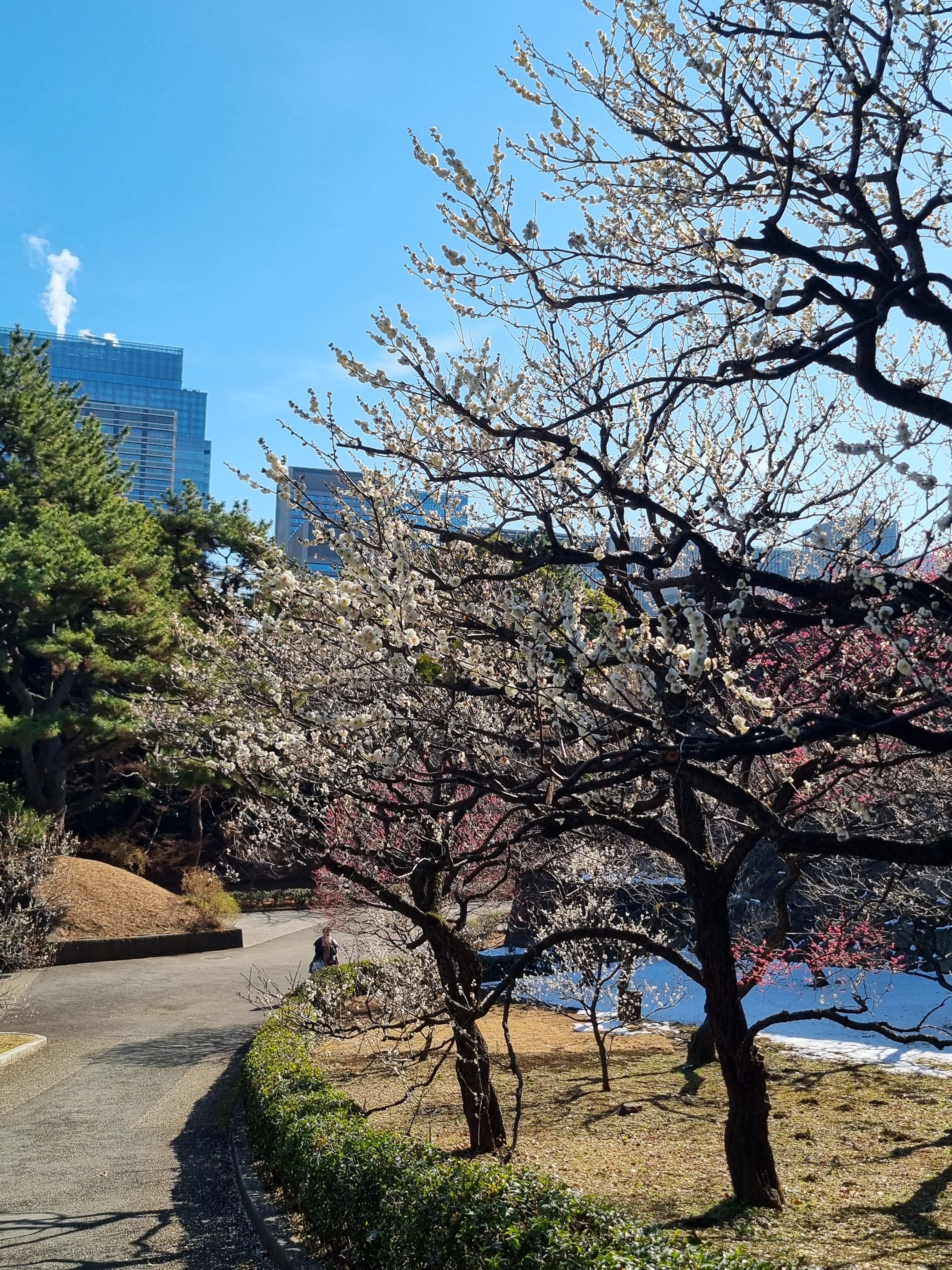
You also don’t necessarily need to visit during spring, the famous cherry blossom season to see sakura and it’s flowers. I actually spotted cherry blossoms in February, and the best part was avoiding the huge crowds that come in spring. Even in winter, of course, there are tourists around, but I imagine that it’s much less crowded than during peak seasons. Summer, on the other hand, is typhoon season and can get extremely hot and humid, not ideal if you want to comfortably explore the city. For me, winter offered the perfect balance of mild weather, fewer crowds, and a relaxed pace for sightseeing.
I believe that autumn is another great time to visit. The temperatures are probably mild, the humidity is lower than in summer, and the city’s parks and temple gardens are filled with beautiful autumn foliage, a perfect combination of comfortable weather and stunning scenery.
Time period
I spent six days in Tokyo, and for a first visit, that felt like a perfect amount of time to get a good feel for the city. It was enough to explore several neighborhoods, try lots of food, and visit the main sights without feeling too rushed.
That said, Tokyo is enormous, and there’s so much to see and discover that you could easily spend much longer there. The city is full of unique experiences, vibrant districts, and hidden gems, and honestly, even after six days, it can be hard to fully process everything you encounter. If you have the flexibility, adding a few more days will let you explore at a slower pace and really soak in the incredible energy and variety Tokyo has to offer… or just come back many times (I’ll definitely do so)!
Getting There
For most international travelers, the journey to Tokyo begins with a long flight and this will likely be the biggest expense of your trip. Tokyo has two major airports: Narita International Airport and Haneda Airport.
Narita is quite far from the city center, but it’s well connected by express trains, local trains, and airport buses. One popular option is the Keisei Skyliner, which takes you into the city much faster than the regular local trains. However, it’s significantly more expensive, so it really depends on whether you prefer saving time or money. Haneda, on the other hand, is much closer to central Tokyo, making transfers quicker and often more convenient if you land or depart from there.
From either airport, you can get to the city center by train, bus, or taxi, once you’ve figured out how Tokyo’s public transport system works (which took me a second to wrap my head around haha). In my opinion the train is usually the fastest and most affordable option. With a Suica or PASMO card, you can simply tap your way into the city without worrying about complicated ticket systems. However, if you choose to take the Keisei Skyliner, you’ll need to purchase an additional reserved seat ticket, as the Skyliner requires a separate surcharge on top of the regular fare.
Where to stay
Choosing where to stay in Tokyo can feel overwhelming because the city is so massive and every neighborhood has its own unique atmosphere. The good news is: as long as you’re close to a train station, you’ll be well connected.
The first time I visited Tokyo, I stayed in Shinjuku in a small hotel. The location was great because it wasn’t right in the middle of the busiest crowds, but still close enough to reach everything easily. Shinjuku is full of restaurants, activities, shops, and nightlife. During my second time in Tokyo, I stayed in Asakusa, basically on the other side of Tokyo. It was also very central, but noticeably more affordable than Shinjuku. Asakusa has a more traditional atmosphere, which gave the trip a completely different feel.
If you’re planning a trip to Tokyo, I can definitely recommend staying in at least two different areas, even if it means changing hotels. It might feel a bit inconvenient to move, but it allows you to experience different sides of the city without spending ages on the trains or busses. Alternatively, you can do what I did: stay in one area at the beginning of your round-trip through Japan and choose a different neighborhood at the end of it. It’s a great way to see more of Tokyo without constantly commuting across the city.
Getting around
Tokyo is huge and can feel overwhelming at first but thanks to its well-organized public transportation system, it’s surprisingly manageable. While you’ll likely rely less on walking because of the city’s size, the extensive train and bus network makes getting around efficient and convenient. The simplest way to use public transportation is with a Suica or PASMO card. These prepaid IC cards let you tap in and out without needing to buy individual tickets each time.
You can add a Suica or PASMO card directly to your iPhone Wallet for convenient tap-and-go travel (this option isn’t available for Android devices), or you can purchase a physical card at major train stations. Once you have one, you can use it on almost all local trains and buses across the city (and even most other cities in Japan). Topping up works slightly differently depending on the version you use: a physical card (Android) can usually only be recharged with cash, for example at ticket machines or convenience stores like 7-Eleven. The digital version (Apple), however, can be topped up easily by transferring money directly through your phone.
What to pack
What you should pack for Tokyo really depends on when you’re visiting. The seasons in Japan can be quite distinct, so your suitcase will look very different in winter compared to summer.
If you’re traveling in winter, you’ll definitely need a warm coat, a hat, gloves, and waterproof shoes. Temperatures can get quite cold, and if you’re exploring the city all day, you’ll be glad to have proper winter gear. In summer, on the other hand, it can get very hot and humid. Lightweight, breathable clothing is essential, and comfortable shoes are a must since you’ll likely be walking a lot. Spring and autumn are generally mild and very pleasant, but layering is key. A light jacket or sweater is perfect, especially in the evenings when temperatures can drop.
No matter the season, don’t forget to bring a power adapter for Japanese outlets (Type A). And most importantly: pack a good appetite, because you’ll want to try as much of the incredible food as possible. You will definitely eat a lot, trust me.
And here’s one more important tip: leave some extra space in your luggage. Whether you plan to or not, you will end up buying things. It wasn’t my plan either, and I still came home with so many amazing new items. Many travelers even buy an extra suitcase while they’re there (which, luckily, wasn’t necessary in my case haha).
Cost of Traveling
The cost of traveling to Tokyo depends probably a lot on the time of year you visit. Prices can vary significantly by season, especially for flights and accommodation. I traveled to Tokyo in January and February, which is considered off-season, and prices were generally more affordable than during peak times like cherry blossom season or autumn.
Compared to other Japanese cities, in my opinion Tokyo is probably the most expensive when it comes to accommodation. However, when you compare hotel prices to many other major cities around the world, they’re actually quite reasonable. You can find everything from budget-friendly business hotels to luxury stays, depending on your preferences. Eating out is surprisingly affordable, even compared to the rest of Japan. You can have an excellent meal for a relatively low price, whether it’s ramen, sushi, or a set menu at a local restaurant.
In general, the biggest expense will most likely be your flight, followed by accommodation. Once you’re there, transportation, food, and everyday expenses are fairly manageable, making Tokyo more budget-friendly than many people expect it to be.
Things you need to be aware of
Tap water in Japan is safe to drink and of very high quality. So you can confidently refill your bottle at hotel sinks or public fountains without worrying. If you prefer bottled drinks, vending machines are basically everywhere and convenience stores offer a huge selection of beverages.
In addition, every hotel I stayed at provided complimentary bottled water in the room. Still, bringing a reusable bottle is a great option if you want to stay hydrated while exploring the city.
Public restrooms are generally clean, modern, free and easy to find, especially in train stations, shopping centers and parks. In fact, they are unbelievably clean, I’ve never seen any public restrooms more clean before. Also, many of the toilets are high-tech, with features like heated seats (very nice in winter lol), bidet functions, and automatic flushing.
Tipping is generally not expected in Japan. In some cases, such as guided tours or special private services, a small tip might be accepted, but it’s never required. Overall, you don’t need to worry about calculating tips in Japan. Simply paying the stated amount and saying “arigato gozaimasu” (thank you very much) is perfectly sufficient.
Currency. In Japan, the official currency is the yen. While credit cards are widely accepted, it’s always a good idea to carry some cash with you. Local trains may also require cash, either for tickets or for topping up your Suica or Pasmo card. In addition, most claw machines and capsule toy vending machines only take cash. Having both cash and card gives you the most flexibility while traveling through Japan.
Plus that said, Suica and Pasmo cards aren’t just useful for public transportation. You can also use them to pay in many convenience stores, supermarkets, vending machines, restaurants, and even some shops. They work like prepaid debit cards and are incredibly convenient for small everyday purchases.
Explore the bustling streets of Shibuya
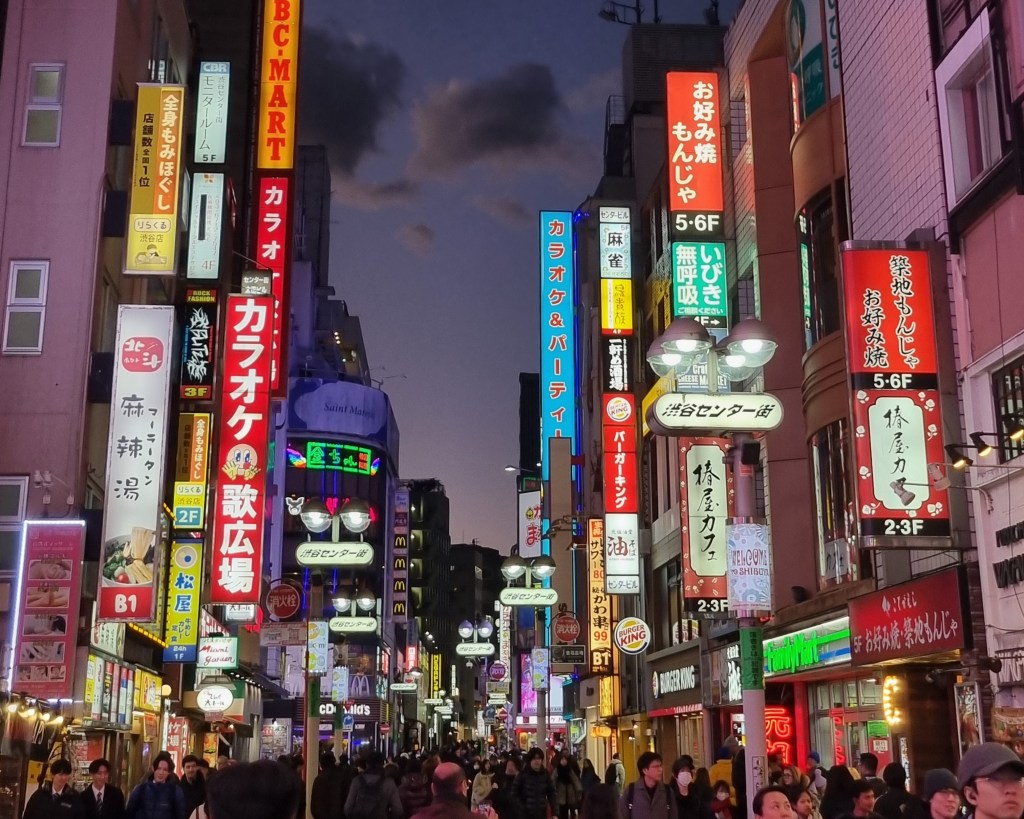
You definitely can’t visit Japan without spending some time in the vibrant district of Shibuya and, of course, crossing the famous Shibuya Crossing. Known as one of the busiest pedestrian crossings in the world, it’s an incredible sight: when the traffic lights turn red, people flood the intersection from every direction at once, creating a fascinating moment of organized chaos in the heart of Tokyo.
Be prepared for lots of people though. Even in winter, when I visited, the area was already extremely busy. During peak travel seasons, the number of people must be even more overwhelming. Yet this constant movement and energy are exactly what make Shibuya so exciting. Beyond the crossing itself, the entire neighborhood is full of life. You’ll find countless shops, restaurants, and charming cafés lining the streets. It’s the kind of place where you can easily spend hours just wandering around, soaking in the atmosphere, and taking in the vibrant pulse of Tokyo.
Savor Fresh Japanese Delights at Tsukiji Market
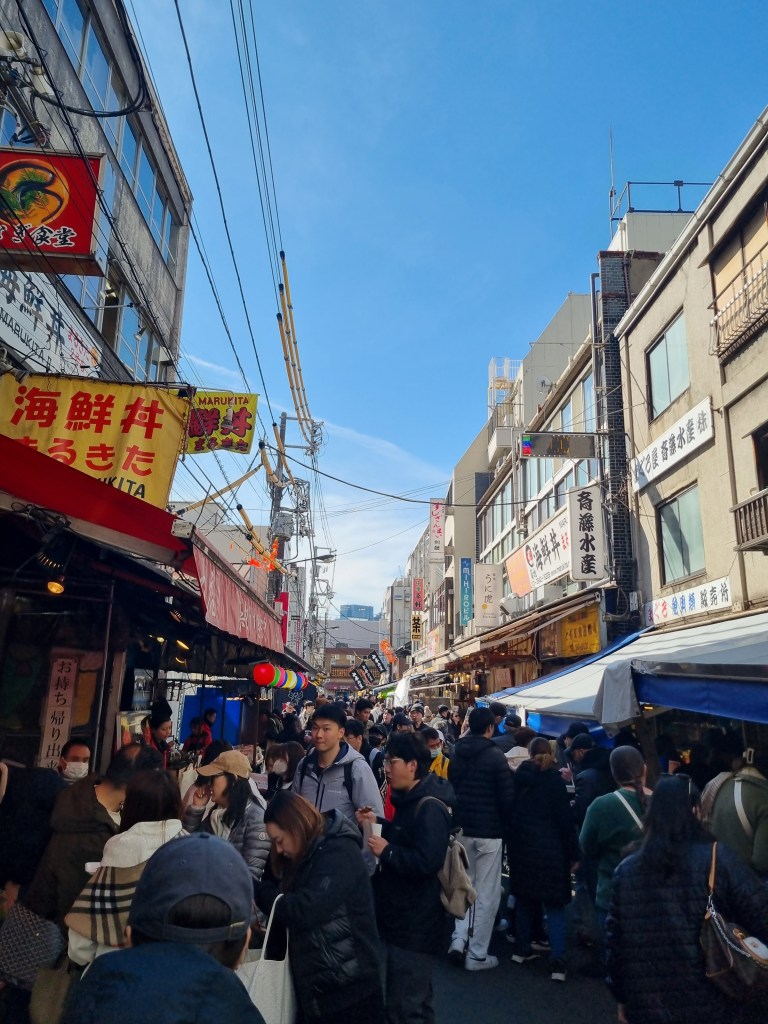
A visit to Tokyo wouldn’t be complete without exploring the famous Tsukiji Market, a paradise for food lovers. The market is best known for its variety of fresh seafood, fruits, and vegetables, with countless small stalls and restaurants.
Be prepared for crowds. Even in winter, when I visited, the market was already packed with locals and tourists. The narrow lanes quickly fill with people, and at times you’ll find yourself squeezing past others. But that lively atmosphere is part of the experience and makes wandering through the market so memorable.
While Tsukiji is famous for its fish and food stalls, there is much more to discover. Between the food vendors you’ll also find charming little shops selling beautiful ceramics, traditional Japanese tableware, and kitchen tools.
Stroll Through Shinjuku Gyoen National Garden
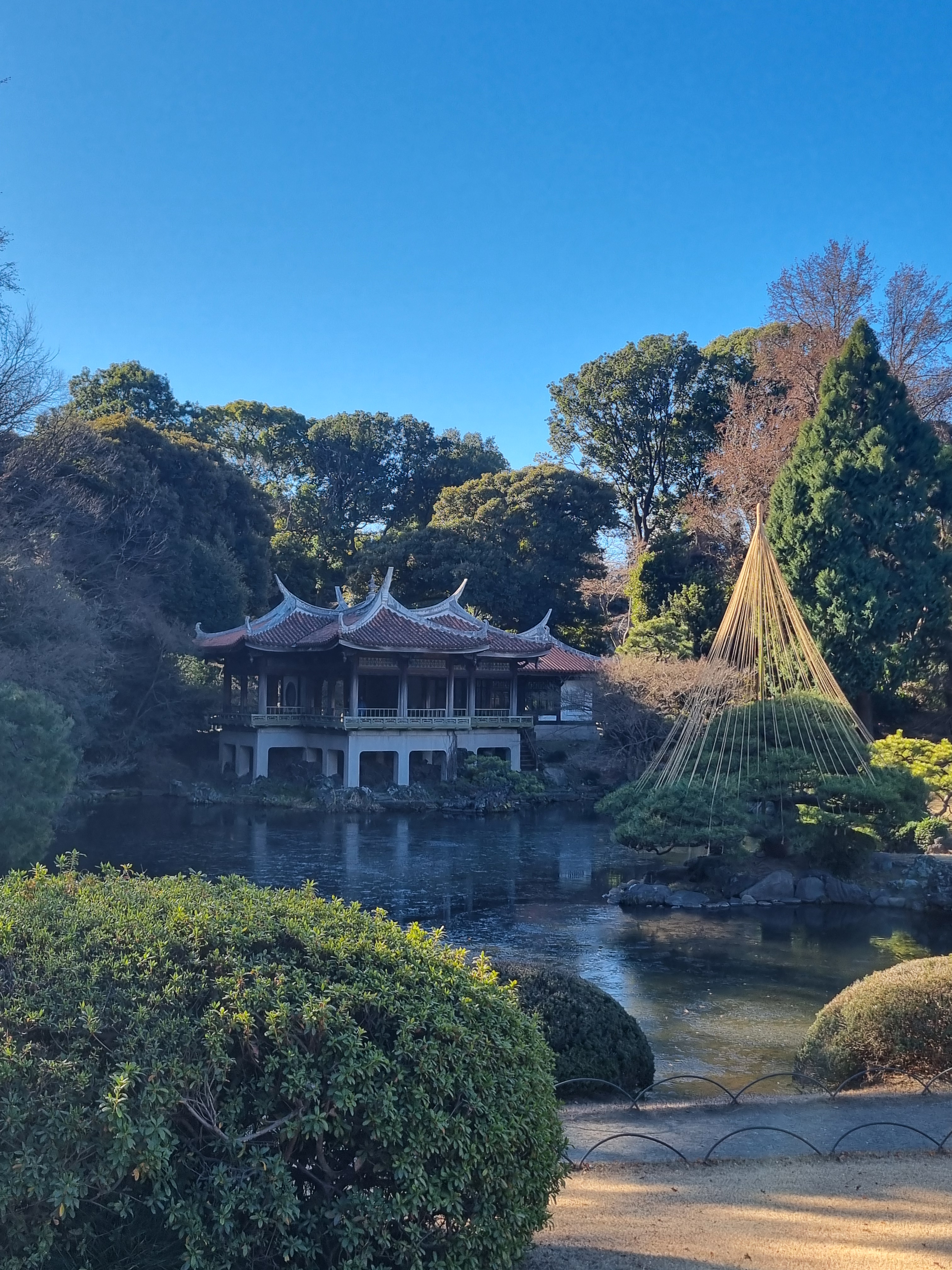
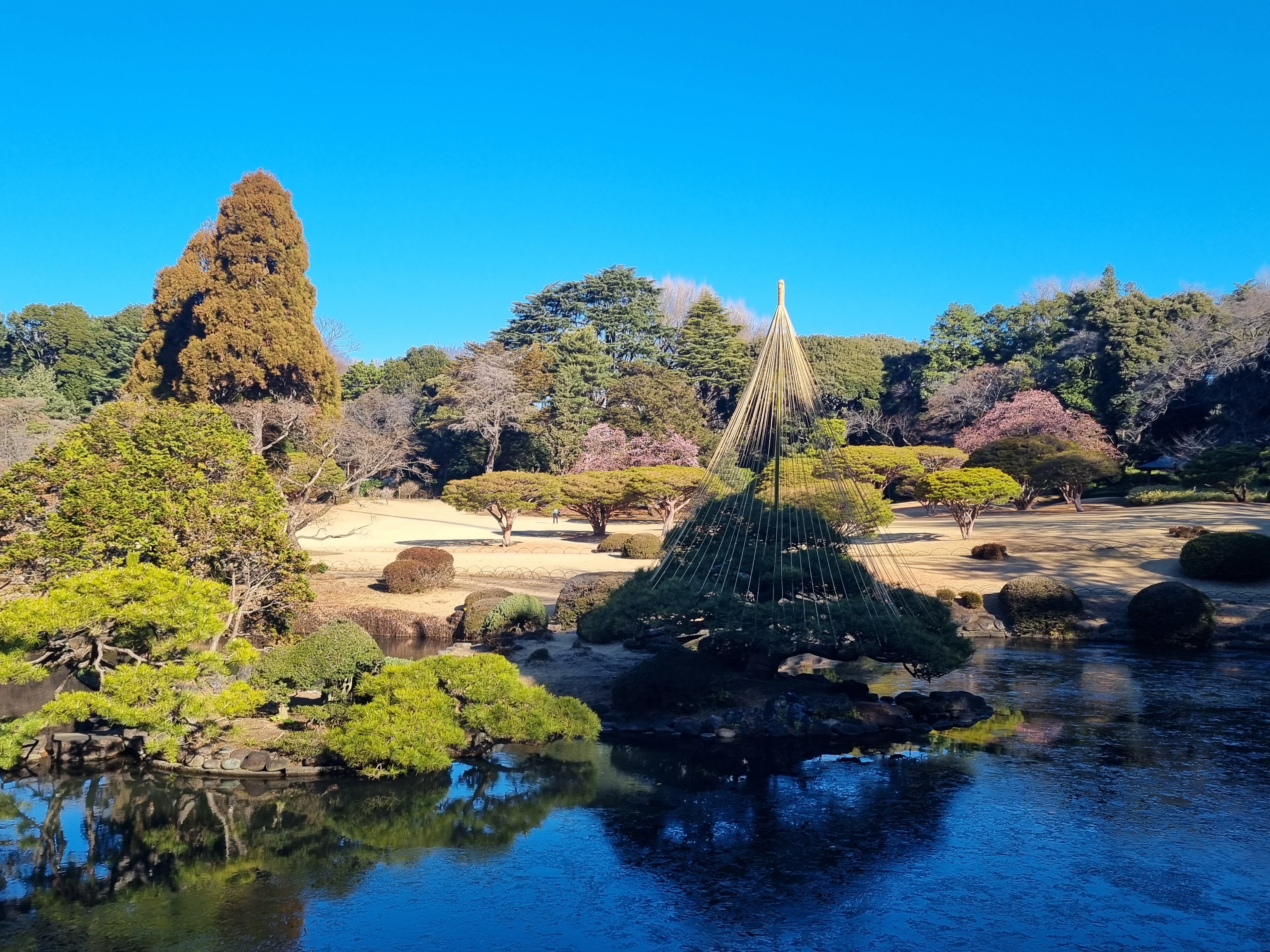
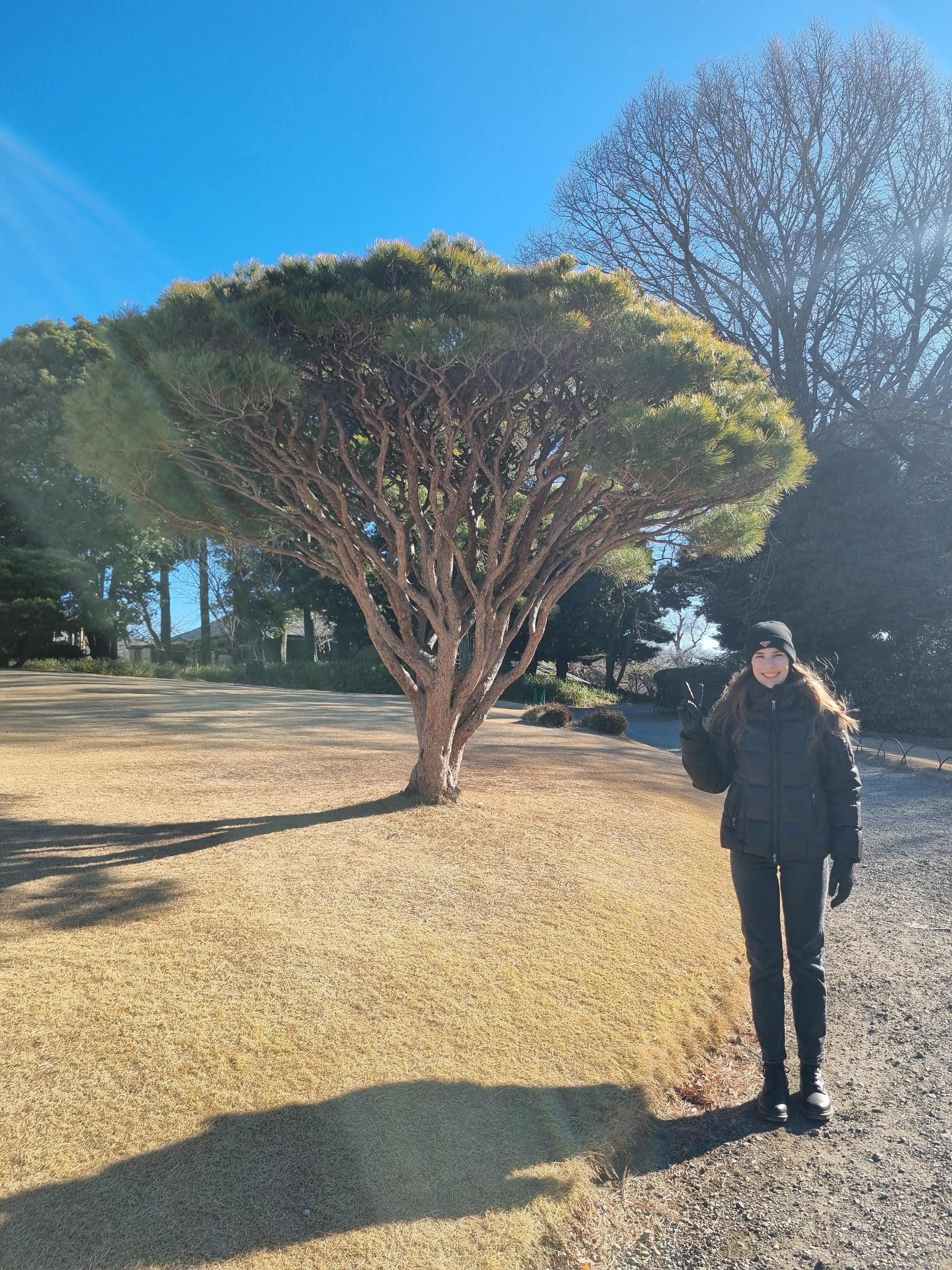
Shinjuku Gyoen National Garden offers a peaceful escape from Tokyo’s crowds. This spacious park is one of the most beautiful green spaces in the city and a perfect place to slow down and enjoy nature. Even in winter, when many of the trees and flowers are not yet in bloom, the park has its own quiet charm. The wide walking paths, open lawns, and carefully maintained gardens make it a lovely place for a relaxing stroll.
There is a small entrance fee to enter the park, but it is definitely worth it. Inside, you can explore several interesting spots, including a beautiful Taiwanese pavilion, a greenhouse filled with tropical plants, and a small museum where you can learn more about the garden and its history. Whether you’re visiting during cherry blossom season or in the quieter winter months, Shinjuku Gyoen is a wonderful place to take a break and experience a different side of Tokyo.
Dive into the Electric World of Akihabara
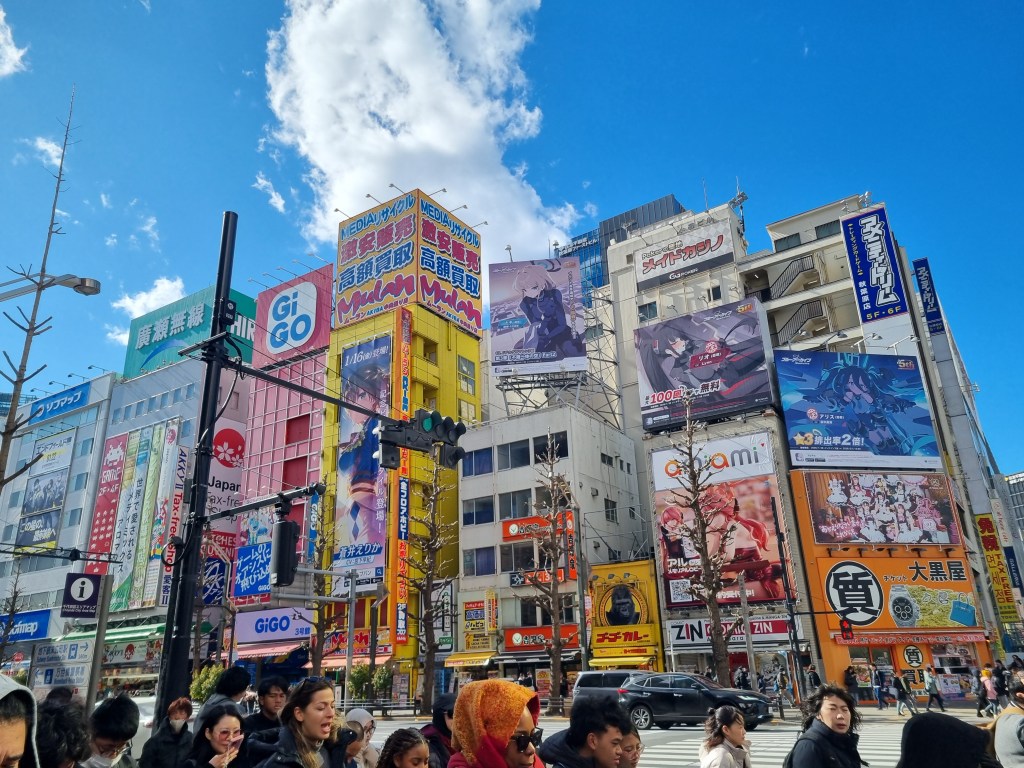
Akihabara is one of Tokyo’s most unique and energetic districts, often referred to as the center of Japan’s pop culture and electronics scene. Bright neon signs, towering billboards, and massive stores create an electric atmosphere that immediately captures your attention. For anime and manga fans, Akihabara can feel like a dream destination. The area is filled with shops dedicated to anime merchandise, figurines, manga, and video games.
Even if you’re not particularly into anime or gaming culture, the district can still be fascinating, though it can feel quite a bit overwhelming. The sensory overload of lights, sounds, and massive stores makes the area incredibly lively. There is always something interesting to see, whether it’s themed cafés, arcades full of claw machines, or huge stores selling anime and mangas.
Spend a Magical Day at Tokyo Disneyland or DisneySea
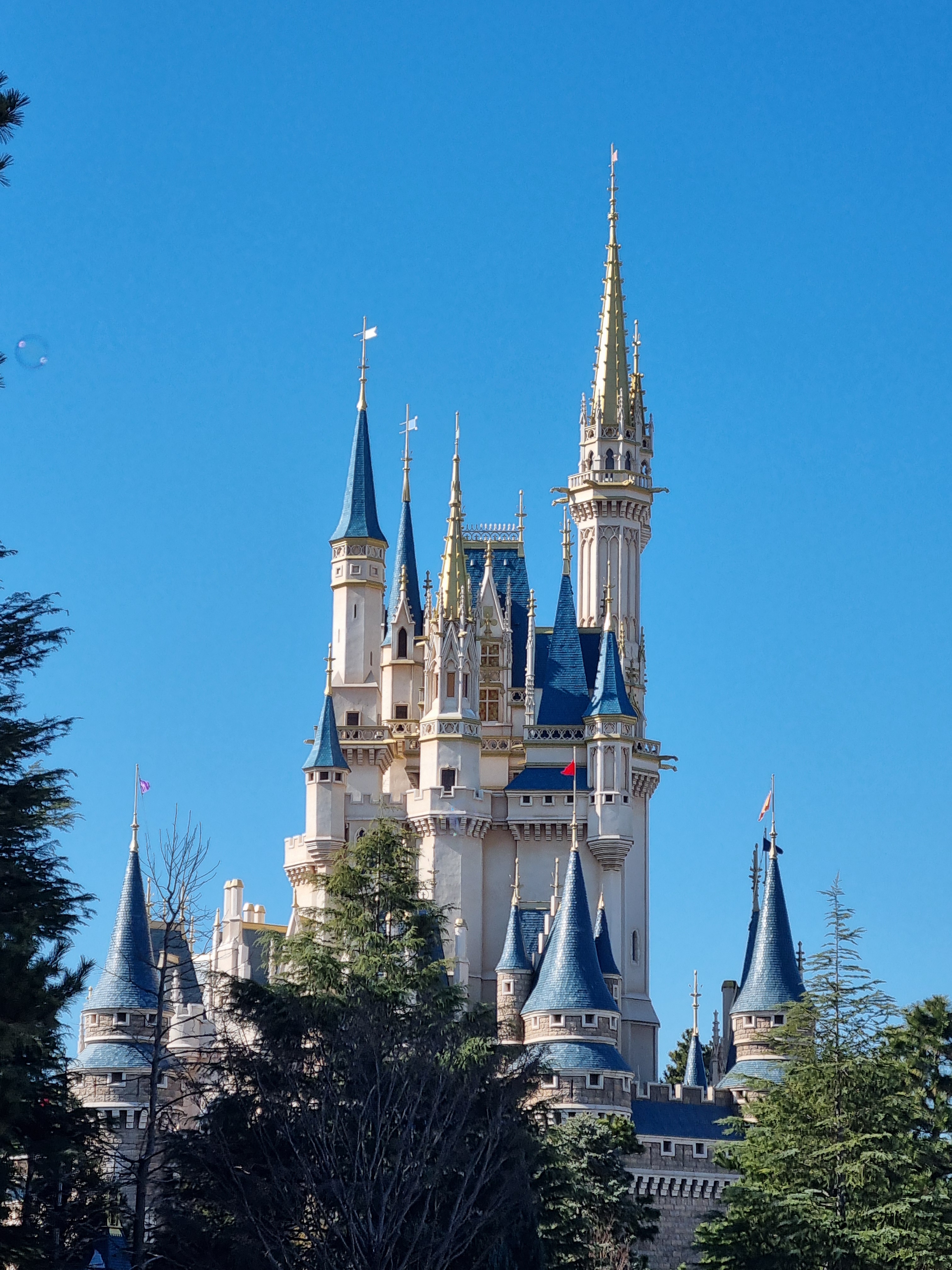
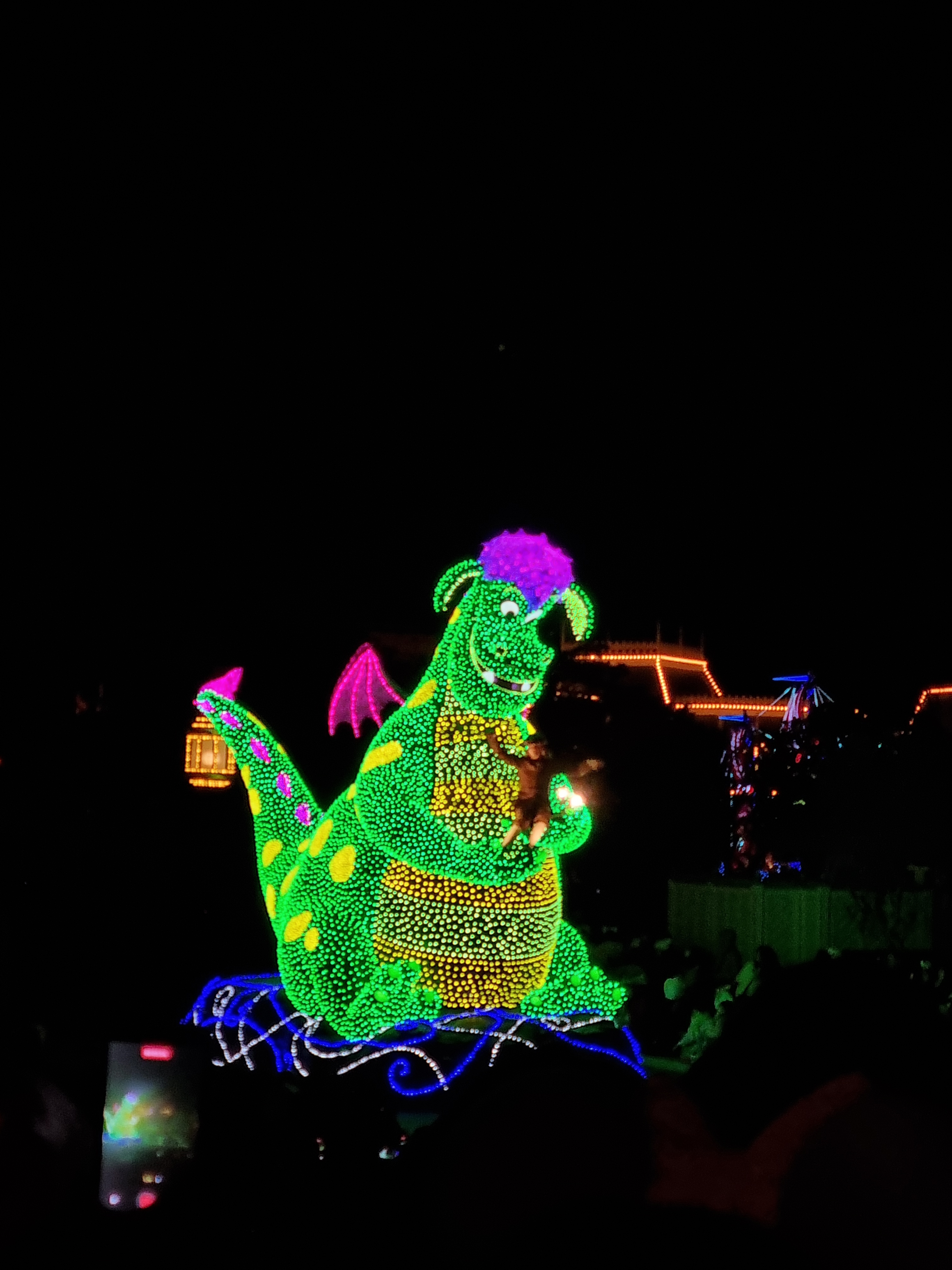
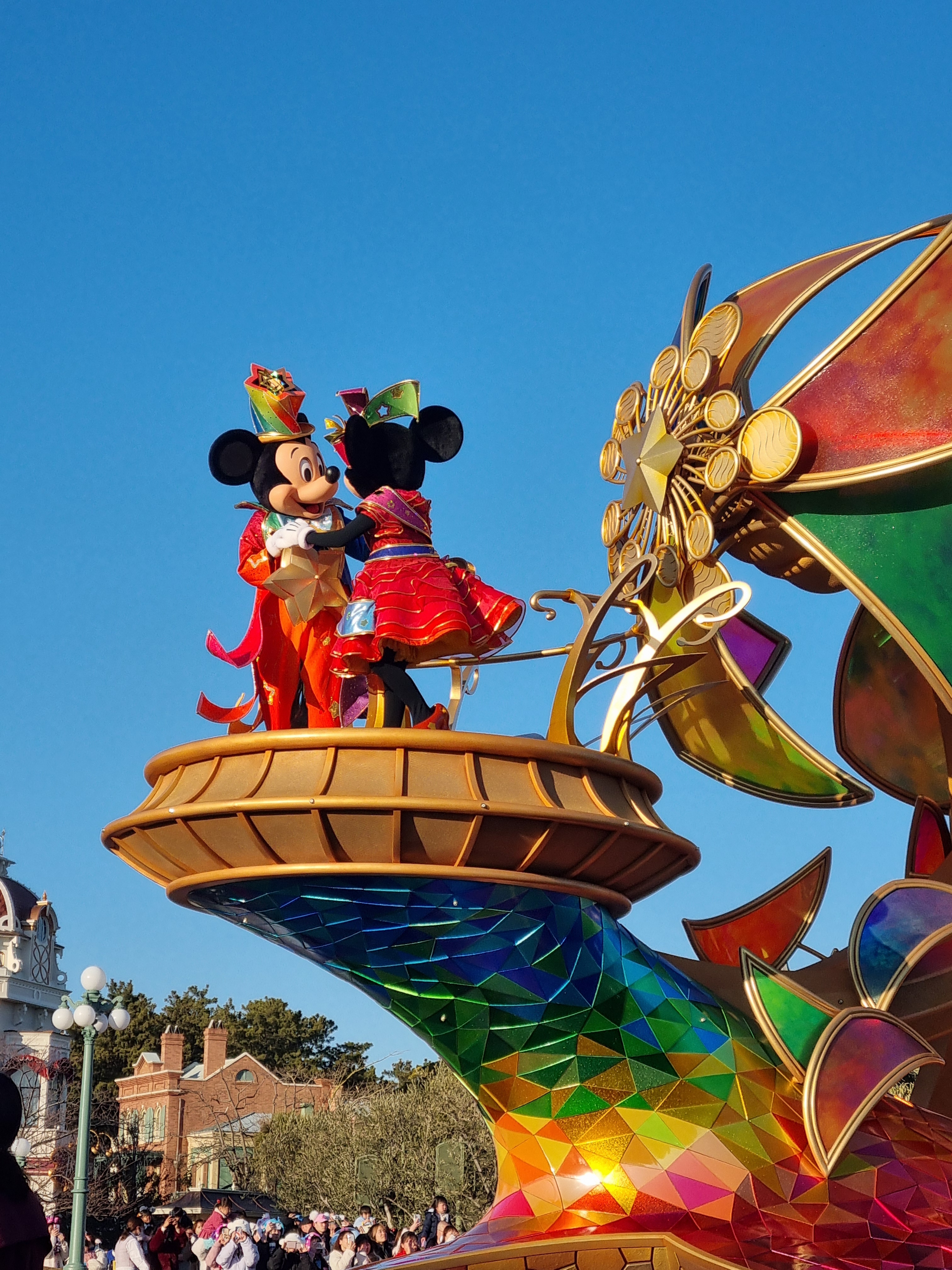
Spending a day at Tokyo Disneyland or Tokyo DisneySea is a great addition to any Tokyo itinerary if you’re into theme parks. During my visit, I spent a whole day at Tokyo Disneyland, while Tokyo DisneySea is definitely on my list for the next time I return to Japan. At first glance, Tokyo Disneyland might seem similar to other Disney parks around the world. The classic attractions, parades, and fairy-tale atmosphere are all there.
Yet somehow, it still feels completely different in Japan. A big part of that unique charm comes from the Japanese people themselves. The enthusiasm of them makes the experience truly special. Many people dress up or even wear full character costumes. You’ll see friends, family and couples wearing matching accessories, hats, and plush characters, fully embracing the Disney spirit.
Discover Art and Nature at Tokyo National Museum and Ueno-Park
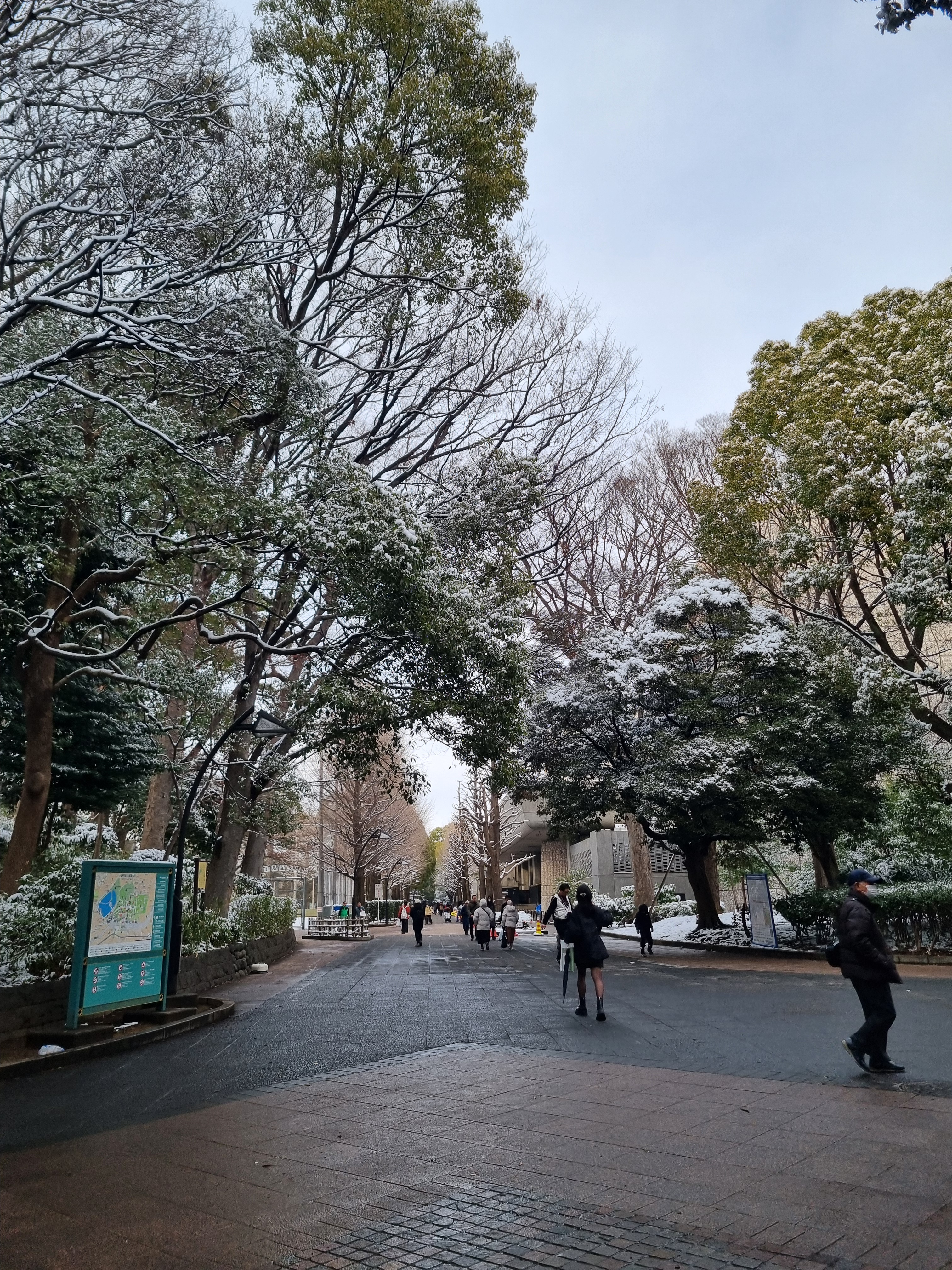
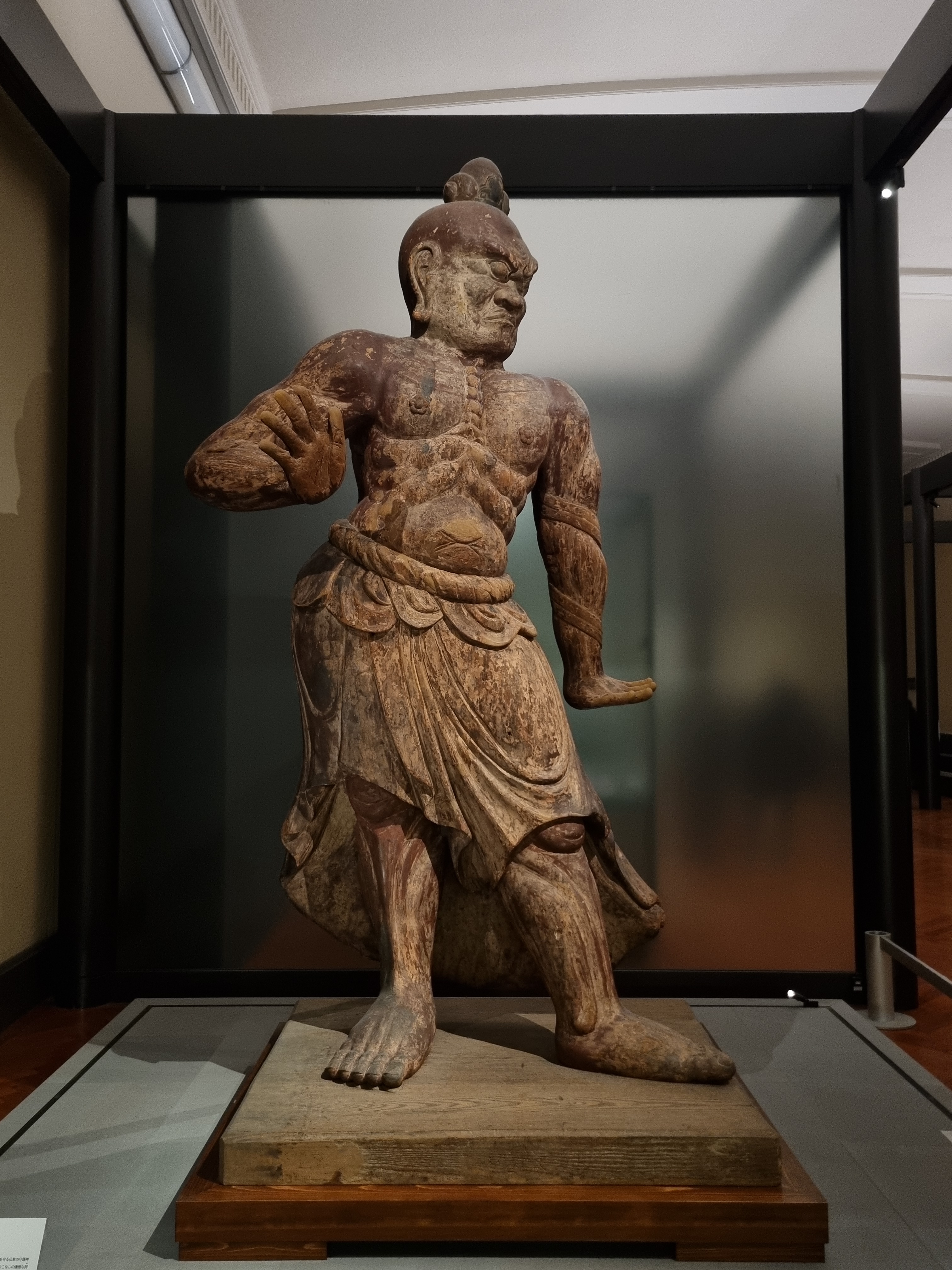
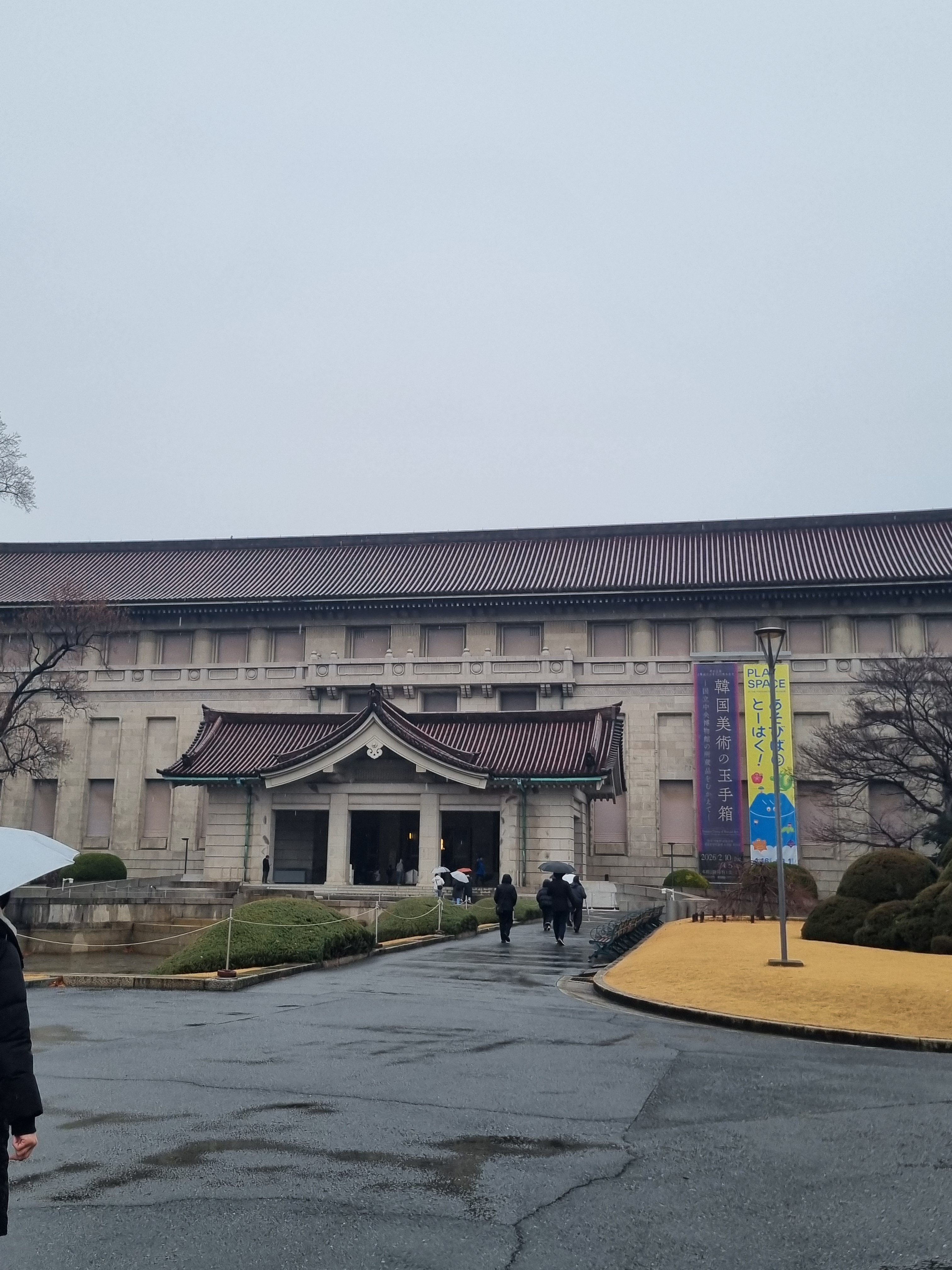
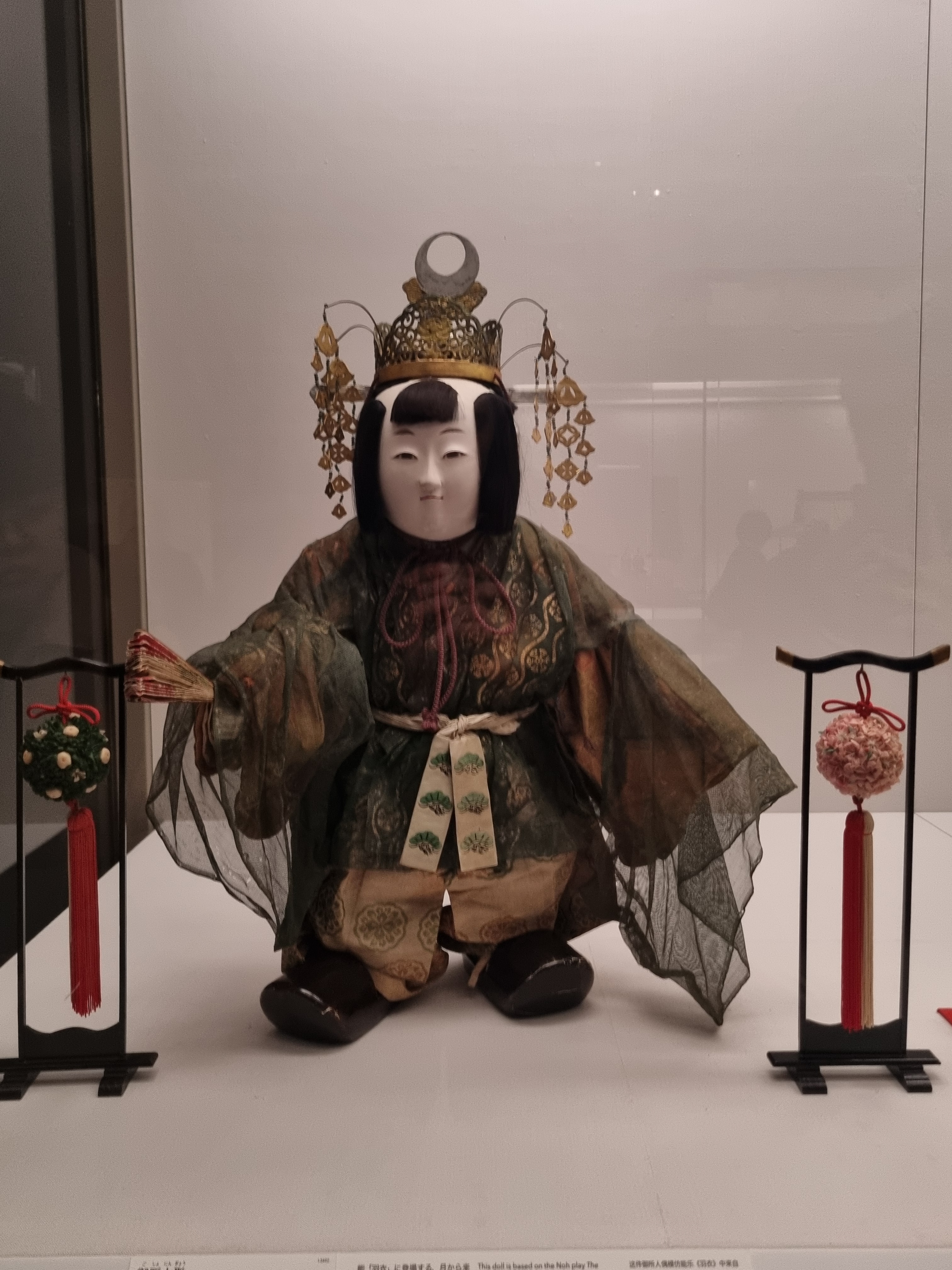
Located in the spacious grounds of Ueno Park, the Tokyo National Museum is a wonderful place to explore Japan’s rich history and cultural heritage. It houses an impressive collection of art, artifacts, and historical objects that offer fascinating insights into Japanese traditions and craftsmanship. The museum also features collections from other parts of Asia, including impressive Korean sculptures and artworks.
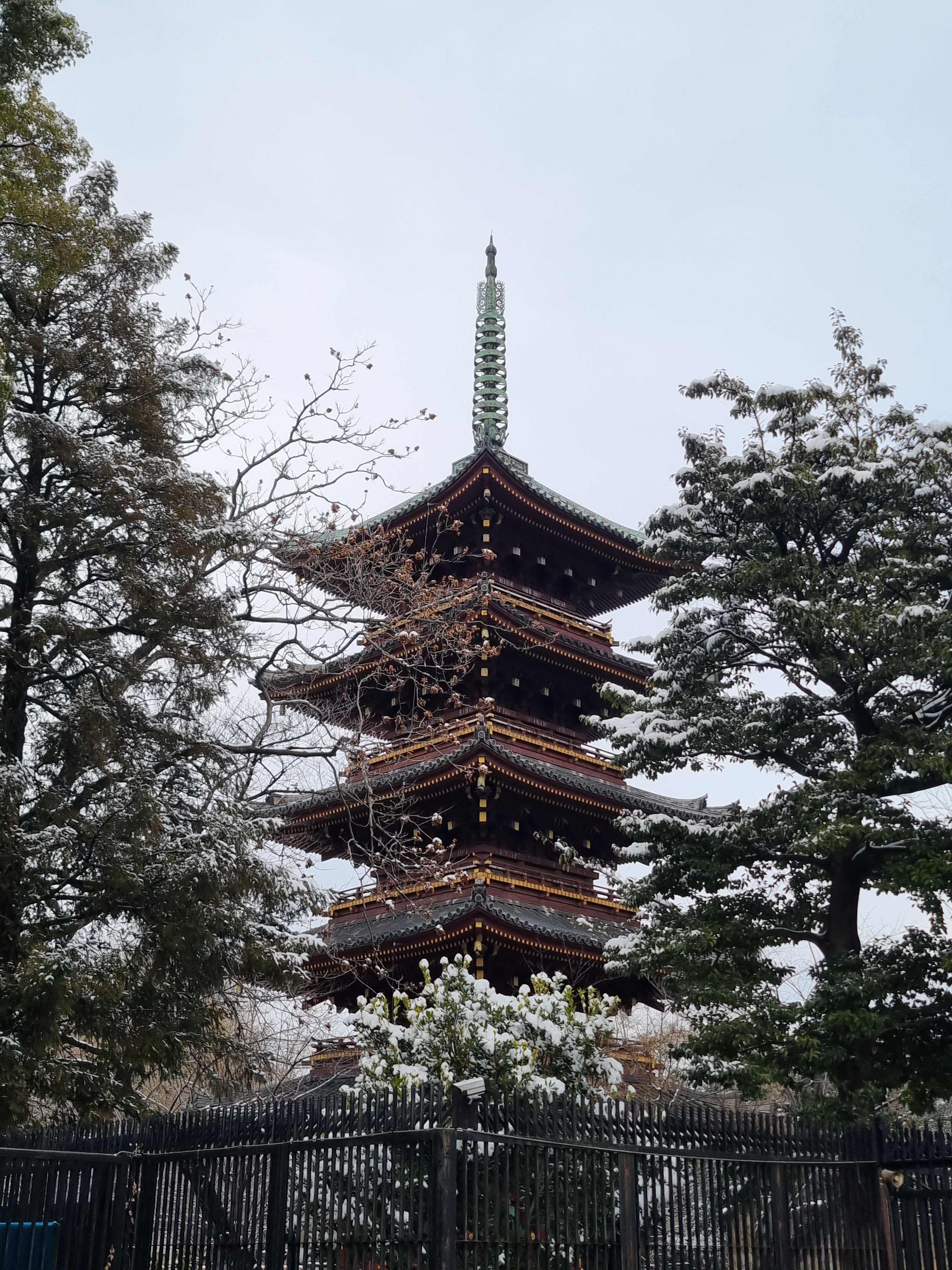
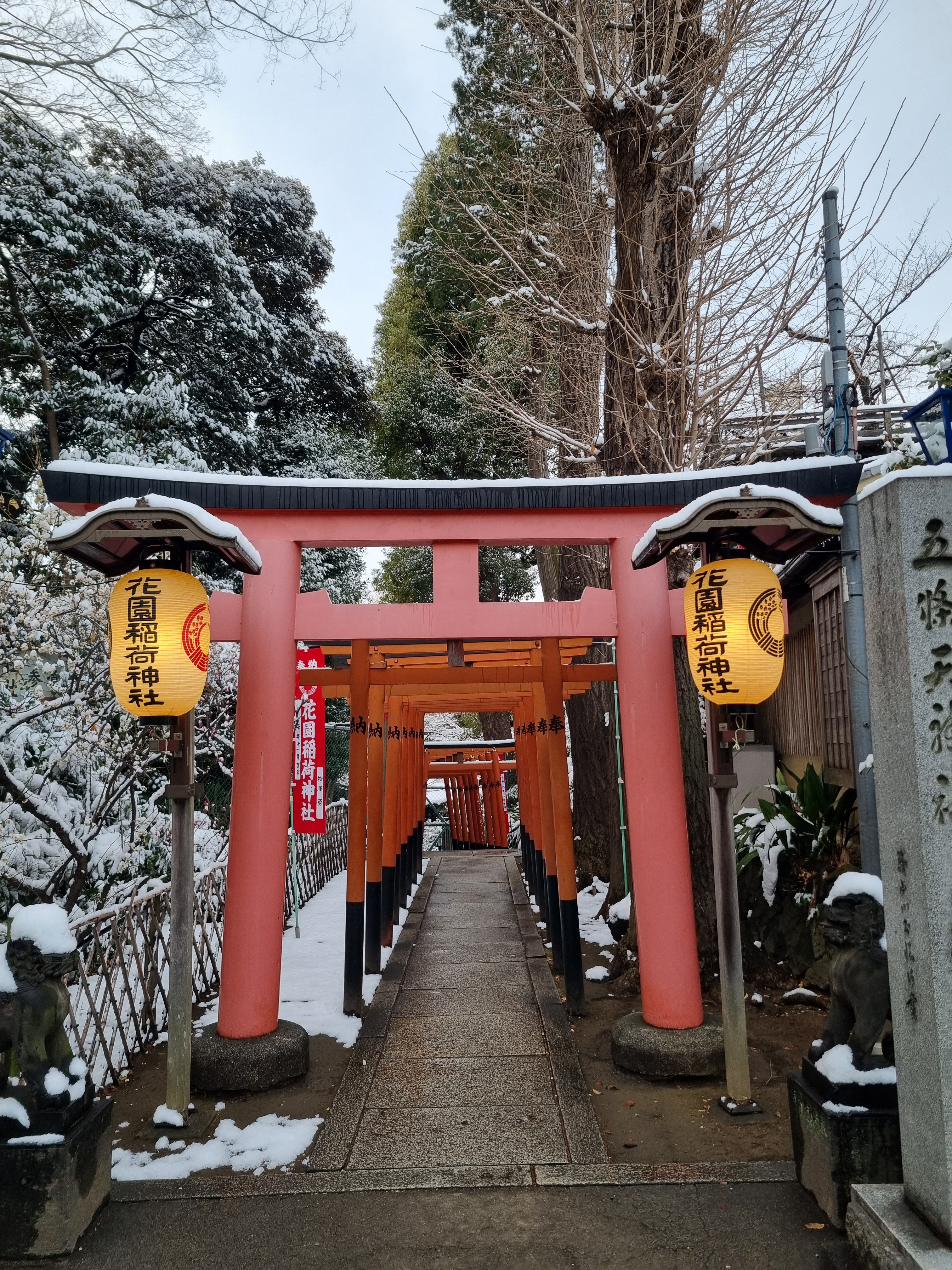
The entrance fee is relatively affordable, making it an accessible stop for travelers interested in culture and history. After exploring the museum, it’s also worth taking some time to stroll through Ueno Park itself.
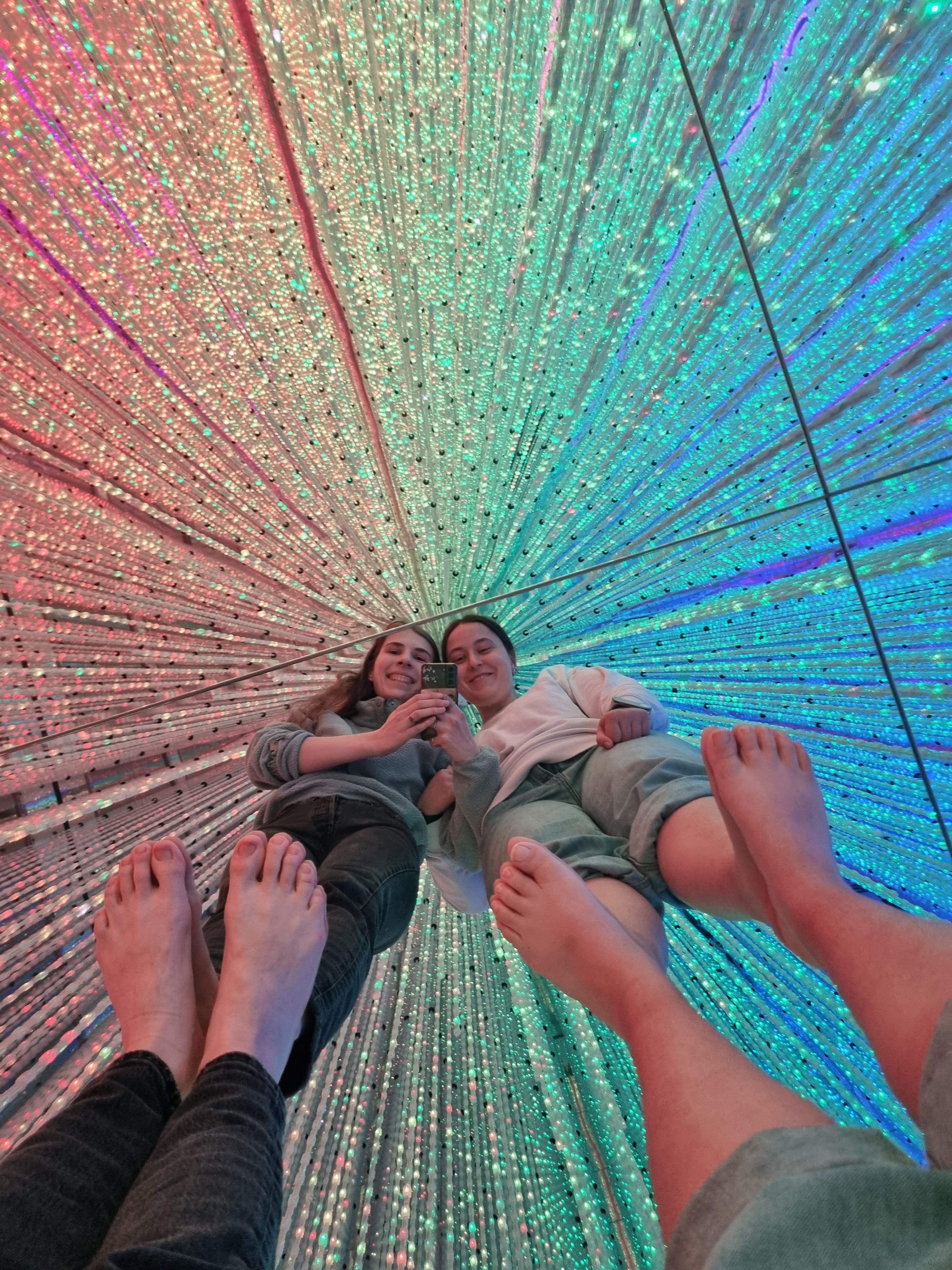
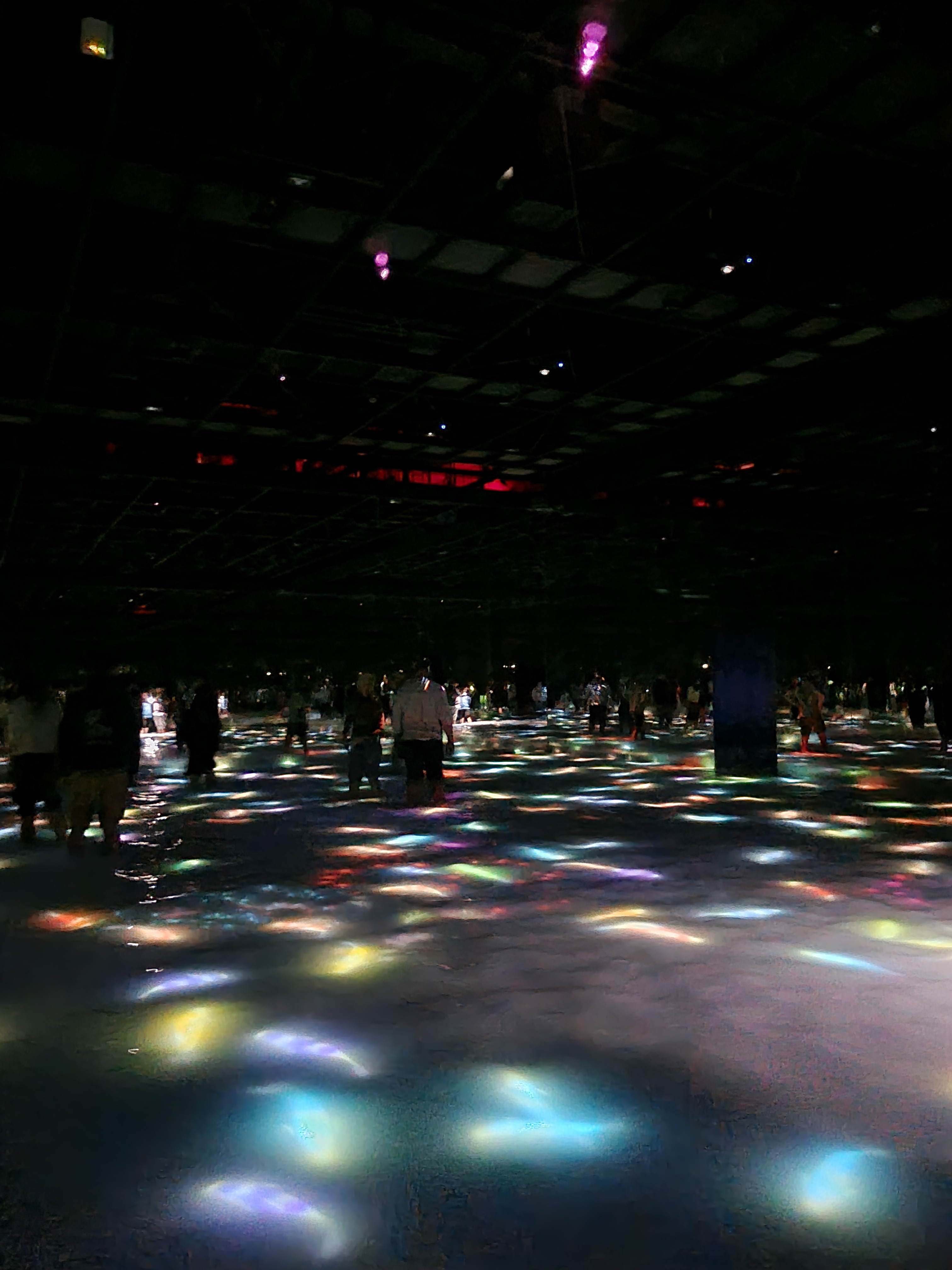
Experience the Immersive Wonderland of teamLab Borderless
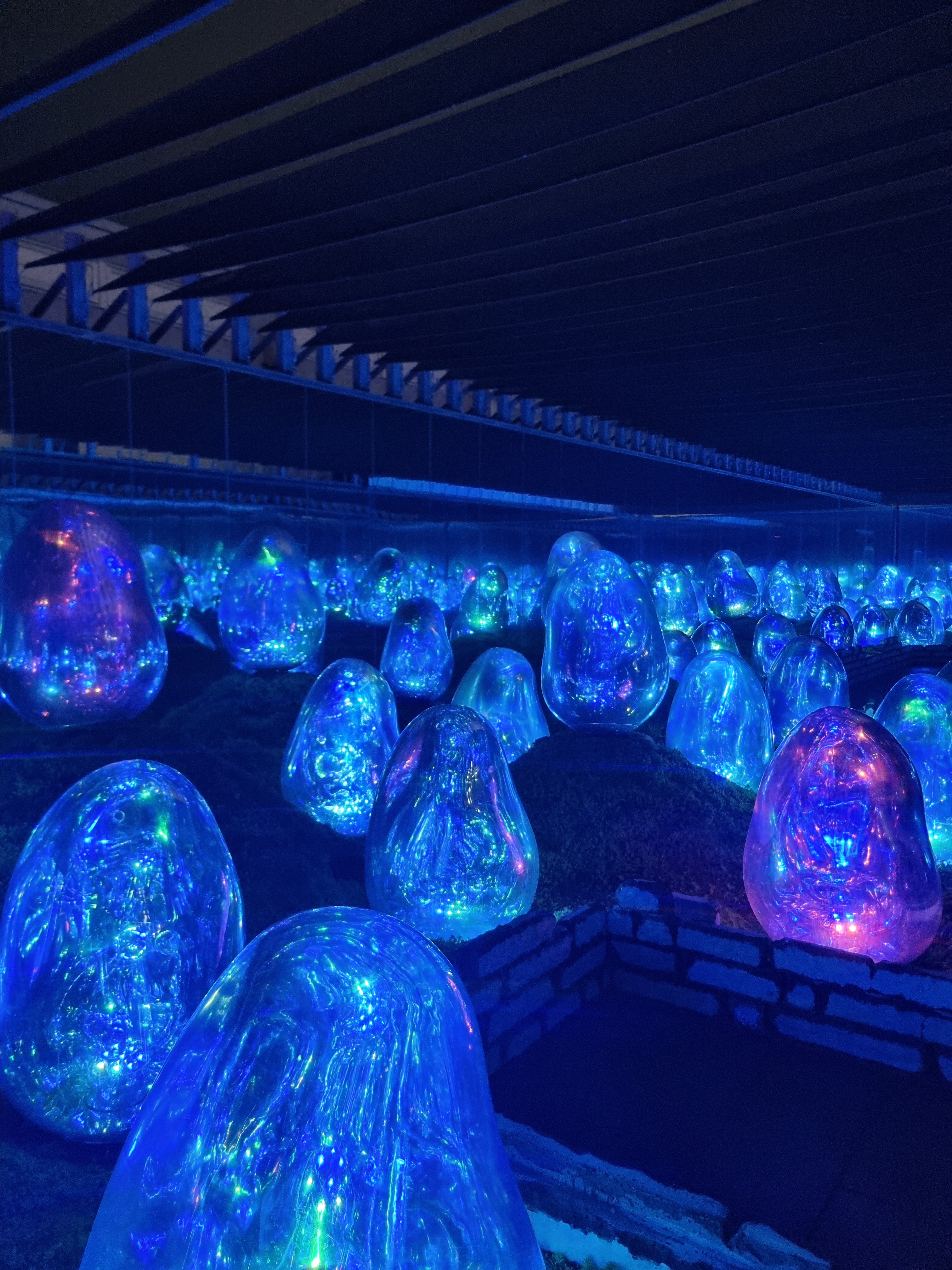
teamLab Borderless offers one of the most unique and immersive art experiences in Tokyo. It invites visitors to step into a world where technology, light, and creativity blend together to create constantly changing environments. While the ticket price is relatively high compared to other attractions in Japan, the experience is definitely worth it.
The museum is made up of many different rooms and spaces, each with its own theme and atmosphere. As you walk through the exhibition, you move between glowing rooms, interactive light installations, and dreamlike digital landscapes that feel almost surreal. What makes teamLab Borderless especially impressive is the incredible attention to detail.
Visit the Sacred Meiji Shrine and Relax in Yoyogi Park
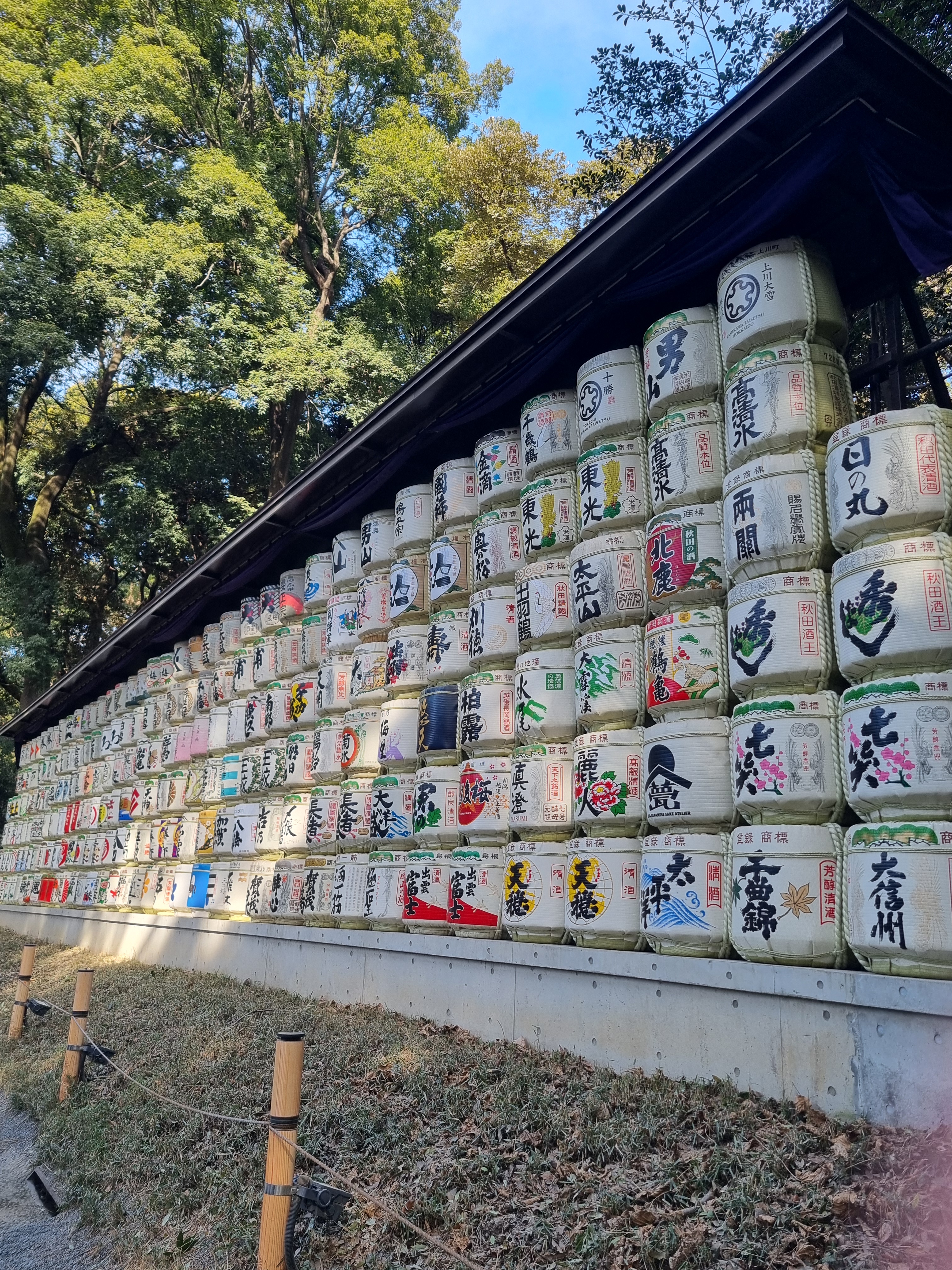
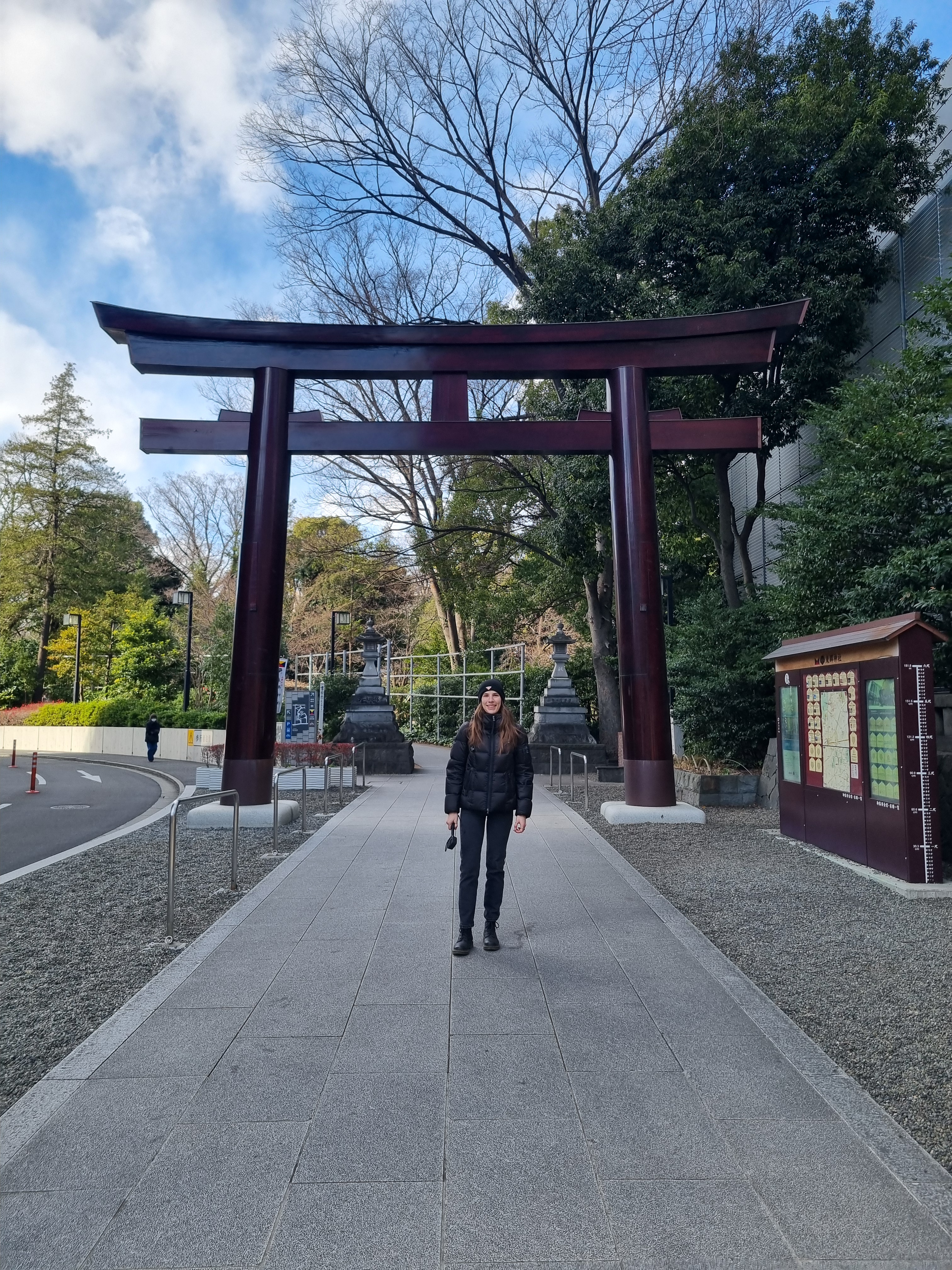
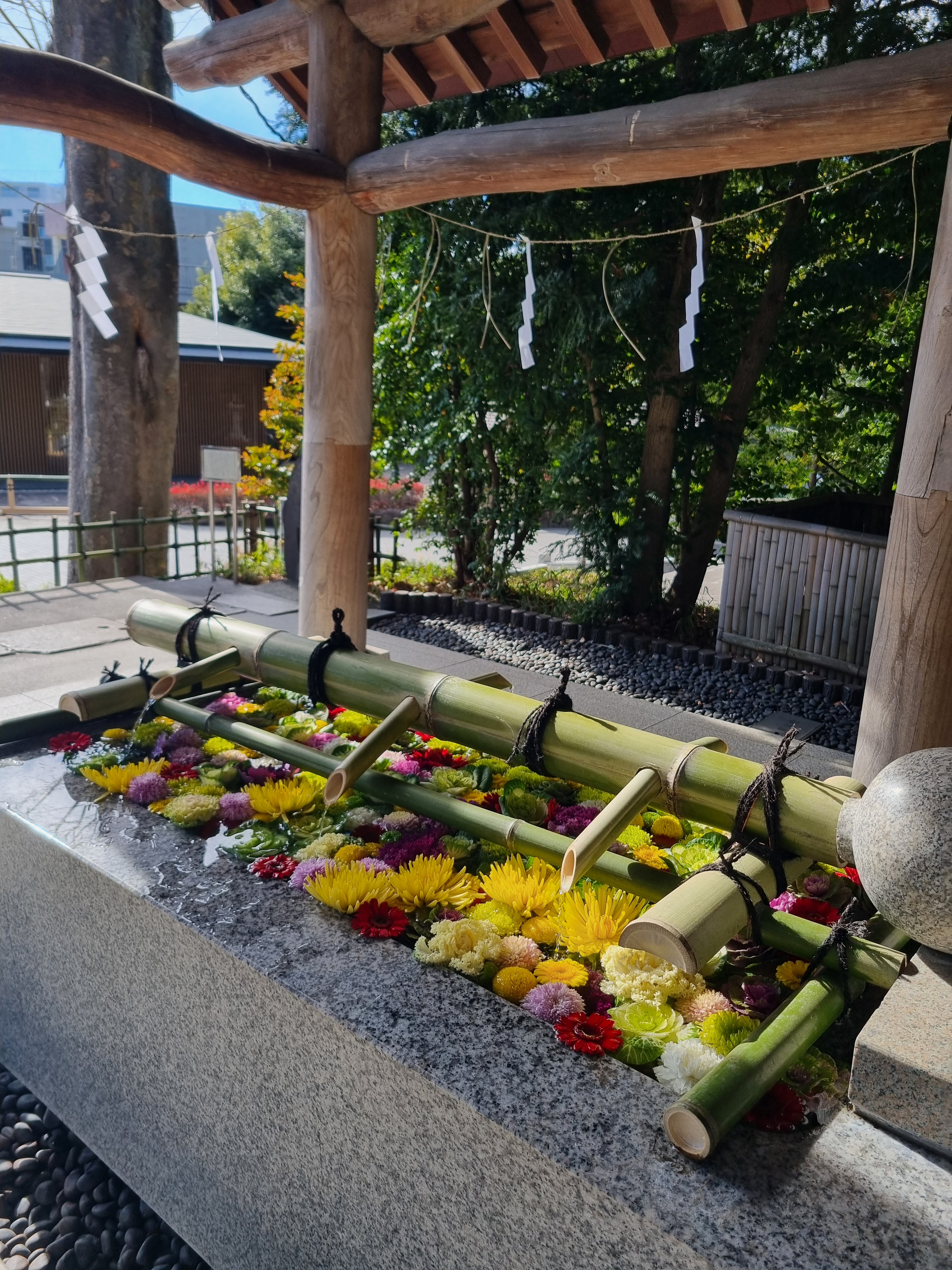
Right next to the busy districts of Shibuya and Harajuku, Meiji Shrine offers a peaceful escape from the fast pace of Tokyo. Surrounded by a large forested area, the shrine is reached by walking along wide gravel paths lined with tall trees.
Just next to the shrine grounds lies Yoyogi Park, one of Tokyo’s most popular public parks. It’s a great place to relax after visiting the shrine, whether you want to go for a walk, have a small picnic, or simply sit on a bench.
Discover the Colorful World of Harajuku
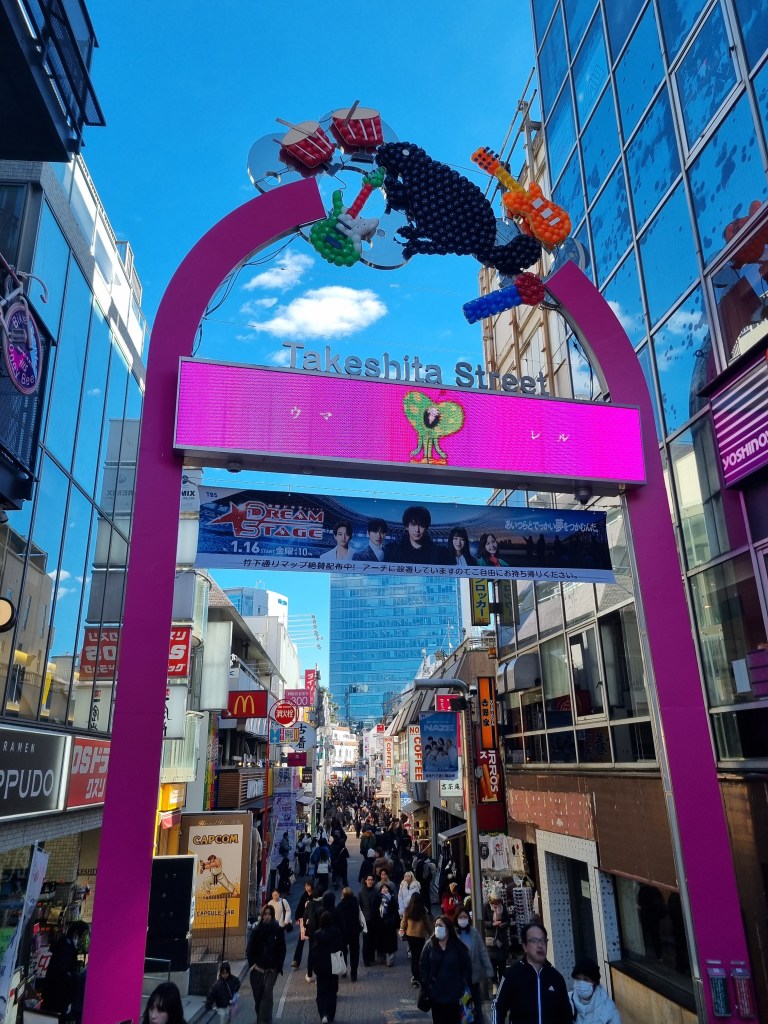
Harajuku is one of Tokyo’s most colorful and lively neighborhoods. The area is famous for its vibrant street culture, quirky fashion, and the many small shops and food stalls that line the busy streets.
While exploring, I came across several animal cafés featuring capybaras, pigs, cats and many more, something I hadn’t seen anywhere else before. I didn’t try them myself and wouldn’t generally recommend them unless the animals are clearly rescued and well cared for, so it’s best to check beforehand if you’re interested in visiting one.
Admire History and Architecture at Sensoji Temple
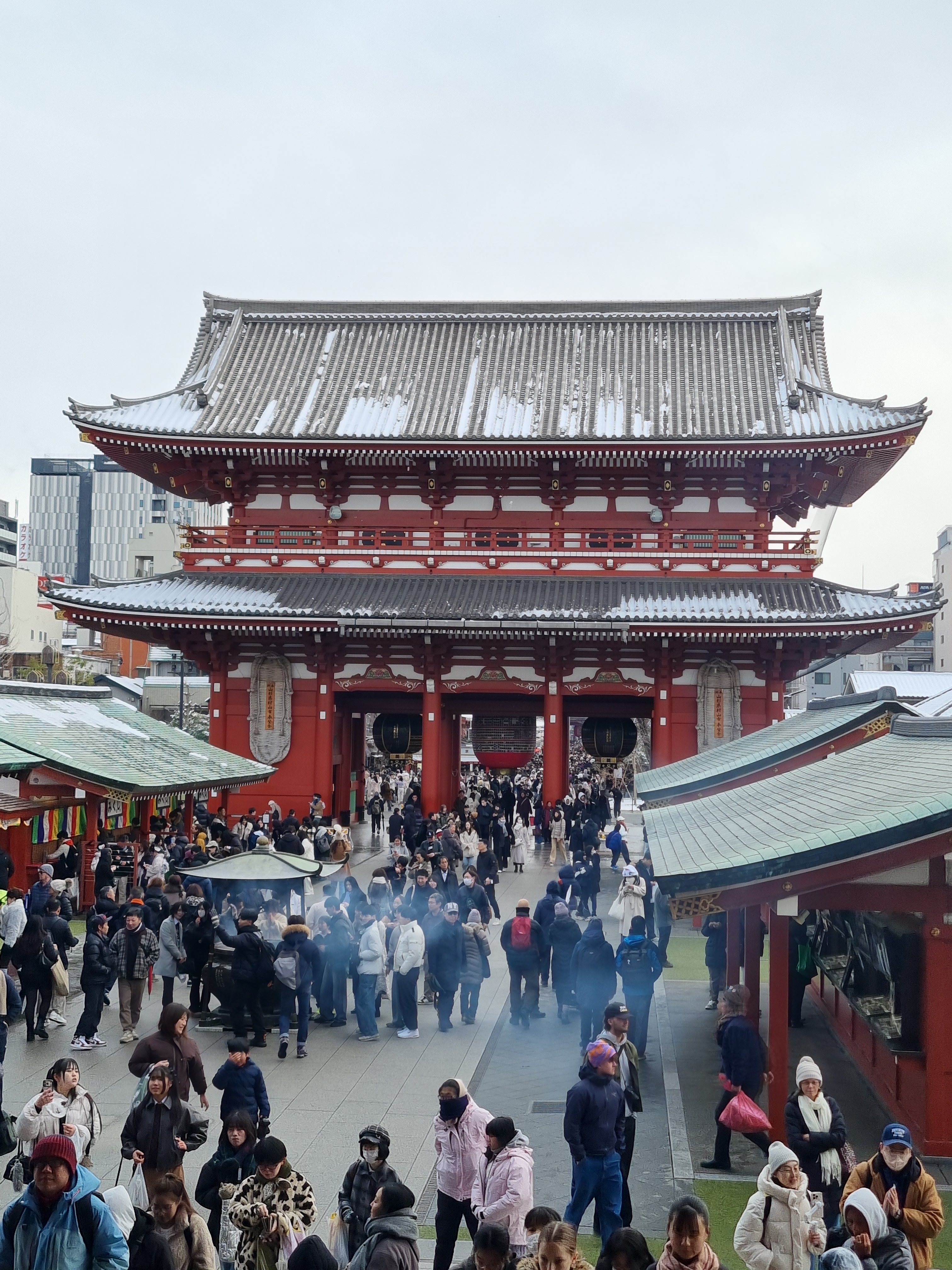
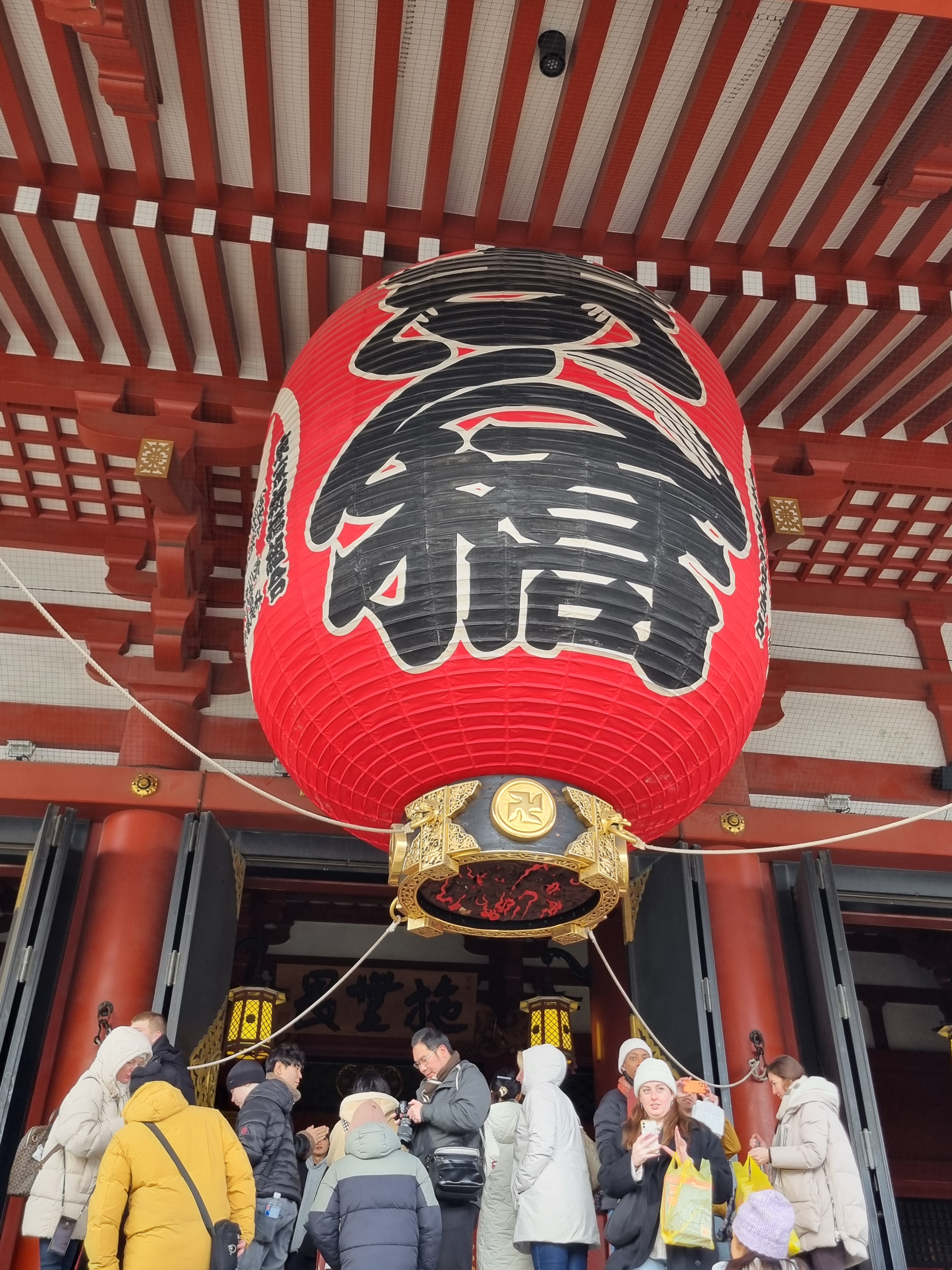
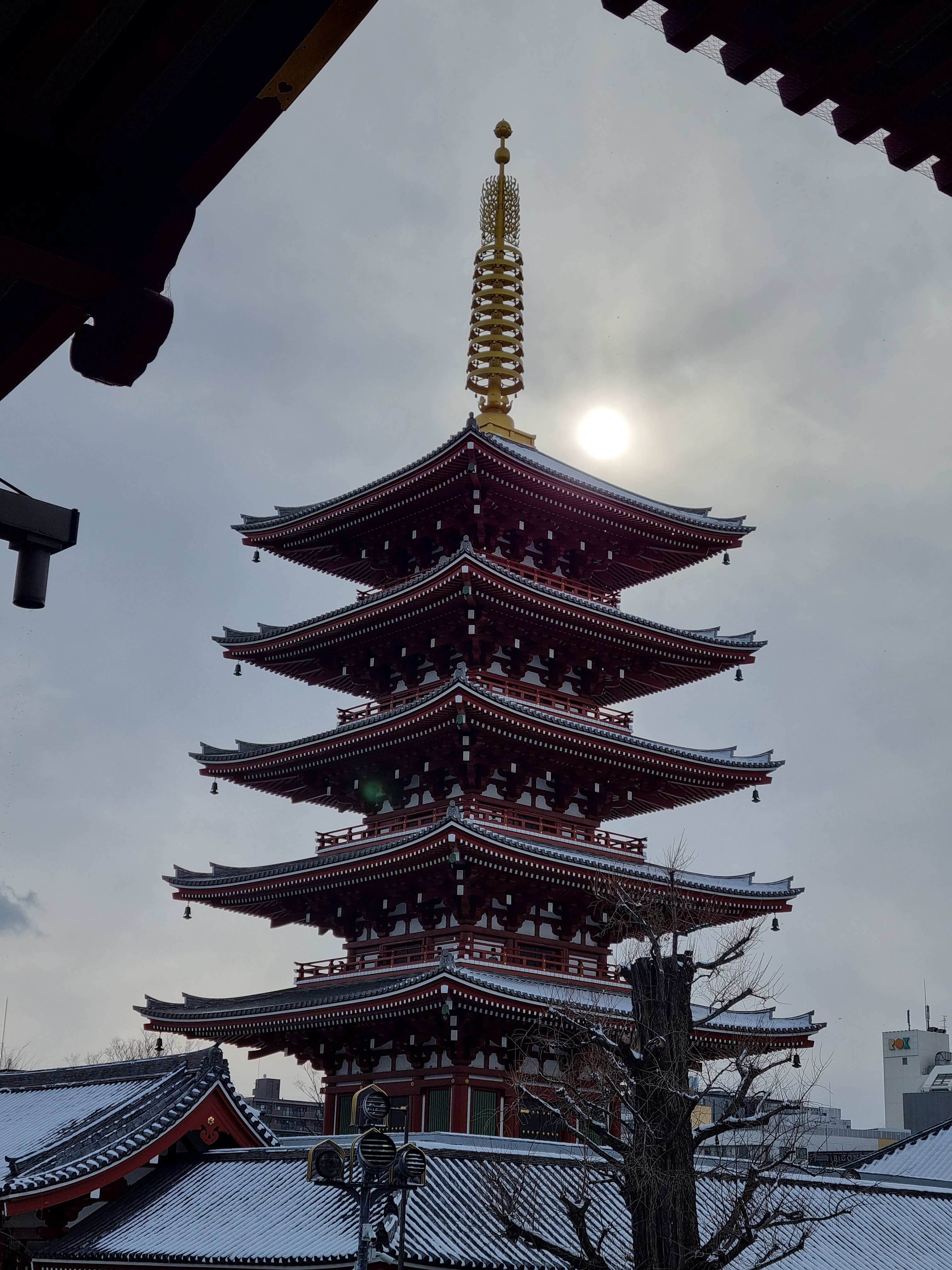
Sensoji Temple in Asakusa is probably one of Tokyo’s most iconic landmarks and a must-visit for anyone interested in history and traditional Japanese architecture. The temple itself is stunning, with its grand entrance, beautiful pagoda, and intricate details reflecting centuries of cultural heritage. The best part is, it’s totally free to enter. Be prepared for crowds though. Even in winter, the temple and the surrounding area were quite busy and I can only imagine how packed it must be during peak tourist seasons.
The nearby Nakamise Market, which leads up to the temple, was even more crowded. While it’s very touristy, it was still fun to browse. There you’ll find all kinds of souvenirs, traditional snacks, and street food stalls along the way. Despite the crowds, visiting Sensoji Temple offers a glimpse into Tokyo’s historic side and a chance to admire one of the city’s most famous and beautiful temples.
Wander Through the ruins of Tokyo Castle
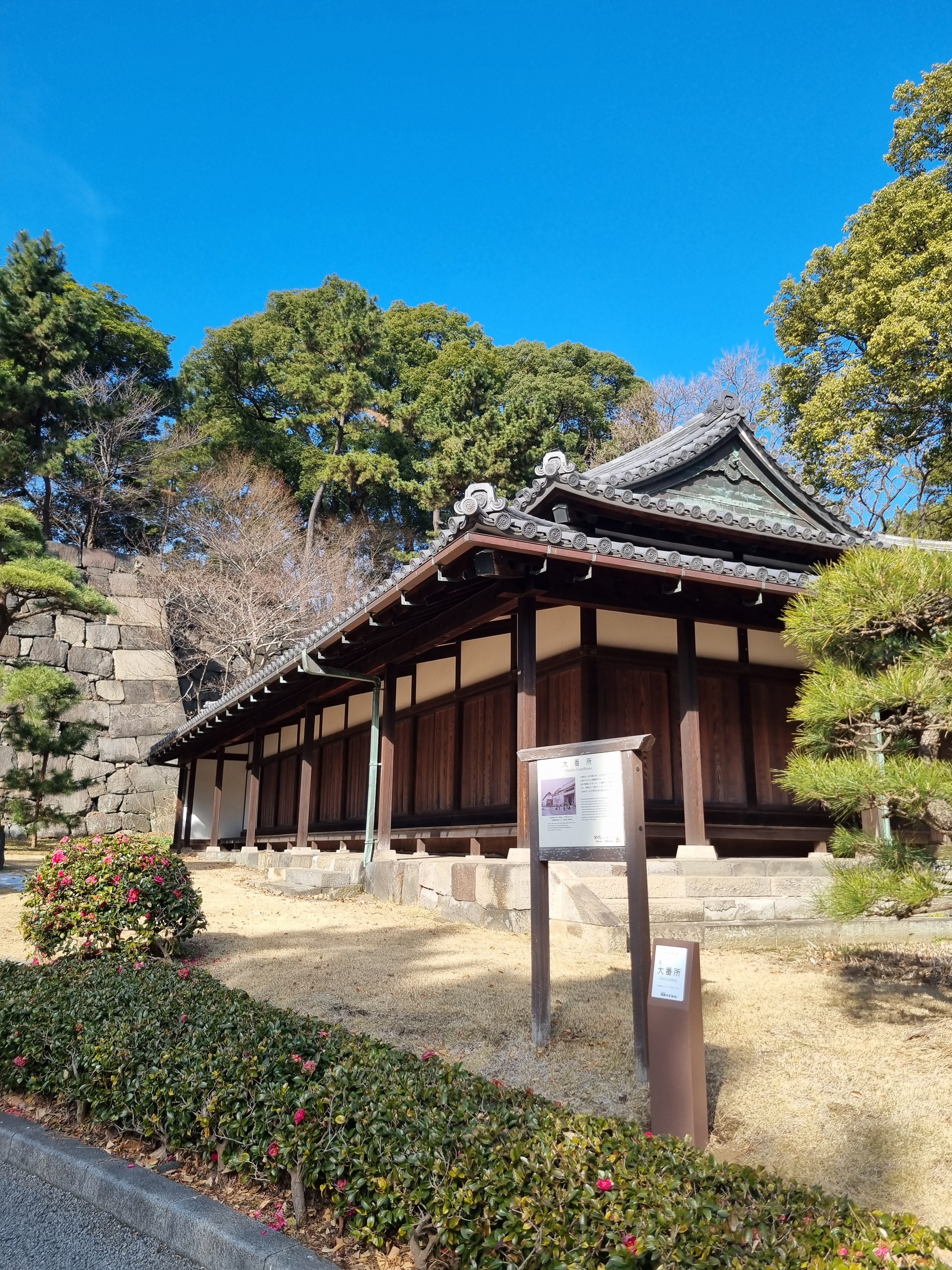
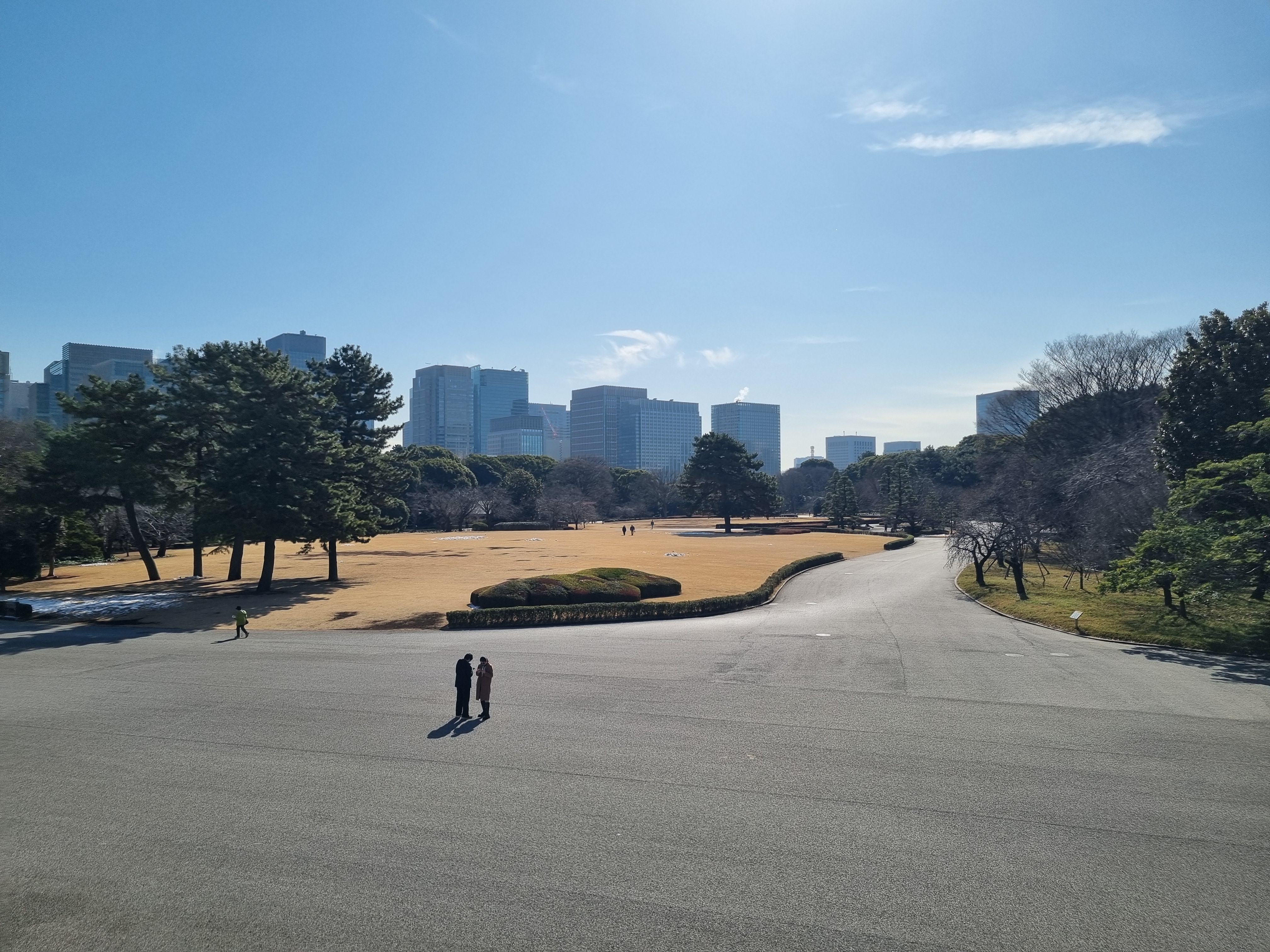
If you visit the site of Tokyo Castle, don’t be surprised if you don’t see an actual castle because it no longer exists. After it was destroyed, the castle was never rebuilt. Despite this, the area has been transformed into a peaceful and picturesque park that’s perfect for a leisurely stroll. As you wander through the grounds, you’ll find beautiful trees, a small viewpoint offering nice city glimpses, and a few smaller historical buildings that remain from the original castle complex.
Catch the Thrills of a Traditional Sumo Show
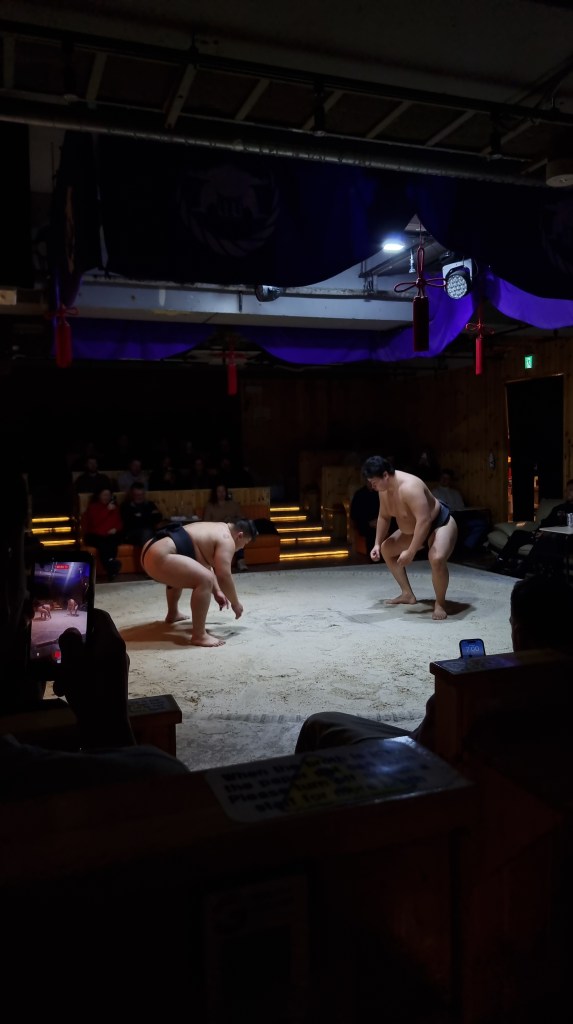
Attending a sumo show in Japan is a unique and entertaining experience. Don’t expect an authentic professional tournament though. While the performers are real or former sumo wrestlers, the show is designed more for fun and audience enjoyment than serious competition.
The performance was very interactive and full of humor, making it engaging even for visitors who don’t know anything about sumo. What made the experience even better was that the show included an all-you-can-eat hot pot. I booked the tour through Get Your Guide (no advertisement), which made everything easy to organize. In my opinion, it was definitely worth it!
Spend all your money at Don Quijote
I feel like visiting Don Quijote in Japan is an experience like no other. The store is extremely overstimulating, with towering shelves packed with products, many colours, and seemingly endless aisles. At first, it can feel overwhelming, but after a while, you might start to get used to it and maybe even begin to enjoy the chaos.
I’m not sure if I love it yet, but I definitely found myself wanting to stay longer than I did on my first few visits. Don Quijote truly has everything you could imagine, from snacks and cosmetics to electronics and quirky souvenirs, all at reasonable prices. And if you think you can leave without buying anything, think again: it’s nearly impossible. Even just browsing is an adventure, and chances are you’ll end up finding something you didn’t even know you needed.
Explore the Vibrant Energy of Shinjuku
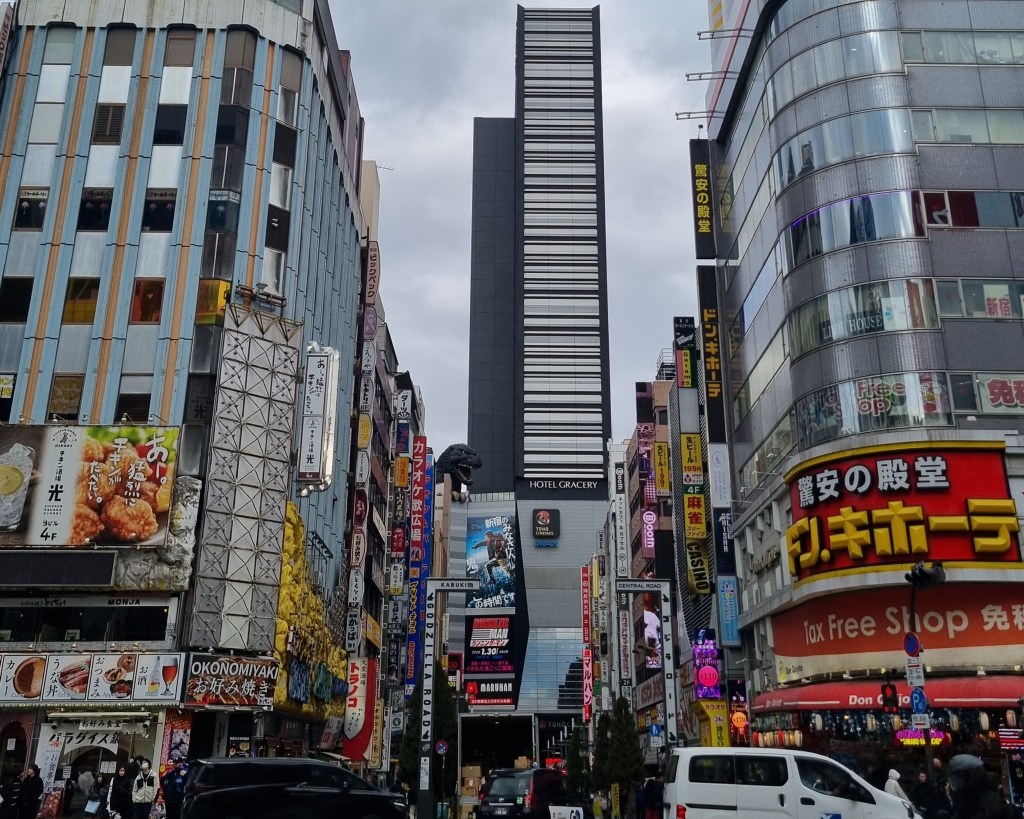
Shinjuku is a bustling district that feels similar to Shibuya in its energy, yet has its own unique character. The area is packed with restaurants, shops, and countless people, creating a lively and constantly moving atmosphere that offers endless impressions for visitors.
One of Shinjuku’s most iconic sights is probably the famous Godzilla head, perched above the Toho Cinema building, which is a must-see for any first-time visitor. Whether you’re wandering through the neon-lit streets, exploring department stores, or enjoying a meal at one of the many restaurants, Shinjuku perfectly captures the dynamic, vibrant pulse of Japan’s capital.
Take a Scenic Day Trip to Mount Fuji, Owakudani, Lake Ashi, Hakone and Oshino Hakkai
First, of course, you can explore these places on your own without joining a tour. However, fitting all of them into a single day independently is quite difficult. Getting to the area from Tokyo already takes some time, and some of the connections between the different spots are not the easiest to navigate. That’s why we decided to book a day tour, which made the whole experience much smoother and we learned heaps of facts which me might have not during a visit by ourselves.
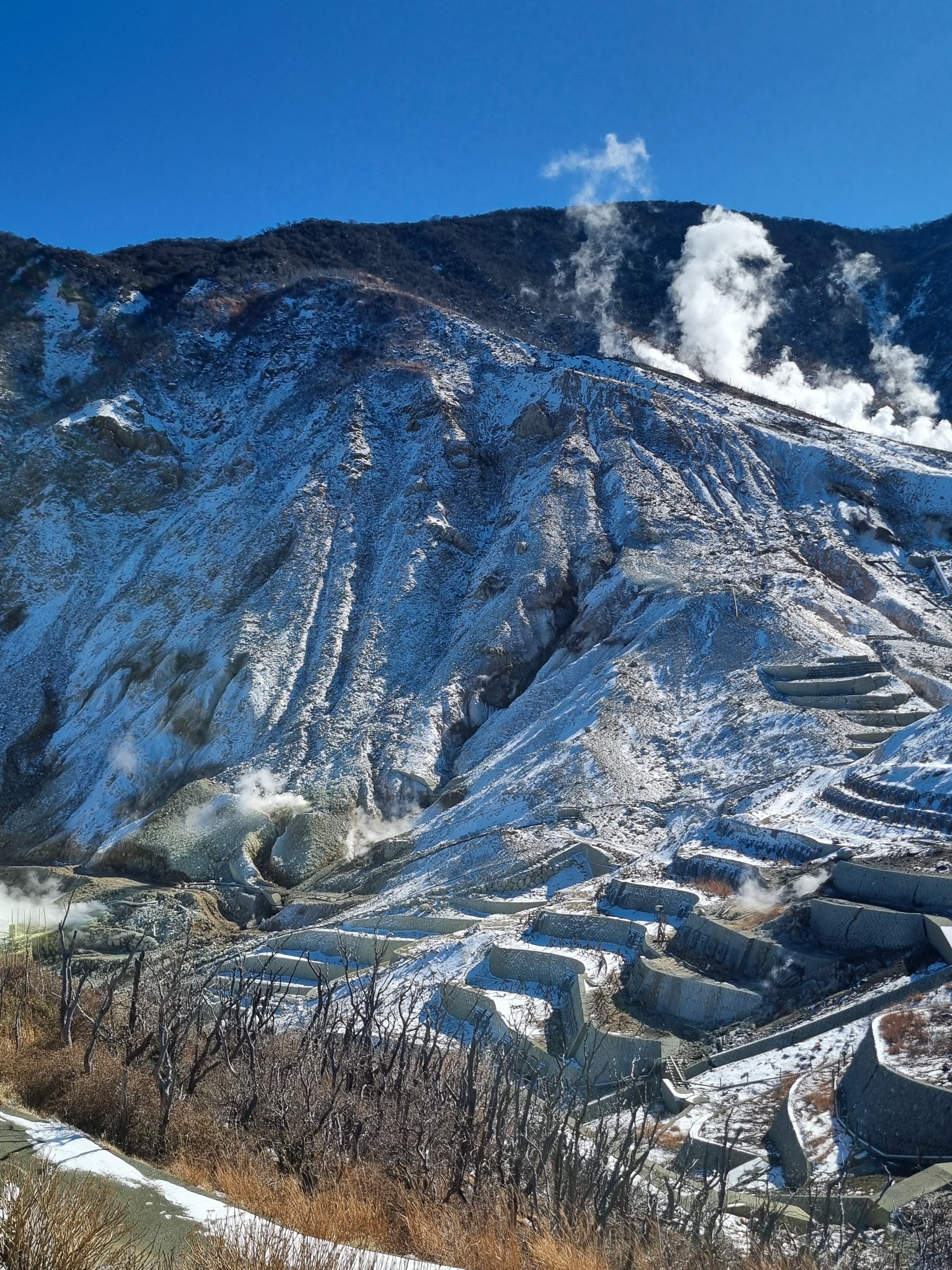
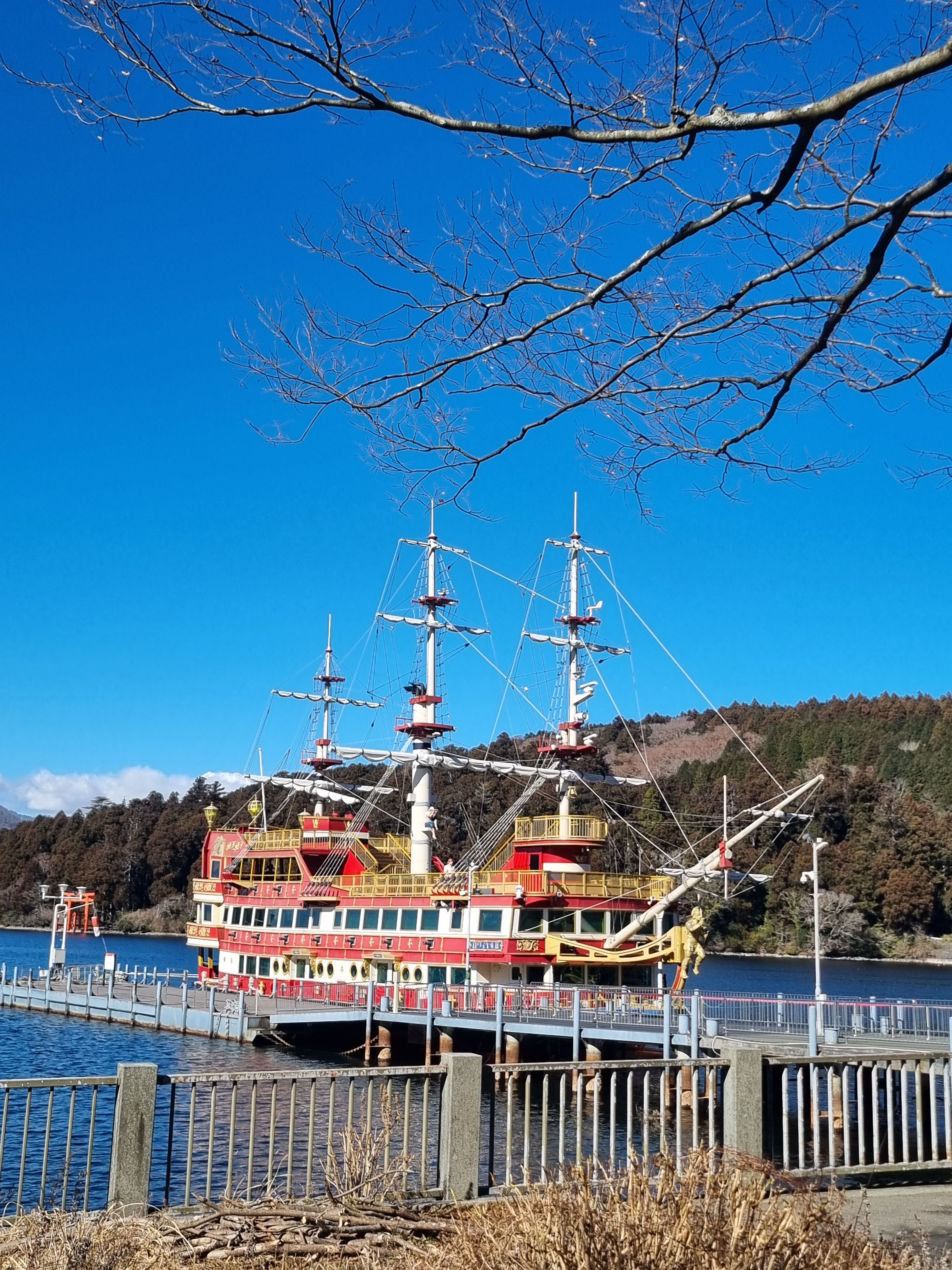
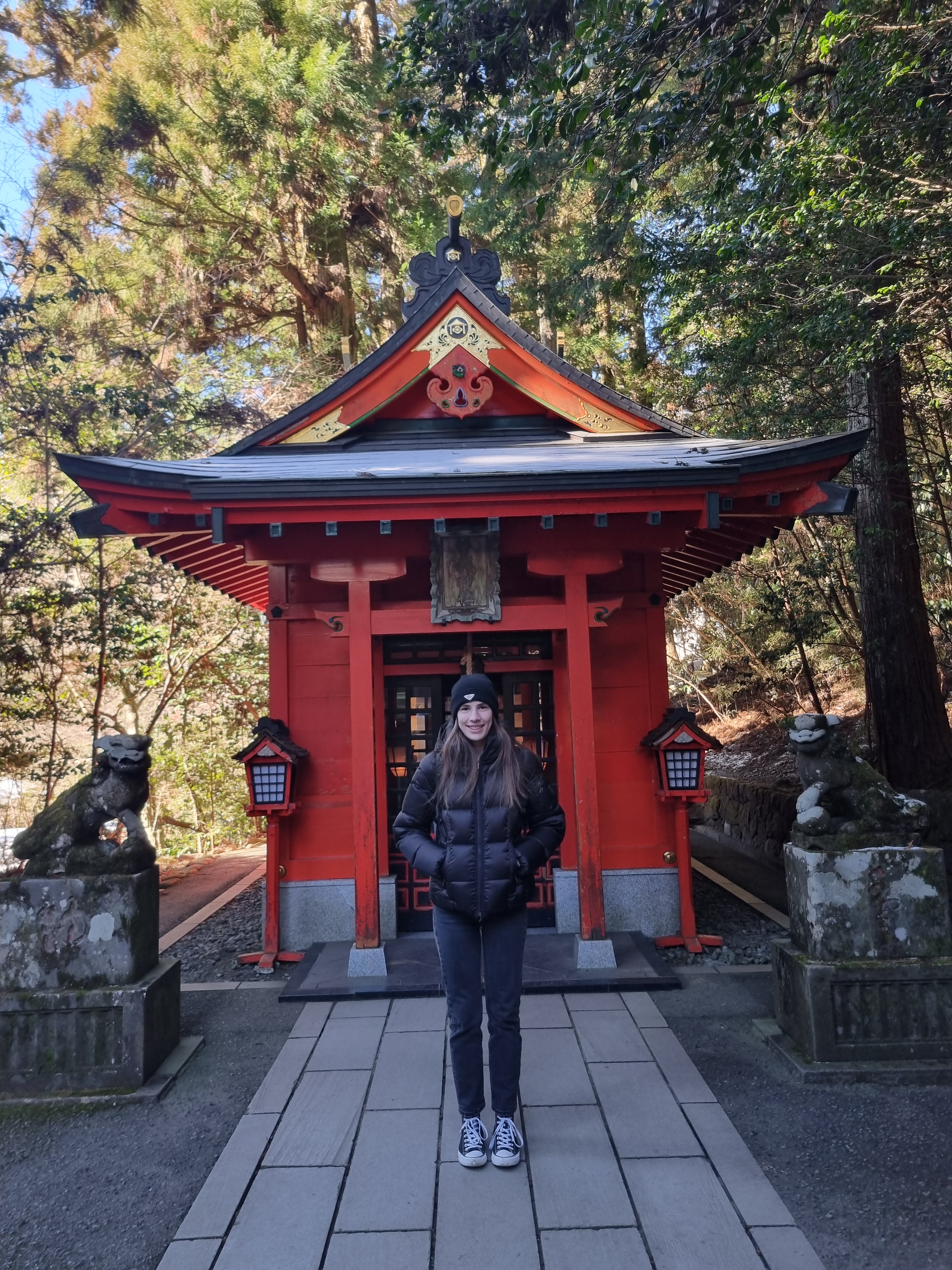
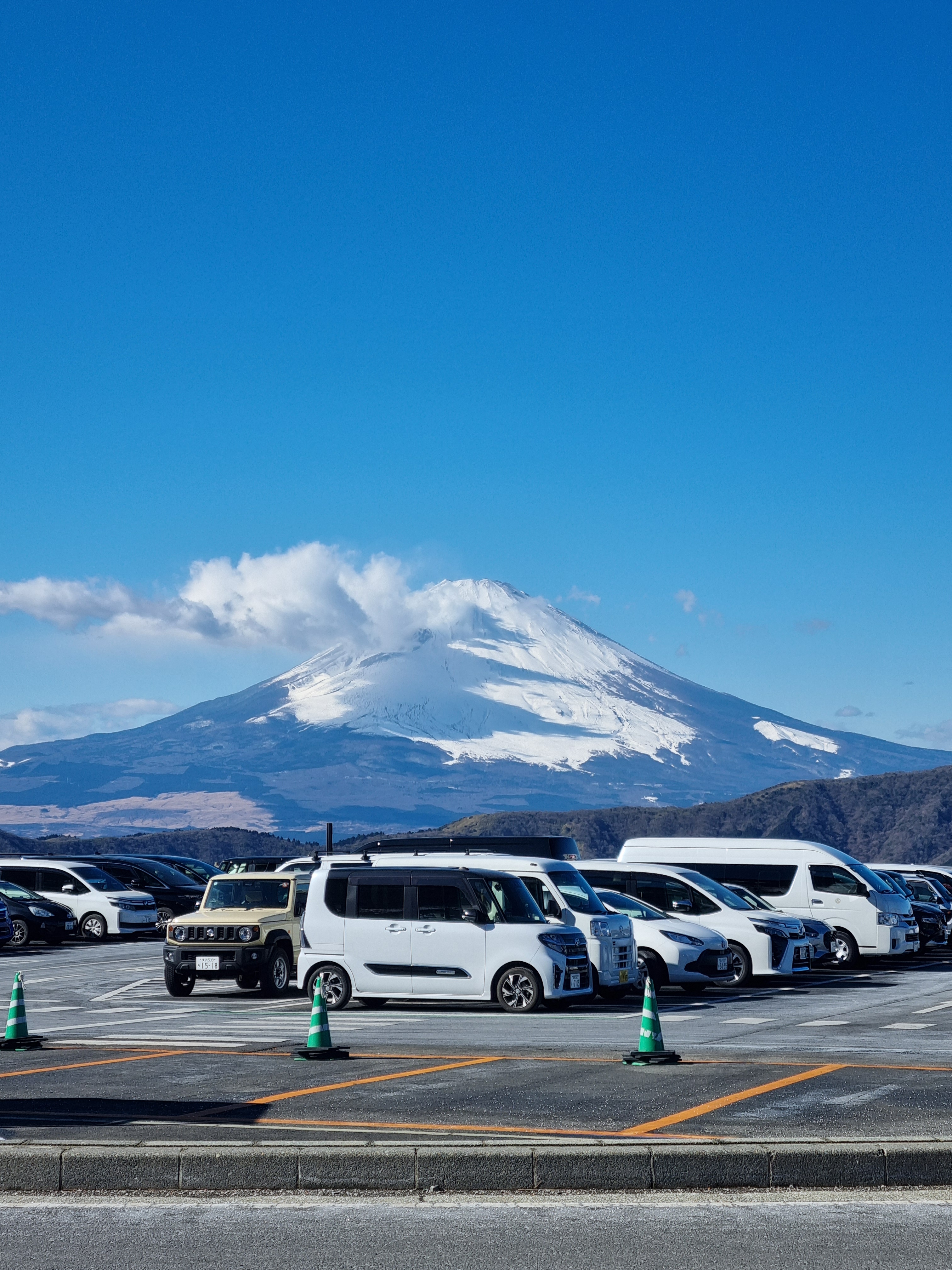
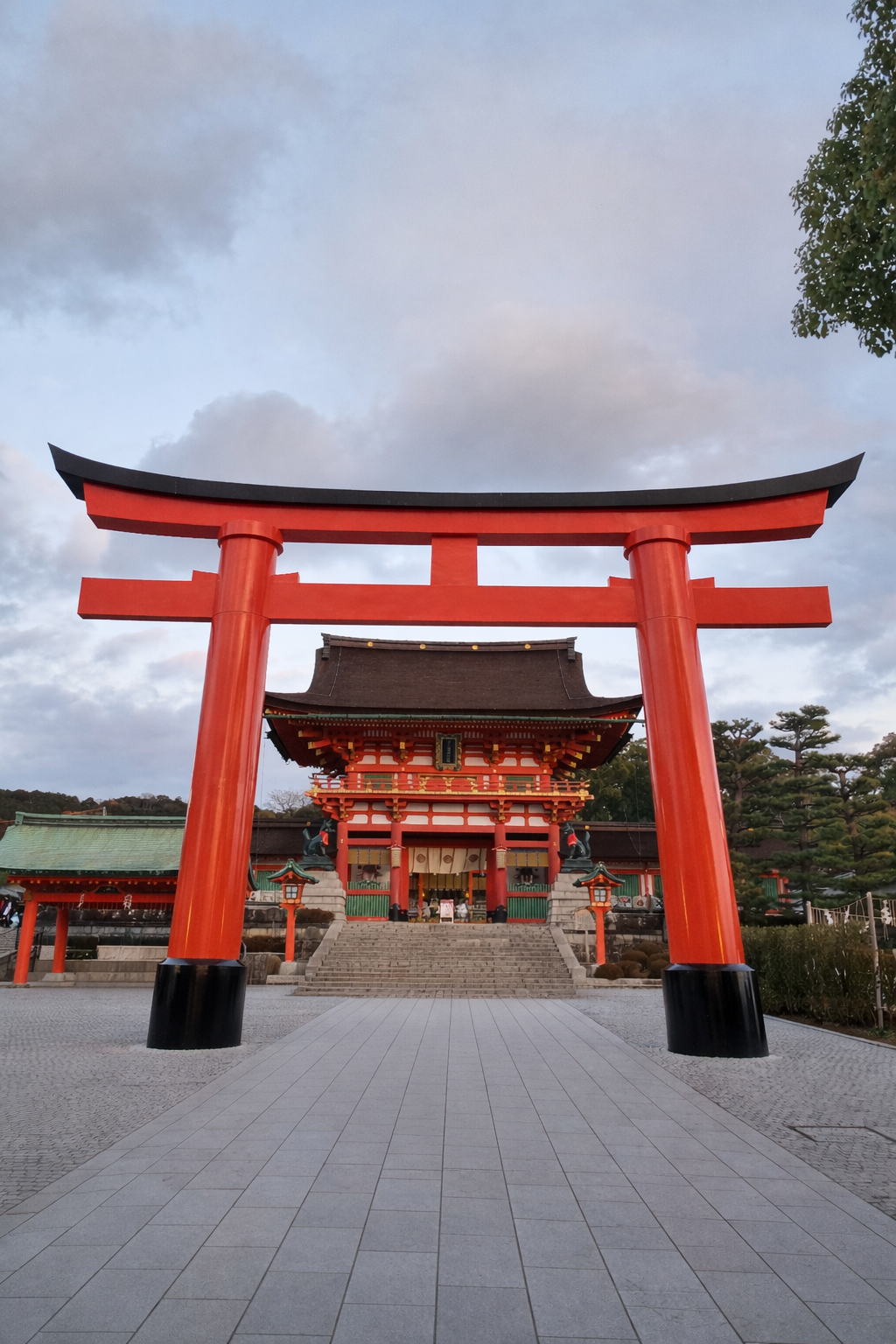
Our first stop was Hakone, where we visited the beautiful Hakone Shrine. The shrine is located right by the water and its famous red torii gate standing in the lake makes it one of the most picturesque spots in the area. After that, we crossed Lake Ashi by boat. From the other side, we continued by ropeway towards Owakudani, a volcanic valley known for its steaming vents and hot springs. From up there, you can sometimes get an incredible view of Mount Fuji, if you’re lucky with the weather. Thankfully, we were very lucky and were able to see it multiple times throughout the day.
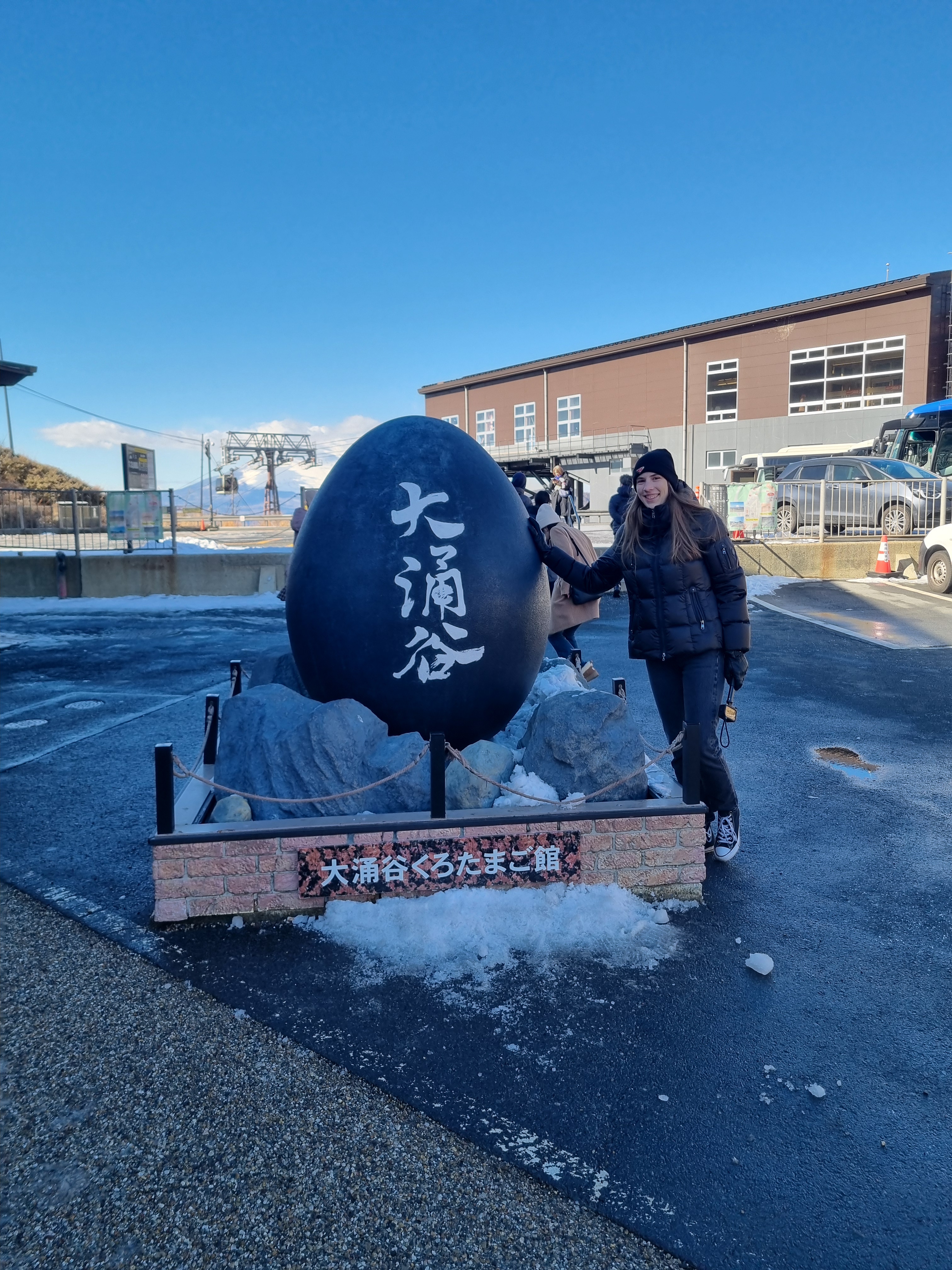
At Owakudani, you can also try the famous Kuro Tamago (black eggs). They are actually just regular eggs that turn black because they are boiled in the sulfur-rich hot spring water. I tried them myself, and I can definitely recommend them to every egg lover.
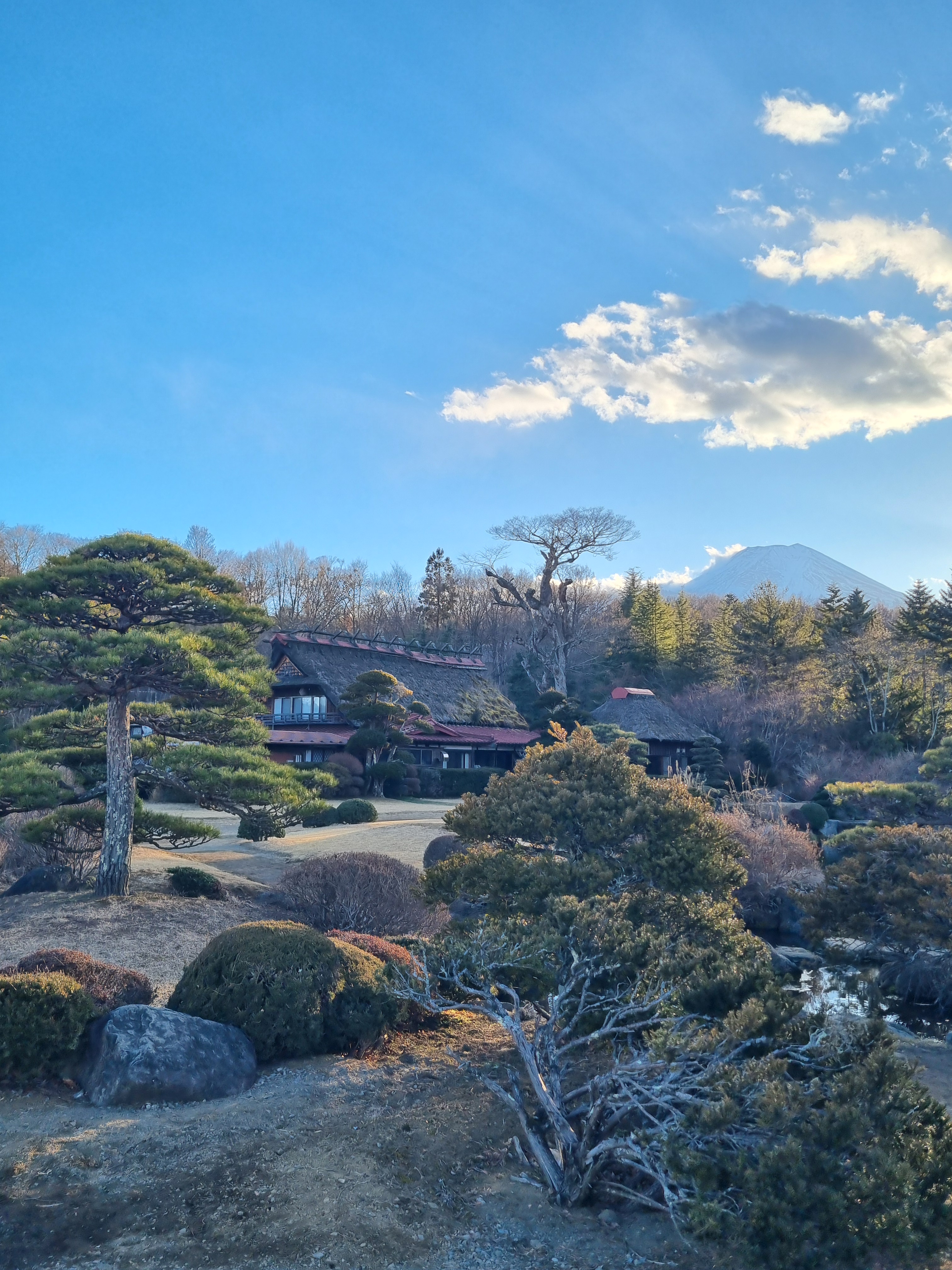
Our last stop of the day was Oshino Hakkai, a small village known for its clear spring ponds and traditional houses. It was quite crowded, but still incredibly charming, with many small food stalls and little shops to explore.
Throughout the trip we stopped at several viewpoints with amazing views of Mount Fuji, and we honestly felt very lucky to see it so clearly since it’s so rare. I booked this tour via GetYourGuide (not sponsored), and I would definitely recommend it. It’s a great way to see many of the highlights around Mount Fuji in just one day without having to worry about complicated transport connections.
Discover Coastal Charm on a Day Trip to Kamakura and Enoshima
Just like the Mount Fuji day trip, I booked this tour through GetYourGuide (not sponsored). Of course, you can visit Kamakura and Enoshima on your own. However, for me a guided day tour simply made more sense, as it allowed us to see several highlights in one day without having to worry about planning routes, transfers, or timing. Plus, it’s always nice to learn more about the places from a local and when you don’t have to think about the next step. A good mix always makes it!
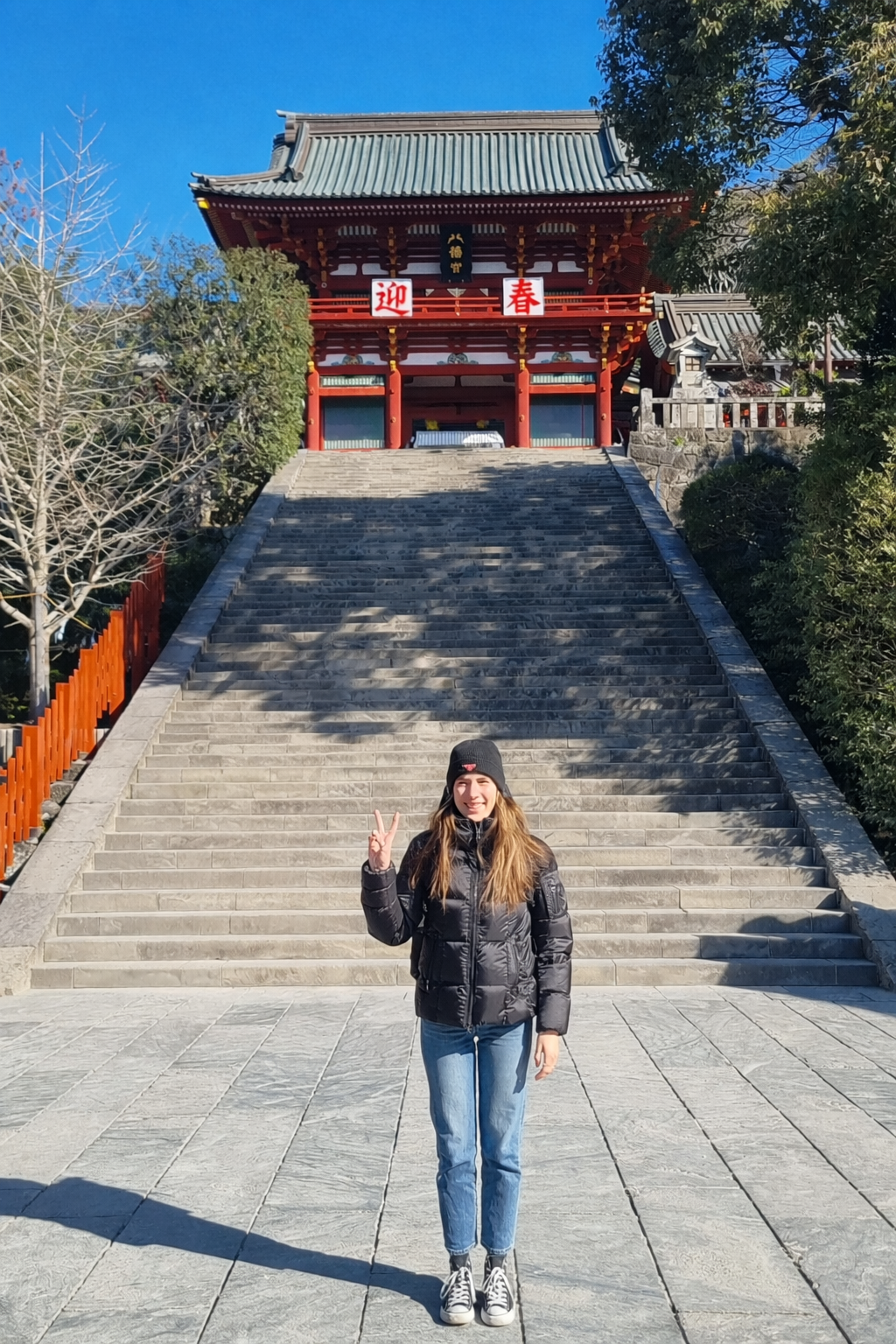
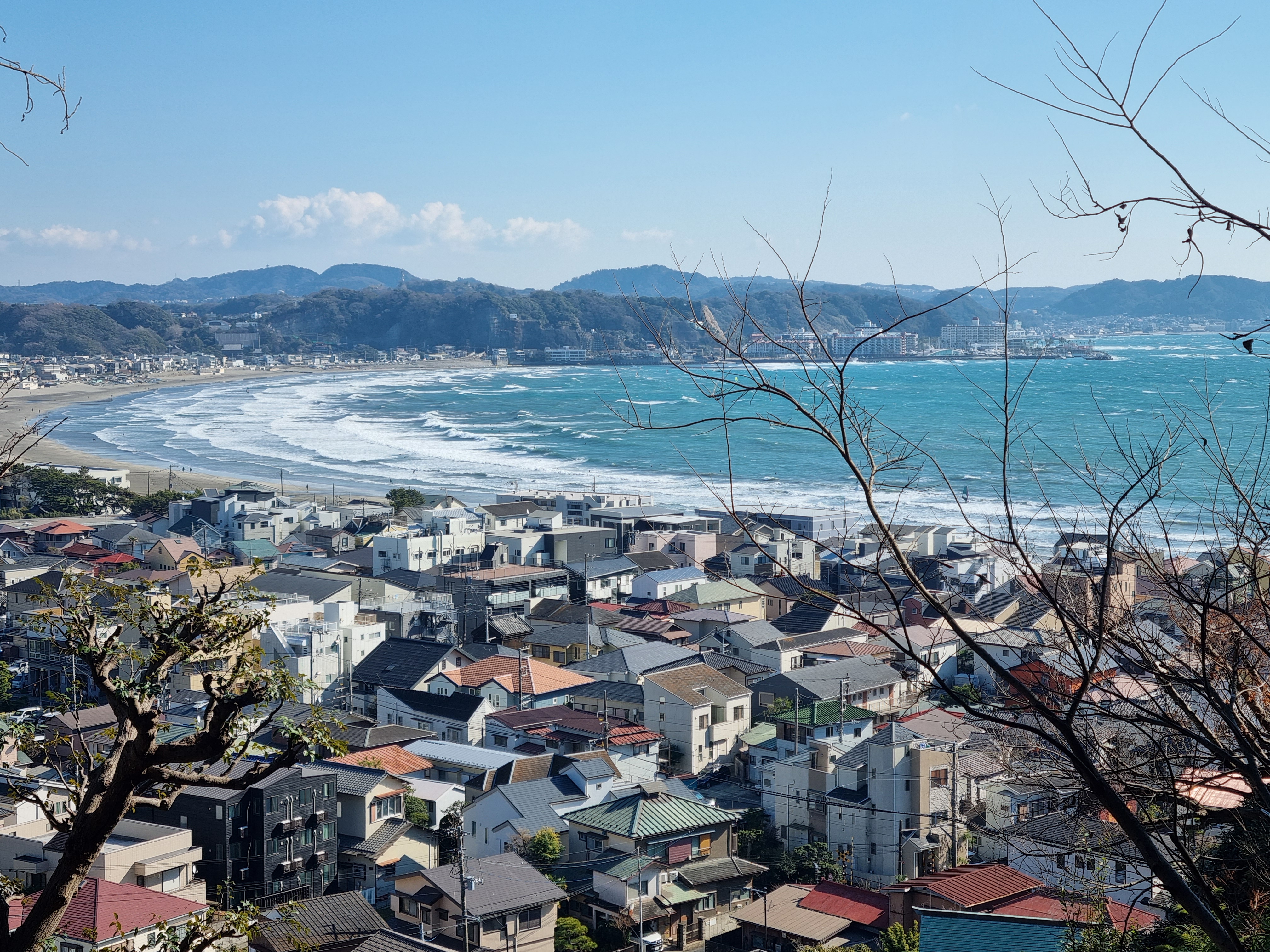
We started the tour by making our way to Kamakura, a coastal city known for its temples, shrines, and relaxed seaside atmosphere. Our first stop was the famous Tsurugaoka Hachimangu, which was absolutely stunning. The large shrine complex, the long approach lined with trees, and the peaceful atmosphere made it a really memorable start to the day. Afterwards, we walked through Komachi Street, one of the most popular streets in Kamakura, which is just a few streets away from the shrine complex. It’s filled with small shops selling souvenirs, ceramics, and local specialties, as well as many cute cafés and food stalls. It was definitely quite crowded when we visited, but still very enjoyable. I honestly don’t even want to imagine how busy it must get during peak season.
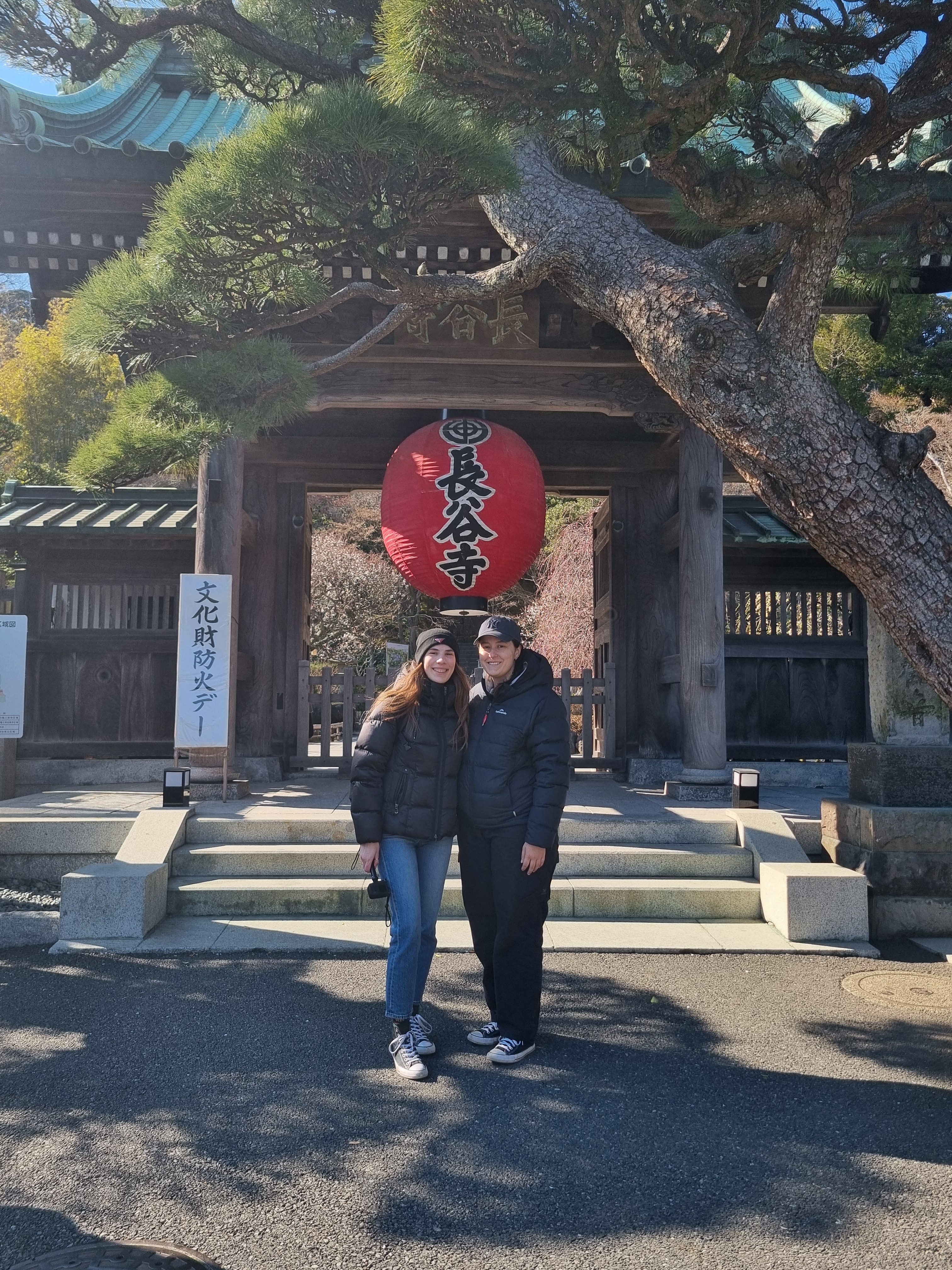
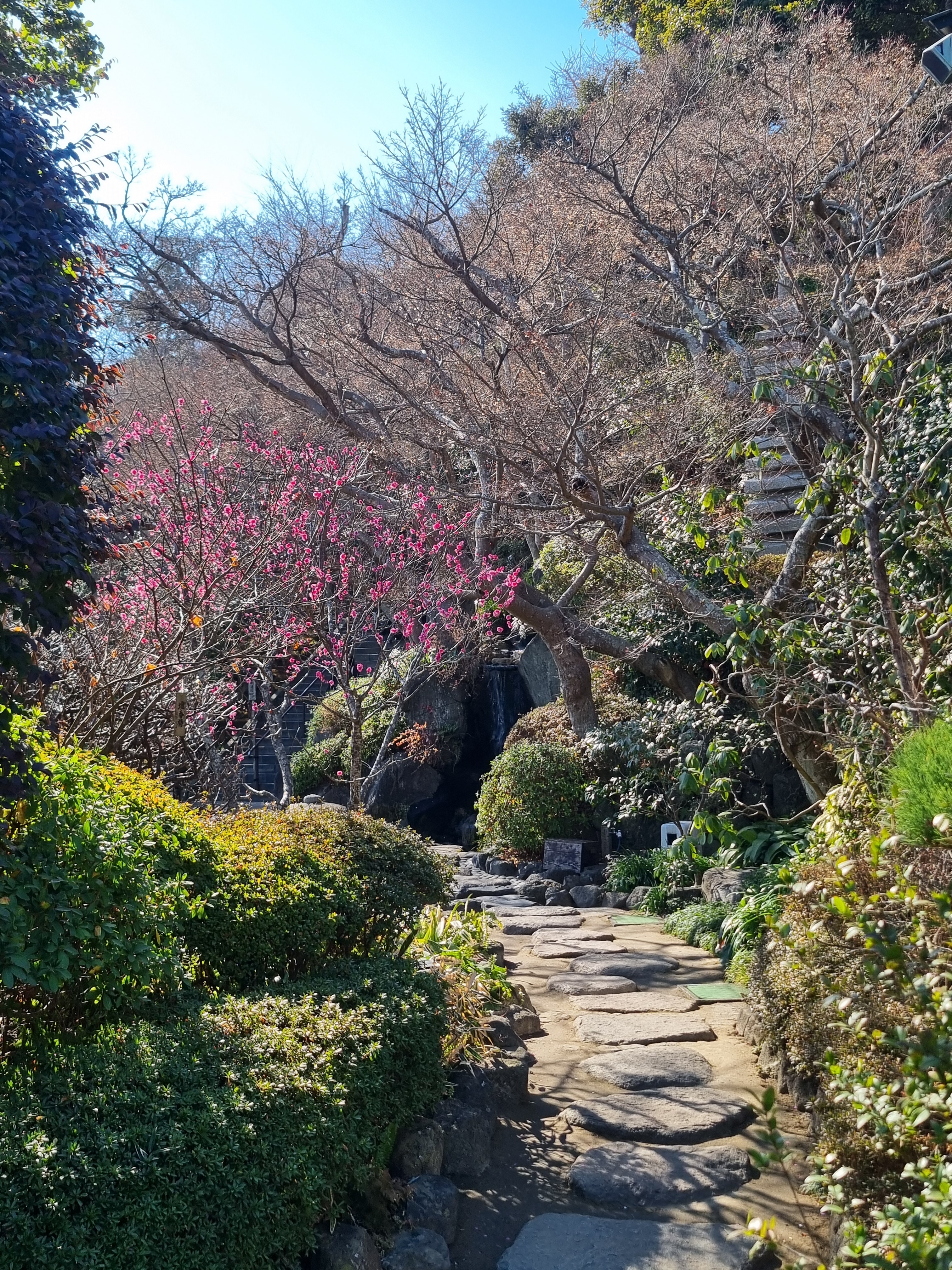
Next, we headed to Hase-dera, a temple famous for its beautiful gardens. We were lucky because there were already some early cherry blossoms blooming, which made the whole place even more magical. The gardens were incredibly detailed, with lots of small statues, pathways, and even viewpoints. One of the highlights for me was the amazing lookout over the city and the ocean.
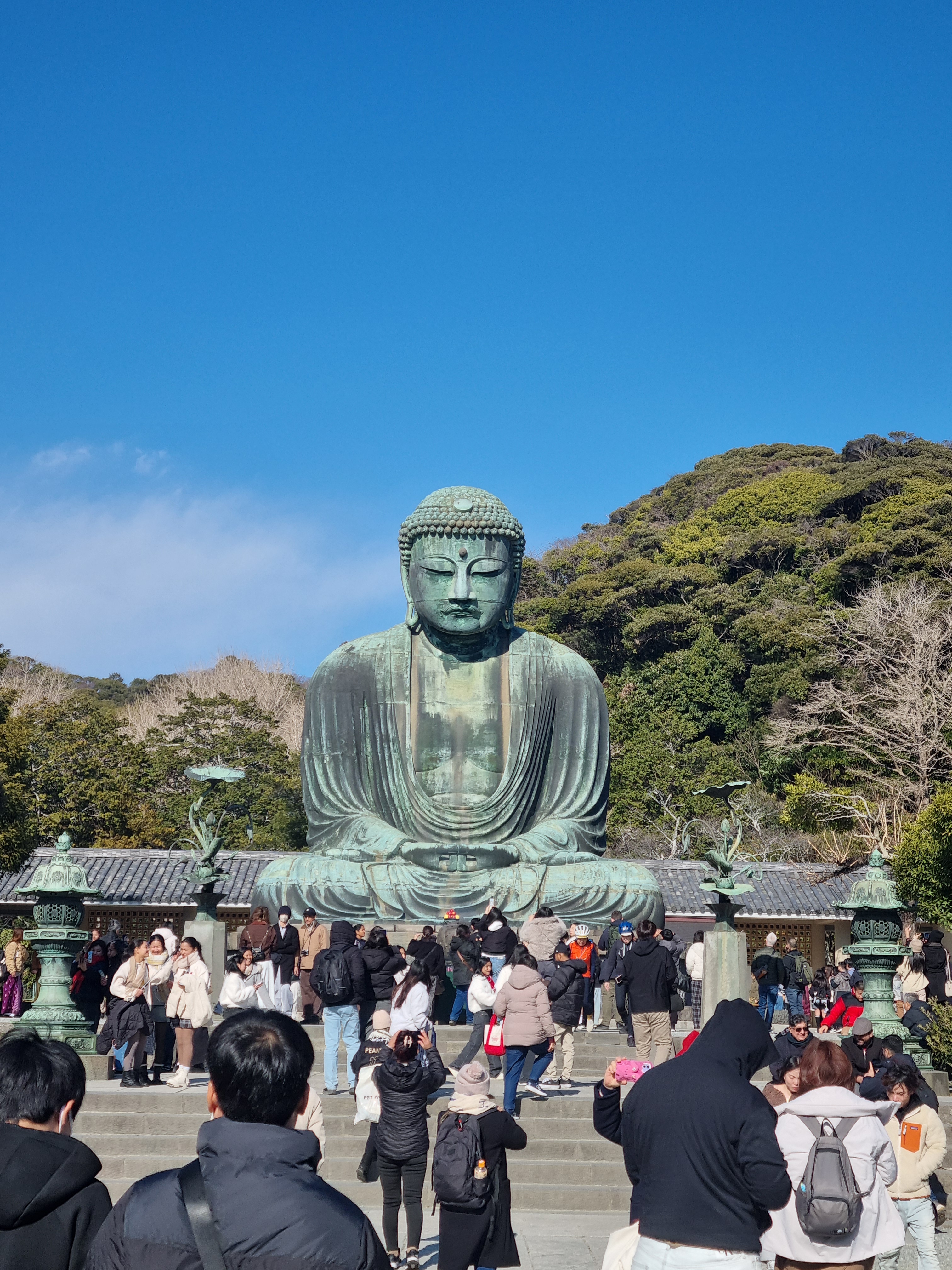
Our next stop was Kōtoku-in, the Buddhist temple known for the iconic Great Buddha of Kamakura. This visit was relatively short since there isn’t much else to see besides the statue itself, but it’s still definitely worth it. You can also go inside the Buddha statue, although I personally skipped it since it didn’t really seem worth it to me.
After Kamakura, we continued on to Enoshima. We had a late lunch there, walked through the lively streets full of food stalls and little shops, and then made our way up the hill toward Enoshima Shrine, which sits higher up on the island and offers a great lookout and beautiful surroundings. Up there, you can walk for ages and see many other things.
Where to eat
- Ichiran – Ramen chain (Even though it is a chain, it’s honestly one of my favorite places for ramen. It’s also the restaurant you often see on TikTok because of its unique dining concept. You sit in individual booths and your ramen is served through a small curtain, so you don’t see the staff).
- Ichikakuya – Ramen chain (i can also highly recommend this ramen place, sooo good!)
- Kura Sushi – Sushi chain (conveyor belt sushi chain in Japan known for its affordable prices and wide variety of sushi. You can grab plates directly from the belt or order through a touchscreen. It’s a fun way to enjoy sushi, especially if you want to try many different kinds in one meal).
- Yayoiken – Karaage Chicken chain (restaurant chain known for its teishoku style set meals. One of the highlights is their crispy and juicy karaage chicken, served with rice, miso soup, and side dishes. It’s a great spot for a satisfying and affordable meal, with generous portions).
- Oreryū Shio Ramen Jingūmae – Ramen restaurant (great spot if you are craving a hearty bowl of ramen. The portions are massive and incredibly satisfying).
- 88 Pocha – Korean restaurant (at there on my first day in Tokyo and it was really good!)
Booking Checklist
Travel Insurance
I highly recommend getting travel medical insurance while you’re traveling. Hopefully, you’ll never need it, but it’s always better to be safe than sorry. SafetyWing offers two flexible plans tailored to your travel needs. Whether you’re a short-term adventurer or a long-term expat, you’ll have reliable coverage anywhere in the world.
SafetyWing is especially great for remote workers and digital nomads, offering continuous global coverage even if you’re hopping between countries. Of course, it’s also a solid option for frequent travelers or those constantly on the go. But if you’re only traveling occasionally or just for a short holiday now and then, there might be better-suited alternatives.
Accommodations
I usually rely on Booking.com for hotels and Airbnb for vacation rentals. They both have the largest selection and tend to offer the most reliable prices.
Data for your Trip
I use Saily for international cell data. They offer a variety of eSIM options depending on the country and their eSIMs are easy to install, activate instantly upon arrival, and let you skip buying local SIM cards or paying expensive roaming fees.
Tours and Experiences
I always use GetYourGuide to find the best tours and experiences in a city or country. It’s my go-to platform for planning activities, and I’ve always been very satisfied with the experiences I booked through them.
Rental Car
I’ve rented at least six cars and always booked them through check24 (ad), which I can highly recommend. The website offers good deals, the insurance is quite cheap and provides good coverage, and the customer service is very efficient and accommodating. However, Check24 currently only offers its website in German. So it’s mandatory to speak the language.
2 responses to “Top Things to Do in Tokyo on Your Very First Visit”
-
Great guide! Tokyo really is such an incredible mix of old and new. I love how you included everything from Shibuya and Akihabara to peaceful spots like Meiji Shrine and Shinjuku Gyoen. And the food in Tokyo is definitely unforgettable. This is super helpful for anyone planning their first trip!





Leave a Reply