
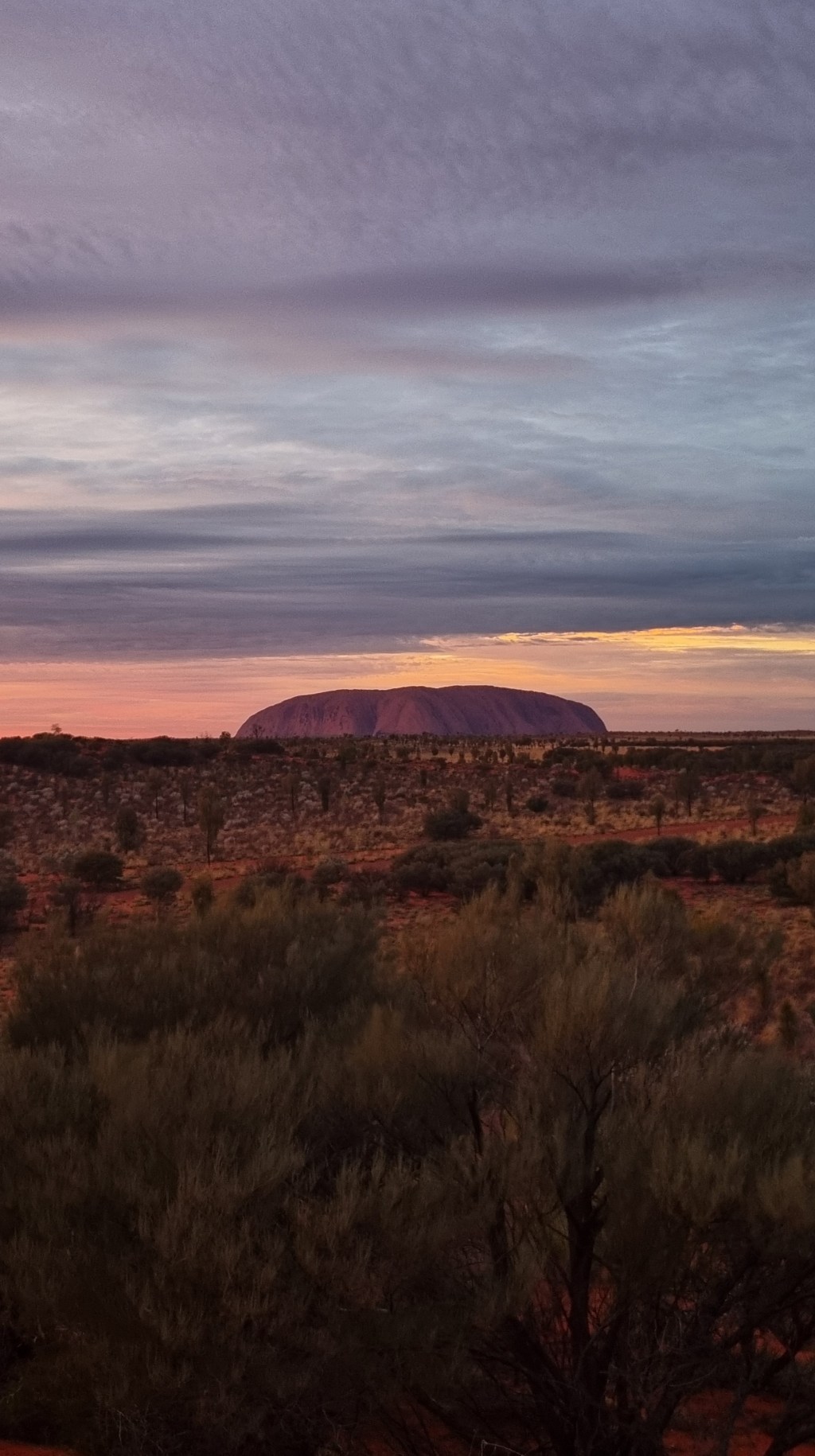
Servus and welcome to my Uluru Camping Blog! Uluru, also known as Ayers Rock, is a large red sandstone monolith located in the southern part of the Northern Territory, near the center of Australia. Visiting the red center of Australia has always been on the bucket list for my partner and me, so we booked a four-day camping tour with an extra day. The tour was booked through the third party backpackerdeals.com (unpaid ad). I was so excited about this new adventure, especially because camping was something I had never done before. However, not everything went according to plan. Keep reading to find out what happenend during our five-day adventure.
Please note that this itinerary may not be perfect since everyone travels differently, and unexpected changes are part of any journey. I want to remind you, that everything on this website has been experienced, photographed and written by myself. Since I finance all of my travel expenses on my own, the stories and opinions given are truly my own. And if you’re interested in seeing more travel pictures or videos feel free to check out my Instagram @michellecacija or my Tik Tok @michellecacija for more.
Index
The Basics about Uluru
When to visit
The best time to visit Uluru is probably from May to September when the weather is more pleasant, with cooler temperatures during the days and nights. During this period, daytime temperatures range from 20°C to 25°C (68°F to 77°F), making it ideal for exploring the outdoors without the extreme heat of summer. Nights can get quite chilly, with temperatures dropping to around 5°C to 10°C (41°F to 50°F), so it’s important to pack warm clothing. In contrast, summer months (October to April) can see scorching temperatures of 35°C to 40°C (95°F to 104°F), which can make hiking and outdoor activities challenging.
Climate
The climate in this region is quite extreme. During winter, daytime temperatures can be pleasant, but the nights can get very coold, with temperatures dropping below 0°C. On the other hand, summer temperatures can be very hot, reaching highs of 45°C, with an average ranging between 30°C and 35°C. If you’re planning to travel between May and October, it’s important to pack appropriate clothing. Mornings and nights can be chilly, so it’s important to have warm clothes, especially if you’re planning any sunset or sunrise activities.
Getting there
Flying is probably the most efficient way to reach Uluru, unless you have time for a long road trip, depending on where you start your journey from. You can take direct flights from Melbourne, Brisbane, Sydney, and Cairns. The closest airport to Uluru is Ayers Rock (Connellan) Airport, which is only a five-minutes drive to the Ayers Rock Resort or a 20-minute drive from the national park entrance.
Where to stay
When it comes to accommodations near Uluru, the only available options are located within the Ayers Rock Resort (unpaid ad). They offer a variety of choices, including hostels, budget hotels, 5-star hotels, and camping sites.
On Arrival
The Resort provides a free coach service for all Ayers Rock Resort guests arriving at and departing from Conellan Airport. Reservations are not necessary; they only verify your reservation when you board the shuttle.
Getting around
The resort itself offers a free shuttle service that operates daily from 10:30 am to 10:30 pm, running every 20 minutes. The shuttle stops at all hotels, campgrounds, the Town Square, the Visitors’ Centre, and the Uluru Camel Farm. However, it doesn’t travel to the Uluru & Kata Tjuta National Park. To reach this destination, visitors can either book a tour or hire a car.
What to pack
There are actually quite a few recommendations I would suggest for packing. Of course, the basics for sun protection like sunscreen, a hat, and sunglasses. In general, I would recommend packing light and loose summer clothes, but also bringing a hoodie for cooler mornings and nights. What’s definetly essential is a fly net. Trust me, you’ll definetly need it. If you don’t have one, buy one before you go or alternatively, buy one as soon as you arrive. For walking or hiking around the National Parks, bring comfortable enclosed shoes. They will protect your feet from cuts and scratches when walking through bush and rocky paths. Also essential is a reusable water bottle since you need to drink a lot during your hikes.
Additionaly, consider bringing your own little medication bag, including Band-Aids, pain relief tablets, sleeping tablets or spray, bug spray, aftersun, etc. You never know what you might need it for, and you might feel more comfortable using medication from home rather than in a country where you don’t know the ingredients and languages. If you’re coming from outside Australia, don’t forget to bring a Type I power adapter.
Cost of Traveling
As for the expenses, the amount you’re going to spend depends on several factors, including your choice of accommodation at the resort, your travel style, and the activities you’ll be doing. In general, it’s quite expensive, starting from the flights, to the accommondation, and to the restaurants.
Itinerary
Day 1 – Uluru
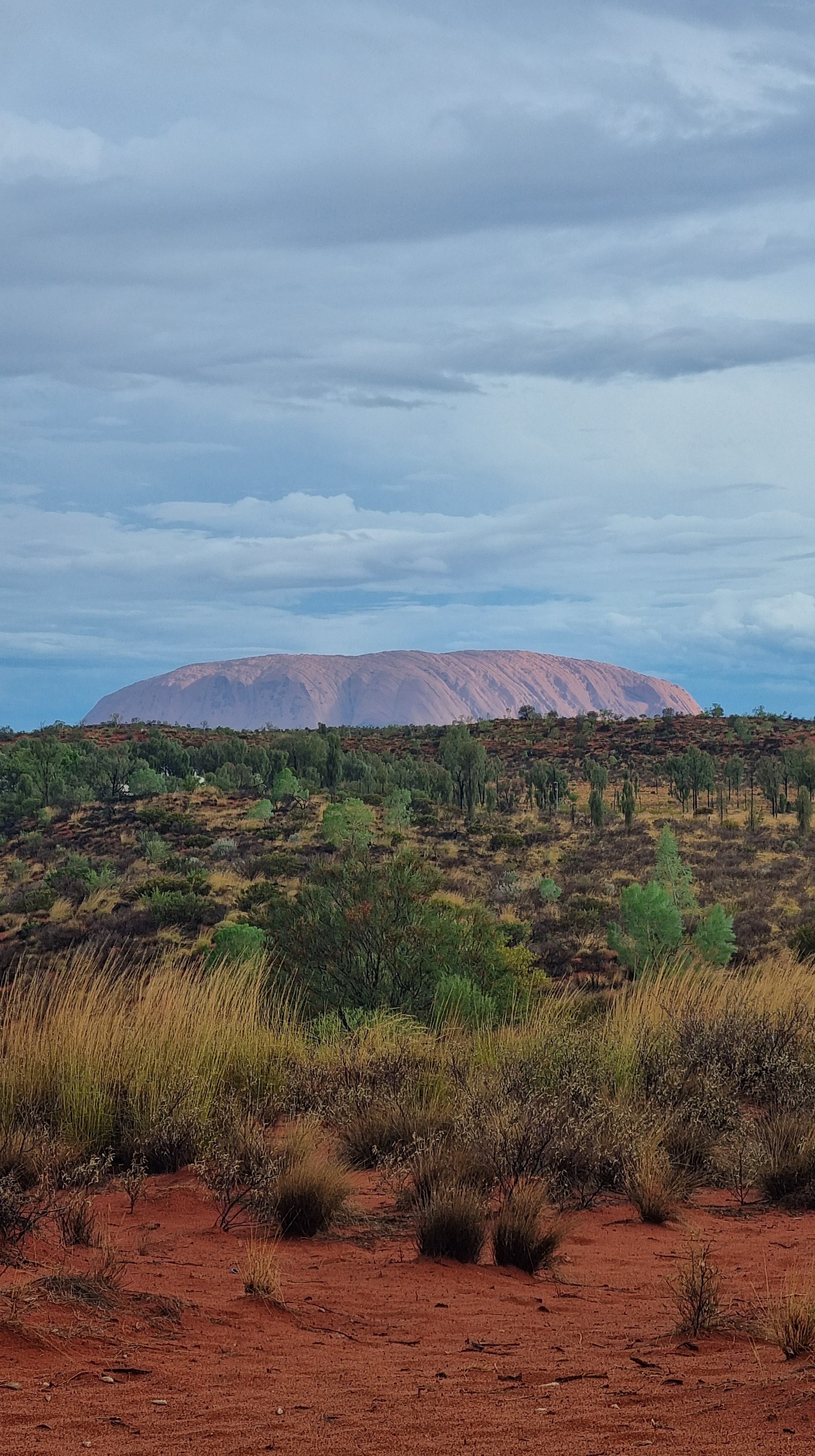
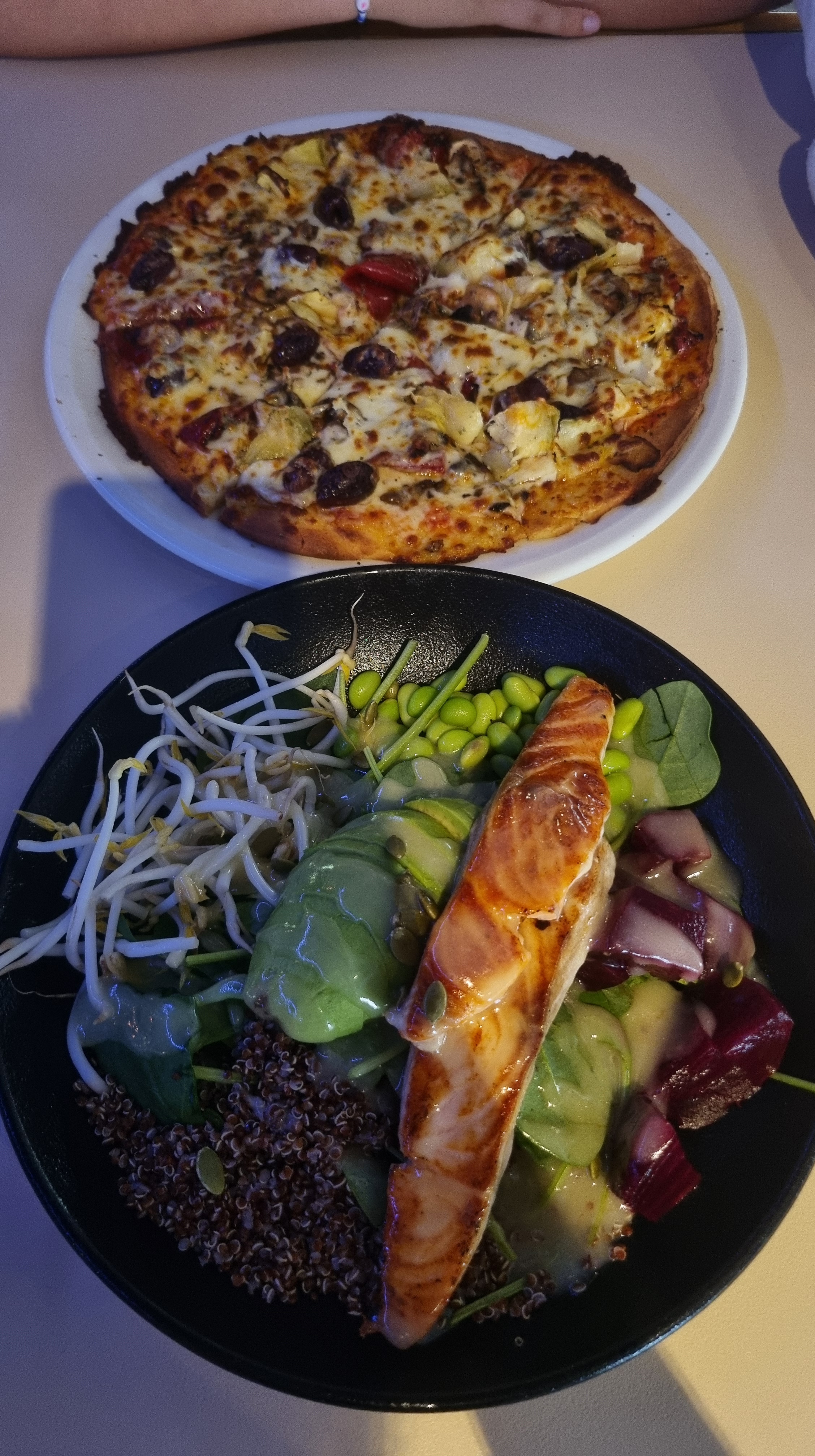
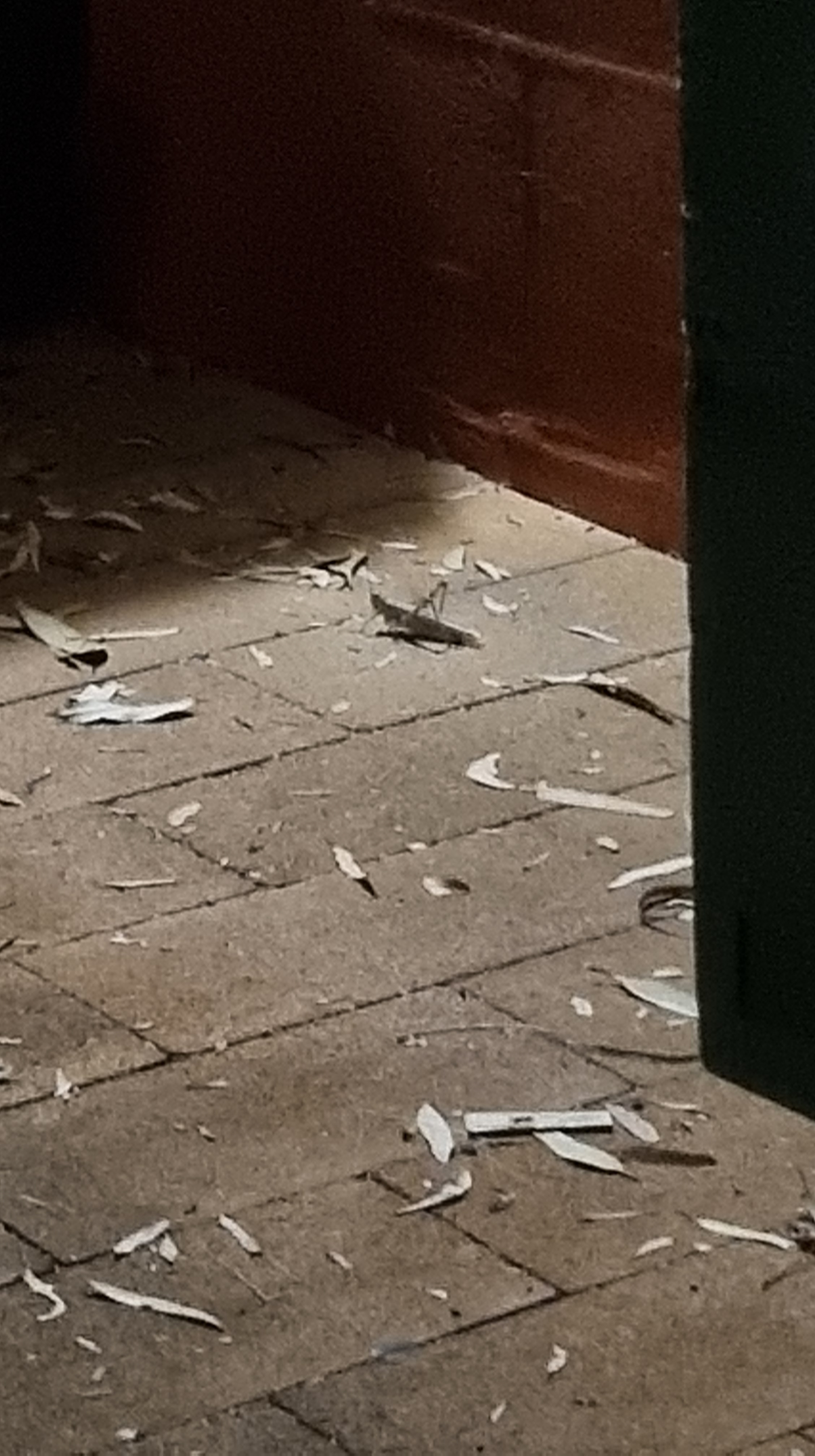
Since we arrived one day before the camping tour, we decided to explore the Resort and its activites. We went on a short walk to a viewpoint of Uluru/Ayres Rock and realized that we definetly need a fly net, so we decided to buy one. Unfortunately, it started raining after a while, so we had an early dinner, went to the supermarket for a few snacks and then made our way back to the accommondation. Later, when it stopped raining, we went for an evening walk, where we saw a grasshoper as big as our hand.
Day 2 – Uluru and Kata Tjuta National Park
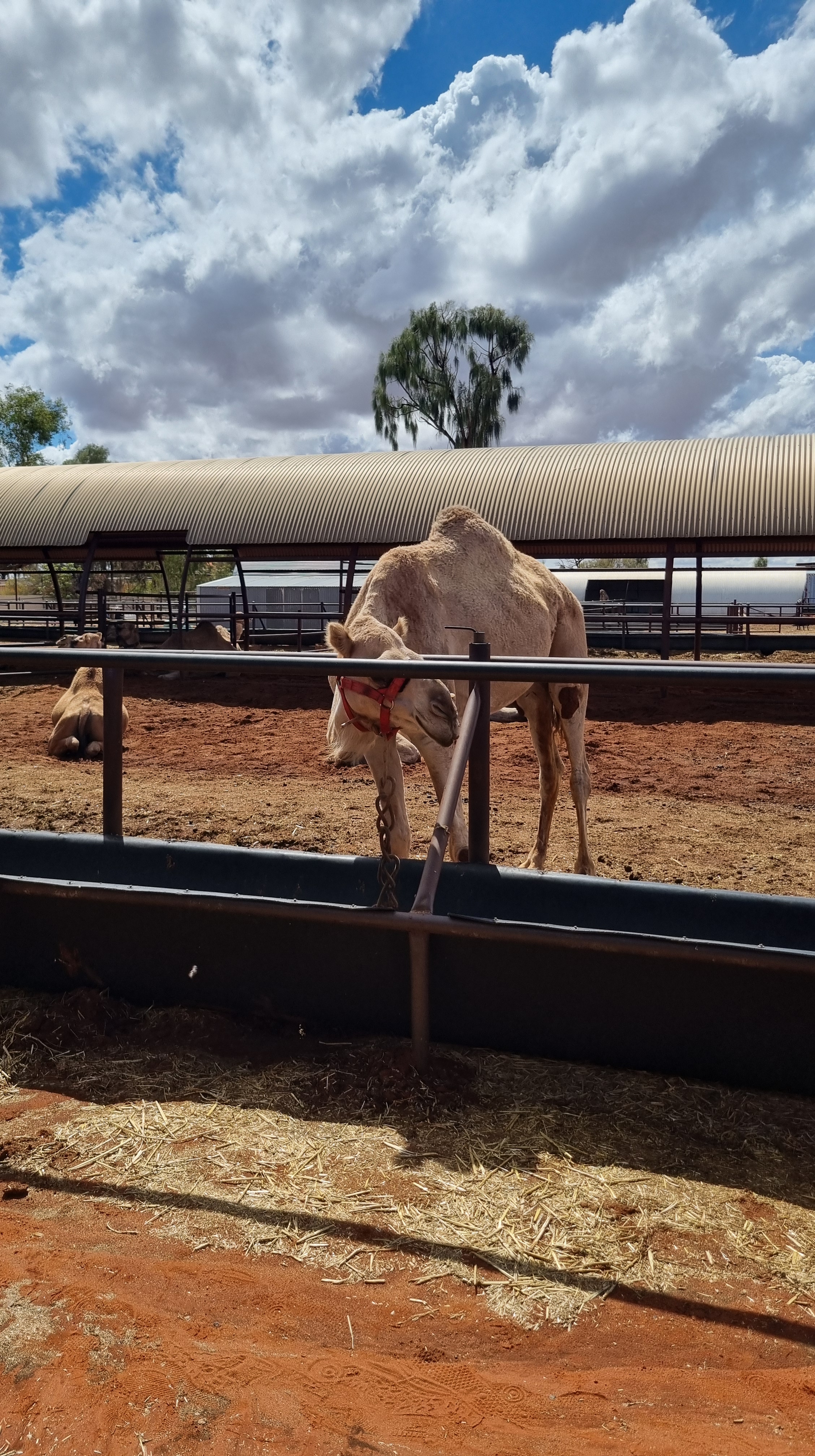
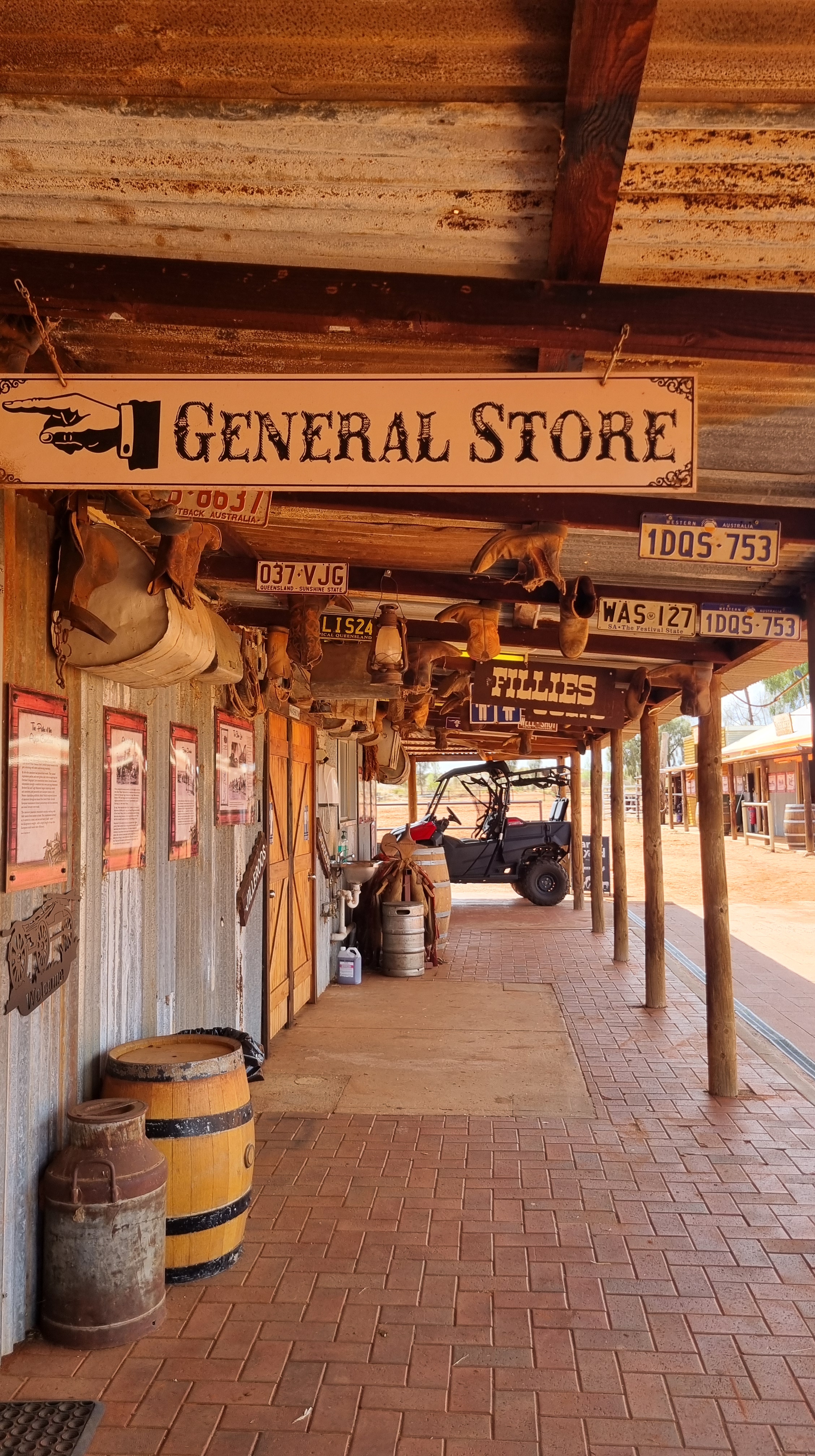
Before our tour guide picked us up around 2pm, we had plenty of time to explore the camel farm and the Aboriginal art museum. Both places are free to visit, and at the camel farm, you can see not only camels but also chickens, cows, bulls, and goats. If you have some free time while you’re at the resort, I would definetly recommend checking it out. In addition to that, the resort also offers other free activites like bush and garden walks, food experiences, as well as Didgeridoo and painting workshops.

As soon as the entire group of 23 people was complete, we headed to our first campground for the upcoming night. After exploring our camping area and having barbecue chicken wings and salad for lunch, we realized that the bathroom situation wasn’t as we had hoped. We knew that camping involved insects flying and crawling around, but this was on a different level. Our tour guide informed us that the people who are usually responsible for cleaning the camping areas tend to forget. I wish I had taken a picture. However, we thought it could always be worse.
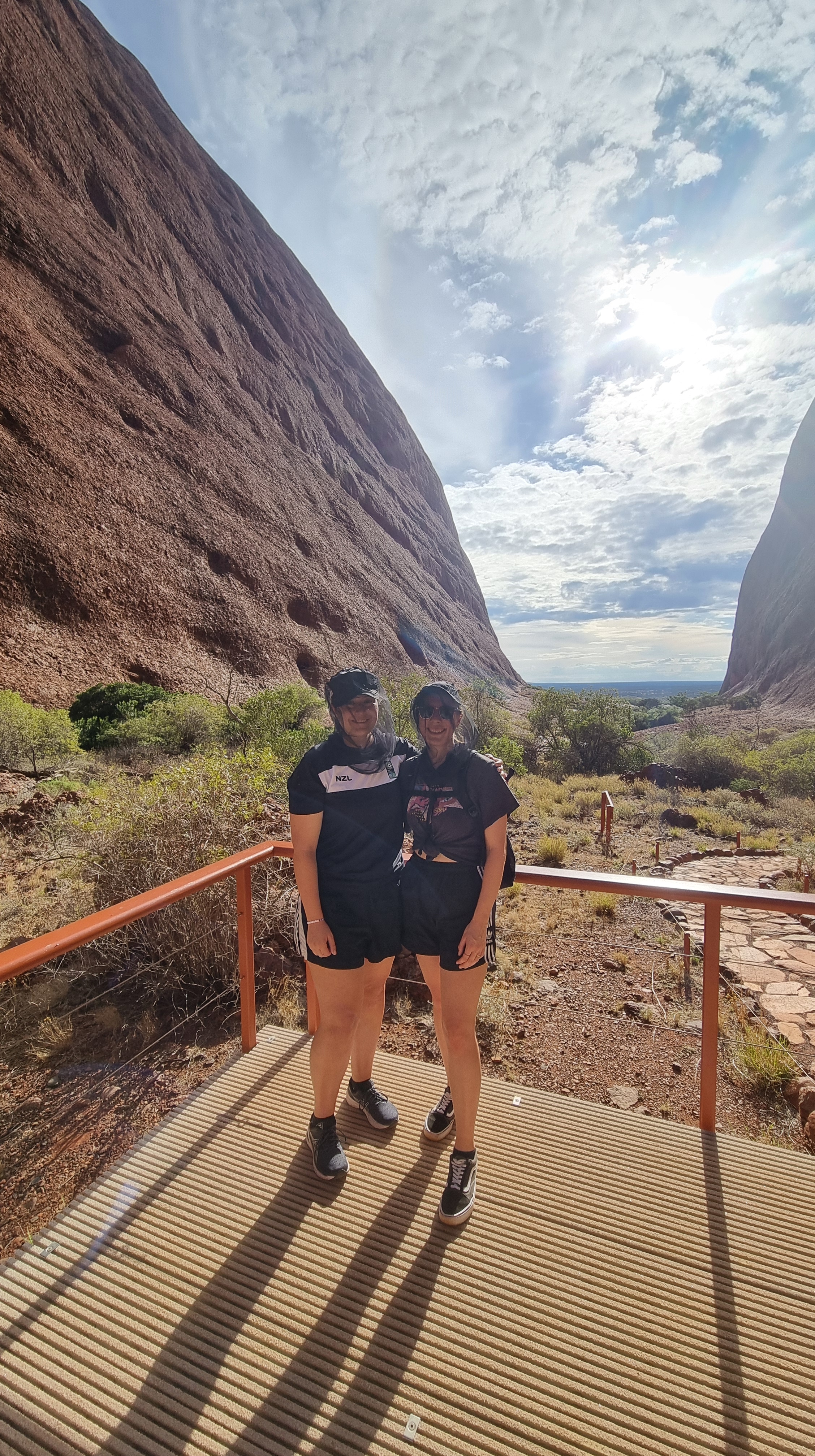
Once we explored our camping area a little bit, we made our way to Kata Tjuta National Park and went on a two-hour hike among these sandstone monoliths. There are actually to different walks you can do. The Karu Lookout or the entire loop which takes around three to four hours and includes Karingana lookout. Unfortunately, on the tour we only did the Karu Lookout walk. The landscape was still remarkable and defintely a must-do when you are visting the red centre. Please be aware that there is no water refill station on the one-way walk, so make sure to bring enough water with you. You don’t need hiking shoes, we did fine in enclosed sneakers but remember to bring your fly net!


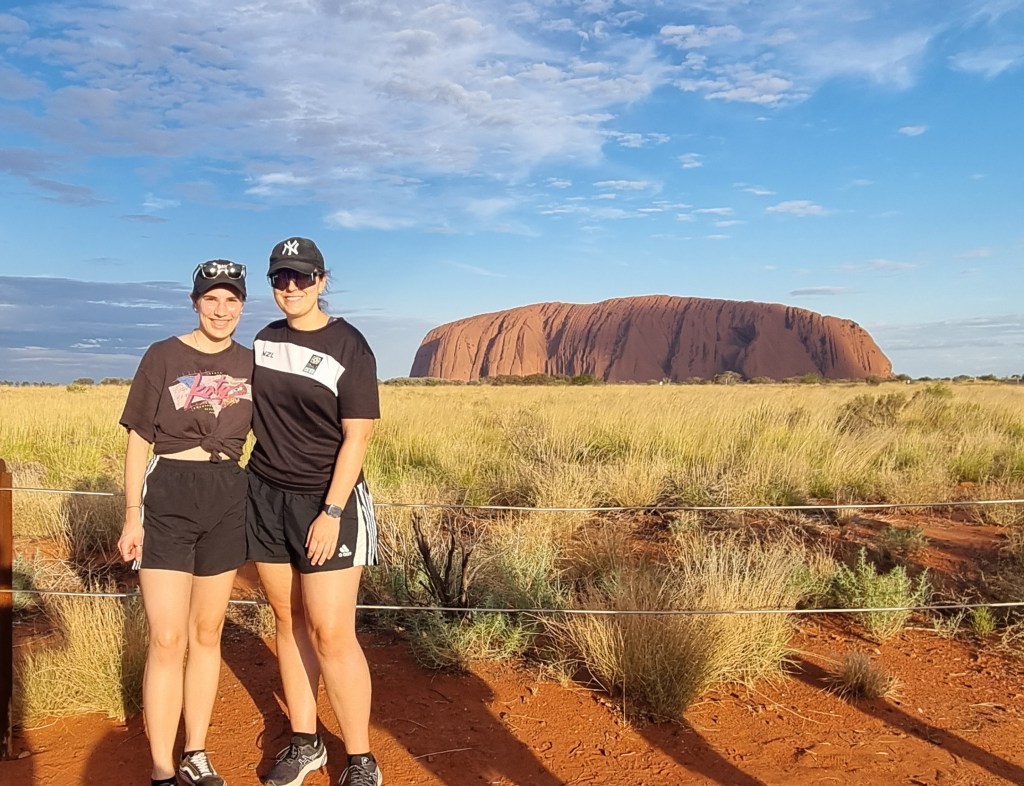
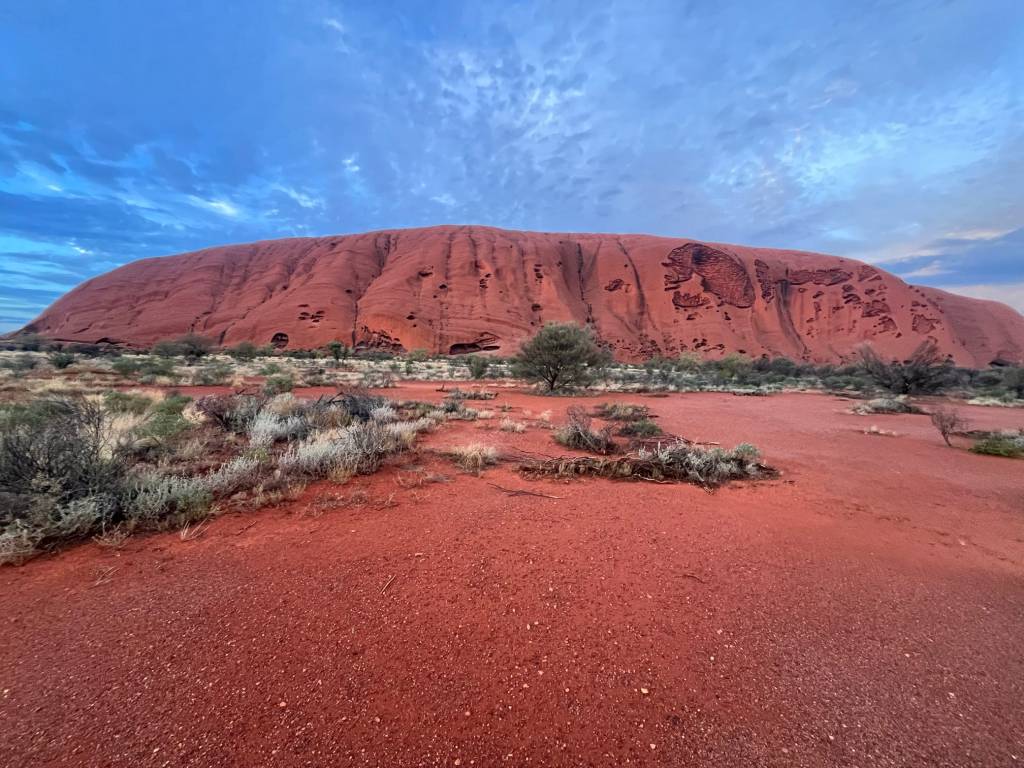
After visiting Kata Tjuta, we headed to a viewpoint of Uluru and enjoyed the scenary as the sun set, accompanied by drinks and snacks. It was quite magical witnessing the transformation of colors around Uluru. Later, when the sun had disappeared, we drove back to our campground and prepared spahgetti bolognese for dinner.
Once we finished our meal, it was time to prepare for the night under the stars. Each of us were given a swag, which is essentially a larger sleeping bag. Sadly, I didn’t take a picture. We all found our sleeping spots and most of us tried to go to bed around 11 pm, knowing that we had to wake up early the next day. We all hoped for a first peaceful night under the stars, which, unfortunately, didn’t turn out as amazing as it sounded. Around 2.30 am, it started raining and none of us knew what to do since our tour guide was sleeping in the sheltered kitchen, not outside with us. My partner, with her Australian instinct, quickly pulled the swag up to cover her face and closed it tightly, setting an example for the rest of us. So there we were, sleeping under the rainy sky, hoping for the rain to eventually stop, which it thankfully did after a while.
Day 3 – Uluru
The next morning, we woke up at around 4 am, and the bathroom situation was even worse than the night before. It was a chaotic mess, with insects flying and crawling around due to the rain. We encountered everything from poisonous centipedes to spiders and moths. We even came across a baby scorpion outside the bathrooms. Needless to say, most of us decided to skip showering that day. Just to let you know, the centipedes in the area are not highly poisonous, they can’t harm you, but their bites can be painful. Our tour guide went around and killed them for us. I think he had managed to kill around 30 centipedes in less than 24 hours.
After breakfast, we faced a new challenge. One of the girls in our group had lost her phone, and we searched for it for a while but couldn’t find it. Since it was getting late, we had to leave and headed to Uluru to catch the sunrise and do the base walk, which is 10.6 km and mostly flat. The recommended walking time is around 3 1/2 hours, but my partner and I completed it in just three. In the end it just depends on your speed. Our tour guide mentioned that if we are lucky, we might encounter some native animals. Unfortunately, we didn’t see any, but we did spot a wild cat, which our guide said was quite rare. Maybe you’ll have better luck than us! After everyone arrived back at the meeting point, we took a snack break before embarking on another walk. Our guide showed us various caves, and we learned so much about the sandstone, the Aboriginal people and their rich history. It was truly fascinating to delve into their culture.
Keep in mind that most of the walk is exposed, so it’s important to apply sunscreen and wear a hat. Also, remember that there is only one water refill station along the entire loop. The National Park Rangers reommend taking three litres of water per person.
After we returned to our campsite, most of us started packing and preparing burgers for lunch. We were also still searching for the missing phone, and one of the girls needed to get to the airport as she had an earlier departure than the rest of us.
However, the bus of the tour guide who was supposed to drive her got stuck in the red sand. Everyone pitched in to help get the van out, which took maybe around an hour. Thankfully, the girl made it to the airport on time, and we were able to find the missing phone. Once everyone had lunch and the van was packed, our tour guide suggested we take a quick swim in a pool close by. Afterward, we made our way to the Watarrka National Park area, which was around three hours away. So, in the end, everything worked out just fine… or did it?

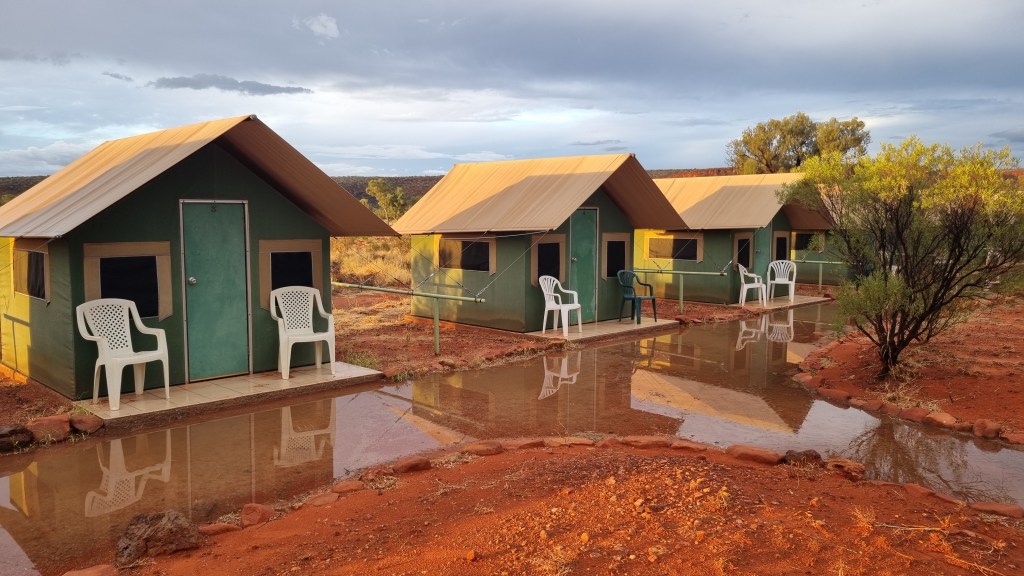
All of a sudden, it started pouring rain, and we still had a long way to go. Due to the heavy rain, we couldn’t reach our original campground, but as luck would have it, it turned out to be better. Instead of sleeping under the stars in a swag without amenities like toilets, showers and power, like it was planned, we were given the opportunity to sleep in cozy two-person cabins with clean public bathrooms that had proper doors and because of that, no insects. While it would have been amazing to experience a night under the stars if the weather had been good and the insects weren’t to bothersome, in that situation, we were all very happy with the alternative. Most of us had a nice shower without being bothered by insects. After the rain stopped, we enjoyed our dinner around a campfire. So, in the end, things worked out even better than we thought!
Day 4 – Kings Canyon
Another day where we woke up around 4.30 am, had our breakfast, and settled down on the bus. Unfortunately, my partner was feeling very sick during the night and still didn’t feel better in the morning. However, we had no other choice but to join the group and hope that she would start feeling better. We headed to the Watarrka National Park to visit Kings Canyon.
At Kings Canyon, there are four different options for walks: the Kings Creek Walk, the Rim Walk, the South Wall Return Walk and the Giles Track. For our tour, we had plannend to do the famous Rim Walk, which is six km long and takes three to four hours. Unfortunately, my partner and I weren’t able to do this walk because she was still feeling sick. So, we decided to rest in the shade and wait for the others to return. After she started feeling better, we decided to do the Kings Creek Walk instead, which is only a two km walk and takes around one hour return. Since she was feeling better, she wanted to walk up the steps to at least get an overview of the Canyon. She convinced me, and we climbed the 500 steps, enjoyed the view, and sat there for a long time.

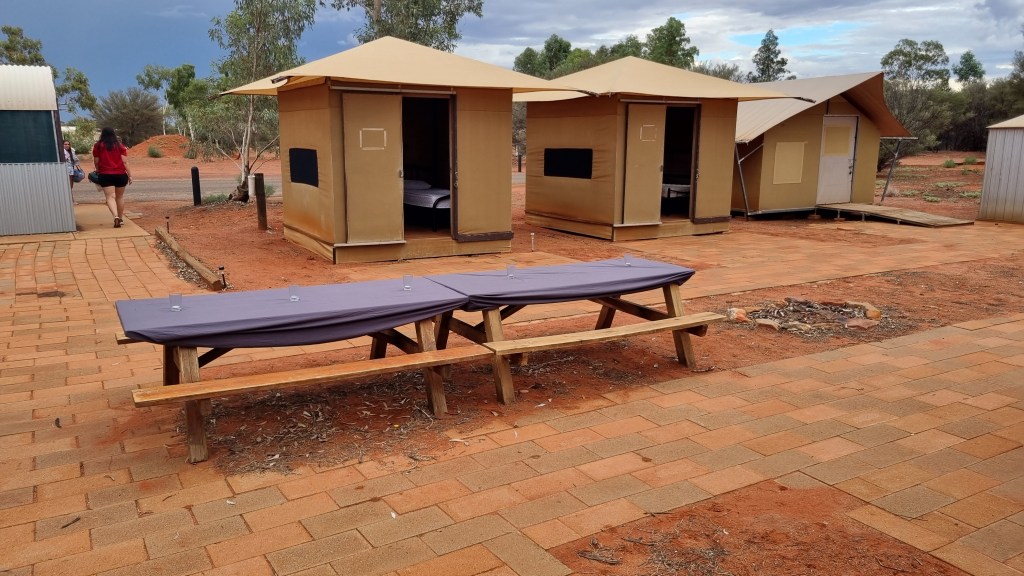
After we walked down the 500 steps again, it didn’t take long for our group to return from their hike. Now it was time to say goodbye to half of the group. Some people, who had booked only two nights, were driving to Alice Springs to catch their flight, while others, including us, drove back to Ayers Rock Ressort for another night of camping. We met another tour guide who would take care of us for the last night. After a three-hour drive, we arrived at our new campground, which was a well-deserved upgrade after the ups and downs of the past few days. We had a two-person cabin with windows fitted with fly nets, power, two fans, two pillows and two light blankets. The only thing was that the bathrooms were a bit further away compared to the other campgrounds. Additionally, the showers were under construction, so we couldn’t shower that night or the next morning. The toilet area did have a few insects flying and crawling around, but it was nothing like the first night. Furthermore, our new tour guide was amazing. Even though she told us it was her first week, we had so much fun with her, and she seemed super professional. After exploring our new camping area, we went for a swim in the nearby pool. Later, we all cooked Burritos together and played Uno.
Day 5 – Sunrise at Uluru
The next morning, we woke up around 5.30 am to catch the sunrise. The viewpoint of Uluru and Kata Tjuta was just a five-minute bush walk from the campground. After our tour guide said goodbye, the rest of us went back to the pool. Before heading to the airport, we took a shower and bought lunch. Now it was time to say goodbye to the red centre.
Booking Checklist
Travel Insurance
I highly recommend getting travel medical insurance while you’re traveling. Hopefully, you’ll never need it, but it’s always better to be safe than sorry. SafetyWing offers two flexible plans tailored to your travel needs. Whether you’re a short-term adventurer or a long-term expat, you’ll have reliable coverage anywhere in the world.
SafetyWing is especially great for remote workers and digital nomads, offering continuous global coverage even if you’re hopping between countries. Of course, it’s also a solid option for frequent travelers or those constantly on the go. But if you’re only traveling occasionally or just for a short holiday now and then, there might be better-suited alternatives.
Accommodations
I usually rely on Booking.com for hotels and Airbnb for vacation rentals. They both have the largest selection and tend to offer the most reliable prices.
Data for your Trip
I use Saily for international cell data. They offer a variety of eSIM options depending on the country and their eSIMs are easy to install, activate instantly upon arrival, and let you skip buying local SIM cards or paying expensive roaming fees.
Tours and Experiences
I always use GetYourGuide to find the best tours and experiences in a city or country. It’s my go-to platform for planning activities, and I’ve always been very satisfied with the experiences I booked through them.
Rental Car
I’ve rented at least six cars and always booked them through check24 (ad), which I can highly recommend. The website offers good deals, the insurance is quite cheap and provides good coverage, and the customer service is very efficient and accommodating. However, Check24 currently only offers its website in German. So it’s mandatory to speak the language.
Other Australia Blogs

30 Epic Things to do in and around Sydney
Picture yourself climbing the famous Harbour Bridge, taking in incredible views of the sparkling harbour, or standing in front of the stunning Sydney Opera House. After that, enjoy the beautiful Hermitage Foreshore Walk along the coast, where rocky cliffs and bright blue waters lead you to the sandy shores of Bondi Beach. And when you…

30 Things to do in Canberra: Best Attractions and Hidden Gems
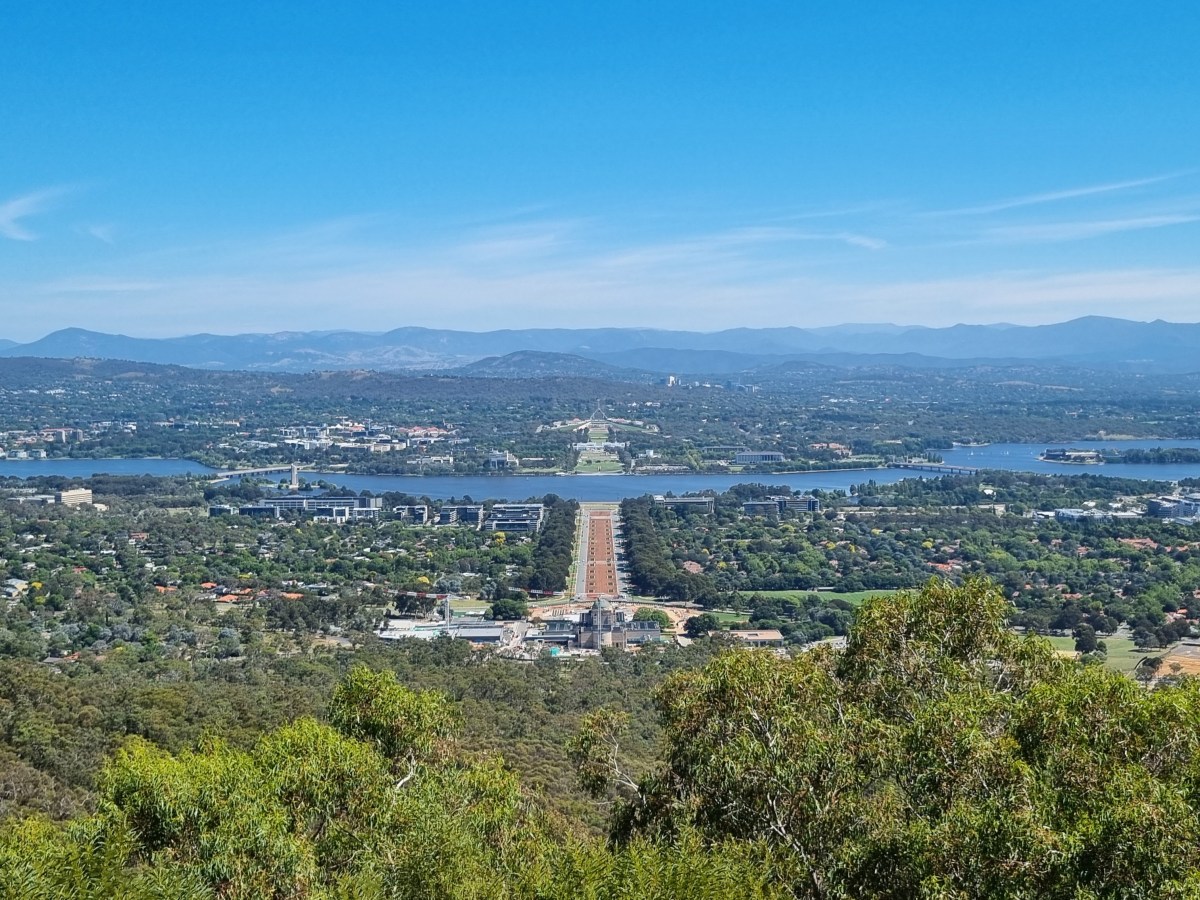
Have you ever considered visiting Canberra? Many people might say no, but why? Why do most Australians claim that Canberra is boring and lacks attractions? I believe it could be due to its geographical location, not being close enough to the coast. I have visited Canberra several times, and I can assure you that there…
Canberra to Byron Bay in 7 Days: Hidden Gems and Must-See Stops on Road Trip
Looking for the perfect 7-day getaway that combines breathtaking coastlines, lush landscapes, and vibrant beach towns? Join me, my partner and a friend on a road trip from Canberra to Byron Bay, where each day offers a new town along Australia’s iconic East Coast. From coastal walks and serene national parks to hidden cafés and…
Adelaide to Kangaroo Island: Five-Day Itinerary
Get ready for an unforgettable 5-day adventure from Adelaide to Kangaroo Island, where a bustling city meets the wild beauty of untouched landscapes and amazing wildlife. Start off in Adelaide, where you can explore the vibrant art scene, relaxing gardens, and beautiful coastal views. Then, head to Kangaroo Island, a hidden paradise and Australia’s third-largest…

Exploring Western Australia: 4-Day Itinerary for Perth & Beyond
As you step into the vibrant city of Perth, Australia, you are embraced by a symphony of beauty: from the beautiful beaches whispering stories of the ocean to the lively city streets buzzing with life. Day trips to places like Rottnest Island, where charming Quokkas warmly welcome you to their island, and the Pinnacles, where…

4-Day Gold Coast Itinerary: Ultimate Adventure Guide
Ready for the ultimate getaway? Gold Coast is your ticket to paradise! Spend four unforgettable days exploring this coastal gem, starting with Surfers Paradise, where golden sands meet turquoise waters and where towering skyscrapers rise hilariously close to the beach, creating a skyline like no other. Dive into the magic of the H2O: Just Add…





 Michelle Cacija
Leave a comment