
Are you looking for an authentic German experience or simply planning a nice city getaway? Then consider Munich, the heart of Bavaria! Whether you’re a local or a visitor, Munich has so much to offer. I realized I couldn’t run a travel blog without featuring a post about my favorite city, so I had to write about it.
I was born and raised in Munich in 2000 and lived there until late 2010. Munich isn’t just about beer and traditional clothing; it’s a city rich in culture and history. Contrary to stereotypes, we’re not snobby, Munich is actually quite laid-back and welcoming. The city is home to beautiful parks like the Englischer Garten, world-class museums such as the Alte Pinakothek, and historic landmarks like Nymphenburg Palace. Munich is just waiting for you to explore its unique charm. As a true Münchner Kindl (which means ‘Munich child’ in Bavarian), I’ve collected all my travel tips into a five-day itinerary, so you can experience both the iconic spots and hidden gems of Munich. Servus, and enjoy your trip!
As always, I want to remind you, that this blog isn’t perfect because everyone travels differently, and all trips involve changes of plans. I want to let you know that everything on this website has been experienced, photographed, and written by me. Since I finance all of my travel expenses on my own, the stories and opinions given are truly my own. If you’re interested in seeing more travel pictures or videos, feel free to check out my Instagram @michellecacija or my Tik Tok @michellecacija.
Index
- The Basics about Munich
- Things you need to be aware of
- Things you should try
- Itinerary
- Summary of activities
- Where to eat
- Cafés
- Booking Checklist
- Other Germany Blogs
The Basics about Munich
When to visit
Like many other European cities, you can always visit Munich, as there is plenty to do year-round. However, if you enjoy good weather, the best time to visit is during late spring and early fall, when temperatures are mild and pleasant, typically ranging from 15°C to 25°C (59°F to 77°F). This allows you to enjoy outdoor activities like boating, biking, swimming, visiting a Biergarten, and exploring the city’s beautiful parks and historic sites.
Time period
I would recommend spending at least four to five days in Munich to fully explore the city’s rich history. This timeframe allows you to visit popular attractions, try the delicious Bavarian cuisine, and soak in the local atmosphere. With one or two extra days, you can explore attractions located outside of Munich, such as Neuschwanstein castle, Linderhof castle, Tegernsee, Chiemsee, etc.
Getting There
You can reach the German city by car, bus, train or plane, depending on where you’re coming from. If you’re driving, Munich is well-connected by Germany’s extensive autobahn network, making it accessible from neighboring countries and cities. For those who prefer a more relaxed journey, buses and trains offer a cost-effective option, with many long-distance connections providing comfortable and frequent services to Munich from across Europe.
Where to stay
In general, I would recommend districts close to the city center like Altstadt-Lehel, Maxvorstadt, and Ludwigsvorstadt-Isarvorstadt. Since the public transport system is very efficient, it doesn’t matter too much; you can reach the city center in a very short time. In my opinion, the most charming districts are Schwabing, Bogenhausen, and Nymphenburg.
Getting around
In Munich, the best way to get around is by using the public transport system. The U-Bahn (subway), S-Bahn (trains), trams, and buses are all very efficient and can take you pretty much everywhere. I would also recommend buying a day or week ticket since it’s more cost-effective than only a one-way ticket. Munich’s city center is very walkable, and you can easily walk to all the major sights within it. To see more in a shorter time, you could always hire a bike, especially for the Englischer Garten, the biggest park.
What to pack
Obvisiouly, it depends on when you go, but I recommend packing some comfortable walking shoes for exploring the city, as well as layers of clothing for the changing weather, especially if you’re visiting in spring or fall. I also suggest bringing a hoodie or jumper for cooler nights and an umbrella for rainy weather.
Additionaly, consider bringing your own little medication bag, including Band-Aids, pain relief tablets, sleeping tablets or spray, bug spray, aftersun, etc. You never know what you might need it for, and you might feel more comfortable using medication from home rather than in a country where you don’t know the ingredients and languages. If you’re coming from outside Europe, don’t forget to bring a Type C power adapter.
Cost of Traveling
As for the expenses, the amount you’re going to spend depends on several factors, including your choice of accommodation, your travel style, and the activities you’ll be doing. In general, Munich is one of the most expensive cities in Germany, but it’s definetly possible to experience Munich’s charm without spending a fortune.
Things you need to be aware of
Sundays. On Sundays, shops and supermarkets are closed, while restaurants and cafes usually remain open. Don’t worry if you forgot to buy something or you’re starving for a snack; the supermarkets at the train stations will be open. Also, if you think that there is nothing to do on a Sunday you are wrong; maybe it’s time to explore the castles, museums, and nature in and around Munich!
Water in Germany. You can safely drink tap water in Germany as it’s clean and meets the World Health Organization standards.
Toilet situation. Unfortunately, public restrooms typically cost around 50 Cent to a euro in Germany (and many other European countries). So, make sure to carry a few coins with you and always use the restroom before leaving your accommondation, a restaurant, or a café. Here’s a local tip: if you need the toilet and don’t want to pay for it, try shopping centers or large department stores like Galeria.
Tipping. In Germany, tipping is very common. It’s customary to leave a tip of around 5-10% in restaurants, cafes, and for taxi services.
Currency. The currency in Germany is the Euro. While a few years ago, Munich was still very cash-oriented, they now accept cards mostly everywhere. It’s still advisable, though, to bring some cash with you.
Things you should try
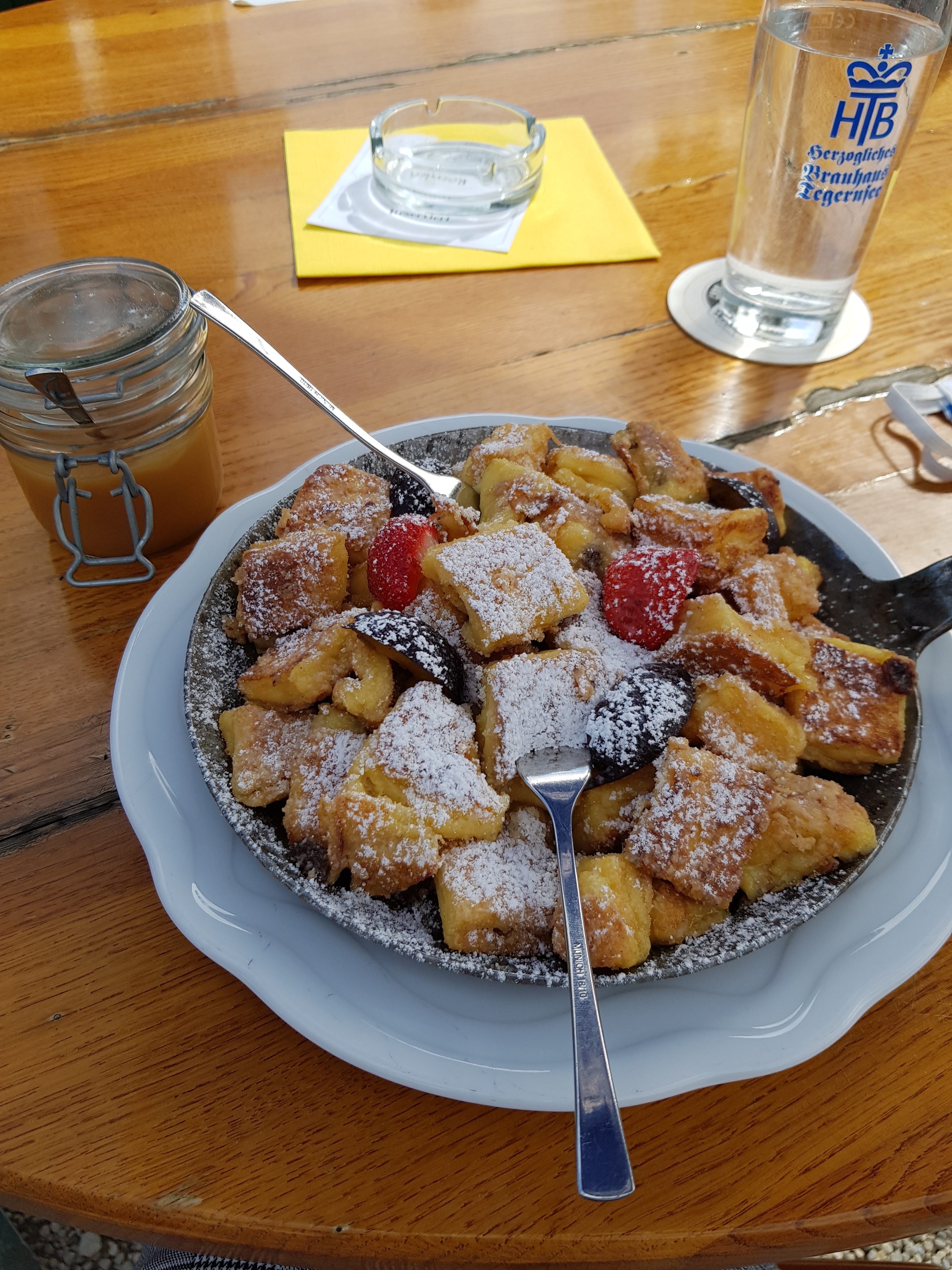
Taste some Weißwurst with Bavarian sweet mustard, savor a Leberkäse, enjoy a pretzel or a Kaiserschmarrn, have a Maßbier or an Apfelschorle, and try a Schweinshaxe with Knödel (pork knuckle with potatoe dumplings)
Itinerary
Day 1 – Munich
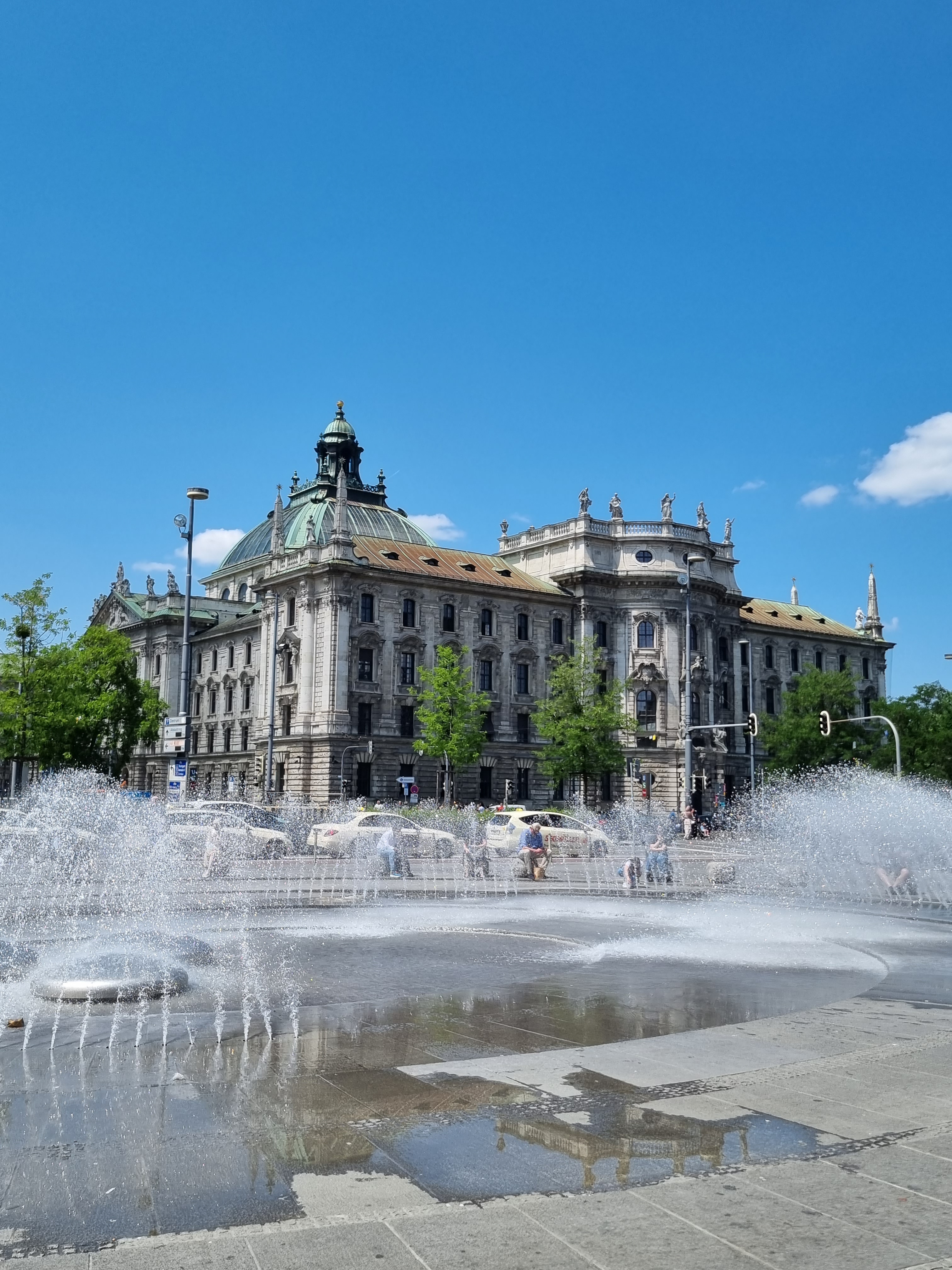
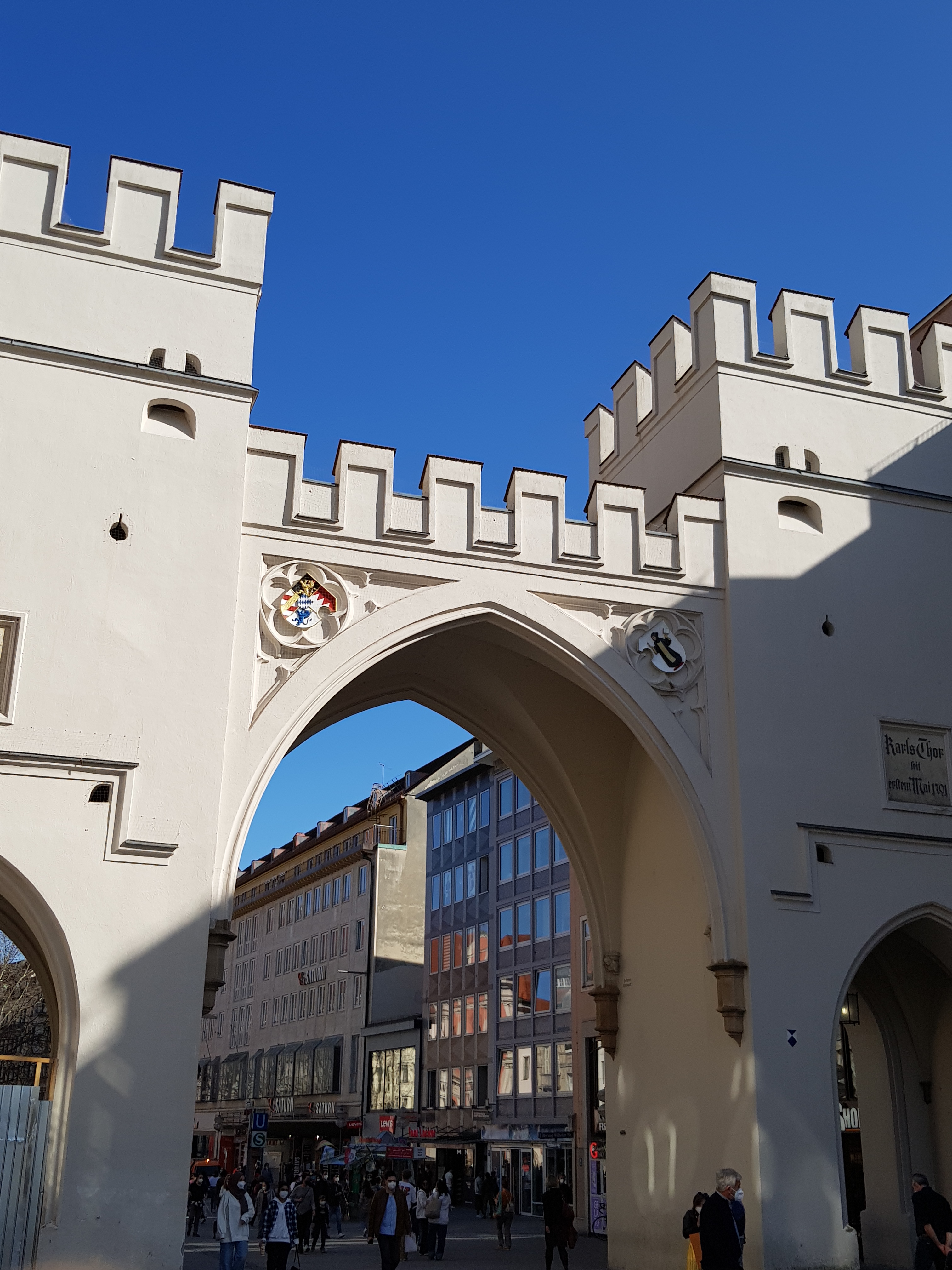
Today is all about exploring the city centre with its stunning architecture and must-see attractions. Begin your journey at Karlsplatz, also known as Stachus. It’s a square in the heart of Munich, a popular meeting point, and a shopping area. The square is named after the Karlstor gate, one of Munich’s former city gates. When you pass through the gate, you’ll first walk on Neuhauserstraße followed by Kaufingerstraße, two of Munich’s most popular shopping streets.
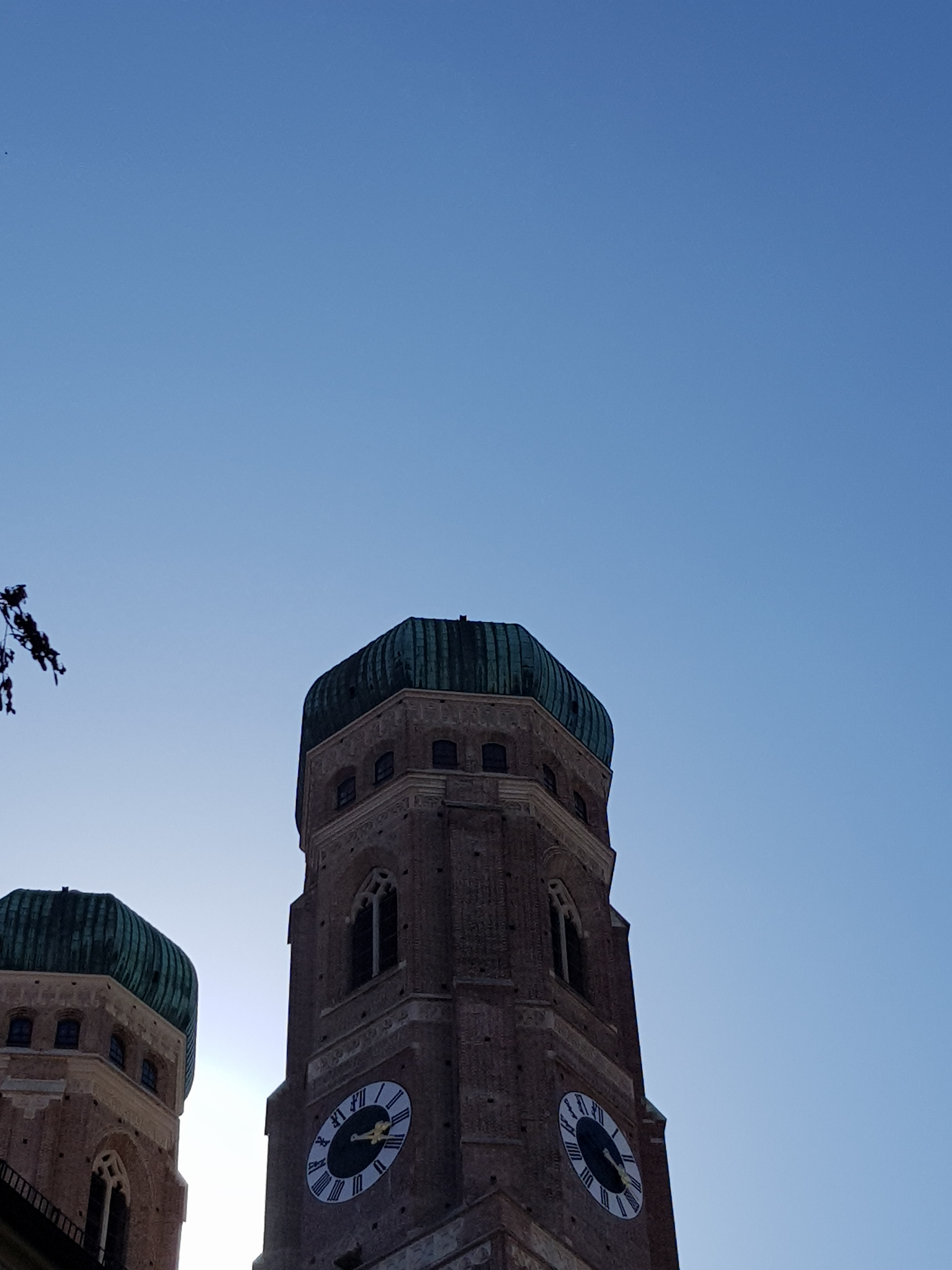
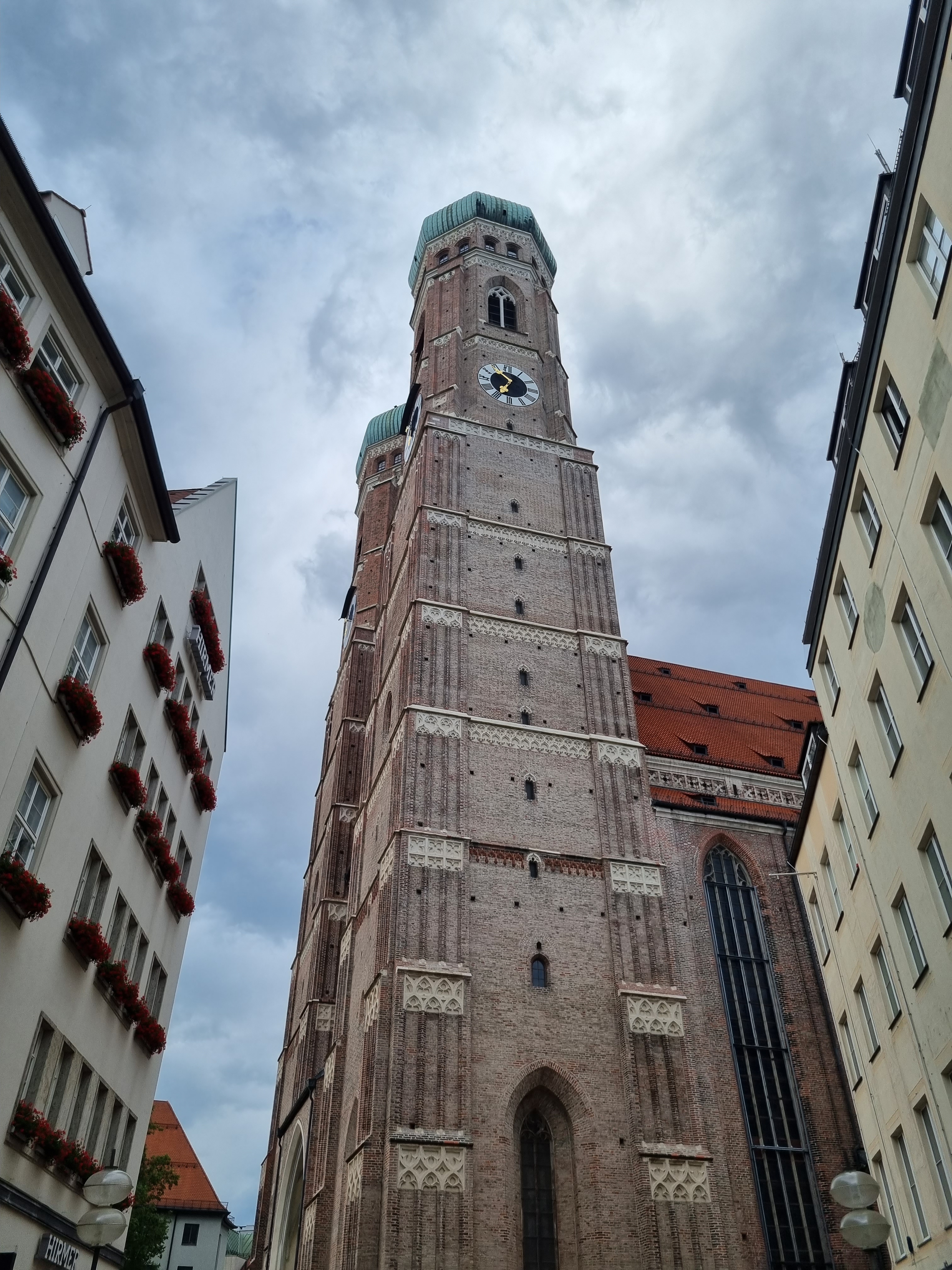
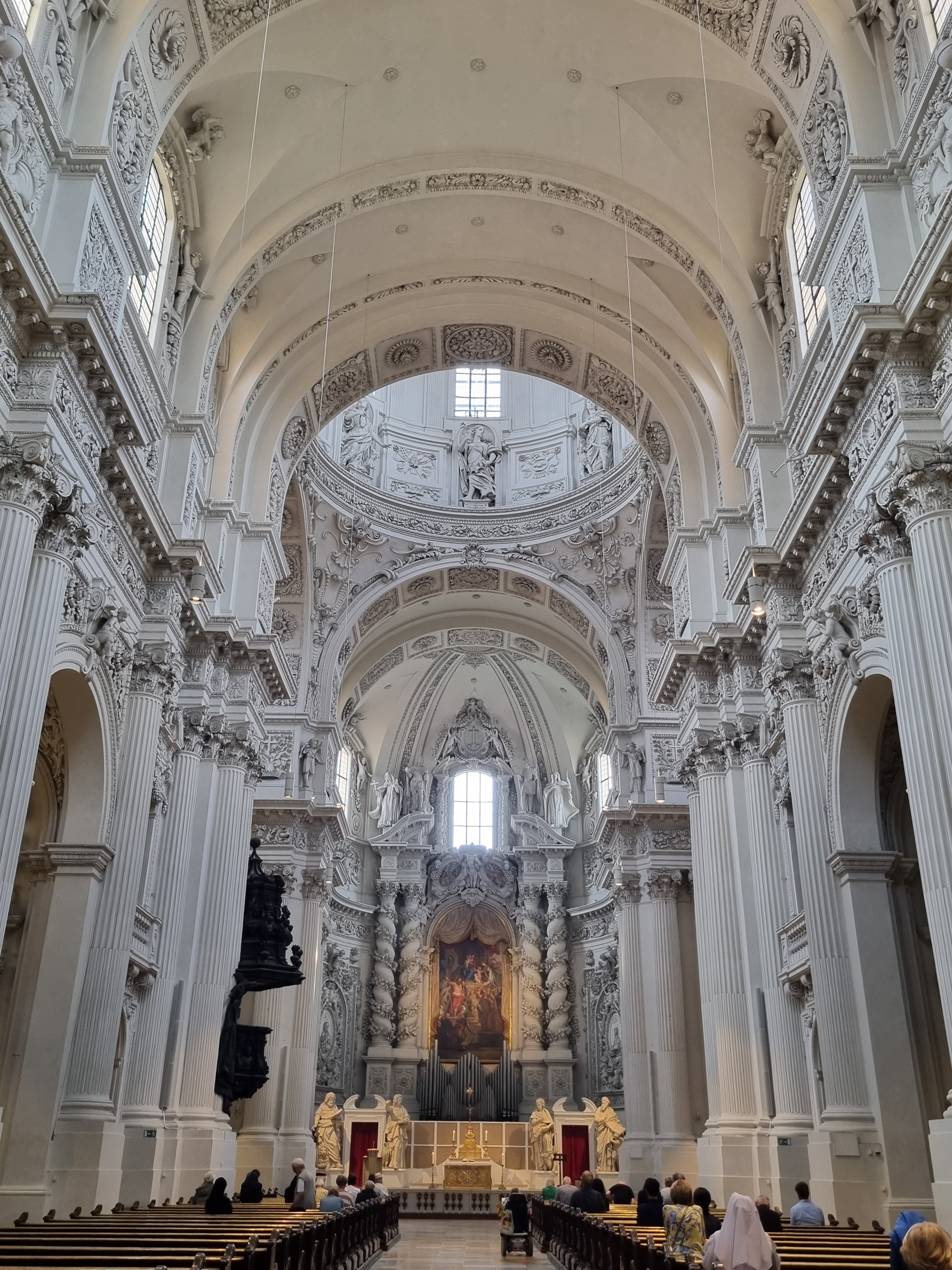
While strolling through Neuhauserstraße and Kaufingerstraße, make sure to stop by the Renaissance-style church St. Michael, which is definitely worth a visit even. You can simply walk in as admission is free. The church is known for its impressive facade and interior design. As you continue, you will pass by the Gothic-style church of Frauenkirche, which holds a rich history and is an important symbol for Munich.
Visitor information: The entry to the church is completely free.

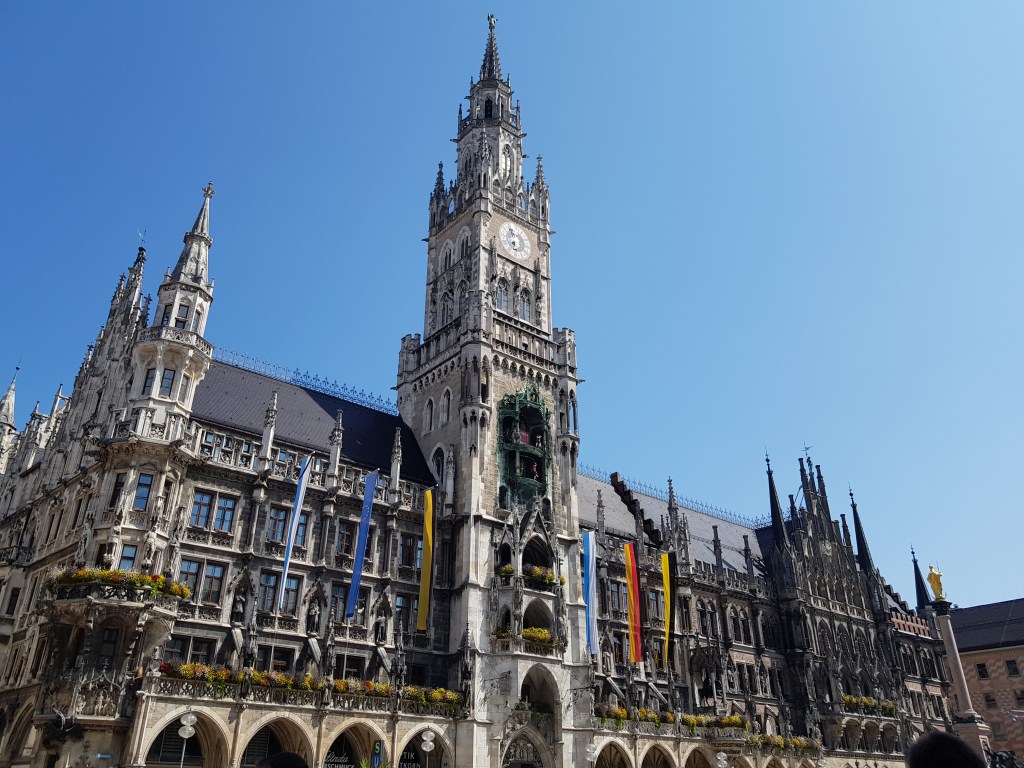
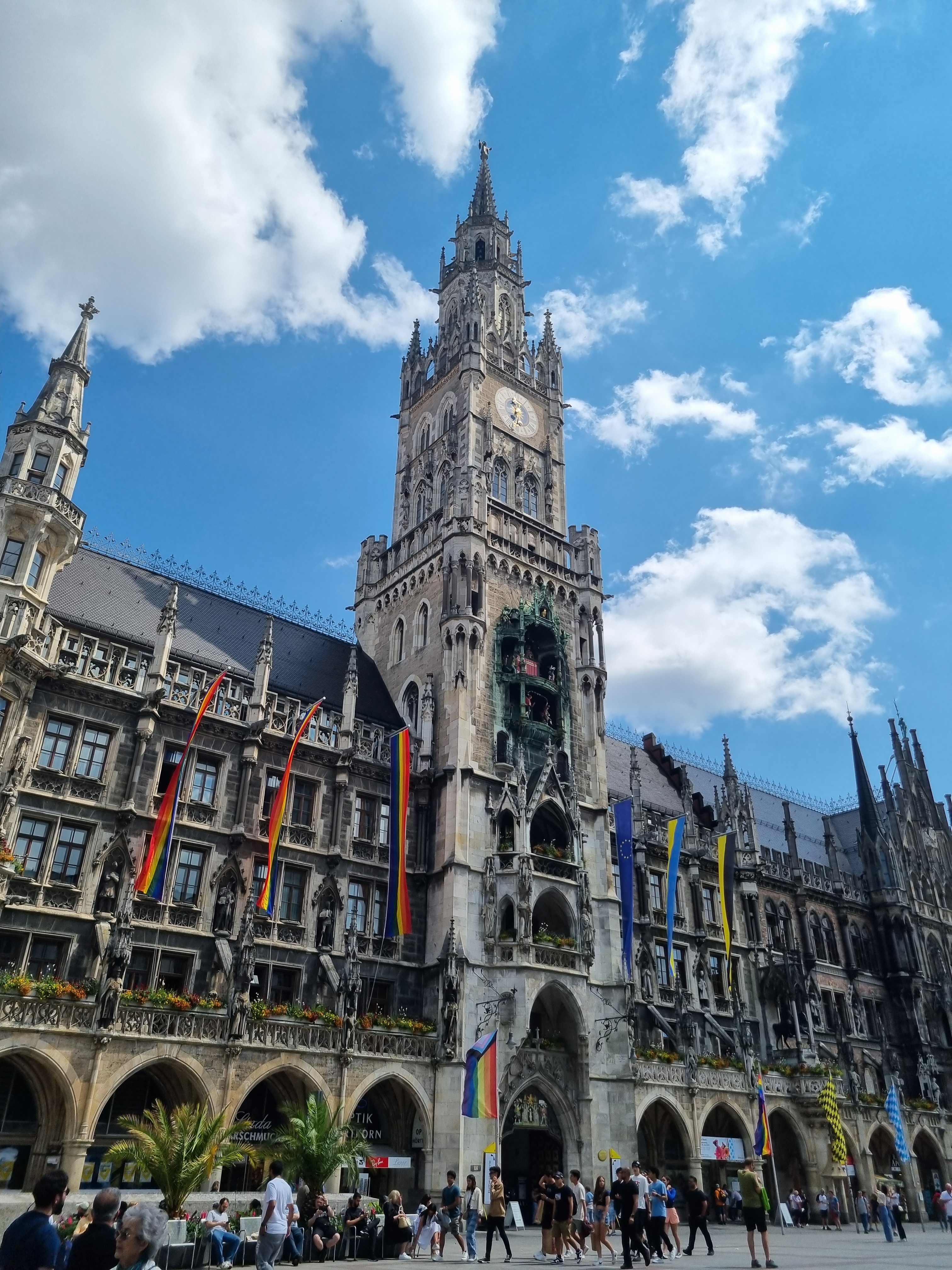
Next, you’ll arrive at Marienplatz, the central square with the New Town Hall. The neo-gothic building was constructed between 1867 and 1909 and serves as a popular gathering spot for both locals and tourists, offering many shops, charming cafes, and delicious restaurants.
My tip: If you’re at Marienplatz, plan your visit around 11 am or 12 pm to witness the famous Glockenspiel, a 15-minute show where 32 figures rotate on the town hall tower. If you happen to be there between March until October, the Glockenspiel also plays at 5pm. Additionally, you can also climb up the tower for a lovely view over Munich.
My tip: The best view of the New Town Hall can be seen from St. Peter’s Church, just a one-minute walk away. St Peter’s Church is Munich’s oldest church, rebuilt after being badly damaged in World War II. To reach the top, you’ll need to climb up 299 steps, and although space is very limited along the way, the views are definitely worth it. For a similar but different perspective of the New Town Hall without cost, here’s a tip! Head to the fourth floor of the department store Ludwig Beck at Café Monaco for a nice view. While it may not be as amazing as the church, it’s still worth a visit.
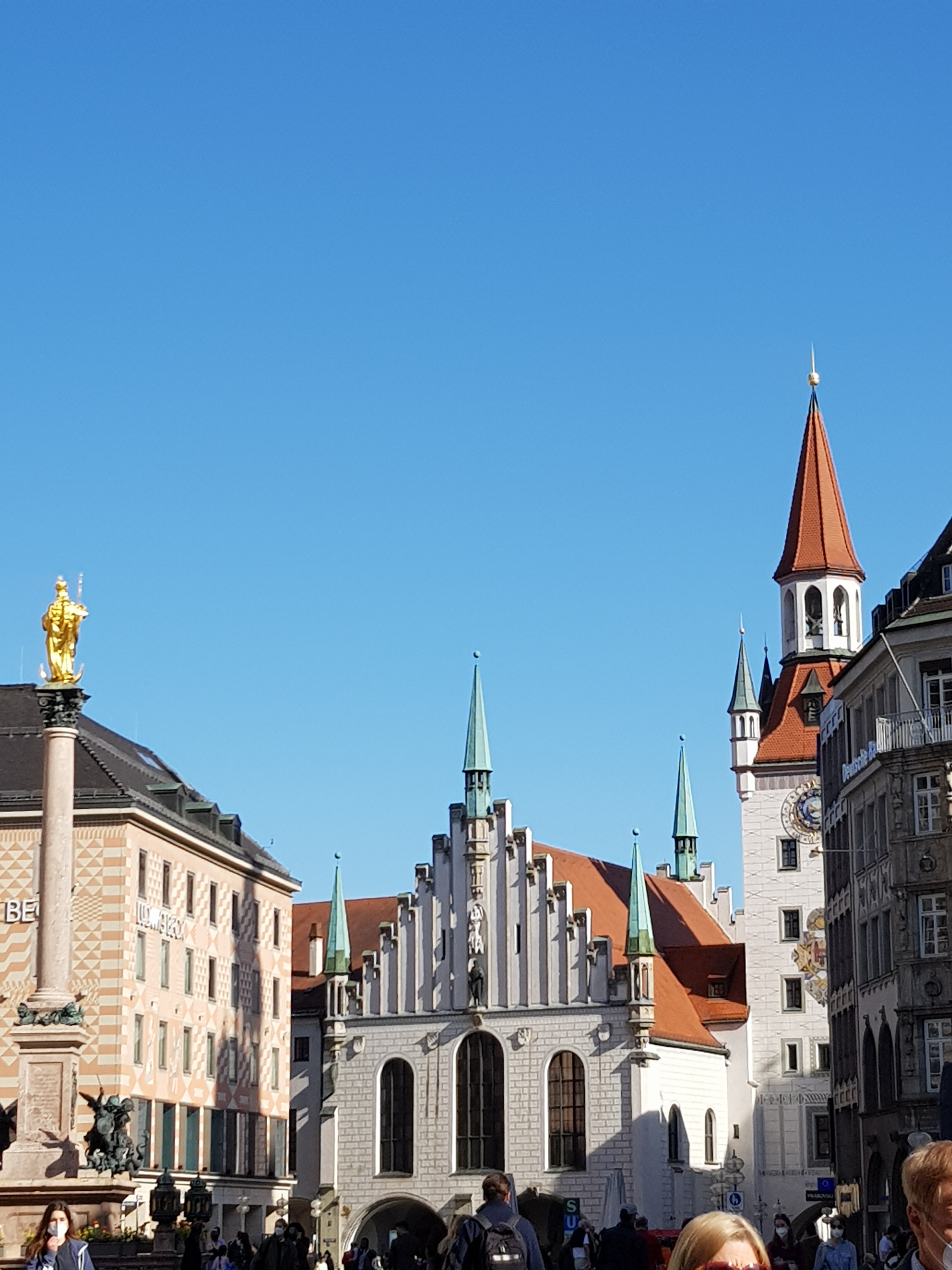
As you explore Marienplatz, you’ll come across another historical building: the Old City Hall. It features a beautiful architecture with a mix of Gothic and Renaissance styles and was constructed between 1470 and 1475. Today, the Old City Hall houses a toy museum.
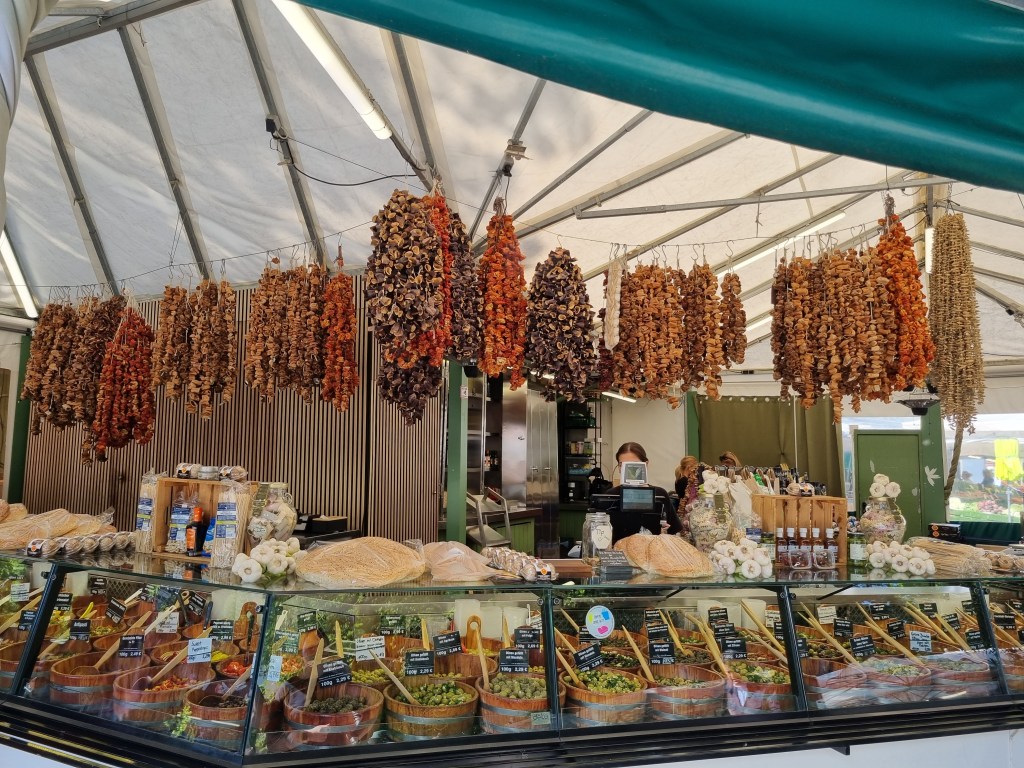
After enjoying the Glockenspiel and exploring Marienplatz, head to Viktualienmarkt, an open-air market. It’s open daily, except on Sundays and public holidays, from 8 am until 8 pm. Here, you can discover a wide variety of fresh produce, local delicacies, flowers, souvenirs, and more. Tip: Be sure to try a Bratwurst at Schlemmermeyer’s LeckerBissen (unpaid ad) for the best Bratwurst in town. I’ve known this imbiss since I was a small kid and have never been disappointed. Viktualienmarkt is definitely a must-visit during your trip to Munich!
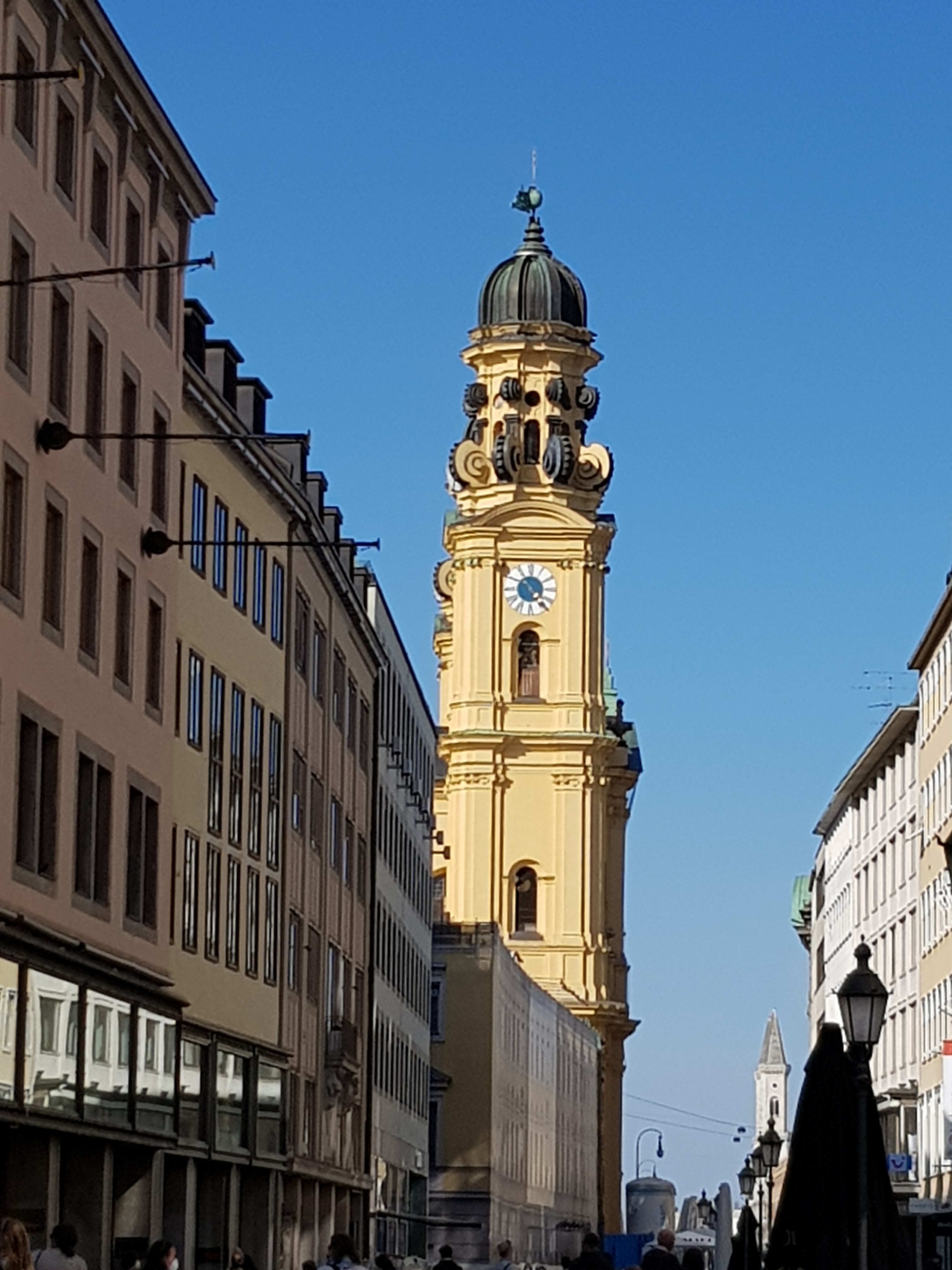
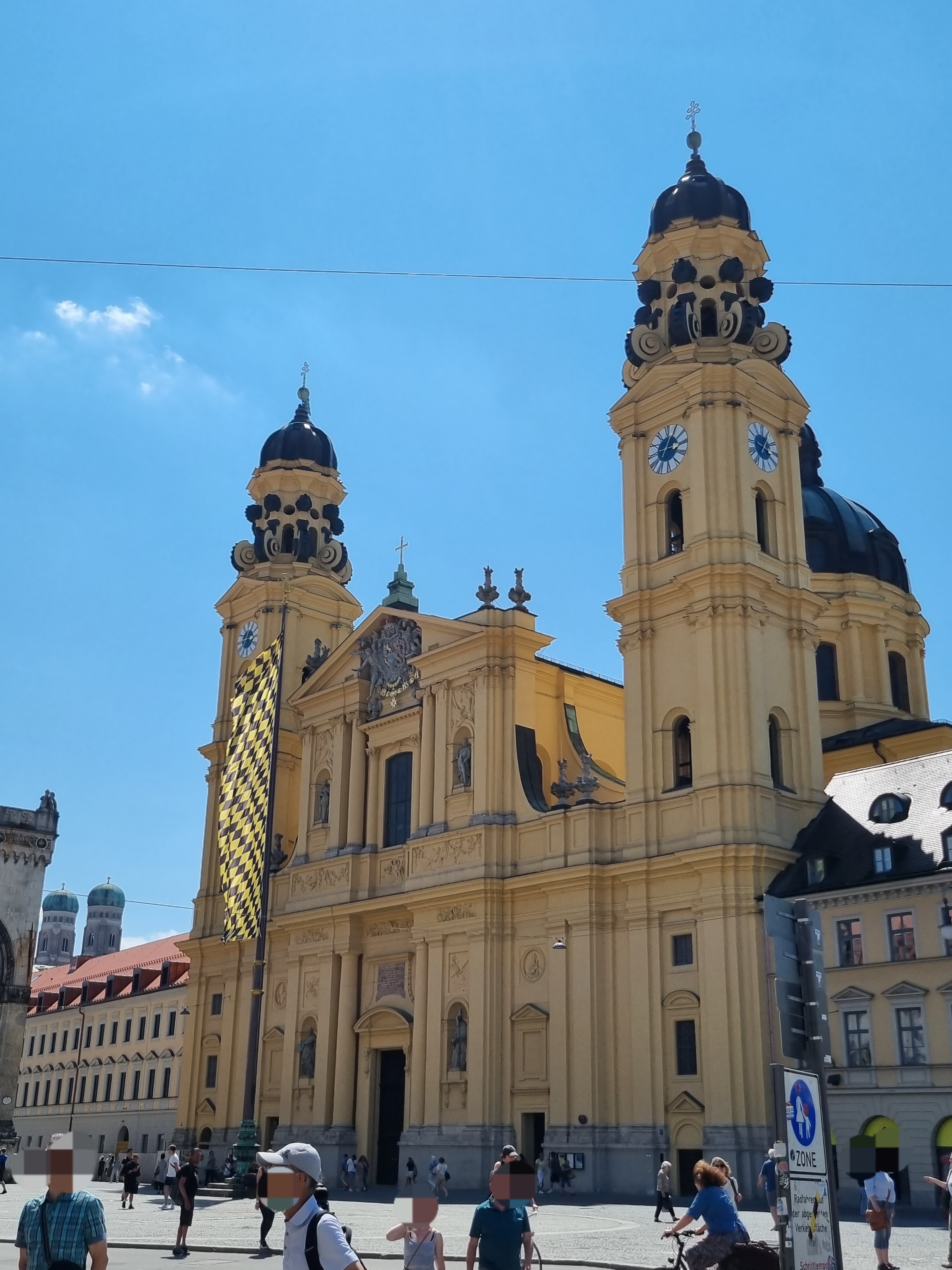
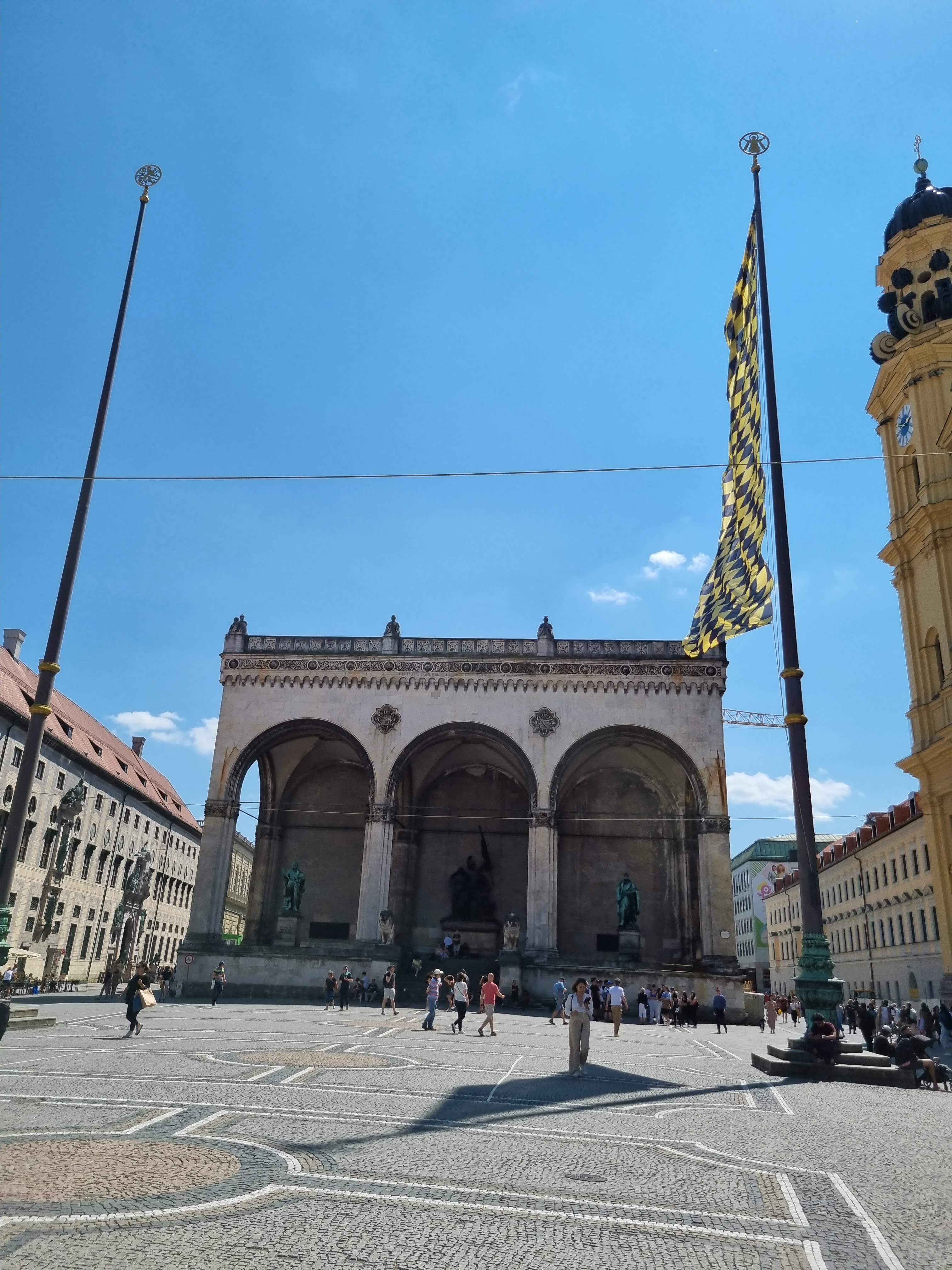
After enjoying your Bratwurst and strolling through the market, you can visit Theatinerkirche and Feldherrnhalle, both located at Odeonsplatz. Odeonsplatz is a significant square that has witnessed various historical events. The Feldherrnhalle was commissioned by King Ludwig I of Bavaria to honor the Bavarian Army and was built between 1841 and 1844. Facing the Feldherrnhalle, on the left side, you’ll find the beautiful Baroque-style church, Theaterinerkirche. If you appreciate stunning churches, I would definitely recommend going inside since it’s also free. Next to the Feldherrnhalle on the right side is the residence, guarded by two lion statues. Many locals, including myself, always touch the paws as we believe it brings luck since the lion is our symbol. So, as you walk by the big cats, don’t forget to touch their paws for some luck!
Then you can walk past or visit the Residenz, which is an impressive palace. From 1508 to 1918, it was the royal residence of the Wittelsbach rules of Bavaria. If you want to visit the Residenz, you can only purchase tickets in person.
Visitor information: If you need more information regarding opening hours, tickets prices, or current exhibitions click here.
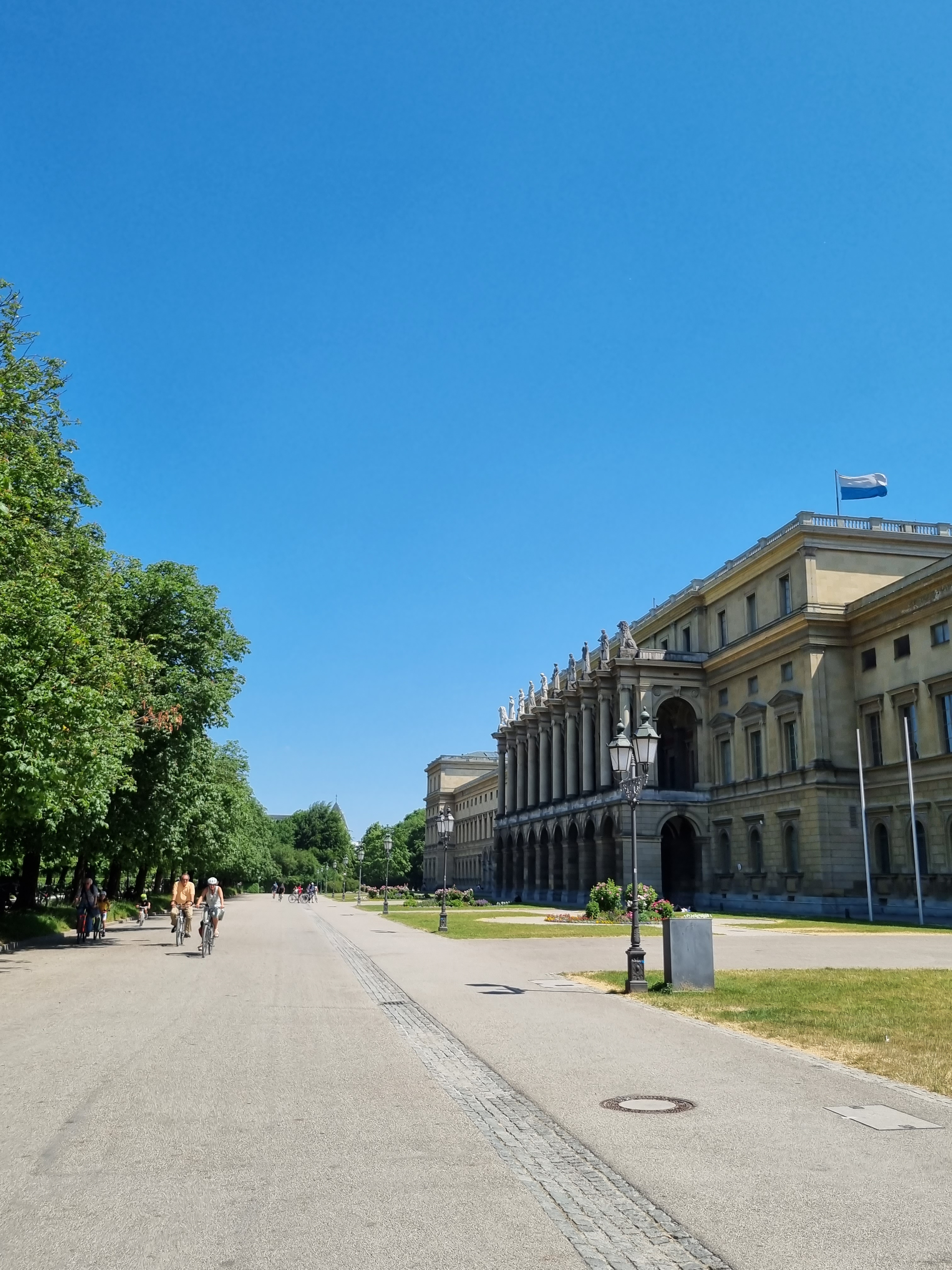
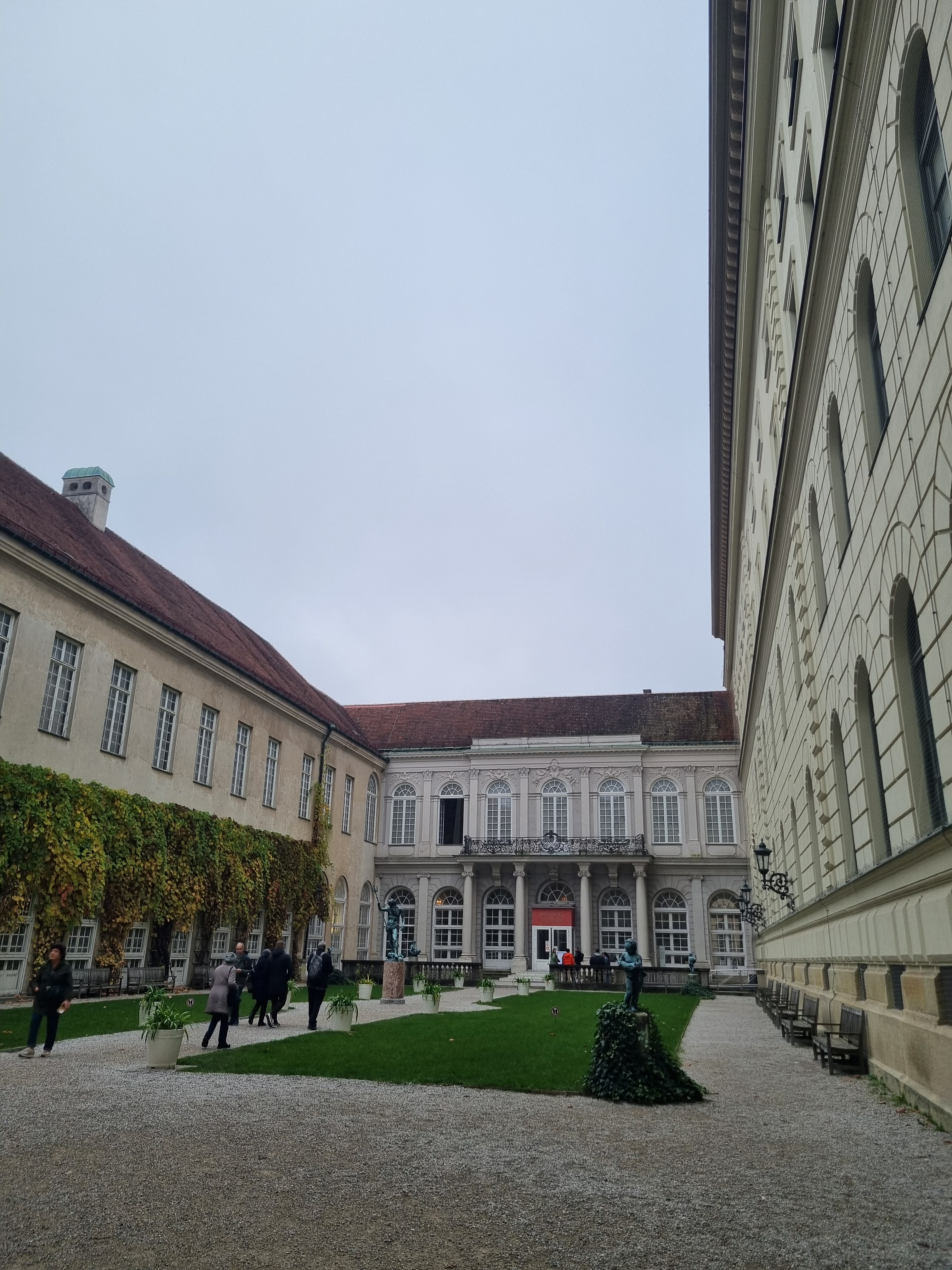
Directly next to the Residenz, there is the Hofgarten, a lovely public garden. After all this sightseeing, the Hofgarten is probably just the right place for you! It has pathways to stroll around, fountains, and benches to sit down and relax. You’ll probably also walk past the Bavarian State Chancellary since it’s connected to the garden.
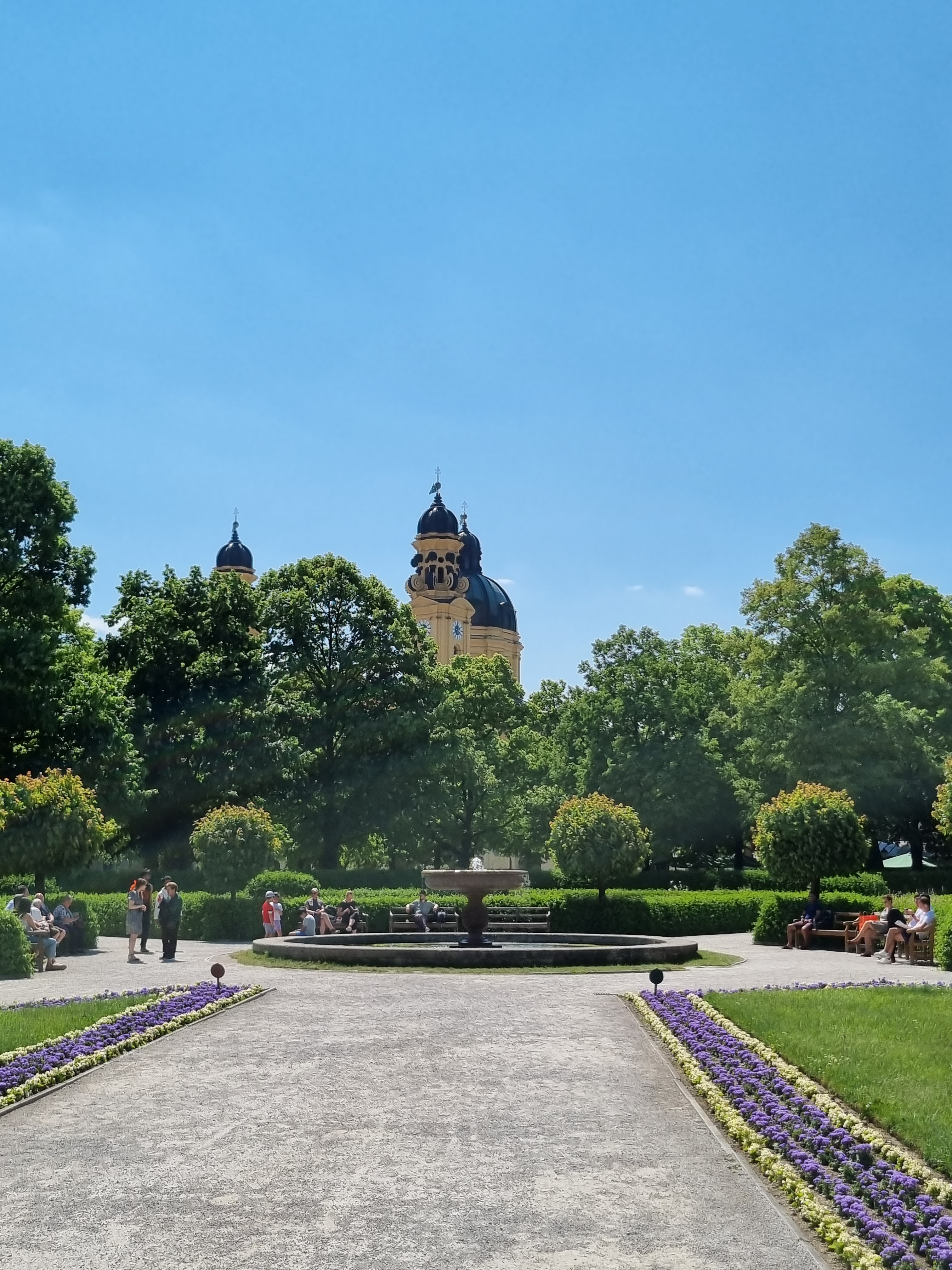
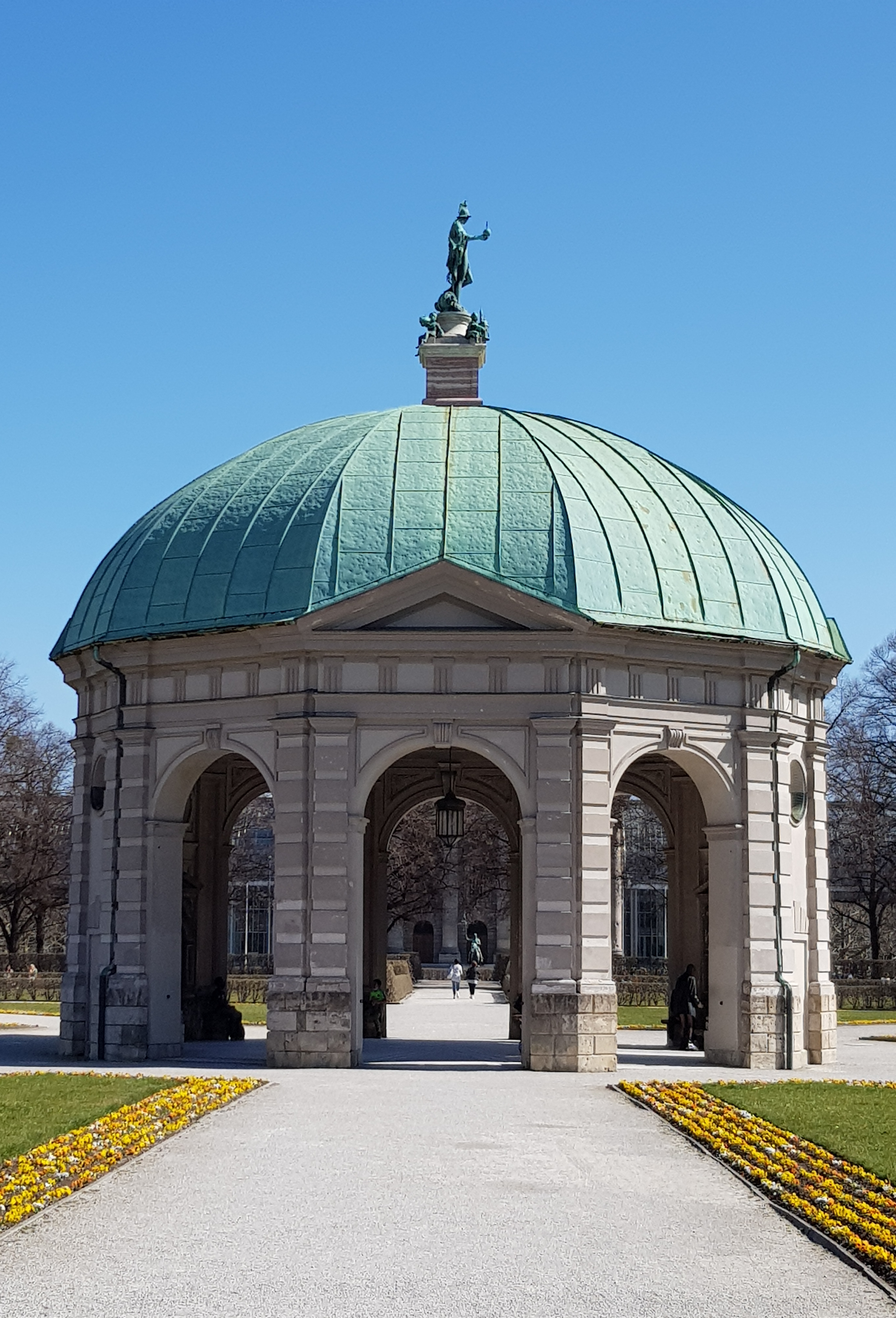
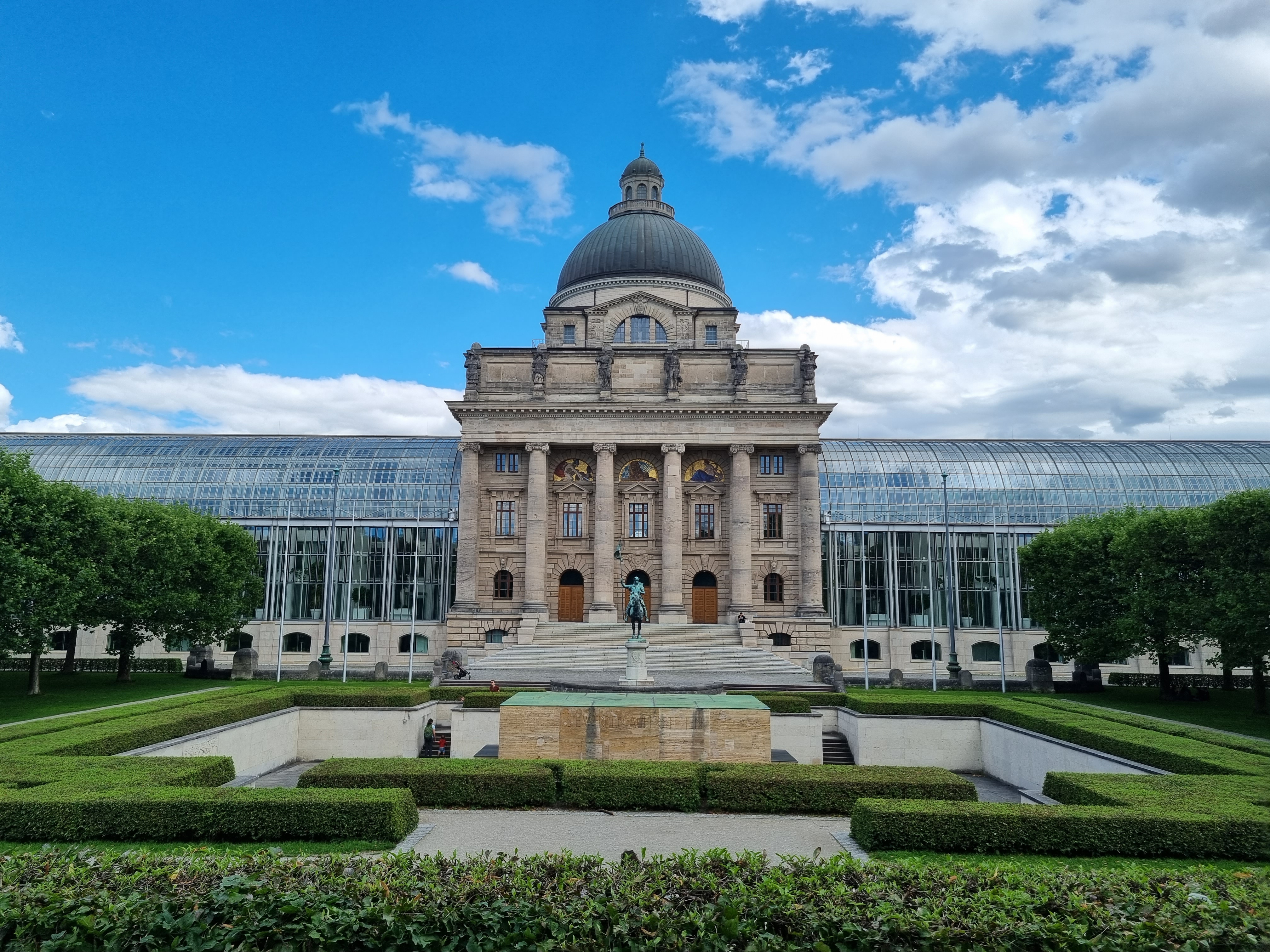
After admiring the big building and breathing the fresh air, you can walk to the famous Eisbachwelle, which takes just around five to ten minutes. The Eisbachwelle is a famous river wave located in the Englischer Garten, which is the biggest city park in Germany and all over the world. Surfers from around the world come to ride this unique but challenging wave. If you’re not an experienced surfer, it’s not advisable to surf there, but even watching the surfers is so much fun. Every time I come here, it’s always super busy.
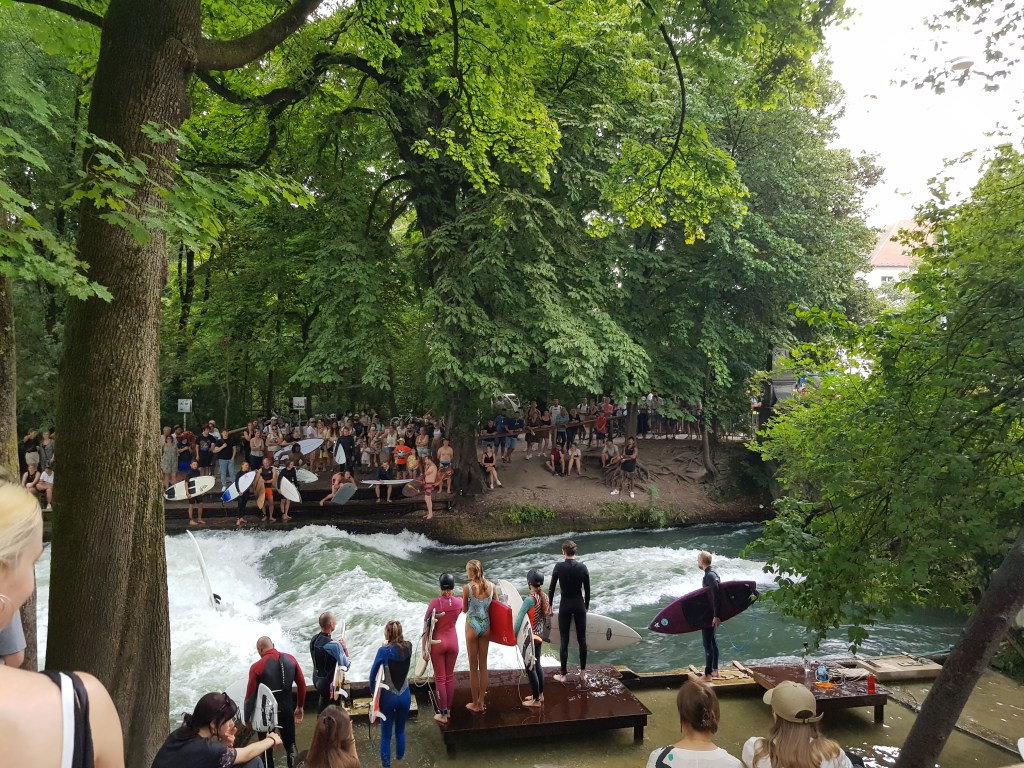
If you want to visit more of the Englischer Garten, just follow the river, and then you will go deeper into the park and reach famous spots.
Day 2 – Munich and Nymphenburg castle
On the second day, you might want to visit Munich’s botanical gardens and Nymphenburg castle. Begin your day at the botanical gardens located in the Neuhausen-Nymphenburg. These gardens are a beautiful oasis in the city, featuring a wide variety of plants and flowers from across the world. It’s definitely worth a visit, especially when everything is blooming!
Visitor information: In general, it’s not necessary to prebook but if you prefer to secure tickets in advance, you can do so here.
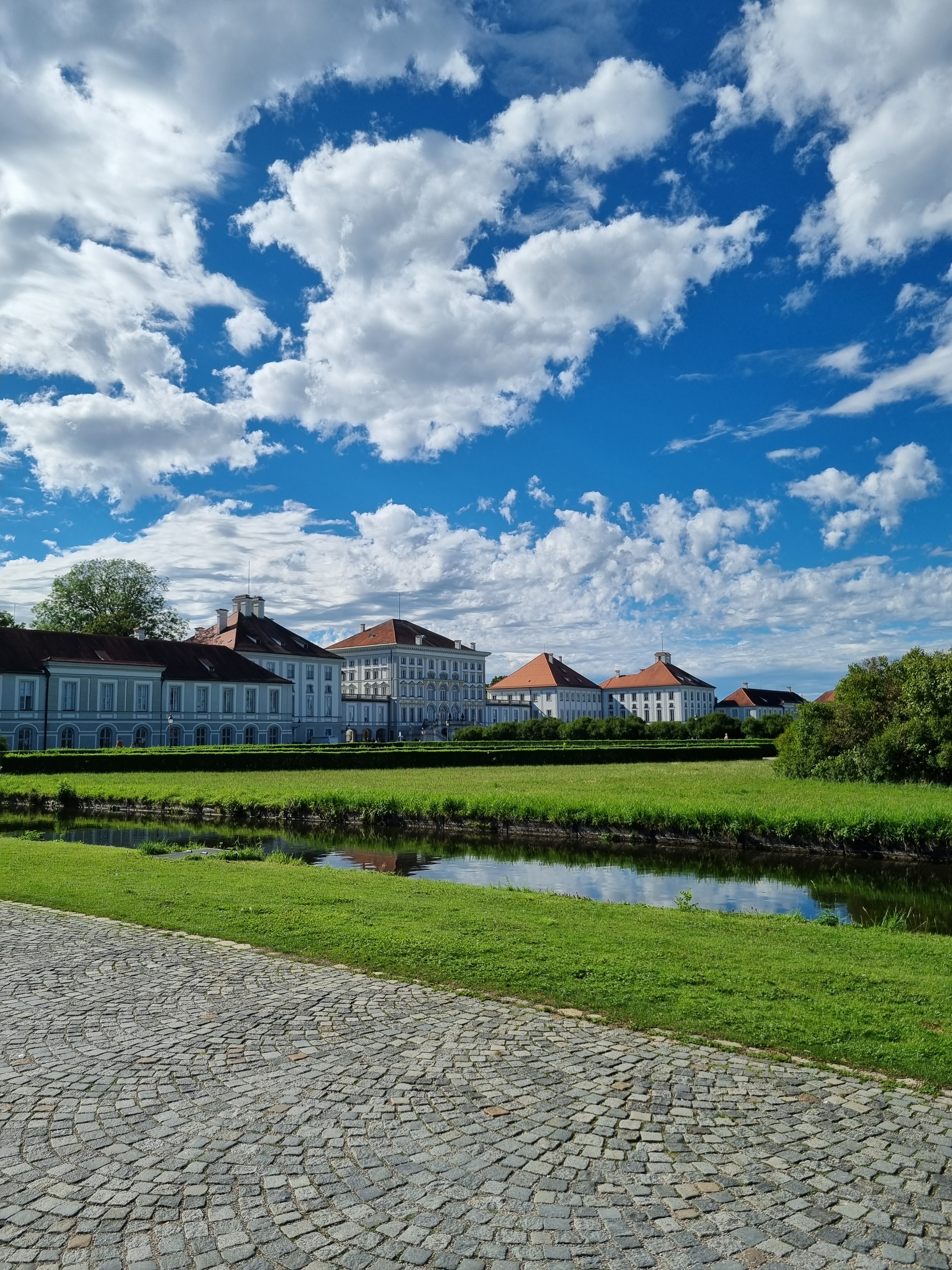
After exploring the botanical gardens, you can walk to Nymphenburg castle, which is approximately a 15-minute walk away. The castle is known for its beautiful architecture and large gardens. Inside, you can admire the rich history and learn more about the summer residence of the Bavarian monarchs.
Visitor information: To learn more about the castle or purchase entry tickets in advance, click here.
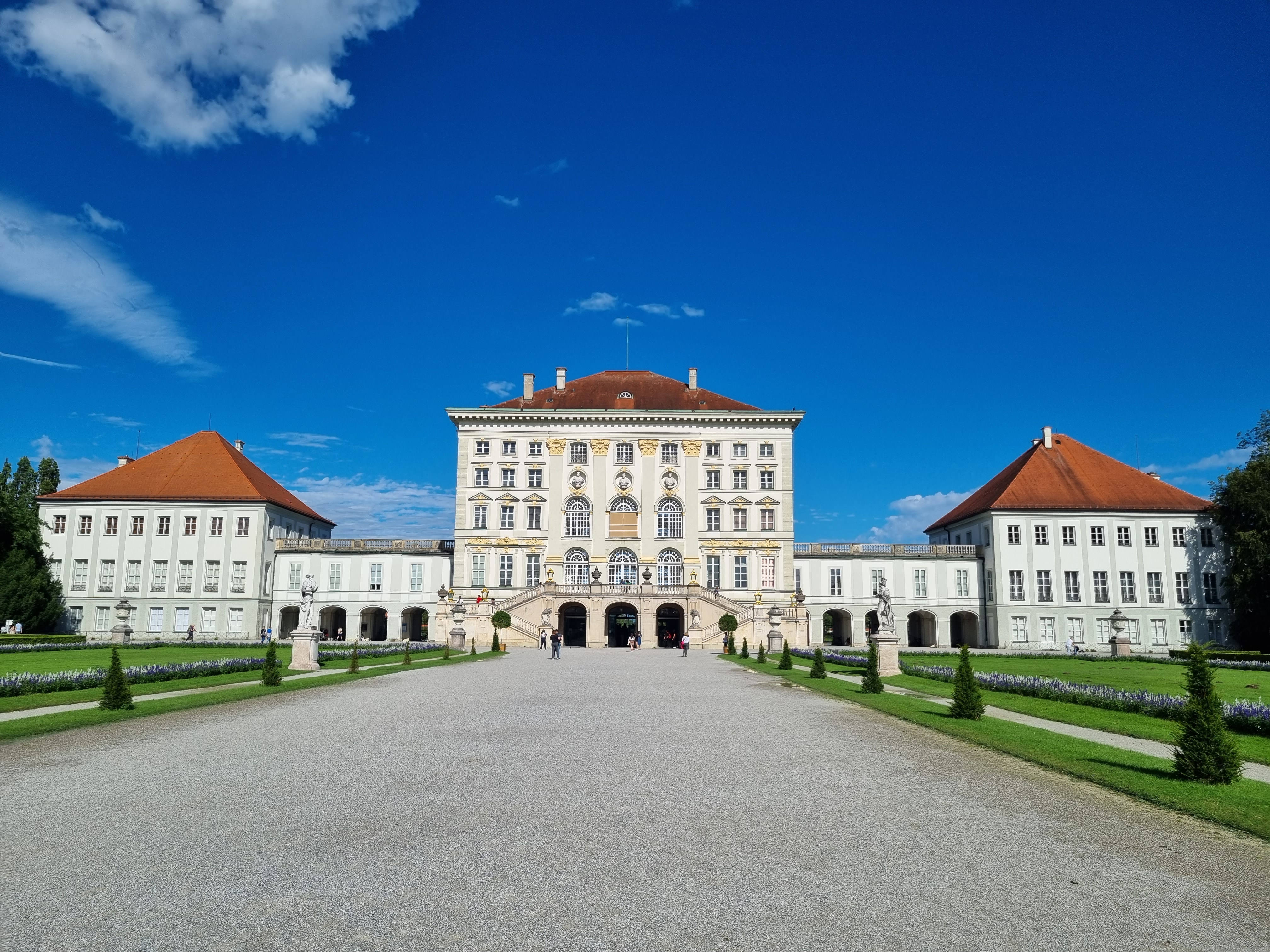
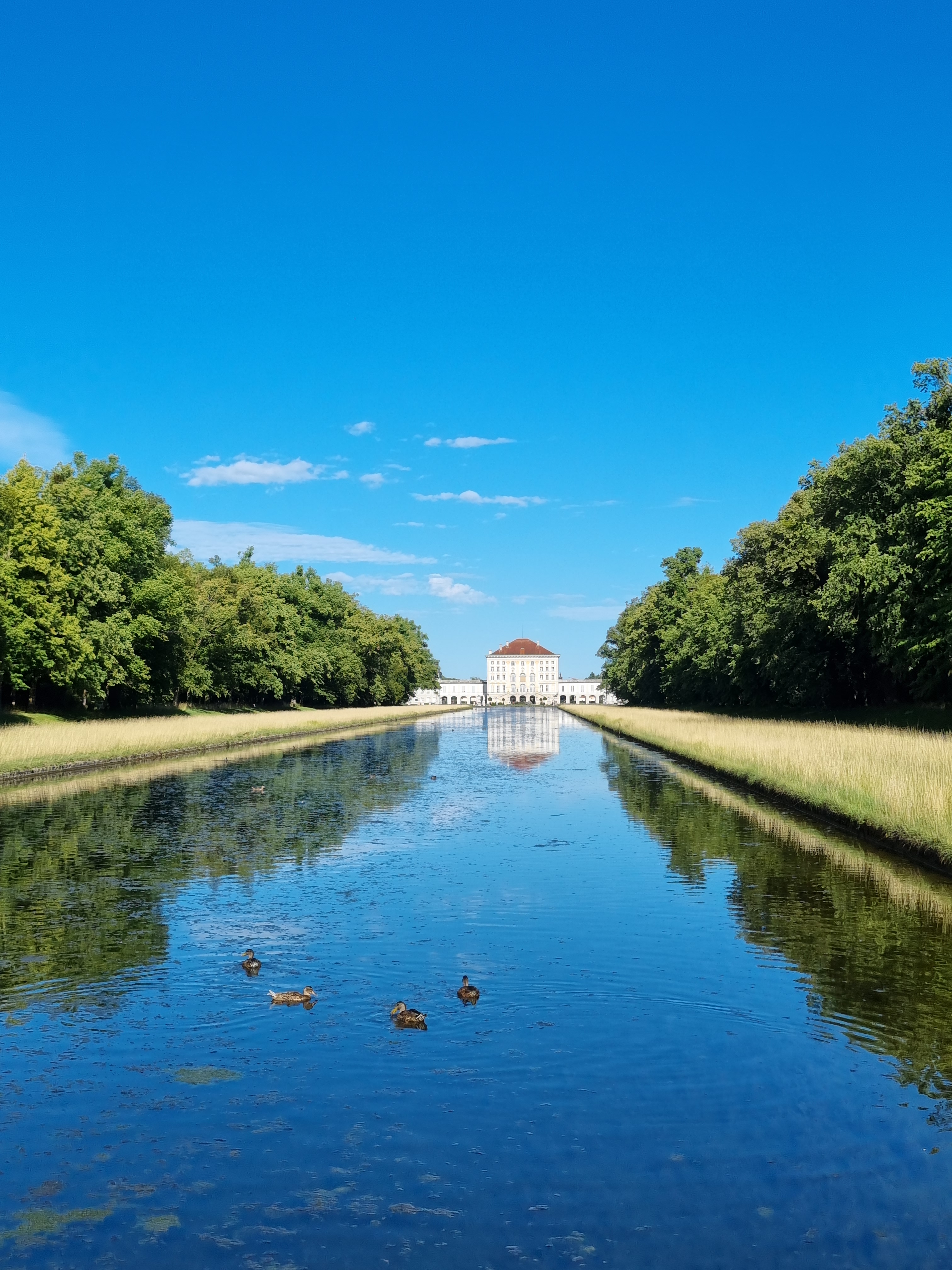
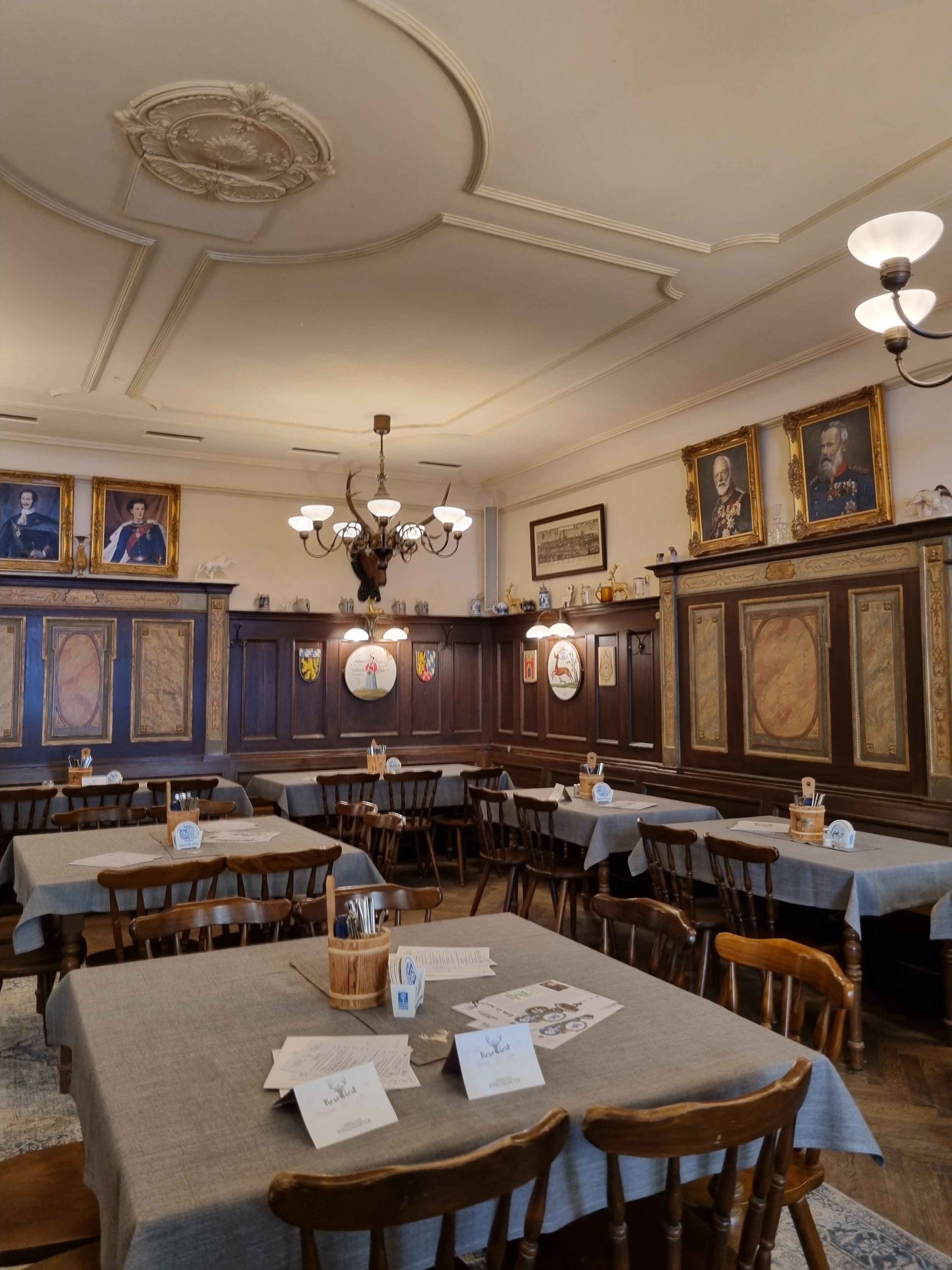
Later, I suggest heading to the Biergarten Königlicher Hirschgarten, just a 15 minute walk from the castle, and it’s also the largest Biergarten in the world. It has been welcoming customers since 1791, where visitors can enjoy traditional Bavarian cuisine while enjoying the surrounding nature and observing the deer in a wildlife enclosure. If you decide to visit, ask for the waiter Ivo. He’s super friendly, provides prompt and pleasant service, always aims to enhance your Munich experience, and happens to be my father as well.

Day 3 – Munich
On day three, you can explore Olympiapark, which was originally built for the 1972 Summer Olympics and has become a popular venue for sports, concerts, and events. The park includes the Olympic Stadium, where you can attend sport events and concerts, Sea life aquarium for those interested in aquatic creatures, and the Olympic Tower, offering breathtaking views of the city from a height of 190 metres. You can also enjoy a walk or bike ride around the green space, go boating on the lake, or engage in indoor or outdoor sports activities. For indoor sports, they offer ice skating, fitness and, soccer. If you prefer outdoor activities, you can climb the roof of Olympia Stadium, play mini-golf, tennis or try out the outdoor gym. During summer, there are often festivals taking place.
My tip: If your birthday falls around your visit to Munich, be sure to visit the Olympic Tower as you’ll get free entry!

Later, you can return to the city center and explore Maximilanstraße, which is one of the most famous and exclusive shopping streets in the city. Along this street, you’ll discover luxury shops, designer boutiques, chic restaurants, and elegant cafes. Even if you don’t want to buy anything, simply strolling around is a pleasant experience.
Day 4 – Munich
On day four, it’s all about your interests. You have the option to visit some of Munich’s excellent museums, explore the Allianz Arena, relax at the waterpark Therme Erding, visit Zoo Hellabrunn, or take a biking tour through the Englischer Garten. Whichever you choose, it promises to be a fantastic experience. Let me provide you with more details about these options now.
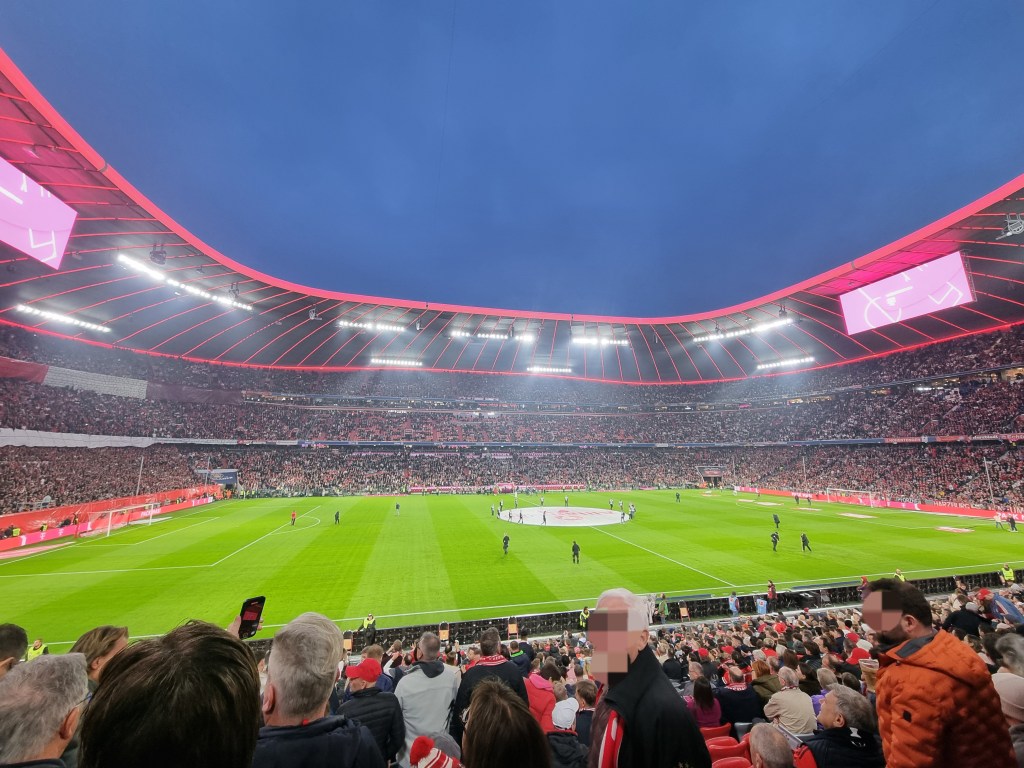
The Allianz Arena is a famous stadium known for being the home of FC Bayern Munich. It was opened in 2005 and is exclusively used for soccer matches. Here you can visit the museum, explore the stadium, or watch a match if one is taking place.
Visitor information: If you plan to visit the arena or the museum, make sure that you purchase tickets here in advance.
If you’re looking to dive deeper into Munich’s cultural scene, there are several fantastic museums I can recommend based on your interests. You can explore the Alte Pinakothek for classic art, the Neue Pinakothek for modern art, the Deutsches Museum for science and technology, the Bayerisches Nationalmuseum for cultural treasures, the Glyptothek for antique sculptures, the BMW Museum for car enthusiasts, the Mensch und Natur Museum for natural science, and the Lenbachhaus for modern art. Each museum offers a unique experience and a chance to learn more about Munich’s history. They have different opening hours and ticket prices, so be sure to check their websites. A tip for museums visit: if you’re in Munich on a Sunday, you can visit the Alte Pinakothek, Neue Pinakothek, Glyptothek, Bayerische Nationalmuseum, and the museum Mensch und Natur for just one euro!
Therme Erding is the largest thermal bath complex in Europe, situated approximately 35 km from the city center. It offers many indoor and outdoor thermal pools, waterslides, saunas, and relxation areas, making it an ideal mix of enjoyment and fun. The tropical spa area with palm trees and warm water is a highlight enjoyed by many visitors. If you seek a day of fun and relaxation, Therme Erding could be an excellent option for you!
Visitor information: If you wish to learn more about the bath complex, it’s prices, or special offers, you can click here.
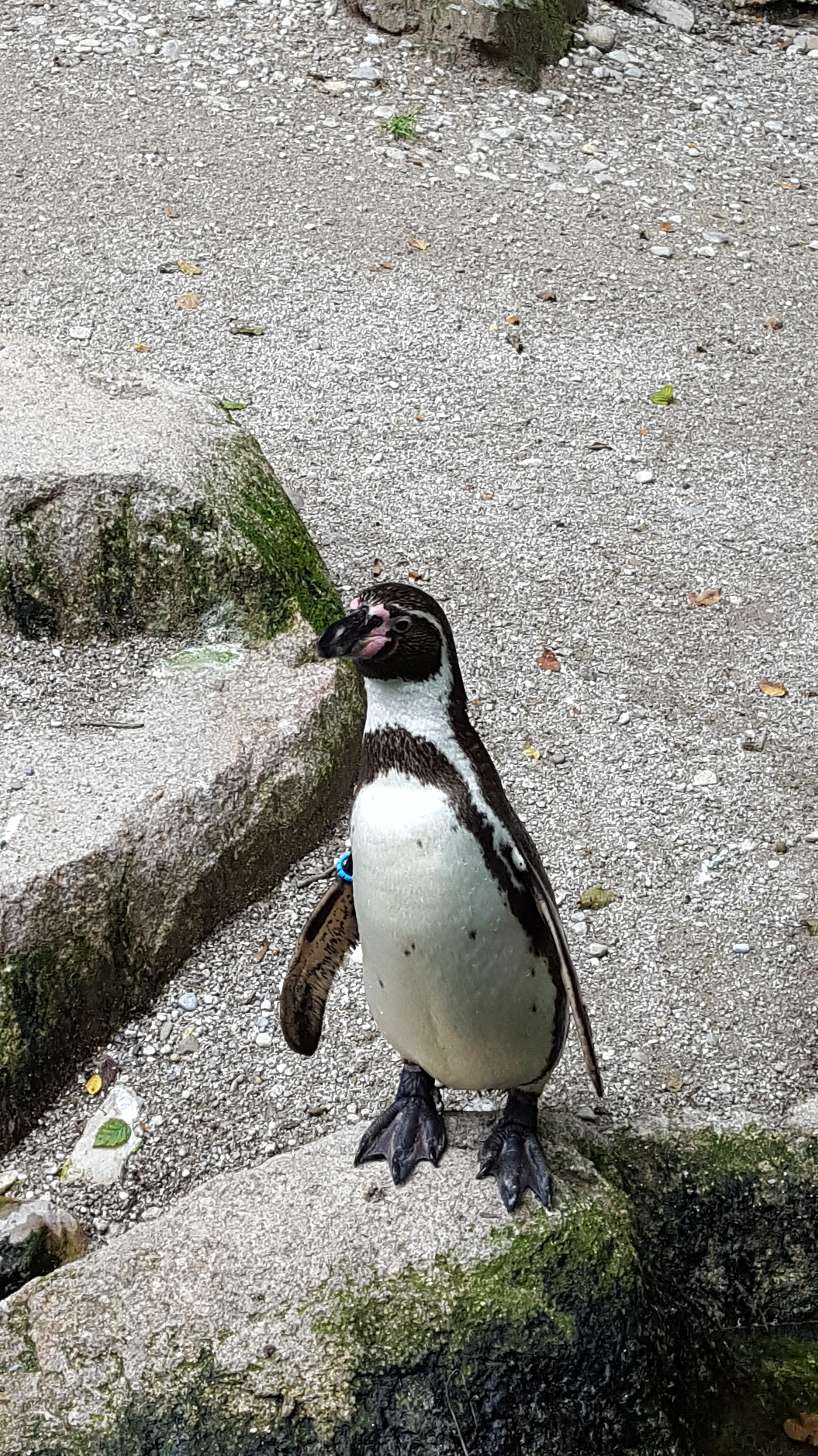
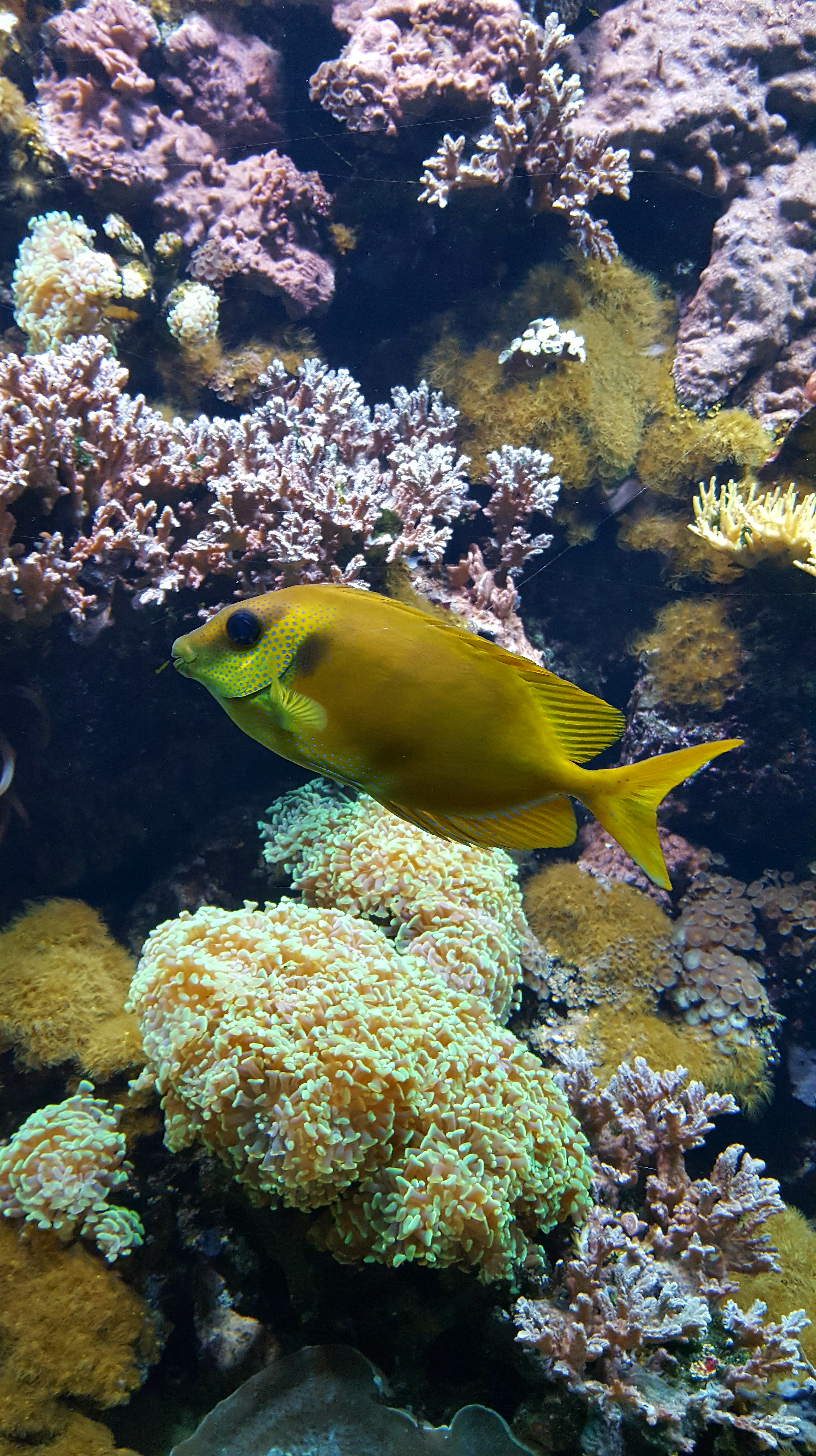
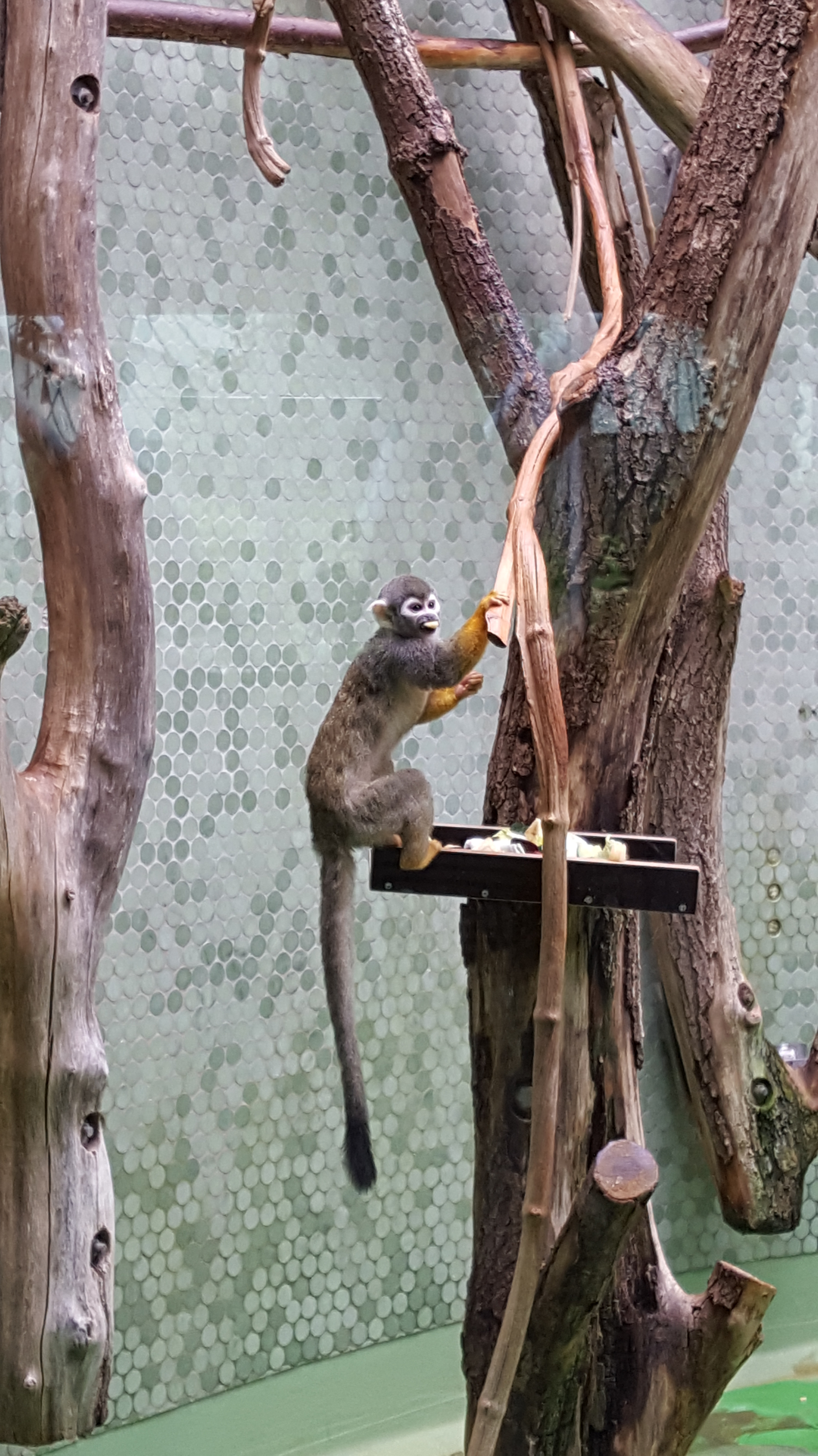
Zoo Hellabrunn is known for its natural and spacious enclosures that provide a more habitat-like environment for the animals. The zoo itself is very beautiful and green, though I’m generally not a fan of zoos and haven’t visited this one (or zoos in general) in many years.
Visitor information: If you wish to learn more about the zoo and its residents or purchase tickets in advance, click here.
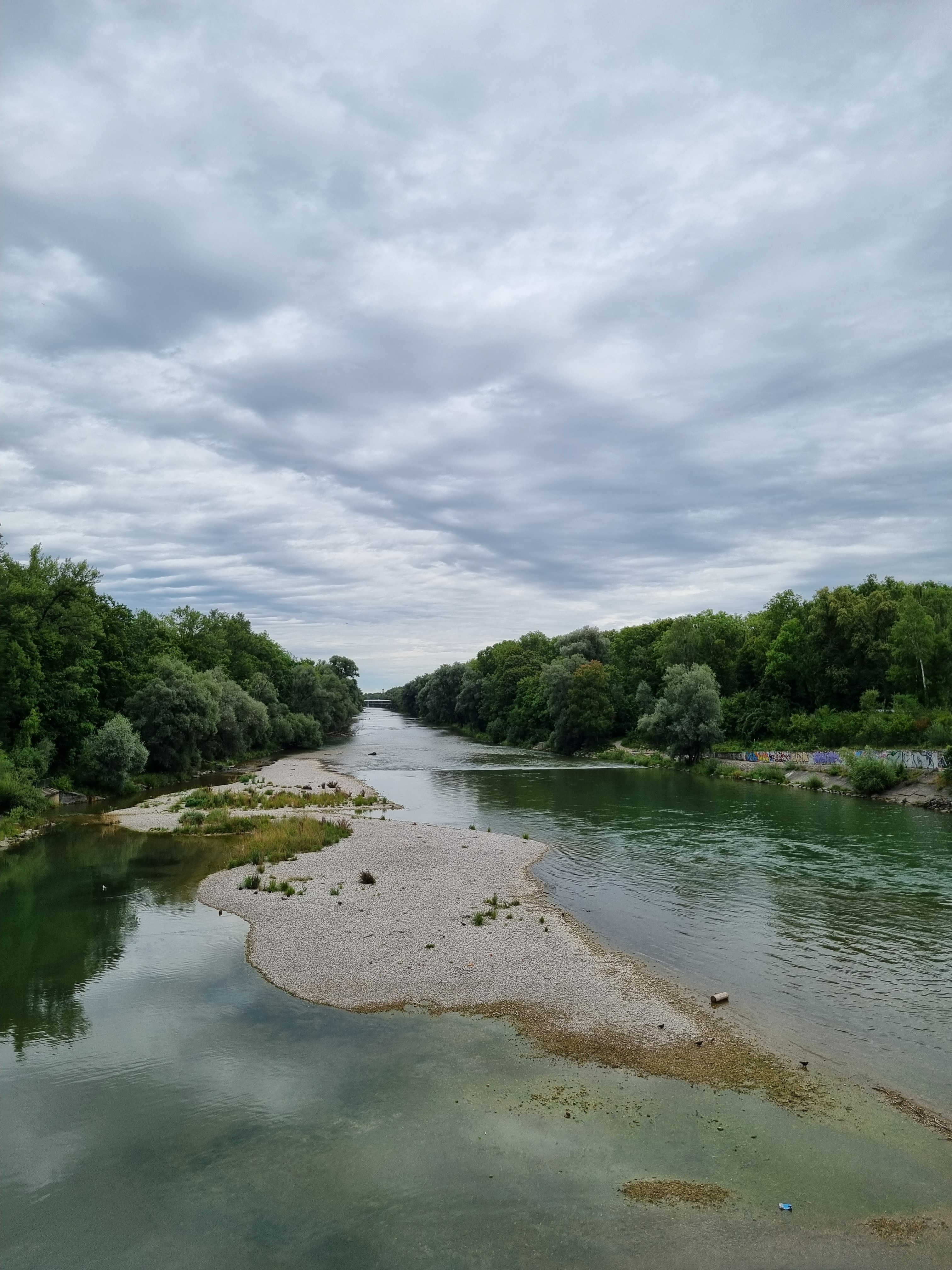
If you want to experience more of Munich’s nature and haven’t had your fill of the Englischer Garten yet, taking a walk or bike tour through the park is a perfect way to do so. As I mentioned before, the Englischer Garten is the largest city park in Europe and one of the biggest urban parks globally. It’s even larger than Central Park in New York City! When the weather is nice, half of Munich gathers in the Englischer Garten. With it’s beautiful green spaces, lake, and river it’s probably my favorite place in the world. I’m not kidding; I basically grew up in this park since my parents and I went on many bike tours through it. I also enjoy coming here for a picnic with friends or just relax by the river or lake. Just keep in mind, the Englischer Garten is divided into two parts: the north and the south. The south part is more touristy and crowded, while the north part is quieter and more local. So, if you prefer privacy and fewer crowds, my tip is visiting the north part. In general, it doesn’t really matter which part you choose to visit; it’s a must-see in Munich!
If you happen to visit the south part you will likely find more attractions to explore. Some of them include the Eisbachwelle, the Eisbach, der Chinese Tower, Seehaus and Kleinhesselohersee, Monopteros, and more.
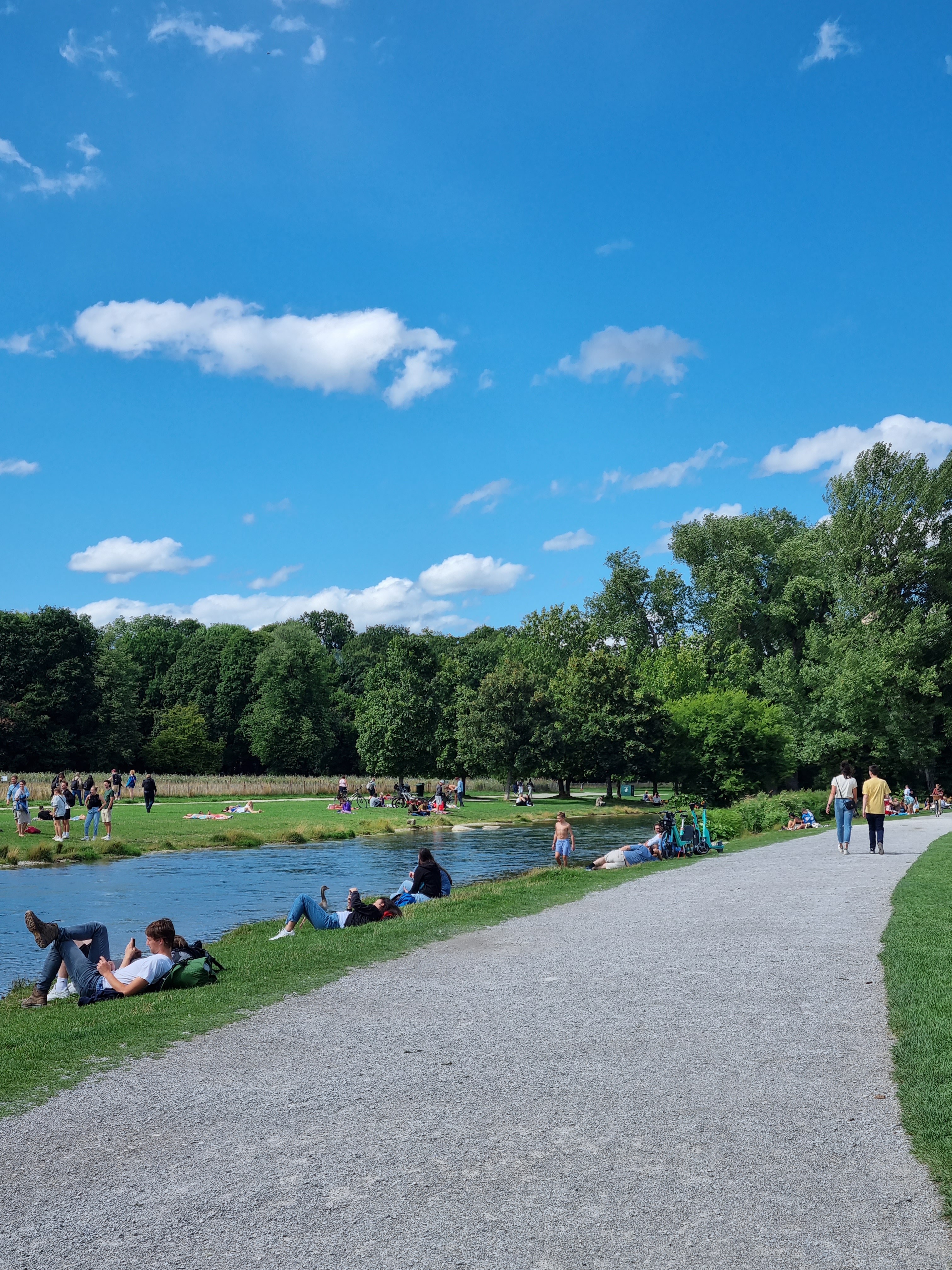
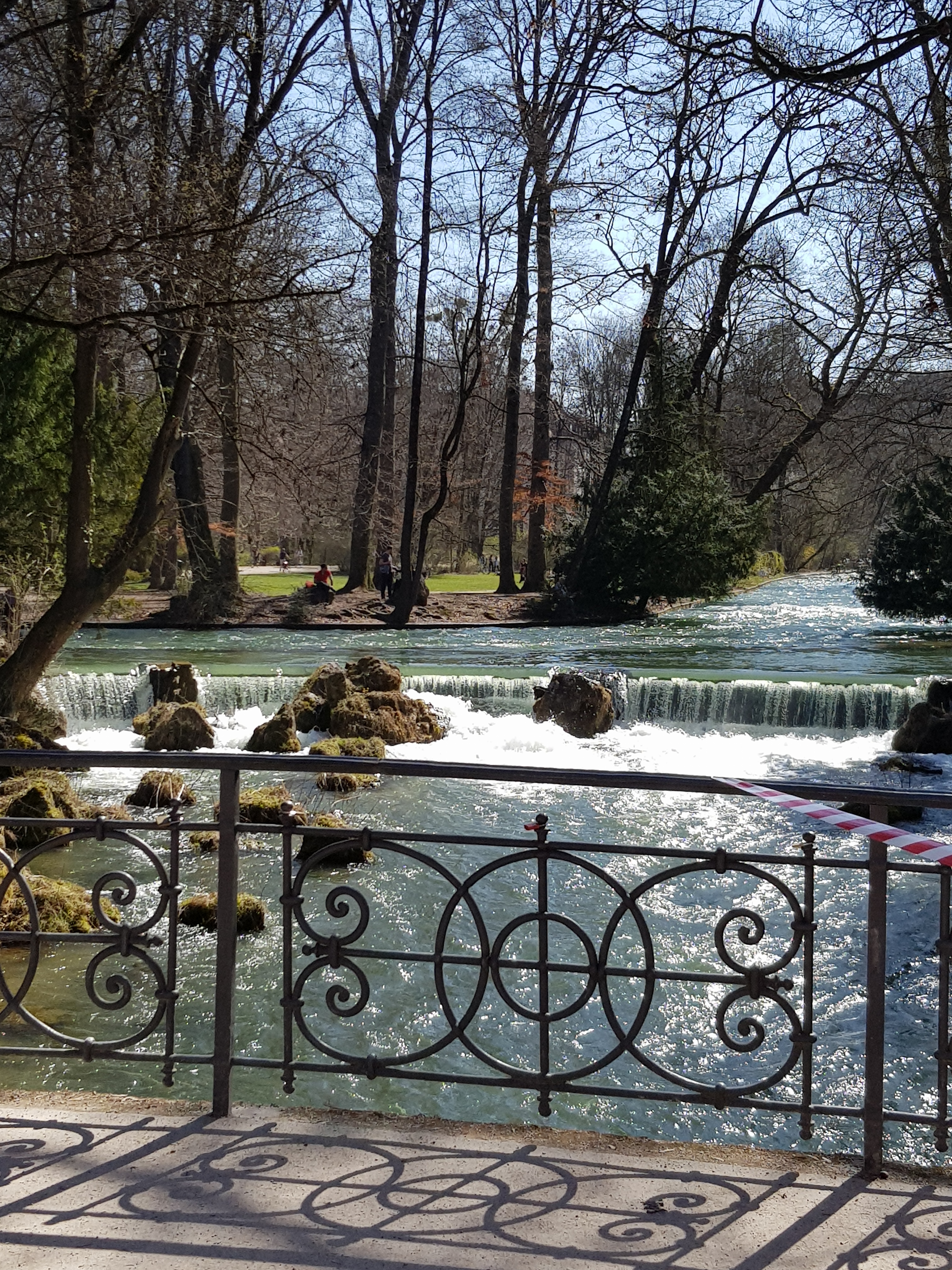
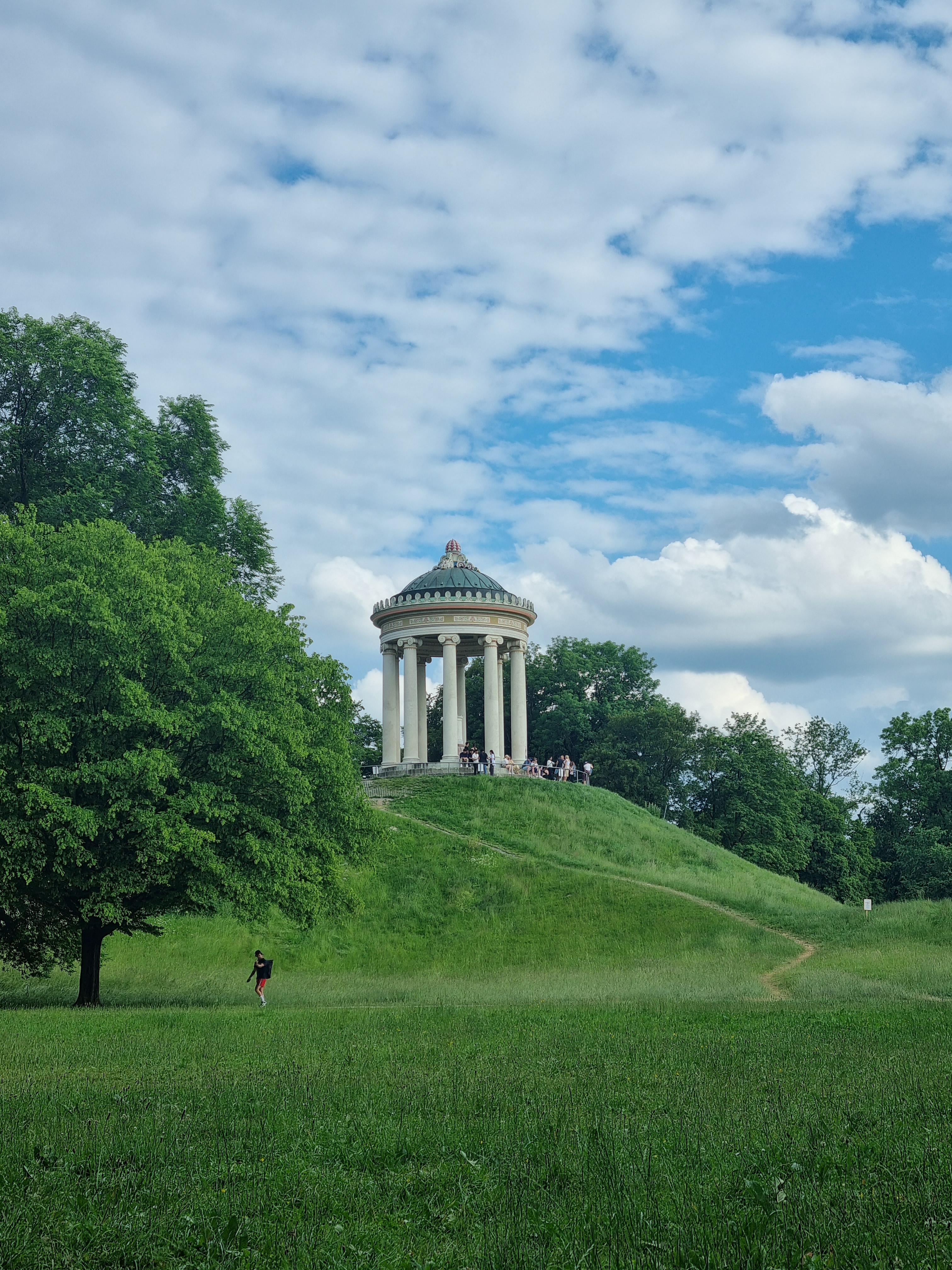
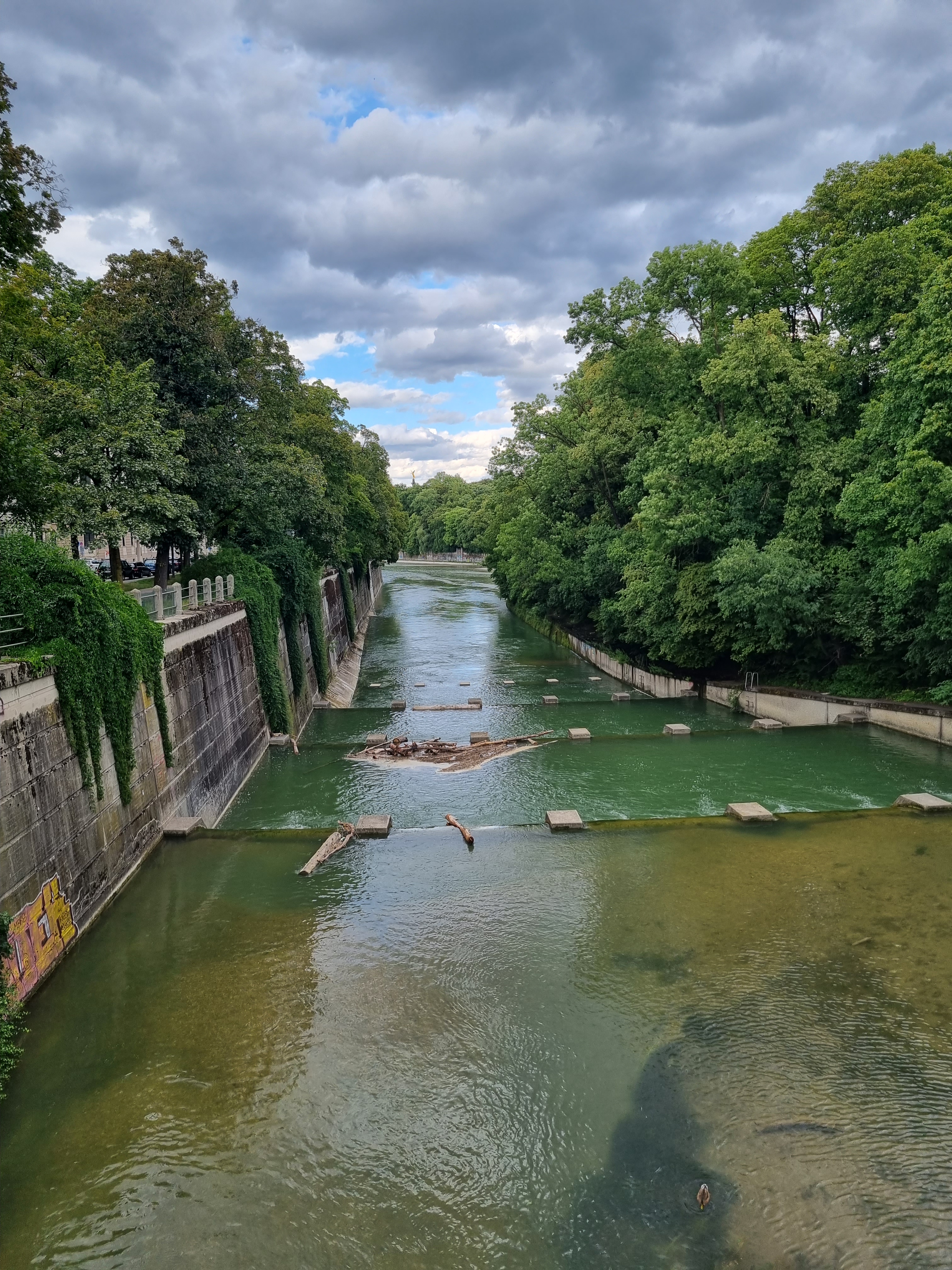
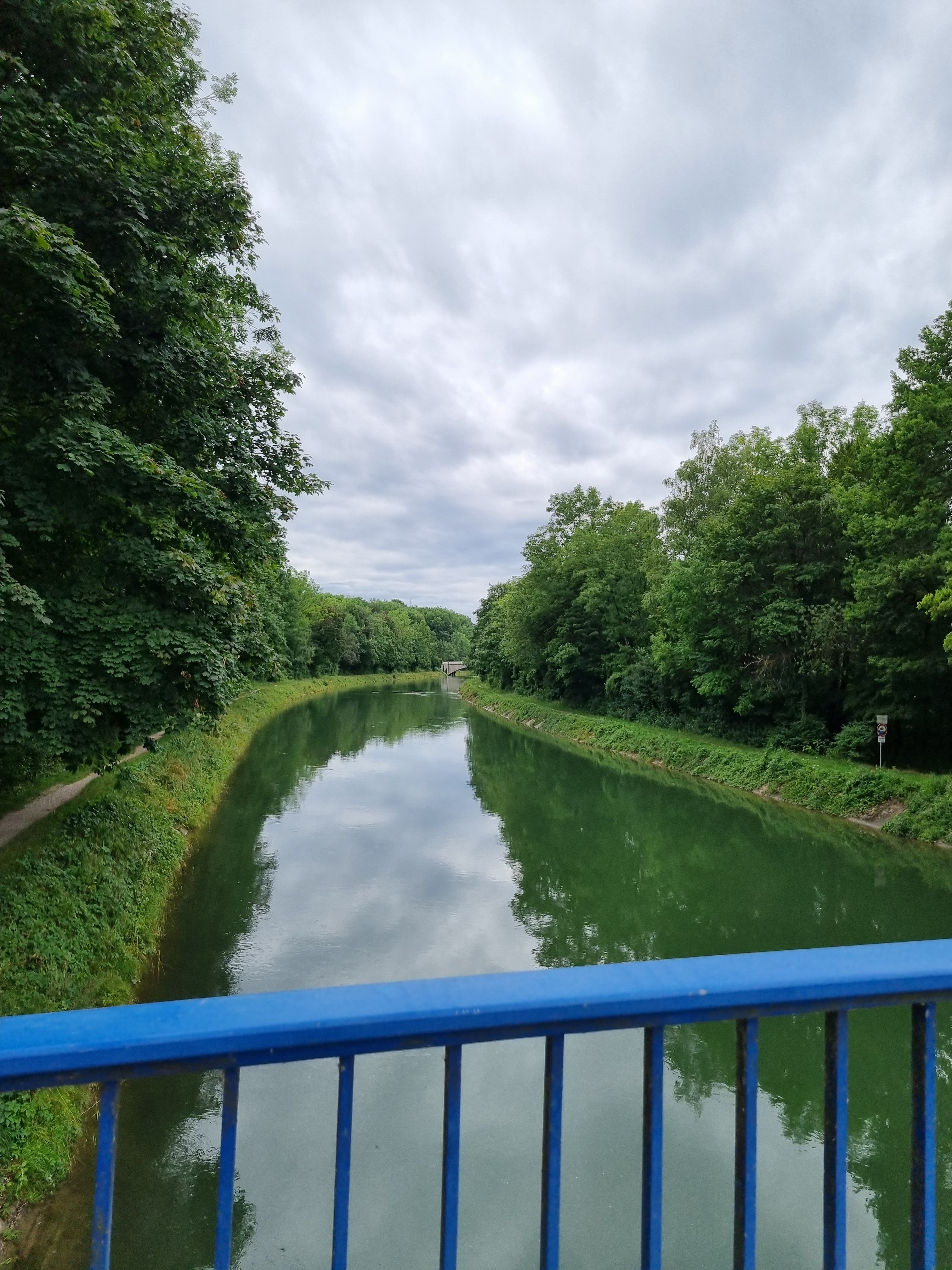
If you decide to explore the north part you can visit the Isar, Biergarten Aumeister, Biergarten Hirschau, Amphitheater, St. Emmeram Bridge, Emmeramsmühle, and more.
Day 5 – Neuschwanstein and Linderhof castle
Today, you have the option to book a tour to visit Neuschwanstein castle and Linderhof castle. However, if you’re fortunate to have a car, it might be more relaxing to drive there since you can explore at your own pace and don’t have to depend on others.
As a local, I’ll share a little secret with you: even though Neuschwanstein Castle may look more captivating from the outside, Linderhof Castle is actually more beautiful inside, and that’s not just my opinion.
Visitor information: If you’re planning to go, make sure to arrive early in the morning to secure a parking spot, as they can fill up quickly. Additionally, if you wish to go inside the castles, ensure you book your entry tickets for Neuschwanstein Castle here and for Linderhof Castle here weeks in advance, as they tend to sell out, especially Neuschwanstein Castle, given its popularity.
Let’s begin with Neuschwanstein castle. It’s known as one of the most famous and picturesque castles globally, built in the 19th century. King Ludwig II of Bavaria commissioned this fairytale castle, which is surrounded by beautiful landscapes including the Alps, waterfalls and, the Alpsee. Did you know that its design actually inspired Disney’s castle when he visited Bavaria? It’s true, and I was surprised when I found out too.
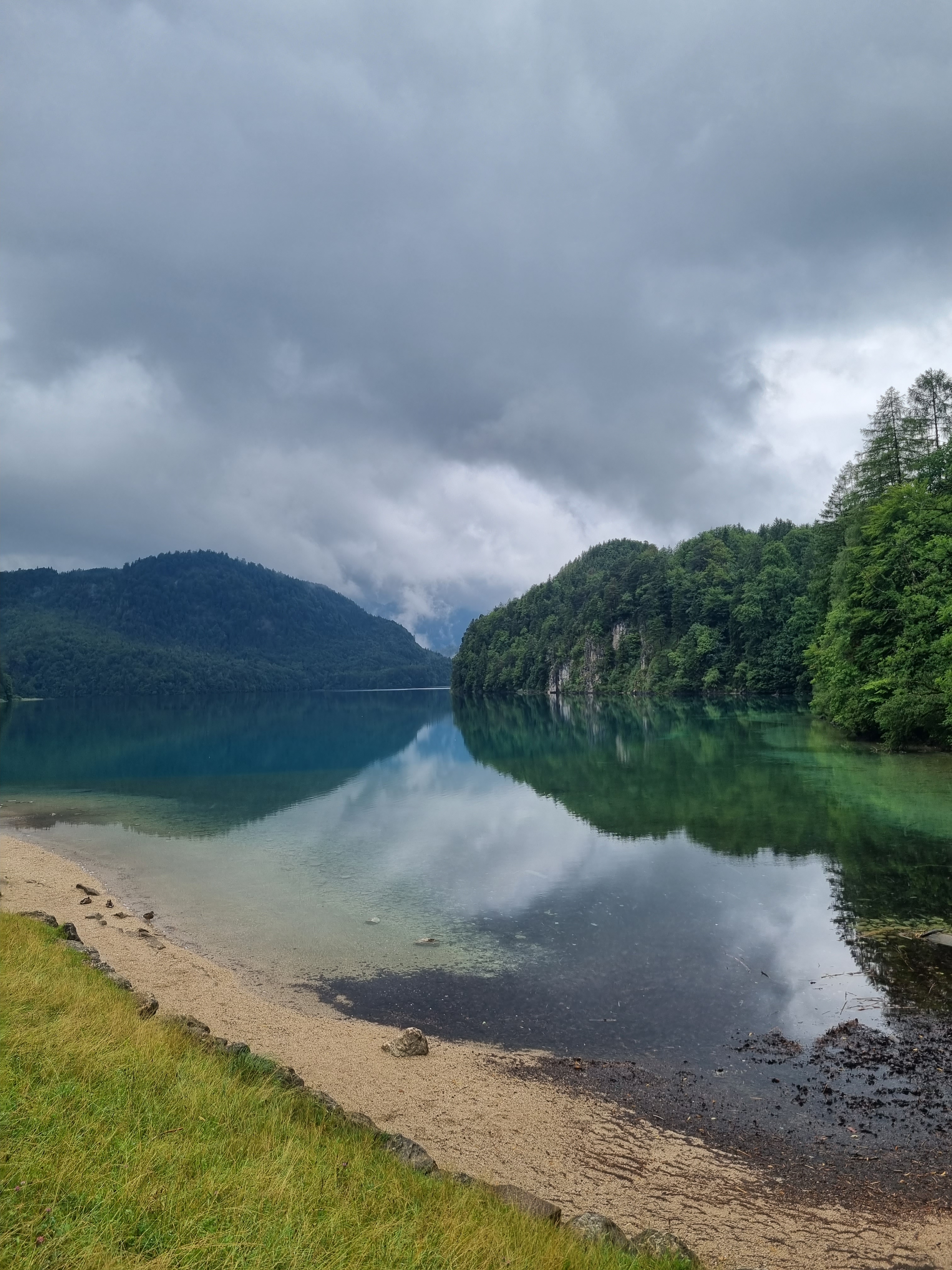
When you visit the castle, don’t miss the nearby Alpsee, a gorgeous lake. The emerald-green lake, surrounded by the Alps, offers a breathtaking setting, especially with good weather. During the summer, visitors can enjoy various activities such as boating, swimming, and hiking around the lake when the weather is pleasant.
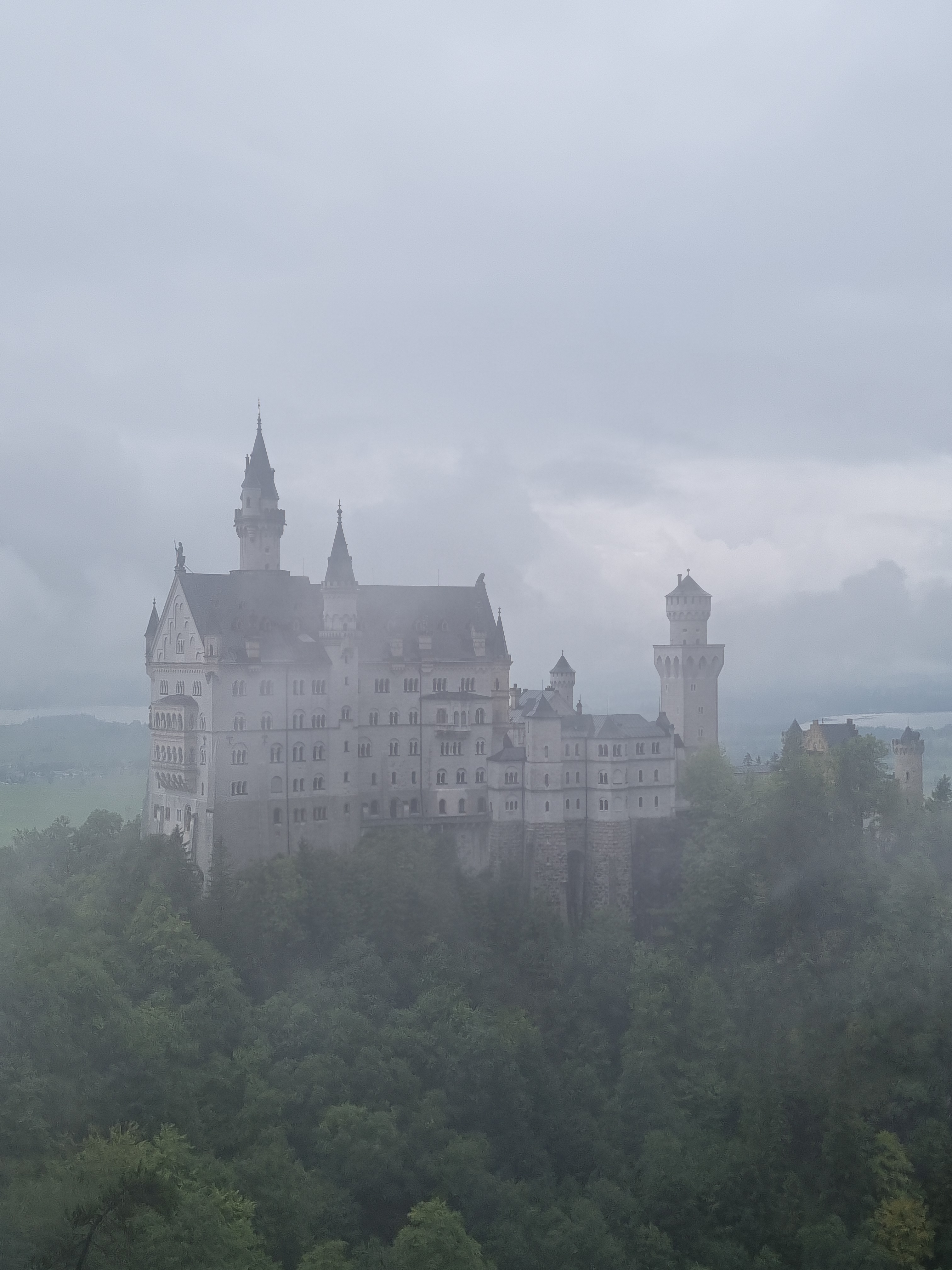
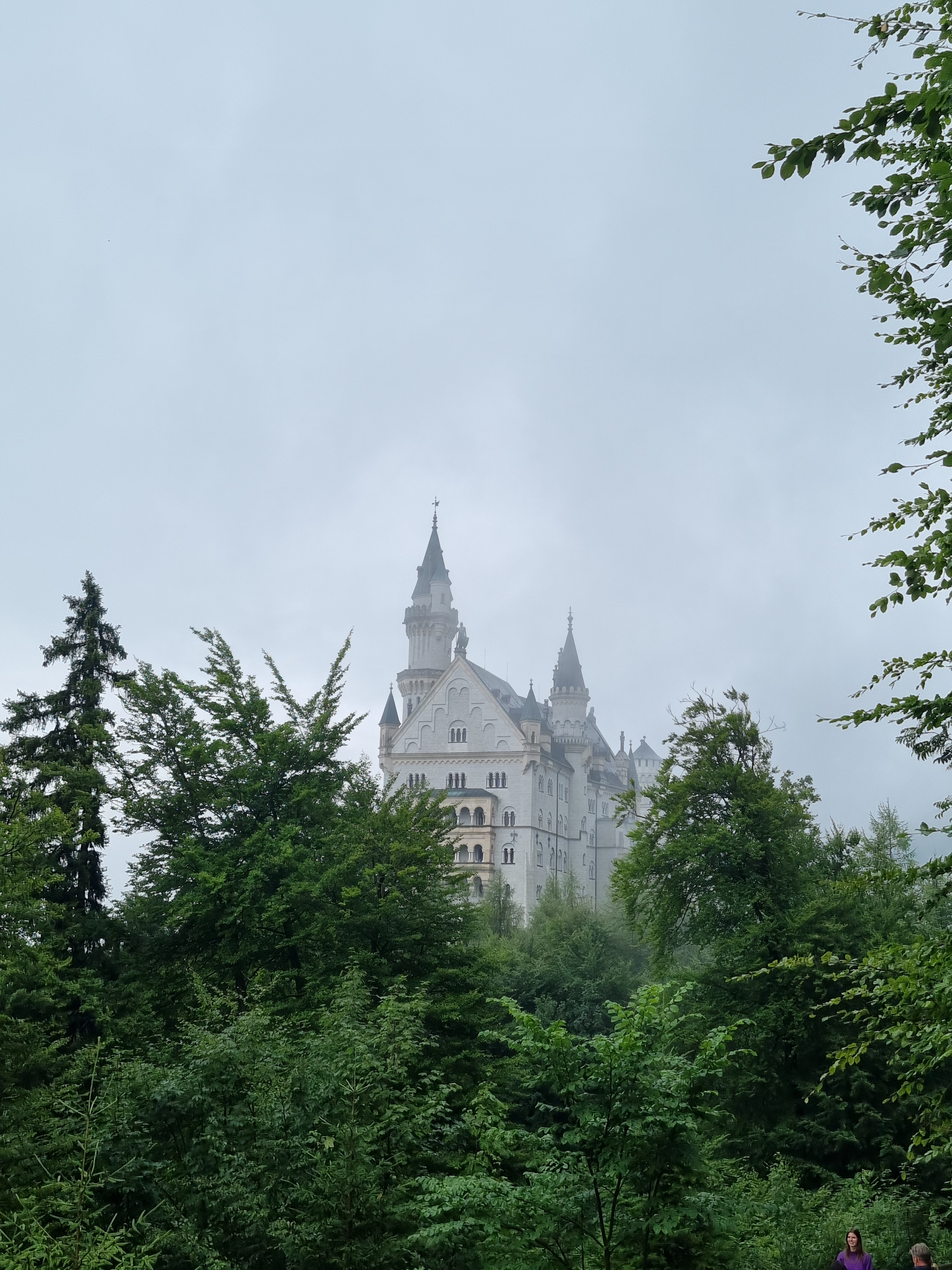
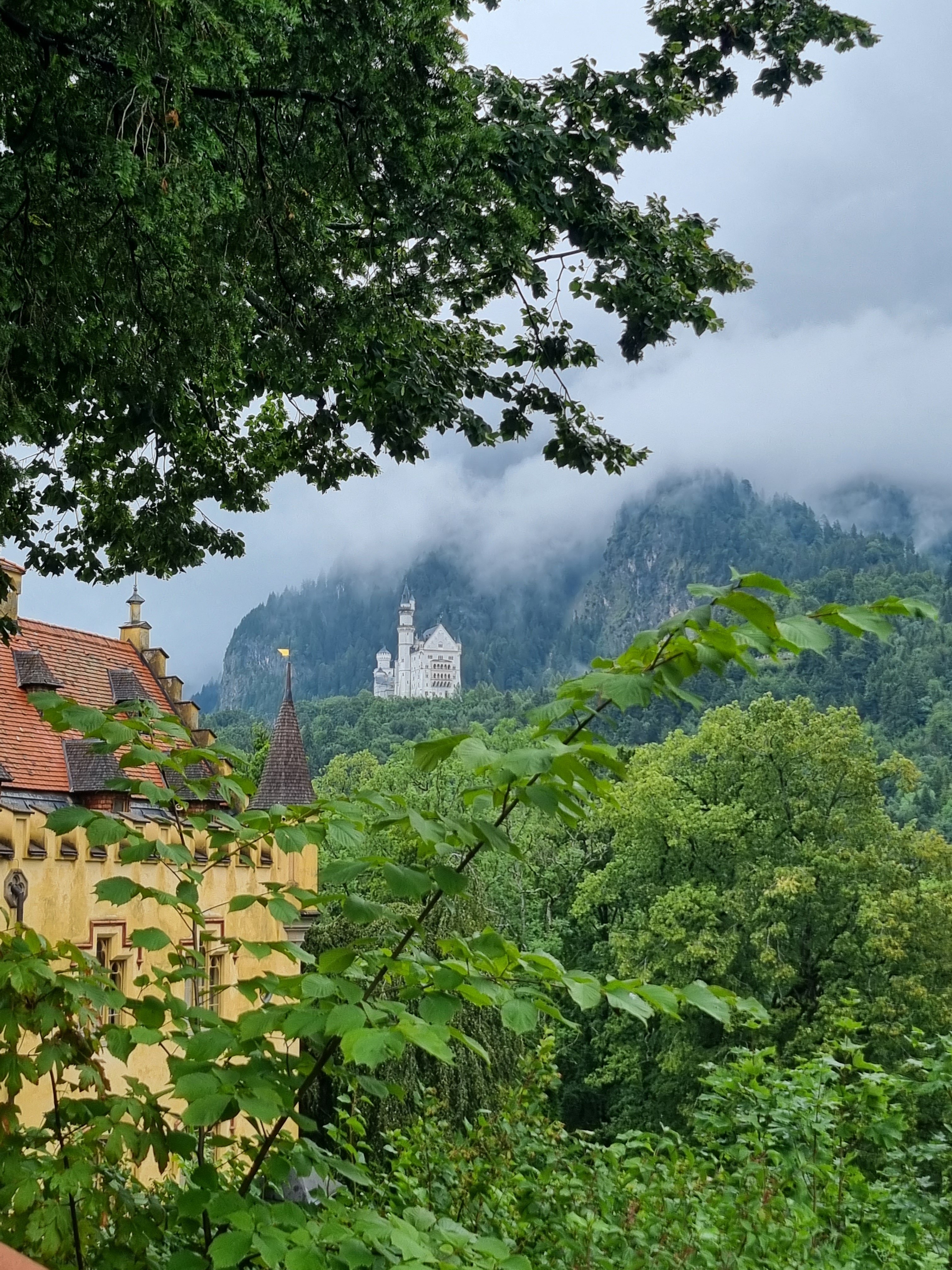
Furthermore, next to Neuschwanstein Castle and the Alpsee is also Hohenschwangau castle. It offers a different but equally fascinating historical experience. It was the childhood residence of King Ludwig II and later inspired him for the construction of Neuschwanstein Castle. From one point you can even see Neuschwanstein.

After you visit Neuschwanstein Castle; you’ll head to Linderhof Castle, which is about one hour away. The travel time can vary based on traffic and road conditons. Linderhof Palace is another one of King Ludwig II’s castles and is said to be one of his favorite residences. The palace is known for its beautiful gardens and the stunning Hall of Mirrors. I highly recommend going inside as well!
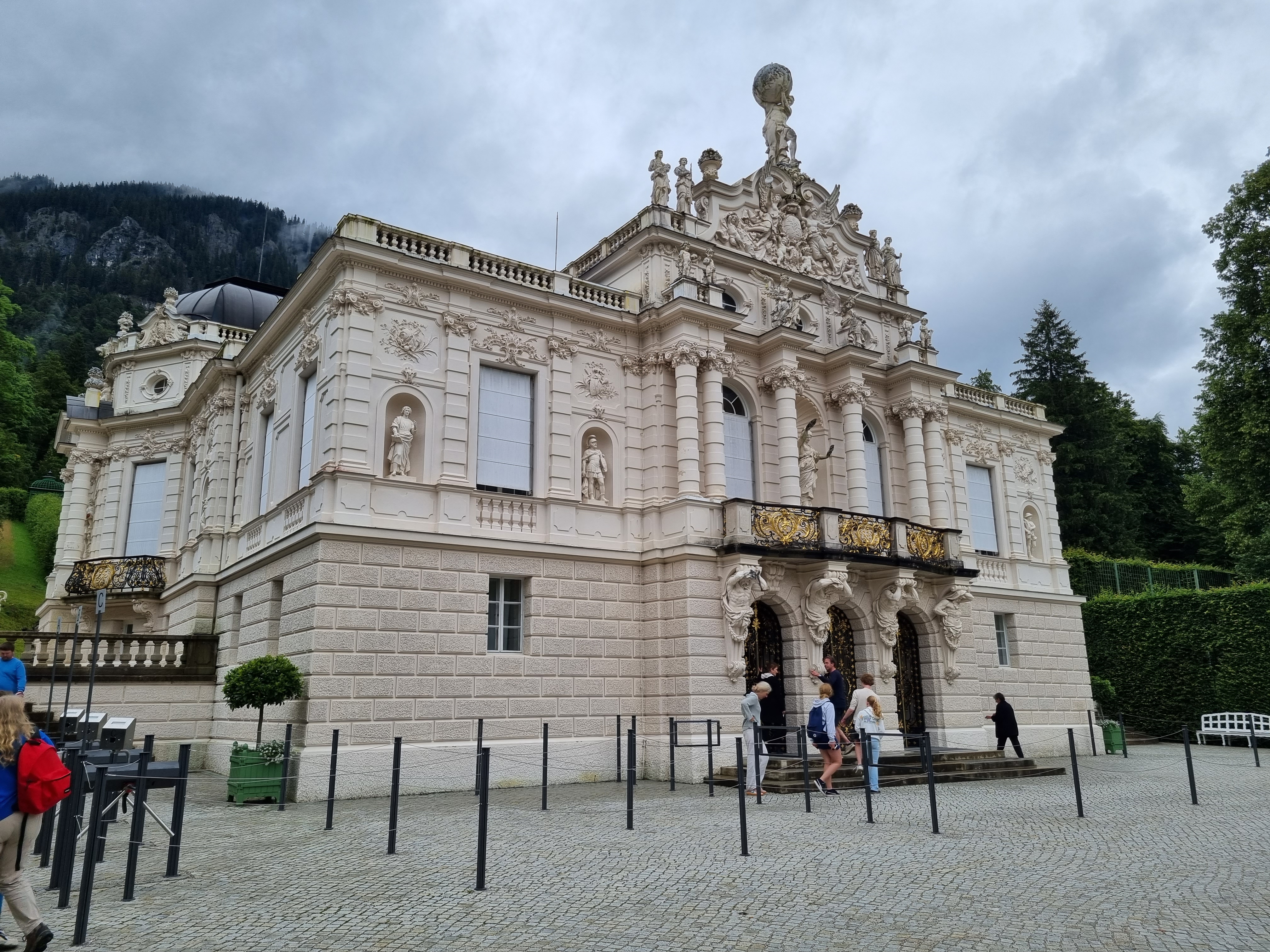
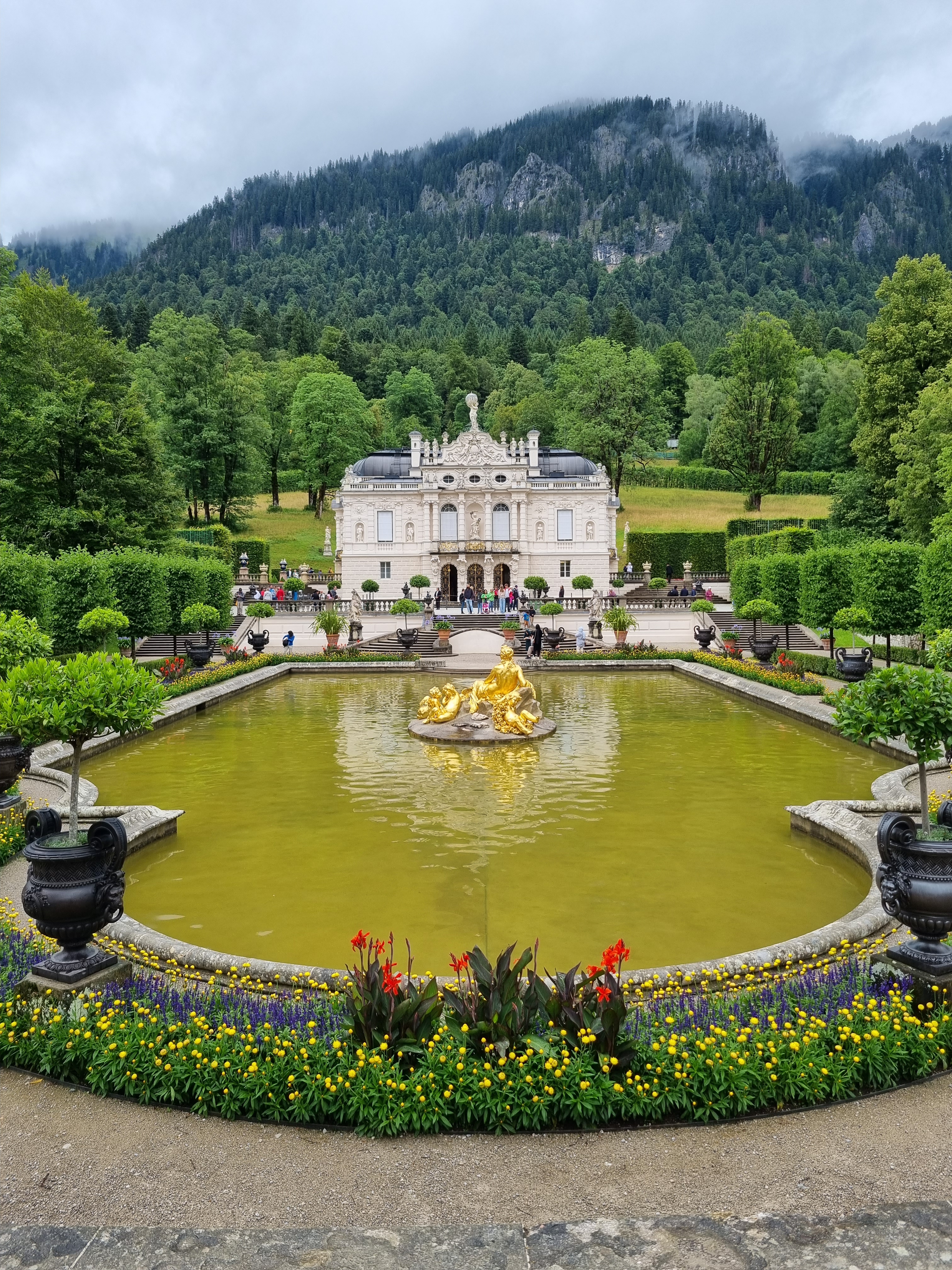
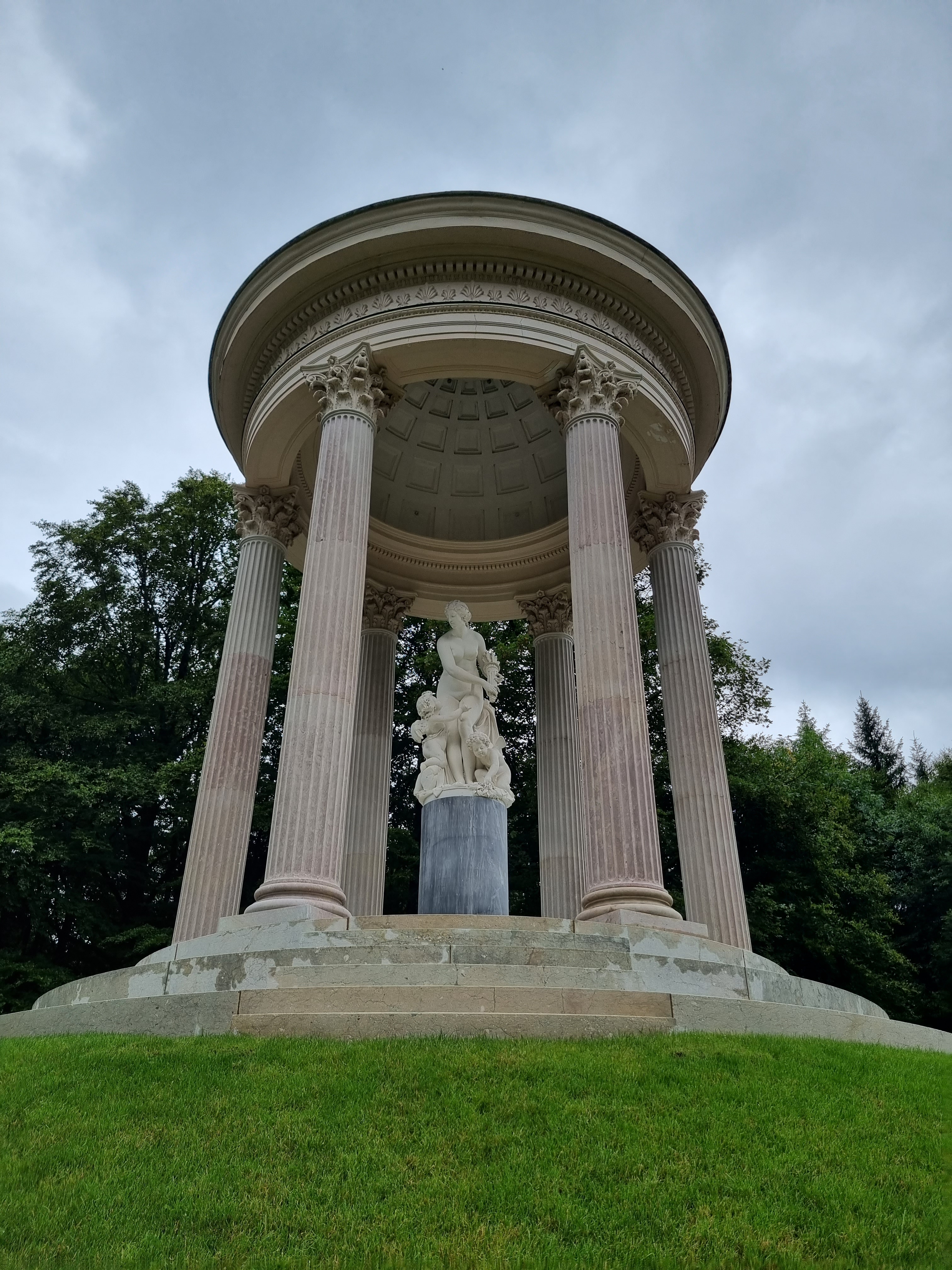
Schloss Linderhof
I hope I’ve helped make planning your visit to Munich easier and that you can fully enjoy Munich’s charm and diversity. I’d love to hear about your Munich experience and your favorite moments, so feel free to share your thoughts in a comment or message me privately. If you’re interested in learning more about Munich and happen to speak German, you’re welcome to read my article that I wrote during my internship in 2021 for the weekly paper at Hallo München
Summary of activities
- Marienplatz
- Viktualienmarkt
- Frauenkirche
- Stachus
- Hofgarten
- Asamkirche
- Residenz München
- Theatinerkirche
- St. Michael church
- Odeonsplatz and Feldhernhalle
- Kaufingerstraße
- Englischer Garten and Kleinhesseloher See
- Eisbachwelle
- Olympiapark and Olympiaturm
- Schloss Nymphenburg
- Botanischer Garten München-Nymphenburg
- Visit a Biergarten
- Zoo Hellabrunn
- Deutsches Museum
- Alte Pinakothek
- Neue Pinakothek
- Allianz Arena
- Bayrisches Nationalmuseum
- BMW Welt
- Mensch und Natur museum
- Glyptothek
- Hofbräuhaus
- Therme Erding
- Day Trip to Schloss Schwanstein and Schloss Linderhof
- Oktoberfest (if you visit during the three weeks in September/October)
Where to eat
- Café im Hinterhof – for breakfast (unpaid ad)
- Schlemmermeyer’s LeckerBissen – for small snacks like chips/fries and Bratwurst (unpaid ad)
- Königlicher Hirschgarten – traditional Bavarian restaurant (unpaid ad)
- Schweizer Hof – traditional Bavarian restaurant (unpaid ad)
- Hofbräuhaus – traditional Bavarian restaurant (unpaid ad)
- Spatenhaus an der Oper – traditional Bavarian restaurant (unpaid ad)
- Chinesischer Turm – traditional Bavarian restaurant (unpaid ad)
- Bella Italia – Italien restaurant (unpaid ad)
- Trattoria Pizzeria Lago di Garda – Italian restaurant (unpaid ad)
- L’osteria – Italien restaurant (unpaid ad)
- Seehaus im Englischen Garten – mixed cuisine (unpaid ad)
- Palmtreeclub – mixed cuisine; 100% gluten-free (unpaid ad)
- Hans im Glück – Burger restaurant (unpaid ad)
- Sushi King Rice Wok – Vietnamese restaurant (unpaid ad)
- Yuyumi – Korean restaurant (unpaid ad)
- Der verrückte Eismacher for crazy icecream flavors (unpaid ad)
Cafés
- Café Luitpold (unpaid ad)
- Rischart (unpaid ad)
- Konditorei Café Kreuzkamm (unpaid ad)
- Niu Asian Café München (unpaid ad)
Booking Checklist
Travel Insurance
I highly recommend getting travel medical insurance while you’re traveling. Hopefully, you’ll never need it, but it’s always better to be safe than sorry. SafetyWing offers two flexible plans tailored to your travel needs. Whether you’re a short-term adventurer or a long-term expat, you’ll have reliable coverage anywhere in the world.
SafetyWing is especially great for remote workers and digital nomads, offering continuous global coverage even if you’re hopping between countries. Of course, it’s also a solid option for frequent travelers or those constantly on the go. But if you’re only traveling occasionally or just for a short holiday now and then, there might be better-suited alternatives.
Accommodations
I usually rely on Booking.com for hotels and Airbnb for vacation rentals. They both have the largest selection and tend to offer the most reliable prices.
Data for your Trip
I use Saily for international cell data. They offer a variety of eSIM options depending on the country and their eSIMs are easy to install, activate instantly upon arrival, and let you skip buying local SIM cards or paying expensive roaming fees.
Tours and Experiences
I always use GetYourGuide to find the best tours and experiences in a city or country. It’s my go-to platform for planning activities, and I’ve always been very satisfied with the experiences I booked through them.
Rental Car
I’ve rented at least six cars and always booked them through check24 (ad), which I can highly recommend. The website offers good deals, the insurance is quite cheap and provides good coverage, and the customer service is very efficient and accommodating. However, Check24 currently only offers its website in German. So it’s mandatory to speak the language.
Other Germany Blogs
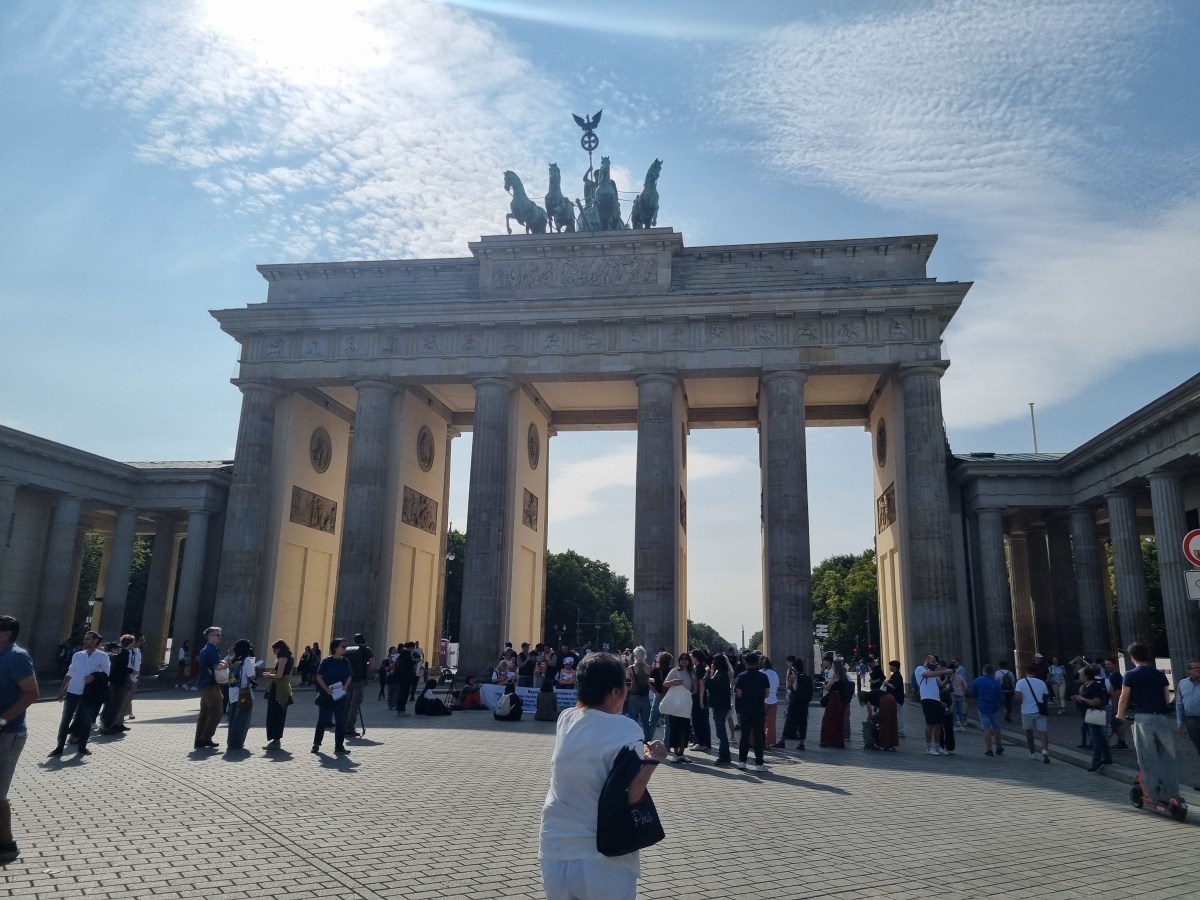
5 Days in Berlin: Your Ultimate Travel Guide
Imagine waking up to the aroma of fresh coffee, planning your day around world-class museums, bustling markets, and delicious street food in a city that pulses with energy and creativity. Welcome to Berlin, the capital of Germany, a vibrant metropolis where every street tells a story and every corner invites exploration. From the iconic Brandenburg…

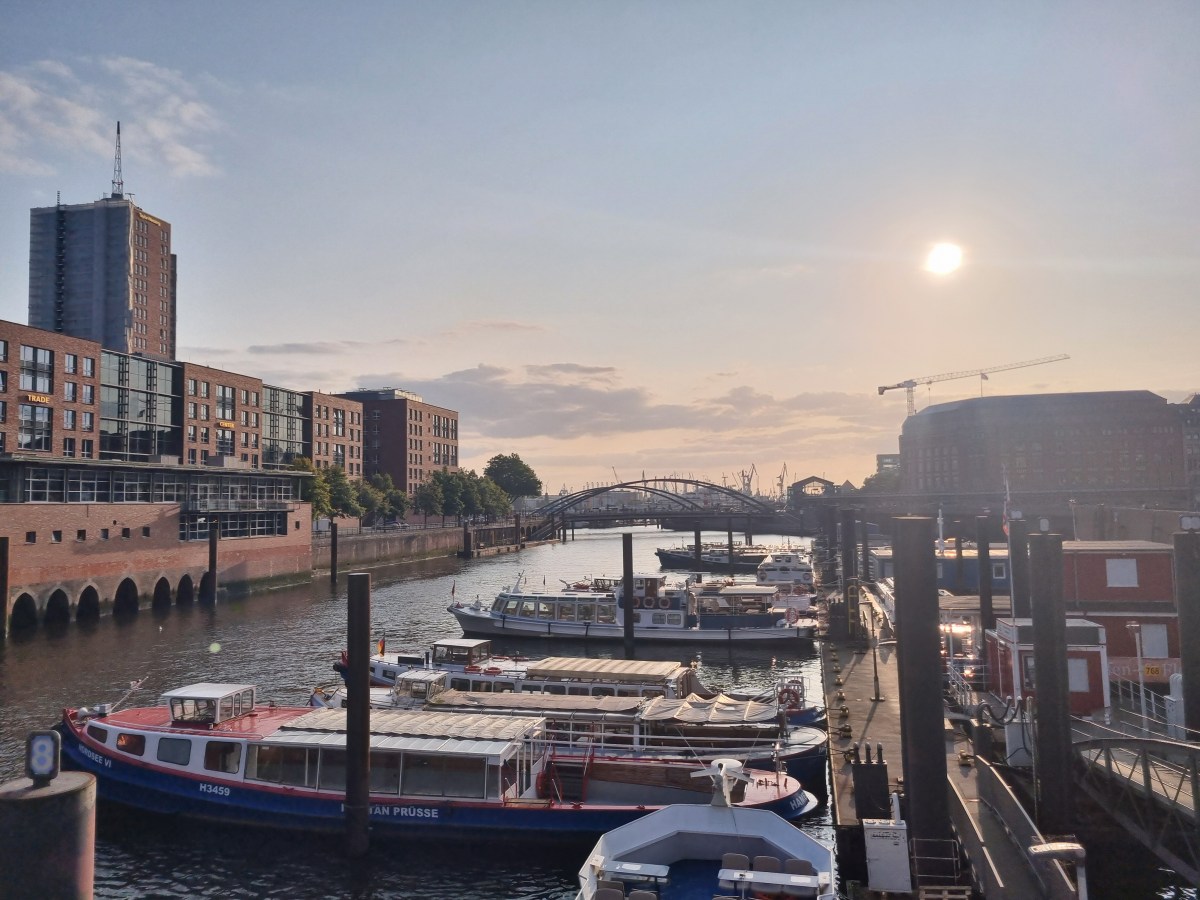
30 Must-Do Experiences in Hamburg
Are you ready for your next trip? Discover the magic of Hamburg with its unique blend of history, culture, and modern wonders. Start your day at the bustling harbour with a traditional German Fischbrötchen, soaking in the maritime atmosphere. Next, lose yourself in the intricate details of Miniatur Wunderland, home to the world’s largest model…
Travel Guide: Three-Days in Cologne
Discover the best of Cologne in just three days! Walk across the iconic Hohenzollern Bridge, famous for its love locks and stunning views of the Rhine. Marvel at the towering Cologne Cathedral, a UNESCO World Heritage Site and architectural masterpiece. Glide over the Rhine in the Cologne Cable Car, offering breathtaking views of the city…
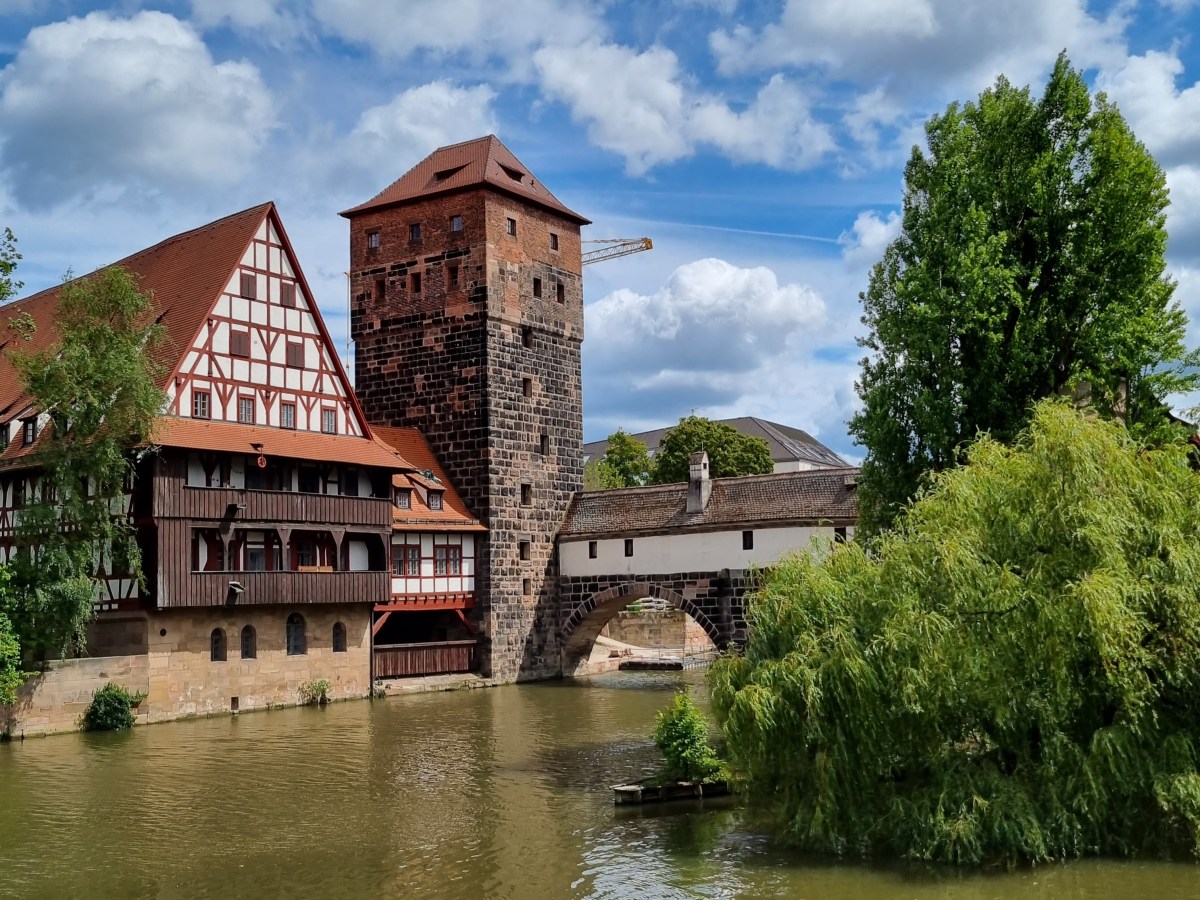
24 Hours in Nuremberg: Must-See Attractions
Step into the heart of Nuremberg, a city where the magic of the past meets the vibrancy of today. Wander through the narrow, cobblestone streets of the medieval Old Town, where half-timbered houses and ancient walls whisper stories of centuries gone by. Let the mouthwatering aroma of sizzling Nürnberger Bratwurst and freshly cooked sauerkraut fill…
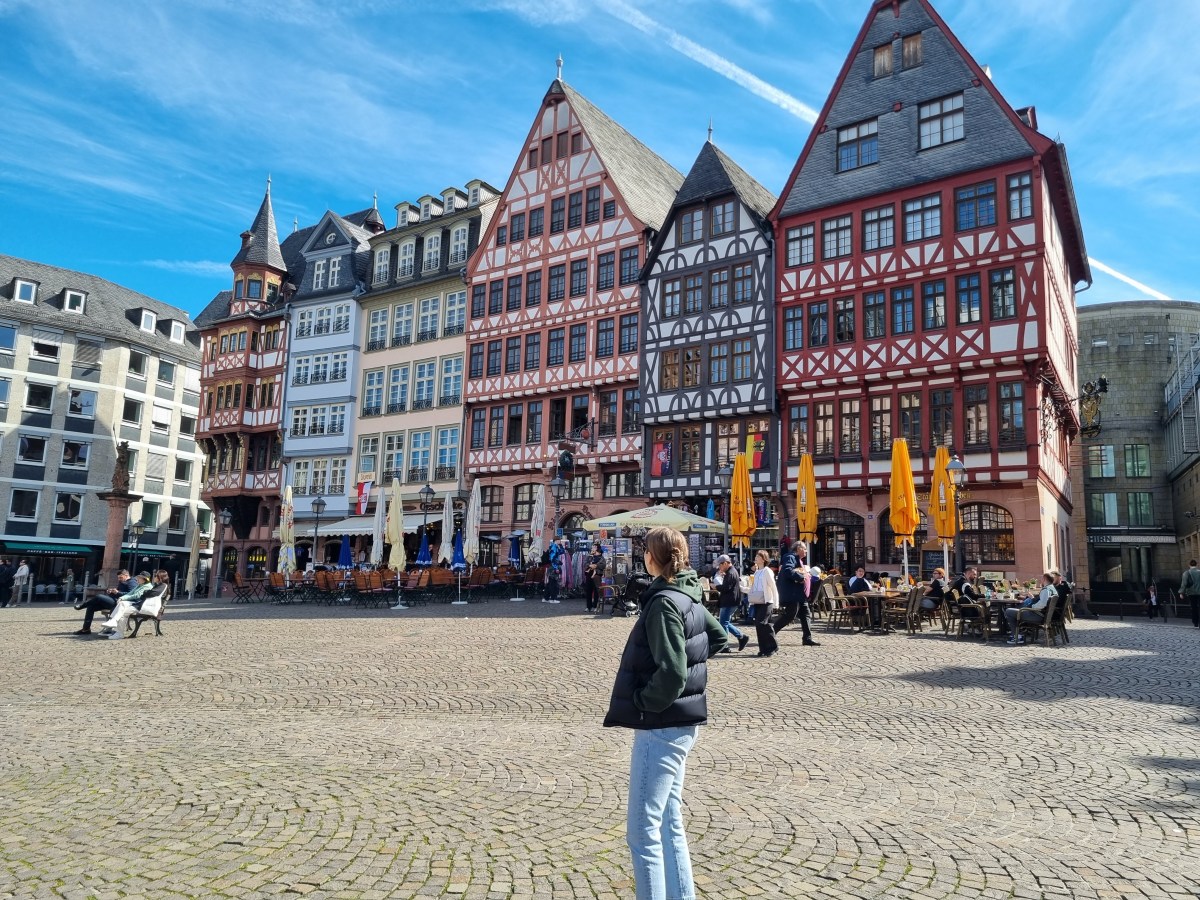
24 Hours in Frankfurt: 12 Things to do
Frankfurt: famous, yet strangely unpopular, especially among Germans themselves. Often dismissed as grey, soulless, or simply “not worth visiting,” it’s a city that battles stubborn clichés. But are these harsh judgments fair? I decided to find out for myself and spent a full day exploring the heart of this financial powerhouse and I have to…
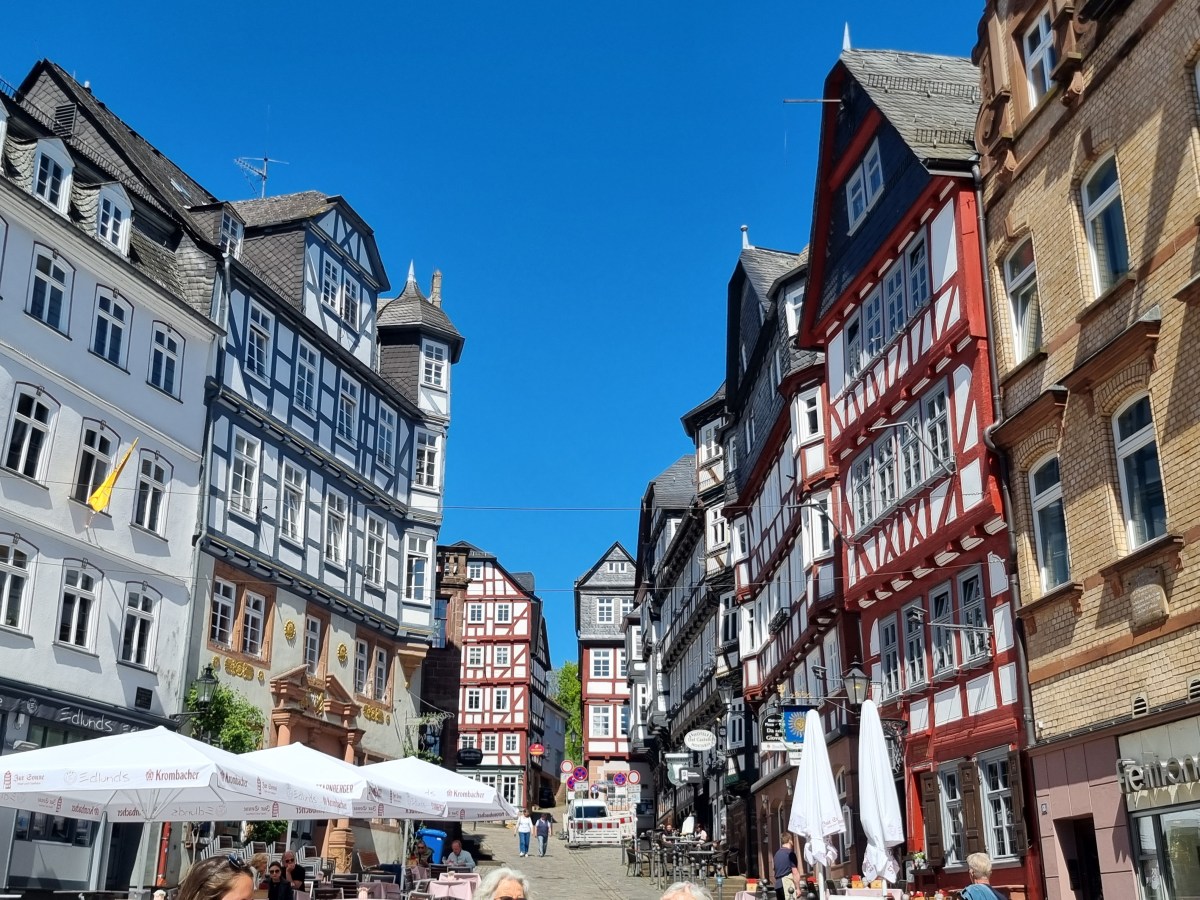
Explore Marburg: A Fairytale City Guide
Nestled in the scenic Lahn Valley of northern Hesse, the picturesque town of Marburg stretches across the slopes of the Lahn Hills which is a place where crooked half-timbered houses, winding old town alleys, and a hilltop castle set the scene for a fairytale come to life. With a population of around 80,000, this charming…



 Michelle Cacija
Leave a reply to Anonymous Cancel reply