
Imagine strolling through the cobblestone streets of Rome, where history is hidden among ancient ruins, and the aroma of freshly baked pizza and cooked pasta fills the air. Rome is one of the most iconic and most-traveled cities in Europe, with a rich history to be explored. Grab a gelato and join my partner and me on our 4-day journey through the Eternal City, where I’ll share our experiences during our stay. Are you ready to embark on this Roman adventure? If yes, then servus and welcome to my Rome Blog.
As always, I want to remind you, that this itinerary isn’t perfect because everyone travels differently, and all trips involve changes of plans. I want to let you know that everything on this website has been experienced, photographed, and written by me. Since I finance all of my travel expenses on my own, the stories and opinions given are truly my own. If you’re interested in seeing more travel pictures or videos, feel free to check out my Instagram @michellecacija or my Tik Tok @michellecacija.
Index
- The Basics about Rome
- Things you need to be aware of
- Itinerary
- Summary of activities
- Where to eat
- Booking Checklist
- Other Italy Blogs
The Basics about Rome
When to visit
The best time to visit Rome is typically during spring, from April to June, or autumn, from September to October. During these months, temperatures are pleasant, ranging normally from 15°C to 25°C (59°F to 77°F), and the city is less crowded compared to the peak summer months. While it can still get warm during these times, it’s definitely more comfortable than in summer, when temperatures can soar above 30°C (86°F), making it challenging to go out and sightsee all day.
Time period
A visit to Rome is best enjoyed over several days to fully experience all the city has to offer. We stayed for four full days, but I wouldn’t have minded staying for one or two more days. So, I believe a visit to Rome should be at least four to five days.
Getting There
All roads lead to Rome… which is true, kinda. At least you can consider various transportation options to get to Rome, whether by car, bus, train, or plane depending on where you’re coming from. When we visited Rome, we flew from Venice Marco Polo Airport to Rome Fiumicino Airport.
Where to stay
In Rome, some popular areas to consider for accommodation are the historic center (Centro Storico), Trastevere, Esquilino, Monti, and the Vatican City area. Each of these neighborhoods offers a nice atmosphere and easy access to the main attractions, restaurants, and shops. We stayed in the Esquilino area, very close to the train station, which was a nice and calm area. It didn’t take too long to walk to the historic center, maybe 20 to 25 minutes.
Getting around
To get around Rome efficiently, it depends on the area you are in. One of the best ways is to use the city’s public transportation system of buses, trams, and metro lines. Additionally, Rome is a very walkable city, so exploring on foot is a great way to discover Rome’s charm. Many of Rome’s attractions are located close to each other.
What to pack
Obvisouly, it depends on when you go, but if you visit in early September like us, I recommend packing lightweight and breathable clothing suitable for warm weather, including shorts, t-shirts and dresses. If you are planning on doing a lot of walking through the city, I recommend brining a few comfortable enclosed shoes. Sun protection essentials like sunglasses, a hat and sunscreen are fundamental. I also suggest bringing a hoodie or jumper for cooler nights and an umbrella for rainy weather.
Additionaly, consider bringing your own little medication bag, including Band-Aids, pain relief tablets, sleeping tablets or spray, bug spray, aftersun, etc. You never know what you might need it for, and you might feel more comfortable using medication from home rather than in a country where you don’t know the ingredients and languages. If you’re coming from outside Europe, don’t forget to bring a Type C power adapter.
Cost of Traveling
Regarding the expenses, the amount you’re going to spend depends on several factors, including your choice of accommodation, your travel style, and the activities you’ll be doing. In general, Rome is one of the cities in Europe, which can make it quite expensive. However, it’s still possible to travel on a budget.
Things you need to be aware of
On Sundays, shops and supermarkets are usually closed, while restaurants, cafes, and attractions like museums or churches remain open. There are a few exceptions, though, and you might find a few supermarkets that are open.
Regarding water in Italy, you can safely drink tap water as it’s clean and meets the World Health Organization standards.
Toilet situation. Unfortunately, public restrooms typically cost around 50 Cent to a euro in Italy (and many other European countries). So, make sure to carry a few coins with you and always use the restroom before leaving your accommondation, a restaurant, or a café.
Tipping. In Italy, tipping isn’t as common or expected as it is in some other countries. However, it’s appreciated if you receive exeptional service. It’s common to roud up the bill or to leave a tip of around 5-10% in restaurants and cafes.
The currency in Italy is the Euro. While a few years ago, Rome was still very cash-oriented, they now accept cards mostly everywhere. It’s still advisable, though, to bring some cash with you.
Entry prices. In Rome, some museums and historical attractions offer free admission on the first Sunday of each month. Additionally, many of them offer very cheap ticket prices for EU citiziens between 18 and 25 years old, so always bring your ID with you.
Scams are unfortunately very common in Rome, with pickpocketing and restaurant scams being well-known. Additionally, there are other types of scams like the “friendship bracelet scam” and the “ring scam”. The “friendsip bracelet scam” iinvolves scammers approaching you in touristy places, offering or placing a friendship bracelet on your wirst, then demanding money aggressively. To avoid this, stay cautions, decline any bracelets, and avoid engaging with the scammers. The “ring scam” occurs when a scammer drops a ring near you to distract you, then asks if it’s yours to start a conversation and eventually ask for money or sell you the ring. To avoid this scam, simply ignore the ring, keep walking, and avoid interacting with the scammers.
Itinerary
Day 1 – Rome
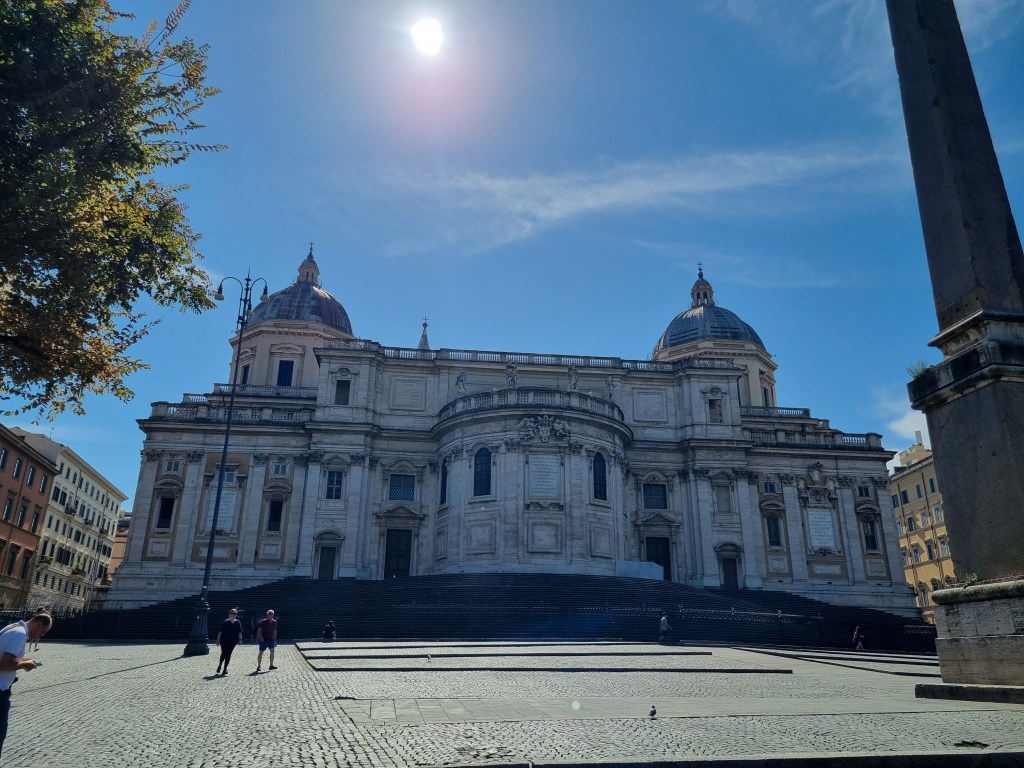
We began our first day in Rome by strolling through the city to the Colosseum. On our way, we walked past one of the four papal basilicas in Rome, the Basilica of Santa Maria Maggiore. The basilica is located at the Piazza dell’Esquilino, a square in the Esquilino district. It’s known for its lively atmosphere, surrounded by cafes, shops, and historical buildings. As we arrived early in the day, it was very peaceful.
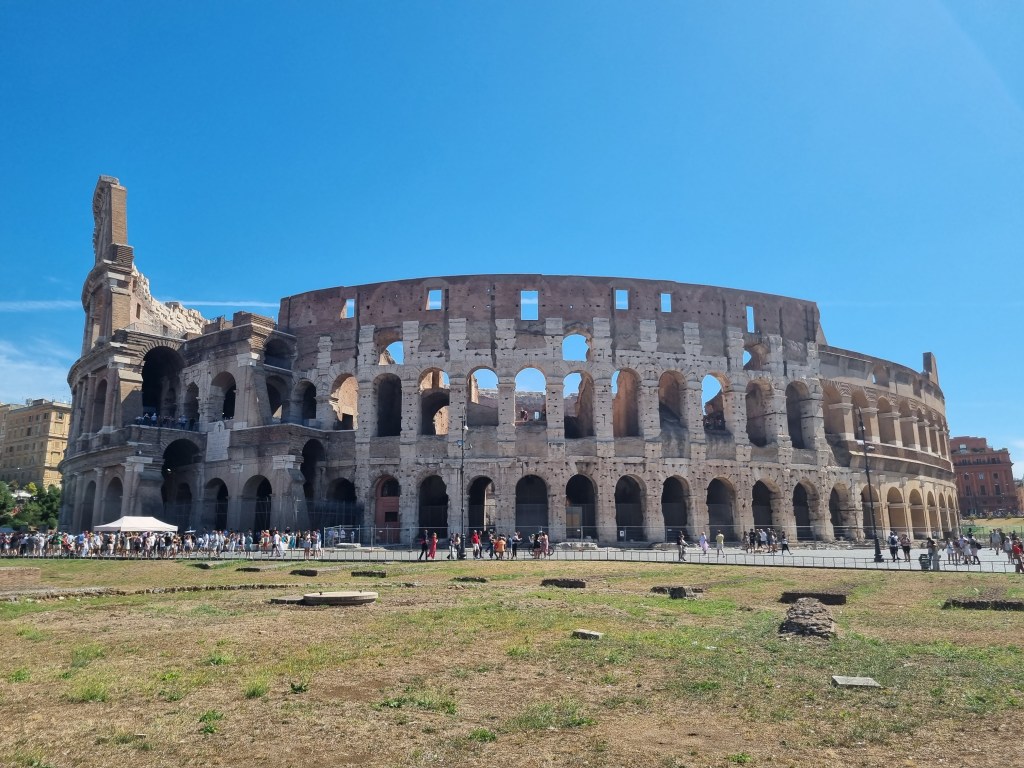
Just a 15-minute walk away from the square, you’ll find the famous Colosseum, which was bustling with people. The amphitheater, located in the heart of Rome, is one of the most famous landmarks in the world and a important symbol of Roman engineering and architecture. It was truly fascinating to admire this building in person.
Before we arrived in Rome, we tried to pre-book tickets to enter, but unfortunately, it didn’t work out as it was sold out. However, I heard that they release an unknown amount of tickets on-site daily, so if you’re fortunate and arrive on time, you can purchase tickets in person. On that particular day, we opted not to queue as it was excessively long, and we didn’t want to spend hours waiting. We decided return early another day… did it turn out well for us? You might need to read on to find out.
Visitor information: If you plan to enter the Colosseum, it’s highly recommended to purchase tickets in advance to avoid long queues, especially during peak times. There are various ticket and tour options available, so make sure you secure your tickets here.
A little tip: If you’re a EU citizien and between 18 and 25, you only pay two euros for entry. Remember to bring your ID. While at the Colosseum, you can also explore other nearby attractions like the Roman Forum and Palatine Hill, which are often included in combination tickets. We decided to do all that on another day.

After visiting the Colosseum and wandering around the area, we decided to head to the Trevi Fountain. The Trevi Fountan is famous for its stunning Baroque architecture, featuring a sculpture of Neptune, the Roman god of the sea, at its center, surrounded by tritons and seahorses. Tourists often throw a coin into the fountain, believing it ensures their return to Rome. Don’t be fooled by the picture, it was crowded with people, making it challenging to take photos without others in the frame. Following our visit, we ate lunch at the restaurant “Piazza in Trevi”, conveniently located just around the fountain’s corner. We had to wait a bit for a table due to the crowd, but it was definitely worth it – the food was delicious!

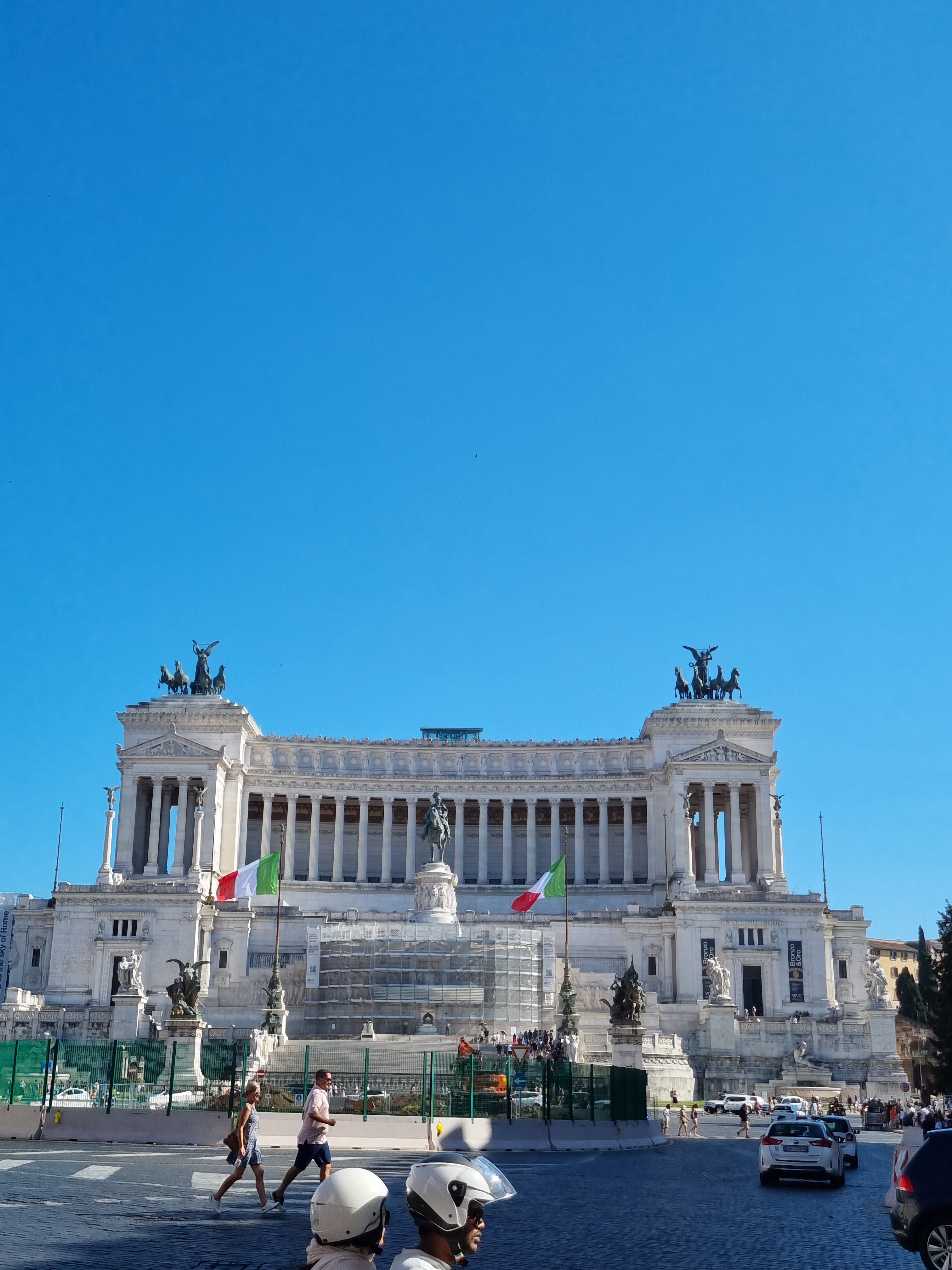
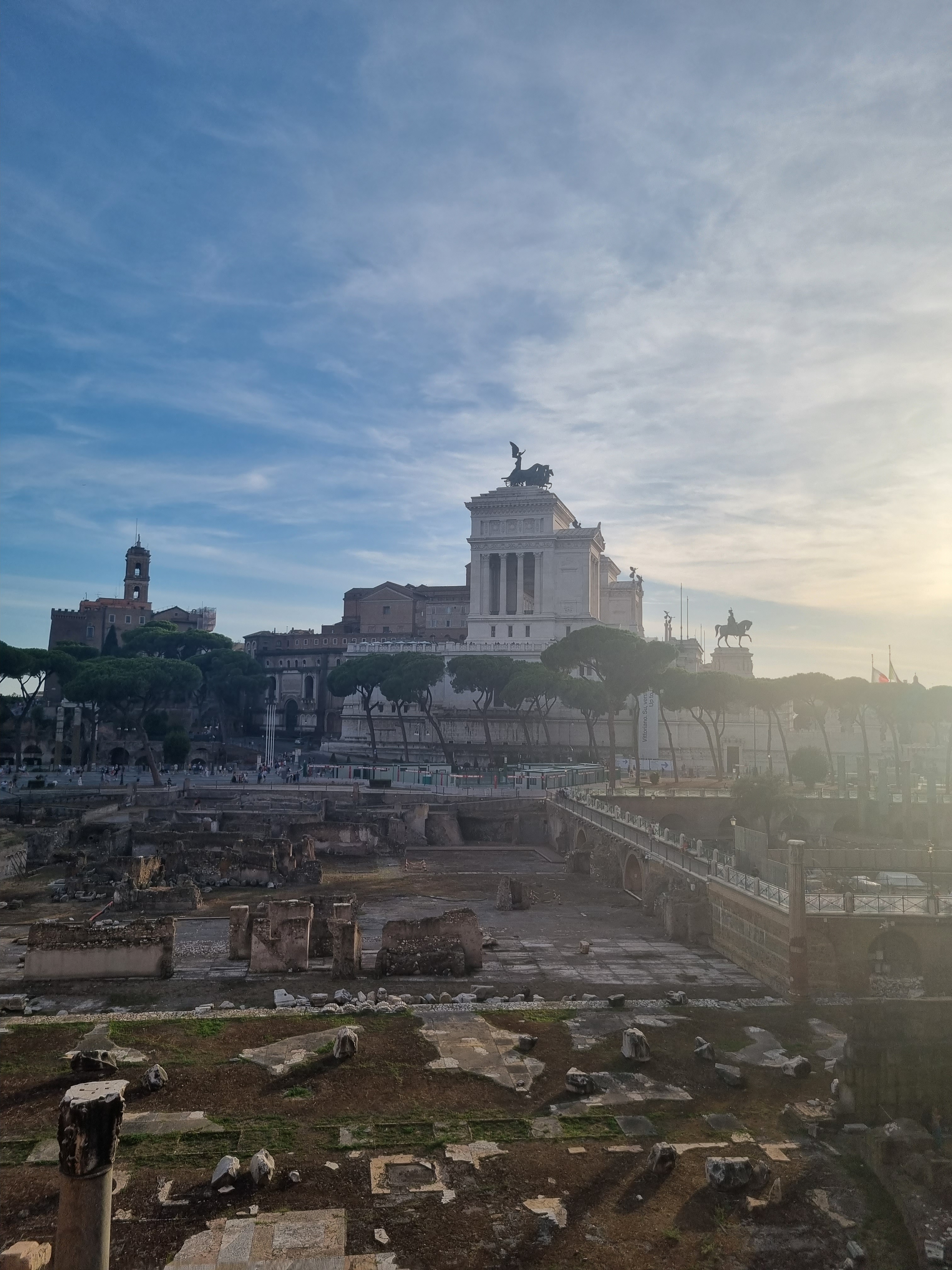
Afterward, we strolled around Rome’s charming streets, passing by a few spots you should definitely check out when you’re here. One of them was Piazza Venezia, a square located at the foot of the Capitoline Hill. It features a monument of Vittorio Emanuele II., Italy’s first king, and is known for its monumental architecture and historical importance. Inside, you can find exhibitions that showcases Italy’s history and culture. So, if you want to learn more about the country’s history, it’s definitely worth a visit.

Then we visited the Baroque church of St. Ignatius of Loyola. Although I’m not too religious, I always love going into churches to admire the artistic paintings with all the details. The church is known for its magnificient ceiling fresco, which creates an illusion of a dome where there isn’t one at all. Even when looking at the pictures, it gives me the impression of a grand architectural feature. Since the church is a beautiful example of Baroque art, I would definitely recommend coming here.
Visitor information: The entry is free, so even more worth visiting!
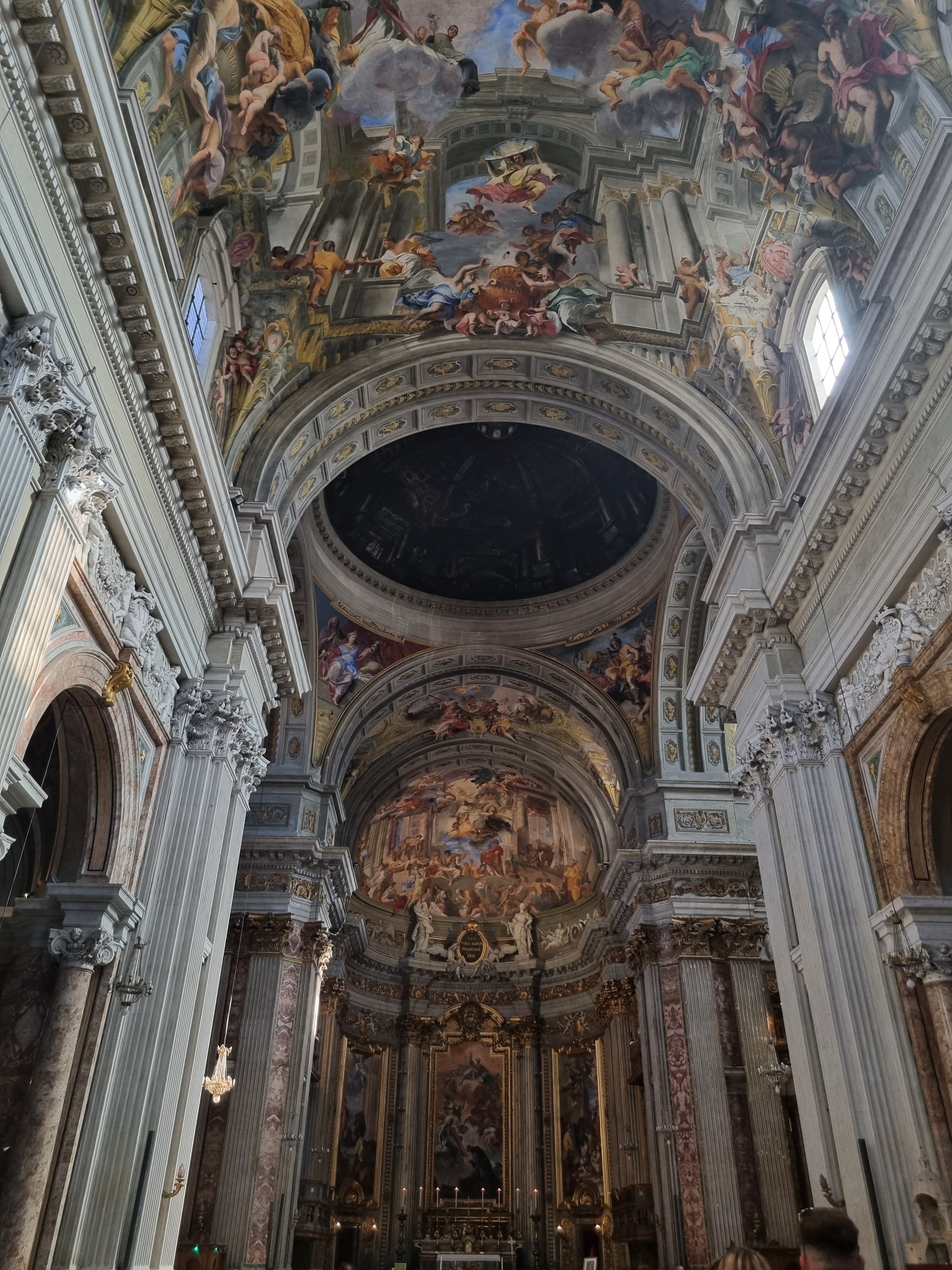
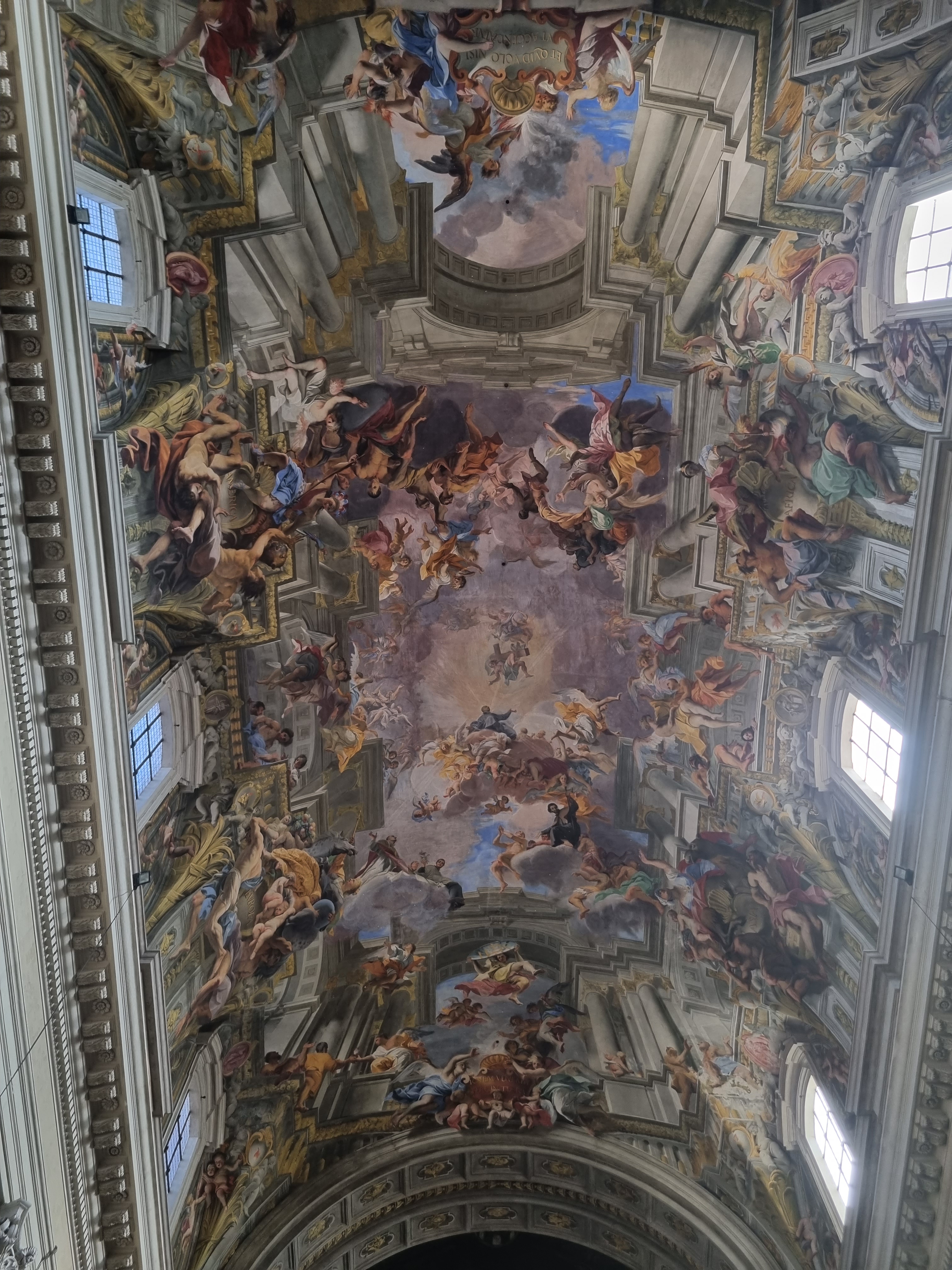
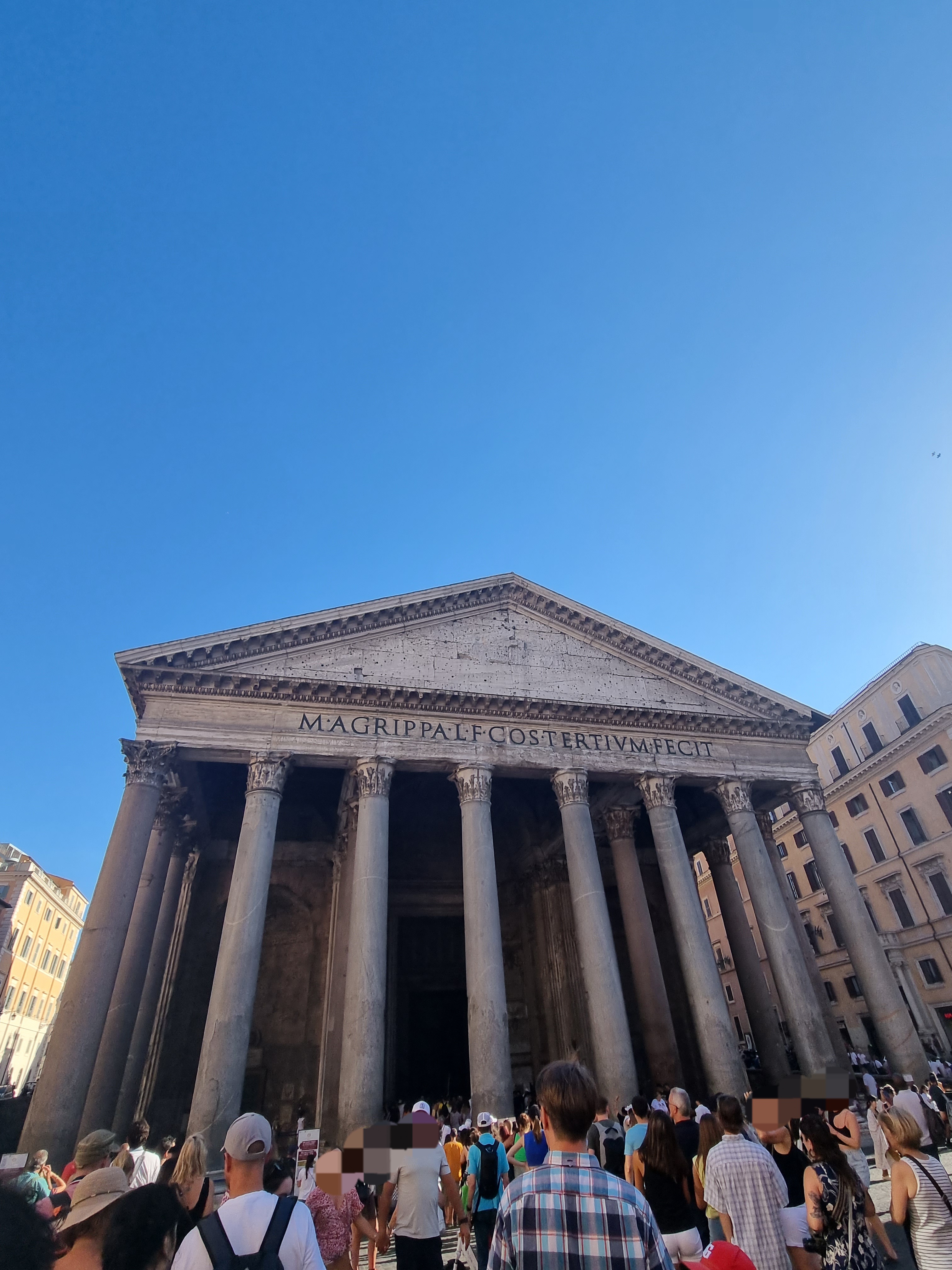
Afterwards, we walked past the Pantheon, a remarkable ancient Roman temple that has been well-preserved over the centuries. It’s known for its impressive dome, which was a revolutionary architectural achievement at that time. Originally, we hadn’t planned on going in until we noticed a lot of people standing in front of the entrance. We then spoke to someone who informed us that entry is free on the first Sunday of each month. Despite the ceowd outside, we didn’t have to wait long to get inside. Once inside, you walk in a circle and are only allowed to move in one direction. Although there isn’t a lot to see, I was still amazed by the impressive dome, which is unexpected from the outside. If you happen to be here on the first Sunday of the month, it’s definitely worth going in! If not, I’m not sure if it’s worth the visit.
Visitor information: The general admission is five euros, two euros for EU citiziens between 18 and 25 years old, and free for those under 18 years old (2025). Tickets can’t be booked in advance, but if you’re interested in learning more about the Pantheon, you can do so on this website.

Leaving the Pantheon, we walked past Largo di Torre Argentina, a square that contains the remains of Pompey’s Theatre and four Roman Republican temples. It’s also known for being the place where Julius Caesar was assassinated. Since you can see a lot from the outside, we chose not to purchase entry tickets for the archaeological site.

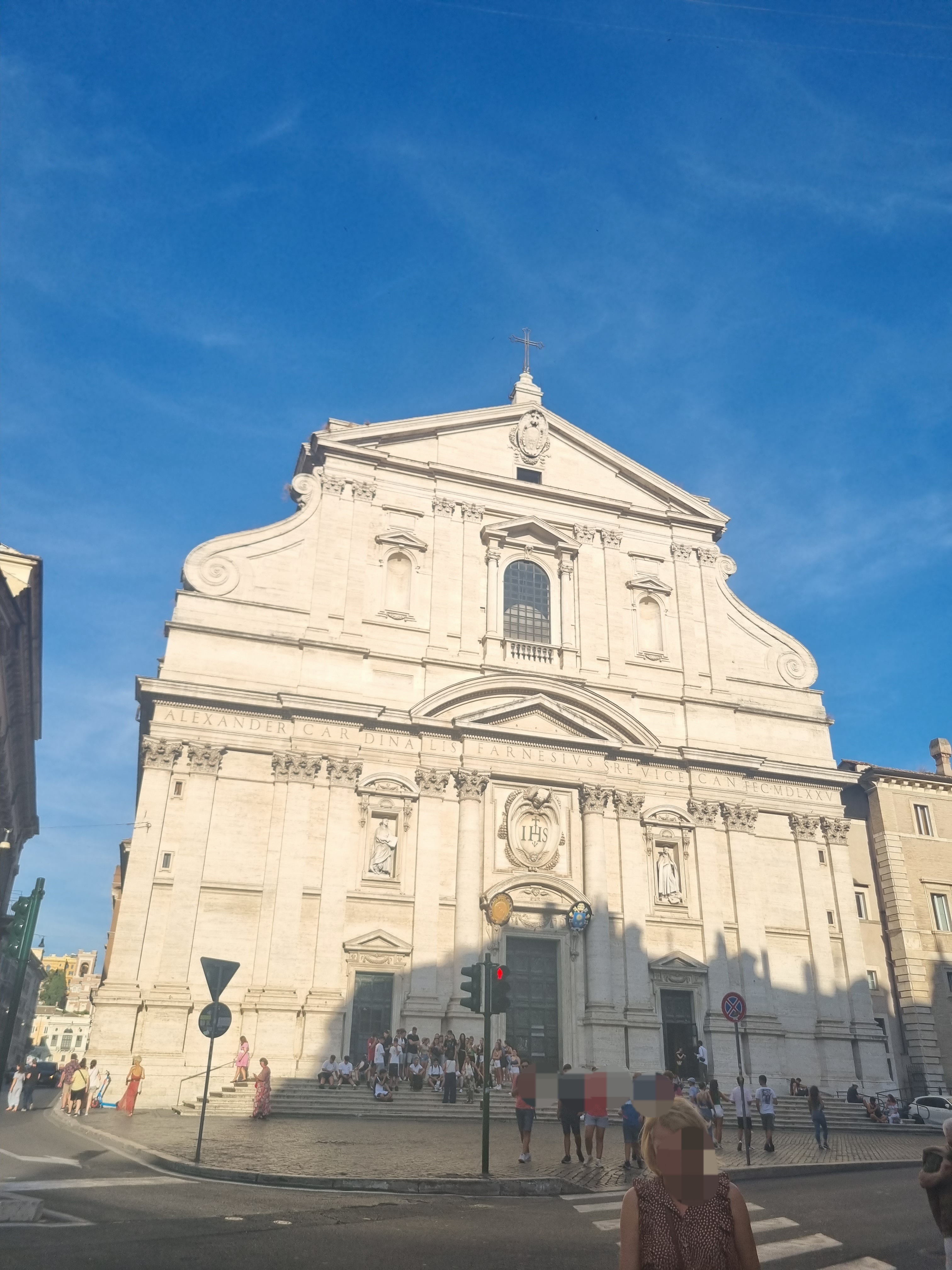
Just a two-minute walk away from Largo di Torre Argentina and near Piazza Venezia, you’ll find Chiesa del Gesù, another beautiful Baroque church that is definitely worth a visit if you’re interested in exploring stunning churches.
Visitor information: The entry to the church is completely free.
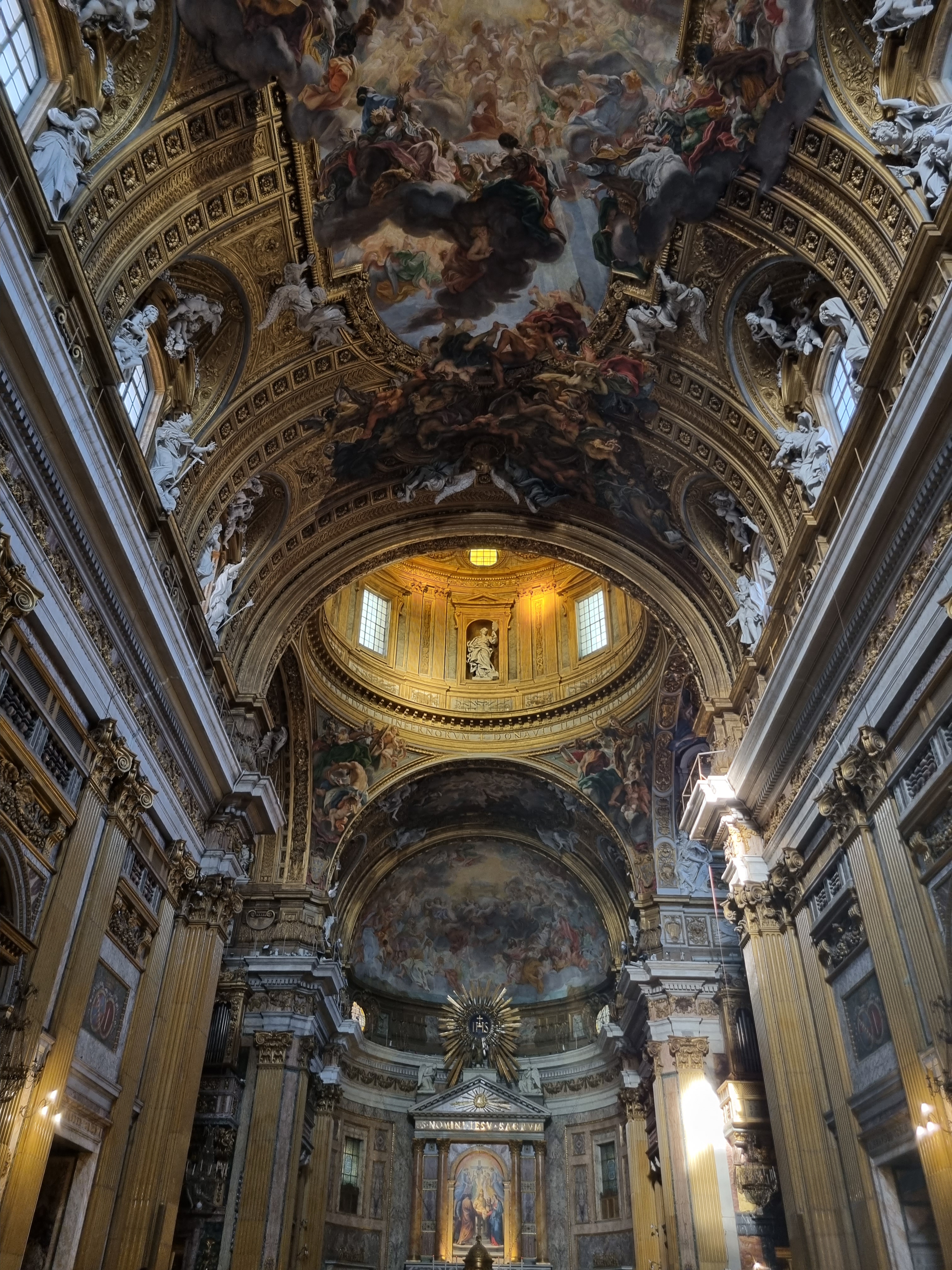
Our final spot for day one was Trajan’s Markets, or Mercati di Traiano, an ancient Roman complex of buildings located near the Roman Forum and the Colosseum. It was constructed during the reign of Emperor Trajan and served as a commercial center with shops and offices. Today, it’s a museum where you can explore the ruins and delve into Rome’s ancient history.
Visitor information: As we visited on the first Sunday of the month, entry was free. If you wish to learn more about the ruins, you can visit their website.

Day 2 – Rome
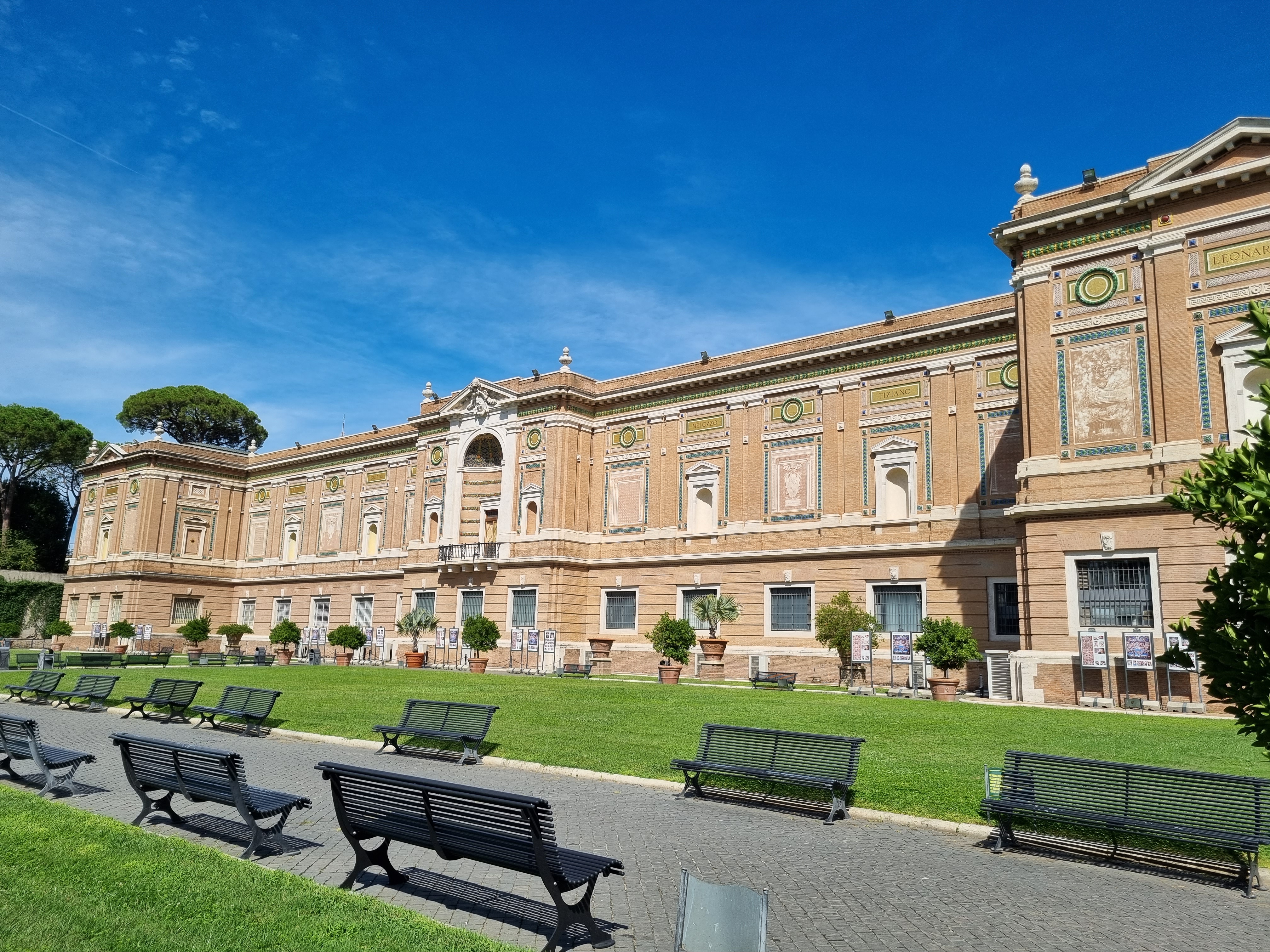
For our second day, we planned to visit Vatican City, a must-see when in Rome. Often confused as part of Rome, it’s actually an independent city-state and the headquarters of the Roman Catholic Church. Inside Vatican City, you can explore the Vatican Museum, the Sistine Chapel, and the St. Peter’s Basilica.
Visitor information: Before our trip to Rome, all tickets were sold out on the main website, so we booked them through GetYourGuide.com (unpaid ad), which I always recommend if something is fully booked. Most of the time, the prices are not significantly higher. Our ticket included access to the Vatican Museum and the Sistine Chapel. If you’re planning to visit the city-state, make sure to dress appropriately for the museum and the Sistine Chapel, as they are very sacred places. To find out more about the museum and the Sistine Chapel, click here.
Just a little reminder, taking photos inside the Sistine Chapel isn’t allowed.
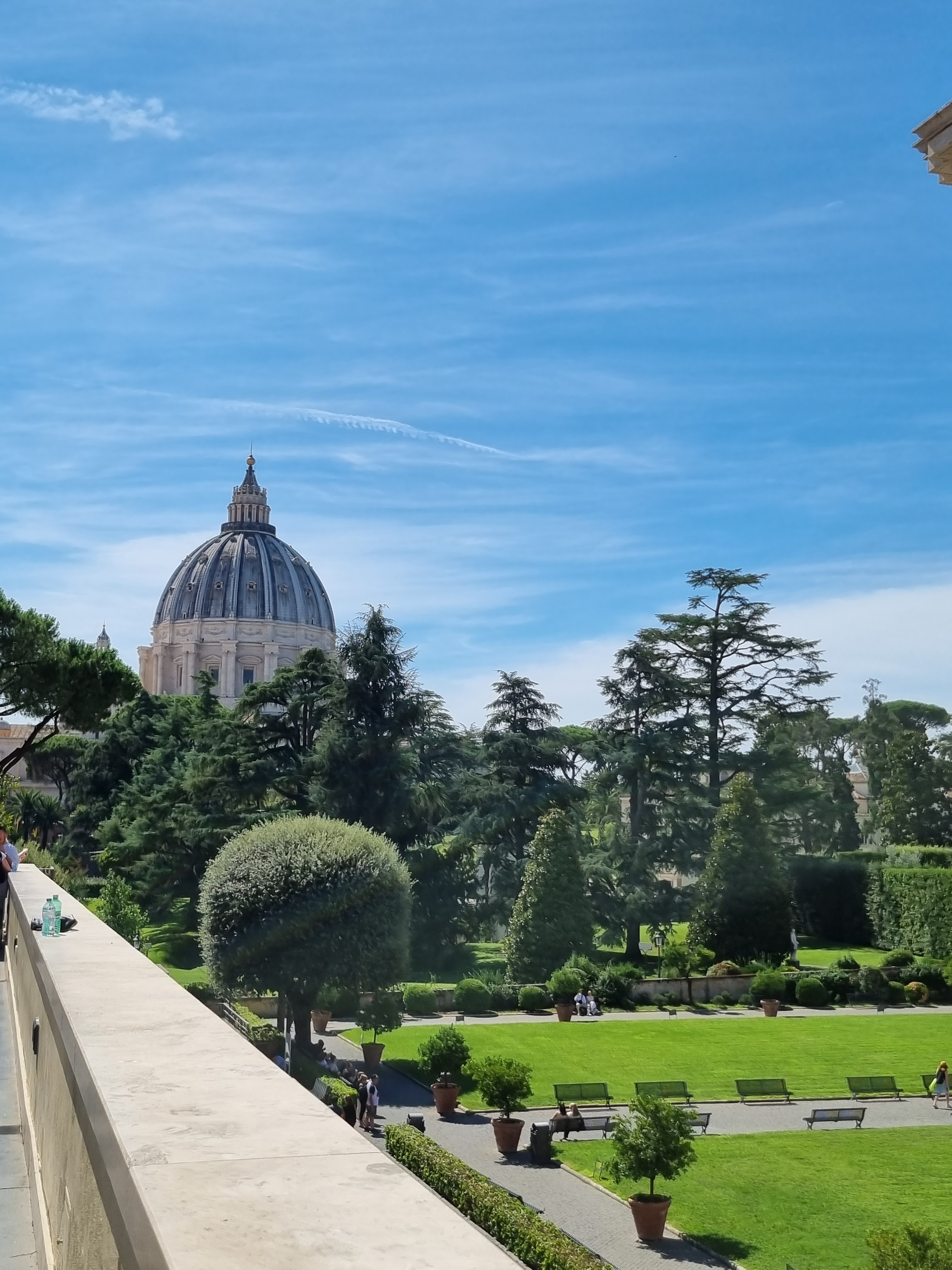
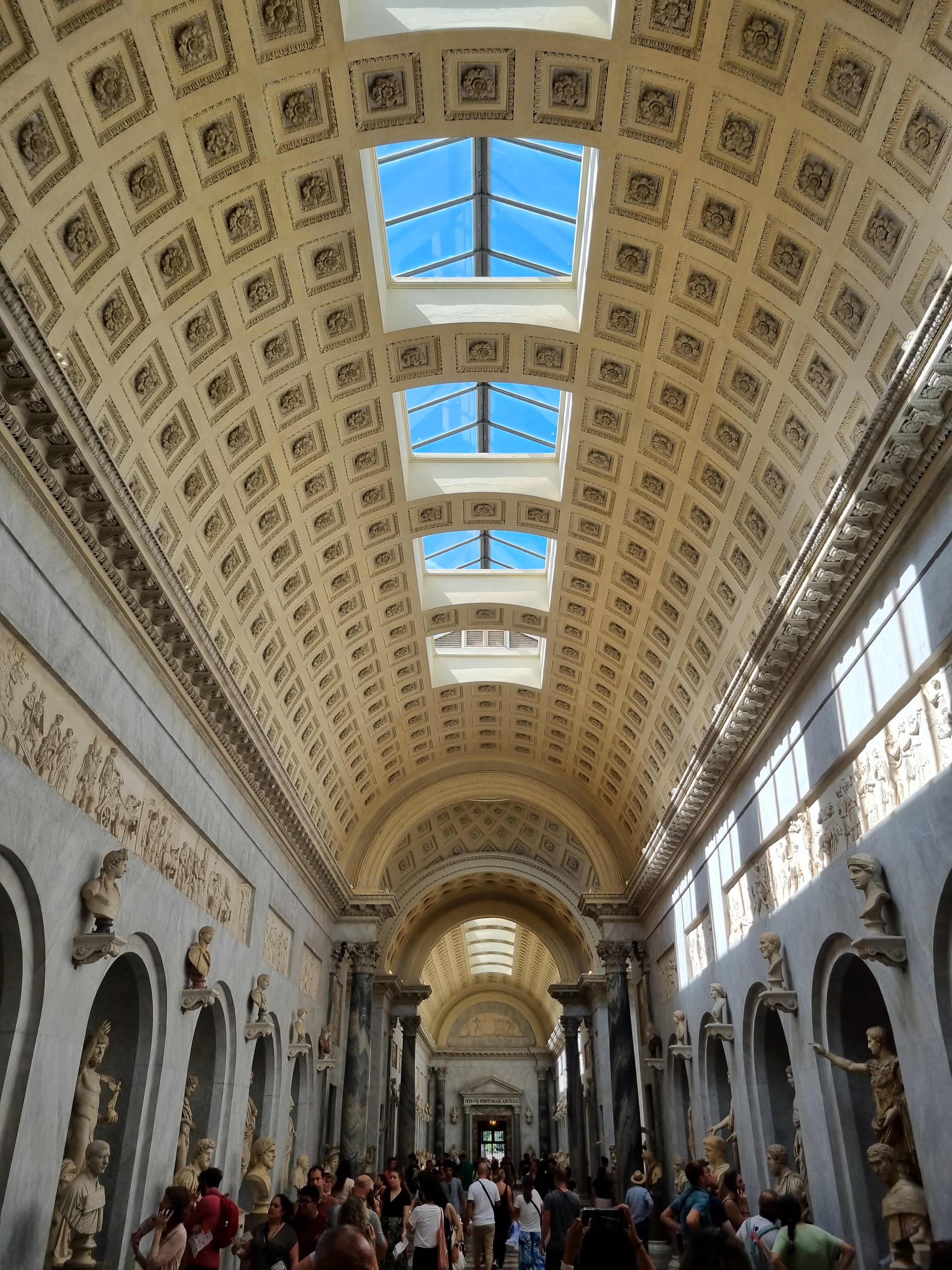
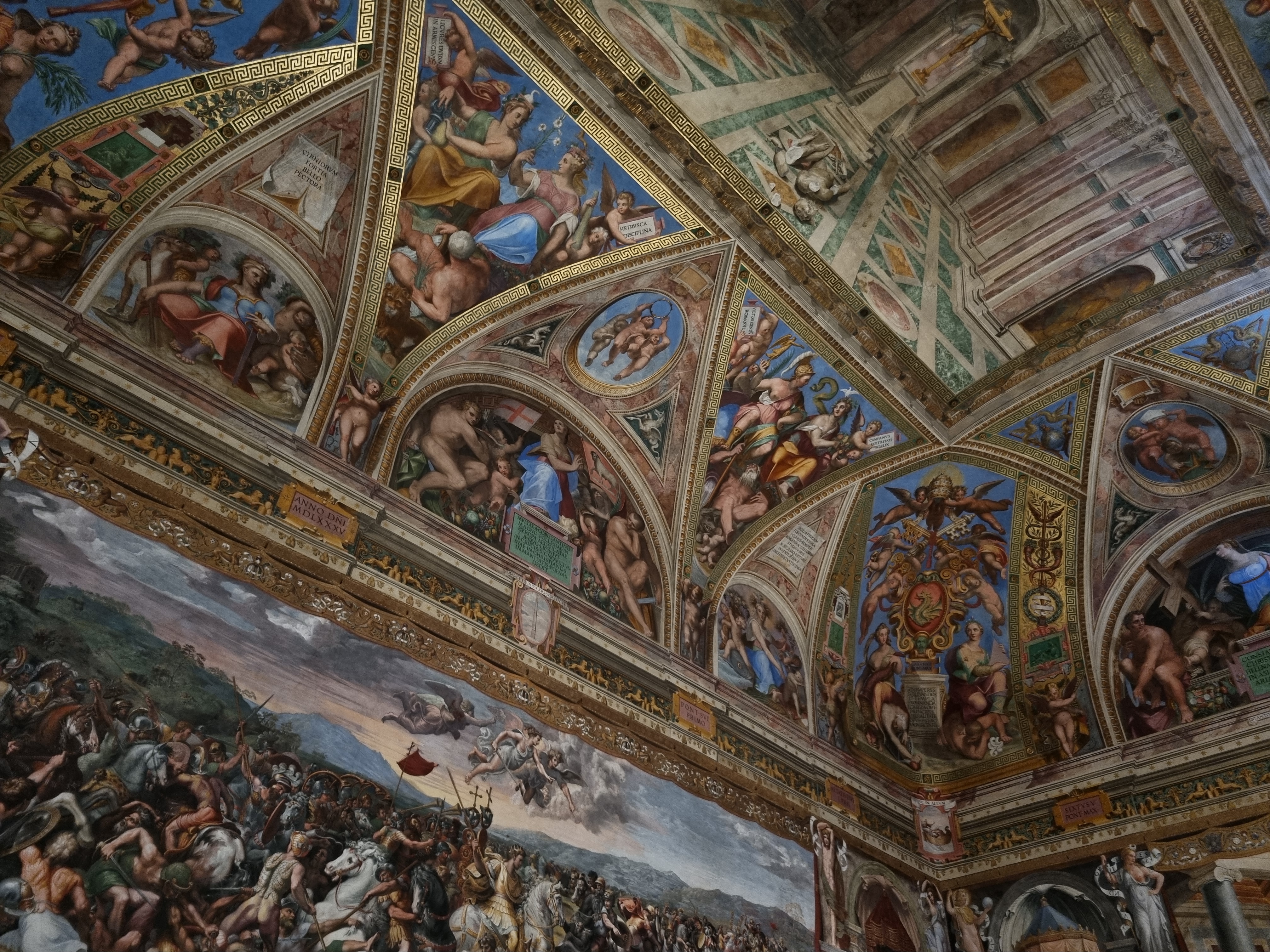
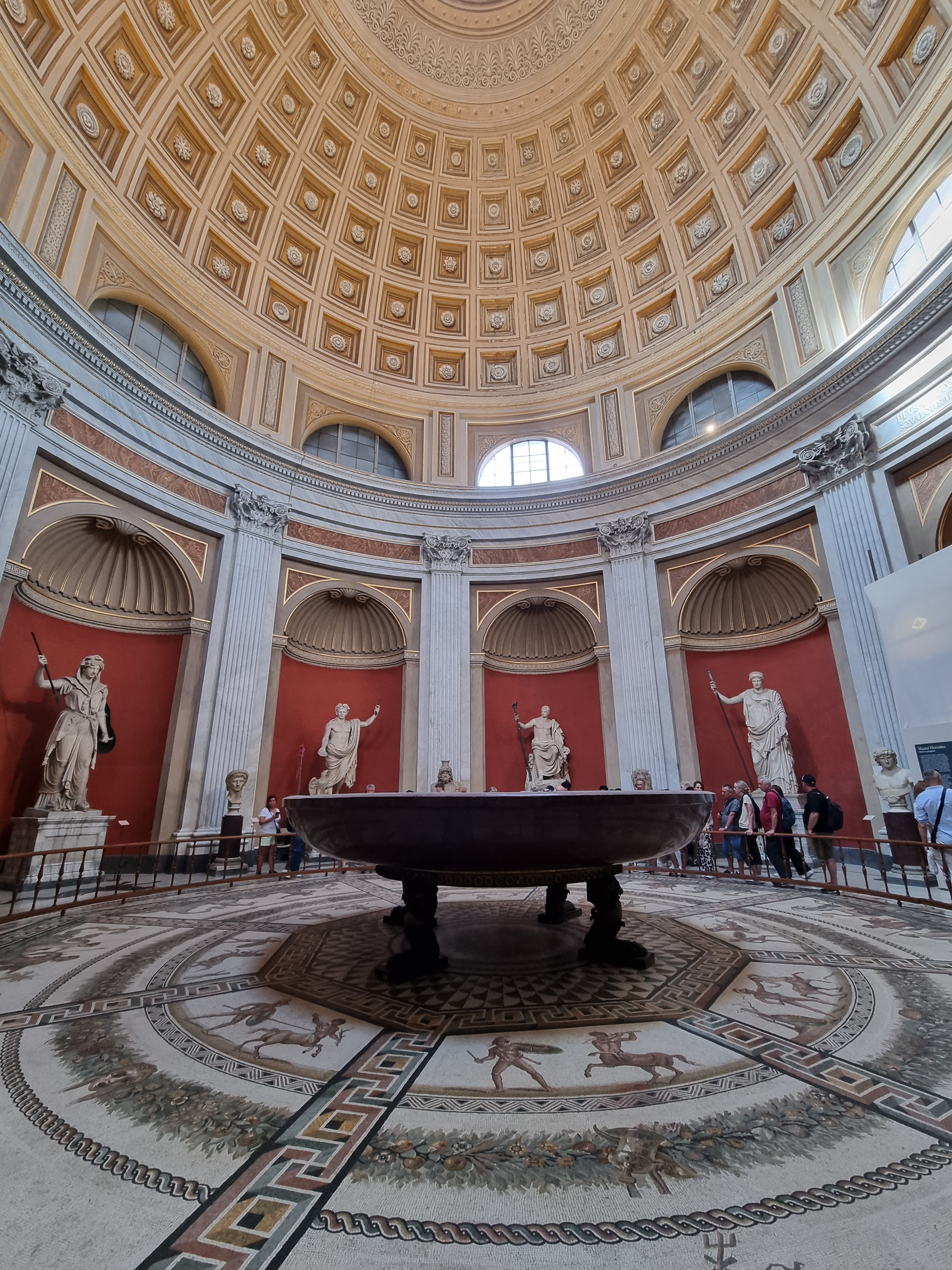
After spending a few hours in the museum and the chapel, we went to St. Peter’s Basilica, a magnificent Renaissance church. It’s one of the largest churches in the world and known for its stunning architecture. Inside, you can admire priceless works of art and architecture.
Visitor information: When visiting the inside of the church, remember to dress appropriately and be prepared for security checks. For more information about the church and visitor details, click here.

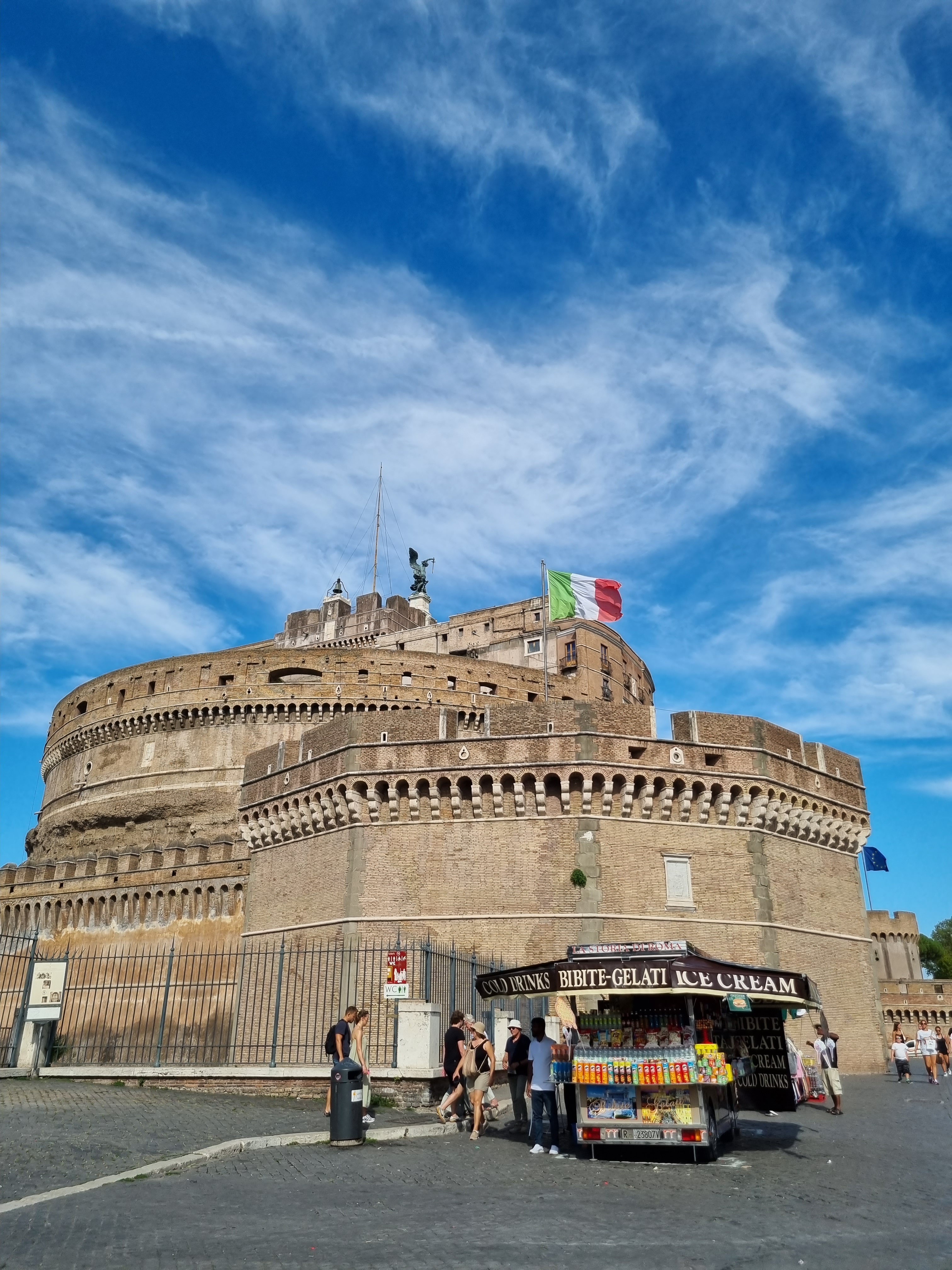
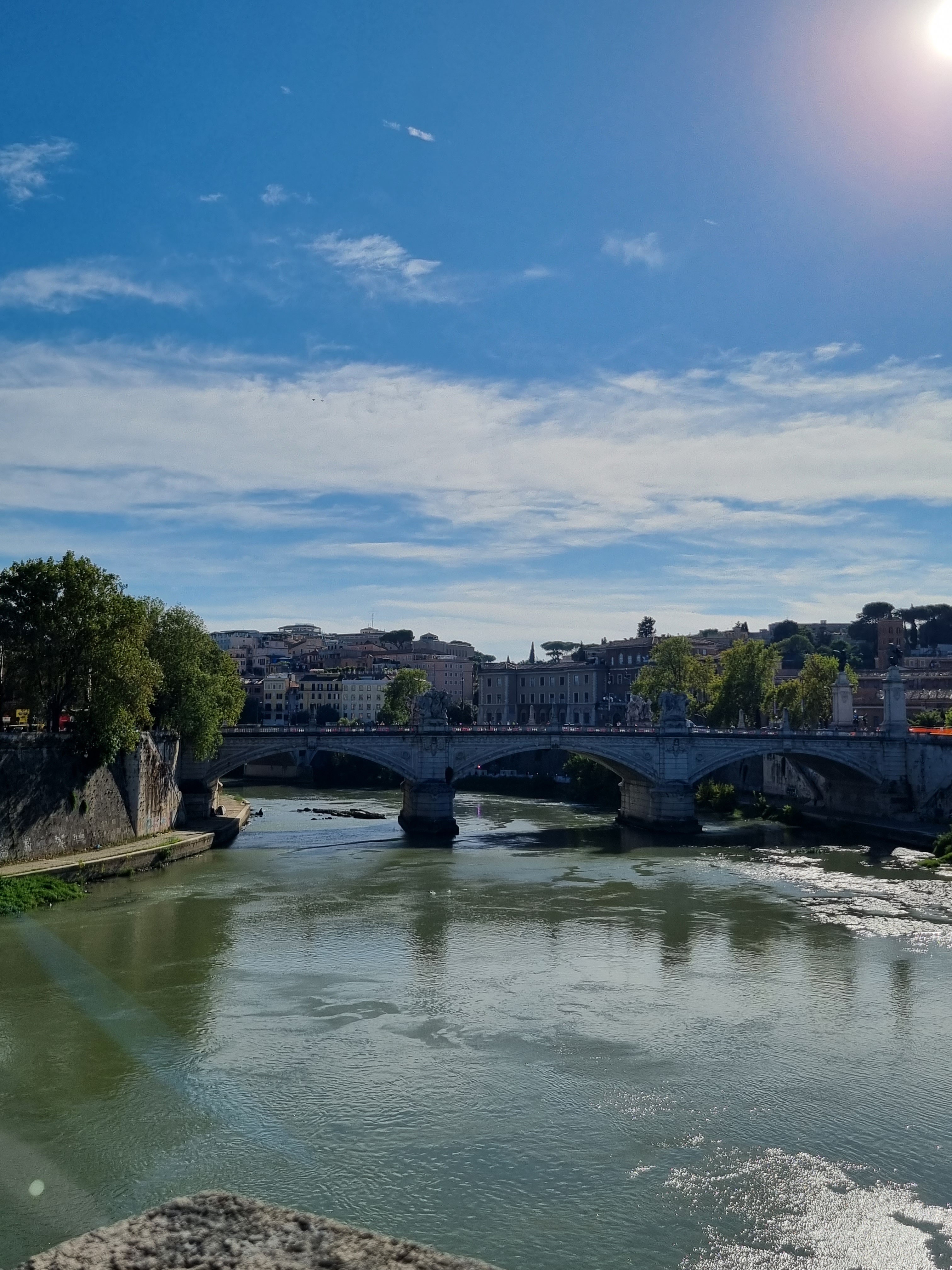
Later, we left the Vatican area and headed to Castel Sant’Angelo, had lunch, and strolled along the Tiber River. The castle was originally built as a mausoleum for Emperor Hadrian and later served as fortress and a papal residence. It’s a great place to explore and learn about the city’s history. Unfortunately, when we visited, half of the castle was undergoing construction, but we still enjoyed our stay visiting the castle from the outside.
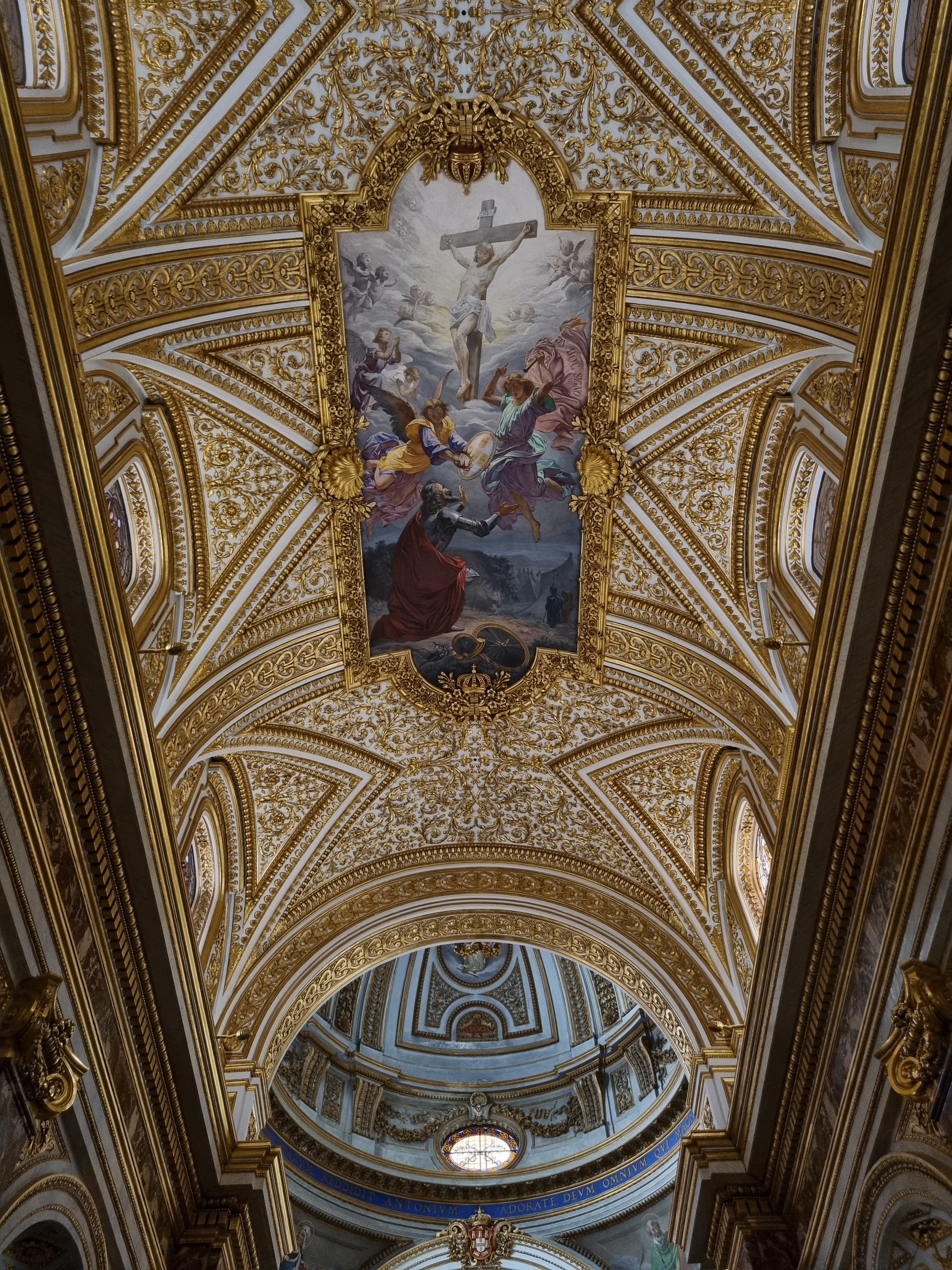
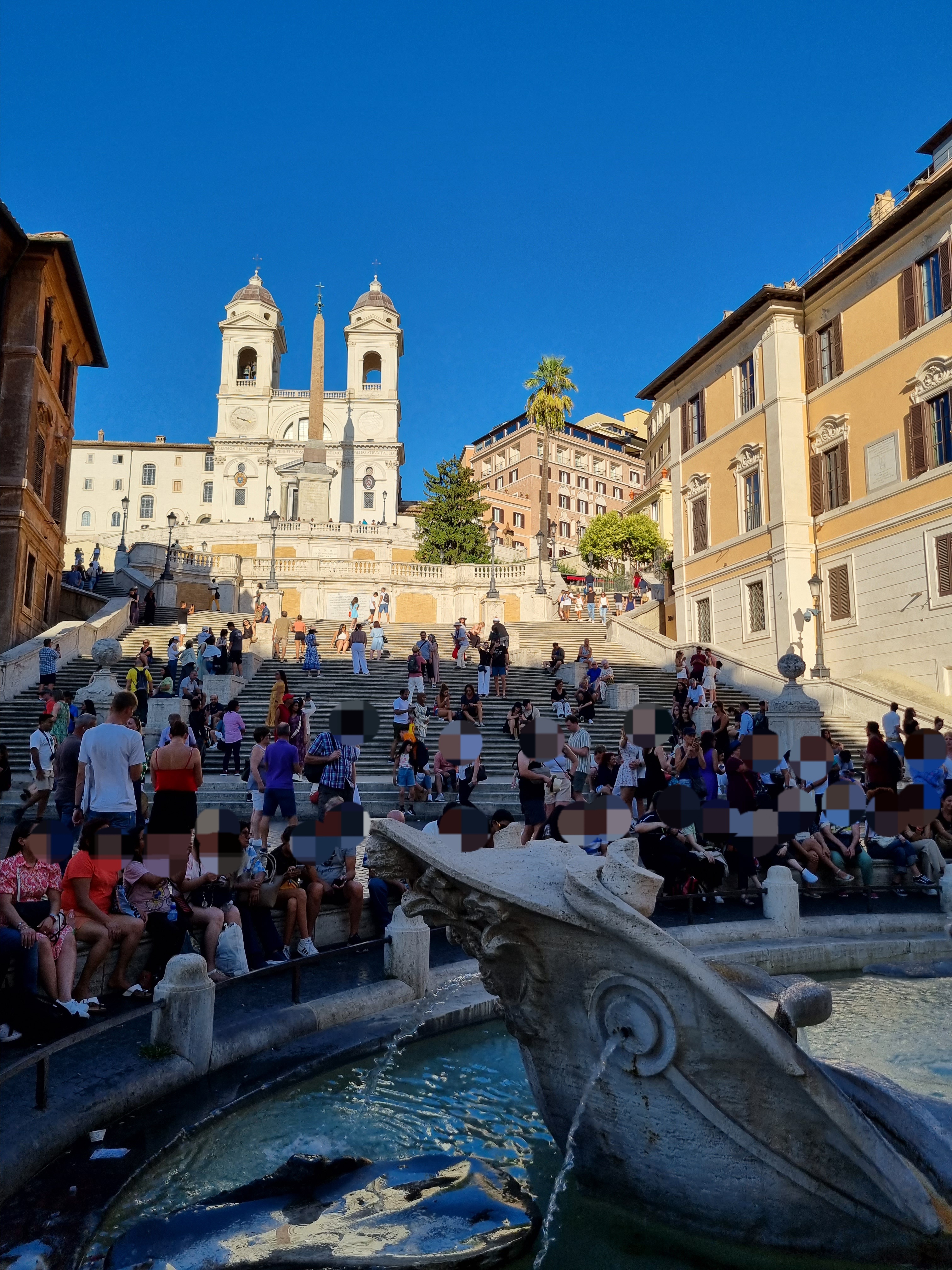
On our way back to the city center, we made a stop at the church of Sant’Antonio dei Portoghesi, a Portuguese church that is also worth a visit if you find yourself in the area. Our final destination for the day was the Spanish Steps, which was the first sight in Rome that didn’t captivate us like the others. The steps connect the Piazza di Spagna at the base with the church of Trinità dei Monti at the top. They are a famous landmark and a popular meeting point in the city but extremely crowded, as you can see in the photo. I can imagine it being a relaxing place when not bustling with crowds, but we didn’t enjoy staying there. Hopefully you enjoy it more than us. Oh and just a little heads up, sitting on the steps has been prhibited since 2019, although some people still do it.

Day 3 – Rome
On the third day, we woke up early to try our luck and visit the Colosseum and Roman Forum from the inside. When we arrived, the ticket office was still closed, but there was already a crowd waiting for it to open. So you can never be too early! We waited for about 1 1/2 hours until we reached the ticket office and were lucky to buy a ticket package for both the Colosseum and Roman Forum. For the Colosseum, we were given a specific time slot for entry, which was about two hours later, so we decided to explore the ruins of Roman Forum first. The Roman Forum was the political and religious center of Rome, where political speeches were delivered and religious ceremonies were held. It also functioned as a marketplace. Today, visitors can see the remains of temples, basilicas, and other ancient buildings. We absolutely loved it and believe it’s definitely worth a visit!
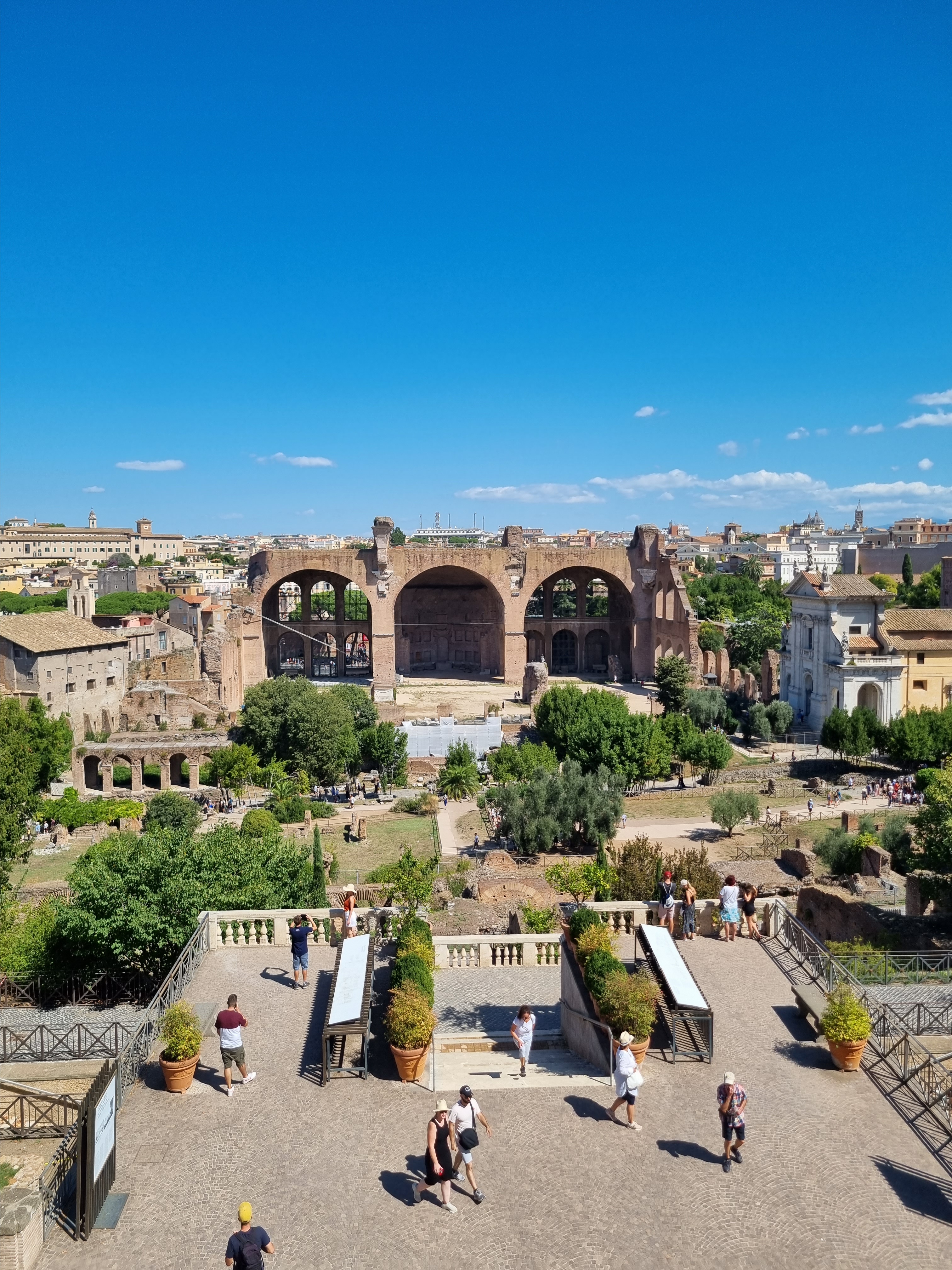
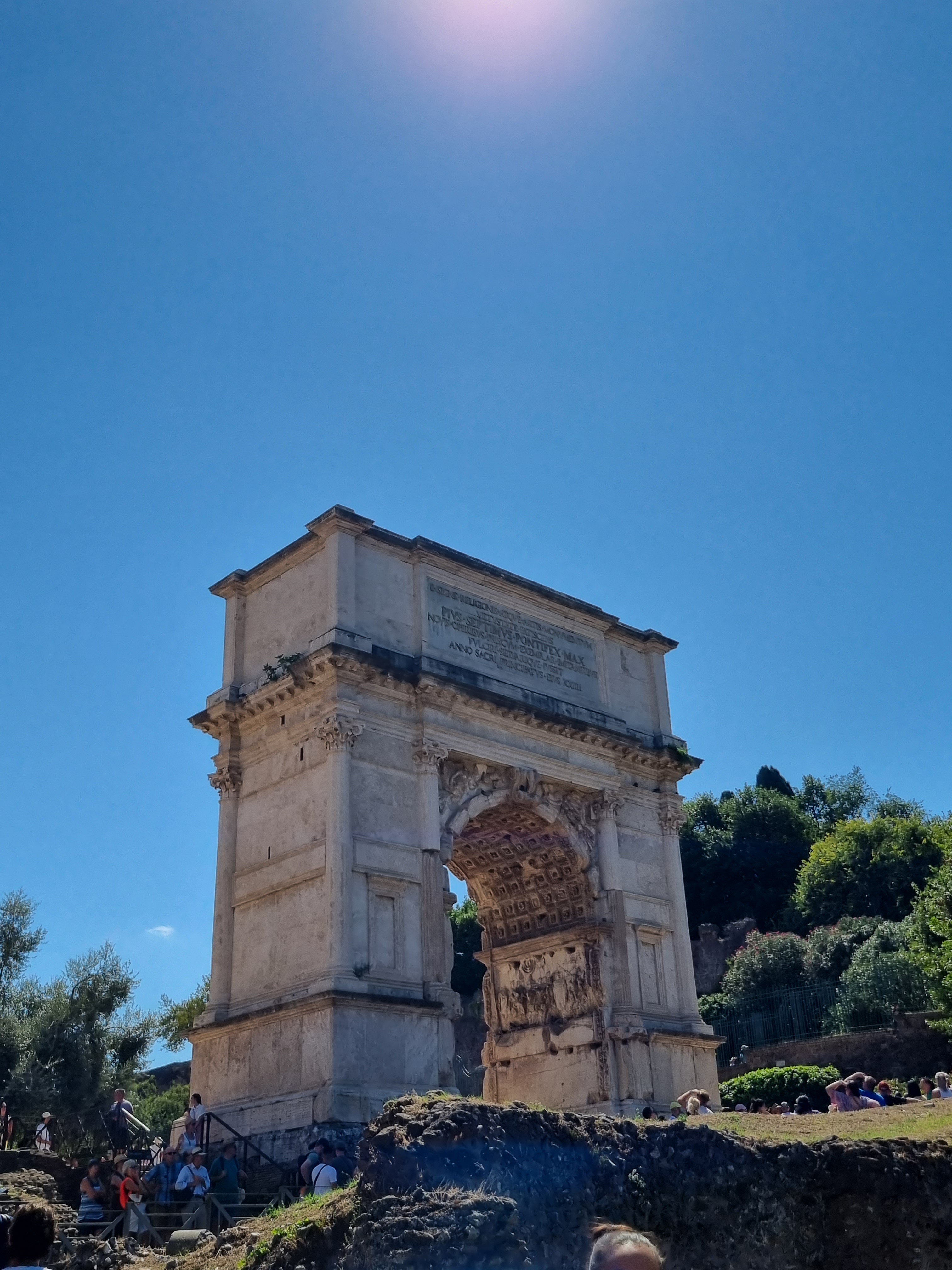
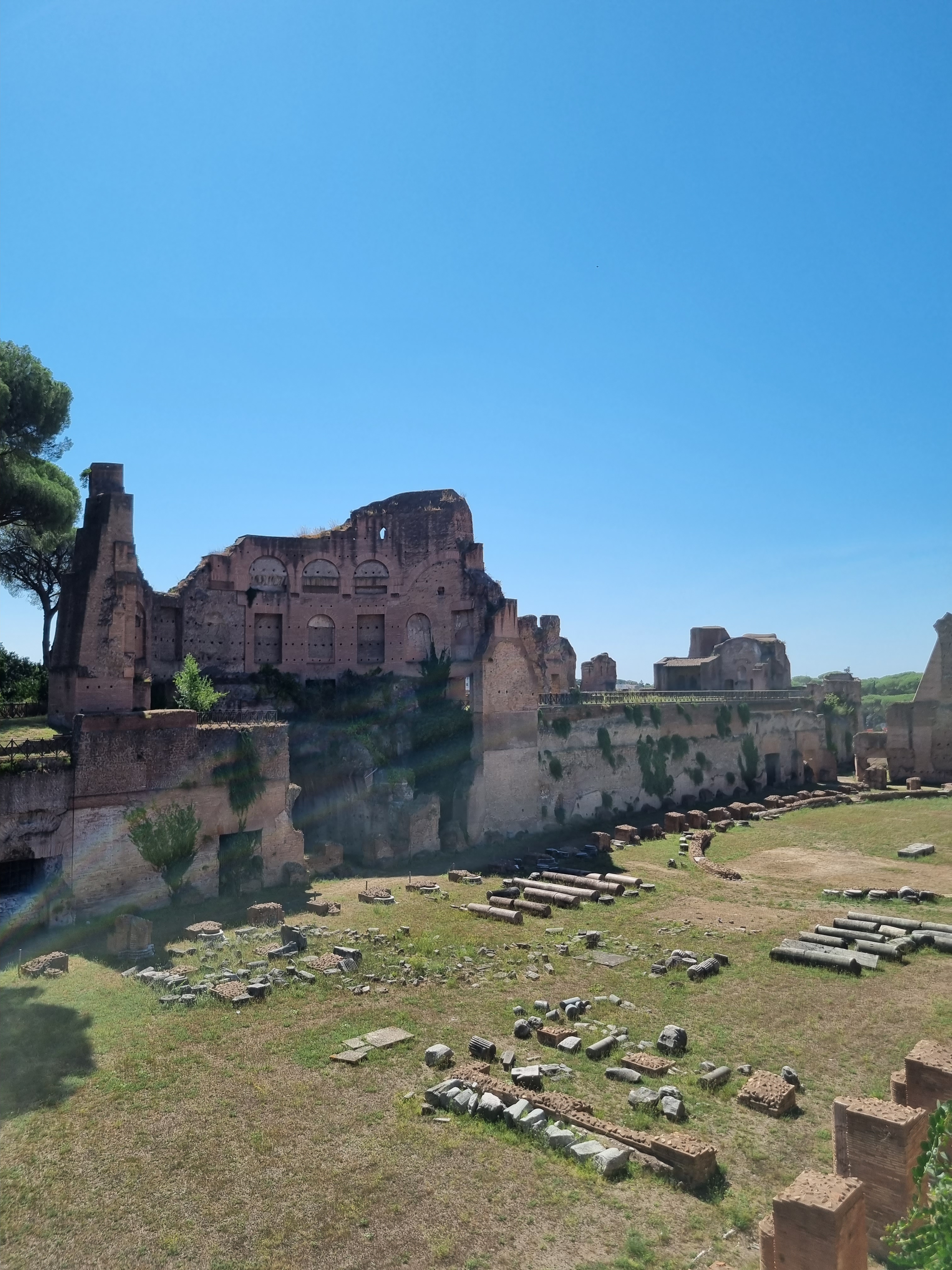
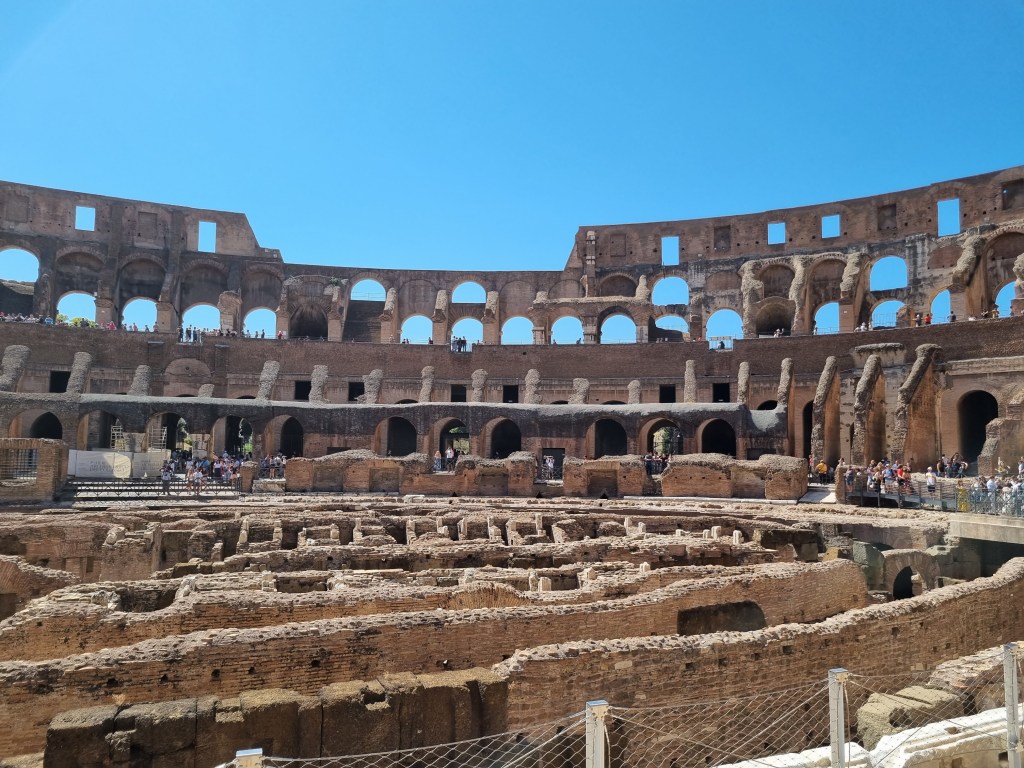
After visiting the Roman Forum, we entered the Colosseum, where you can explore different levels. With the basic ticket, you can visit the ground level and the first level of the amphitheater. Beneath the Colosseum’s floor, there was a complex system of tunnels and lifts used to bring gladiators and props into the arena. To visit the tunnels, you need to purchase a different ticket. We only bought the basic ticket and were very happy with it. I must say, in my opinion, the outside of the Colosseum is more stunning and wort a visit than the interior.
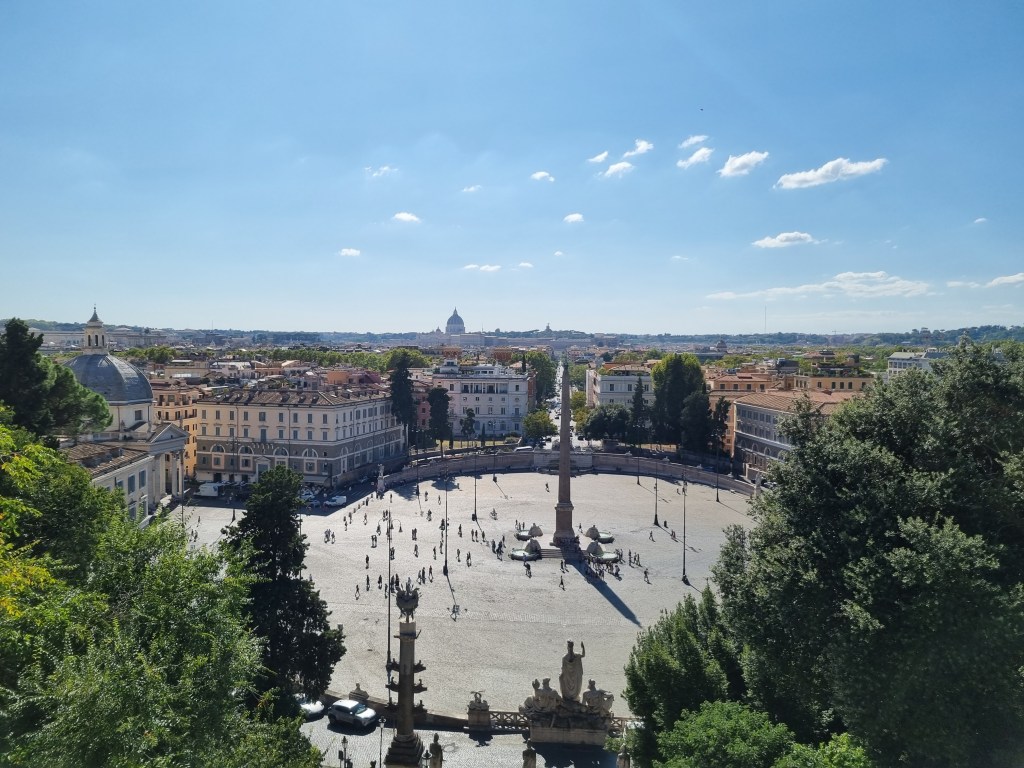
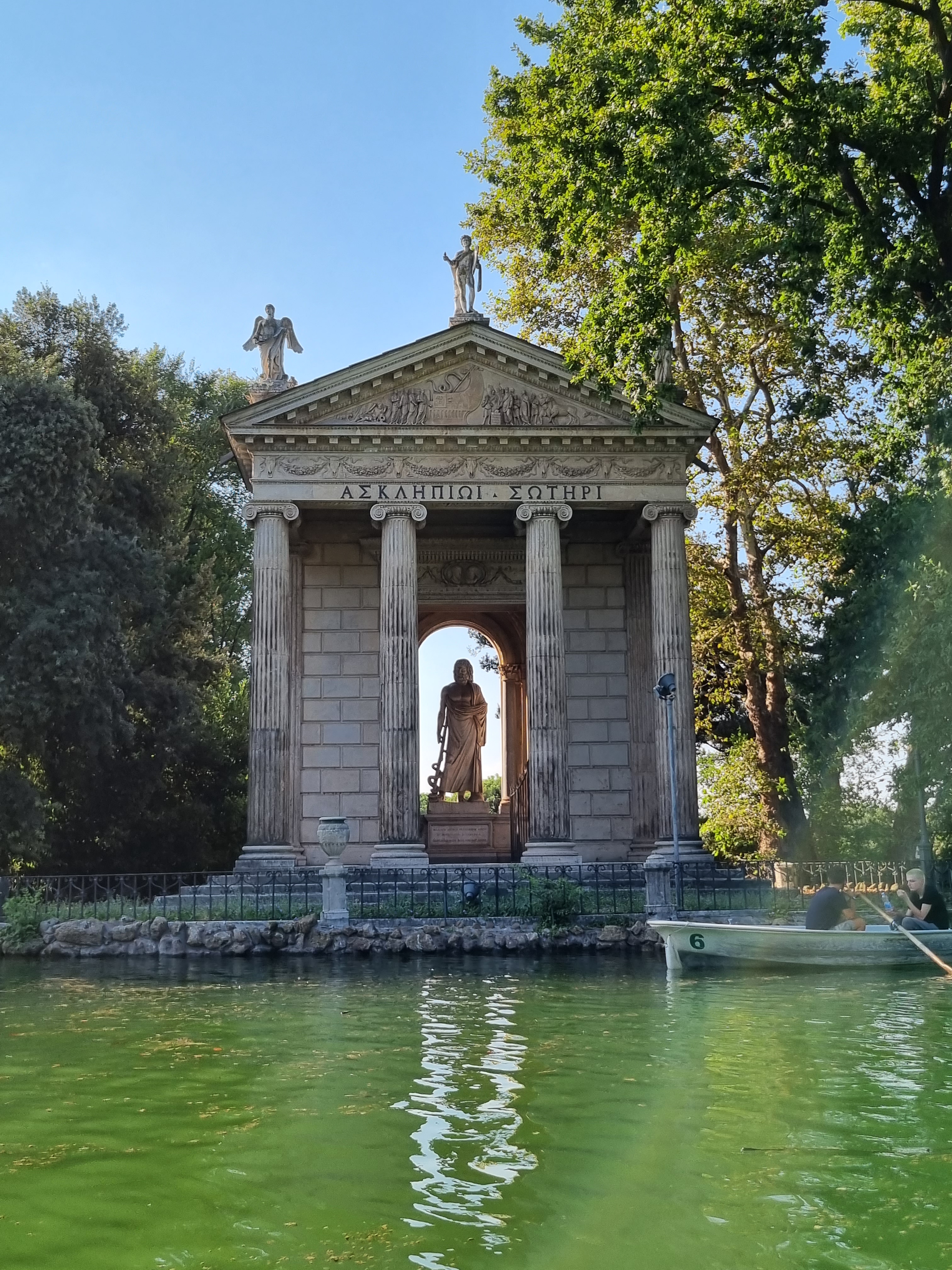
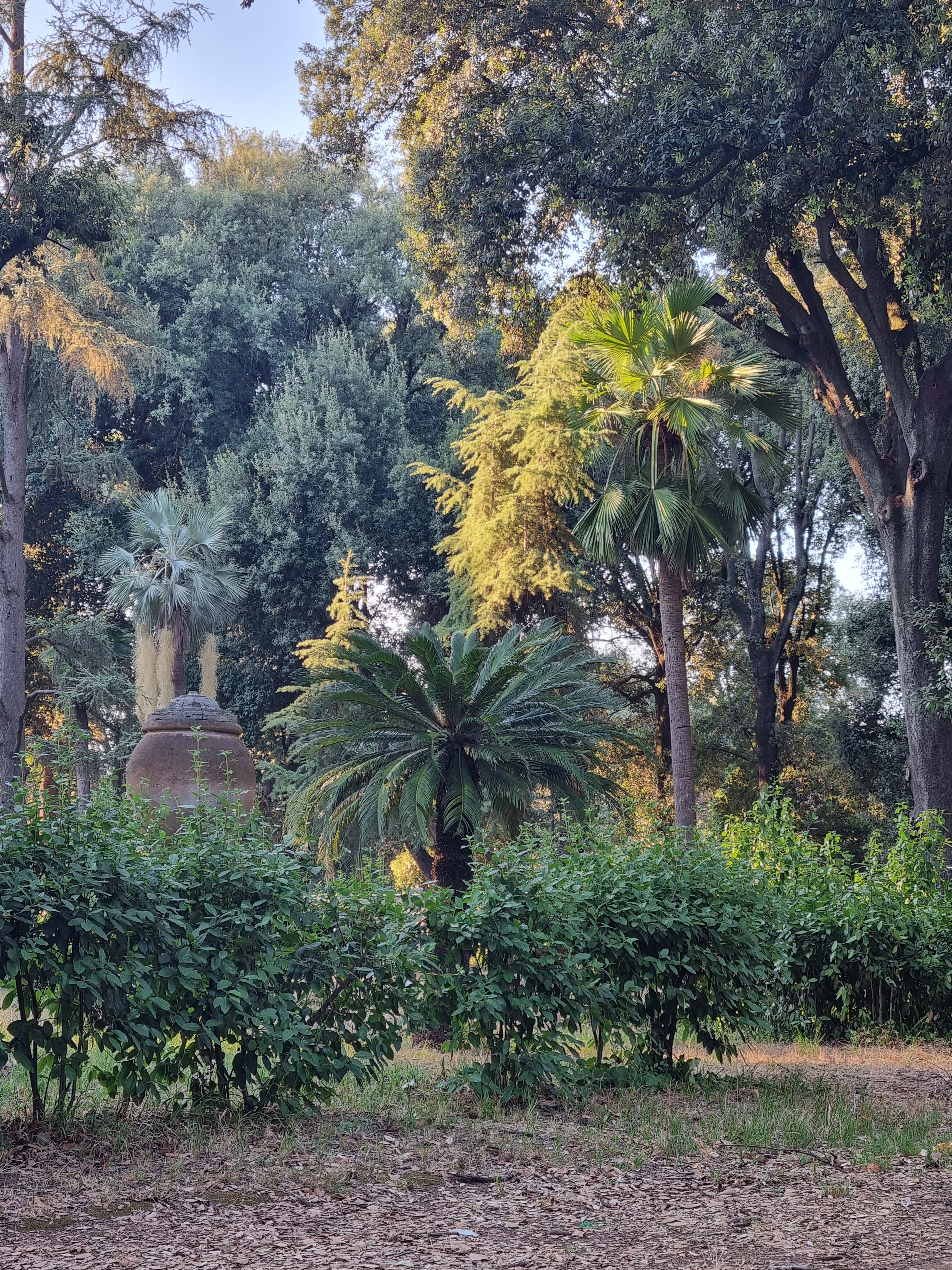
Then we walked through the city and looked for a spot to eat lunch, which unfortunately wasn’t good at all, so I can’t recommend it. Afterwards, we strolled to Piazza del Popolo, a square with an Egyptian obelisk and stunning fountains. Right next to it, on a small hill, is Villa Borghese, a beautiful park with plenty to offer! If you walk up the little hill, you’ll have a lovely view of the square and the city. You can explore the Borghese Gallery to see amazing art, rent a bike or a boat, have a picnic, or simply enjoy a leisurely stroll. It’s the perfect place to relax after all the sightseeing the past days. Just be cautious of the “friendship bracelet scam”, which is well-known in Rome. One minute, you’re admiring the view of the square, and the next, someone is trying to put a bracelet on your wrist and asking for money. Inititally friendly, they can become quite aggressive if you refuse. While sitting on a bench in the park, we witnessed this happening numerous times. The scammers even approached us a few times, but I quickly confronted them. They can be quite persistent, and I had to assert myself to deter them. This scam is commonly targeted at tourists in crowded places. We encountered it only at Villa Borghese but heard it also occurs around the Colosseum and the Spanish Steps.
My advice: To prevent this, simply avoid engaging with these scammers and firmly reject their advances.
Day 4 – Rome
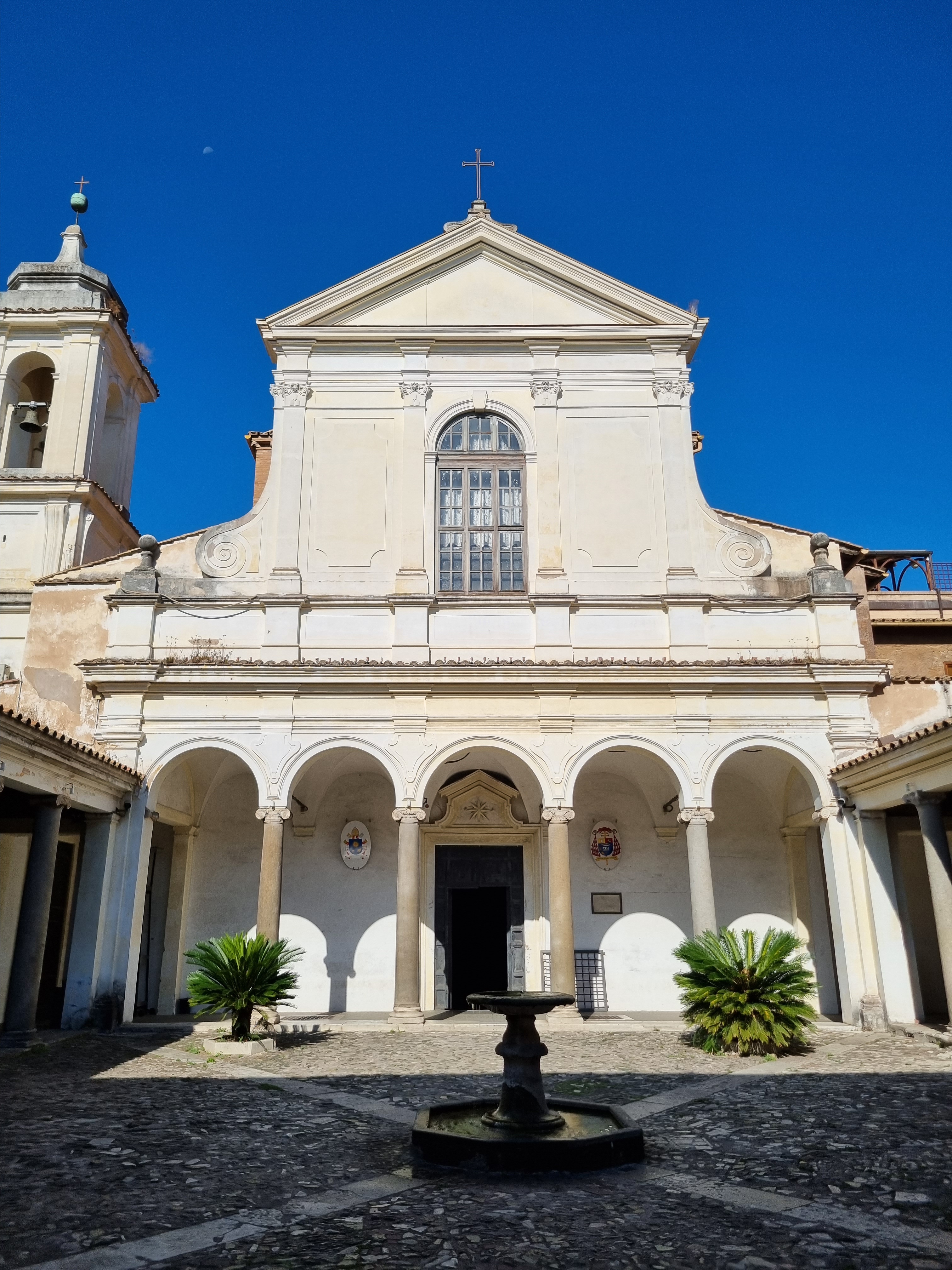
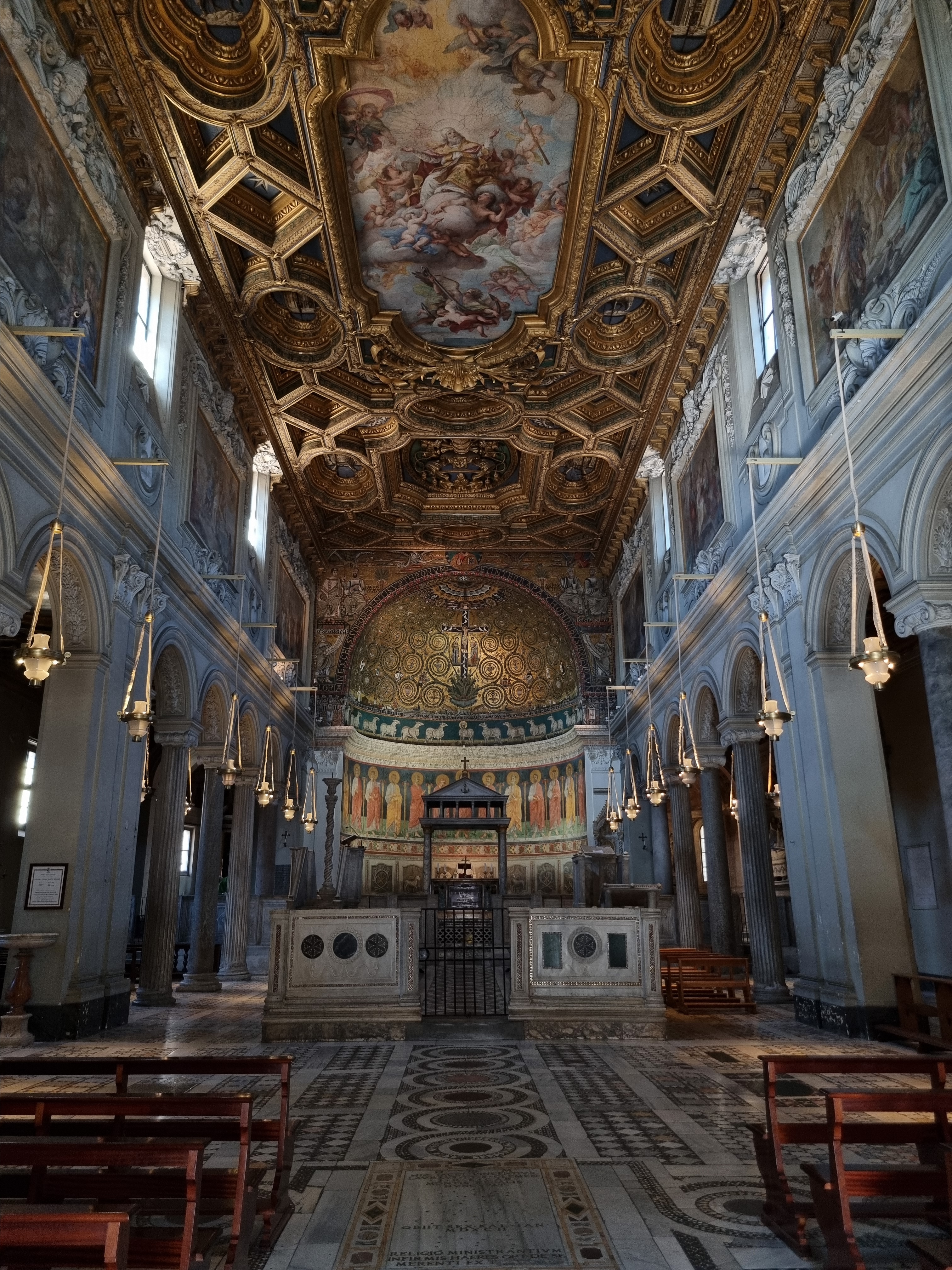
We began our day by strolling through the town and visiting the Basilica di San Clemente, a captivating historical site. You can delve into multiple layers of history within the building, such as the basilica, which is built on top of older structures, including an underground area. We truly enjoyed our time exploring the creepy catacombs and would recommend it!
Visitor information: While entry to the basilica is free, if you would like to visit the catacombs, you need to buy a ticket for ten euros. If you’re a student planning to explore the catacombs, remember to bring your student ID as you’ll only pay half the price with it (2025).
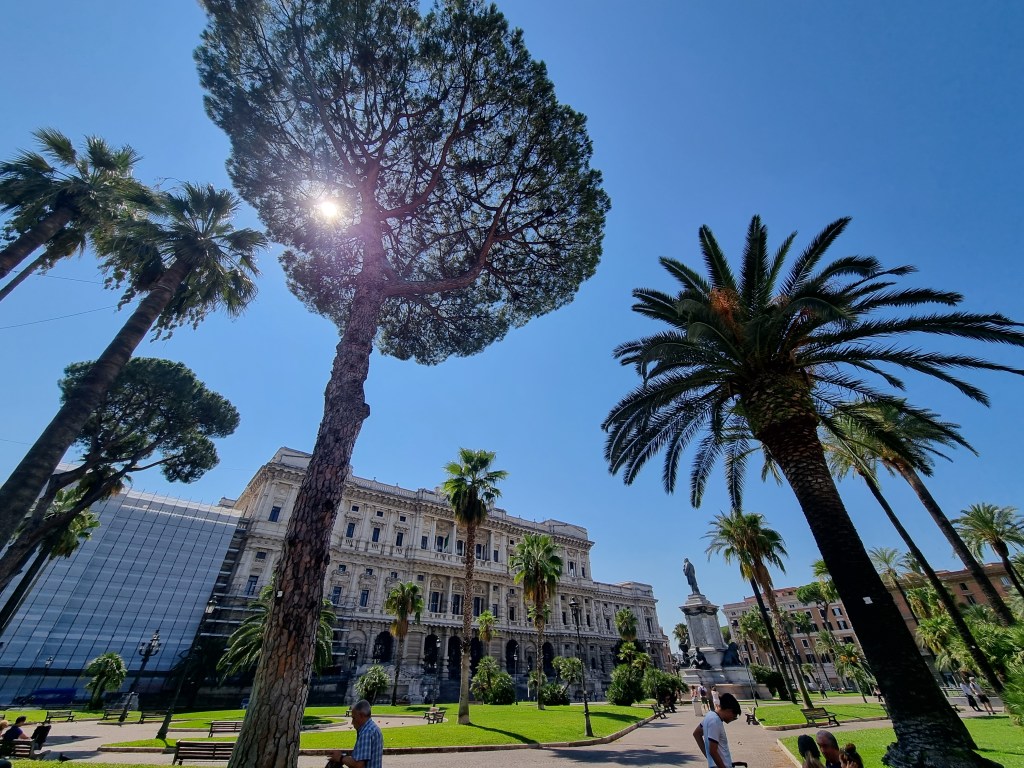
For lunch, we booked a cooking class at Piazza Cavour, a bustling square near the Tiber River. Before the cooking class began, we wandered around the square, giving off a Spanish vibe. It’s a lovely spot to relax and take in the lively atmosphere, with cafes, shops, and restaurants around.
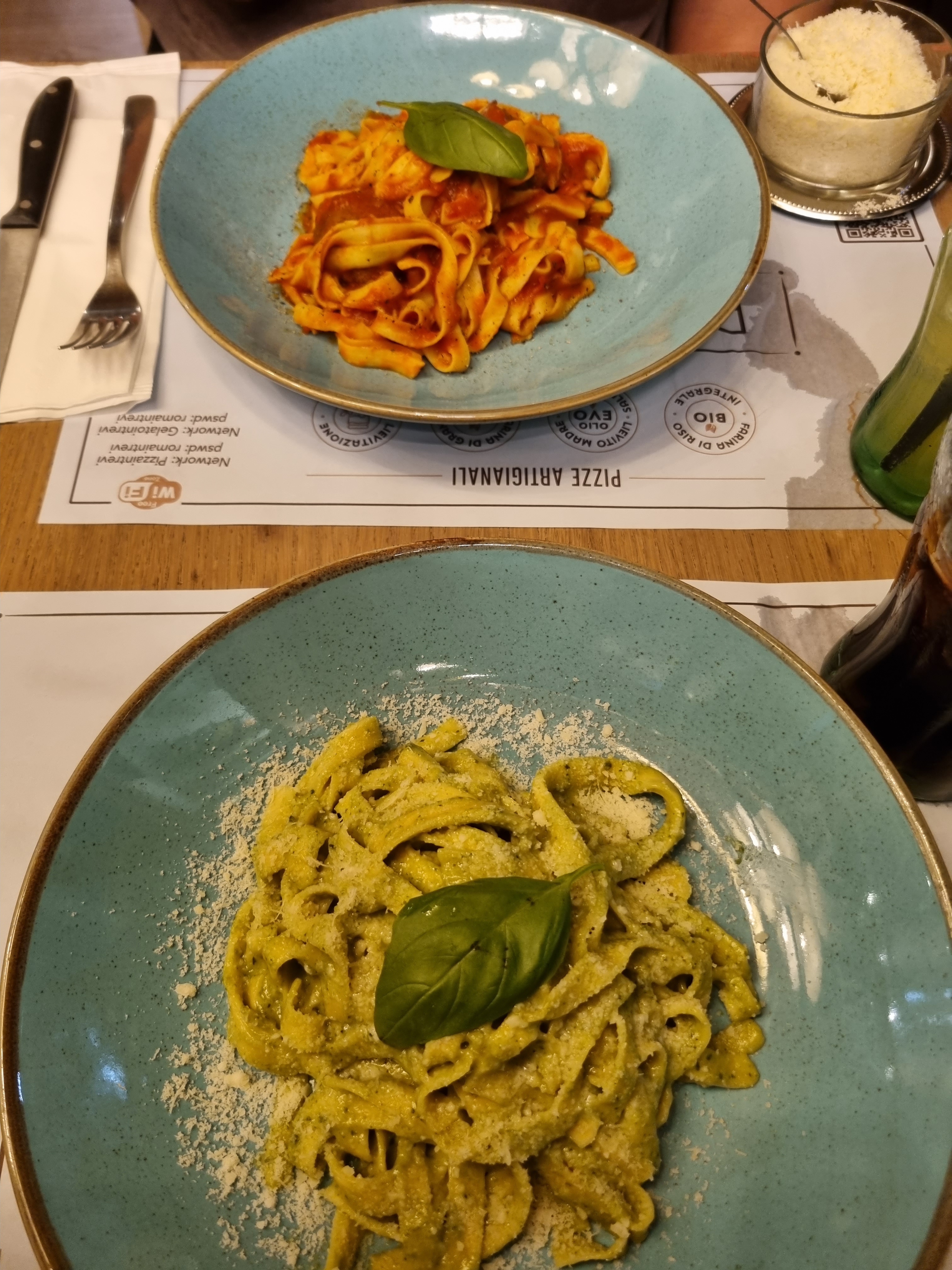
If you’re in Italy and looking for an unforgettable experience, definitely book an Italian cooking class. To be honest, I would’ve never thought about doing one until my partner suggested it, but it was definitely worth it. Cooking classes are a fantastic way to immerse yourself in the culinary traditions of a country, and you can take away more than just learning how to make a specific dish. In the cooking class, there were 16 people, including the two of us and the teacher. The teacher showed us how to make our own tagliatelle and tiramisu from scratch, which I had never done before. After making the pasta and tiramisu, each participant can choose a sauce for their tagliatelle while their tiramisu sets in the fridge. Meanwhile, the chef from the restaurant will cook the pasta for you and serve it to you afterward. It’s a fun and interactive way to learn more about the country’s culture, enjoy a delicious meal, and meet new people!
In Italy, if you’re seeking an unforgettable experience, consider booking an Italian cooking class. Honestly, I never would’ve thought about it until my partner suggested it, but it was truly worth it. Cooking classes offer a fantastic opportunity to immerse yourself in a country’s culinary traditions, providing more than just learning to make a dish. During the class, there were 16 people, including the two of us and the teacher. The teacher guided us in making our own tagliatelle and tiramisu from scratch, something I had never done before. After preparing the pasta and tiramisu, each participant can choose a sauce for their tagliatelle while their tiramisu sets in the fridge. Meanwhile, the restaurant chef will cook the pasta and serve it afterward. It’s a fun and interactive way to delve into the country’s culture, savor a delicious meal, and meet new people!

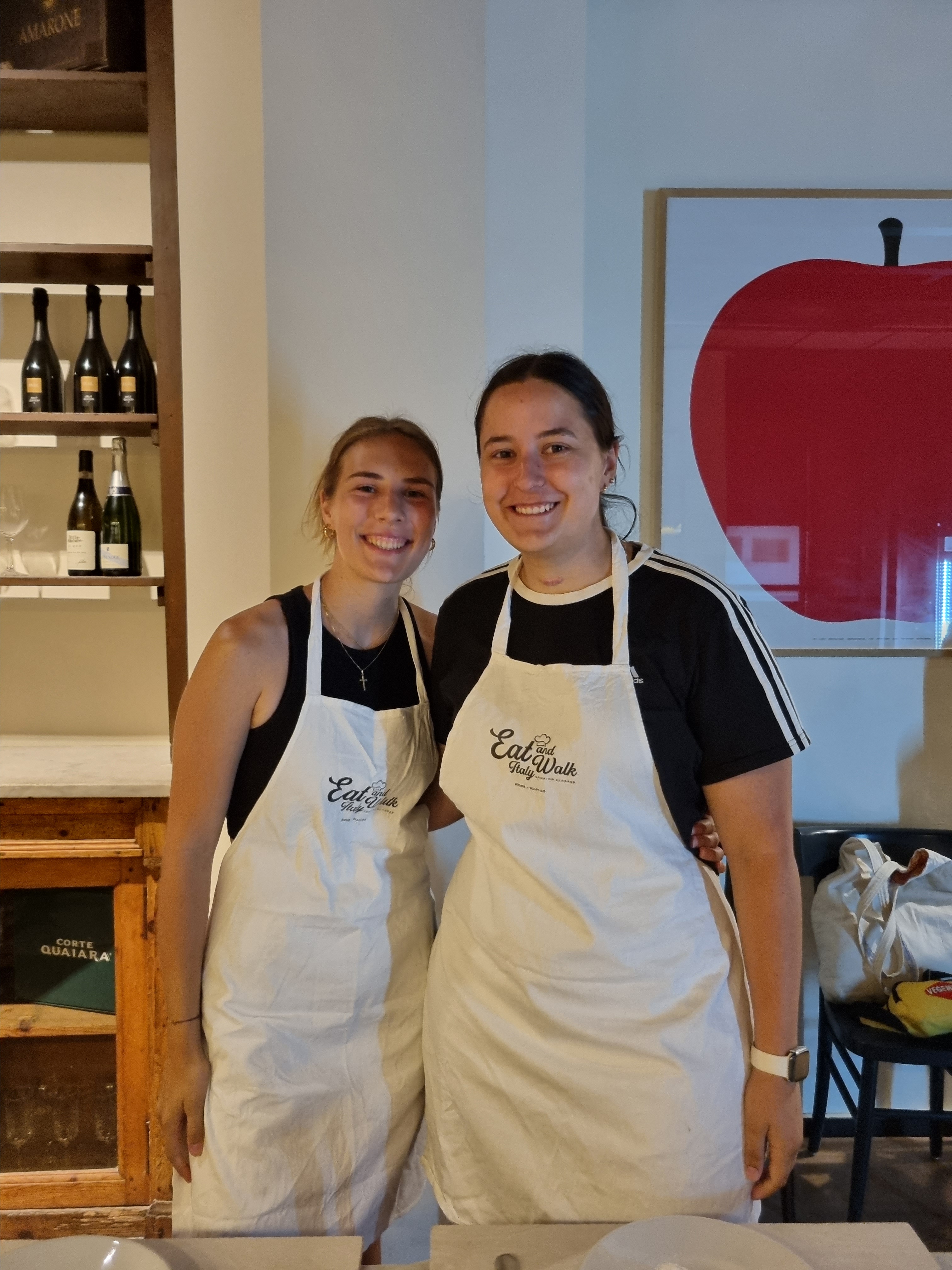
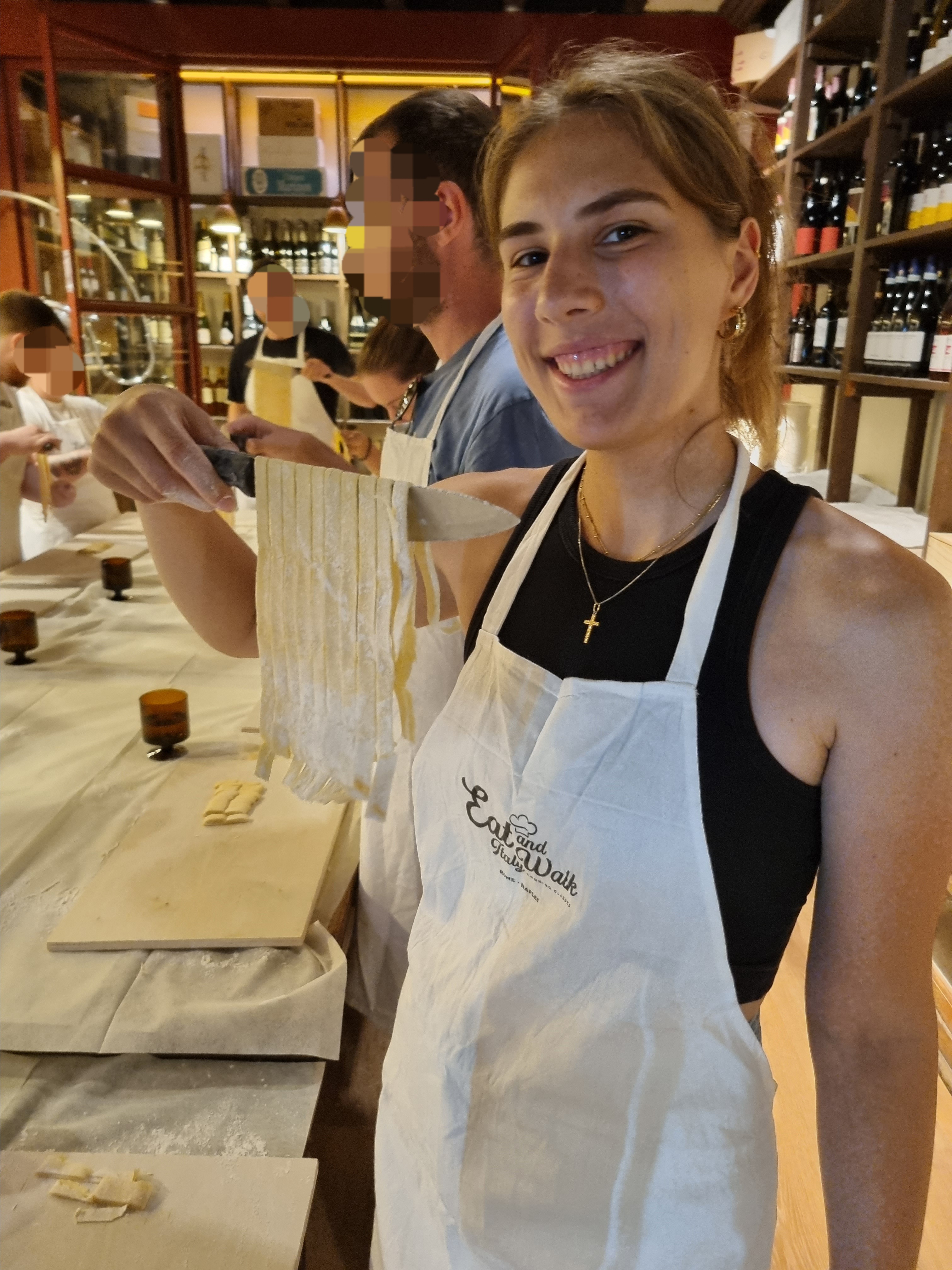
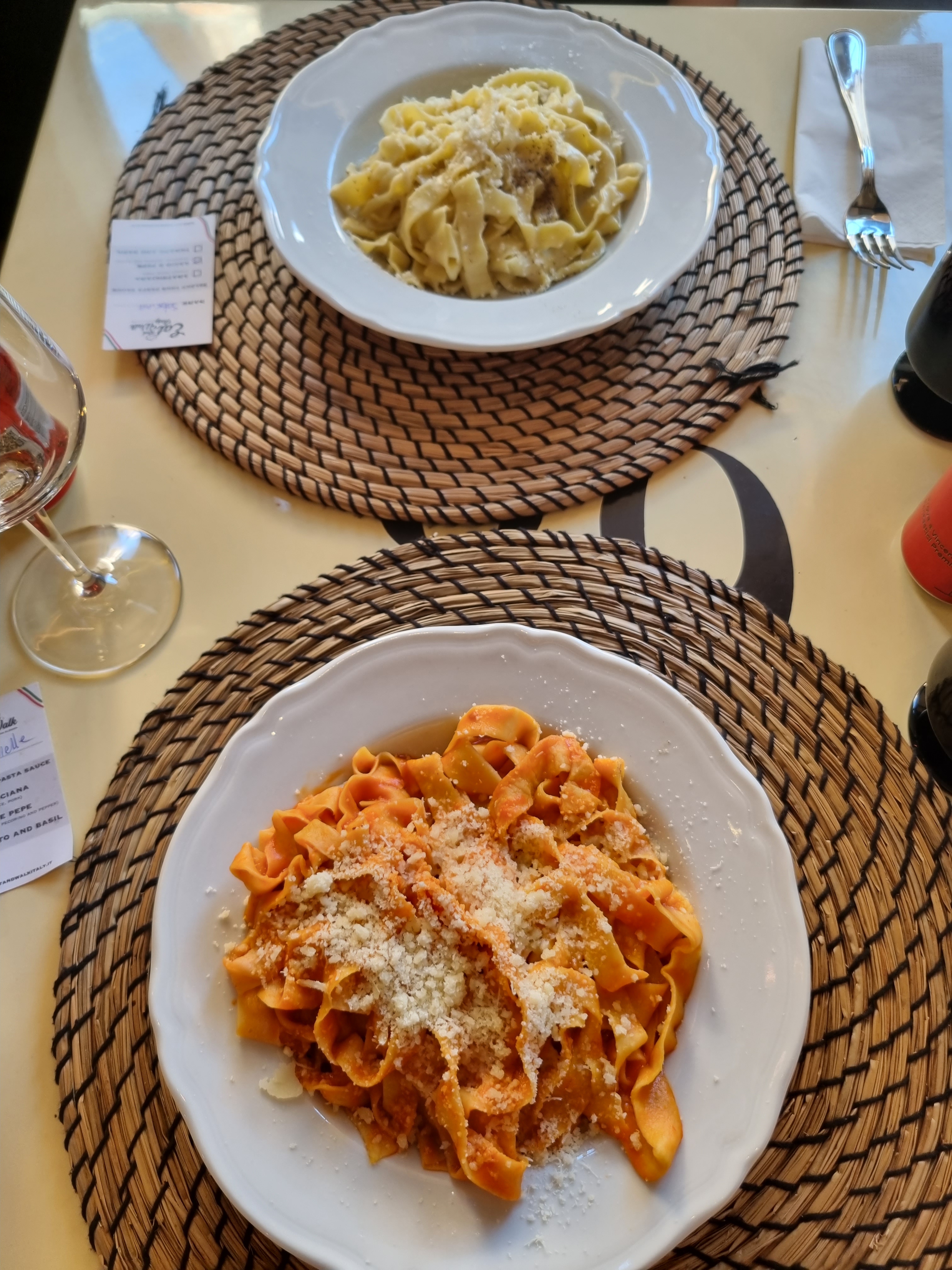
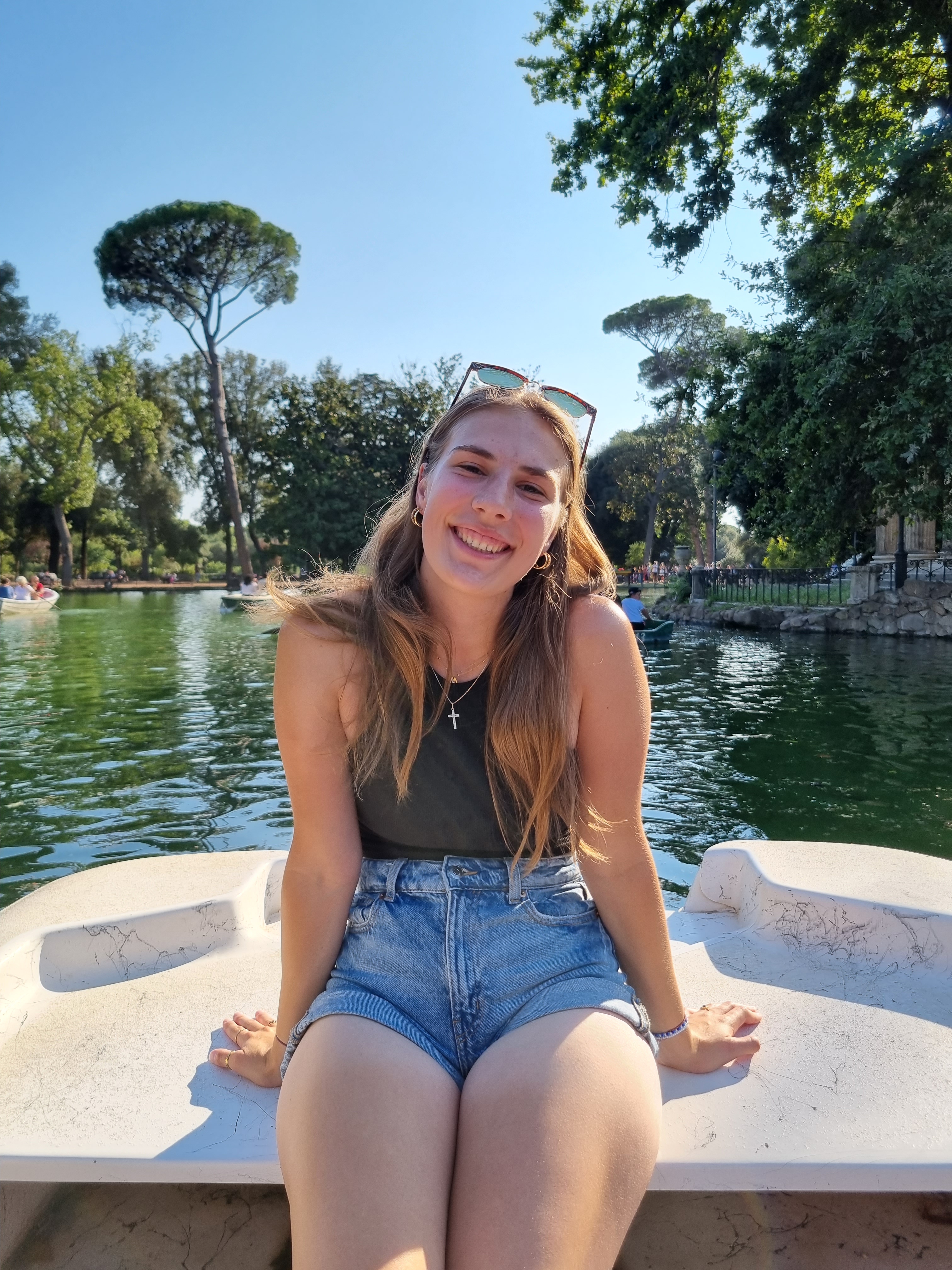
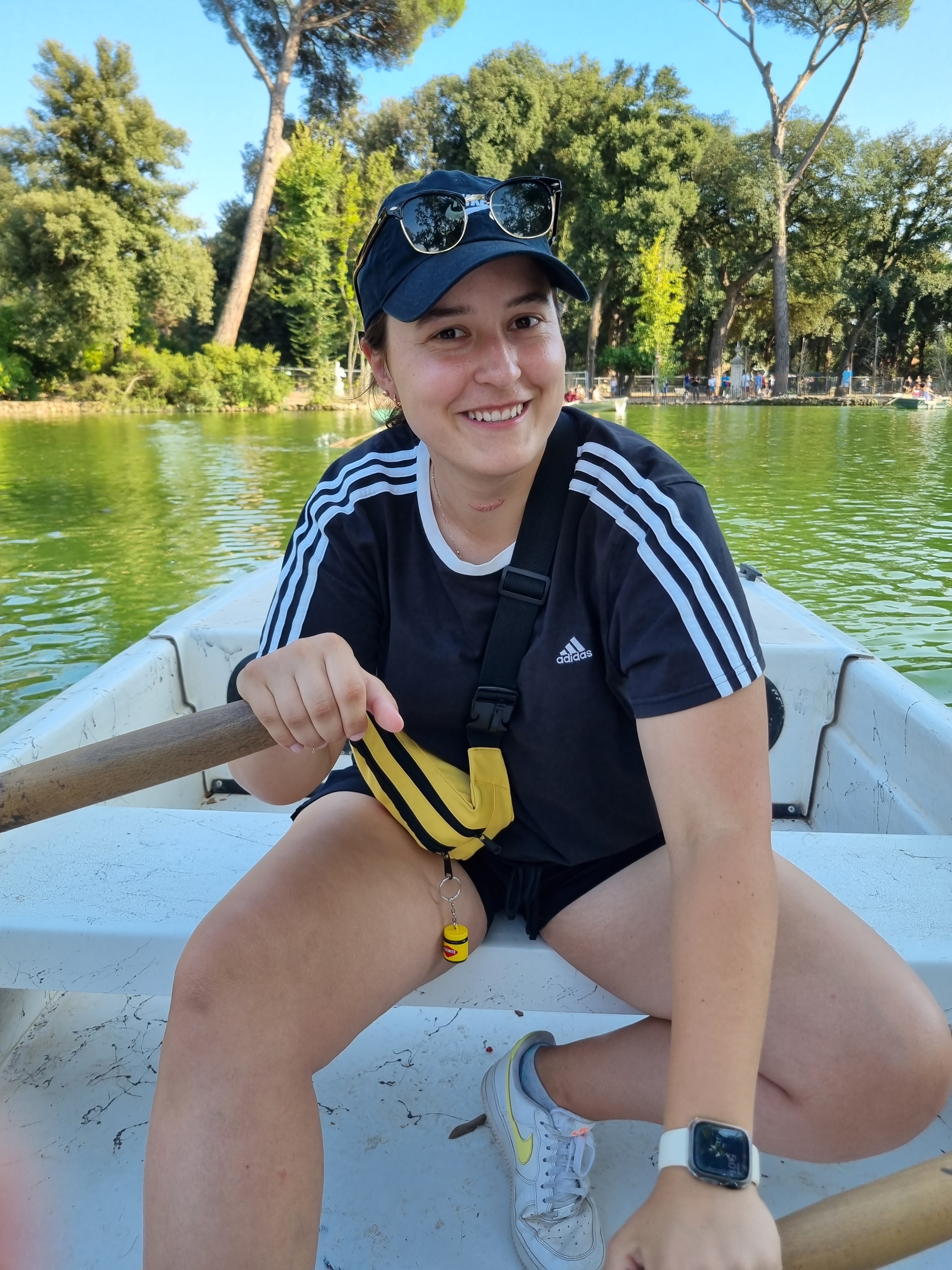
After we finished our lunch, we headed back to Villa Borghese park from the other day, wandered around, and rented a boat on the small lake. You can rent rowboats to paddle around the peaceful waters of the lake. The boat rental costs three euros for 20 minutes per person, with discounts for kids. They charge per person, not per boat, so you can rent individual boats. Upon arrival, you’ll receive a ticket with your boat number. Wait on the dock, show your ticket to the boat person, and enjoy your ride. When your time is up, the boat person will call your number, and you should return to the dock. Later, we strolled around the park and enjoyed the sunset before returning to our accommodation.
Summary of activities
- Colosseum
- Pantheon
- Trevi Fountain
- Forum Romanum & Palatine
- Piazza Navona
- Cooking class
- Spanish Steps
- Castel Sant’Angelo
- Piazza del Popolo
- Galleria & Villa Borghese
- Santa Maria Maggiore and Piazza dell’Esquilino
- Piazza Venezia & Monument of Vittorio Emanuele II
- The Church of St. Ignatius of Loyola at Campus Martius
- Largo di Torre Argentina
- Church II Gesù
- Trajan’s market
- St. Peter’s Basilica
- Vatican Museums & Sistine Chapel
- River Tiber
- Basilica di San Clemente
- Via Appia Antica & Catacombs
- Arcibasilica di San Giovanni in Laterano
- Church of Saint Anthony
Where to eat
- Piazza in trevi – italian cuisine (unpaid ad)
- La Soffitta Renovatio – italian cuisine (unpaid ad)
- Oste Cavour Ristorante Roma Prati – italian cuisine (unpaid ad)
- Il Gelatone Roma – good ice cream; very close to the Colloseum (unpaid ad)
Booking Checklist
Travel Insurance
I highly recommend getting travel medical insurance while you’re traveling. Hopefully, you’ll never need it, but it’s always better to be safe than sorry. SafetyWing offers two flexible plans tailored to your travel needs. Whether you’re a short-term adventurer or a long-term expat, you’ll have reliable coverage anywhere in the world.
SafetyWing is especially great for remote workers and digital nomads, offering continuous global coverage even if you’re hopping between countries. Of course, it’s also a solid option for frequent travelers or those constantly on the go. But if you’re only traveling occasionally or just for a short holiday now and then, there might be better-suited alternatives.
Accommodations
I usually rely on Booking.com for hotels and Airbnb for vacation rentals. They both have the largest selection and tend to offer the most reliable prices.
Data for your Trip
I use Saily for international cell data. They offer a variety of eSIM options depending on the country and their eSIMs are easy to install, activate instantly upon arrival, and let you skip buying local SIM cards or paying expensive roaming fees.
Tours and Experiences
I always use GetYourGuide to find the best tours and experiences in a city or country. It’s my go-to platform for planning activities, and I’ve always been very satisfied with the experiences I booked through them.
Rental Car
I’ve rented at least six cars and always booked them through check24 (ad), which I can highly recommend. The website offers good deals, the insurance is quite cheap and provides good coverage, and the customer service is very efficient and accommodating. However, Check24 currently only offers its website in German. So it’s mandatory to speak the language.
Other Italy Blogs

Your Ultimate Guide to 24 Hours in Milan
Step into the heart of Milan, where ancient beauty meets modern charm. As the golden sun dances across the marble spires of the Duomo di Milano, you’ll feel like the time pauses. Just a few steps away, the Galleria Vittorio Emanuele II opens its grand glass roof above you. It’s more than just a shopping…

Ultimate Travel Guide to Venice: Experience Magic
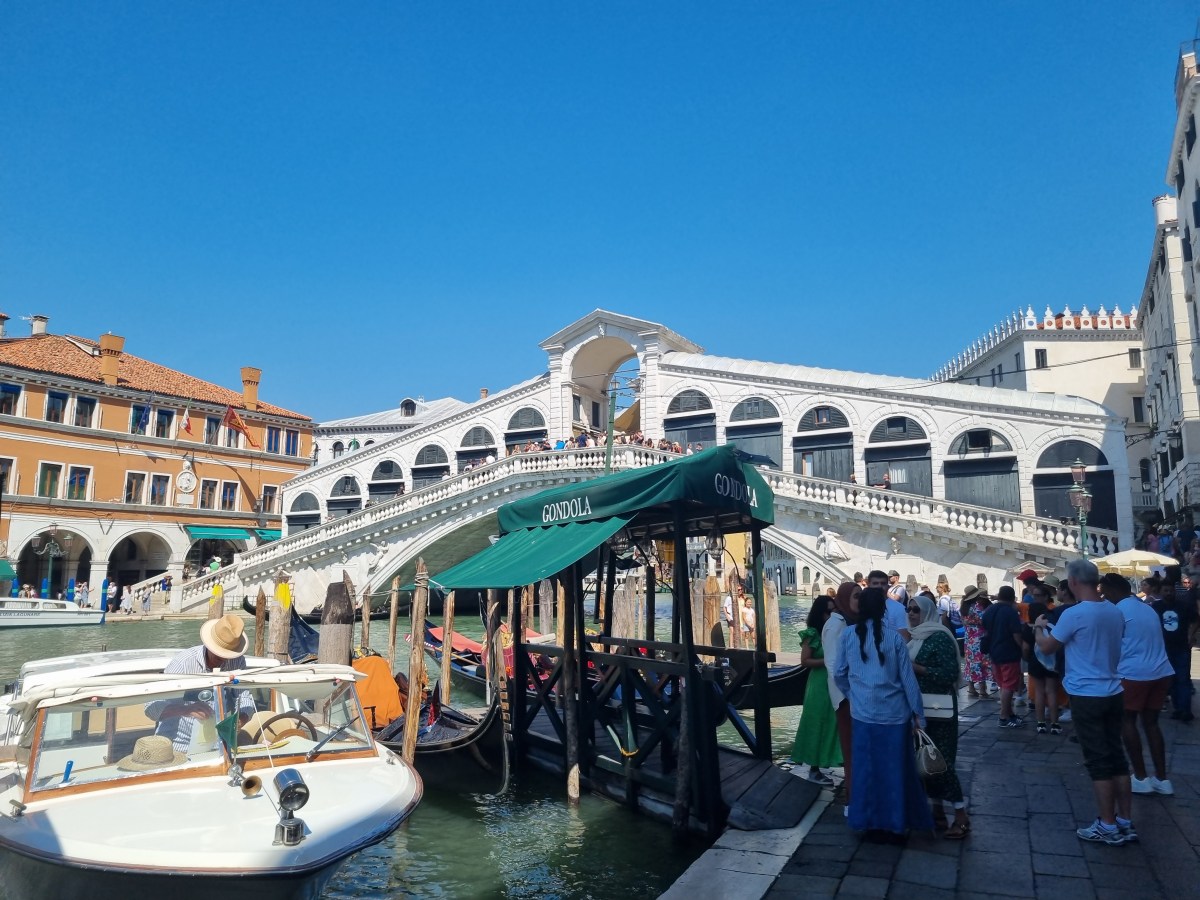
There’s a place in the north of Italy where time seems to stand still, where streets are made of water and dreams drift along on gondolas. Venice, the legendary city of a thousand bridges enchants from the very first glance. As you wander through its labyrinth of narrow alleyways and beautiful squares, the air carries…
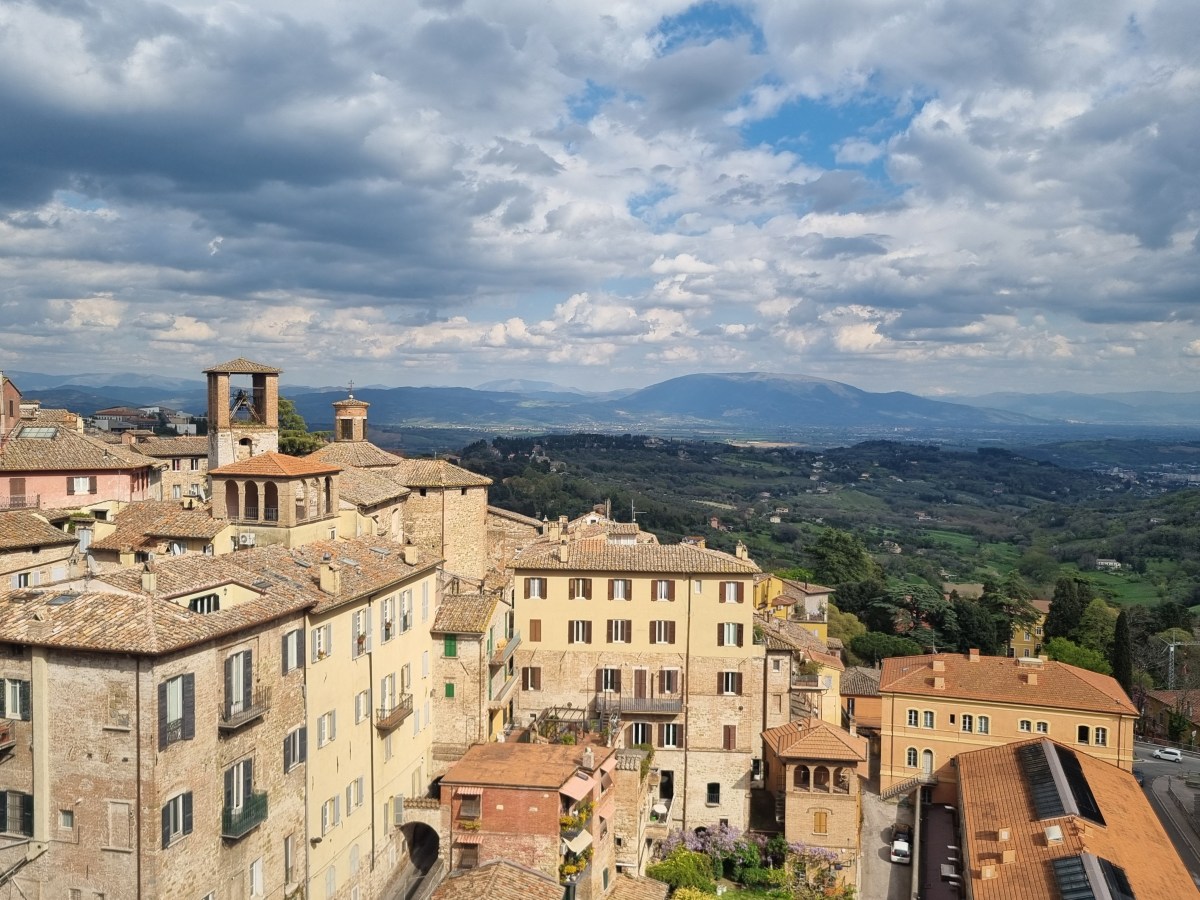
Perugia Travel Tips: What You Need To Know
Get lost in Perugia’s labyrinth of medieval alleyways, where ancient theaters seem to murmur forgotten tales and golden sunlight spills across timeworn cobblestones. In the air lingers the irresistible scent of freshly baked pizza and pasta sauce, calling you to pause and savor. Perugia isn’t just a city, i’s basically a living stage. From the…




 Michelle Cacija
Leave a reply to Anonymous Cancel reply