
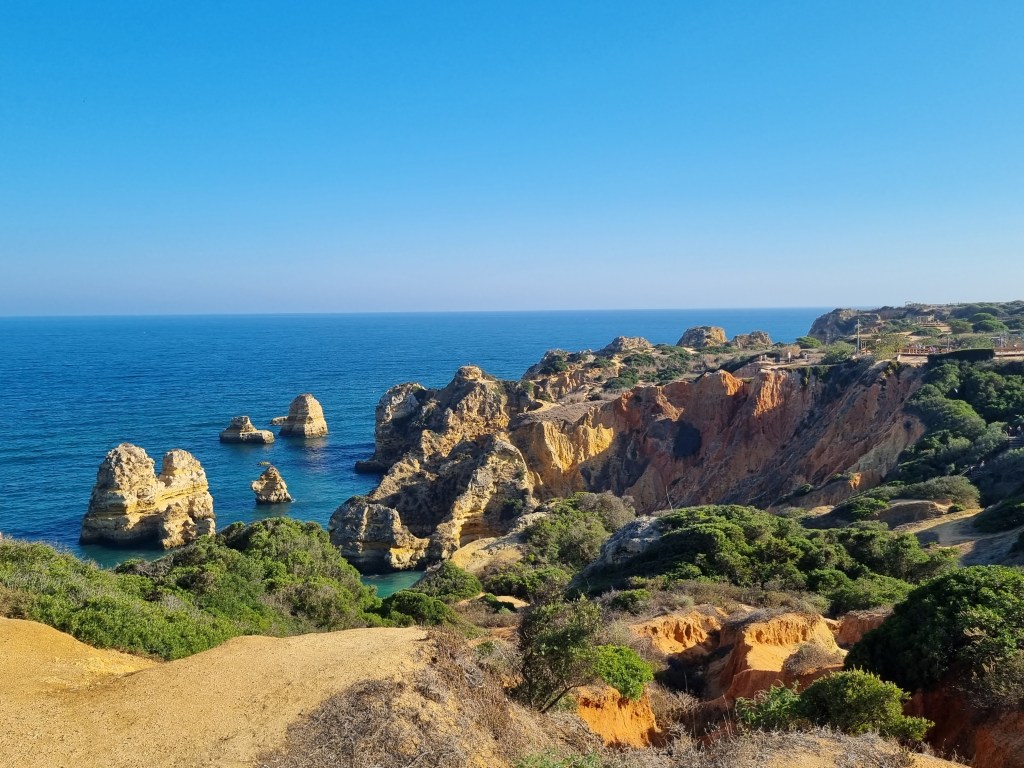
From Lisbon’s winding steep streets to Evora’s ancient Roman buildings, get ready to explore history at every turn. Indulge in Faro’s delectable seafood, and explore Lagos’ mesmerizing caves. Join my partner and me on a journey filled with history, culture, and culinary delights as we travel through Portugal’s diverse and captivating destinations! Servus and welcome to my 7-day road trip through Portugal’s enchanting landscapes.
As always, I want to remind you, that this blog isn’t perfect because everyone travels differently, and all trips involve changes of plans. I want to let you know that everything on this website has been experienced, photographed, and written by me. Since I finance all of my travel expenses on my own, the stories and opinions given are truly my own. If you’re interested in seeing more travel pictures or videos, feel free to check out my Instagram @michellecacija or my Tik Tok @michellecacija.
Index
- The Basics about Portugal
- Things you need to be aware of
- Itinerary
- Summary of activities in Lisbon
- Where to eat in Lisbon
- Summary of activities in Evora
- Where to eat in Evora
- Summary of activities in Faro
- Where to eat in Faro
- Summary of activites in Lagos
- Where to eat in Lagos
- Booking Checklist
- Other Portugal Blogs
The Basics about Portugal
When to visit
Portugal is amazing to visit almost any time of the year. If you love warm weather and want to hit the beaches, the summer months from June to September are perfect, with temperatures averaging 25°C to 30°C (77°F to 86°F). For a mix of good weather and fewer crowds, you might enjoy visiting in the spring (late March to late May) or autumn (late September to late October), when temperatures range from 15°C to 25°C (59°F to 77°F).
Where to stay
During our road trip, we stayed in guesthouses, motels, and hostels. I think the most popular option is motels since they always offer a parking spot and are good for just one night.
What to pack
I would suggest bringing plenty of light and airy summer clothing as the weather can become very hot and humid. For cooler evenings or in case of rain, it’s advisable to bring at least a hoodie. If you plan on doing a lot of walking or hiking, it’s a good idea to pack several pairs of comfortable closed-toe shoes. If you’re coming from outside Europe, don’t forget to bring a Type C power adapter.
I would always recommend bringing your own small medical kit, including bandages, pain relievers, sleeping aids, bug spray, and after-sun lotion. You never know what you might need, and you might feel more comfortable using medication from home rather than in a country where you don’t know the ingredients. Also, be aware that on the road trip, especially when far from big towns, there aren’t many options for finding a nearby pharmacy. Fortunately, we didn’t need it on our road trip, but on some travels, I was really grateful that I brought it with me.
Stock up on snacks
You don’t want to stop every hour for a supermarket, so it’s important to bring a stock of snacks and beverages with you in the car to keep you going on the road.
Cost of Travel
The amount you’re going to spend during your road trip really depends on several factors, including where you want to go, your travel style, and what you will be doing. In general, renting a car in Portugal is cheap, but the petrol is quite expensive.
Things you need to be aware of
Water in Portugal. You can safely drink tap water as it’s clean. While the tap water in Portugal may not be as pleasant-tasting as in other regions of Europe, it’s still safe to drink. Many Portuguese people prefer to buy bottled water simply because they prefer its taste.
Toilet situation. In Portugal, you can find public restrooms in various places like shopping centers, restaurants, and tourist attractions. It’s always a good idea to carry some coins with you as some public restrooms may require a small fee for use.
Tipping. In Portugal, tipping isn’t as common or expected as it is in some other countries. However, it’s appreciated if you receive exeptional service. It’s common to round up the bill or to leave a tip of around 5-10% in restaurants and cafes.
The currency used is the Euro (EUR). While a few years ago, Portugal was still very cash-oriented, they now accept cards pretty often. It’s still advisable, though, to bring some cash with you.
Itinerary
Day 1 – Lisbon
After we landed in Lisbon in the late morning and checked into our hostel, we began exploring the enchanting city. After strolling around for a bit, we had lunch at Zenith Brunch & Cocktails Lisboa (unpaid ad), and it was absolutely delicious.
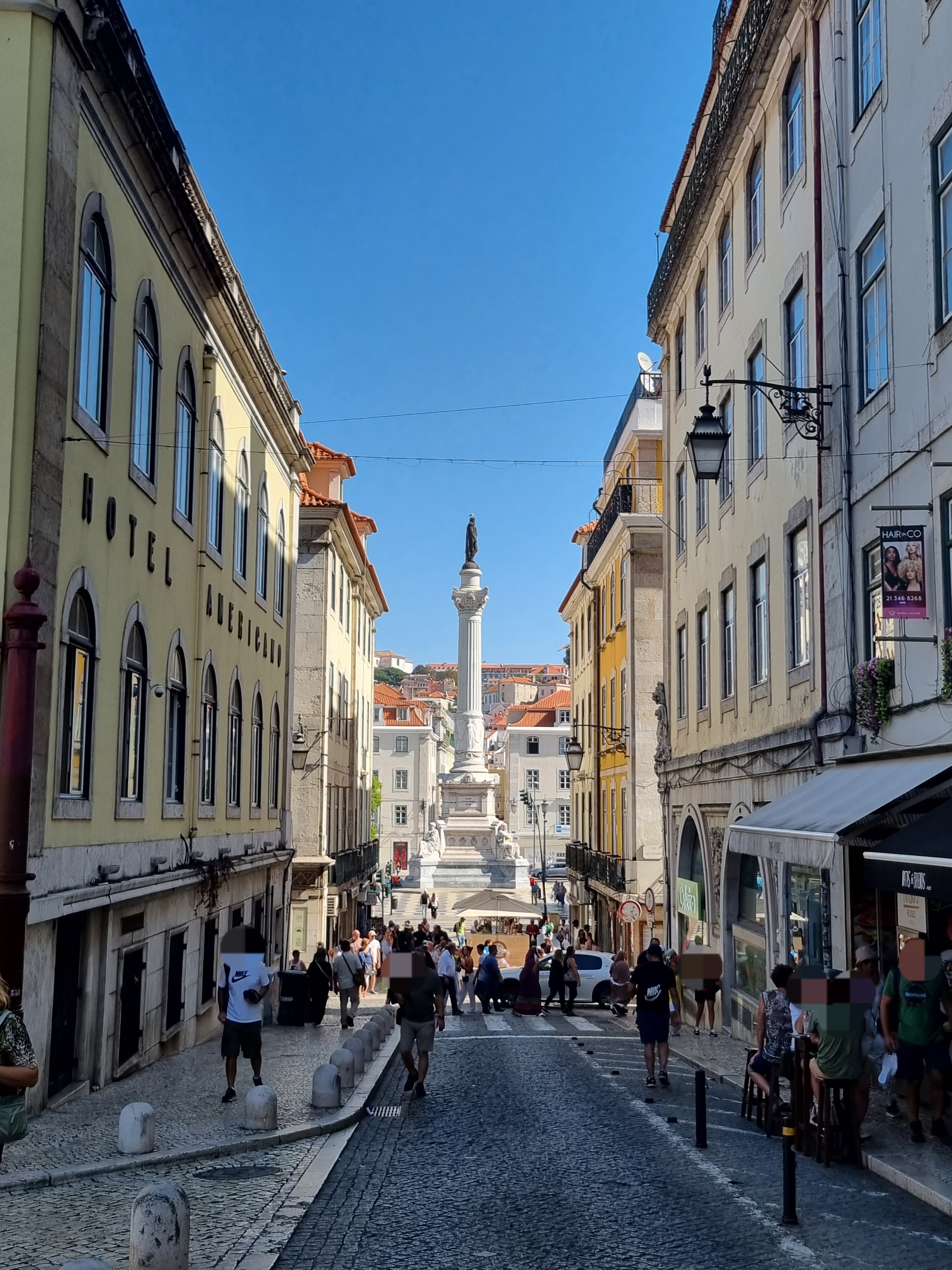
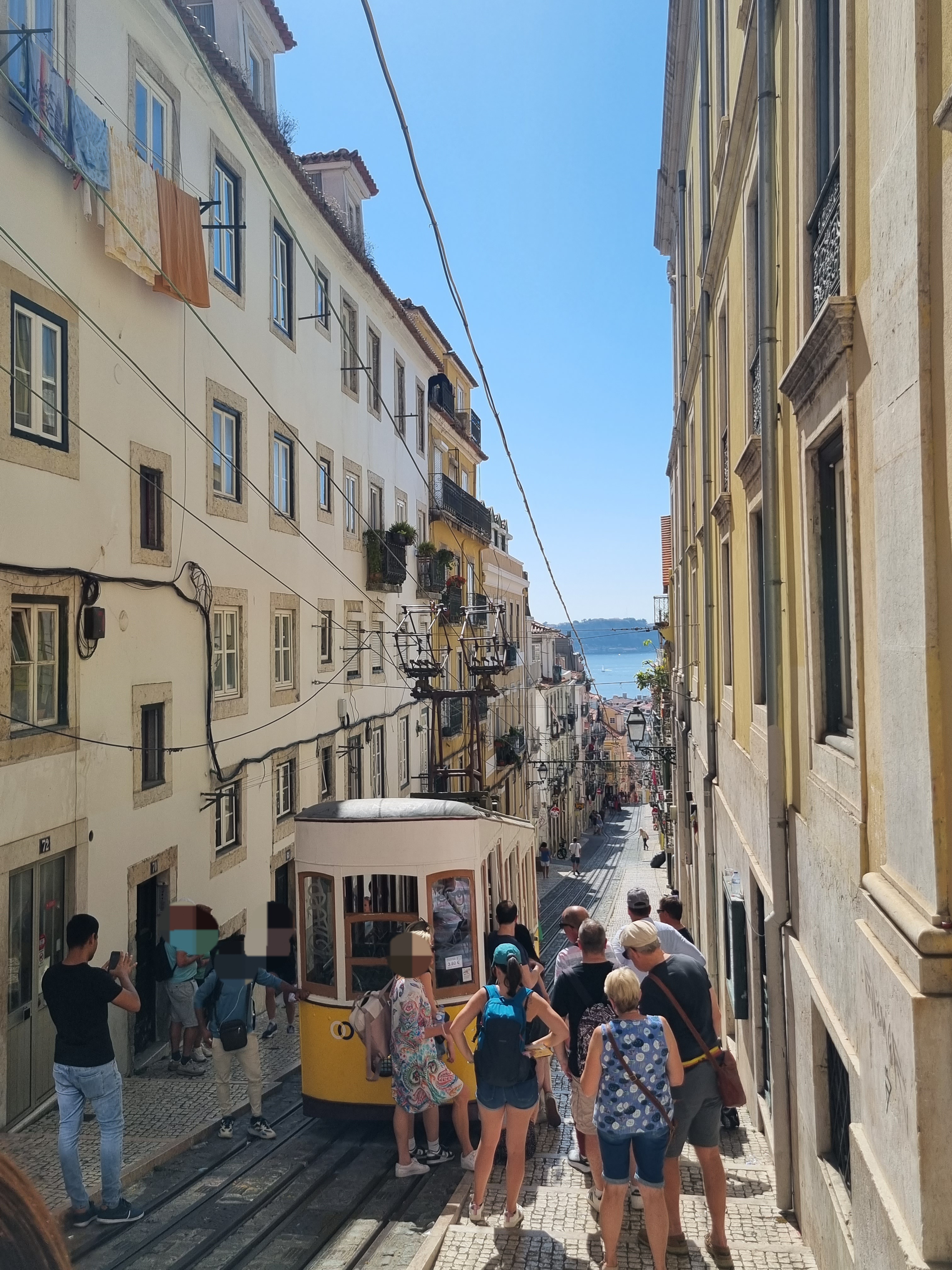
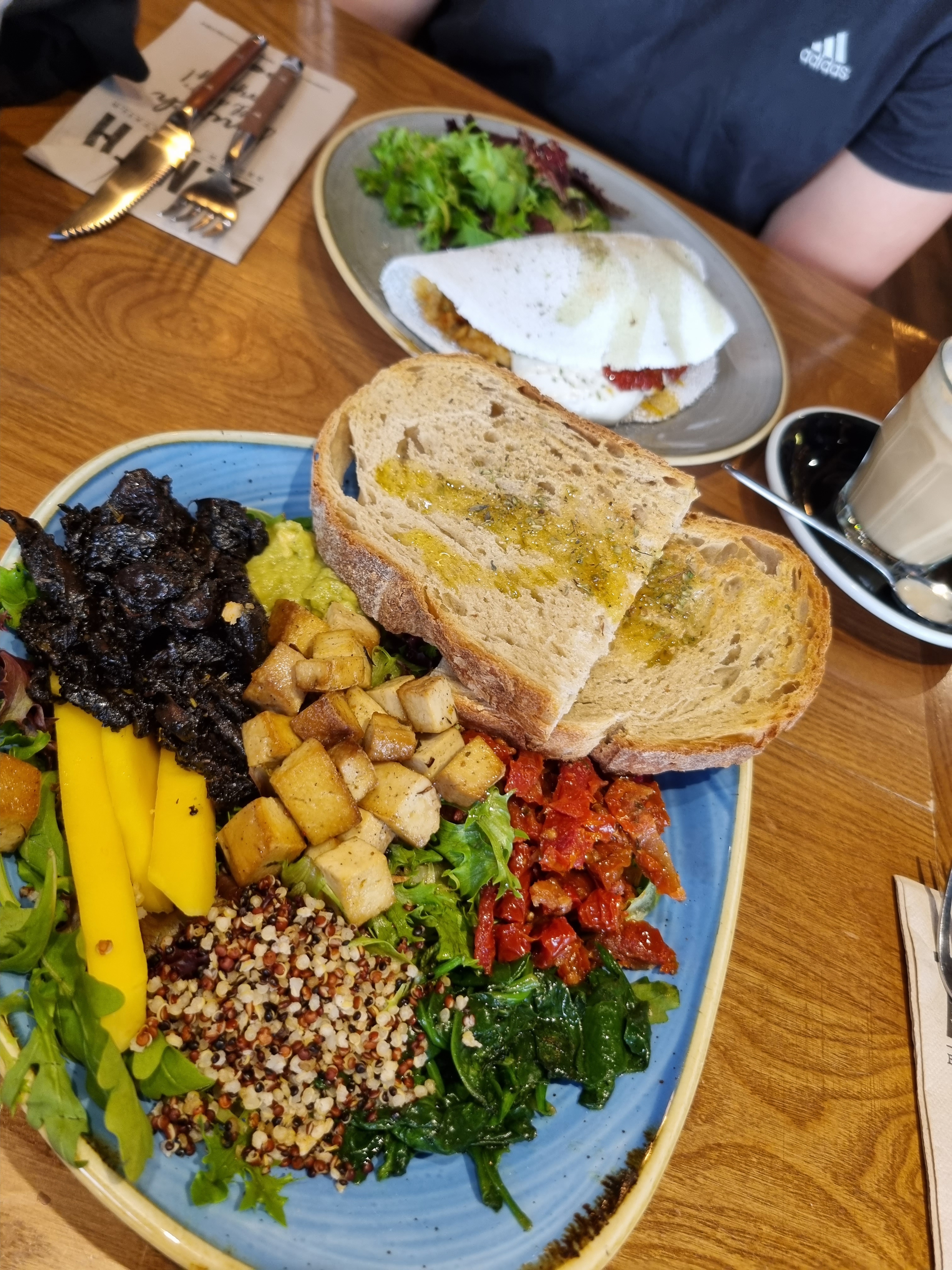
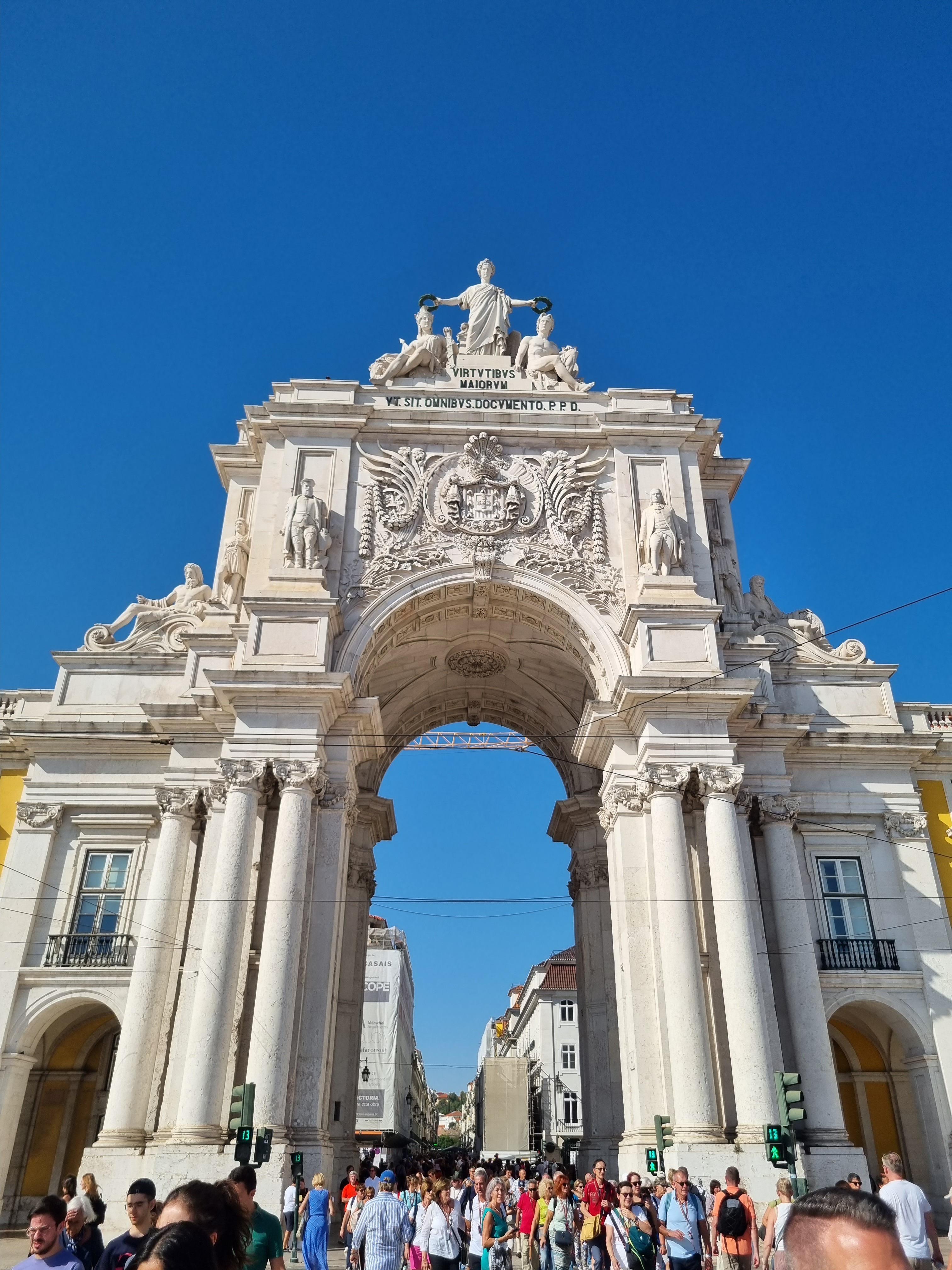
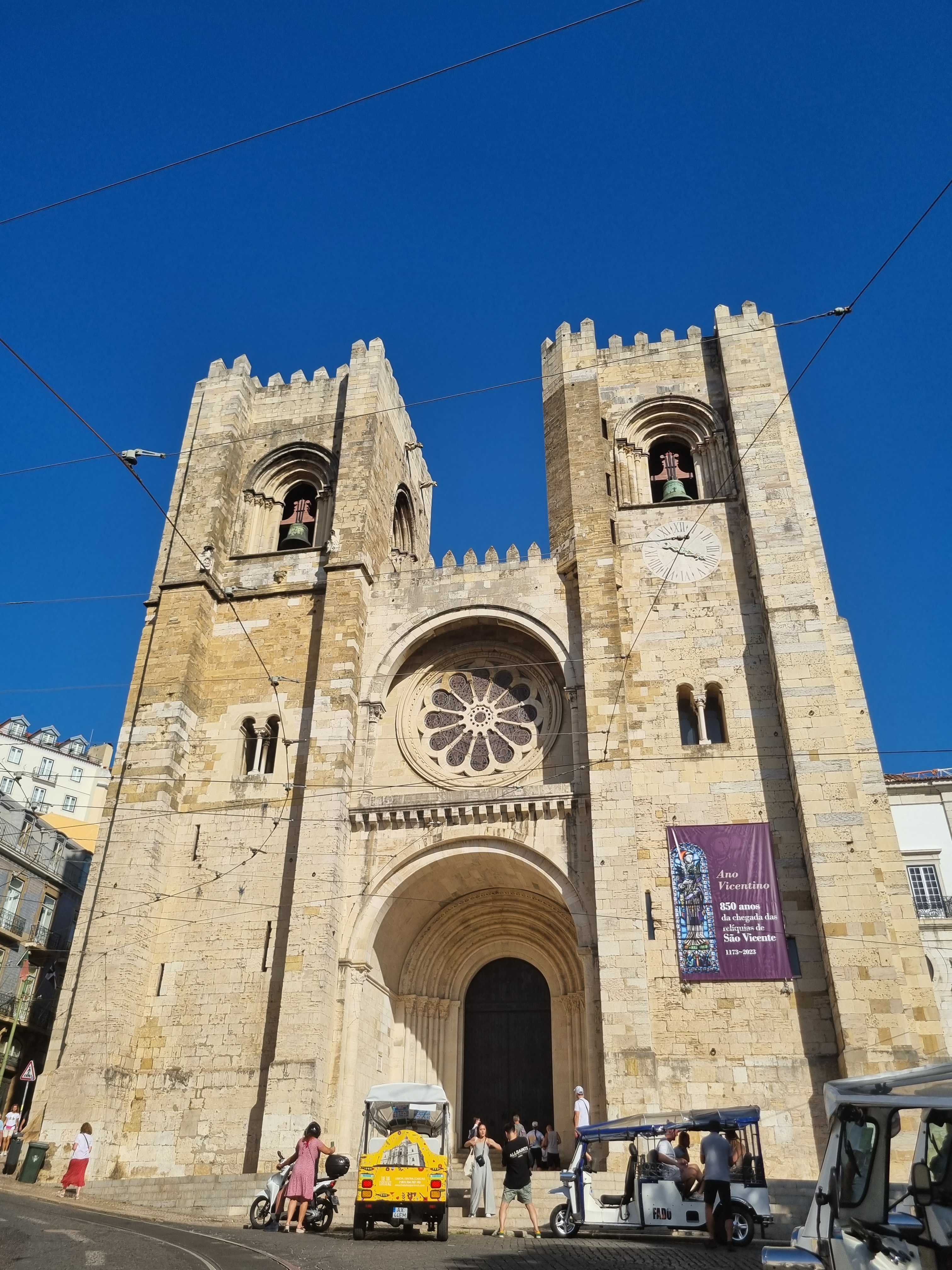
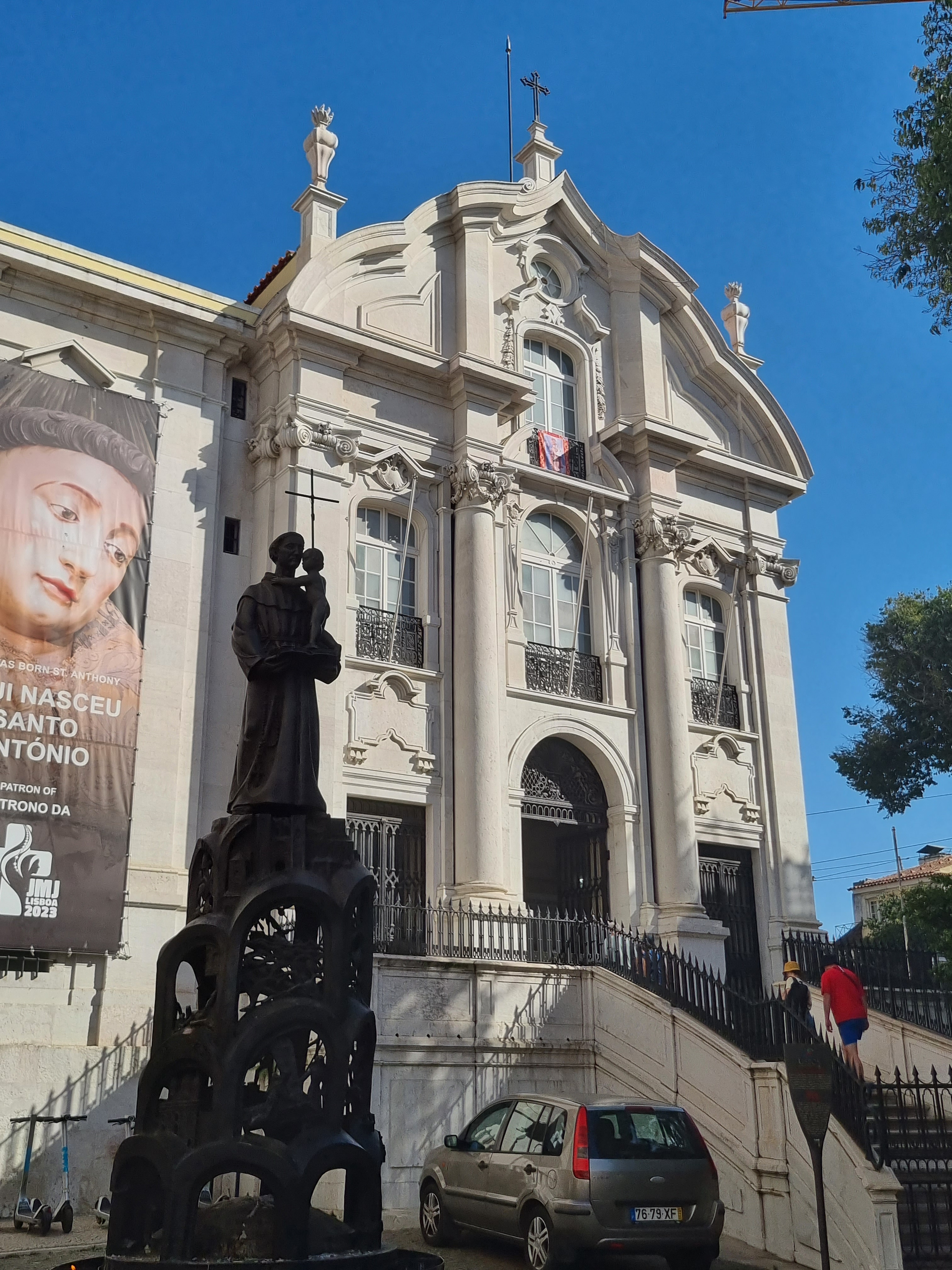
After enjoying our lunch, we joined a free walking tour through the old town of Lisbon that we had booked a few days before our trip to Portugal. We love free walking tours as they are a fantastic way to explore a new city in your first days there. You can learn about its history and see some of the main attractions. Among other places, we visited The Rua Augusta Arch, the Museum of Saint Anthony, the Cathedral of Lisbon, São Jorge Castle, the viewpoint of The Miradouro de Santa Luzia, etc.
We began at the Rua Augusta Arch in Lisbon, a magnificent triumphal arch located in the city’s historic center next to the Tagus River. It symbolizes the city’s rebirth after the devastating earthquake of 1755. The arch is a prominent landmark that connects the bustling Rua Augusta street to the iconic Praça do Comércio square. After strolling through some charming streets, we arrived at the Lisbon Cathedral, also known as Sé de Lisboa. It’s one of the oldest churches in the city and a significant landmark. The cathedral, built in the 12th century, combines various architectural styles, including Romanesque, Gothic, and Baroque elements. You can also enter the cathedral to explore its beautiful interior and immerse yourself in its rich history.
After we visited the Cathedral of Lisbon, we went to the Museum of Saint Anthony, which we explored from the outside. The museum consists of two buildings, the original space, likely part of the Real-Casa de Santo António, and a new space from a Pombaline apartment building.
Visitor information: Admission for adults is 5 euros. Children aged 7 to 12 years pay an entry fee of 3 euros, while admission is free for children up to 6 years of age. For more visiting information, click here.
After our tour guide showed us around the charming streets and explained interesting things about the buildings and surroundings, we went to Miradouro de Santa Luzia, a beautiful viewpoint that offers stunning panoramic views of the city, the Tajo River, and the red rooftops of Alfama. It’s a perfect spot to relax, enjoy the scenery, and take in the charm of Lisbon. The viewpoint is designed with decorative tiles, lush greenery, and a pergola, creating a picturesque setting for visitors to appreciate the beauty of the city.
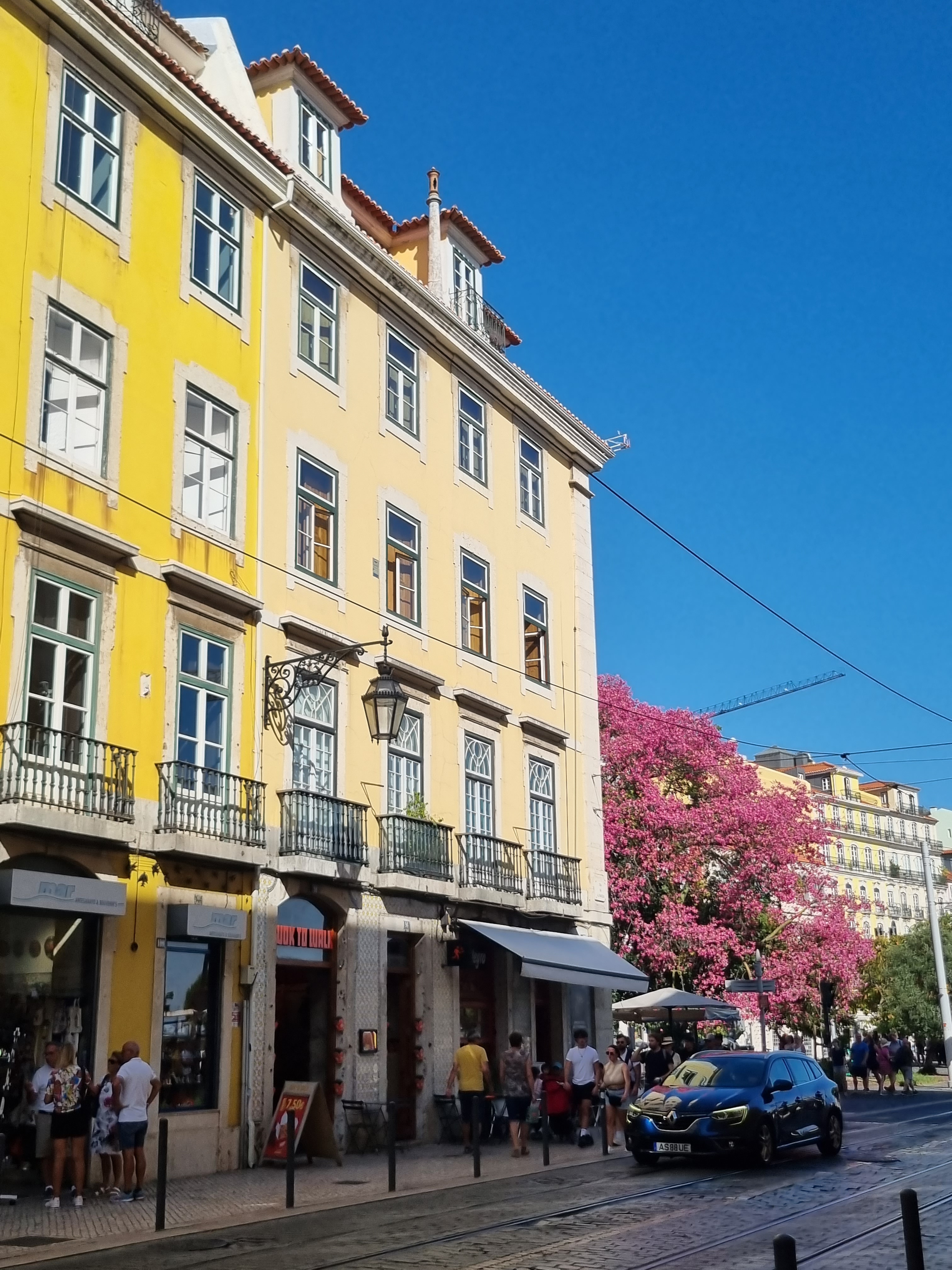
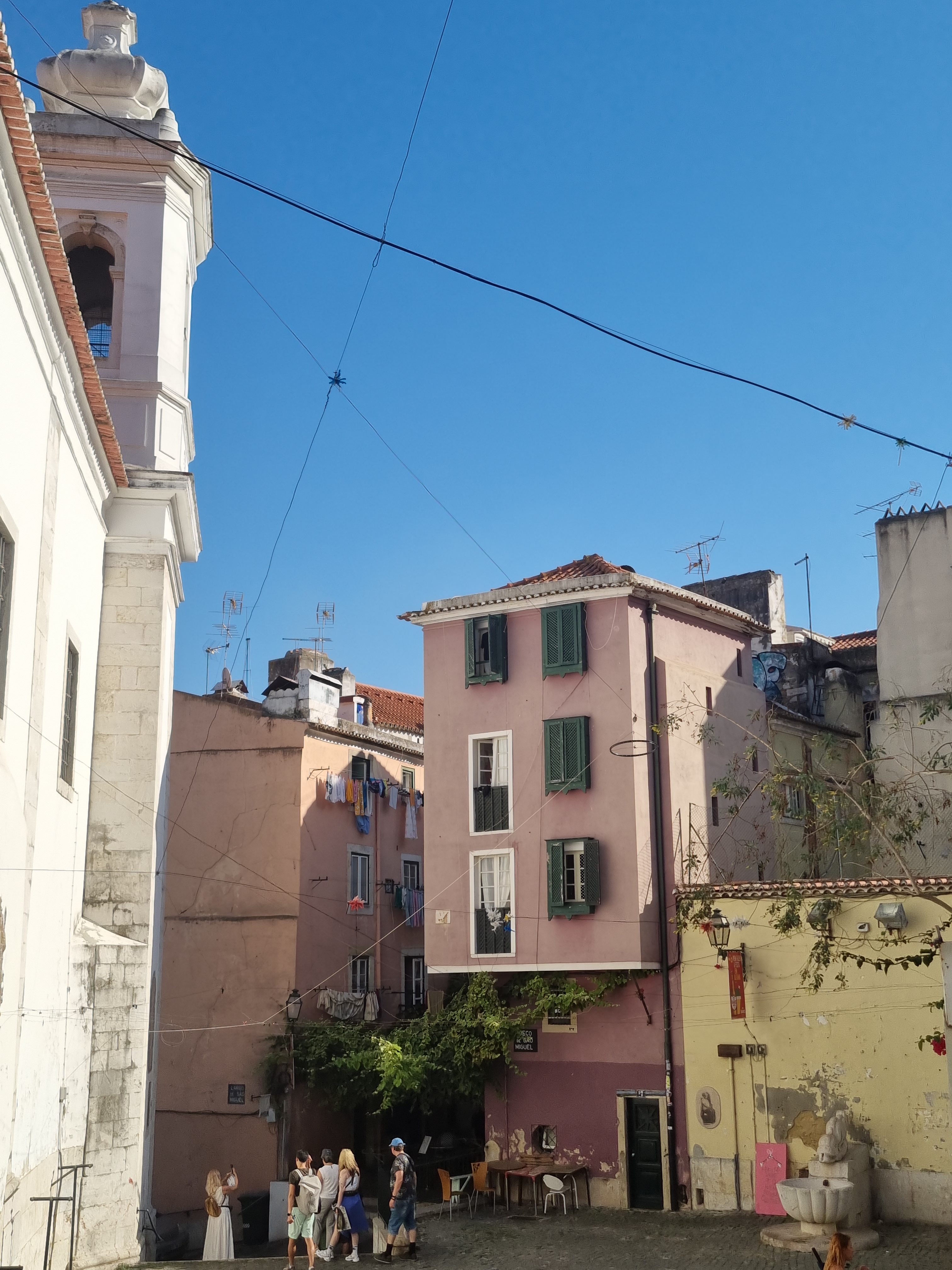
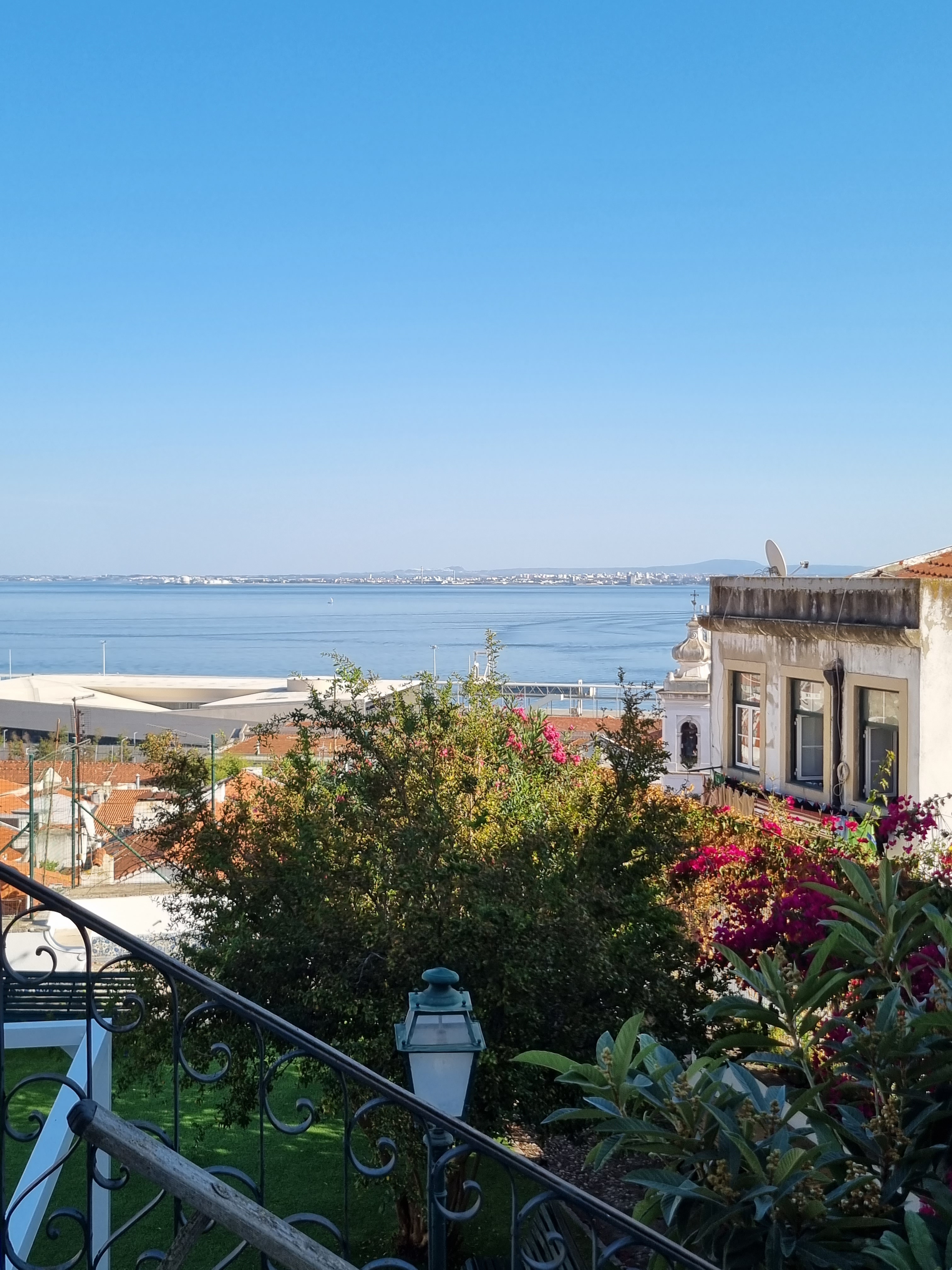

For the rest of the day, we explored the city center by ourselves and strolled along the Tajo River. Afterward, we did our laundry at a laundromat.
Day 2 – Lisbon and Sunset Boat Tour
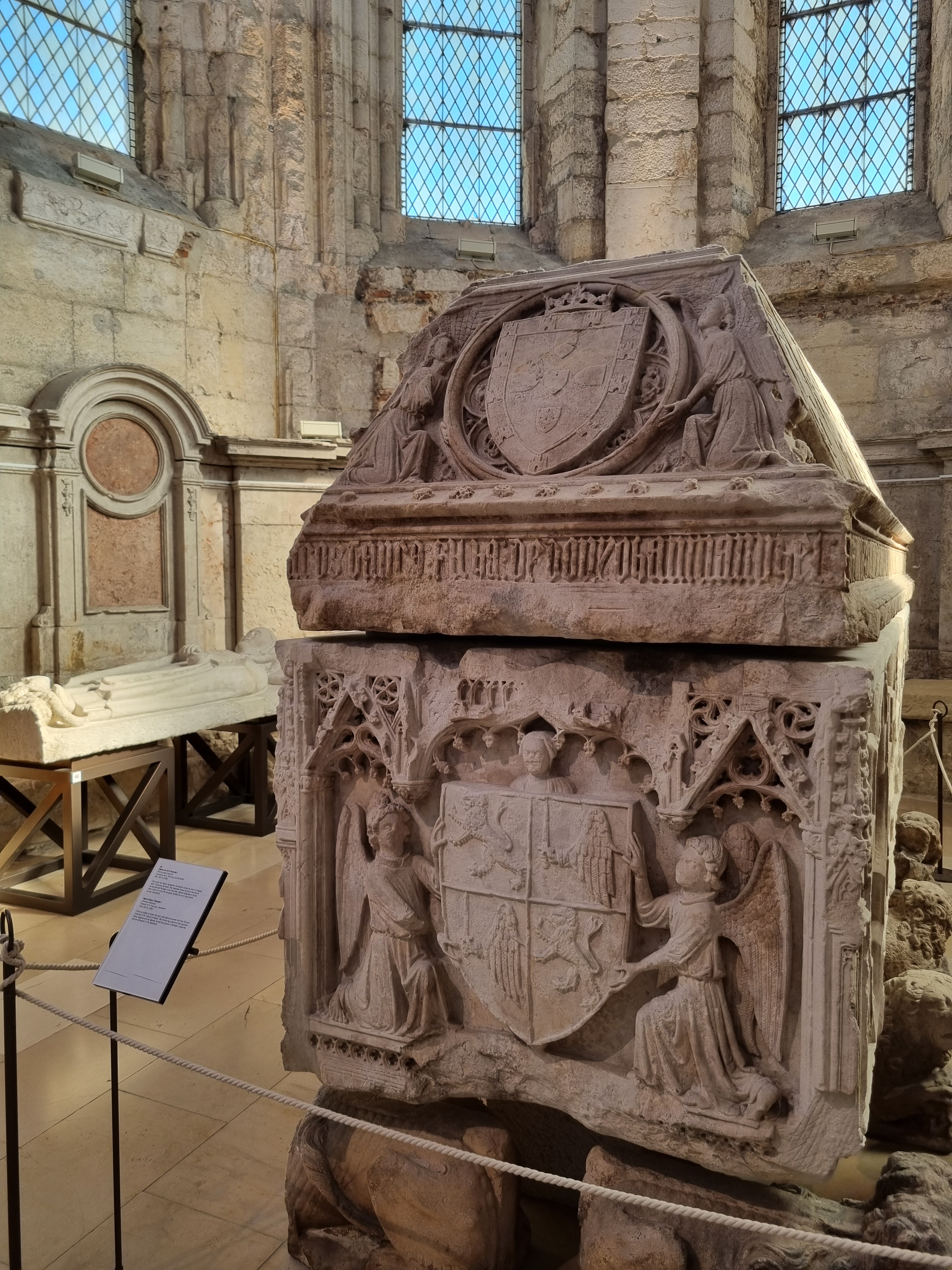
On day two in the morning, we visited the archaeological museum at Carmo Convent, a historical site of significant cultural and architectural importance. Unfortunately, it was destroyed during the 1755 earthquake in Lisbon, and its roofless nave serves as a reminder of the catastrophic event. Today, the convent houses the Carmo Archaeological Museum, displaying artifacts and exhibits that offer insights into Lisbon’s history. One of the highlights is the skeletons, which are both creepy and captivating. These skeletons belonged to individuals from different historical periods and were discovered during archaeological excavations in Lisbon. They provide a unique glimpse into the lives and burials of people from the past. The archaeological museum is a must-visit for history enthusiasts exploring Lisbon!
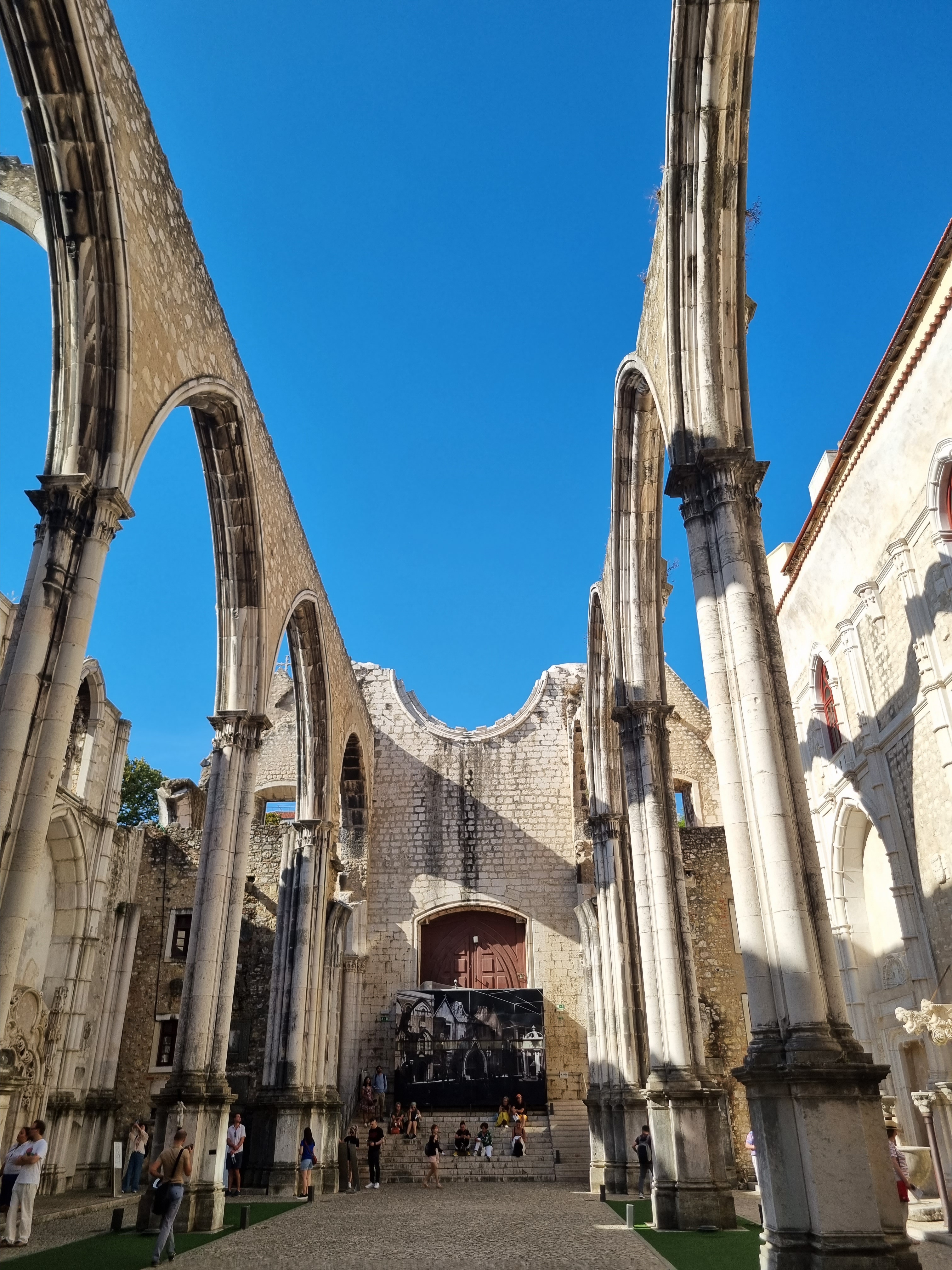

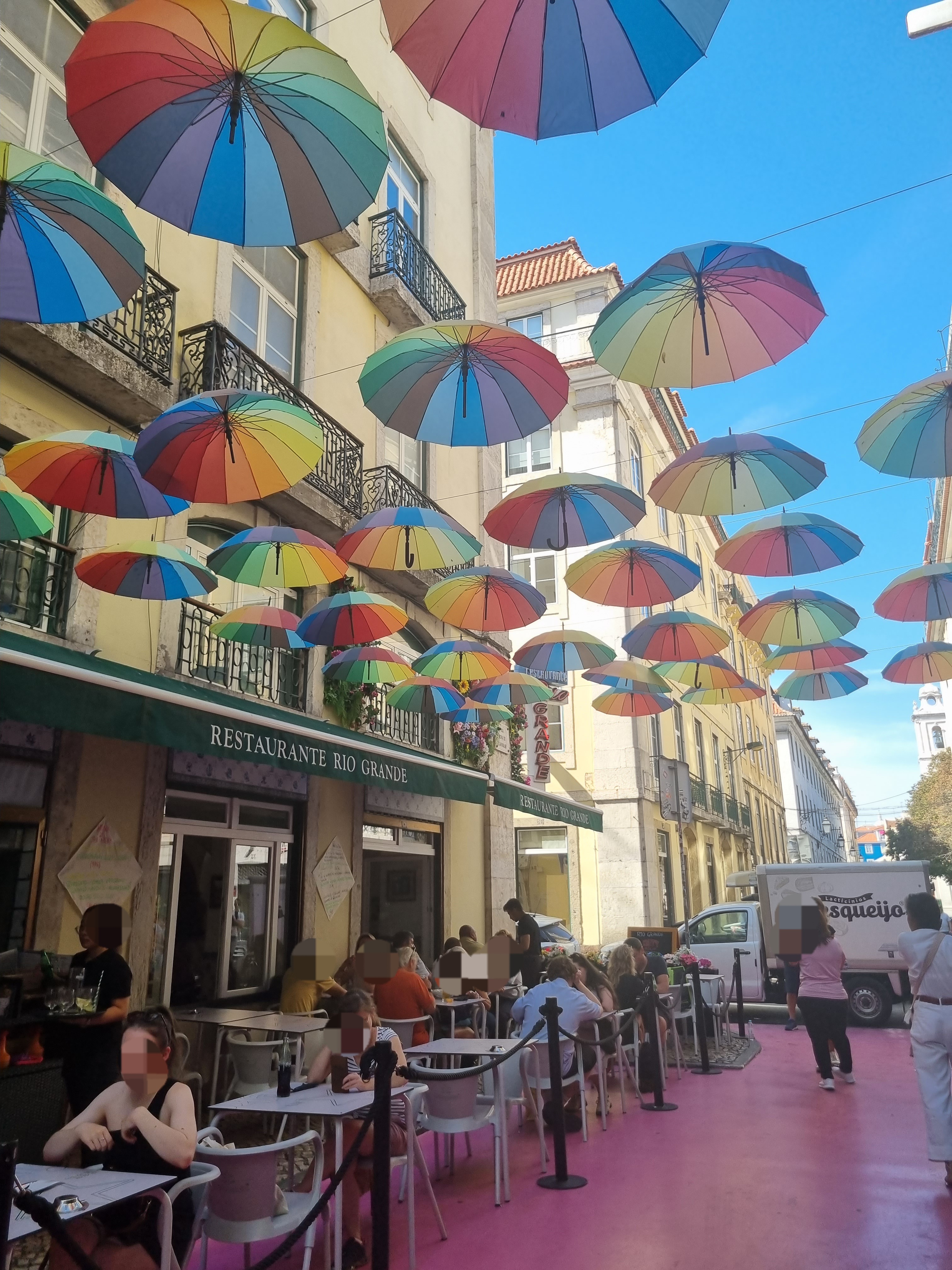
Afterwards, we explored the waterfront and walked through a few shops in the city center while passing through the Calle Rosa de Lisboa, also known as Rua Nova do Carvalho, a lively pink street in Lisbon’s Cais do Sodre neighborhood, famous for its vibrant nightlife scene. It’s packed with clubs, bars, restaurants, and terraces that host live concerts and fun events. During the day, it’s a perfect spot for taking photos under the colorful umbrella canopy.
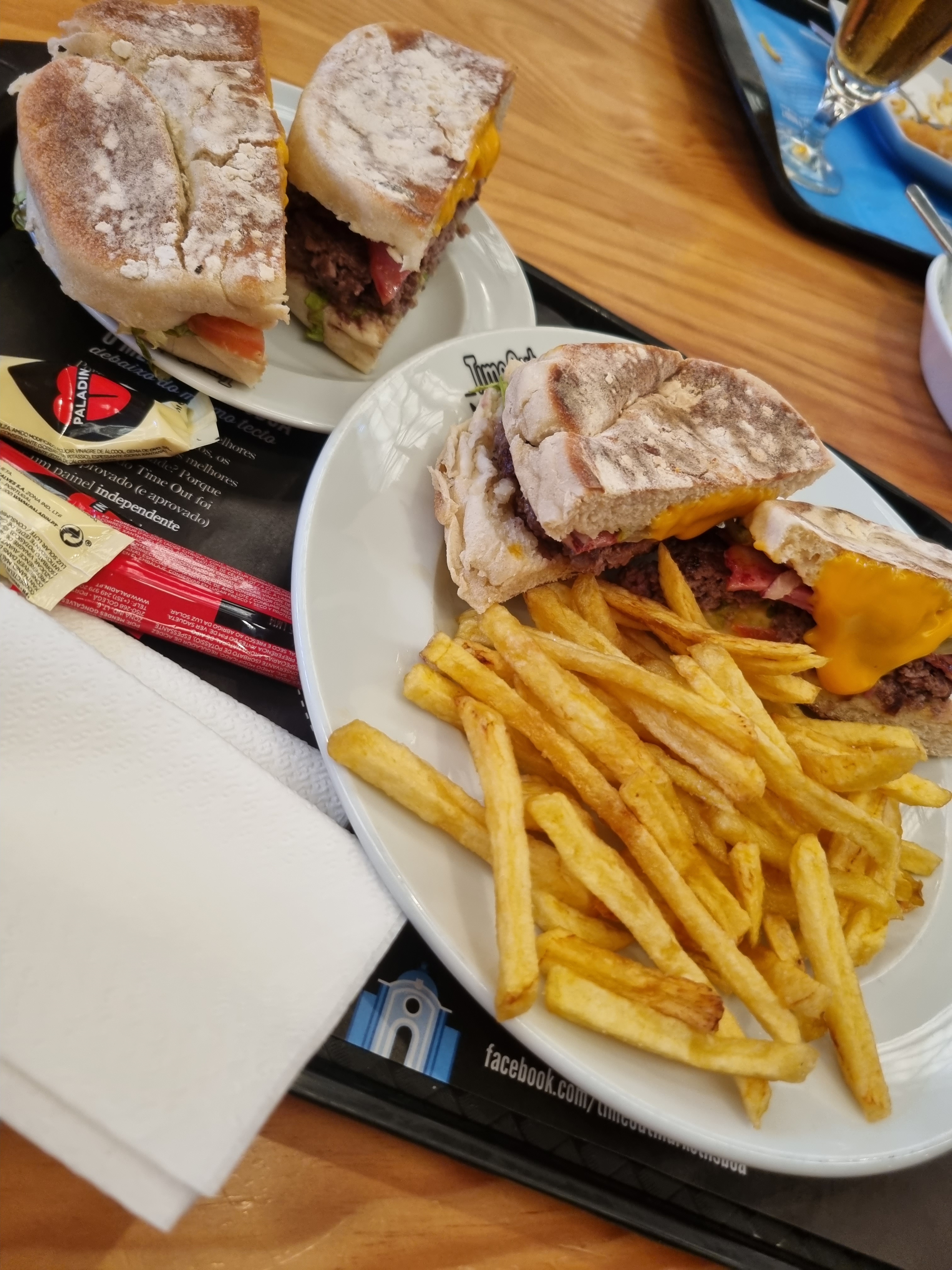
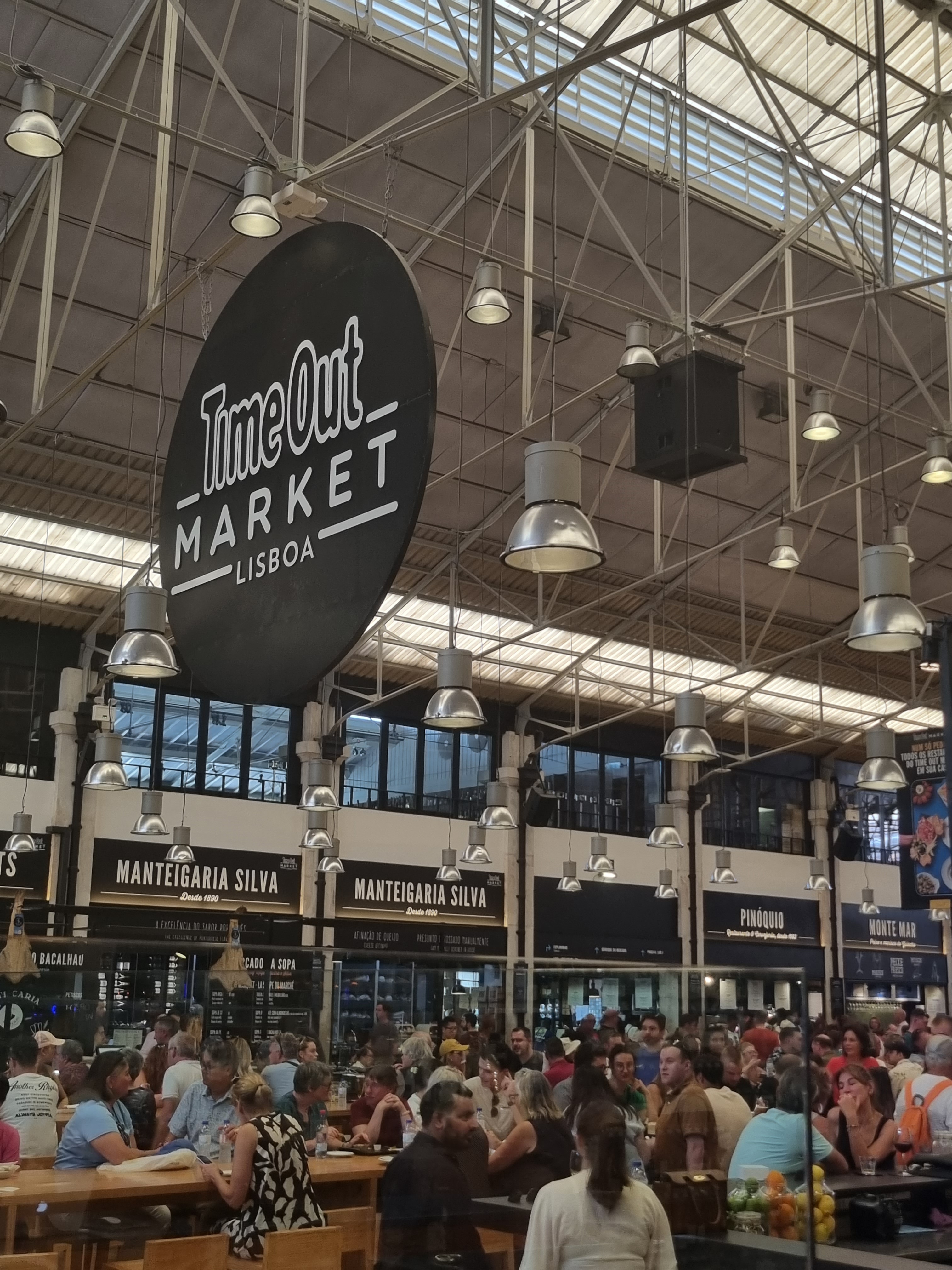
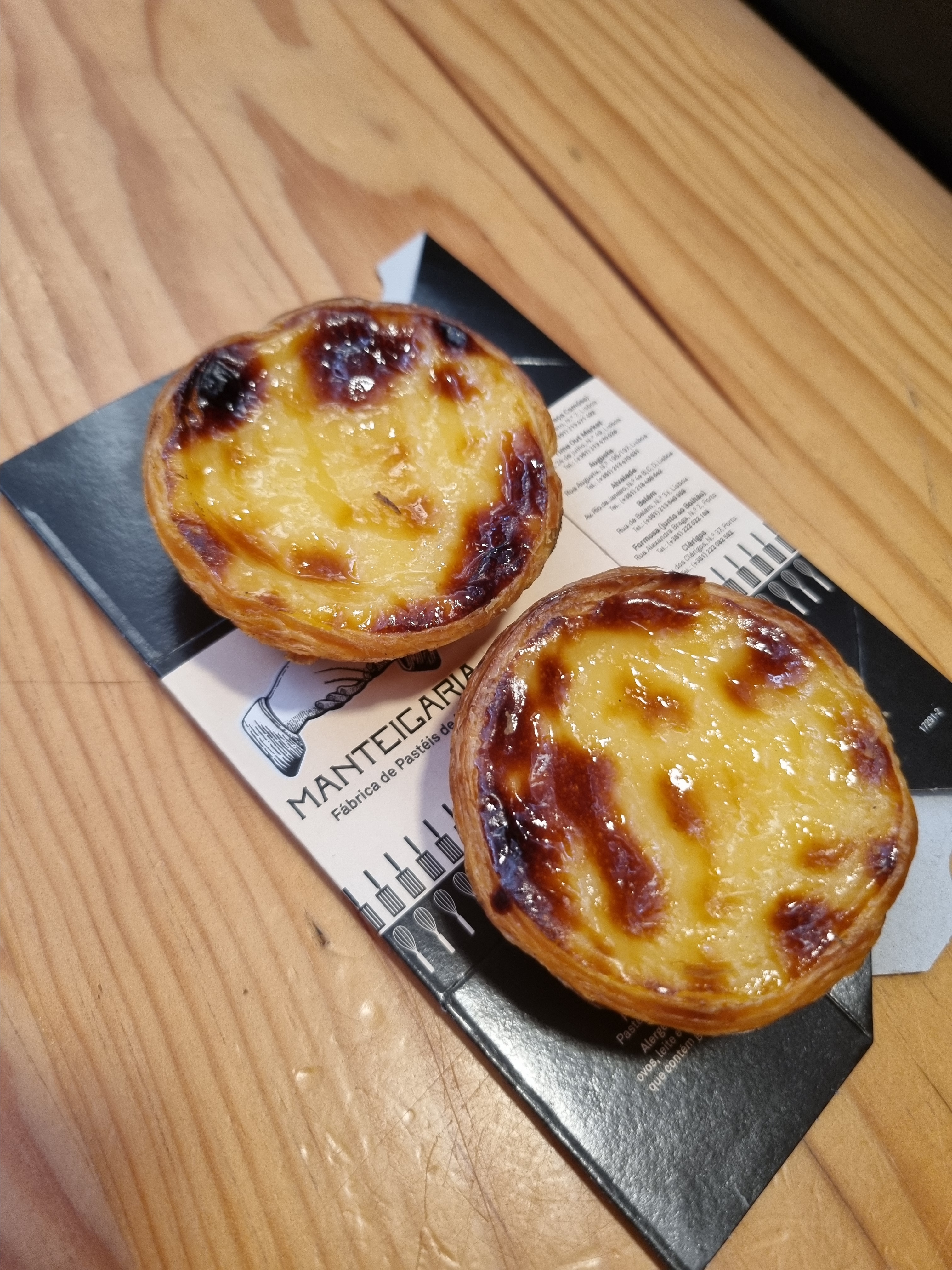
For lunch we went to the TimeOut Market where we had a traditional Portuguese sandwich and a Pastéis de Nata, a delicious Portuguese custard tart with a flaky crust and a creamy custard filling. If you ever get the chance to try them, they are a must-have treat!
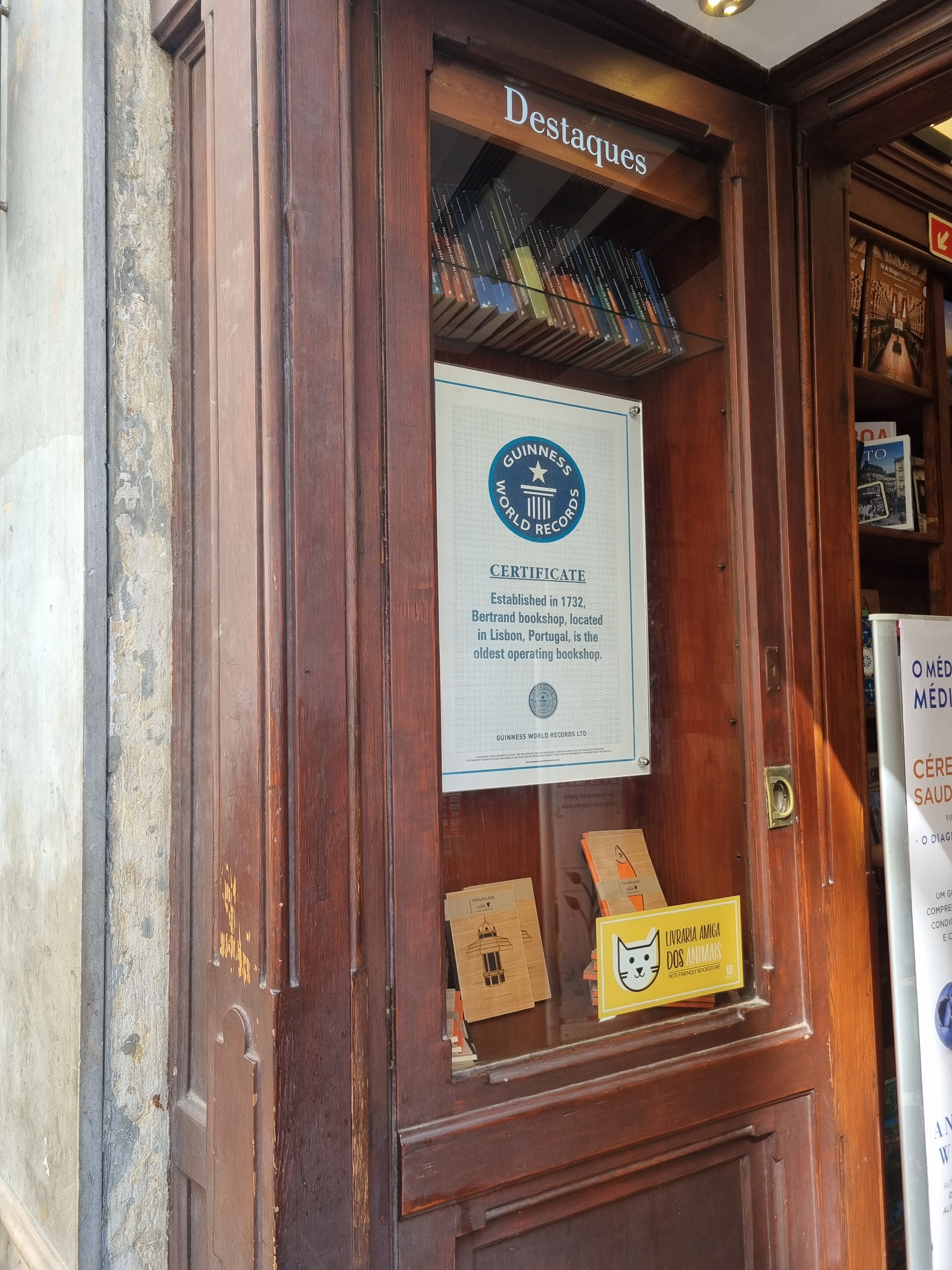
After we visited the Basílica de Nossa Senhora dos Mártires and Livraria Bertrand, the oldest bookstore, in the world. The Basilica, also known as Basílica de Nossa Senhora dos Mártires, is a beautiful church located in the city center. If you’re in Lisbon, it’s worth a visit to admire the architecture and soak in the peaceful atmosphere. The entry is free.
Livraria Bertrand is the oldest bookstore in the world and has a rich history. It’s a must-visit for book lovers and those interested in literary heritage. The bookstore offers a wide selection of books and a unique atmosphere that captures the essence of Lisbon’s cultural scene. If you have the chance to visit, it’s a great place to explore and immerse yourself in the world of literature.


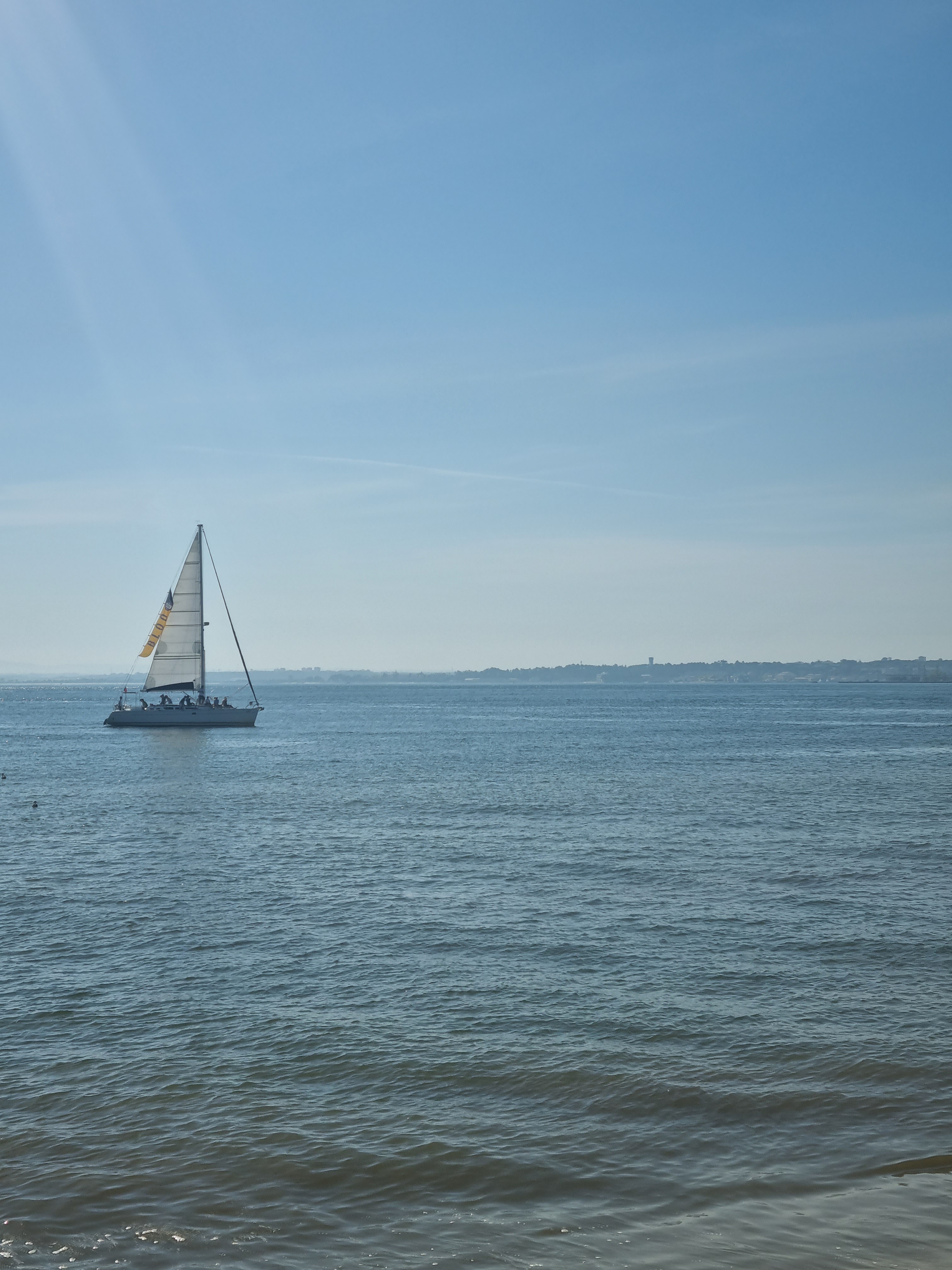
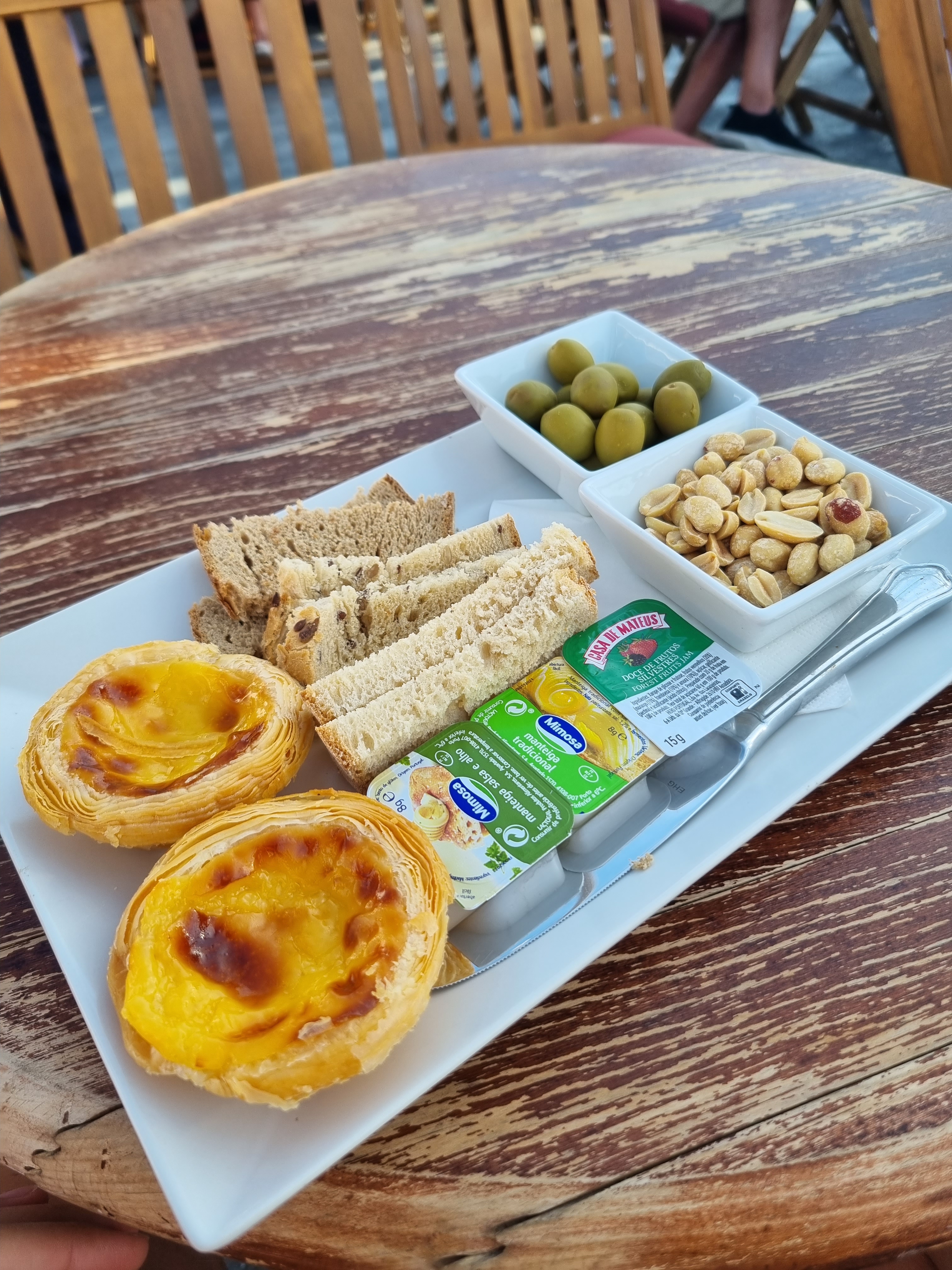
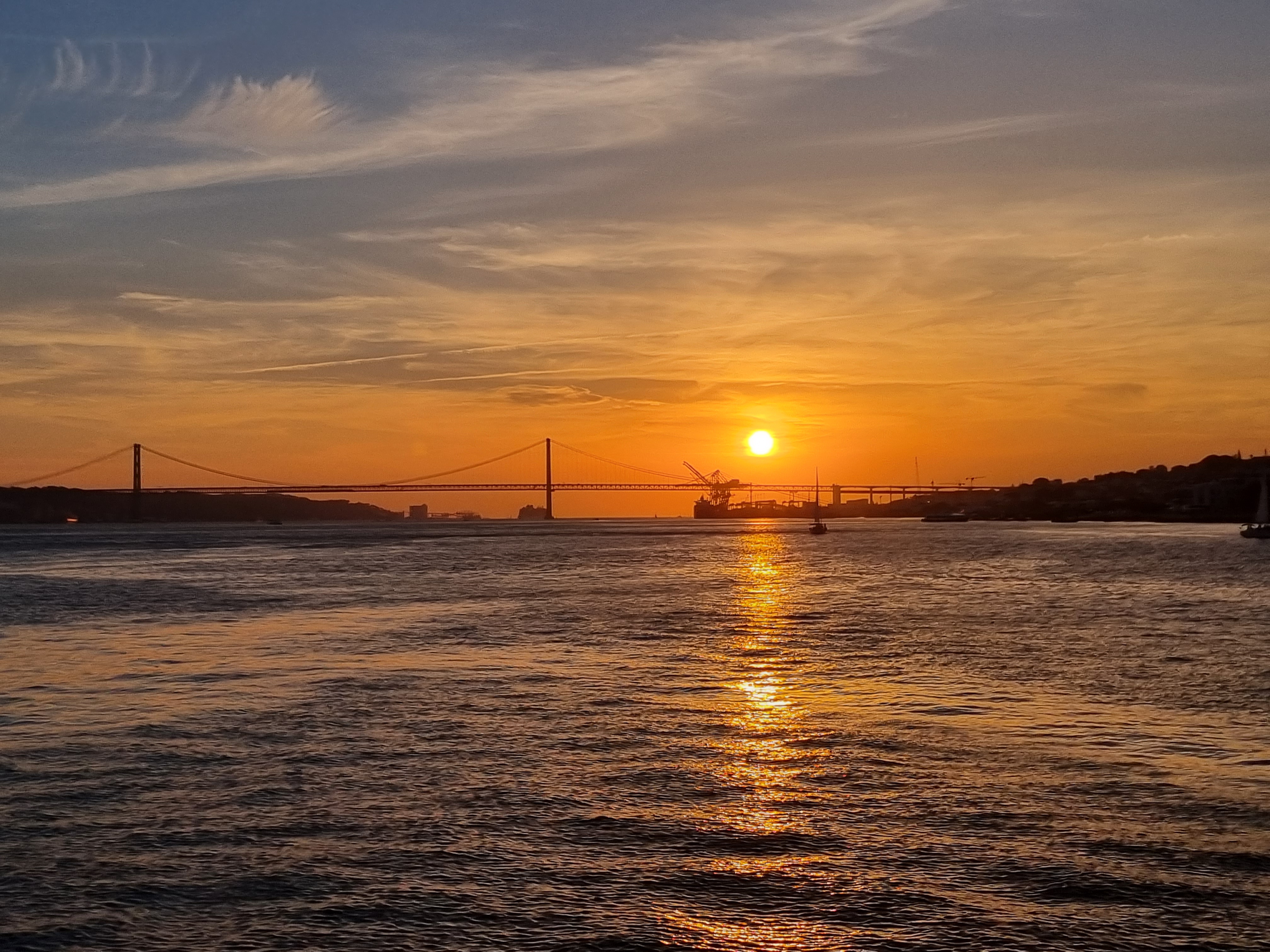
In the evening, we did a sunset boat tour which lasted around 1 1/2 hours. Among other places, we passed sights like the Christ the King statue, Torre de Belém, Ponte 25 de Abril, etc. We also had a cold drink and a small snack plate included. It was definitely worth it, and I would highly recommend doing a boat tour on the river as you can see so many sights and enjoy the sunset. Alternatively, you can also do the same or similar boat tours during the day.
Day 3 – Èvora
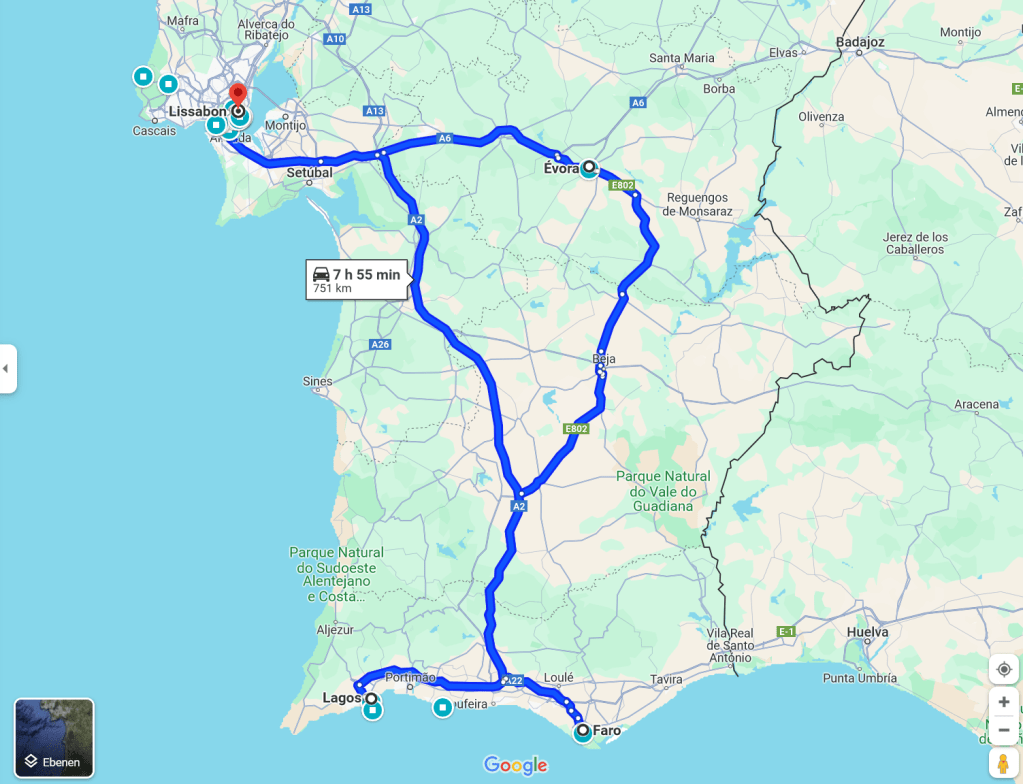
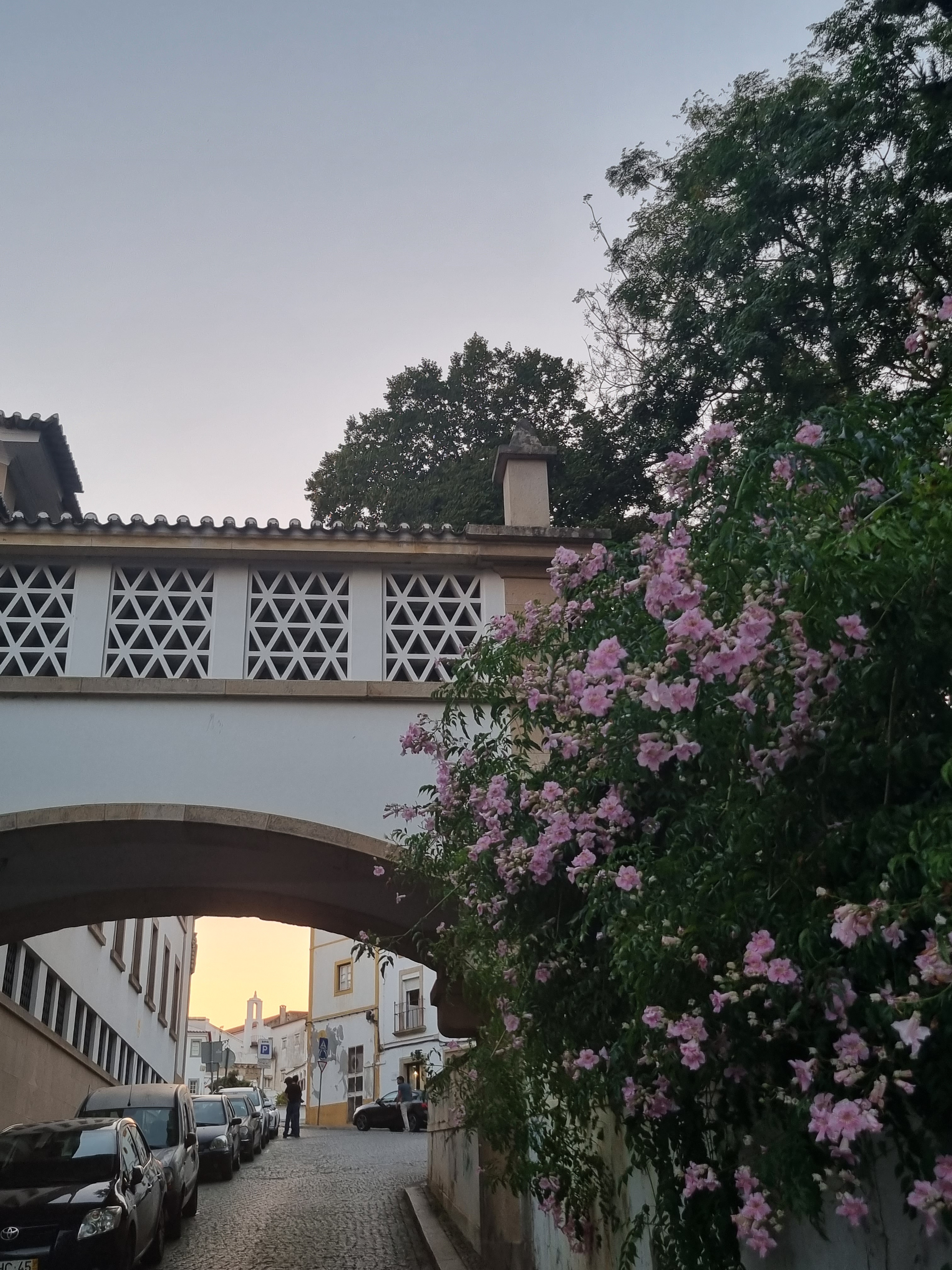
On day three, we woke up early to head to Lisbon airport to collect our rental car. After a slightly longer wait than expected, we set off towards Évora. The drive from Lisbon to Évora usually takes about 1 hour and 40 minutes. Évora, situated in the Alentejo region of Portugal, is a delightful city known for its well-preserved old town, rich history, and architectural heritage. While there may not be a lot of activities, it’s a charming city worth a stop on a road trip.
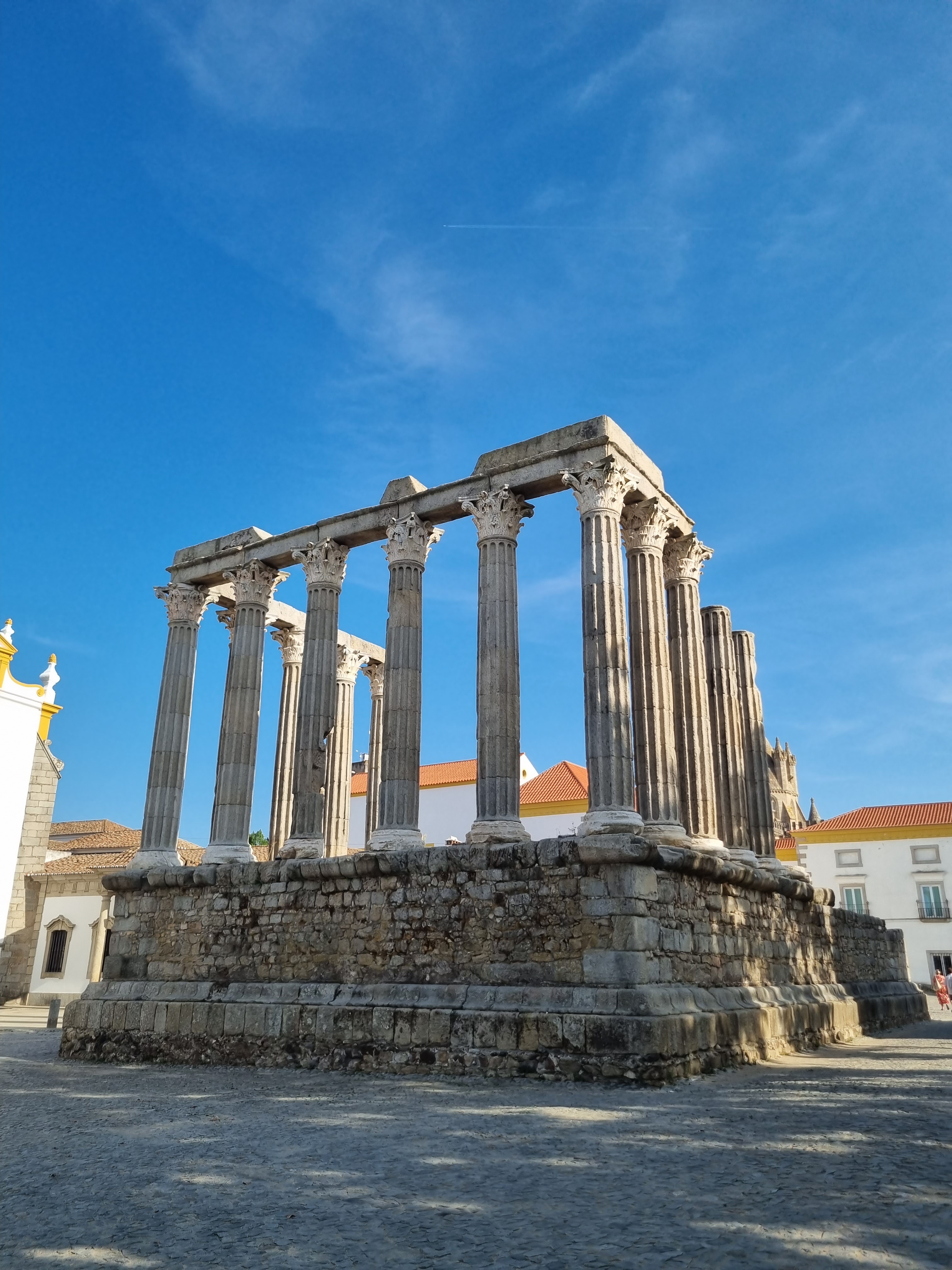
One of the city’s most known landmarks is the Temple of Diana, an ancient Roman temple that serves as a testament to Évora’s history. We also explored the Évora Cathedral, a magnificent medieval cathedral blending Gothic and Romanesque styles. Strolling through the narrow streets of Évora, you can appreciate the traditional white-yellow houses, lovely squares, and historic churches.
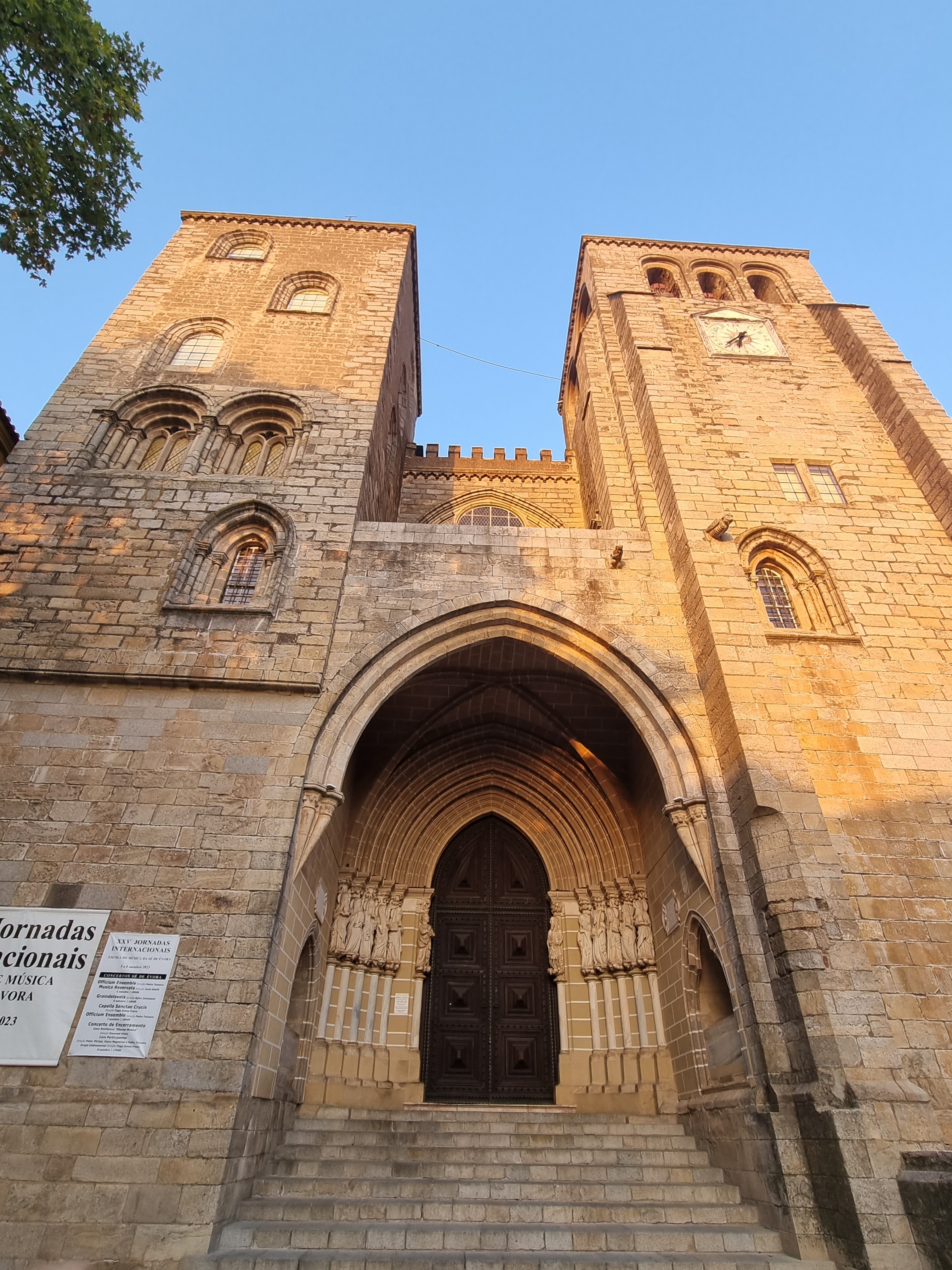
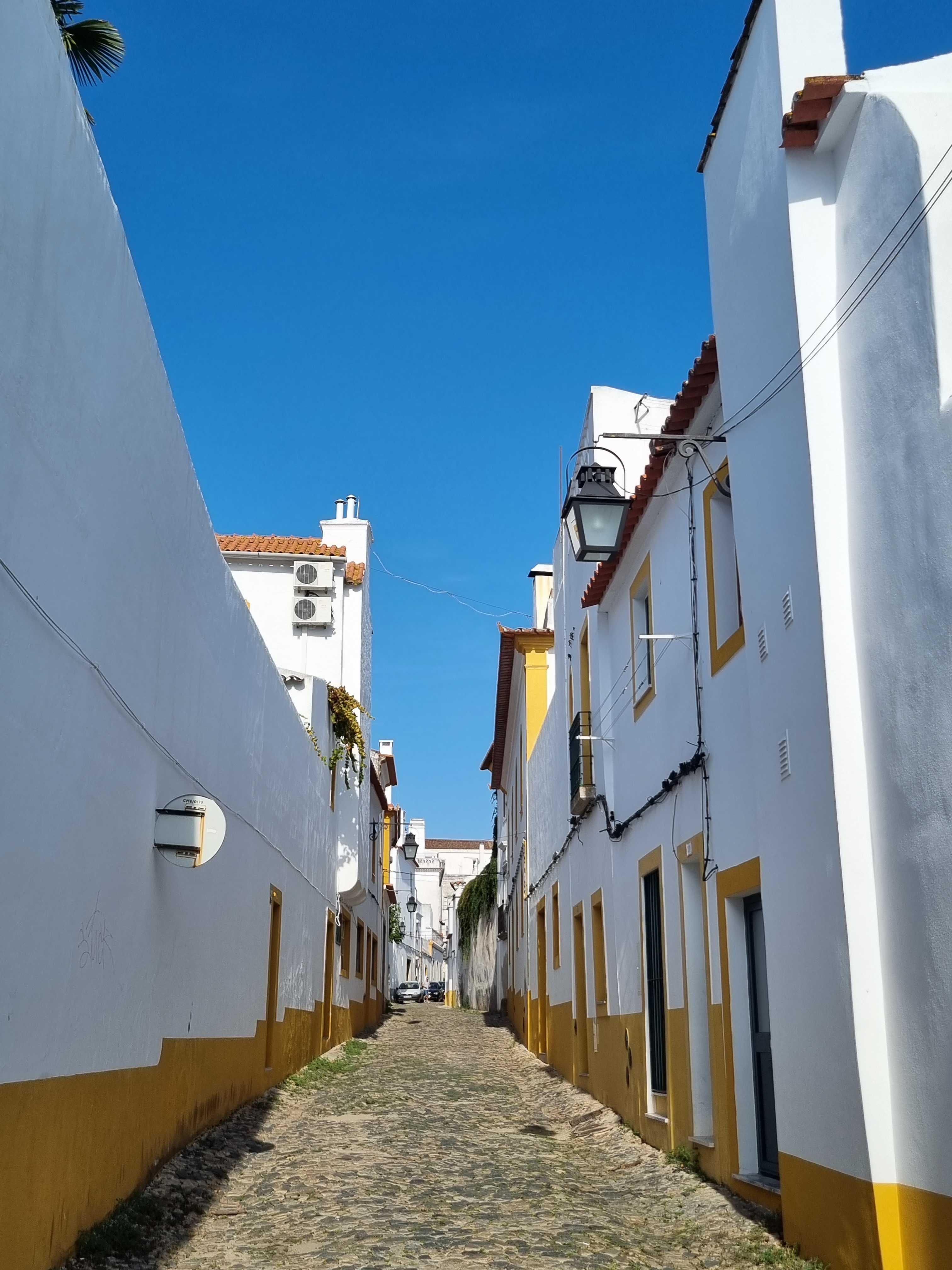
We spent the afternoon and evening exploring the charming streets of Évora before heading out for a Portuguese dinner.
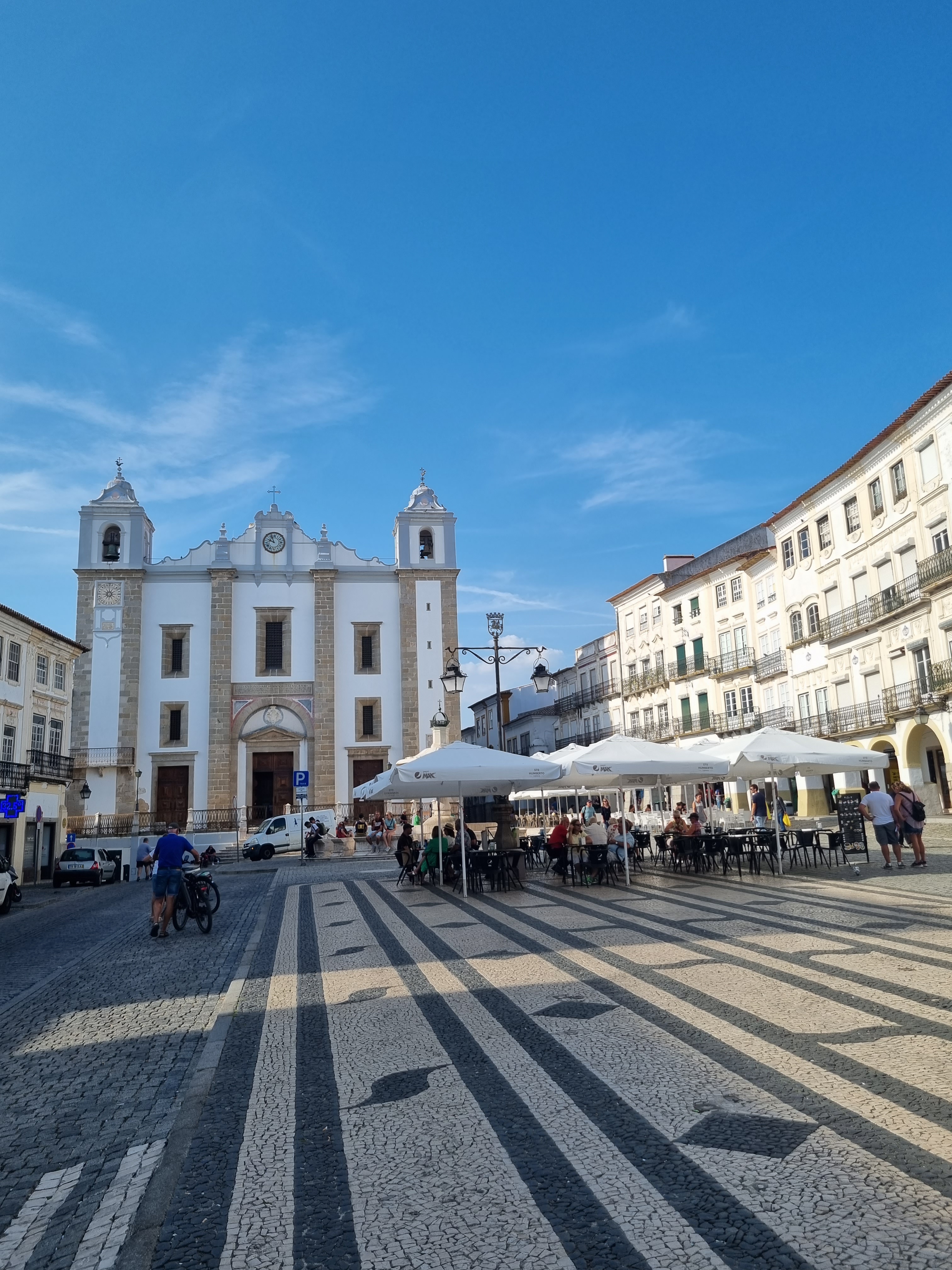
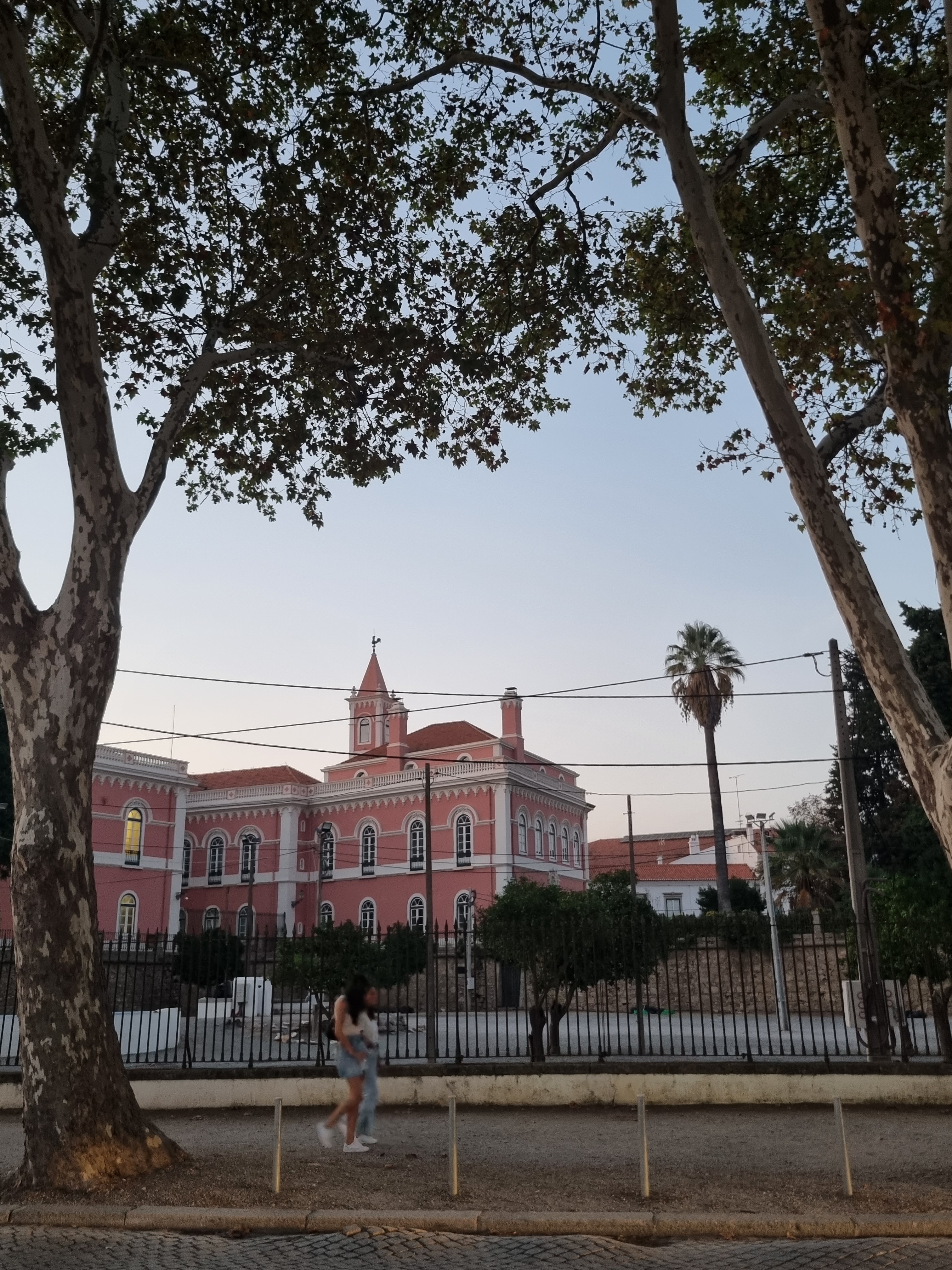
Day 4 – Faro
The next morning, we drove around 2 1/2 hours to Faro, another beautiful city located in the Algarve region of Portugal. Faro is known for its stunning beaches, historic old town, and vibrant atmosphere. Similar to Évora, Faro may not offer a lot of activities, but it’s delightful to stroll around the Old Town, enclosed by ancient city walls and decorated with charming cobblestone streets. Our day in Faro began with a trip to the beach. While the beaches in Faro are lovely, the one we chose had challenging swimming conditions due to the fast and high waves. After two hours of sunbathing, we chose to return to the city center and explore on foot.

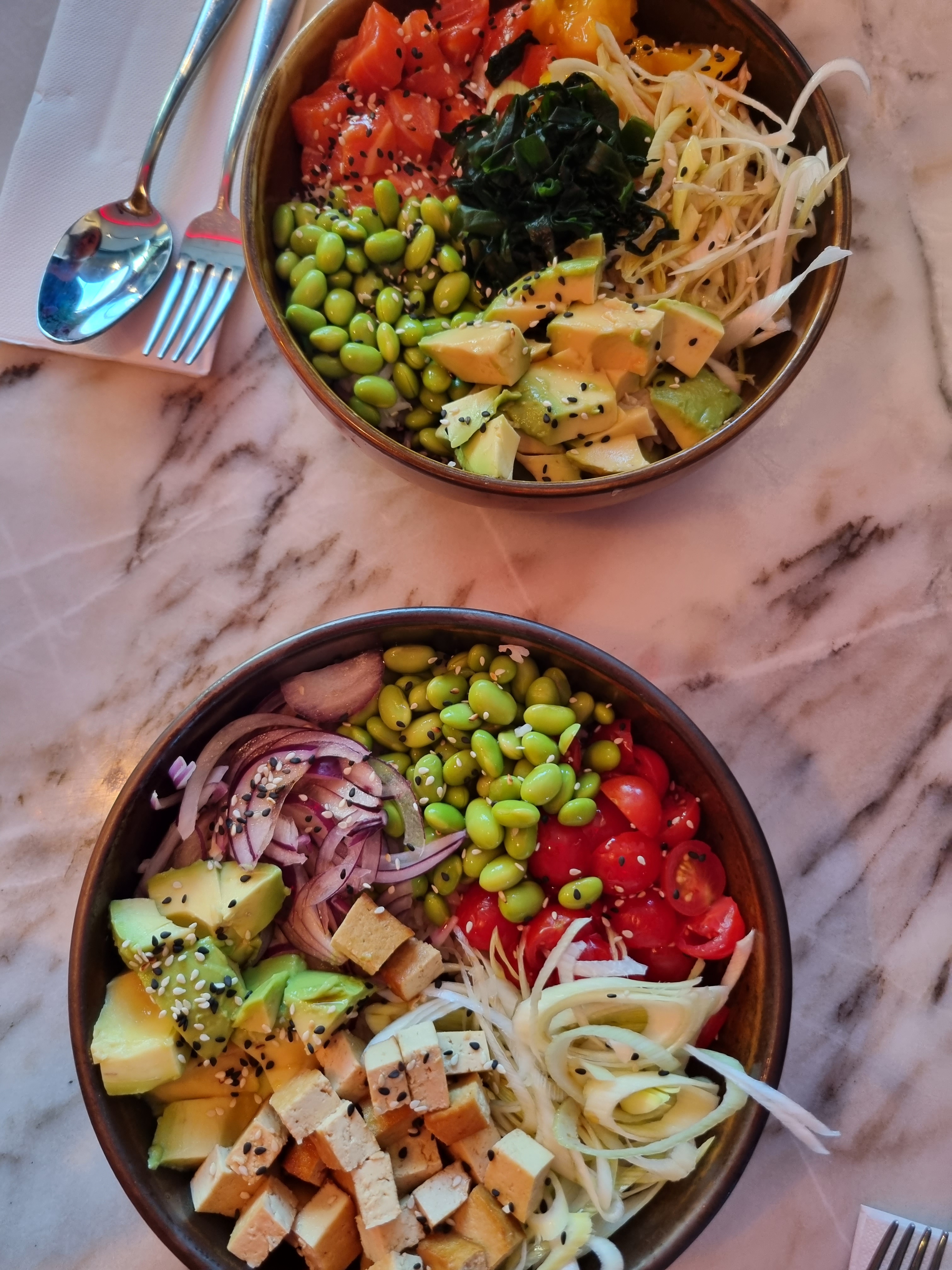
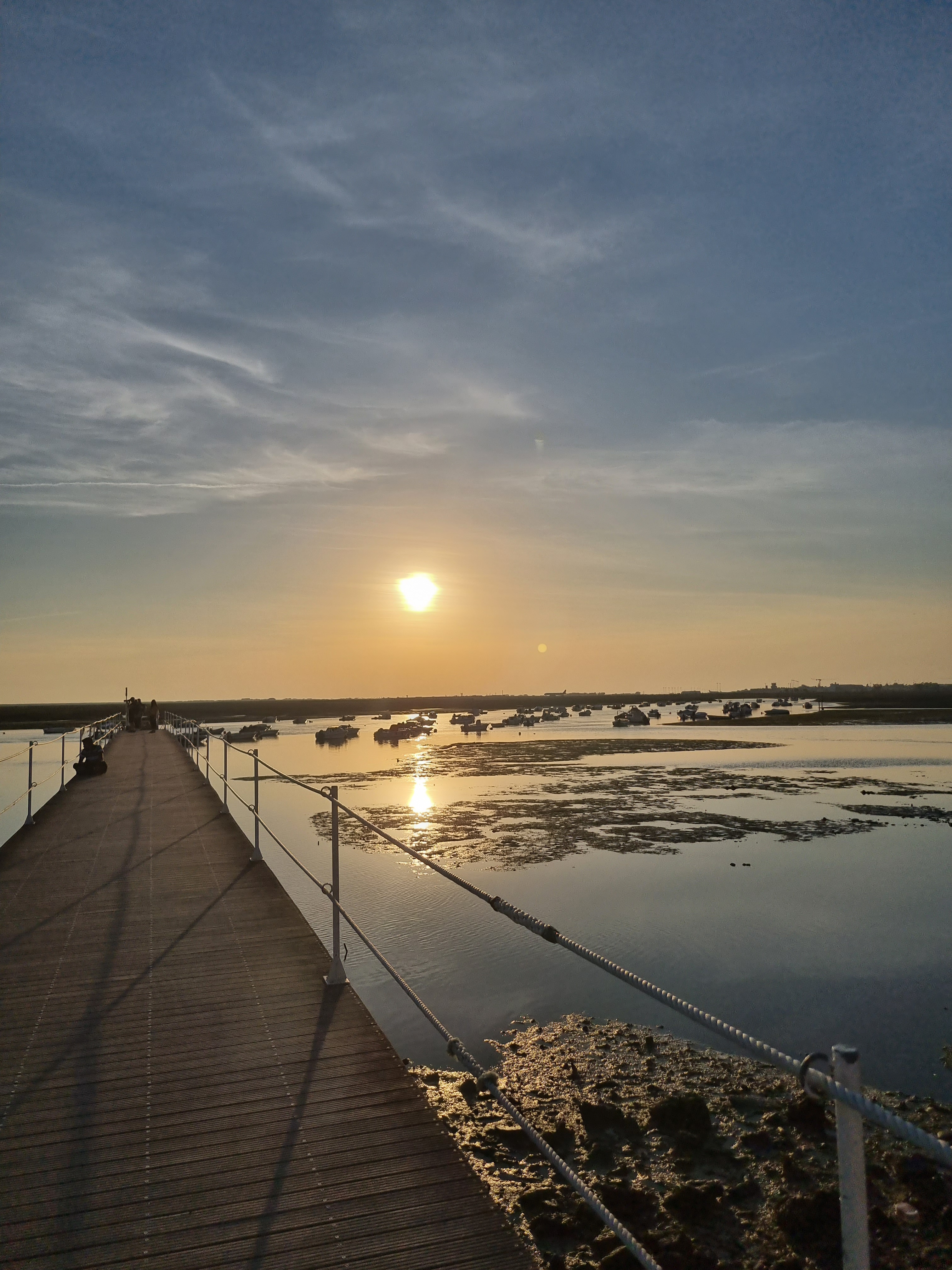
We strolled through the old town of Faro, enjoyed a delicious late lunch at Eva Senses Hotel (unpaid ad), and watched the sunset at Pier de Faro. If you’re looking for a peaceful escape by the water, the pier is a nice spot to do so!

Day 5 – Lagos
On our fifth day, we drove to Lagos, another coastal town in the Algarve region and one of our favorite cities in Portugal, besides Lisbon. Lagos is just an hour away from Faro and is known for its stunning beaches, picturesque cliffs, and a charming old town. The city is also famous for its natural sites, such as the Fisherman’s Trail, which offers breathtaking views of the Atlantic Ocean, and the Benagil Sea Cave, a spectacular natural wonder where mesmerizing rock formations and crystal-clear waters captivate visitors in kayaks or boats. In my opinion, both are must-visit spots when exploring the Algarve region!
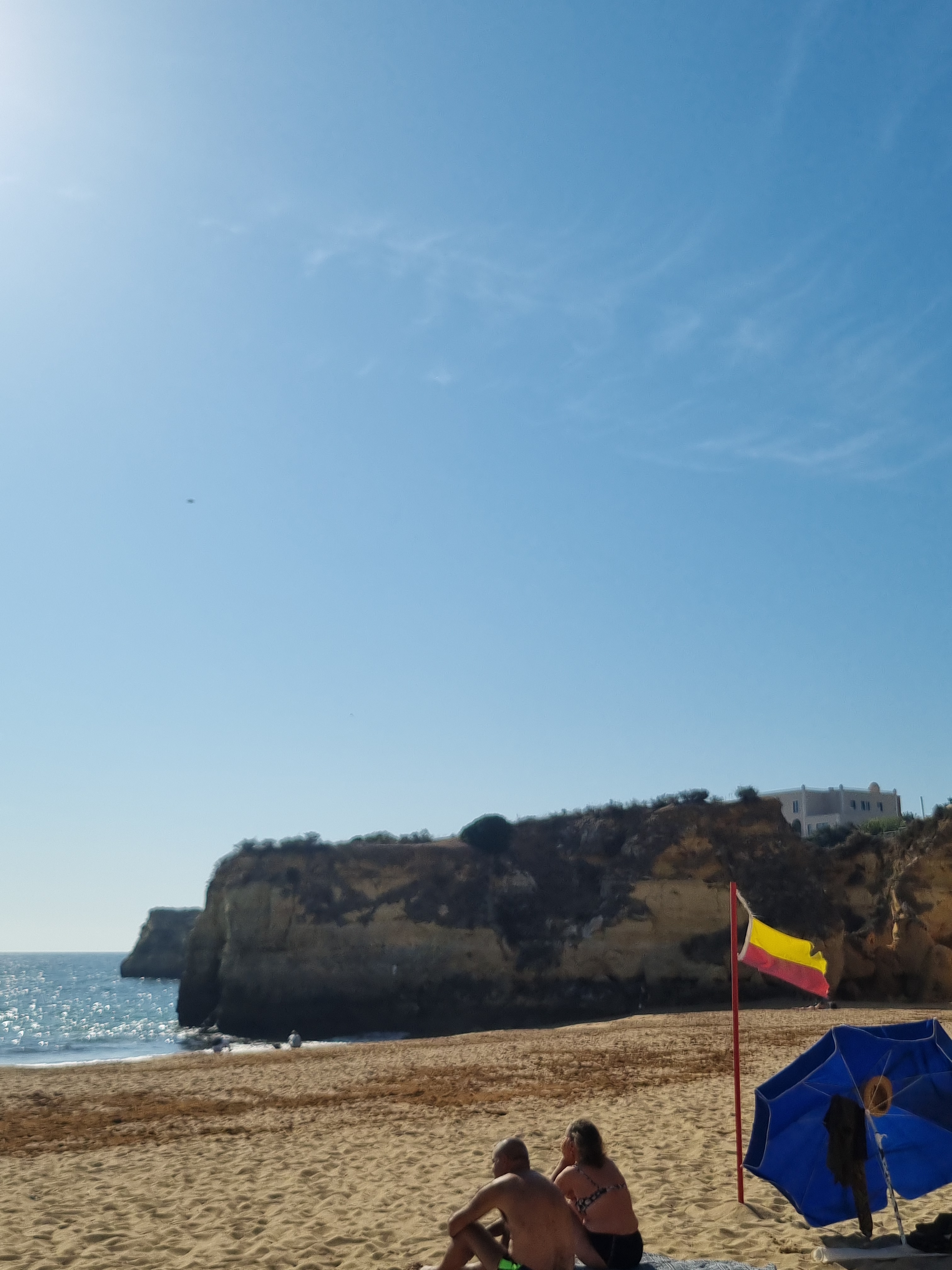
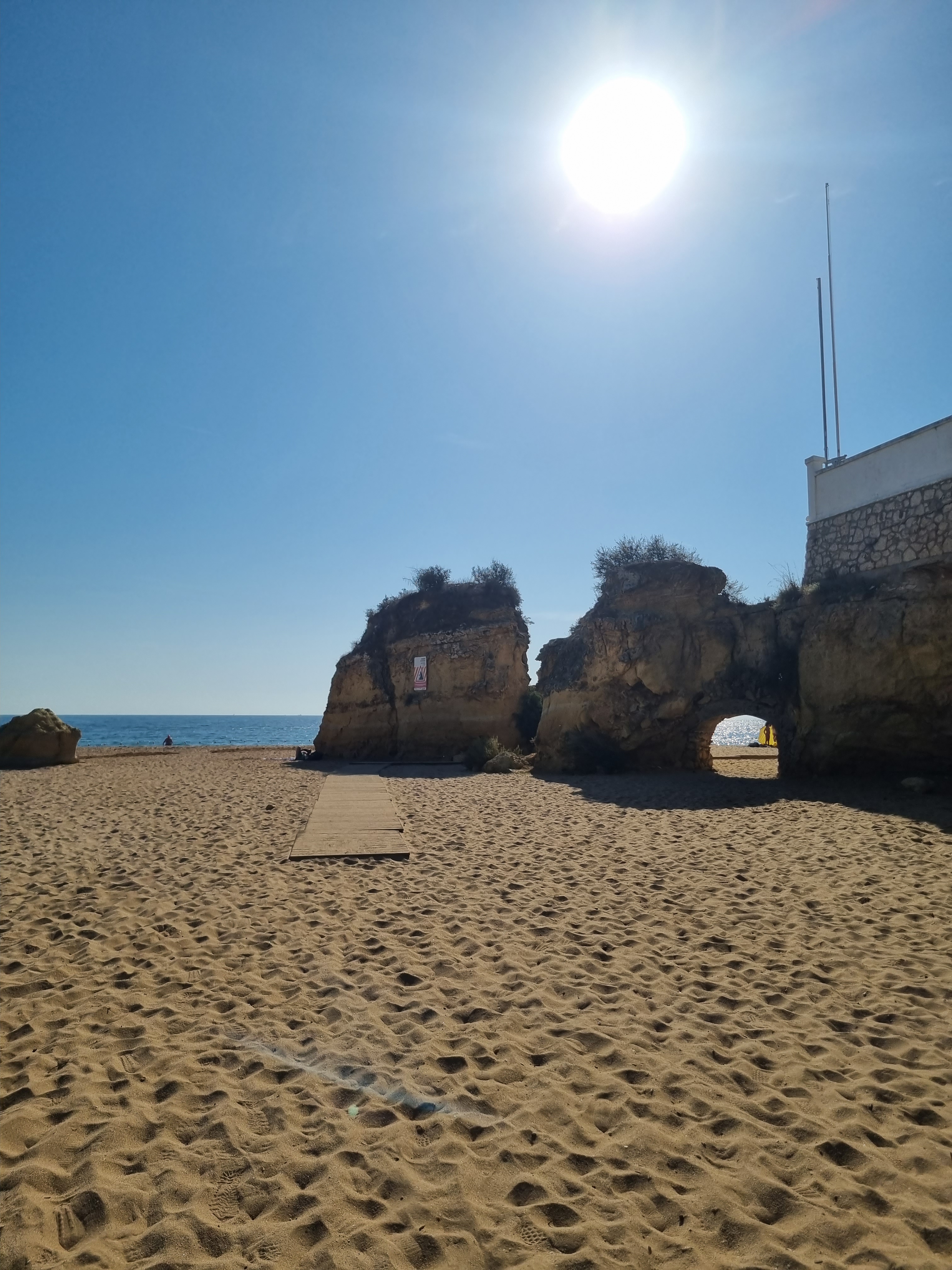
After checking into our apartment for the next two days and buying some groceries, we headed to Praia da Batata beach, which was quite similar to the beach in Faro. After attempting to swim in the sea a few times, we decided to simply sunbathe again.
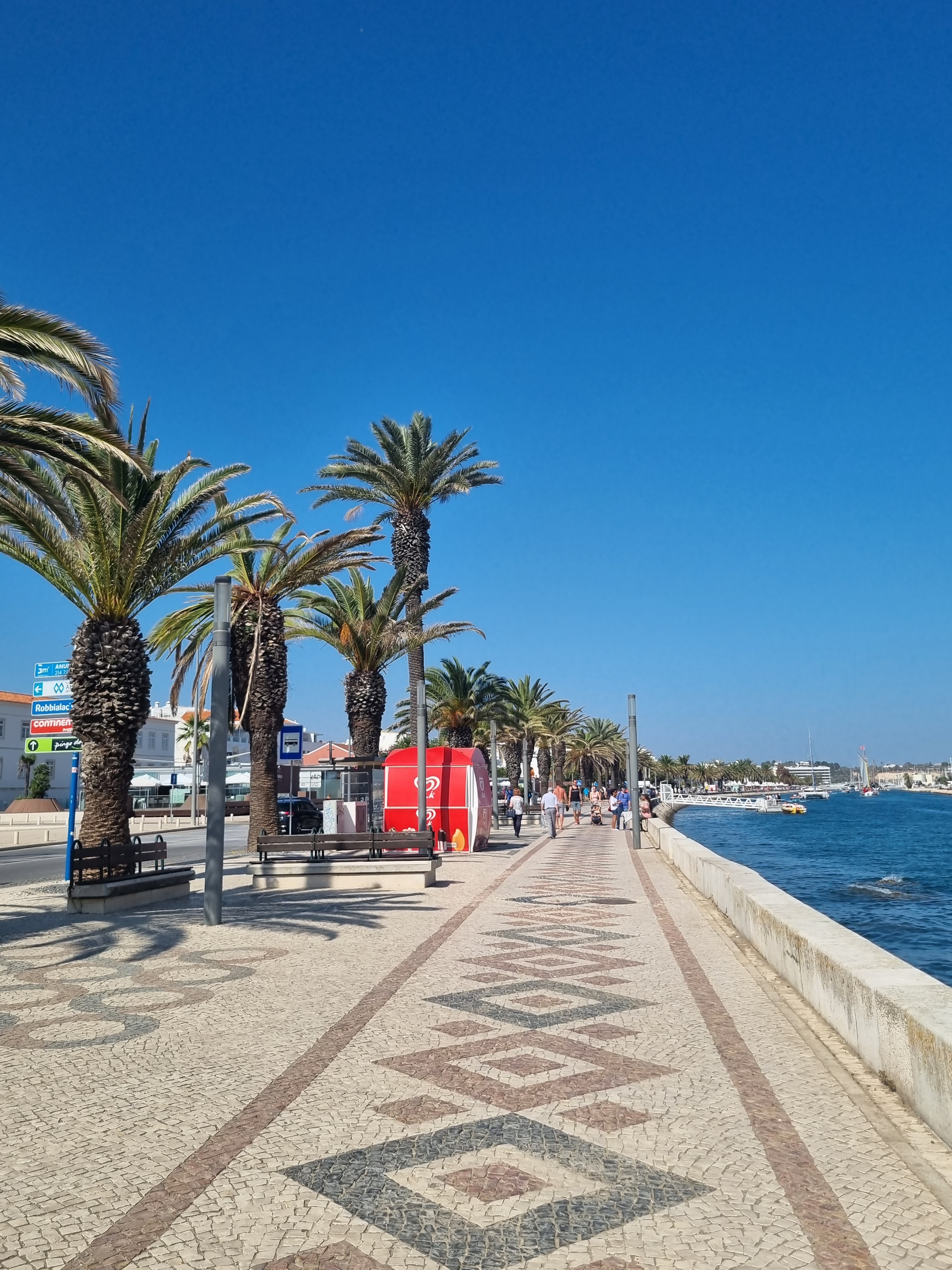
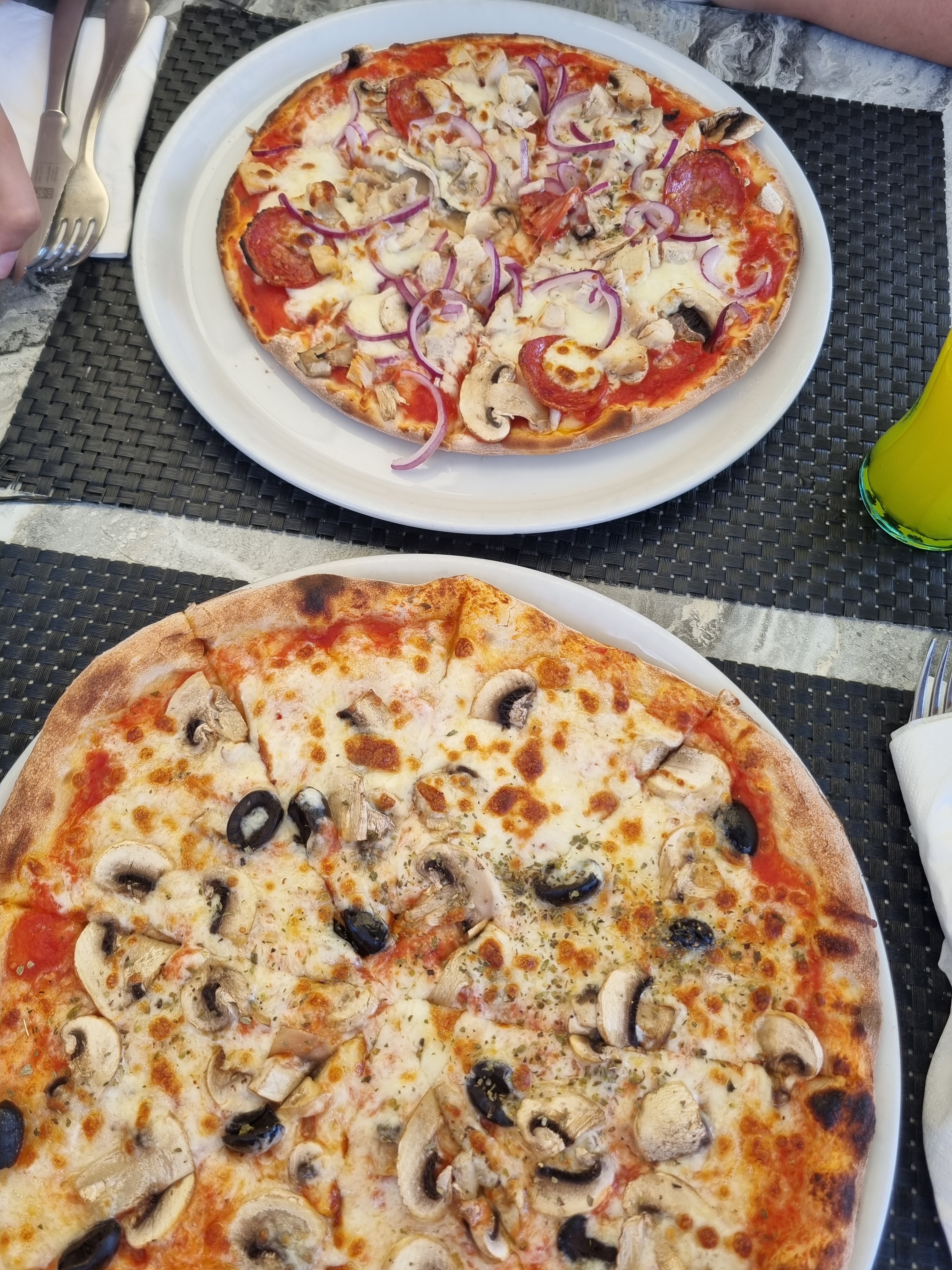
Later, we explored the city center of Lagos and went out for some pizza for lunch. The old town is a charming area filled with history. You’ll discover ancient city walls, traditional Portuguese architecture, and cobblestone streets lined with cozy cafes, restaurants, and shops. The old town is ideal for leisurely walks, admiring historic buildings, and immersing yourself in the relaxing atmosphere of Lagos. A nice experience is taking a stroll along the waterfront adorned with palm trees and beautiful tiled flooring.
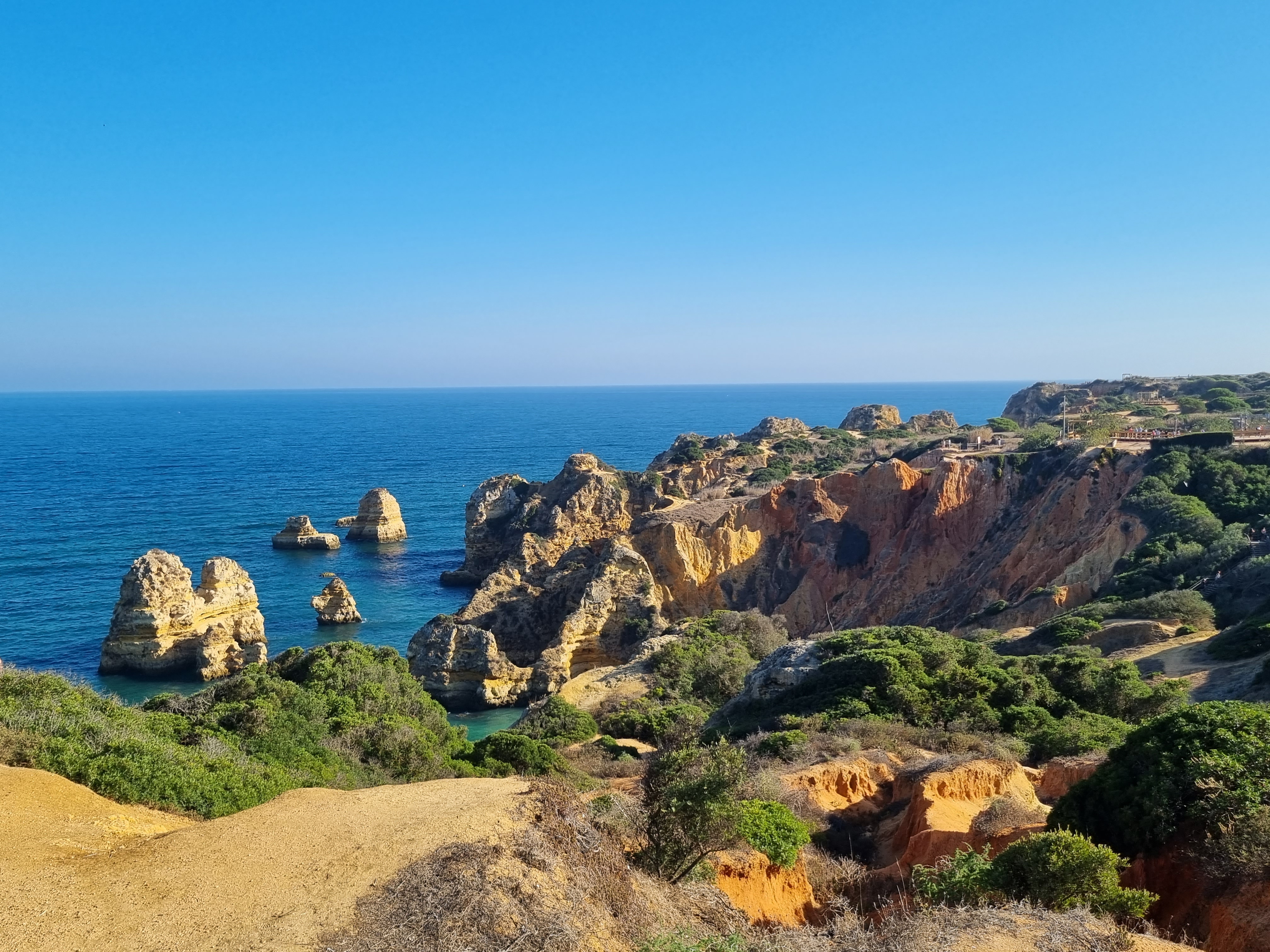
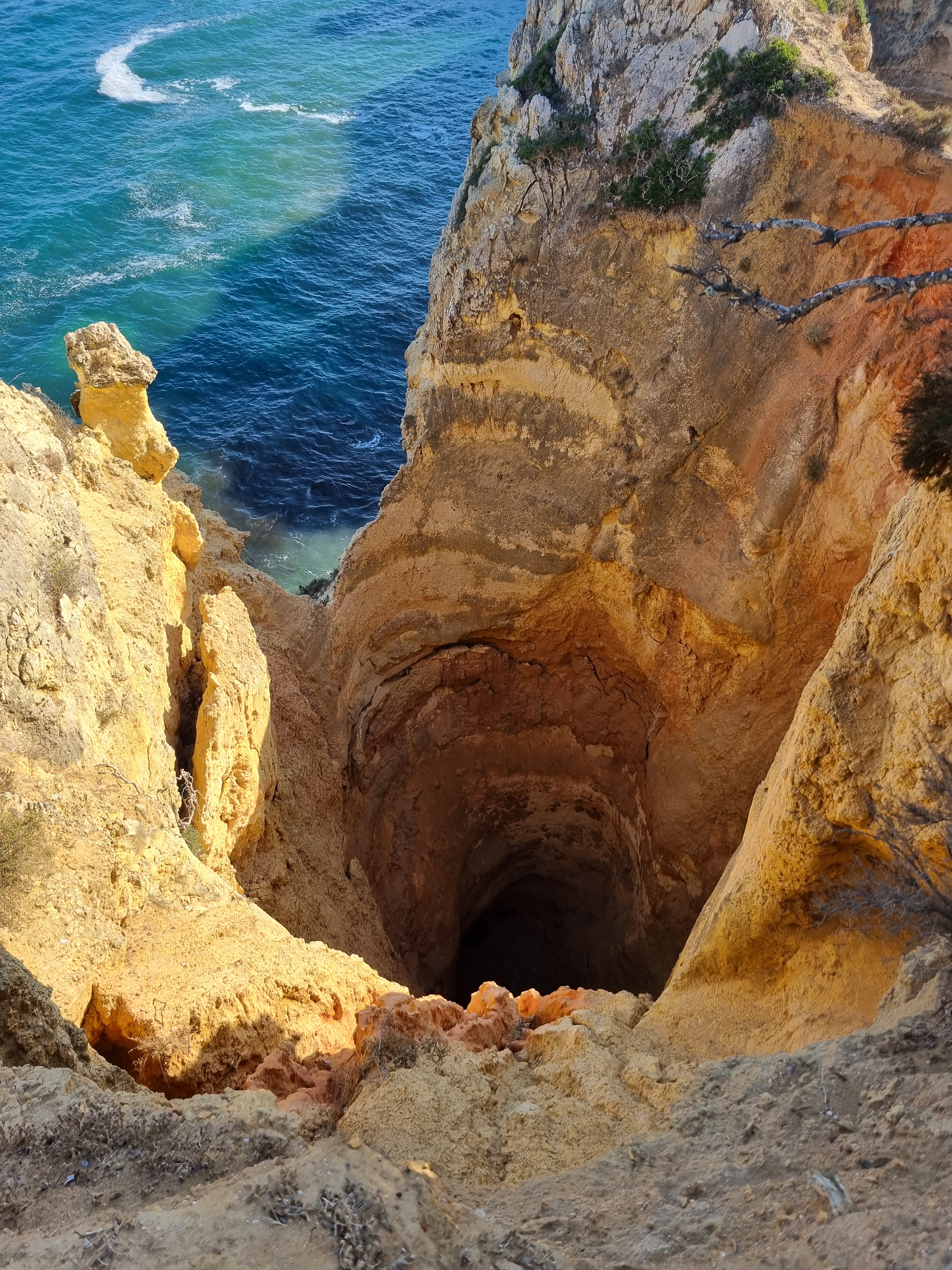
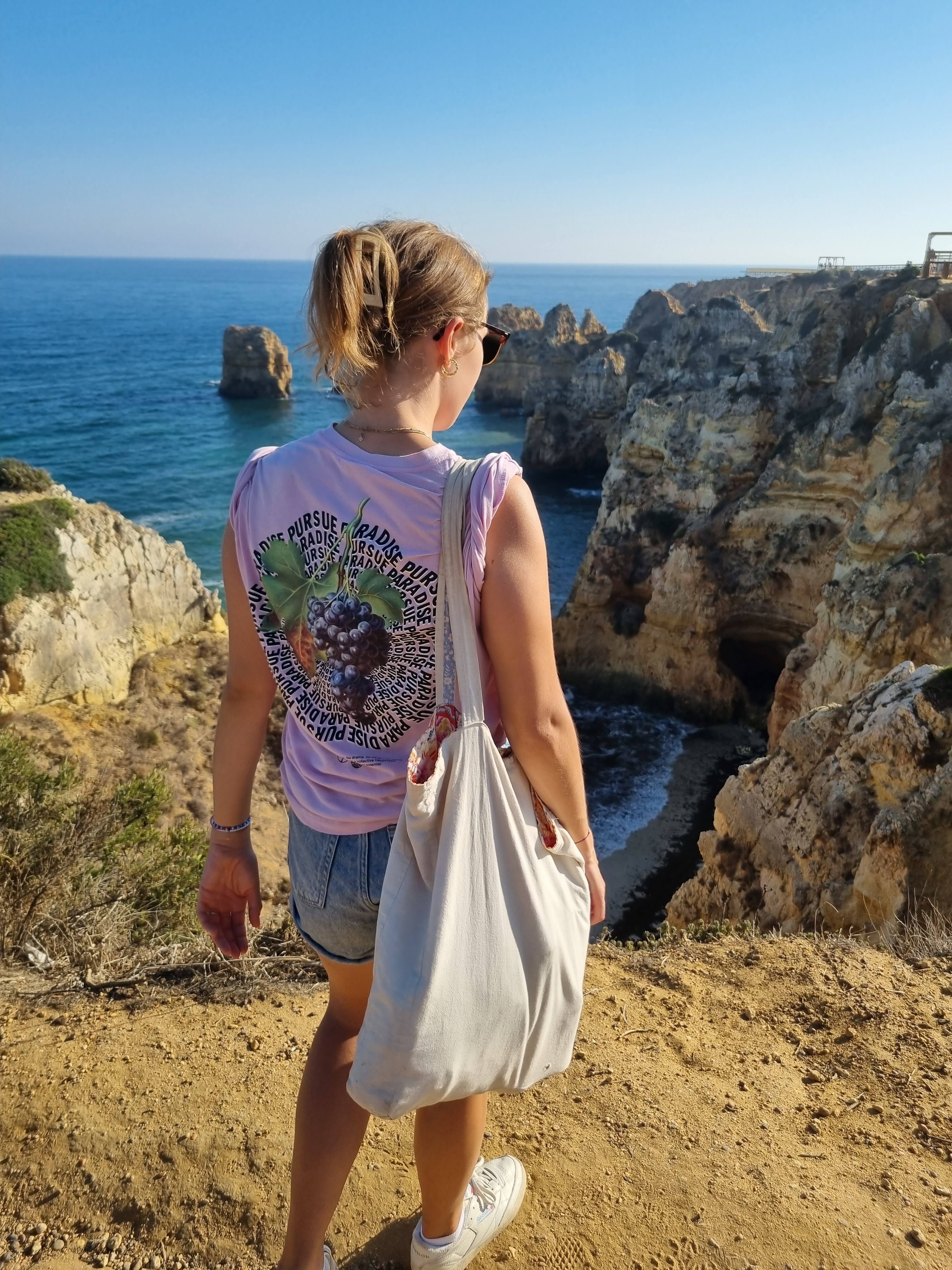
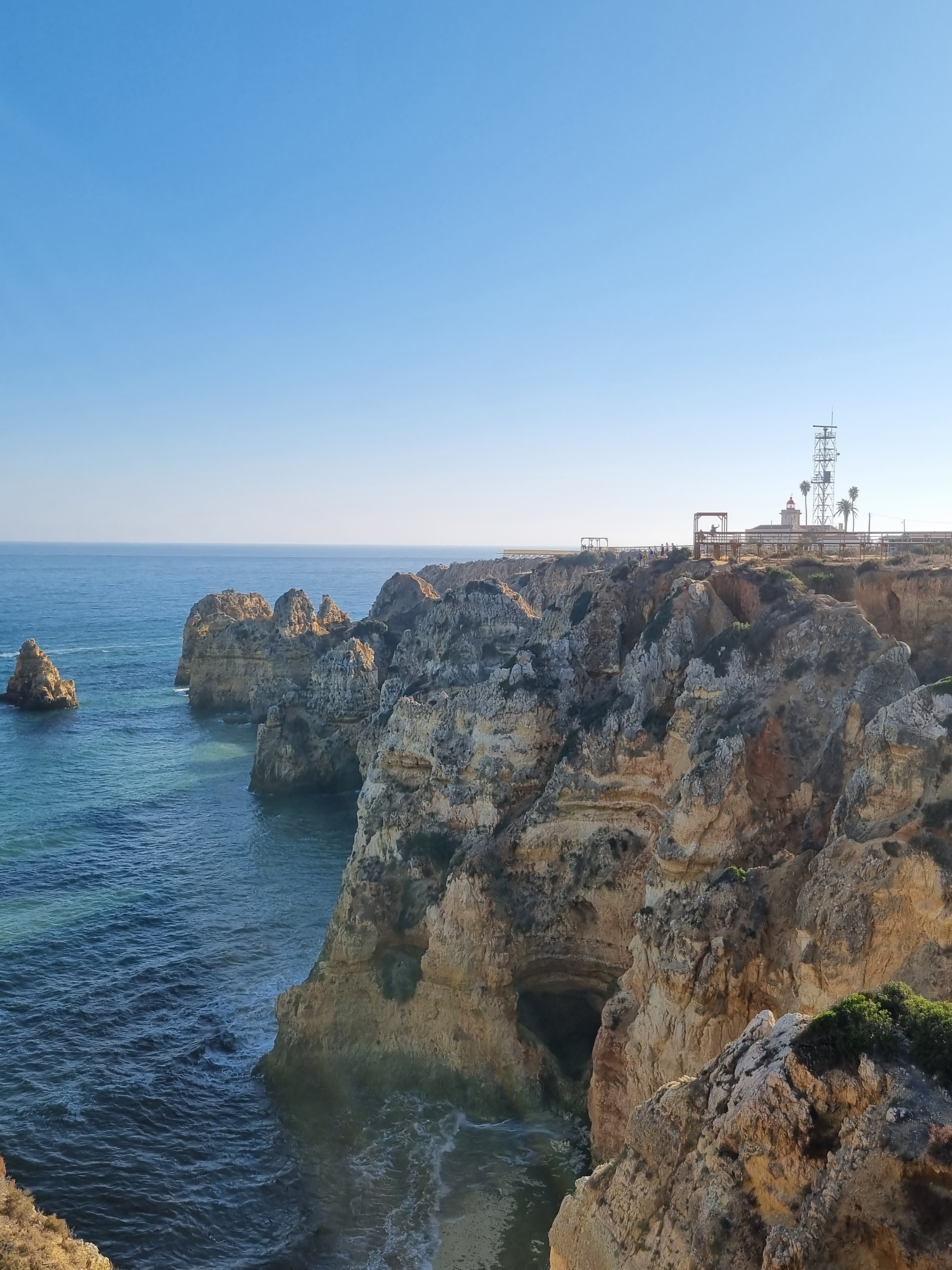
After exploring the city center and having lunch, we headed to Ponta da Piedade, a breathtaking coastal walking trail that offers stunning views of the coastline and the Atlantic Ocean. It’s a great way to soak in the natural beauty of the Algarve region and discover beautiful beaches and hidden coves as you walk along the trail. If you enjoy hiking and exploring picturesque landscapes, the Fisherman’s Trail is an excellent option to do so. It was one of the highlights during our Portugal trip!
Day 6 – Lagos and Benagil Sea Caves
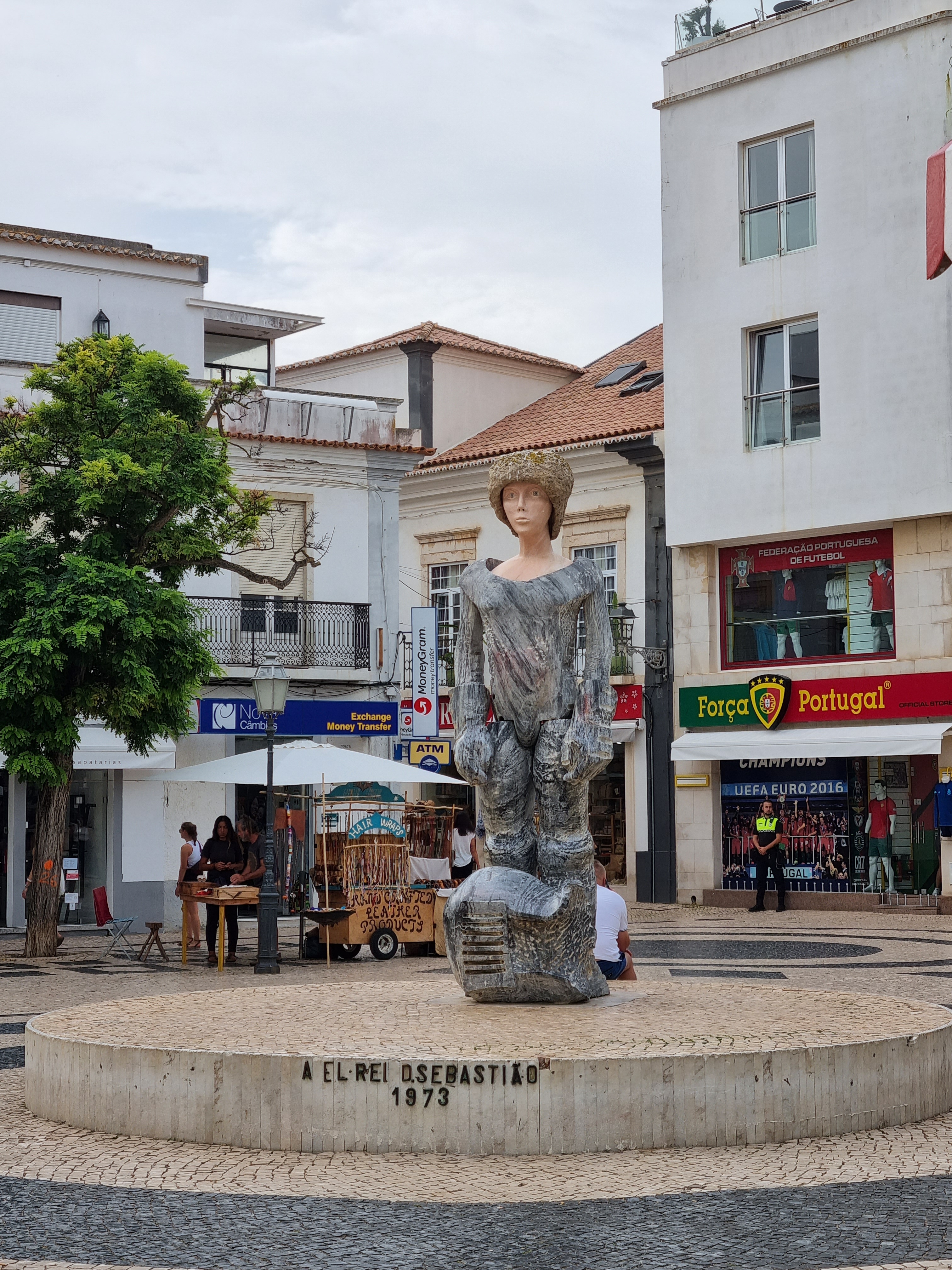
On our second day in Lagos, we joined a free walking tour through the old town. Among other places, we visited the Castelo dos Governadores, Mercado Municipal de Lagos, Casa Mora, Church of St. Sebastian, and more. One of our first stops was Castelo dos Governadores, also known as Fortaleza da Ponta da Bandeira, a historical castle built in the 17th century. Our tour guide informed us that it played a significant role in defending the city and served as protection against pirates. The castle is a fascinating example of military architecture of that time and offers visitors the opportunity to delve into the history of the castle.
During the tour, we visited the Mercado Municipal, a bustling market where you can find a variety of fresh produce, local crafts, and traditional goods. Our tour guide let us try caramelized sunflower seeds, Portuguese honey, and explained the fishing history of Portugal. The market is a great place to immerse yourself in the local culture and pick up some souvenirs or Portuguese snacks.
While walking to the Casa Mora House, also known as the “green house,” a historical building with a distinctive green facade, we passed a lot of Lagos street art, which is absolutely admirable. Originally the building Casa Mora was the residence of a wealthy family and now it stands for traditional Portuguese architecture.
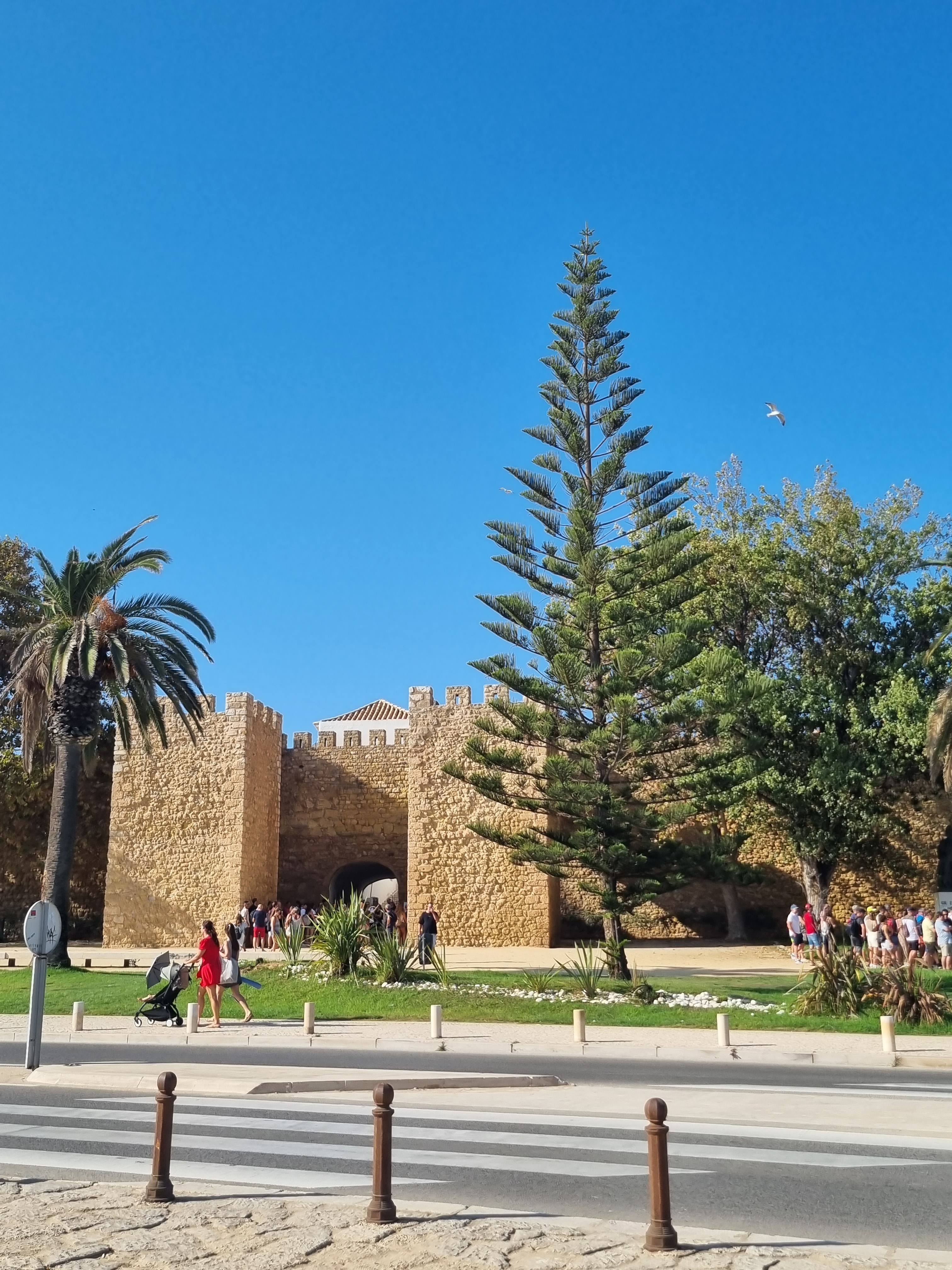
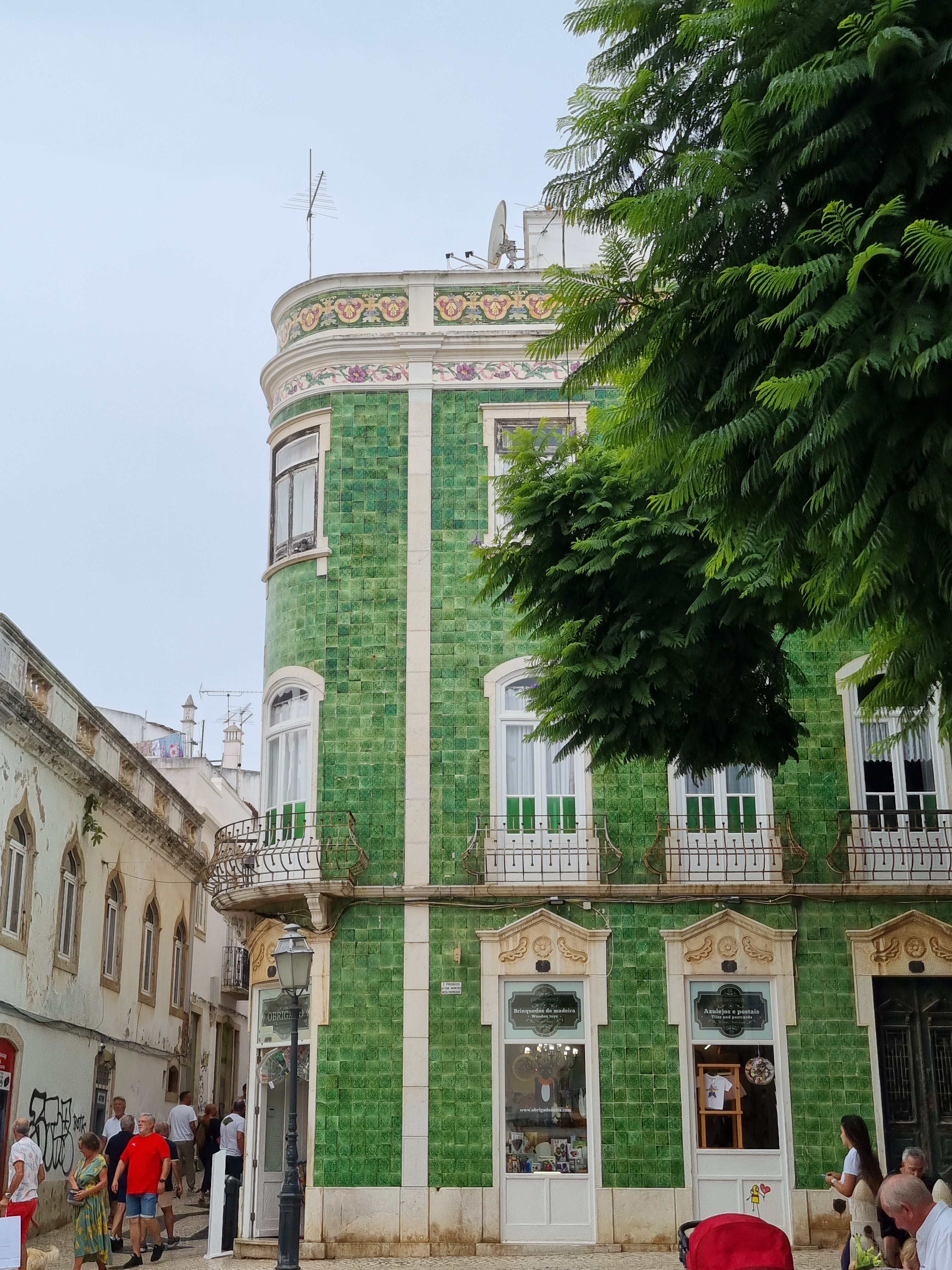
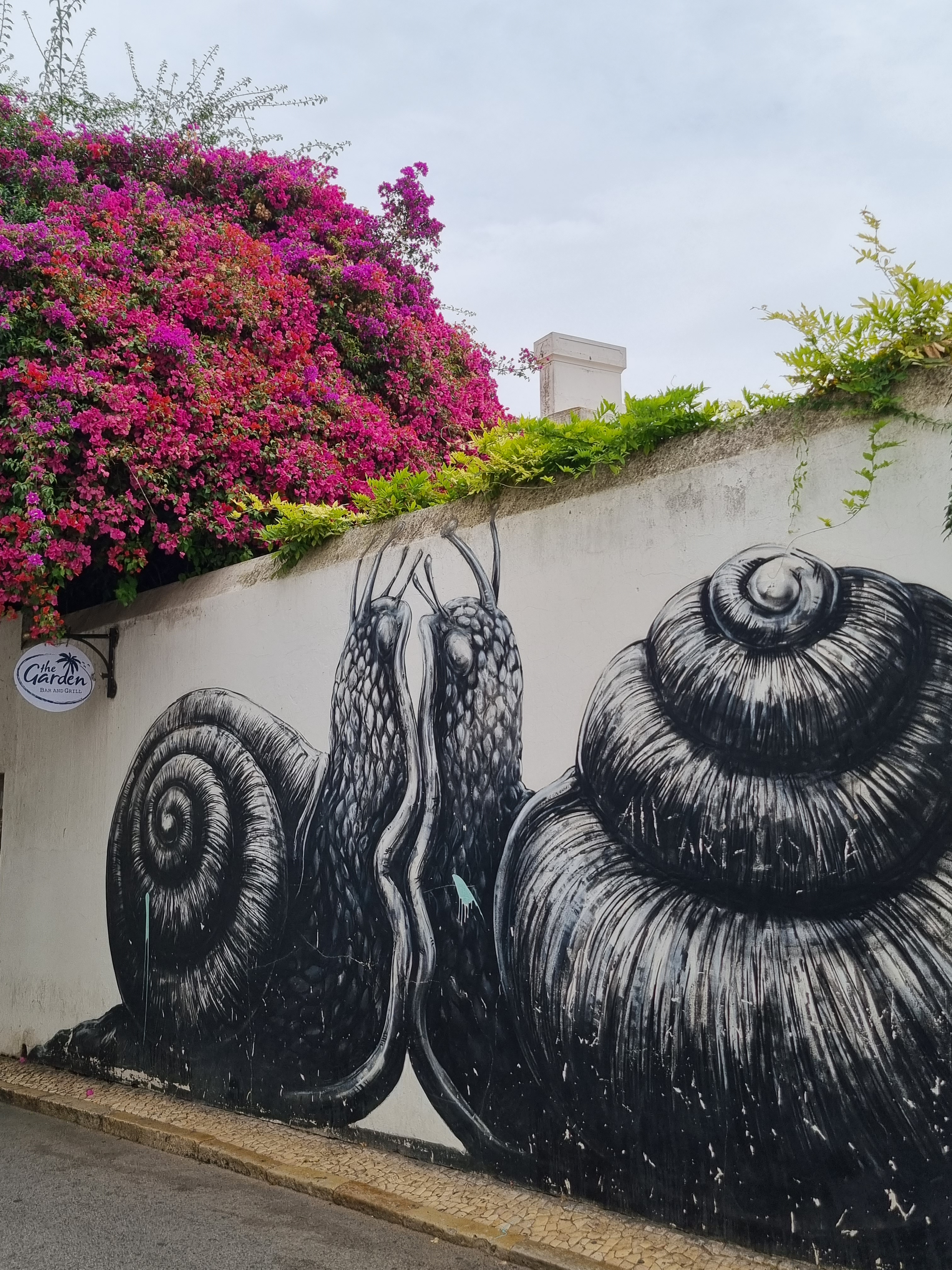
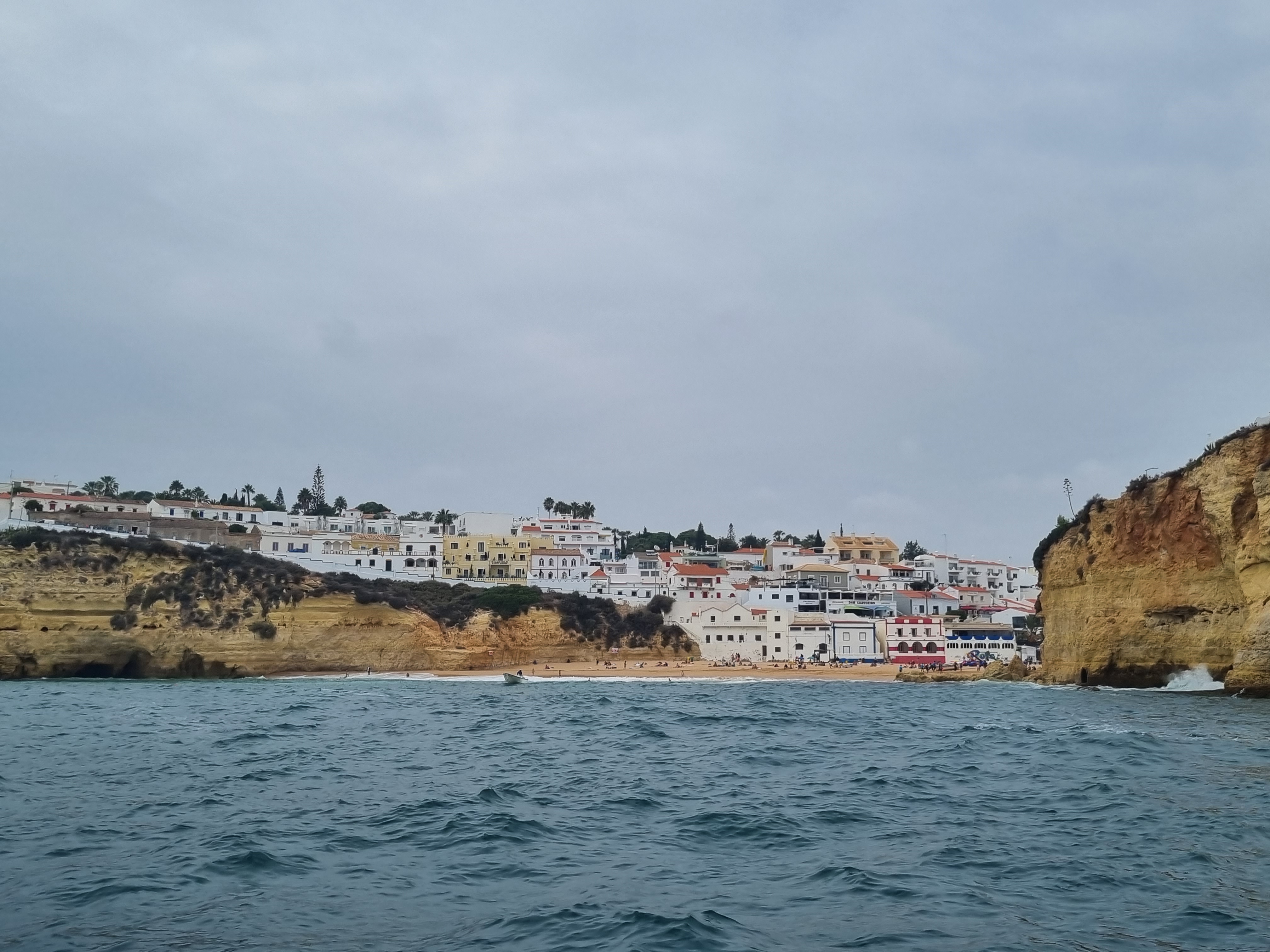
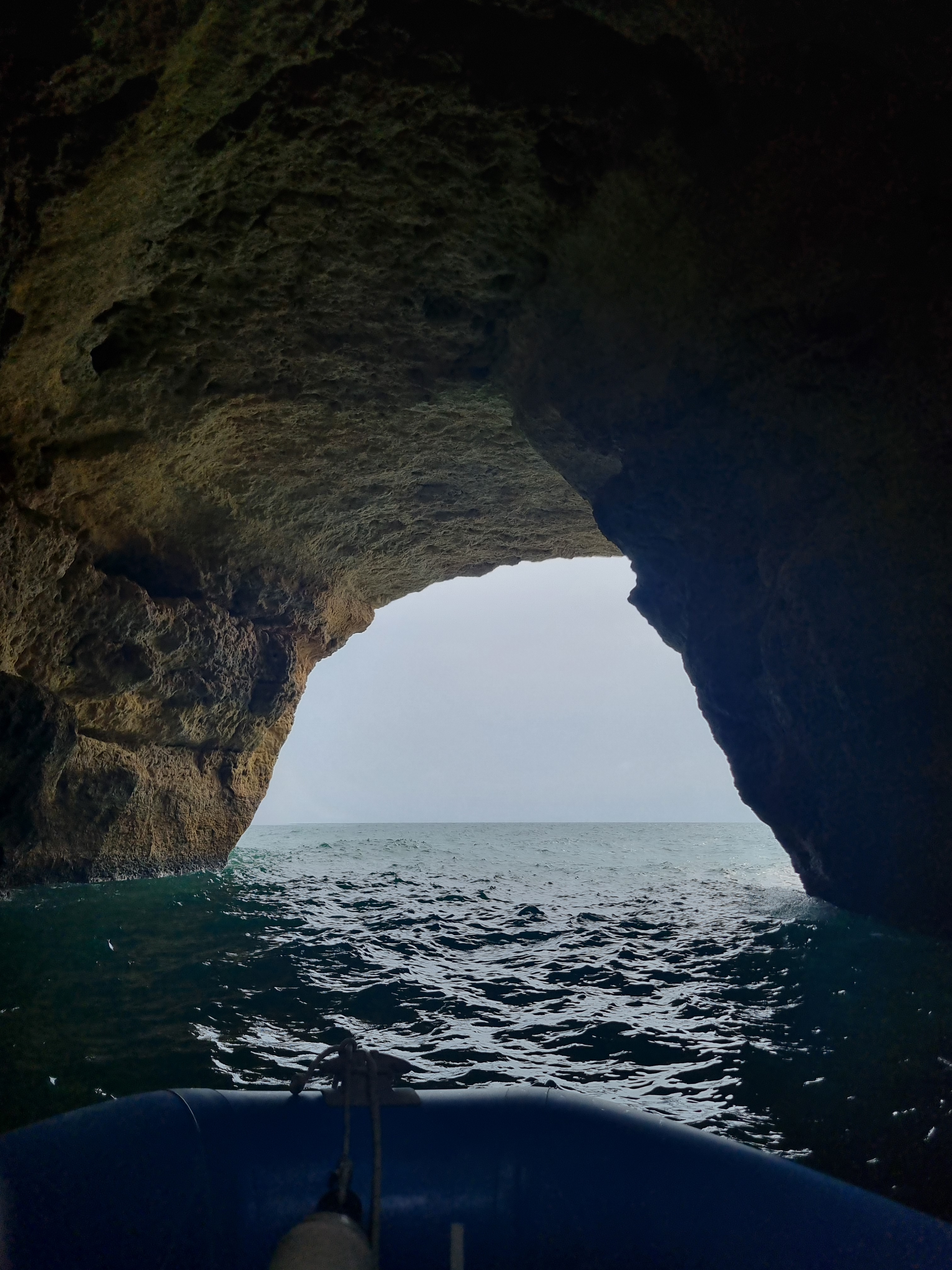
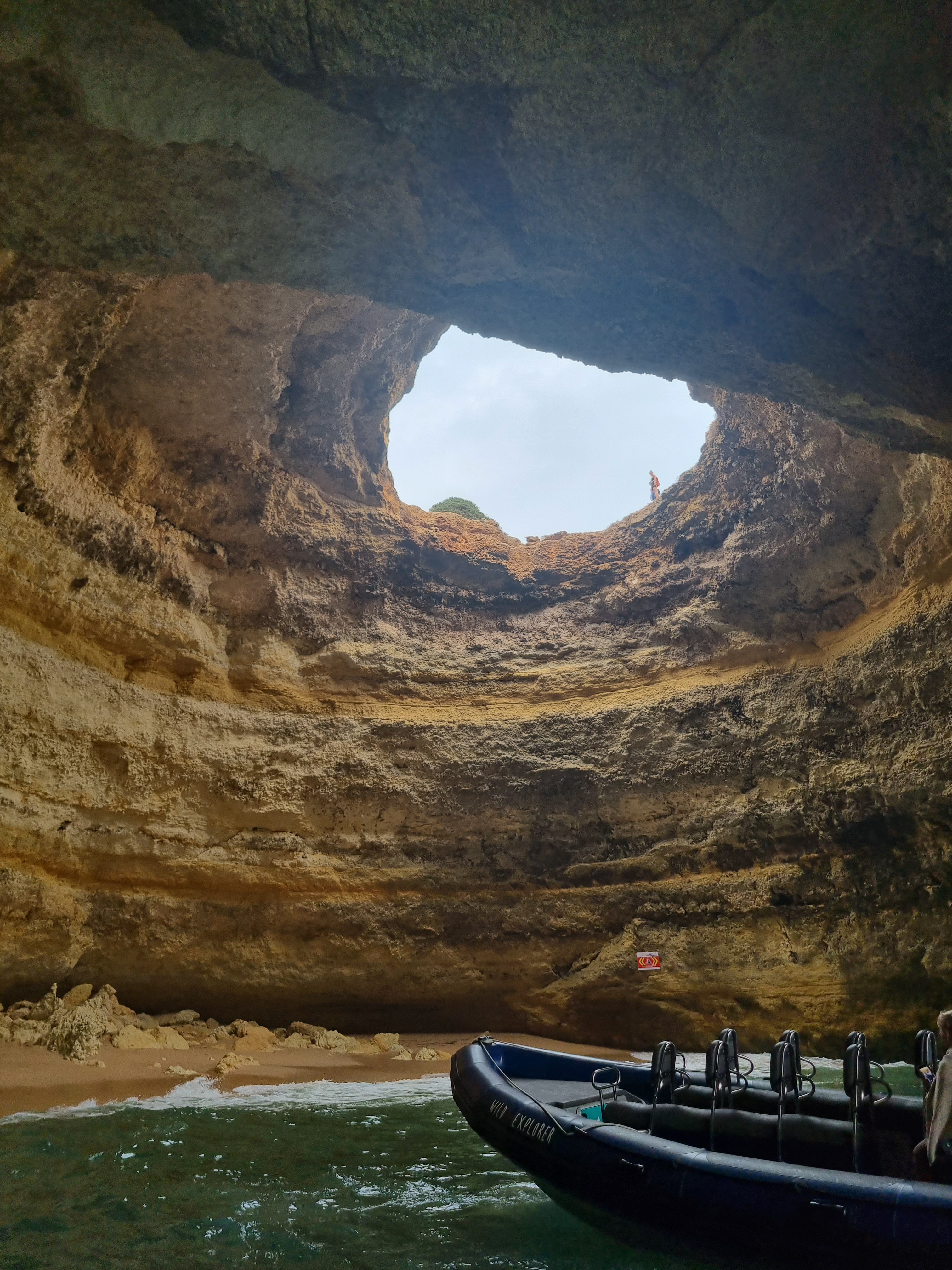
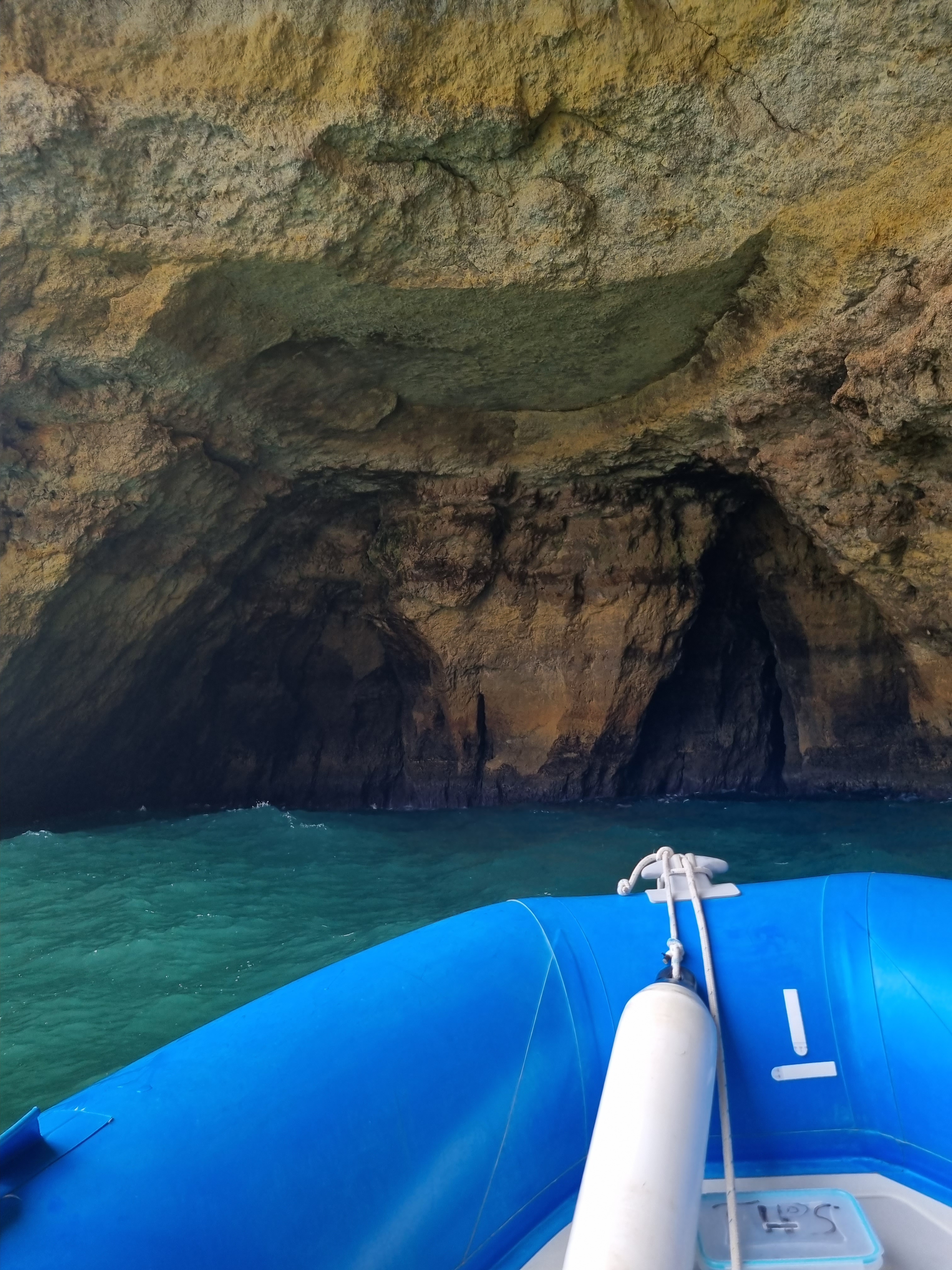
After the free walking tour, we enjoyed lunch at the waterfront and then booked a speed boat tour to the Benagil Sea Caves. The caves are a stunning natural wonder located along the Algarve coast. Visitors can access the caves only by boat or kayak and experience the beauty of these unique formations up close. We booked a speedboat tour, which I can’t really recommend; it was super bumpy and not enjoyable. Initially, it seemed fun, but after a while, it was just uncomfortable, and everyone from our tour complained about muscle soreness. If you’re planning on exploring the caves, book a kayak or a regular boat tour. In general, the caves are worth a visit, though, and our tour guide explained interesting facts about them and the surrounding area. It’s definitely a must-see when in Lagos or exploring the Algarve region!
Day 7 – Lisbon
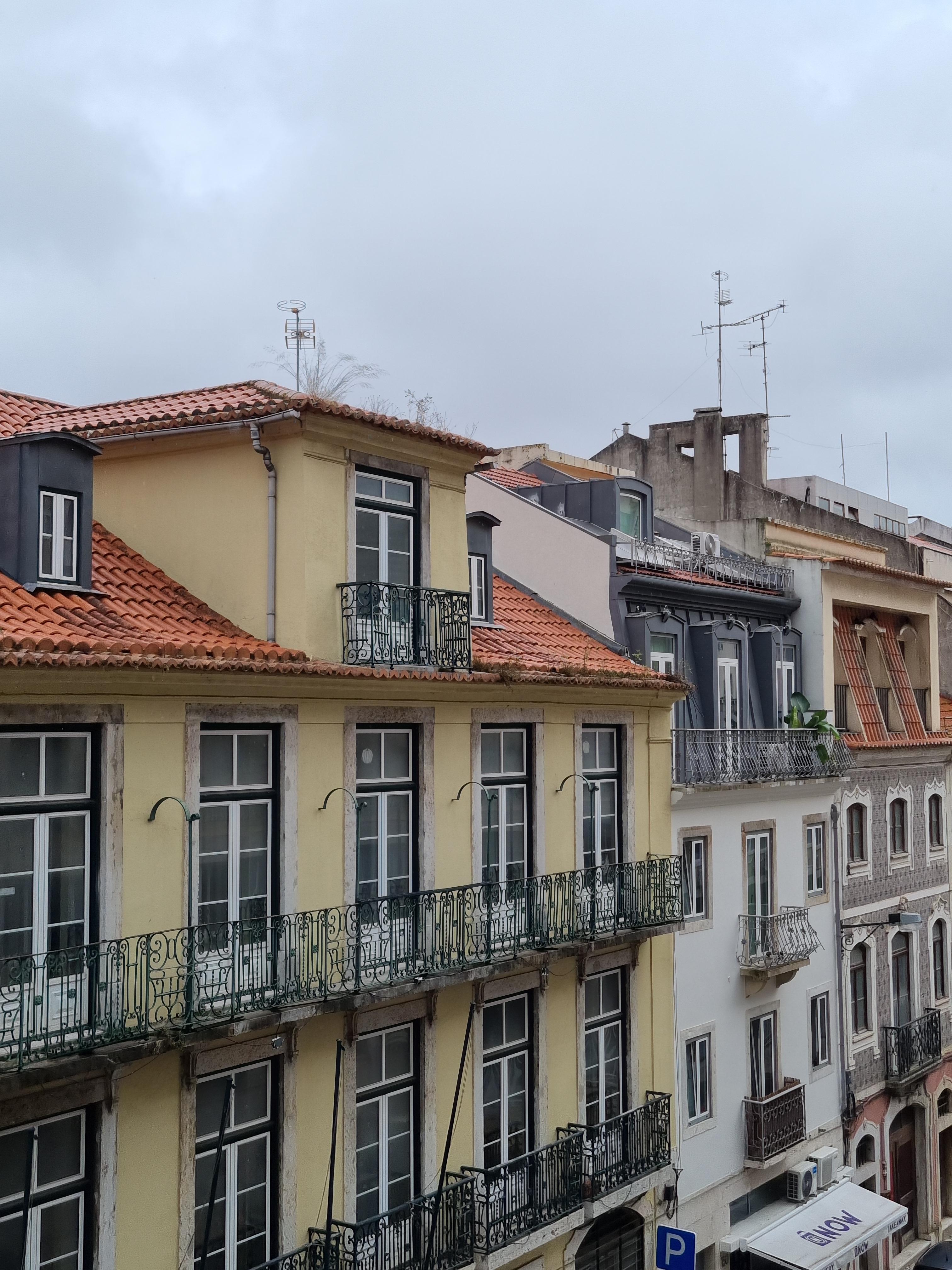
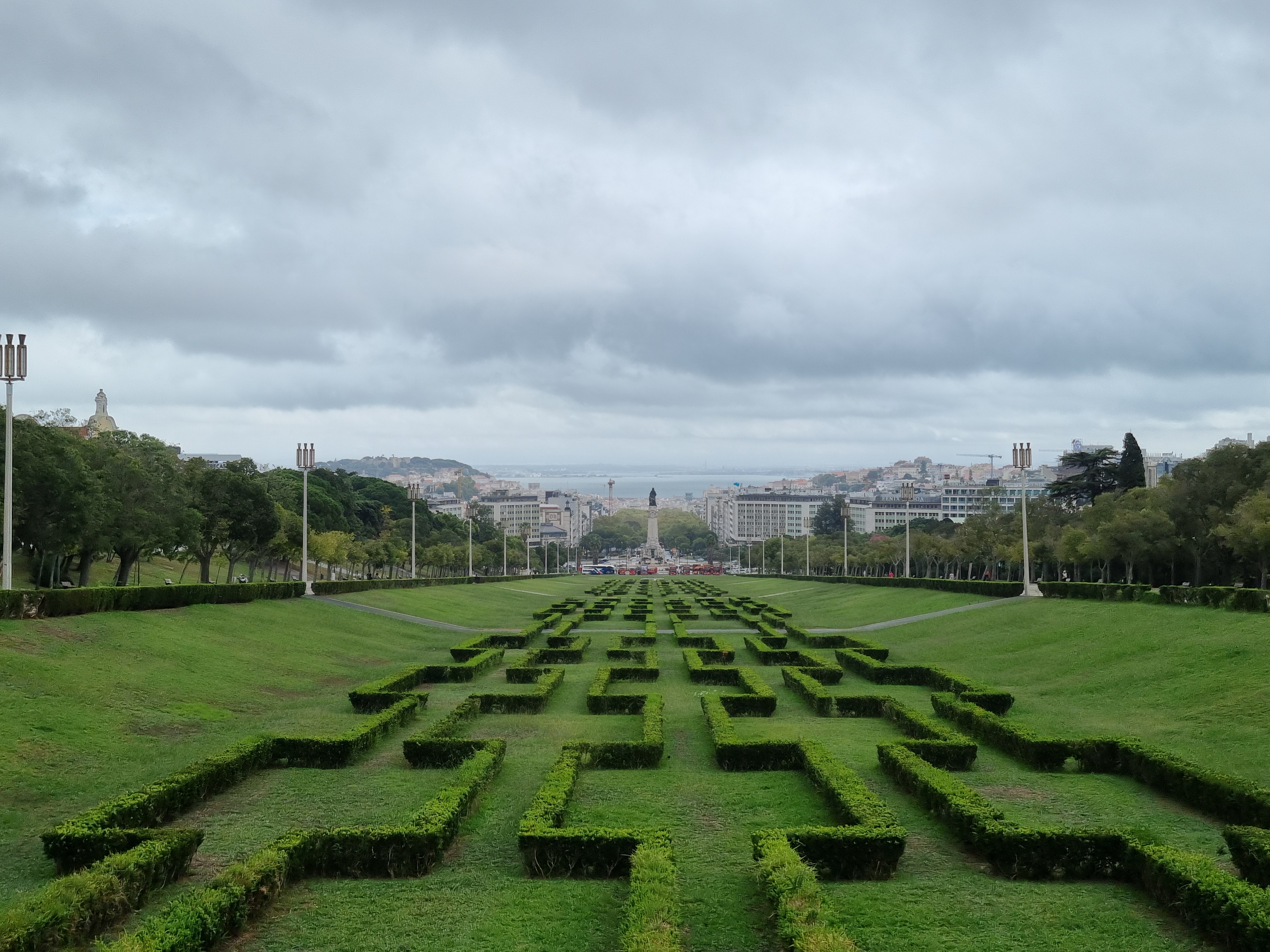
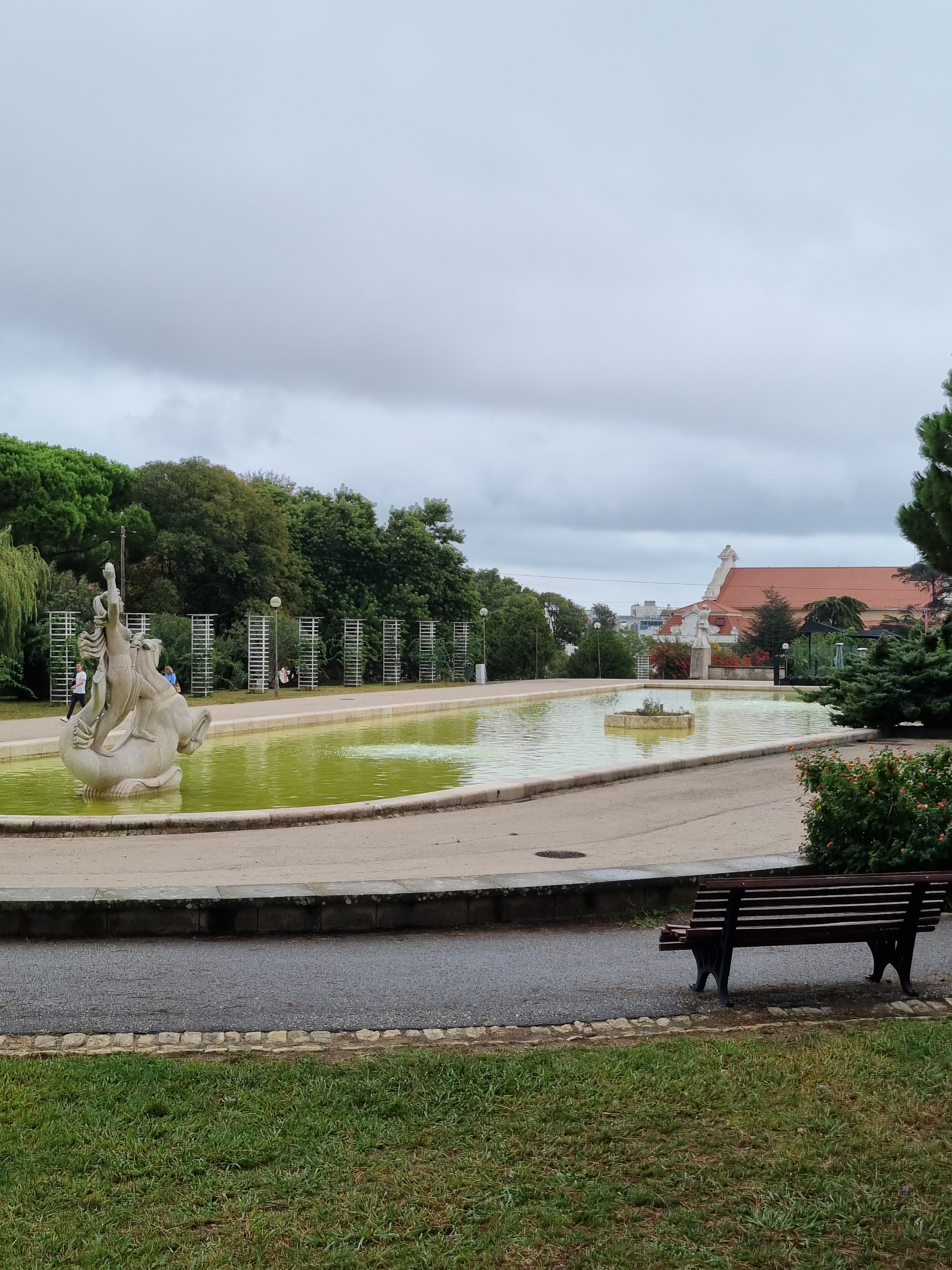
In the morning we drove back to Lisbon which took around three hours from Lagos. On the last day, it was time for my partner to fly home one day earlier than me. After being at the airport, I returned to the city and checked into my new hostel. When it started raining, I stayed at the hostel for a while and chatted with some people. Later, I headed to Parque Eduardo VII, a beautiful park located in the district of Marquês de Pombal, offering stunning views of the city and the Tajo River. It’s a great place to relax, go for a walk, or simply enjoy the peaceful surroundings. Sometimes the park also hosts events and concerts, making it a lively spot in the heart of Lisbon. After exploring the park for a while, it started raining again, so I decided to go to the shopping center Amoreiras, walked through a few shops, and had a late lunch there. In the evening, I just strolled through my area before starting to pack my suitcase.
Summary of activities in Lisbon
- Mosteiro dos Jerónimos (cloister)
- Torre de Belém (Monument of a Tower)
- Castelo de São Jorge (Castle)
- Padrão dos Descobrimentos (Monument)
- Praça do Comércio (Square)
- Oceanário de Lisboa (Indoor Aquarium)
- Museu Nacional do Azulejo (National Museum)
- Cathedral of Lisbon
- Time Out Market Lisboa
- Convento do Carmo (archaeological museum of a cloister)
- Boat Trip on river Tejo
- Parque Eduardo VII (Park)
Where to eat in Lisbon
- Time Out Market (unpaid ad)
- Zenith Brunch & Cocktails Lisboa (unpaid ad)
Summary of activities in Evora
- Roman Temple of Evora
- Praca do Giraldo plaza
- Capela dos Ossos
- Almendres Cromlech
- Cathedral of Evora
- University of Evora
Where to eat in Evora
Piparoza boutique bar – portugese cuisine (unpaid ad)
Summary of activities in Faro
- Cathedral of Faro
- Carmo Church
- Faro Marina (Harbour)
- Municipal Museum of Faro (archaeological museum)
- Forum Algarve
- Nature Park Ria Formosa
Where to eat in Faro
- Eva Senses – Hotel with restaurant (unpaid ad)
Summary of activites in Lagos
- Marina de Lagos (Harbour)
- Castelo dos Governadores
- Mercado Municipal de Lagos
- Ponta da Piedade and cave tour with a boat or kajaks
- Fisherman’s trail
- Beach
- Fortress Ponta da Bandeira
- Church Santa Maria
- Church Santo Antònio
- Casa Mora house
- Lagos Zoo
Where to eat in Lagos
- Mamma Mia – italian cuisine (unpaid ad)
- Munich Lagos – German cuisine (unpaid ad)
Booking Checklist
Travel Insurance
I highly recommend getting travel medical insurance while you’re traveling. Hopefully, you’ll never need it, but it’s always better to be safe than sorry. SafetyWing offers two flexible plans tailored to your travel needs. Whether you’re a short-term adventurer or a long-term expat, you’ll have reliable coverage anywhere in the world.
SafetyWing is especially great for remote workers and digital nomads, offering continuous global coverage even if you’re hopping between countries. Of course, it’s also a solid option for frequent travelers or those constantly on the go. But if you’re only traveling occasionally or just for a short holiday now and then, there might be better-suited alternatives.
Accommodations
I usually rely on Booking.com for hotels and Airbnb for vacation rentals. They both have the largest selection and tend to offer the most reliable prices.
Data for your Trip
I use Saily for international cell data. They offer a variety of eSIM options depending on the country and their eSIMs are easy to install, activate instantly upon arrival, and let you skip buying local SIM cards or paying expensive roaming fees.
Tours and Experiences
I always use GetYourGuide to find the best tours and experiences in a city or country. It’s my go-to platform for planning activities, and I’ve always been very satisfied with the experiences I booked through them.
Rental Car
I’ve rented at least six cars and always booked them through check24 (ad), which I can highly recommend. The website offers good deals, the insurance is quite cheap and provides good coverage, and the customer service is very efficient and accommodating. However, Check24 currently only offers its website in German. So it’s mandatory to speak the language.
Other Portugal Blogs

Discovering Lisbon’s Charm: 3-Day Itinerary
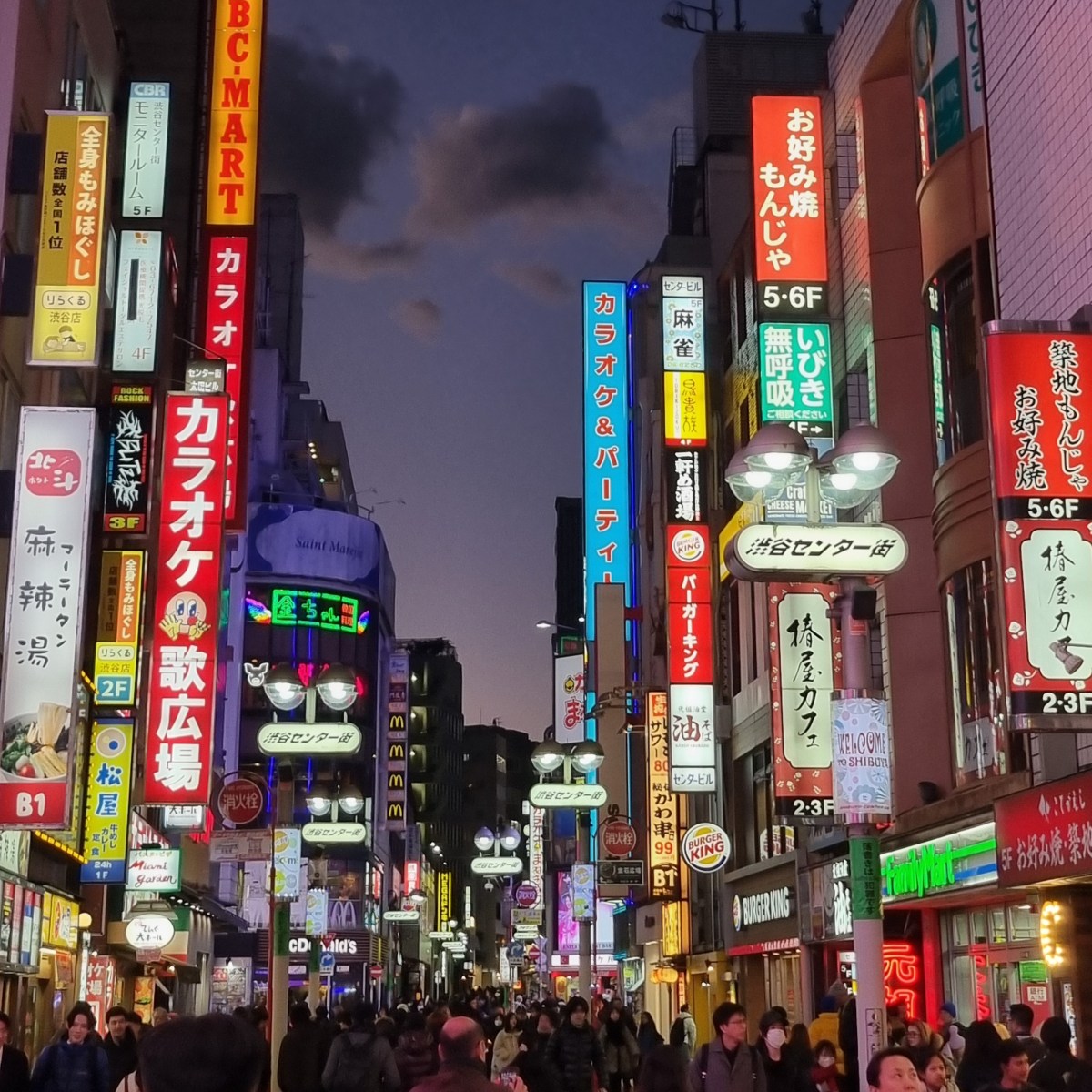
Get ready to conquer the steep and winding streets of Lisbon, indulge in heavenly pastries like Pastéis de Nata, and wander through the enchanting historic old town while breathing in the fresh sea air. Servus and welcome to this 3-day Lisbon itinerary where you’ll discover the charm and flavors of this lively city that will…




 Michelle Cacija
Leave a reply to Anonymous Cancel reply