

Imagine waking up to the aroma of fresh coffee, planning your day around world-class museums, bustling markets, and delicious street food in a city that pulses with energy and creativity. Welcome to Berlin, the capital of Germany, a vibrant metropolis where every street tells a story and every corner invites exploration. From the iconic Brandenburg Gate to the dynamic street art of Kreuzberg, you’ll dive deep into the city’s eclectic neighborhoods, soak up its captivating history, and experience its thriving art scene and vibrant fashion culture. Whether you’re a history buff, a foodie, or a culture enthusiast, Berlin has something extraordinary waiting just for you. Servus, and let’s get ready to create unforgettable memories in this remarkable city!
As always, I want to remind you, that this blog isn’t perfect because everyone travels differently, and all trips involve changes of plans. I want to let you know that everything on this website has been experienced, photographed, and written by me. Since I finance all of my travel expenses on my own, the stories and opinions given are truly my own. If you’re interested in seeing more travel pictures or videos, feel free to check out my Instagram @michellecacija or my Tik Tok @michellecacija.
Index
- Index
- The Basics about Berlin
- Things you need to be aware of
- Itinerary
- Activities in Berlin
- Where to eat in Berlin
- Activities in Potsdam
- Where to eat in Potsdam
- Booking Checklist
- Other Germany blogs
The Basics about Berlin
When to visit
Berlin is a city with something to offer year-round, but the best time to visit is in late spring (May-June) and early fall (September-October). During these periods, the weather is mild, with average daytime temperatures around 15-20°C (59-68°F), making it ideal for outdoor sightseeing. The summer months of July and August can be warm, with temperatures rising to 25°C (77°F) or higher. However, winters (December-February) are cold, often dropping to around 0°C (32°F) or below, with snow possible. If you enjoy festive atmospheres, December brings charming Christmas markets across the city.
Time period
The ideal amount of time to explore Berlin is about 4 to 5 days. This allows you to visit the city’s major attractions, such as the Brandenburg Gate, Berlin Wall Memorial, Museum Island, and the Reichstag building, without feeling rushed. You’ll also have time to enjoy some of the city’s parks, neighborhoods, and cultural spots, like Kreuzberg and the East Side Gallery. If you’re a history buff or plan to explore Berlin’s vibrant art and nightlife scenes, consider extending your stay to a full week to fully experience the city’s offerings. For shorter visits of 2-3 days, it’s still possible to see the highlights, but your itinerary will need to be more fast-paced.
Getting There
Berlin is well-connected by air, rail, and road. Berlin Brandenburg Airport (BER) serves both domestic and international flights, making it the primary gateway into the city. From the airport, you can easily reach central Berlin via train (Airport Express or S-Bahn) in about 30 minutes. If you prefer to travel by train, Berlin’s Hauptbahnhof (central station) is a major European railway hub, connecting the city to other German and European destinations. Long-distance buses are also an affordable option, with various companies offering routes to Berlin from nearby countries.
Where to stay
Berlin offers a wide range of accommodation options, from budget hostels to luxury hotels. For a central location, Mitte is a great neighborhood, close to major attractions like the Brandenburg Gate and Museum Island. If you prefer a trendier vibe, areas like Kreuzberg and Friedrichshain are known for their vibrant nightlife and artsy atmosphere. Budget-conscious travelers can find plenty of hostels and affordable hotels scattered around the city, especially in neighborhoods like Neukölln. Personally, I can also recommend the area of Charlottenburg-Wilmersdorf, where I stayed twice, which offers a charming blend of elegance, green spaces, and convenient connections to other parts of the city.
Getting around
Berlin has an excellent public transportation system, making it easy to explore the city. The U-Bahn (subway), S-Bahn (urban train), buses, and trams are all part of the integrated BVG network. A day pass, or the Berlin Welcome Card (all inclusive), allows unlimited travel within the city and provides discounts on various attractions. Cycling is also a popular way to get around, as Berlin is a very bike-friendly city with dedicated lanes.
What to pack
What you pack largely depends on the season. In spring and fall, layers are key, light sweaters, a jacket, and comfortable shoes for walking will suffice. If you’re visiting in summer, pack light, breathable clothing, along with sunglasses and sunscreen, as the sun can be strong. Winter requires warm coats, gloves, scarves, and a good pair of waterproof boots, especially if you plan to explore the city’s Christmas markets. Regardless of the season, Berliners dress casually, so comfort is prioritized over formality.
Additionally, consider bringing your own little medication bag, including Band-Aids, pain relief tablets, sleeping tablets or spray, bug spray, after sun, etc. You never know what you might need it for, and you might feel more comfortable using medication from home rather than in a country where you don’t know the ingredients and languages. If you’re coming from outside Europe, don’t forget to bring a Type C power adapter.
Cost of Traveling
As for the expenses, the amount you’re going to spend depends on several factors, such as your choice of accommodation, your travel style, and the activities you’ll be doing. In general, Berlin is one of the more expensive cities in Germany, but it’s definitely possible to experience Berlin’s charm without spending a fortune.
Berlin Welcome Card
The Berlin Welcome Card (all inclusive) is a convenient and cost-effective option for exploring the city, providing unlimited access to public transportation in selected zones (A-B or A-B-C) and either included attractions or discounts of up to 50% on over 200 attractions including the Berlin TV Tower, Museum Island, and the DDR Museum, along with discounts on tours, restaurants, and shops. Available for durations from 48 hours to 6 days, it’s particularly useful for longer stays or for those planning to visit multiple attractions and use public transport frequently. We had the 4-day all inclusive ticket, and it really paid off. Make sure to compare your interests and the individual entry prices with the cost of the Berlin Welcome Card (all inclusive) to see if it’s worth it for you. We made the most of it by visiting as many included or discounted attractions as possible.
Things you need to be aware of
Sundays. On Sundays, shops and supermarkets are closed, while restaurants and cafes usually remain open. Don’t worry if you forgot to buy something or you’re starving for a snack; the supermarkets at the train stations will be open. Also, if you think that there is nothing to do on a Sunday you are wrong; maybe it’s time to explore the museums and the nature in and around Berlin!
Water in Germany. You can safely drink tap water in Germany as it’s clean and meets the World Health Organization standards.
Toilet situation. Unfortunately, public restrooms typically cost around 50 Cent to a euro in Germany (and many other European countries). So, make sure to carry a few coins with you and always use the restroom before leaving your accommodation, a restaurant, or a café.
Tipping. In Germany, tipping is very common. It’s customary to leave a tip of around 5-10% in restaurants, cafes, and for taxi services.
Currency. The currency in Germany is the Euro. While a few years ago, Berlin was still very cash-oriented, they now accept cards almost everywhere. It’s still advisable, though, to bring some cash with you.
Itinerary
Day 1 – Berlin
On our first day in Berlin, my partner and I decided to join a free walking tour, something we often do when exploring a new city. Although I had been to Berlin before, it was more of a quick stop passing through rather than a proper holiday, so this felt like a new experience for me as well. For my partner, it was her first time in Berlin, and we wanted to make the most of it.
We had arrived the previous day by train from Hamburg, but this trip was extra special because my grandmother was joining us. It had been a long-time dream of hers to visit Berlin after the fall of the Berlin Wall. She had never seen the city without the Wall, and we were excited to help her fulfill this wish after so many years.
Our day began with a visit to the Berlin TV Tower, where we enjoyed stunning panoramic views of the city. The Berlin TV Tower, or Berliner Fernsehturm, is one of the most iconic landmarks in the city and the tallest structure in Germany. Located in the heart of Berlin, at Alexanderplatz, it stands at an impressive 368 meters (1,207 feet) tall. The tower was built by the government of the German Democratic Republic (East Germany) between 1965 and 1969 as a symbol of Communist power and modern engineering. Today, it offers visitors a fantastic way to see Berlin from a different perspective. In my opinion, it’s definitely worth it. The entry is quite expensive, but we had purchased the 4-day Berlin Welcome Card all inclusive, so we decided to visit since the entry was included.
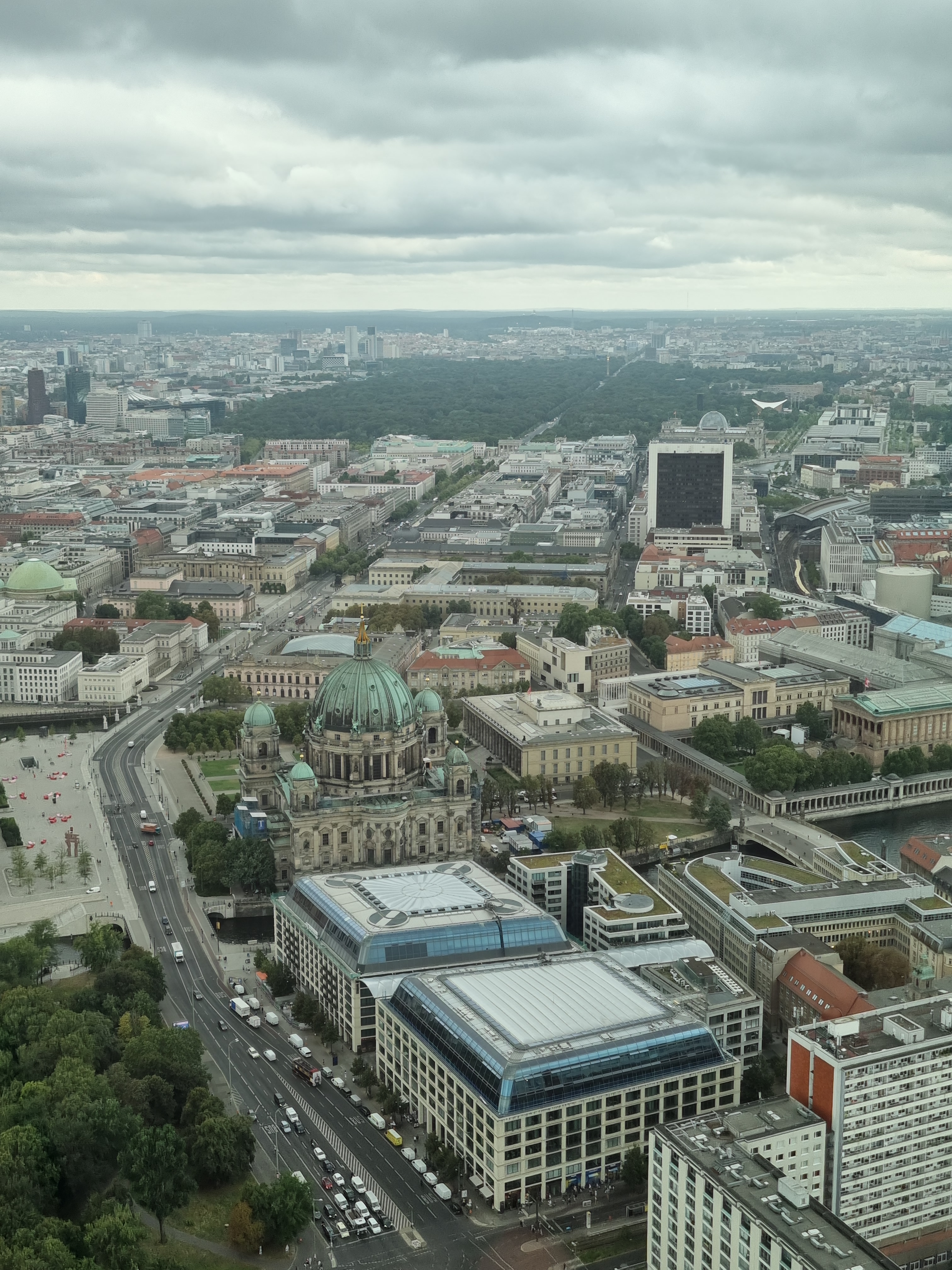
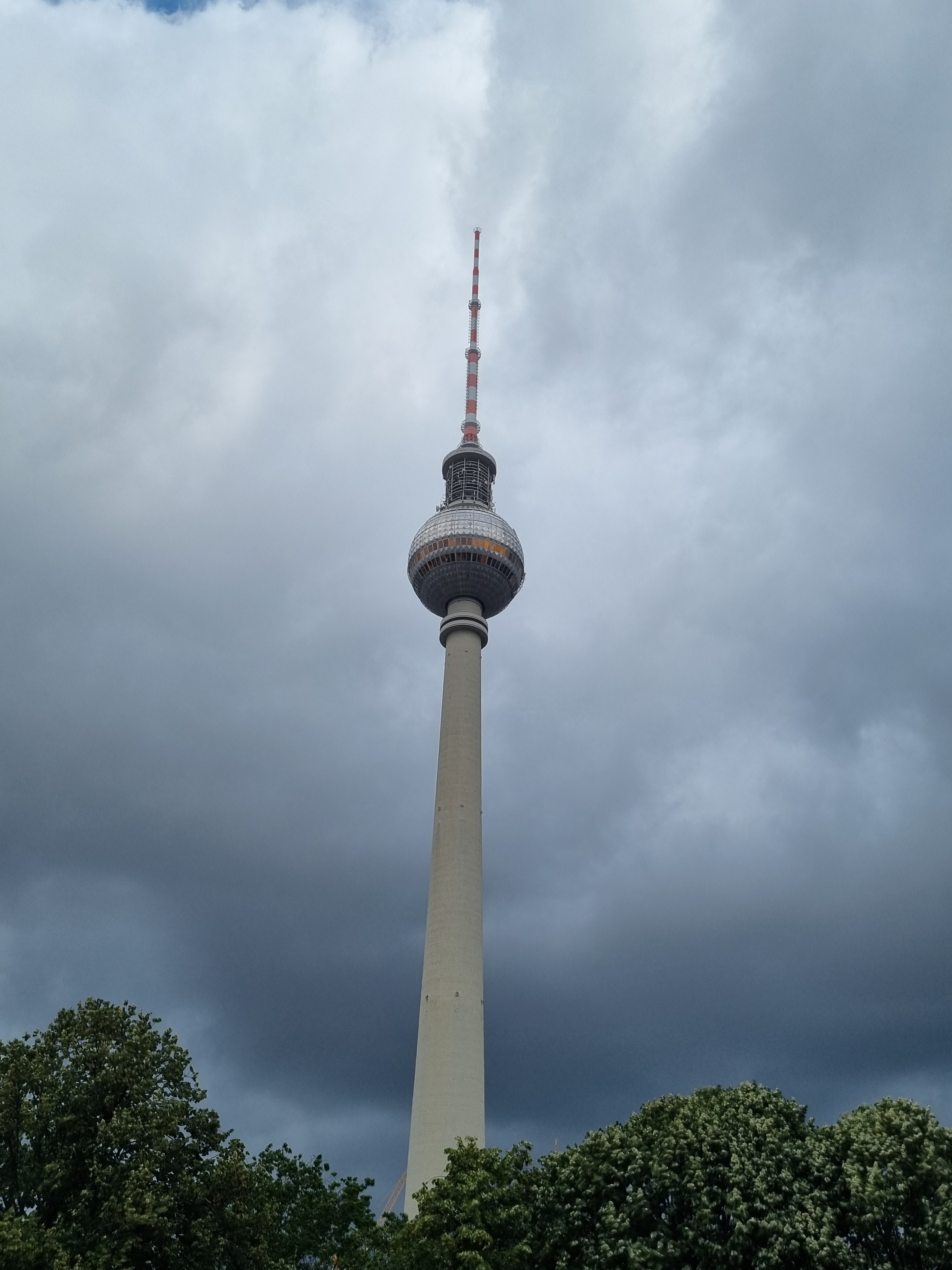
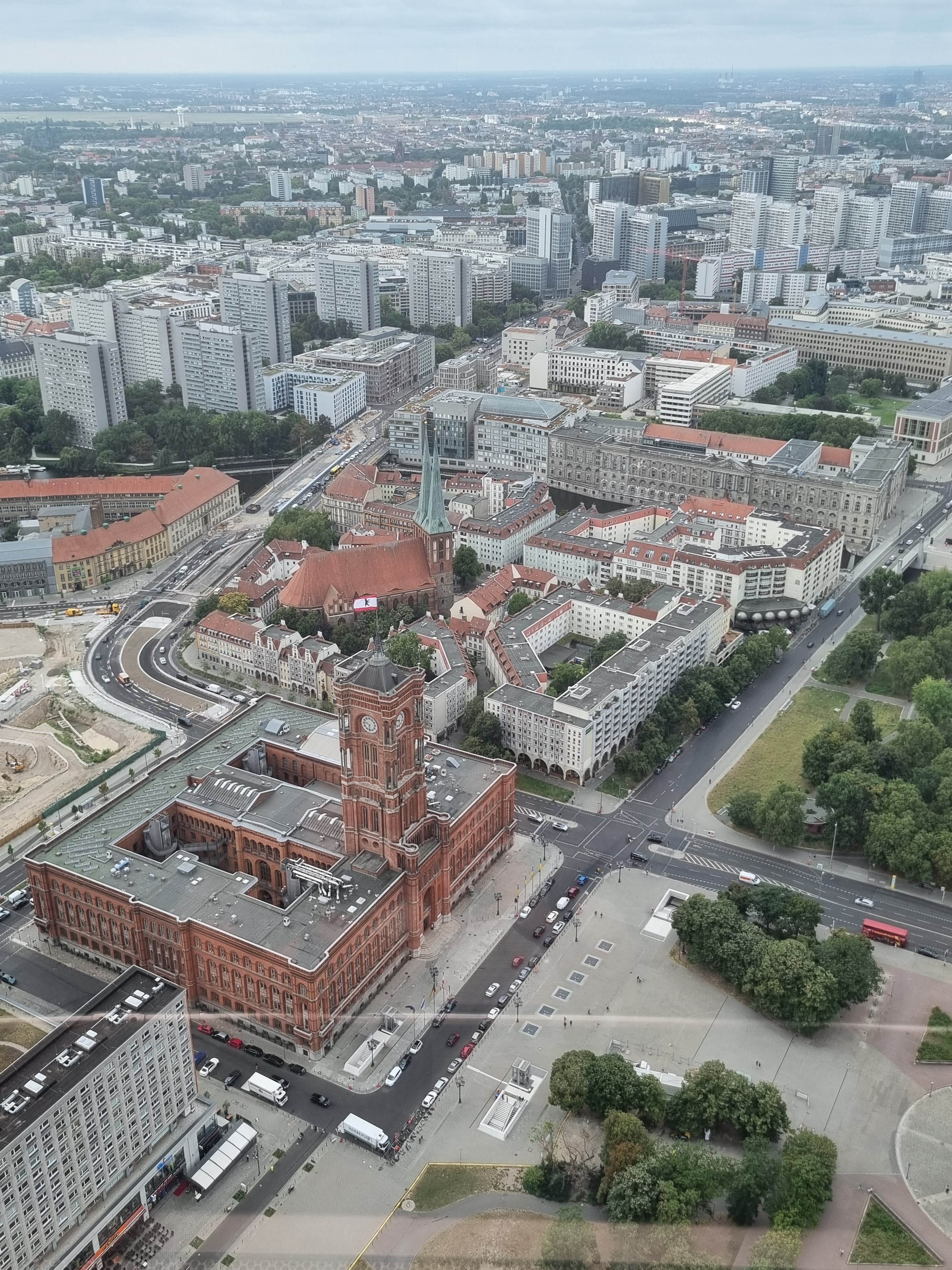
Afterward, at 11 a.m., we joined the two-hour walking tour, which took us to several iconic sites, including the Neue Wache, Checkpoint Charlie, Memorial to the Murdered Jews of Europe, Brandenburg Gate, and other historic landmarks. If you want to dive deeper into the city’s history and uncover interesting facts, I highly recommend taking a free walking tour. My partner and I love these tours as they offer a fantastic way to explore a new city, learn about its history, and meet other people.
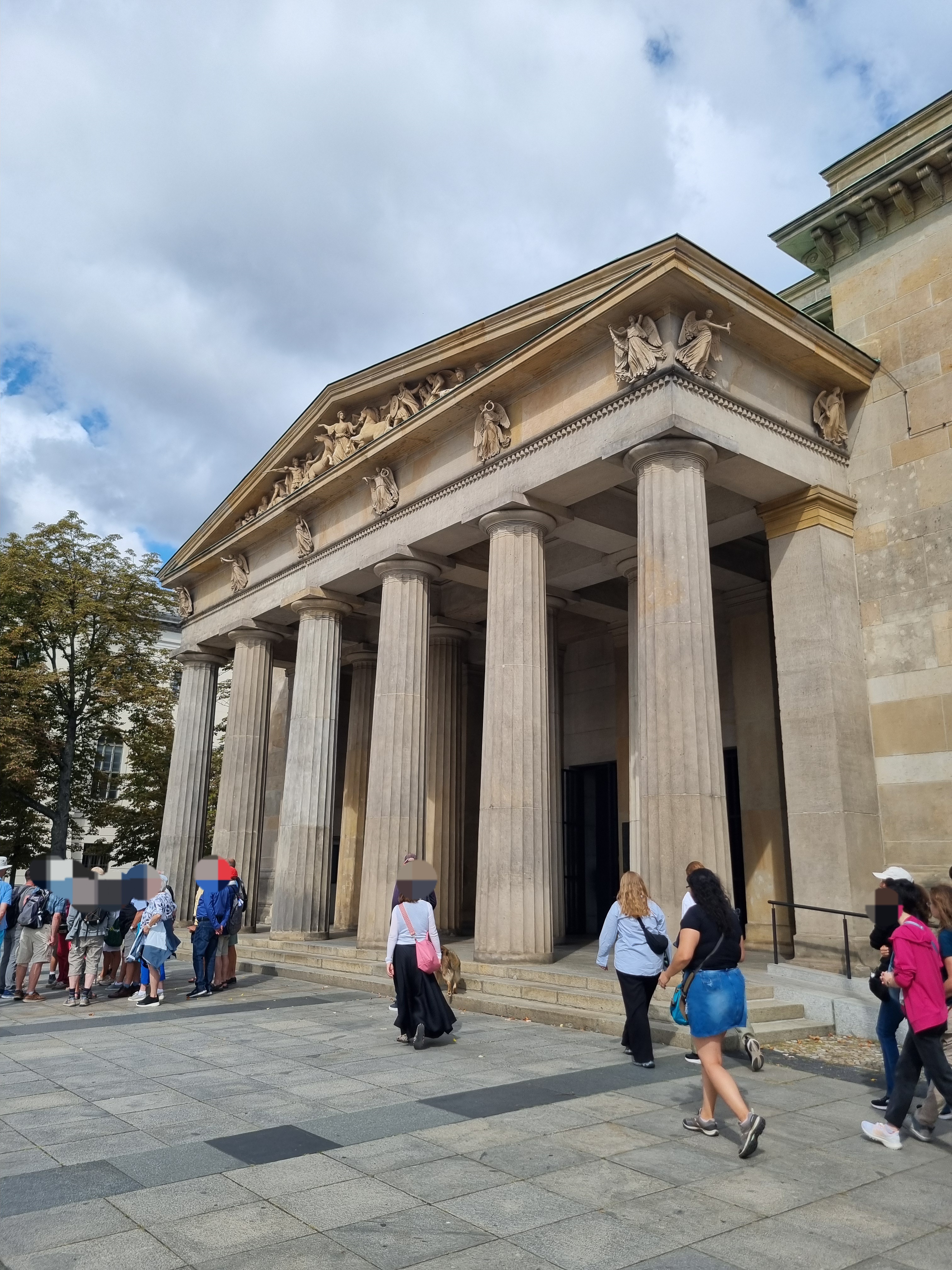
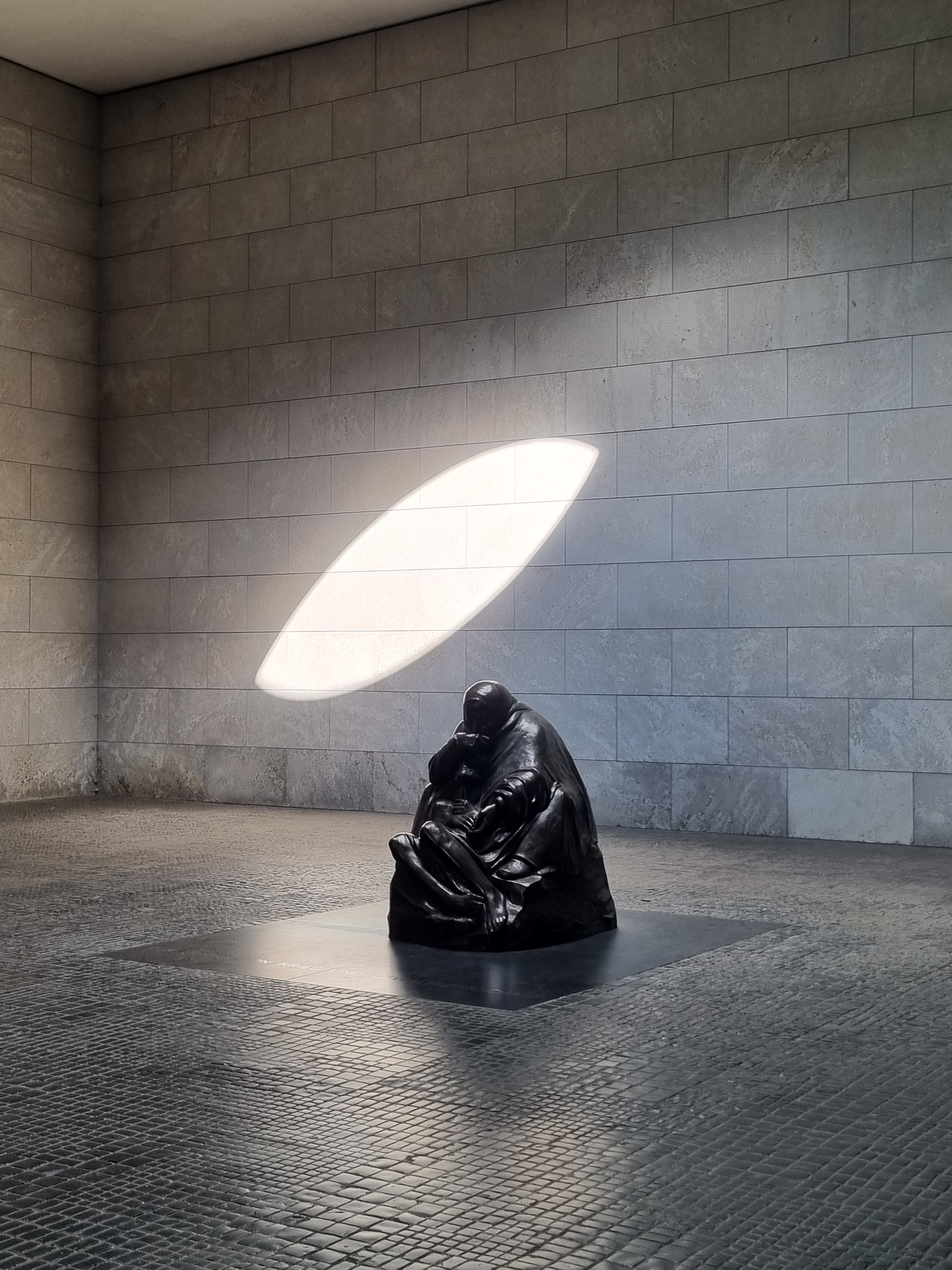
One of the interesting landmarks we visited in the beginning of the tour was the Neue Wache, located on Unter den Linden. Originally designed by Karl Friedrich Schinkel in 1816 as a guardhouse, it was later transformed into a memorial. In the centre is a sculpture of a mother with her dead son, symbolizing grief and loss. The memorial honors all those who suffered due to war and oppression in Germany’s history. The entry is free.
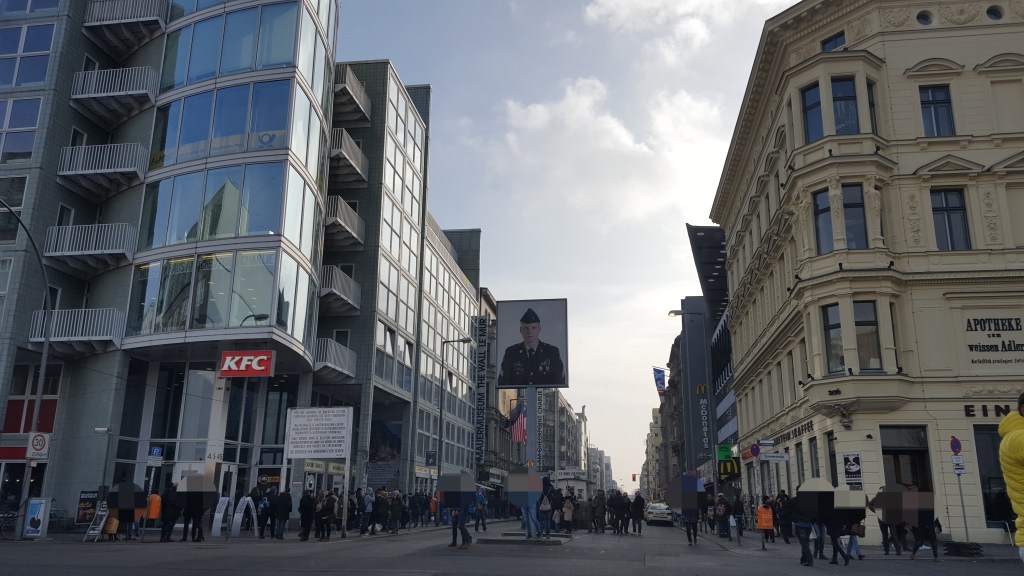
Another sight we visited was Checkpoint Charlie, one of the most famous symbols of the Cold War and the division between East and West Berlin. From 1961 until the fall of the Berlin Wall in 1989 it was the main crossing point for foreigners and diplomats between East and West Berlin. Today, a replica guardhouse and nearby museum highlight its historical significance, showcasing stories of the Berlin Wall, escape attempts, and life in a divided city.
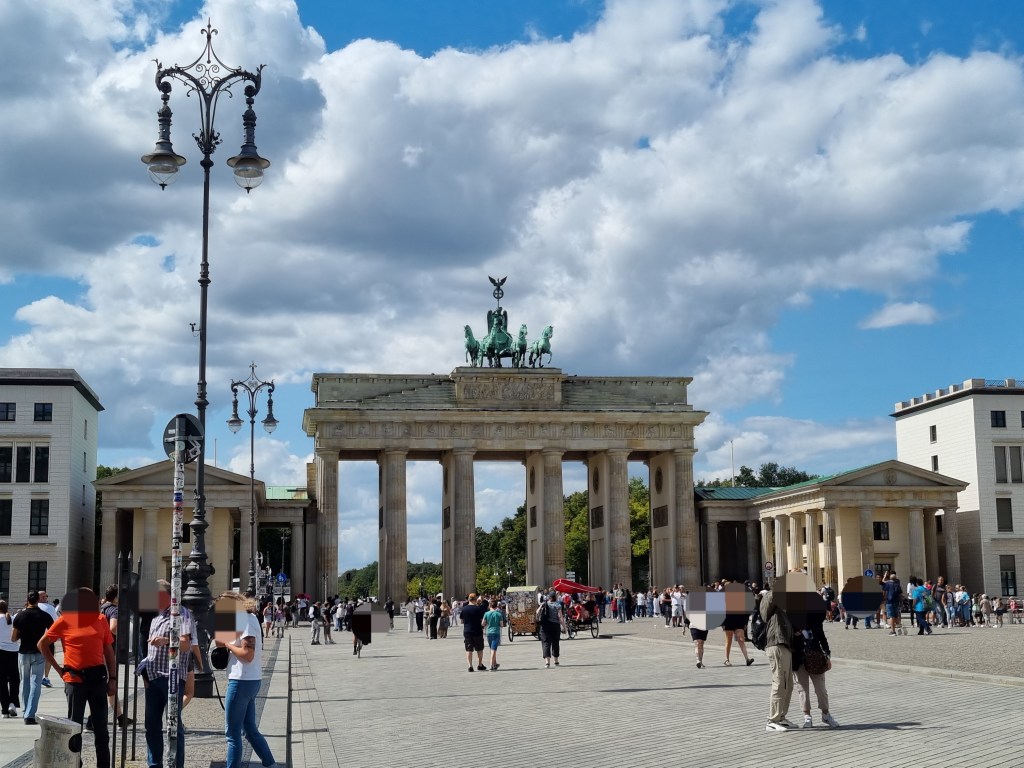
The final spot from the tour, was the Brandenburg Gate, one of Berlin’s most iconic symbols. The Gate was built in the late 18th century and is located at the western end of Unter den Linden. It became a significant symbol of division during the Cold War, as it stood near the Berlin Wall, separating East and West Berlin. After the fall of the Wall in 1989, the Brandenburg Gate transformed into a symbol of German reunification and is now a historical landmark in the city. We definitely planned to return at least once more during our trip for my grandmother’s sake, as it holds such historical significance.
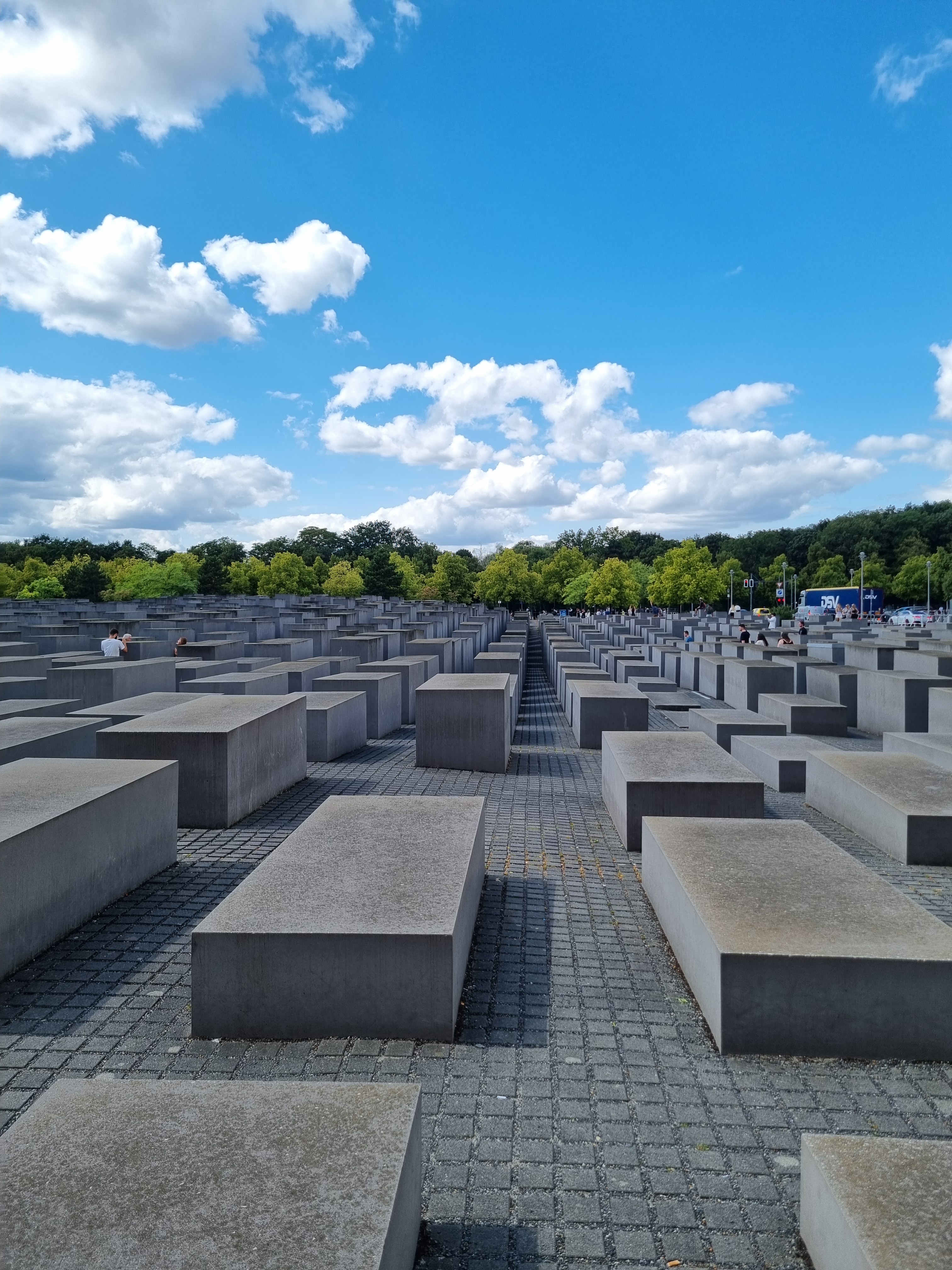
After our tour ended at the Brandenburg Gate, we decided to visit the nearby Memorial to the Murdered Jews of Europe, just a five-minute walk away. During the tour, we had only seen the memorial from the outside, but this time we chose to explore further. The memorial consists of 2,711 concrete slabs of varying heights, creating a maze-like experience that evokes a sense of reflection and loss. Beneath the memorial is an underground information center, where we learned more about the Holocaust through personal stories and historical details. Admission to both the memorial and the center is free. Please be aware, that the stories you might hear or read can be triggering.
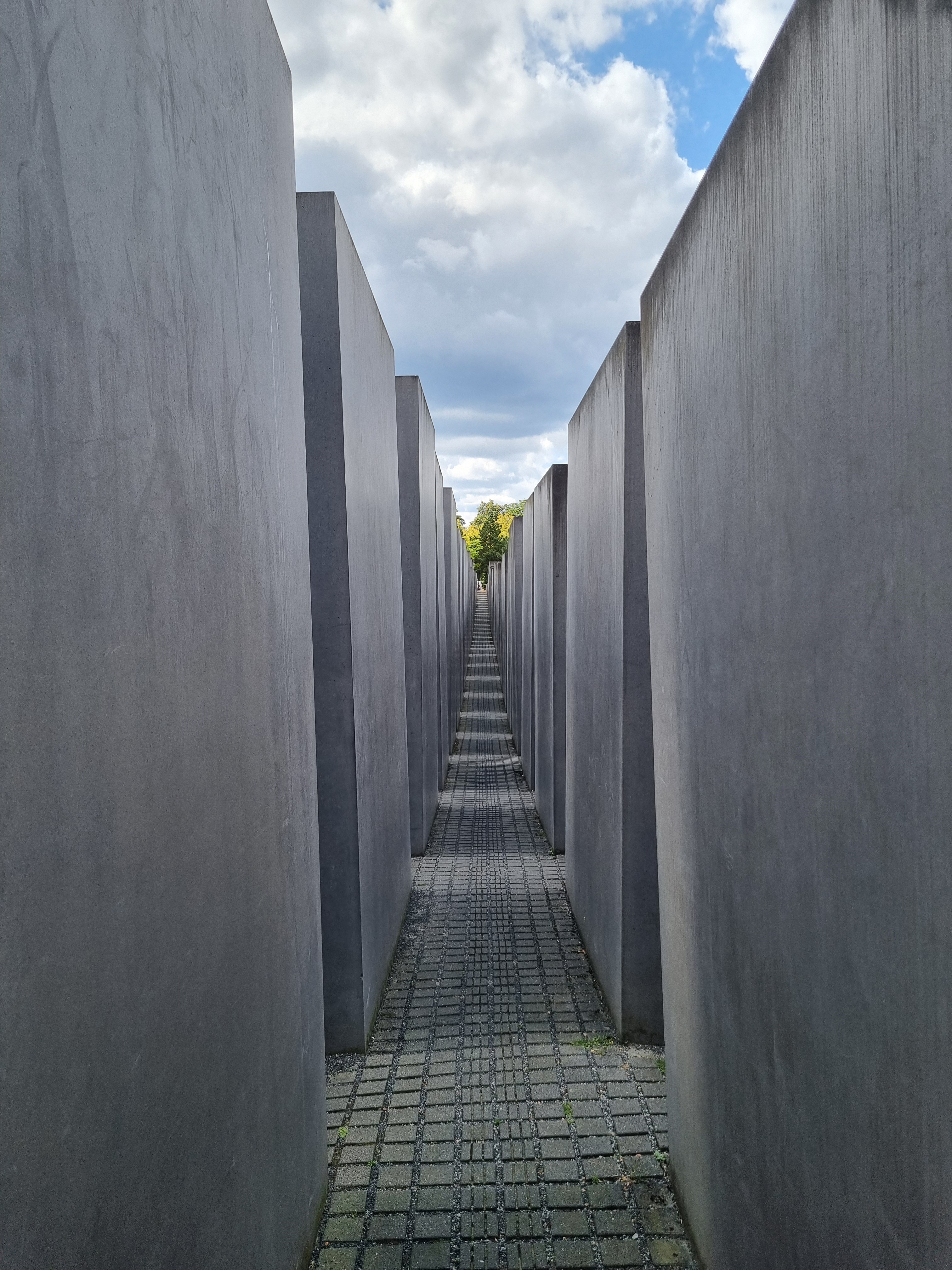
Once we finished visiting the memorial, we headed to Berlin Hauptbahnhof to pick up my grandmother, who had arrived in the early afternoon. Before continuing our exploration of the city, we went back to the hotel to check her in and make sure she was settled. After that, we were ready to fully enjoy the rest of our first day in Berlin together.
First things first.. the three of us went out for a late lunch and spent some time exploring the Kurfürstendamm, one of Berlin’s most famous shopping streets, and the iconic KaDeWe (Kaufhaus des Westens), Europe’s largest department store.
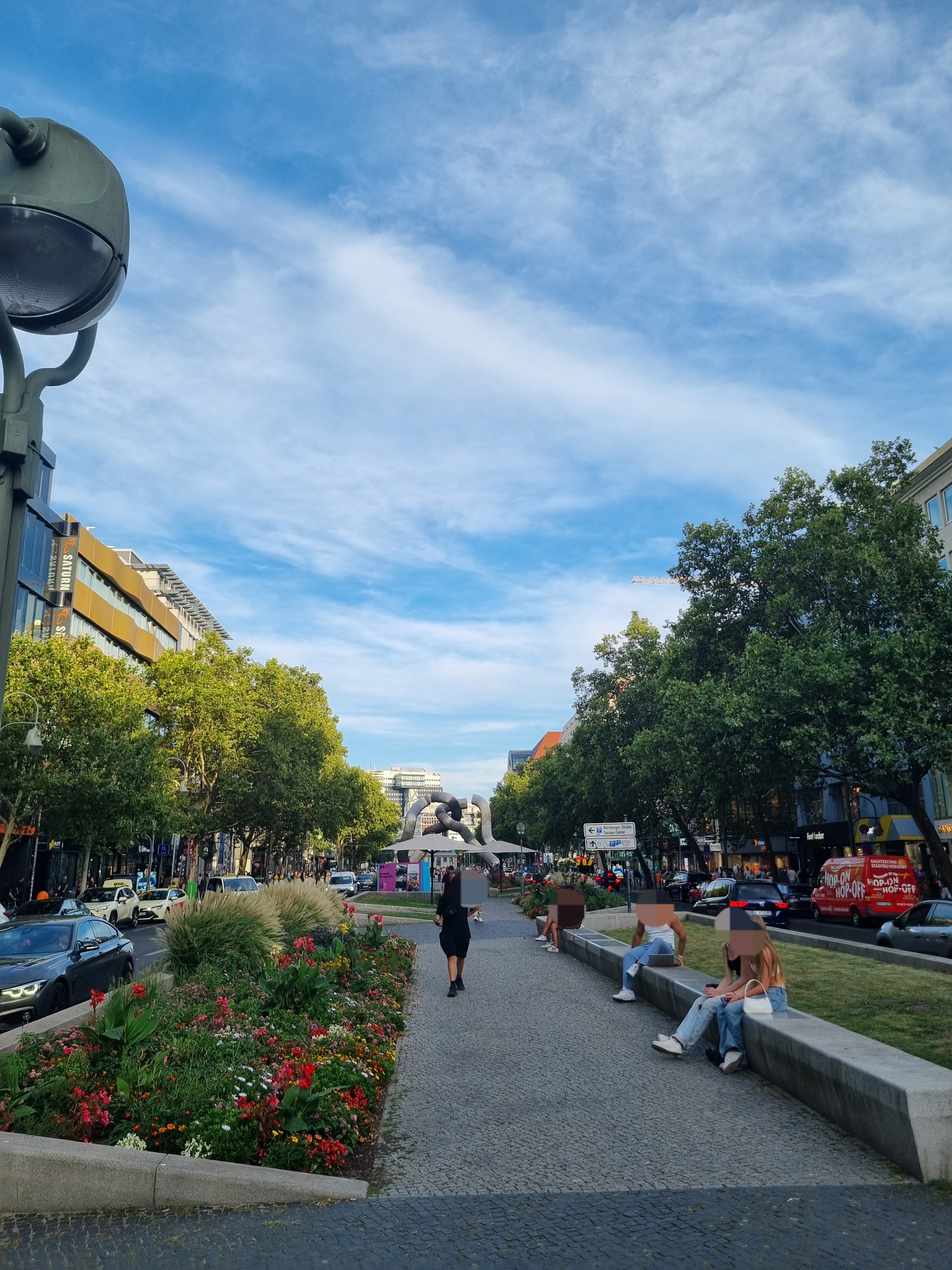
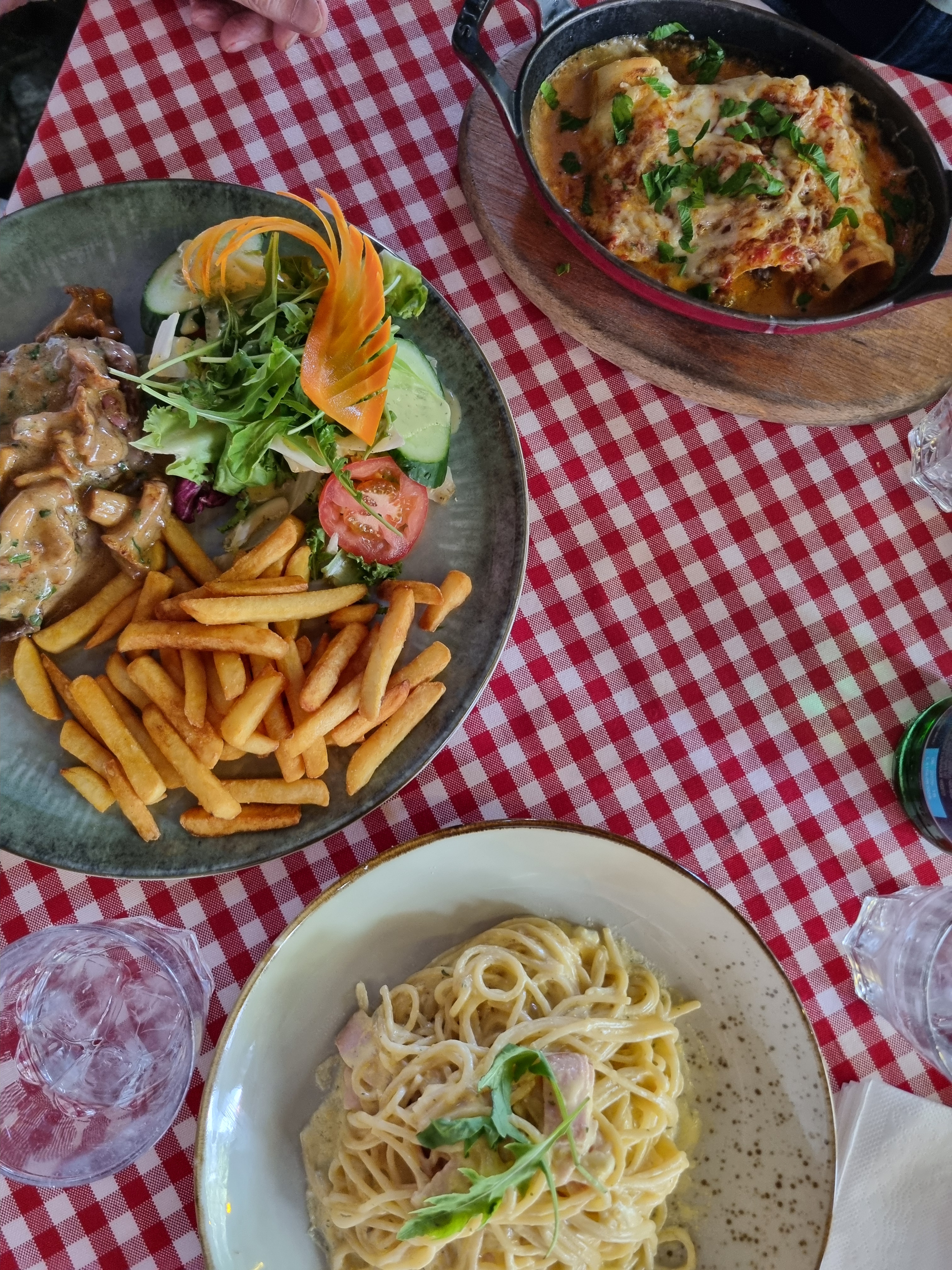
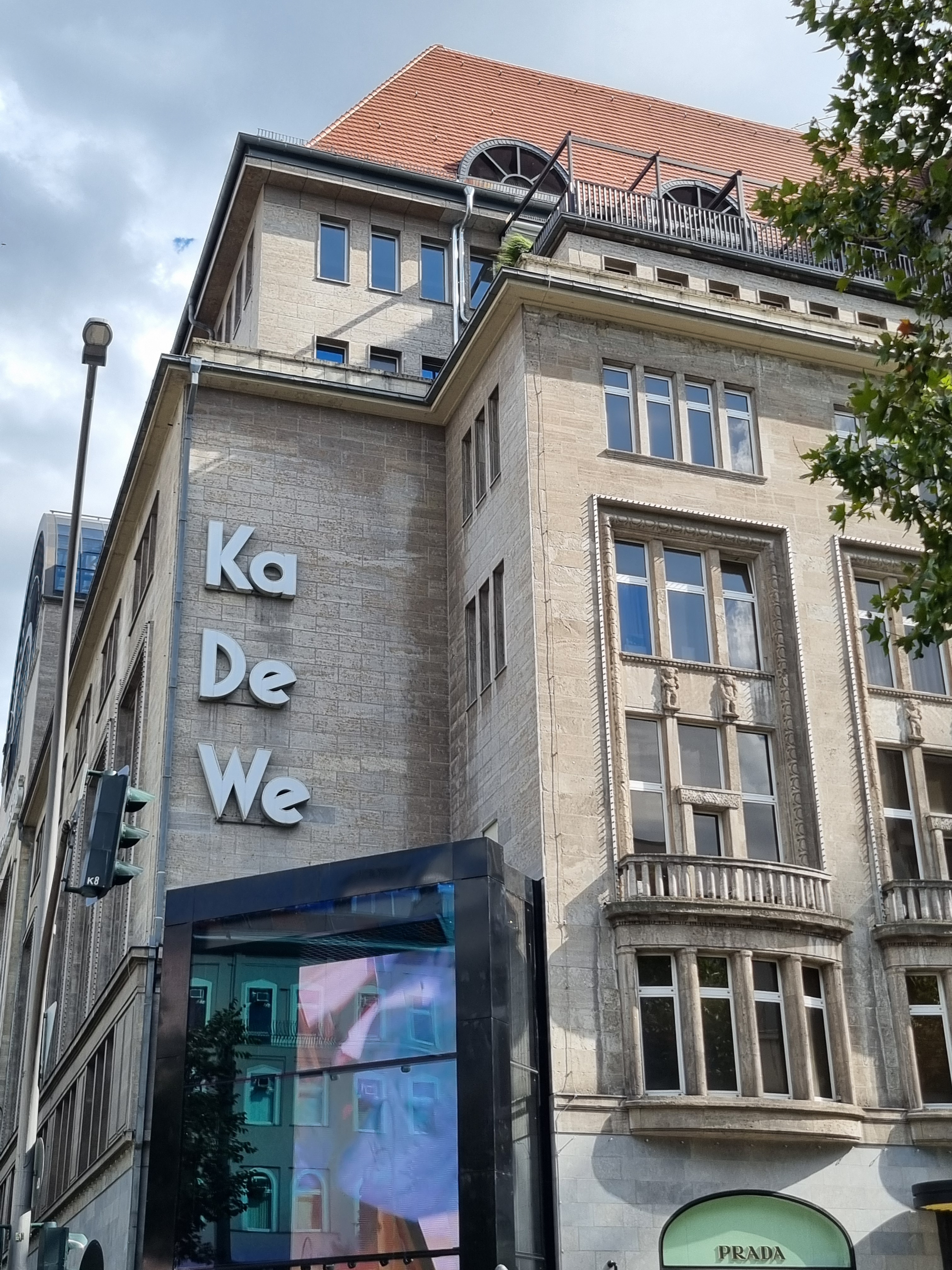
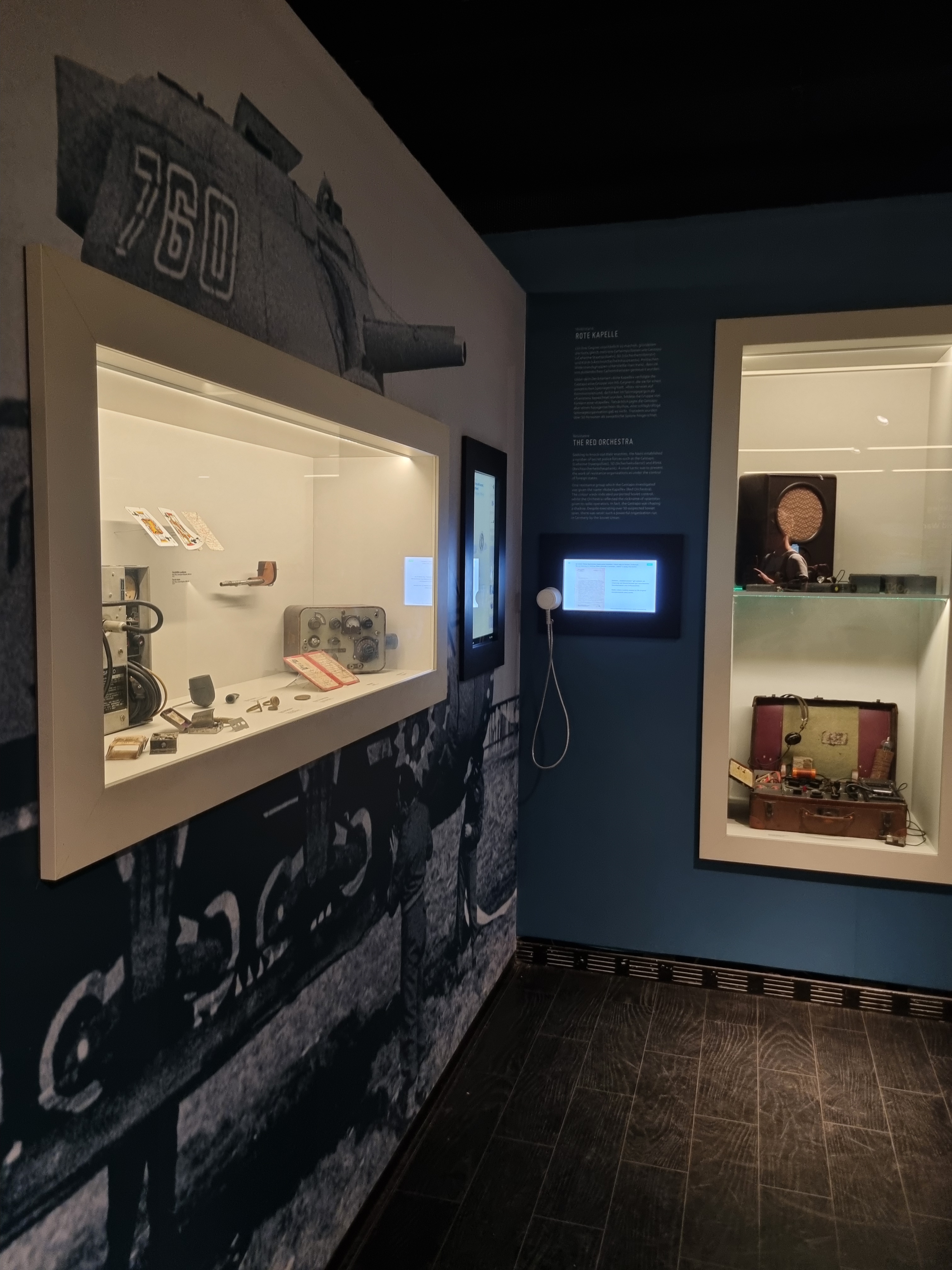
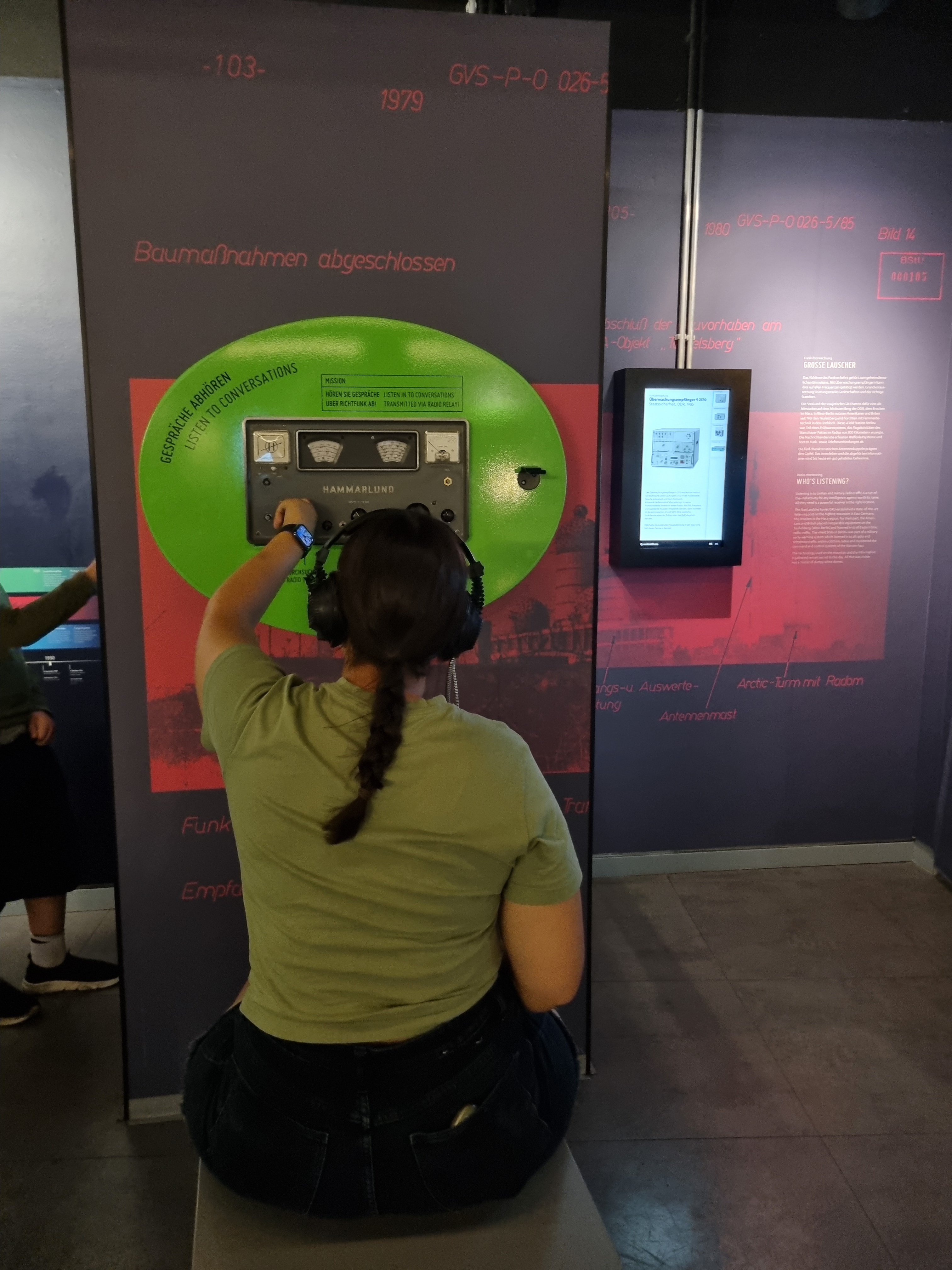
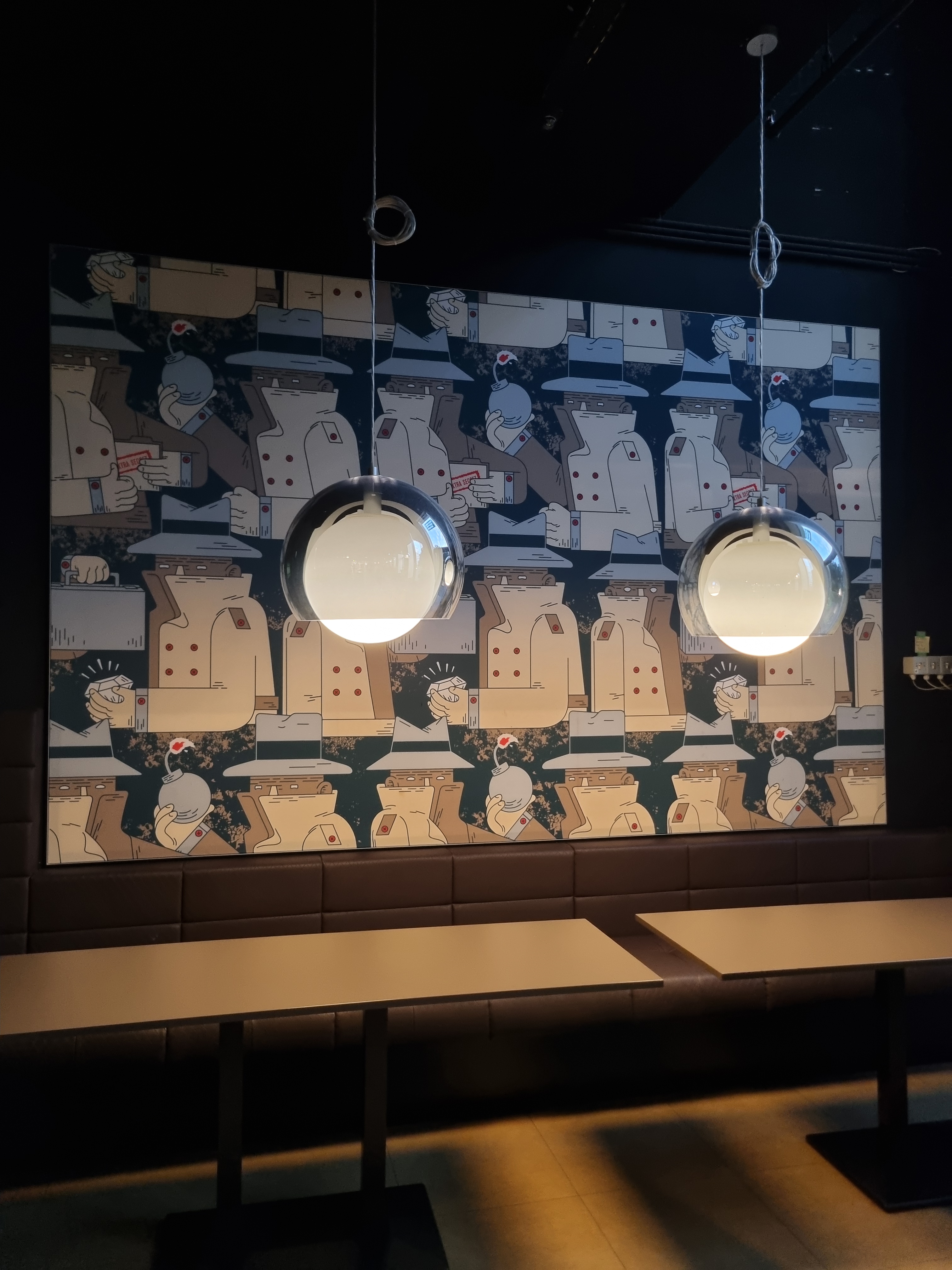
Afterward, we took my grandmother back to the hotel so she could rest, while we decided to visit the Deutsches Spionagemuseum (German Spy Museum), which was also included with the Berlin Welcome Card all inclusive. The museum was incredibly fascinating, filled with interactive exhibits that brought the world of espionage to life. It’s a fairly large museum, covering topics from Cold War spy techniques to modern surveillance technologies. We definitely recommend a visit if you’re interested in history, espionage, or simply want a unique museum experience. We stayed at the museum until it closed at 8 p.m., then headed straight back to the hotel and called it a night.
Day 2 – Berlin
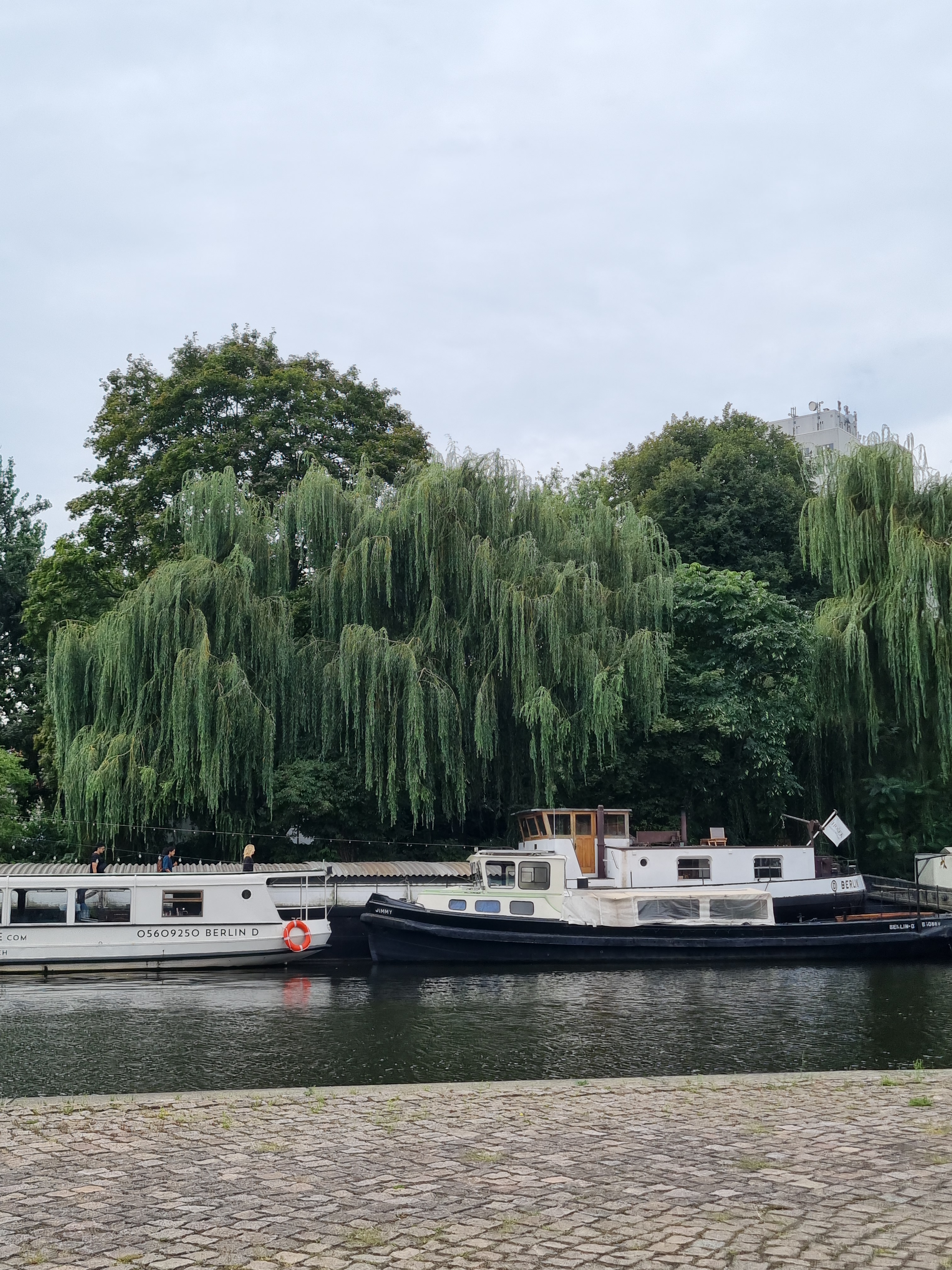
After enjoying breakfast, the three of us embarked on a scenic boat tour along the River Spree. Most companies offer either 1-hour or 2-hour trips. Since we were traveling with my grandmother and wanted to take our time, we opted for the longer, 2-hour option. It’s a great way to explore the city from a unique vantage point without too much walking, making it ideal for all ages.
Unfortunately, during the first hour, the sun was hidden behind clouds, and it got quite chilly. If you’re planning to take a similar trip, especially in the morning or early evening, make sure to bring a sweater or light jacket. It can get surprisingly cold on the water when the sun isn’t shining and there’s a bit of wind. Despite the cool weather, the tour was still a wonderful experience, offering a relaxed atmosphere and stunning views of Berlin’s historic landmarks and modern architecture.
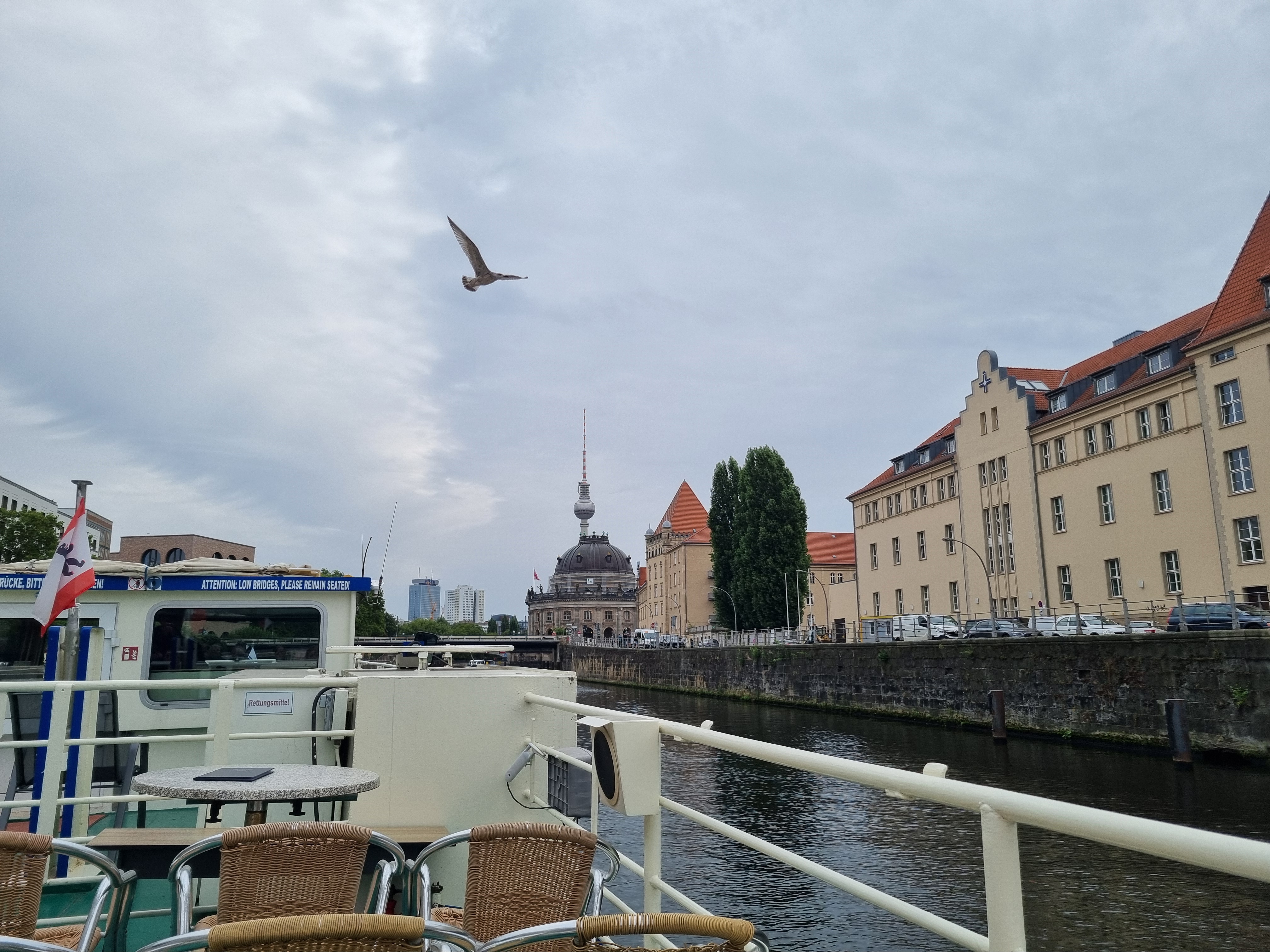
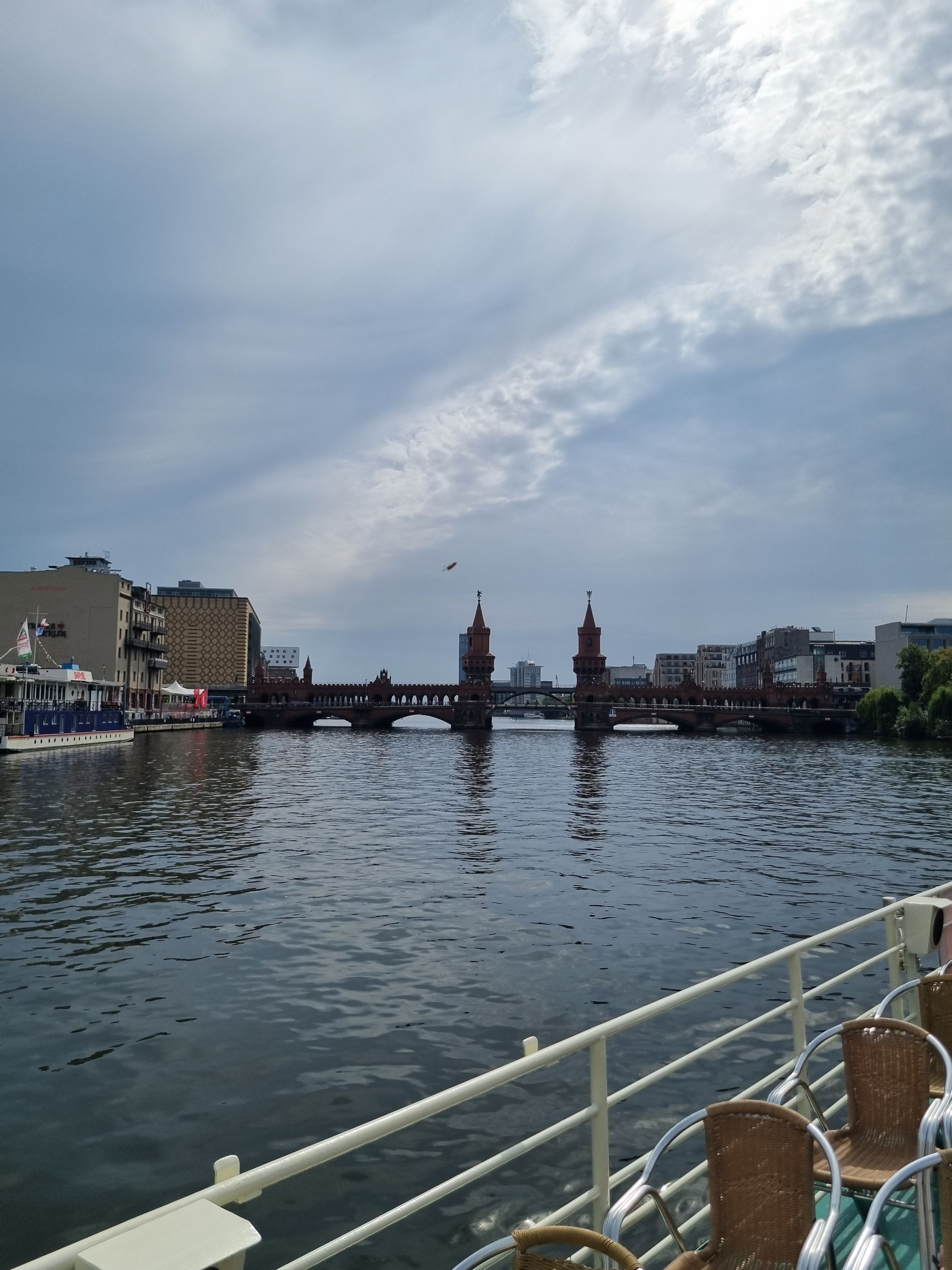
Afterward, we returned to Charlottenburg-Wilmersdorf, the area where we were staying, and enjoyed some currywurst before strolling around the famous Kurfürstendamm. We then decided to take a sightseeing bus tour. Normally, my partner and I prefer exploring cities on foot, but since my grandmother was with us and the bus tour was included in our Berlin Welcome Card all inclusive — we thought, why not give it a try?
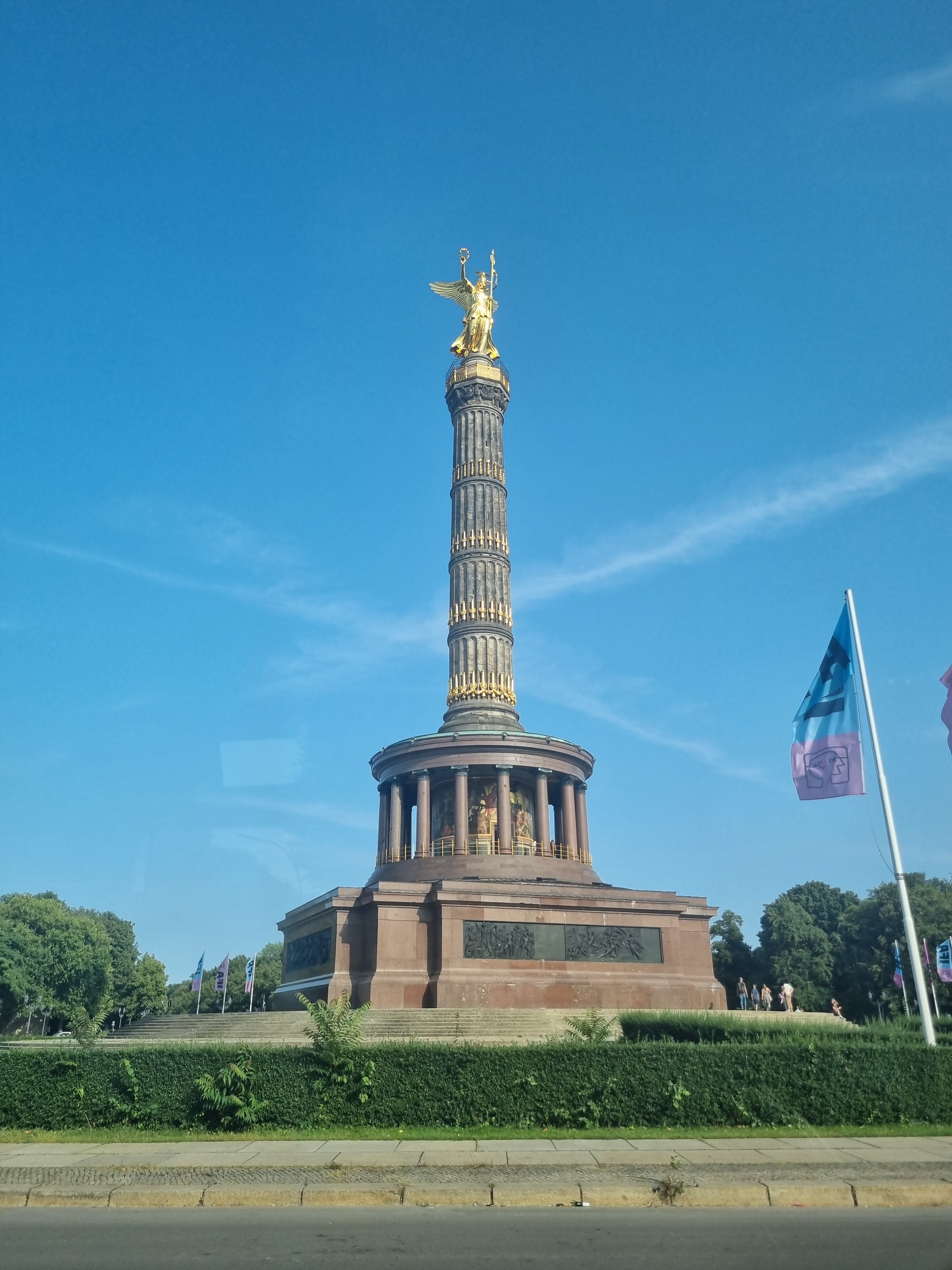
If you enjoy walking and have the time, I would always recommend exploring the city on foot to get a more intimate experience. However, in situations like ours, the bus tour made perfect sense and allowed us to see more in less time without tiring out. We passed by several iconic landmarks such as Alexanderplatz, the Rote Rathaus, the Victory Column, and many more. The bus tour provided a comfortable and informative way to see the city’s highlights and learn about its history.
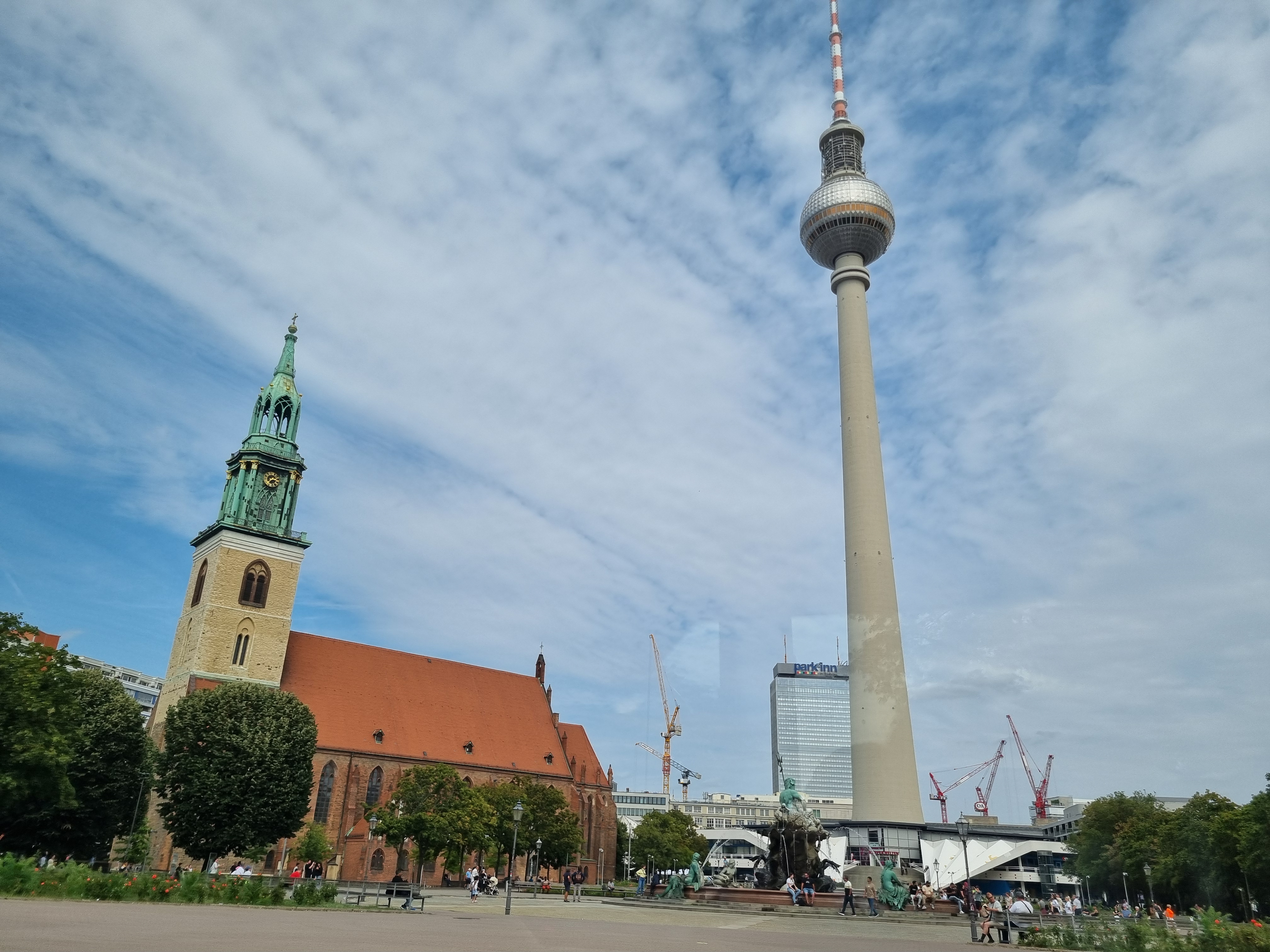
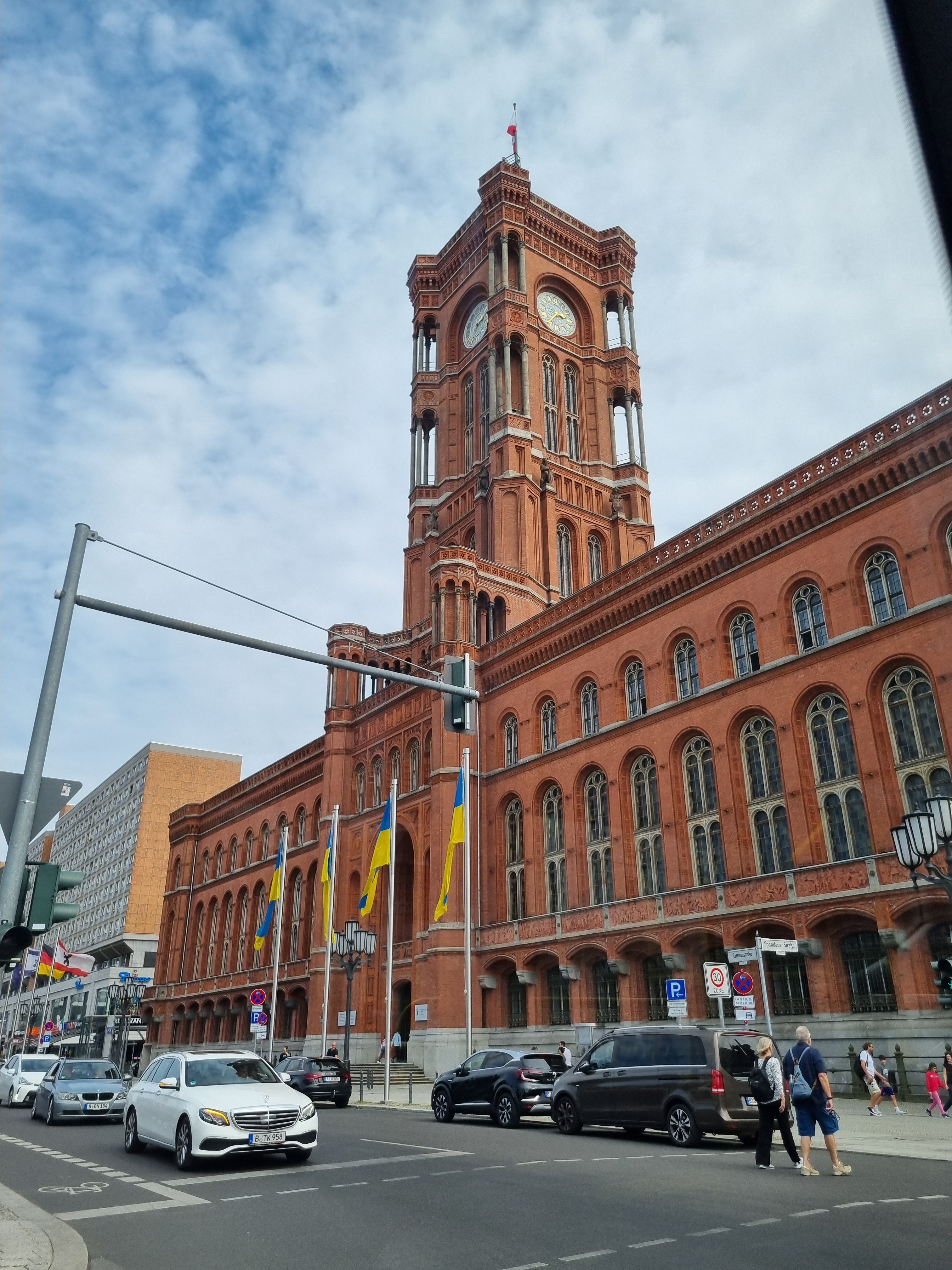
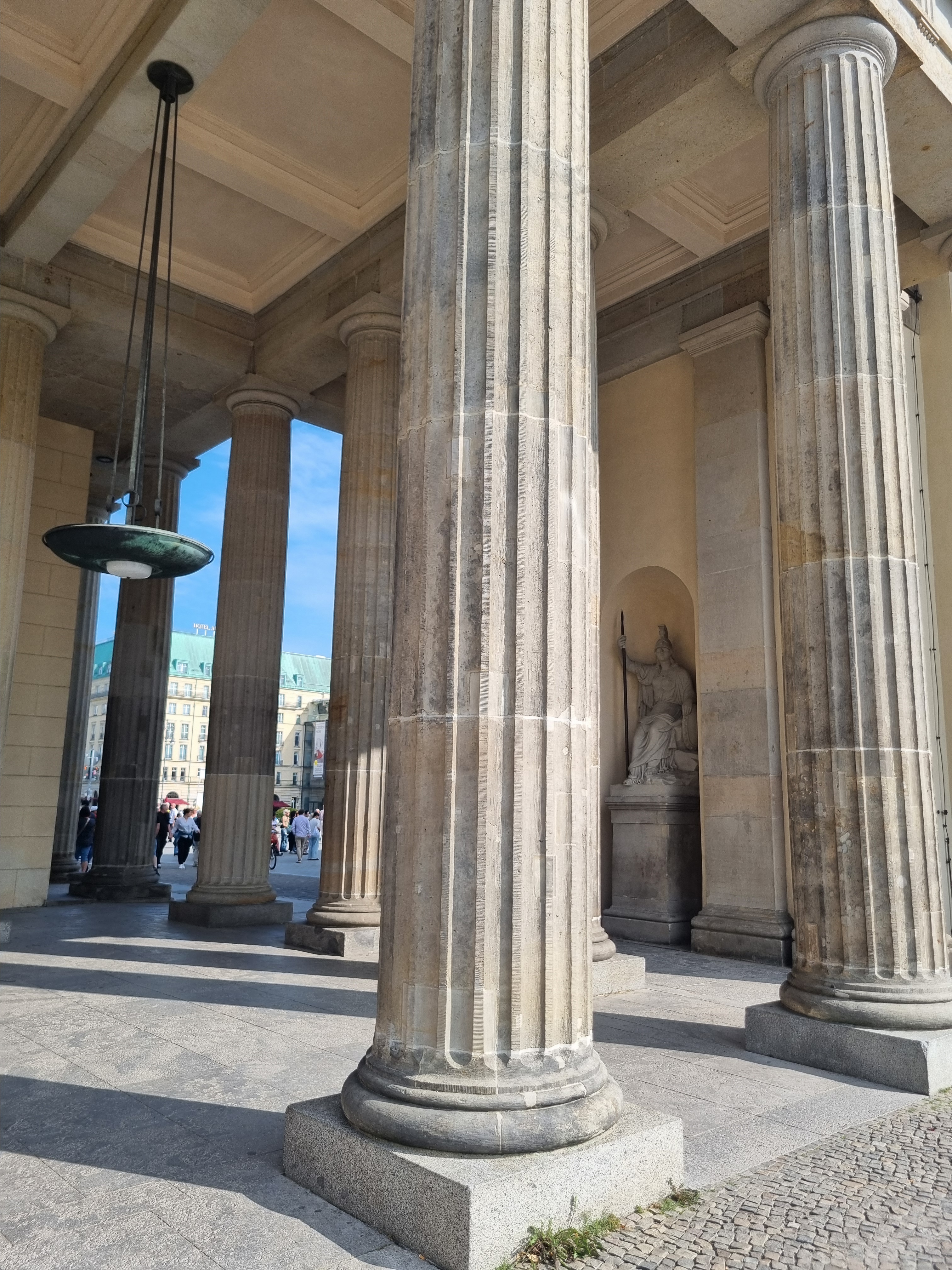
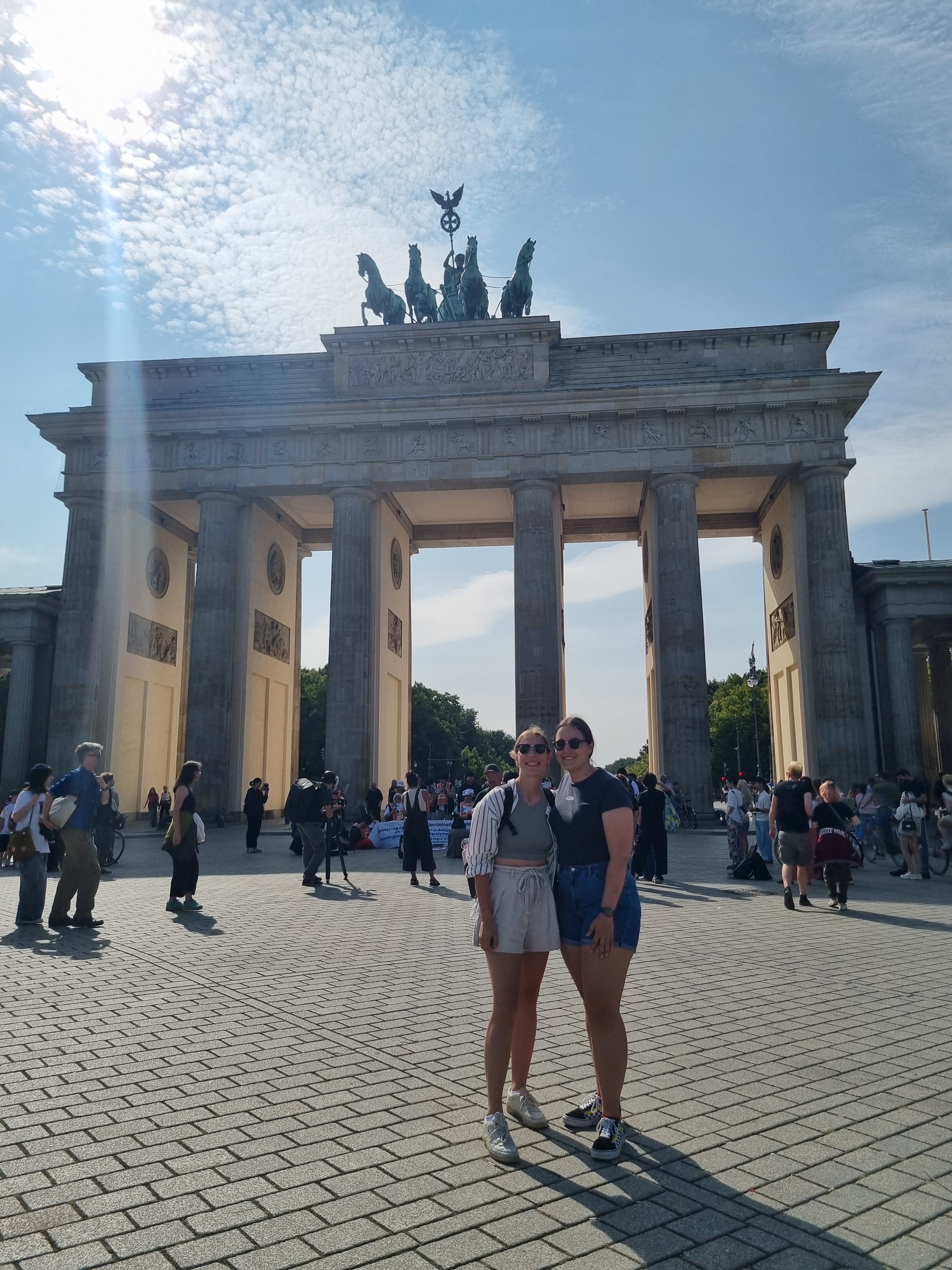
Of course, the bus had a stop at the iconic Brandenburg Gate, where we decided to get off and fulfill my grandmother’s lifelong dream of walking through this historic landmark. After soaking in the impressive sight of the Gate and its vibrant atmosphere, we strolled down the famous Unter den Linden boulevard, lined with linden trees and historical buildings. Feeling ready for a break, we found a cozy spot at Hopfingerbräu im Palais (unpaid ad), where we enjoyed a refreshing pause. My grandmother ordered a cappuccino, while my partner and I cooled off with some cold lemonade. I highly recommend this place, not only for its lovely selection of drinks but also for its delicious meals and pleasant ambiance next to the Brandenburg Gate.

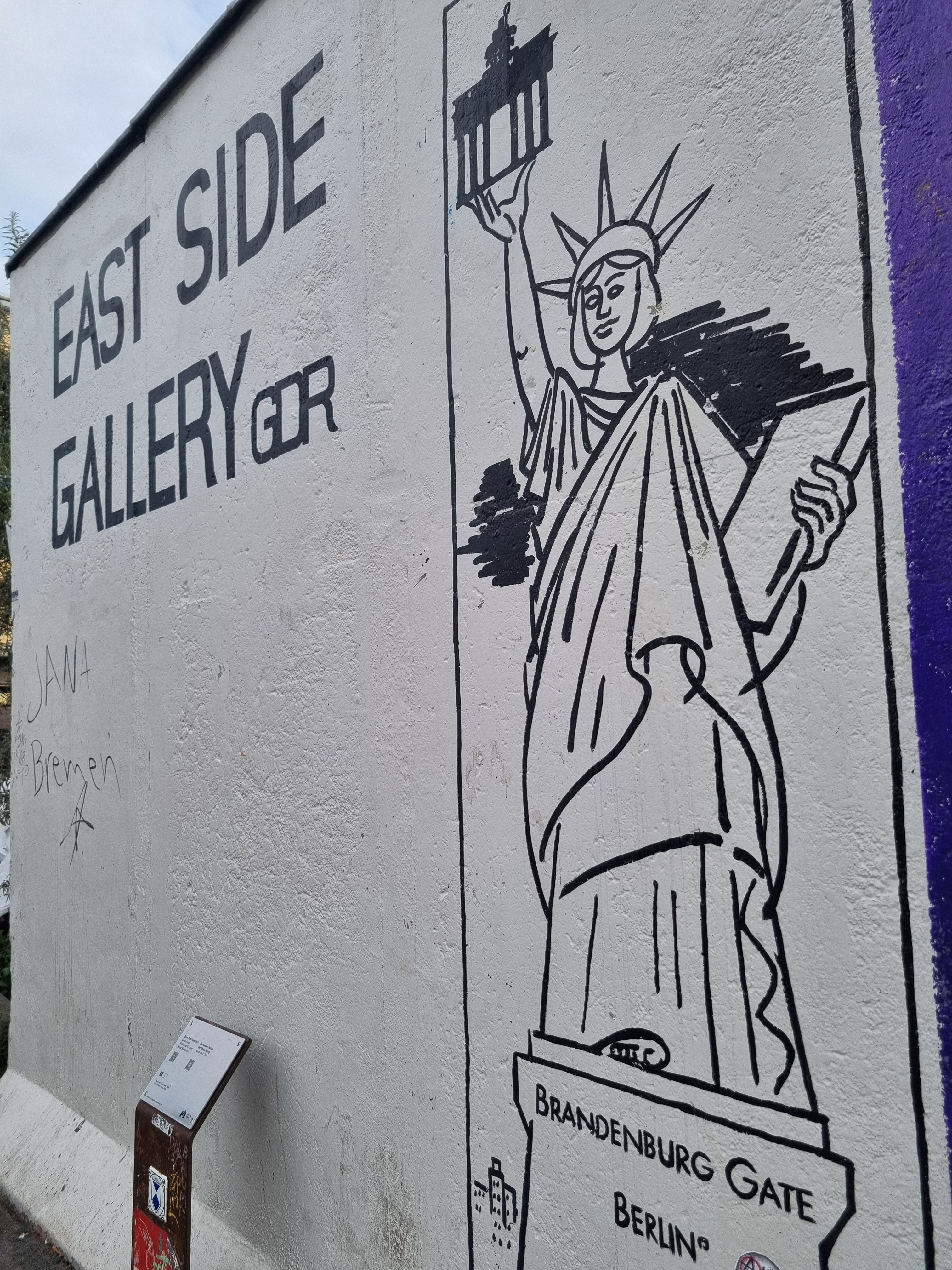
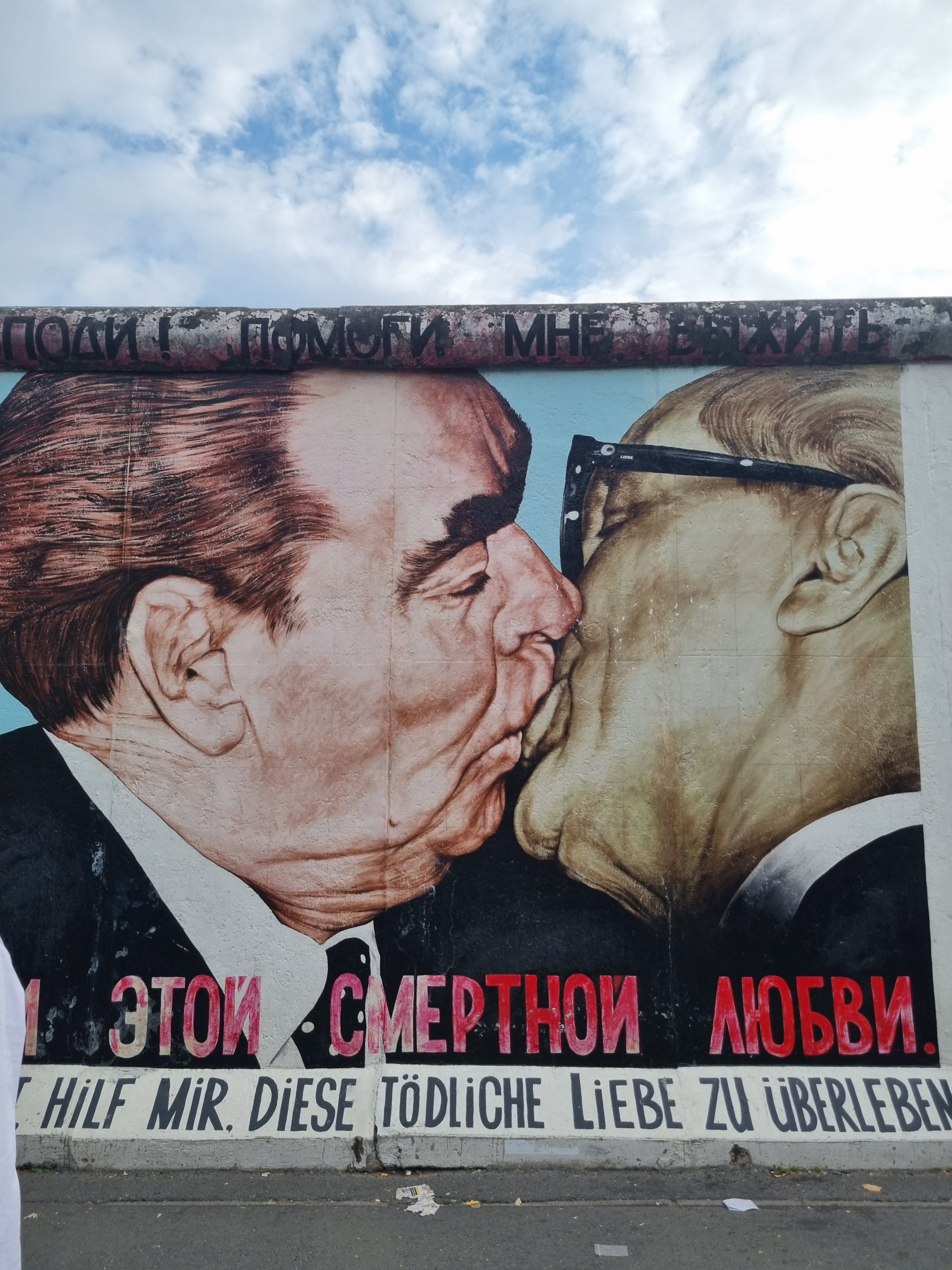
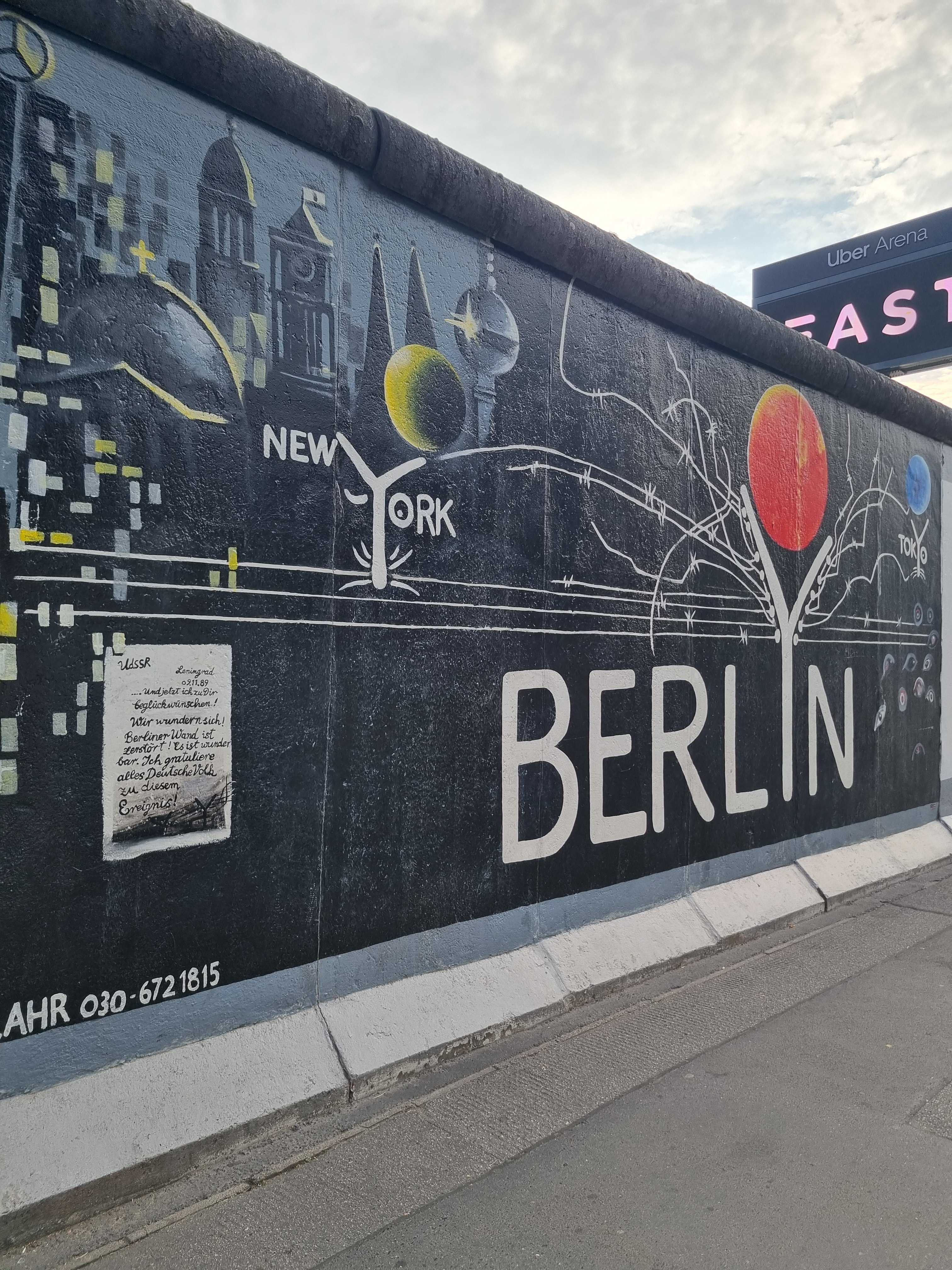
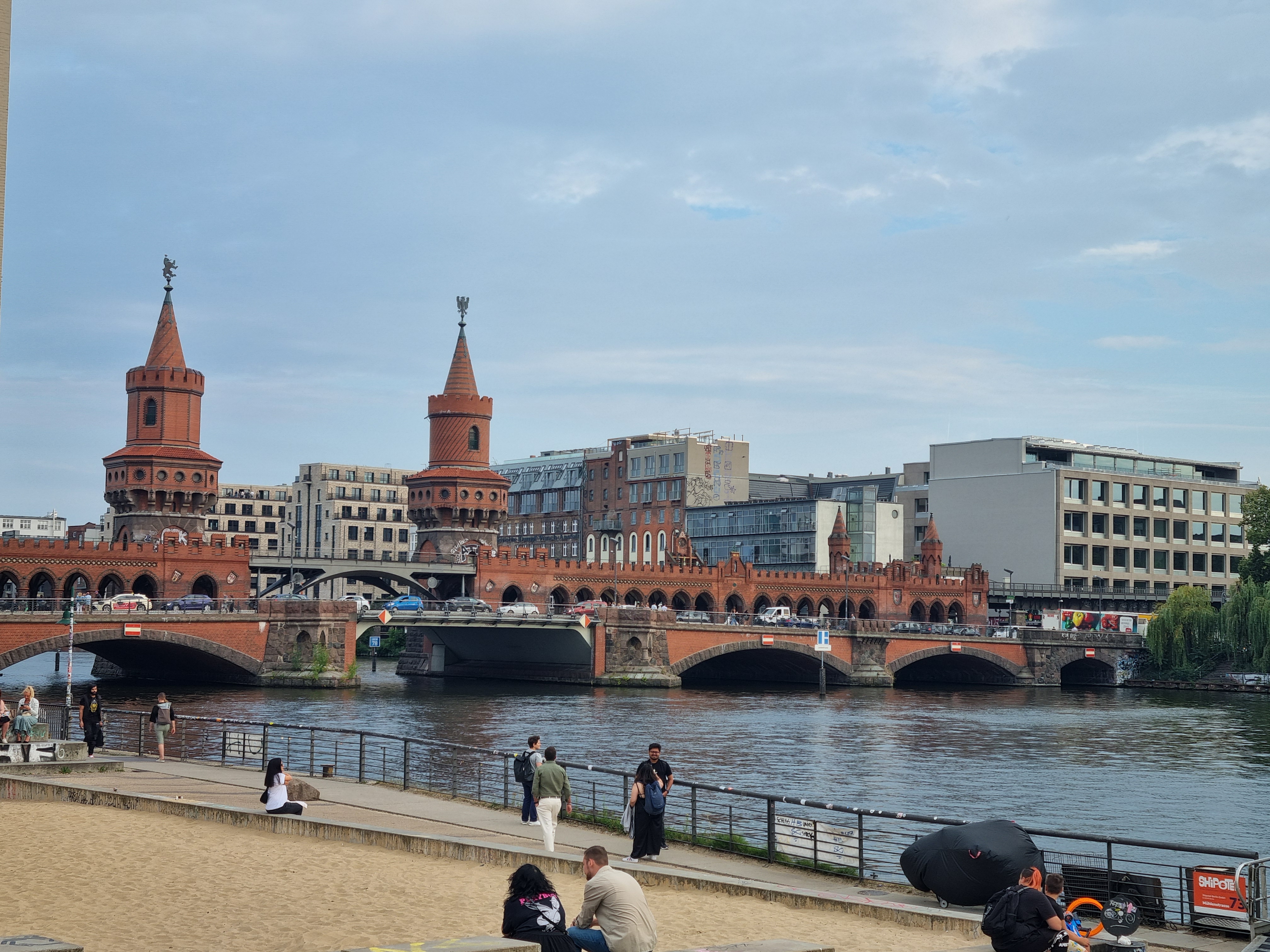
Afterward, we took my grandmother back to the hotel so she could rest, while we headed out to explore the East Side Gallery, a place we had only passed by briefly on the sightseeing bus earlier. The East Side Gallery is a 1.3 km-long section of the Berlin Wall, now transformed into an open-air gallery showcasing over 100 paintings designed by artists from all over the world. One of the most famous artworks is “My God, Help Me to Survive This Deadly Love” showing the iconic kiss between Soviet leader Leonid Brezhnev and East German leader Erich Honecker. It’s free and definitely worth a visit if you’re interested in art like us. If you would like to learn more about the paintings, there is a official website to do so: East Side Gallery Ausstellung (unpaid ad). While exploring the East Side Gallery, we also walked along the river Spree before heading to the DDR Museum.
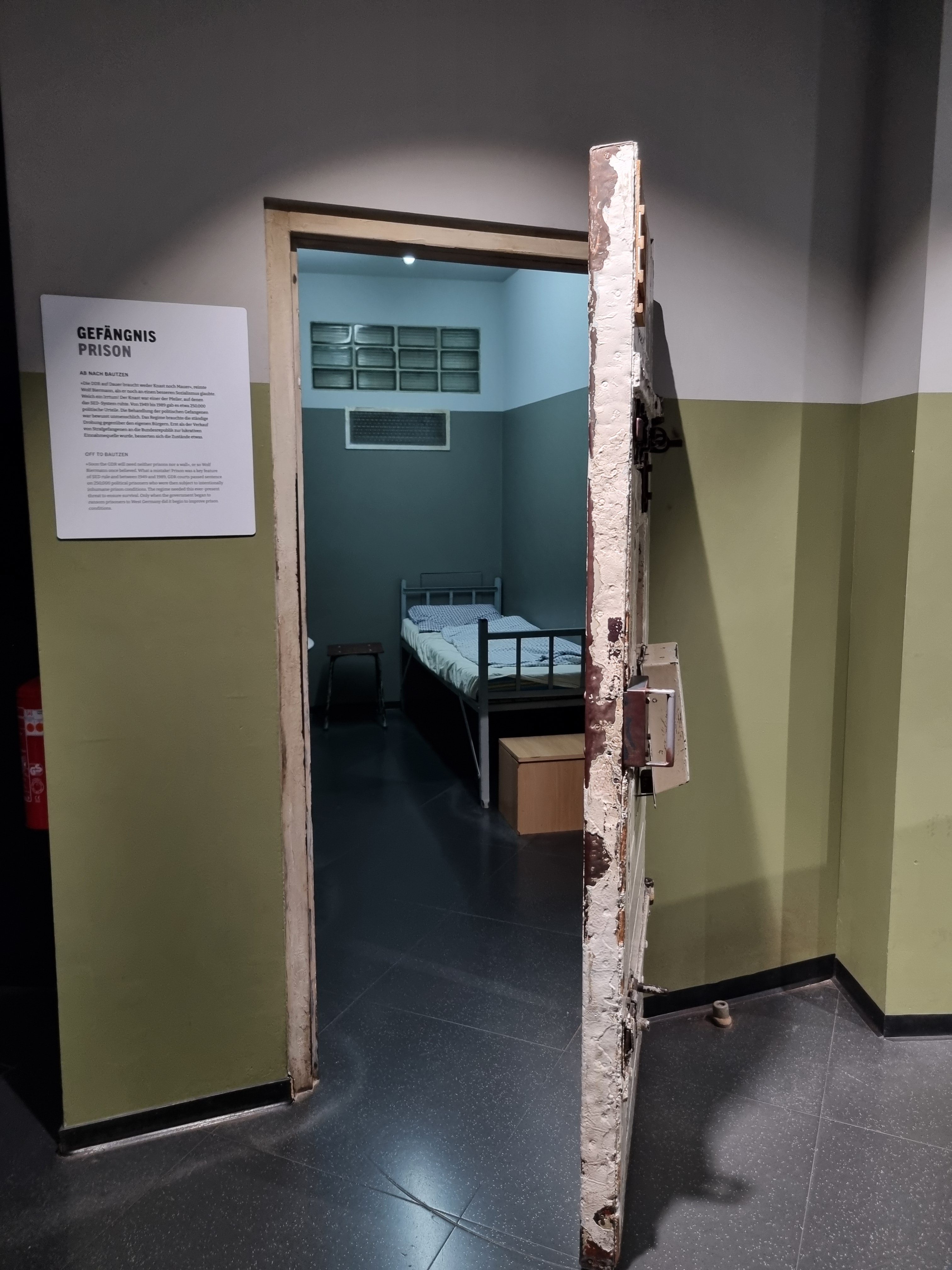
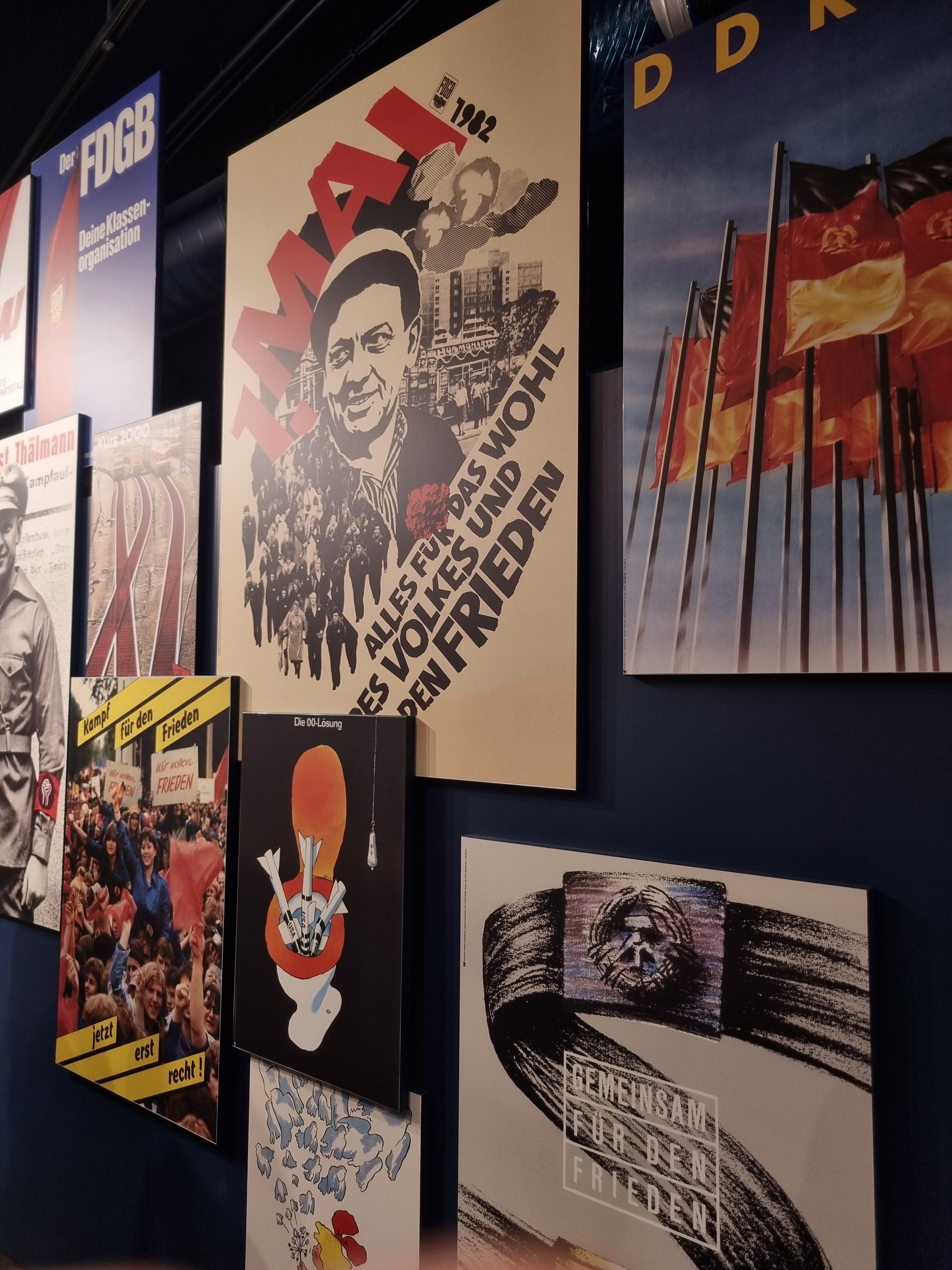
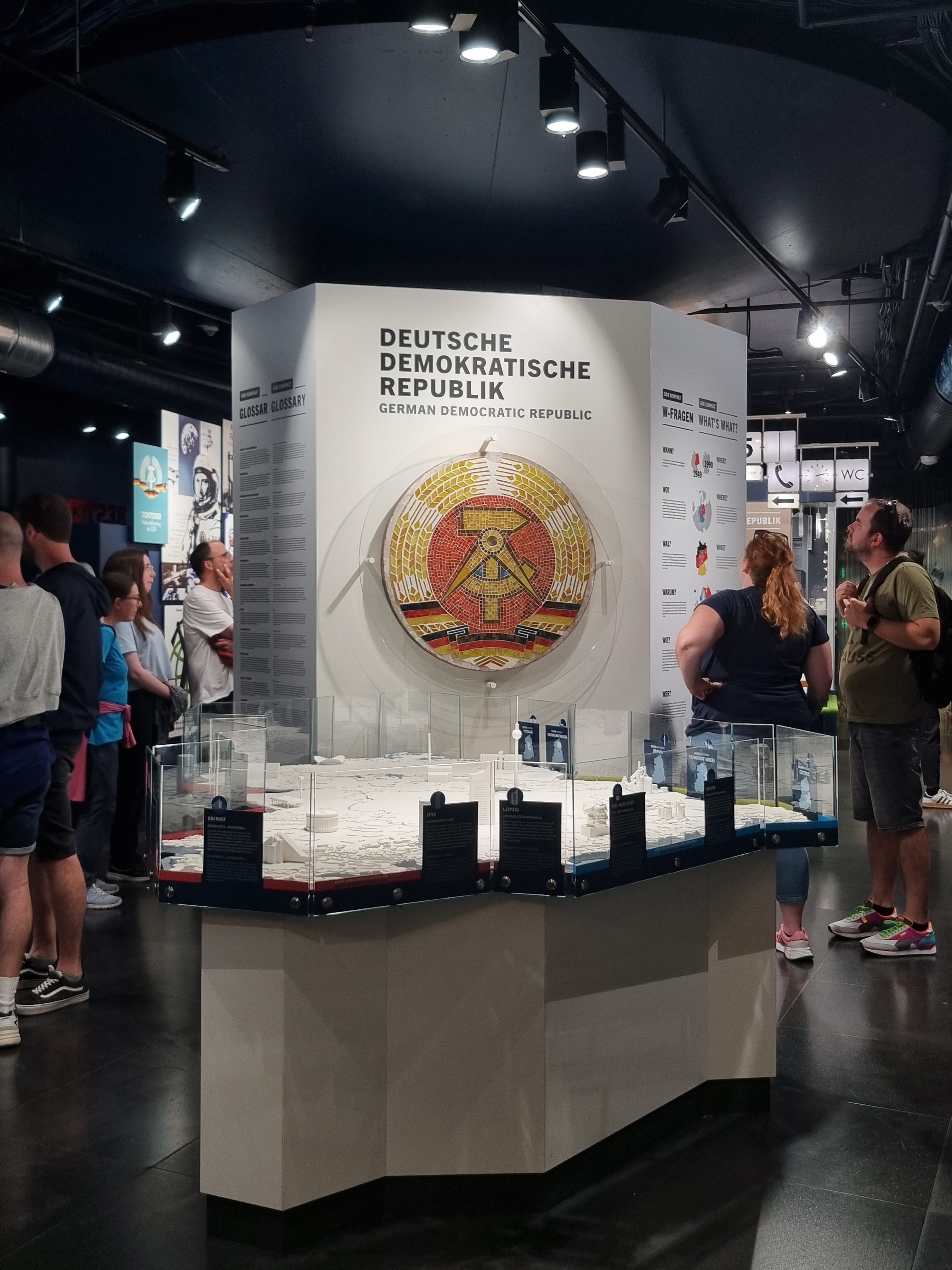
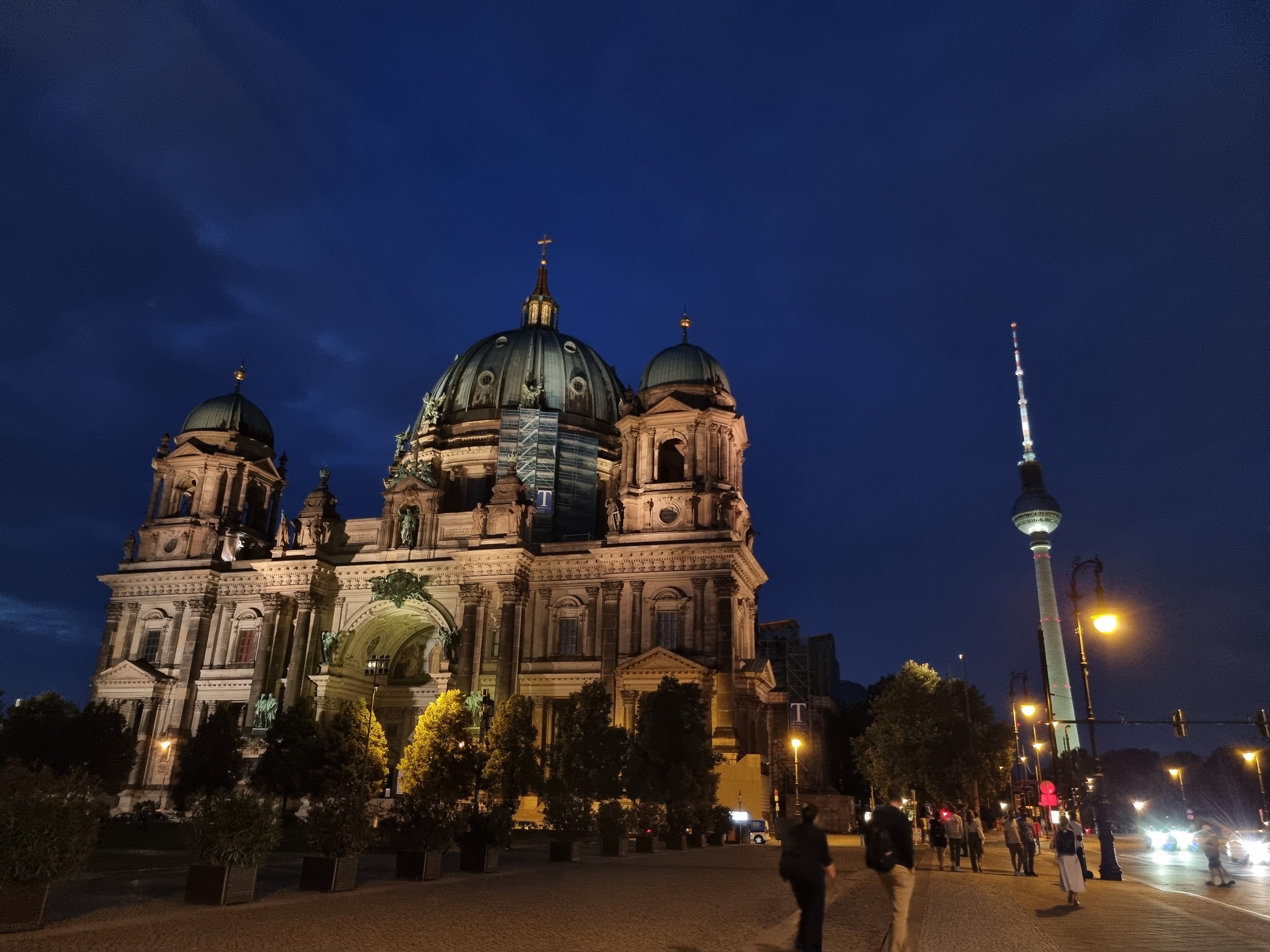
The DDR Museum in Berlin offers an immersive look into everyday life in East Germany during the Cold War. Located by the Spree near the Berlin Cathedral, the museum features interactive exhibits where visitors can explore a reconstructed East German apartment, see a Trabant car, and learn about the Stasi’s surveillance methods. The hands-on displays provide a fascinating glimpse into daily life under the socialist regime, capturing both its challenges and ordinary routines. It’s a must-visit for anyone interested in East German history and the impact of the Berlin Wall. The entry is also included in your Berlin Welcome Card all inclusive. After visiting the museum, we went for a short walk before heading back to the hotel where we stayed for the rest of the evening.
Day 3 – Berlin
On the third day, we visited Charlottenburg Palace, exploring both the Old Palace and the New Wing. The palace is a stunning example of Baroque and Rococo architecture, originally built in the late 17th century for Queen Sophie Charlotte, wife of King Frederick I of Prussia. The palace interiors feature stunning decorated rooms, including the opulent State Apartments, the Golden Gallery, and the Porcelain Cabinet, all showcasing the grandeur of Prussian royalty. The New Wing, added in the 18th century, houses exquisite art collections and more royal chambers. Tickets are available for purchase online or at the ticket counter.
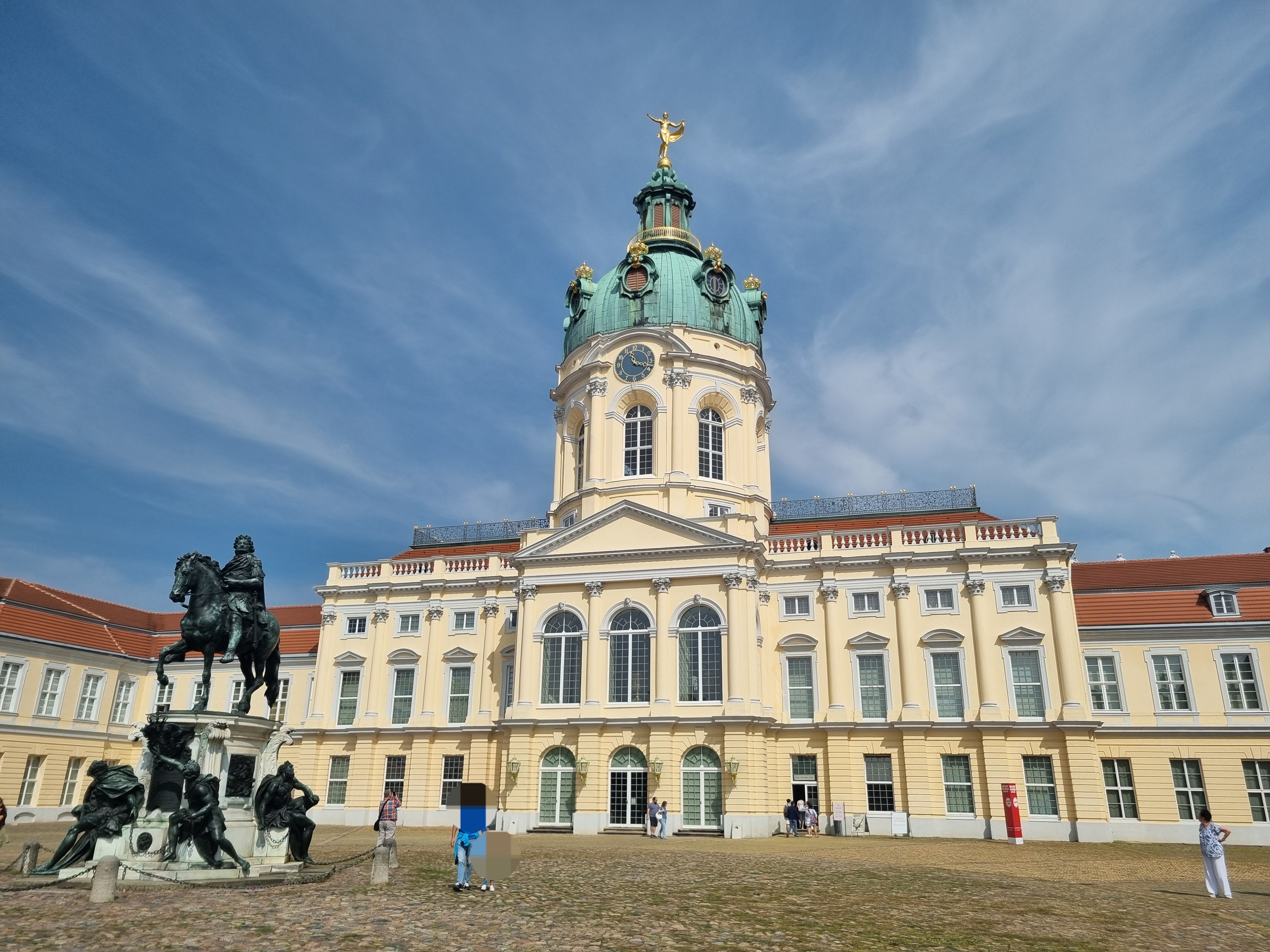
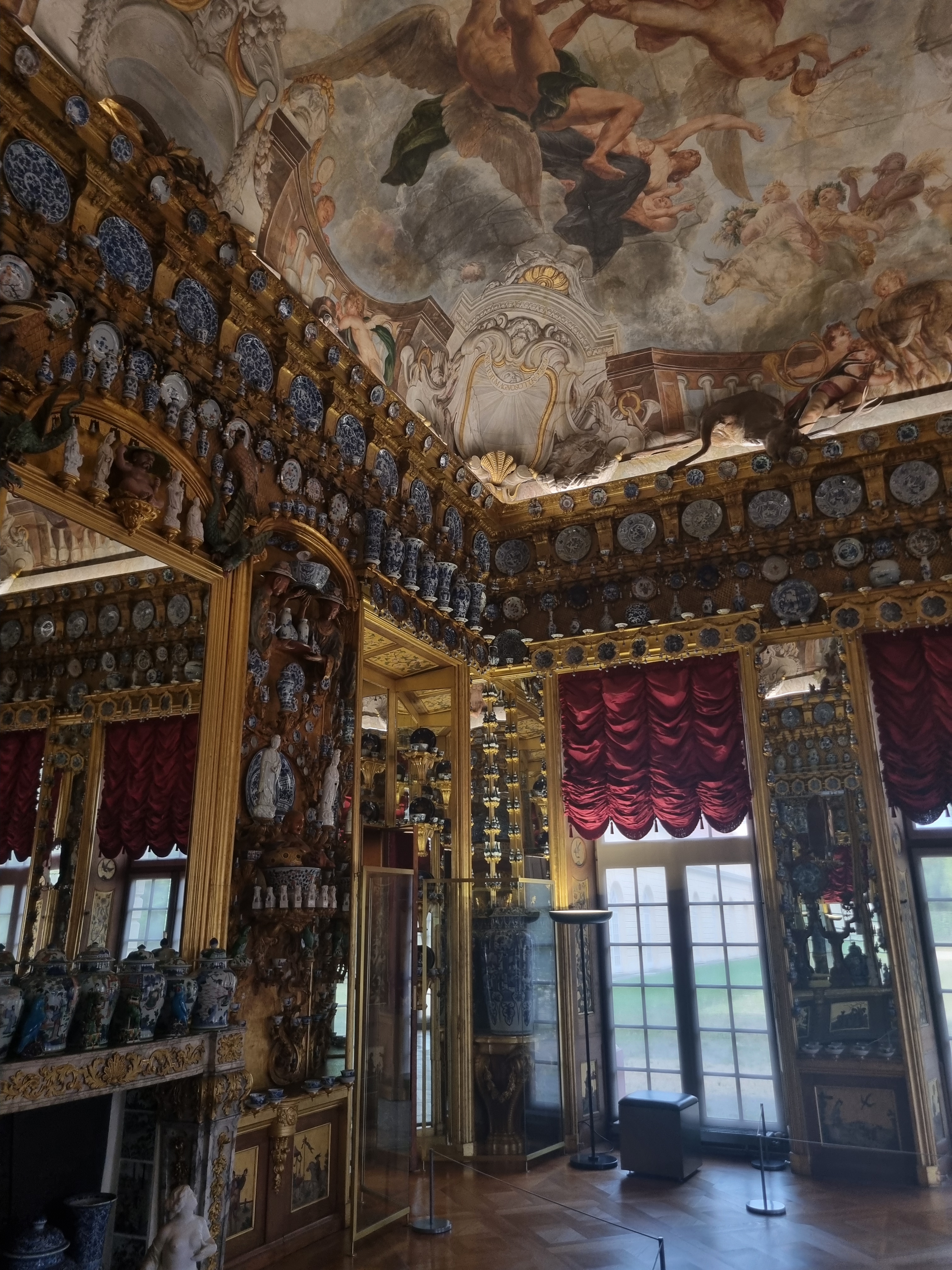
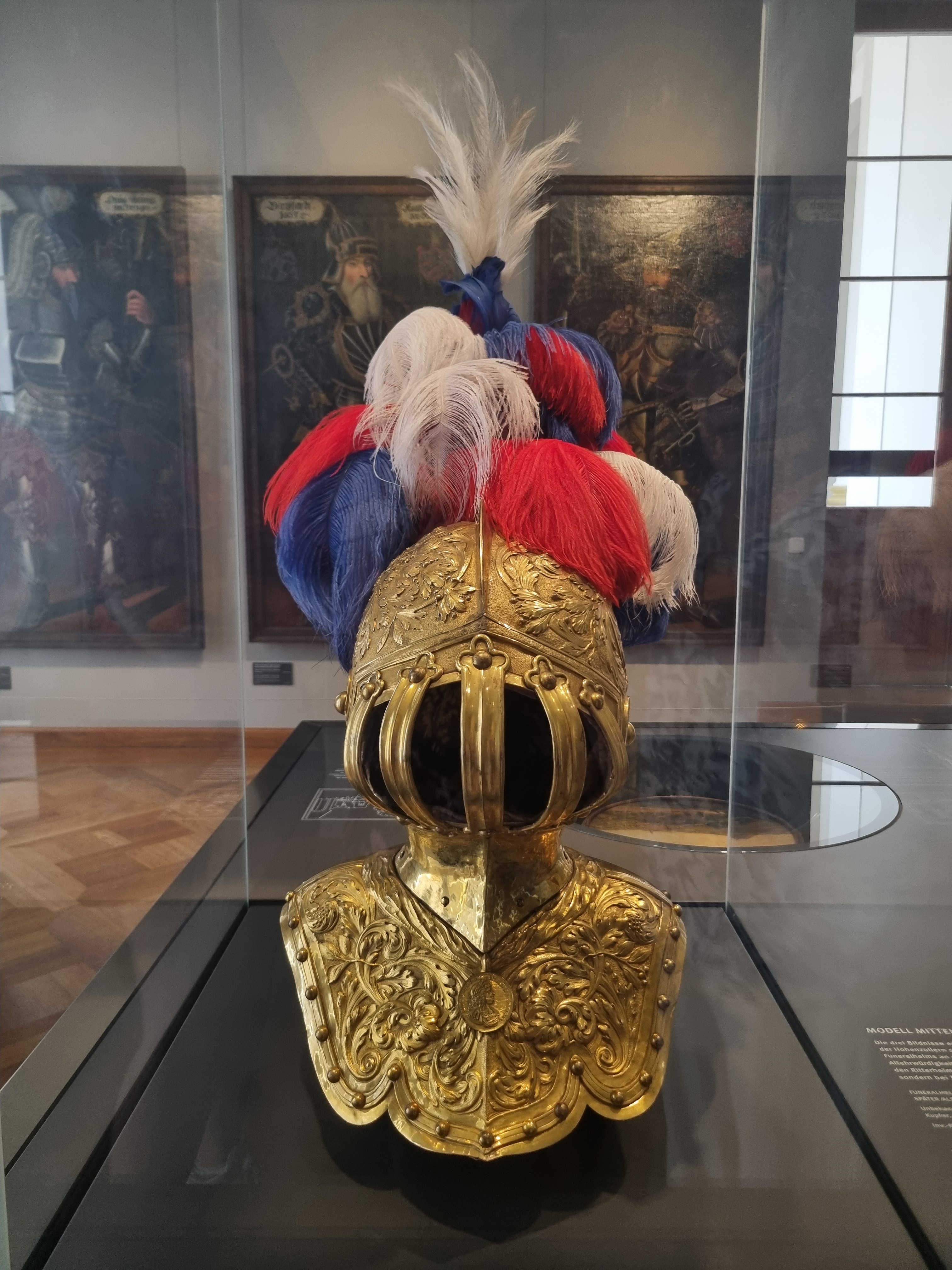
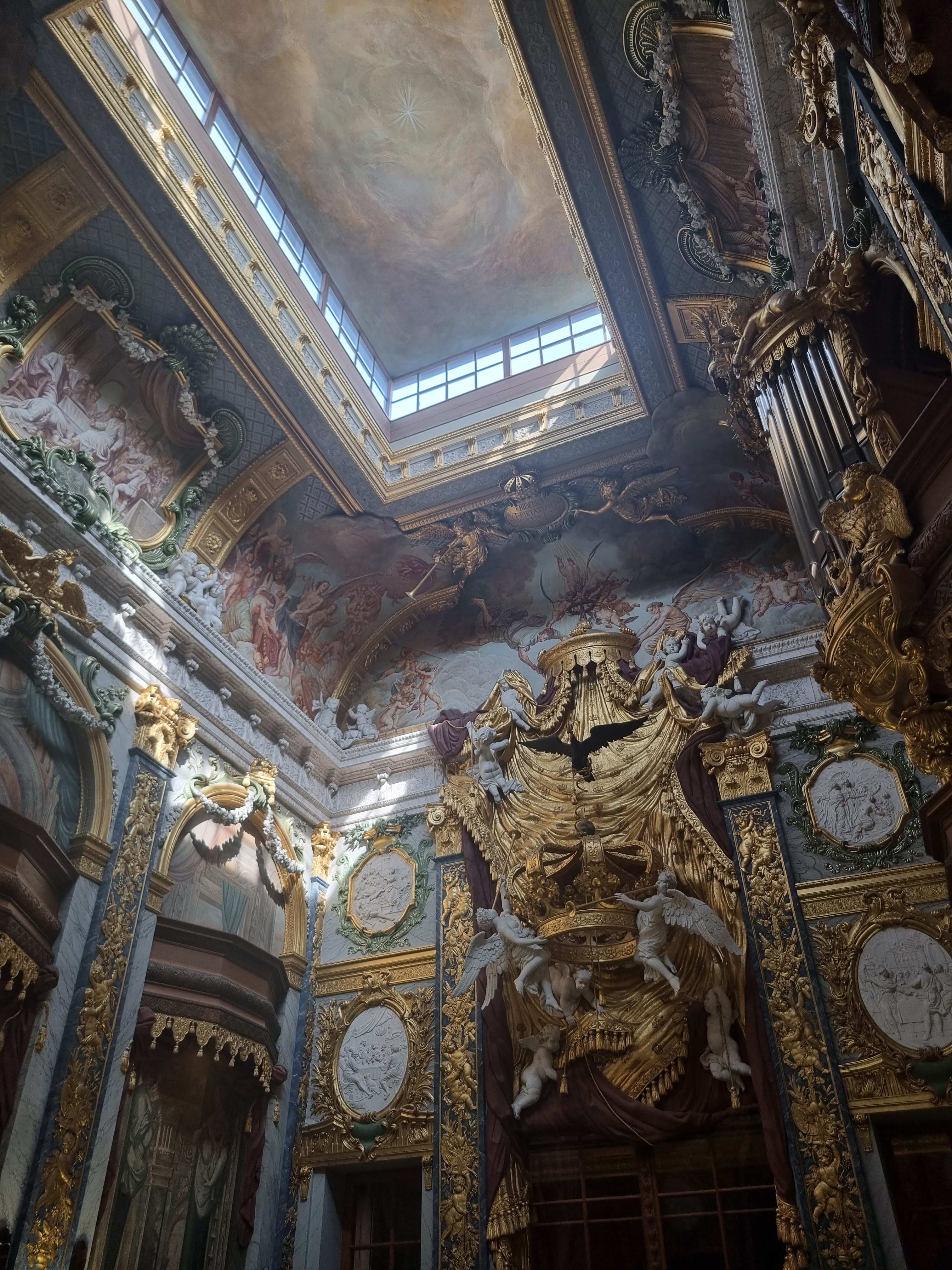
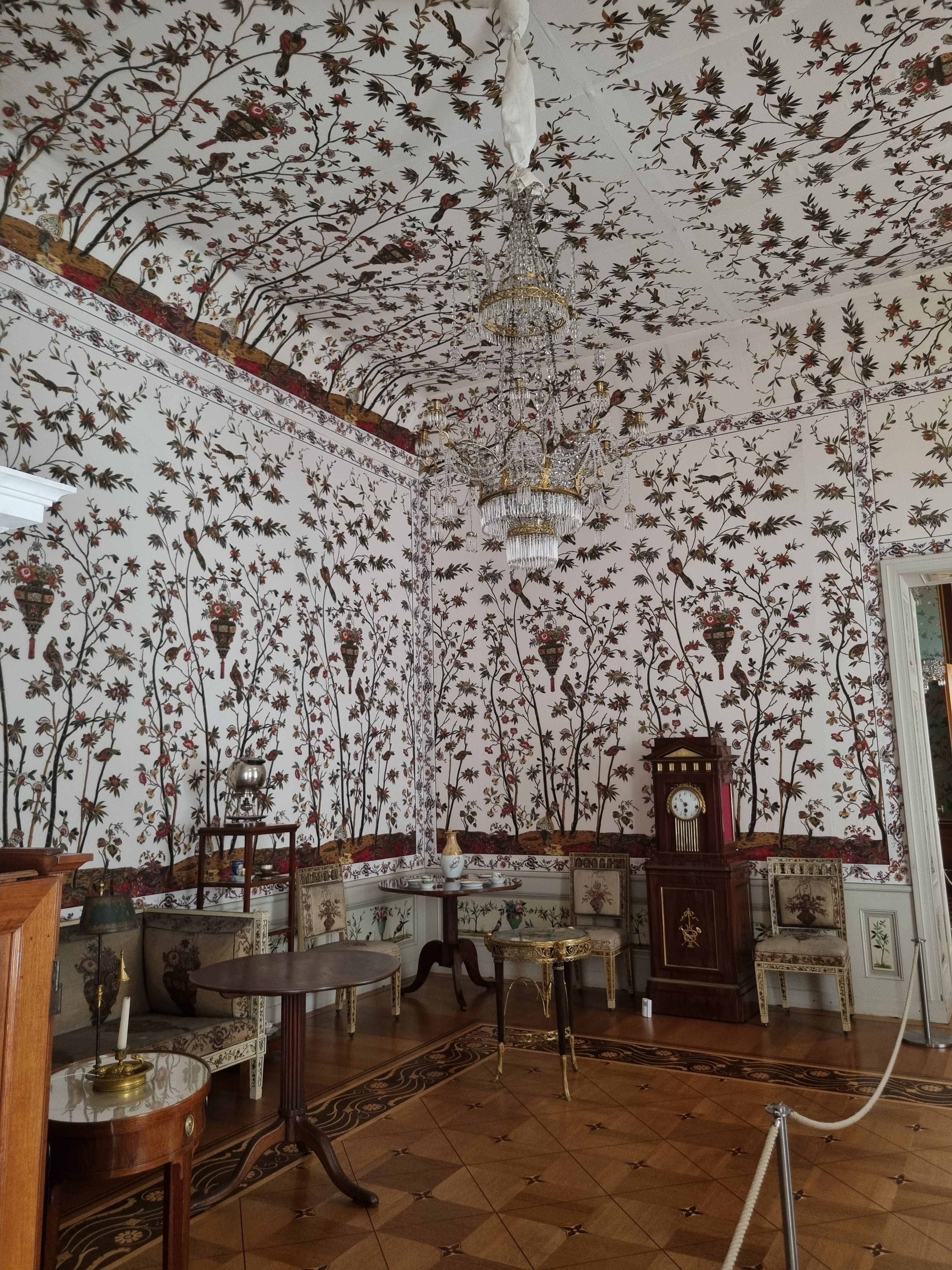
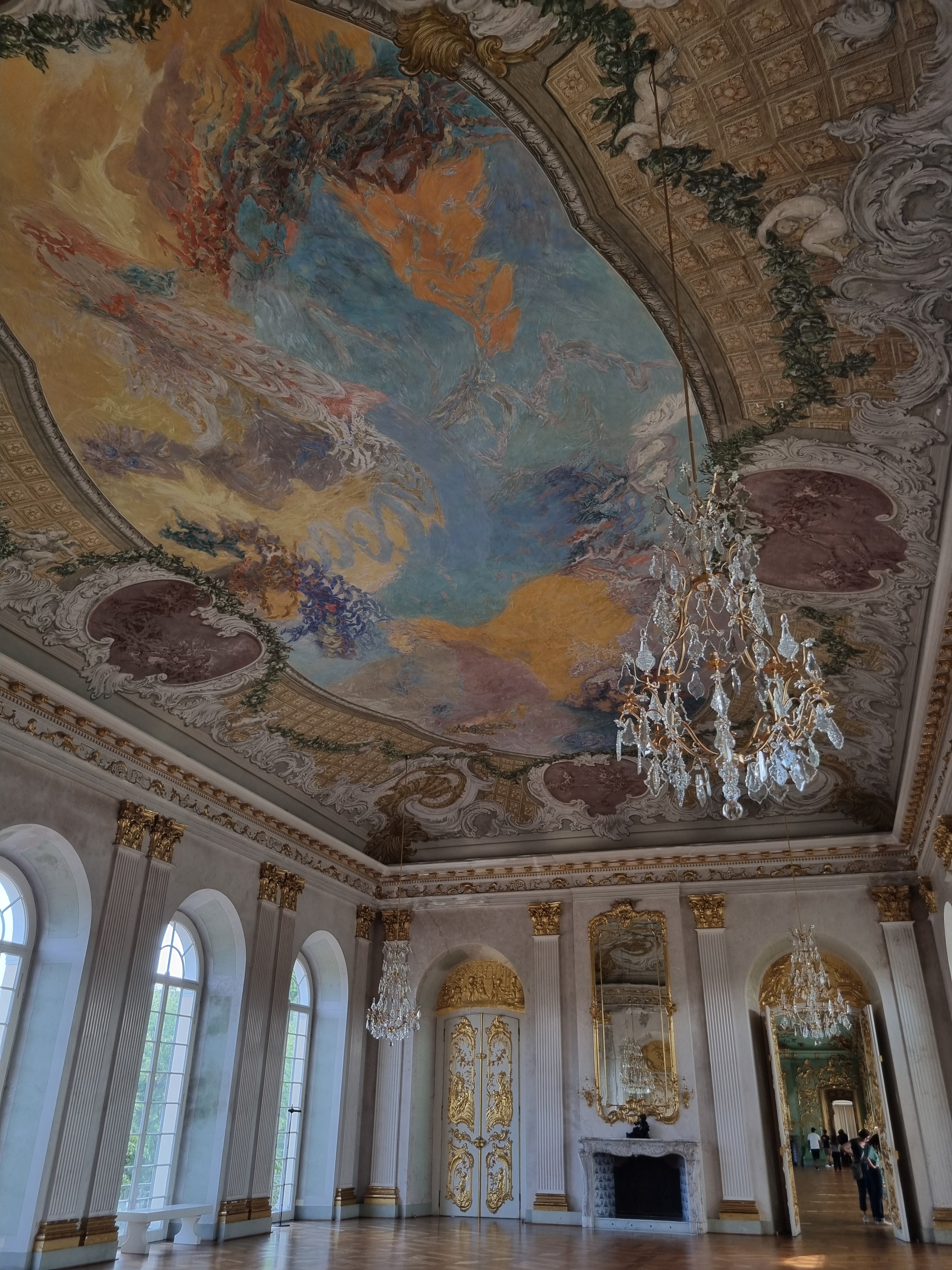
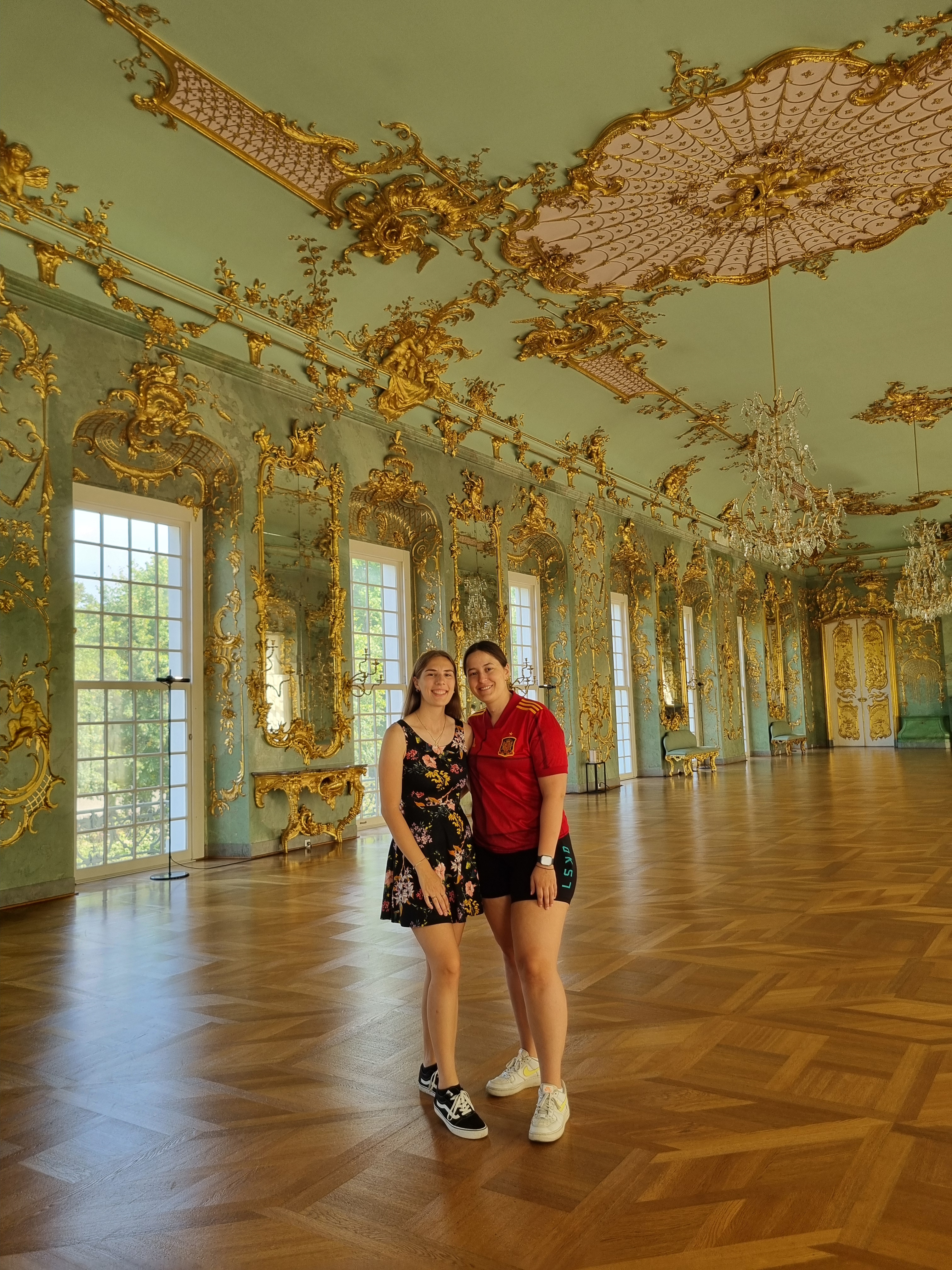
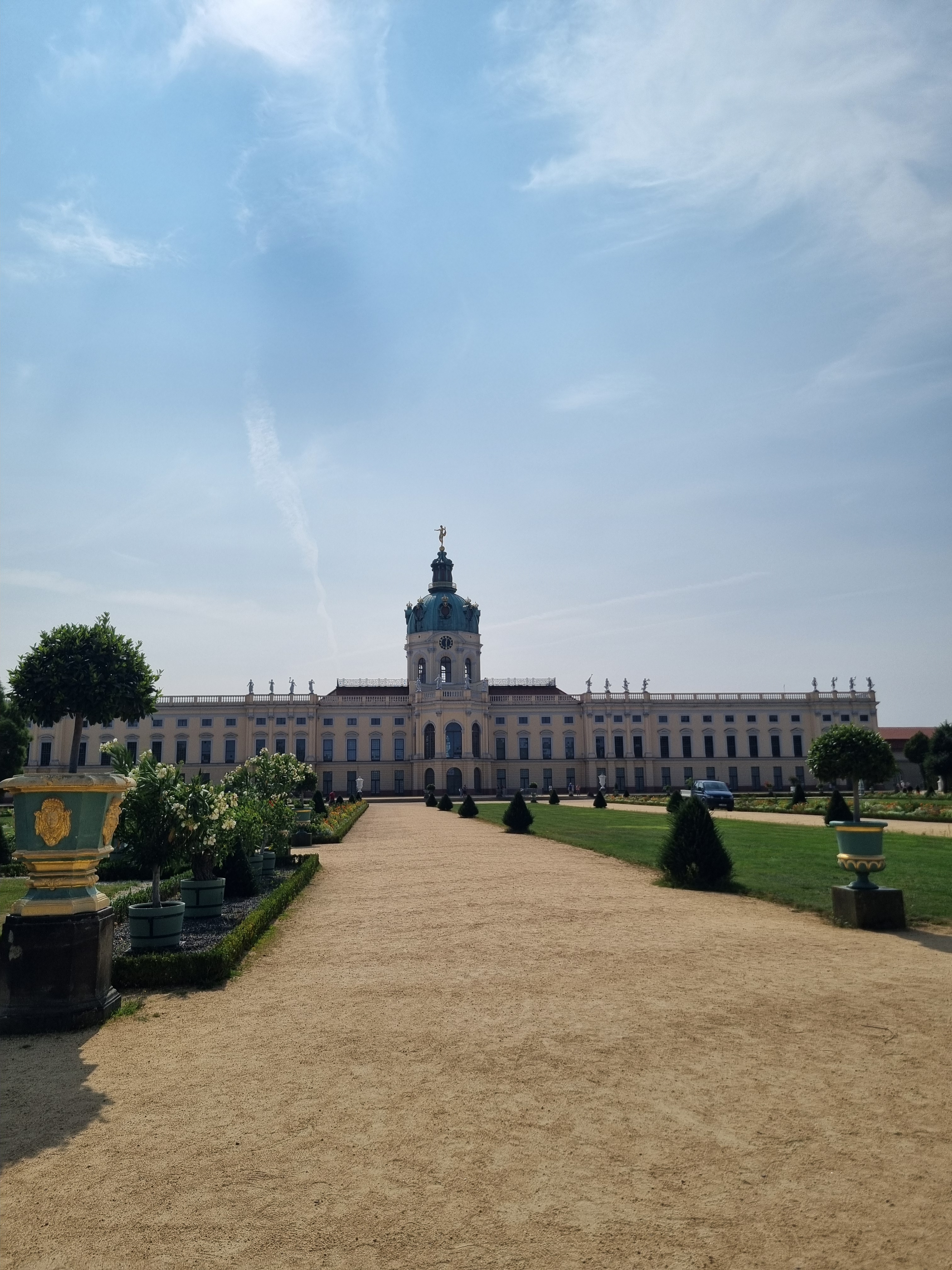
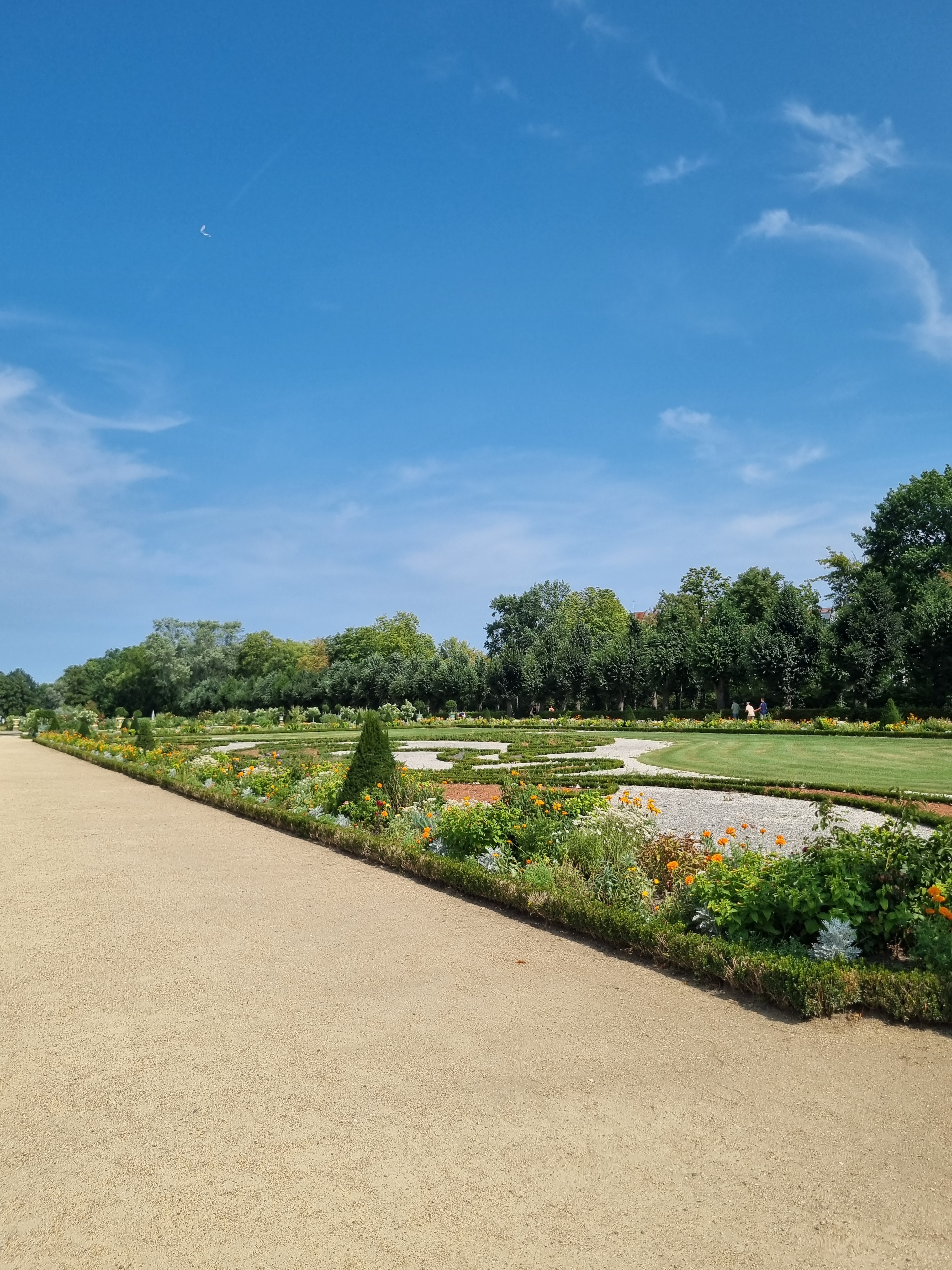
The palace gardens are also a must-see and are free to enter. Designed in the Baroque style, they include beautiful sculptures and fountains. You can stroll through the park, which transitions into a more natural, English landscape garden. At the far end, you’ll find the Belvedere, a charming pavilion that now houses a porcelain museum.
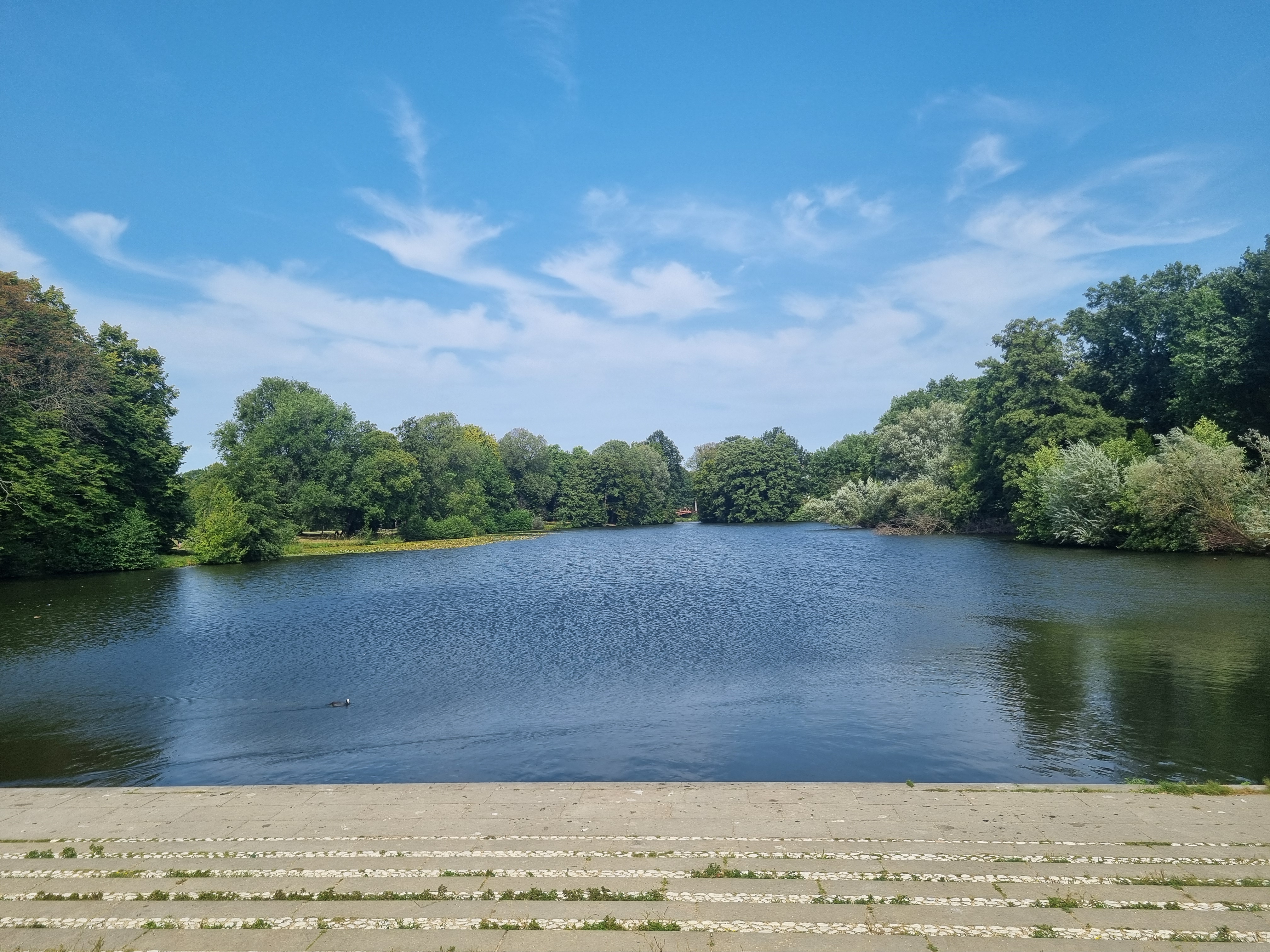
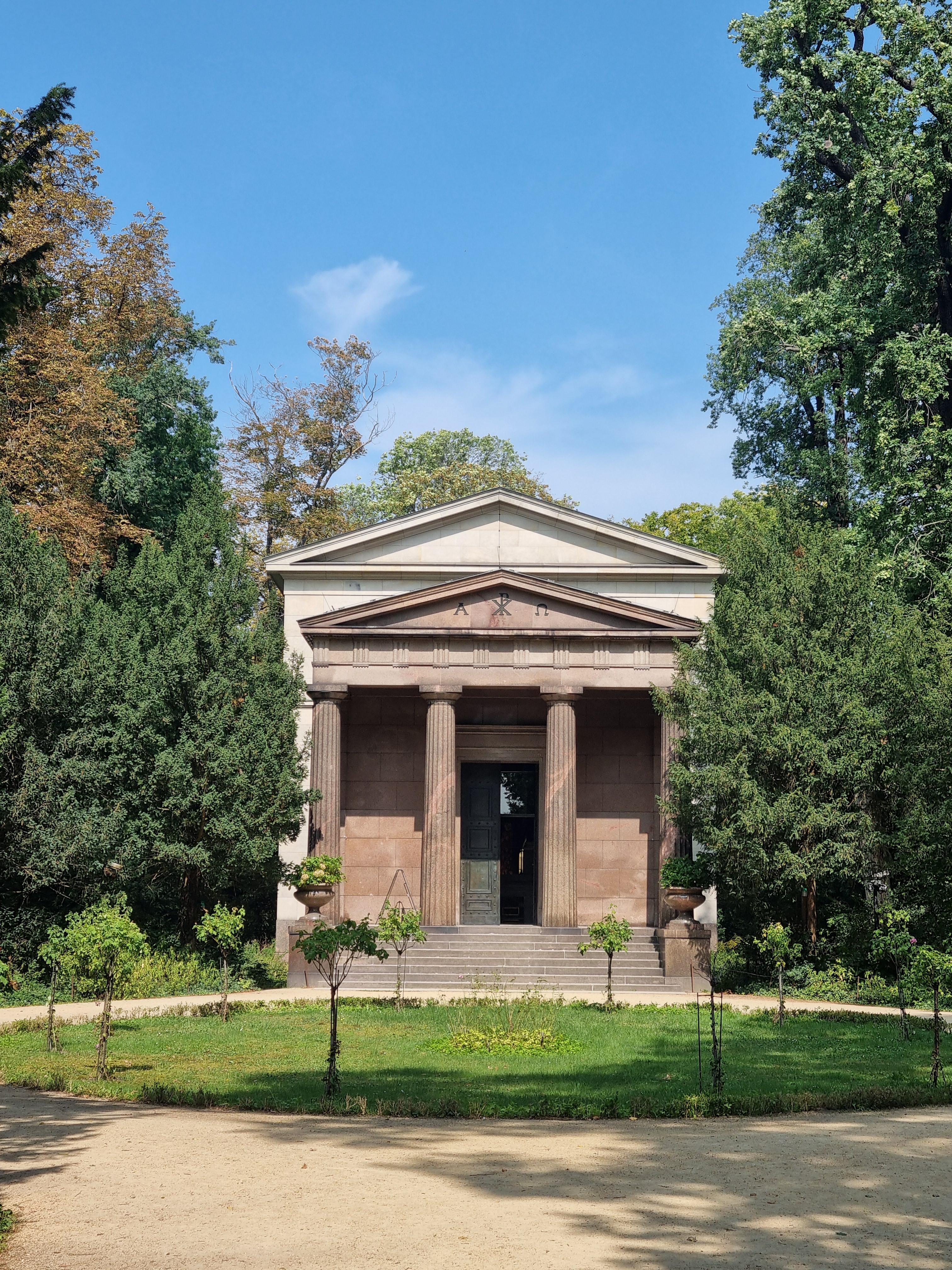
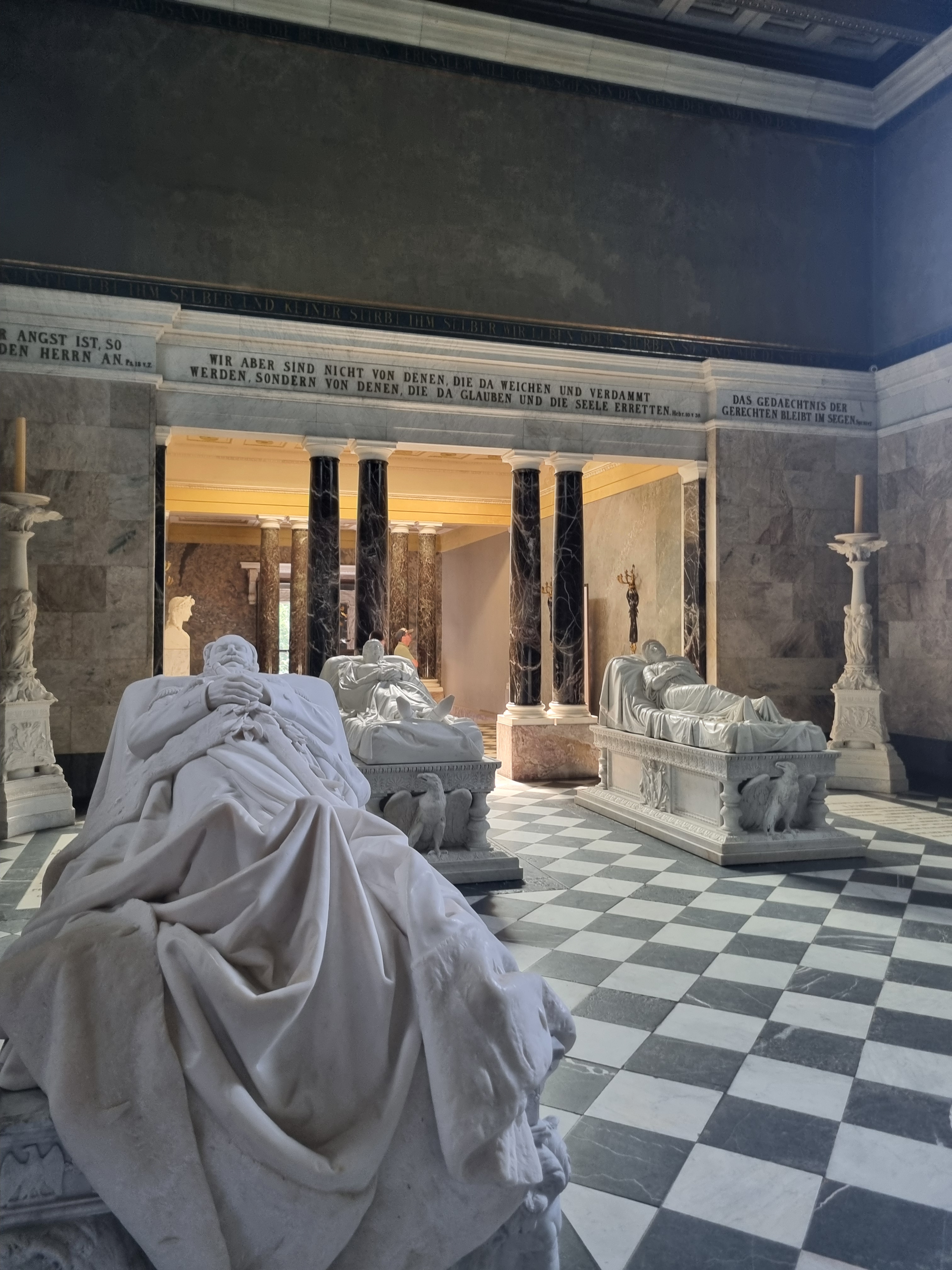
Another notable site within the grounds is the Mausoleum, a serene neoclassical structure where several members of the Prussian royal family, including Queen Louise and King Frederick William III, are buried. You can either enter with a combination ticket or purchase tickets directly at the mausoleum.
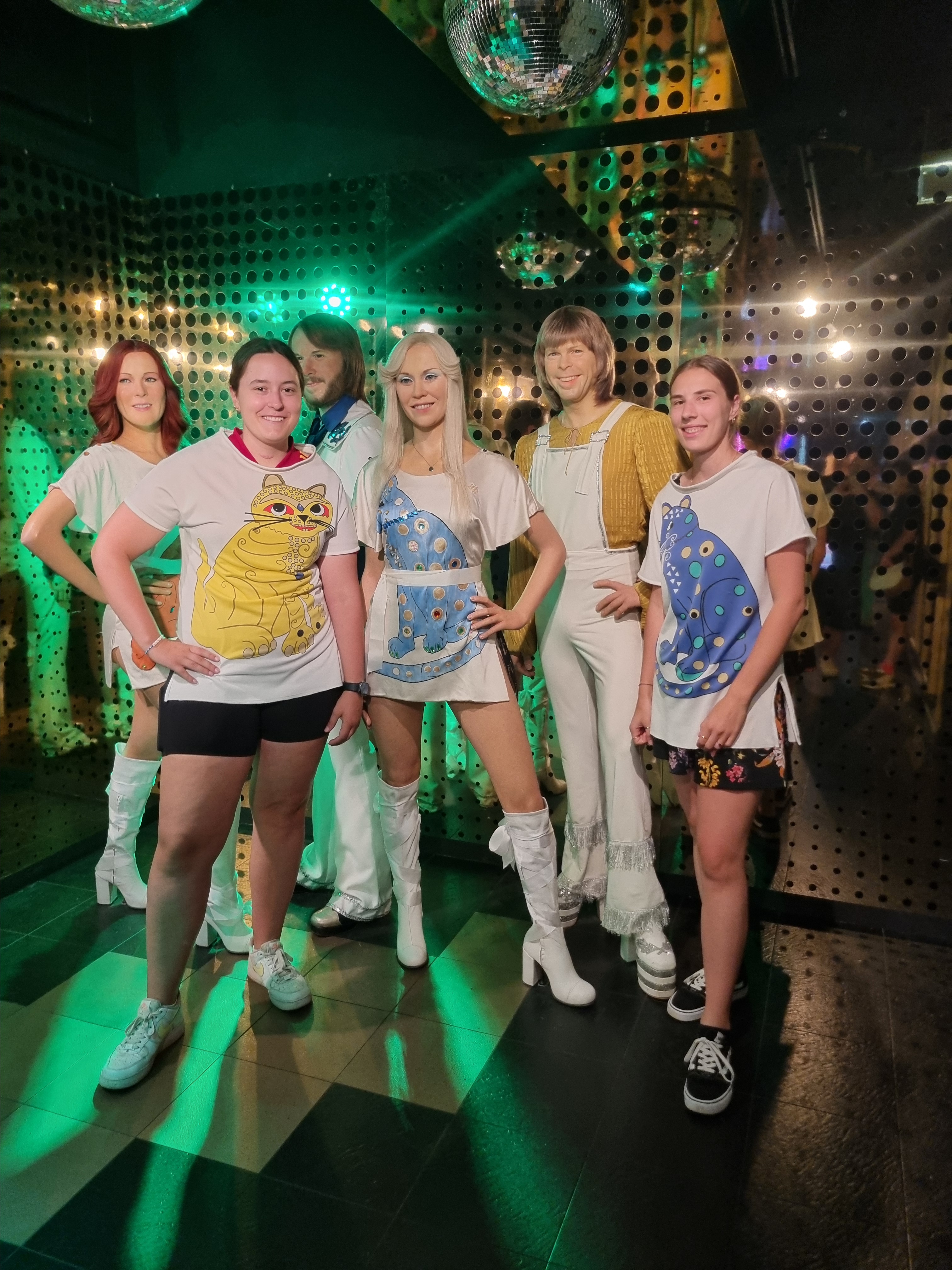
Afterward, we returned to our area and had lunch at the same restaurant as on the first day. While my grandmother decided to rest for a while, as she does every afternoon, my partner and I visited Madame Tussauds, which my partner absolutely loves. It showcases lifelike wax figures of celebrities, historical figures, and cultural icons, allowing visitors to get up close and personal with their favorites. The museum offers an interactive experience, with themed exhibits and immersive environments that make it a popular destination for tourists and locals alike. Each location around the world features unique figures and displays, making every visit a memorable experience. The entry is free if you own the Berlin Welcome Card all inclusive.


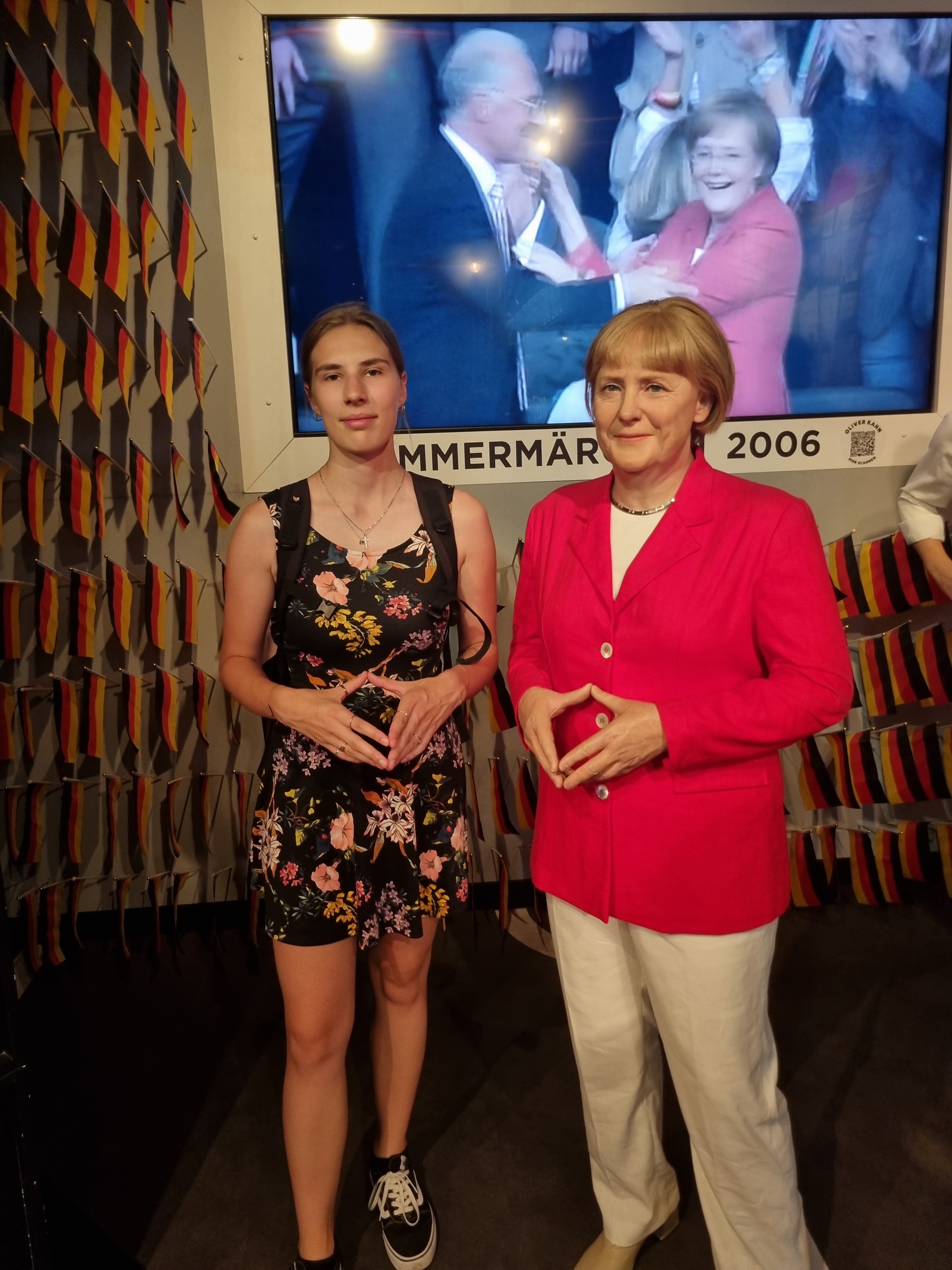
Afterwards, we returned to Kurfürstendamm, where we strolled around, exploring a few shops and enjoying the lively atmosphere. Later, we picked up my grandmother from her hotel and went to a cozy café for coffee and cake. After a pleasant time at the café, we took a relaxing walk together. Once we dropped my grandmother back at her hotel, we headed out again, deciding to take another walk and soak in more of the city’s vibrant energy before calling it a day.
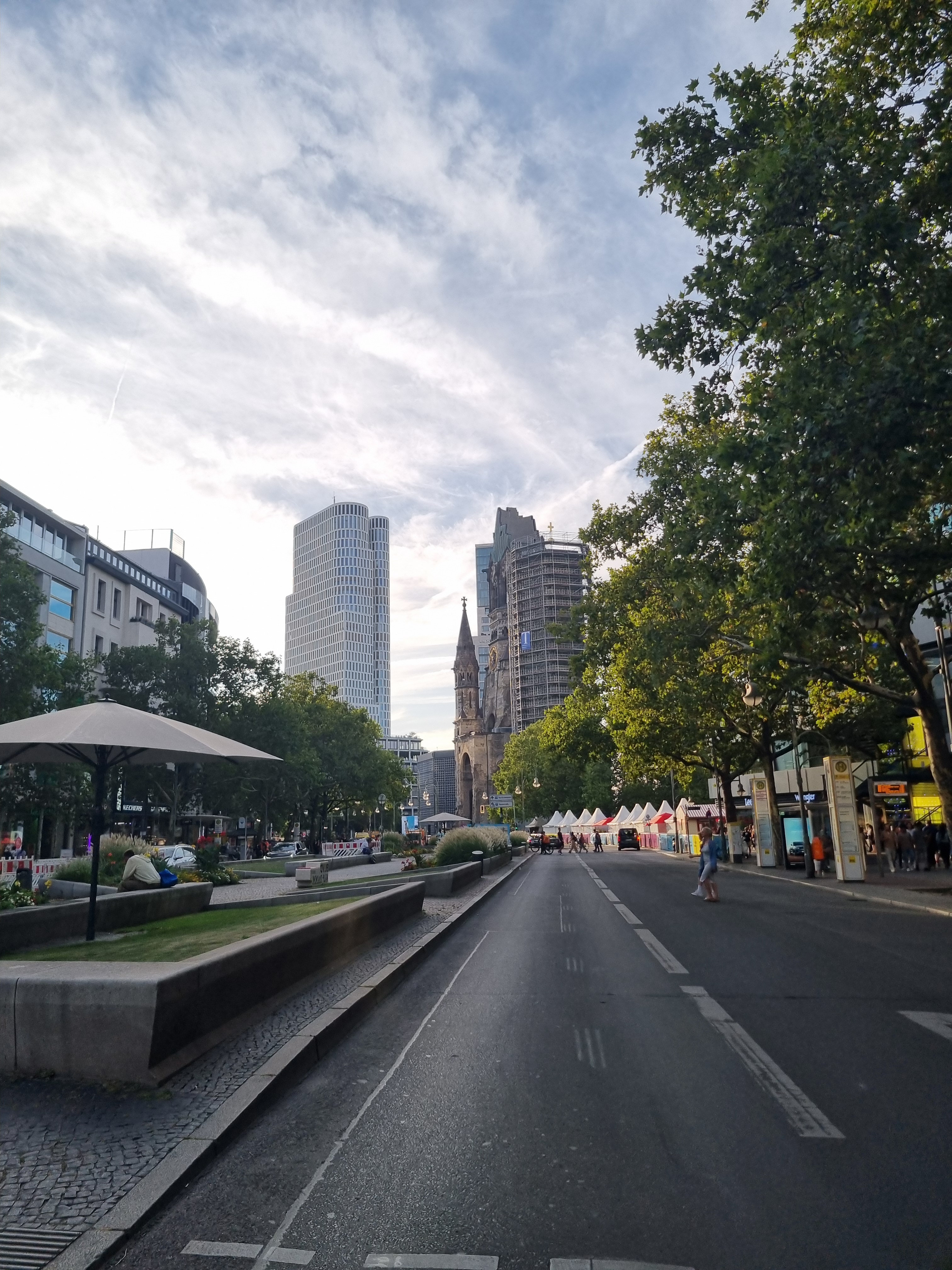
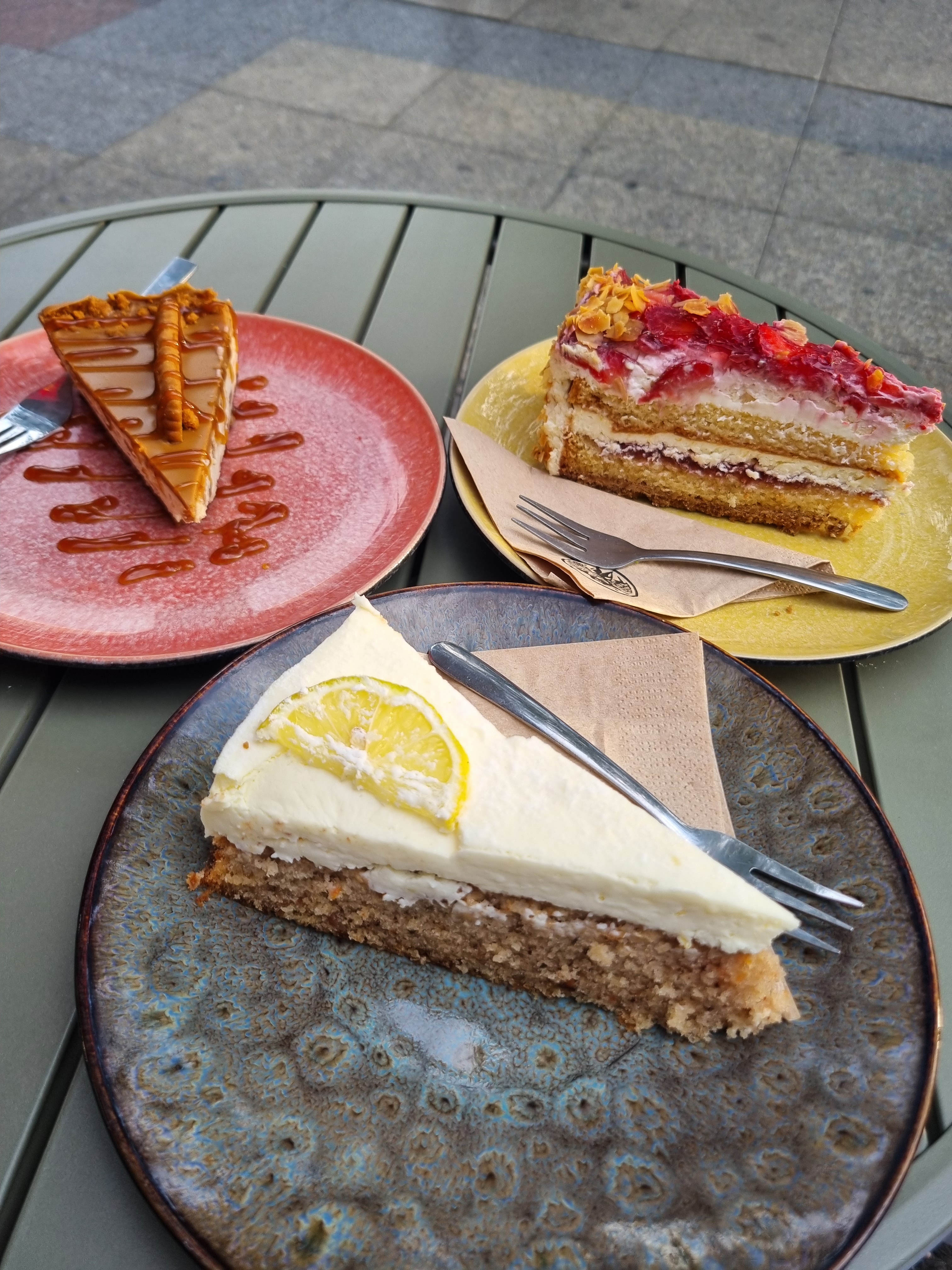
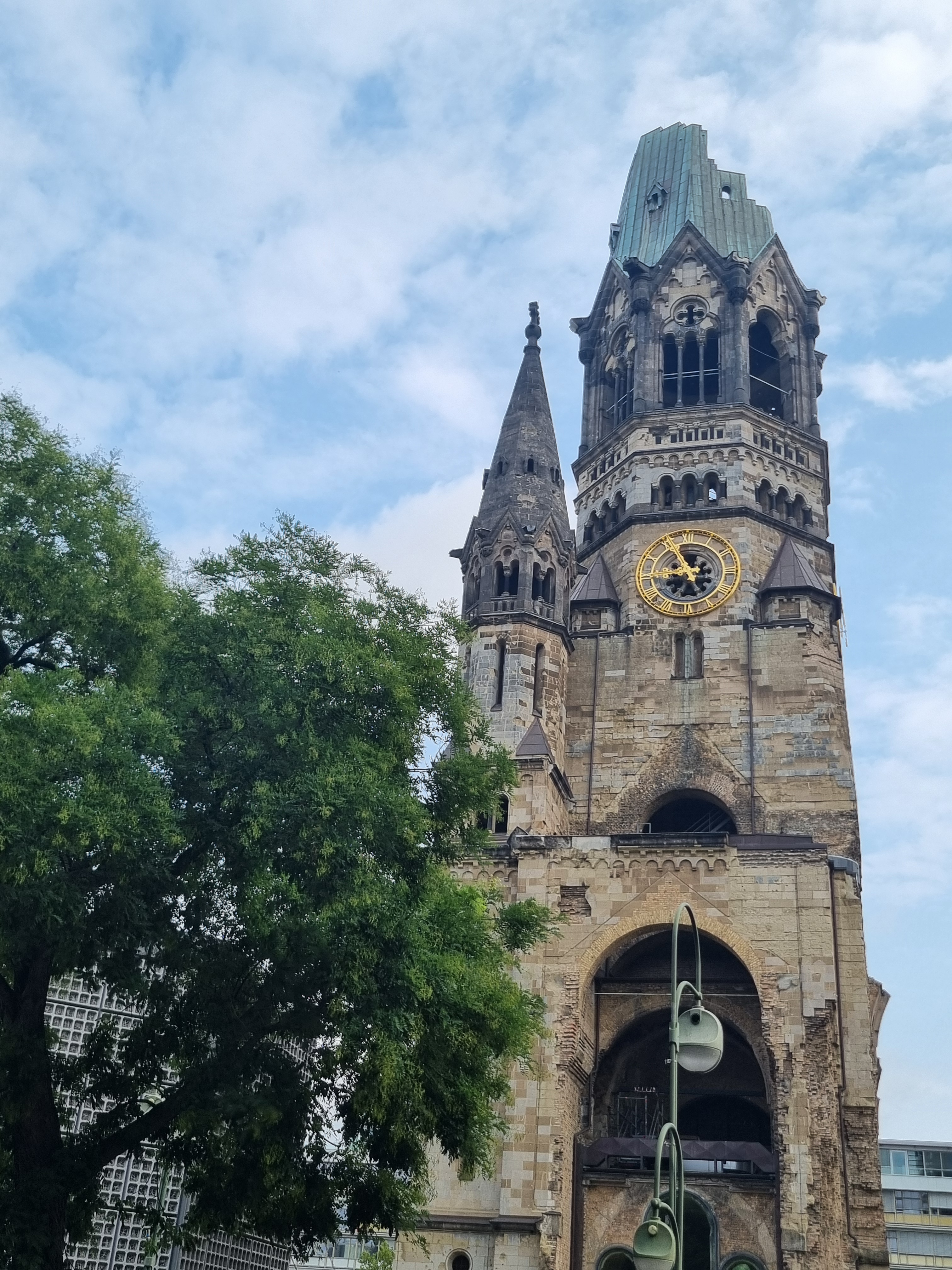
Day 4 – Potsdam
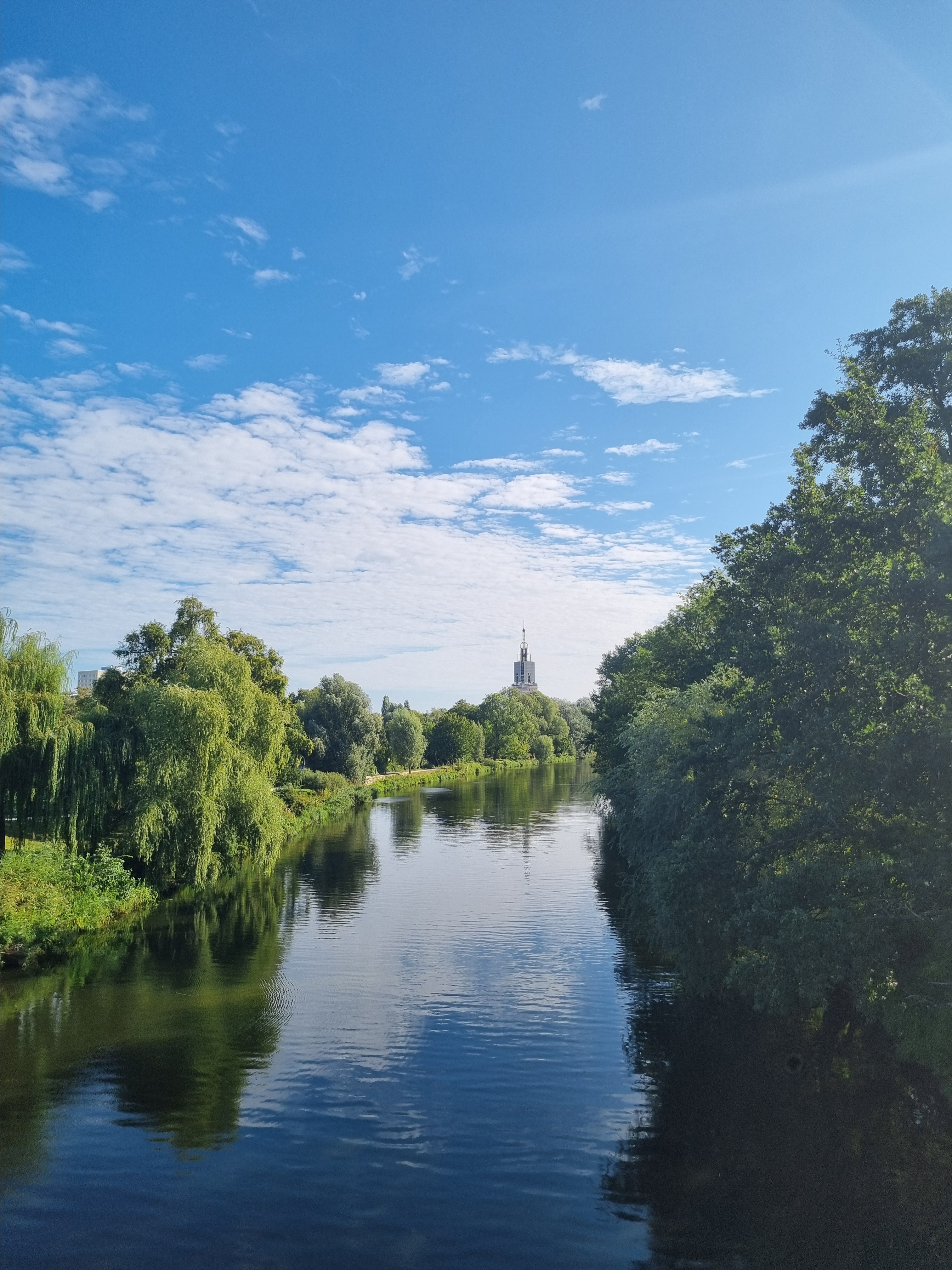
On our last full day, we decided to take a day trip to the historic city of Potsdam, known for its stunning palaces, gardens, and rich Prussian history. If you have the Berlin Welcome Card (All-Inclusive) and selected the public transport zones A-B-C, you can take the train directly from Berlin to Potsdam without any extra charges. From the city center the ride takes about 30-40 minutes.
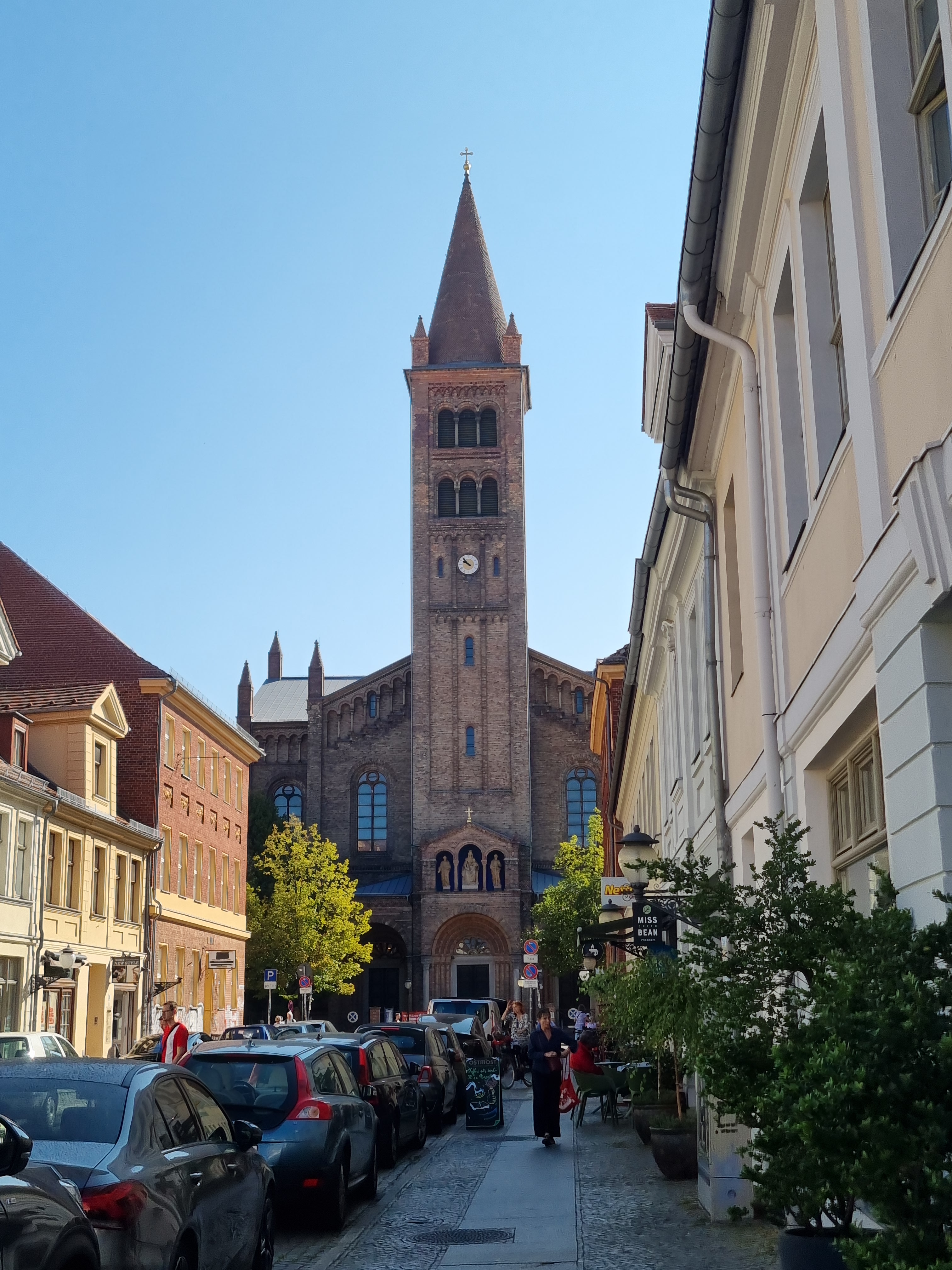
Upon arriving at Potsdam Hauptbahnhof (main station), we began walking towards the city center, which is known for its charming streets, Baroque architecture, and vibrant atmosphere. Our first stop was the impressive St. Nikolaikirche (St. Nicholas Church), a neoclassical masterpiece designed by the renowned architect Karl Friedrich Schinkel. Admission is free, making it an ideal stop for anyone visiting Potsdam.
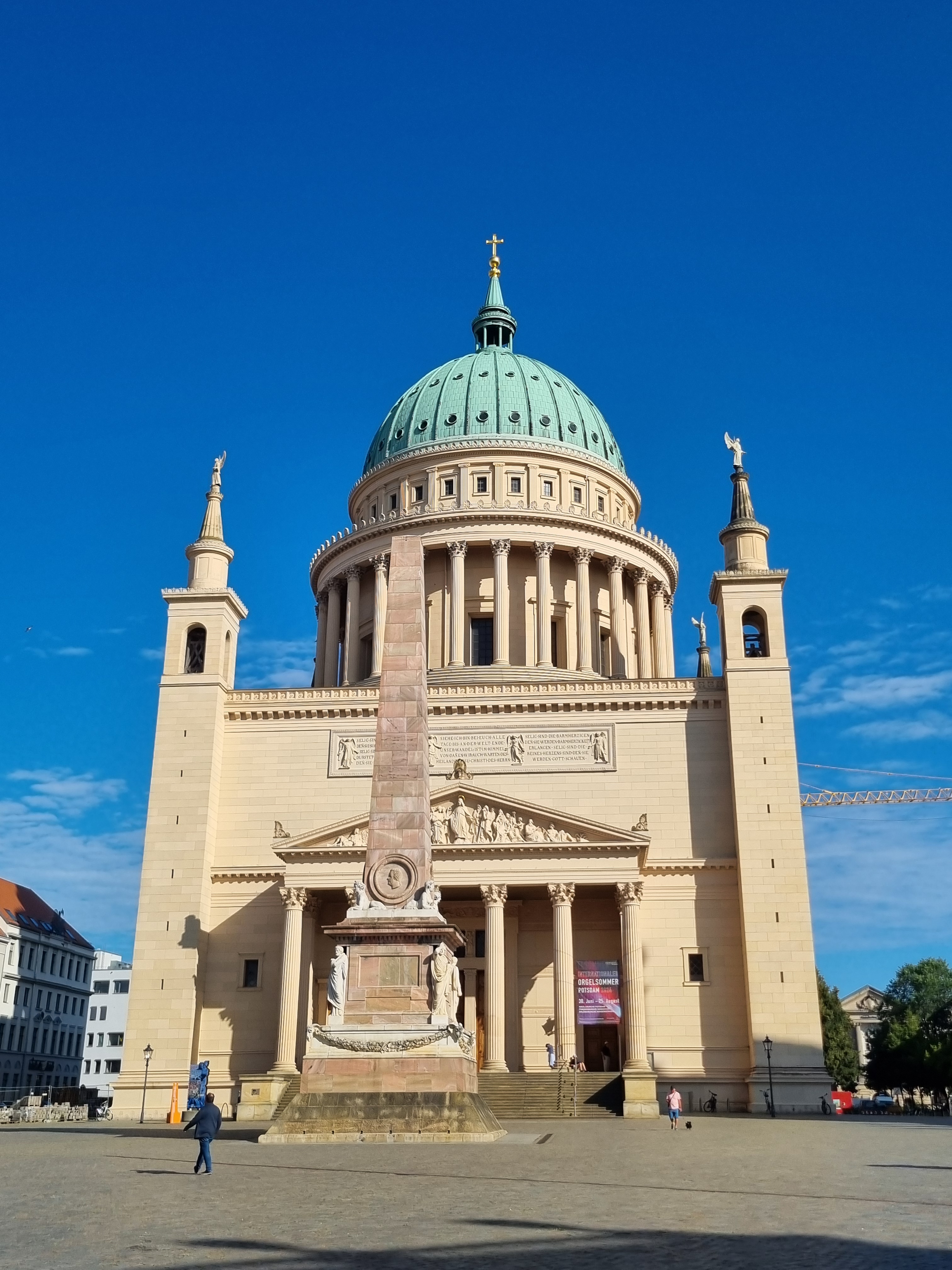
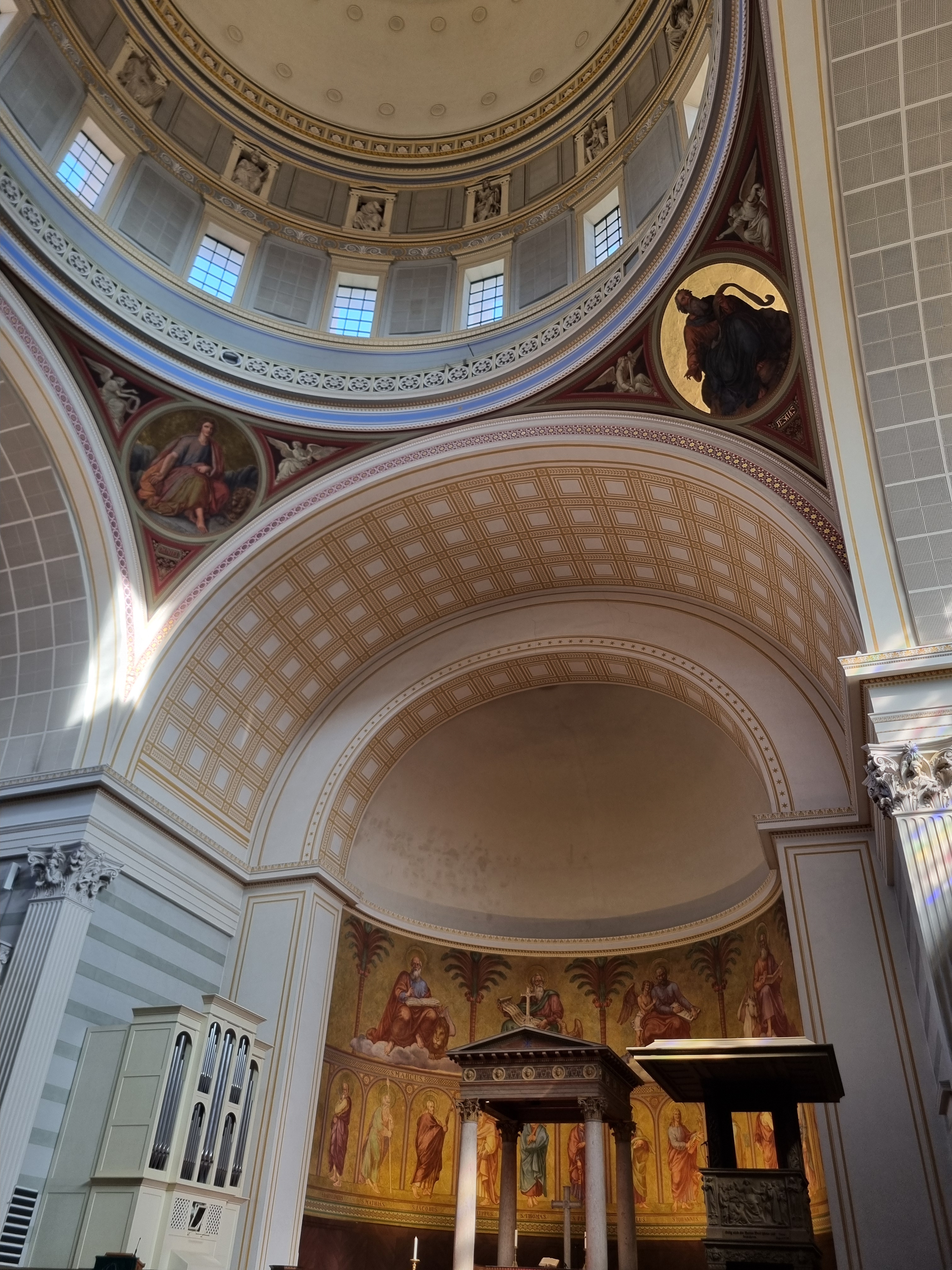
Next, we explored the area surrounding the Stadtschloss (Potsdam City Palace), which is located right next to St. Nicholas’ Church. The palace, originally built in the 17th century and once the residence of Prussian kings, was destroyed during World War II but has since been beautifully reconstructed. Today, it houses the Brandenburg State Parliament.
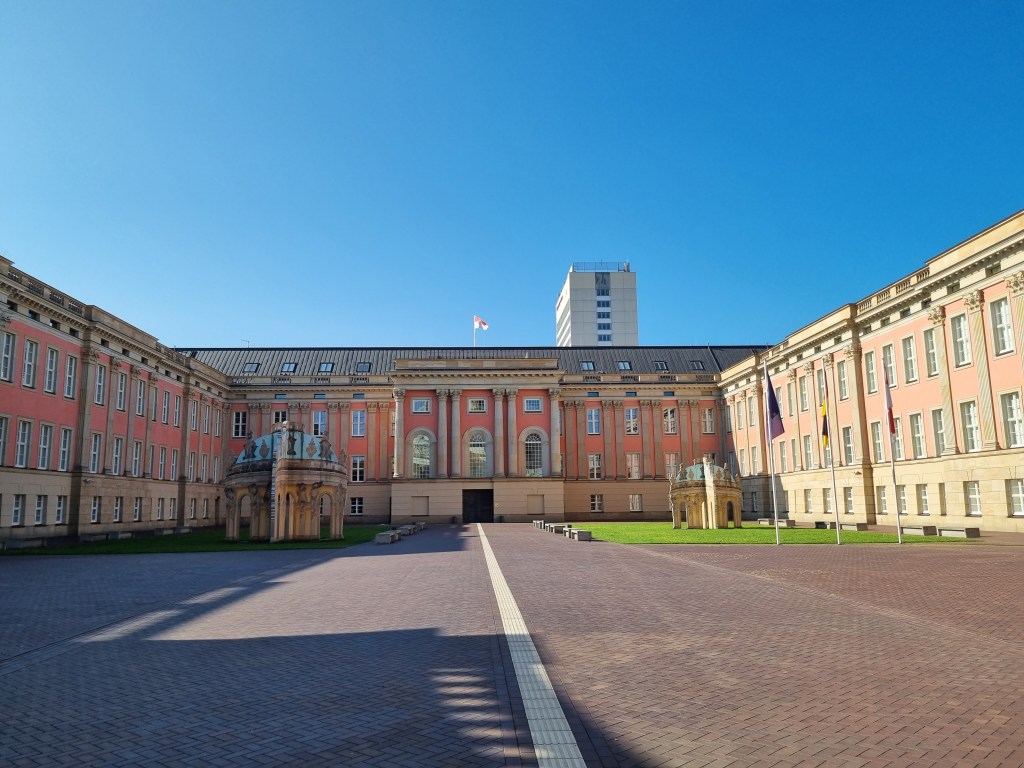
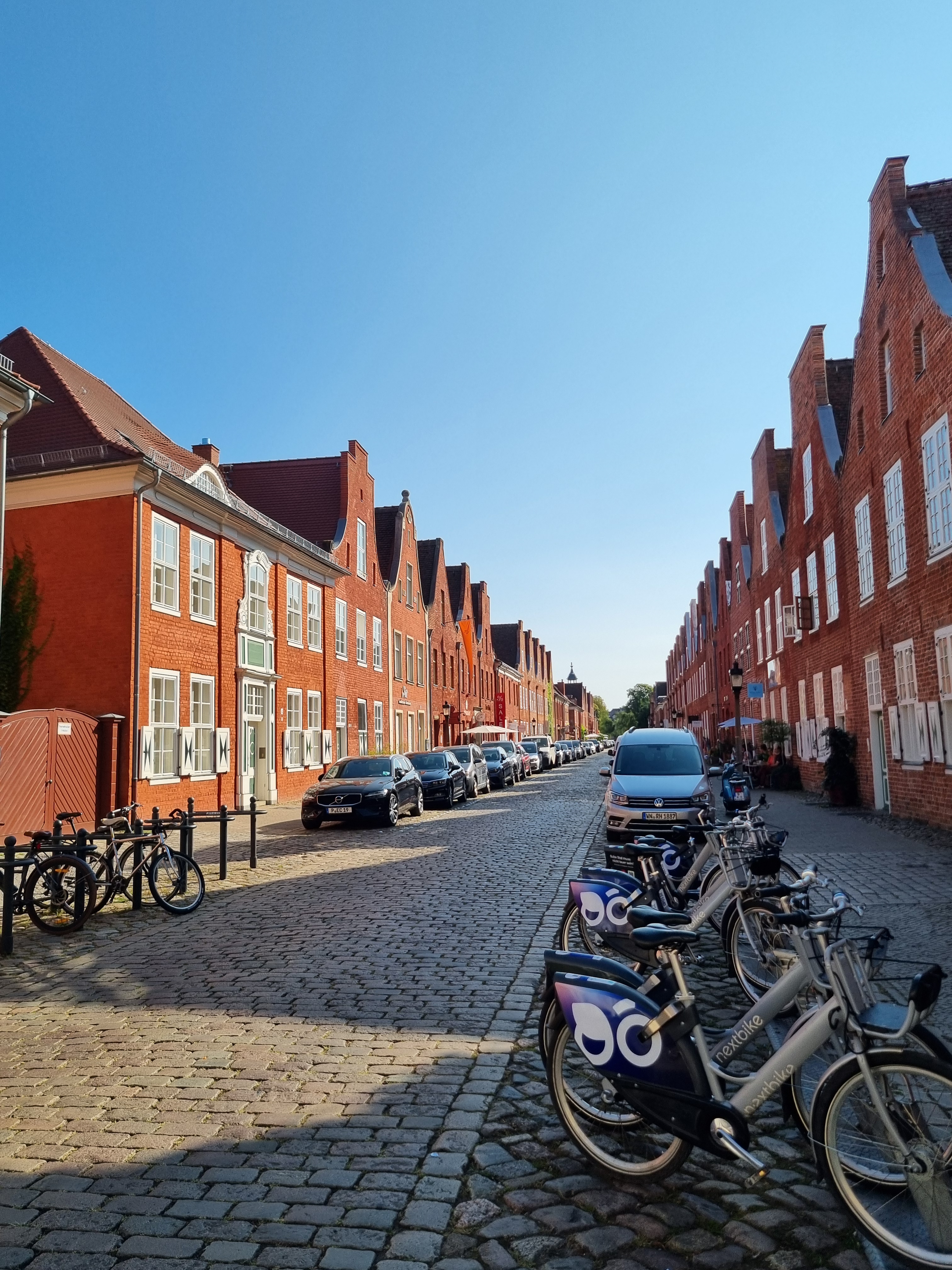
After admiring the palace, we made our way towards the Nauener Tor, one of Potsdam’s iconic landmarks. Built in 1755 in a striking Gothic Revival style, the Nauener Tor is one of the oldest preserved city gates in Europe and serves as a gateway to the vibrant Dutch Quarter. There, we passed through charming streets lined with cafés, boutiques, and the distinct red-brick buildings characteristic of the area, giving us a glimpse of Potsdam’s unique blend of historical and cultural influences.


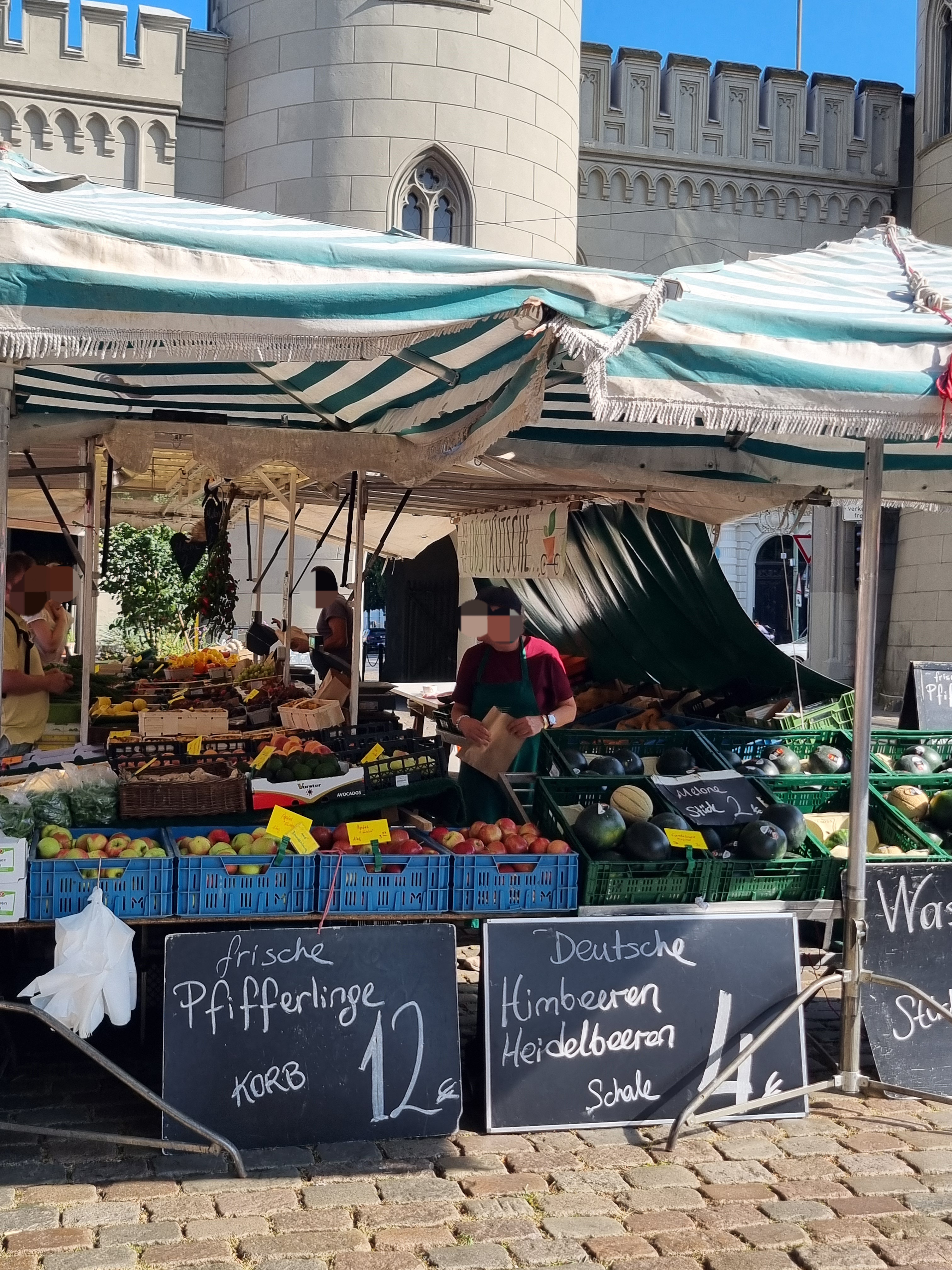
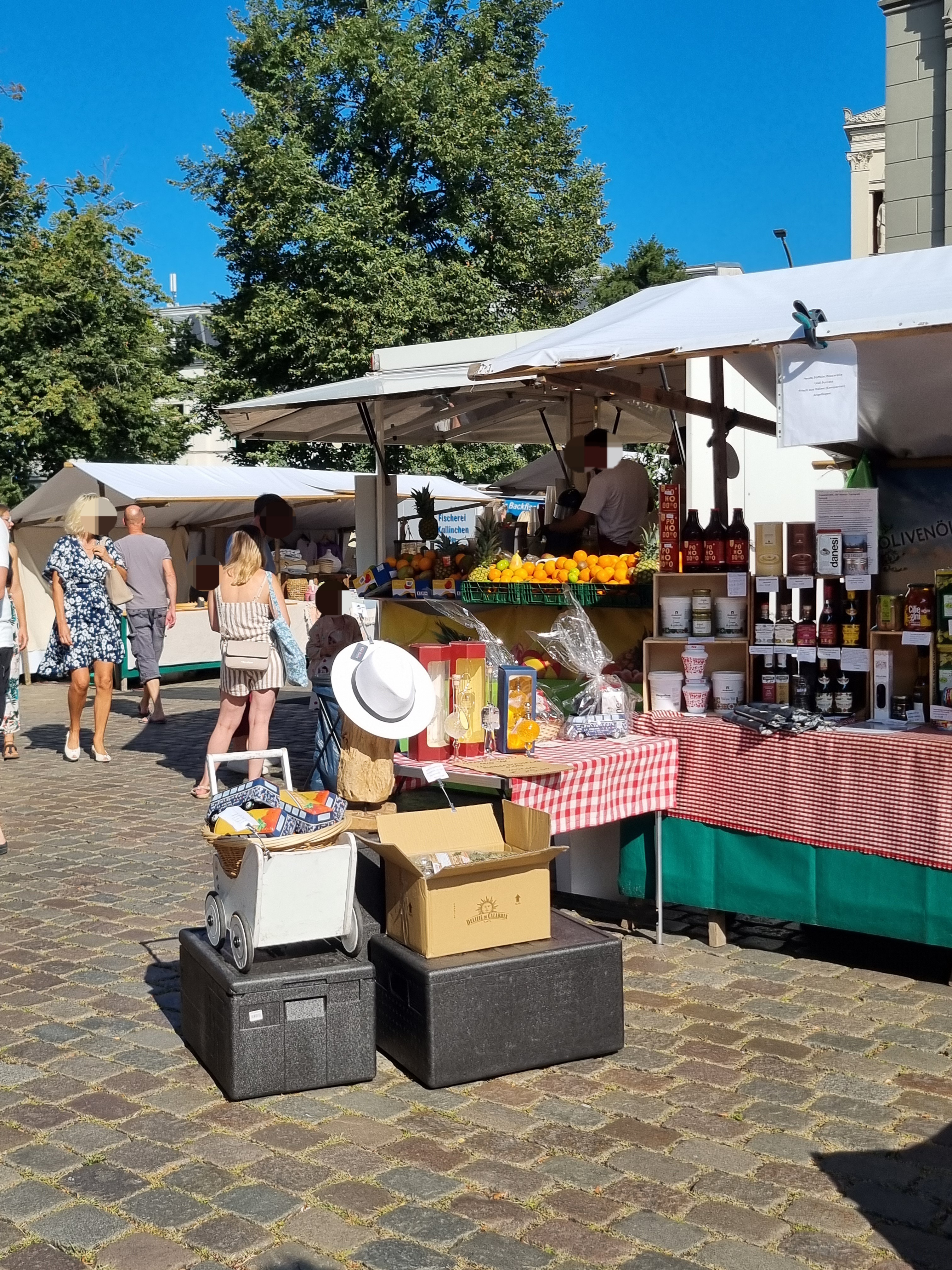
Afterwards, we explored the weekly market located next to the Nauener Tor, which is open on Saturdays and Wednesdays from 9 am to 4 pm. This bustling market is a fantastic place to experience local life and offers a wide variety of regional products, including fresh fruits, vegetables, cheeses, pastries, fresh juices and handmade crafts. Many of the vendors are local farmers and artisans, so it’s a great opportunity to sample authentic products from the Brandenburg region. It’s a must-visit for anyone in the area, whether you’re looking to pick up fresh ingredients or simply enjoy the vibrant market scene.
Next, we made our way to Sanssouci Palace, one of Potsdam’s most famous landmarks and a UNESCO World Heritage site. Upon arrival, we purchased a combination ticket, which granted us access to several of the key attractions within the vast Sanssouci Park. Since we got a specific time-slot for the Sanssouci Palace we first visited the Historic Windmill, an 18th-century mill that has been carefully restored and offers a fascinating glimpse into the traditional milling process of the time.
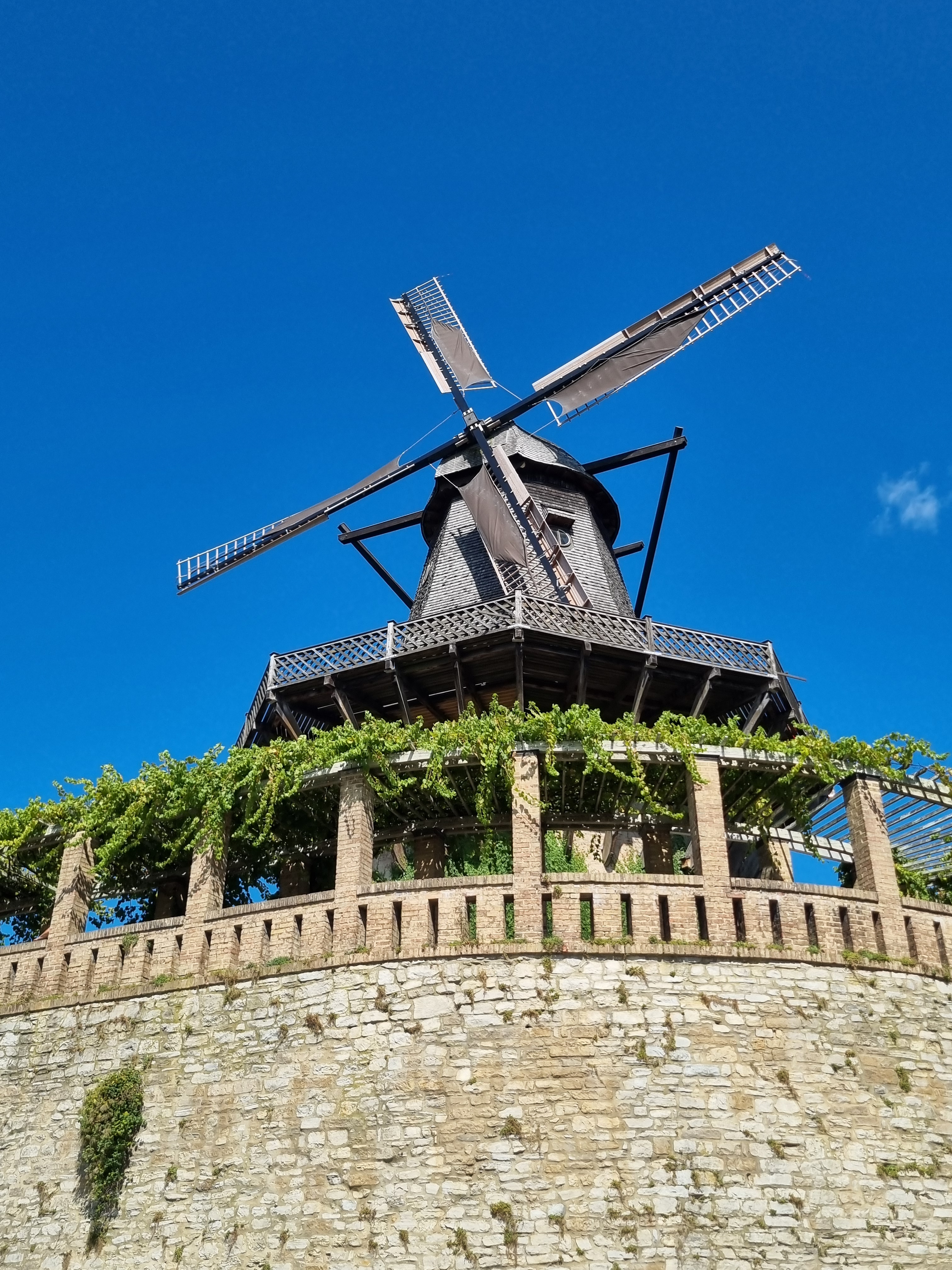
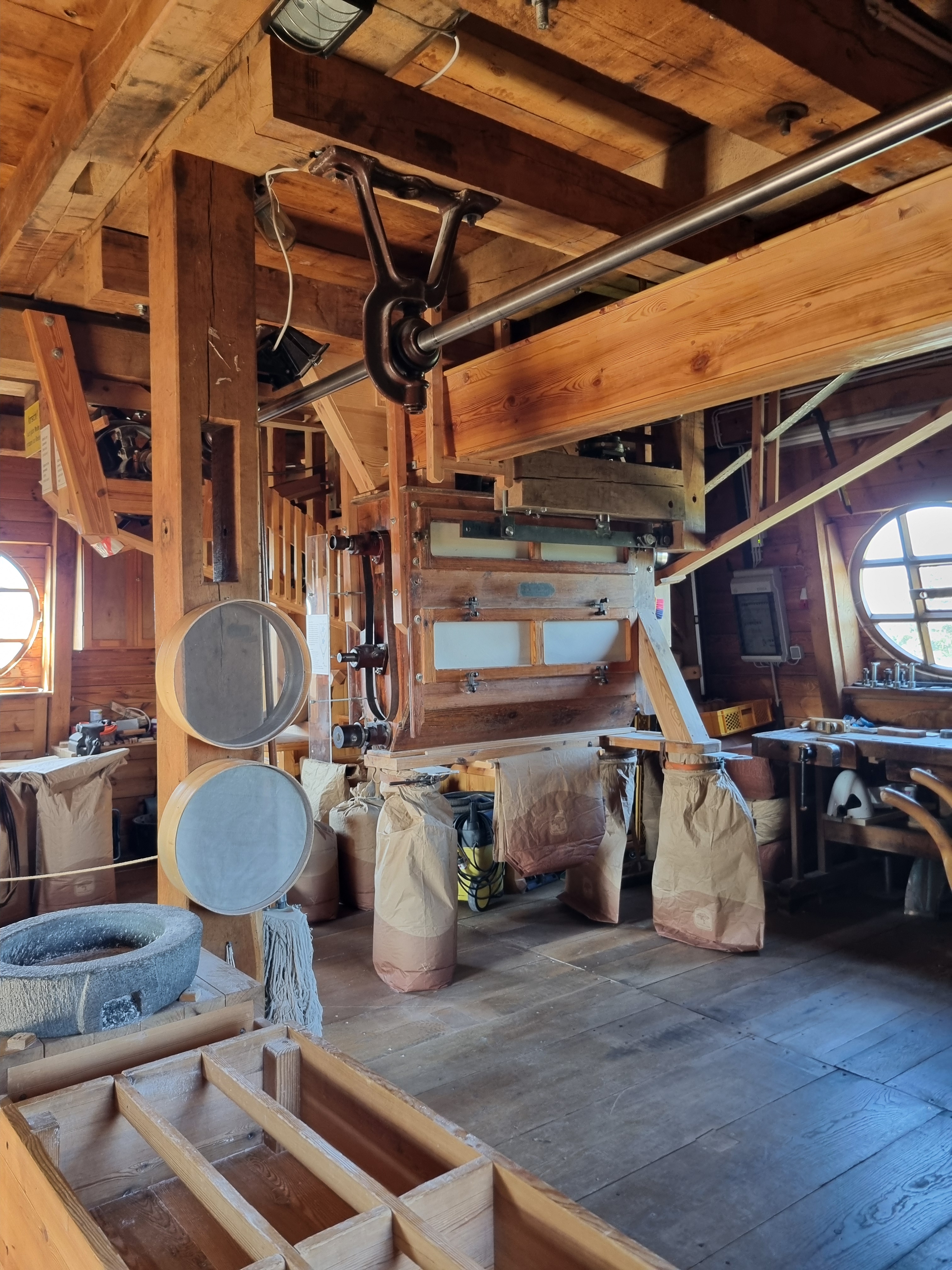
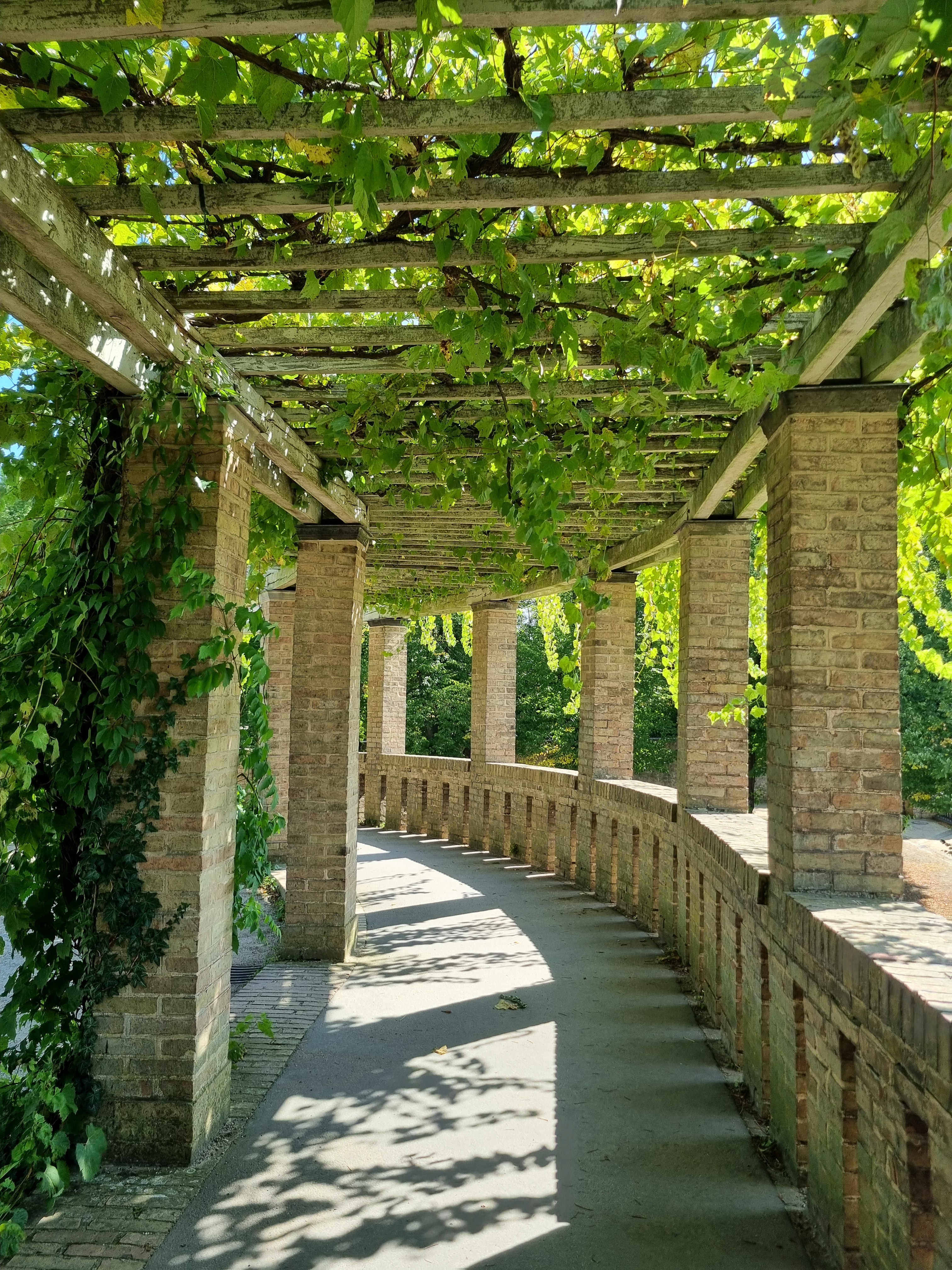
After exploring the windmill, we headed to the Neue Kammern (New Chambers), located just next to Sanssouci Palace and the windmill. Originally constructed as an orangery, Frederick the Great transformed it into a guesthouse for royal visitors. The Neue Kammern feature beautifully decorated rooms, showcasing luxurious interiors, making it a must-visit for anyone exploring the park.
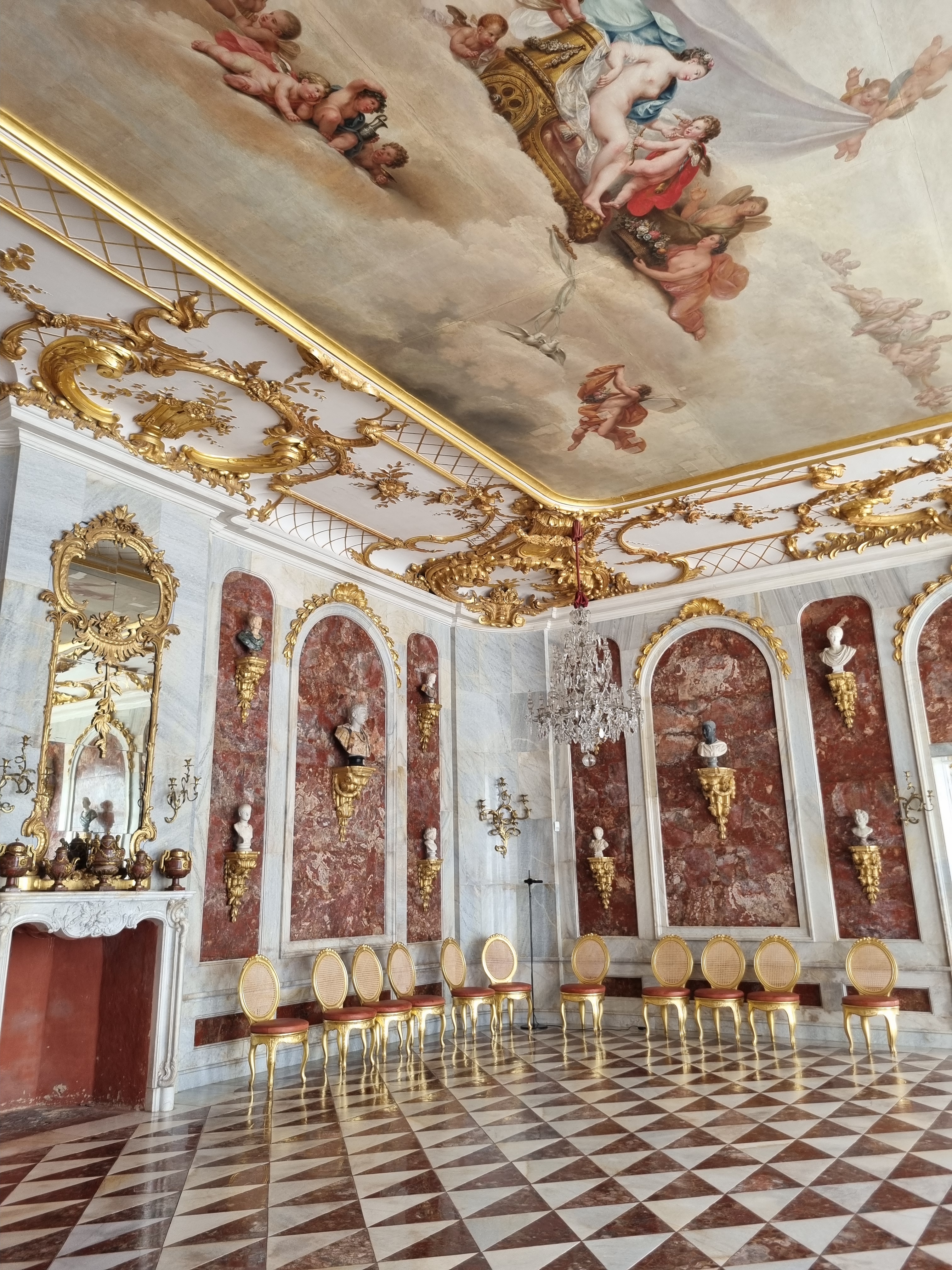
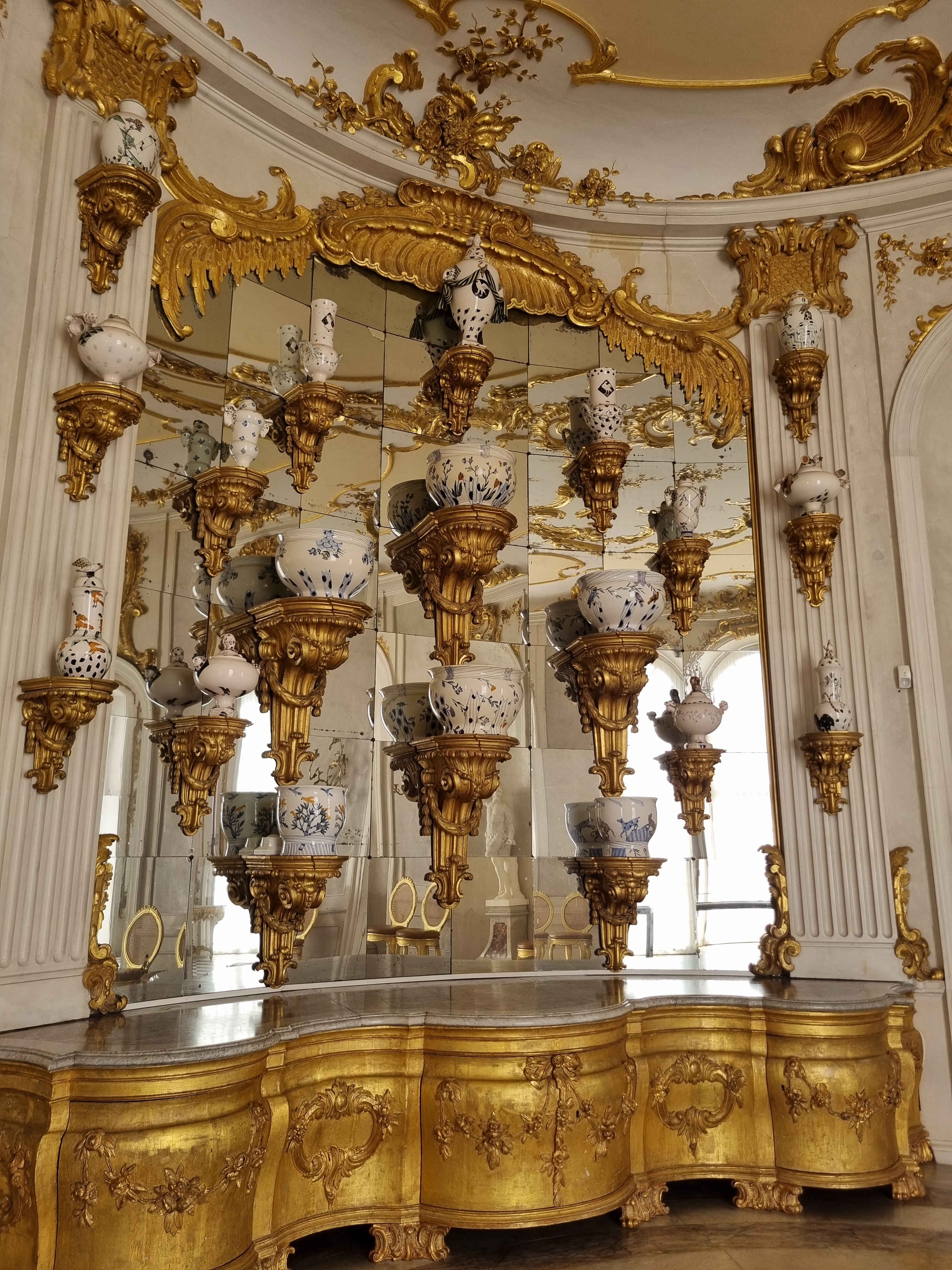
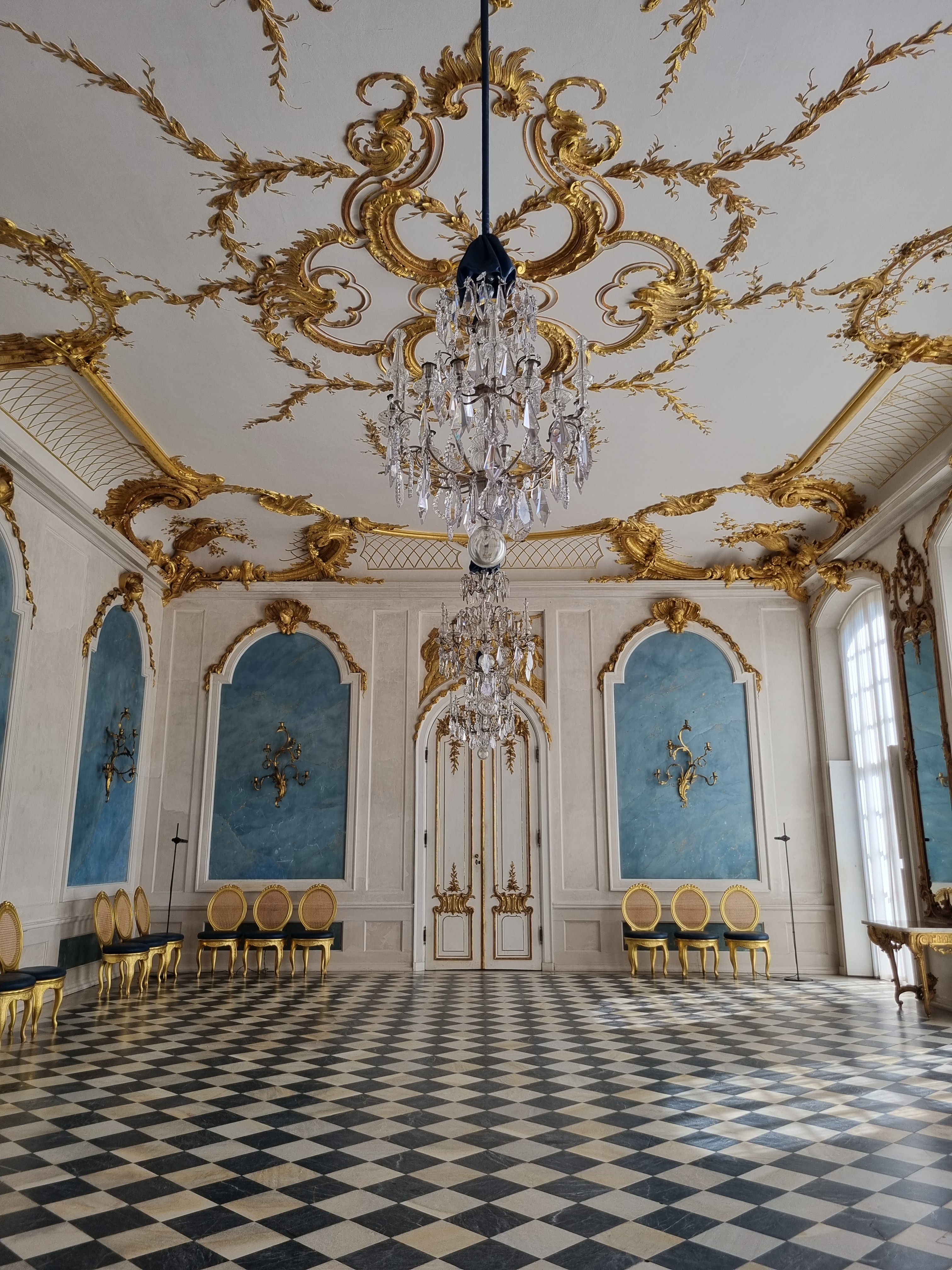
Next, we explored the interior of Sanssouci Palace, one of the most iconic landmarks in Potsdam. Built in the mid-18th century as a summer retreat for Frederick the Great, the palace showcases his distinct taste for Rococo style. Its elegance, combined with a stunning location atop terraced vineyards, provides breathtaking views of the surrounding park and offers a glimpse into its historical significance.
However, I must admit that the three of us were somewhat disappointed by both the interior and exterior of the palace. While the surrounding gardens are magnificent and expansive, the palace itself felt rather small, and the interior did not leave us in awe as we had hoped. We found ourselves enjoying the Neue Kammern much more, as well as the grandeur of Charlottenburg Palace in Berlin, which left a stronger impression on us.

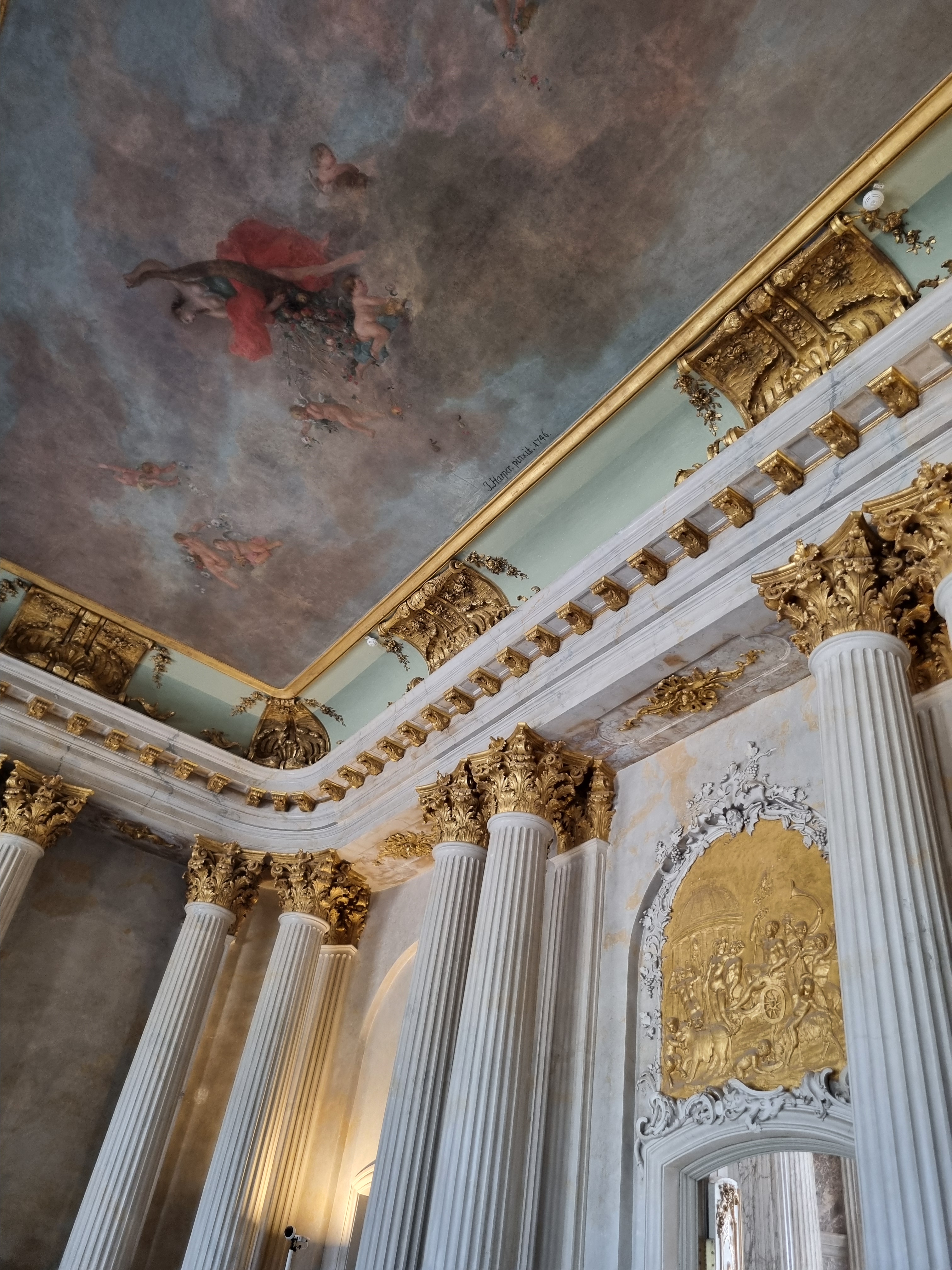
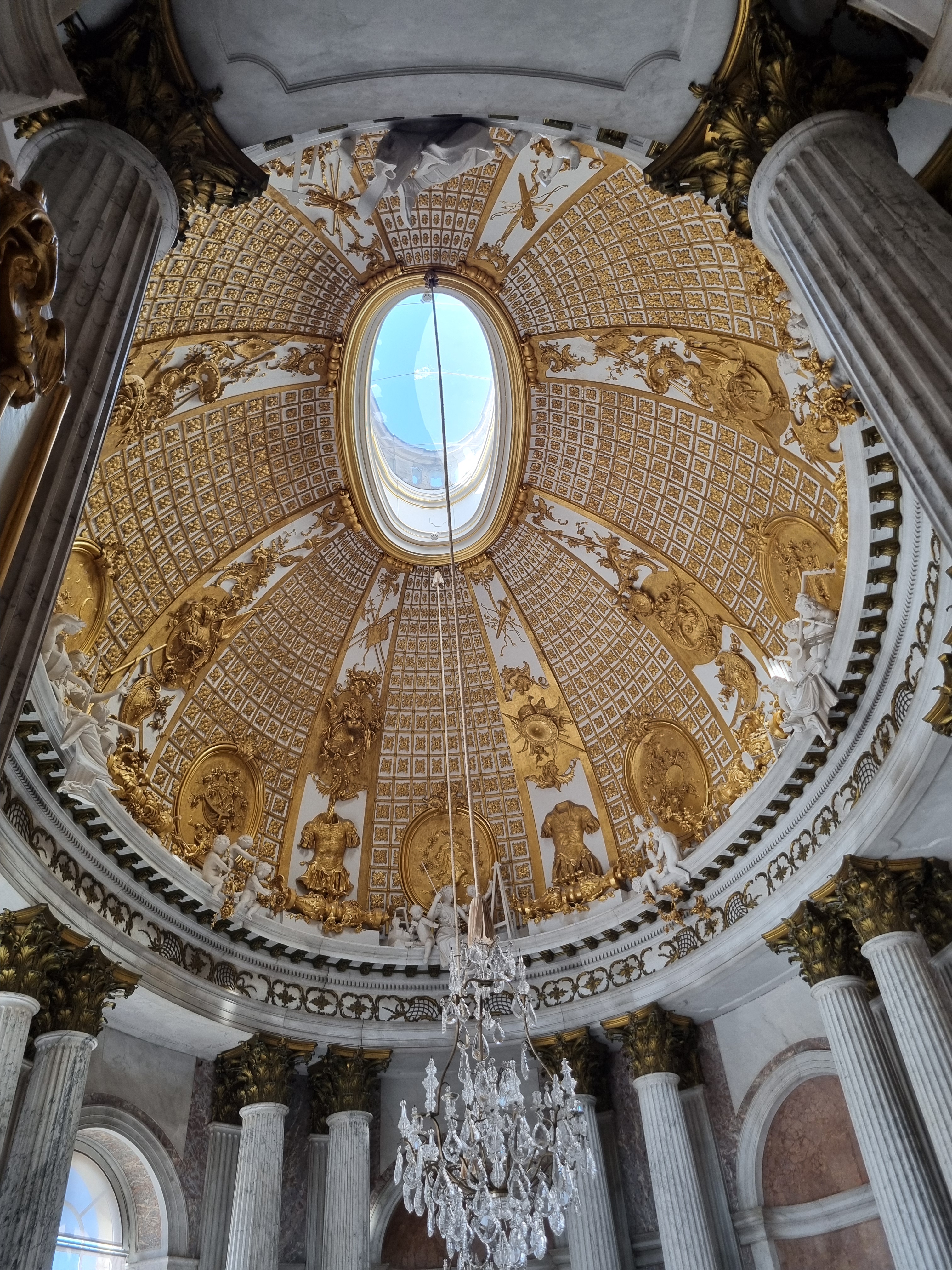
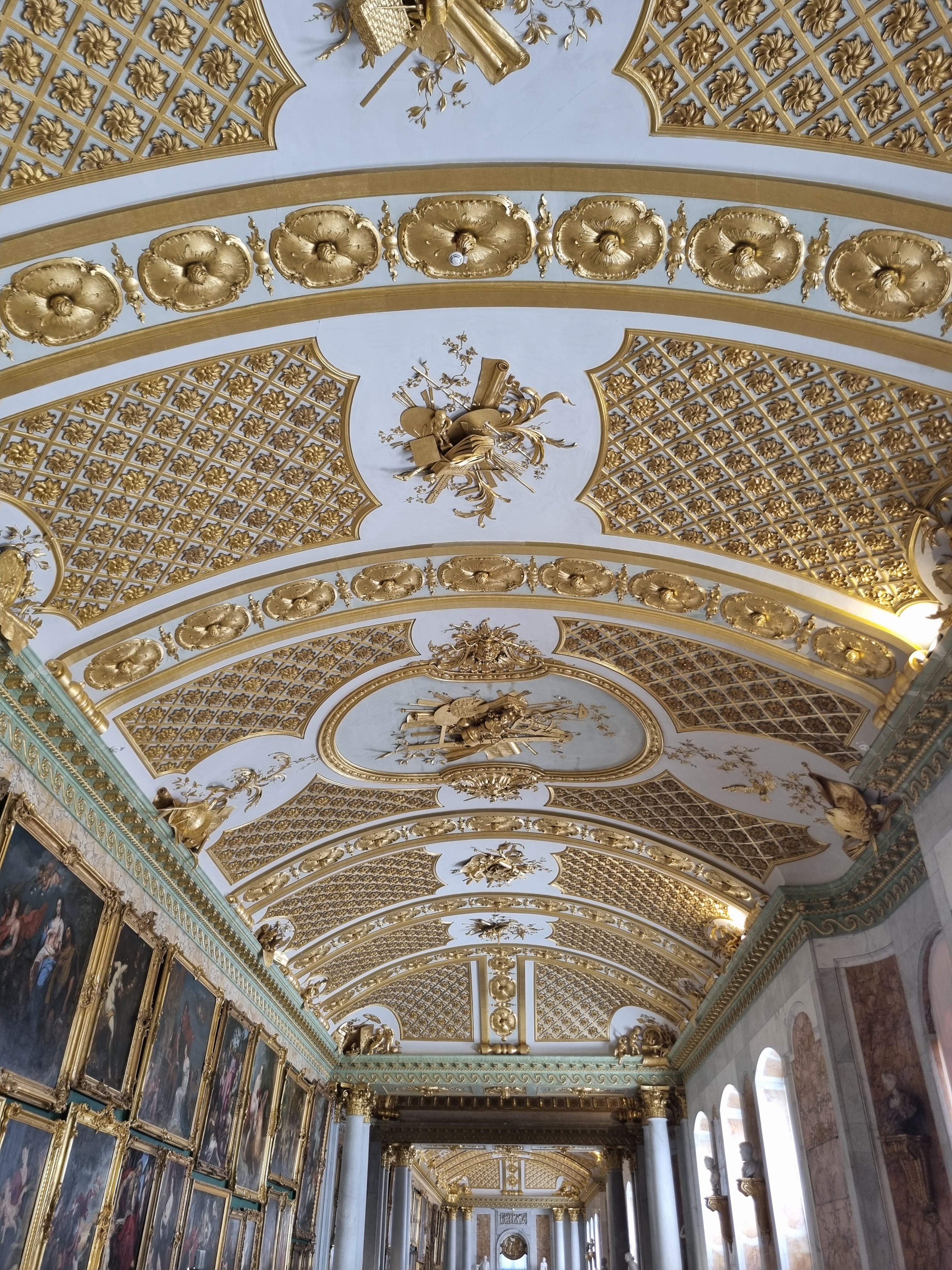
After walking through the palace, we headed to the nearby Bildergalerie (Picture Gallery). The building itself is a masterpiece, with an ornate facade and richly decorated interiors. Inside, we marveled at the impressive art collection, which includes works by known artists like Peter Paul Rubens, Caravaggio, and Antoine Watteau. The gallery’s golden stucco and marble flooring added to the grandeur, creating the perfect setting for the royal art collection. It’s definitely worth a visit if you’re interested in art!

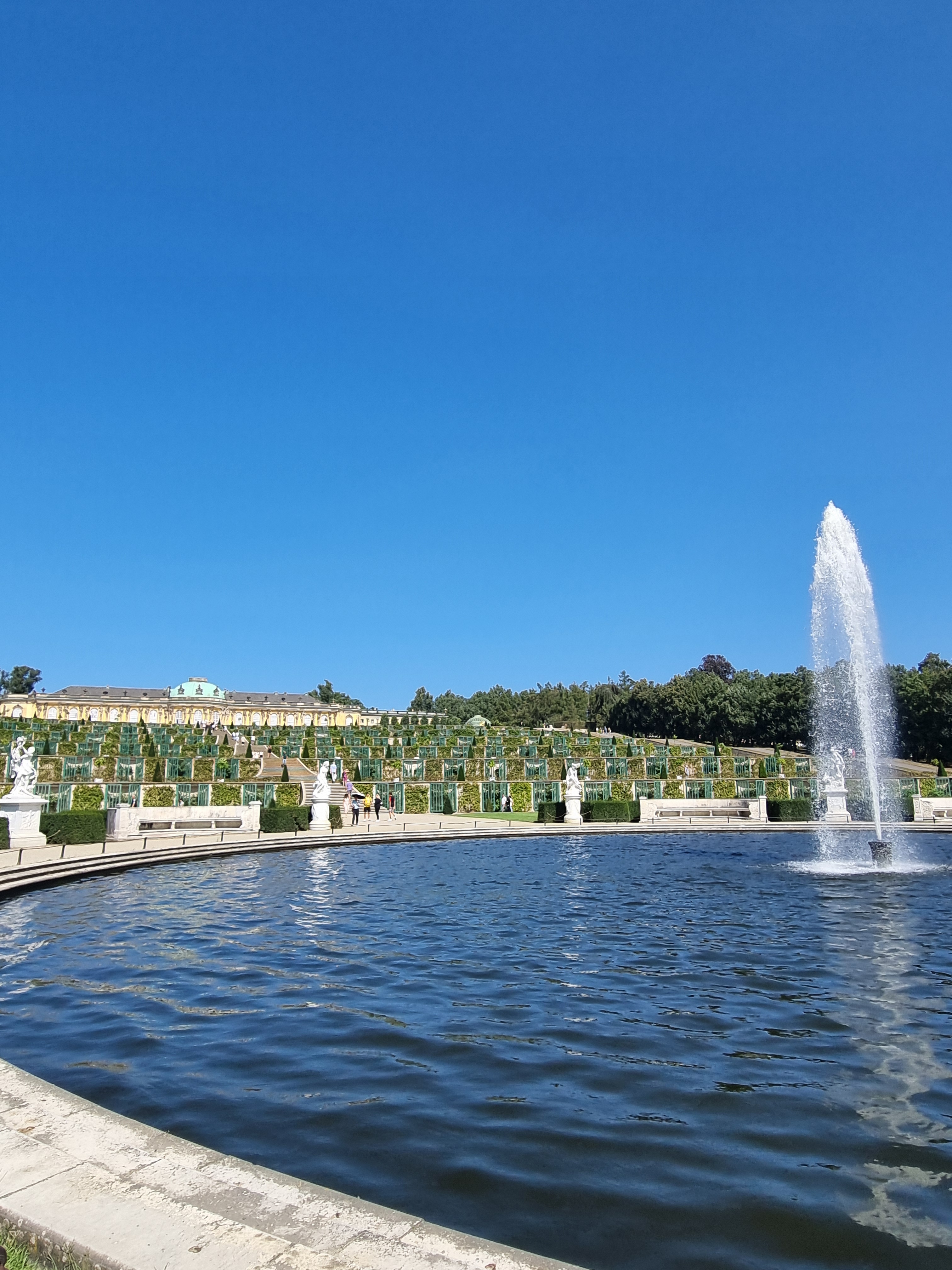
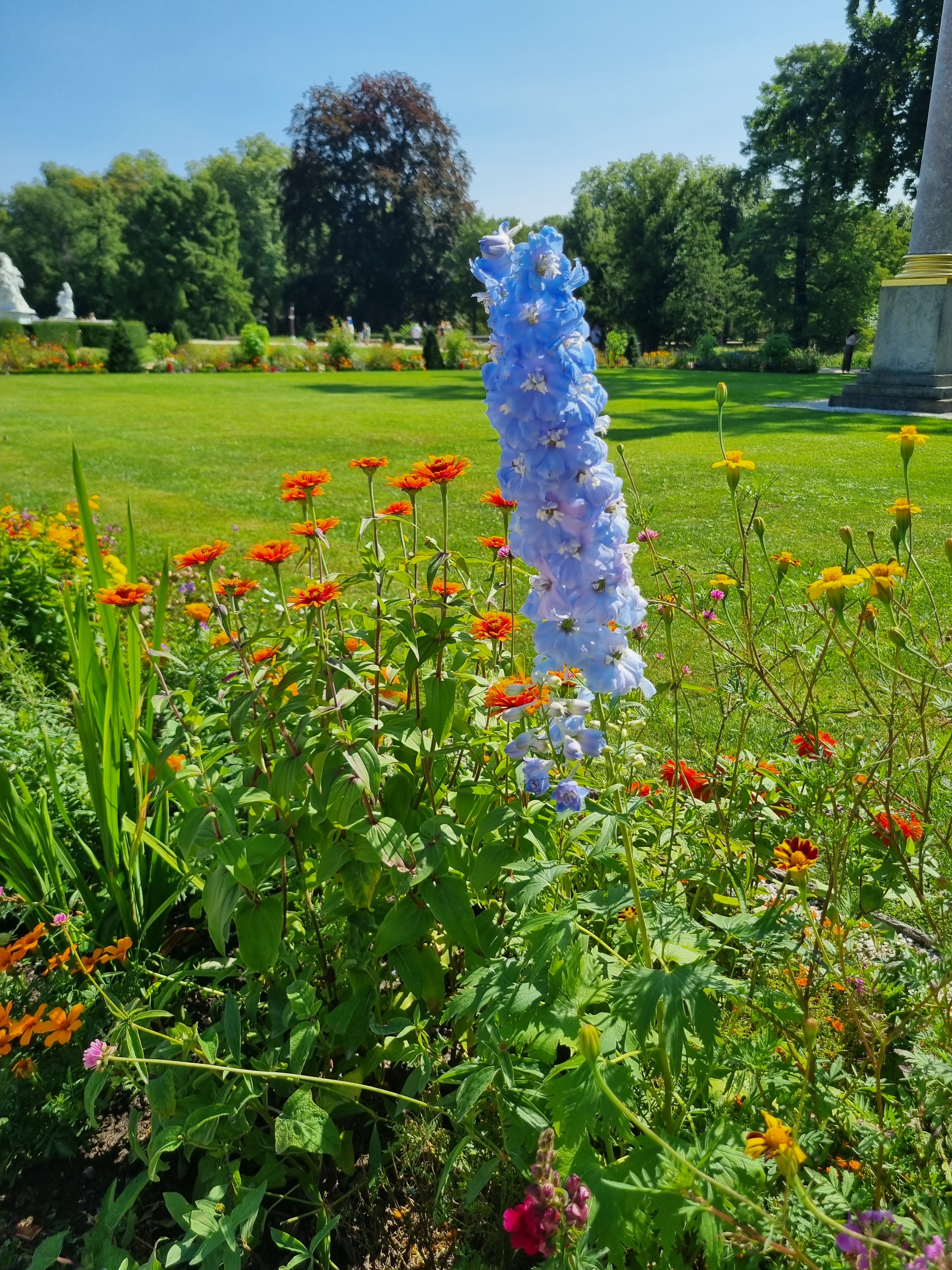
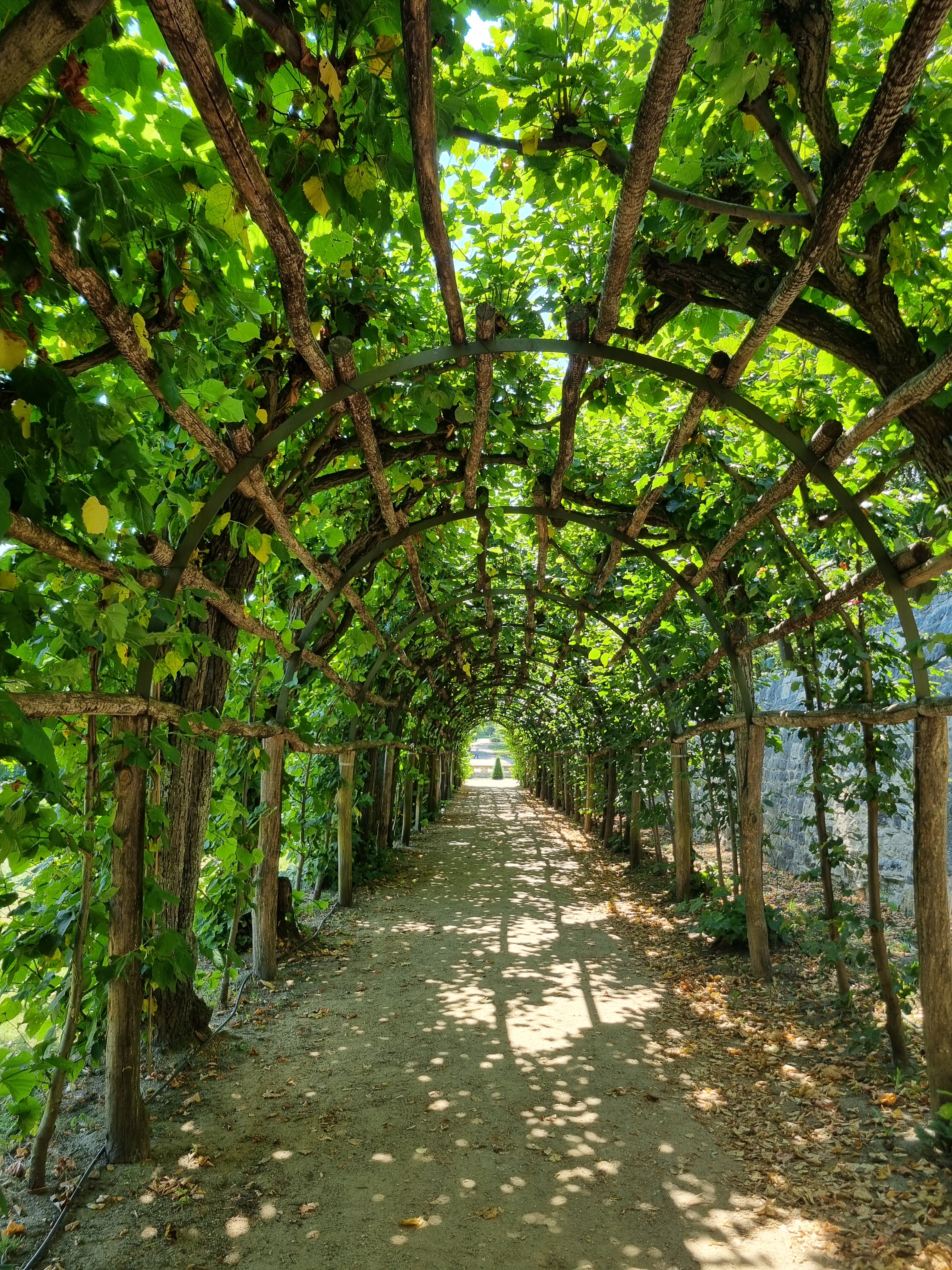
We then took a walk through the beautiful gardens of Sanssouci, designed in the French formal style, with flower beds, fountains, and tree-lined avenues. As we strolled through the serene pathways, we admired the park’s sculptures and ponds, which provide a peaceful escape from the city.
Our next stop was the Chinese Tea House, located in the Sanssouci gardens. It’s a tiny but stunning pavilion that blends European Rococo with elements of East Asian design. Stepping into the tea house felt a little bit like entering a fantasy world. Inside you’ll only find one room which is richly decorated.
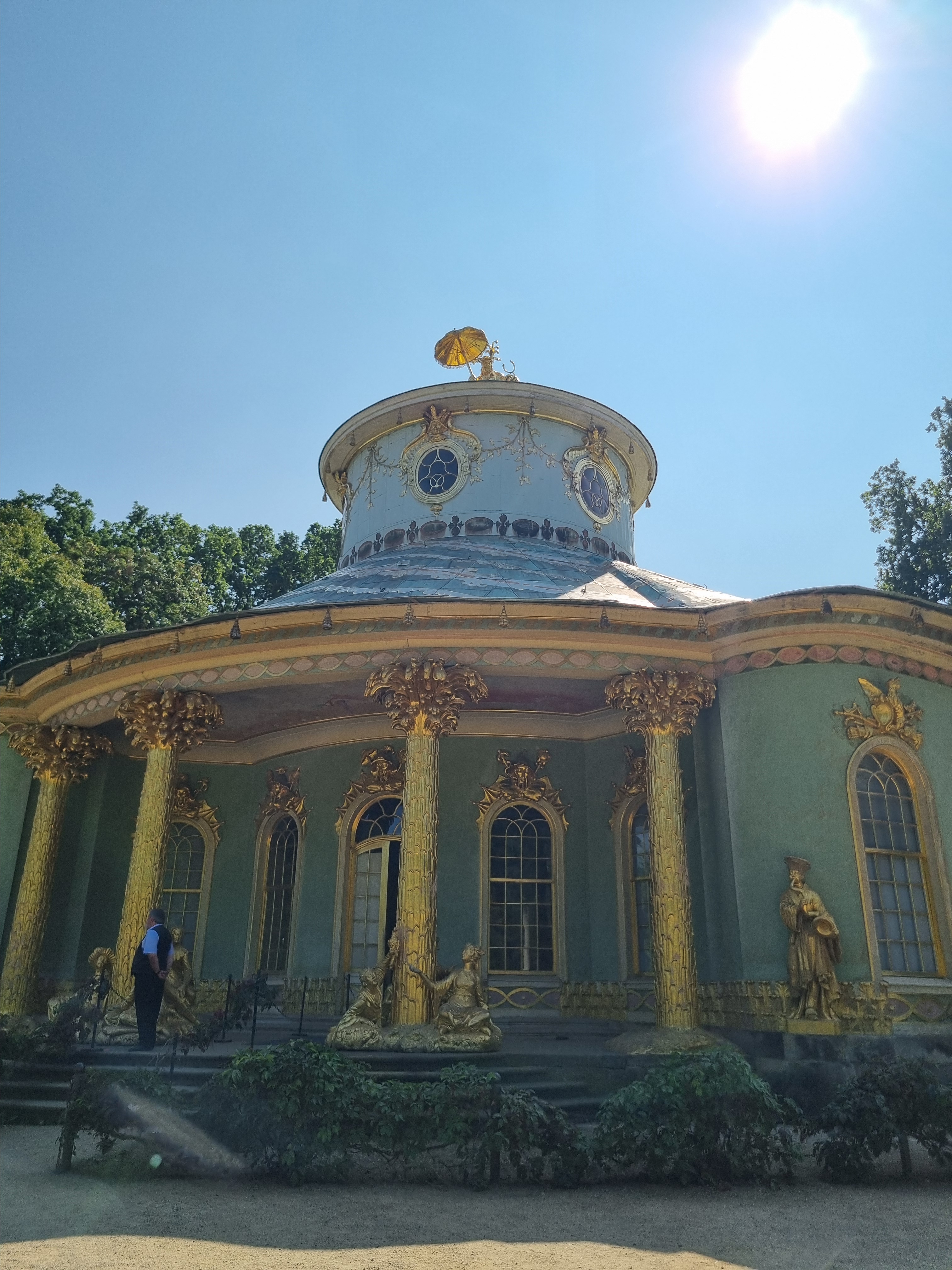
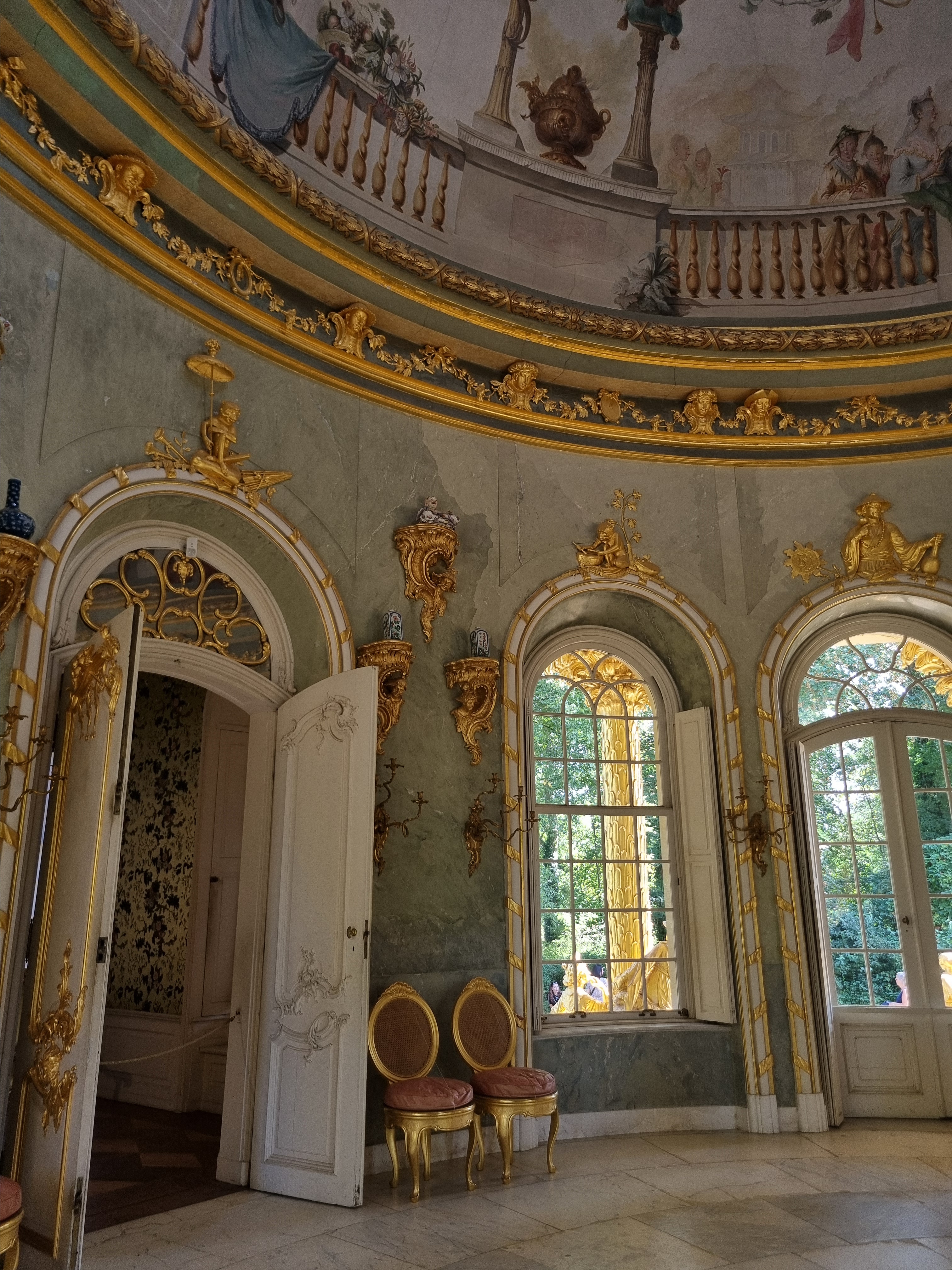
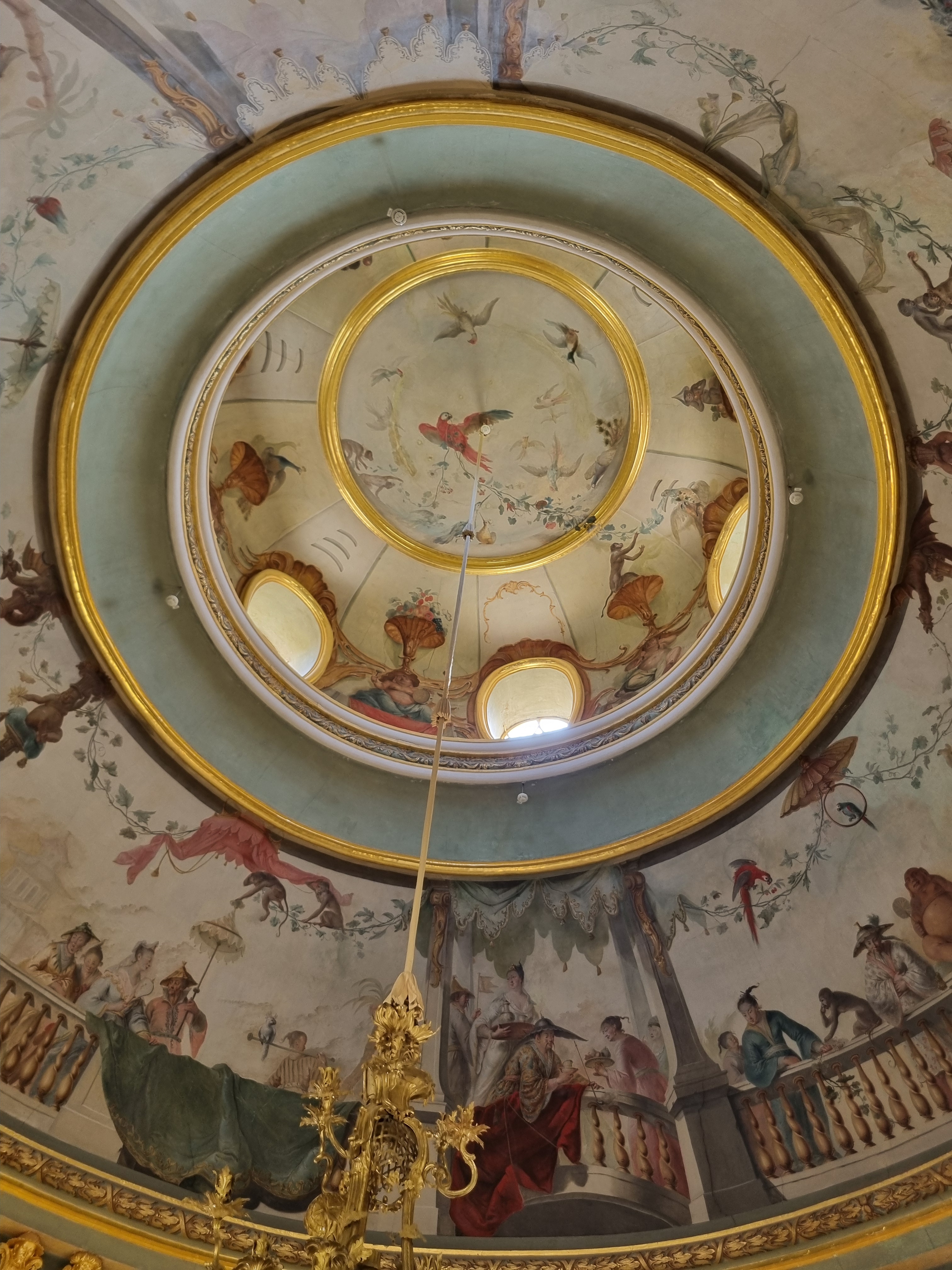
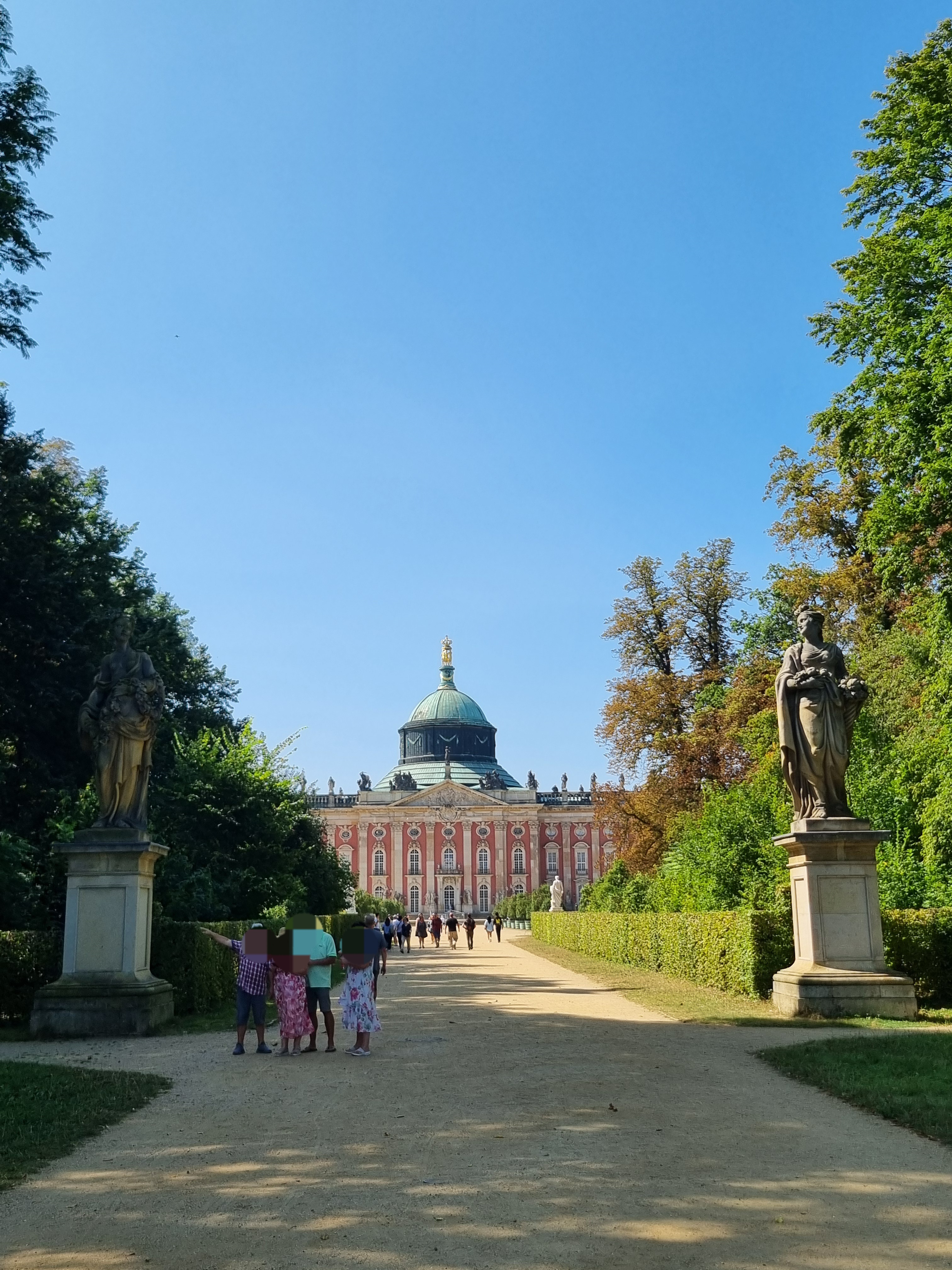
Finally, we visited the Neues Palais (New Palace), an impressive baroque masterpiece situated at the western end of the park. The palace is far grander and more formal than Sanssouci. Unfortunately, we didn’t go inside because my grandmother had reached her limit for the day. It was quite hot, and we were all feeling hungry, so we decided to head back to the city center for lunch before making our way back to Berlin.
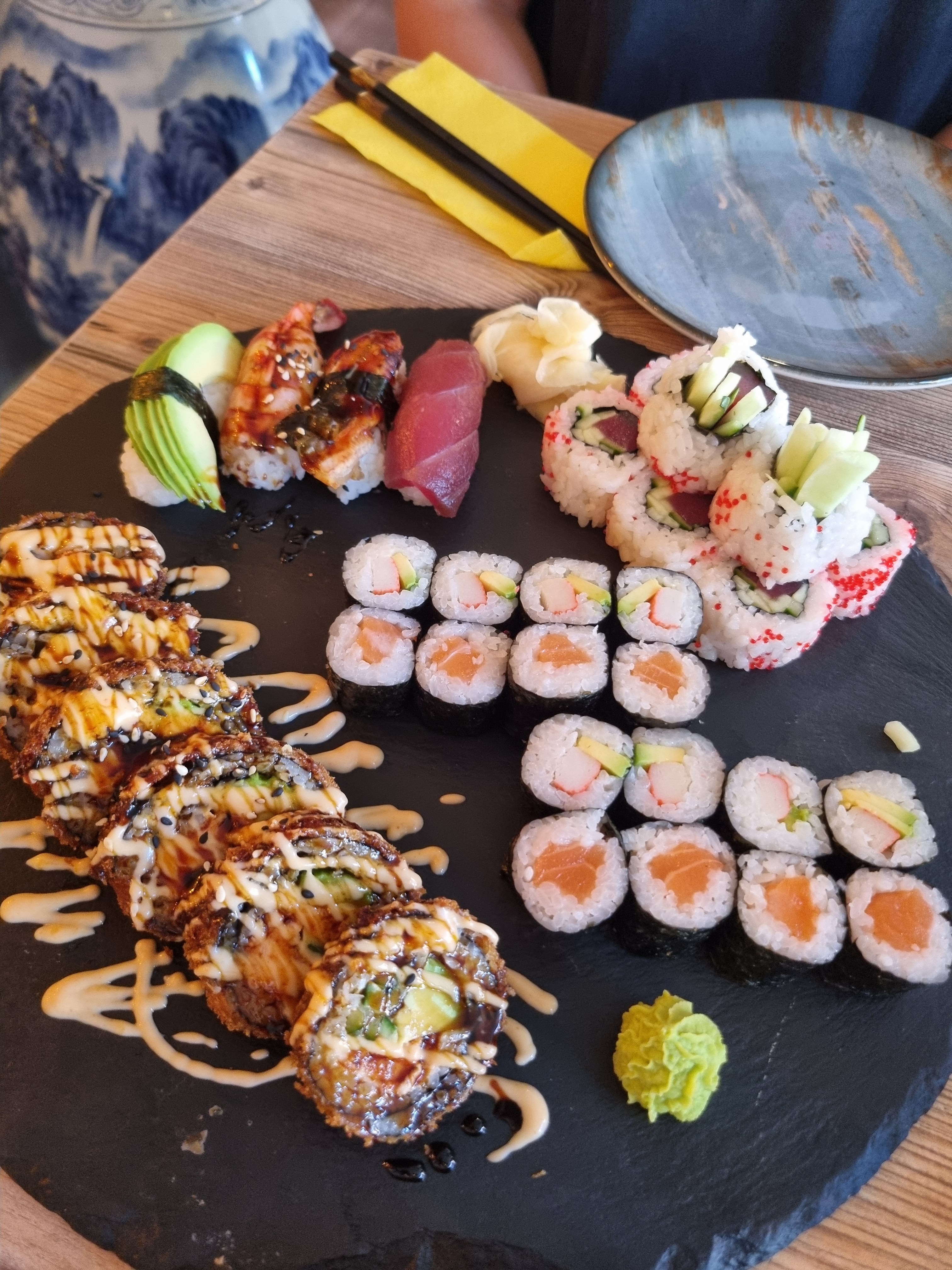
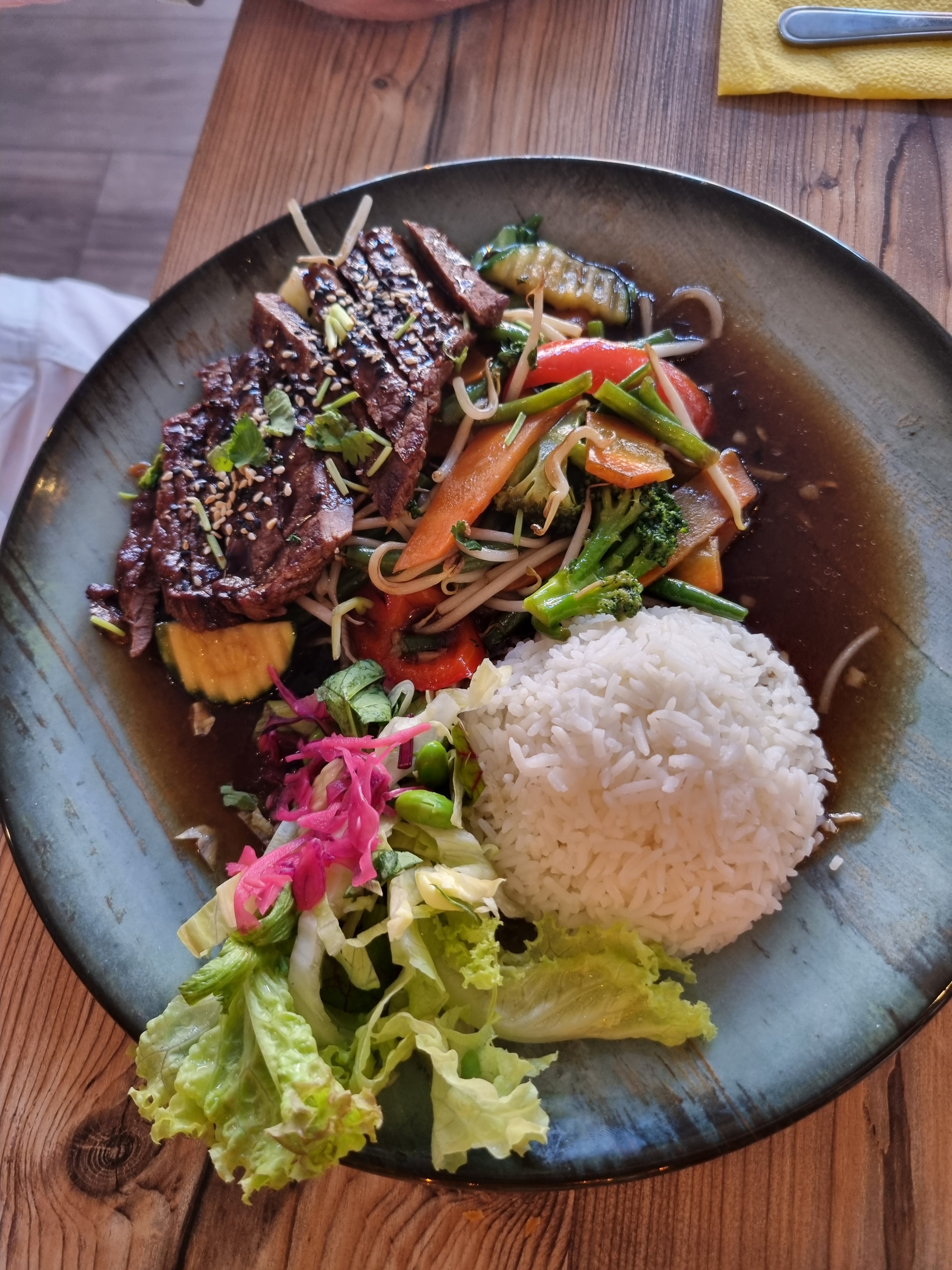
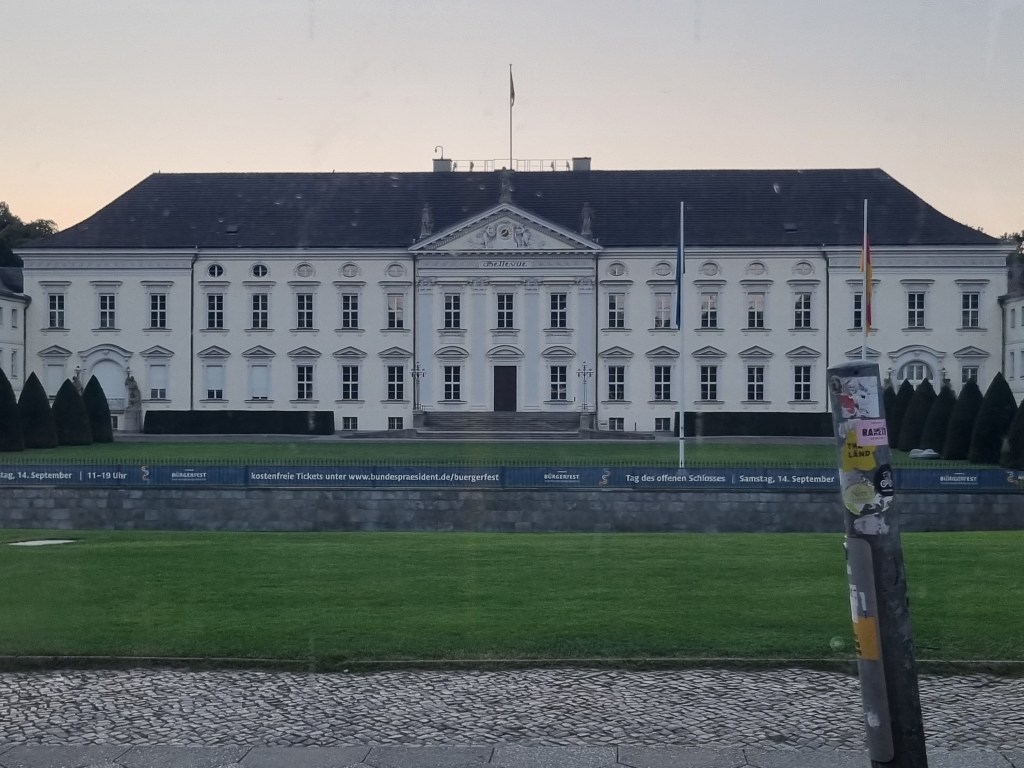
Afterwards, we returned to our hotel in Berlin to relax for a while. Later in the evening, we decided to head out again and enjoy a drink at the café near the Brandenburg Gate, just as we had done the previous day. Following this, we took a leisurely walk through the city, passing by notable landmarks, including the impressive Bellevue Palace, the official residence of the German President. Eventually, we made our way back to our accommodation, feeling content after another wonderful day of exploring Berlin and its surroundings.
Day 5 – Berlin
Our last day began with taking my grandmother to the train station so she could head back home. Since our flight wasn’t until the early evening, we left our luggage at the hotel and took the opportunity to explore the Neues Museum.
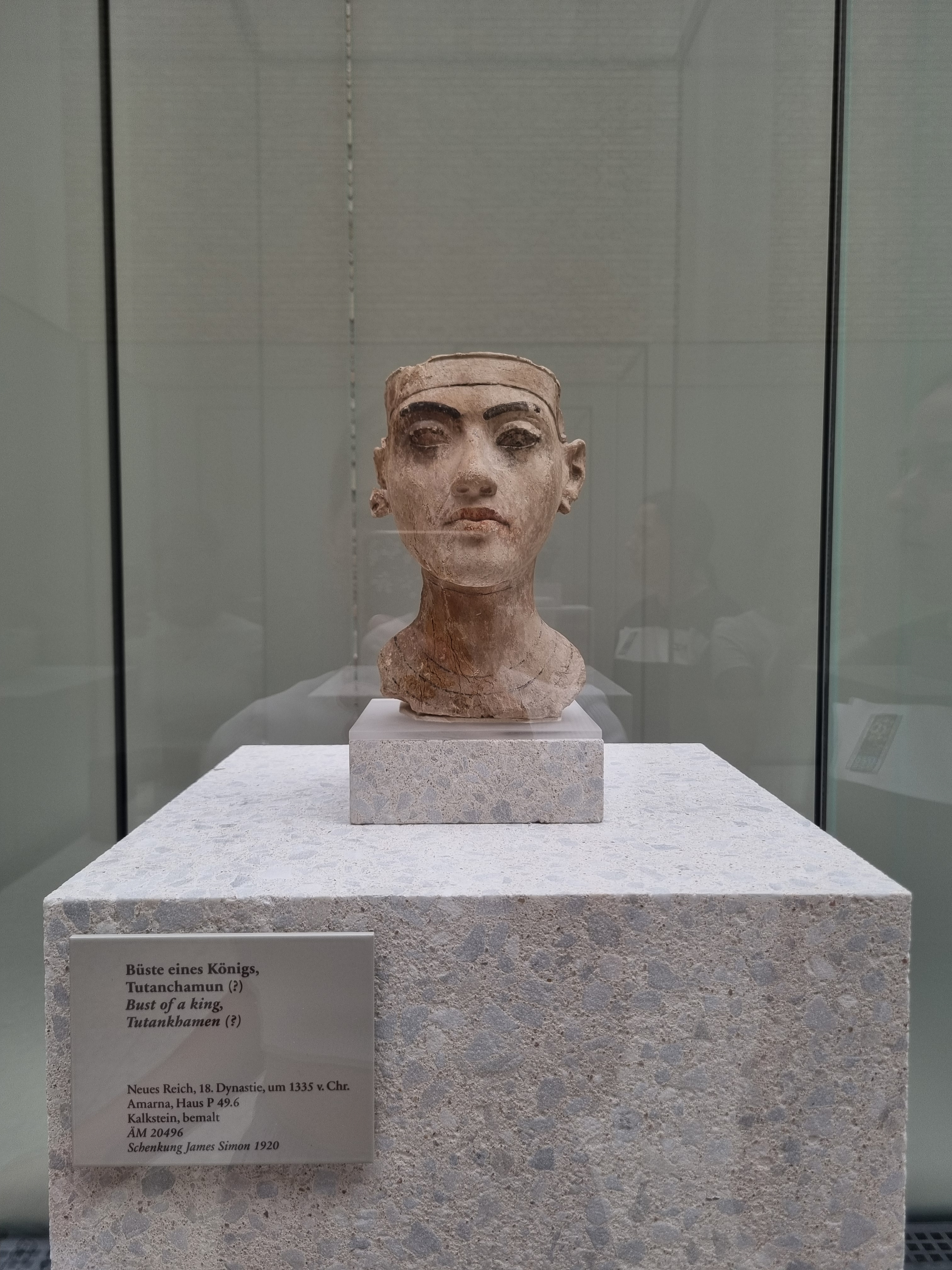
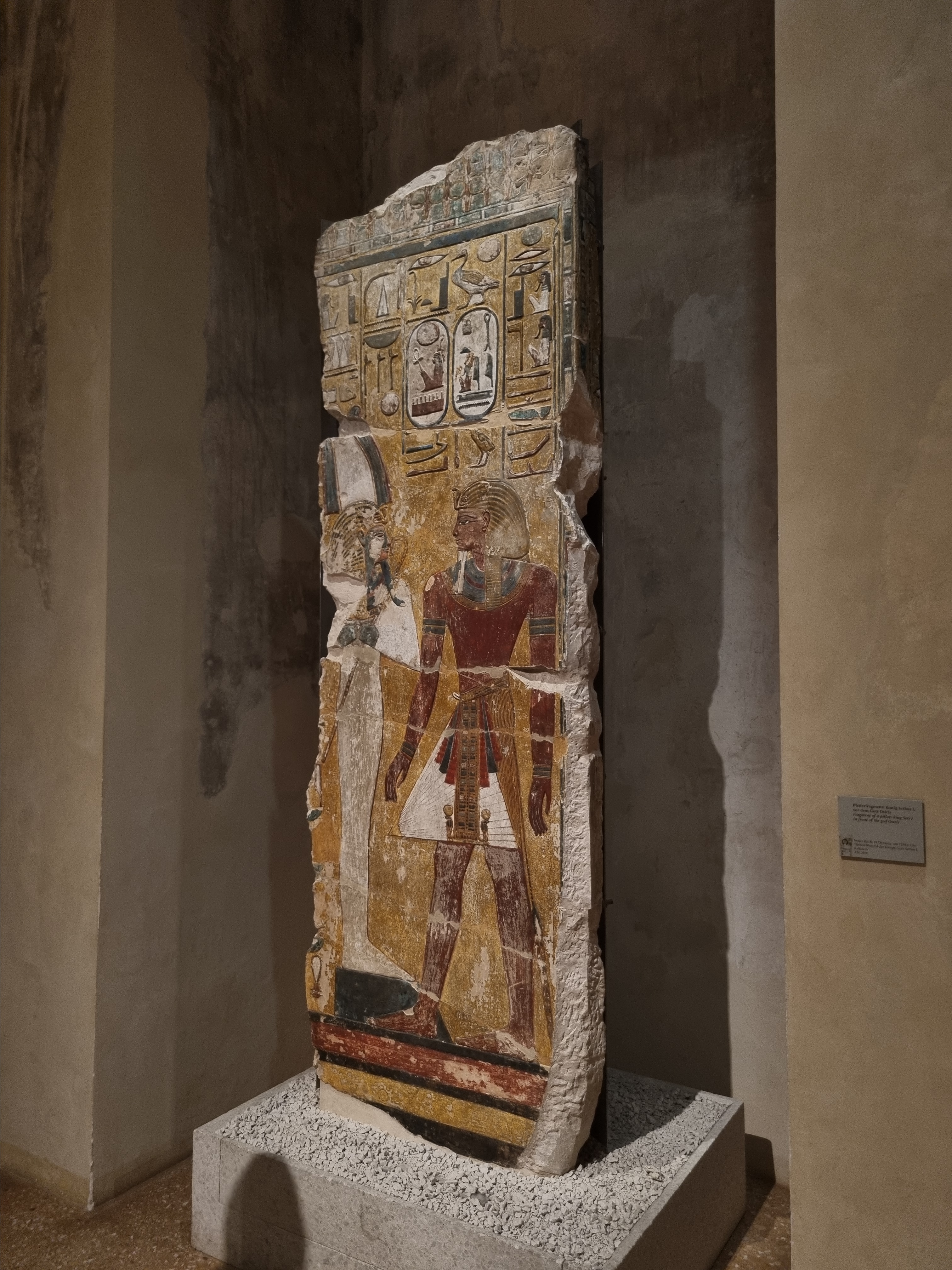
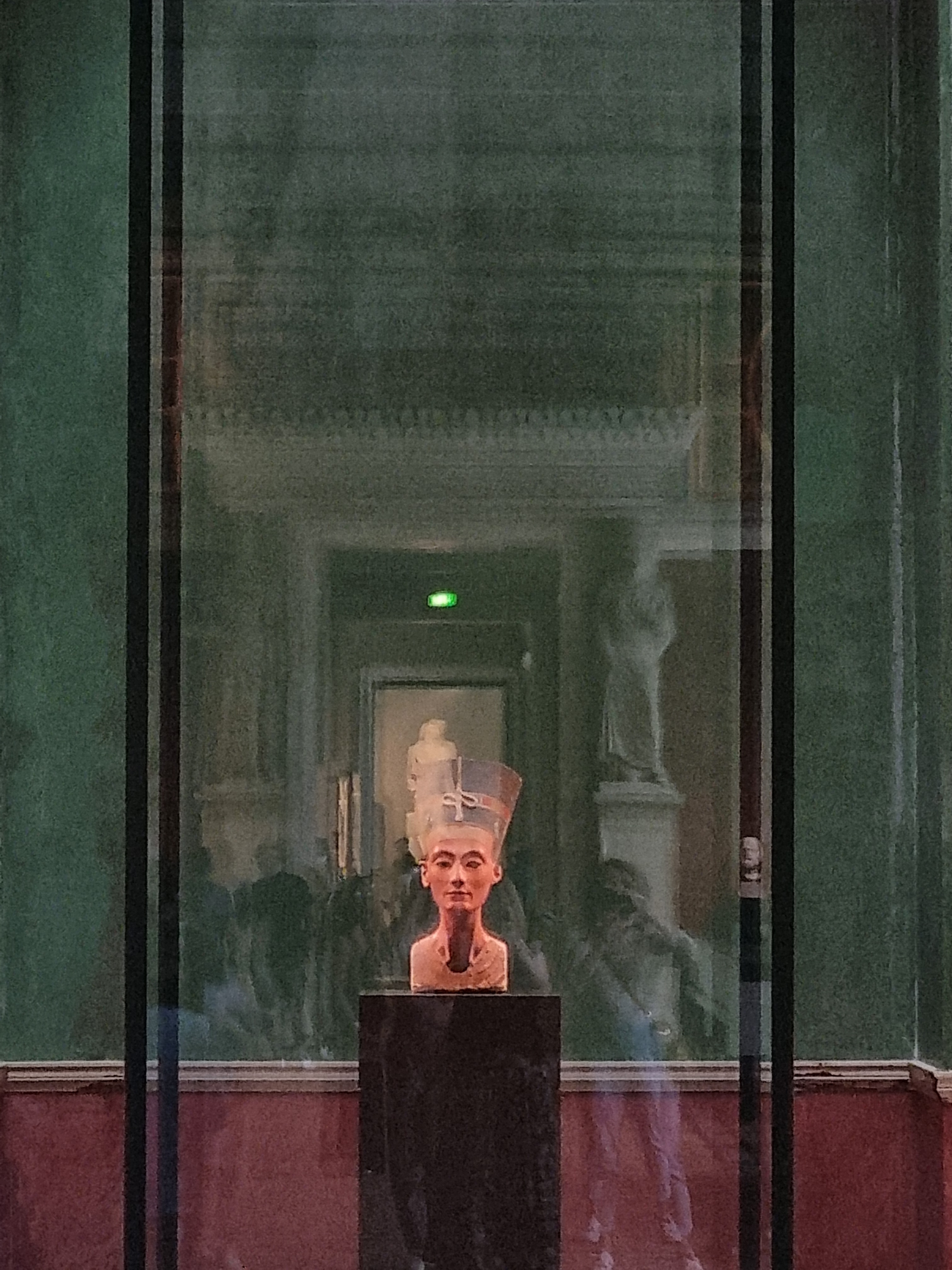
The museum houses an incredible collection of artifacts, primarily focused on ancient Egyptian culture, which is a subject I’m particularly passionate about since I was a small kid. We spent time admiring the beautifully preserved relics, including the famous bust of Nefertiti, also known as Nofretete, which is my aboslute favorite in the museum.
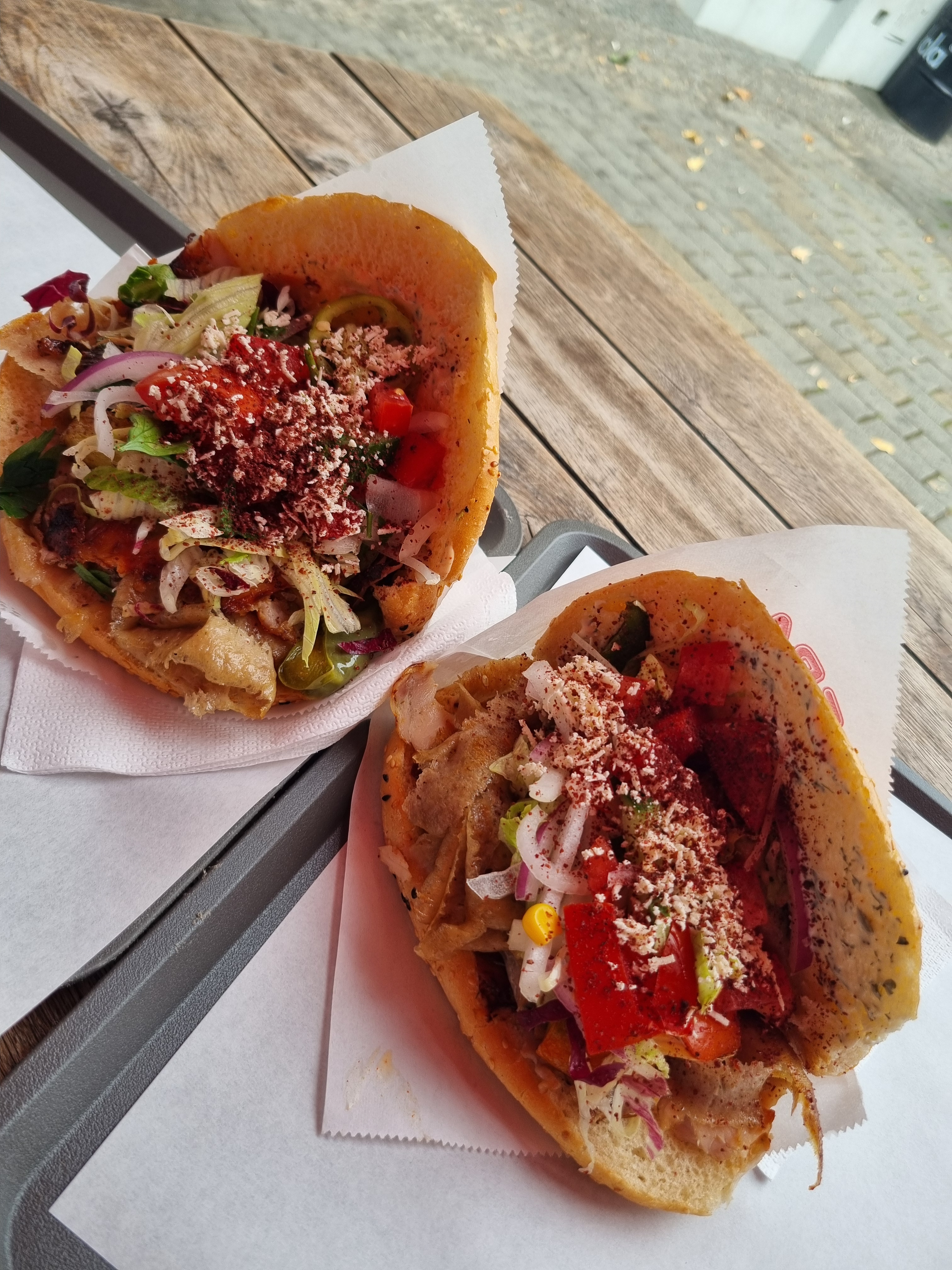
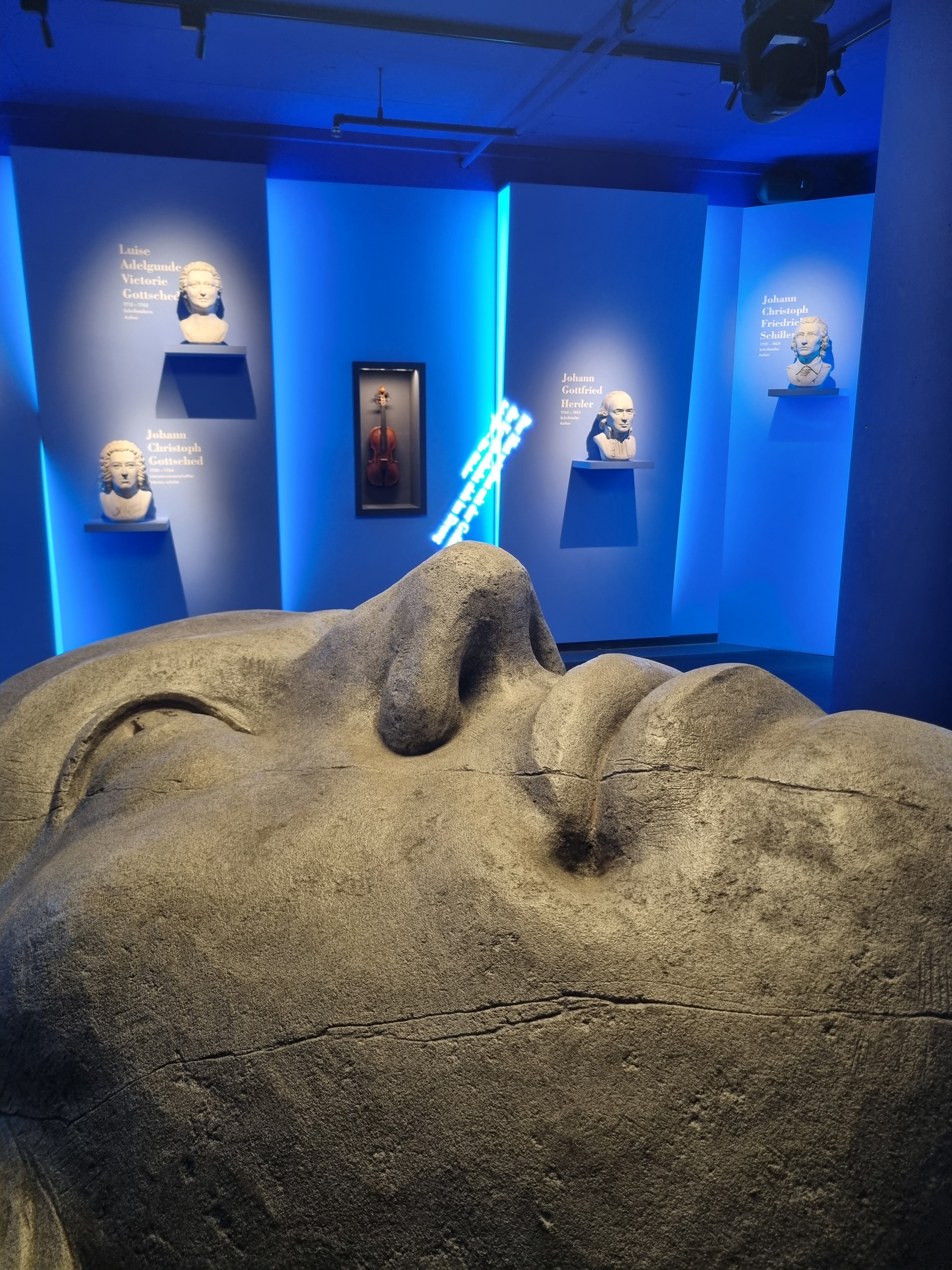
Before visiting the Deutschlandmuseum, we enjoyed a delicious kebab for lunch at Mustafa Demir’s Gemüse Kebap (unpaid ad). The museum, which is relatively new, offers a highly engaging and interactive journey through German history. Its exhibits cover significant historical events, from ancient times through the Middle Ages, to modern-day Germany, using multimedia displays, artifacts, and immersive experiences to bring the past to life. After spending some time exploring the museum, it was time to head back to the hotel, collect our luggage, and make our way to the airport for our flight home.
Activities in Berlin
- Brandenburg Gate
- Berlin TV Tower and Alexanderplatz
- Rotes Rathaus (City Hall)
- Boat Tour on river Havel or river Spree
- Castle and Park Charlottenburg
- Berlin Wall Memorial
- East Side Gallery
- Reichstag Building
- Checkpoint Charlie
- Memorial to the Murdered Jews of Europe
- Siegessäule (Victory Column)
- Neues Museum
- Altes Museum
- Neue Nationalgalerie
- Alte Nationalgalerie
- Deutsches Spionagemuseum
- DDR Museum
- Pergamonmuseum
- Madame Tussauds Berlin
- Garten der Welt (Gardens)
- Tiergarten/Zoo
- Berlin Dome
- Kaiser-Wilhelm-Gedächtniskirche (church)
- Olympiastadion Berlin
- Kurfürstendamm (for shopping)
- KaDeWe (for shopping)
- Flea Market
Where to eat in Berlin
- Ferris Ristorante& Pizza &Pasta&Bar&Wine&COFFE – Italian cuisine (unpaid ad)
- Mustafa Demir’s Gemüse Kebap – Kebap/Döner (unpaid ad)
- Einstein Café – for good coffee (unpaid ad)
- Exclusive Coffee – for good cakes (unpaid ad)
Activities in Potsdam
- Castle and Park Sanssouci
- Neues Palais
- Castle Cecilienhof
- Holländisches Viertel
- St. Nikolaikirche Potsdam (church)
- Nauener Gate
- Brandenburg Gate in Potsdam
Where to eat in Potsdam
- Old Town Hanoi – Vietnamese cuisine (unpaid ad)
Booking Checklist
Travel Insurance
I highly recommend getting travel medical insurance while you’re traveling. Hopefully, you’ll never need it, but it’s always better to be safe than sorry. SafetyWing offers two flexible plans tailored to your travel needs. Whether you’re a short-term adventurer or a long-term expat, you’ll have reliable coverage anywhere in the world.
SafetyWing is especially great for remote workers and digital nomads, offering continuous global coverage even if you’re hopping between countries. Of course, it’s also a solid option for frequent travelers or those constantly on the go. But if you’re only traveling occasionally or just for a short holiday now and then, there might be better-suited alternatives.
Accommodations
I usually rely on Booking.com for hotels and Airbnb for vacation rentals. They both have the largest selection and tend to offer the most reliable prices.
Data for your Trip
I use Saily for international cell data. They offer a variety of eSIM options depending on the country and their eSIMs are easy to install, activate instantly upon arrival, and let you skip buying local SIM cards or paying expensive roaming fees.
Tours and Experiences
I always use GetYourGuide to find the best tours and experiences in a city or country. It’s my go-to platform for planning activities, and I’ve always been very satisfied with the experiences I booked through them.
Rental Car
I’ve rented at least six cars and always booked them through check24 (ad), which I can highly recommend. The website offers good deals, the insurance is quite cheap and provides good coverage, and the customer service is very efficient and accommodating. However, Check24 currently only offers its website in German. So it’s mandatory to speak the language.
Other Germany blogs
24 Hours in Nuremberg: Must-See Attractions
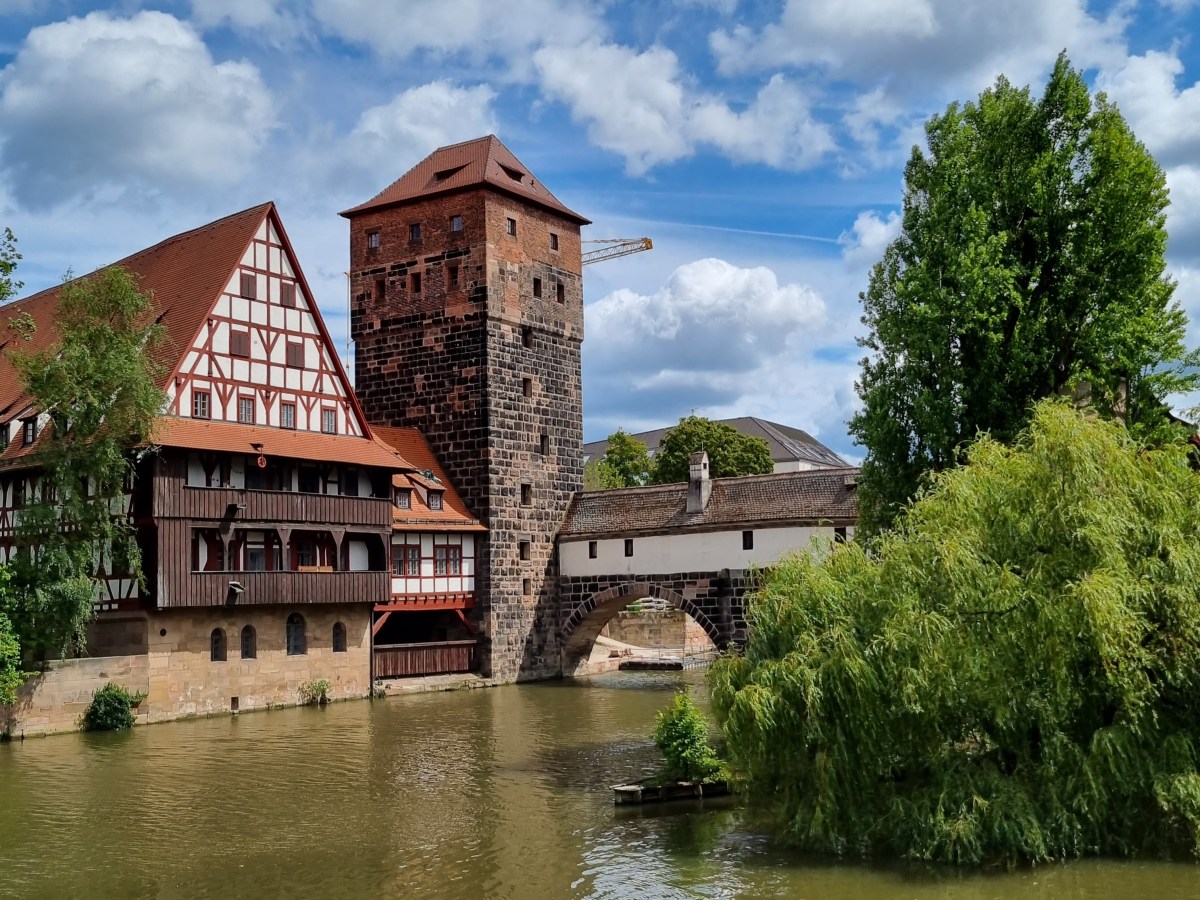
Step into the heart of Nuremberg, a city where the magic of the past meets the vibrancy of today. Wander through the narrow, cobblestone streets of the medieval Old Town, where half-timbered houses and ancient walls whisper stories of centuries gone by. Let the mouthwatering aroma of sizzling Nürnberger Bratwurst and freshly cooked sauerkraut fill…


Discover Munich: A Local’s 5-Day Itinerary
Are you looking for an authentic German experience or simply planning a nice city getaway? Then consider Munich, the heart of Bavaria! Whether you’re a local or a visitor, Munich has so much to offer. I realized I couldn’t run a travel blog without featuring a post about my favorite city, so I had to…
Travel Guide: Three-Days in Cologne
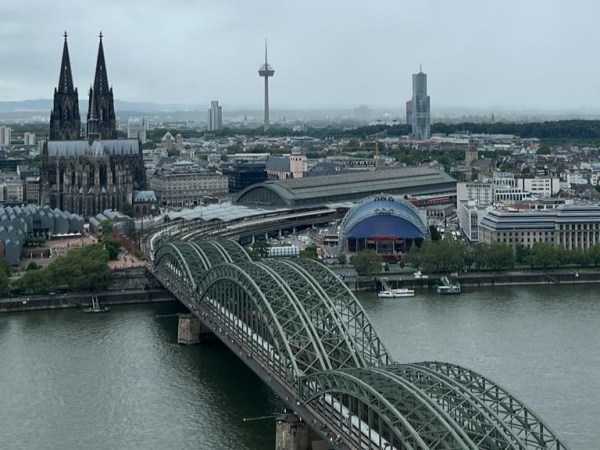
Discover the best of Cologne in just three days! Walk across the iconic Hohenzollern Bridge, famous for its love locks and stunning views of the Rhine. Marvel at the towering Cologne Cathedral, a UNESCO World Heritage Site and architectural masterpiece. Glide over the Rhine in the Cologne Cable Car, offering breathtaking views of the city…
30 Must-Do Experiences in Hamburg
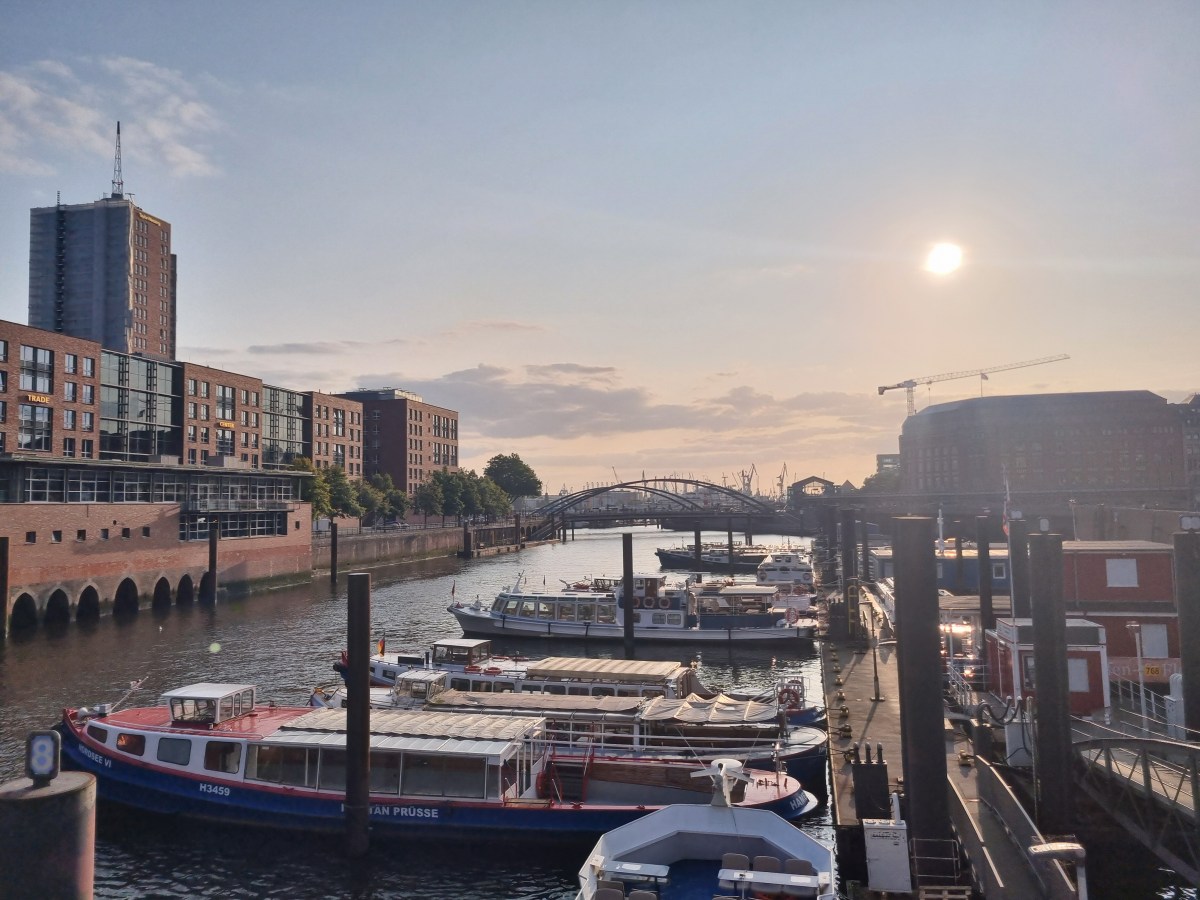
Are you ready for your next trip? Discover the magic of Hamburg with its unique blend of history, culture, and modern wonders. Start your day at the bustling harbour with a traditional German Fischbrötchen, soaking in the maritime atmosphere. Next, lose yourself in the intricate details of Miniatur Wunderland, home to the world’s largest model…
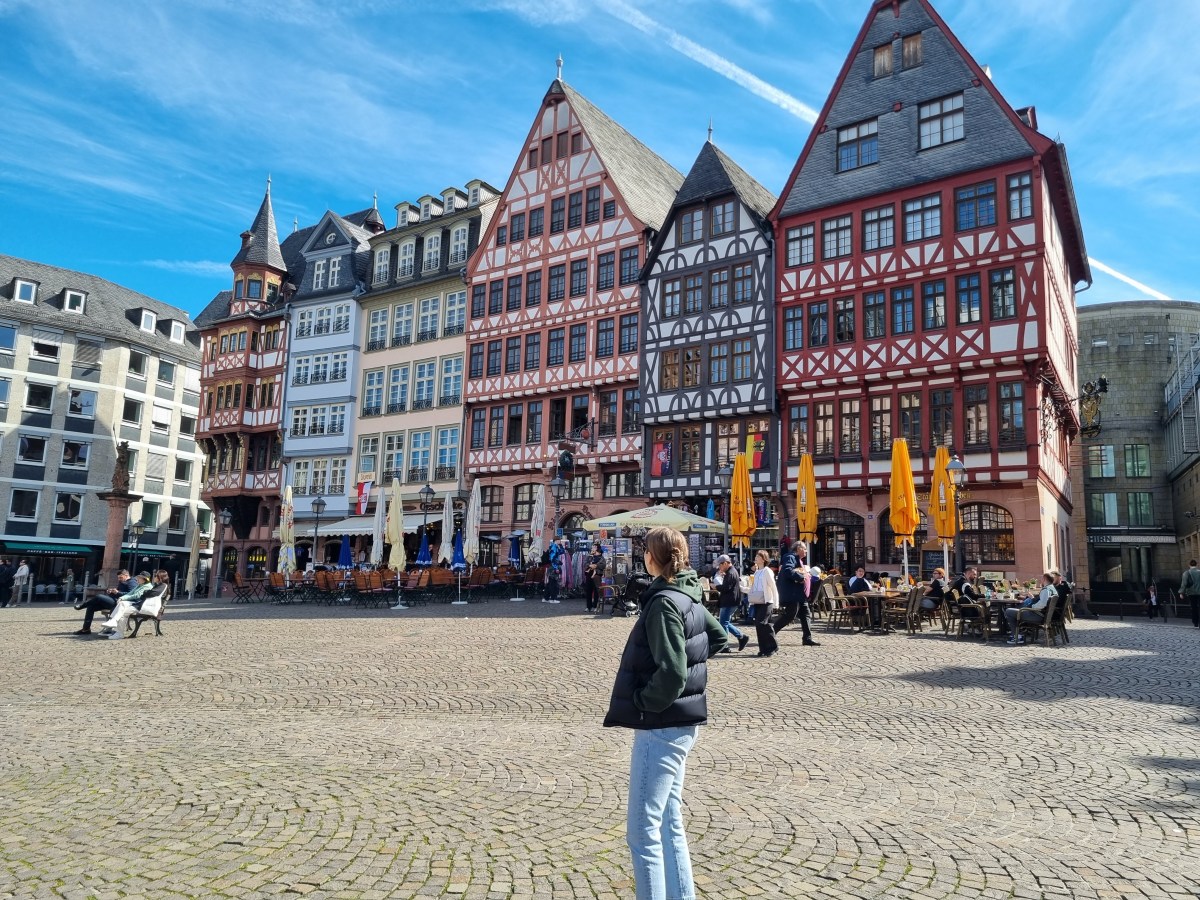
24 Hours in Frankfurt: 12 Things to do
Frankfurt: famous, yet strangely unpopular, especially among Germans themselves. Often dismissed as grey, soulless, or simply “not worth visiting,” it’s a city that battles stubborn clichés. But are these harsh judgments fair? I decided to find out for myself and spent a full day exploring the heart of this financial powerhouse and I have to…
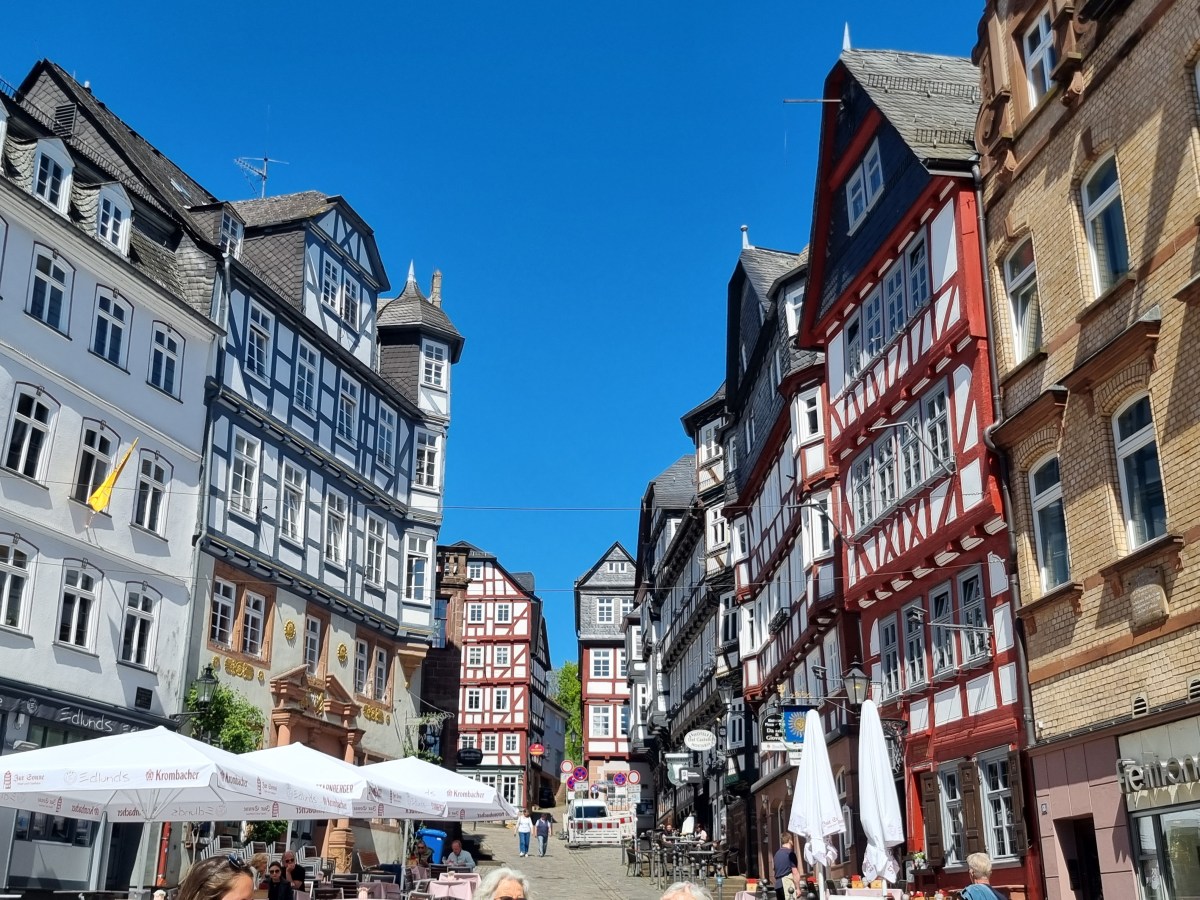
Explore Marburg: A Fairytale City Guide
Nestled in the scenic Lahn Valley of northern Hesse, the picturesque town of Marburg stretches across the slopes of the Lahn Hills which is a place where crooked half-timbered houses, winding old town alleys, and a hilltop castle set the scene for a fairytale come to life. With a population of around 80,000, this charming…




 Michelle Cacija
Leave a reply to Michelle Cacija Cancel reply