
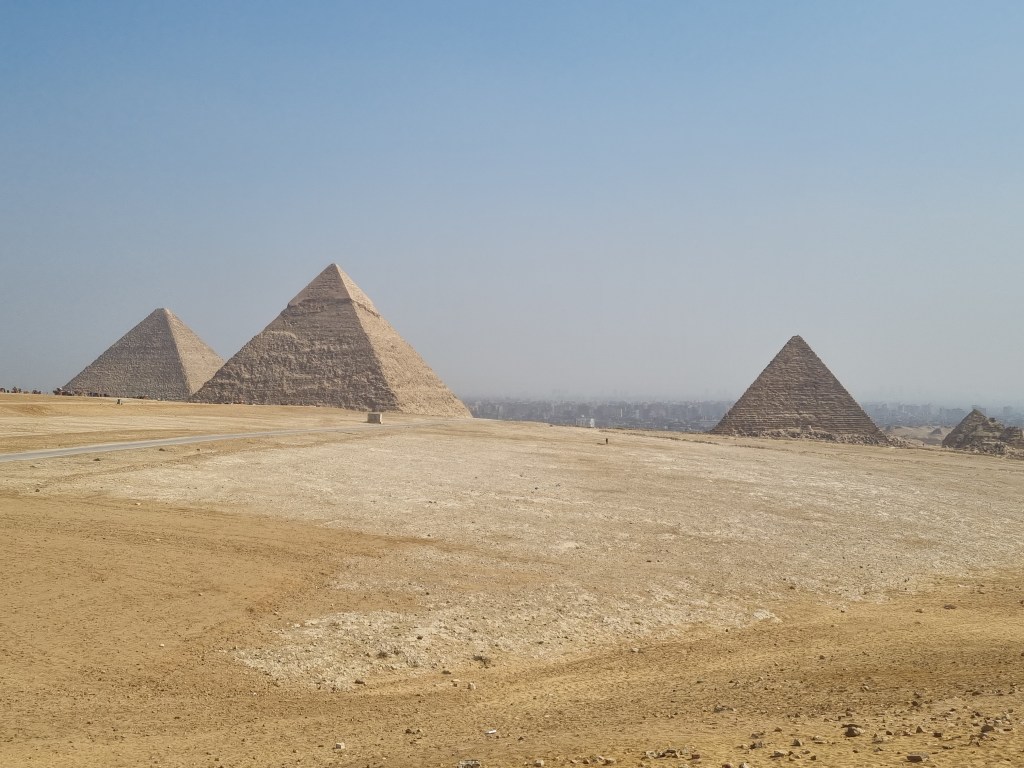
The elegance of the pyramids, the magic of the Nile, the atmosphere of ancient temples, and the vibrancy of the bazaars, all come together to create a kaleidoscope of impressions that overwhelm but enchant at the same time. Egypt is a land that’s nearly impossible to capture in words. Join me in this blog as I take you through my 10-day journey into Egypt’s mysteries: two days navigating the chaotic yet captivating capital, Cairo, followed by a cruise on a small ship from Luxor to Aswan. As you travel through Egypt, you’ll discover a world full of fascinating and mystical stories, in the desert oases, along the gently flowing Nile, and within the stones of ancient temples, a land that always keeps its secrets close.
As always, I want to remind you, that this blog isn’t perfect because everyone travels differently, and all trips involve changes of plans. I want to let you know that everything on this website has been experienced, photographed, and written by me. Since I finance all of my travel expenses on my own, the stories and opinions given are truly my own. If you’re interested in seeing more travel pictures or videos, feel free to check out my Instagram @michellecacija or my Tik Tok @michellecacija.
Index
The Basics about Egypt
When to visit
The best time to visit Egypt is during the cooler months from October to April, when temperatures range from 15°C to 24°C (60°F to 75°F) in most regions. During the peak summer months, particularly June through August, temperatures can soar above 38°C (100°F), especially in desert areas, making outdoor activities uncomfortable. Visiting during the colder seasons of spring and autumn can offer a balance of pleasant weather and fewer crowds, allowing for a more enjoyable experience exploring Egypt’s ancient wonders.
Getting there
Egypt is accessible via several international airports, with Cairo International Airport being the largest and most well-connected. Direct flights are available from many major cities worldwide. Once in Egypt, you can easily navigate the country using domestic flights, trains, or buses. For those arriving in Cairo, public transportation options like the metro are efficient for getting around the city, while taxis and rideshare services offer convenient access to popular sites. Planning your travel route in advance can help you maximize your time exploring.
Where to stay
Egypt offers a range of accommodation options to suit every budget and preference, from luxurious hotels to budget-friendly hostels. In Cairo, the Giza area is popular for its proximity to the Pyramids, while Luxor and Aswan provide stunning views near ancient temples. A cruise along the Nile is a fantastic way to experience the rich history and beautiful scenery of the region, allowing travelers to visit key sites such as the Valley of the Kings and Karnak Temple while enjoying comfortable amenities onboard. Booking in advance, especially during peak tourist seasons, is recommended to secure the best rates.
What to pack
When packing for an Egypt trip, it’s essential to consider the climate and cultural norms. Lightweight, breathable clothing is ideal for hot days, while a light jacket, hoodie or jumper may be necessary for cooler evenings. Long skirts, trousers and shirts with sleeves are advisable for when visiting religious sites. Don’t forget essentials like sunscreen, a hat and comfortable walking shoes.
Additionally, consider bringing your own little medication bag, including Band-Aids, pain relief tablets, sleeping tablets or spray, bug spray, aftersun, etc. You never know what you might need it for, and you might feel more comfortable using medication from home rather than in a country where you don’t know the ingredients and languages. If you’re coming from outside Europe or Egypt, don’t forget to bring a Type C or F power adapter.
Cost of traveling
The cost of traveling in Egypt can vary widely based on your style of travel and the activities you’ll be doing. Street food, markets and local eateries offer delicious and affordable dining options, making it possible to experience Egypt on a budget without sacrificing too much money.
Things you need to be aware of
Water. While tap water in Egypt is generally treated, it is advisable for travelers to stick to bottled water for drinking and brushing teeth to avoid stomach issues. Bottled water is widely available and not expensive, making it easy to stay hydrated while exploring.
Toilet Situation. Public restrooms in Egypt can vary in cleanliness and accessibility, particularly in rural areas and less touristy locations. Furthermore, I advise you to carry your own tissue or toilet paper, as it may not always be available. Additionally, hand sanitizer can be useful for maintaining hygiene.
Tipping is a customary practice in Egypt, often appreciated by service workers. A standard tip ranges from 10% to 15% in restaurants, while rounding up fares for taxi drivers or providing small amounts to hotel staff for services is common. In tourist areas, guides and drivers also expect tips for their services, typically around $5 to $10 depending on the length and quality of the tour.
The Currency in Egypt is the Egyptian pound (EGP). ATMs are widely available in urban areas and major tourist destinations, allowing for easy withdrawals, though it’s wise to exchange some money before arriving to ease your initial expenses. Credit cards are accepted in many hotels, restaurants, and shops, but carrying cash for smaller purchases and markets is definitely recommended.
Traffic. Getting around traffic in Egypt, especially in Cairo, can be quite an adventure because the streets are always busy and full of life. Cairo is famous for its heavy traffic, with lots of cars, buses, minibuses, and motorcycles all trying to share the road.. a level of traffic unlike anything you’d typically encounter in a Western country. It’s a one-of-a-kind experience that’s hard to imagine until you see it for yourself. You might also notice that people don’t always follow pedestrian crossings or traffic lights, so it’s important to be careful when crossing the street. While there are public transport options like the metro and buses, taxis and rideshare services like Uber can be easier and more comfortable for getting around the city.
Regarding language, Arabic is the official language in Egypt, and while many Egyptians, especially in urban areas and tourist destinations, speak some English, it’s helpful to learn a few basic Arabic phrases to enhance your interactions. Simple greetings and expressions of gratitude can go a long way in making connections with locals.
Vaccinations. Routine vaccinations should be up to date, and travelers may also consider vaccines for hepatitis A, hepatitis B, typhoid, rabies and tetanus. Additionally, make sure to stay hydrated, especially in the heat.
Itinerary
Day 1: Arrival in Cairo
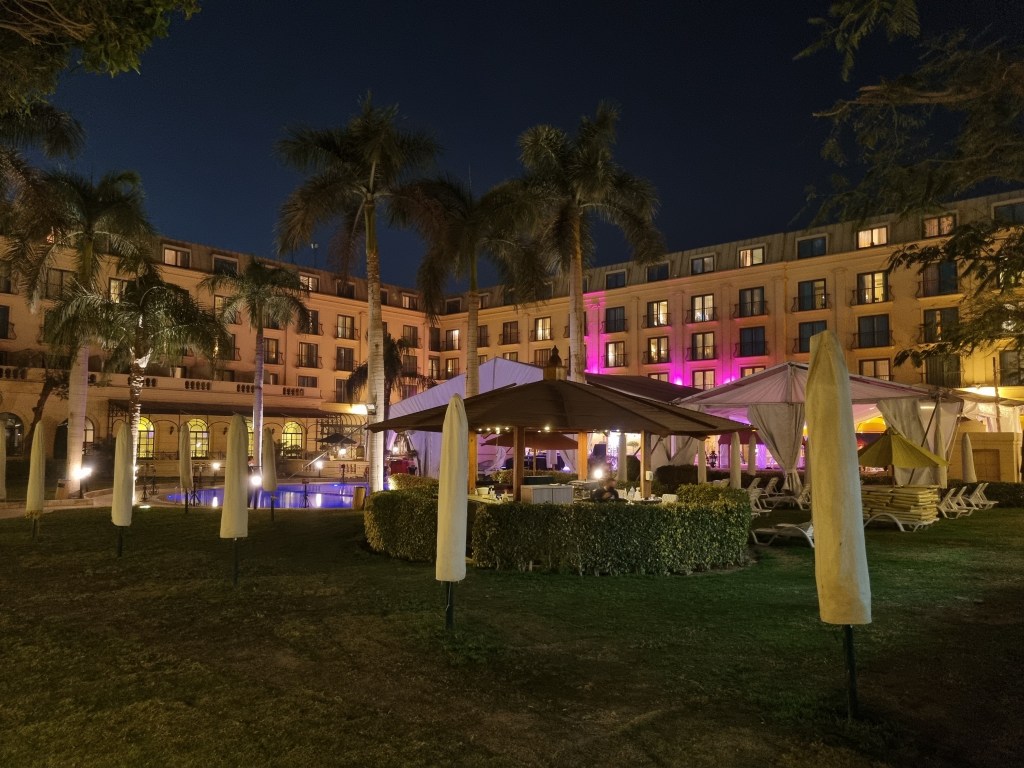
Our adventure began in Cairo, the chaotic yet magical metropolis. After a direct flight from Vienna, we landed in Egypt’s capital late at night, greeted by a warm desert breeze and the hum of a city full of history. At the airport, our tour guide and driver were waiting for us, taking us directly to our hotel, the Concorde El Salam Cairo Hotel & Casino (unpaid ad). After checking in, we went straight to bed, ready to recharge for two exciting days of exploration in Cairo. Due to COVID, we unexpectedly had our guide all to ourselves, which made the journey even more special and personal.
Day 2: Exploring Cairo’s Icons
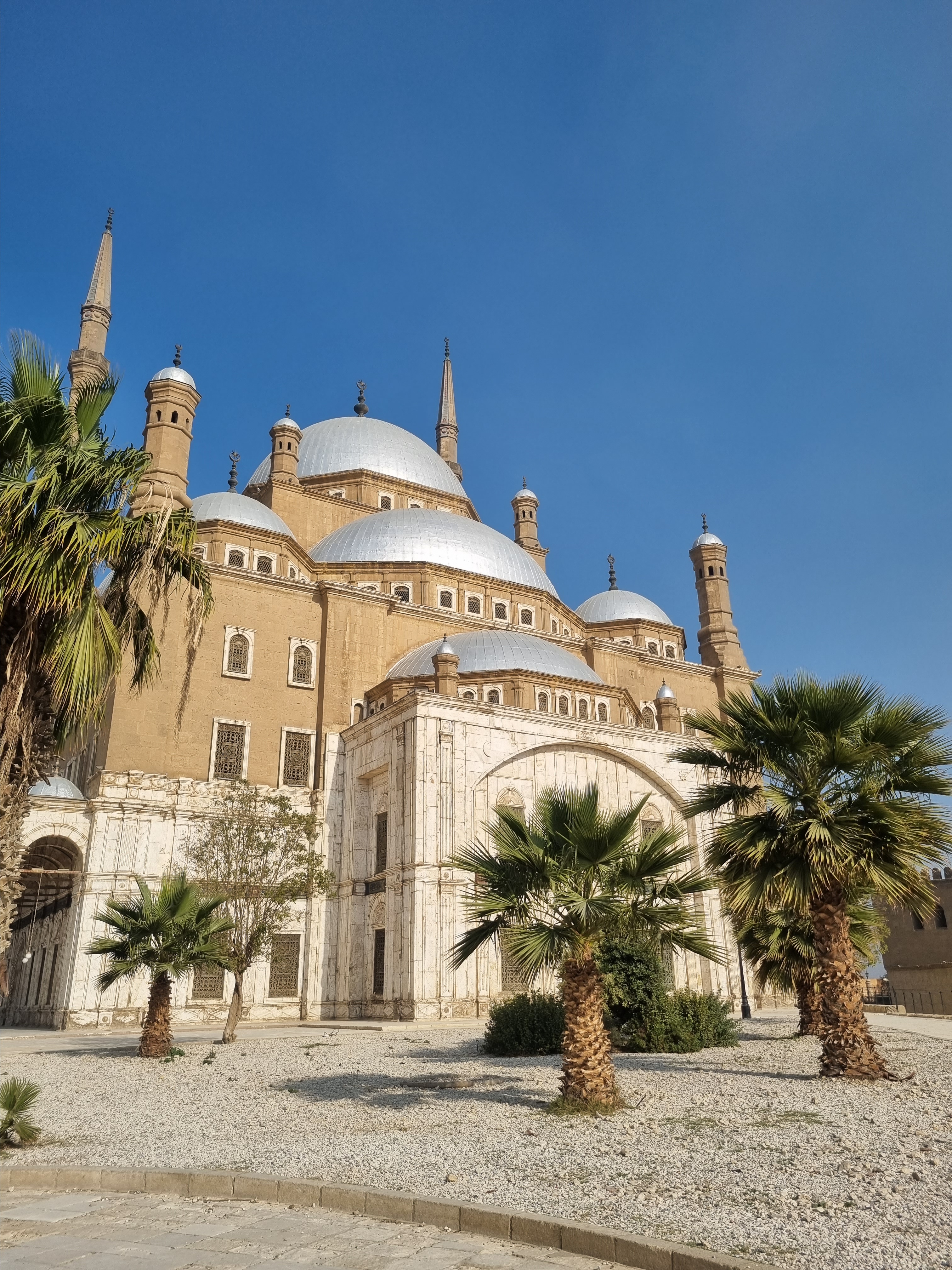
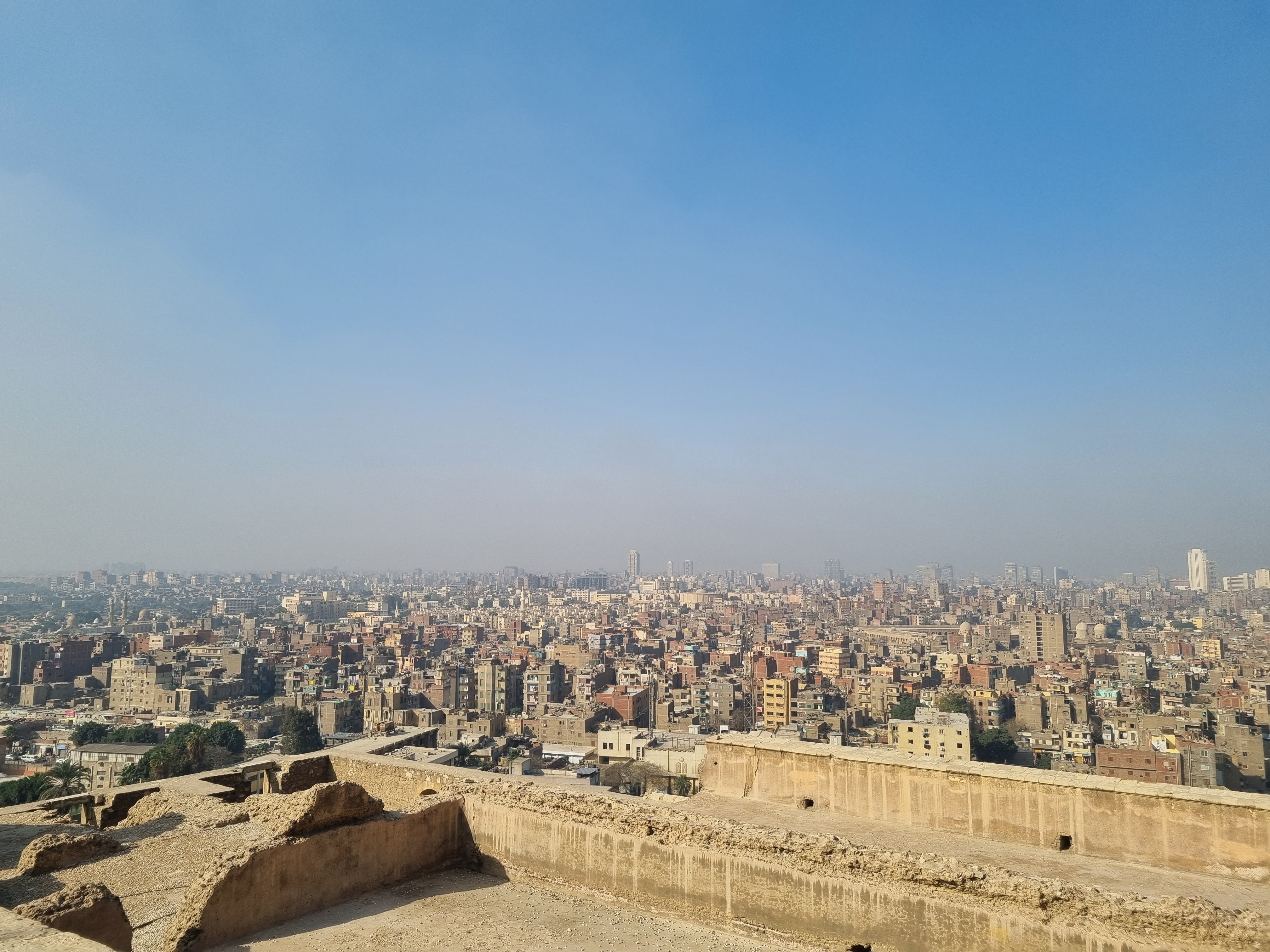
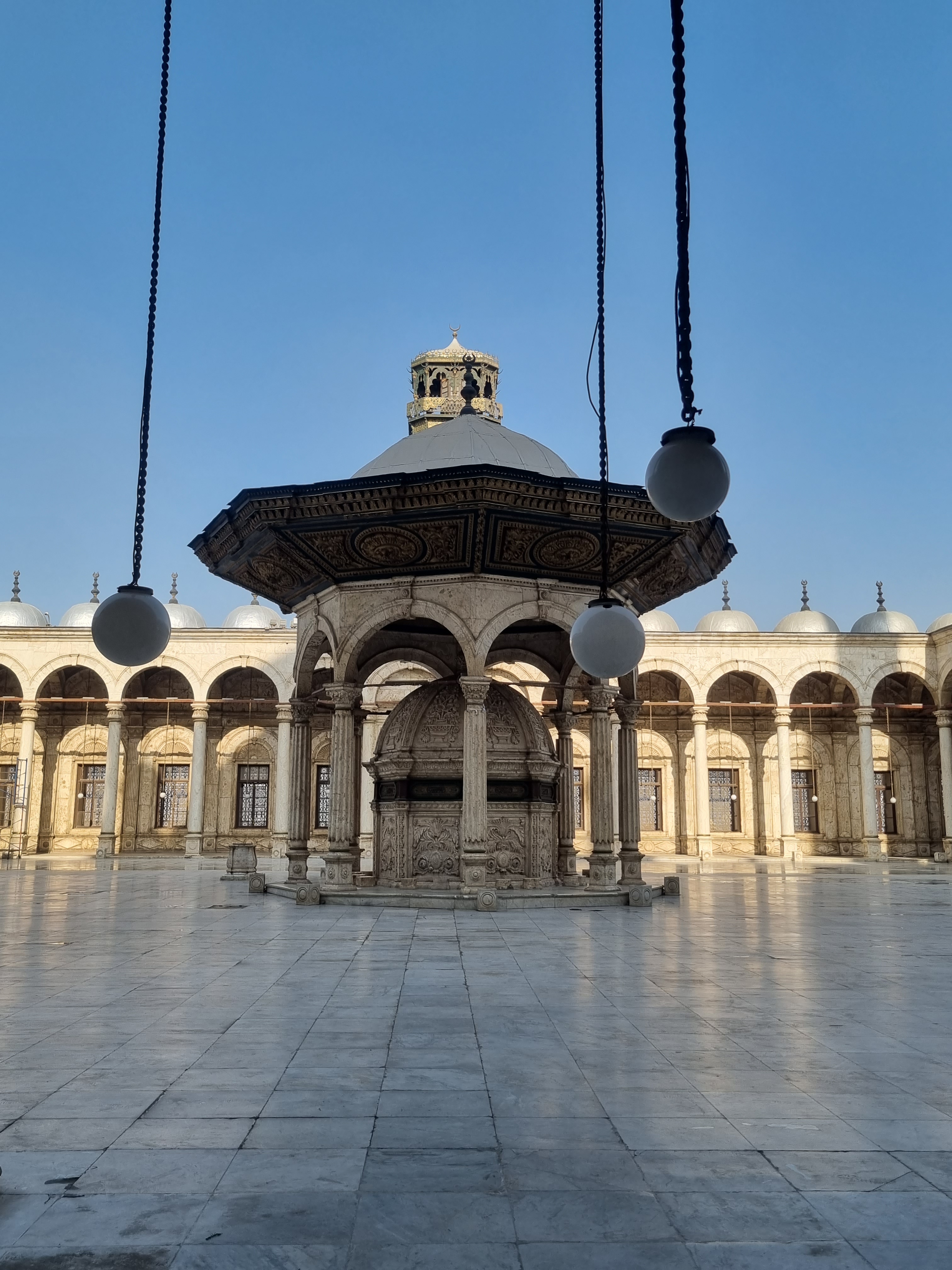
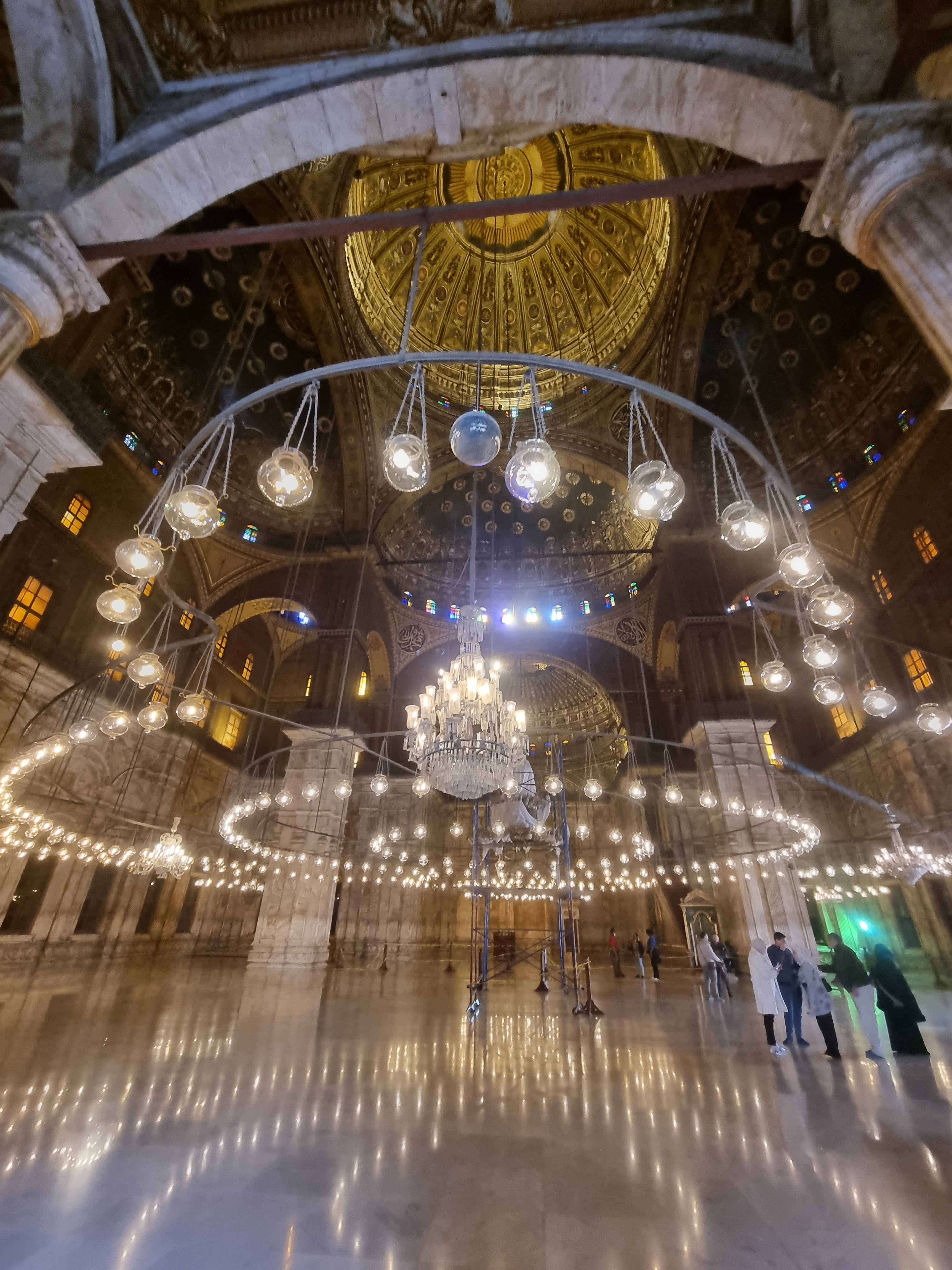
After we enjoyed our breakfast, we were picked up early by our tour guide and driver, ready for a packed day of exploration. Our first stop was the iconic Citadel of Saladin, a grand medieval fortress perched high above the bustling city. From its heights, we soaked in views of Cairo stretching endlessly beneath us, a mesmerizing contrast of ancient structures and modern buildings. Inside the citadel, we marveled at the stunning Alabaster Mosque of Muhammad Ali, a masterpiece of Ottoman architecture.
As we wandered through the citadel’s grounds, we saw several stray dogs lying peacefully in the sun. Though it was tempting to approach them we reminded ourselves of the local risks, rabies being one of them and kept a respectful distance. While they seemed friendly, it’s always wise to admire from afar, keeping health and safety in mind.
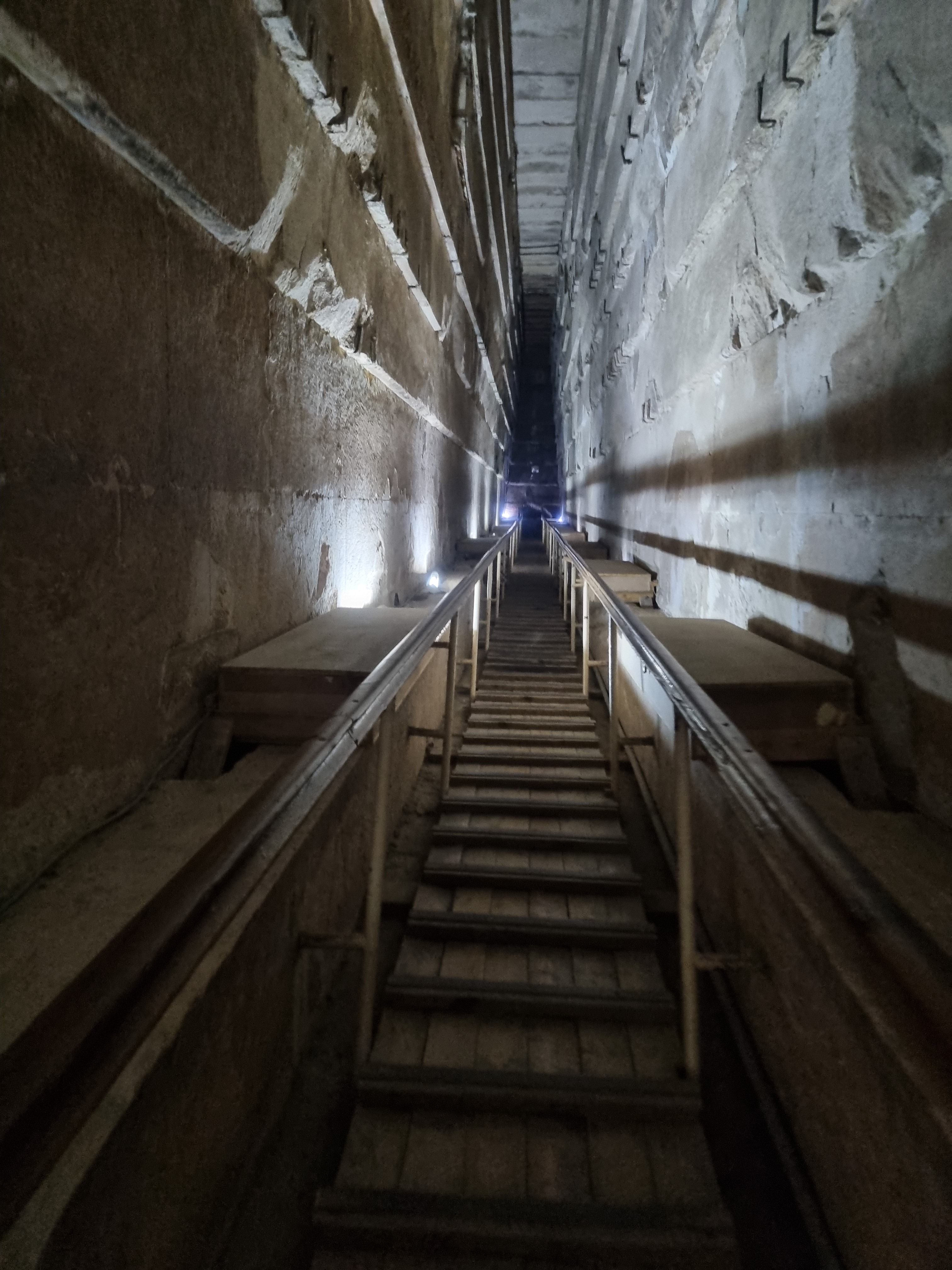
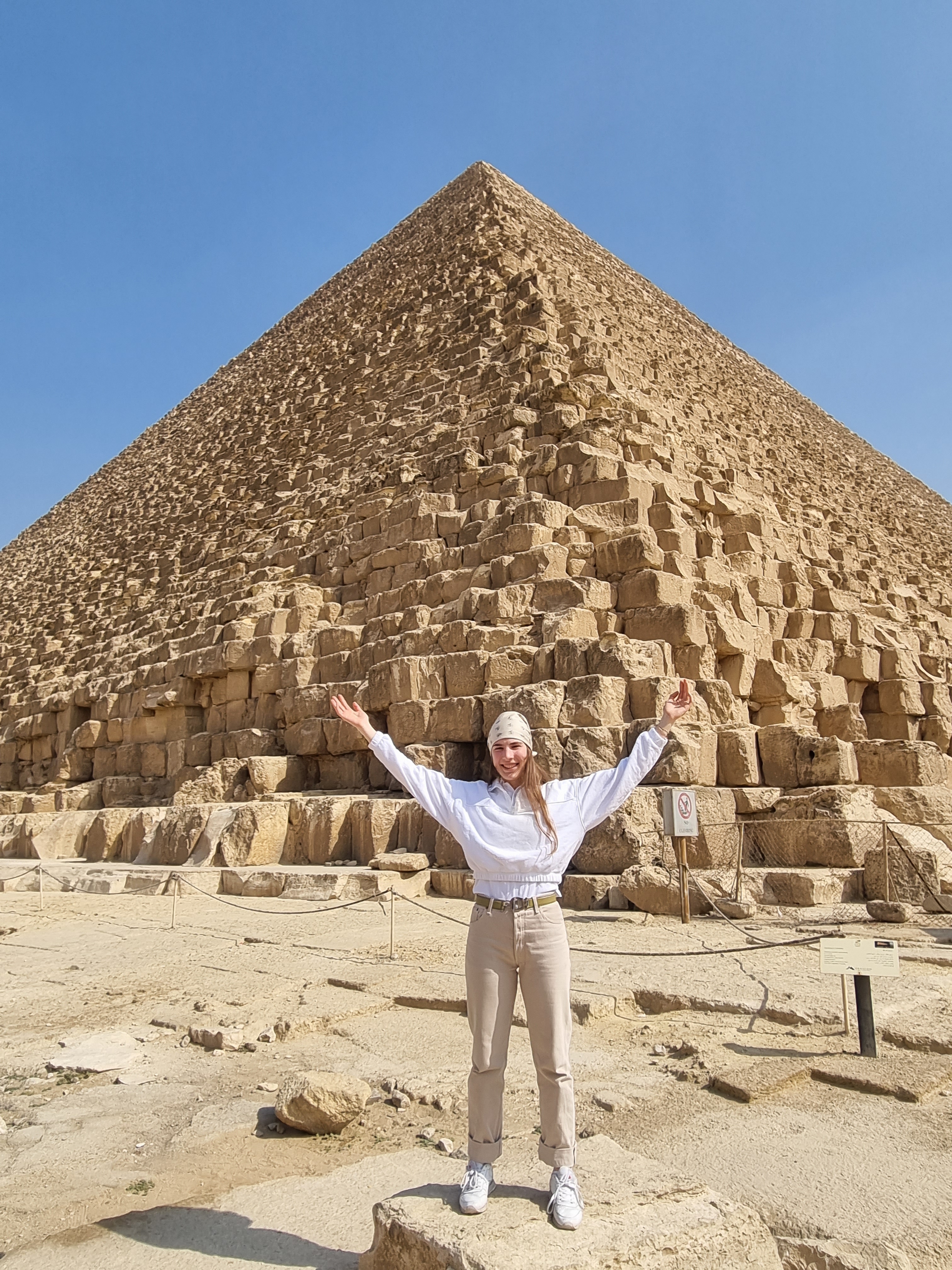
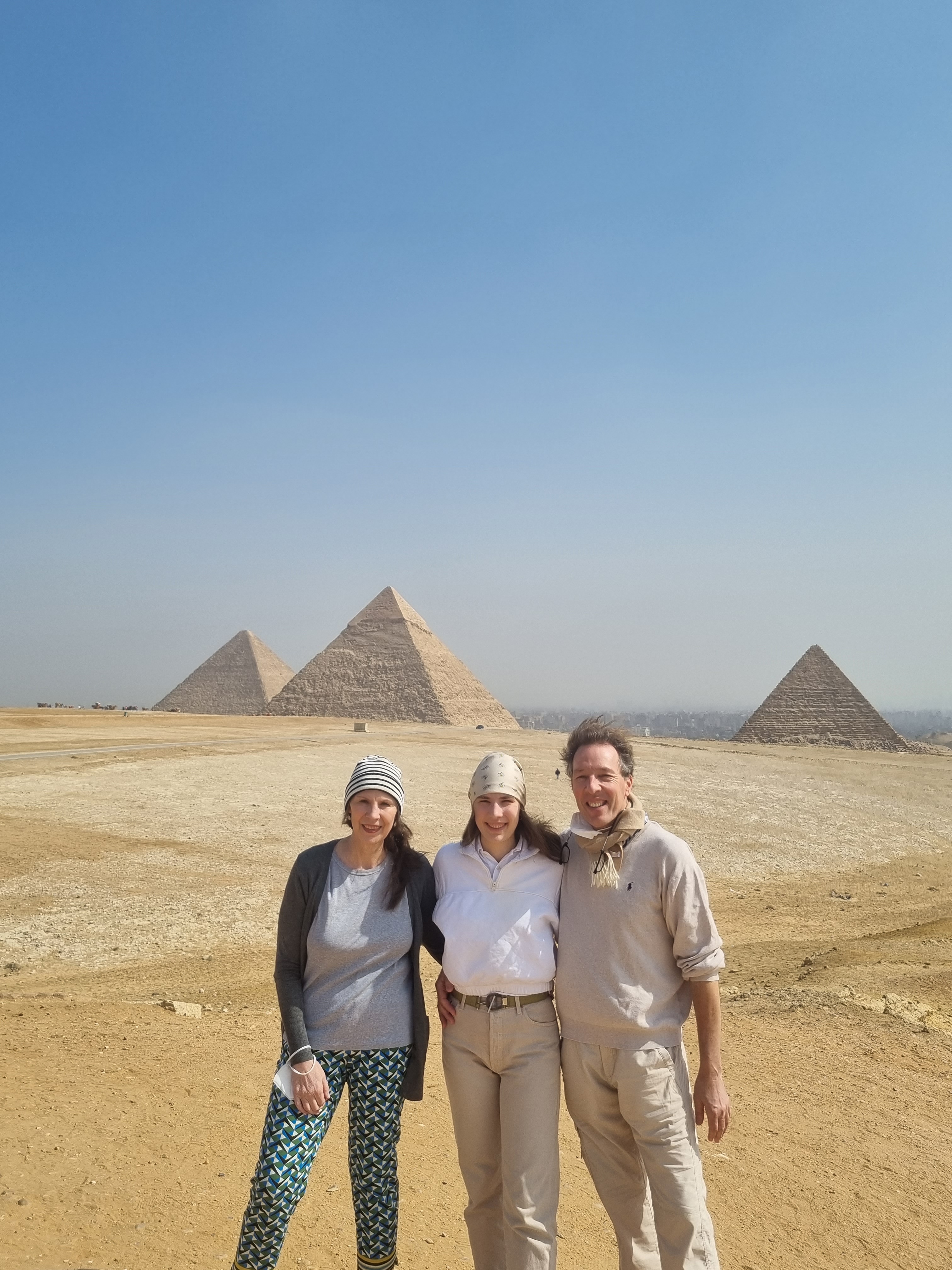
Next, we jumped back into our van and headed to the iconic Pyramids of Giza, where time seems to stand still. The Great Pyramid of Khufu, the only surviving wonder of the ancient world, towers majestically above everything else, showcasing the incredible engineering skills of the ancient Egyptians. For my mother and me, traveling to Egypt has always been a dream, and standing in front of the pyramids made that dream finally come true. It was simply indescribable, and I still can’t quite put it into words.
I had the thrilling experience of climbing the steep ladder inside the Khufu pyramid. Although there isn’t much to see within, it’s an amazing and mysterious feeling to climb this ancient monument, especially when you think about how old it is and the immense effort that went into building it. The climb felt incredibly surreal, and I still can’t believe I was actually inside a Pyramid. Once at the top, it’s hard to grasp just how high you are and the extraordinary effort required to construct such a monument.
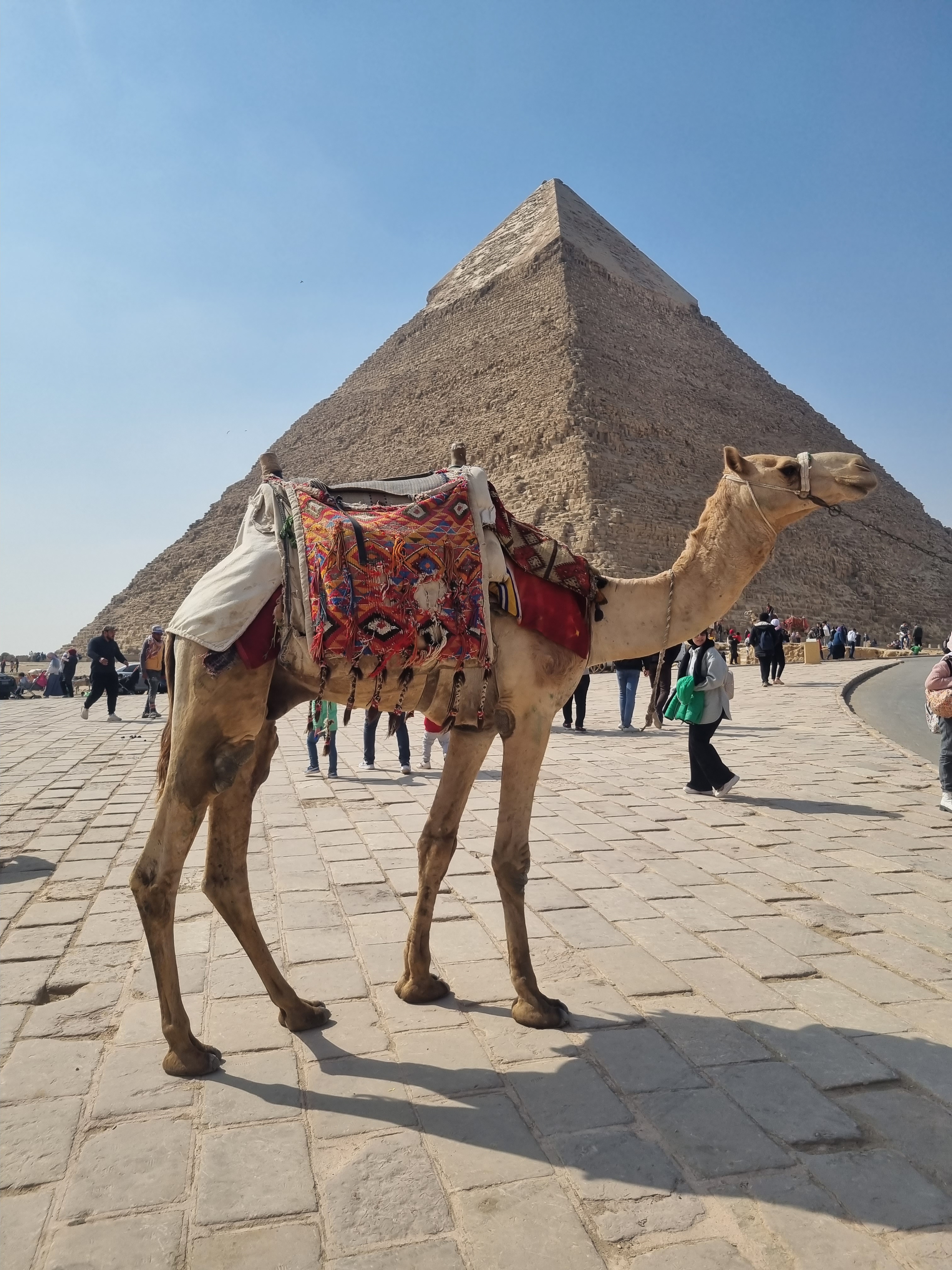
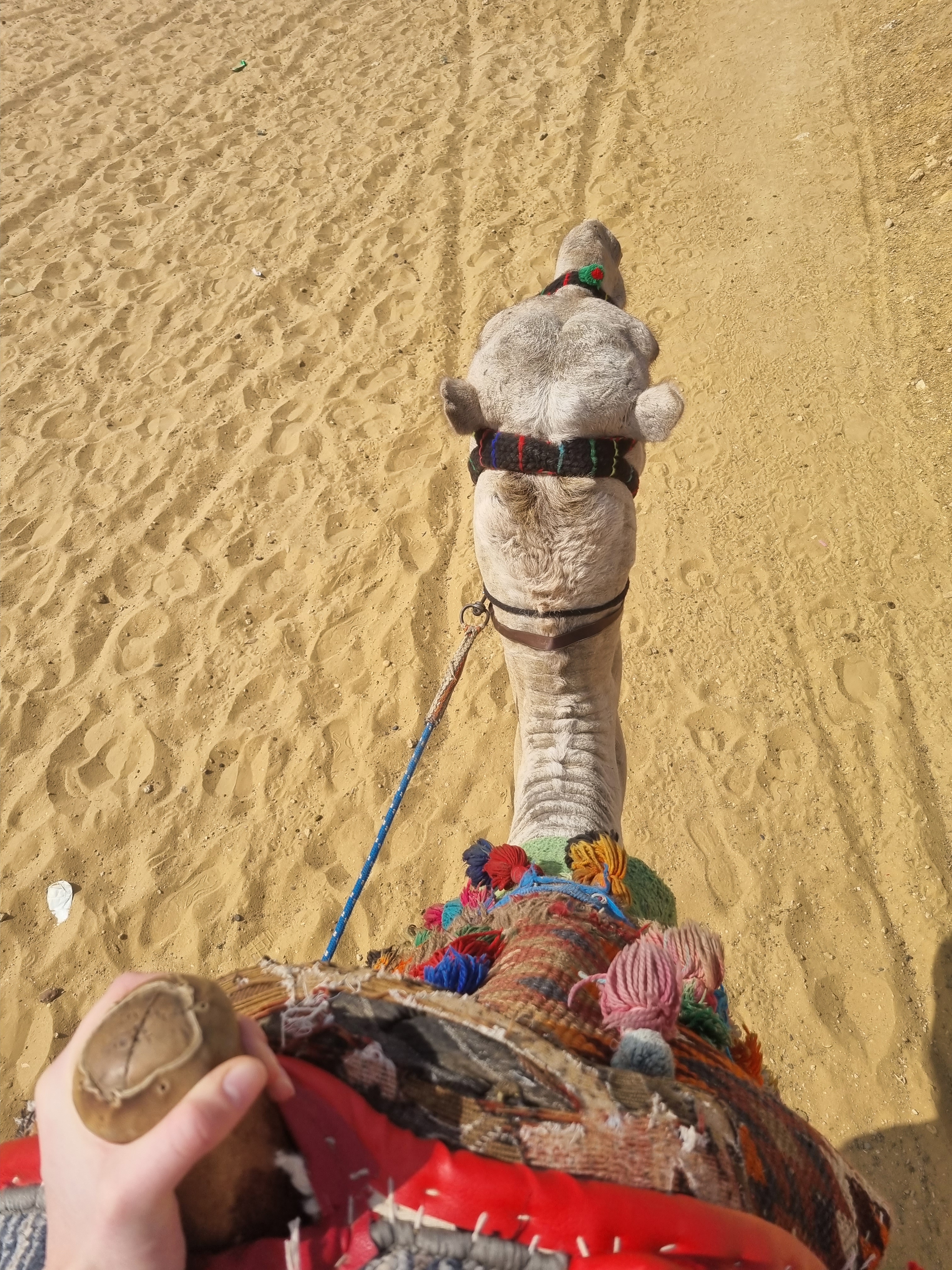
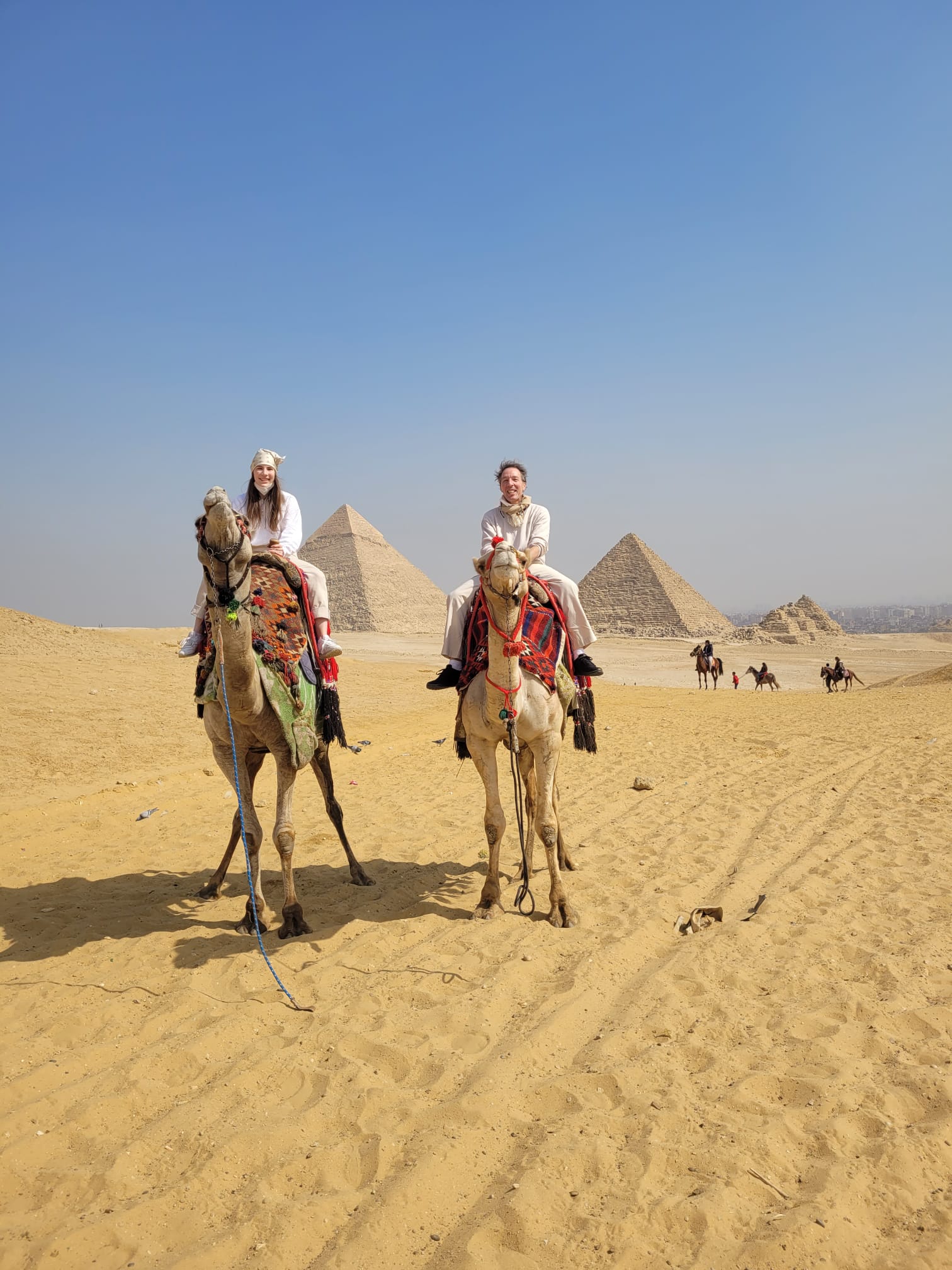
Another experience not to be missed is a camel ride alongside the Giza pyramids. The gentle sway of the camel, the soft desert sand, and the breathtaking scenery create an unforgettable journey. This was particularly special for my father, who had always wanted to ride a camel through the desert. However, as relaxing as it may seem, it’s not that easy as it looks! It takes some courage to sit on such a tall camel and then navigate its slow but sometimes bumpy gait. Overall, this adventure added an extraordinary touch to our time at the pyramids.
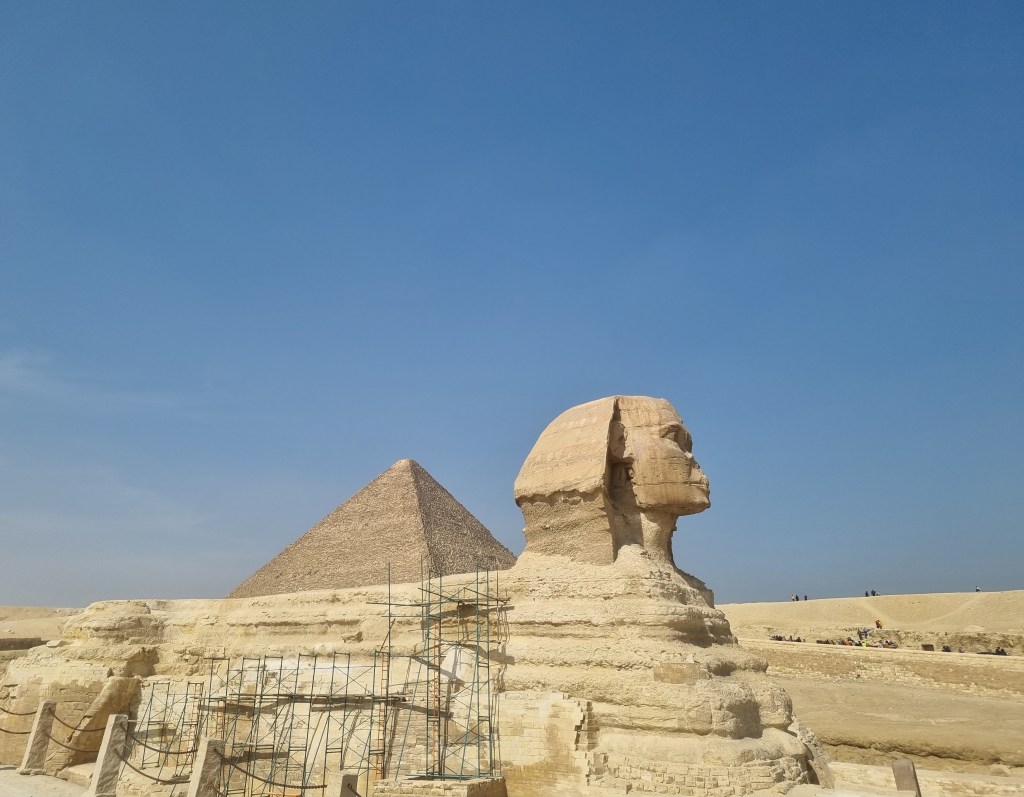
Nearby, the mysterious Sphinx stands tall in the sand, its gaze fixed toward the horizon, enhancing the magic of this remarkable place. Many believe the Sphinx is much bigger than it actually is from what they see in pictures or television, but in reality, it is much smaller than the three giant pyramids that stand above it. Yet, despite its smaller stature, the Sphinx remains an amazing monument, captivating visitors with its mysterious presence and rich history.
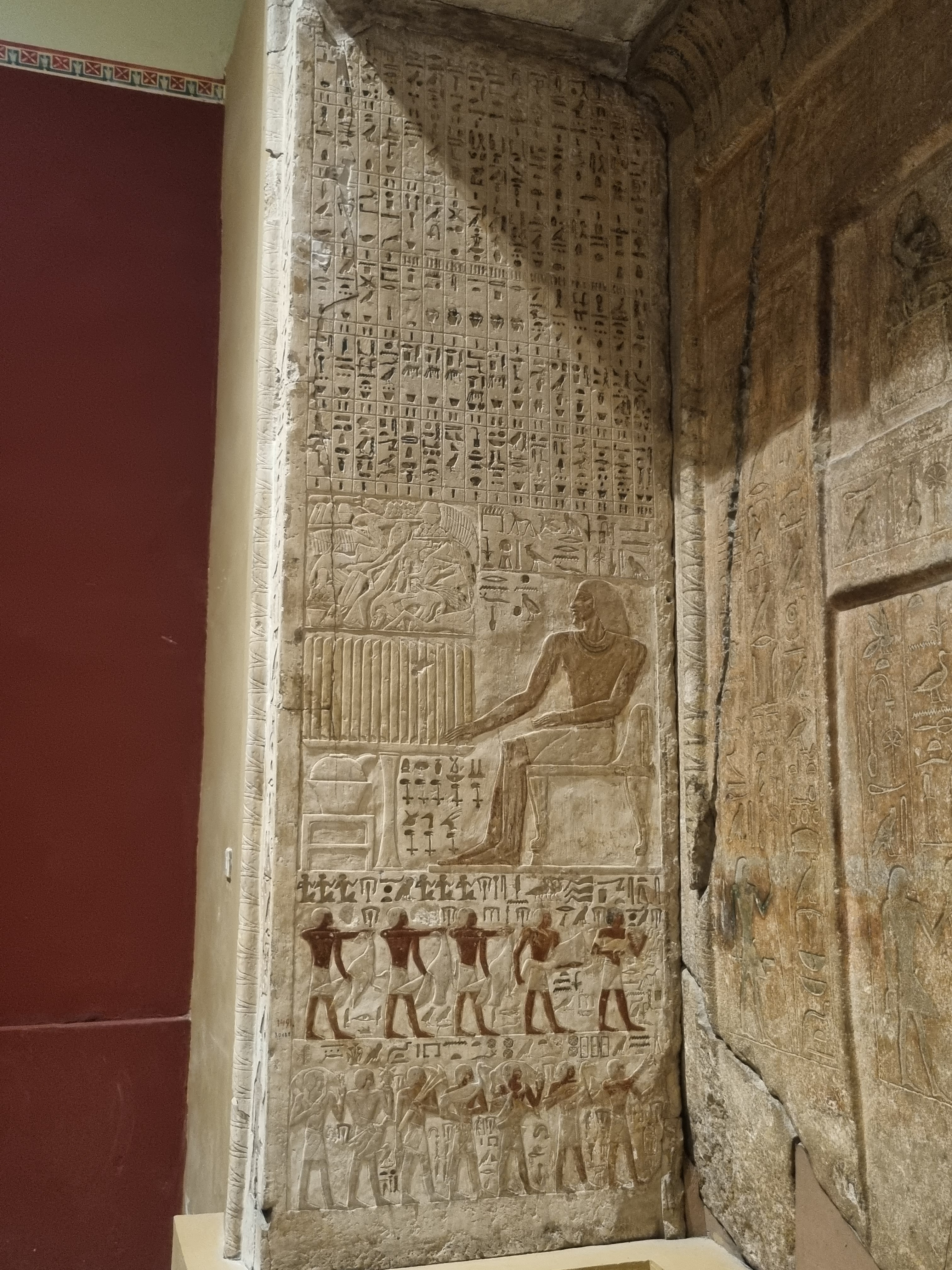
Afterward, we went out for lunch before heading to the Egyptian National Museum, home to the largest collection of pharaonic treasures in the world. Among the highlights of our visit was the stunning golden death mask of Pharaoh Tutankhamun, a masterpiece of ancient art that has captivated people for generations. Standing in front of this iconic artifact was truly magical and mysterious, and it felt like a dream come true, especially since Tutankhamun has been my favorite pharaoh since I was a kid. Unfortunately, visitors are not allowed to take photos of the mask and sarcophagus.
As we wandered through the exhibits, we marveled at beautiful jewelry, mummies, and monumental statues, each piece a testament to the skill of the ancient Egyptians. The museum is a must-visit for anyone wanting to truly understand the depth of Egypt’s history and its cultural heritage.

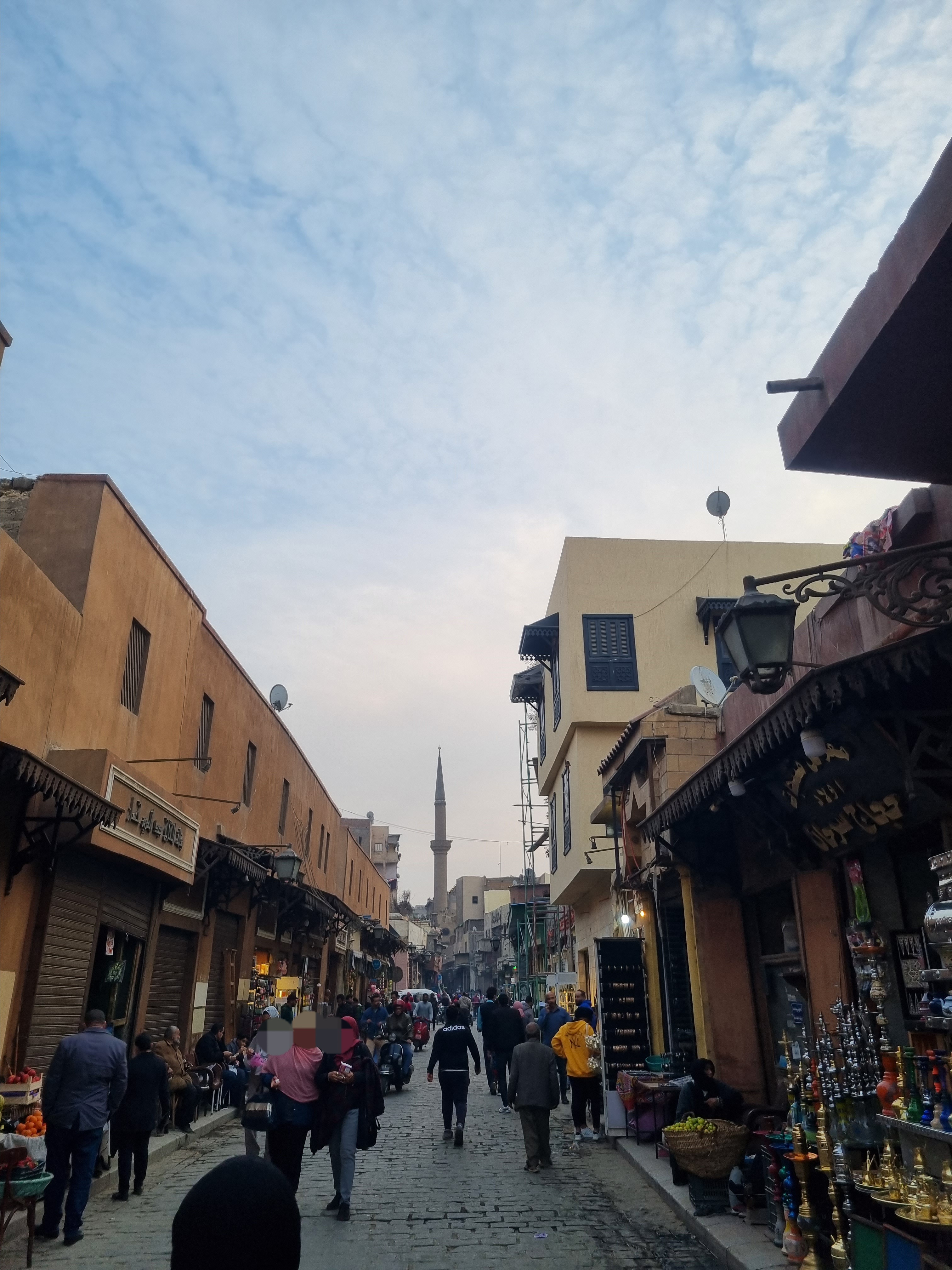
Afterward, we strolled through the lively Khan El Khalili Bazaar. Its narrow alleyways were filled with stalls selling a wide variety of items, from handcrafted souvenirs and beautiful jewelry to fragrant spices and textiles. The atmosphere was vibrant, with the sounds of vendors calling out to customers and the enticing scents of spices filling the air. However, further in the bazaar it got incredibly crowded, and at times, we found ourselves being approached from all sides by vendors eager to make a sale. Because of the hustle and bustle, we didn’t stay too long, but the experience was unforgettable. Khan El Khalili is a must-visit for anyone wanting to immerse themselves in the local culture. If you don’t enjoy such a hustle like me, you’ll also find calmer bazaars though.
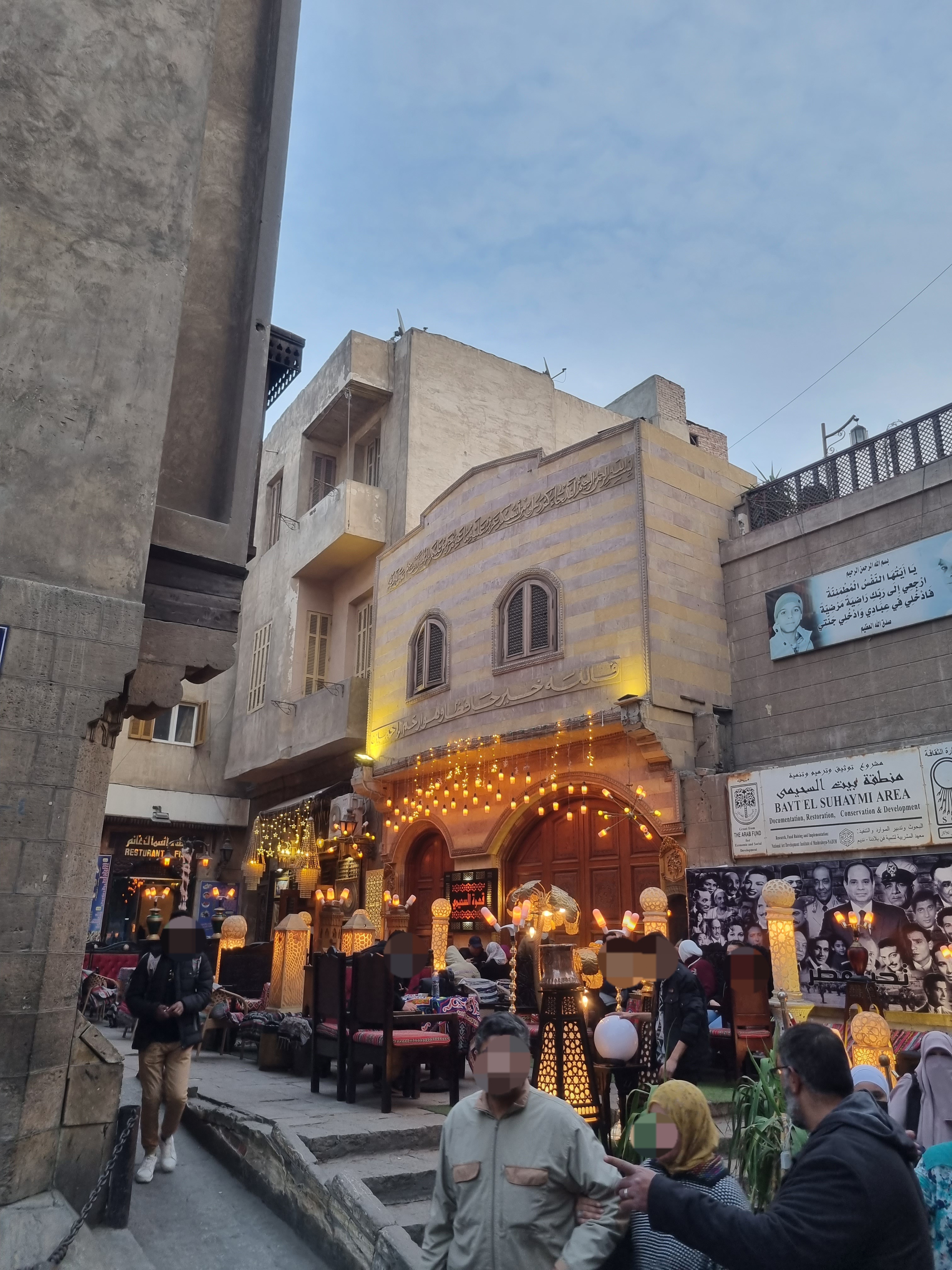
Afterward, we took a short walk around the area before being driven back to our hotel, where we shortly after went to sleep.
Day 3 : Cairo Cultural and Religious Heritage
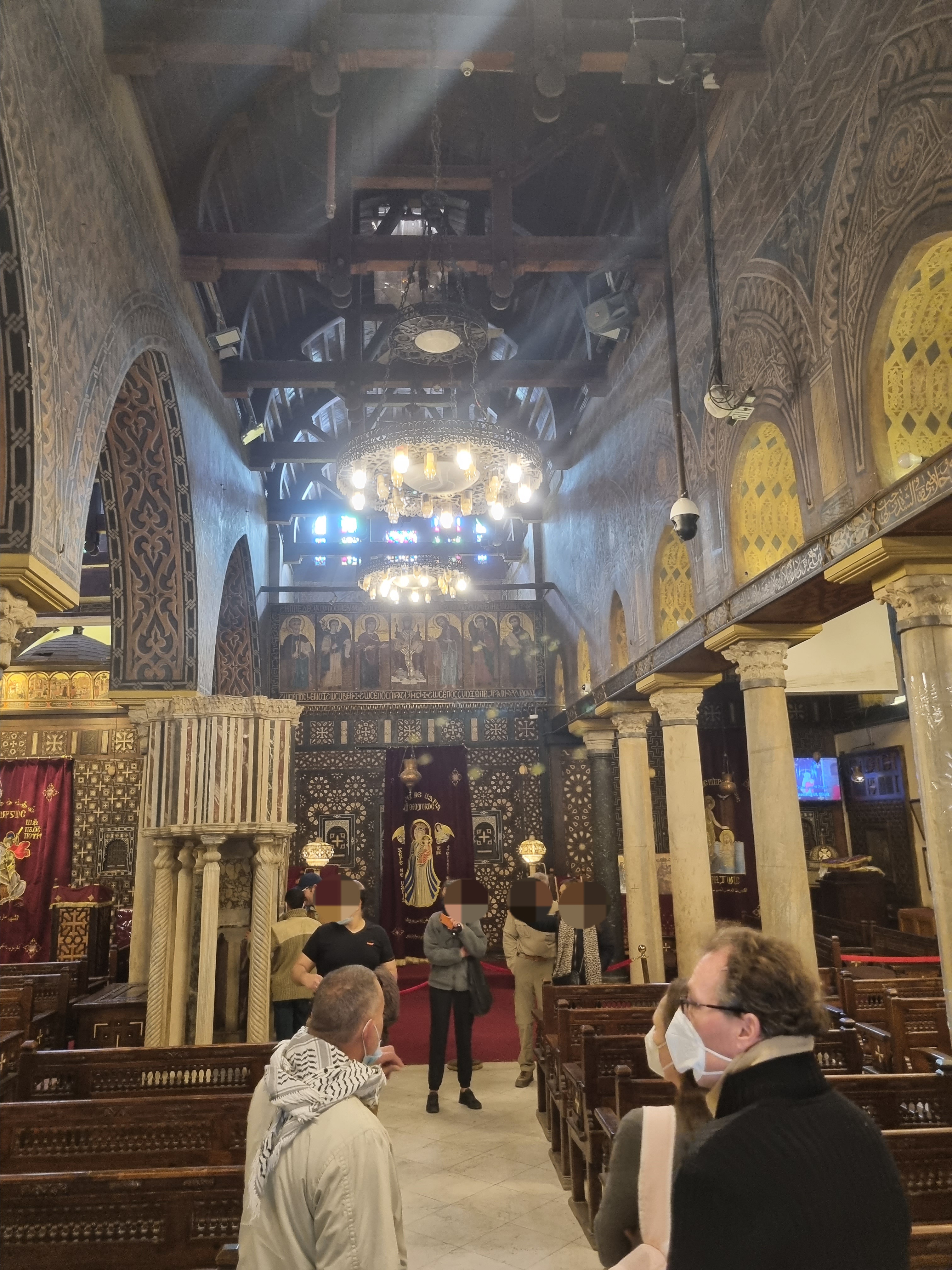
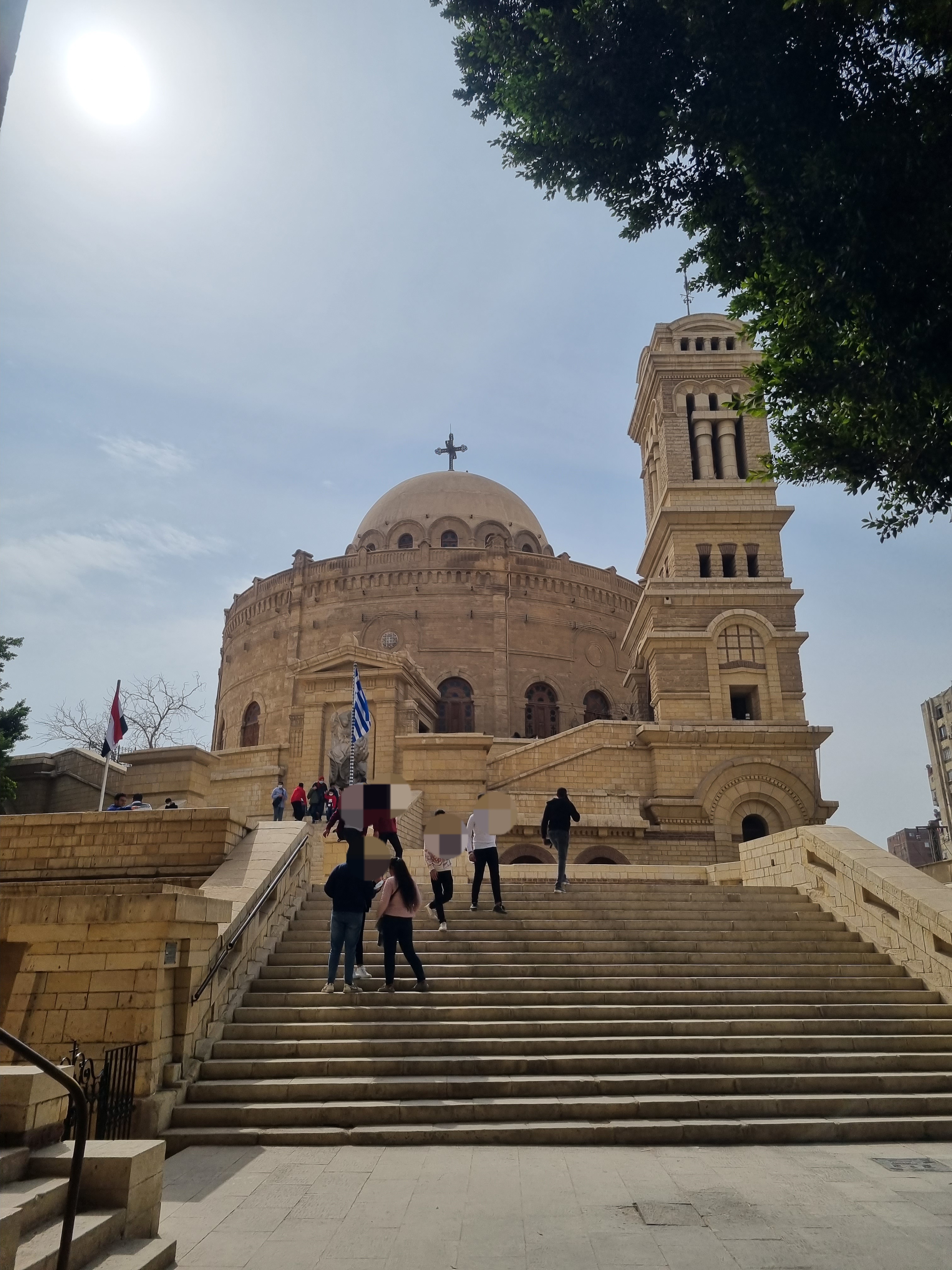
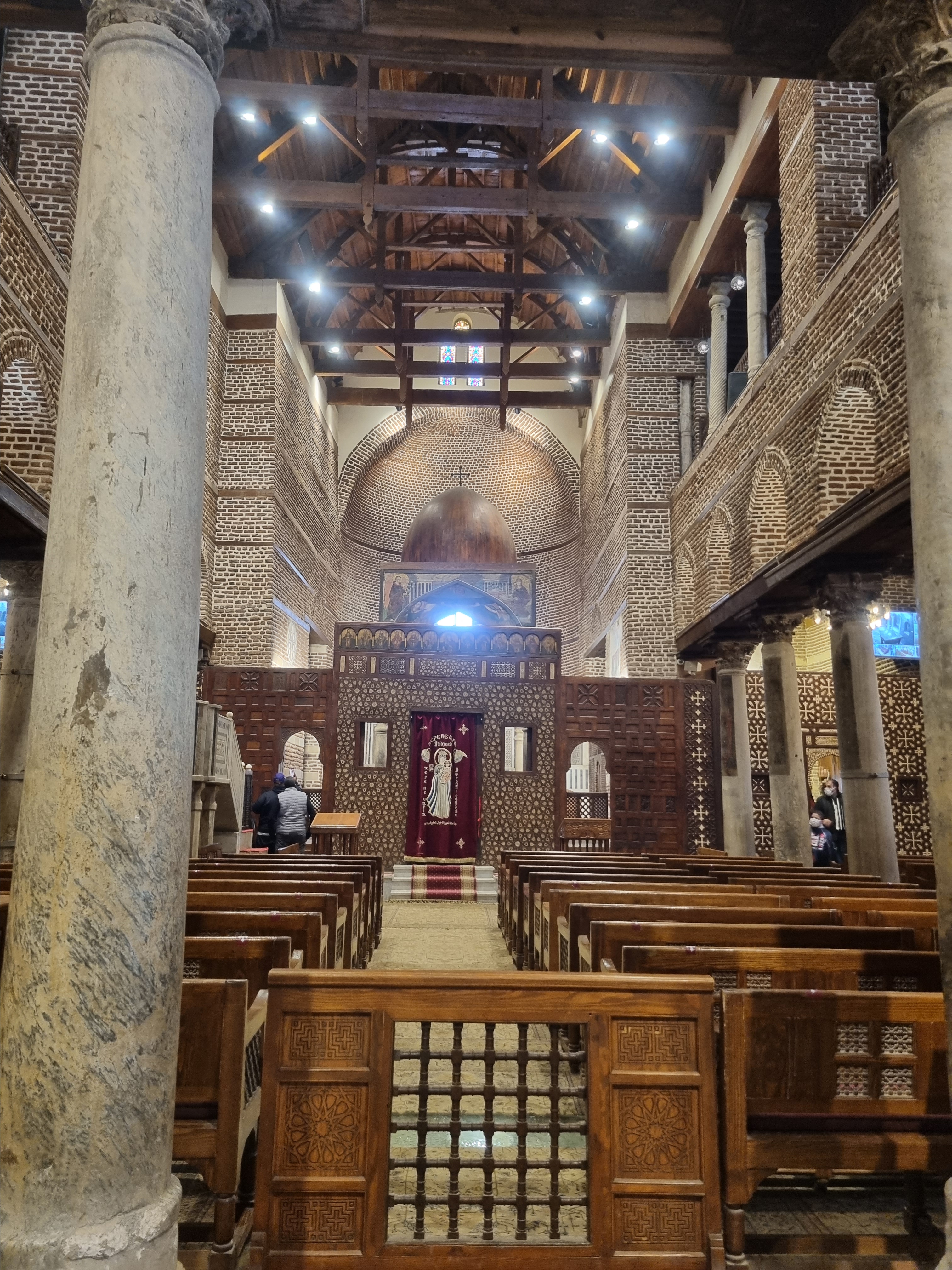
We spent the first half of our second day exploring Cairo’s historic old quarter. Together with our guide, we began at the famous Hanging Church (Al-Muallaqa), one of the city’s oldest and most remarkable Coptic Christian churches. We took time to appreciate its architecture both inside and outside.

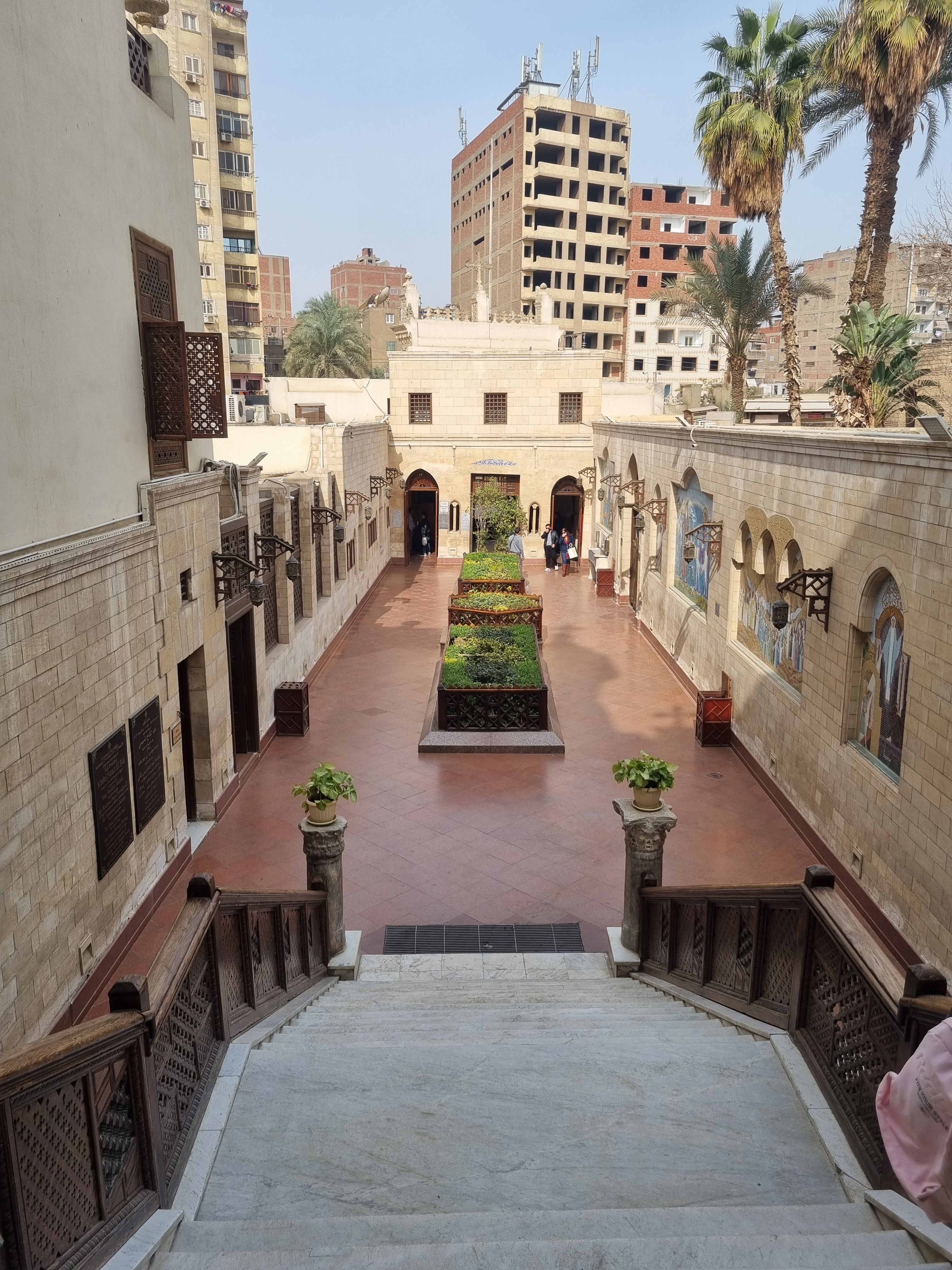
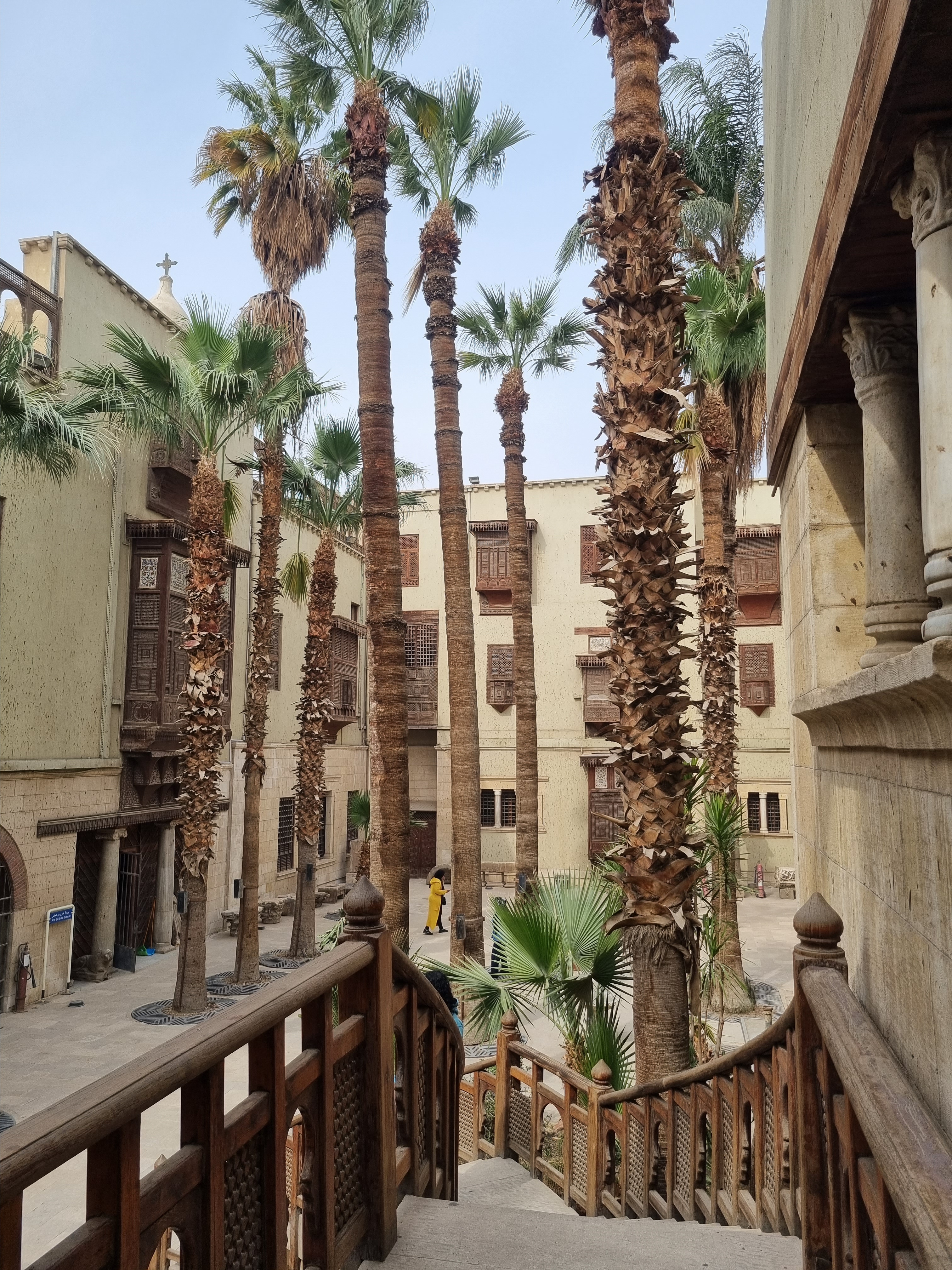
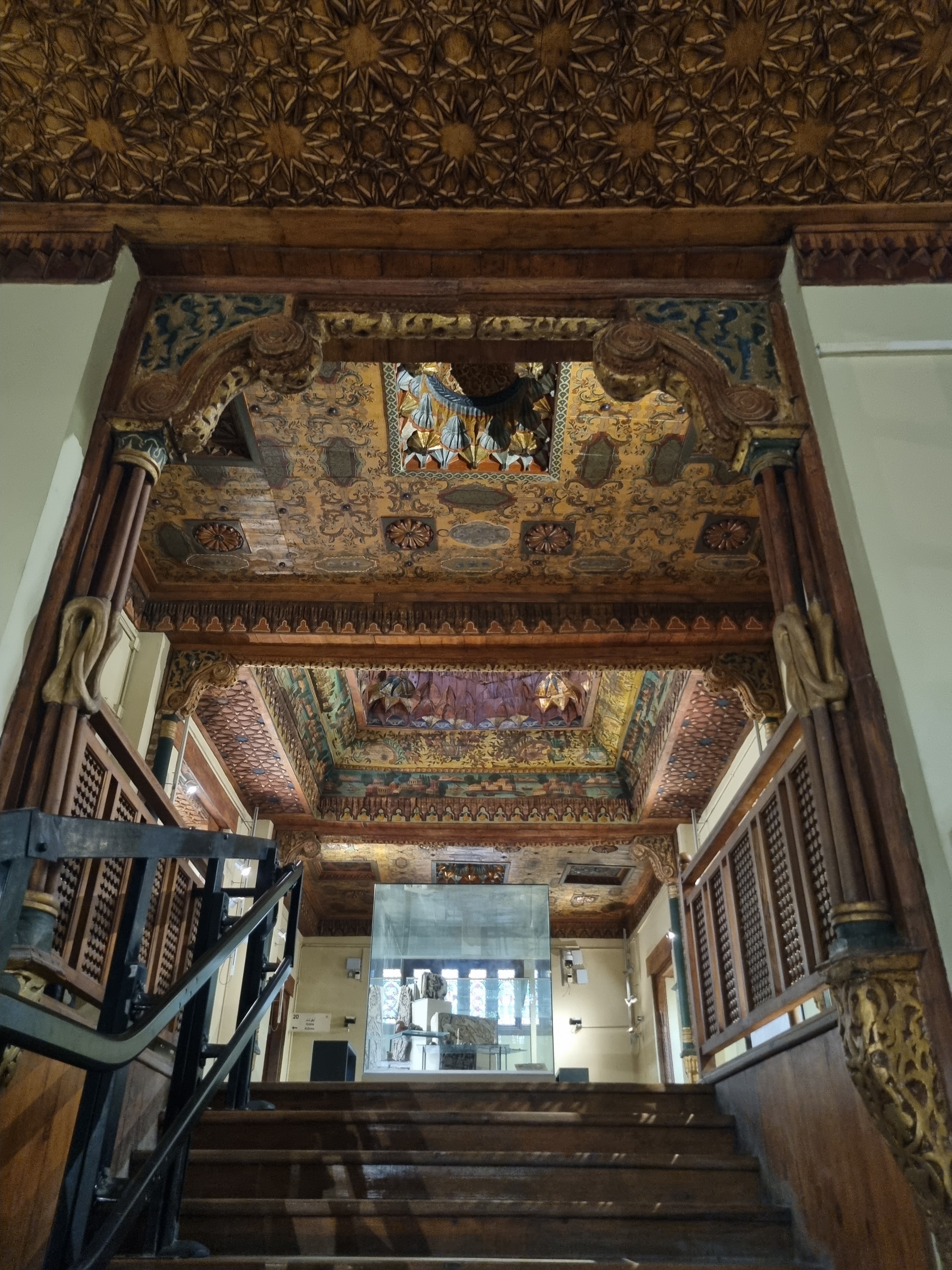
Next, we visited the nearby Coptic Museum, which houses an incredible collection of Christian artifacts, manuscripts, and artwork, offering a deep look into Egypt’s Coptic heritage. The museum’s exhibits include beautifully preserved icons, ancient manuscripts, and intricate wood carvings, many dating back hundreds of years, showcasing the art and history of Egypt’s Christian community. Each piece tells a story of Egypt’s religious past and the role Coptic Christians have played in the country’s history – some of the ceilings in the museum are truly amazing.

Just a short walk away, we arrived at the Ben Ezra Synagogue. Though we only admired it from the outside, this synagogue has a fascinating history and is one of the oldest in Cairo. According to locals our guide told us, that the synagogue is built on the site where baby Moses was found. The synagogue is an important reminder of Cairo’s diverse religious history, with Jewish, Christian, and Islamic sites standing side by side in this ancient part of the city.
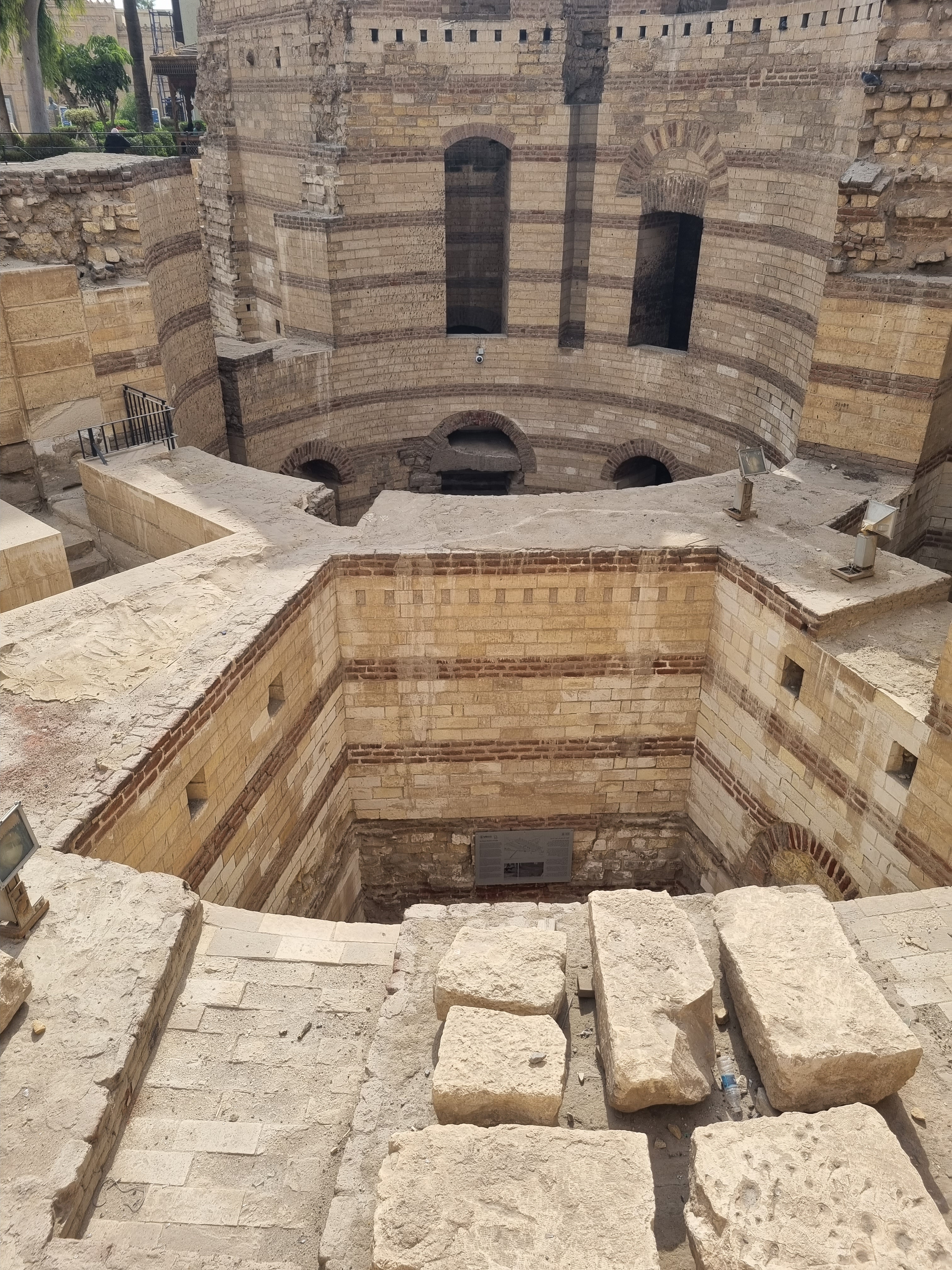
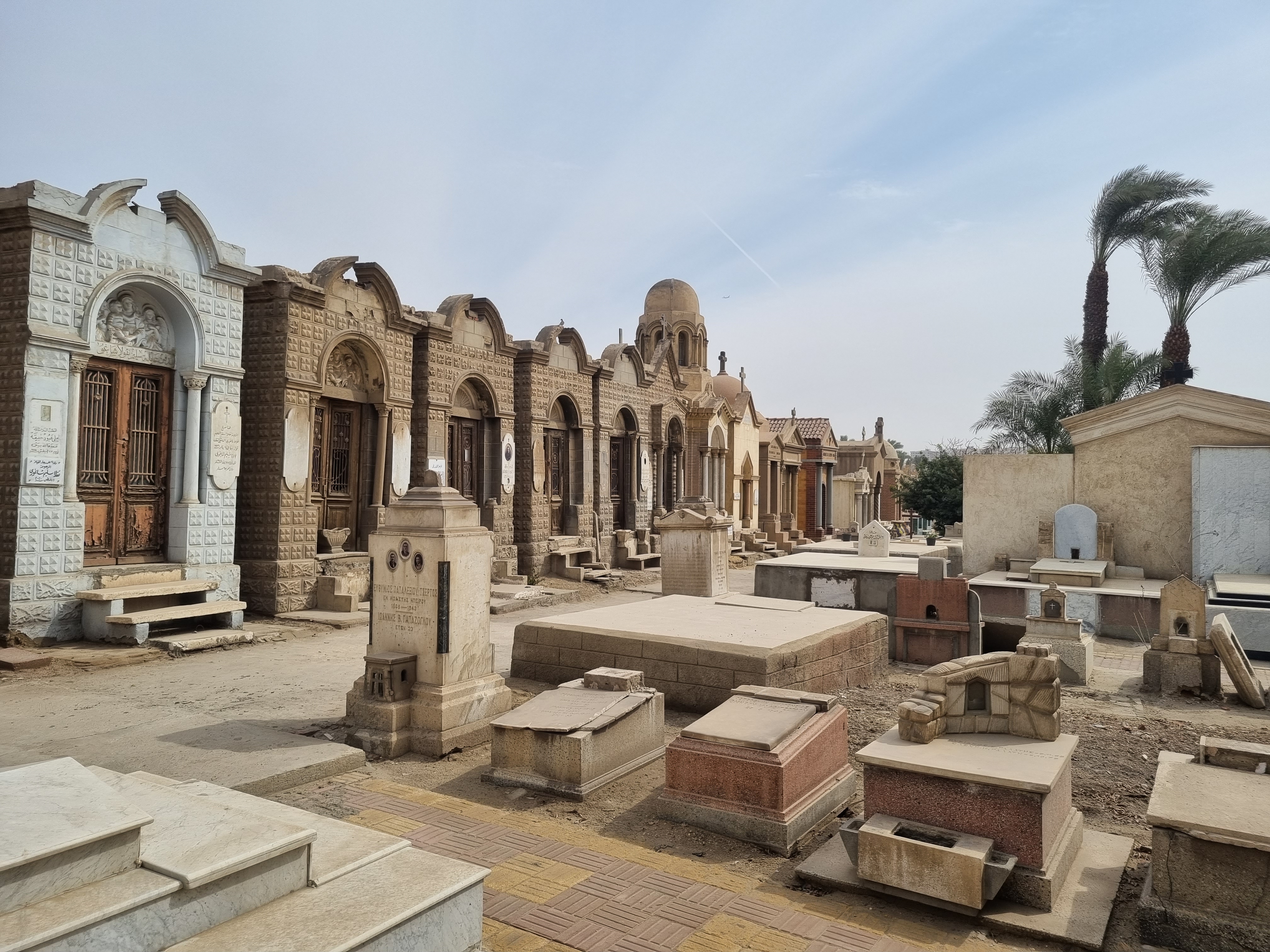
Next to the Coptic Museum and the Ben Ezra Synagogue lies the historic Coptic Cemetery of Old Cairo, a significant site for Egypt’s Coptic Christian community, which we also had the chance to visit. Wandering through the cemetery and the stories of our guide gave us a glimpse into the lives and traditions of Egypt’s oldest Christian community.
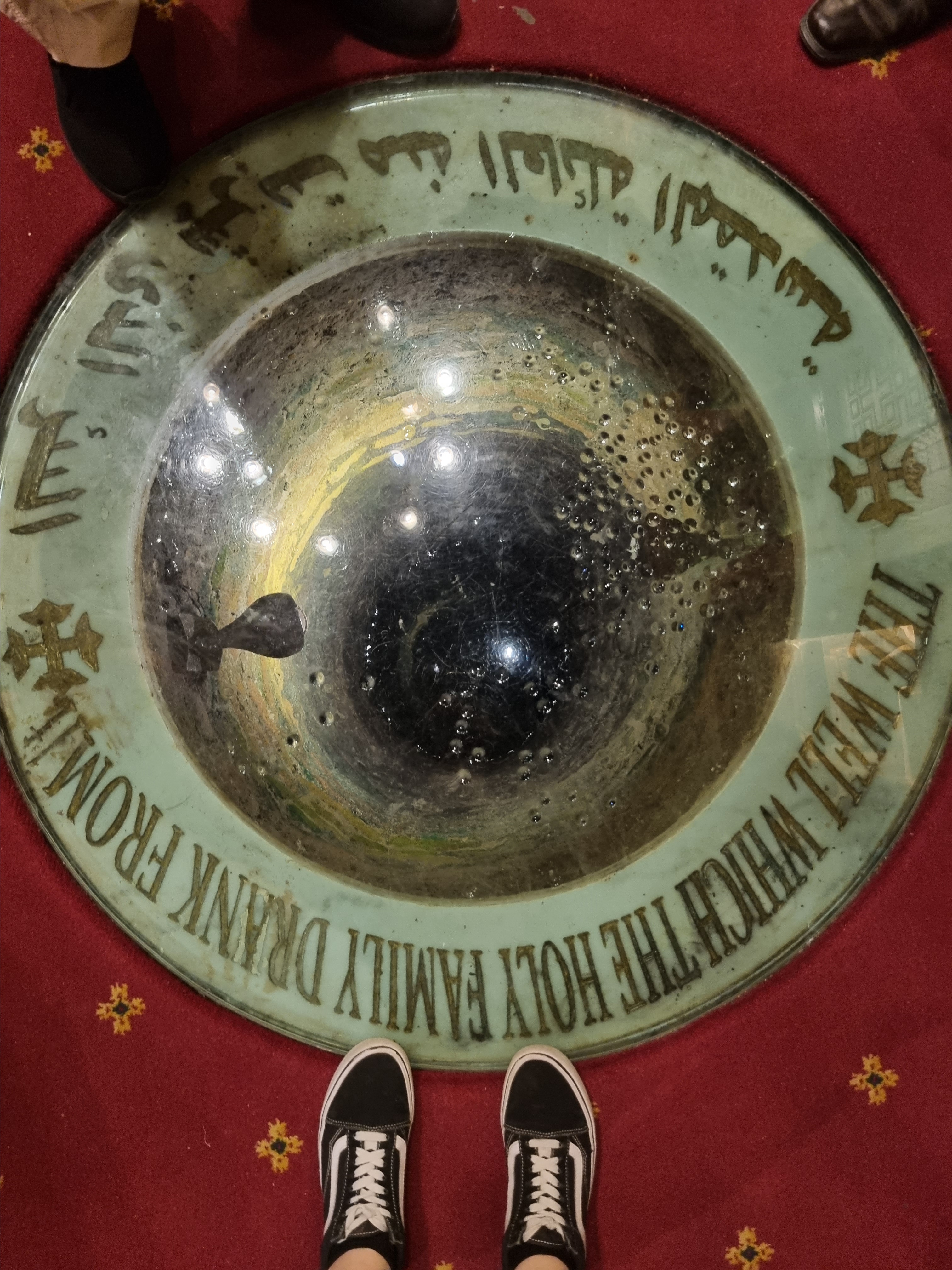
After exploring the cemetery, we took a walk through the narrow streets of Old Cairo, where historic buildings, local shops, little bazaars, and religious landmarks coexist in this ancient neighborhood. It seemed so much quieter than the rest of Cairo we saw before. We then came across the Church of Saints Sergius and Bacchus, another one of the oldest churches in Egypt. According to our guide, this church was built over a crypt where the Holy Family is believed to have taken refuge during their time in Egypt.

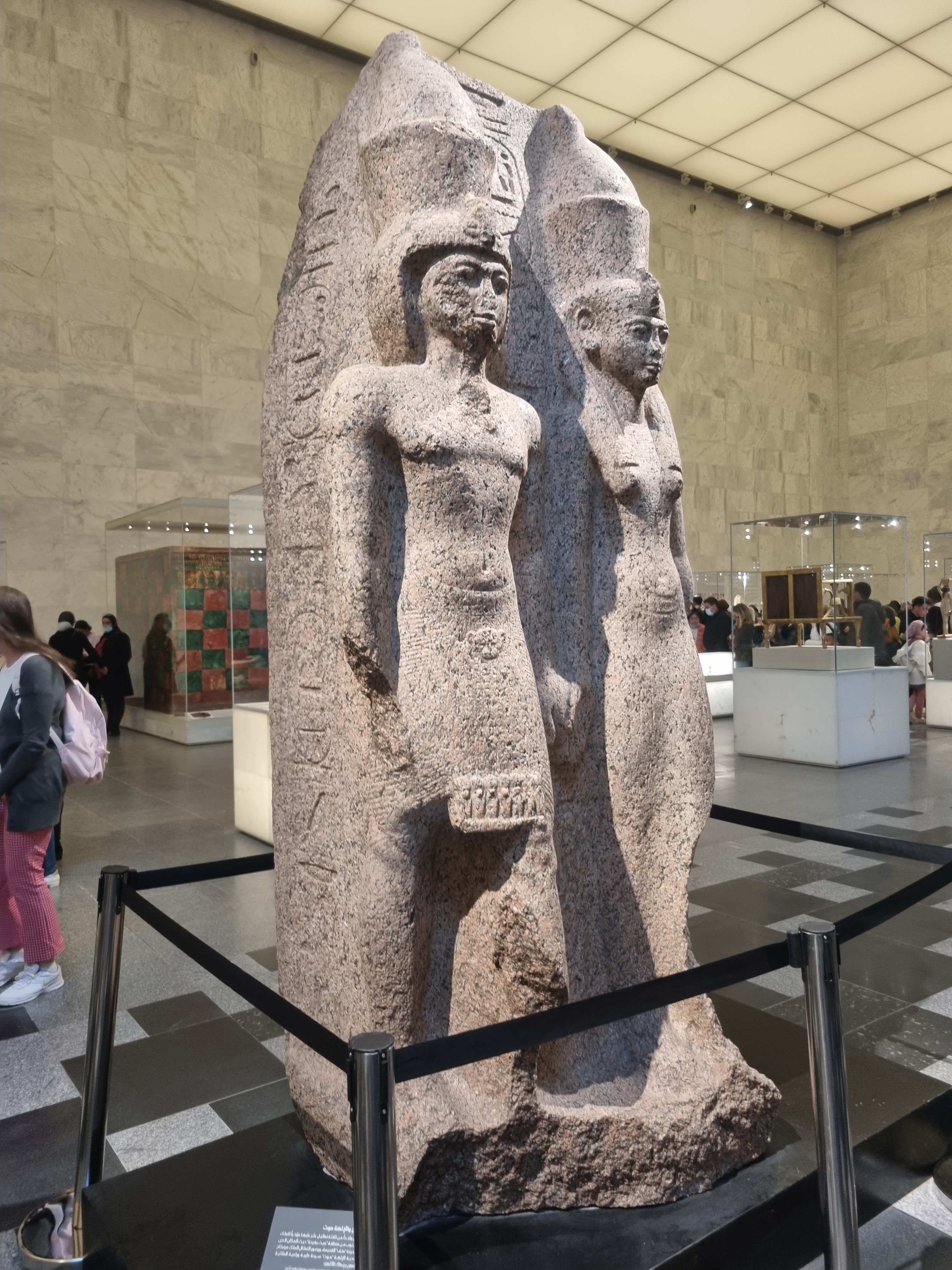
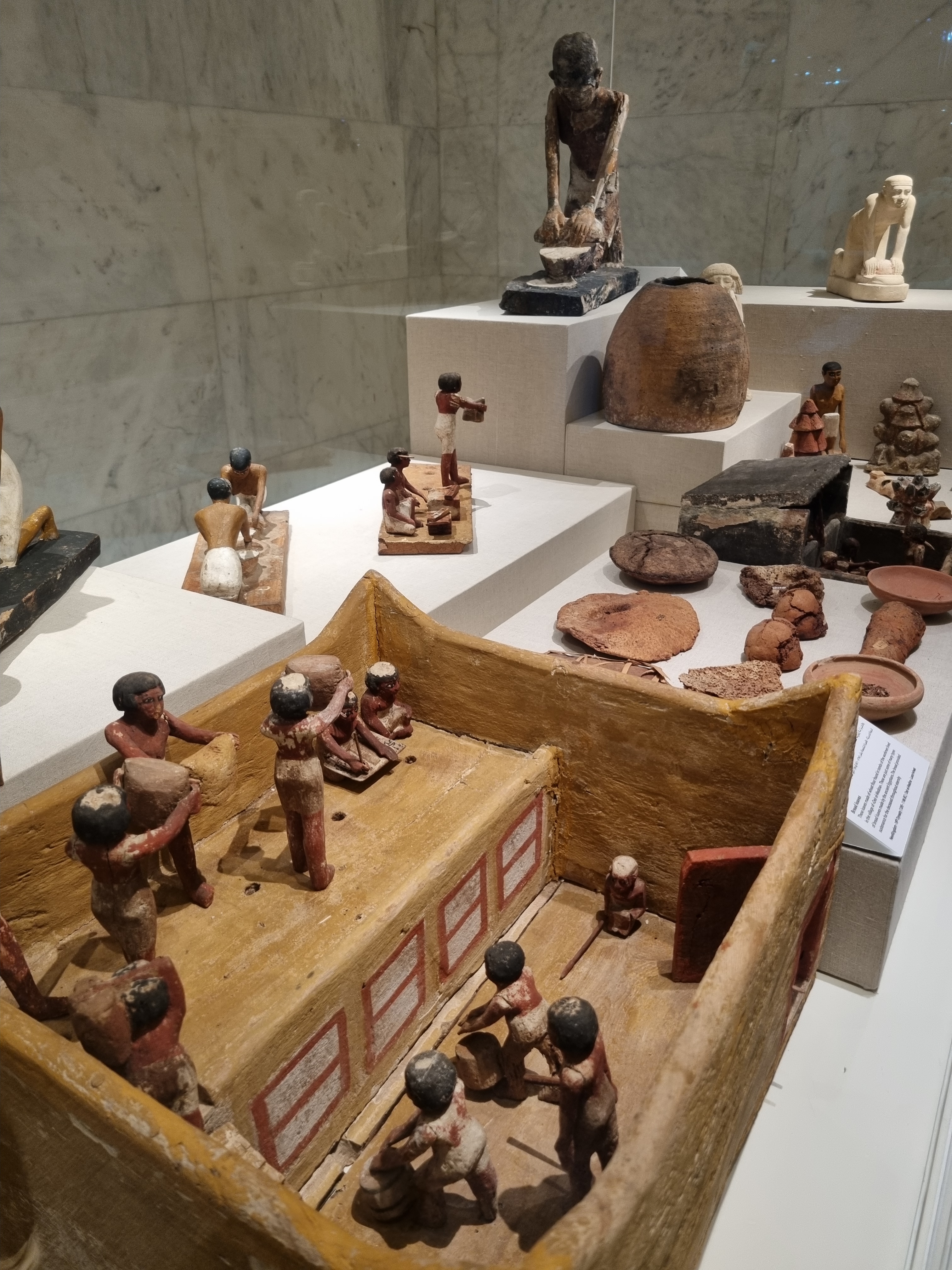
After lunch, we visited the National Museum of Egyptian Civilization, where our guide introduced us to many fascinating details about the exhibits. In 2022, the museum opened with a grand ceremony, marked by an impressive parade that transported 22 ancient royal mummies through Cairo to their new home here.
Once our guide finished showing us around, we had time to explore the museum on our own, taking in its modern design and impressive collections. The highlight of our visit was definitely the Royal Mummies Hall, where we saw the carefully preserved mummies of some of Egypt’s most famous pharaohs. It’s incredible to think that, after all these centuries, these ancient figures remain so well-preserved. This museum is truly a must-see for anyone interested in experiencing Egypt’s extraordinary history up close.
After we had explored the museum and enjoyed dinner, we headed back to the hotel to pack and get an early night’s rest. We had to be up very early the next morning for our flight to Luxor, where we would meet our new guide and spend the next few days sailing down the Nile on a small cruise ship.
Day 4: Luxor – Esna – Edfu
The next morning, we boarded our flight to Luxor, around 700 kilometers south of Cairo. Known as the gateway to some of Egypt’s most remarkable ancient sites, such as the magnificent Karnak Temple complex, the beautiful Luxor Temple, and the mysterious Valley of the Kings, Luxor offers a wealth of historical treasures. Upon landing, we were welcomed by our new guide, who brought us directly to our small Nile cruise ship. Just like in Cairo, we were fortunate to have the guide to ourselves due to the travel restrictions caused by the pandemic, which made the experience even more personal and insightful. After settling into our cabins, we headed out to explore the famous Karnak Temple before setting sail in the early afternoon.
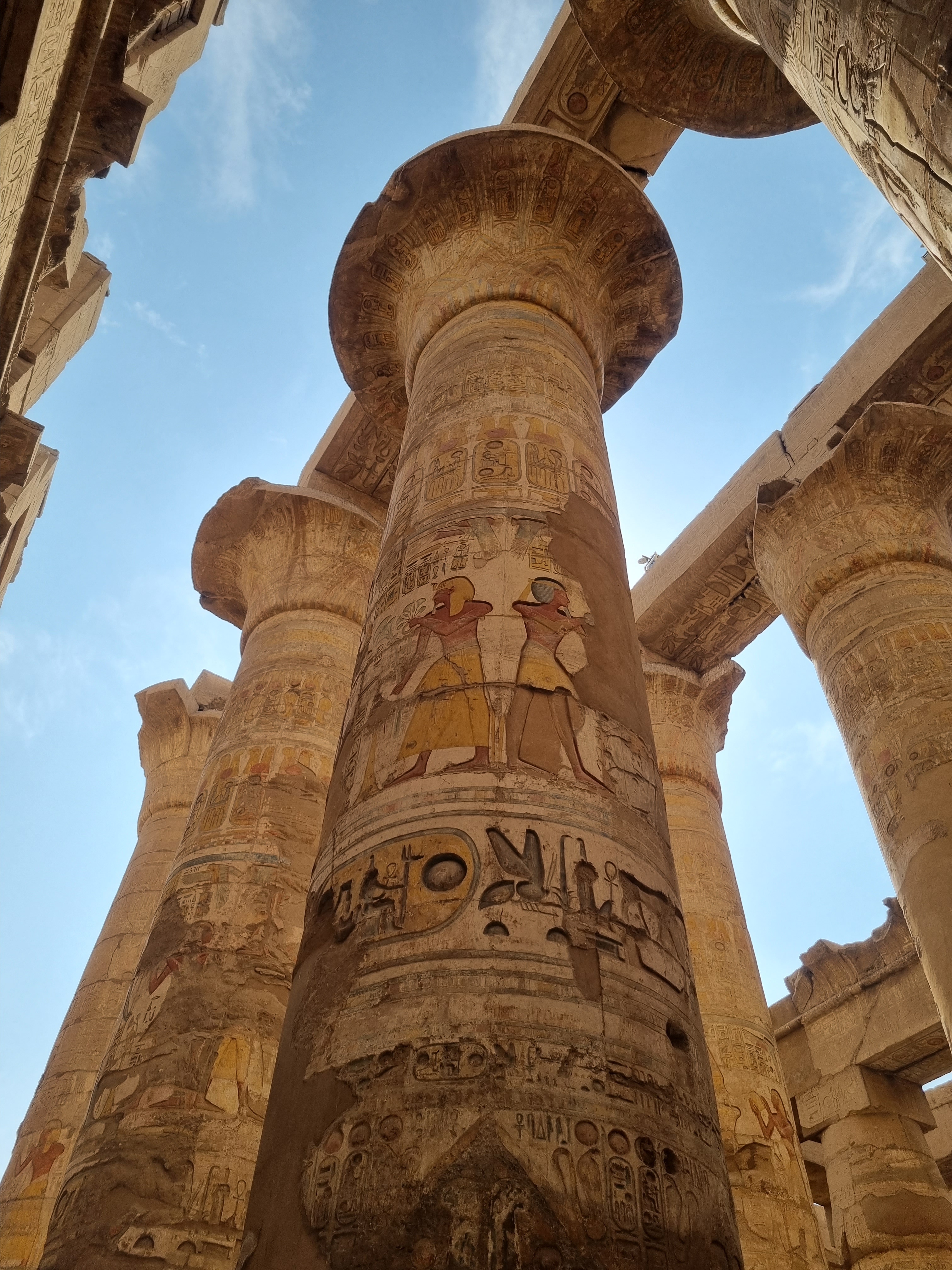
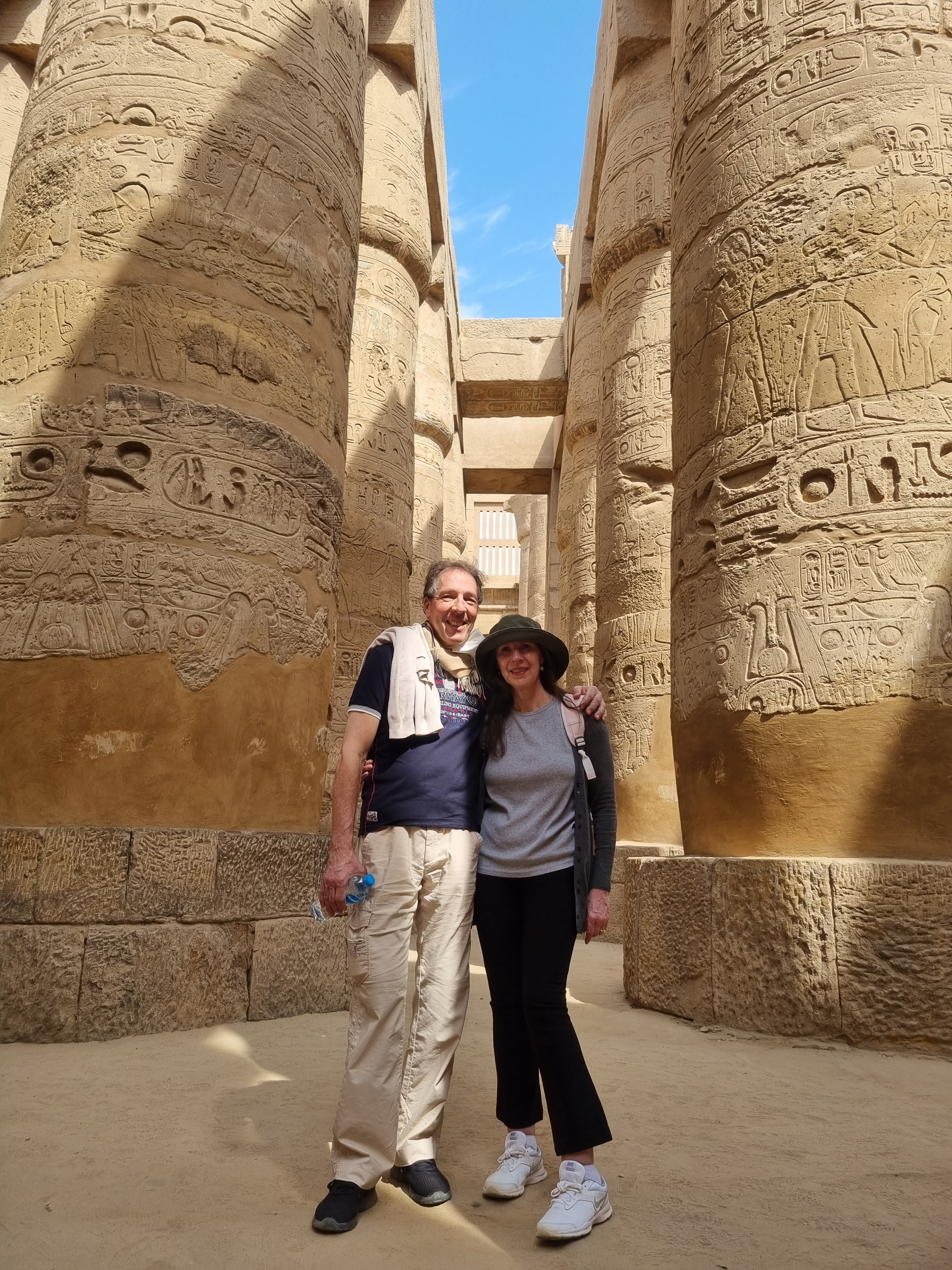
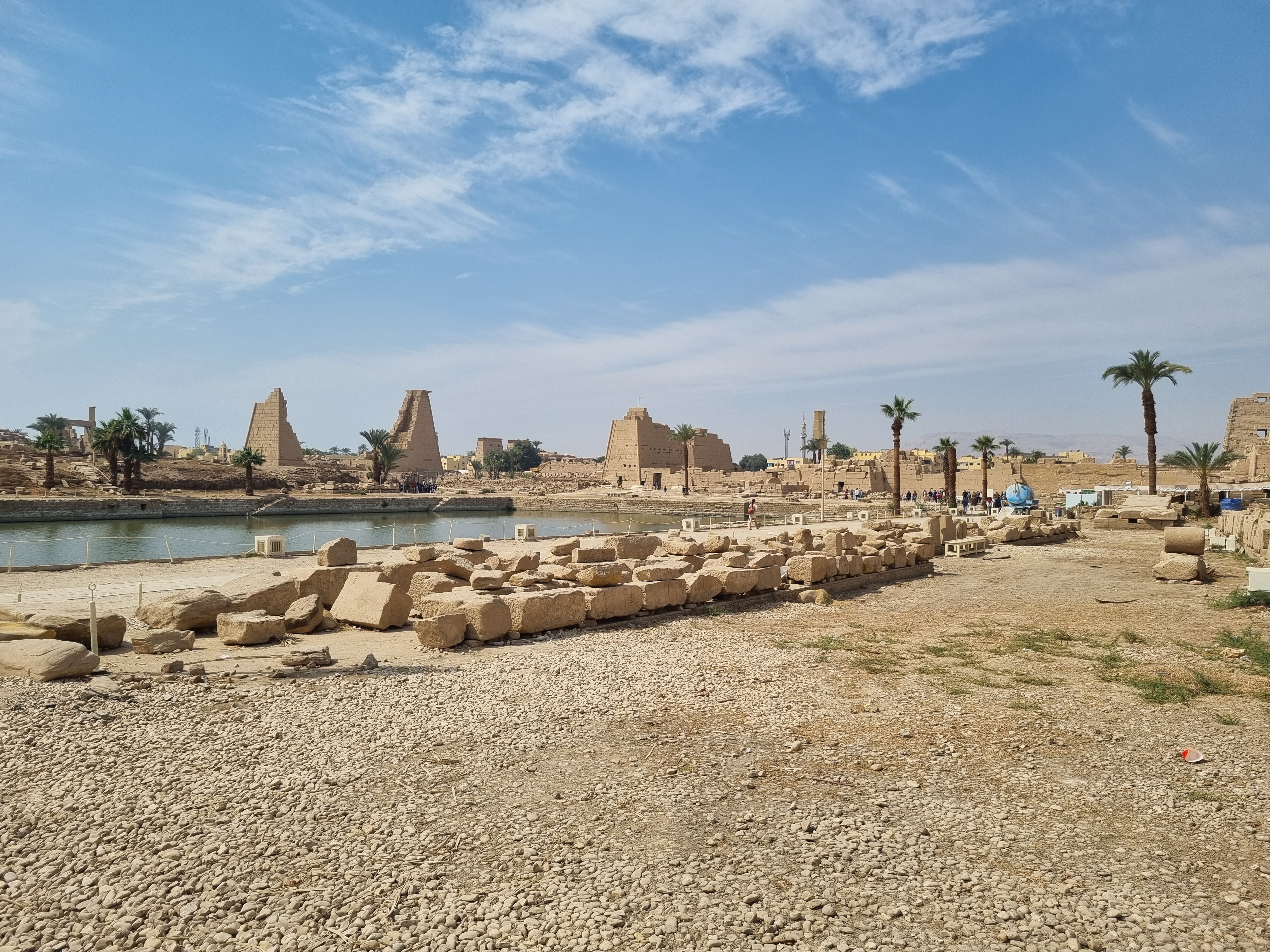
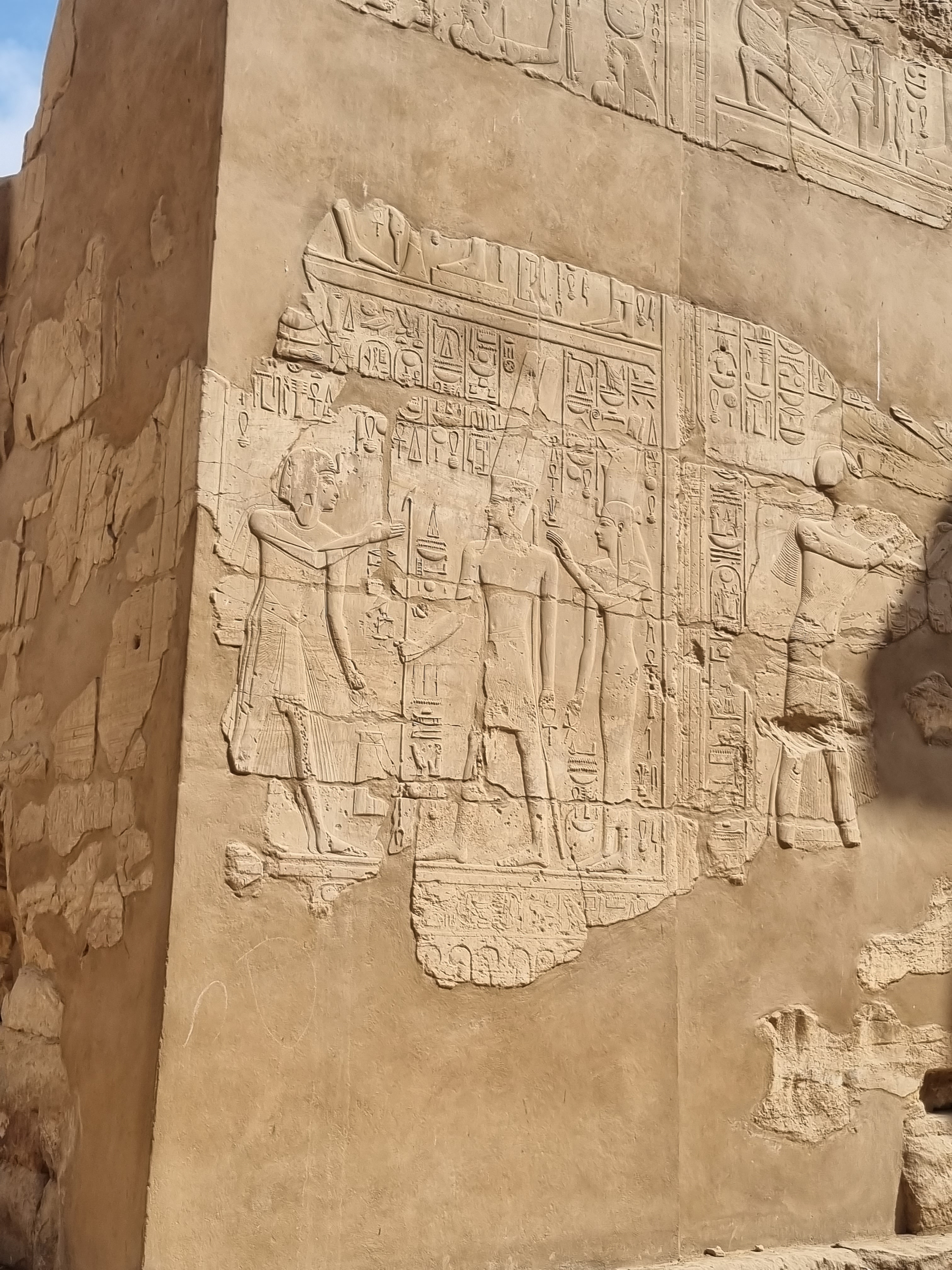
Walking through Karnak was an unforgettable experience. The temple is a huge labyrinth of towering columns, detailed obelisks, and giant statues that show the greatness of ancient Egypt. The decorated pillars, which once held up a massive roof, are covered in beautiful hieroglyphs and carvings that tell stories of rituals, stories, and festivals of the gods. Although most of the colors have faded over time and weather, there are still a few spots where you can see the carvings in vibrant color. Even though we visited during the pandemic, the site was still quite busy, I can only imagine how crowded it must be in normal times! Walking among those colossal pillars was still truly an indescribable feeling, one that words alone can hardly capture.
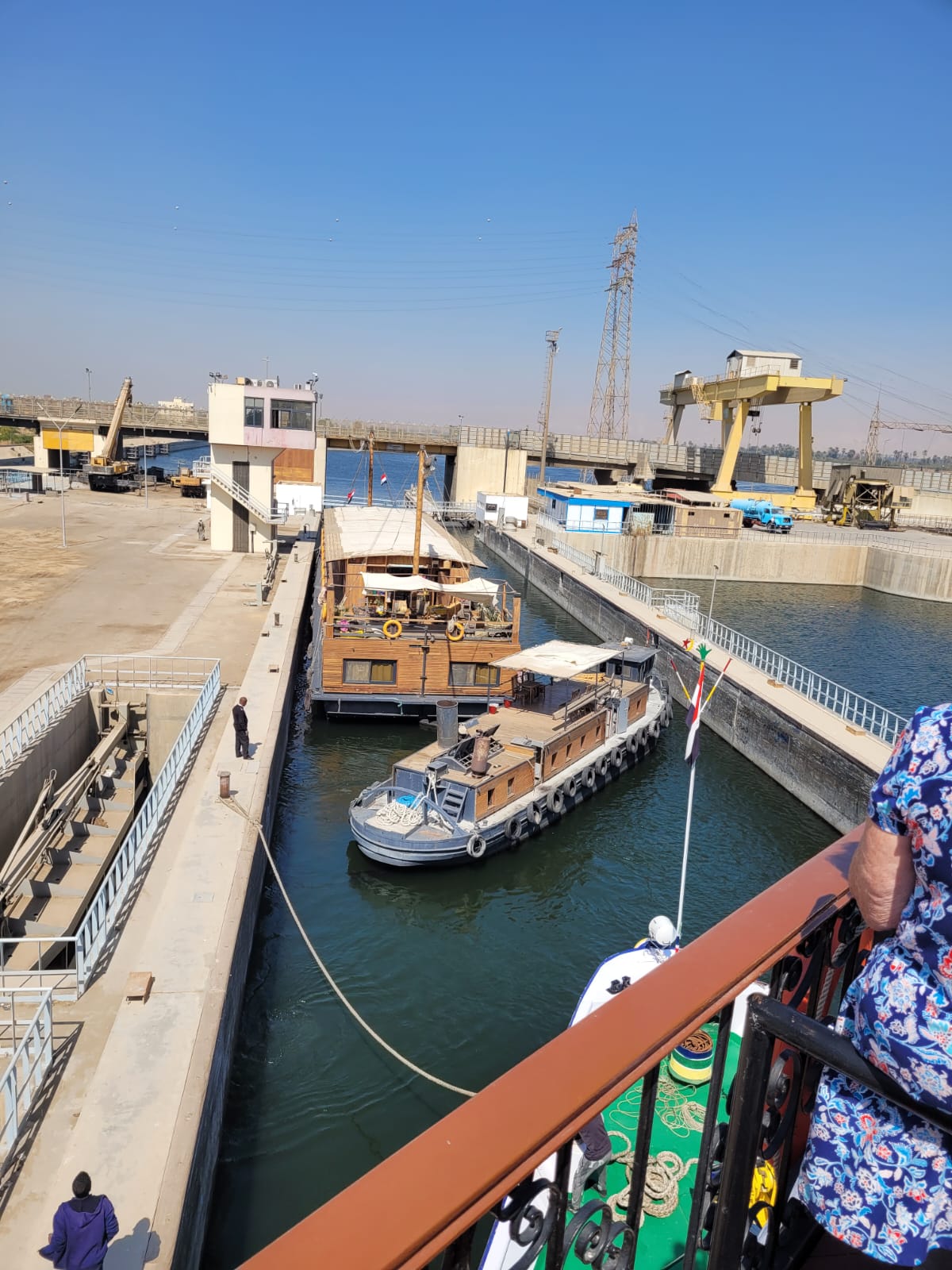
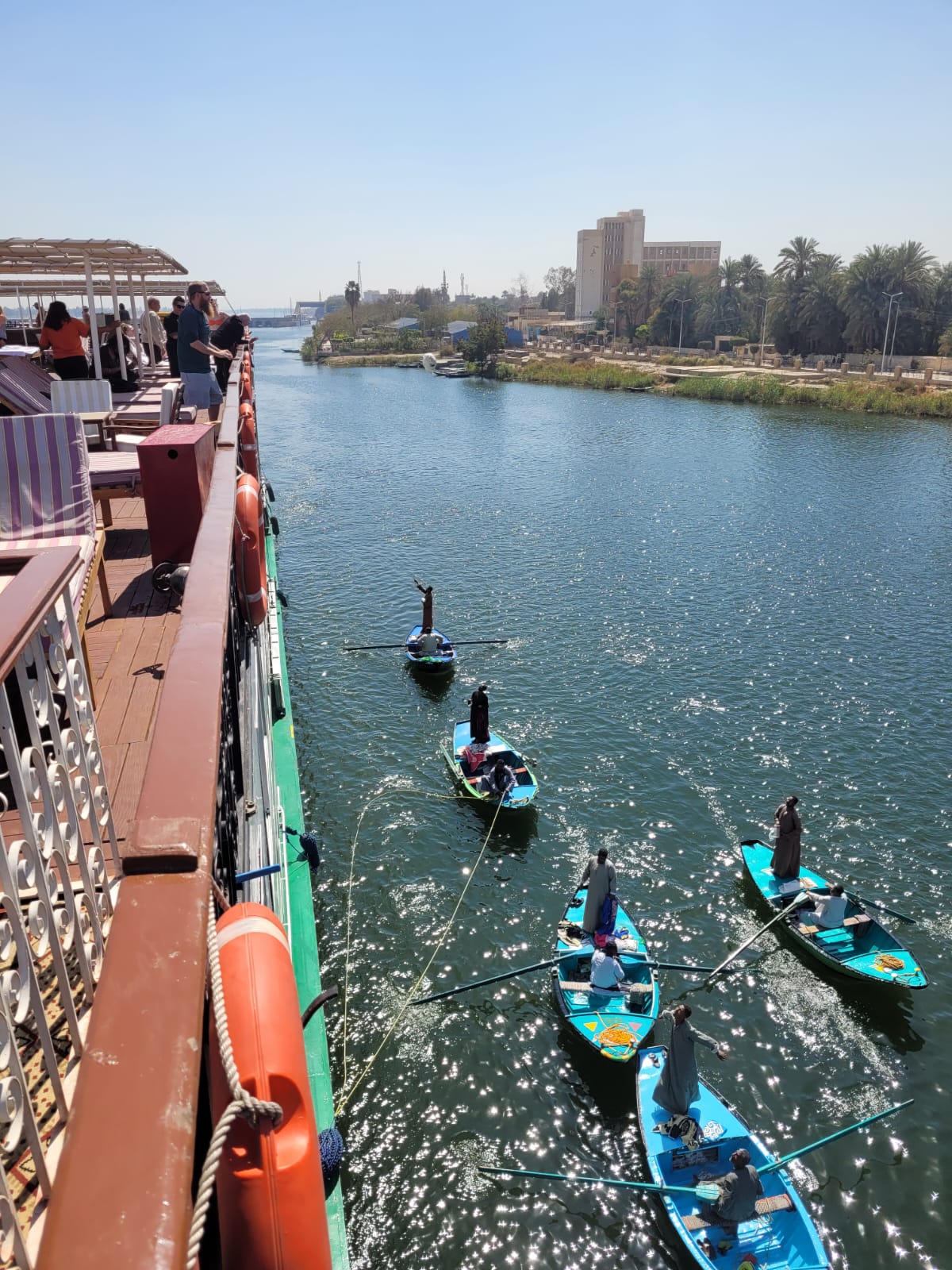
After our visit to the Karnak Temple, it was time for us to return to the ship in the afternoon. We began our journey along the Nile, passing through the Esna Lock on our way to Edfu. As we stopped at the lock, we were surrounded by many people in tiny boats. Balancing on the waves, they threw souvenirs and other goods up to our ship, shouting to try and sell them. They offered everything from colorful scarves and carved statues to jewelry and postcards, hoping to grab the attention of the tourists on board.
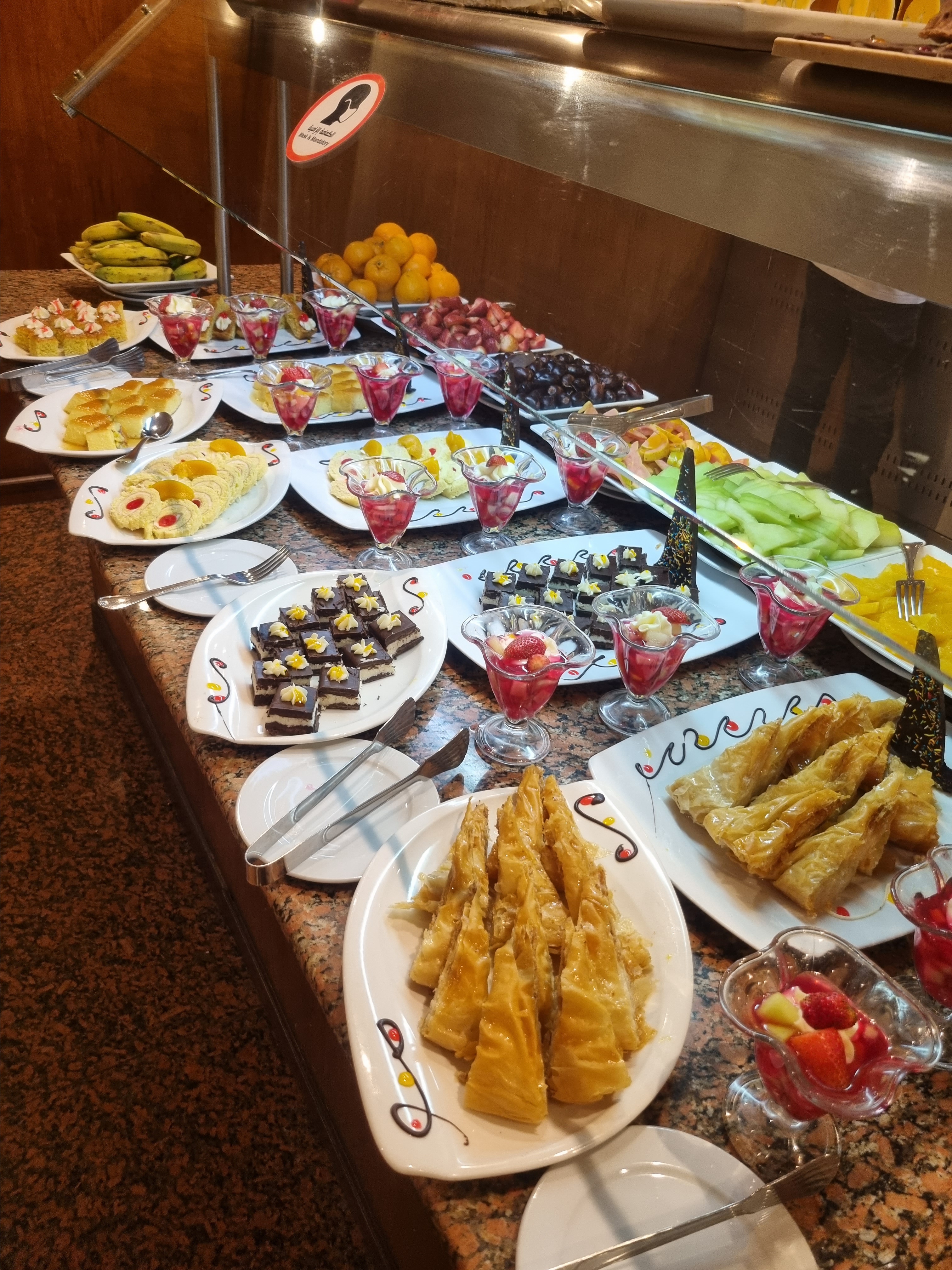
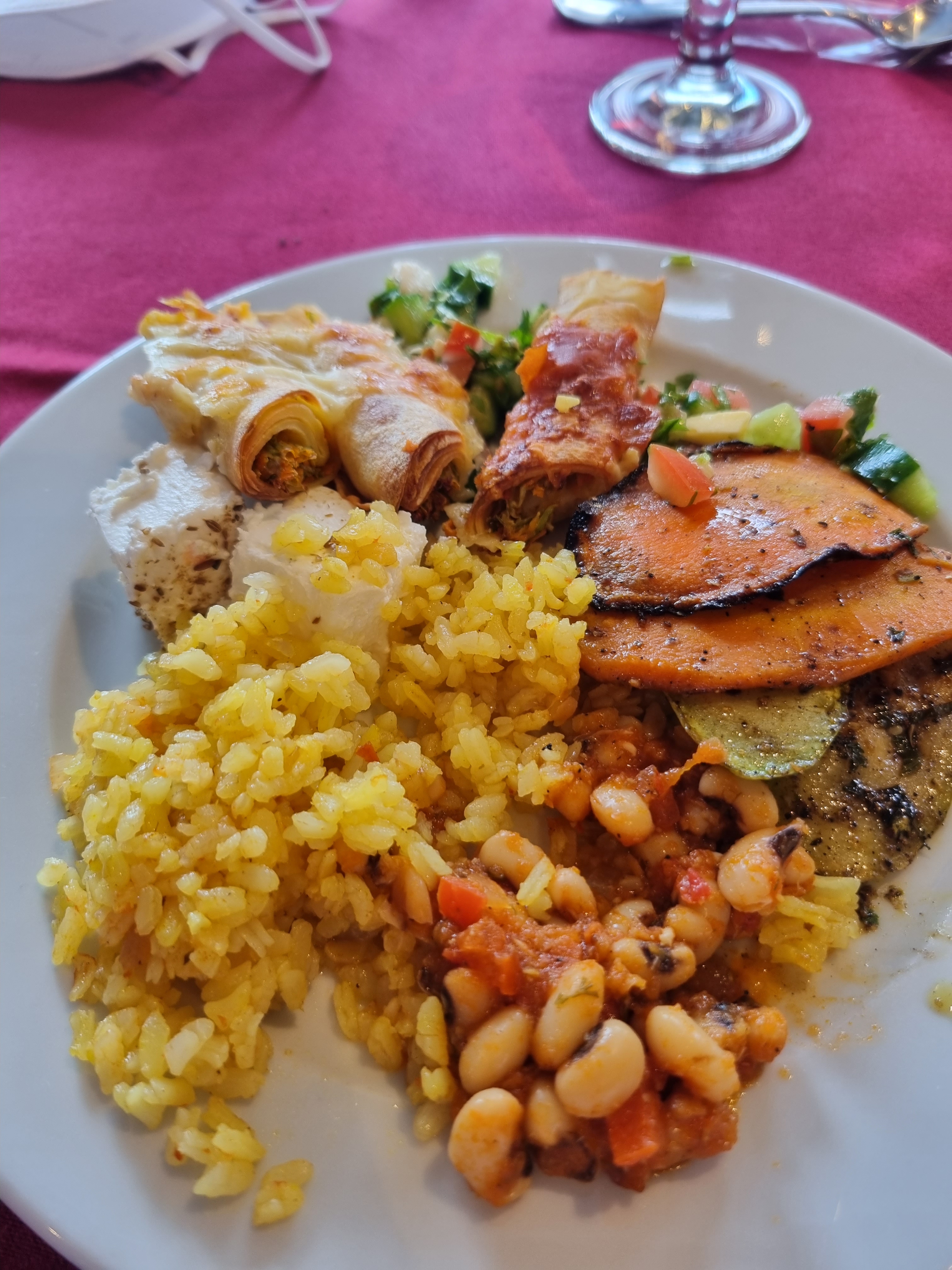
Later, we spent the rest of the evening on the ship, exploring the vessel, enjoying dinner, and soaking in the breathtaking landscape as we made our way toward Edfu. To our surprise, the food on the cruise was absolutely amazing. We had heard mixed reviews about cruises in Egypt, but this one exceeded all our expectations, offering excellent quality and a wide variety of options. Without exaggeration, we couldn’t stop eating.. it was that good!
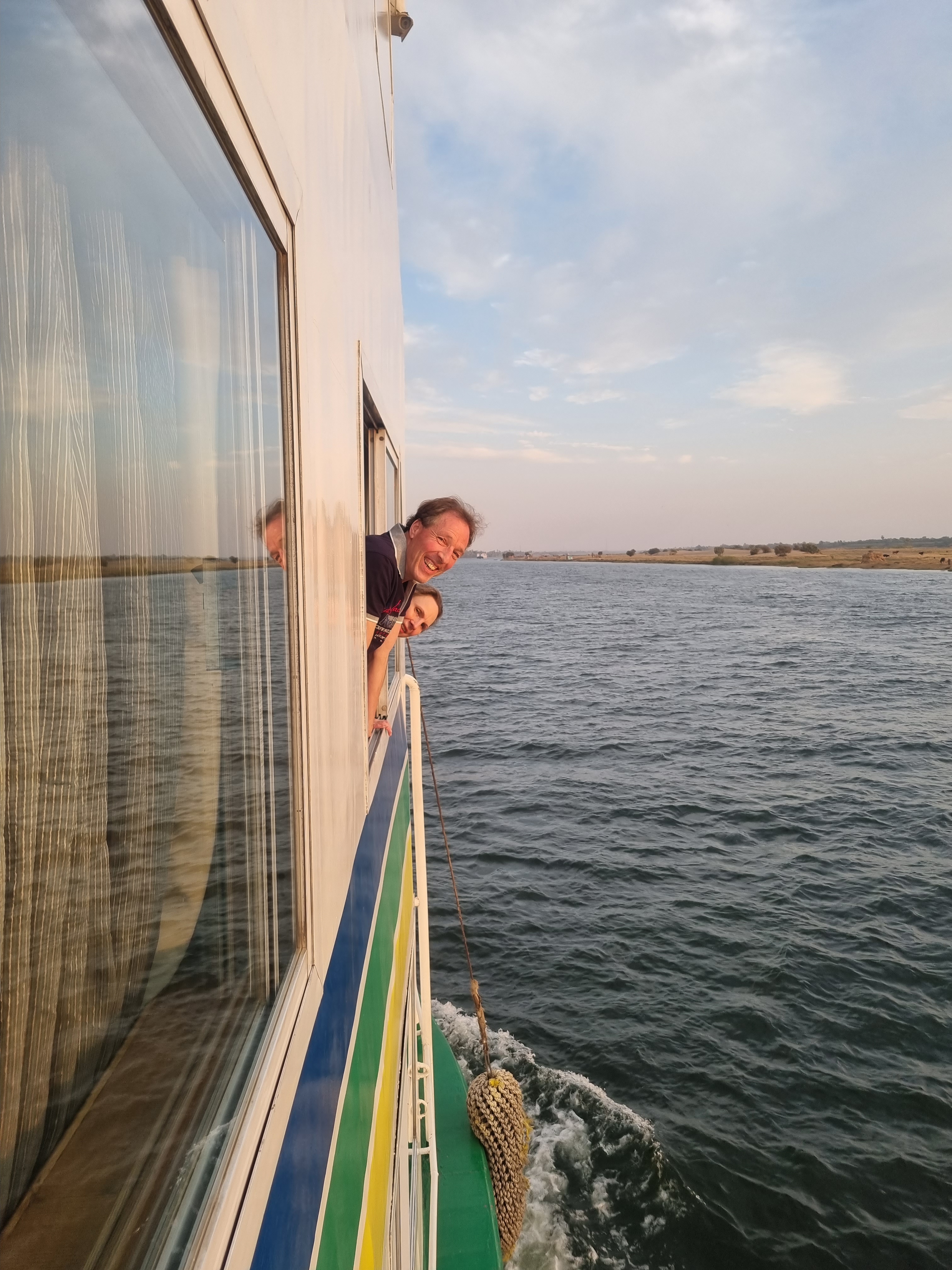
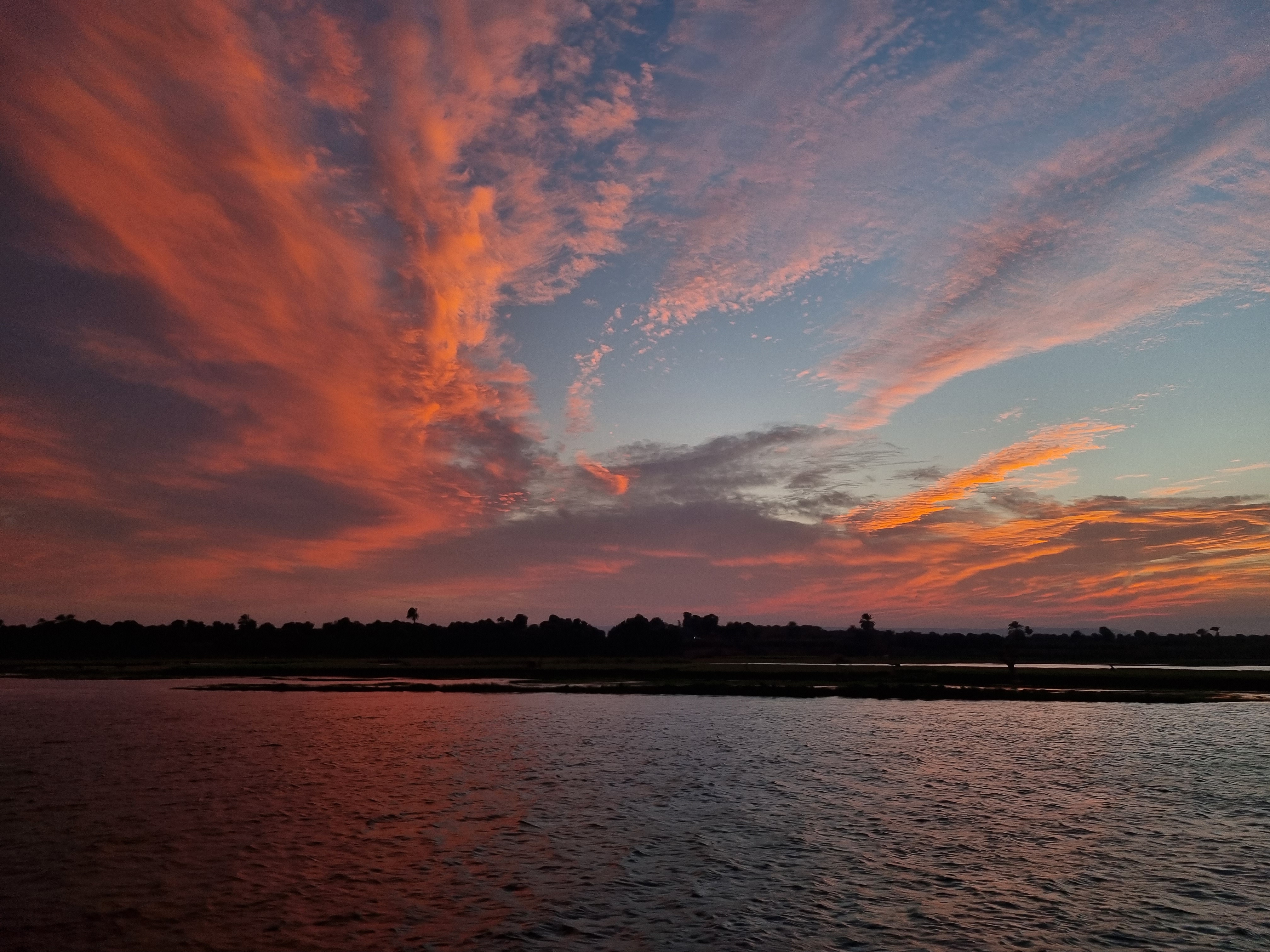
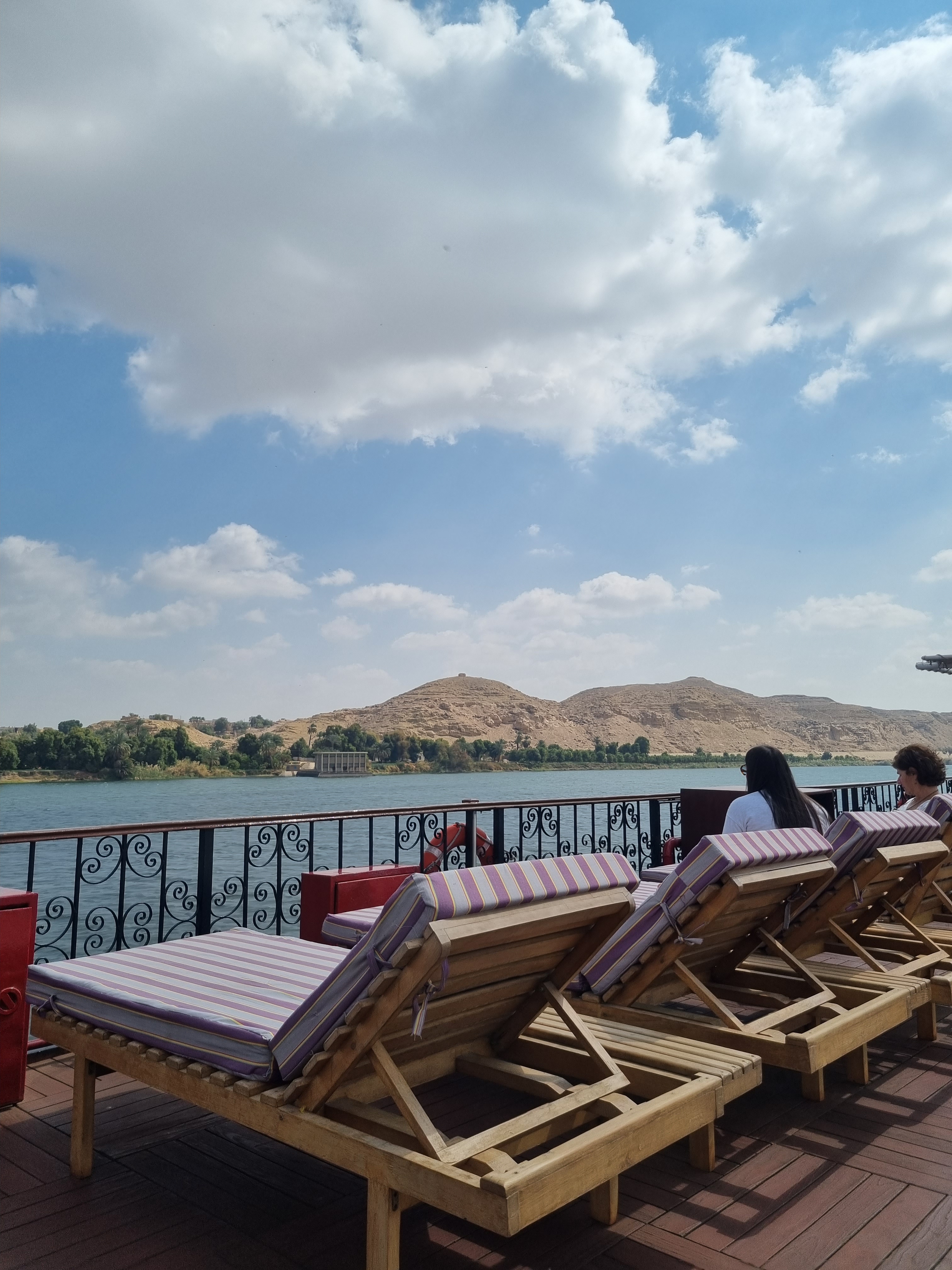
On our first night on the Nile, we were treated to a stunning sunset, which was truly a magical moment. What I learned on that night is that a Nile cruise definitely reveals the incredible diversity of Egypt, fertile riverbanks that alternate with endless stretches of desert, temples rising from the sand like fortresses, and small villages that depend on the river for life. As the sun sets and the water turns a warm orange-red, you can feel why the ancient Egyptians revered the Nile as sacred, and still do so today.

Day 5: Edfu – Kom Ombo – Aswan
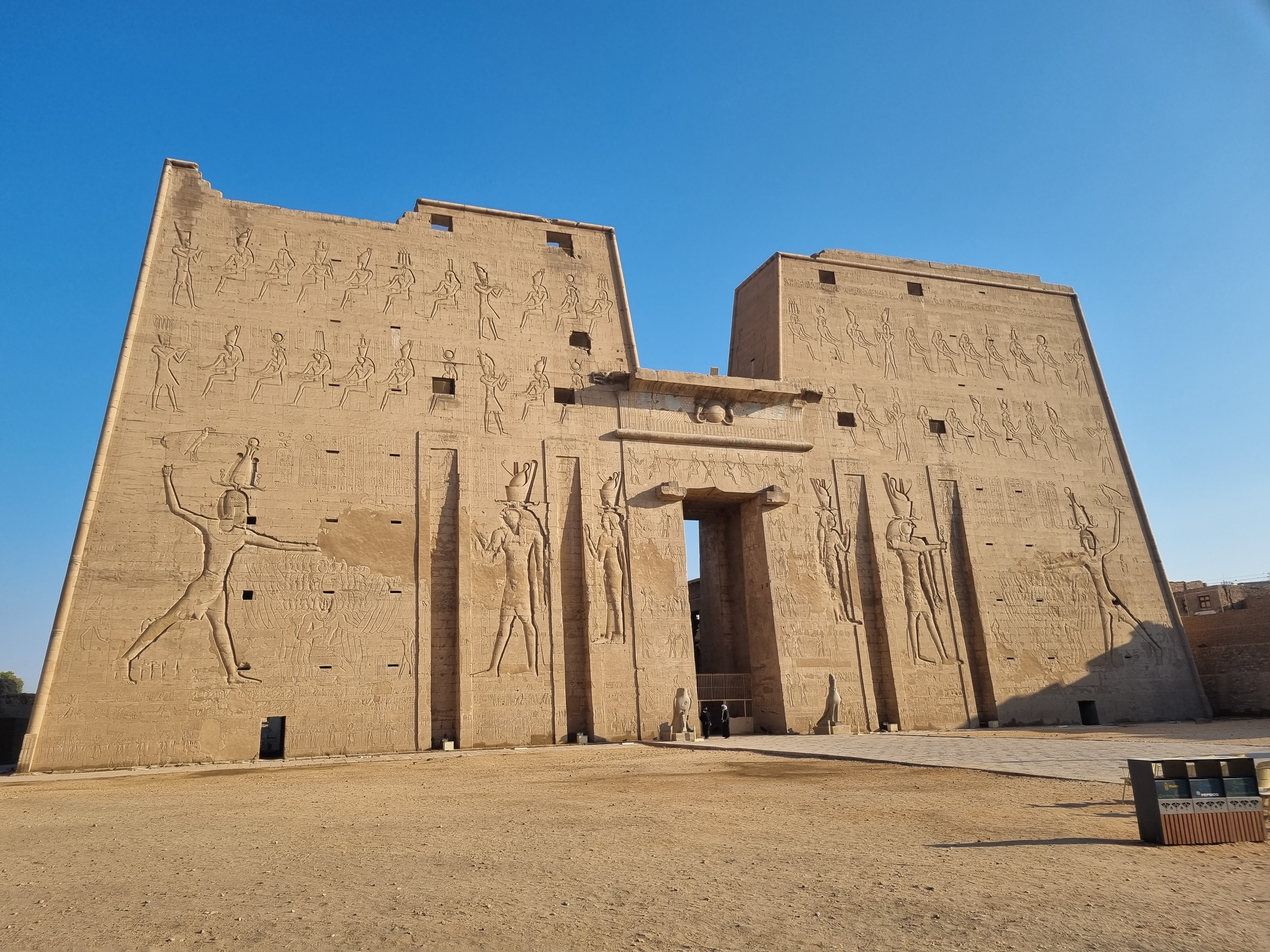
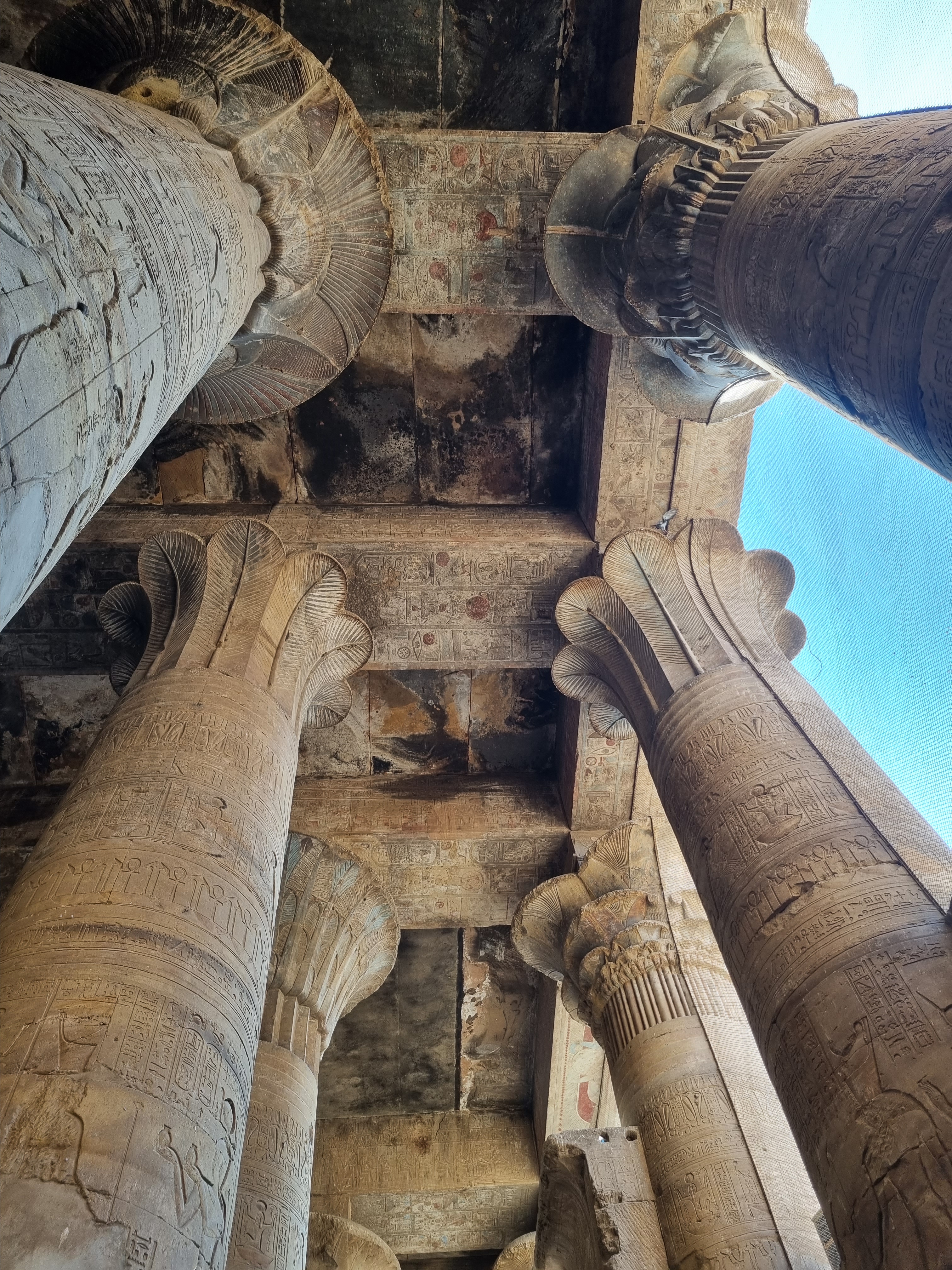
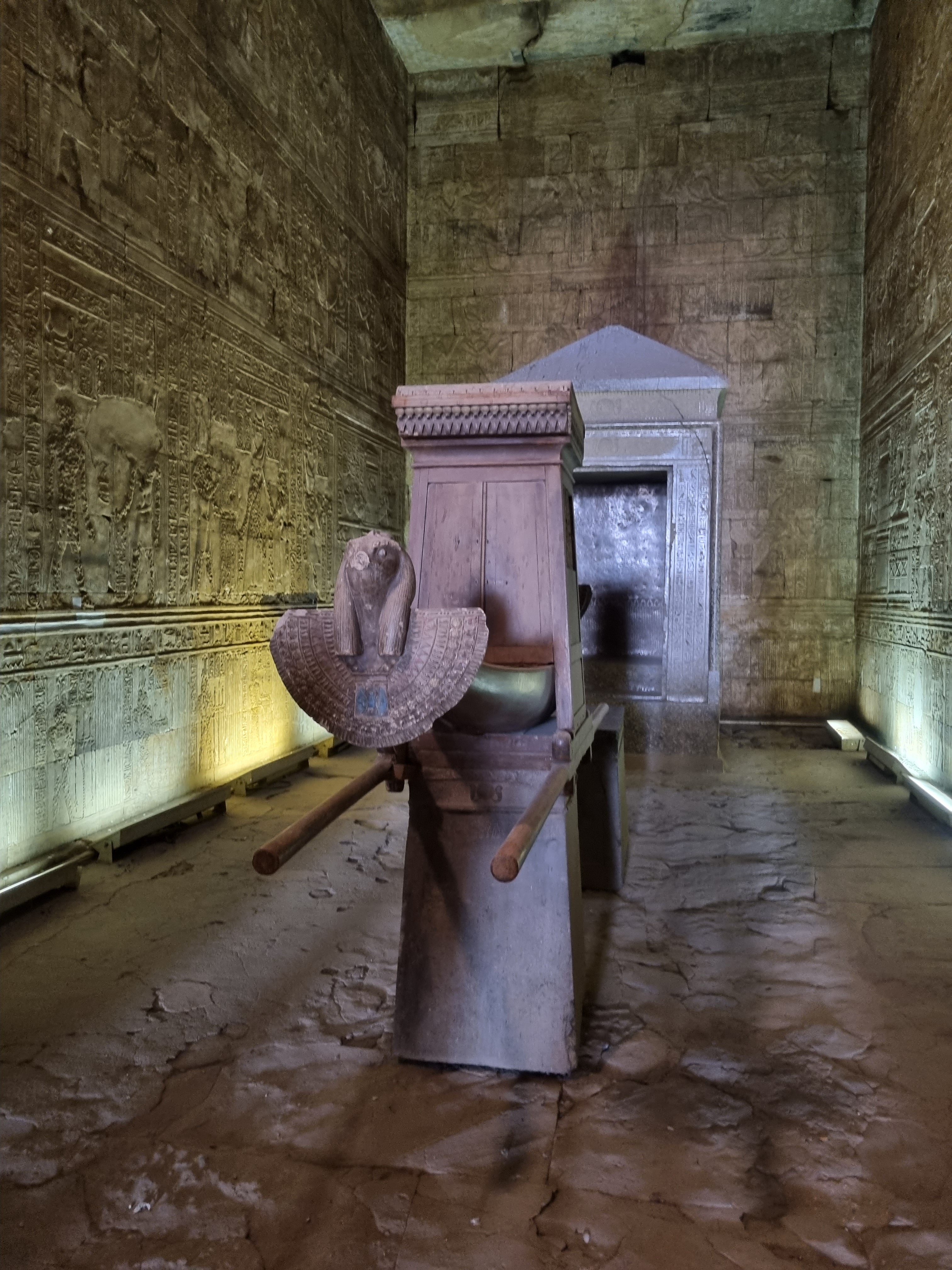
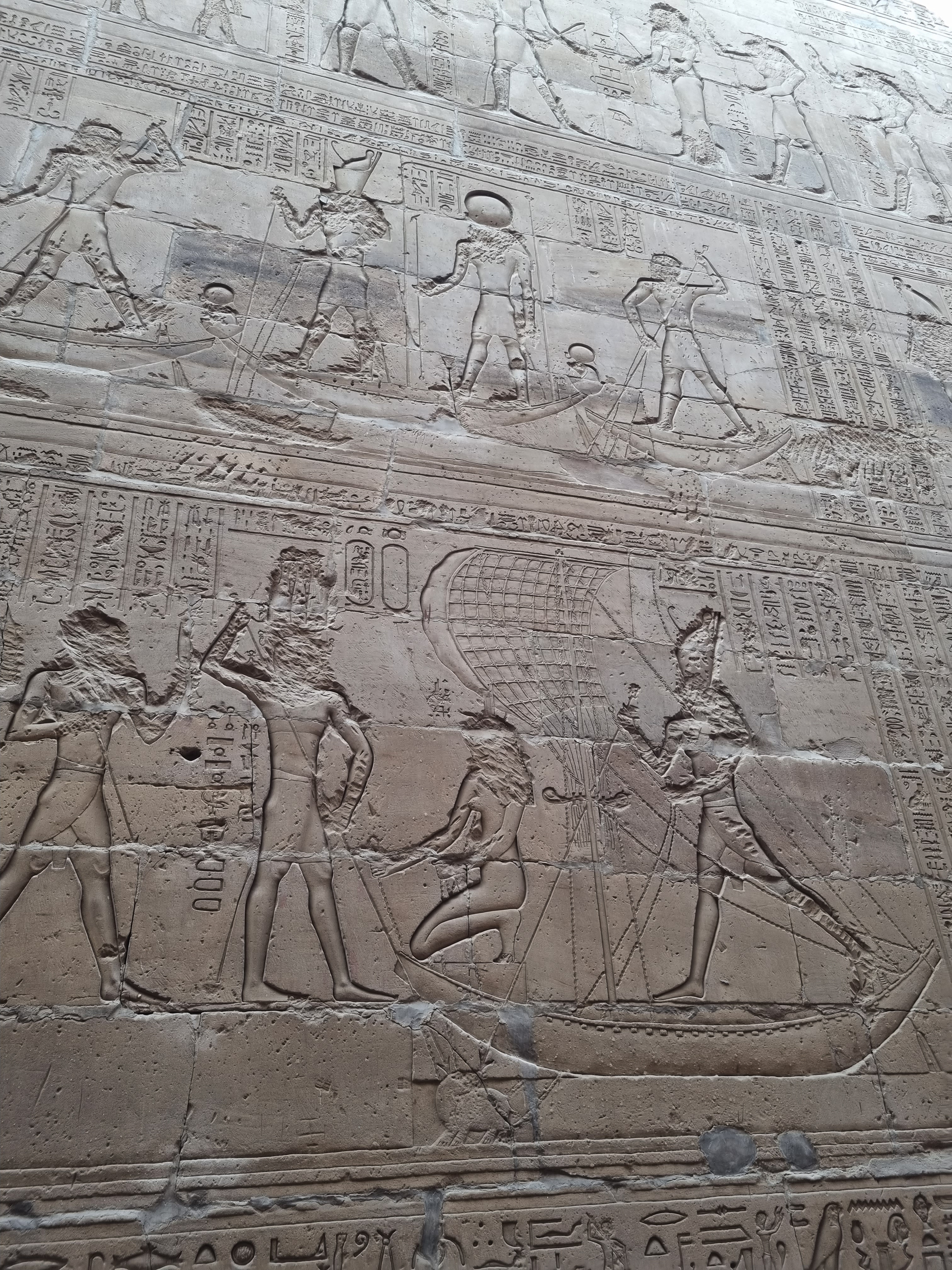
The next day, we woke up in Edfu, an Egyptian city famous for the Temple of Horus, one of the best-preserved temples in the country. After breakfast, the three of us, along with our tour guide, were picked up by two horse-drawn carriages, which took us to the temple. Since we arrived early, the temple was quiet, which was a great advantage for us. As we walked through its grand halls, we were amazed by the detailed reliefs and carvings that tell ancient myths and stories of the kings.
Afterward, we took a walk through Edfu before returning to the ship, where we enjoyed lunch as we sailed toward the next city: Kom Ombo. We spent the afternoon on the sundeck, soaking up the warm sun and taking in the beautiful landscape along the Nile, with lush riverbanks and endless desert views unfolding beside us.
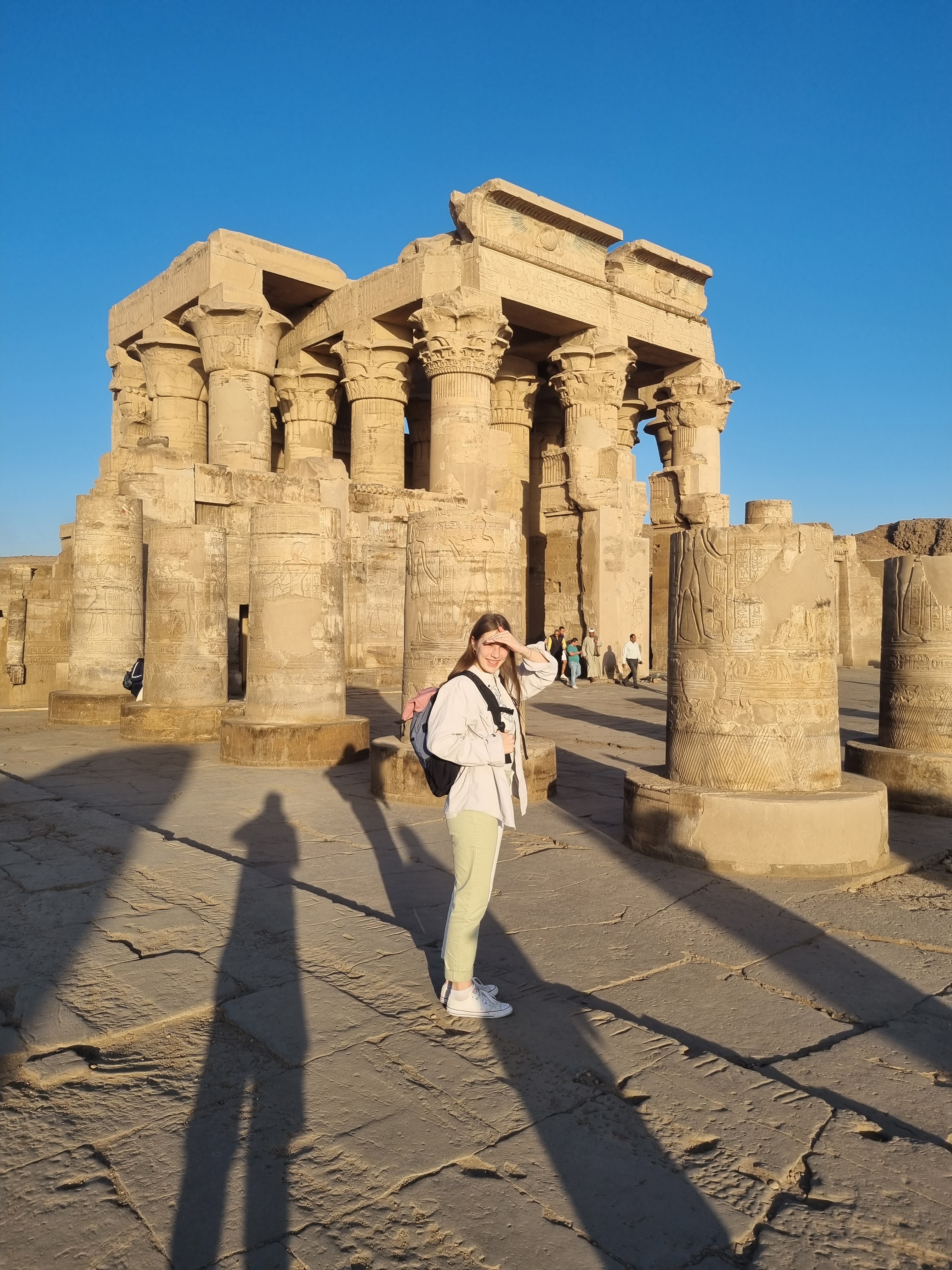
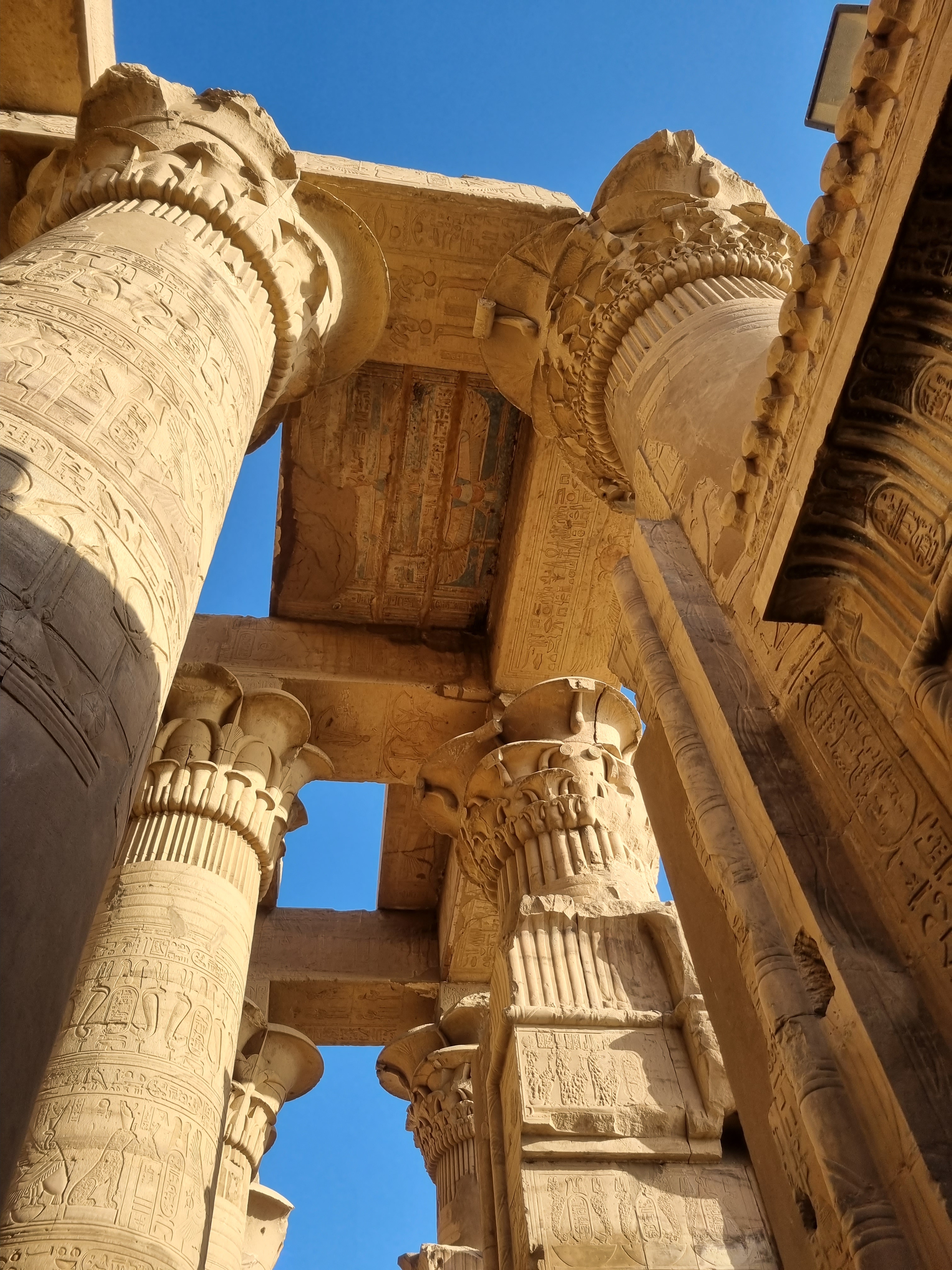
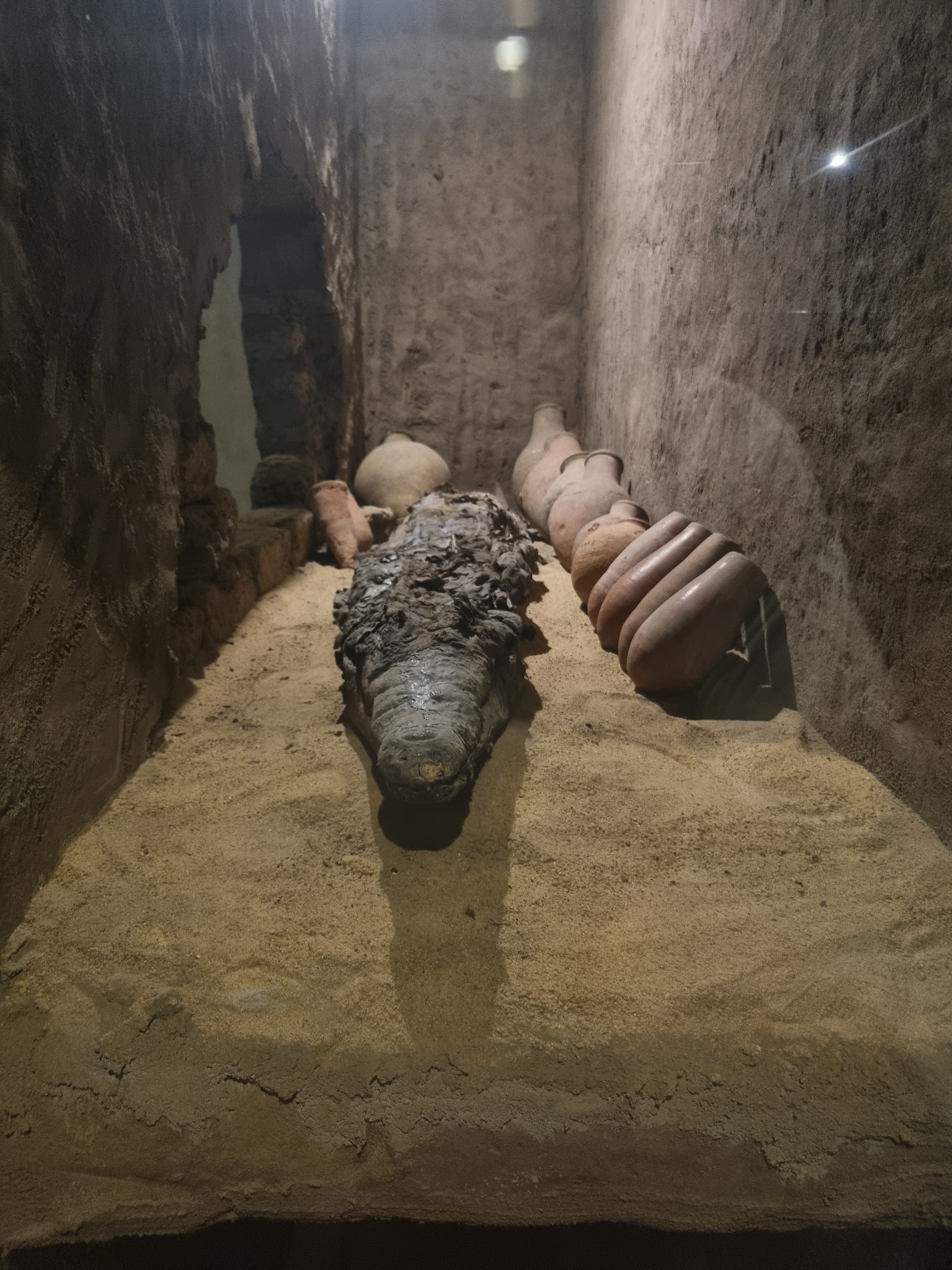
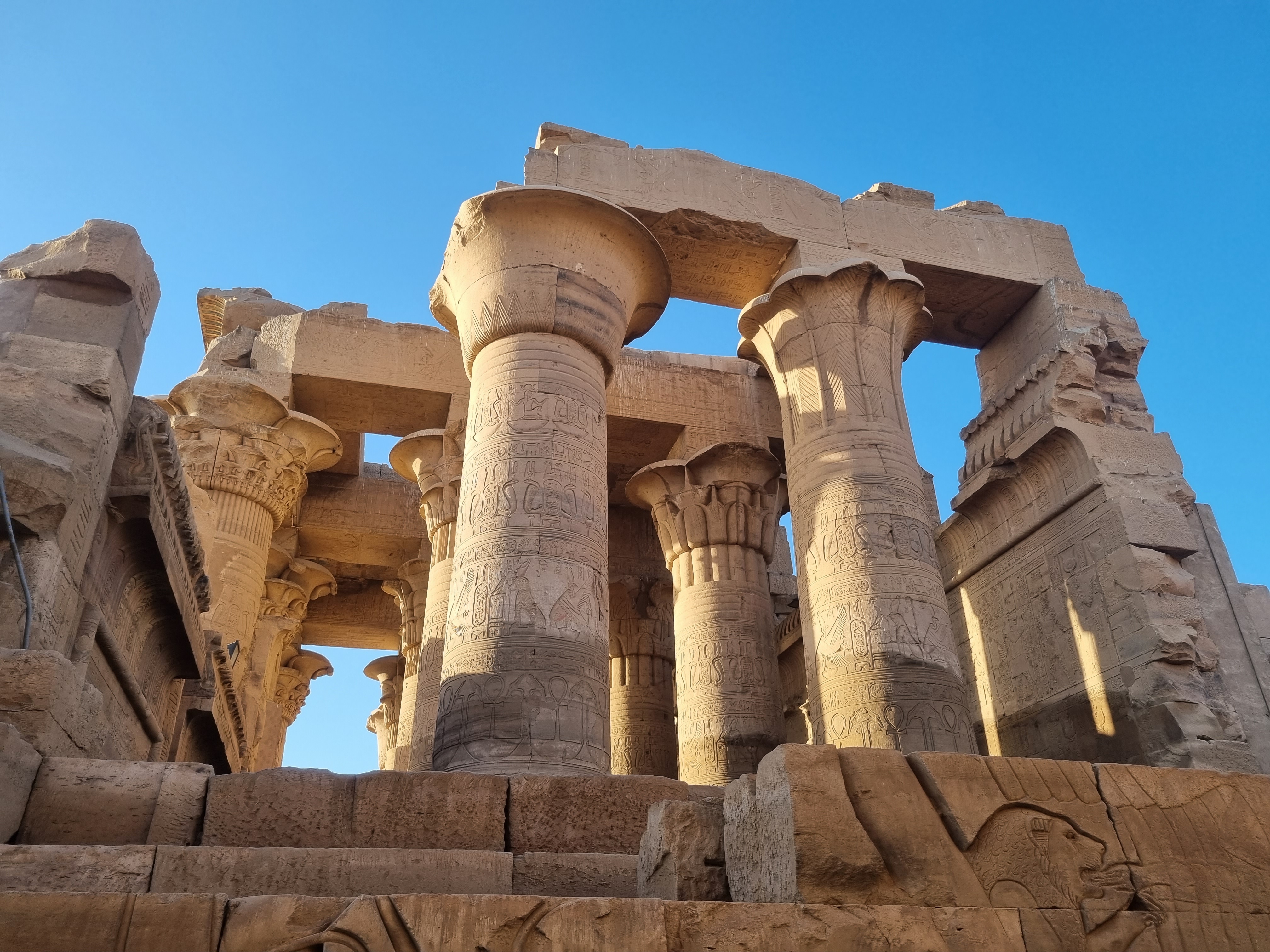
Upon arriving in Kom Ombo, we visited the unique Double Temple of Sobek, the crocodile god, and Horus, the falcon-headed god. This temple is different than others because, unlike most other ancient Egyptian monuments, it was designed to worship two gods separately in one place. After exploring, we continued our journey south toward Aswan.
Day 6: Aswan
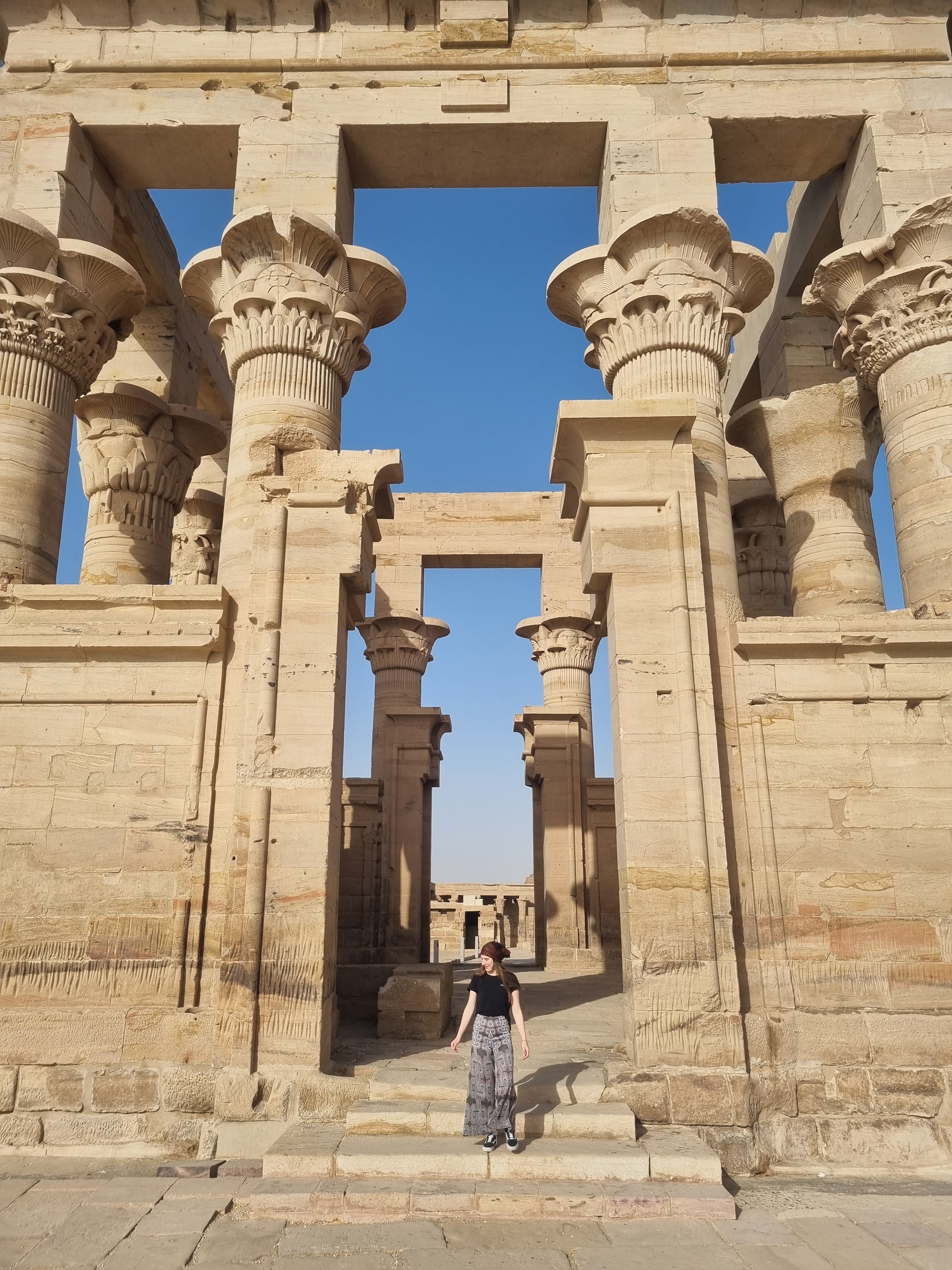
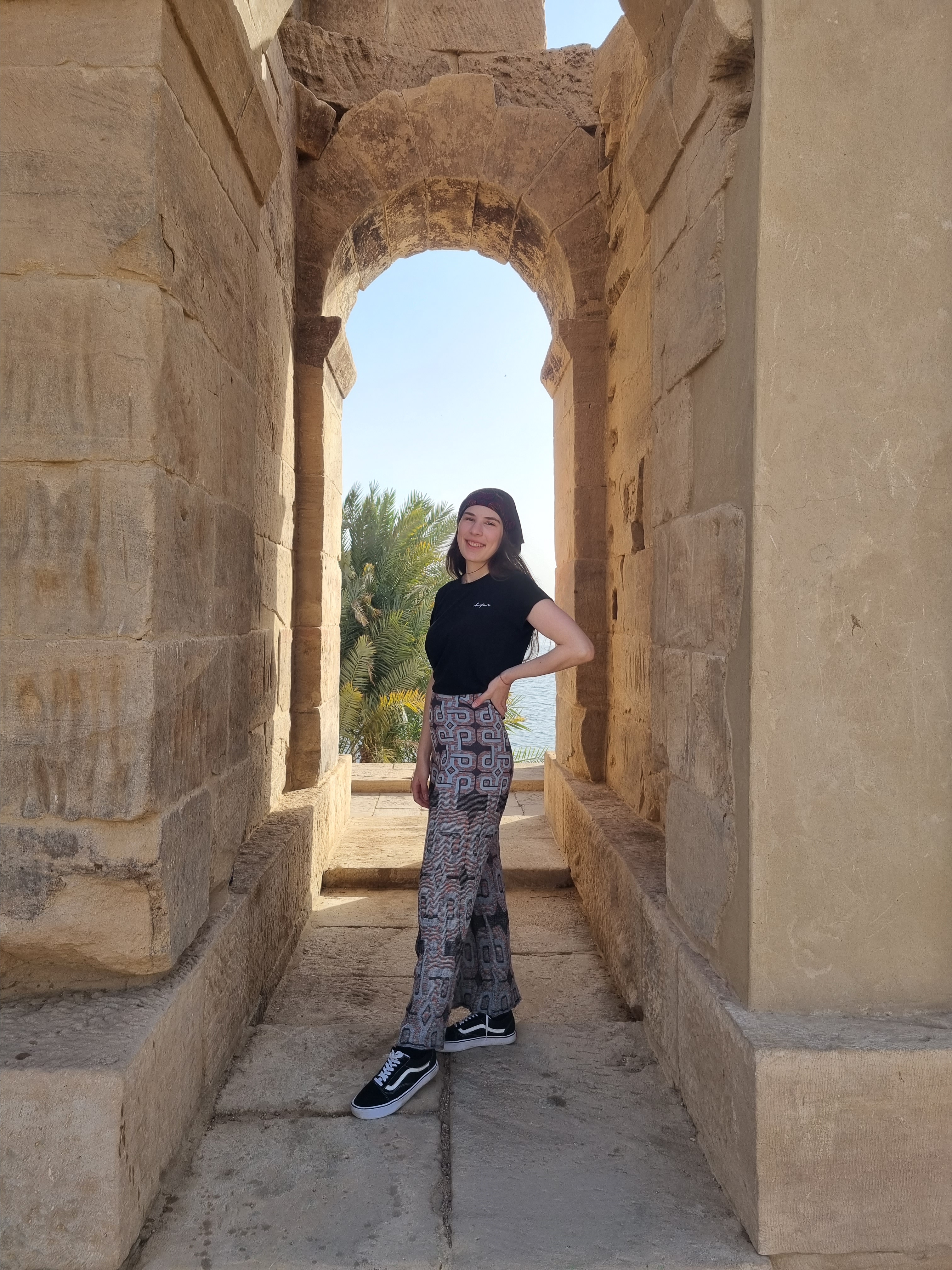
The next morning, we woke up in Aswan, about 50 kilometers south of Kom Ombo and roughly 240 kilometers south of Luxor. Aswan is a unique city where Egypt’s ancient traditions blend with the vibrant and colorful Nubian culture. One of the main highlights here is the Philae Temple, which sits like a hidden treasure on Agilkia island in the Nile. After breakfast, our guide and driver picked us up, and we drove to a nearby port, where we took a small boat over to the island. This temple was relocated, stone by stone, to protect it from flooding during the construction of the Aswan Dam.

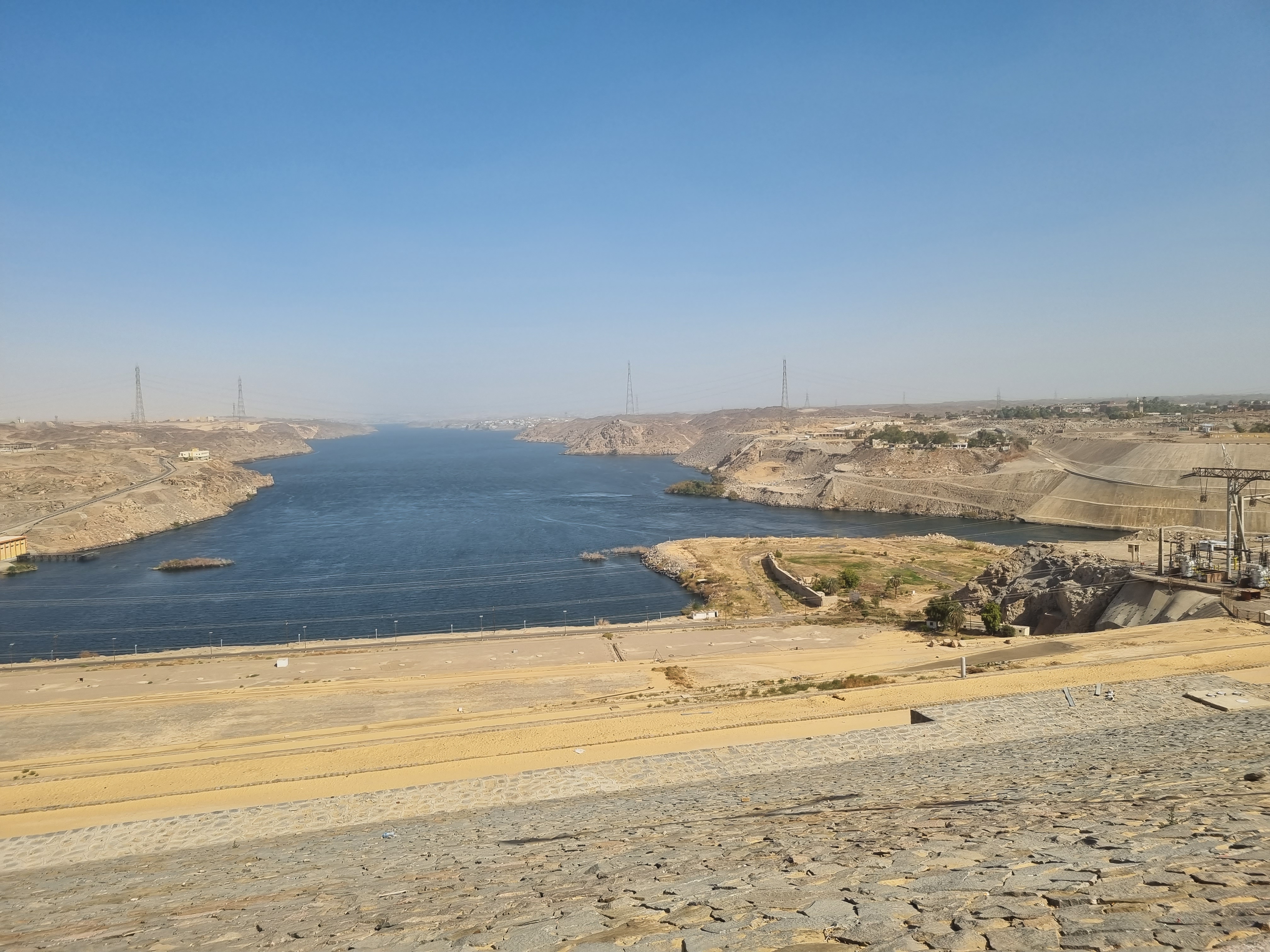
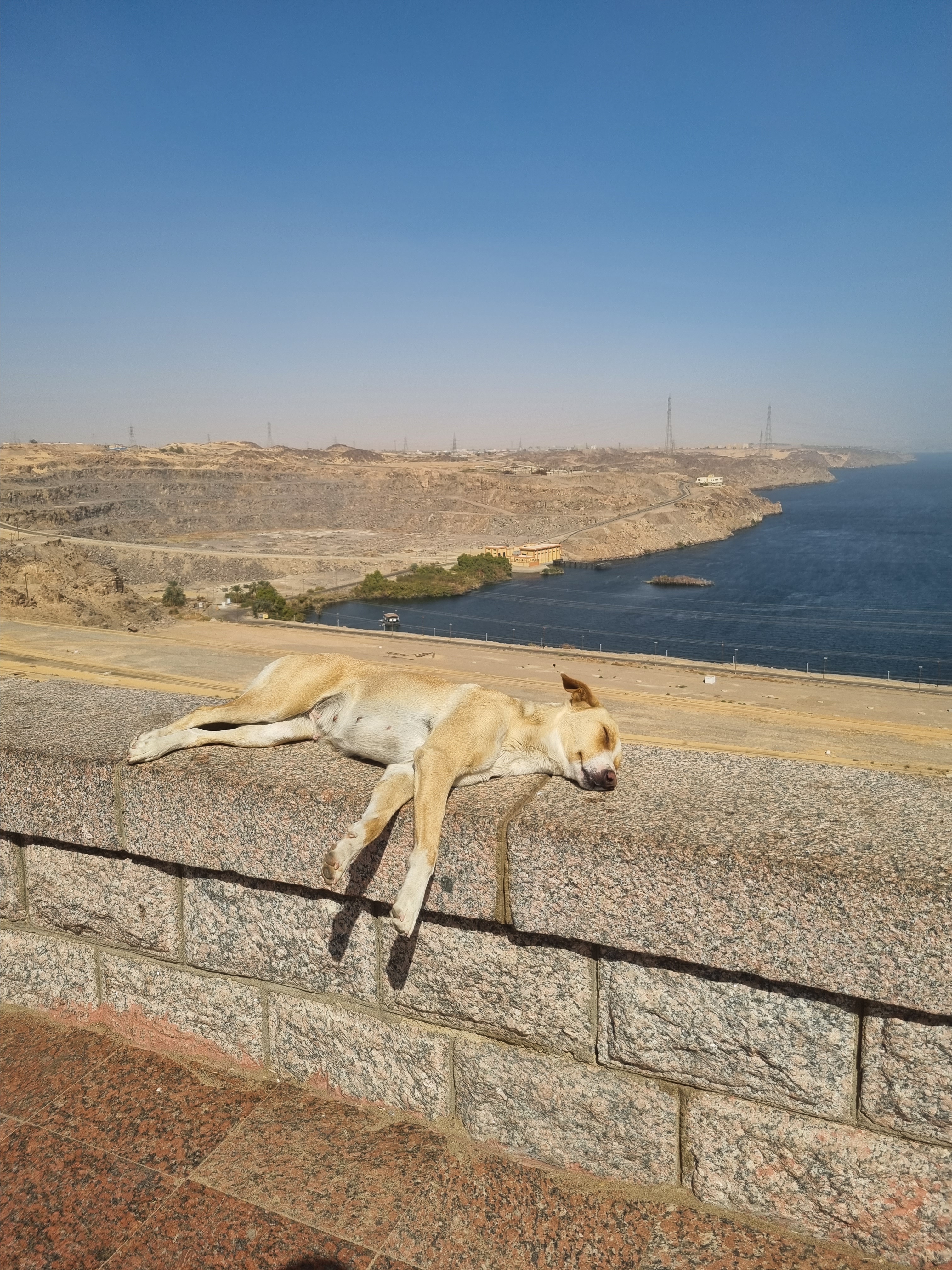
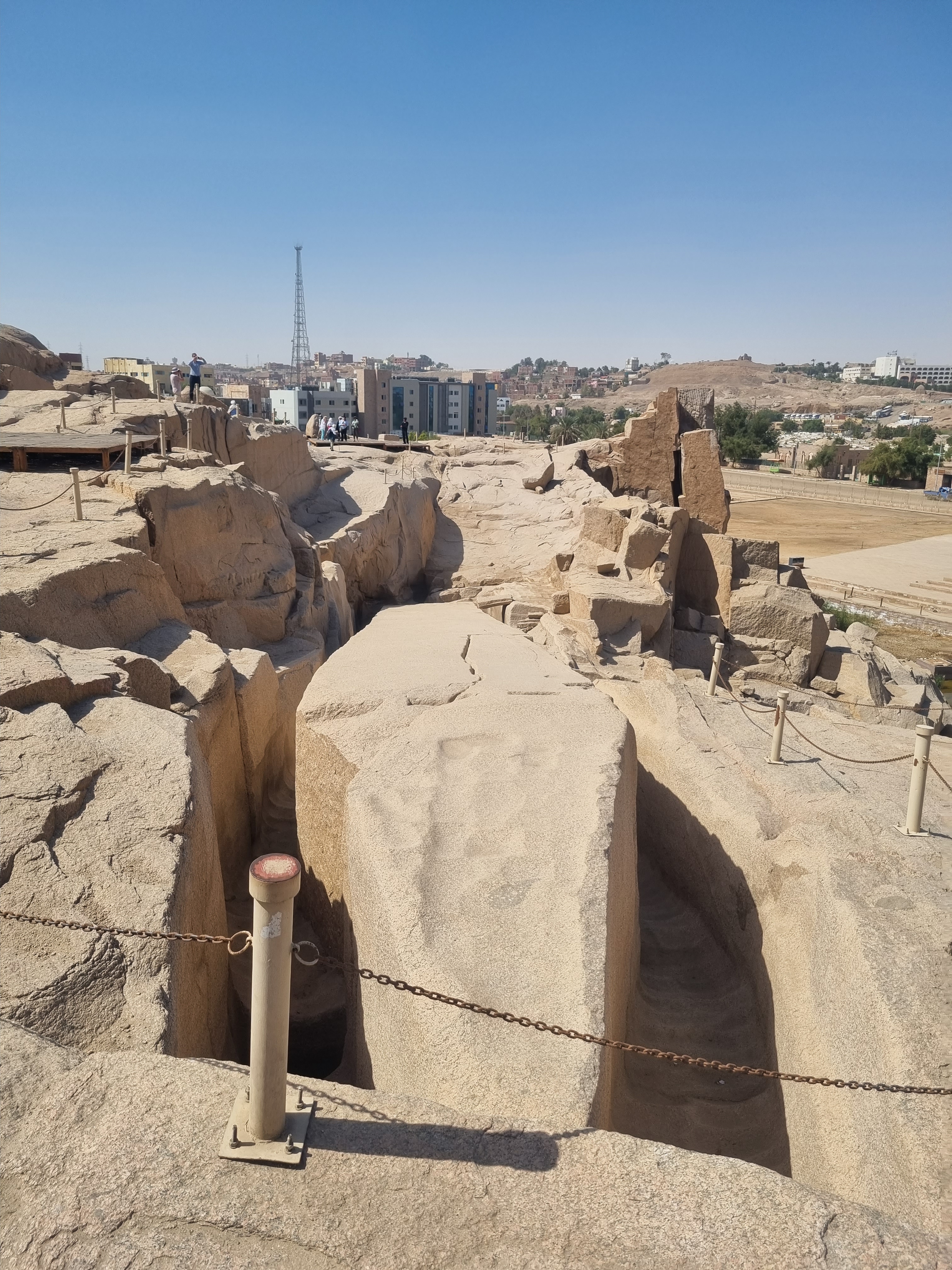
Afterward, we visited the impressive Aswan High Dam, a massive engineering project that controls the Nile’s floods and generates much of Egypt’s electricity. It’s incredible to see a structure of such massive scale and importance up close. At the High Dam, we noticed quite a few stray dogs lying in the sun. Remember, even though they look friendly, it’s important to keep a safe distance to avoid any health risks. Next, we visited the Unfinished Obelisk, about a 25-minute drive from the Aswan High Dam. This enormous ancient stone, still lying in its original quarry, provides fascinating insights into how the ancient Egyptians carved their monuments.
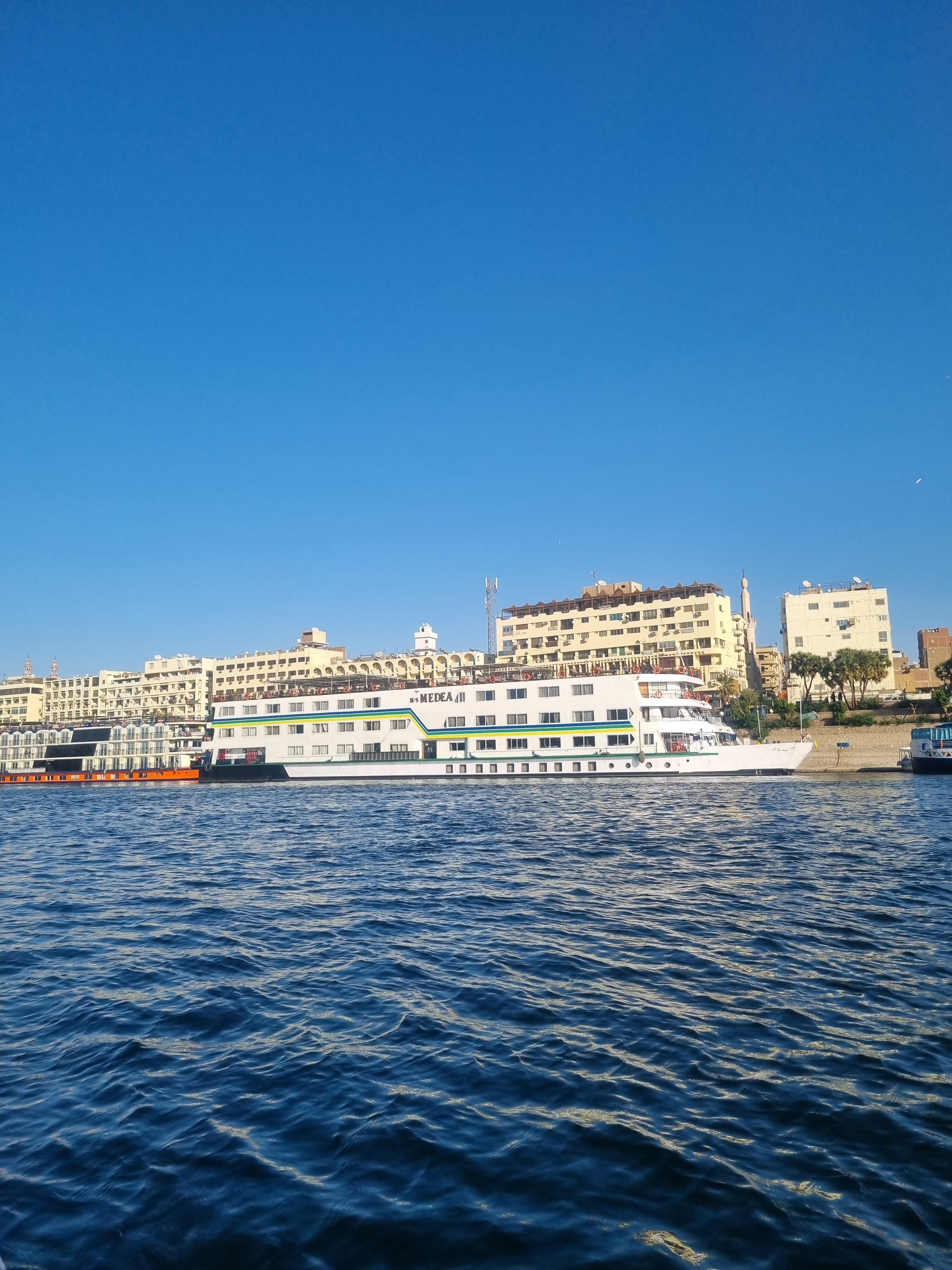
Later in the afternoon, we set sail on a traditional wooden felucca, gliding through the serene waters of the Nile around Aswan. The gentle sway of the boat and the lush green landscape created a wonderfully peaceful atmosphere. At one point, they even let me take the wheel which looks much easier than it actually was and certainly easier than it appears in the photos!

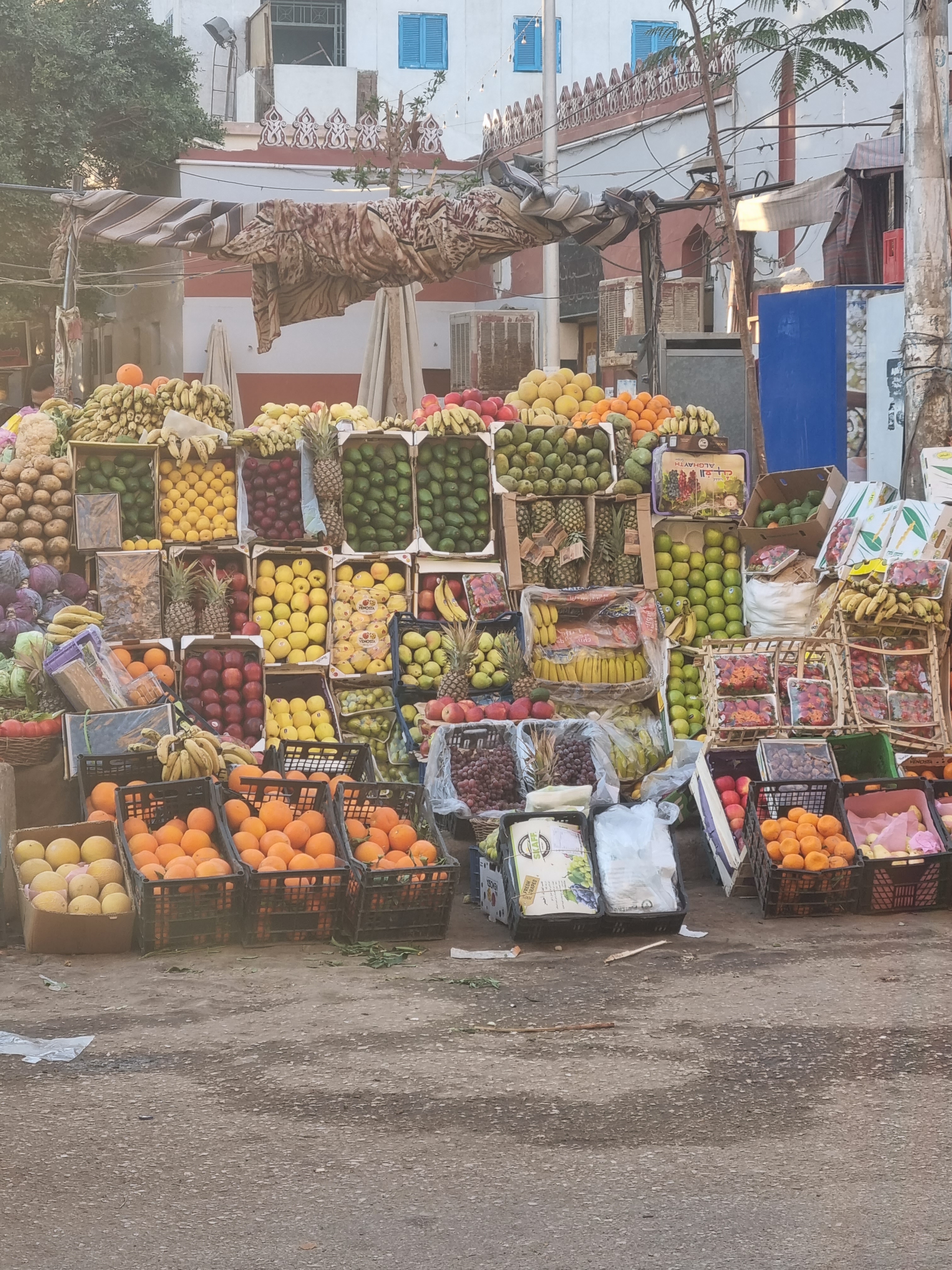
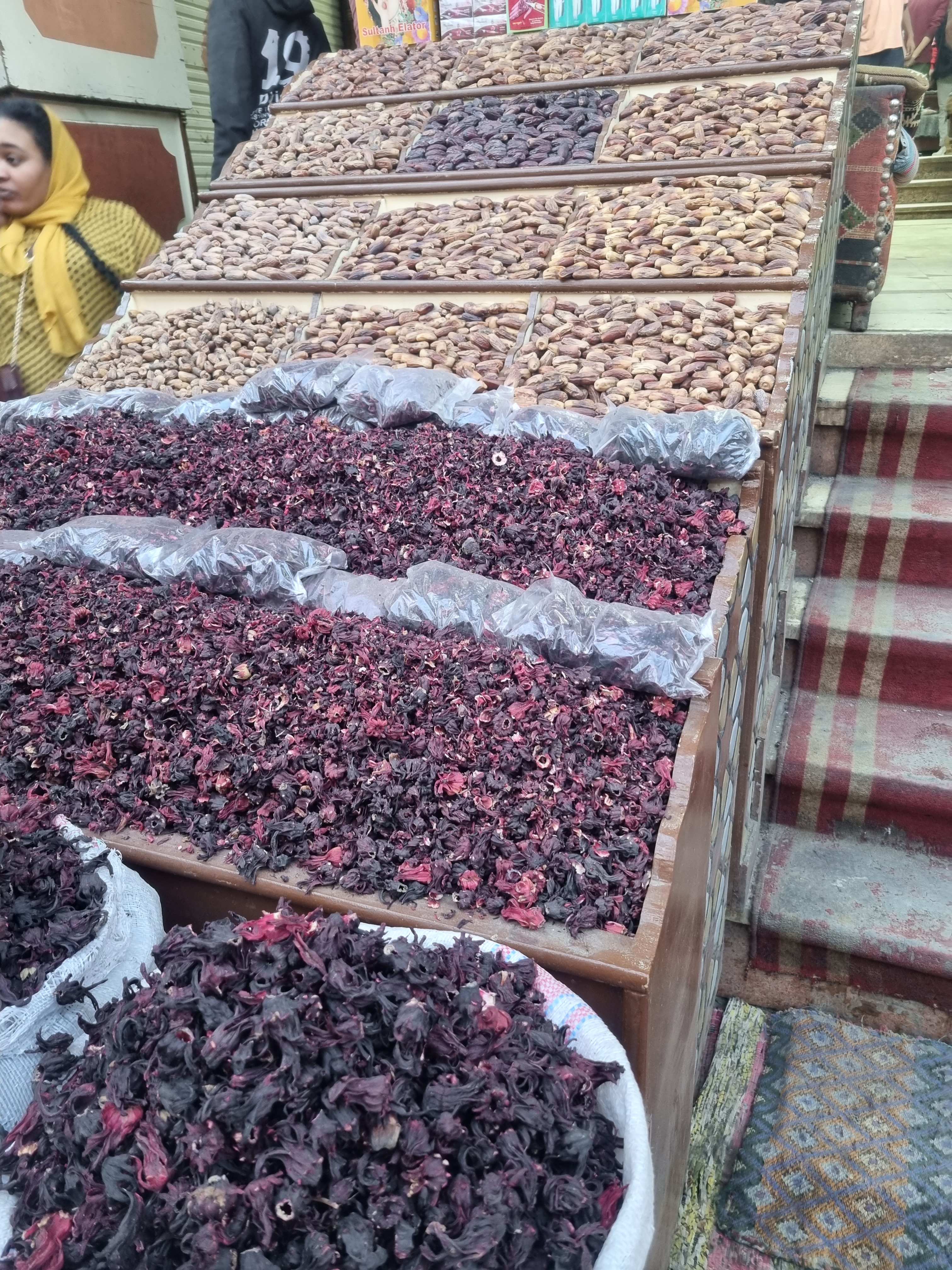
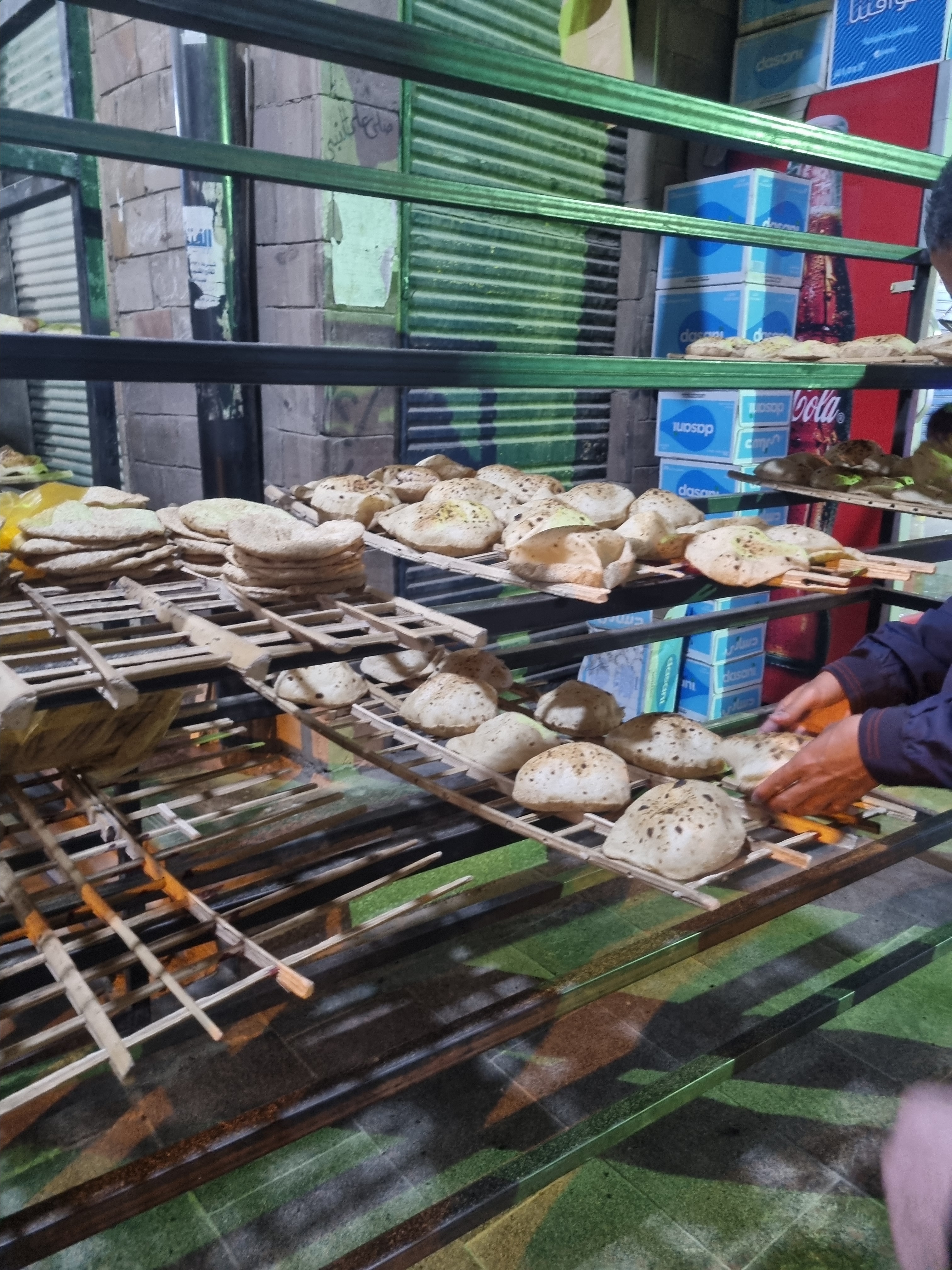
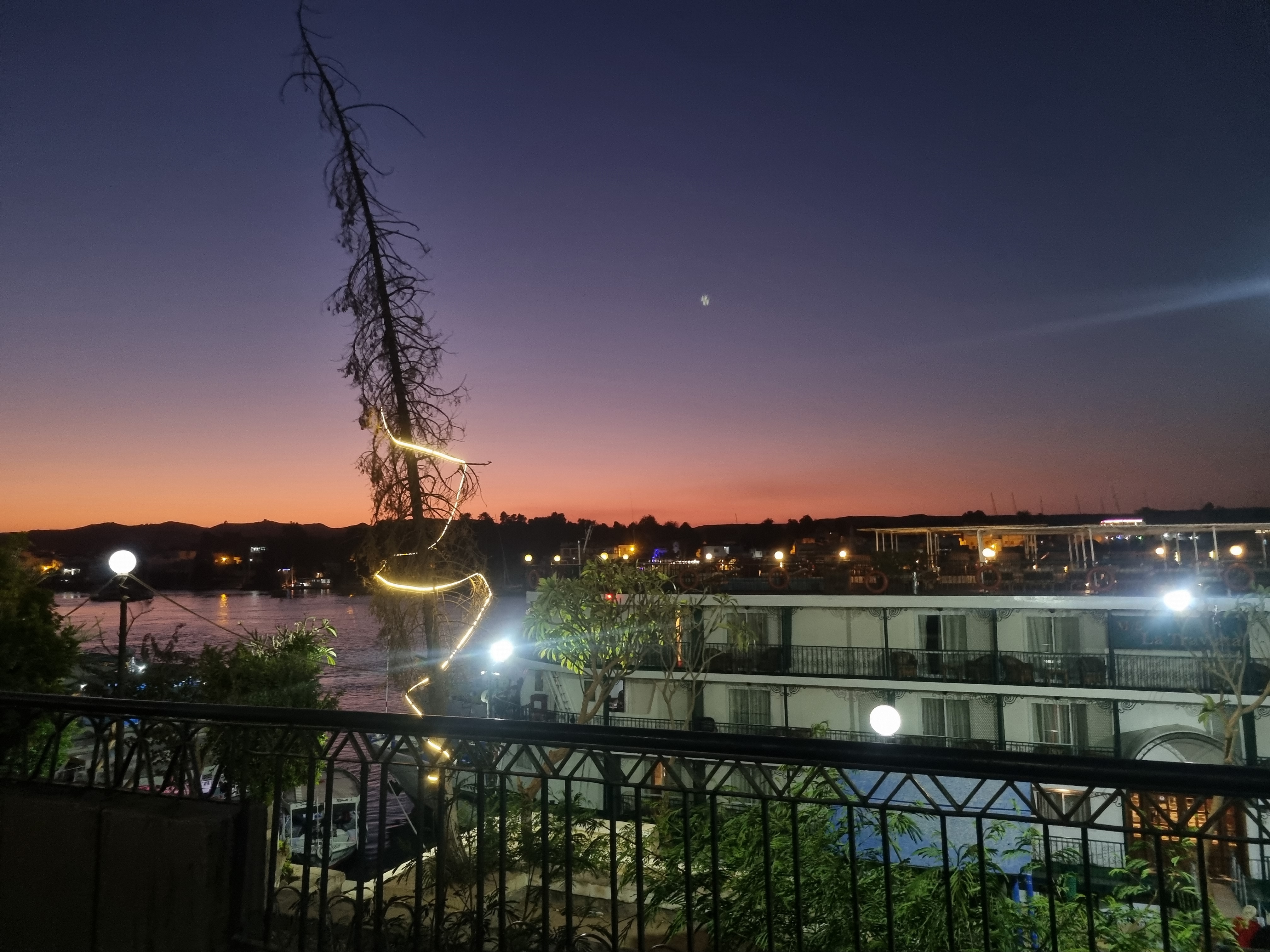
After our felucca excursion, we took a stroll through the old town of Aswan, exploring several lively markets where the air was filled with the rich aromas of spices, dried fruits, and baked goods. With all these wonderful scents, it was hard to resist sampling a little of everything, so we tried a traditional Egyptian bread and picked up some fresh spices and tea to take home. Fortunately, our tour guide joined us, and since he spoke Arabic, he was able to help us negotiate even better prices.. which is a real advantage in these markets, where initial offers for tourists can be quite high. As the sun began to set, we walked along the Nile, watching the sky glow in warm colors, before returning to the ship just in time for dinner.
Day 7: Aswan – Abu Simbel – Kom Ombo – Aswan
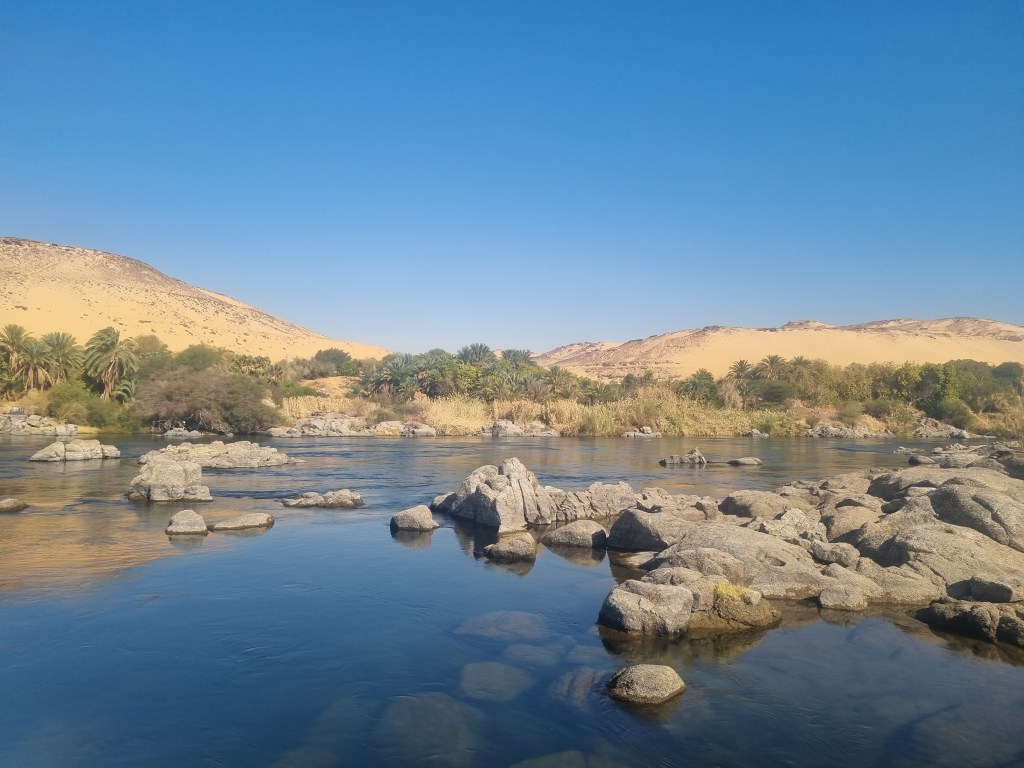
After breakfast, we boarded a boat and sailed along the lush landscapes of the Nile, eventually docking on the opposite shore to visit a more remote Nubian village, almost inside a national park, where the Nile splits into smaller branches. This wasn’t a typical Nubian village that tourists are often taken to; it was a peaceful, almost untouched village, nearly completely free from tourism. Thanks to our amazing guide, we were the only tourists there, which felt both a bit odd and yet completely wonderful.
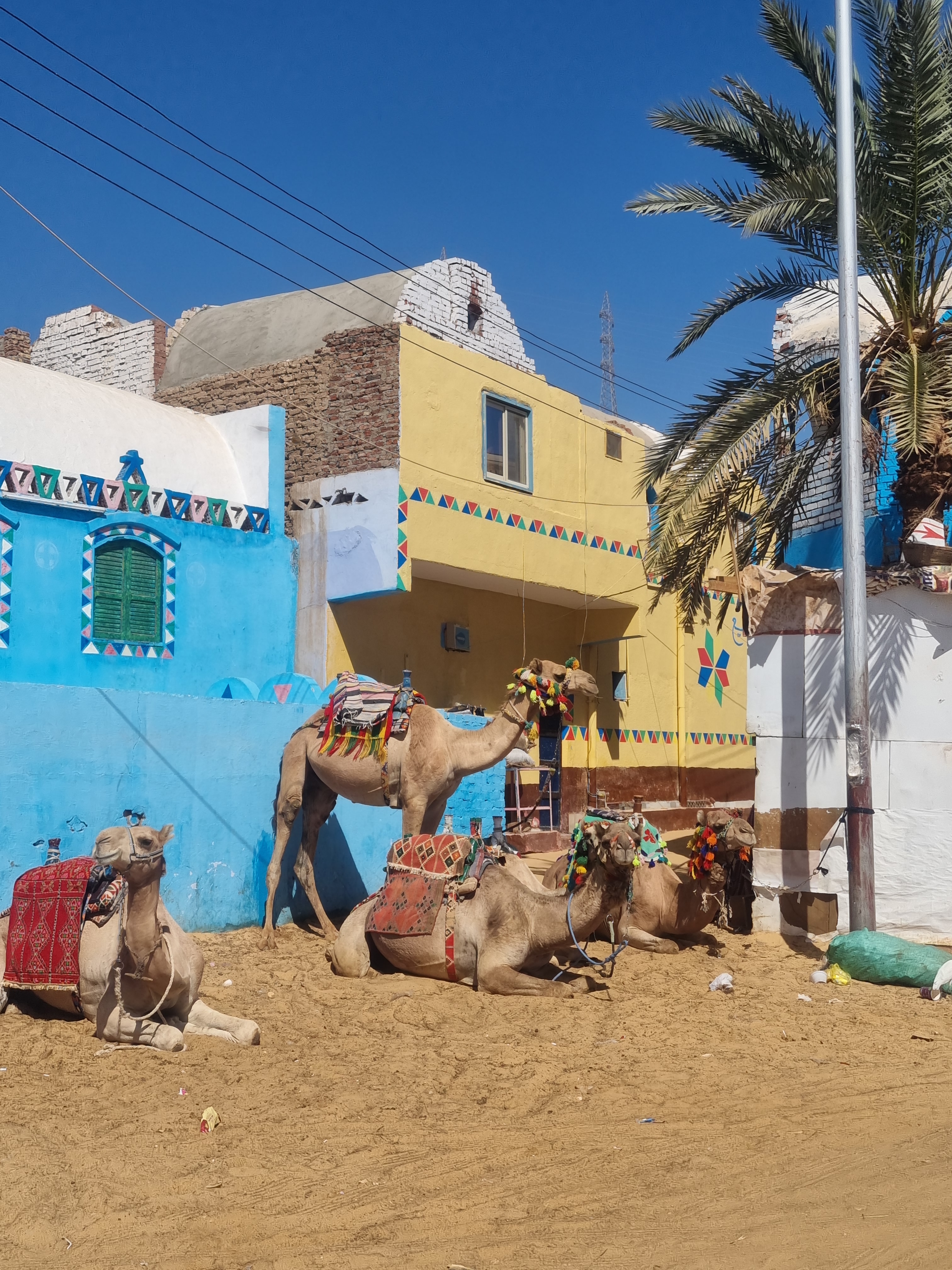
Upon arrival, we were greeted by vibrant, colorful houses built in traditional Nubian style from sun-dried mud bricks, a mix of clay, water, hay, and sand. Honestly, it felt like stepping into another world. Nubian culture is very unique within Egypt which makes totally sense since Nubians don’t consider themselves Egyptians (or Sudanese). They take great pride in maintaining their identity, choosing to remain separate from Egyptians and distancing themselves from their culture.
Unfortunately, the construction of the Aswan High Dam submerged much of their original homeland, leading to the forced relocation of the entire Nubian population. Today, they live in purely Nubian communities across Sudan and Egypt.
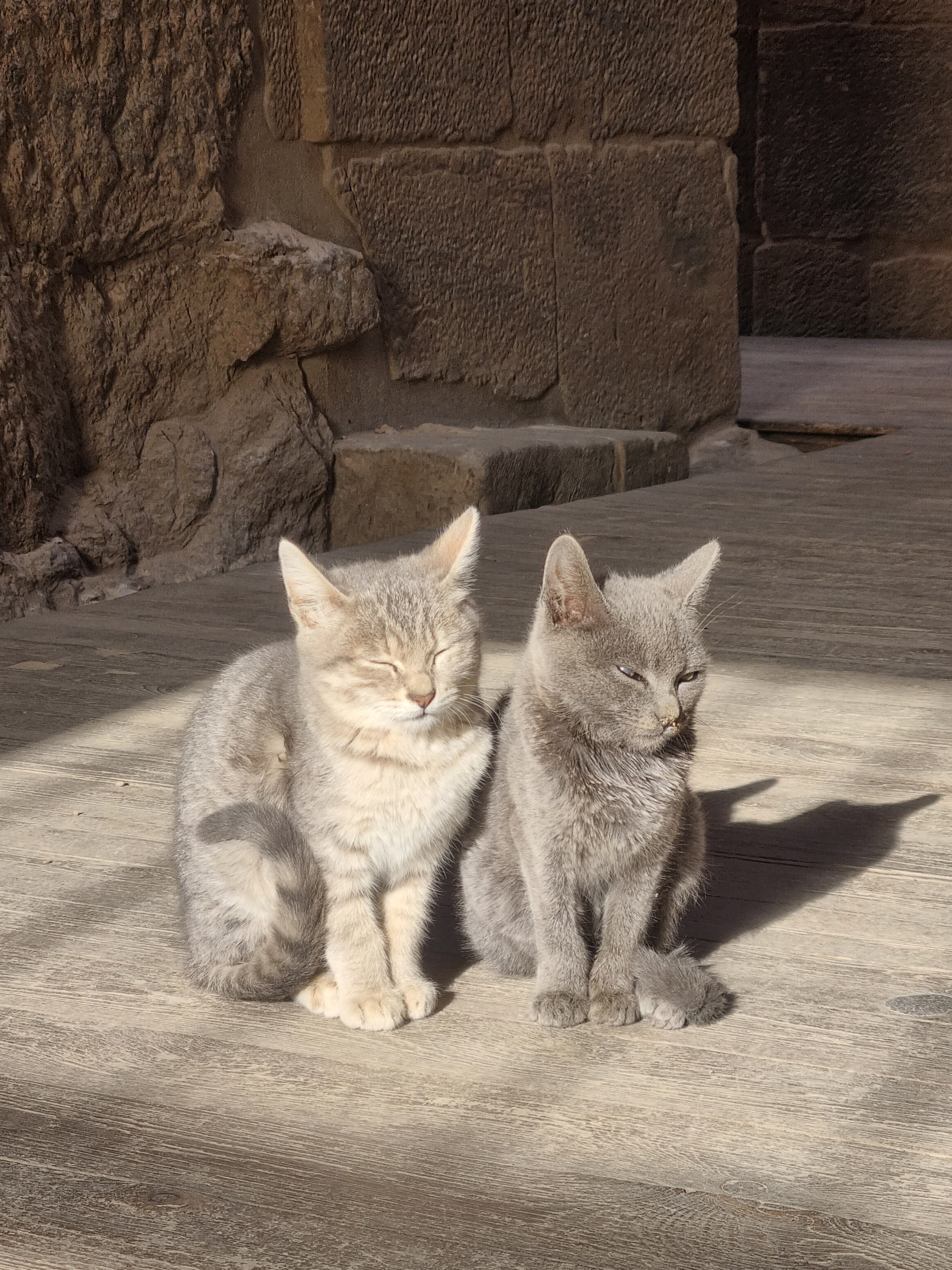
As we explored the village, we were warmly invited into the home of a Nubian family. They proudly showed us their many beloved cats and even introduced us to their crocodiles, which they keep as a symbol of protection. Don’t worry, the crocodiles are safely kept in cages! The Nubians’ affection for crocodiles lays in an ancient belief dating back to Egyptian times, where having a crocodile nearby was thought to protect the home from the “evil eye.” Many Nubians still follow this tradition today.
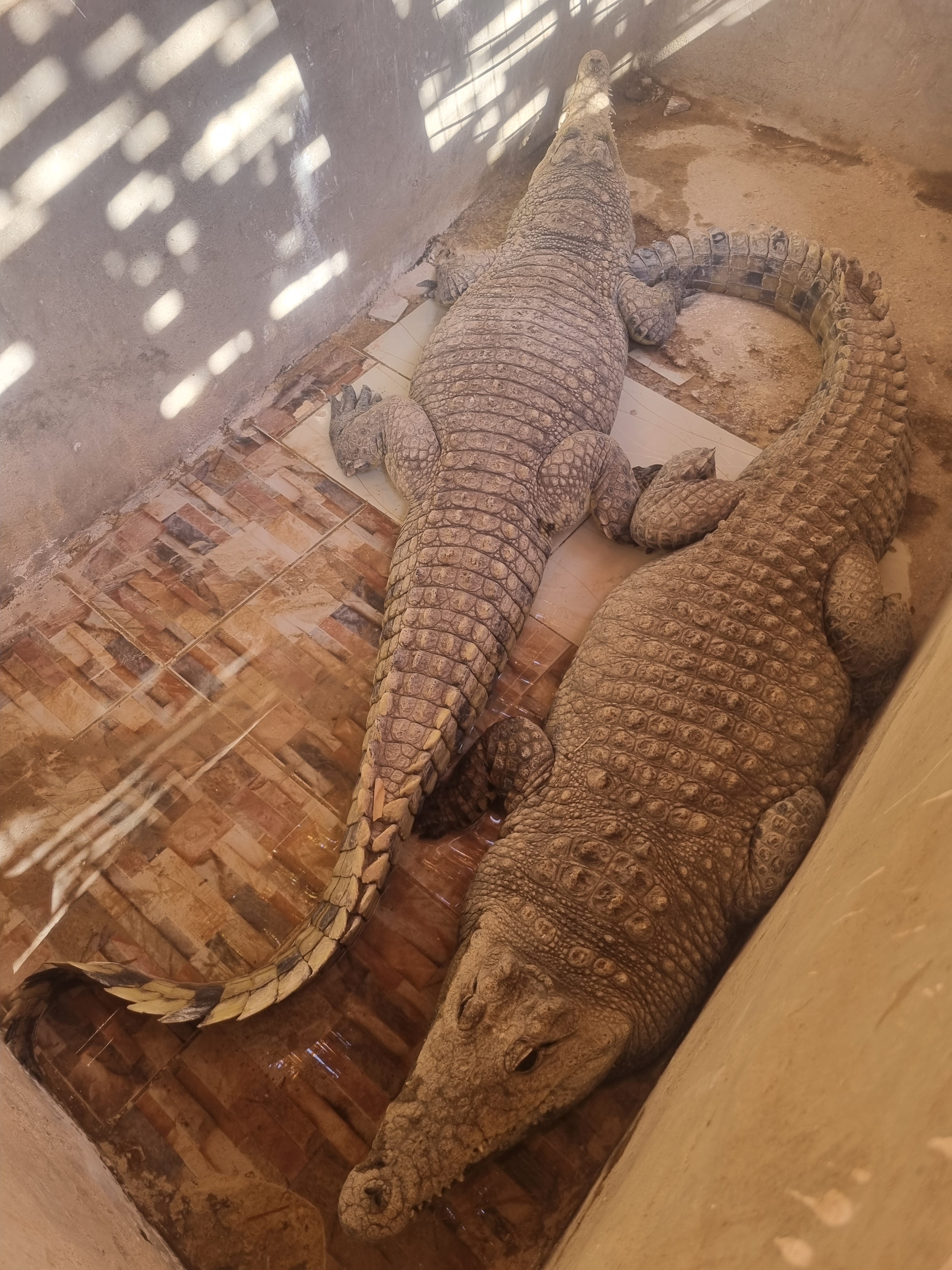
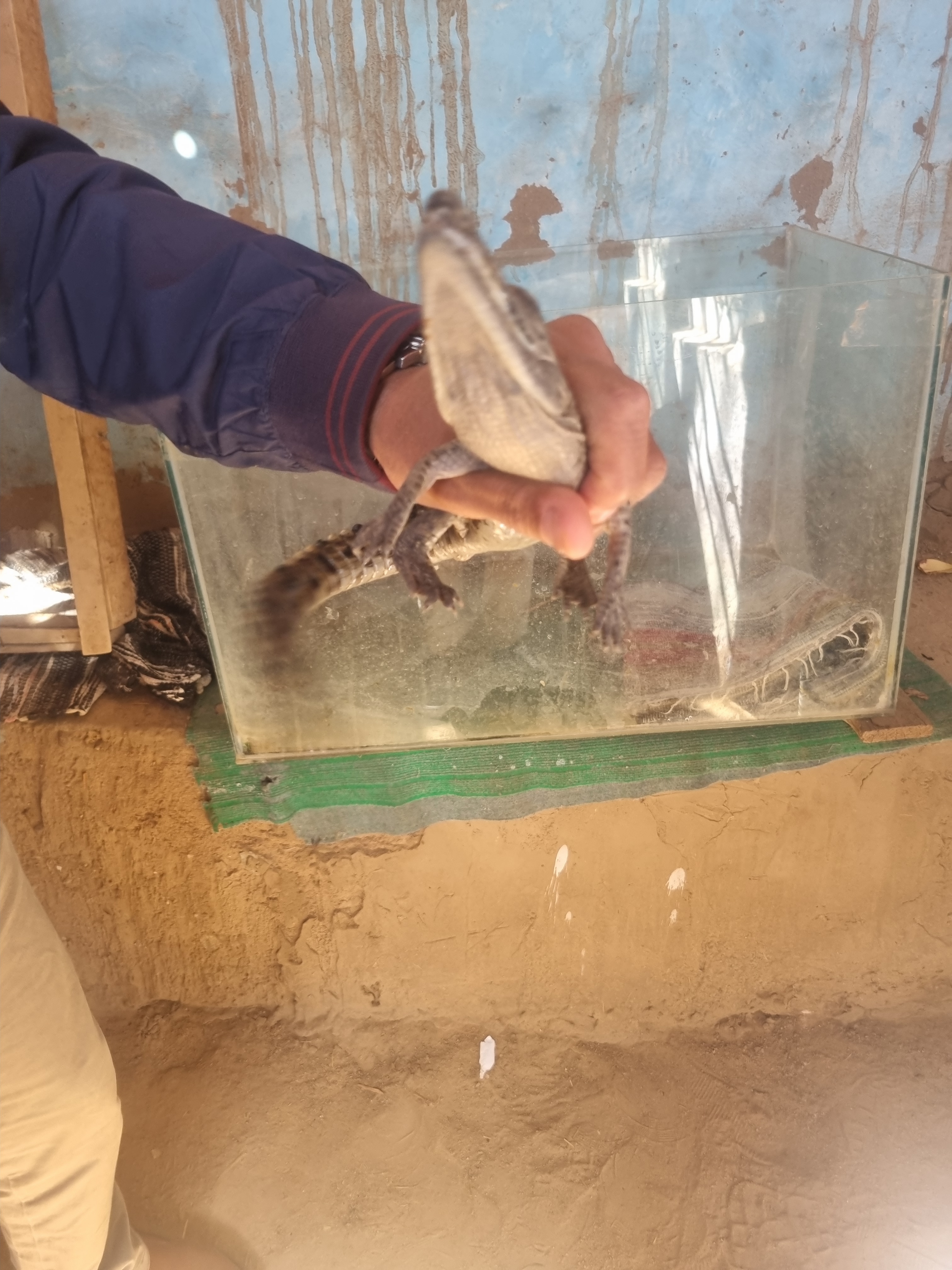
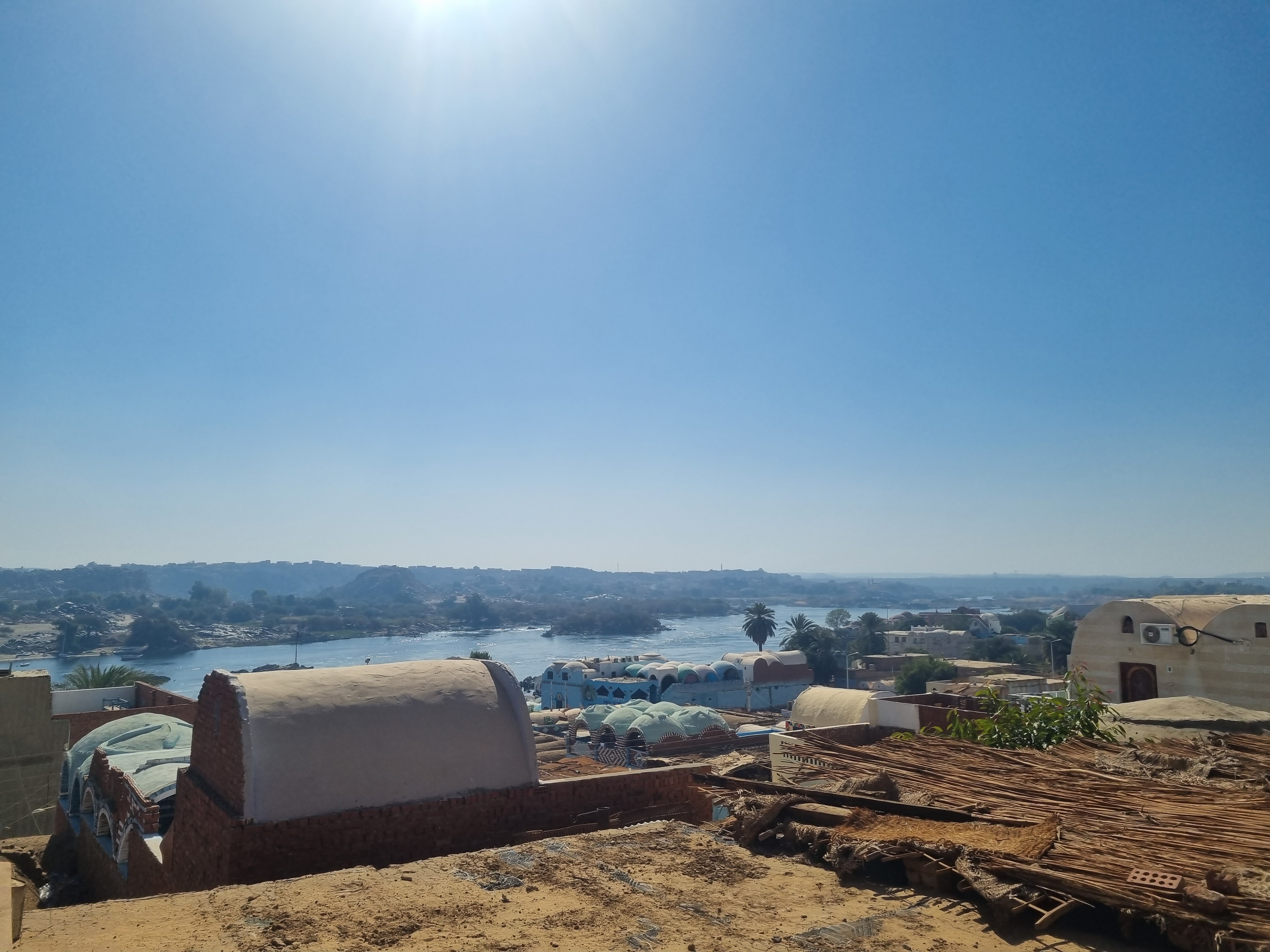
Afterward, our tour guide took us to visit a well-known local who shared fascinating insights into Nubian culture and its people. He also prepared a traditional Nubian coffee for us to enjoy which is roasted over glowing coals, heavily spiced with ginger, cardamon, and clove, and brewed in special pots. While I didn’t find the taste to my liking, since it was quite bitter and I’m not a fan of coffee in general, it was still a valuable and interesting experience!

After we returned to the boat and sailed back across the Nile to the other side, we began our journey back to Aswan. Since we had visited a more remote Nubian village, it took a while to return. The area was so peaceful and beautiful, and it felt like we had been transported to a completely different world, far from everything else.
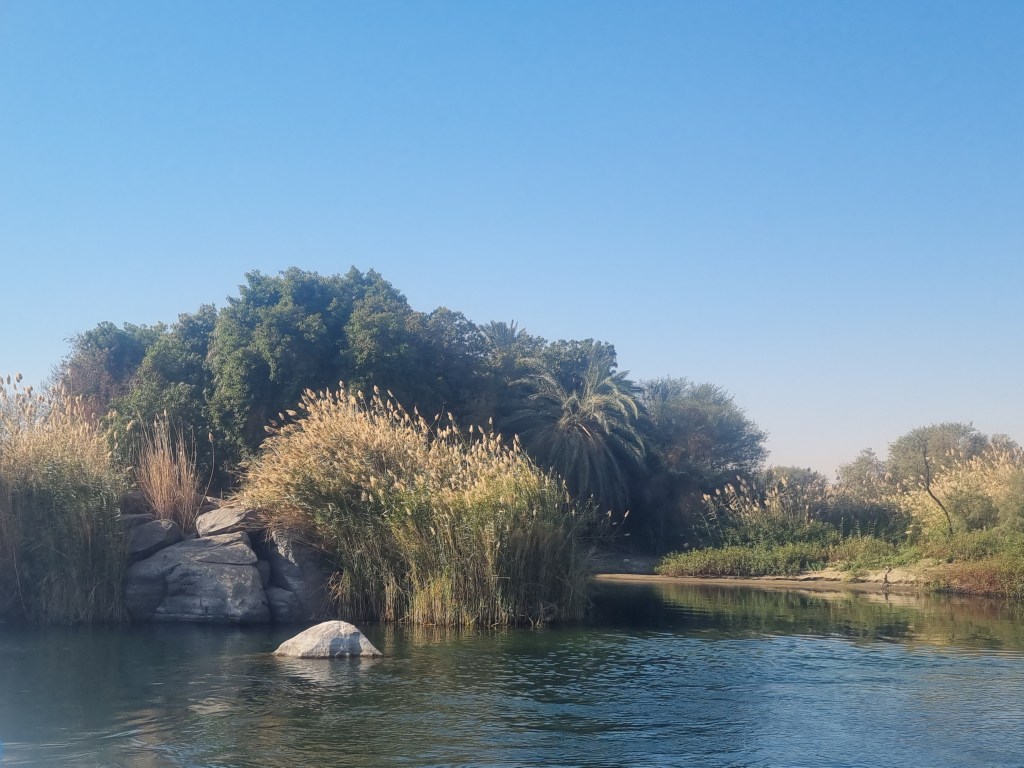
Once we reached the city, we decided to take a walk through the streets of Aswan. As we walked, it became clear just how different life is here. In one street, we passed beautiful, historic places and lively bazaars, where the air was filled with the scents of spices and fresh produce. But just a few blocks away, the contrast was striking.
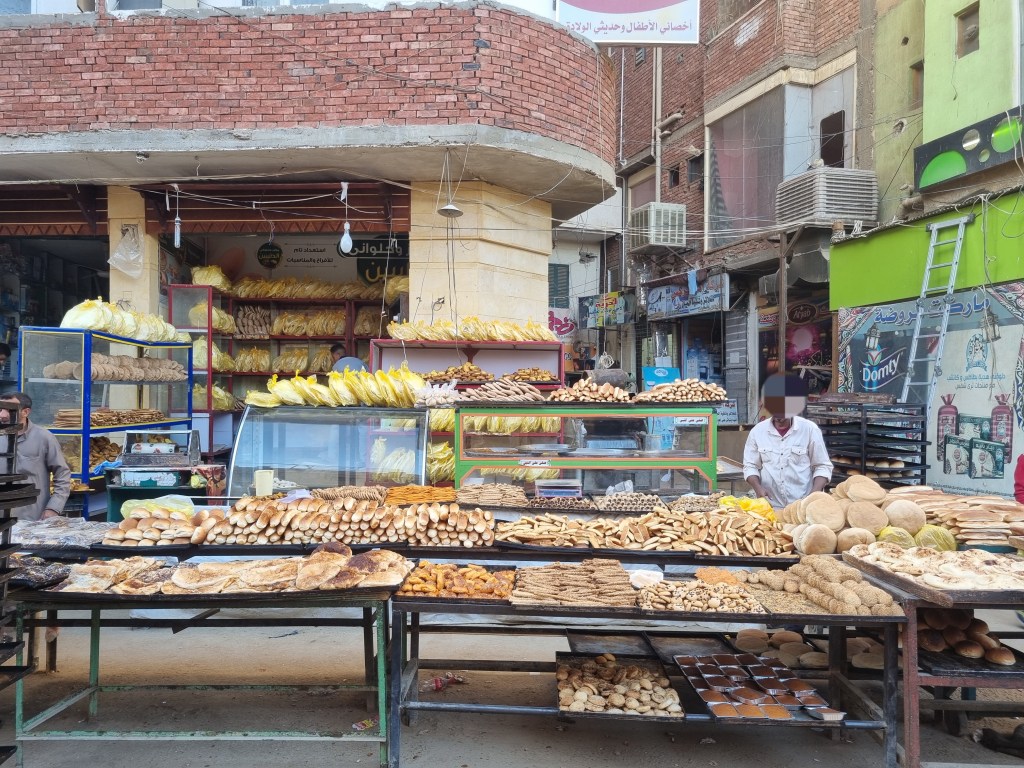
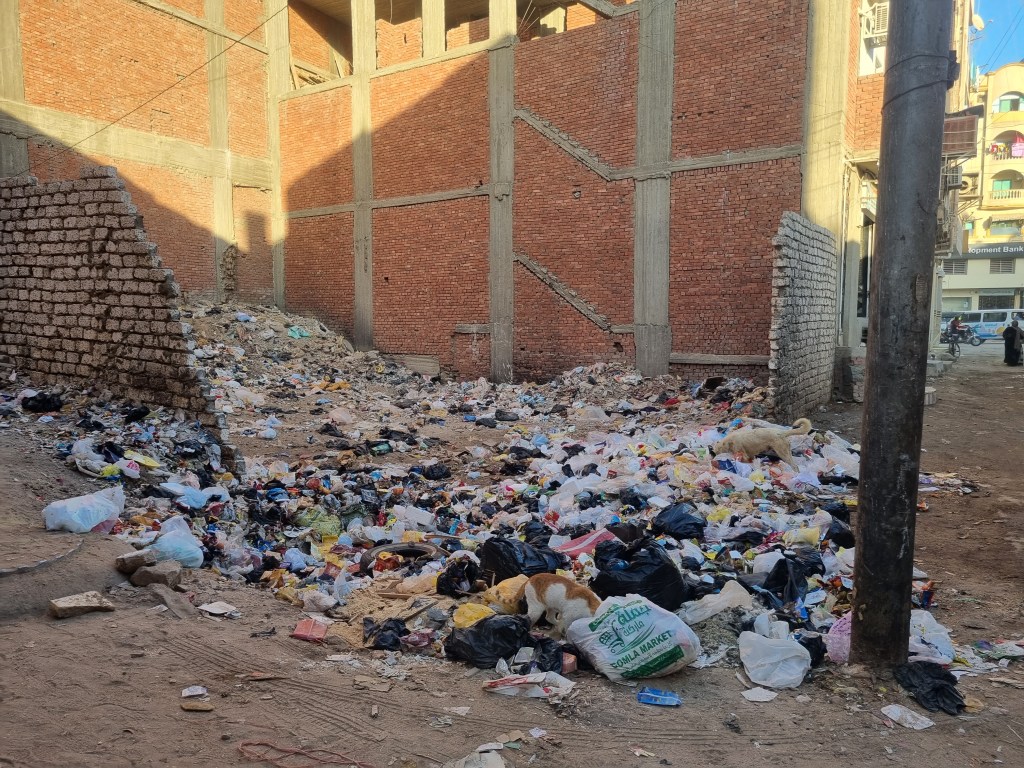
Another street was covered in mountains of garbage. Stray dogs and cats wandered around, searching for leftovers to eat. This was a side of Egypt you don’t usually see as a tourist, especially if you only visit the temples, beaches, and other popular attractions. It was a powerful reminder of the differences that exist in this vibrant country, where beauty and hardship exist side by side.
After our stroll, we made our way back to the ship, where dinner was already waiting for us. Afterward, we headed up to the top deck to unwind, letting the gentle night breeze and the quiet murmur of the river wash over us. We didn’t stay too long, though, as we had an early wake-up call: a midnight departure to Abu Simbel. We knew the journey would be long and uncomfortable, but the chance to see these ancient temples at dawn was worth every lost hour of sleep. With a mixture of excitement and anticipation, we headed to bed, ready for an unforgettable adventure under the stars.
Day 8: Edfu – Esna – Luxor
Southwest of Aswan lies one of Egypt’s most breathtaking marvels: the two majestic temples of Abu Simbel. Reaching these ancient wonders requires a journey through the vast, empty desert, often in a small, chugging vehicle that rattles along the uneven terrain for hours. There were no real roads, just rough tracks through the sand, and while we tried to catch some sleep on the way, the constant bumping and the hum of the motor made it nearly impossible. The bumpy ride, however, only added to the feeling of stepping back in time, as if we were following an ancient caravan route to the days of the pharaohs.
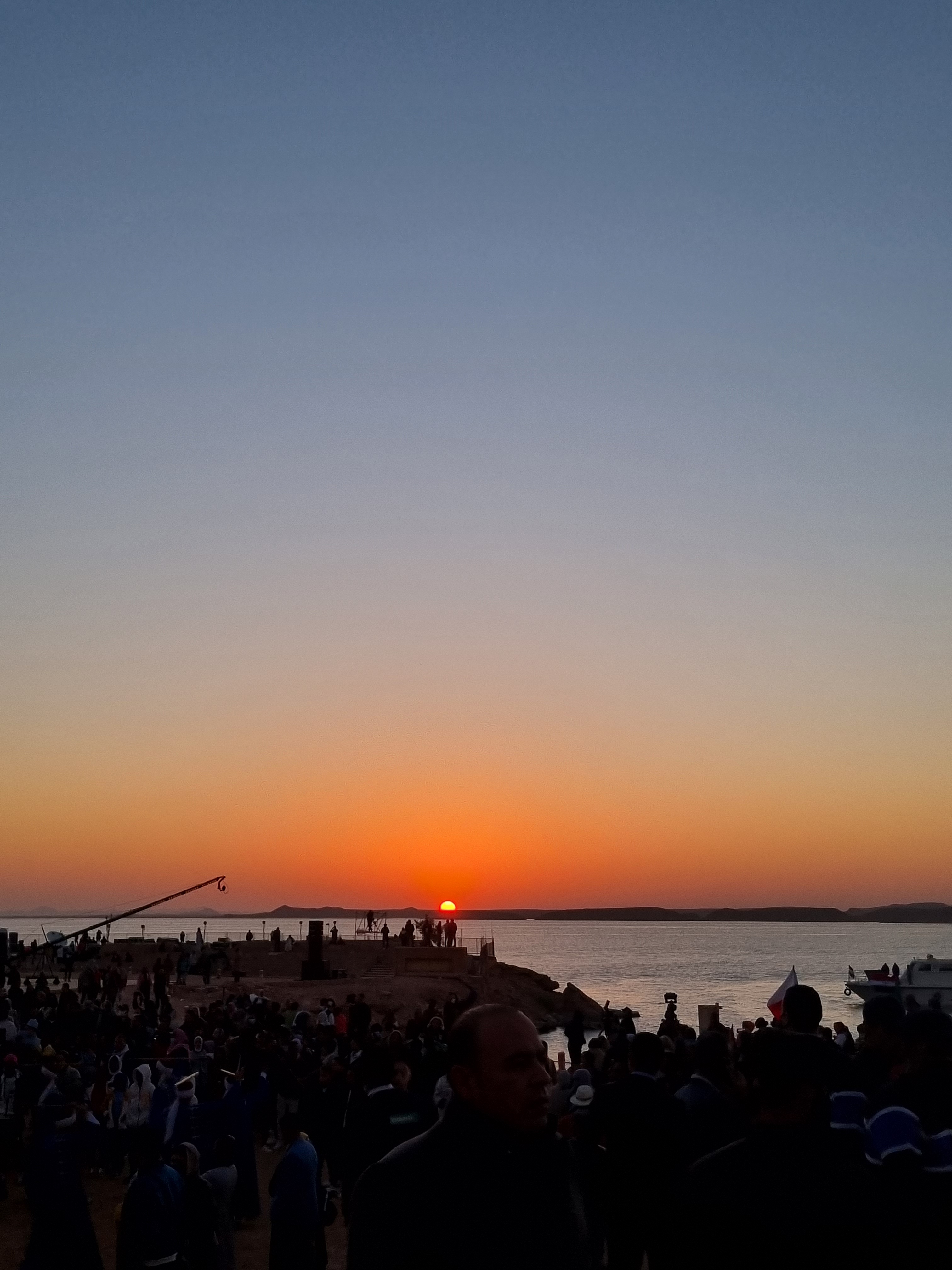
If you’re wondering why we set off in the middle of the night, it was to witness an extraordinary spectacle. Twice a year, the first rays of sunlight align to illuminate the face of Ramses II within the temple, casting the chamber in a soft, mystical glow. This exact alignment of the sun, showing the ancient Egyptians’ deep connection to their gods and the universe, is a moment not to be missed.
As we approached the shimmering banks of Lake Nasser, four colossal statues appeared in the distance, standing guard over the land. These massive figures, carved directly into the cliff, protect the Great Temple, built in honor of Pharaoh Ramses II.
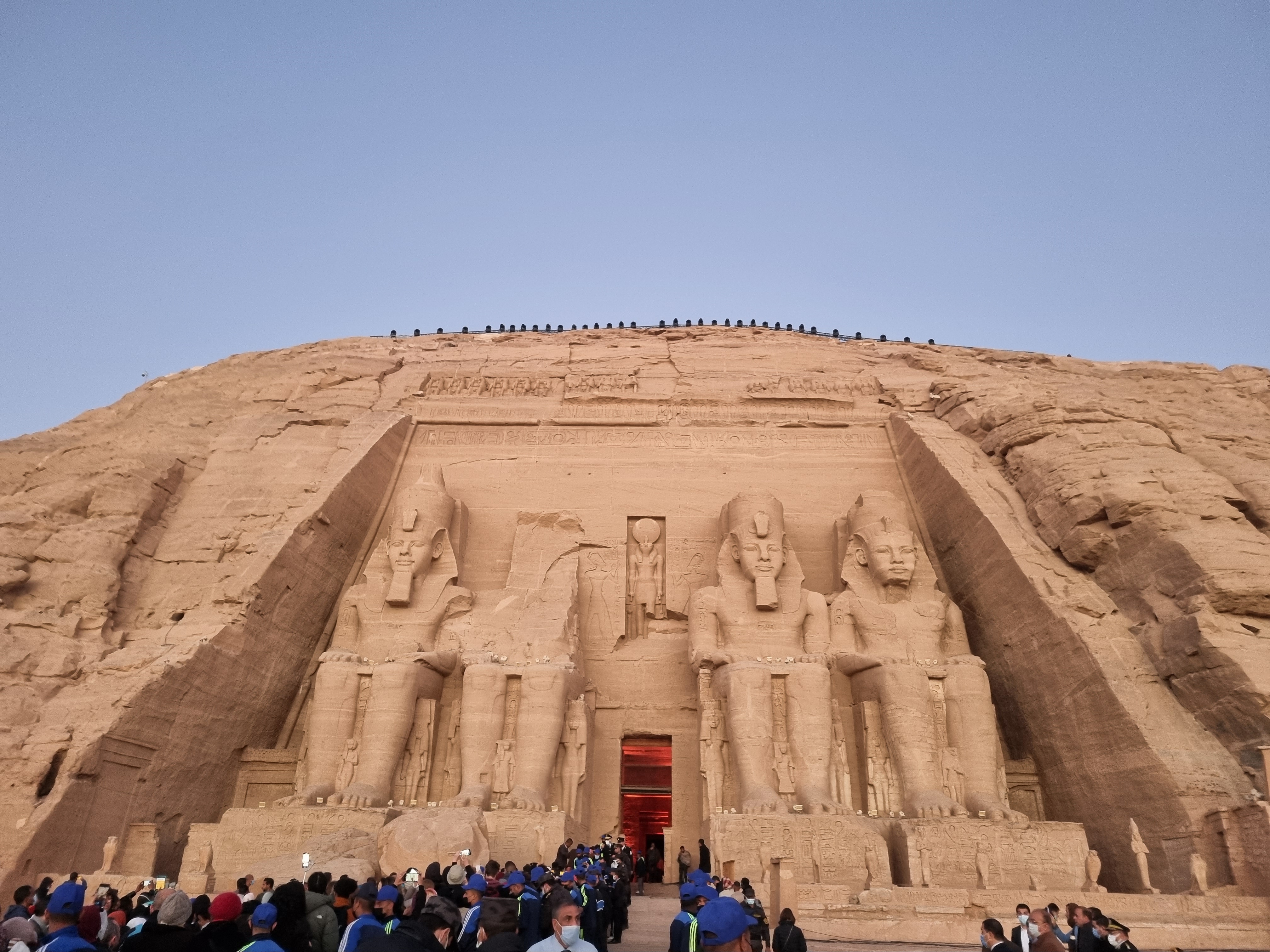
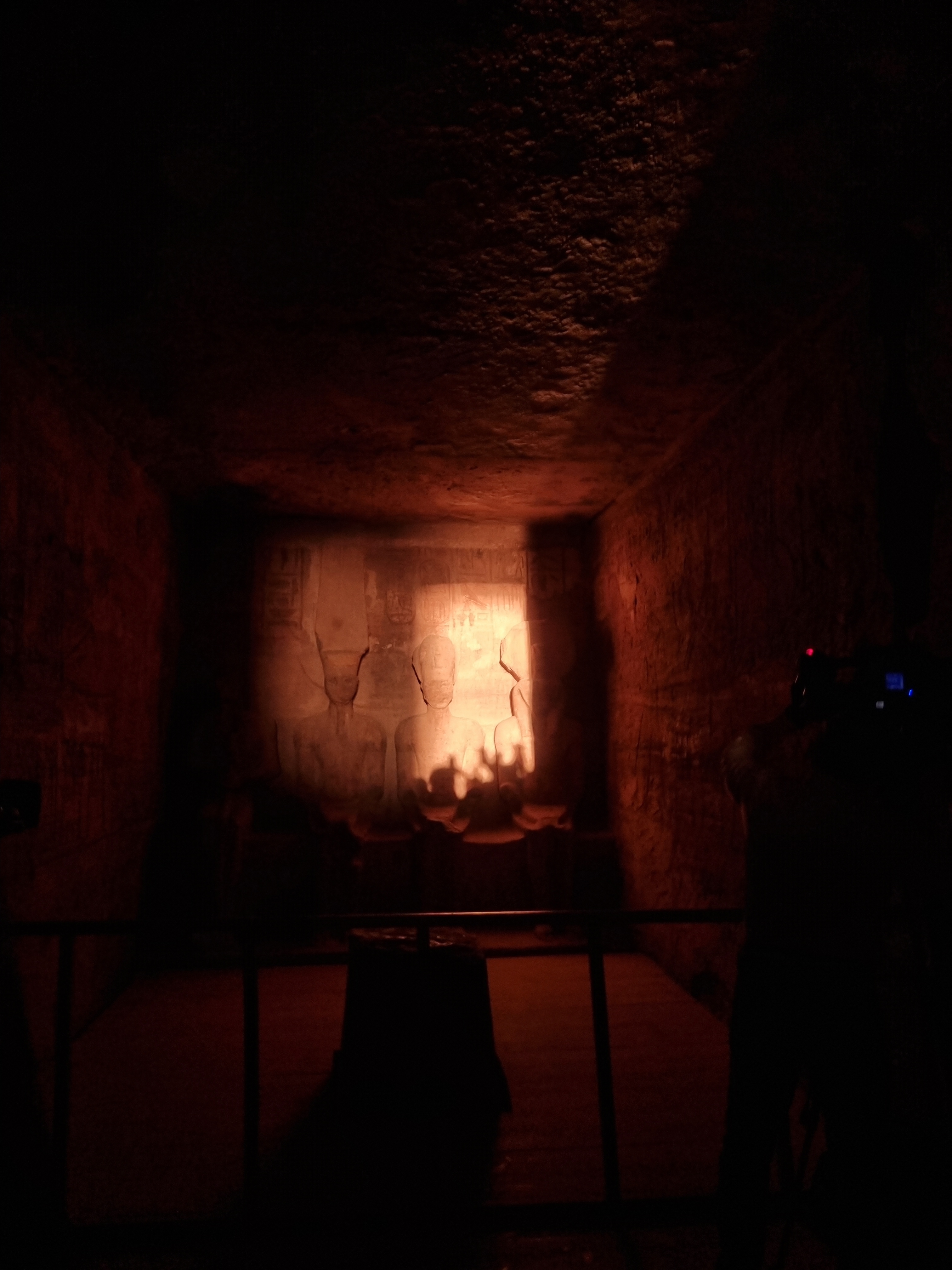
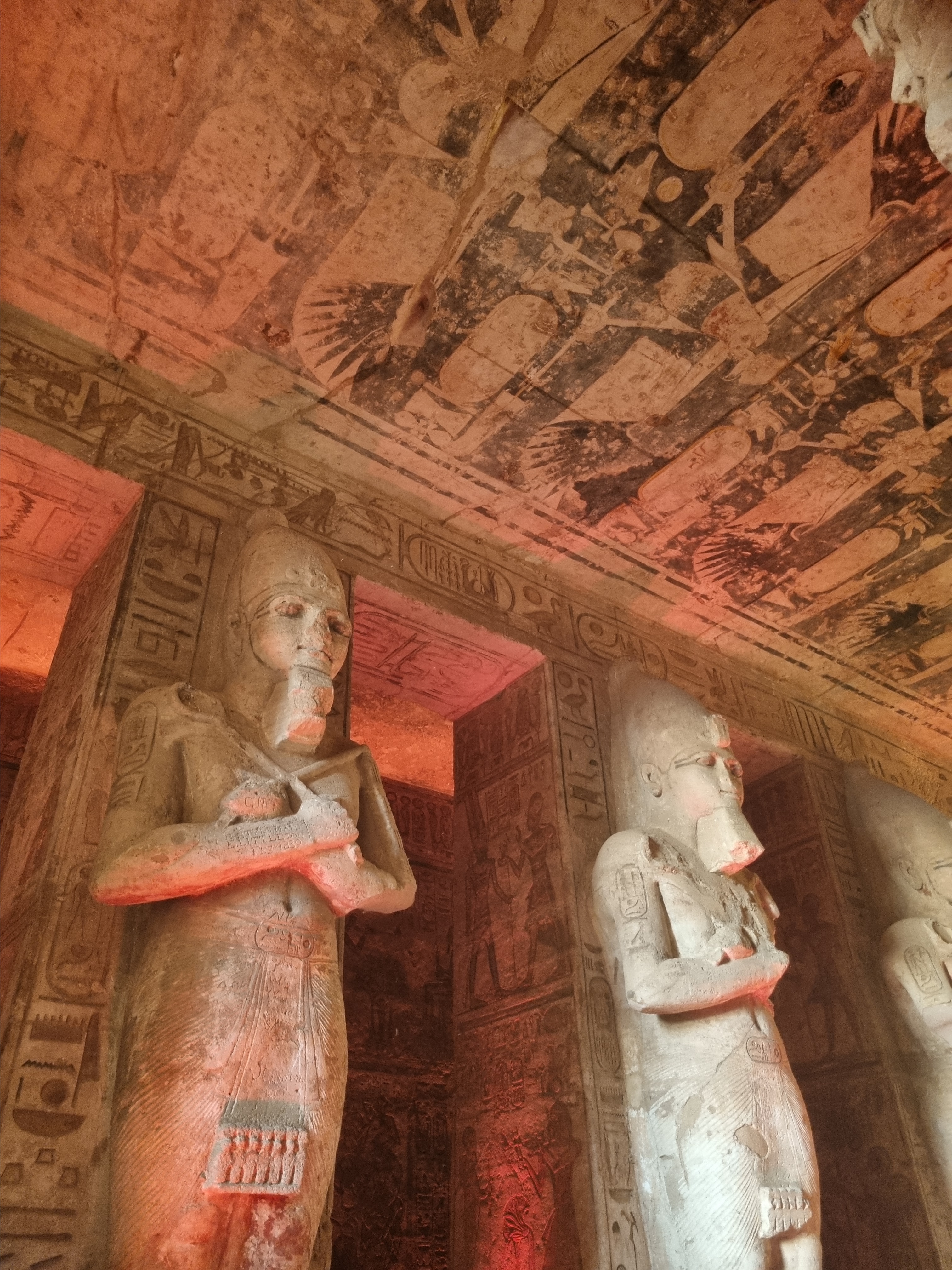
Nearby is the equally striking Temple of Hathor, dedicated to Ramses’ queen, Nefertari. Like the Philae Temple, Abu Simbel was relocated in a monumental preservation effort to protect it from rising waters.
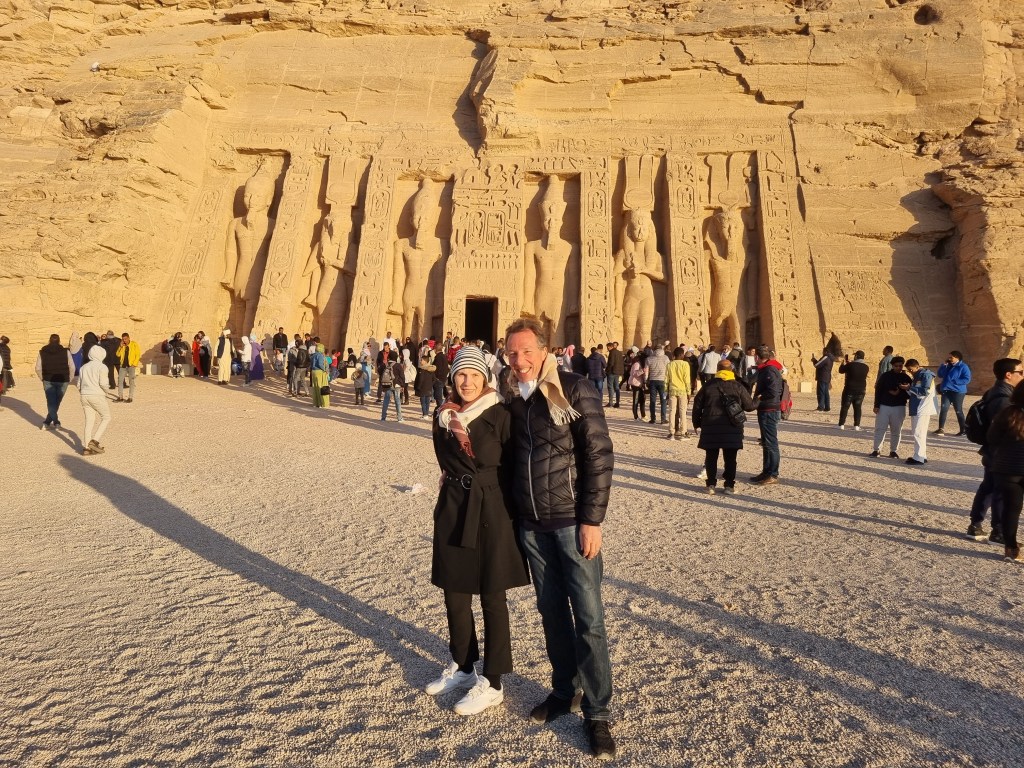
Our early-morning journey to this UNESCO World Heritage site was truly unforgettable. If you ever have the chance to witness this incredible spectacle, don’t miss it.. but even without it, Abu Simbel is a breathtaking place to experience. After our visit, we spent the rest of the day relaxing on the cruise as we sailed northward, all the way back to Luxor. The memories of the desert, the temples, and Ramses’ timeless gaze stayed with us as we drifted along the Nile, taking in the beauty and history around us.

Day 9: Luxor
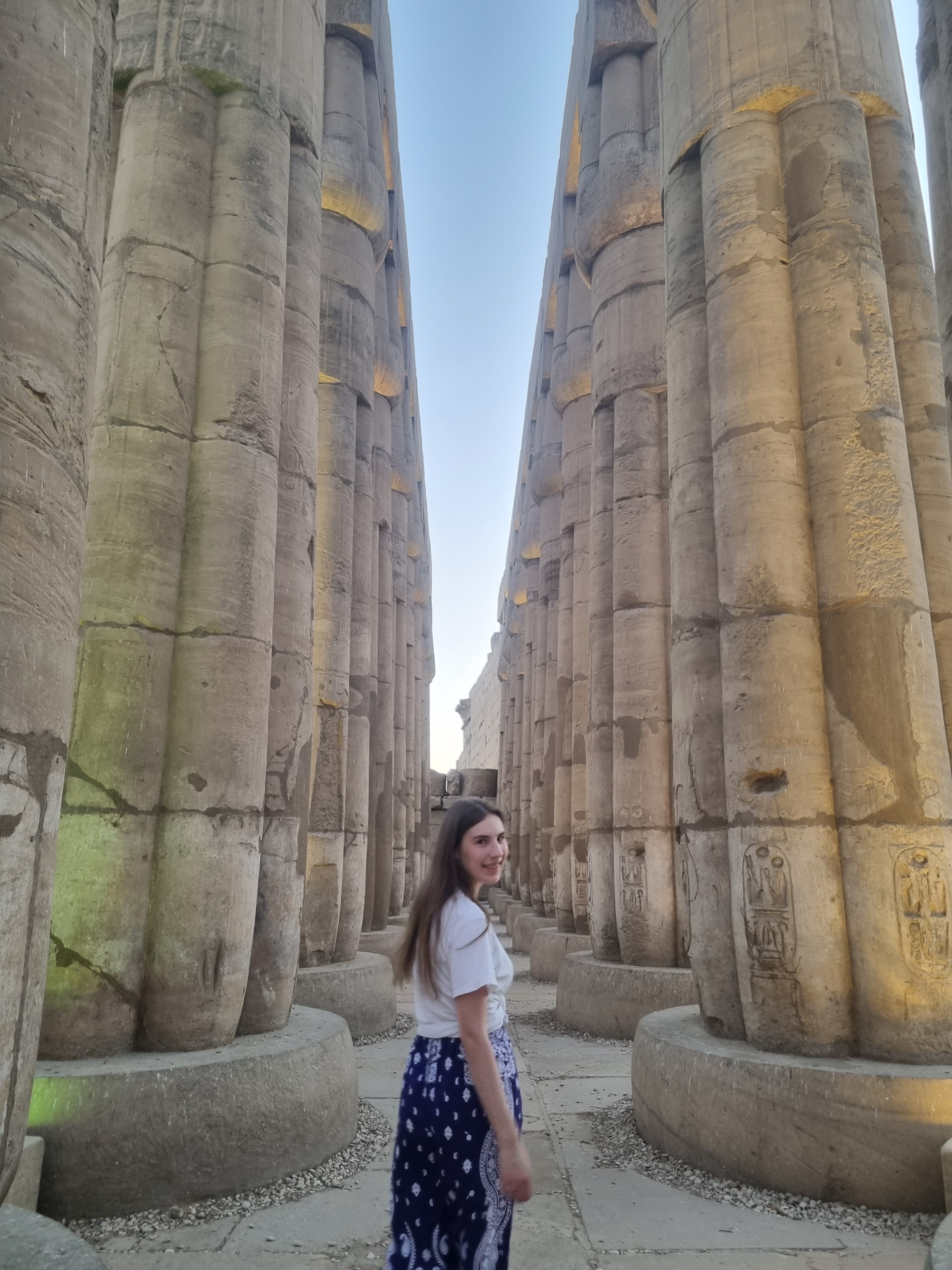
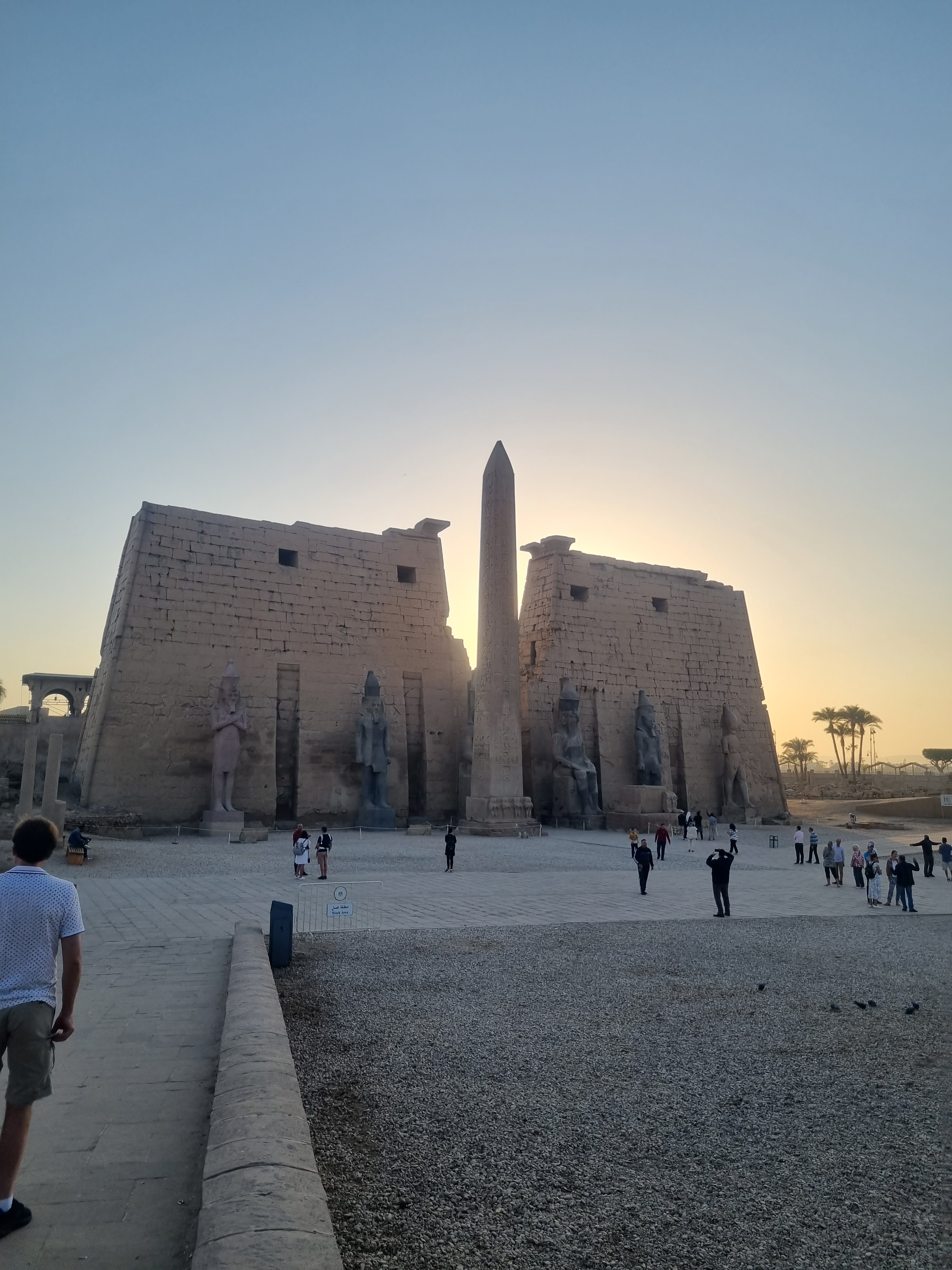
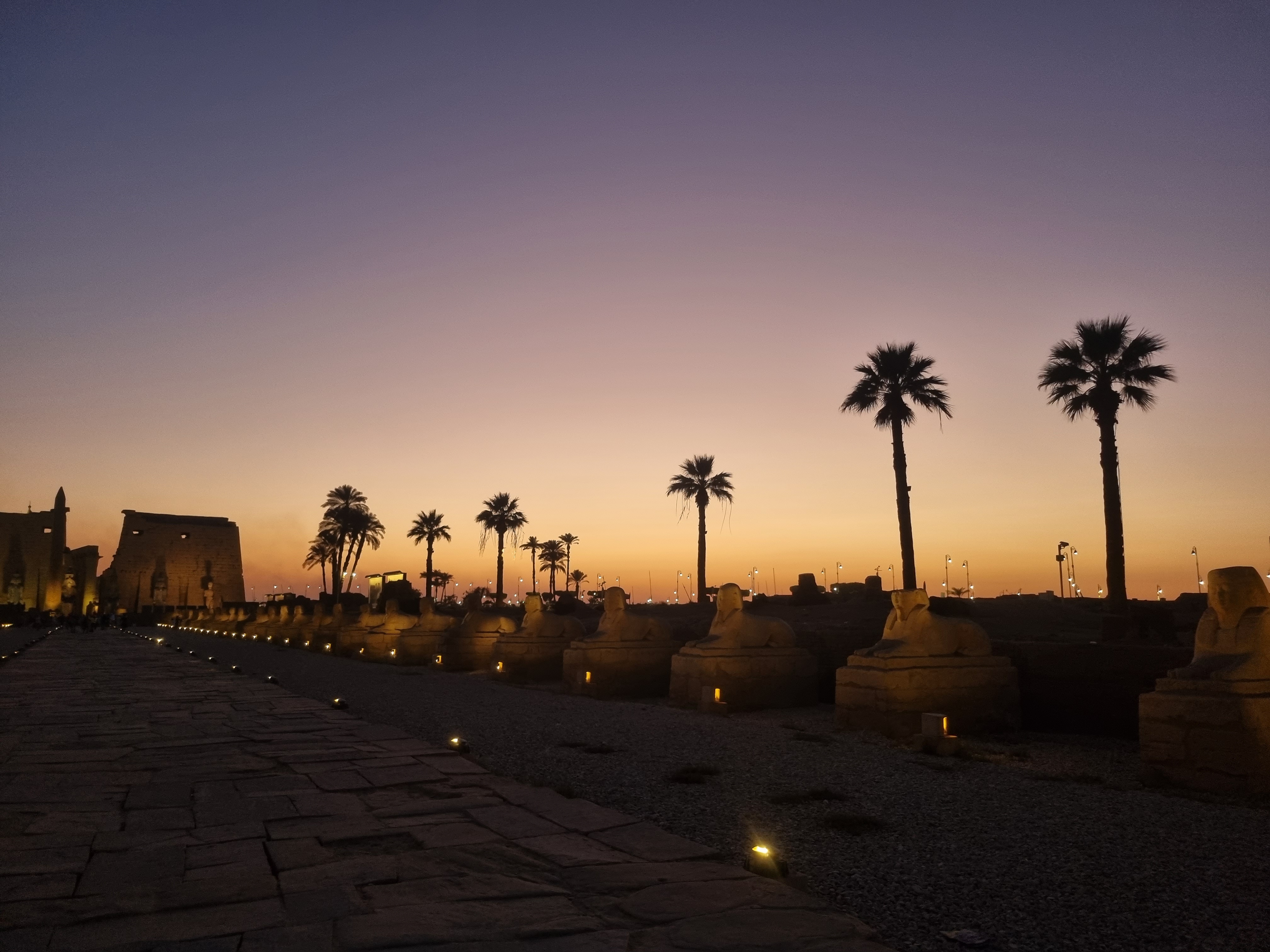
After a peaceful morning cruising toward Luxor, we finally arrived in the early afternoon. Without wasting any time, the three of us and our guide headed straight to the majestic Luxor Temple. Situated on the eastern bank of the Nile, the temple welcomed us with towering statues and enormous columns, each one more impressive than the last. One of the most fascinating aspects of Luxor Temple is its ancient link to Karnak Temple, which we had visited a few days earlier, connected by the Avenue of Sphinxes. This grand, nearly three-kilometer path was once lined with hundreds of sphinx statues, though only a few remain intact today. As we walked along the temple, we couldn’t help but imagine the priests and pharaohs who had once used this road for religious processions. After enjoying the sunset at the temple, we made our way back to the boat.

Day 10: Luxor
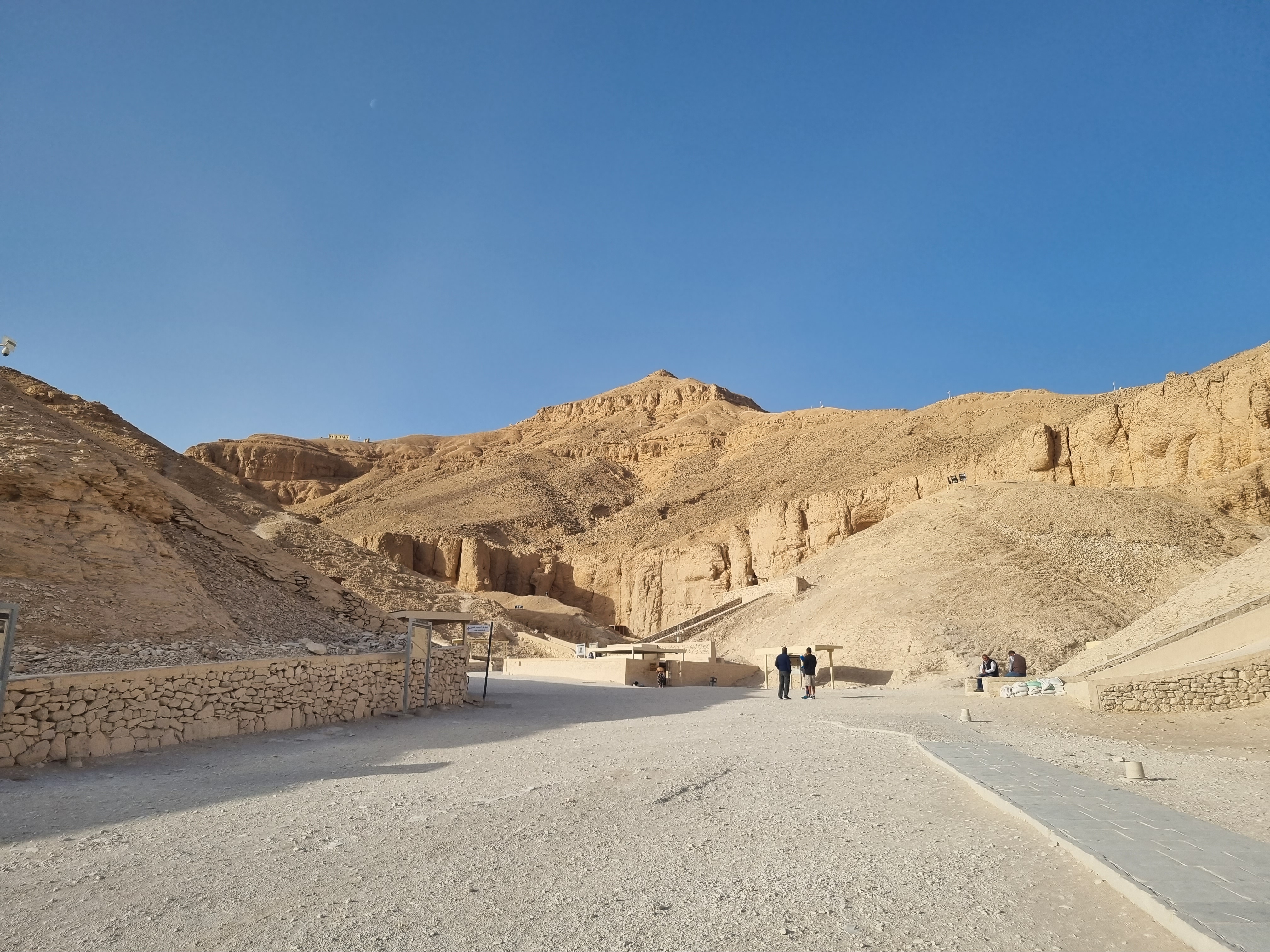
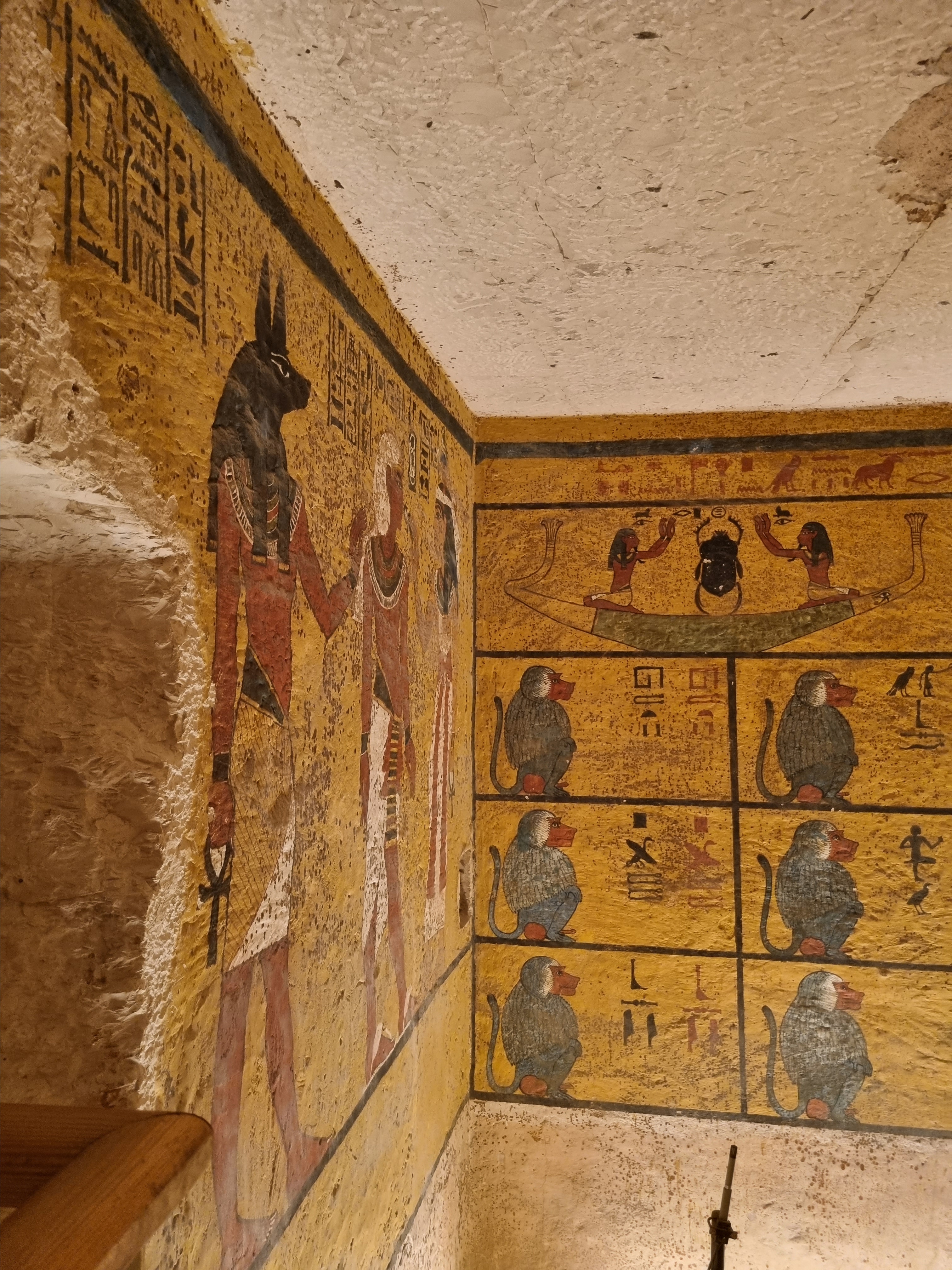
For our last day in Egypt, we had some truly fascinating spots ahead of us. After breakfast, we were picked up by our tour guide and driver, and then we headed straight into the deep desert. Luxor, once the heart of ancient Thebes, is home to the mysterious Valley of the Kings, which was our first stop. This mystical burial site, carved deep into the rock, is the final resting place of more than 60 pharaohs, including the iconic Tutankhamun. The most striking feature here is the intricate wall paintings inside the tombs. The vibrant colors and depictions of an unimaginable afterlife make it feel as though you’ve stepped into another world entirely.

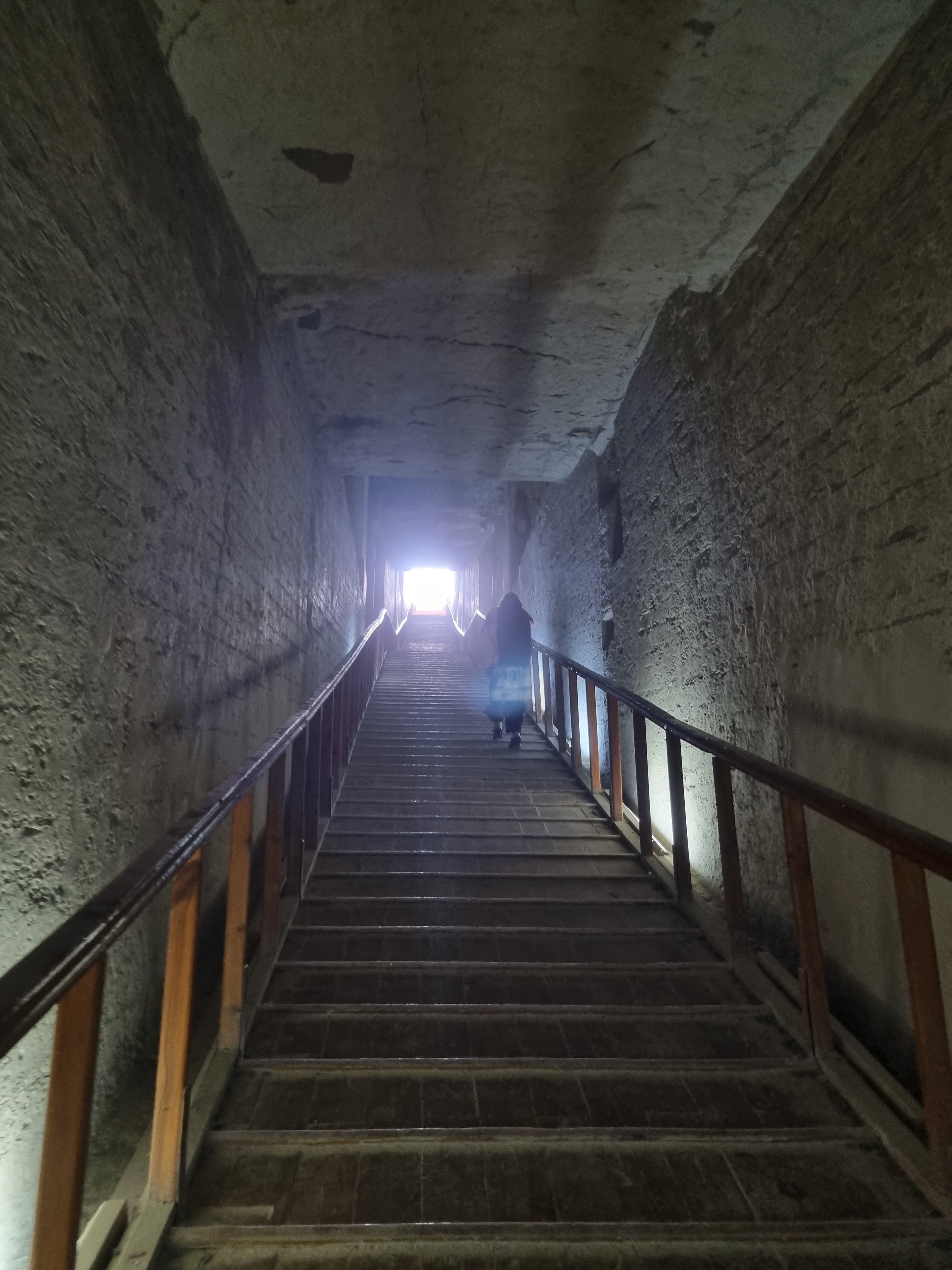
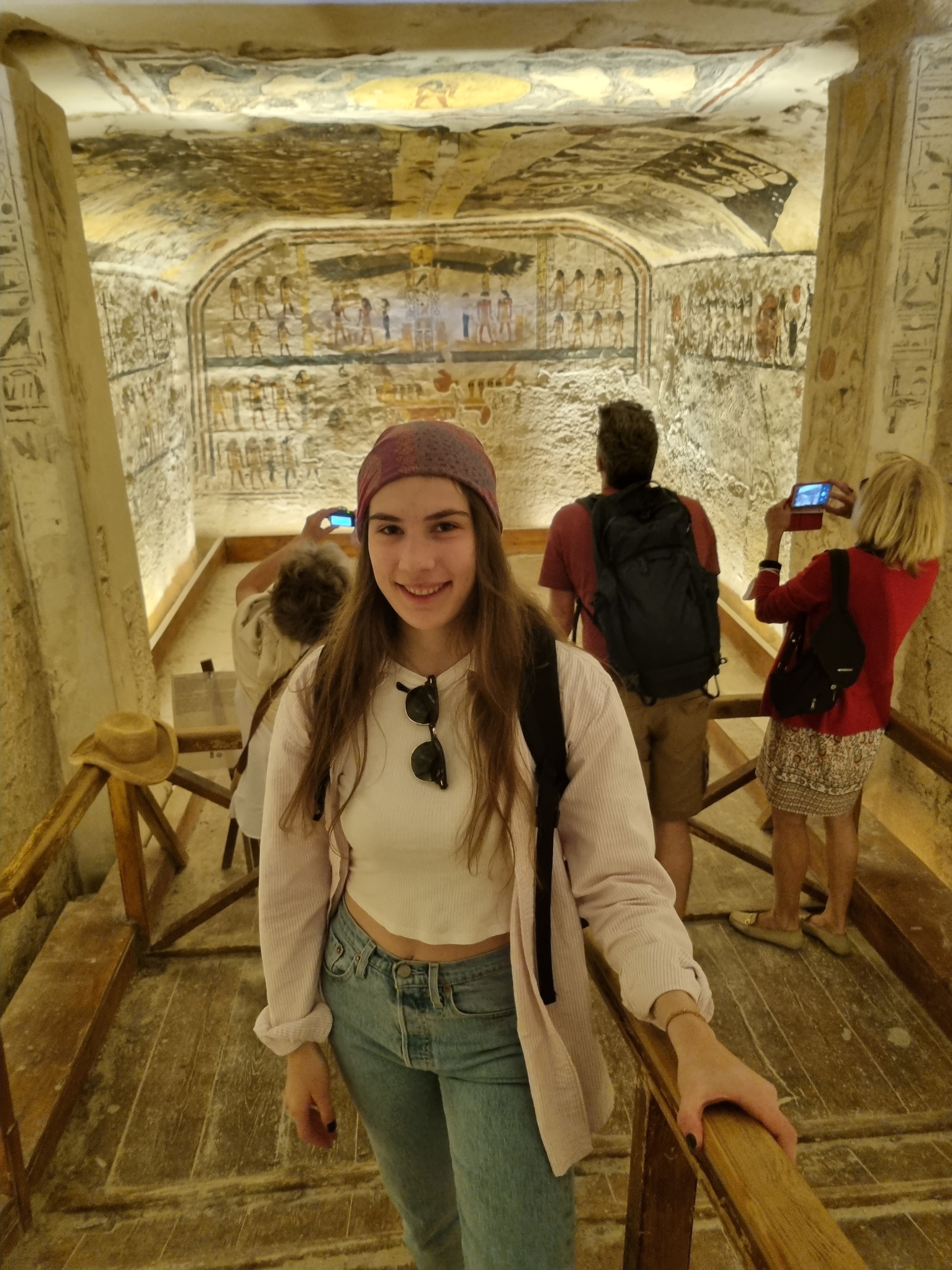
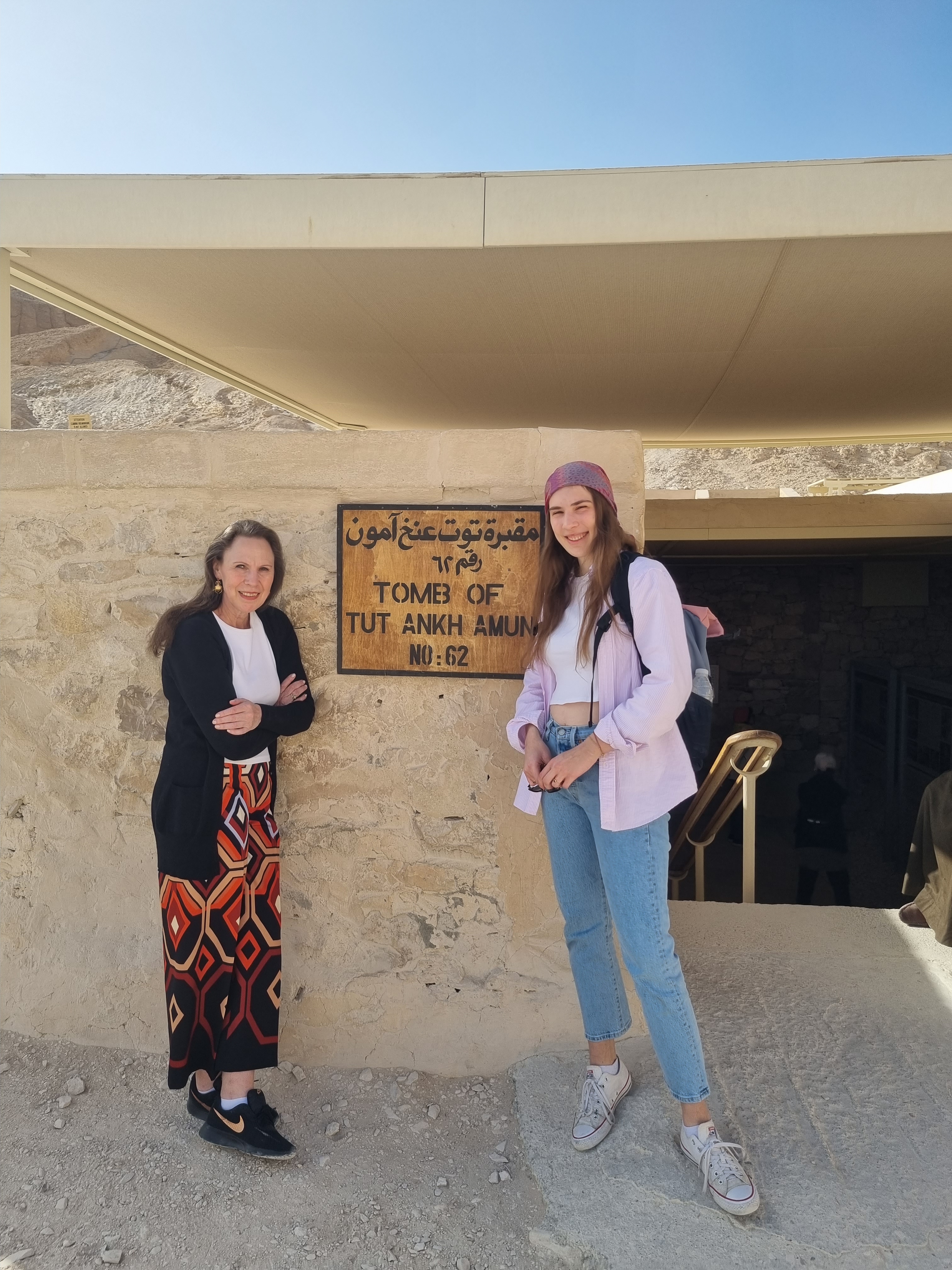
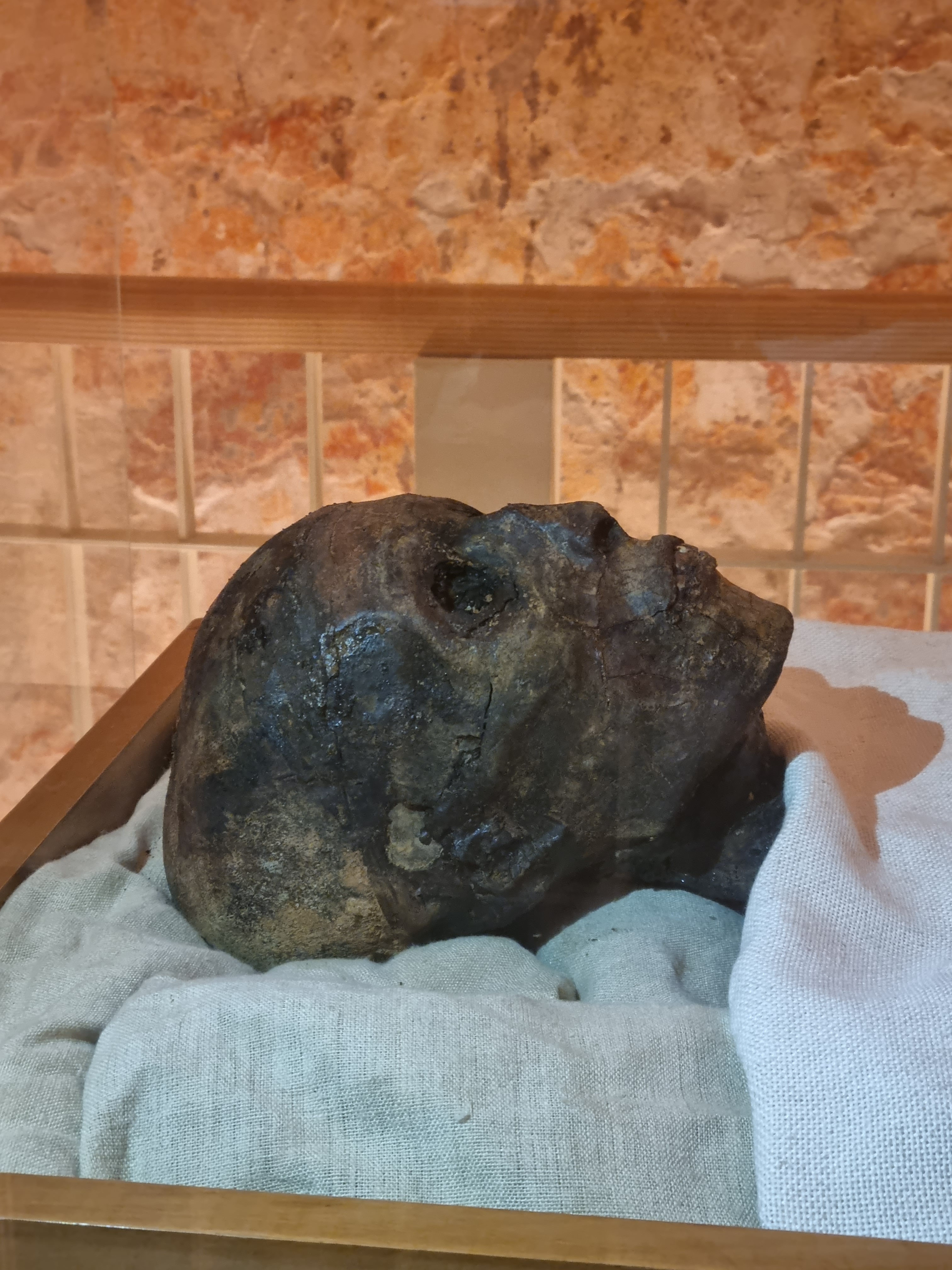
However, my parents had a wonderful surprise for me.. they gave me an extra ticket to visit Tutankhamun’s tomb. Seeing the famous, coal-blackened mummy of the young pharaoh up close had always been on my bucket list. What made the experience even more special was that, due to COVID, I was incredibly lucky to be the only visitor there at the time, aside from one tomb guardian. He was very kind and even offered to take pictures of me. It was a rare and unforgettable moment to be alone with history in such an intimate way.. one that I will never forget.
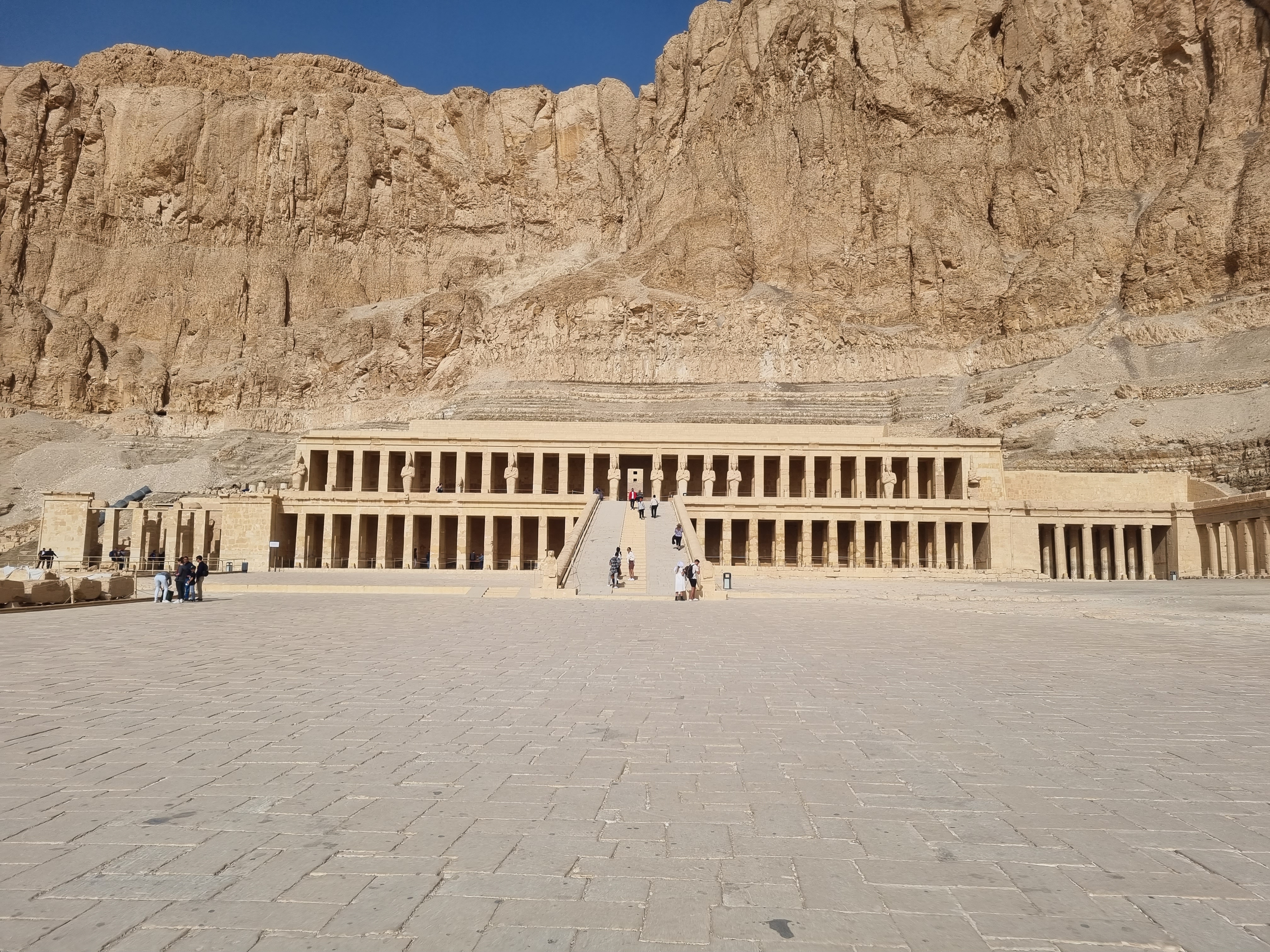
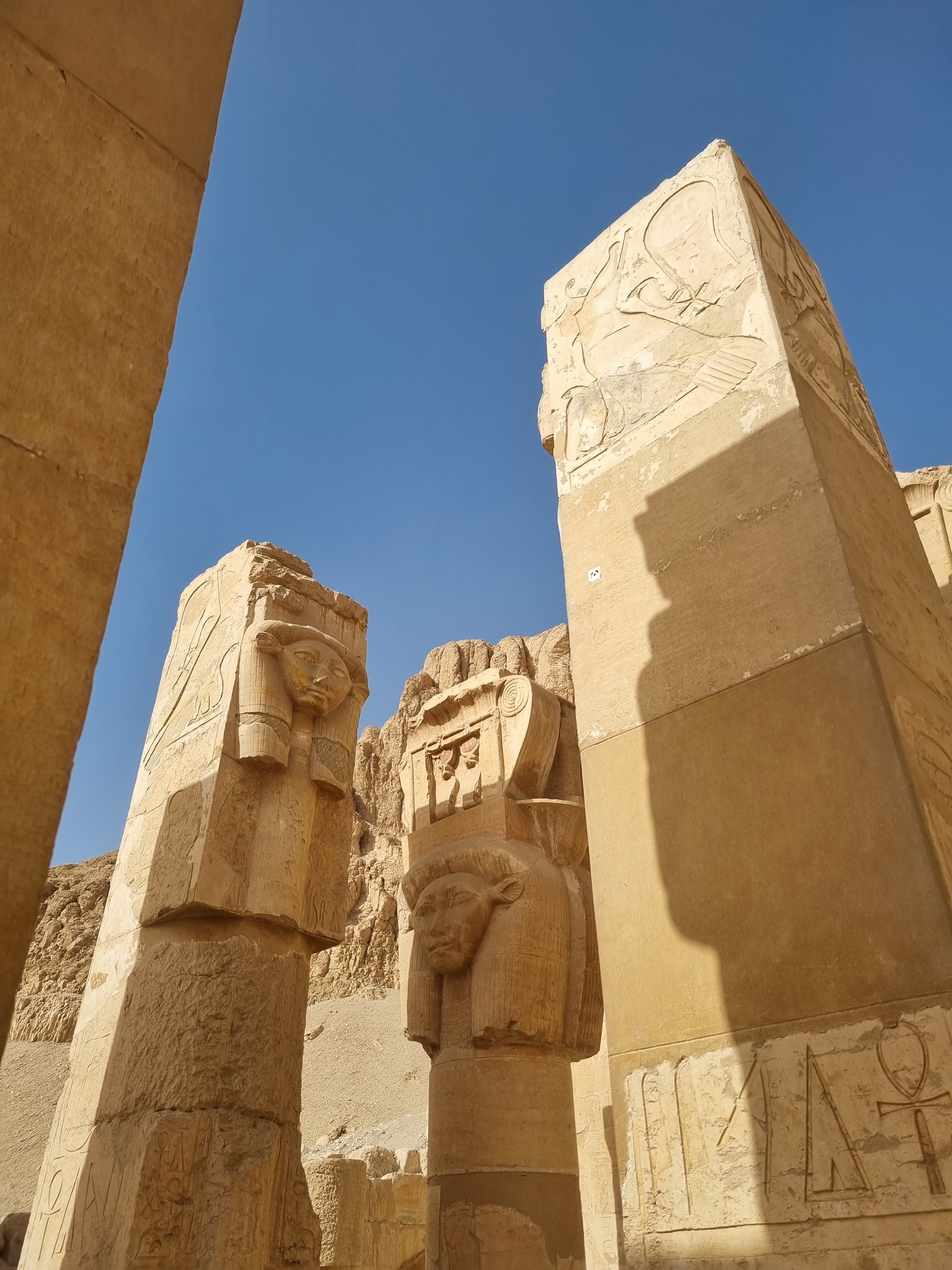
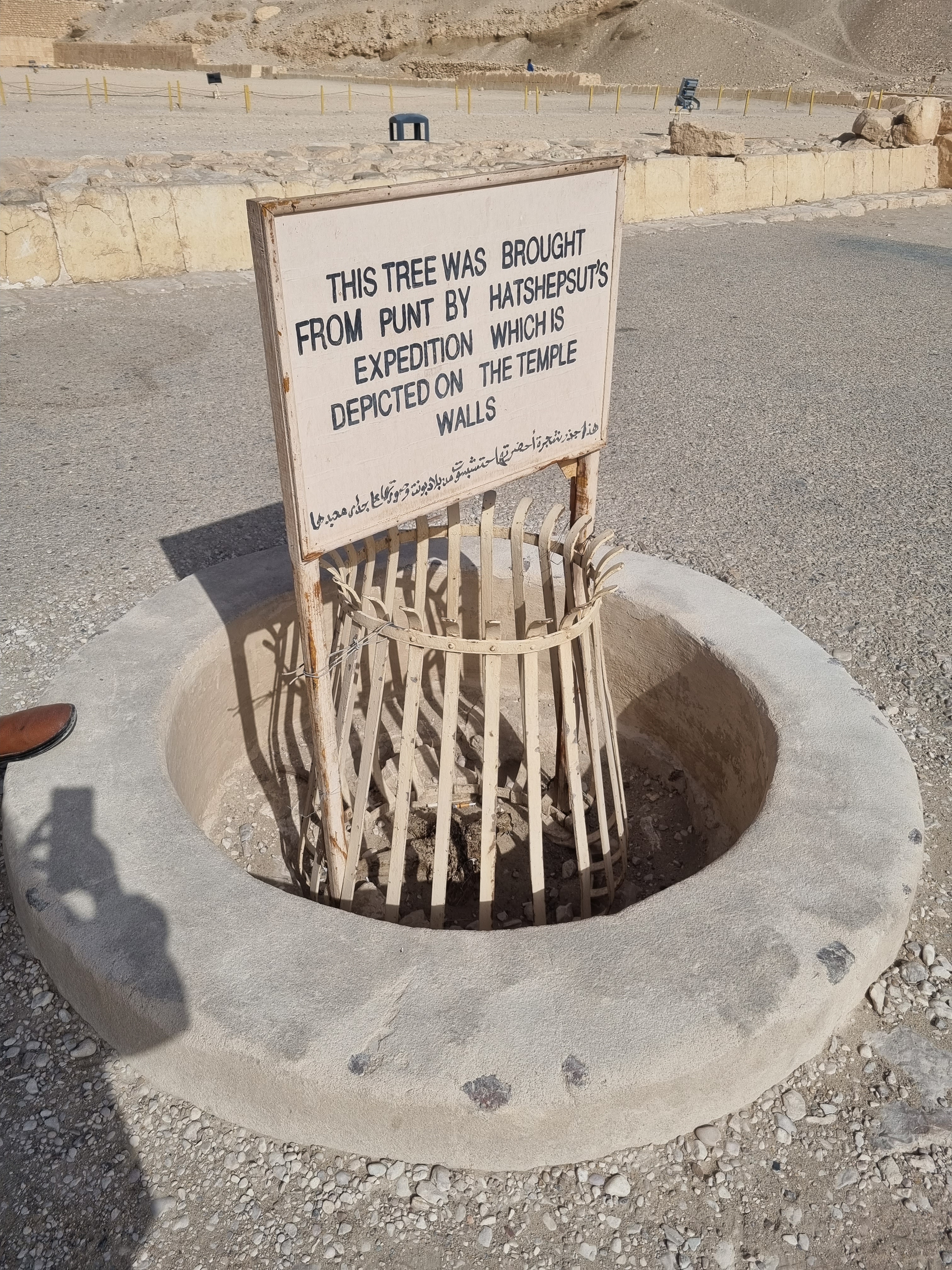
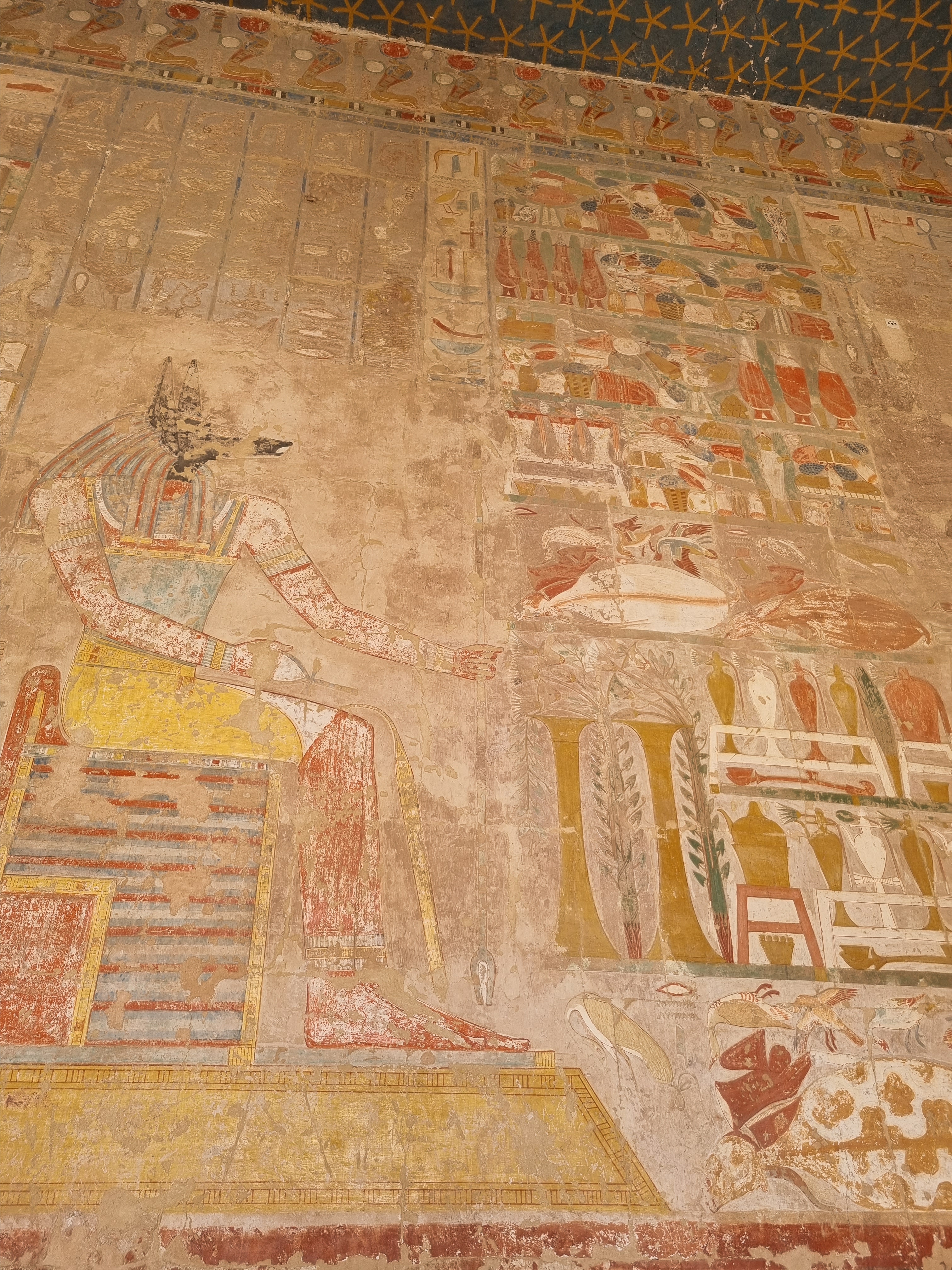
Afterwards, we made our way to the stunning Temple of Hatshepsut. Perched at the foot of towering cliffs, the temple seemed to rise organically from the mountainside, as if it were part of the landscape itself. Each step felt like a journey back in time. What truly set the Temple of Hatshepsut apart, beyond its size and beauty, was its story. Built to honor the first female pharaoh of Egypt, this temple reflects her power, wisdom, and the legacy she left behind. As we walked through the halls, we were amazed by the detailed carvings and statues on the walls, showing scenes from her reign.
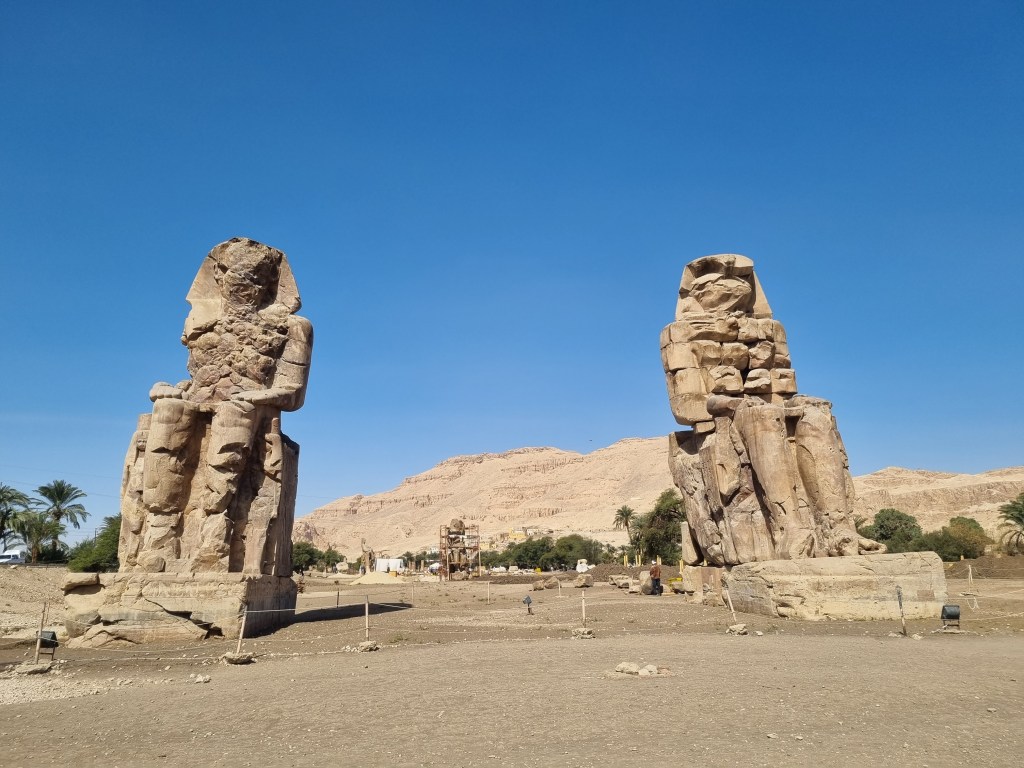
After exploring the Temple of Hatshepsut, we made our way to the Colossi of Memnon, two gigantic statues that stand proudly, watching over the ruins of an ancient temple. Each statue is over 18 meters tall, make them truly impressive. Carved from stone, they represent Pharaoh Amenhotep III and have stood for more than 3,400 years, surviving the harsh Egyptian weather and the passage of time. The statues are not just impressive because of their size, but also because of the legend surrounding them. In ancient times, travelers believed that the statues made mysterious sounds at dawn, which they thought were the voice of the king. Even though we didn’t hear any voices, we could feel the magic of these statues.
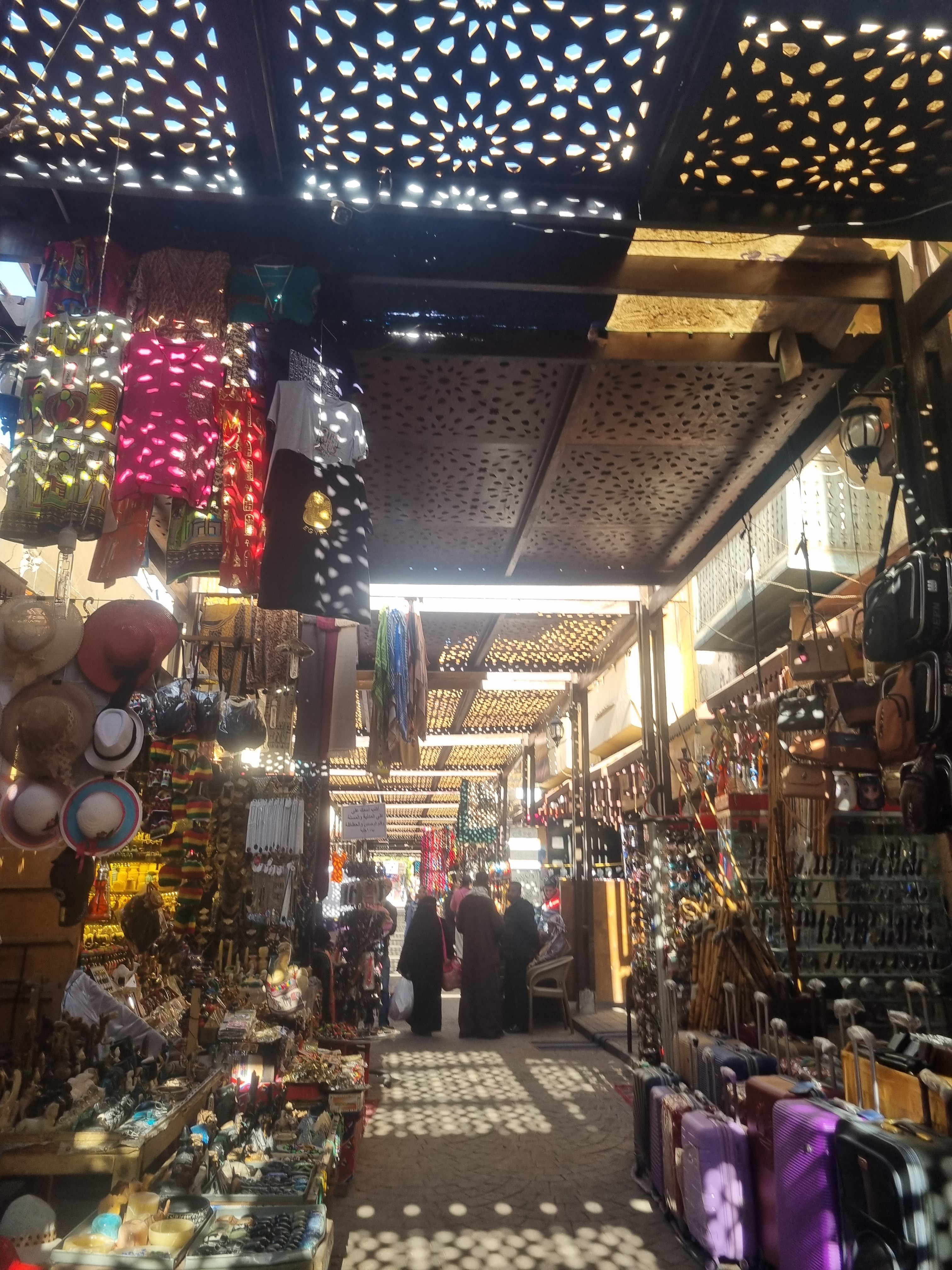
To wrap up our incredible adventure in Egypt, we visited a bustling bazaar, where the vibrant colors, lively energy, and the mix of sounds and smells made it feel like we were truly immersed in Egyptian culture. The market was filled with handmade crafts, spices, and souvenirs.
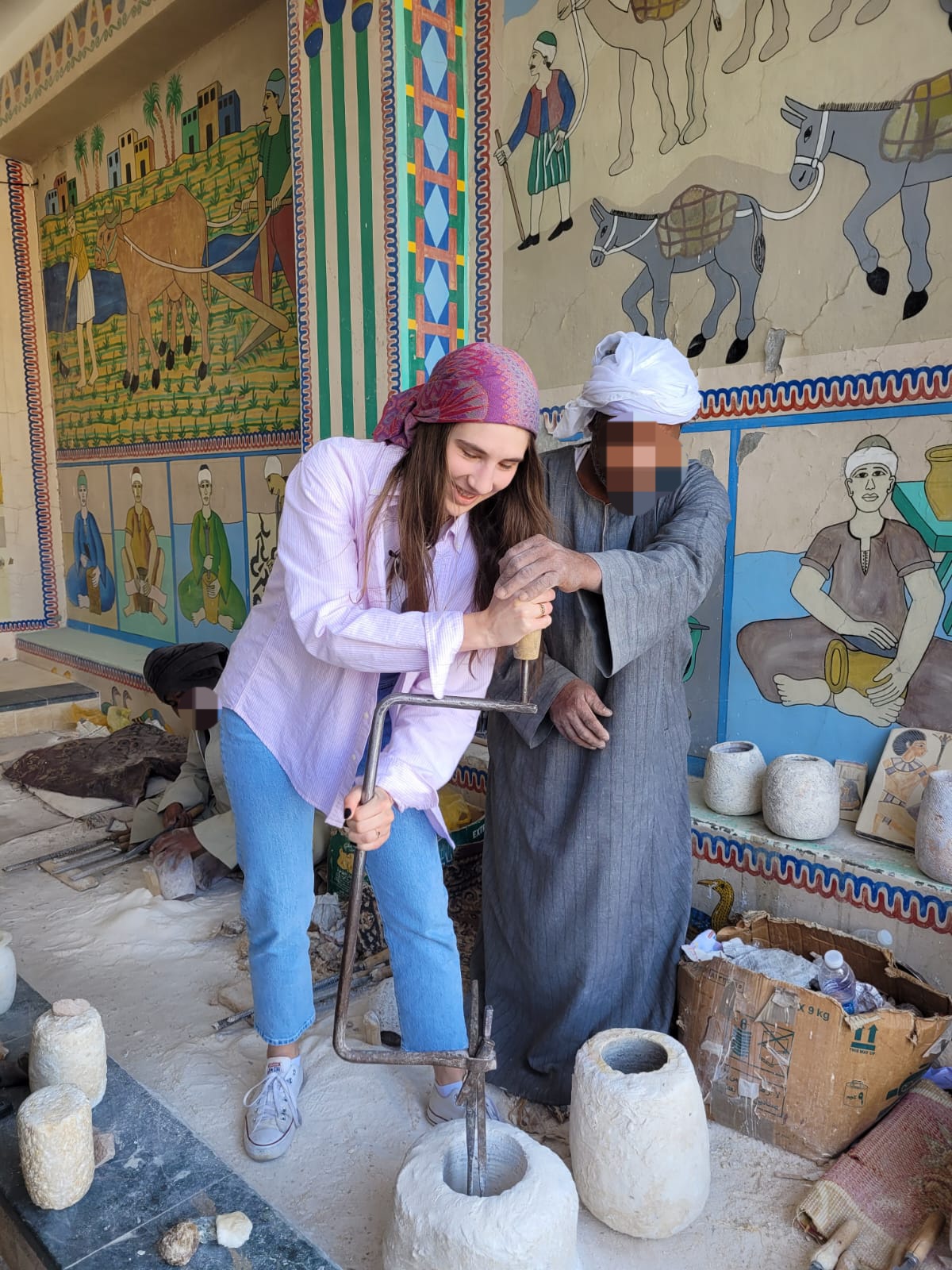
After the bazaar, we went to a pottery factory, where I got the chance to help making pottery. It was a fun and creative experience, and we learned more about the traditional techniques still used today. It was the perfect way to end our trip, adding a personal touch to our final day in Egypt.
Day 11: Flight back home
The next morning, we were picked up early from the ship, and sadly, it was time to say goodbye to the land of the pharaohs. Our first stop was Luxor Airport, where we boarded a flight to Cairo. Once we arrived at Cairo Airport, we transferred to another flight headed home.
Egypt is truly a land of contrasts, a place where ancient and modern, chaos and calm, exist in a mesmerizing balance. A journey to Egypt is more than just a step back in time; it’s an encounter with a vibrant culture that bridges ancient history with the modern world, enchanting everyone who visits. And I am very certain it won’t be the last time I visit Egypt.
Booking Checklist
Travel Insurance
I highly recommend getting travel medical insurance while you’re traveling. Hopefully, you’ll never need it, but it’s always better to be safe than sorry. SafetyWing offers two flexible plans tailored to your travel needs. Whether you’re a short-term adventurer or a long-term expat, you’ll have reliable coverage anywhere in the world.
SafetyWing is especially great for remote workers and digital nomads, offering continuous global coverage even if you’re hopping between countries. Of course, it’s also a solid option for frequent travelers or those constantly on the go. But if you’re only traveling occasionally or just for a short holiday now and then, there might be better-suited alternatives.
Accommodations
I usually rely on Booking.com for hotels and Airbnb for vacation rentals. They both have the largest selection and tend to offer the most reliable prices.
Data for your Trip
I use Saily for international cell data. They offer a variety of eSIM options depending on the country and their eSIMs are easy to install, activate instantly upon arrival, and let you skip buying local SIM cards or paying expensive roaming fees.
Tours and Experiences
I always use GetYourGuide to find the best tours and experiences in a city or country. It’s my go-to platform for planning activities, and I’ve always been very satisfied with the experiences I booked through them.
Rental Car
I’ve rented at least six cars and always booked them through check24 (ad), which I can highly recommend. The website offers good deals, the insurance is quite cheap and provides good coverage, and the customer service is very efficient and accommodating. However, Check24 currently only offers its website in German. So it’s mandatory to speak the language.





 Michelle Cacija
Leave a reply to Anonymous Cancel reply