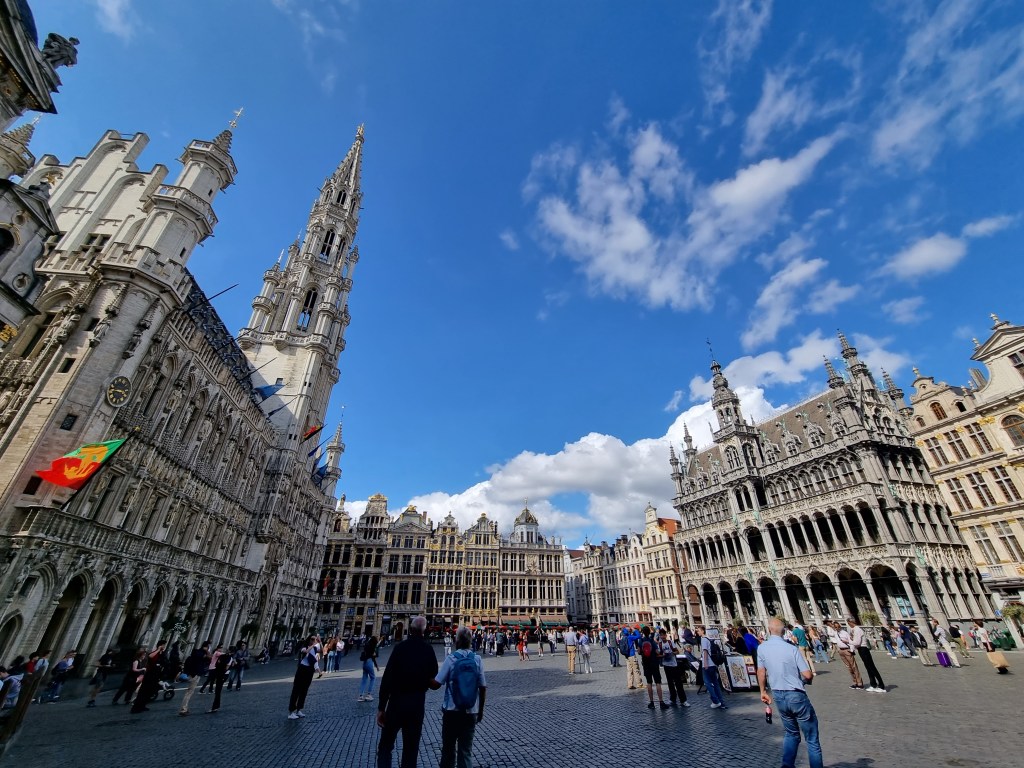
If you’ve got three days, Brussels has a world of wonders waiting for you. Marvel at the intricate beauty of the Grote Markt, and marvel at its beautiful facades. Snap the perfect selfie with the iconic Manneken Pis, a tiny statue with a big reputation. Explore the futuristic Atomium, offering panoramic views of the city, and immerse yourself in global wonders at Mini-Europe, where you can “travel” through Europe’s landmarks in miniature form. Whether you’re a foodie, history buff, or curious traveler, Brussels will steal your heart in just three days. Servus and welcome to my ultimate three-day Brussels itinerary!
As always, I want to remind you, that this blog isn’t perfect because everyone travels differently, and all trips involve changes of plans. I want to let you know that everything on this website has been experienced, photographed, and written by me. Since I finance all of my travel expenses on my own, the stories and opinions given are truly my own. If you’re interested in seeing more travel pictures or videos, feel free to check out my Instagram @michellecacija or my Tik Tok @michellecacija.
Index
- The Basics about Brussels
- Things you need to be aware of
- Itinerary
- Summary of activities
- Where to eat
- Booking Checklist
The Basics about Brussels
When to visit
Brussels is a year-round destination, but spring (March to May) and early autumn (September to October) are ideal. These months bring mild weather, with temperatures ranging from 10–20°C (50–68°F) and fewer crowds. My partner and I visited at the beginning of September and found it wasn’t crowded at all, which made exploring the city even more enjoyable. Winter (November to February) averages 2–7°C (35–45°F) and offers charming Christmas markets, while summer (June to August) sees highs around 25°C (73°F) and can get quite busy.
Time period
Plan a stay of at least three to four days to experience Brussels fully. This allows time to explore its historic sites, such as the Grand Place and Royal Palace, indulge in Belgian cuisine like waffles, chocolates, and frites, and even take a day trip to nearby cities like Ghent or Bruges. These towns are just a short train ride away and offer canals, medieval architecture, and a slower pace to complement your Brussels adventure. We stayed for three days in Brussels and loved every moment, but there’s so much more to see. I’d love to visit again to explore even more of Brussels and venture to other nearby cities.
Getting There
Brussels is well-connected by air, train, and bus. We traveled to Brussels from Milan, Italy by plane. Many visitors choose to pair their trip to Brussels with a visit to Amsterdam, or vice versa and so did we. For those arriving from Amsterdam, buses conveniently drop passengers close to the city center. Brussels is also a hub for high-speed trains like the Eurostar and Thalys, offering efficient connections.
Brussels Airport (BRU) and Brussels South Charleroi Airport (CRL) serve international travelers. While BRU is close to the city center, keep in mind that Charleroi Airport is quite far away. If you have a late-night or early-morning flight, getting there can be a hassle. When we visited, we had to book a bus shuttle to the airport because public transport wasn’t running, and taxis or Ubers were unbelievably expensive.
Where to stay
For a central base, stay in the city center near the Grand Place. This location puts you within walking distance of Brussels’ most iconic landmarks, lively restaurants, and shops, making it the perfect spot to soak in the city’s charm. The area offers a wide range of accommodations to suit any budget, from luxury hotels to budget-friendly hostels.
We stayed in a very central hostel near the Grand Place, and it was both affordable and surprisingly nice, with a great atmosphere. For those seeking a quieter vibe, the European Quarter has modern hotels close to museums, while neighborhoods like Ixelles and Saint-Gilles seem to offer nice accommodations as well.
Getting around
Brussels has an efficient public transport system with metro, trams, and buses. In general, the city center is very walkable, and bike rentals are also popular. Taxis and rideshares are available but can be expensive.
What to pack
If visiting in summer, pack light clothing, comfortable walking shoes for cobblestone streets, and a jumper or a light jacket for cooler evenings. In Winter you should bring warm layers and a warm jacket or coat, gloves, beanie.
Additionally, consider bringing your own little medication bag, including Band-Aids, pain relief tablets, sleeping tablets or spray, bug spray, after sun, etc. You never know what you might need it for, and you might feel more comfortable using medication from home rather than in a country where you don’t know the ingredients and languages. If you’re coming from outside Europe, don’t forget to bring a Type C power adapter.
Cost of Traveling
Brussels is moderately priced compared to other European capitals. Budget travelers can enjoy street waffles and frites, while mid-range accommodations and dining provide excellent value. Expect higher prices in central tourist areas.
Things you need to be aware of
Sundays. On Sundays, many shops and supermarkets in Brussels are closed. However, tourist attractions, restaurants, and some markets remain open, so plan for sightseeing or visiting museums.
Water in Belgium. Tap water in Belgium is safe to drink and of high quality, so there’s no need to buy bottled water. Carrying a reusable water bottle is a great way to save money, stay hydrated, and reduce plastic waste while exploring the city. Plus, many public fountains around Brussels offer fresh drinking water, making it even easier to refill as you go.
Toilet situation. Public restrooms are available throughout Brussels, but they often require a small fee (usually €0.50-€1). Remember, to use the restrooms for free in your accommodation, at tourist attractions like museums, or in restaurants and cafes while you’re there. It’s a good idea to carry some coins for convenience.
Tipping isn’t mandatory in Belgium as service charges are often included in the bill. However, rounding up the bill or leaving 5-10% for good service is appreciated.
Currency. The currency in Belgium is the Euro (€). ATMs are widely available, and credit cards are commonly accepted in most places. Keep some cash for smaller establishments and public restrooms.Medical insurance
Itinerary
Day 1
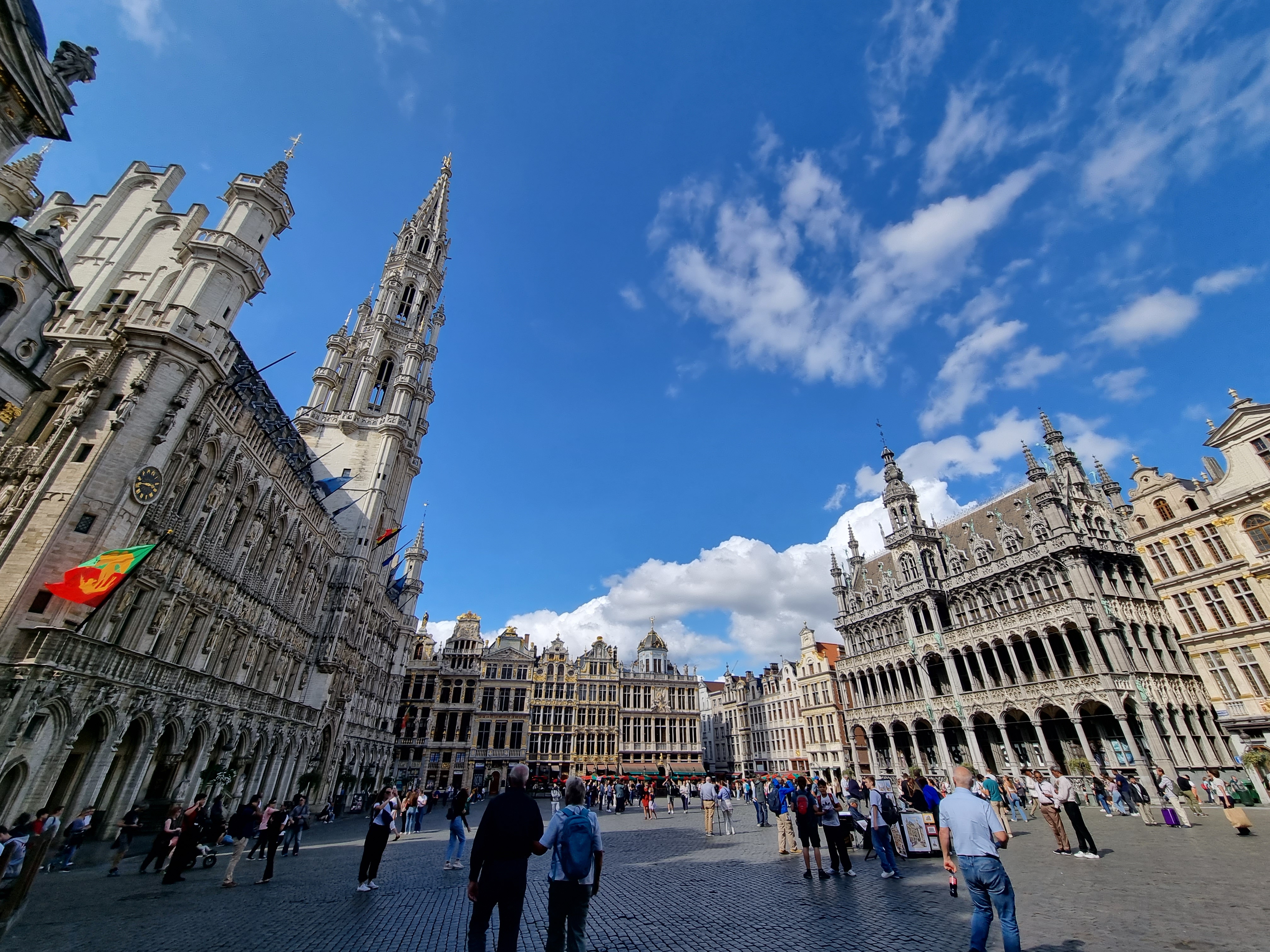
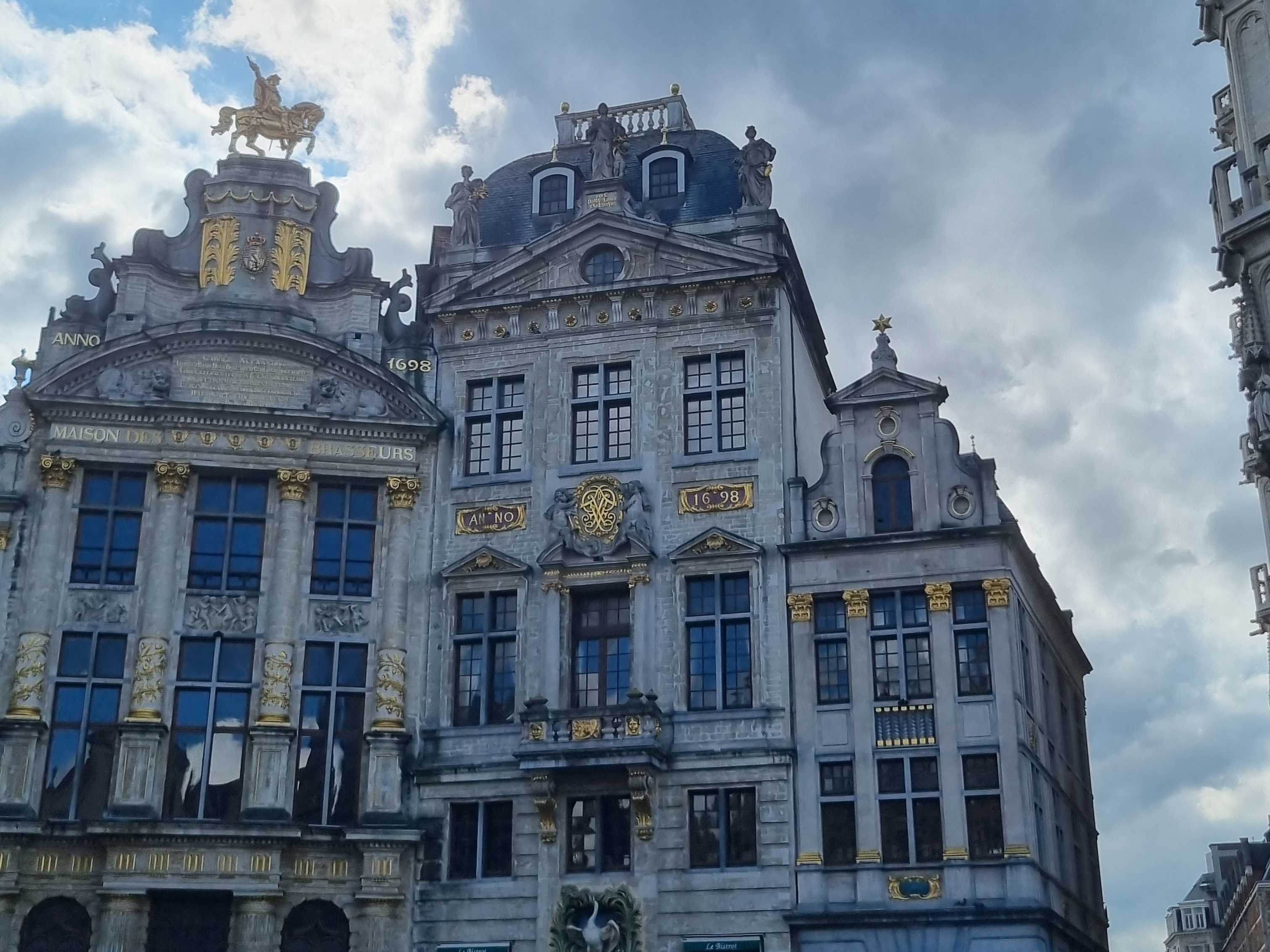
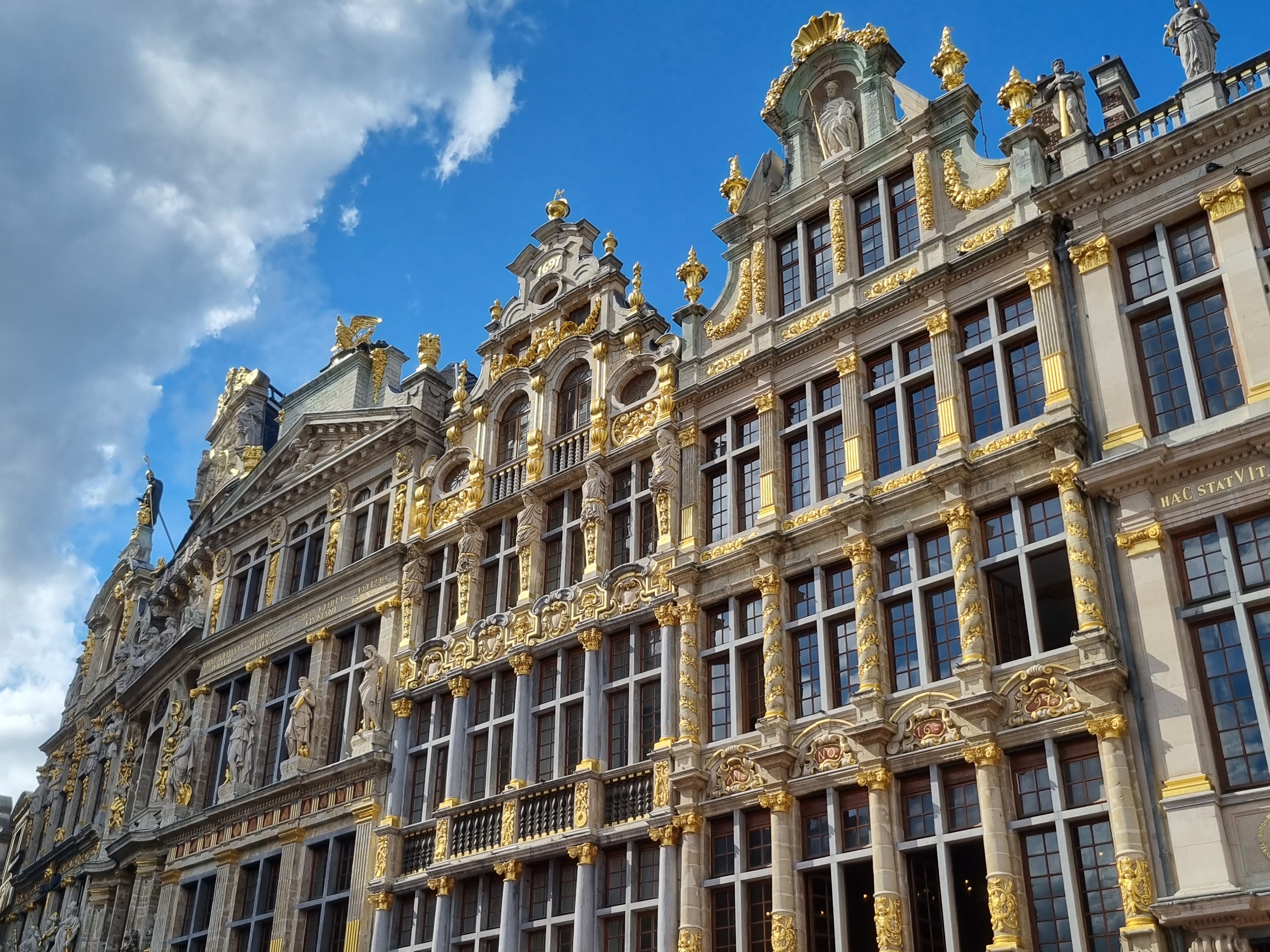
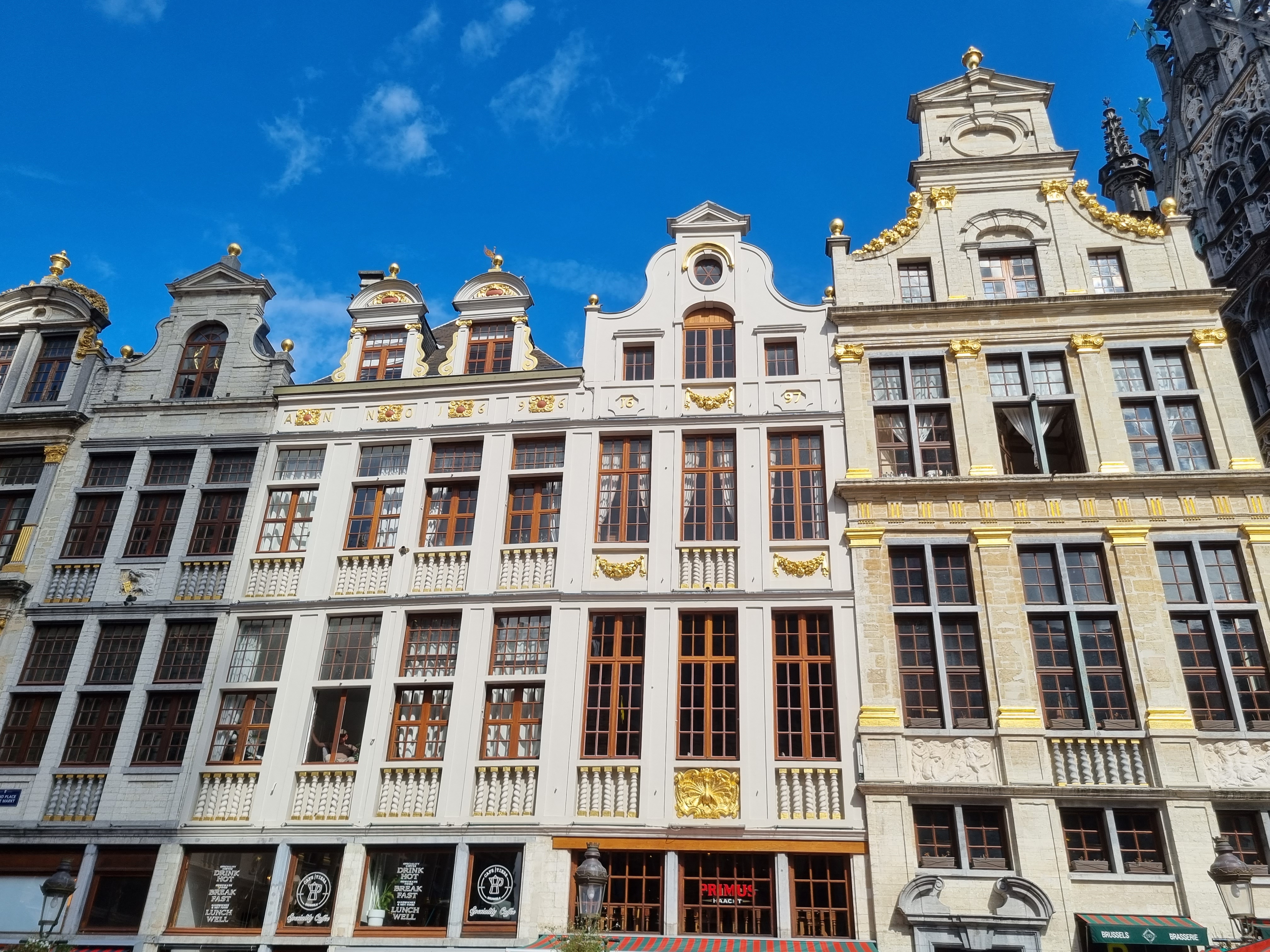
Around midday, my partner and I took a Flixbus from Amsterdam to Brussels, arriving in less than an hour. After checking into our hostel, we head out to explore our area and the city center. Wandering through the streets, we soon found ourselves at the beating heart of Brussels: the Grote Markt (Grand Place). This stunning square is a treat for the eyes, with its impressive Gothic Town Hall at the center, surrounded by elegant baroque facades that shine beautifully in the afternoon light. Every detail has its own story, making it no surprise that this square is considered one of the most beautiful in Europe. Each building here is a masterpiece in its own right.
Traveling makes you hungry, and we were no exception. Fortunately, Brussels is a paradise for food lovers, especially in the city center, where restaurants can be found on nearly every corner. We found a charming little Asian spot for a late lunch, which gave us the energy we needed to continue our adventure.
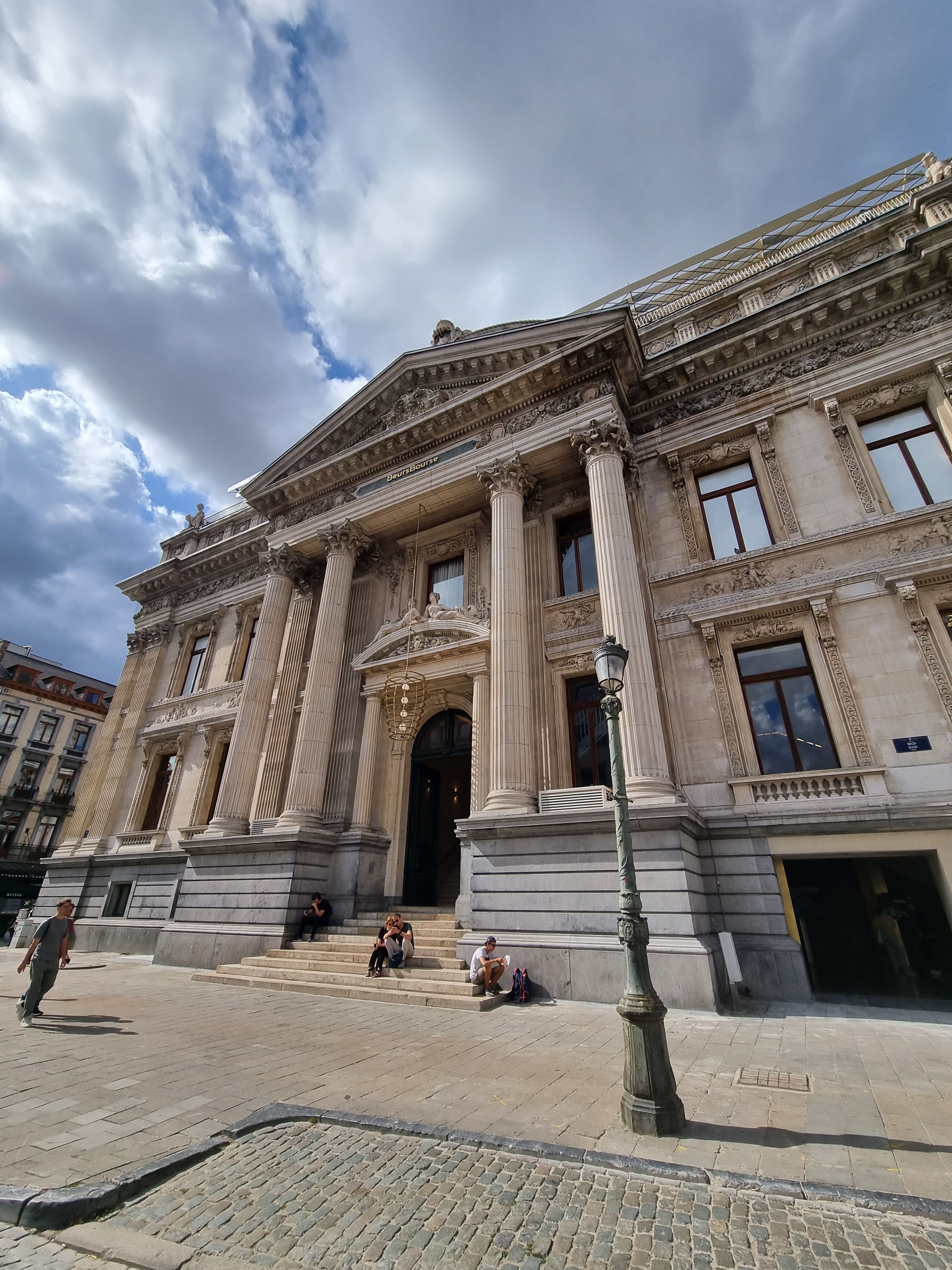
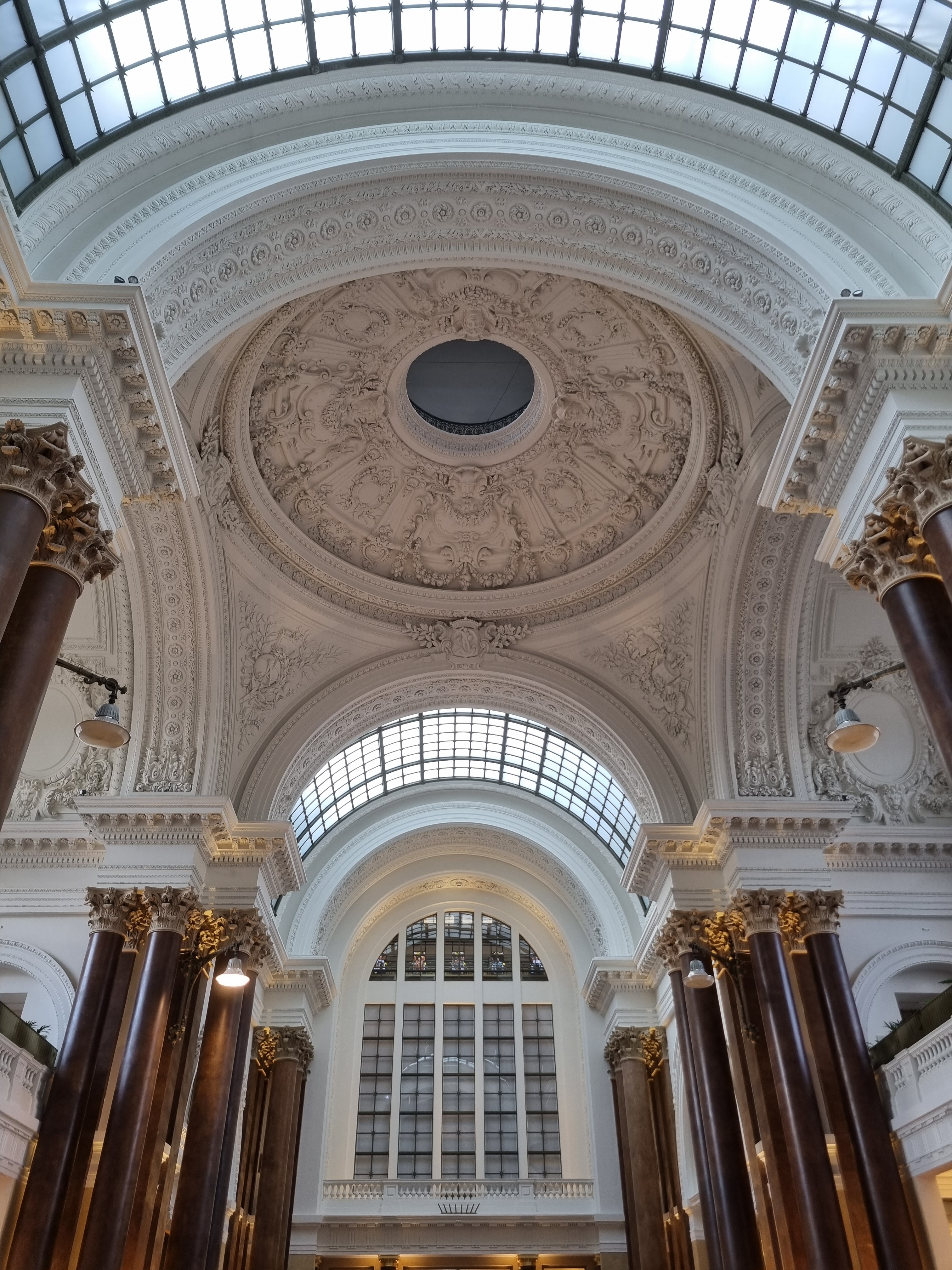
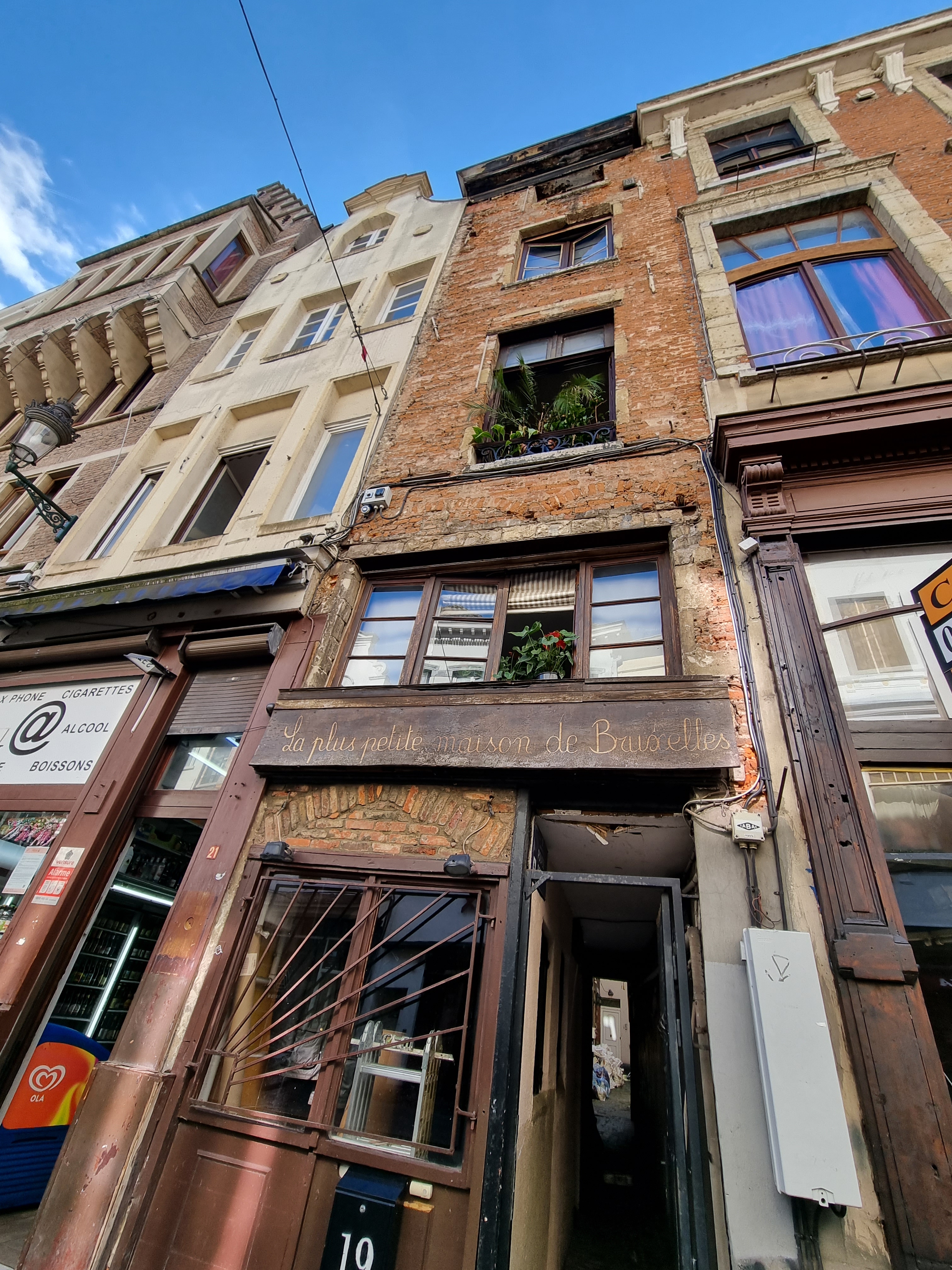
Refreshed, we strolled past the city’s famous smallest house, a charming curiosity tucked neatly between larger buildings, before arriving at the majestic Brussels Stock Exchange. We stepped inside, marvelling at the grand architecture and the sense of history that filled the air.
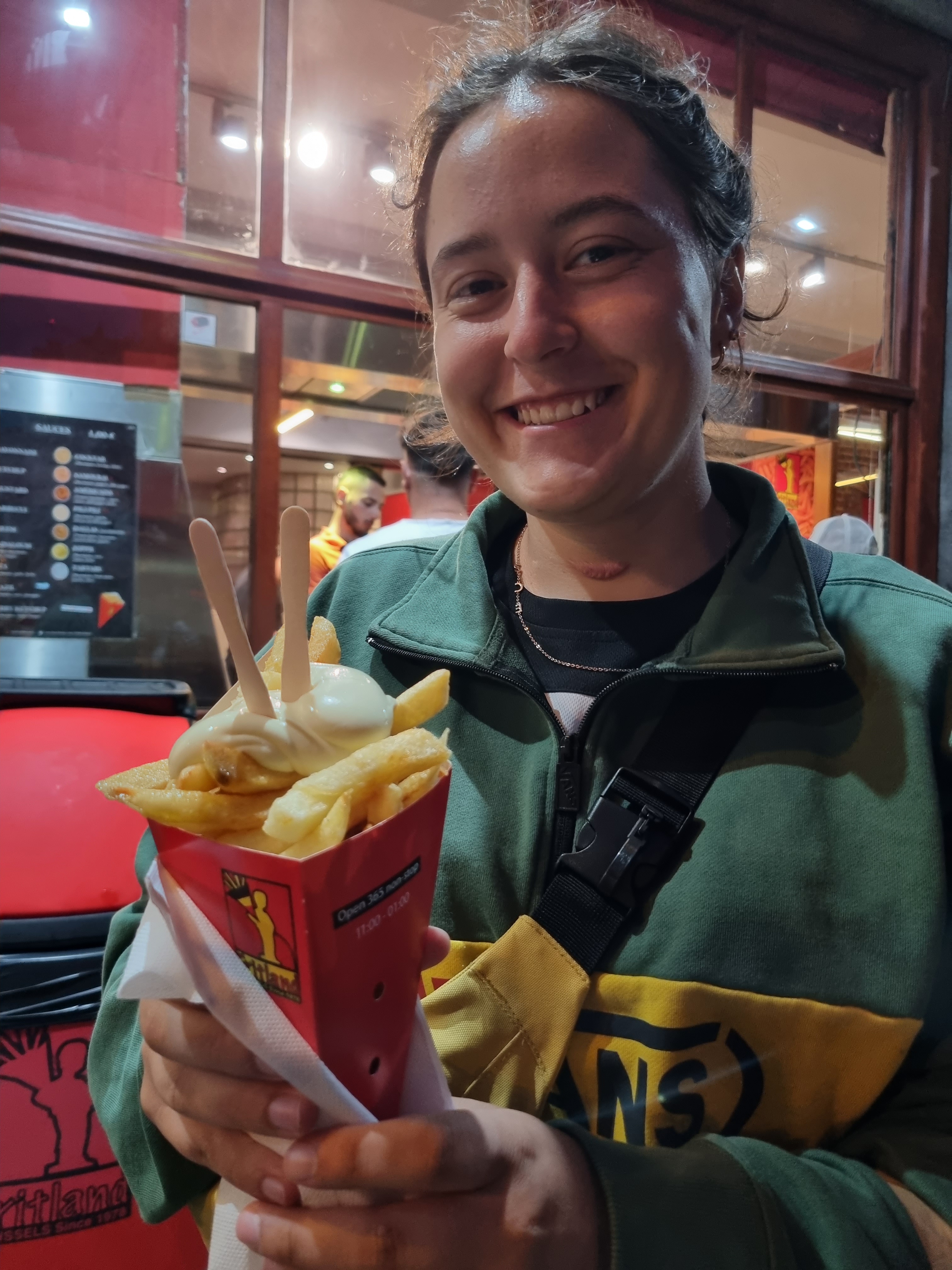
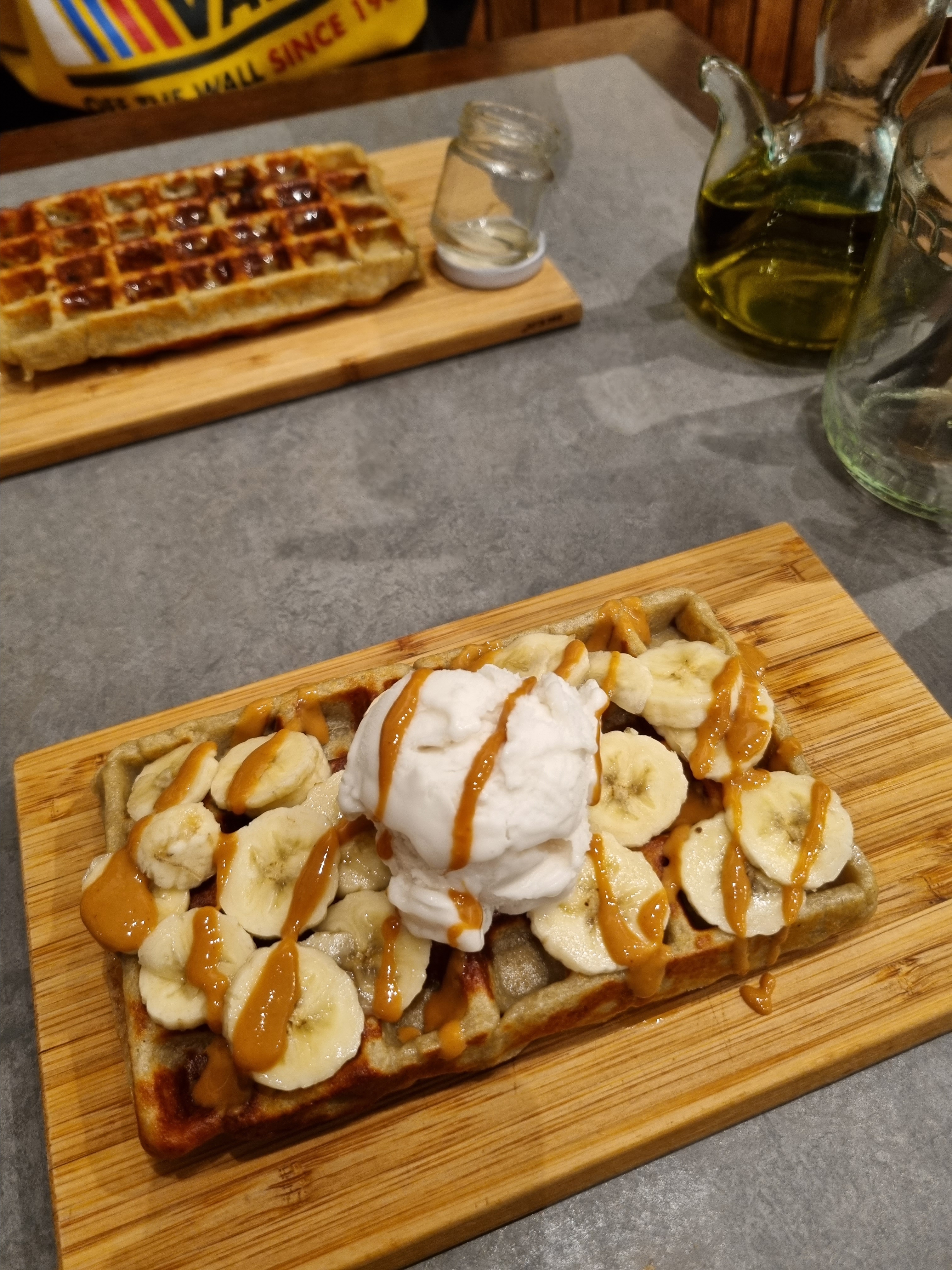
As the afternoon turned into evening, we wandered through the cobblestone streets, immersing ourselves in the essence of Brussels. The air was filled with a delightful mix of aromas, perfectly golden and crispy Belgian fries and freshly baked waffles. No trip here would be complete without indulging in a cone of those famous fries, served with one of their signature sauces. For dessert, we couldn’t resist the call of the waffles we’d been smelling all day. Afterwards, we eventually made our way back to our accommodation.
Day 2
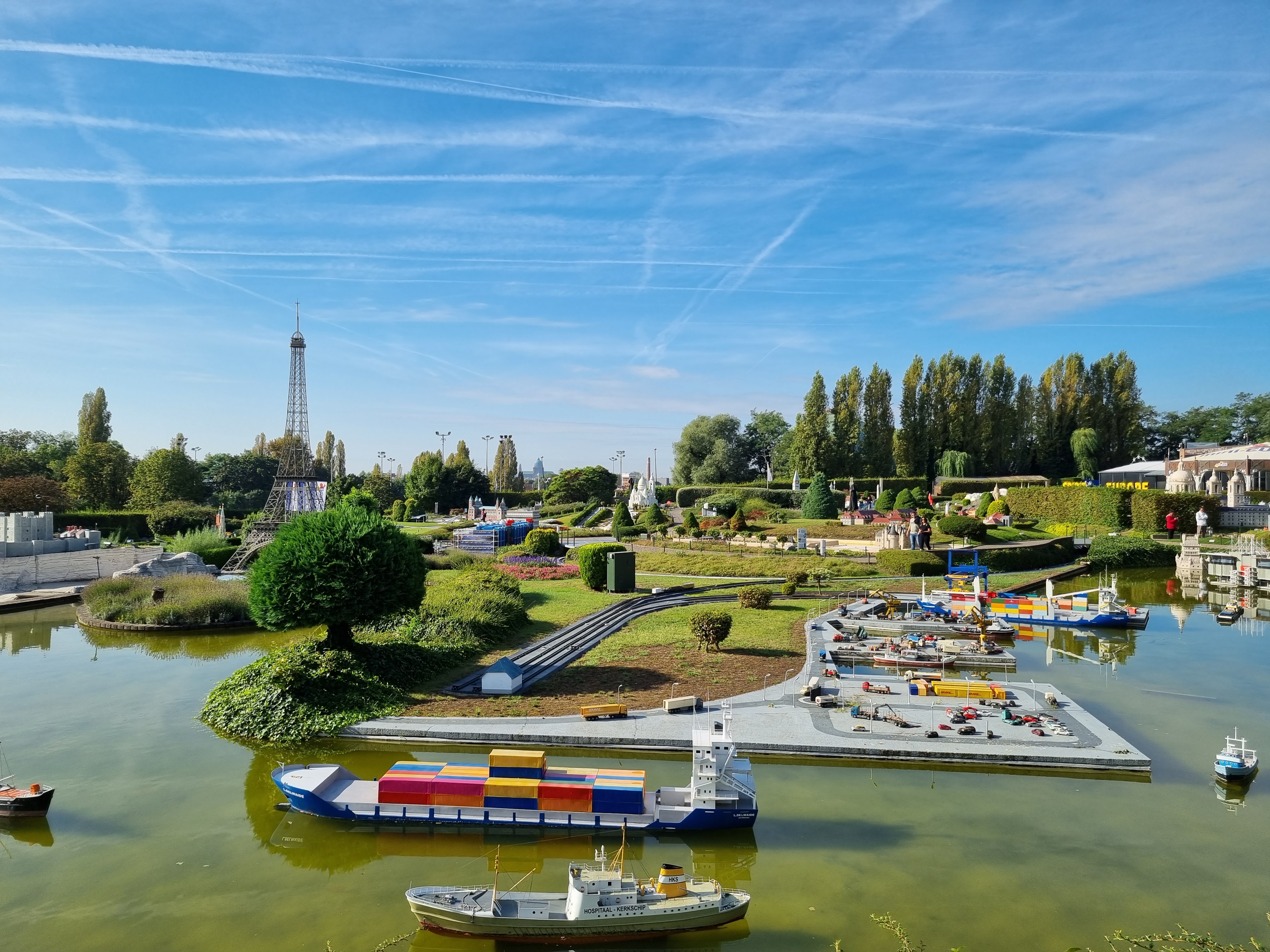
We started our second day with a visit to Mini-Europe, a small park with carefully made miniature models of Europe’s most famous landmarks. From the grandeur of the Eiffel Tower to the charm of Brussels Grote Markt, each model was bursting with intricate details that made you feel as though you were traveling across the continent in a single morning.
Getting there from the city center was quite easy: we took the metro to Heysel/Heizel station (Line 6), and from there, it was just a short walk to the park. Since we arrived just as Mini-Europe opened, it was super quiet, allowing us to stroll at our own pace and take in the miniature wonders without any crowds pressing in.
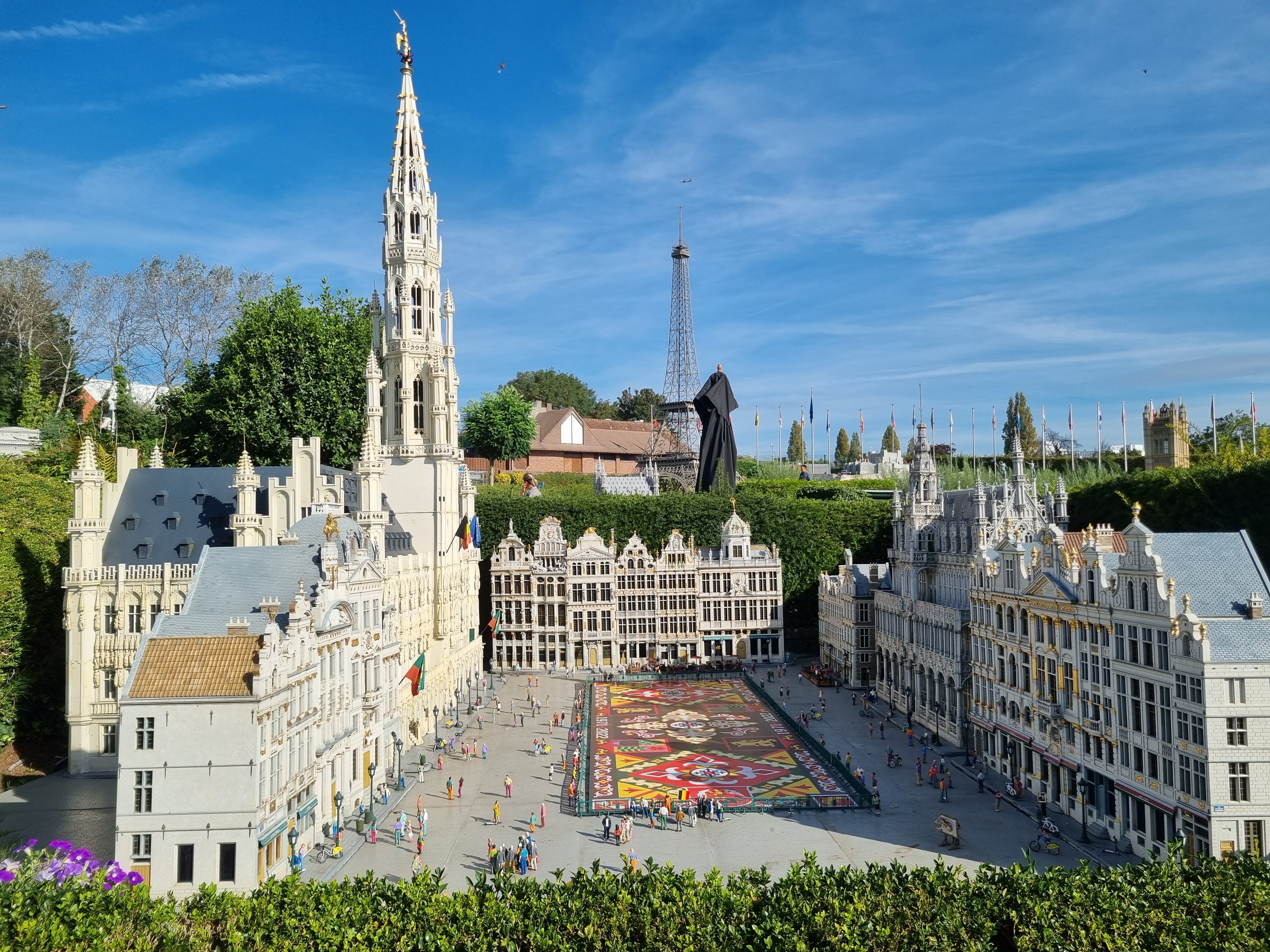
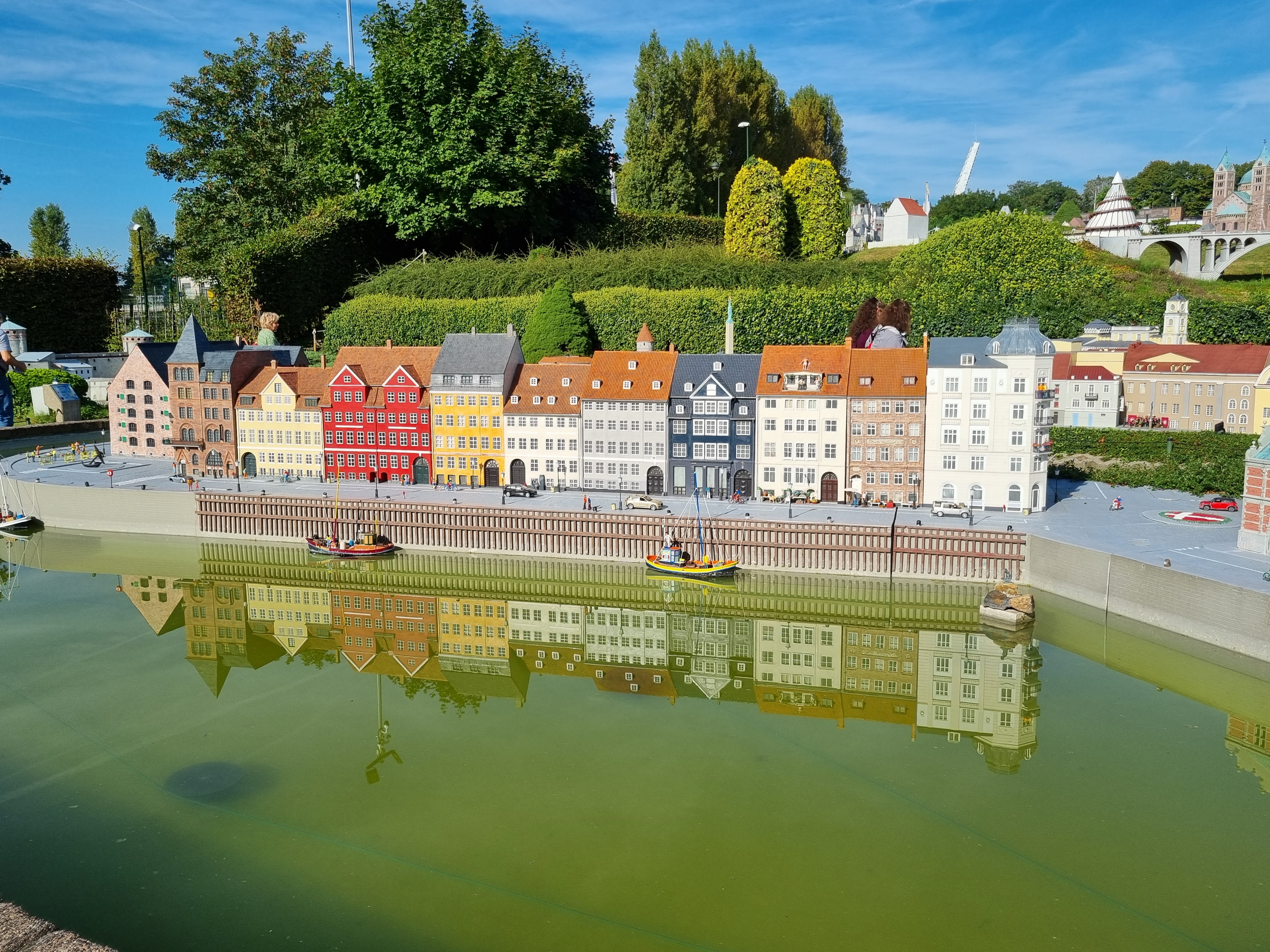
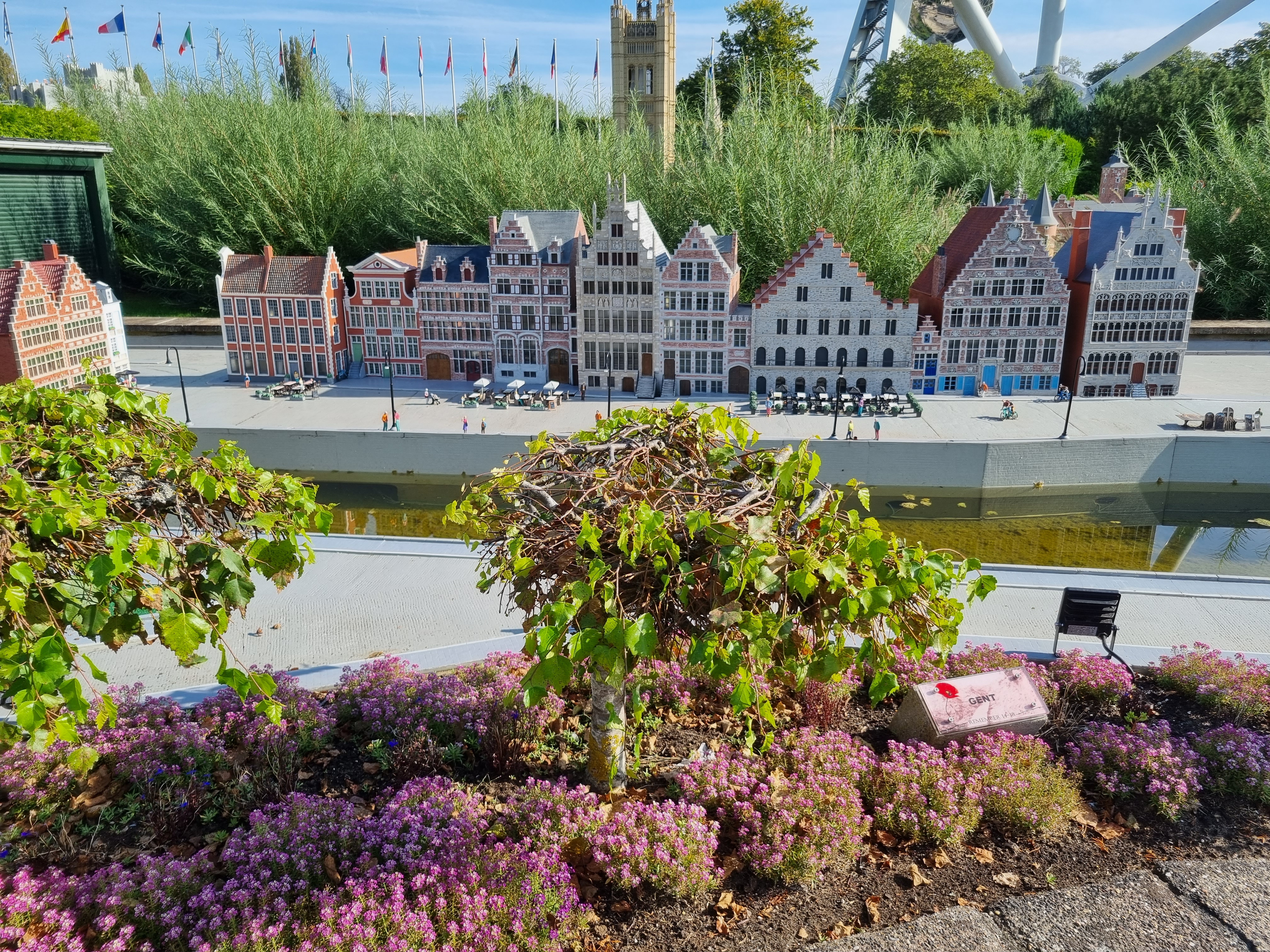
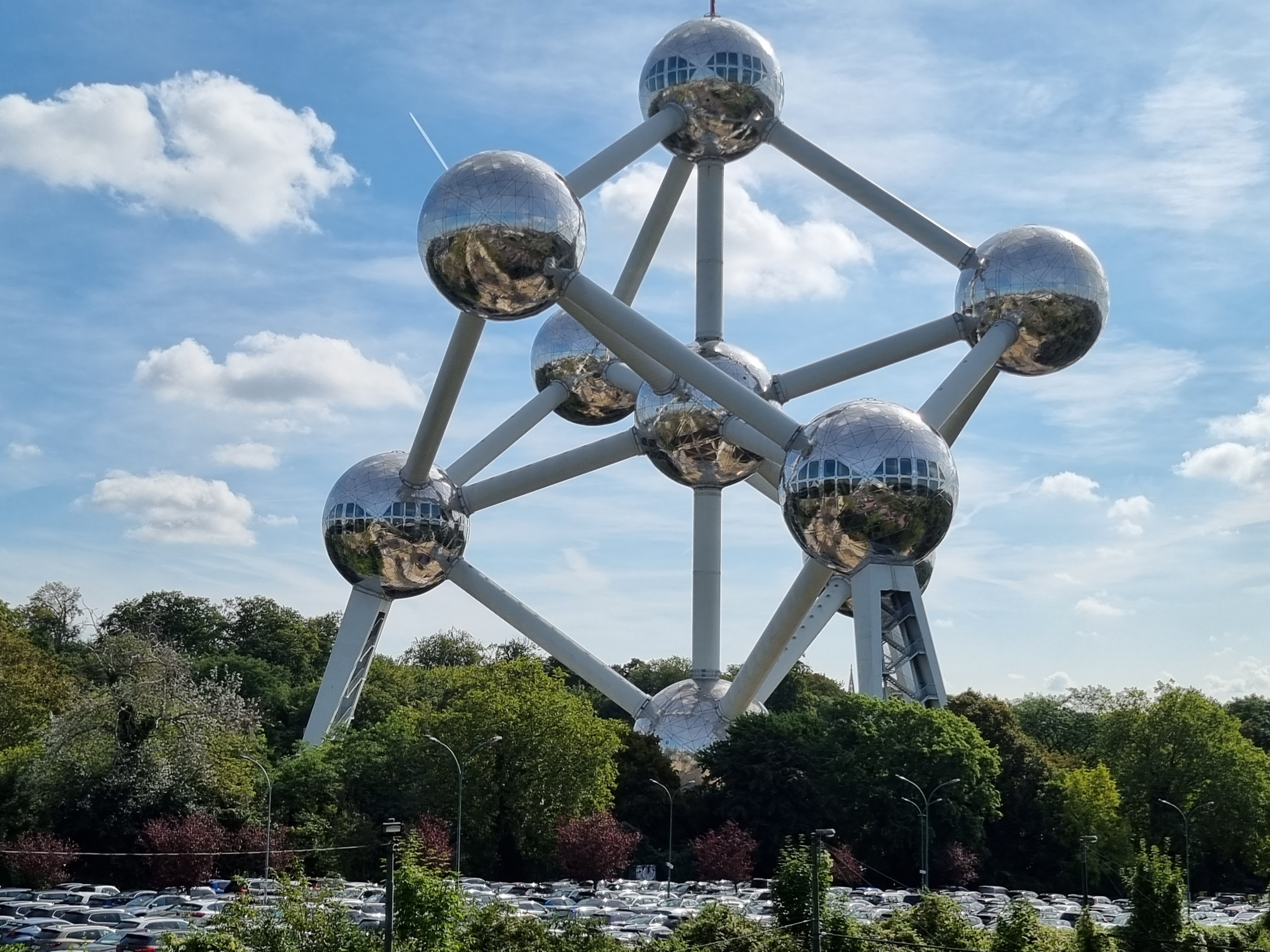
From there, we made our way to the iconic Atomium, a unique structure originally built for the 1958 World Expo. As we approached, its shiny, futuristic spheres gleamed under the midday sun, creating a sight that felt almost otherworldly. Inside, the atmosphere was far busier, with curious visitors exploring the exhibitions housed within the spheres. The highlight, however, was the view from the top sphere, offering a unique perspective on the city and its surroundings. But the magic didn’t stop there, inside the Atomium, we were treated to different light installations and shows that illuminated the spheres with vibrant, shifting colors and patterns. These dynamic displays transformed the experience into something extraordinary.
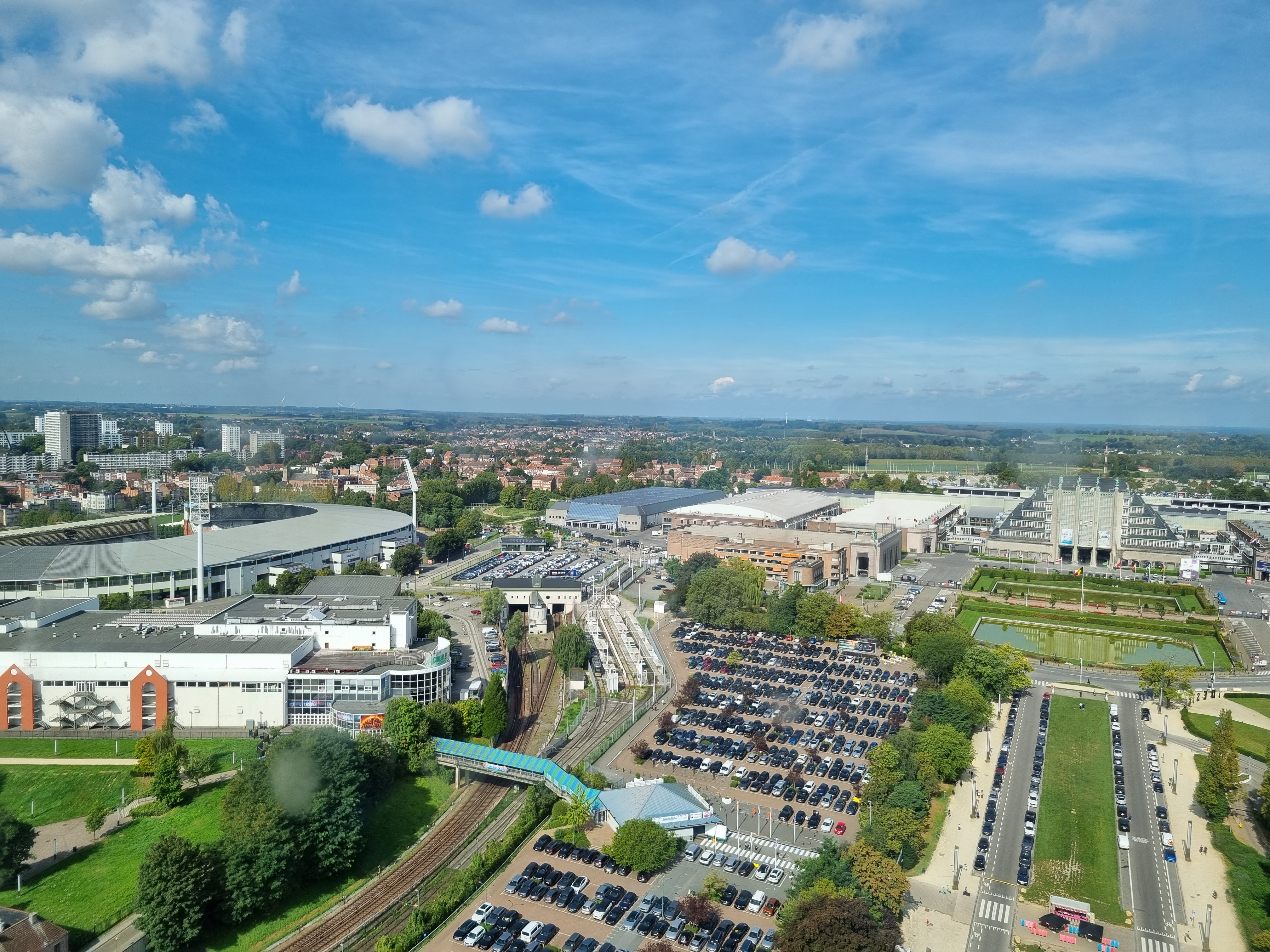

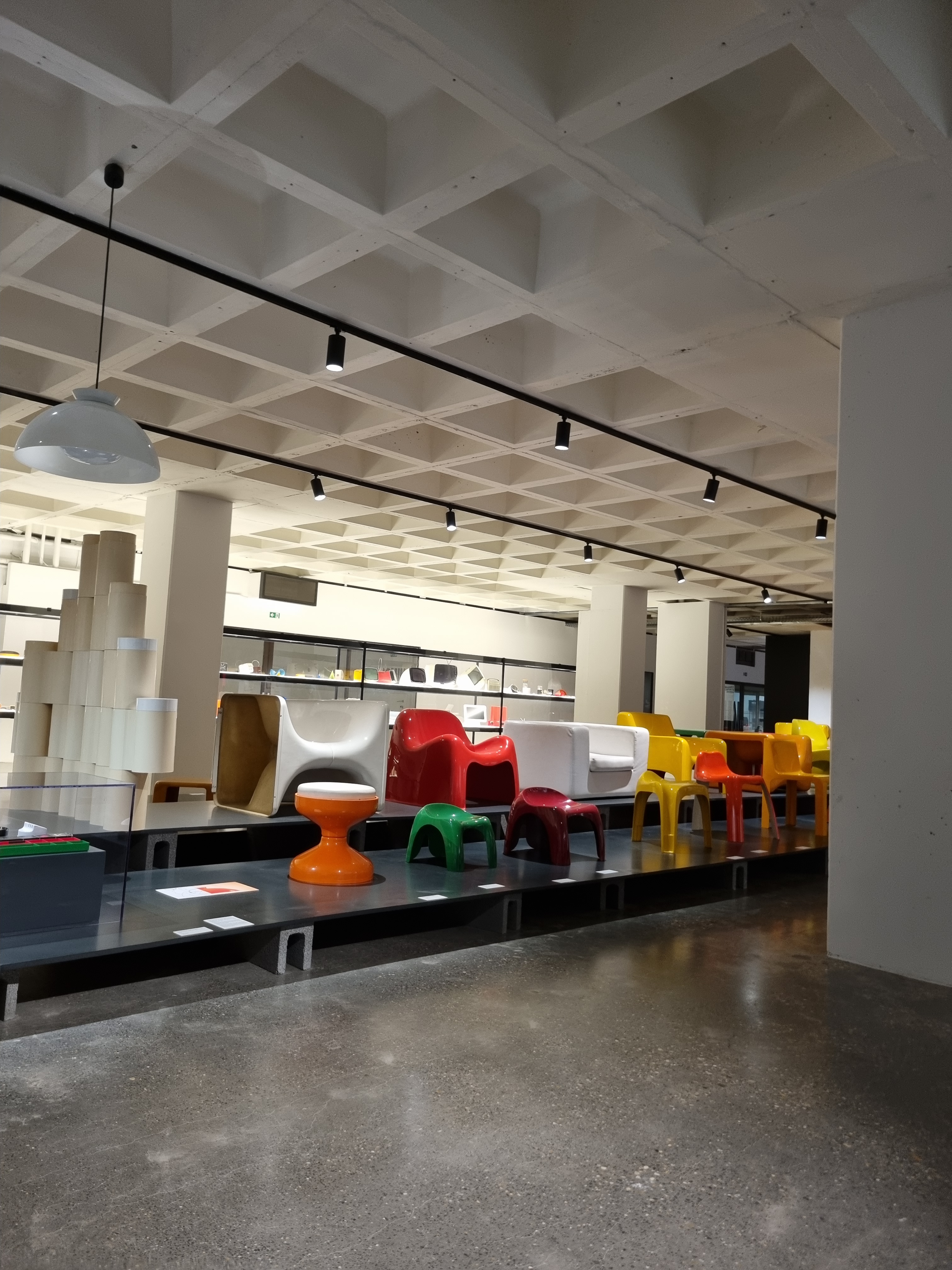
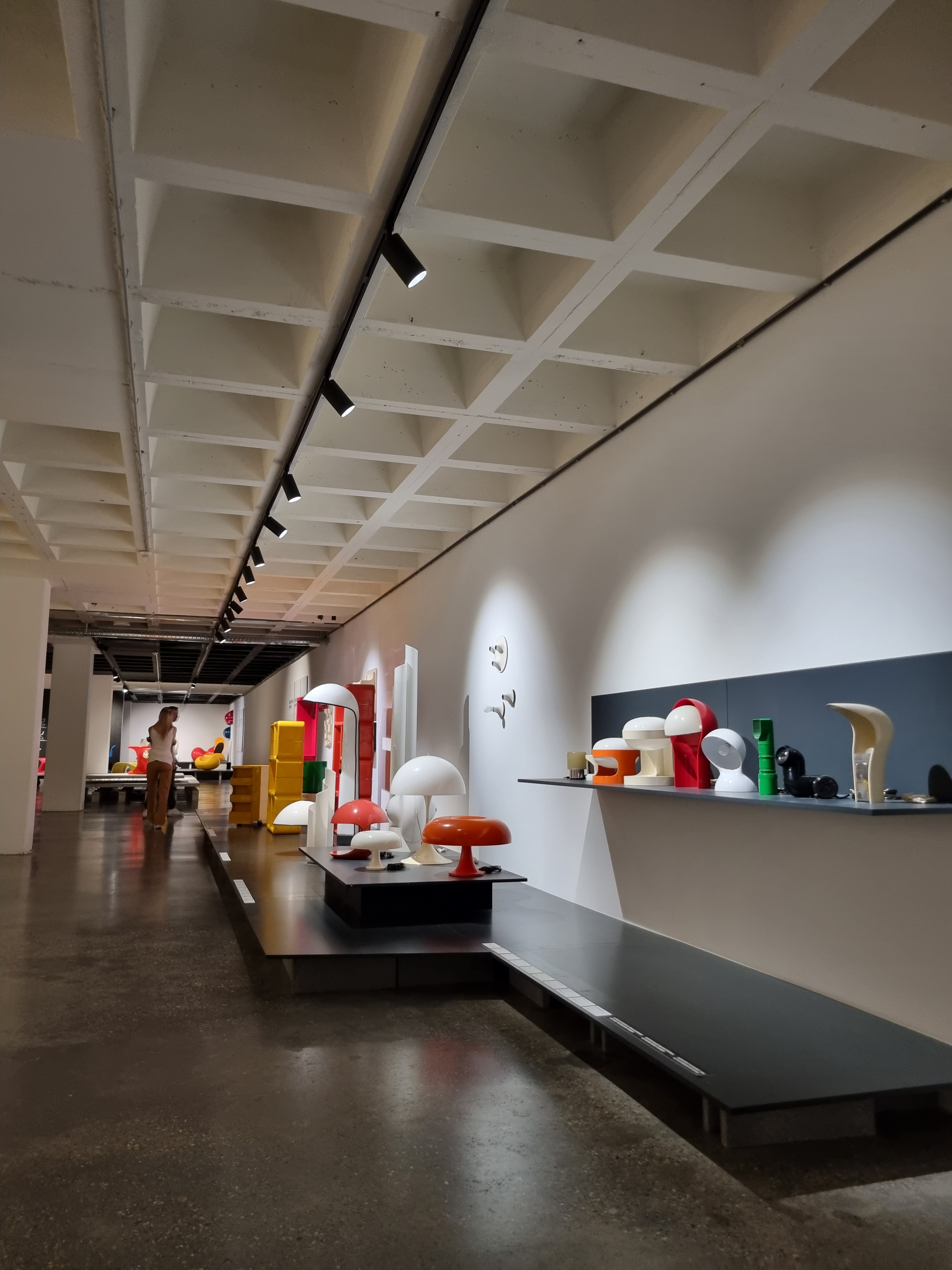
Our combo ticket also included a visit to the Design Museum Brussels, so we decided to check it out. The museum houses a collection of 20th and 21st-century design pieces. Unfortunately, the exhibits didn’t quite align with our personal interests, so we didn’t linger too long. Still, it was interesting to see how everyday objects had been transformed into works of art over the decades.
Visitor information: From September 1, 2024, to January 5, 2025, general admission combo ticket prices are €32.20 for adults, €25.00 for teenagers (12–18 years) and students, €20.40 for children (>115 cm to 11 years), €30.50 for seniors (+65 years), and €0.35 for kids under 115 cm. From March 8 to December 31, 2025, the prices change to €34.00 for adults, €26.60 for teenagers and students, €21.90 for children (>115 cm to 11 years), €32.30 for seniors, and remain €0.35 for kids under 115 cm. For details on combo options and the latest updates, click here to visit the official website (unpaid ad).
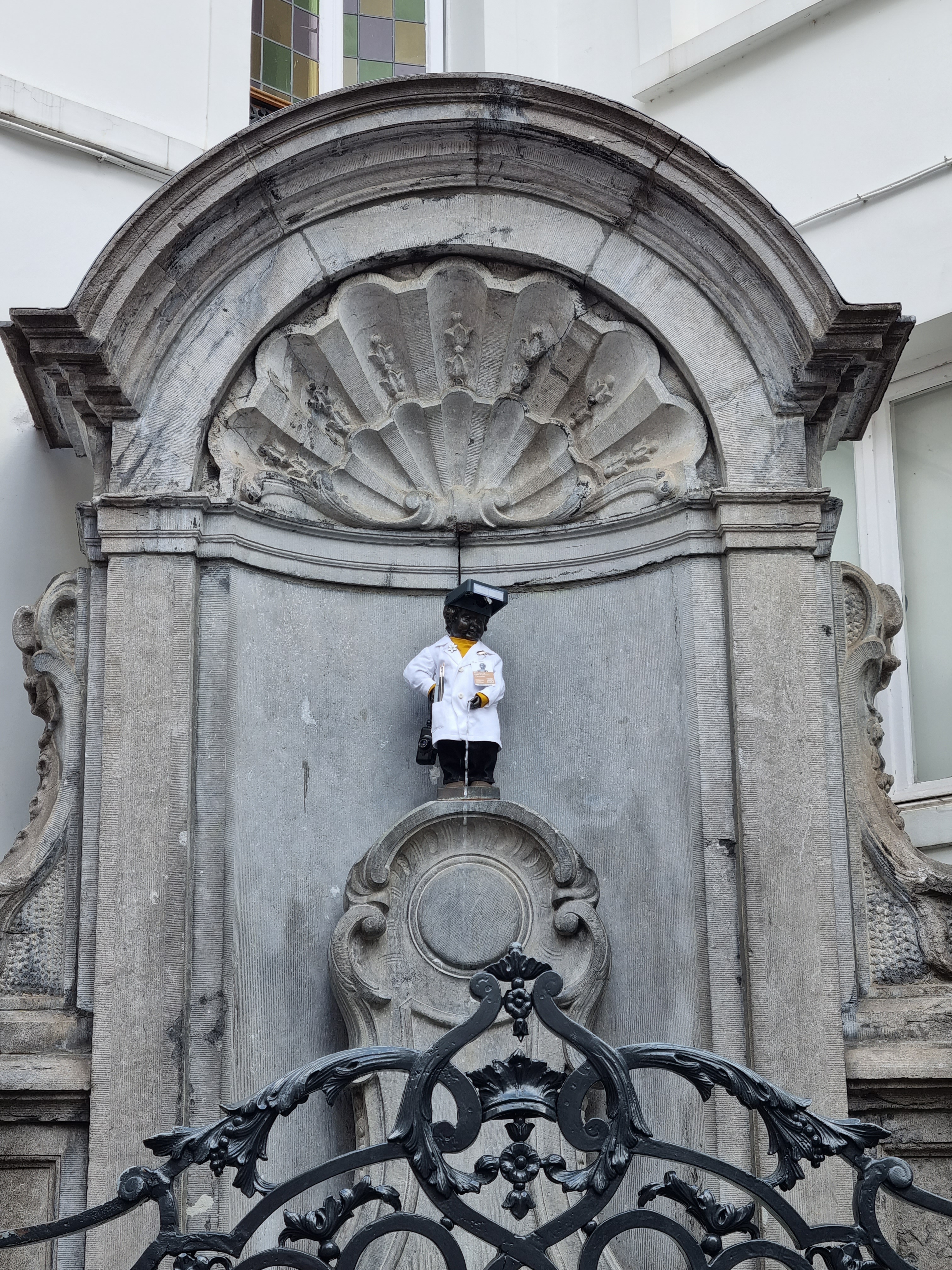
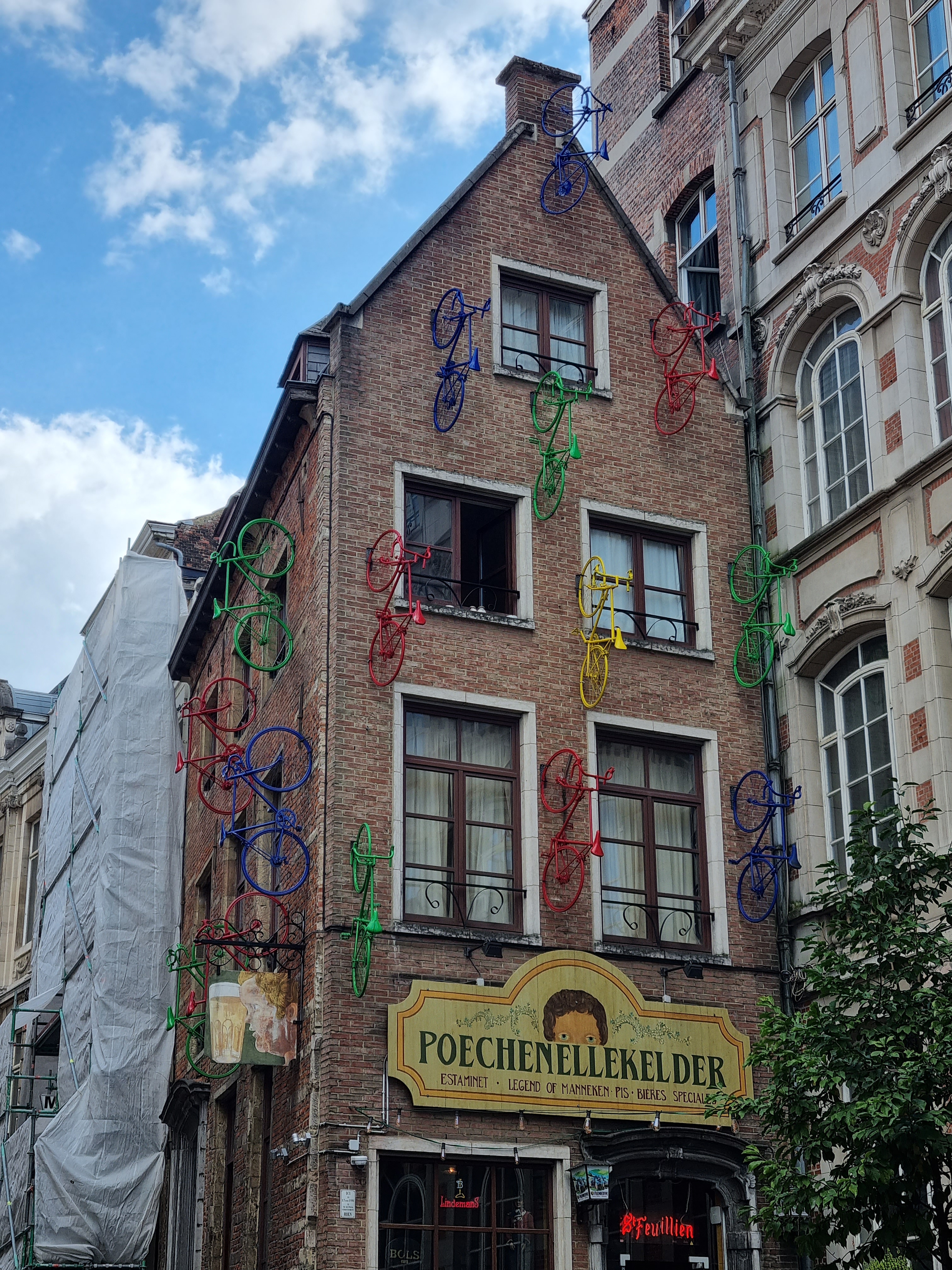
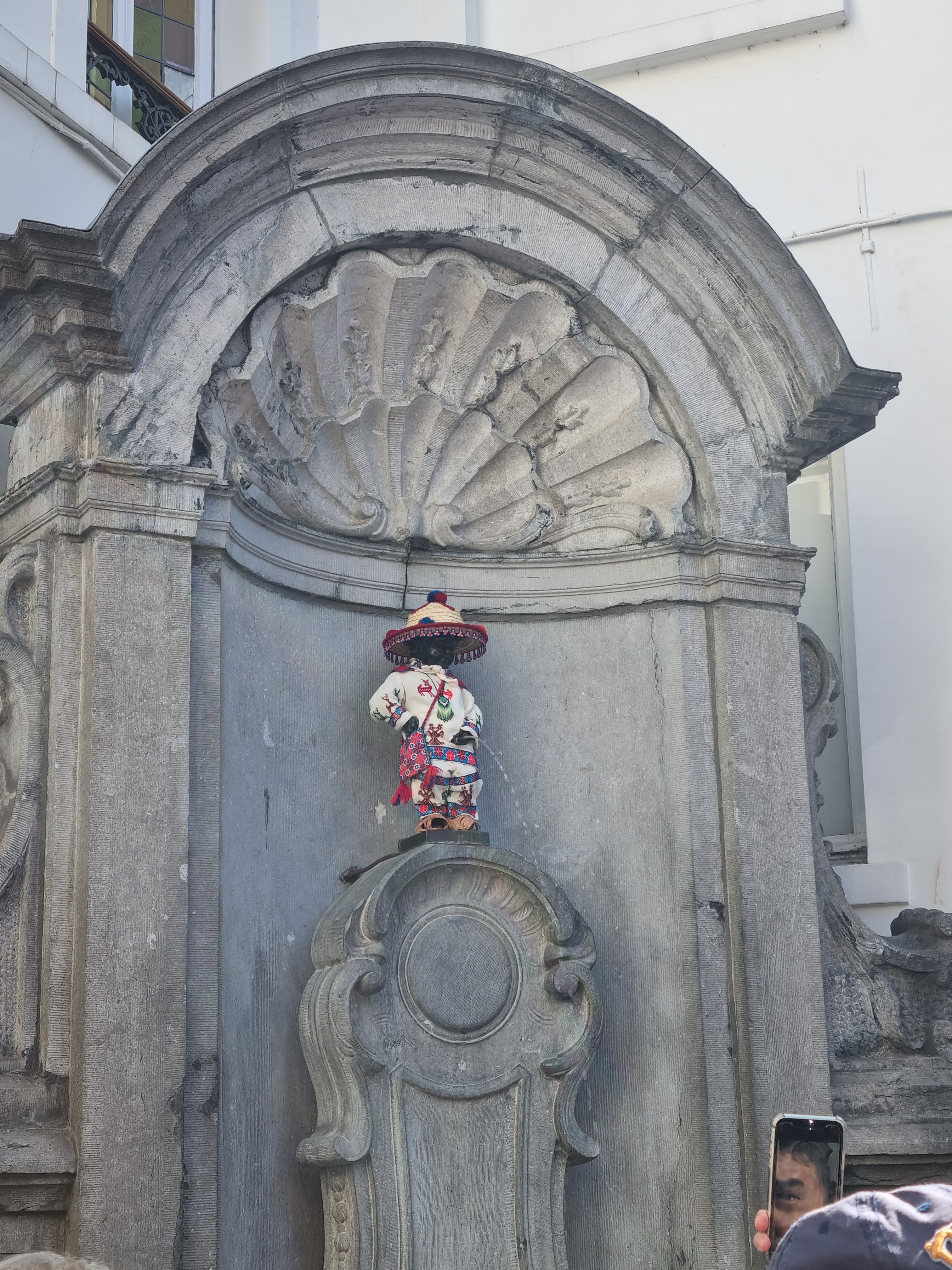
Afterward, we made our way back to the heart of the city. By then, all the morning adventures had left us feeling quite hungry, so we found a cozy little restaurant and enjoyed a well-deserved lunch. Once refreshed, we wandered through the charming streets of Brussels, where every corner seemed to hold a new surprise. That’s when we stumbled upon the famous Manneken Pis, the iconic little statue of a boy peeing, which has become a quirky symbol of the city. The statue was dressed as a doctor that day, one of the many playful costumes it wears throughout the year. It’s always fun to see how the locals keep this tradition alive, adding a touch of humor to their cultural pride.
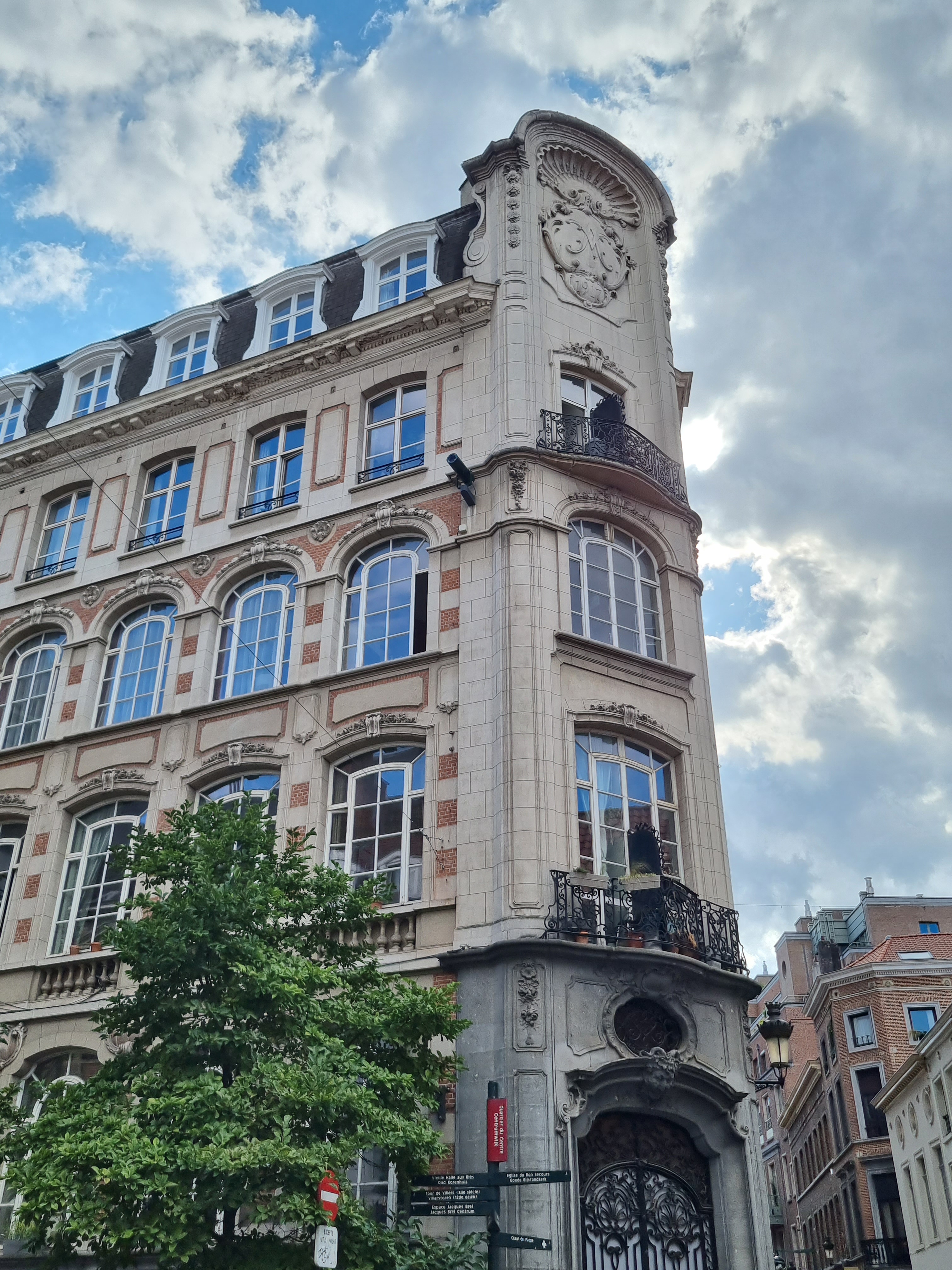
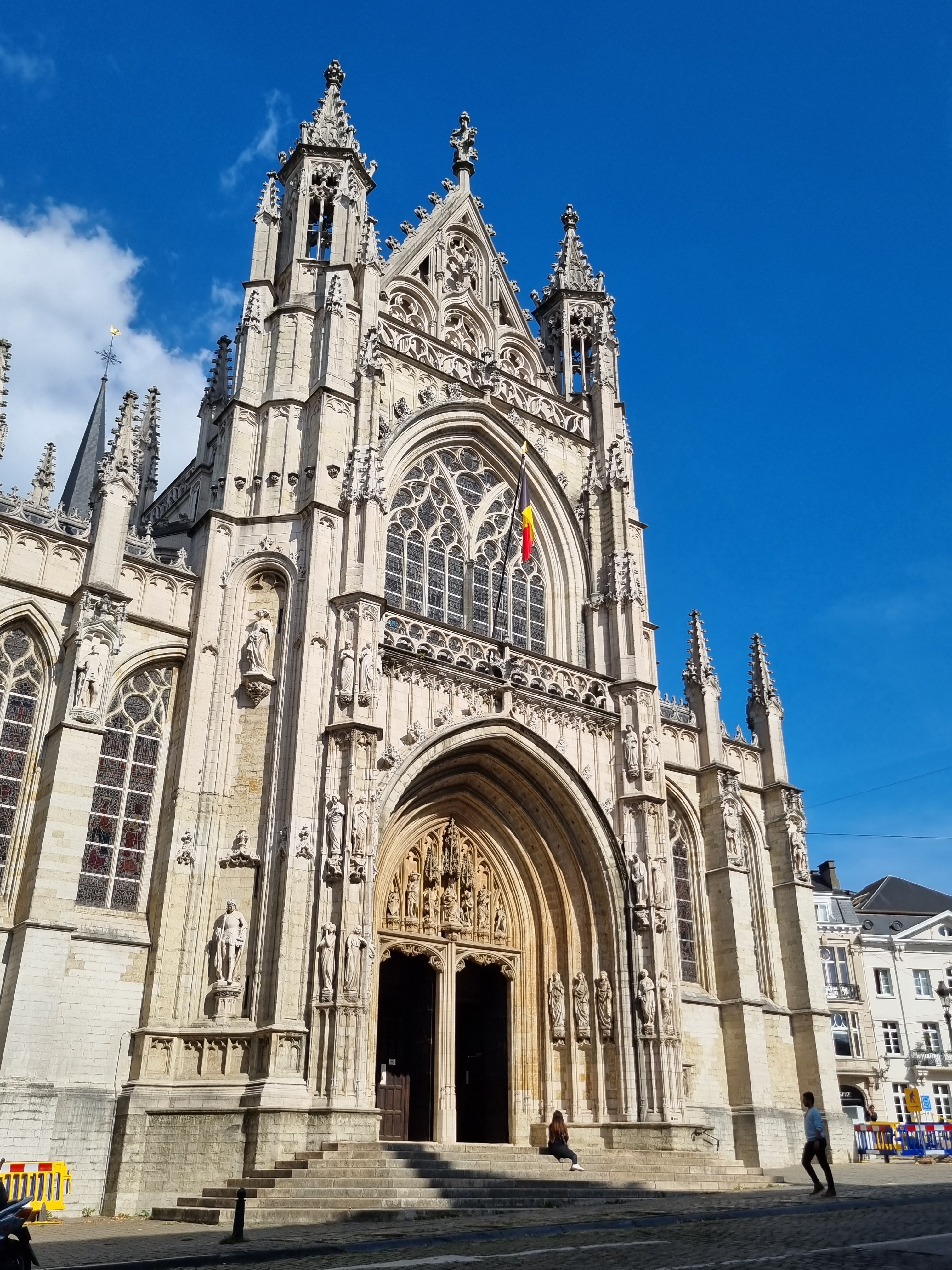
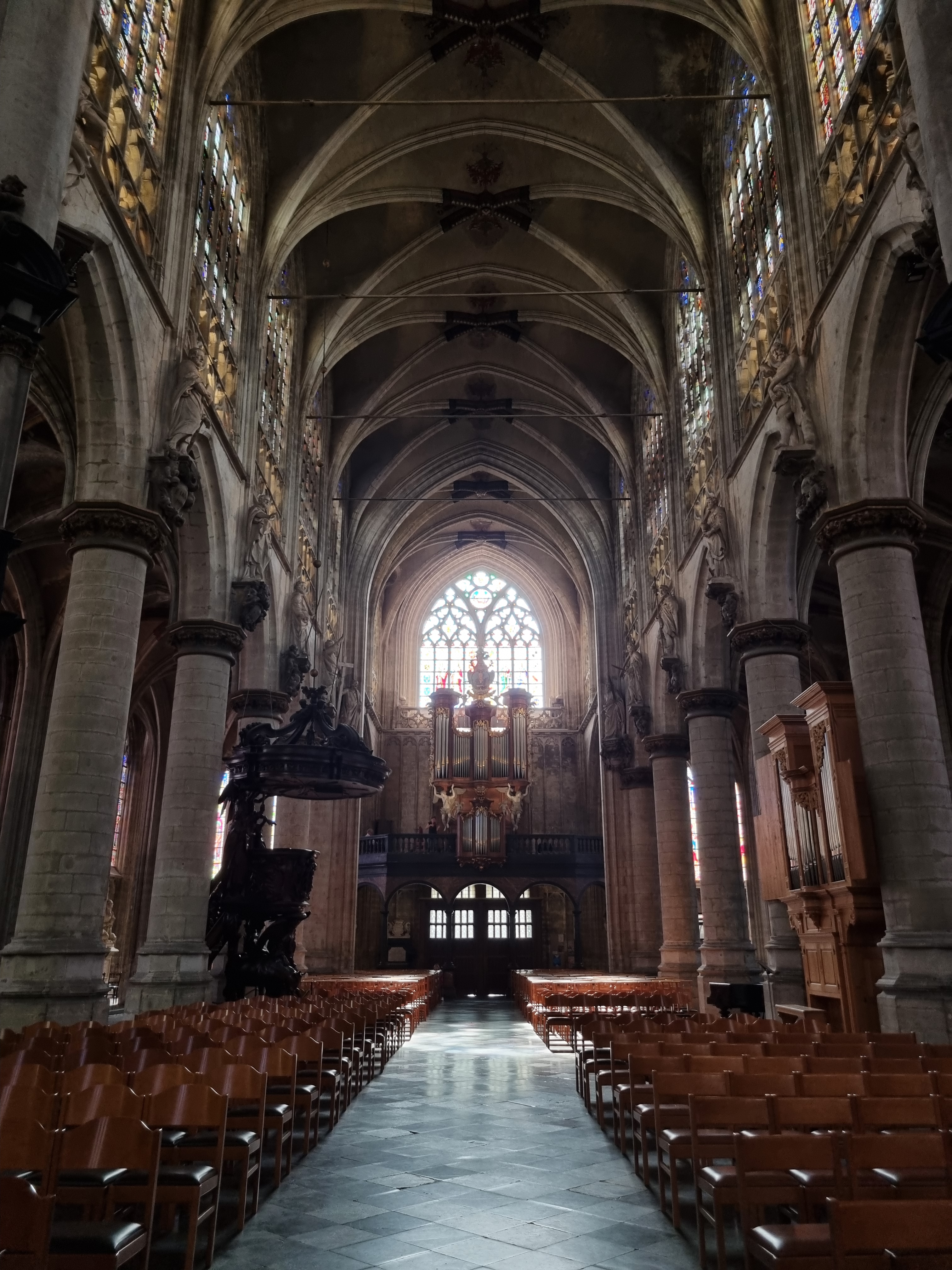
Continuing our walk, we came across the breathtaking Eglise Notre-Dame des Victoires au Sablon. This stunning Gothic-style church, with its intricate stained glass windows and towering spires, was as captivating inside as it was from the outside. Stepping into the quiet, cool interior felt like stepping back in time, surrounded by centuries of history and artistry.
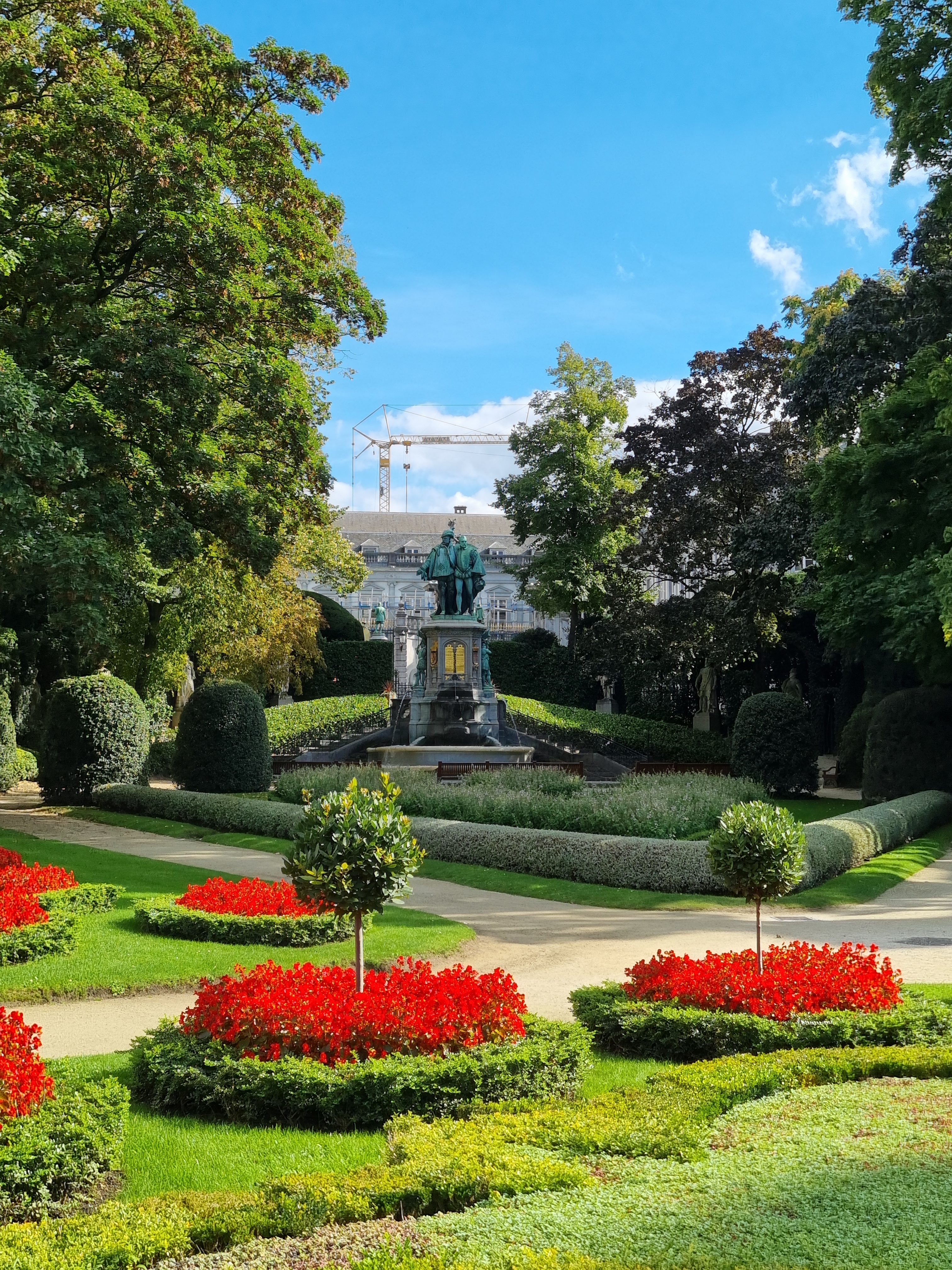
Right across the street, we found the Square du Petit Sablon, a small yet enchanting park that seemed like a hidden gem in the bustling city. The park was dotted with perfectly manicured hedges, elegant statues, and blooming flowers that created a peaceful retreat. We sat for a moment, enjoying the serenity before moving on.
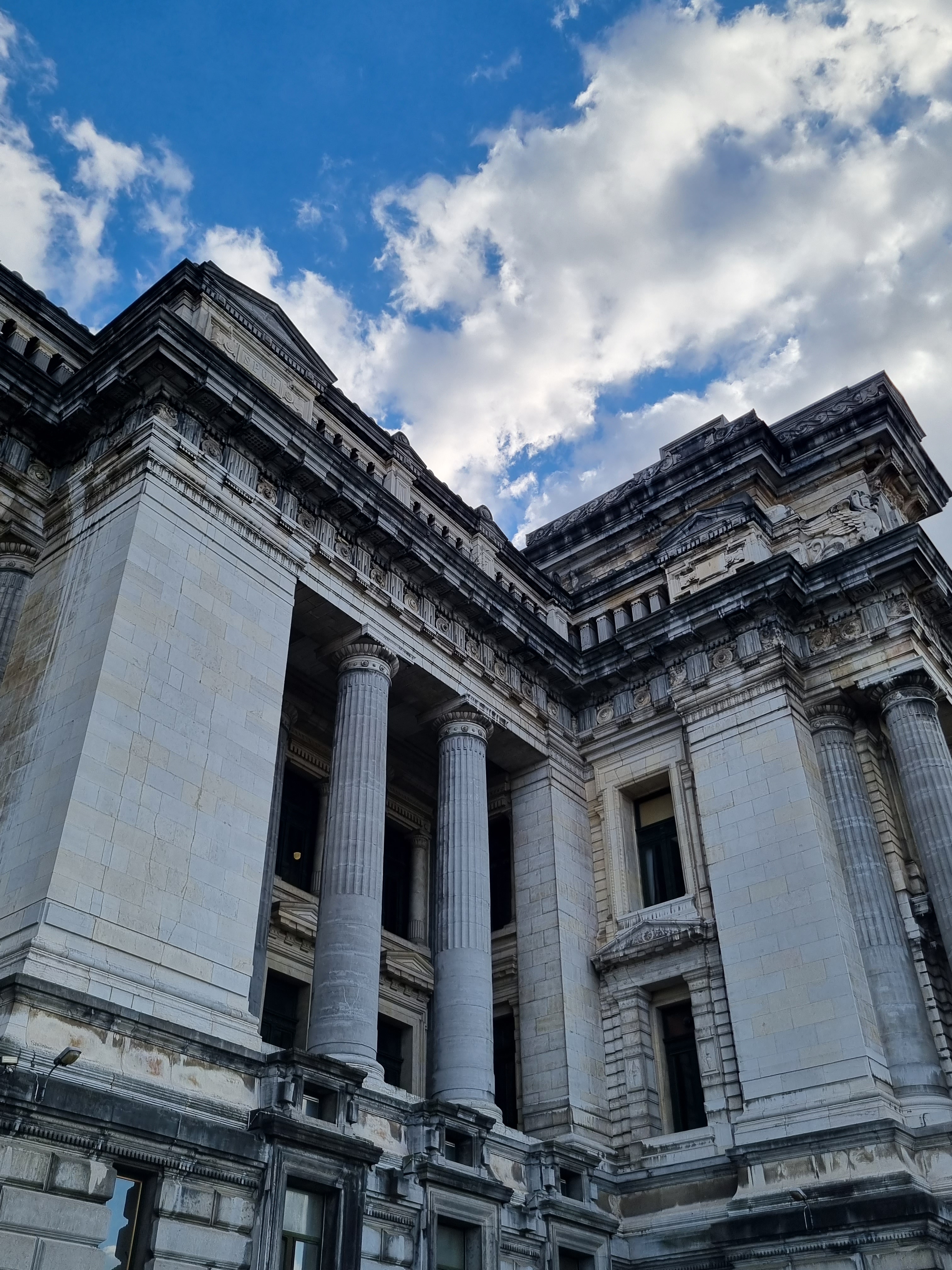
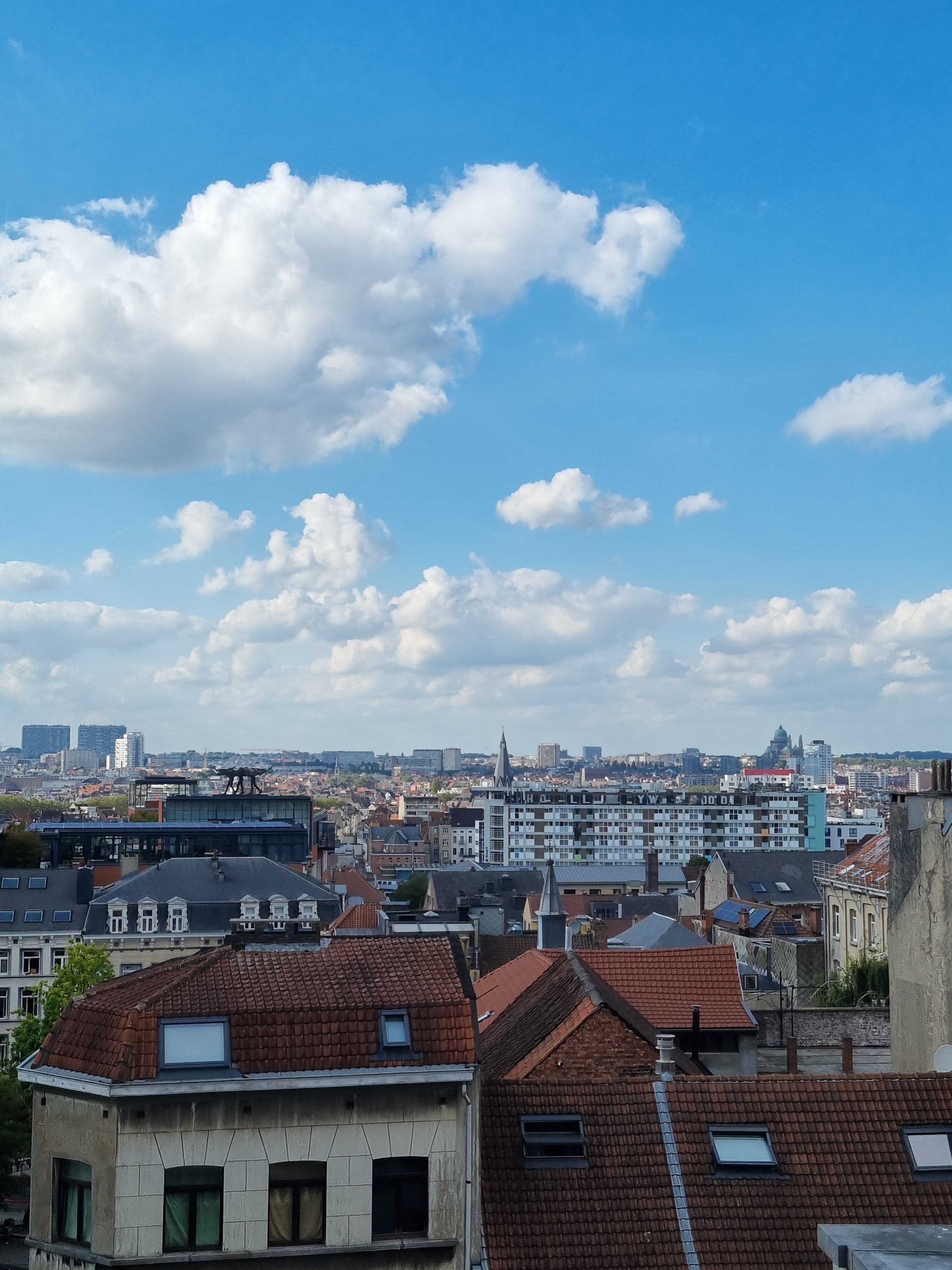
Next, we passed by the grand Palais de Justice (Justice Palace), a monumental building that dominates the Brussels skyline. Though it’s currently undergoing renovations, the area around it offers a charming viewpoint, where we paused to take in a nice view of the city below.
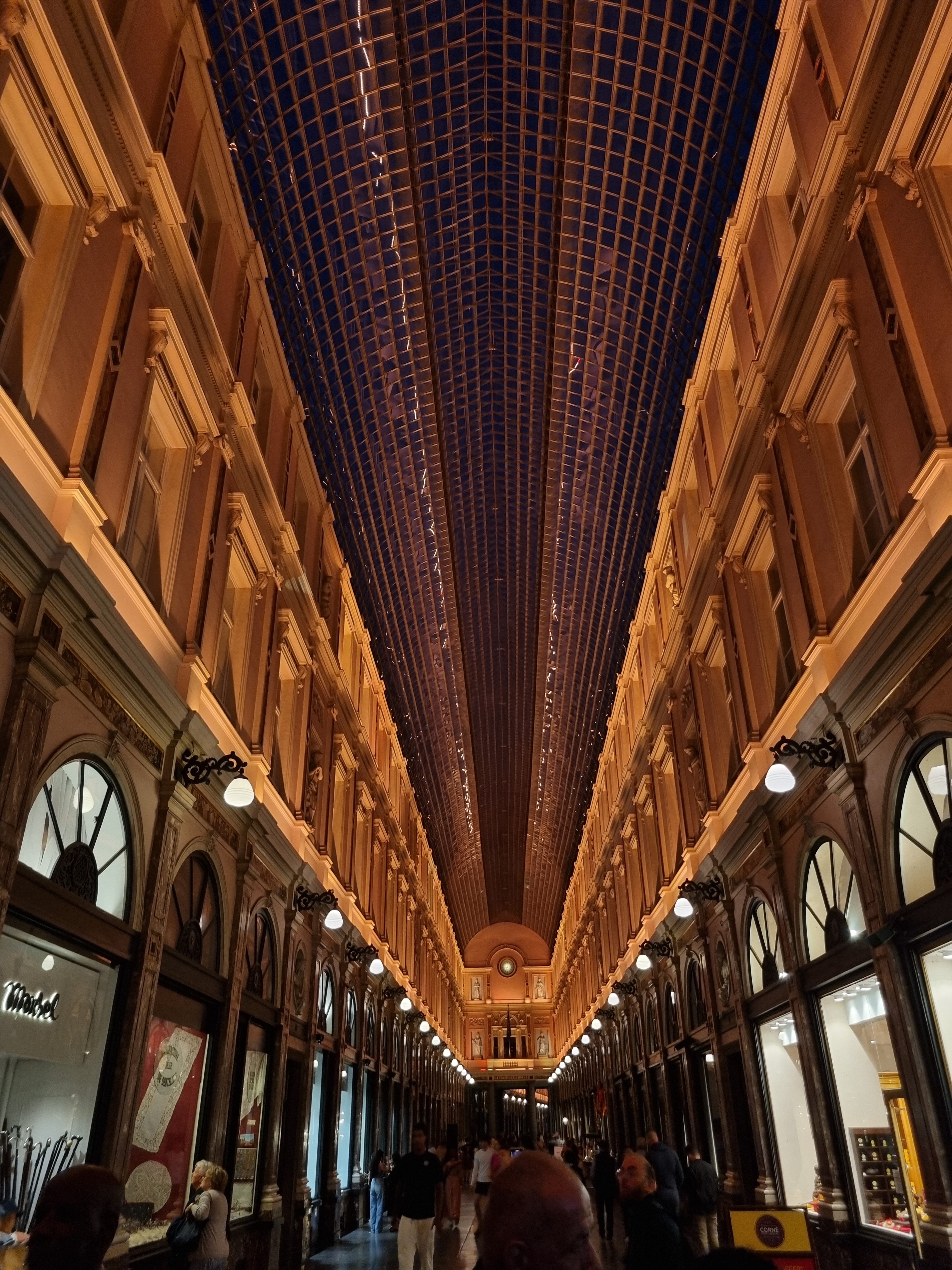
As the day began to wind down, we couldn’t resist one last stop at the famous Galerie de la Reine, part of the stunning Royal Saint-Hubert Galleries. This elegant arcade, with its high glass ceiling and ornate facades, felt like stepping into a world of luxury and history. The galleries are lined with boutique shops, chocolatiers, and cute cafés, and the atmosphere was alive with the hum of visitors and locals alike.
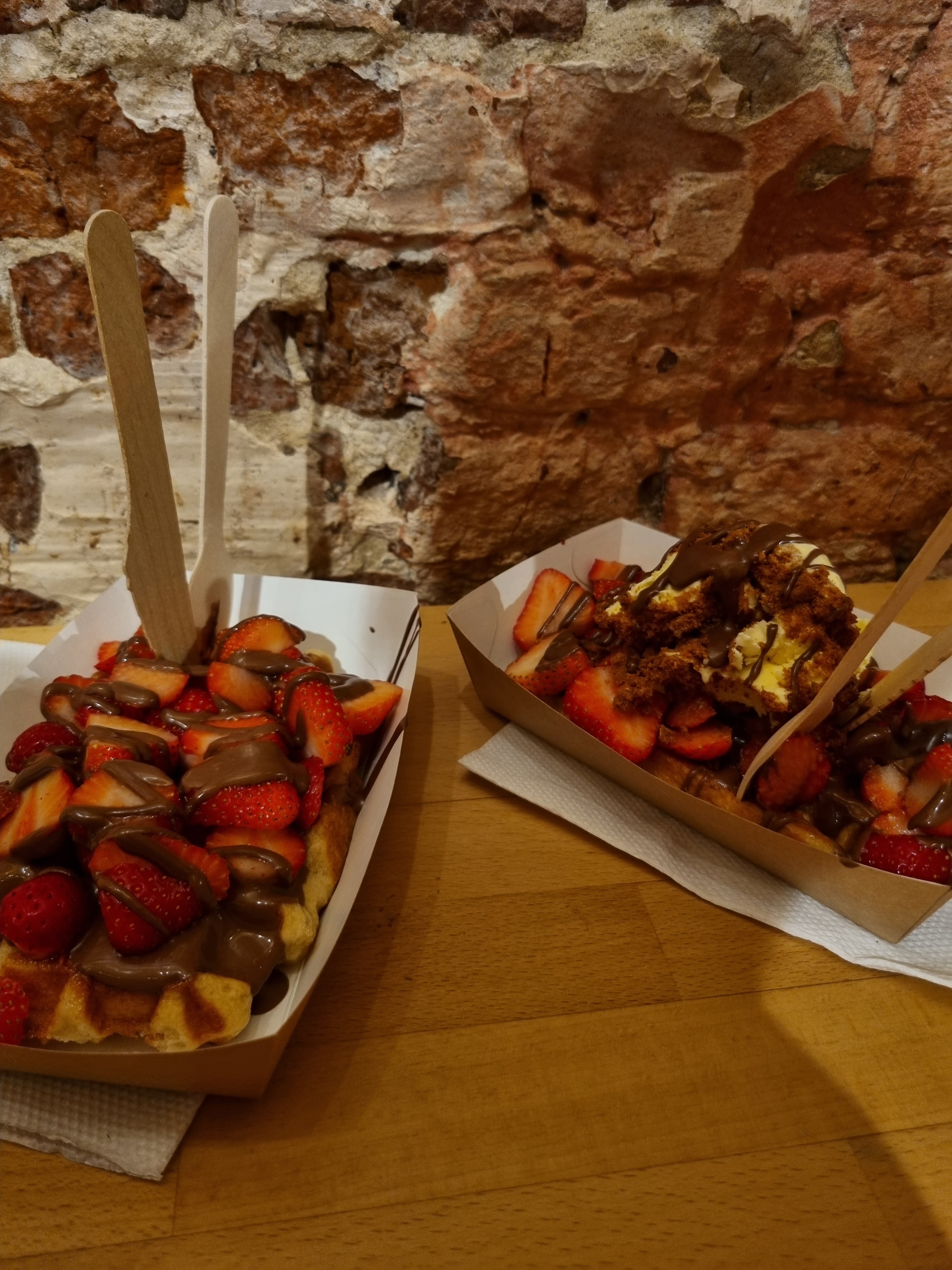
Before heading back to our accommodation, we treated ourselves to one final delight: another mouthwatering Belgian waffle. The sweet aroma of freshly baked waffles filled the air as we selected our toppings. This time, we couldn’t resist adding fresh strawberries and a generous drizzle of rich chocolate sauce. My partner even added cookies ice cream. Each bite was a heavenly combination of sweetness and texture, the perfect way to end a day filled with exploration, history, and the undeniable charm of Brussels.
Day 3
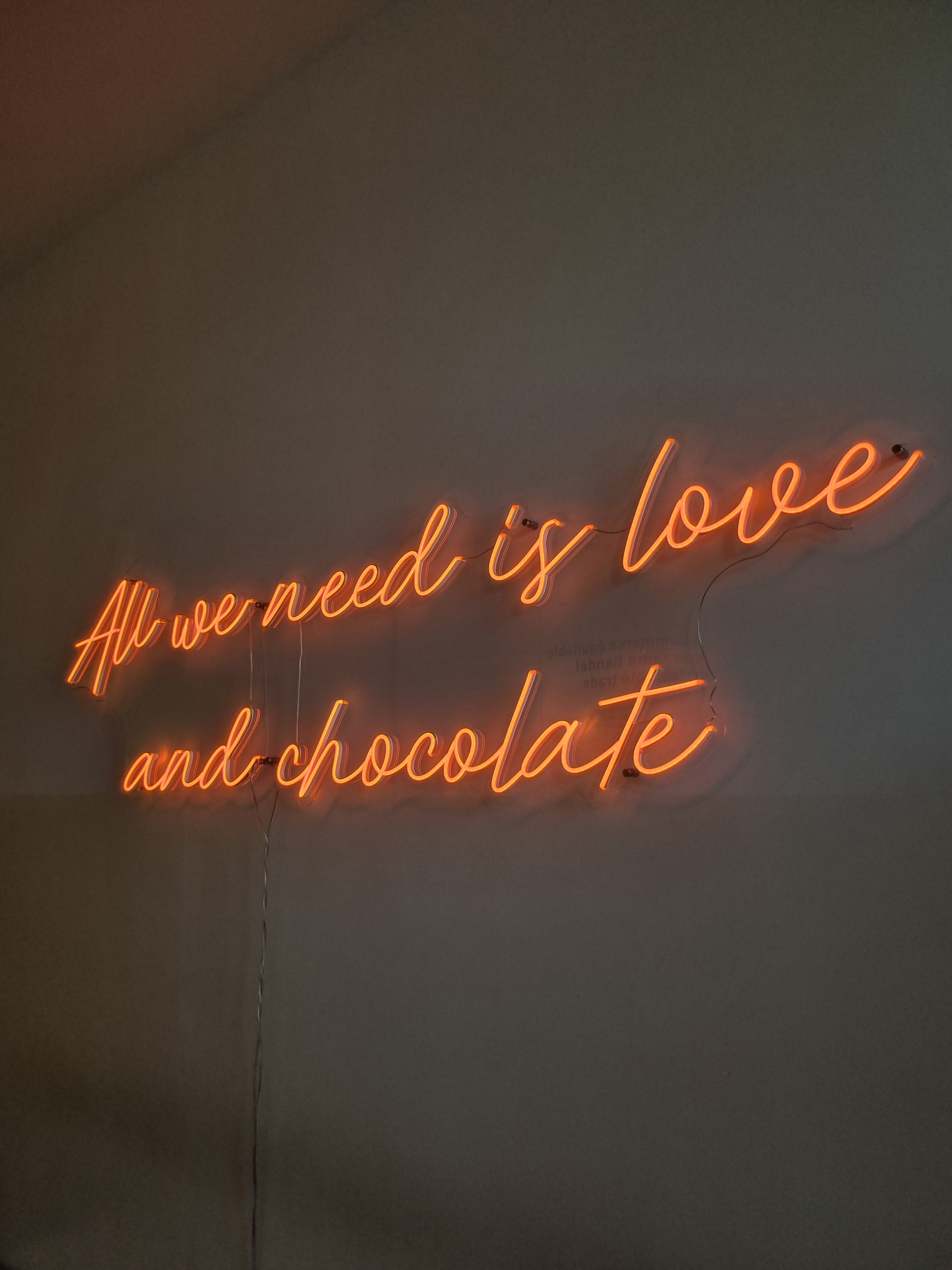
We began our third and final day in Brussels, as always, with a hearty breakfast that fueled us for the adventures ahead. Our first destination was a true delight for the senses: the Chocolate Museum, a paradise for chocolate lovers nestled in the heart of the city.
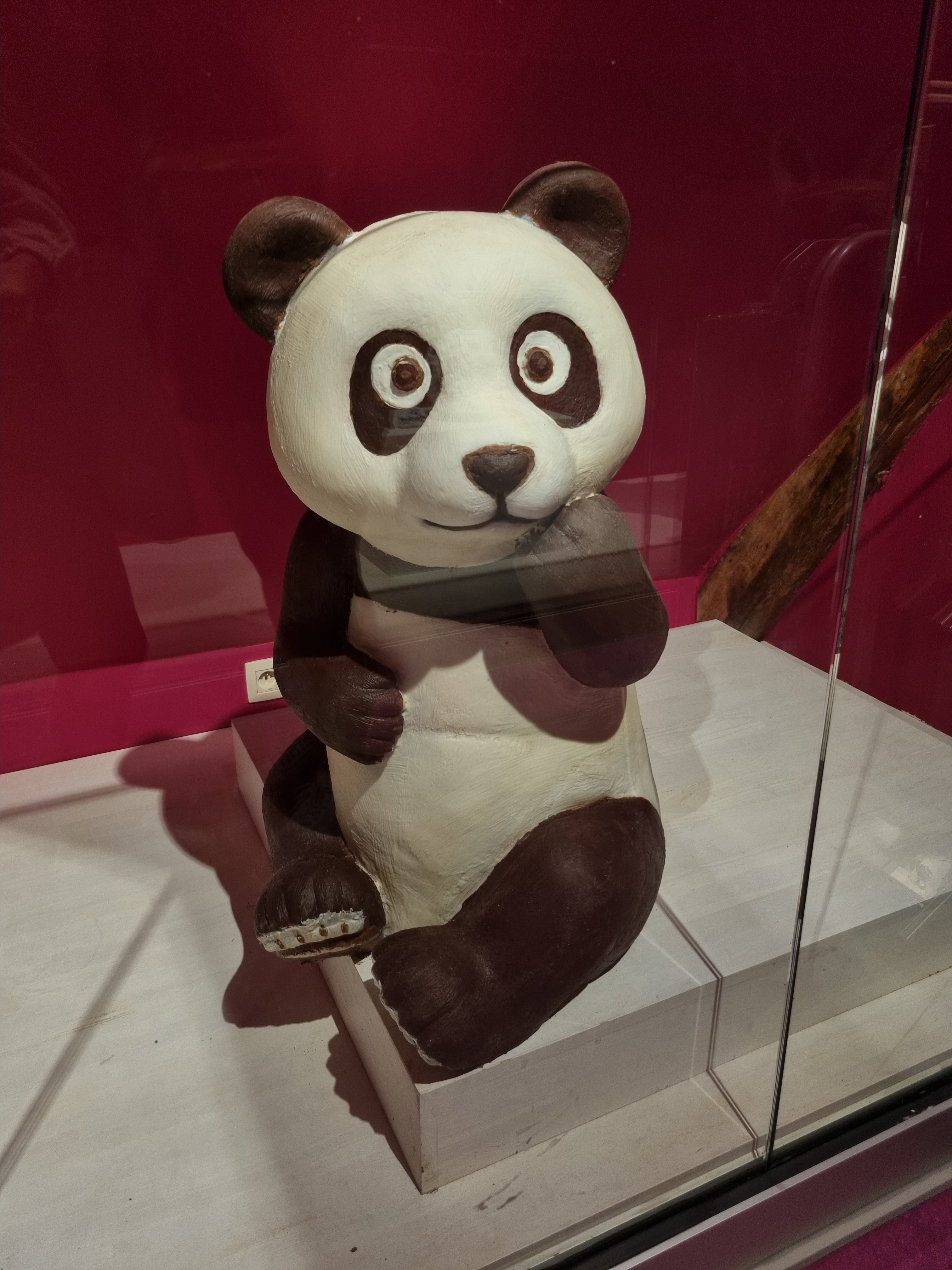
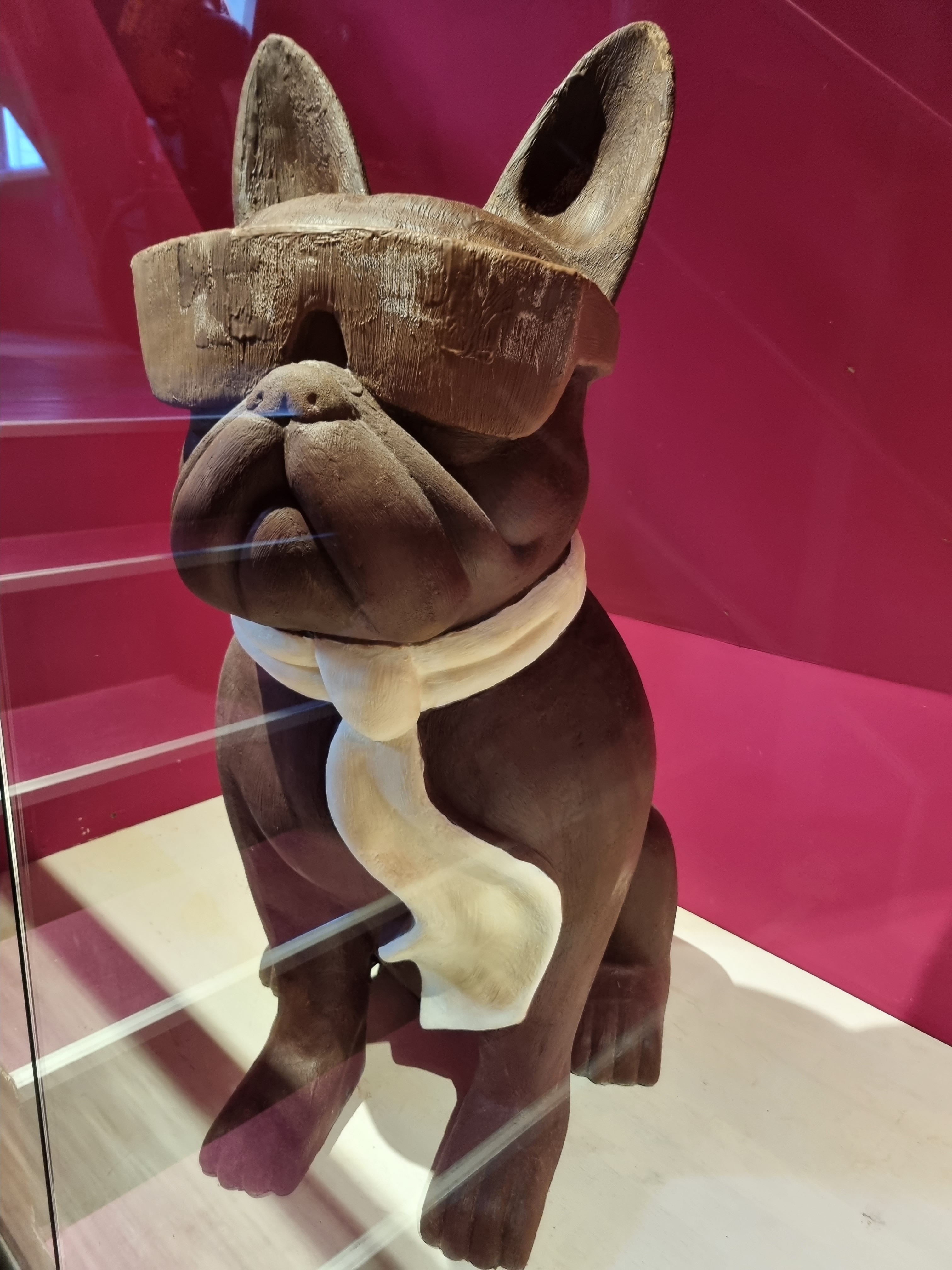
From the moment we walked in, the rich smell of cocoa filled the air, setting the stage for a delicious experience. The museum took us on an exciting journey through the history of chocolate, from its origins in ancient Mesoamerica to how it became a favorite treat across the world. We also learned how raw cocoa beans are turned into smooth, melt-in-your-mouth chocolate. But the museum wasn’t just about learning, it was quite interactive and fun! We admired amazing chocolate sculptures and watched a live demonstration of how chocolates are made. The best part? We got to taste the freshly made treats! This sweet escape was the perfect way to start the day!
Visitor information: Admission prices are as follows: Adults (ages 27 to 64) pay €14, children (ages 3 to 11) €7.50, and seniors (ages 65 to 99) €12. Youth (ages 12 to 26) and teenagers also pay €12, while children under the age of 2 enjoy free entry. For more information and the latest updates, click here to visit the official website (unpaid ad).
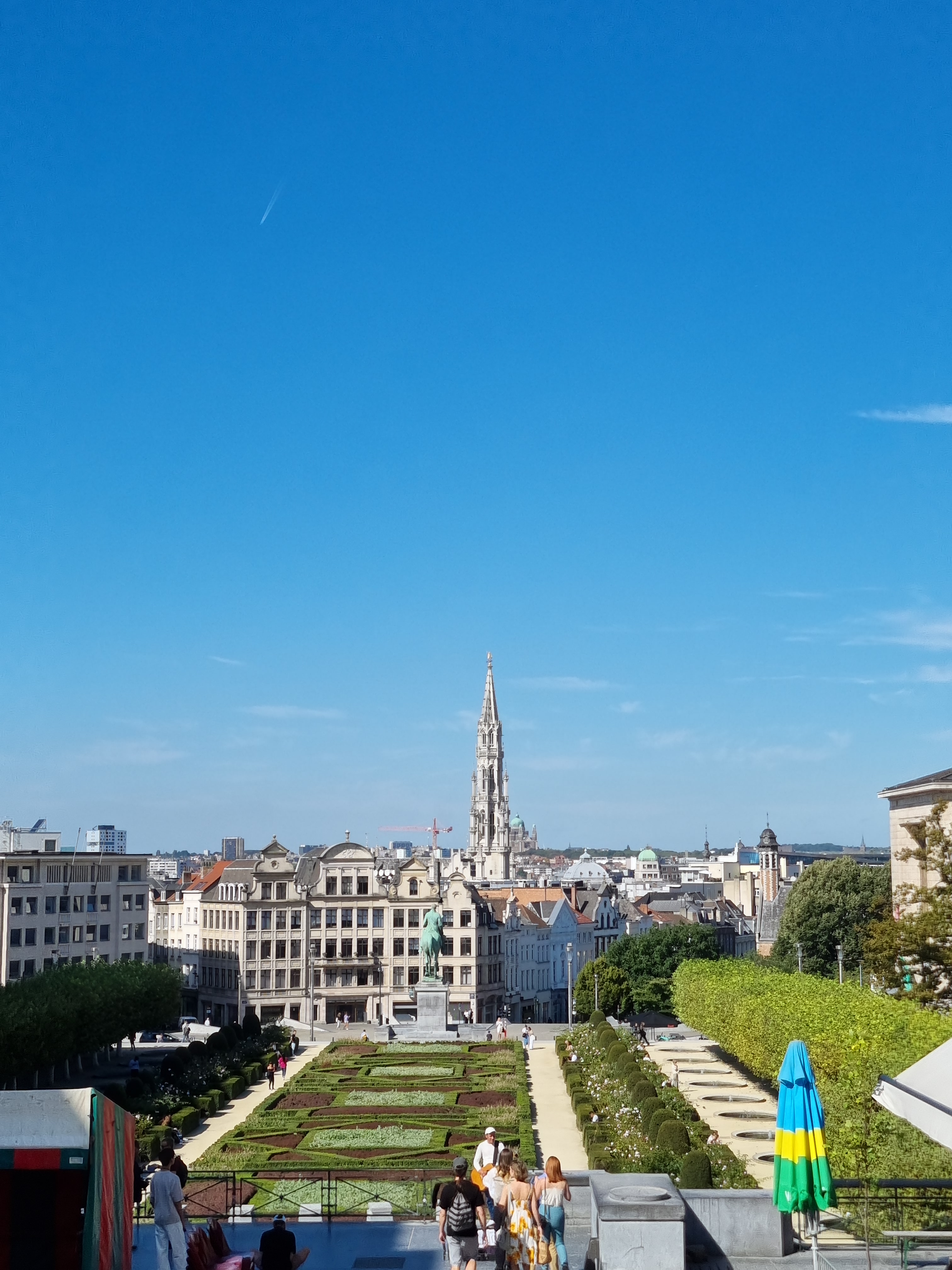
Afterward, we made our way to the Jardin du Mont des Arts, a stunning garden that offers one of the best views of the city. As we walked, we passed Manneken Pis once more, and to our amusement, the little statue was dressed in a completely new outfit. This time, it was wearing something similiar to a traditional Mexican outfit.
The Jardin du Mont des Arts itself was a peaceful escape from the bustling city. Nestled between the Royal Library and the Mont des Arts square, this beautifully landscaped garden offers a perfect blend of art, history, and nature. The well-maintained flower beds, fountains, and statues create a serene atmosphere, and the view of Brussels below was really nice.
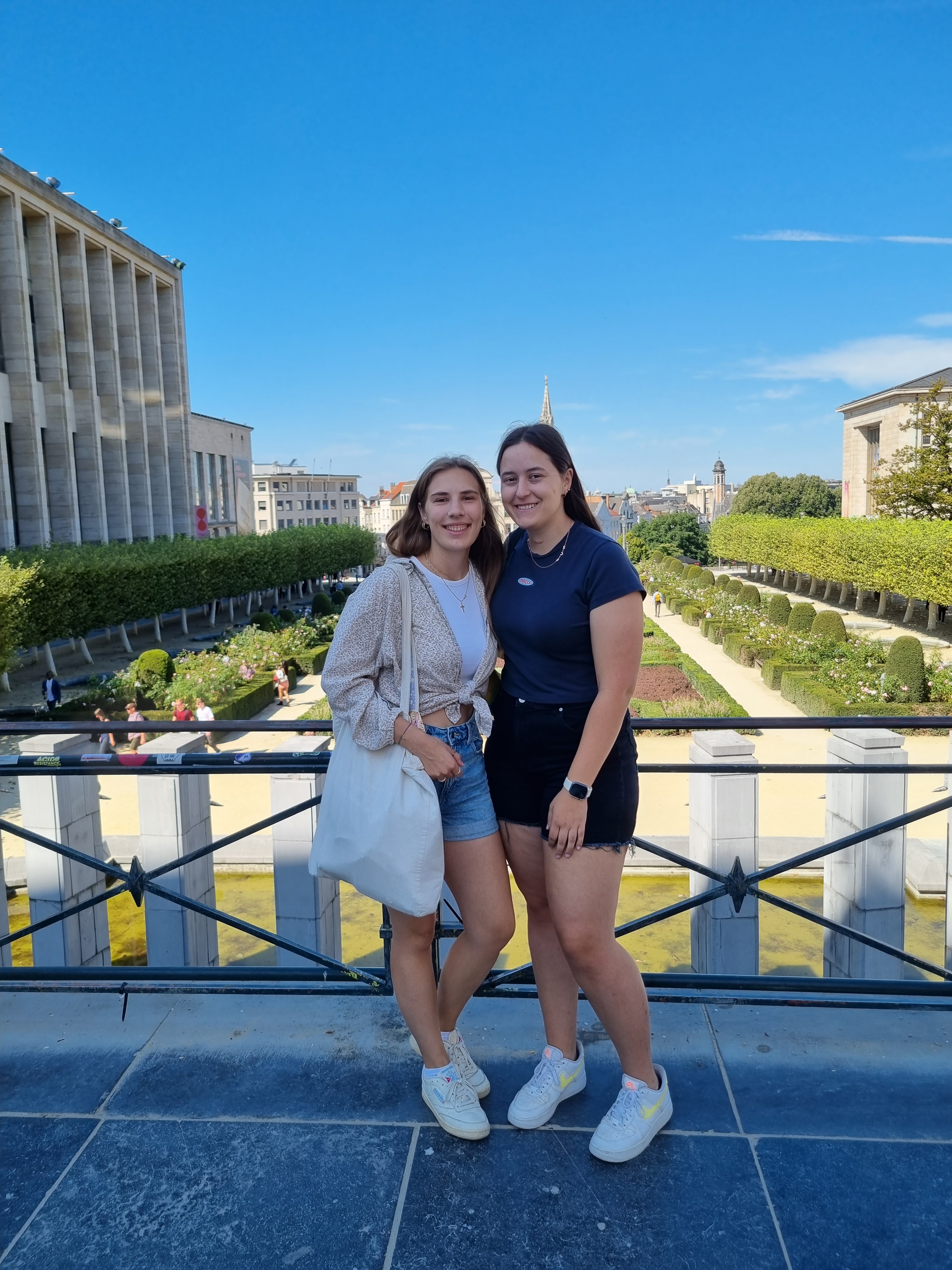
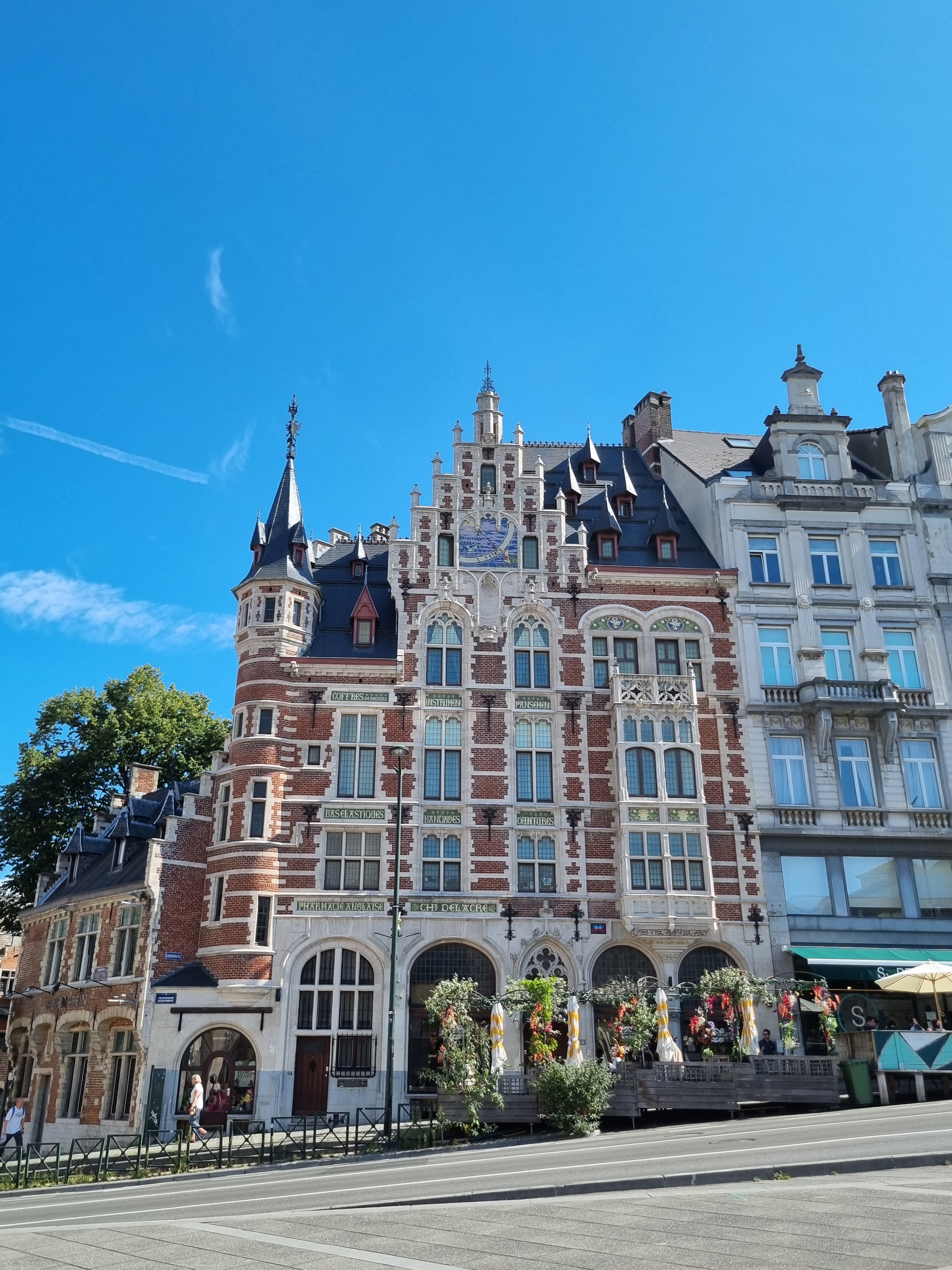
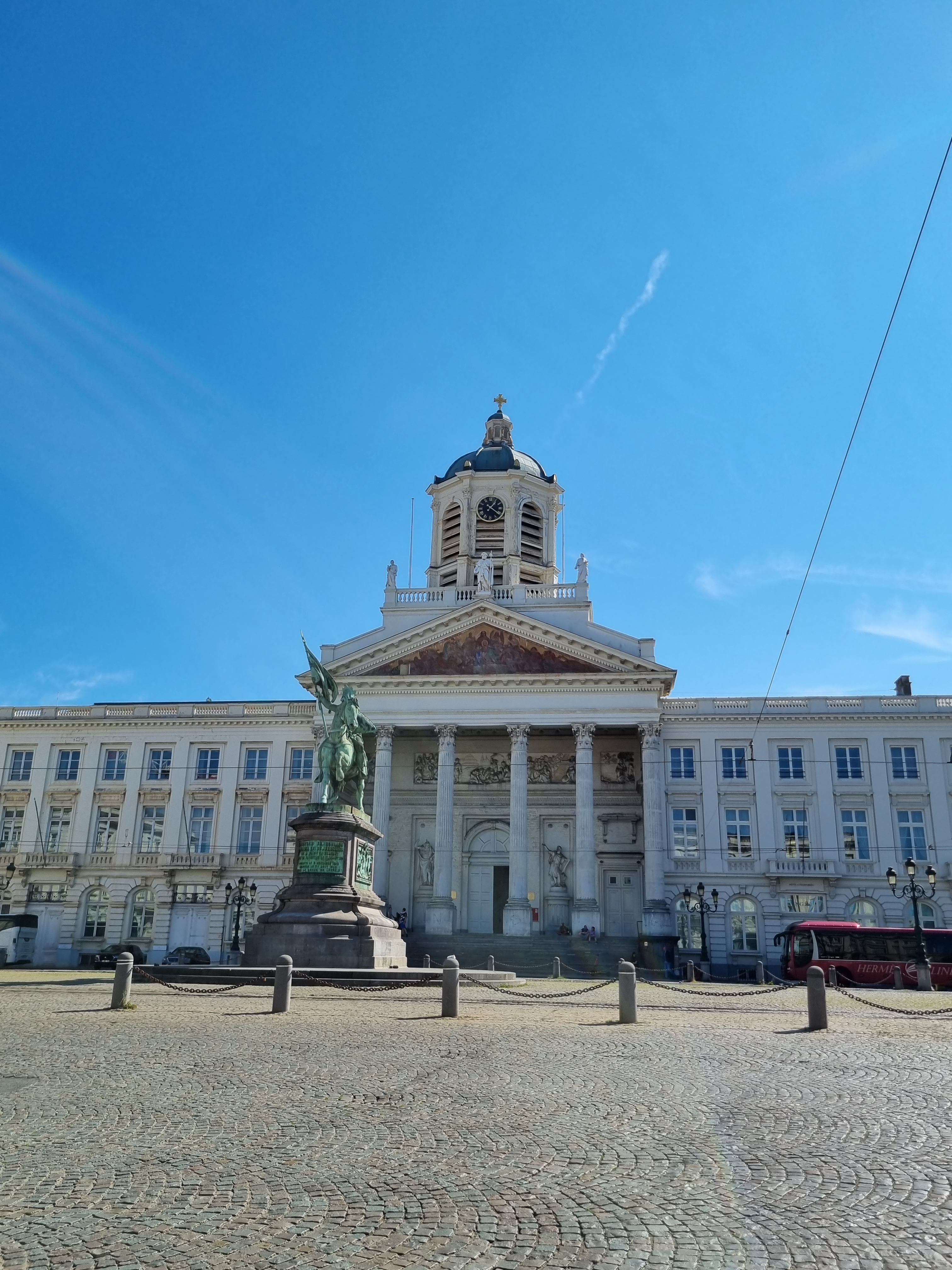
We then looked for a restaurant close by for lunch. As we walked, we passed by beautiful historic buildings, including the grand Place Royale. This elegant square, with its impressive neoclassical architecture, is surrounded by some of Brussels’ most important landmarks, such as the Church of Saint-Jacques-sur-Coudenberg and the Royal Palace of Brussels, which stands proudly at one end.
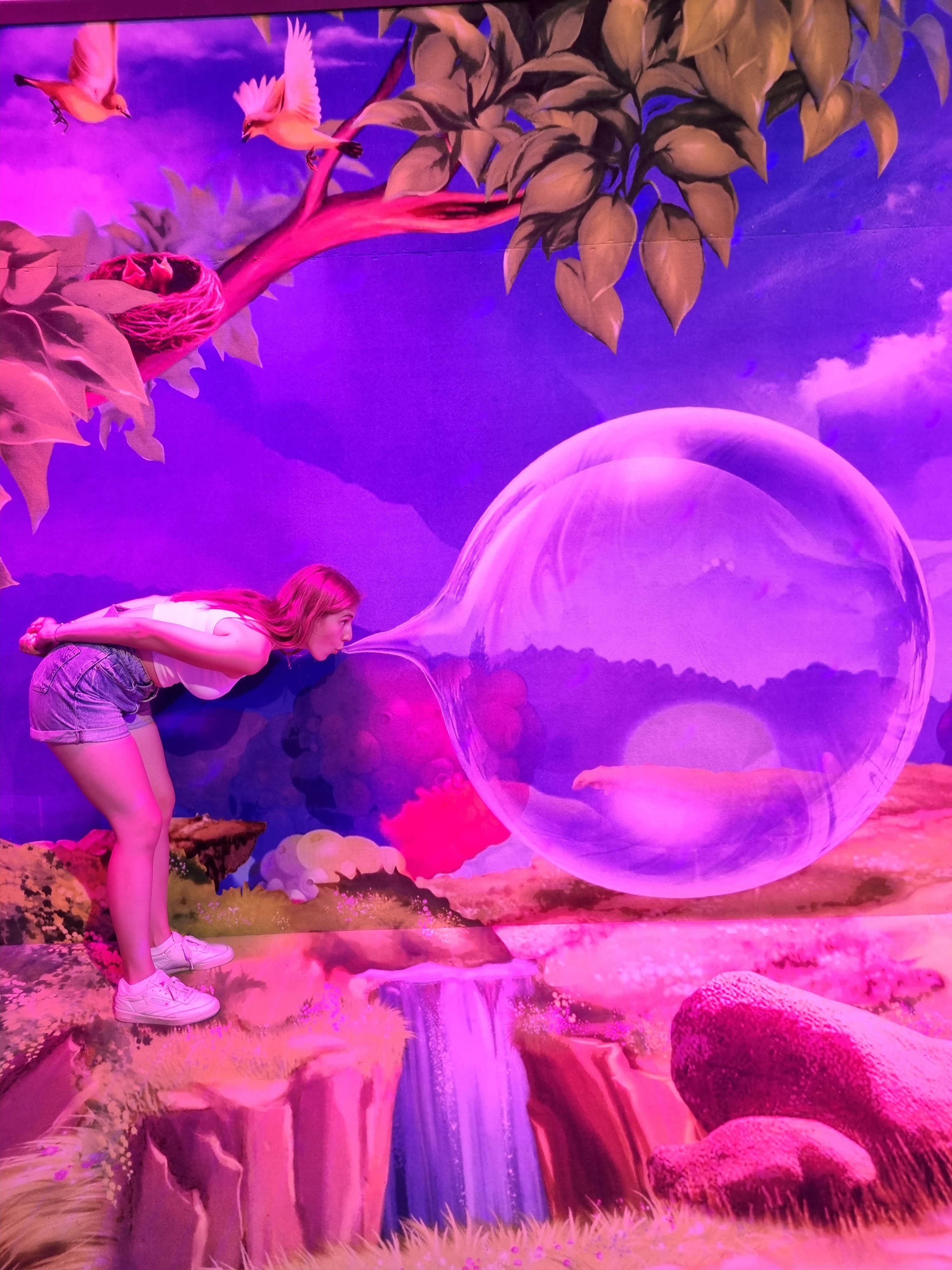
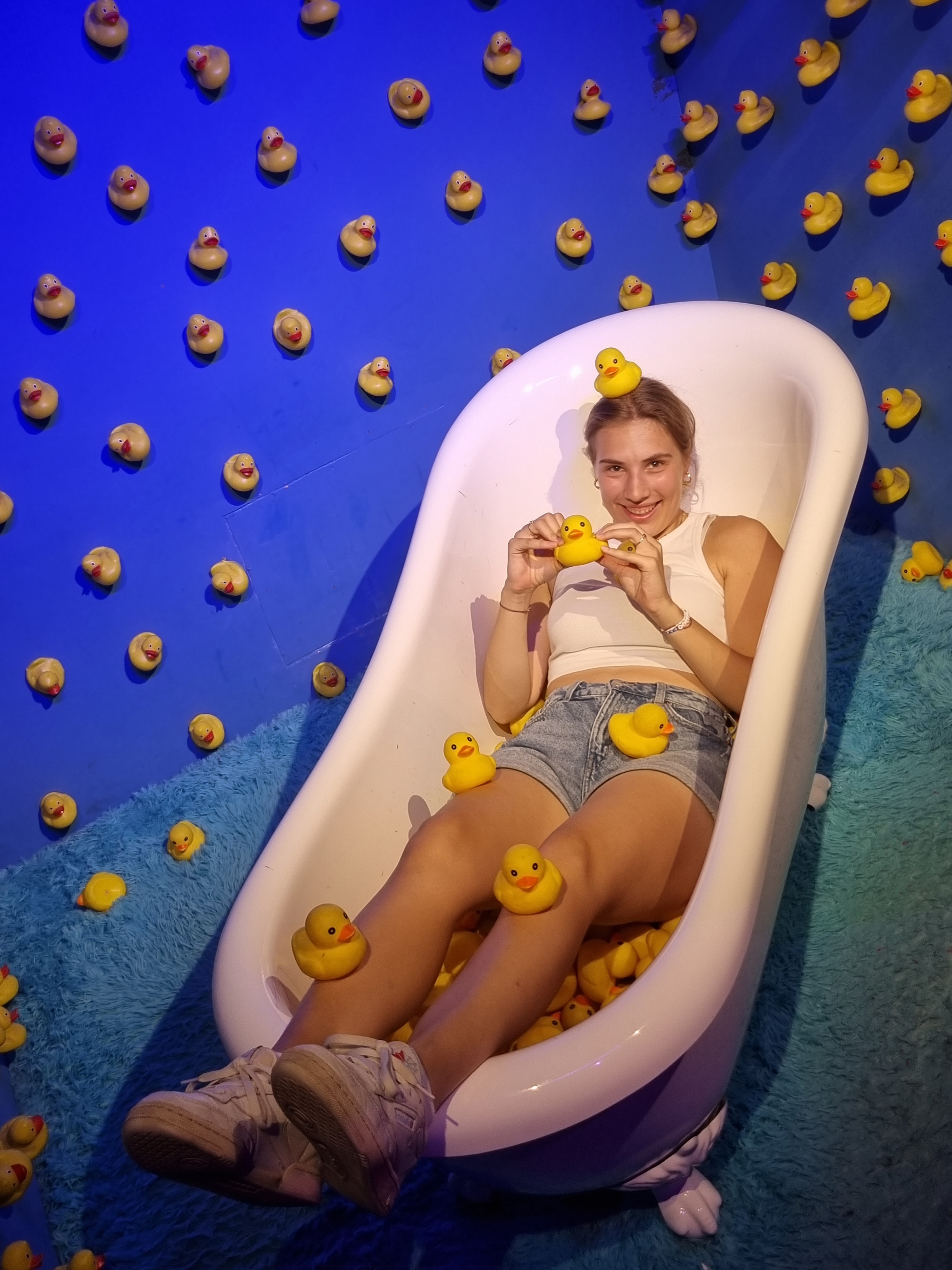
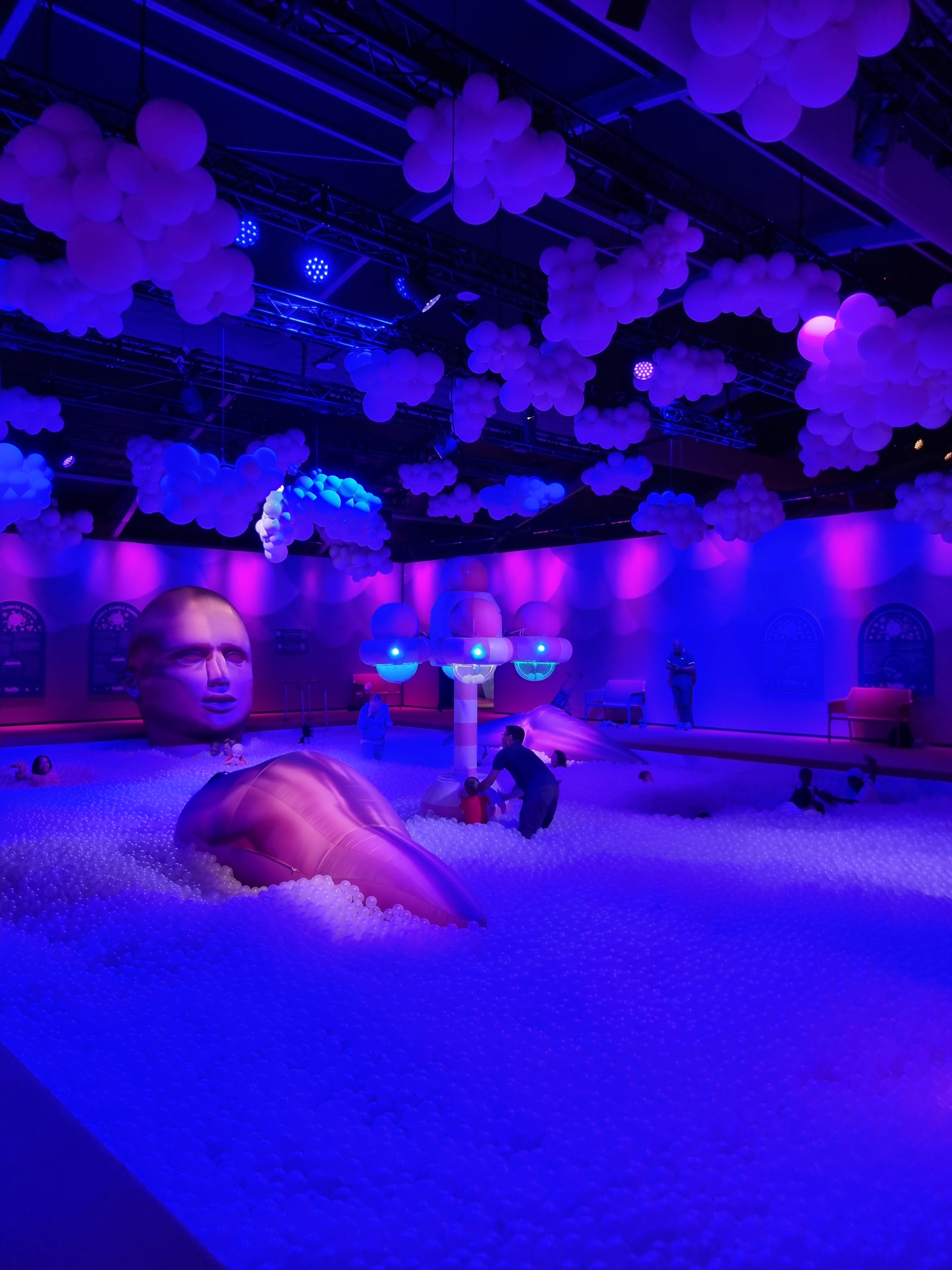
After a delicious lunch, we went to Bubble Planet, an interactive exhibit all about the fascinating world of bubbles. The exhibit featured colorful displays and activities that allowed us to take funny pictures, watch them float and pop, and even step inside giant bubbles. The cheerful atmosphere and playful designs made it a joyful experience, and we couldn’t resist taking a few pictures with the bubbles floating around us. It was a fun way to wrap up our day before the end of our trip.
As the early evening approached, we made our way back to our accommodation to pack our bags for our very early flight the next morning. It was definitely not our last time in Brussels, we’ll be back for sure!
Visitor information: Tickets are between €18.90 to €20.90 for adults and €13.90 to €15.90 for children between 4 to 12. For more information and the latest updates, click here to visit the official website (unpaid ad).
Summary of activities
- Grote Markt (Grand Place)
- Brussels Stock Exchange
- Mini-Europe
- Atomium
- Design Museum Brussels
- Manneken Pis
- Eglise Notre-Dame des Victoires au Sablon
- Square du Petit Sablon
- Palais de Justice (Justice Palace)
- Galerie de la Reine
- Chocolate Museum
- Jardin du Mont des Arts (garden)
- Place Royale (square)
- Church of Saint-Jacques-sur-Coudenberg
- Bubble Planet
Where to eat
- The Noodle Bar Brussels – Southeast asian cusine (unpaid ad)
- Le cercle des voyageurs – Belgium cuisine (unpaid ad)
- The Sister Brussels Café – vegan and gluten-free restaurant (unpaid ad)
- Fritland – Crispy fries and other fast food (unpaid ad)
Booking Checklist
Travel Insurance
I highly recommend getting travel medical insurance while you’re traveling. Hopefully, you’ll never need it, but it’s always better to be safe than sorry. SafetyWing offers two flexible plans tailored to your travel needs. Whether you’re a short-term adventurer or a long-term expat, you’ll have reliable coverage anywhere in the world.
SafetyWing is especially great for remote workers and digital nomads, offering continuous global coverage even if you’re hopping between countries. Of course, it’s also a solid option for frequent travelers or those constantly on the go. But if you’re only traveling occasionally or just for a short holiday now and then, there might be better-suited alternatives.
Accommodations
I usually rely on Booking.com for hotels and Airbnb for vacation rentals. They both have the largest selection and tend to offer the most reliable prices.
Data for your Trip
I use Saily for international cell data. They offer a variety of eSIM options depending on the country and their eSIMs are easy to install, activate instantly upon arrival, and let you skip buying local SIM cards or paying expensive roaming fees.
Tours and Experiences
I always use GetYourGuide to find the best tours and experiences in a city or country. It’s my go-to platform for planning activities, and I’ve always been very satisfied with the experiences I booked through them.
Rental Car
I’ve rented at least six cars and always booked them through check24 (ad), which I can highly recommend. The website offers good deals, the insurance is quite cheap and provides good coverage, and the customer service is very efficient and accommodating. However, Check24 currently only offers its website in German. So it’s mandatory to speak the language.




 Michelle Cacija
Leave a reply to Anonymous Cancel reply