
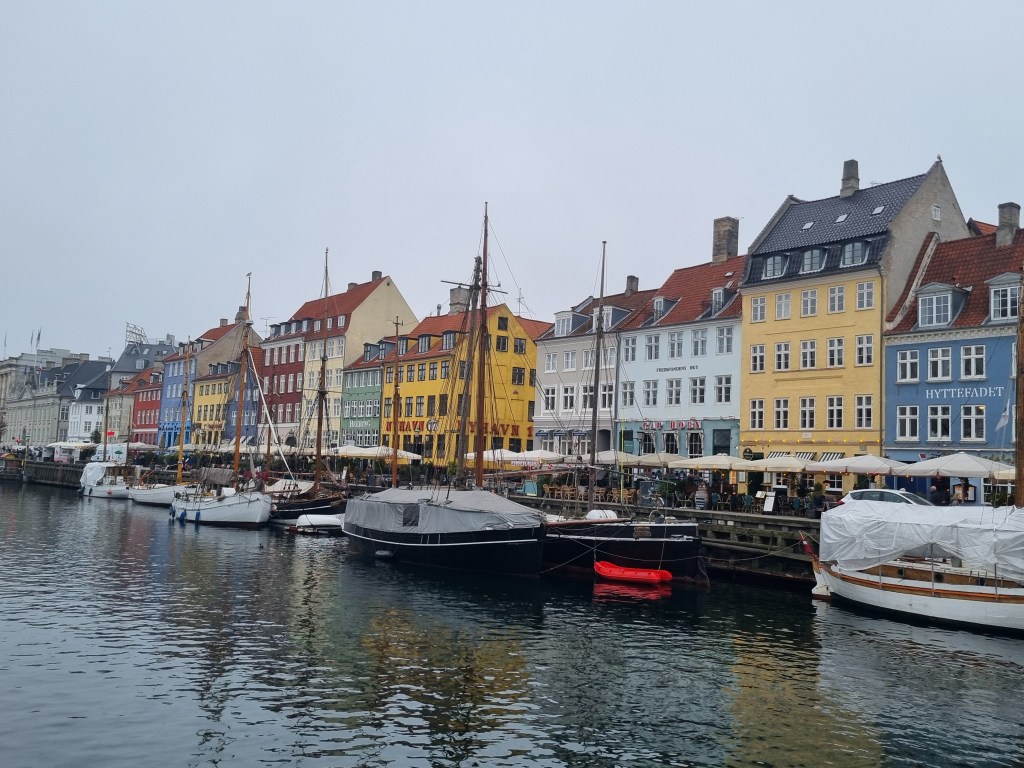
Imagine strolling along Nyhavn’s vibrant waterfront, where candy-colored houses reflect in the gentle waves, boats rock softly in the harbor, and a salty breeze whispers of the city’s maritime soul. Copenhagen is a captivating blend of royal history and modern flair, from grand castles and inspiring museums to buzzing cafés and that cozy Scandinavian feeling known as hygge. And don’t forget to visit the iconic Little Mermaid statue, a graceful nod to author Hans Christian Andersen’s beloved fairytale. Let me take you on a journey through this Scandinavian gem, sharing hidden spots, local favorites, and all the magic this city has to offer. Servus and welcome to my Copenhagen blog!
As always, I want to remind you, that this blog isn’t perfect because everyone travels differently, and all trips involve changes of plans. I want to let you know that everything on this website has been experienced, photographed, and written by me. Since I finance all of my travel expenses on my own, the stories and opinions given are truly my own. If you’re interested in seeing more travel pictures or videos, feel free to check out my Instagram @michellecacija or my Tik Tok @michellecacija.
Index
- The Basics about Copenhagen
- Copenhagen Card (unpaid ad)
- Things you need to be aware of
- Itinerary
- Where to Eat
- Summary of activities
- Booking Checklist
The Basics about Copenhagen
When to visit
Copenhagen is a fantastic city to visit year-round, but the best time to go for good weather is probably during the summer months, from June to August. The temperatures are usually pleasantly mild, averaging around 20°C (68°F), and the city buzzes with life, outdoor events, and long daylight hours. However, if you prefer fewer crowds and don’t mind cooler weather, spring and autumn offer a more relaxed experience.
I visited Copenhagen in winter, at the end of February, and was pleasantly surprised by how beautiful the city was. While the temperatures were cool, the weather remained dry, with a mix of cloudy skies and moments of sunshine. What I enjoyed most was the peaceful atmosphere, there were almost no tourists, making it easy to explore the sights without the usual crowds.
Time Period
When I first visited Copenhagen, I stayed for four nights and had three full days to explore. It was a great amount of time to explore the city’s sights and wander through the charming neighborhoods. I’d recommend planning around four days for your trip, it’s enough to cover the essentials without feeling rushed. Of course, if you prefer a slower pace or want to dive deeper into the city’s museums and day trips, staying longer is always a good idea. You definitely won’t get bored in Copenhagen!
Getting There
Copenhagen is well-connected internationally via Copenhagen Airport (Kastrup), which is just a 20-minute metro ride from the city center. If you’re traveling from neighboring countries like Sweden or Germany, arriving by train is a convenient option. Additionally, long-distance buses connect Copenhagen with various European cities.
Where to stay
Popular areas to stay include the city center (Indre By), hip Vesterbro, and the trendy Nørrebro district. Be prepared, hotels can be pricey, as Copenhagen is quite an expensive city. However, there are some great options for a reasonable price. Booking far in advance or considering Airbnb options might also help keep costs down.
Getting around
Copenhagen has an efficient and easy-to-navigate public transportation system consisting of metro and buses. However, cycling is by far the most popular way to get around. The city is incredibly bike-friendly, with dedicated lanes and bike rental services everywhere. Exploring by bike lets you experience the city like a local.
What to pack
The weather in Copenhagen can be quite unpredictable. If you visit in summer, pack light clothes but bring a light jacket for cooler evenings. In winter, layers, a warm coat, hat, and gloves are essential. Don’t forget a rain jacket or umbrella, rain can surprise you at any time of year. Comfortable walking shoes are a must, especially if you plan to explore by foot or bike.
Additionaly, consider bringing your own little medication bag, including Band-Aids, pain relief tablets, sleeping tablets or spray, bug spray, aftersun, etc. You never know what you might need it for, and you might feel more comfortable using medication from home rather than in a country where you don’t know the ingredients and languages. If you’re coming from outside Europe, don’t forget to bring a Type C power adapter.
Cost of Traveling
Copenhagen is undeniably expensive, no matter the season. Accommodation, dining out, and activities can add up quickly, so it’s important to plan your budget in advance and allow extra for meals and entrance fees. If you plan to visit many attractions and do various activities, I highly recommend the Copenhagen Card (unpaid ad). It covers numerous attractions and public transport, helping you save money. Although the city can be pricey, sometimes you just have to embrace the experience and not worry too much about every krone spent. And just to be clear, I’m not joking, people had told me it’s expensive before, and I thought, “It can’t be too bad.” But it’s actually crazy expensive. Nevertheless, Copenhagen is definitely worth a trip, and there’s no reason not to go there!
Copenhagen Card (unpaid ad)
The Copenhagen Card is a great option for anyone who want to make the most of their time in the city while saving some money. With the card, you get free admission to numerous attractions, including museums, castles, and tours. There are two versions of the card: the COPENHAGEN CARD – DISCOVER covers over 80 attractions and includes unlimited public transportation, even to and from the airport. For those who plan to stick mainly to the city center, the COPENHAGEN CARD – HOP grants access to more than 40 attractions and lets you use the hop-on hop-off sightseeing buses. Whether you’re into history, art, or just want to explore the city’s highlights without constantly reaching for your wallet, the Copenhagen Card is a hassle-free way to experience the best of the city.
I had bought the Copenhagen Card Discover, and since I love to do as many activities as possible, it was definitely worth it for me. In the end, I saved a lot of money and got to experience things I wouldn’t have considered before, which I ended up really enjoying. So, if you love to do a lot of activities, this is definitely something for you. If you’d rather stick to just a handful of activities, then you’re probably better off paying for them individually. Also, the card is digital, which makes it super convenient and handy!
Things you need to be aware of
Water in Denmark. Tap water in Denmark is of excellent quality and safe to drink. It undergoes strict quality controls and comes directly from natural groundwater sources. To save money and reduce plastic waste, it’s a good idea to carry a reusable water bottle.
Toilet situation. Public toilets are generally clean and easy to find in Copenhagen, especially near popular attractions and parks. Some may charge a small fee, so having a few coins handy can be useful. Cafés and restaurants have facilities for customers as well.
Tipping in Denmark. Tipping is not mandatory in Denmark, as service charges are usually included in the bill. However, rounding up or leaving a small tip for exceptional service like in restaurants, taxis, or for hotel staff is appreciated but not expected.
Currency. Denmark uses the Danish Krone (DKK), but most places accept credit cards, even for small purchases. It’s always wise to carry a bit of cash for markets or small vendors, but cashless payment is very common. In fact, Denmark is one of the most digital places in Europe, and almost everyone pays by card. While I visited Denmark for four days, I only saw one person pay with cash, and it was a tourist! You definitely don’t have to get money exchanged, as card payments are accepted virtually everywhere. Just be sure to check if your card has foreign transaction fees before you go and make sure to choose the Danish Krone over your currency on the terminal, since you can save some money then too!
Itinerary
Day 1
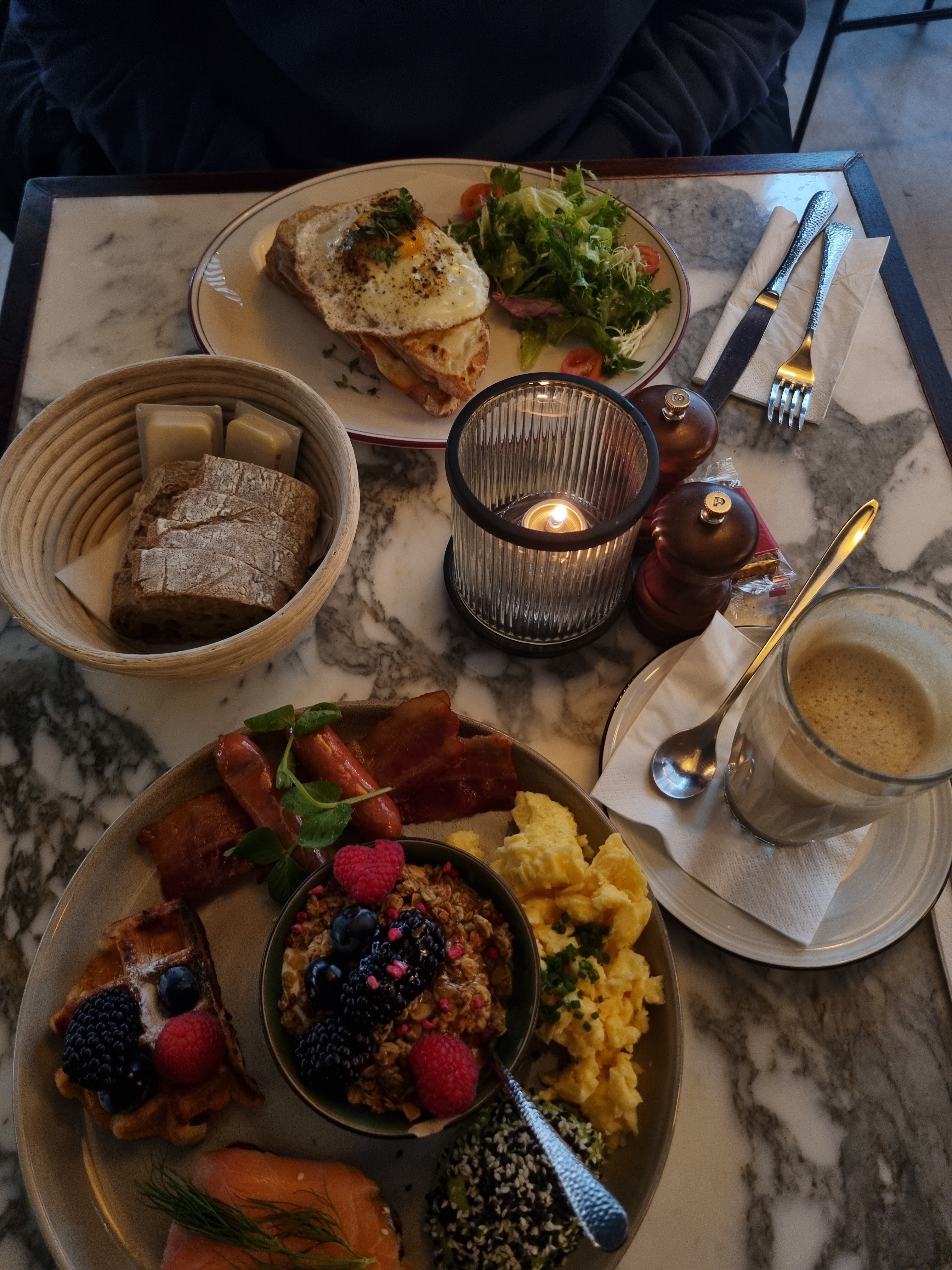
Our day began with a hearty breakfast at Mojoe Kitchen & Bar (unpaid ad), which I can definitely recommend. Everything was really fresh and beautifully presented. However, it’s worth mentioning that Copenhagen is quite expensive, so if you’re looking to save some money, I suggest planning your breakfasts accordingly. Depending on how long you stay, it might be a good idea to have breakfast at your hotel some days and treat yourself to a café experience on others. We stayed for four nights and had breakfast out twice and at the hotel twice.

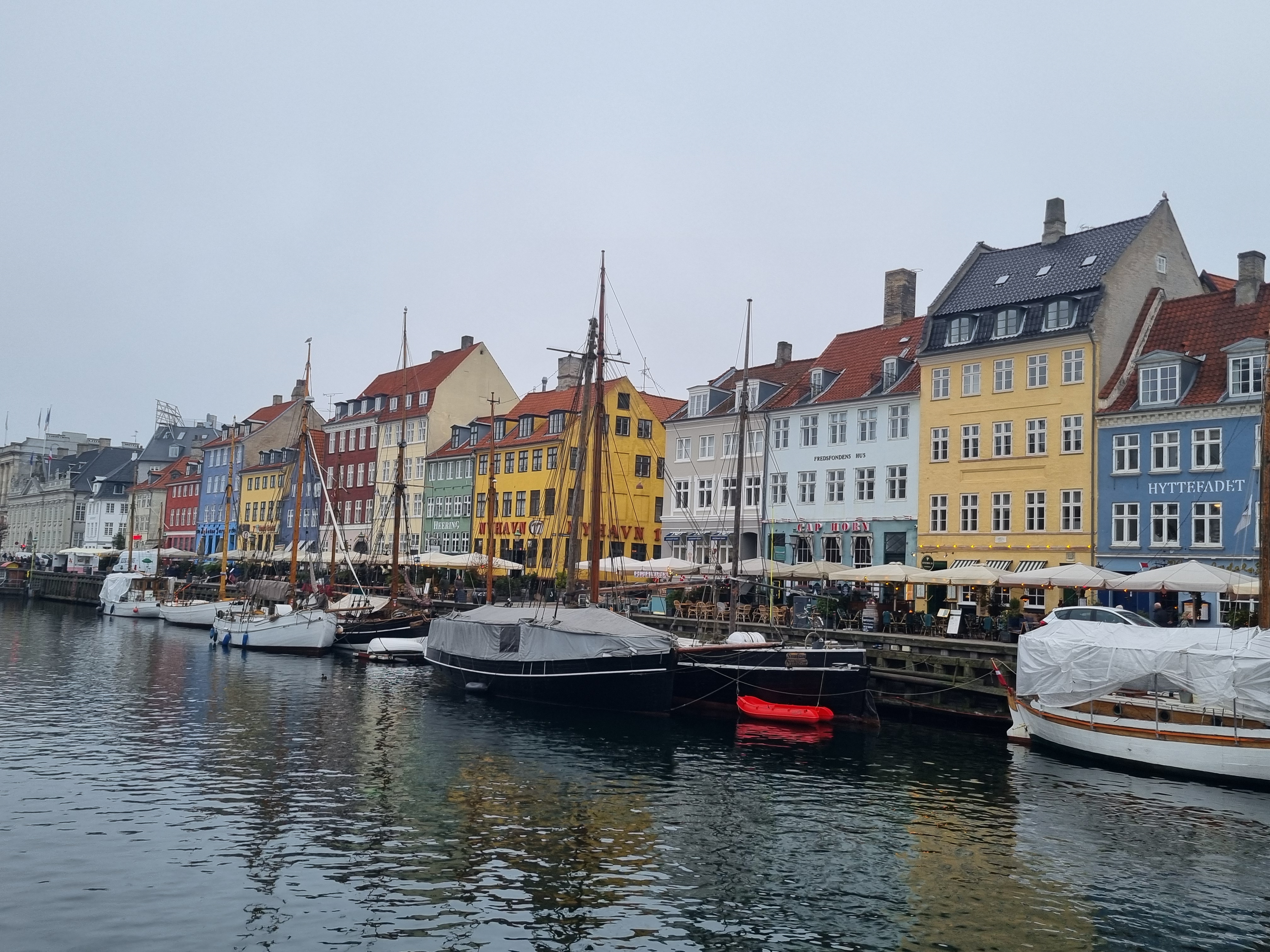
After breakfast, we headed towards Nyhavn: the postcard-perfect spot in Copenhagen which you probably already heard off. With its colorful, slightly crooked houses, Nyhavn is rightfully one of the most popular places in the city. However, it is far from being a hidden gem. If you visit in the afternoon or evening, you’ll find it bustling with tourists. My tip for anyone who wants to experience Nyhavn in peace: go in the morning! When we arrived around 9 or 10 AM, there were barely any tourists, allowing us to truly enjoy the charm of the harbor.

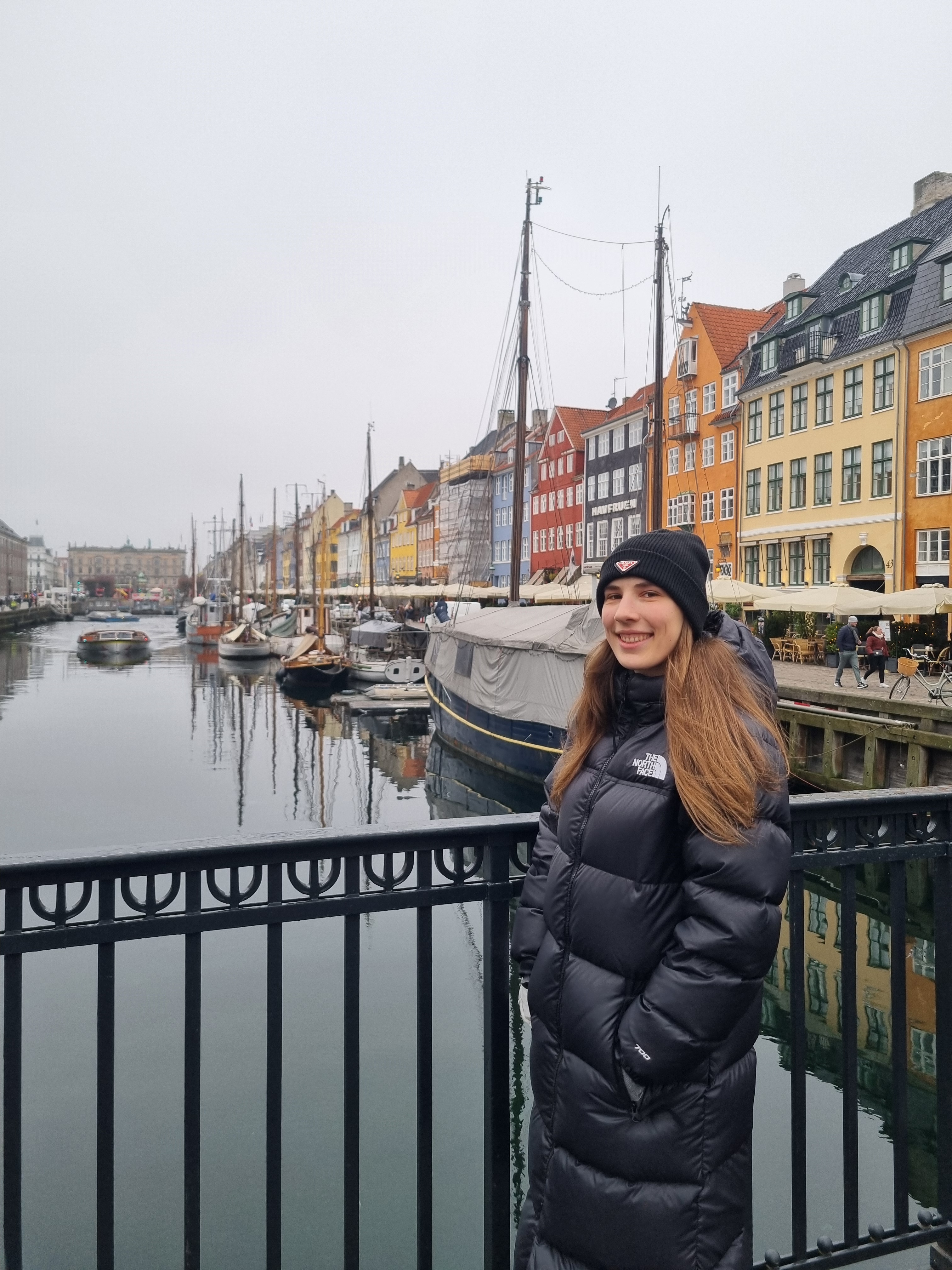
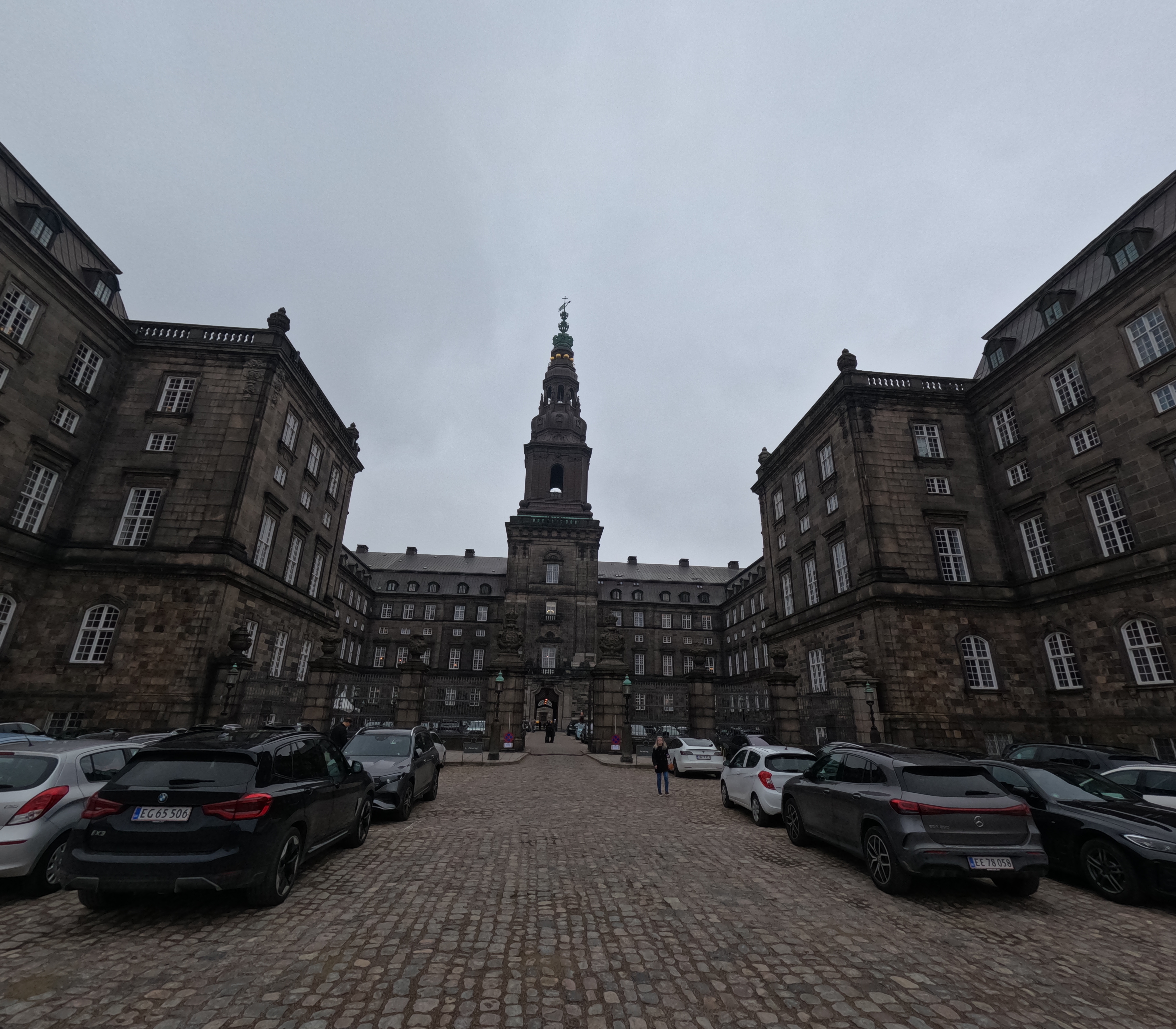
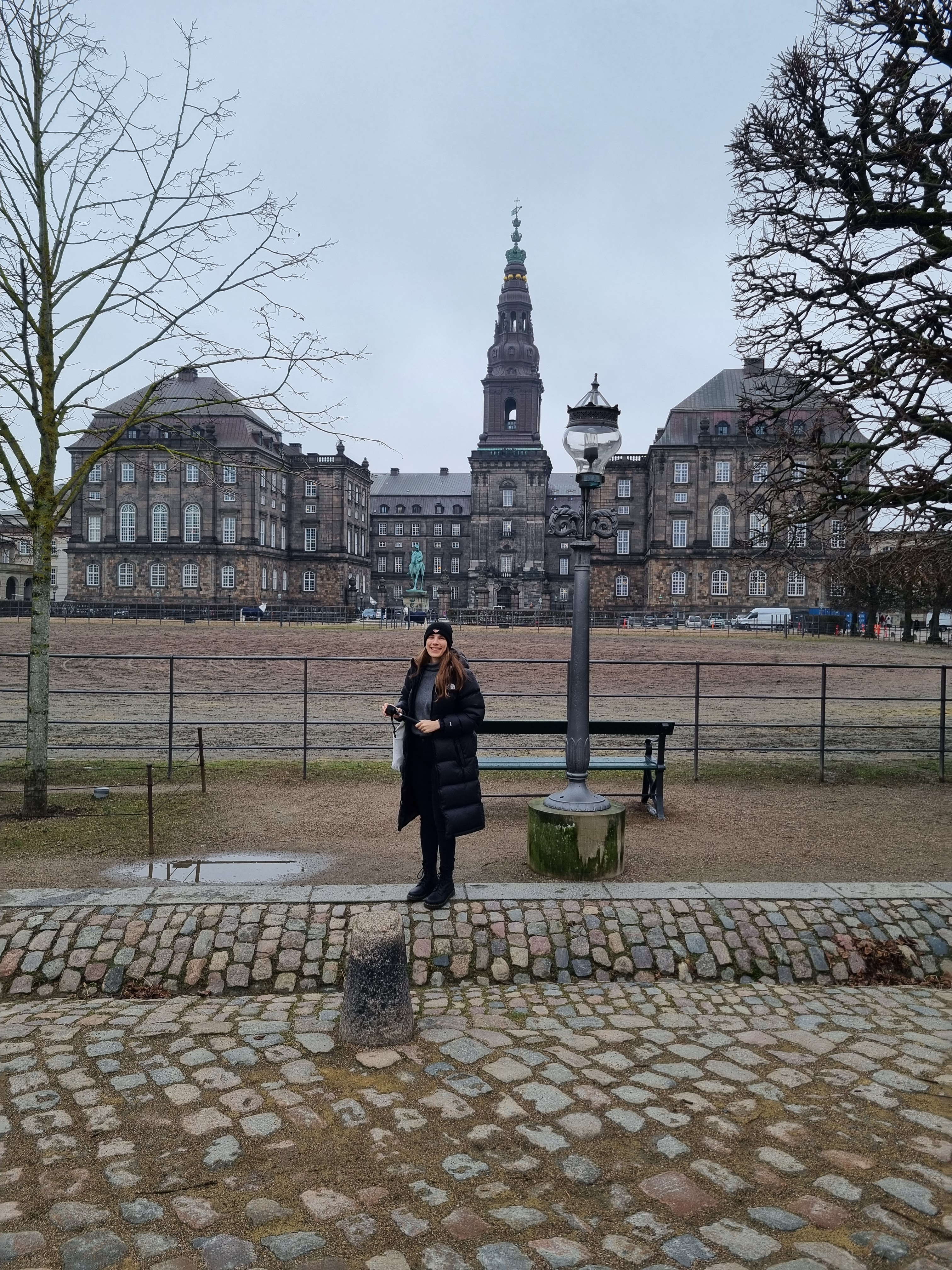
After a leisurely stroll through Nyhavn, we made our way to the area of Christiansborg Palace (Christiansborg Slot), where we took a canal tour. Unfortunately, the weather was quite cloudy, which made the scenery look a bit gloomy, but overall, the tour was a lovely experience, offering a unique view of the city from the water.
Activity information: If you have the Copenhagen Card, the canal tour is included. If not, there are various providers offering similar boat tours, so you can choose one that suits your schedule and preferences.
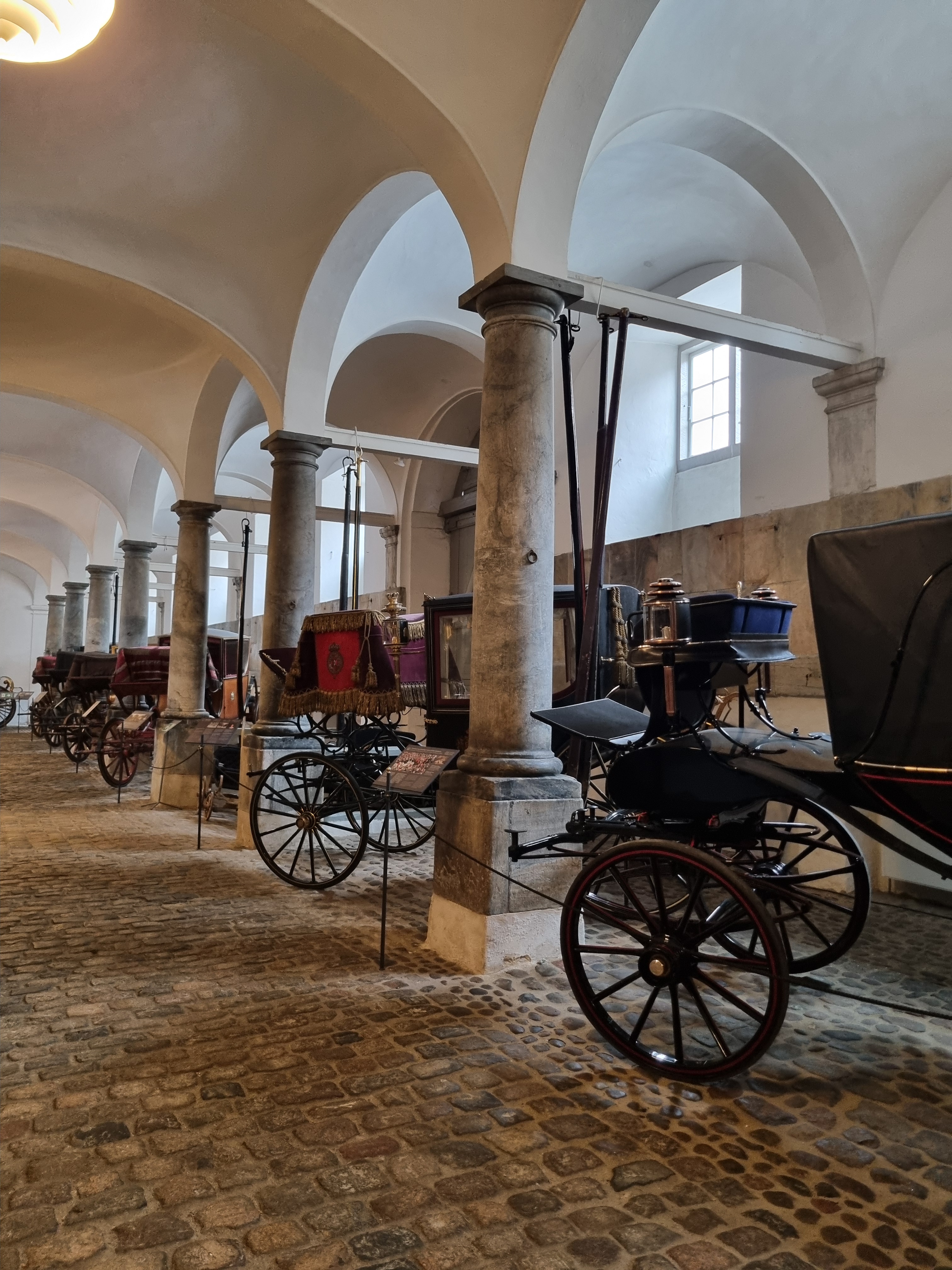
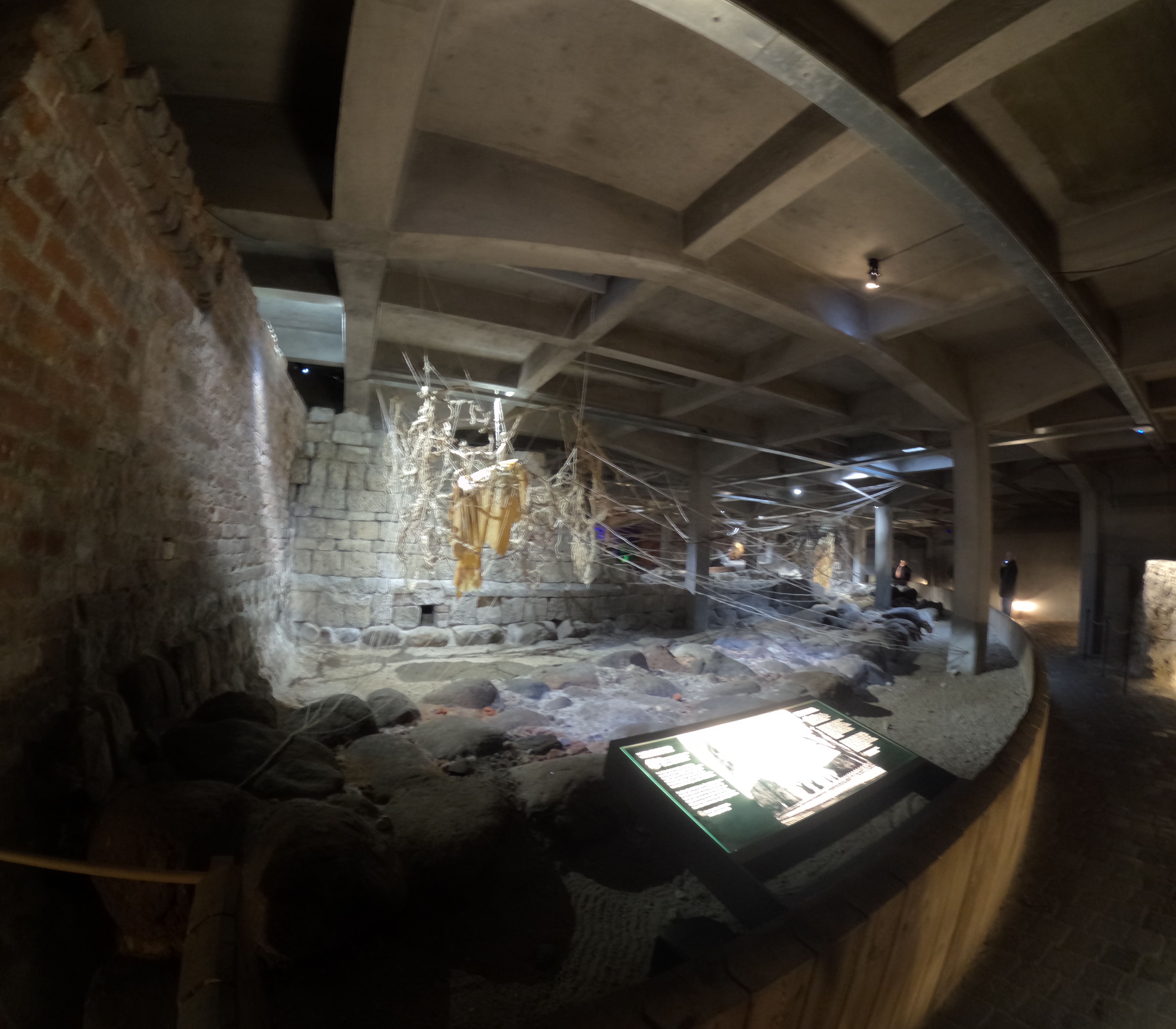
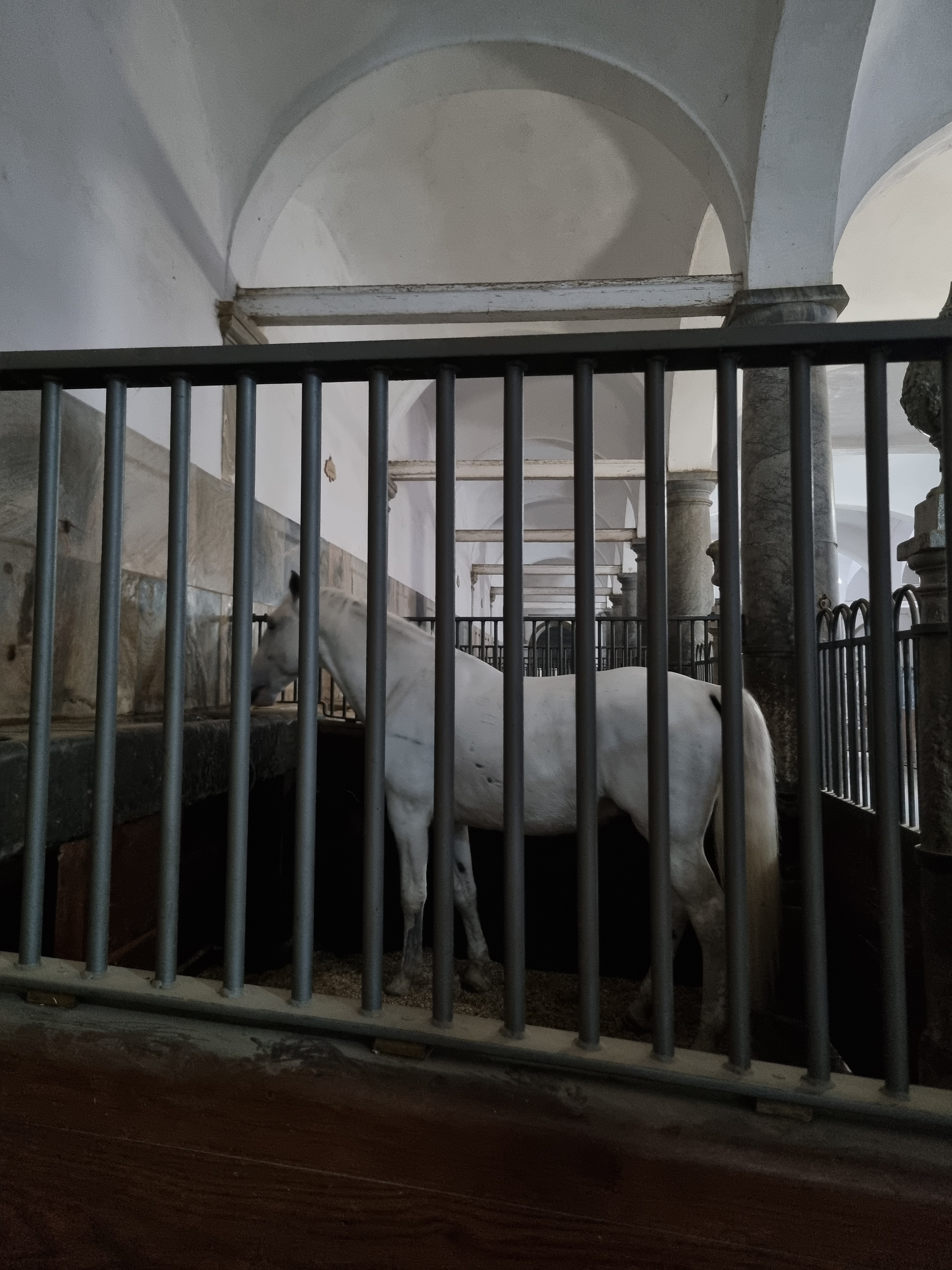
Once the canal tour, which ended back at the starting point, was over, we explored Christiansborg Palace. Unfortunately, the royal reception rooms were closed at the time, but we were still able to visit the underground ruins, the royal kitchen, and the royal stables, all offering fascinating insights into the palace’s history and daily life behind the scenes.
The underground ruins reveal remnants of the earlier castles that once stood on the site, dating back to the 12th century, where you also learn a lot about witches and the dark history surrounding them. In the royal kitchen, you can see how grand banquets were prepared, with displays of copper pots, old recipes, and lavish table settings. The royal stables, home to the Queen’s horses, allow you to get a glimpse of the impressive carriages and learn about the history of royal equestrian traditions.
Christiansborg Palace is not just a historical site though, it also serves as the seat of the Danish Parliament today. In addition to housing the Supreme Court and the Prime Minister’s Office, the palace remains a central part of Denmark’s political life.
Visitor information: If you have the Copenhagen Card, these entries are included. If not, click here for information about opening hours and ticket prices.

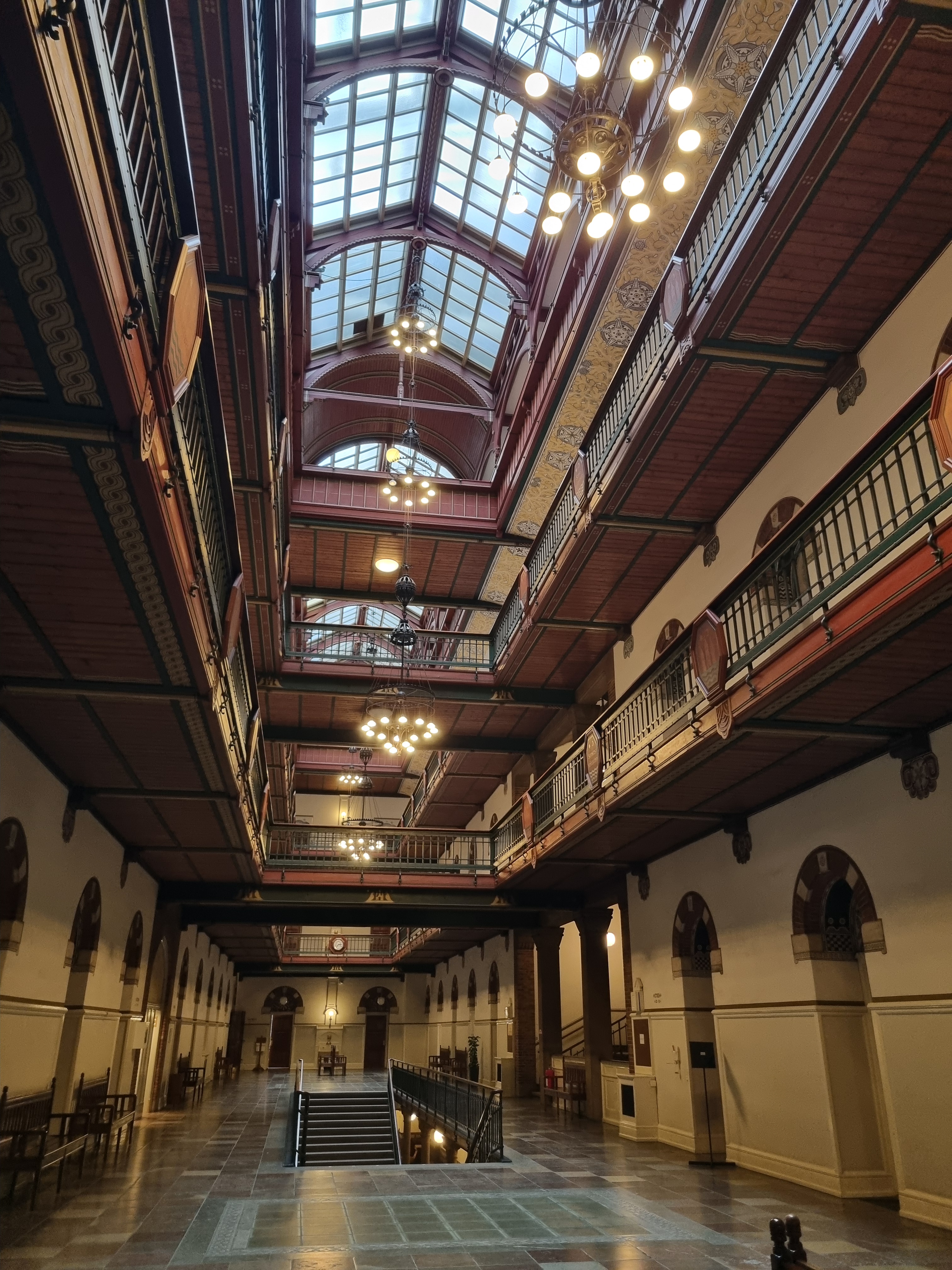
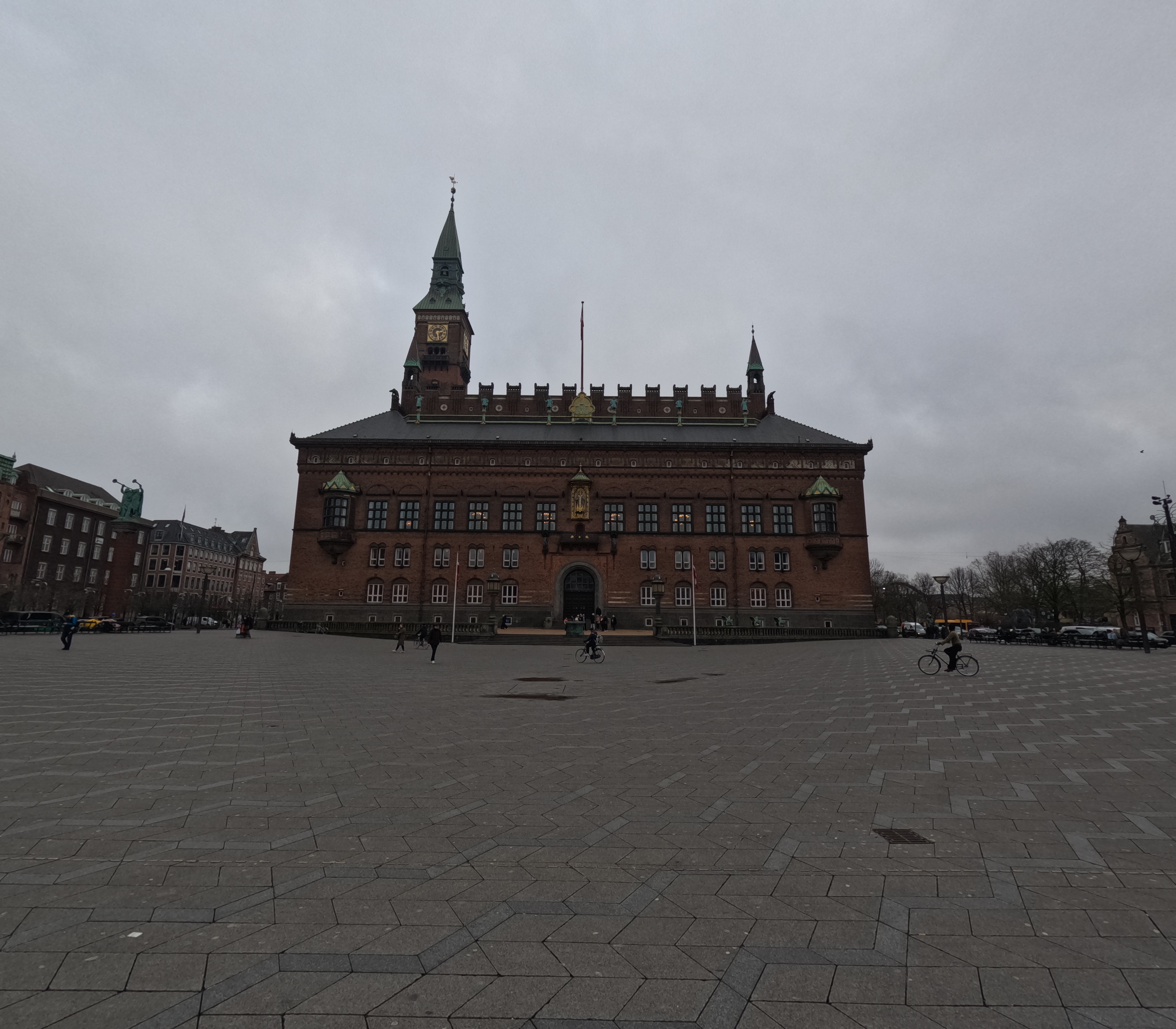
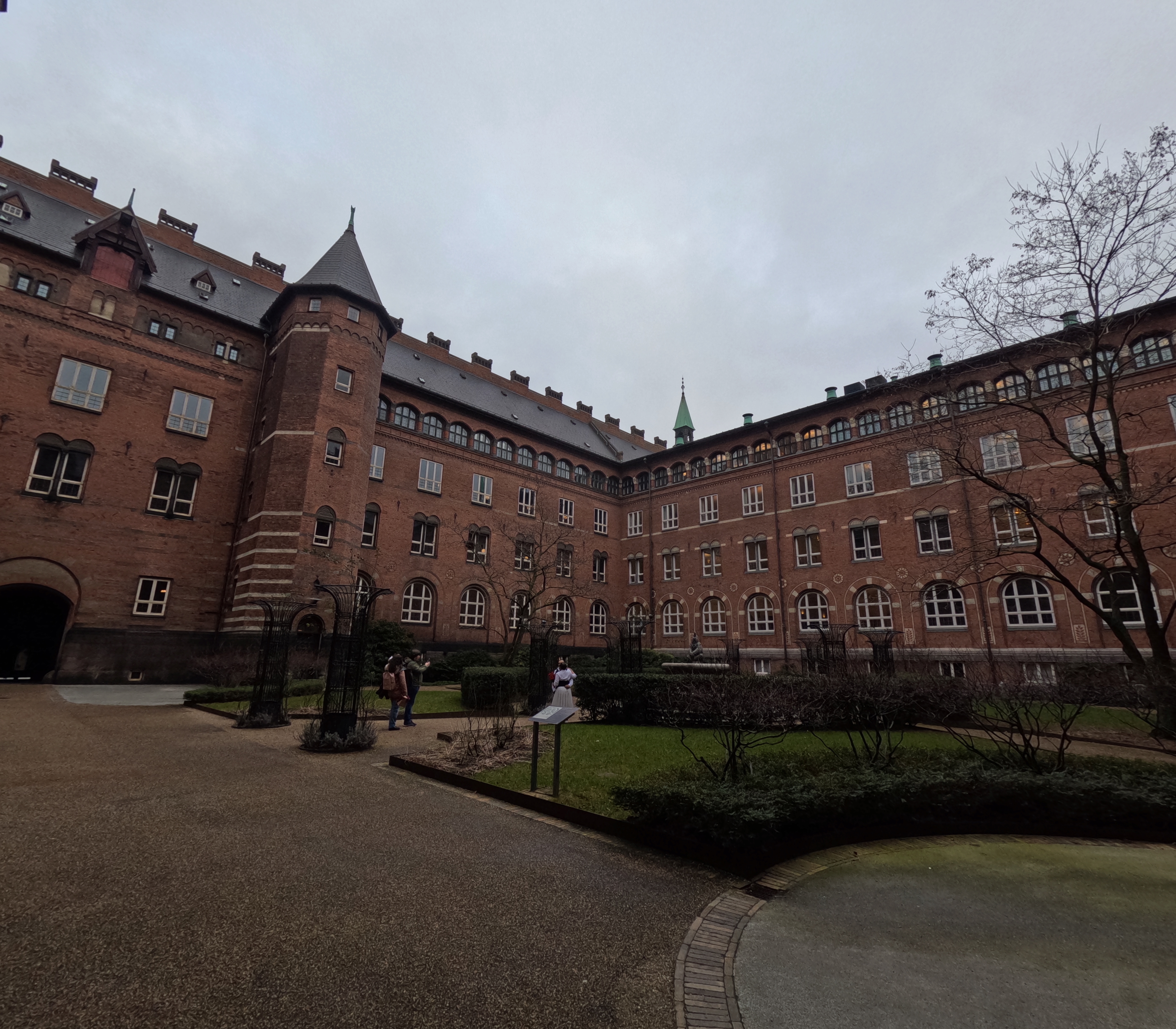
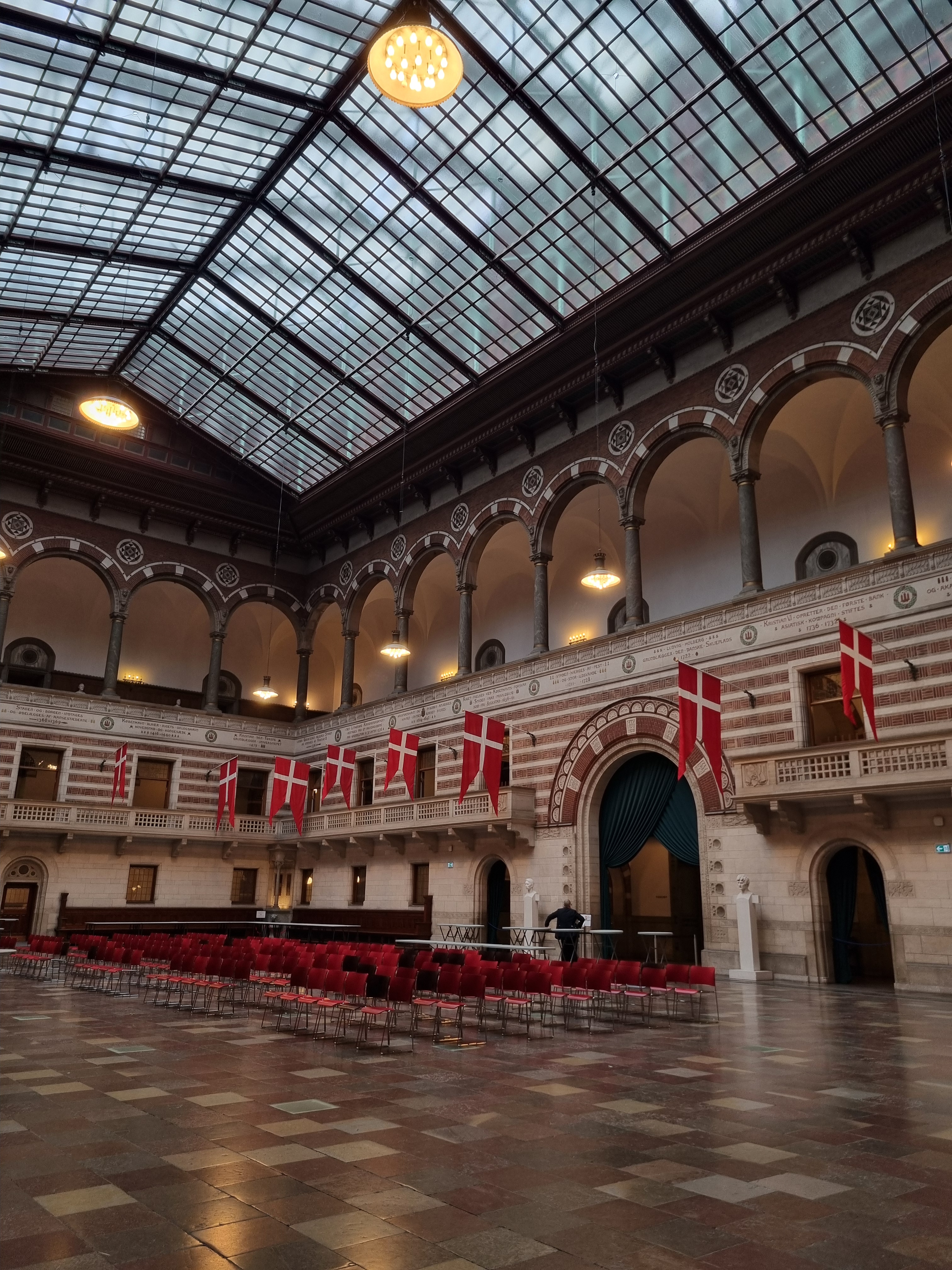
After visiting the palace, we headed to the City Hall. Normally, you need to book a guided tour to visit, as these are only offered a few times per day. However, when we arrived, the City Hall was open for weddings, allowing us to walk right in and have a look around. To be honest, there isn’t too much to see, but the wedding hall is quite beautiful, with elegant architecture and a charming atmosphere.
Right next to the City Hall is the famous Tivoli Gardens theme park. Sadly, it was closed during the winter season, so we couldn’t visit when we were there but it’s definitely on our list for next time!
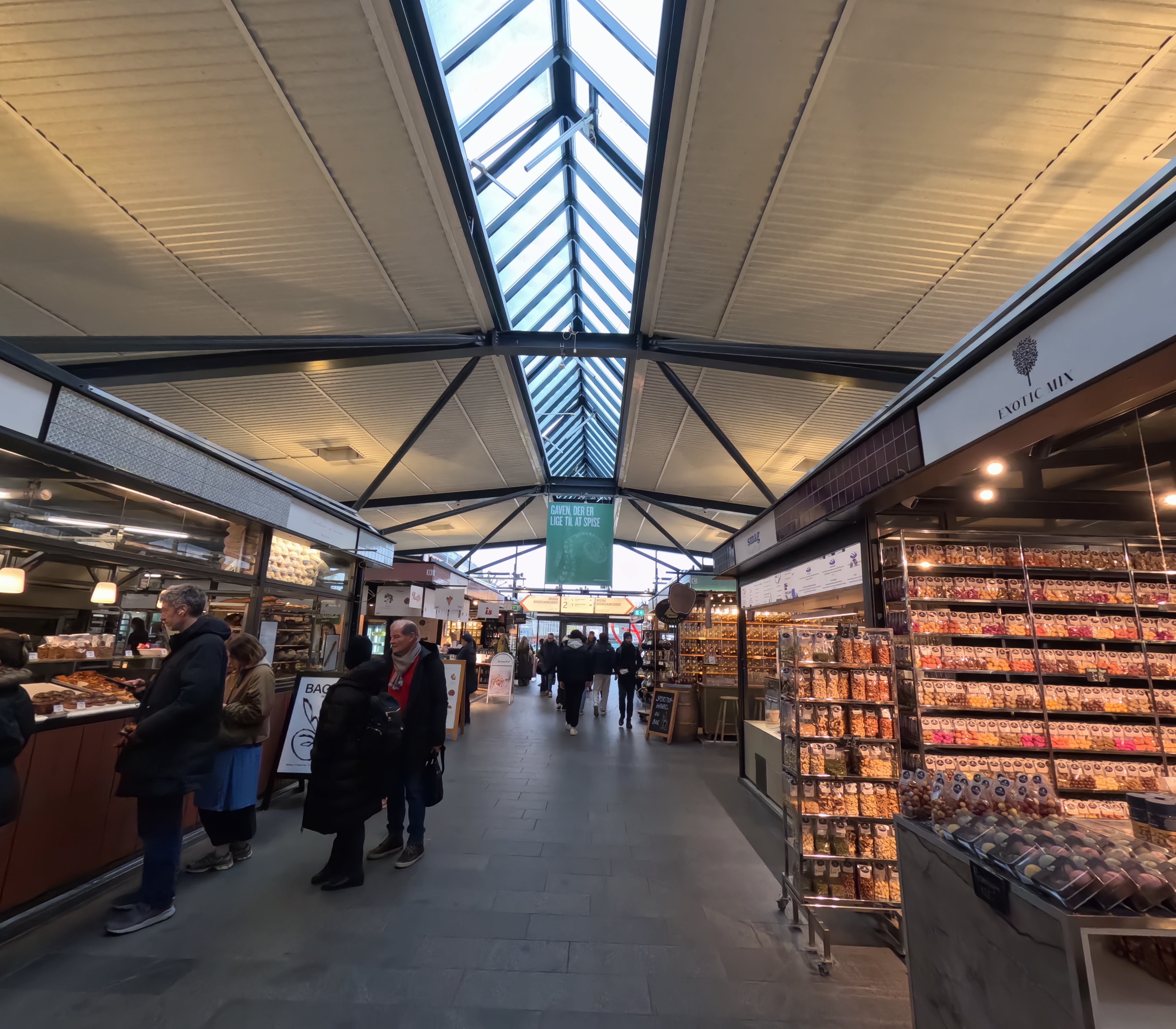
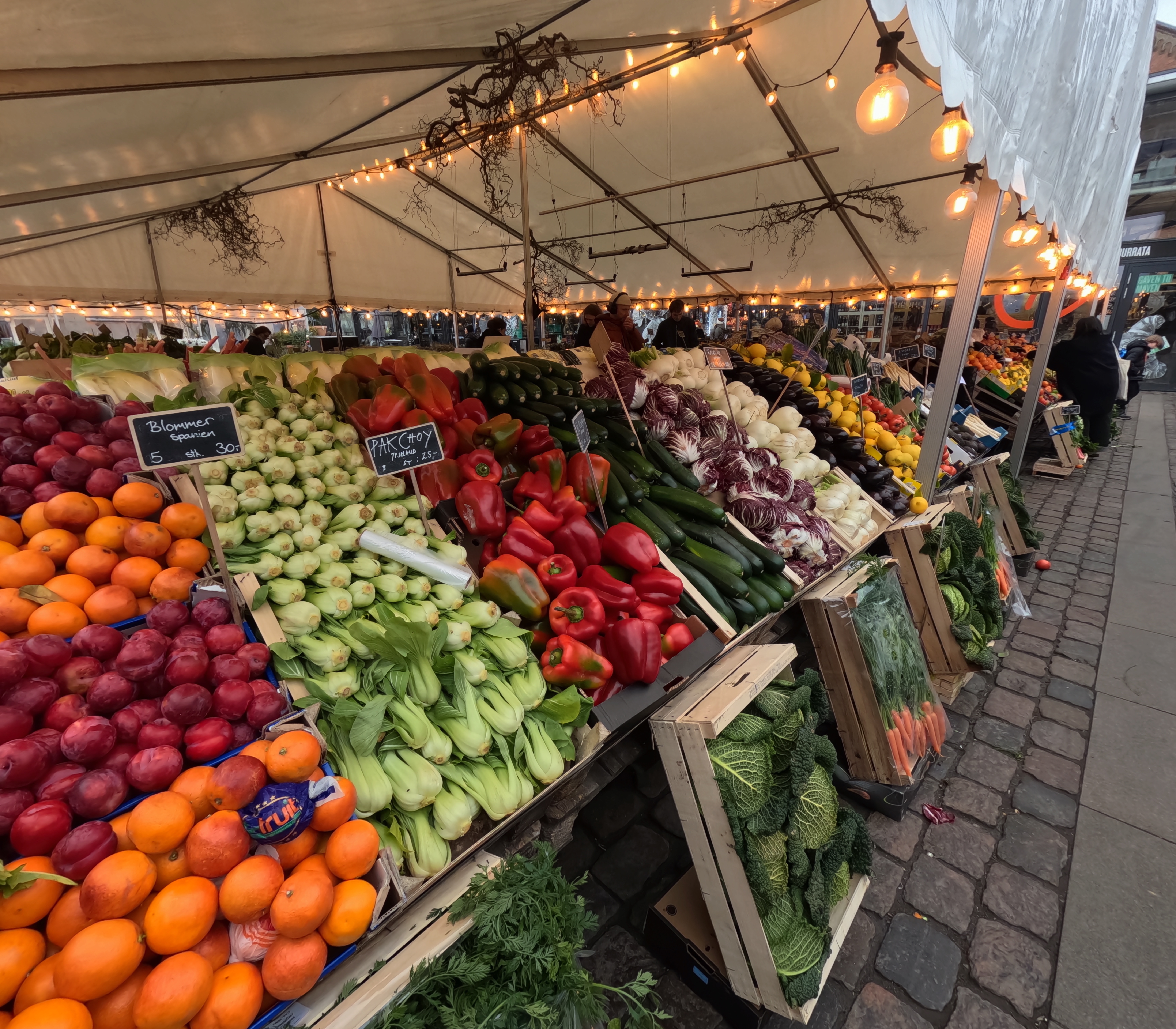
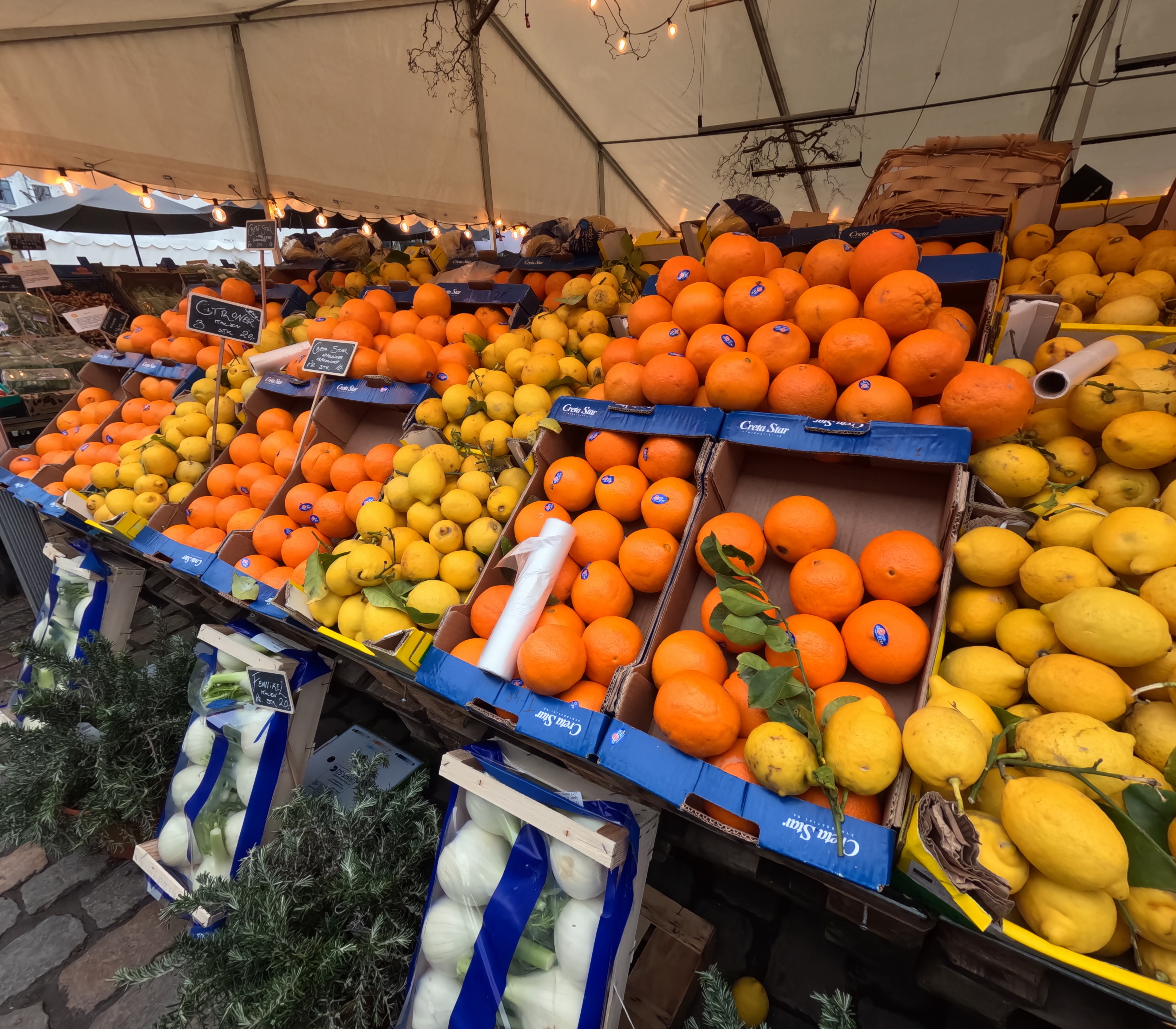
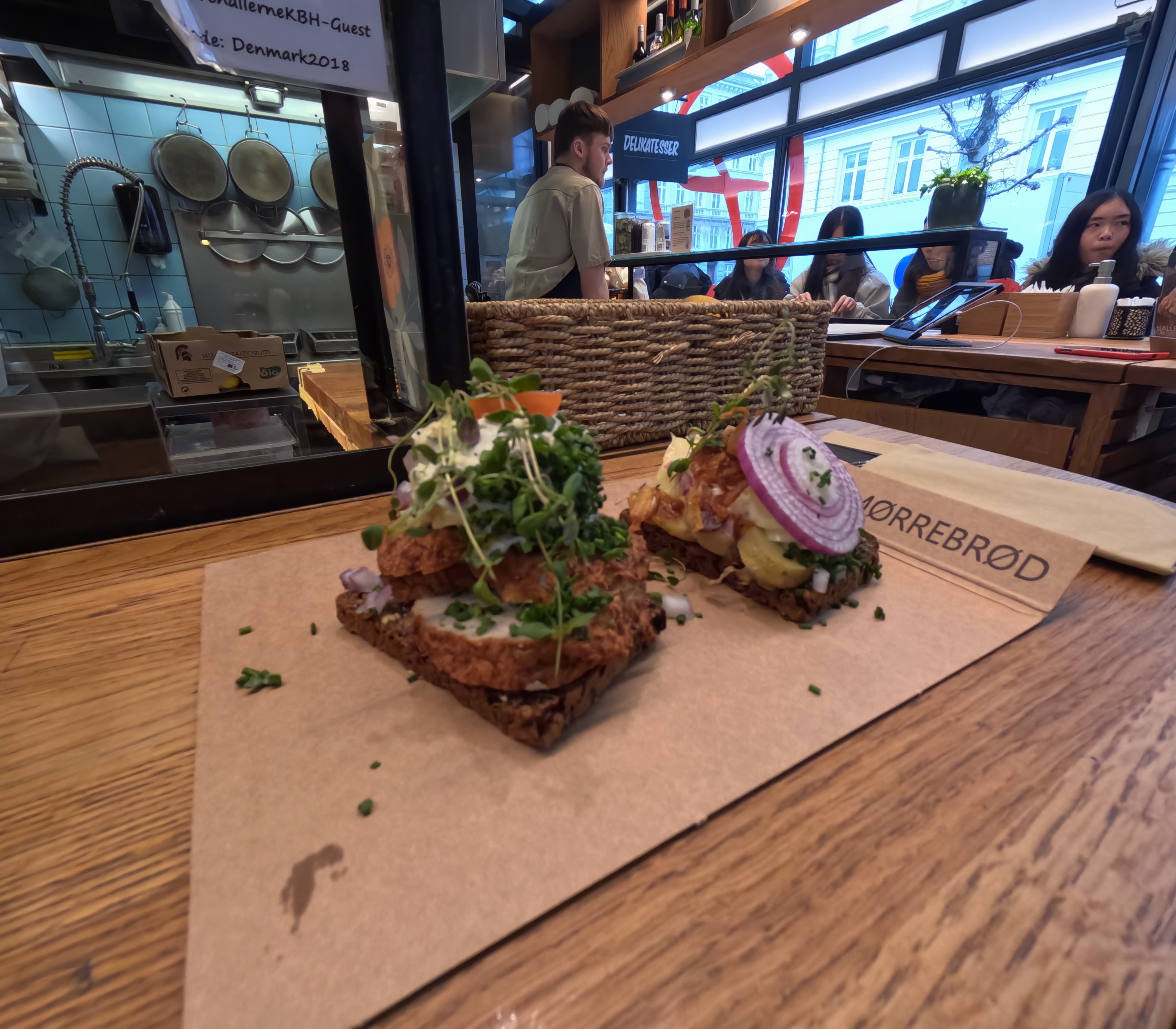
Next, we headed to the TorvehallerneKBH market, a vibrant and modern food hall in the heart of Copenhagen. We strolled through the many stalls, taking in the sights and smells of fresh produce and local delicacies. Of course, we couldn’t miss the chance to try the famous Smørrebrød, traditional Danish open-faced sandwiches. Although they can be quite pricey, they are absolutely worth it! Smørrebrød comes in countless varieties, topped with everything from pickled herring and roast beef to avocado and smoked salmon. It’s a must-try culinary experience for anyone visiting Copenhagen.

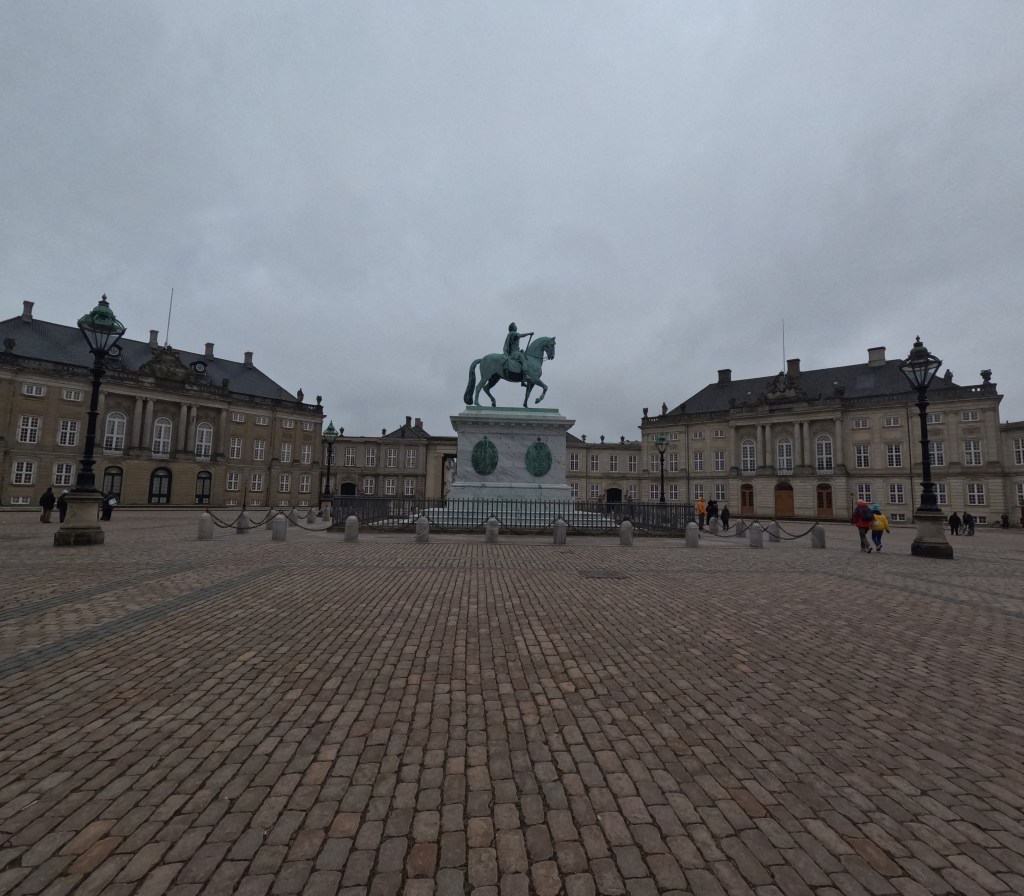
After enjoying our Smørrebrød and strolling through the TorvehallerneKBH market, we made our way towards Amalienborg Palace. Amalienborg is the home of the Danish royal family and consists of four identical Rococo-style palaces surrounding an octagonal courtyard. Every day at noon, you can watch the changing of the Royal Guard, a popular attraction for visitors. That afternoon, however, we only admired the palace from the outside, as many castles and museums in Copenhagen tend to close quite early. We decided to save a proper visit for another day.
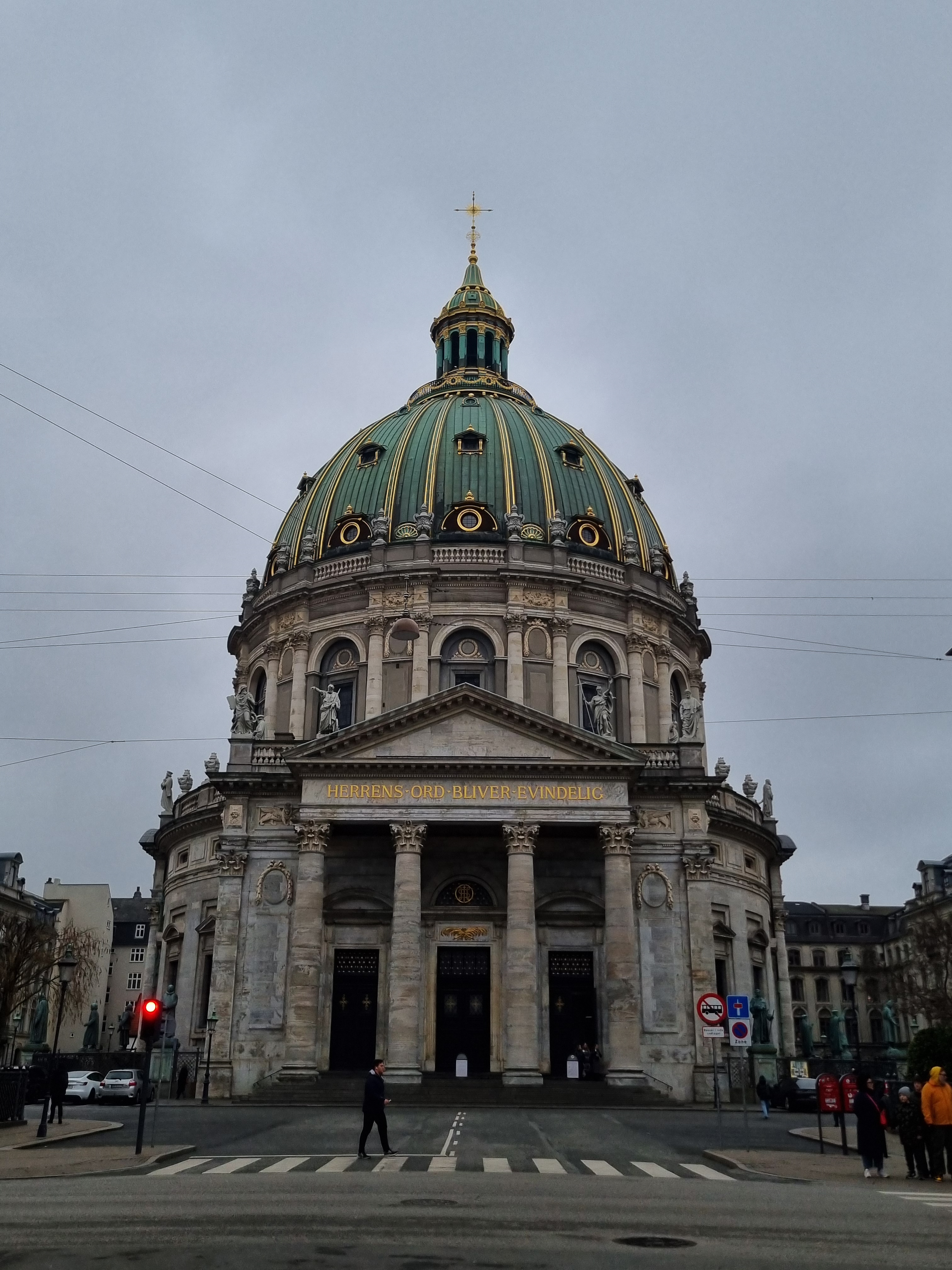
Just a two-minute walk from Amalienborg is the famous Frederiks Kirke, also known as the Marble Church. With its impressive copper-green dome, one of the largest in Northern Europe, the church is a stunning piece of architecture. The interior is just as beautiful, with intricate details and a peaceful atmosphere. The best part? Entry is free, so it’s absolutely worth a quick stop.

Afterwards, we wandered through the charming streets of Copenhagen, before deciding to visit spontaneously the Kunsthal Charlottenborg. This contemporary art gallery was one of the few museums open until 8 PM, making it a convenient choice for an evening activity. I have to admit, though, that modern art isn’t really my cup of tea and without the Copenhagen Card, I probably wouldn’t have gone. Fortunately, entry was included with the card, making it an easy addition to the rest of the day.
Visitor information: If you own the Copenhagen Card, entry is included. If you don’t plan on getting the card, you can check the opening hours and ticket prices here.



Day 2
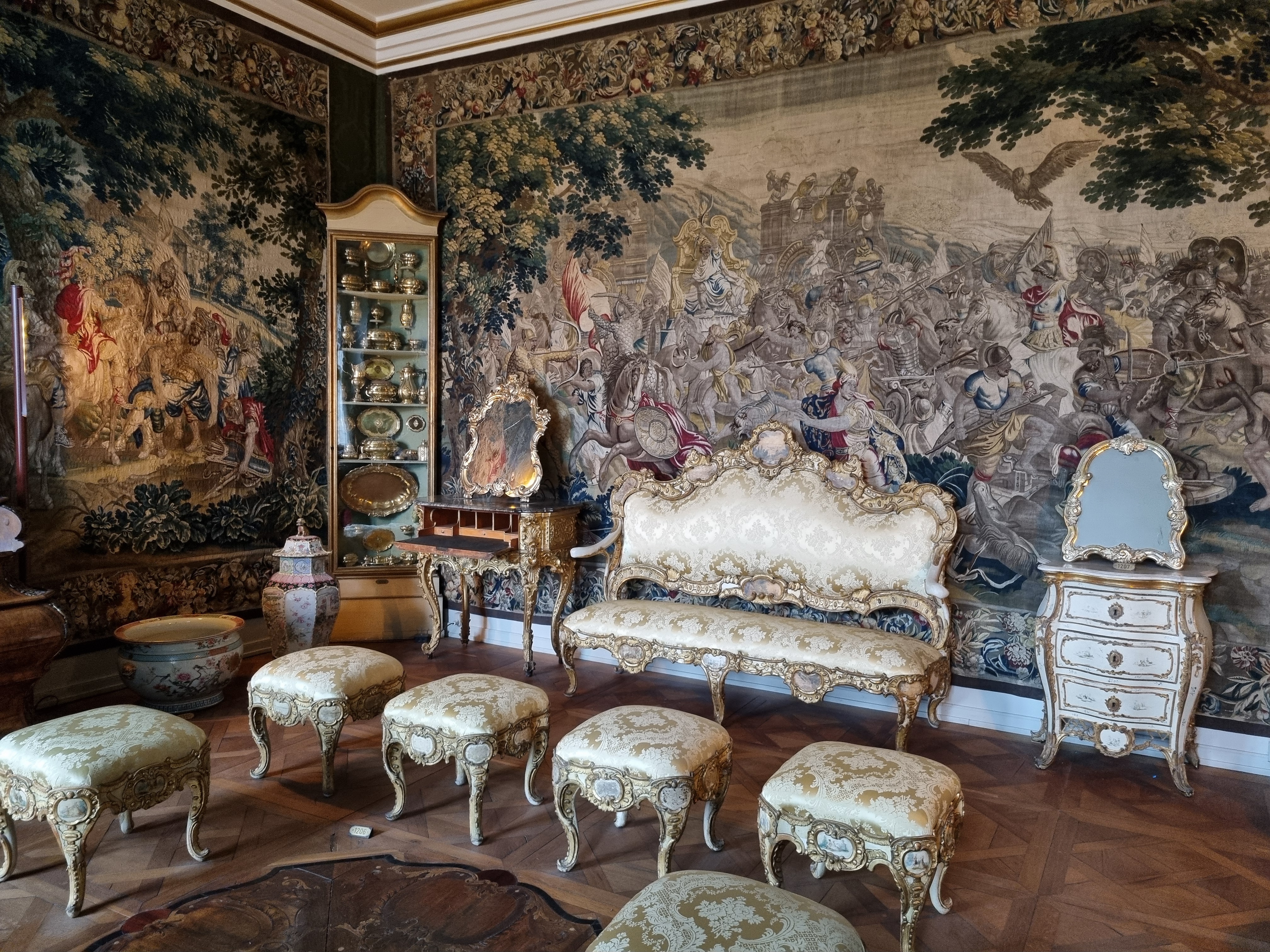
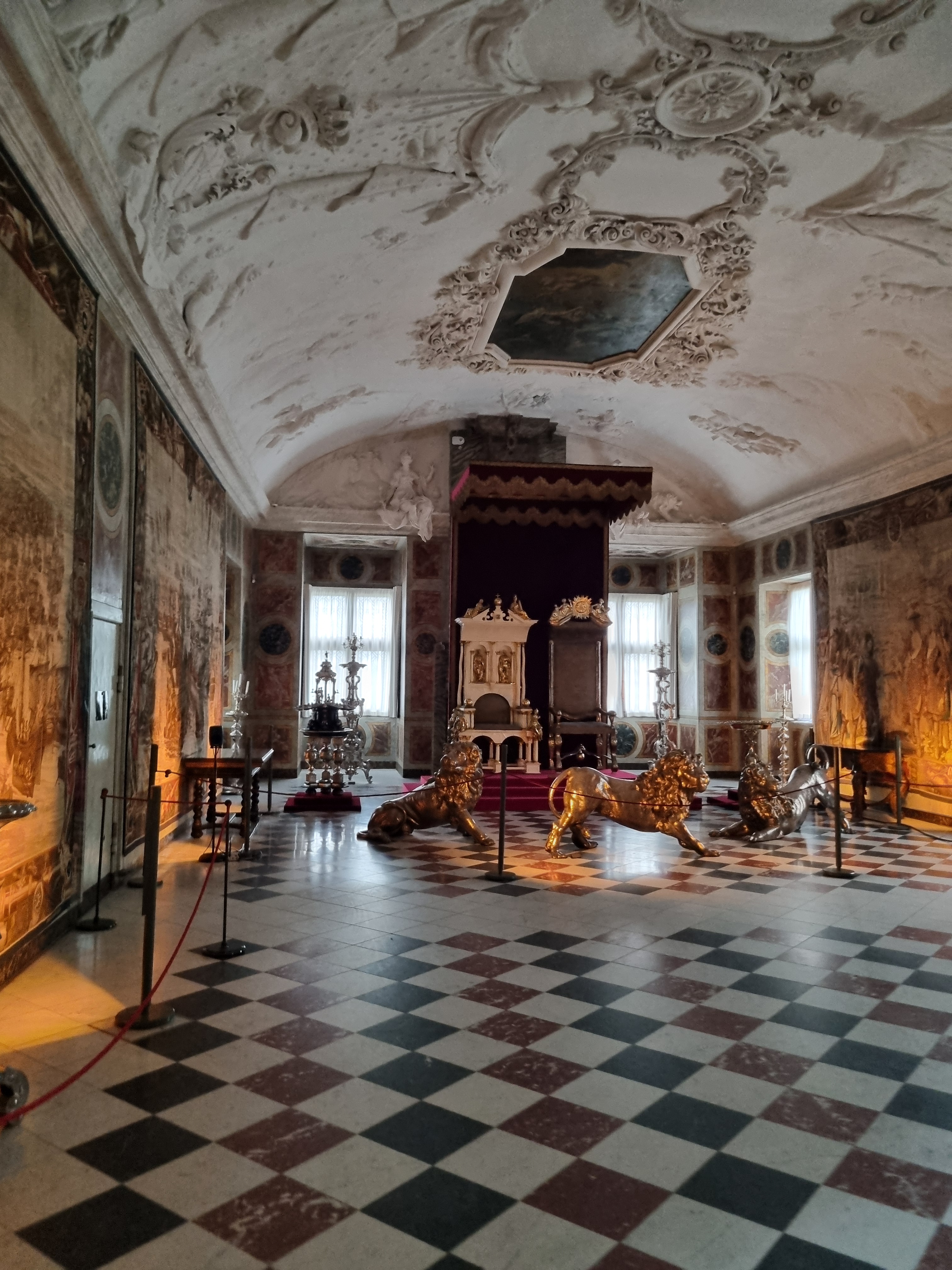
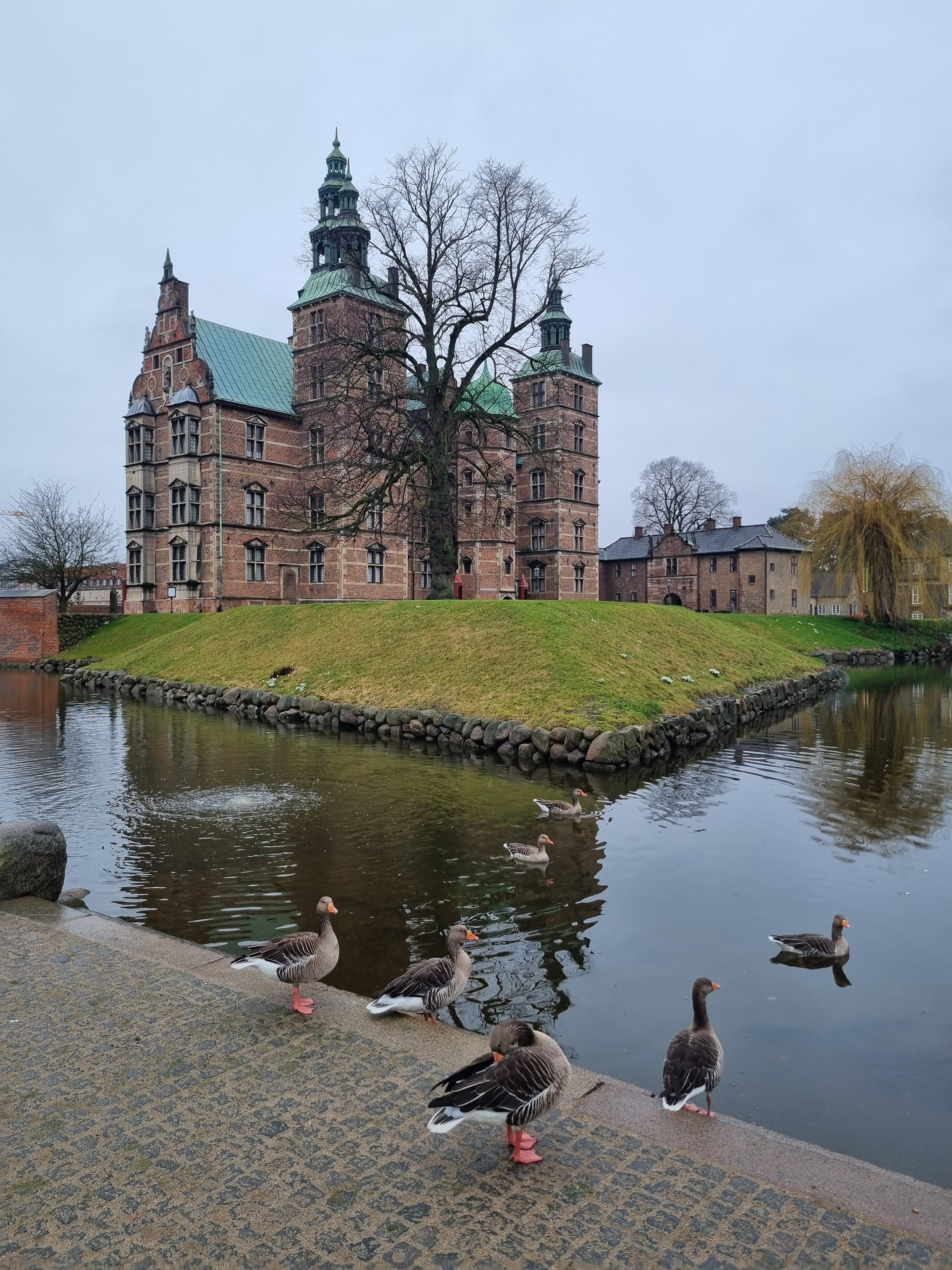
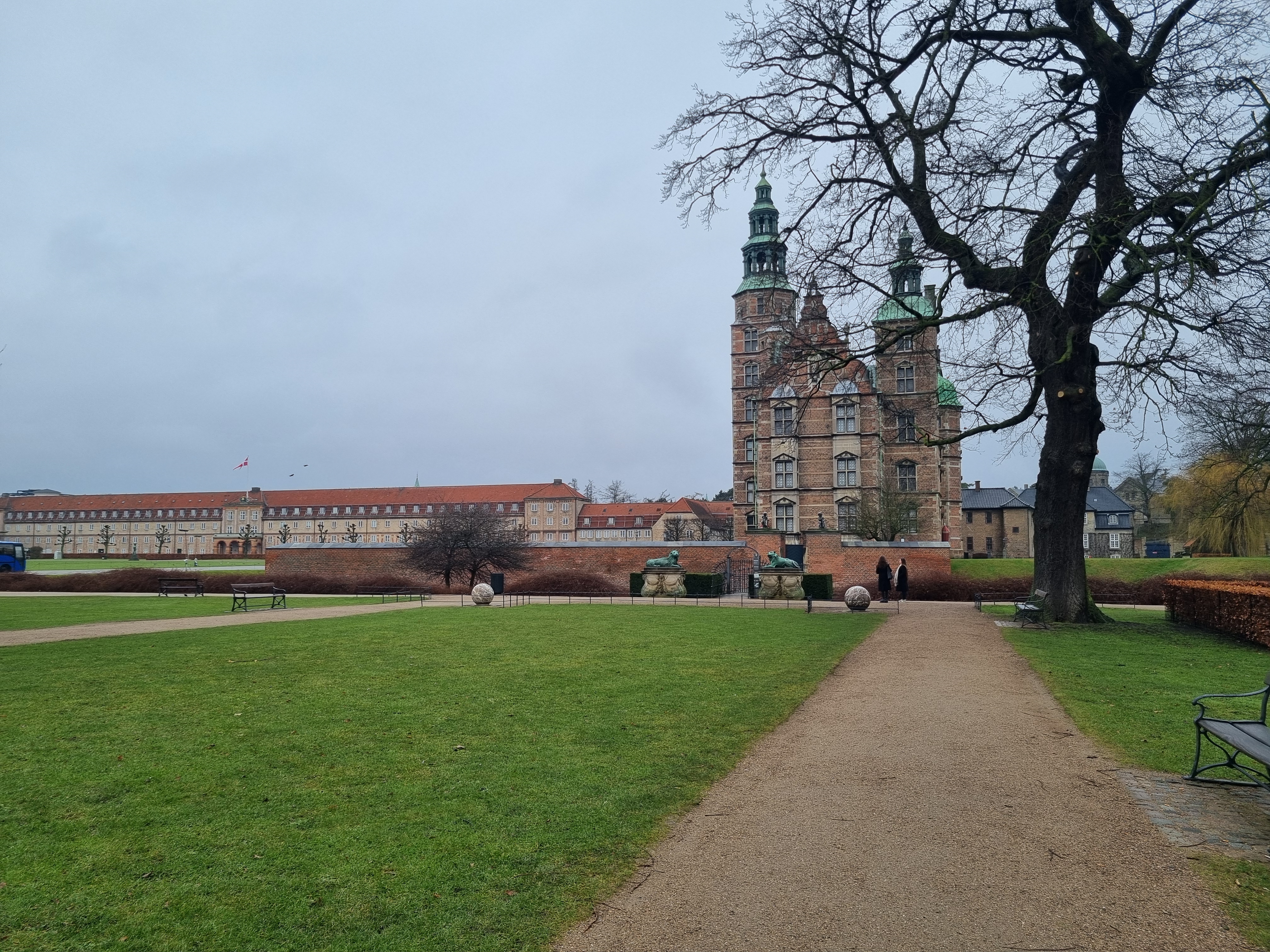
After a hearty breakfast at our hotel, we began our second day in Copenhagen with a visit to Rosenborg Castle, one of the city’s most remarkable landmarks. Built in the early 17th century by King Christian IV, the castle was originally designed as a royal residence and is a striking example of Dutch Renaissance architecture. It served as a home to the royal family until around 1710, after which it was transformed into a museum, now showcasing about 400 years of Danish royal history. The castle is beautifully situated on the edge of the King’s Garden (Kongens Have), a meticulously maintained park that adds to the charm of the historic site.
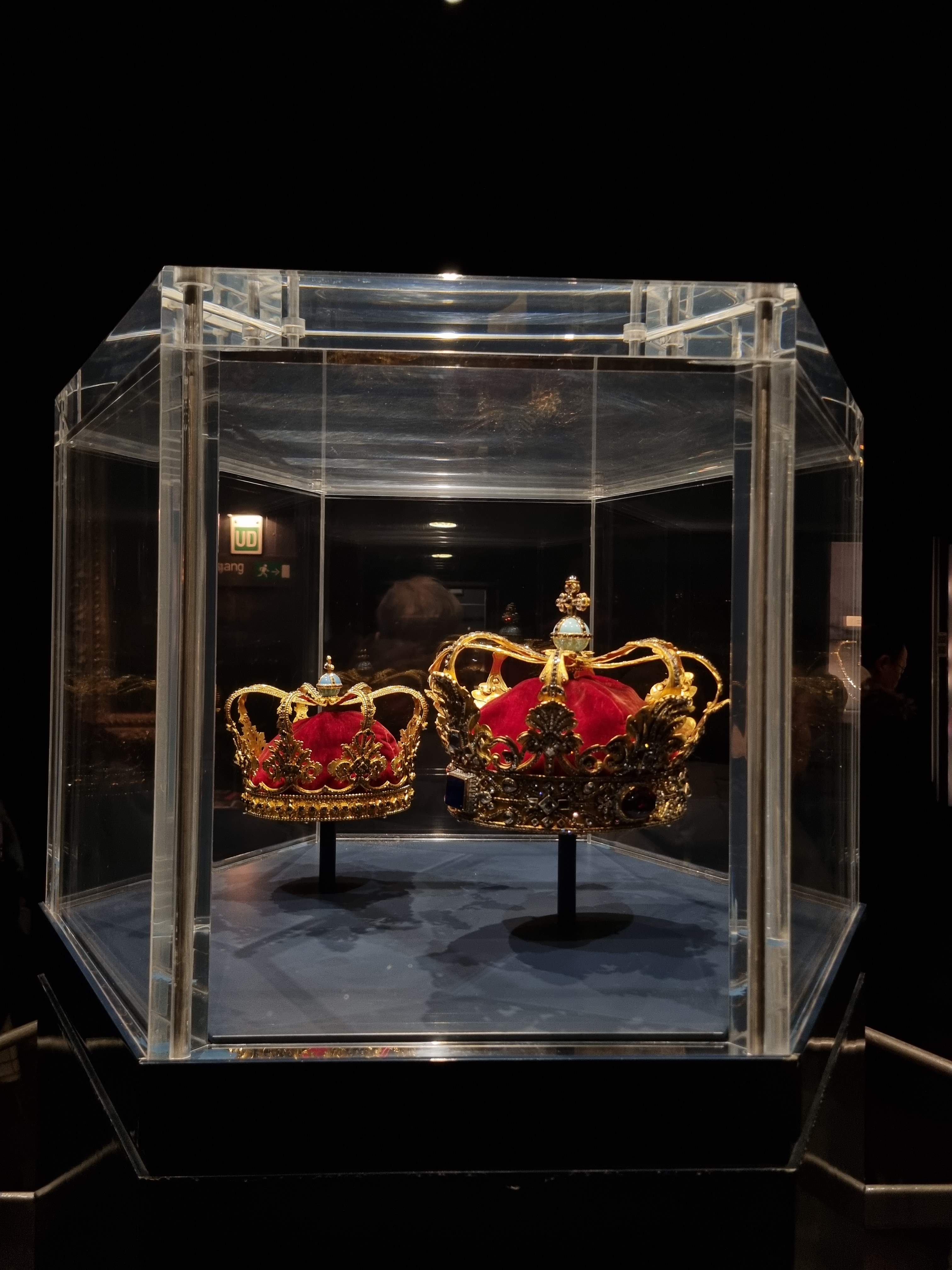
Stepping inside, we explored a series of lavish rooms, each more opulent than the last. A highlight was the Knights’ Hall, where the coronation throne is guarded by three life-size silver lions, a powerful symbol of royal authority. In the basement treasury, we admired the Danish Crown Jewels and Royal Regalia, sparkling with history and prestige.
Visitor information: Access to Rosenborg Castle is included with the Copenhagen Card. For those without the card, current opening hours and ticket prices can be found on the official website. If you’re visiting during peak season, it’s highly recommended to book your tickets in advance, as entry slots often sell out quickly.
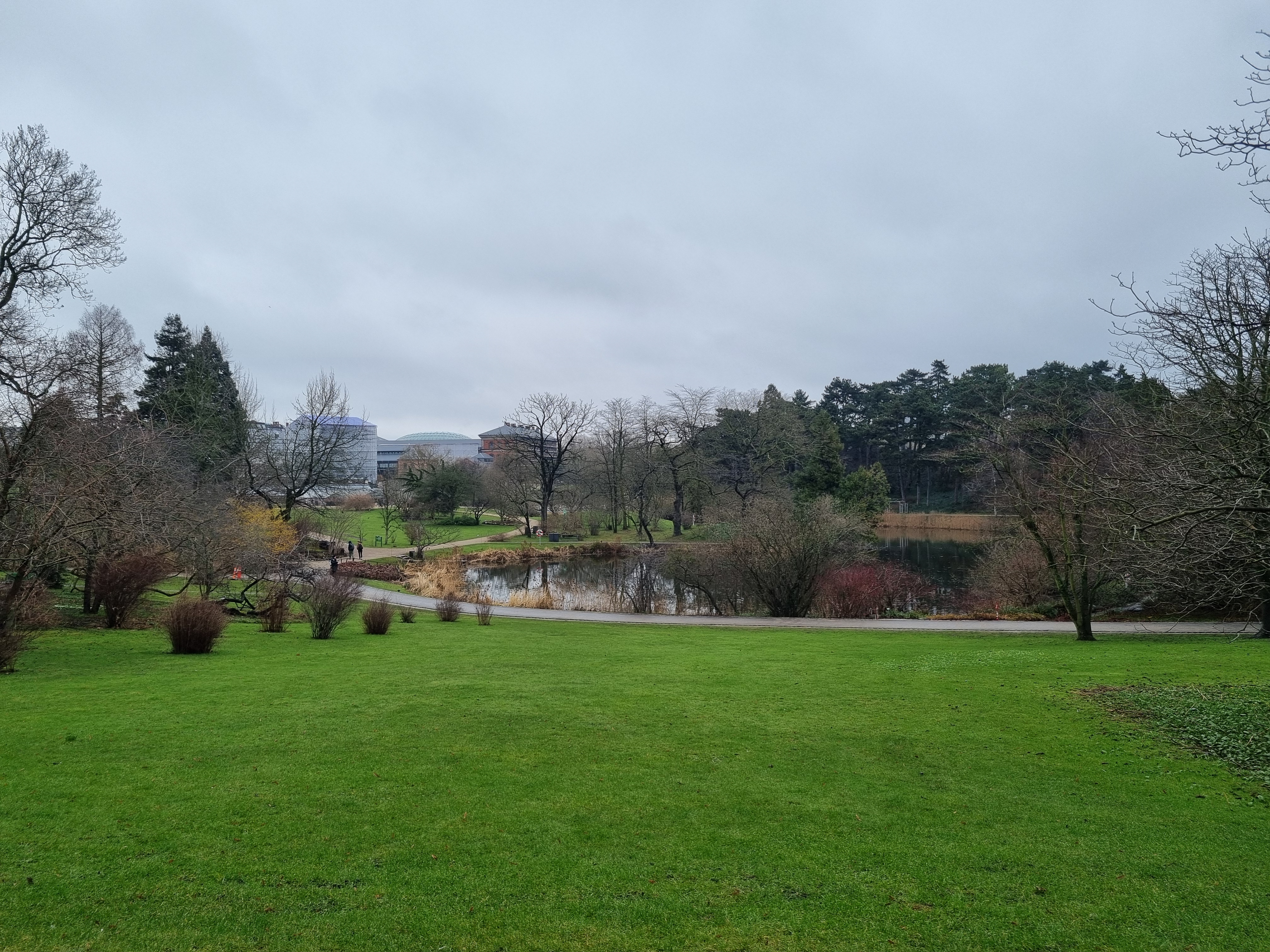
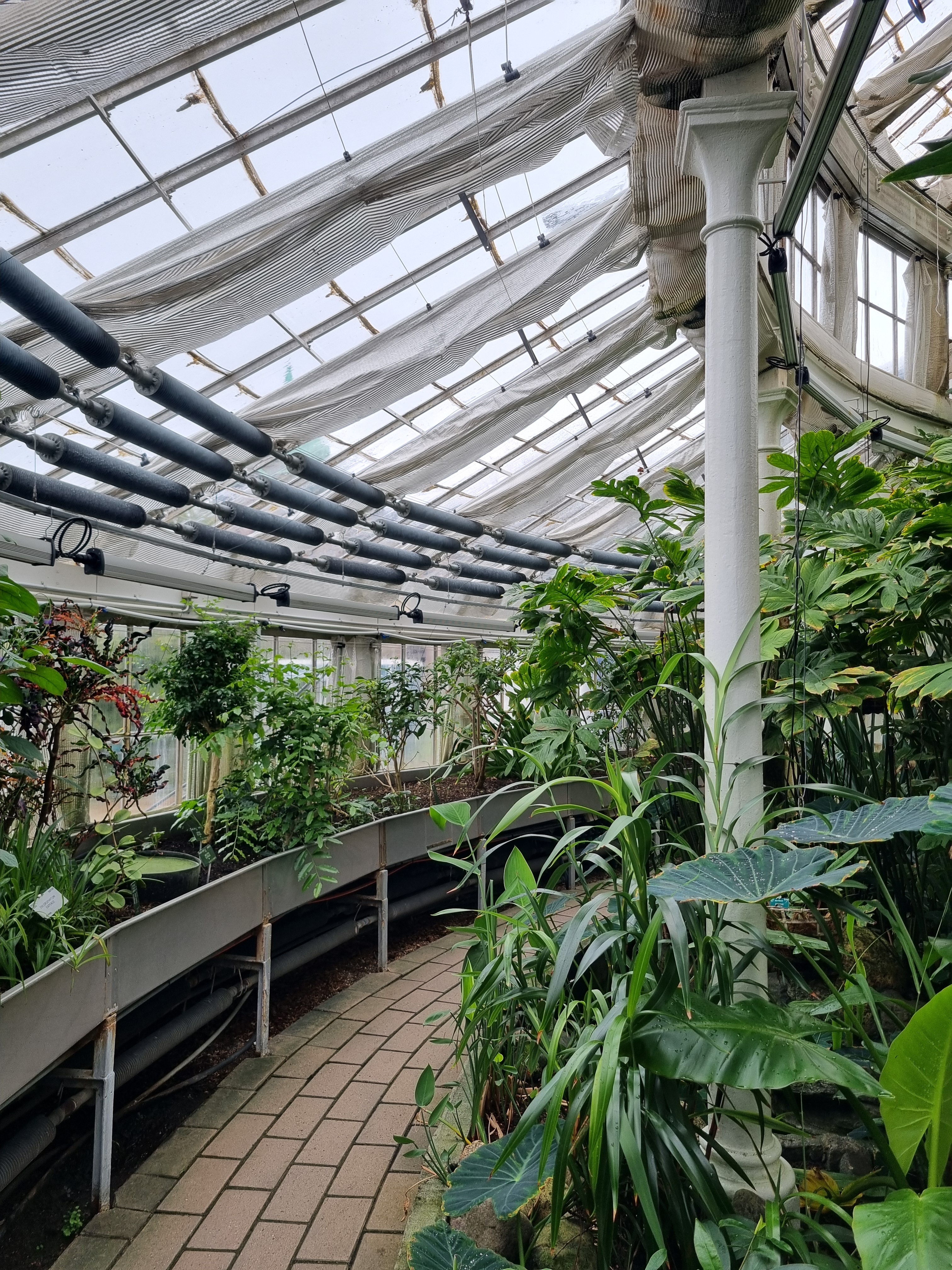
After our visit to Rosenborg Castle, we took a short walk to the Botanical Garden (Botanisk Have), located just a few walking minutes away. Established in 1600, this 10-hectare garden is part of the University of Copenhagen and is renowned for its historical glasshouses from 1874. It houses Denmark’s largest collection of living plants, with over 13,000 species organized into various sections.
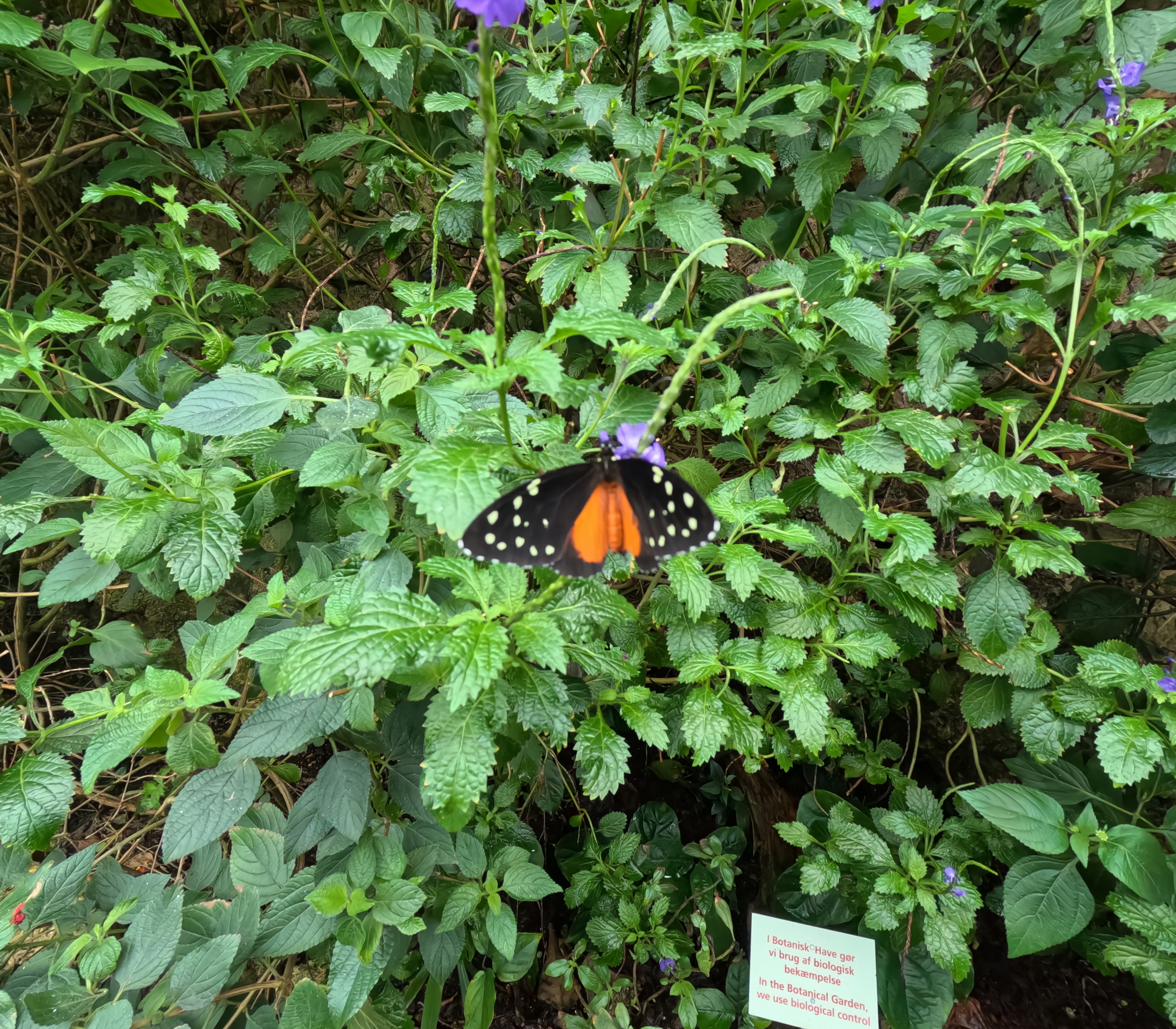
Although some areas were under renovation during our visit, we were able to explore both the Butterfly House and the Palm House. While it appeared a bit bleak in winter, it’s undoubtedly more vibrant in spring and summer. I highly recommend the Palm House for plant enthusiasts; its diverse plant collection are noteworthy. However, the Butterfly House was somewhat disappointing, as we observed only a few butterflies and it was quite small.
Visitor information: Admission to the Botanical Garden is free, but access to certain areas like the Palm House and Butterfly House may require a ticket. These are included with the Copenhagen Card. If you don’t have the card, you can check the official website for current opening hours and ticket prices.
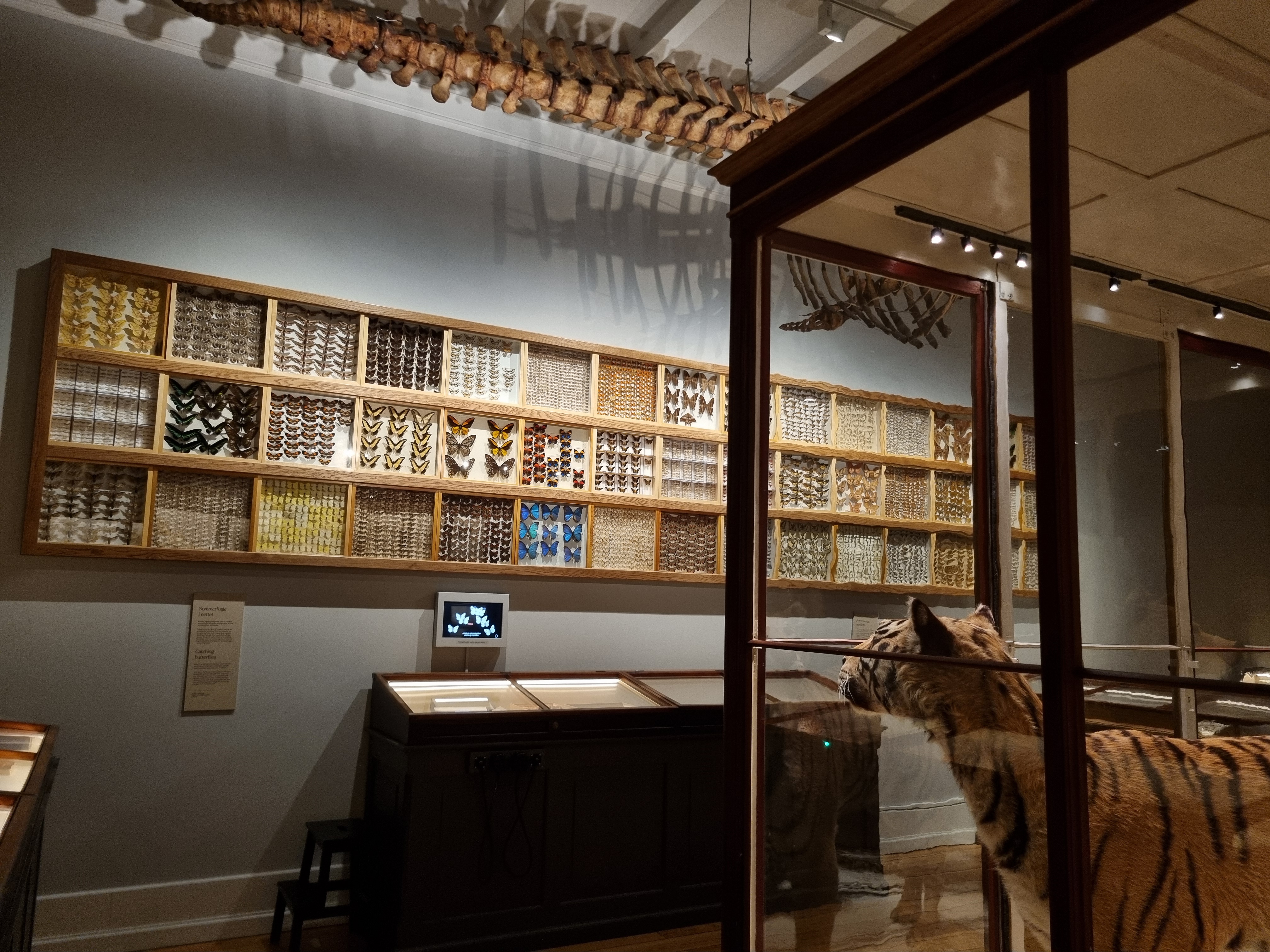
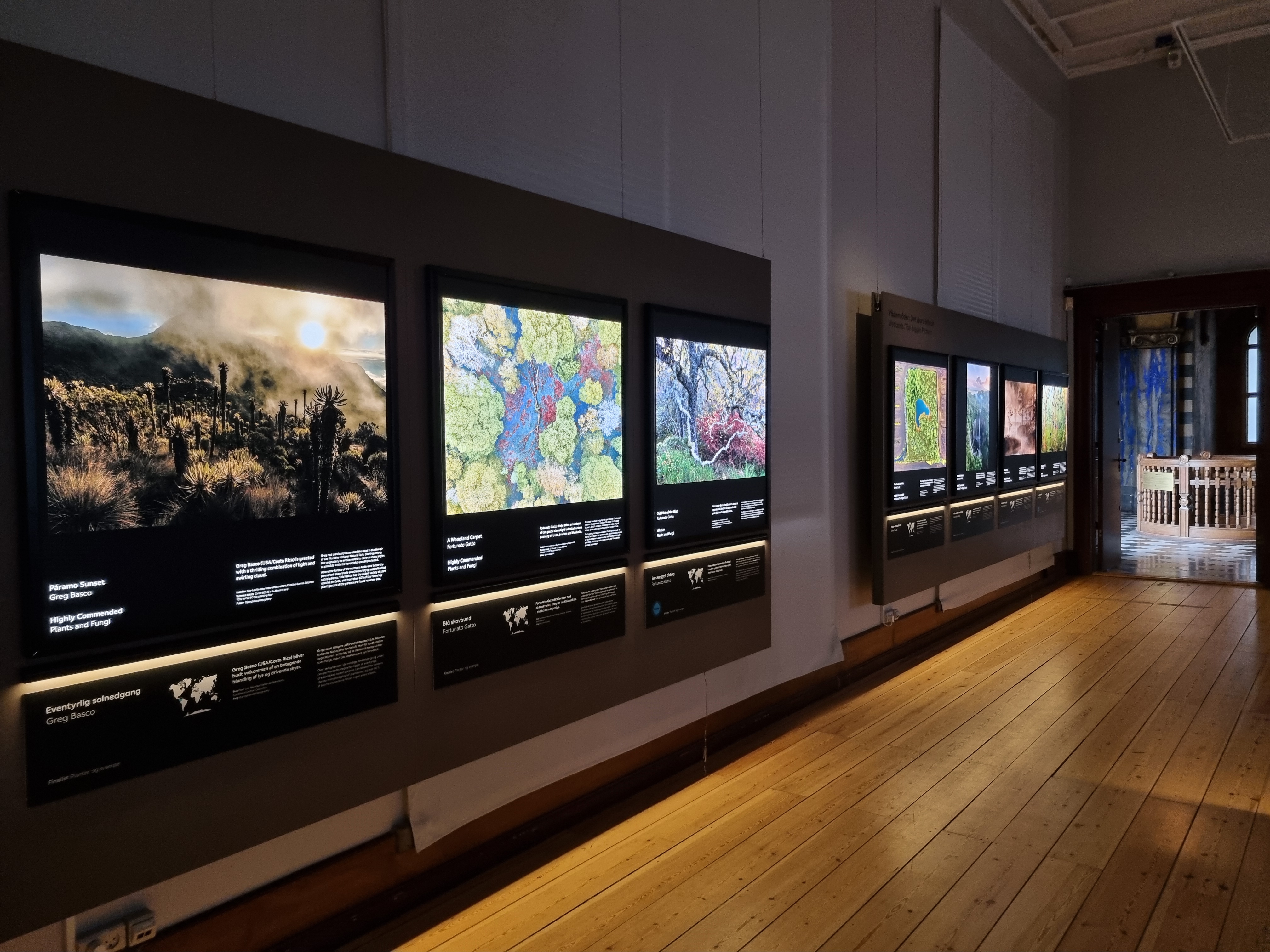
After exploring the Botanical Garden, we continued our journey to the Natural History Museum of Denmark, conveniently located within the park area. This museum boasts an collection of over 14 million items, ranging from microscopic plankton to gigantic whales, stardust to gemstones, and taxidermied animals.
While traditional displays of taxidermied animals are common in natural history museums and may not appeal to everyone (me included), I was particularly captivated by the Wildlife Photographer of the Year exhibition. This exhibition showcases some of the best nature and wildlife photographs from around the world, selected through a annual competition. This exhibition was a unique and inspiring highlight of our visit, and we highly recommend it to anyone interested in photography or nature.
Visitor Information: Admission to the Natural History Museum of Denmark is included with the Copenhagen Card. For those without the card, you can find current ticket prices, opening hours and more information about exhibitions on the museum’s official website.
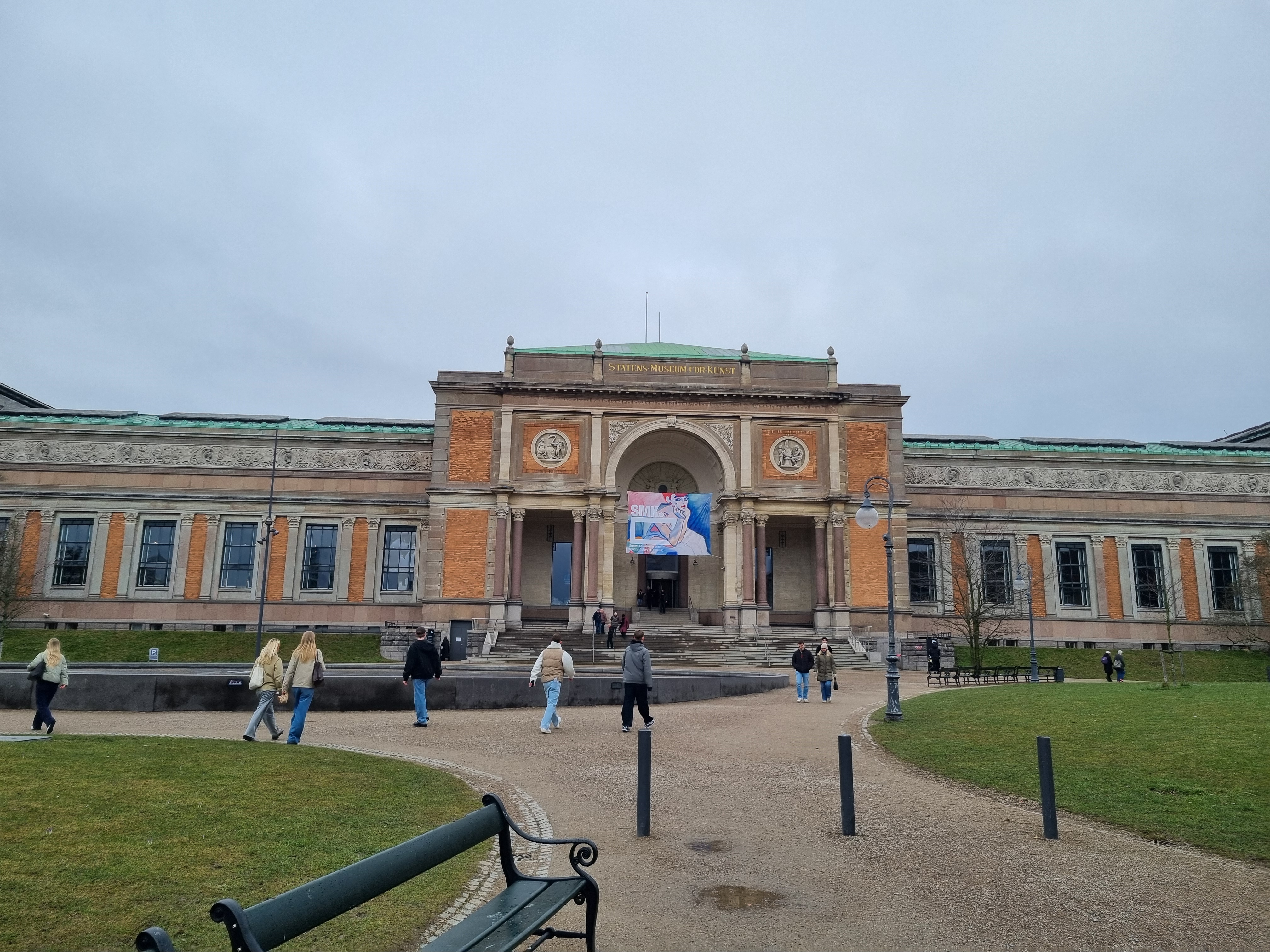
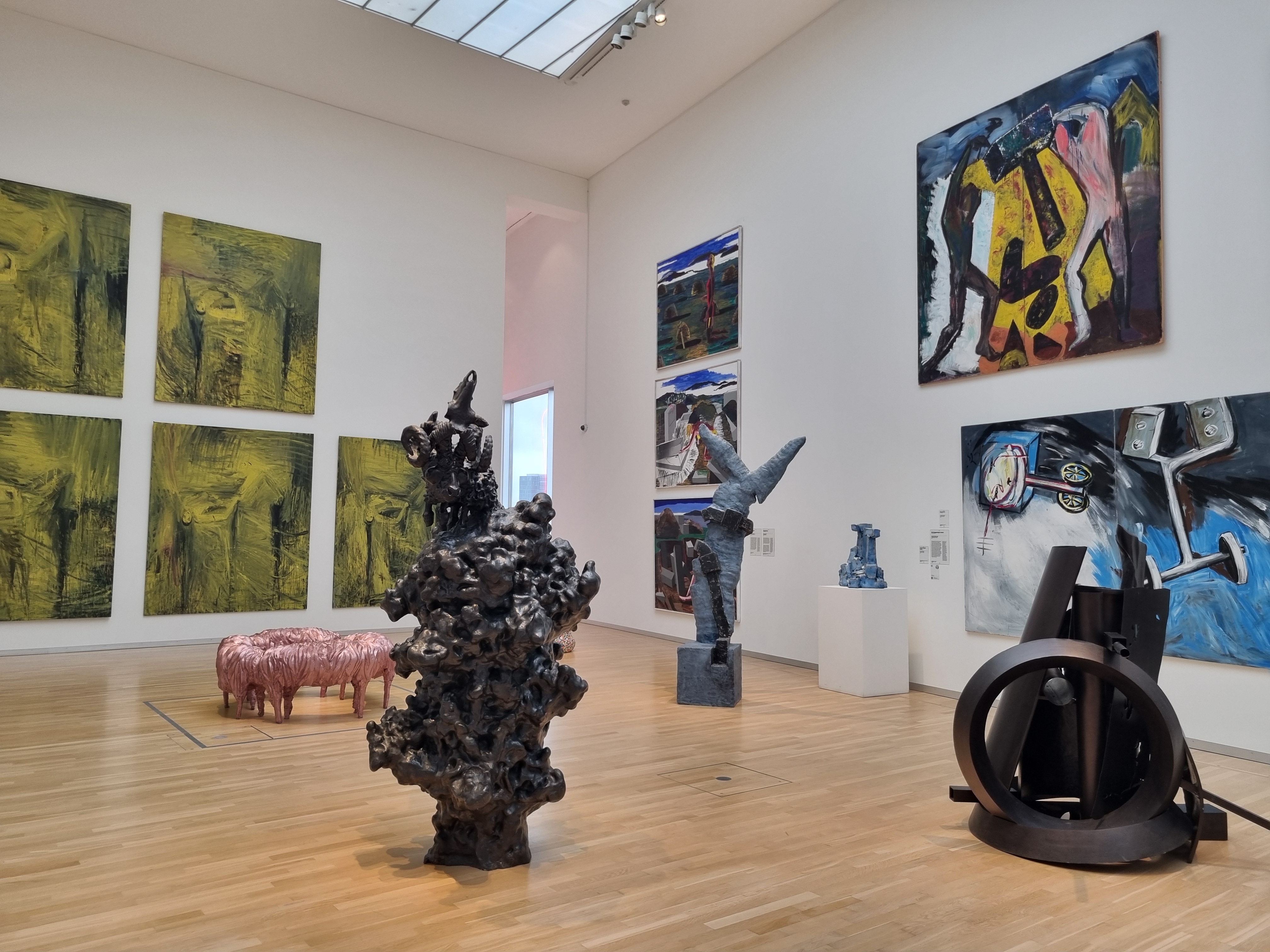
After visiting the Natural History Museum of Denmark, we decided to explore the nearby Statens Museum for Kunst (SMK), Denmark’s national gallery. To our disappointment, we found that the museum primarily features modern art, similar to our experience the day before at Kunsthal Charlottenborg. So we didn’t spend much time there.
Visitor Information: Admission to the Statens Museum for Kunst is free with the Copenhagen Card. If you don’t have the card, you can find information about opening hours and ticket prices on the official website.
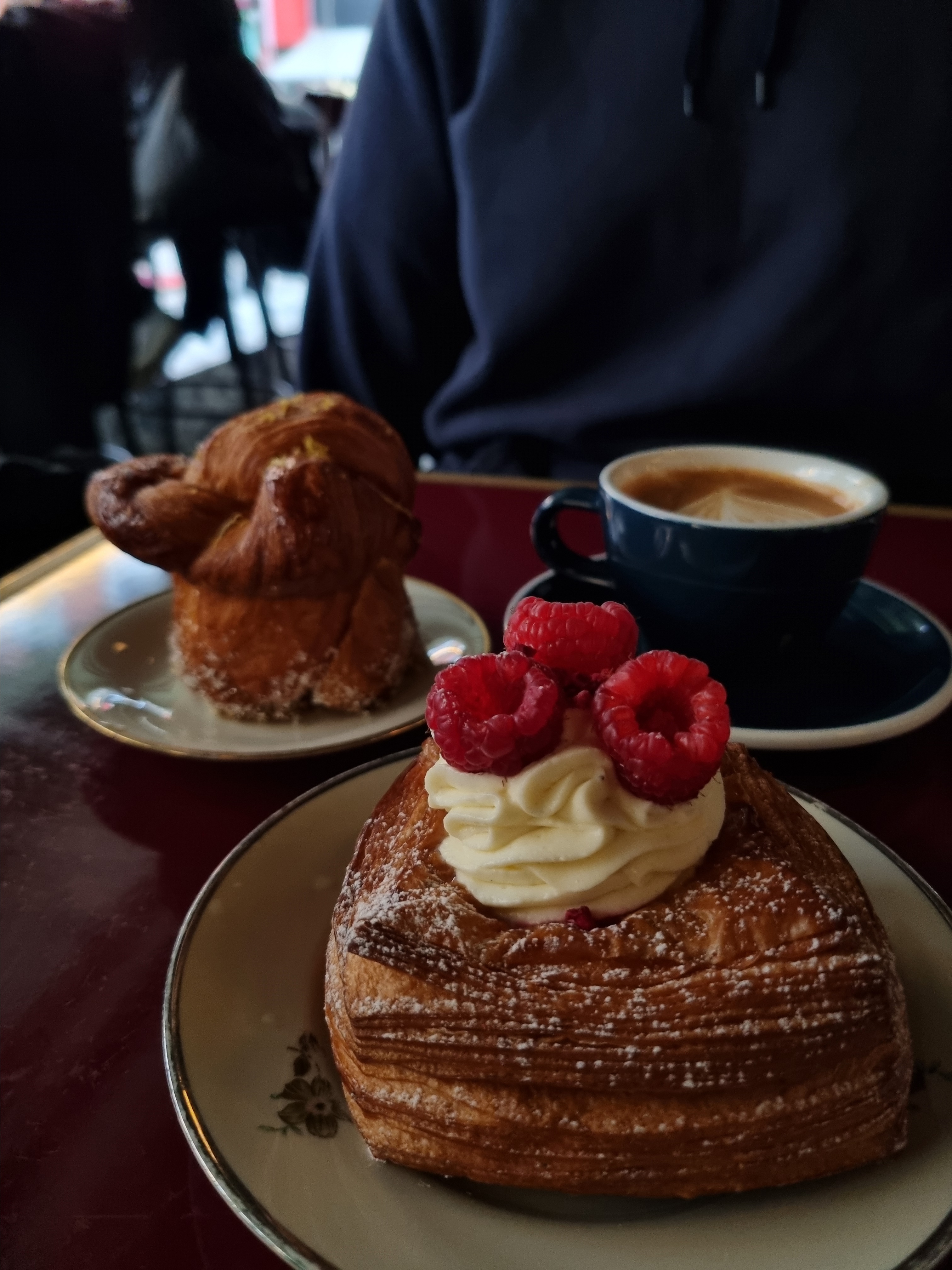
Afterwards, we made our way to the shopping streets of Strøget and Østergade, where we wandered through some shops and enjoyed a famous Danish hot dog. We then stopped at Café Buka to try some traditional Danish pastries. The café is quite popular and always packed, but it was definitely worth the wait. We enjoyed some delicious local baked goods. Café Buka has a few locations in Copenhagen, so if you’re in the area, it’s a great spot to experience Danish baking culture.


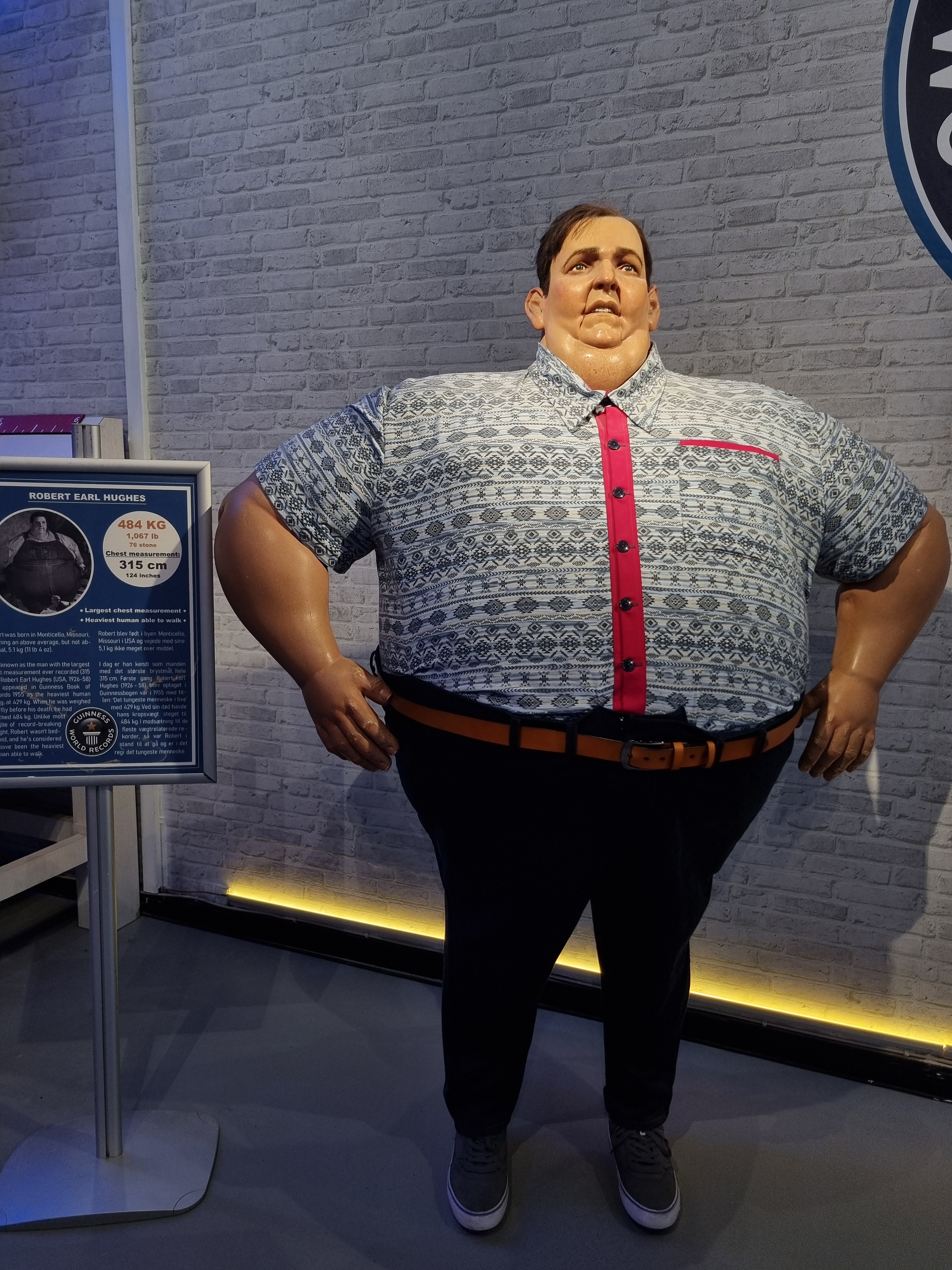
Next, we headed to the Guinness World Records Museum, located on Østergade. This museum offers an engaging experience with interactive exhibits showcasing a wide array of world records, from human feats to natural wonders. Here you can test your skills against various record-breaking challenges, providing both fun and education for all ages.
Right next to the Guinness World Records Museum is The Mystic Exploratorie. It’s meant to be an experience that engages all your senses, with themes of horror, illusions, and mysterious things. However, I didn’t enjoy it much as there wasn’t much happening, it was basically a 5 minute experience while walking through the dark with some screams around you. Even though it sounded interesting, I found it disappointing and not really worth the visit. I’m glad I didn’t spend money on it.
Visitor Information: If you have the Copenhagen Card, admission to both the Guinness World Records Museum and The Mystic Exploratorie is included. If you don’t have the card you can find information about opening hours and ticket prices on the official website.


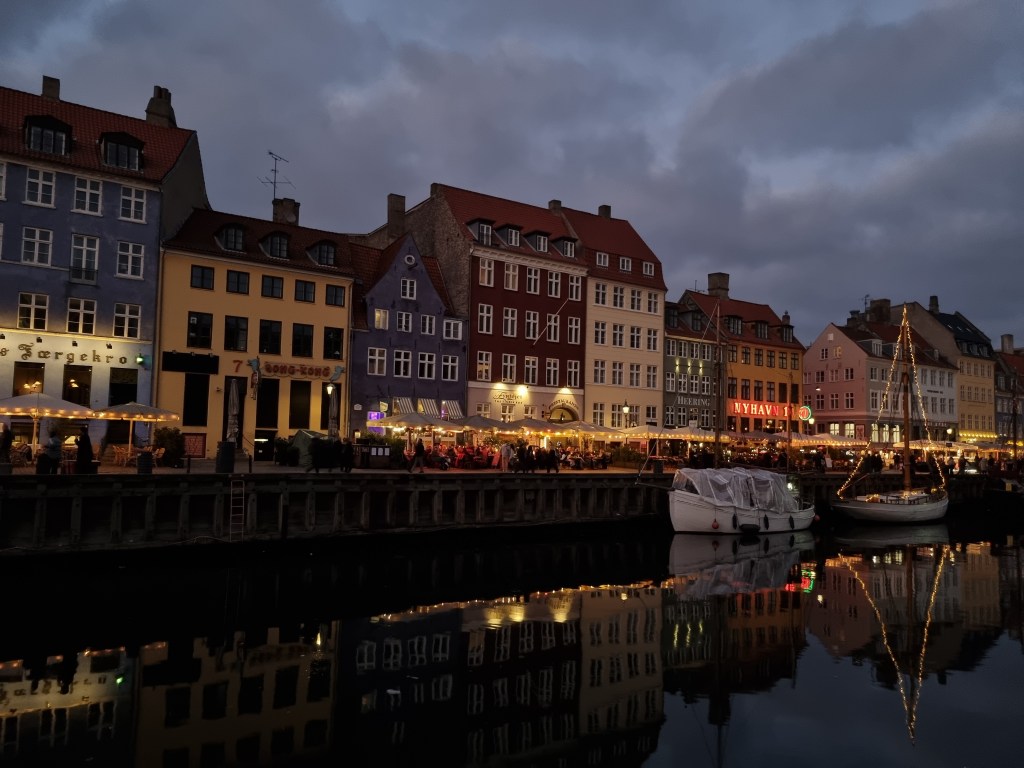
Later in the evening, we decided to visit again the Nyhavn area to experience the harbor at night. Despite being packed with both tourists and locals, the area was beautifully illuminated, offering a picturesque view that’s definitely worth a visit.
Day 3
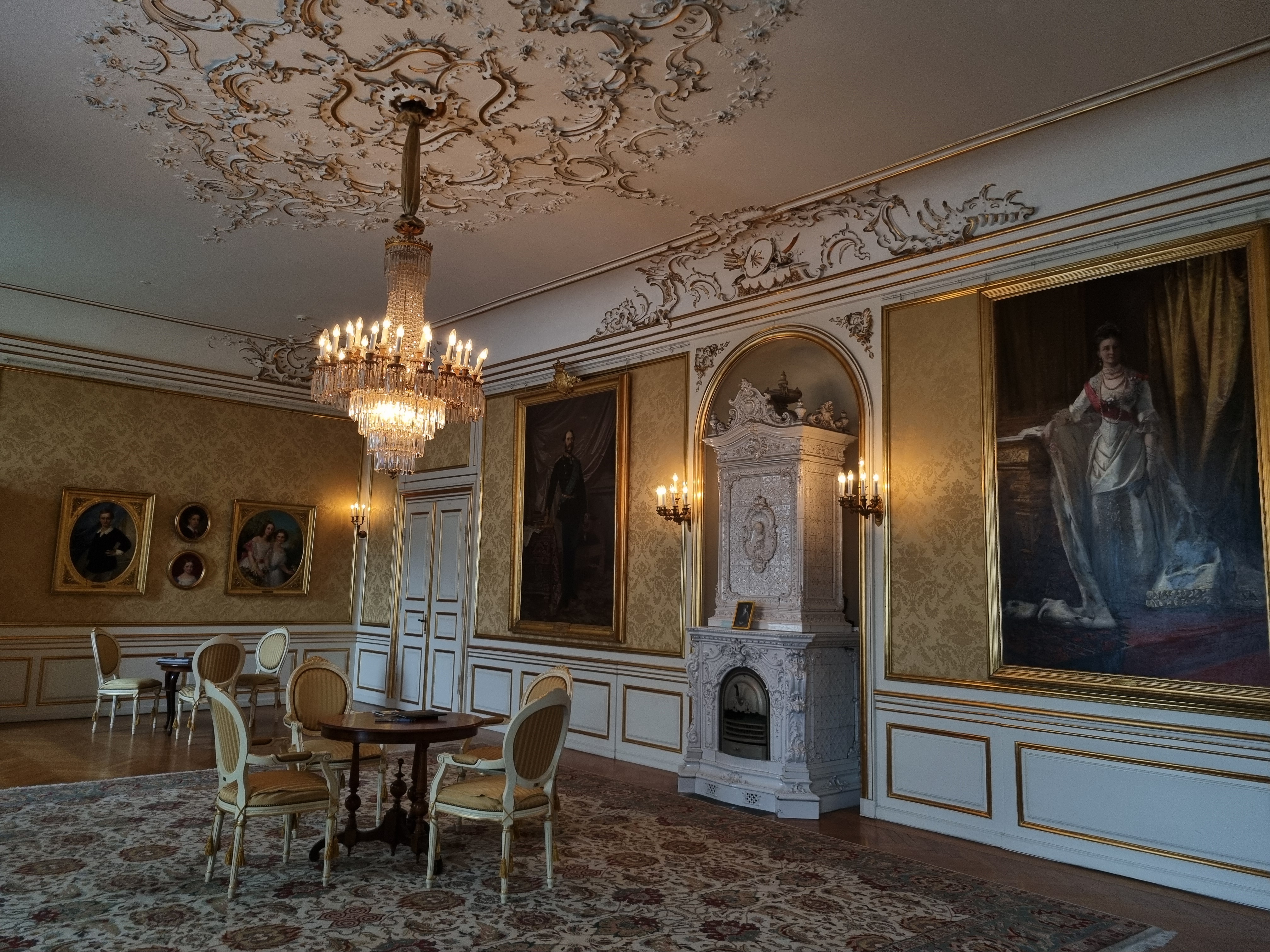
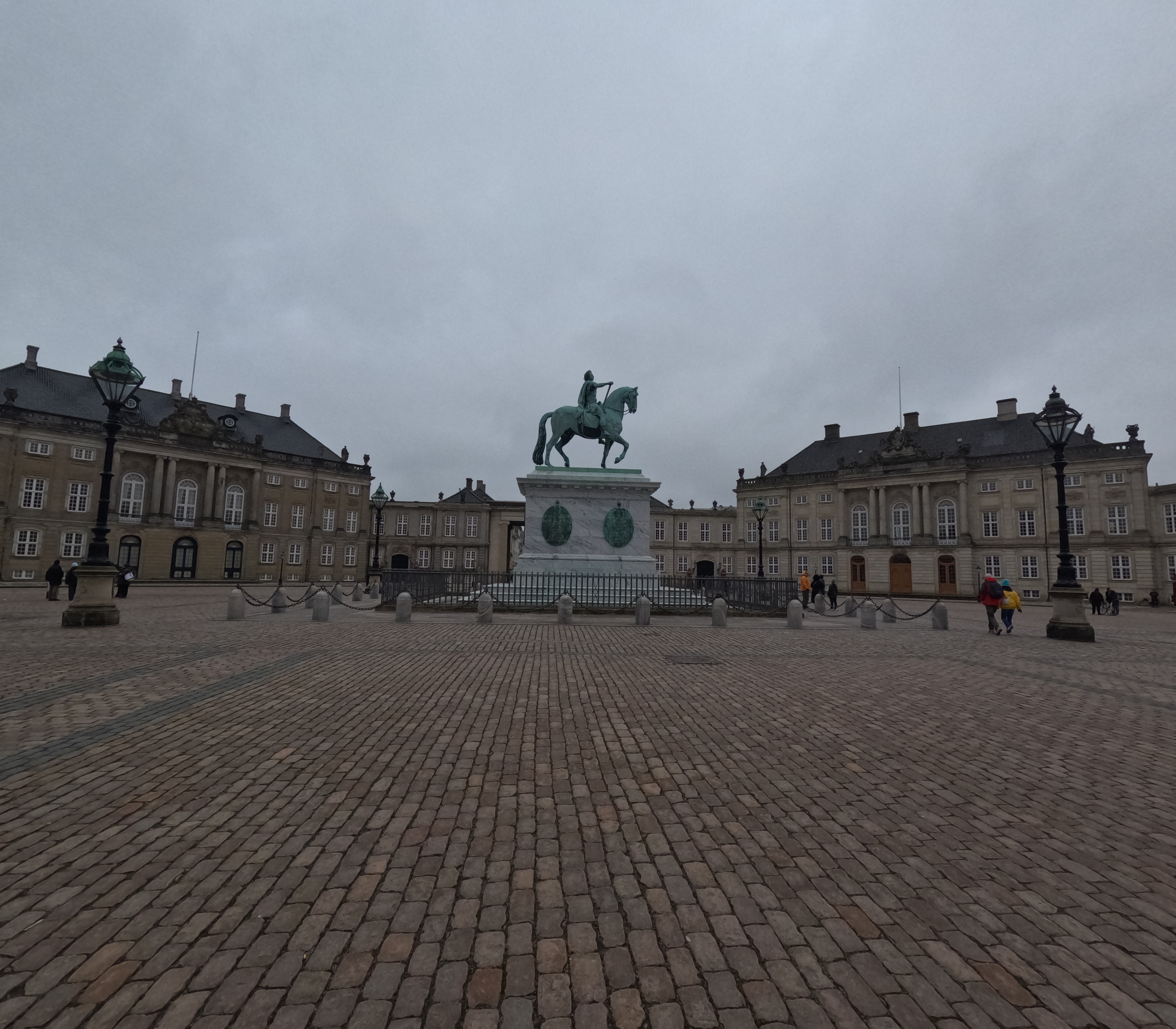
Our third day began with a visit to Amalienborg Palace and its museum, which we only had visited from the outside yet. Like I already mentioned before, Amalienborg is the residence of the Danish royal family and consists of four identical Rococo-style palaces. The palace was originally built in the 18th century and was the site of King Frederik V’s royal residence. The palace complex also includes the Amalienborg Museum, which offers a fascinating glimpse into the royal family’s history and daily life. Also a popular attraction is the Changing of the Royal Guard which is daily at noon.
Visitor information: Admission to the museum is included with the Copenhagen Card. If you don’t have the card, you can easily check the opening hours and ticket prices here.

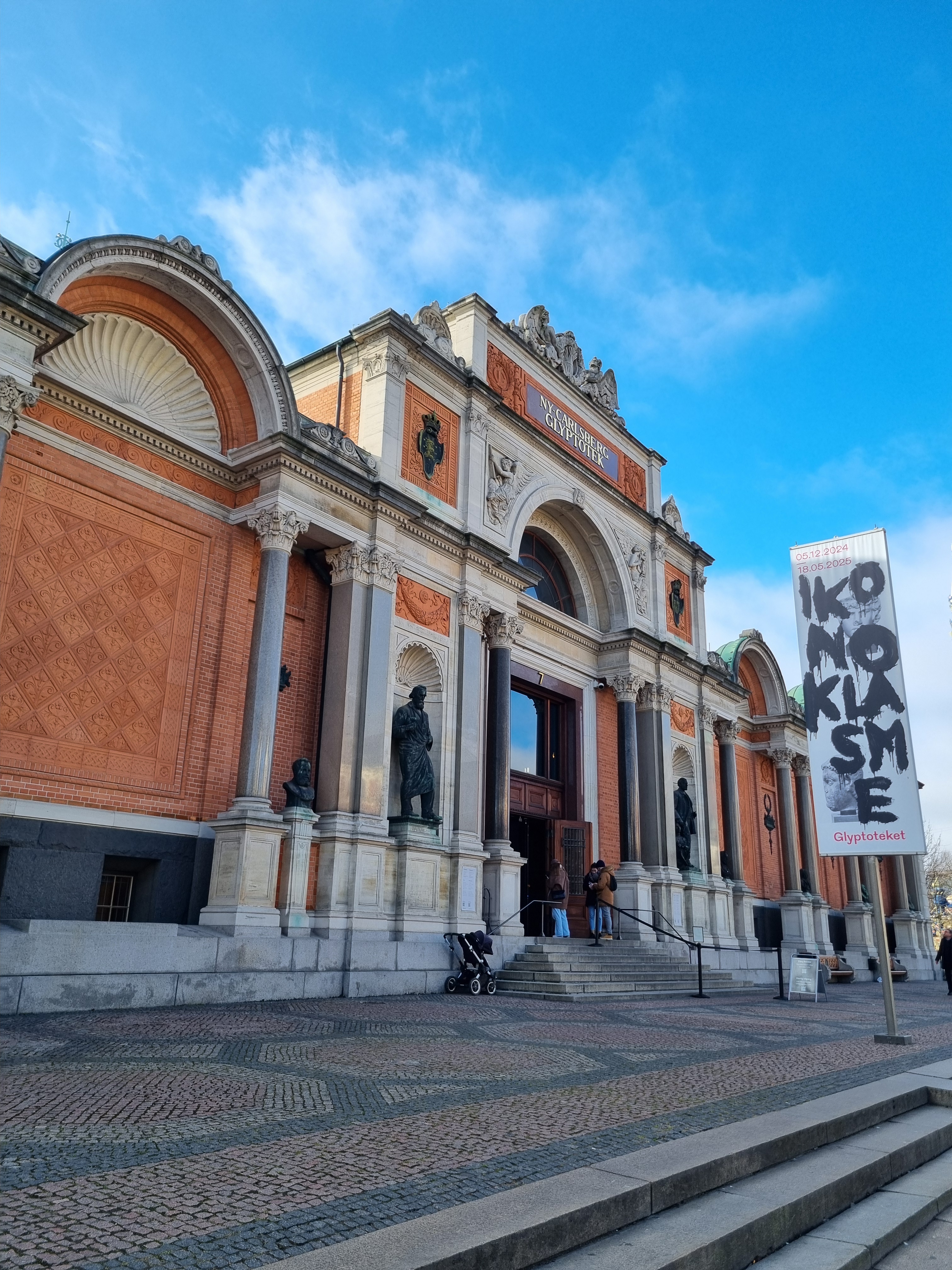
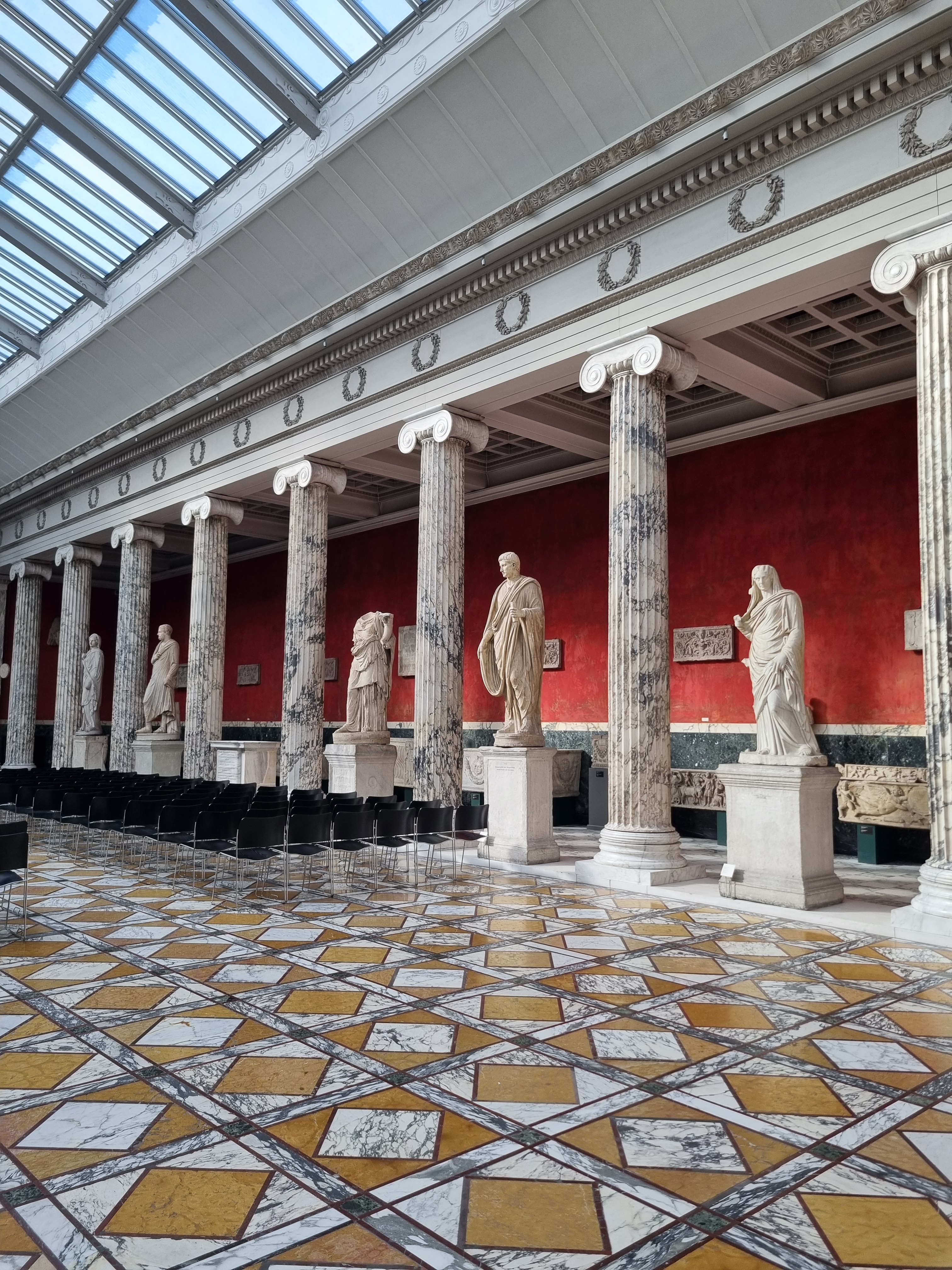
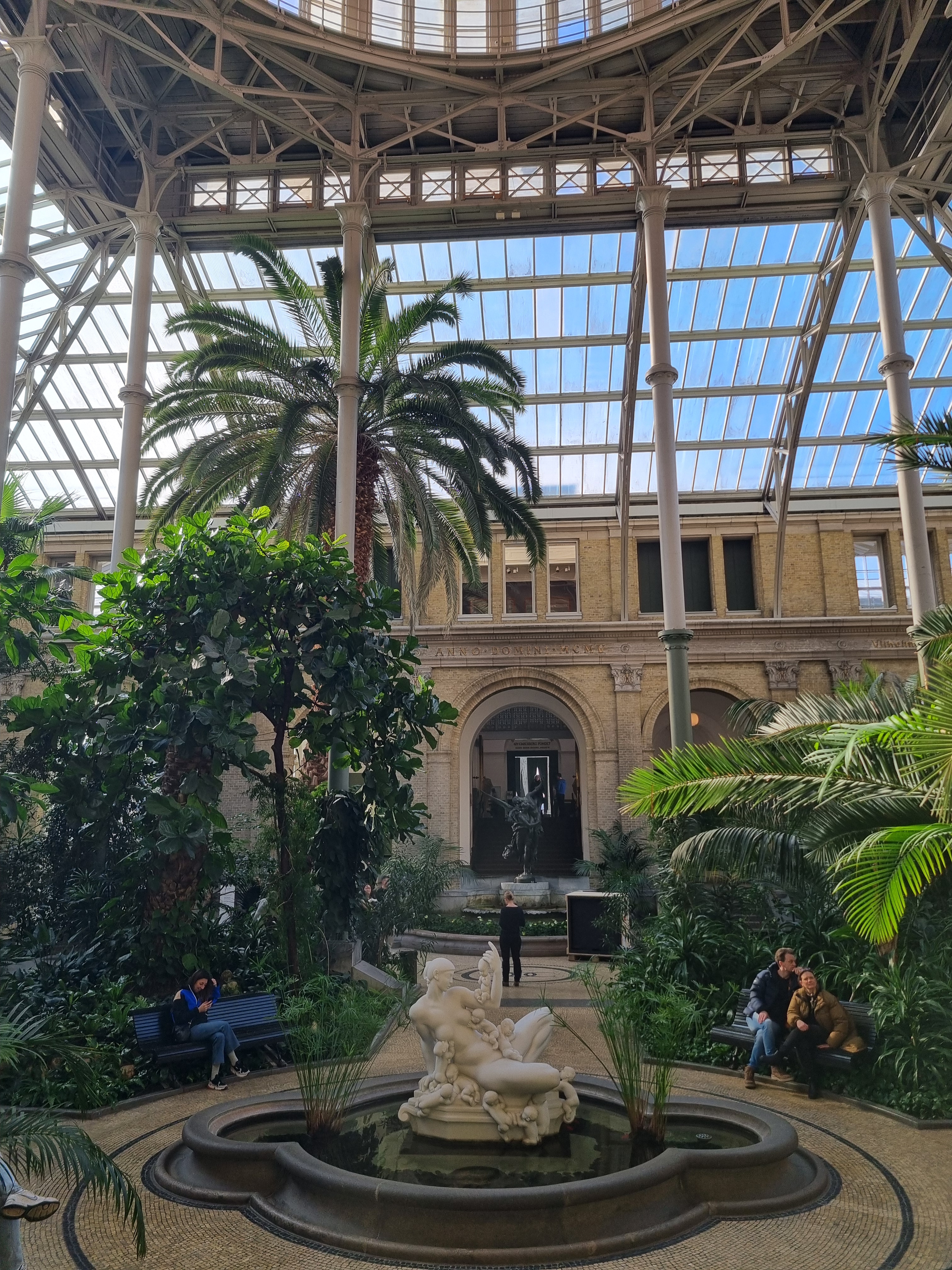
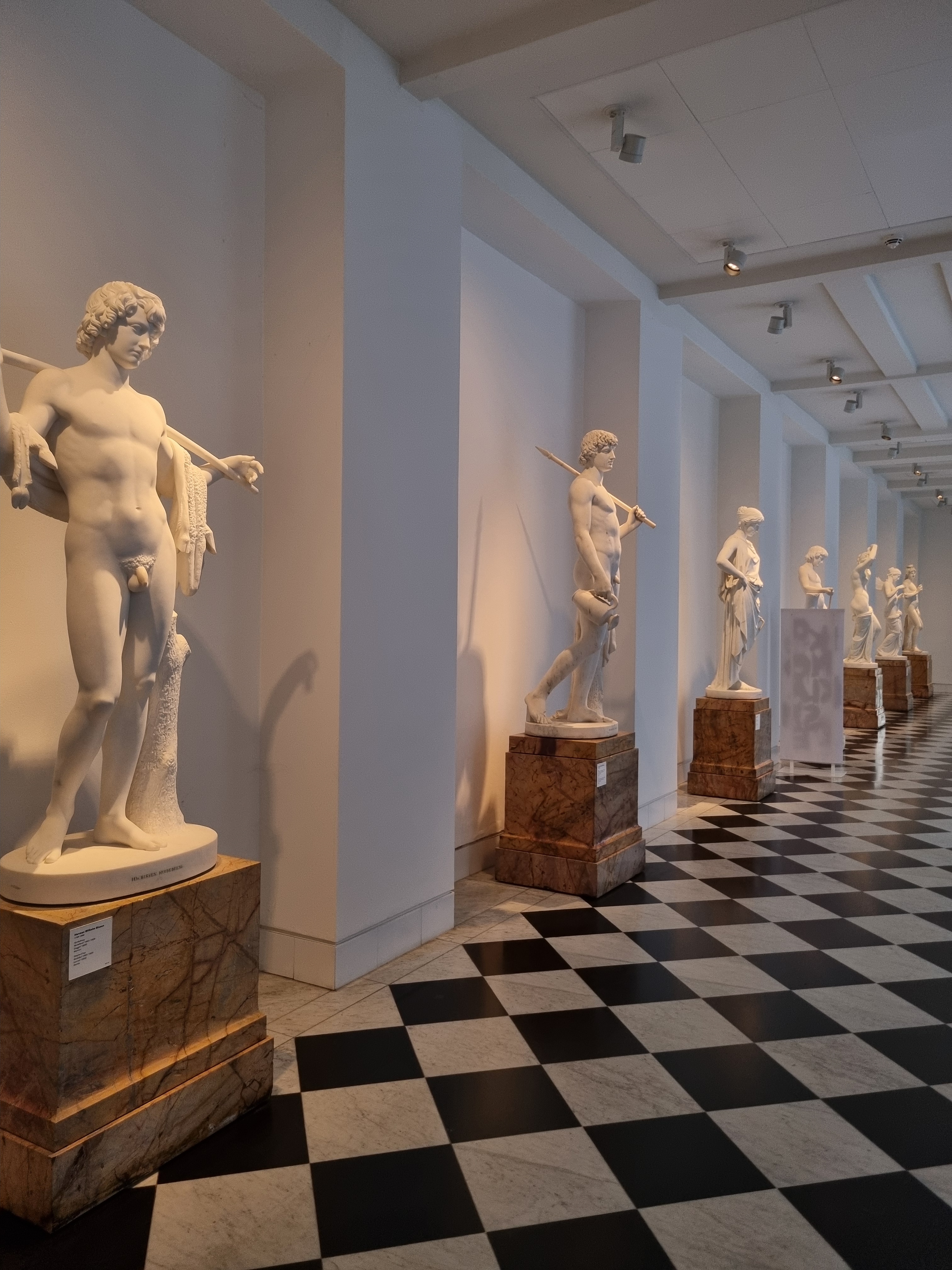
Next, we made our way to the Ny Carlsberg Glyptotek. This museum showcases an collection of ancient Mediterranean sculptures from Egypt, Rome, and Greece, as well as modern sculptures by famous artists such as Auguste Rodin and Edgar Degas. The museum also houses a remarkable collection of Danish and French paintings from the 19th and 20th centuries.
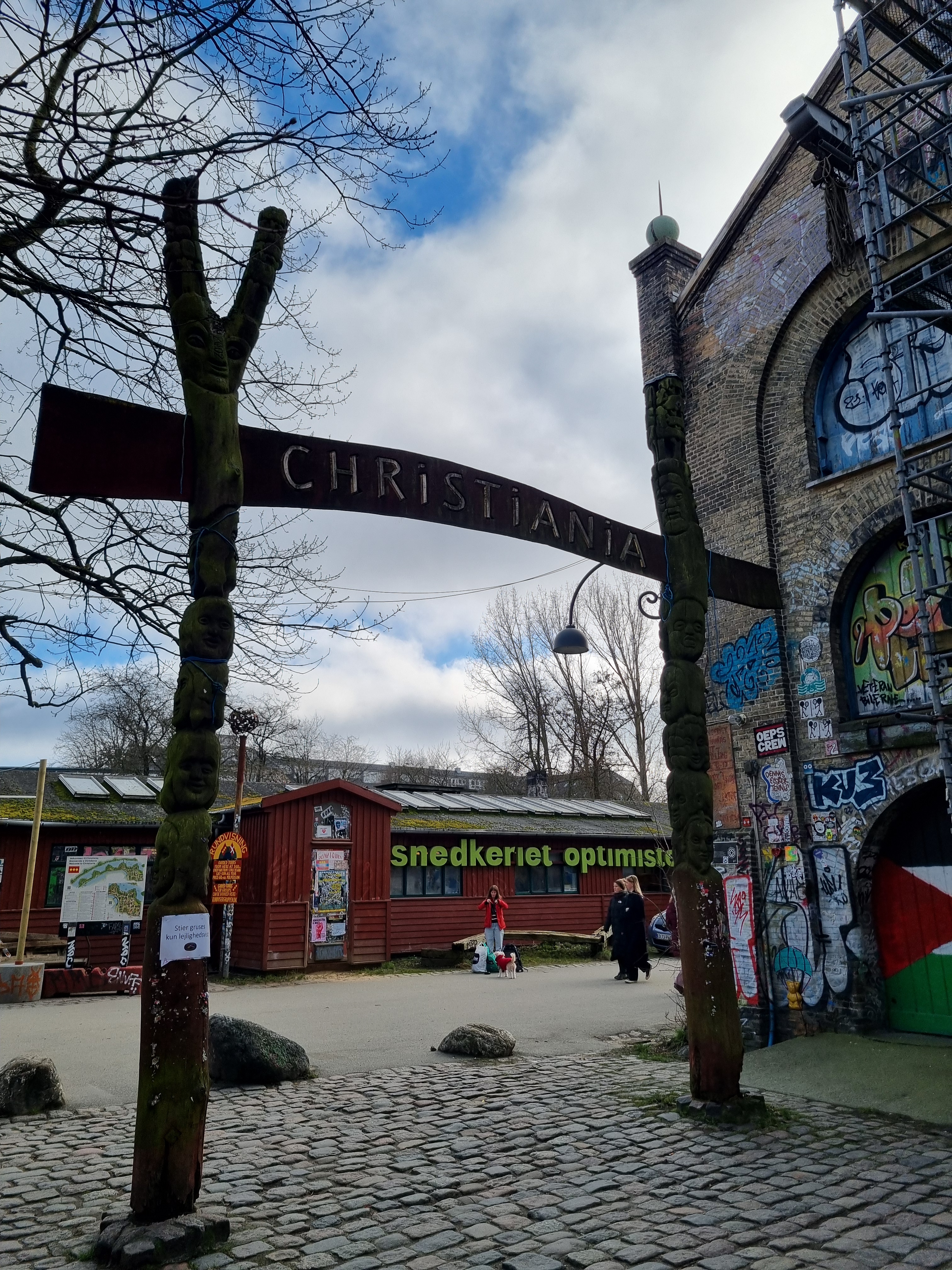
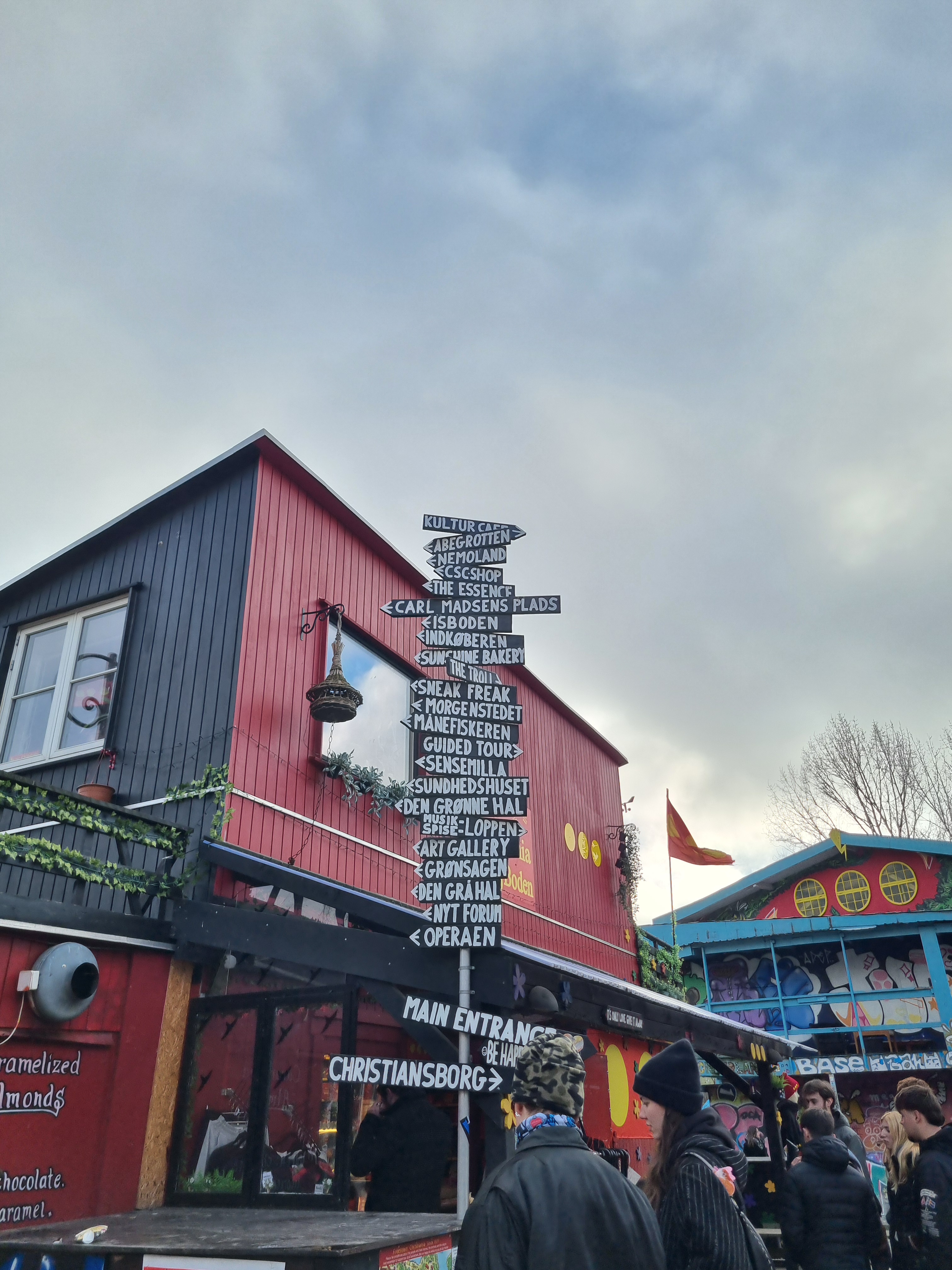
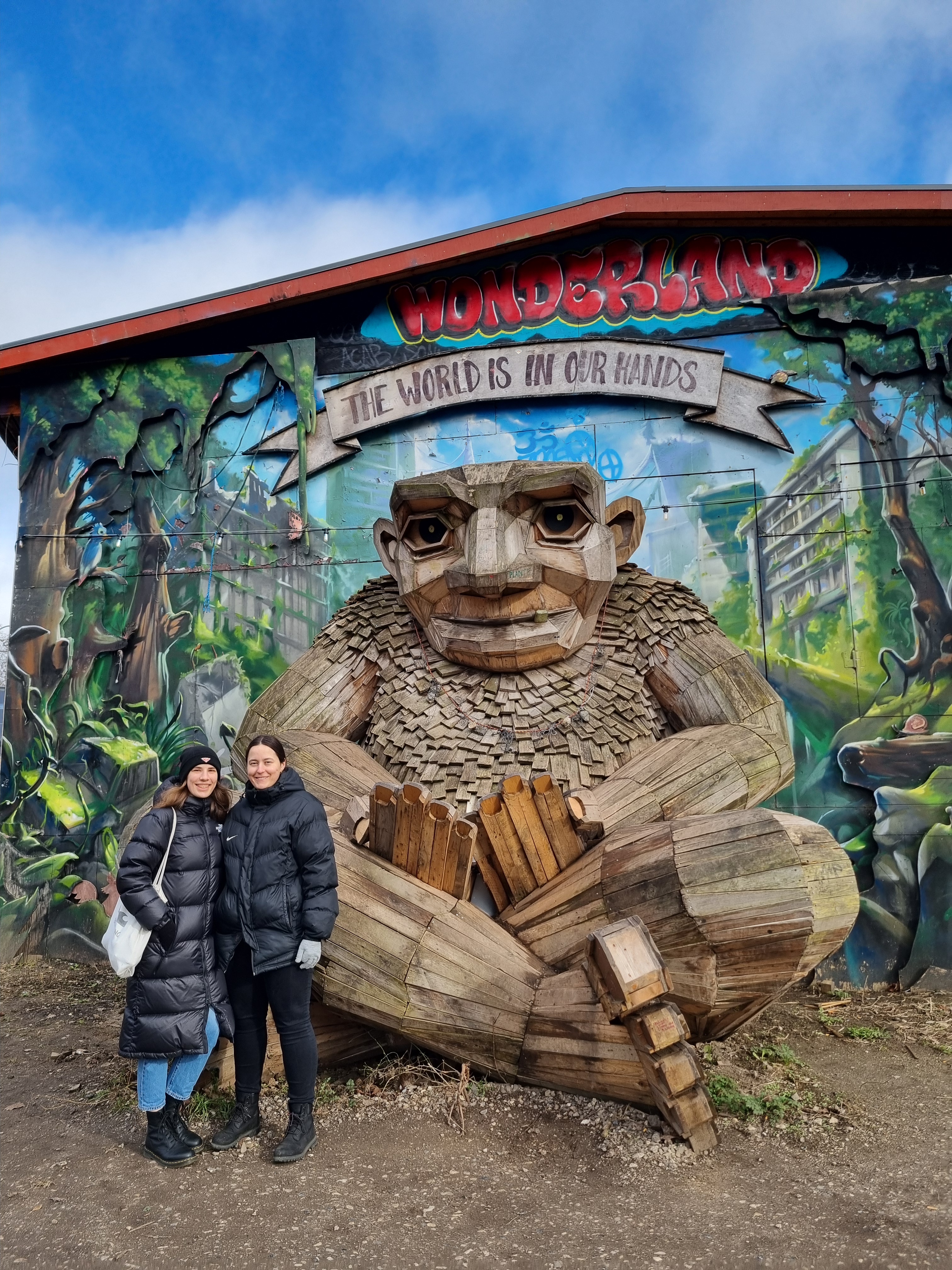
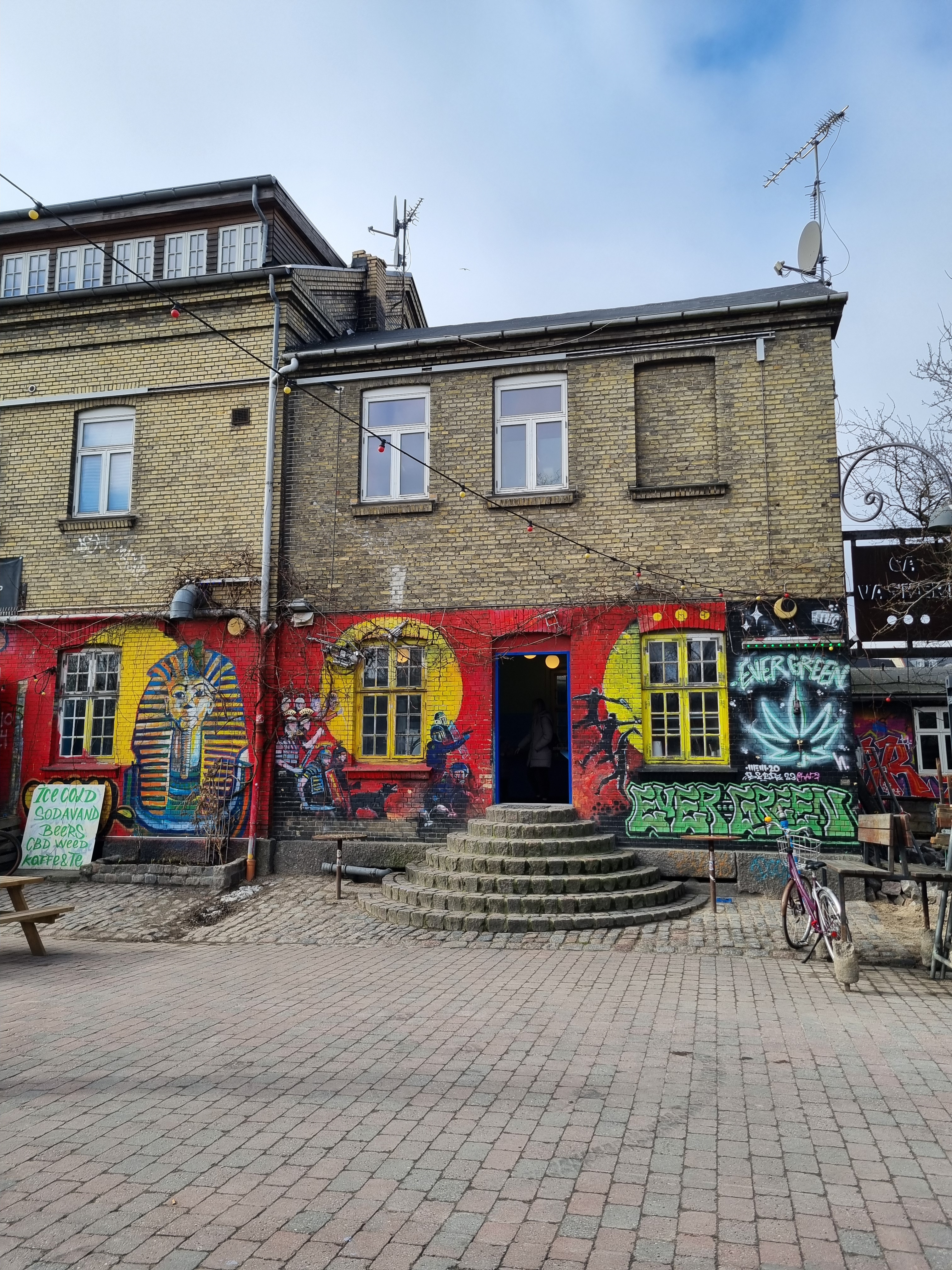
After that, we went to Christiania, a self-proclaimed free town. In the 1970s, hippies moved into this former military area, and today, Christiania is one of the largest communes in the world. As we walked around this unique and strange place, we felt a bit uneasy. It’s very colorful and full of street art and creative houses, but at the same time, it felt a little uncomfortable, and we saw some strange people hanging around. That said, nothing actually happened, and the area is full of tourists exploring the neighborhood.
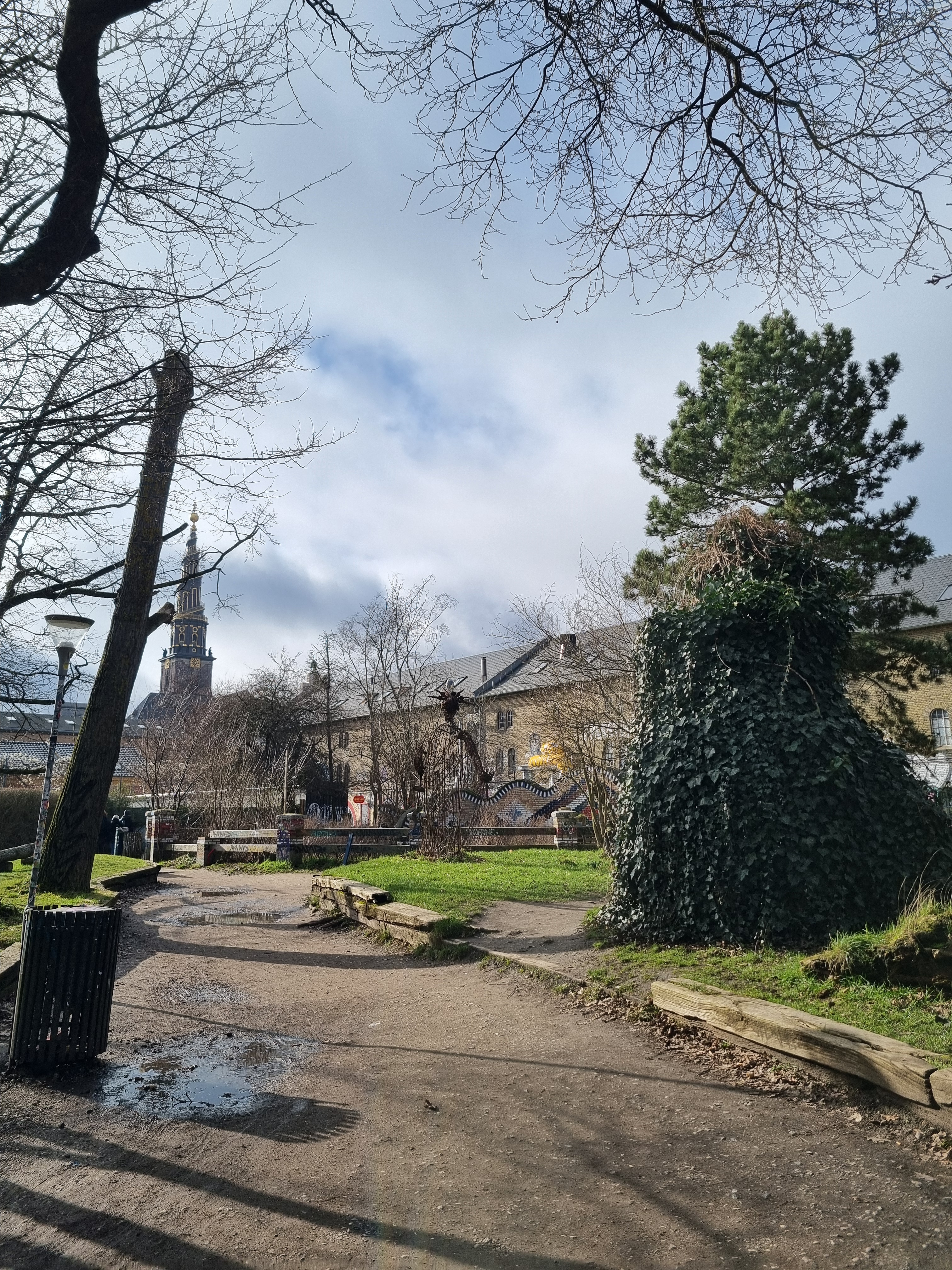
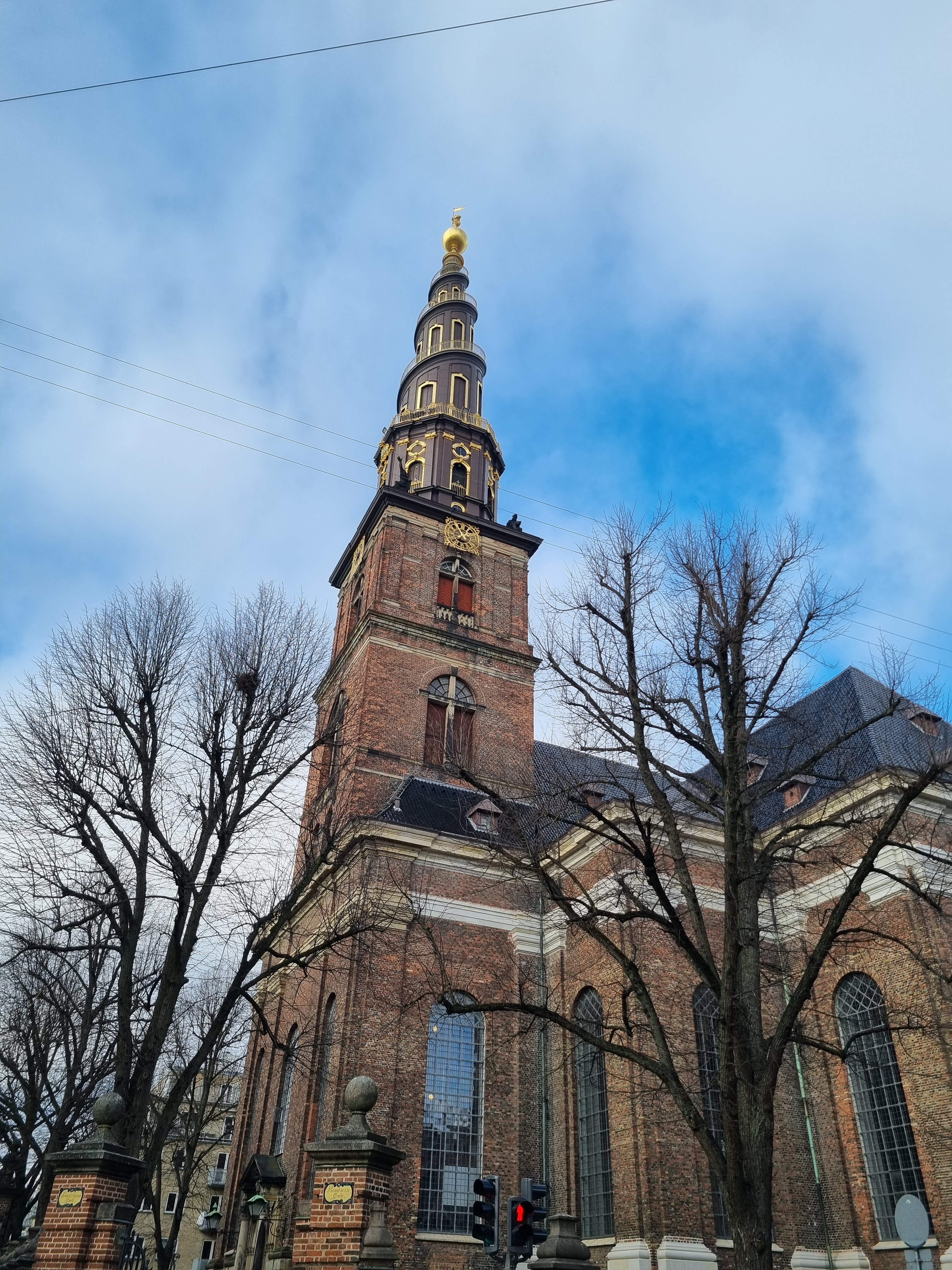
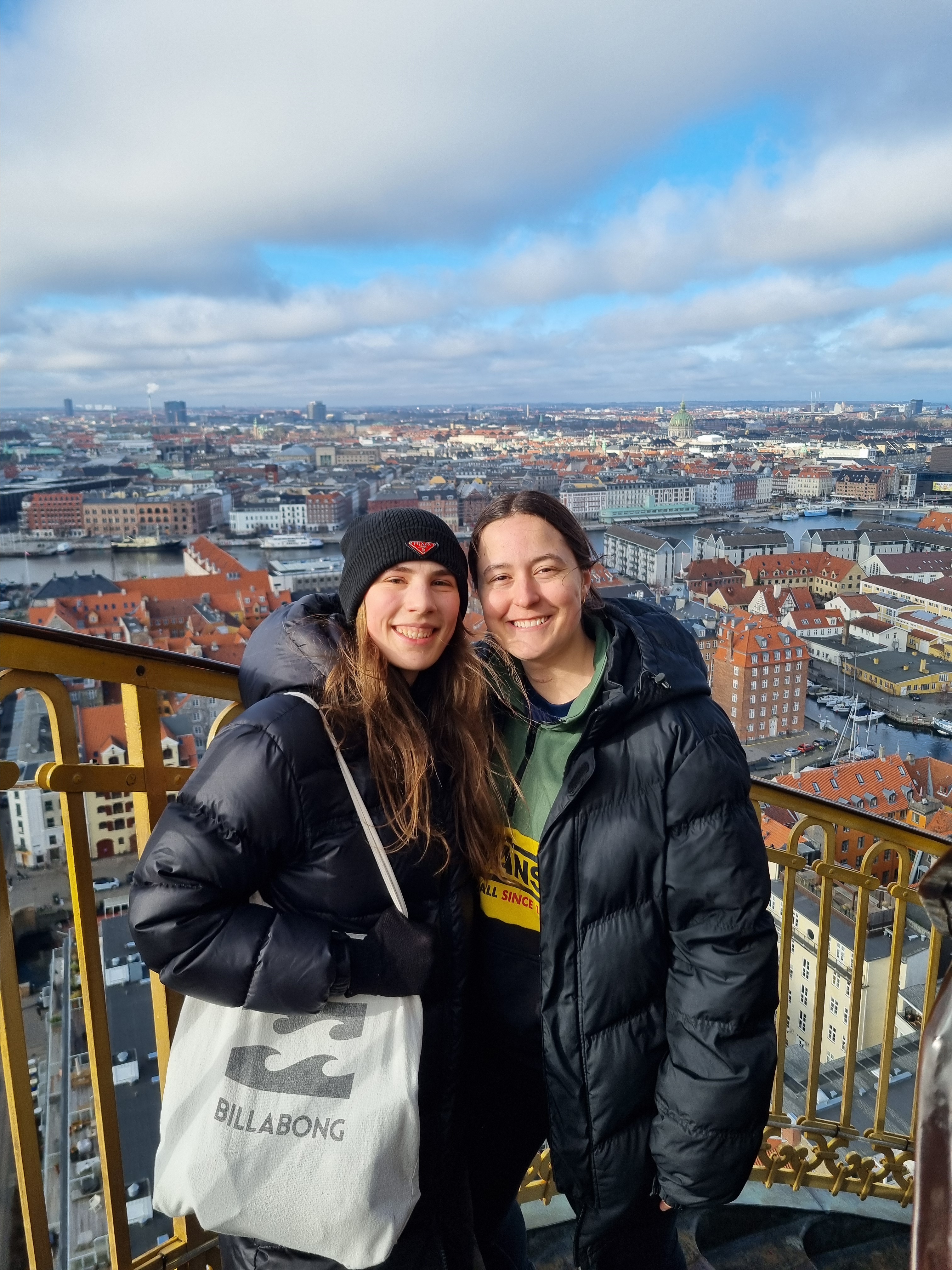
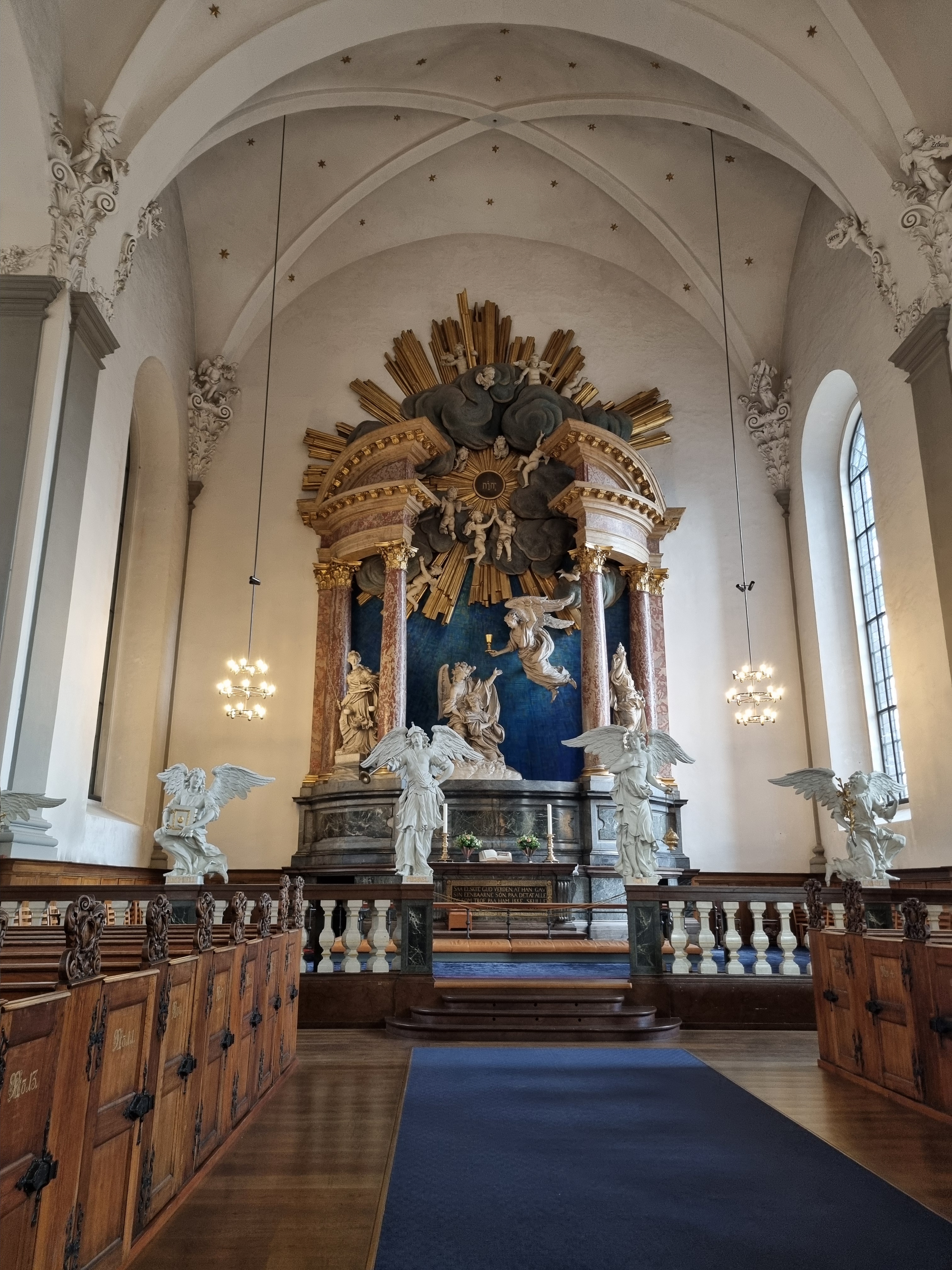
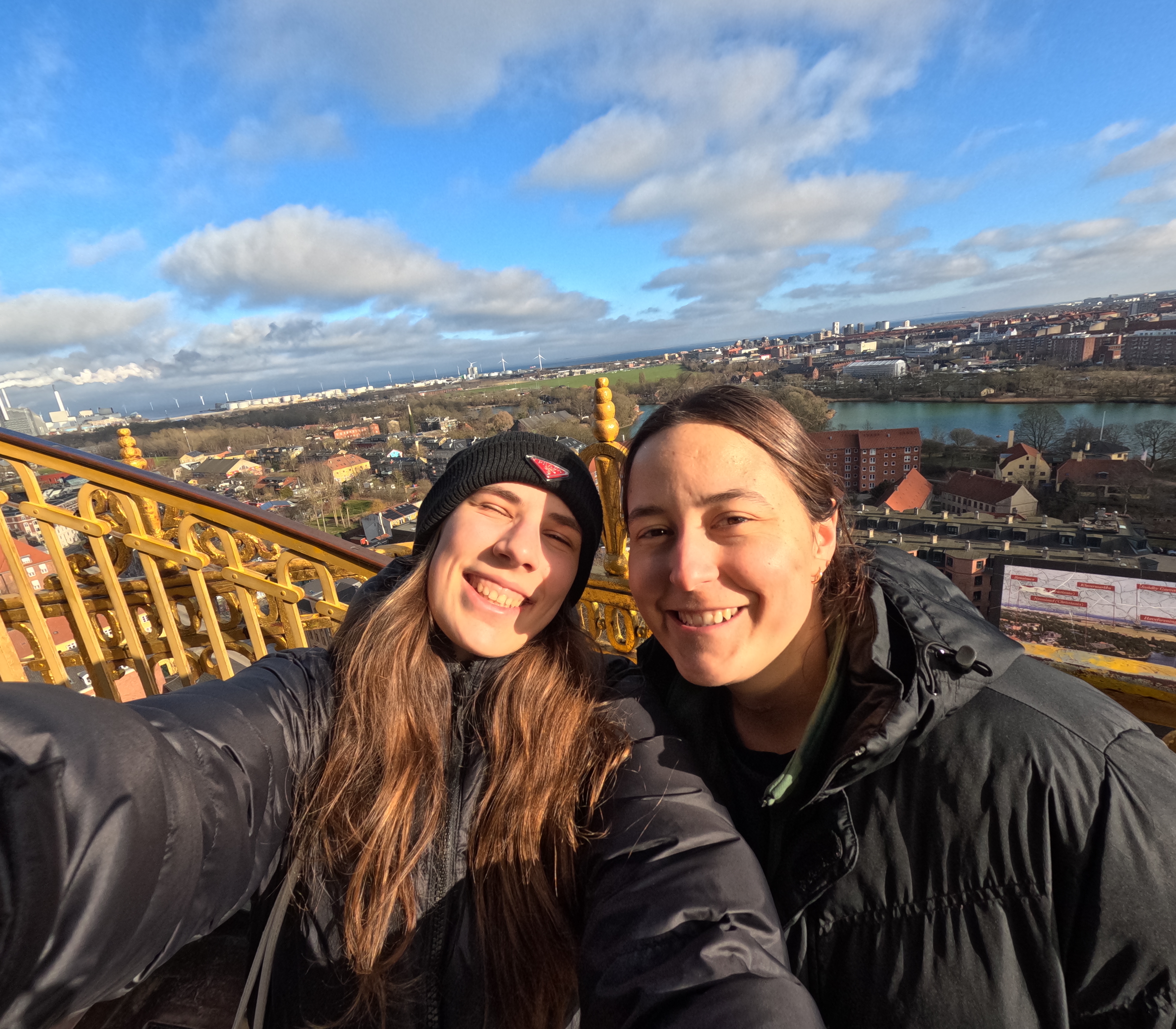
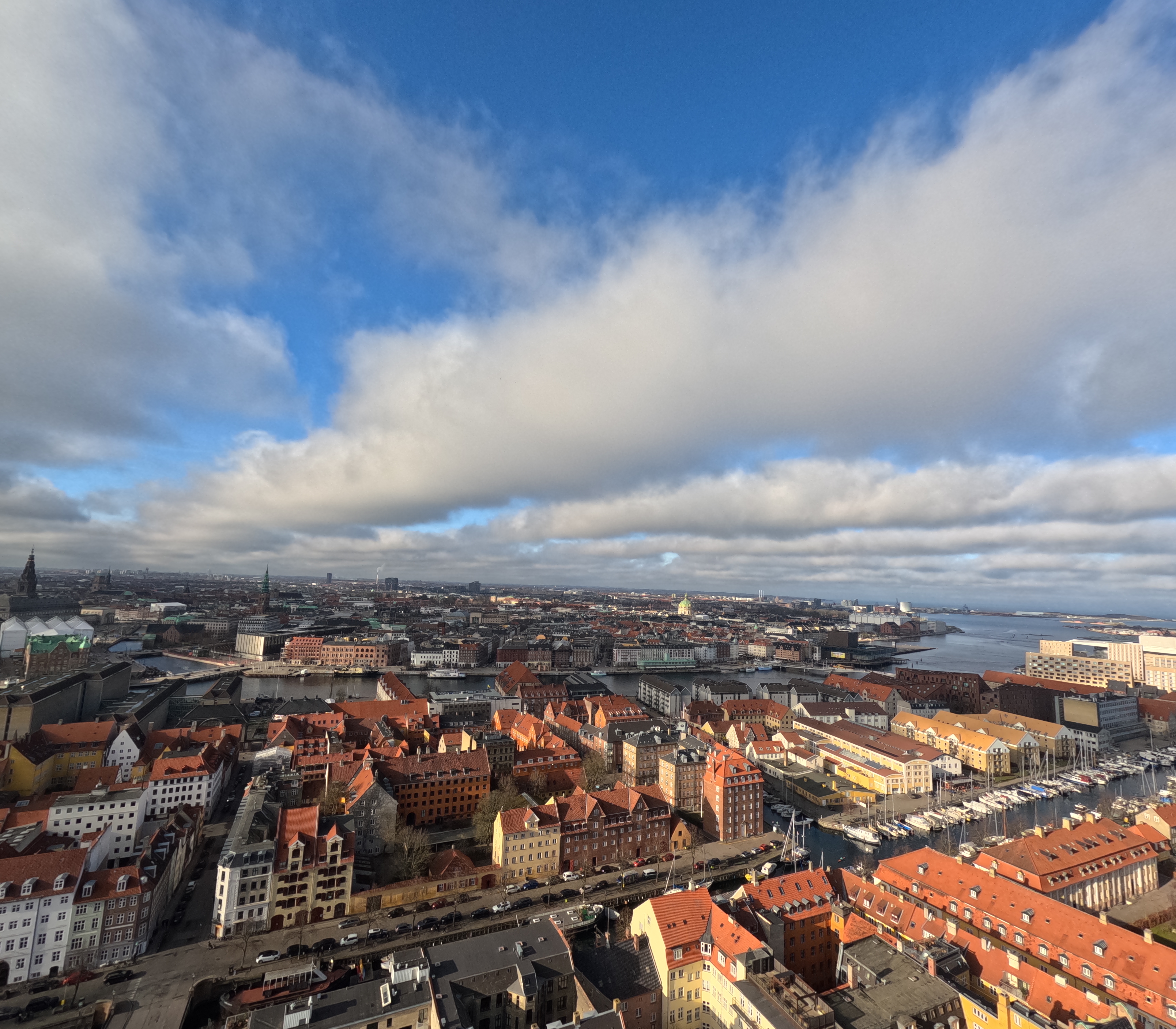
Nearby, you’ll find the famous Church of Our Saviour (Vor Frelsers Kirke), which stands out with its distinctive tower featuring a spiral-shaped spire. The church and its tower are an iconic part of Copenhagen’s skyline and can be seen from various spots around the city. You can visit the church for free at any time, and the climb to the top of the tower offers an amazing view of Copenhagen and beyond, making it well worth the effort. For the tower you need to book a time slot. On a clear day, you can even see part of Sweden from up there! However, the higher you go, the narrower and more claustrophobic the stairs become, which can feel a little overwhelming, especially when the tower is crowded with people. There’s no elevator, so it’s all about the steep climb, but once you reach the top, the breathtaking panoramic views of the city are truly unforgettable.
Visitor information: Entrance to the church is free. To the tower the entry is also included with the Copenhagen Card, but whether you have the card or not, you’ll need to book a time slot online. There’s also a QR code outside the church, to book your tickets there. You can only enter the tower when it’s time for your slot.
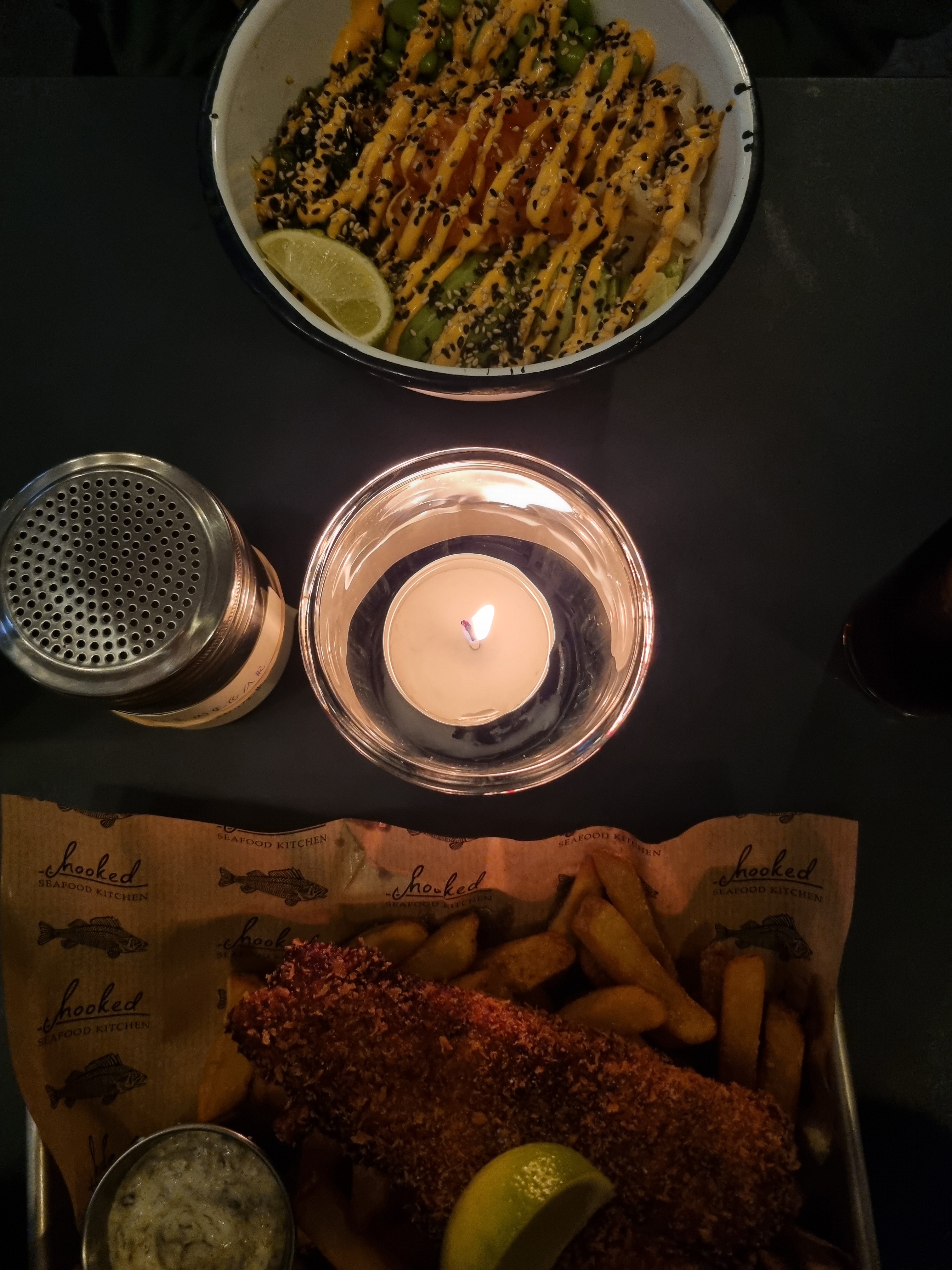
After climbing the tower, we headed to late lunch. If you’re near the church or Christiania, I highly recommend the seafood restaurant Hooked Christianshavn (unpaid ad). It’s a cozy spot known for its fresh and sustainable seafood.
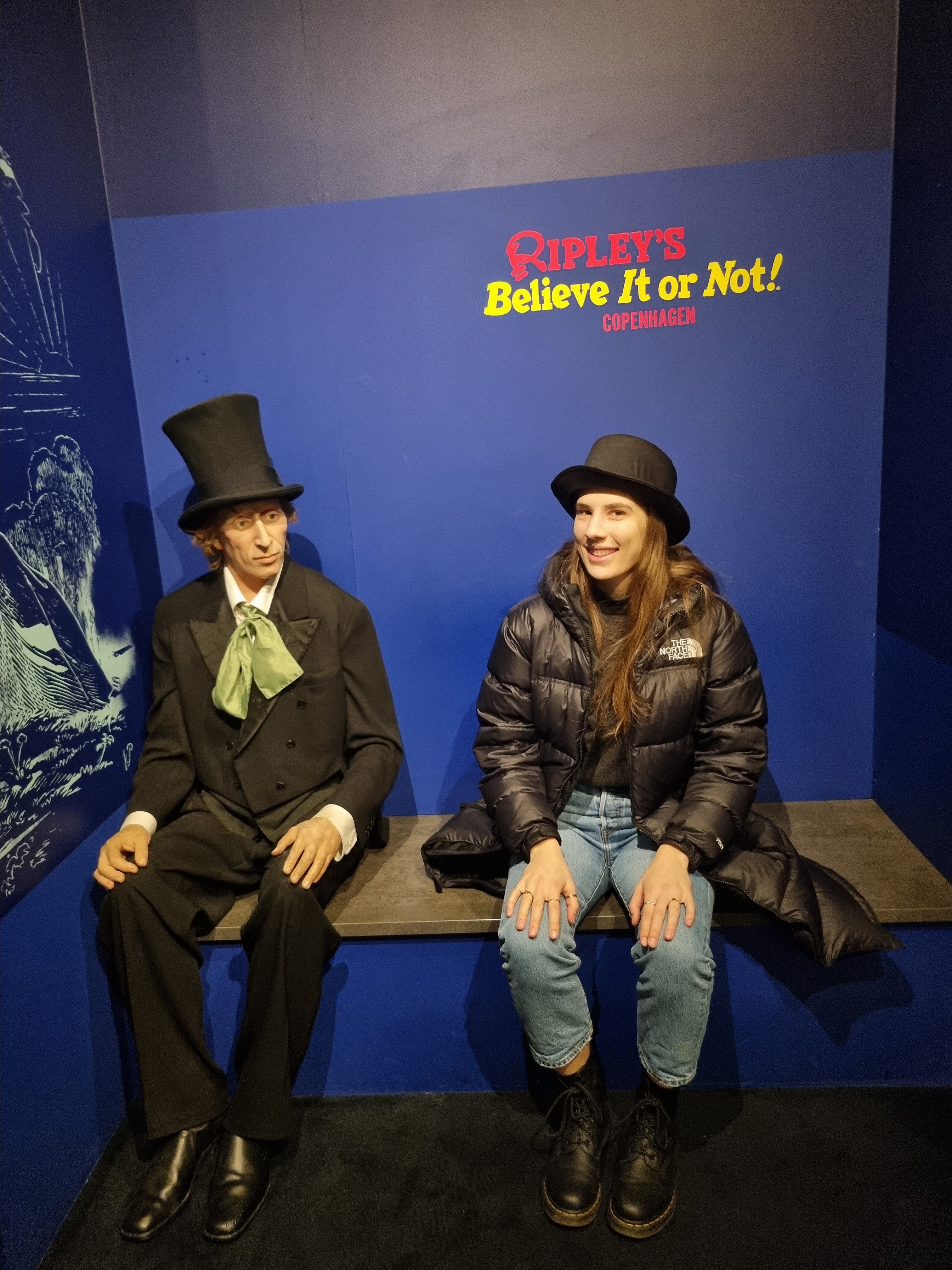
Afterward, we made our way back to the city center, strolling through the charming streets and alleys until we stumbled upon Ripley’s Believe It or Not! & Hans Christian Andersen Experience Museum. This is a fun and quirky museum combining two attractions in one place. Ripley’s Believe It or Not! showcases a collection of oddities, bizarre artifacts, and interactive exhibits which was very interesting and I learned a lot there. On the other hand, the Hans Christian Andersen Experience offers a journey through the world of the famous Danish author, bringing his timeless fairy tales to life with multimedia displays and insights into his life.
Visitor information: The entrance to both attractions is included with the Copenhagen Card. If you don’t have the card, you can easily check out the prices and opening hours on their official website.

Day 4
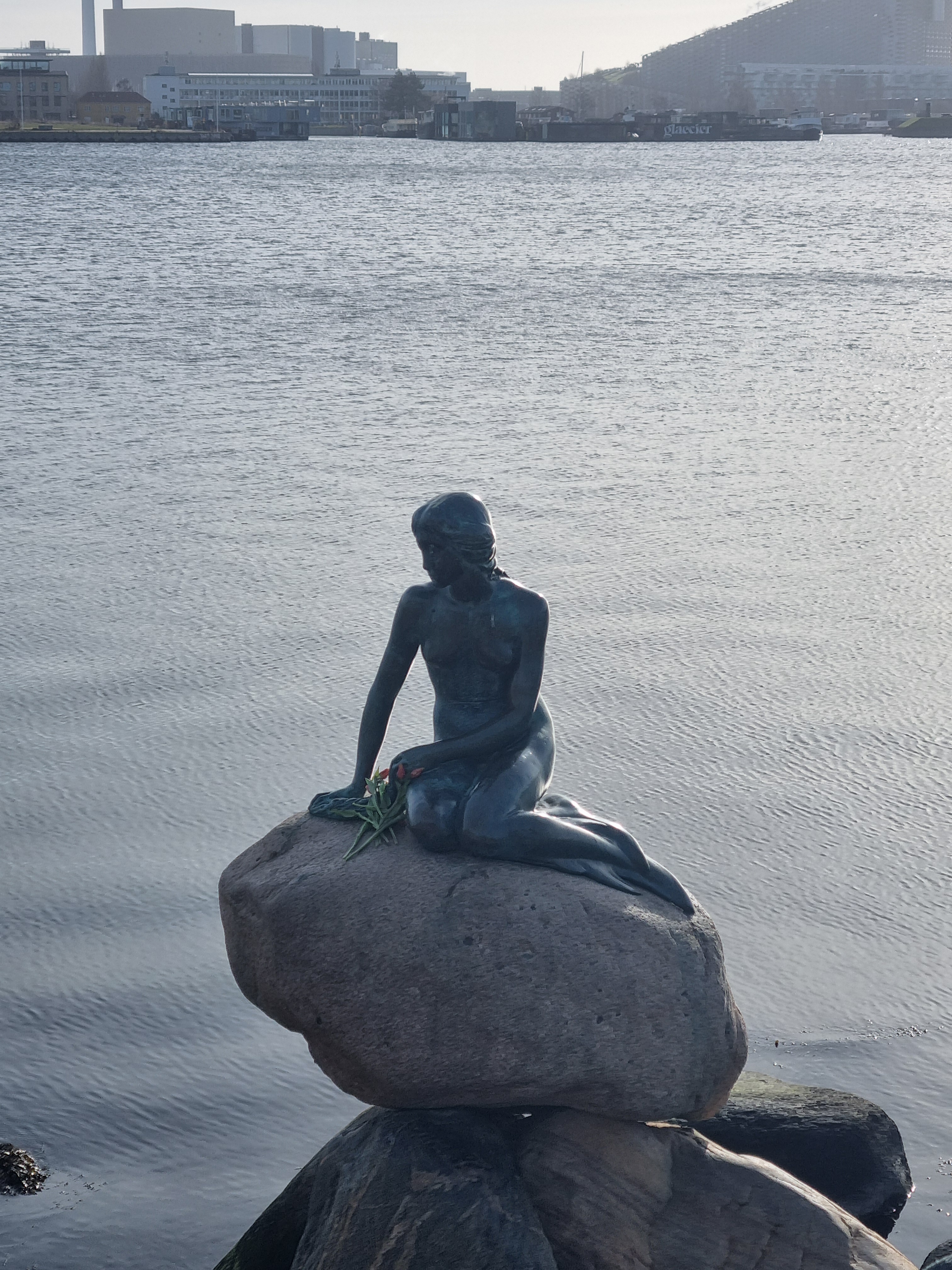
On our last day, we still had the morning to explore before heading to the airport. After breakfast, we made our way to the famous Little Mermaid statue. Located by the waterfront at Langelinie Pier, this iconic sculpture is one of Copenhagen’s most well-known landmarks. Inspired by Hans Christian Andersen’s fairy tale, the statue was unveiled in 1913 and has since become a must-see for visitors.
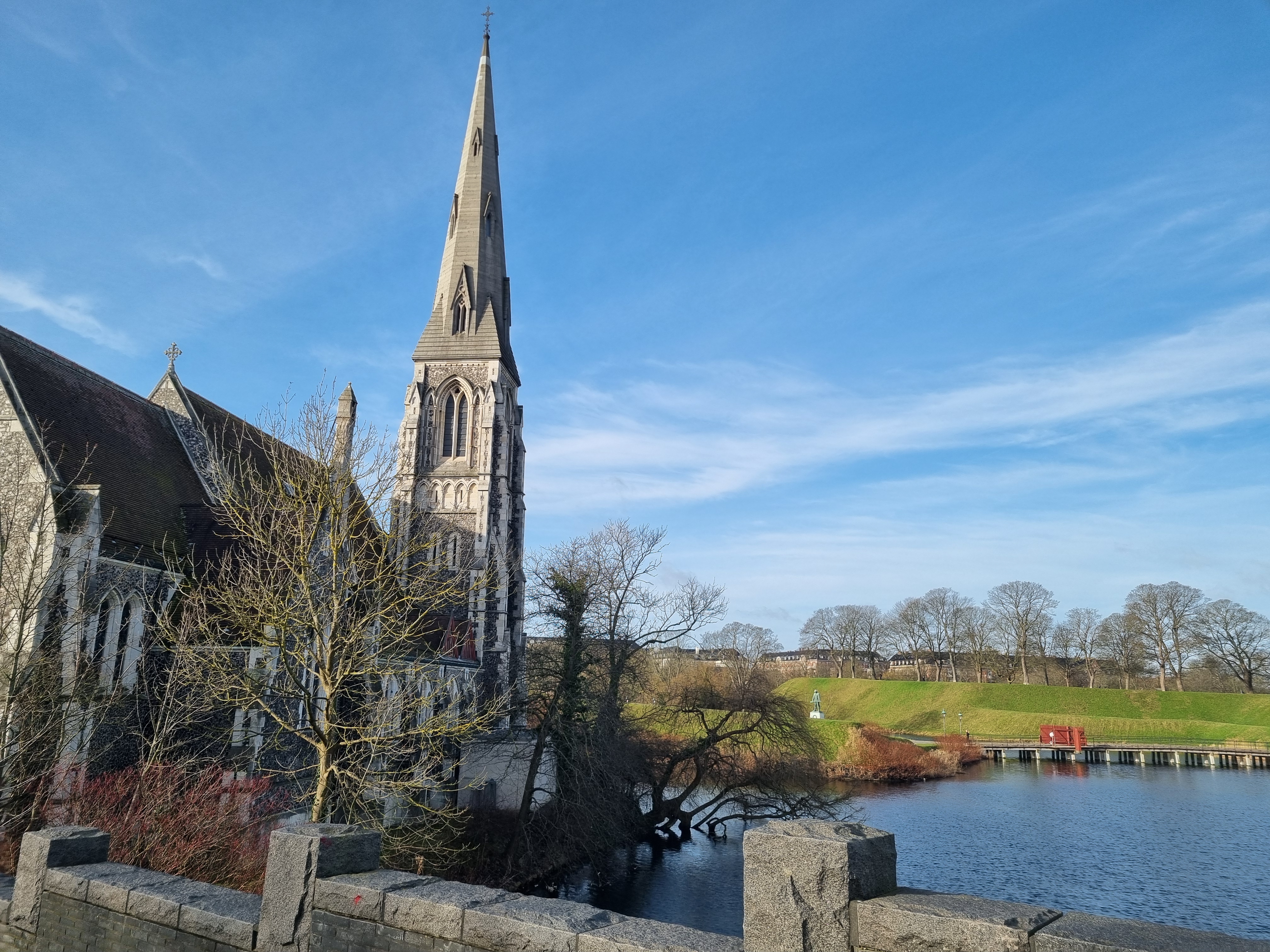
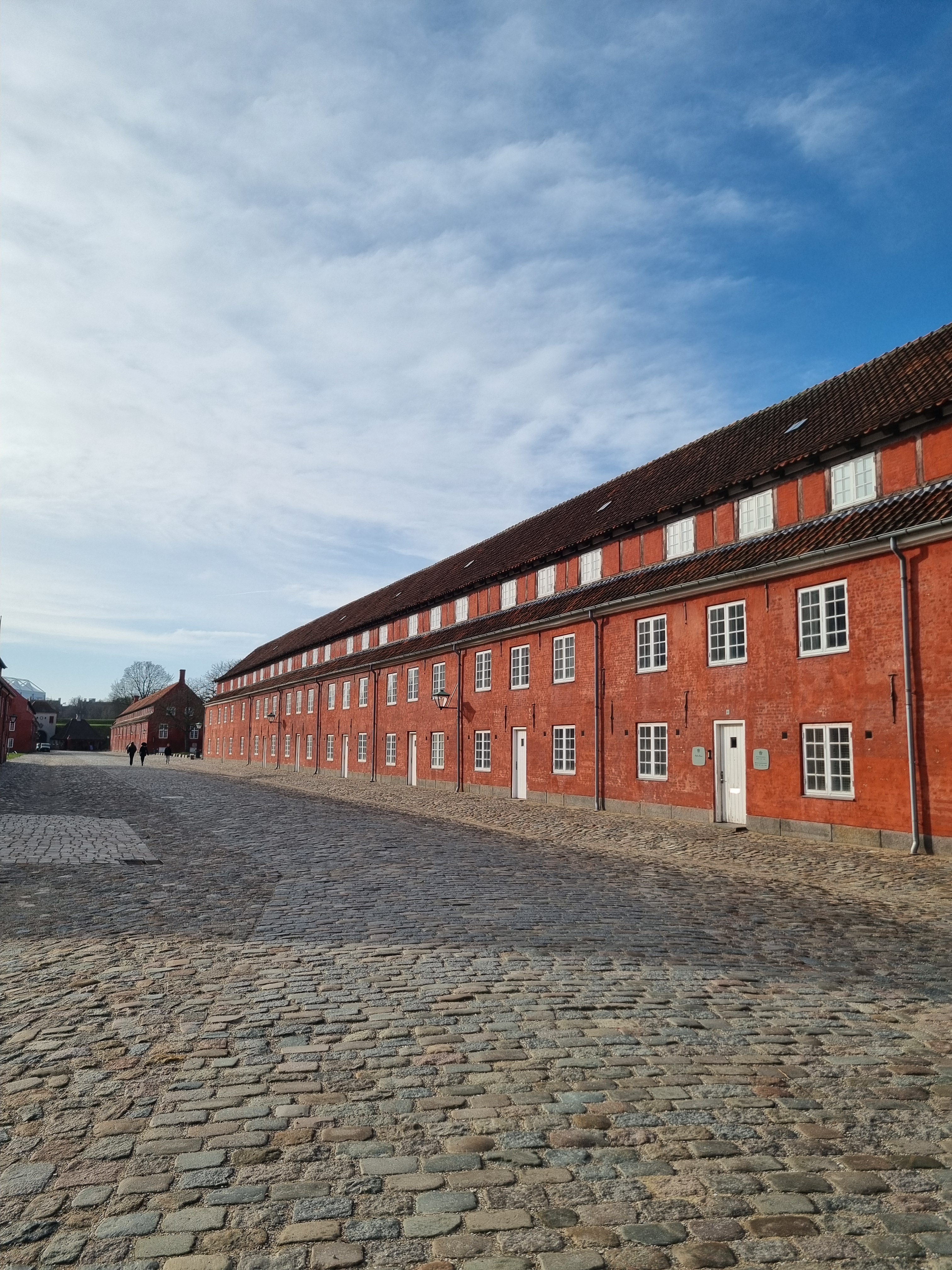
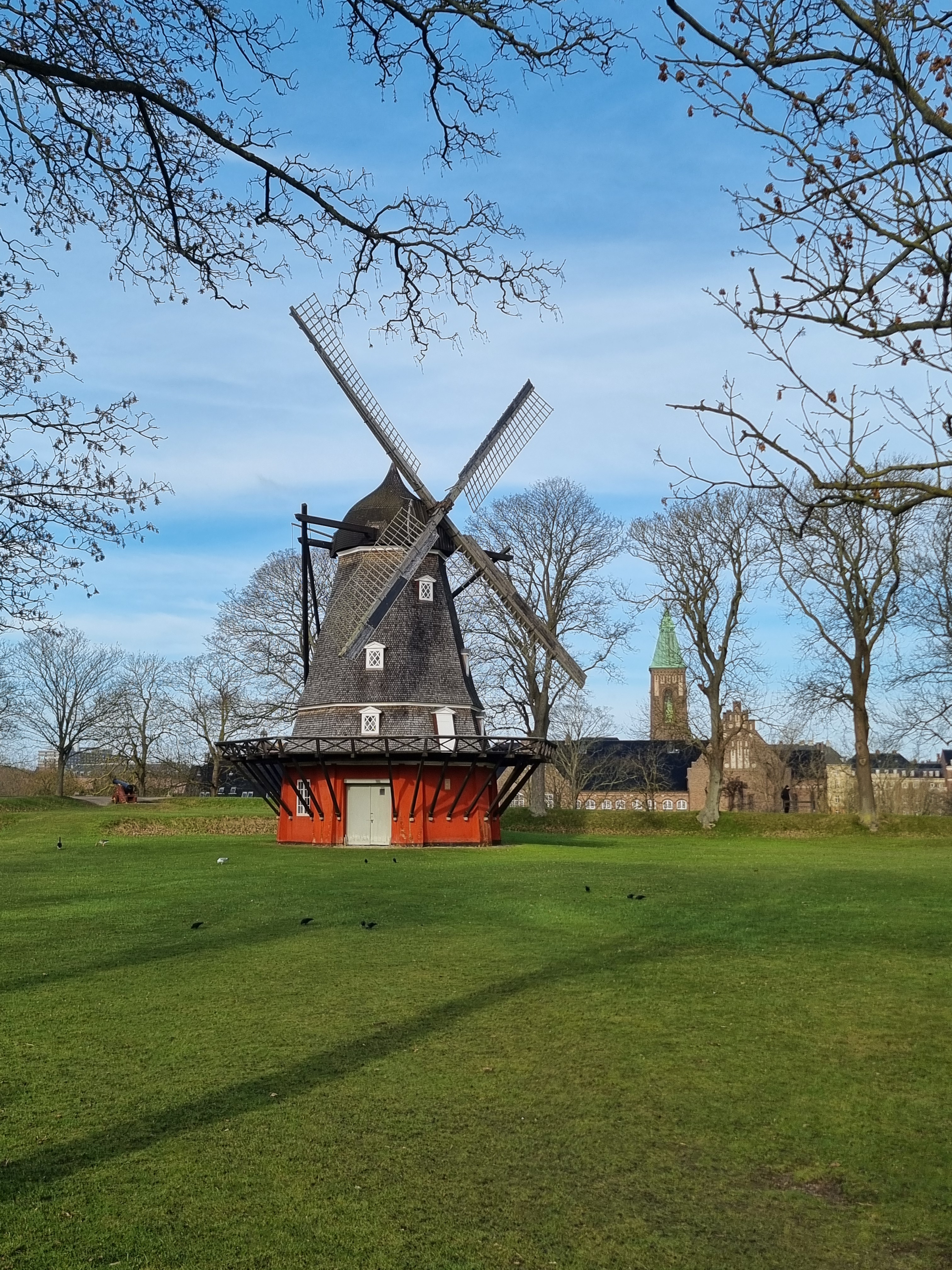
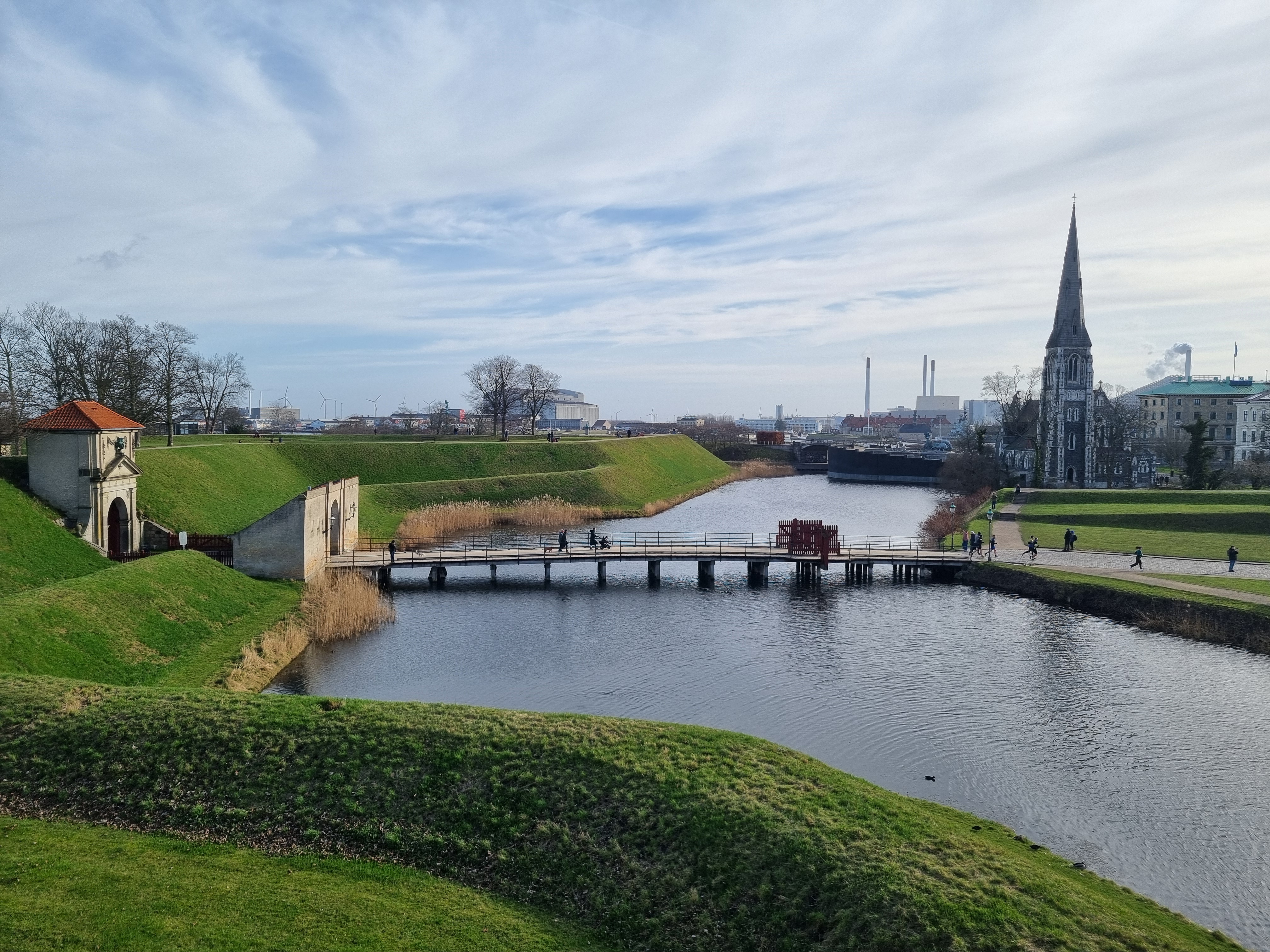
Not far from the Little Mermaid, you’ll find the star-shaped Kastellet, one of the best-preserved fortresses in Northern Europe. It dates back to the 17th century and is a lovely place for a stroll. The park surrounding the fortress is peaceful, with scenic walking paths, a windmill, and a small lake, making it a perfect spot to unwind. Nearby, you’ll also find a small, charming garden and the impressive St. Alban’s Church, known for its stunning Gothic architecture.
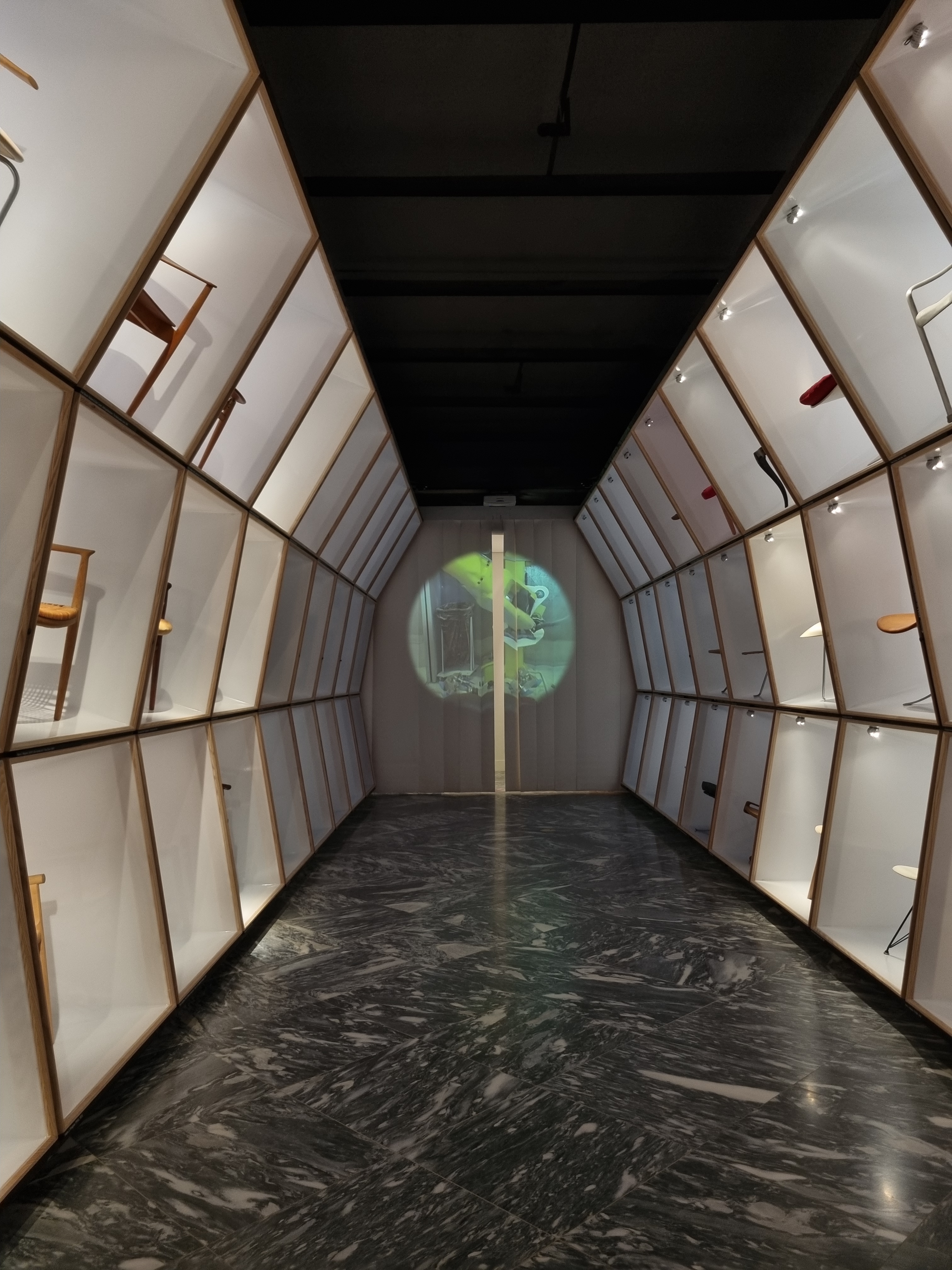
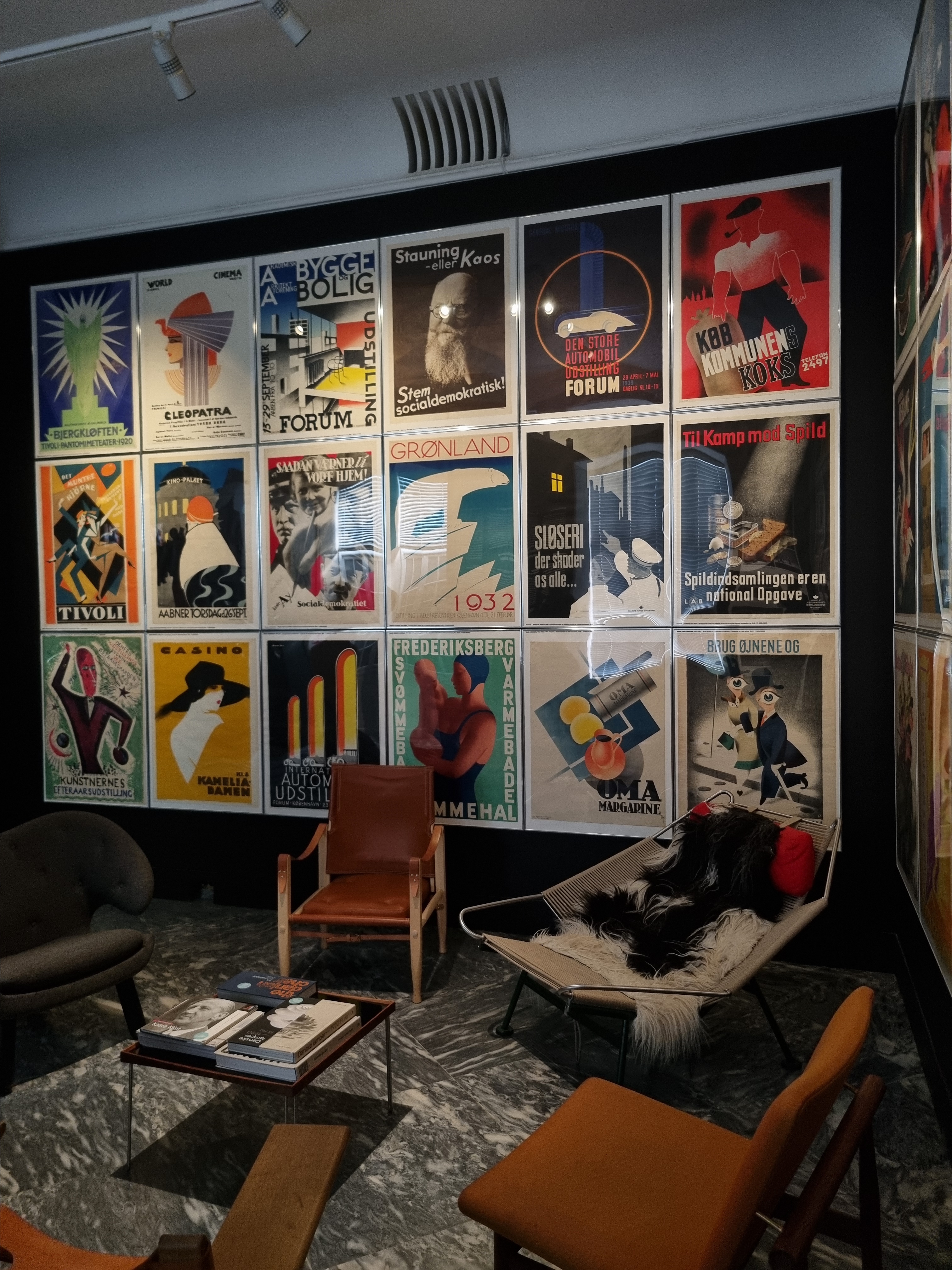
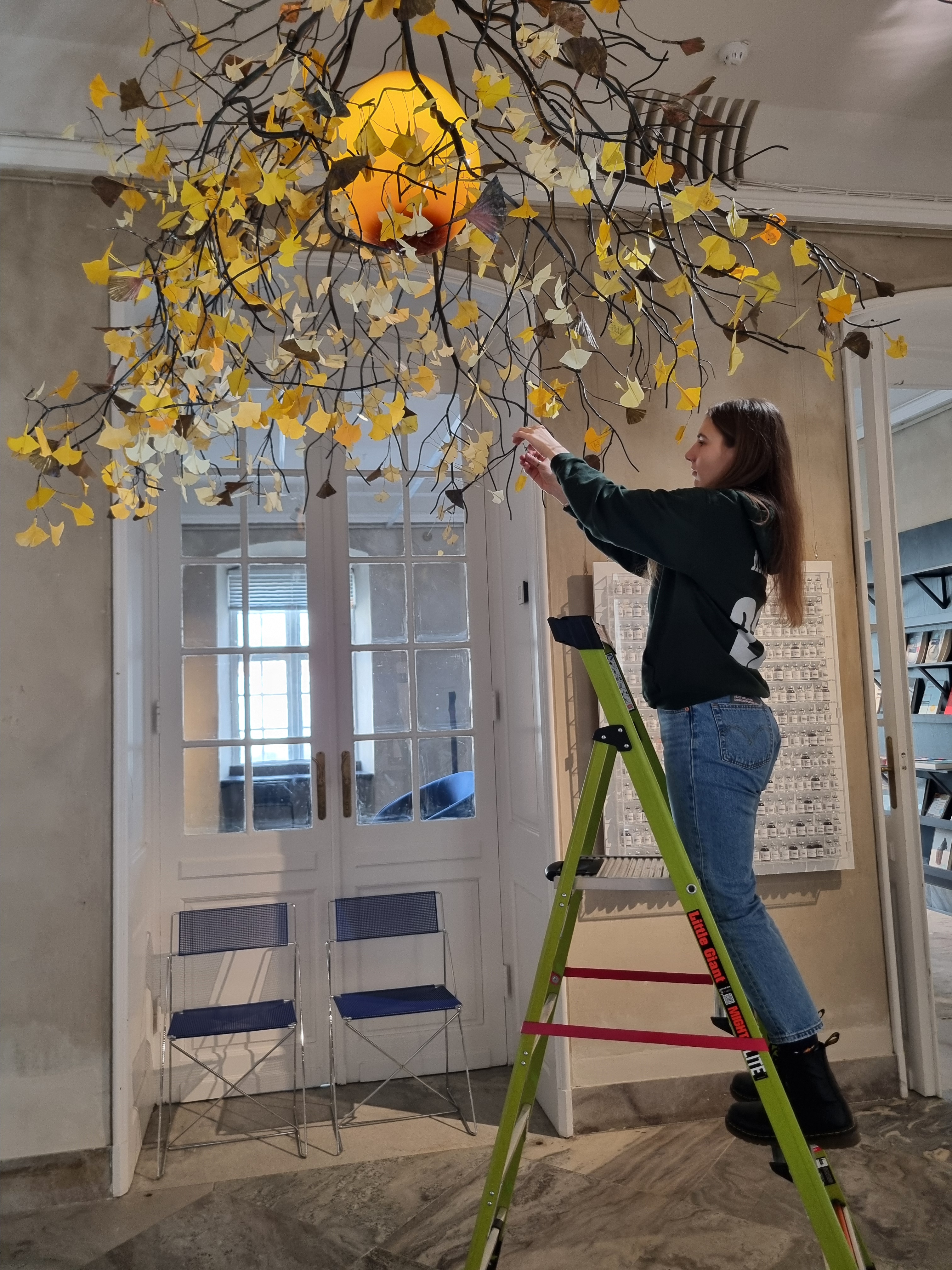
Afterward, we spontaneously decided to visit the Design museum Danmark. This museum is dedicated to Danish design and showcases a fantastic collection of design pieces, ranging from furniture and industrial design to textiles and fashion.
Visitor information: Admission to the museum is included with the Copenhagen Card. If you don’t have the card, you can easily check the opening hours and ticket prices here.
Sadly, it was time to head back to the airport and return home then. I hope my Copenhagen blog has been helpful to you, and I wish you lots of fun exploring this beautiful Scandinavian city!
Where to Eat
- Mojoe Kitchen & Bar – from breakfast to dinner (unpaid ad)
- Hooked Christianshavn – Fish restaurant (unpaid ad)
- Hallernes Smørrebrød – traditional Smørrebrød (unpaid ad)
- Hufu running sushi – asian cuisine (unpaid ad)
- Buka – bakery (unpaid ad)
- DØP The Organic Sausage man – traditional hot dog stand (unpaid ad)
Summary of activities
- Nyhavn
- Canal Tour
- Christiansborg Palace
- City Hall
- Tivoli Garden
- TorvehallerneKBH market
- Amalienborg Palace
- Frederiks Kirke
- Marble Church
- Kunsthal Charlottenborg
- Rosenborg Castle
- King’s Garden
- Botanical Garden
- Natural History Museum of Denmark
- Statens Museum for Kunst (SMK)
- Strøget street
- Østergade street
- Guinness World Records Museum
- The Mystic Exploratorie
- Amalienborg Castle
- Ny Carlsberg Glyptotek
- Christiania
- Church of Our Saviour
- Ripley’s Believe It or Not! & Hans Christian Andersen Experience Museum
- Hans Christian Andersen Experience
- Little Mermaid Statue
- Kastellet
- Design museum Danmark
Booking Checklist
Travel Insurance
I highly recommend getting travel medical insurance while you’re traveling. Hopefully, you’ll never need it, but it’s always better to be safe than sorry. SafetyWing offers two flexible plans tailored to your travel needs. Whether you’re a short-term adventurer or a long-term expat, you’ll have reliable coverage anywhere in the world.
SafetyWing is especially great for remote workers and digital nomads, offering continuous global coverage even if you’re hopping between countries. Of course, it’s also a solid option for frequent travelers or those constantly on the go. But if you’re only traveling occasionally or just for a short holiday now and then, there might be better-suited alternatives.
Accommodations
I usually rely on Booking.com for hotels and Airbnb for vacation rentals. They both have the largest selection and tend to offer the most reliable prices.
Data for your Trip
I use Saily for international cell data. They offer a variety of eSIM options depending on the country and their eSIMs are easy to install, activate instantly upon arrival, and let you skip buying local SIM cards or paying expensive roaming fees.
Tours and Experiences
I always use GetYourGuide to find the best tours and experiences in a city or country. It’s my go-to platform for planning activities, and I’ve always been very satisfied with the experiences I booked through them.
Rental Car
I’ve rented at least six cars and always booked them through check24 (ad), which I can highly recommend. The website offers good deals, the insurance is quite cheap and provides good coverage, and the customer service is very efficient and accommodating. However, Check24 currently only offers its website in German. So it’s mandatory to speak the language.







Leave a Reply