
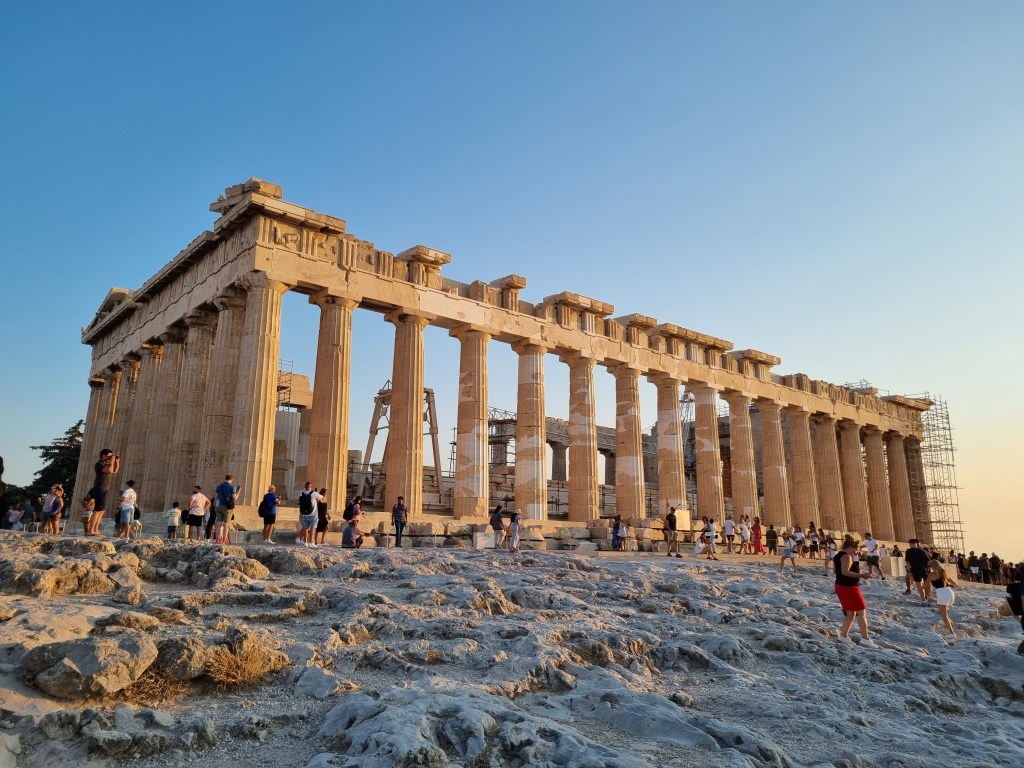
Kalimèra! In the heart of Athens, where ancient history comes to life and the past meets the present, a wonderful adventure awaits for you. From the incredible Acropolis, where ancient ruins tell their stories, to the stunning sunset views over the city, Athens will capture your heart. The air is filled with the mouthwatering smells of souvlaki and gyros, tempting you to enjoy the delicious flavors of Greece at every corner. Explore archaeological sites that reveal centuries of history and feel the warmth of the Greek people. Whether you’re discovering ancient ruins, tasting delicious food, or just soaking in the city’s atmosphere, Athens invites you to experience its magic. Servus and welcome to my two day itinerary!
As always, I want to remind you, that this blog isn’t perfect because everyone travels differently, and all trips involve changes of plans. I want to let you know that everything on this website has been experienced, photographed, and written by me. Since I finance all of my travel expenses on my own, the stories and opinions given are truly my own. If you’re interested in seeing more travel pictures or videos, feel free to check out my Instagram @michellecacija or my Tik Tok @michellecacija.
Index
- The Basics about Athens
- Things you need to be aware of
- Itinerary
- Summary of activities
- Where to eat
- Booking Checklist
The Basics about Athens
When to visit
The best time to visit Athens is in autumn or spring when the weather is pleasantly warm, with temperatures ranging from 15–25°C (59–77°F). During these seasons, you can enjoy sightseeing without the summer heat or the overwhelming tourist crowds of peak season. Summer can be extremely hot, with temperatures often exceeding 35°C (95°F), making long city walks and the sightseeing less enjoyable. I visited Athens at the end of August, and it was unbearably hot, definitely not a comfortable time for exploring the city. If you’re planning your trip, I highly recommend avoiding the peak summer months if you want a more pleasant experience!
Time period
Athens’ historic center and major attractions are relatively compact, so if you’re a fast traveler, you can cover the essentials in just one full day. However, staying longer allows you to explore beyond the tourist hotspots, visit charming neighborhoods, take day trips to nearby destinations, and enjoy a more relaxed sightseeing experience.
Getting There
When planning a trip to Athens, you can arrive by various means, whether by plane, car, or even bus. Most visitors fly into Athens International Airport (Eleftherios Venizelos), which is located about 20 kilometers from the city center. If you’re arriving by plane, getting to downtown Athens is easy with several options for transport.
The Metro (Line 3) is a convenient and budget-friendly choice, taking you directly into the city. Alternatively, you can hop on one of the express buses (X93, X95, X96, X97), which connect the airport to many areas in the city. Taxis are more expensive but offer a direct and hassle-free way to reach your hotel. Lastly, if you’re planning to take day trips or explore more of Greece, renting a car is an option, though it’s definitely not necessary for exploring the city itself.
Where to stay
For first-time visitors, parts like Plaka and Monastiraki are the best choices, as they are close to the main attractions. If you prefer a more local vibe, Koukaki offers charming cafés and a quieter atmosphere. Budget travelers often stay in Psyri, which has a lively nightlife scene. For a more luxurious stay, Kolonaki offers more high-end hotels and shopping.
Getting around
Athens’ city center is very walkable, and many major sights are within easy reach on foot. For longer distances, the Athens Metro is the best option. Unlike larger metropolitan networks, it only has three lines (with a fourth under construction), making it easy to navigate. Tickets can be purchased at vending machines in metro stations. Buses and trams are also available but are less reliable due to traffic.
What to pack
Like always, pack comfortable walking shoes, as the streets of Athens, especially in the historic areas, can be uneven. In spring and autumn, bring light layers, as temperatures can vary. If you’re visiting in summer, sunscreen, sunglasses, and a hat are essential to protect against the intense sun. A light jacket may be useful for cooler evenings.
Additionally, consider bringing your own little medication bag, including Band-Aids, pain relief tablets, sleeping tablets or spray, bug spray, aftersun, etc. You never know what you might need it for, and you might feel more comfortable using medication from home rather than in a country where you don’t know the ingredients and language. If you’re coming from outside the United States, don’t forget to bring a Type A or B power adapter.
Cost of Travel
I would say that Athens is generally more affordable than other European capitals, making it an attractive destination for budget-conscious travelers. Accommodation in Athens can range from budget hostels and guesthouses to mid-range hotels, offering a variety of options to suit different budgets. Dining out is also quite affordable, especially if you enjoy local Greek food. Traditional tavernas serve delicious meals at reasonable prices, with a meal often costing less than what you might pay in other major European cities. Street food is another great, inexpensive option.
Public transportation.
Public Transportation in Athens is very affordable, and you’ll likely find yourself using it less frequently, especially since many of the city’s main attractions are within walking distance. Entrance fees to major sites like the Acropolis are also reasonably priced, especially when compared to similar landmarks in other European capitals. While prices can vary, Athens generally offers excellent value for money, making it a more budget-friendly option than many other popular European destinations.
Things you need to be aware of
Water in Athens. Tap water in Athens is generally safe to drink, especially in the city center. However, it may taste slightly over-chlorinated. Furthermore, on some islands and remote areas, you might choose to drink bottled water due to concerns about taste or old piping systems.
Toilet Situation. Public toilets in Athens can be hard to find. Many cafes and restaurants have restrooms, but they may require a purchase. Museums and shopping malls usually have clean facilities. It’s a good idea to carry some tissues and small change, as some public restrooms charge a small fee.
Tipping in Greece is not mandatory, but it’s appreciated. In restaurants and cafés, rounding up the bill or leaving 5-10% is common. Taxi drivers, Hotel staff and tour guides also appreciate small tips for good service.
Currency. Greece uses the Euro (€). Credit and debit cards are widely accepted in Athens, but smaller restaurants/bars, kiosks, and street vendors may prefer cash. It’s always good to carry some euros, especially for tips, taxis, and small purchases. ATMs are easy to find, but check for withdrawal fees if using a foreign card.
My honest thoughts about Athens. I’ve been to Athens twice, and I have to admit — it’s not my favorite city. While the Acropolis and other archaeological sites are absolutely stunning, and the locals are incredibly friendly, Athens also has its rougher sides, especially when you step outside the touristy areas. Some parts of the city can be quite dirty, and I’ve encountered a few sketchy neighborhoods. That said, the delicious Greek food, charming alleys in the historic center, and rich history still make it a worthwhile stop. If you’re planning a visit, I’d recommend spending two days in Athens to see the highlights without feeling overwhelmed.
Itinerary
Day 1 – Athens
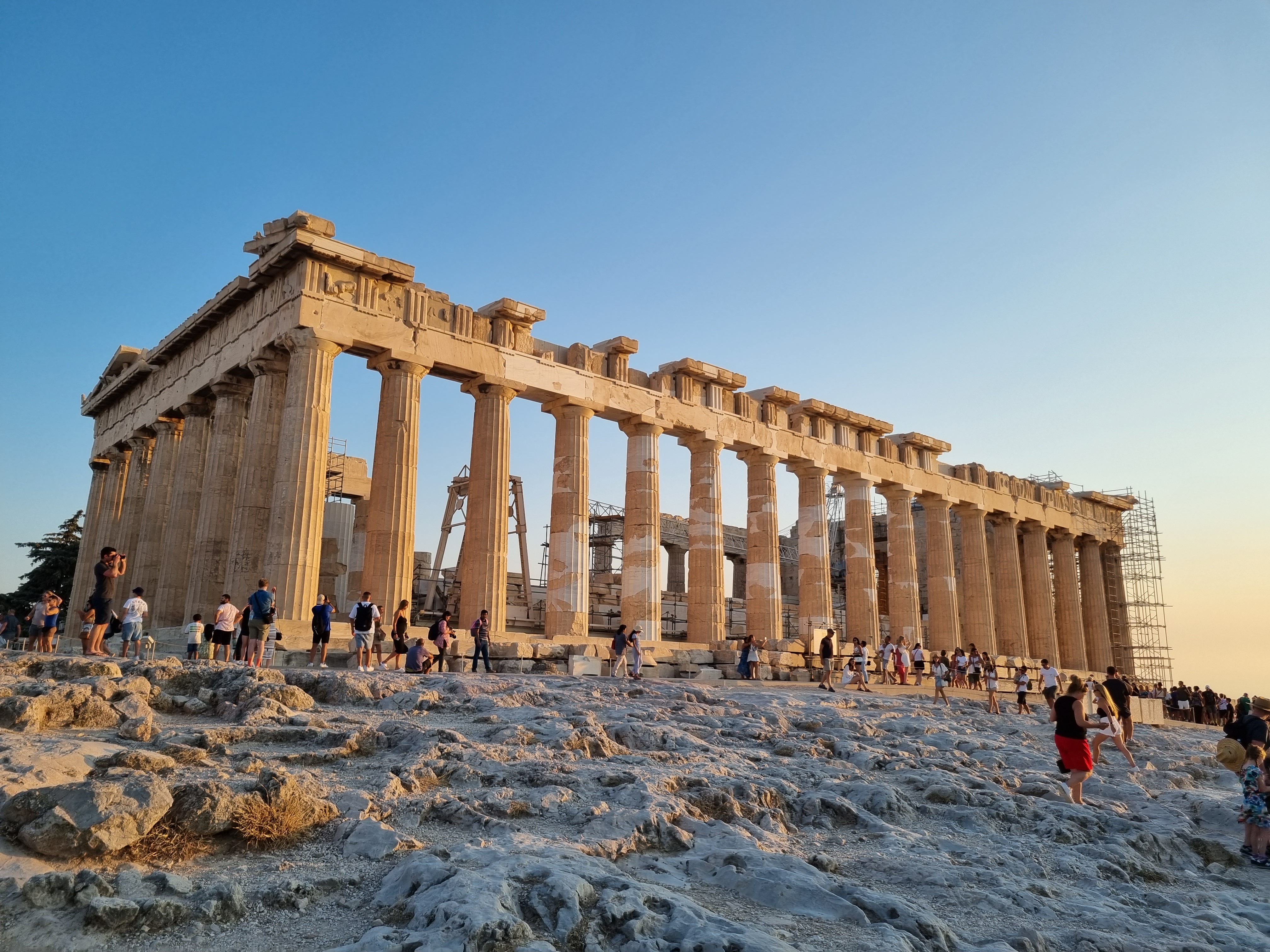
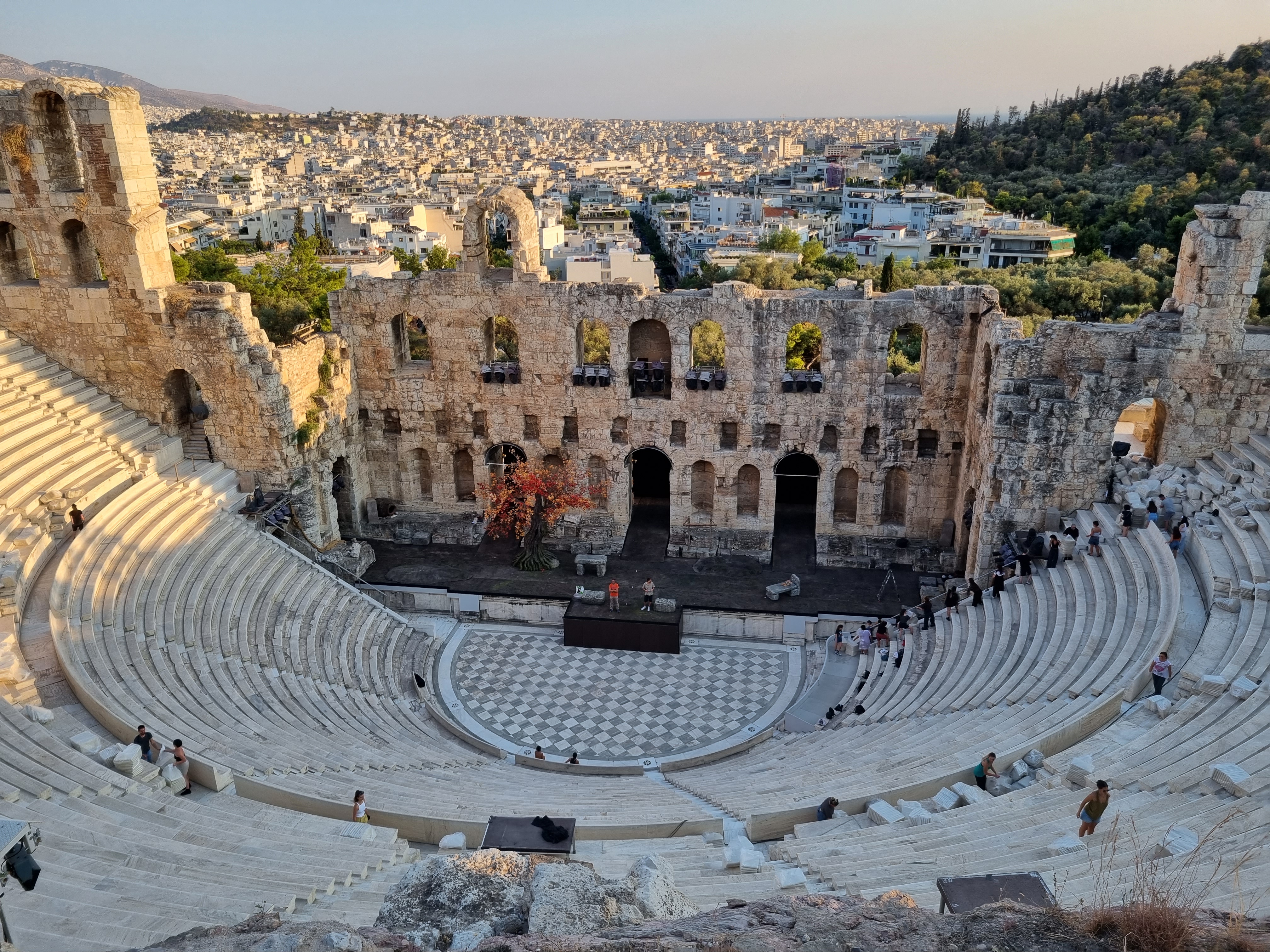
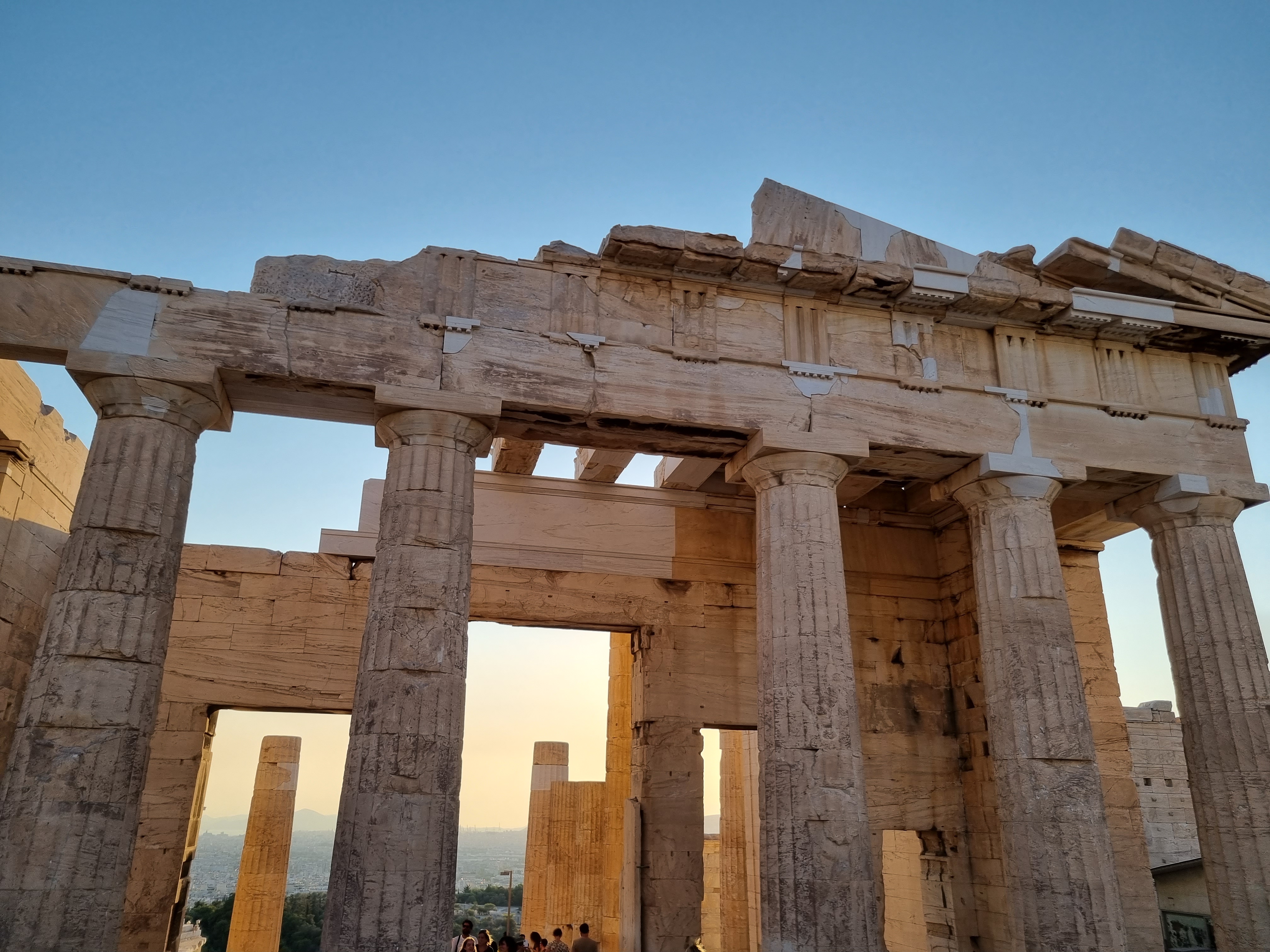
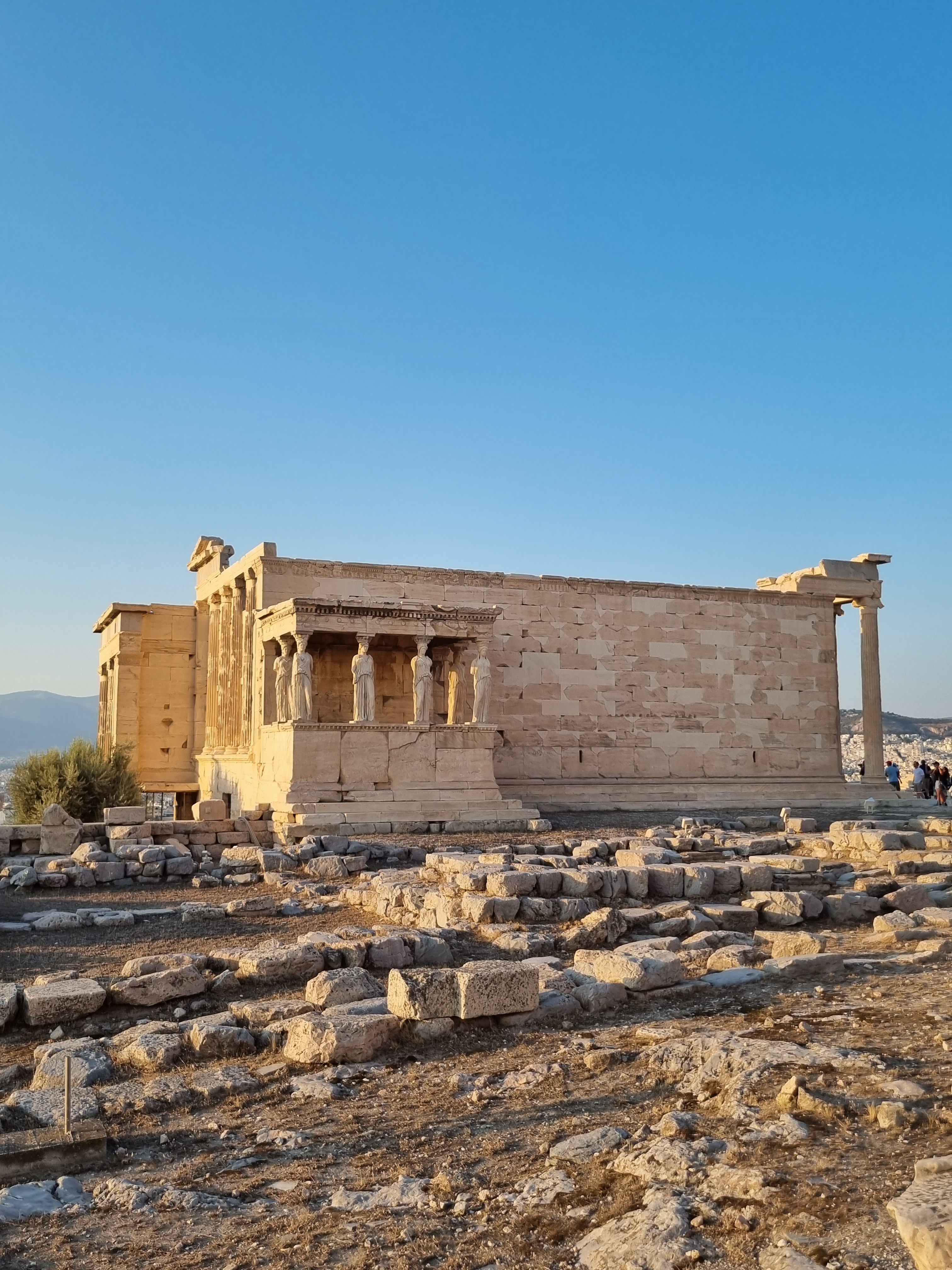
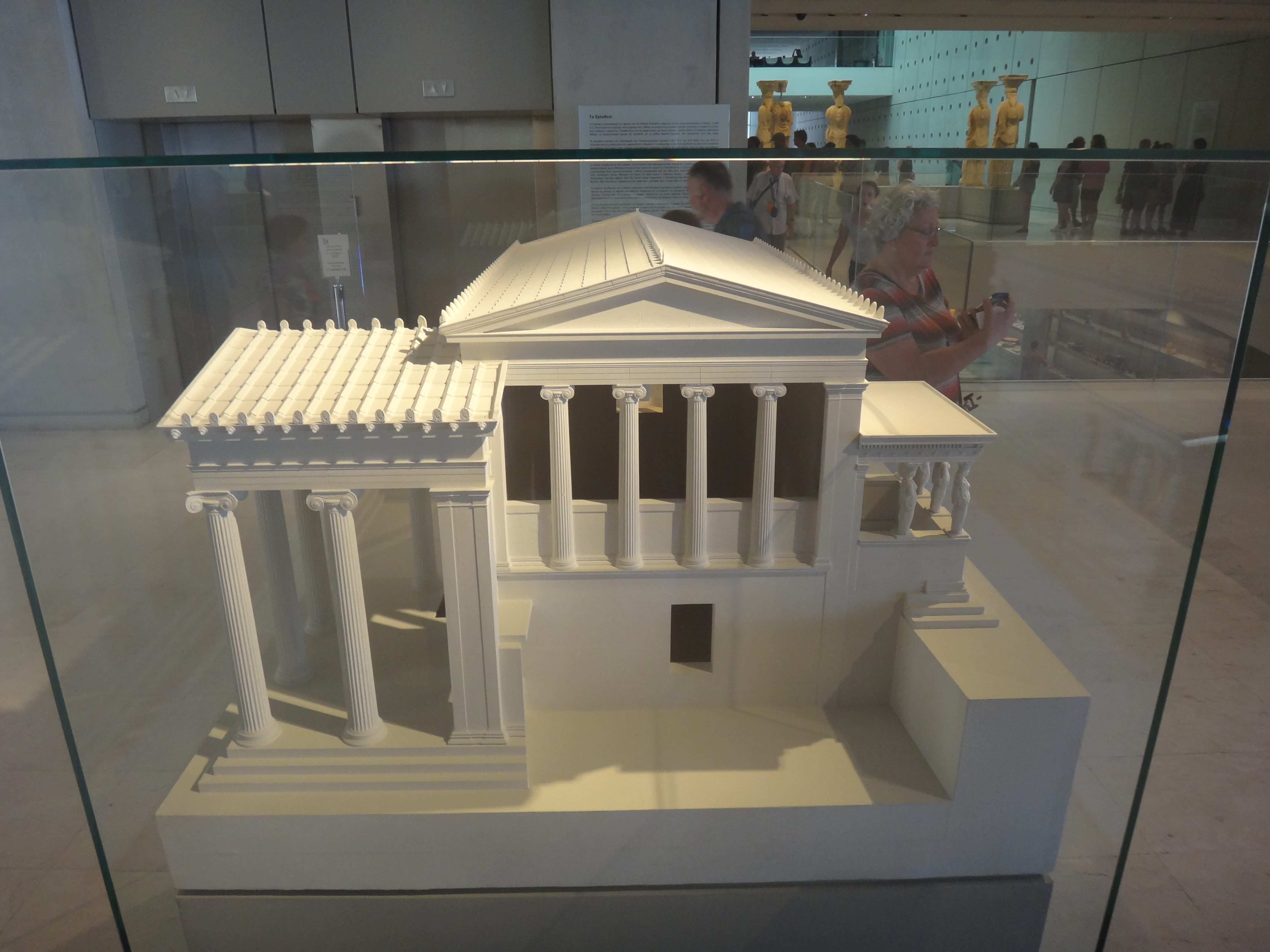
After arriving in Athens, you’ll probably start by strolling through the city center, and before long, you’ll find yourself drawn to its most famous landmark: the Acropolis. The Parthenon, the grand temple sitting atop the hill, is the most iconic sight, but the Acropolis is much more than just this one structure. The site also includes the Odeon of Herodes Atticus, an ancient theater still used for performances today, and the Erechtheion, with its famous Caryatid statues. Given its size and significance, I strongly recommend setting aside at least two hours to explore the Acropolis properly.
To avoid crowds, visit early in the morning or late in the afternoon. The first time I visited was early in the morning which was very calm and nice to explore. The second time I chose one of the last time slot, about two hours before sunset, and it was perfect. The golden light made the ruins even more breathtaking and it wasn’t overcrowded. More details on tickets and timings are below.
Before or after your visit to the Acropolis, make also sure to climb Areopagus Hill, just a short walk from the main entrance. This rocky viewpoint offers one of the best views of the Acropolis and is especially magical at sunset (and free!). However, be prepared, it’s a popular spot, and you’ll likely be sharing it with many other visitors.
Visitor information: To visit the Acropolis, you’ll need a timed entry ticket, which you should book in advance. Ticket prices vary depending on the season: general admission is €30 in summer (April–October) and €10 in winter (November–March). If you’re an EU citizen under 25, you can enter for free, and children under 5 from non-EU countries also get free admission. You need to book a free entry ticket though. Since the Acropolis is one of Athens’ most visited sites, securing your ticket ahead of time is highly recommended. For more details and bookings, click here.




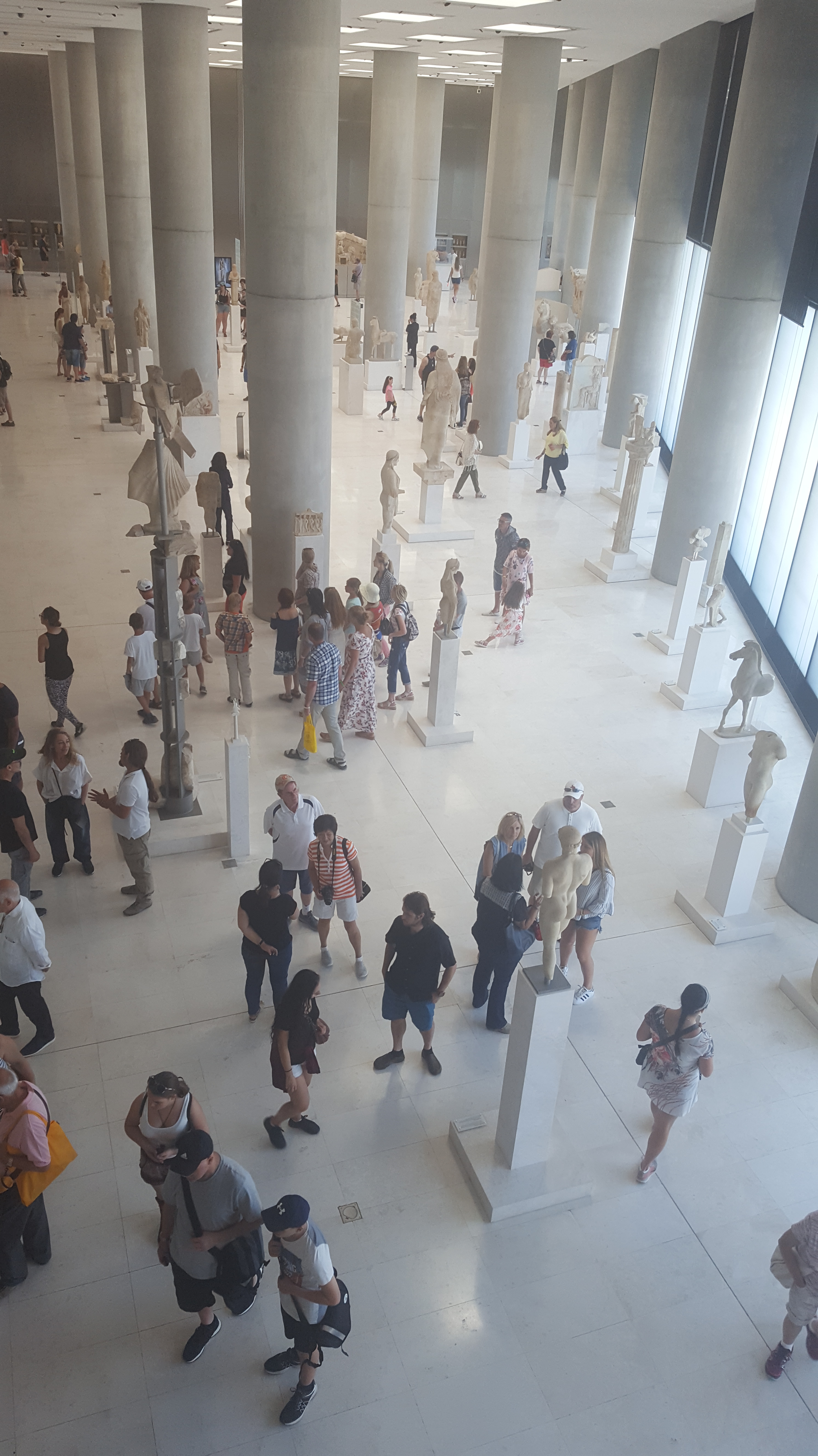
Depending on what time you visit the Acropolis, you might want to explore the Acropolis Museum either before or after. But be careful, many visitors get confused! The Acropolis and the Acropolis Museum are separate sites, and your Acropolis ticket doesn’t include entry to the museum.
From the Acropolis, it’s just a short walk downhill to the museum, and I highly recommend visiting it to add more depth to your experience. Seeing the museum first gives you valuable context before exploring the ruins, while visiting afterward helps you better understand what you just saw. I personally visited the Acropolis Museum only during my first trip to Athens and found it absolutely worth it. We spent about two hours inside, learning a great deal about the Acropolis, Athens, and Greek history as a whole. Don’t forget to check out the archaeological site beneath the museum, where you can see actual ruins under the glass floor, an incredible detail that many visitors miss!
Visitor information: Keep in mind that the Acropolis and the Acropolis Museum require separate tickets. The entrance fee for the permanent exhibition is €20, and reduced or free-admission tickets are only available at the museum’s ticket desk. For more details, click here.

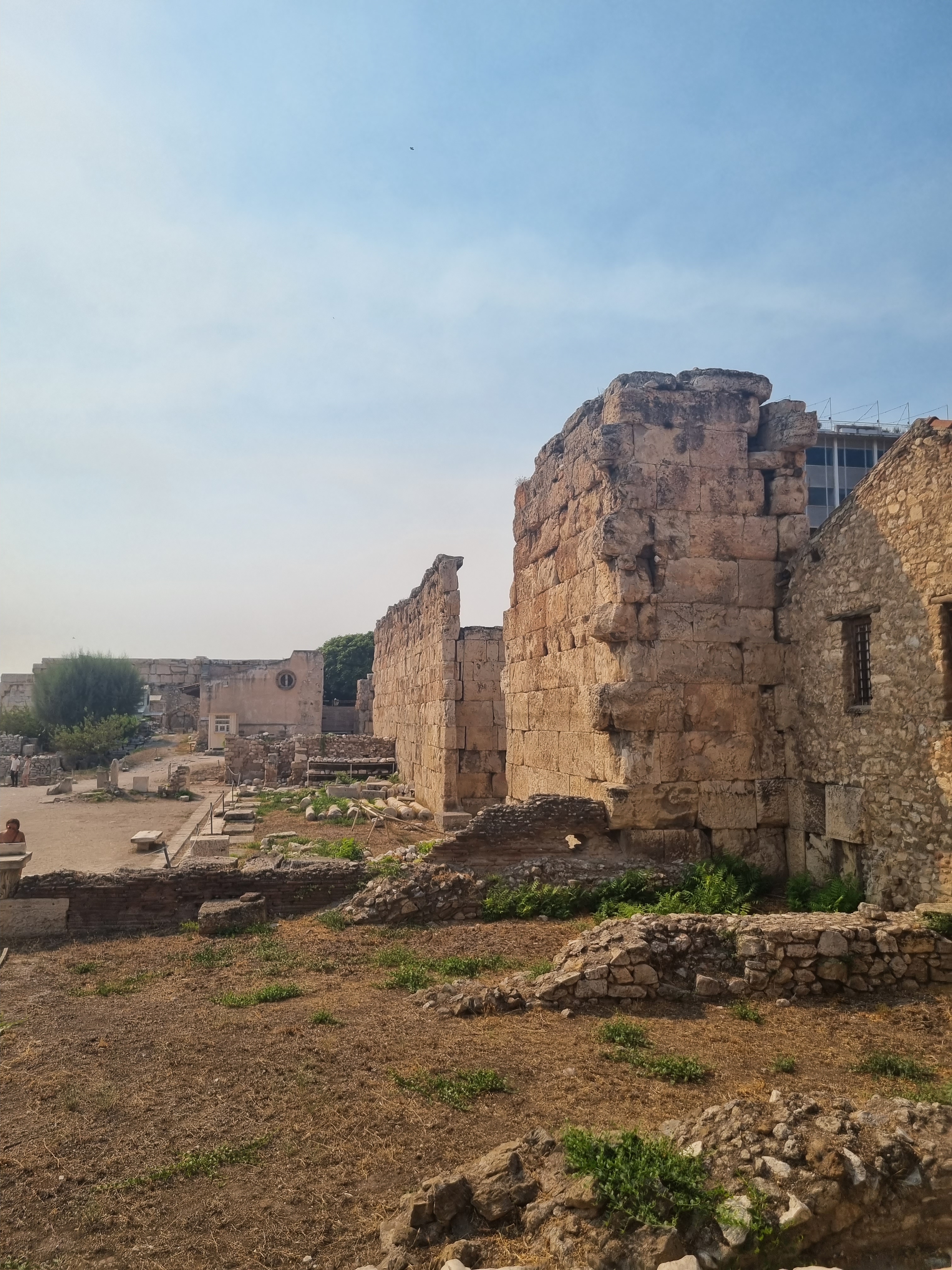
After exploring the Acropolis, take a short 15-minute walk to visit the Library of Hadrian, a fascinating archaeological site dating back to the 2nd century AD. Although only ruins remain today, with a bit of imagination, you can picture the sheer size and grandeur of what was once one of the most impressive libraries of the ancient world. Massive columns, remnants of reading rooms, and an open courtyard hint at its former splendor.
The site itself isn’t very large, so you won’t need more than 30 minutes to explore it. However, it’s a great addition to your historical tour of Athens and a wonderful way to dive deeper into the city’s Roman-era past.
Visitor information: A timed entry ticket is required to visit the library. General admission is €3, while EU citizens under 25 can enter for free. Children under 5 years old from non-EU countries also get free admission. Keep in mind that prices may be higher during the summer months. For more details, click here.

From there, make your way through the city to Syntagma Square, the political heart of Athens. This bustling square is home to the Hellenic Parliament, housed in a grand neoclassical building. In front of the parliament, you’ll find the Tomb of the Unknown Soldier, a symbolic monument dedicated to fallen soldiers. The site is guarded around the clock by the Evzones, soldiers dressed in traditional uniforms. One of the highlights here is the changing of the guard, which takes place every hour.
Syntagma Square is also a major transportation hub, with traffic constantly flowing past the parliament building. Finding a good spot to watch the ceremony can be tricky, especially as many visitors gather to witness this tradition. If you want a clear view, it’s best to arrive a little early to secure a good spot.

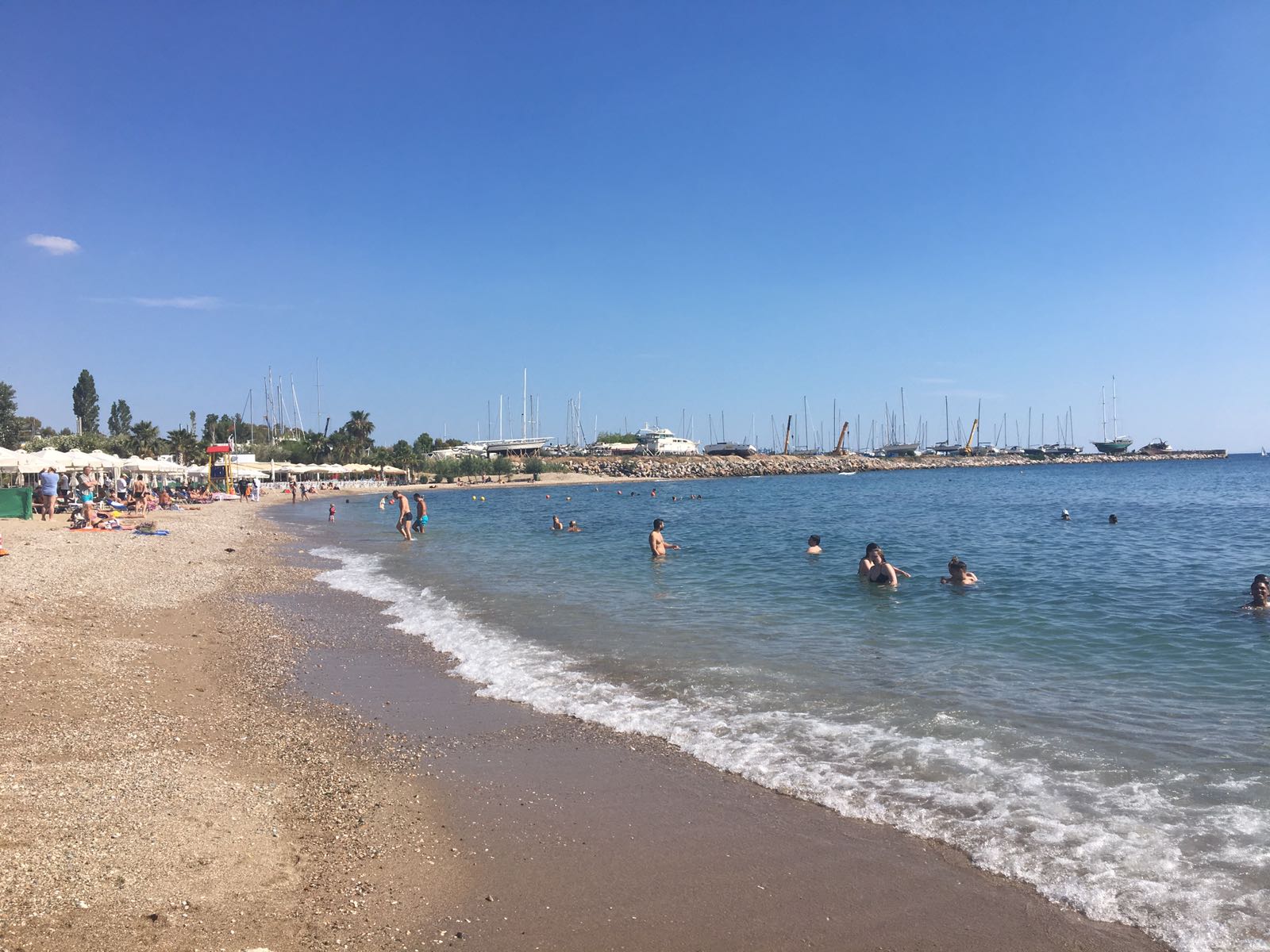
In the afternoon or early evening, why not take a break from sightseeing and relax at the beach? Especially in the summer, a refreshing swim is the perfect way to cool off after a long day of exploring Athens. However, be mindful of your belongings, theft can be an issue at some beaches, so it’s best not to leave your things unattended. If you’re visiting with friends or family, take turns going into the water to keep an eye on your valuables.
As the day winds down, make sure to catch an Athenian sunset. The city is bathed in golden hues, creating a breathtaking view whether you’re at the beach, on a rooftop, or watching from one of the city’s many scenic hills.

Day 2 – Theatre of Epidaurus and Kerameikos
On your second day in Athens, you can either continue exploring the city or head out on a day trip to discover the surrounding region. If you’re up for an adventure, consider renting a car or booking a tour to visit some of Greece’s most incredible historical sites.
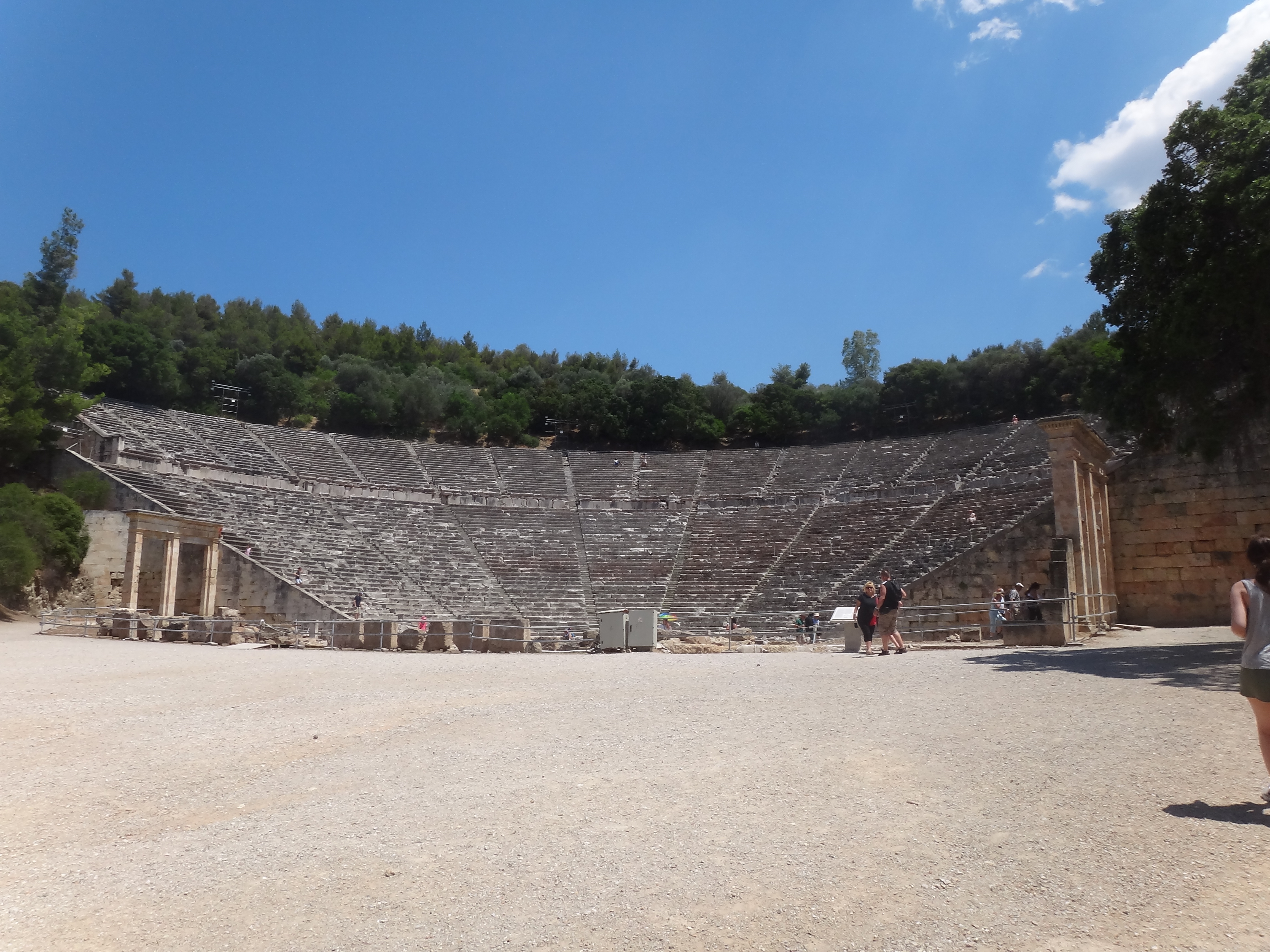
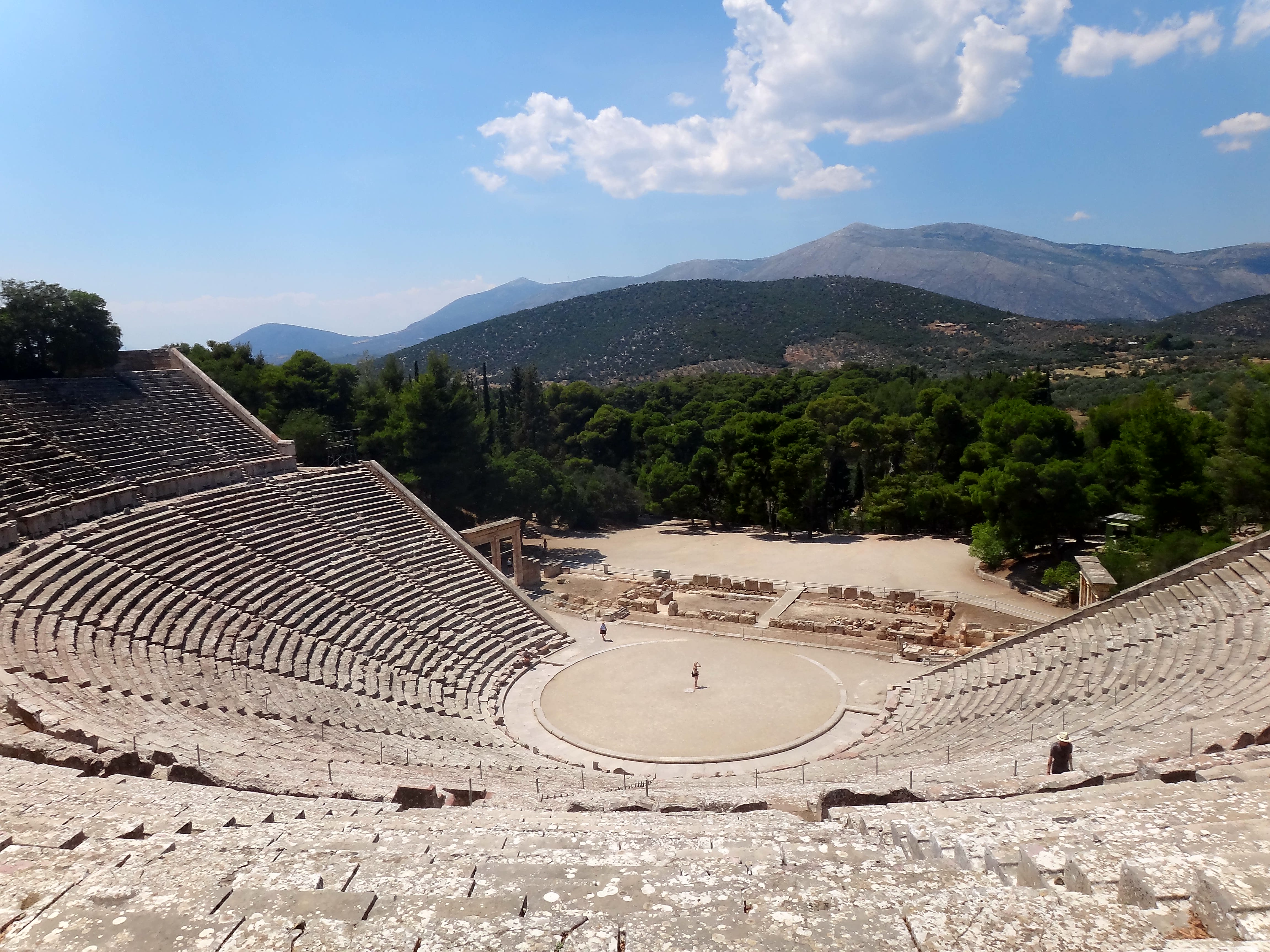
One fantastic destination is the Theatre of Epidaurus, one of the best-preserved ancient theaters in the world, renowned for its perfect acoustics. The drive from Athens to Epidaurus takes around two hours, but there’s a perfect spot for a break along the way: the famous Corinth Canal. Located about one hour from Athens, this stunning man-made waterway dramatically cuts through the Isthmus of Corinth, with towering rock walls rising over 70 meters (230 feet) high. Though too narrow for most modern ships, it remains an engineering marvel and a fantastic photo opportunity.
From there, continue another hour’s drive to reach the Ancient Theatre of Epidaurus, one of the best-preserved theaters of the ancient world. This amphitheatre is an architectural masterpiece, famous for its flawless acoustics, even the softest whisper from the stage can be heard perfectly in the highest seats try it out! Nestled among lush green hills, Epidaurus is a must-visit for history lovers.



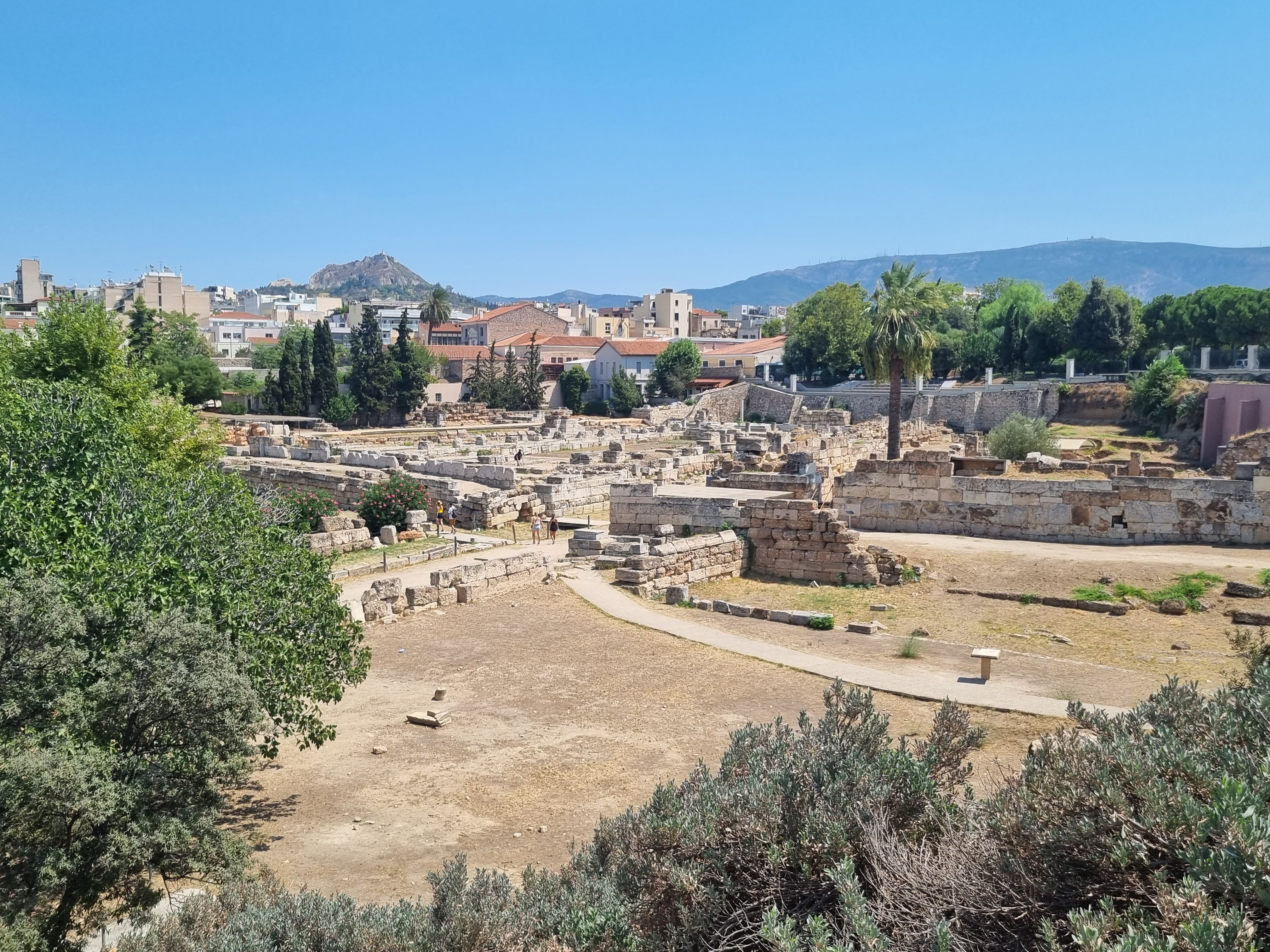
Depending on when you return from your day trip, if you still have time and energy to explore Athens, consider visiting the Kerameikos Museum and the ancient cemetery nearby. Located in the heart of Athens, the Kerameikos was once the potters’ district of the city, but it’s more famous today for its ancient cemetery, one of the most significant burial grounds of classical Athens.
Here, you can wander through the archaeological site, where you’ll find well-preserved tombs, monuments, and statues that offer fascinating insights into ancient burial practices. The Kerameikos Museum, located right next to the site, houses an impressive collection of artifacts found during excavations, including sculptures, pottery, and votive offerings that date back to the 5th century BC.
Visiting this peaceful and lesser-known spot offers a unique chance to dive deeper into Athens’ history and culture.
Visitor information: General admission to the Kerameikos Museum is €4, and your ticket also grants you access to the archaeological site of Kerameikos. During the winter season, all visitors are entitled to a reduced ticket price. For more details, click here.

Summary of activities
- Acropolis
- Acropolis Museum
- Odeon of Herodes Atticus
- Erechtheion
- Areopagus Hill
- Library of Hadrian
- Syntagma Square
- Hellenic Parliament
- Tomb of the Unknown Soldier
- Theatre of Epidaurus
- Corinth Canal
- Ancient Theatre of Epidaurus
- Kerameikos Museum
Where to eat
Booking Checklist
Travel Insurance
I highly recommend getting travel medical insurance while you’re traveling. Hopefully, you’ll never need it, but it’s always better to be safe than sorry. SafetyWing offers two flexible plans tailored to your travel needs. Whether you’re a short-term adventurer or a long-term expat, you’ll have reliable coverage anywhere in the world.
SafetyWing is especially great for remote workers and digital nomads, offering continuous global coverage even if you’re hopping between countries. Of course, it’s also a solid option for frequent travelers or those constantly on the go. But if you’re only traveling occasionally or just for a short holiday now and then, there might be better-suited alternatives.
Accommodations
I usually rely on Booking.com for hotels and Airbnb for vacation rentals. They both have the largest selection and tend to offer the most reliable prices.
Data for your Trip
I use Saily for international cell data. They offer a variety of eSIM options depending on the country and their eSIMs are easy to install, activate instantly upon arrival, and let you skip buying local SIM cards or paying expensive roaming fees.
Tours and Experiences
I always use GetYourGuide to find the best tours and experiences in a city or country. It’s my go-to platform for planning activities, and I’ve always been very satisfied with the experiences I booked through them.
Rental Car
I’ve rented at least six cars and always booked them through check24 (ad), which I can highly recommend. The website offers good deals, the insurance is quite cheap and provides good coverage, and the customer service is very efficient and accommodating. However, Check24 currently only offers its website in German. So it’s mandatory to speak the language.









 Michelle Cacija
Leave a reply to sabrinasanchez122 Cancel reply