
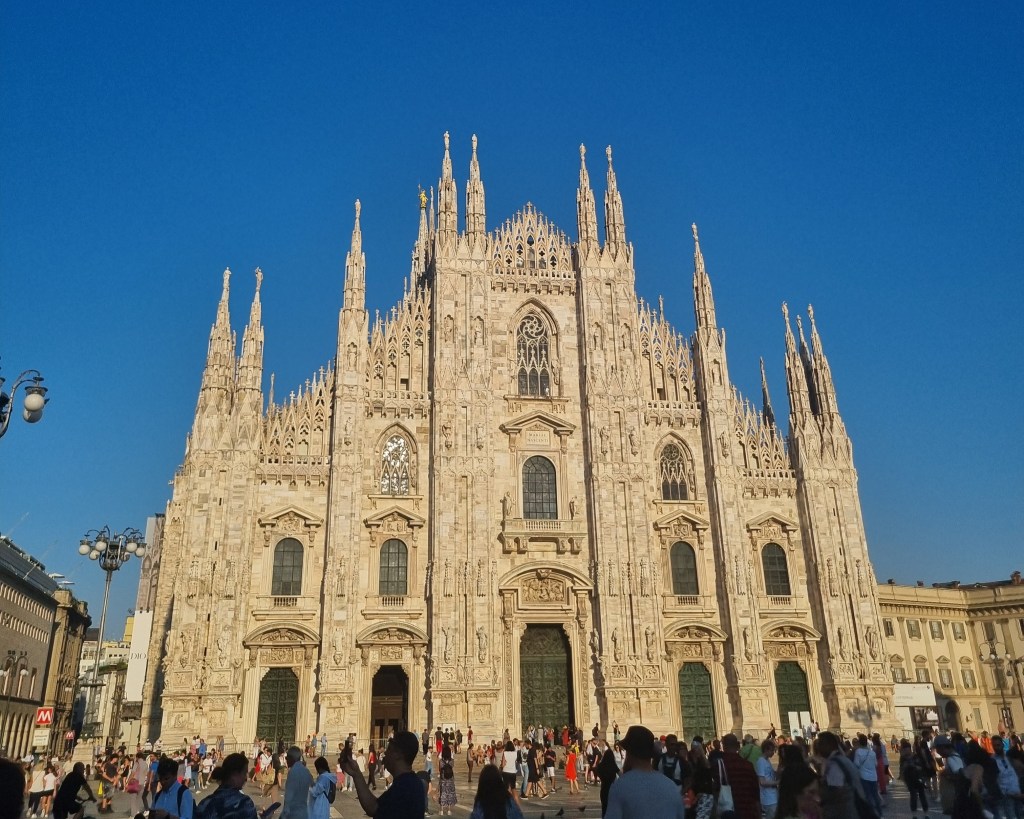
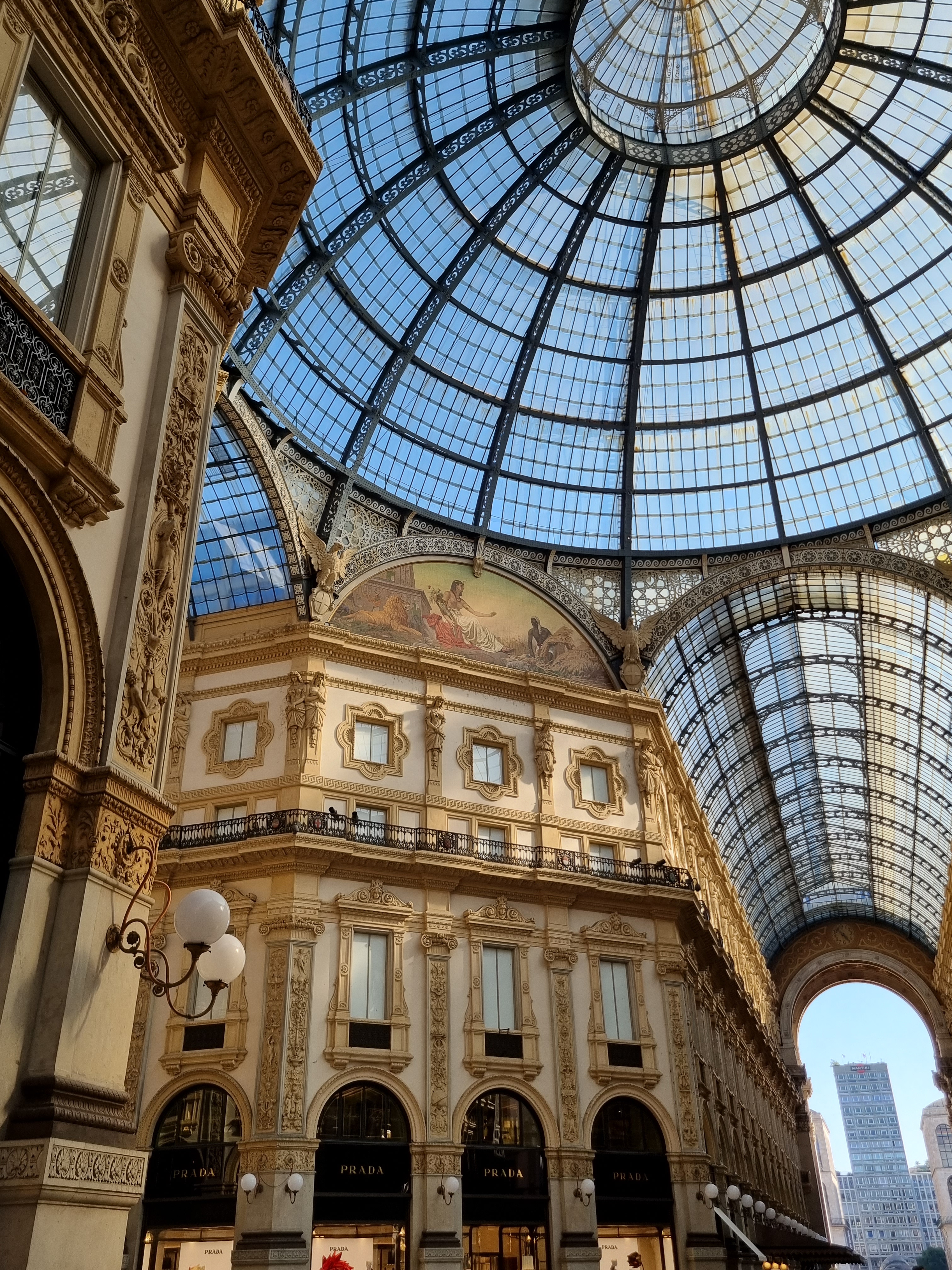
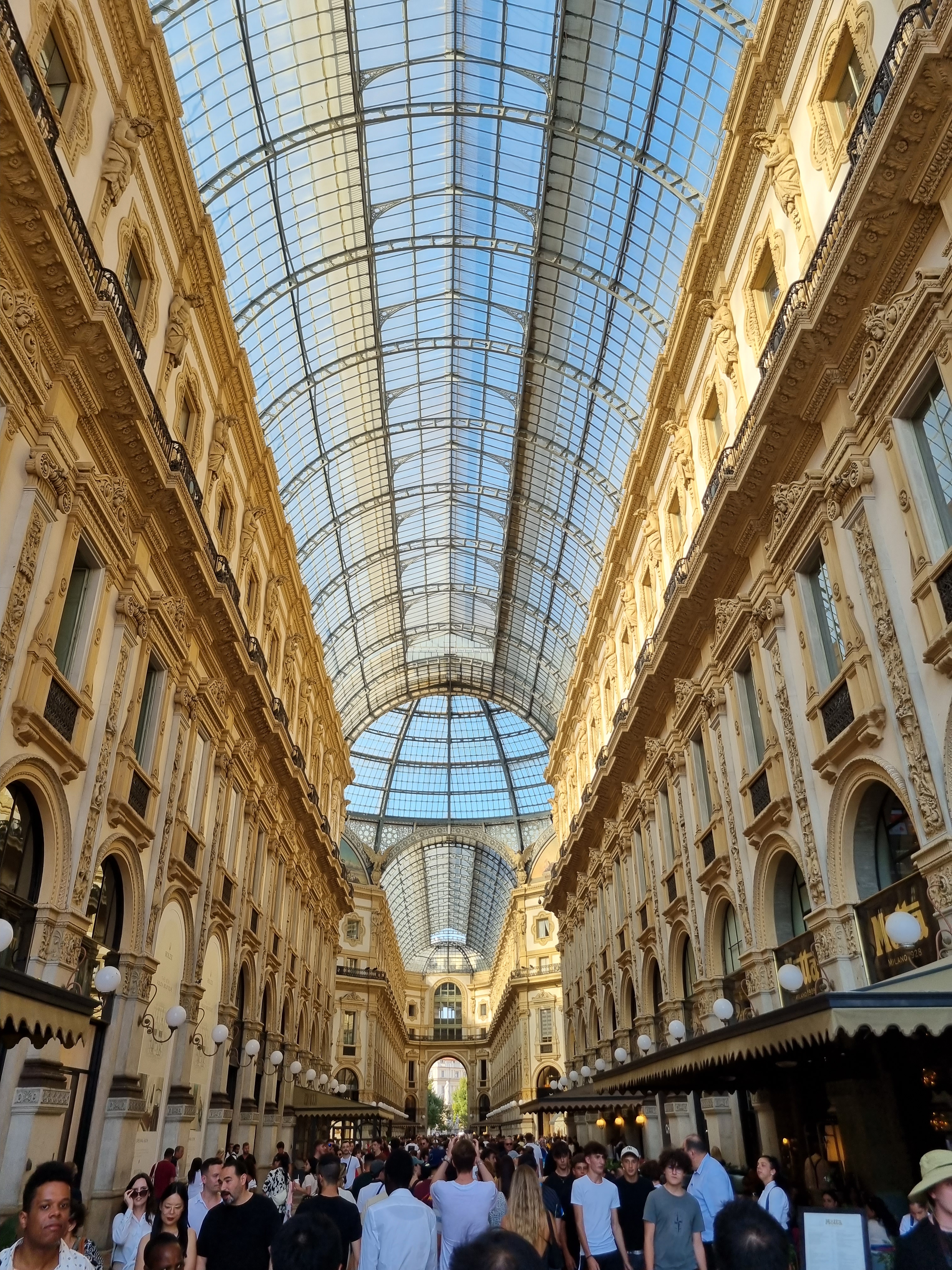
Step into the heart of Milan, where ancient beauty meets modern charm. As the golden sun dances across the marble spires of the Duomo di Milano, you’ll feel like the time pauses. Just a few steps away, the Galleria Vittorio Emanuele II opens its grand glass roof above you. It’s more than just a shopping arcade, it’s like a walk through time, where designer stores meet century-old mosaics and cafés with silver trays.
In the streets, the air is alive with the scent of pizza fresh from the oven, strong espresso, and the warm aroma of garlic, basil, and tomatoes drifting from cozy trattorias. Around every corner, Milan reveals something unexpected, quiet courtyards, world-famous art, or a cute little pastry shop. Curious to discover more? Then servus and welcome to my Milan Blog!
As always, I want to remind you, that this blog isn’t perfect because everyone travels differently, and all trips involve changes of plans. I want to let you know that everything on this website has been experienced, photographed, and written by me. Since I finance all of my travel expenses on my own, the stories and opinions given are truly my own. If you’re interested in seeing more travel pictures or videos, feel free to check out my Instagram @michellecacija or my Tik Tok @michellecacija.
Index
- The Basics about Milan
- Things you need to be aware of
- Itinerary
- Summary of activities
- Where to eat
- Booking Checklist
- Other Italy Blogs
The Basics about Milan
When to visit
Milan is a city you can visit year-round but some seasons are simply better than others. Summer, especially July and August, can get uncomfortably hot and humid, with temperatures often rising above 35°C (95°F). The heat tends to linger in the air, making long days of sightseeing a bit of a challenge.
That’s why I rather recommend doing your trip in spring or autumn. The months of May to June and September to October offer the best balance: mild, pleasant temperatures and fewer rainy days. It’s the perfect time to explore the city on foot, sit outside at cafés, and soak up the atmosphere without overheating. I visited Milan in September, and the weather was quite warm but still very comfortable, ideal for wandering through the city.
Time Period
How much time you should spend in Milan really depends on what you want to see and do but in general, three days is probably a good amount of time to get a good feel for the city. At first, Milan may seem compact, but don’t be fooled, the city is larger than it appears, and many of its main attractions are spread out across different areas. That means you’ll want to give yourself enough time to explore without rushing, especially if you plan to visit museums, enjoy some shopping, or take long walks through the different neighborhoods.
Getting there
Reaching Milan is easy, no matter how you choose to travel. Whether you’re arriving by car, plane, bus, or train, this city is well connected. The fastest way to get to Milan is probably by plane, depending on where you’re coming from. The city is served by not just one, but three international airports: Linate, Malpensa, and Orio al Serio (also known as Bergamo Airport). While each airport is located at a different distance from the city center, the travel time into the city is surprisingly similar from all three, usually around 45 to 50 minutes.
Where to stay
Milan offers a wide range of accommodation options, from luxurious hotels to more budget-friendly choices like hostels and home stays. However, be prepared for average to high prices, especially in the city center, where demand is high due to the city’s popularity and prime location.
If you’re looking to save a bit without compromising too much on convenience, I recommend considering staying just outside the city center. While the heart of Milan is bustling with activity, you’ll find that staying slightly further out can offer more affordable options. The public transport system in Milan is excellent, and most areas are well connected, so you’ll still have easy access to all the major attractions. Plus, the city’s vibrant neighborhoods just outside the center have their own charm, offering quieter, more local experiences.
On my trip, I opted for a home stay, which was quite affordable. They can often be a more budget-friendly choice, but make sure to always check reviews before booking to ensure a positive experience.
Getting around
Milan is easy to get around, whether you’re using public transport or simply exploring on foot. The city has a reliable and well-connected metro system, supported by an extensive network of buses and trams. Even if you’re staying outside the historic center, it’s no problem, public transport will get you to the heart of the city quickly and efficiently. Trains and buses run frequently, making it easy to move between neighborhoods. That said, Milan’s city center is best explored on foot. Most major sights are just a short walk from one another, and strolling through the streets is a great way to soak up the city’s atmosphere.
What to pack
What you should pack for Milan really depends on the time of year you’re visiting. In spring and autumn, layers are key, think light sweaters and a light jacket. Summers in Milan can get hot and humid, so go for breathable fabrics, sunglasses, and comfortable shoes for walking. Winter calls for warm coats, boots, and cozy layers, especially if you plan to spend time outdoors. No matter the season, Milan has a fashionable vibe, so pack at least one chic outfit for dining out.
Additionaly, consider bringing your own little medication bag, including Band-Aids, pain relief tablets, sleeping tablets or spray, bug spray, aftersun, etc. You never know what you might need it for, and you might feel more comfortable using medication from home rather than in a country where you don’t know the ingredients and languages. If you’re coming from outside Europe, don’t forget to bring a Type C power adapter.
Cost of traveling
When it comes to expenses, how much you’ll spend in Milan really depends on your travel style, your choice of accommodation, and the kind of experiences you’re looking for. That said, it’s worth knowing that Milan is one of the most expensive cities in Italy, especially when it comes to dining out and staying in or near the historic center. I chose to stay a bit outside the city center in a home stay, which turned out to be a great decision. It was not only more affordable, but also quiet and comfortable.
If you’re looking to save money, consider booking a hotel or home stay outside the central area. Just make sure it’s close to a metro or bus station, or that you’re comfortable walking a bit more.
Things you need to be aware of
On Sundays, shops and supermarkets are usually closed, while restaurants, cafes, and attractions like museums or churches remain open. There are a few exceptions, though, and you might find a few supermarkets that are open.
Regarding water in Italy, you can safely drink tap water as it’s clean and meets the World Health Organization standards.
Toilet situation. Unfortunately, public restrooms typically cost around 50 Cent to a euro in Italy (and many other European countries). So, make sure to carry a few coins with you and always use the restroom before leaving your accommondation, a restaurant, or a café.
Tipping. In Italy, tipping isn’t as common or expected as it is in some other countries. However, it’s appreciated if you receive exeptional service. It’s common to round up the bill or to leave a tip of around 5-10% in restaurants and cafes.
The currency in Italy is the Euro. While a few years ago, Milan was still very cash-oriented, they now accept cards mostly everywhere. It’s still advisable, though, to bring some cash with you.
Itinerary
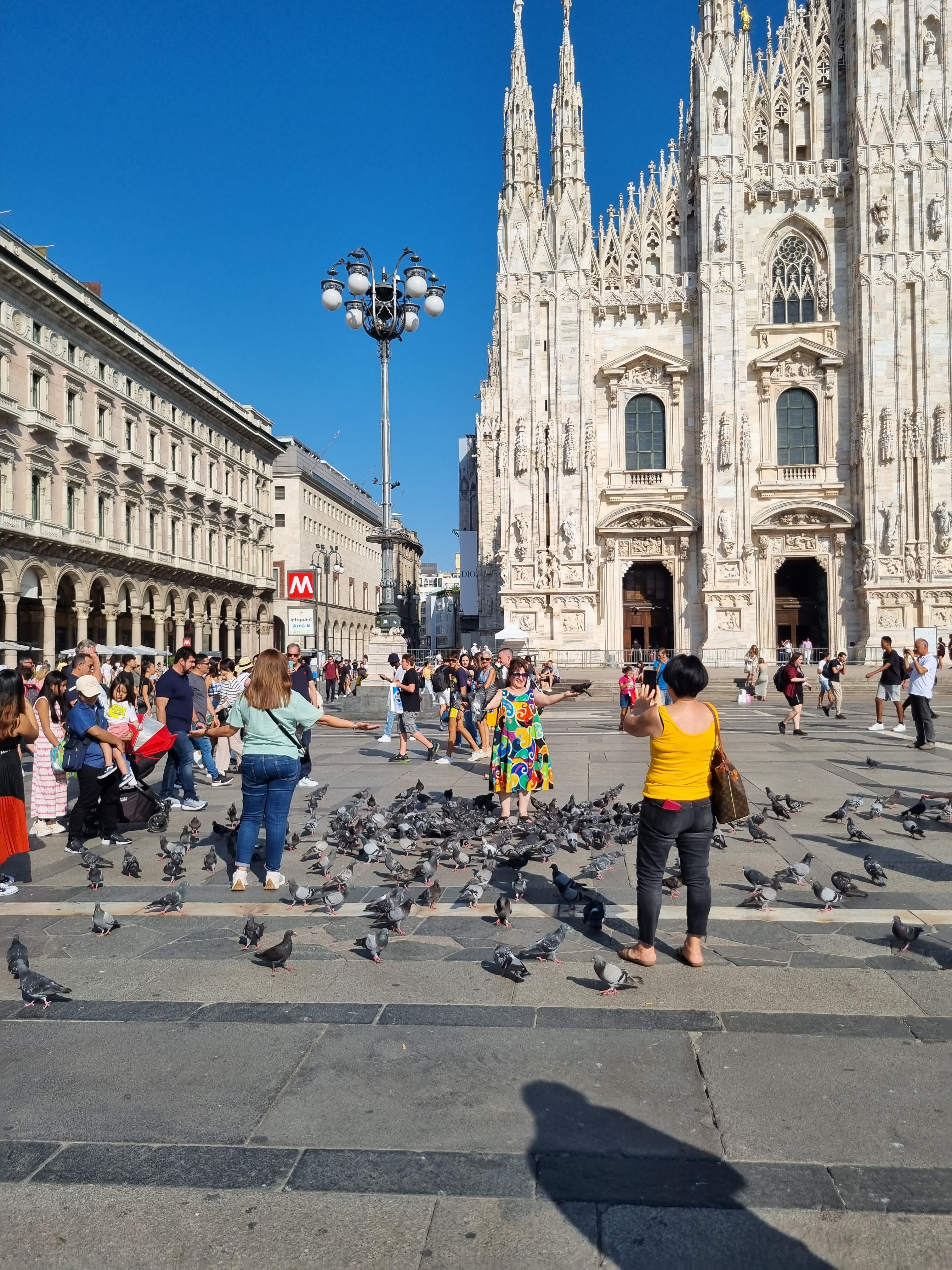
One of the first things you’ll likely encounter in Milan is the magnificent Duomo, a breathtaking cathedral that will leave you speechless. As one of the largest churches in the world, the Duomo boasts around 3,400 statues and 164 stunning windows, each more intricate than the last. What truly surprised me, though, was the sheer scale, cleanliness, and beauty of the piazza surrounding it — the entire area is like stepping into a living postcard. What you will unfortunately find, though, are plenty of pigeons, which can be a bit of a nuisance!
A highlight of the Duomo is its rooftop terrace, which is open for visitors to explore. Picture yourself wandering between towering stone columns and statues, with views of Milan’s skyline stretching out beneath you. However, during my visit, I didn’t manage to enter the cathedral itself, as the line was ridiculously long. But trust me, it’s on my list for next time!
Visitor Information: Tickets are available both on-site and online, but I highly recommend purchasing them in advance, especially during peak season, to avoid waiting in those notorious lines. Click here to buy tickets and find more details.

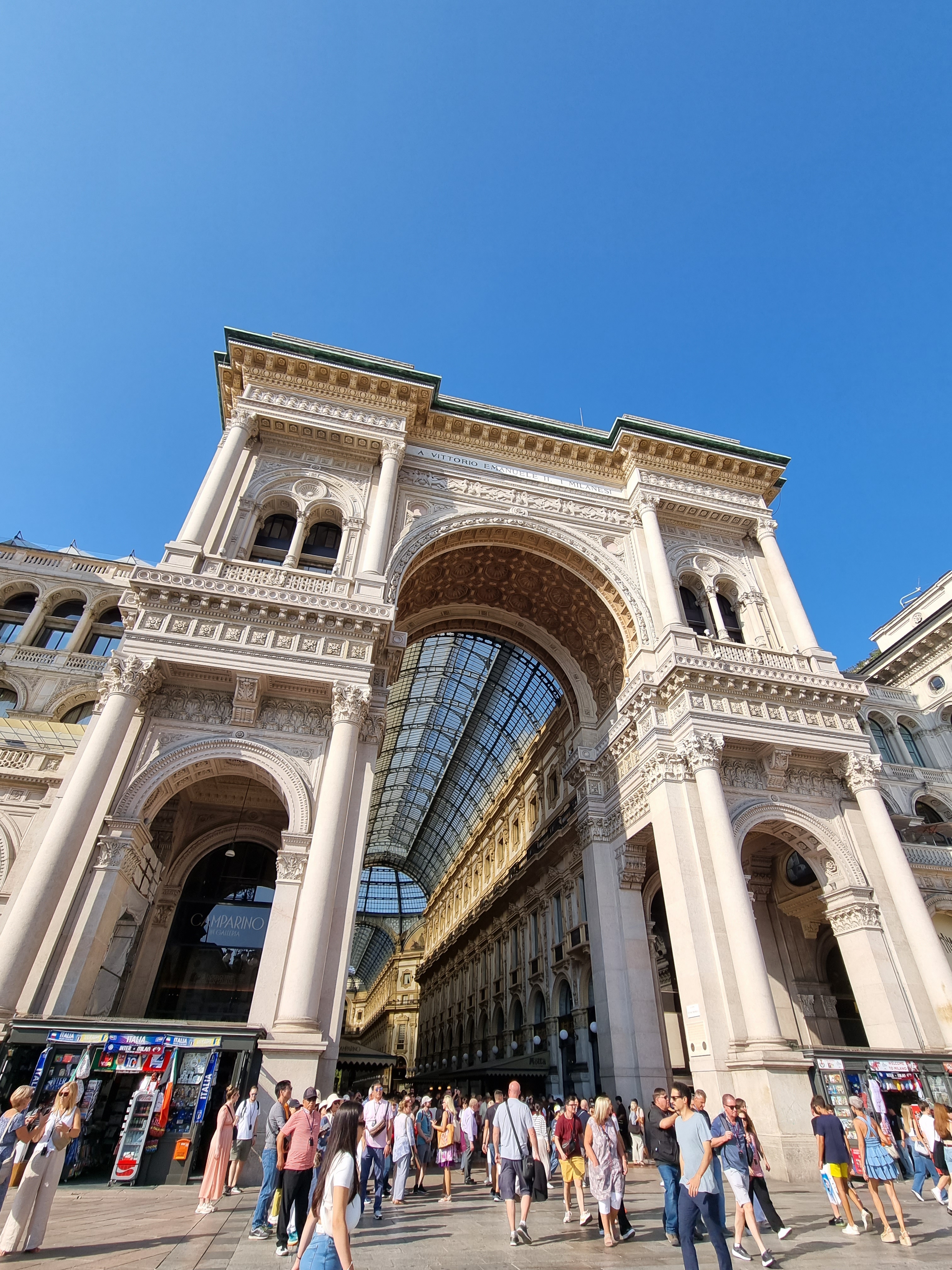
Right next to the iconic Duomo, you’ll find the Galleria Vittorio Emanuele, Italy’s oldest shopping arcade. This elegant passage is a feast for the eyes, with golden stucco, intricate mosaics, chic designer boutiques, and cozy cafés that line the grand space. Connecting the Piazza del Duomo to the Teatro alla Scala, a stroll through this stunning architectural gem is an absolute must when you’re in Milan, it’s a place you just can’t miss!

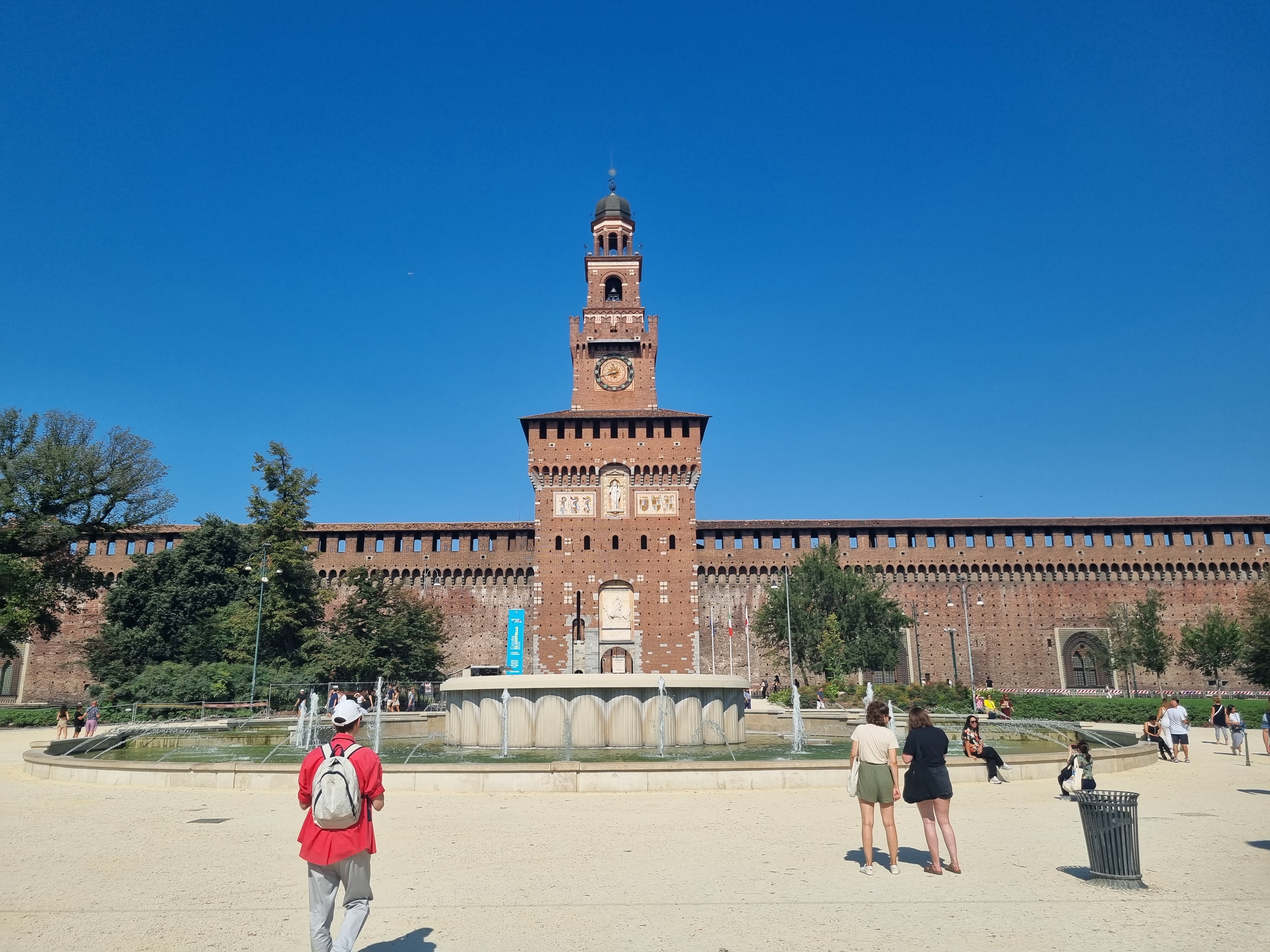
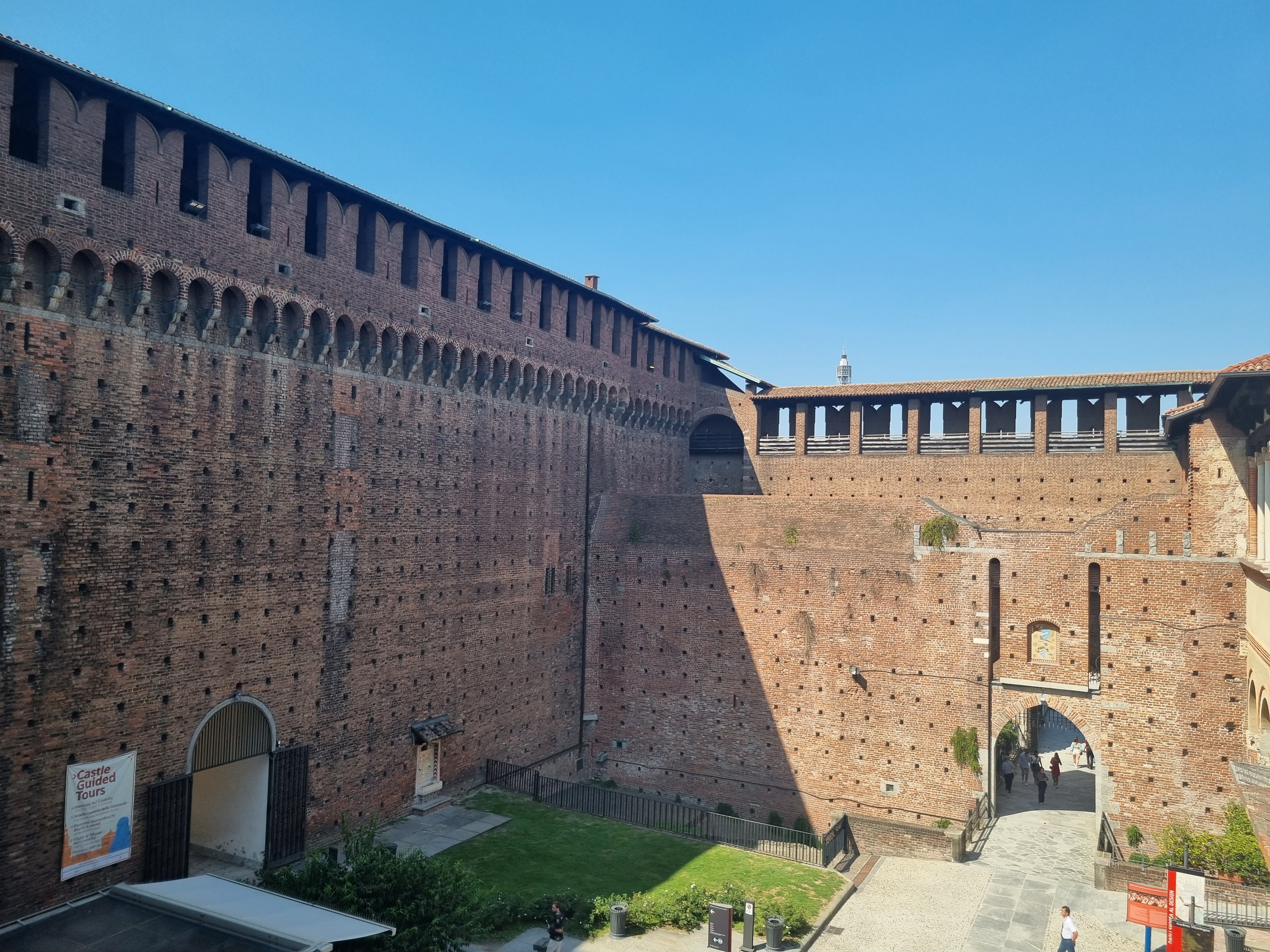
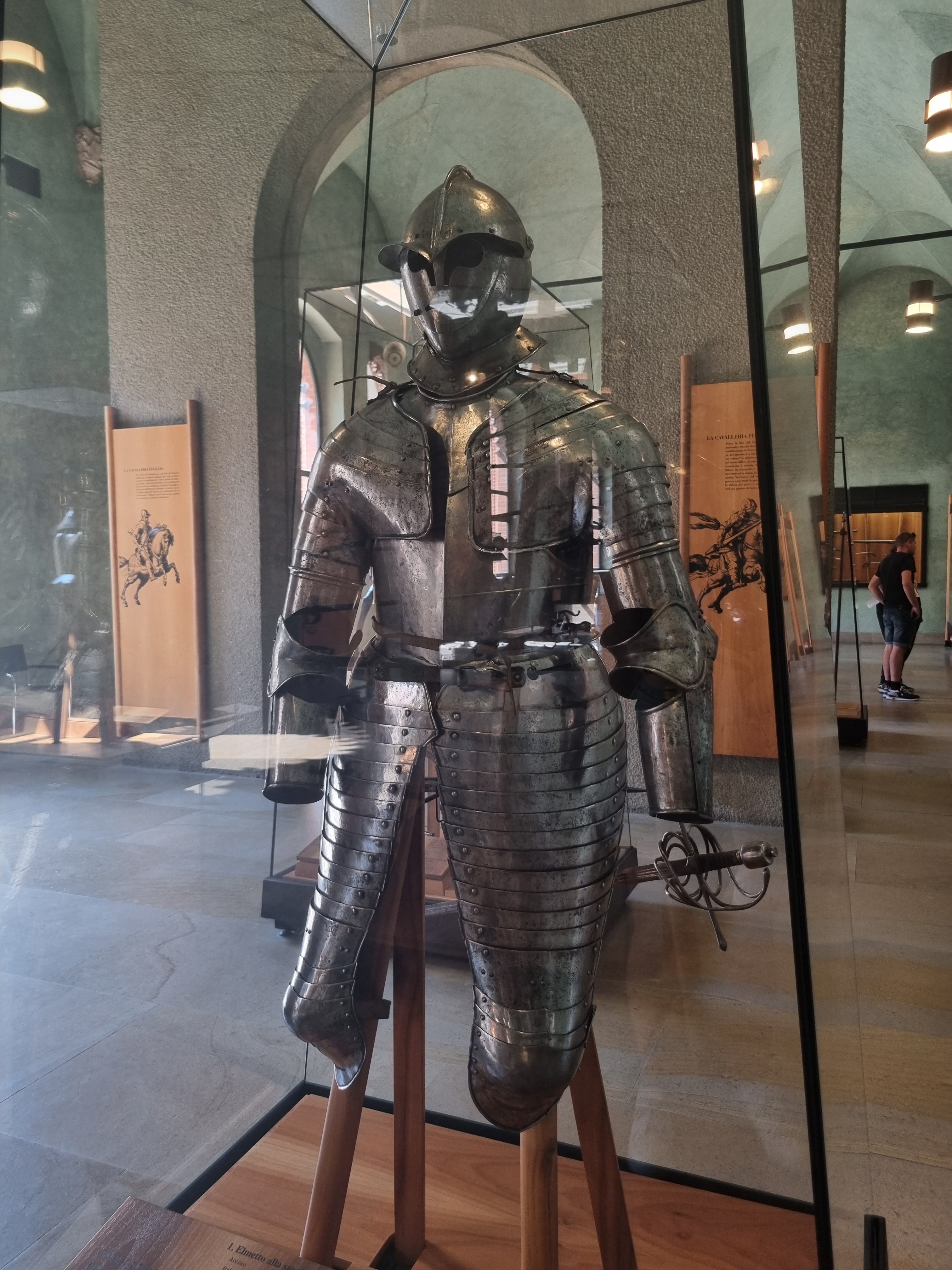
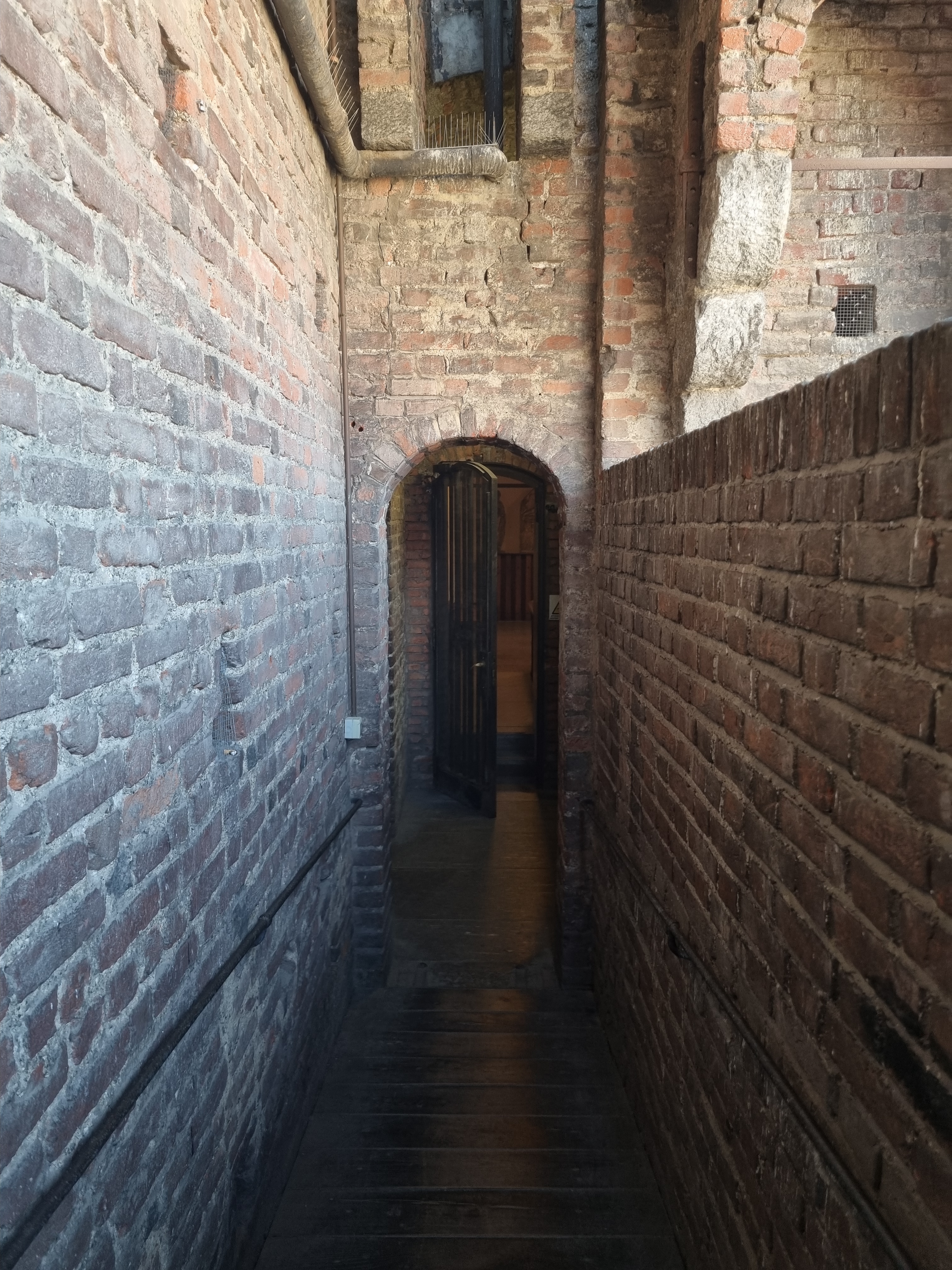
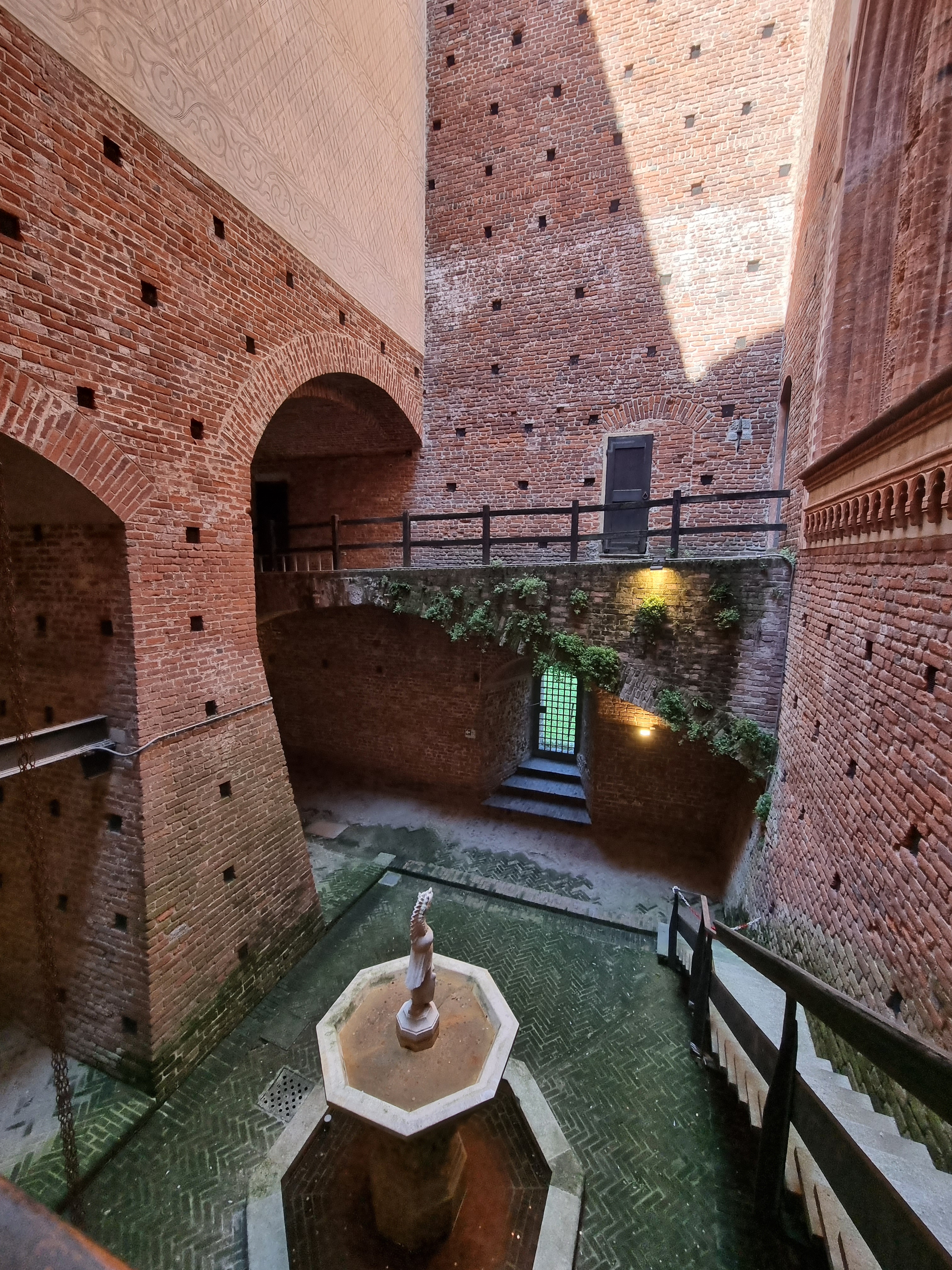
Just a 15-minute walk from the Duomo, you’ll find Castello Sforzesco, a grand medieval fortress that’s perfect for a relaxed stroll through Milan’s history. The castle’s spacious courtyards are open to the public and free to explore, offering a peaceful escape from the city buzz. Inside, you’ll find several museums and rotating exhibitions from Renaissance art to ancient artifacts making it a great spot for culture lovers.
Right behind the castle, the city suddenly opens up into the vast and lush Parco Sempione. This beautiful city park is filled with lakes, wide green meadows, and plenty of shady spots under tall trees ideal for taking a break, especially on hot summer days.
Visitor Information: Entry to all museums inside the castle costs just €5, and tickets can be purchased on-site or online. Click here for more info and tickets.

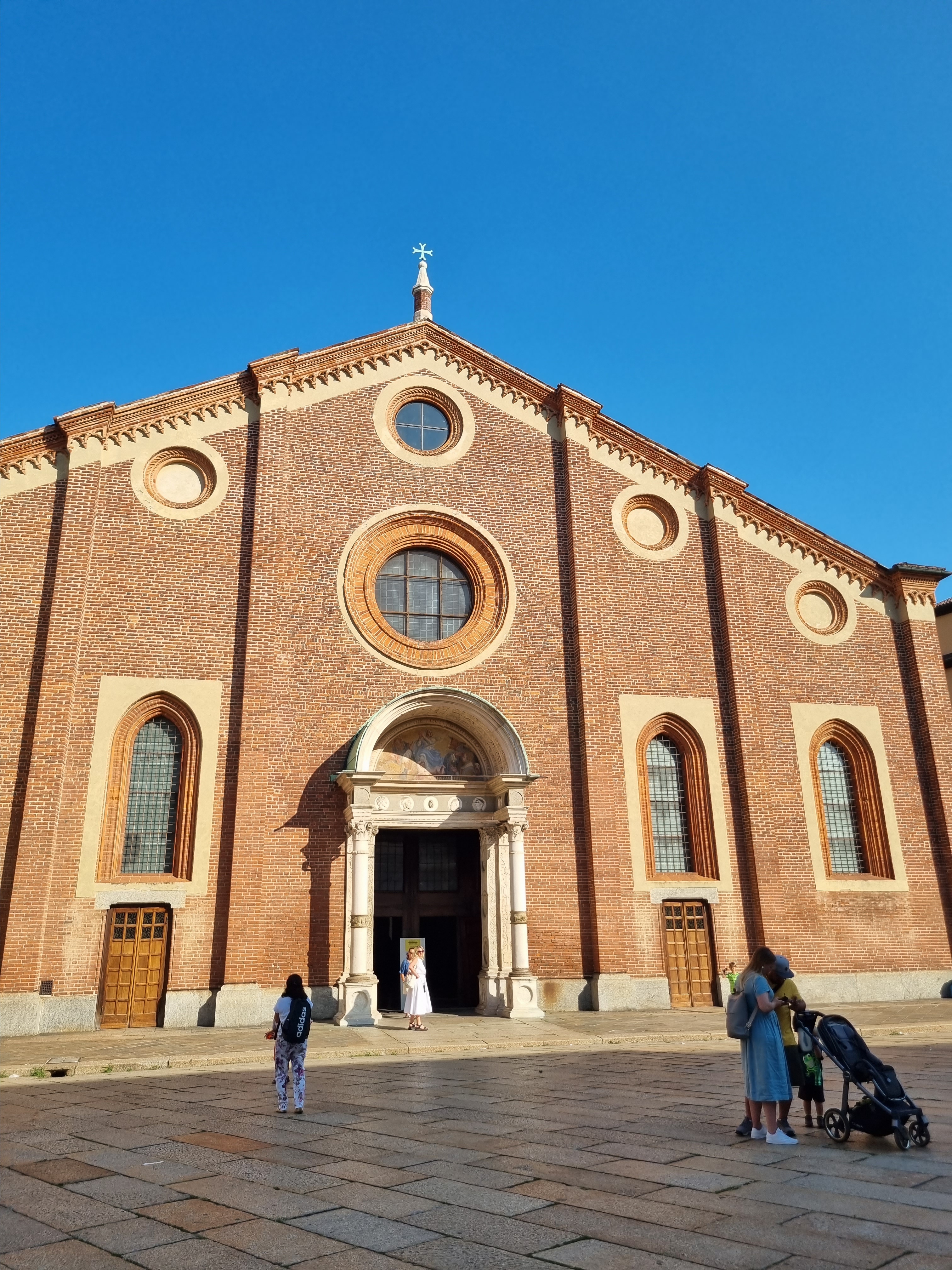
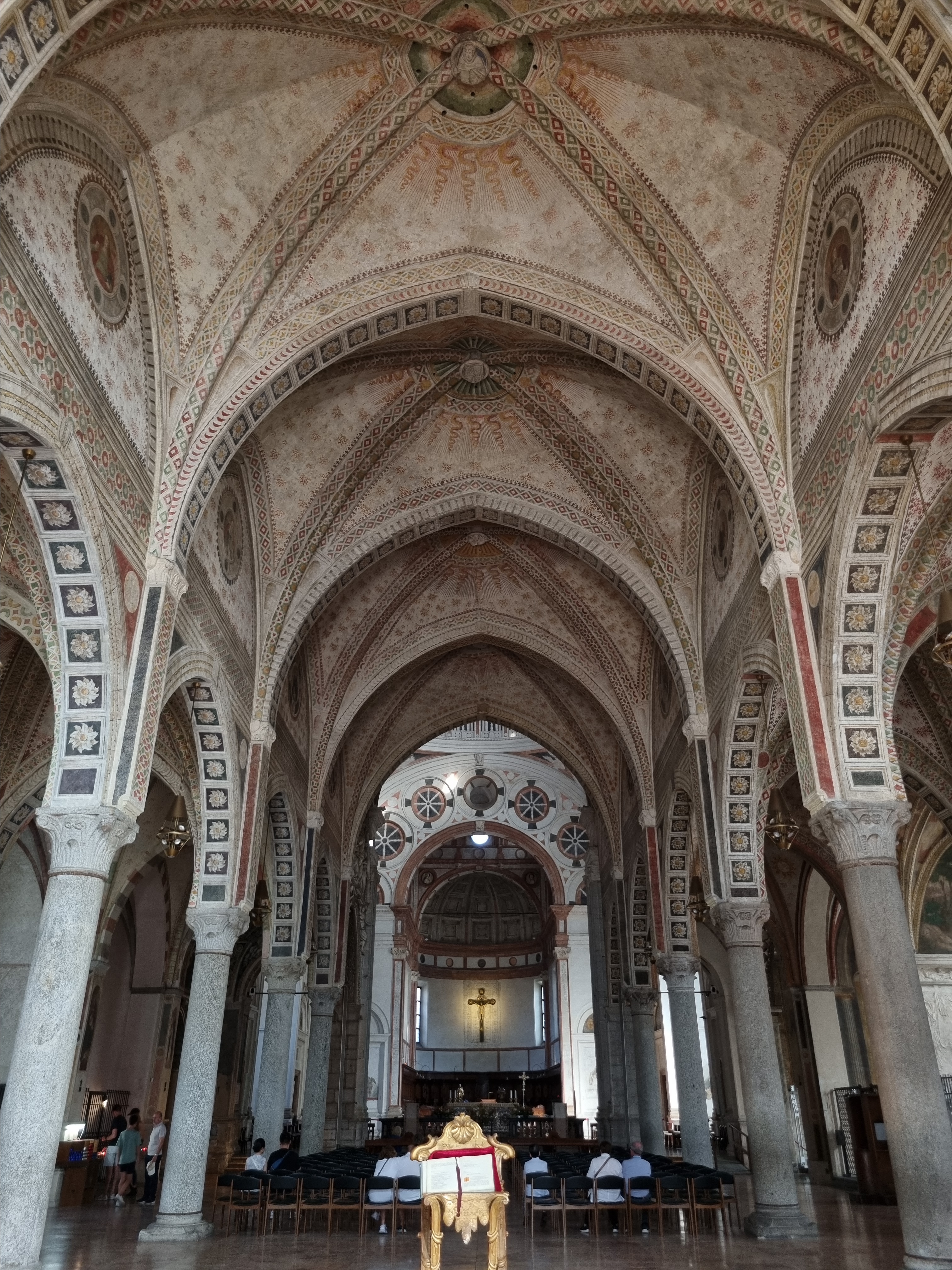
If you’re an art lover, one place you absolutely can’t miss in Milan is the Basilica di Santa Maria delle Grazie, home to one of the most iconic paintings in the world: Leonardo da Vinci’s The Last Supper.
Now, I’ll be honest, the church itself is quite modest at first glance. From the outside, it looks rather simple, and even the interior is elegant but understated. But tucked away in a separate refectory next to the church, you’ll find the masterpiece: Da Vinci’s powerful depiction of Jesus’ final meal with his disciples. Standing in front of it feels surreal, it’s not just a painting, it’s a piece of history that’s survived centuries, wars, and time itself. Unfortunately, photography is strictly forbidden, so I can’t show you a picture but maybe that makes seeing it in person even more special.
Visitor information: Make sure to book your tickets online well in advance. Time slots sell out quickly, sometimes weeks ahead. Click here for visitor information and tickets.
Whether it’s during the day or in the evening, a stroll through the Navigli district should absolutely be on your Milan itinerary. The district is centered around two main canals: Naviglio Grande and Naviglio Pavese, as well as a small harbor basin where the two meet. It’s the perfect place to soak in the city’s more laid-back, artistic side.
Wandering along the canal, you’ll discover rows of charming, colorful houses that might just remind you of Copenhagen, along with countless cafés, bars, and restaurants that bring the area to life. The atmosphere here is effortlessly vibrant, by day, it’s a lovely spot for a relaxed espresso or boutique shopping; by night, the neighborhood transforms into one of Milan’s most buzzing nightlife areas.
You might have seen it on TikTok, the so-called “flying pizza” in Milan that’s gone a bit viral. The idea sounds wild, right? A pizza that flies to your table! Well… let’s just say it’s more of a flying carpet than an actual flying pizza or at least that’s how it looked like for us and many other guests. My partner spotted it online and was super excited to try it out, so of course, we had to go. To be honest, I had a feeling from the start that it wouldn’t quite live up to the hype. The “show” was over in just a couple of seconds which was a bit disappointing. Don’t expect a grand performance. But here’s the twist: even though the price was very high, I have to admit… the pizza was actually really good! If you’re curious and don’t mind spending a bit extra for the novelty, it might still be worth checking out. Just go in with the right expectations – and an appetite!
Summary of activities
- Duomo
- Galleria Vittorio Emanuele
- Castello Sforzesco
- Parco Sempione
- Basilica di Santa Maria delle Grazie
- Naviglio Grande and Naviglio Pavese
Where to eat
- PanPerMe – gluten free café (unpaid ad)
- Panarello Ambrodolci – bakery (unpaid ad)
Booking Checklist
Travel Insurance
I highly recommend getting travel medical insurance while you’re traveling. Hopefully, you’ll never need it, but it’s always better to be safe than sorry. SafetyWing offers two flexible plans tailored to your travel needs. Whether you’re a short-term adventurer or a long-term expat, you’ll have reliable coverage anywhere in the world.
SafetyWing is especially great for remote workers and digital nomads, offering continuous global coverage even if you’re hopping between countries. Of course, it’s also a solid option for frequent travelers or those constantly on the go. But if you’re only traveling occasionally or just for a short holiday now and then, there might be better-suited alternatives.
Accommodations
I usually rely on Booking.com for hotels and Airbnb for vacation rentals. They both have the largest selection and tend to offer the most reliable prices.
Data for your Trip
I use Saily for international cell data. They offer a variety of eSIM options depending on the country and their eSIMs are easy to install, activate instantly upon arrival, and let you skip buying local SIM cards or paying expensive roaming fees.
Tours and Experiences
I always use GetYourGuide to find the best tours and experiences in a city or country. It’s my go-to platform for planning activities, and I’ve always been very satisfied with the experiences I booked through them.
Rental Car
I’ve rented at least six cars and always booked them through check24 (ad), which I can highly recommend. The website offers good deals, the insurance is quite cheap and provides good coverage, and the customer service is very efficient and accommodating. However, Check24 currently only offers its website in German. So it’s mandatory to speak the language.
Other Italy Blogs
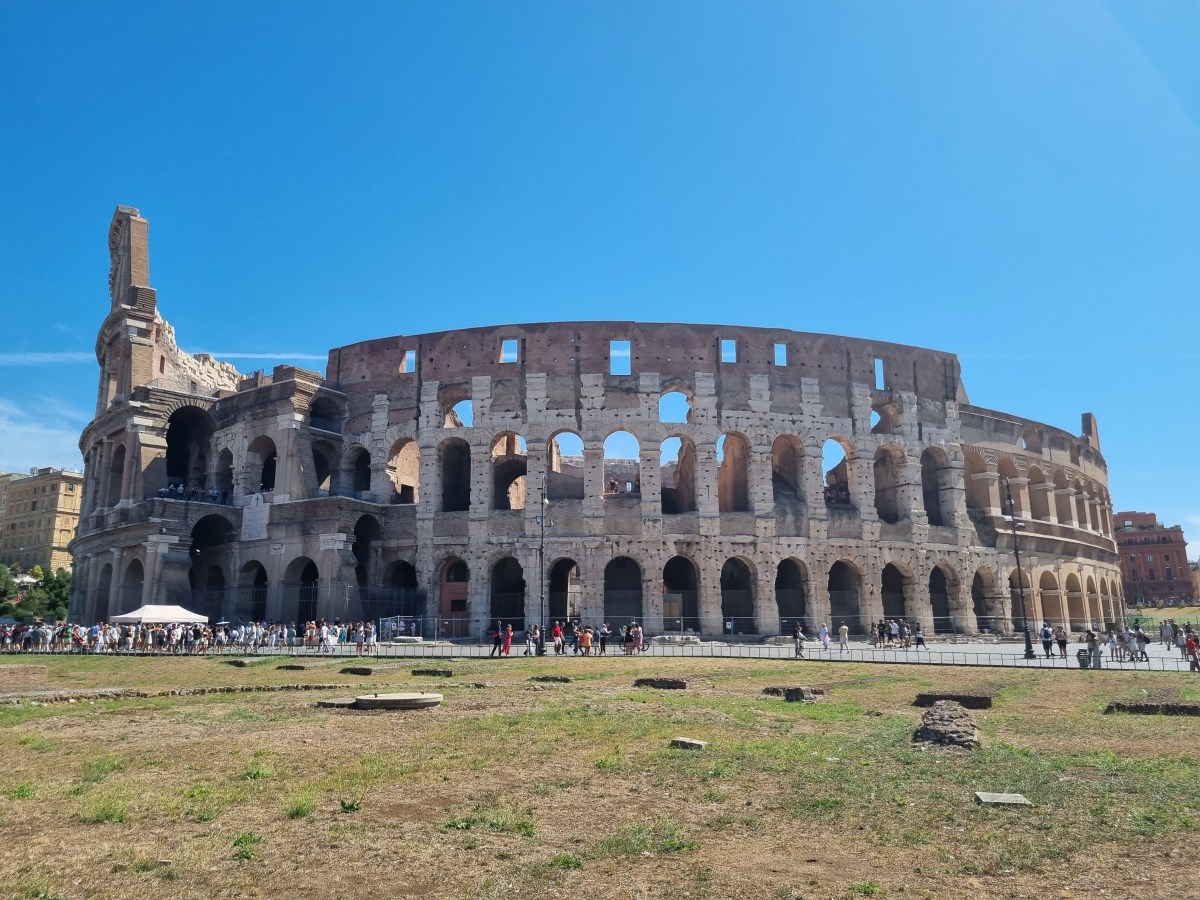
Ultimate Rome Itinerary: 4 Days of Sightseeing
Imagine strolling through the cobblestone streets of Rome, where history is hidden among ancient ruins, and the aroma of freshly baked pizza and cooked pasta fills the air. Rome is one of the most iconic and most-traveled cities in Europe, with a rich history to be explored. Grab a gelato and join my partner and…

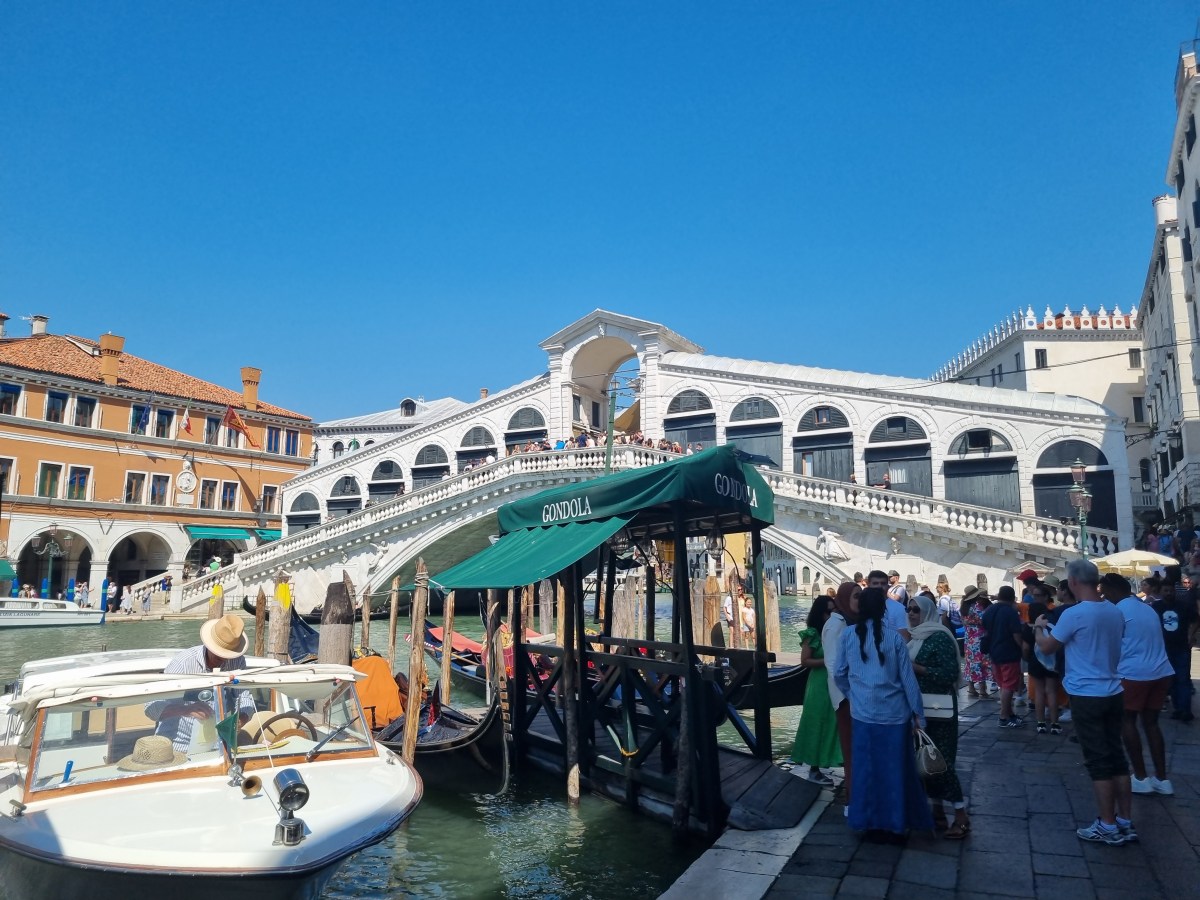
Ultimate Travel Guide to Venice: Experience Magic
There’s a place in the north of Italy where time seems to stand still, where streets are made of water and dreams drift along on gondolas. Venice, the legendary city of a thousand bridges enchants from the very first glance. As you wander through its labyrinth of narrow alleyways and beautiful squares, the air carries…
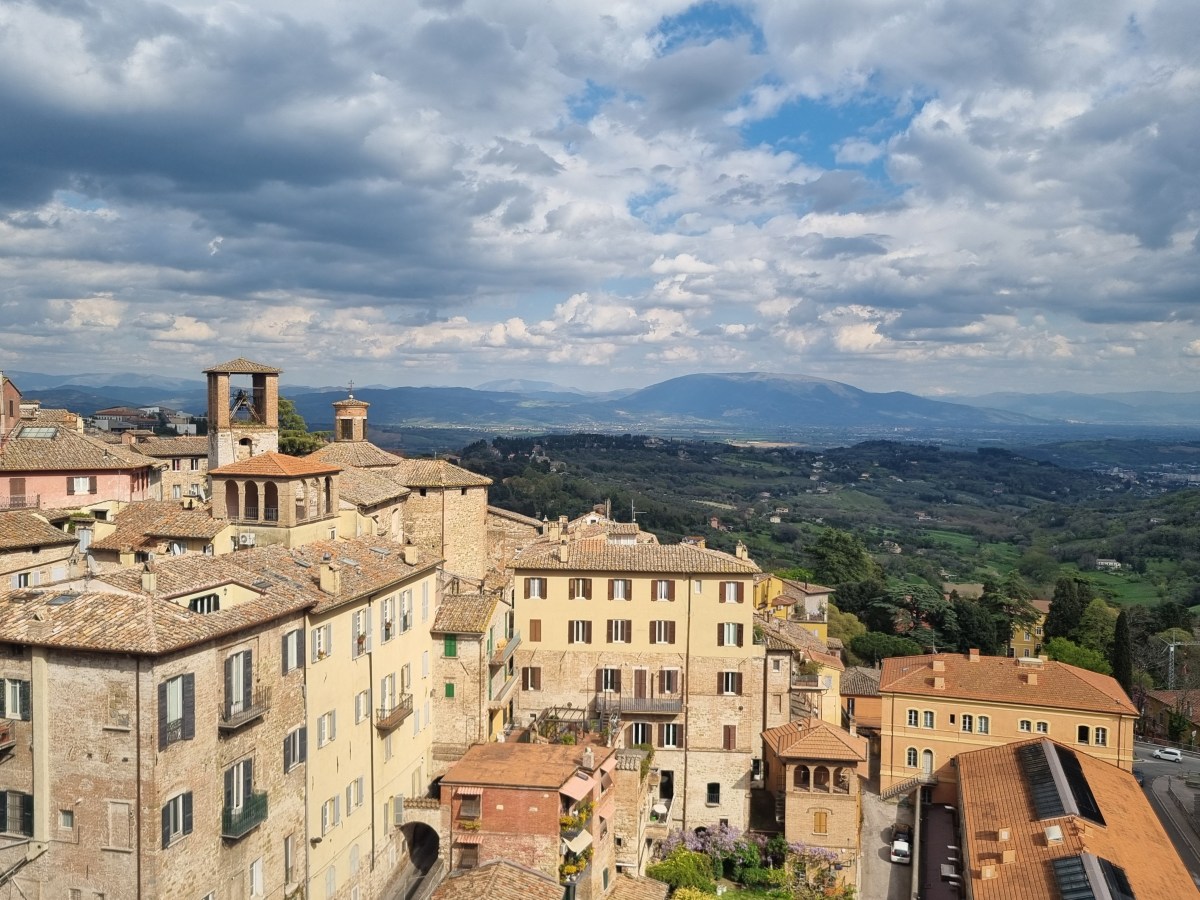
Perugia Travel Tips: What You Need To Know
Get lost in Perugia’s labyrinth of medieval alleyways, where ancient theaters seem to murmur forgotten tales and golden sunlight spills across timeworn cobblestones. In the air lingers the irresistible scent of freshly baked pizza and pasta sauce, calling you to pause and savor. Perugia isn’t just a city, i’s basically a living stage. From the…






 Michelle Cacija
Leave a reply to Michelle Cacija Cancel reply