
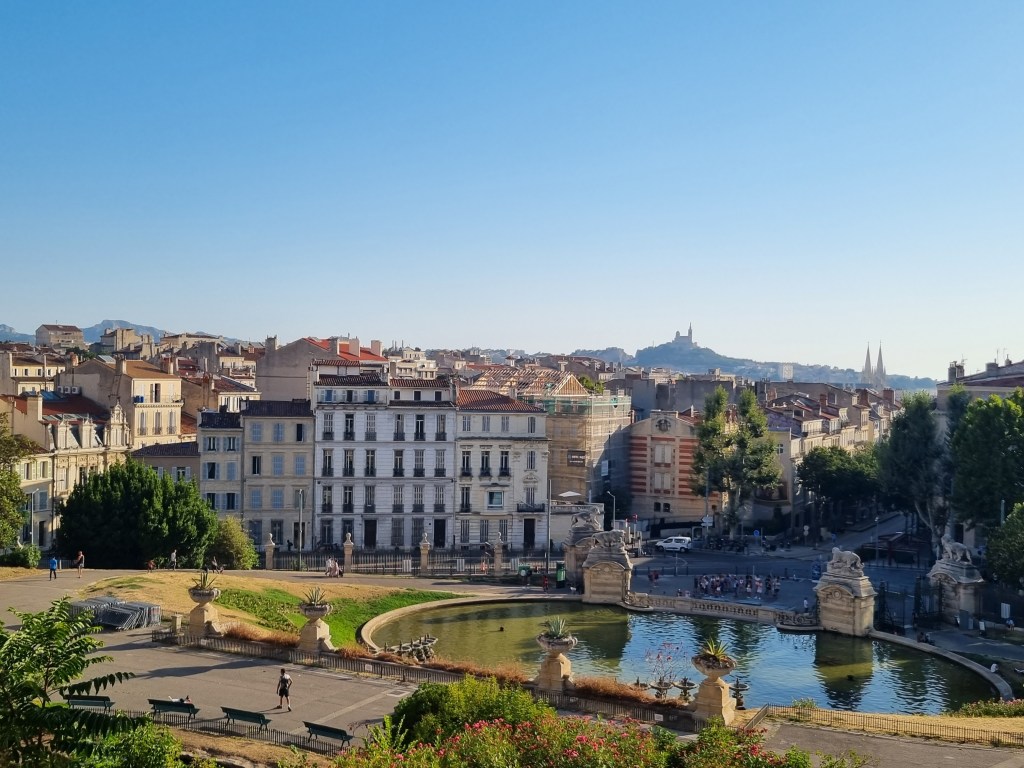
Looking for your next travel adventure? Welcome to Marseille, a vibrant city bursting with diversity and surprises! Whether you’re a culture enthusiast, foodie, or art lover, Marseille has something special in store for you. From the historic charm of the Old Town with its colorful, winding streets to the stunning views of the Mediterranean sea, Marseille blends the energy of a city break with the ease of a laid-back seaside escape. Are you ready to discover it? Servus and welcome to my Marseille Blog.
As always, I want to remind you, that this blog isn’t perfect because everyone travels differently, and all trips involve changes of plans. I want to let you know that everything on this website has been experienced, photographed, and written by me. Since I finance all of my travel expenses on my own, the stories and opinions given are truly my own. If you’re interested in seeing more travel pictures or videos, feel free to check out my Instagram @michellecacija or my Tik Tok @michellecacija.
Index
- The Basics about Marseille
- Things you need to be aware of
- Things to do
- Where to eat
- Booking Checklist
- Other France Blogs
The Basics about Marseille
When to visit
Marseille enjoys a Mediterranean climate with hot, dry summers and mild winters. The best time to visit is probably between May and October, when sunny days are almost guaranteed. July and August bring peak heat and big crowds, with average temperatures around 30°C (86°F), though it can feel much hotter. I visited at the end of August and it was incredibly hot, definitely bring sun protection and stay hydrated! For a more relaxed vibe and pleasant weather, consider spring (20–25°C / 68–77°F) or early autumn, when the sea is still warm and the city less crowded.
Time Period
Most of Marseille’s main attractions are located within a compact, walkable area, making it perfect for a short trip or a weekend getaway of around two days. But if you want to explore beyond the city like the Calanques National Park, nearby coastal villages, or hidden coves, it’s worth staying three to four days to fully enjoy everything the region has to offer.
Getting there
Marseille is well-connected both nationally and internationally. The Marseille Provence Airport is just 25 minutes from the city center and served by direct flights from many major European cities. High-speed trains (TGV) link Marseille to Paris in just over 3 hours, and also connect easily to other French destinations like Nice, Lyon, or Avignon, making it a perfect stop on a longer France itinerary. Buses and rental cars are also convenient options, especially if you’re exploring the Provence region or the southern coast.
Where to stay
Whether you’re after sea views, local charm, or vibrant nightlife, Marseille has accommodation options for every budget. From stylish boutique hotels to budget-friendly hostels, there’s something for everyone. The Old Port (Vieux-Port) is a great choice for first-timers, offering a lively, central location with easy access to top sights. For a more relaxed vibe, head to Le Panier, Marseille’s oldest quarter, full of narrow lanes, colorful facades, and street art.
Getting around
Many of Marseille’s sights are easily explored on foot, especially in the city center. For longer distances, hop on one of two metro lines, over 100 bus routes, or the city’s tram network. If you’re feeling adventurous, rent a bike from the many bike-sharing stations across town. Cycling along the coast is especially scenic and enjoyable.
What to pack
What you’ll need depends on the season. In summer, bring light clothing, sunscreen, a hat, and swimwear for dips in the Mediterranean sea. For spring and autumn, pack layers – days are warm, but evenings can cool down. In winter, a light jacket usually suffices. And don’t forget comfy shoes, Marseille’s streets are made for wandering!
Additionaly, consider bringing your own little medication bag, including Band-Aids, pain relief tablets, sleeping tablets or spray, bug spray, aftersun, etc. You never know what you might need it for, and you might feel more comfortable using medication from home rather than in a country where you don’t know the ingredients and languages. If you’re coming from outside Europe, don’t forget to bring a Type C power adapter.
Cost of traveling
Compared to cities like Paris or Nice, Marseille can be surprisingly budget-friendly. Accommodation and dining offer options for every traveler, from stylish boutique hotels to affordable street food. Public transport is inexpensive, and many of the city’s best experiences, like wandering colorful neighborhoods or swimming in the sea are free.
Things you need to be aware of
Water in Marseille. You can safely drink the tap water in Paris! It’s clean and safe for consumption, so you don’t need to worry about buying bottled water while you’re there.
Toilet situation. It’s common to find public toilets in shopping centers, parks, and transportation hubs. Some places may require a small fee for using public toilets, so it’s a good idea to carry some change with you.
Tipping. In France, tipping isn’t as common or expected as it is in some other countries, since a service charge of around 15% is typically included in the bill at restaurants and cafés. However, it’s still appreciated to round up the total or leave a small tip as a gesture of thanks for good service.
The currency used is the Euro (EUR). In France, including Paris, both cash and card payments are widely accepted. It’s always good to have some cash on hand for smaller purchases or places that might not accept cards, like markets.
Things to do
Vieux Port (Old Harbor)
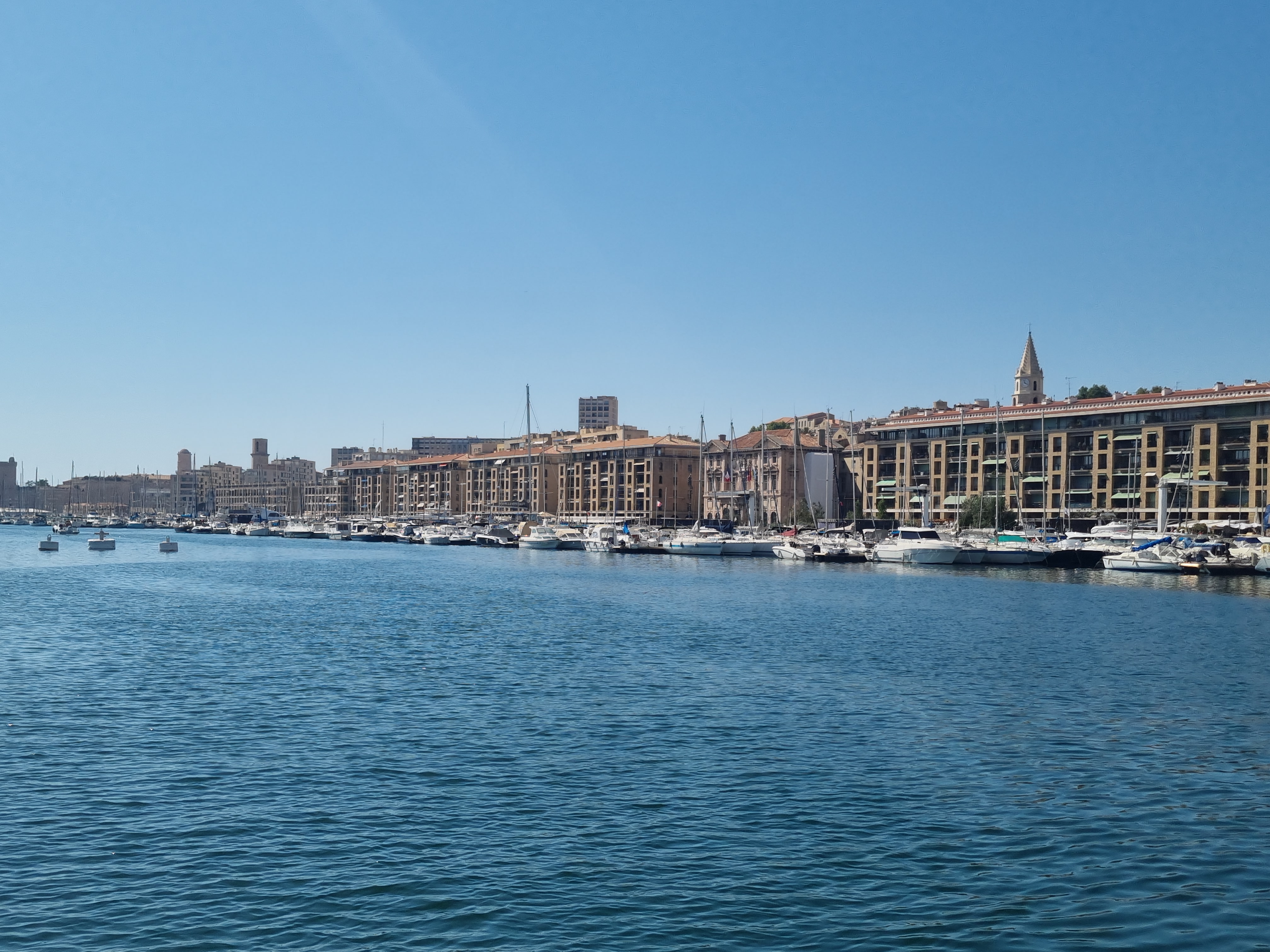
If there’s one place that truly captures the spirit of Marseille, it’s the Vieux Port, the city’s iconic Old Port. This historic harbor has been the beating heart of the city for over 2,600 years, and even today, it buzzes with life from sunrise to sunset.
Start your Marseille adventure right here, in the heart of the Old Town. In the early morning hours, the harborfront comes alive with the sights and sounds of the traditional fish market, where local fishermen unload their catch of the day straight from their boats. As the day unfolds, the Vieux Port becomes a stage for the city’s daily rhythm. Colorful fishing boats and sleek yachts bob gently in the harbor, while along the promenade, one seafood restaurant lines up after another, filling the air with the mouthwatering aroma of grilled fish, garlic, and Provençal spices.
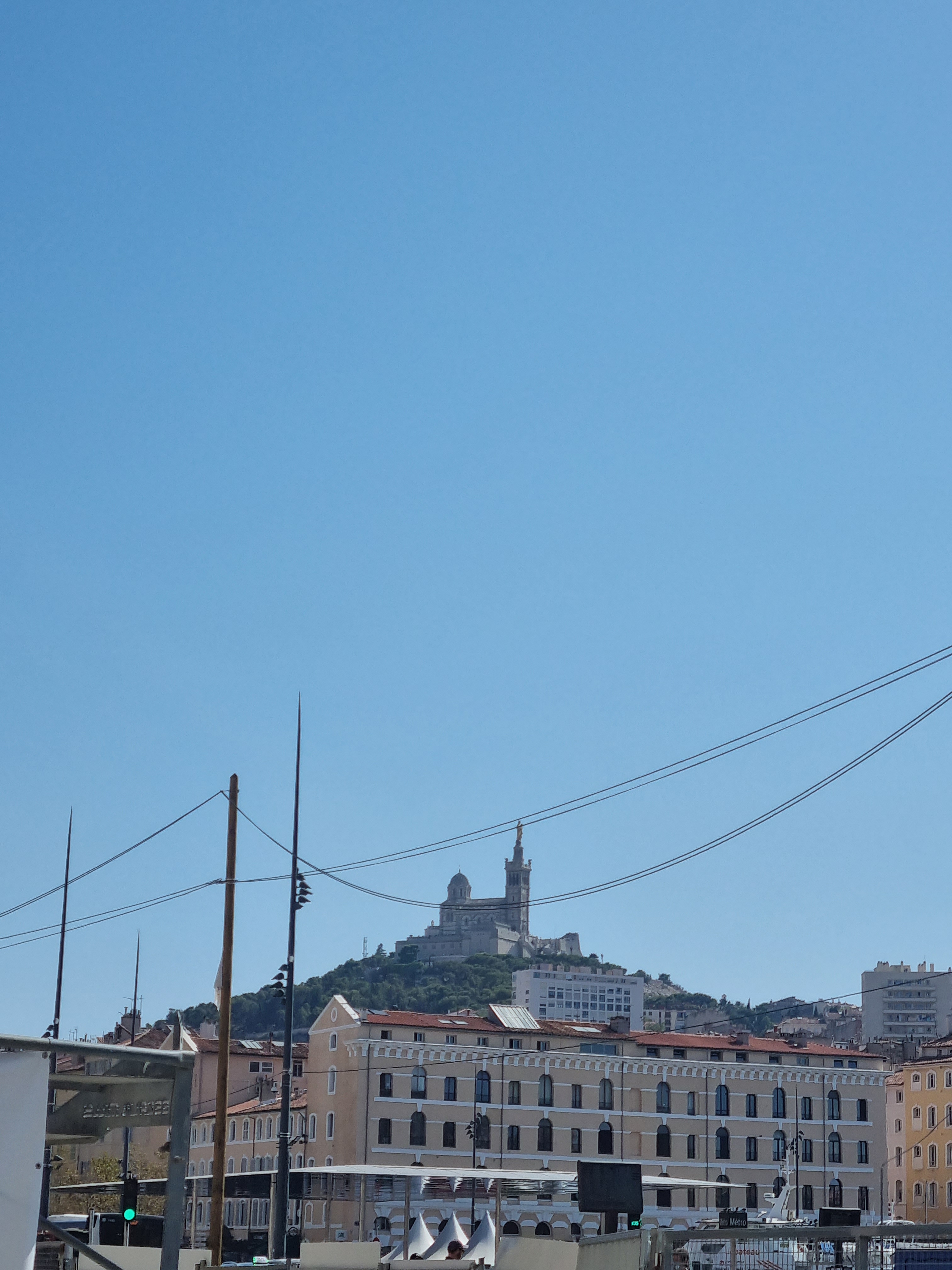
But the Vieux Port isn’t just about maritime buzz and culinary delights. Look up, and you’ll spot the city’s most famous landmark: the Basilica of Notre-Dame de la Garde, rising proudly on the hill above the harbor.
Basilica of Notre-Dame de la Garde
Perched high above the city on La Garde hill, the Basilica of Notre-Dame de la Garde isn’t only Marseille’s most iconic landmark, but also one of its top attractions. Built in the mid-19th century, this striking church in Romanesque-Byzantine style has long served as a spiritual protector of sailors and locals alike. Today, it’s a must-see for anyone visiting the city.
There are two ways to reach the basilica. If you’re up for a bit of a challenge, take the 2.5-kilometer walk (one way) from the Old Port. The climb is quite steep and can definitely get sweaty, especially in the summer, but the route takes you through charming backstreets and stairways of the old city. If you’d like to save your energy then hop on bus 60. It takes you straight to the top without any transfers. Once you arrive at the summit, you’re rewarded with breathtaking views over the city rooftops, the Old Port, and the deep blue Mediterranean stretching all the way to the horizon.
Palais Longchamp
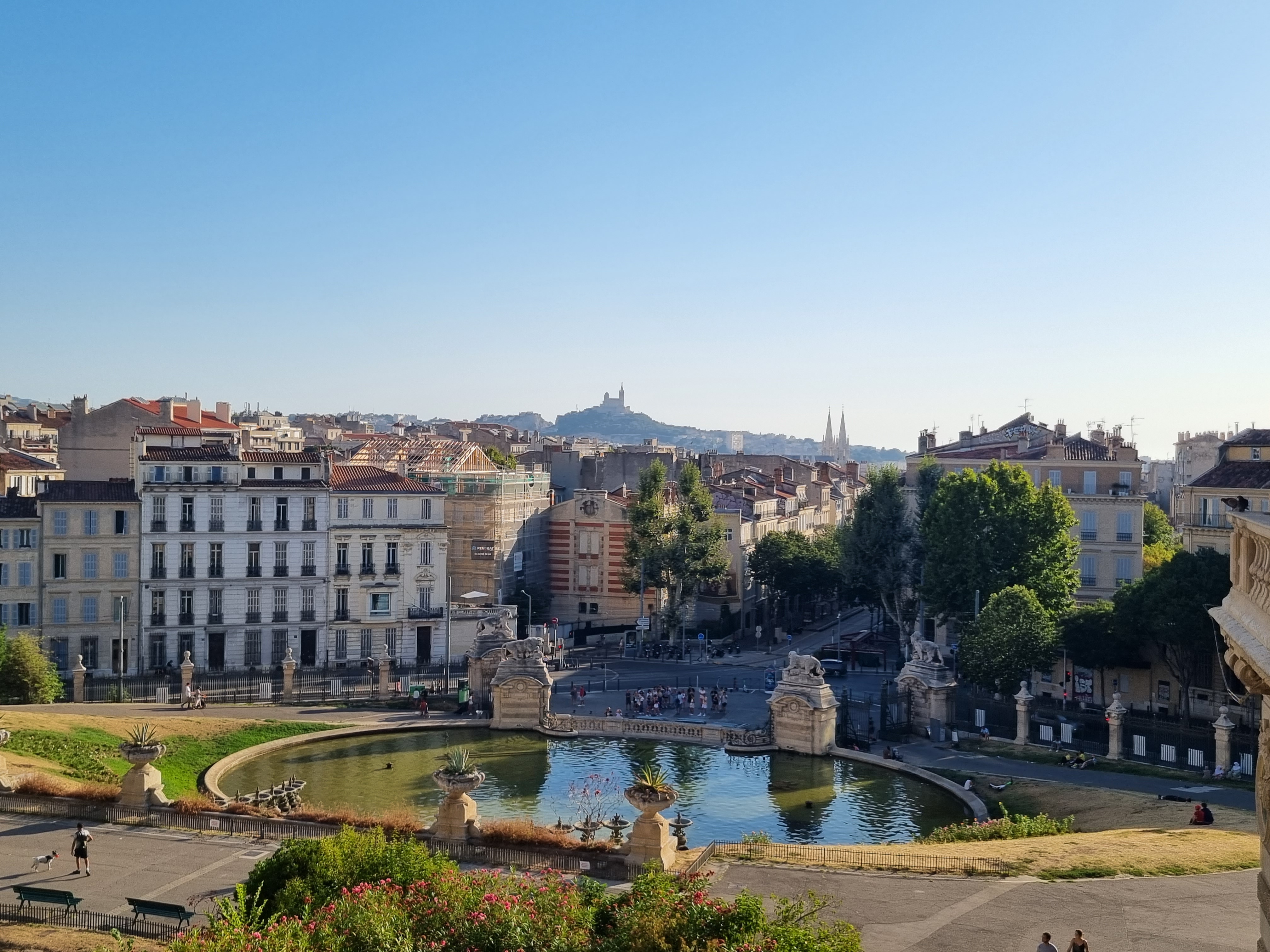
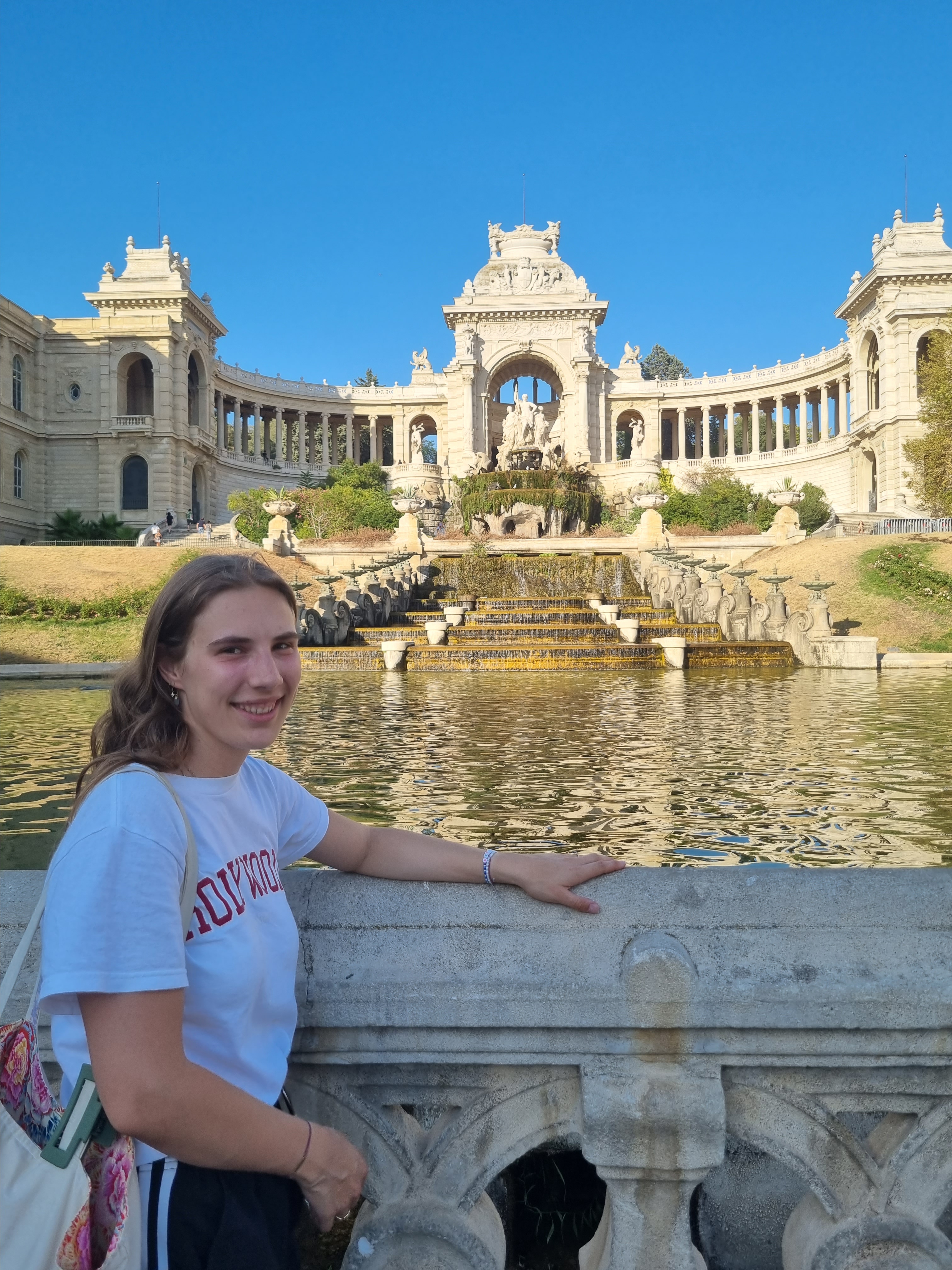
Just outside the hustle and bustle of the Old Town lies one of Marseille’s most elegant landmarks: the Palais Longchamp. Built in the mid-19th century in grand historicist style, this architectural gem was originally constructed to celebrate the arrival of fresh water to the city via the Canal de Marseille.
With its fountains, sweeping staircases, and stately colonnades, the Palais Longchamp looks like something out of a royal dream. It’s definitely one of my favorite places in the city, especially at golden hour when the sandstone façade glows in the southern sun. Surrounded by a beautifully landscaped park, it’s also a peaceful green oasis and the perfect place to relax away from the city’s noise.
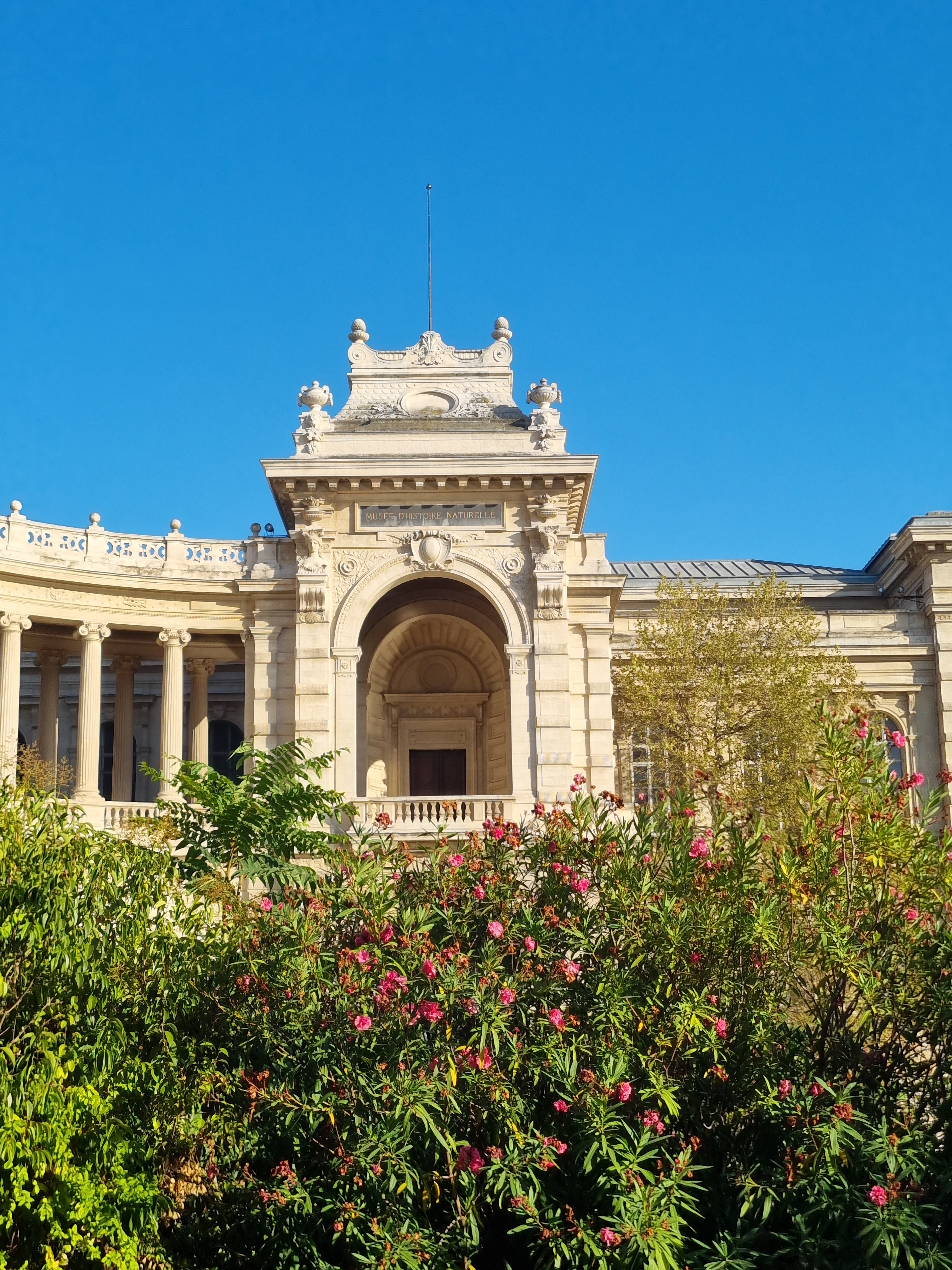
Today, it also houses two museums. On the left wing, you’ll find the Museum of Fine Arts, home to a collection of European paintings from the 16th to 19th centuries. The right wing features the Natural History Museum, with exhibitions ranging from zoology to geology. Whether you’re an art lover, architecture enthusiast, or just in need of a shady bench and a fountain view, Palais Longchamp is definitely a must-see.
Cathedral of Marseille
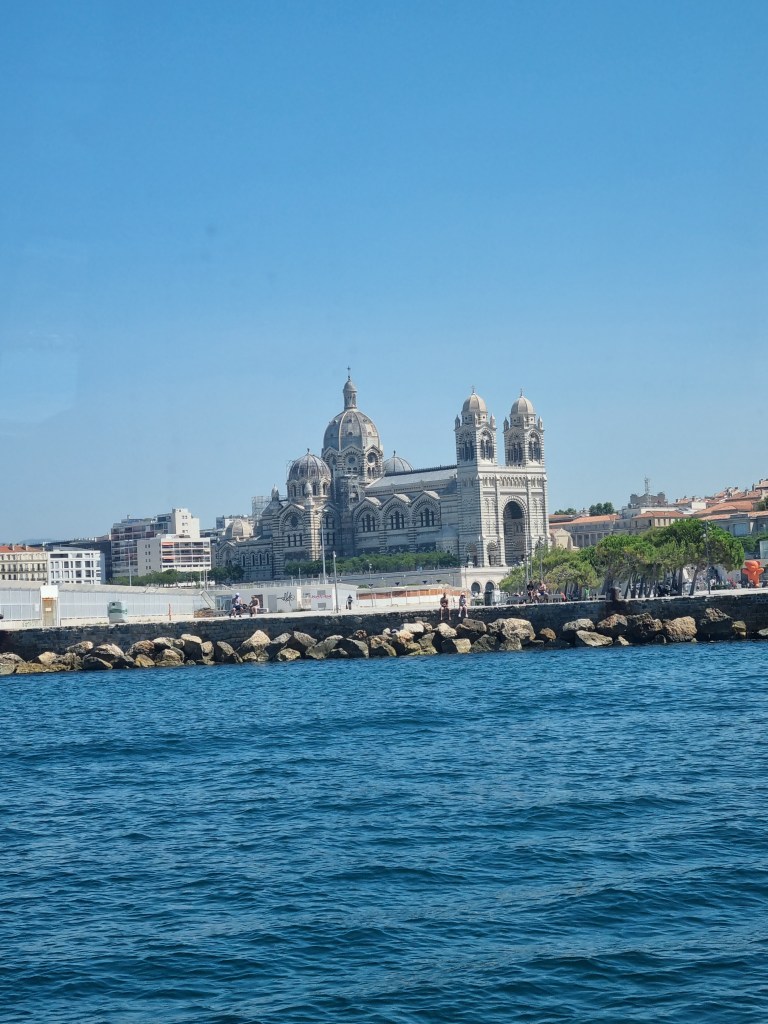
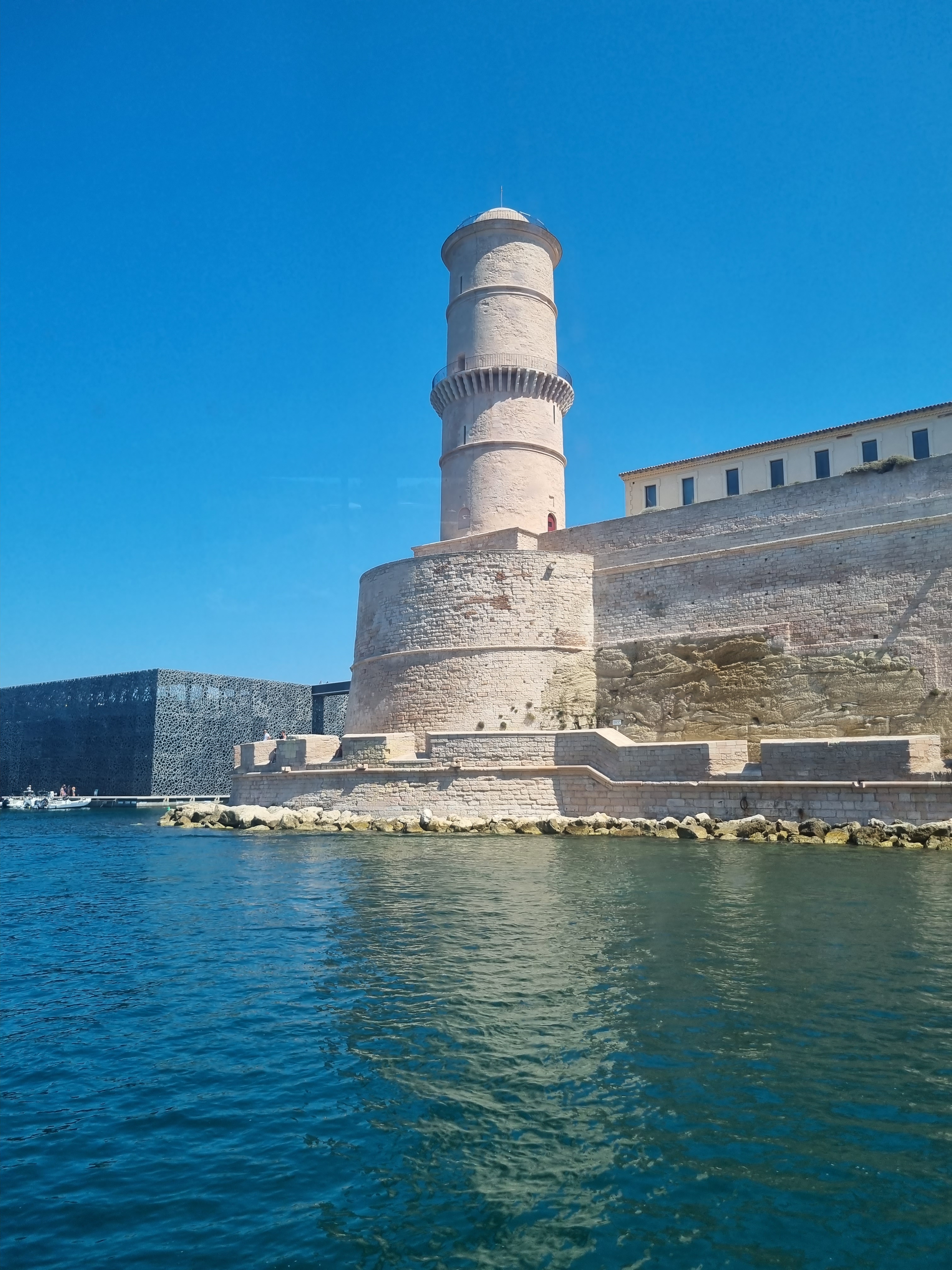
Beyond the hilltop basilica of Notre-Dame de la Garde, Marseille has another sacred masterpiece: the Cathédrale La Major, the city’s striking cathedral by the sea. Completed in 1896, this monumental church blends Romanesque and Byzantine styles in a way that makes it truly stand out, not only from the city skyline but also from the water. In fact, if you arrive by boat or stroll along the harbor, it’s impossible to miss its bold domes and striped stone facade.
Right next door is the MUCEM (Museum of European and Mediterranean Civilisations).
Les Grandes Halles du Vieux-Port
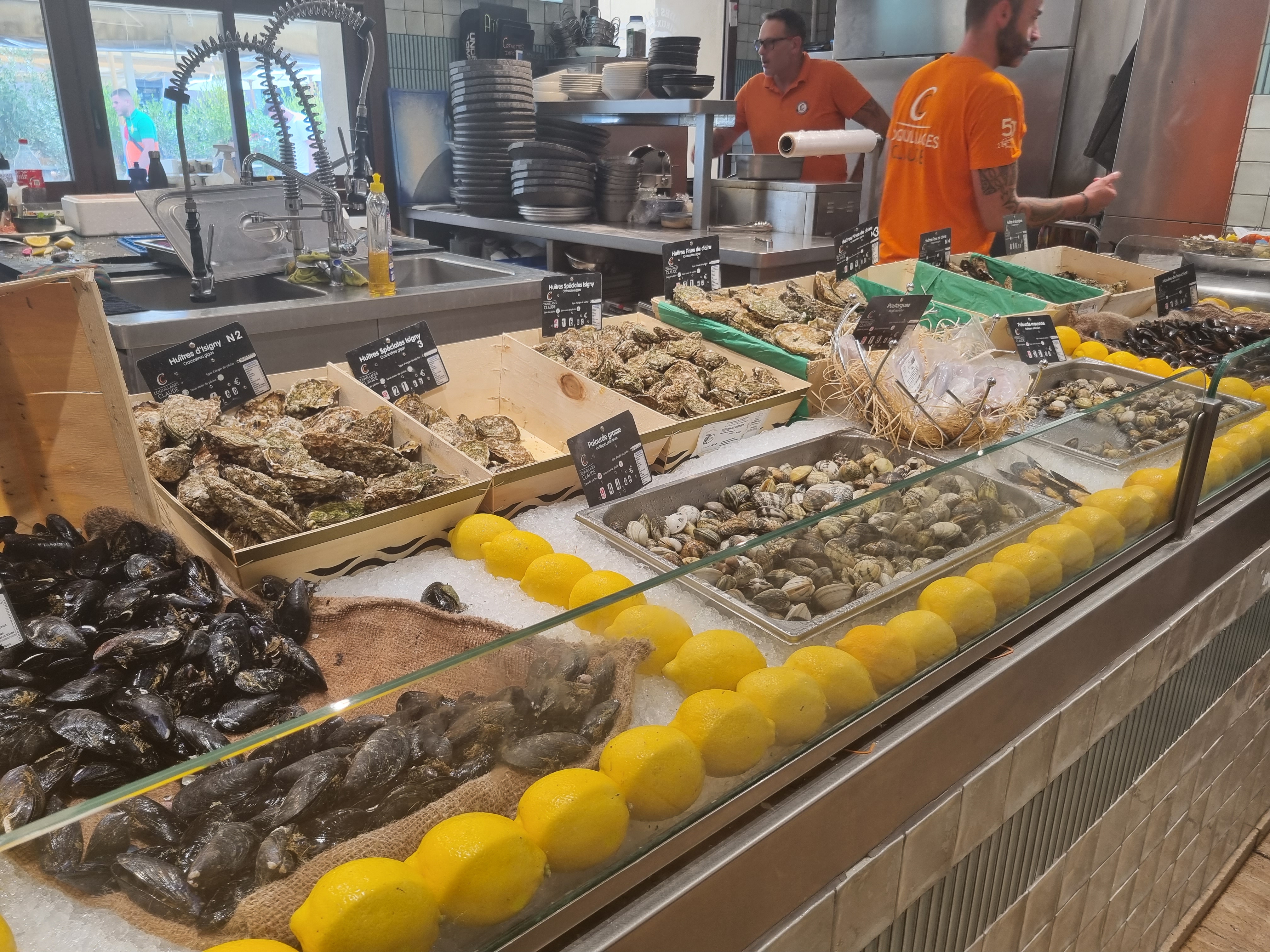
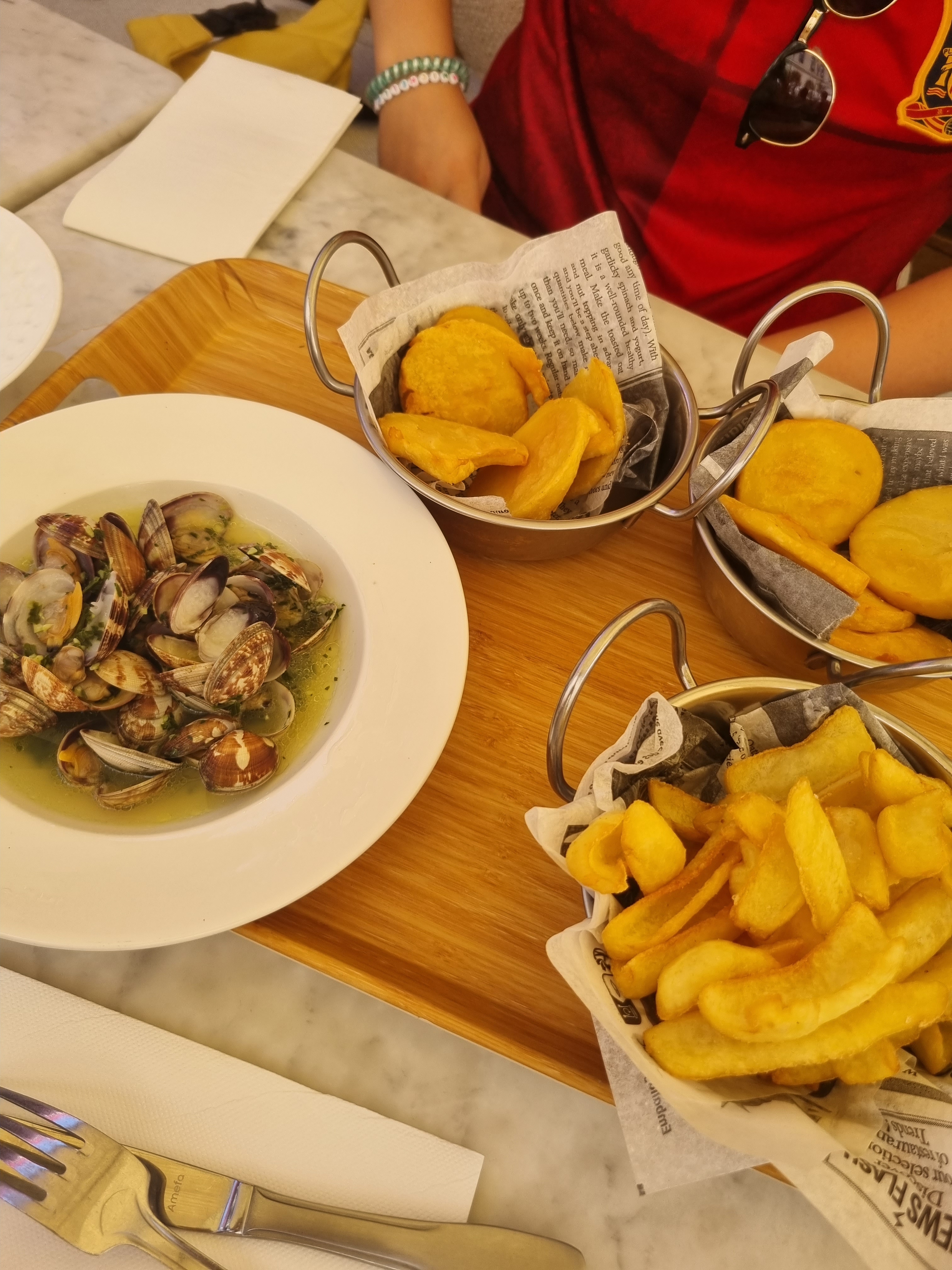
A foodie’s paradise right in the heart of Marseille! The Grandes Halles du Vieux-Port are a modern indoor market filled with local flavors, street food, and Mediterranean vibes. Whether you’re craving oysters, pastries, mussels, Provençal tapas, or international bites, this spot is perfect for a relaxed lunch or an aperitif, just a few steps from the harbor away.
I ate here twice during my stay, simply because the variety was so tempting. From seafood and burgers to fresh salads and sweet treats, there’s truly something for everyone. Outside, there are plenty of seating areas, so you can soak up the sun and the Marseille atmosphere while enjoying your meal. And considering the quality and location, the prices (as of 2023) were more than reasonable, making this a must-visit for food lovers on any budget.
Chateau d’If
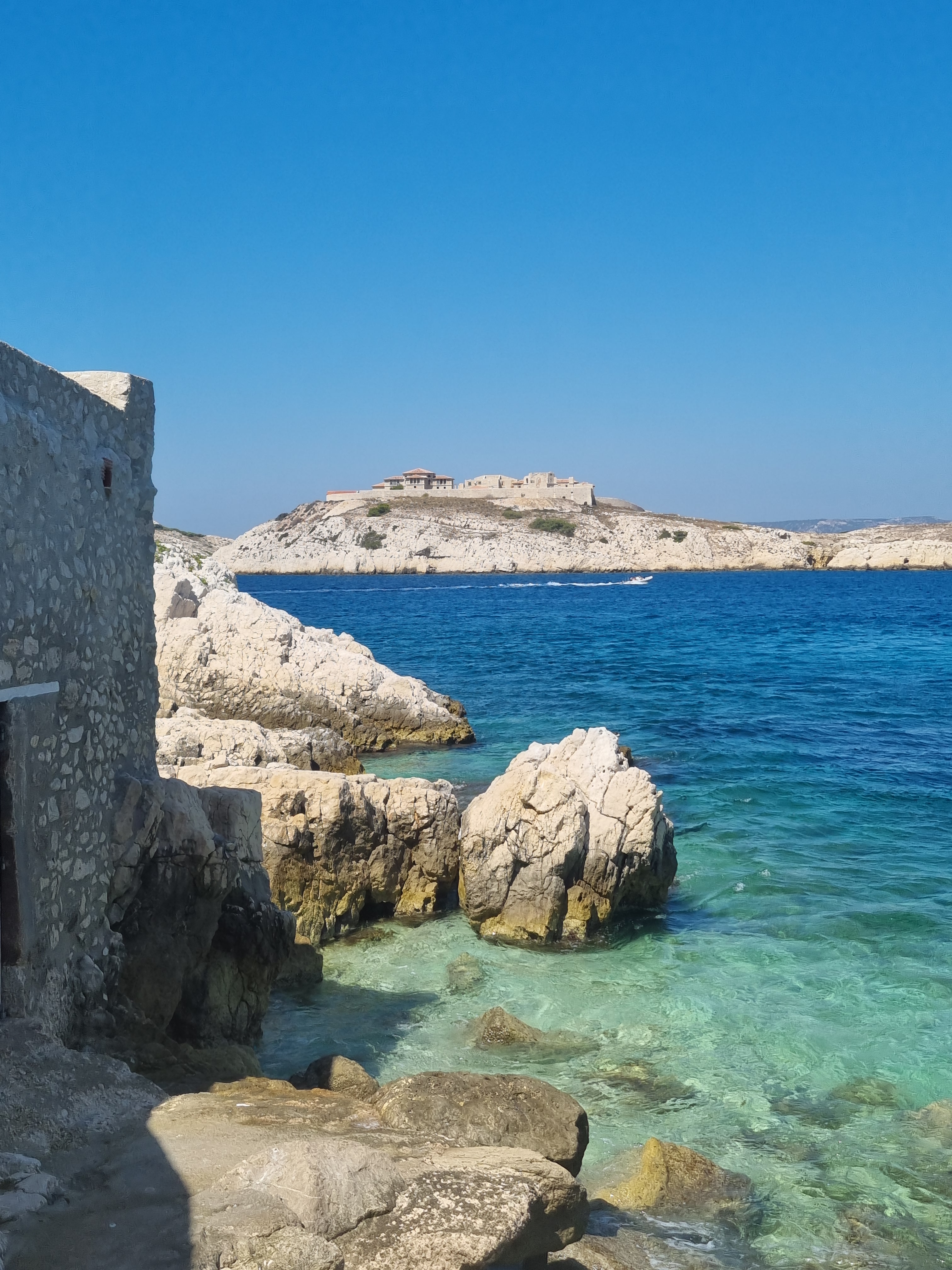
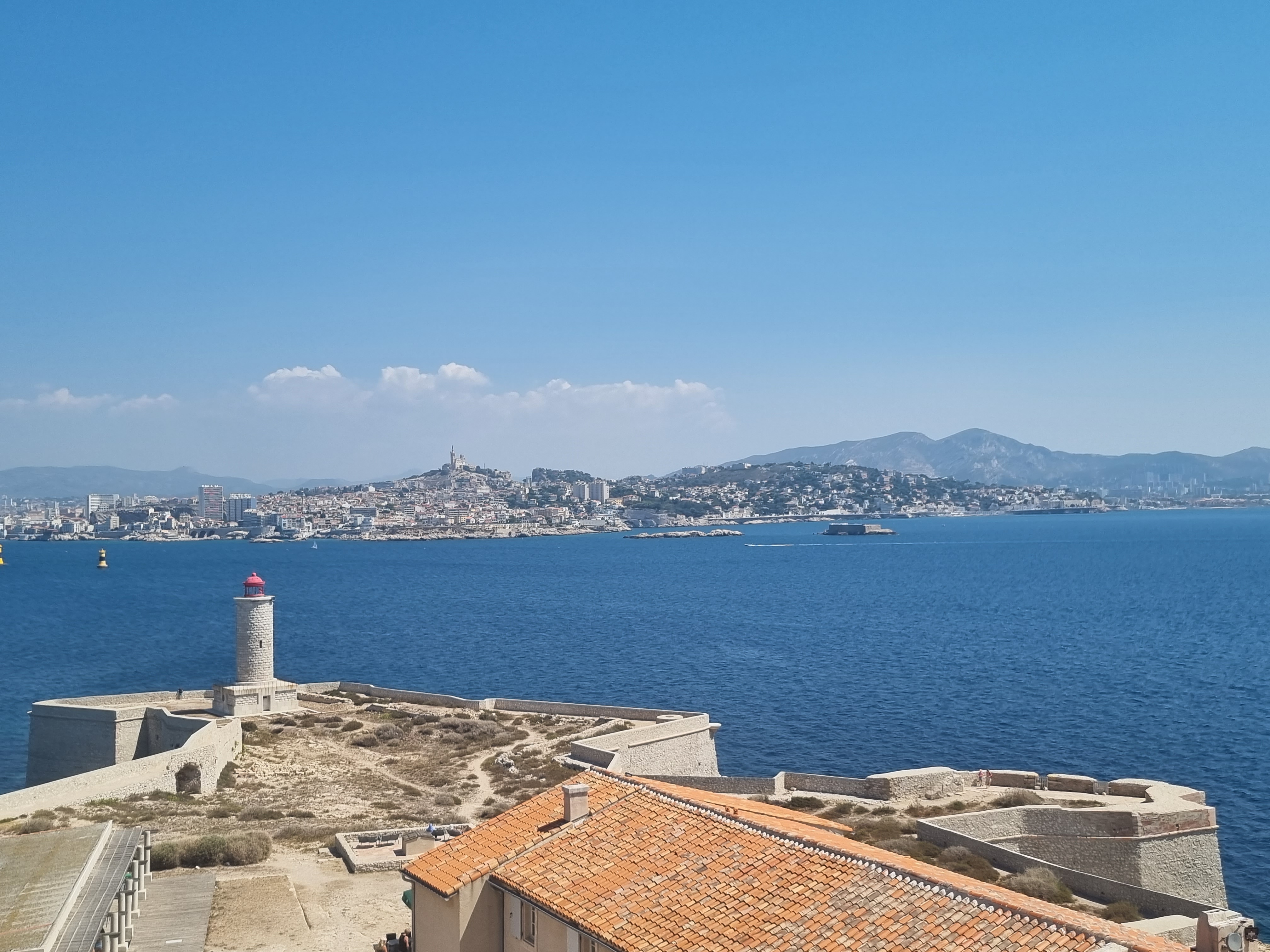
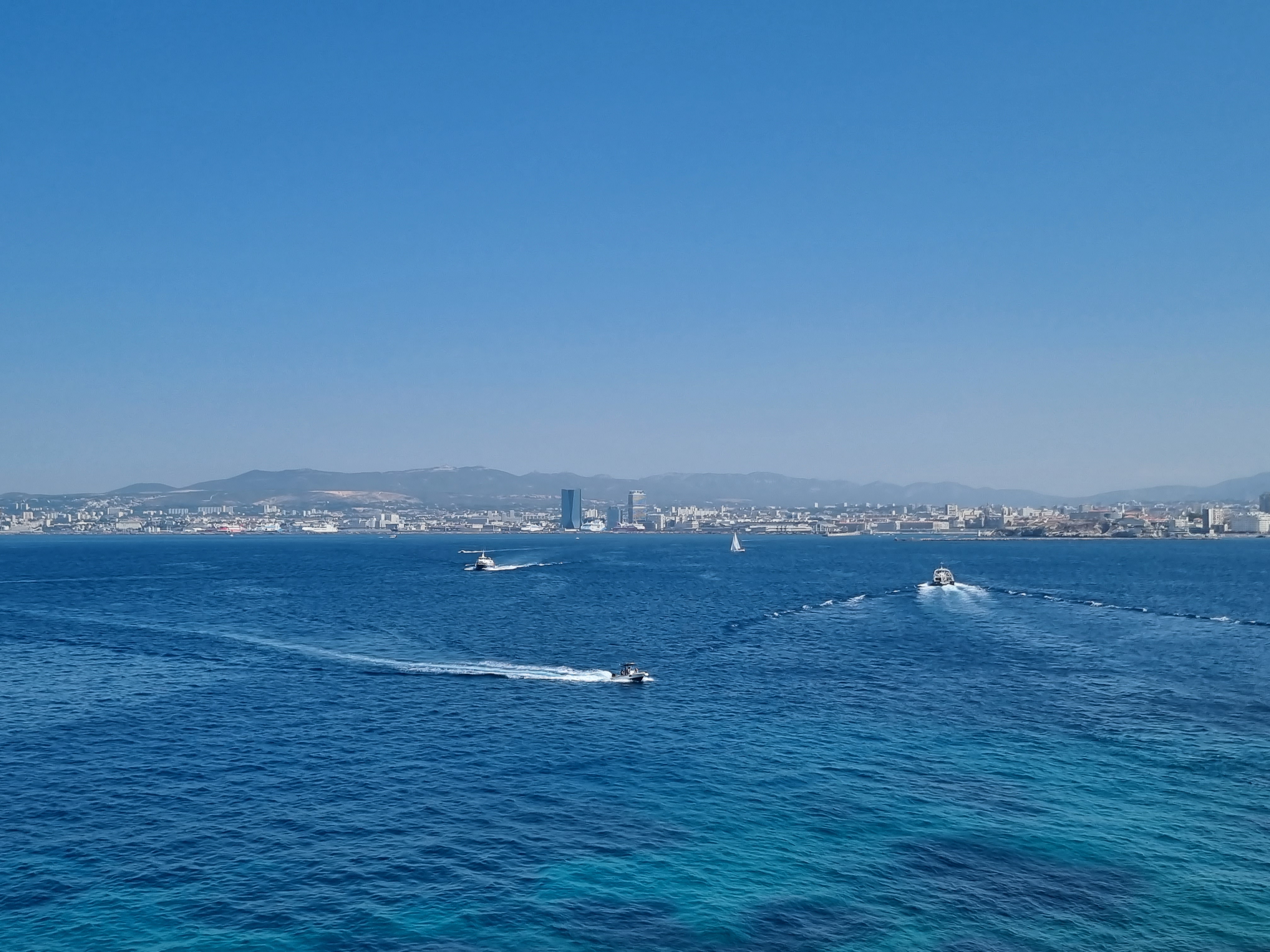
Sitting on a rocky island just off the coast, the Château d’If is Marseille’s own island fortress and was originally built as a prison in the 16th century. You can buy tickets easily right at the Old Port, and from there, it’s just a short refreshing boat ride across the sparkling blue water. The sea breeze on the way over makes the trip feel like a mini-vacation in itself. Once you arrive, explore the dark prison cells, climb the stone walls, and take in incredible panoramic views over the Mediterranean sea.
It’s the perfect half-day adventure , especially on a warm day when the sea air adds to the magic. A must for history lovers and anyone looking for a unique break from the city buzz.
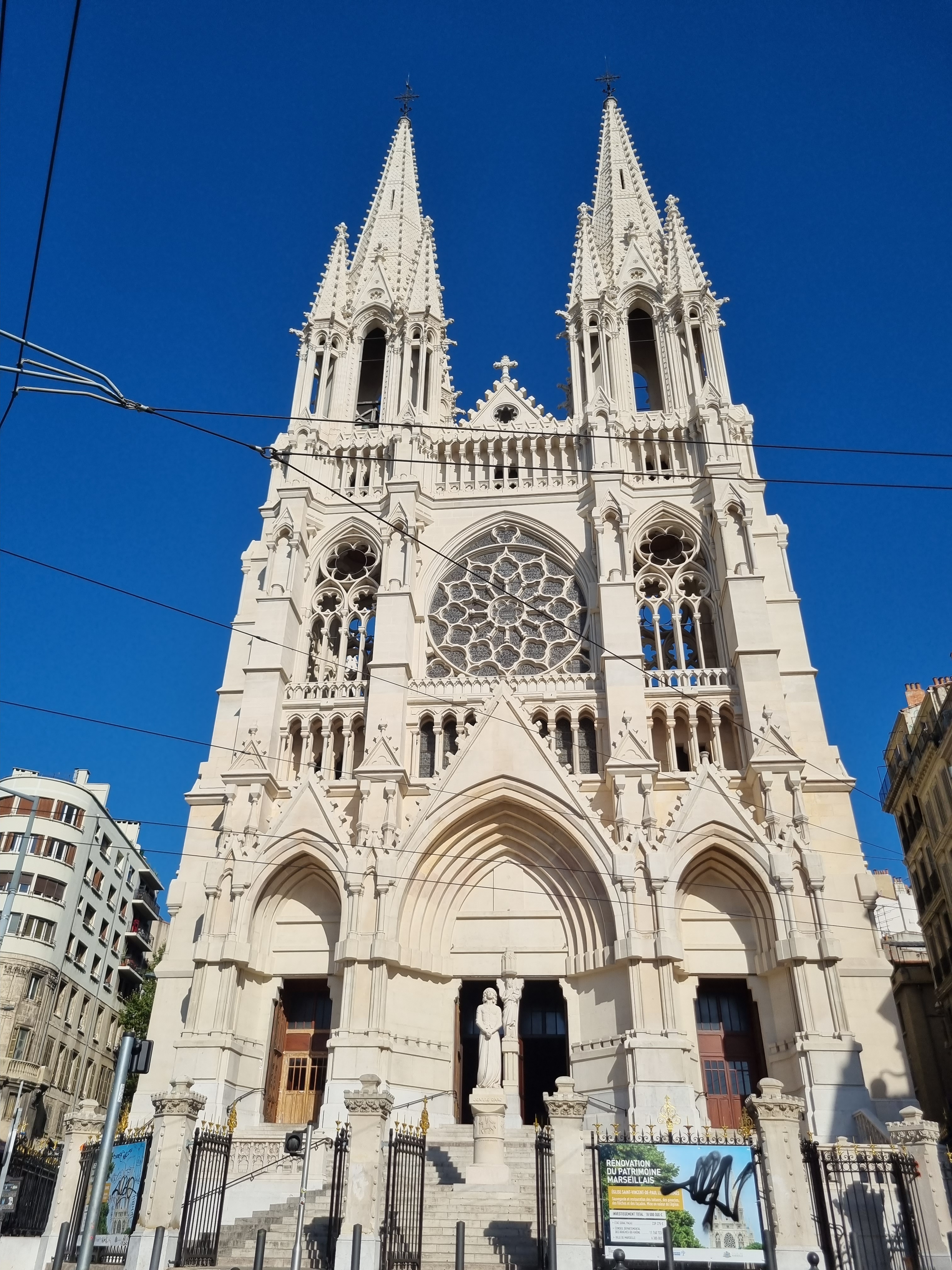
Église Saint Vincent de Paul de Paris
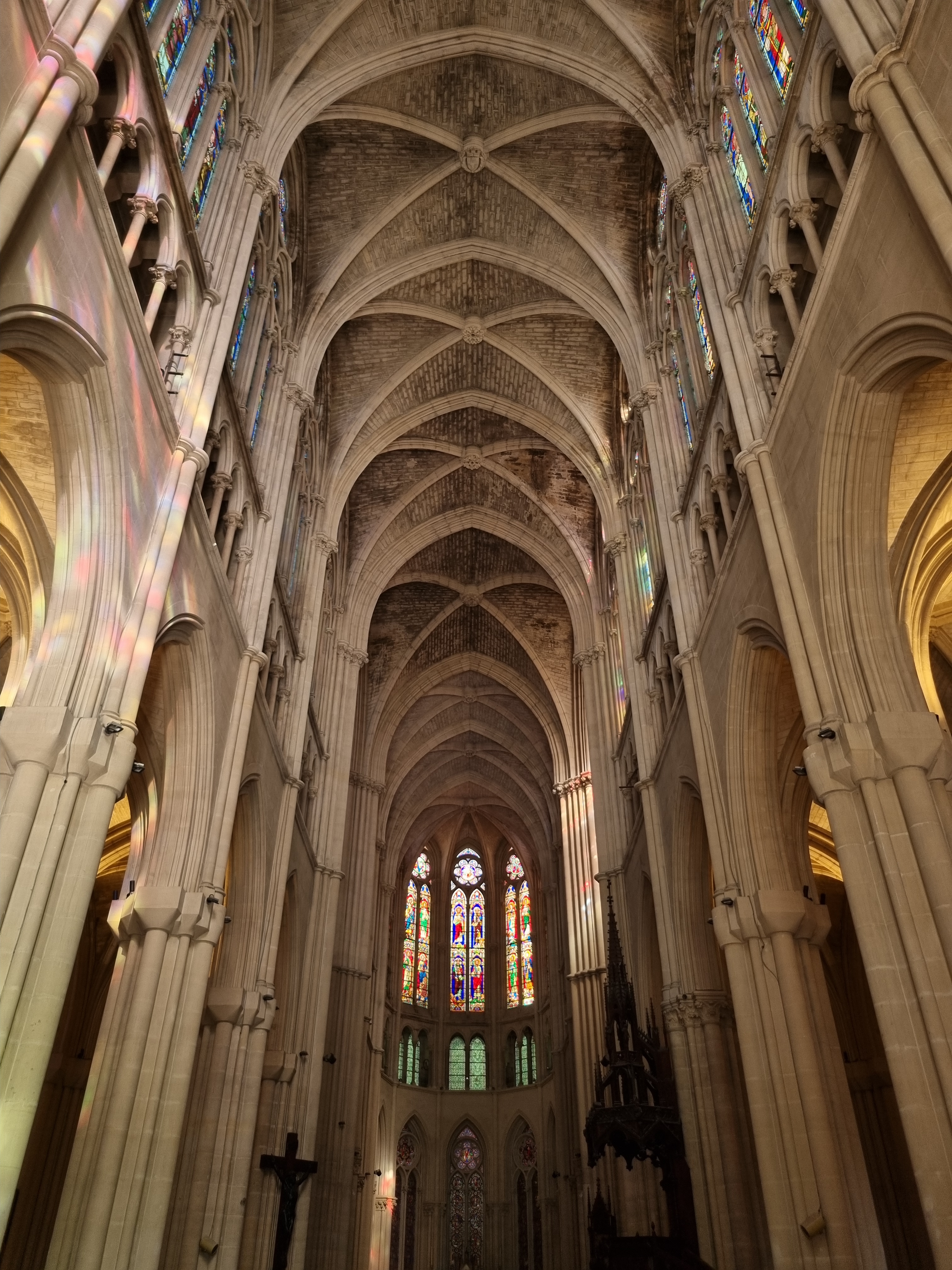
Also known as Les Réformés, this neo-Gothic church towers at the top of Marseille’s famous shopping street, La Canebière. With its twin spires, colorful stained-glass windows, and richly detailed façade, the Église Saint-Vincent-de-Paul is a peaceful and photogenic stop. Admission is free, so it’s definitely worth stepping inside to admire the serene atmosphere and impressive interior, especially if you’re already nearby.
Where to eat
- Les Grandes Halles du Vieux-Port – food hall with mixed cuisines (unpaid ad)
Booking Checklist
Travel Insurance
I highly recommend getting travel medical insurance while you’re traveling. Hopefully, you’ll never need it, but it’s always better to be safe than sorry. SafetyWing offers two flexible plans tailored to your travel needs. Whether you’re a short-term adventurer or a long-term expat, you’ll have reliable coverage anywhere in the world.
SafetyWing is especially great for remote workers and digital nomads, offering continuous global coverage even if you’re hopping between countries. Of course, it’s also a solid option for frequent travelers or those constantly on the go. But if you’re only traveling occasionally or just for a short holiday now and then, there might be better-suited alternatives.
Accommodations
I usually rely on Booking.com for hotels and Airbnb for vacation rentals. They both have the largest selection and tend to offer the most reliable prices.
Data for your Trip
I use Saily for international cell data. They offer a variety of eSIM options depending on the country and their eSIMs are easy to install, activate instantly upon arrival, and let you skip buying local SIM cards or paying expensive roaming fees.
Tours and Experiences
I always use GetYourGuide to find the best tours and experiences in a city or country. It’s my go-to platform for planning activities, and I’ve always been very satisfied with the experiences I booked through them.
Rental Car
I’ve rented at least six cars and always booked them through check24 (ad), which I can highly recommend. The website offers good deals, the insurance is quite cheap and provides good coverage, and the customer service is very efficient and accommodating. However, Check24 currently only offers its website in German. So it’s mandatory to speak the language.
Other France Blogs
Four Days Under the Eiffel Tower: Exploring Paris
Immerse yourself in the City of Love: Paris Awaits! Begin your days with the warm, inviting scent of freshly baked croissants and brewed coffee drifting through the charming streets of Paris. Wander through the captivating maze of the Louvre, where timeless masterpieces and hidden treasures fill every corner. Climb the steps to Montmartre’s Sacré-Cœur for…

Top 10 Activities in Nice for Your Next Trip
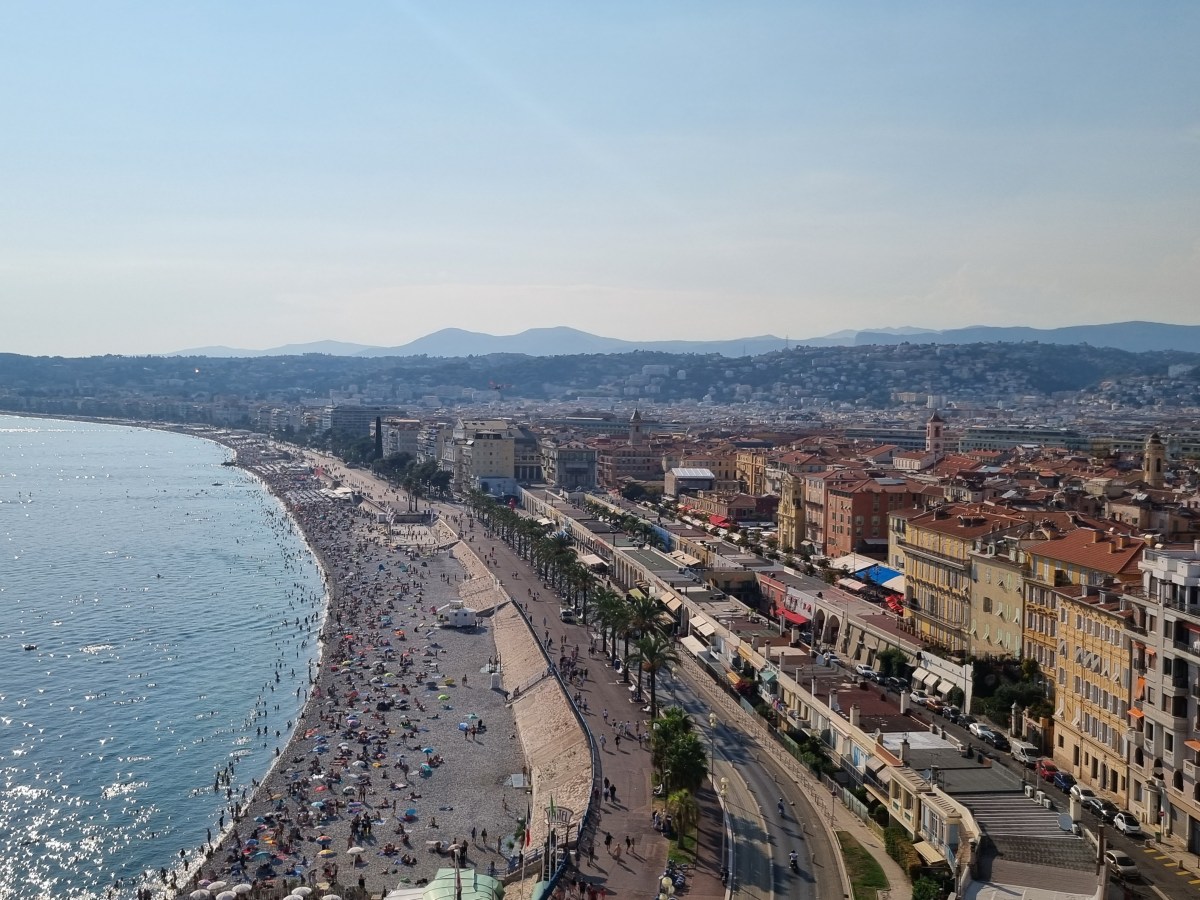
Discover the enchanting coastal city of Nice, nestled along France’s famous Côte d’Azur. With its gentle sea breeze and the calming sound of waves crashing along the Promenade des Anglais, Nice offers an idyllic escape. The taste of fresh mussels from the local seafood restaurants and the tempting smell of croissants and coffee lingering in…
Exploring Toulouse in 48 Hours: Landmarks, Food, and Travel Tips
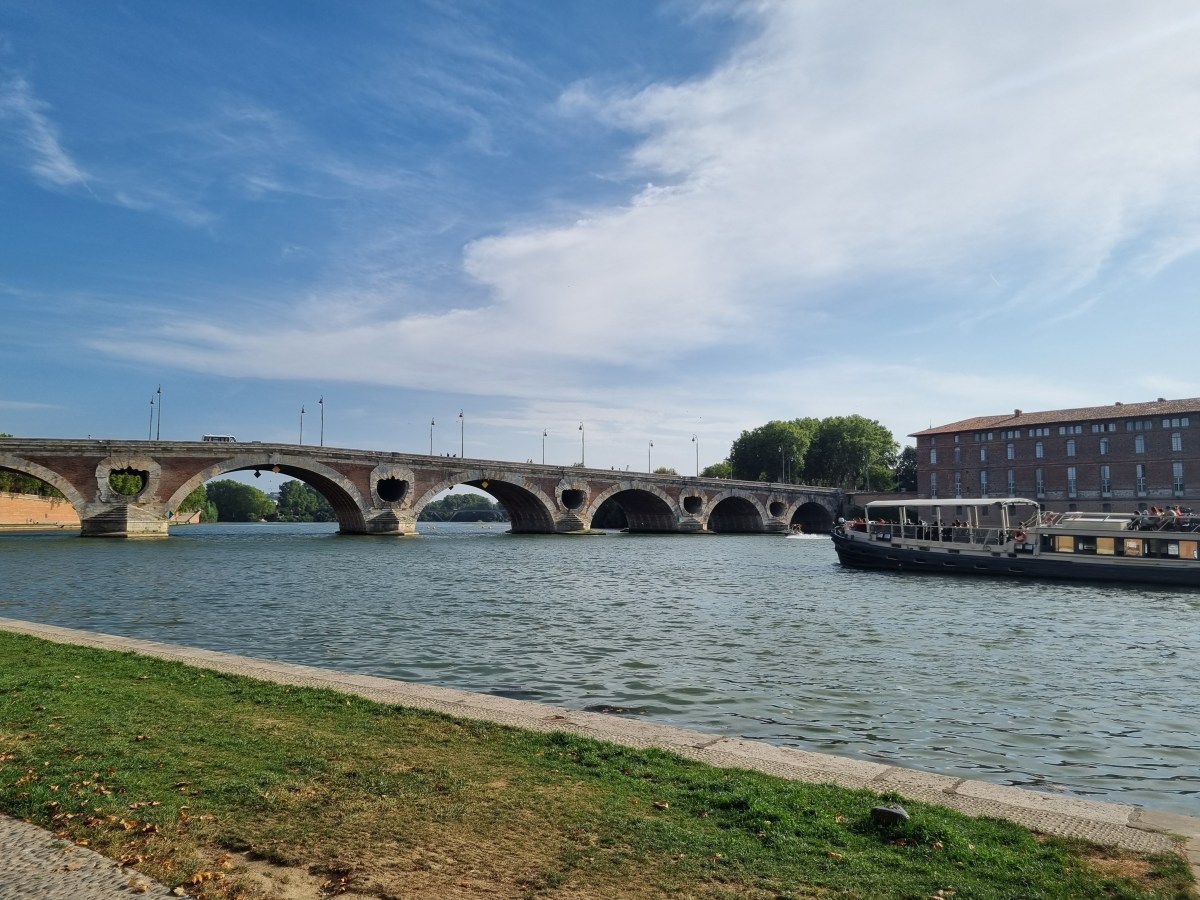
Imagine waking up to the heavenly scent of freshly baked baguettes and croissants, an essential French breakfast delight, setting the perfect requirement for a day of exploration in Toulouse, France. As you stroll along the River Garonne, the gentle breeze carries stories of history and charm, guiding you to the doorstep of magnificent churches like…






 Michelle Cacija
Leave a reply to Michelle Cacija Cancel reply