
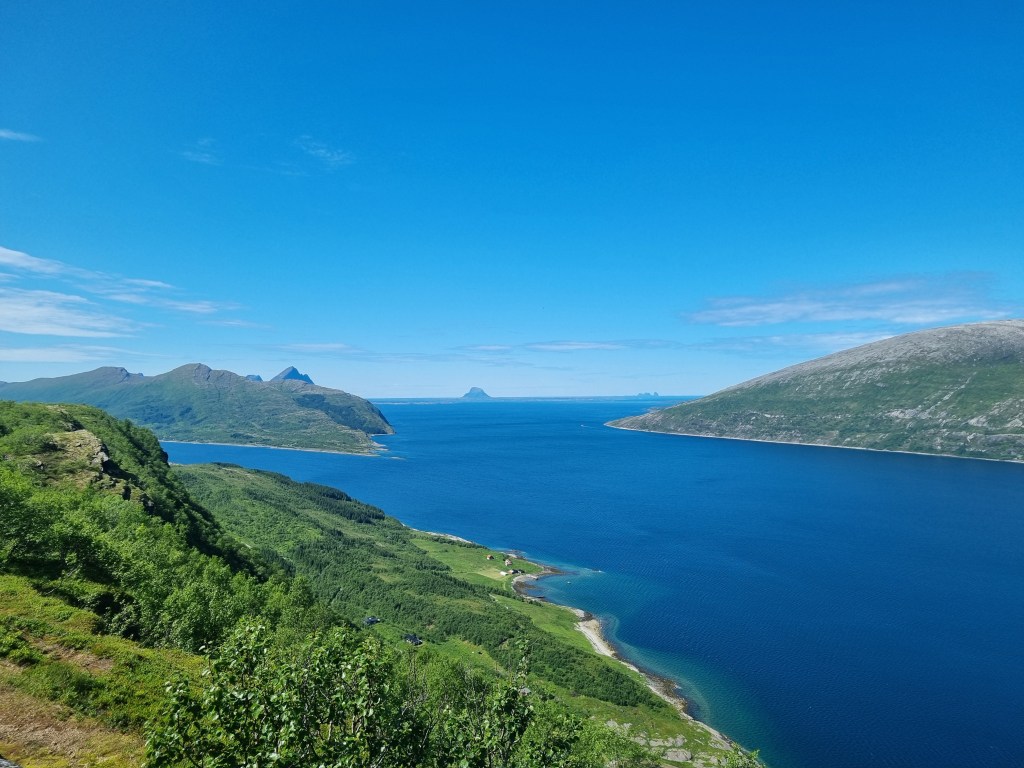
Armed with a car full of camping and travel gear, good vibes, and a sense of adventure, we’re hitting the road through Norway, Sweden, and Denmark. From majestic fjords to midnight sun, forest lakes to cozy cafés and the Lofoten islands. Follow my live travel blog as we share daily glimpses into our road trip life: car meals, sheep in the middle of the road, unexpected detours, and the magic of waking up somewhere new each day.
As always, I want to remind you, that this blog isn’t perfect because everyone travels differently, and all trips involve changes of plans. I want to let you know that everything on this website has been experienced, photographed, and written by me. Since I finance all of my travel expenses on my own, the stories and opinions given are truly my own. If you’re interested in seeing more travel pictures or videos, feel free to check out my Instagram @michellecacija or my Tik Tok @michellecacija.
Index
- Things you need to know
- Itinerary
- Day 1 – Travel Day to Trondheim
- Day 2 – Trondheim
- Day 3 – Norwegian landscape and the polar circle
- Day 4 – Norwegain landscape, Saltstraumen and Bodø
- Day 6 – Lofoten Islands
- Day 7 – Norwegian landscape
- Day 8 – Andenes
- Day 9 – Andenes
- Day 10 – Andenes
- Day 11 – Norwegian landscape
- Day 12 – Tromsø
- Day 13 – In and around Tromsø
- Day 14 – Steindalsbreen Glacier
- Day 15 – Finland and Sweden
- Day 16 – Sweden’s Highway
- Day 17 – Sigtuna and Stockholm
- Day 18 – Stockholm
- Day 19 – Bullerby and Katthult
- Day 20 – Kåseberga
- Day 21 – Ystad
- Day 22 – Copenhagen
- Booking Checklist
Things you need to know
When to visit
The best time for a road trip through Scandinavia really depends on what you’re looking for but for most travelers, summer (June to August) is ideal. July, in particular, offers long days, mild temperatures, and the unforgettable experience of the midnight sun in the north. Roads are open, hiking trails are accessible, and wild camping becomes a true joy. However, summer can also bring crowds in popular spots and yes mosquitoes, especially near lakes and forests. If you prefer fewer tourists and cooler weather, late May or early September are great alternatives, though you may have shorter daylight hours and a higher chance of rain. Just remember: Scandinavian weather is always unpredictable, so no matter when you go be flexible, and pack for everything.
What to pack
Packing for a Scandinavian summer road trip means being prepared for all four seasons, sometimes in a single day. Even in July, you can go from sunbathing by a lake to shivering in the wind an hour later. The key? Layers. Think breathable t-shirts, cozy hoodies, a warm fleece, and a reliable waterproof jacket and shoes. Pack both shorts and long pants, a beanie and sunglasses. Don’t forget sturdy shoes for hikes, sandals for campsite life, and a swimsuit for those icy lake dips. Nights can get surprisingly chilly, especially if you’re sleeping in the van, so a warm sleeping bag or blanket is a must. In Scandinavia, comfort and practicality always win over style.
Additionaly, consider bringing your own little medication bag, including Band-Aids, pain relief tablets, sleeping tablets or spray, bug spray, aftersun, etc. You never know what you might need it for, and you might feel more comfortable using medication from home rather than in a country where you don’t know the ingredients and languages. If you’re coming from outside Europe, don’t forget to bring a Type C power adapter.
Cost of Travel
Let’s be honest: Scandinavia isn’t exactly a budget destination. From groceries to gas station snacks (hello, €8 sandwiches and €6 hot dog), prices are noticeably higher than in most parts of Europe. Fuel, road tolls, and campsites can add up quickly, especially when traveling by van. However, wild camping is legal in many areas, which helps offset accommodation costs. Cooking your own meals and avoiding big-city splurges also keeps things manageable. In short: it’s not cheap, but with a little planning, it’s absolutely worth every krone.
Itinerary
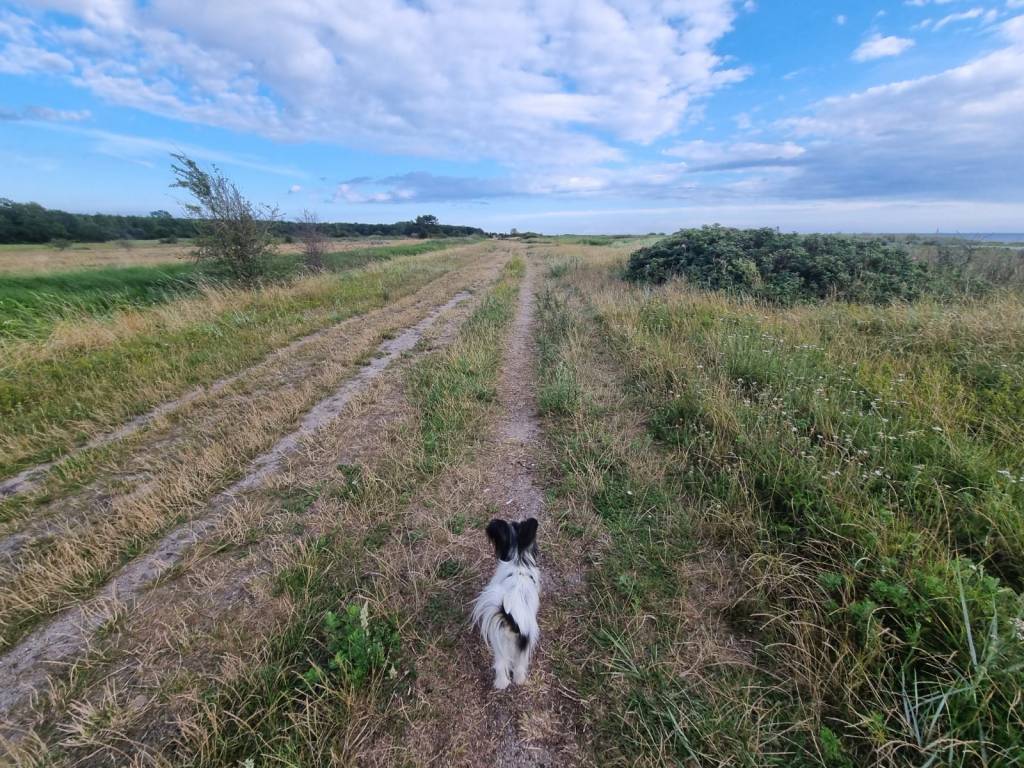
Over the next three to four weeks, a friend, her little dog and I will be embarking on a road trip through the wild, untamed beauty of Norway, the calm elegance of Sweden, and the cozy charm of Copenhagen, before we slowly make our way back home to Germany.
We’ll be traveling in a car, packed with our camping gear, lots of snacks, too many playlists, and just enough chaos to keep things interesting. Most nights, we’ll fall asleep in the back of our car, wrapped in our sleeping bags and surrounded by the stillness of nature. Be it deep in a Scandinavian forest, beside a fjord, near a misty lake or as it is sometimes at a random gas station.
Every day (or almost every day), I’ll write a few lines, sharing some insights and shots of our journey, both the beautiful and the messy. So if you want to travel with us then check back here. Our adventure is just beginning.
Day 1 – Travel Day to Trondheim
My adventure started around midday, as I made my way to Munich Airport heading towards Trondheim. Since direct flights to Trondheim are few and far between, my journey first took me to Copenhagen in Denmark.
Upon landing, hungry and slightly travel-weary, I went on the hunt for a snack. I ended up grabbing a simple sandwich, which set me back a modest €8. Welcome to Scandinavia, where even the basics come at a premium. If you’re expecting budget living here, think again.
With four hours to kill at Copenhagen Airport, I settled in, did some work, people-watched, and tried to kill some time. Of course, no travel day is complete without a small hiccup: my second flight was delayed by about 30 minutes. Eventually, I boarded the plane to Trondheim, and 90 minutes later, we were descending through a sea of clouds, greeted by dramatic fjords, glimmering water, and endless green.
At the airport, I was picked up by my friend and her dog which I’ll be traveling with over the coming three to four weeks. They picked me up in our little camper van, which will be our home on wheels as we roam through Scandinavia. We drove a short way toward the city of Trondheim and found a quiet spot near a gas station to spend the night. It might not sound glamorous, but with a peaceful view and the excitement of what’s to come, it felt just right.
Day 2 – Trondheim
Our first full day on the road began with a simple breakfast at the gas station where we had spent the night. With the morning sun peeking through the clouds, we packed up the van and drove to the city of Trondheim. On our way there we were greeted and stopped by some sheep.
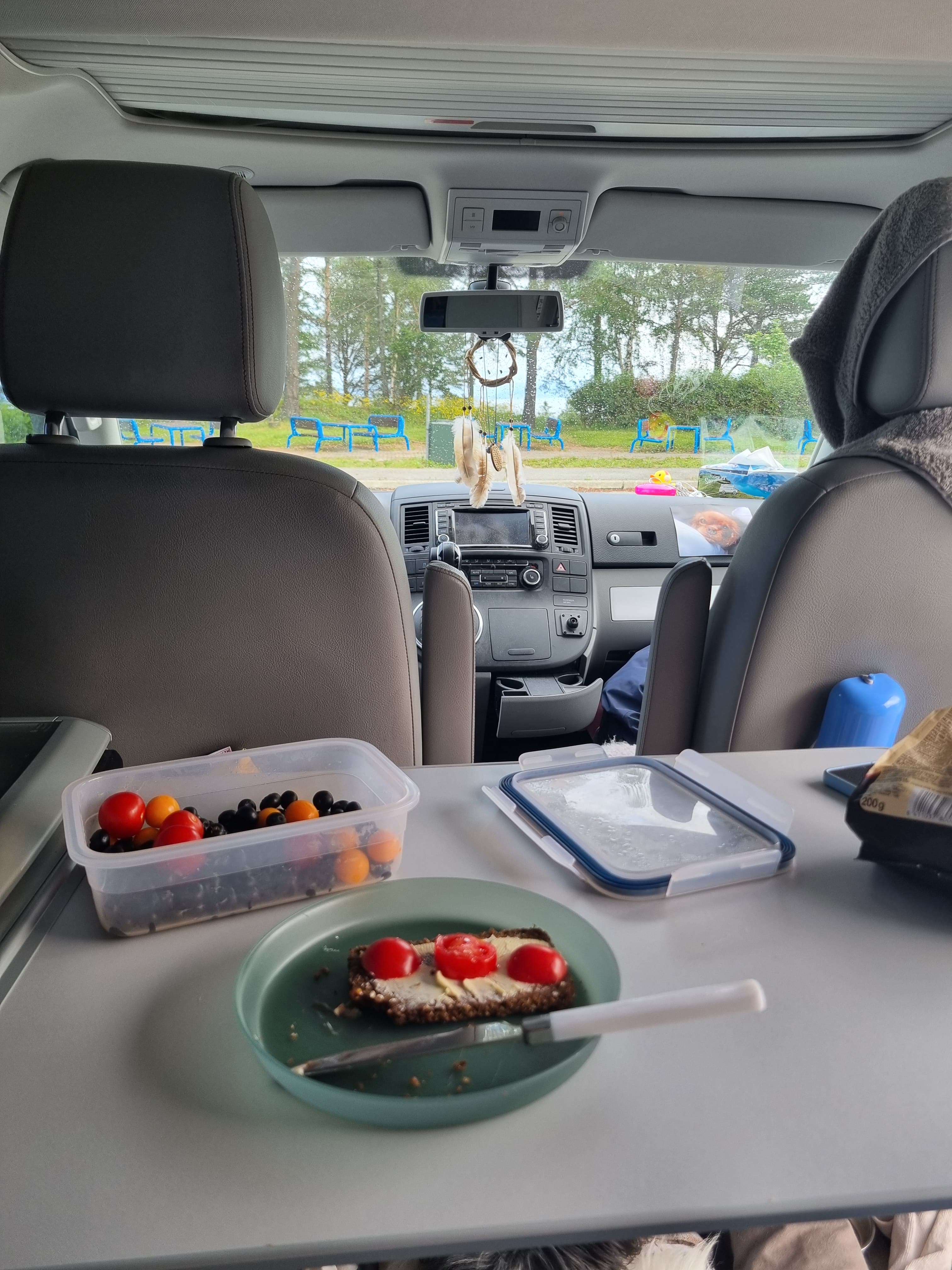
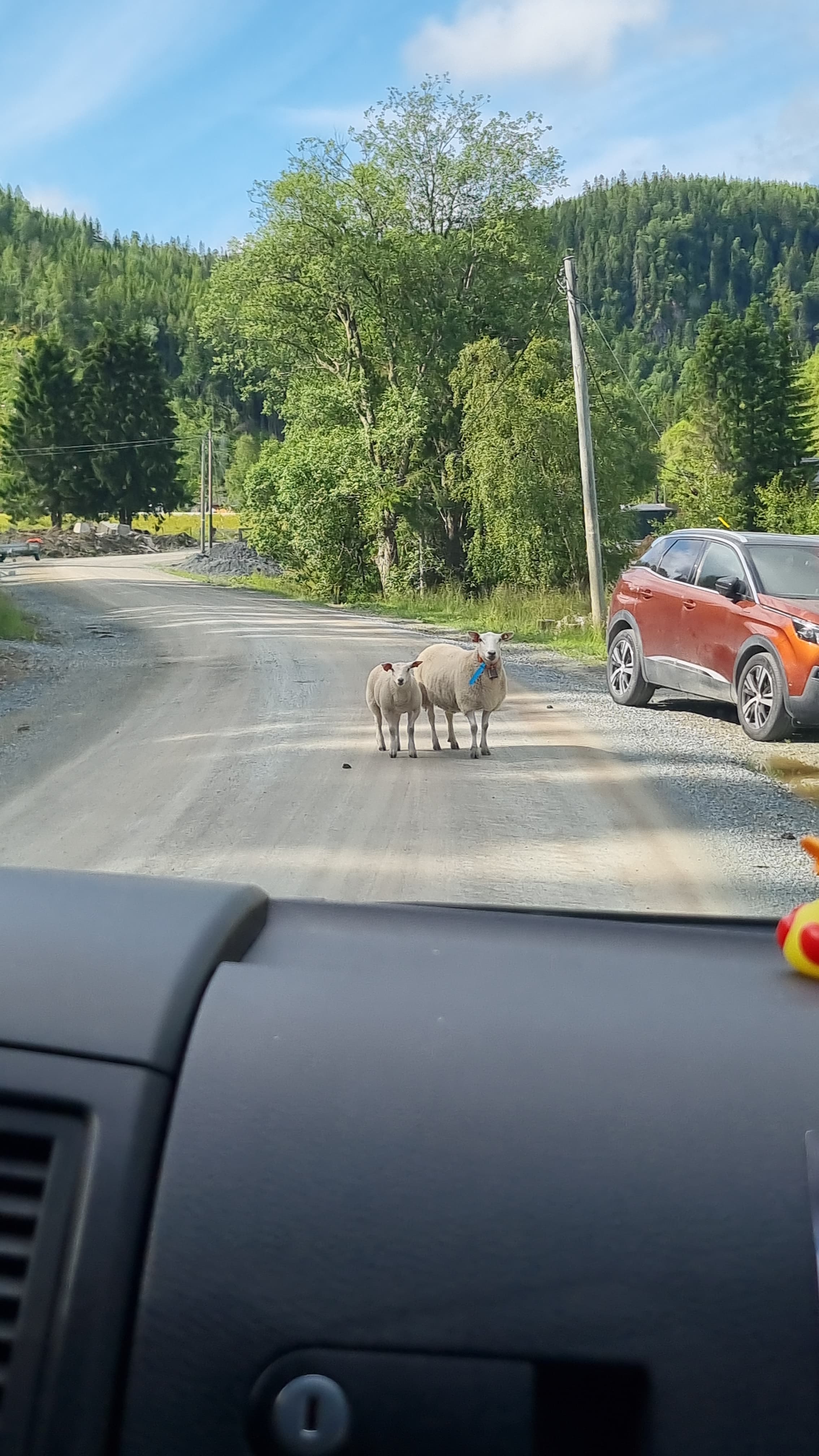
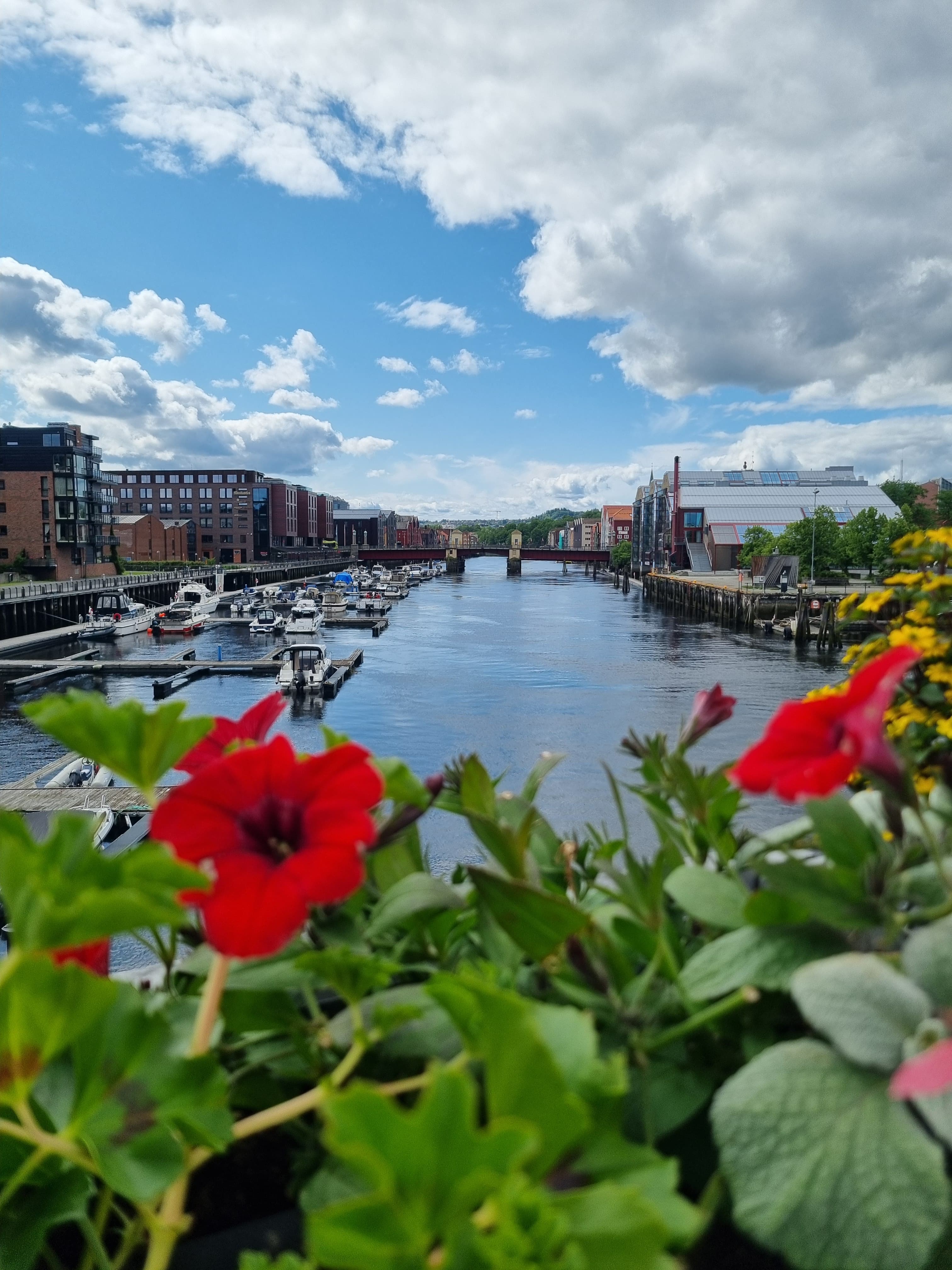
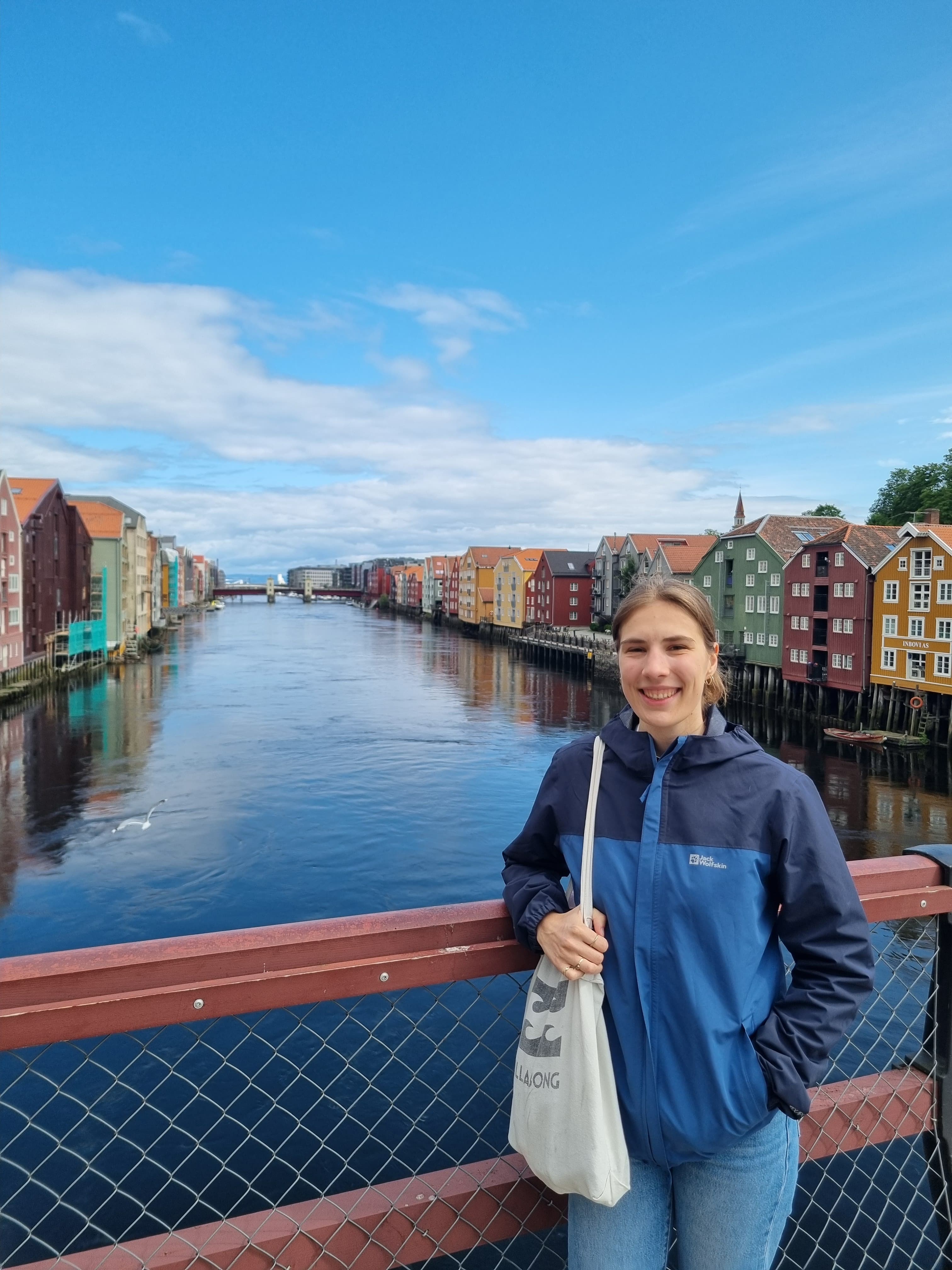
We started our visit with a walk through the charming old town, crossing the famous Old Town Bridge (Gamle Bybro), where we were greeted by the iconic view of colorful wooden warehouses lining the Nidelva River. It’s one of those postcard-perfect places that somehow feels even more magical in real life. From there, we wandered further through the Old Town and eventually stopped for a classic cinnamon roll and a hot chai latte.
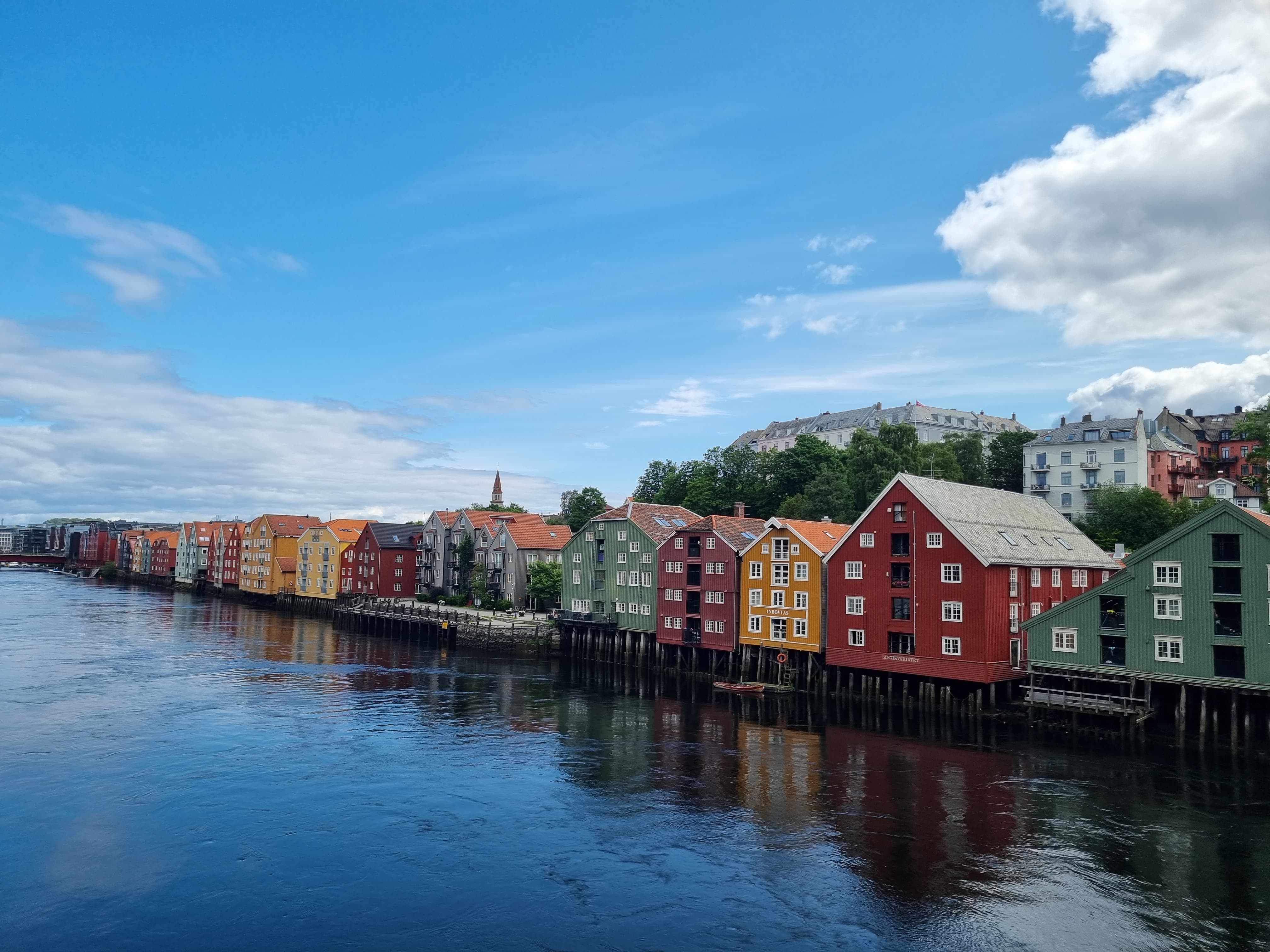
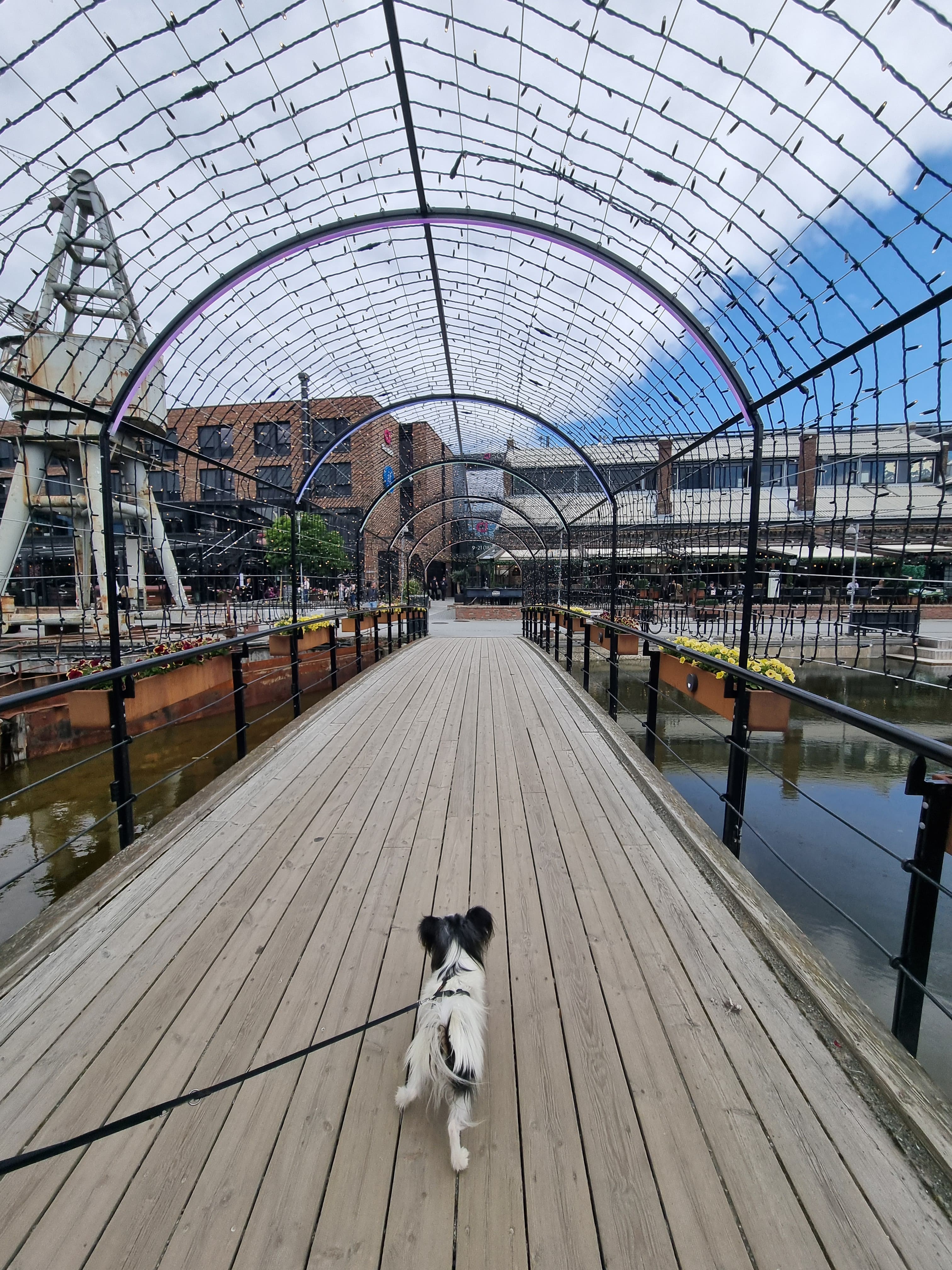
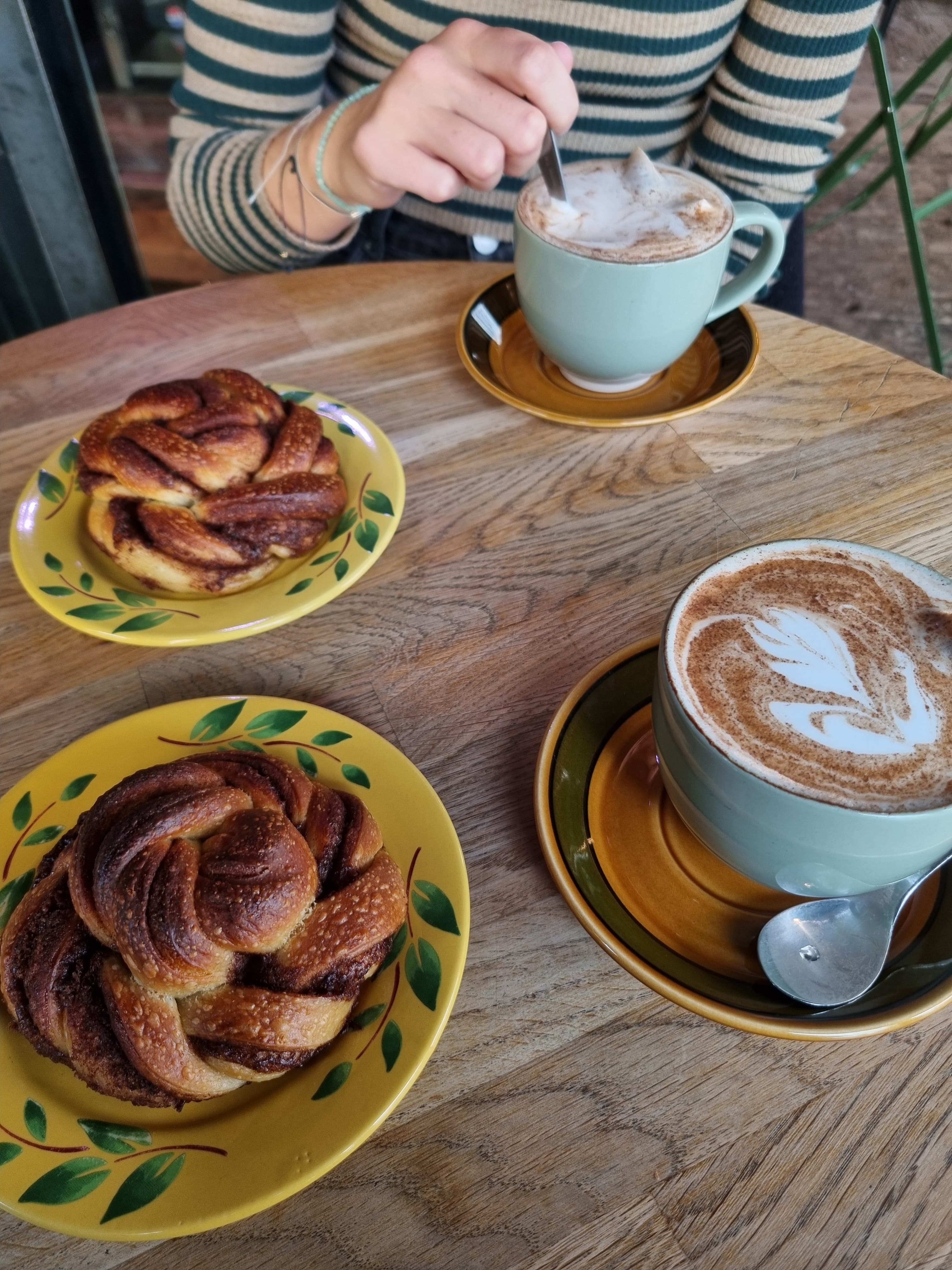
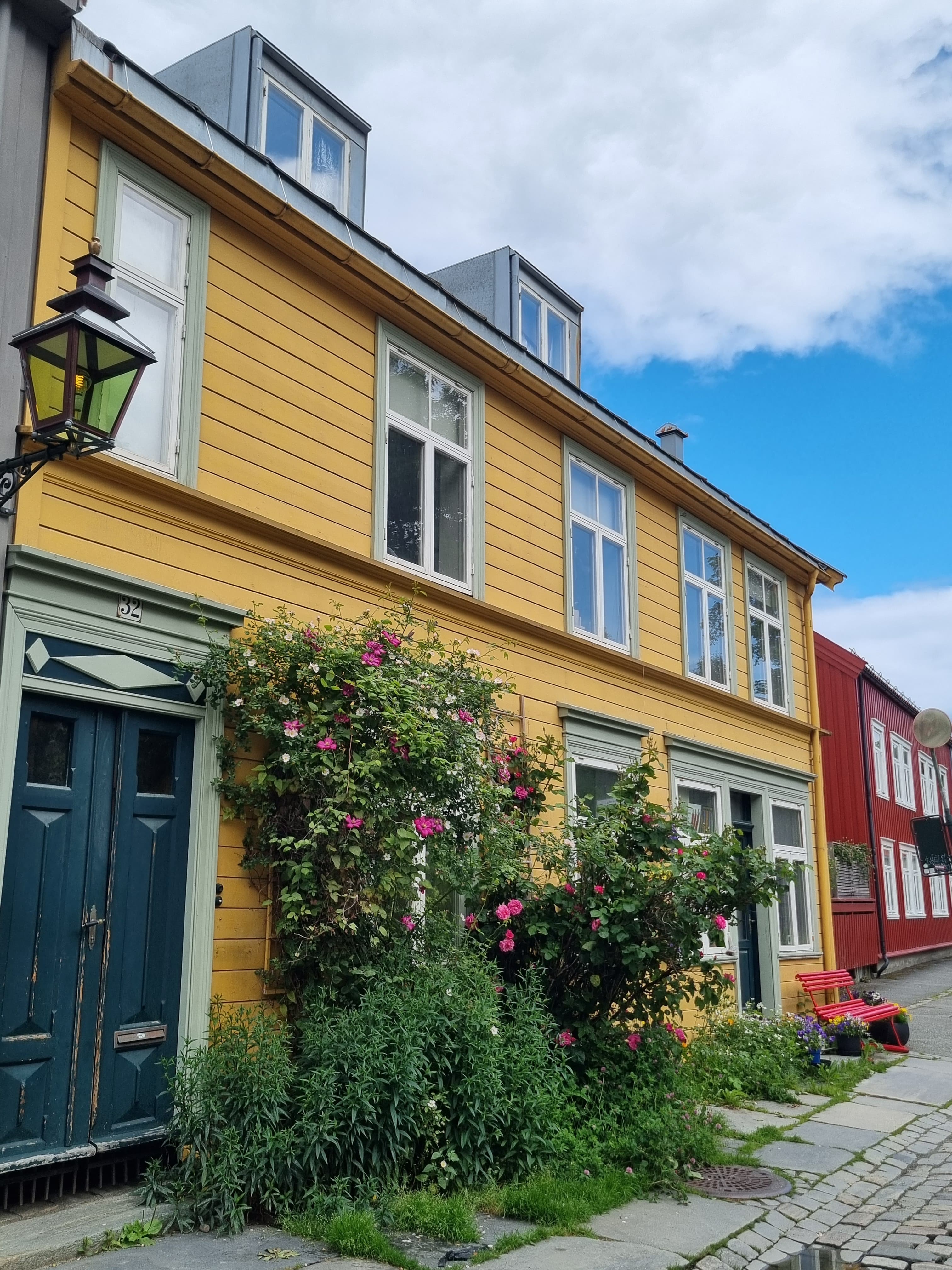
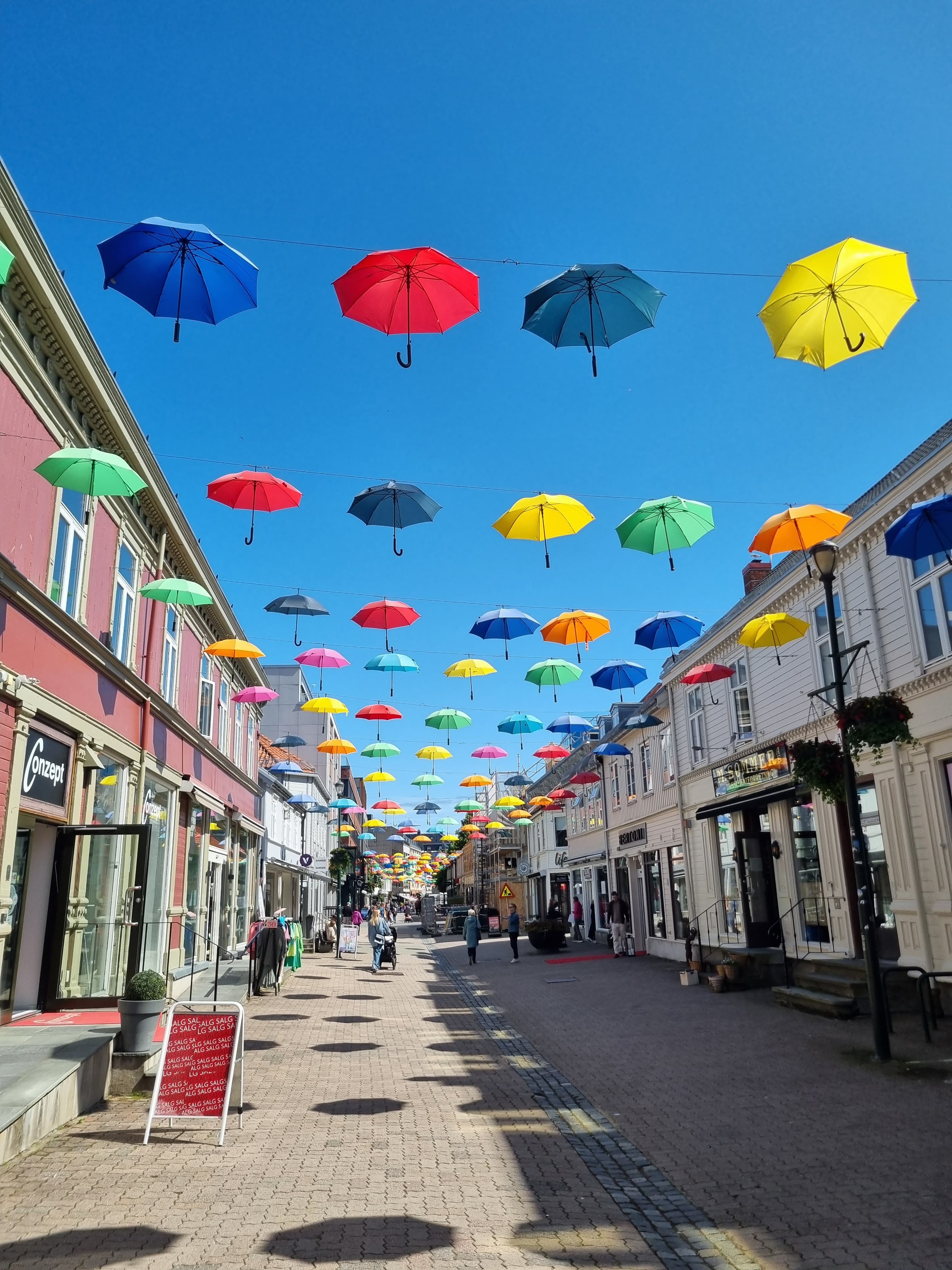
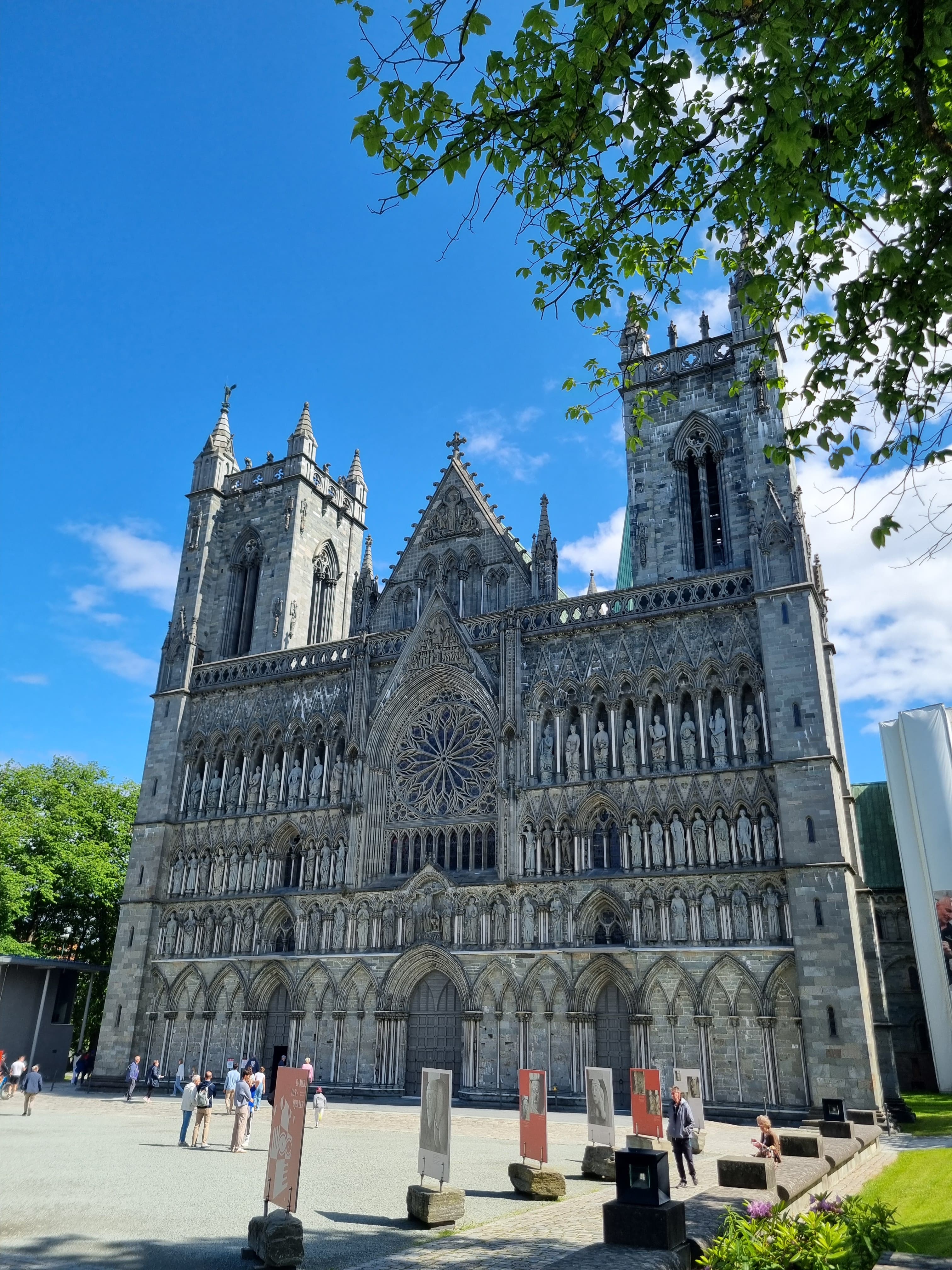
After a while my friend returned to the van for a job interview while I made my way to the Nidaros Cathedral, an impressive Gothic building and one of Norway’s most important historical sites. After soaking in its grandeur, I continued through the city center, passing through the lively main square and strolling down the street adorned with hanging rainbow-colored umbrellas.
After a long walk through Trondheim’s streets and buying some groceries, I returned to the van and we began our journey northward. The further we drove, the more the landscape opened up forests, lakes, and long, winding roads, it’s definitely a dream! Somewhere along the way, we made a quick pit stop for a classic Scandinavian snack: a gas station hot dog, for € 6 lol. Nothing fancy, but surprisingly satisfying.
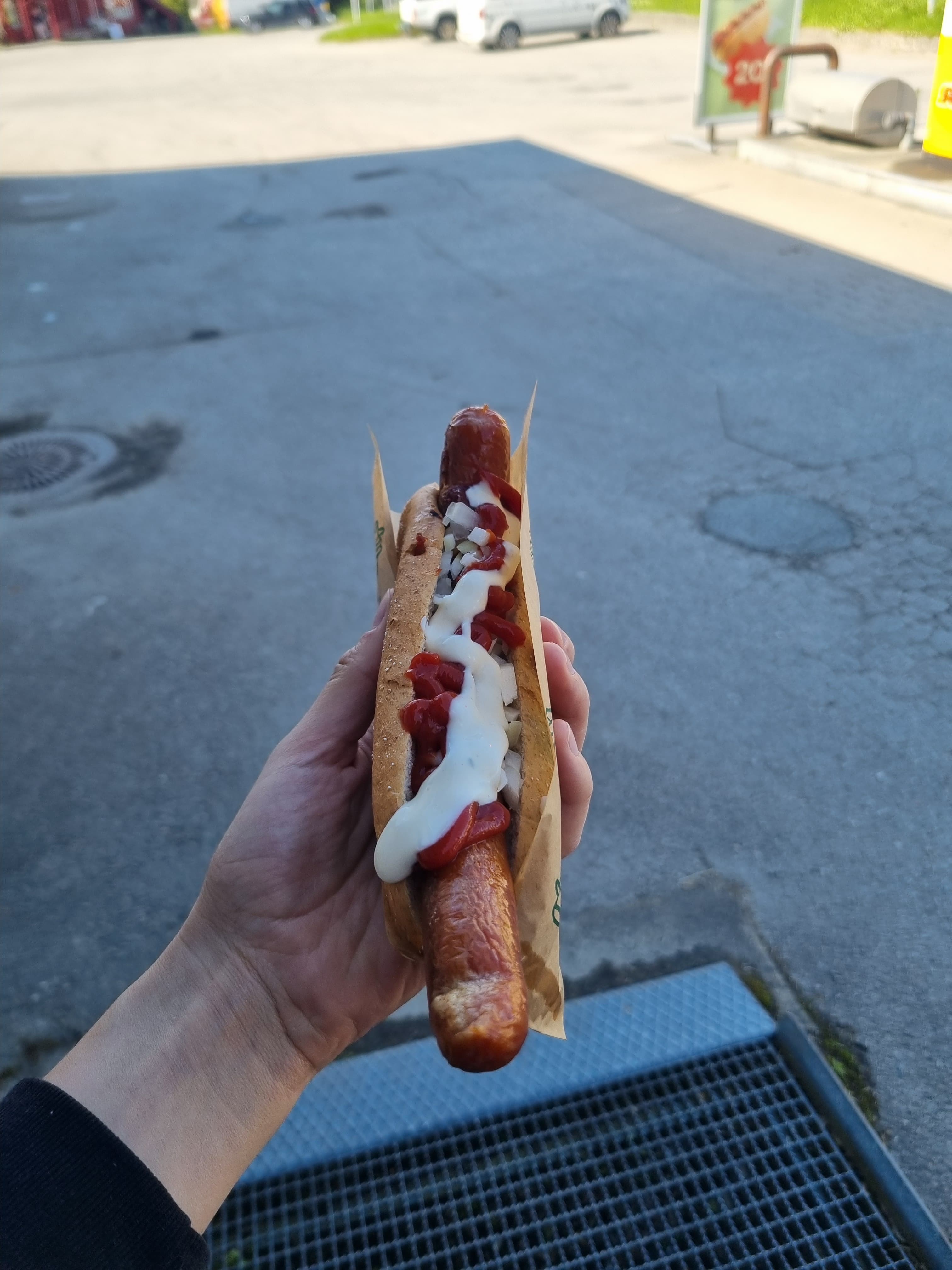

After we continued our drive, heading in the general direction of a place called Bodø keeping our eyes open for a quiet, scenic place to spend the night. A few hours passed as we wound our way through Norway’s beautiful landscape: snow-dusted peaks rising in the distance, the road snaking along fjords and forests. Eventually, after some searching and a bit of luck, we stumbled upon what can only be described as a picture-perfect campsite.
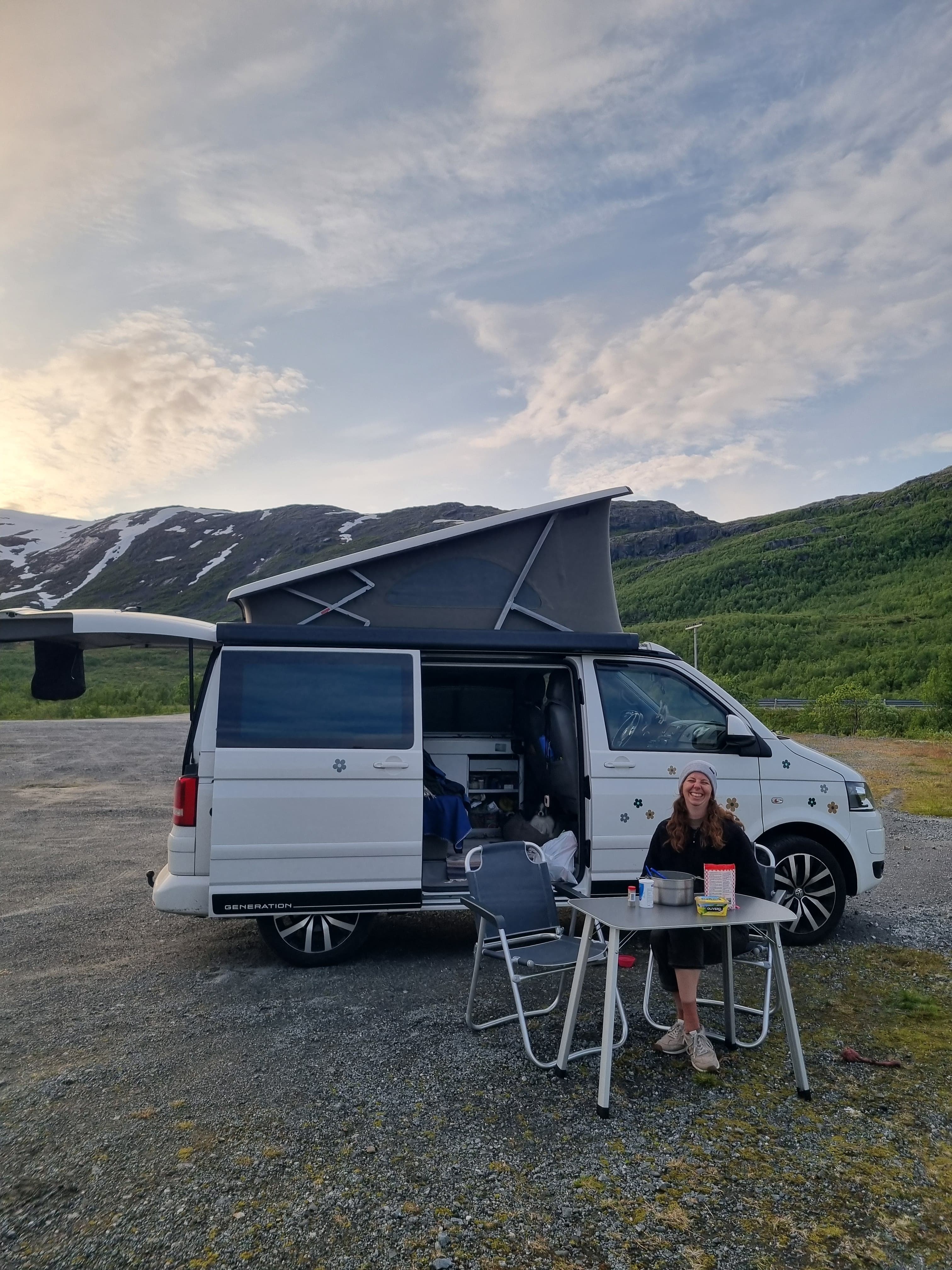
Tucked away right by the water’s edge, the spot was pure magic. Surrounded by gentle birch trees and mountains dusted with a tiny bit of snow, it felt like something out of a fairy tale. The silence was almost surreal, broken only by the soft lapping of water and the occasional rustle of leaves.
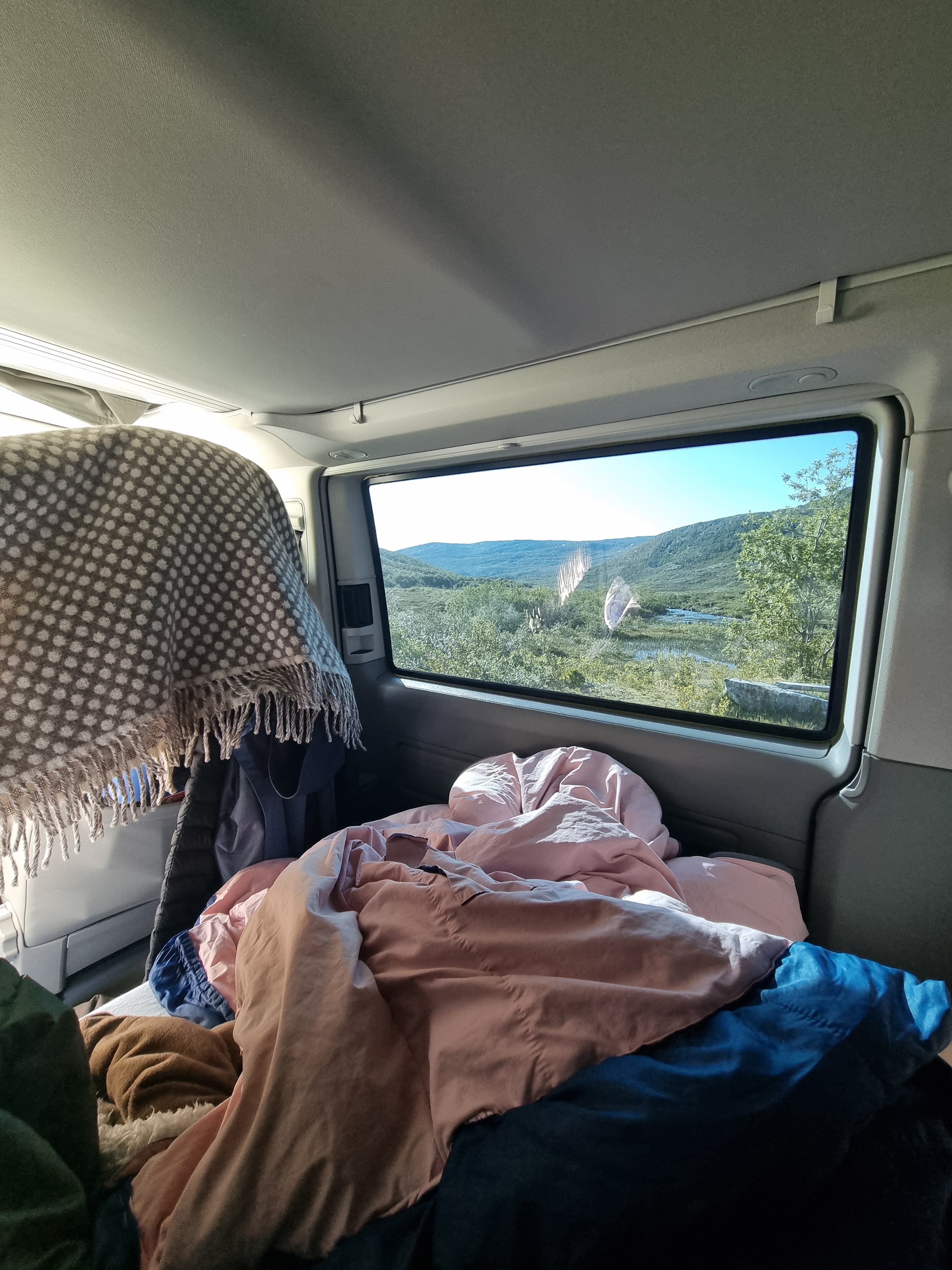
After settling in, we cooked a simple meal of tortellini. With full bellies, we climbed into bed. But night never truly falls here, then this far north, the sun barely dips below the horizon during summer. Even with the van darkened as best we could, the sun still crept in.

Day 3 – Norwegian landscape and the polar circle
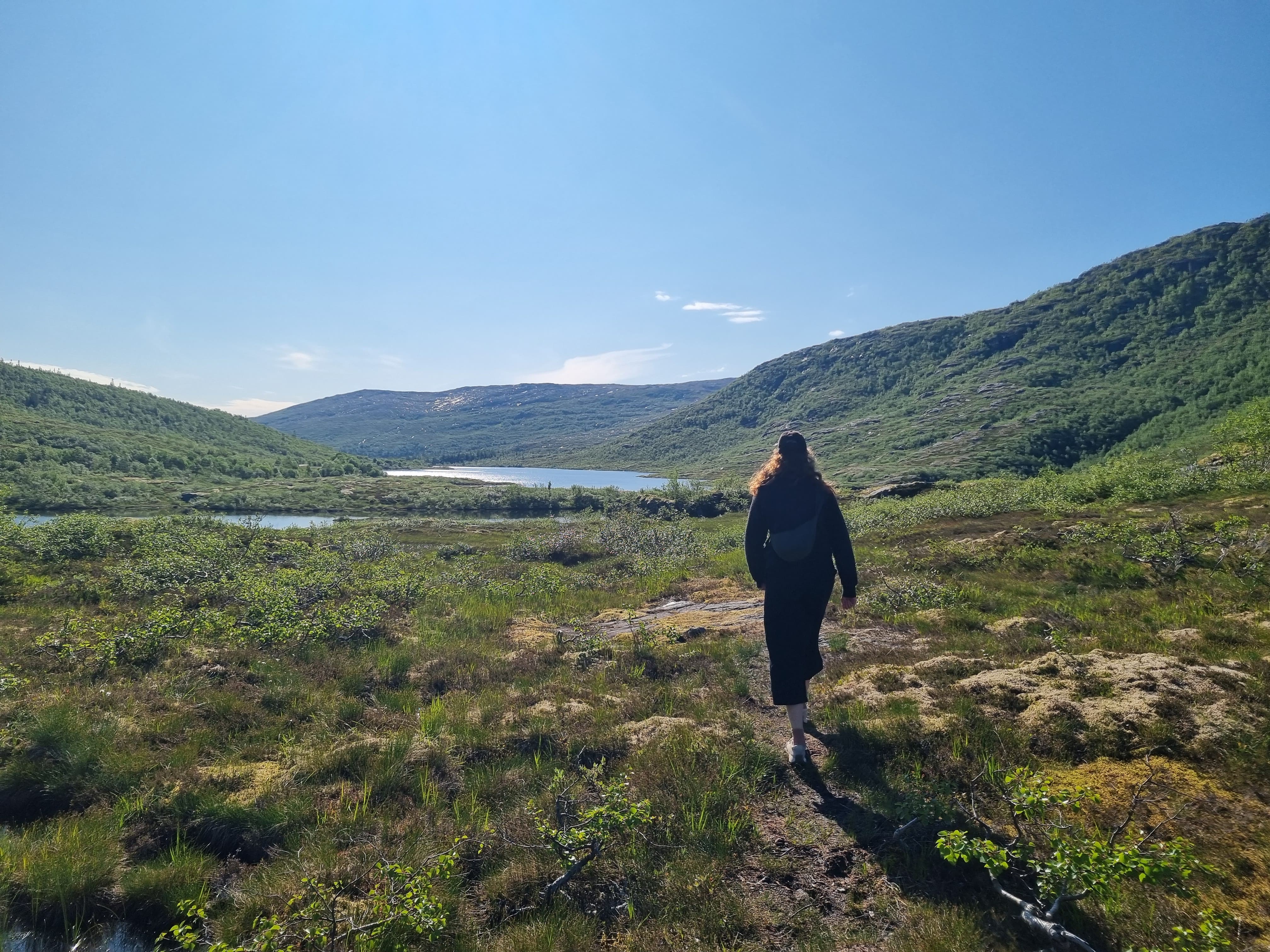
The next morning, sunlight gently woke us through the curtains. After a quick breakfast, we followed a narrow trail that led us through the birch grove to a tiny, hidden lake: a secret spot seemingly untouched by time. After soaking in the tranquility, we packed up and continued our drive north, deeper into Norway’s untamed wilderness, eager to see what wonders the road would reveal next.
At the ferry terminal in Lødingen, we boarded the ferry and continued our journey ever further north. As we sailed across the still, deep waters, a beautiful panorama unfolded before us. The view was simply too stunning to ignore, so we stepped out onto the deck.
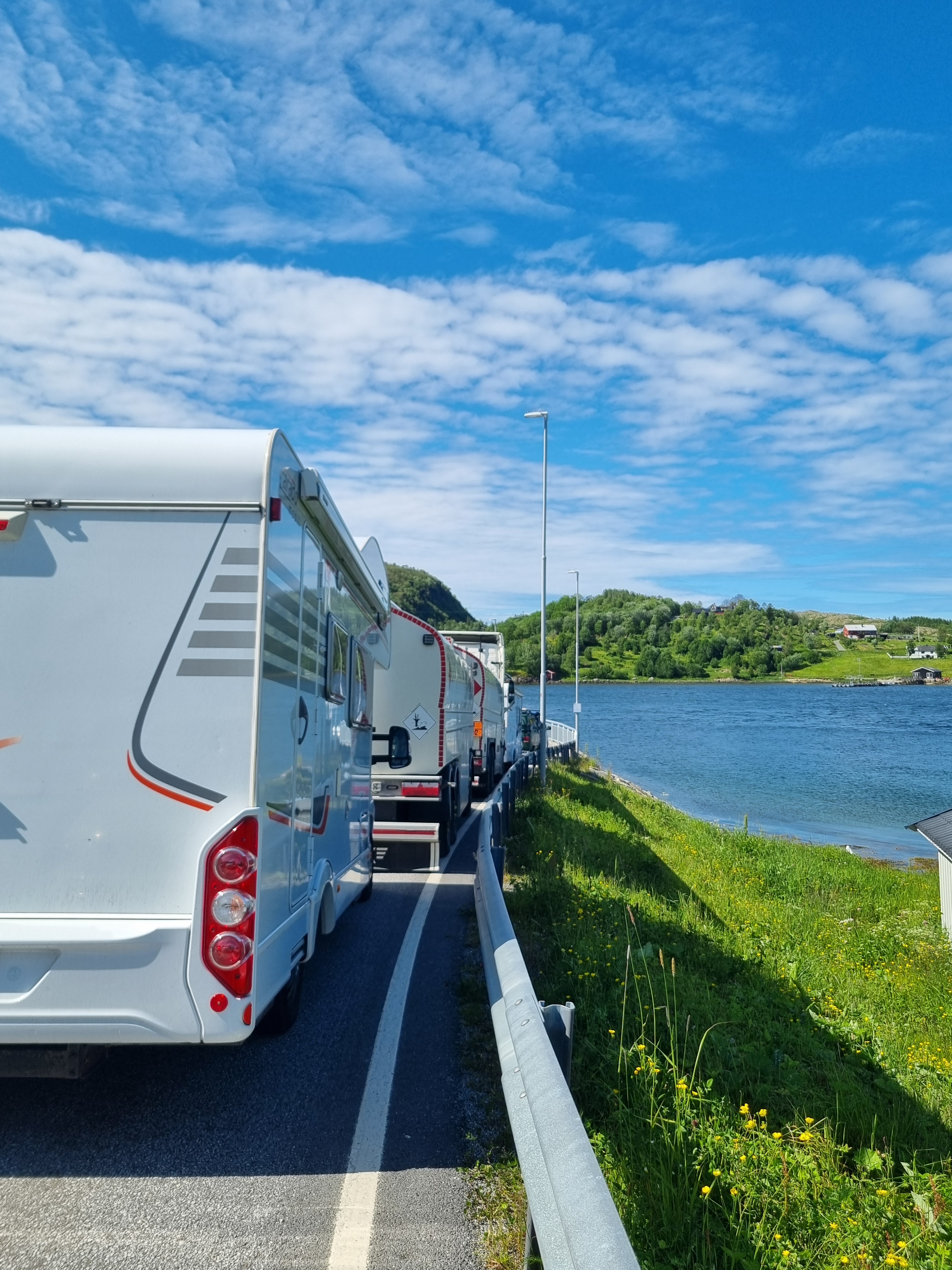
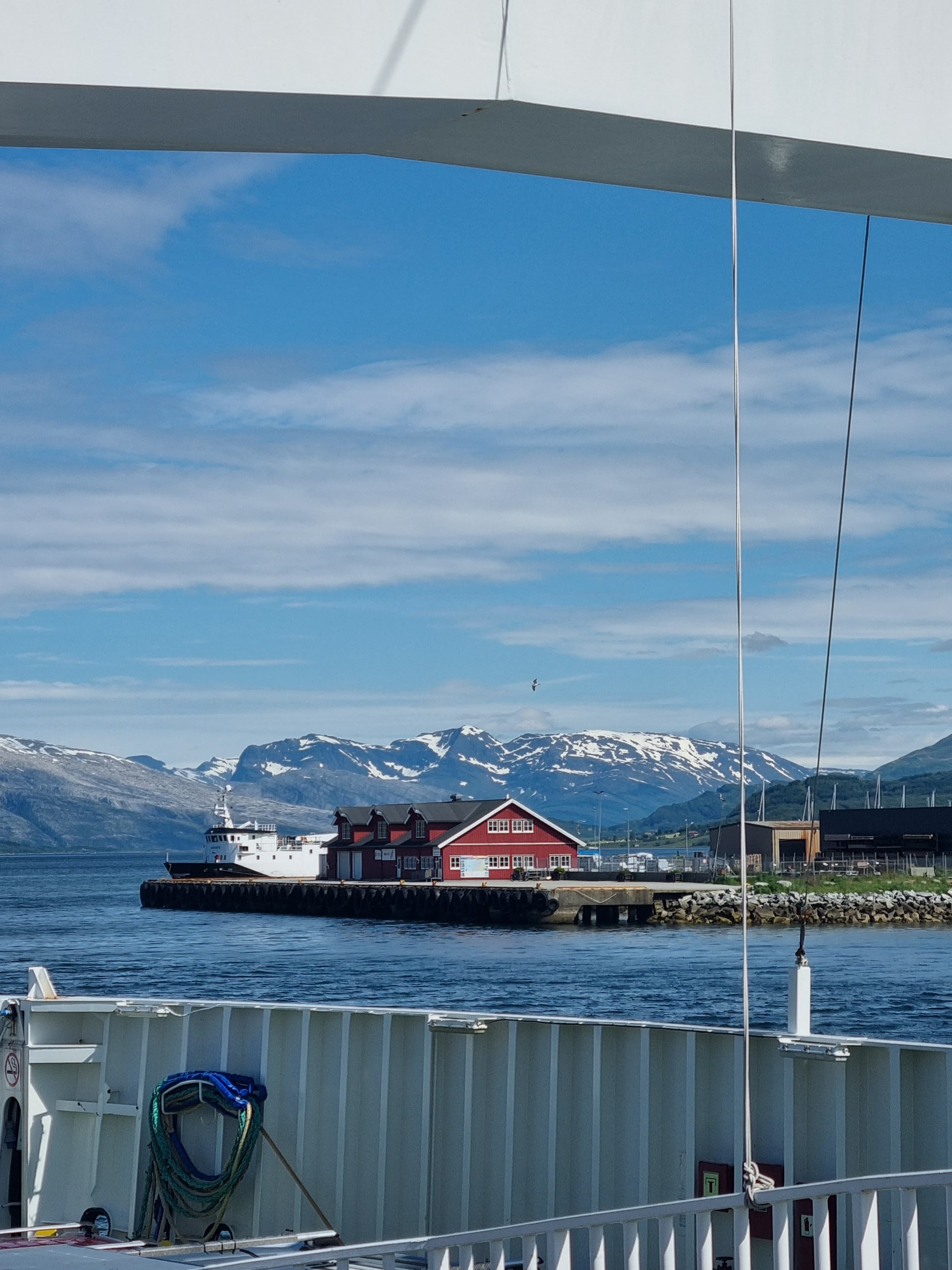
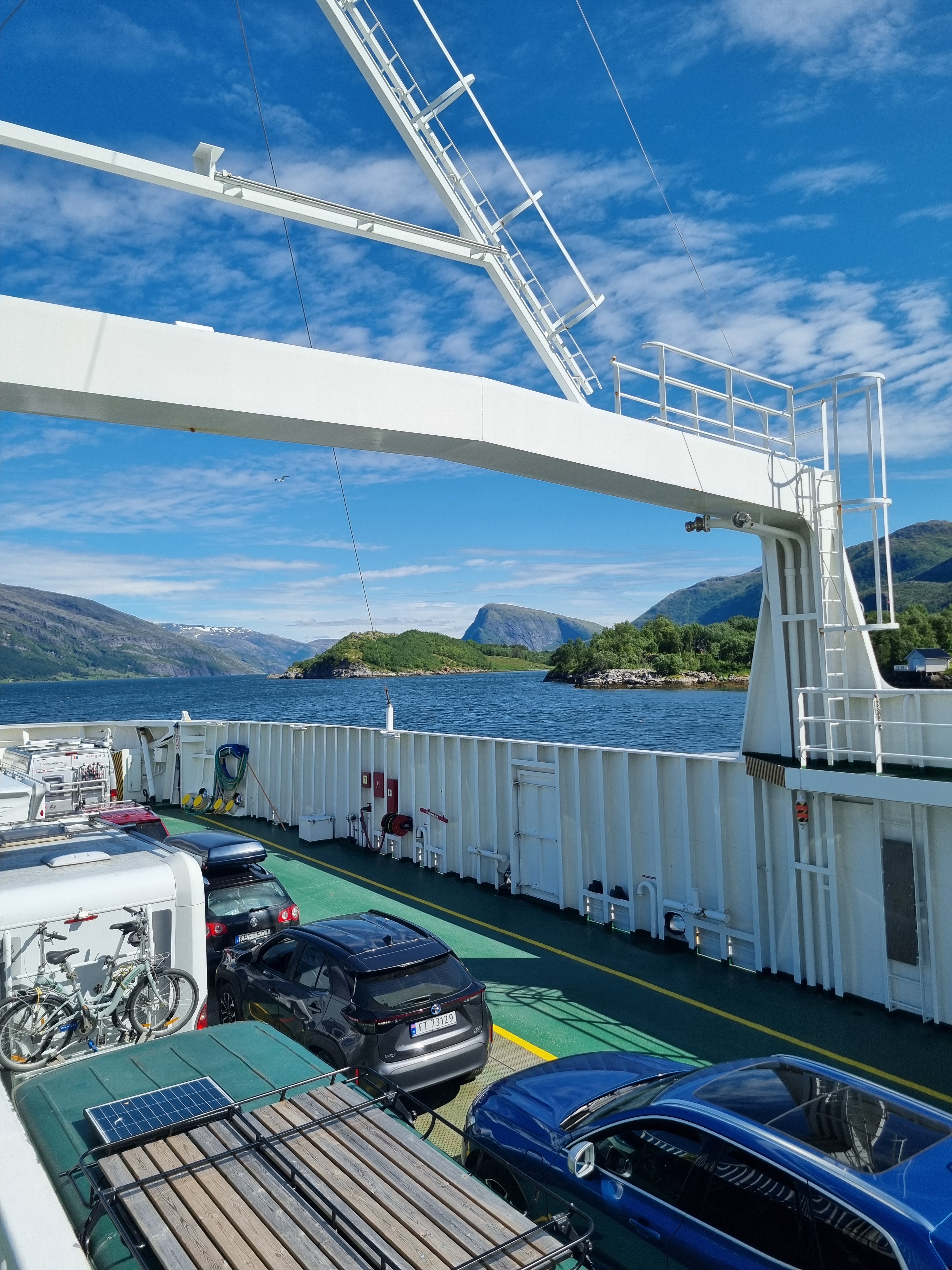
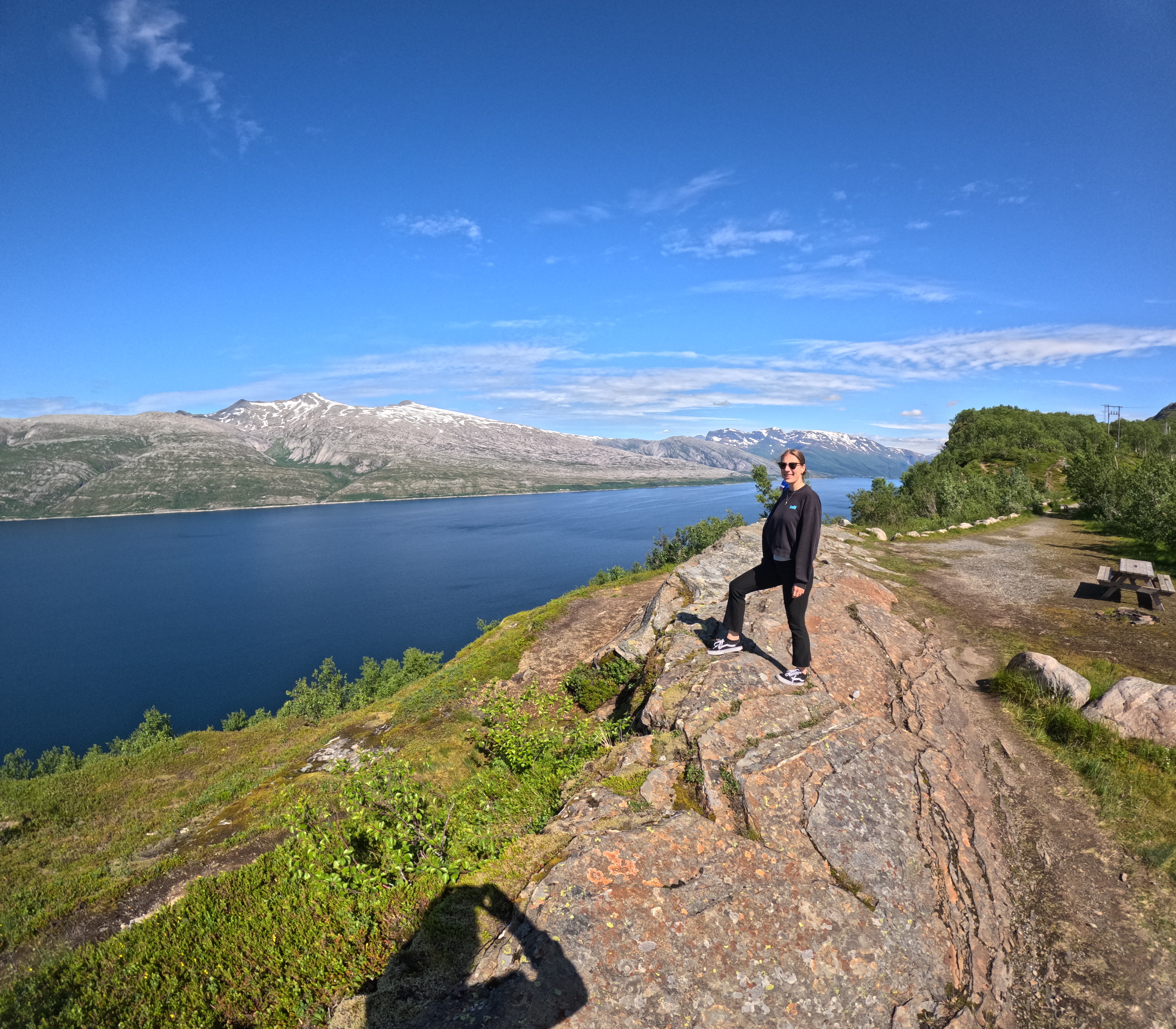
After the ferry ride, our road led us to Mo i Rana, a small town nestled between mountains and winding rivers. The car was running low on fuel, and so were we. So our next mission was to fill up the tank and grab something to eat. Before we arrived at Mo i Rana we came across a beautiful landscape spot, so we stepped out and socked up Norway’s beauty.
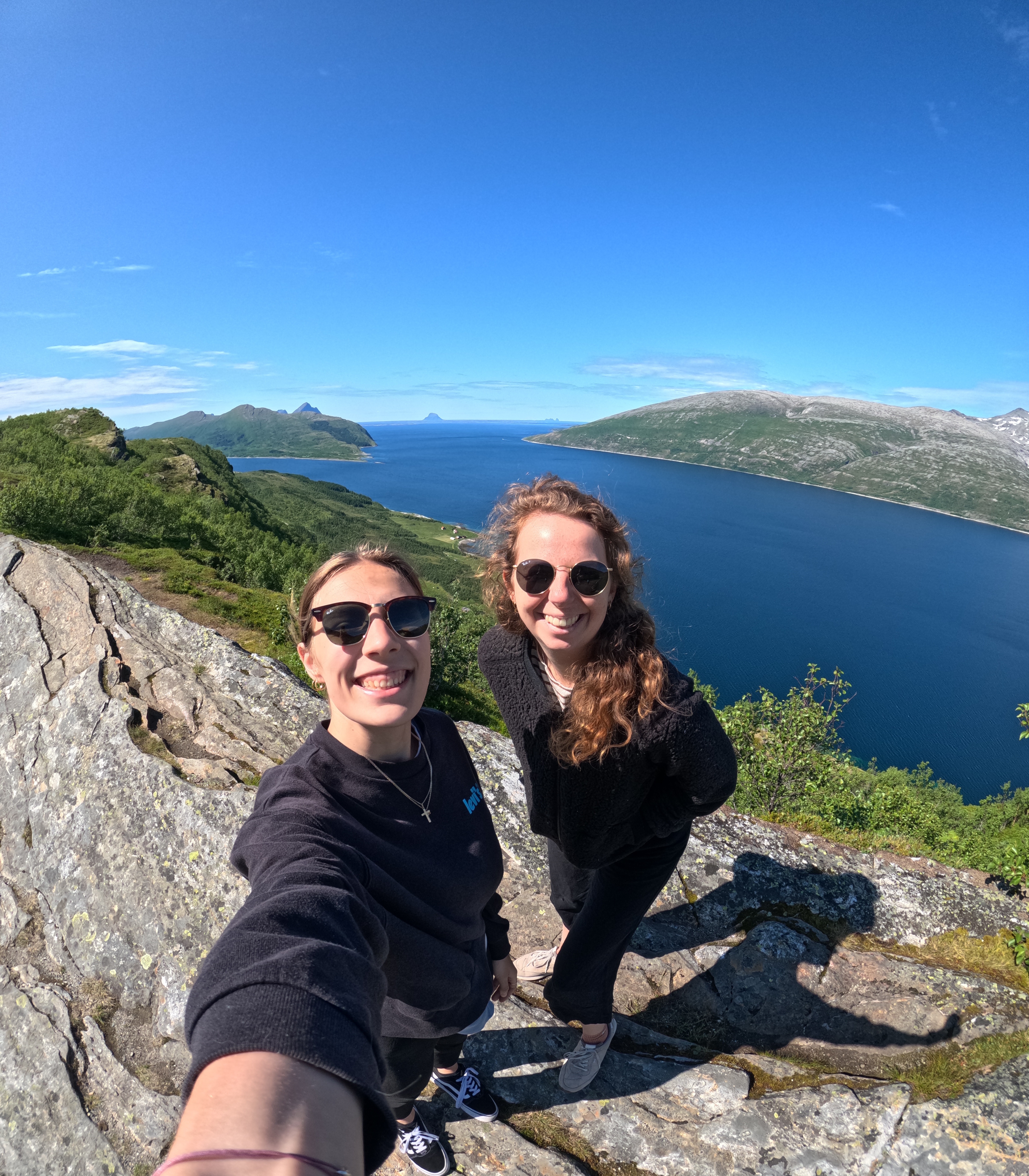

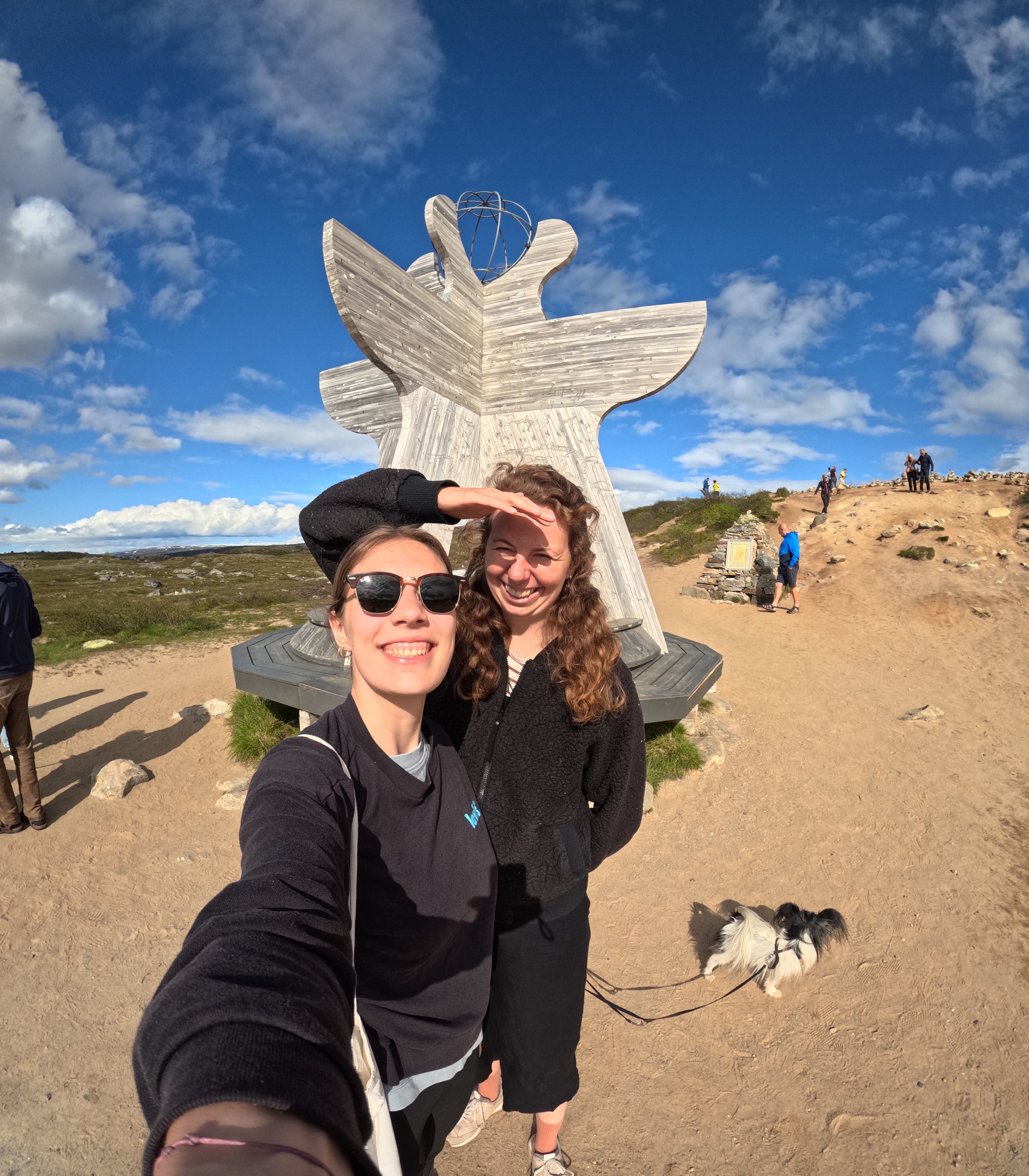
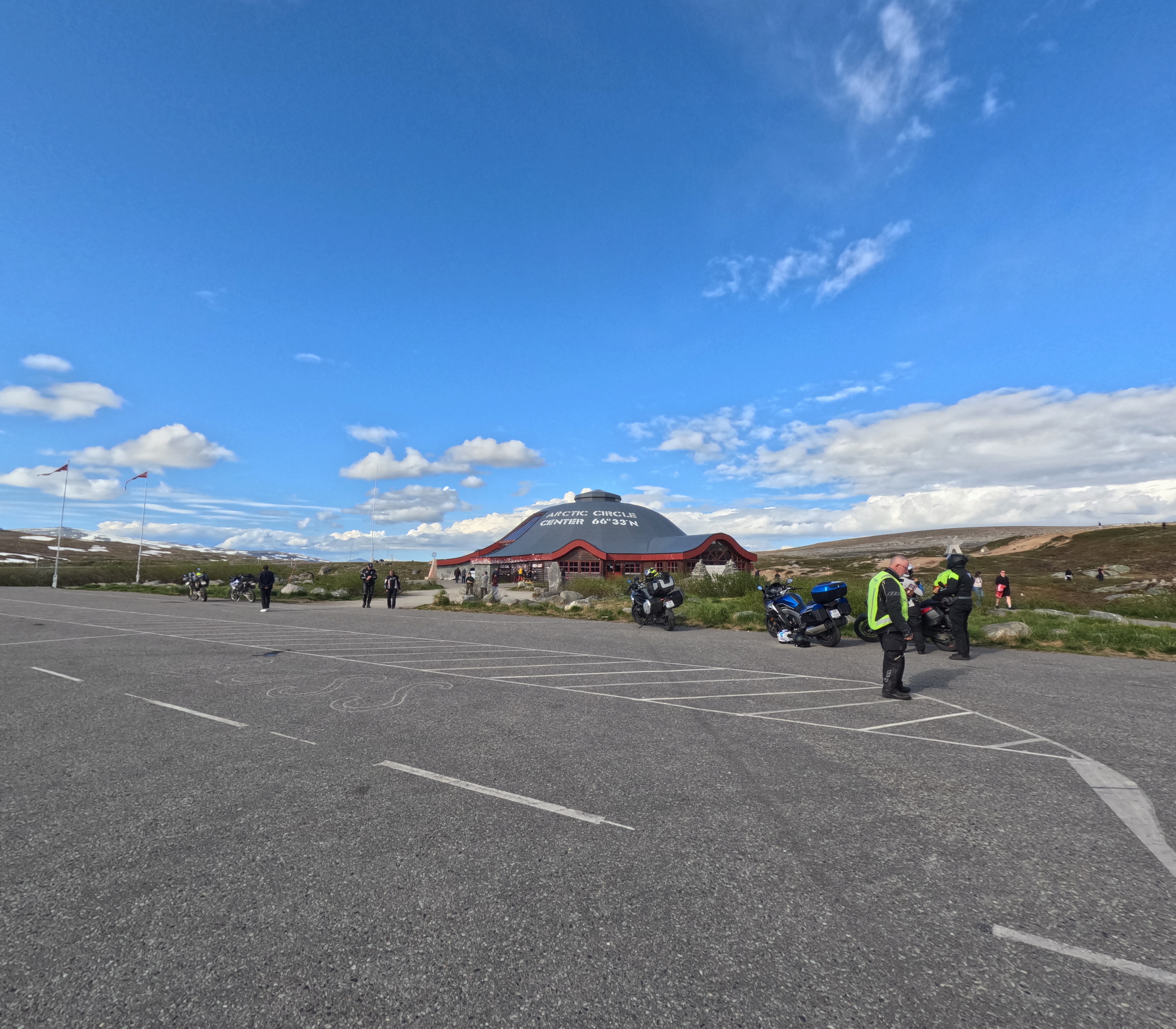
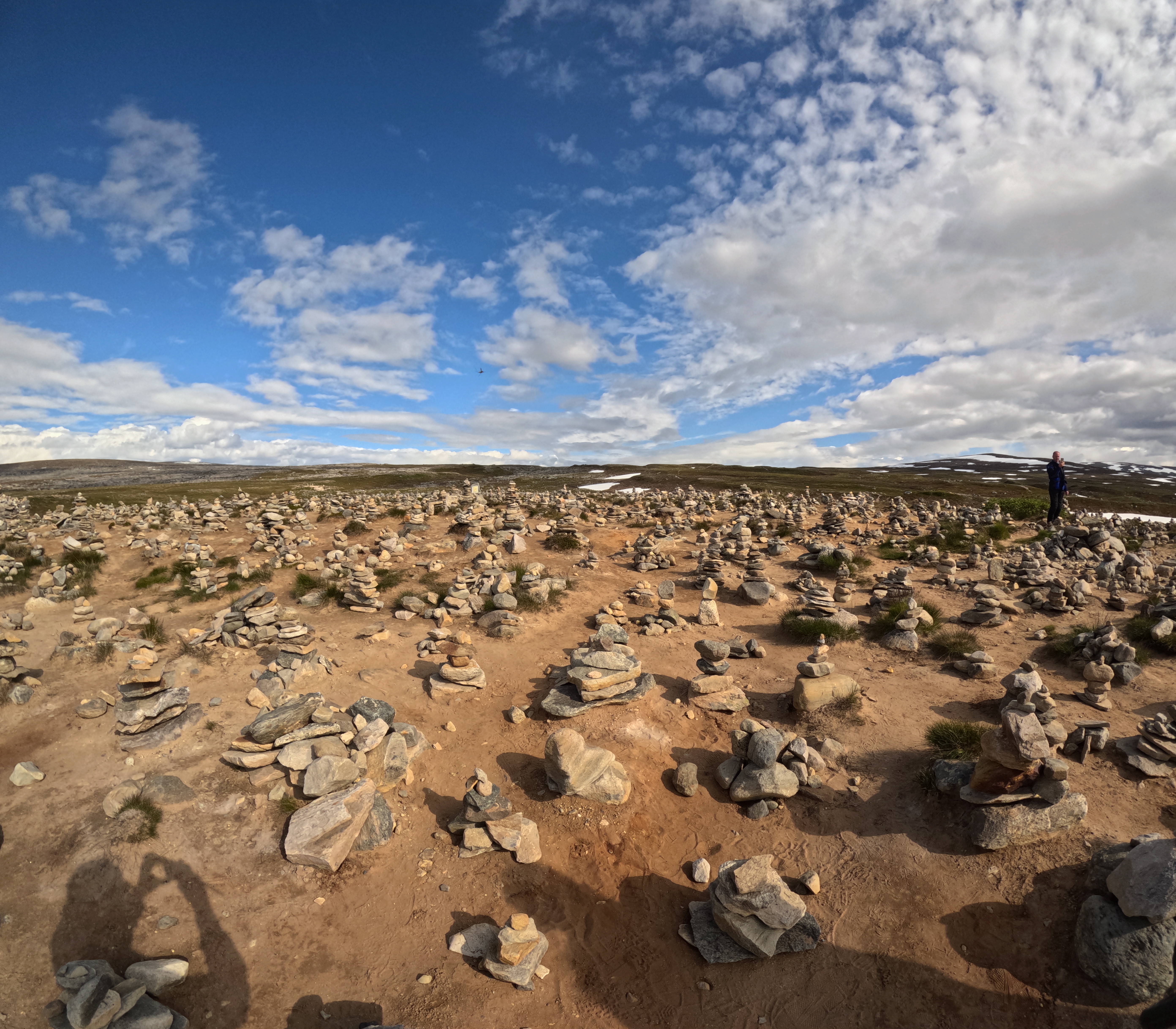
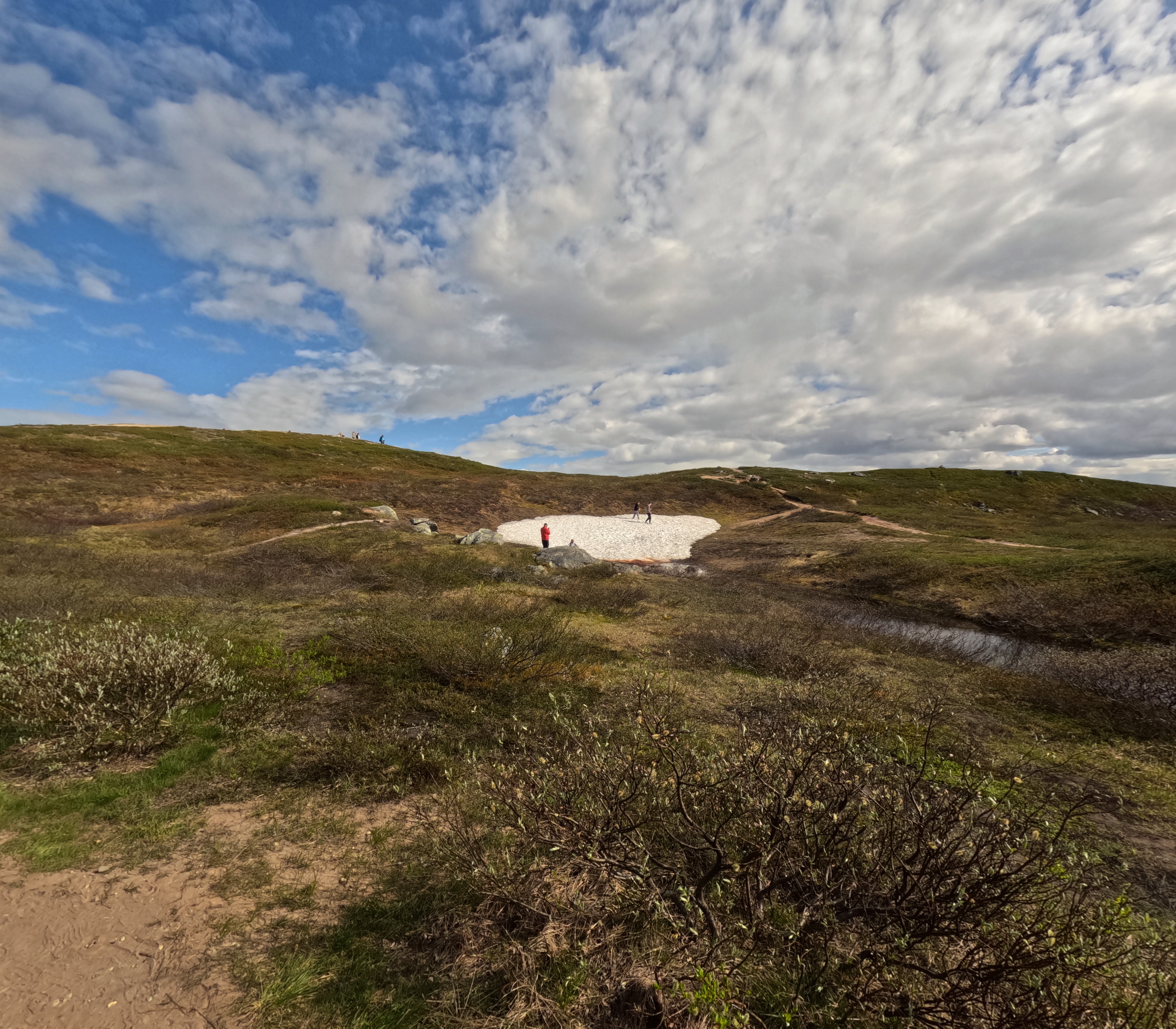
After continuing our ride we found a cozy little place and ate pizza that hit the spot after hours on the road. Refueled and refreshed, we drove one more hour north toward a truly special destination: the Arctic Circle. This would be our resting place for the night. As we approached, the landscape began to change. Some snow was still clinging to the mountains crests, even in the summer months and rugged peaks stood in silent watch over the vast emptiness. At the edge of this desolate beauty stood a Visitor Center. Nearby, on a hill overlooking the center, countless small stones were carefully stacked on top of each other, silent markers left by those who had passed through.
Tomorrow, our journey continues north, toward Bodø, but for tonight, we sleep surrounded by silence, snow, and stone.
Day 4 – Norwegain landscape, Saltstraumen and Bodø
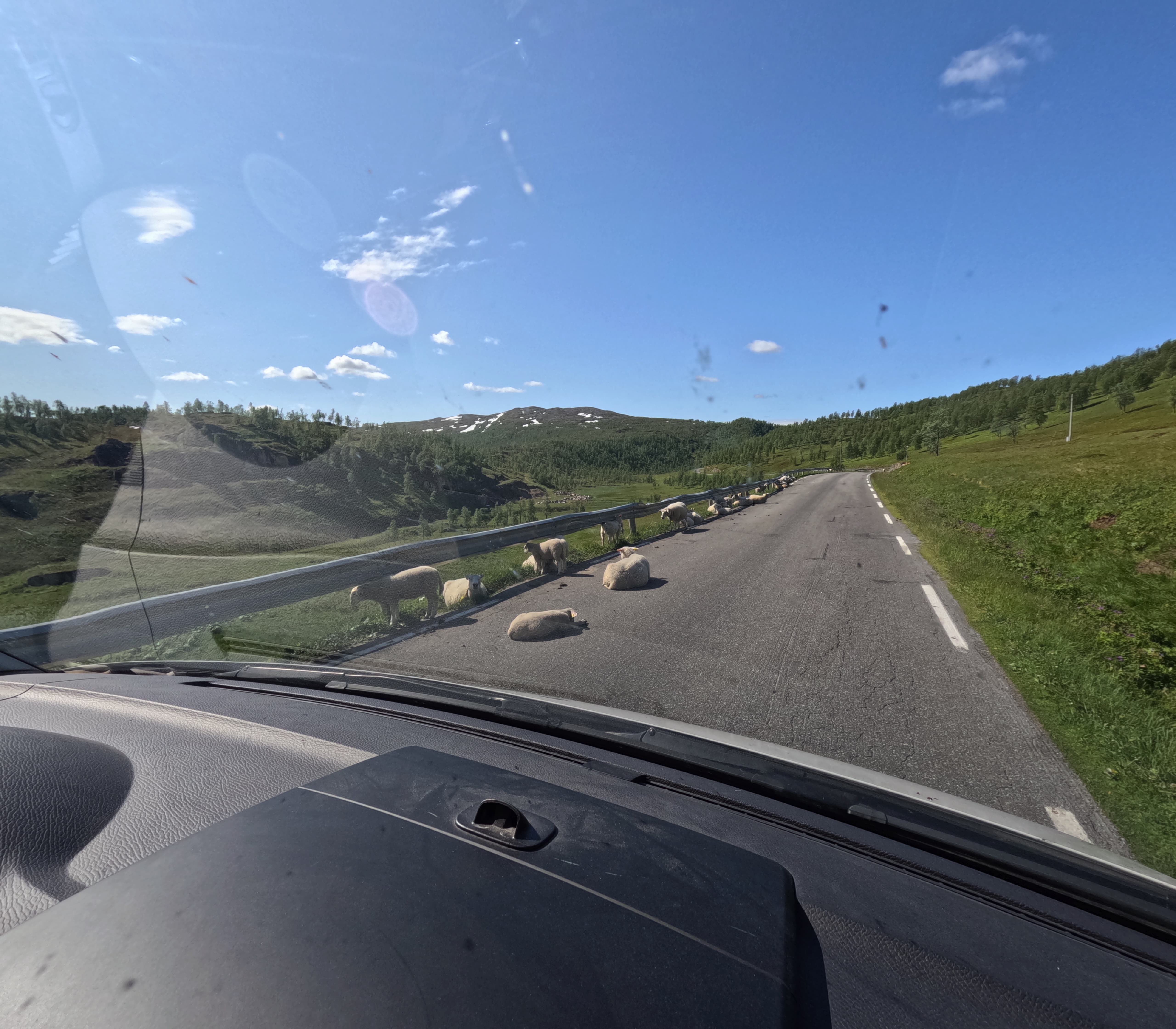
Our morning began like most others on this trip with a simple breakfast. Today’s destination: the charming town of Bodø. As we hit the road, the scenery began to unfold around us in a truly magical way: rolling hills, rugged cliffs, and serene waterscapes accompanied us along the route, each bend in the road offering a new surprise. One thing to keep in mind while driving through this region: sheep are everywhere. We passed dozens of them, often casually strolling along the roadside or even standing right in the middle of the road, completely unbothered by approaching cars. By the way, we’re still on the lookout for moose and reindeer, not a single one spotted yet! Fingers crossed that changes soon.
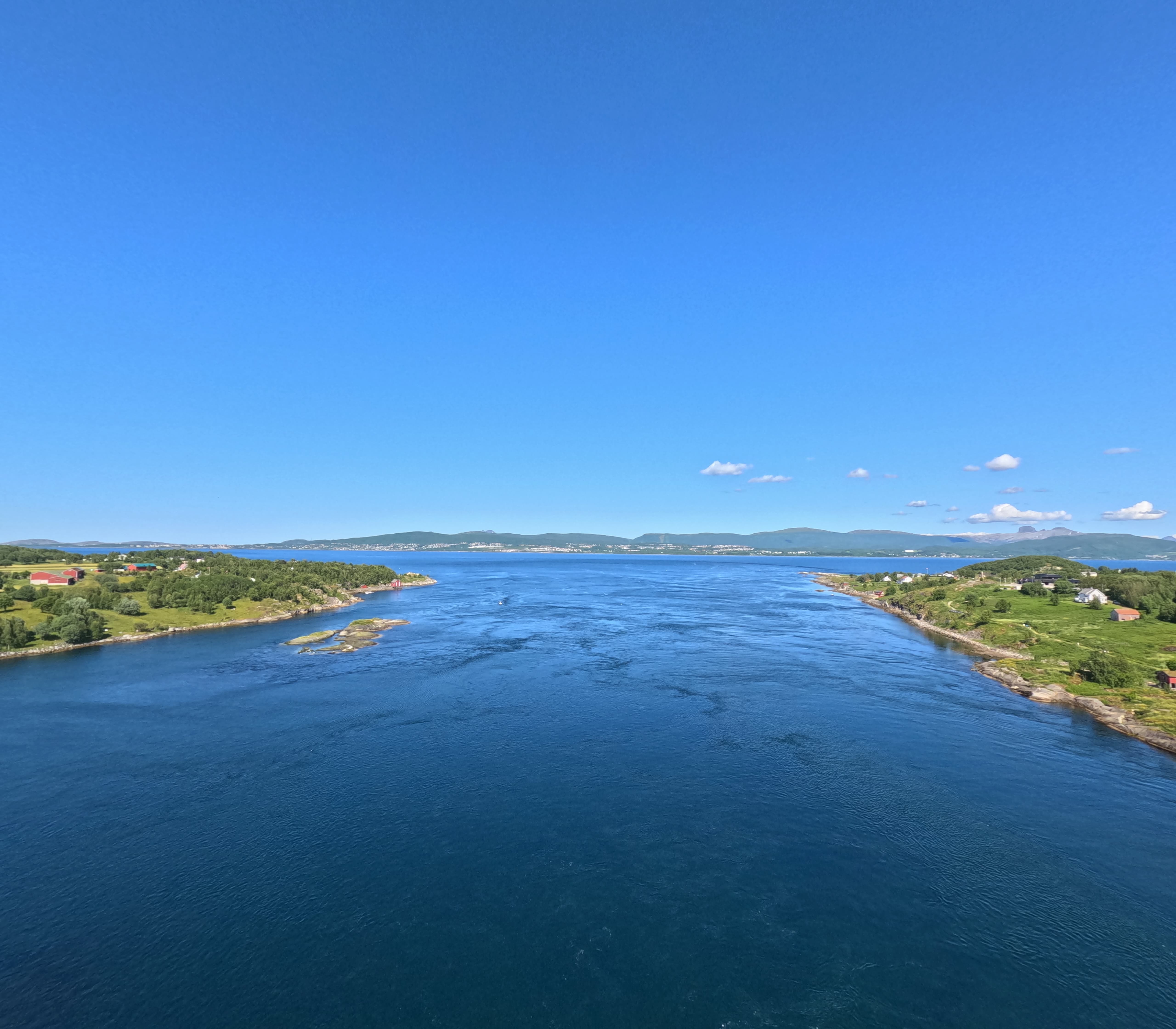
About 30 kilometers southeast of Bodø, we made a detour to visit one of nature’s most powerful wonders: Saltstraumen, the strongest tidal current in the world. The intensity of the current depends heavily on the tides and time of year, and while it wasn’t at its most dramatic when we visited, it was still a fascinating sight. Standing on the bridge above, we watched the swirling waters below.
From there, we continued on to Bodø, where we took a leisurely stroll through the small coastal town. We wandered through the streets and eventually made our way to the harbor, where the salty sea air mixed with the scent of freshly prepared food. We grabbed a quick bite to eatwhile watching people pass by.
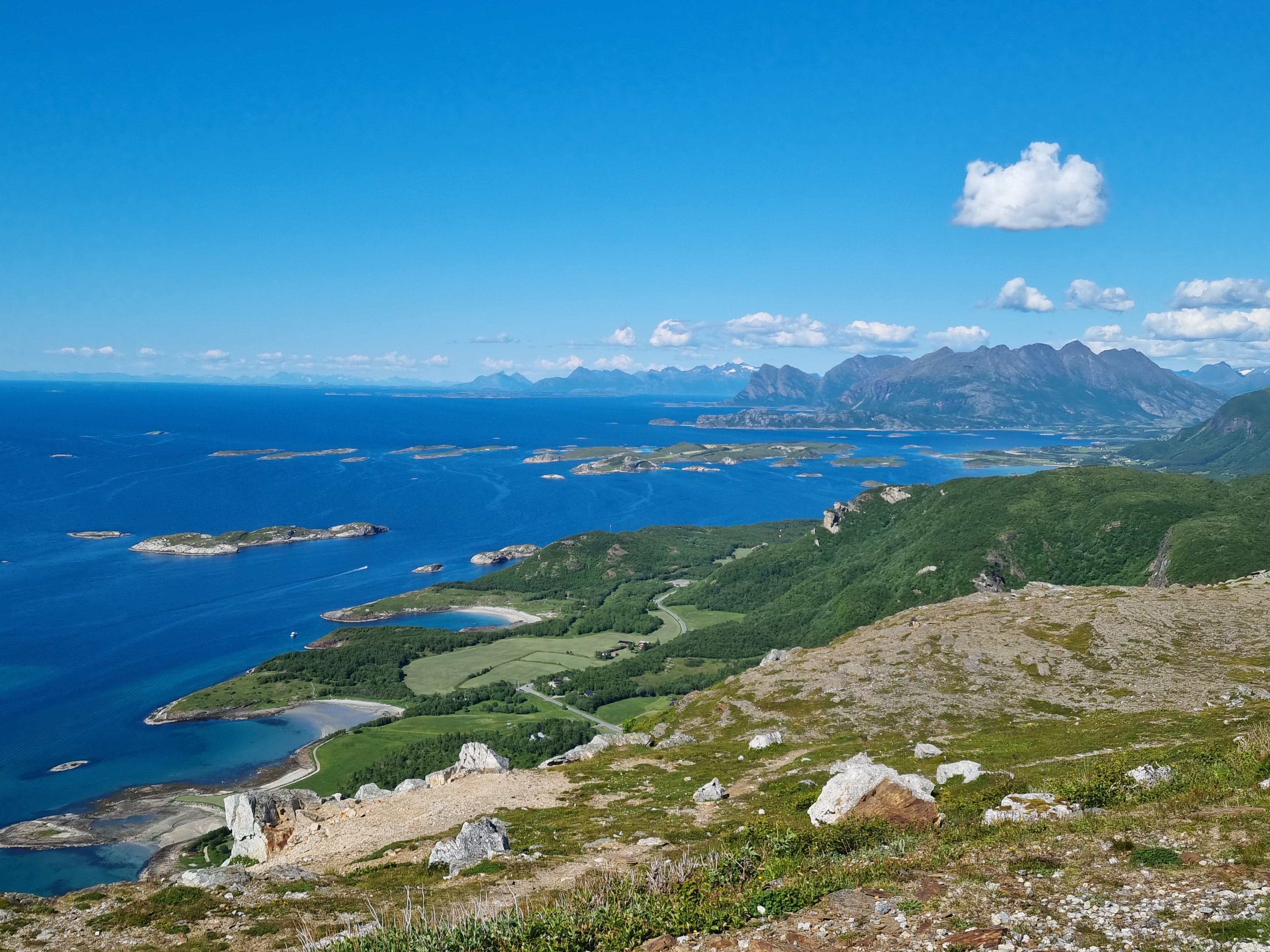
Next on the agenda: a hike! We set off on a two-hour trail that rewarded us with even more breathtaking landscapes. Towering cliffs, open skies, and vast views of the sea accompanied us every step of the way. It’s was absolutely beautiful.
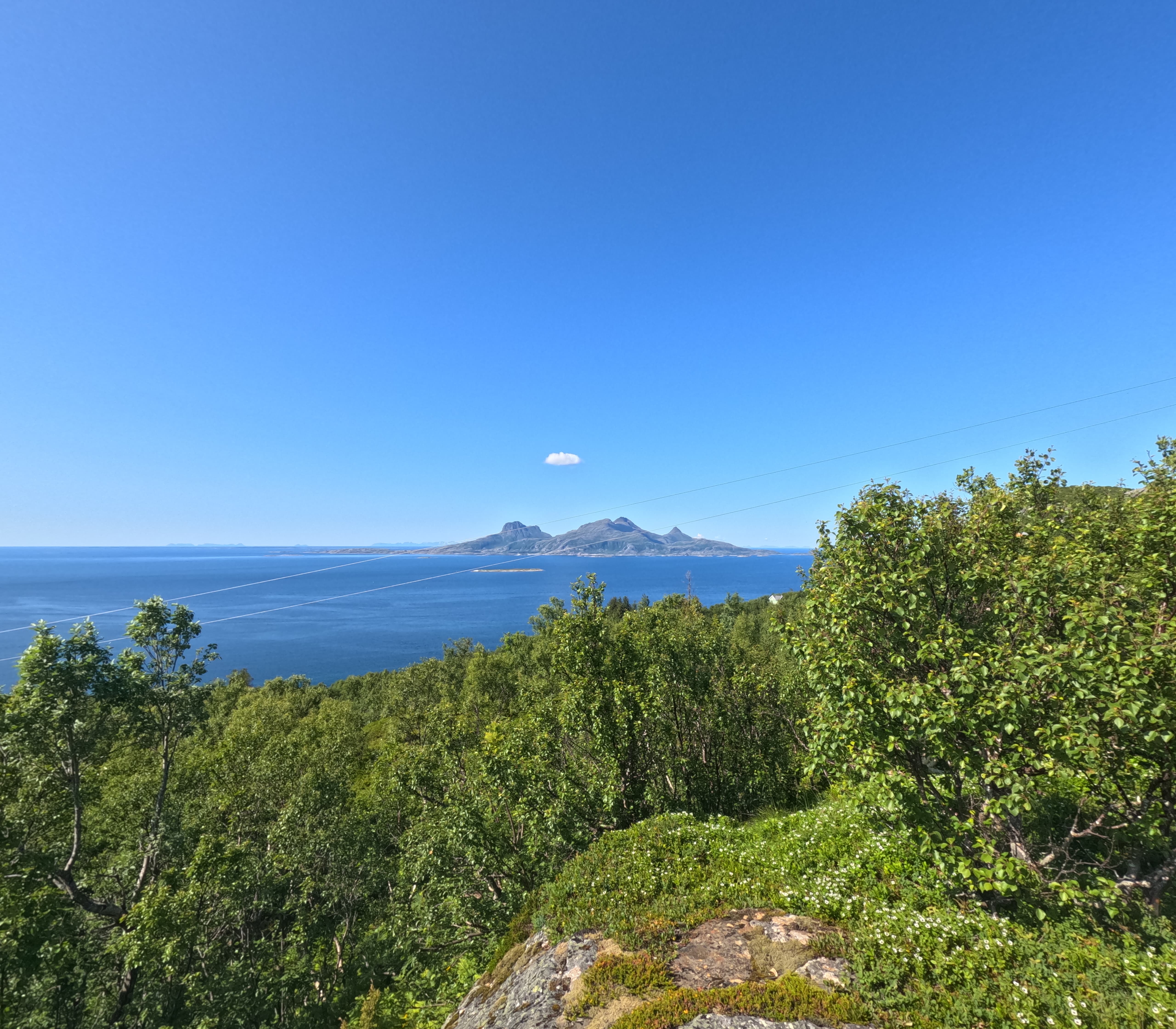
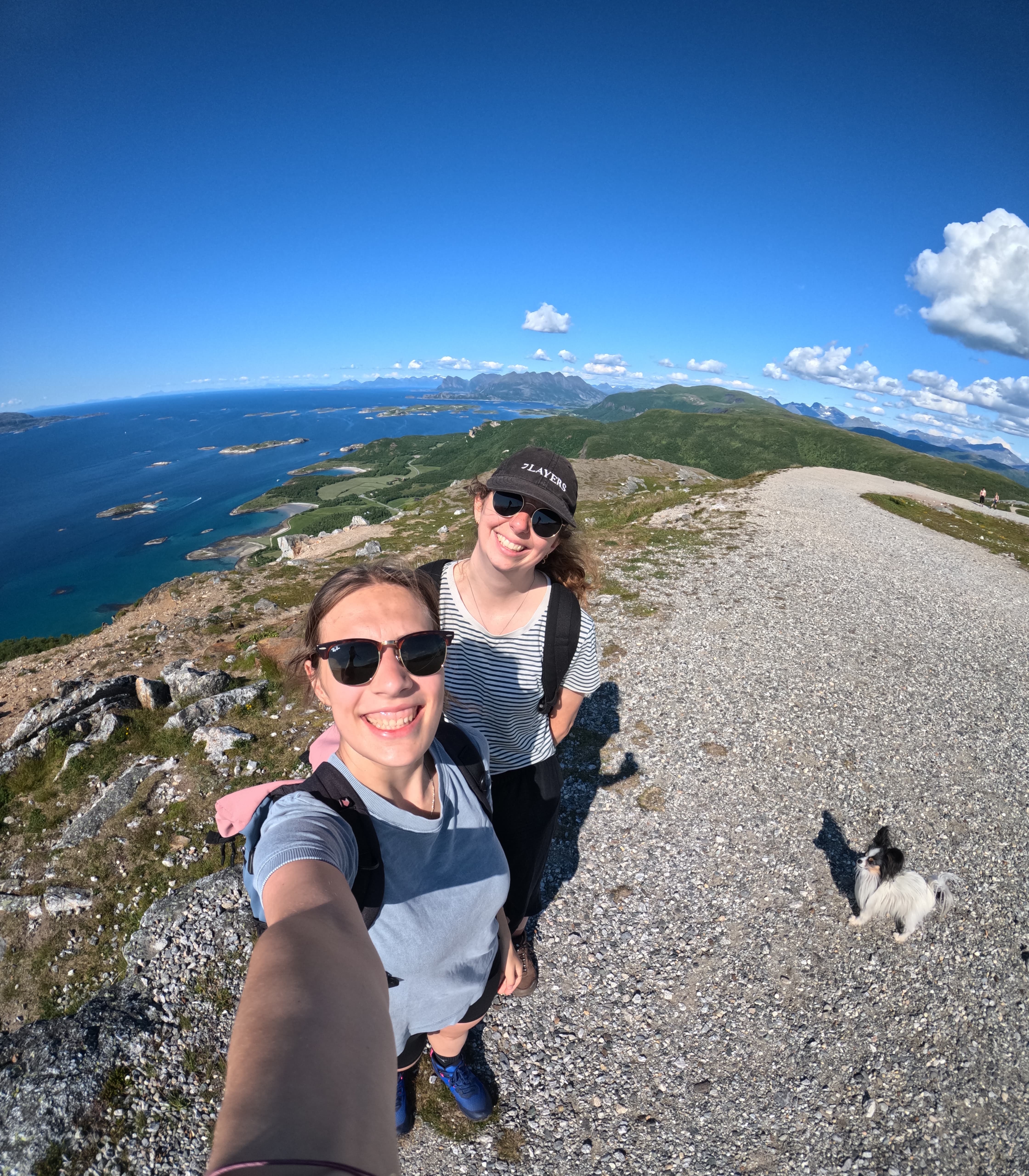
After the hike, we finally indulged in something we’d both been dreaming of: a shower. The shower facilities was not far from the harbour away at 9 Moloveien. If you’d like to shower with warm water it cost around € 2,50 for seven minutes, cold water is for free.
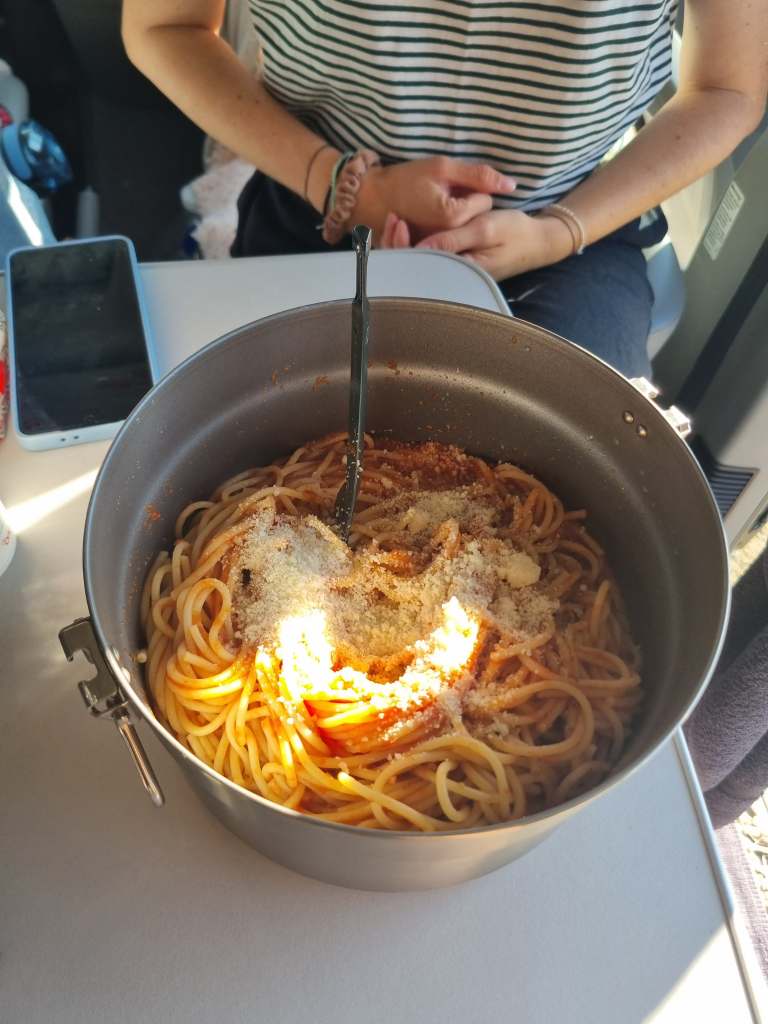
After our well desevered shower, we wrapped up the evening with a comforting dinner: classic spaghetti with tomato sauce. Now, we’re waiting for the next big step of our journey: the ferry to the Lofoten Islands, departing at 10:30 PM. We can hardly wait. The excitement is real because the Lofoten have been at the top of our list, and it’s finally happening!
By the way, we highly recommend booking your ferry well in advance. Seriously, don’t wait until the last minute. We tried to reserve a spot on the ferry from Bodø to Moskenes just four days before departure, and by then, all the daytime ferries were completely sold out. The only options left were the 10:30 PM and a very early 3:00 AM ferry. We went with the late-night one.
Day 6 – Lofoten Islands
Arriving on the Lofoten Islands around 2:00 in the morning was both surreal and a little magical. The sky had that soft twilight glow typical of summer nights in the Arctic Circle. With barely any traffic on the road, we drove straight south from the harbor and found a large public parking area where overnight parking was free with free toilets, perfect for a few hours of much-needed sleep.
After about six hours of rest, we woke up around 8 AM, had a quick breakfast in the van, and started our day with a short walk around the area.
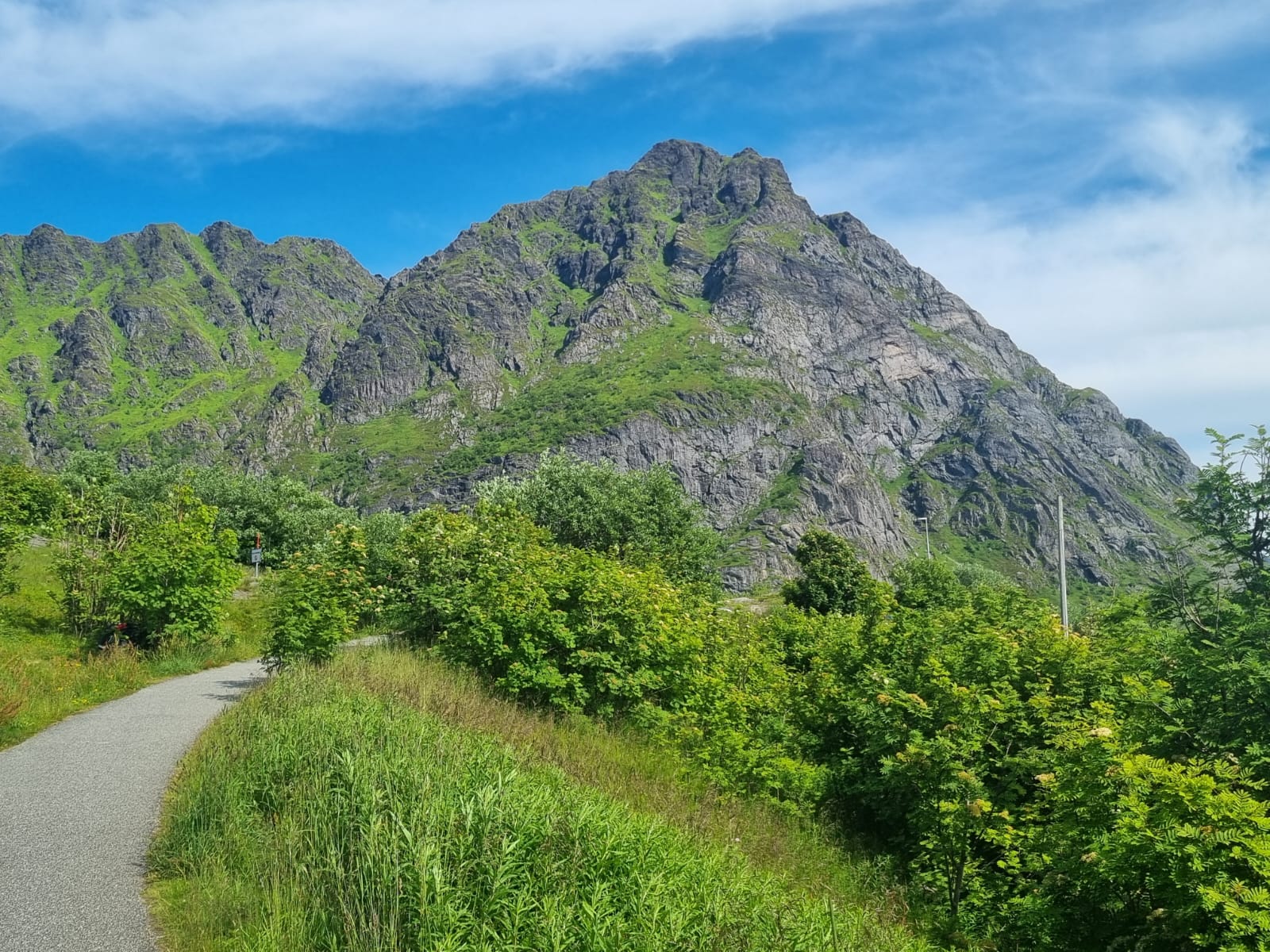
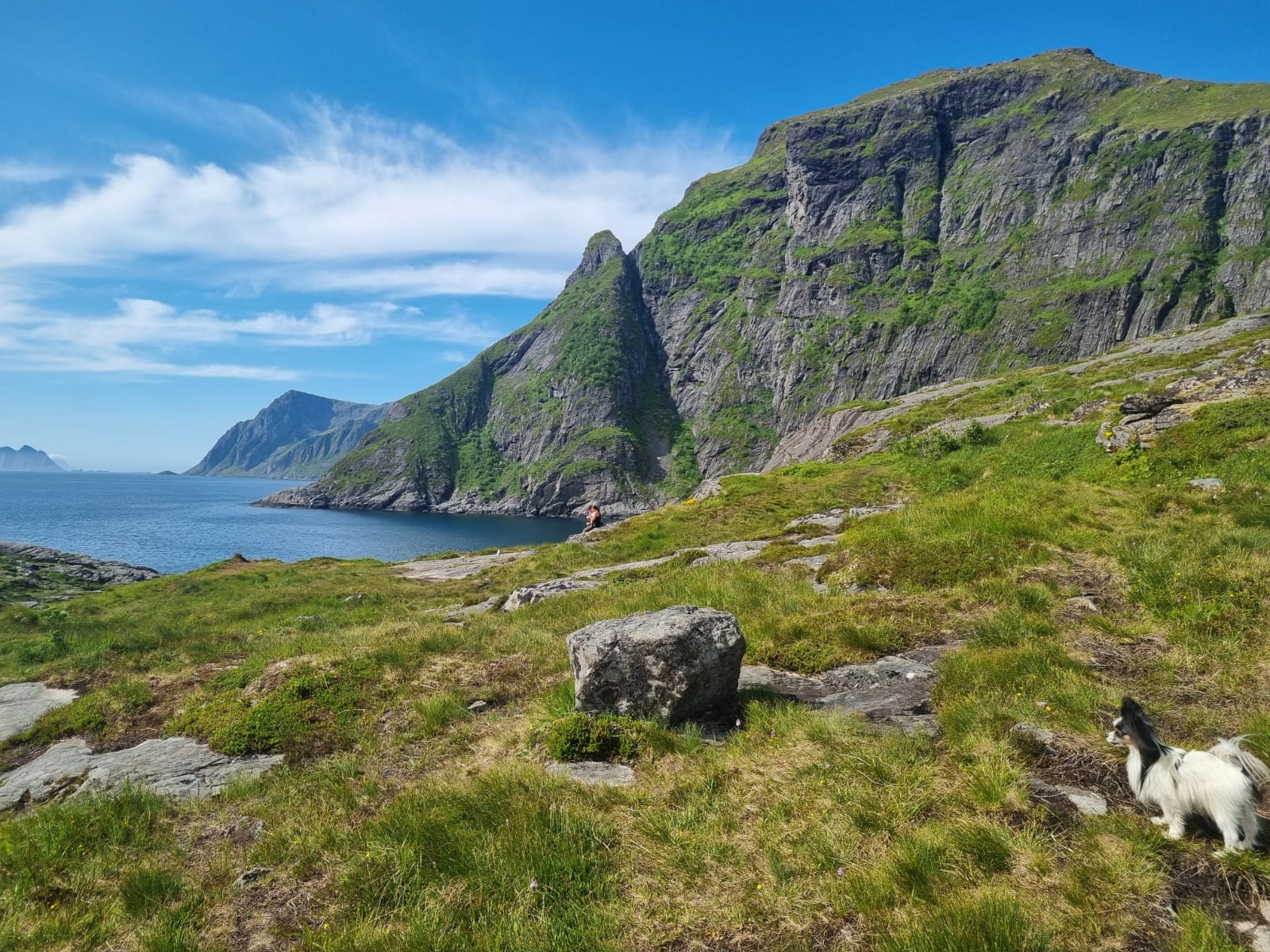
After, we made our way to the gas station in Moskenes to fill up. From there, we began scouting for a place to park so we could hike the famous Reinebringen trail. Most of the parking options in the tiny village of Moskenes were paid and, honestly, had some pretty bad reviews online. Instead, we found a free parking spot about a 15-minute walk from the trailhead: an easy stroll that warmed us up nicely for the steep climb ahead.
Now, don’t be fooled by the short distance of the Reinebringen hike: it’s just 1.1 km (about 0.7 miles) one way. In that short stretch, you gain 448 meters (over 1,470 feet) in elevation and walk almost 2000 stairs. It’s a leg burner, no doubt about it. But as soon as you reach the top, every step feels worth it. The panoramic view over the dramatic peaks and fjords, with the village of Reine nestled below, is absolutely breathtaking. It’s the kind of view that stays with you long after you’ve come back down.
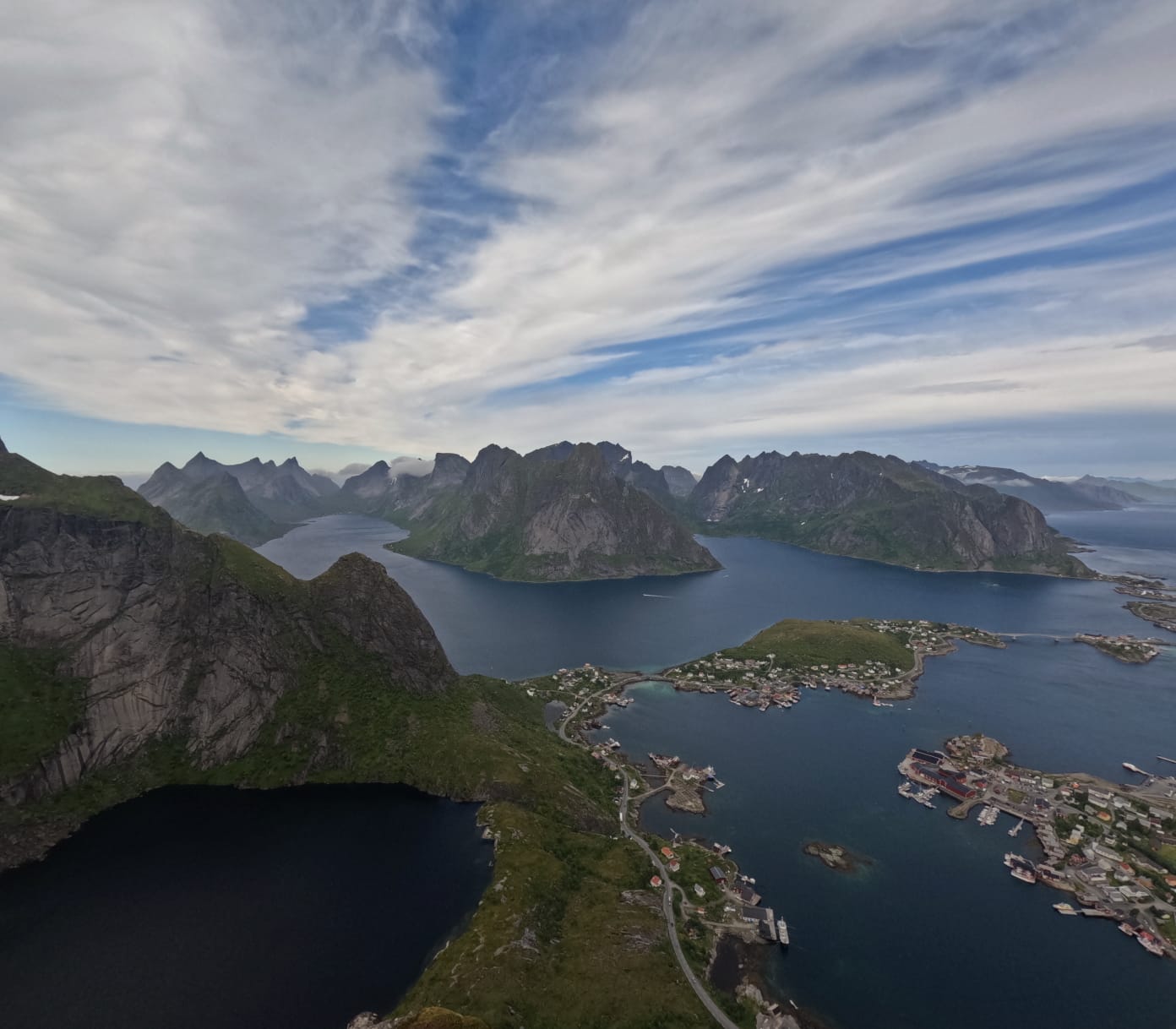
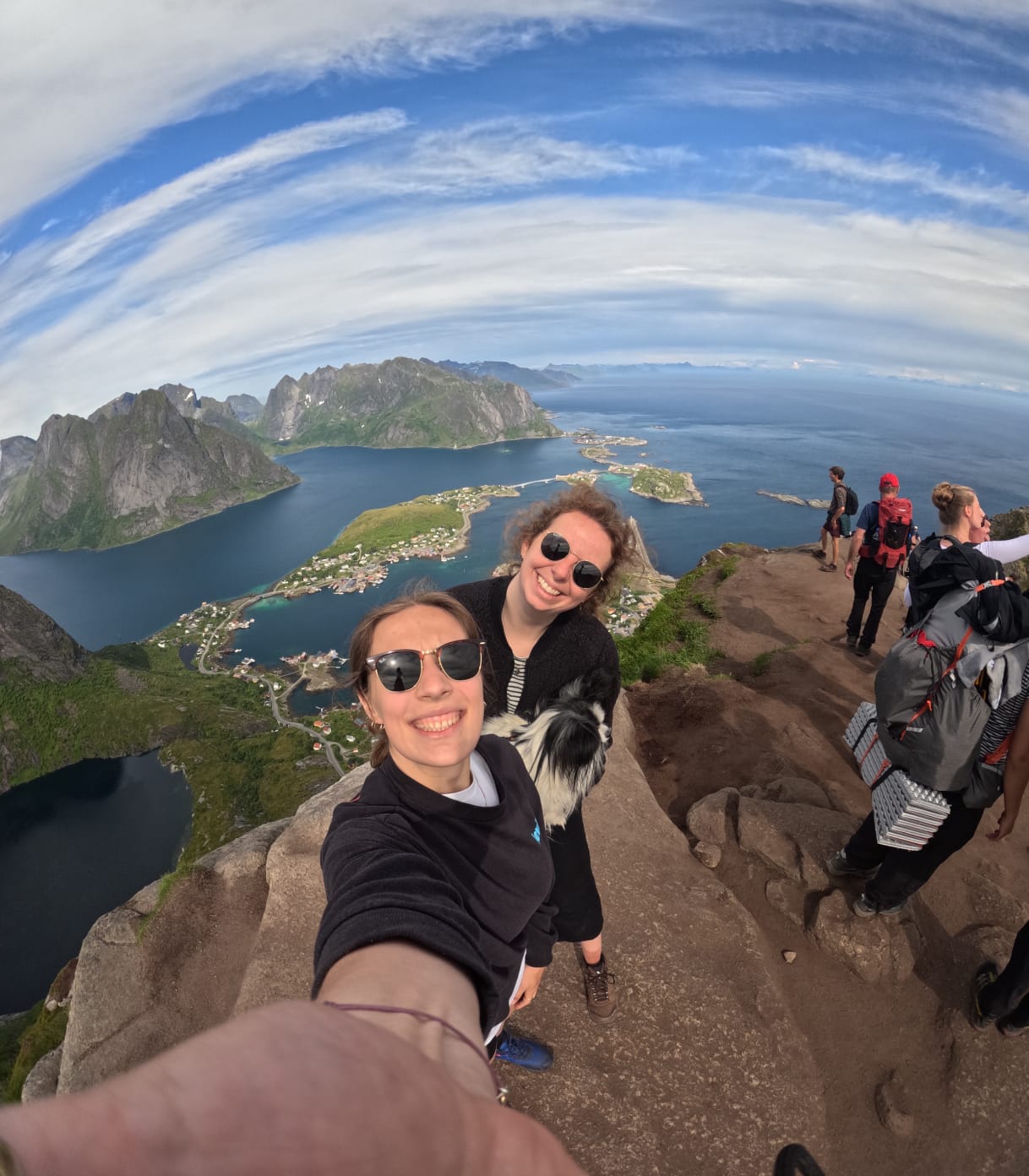
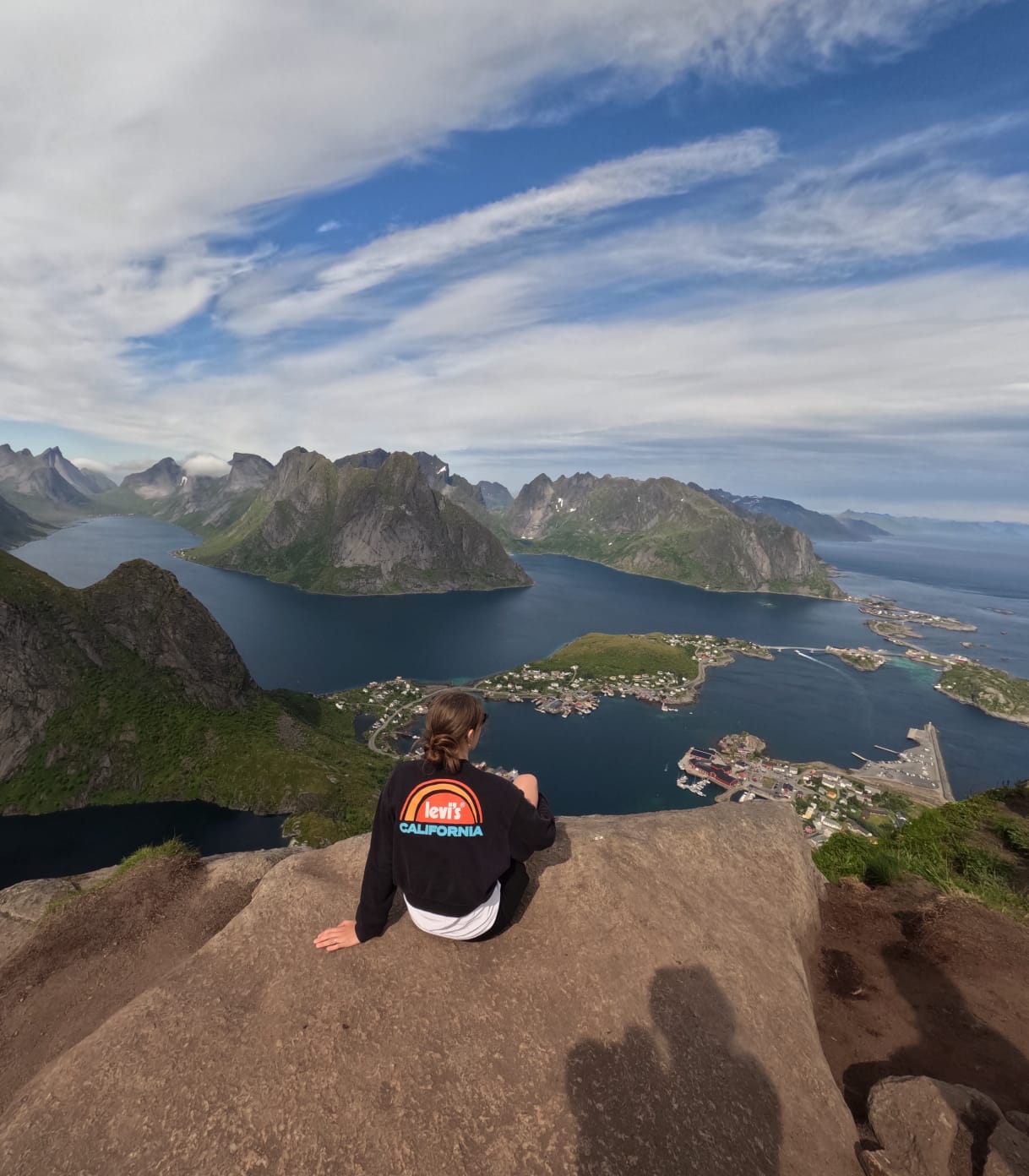
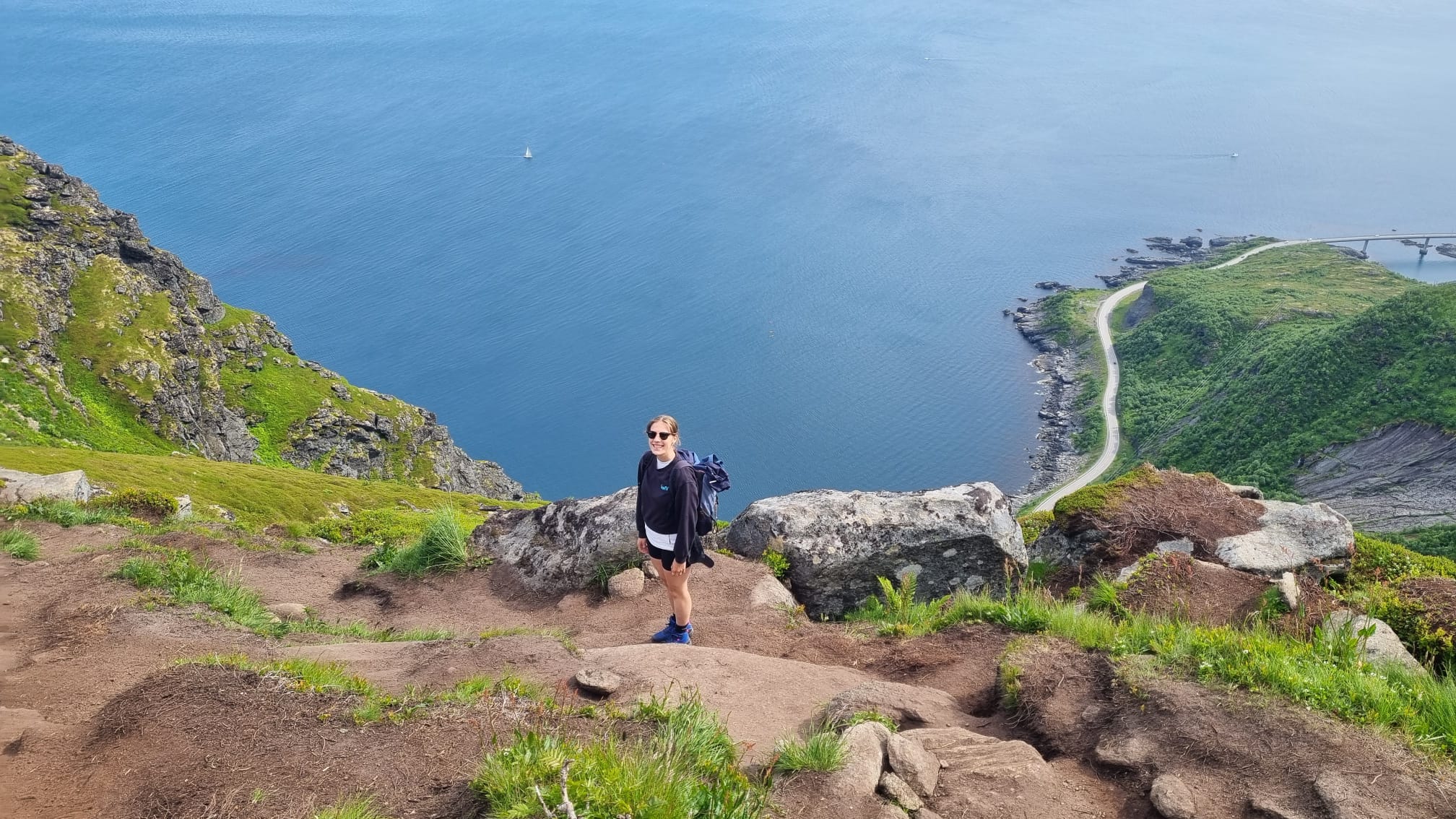
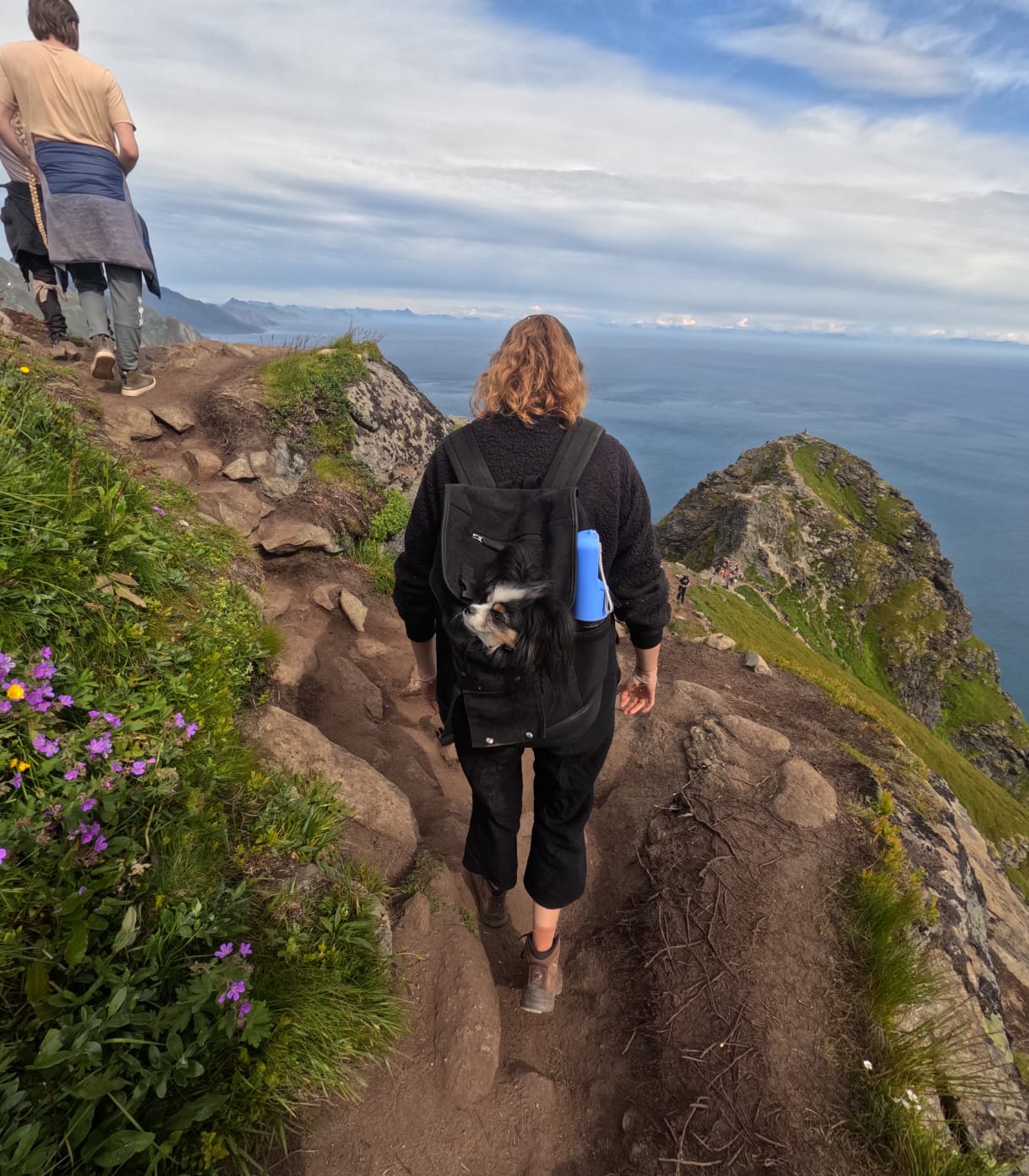
After descending, a bit tired but exhilarated, we headed back into Moskenes and treated ourselves to a hot dog and fries from the gas station. Then it was time to continue our journey north across the Lofoten, keeping our eyes open for a cozy spot to spend the night.
After our usual morning breakfast, we made a quick stop at the local Coop supermarket to stock up on groceries and essentials. With our supplies restocked, we were ready to hit the road again and continue our journey north through the stunning landscapes of the Lofoten Islands.
After spending some time in the car, we headed toward Kvalvika Beach. Surrounded by dramatic cliffs, lush green slopes, and the vast open sea, we couldn’t resist to hike up the mountains. There are three hikes starting from Kvalvika, and without realizing it at first, we chose the longest and likely the toughest of them all. The path led us through steep ascents, muddy stretches, flower fields, and narrow ridgelines with views of the turquoise bay below. When we finally reached the top, the panorama that unfolded before us was something out of a dream.
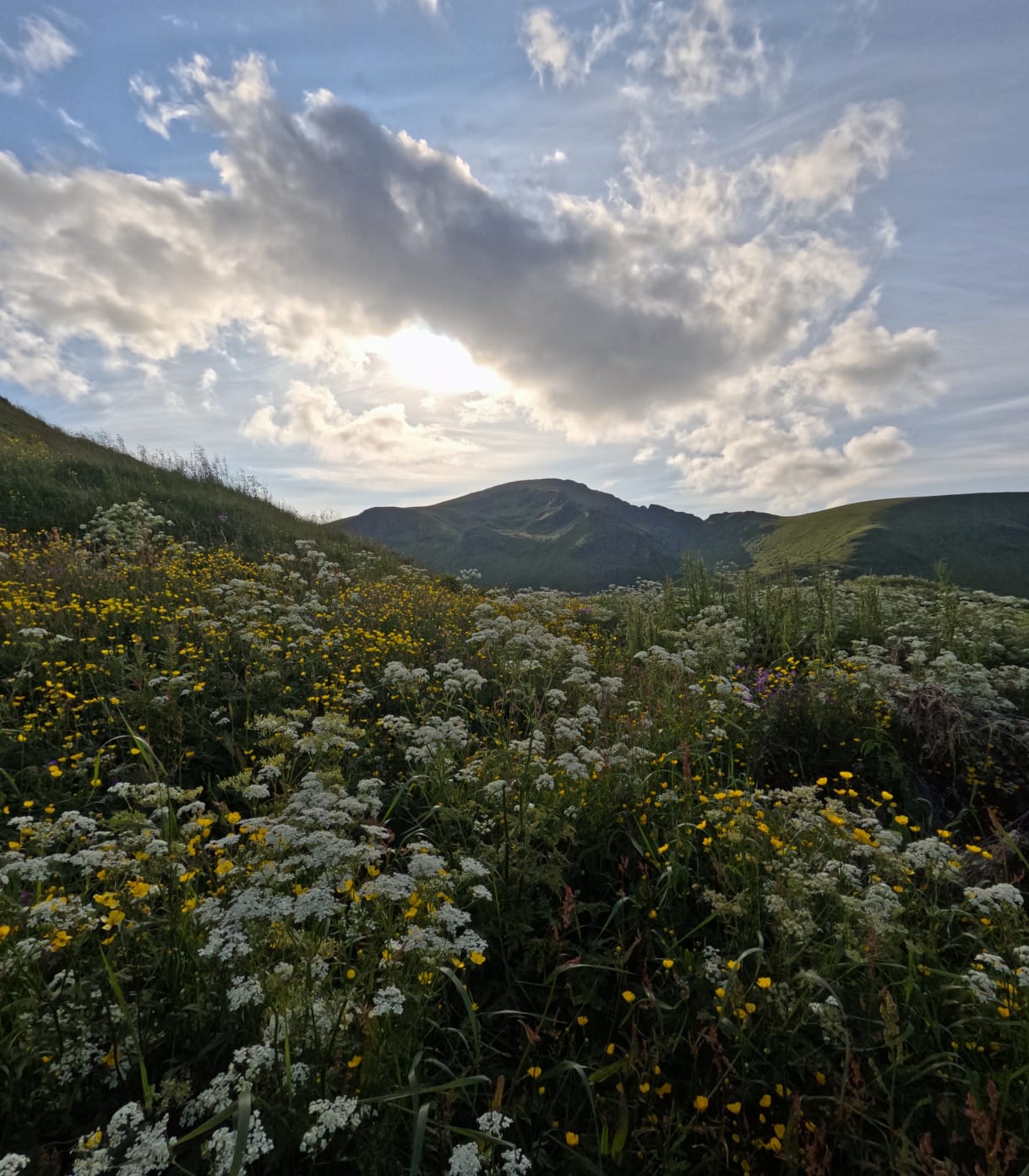
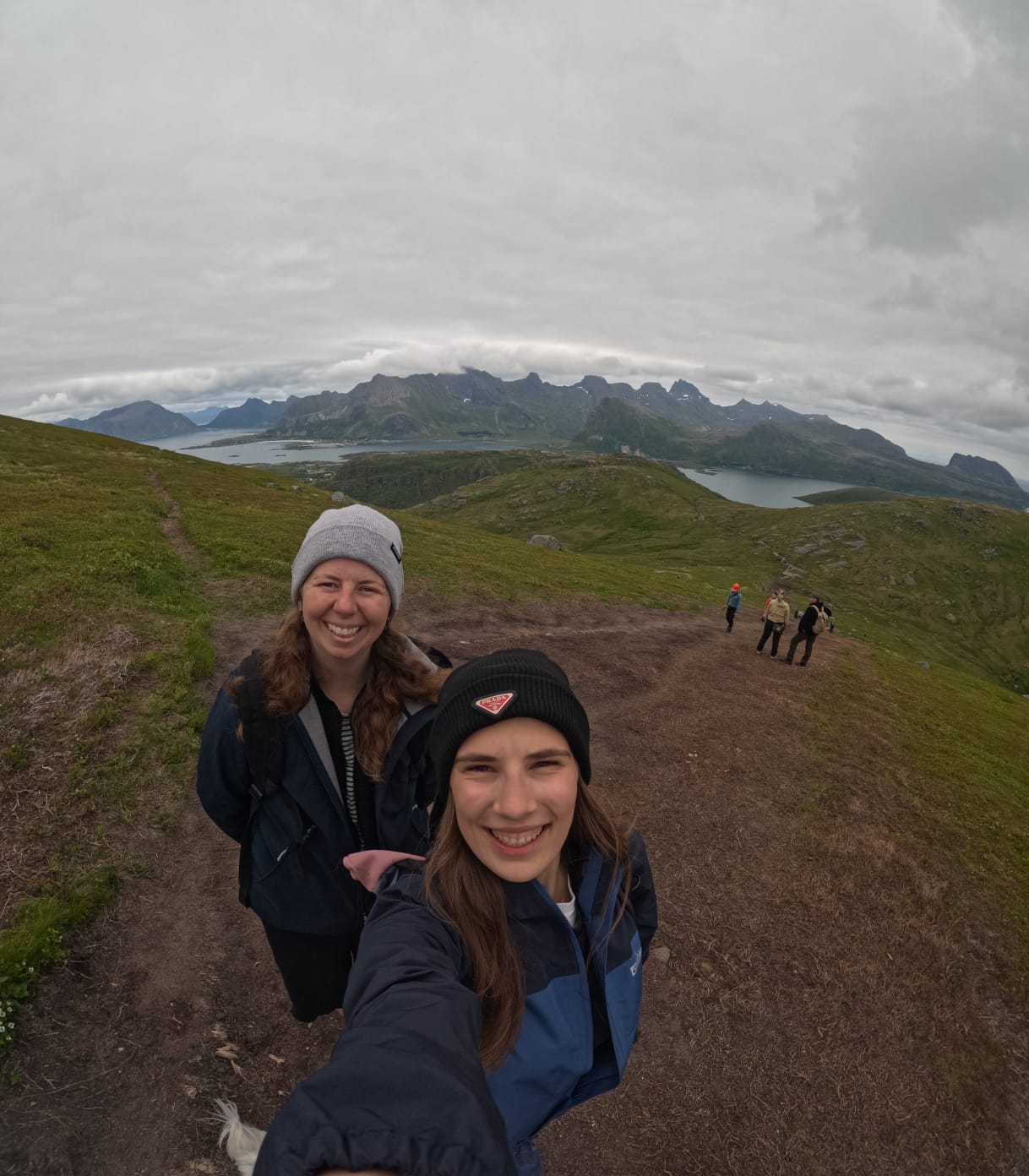
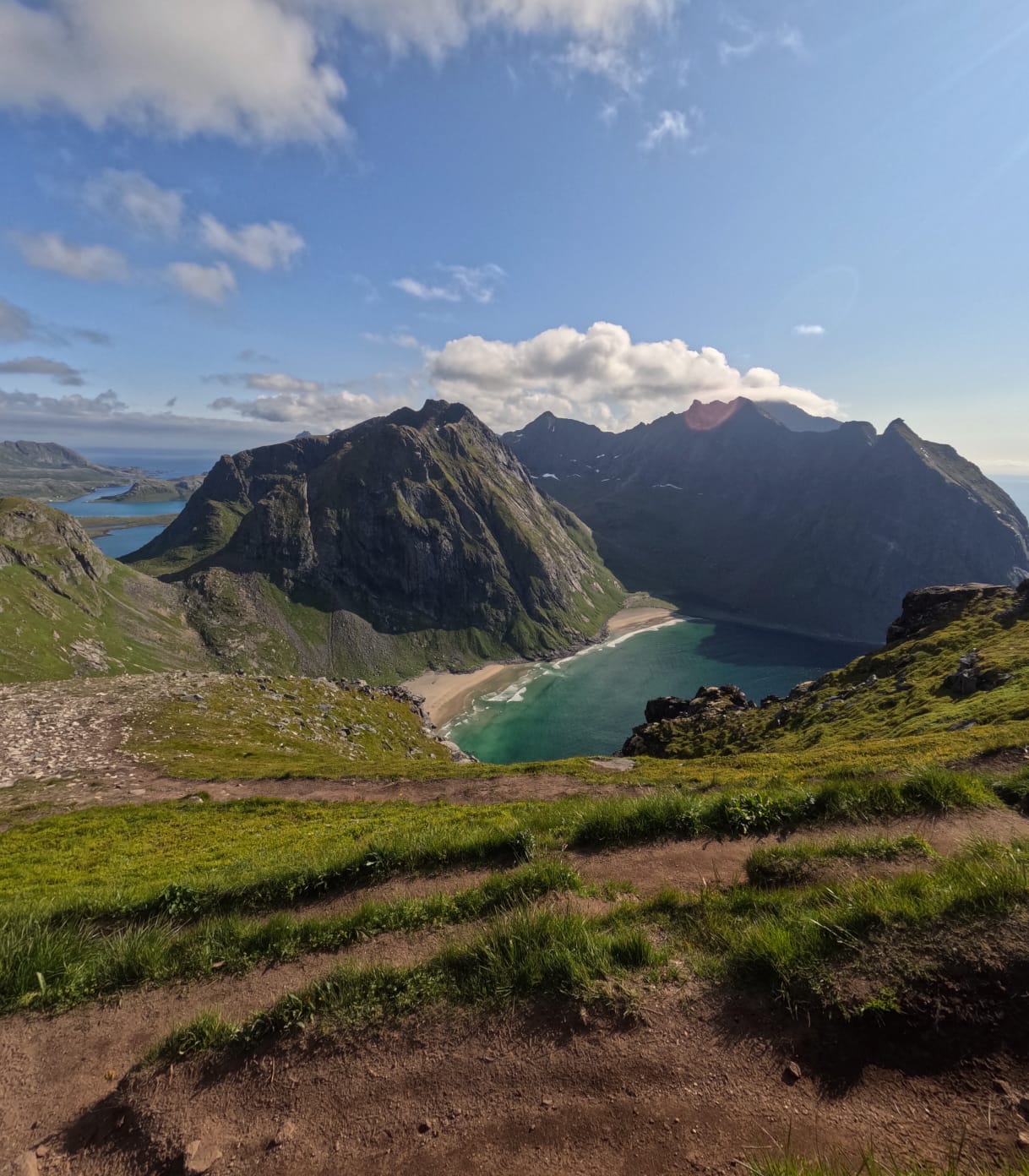
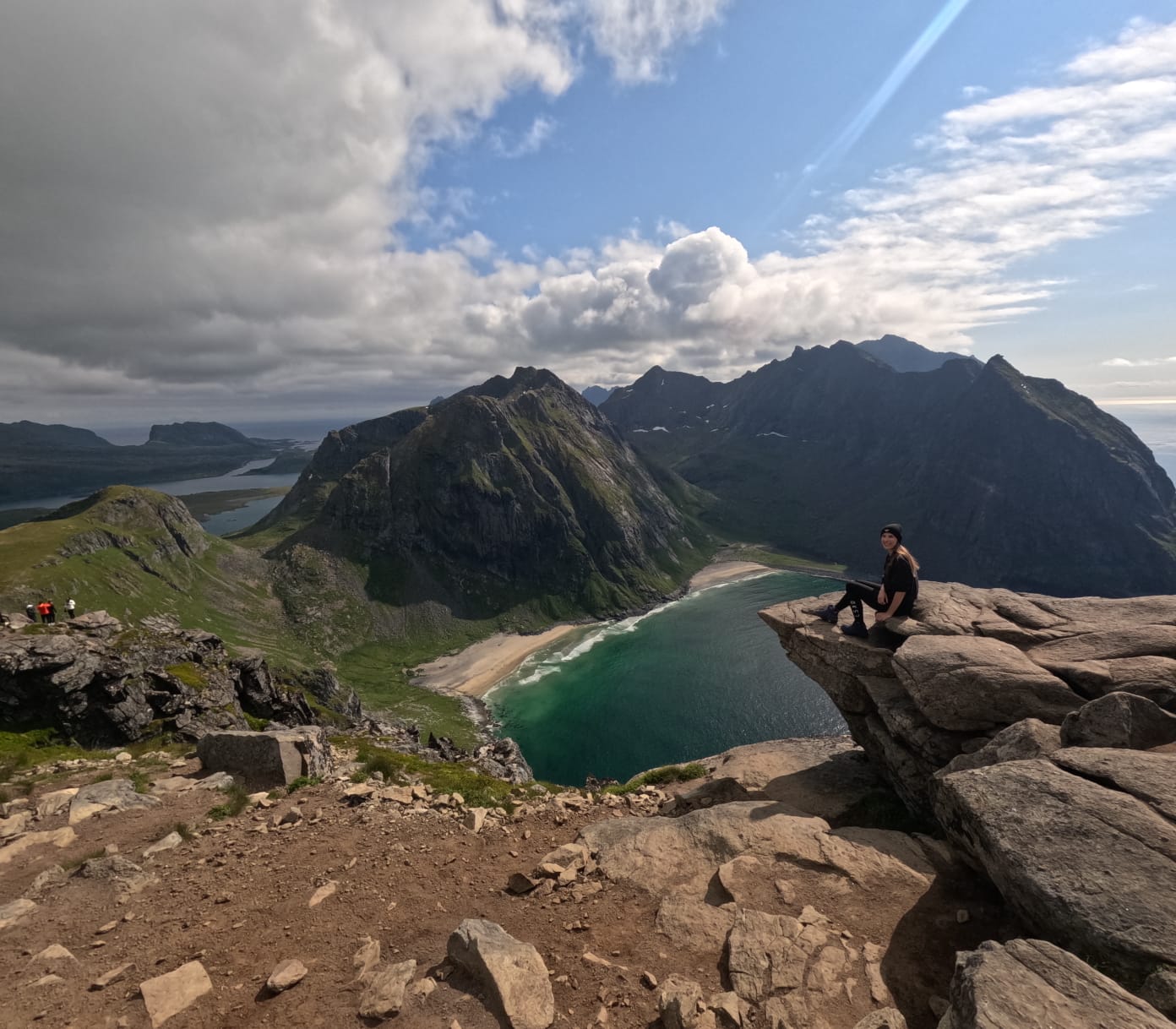
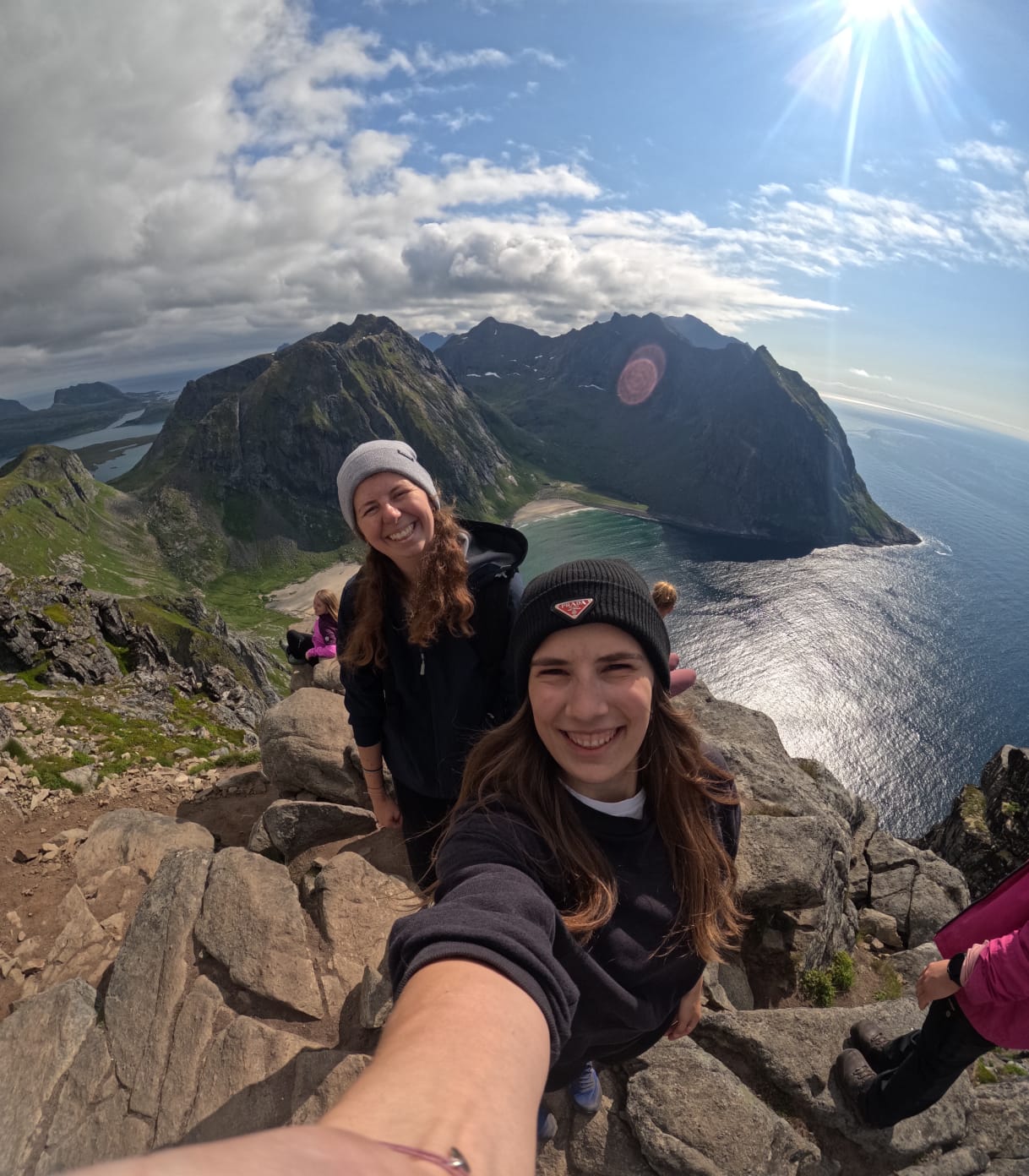
Exhausted but happy, we hiked back down and continued our journey northward, hoping to find a quiet spot to sleep near Borgfjord. Now it was time to rest and enjoy our today’s dinner.
Day 7 – Norwegian landscape
We started our day slowly, savoring the peaceful beauty of our campsite nestled in the wild Norwegian landscape. The view stretched far across the fjords and mountains, and everything felt very still and calm. With our breakfast in one hand, we got a bit of work done. The kind of work that doesn’t feel like a burden when you’re surrounded by nature like ours.
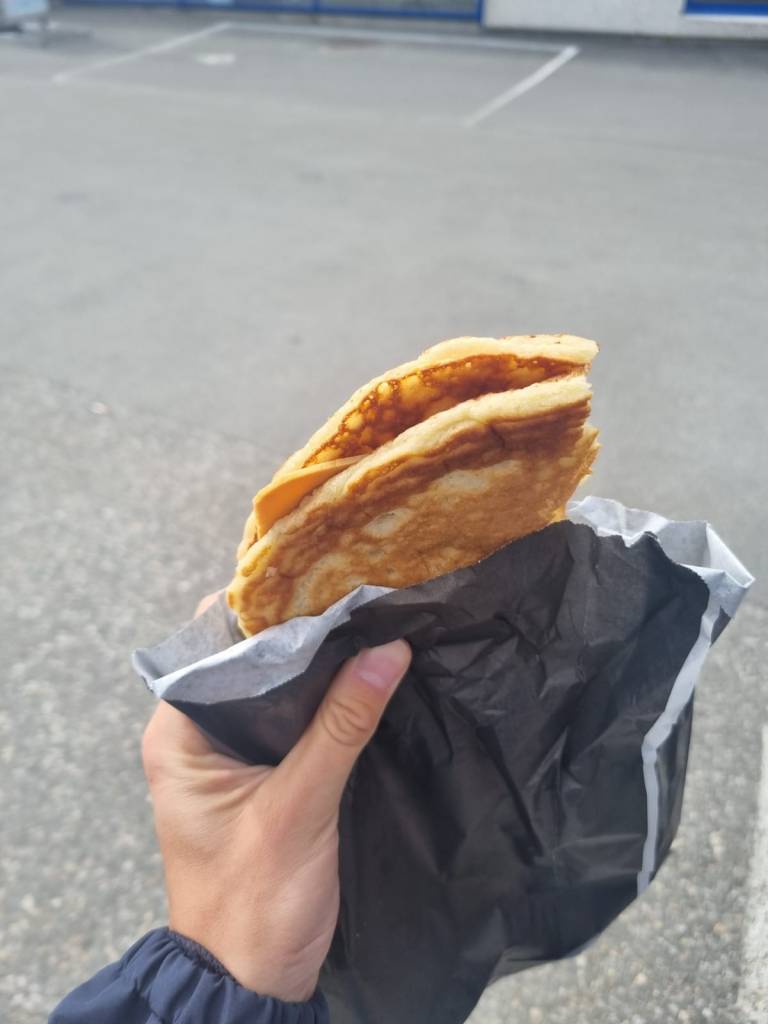
Later in the day, we packed up and continued our journey north, heading toward the coastal town of Svolvær, one of the charming hubs of the Lofoten Islands. Once we arrived, we took a short stroll through the town center. After some exploring, we grabbed a quick shower at the harbor facilities. Hunger called, so we treated ourselves to a little something local. I opted for a classic Norwegian treat: Sveler, which is a fluffy, pancake-like flatbreads with butter and a generous slice of sweet brown cheese (brunost). The first few bites were delightful. The cheese had a curious flavor, reminiscent of peanut butter. However, after several bites, it became quite filling and I’m not too sure about the after taste.
After our short stop in Svolvær, we hit the road again, continuing our way up toward Andenes. The scenery along the way was nothing short of breathtaking: rugged coastlines, quiet lakes, and the soft evening light washing over endless stretches of wilderness.
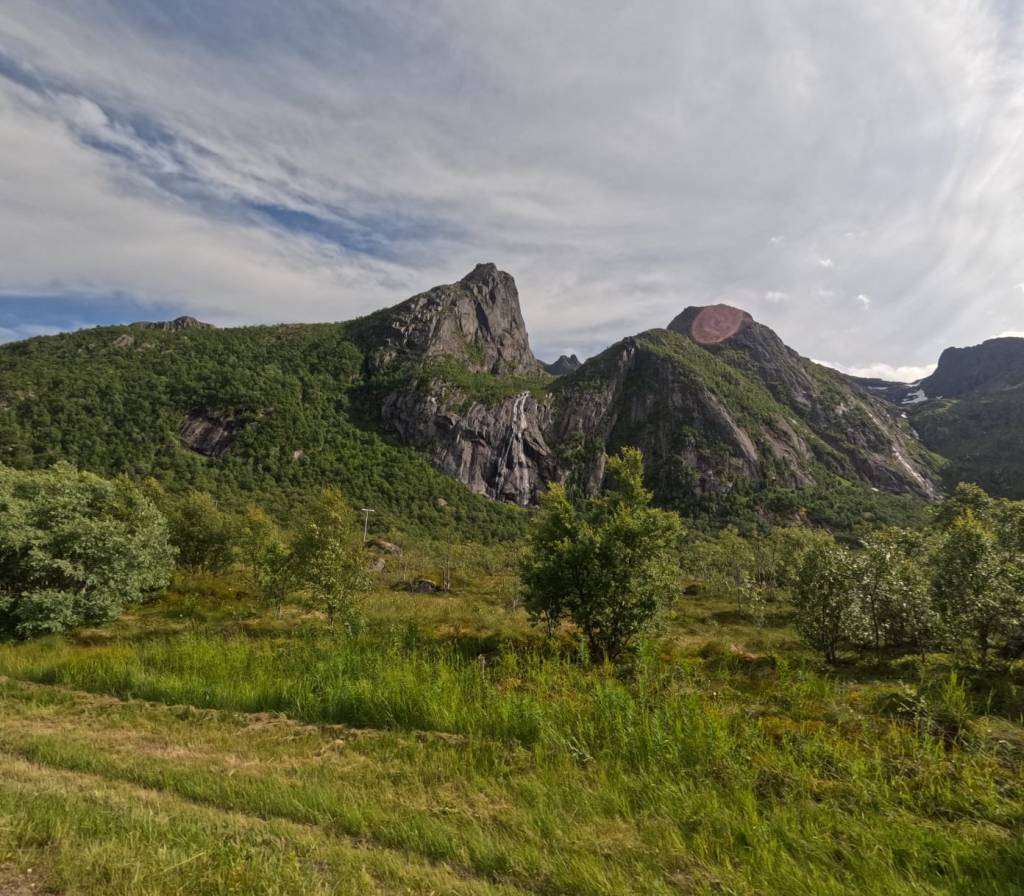
Roughly an hour and a half before reaching Andenes, we discovered a peaceful spot to camp for the night. It was the perfect place to rest before our next adventures: a puffin safari and whale watching, where we hope to witness these magnificent creatures in their natural habitat.
Day 8 – Andenes
After a little breakfast, our journey took us north toward Andenes, the northernmost tip of the Lofoten Islands. On the way there we stopped at a photo spot called Bukkekjerka, where we saw majestetic cliffs, the wide ocean and a cute light house.
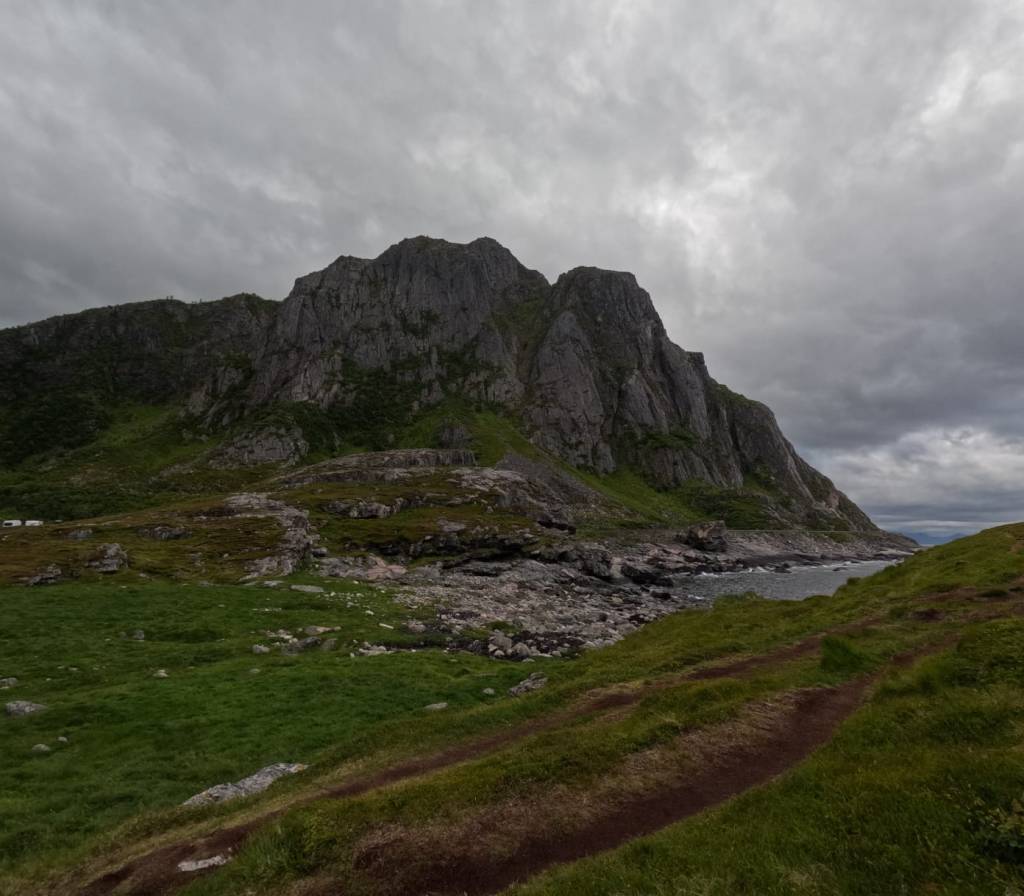
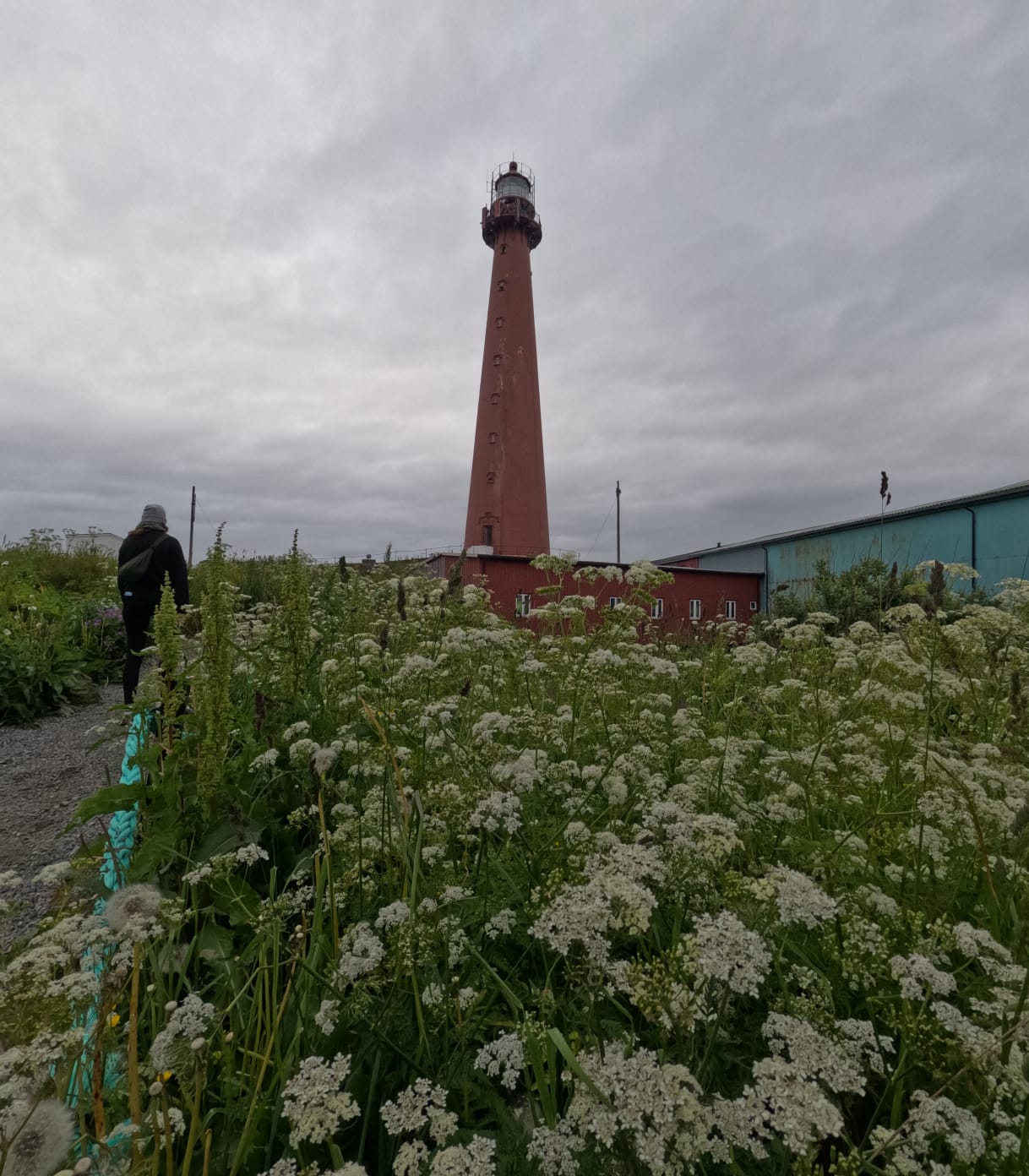
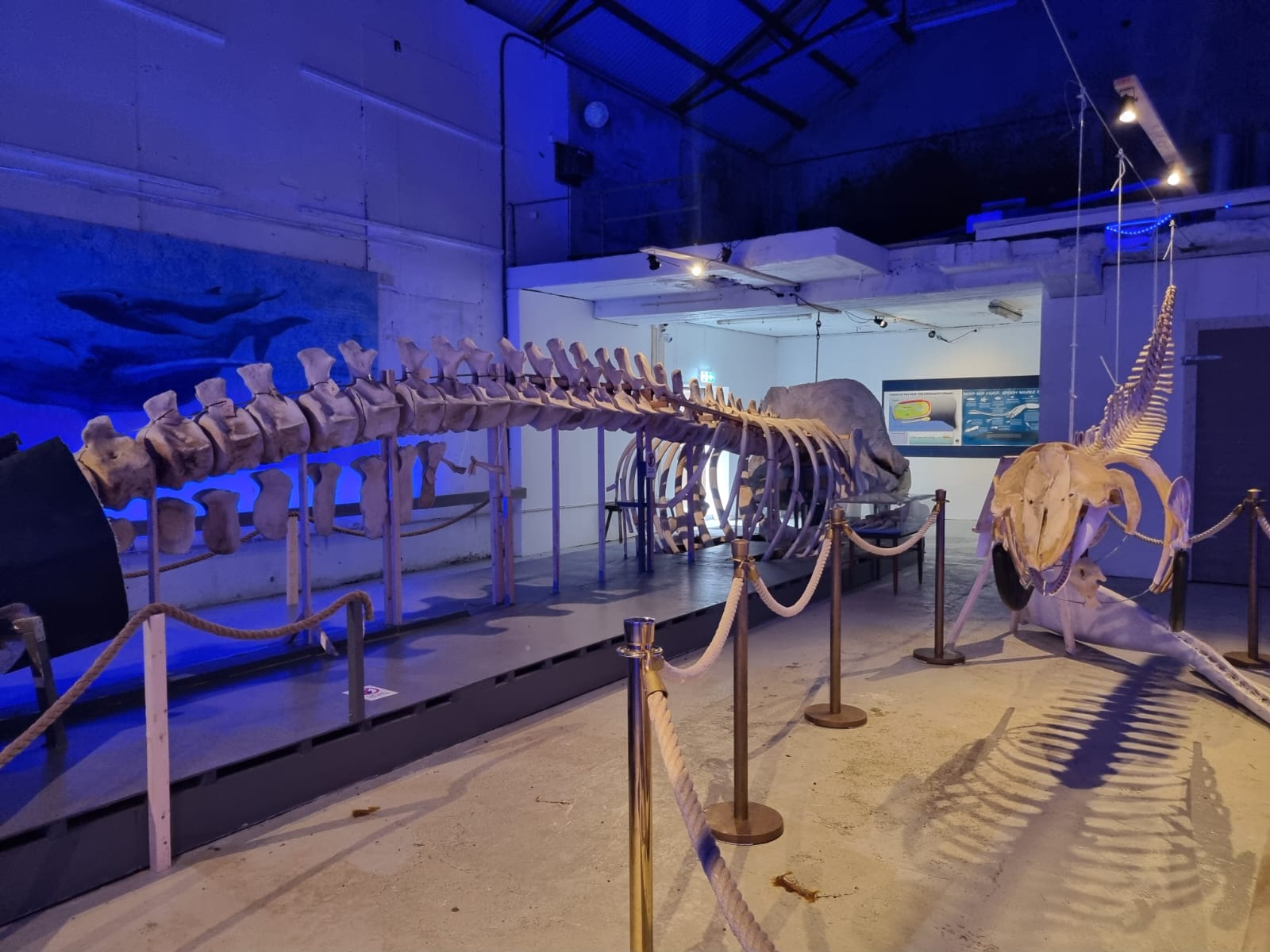
Andenes is a charming little coastal town with colorful wooden houses and cafés. We took our time strolling through its streets, soaking in the maritime flair and the salty breeze from the ocean. One of the highlights was a walk to the iconic red-and-white Andenes lighthouse, which stands proudly on the edge of the coast, guarding the rough northern seas. From there, we visited the fascinating Skeleton Room, a tiny but impressive exhibition where you can see two full whale skeletons up close.
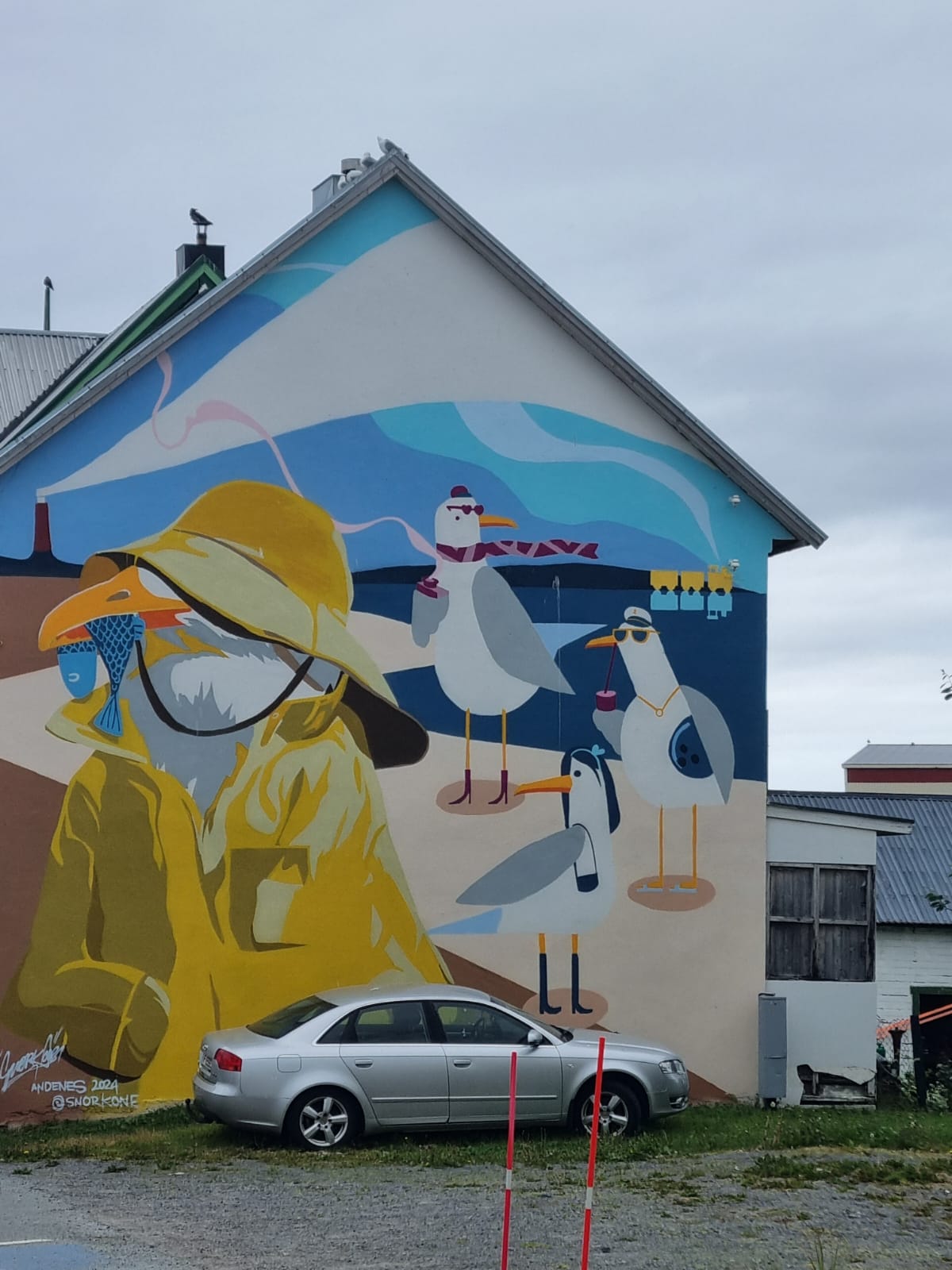
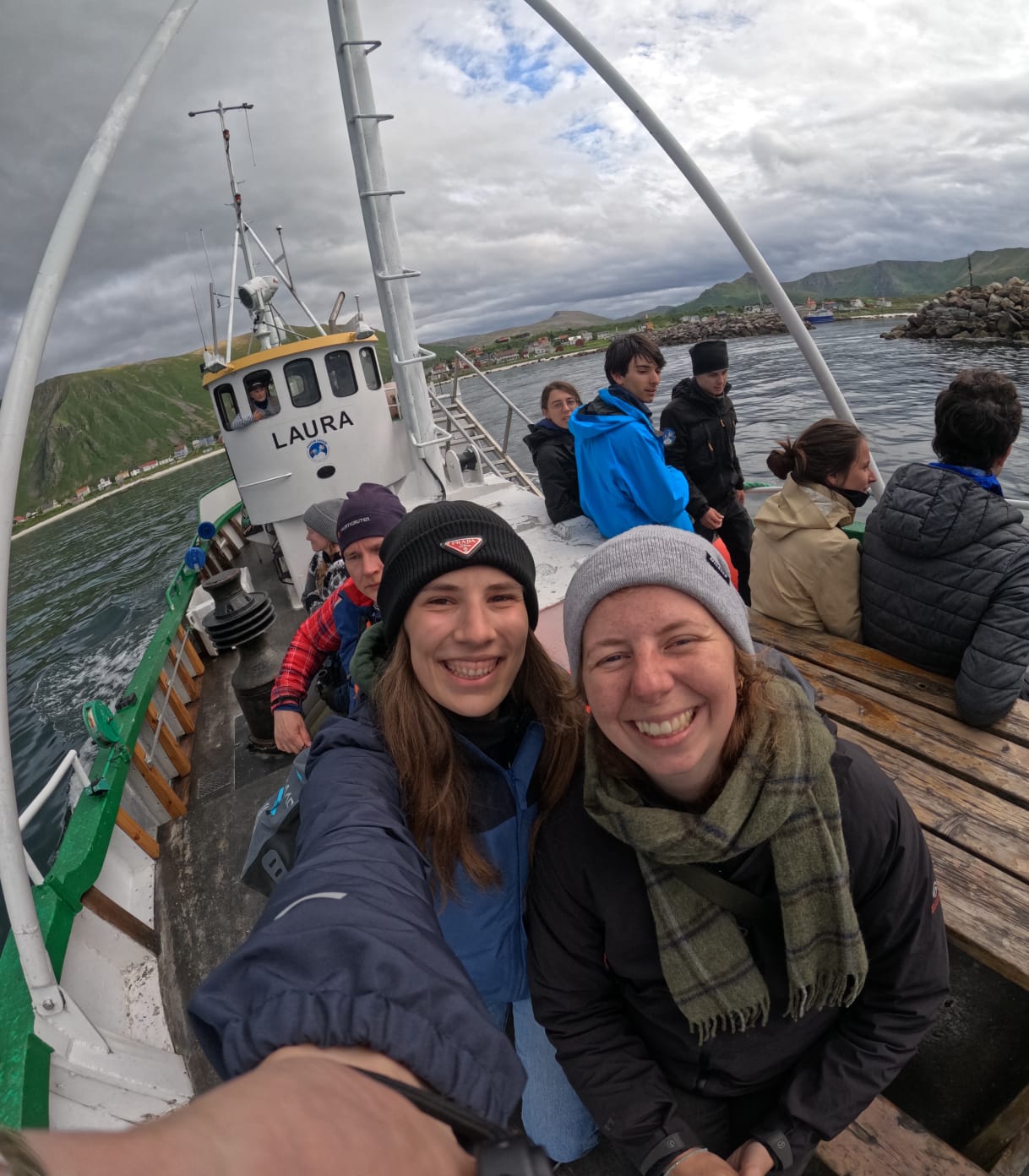
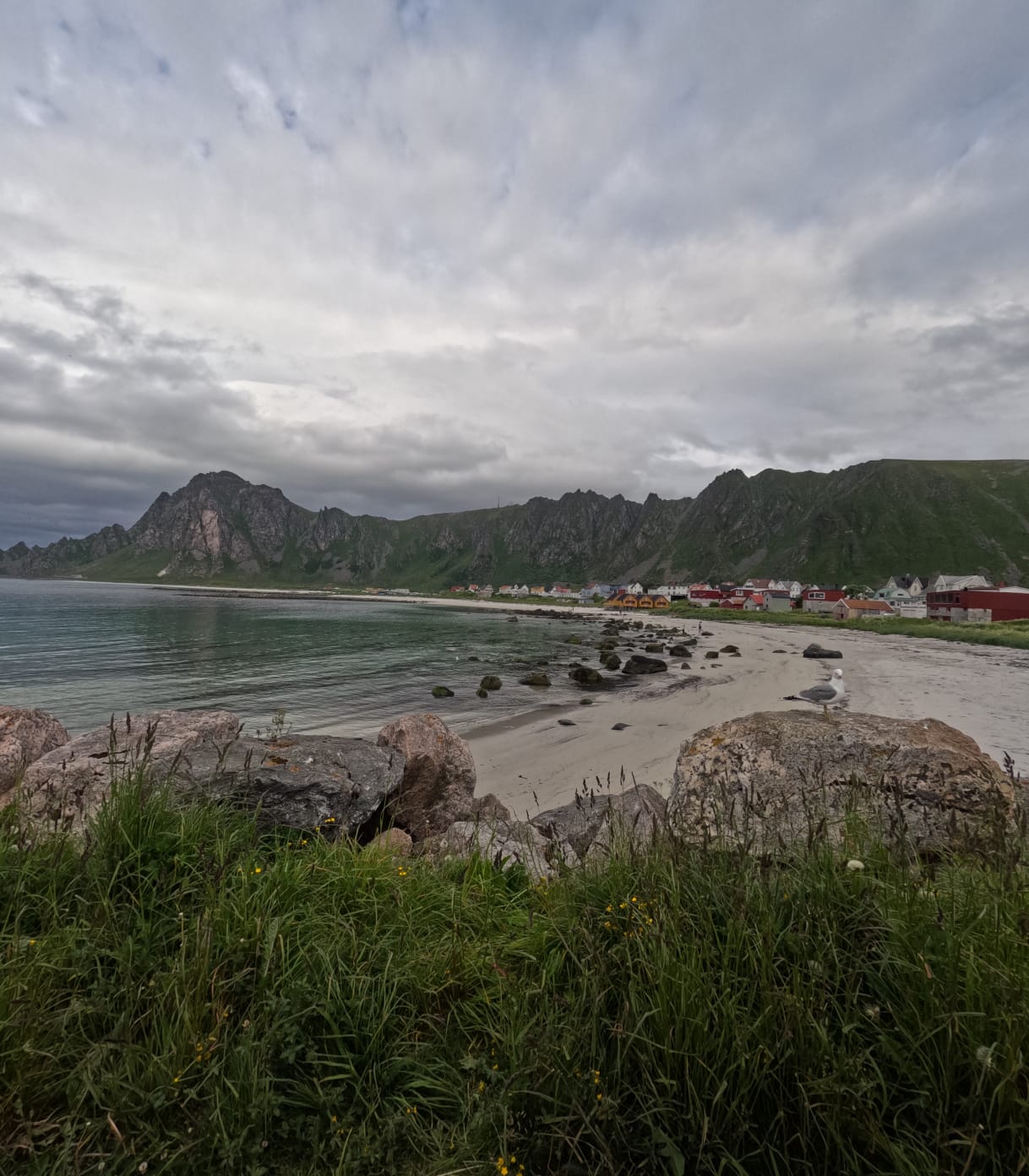
After a quick snack at the local gas station, we headed south again but only about a 15 to 20-minute drive to the village of Bleik, nestled between steep cliffs and a long stretch of white sandy beach. There, we bumped into two fellow Germans who had also booked a wildlife tour in the same area. We ended up chatting for a while and sharing travel stories until it was time for our Puffin Safari, which started at 6 PM.
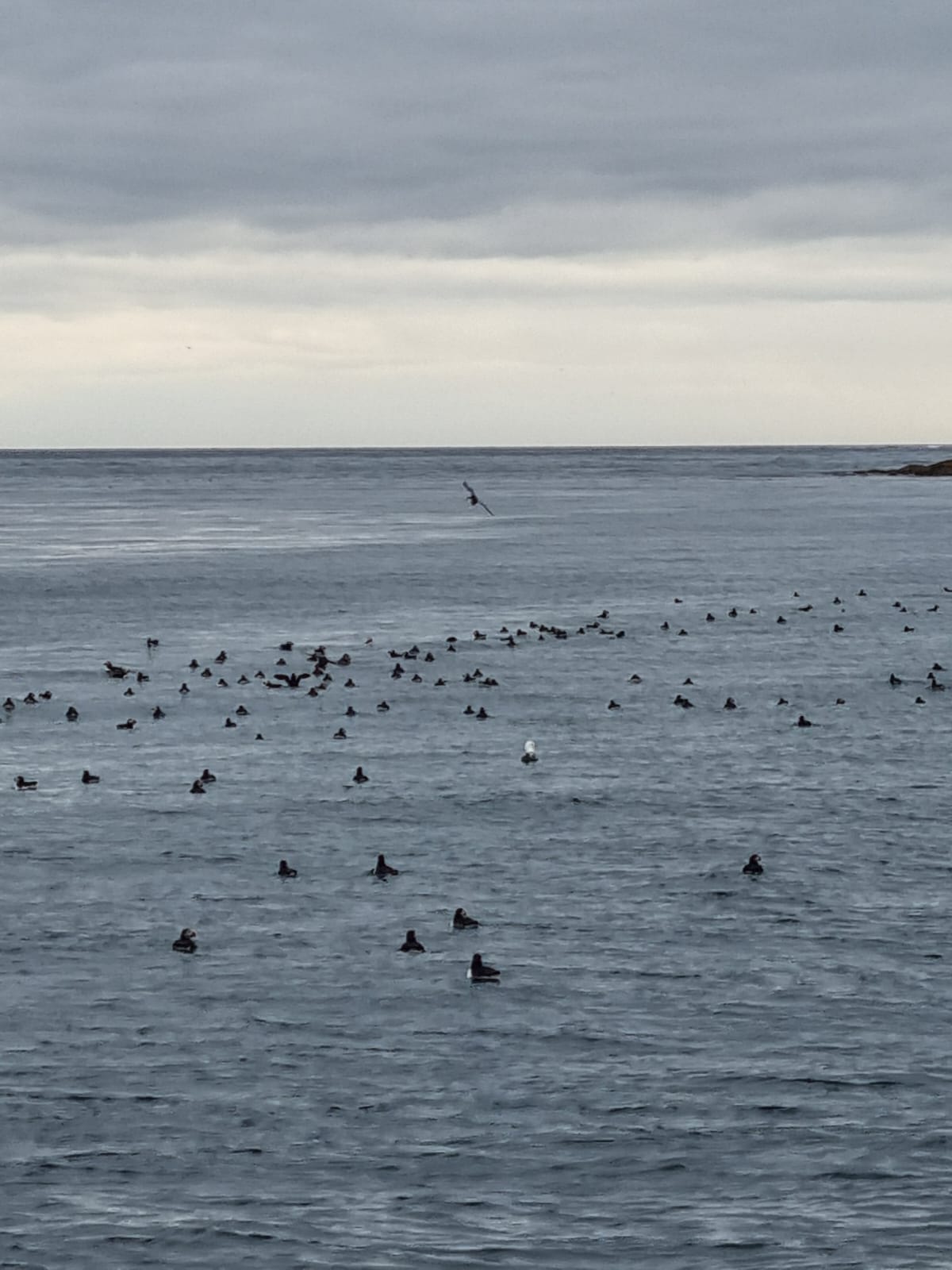
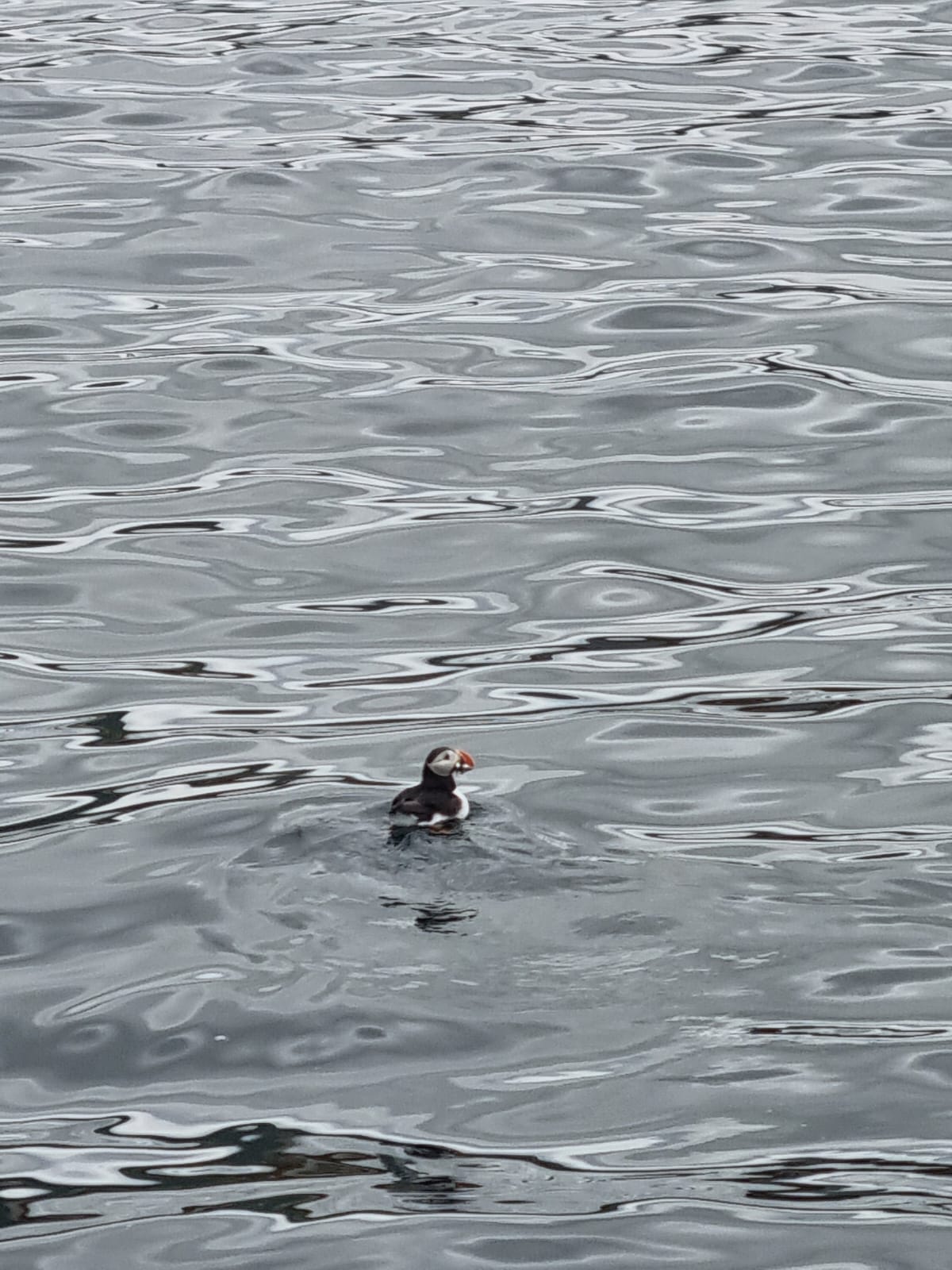
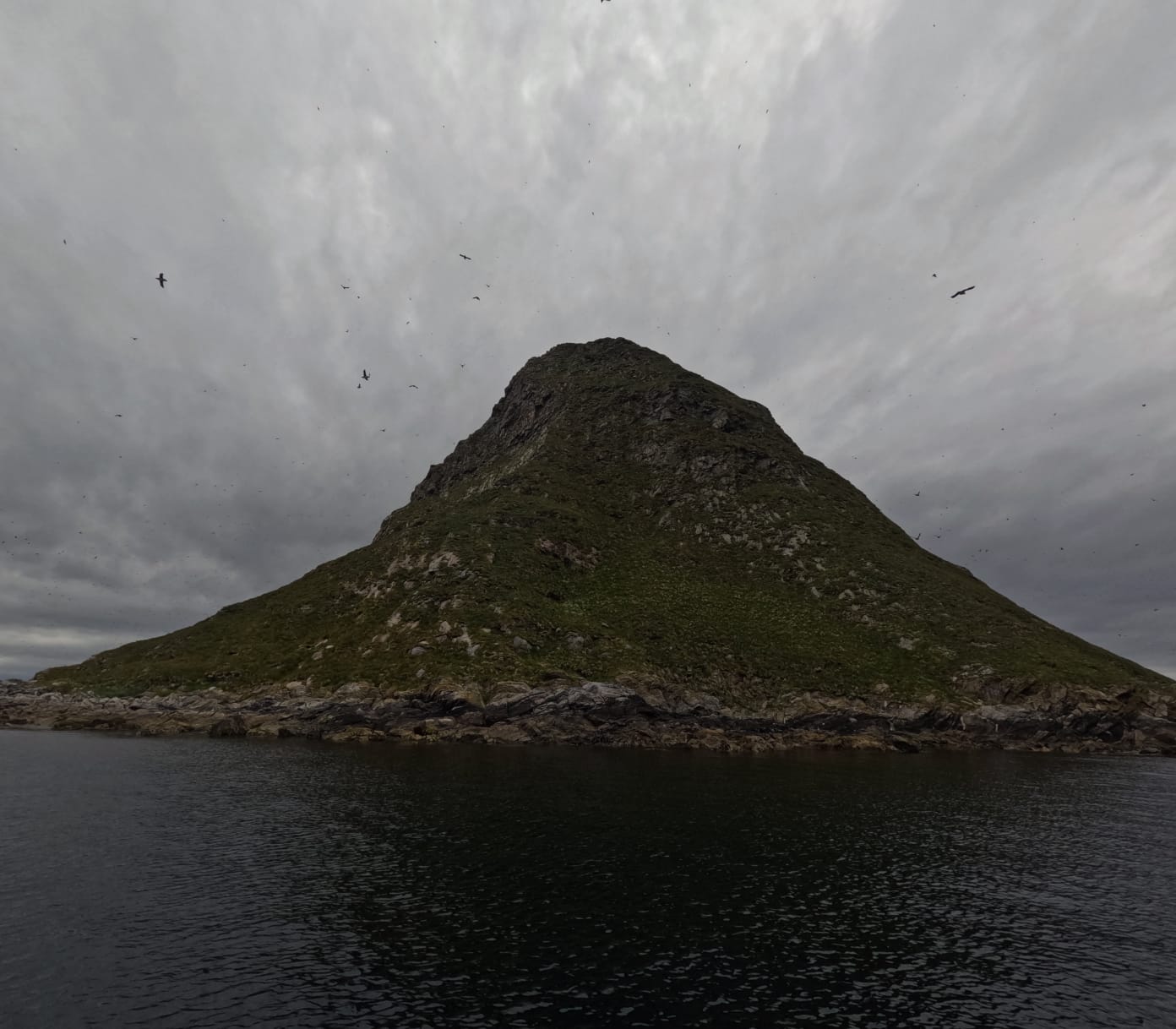
The 1.5-hour boat tour took us out to a small island just off the coast, where thousands of puffins gather during the summer months. Watching them in their natural habitat was nothing short of magical. These tiny, clown-faced seabirds are incredibly cute and surprisingly fast, making it a real challenge to snap a decent photo. To top it off, we also saw several white-tailed sea eagles circling overhead. These majestic creatures hunt puffins in these waters.
We booked the tour through the Puffin Safari website, which offers multiple daily trips from April to late August, the period when puffins nest and feed around the island. After that, they migrate back to the open ocean for the rest of the year. Once the boat brought us back to shore, our final task for the evening was to find a peaceful spot to park our van, cook some food and settle in for the night: resting up before another exciting adventure: whale watching in Andenes the next morning.
Day 9 – Andenes
Today didn’t quite turn out the way we had hoped. Our whale watching tour, originally scheduled for 11 a.m., was postponed to 5 p.m. due to rough weather conditions. We stayed optimistic, though, holding onto the hope that the skies would clear and the ocean would gift us with a glimpse of its majestic creatures.
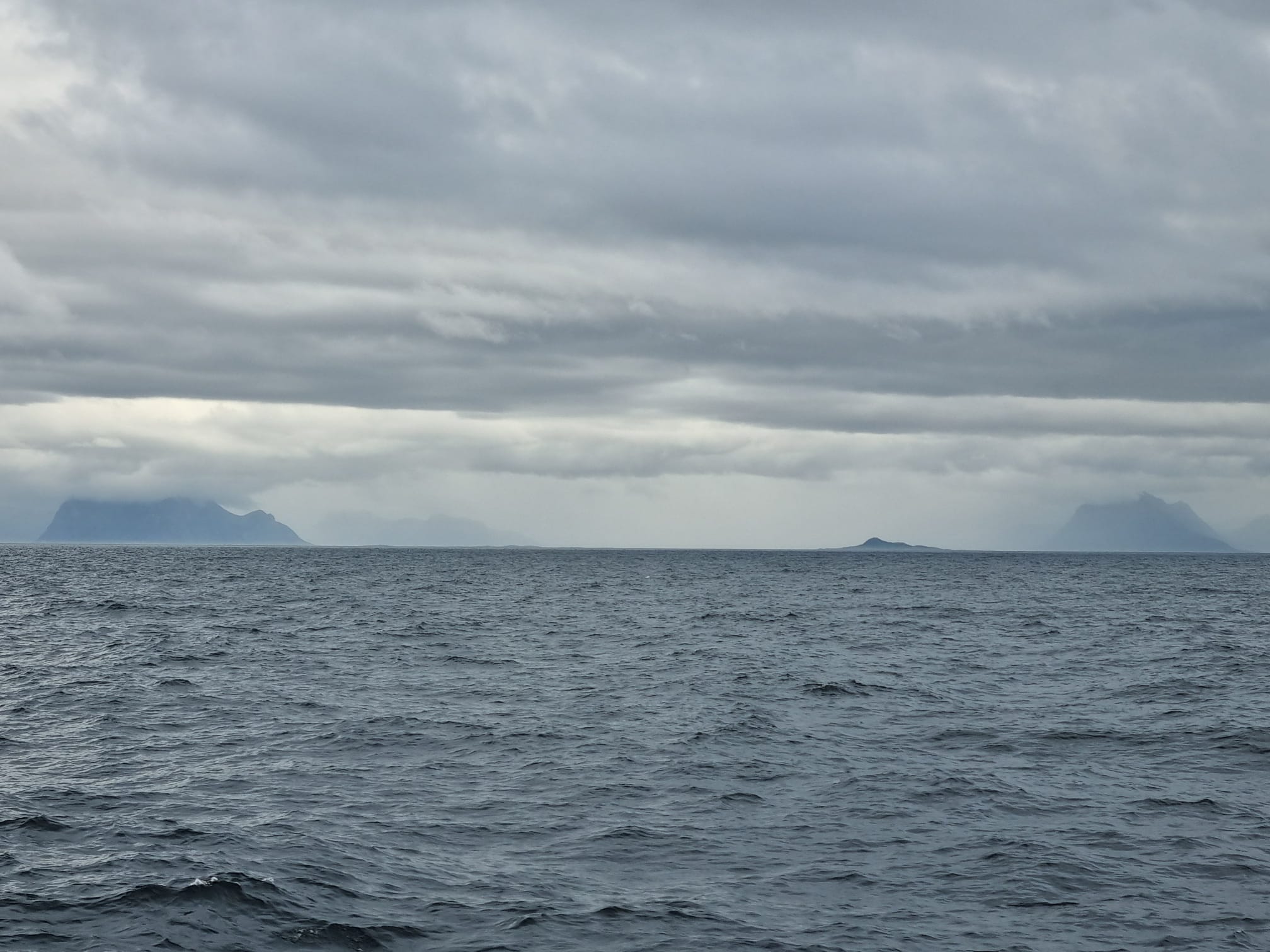
When we finally boarded the boat in the late afternoon, the air was crisp and the sea a little restless. The sky hung heavy with clouds, and it started to rain a little bit as we drove out to the ocean. The ride quickly turned bumpy, waves rolling beneath us as the boat rocked and jolted forward. It was cold out on the open water, the kind of cold that seeps into your bones, so if you’re planning a trip like this, bundle up in warm layers and definitely wear waterproof shoes. Trust me, you’ll be grateful for a good rain jacket and something to shield you from the wind.
Unfortunately, the ocean was quiet with animals today. Not a single dolphin leapt through the waves, and no whales graced us with their presence. It was quite disappointing. Especially because the tour already got postponed. To make things worse, the rough seas didn’t sit well with everyone. Quite a few passengers turned pale and had to deal with seasickness. If you’re prone to motion sickness, don’t forget to bring some medication just in case.
Despite the letdown, the crew did their best to keep spirits up. They offered us hot tea, coffee, a warm bowl of veggie soup, and some cookies to lift our mood. We tried to make the best of the day, finding a bit of solace in the rhythm of the waves and the dramatic beauty of the coastline.
Luckily, the company running the tour is generous and offers a free rebooking if no dolphins or whales are spotted. So we’ve signed up again for tomorrow: though the 11 a.m. slot was already fully booked, we’ve taken the 5 p.m. trip once more. That means we’ll need to stay another night in the same place, something we usually avoid since we like to keep moving and explore new areas each day. So here we are, fingers crossed and hopeful. Tomorrow, we’re wishing for calmer seas and the thrill of spotting some magnificent ocean wildlife. Let’s hope nature decides to show off a little. Wish us luck!

Day 10 – Andenes
We started our day the usual way with a light breakfast and the hope that today would bring us a bit more luck than yesterday. Unfortunately, our whale watching tour wasn’t scheduled until 5 p.m., so we had the whole day ahead of us to fill. To pass the time, we kept ourselves busy with a mix of work, some cooking (pasta as the usual), and a few rounds of card games like yesterday. It was a slow-paced kind of day, but in a way, it was nice to just settle in and relax.
The good news? The weather looks much more promising today. So far, not a single drop of rain and the sky is clearer with fewer clouds drifting overhead. The air feels lighter, and there’s a quiet optimism in the atmosphere. Our hopes are high. With calmer seas and better visibility, we’re crossing our fingers that today we’ll finally spot those magnificent creatures we’ve been waiting for. Let’s see what the ocean has in store for us this time.
An hour before our tour, the skies opened up and it started to rain. We couldn’t help but fear the worst would the tour be canceled again or postponed? Would we even make it out to the open ocean in this weather? But luck was on our side. When we arrived at the whale watching center, the rain had completely stopped. The sun peeked through the clouds and the sea was surprisingly calm, much gentler than the day before.
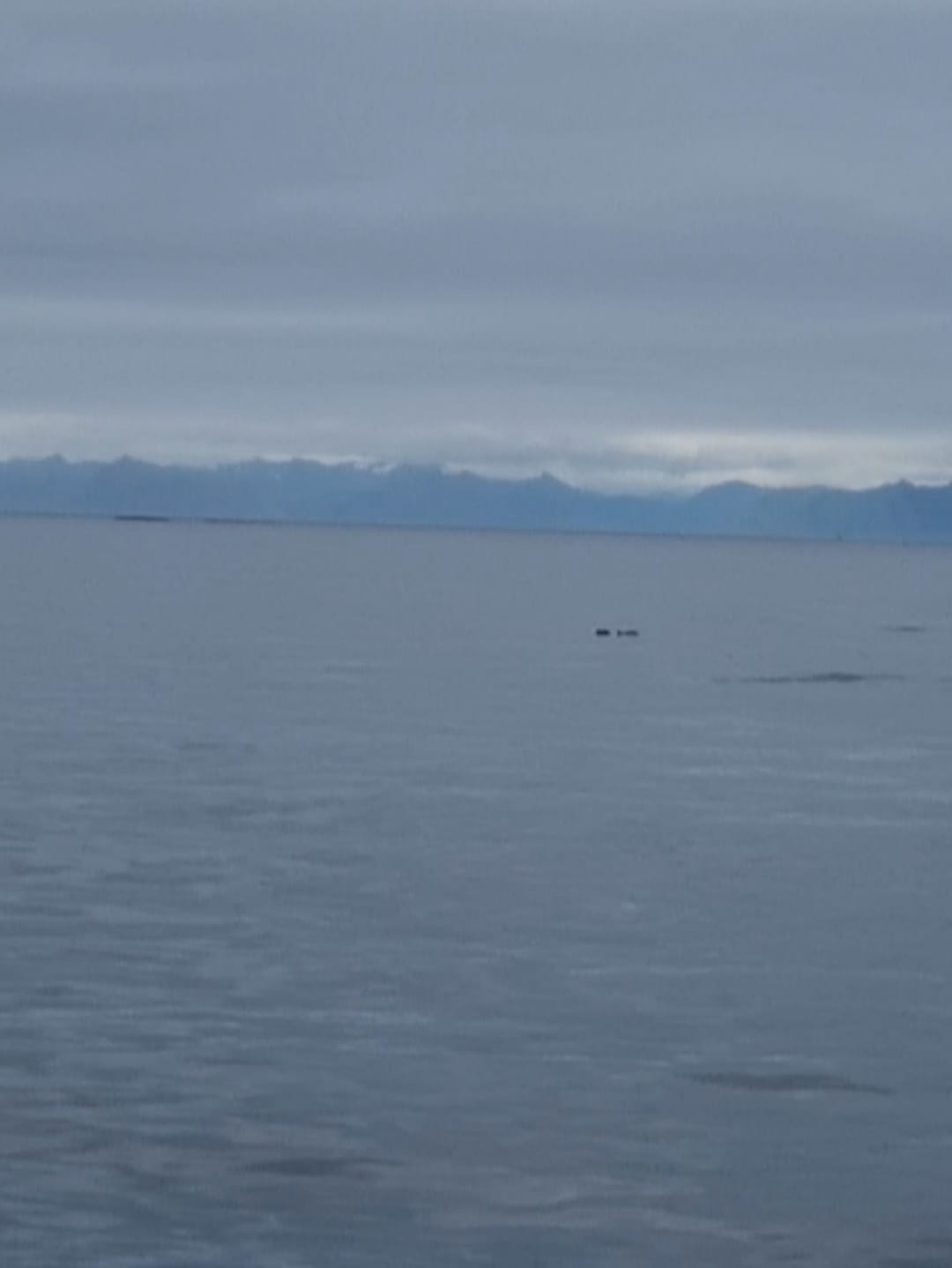
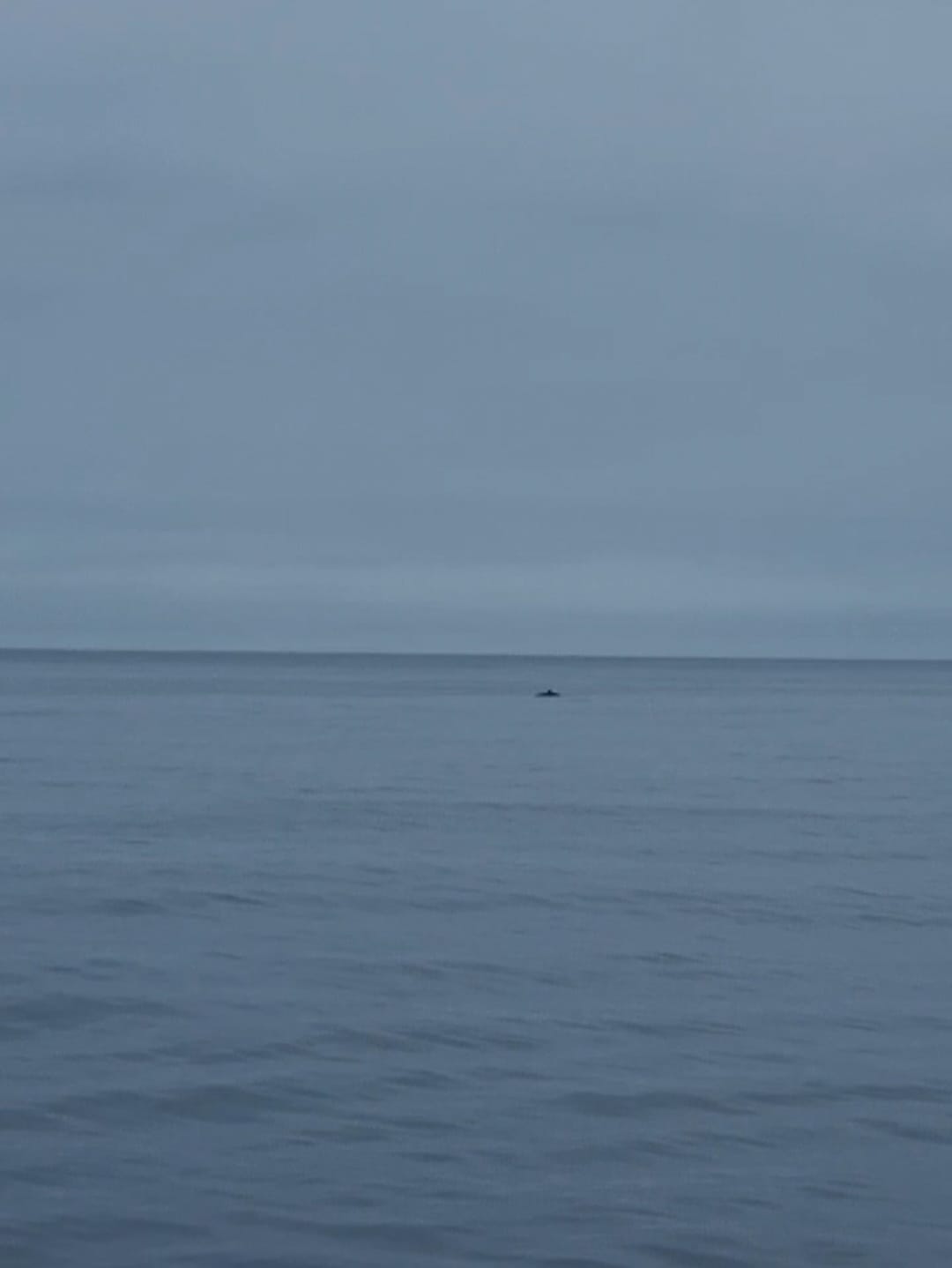
As we left the shore and ventured out into the vast Arctic Ocean, we were immediately met with an incredible surprise: two harbor porpoises gliding gracefully through the water. Spotting them is a rare treat since they are very shy, and it felt like a sign of good things to come.
Further out, the ocean came more alive. We found ourselves surrounded by minke whales surfacing in the distance but too far for our phone cameras to capture clearly. The water was dotted with puffins, seagulls and even majestic sea eagles soaring above us. However, the sea had other plans for some of us. About half the passengers, including my friend, began to feel the effects of the rolling waves. She had taken two seasickness tablets provided by the boat company, but they didn’t help much. Ironically, the day before when the sea was even rougher she had used her own tablets and felt fine. Lesson learned: always bring your own trusted medication just in case.
After what felt like an eternity of drifting and scanning the horizon, a giant shadow broke the surface. A sperm whale, one of the ocean’s true giants, emerged, taking a breath before slipping back beneath the waves to hunt for giant squid. We were lucky enough to see it surface twice, though it remained quite distant. Our cameras didn’t do it justice, but the memory is etched in our minds. We waited hoping it would appear a third time. The crew explained that sperm whales often dive for over 45 minutes, and also when this whale only took around 20 minutes before, after waiting far longer than that, we finally had to turn back. But even without the perfect photo, seeing such a magnificent creature in its natural habitat was unforgettable.
The tour ended up lasting almost six hours: double the length of the previous day’s trip. The chill of the Arctic wind was relentless, and we were grateful for the hot soup and bread served on board. It was a small comfort, but deeply appreciated. One thing’s for sure: dress in layers. The Arctic Ocean isn’t just cold: it’s bone-chilling.
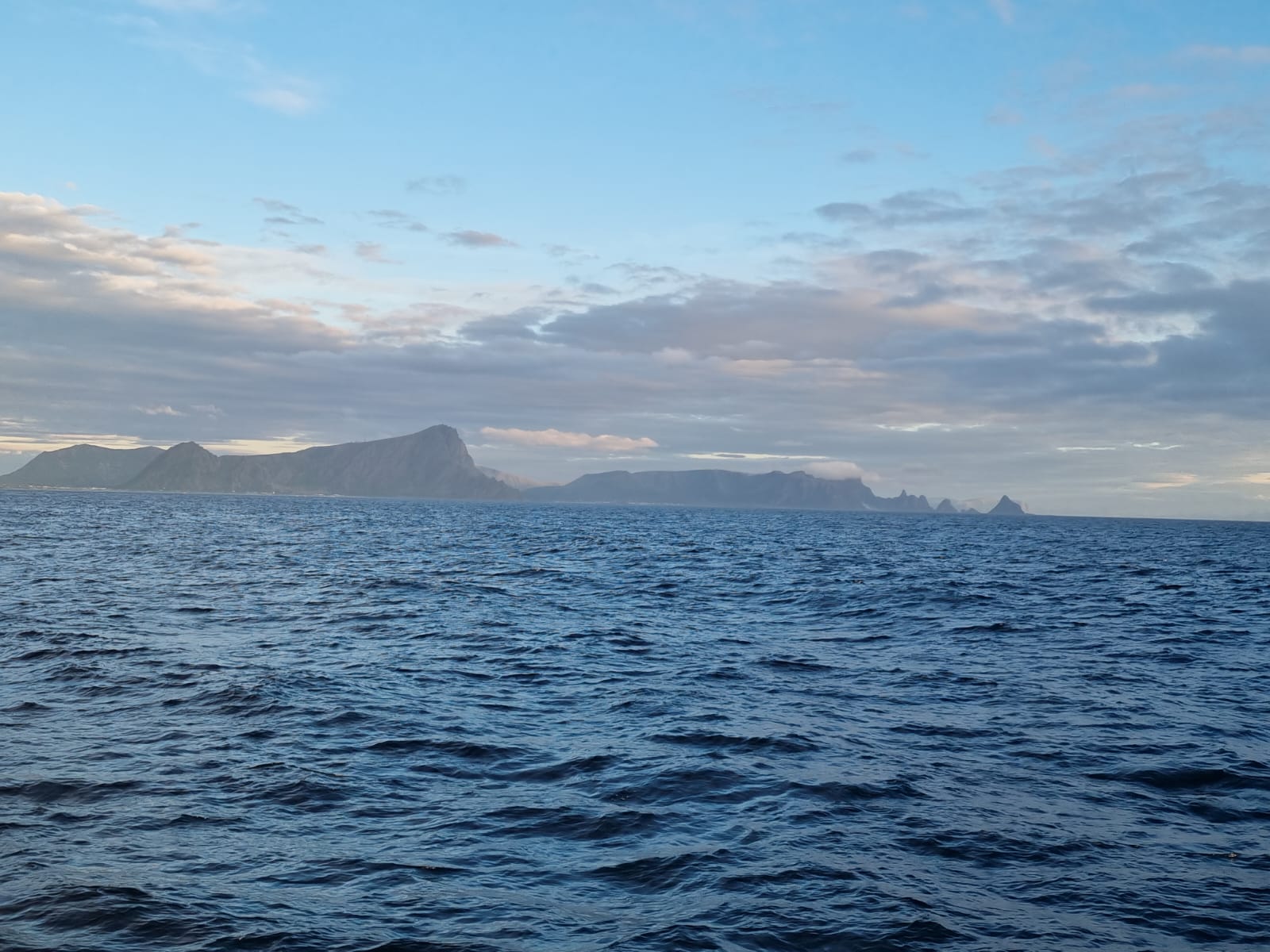
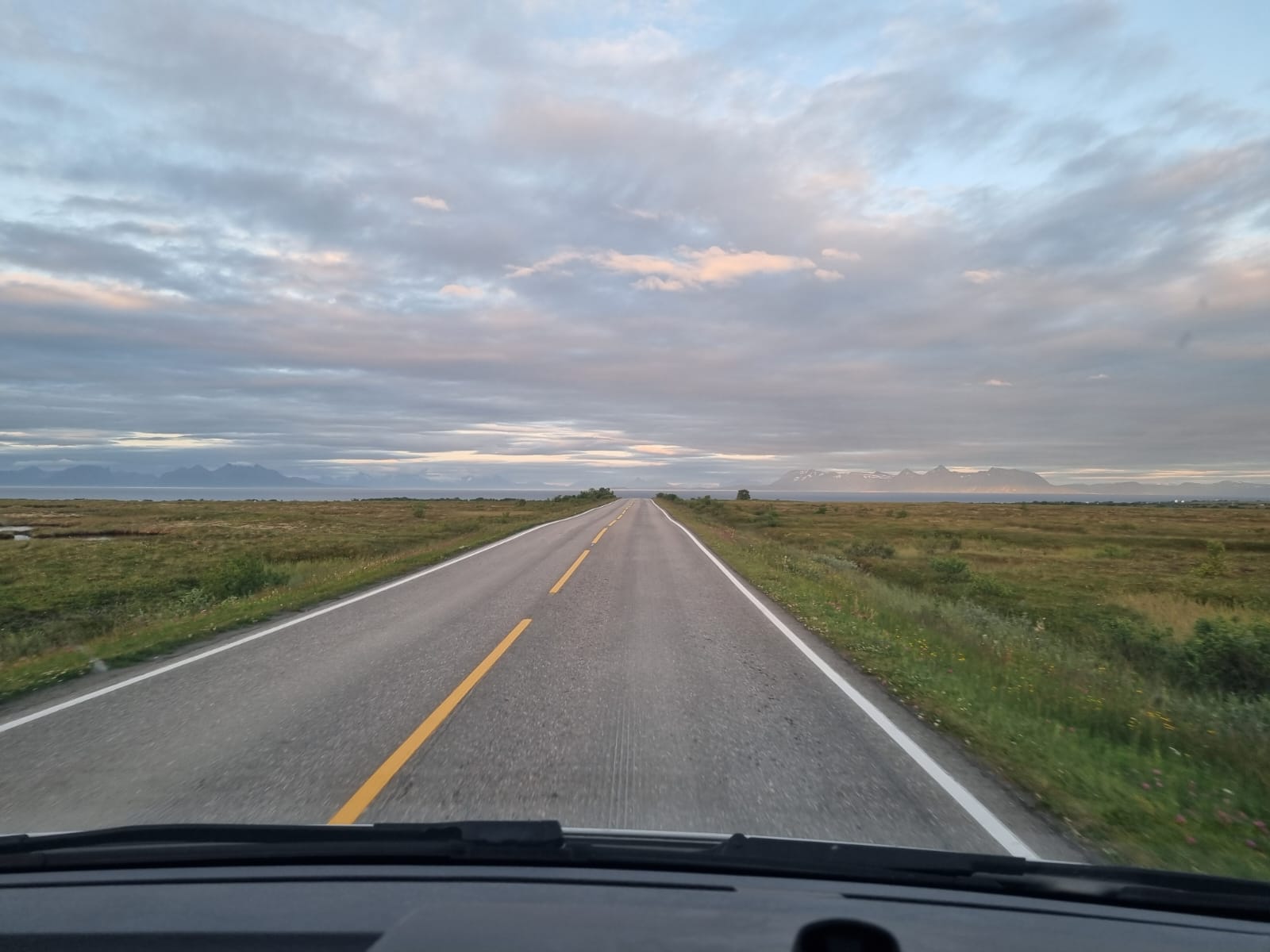
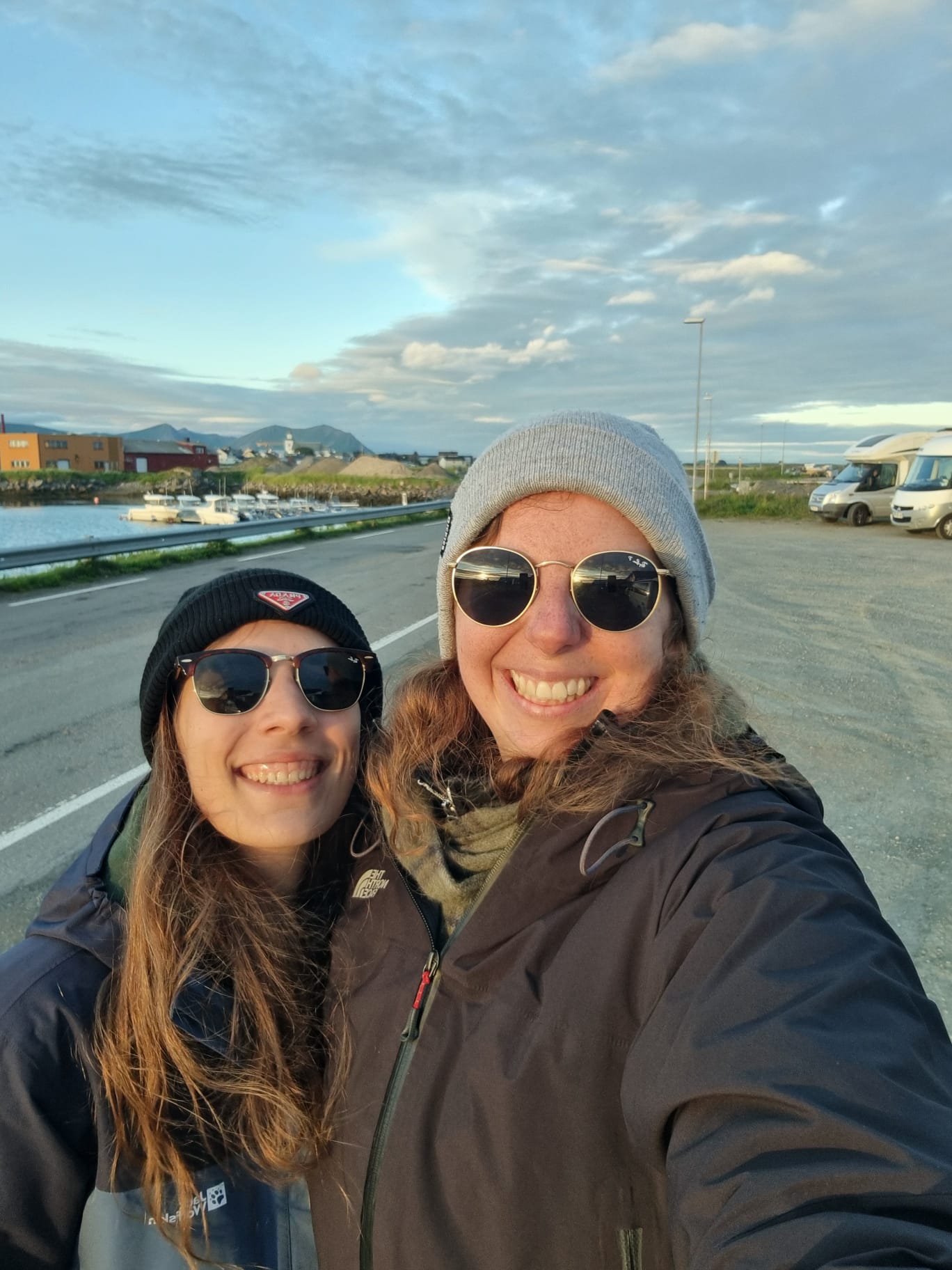
Back at the harbor, we finally stepped onto solid ground. My friend thankfully started to feel better, and once we were back in the car, we began our drive to our next resting spot, inching closer to our next destination: the northern city of Tromsø.
Day 11 – Norwegian landscape
We woke up early, had a quick breakfast, and hit the road finally again. This time with our sights set on Tromsø, our next major destination. We had hoped to be there a day earlier, but as with all great road trips, plans tend to shift.
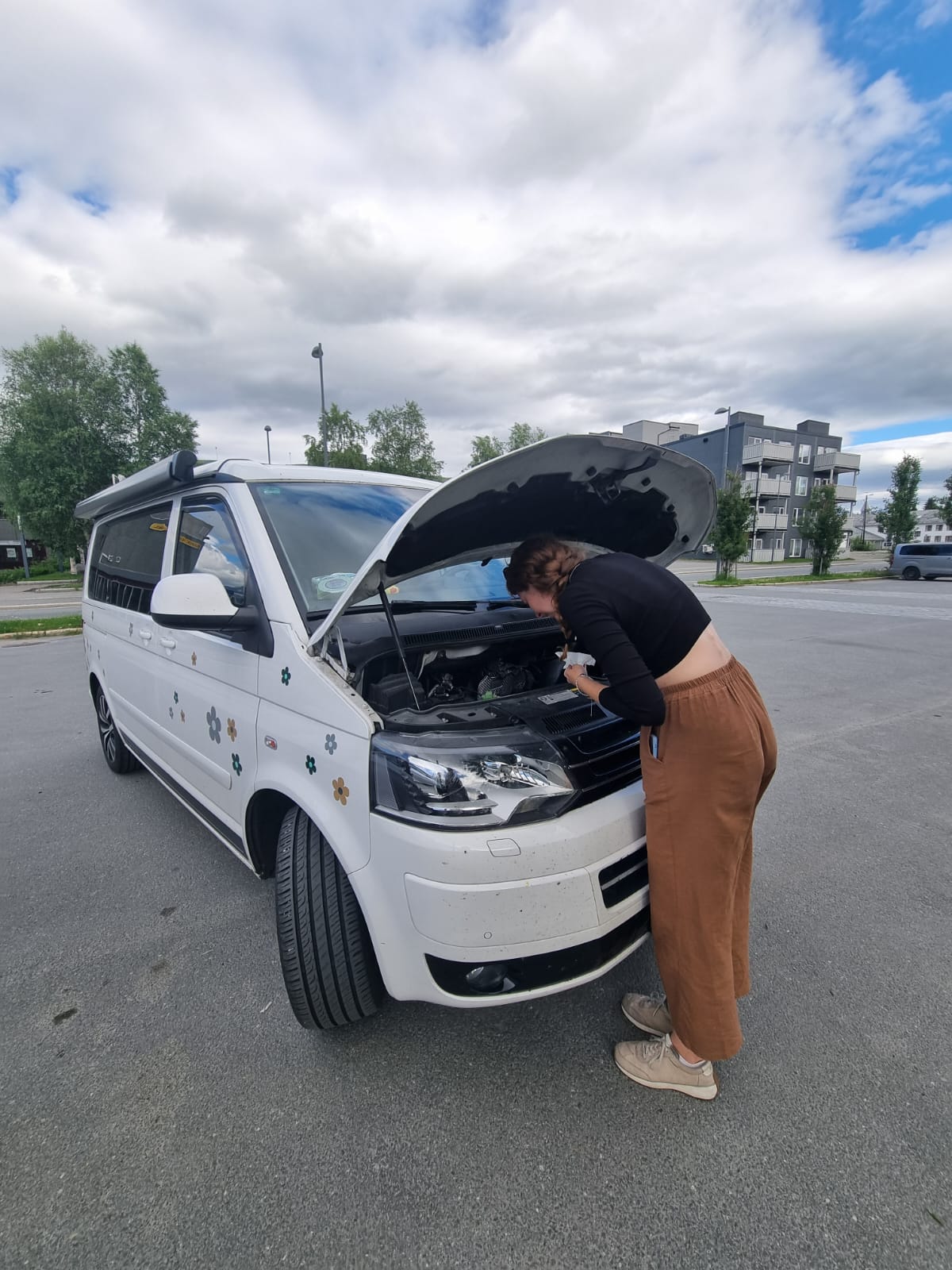
The drive from Andenes to Tromsø takes around seven to eight hours, winding through breathtaking Arctic landscapes. Somewhere along the way, we finally came across a much-needed shower at a Circle K gas station. After days on the road, it felt absolutely glorious. Fresh, clean, and re-energized, we continued our journey. A while later, we had to stop for petrol. Just when we thought we were back on track, the car’s dashboard lit up with a new surprise: it needed an oil change. Another detour. We stopped, bought some motor oil, topped it up ourselves by the roadside, and got back behind the wheel. It felt like the road trip gods were throwing in a few more challenges just to keep things interesting. Also, we still didn’t see any mooses or reindeers.
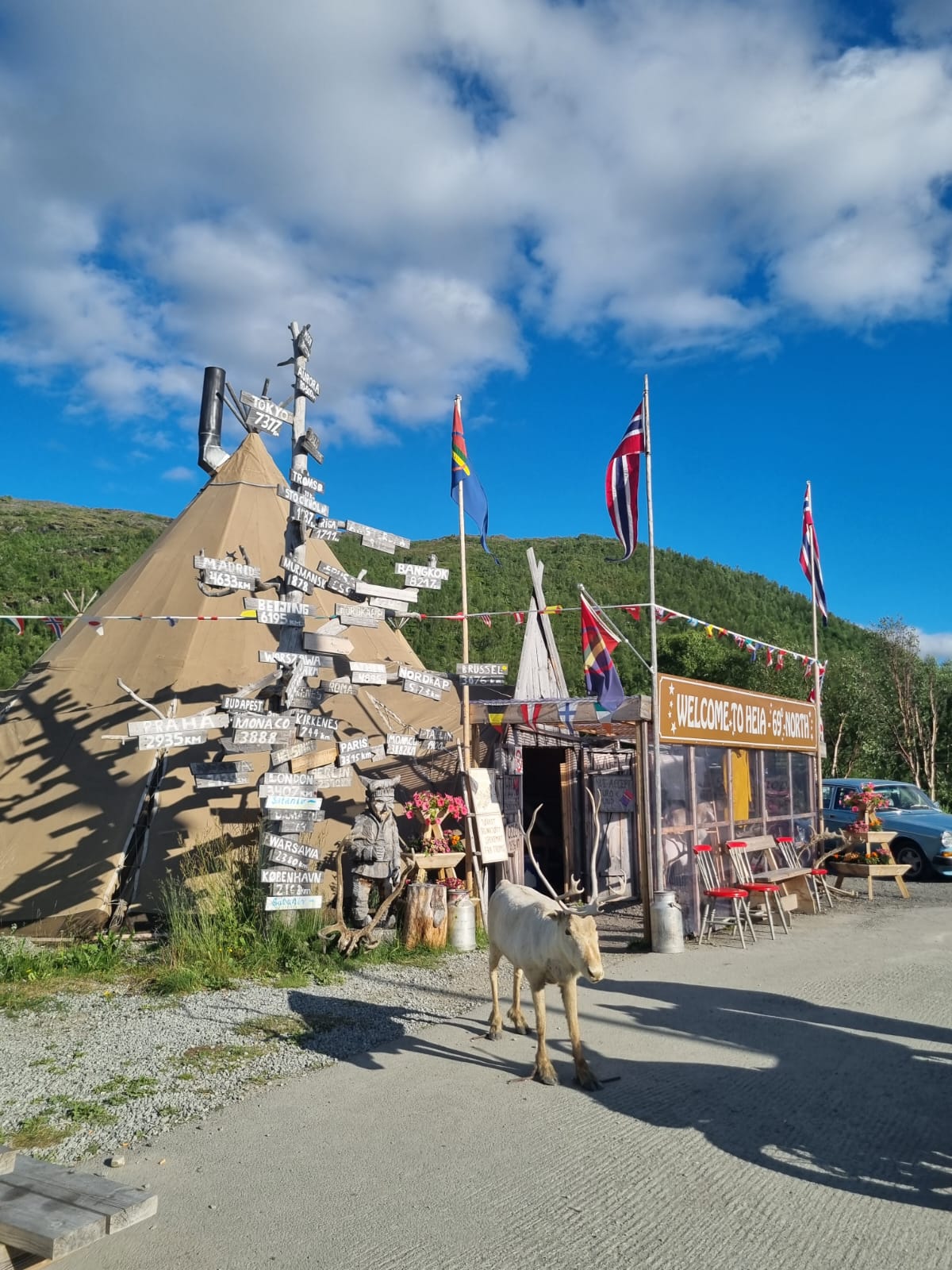
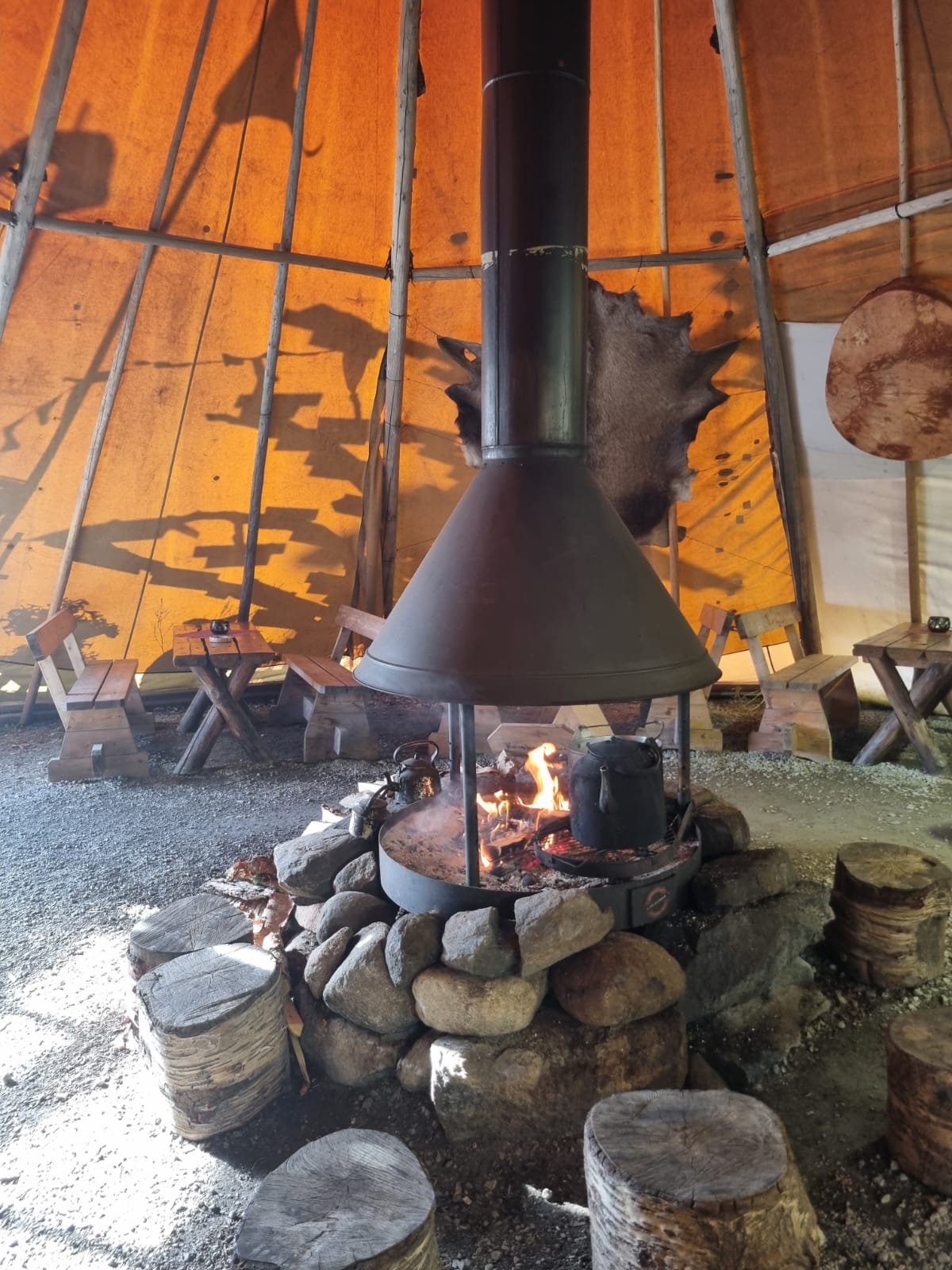
Several hours into the drive, we spotted a small, charming souvenir shop with a traditional Sami theme near Heia. Curious, we pulled over and browsed through the handcrafted goods and cultural items. Although we didn’t end up buying anything, it was a nice little break from the long drive.
Back on the road once again, the scenery began to shift. As we neared Tromsø, the landscape opened up into sweeping views of fjords and forested hills, bathed in the soft Arctic evening light. Just before reaching the city, we stumbled upon a beautiful, quiet spot on the outskirts: a perfect place to rest for the night, surrounded by nature and only a short drive away from our goal. It wasn’t the smoothest travel day, but it was full of those small, real-life moments that make road trips unforgettable. Tromsø was finally within reach, and adventure still lay ahead.

Day 12 – Tromsø
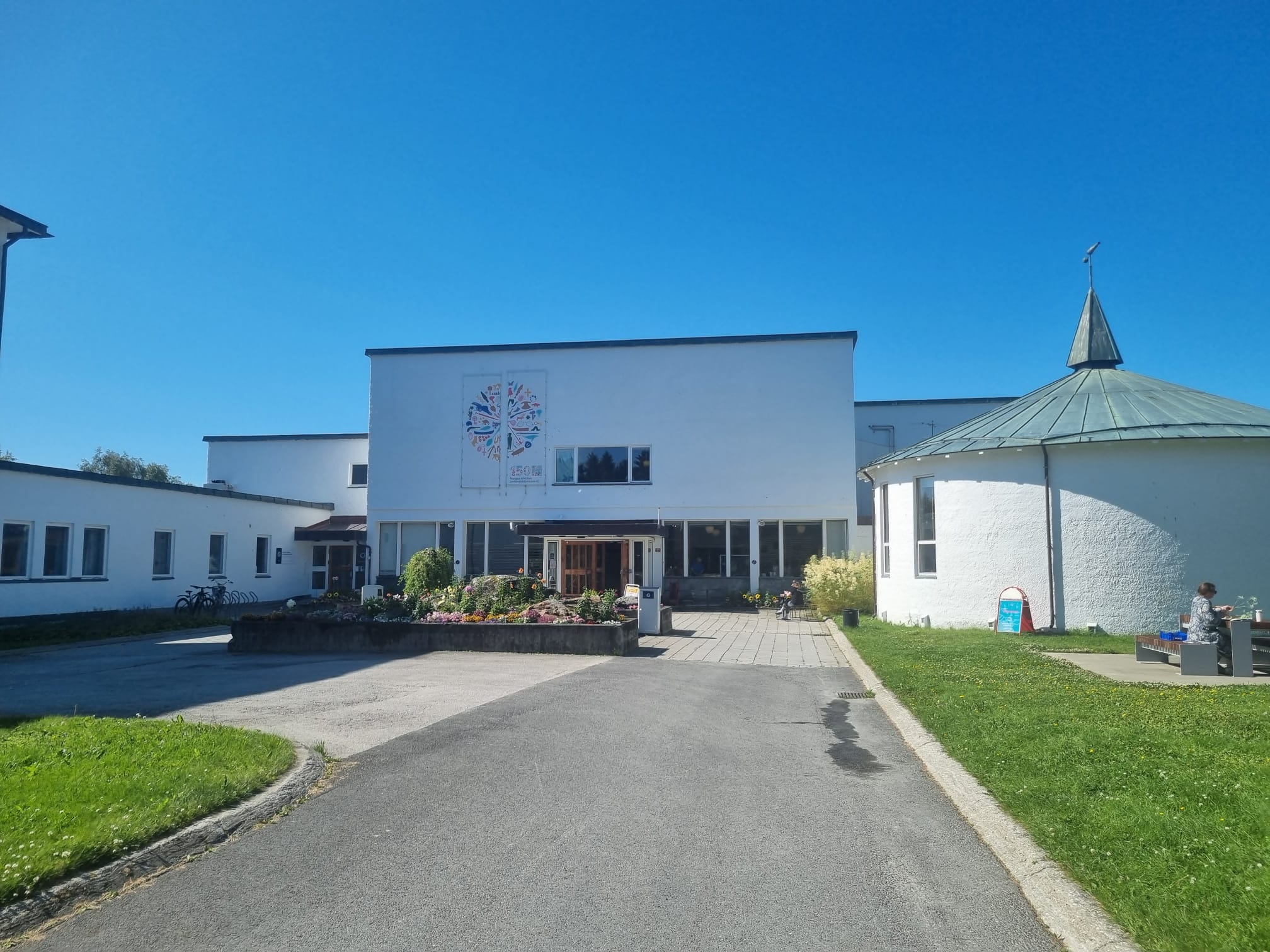
Today, we set out to explore the charming town of Tromsø. Our overnight spot was only about 30 minutes from the city center, so after our breakfast we packed up and hit the road. As we drove into Tromsø, we quickly discovered that finding affordable (or even available) parking in the city is no easy task. Our first destination was the Tromsø Museum, and we were hopeful that parking might be included with the ticket. Sadly, that wasn’t the case. Still, we decided to park there anyway and head inside.
The museum turned out to be a pleasant surprise. It’s a must-visit if you’re curious about the history, culture, and traditions of the Sámi people, the indigenous inhabitants of Northern Norway. From traditional clothing to joik music and insights into their unique relationship with nature and reindeer herding, the exhibitions gave us a deeper appreciation for this often-overlooked culture.
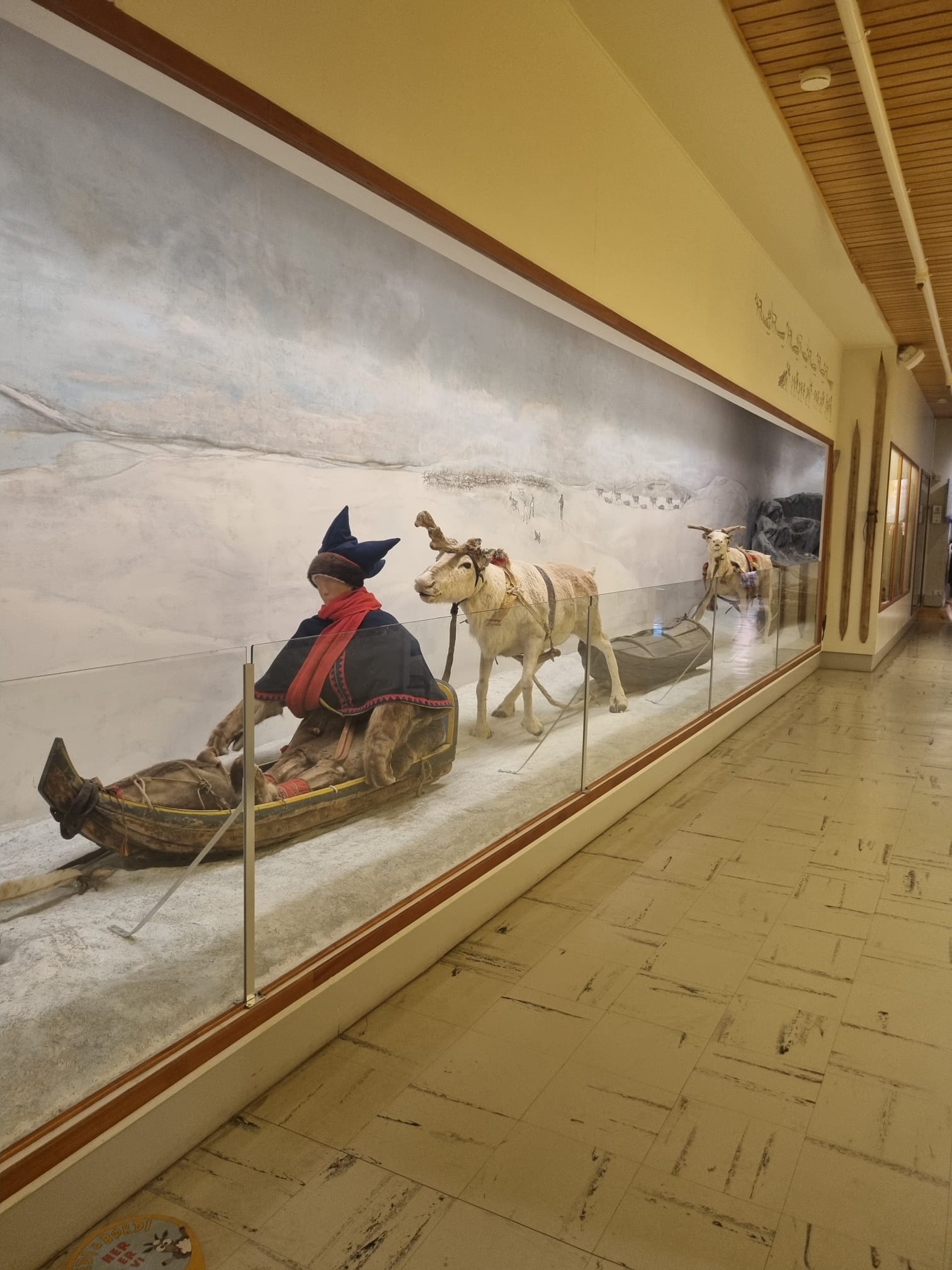
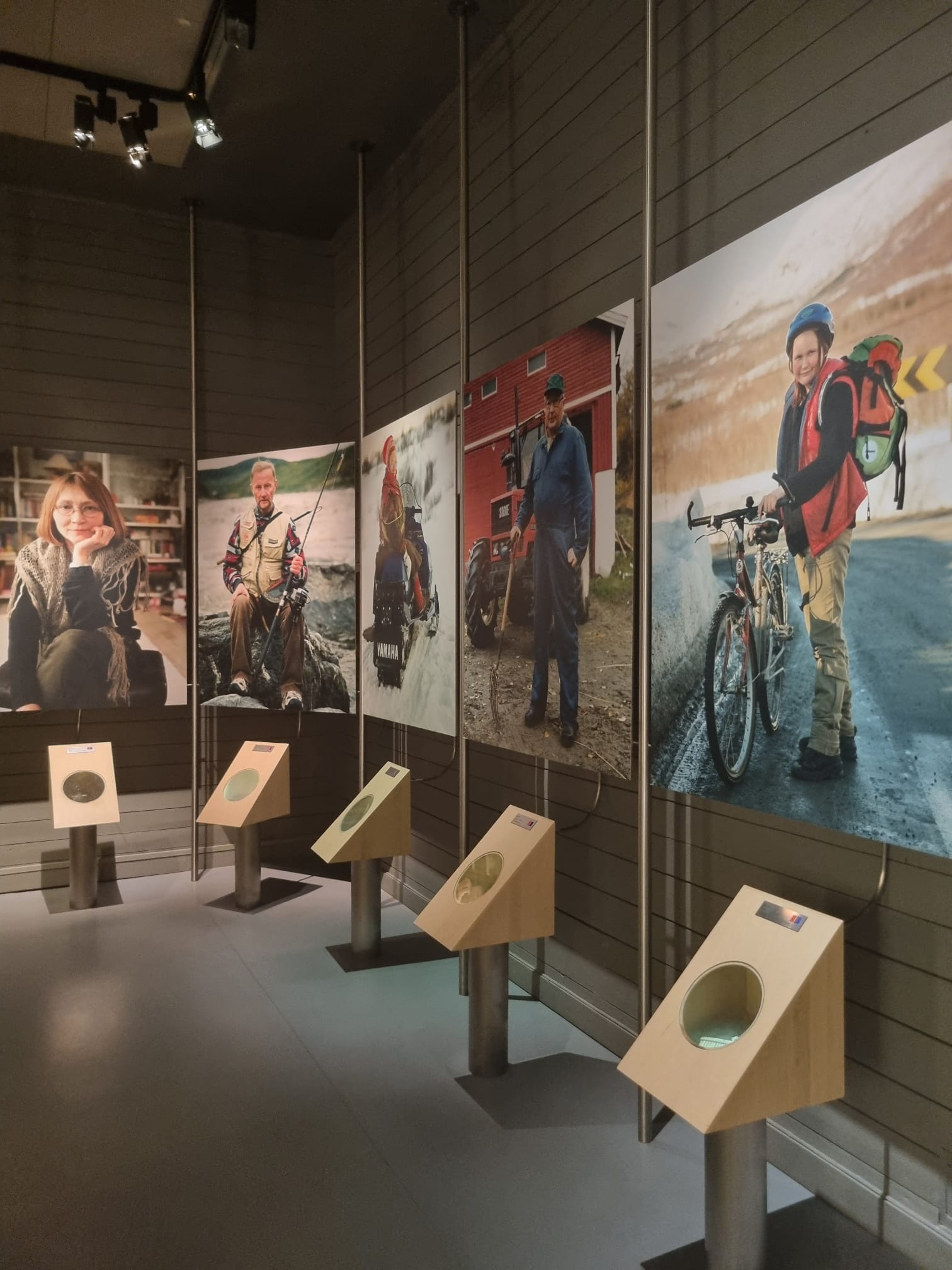
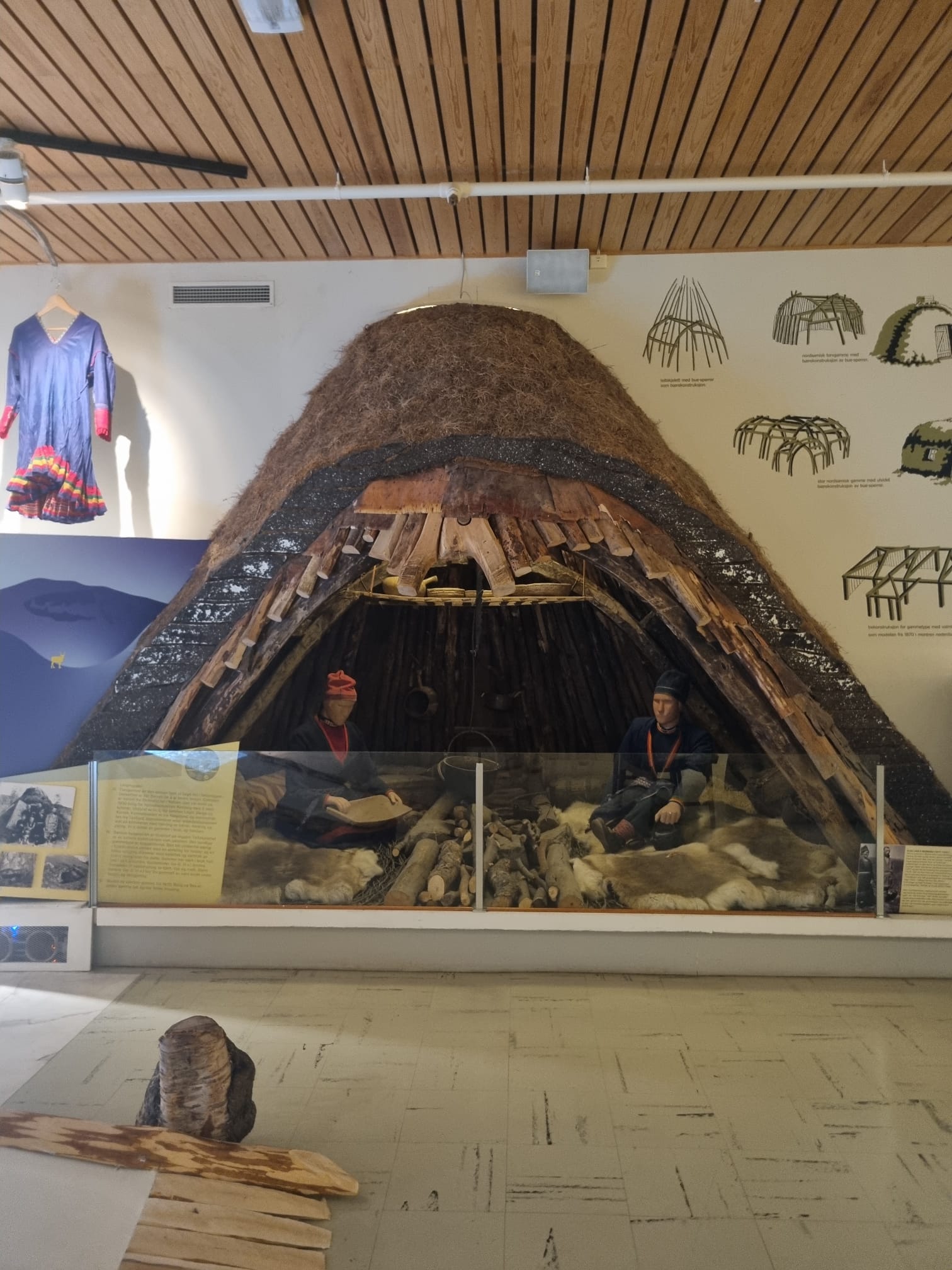
After the museum, we set out on a new mission: find free parking. A bit of searching led us to two spots near a small lake just five minutes’ drive from the museum. They weren’t in the heart of the city, but they free. The only catch? They were still up on the hillside, meaning we had about a 25-30 minute walk down into town, with some fairly steep streets along the way. If you’re up for a bit of a workout, this is a great alternative to the pricey downtown lots.
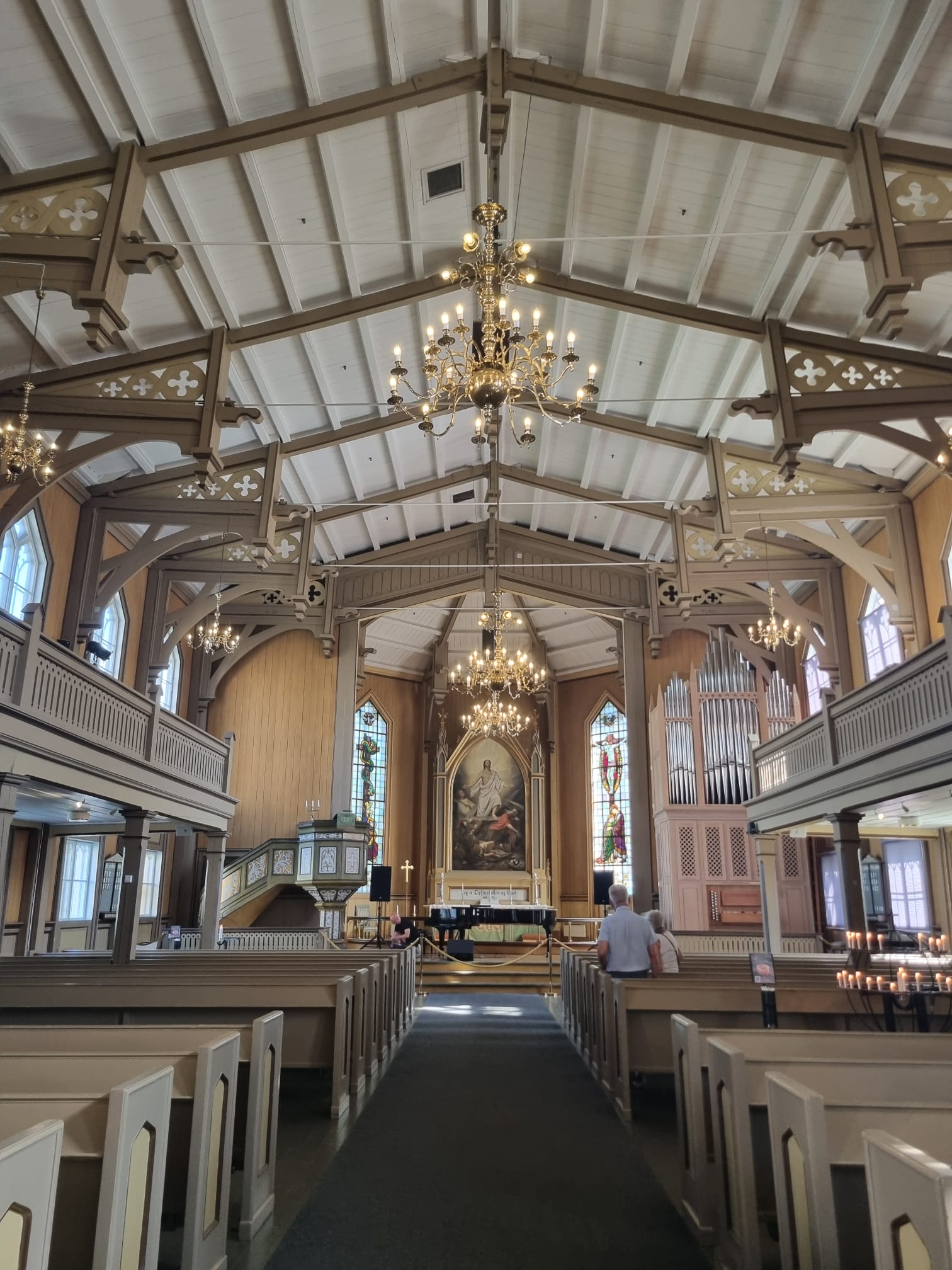
From there, we made our way on foot into the city center. Tromsø greeted us with its cozy, colorful charm. We strolled down Storgata, the main shopping street, popping in and out of local stores, before stopping by the Tromsø Cathedral, a wooden structure that stands tall amidst the surrounding buildings. Feeling a bit hungry, we grabbed a light lunch from a bakery and found some stairs to sit next to the church and soak in the atmosphere.
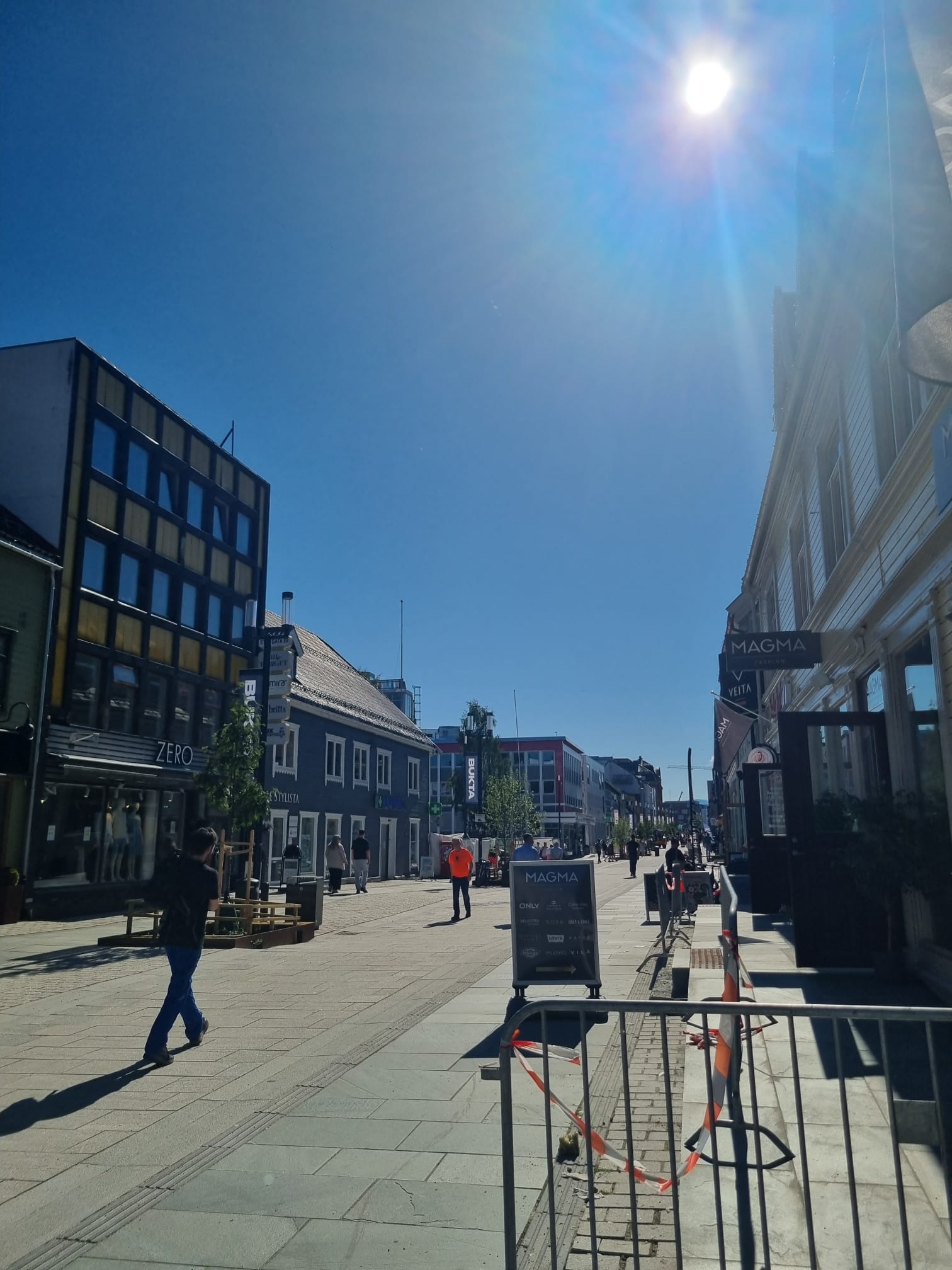


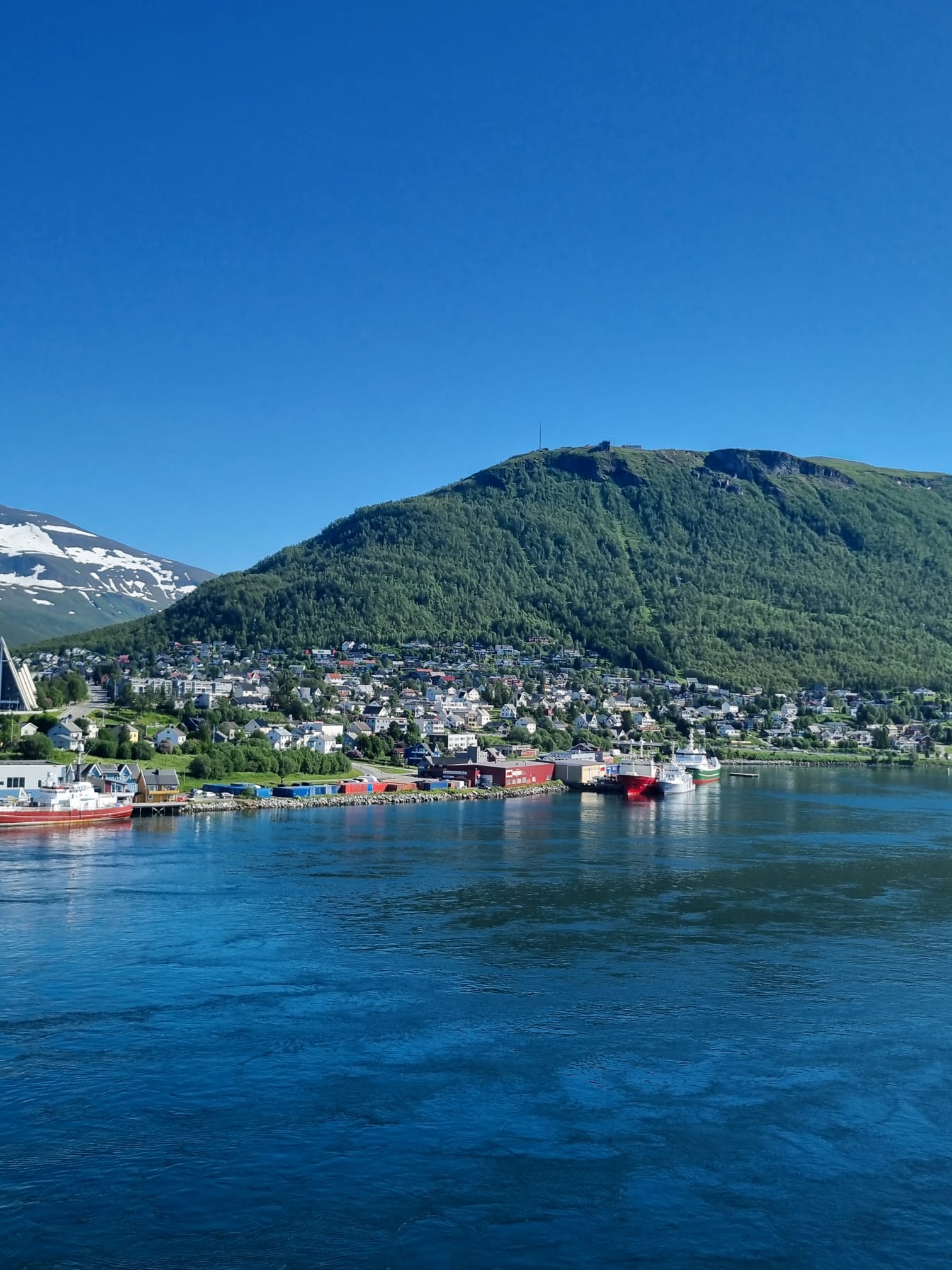
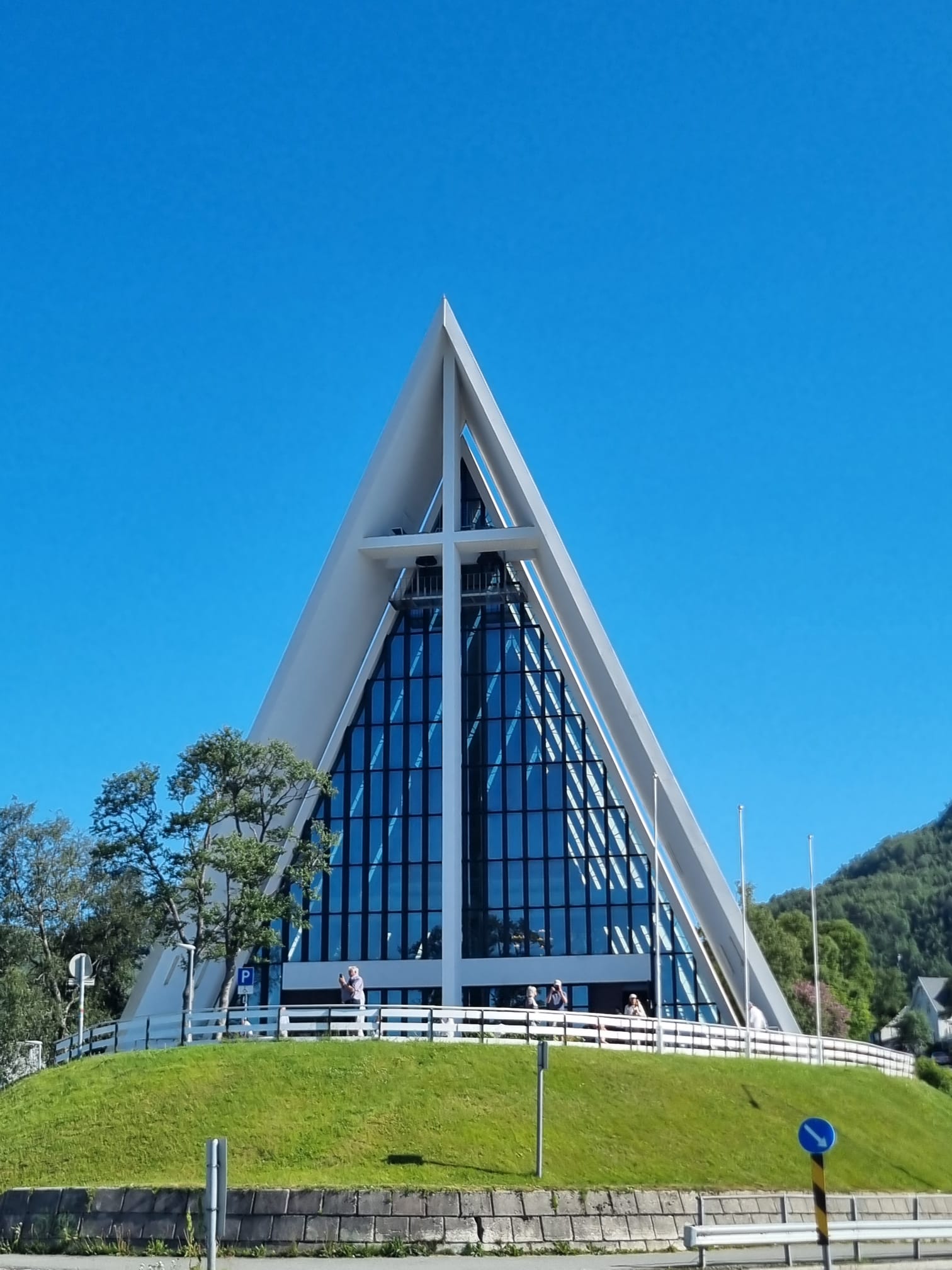
After our little break, we continued our walk toward one of Tromsø’s most iconic landmarks: the Arctic Cathedral (or Ishavskatedralen in Norwegian). But first, we had to cross the long Tromsø Bridge, which stretches high over the fjord and connects the island to the mainland. The walk itself was an experience offering stunning panoramic views of the water, the mountains, and the colorful buildings of the city. Once we reached the other side, the futuristic silhouette of the Arctic Cathedral came into view: sharp lines, bright white walls, and a design that looks like it belongs in a sci-fi movie. It also reminded me of the Sydney Opera House.
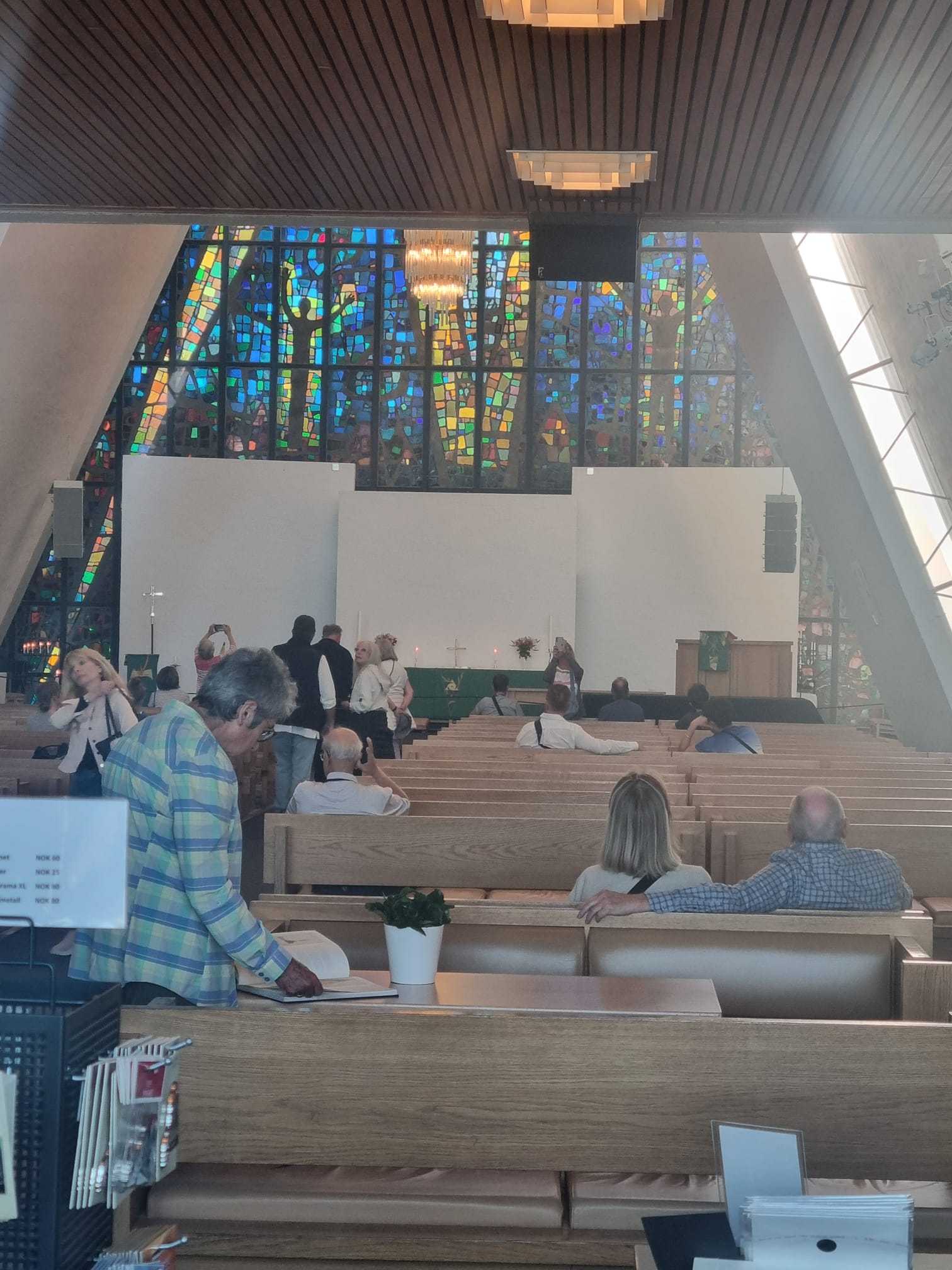
We admired it from the outside, which honestly felt like enough. The entrance fee was a surprising 80 NOK (about 8 euros): a bit steep just to see the inside of a church. Especially when you can peek through the large windows for free… and, to be honest, it didn’t look that impressive from what we could see. So we gave ourselves the budget-friendly “window tour” and called it good, no regrets, haha.

Afterward, we continued strolling through the neighborhood, gradually making our way to the famous cable car: a major highlight in the area. We were pretty excited, but that excitement took a hit when we saw the price: 435 NOK per person for a round trip: that’s about €43! Honestly, it felt way too steep for our budget.
There is a more adventurous (and budget-friendly) option: hiking up via the Sherpa Steps: a stone stairway built by Nepalese Sherpas that winds its way up the mountainside. The full hike takes around 2 hours and 15 minutes for the round trip. It’s said to offer breathtaking views and a real sense of accomplishment. We were seriously tempted, but since we weren’t wearing the right gear for a proper hike, we had to pass this time. Maybe on our next visit!
Even though we didn’t take the cable car, we still enjoyed a lovely view from the station at the base. From there, you already get a great sense of the surrounding landscape: the mountains rising up ahead, the city spreading out below, and the shimmering water in the distance. It definitely made us curious to see what the view from the top must be like!
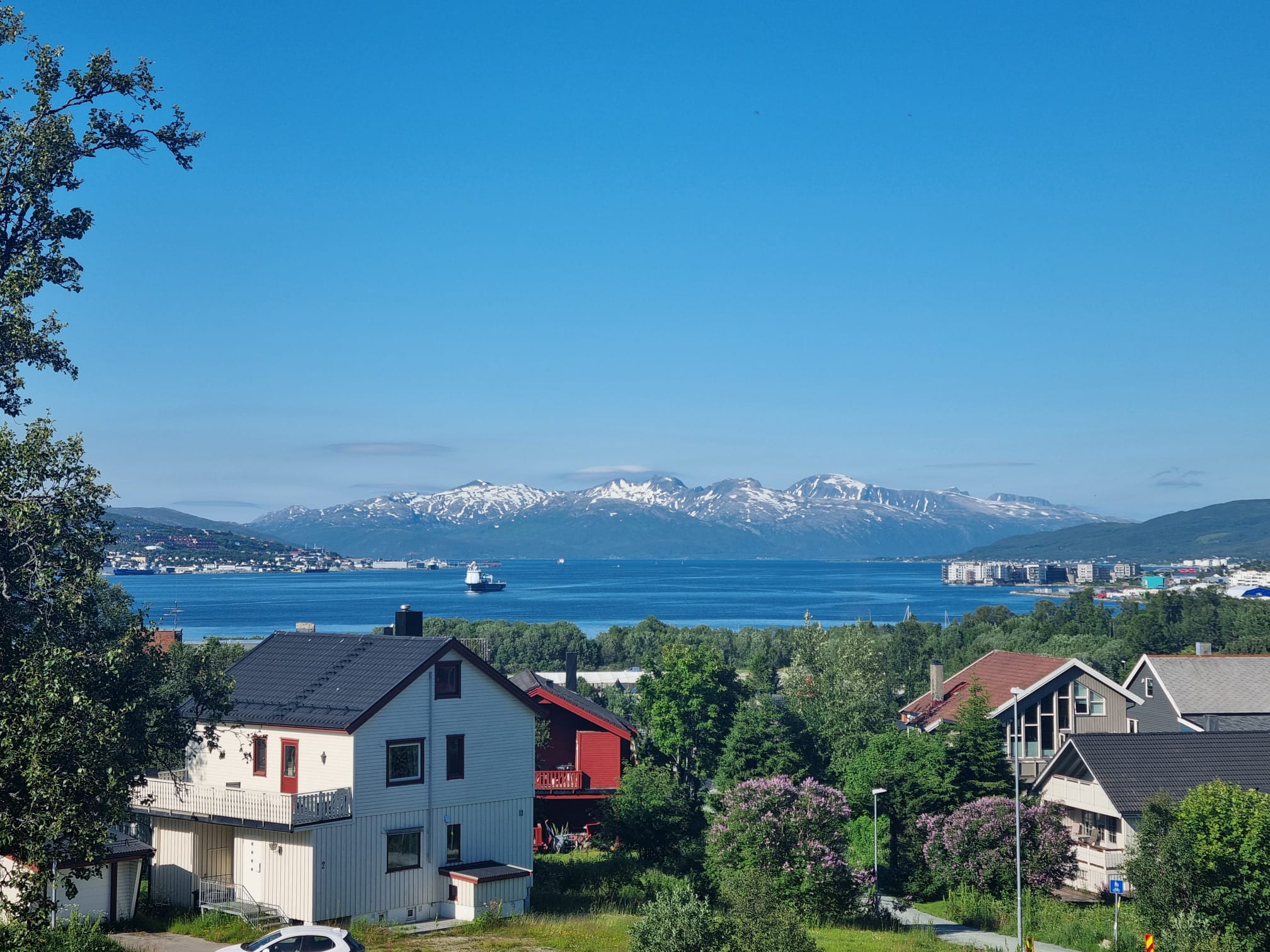
After soaking in the scenery for a while, we decided to head back. The walk took us around 55 minutes on foot. We could’ve taken the bus, which would’ve cut it down to about 30 minutes, but we were in the mood for some exercise and fresh air, so we stuck with walking. Once we made it back to our car, we grabbed our laundry and headed off to Clean Kokos (unpaid ad), a laundromat, to finally get our clothes cleaned: a much-needed and satisfying end to a day full of movement.
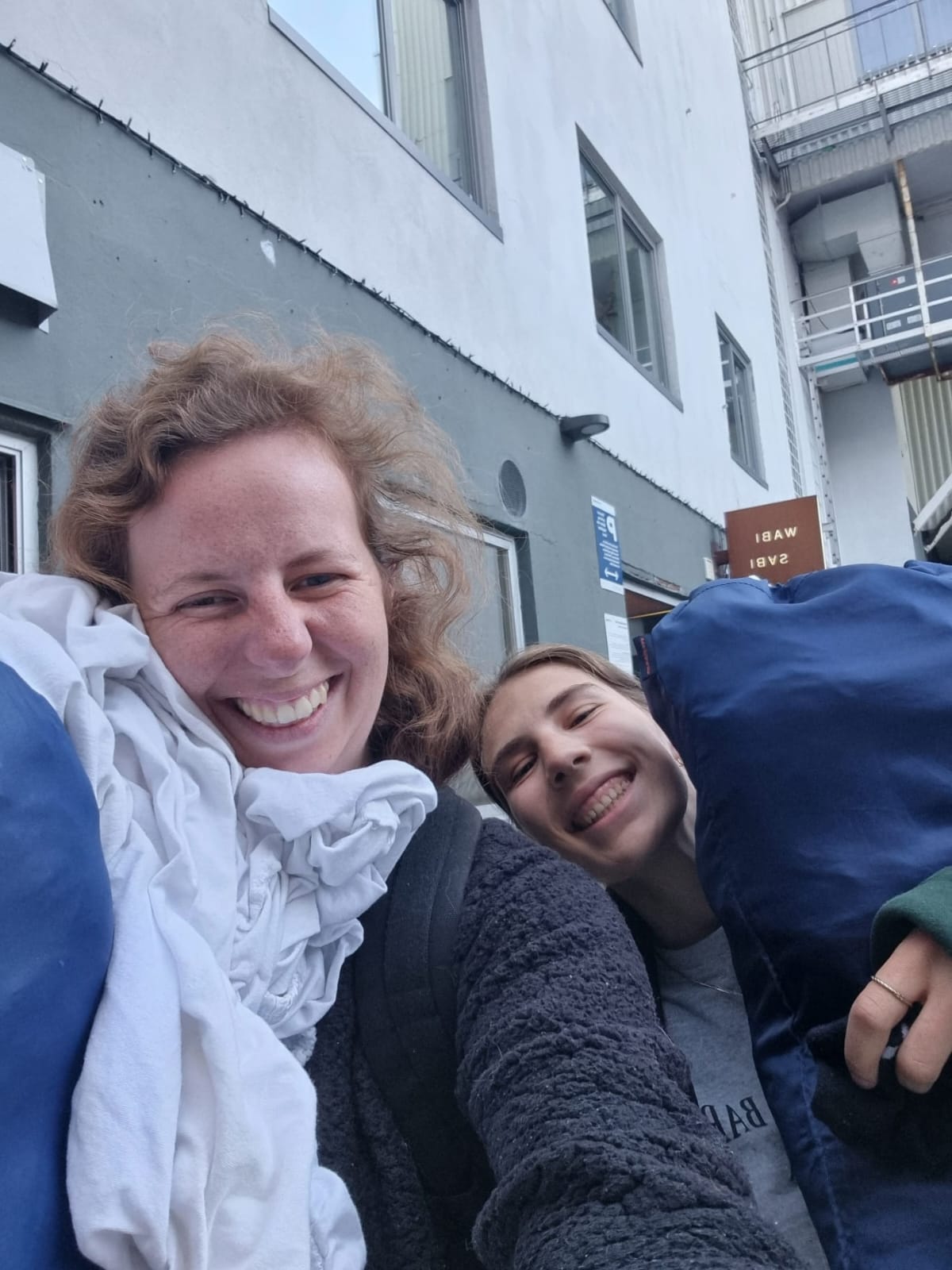
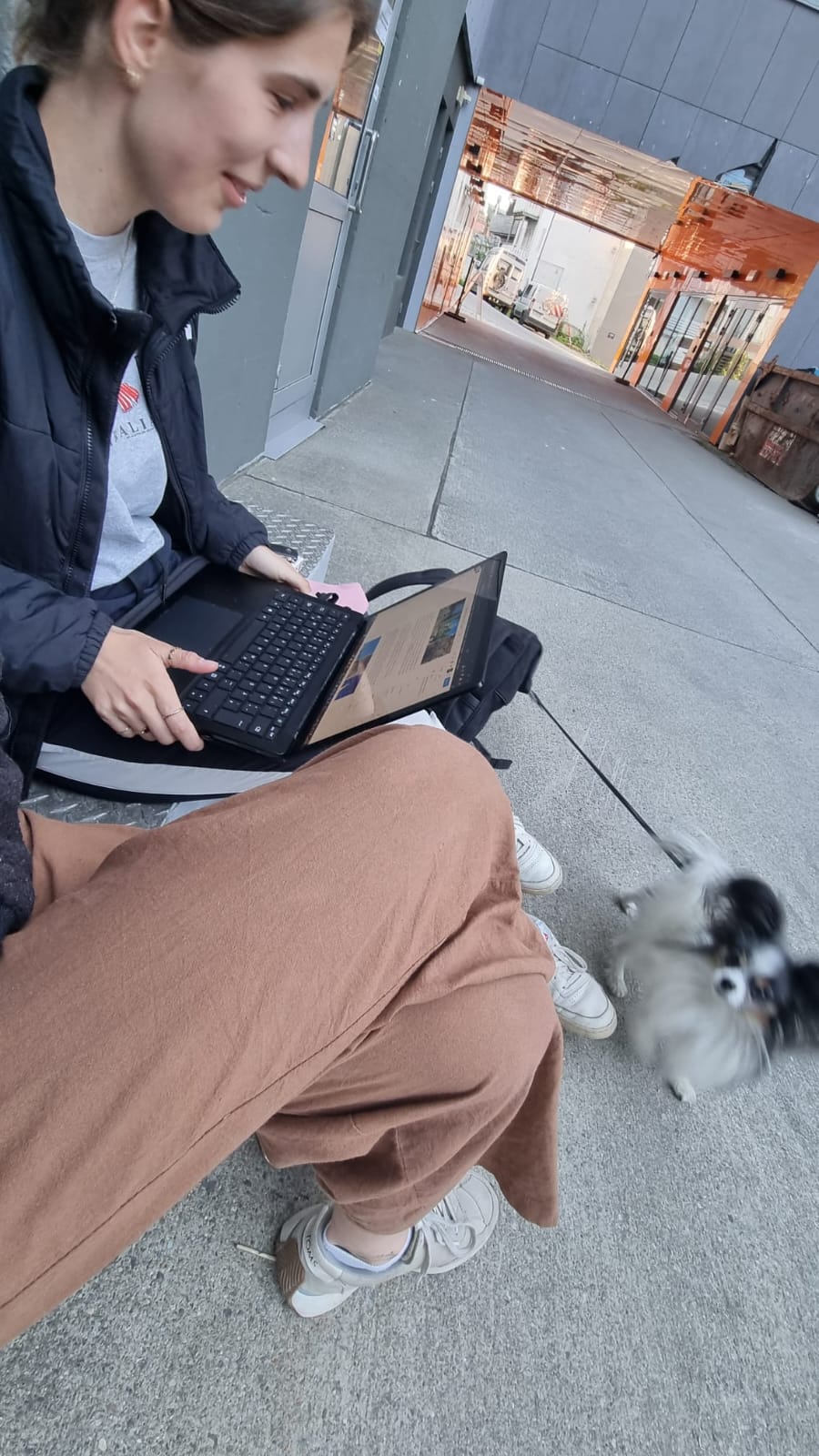
After our clothes had dried, we returned to the car, ready to start the next mission of the day: finding a place to sleep for the night. Easier said than done. Let me warn you: Tromsø is not an easy place when it comes to overnight parking or finding a camping spot. Even in the outskirts, you’re likely to drive at least 20 to 30 minutes outside the city just to find a halfway decent place to park for the night. Free spots are rare, and even paid campgrounds are few and far between.
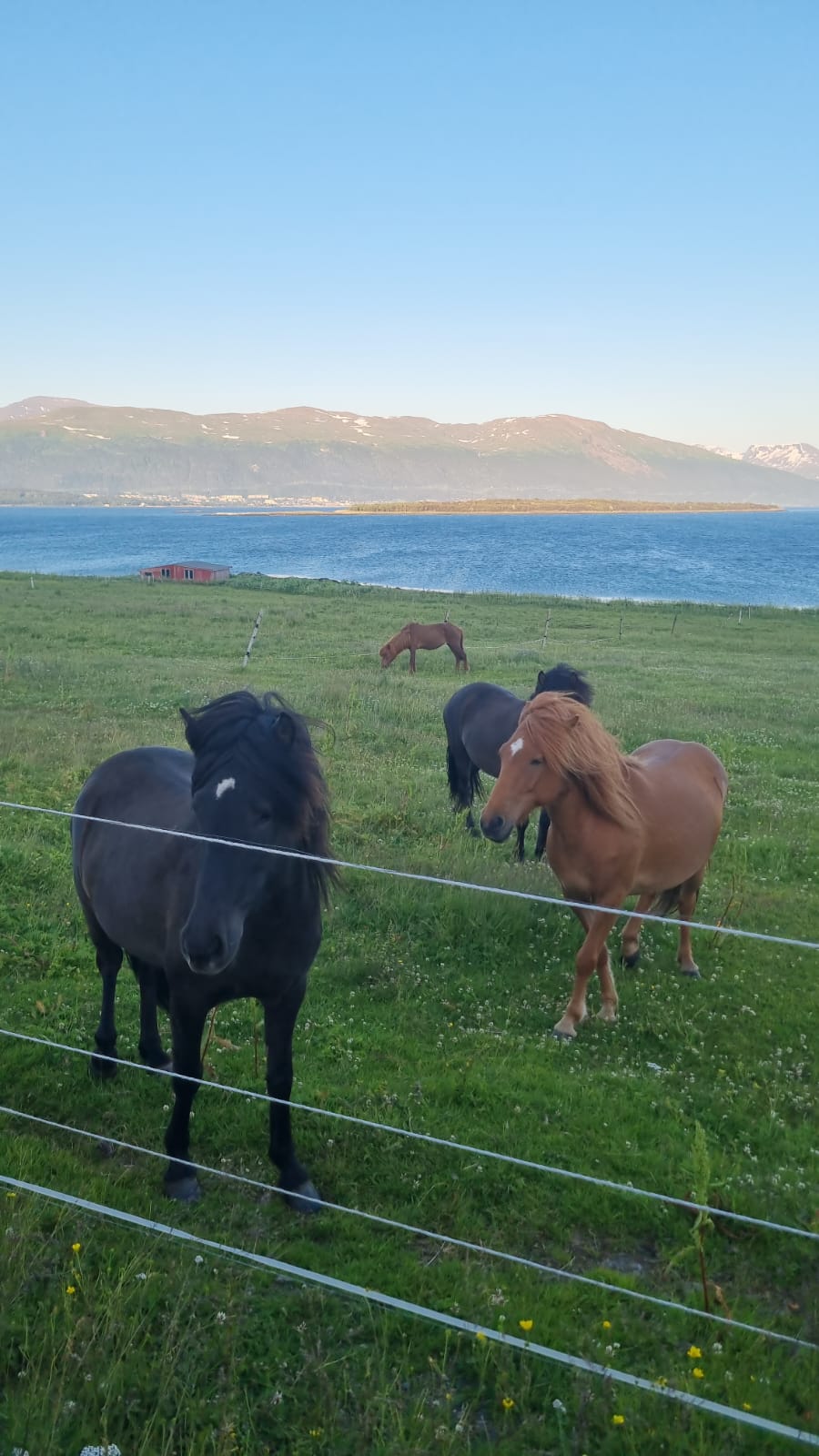
As we zigzagged through the winding roads, scanning for a quiet patch of land, we stumbled upon a small island called Håkøya. It immediately caught our eye. A narrow bridge connected the island to the mainland. We crossed over, thinking we might have discovered a hidden gem. Unfortunately, it didn’t offer much in terms of a sleeping spot. But what it did have was horses. Dozens of them, grazing peacefully in their fields.
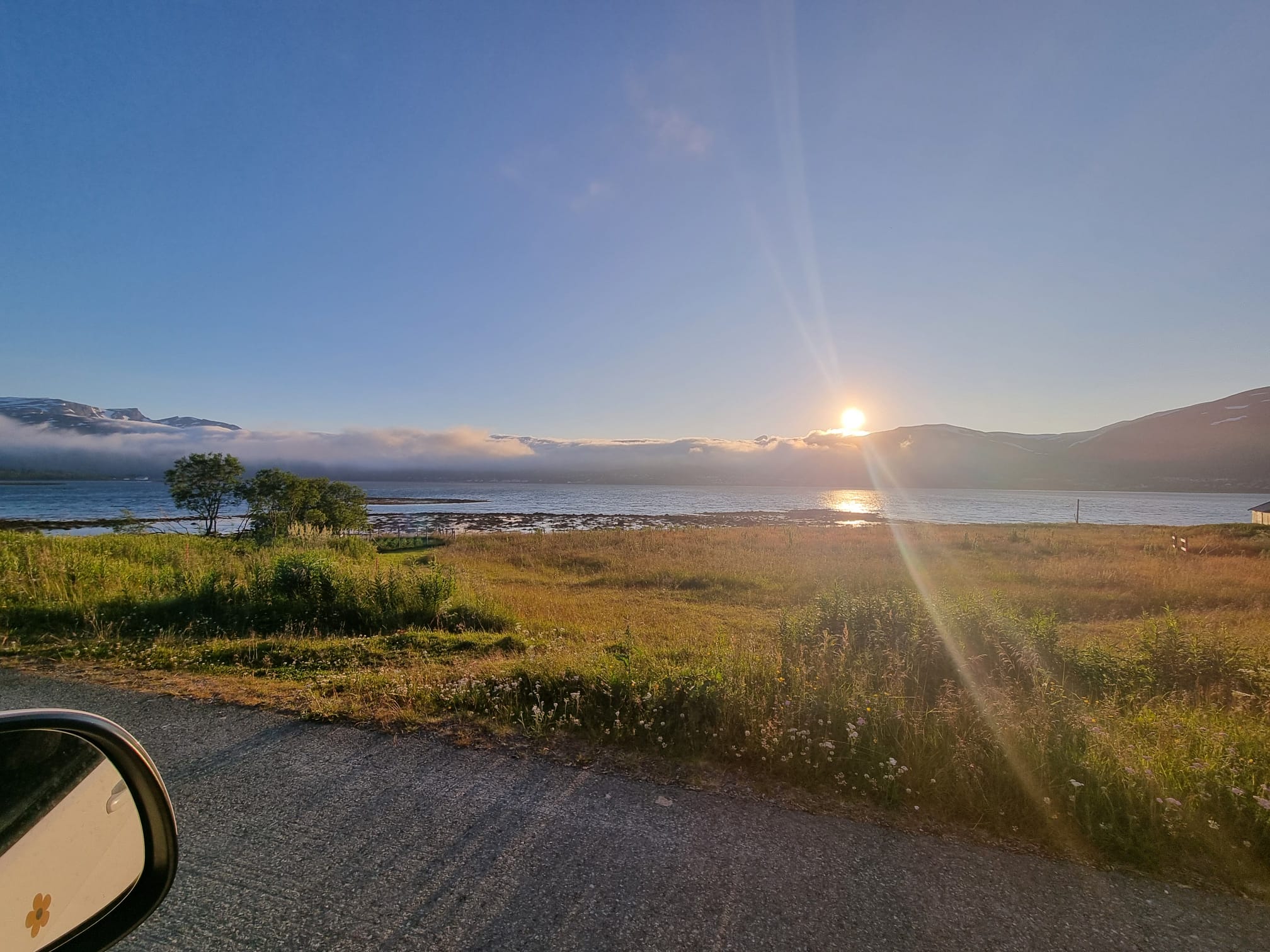
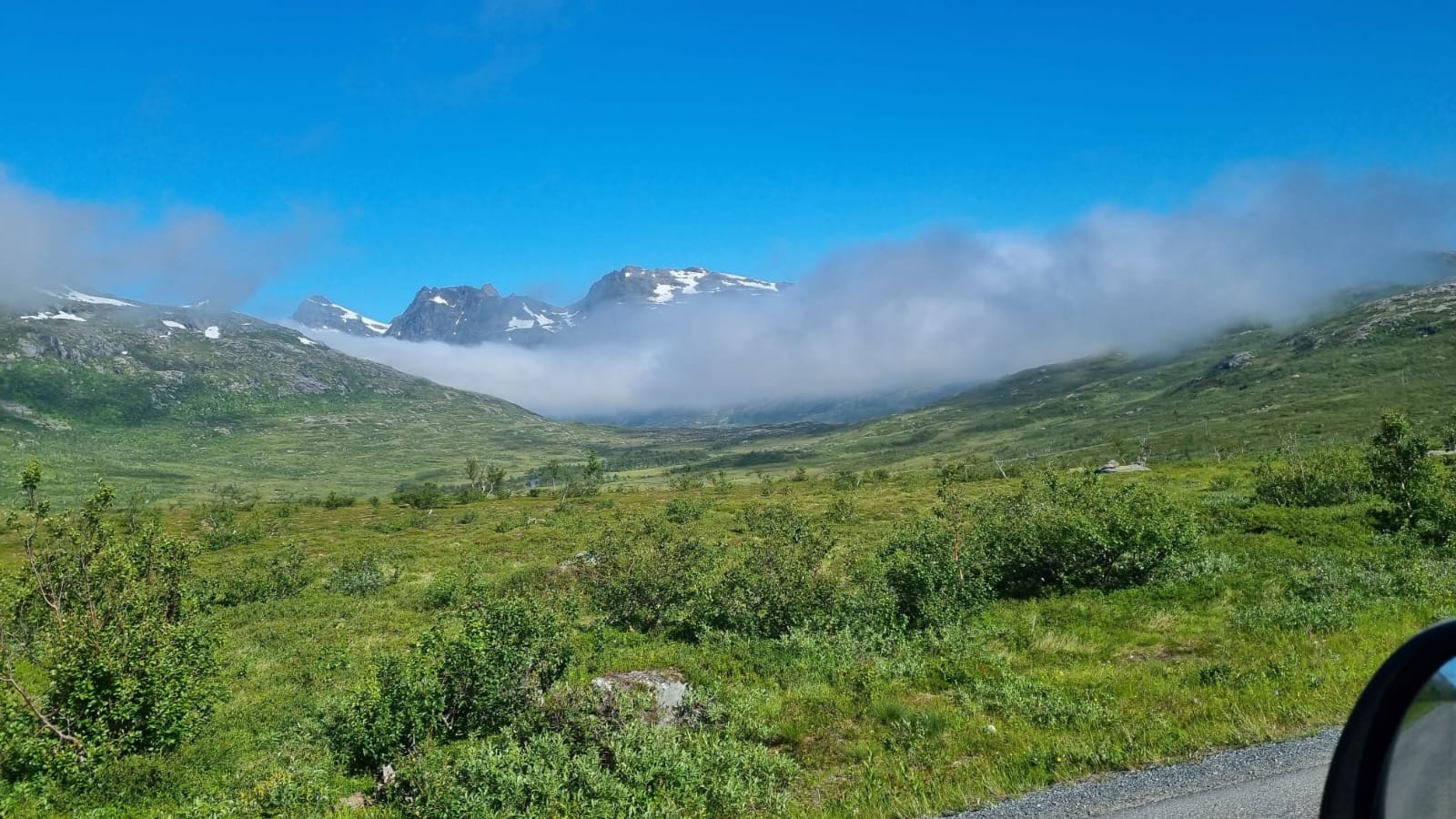
Then, without warning, the weather turned. Clouds rolled in out of nowhere, the wind picked up sharply, and the temperature dropped in minutes. The once serene island quickly became a cold, grey, and windy place. So we headed back to the mainland, this time taking a different direction that climbed up into the mountains. There we found it: a beautiful spot and not another soul in sight. In spring and summer, the area is known for herds of reindeer that roam the hills but of course, we didn’t see a single one. We cooked ourselves a late-night dinner and set up our bed.
Day 13 – In and around Tromsø
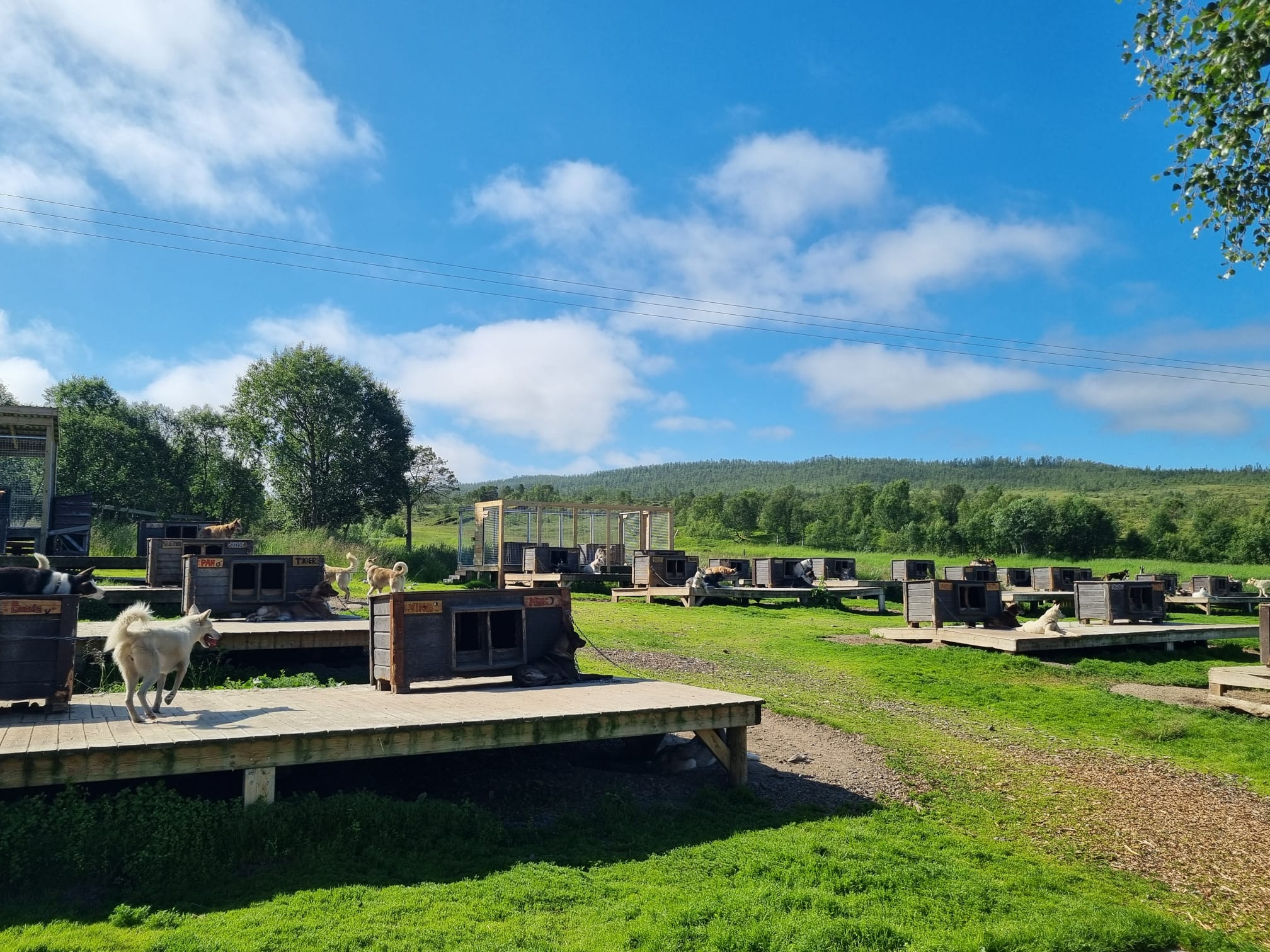
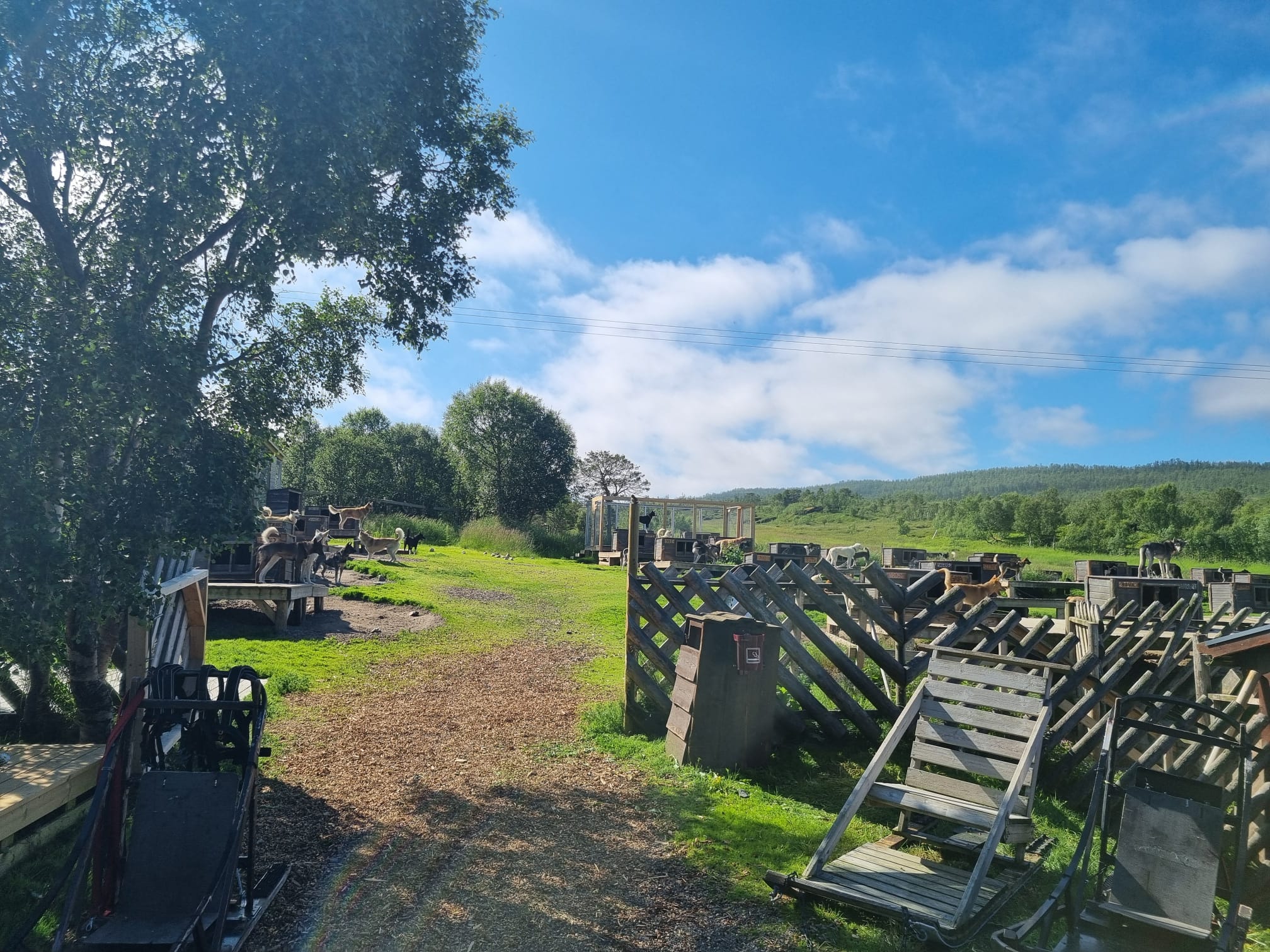
After finishing our usual morning routine, we made our way to the Husky Café near Tromsø. Honestly, I’m not quite sure what we were expecting but it certainly wasn’t that. The place is advertised as a popular destination where huskies pull sleds through snowy landscapes in winter, promising adventure and a deep connection with nature. But what greeted us was a very different reality.
As we arrived, we were immediately met with a deafening chorus of barking. And I’m not exaggerating: there were around 200 huskies, all chained by their necks, many of them visibly underweight, pacing anxiously in tiny circles with barely a meter of space to move. Most dogs were sharing small, wooden boxes that could hardly be called shelters. It was heartbreaking to see and we were shocked. The energy of the place was chaotic, sad, and deeply unsettling. It didn’t take long for us to decide that we had to leave.
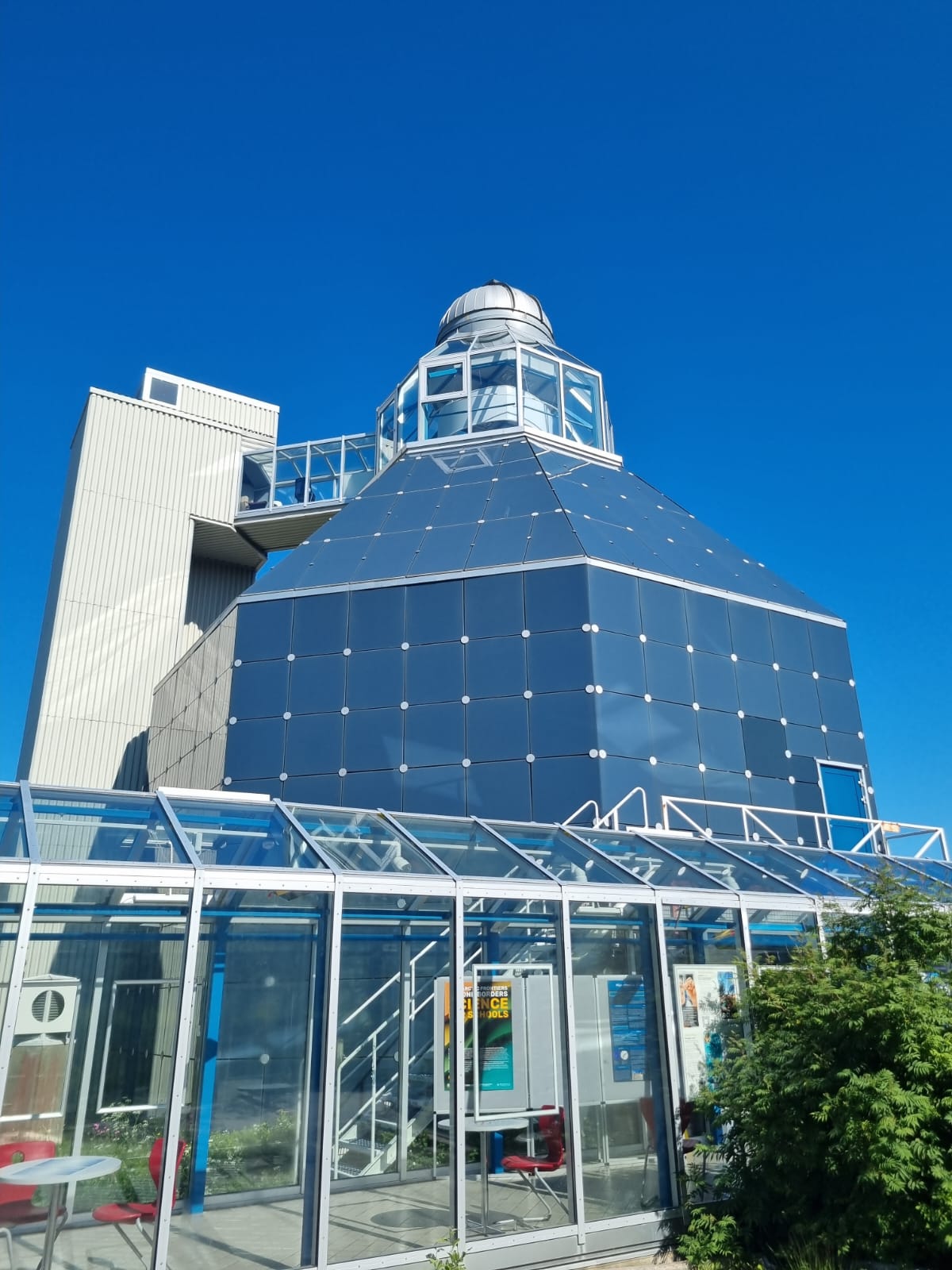
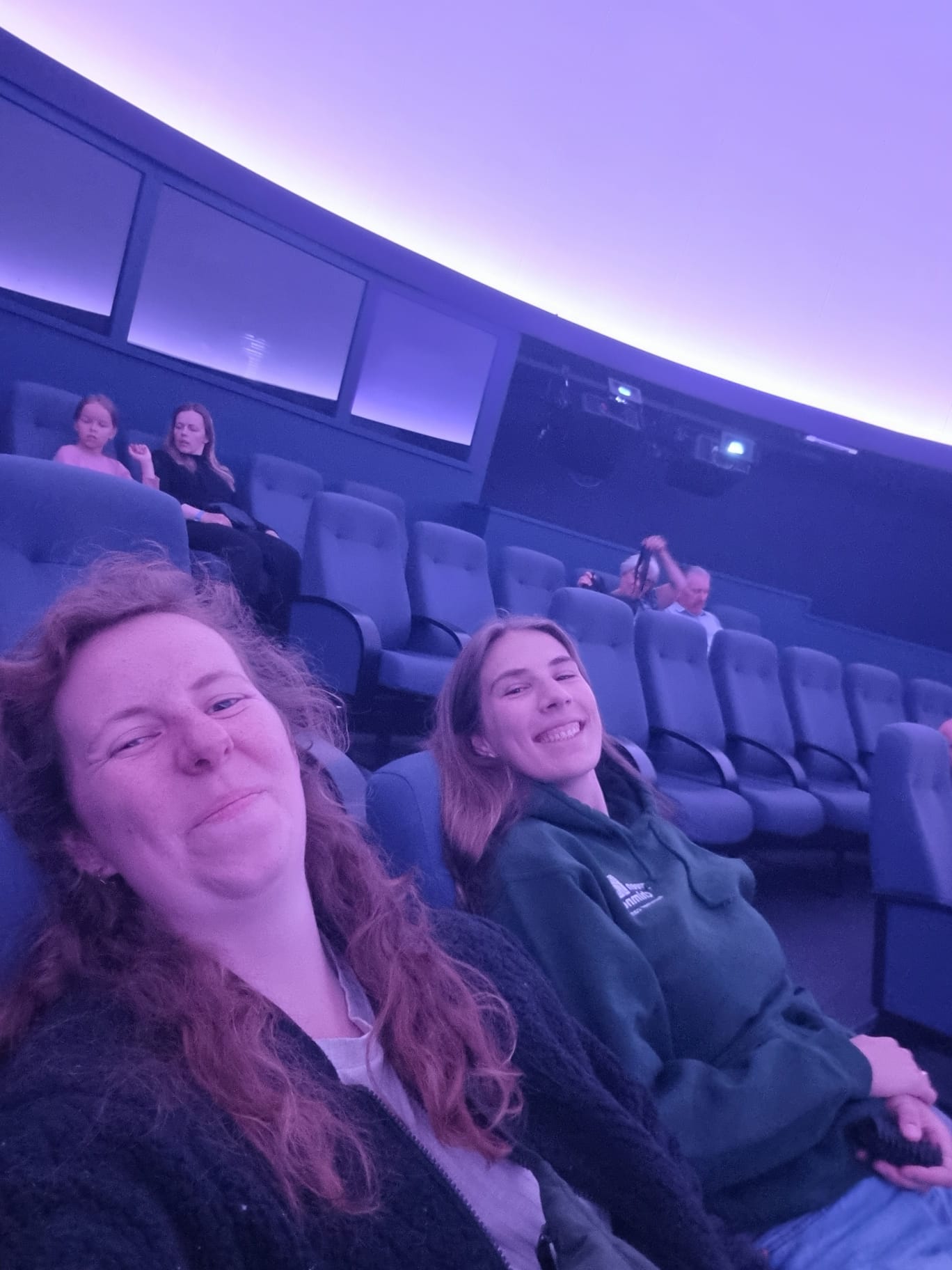
Afterwards, we stopped by a supermarket to stock up on groceries since our supplies were running low. Then we made our way to the Tromsø Planetarium, curious to learn more about the mysteries of the northern skies and the science behind the magical auroras. The short film lasted around 30 minutes and was absolutely worth it for us. It had beautiful visuals, fascinating facts, and all for just around € 7,50. A great little stop if you’re in Tromsø and looking for something both educational and inspiring.
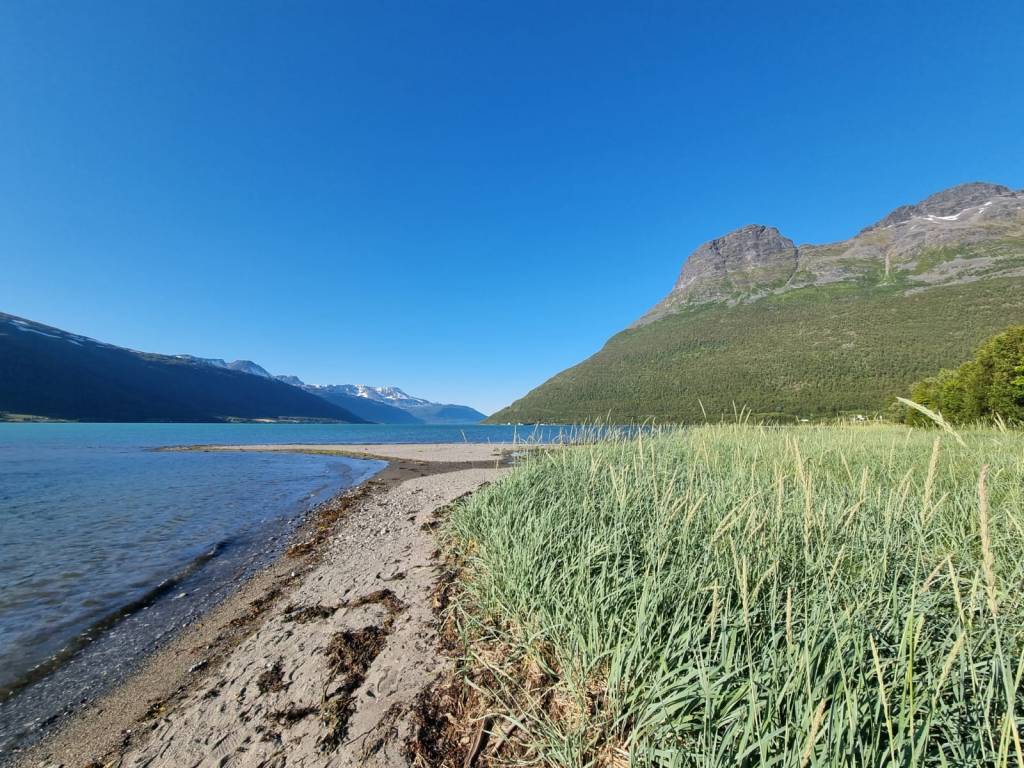
From there, we continued our journey further North. Our next destination: the Steindalsbreen Glacier, where we planned to go on a hike the following day. On the way, we came across a Circle K (gas station) where we good enjoy a shwoer. After hitting the road again for around an hour, we found a big free camping area near the small village of Hatteng: right by the water and surrounded by majestic mountains. A truly scenic spot. Unfortunately, we weren’t the only ones who had discovered it; quite a few other campers had already set up for the night. But since we were mainly looking for a place to rest until morning, it didn’t bother us too much. The location was peaceful, and the views made up for the lack of solitude.
Day 14 – Steindalsbreen Glacier
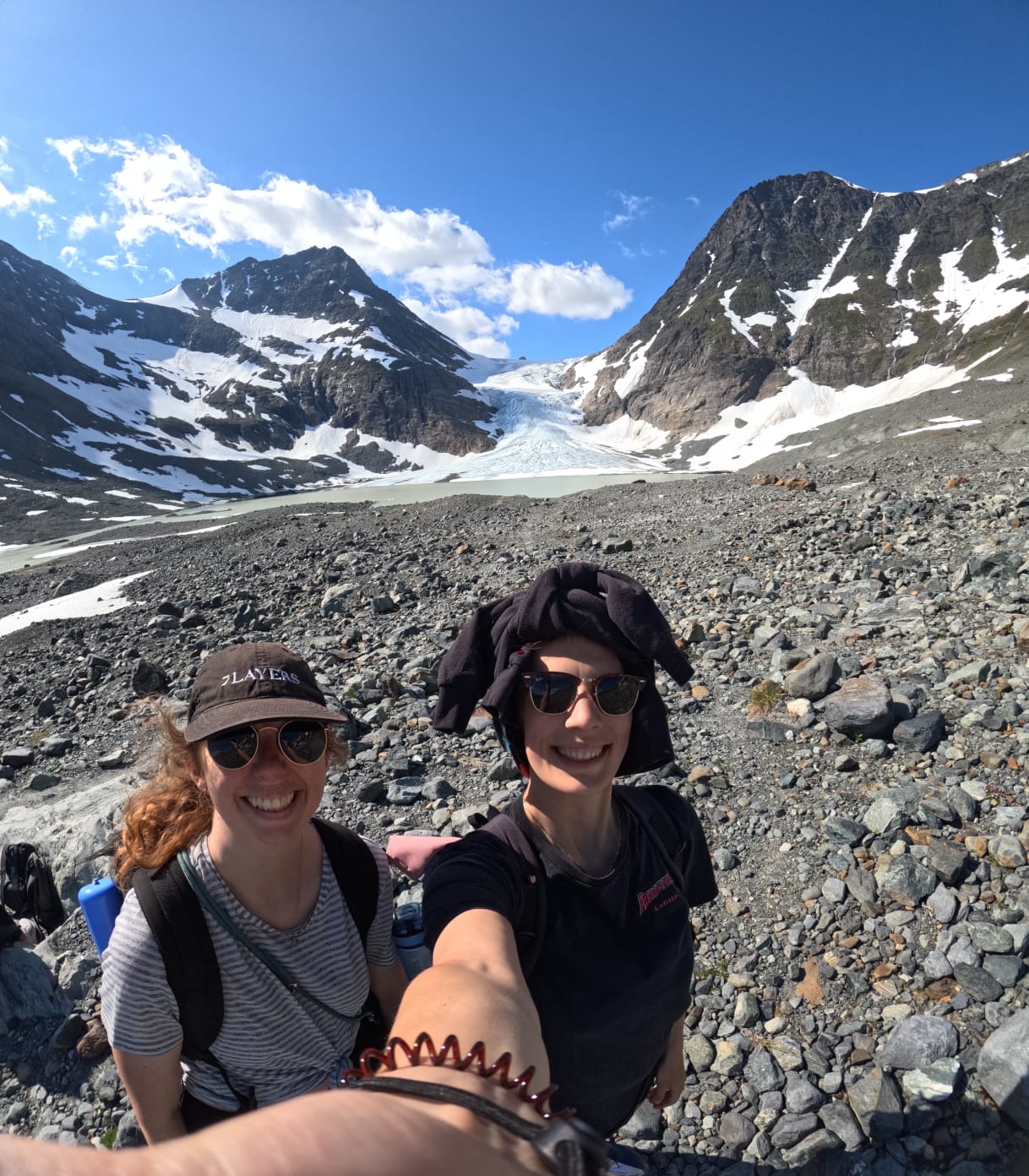
We began our day with a short 20-minute drive to Steindalsbreen National Park, nestled in the dramatic landscape of western Norway. The park offers three different hiking routes, each varying in difficulty and length. We chose the most challenging and longest trail: a 6.2 km one-way hike that took us around four hours in total.
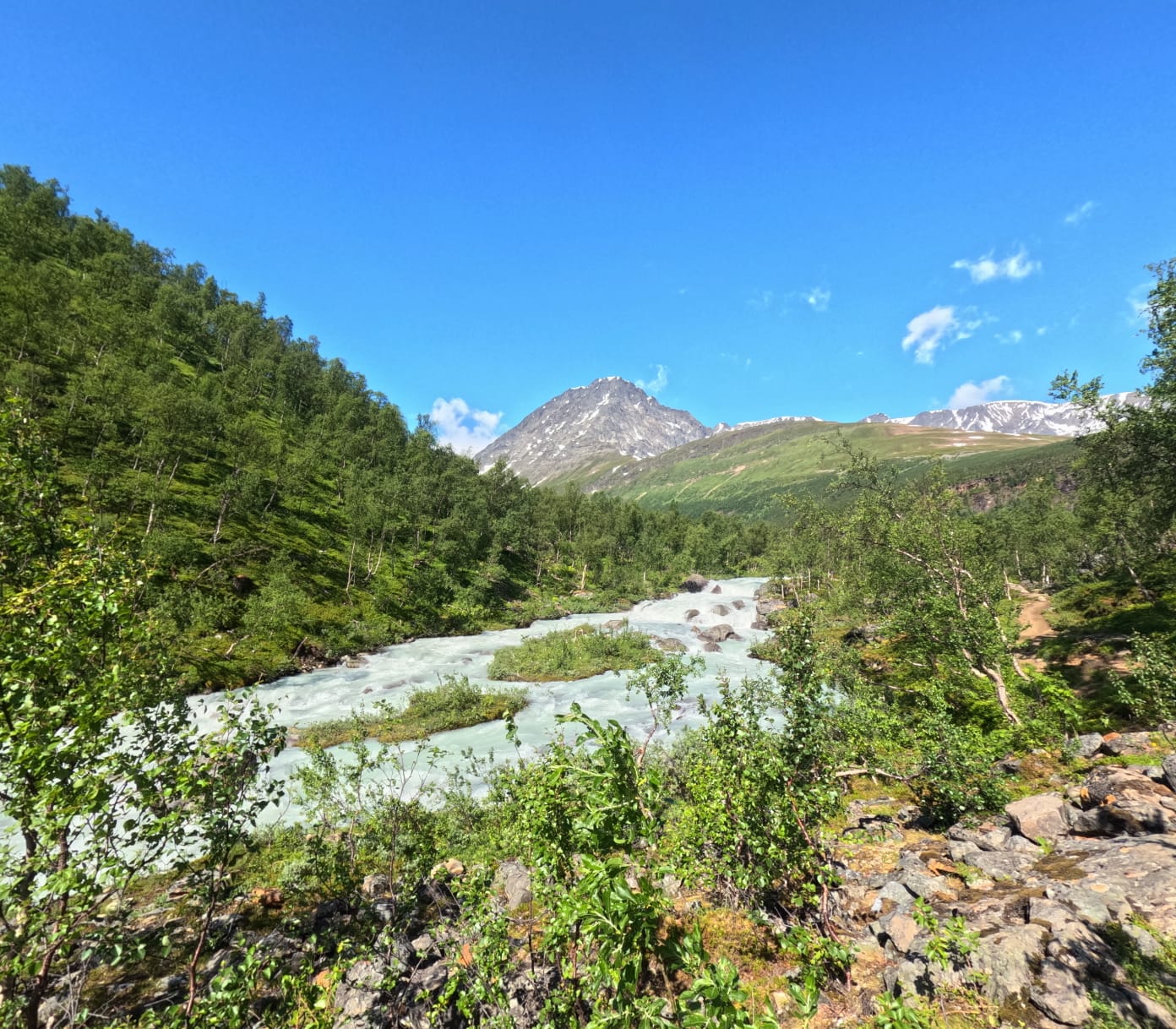
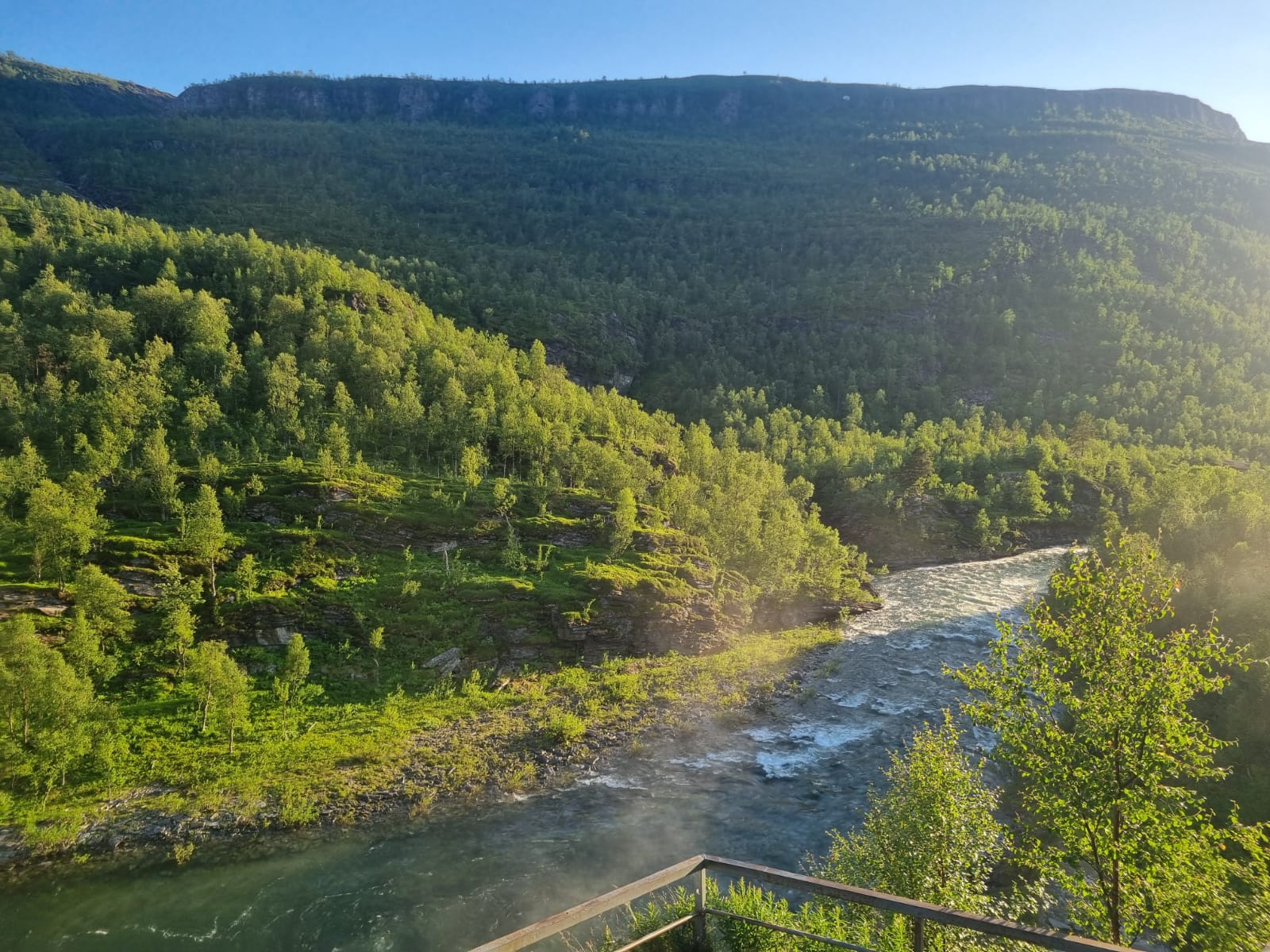
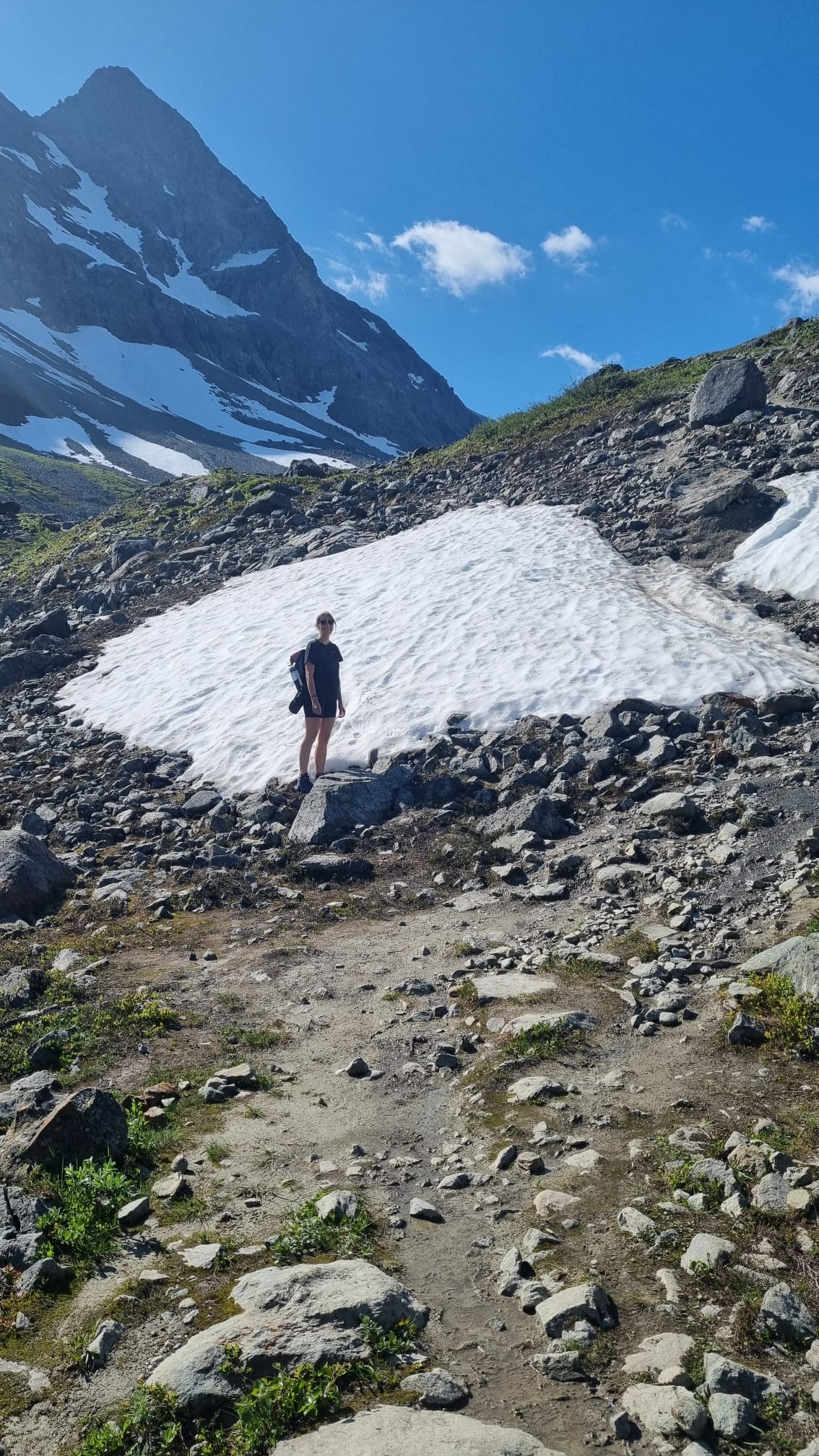
From the very beginning, the trail demanded our attention and energy. It was a real adventure: winding paths led us through dense forests, over endless stones, and even patches of snow. We wandered through open meadows, passed by curious sheep grazing peacefully, and at times found ourselves trekking right alongside or even through icy glacier water.
As we gained elevation, the trail became steeper and the terrain more slippery. In some places, we had to watch our step carefully as we scrambled up slick rocks or tiptoed across muddy slopes. It was physically demanding, no doubt but every step was rewarded with breathtaking views and a growing sense of accomplishment as the towering Steindalsbreen Glacier came into sight.
One major downside? The relentless swarm of flies and horseflies. They followed us almost the entire way and could get really annoying. Thankfully, we came prepared with bug spray: a lifesaver! If you’re planning to tackle this hike yourself, we highly recommend bringing insect repellent or even a bug net for your face. Trust us, it makes a big difference. Also, make sure to wear sturdy, waterproof hiking boots. Some sections are steep, wet, and slippery, and good footwear is essential for both safety and comfort.
All in all, it was a stunning hike. A bit challenging but unforgettable, and absolutely worth the effort for anyone craving an up-close encounter with Norway’s raw natural beauty.
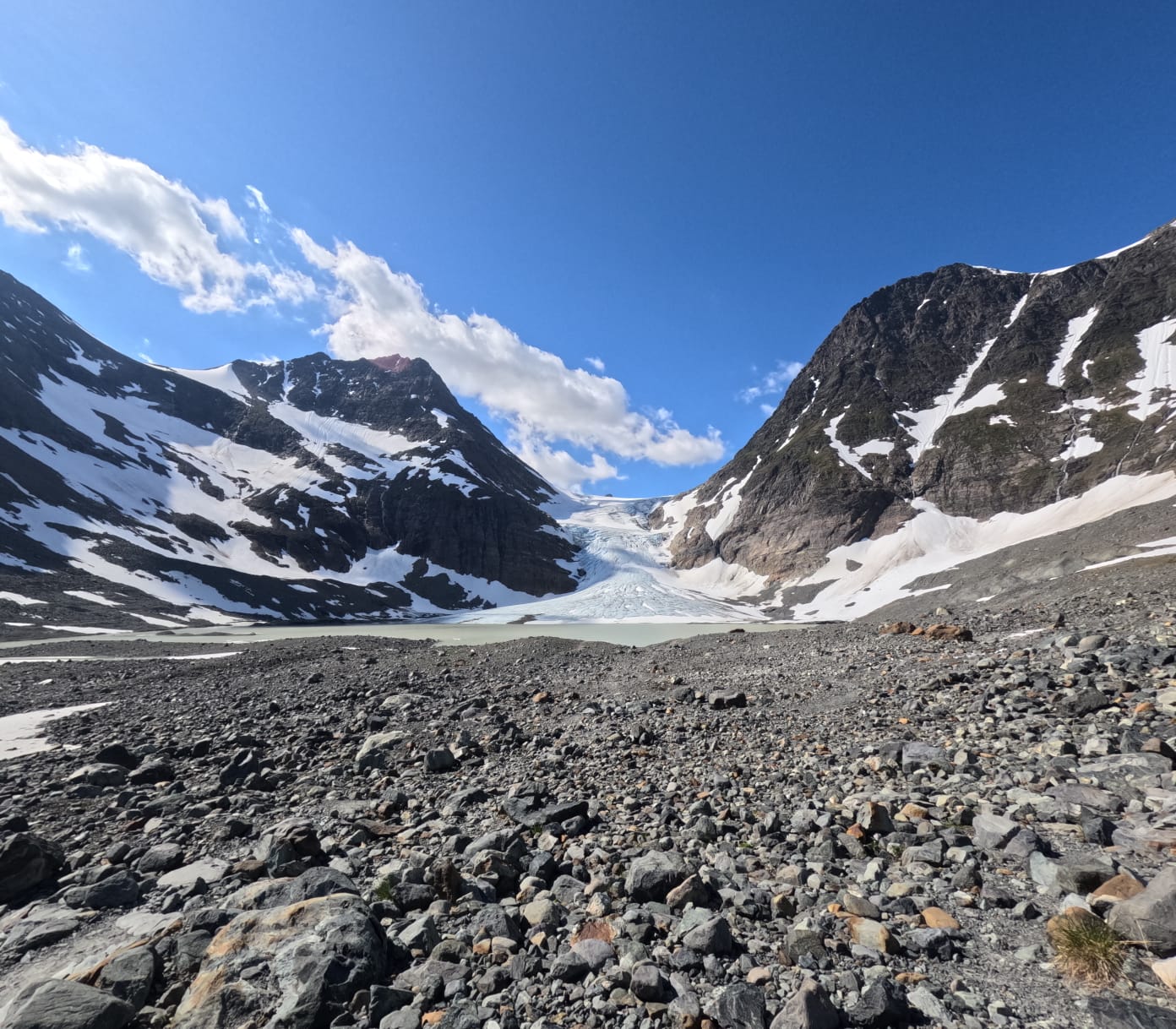
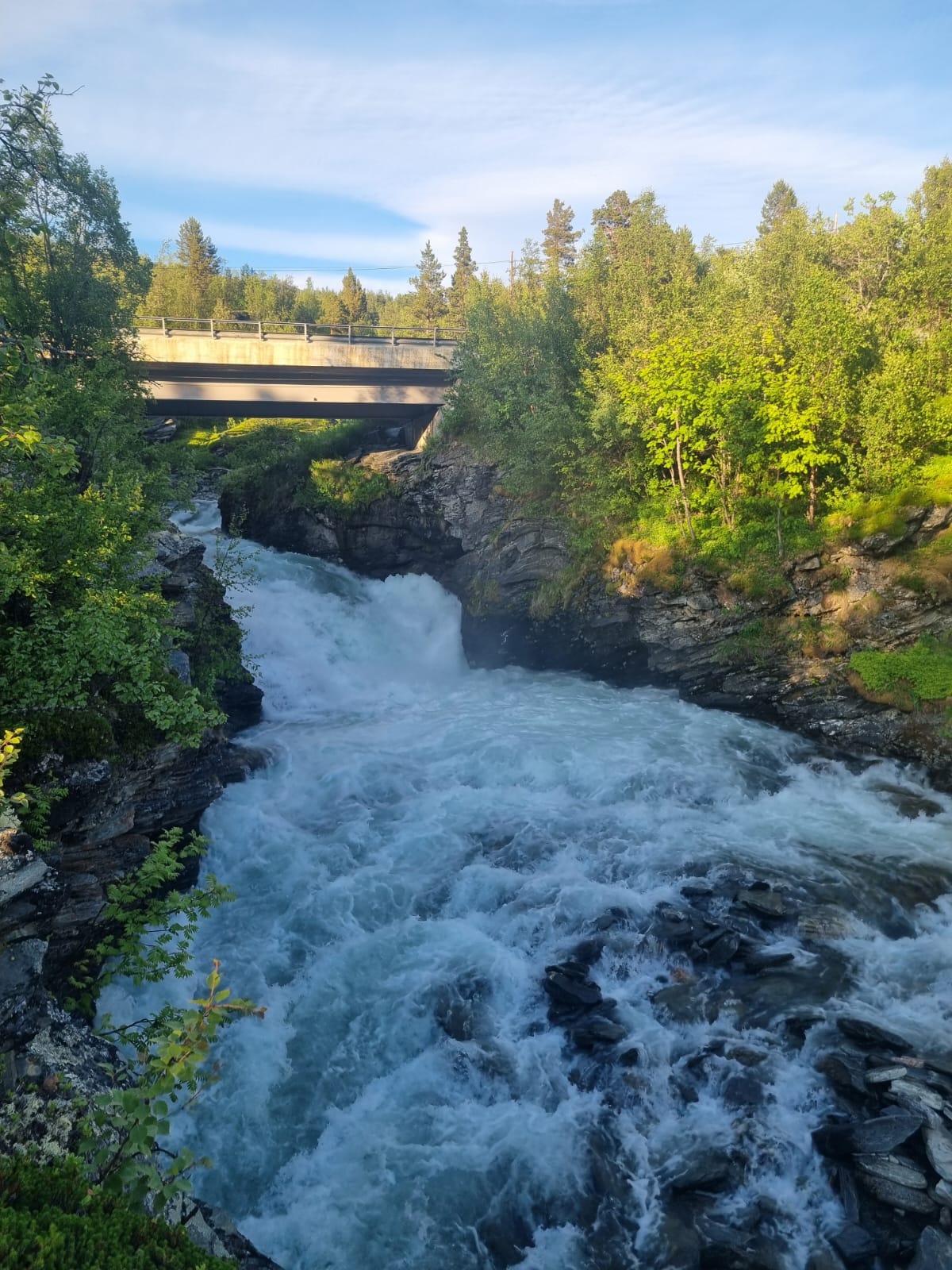
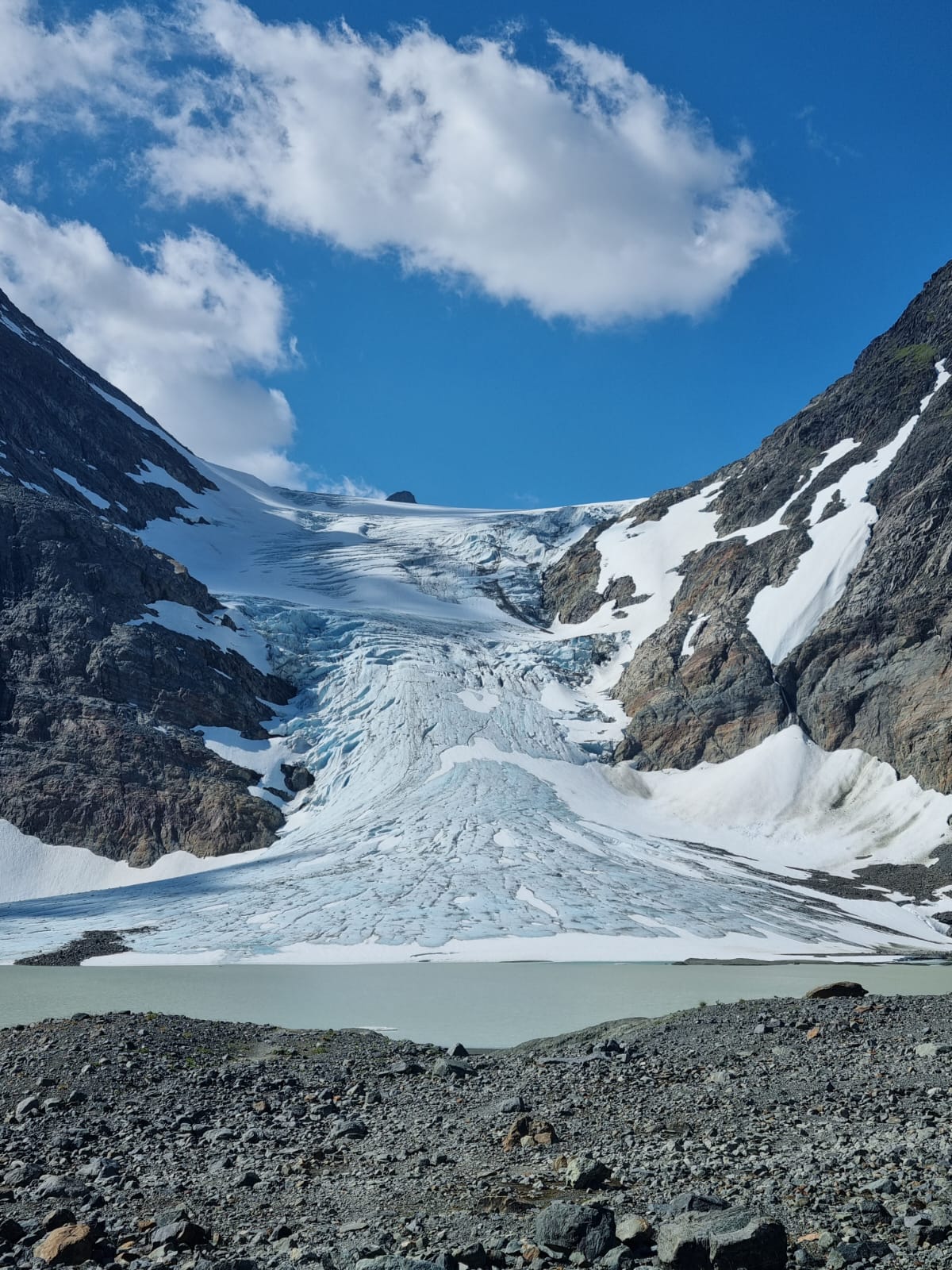
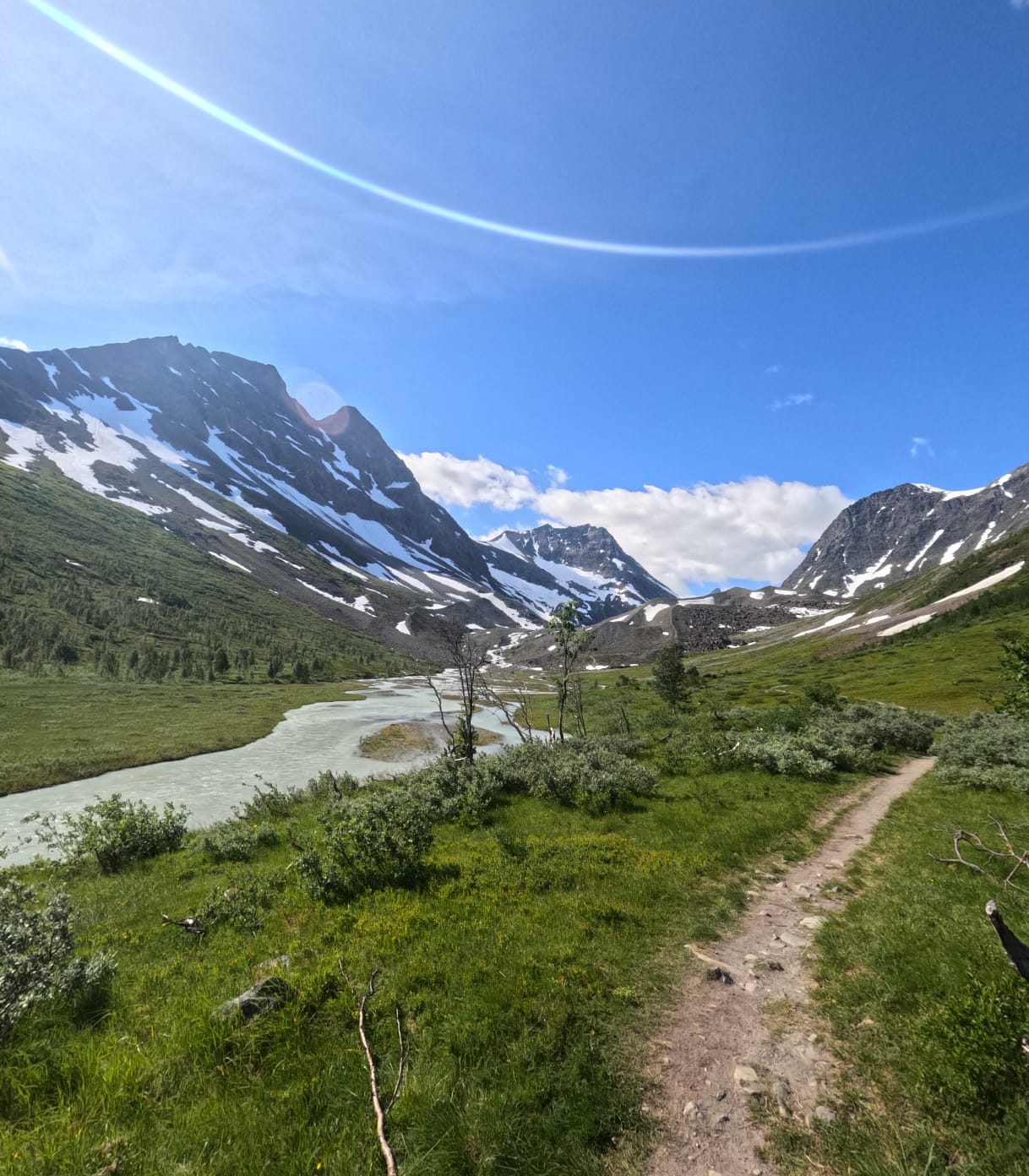
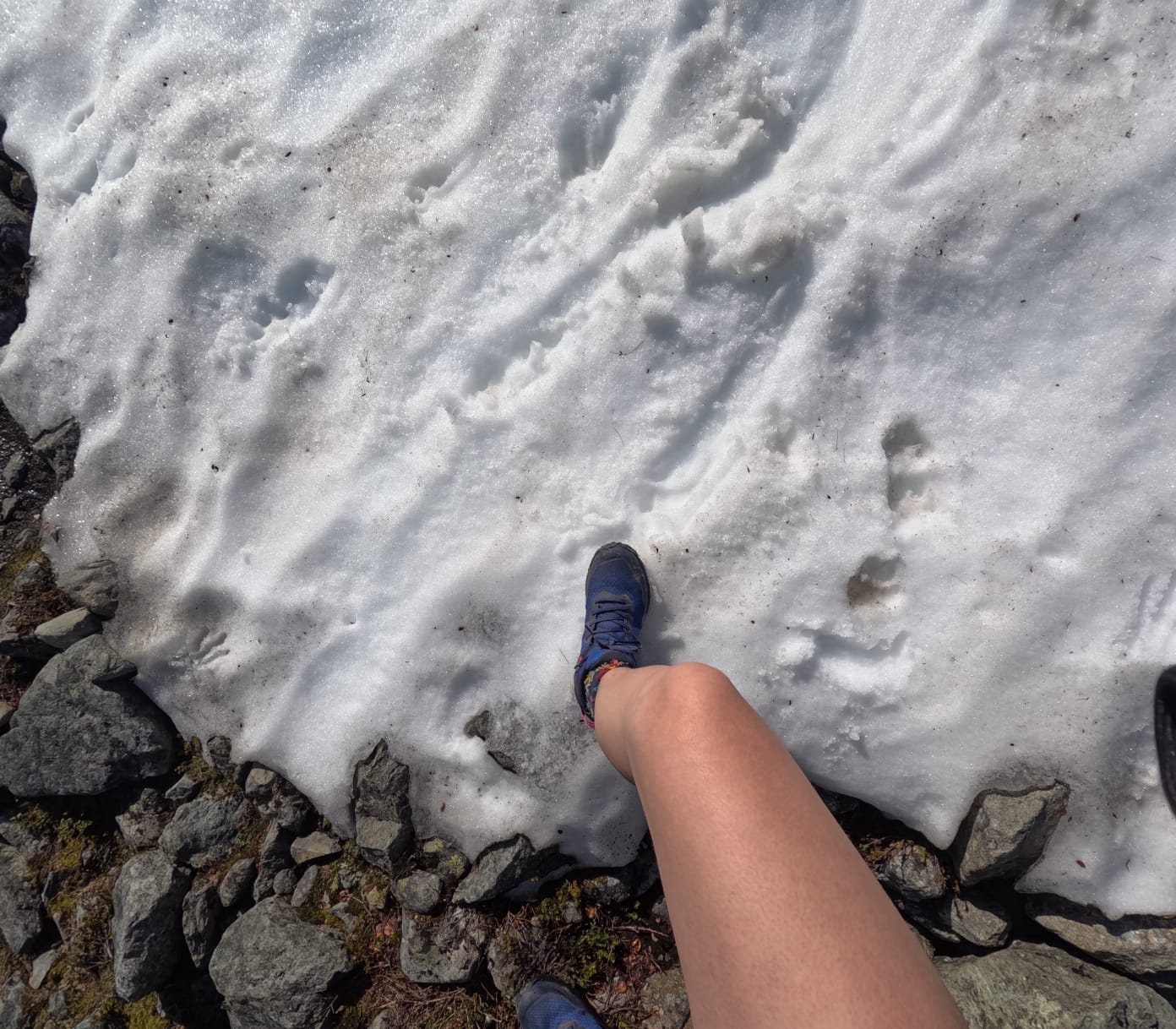
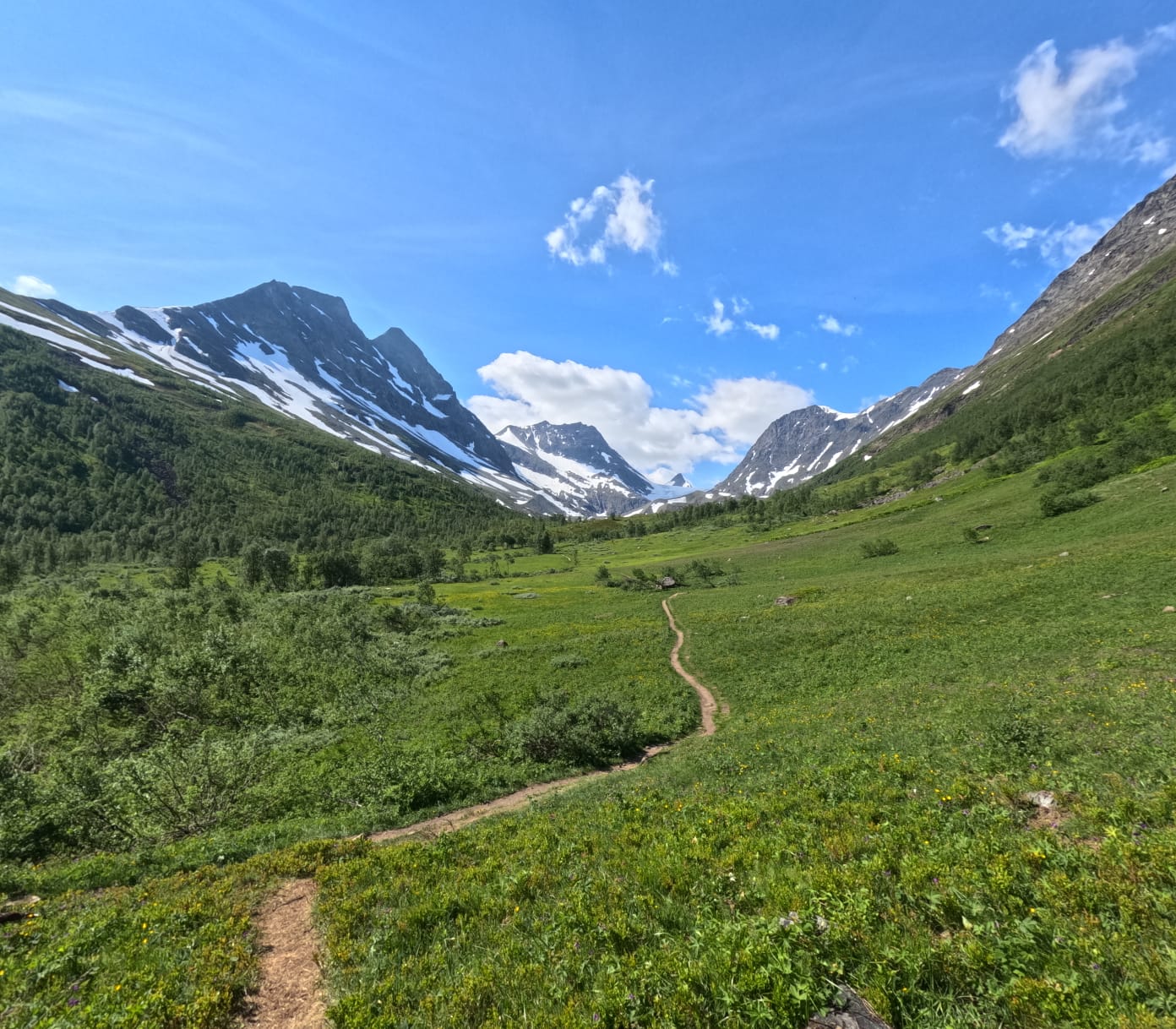
After the hike, we were absolutely starving. So the very first thing we did was whip up a quick lunch right there on the spot. Once we had eaten and regained some energy, we headed back to the same gas station where we had showered the day before. After a day of sweat, dirt, and layers of sticky bug spray, that hot shower felt like pure luxury. Clean and recharged, we got back on the road and made our way toward the Finnish border. Just before the border we found a beautiful spot to spend the night.
Day 15 – Finland and Sweden
Just before reaching the border and also after, we came across some stunning waterfalls. If you’re ever on this route, make sure to pull over and take a moment to soak it all in. The sound of rushing water and the cool mist in the air were truly refreshing. After, we continued our way through Finland’s lush, green wilderness, as we slowly made our way back towards home. With a journey of around five and a half hours ahead, our goal was to cross the border into Sweden by the end of the day.


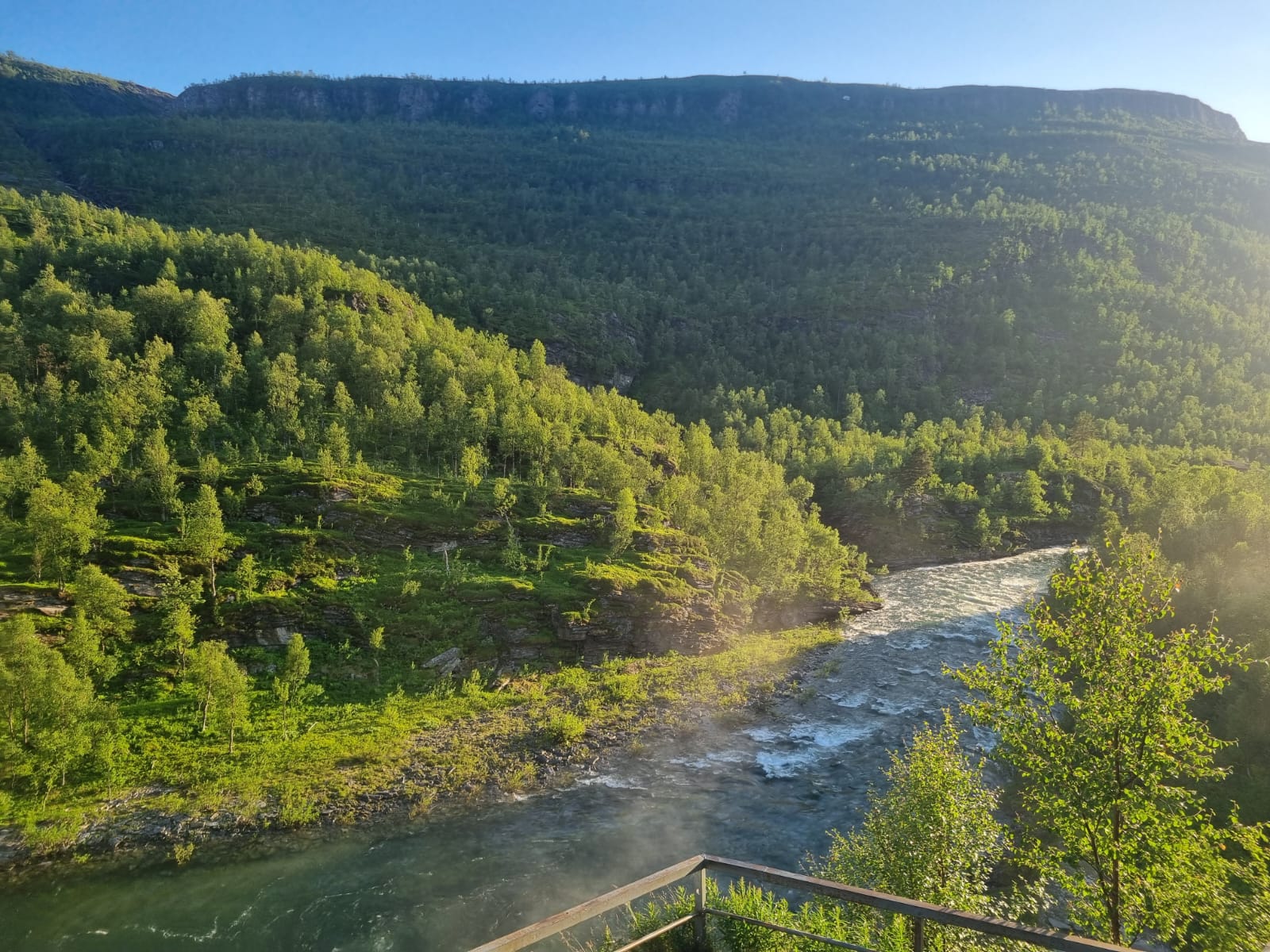
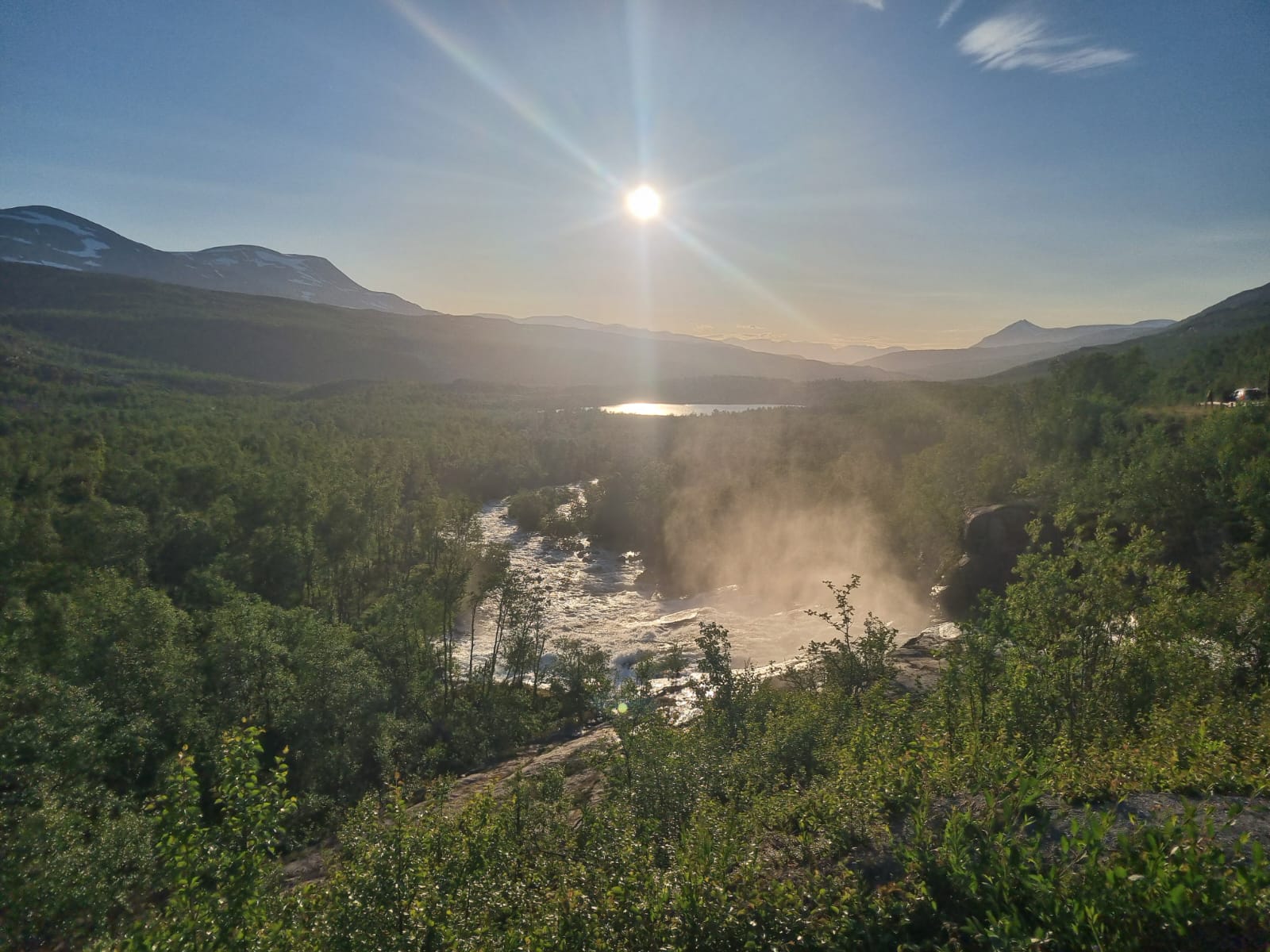
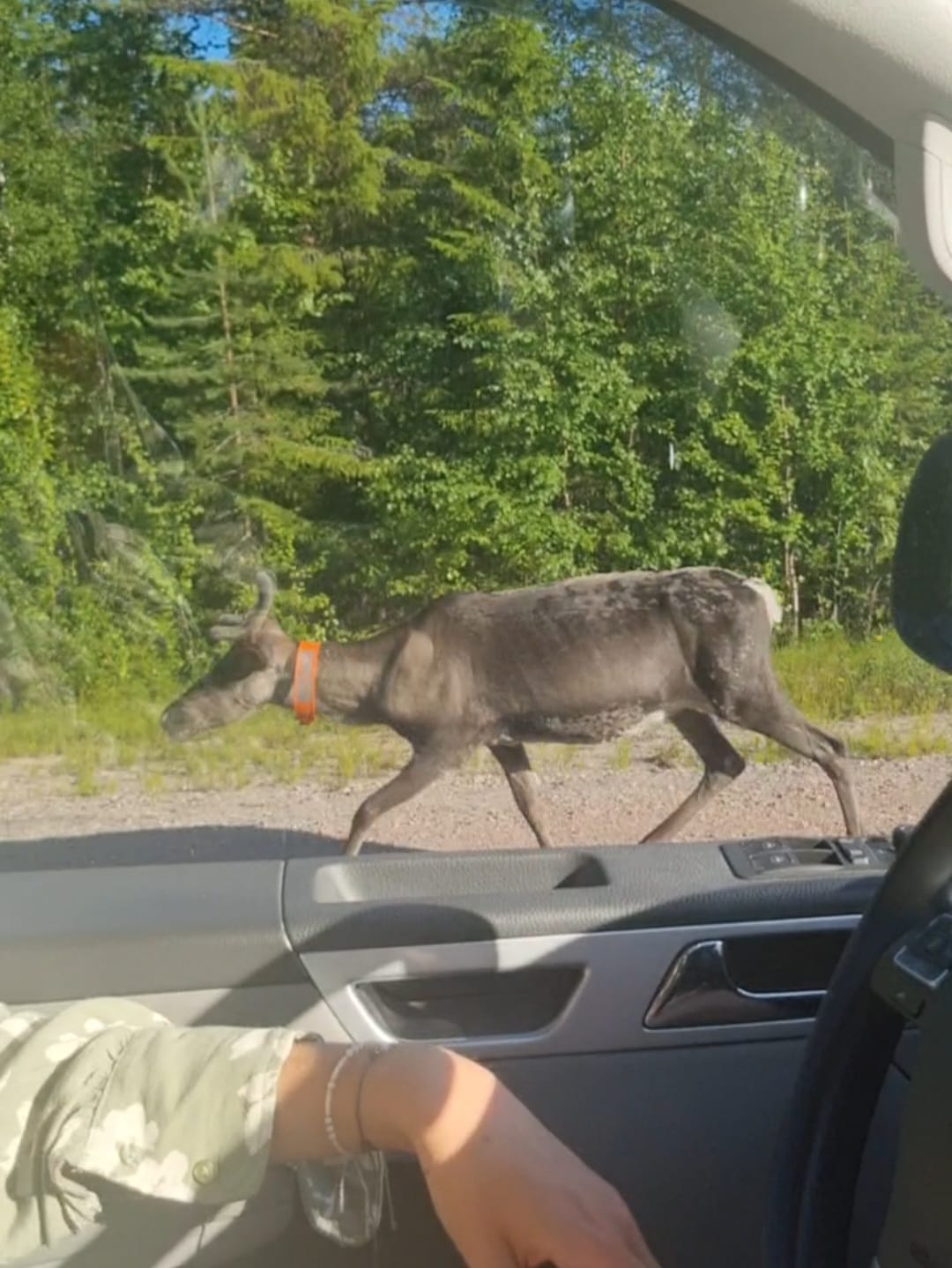
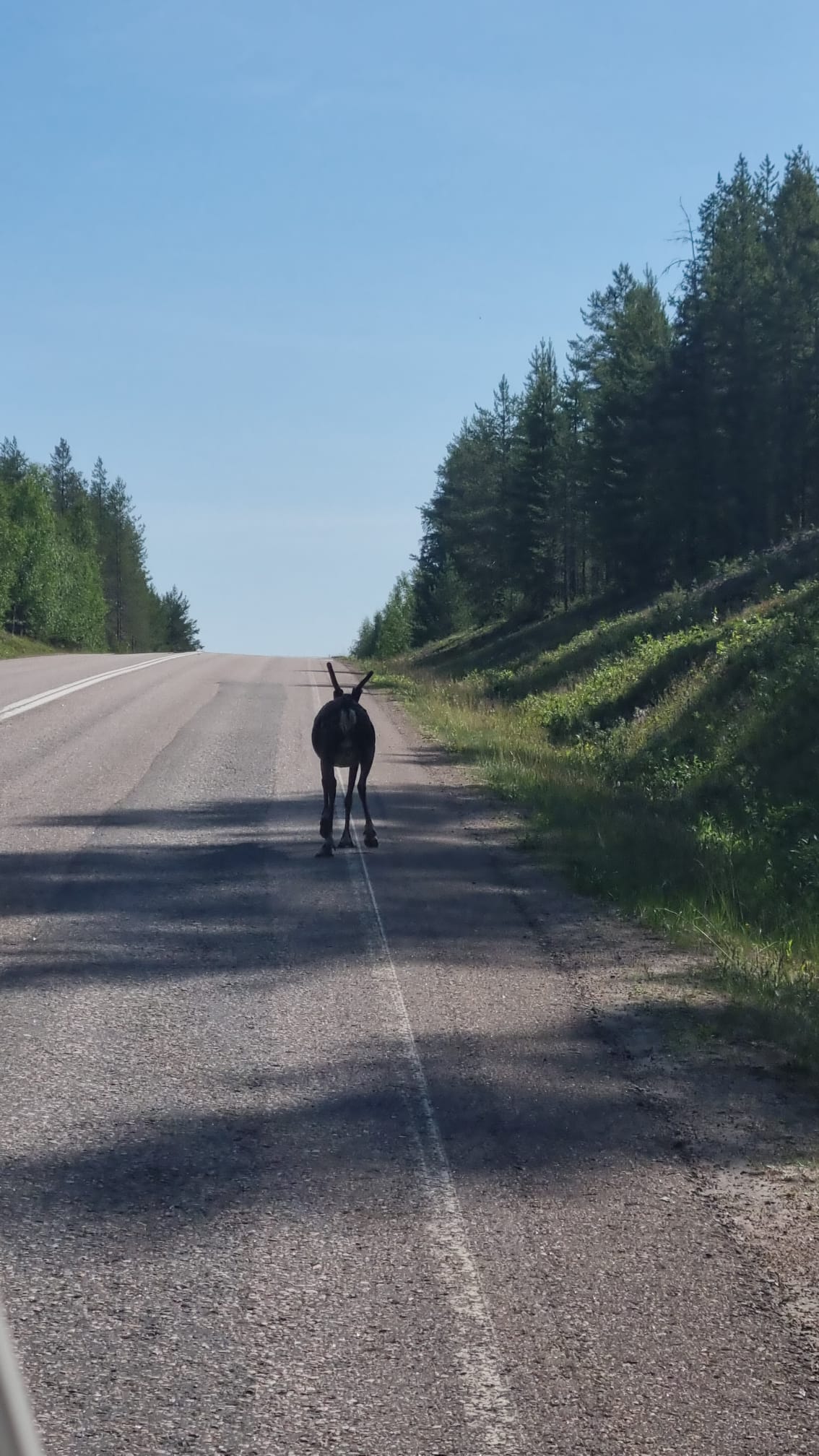
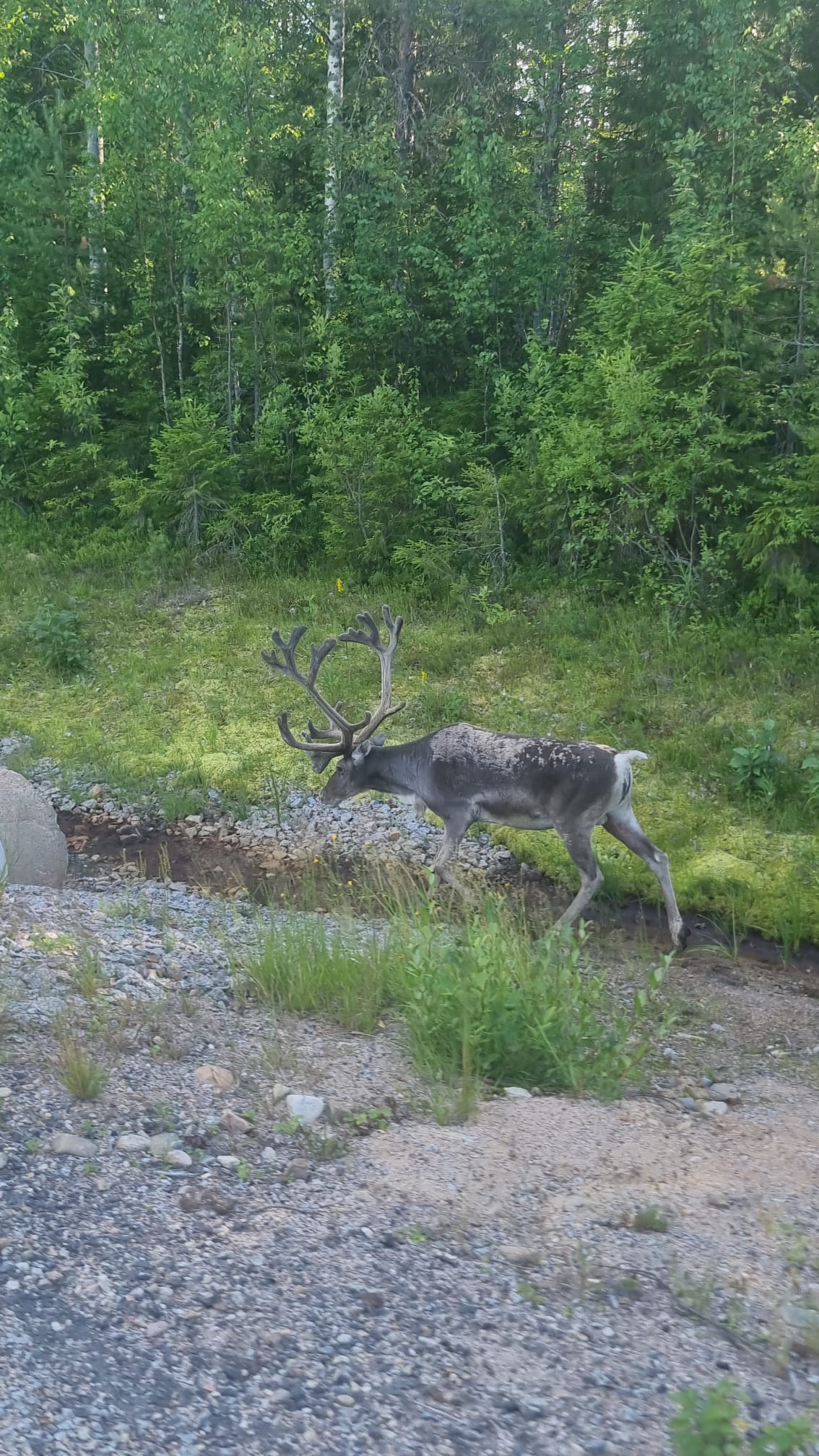
As we drove through the remote Finnish landscape, the scenery became enchanting: endless pine forests, glittering lakes, and quiet roads winding through untouched nature. As we drove further nature had one more surprise for us: reindeer! Finally, some real wildlife after so many days on the road. They appeared out of nowhere, grazing calmly by the roadside. It felt like a scene out of a Nordic fairytale: until reality hit hard.
Suddenly, one of the reindeer darted across the road right in front of our car. My friend had to slam on the brakes in an emergency stop and if she wouldn’t have that could have gone very differently. Luckily, we didn’t hit the animal, but it was a frightening reminder of how unpredictable wildlife can be. If you ever drive through these parts, stay alert and be ready for anything.
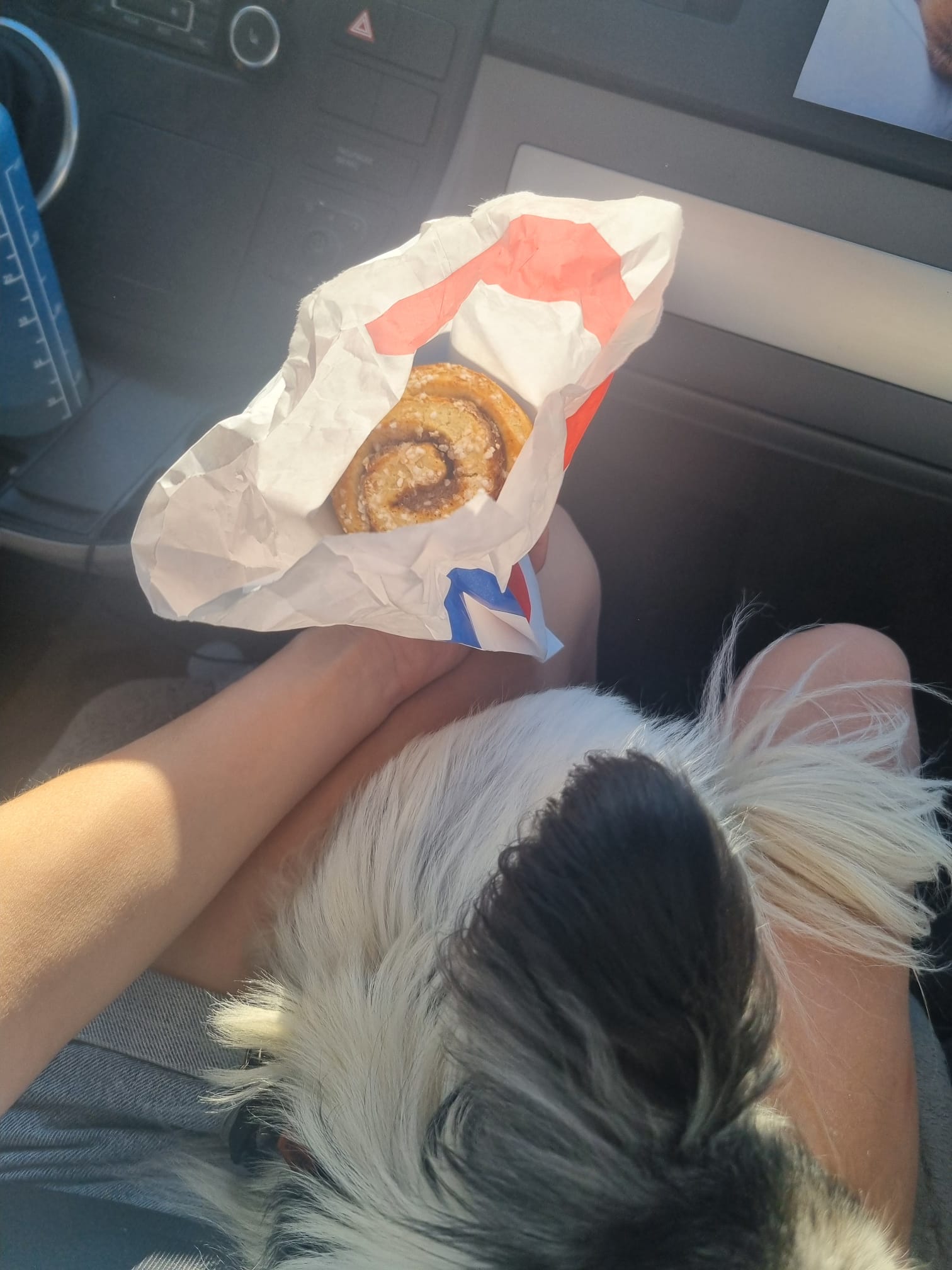
After catching our breath and making sure everything was fine, we continued on. Just over the border in Sweden, we were greeted by two more reindeer. This time from a safer distance next to us. We made a quick stop at a gas station, where we rewarded ourselves with a classic Swedish kanelbulle (cinnamon bun), the perfect comfort food after the adrenaline rush.
As the sun began to lower in the sky, we started searching for a place to sleep. Finding a free and quiet overnight spot in Sweden isn’t always easy, especially in the more remote regions, but thankfully my friend had done a bit of research beforehand. We ended up close to the tiny town Vitafors, tucked away in the forest.
Day 16 – Sweden’s Highway
At 6 a.m., we woke up when my friend’s dog decided one of the frontseat of the car was the perfect place to relieve himself. He tried to wake us up before but we were just too tired to notice. Now, we had to quickly clean everything and deal with the mess. Sleep was officially out of the question after that. So, instead of trying to force ourselves back into bed, we figured why not just start the journey early? And that’s how we ended up spending almost the entire day on the highway.
We drove for about ten hours, making our way up through the vast, seemingly endless stretches of Swedish countryside. The scenery was beautiful with thick forests, mirror-still lakes, and the occasional red farmhouse that looked straight out of a postcard. But still, no moose in sight.
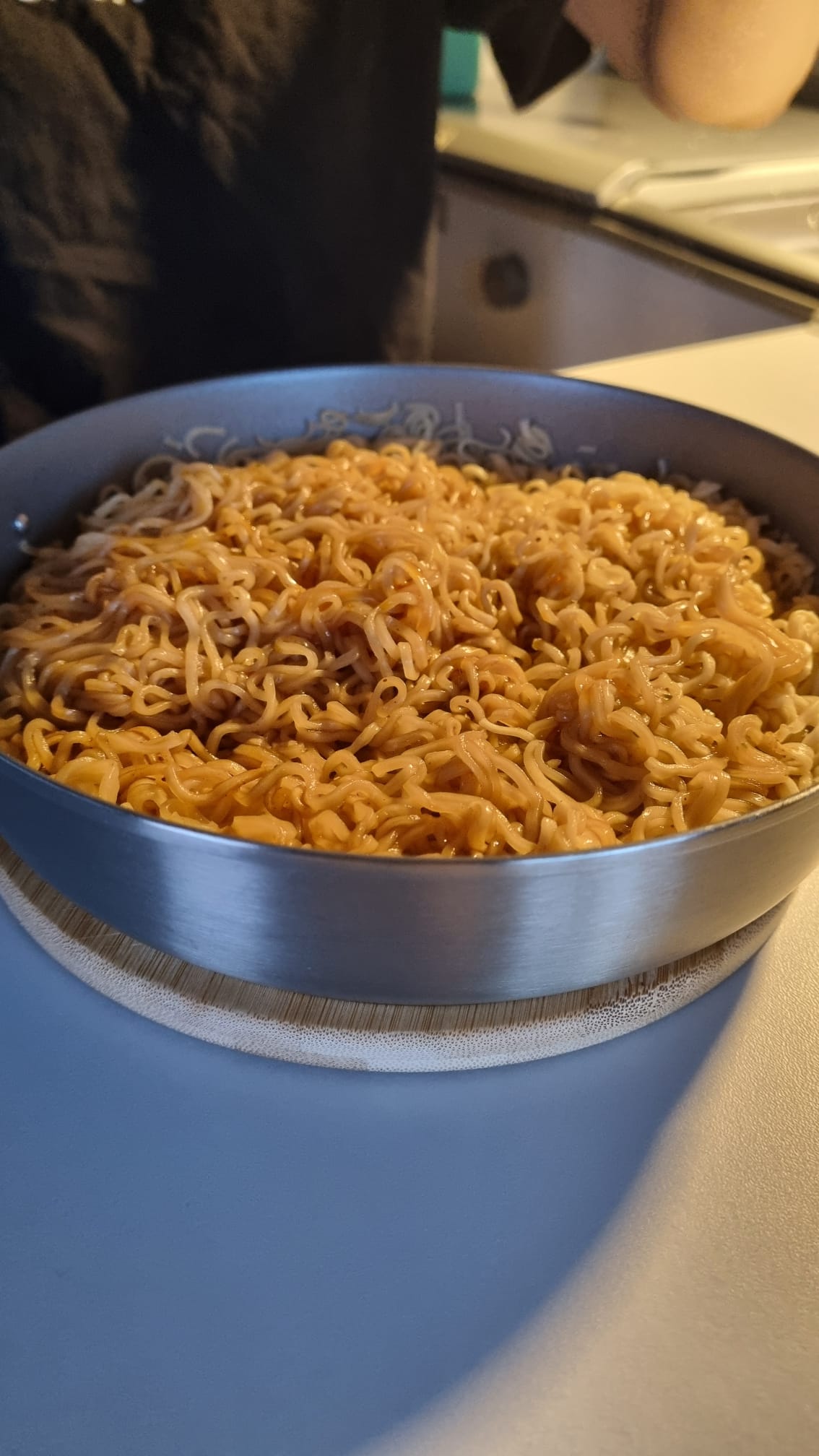
But the real adventure for today? We stopped somewhere along the way at this absolutely enormous grocery store: think IKEA, but for food. It felt like I wandered in there for years, hopelessly trying to find our shopping list items. I swear I aged in those aisles. I ended up grabbing two packs of instant noodles: only to later realize that one of them wasn’t even the “instant” kind, it was proper ramen that required actual cooking. Classic. Also, instead of buying wet wipes like I intended, I accidentally picked up makeup remover wipes. But hey, desperate times call for creative solutions and both did the job just fine.
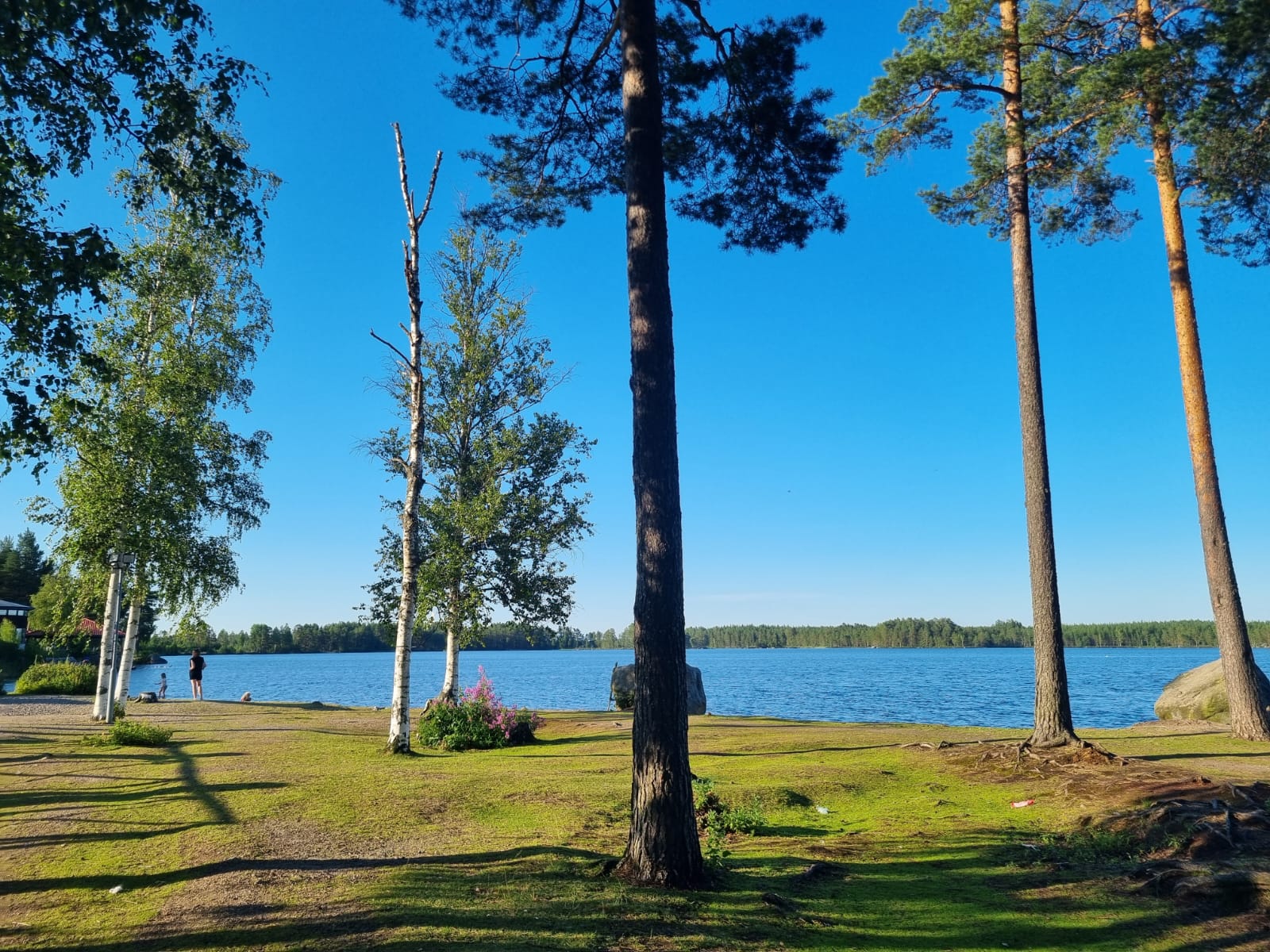
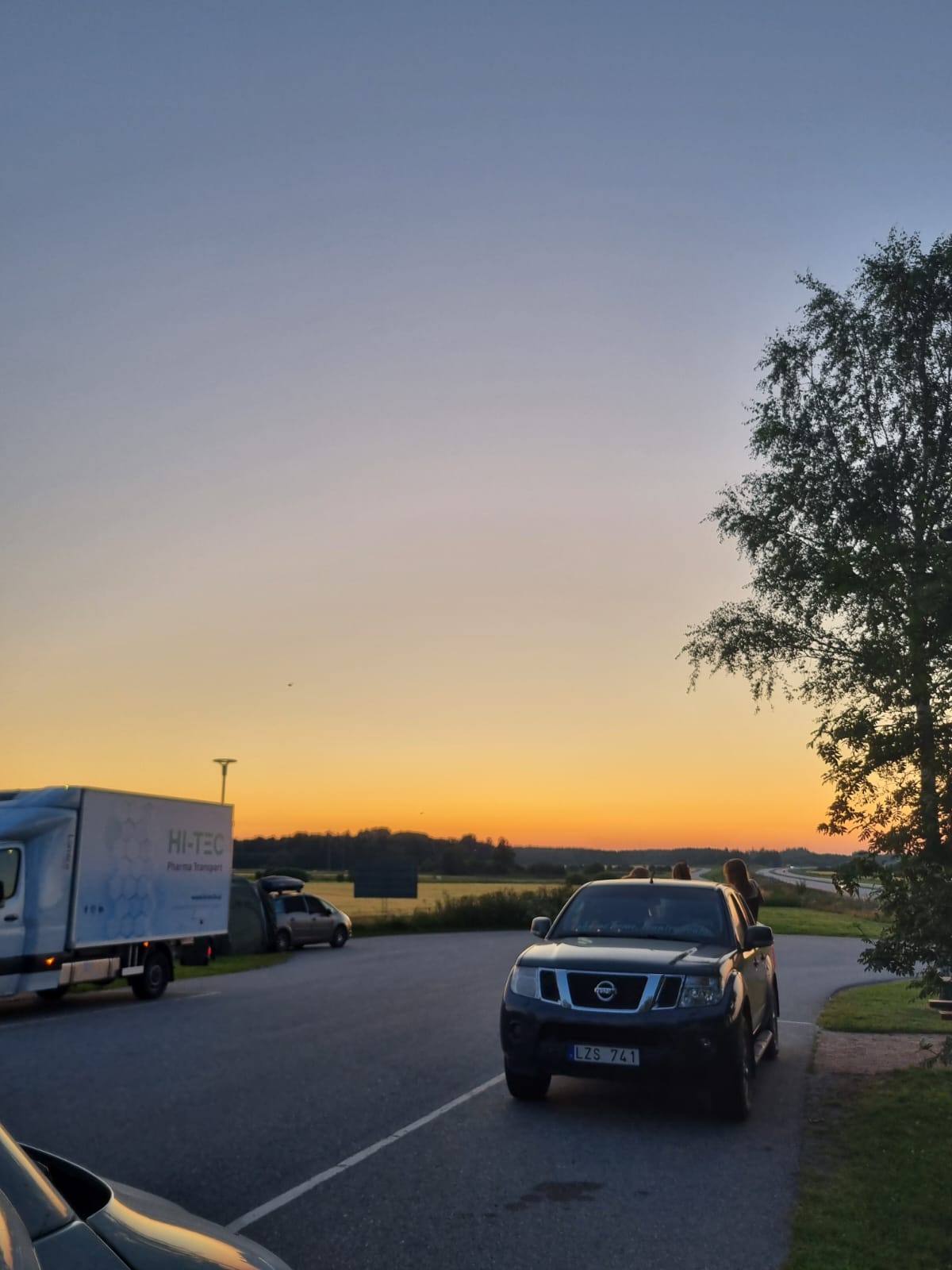
By early evening, we found a little campsite about an two and a half outside of Stockholm. It felt good to finally rest after so many hours on the road. And there was another highlight: After nearly two weeks of no dark night, we were finally gifted with a sunset while eating our dinner. That’s the kind of thing you don’t realize you miss until it returns.


Day 17 – Sigtuna and Stockholm
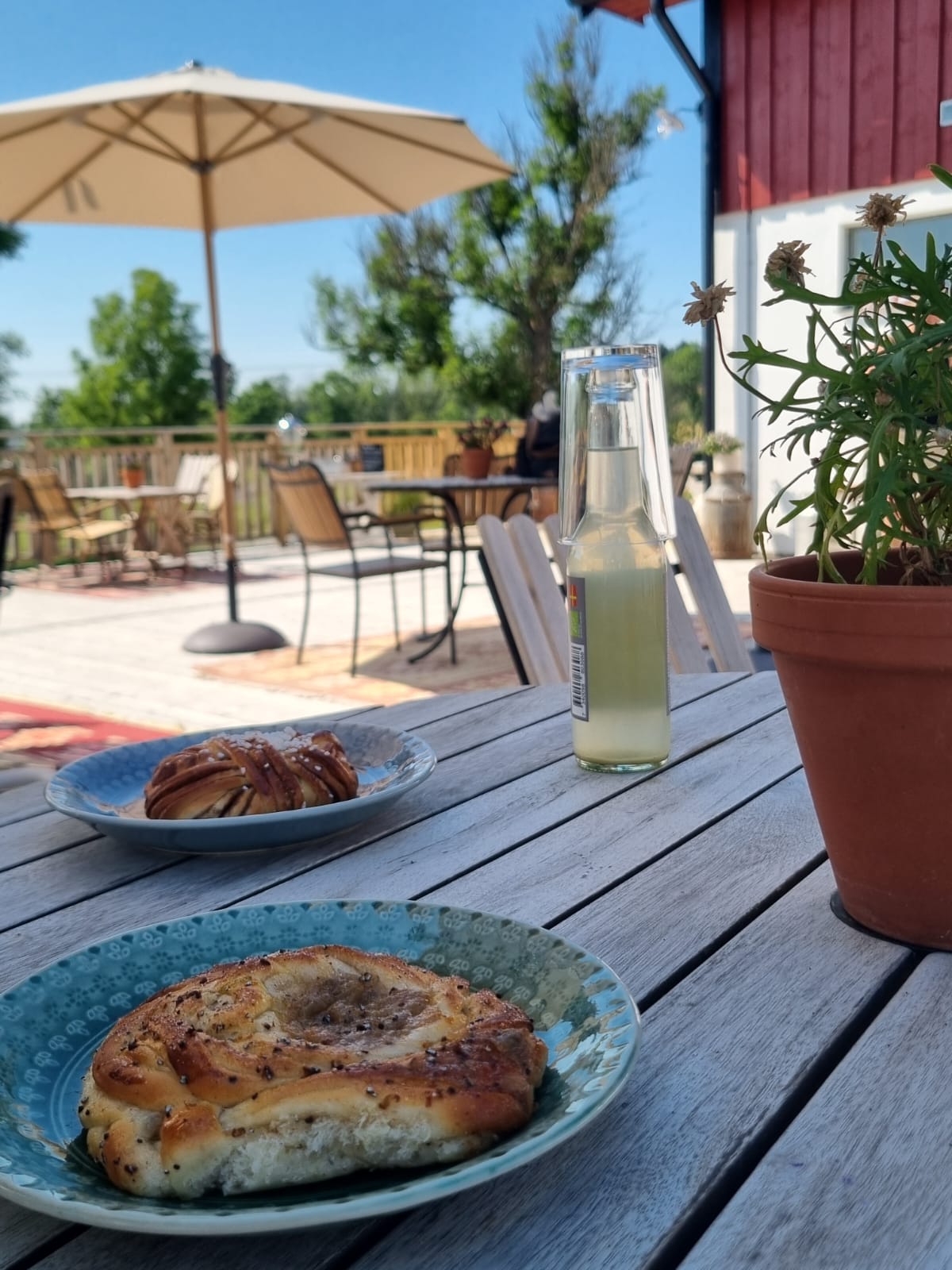
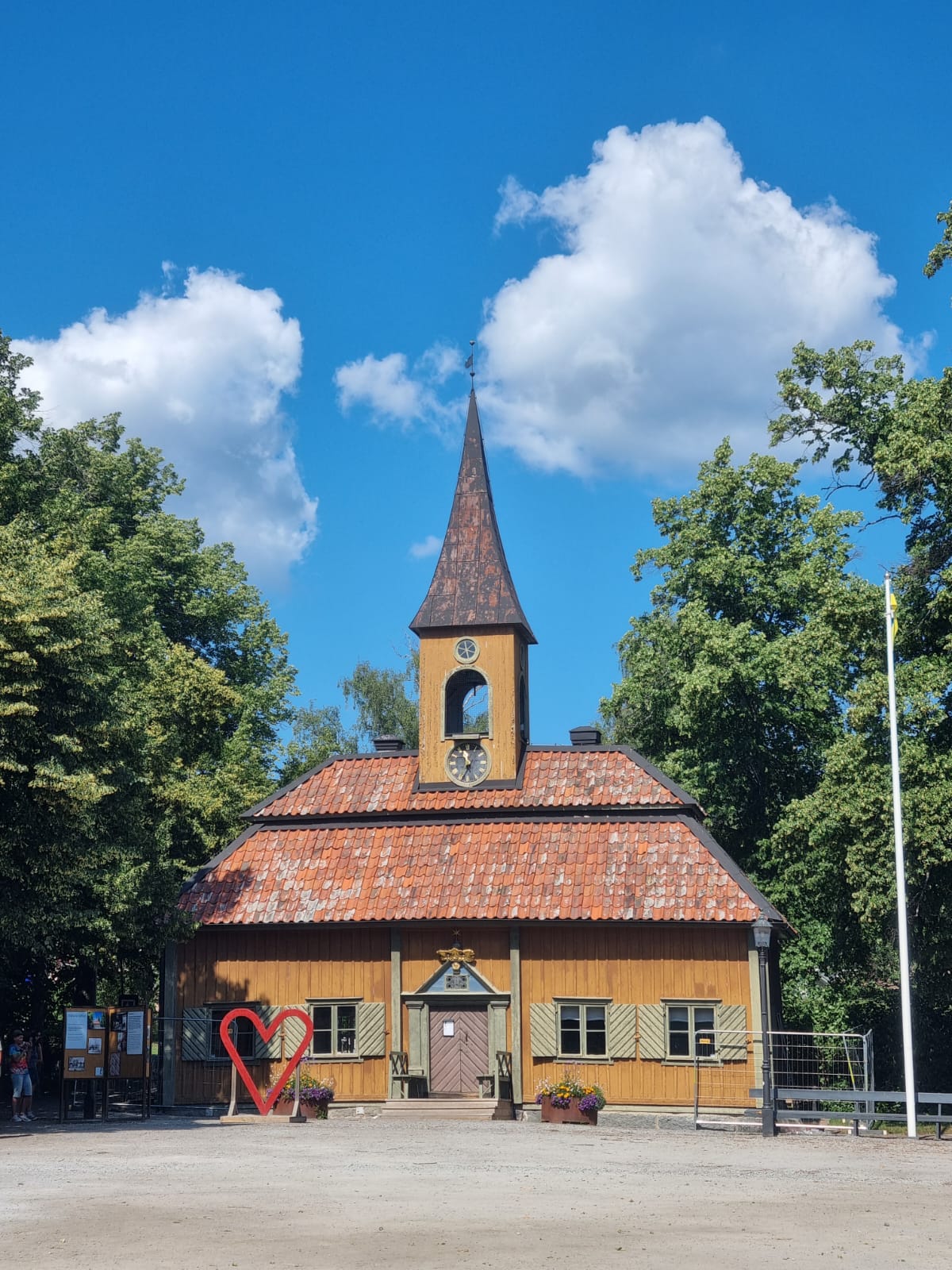
We started our day early again, even though we didn’t really have a reason. After about an hour and a half of driving, we arrived at our first stop: the Aldgate Tree Farm. We had a little snack there and enjoyed the peaceful, quiet morning. Next, we visited Sigtuna: the oldest town in Sweden. It’s small, but very charming and definitely worth seeing while you’re close by. We mainly strolled through the main streets and looked into a few shops before heading back to the car.

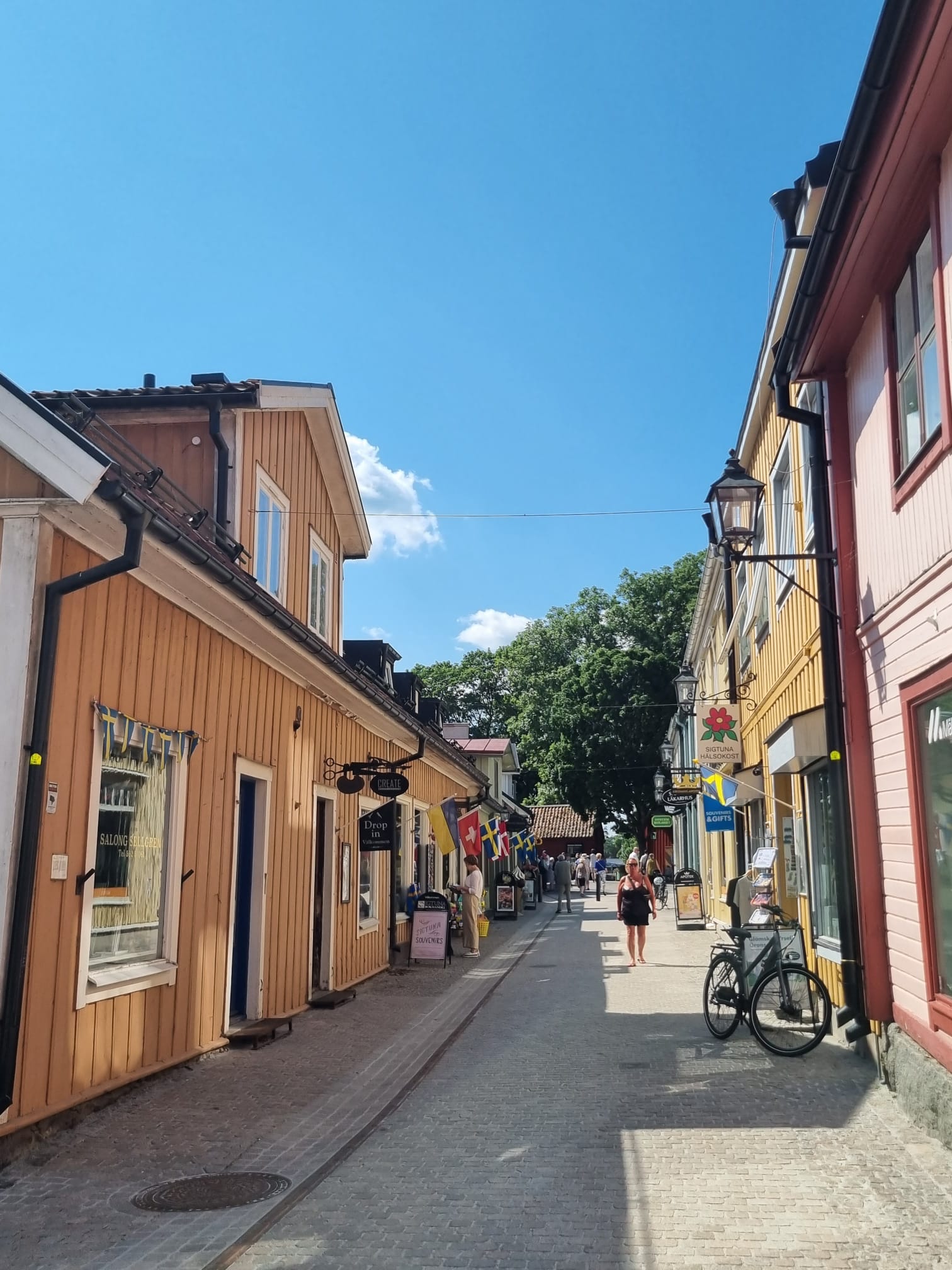
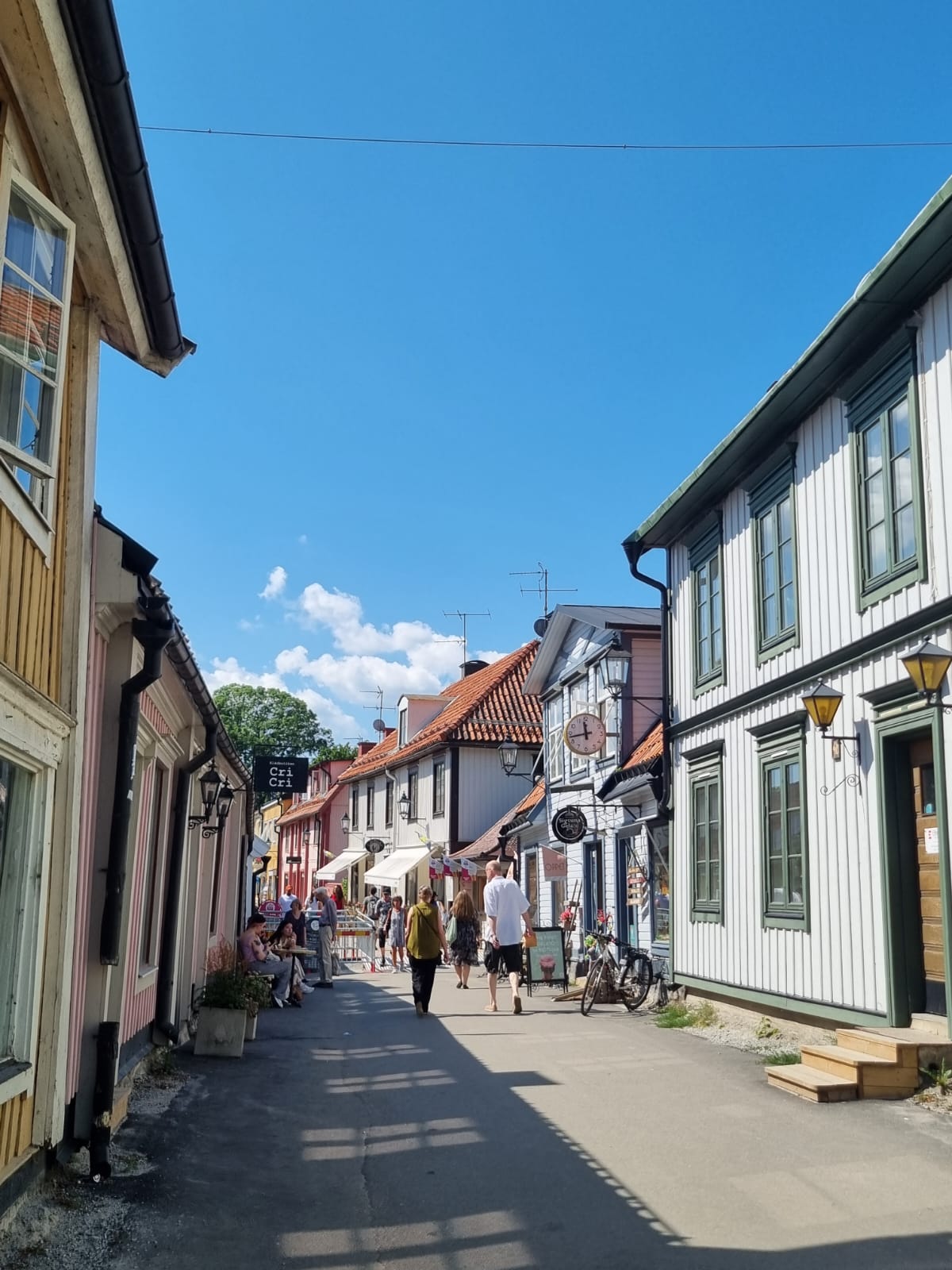
Our next and last stop for today was Stockholm. We set up camp at Bredängs Camping, a well-equipped campsite nestled in a peaceful suburb just outside the city. Surrounded by greenery and located near the shores of Lake Mälaren, the site offered a quiet contrast to the urban bustle we were about to dive into.
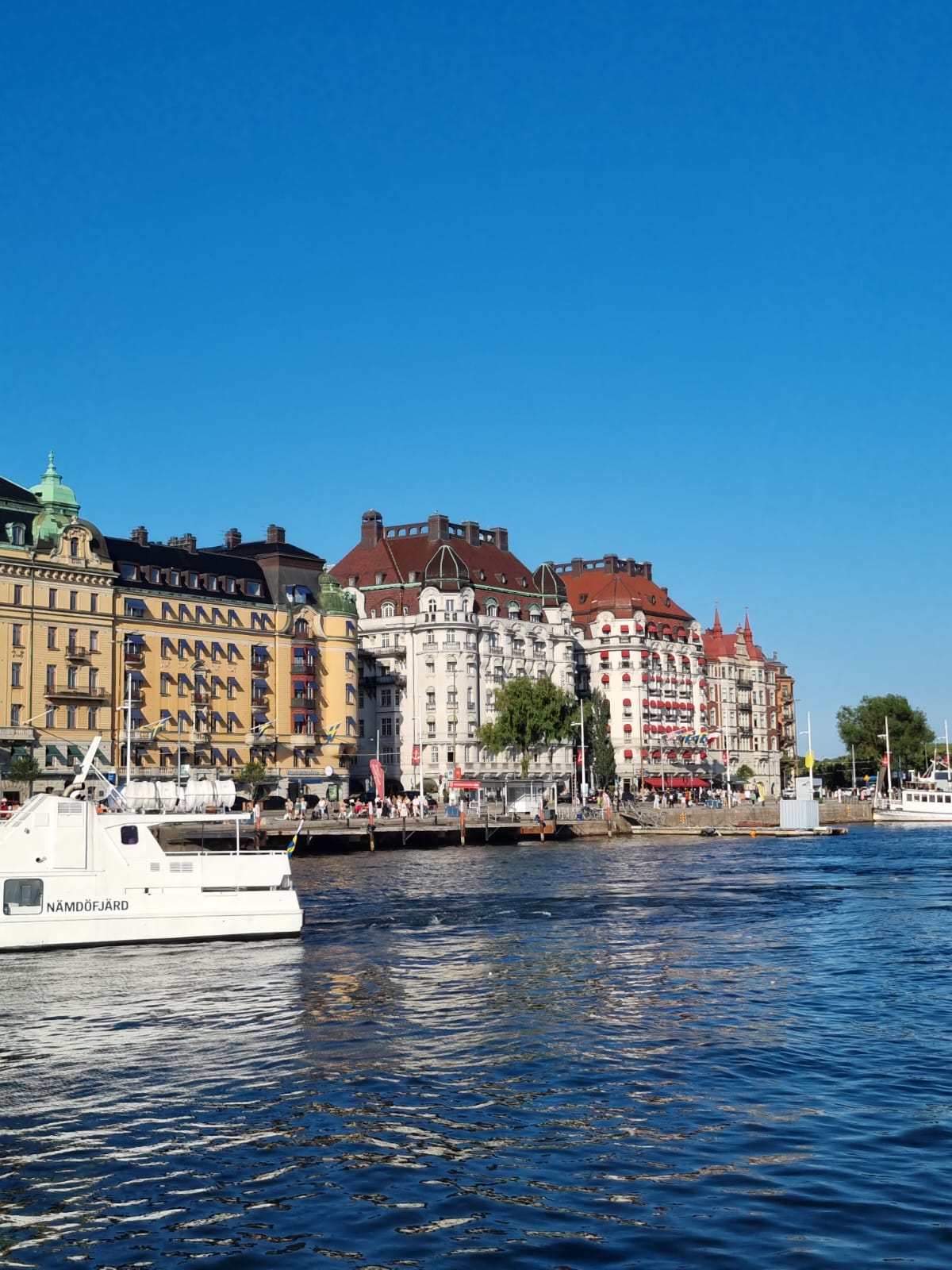
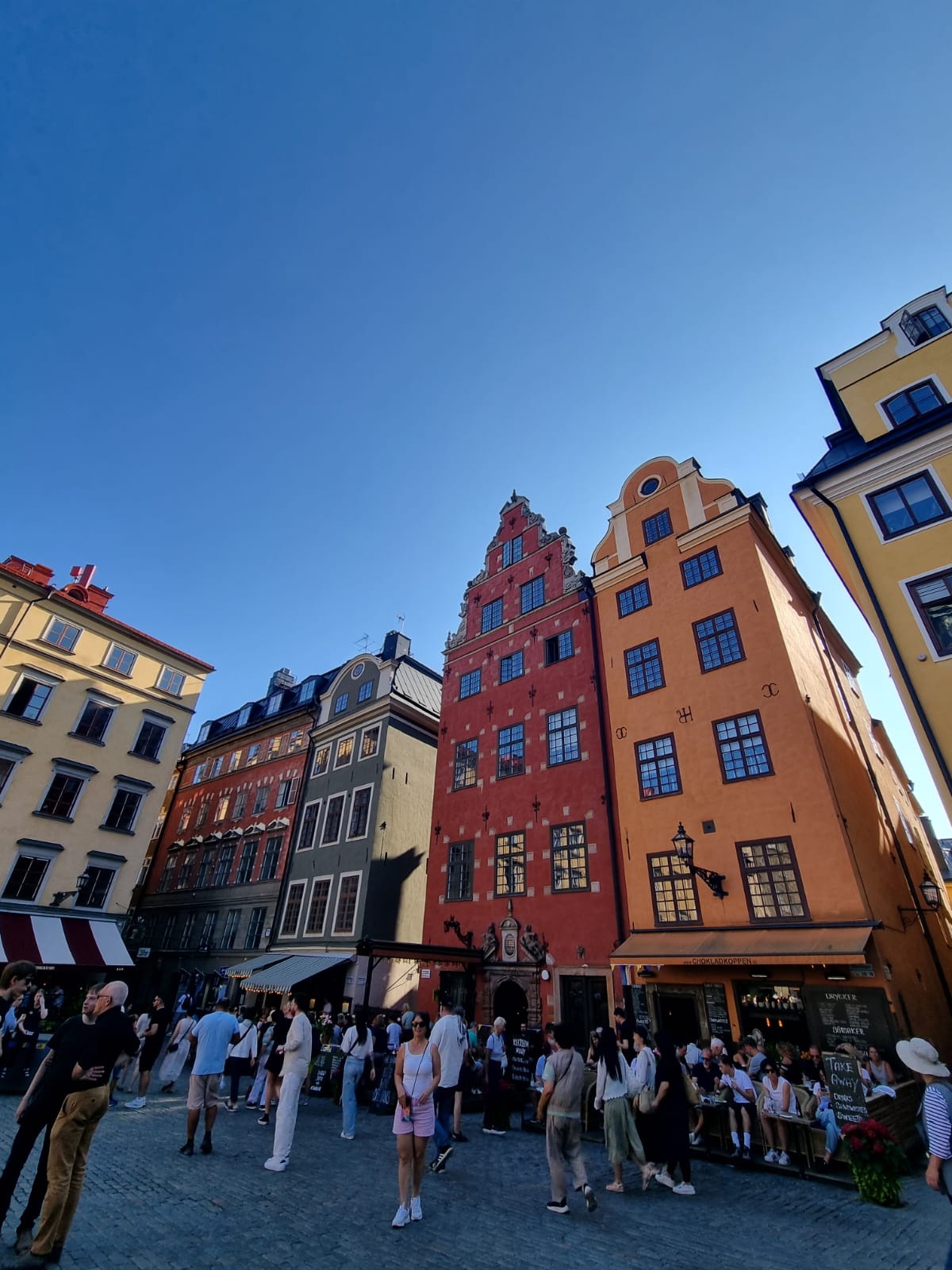
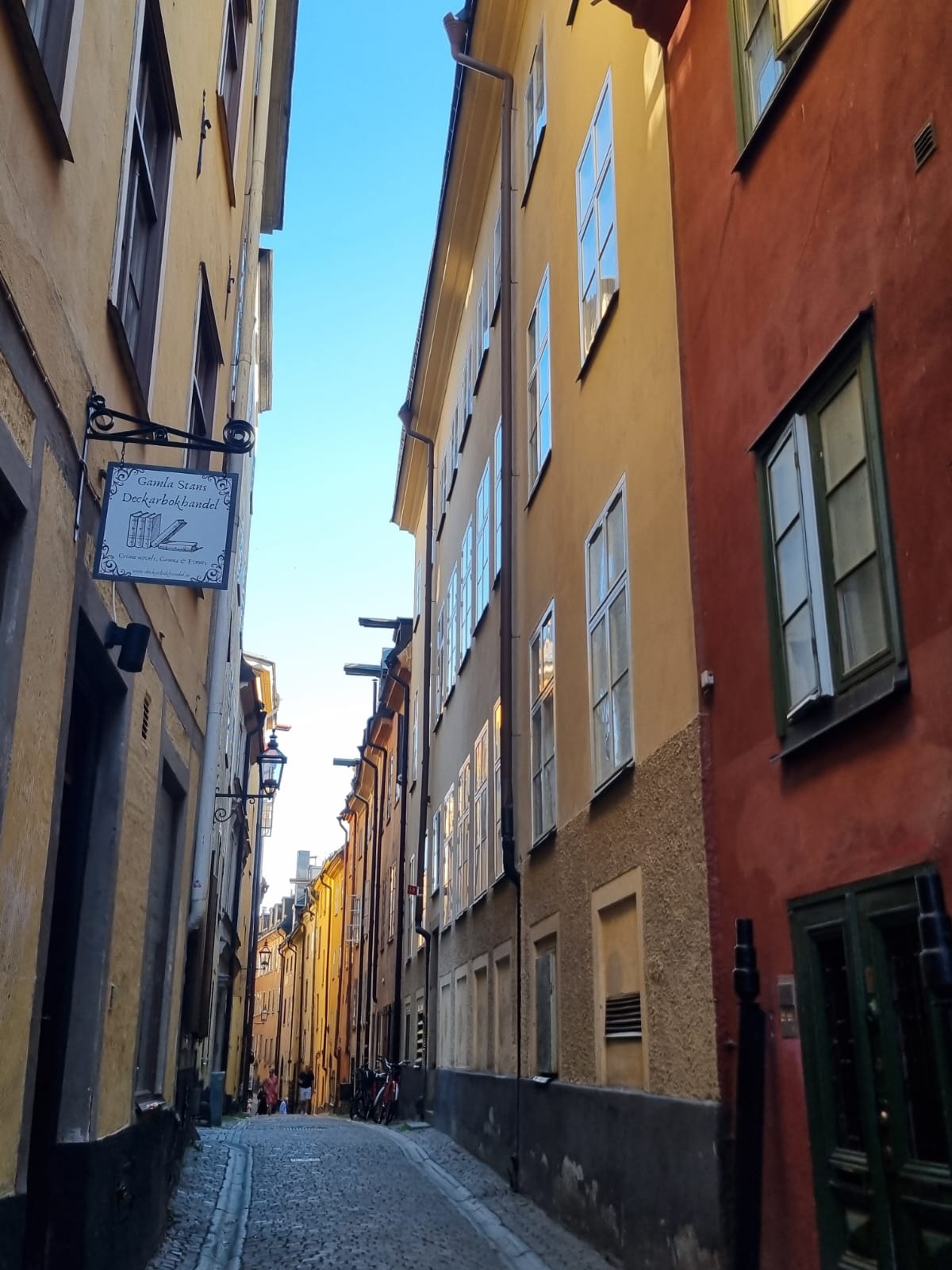
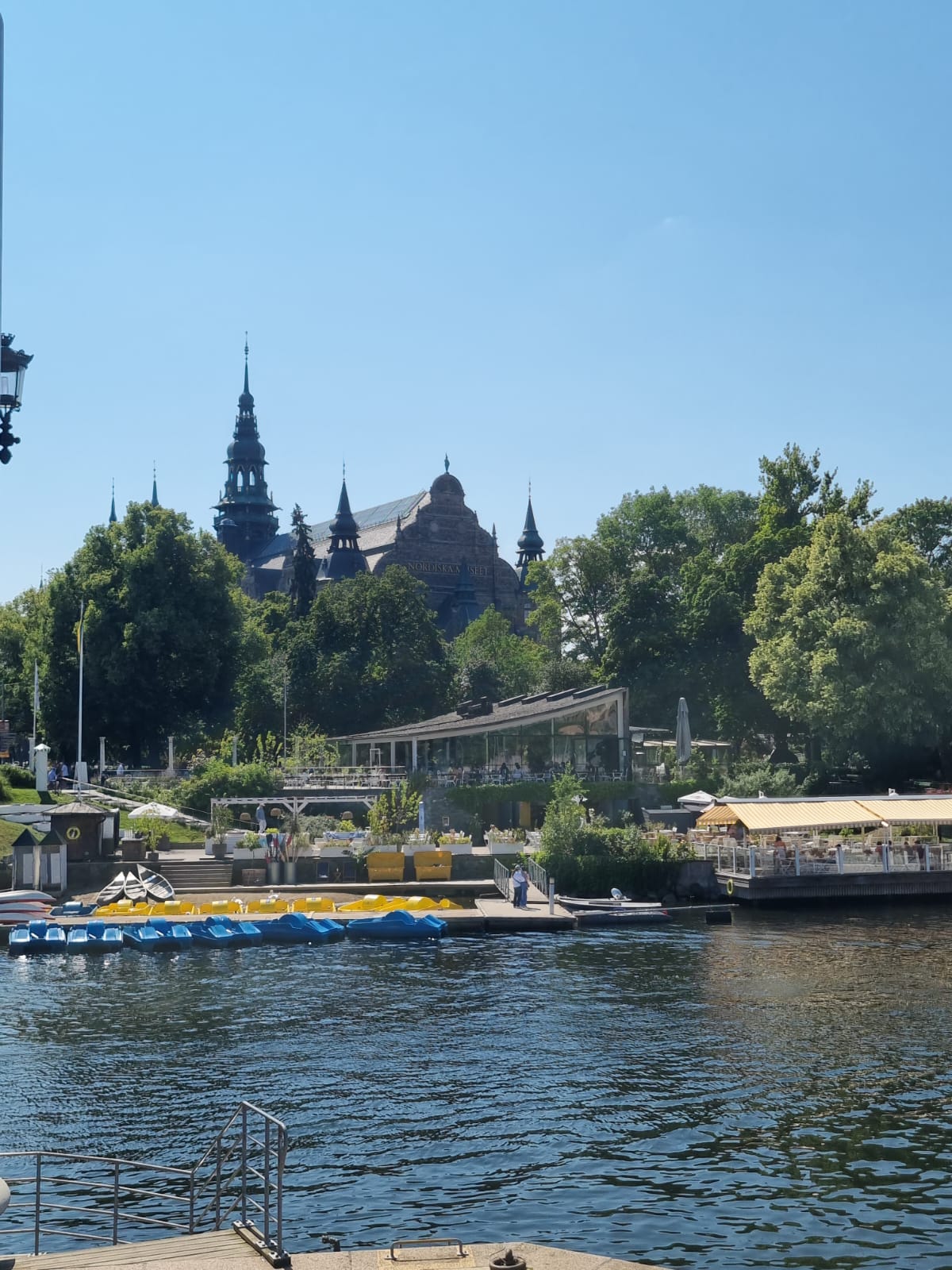
After checking in and getting settled, we made our way to the nearby train station and hopped on a train heading straight into the heart of the Swedish capital. Within about 30 minutes, we arrived in Gamla Stan, Stockholm’s Old Town: one of the best-preserved medieval city centers in Europe. As we stepped out onto the cobbled streets, we were immediately greeted by a charming blend of colorful 17th-century buildings, winding alleyways, and the warm golden light of the afternoon sun reflecting off the façades.
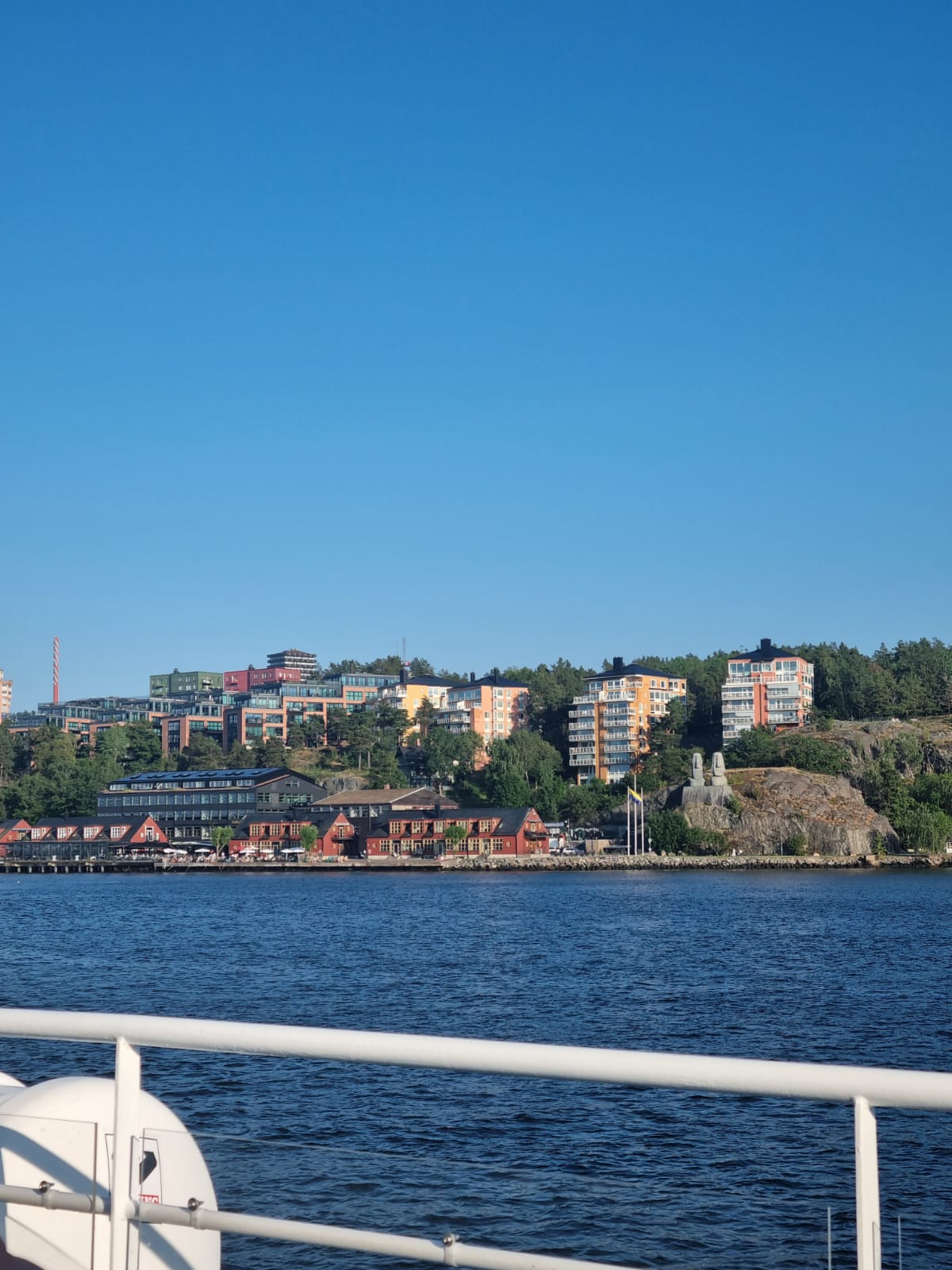
We spent the rest of the day wandering through the streets, letting ourselves get lost among the boutiques, cafés, and historic architecture. It felt a bit surreal to suddenly be surrounded by so many people again, especially after the quiet, more remote stops of the past days. And the heat, something we hadn’t really felt in a while. At some point, we hopped on one of the public transport boats. These boats glide through the waterways connecting the many small islands that make up the capital. It’s a very affordable alternative to the pricey tourist cruises, yet offered the same stunning views of the harbor, colorful waterfront houses, and grand cityscapes from the water.
By the time we headed back to the campground, the sun was starting to dip toward the horizon, casting a soft glow over the city. Back in Bredäng, we prepared dinner and enjoyed the peaceful contrast of our quiet evening.
Day 18 – Stockholm
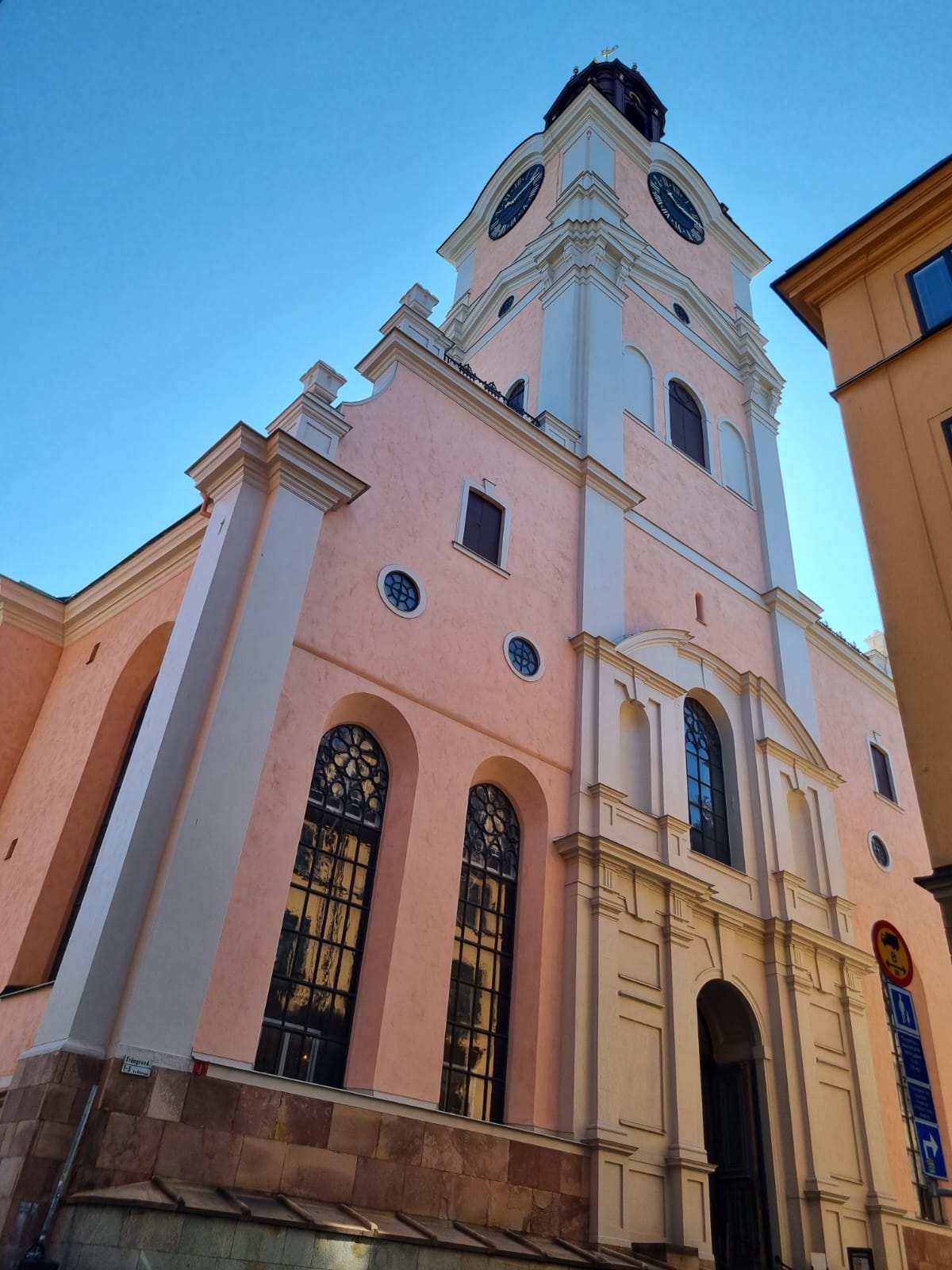
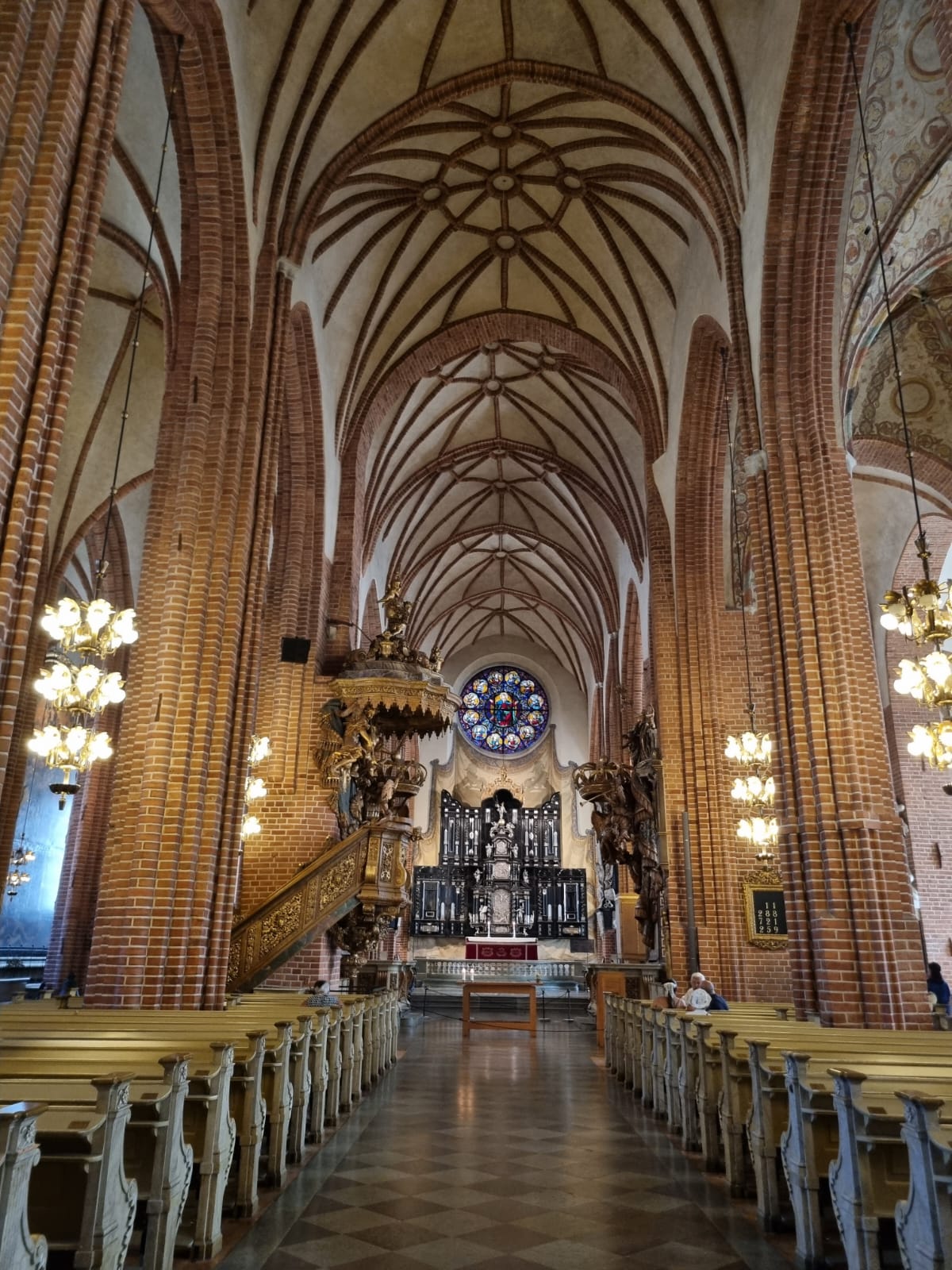
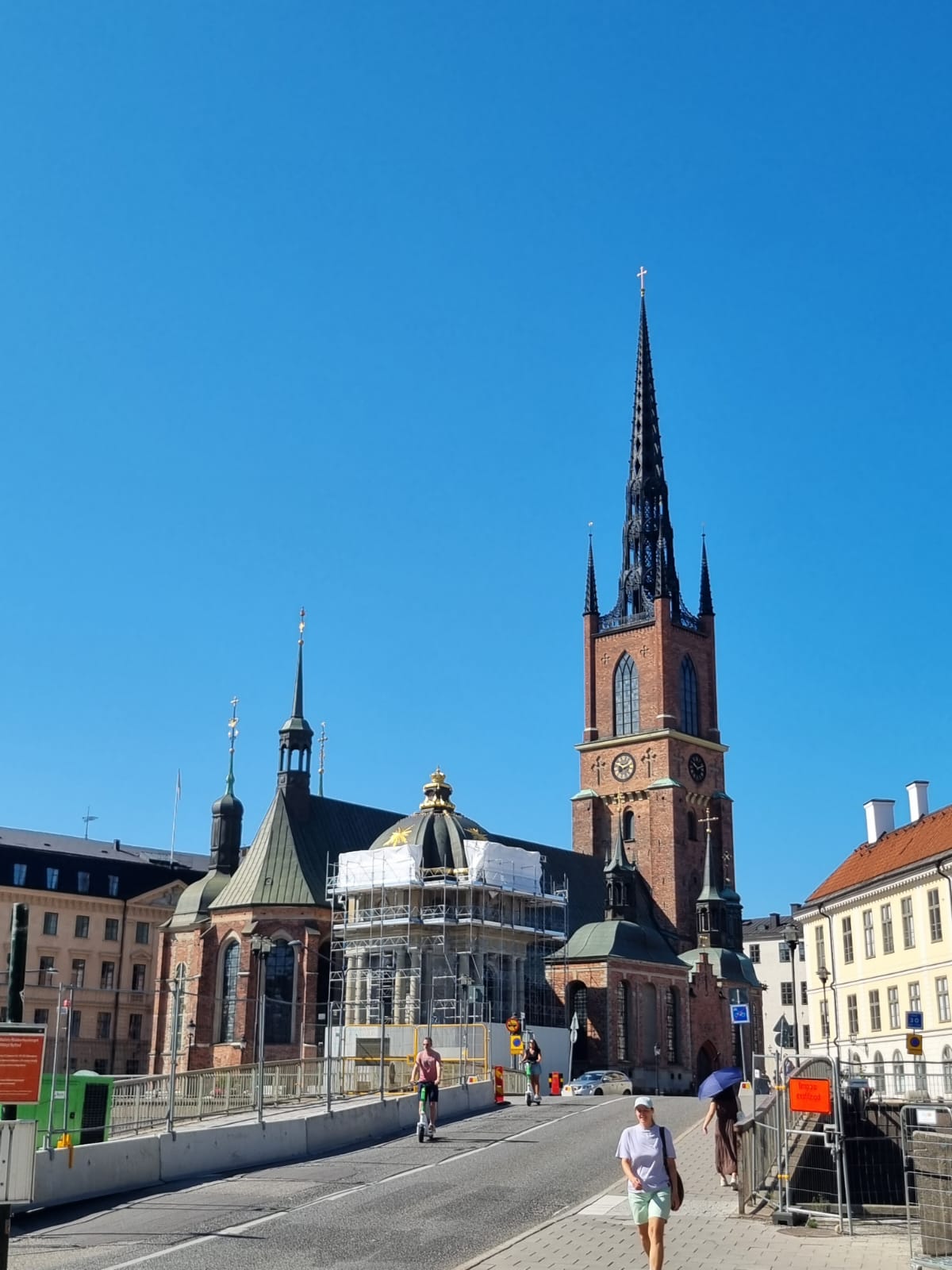
Today was all about exploring the heart of Stockholm. While my friend stayed back at the campground to get some work done, I set off solo to dive into the Swedish capital. The day began with a leisurely walk through the city center, where I took in the morning atmosphere of Stockholm slowly waking up. One of my first stops was Storkyrkan, Stockholm’s grand cathedral located in Gamla Stan. This Gothic church dates back to the 13th century and is the oldest in the city.
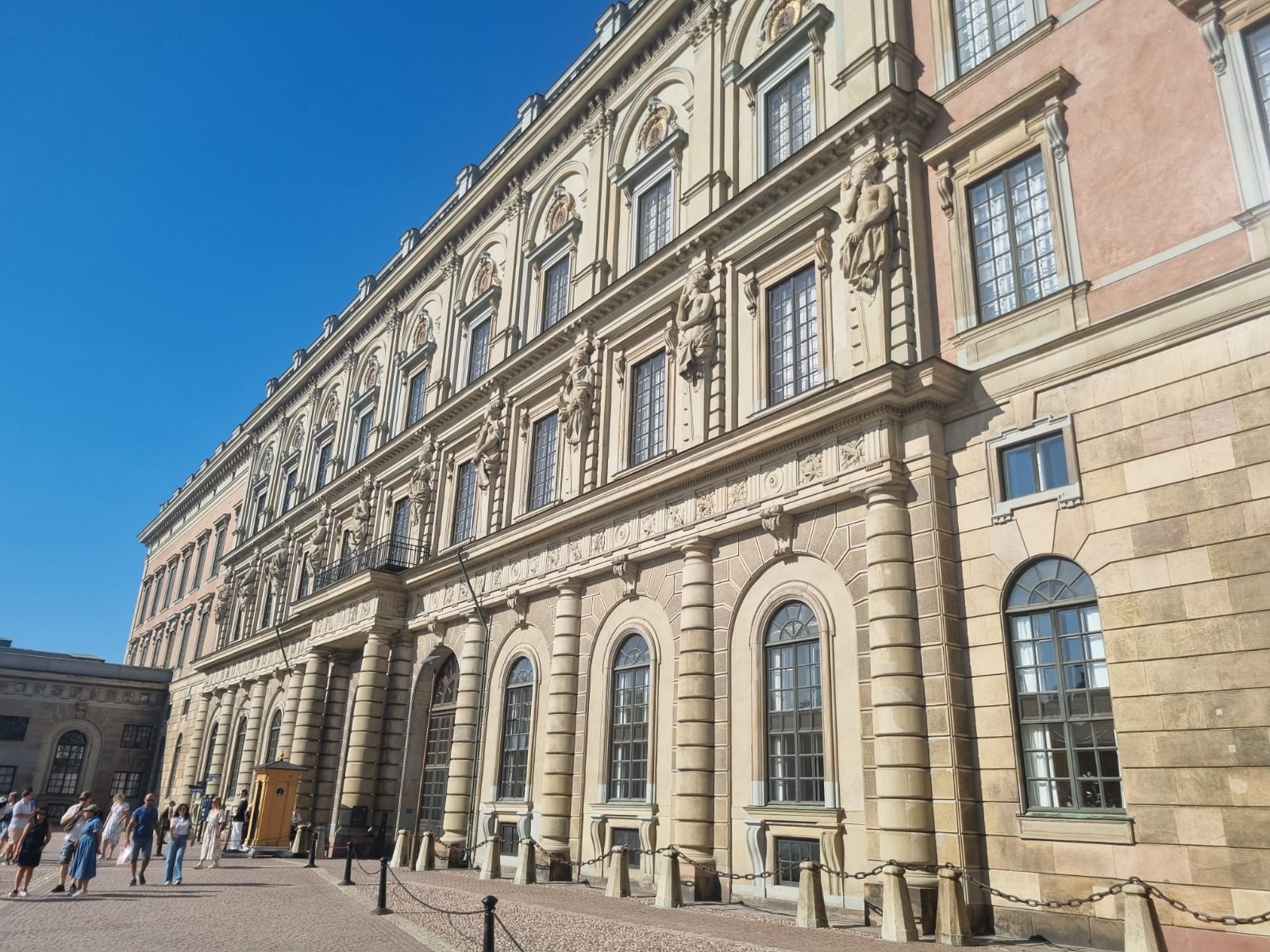
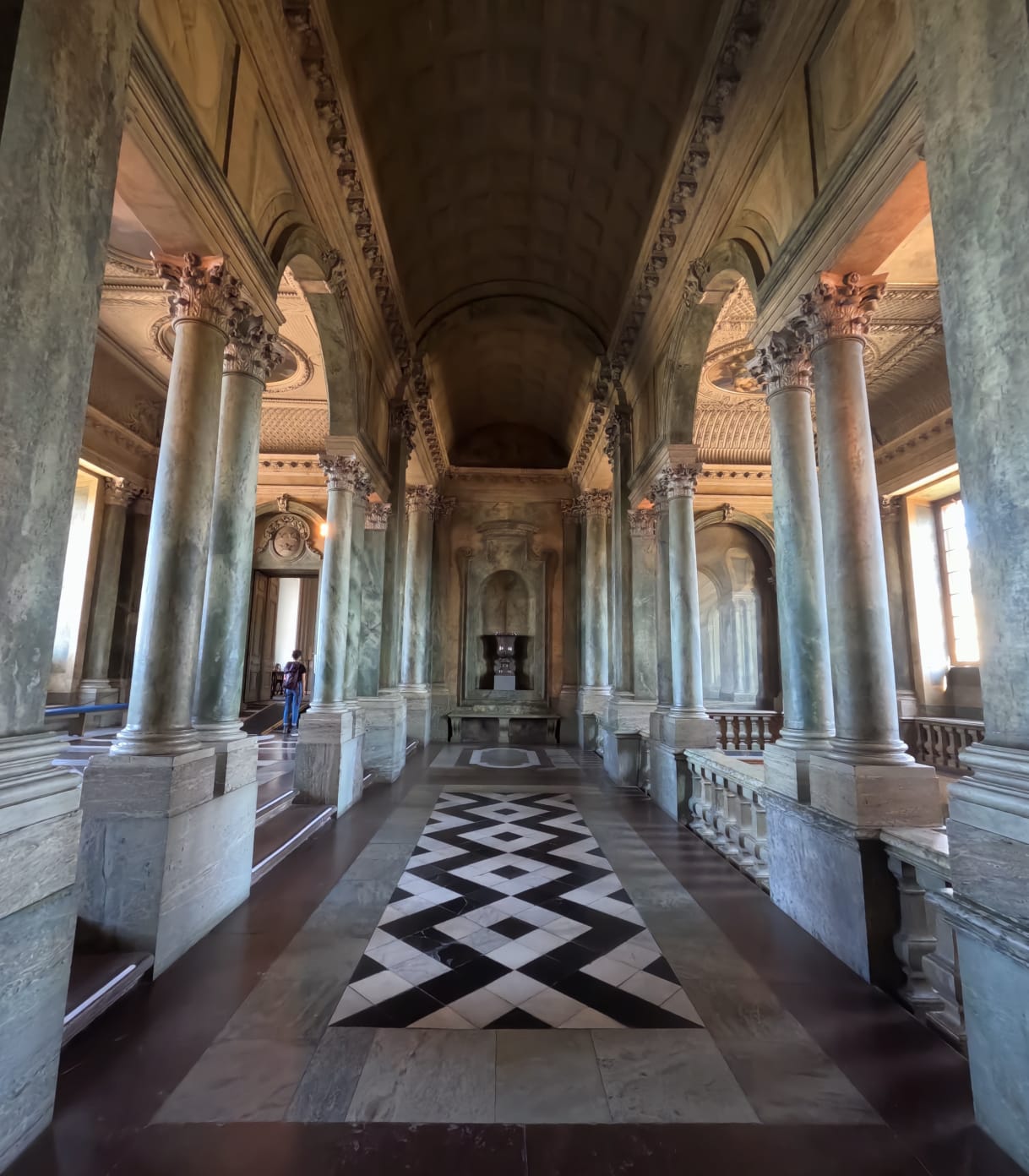
Next on my route was the Royal Palace, one of the largest palaces in Europe still in use by a monarch. I decided to explore it from the inside, and I’m glad I did. The interiors were stunning with richly decorated halls, elegant royal apartments, and fascinating exhibits on Sweden’s monarchy. It gave a real sense of grandeur and history, and I took my time soaking it all in.
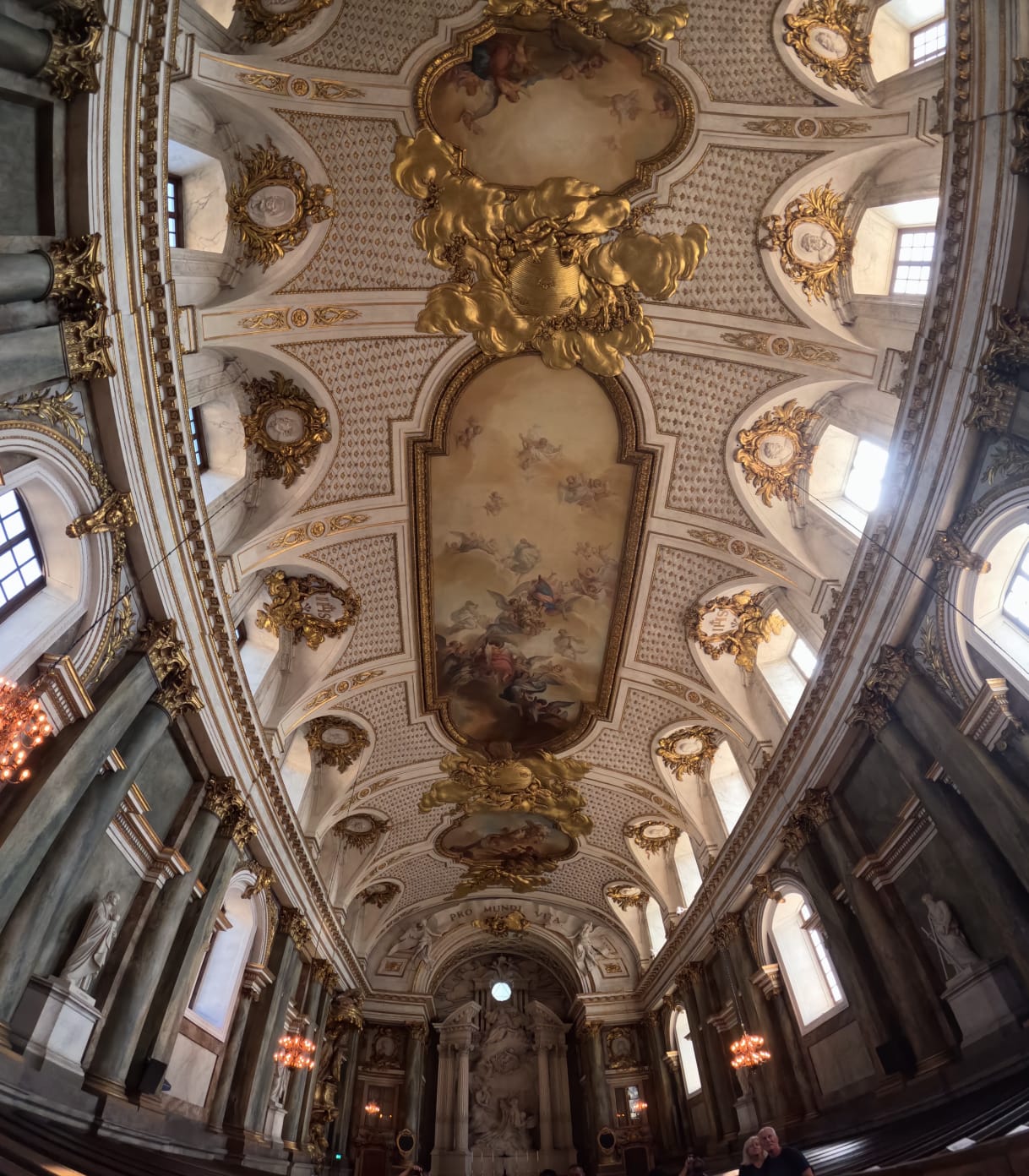
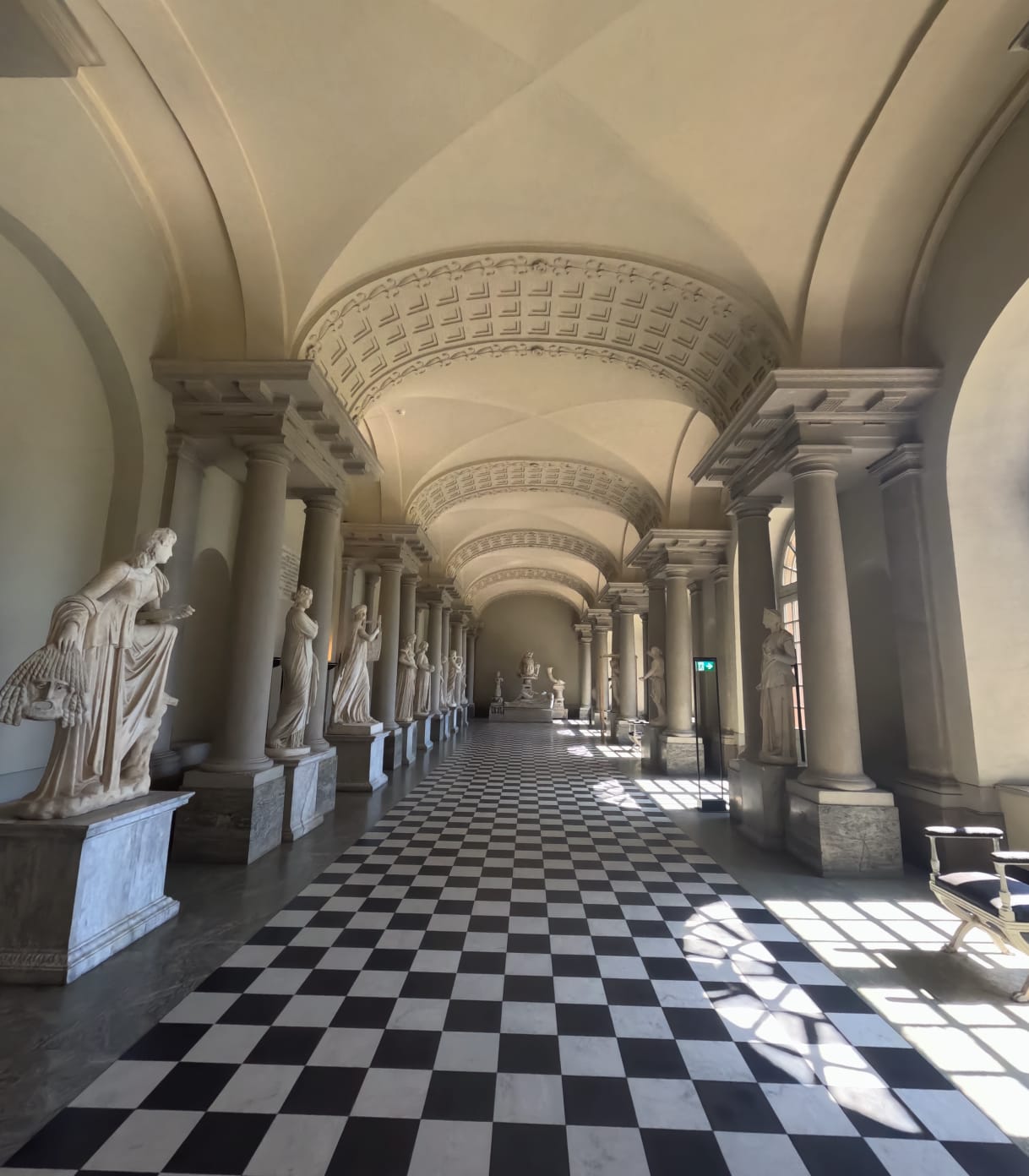
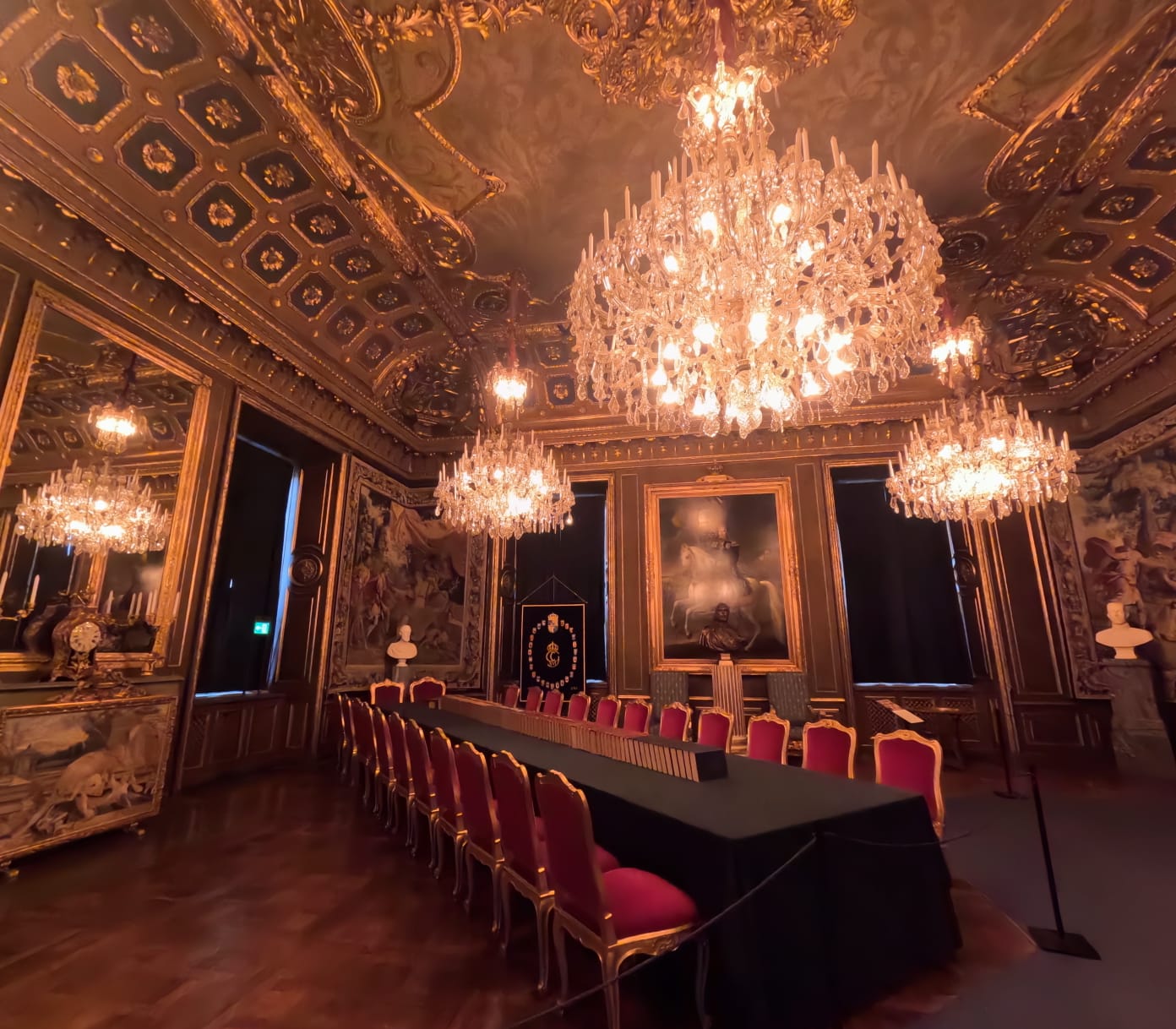
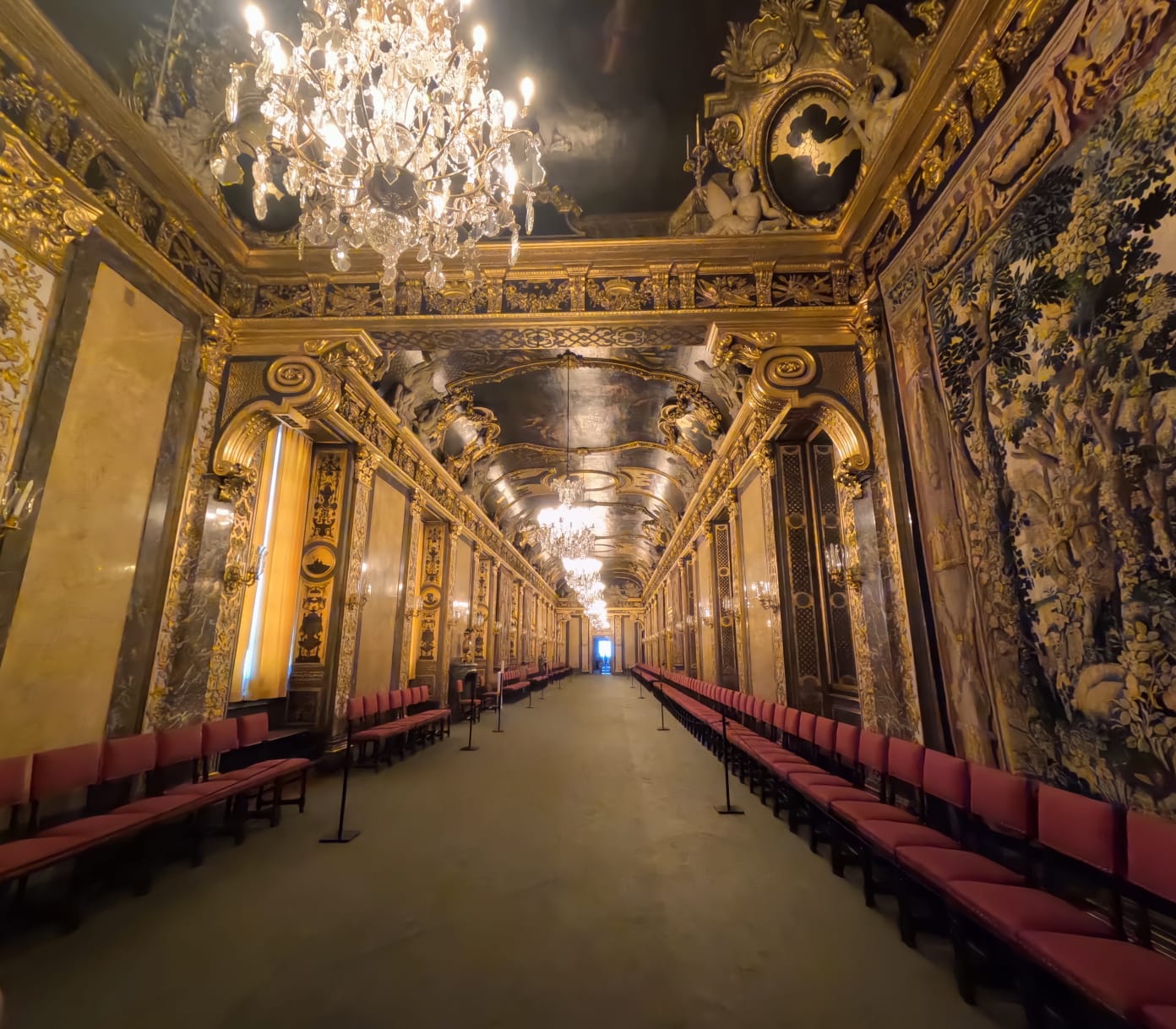
Afterward, I made my way to Kungsträdgården, also known as the “The King’s Garden”. It’s a central park right in the city. While its name sounds majestic, the park itself was fairly simple during my visit. Still, it was a pleasant green space to take a short break and watch locals go about their day.
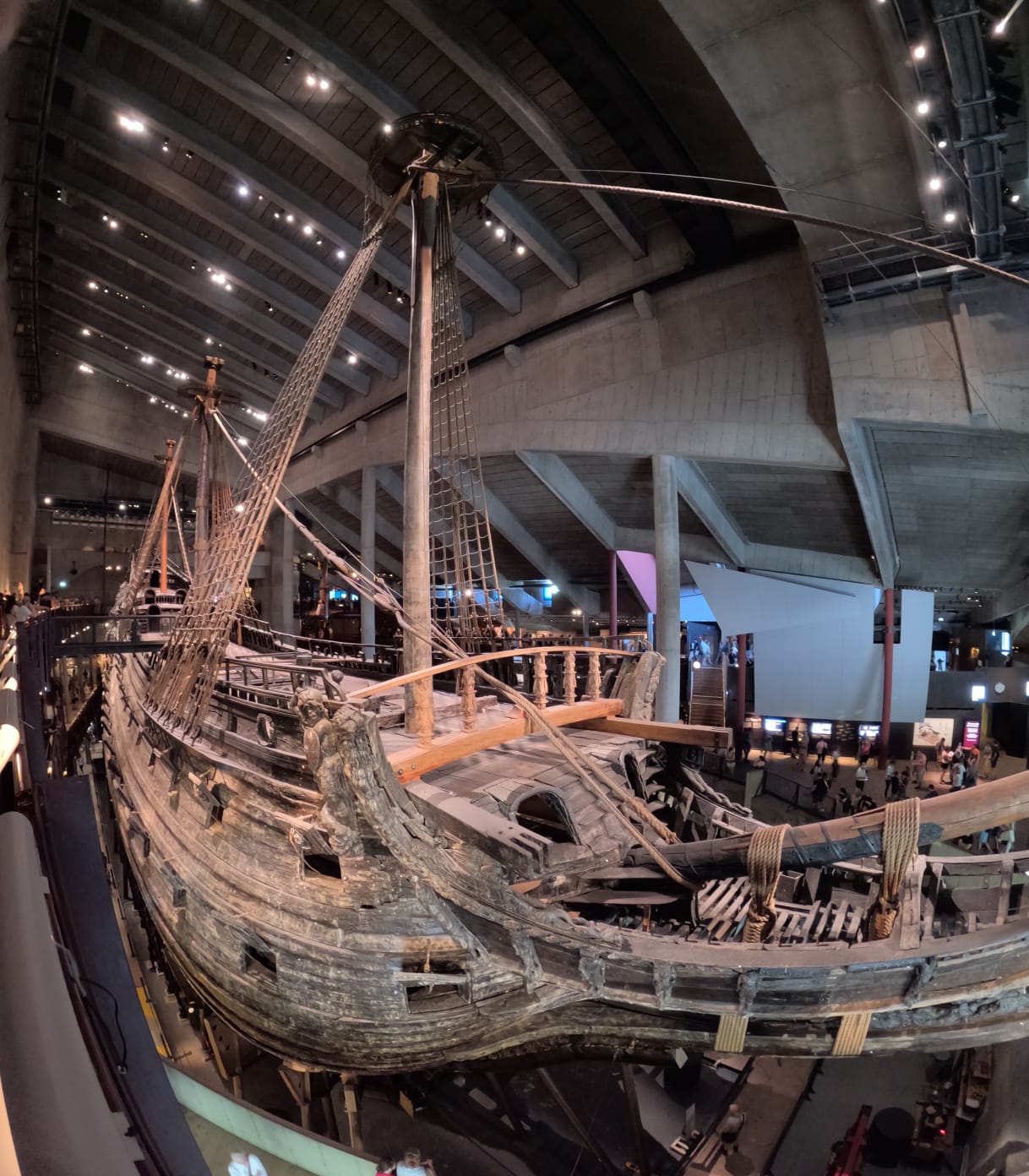
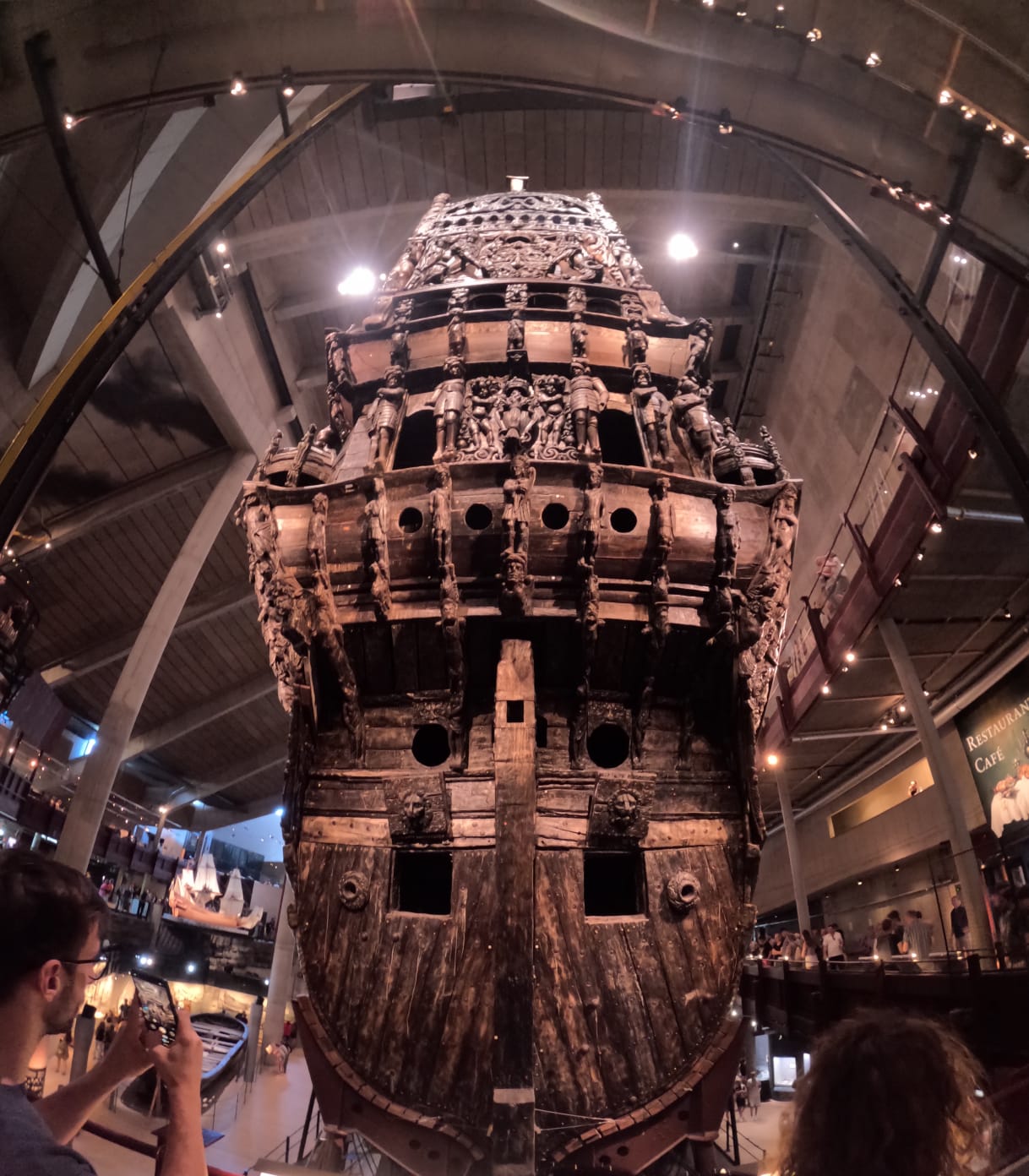
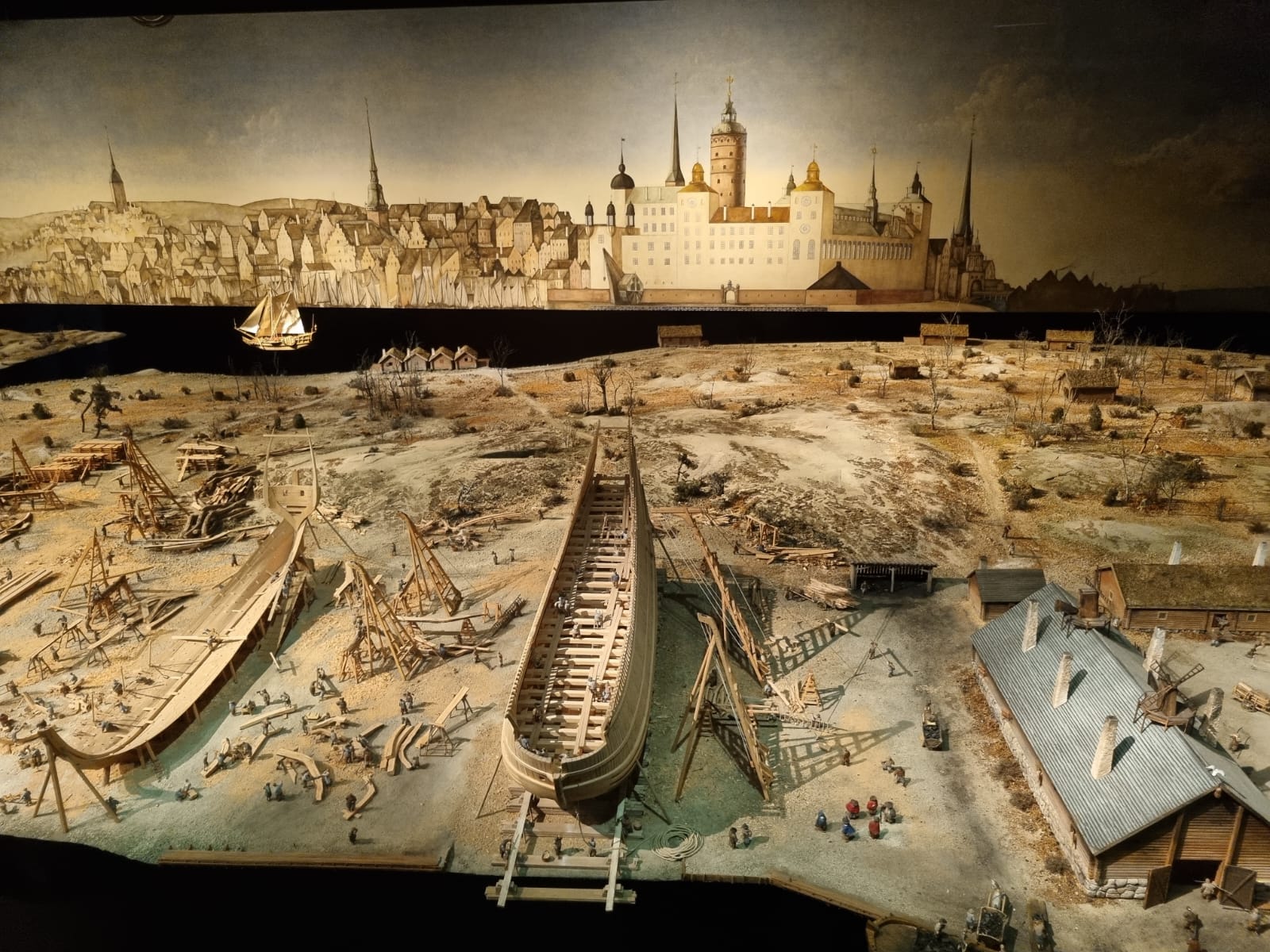
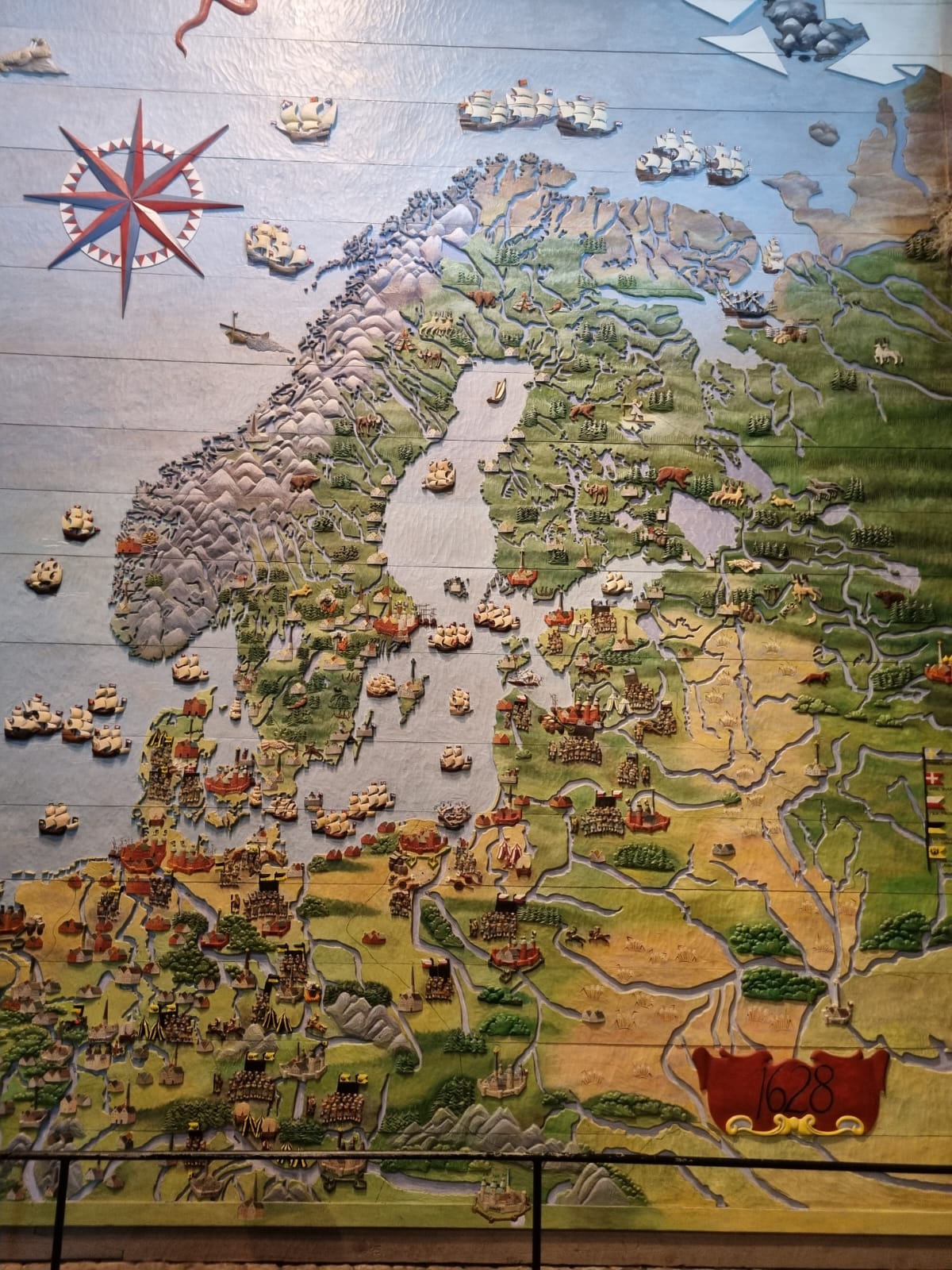
The highlight of the day, though, was undoubtedly the visit to the Vasa Museum. Located on the island of Djurgården, this museum houses the Vasa, a 17th-century warship that sank on its maiden voyage in 1628 and was salvaged 333 years later. It’s the only preserved ship of its kind in the world. Walking around the massive vessel was absolutely mesmerizing. The museum does an excellent job of telling the story of the ship, its tragic sinking, and the incredible effort behind its recovery and preservation. The entry was a bit pricey, but honestly? Absolutely worth it.
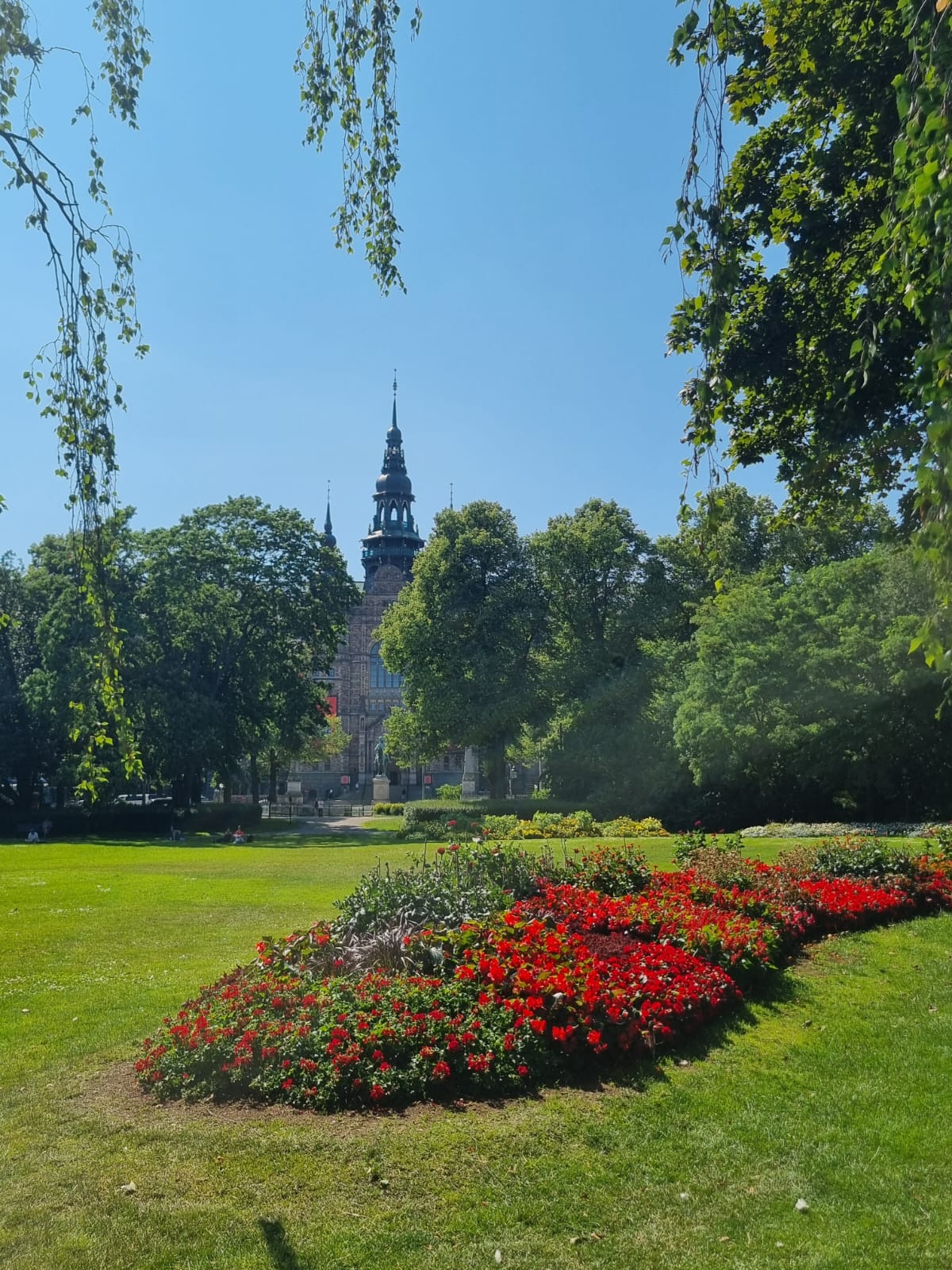
After leaving the museum, I took a stroll through Lusthusportens Park, just nearby. It’s a lovely, tucked-away green space with views over the water and shaded pathways lined with trees.

In the afternoon, I headed back into the city to meet up with my friend for lunch. Since Stockholm is notoriously expensive, we spent a while thinking where to eat without blowing our budget. I had one craving: Köttbullar – classic Swedish meatballs. But where to get them tasty and affordable? You guessed it: IKEA! There’s actually an IKEA right in the city center, so off we went. And yes, the meatballs were delicious, just what I had hoped for.
With full stomachs, we took a walk along the water, crossing Slussbron, a bridge that connects Södermalm with the rest of the city. From there, we walked up (you can also take an elevator) to Katarinahissen, an old elevator that offers a stunning panoramic view over Stockholm’s harbor, rooftops, and church spires. The breeze up there was refreshing, and the city stretched out below us like a postcard.

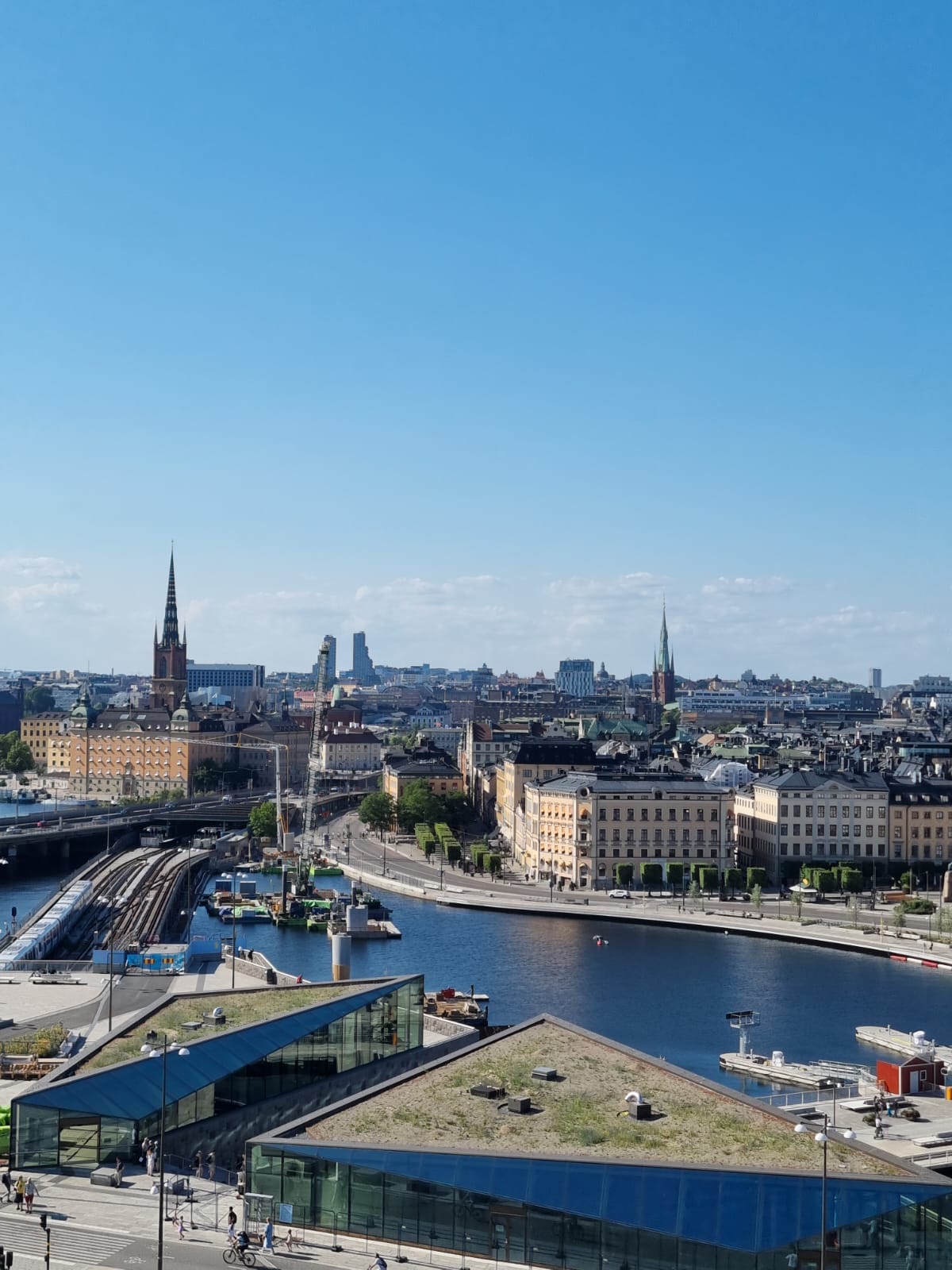
After enjoying the view, my friend headed back to the campground to continue working, while I stayed a bit longer in the city. I wandered through a few shops, browsed some boutiques, and took a slow stroll along the waterfront. The late afternoon light shimmered on the water, and everything felt calm and relaxed: a perfect way to wind down before heading back to Bredängs Camping.

Day 19 – Bullerby and Katthult
After our morning shower and breakfast, we hit the road again, this time heading toward the charming little village of Bullerby. The place where Astrid Lindgren’s beloved books and movies The Children of Noisy Village (Die Kinder von Bullerbü) were brought to life.
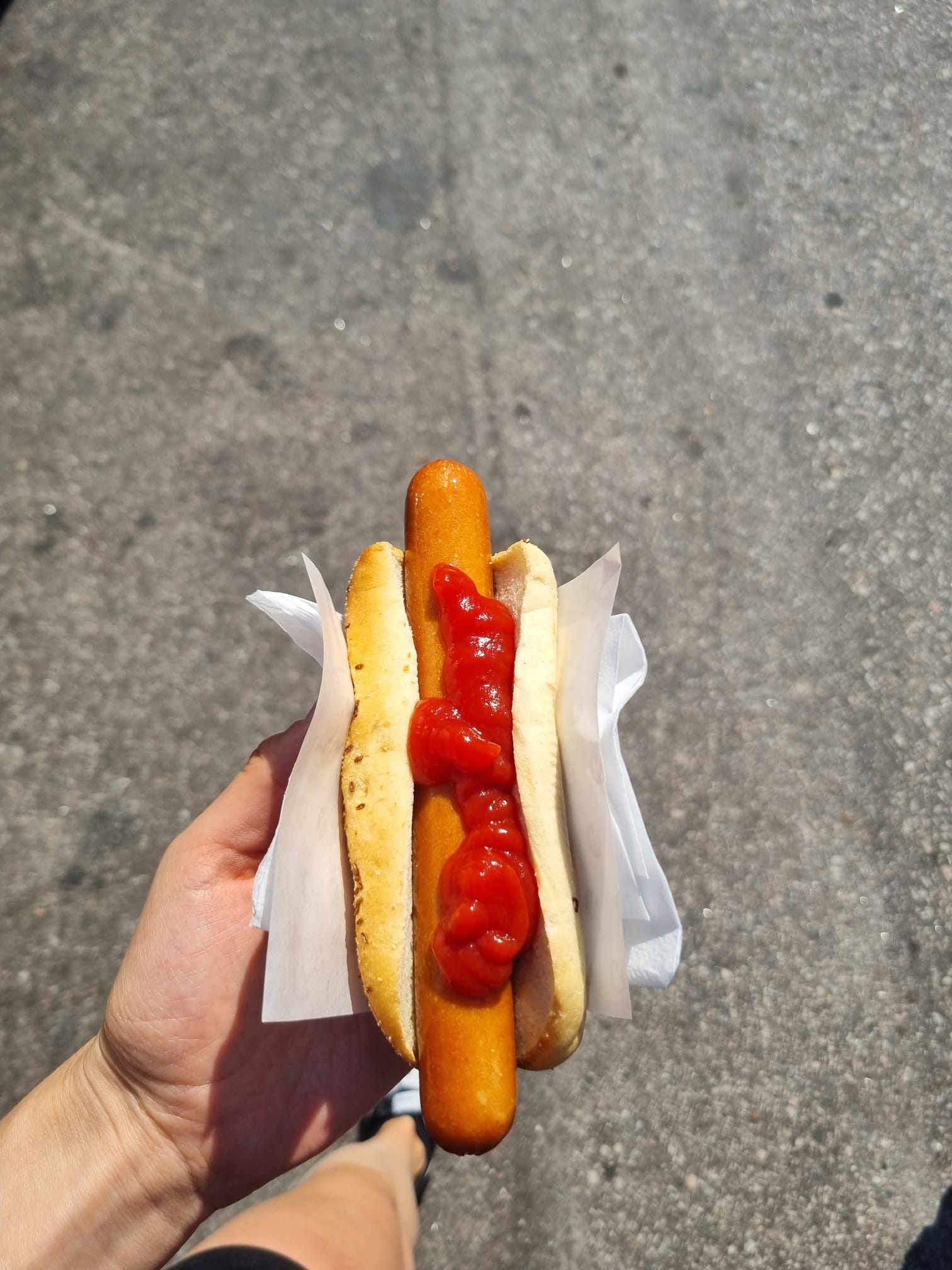
The drive through the Swedish countryside was peaceful and picturesque, with rolling green fields, forests, red wooden houses, and the occasional glimpse of grazing cows or glistening lakes. Somewhere along the way, we stopped at a roadside kiosk for a proper Swedish snack: a classic hot dog.
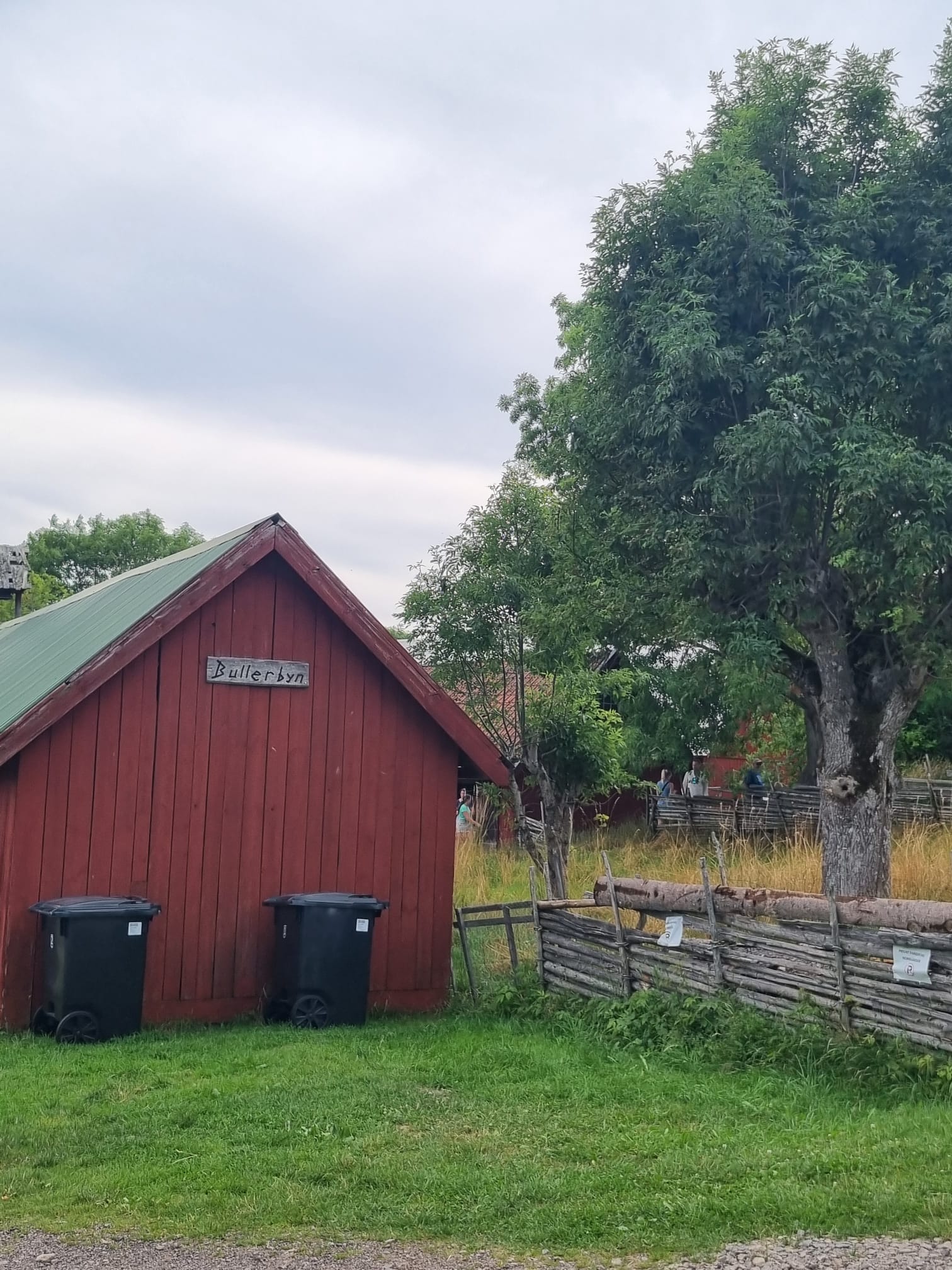
Arriving in Bullerby it felt like stepping straight into the pages of a storybook. The tiny village is exactly as you imagine it from the films. We strolled through the idyllic setting, soaking in the nostalgic atmosphere.
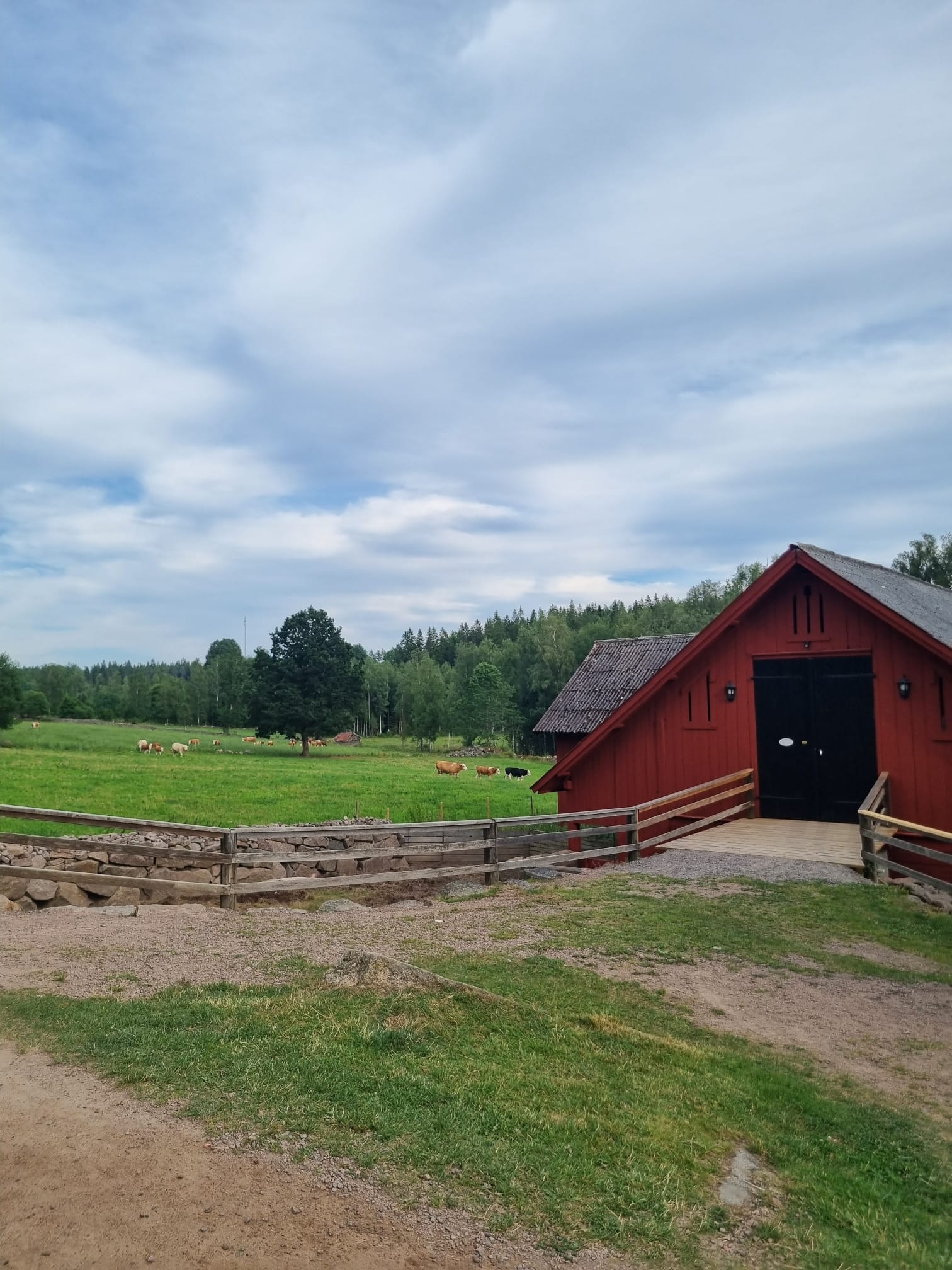
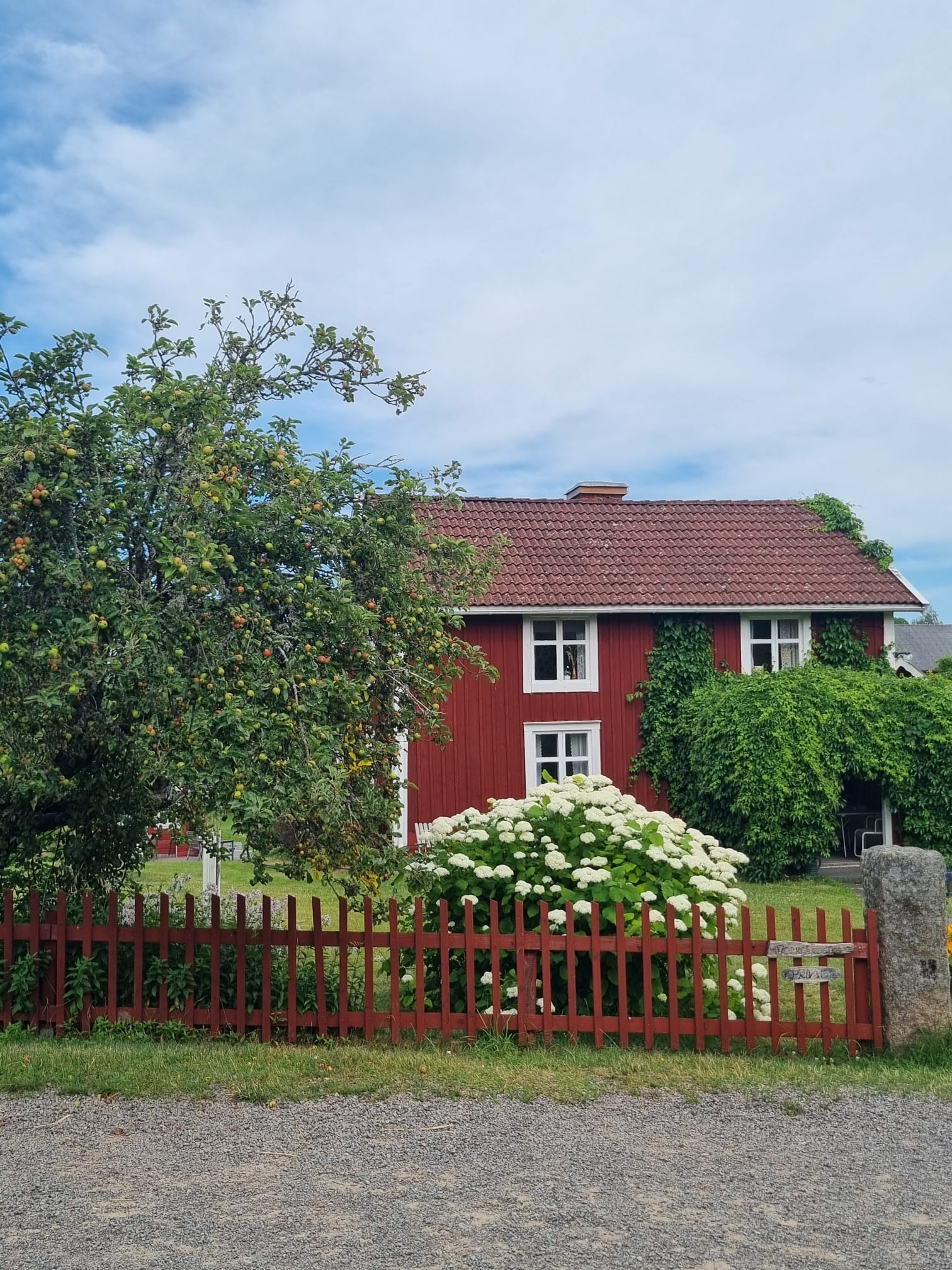
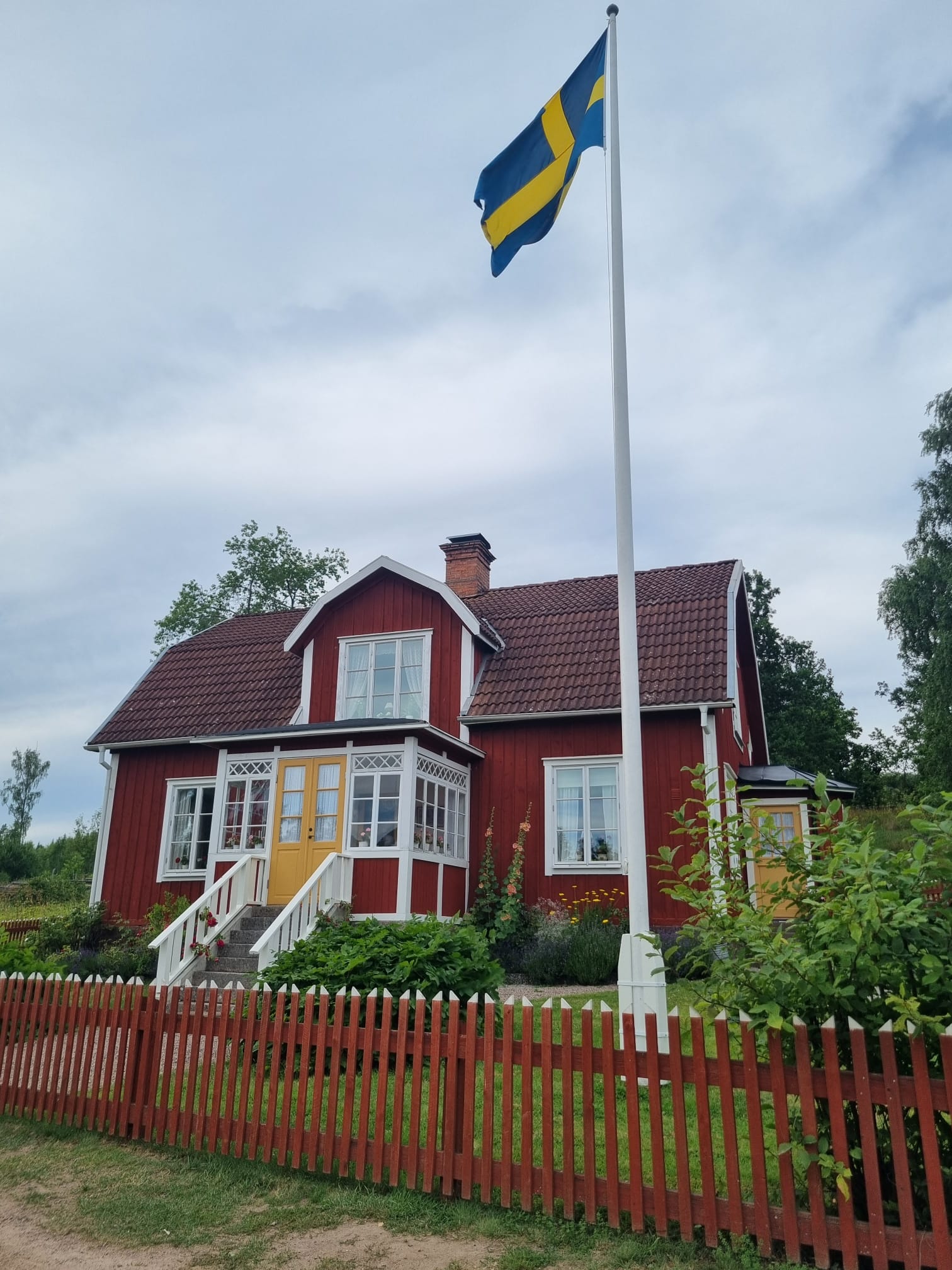
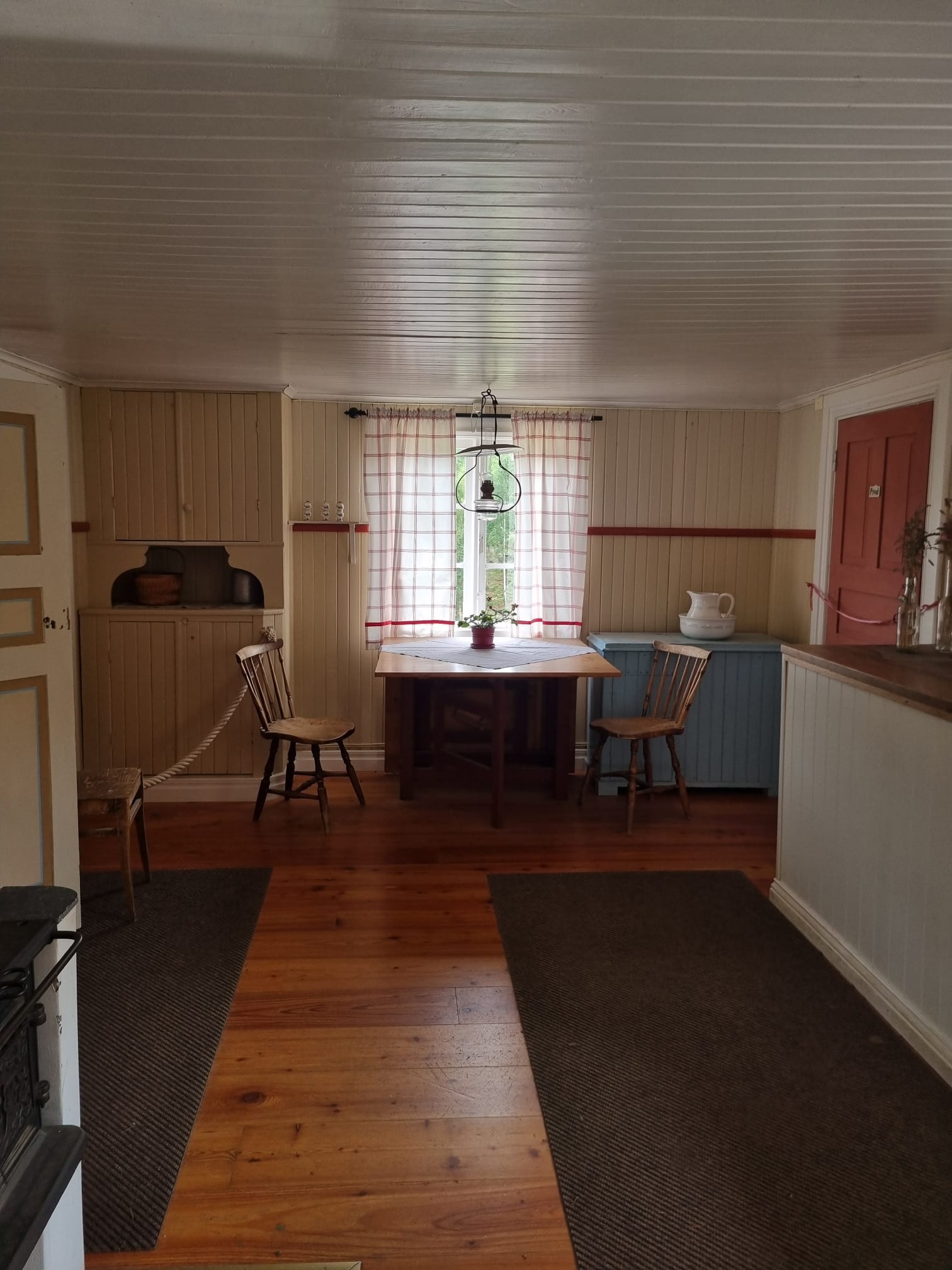
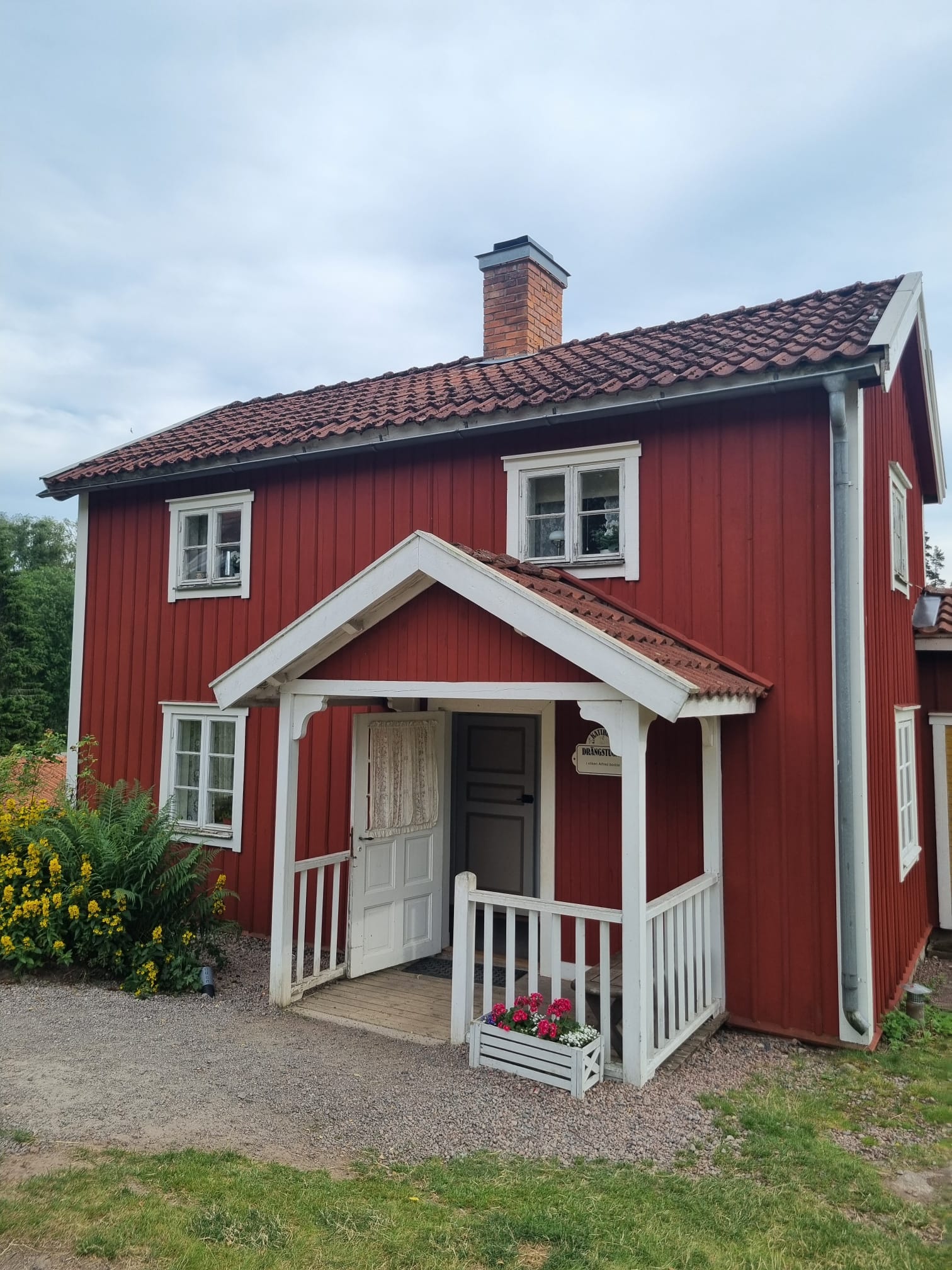
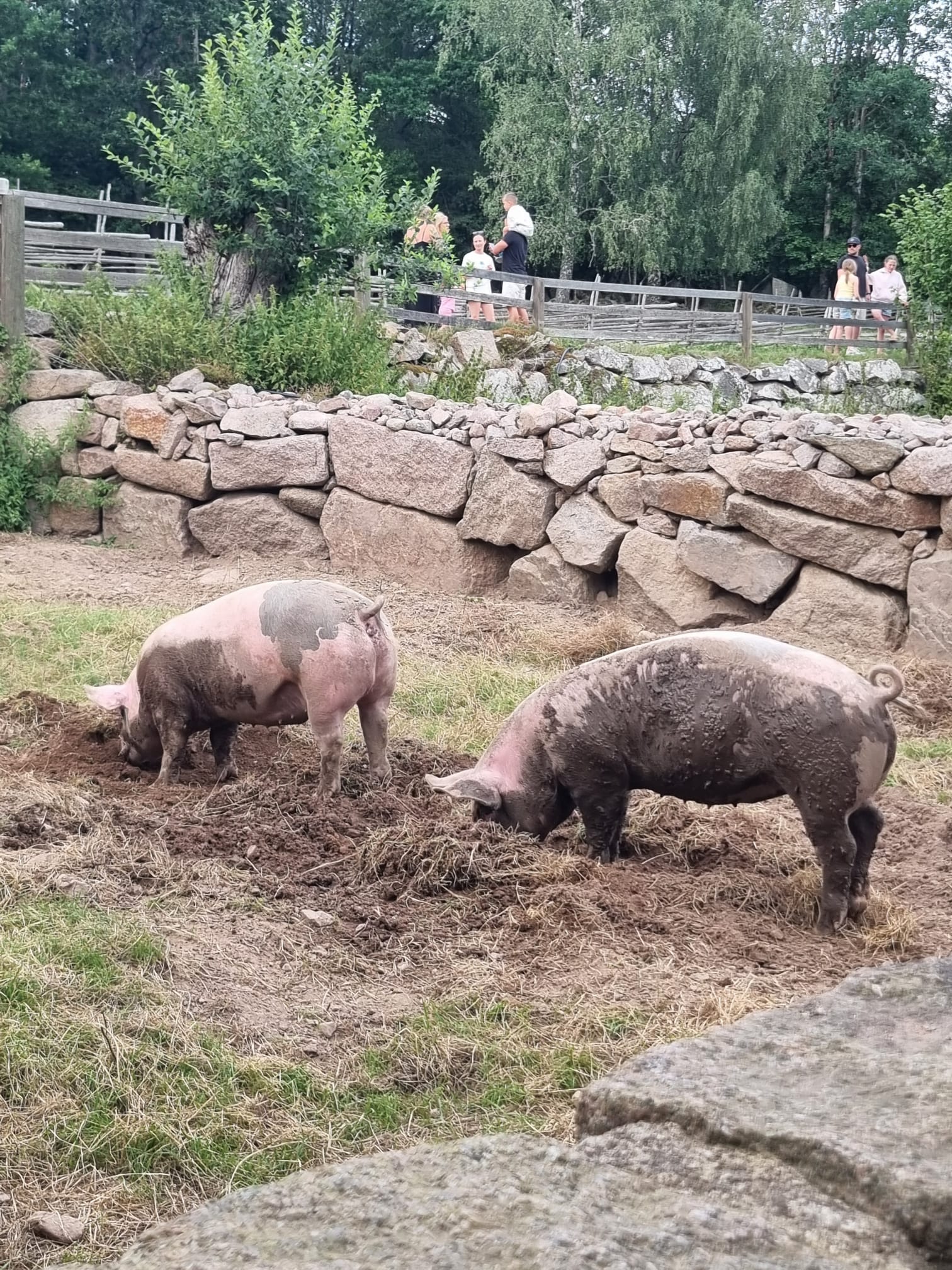
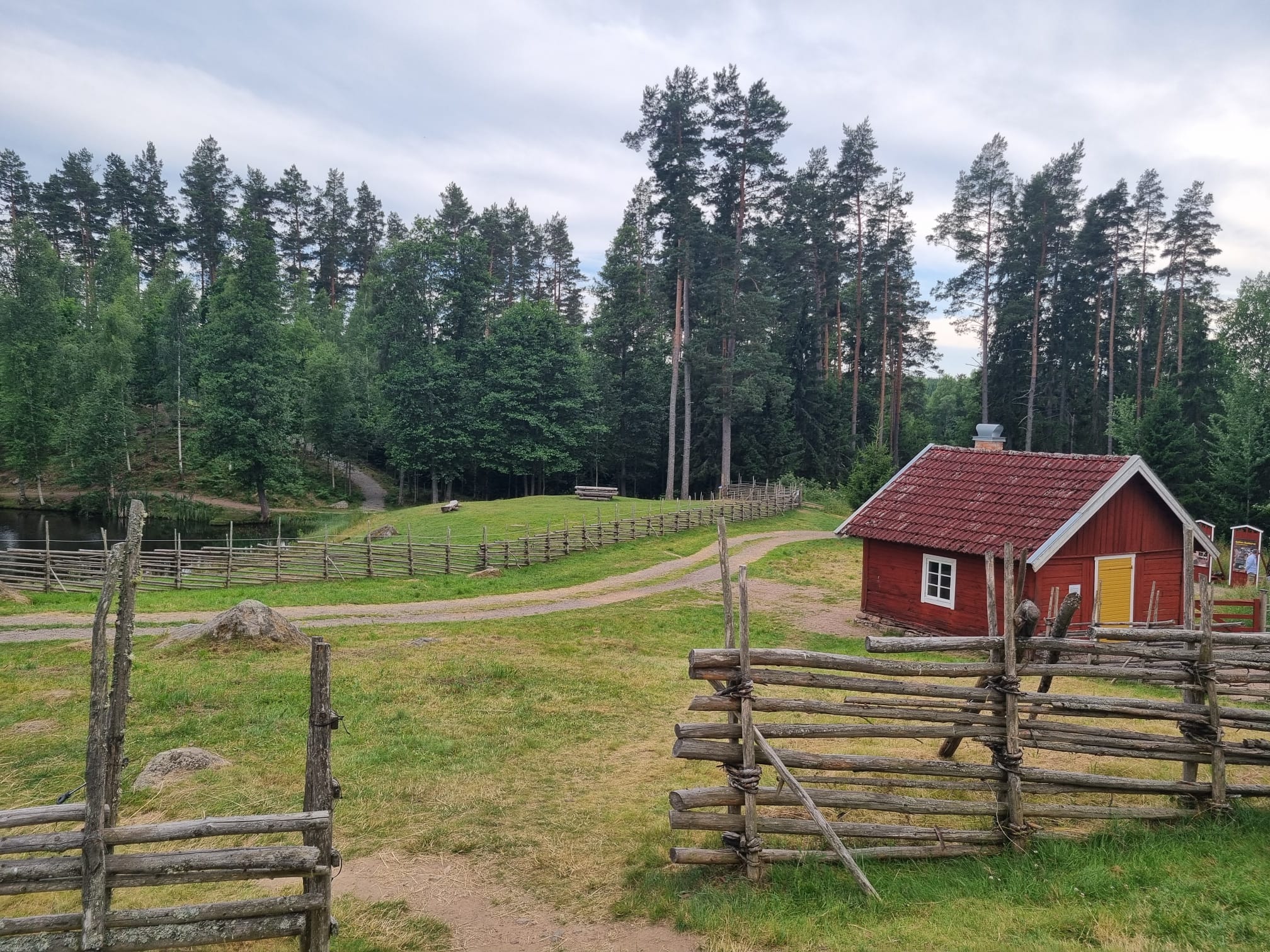
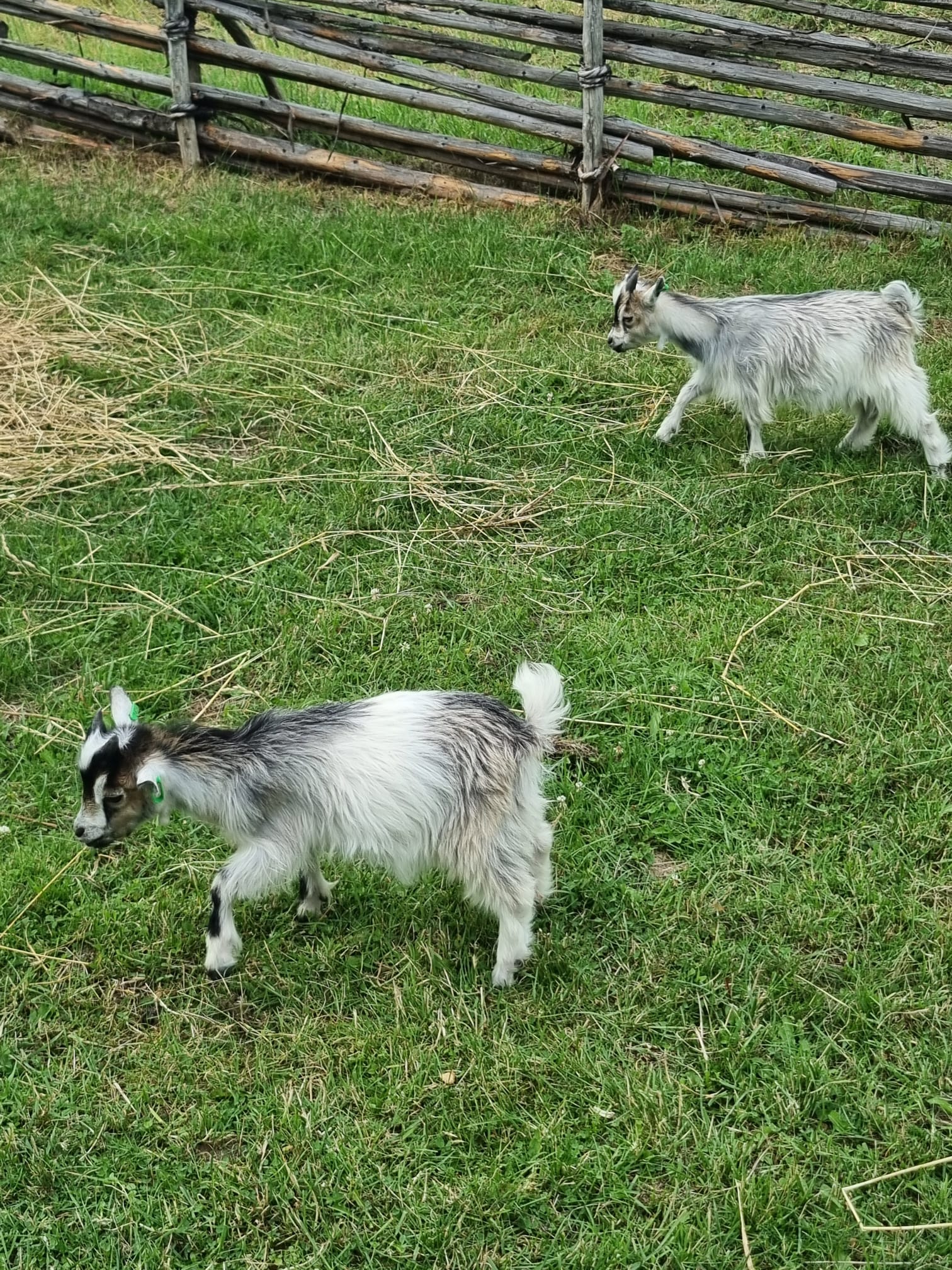
In the afternoon, we continued our Lindgren-themed adventure and drove to Katthult: the farm where Emil i Lönneberga (Michel aus Lönneberga) was filmed. The original buildings from the set are still standing, and it was easy to picture little Emil climbing into the woodshed after one of his pranks. As evening approached, we found a quiet spot by a lake to park our van for the night. The water mirrored the sky in shades of gold and pink as the sun began to set.

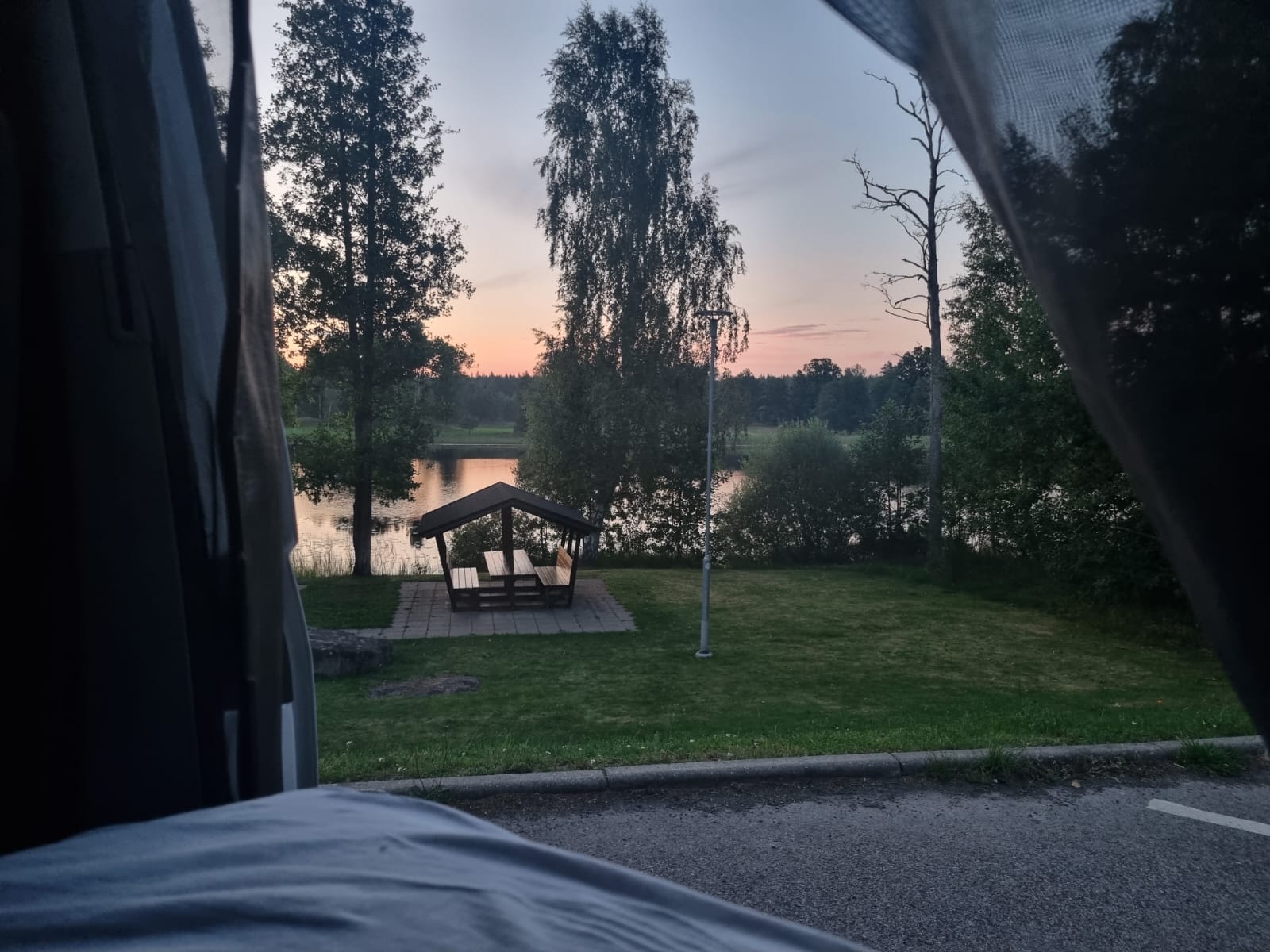
Day 20 – Kåseberga
Our day started once again with a longer drive. This time around three hours on the road. The weather wasn’t exactly in our favor: a light, steady rain accompanied us for most of the journey, casting a greyish tint over the passing countryside. Despite the drizzle, our spirits remained high as we set out for the small coastal village of Kåseberga, nestled in the province of Skåne län in southern Sweden.
Along the way, we took a quick lunch break at Chop Chop Asian Express. The food was alright, though not exactly my favorite. Still, it was warm, filling, and gave us a chance to stretch our legs before continuing on.
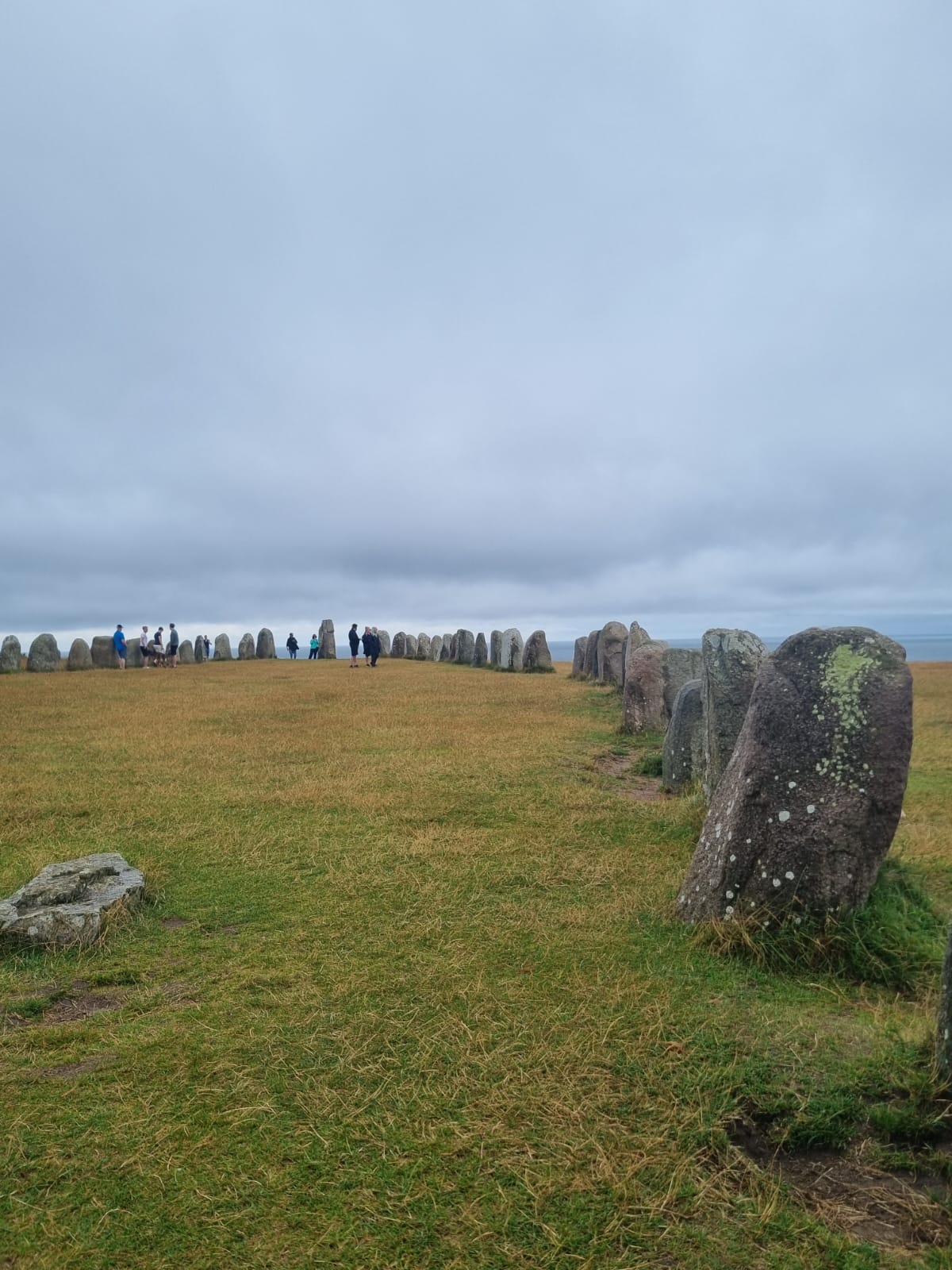
Our main destination for the day was the Ales Stenar or “Ale’s Stones”, an ancient and mysterious site perched dramatically on a cliff overlooking the Baltic Sea. This massive stone monument, shaped like a Viking ship, stretches 67 meters in length and 19 meters wide, making it one of the largest and best-preserved stone ship settings in all of Scandinavia. It’s believed to date back to around 600 AD, though its exact origins and purpose remain a subject of debate.
Despite the wind picking up and the light rain, we walked up the grassy hill toward the monument. The landscape had a raw, untamed beauty: green rolling cliffs, the crashing waves below, and the ancient stones silhouetted against a moody sky.
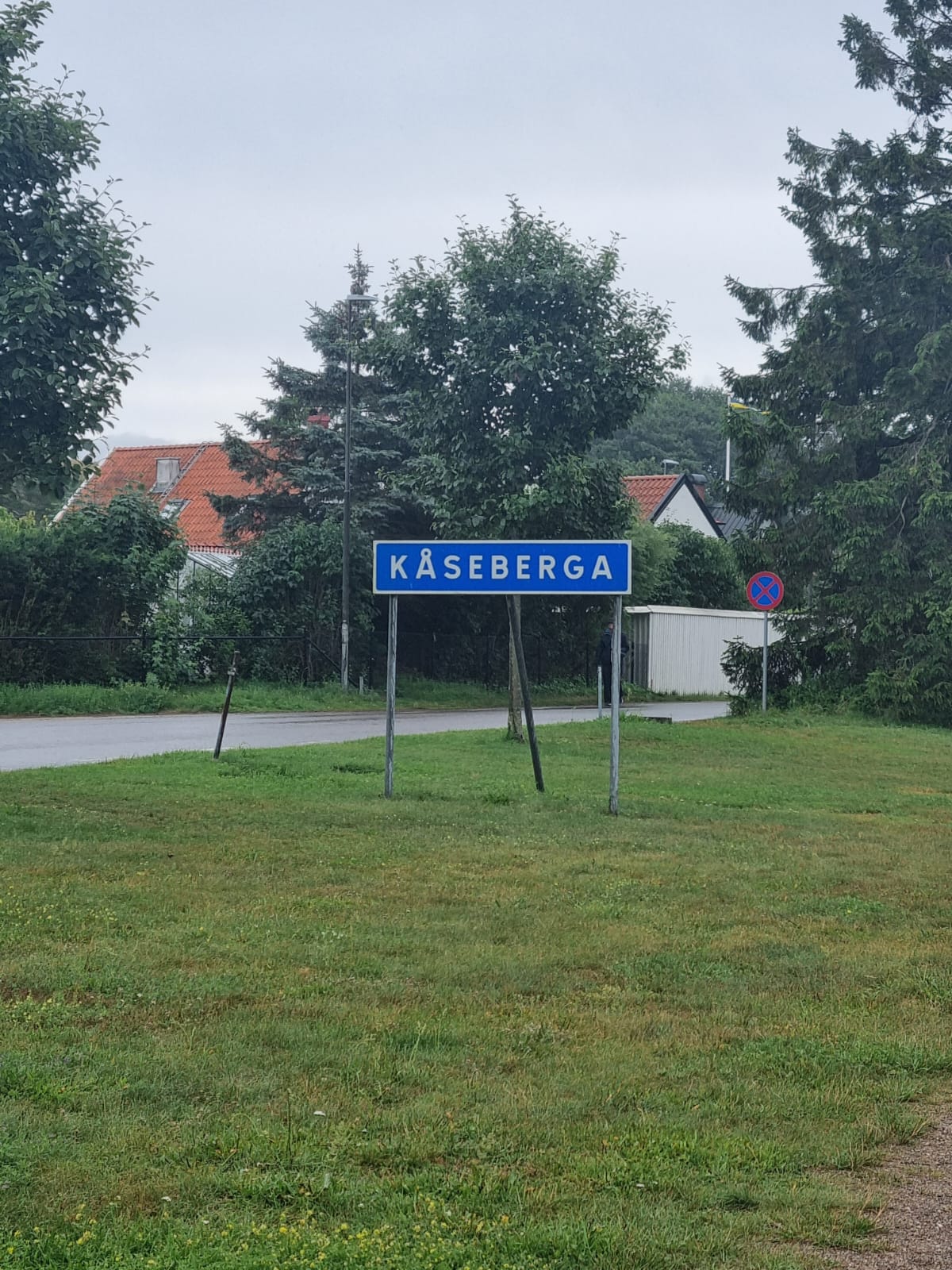
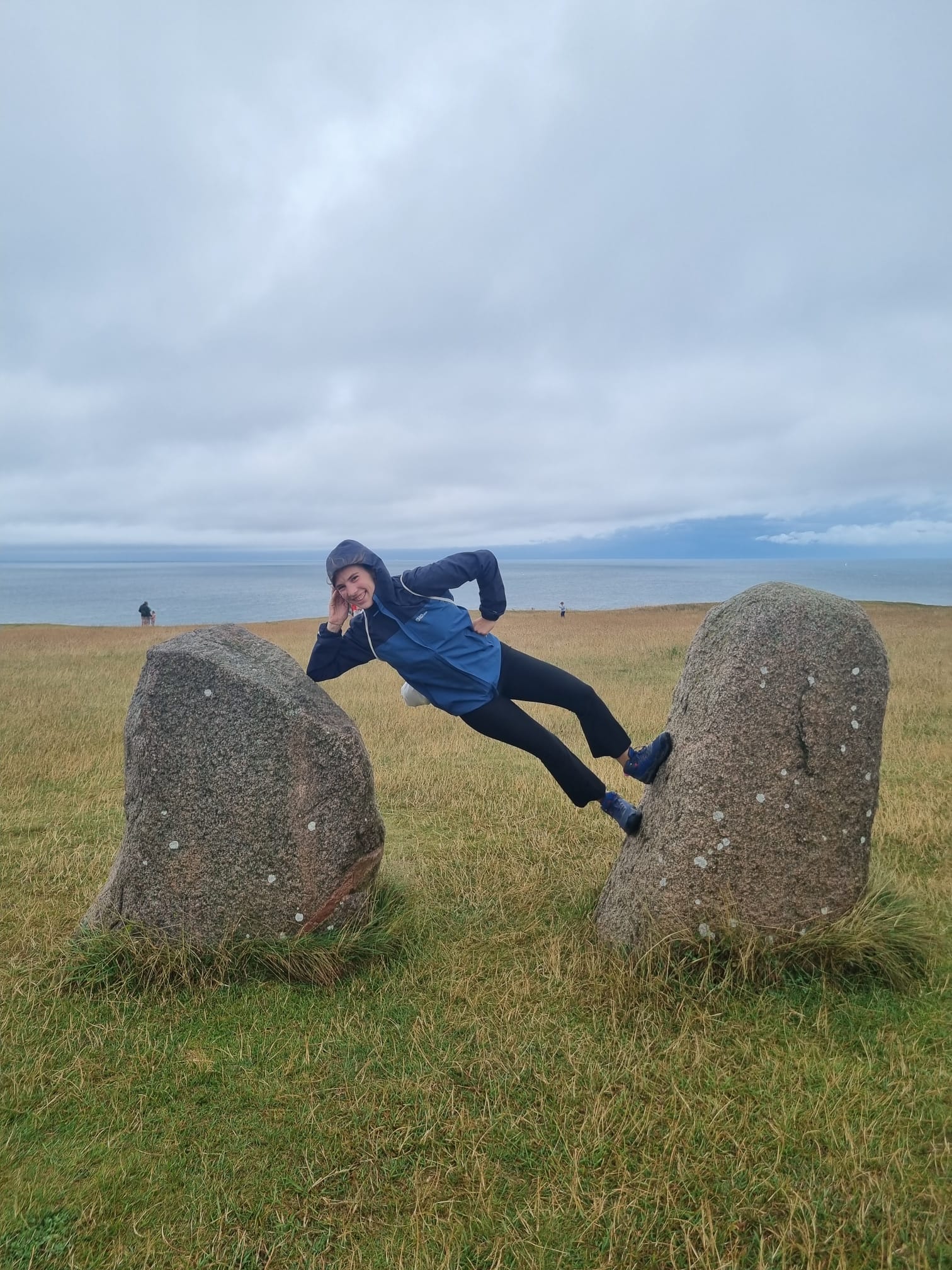
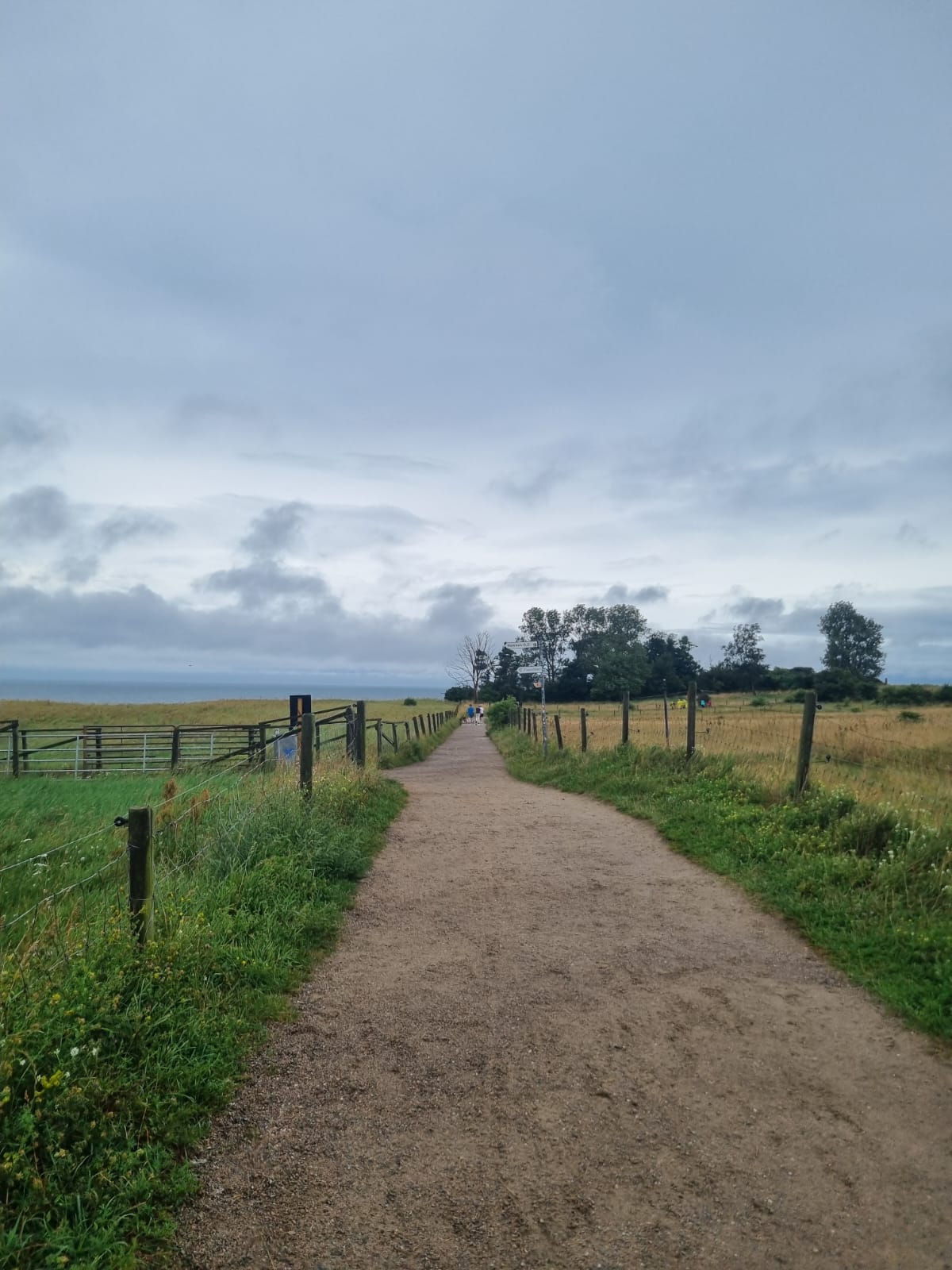
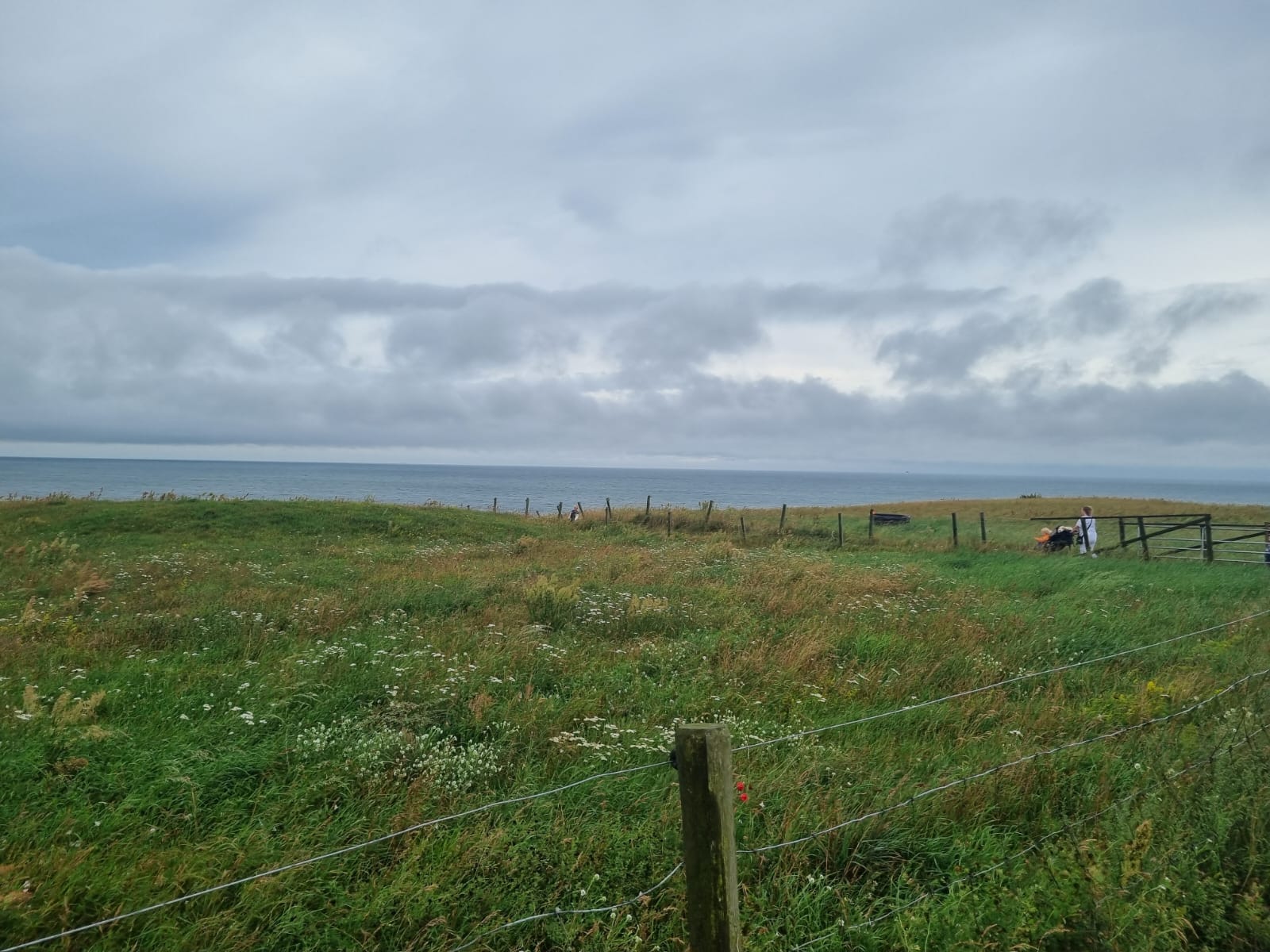
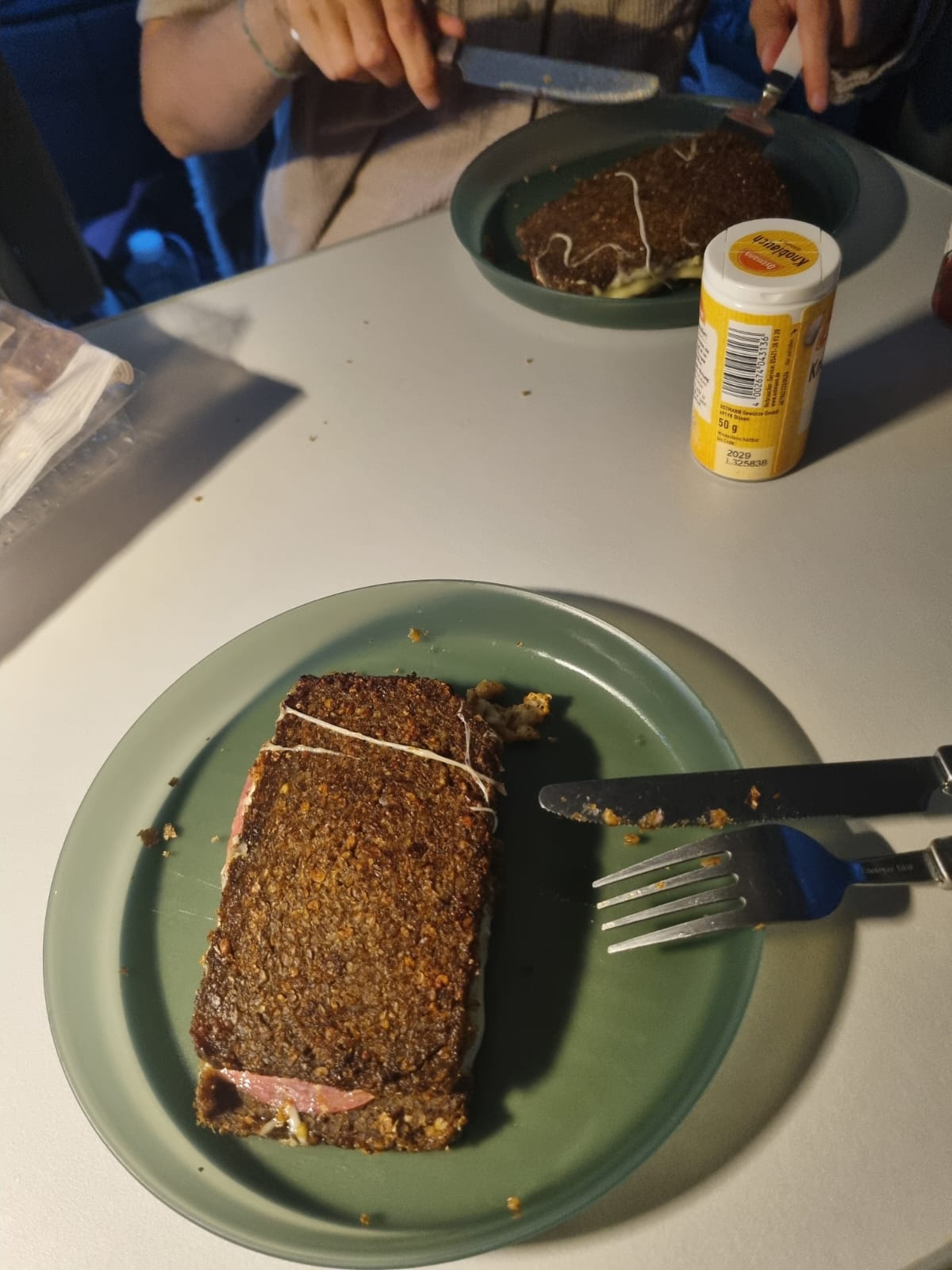
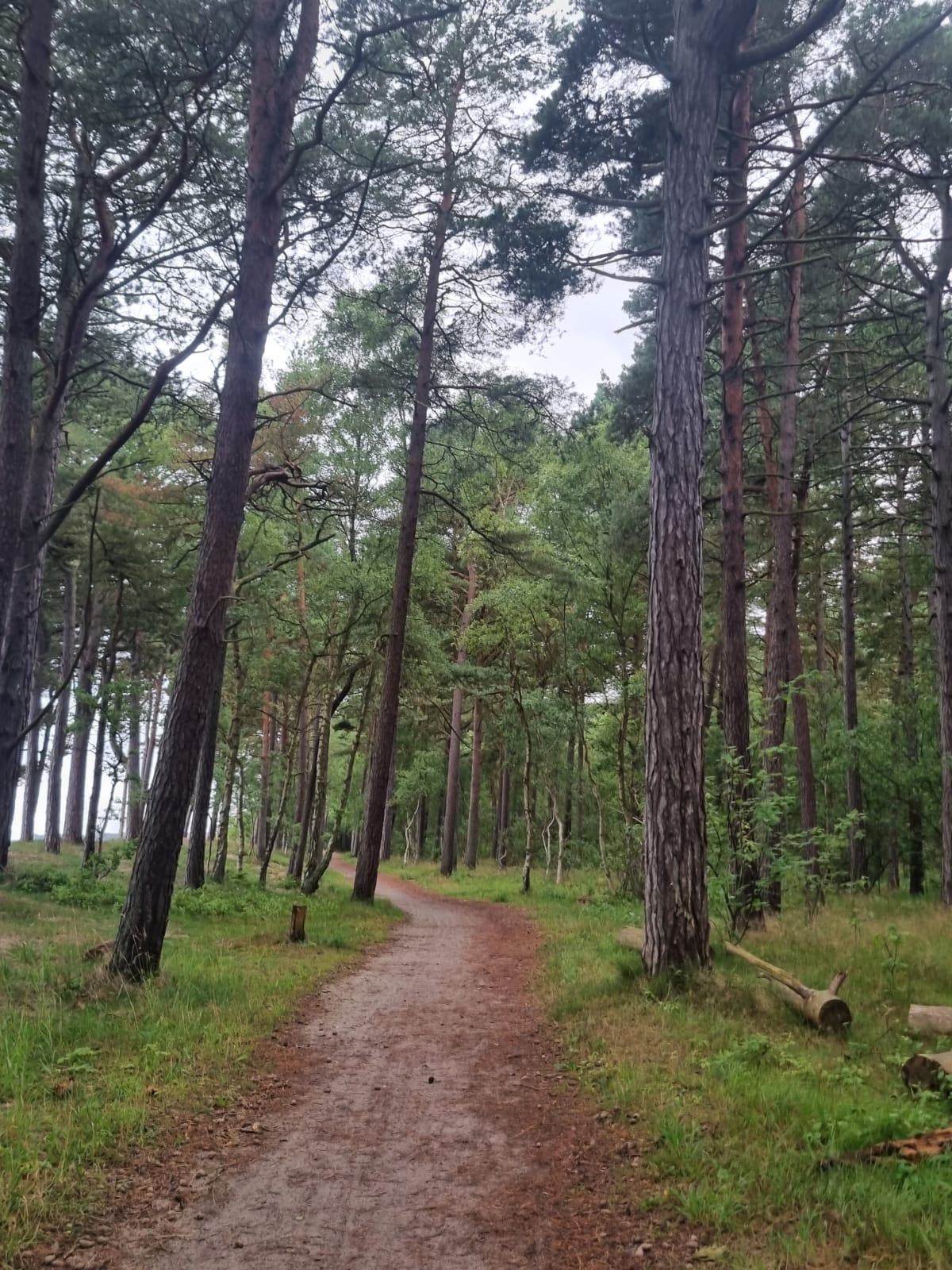
After soaking in the view, we headed back to the car and drove a bit further along the coast until we found a peaceful spot tucked between the forest and the sea. There, surrounded by nature, we settled in for a simple but cozy dinner. Tomorrow, the journey continues toward Ystad.
Day 21 – Ystad
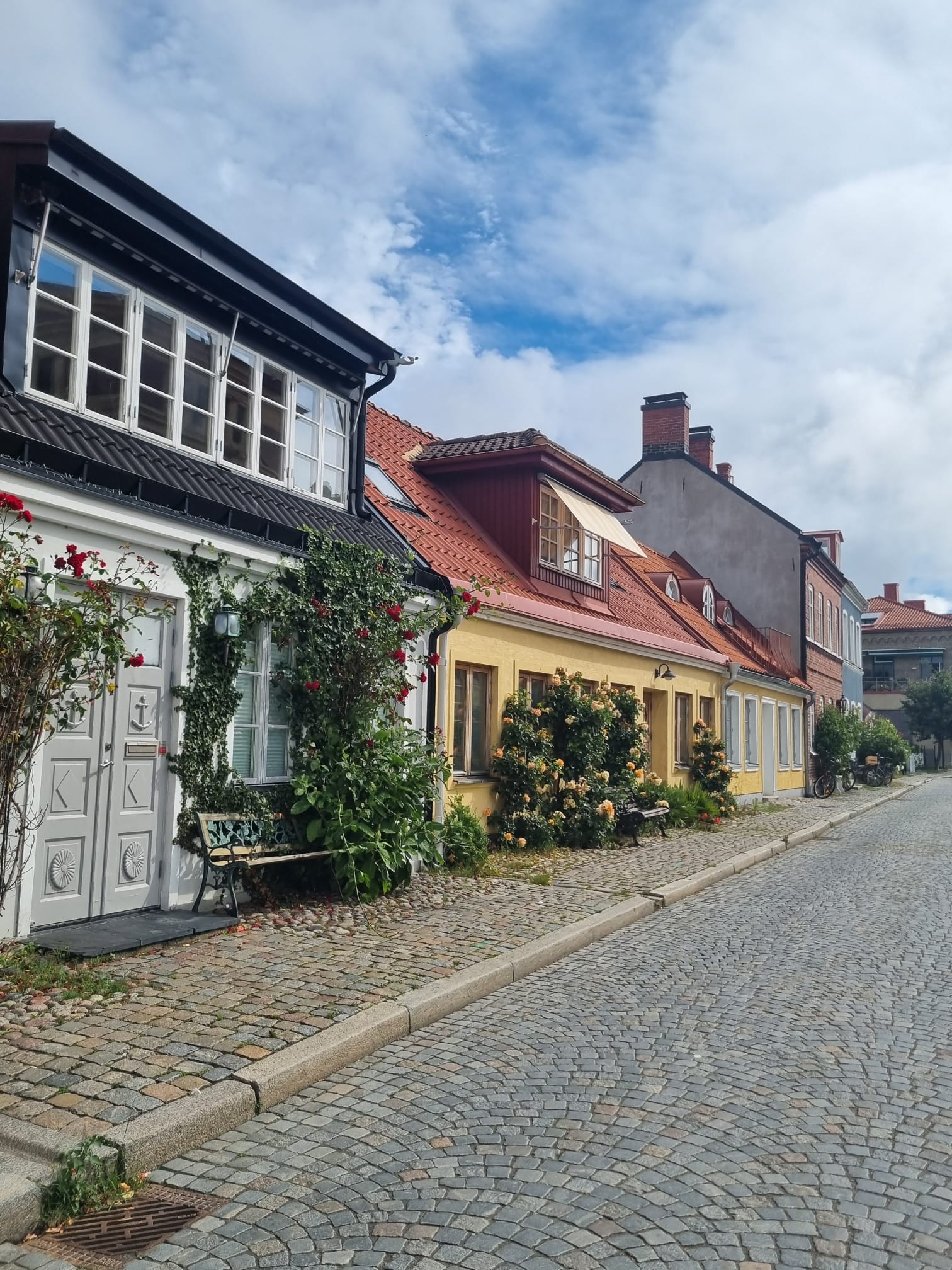
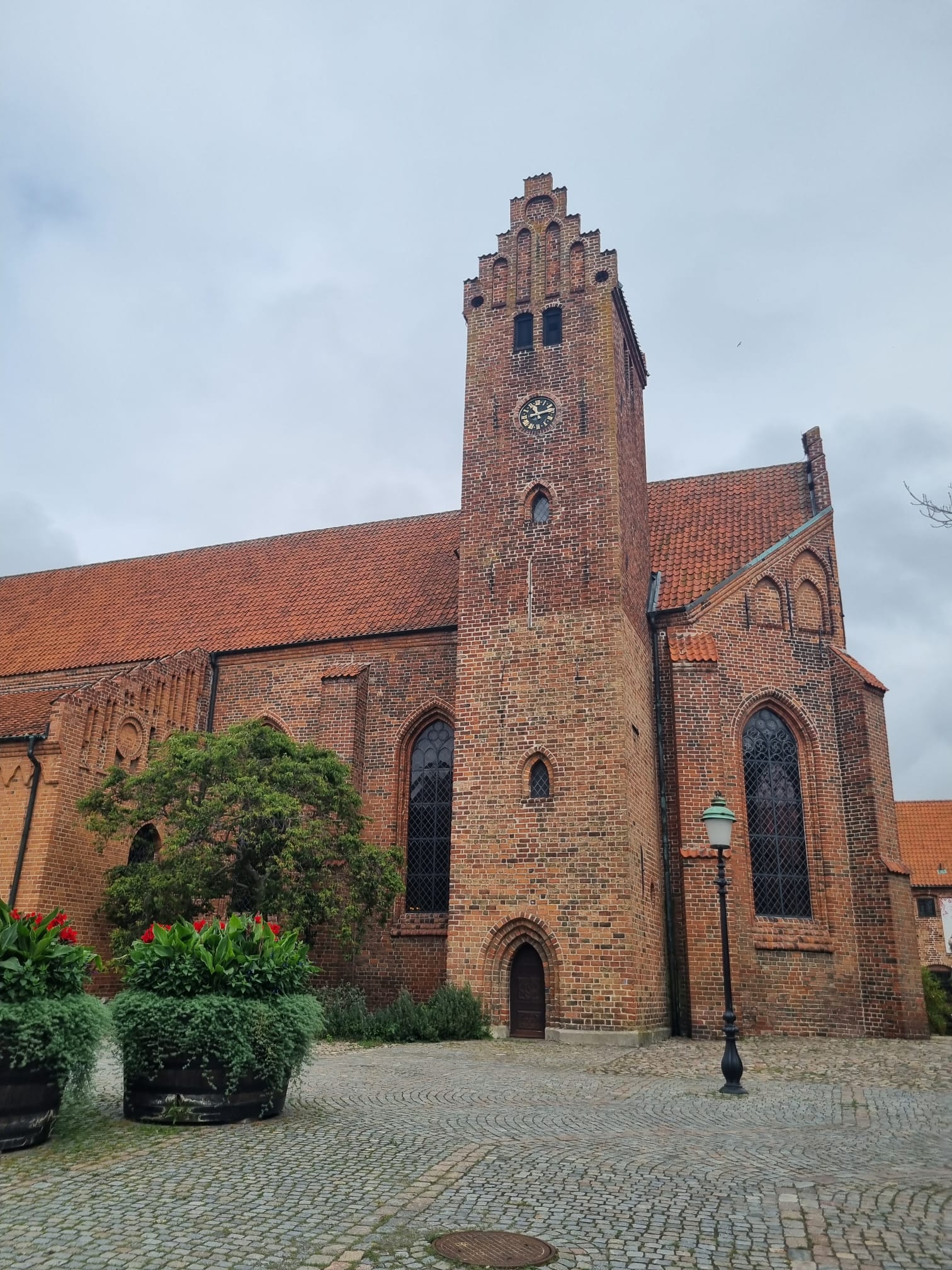
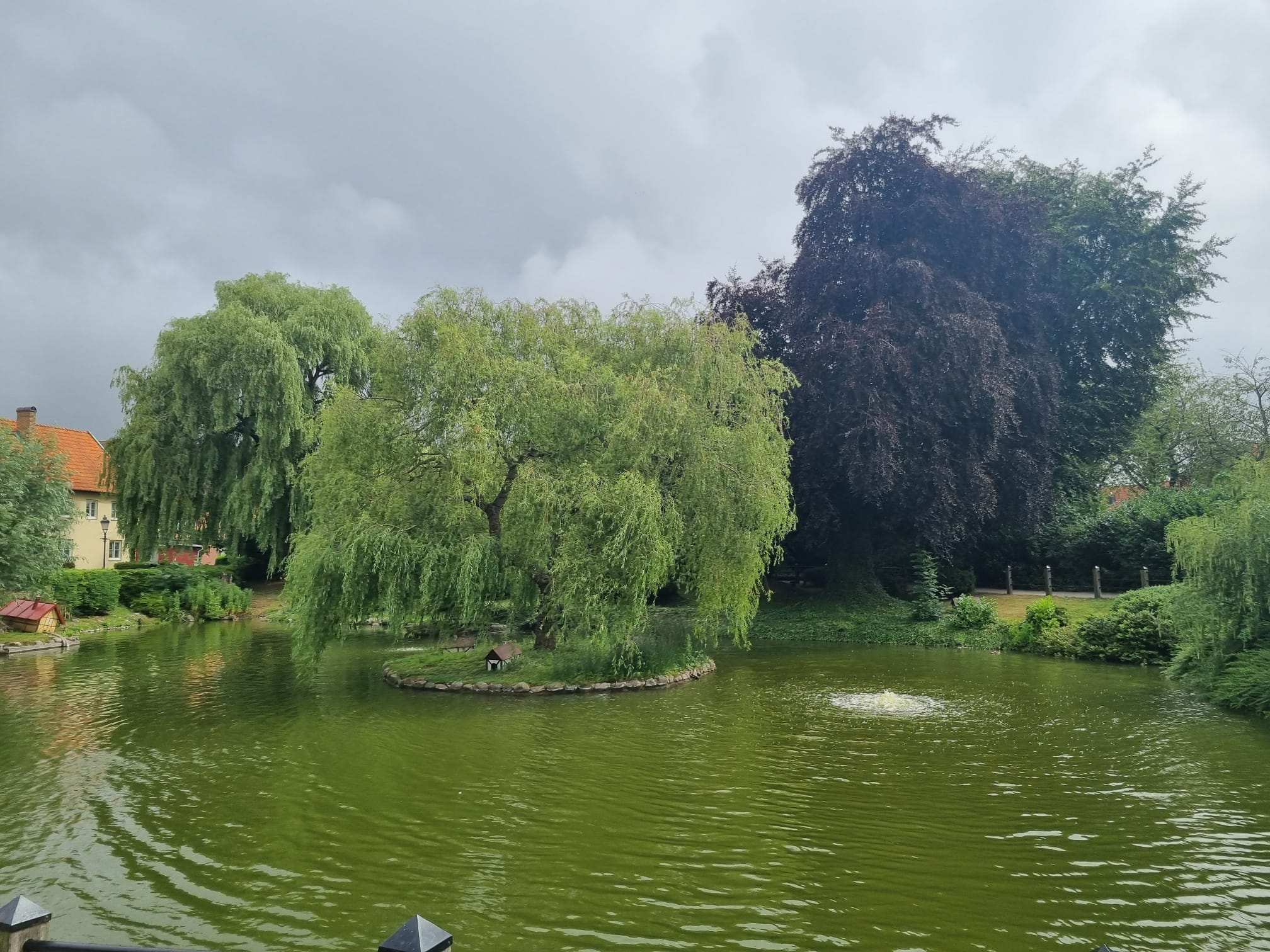
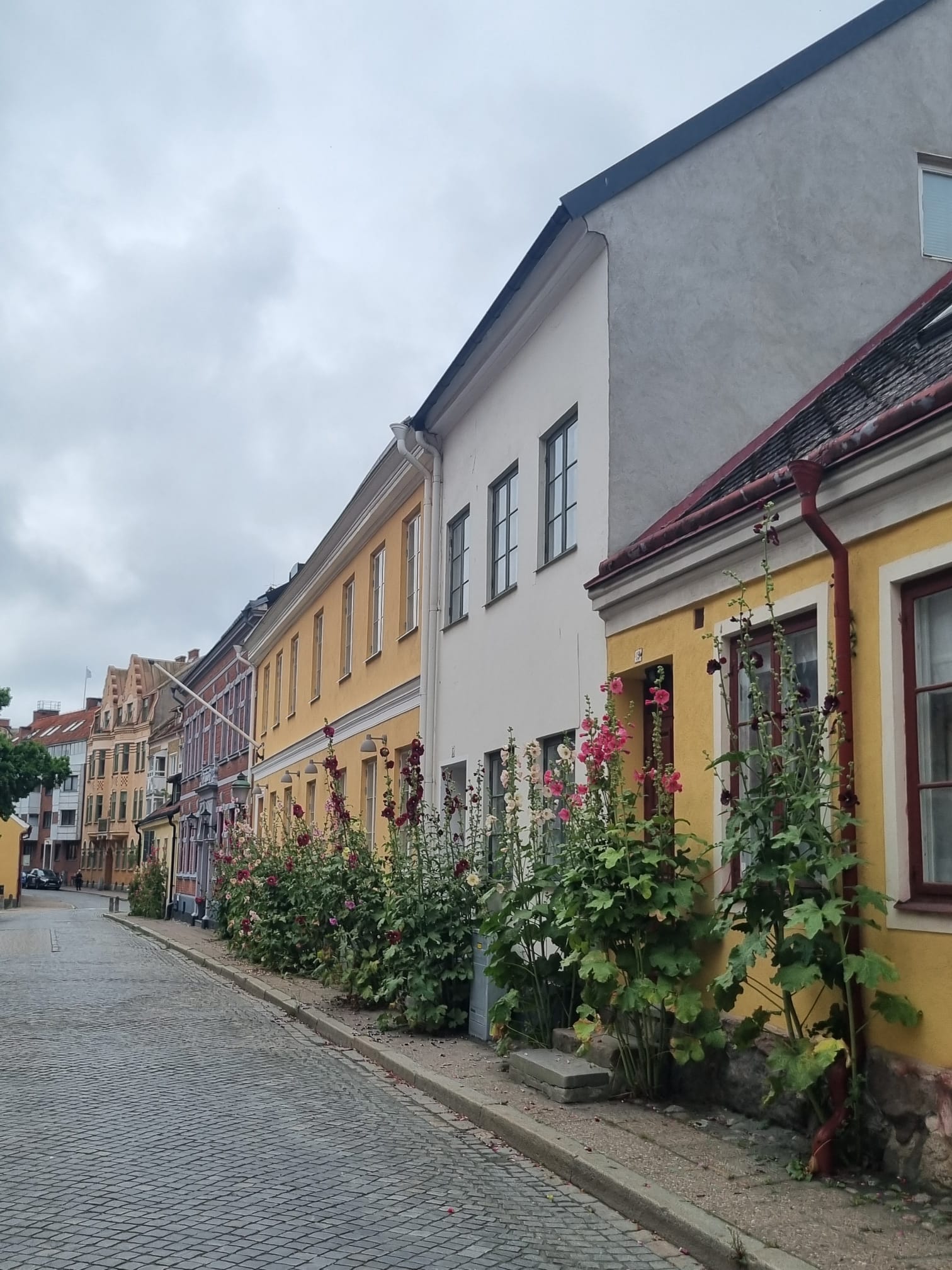
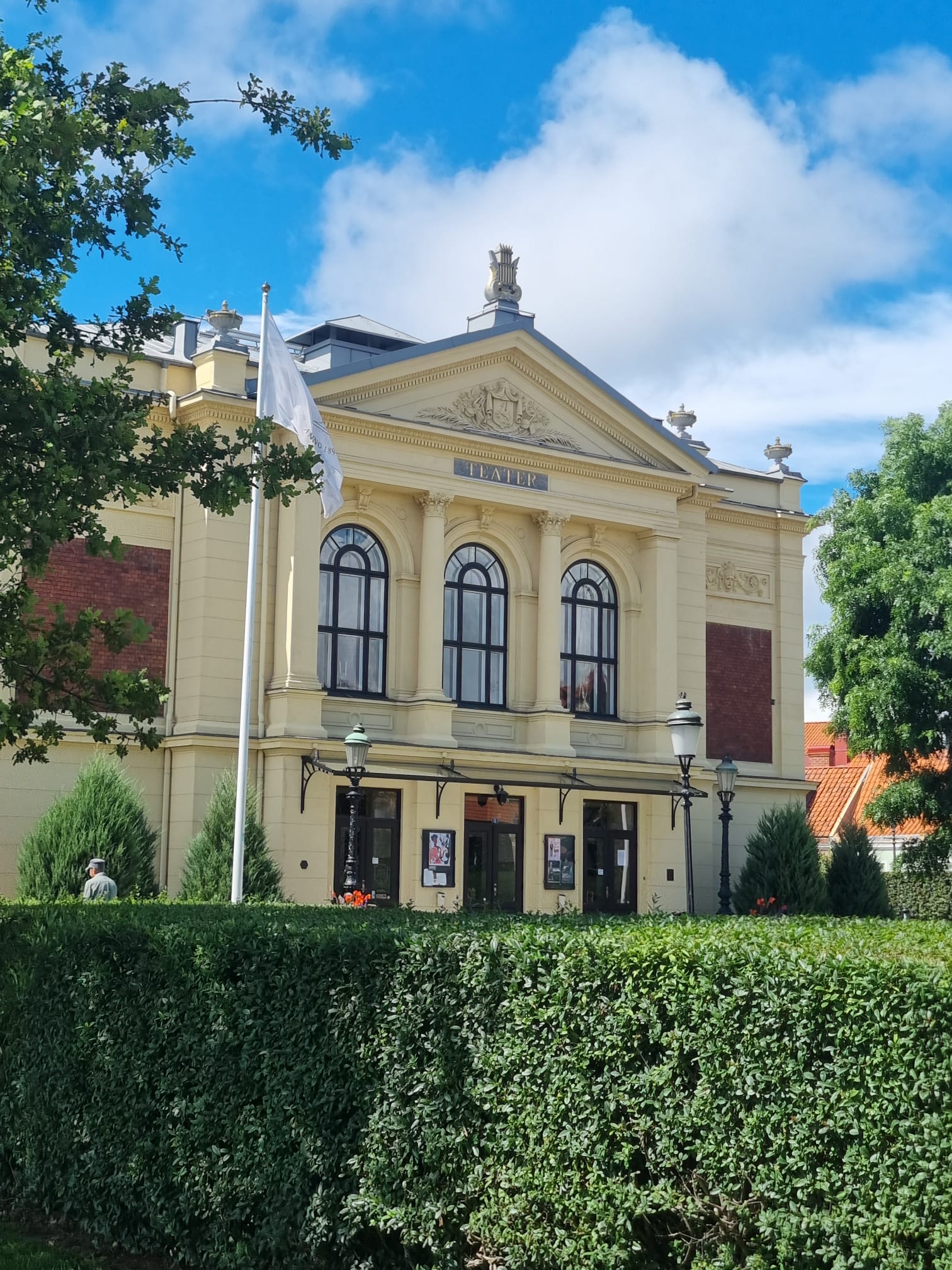
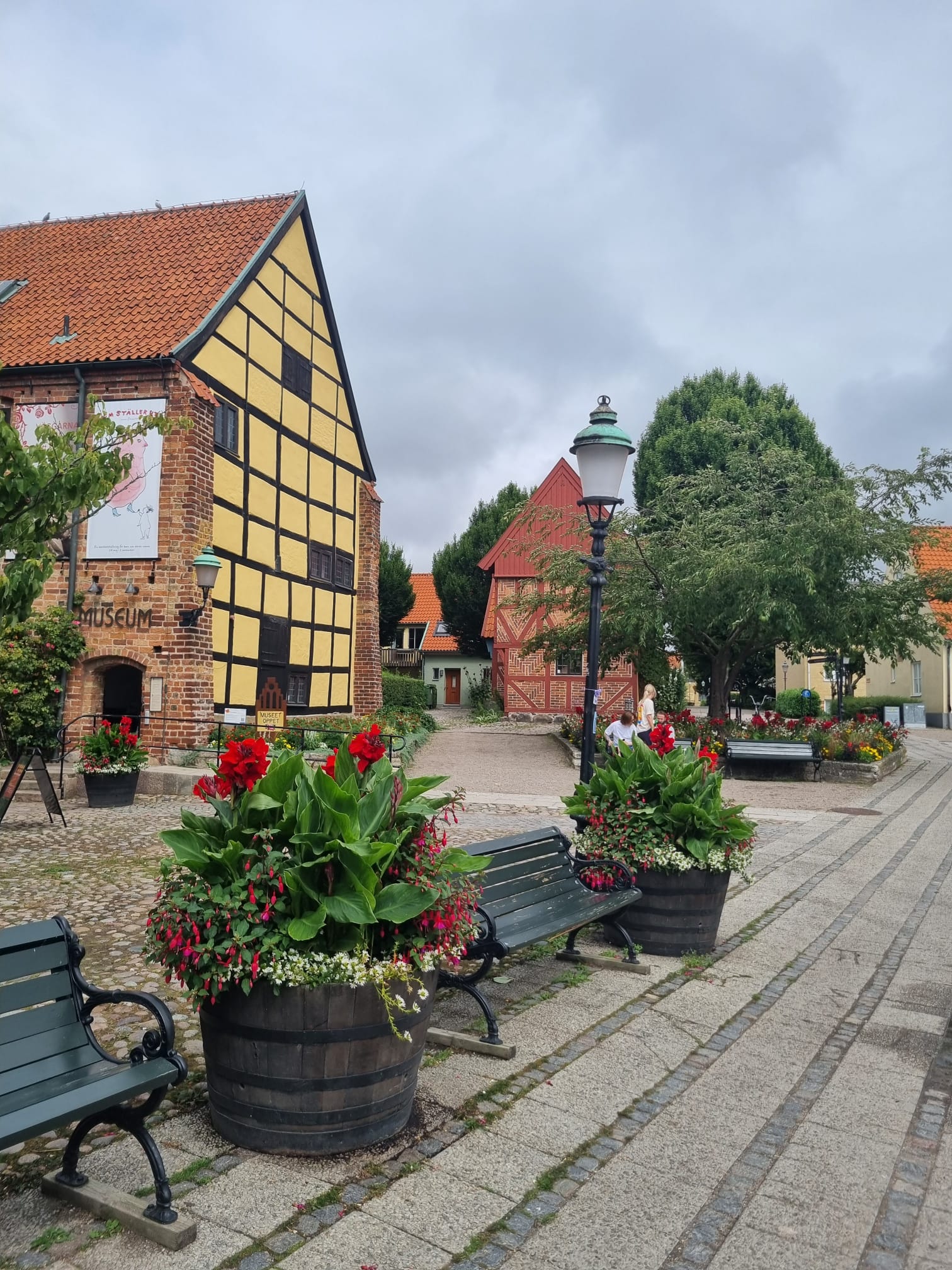
The next morning, we made our way to Ystad, a charming town on Sweden’s southern coast, known for its cobblestone streets and half-timbered houses. We strolled through the narrow lanes of the old town. One of the highlights was a walk past Ystad’s medieval monastery, a well-preserved brick structure dating back to the 13th century. Though we didn’t go inside, its red-brick walls and quiet courtyard gave off a peaceful vibe that made us pause for a moment.
We also went to a cozy little café in the heart of Ystad’s town center, where we warmed up with freshly brewed tea and some Swedish waffles. The place was full of locals chatting softly and gentle music playing in the background. Unfortunately, the waffles weren’t the best though.
After a few hours, it was time to hit the road again. This time toward Copenhagen, where we planned to spend the entire next day. As the city skyline slowly began to appear in the distance, we decided to stop about an hour short of the city to rest for the night.
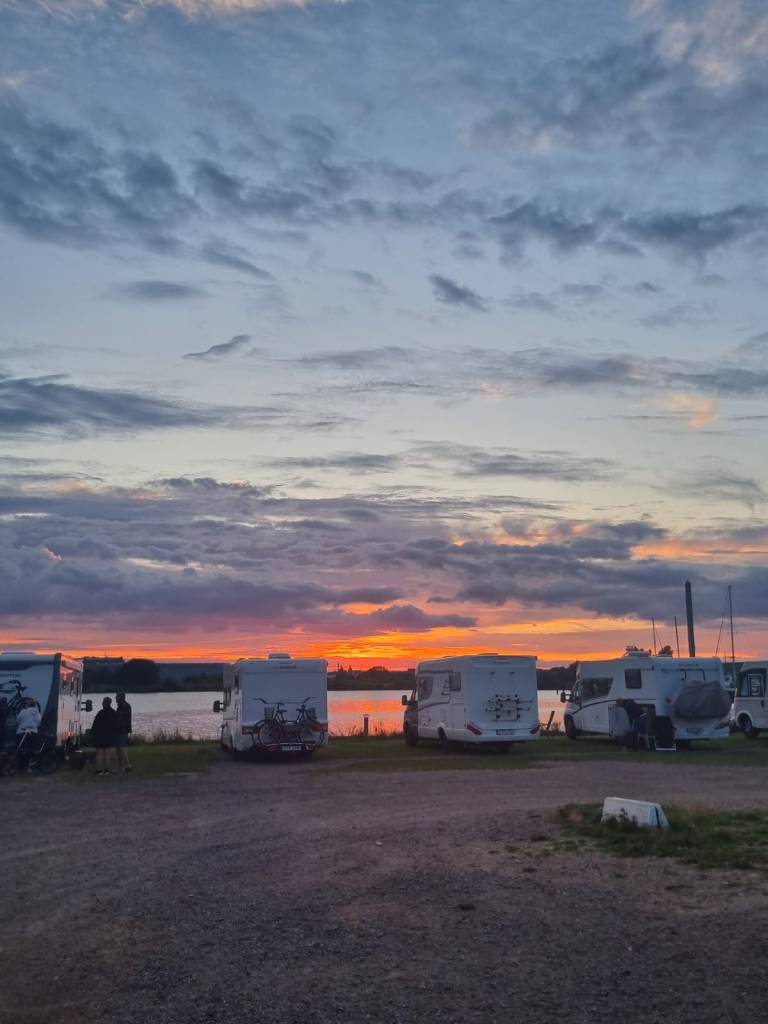
We found a peaceful campground near the Lundäkrahamnen harbor, tucked between the water and a quiet patch of forest. We set up for the night, enjoyed our shower and dinner, ready for our next adventure across the border.
Day 22 – Copenhagen
Today marked the final day of our journey together at least for now. Tomorrow, I’ll be flying back to Vienna from Copenhagen, while my friend continues her trip for one more day to Germany. But we still had one last day to spend together, and we were determined to make the most of it: in the heart of Copenhagen.
We’d both been to the city before, so we decided to keep things relaxed. Our first stop was Nyhavn, the colorful and iconic harbor district. But the charm was somewhat dimmed by the crowds. It was packed with tourists and little room to breathe. So we decided to skip the sightseeing hustle and instead grabbed some lunch nearby, choosing a quieter spot where we could slow down.
Afterward, we wandered through the old town, popping into a few local and souvenir shops. The streets buzzed with life, but we moved at our own pace. Eventually, we found our way back to the water, where the noise of the city faded and the rhythm of the waves took over. We sat by the water and talked and watched the boats drift by.
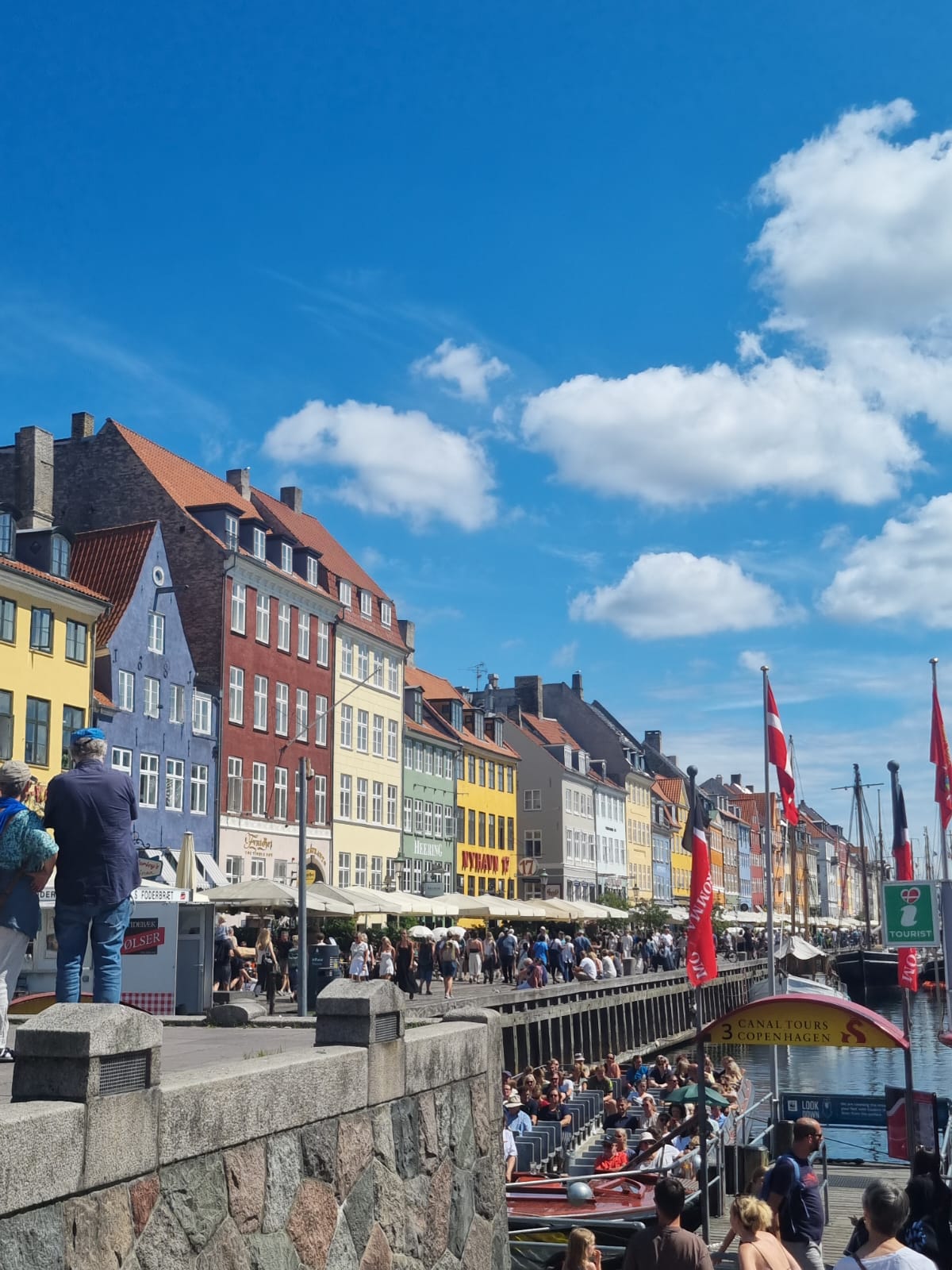
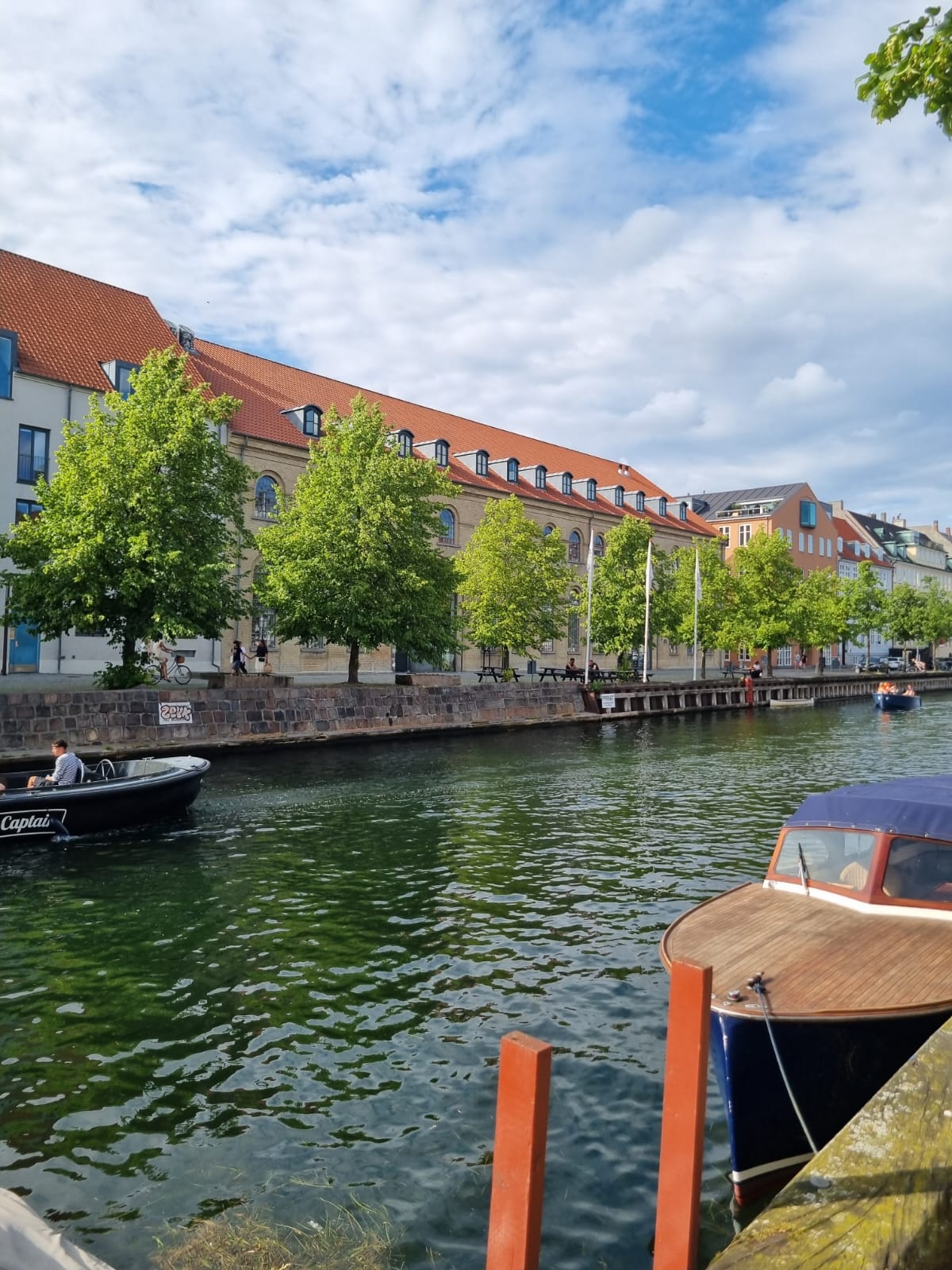
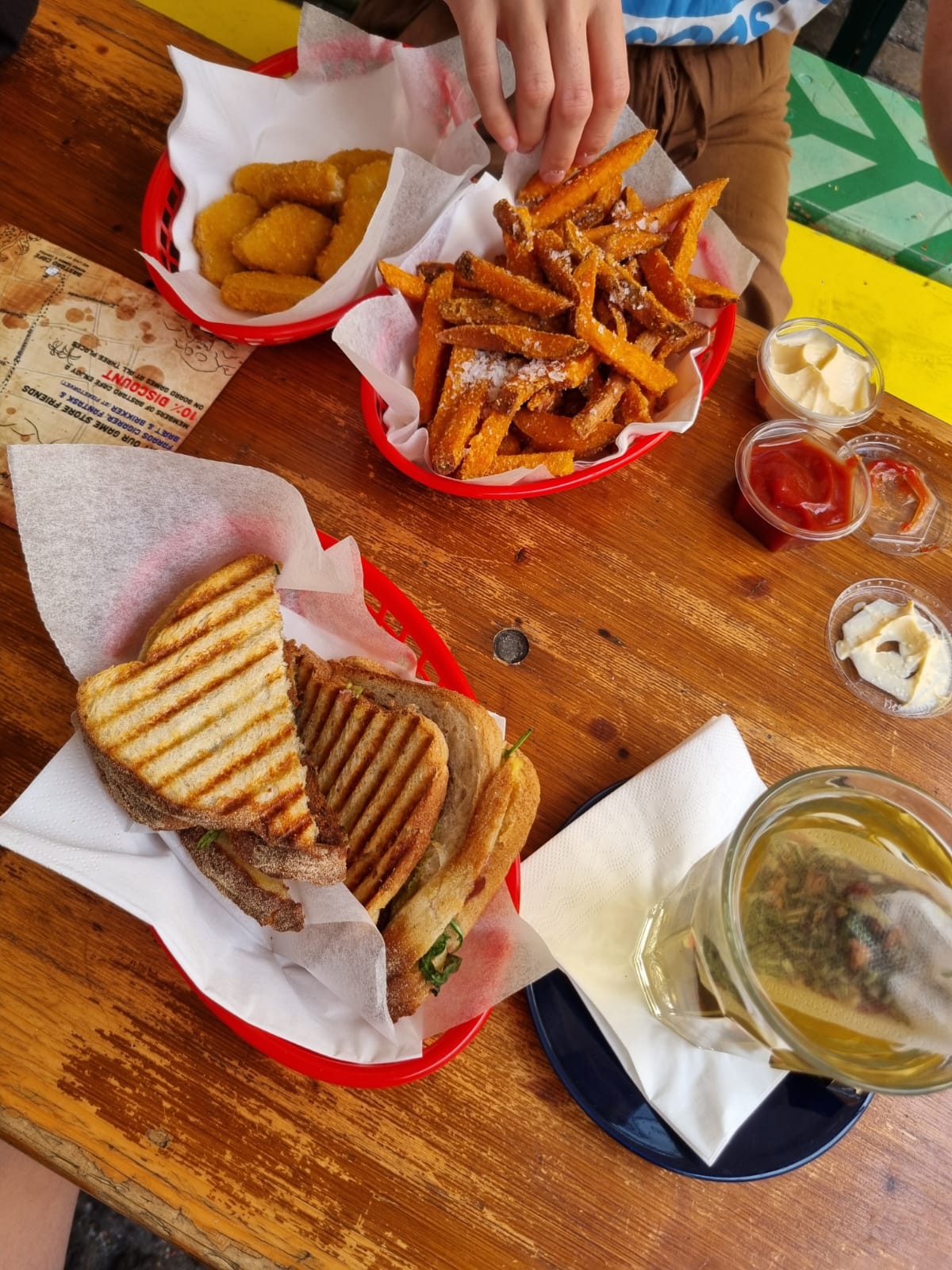
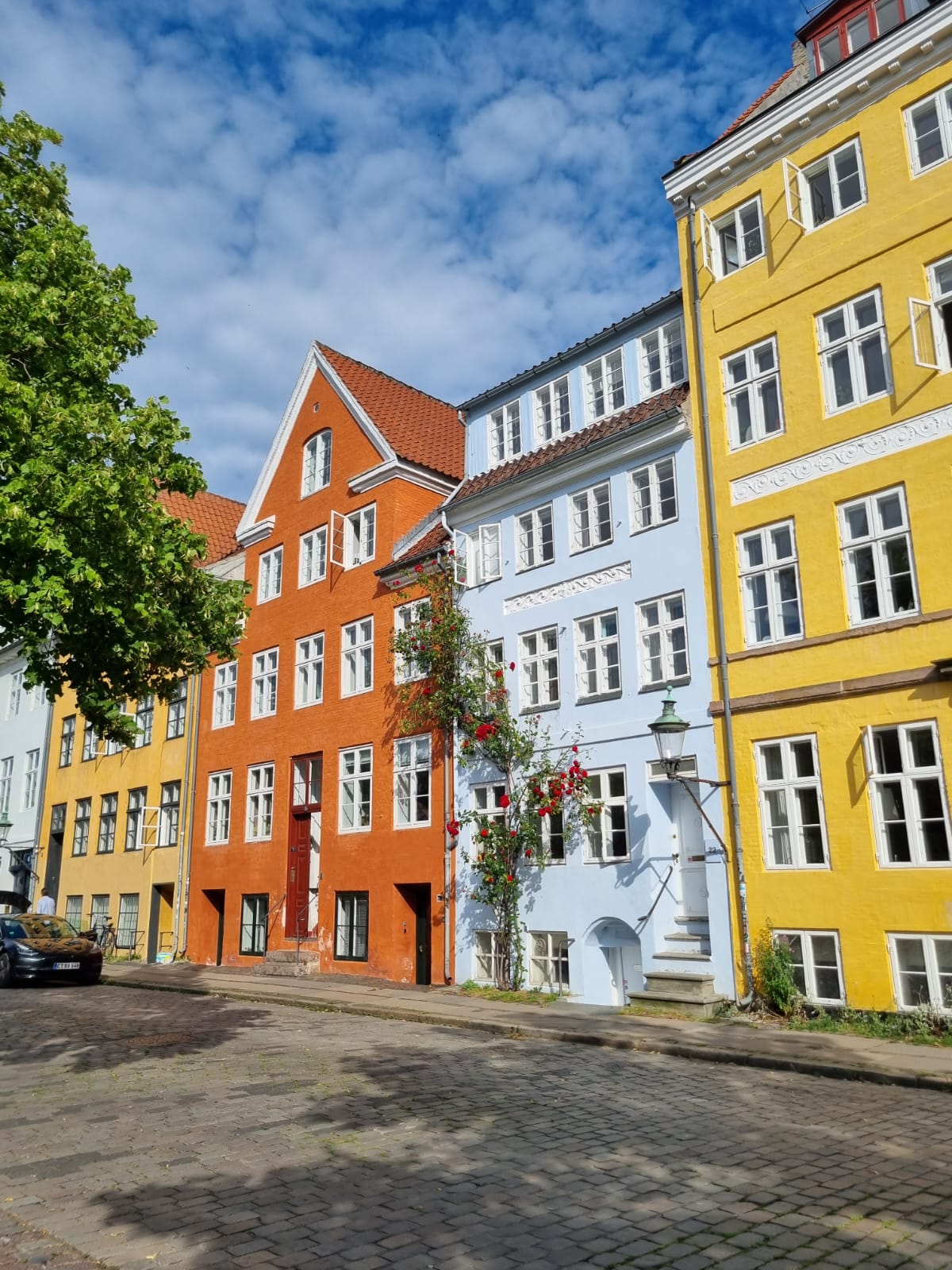
As evening fell, we left the city behind and drove out toward the Kongelundsfortet area, just outside Copenhagen. There, we found a peaceful spot to spend the night, surrounded by sea, forest, and a small herd of horses grazing nearby. It could’ve been the perfect end to the day, if not for the deafening sound of planes flying overhead, reminding us just how close we were to the airport and how little time was left. And so, my last night came to a close under a sky streaked with flight paths. The next morning, my friend drove me to the airport. A quiet goodbye, a long hug and then I was off, headed back home.
Booking Checklist
Travel Insurance
I highly recommend getting travel medical insurance while you’re traveling. Hopefully, you’ll never need it, but it’s always better to be safe than sorry. SafetyWing offers two flexible plans tailored to your travel needs. Whether you’re a short-term adventurer or a long-term expat, you’ll have reliable coverage anywhere in the world.
SafetyWing is especially great for remote workers and digital nomads, offering continuous global coverage even if you’re hopping between countries. Of course, it’s also a solid option for frequent travelers or those constantly on the go. But if you’re only traveling occasionally or just for a short holiday now and then, there might be better-suited alternatives.
Accommodations
I usually rely on Booking.com for hotels and Airbnb for vacation rentals. They both have the largest selection and tend to offer the most reliable prices.
Data for your Trip
I use Saily for international cell data. They offer a variety of eSIM options depending on the country and their eSIMs are easy to install, activate instantly upon arrival, and let you skip buying local SIM cards or paying expensive roaming fees.
Tours and Experiences
I always use GetYourGuide to find the best tours and experiences in a city or country. It’s my go-to platform for planning activities, and I’ve always been very satisfied with the experiences I booked through them.
Rental Car
I’ve rented at least six cars and always booked them through check24 (ad), which I can highly recommend. The website offers good deals, the insurance is quite cheap and provides good coverage, and the customer service is very efficient and accommodating. However, Check24 currently only offers its website in German. So it’s mandatory to speak the language.




 Michelle Cacija
Leave a reply to Anonymous Cancel reply